
My dear travelers and lovers of unusual journeys, welcome to the last travel post in my series of travelogues about Venezuela on the Mr.M blog. Before Mérida, I took you to the waterfalls of Canaima National Park, to the colonial valleys of San Mateo and Santa Teresa and to the coral lagoons of Los Roques. Today, we finish the journey high in the Venezuelan Andes.
At the very beginning, I would like to thank the Ministry of Tourism of the Bolivarian Republic of Venezuela (MINTUR). My thanks also go to all the other partners who supported my adventure in Venezuela. With their help, I created travelogues and fashion stories from this exotic country, and I hope you will enjoy this final chapter.
There are places in the world that change the way you see things. You do not forget them, even after a lot of time has passed. For me, Mérida is definitely one of those places. It is a perfect combination of natural beauty, adventurous spirit and cultural richness, and it leaves no one indifferent.
WHY MÉRIDA?
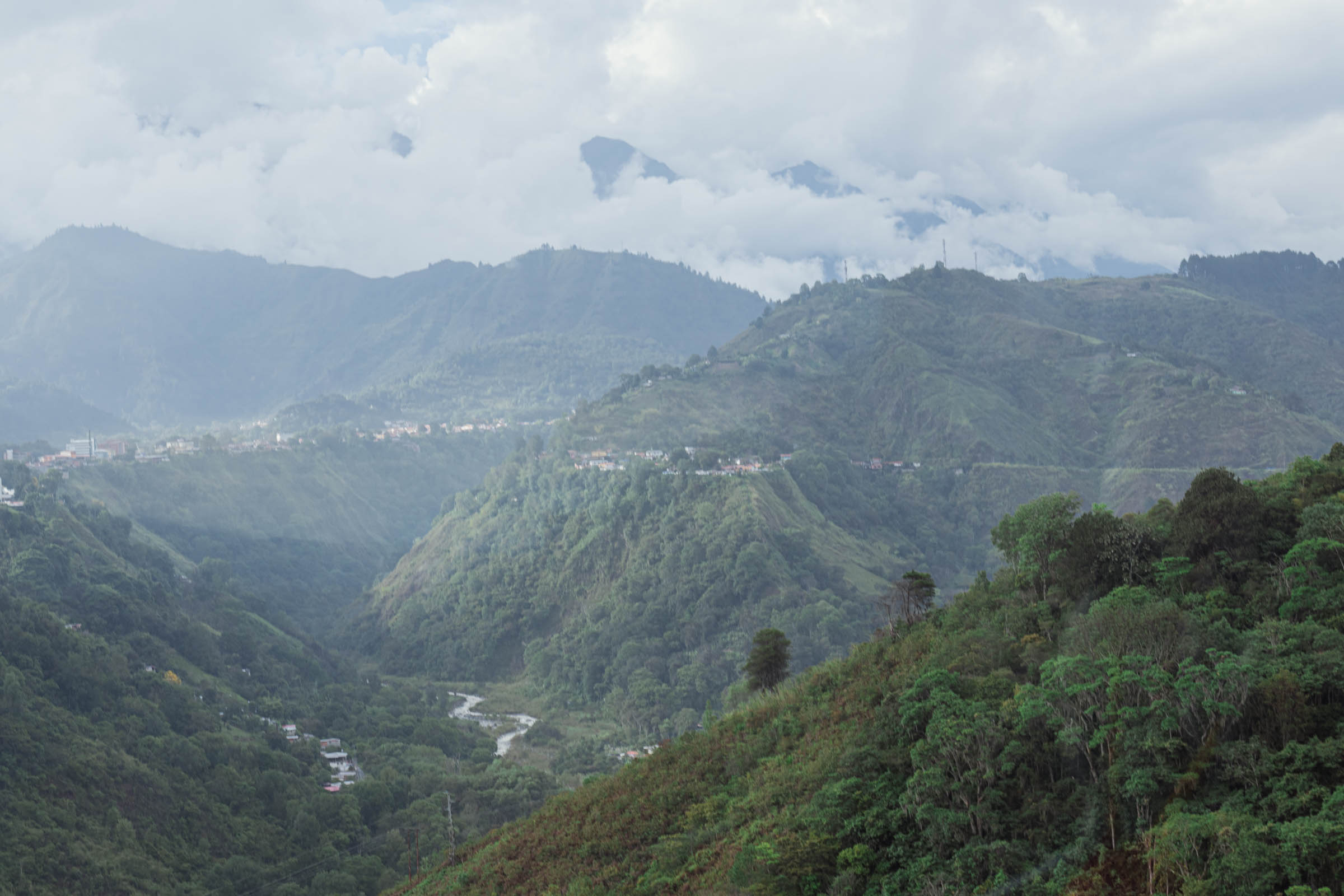
You know that feeling when you arrive somewhere and immediately realize you are in the right place? That is exactly how I felt when I first stepped into Mérida. Surrounded by the high peaks of the Andes and full of student energy, the city has something magical about it.
Mérida is not a typical South American destination. Forget about the heat and the jungle, because here cool mountain air greets you. The historic center lies at about 1,630 meters above sea level, on a plateau above the valley of the Chama River. The altitude is noticeable, so give yourself a little time to acclimatize during the first day.
The city has a long history. Captain Juan Rodríguez Suárez founded it on October 9, 1558, and named it after his hometown of Mérida in Spain. Later, it received the name Santiago de los Caballeros, and even today locals call it the City of Gentlemen.
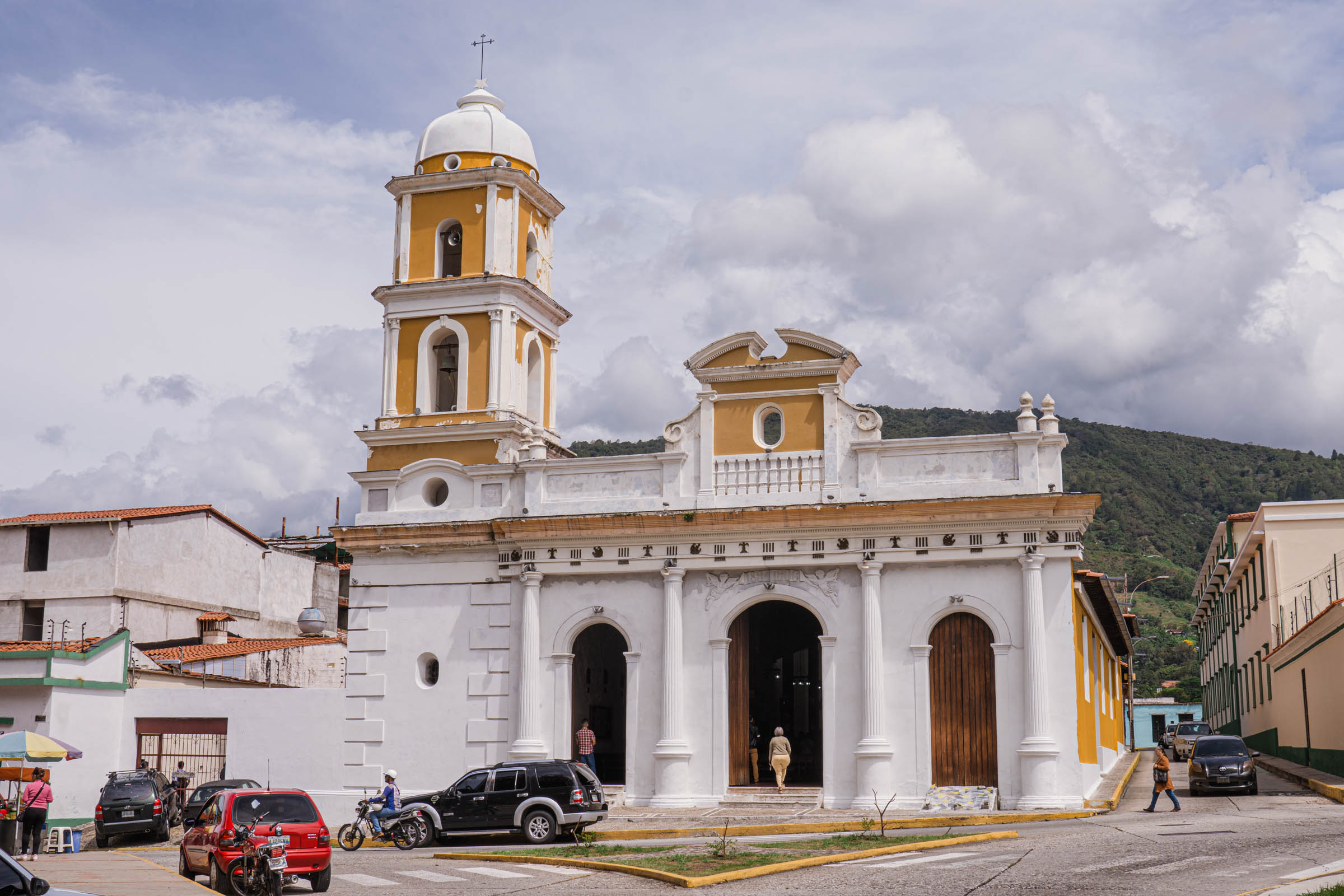
The University of Los Andes, founded in 1785, gives the city its special rhythm. It has more than 40,000 students, so the cafés are always full and the atmosphere is relaxed and friendly. In the Milla district, close to the center, the white-and-yellow Iglesia de San Juan Bautista de Milla rises above a small square.
MUKUMBARÍ, THE CABLE CAR OF MÉRIDA
Let’s start with what put Mérida on the world map: the Mérida Cable Car, today known as Mukumbarí. This is no ordinary cable car. It is considered the highest cable car in the world and the second-longest, and it climbs all the way to Pico Espejo at 4,765 meters.
The system is 12.5 kilometers long and consists of four sections. The journey begins at Barinitas station in the city, at 1,577 meters. From there, the cabins stop at La Montaña, La Aguada and Loma Redonda, and finally reach Pico Espejo. The original cable car opened to the public in 1960. It closed in 2008 for reconstruction and returned in 2016 as a completely new system.
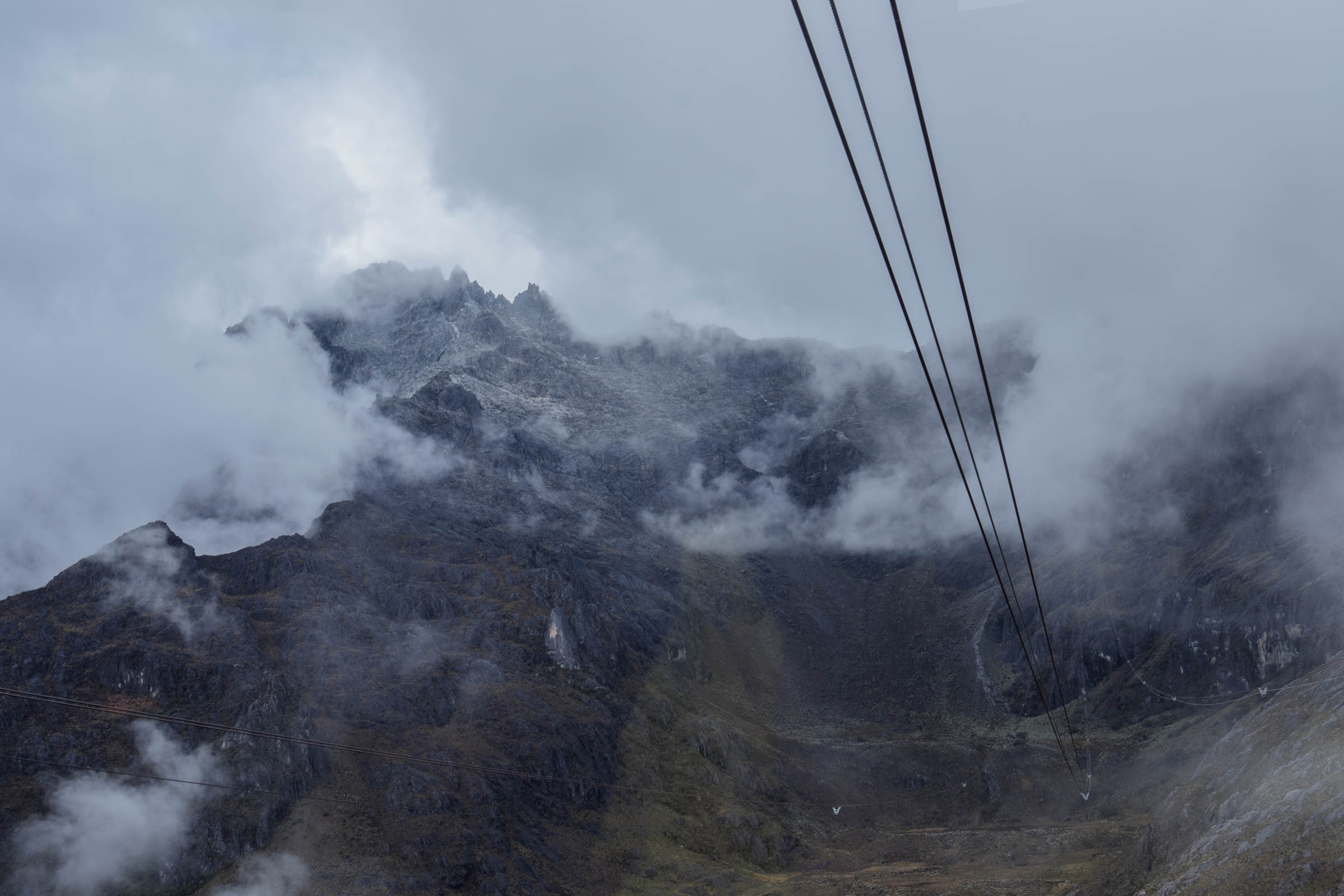
The higher you climb, the more dramatically the landscape changes. First, you float above green forests, then through the clouds, and finally above the almost lunar terrain of the high páramo. On a clear day, the views of the valley and the bare rocky peaks are simply unforgettable.
Every station is a small adventure of its own. You can stop, walk around, take photos and slowly get used to the altitude before you continue. My advice is to take your time between sections, because the thin air is no joke.
FROM LOMA REDONDA TO LOS NEVADOS
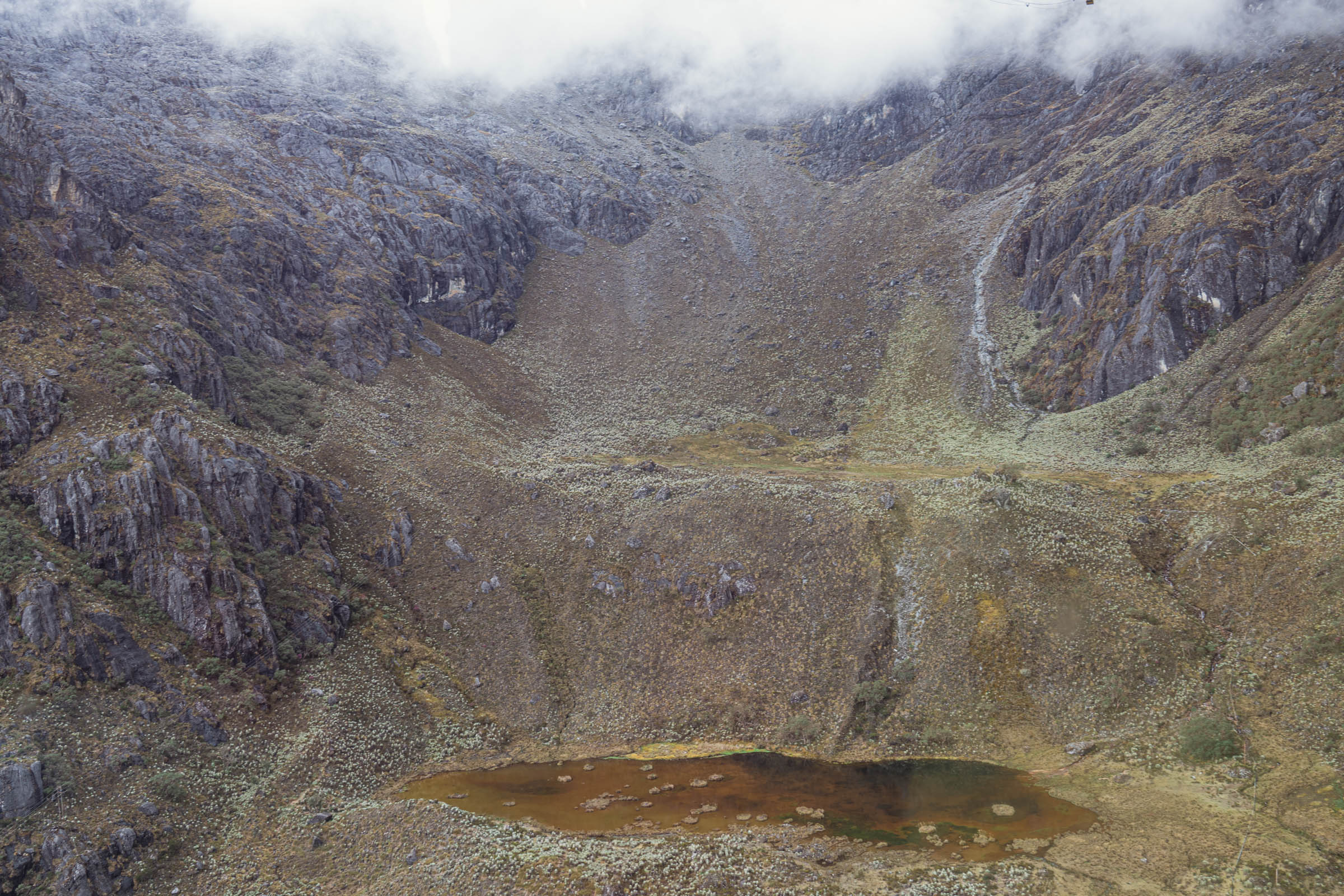
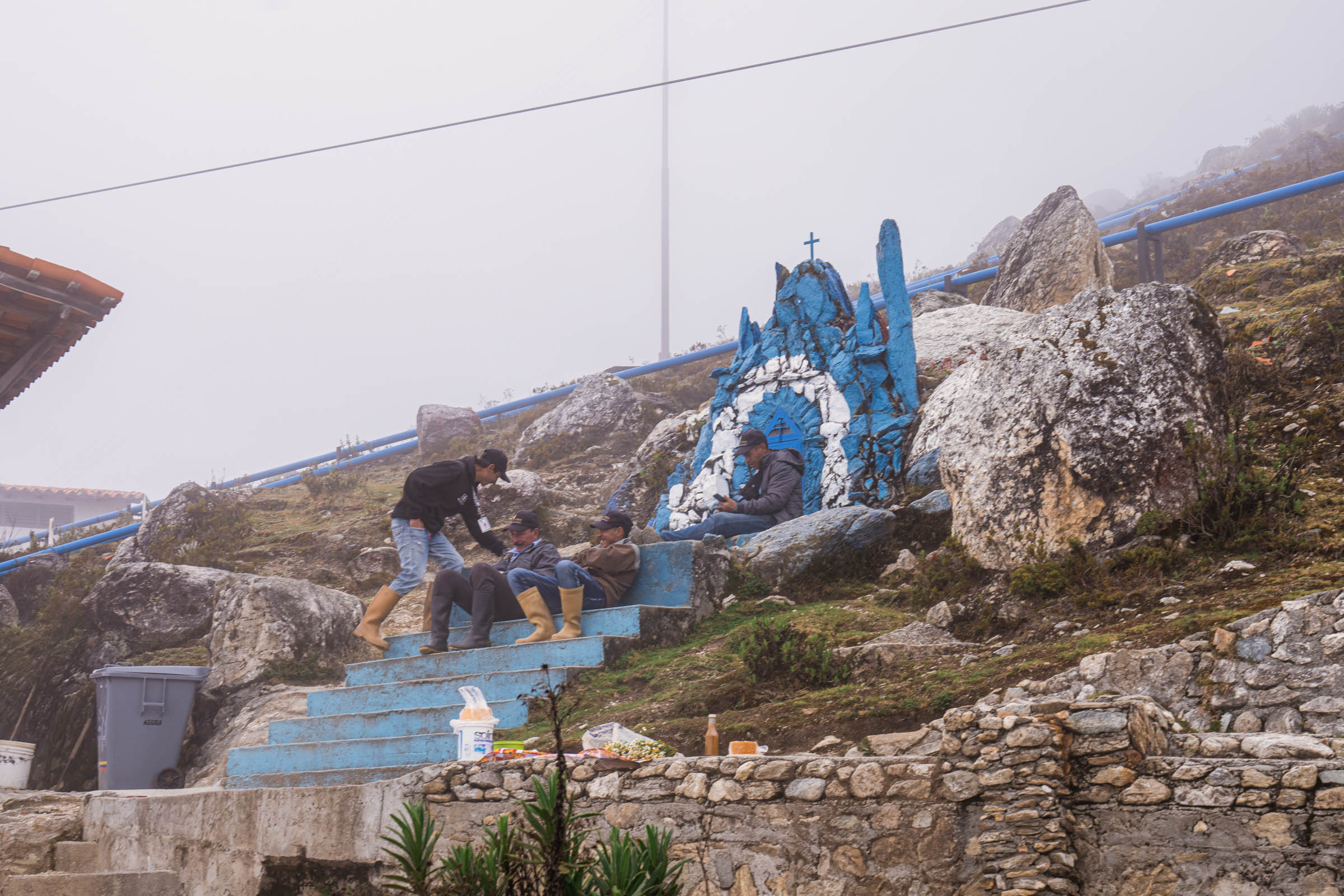
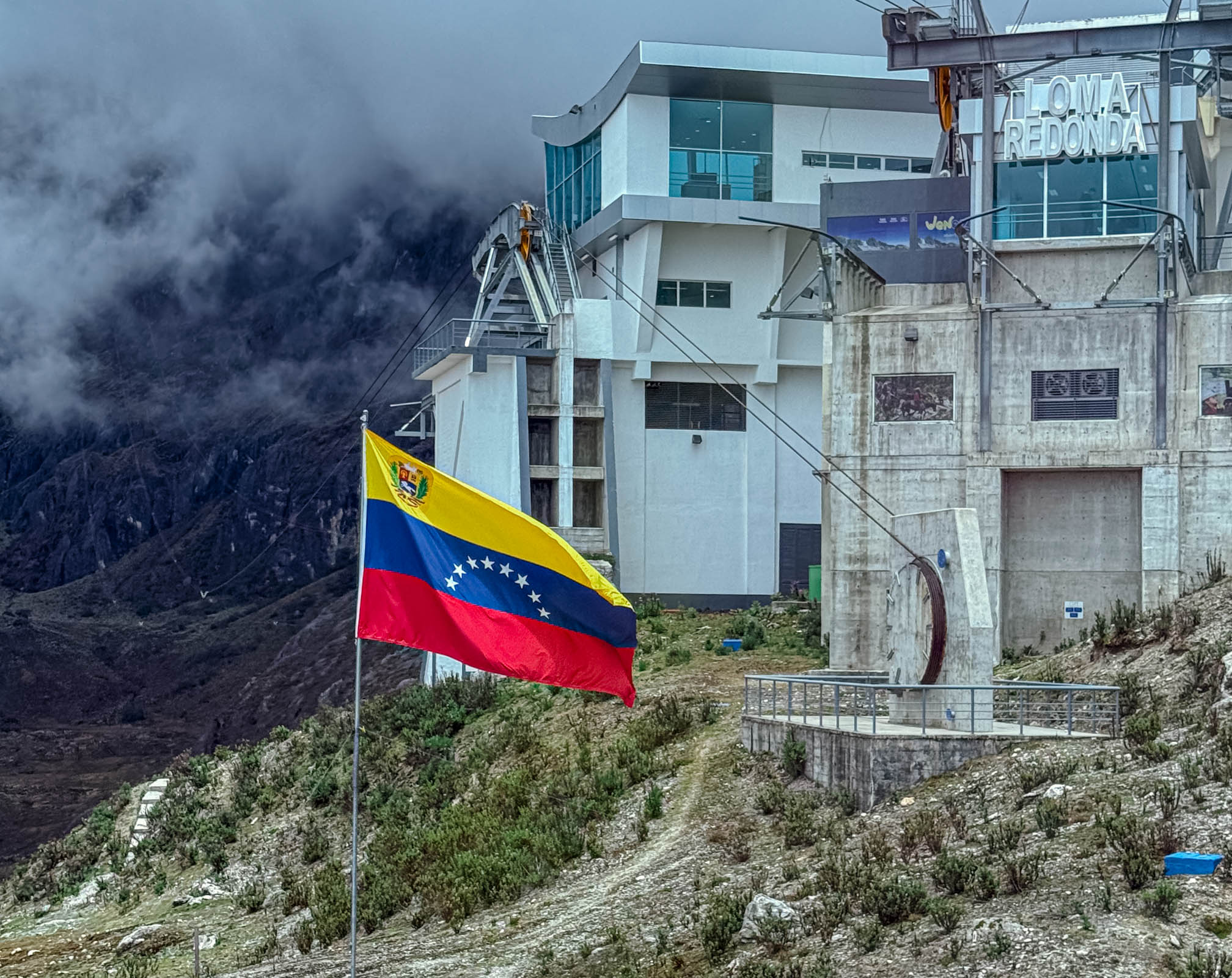
Loma Redonda is the fourth station of the cable car, at about 4,045 meters. Here you already feel the cold and the altitude, and the vegetation becomes sparse. Along the route, small shrines and colorful details appear among the rocks, and visitors stop to rest and take photos.
This station is also the starting point for one of the most authentic adventures in the region. From Loma Redonda, you can hire mules or horses and descend to Los Nevados, a secluded mountain village that was once a garrison of the Spanish conquistadors. If you prefer to walk, the trail takes about five hours, and you need a special permit from Barinitas station.
Los Nevados lies at about 2,711 meters, inside the Sierra Nevada National Park, and its founding dates back to 1591. Its inhabitants grow potatoes, corn, wheat and garlic, and tourism brings visitors on horseback. There are simple posadas for an overnight stay. For the return trip, most travelers take a four-wheel-drive vehicle along a narrow mountain track back to Mérida.
If you have more time and you like authentic experiences, this combination of cable car, mule ride and village life is something you will remember for a long time.
PICO ESPEJO AND THE VIRGEN DE LAS NIEVES
A completely different world awaits you at the top. Pico Espejo station stands at 4,765 meters, close to Pico Bolívar, the highest mountain in Venezuela. The air is thin, the wind is strong, and clouds often pass right in front of you.
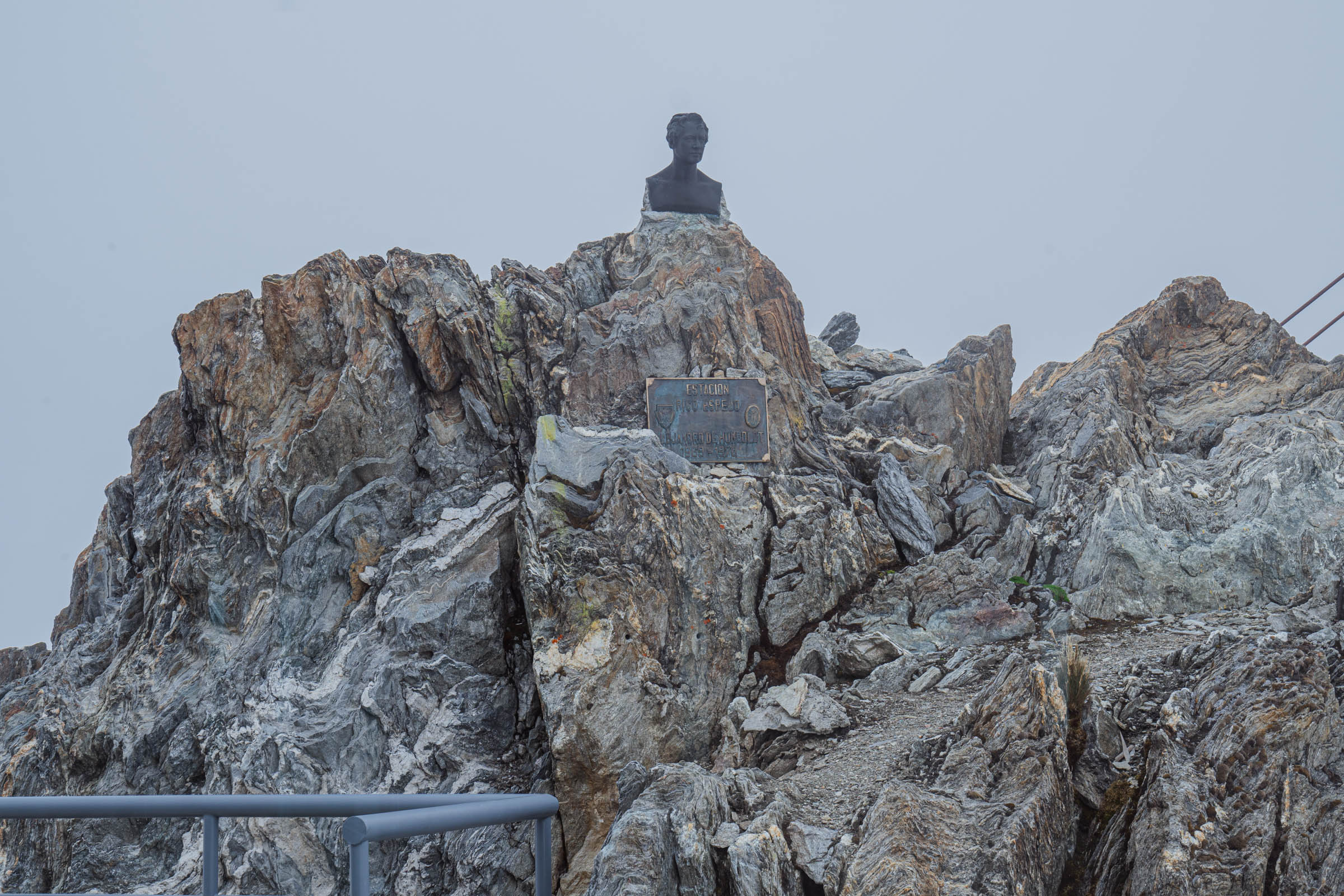
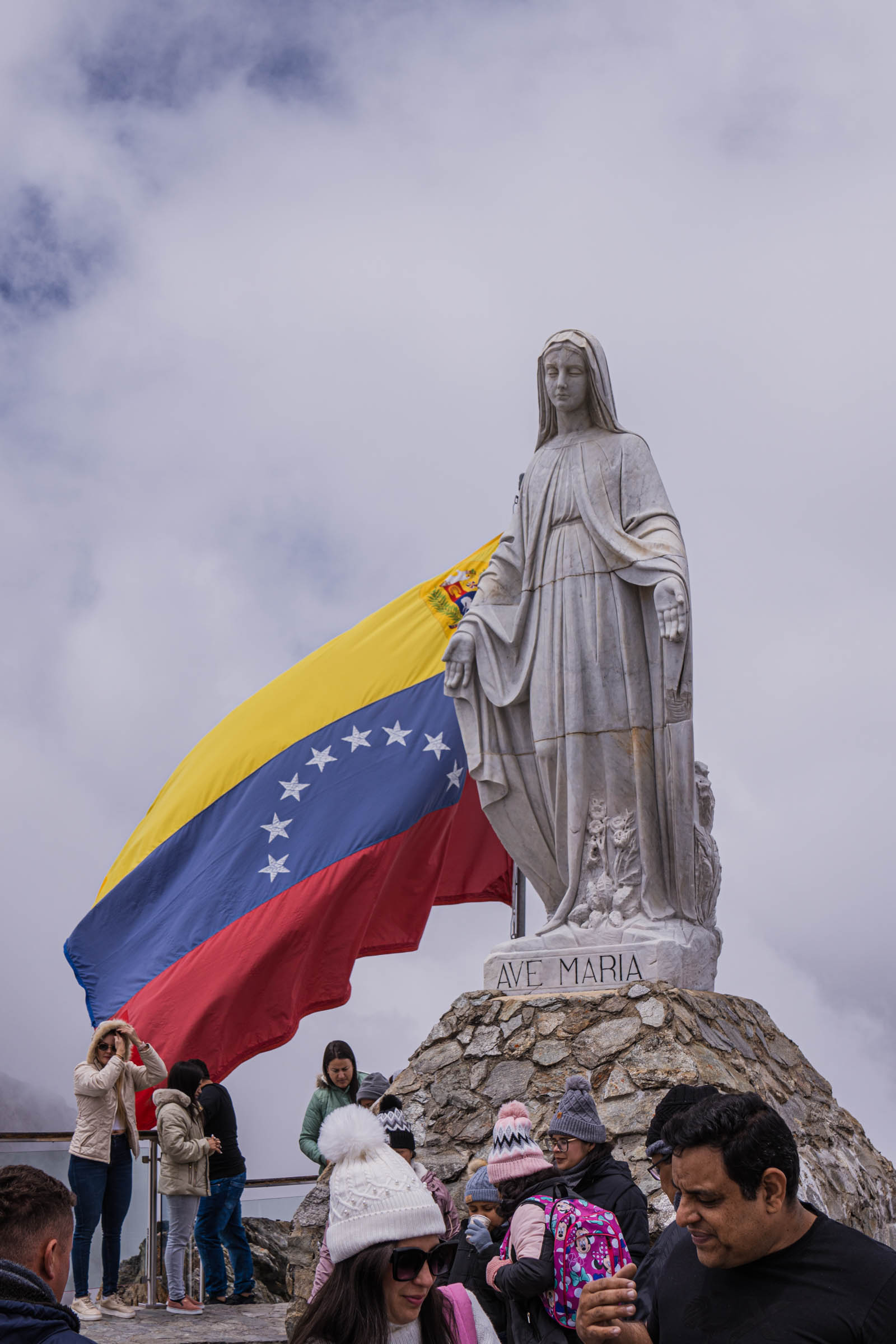
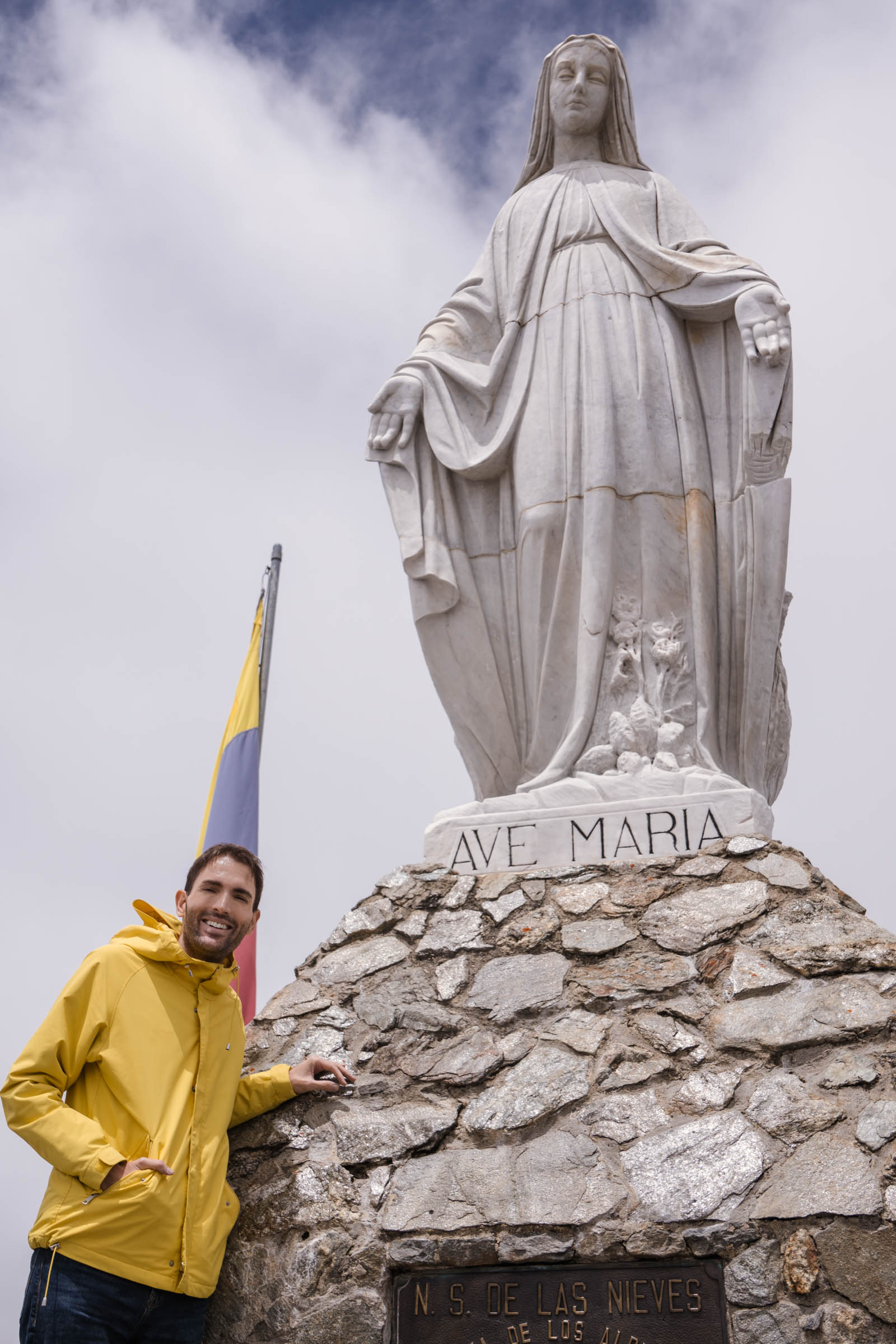
On the rocks near the station stands the white statue of the Virgen de las Nieves, the Virgin of the Snows, with the inscription Ave María at her feet. Next to her, the flag of Venezuela waves in the wind. On another rocky point, a bronze bust watches over the mountains.
The temperature here can drop below zero, even when the weather in the city is pleasant. So, be sure to bring a warm jacket, a hat and gloves. I made the mistake of not doing that. Along with other unprepared tourists, I bought overpriced souvenirs at the top just to keep warm.
On a clear day, the view over the clouds and the surrounding peaks is spectacular, so be patient and wait for a gap in the clouds. Still, do not stay too long at the top if you feel dizzy or short of breath, and drink plenty of water.
TICKETS AND TIPS FOR THE MÉRIDA CABLE CAR
Prices and schedules change often, so always check the current information before you go. In May 2026, the general ticket cost 20 dollars, while children between 3 and 12 and seniors paid 15 dollars.
The cable car also closes from time to time for maintenance. In 2026, for example, it paused operations in January and February and again from May to August. So, follow the official channels of Mukumbarí, or ask your hotel, before you plan your day around it.
My honest advice is to go as early as possible in the morning. Not only because of the crowds, but also because of the clouds that often form later in the day and can spoil the view. The highest stations usually close earlier than the lower ones, so start your ascent early if you want to reach Pico Espejo.
Dress in layers, because the difference in temperature between the city and the top is huge. Also, bring sunscreen and sunglasses, because the sun at high altitude is very strong, even when it feels cold.
Finally, listen to your body. Altitude affects everyone differently, so take breaks at the intermediate stations, walk slowly and avoid heavy meals before the ride.
PLAZA BOLÍVAR, THE HEART OF MÉRIDA
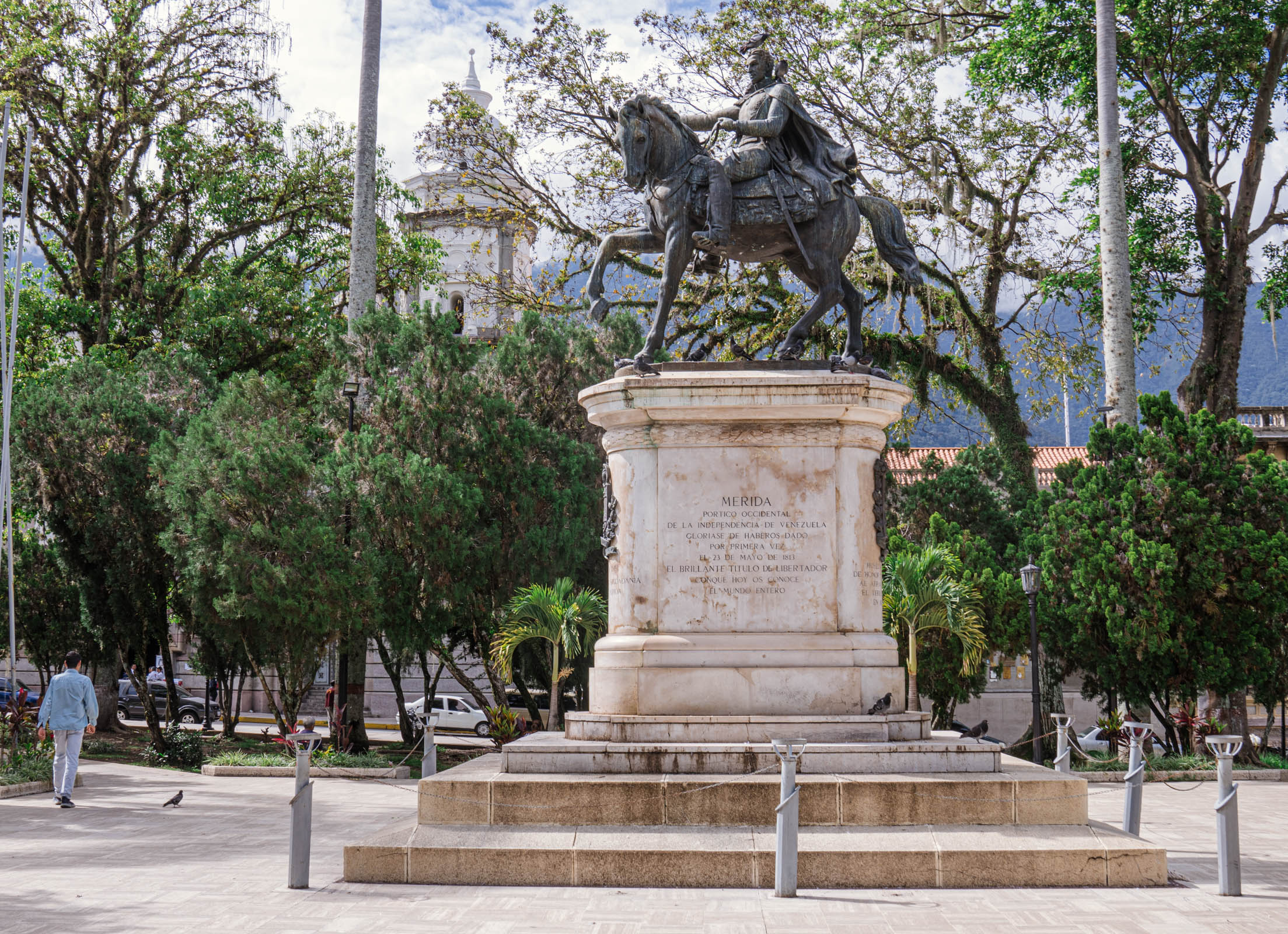
Let’s go back down to the city. As in most South American cities, the heart of Mérida beats around Plaza Bolívar. In the center of the square stands an equestrian statue of Simón Bolívar, the liberator who brought independence to this part of South America.
This is not just a tourist attraction, because here the real daily life of the city takes place. Local residents sit on benches, read newspapers, talk and play chess. Students meet friends between lectures, and children run around while their parents buy fresh fruit juices from vendors.
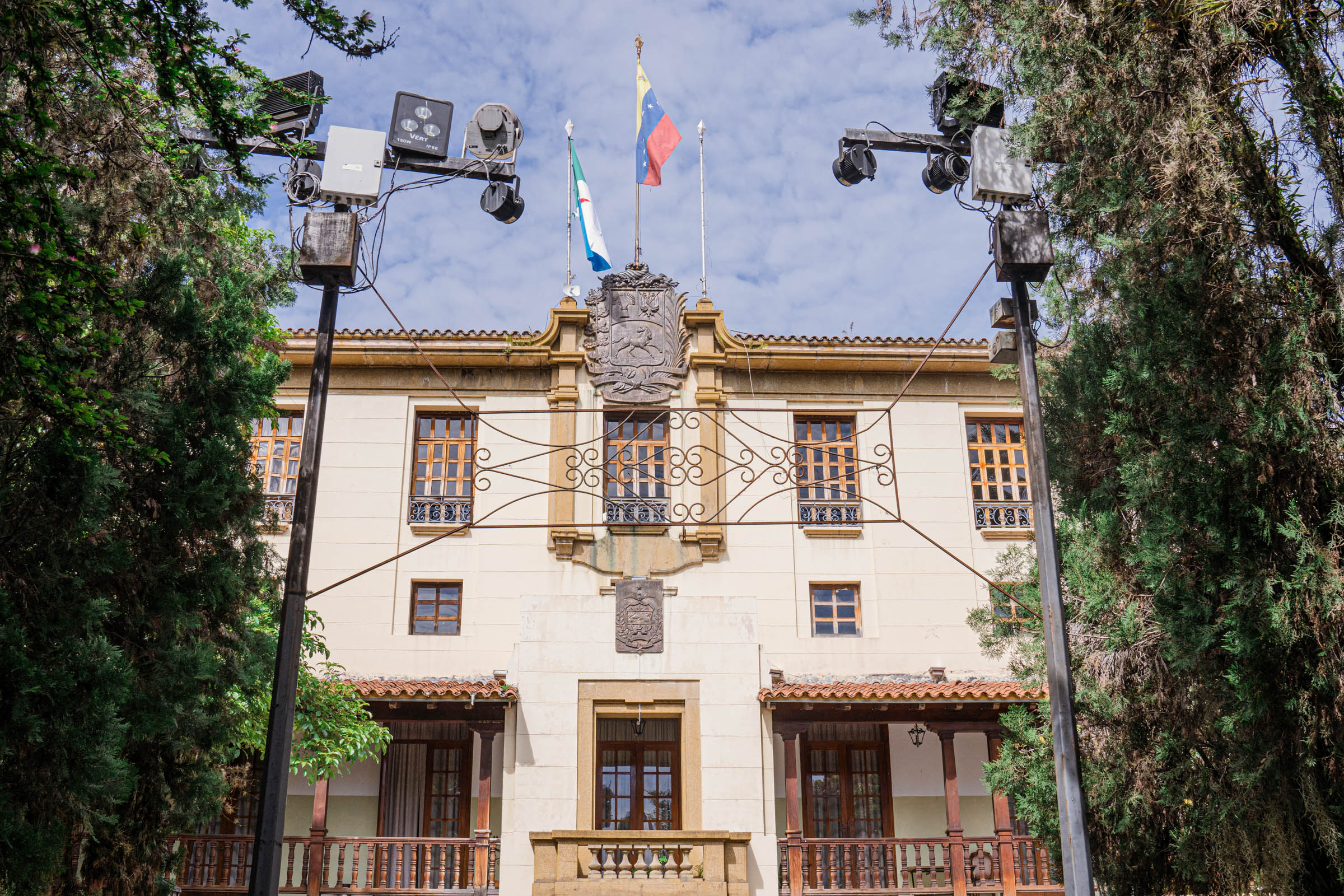
The square is surrounded by the most important public and historical buildings of the city. On one side stands the cathedral, and the Archbishop’s Palace, an elegant baroque building, also faces the square. Around the square, you will also find government buildings decorated with coats of arms and flags.
In the late afternoon, when the light softens, the square becomes even livelier. It is the perfect place to start any walk through the historic center of Mérida.
MÉRIDA CATHEDRAL, BUILT FOR MORE THAN 150 YEARS
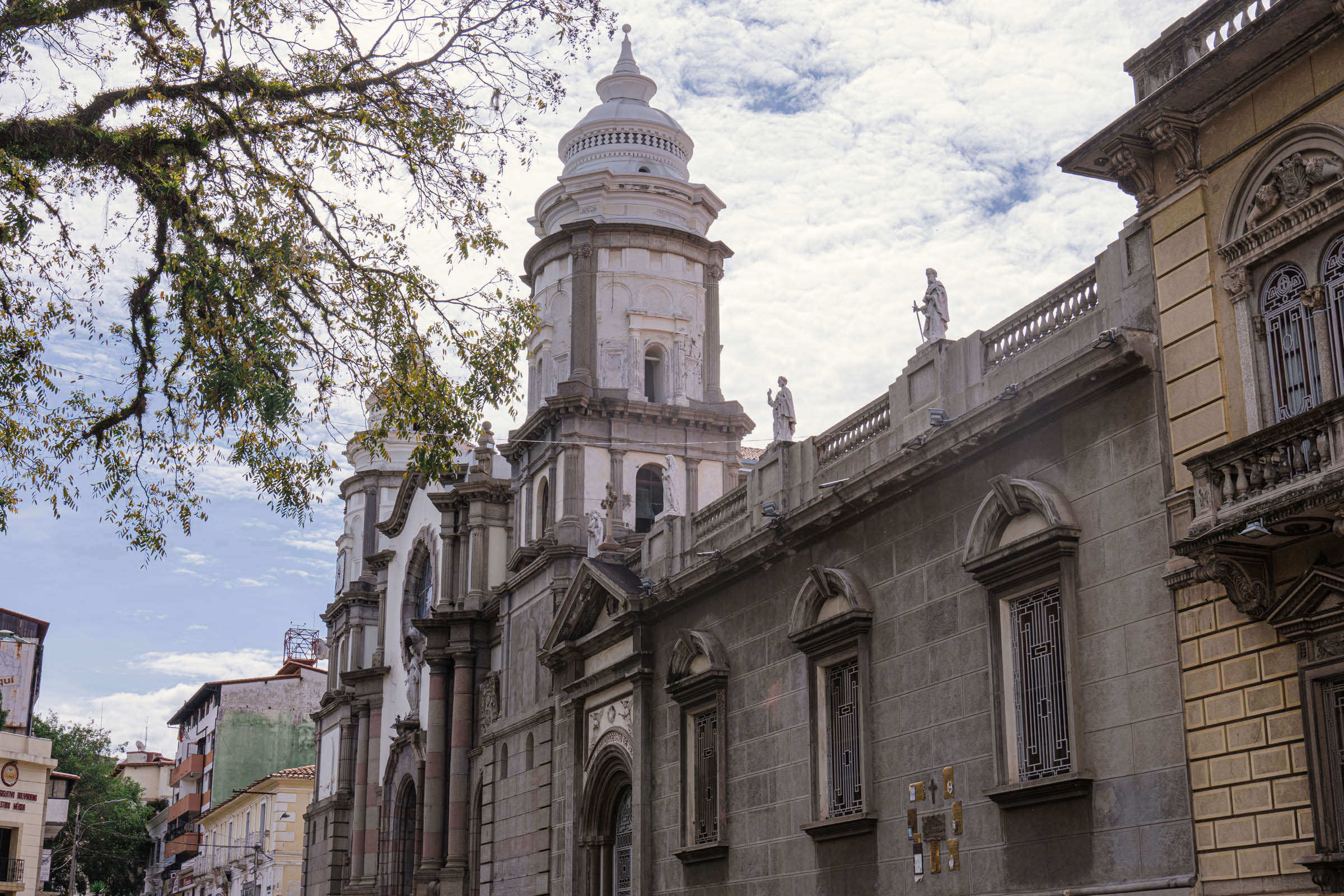
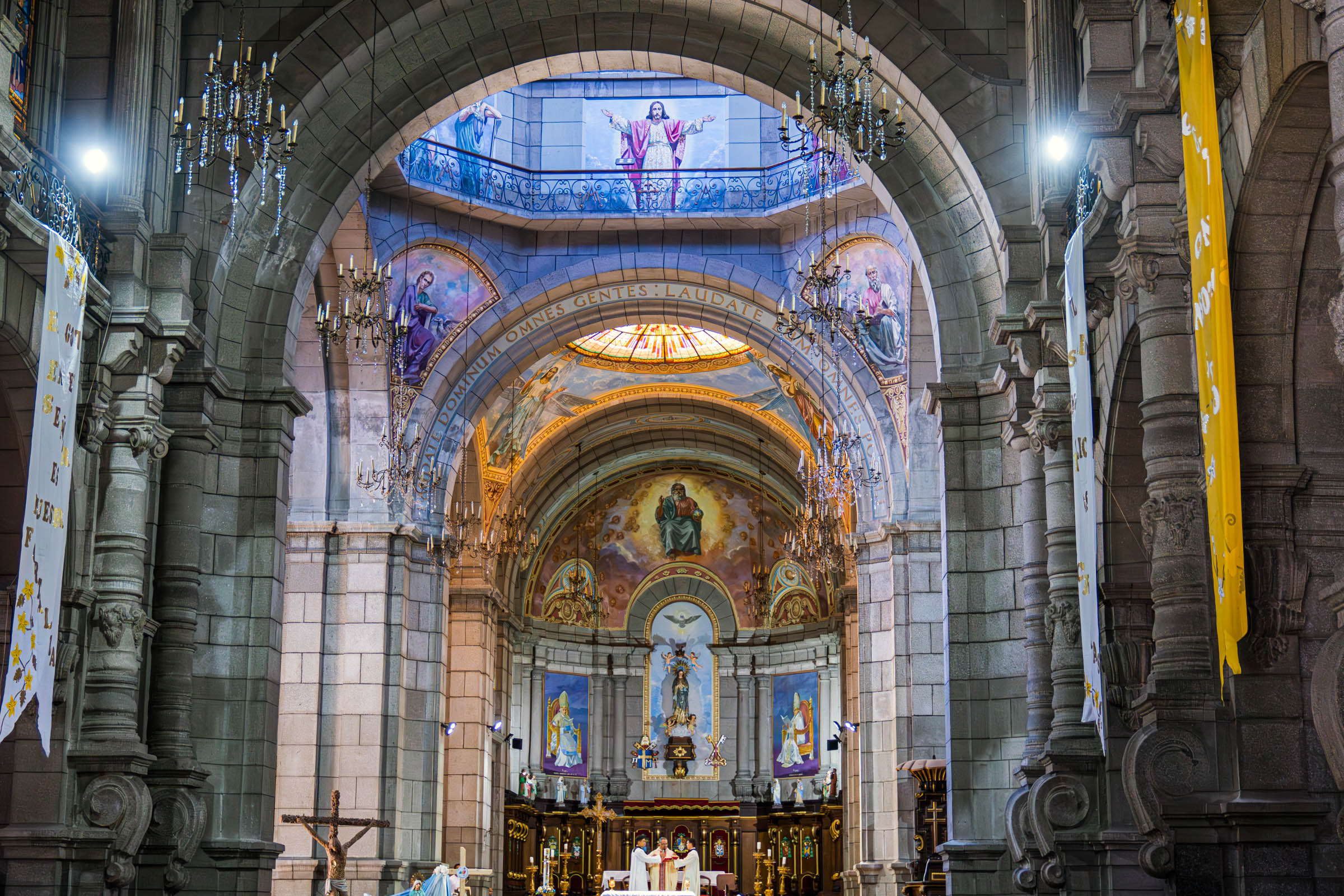
Right next to the square stands the Catedral Basílica Menor de la Inmaculada Concepción, better known as the Mérida Cathedral. It is the seat of the Archdiocese of Mérida and one of the most impressive buildings in the Venezuelan Andes.
This building has a fascinating history. Its design was based on the plans of the 17th-century cathedral of Toledo, in Spain. Sources give different years for the start of construction, but they all agree that the work lasted more than 150 years. The cathedral was finally completed in 1958, around the 400th anniversary of the founding of the city.
The result is a unique building with baroque and neoclassical elements, beautiful stained-glass windows and large frescoes. Once inside, you simply stop. The silence, the size of the space and the light pouring through the colored glass leave you speechless.
In the Archdiocesan Museum of Mérida, you can see two very old church bells, dated 909 and 912. They are among the oldest bells in the world, which is a real surprise in a city in the Andes.
Admission to the cathedral is free, but decent behavior and dress are expected. If you arrive during Mass, sit quietly in the back and enjoy the atmosphere.
THE BOLÍVAR COLUMN AND THE PARKS OF MÉRIDA
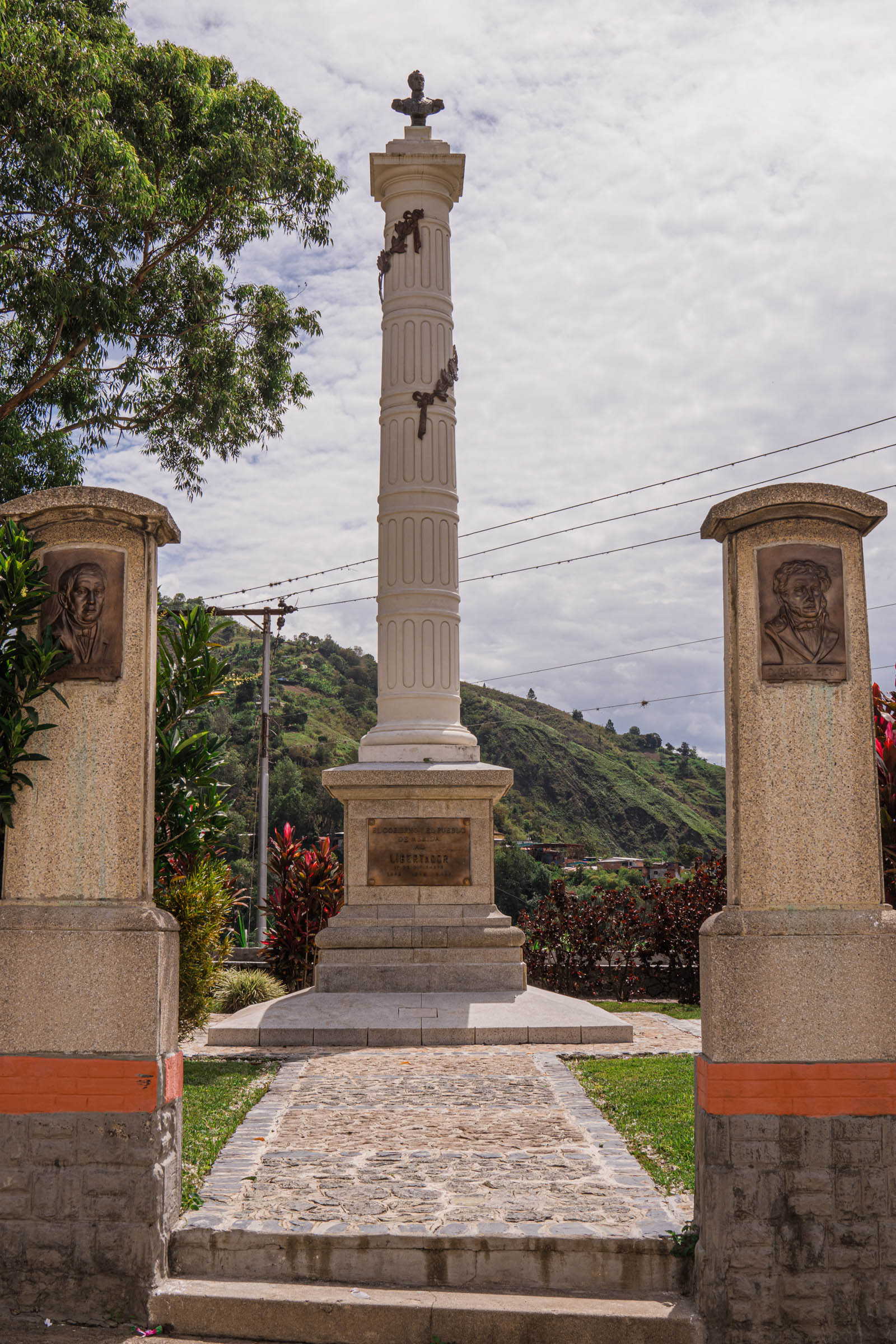
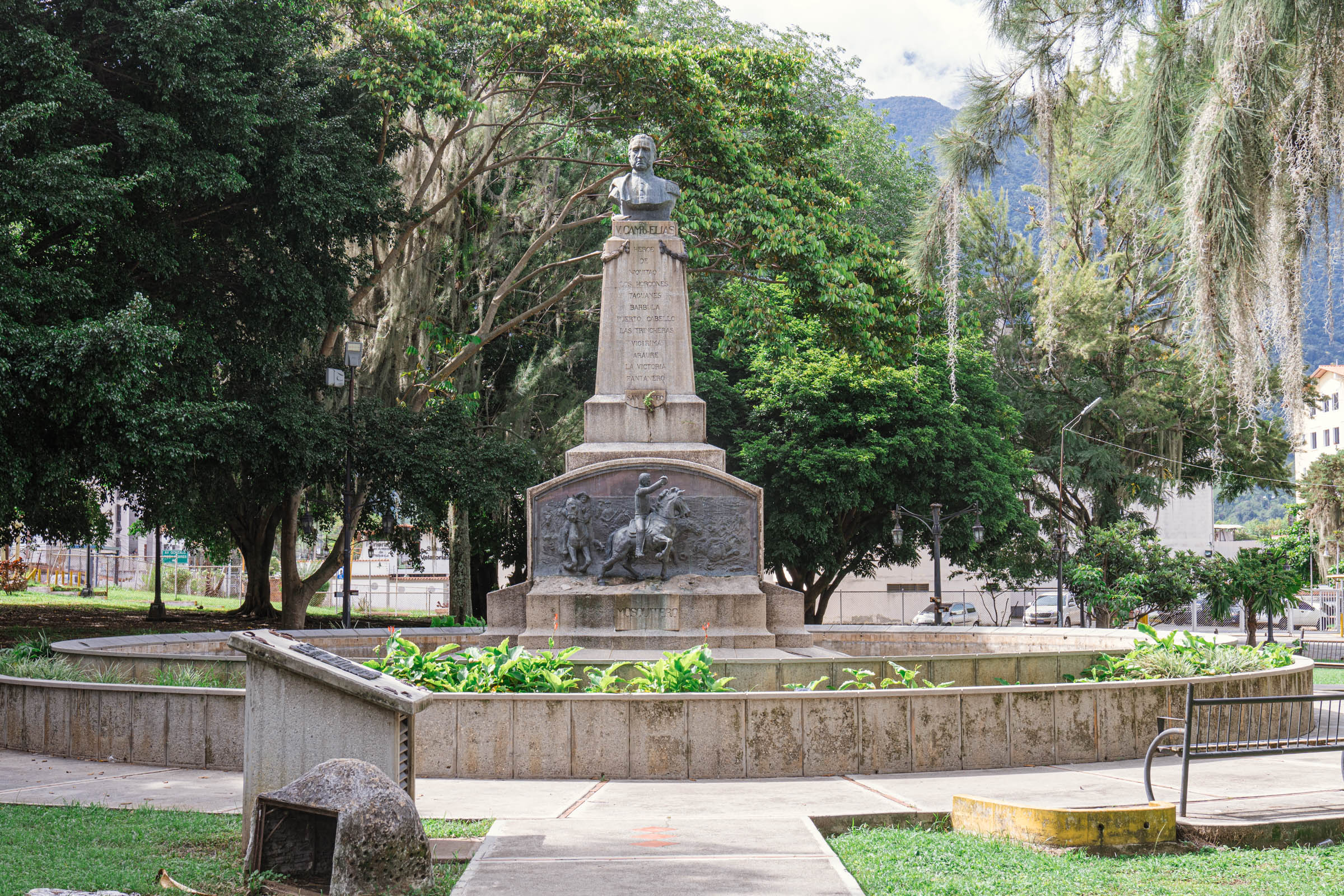
Mérida is a city of parks and squares, and each of them tells a small story. One of the most interesting is the Parque de las Cinco Repúblicas. Here stands the Bolívar Column, a monument dedicated to Simón Bolívar that dates back to 1842.
The tall white column rises above the trees, and stone pillars with relief portraits stand around it. Even if you are not a history lover, it is a lovely place to sit in the shade and watch local life.
The largest green area in the city is the Parque Metropolitano Albarregas, which covers 612 hectares along the river. In addition, there are smaller parks such as Parque Beethoven and Parque La Isla, perfect for a short break between sightseeing.
The squares are just as charming. Plaza Belén, Plaza Glorias Patrias, Plaza Las Heroínas and the square in Milla each have their own character. Most of them are shaded by tall trees and palms, and locals use them as outdoor living rooms.
JARDÍN BOTÁNICO DE MÉRIDA: A GREEN OASIS
The Jardín Botánico de Mérida is a place that separates you from the hustle and bustle of the city and leads you into a world of green silence. The University of Los Andes runs it, and it covers 44 hectares on the northern side of the city, along Avenida Alberto Carnevali. The garden opened in December 1992.
The terrain is hilly, so the trails take you up and down through different environments, from shady forest to open areas with Andean plants. If you are lucky, you can see hummingbirds and other birds that live there.
According to a publication about the garden, it once had 14 thematic gardens with more than 450 plant species. The same source described tree-climbing activities, with ropes, zip lines and platforms high in the trees. Since such programs change, ask about the current activities before your visit.
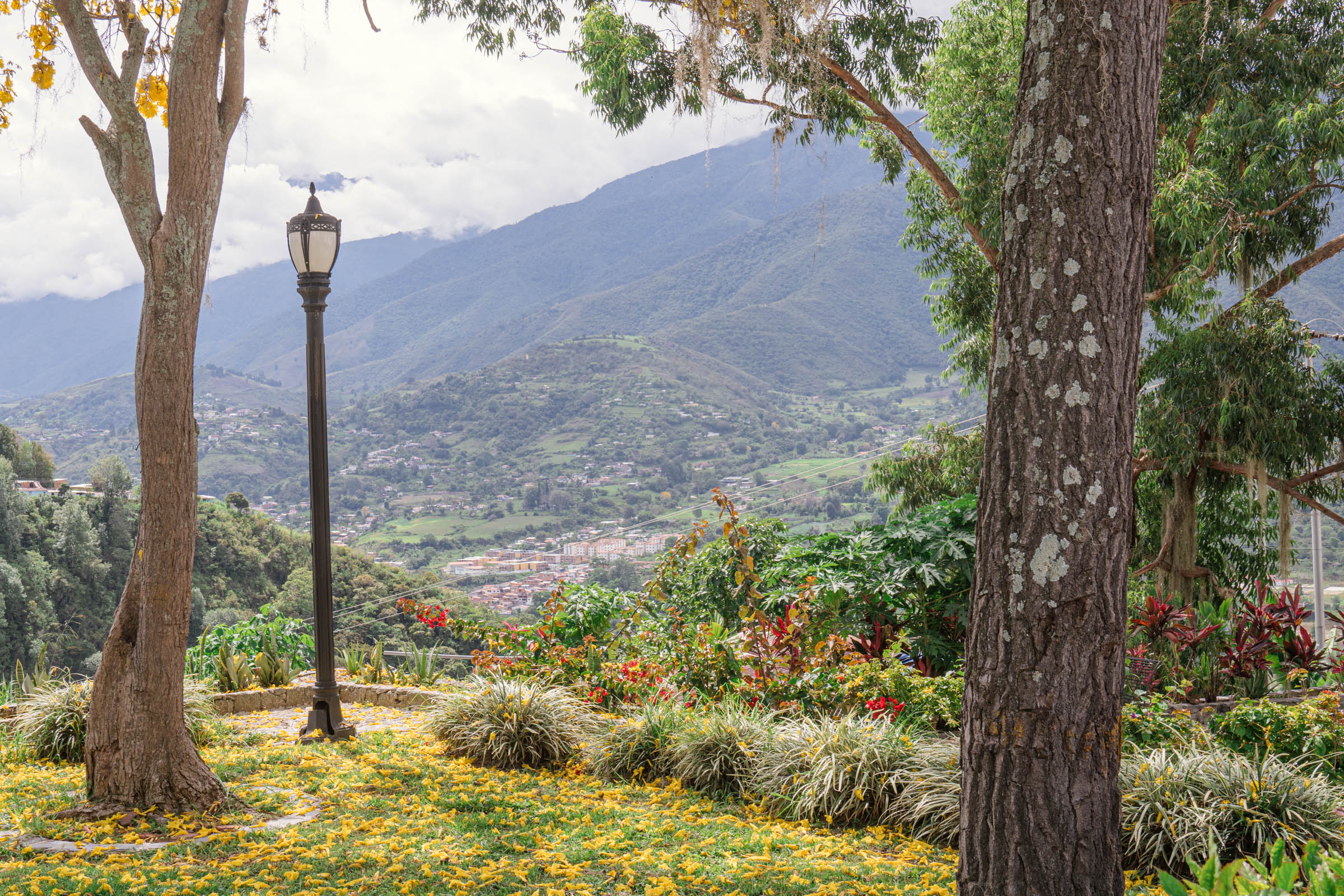
Throughout the city, you will also find viewpoints with gardens and benches, where you can rest and look at the green valley below. With the mountains on the horizon, these quiet corners are perfect for a short break.
IGLESIA DEL CARMEN AND THE CHURCHES OF MÉRIDA
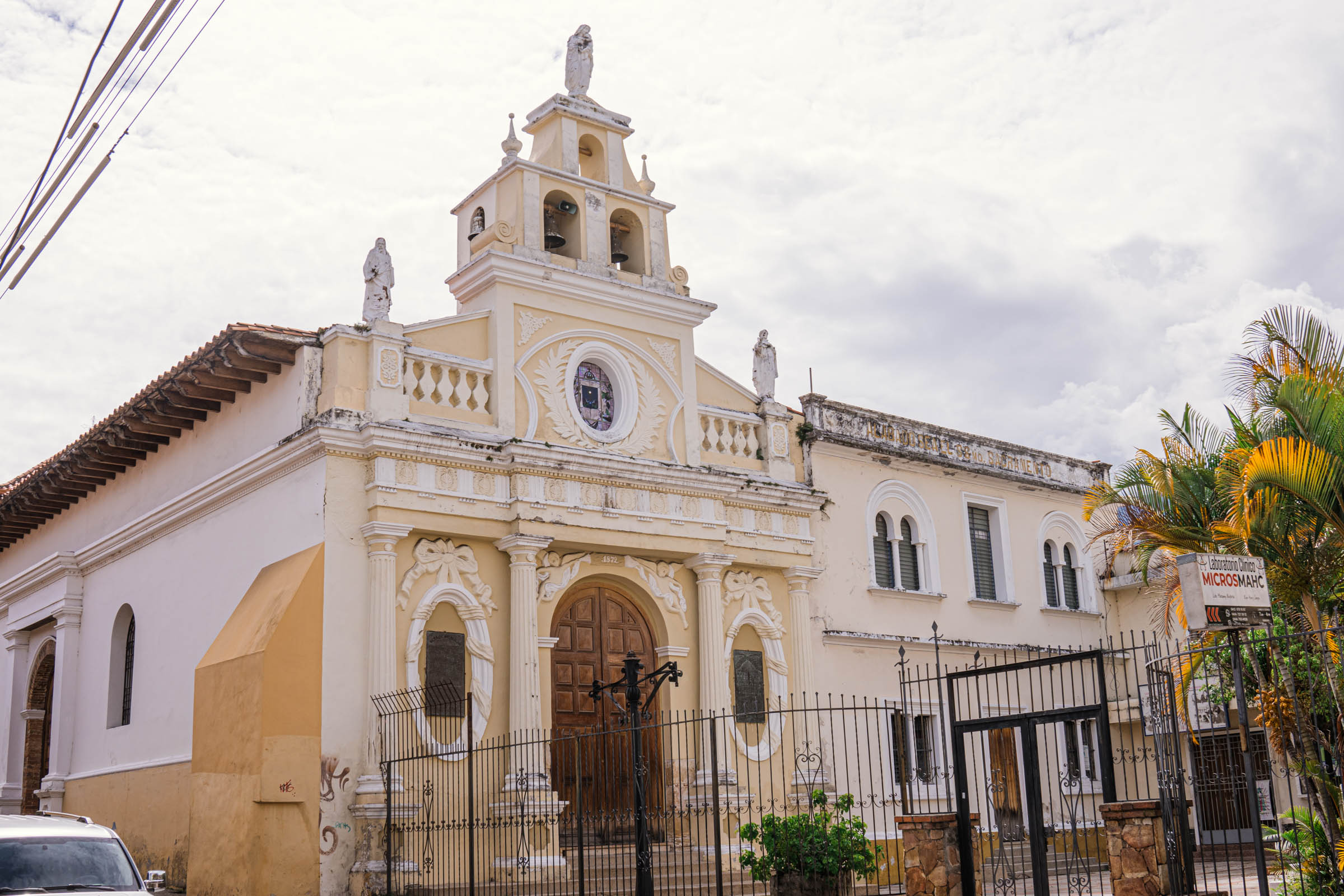
Besides the cathedral, Mérida has several beautiful churches worth visiting. The Iglesia del Carmen is the oldest religious building in the city. Its cream-and-white facade, with a bell tower decorated with small statues and a round window, looks especially beautiful in the morning light.
The Iglesia del Llano is quite different. It is the only Gothic-style building in Mérida, with a tall pointed tower that stands out above the square of El Llano. Then there is the Iglesia de San Juan Bautista in Milla, with its bell tower and dome, and the Iglesia del Espejo.
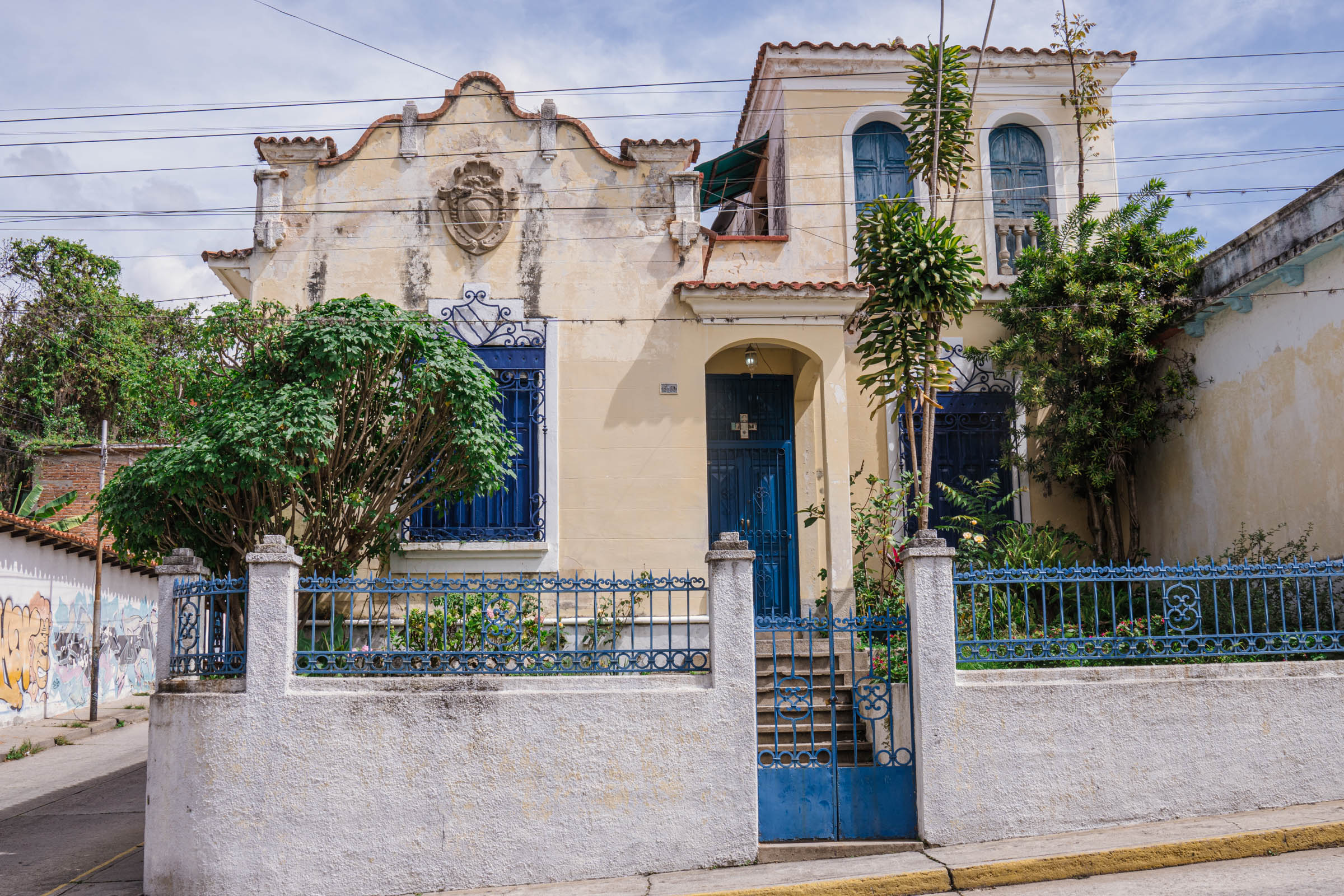
Walking from one church to another is a great way to discover the city. Between them, you pass old houses with wooden balconies, small shops and bakeries. Every few blocks, a square with benches invites you to stop for a moment.
Churches here are not museums but living places. So, if you enter during a service, be quiet and respectful, and dress modestly.
MERCADO PRINCIPAL: THE PULSE OF MÉRIDA
If you want to feel the real pulse of Mérida, skip the tourist shops and head straight to the Mercado Principal. It stands on Avenida Las Américas and has been operating since 1987. The building has three levels and nearly 500 stalls.
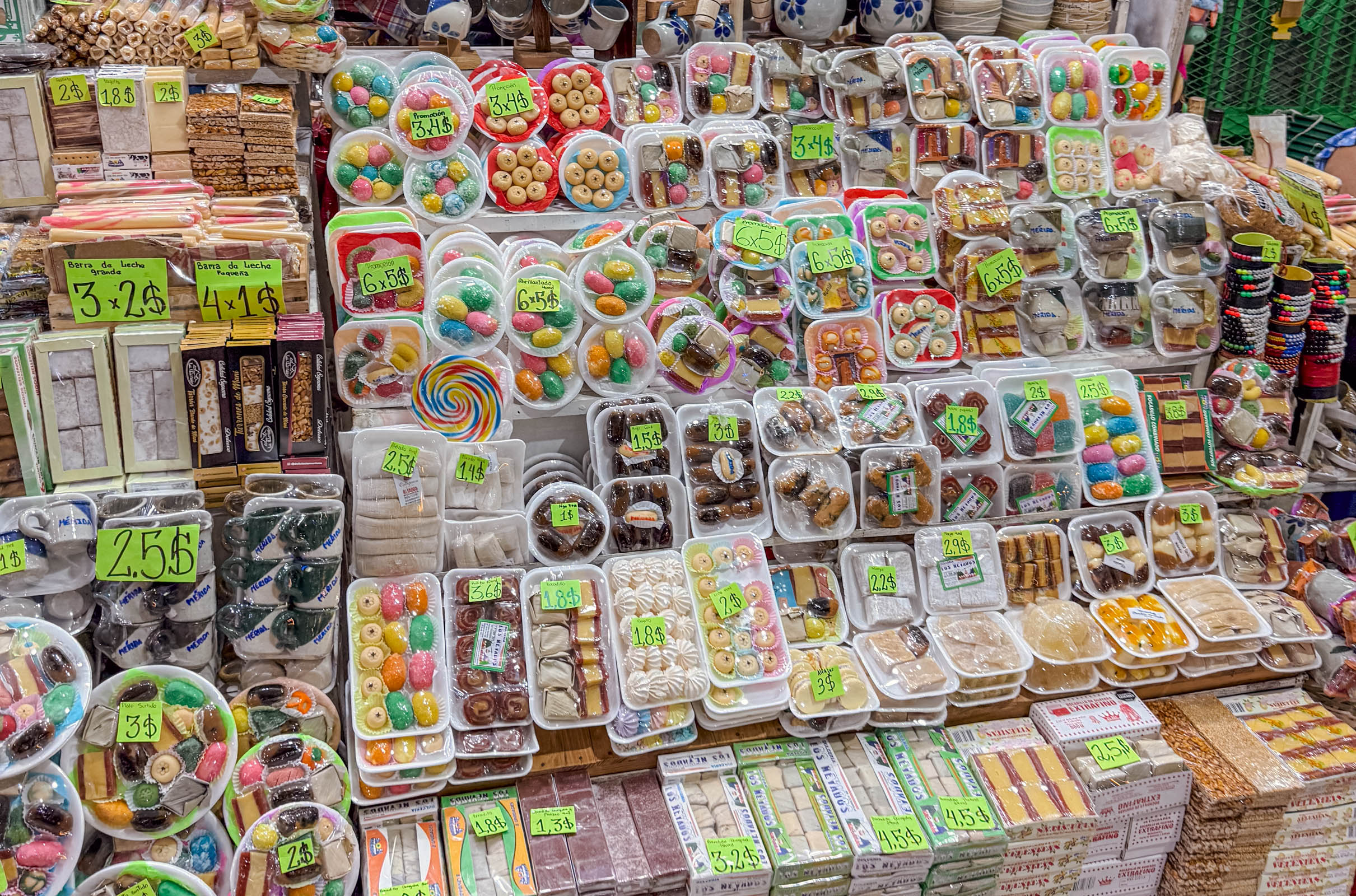
On the ground floor, you will find fruit, vegetables, flowers and sweets in every possible color. In the upper levels, there are small restaurants with typical food, as well as shops with warm clothes, blankets, gloves and hats for the cold mountain evenings. The crafts are mainly upstairs, including the traditional carved wooden figures of saints and angels.
The real value of the Mercado Principal is not in the souvenirs, but in the people. Here you can talk with vendors, try authentic food and immerse yourself in a culture that lives here every day. Try fresh juice from local fruits you have never seen before, and buy pastelitos while they are still hot.
Haggling is quite common in South American markets, so do not be afraid to negotiate politely. Also, talk to people, even with basic Spanish or a translation app. They will appreciate your effort, and you will leave with more than a souvenir.
WALKING THROUGH THE STREETS OF MÉRIDA
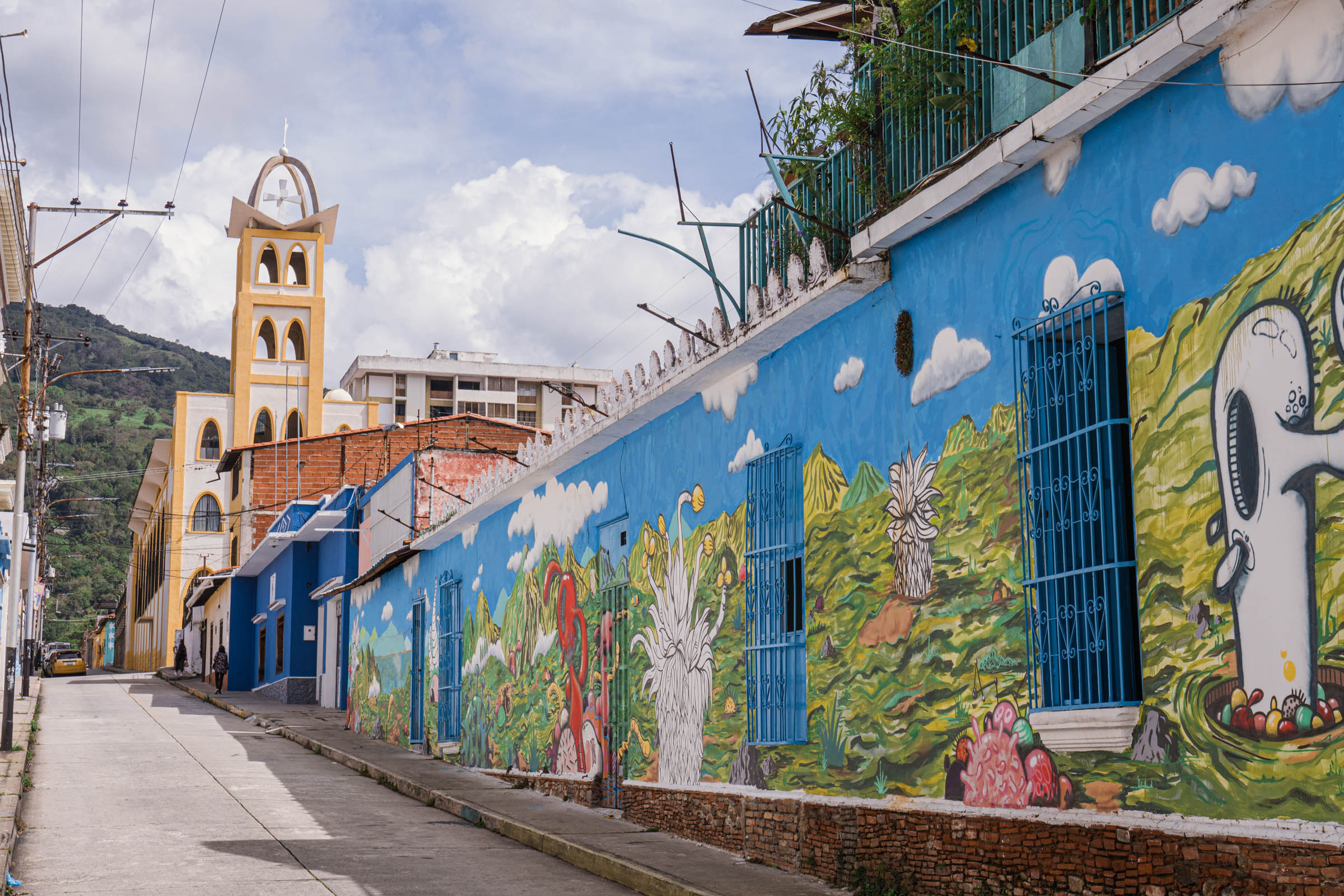
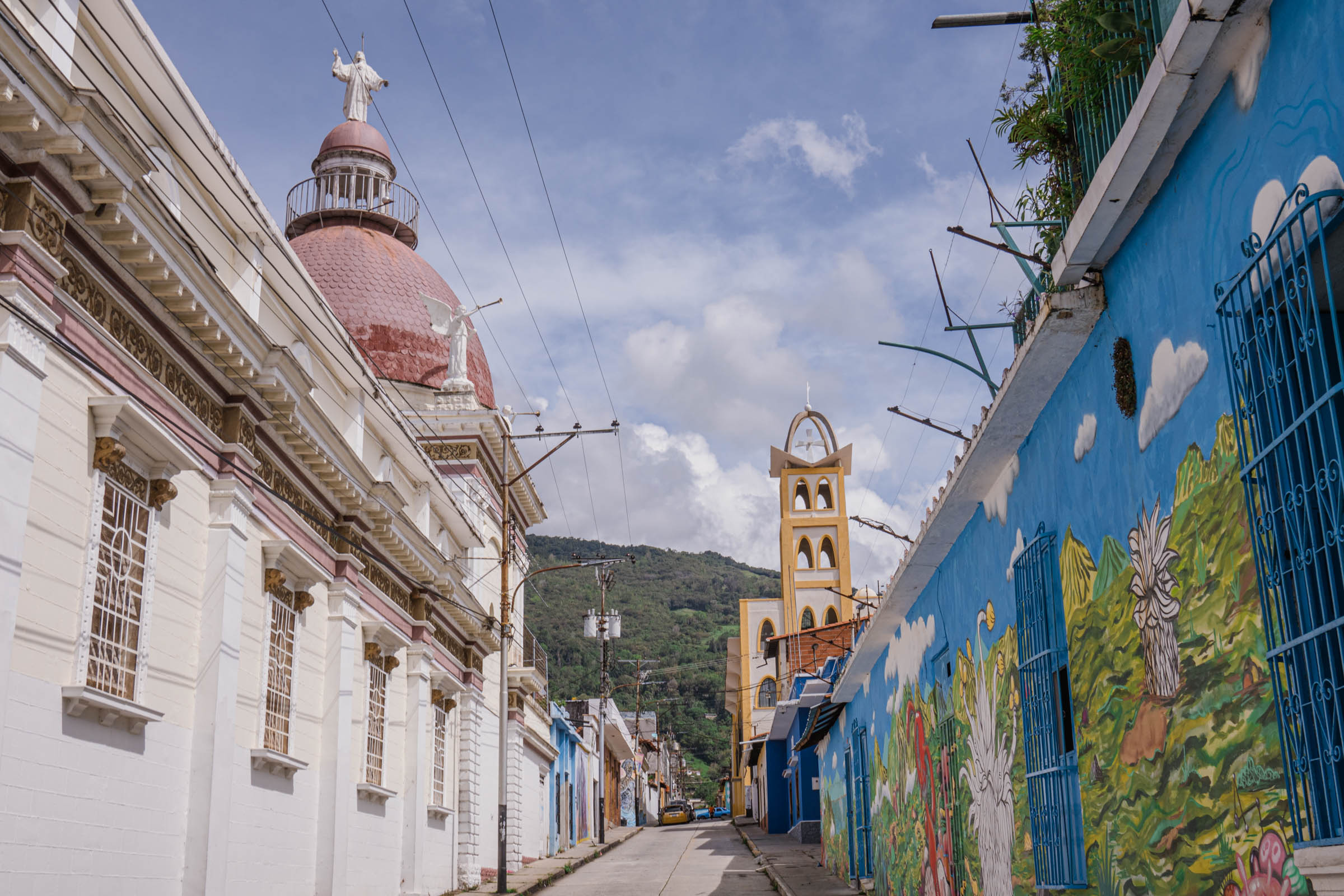
The best way to discover the city is on foot. In the Milla district, long walls are covered with colorful murals of plants, animals and fantasy figures. At the end of the street, the bell tower of the church rises above the rooftops, while the green slopes of the mountains frame the whole scene.
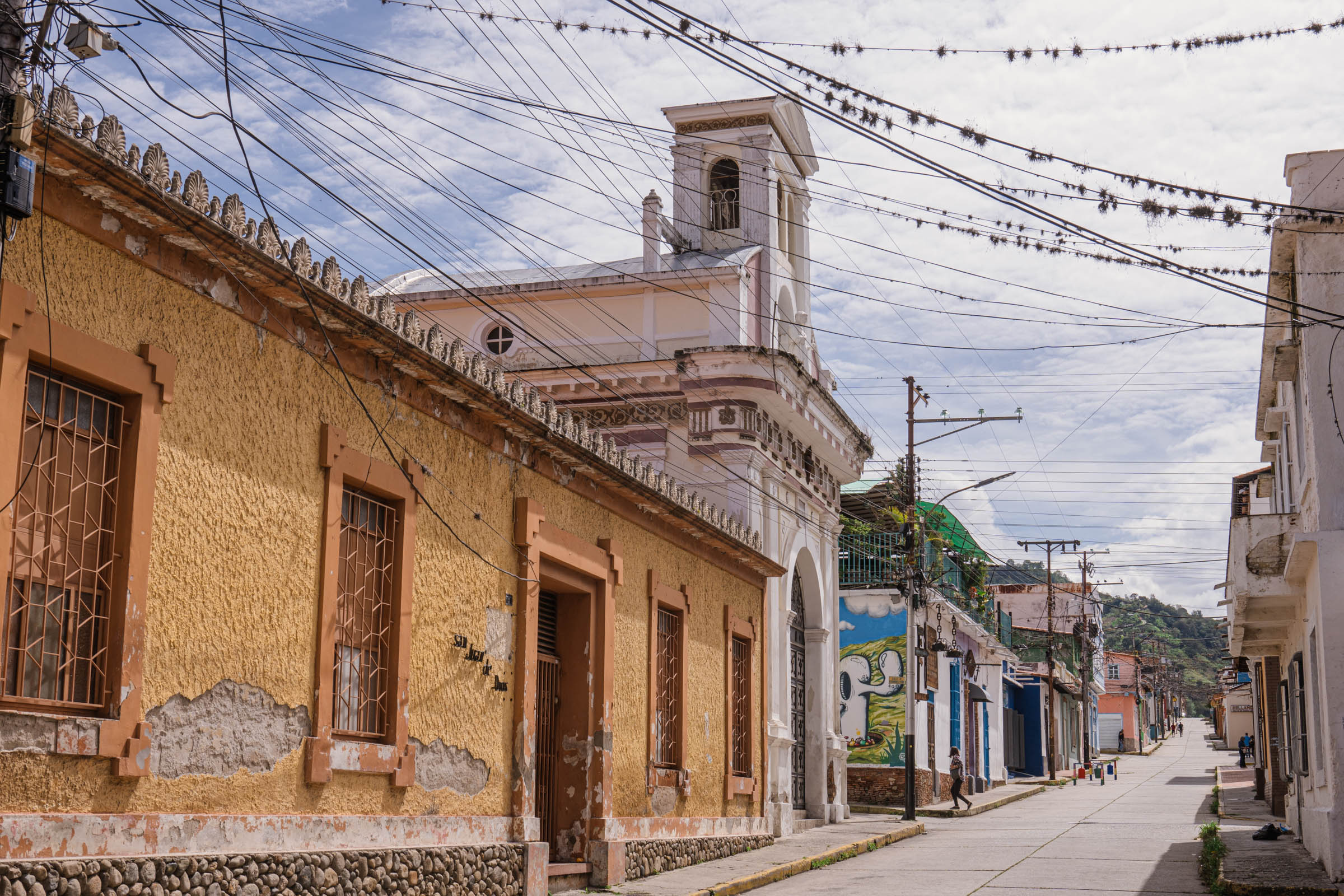
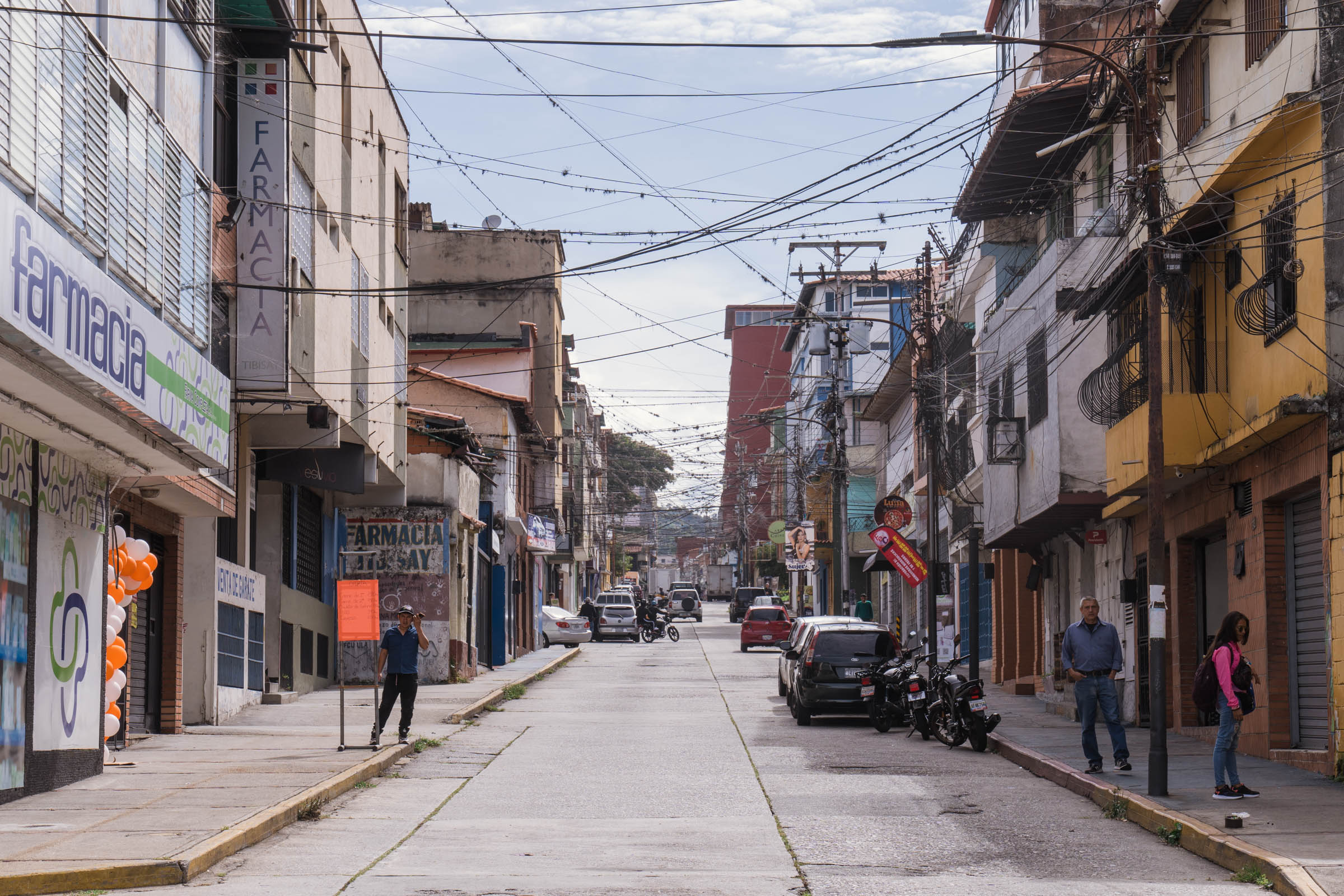
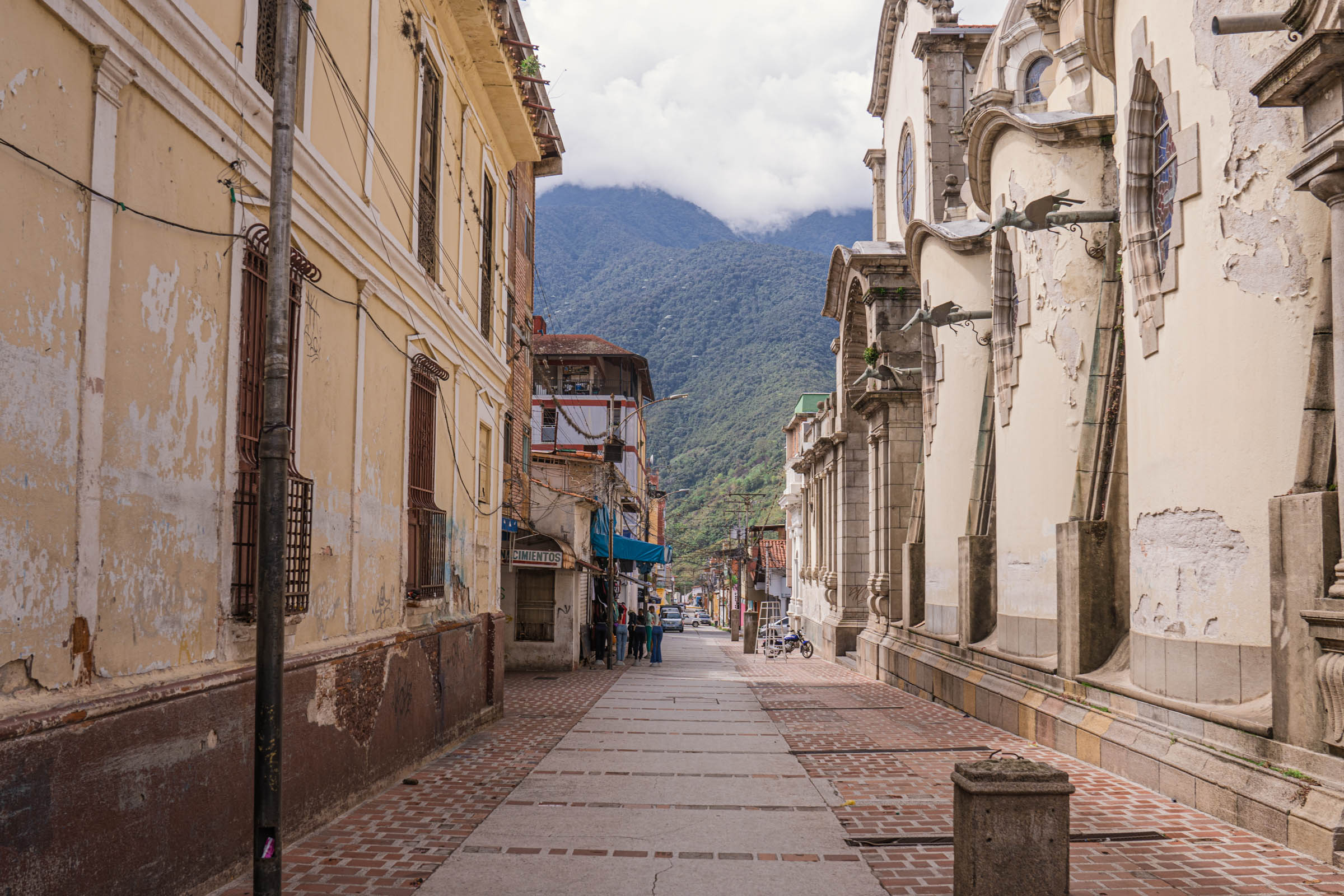
In the commercial streets of the center, life moves faster. Small shops, pharmacies, bakeries and electronics stores line the sidewalks, and cables cross above your head. It is not a polished tourist street, but it shows the real everyday life of Mérida.
Do not miss the Boulevard de los Pintores, where painters create, exhibit and sell their works. It is a lovely place to find an original souvenir and to chat with local artists about their inspiration.
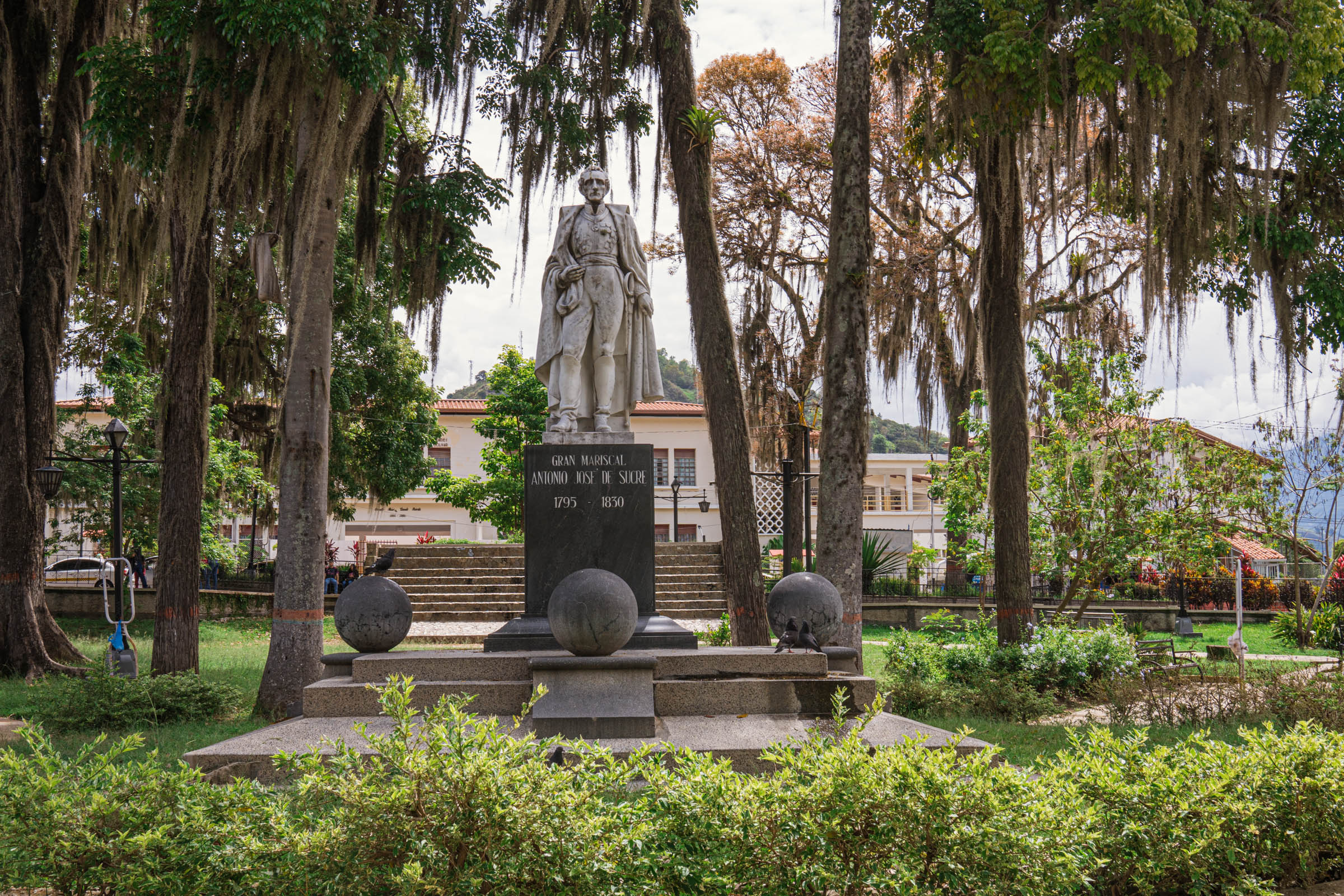
Along the way, you will also notice many monuments and busts dedicated to local and national heroes. Each square seems to have its own statue, fountain or memorial, surrounded by trees and benches. Take a moment to read the plaques, because they tell the story of the city better than any guidebook.
THE BULLRING AND THE FERIA DEL SOL
The Plaza Monumental Román Eduardo Sandia, also known as the Plaza de Toros de Mérida, is not only for bullfighting fans. Personally, I am not one of them. Still, this huge arena with room for 16,000 spectators is an imposing building, and it hosts concerts and other cultural events too.
The bullring opened in 1967, and its story is closely connected with the Feria Internacional del Sol. This international festival takes place every February and attracts thousands of visitors. Besides the bullfights, the fair celebrates local culture through Venezuelan music, food, parades and the election of the Queen of the Sun.
If you visit in February, expect a lively city, full streets and higher accommodation prices. So, book your hotel well in advance. Even if you do not attend any event, the festive atmosphere in the city is contagious.
On the other hand, if you prefer a calmer trip, plan your visit for another month. Mérida is beautiful throughout the year, and the mountains are always there to welcome you.
THE ASTRONOMICAL OBSERVATORY OF LLANO DEL HATO
If you are interested in the sky and want to look a little above the clouds, consider the National Astronomical Observatory of Llano del Hato. It stands at 3,600 meters above sea level and is the most important observatory in Venezuela.
The observatory lies above the village of Llano del Hato, not far from Apartaderos, in the high páramo northeast of the city. At this altitude, the air is clean and dry, which gives astronomers excellent conditions for observing the sky. Astronomers have discovered dozens of minor planets from here.
There is no public transportation on the access road to the observatory. So, the easiest way to visit is with a tour organized by a local agency in Mérida. Public visits have not always been regular in recent years, so check in advance whether tours are running.
Since the observatory lies high in the mountains, dress warmly, especially if you plan an evening visit. The road can be narrow and uneven, so if you drive yourself, go slowly, especially in fog.
LOS ALEROS: A VILLAGE FROM THE 1930S
Northeast of the city, past the town of Tabay, lies Los Aleros, a unique Andean village museum. Alexis Montilla created it in 1984, and it was the first museum village of its kind in Venezuela. It recreates a typical Andean town from the 1930s.
This is no ordinary tourist attraction, but a living stage of the past. Its streets, houses and small workshops bring back the atmosphere of rural life in the Andes, so you feel as if you are walking through an old photograph.
There is also a restaurant with traditional Andean food, and along the way you can buy drinks, sweets and snacks at small stands. Children love it, but adults enjoy it just as much, especially those who remember stories from their grandparents.
The experience is authentic and gives you a great insight into how life used to be in this part of Venezuela. Plan at least half a day, and check the opening hours before you go, because they change between high and low season.
LA VENEZUELA DE ANTIER AND LA MONTAÑA DE LOS SUEÑOS
After the success of Los Aleros, Alexis Montilla and his family created another theme park in 1988: La Venezuela de Antier, the Venezuela of Yesteryear. It recreates the architecture, folklore, gastronomy, music and traditions of different regions of the country.
The park represents twelve regions and states: Oriente, Los Llanos, Falcón, Miranda, Aragua, Trujillo, Zulia, Caracas, Lara, Amazonas, Táchira and Mérida. The scenes show the country in the early 20th century, with typical buildings and traditions of each region. It is a great way to travel through Venezuela without leaving Mérida.
Montilla’s third project is La Montaña de los Sueños, the Mountain of Dreams. This seven-hectare park on a mountainside is dedicated to the history of film, television and media in Venezuela. Montilla himself produced films, and he built the park with objects he gathered during his film career.
If you love nostalgia, old cinemas and the history of entertainment, this is an interesting place to visit. Together, these three parks show how one man turned memories into a cultural treasure of the Andes.
LAGUNA DE MUCUBAJÍ: A LAKE IN THE CLOUDS
If you are driving toward the neighboring state of Barinas, be sure to stop at Laguna de Mucubají. It lies about two kilometers from Apartaderos, on the road to Barinas, inside the Sierra Nevada National Park.
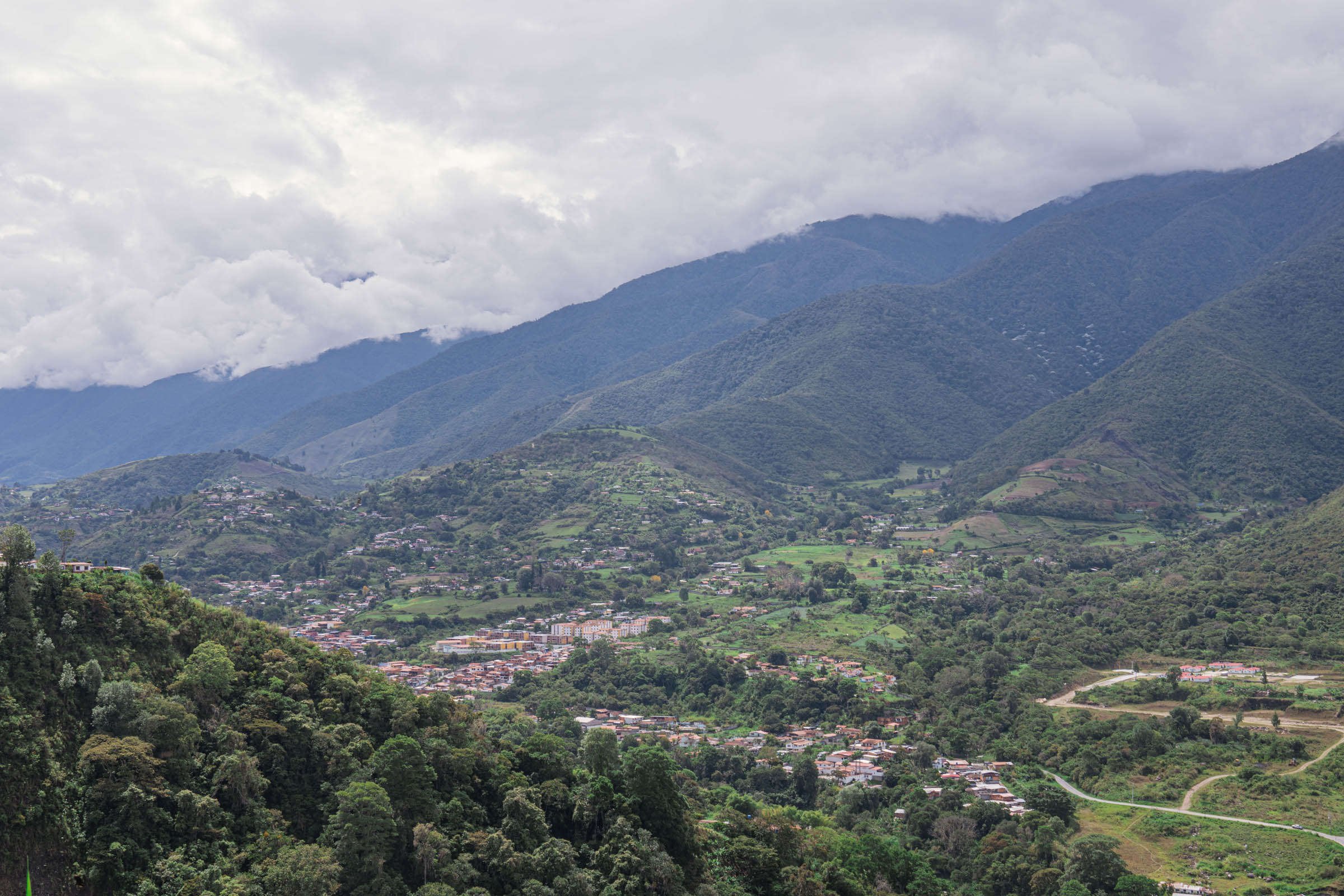
This glacial lake lies at more than 3,500 meters above sea level. It is surrounded by the unique landscape of the páramo, a high mountain grassland with characteristic plants called frailejones. Their silvery, fuzzy leaves protect them from the cold and the strong sun.
The water is crystal clear, the surroundings are quiet, and the air is so clean that you feel as if you are breathing something completely new. The lake is also considered the source of the Santo Domingo River.
The temperature here can be quite low, so dress appropriately. If you are lucky enough to catch a sunny, cloudless day, the colors of the green grass, the blue sky and the silver frailejones seem almost unnaturally alive. You can come with an organized tour or take a bus toward Apartaderos and continue from there.
MUCUCHÍES AND THE STONE CHAPEL OF SAN RAFAEL
Continuing northeast from Mérida along the Trans-Andean road, you reach the small town of Mucuchíes. It lies at 2,983 meters above sea level and has a cool climate. The Spanish founded it at the end of the 16th century.
Mucuchíes celebrates its patron saints, Saint Lucy and Saint Benedict, in December, with colorful festivities. The town also gave its name to the Mucuchíes dog, the national dog breed of Venezuela, a loyal and hardworking mountain dog.
A few kilometers further lies San Rafael de Mucuchíes, home of one of the most fascinating buildings in the Andes: the Stone Chapel. The folk artist Juan Félix Sánchez, born here in 1900, designed and built it by hand from stones, and he completed it in 1984. He also built a chapel dedicated to Our Lady of Coromoto in El Tisure.
In 1982, Venezuela declared his works part of the national cultural heritage. When you walk into the chapel, you feel the dedication of a man without formal training who created a masterpiece from the stones of his own valley.
SIERRA NEVADA NATIONAL PARK AND PICO BOLÍVAR
This entire region is part of the Sierra Nevada National Park, created on May 2, 1952. It is the second-oldest national park in Venezuela, after Henri Pittier National Park, and it protects the highest mountains of the country.
The most famous of them is Pico Bolívar, the highest peak in Venezuela. According to GPS measurements from 2002, it rises to 4,978 meters. Enrique Bourgoin, H. Márquez Molina and Domingo Peña made the first ascent in 1935. Today, climbers usually start their final ascent from Pico Espejo.
This is not a hike for everyone. It is a serious mountaineering challenge that requires technical knowledge, equipment, good physical preparation and an experienced local guide. Weather conditions change quickly, so always plan extra days.
Once, glaciers covered these peaks. However, the ice on Pico Bolívar was gone by 2012, and by May 2024 Venezuela had lost all its glaciers. Even so, the bare rock walls of the Sierra Nevada still look impressive, and the views from the cable car are breathtaking.
BOSQUE SAGRADO: THE SACRED FOREST OF MÉRIDA
The magical forest, Bosque Sagrado, is simply one of those places that really intrigues me. It lies in El Valle, along the road to La Culata, in the basin of the Mucujún River, just outside the city.
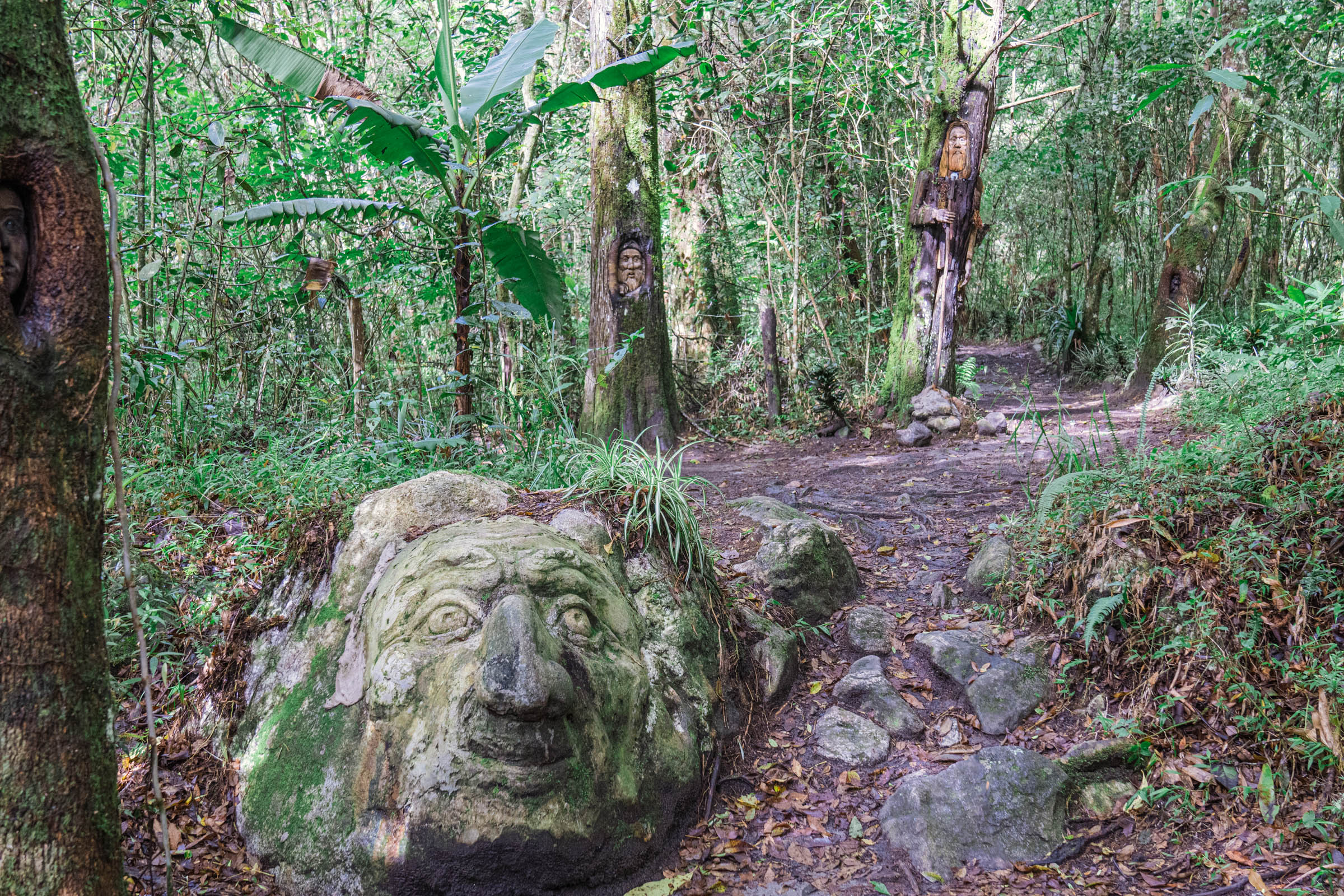
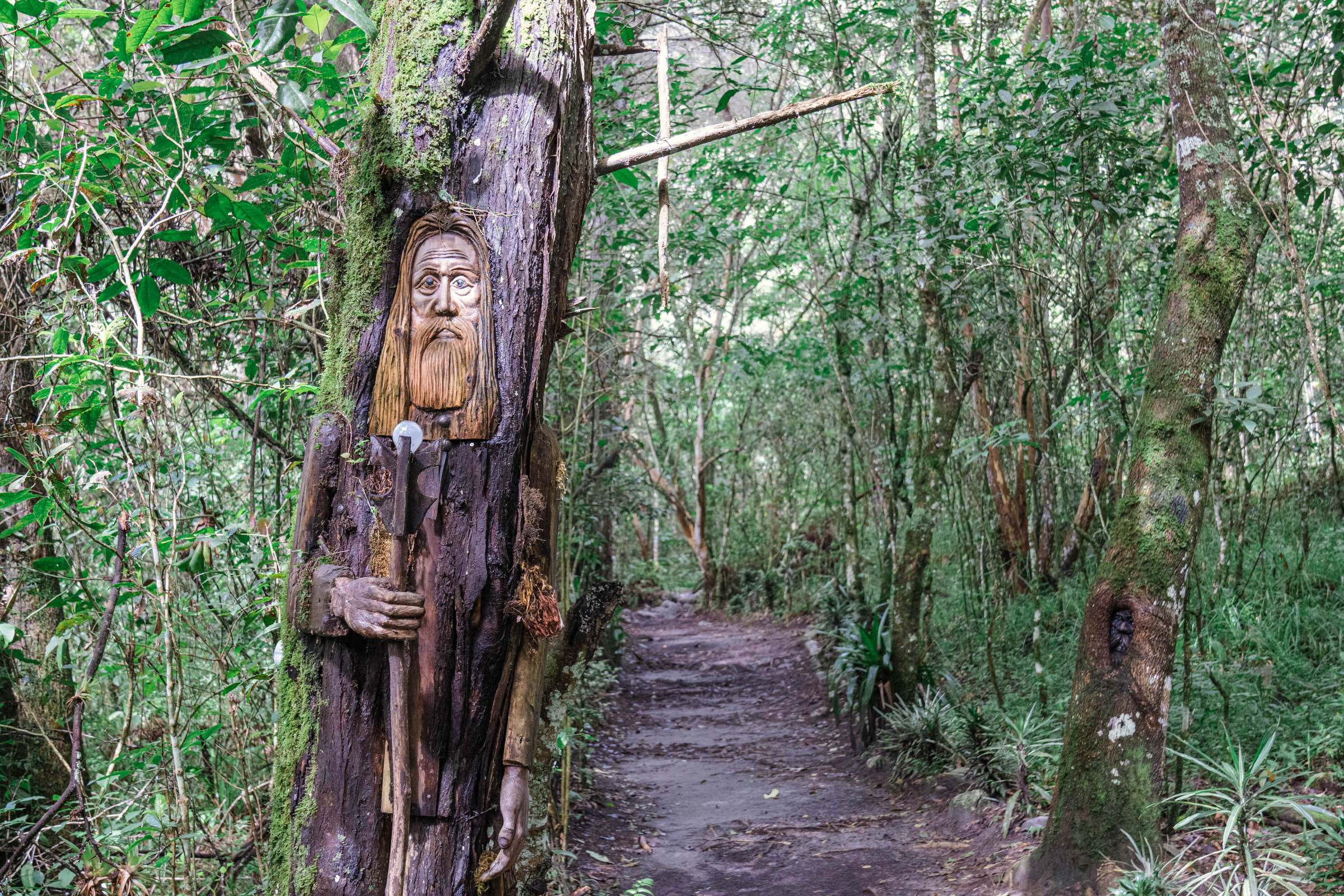
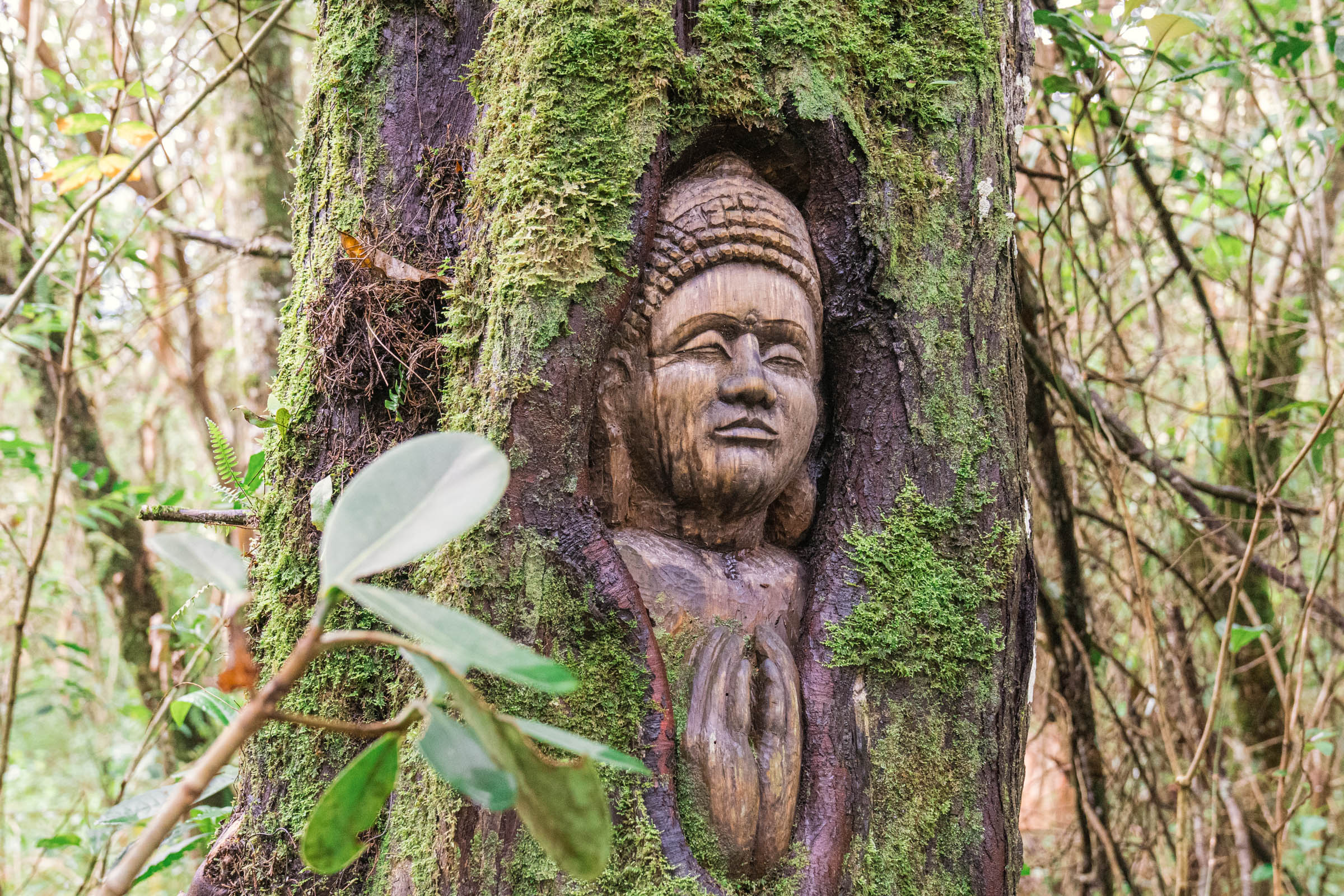
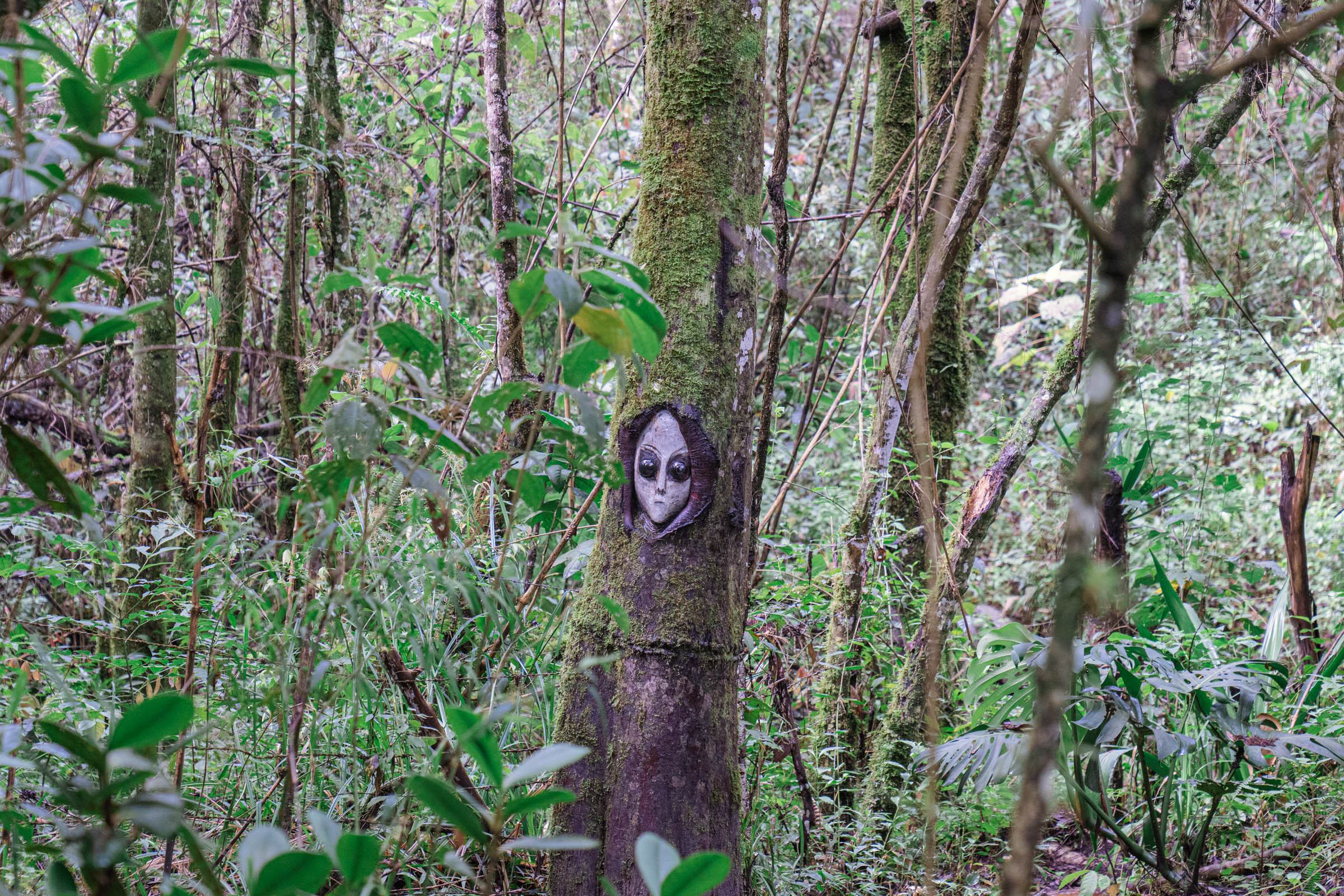
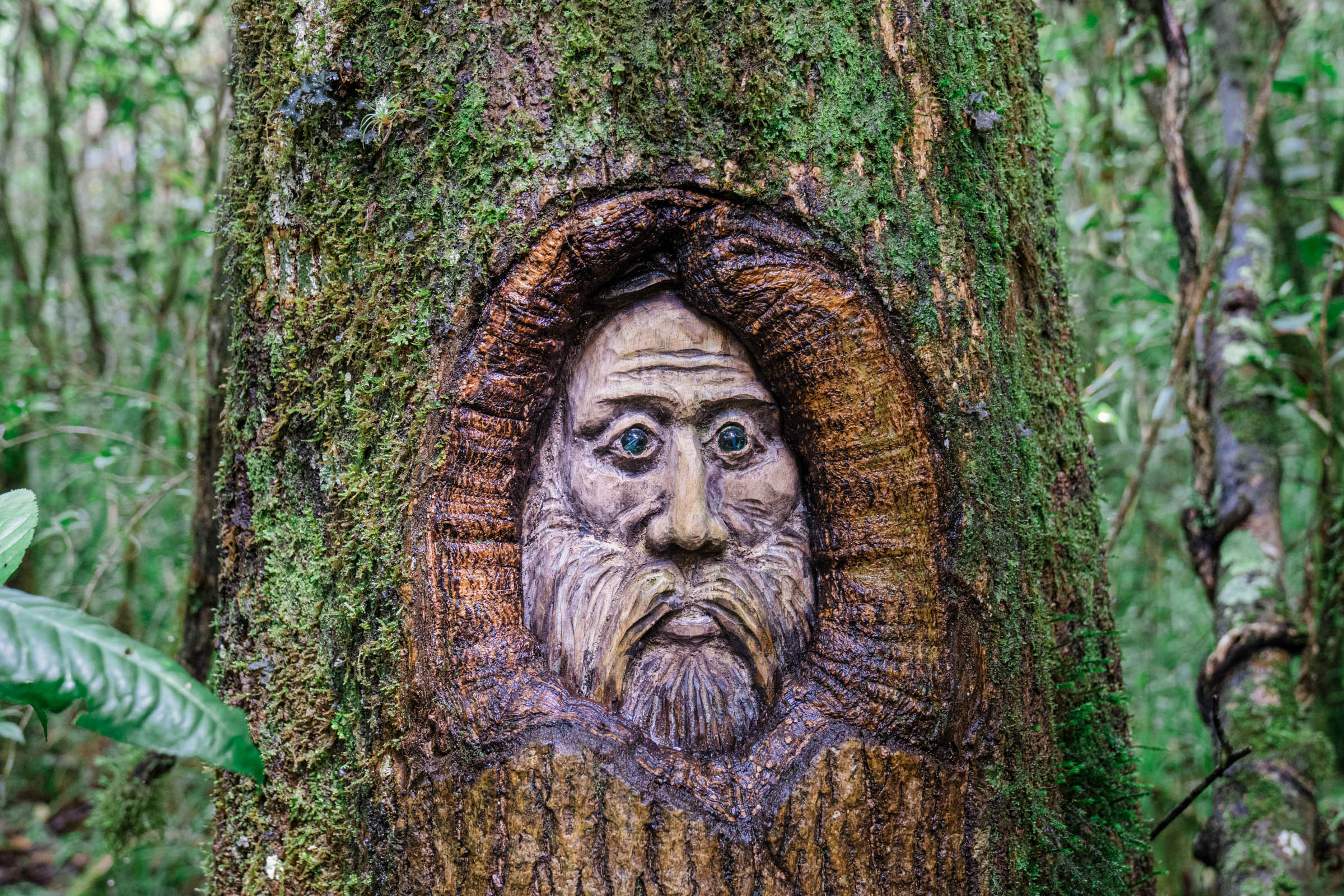
It is not an ordinary forest, but a space where nature and art merge. The artist William Marcano, a history graduate of the University of Los Andes, carved figures directly into trees, stones and logs. Over the years, he turned about 5,750 square meters of forest into a space of artistic meditation and exploration.
Inside, there are 26 figures. Some represent spirits and beings of the forest, while others show historical figures such as the indigenous leaders Guaicaipuro and Tamanaco. Here and there, you will even find little aliens carved into the trees.
So, Bosque Sagrado is not just a nature trail. It is an artistic project, a ritual and a place to meet something deeper. The name comes from the belief of its creators that this place has a special magic.
WALKING THROUGH BOSQUE SAGRADO
When I arrived at Bosque Sagrado, I was immediately overwhelmed by the atmosphere. The forest was full of tall trees, low fog crept between the branches, and I could hear a river running through the terrain. The air was fresh, with a hint of humidity, typical of the mountain forests of the Andes.
As I walked along the path, I noticed carved figures everywhere. There were human faces, duendes from local myths and animals, all woven into nature. Some logs had become seats, and stone paths led from one sculpture to another.
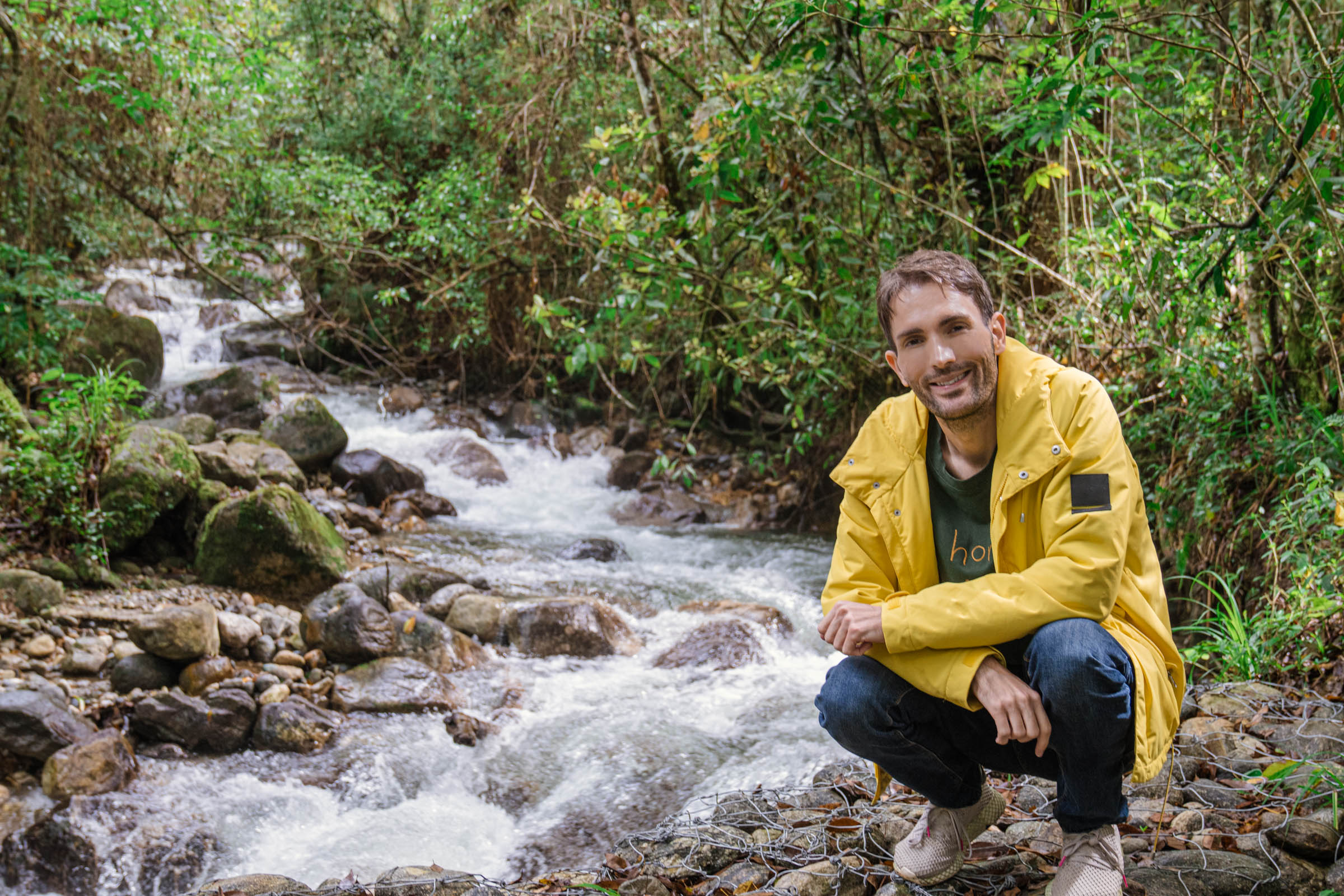
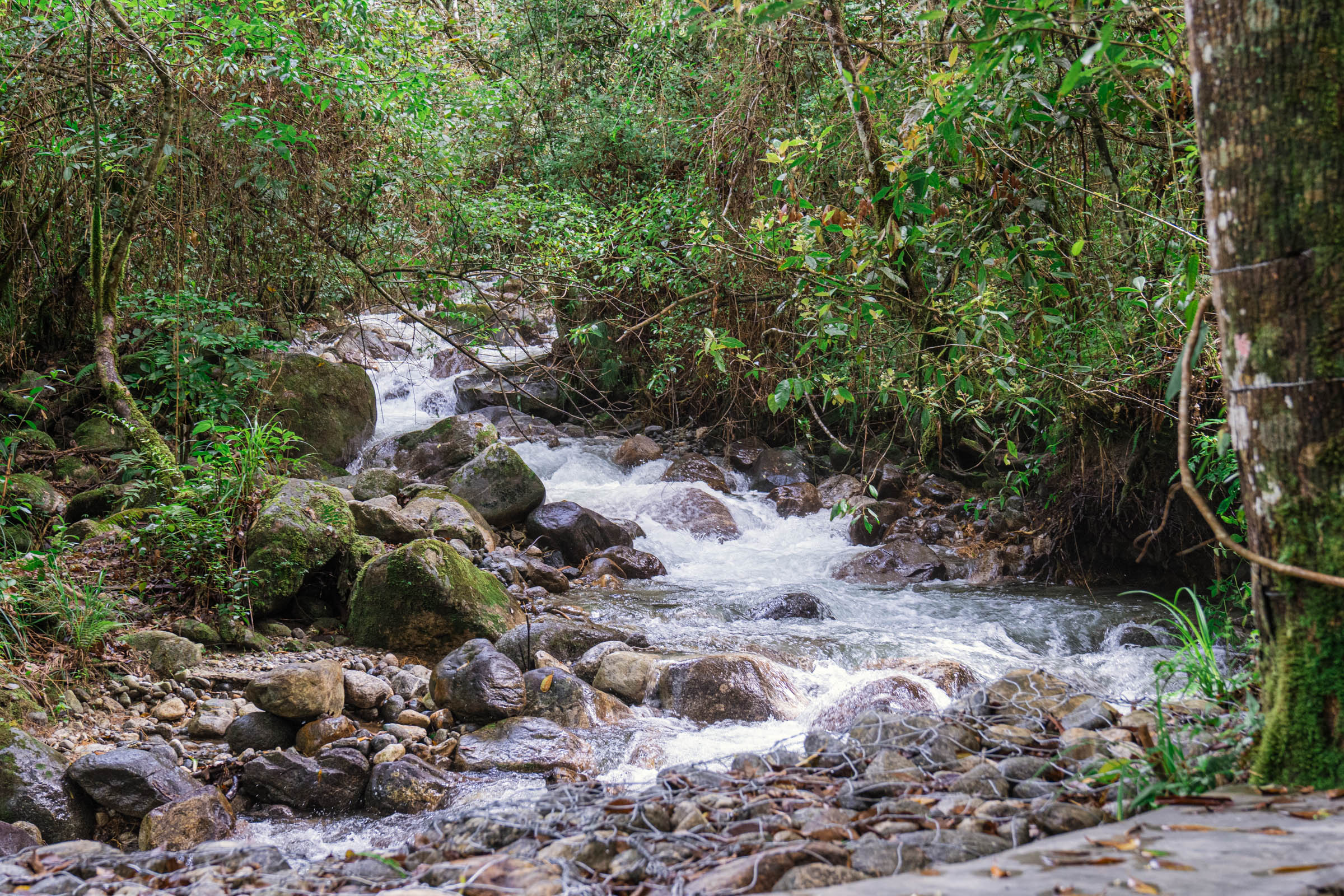
The feeling was as if the forest was breathing on its own, and I was not just an observer but a part of this story. The path also leads down to the river, where the water rushes over mossy stones.
If you are looking for something different, not only an attraction but an unusual experience, this place is ideal. There are no big crowds, and the place is not commercialized. Instead, you find an intimate connection between nature and creative human hands.
TIPS FOR VISITING BOSQUE SAGRADO
- Go early in the morning or in the afternoon, when the light is softer and the forest has that special golden or silver atmosphere.
- Wear good shoes, because the terrain can be uneven and wet, and the wooden paths are sometimes slippery.
- Respect the space. This is not just a photo spot, but a place with soul and meaning, so be quiet and follow the rules of the hosts.
- Plan at least one to two hours, or even half a day if you want to explore calmly.
Visiting Bosque Sagrado was one of those adventures that left me with the impression that something had changed in me: my view of nature, of art and of other things in life.
In a city like Mérida, famous for its spectacular Andean landscapes, this corner of the forest represents a different kind of beauty: inner, meditative and artistic. So, if you have time to escape the city, include this place in your plan. Here, the forest becomes a gallery, and you become a silent observer, but also a participant in this natural art.
CASA DEL ÁNGEL DEL SOL: A HOME FOR HUMMINGBIRDS
In the community of Monterrey Alto, in the El Valle sector, there is one of the most unusual and magical places I have ever visited: Casa del Ángel del Sol, also known as the House of the Hummingbird. This is not just a tourist attraction, but a refuge for some of the most beautiful birds in the world.
The ecologists Michelle Ataroff, Pascual Soriano and Javier García created this refuge. It all began when Ataroff and Soriano set up artificial nectar feeders, and the hummingbirds of the cloud forest started to visit them.
The project combines ecotourism, education and nature protection. Its name honors the Mérida Sunangel, Heliangelus spencei, a hummingbird found only in the Venezuelan Andes. Visitors can watch the birds up close, learn about them and support their protection.
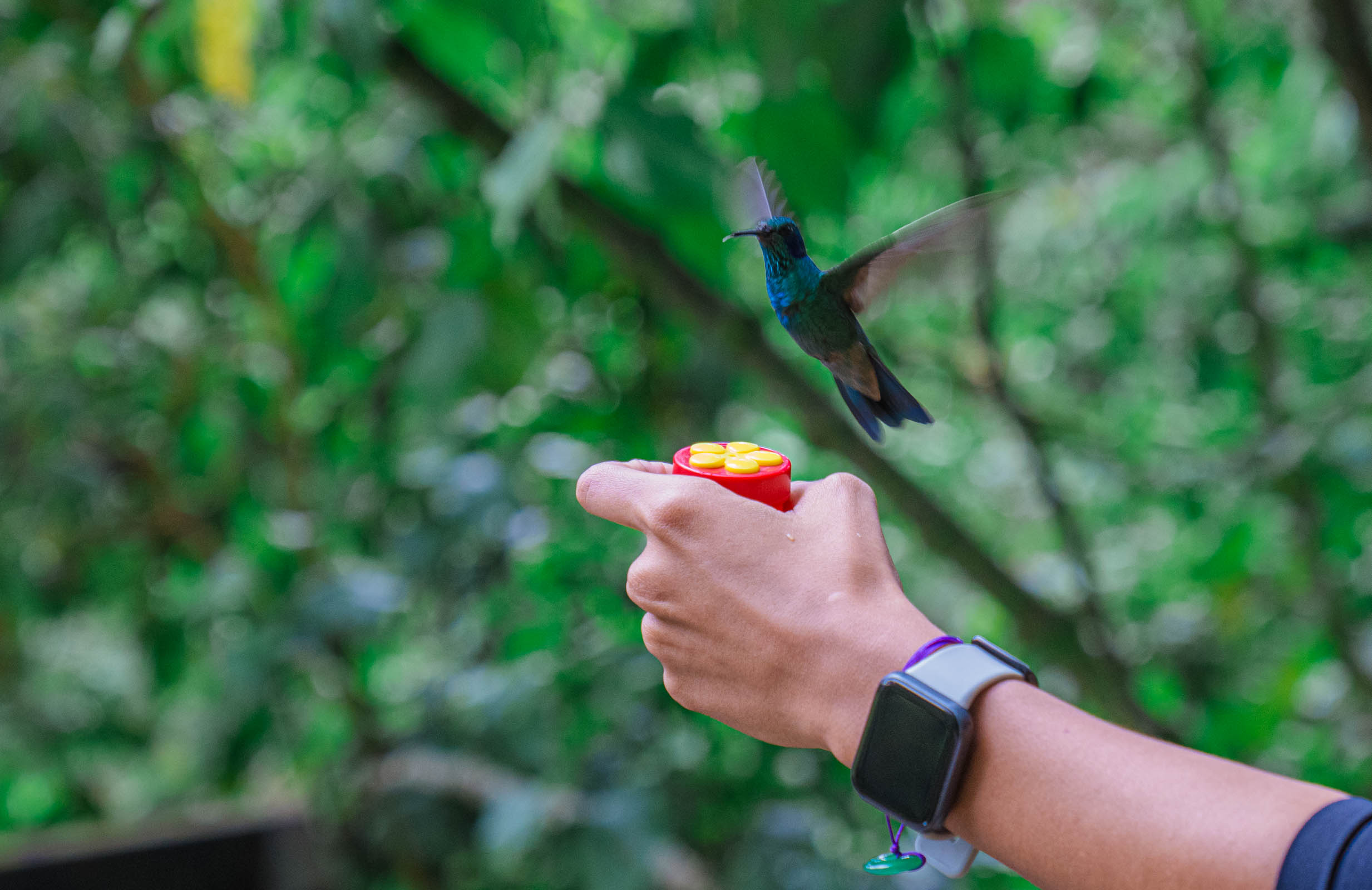
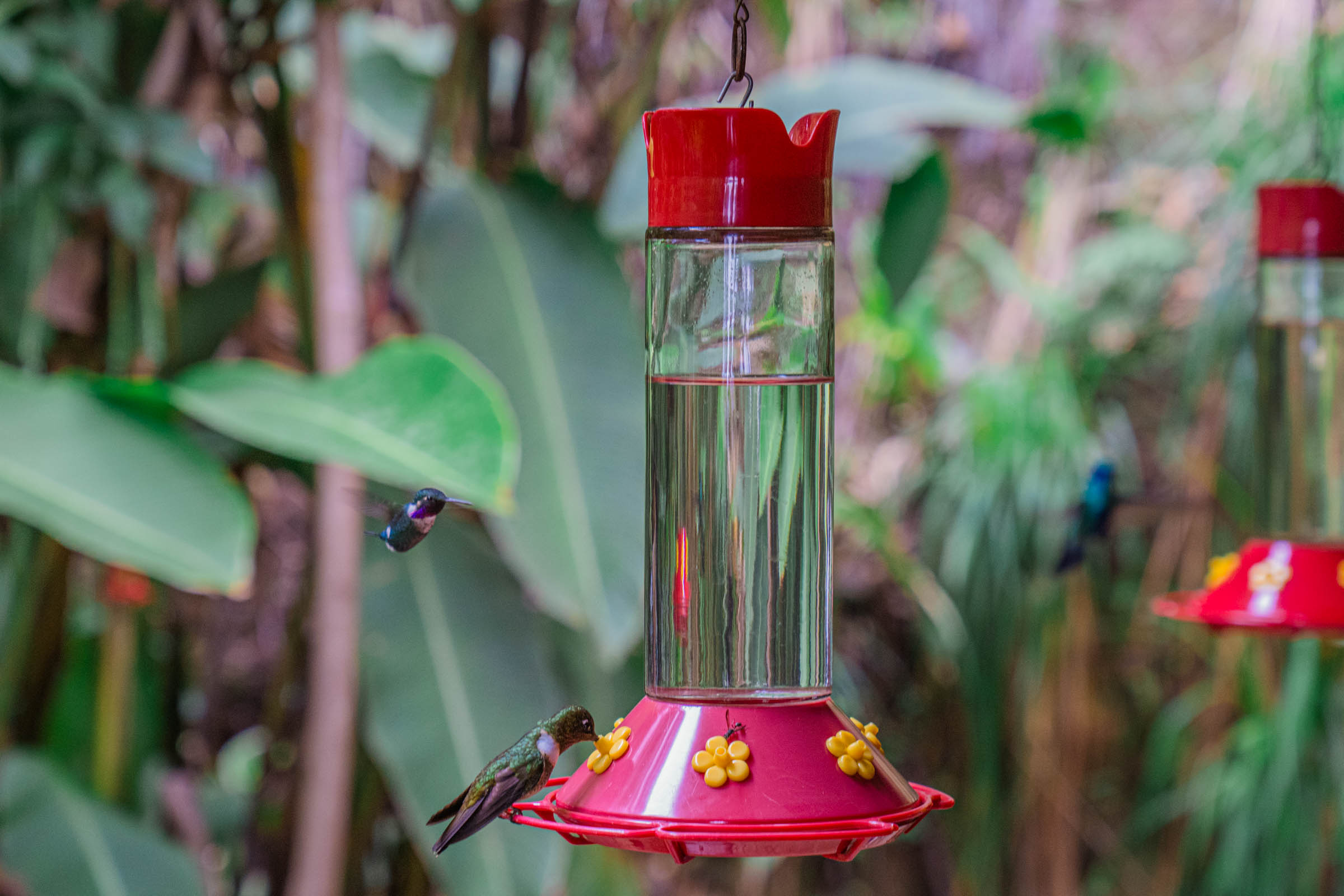
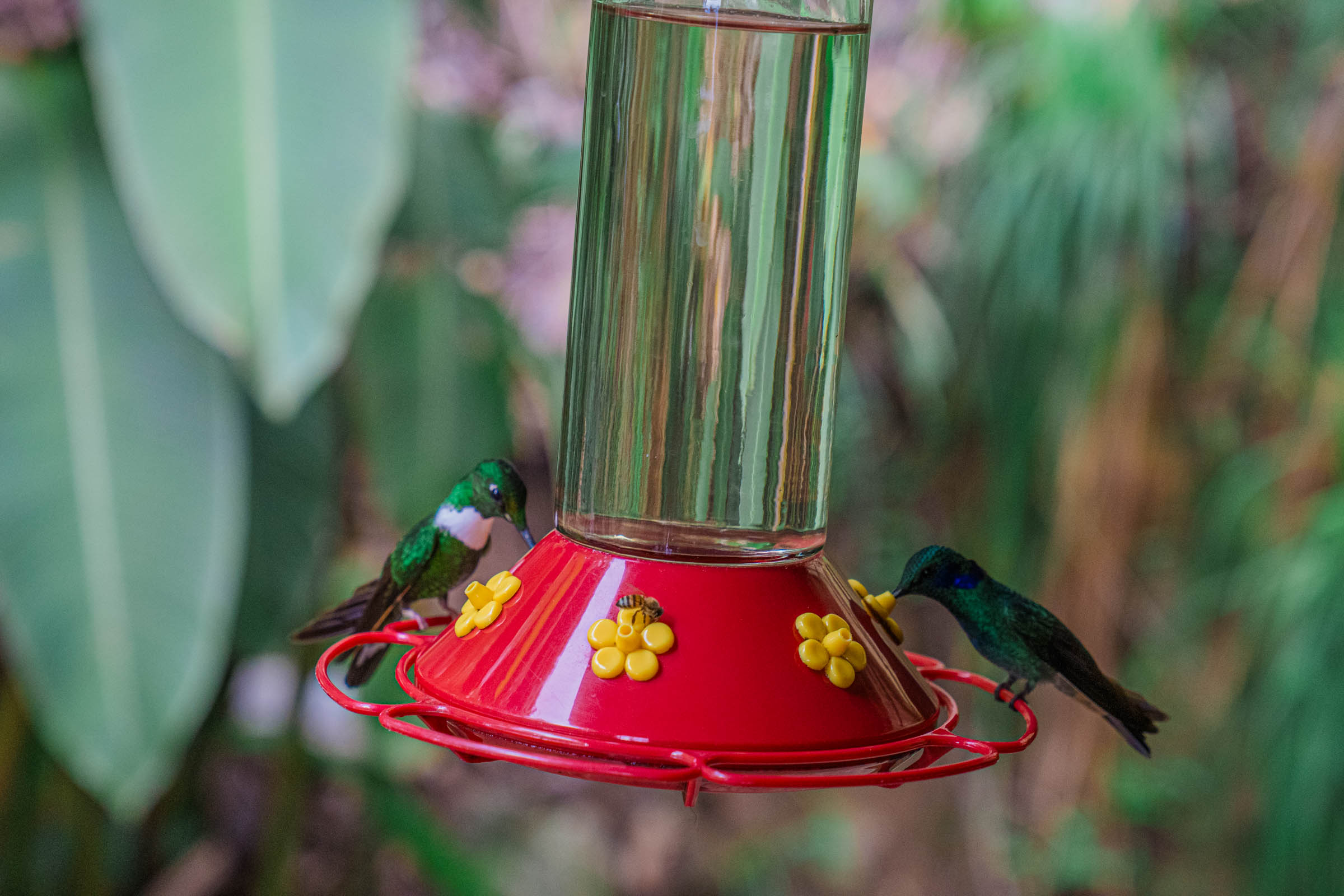
When I arrived, a terrace overlooking a dense cloud forest greeted me. I heard the wind in the treetops, the cheerful sound of hummingbird wings and smelled moss and moisture. First, I sat and watched. Then, the host showed me the feeders, which the hummingbirds approached within half a meter.
MEETING THE HUMMINGBIRDS OF MÉRIDA
One of the most intimate moments was when I held a small feeder in my hand. The tiny, swift hummingbirds came, hovered with a quick sweep of their wings and drank the nectar. It was an experience that was both calming and exciting.
The tour also included a walk through the cloud forest that surrounds the house. Our guide shared information about the species, their habitats and their behavior.
Here are a few tips for your visit:
- Book in advance, because the number of visitors is limited and the experience includes a guided tour.
- Bring good footwear and protection against moisture, because the forest can be wet, slippery and foggy.
- Be patient. The best moments come when the hummingbirds get used to your presence.
- Do not forget your camera. If you like photography, this is heaven for photographing small, fast birds.
Above all, enjoy the silence and the beauty of nature. This is not just a visit, but a direct connection with the natural world.
PÁRAMO LA CULATA AND CHORROS DE MILLA
If you are in the city and have half a day to spare, head to the Páramo La Culata. This landscape of high mountain grasslands belongs to the Sierra La Culata National Park, established in 1989. From the end of the road, you can hike or ride a horse through spectacular scenery.
This is also a great place to try local dishes such as pisca andina, the traditional soup, and pastelitos, fried pies with meat or cheese. Small restaurants along the road offer authentic food, and many of them also sell sweet blackberry wine.
Closer to the center, Chorros de Milla is a combination of a zoo and a park with small waterfalls. It is an ideal place for families with children, especially if they are already tired of museums and churches. The trails are pleasant, and spending an afternoon here is relaxing.
Both places show the softer side of Mérida, where nature is always just a short ride away. So, even on a short stay, try to make time for at least one of them.
A COFFEE FARM IN THE ANDES OF MÉRIDA
Travels often take us to places we do not expect, and those places often leave the deepest mark. One such discovery during my time in Venezuela was a coffee farm in the Mérida region, in the heart of the Venezuelan Andes.
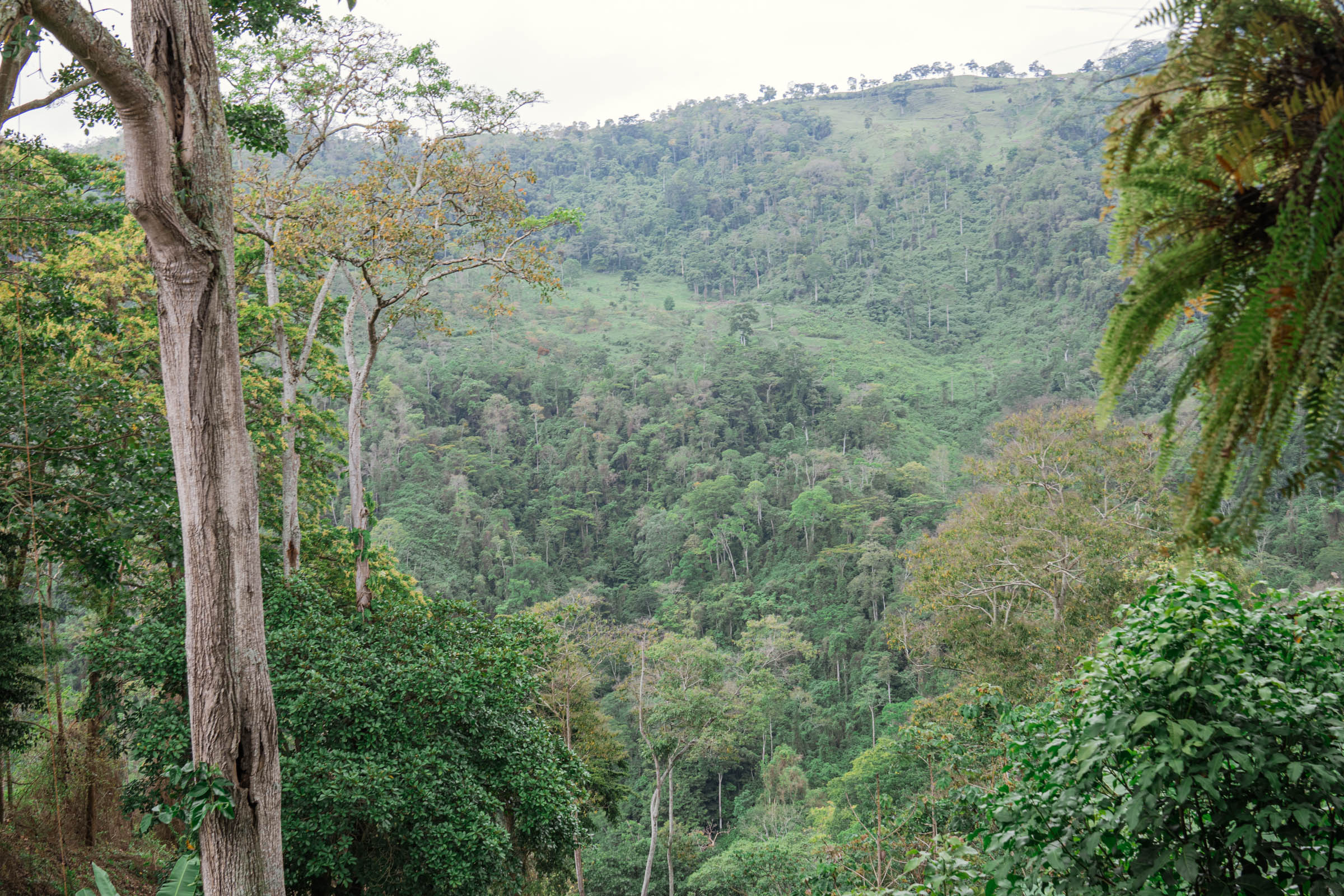
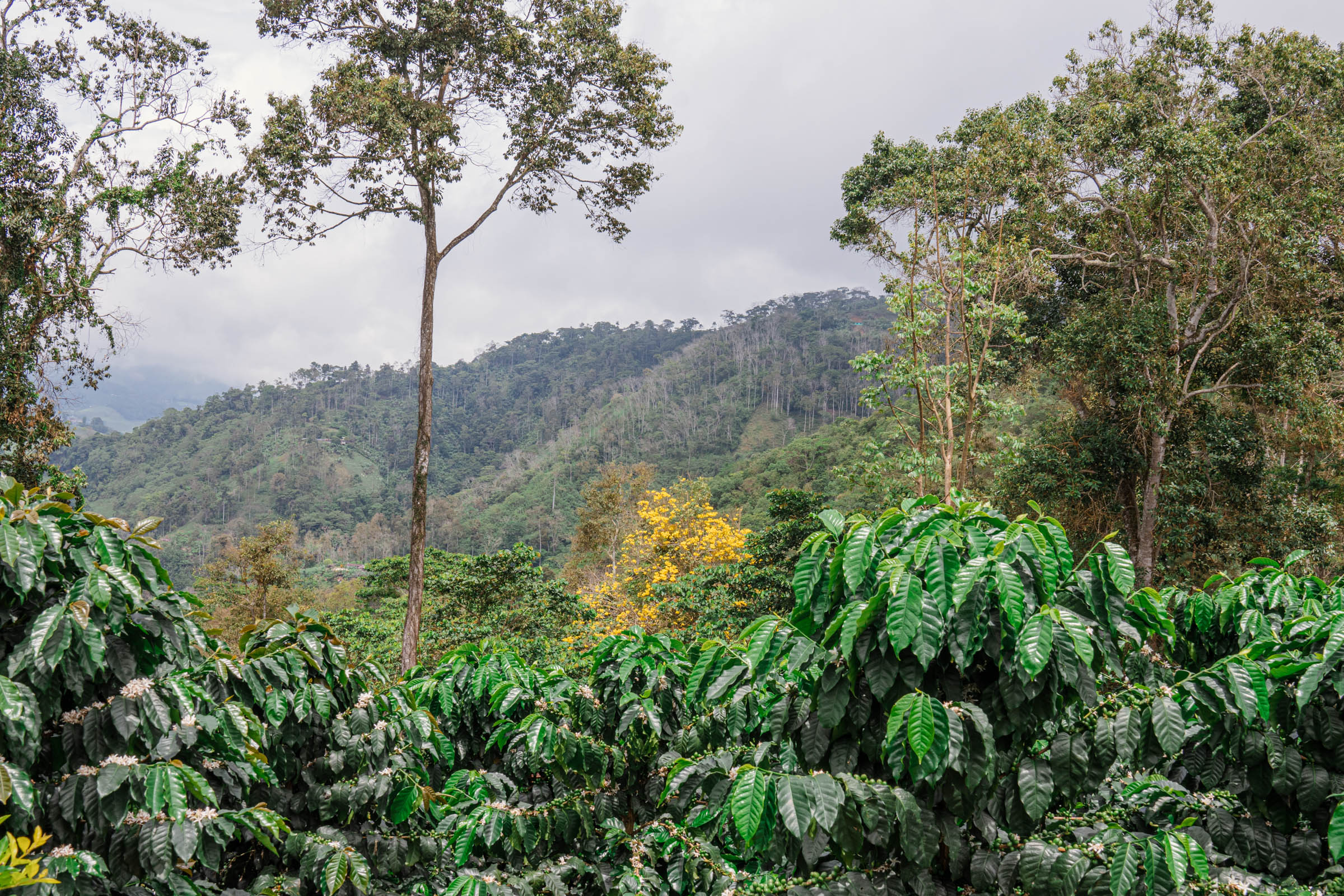
The journey there was already a special experience. Winding roads climbed up the green mountain slopes and revealed sights that are hard to forget. Coffee fields stretched toward the horizon, fog and sun played with the colors of the landscape, and the smell of fresh earth accompanied every step.
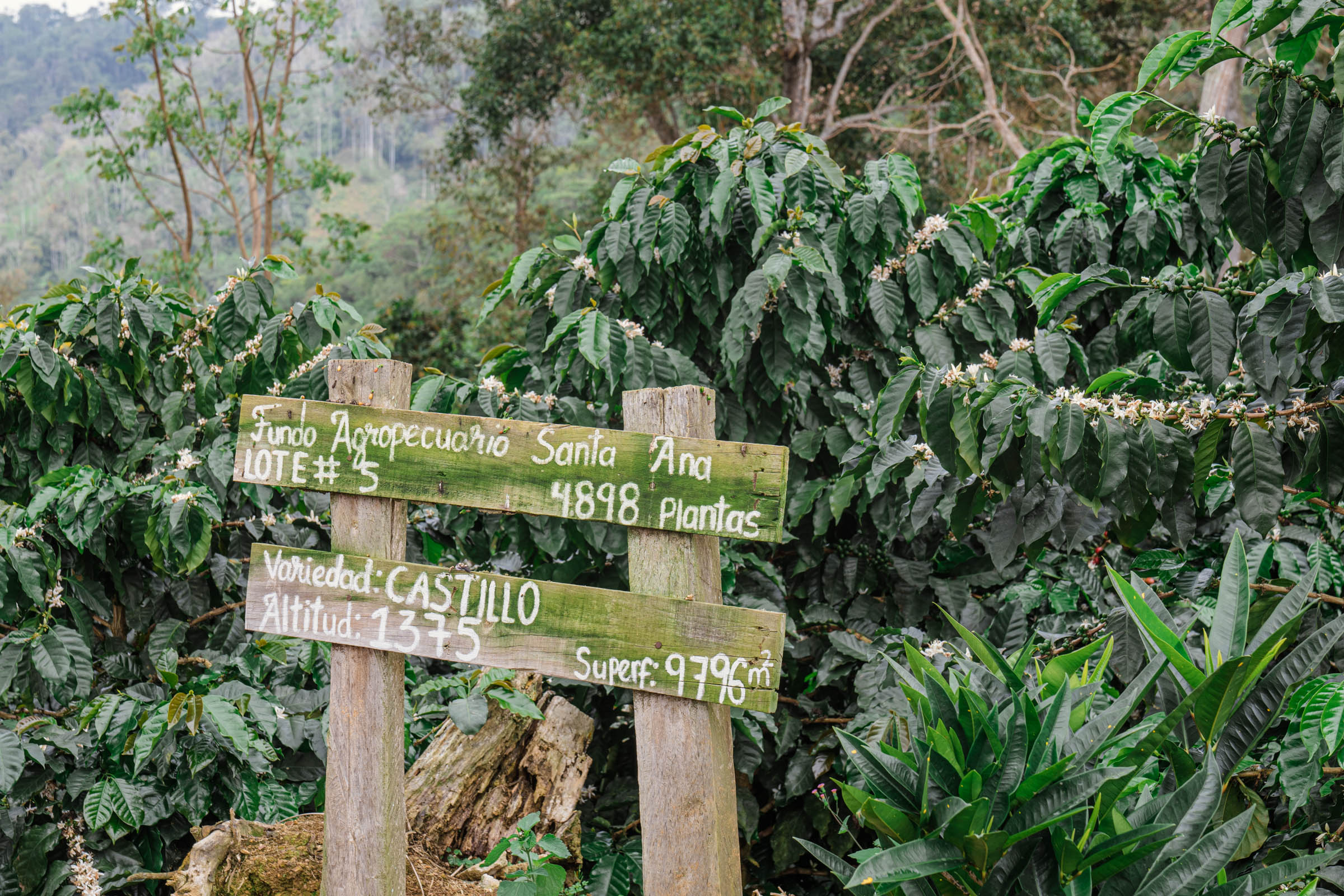
At the entrance to one of the plots, a wooden sign showed the name of the farm: Fundo Agropecuario Santa Ana. It also listed the details of the plot: 4,898 plants of the Castillo variety, grown at an altitude of 1,335 meters.
The plantation I visited is a family farm more than a hundred years old, where much of the work is still done by hand, with respect for the land and for every coffee bean. The hosts welcomed me with a smile and the typical warmth of the Venezuelan people.
FROM COFFEE CHERRY TO CUP
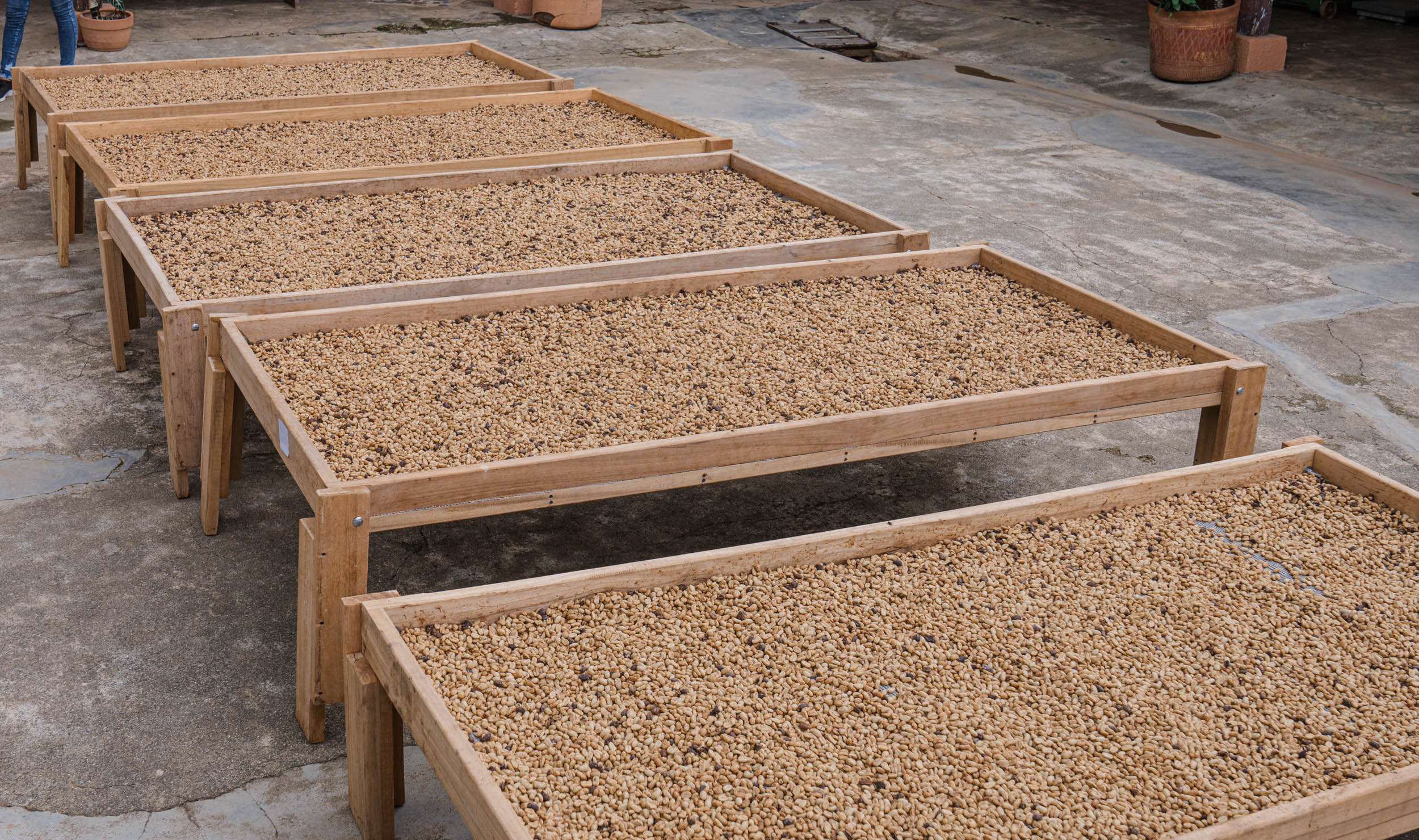
The hosts showed me every step of the process, from picking the ripe red cherries, through drying and roasting, to tasting the final product. The beans were drying on long wooden beds.
What fascinated me the most was the dedication and passion with which they talked about their coffee. For them, it is not a job, but a legacy and a way of life. Every detail of the process matters, from the moment of harvest to the temperature of the roast.
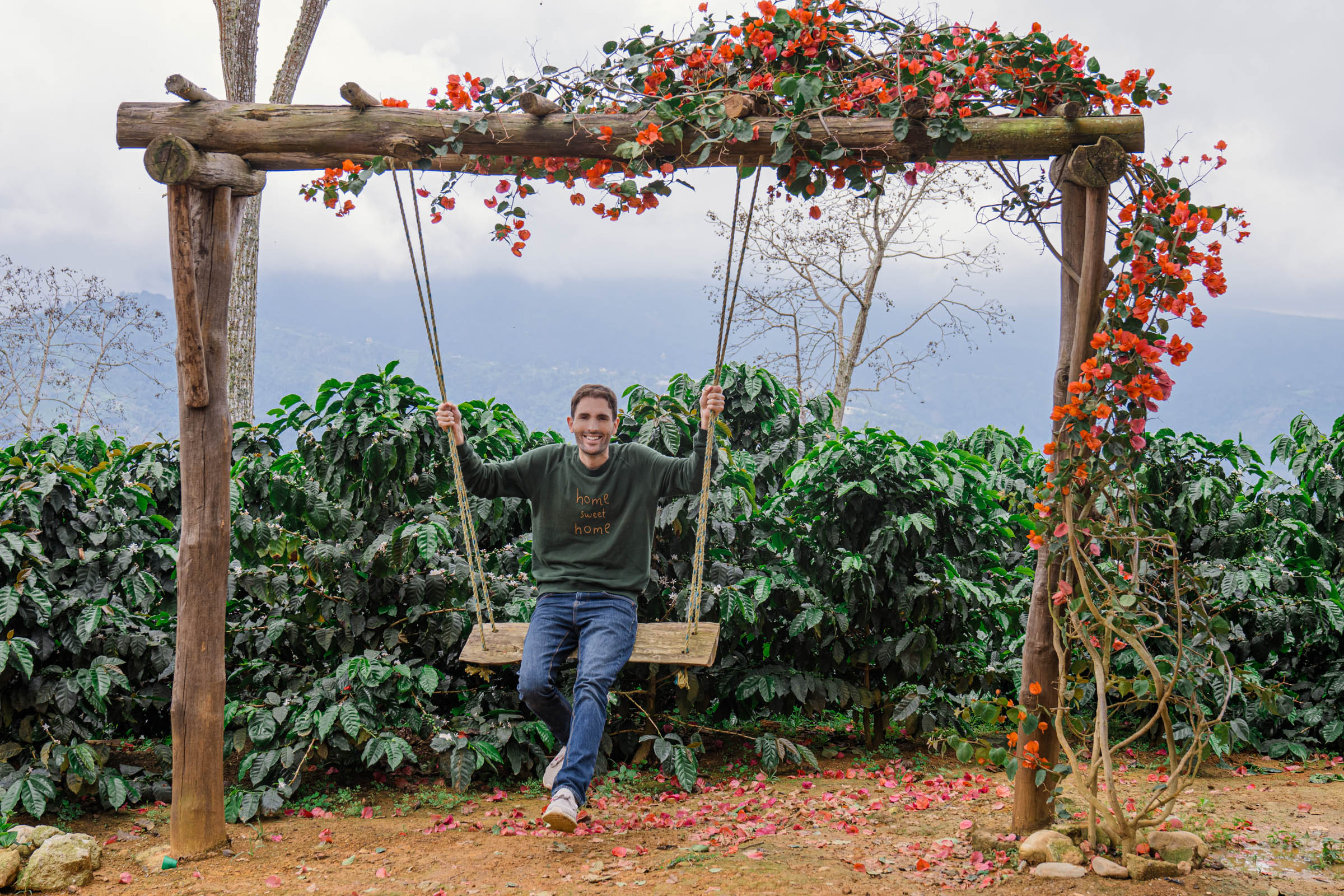
Between the coffee plants, a wooden swing decorated with flowers waited for visitors. Of course, I could not resist taking a seat on it, high above the green rows of coffee.
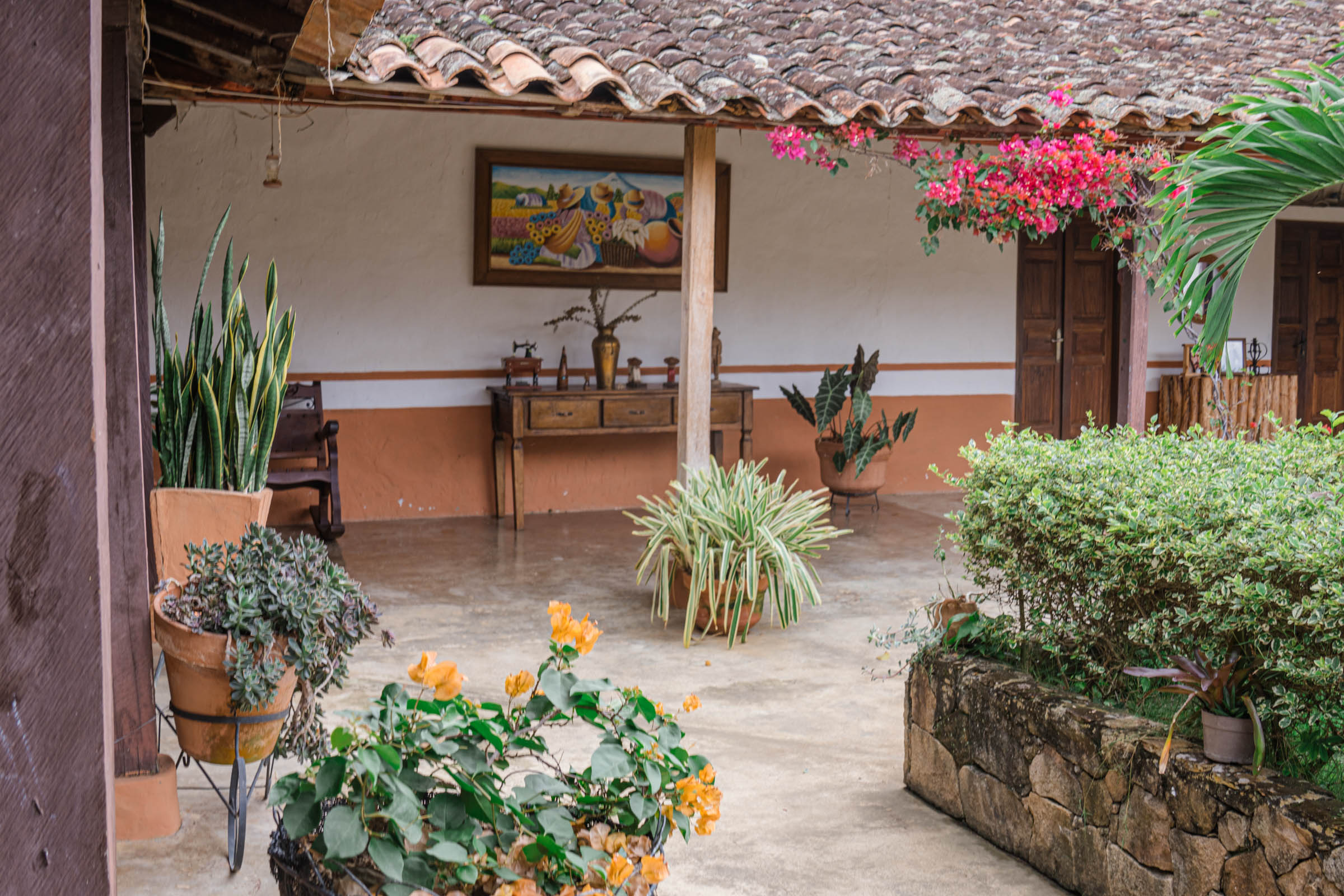
The old farmhouse, with its tiled roof, colorful flowers and quiet courtyard, made the visit even more special. It felt like a place where time moves at its own pace.
COFFEE, PEOPLE AND TRADITION IN MÉRIDA
In the Andes, coffee is not just a drink, but a symbol of community. Every morning starts with a cup of freshly ground coffee. Locals believe that their mountain coffee is special because of the altitude and the climate, which allow the plants to grow slowly and give the beans a full aroma.
Mérida coffee has a long reputation. Traditionally, it was exported through the port of Maracaibo, and experts describe it as a coffee with good body and a sweet, pleasant flavor. Today, the main coffee areas of the state lie in the Mocotíes valley, around Tovar and Santa Cruz de Mora.
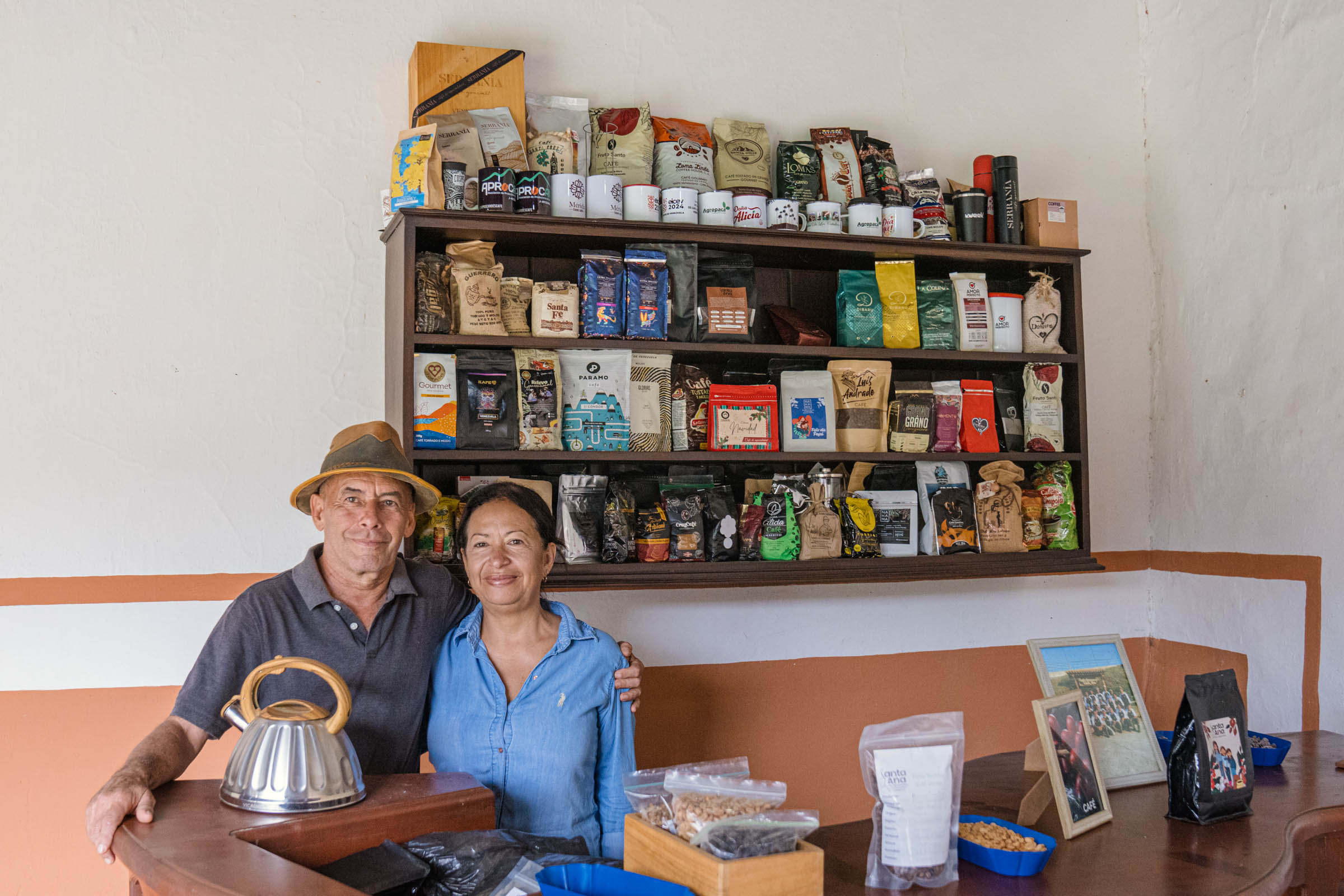
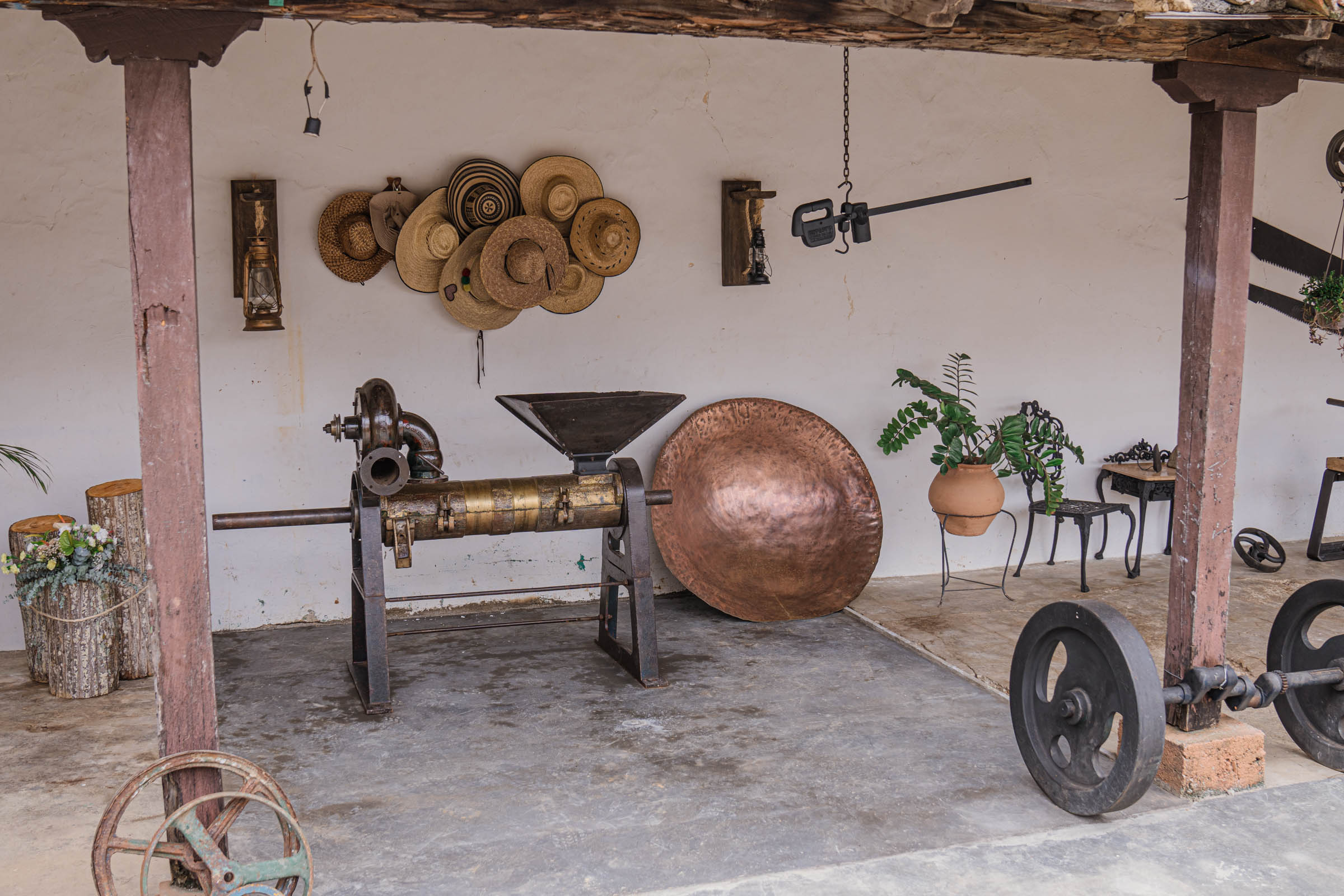
The farm also has a small shop full of coffee packages and local products. In the old processing room, traditional machines are on display, together with copper pans and straw hats on the wall.
After the farm, I spent the afternoon in a nearby village and tried a coffee that the host had just prepared himself. It was one of those moments when you realize that luxury does not always have to be in five-star hotels. Sometimes, luxury is the taste of lovingly brewed coffee and a breathtaking view.
THE TOY MUSEUM OF MÉRIDA
There are places that leave us breathless not because of their architecture or size, but because they remind us of the purest parts of ourselves. I found one such place in the heart of Mérida: the Casa del Juguete, the toy house and museum of Mario Calderón.
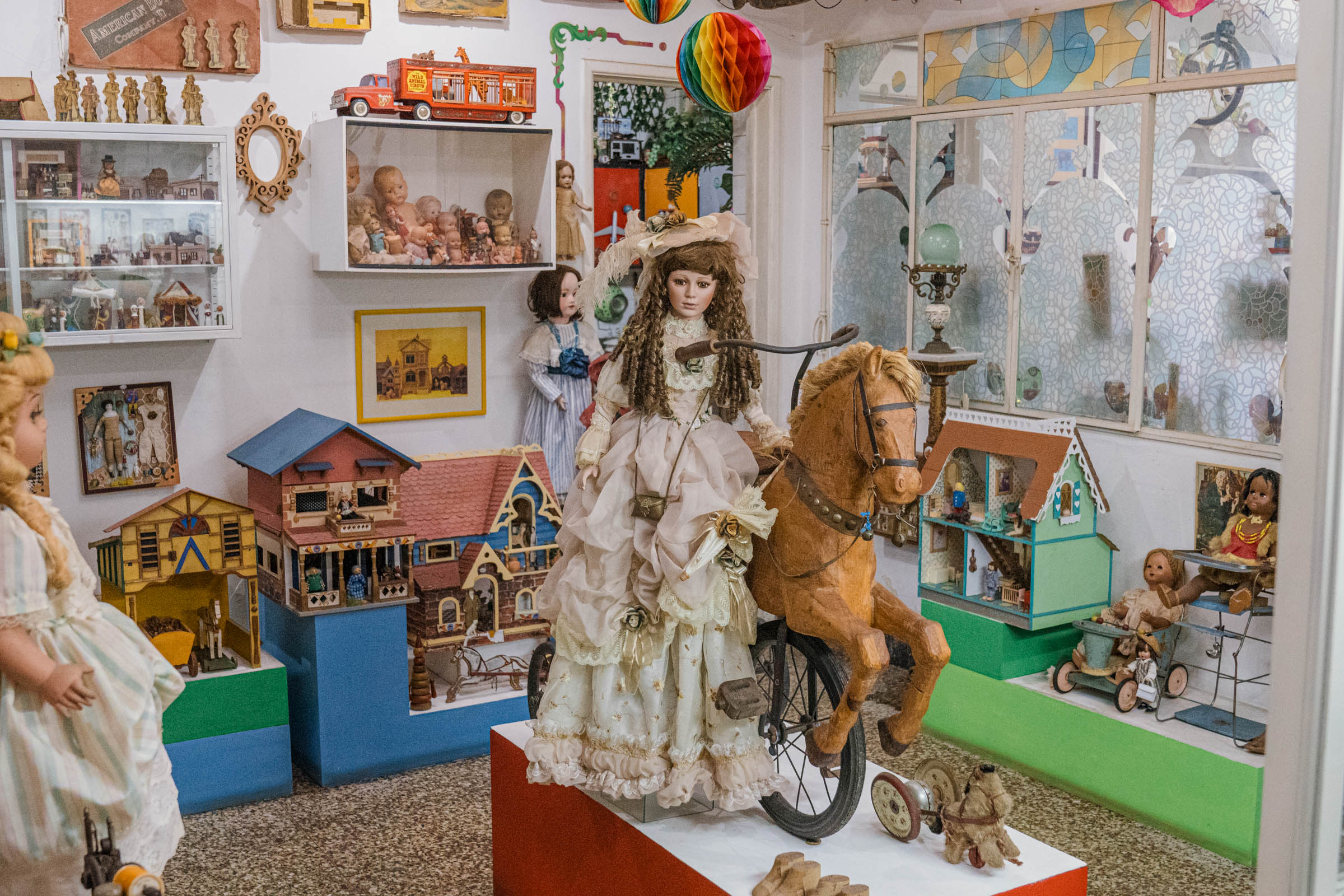
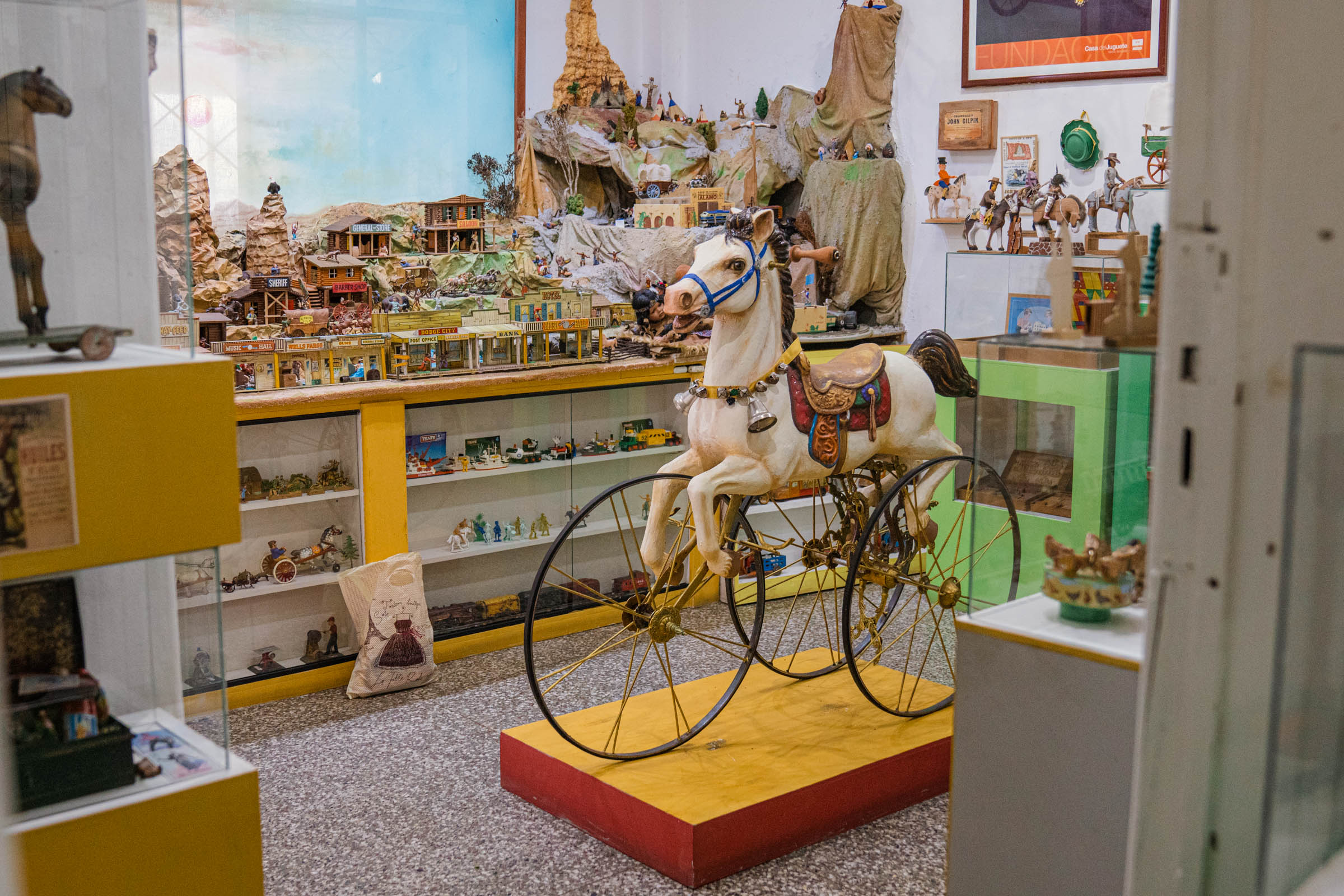
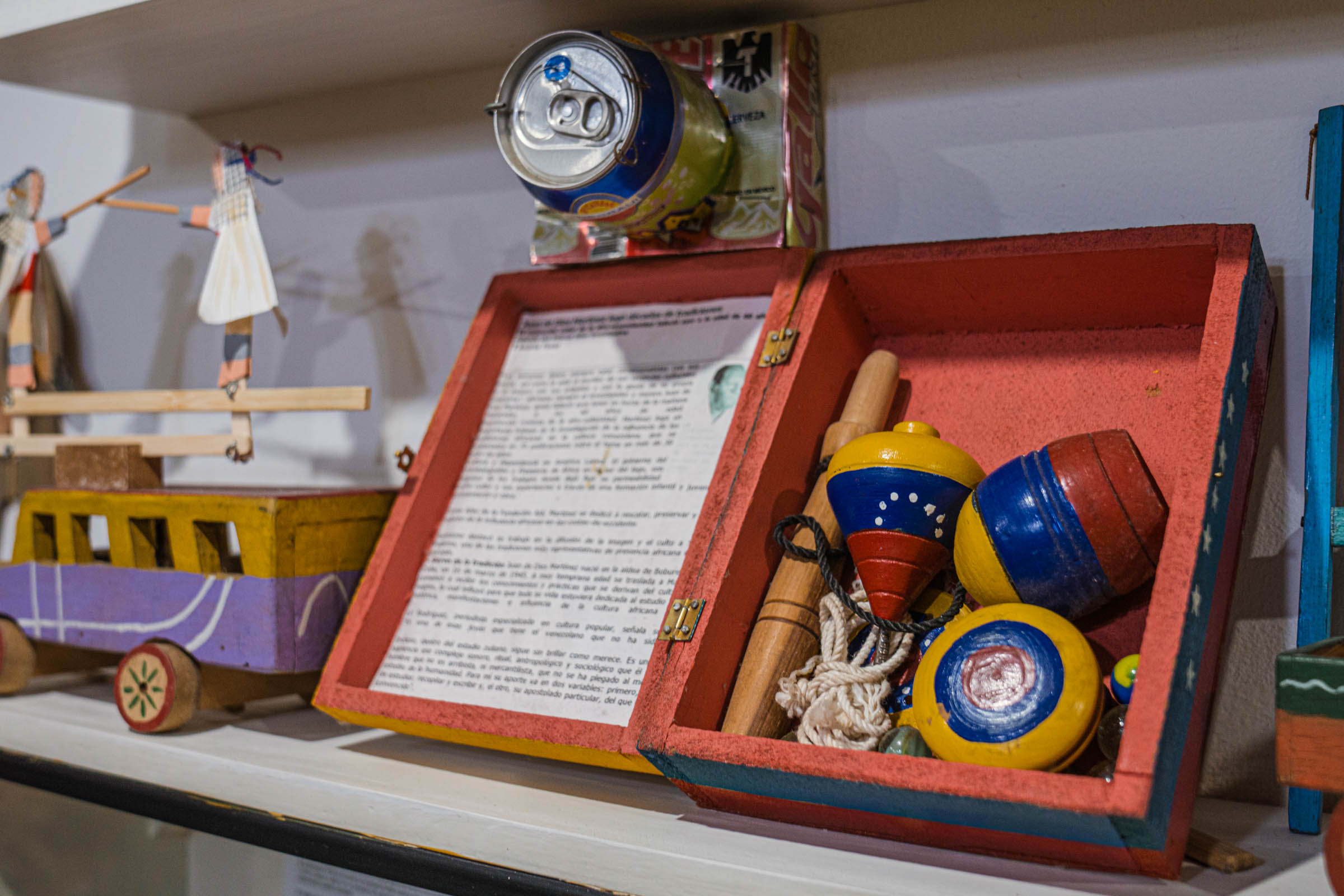
Mario Calderón is a musician and a master toymaker. His house works both as a museum and as a workshop where he makes wooden toys by hand. The collection has more than 3,000 vintage and handmade toys, from the late 19th century to the late 20th century.
From the moment I stepped inside, I had the feeling that I had opened a door to the past. The rooms are not huge, but every corner has soul. In the display cases, there are dolls with porcelain faces, tin cars, teddy bears, old dollhouses and rocking horses.
As I walked between the shelves, I found myself pausing in front of each figure, trying to imagine the child who once played with it. Each toy here carries a story of love, imagination and a world that used to be much simpler.
TRADITIONAL VENEZUELAN TOYS
The owner and founder of the museum, Mario Calderón, greeted me with a smile, ready to explain the origin of almost every toy on display. His passion is felt in every sentence, and the mission of the house is to keep the memory of childhood alive.
A special part of the museum is dedicated to traditional Venezuelan toys. There, I saw spinning tops, small wooden figures and handmade toys made of wood and fabric. These objects are not just toys, but part of the cultural identity of the country. They remind us of a time when children created their world without technology, using only their imagination.
The Toy Museum of Mérida is not just a collection of objects, but a space that takes us back to our roots. It reminds us that the real magic lies in simple things.
If you ever find yourself in this part of Venezuela, do not skip it. Going there is like having a gentle conversation with the child inside each of us.
ADVENTURE ACTIVITIES IN MÉRIDA
Mérida is not just for sightseeing, but also a paradise for lovers of adrenaline. It is the largest student and tourist center of western Venezuela, and local agencies offer activities for every level of experience.
Mountaineering and hiking: From easy walks to demanding multi-day expeditions, the mountains around the city offer endless options.
Paragliding: Flying over the Andes with a paraglider is an experience you will not forget, and agencies offer tandem flights for beginners.
Mountain biking: Numerous trails of different difficulty await cyclists, and you can rent equipment in the city.
Rafting and canyoning: The rivers that flow from the mountains offer opportunities for rafting, while the canyons are perfect for canyoning.
Horse riding: This is a traditional way of exploring the páramo. You can organize one-day or multi-day tours on horseback.
Many adventure agencies are located in the city center, around Plaza Las Heroínas. Always choose an experienced and licensed operator, check the equipment and ask about insurance. It is best to book in advance, especially for serious expeditions such as Pico Bolívar.
ANDEAN FLAVORS: WHAT TO EAT IN MÉRIDA
The food in Mérida is different. This is not Caribbean Venezuela with its seafood, but the Andes, and the food reflects the mountain character of the region.
Pisca andina: A traditional soup with potatoes, eggs, milk and coriander. It is warm, nourishing and perfect for cold Andean evenings.
Arepas andinas: Unlike the standard Venezuelan arepas, the Andean versions are made with wheat flour and are usually served with cheese.
Pastelitos: Fried wheat pies with different fillings, such as meat, cheese or chicken. They are tasty and cheap, and you can find them everywhere.
Queso de páramo: A local cheese produced by farmers in the highlands. It is salty, firm and excellent with local bread.
Dulce de lechosa: A papaya dessert in sugar syrup. It is extremely sweet, but that is exactly why people love it.
Chicha andina: A traditional fermented drink with a very specific taste. Try it at least once.
Blackberry wine: A local wine made from Andean blackberries. It is sweet, aromatic and a great souvenir.
In the city center, there are restaurants for every budget, from cheaper local places to restaurants with international cuisine.
HELADERÍA COROMOTO: THE ICE CREAM SHOP OF MÉRIDA
I cannot finish the food story without mentioning Heladería Coromoto. The Portuguese immigrant Manuel da Silva Oliveira opened this ice cream shop in the early 1980s. It became famous for its incredible number of flavors, 860 in total, which once earned it a Guinness World Record. In 2011, another shop in the United States took over the record.
From classic vanilla and chocolate to completely bizarre flavors such as avocado, beer, garlic and black beans, Coromoto made Mérida famous among lovers of unusual tastes. Of course, nobody could try them all, because the shop offered only a selection of flavors each day.
In 2017, the shop closed temporarily because of a shortage of milk and sugar. According to an update from June 2024, it was open again and run by the family, but with a much smaller selection of flavors.
So, if you visit Mérida, stop by and see what is on offer that day. Even if you are not a fan of experimental flavors, the legend of this place is reason enough for a visit.
BEST TIME TO VISIT MÉRIDA
Mérida can be visited throughout the year, but different seasons offer different experiences.
December to March: This is the dry season and the best time for hiking and adventure activities. The sky is clearer and rain is rare. It is also the busiest period, especially around Christmas, the Feria del Sol in February and Carnival.
April to November: This is the rainy season. You can expect more rain, but it also brings its own beauty. Everything is green, the waterfalls are full and there are fewer tourists. If you do not mind the rain, this can be a great time to visit.
In the city, typical temperatures range between 19 and 24 °C. Nights are cooler, with lows of around 14 °C, so a light jacket is always useful. However, do not forget that the temperature drops dramatically the higher you go. At the top of the cable car or by the mountain lakes, it can be close to freezing.
Whatever the season, pack layers, a raincoat and comfortable shoes. In the Andes, the weather can change several times in a single day.
WHERE TO STAY IN MÉRIDA
During my trip, I stayed in two very different hotels, and each of them showed me a different side of the region. The first is a modern boutique hotel in El Vigía, a city in the lowlands of Mérida state. The second is a traditional mountain hotel in the city of Mérida itself.
Your choice depends on your plans. If you arrive by plane at El Vigía or you want modern comfort and a shopping center at your door, the boutique hotel is a practical choice. On the other hand, if you want to be close to the cable car and the historic center, a hotel in the city is the better option.
In both cases, book in advance, especially during the dry season and the Feria del Sol. Also, ask about transfers, because taxis and private drivers are the most practical way to move around.
JUNIOTEL HOTEL BOUTIQUE IN EL VIGÍA
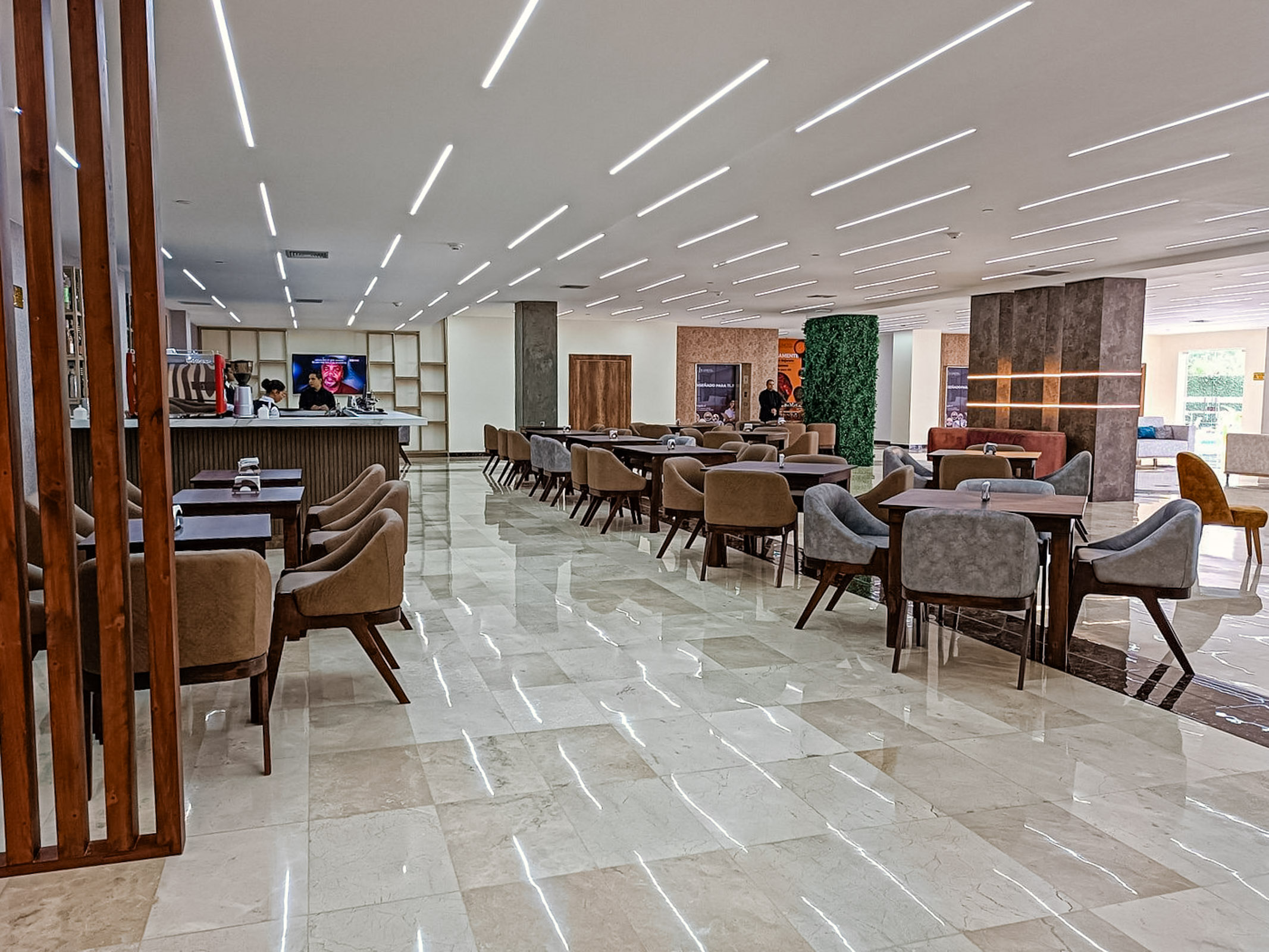
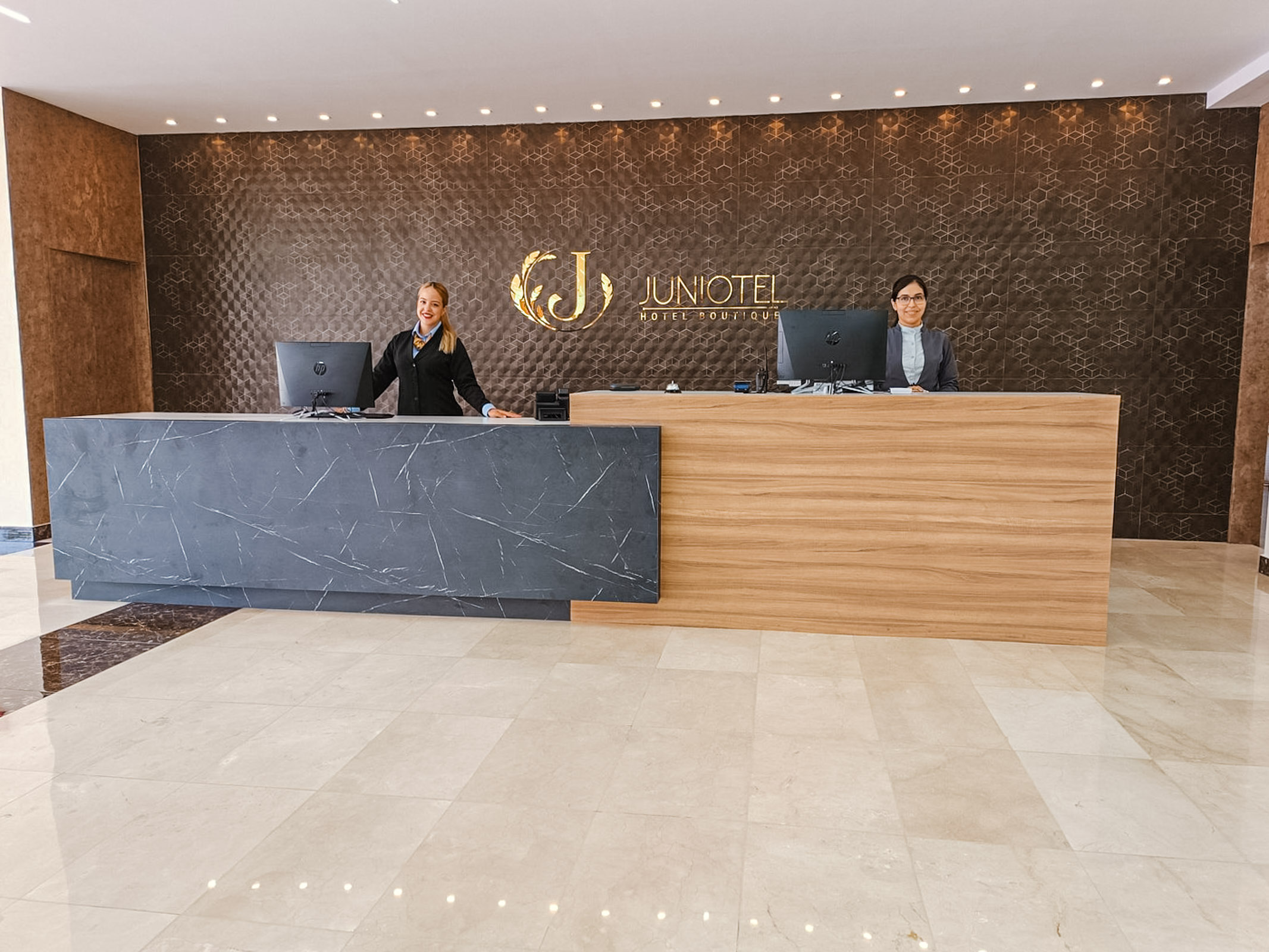
If you are arriving by plane or simply looking for comfort outside the busy center, Juniotel Hotel Boutique in El Vigía is a great choice. It is located inside the C.C. Junior Mall, on Avenida Don Pepe Rojas, only about two kilometers from the Juan Pablo Pérez Alfonzo Airport.
What I especially liked about this hotel is its practicality. Since it is inside a shopping center, you have everything at your fingertips. It is great when you are tired from traveling or when you simply want dinner without searching for a restaurant.
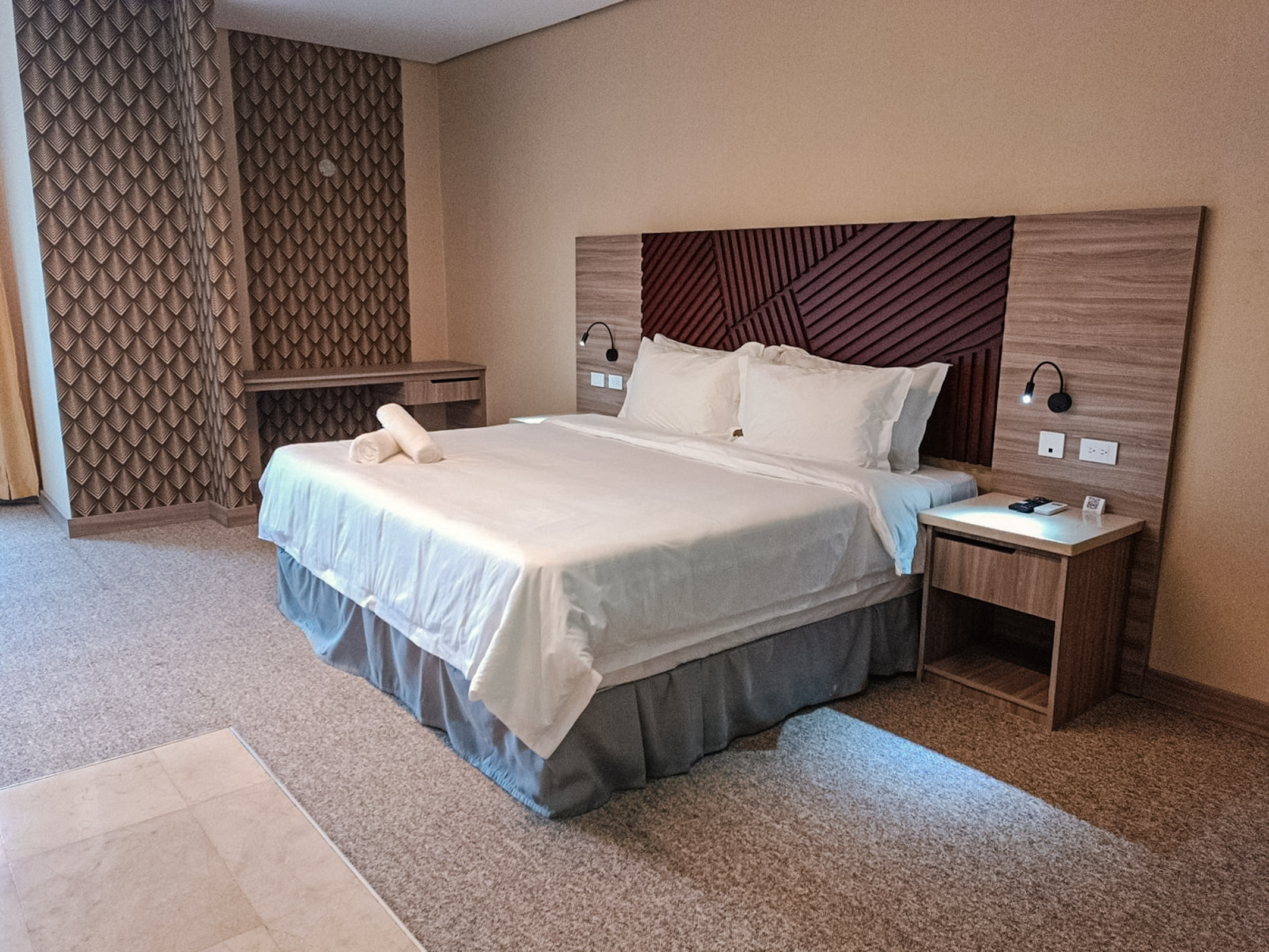
The hotel offers several room categories, from Standard and Deluxe rooms to Junior Suites, Family Rooms and Master Suites. From experience, I can say that the rooms are spacious, modernly furnished and very clean. All have air conditioning, which is important, because El Vigía is much warmer than the mountains. The beds were comfortable, which is not always the case in mid-range South American hotels.
The hotel has a swimming pool, a gym, spaces for meetings and weddings, and Restaurant Bejarano, open every day from 7 a.m. to 10 p.m.. I especially liked the pool after a long day of sightseeing.
The staff was extremely friendly and professional, and they spoke basic English. Breakfast was plentiful and varied, and there is free Wi-Fi and parking.
HOTEL VENETUR MÉRIDA: TRADITIONAL MOUNTAIN CHARM
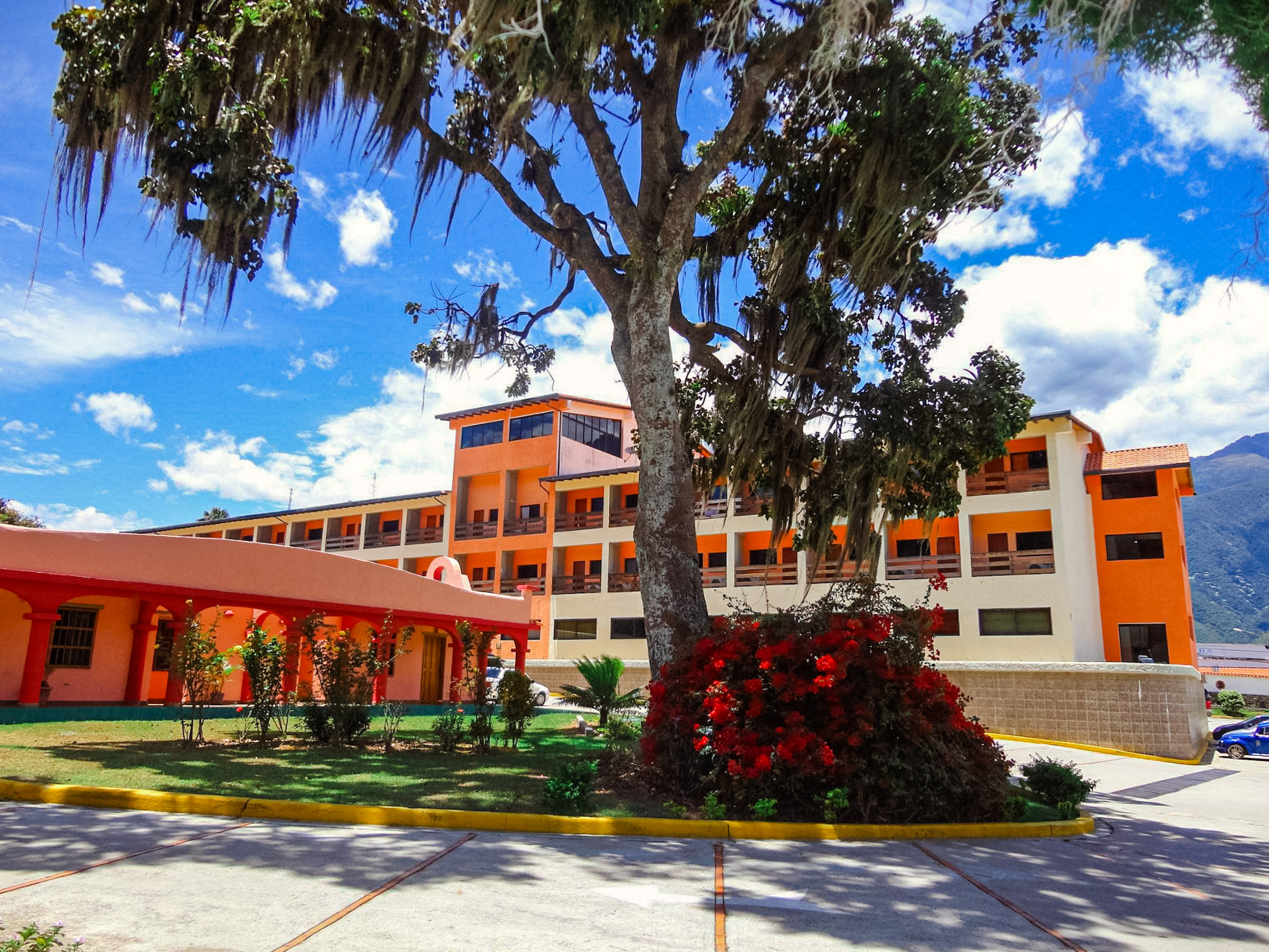
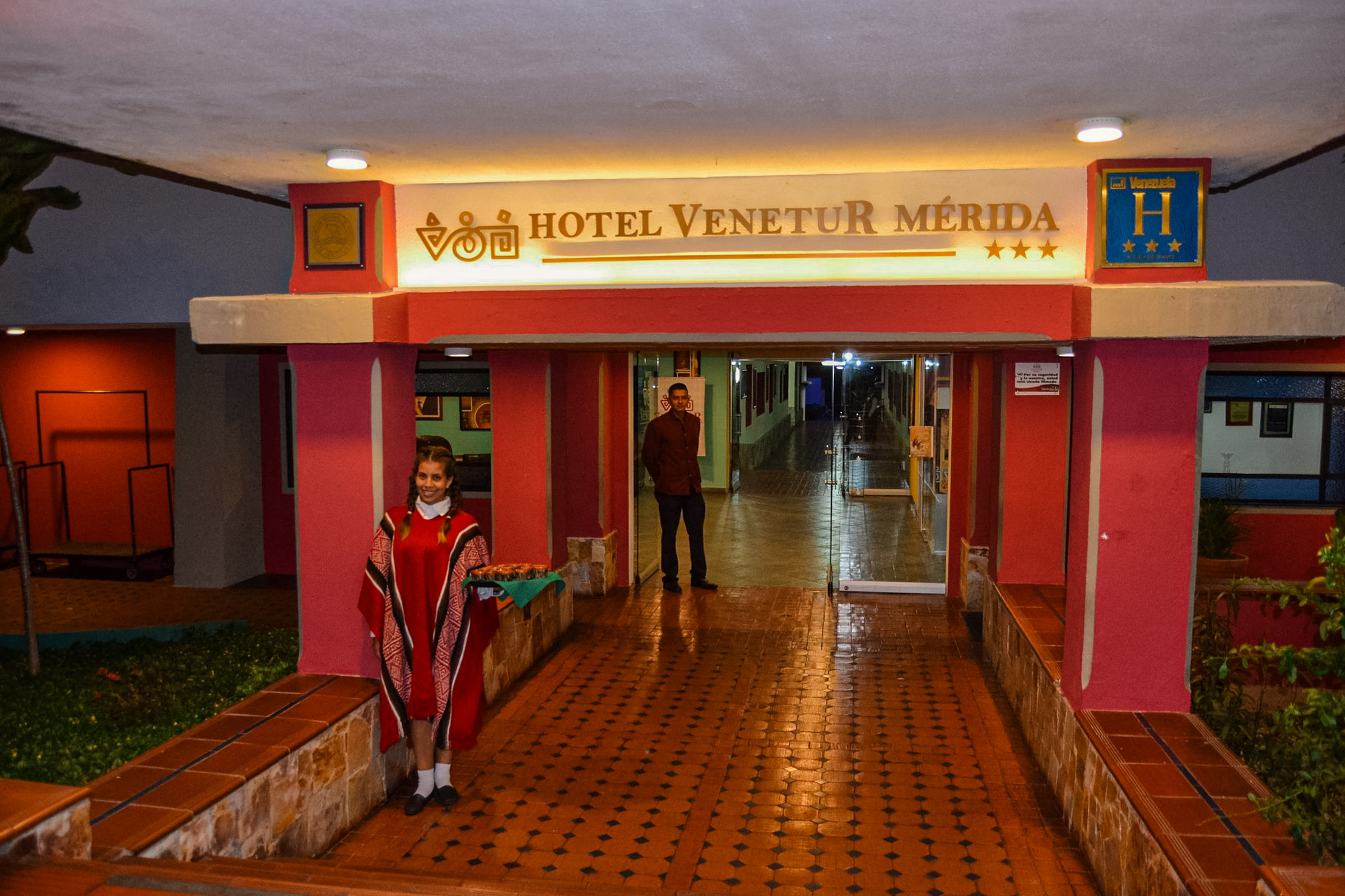
For a completely different experience, I recommend Hotel Venetur Mérida, a hotel with a long tradition. In the past, it was known as Hotel Prado Río, and it carries the nostalgia and charm of the old Venezuelan hotel industry.
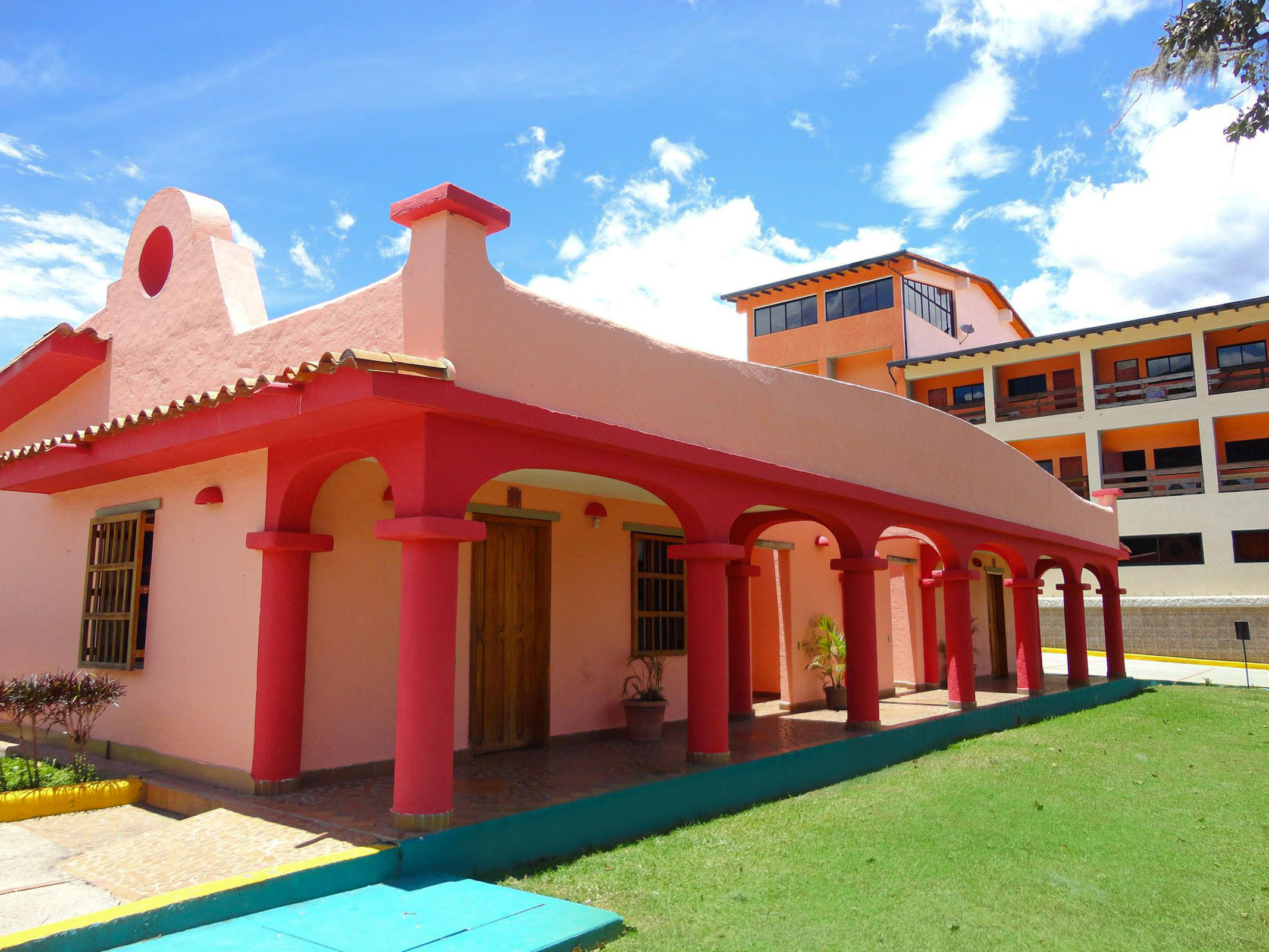
The hotel offers different types of accommodation, from cabañas to rooms in the main building. I stayed in a cabaña, and it was a great experience. It was small but comfortable, with a private bathroom and hot water, surrounded by greenery. It feels like camping, but with all the comforts of a hotel.
What I appreciate most is the ambiance. The green areas are spacious, so you can walk, sit on a bench or watch the mountains. The pool is not big, but it is pleasant and clean. Even though you are in the city, you feel as if you are in a mountain resort.
The staff is what makes this hotel special. The employees really have a gift for service and work with love. When you have a question or a problem, they solve it quickly and with a smile.
One small note: the hotel shows signs of age in some areas. However, that is part of its charm. This is not a sterile modern chain, but a hotel with soul, history and character.
SAYING GOODBYE TO MÉRIDA
At the end of today’s post, and the last travel post in this series from Venezuela, I would like to express my special thanks to the Ministry of Tourism of the Bolivarian Republic of Venezuela (MINTUR). They supported me during my research and stay in this unique destination. Their work on promoting the natural beauty of the country shows a Venezuela that is authentic, preserved and hospitable.
As always, I tried to share authentic impressions, the right atmosphere and recommendations for you who like to travel in style, but also with an open heart. If you are planning your first trip to this part of the world, my guide Planning a Trip to South America will help you prepare.
Have you already had the opportunity to visit Mérida and its extraordinary surroundings, or is it still on your travel wish list?
Feel free to leave your impressions, comments or questions below, or contact me by email and on social networks. All information is on the CONTACT page.
With love from Mérida,
Mr.M
This post is sponsored by Ministry of Tourism of the Bolivarian Republic of Venezuela – MINTUR, Junio Hotel Boutique and Hotel Venetur Mérida, as well as other local partners. This post is my personal and honest review of the destination experience.
Hello Marko! Your Mérida travelogue is absolutely epic this might be your best Venezuelan post yet! The El Teleférico climbing to 4,765 meters sounds incredible, but I’m laughing at your story about buying overpriced souvenirs because you forgot warm clothes. That’s such a relatable travel mistake! The Heladería Coromoto with 860 flavors (including soup and sardine?!) is wild, I definitely need to try that. How long did you spend in Mérida overall? The variety of experiences from paragliding to coffee plantations to mystical forests makes it seem like you need at least a week there.
Marko, this comprehensive guide to Mérida is exactly what I needed! I’m planning a South American trip for 2026 and wasn’t even considering Venezuela, but your post has completely changed my mind. The Casa del Ángel del Sol with 19 hummingbird species and the chance to hand-feed them sounds magical. As a wildlife photographer, this is my dream! Did you manage to get good photos of the hummingbirds? Also, the cathedral taking 150 years to build (1803-1960!) is fascinating what an architectural journey through different eras. Your practical tips about acclimatization at 1,640 meters are helpful. How did you handle the altitude personally?
Great work Marko! The Bosque Sagrado sounds like something out of a fairy tale, a magical forest with carved figures and mystical atmosphere created by artist William Marcano. Your description of walking through fog and seeing wooden beings woven into nature gave me goosebumps! I’m particularly interested in Pico Bolívar as a serious mountaineering challenge. The 10% dropout rate in dry season and 30% in rainy season shows it’s no joke. Have you considered attempting this climb yourself? The 5-6 day expedition sounds challenging but incredibly rewarding. Your mention of Los Nevados accessible only by mules is also intriguing!
Hi Marko! Your passion for Mérida really shines through every paragraph. The student energy from 40,000 university students must create such a vibrant atmosphere in the cafes and nightlife! I love that you highlighted the Toy Museum these smaller, more personal attractions often provide the most memorable experiences. Mario Calderón’s collection preserving childhood memories sounds touching and authentic. The Santa Ana coffee plantation tour with hand-picked beans and family traditions going back over 100 years is exactly my kind of travel experience. Did you bring any coffee home with you?
Marko, this post is a masterclass in adventure travel writing! The range of activities available in Mérida is impressive paragliding, mountain biking, rafting, canyoning, and horse riding through páramo regions. As an adventure junkie, I’m particularly excited about the multi-day Pico Bolívar expedition. Your description of camping at Lagoon Timoncito at 4,700 meters and reaching the summit with Simón Bolívar’s bust sounds epic! How physically demanding did you find the altitude? Also, the Páramo La Culata with pisca andina soup and blackberry wine sounds like the perfect recovery spot after hiking.
Hello Marko! Your descriptions of the páramo ecosystem with frailejones plants are so vivid, I had to google what they look like! The Lagoon Mucubají surrounded by high mountain grasslands sounds pristine and peaceful. I’m curious about the best time to visit, you mentioned December-March is dry season, but June-August rainy season makes everything greener with fuller waterfalls. For photography, which would you recommend? The Hotel Venetur Mérida with its 68 years of tradition and cabanas surrounded by greenery sounds charming. The “mountain hotel in the city” concept appeals to me more than sterile modern chains.
Well done Marko! The Sierra Nevada National Park with endemic species like sabre-billed hummingbirds and various orchids sounds like a biodiversity paradise. As someone from New Zealand who appreciates unique ecosystems, I’m fascinated by how altitude creates these isolated environments. Los Aleros recreating 1930s colonial Mérida and La Venezuela de Antier representing twelve Venezuelan regions sound like excellent cultural education. Did you find these theme parks touristy, or did they provide authentic insights? The Chapel of San Rafael built by hand using cement, shells, coral and stones is remarkable, folk art at its finest!
Marko, your Venezuelan series has been incredible, and this final post is the perfect conclusion! The National Astronomical Observatory at Llano del Hato at 3,600 meters sounds amazing for stargazing. I’m an astronomy enthusiast, so observing stars and planets through advanced telescopes above the clouds would be a dream! The Junio Hotel Boutique inside CC Junior Mall is a smart choice for practical travelers having shopping, restaurants, and bowling all accessible without leaving is convenient. How was the breakfast at Venetur Mérida? You mentioned plentiful arepas, eggs, fruit and coffee sounds perfect for fueling adventure days.
Great work Marko! The Andean food culture you described sounds delicious and distinct from coastal Venezuelan cuisine. Pisca andina soup with chicken, potatoes, eggs, milk and coriander sounds perfect for cold mountain evenings. I’m intrigued by chicha andina, fermented corn drink with “specific” taste! Your honest reviews are always appreciated. The Mercado Principal bypassing tourist shops for authentic local craft markets is exactly where I’d want to spend time. Haggling for traditional ruanas and wooden figures while trying fresh juices and hot empanadas captures the real cultural pulse. Did you buy any memorable souvenirs?
Hallo Marko! Dein Reisebericht über Mérida ist außergewöhnlich umfassend und detailliert. Die El Teleférico de Mérida, die zweite längste und höchste Seilbahn der Welt mit 4.765 Metern, klingt atemberaubend! Die 50-minütige Fahrt durch vier Stationen von grünen Wäldern bis zur mondähnlichen Páramo-Landschaft muss spektakulär sein. Deine Warnung, warme Kleidung mitzubringen, ist Gold wert die Temperatur kann unter Null fallen! Casa del Ángel del Sol mit 19 Kolibri-Arten klingt wie ein Paradies für Naturliebhaber. Die Möglichkeit, die Vögel mit der Hand zu füttern und sie aus nächster Nähe zu beobachten, ist einzigartig. Wie lange dauerte dein Besuch dort, und würdest du eine Reservierung im Voraus empfehlen?
Großartige Arbeit, Marko! Die Geschichte der Kathedrale von Mérida, deren Bau 150 Jahre dauerte (1803-1960), ist faszinierend welche architektonische Reise durch verschiedene Epochen! Die Mischung aus Barock, Neoklassizismus, Buntglasfenstern und großen Fresken muss beeindruckend sein. Ich bin besonders von Bosque Sagrado angezogen dieser magische Wald mit Holzfiguren, die direkt in Bäume geschnitzt sind, klingt mystisch und künstlerisch. Die Beschreibung von William Marcanos Vision und den geschnitzten Wesen aus lokalen Mythen zeigt, wie Kunst und Natur verschmelzen können. Das Spielzeugmuseum von Mario Calderón klingt auch herzerwärmend die Bewahrung der Kindheit durch Spielzeuge aus verschiedenen Epochen. Hast du dort viel Zeit verbracht?
Hallo Marko! Dein letzter venezolanischer Post ist ein würdiger Abschluss dieser Serie. Die Kaffeeplantage Santa Ana mit über hundertjähriger Familientradition und handverlesenen Bohnen klingt nach einem authentischen Erlebnis. Die vulkanischen Böden und ideale Höhenlage von Mérida schaffen offensichtlich perfekte Bedingungen für Premium-Kaffee. Hast du einige Bohnen mit nach Hause genommen? Heladería Coromoto mit 860 Eissorten im Guinness-Buch der Rekorde ist verrückt Sardinen, Avocado und Suppeneis?! Ich bewundere die Kreativität von Manuel da Silva Oliveira! Die praktischen Informationen über Hotels Junio Hotel Boutique am Flughafen und Venetur Mérida mit 68-jähriger Tradition sind sehr hilfreich für die Reiseplanung.
Ciao Marko! Il tuo reportage su Mérida è assolutamente completo e ispirante. La funivia El Teleférico che sale a 4.765 metri attraverso quattro stazioni Barinitas, La Montaña, La Aguada e Pico Espejo deve essere un’esperienza indimenticabile! Il cambio drammatico del paesaggio dalle foreste verdi alle nuvole fino al terreno quasi lunare del páramo è affascinante. Sono particolarmente interessato al Pico Bolívar a 4.978 metri la spedizione di 5-6 giorni con campeggio alla Laguna Verde e Timoncito suona come una vera avventura alpinistica. Il tasso di abbandono del 10-30% mostra che è una sfida seria! Come fotografo di paesaggi, sono entusiasta delle opportunità lagune cristalline, montagne innevate, foreste nebbiose. Quanto costa l’equipaggiamento per l’ascesa?
Bellissimo lavoro, Marko! La descrizione di Mérida come città universitaria con 40.000 studenti su 250.000 abitanti crea un’atmosfera giovane e vivace. I caffè sempre pieni, la vita notturna animata e l’atmosfera rilassata suonano perfette! Sono affascinata dalla Casa del Ángel del Sol un santuario per colibrì con 19 specie tra cui l’endemico Ángel del Sol. La possibilità di tenere il mangiatoia in mano e guardare questi piccoli uccelli veloci avvicinarsi deve essere magica! Il giardino botanico con 44 ettari di foreste nuvolose ed ecosistemi diversi sembra un’oasi di pace. Il lago centrale è perfetto per la fotografia. Quanto costa l’ingresso e quanto tempo consiglieresti di passare lì?
Salve Marko! Il tuo viaggio a Mérida sembra un’esperienza trasformativa. Los Nevados, il villaggio accessibile solo con muli o veicoli 4×4, fondato dagli spagnoli nel XVI secolo e situato a 2.983 metri, suona come un viaggio indietro nel tempo! Il viaggio di 5 ore su stretti sentieri di montagna con viste drammatiche delle valli deve essere un’avventura in sé. La Cappella di San Rafael costruita a mano da Juan Félix Sánchez tra il 1980 e il 1984 usando cemento, conchiglie, coralli e pietre è arte popolare al suo meglio. Il Bosque Sagrado con le sue figure intagliate e l’atmosfera mistica creata da William Marcano sembra un posto dove natura e arte si fondono perfettamente. Hai visitato tutti questi luoghi durante un solo viaggio?
Bonjour Marko! Ton récit de voyage à Mérida est le couronnement parfait de ta série vénézuélienne. La téléphérique El Teleférico montant à 4.765 mètres en 50 minutes à travers quatre arrêts doit être spectaculaire! Ton conseil d’y aller tôt le matin pour éviter les foules et les nuages est précieux. Casa del Ángel del Sol avec 19 espèces de colibris dont l’endémique Ángel del Sol sonne comme un paradis pour les amoureux des oiseaux. La possibilité de nourrir ces petits oiseaux à la main et de marcher dans la forêt nuageuse avec un guide expliquant les espèces et les habitats est une expérience éducative et émotionnelle. Comment as-tu trouvé l’acclimatation à 1.640 mètres? L’altitude a-t-elle affecté tes activités?
Salut Marko! Ton aventure à Mérida est inspirante et profondément détaillée. Le Pico Bolívar à 4.978 mètres avec son expédition de 5-6 jours suivant la route en forme de U connue sous le nom de La Travesía semble être un défi sérieux d’alpinisme. Le fait que le taux d’abandon soit de 10% en saison sèche et 30% en saison des pluies montre la difficulté! La plantation de café Santa Ana avec plus de cent ans de tradition familiale et la récolte manuelle des grains rouges mûrs sonne authentique. Les sols volcaniques riches et l’altitude idéale de Mérida créent apparemment des conditions parfaites pour un café premium. Le Bosque Sagrado avec ses sculptures d’arbres et son atmosphère mystique est un concept artistique fascinant. Combien de jours recommanderais-tu de passer à Mérida pour tout expérimenter?
¡Hola Marko! Tu crónica sobre Mérida es absolutamente maravillosa y el cierre perfecto de tu serie venezolana. La descripción de la ciudad universitaria con 40.000 estudiantes creando una energía especial resuena conmigo los cafés llenos, la vida nocturna animada y la atmósfera relajada suenan perfectos. Casa del Ángel del Sol con la oportunidad de alimentar colibríes de la mano debe ser mágico! Como colombiana, aprecio los paisajes andinos y la cultura del café la plantación Santa Ana con su tradición centenaria suena auténtica. La Heladería Coromoto con 860 sabores en el Libro Guinness es increíble ¡definitivamente probaría algunos sabores experimentales! ¿Cuál fue tu sabor favorito? El Hotel Venetur Mérida con 68 años de tradición y cabañas suena encantador.
¡Excelente trabajo, Marko! Como boliviano familiarizado con las montañas andinas, estoy fascinado por tu descripción de Mérida. El Teleférico subiendo a 4.765 metros debe ofrecer vistas espectaculares similar a nuestra teleférico en La Paz! El Pico Bolívar a 4.978 metros con la expedición de 5-6 días acampando en Laguna Verde (3.900m) y Timoncito (4.700m) suena como un desafío serio. Los equipos necesarios – cuerdas, arnés, casco, crampones y piolets muestran que no es solo una caminata sino verdadero alpinismo. El ecosistema de páramo con frailejones que mencionaste es único de los Andes lo tenemos también en Bolivia. La comida andina como pisca andina, arepas de trigo y queso de páramo suena deliciosa y familiar. ¿Cuánto tiempo te tomó aclimatarte a la altitud?