
My dear travelers and all lovers of unusual trips, welcome to my travelogue from London on the Mr.M blog. Today, we travel to England, the largest country in the United Kingdom. Everyone knows it for its royal family, the English breakfast, the famous accent, tea, rain, rain and more rain. Before you start reading, take your favorite soft or hot drink, some snacks or your favorite sweets. Then relax and enjoy this story about a metropolis where only big dreams are dreamed.
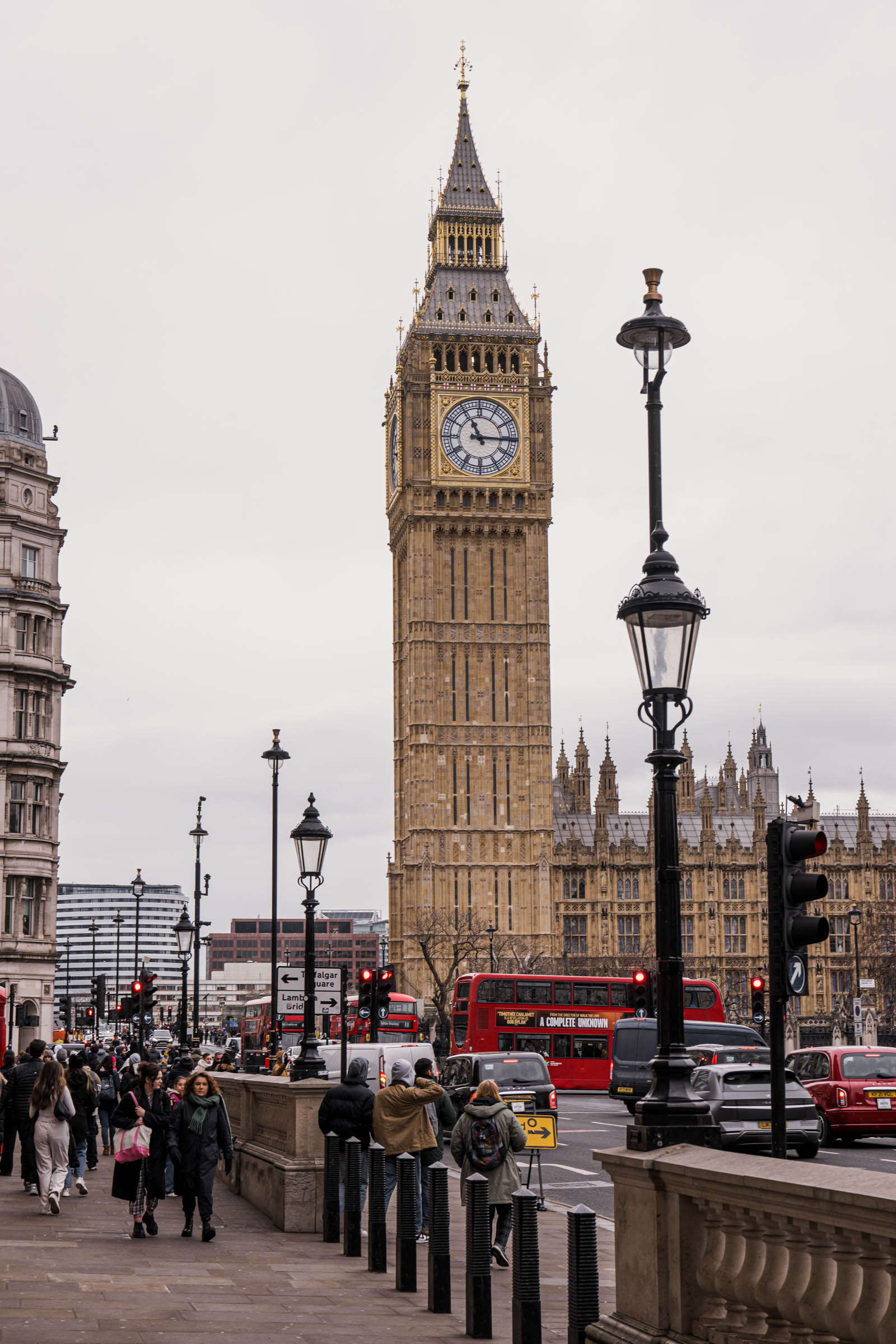
Travel lovers who have followed my blog for years know about my indescribable love for this European city. Honestly, words simply cannot describe it. Still, I have tried to convey part of its everyday atmosphere in my travelogues, such as my letter from the center of hedonism in 48 hours. This city is special, and it has a million faces. I am sure that everyone who visits London will fall in love with at least one of them.
London is a city where absolutely everything is possible and every dream can come true. It faithfully keeps its heritage and tradition, yet it remains modern and progressive. In this post, I will describe the city to you once again. In addition, I will share useful tips for visiting attractions that I have not covered on my blog before.
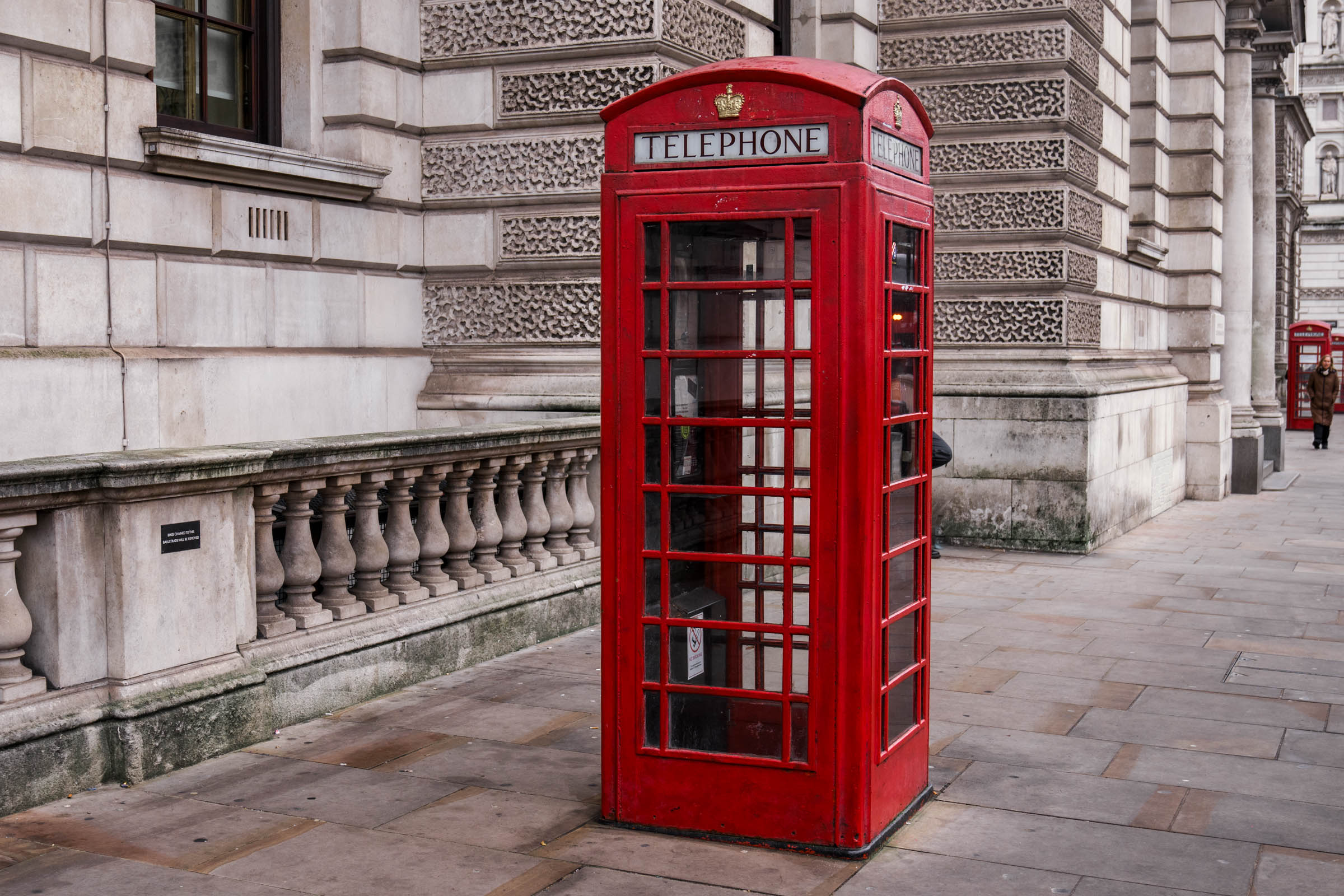
LONDON IN NUMBERS: FROM LONDINIUM TO A MEGACITY
London is the capital and the largest city of both England and the United Kingdom. According to the 2021 census, about 8.8 million people lived here. The city stands on the River Thames in South East England. It lies at the head of an 80-kilometer tidal estuary that runs down to the North Sea. Moreover, this area has been a major settlement for nearly 2,000 years.
Its ancient core and financial heart is the City of London. The Romans founded it as Londinium, and even today it keeps its medieval boundaries. To the west lies the City of Westminster, which has been home to the national government and Parliament for centuries.
In the 19th century, London grew very fast. As a result, it was the largest city in the world from about 1831 to 1925. Since 1965, the name London has largely meant the administrative area of Greater London. Today, the Greater London Authority, created in 2000, governs this area.
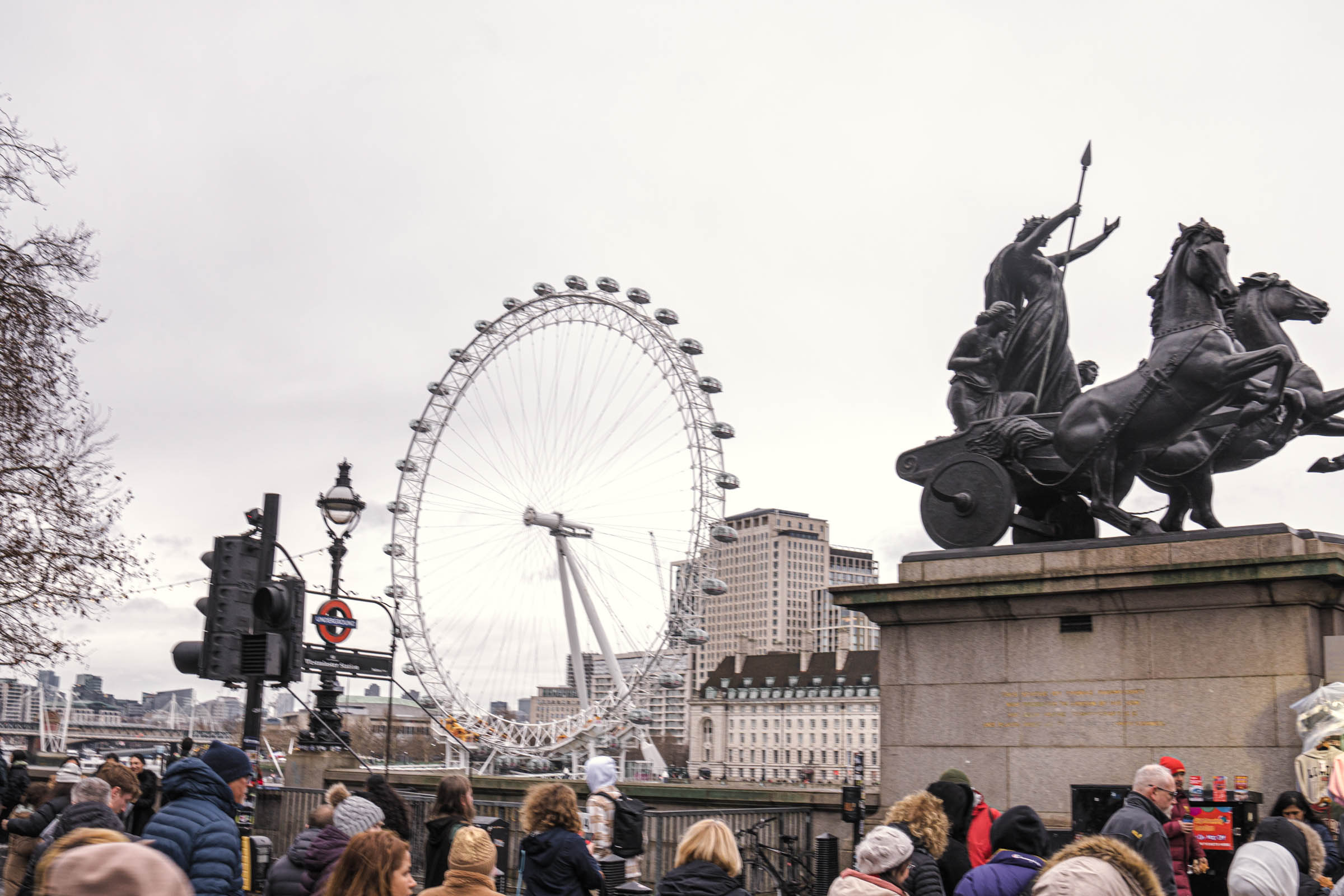
Right by Westminster Bridge, two symbols of the city meet in one view. The first is the bronze group Boadicea and Her Daughters by the sculptor Thomas Thornycroft, erected in 1902. It shows Boudica, the queen of the Celtic Iceni tribe, who led an uprising in Roman Britain. Across the river, the London Eye rises 135 meters above the South Bank. It opened to the paying public in March 2000, and one full turn takes about 30 minutes.
WHY LONDON SHAPES THE WORLD
As one of the great world cities, London strongly influences art, fashion, finance, education, science, media and tourism. In addition, it is home to some of the most respected universities in the world. Imperial College London is known for the natural and applied sciences. Meanwhile, the London School of Economics, founded in 1895, focuses on the social sciences. Finally, University College London, established by royal charter in 1836, covers a broad range of subjects.
The diverse cultures of London include more than 300 languages. Moreover, the city gave the world its first underground railway. The London Underground opened in 1863, and today it is the oldest metro system in the world.
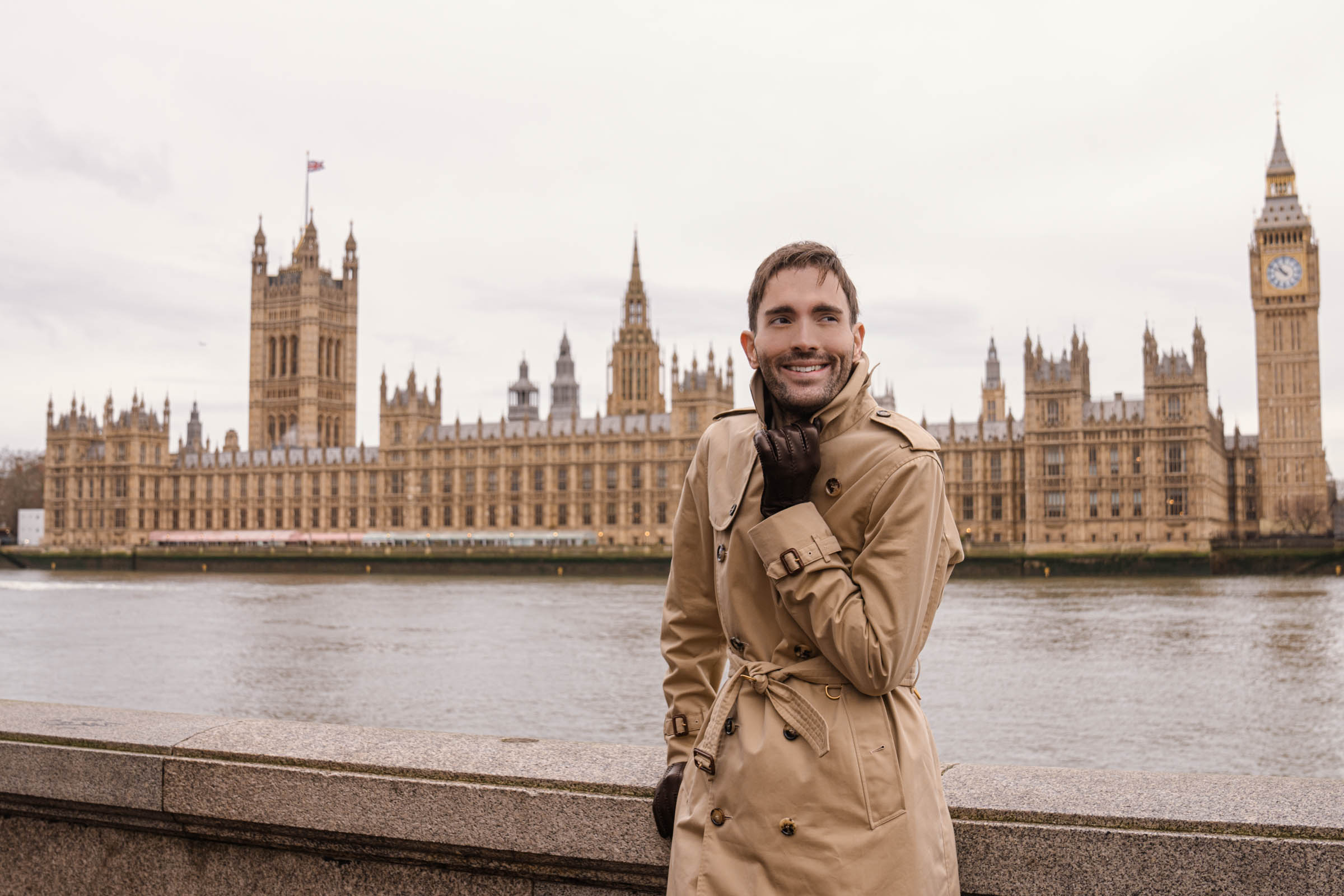
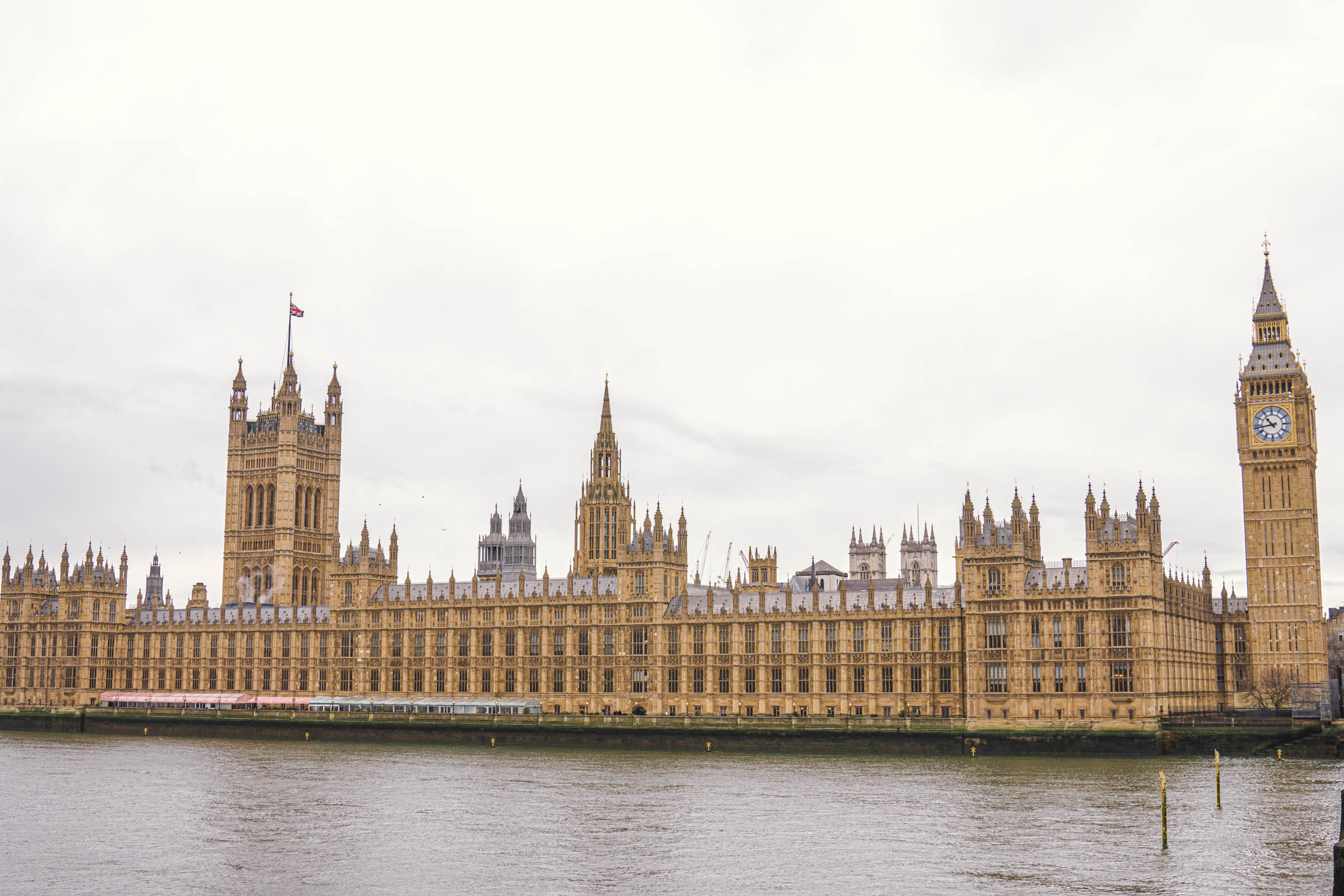
For the photos below, we stood on the opposite bank of the Thames, facing the Palace of Westminster. From here, you can see the whole building, from Victoria Tower to Big Ben.
FOUR UNESCO WORLD HERITAGE SITES IN LONDON
What I find fascinating is that London has four UNESCO World Heritage Sites. The first is Kew Gardens, and the second is the Tower of London. The third includes the Palace of Westminster, Westminster Abbey and St Margaret’s Church. Finally, the fourth is the historic settlement of Greenwich. There, the Royal Observatory defines the prime meridian (0° longitude) and Greenwich Mean Time.
Other famous landmarks include Buckingham Palace, the London Eye, Piccadilly Circus, St Paul’s Cathedral, Tower Bridge and Trafalgar Square. Furthermore, London has more museums, galleries, libraries and cultural venues than any other city in the UK. Among them are the British Museum, the National Gallery, the Natural History Museum and Tate Modern. There are also the British Library and the theaters of the West End.
Sport is also part of the London story. The city hosts the FA Cup Final, the Wimbledon Championships and the London Marathon. In 2012, it became the first city to host the Summer Olympic Games three times, after 1908 and 1948.
BIG BEN AND THE PALACE OF WESTMINSTER
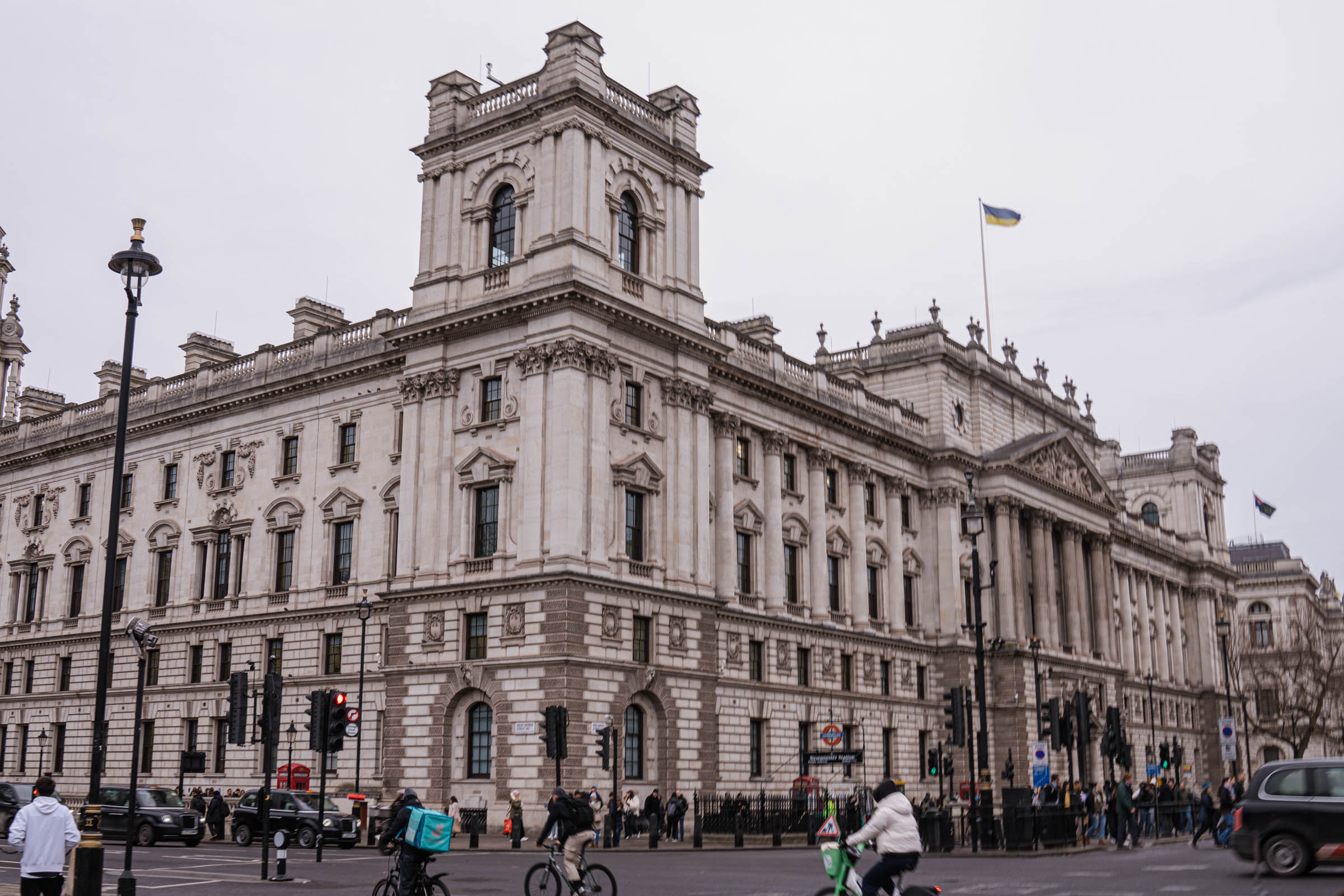
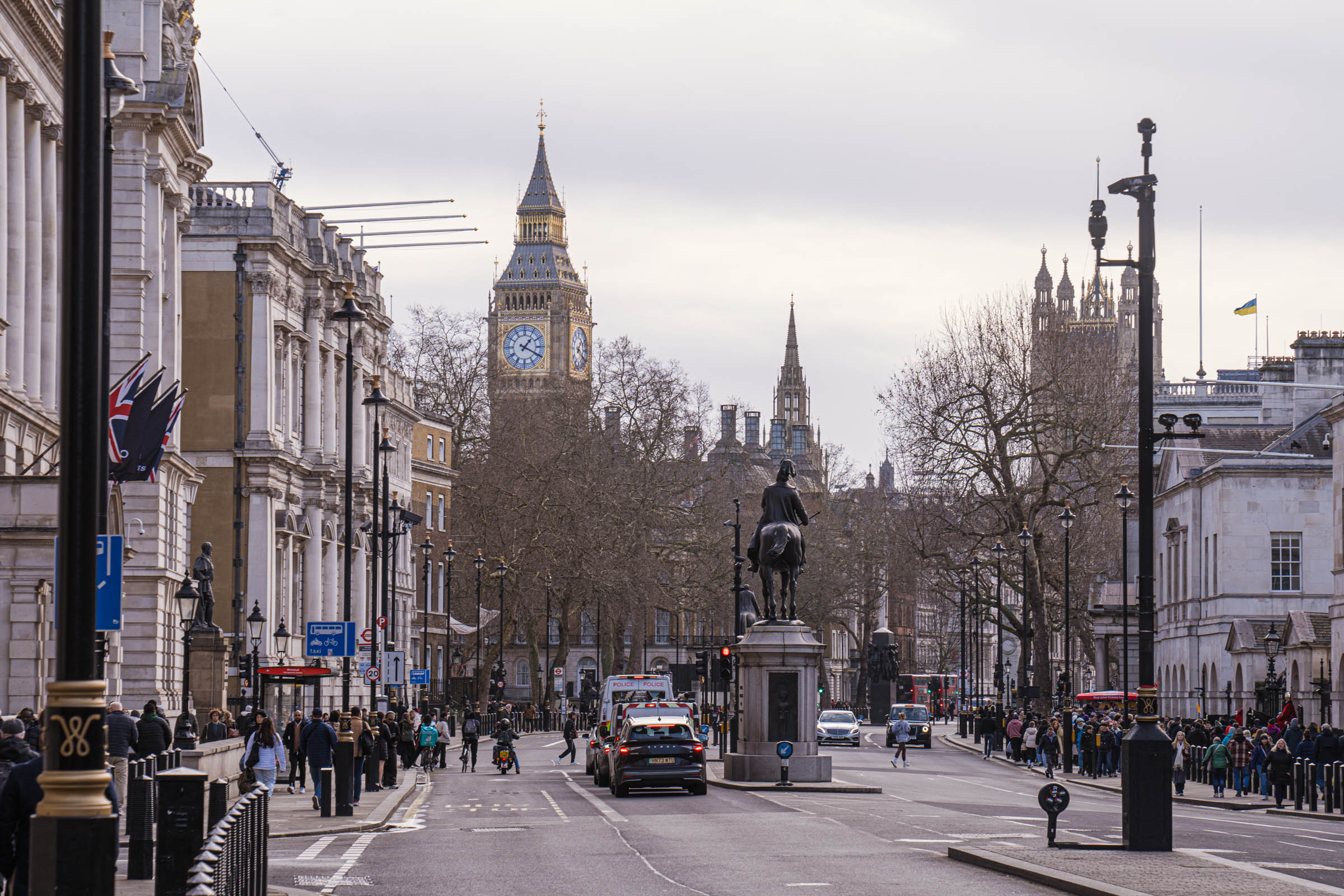
So, what should you see first if your trip takes you to London? In the first photos of this post, you already met the most recognizable symbol of the city, Big Ben. Strictly speaking, Big Ben is the nickname for the Great Bell of the Great Clock of Westminster. However, people also use it for the clock tower at the north end of the Palace of Westminster.
The tower was completed in 1859 to a design by Augustus Pugin and Sir Charles Barry, and it stands 96 meters tall. At first, people called it simply the Clock Tower. Then, in 2012, it was renamed the Elizabeth Tower to mark the Diamond Jubilee of Queen Elizabeth II. The clock has five bells in total: the Great Bell and four quarter bells that chime every quarter hour.
The Palace of Westminster is the meeting place of the Parliament of the United Kingdom. Both the House of Commons and the House of Lords sit here. In 1834, a great fire destroyed most of the old palace. After that, Charles Barry won the competition for the new Gothic Revival building. Westminster Hall, built in 1097 for William II, survived the fire. The palace has been a Grade I listed building since 1970. Since 1987, it has also been part of a UNESCO World Heritage Site.
THE HORSE GUARDS IN WHITEHALL
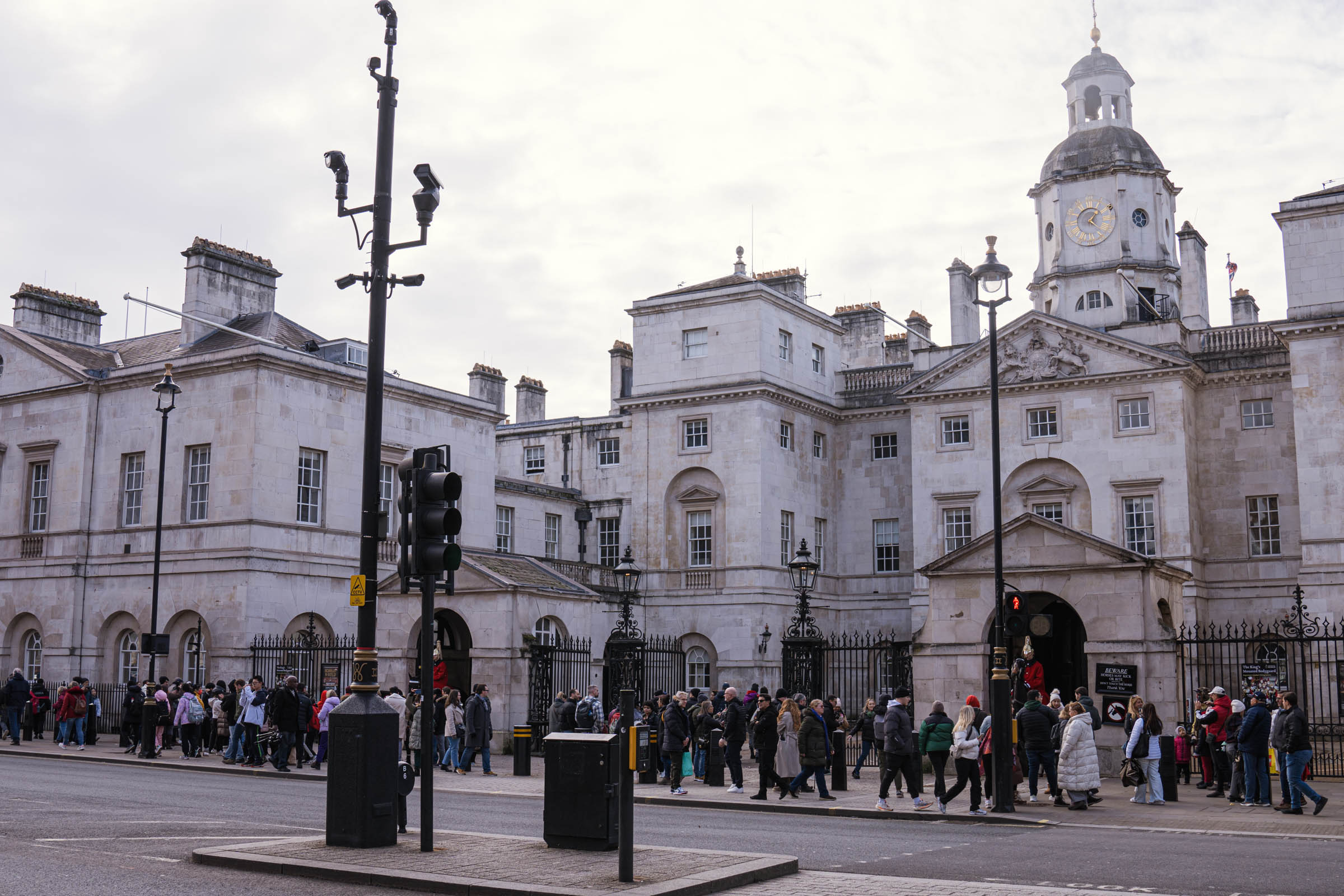
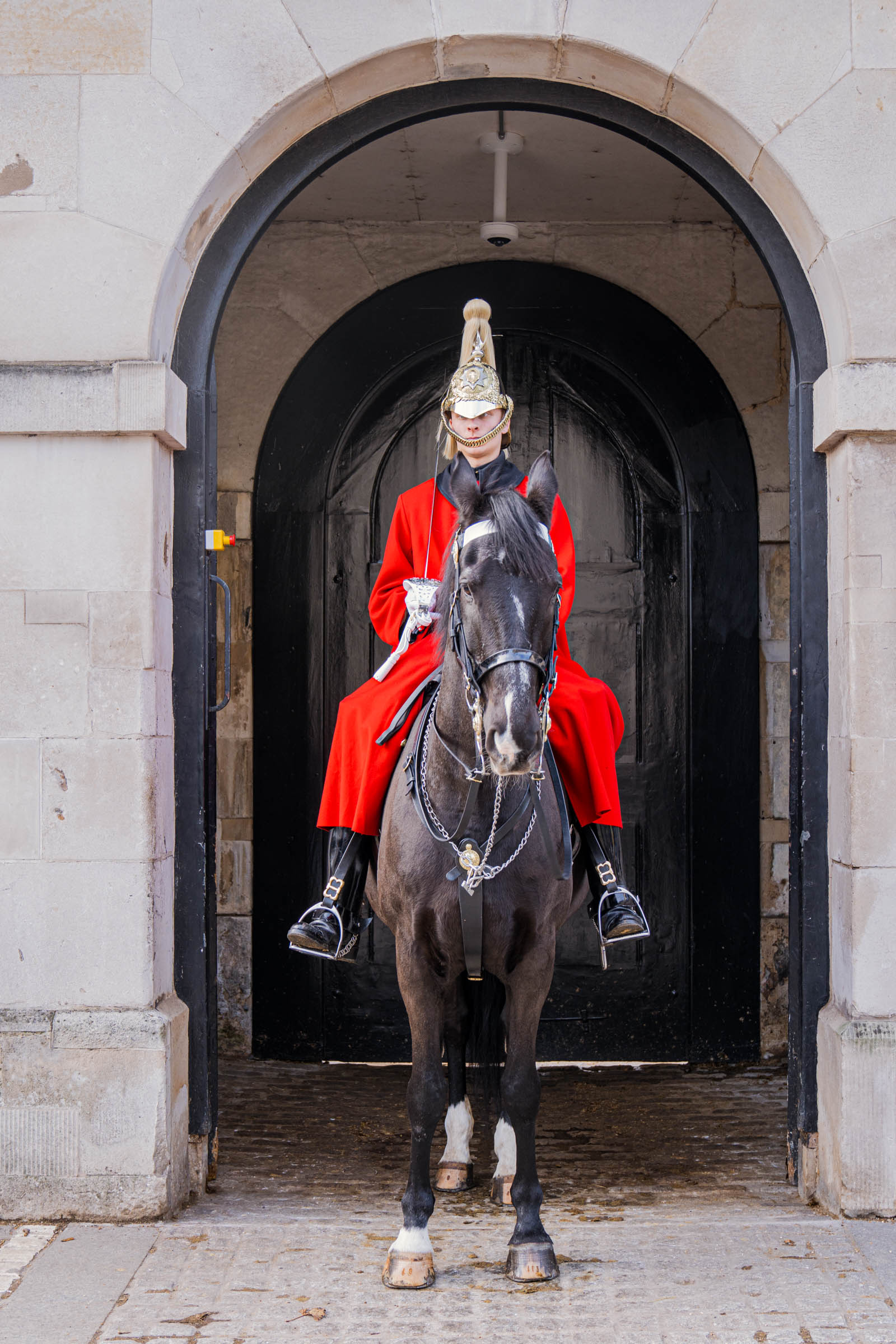
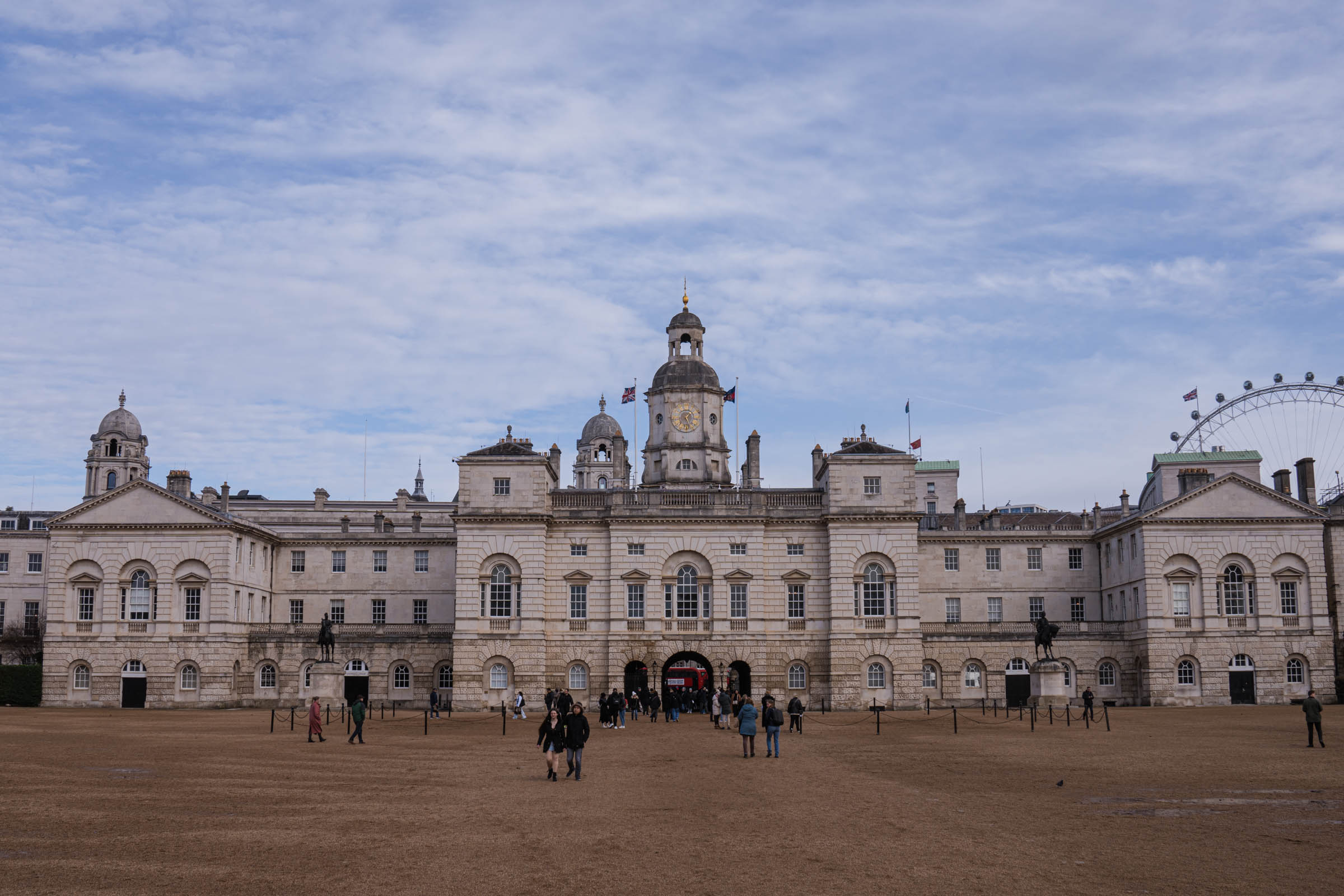
From Parliament, a short walk along Whitehall brings you to Horse Guards, a historic building facing Horse Guards Parade. It was built between 1750 and 1759 as barracks and stables for the Household Cavalry. It replaced an earlier Horse Guards building from the time of Charles II. William Kent designed it, and his assistant John Vardy directed the construction.
From the early 18th century until 1858, the current and earlier buildings served as the main military headquarters of the British Empire. Horse Guards first formed the entrance to the Palace of Whitehall and later to St James’s Palace. For this reason, the King’s Life Guard still guards it ceremonially.
Today, part of the building houses the Household Cavalry Museum, which is open to the public. Moreover, its arch works as a gateway between Whitehall and St James’s Park. The mounted guards are a big attraction, so many tourists take photos with the horses and even try to pet them. However, I do not recommend this, because large crowds make the animals nervous. My advice is to photograph the guard from a safe distance and then continue your tour of the city.
CHANGING OF THE KING’S LIFE GUARD
On ceremony days, the new guard rides from Hyde Park Barracks to Horse Guards. Then the Changing of the King’s Life Guard takes place on Horse Guards Parade, currently on Monday, Wednesday and Friday at 11 a.m. On the other days, a shorter inspection takes its place, so check the Household Division schedule before you go. Soldiers of the Household Cavalry Mounted Regiment carry out this duty. The Life Guards wear red tunics and white plumed helmets. Meanwhile, the Blues and Royals wear blue tunics and red plumed helmets.
Occasionally, other units take over the guard. For example, the King’s Troop, Royal Horse Artillery, steps in when the Household Cavalry is away for summer training.
When the King is in London, a larger Long Guard carries the standard. When he is away, a smaller Short Guard takes its place. During the day, two mounted sentries guard the Whitehall entrance from 10 a.m. to 4 p.m., and they change every hour. At 4 p.m., the duty officer inspects the guard in the courtyard.
ST JAMES’S PARK, THE OLDEST ROYAL PARK IN LONDON
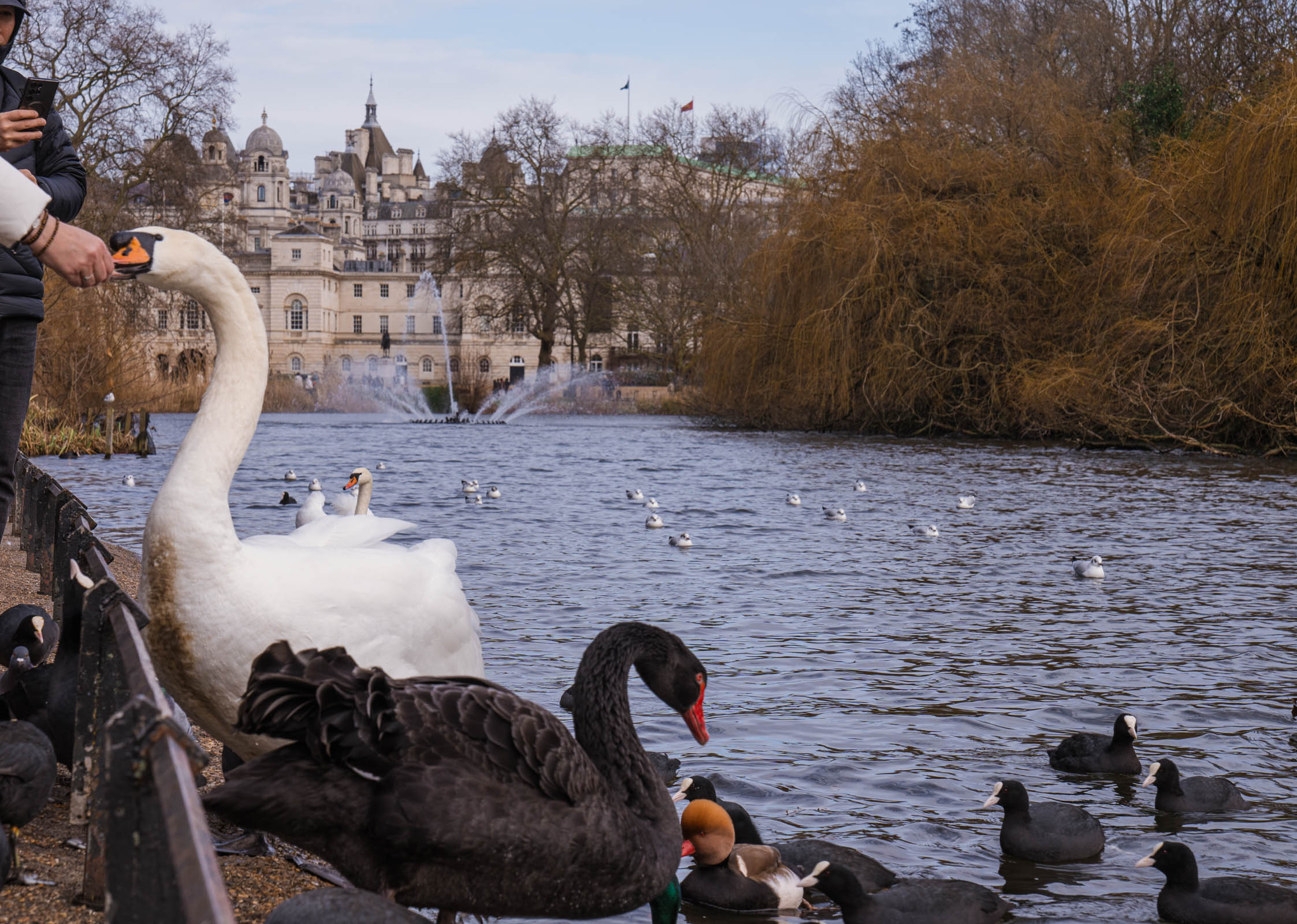
When you finish your visit to Horse Guards, I highly recommend a walk through St James’s Park. According to The Royal Parks, it is the oldest Royal Park in London and also the most royal one. The park covers 23 hectares and has a small lake, St James’s Park Lake, with two islands, West Island and Duck Island. Duck Island takes its name from the waterfowl that live on the lake.
Interestingly, at the end of the 19th century, Scotland Yard considered Duck Island remote enough for a bomb disposal facility. The bird keeper even looked after the tools for dismantling the devices. Today, the island houses pumps and water treatment machinery for the lake and its fountains.
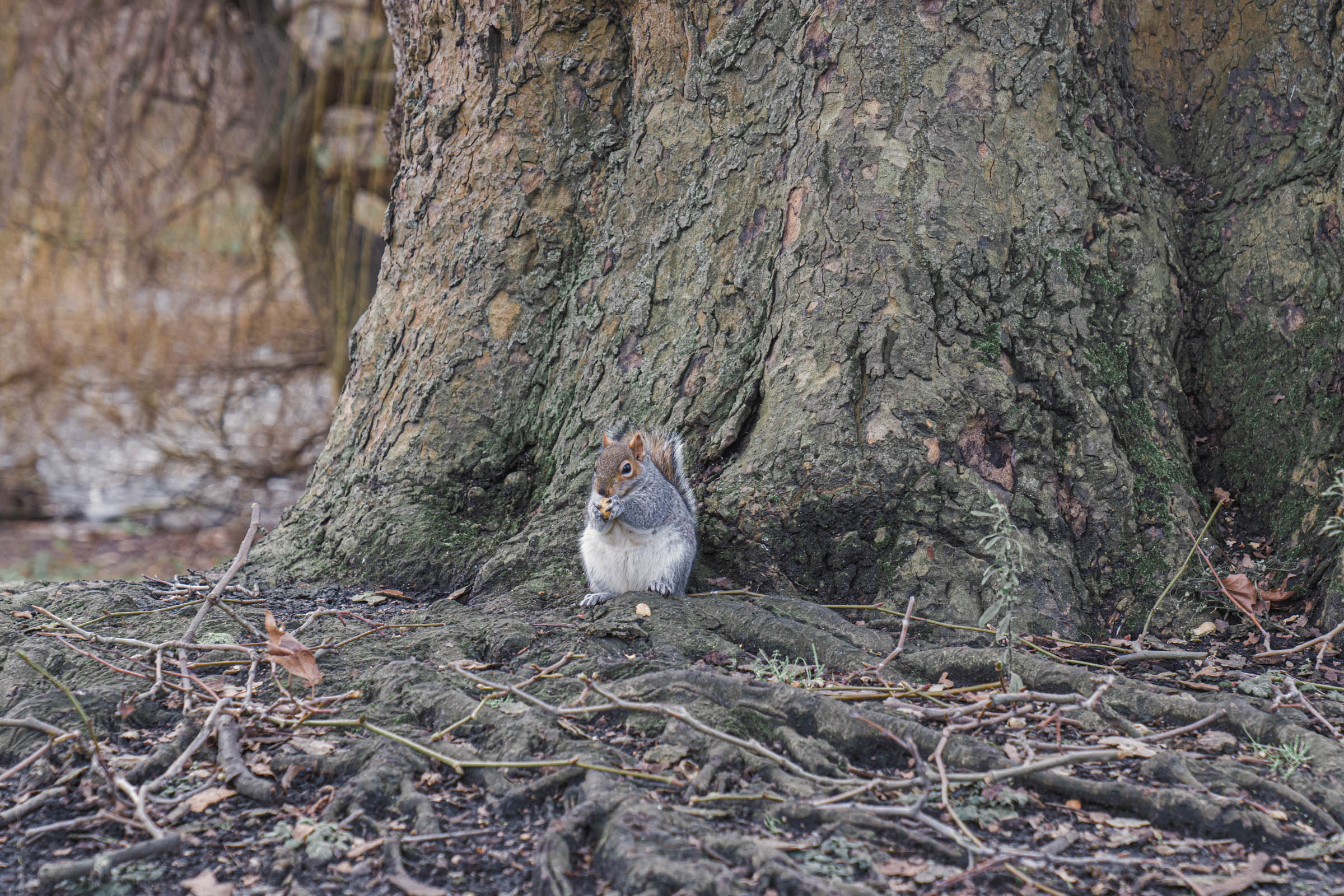
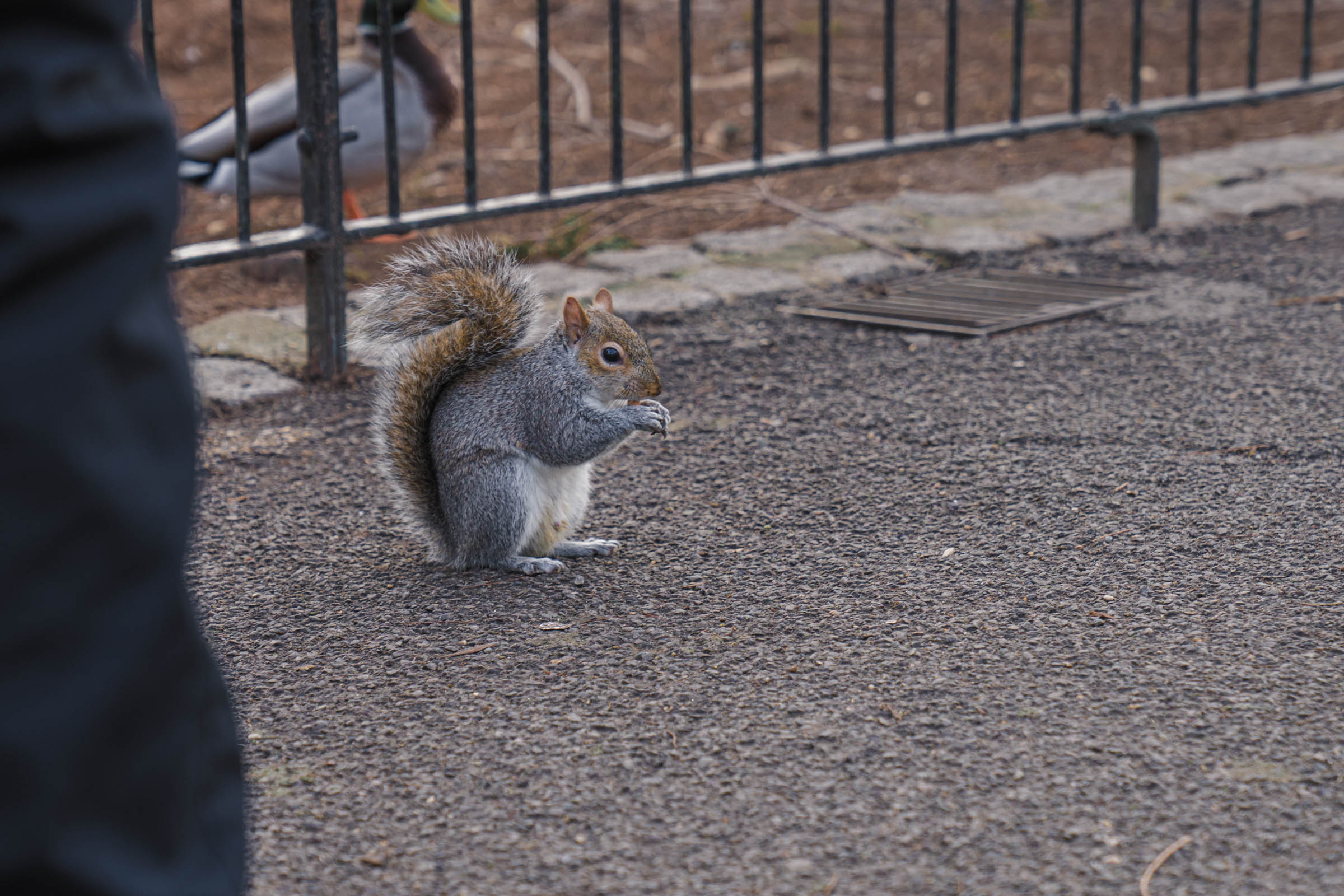
The park is also home to many animals, and the best known among visitors are the gray squirrels, which always make people smile. However, The Royal Parks asks visitors not to feed the wildlife, because the parks offer plenty of natural food. So, if you want a nice memory with the squirrels, arm yourself with patience and keep a respectful distance. They are used to people, but they are not completely tame. Please be considerate of the animals in the park and do not disturb them.
THE BLUE BRIDGE AND THE FAMOUS PELICANS
The lake covers about a fifth of the park, and it is an oasis for more than 40 species of water birds. As a result, you will see swans, ducks and geese along the shore at almost every step.
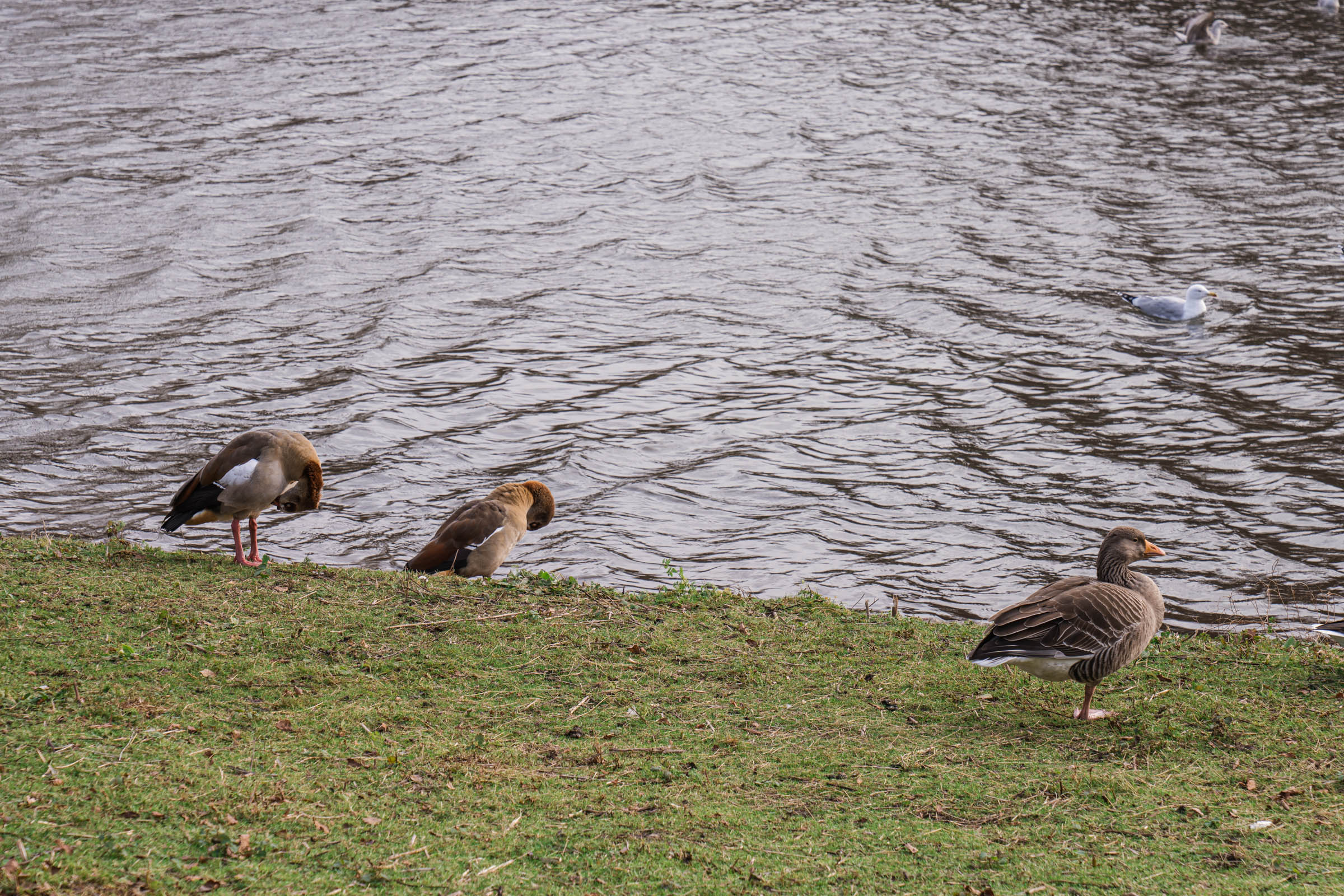
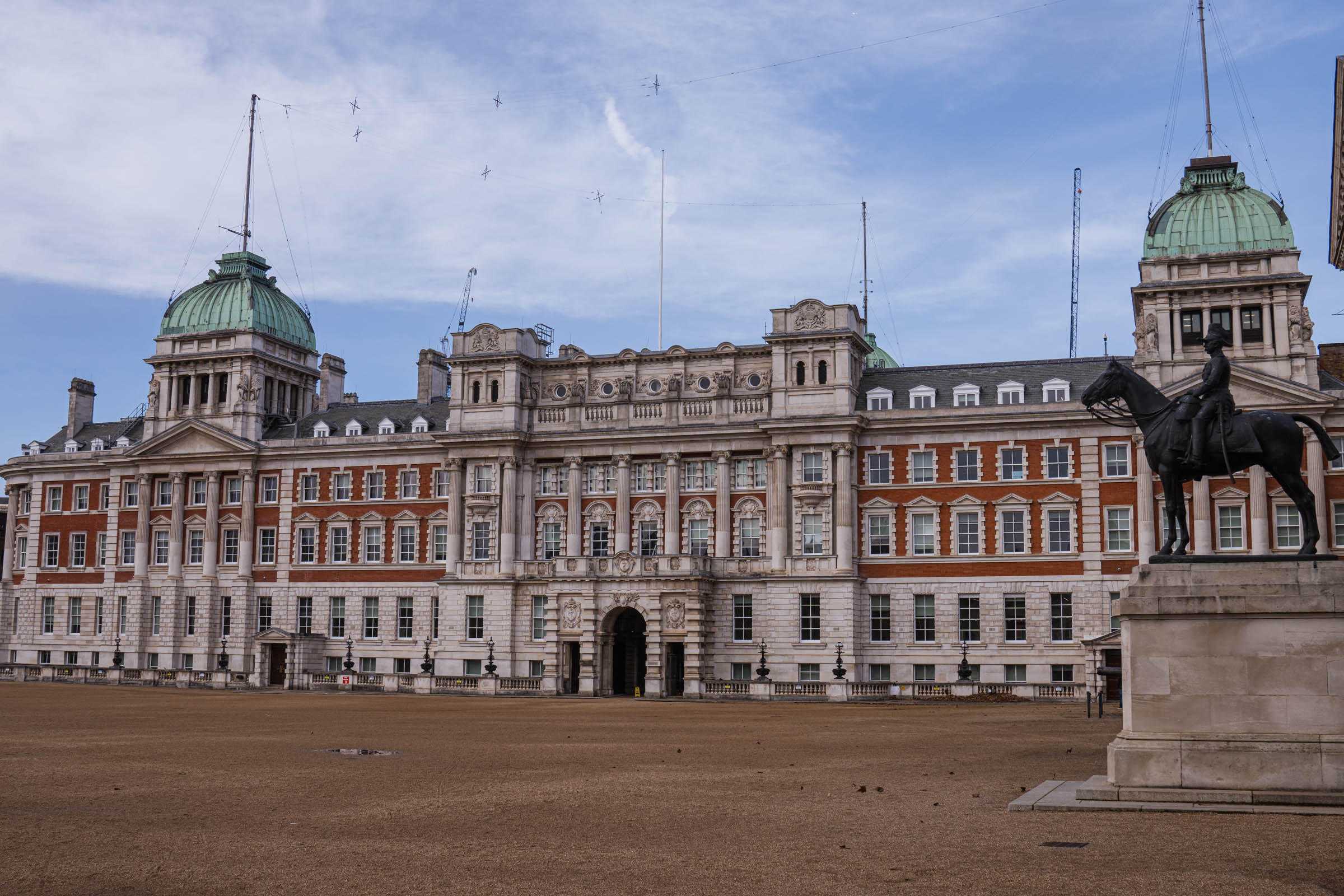
Be sure to stop on the Blue Bridge across the lake. From there, you get a tree-framed view west toward Buckingham Palace. Looking east, you can see the Swire Fountain, Horse Guards, the Old War Office and Whitehall Court. To the south of Duck Island, the Tiffany Fountain rises from Pelican Rock. Beyond the lake, you can even spot the London Eye, the Shell Tower and the Shard. For families, the park also has a children’s playground with a large sandpit.
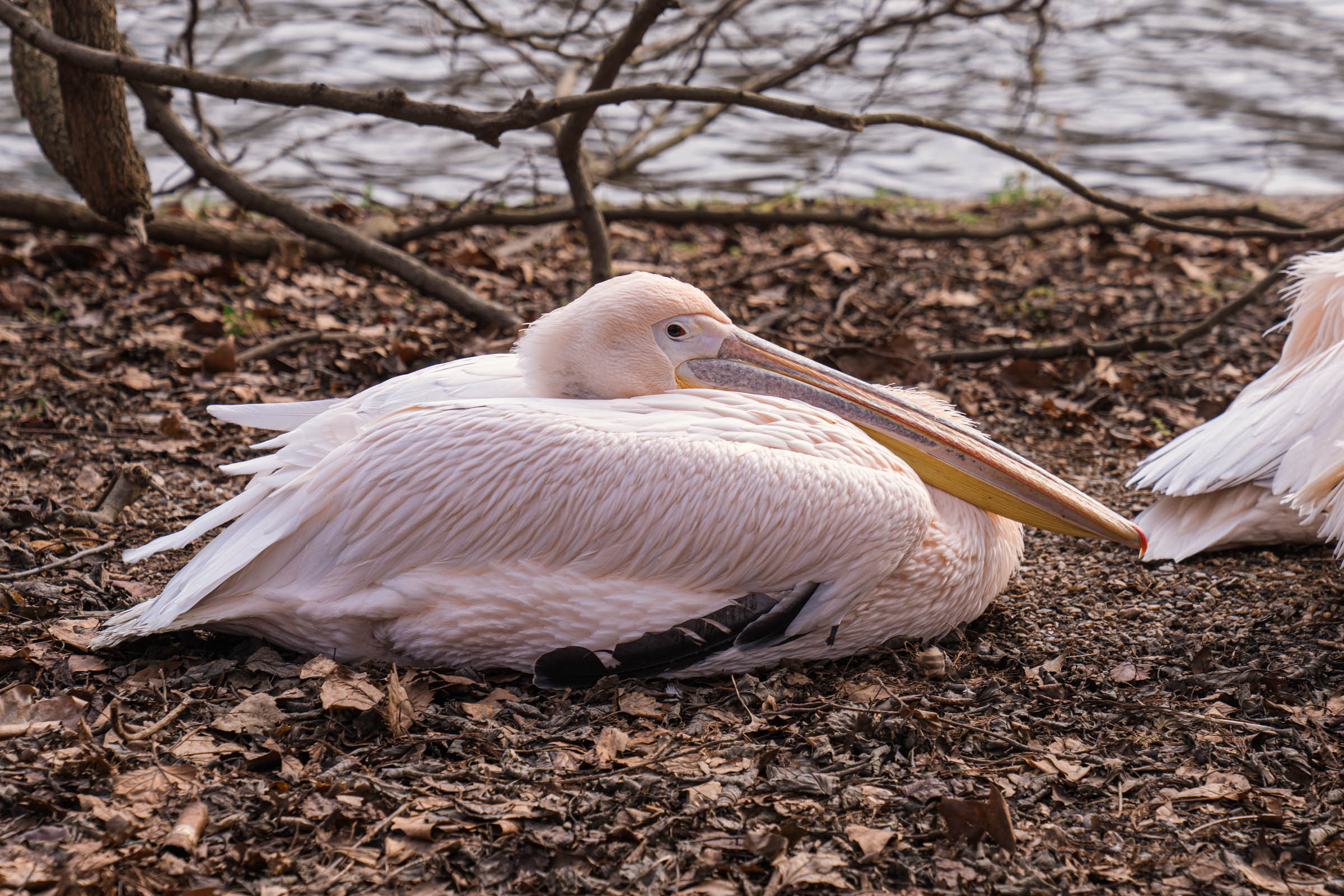
Of course, the most famous residents of the park are the pelicans. A colony of pelicans has lived here since 1664, when a Russian ambassador gave the first birds to King Charles II.
BUCKINGHAM PALACE, THE ROYAL RESIDENCE IN LONDON
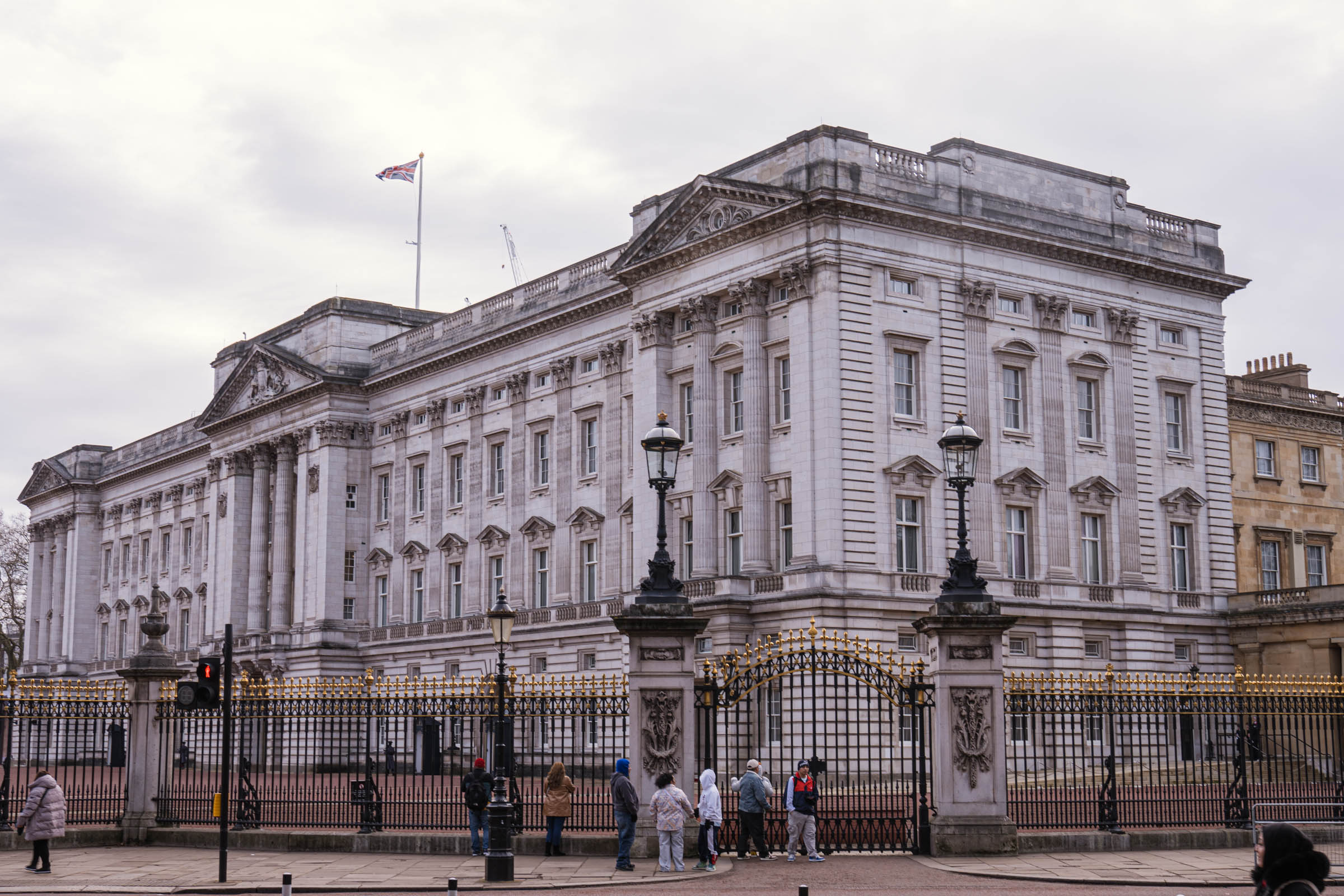
A leisurely stroll through the park takes you to the next important London landmark, the famous Buckingham Palace. It is the official London residence of the monarch of the United Kingdom and also the administrative headquarters of the monarch. In front of the palace stands the Victoria Memorial by the sculptor Sir Thomas Brock, unveiled in 1911. The memorial is nearly 25 meters tall, and a gilded bronze Winged Victory crowns its marble pylon.
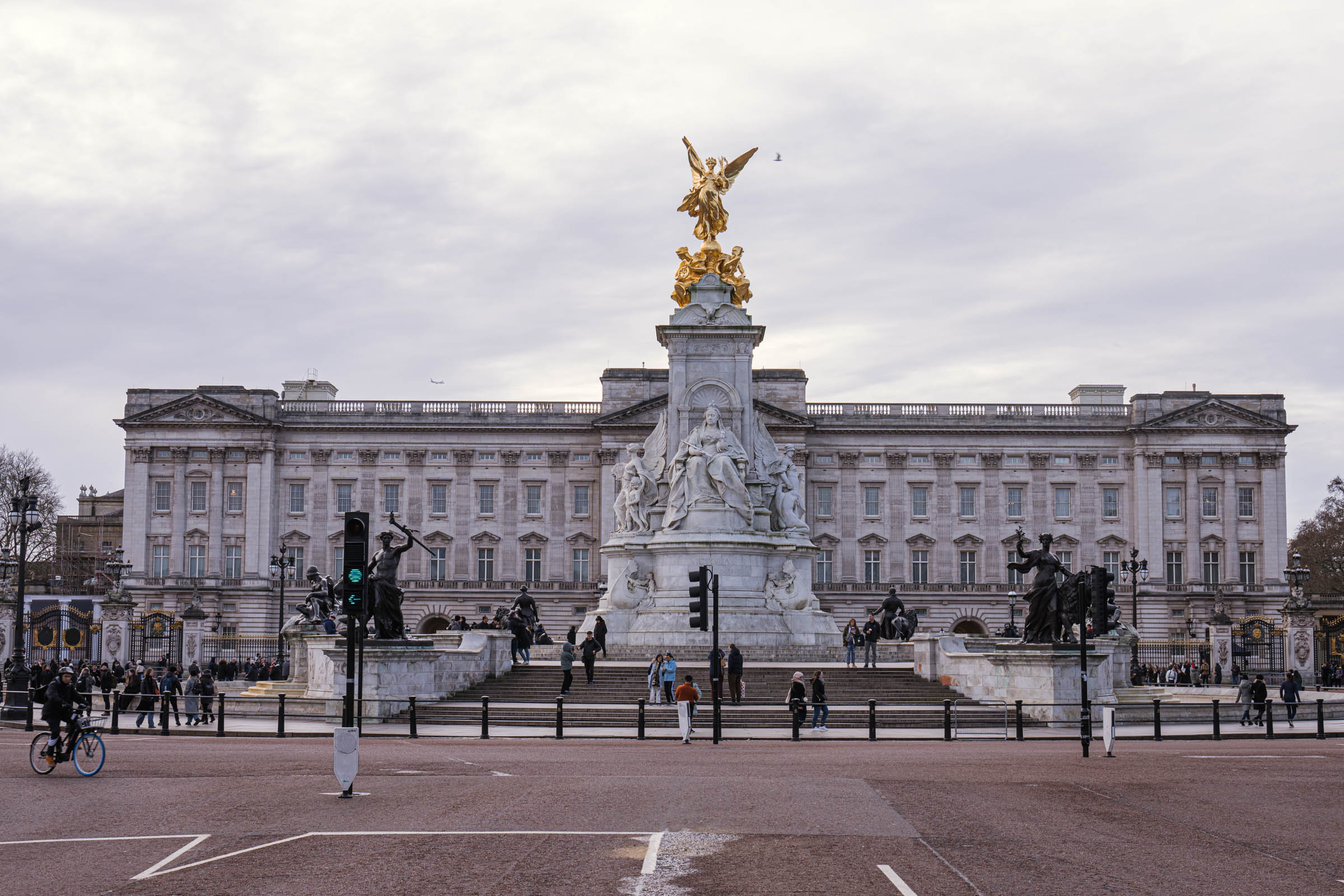
Originally, the core of today’s palace was a large townhouse called Buckingham House. The Duke of Buckingham and Normanby had it built in 1703. Before that, the site had been in private hands for at least 150 years. In 1761, George III acquired it as a private residence for Queen Charlotte, and people began to call it the Queen’s House.
During the 19th century, the architects John Nash and Edward Blore enlarged the building with three wings around a central courtyard. Then, when Queen Victoria came to the throne in 1837, Buckingham Palace became the London residence of the British monarch. Today, the palace has 775 rooms. Since 1993, its State Rooms have been open to the public during the summer and on selected dates throughout the year.
GETTING AROUND LONDON ON FOOT AND BY BUS
London is an extremely large city. You can walk to many of its attractions, but in that case, wear comfortable shoes. If you are not a fan of long walks, the city has a wide network of buses and Underground lines. My recommendation is the bus, because it is cheaper and you get to know the city better.
Of course, there are also the famous London taxis, but trust me, their services are expensive. I took a taxi in heavy rain a couple of times, and you don’t want to know how much those rides cost. Rain is simply part of the London experience, as I also wrote in another letter, somewhere between rain and wind.
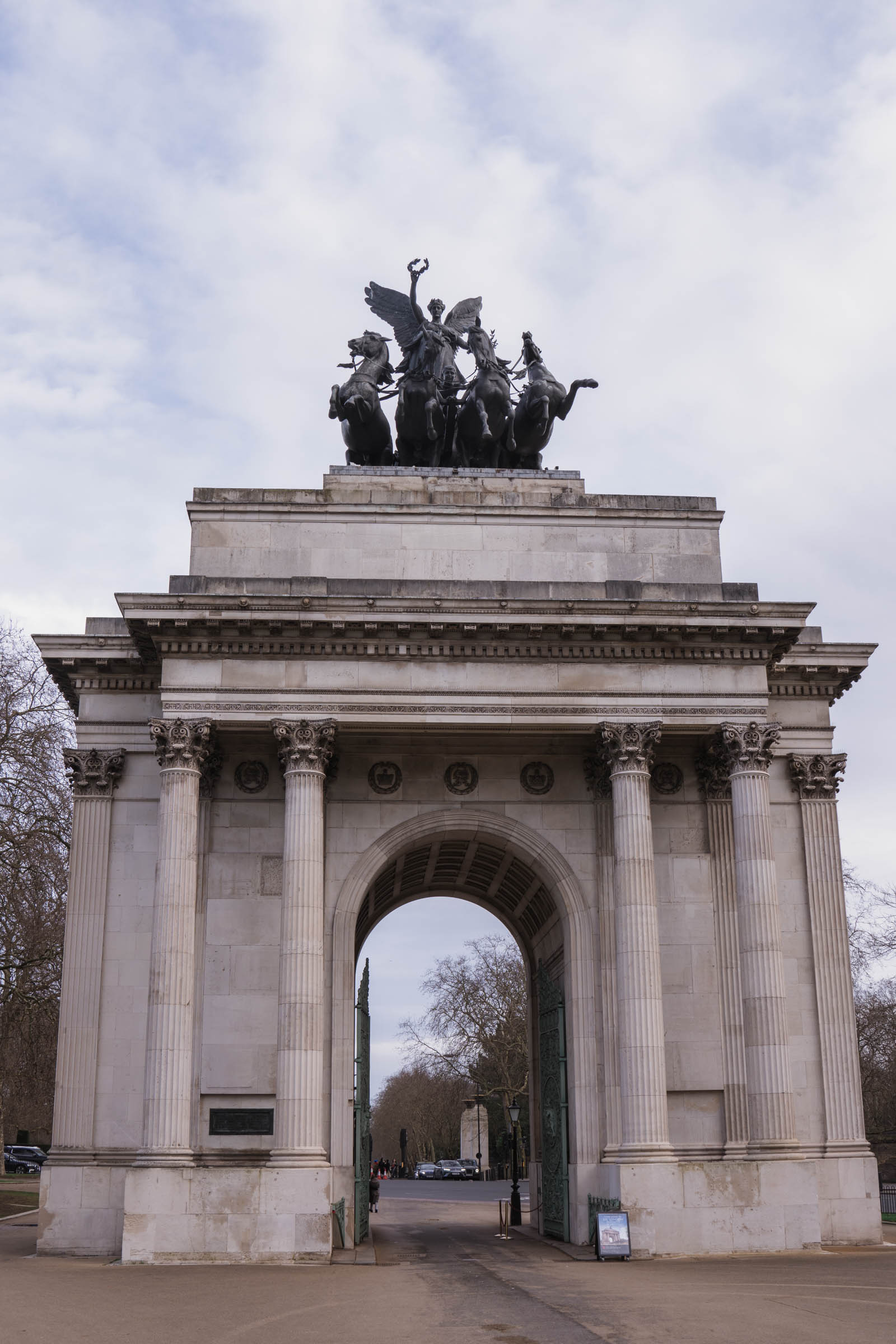
On the way west, you will pass Wellington Arch at Hyde Park Corner. The architect Decimus Burton designed it, and it was built between 1826 and 1830. On top stands the bronze quadriga “Peace descending on the Quadriga of War” by Adrian Jones. It shows the goddess Nike in a chariot pulled by four horses. People often describe it as the largest bronze sculpture in Europe. Today, English Heritage cares for the arch, and visitors can go inside.
KENSINGTON PALACE AND ITS ORANGERY
If you get tired, take public transport to Kensington Palace, our next stop. Kensington Palace is a royal residence in Kensington Gardens, in the Royal Borough of Kensington and Chelsea. It has been a residence of the British royal family since the 17th century. As of late 2026, it remains the official London residence of several members of the royal family, and their offices are also here. Fun fact: Queen Victoria was born in this palace on May 24, 1819.
The red brick building in the photo below is the Orangery. Queen Anne commissioned it, and it was completed in 1704. Its design is credited to Nicholas Hawksmoor, with later changes by John Vanbrugh.
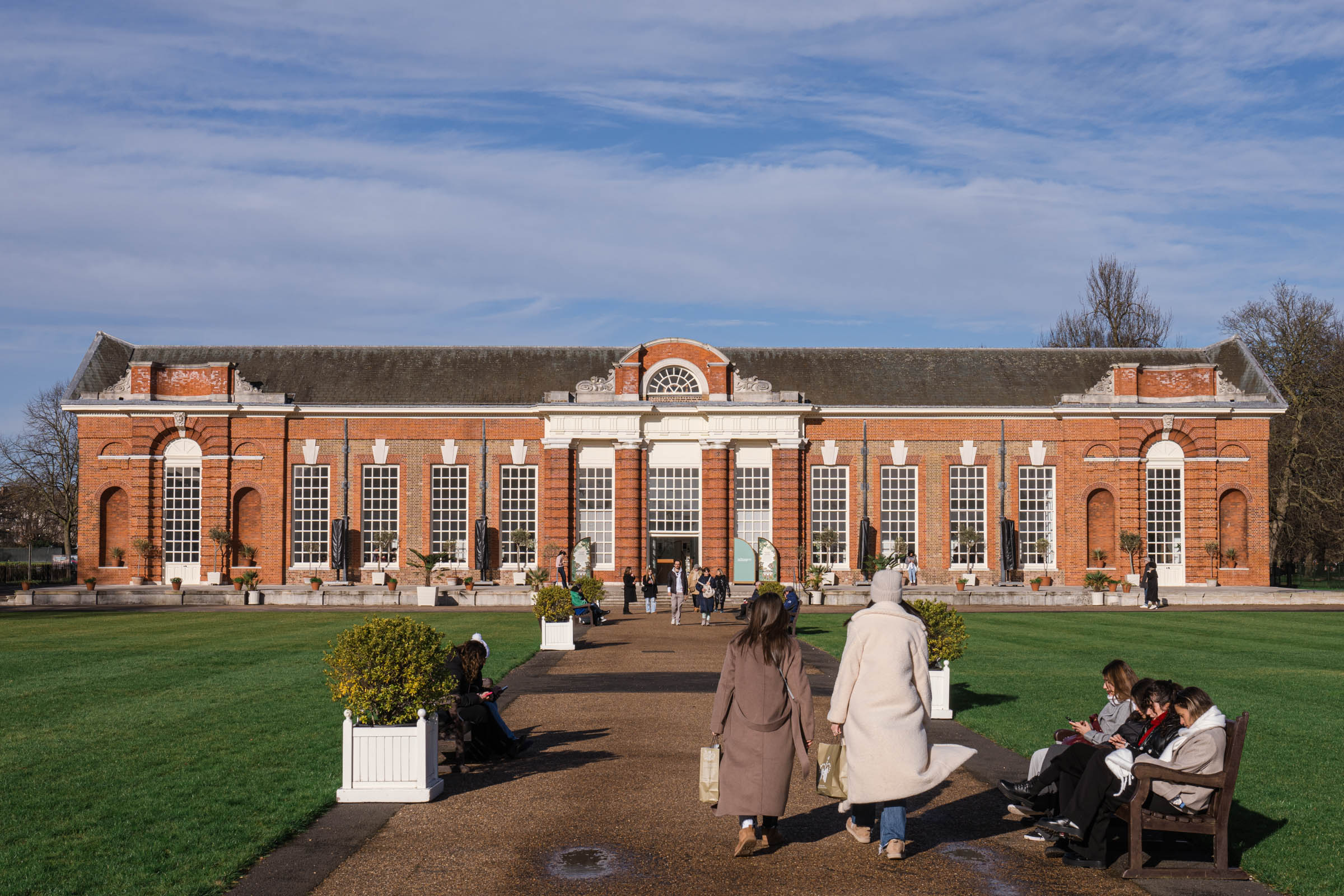
Today, the State Rooms of Kensington Palace are open to the public. Historic Royal Palaces manages them, an independent charity that operates without public funding. However, the offices and private apartments remain the responsibility of the Royal Household. In addition, the palace displays many paintings and other works of art from the Royal Collection.
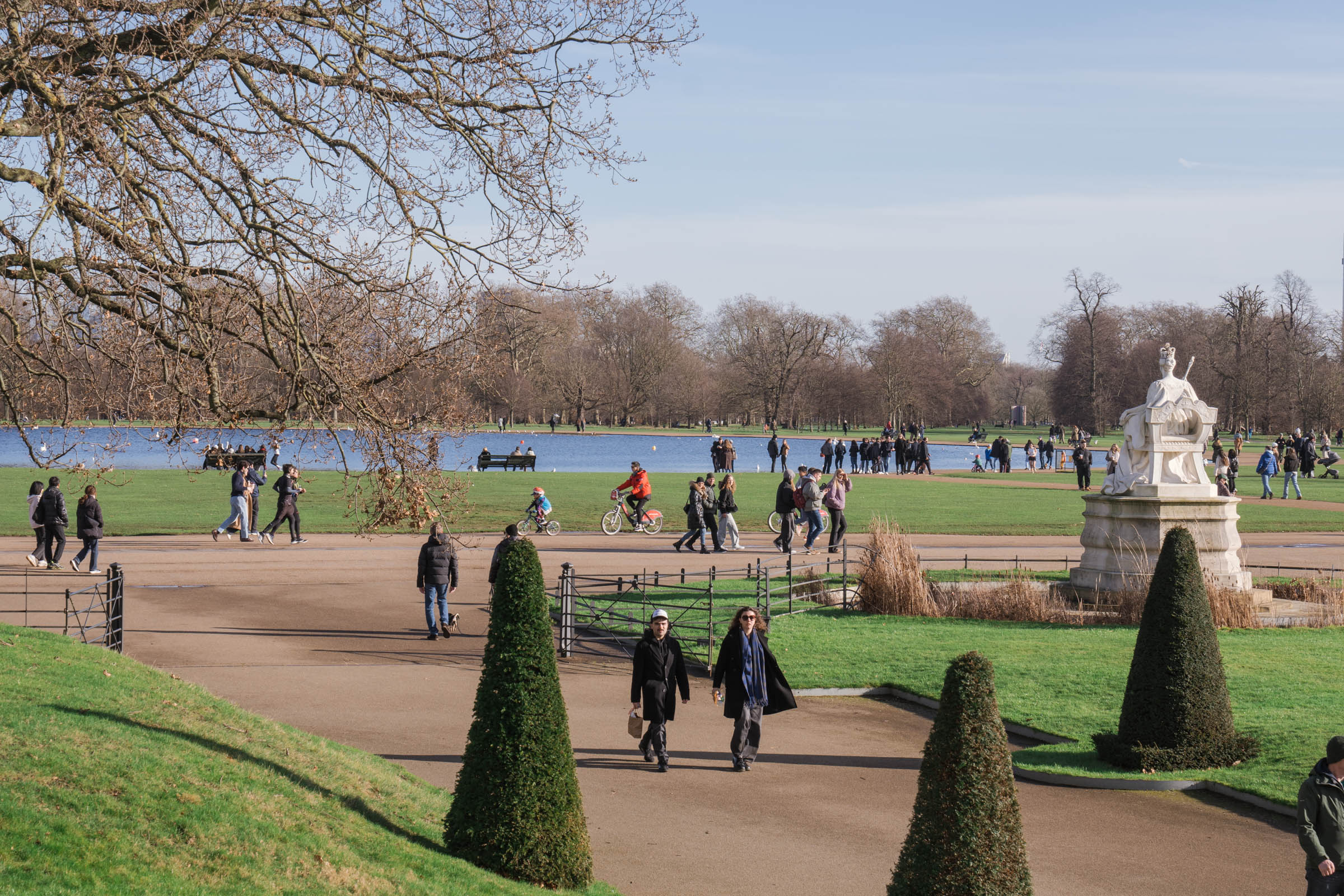
In front of the palace stands a white marble statue of Queen Victoria in her coronation robes. Her daughter Princess Louise sculpted it in her studio at the palace, and it was unveiled in 1893.
THE DIANA STATUE IN THE SUNKEN GARDEN
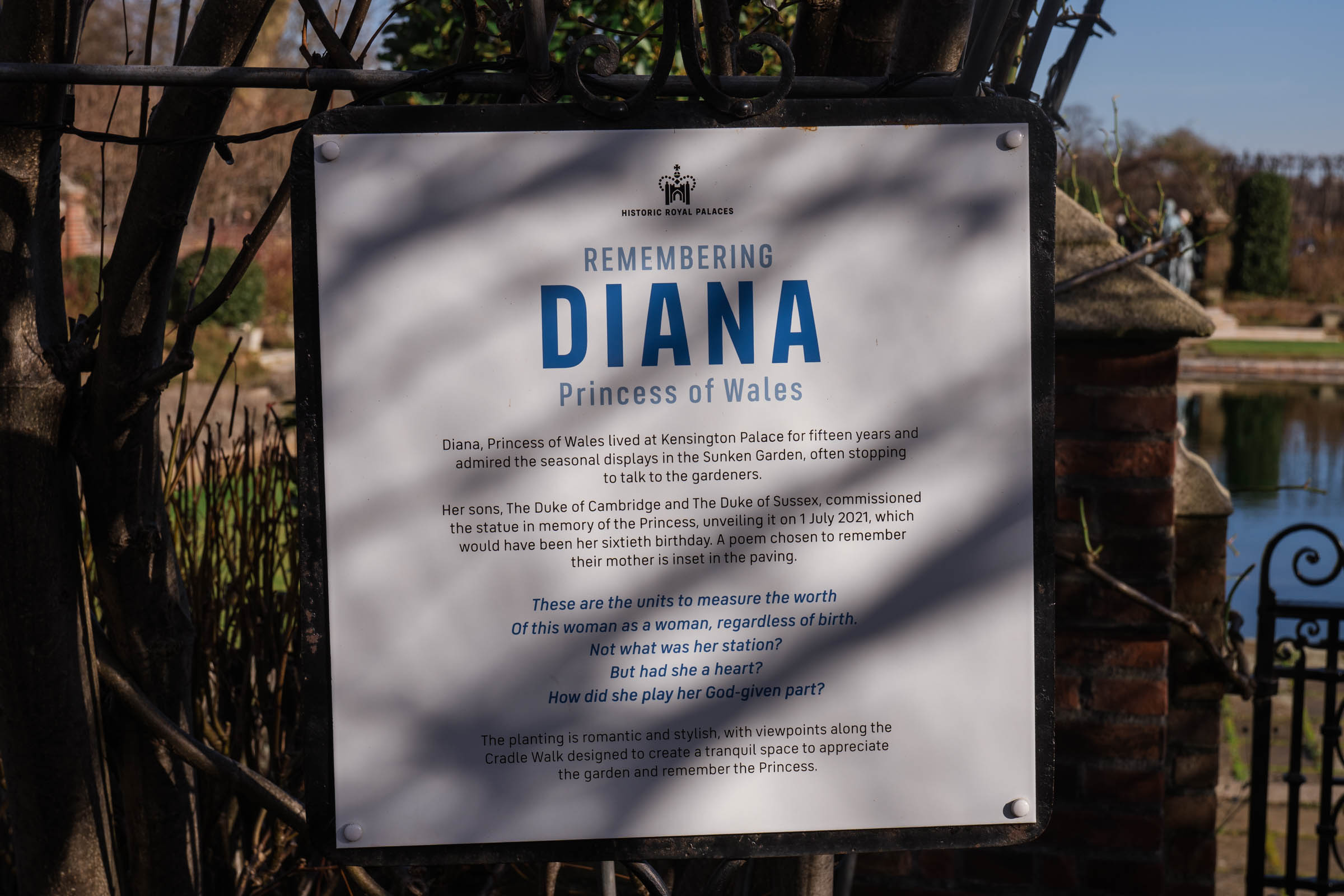
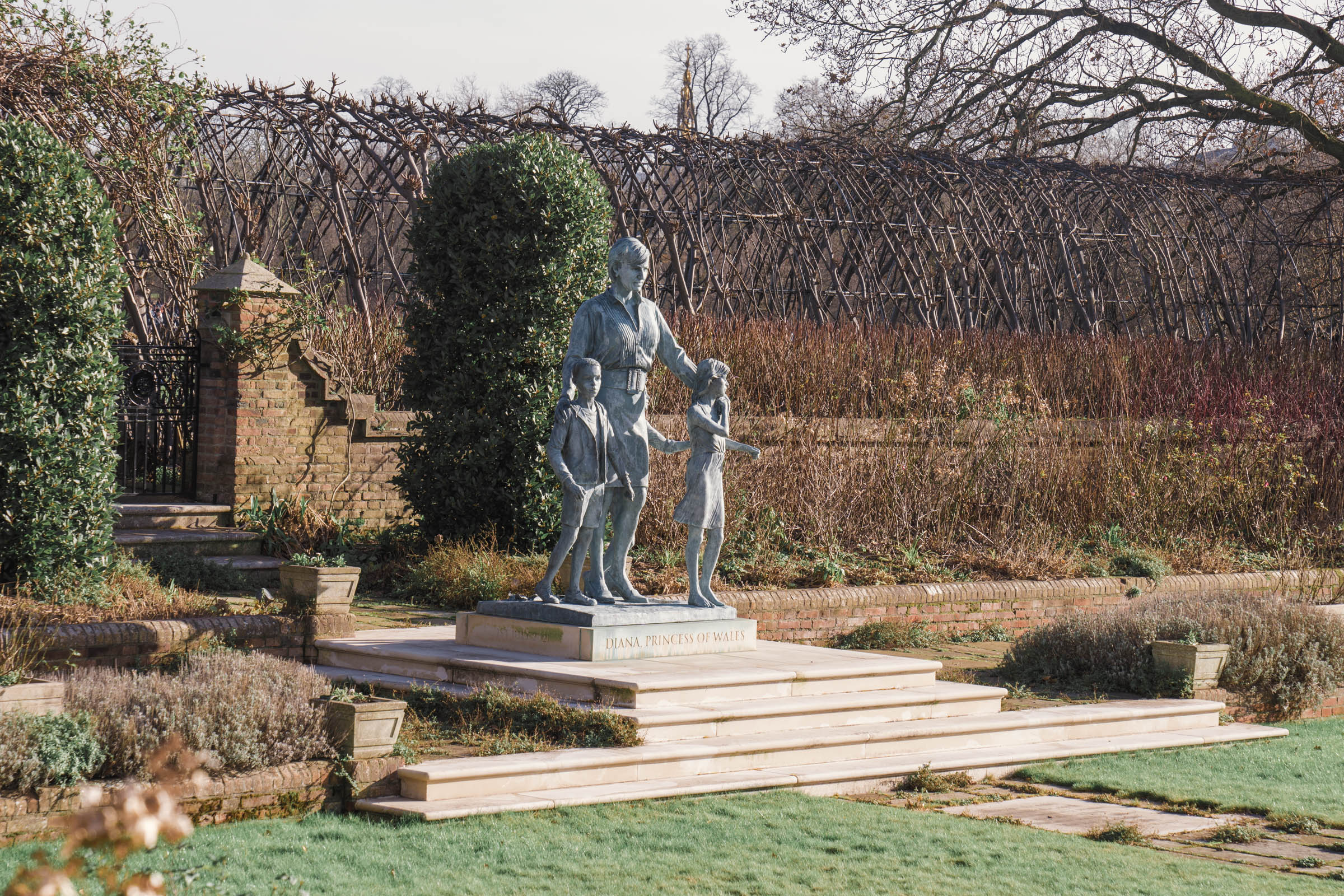
Here you can also find the statue of Diana, Princess of Wales, in the Sunken Garden of Kensington Palace. Her sons, Prince William and Prince Harry, commissioned it in 2017. The sculptor Ian Rank-Broadley created the statue, which shows Diana surrounded by three children. The children represent the universality and the generational impact of her work.
William and Harry unveiled the statue on July 1, 2021. Before that, Pip Morrison redesigned the Sunken Garden, and the gardeners planted more than 4,000 individual flowers.
KENSINGTON GARDENS AND THE ROUND POND
Kensington Gardens were once part of the private gardens of Kensington Palace. Today, they are a public Royal Park, shared by the City of Westminster and the Royal Borough of Kensington and Chelsea. The gardens sit immediately to the west of Hyde Park. Together with Hyde Park, Green Park and St James’s Park, they form an almost continuous “green lung” in the heart of London. Moreover, Kensington Gardens are Grade I listed on the Register of Historic Parks and Gardens.
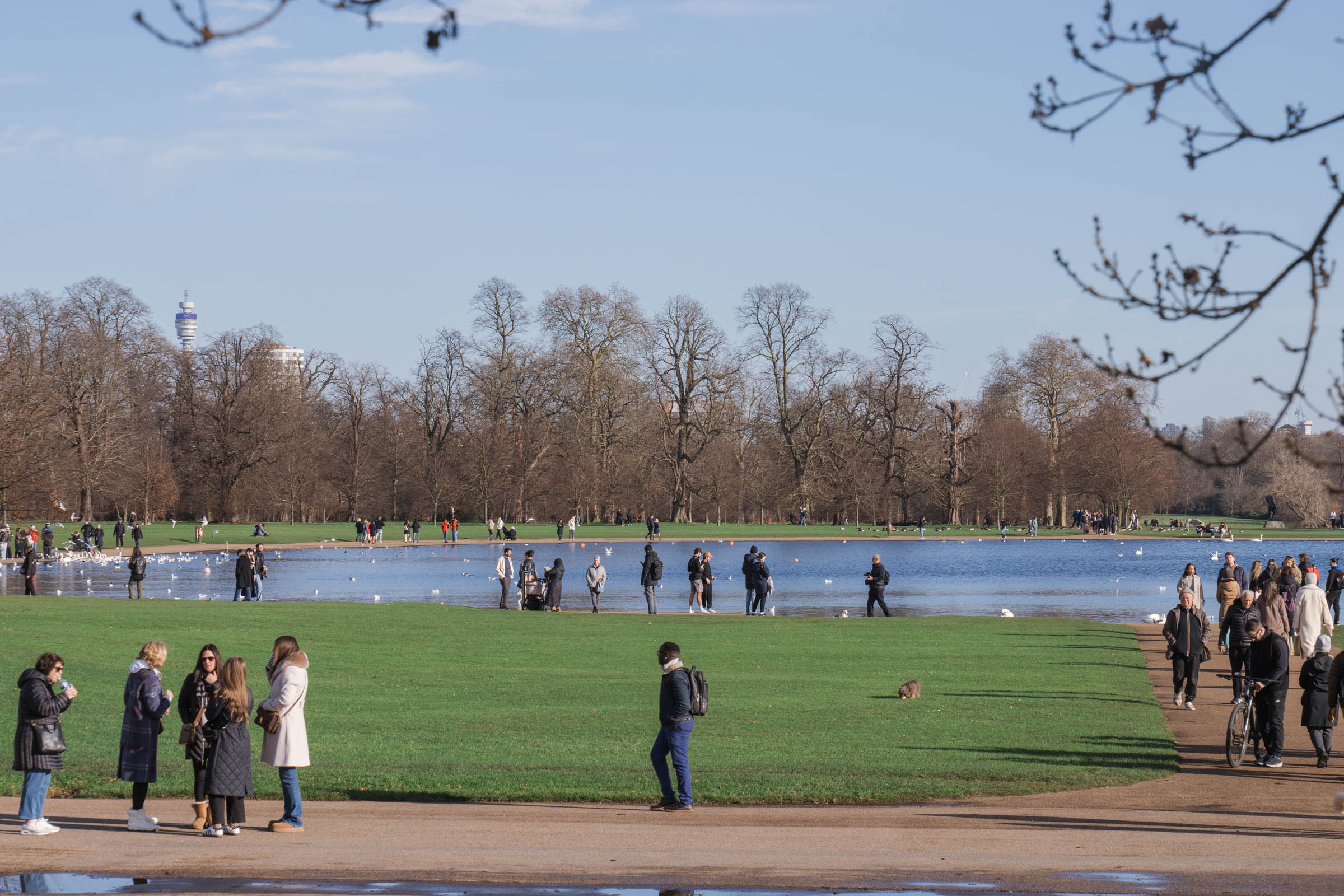
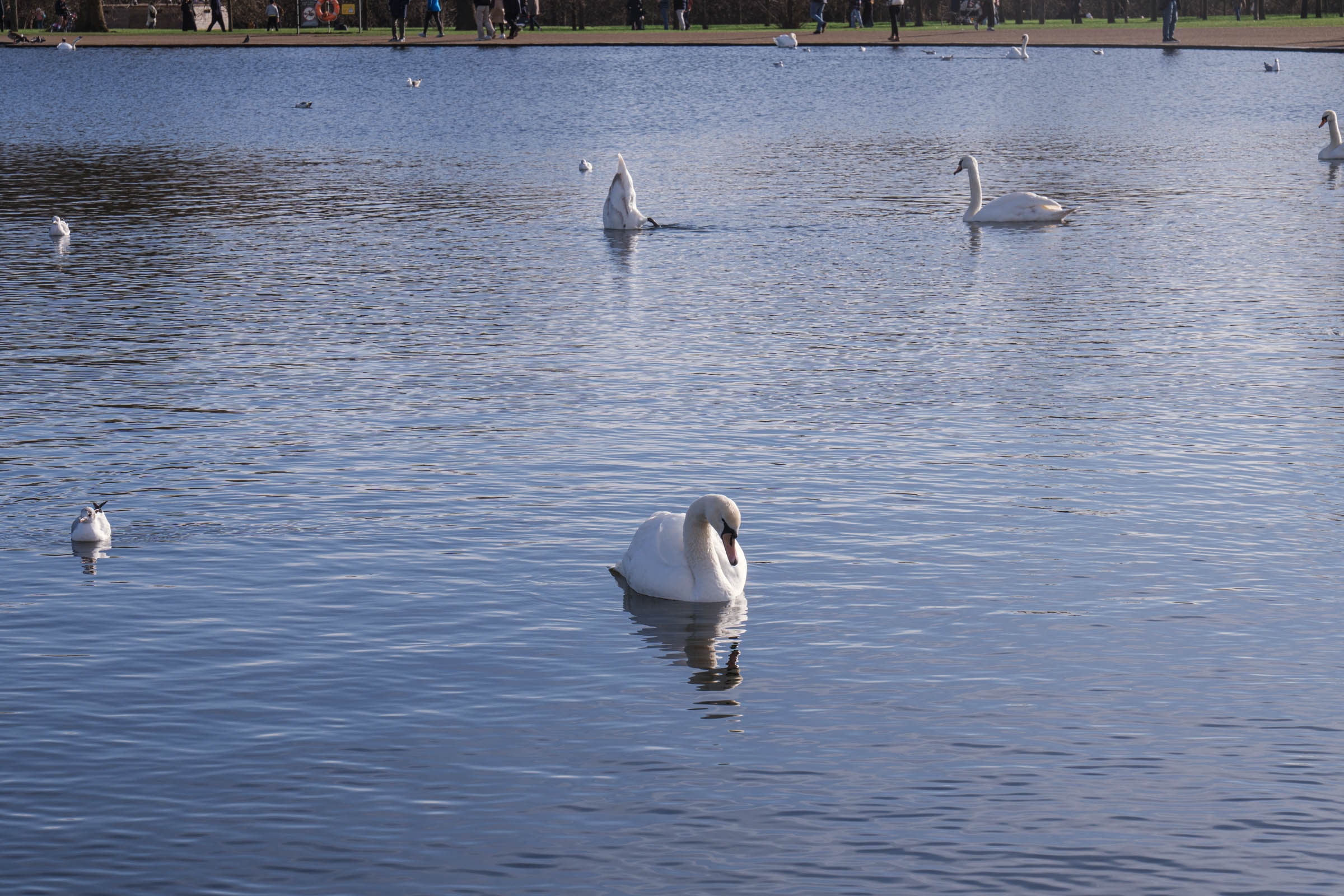
In front of the palace lies the Round Pond, an ornamental lake dug in the 18th century, during the reign of George II. Despite its name, it is not a perfect circle. Instead, it is rectangular with stepped and rounded corners. It covers about seven acres, and as you can see in my photos, swans love it.
NOTTING HILL AND PORTOBELLO ROAD
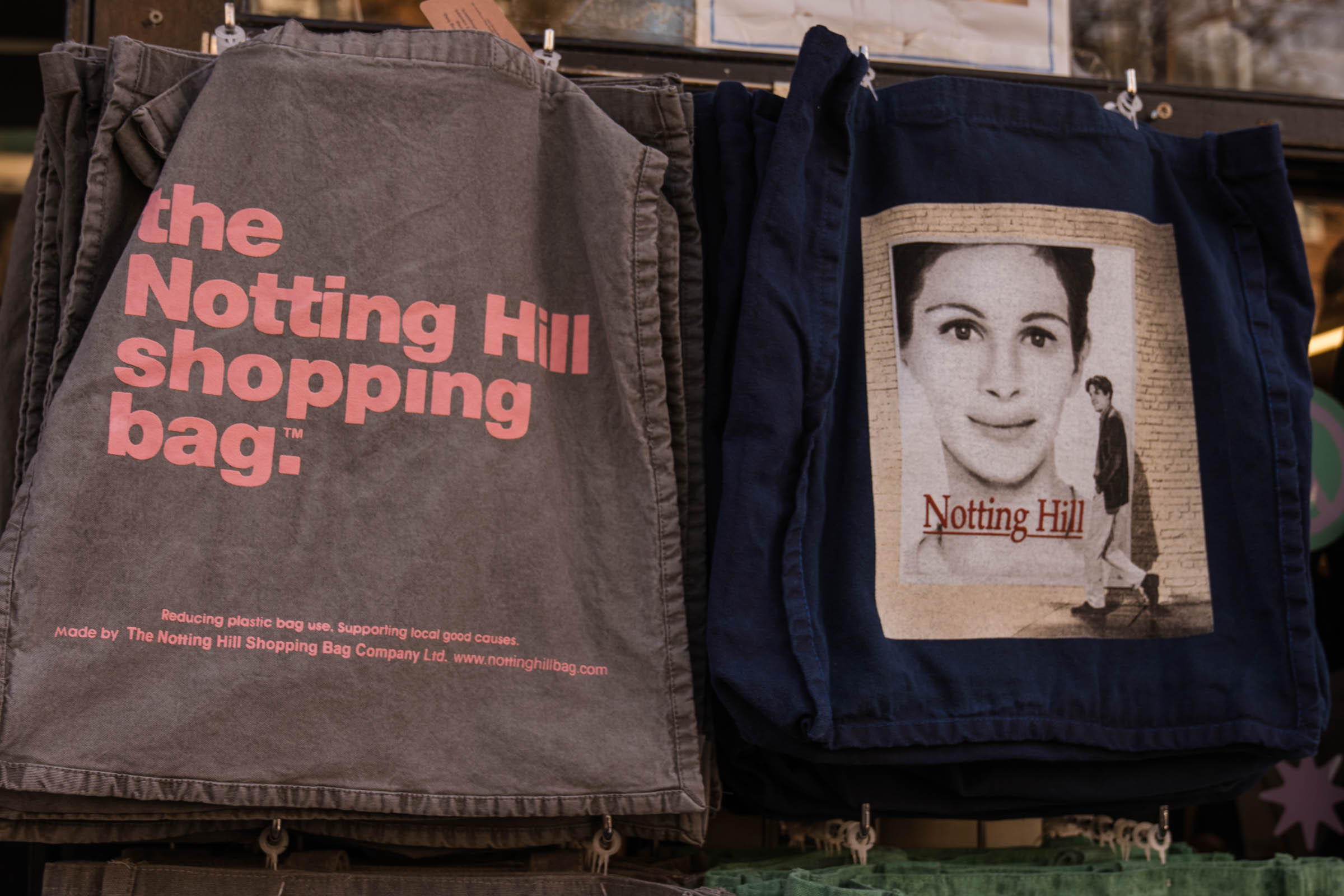
If you visit Kensington Gardens and the palace on a Saturday, let me help you finish your day the right way! I am taking you to a part of London that became world famous thanks to the 1999 film of the same name. Its star was an actress who conquered the world with her charisma and her smile, Julia Roberts. Yes, I am taking you to Notting Hill! This area is very close to Kensington Gardens, so I think you should not skip it.
Much of the film was shot on Portobello Road itself. However, the bookshop from the film was inspired by a real shop around the corner, the Travel Bookshop at 13 Blenheim Crescent. It closed in 2011, and today the same address is home to The Notting Hill Bookshop. Fans of the film still visit it, so you can easily add it to your walk.
WHY SATURDAY IS THE BEST DAY FOR PORTOBELLO ROAD MARKET
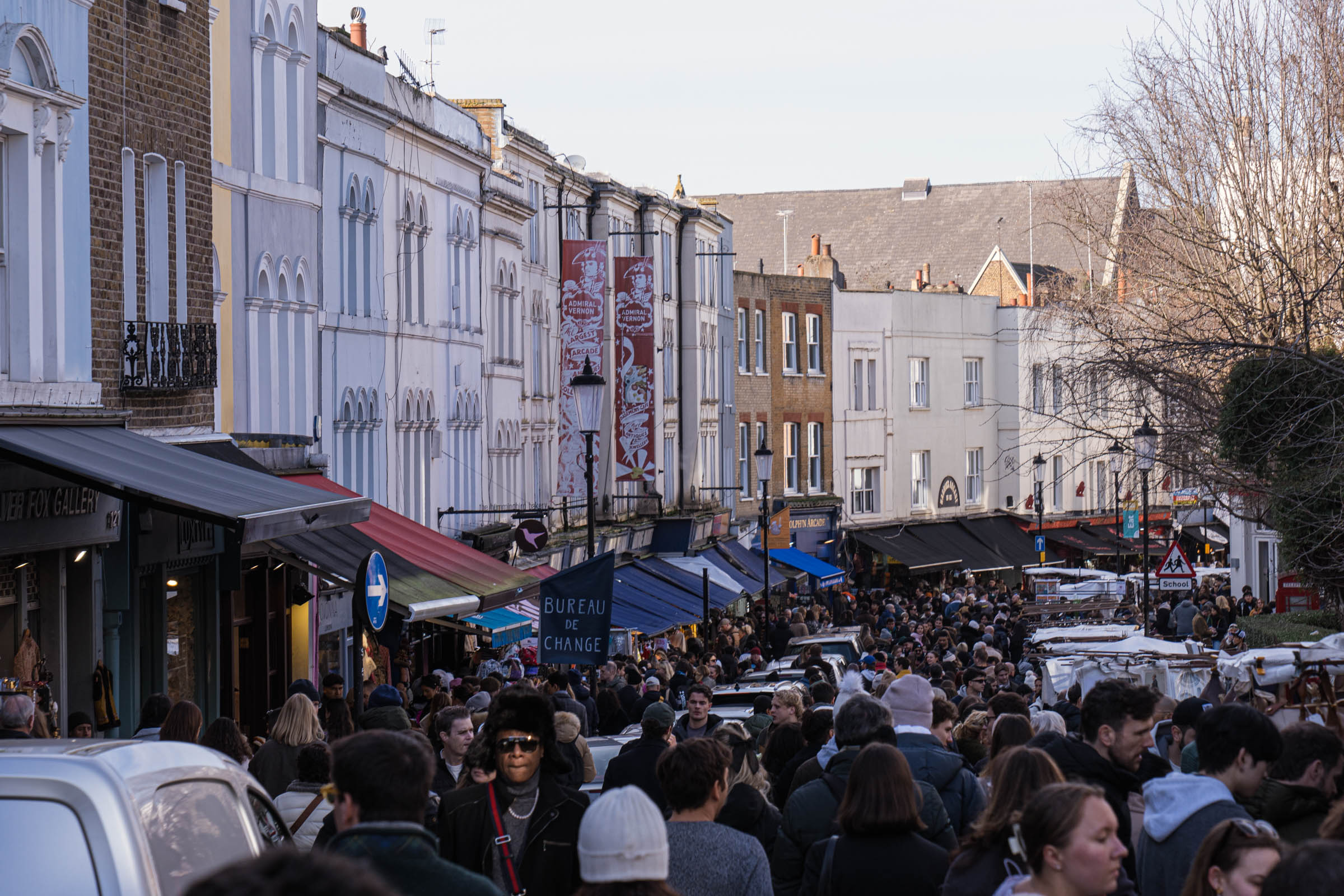
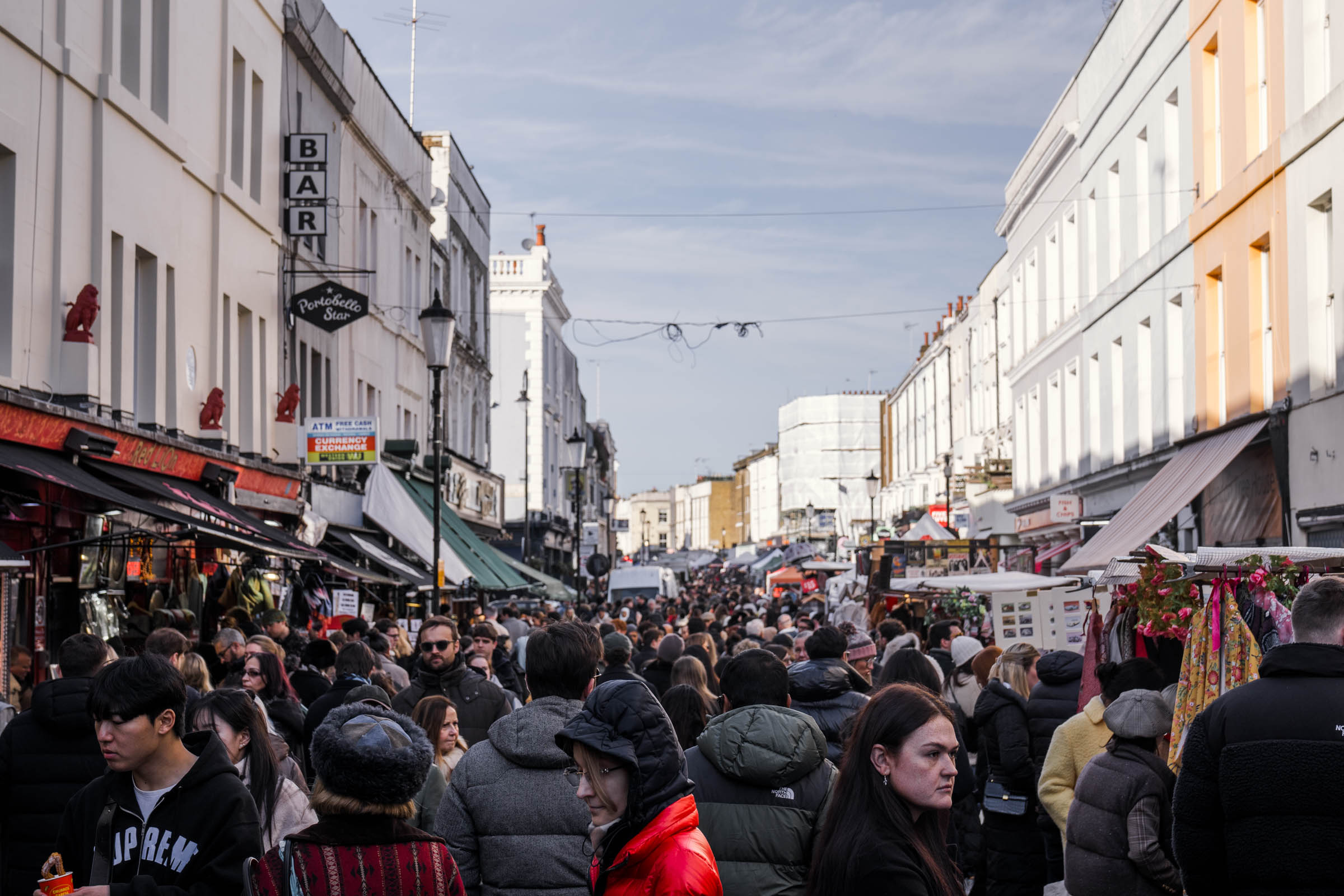
You must be wondering why I suggested a Saturday. The reason is the famous Portobello Road Market. Saturday is the main market day for antiques, and it is the only day when all five sections are open. These are second-hand goods, clothing and fashion, household essentials, fruit and vegetables with other food, and antiques.
On Saturdays, the streets are lively and full of visitors, so you will have a better memory of Notting Hill. I tell you this from my own experience. I visited Notting Hill several times on weekdays, and the streets were almost empty. So, you don’t get the impression of a popular neighborhood. This part of the city truly comes alive on Saturdays, precisely because of the street market.
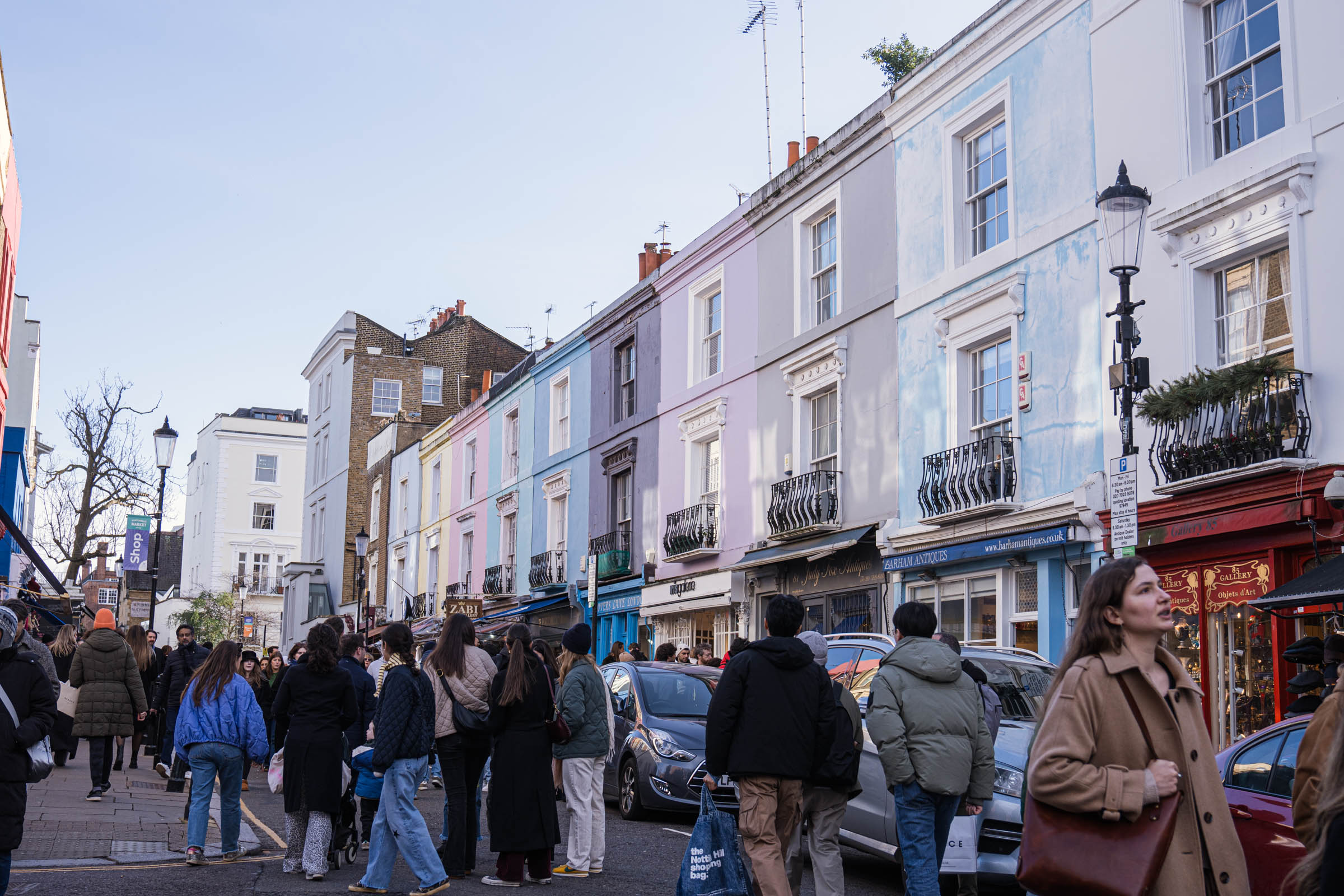
Here you will find interesting clothes, antiques and gifts that you didn’t even know you needed in your life. The market area is about 940 meters long. Meanwhile, the shops and cafés along the road are open every day. Remember, Saturday is the ideal time for Portobello Road, and you must not miss it.
THE ROYAL ALBERT HALL IN SOUTH KENSINGTON
The Royal Albert Hall is a concert hall on the northern edge of South Kensington, with 5,272 seats. Queen Victoria opened it in 1871, and since then the world’s leading artists from many genres have performed on its stage. Since 1941, it has been the home of the BBC Proms every summer.
Each year, the hall hosts more than 390 shows in its main auditorium. They include classical, rock and pop concerts, ballet, opera, film screenings with live orchestras, sporting events and award ceremonies. Over its long history, the hall has also seen suffragette meetings and speeches by Winston Churchill, Charles de Gaulle and Albert Einstein. Even boxing legends such as Muhammad Ali and Lennox Lewis have appeared here.
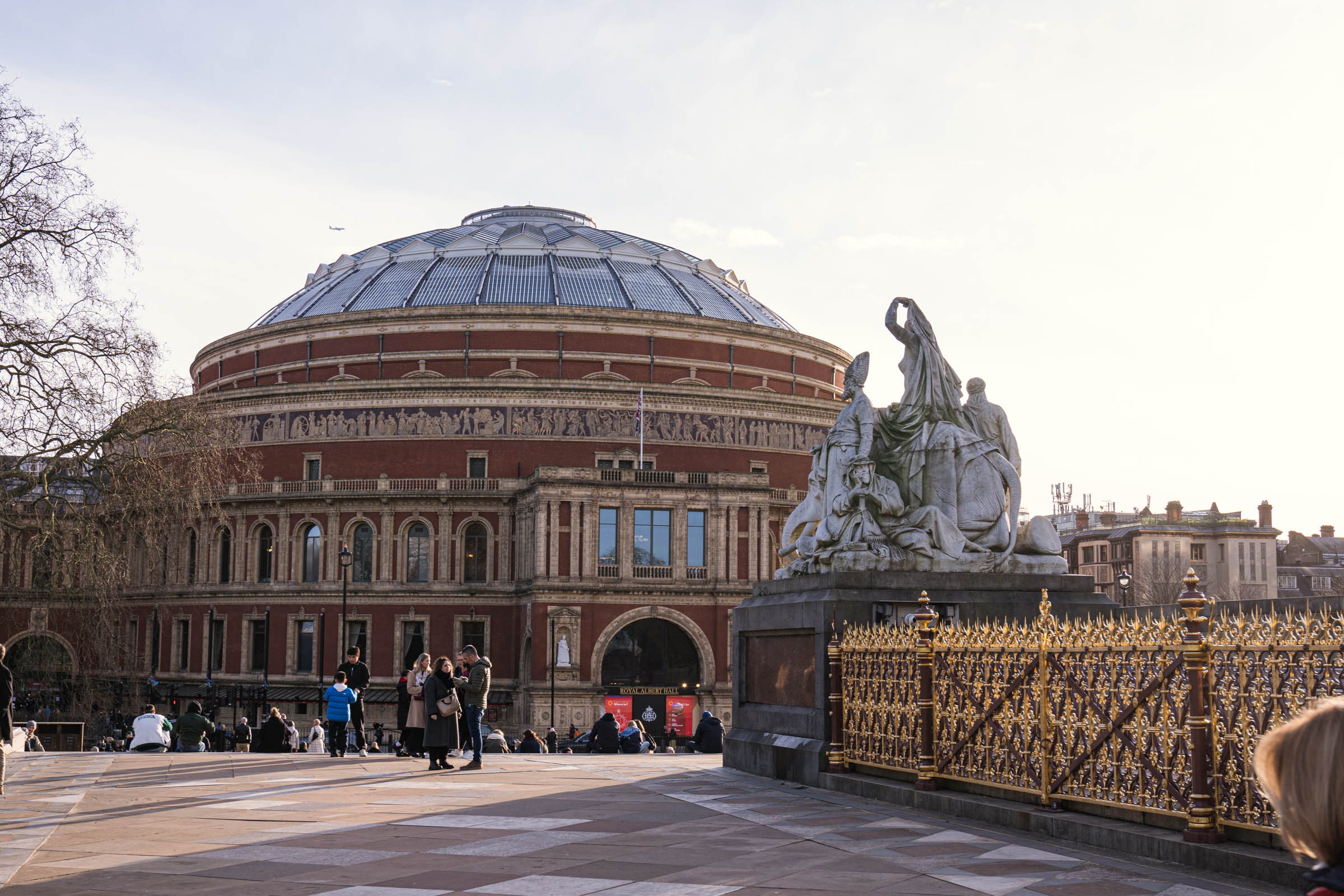
The hall was originally going to be called the Central Hall of Arts and Sciences. However, Queen Victoria laid the foundation stone in 1867 and changed the name. In honor of her husband, Prince Albert, it became the Royal Albert Hall of Arts and Sciences. Today, it is a Grade I listed building.
THE ALBERT MEMORIAL AND THE GREAT EXHIBITION
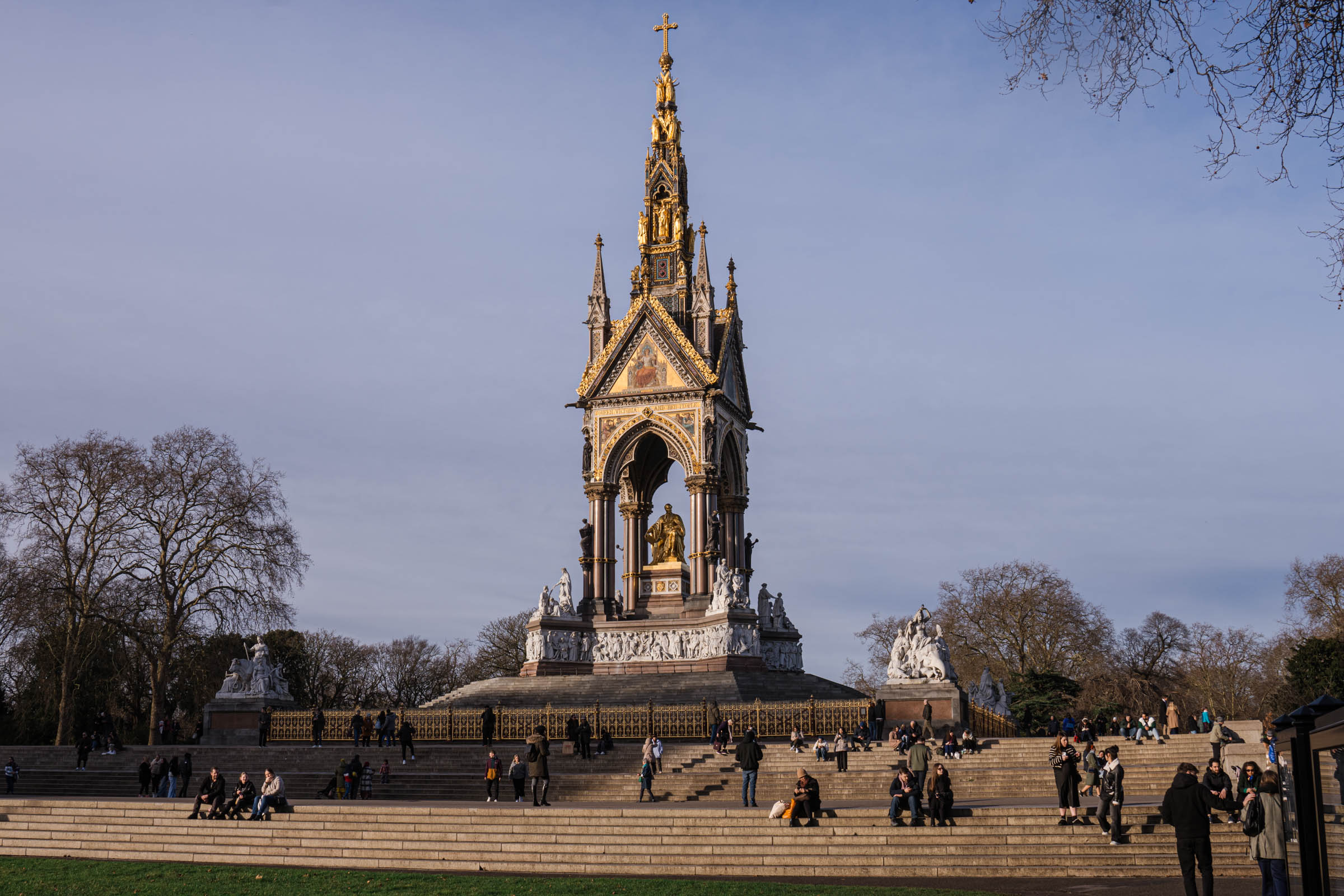
The hall forms the practical part of a memorial to the Prince. Its decorative part is the Albert Memorial, directly to the north in Kensington Gardens. Today, the road Kensington Gore separates the two. Sir George Gilbert Scott designed the memorial, a Gothic Revival canopy 54 meters tall, and Queen Victoria opened it in July 1872.
Under the canopy sits the statue of Prince Albert, now covered in gold leaf. John Henry Foley began it, and Thomas Brock completed it. Around the base runs the Frieze of Parnassus with 169 composers, architects, poets, painters and sculptors. In addition, four sculpture groups at the corners represent Europe, Asia, Africa and America.
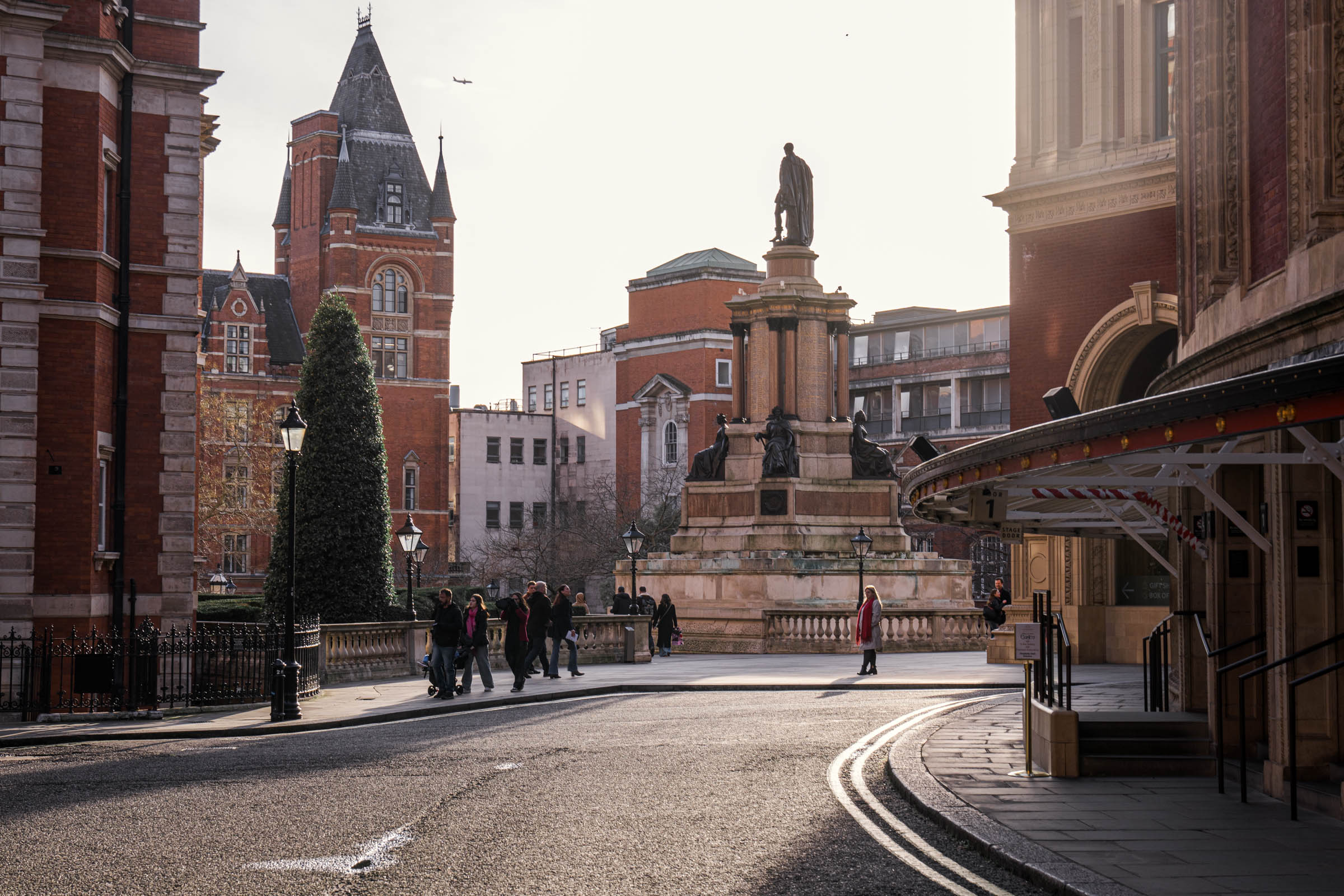
Behind the Royal Albert Hall, on its south side, stands another monument to Prince Albert, the Memorial to the Great Exhibition of 1851. Joseph Durham designed it, with changes by Sydney Smirke. It first stood in the gardens of the Royal Horticultural Society, from 1863. Prince Albert presided over the Royal Commission that raised funds for the Great Exhibition. Later, its profits helped buy the land of this whole district, which people nicknamed Albertopolis. Over time, it filled with cultural and educational institutions, including the museums, colleges and the hall itself.
THE NATURAL HISTORY MUSEUM IN LONDON
The Natural History Museum is one of three major museums on Exhibition Road in South Kensington. The other two are the Science Museum and the Victoria and Albert Museum. However, its main frontage is on Cromwell Road. The museum holds some 80 million life and earth science specimens in five main collections: botany, entomology, mineralogy, paleontology and zoology. It is also a research center that specializes in taxonomy, identification and conservation.
The magnificent building by Alfred Waterhouse opened on April 18, 1881. Thanks to its ornate architecture, people sometimes call it a cathedral of nature. Many of its collections have great historical and scientific value, such as the specimens that Charles Darwin collected.
Although everyone calls it the Natural History Museum, its official name was British Museum (Natural History) until 1992. By then, it had long been an independent museum with its own board of trustees. Like other publicly funded national museums in the UK, it does not charge an admission fee. In addition, the Princess of Wales is a patron of the museum.
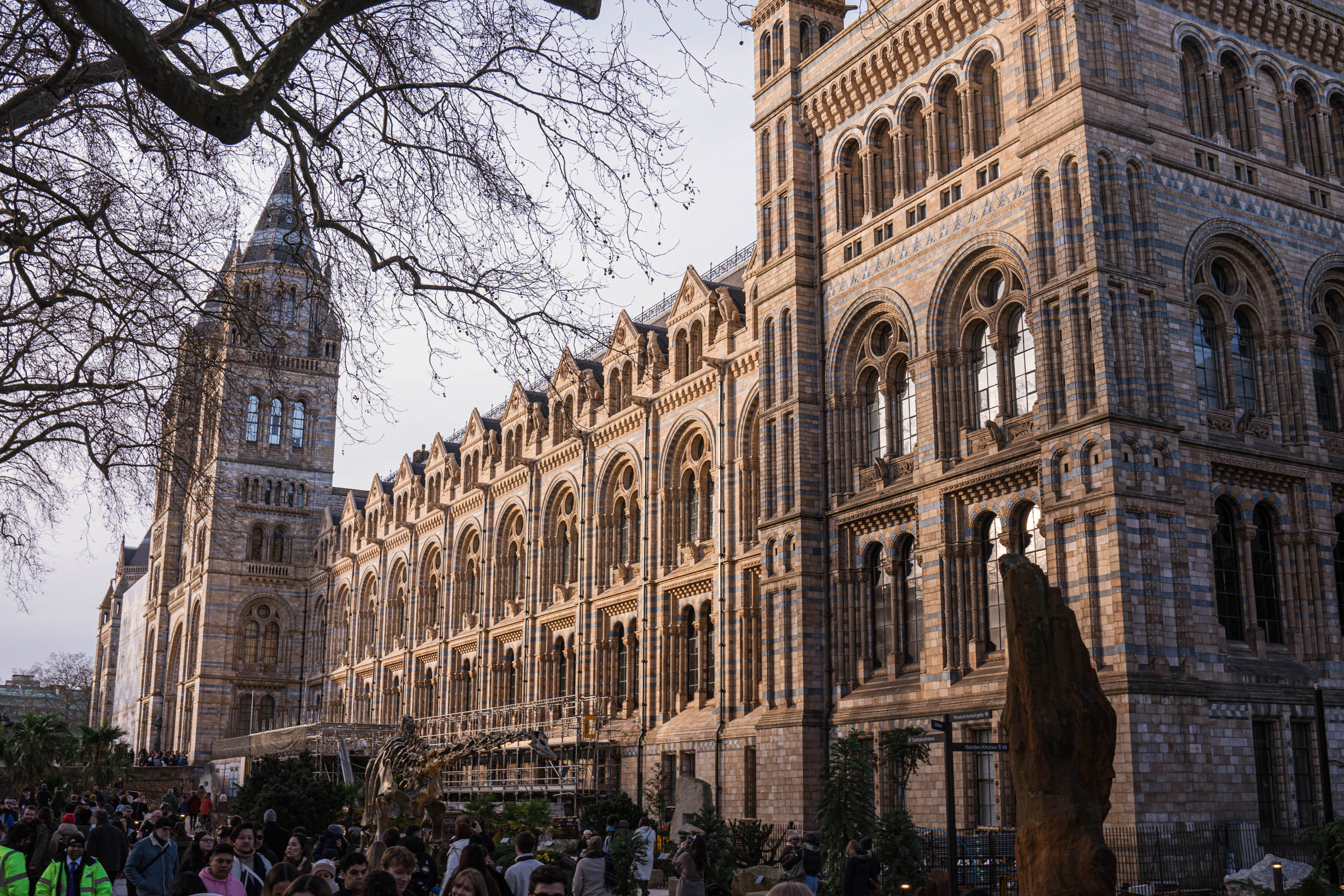
HOPE AND DIPPY: THE STARS OF HINTZE HALL
For many years, the central hall belonged to Dippy, a cast of a Diplodocus carnegii skeleton. The Scottish-American industrialist Andrew Carnegie gave it to the museum as a gift, after paying £2,000 for the casting. The pieces arrived in London in 36 crates. Then, on May 12, 1905, the museum unveiled the exhibit to great public and media interest.
Dippy quickly became an icon of the museum and appeared in many cartoons. In early 2017, the museum removed it, and from 2018 Dippy went on a tour of museums across Britain.
Its place went to Hope, the skeleton of a young blue whale. The skeleton is about 25 meters long and weighs 4.5 metric tons. The whale stranded on sandbanks at the mouth of Wexford Harbour in Ireland in March 1891. Today, Hope hangs from the ceiling and takes pride of place in the museum’s Hintze Hall.
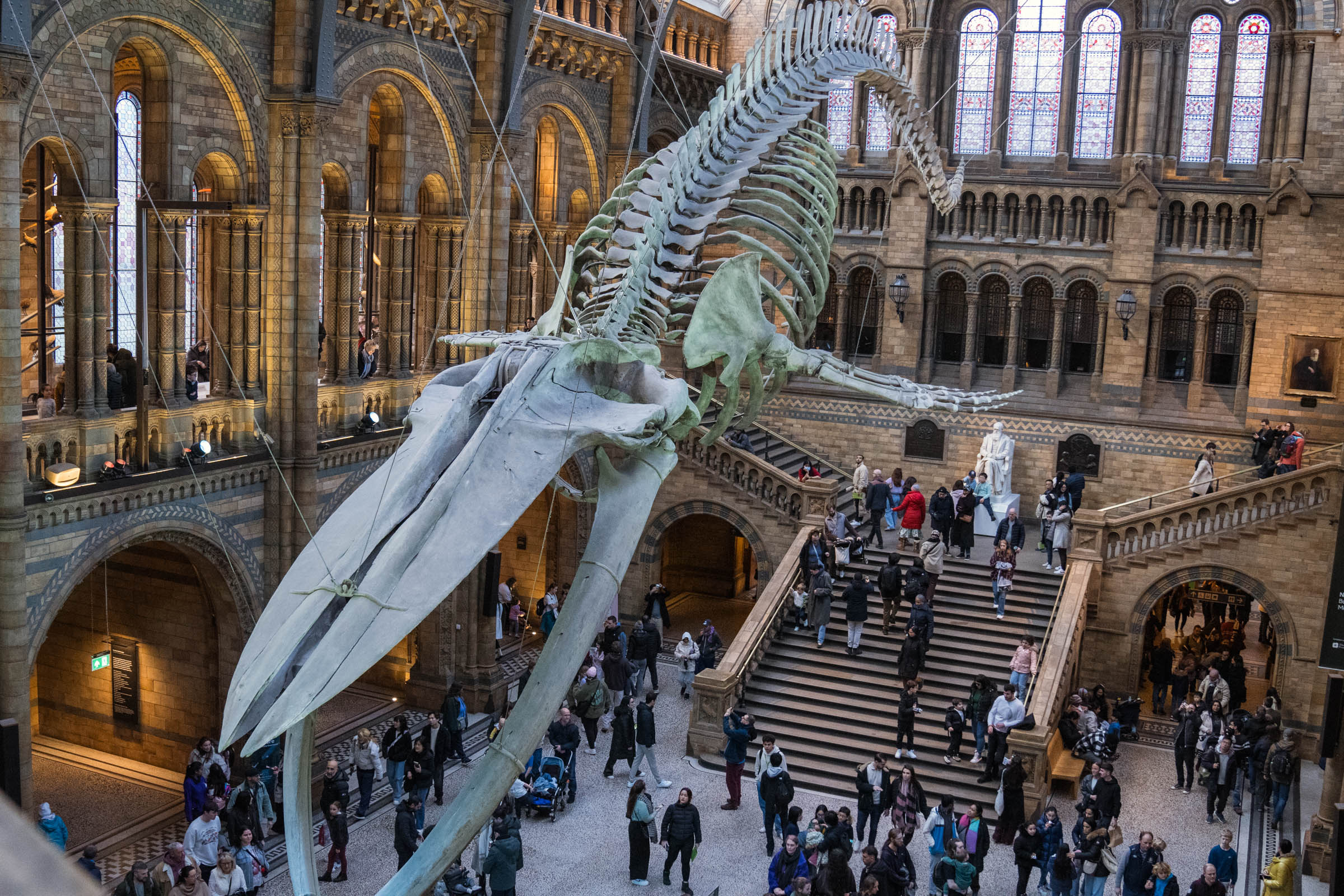
FROM DODOS TO DINOSAURS
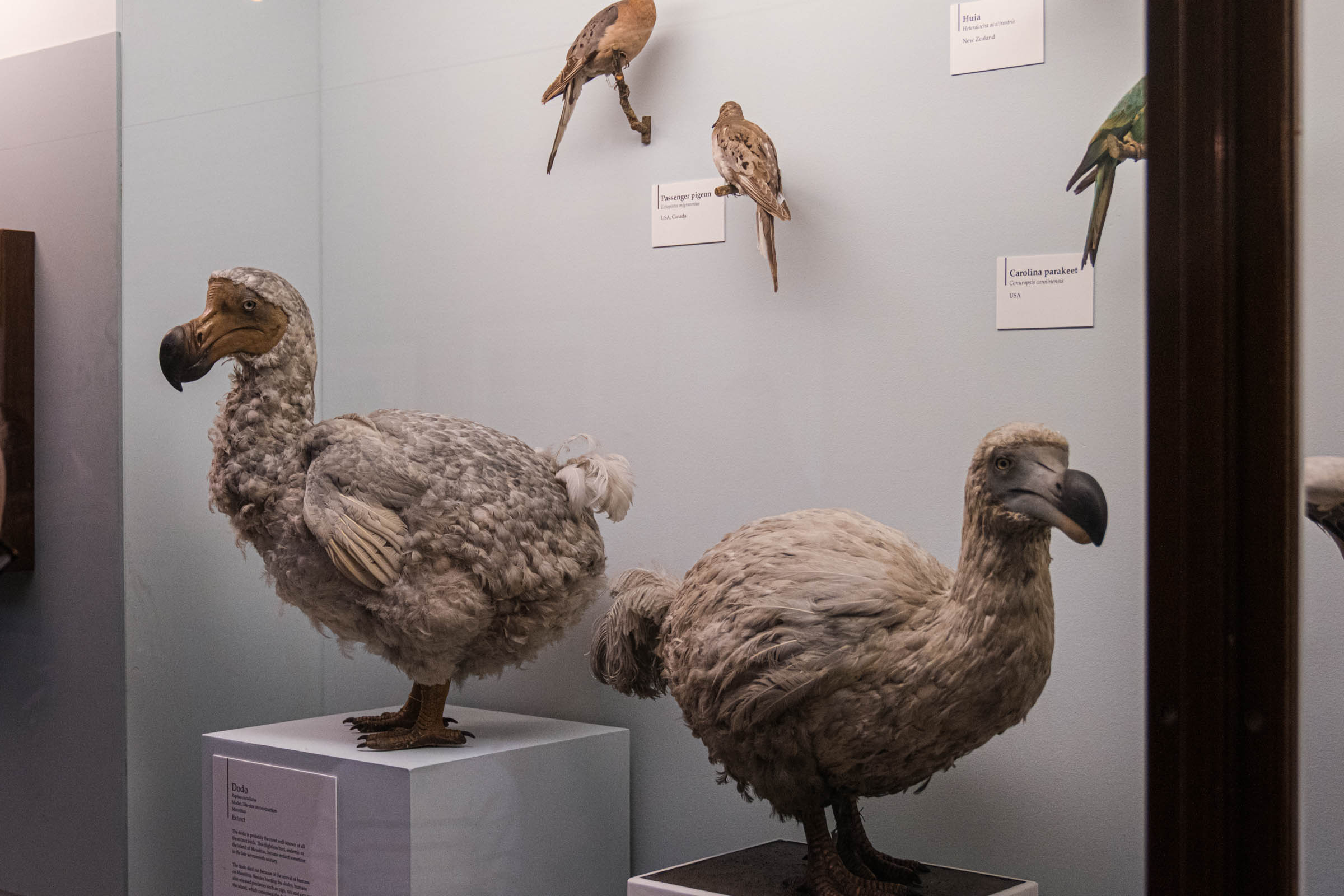
The galleries of the museum hold treasures for visitors of every generation. One of the most popular is the dodo, the famous flightless bird of Mauritius. Besides models like the ones in my photo, the museum keeps a rare dodo skeleton, reconstructed from bones over 1,000 years old.
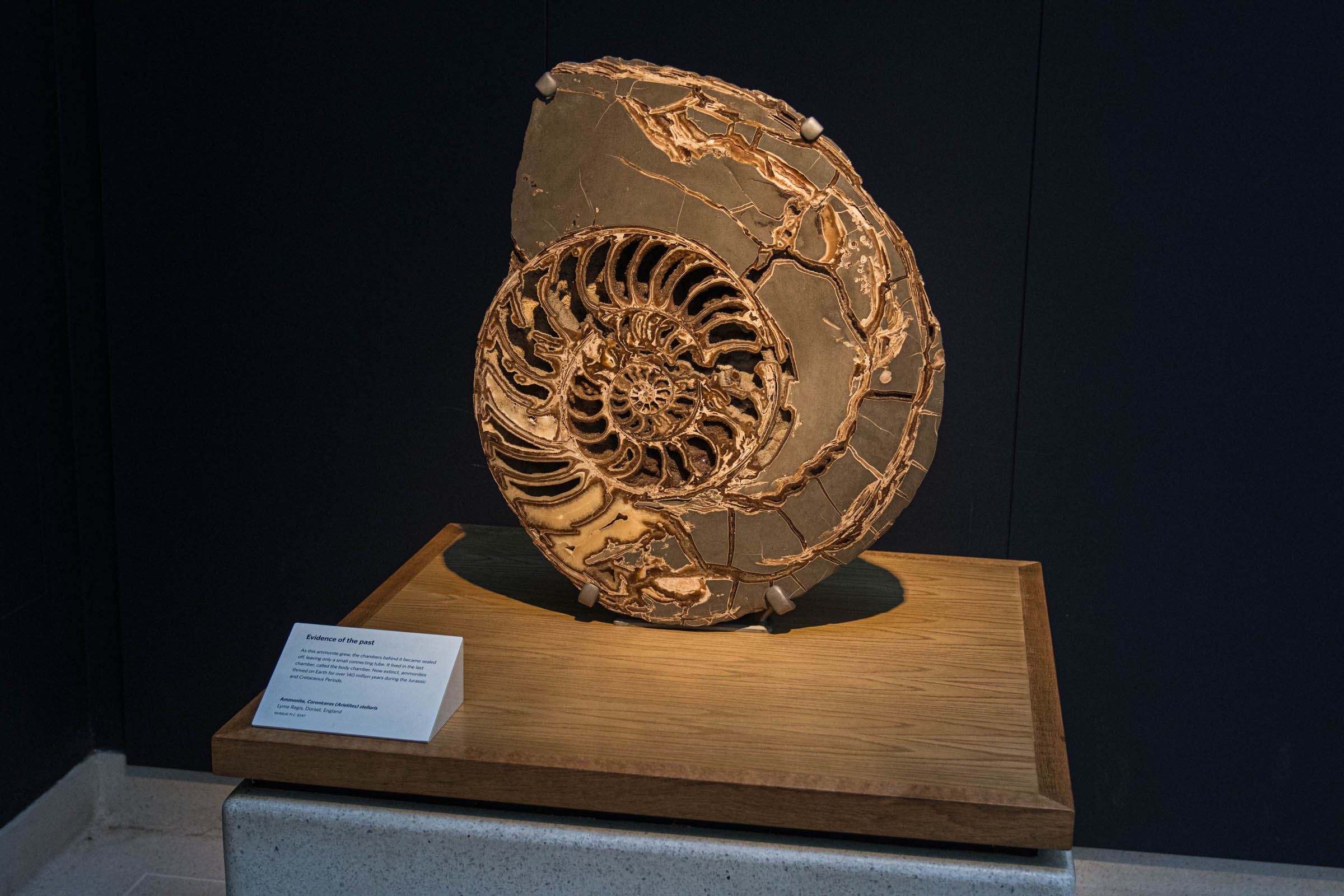
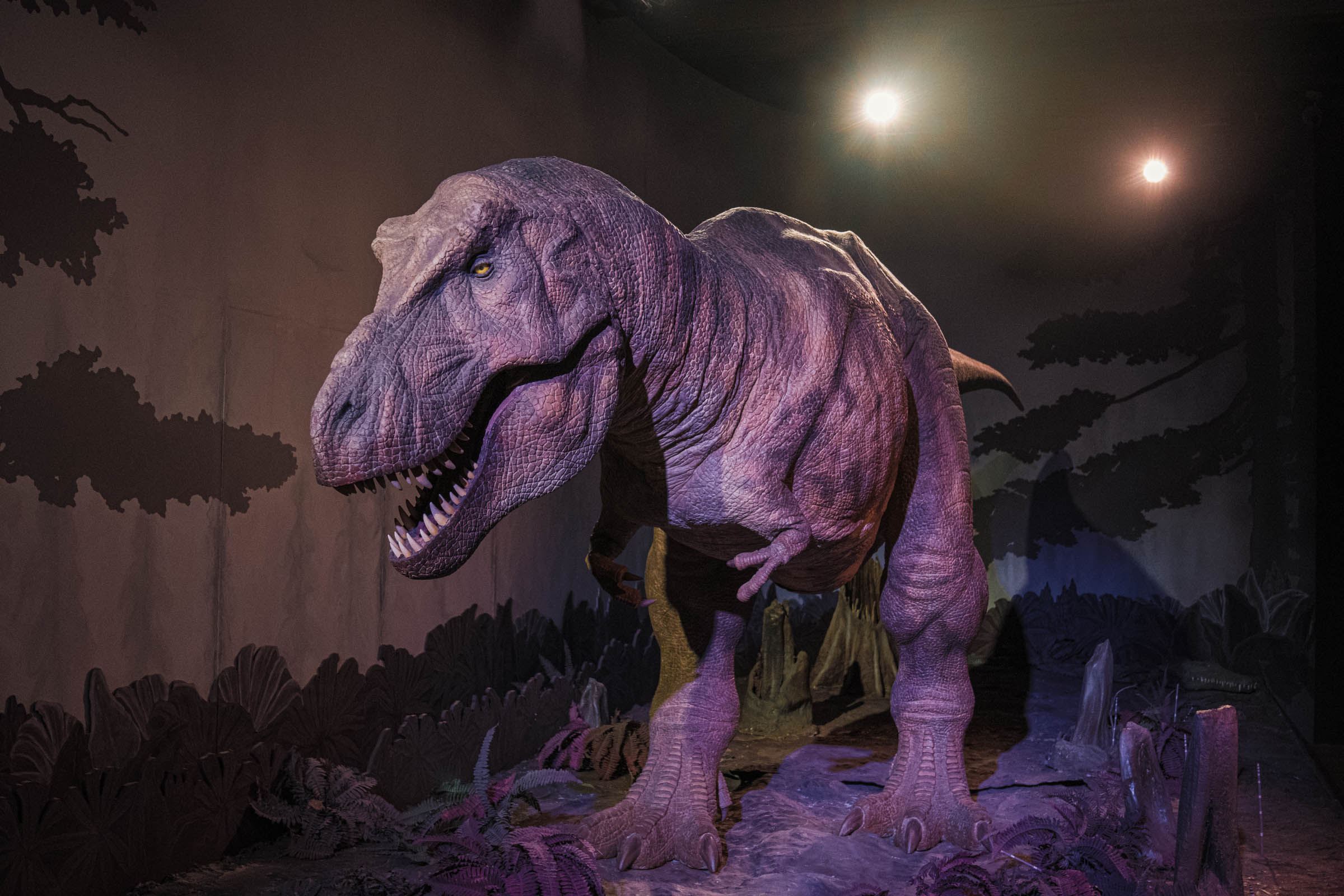
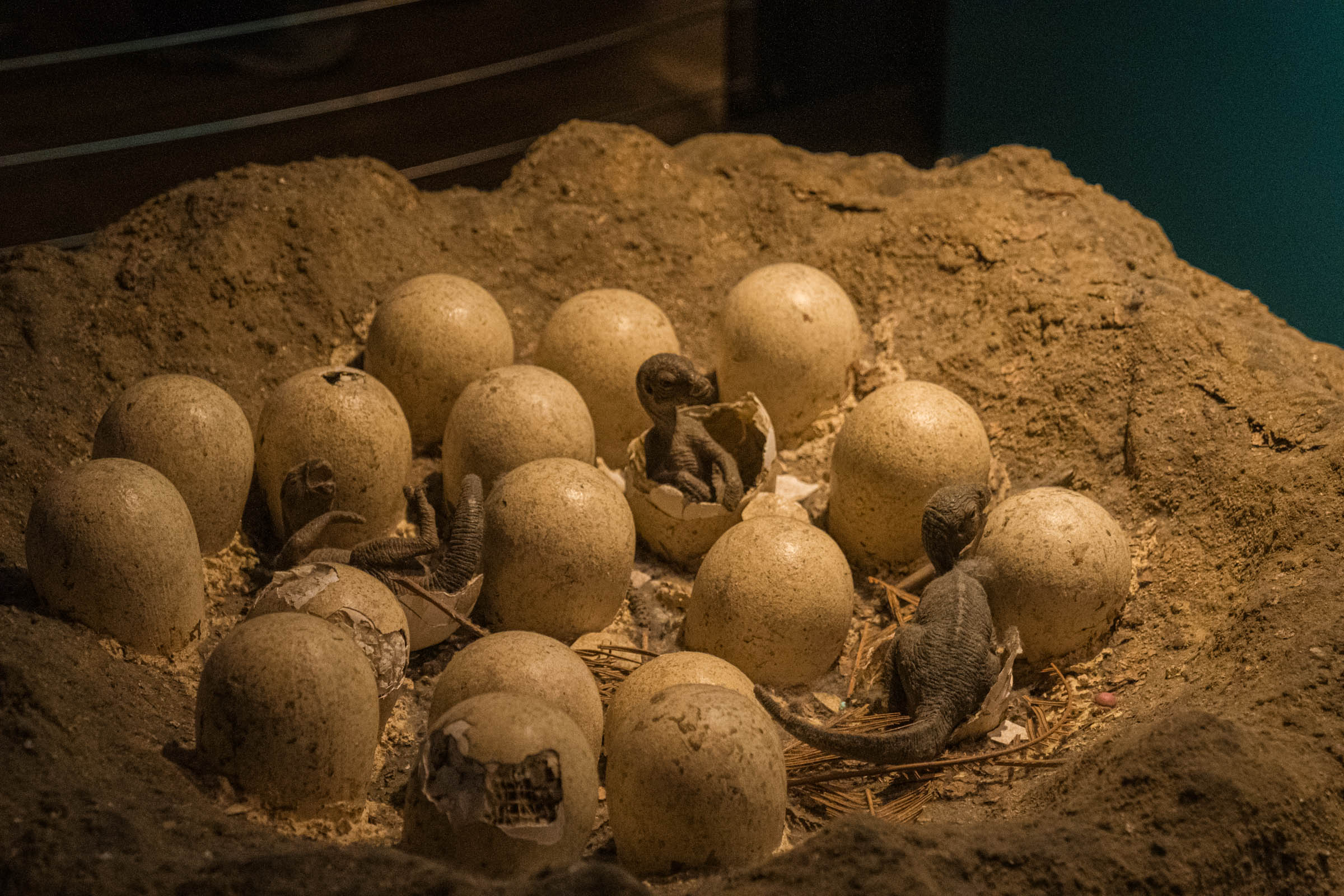
Fossils such as this beautiful ammonite show how much history fits into a single stone. Meanwhile, the museum is especially famous for its dinosaurs. In the Dinosaurs gallery, a full-sized animatronic model of a Tyrannosaurus rex greets the visitors. In addition, reconstructions of dinosaur nests and eggs, like the one in my photo, show how these giants started their lives.
THE BLUE WHALE MODEL AND THE MAMMALS GALLERY
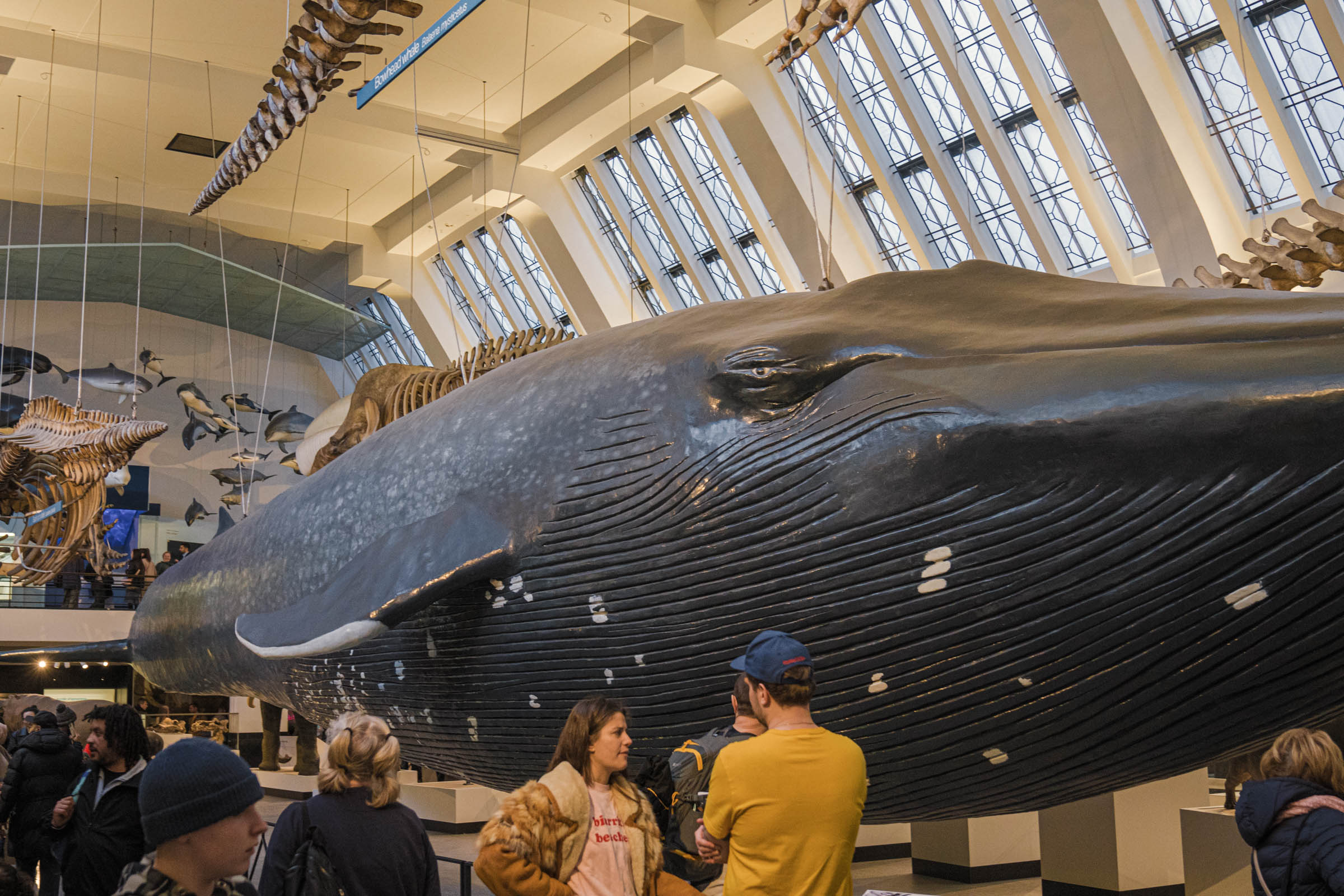
Another legend of the museum is the life-size model of a blue whale. Workers built it entirely in the hall, in full view of the public, and they finished it in 1938. At the time, it was the largest such model in the world, at 28 meters in length. During the construction, the workmen left a trapdoor in the whale’s stomach and used it for secret cigarette breaks. Before they sealed it forever, they placed some coins and a telephone directory inside. Soon, an urban myth grew that a time capsule remained in the whale.
The museum also keeps Archie, an 8.62-meter giant squid. A fishing net caught it alive near the Falkland Islands in 2004. Today, it rests in a specially built 9.45-meter acrylic tank, preserved in a mixture of formalin and saline solution. You won’t see it in the public galleries. Instead, you can book one of the Spirit Collection tours of the Darwin Centre, home to tens of millions of preserved specimens.
TRAFALGAR SQUARE IN THE HEART OF LONDON
Trafalgar Square is a public square in the City of Westminster, in central London. It was established in the early 19th century around the area once known as Charing Cross. The name commemorates the Battle of Trafalgar, a British naval victory that took place on October 21, 1805 off the coast of Cape Trafalgar.
The site has been important since the 13th century. In fact, distances from London are still measured from Charing Cross. The King’s Mews occupied part of the site until the reign of George IV, who moved them to Buckingham Palace. After that, the architect John Nash began to redevelop the area, but progress was slow. Finally, based on plans by Sir Charles Barry, Trafalgar Square opened to the public on May 1, 1844.
NELSON’S COLUMN AND THE NATIONAL GALLERY
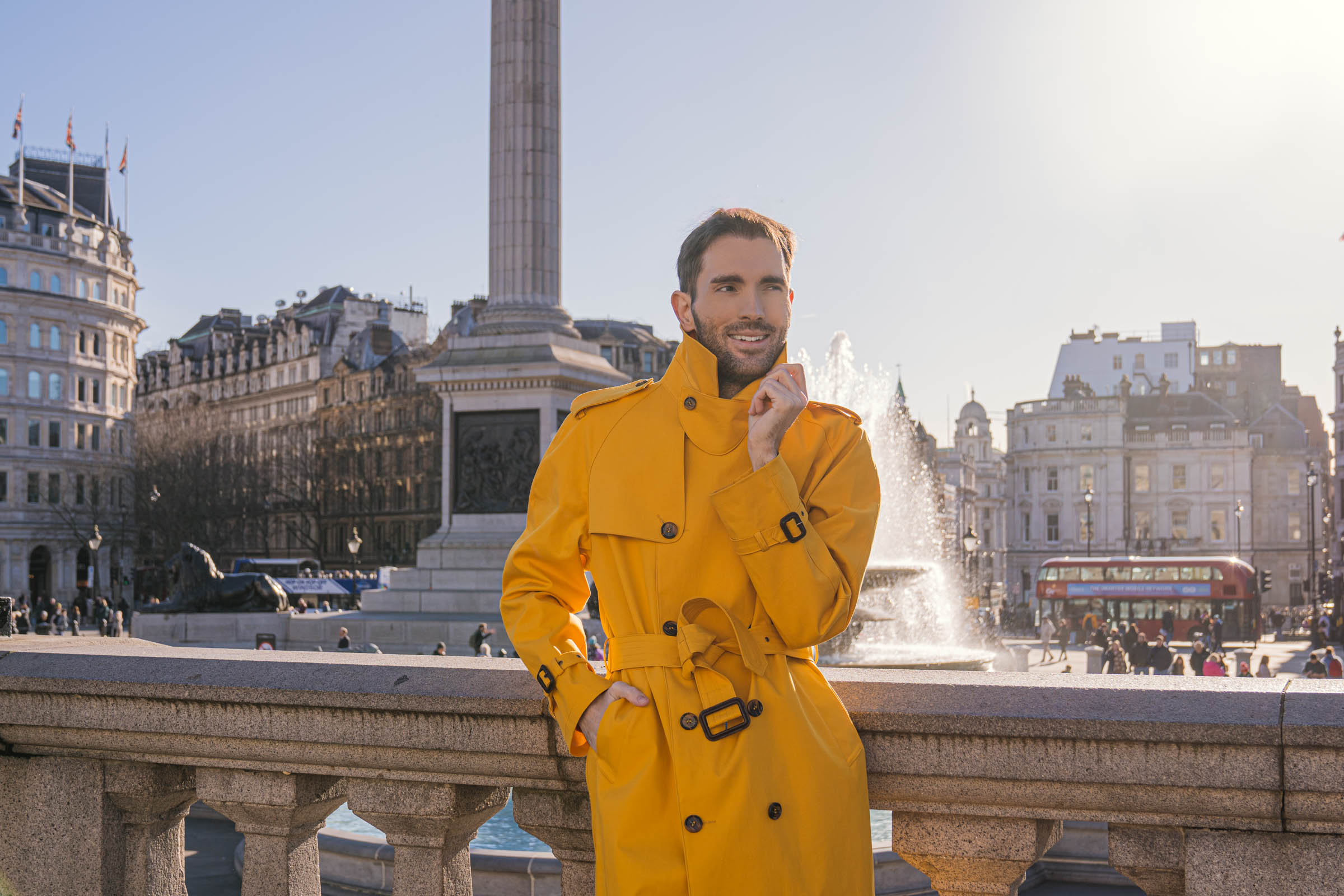
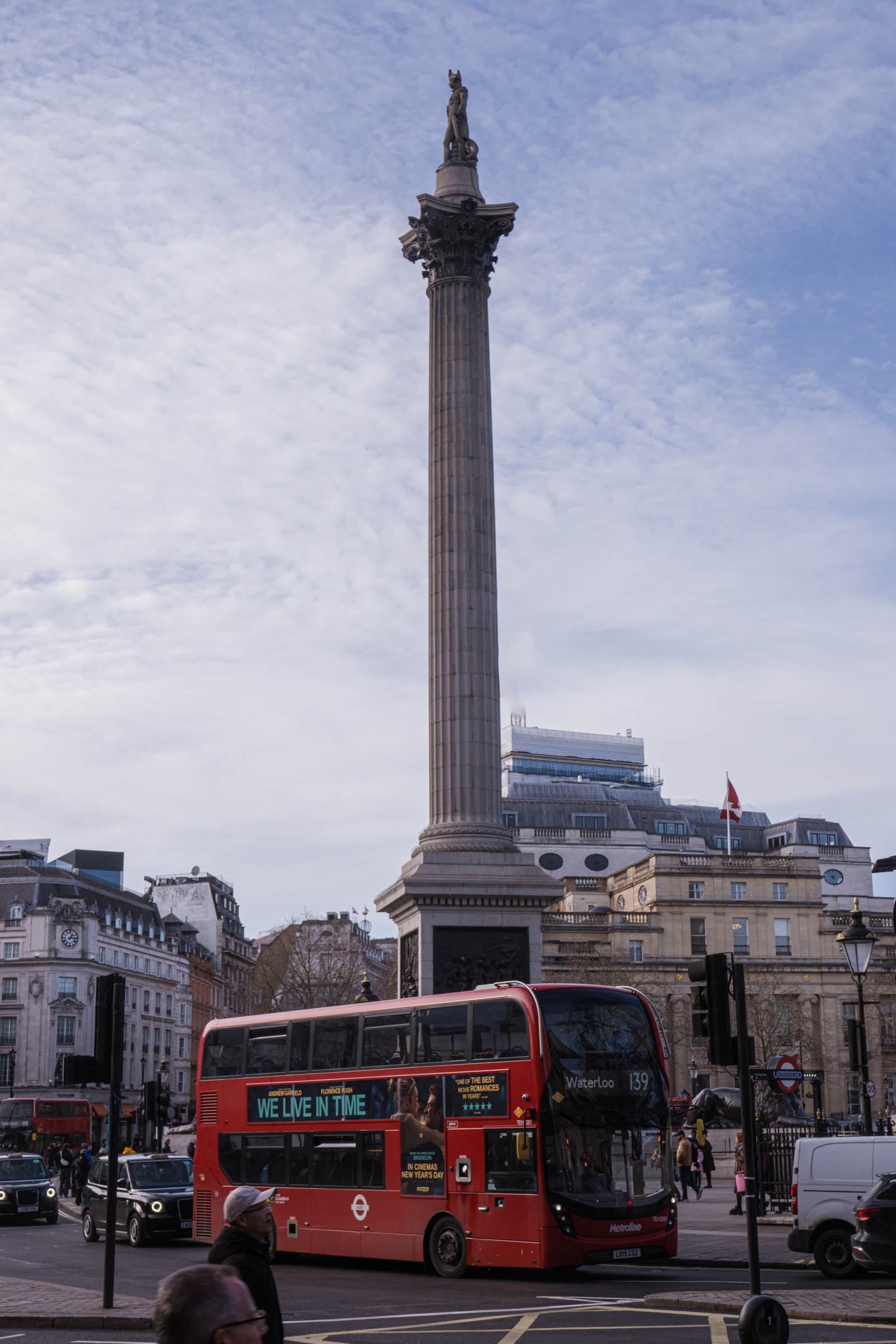
In the center of the square rises Nelson’s Column, 52 meters tall. Four monumental bronze lions by Sir Edwin Landseer guard it. Several statues and sculptures stand around the square. Since 1999, the famous Fourth Plinth has also hosted contemporary works of art. Important buildings face the square, including the National Gallery, St Martin-in-the-Fields, Canada House and South Africa House.
Every year since 1947, the government of Norway has given London a Christmas tree for the square. Moreover, the square is a center of the annual New Year’s Eve celebrations. It was once famous for its pigeons, until their removal in the early 21st century.
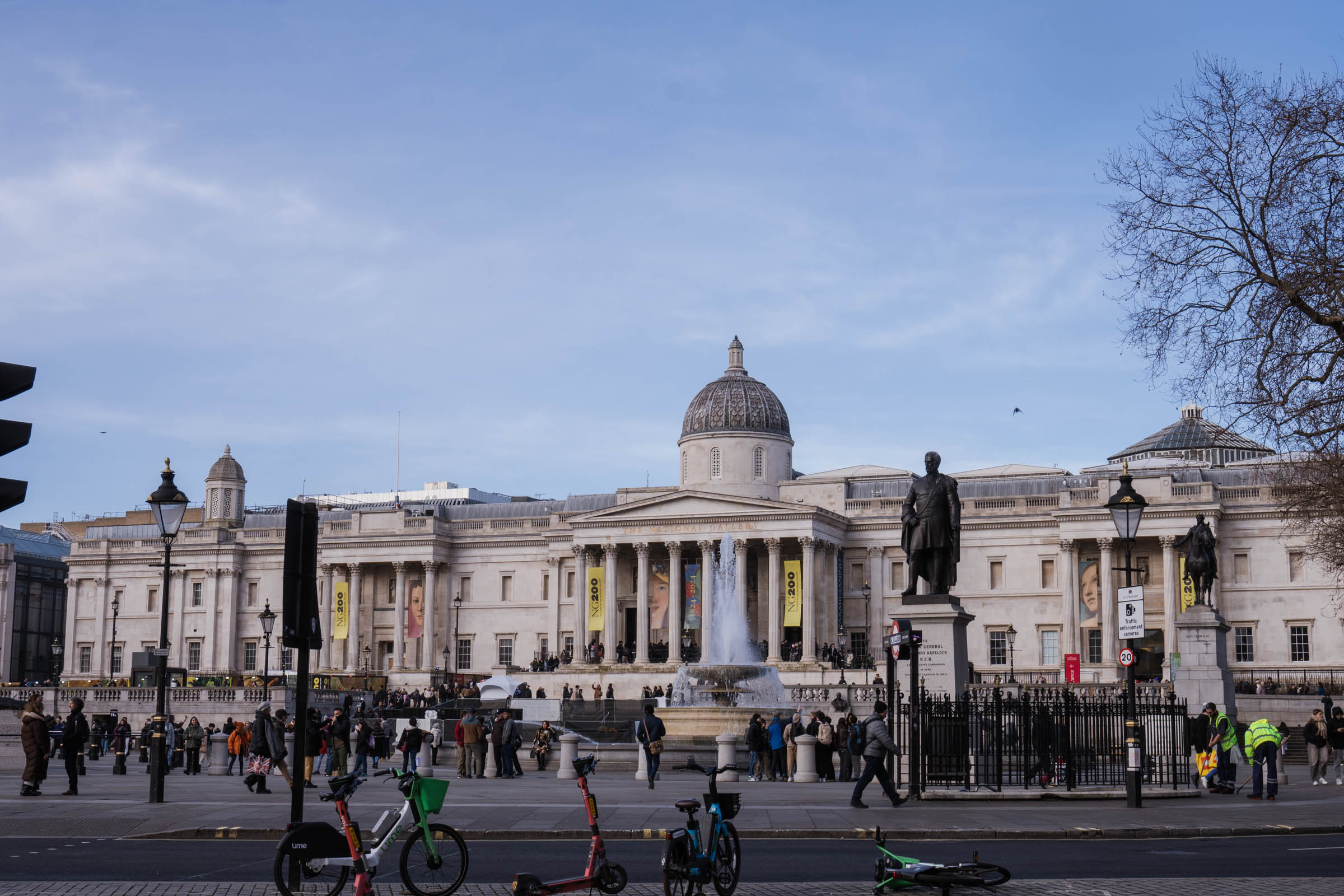
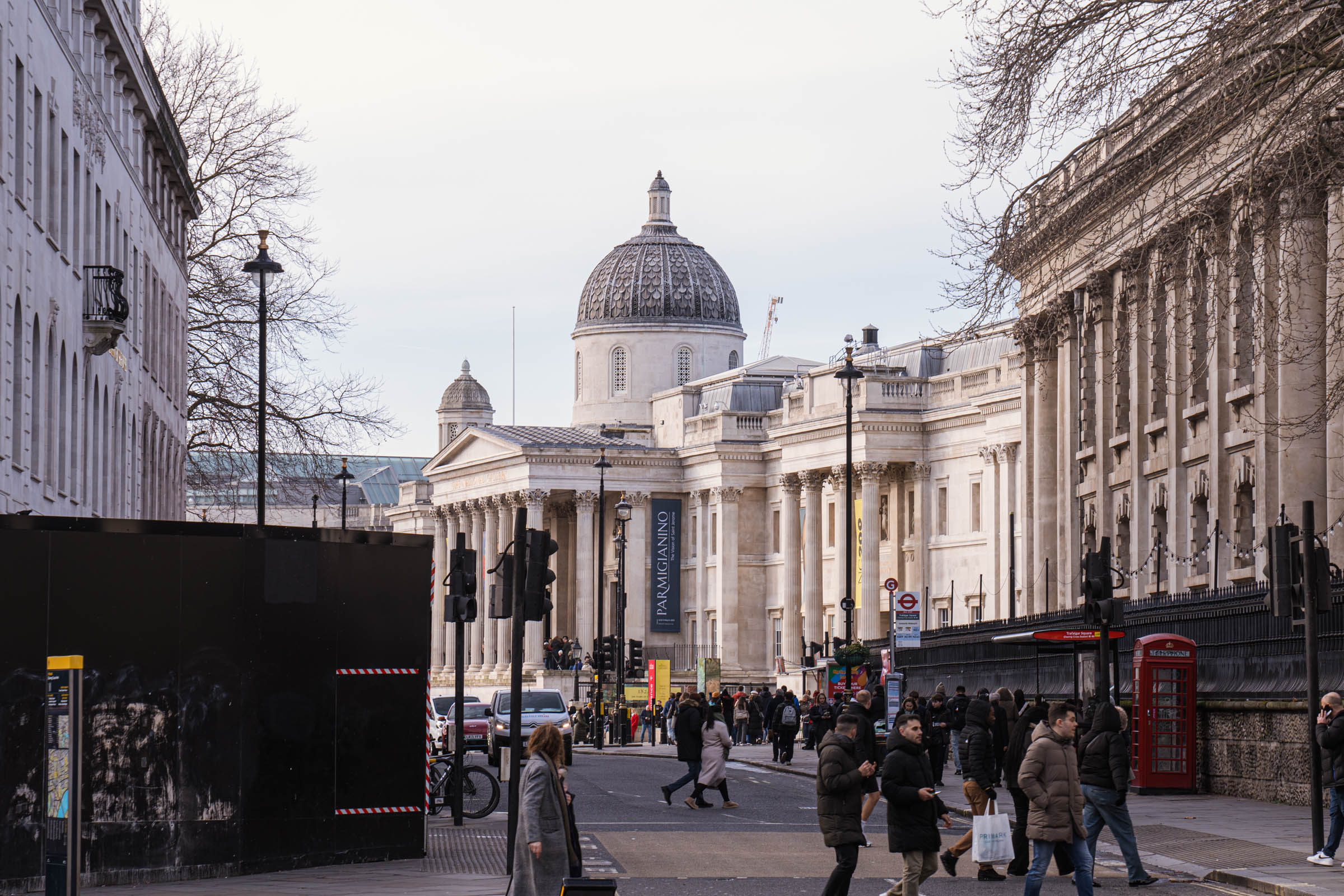
The National Gallery, on the north side of the square, opened in 1824 in a townhouse at 100 Pall Mall. Its present building by William Wilkins opened to the public on April 9, 1838. Today, the gallery holds more than 2,300 paintings, from the mid-13th century to 1900. Among them are Van Gogh’s Sunflowers and Velázquez’s Rokeby Venus. Best of all, entry to the main collection is free. In 2024, the gallery celebrated its 200th anniversary.
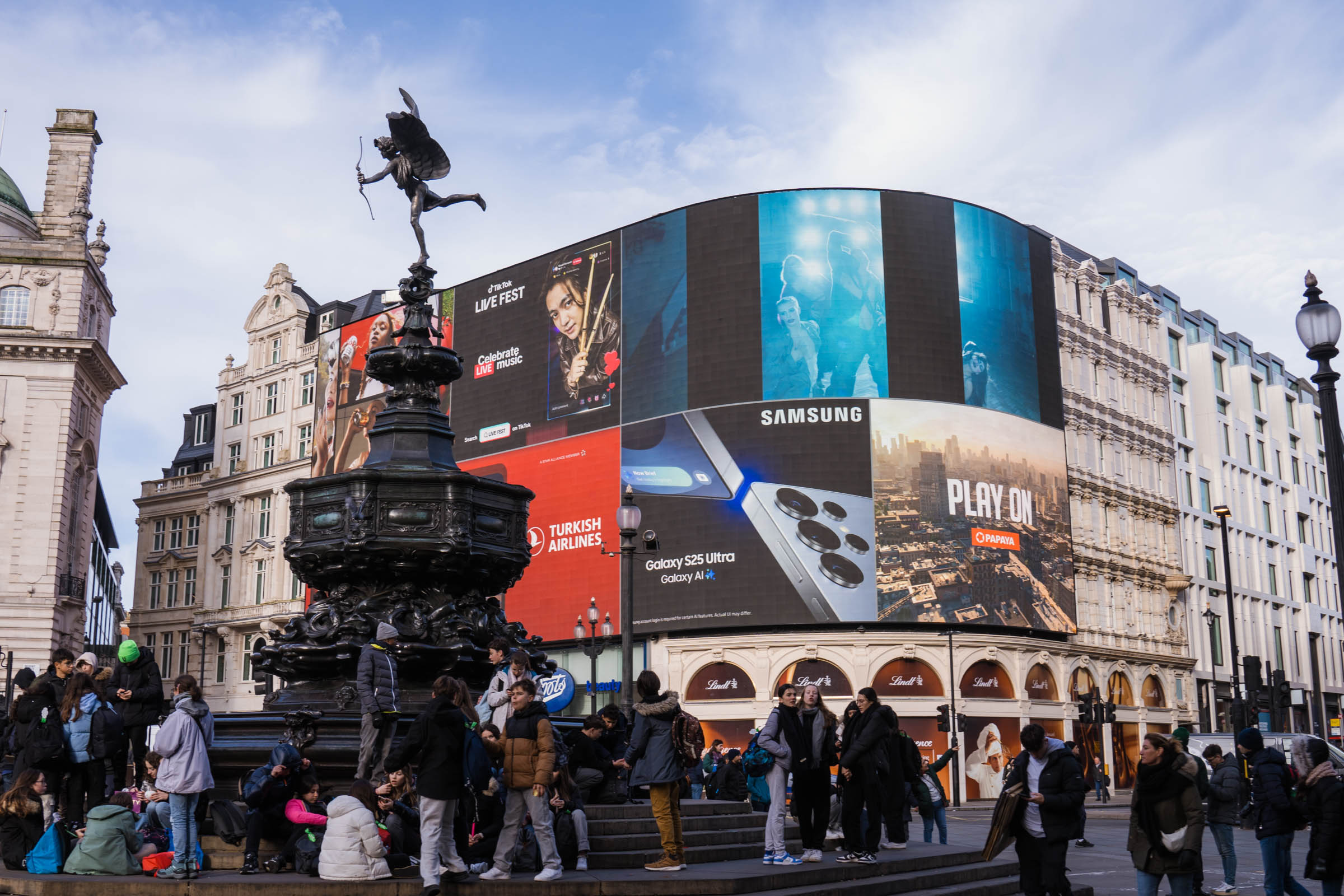
THE LIGHTS OF PICCADILLY CIRCUS IN LONDON
Piccadilly Circus is a road junction and public space in the West End, in the City of Westminster. It was built in 1819 to connect Regent Street with Piccadilly. The word “circus” comes from the Latin word for circle, and it means a round open space at a street junction.
Today, Piccadilly Circus links Piccadilly, Regent Street, Shaftesbury Avenue, the Haymarket, Coventry Street and Glasshouse Street. Because of its position, it is a busy meeting place and a tourist attraction. It is best known for the video display and neon signs on the corner building on its northern side. Illuminated advertising here began in 1908 with a Perrier sign.
In the middle stands the Shaftesbury Memorial Fountain from 1893, topped by a statue of Anteros. Most people mistake it for his brother Eros. Around the circus are several notable buildings, including the London Pavilion and the Criterion Theatre. The theater opened in 1874, and most of it lies underground. Directly beneath the square, you will find Piccadilly Circus station, which opened in 1906.
COVENT GARDEN, A LONDON NEIGHBORHOOD CLOSE TO MY HEART
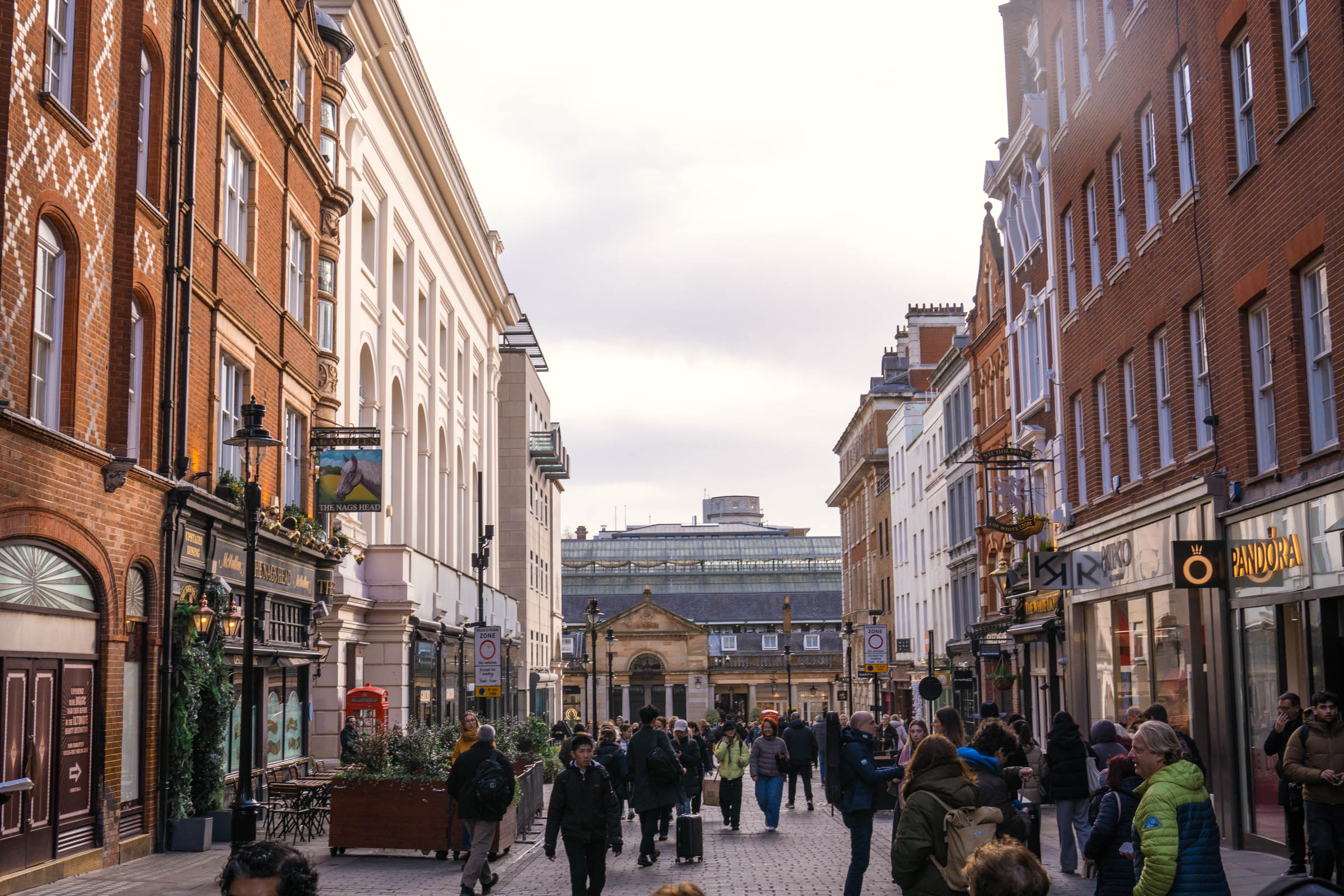
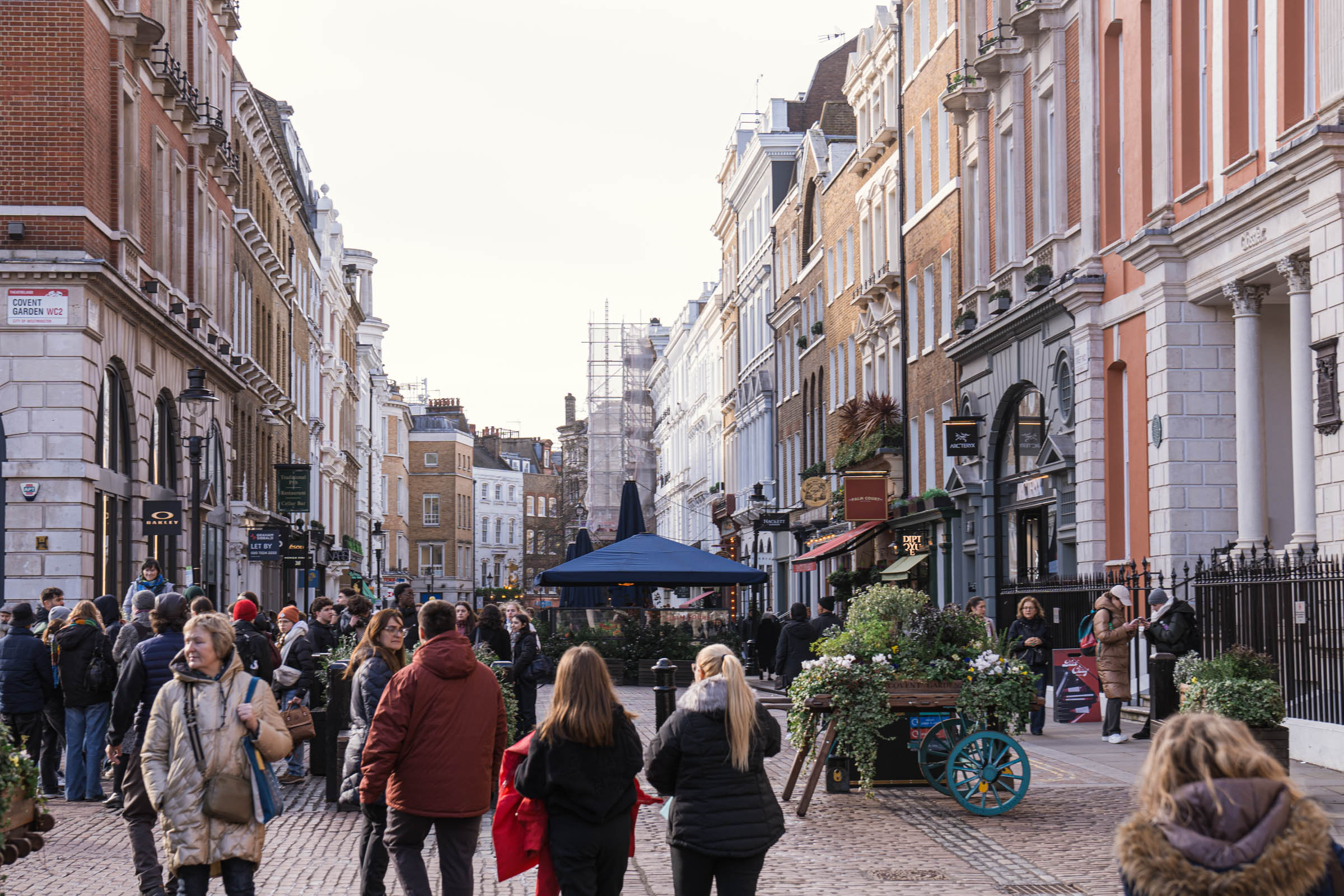
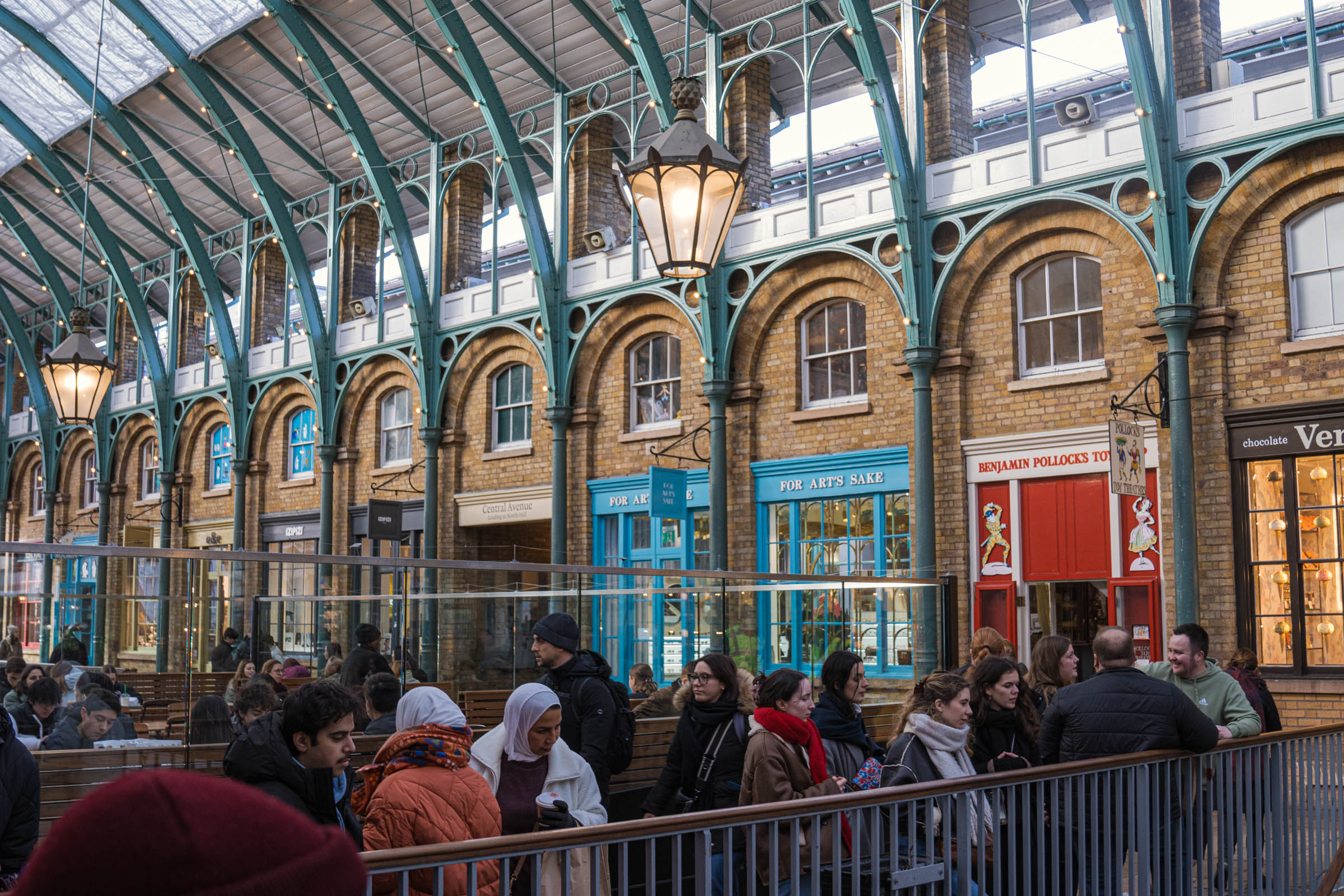
And now I would like to introduce you to a part of London that is especially dear to me because of its unusual character. Covent Garden is a district on the eastern edge of the West End, between St Martin’s Lane and Drury Lane. Its heart is the former fruit and vegetable market in the central square, now a popular shopping and tourist area. The Royal Opera House is here too, and people often call it simply “Covent Garden.”
The main street, Long Acre, divides the district in two. To the north, you will find independent shops around Neal’s Yard and Seven Dials. To the south, there is the central square with its street performers and most of the historic buildings, theaters and entertainment venues. Among them are the London Transport Museum and the Theatre Royal, Drury Lane.
FROM A CONVENT GARDEN TO AN ITALIAN PIAZZA
In the 7th century, the area was briefly settled as part of the Anglo-Saxon trading town of Lundenwic. Later, the Abbot of Westminster walled off part of the land for arable fields and orchards. People called it the garden of the Abbey and Convent, and that is how the name Covent Garden was born.
In 1552, King Edward VI granted the land to John Russell, 1st Earl of Bedford. Later, the 4th Earl brought in the architect Inigo Jones to build fine houses and attract wealthy tenants. Jones designed an Italianate arcaded square together with the Church of St Paul’s. The design was new to London, and it served as a prototype for new estates as the city grew.
THE MARKET HALL AND THE APPLE MARKET
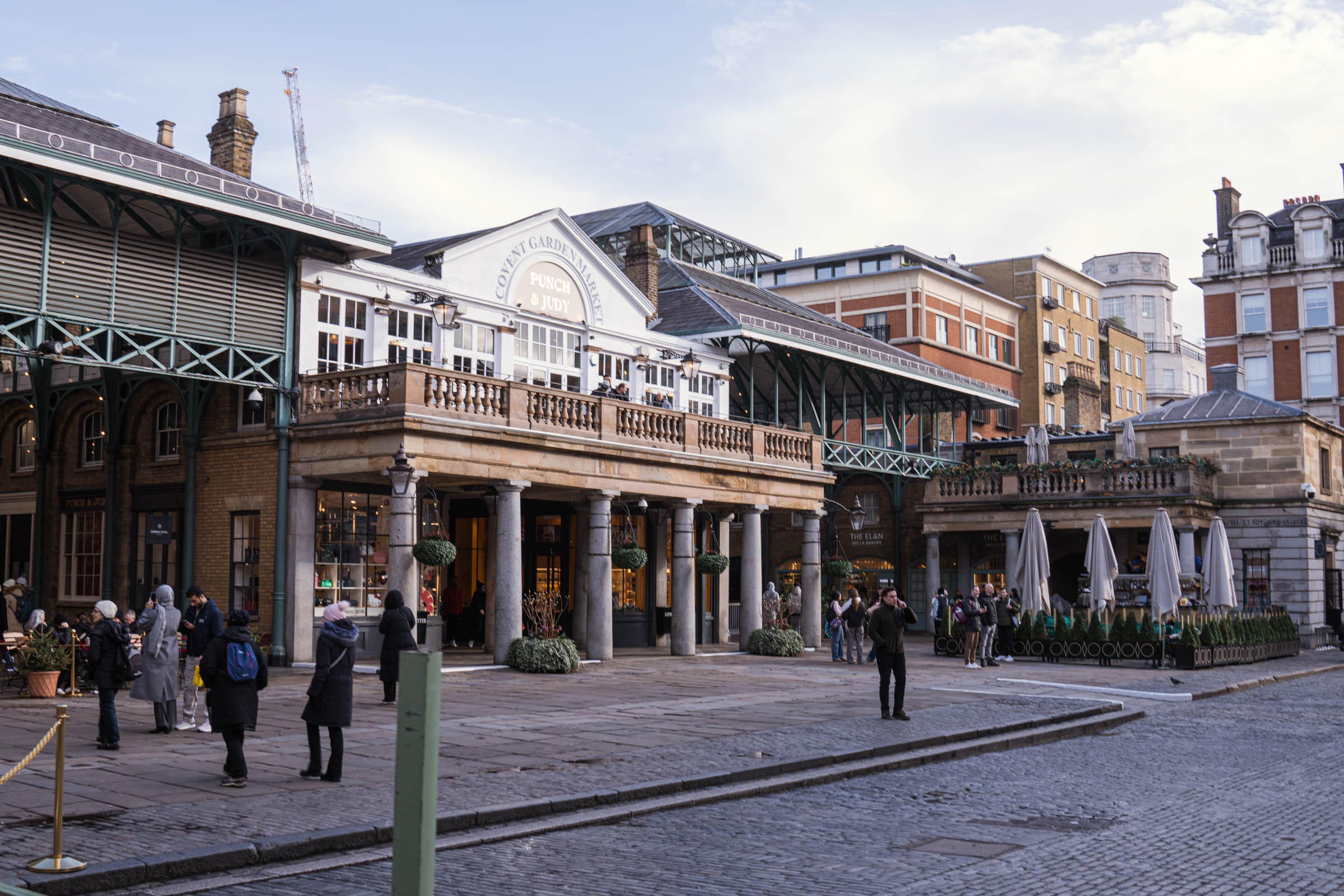
By 1654, a small open-air fruit and vegetable market had developed on the south side of the square. Over time, the market and the area around it gained a bad reputation. Then, in 1830, a neoclassical market building by Charles Fowler went up to bring order to the market.
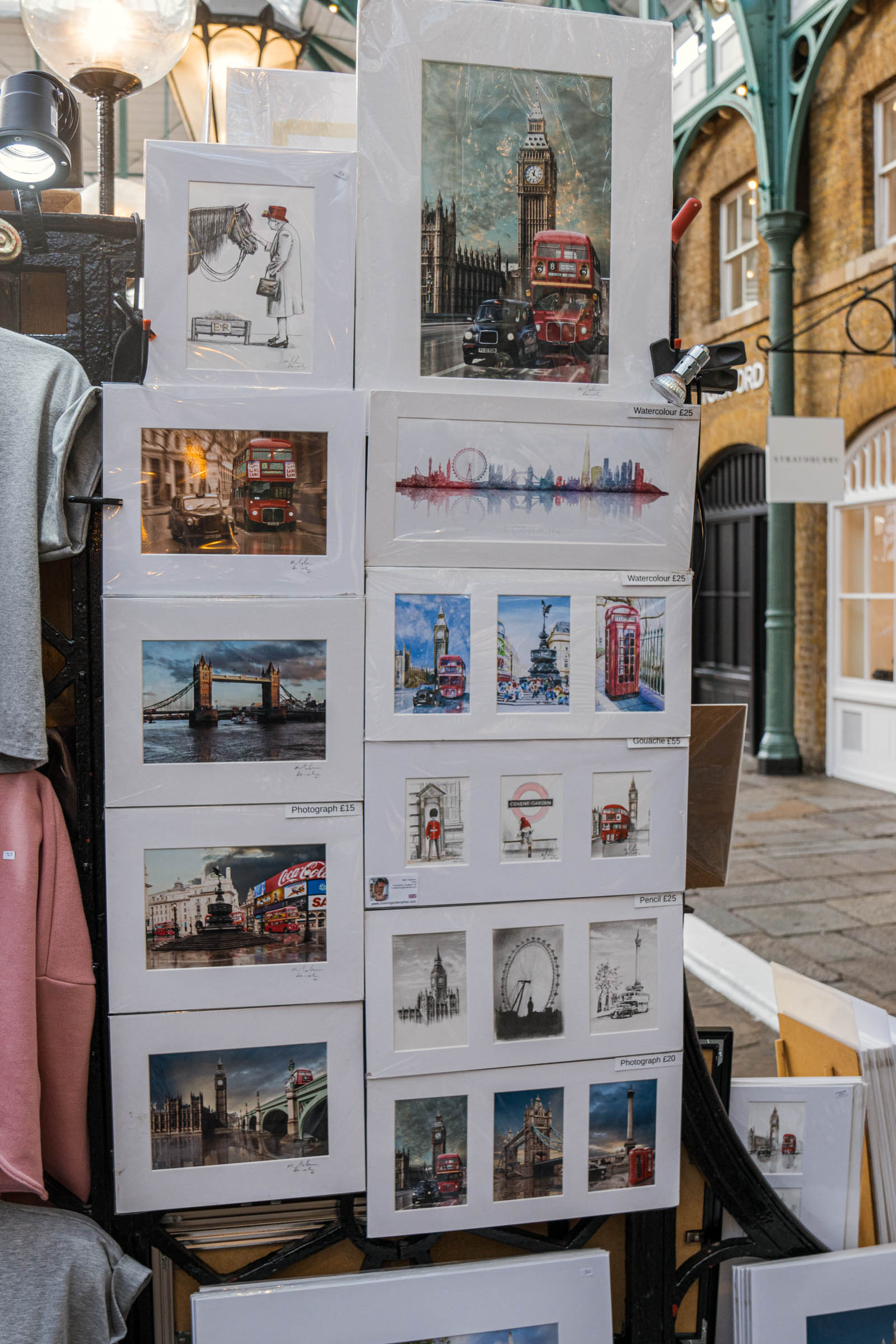
The market kept growing, and new buildings followed: the Floral Hall, the Charter Market and, in 1904, the Jubilee Market. In 1974, the market moved to the New Covent Garden Market at Nine Elms, about 5 kilometers to the southwest. The central building reopened as a shopping center in 1980. Today, it is full of cafés, pubs and small shops, as well as a craft market called the Apple Market. Another market takes place in the Jubilee Hall.
CHINATOWN LONDON: FROM LIMEHOUSE TO GERRARD STREET
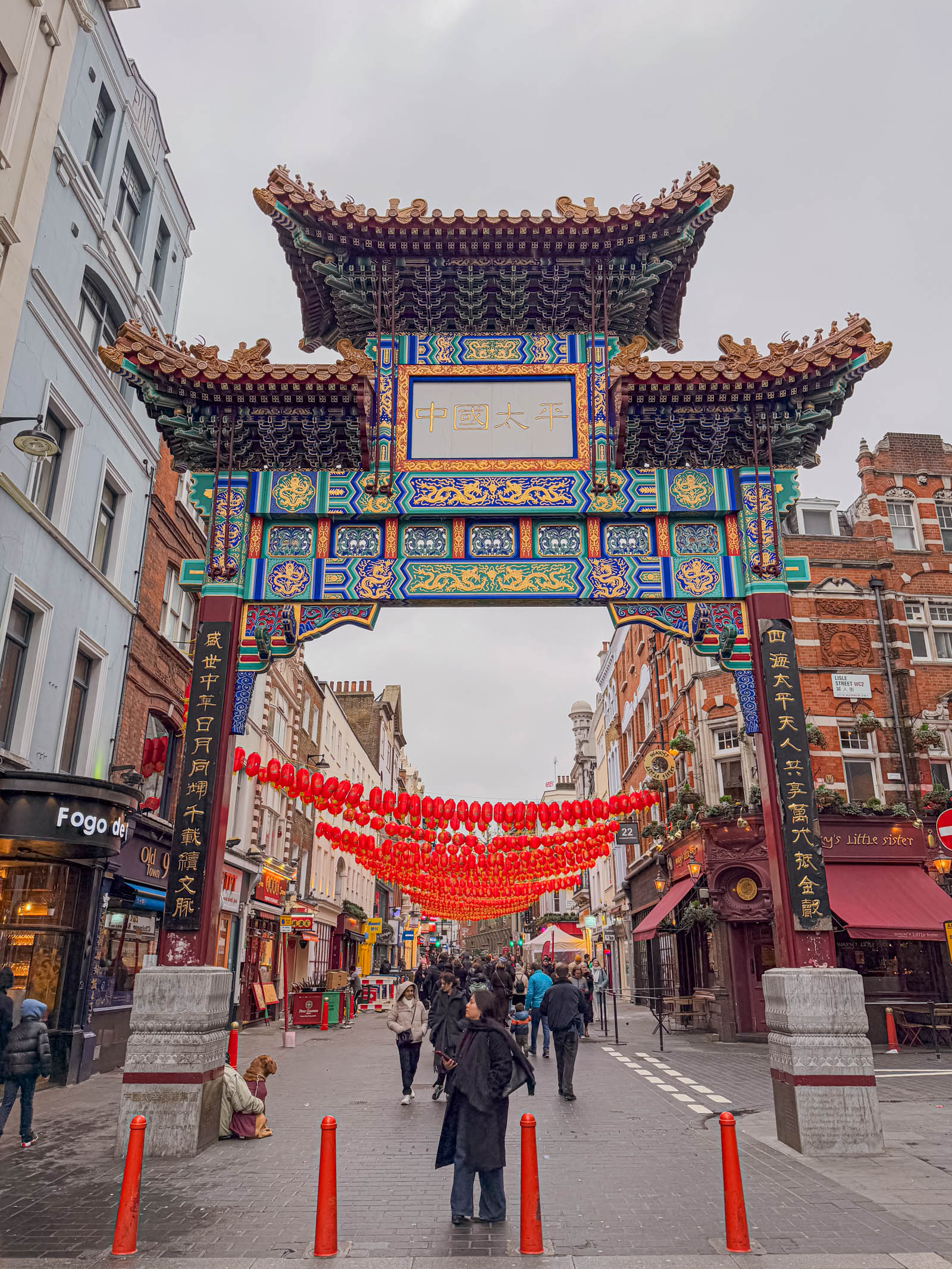
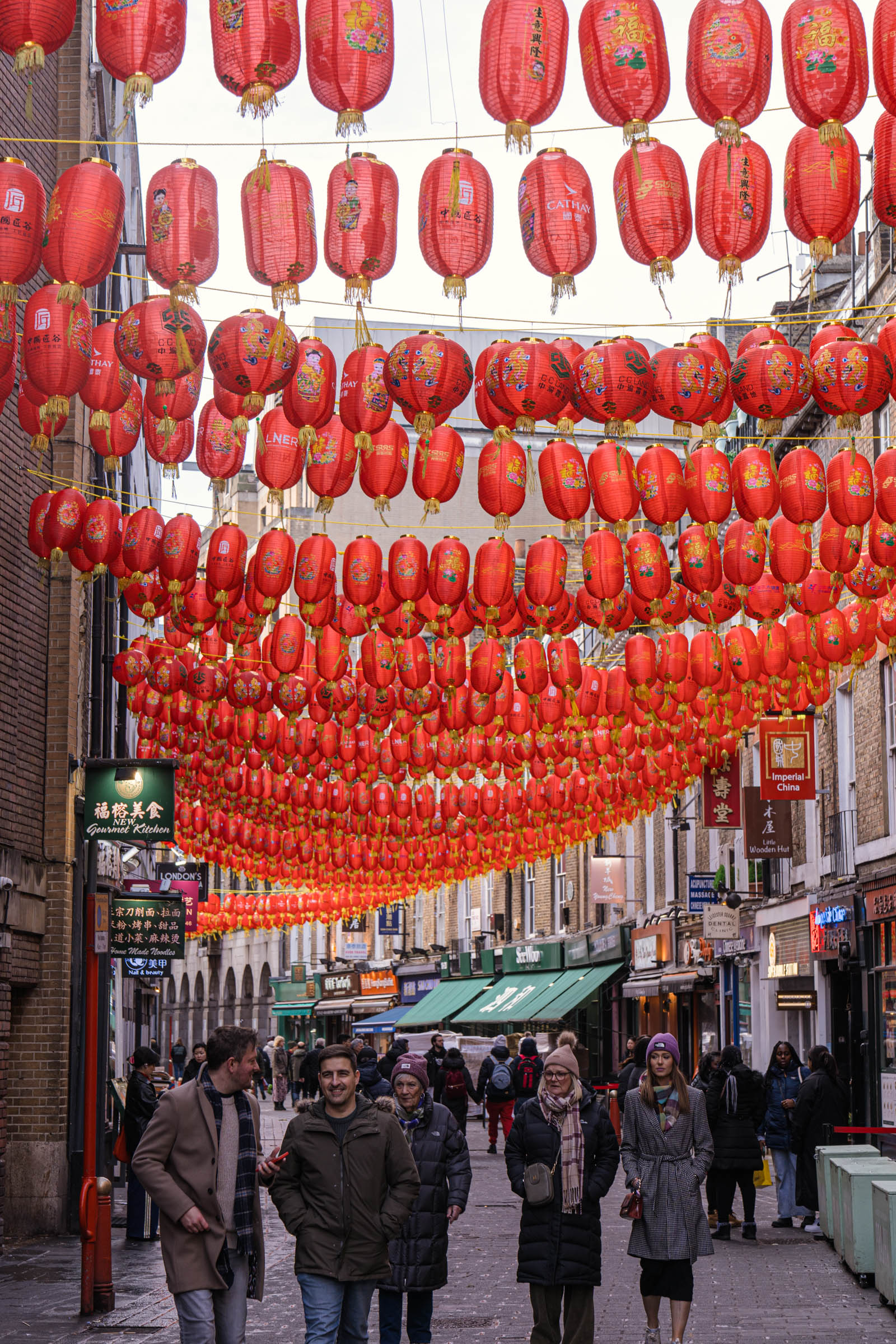
Chinatown is a neighborhood in the City of Westminster, around Gerrard Street. It borders Soho to the north and west and Theatreland to the south and east. Here you will find Chinese restaurants, bakeries, supermarkets, souvenir shops and many other Chinese businesses. In fact, the area now has more than 80 restaurants. On Wardour Street, a new Chinatown gate in the style of the Qing dynasty opened in July 2016. Chinese artisans made it, and it was assembled in London.
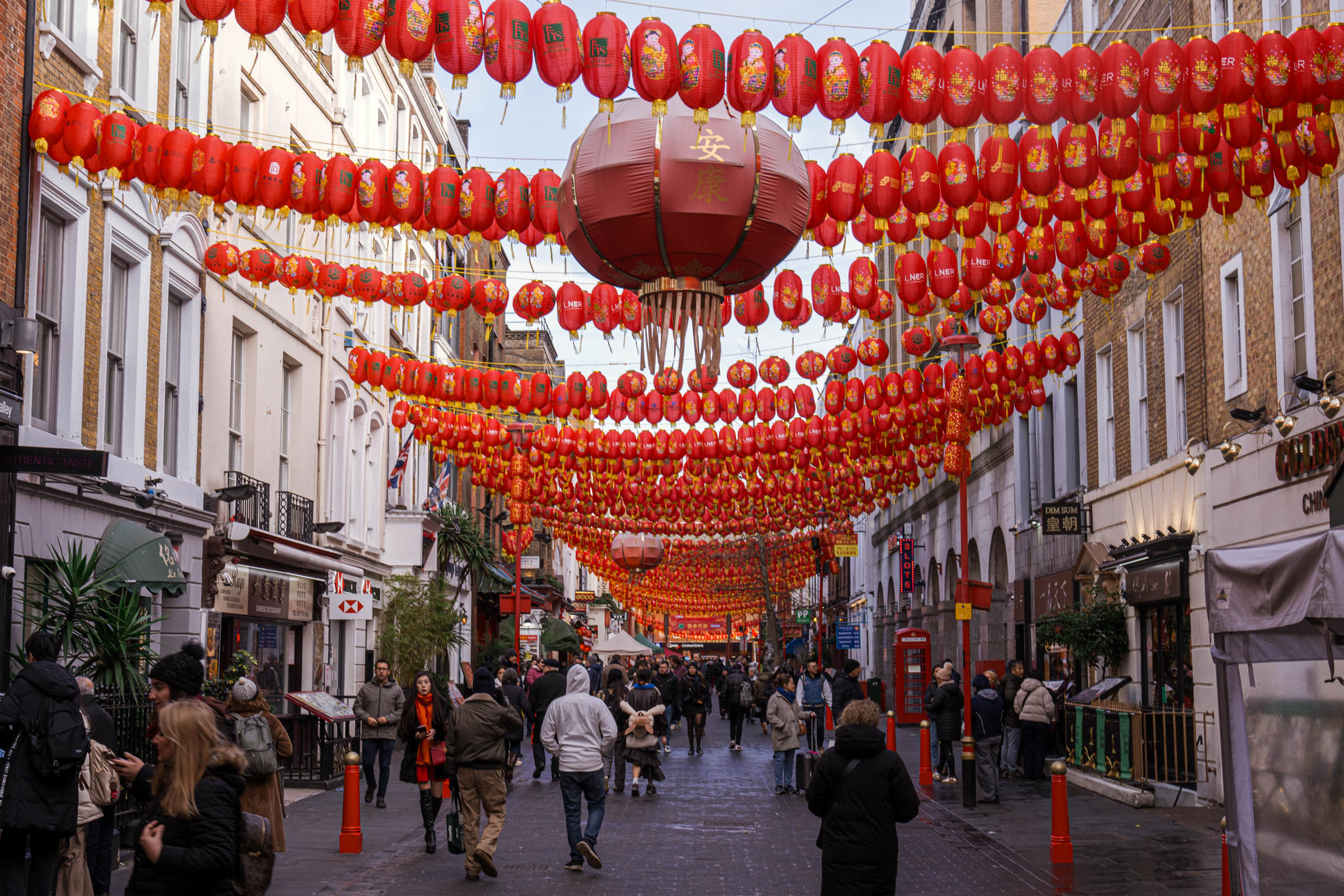
However, the first Chinatown in London was in Limehouse, in the East End. In the early 20th century, the Chinese community gathered there. It ran businesses for the Chinese sailors who came to the docks. During the Second World War, bombing in the Blitz damaged much of the area. After the war, Chinese cuisine grew more popular, and immigration from Hong Kong increased. As a result, more Chinese restaurants opened in other parts of the city.
The present Chinatown, off Shaftesbury Avenue, started to be recognized as such by the 1970s. Before that, it was an ordinary, run-down part of Soho.
GETTING LOST IN LONDON
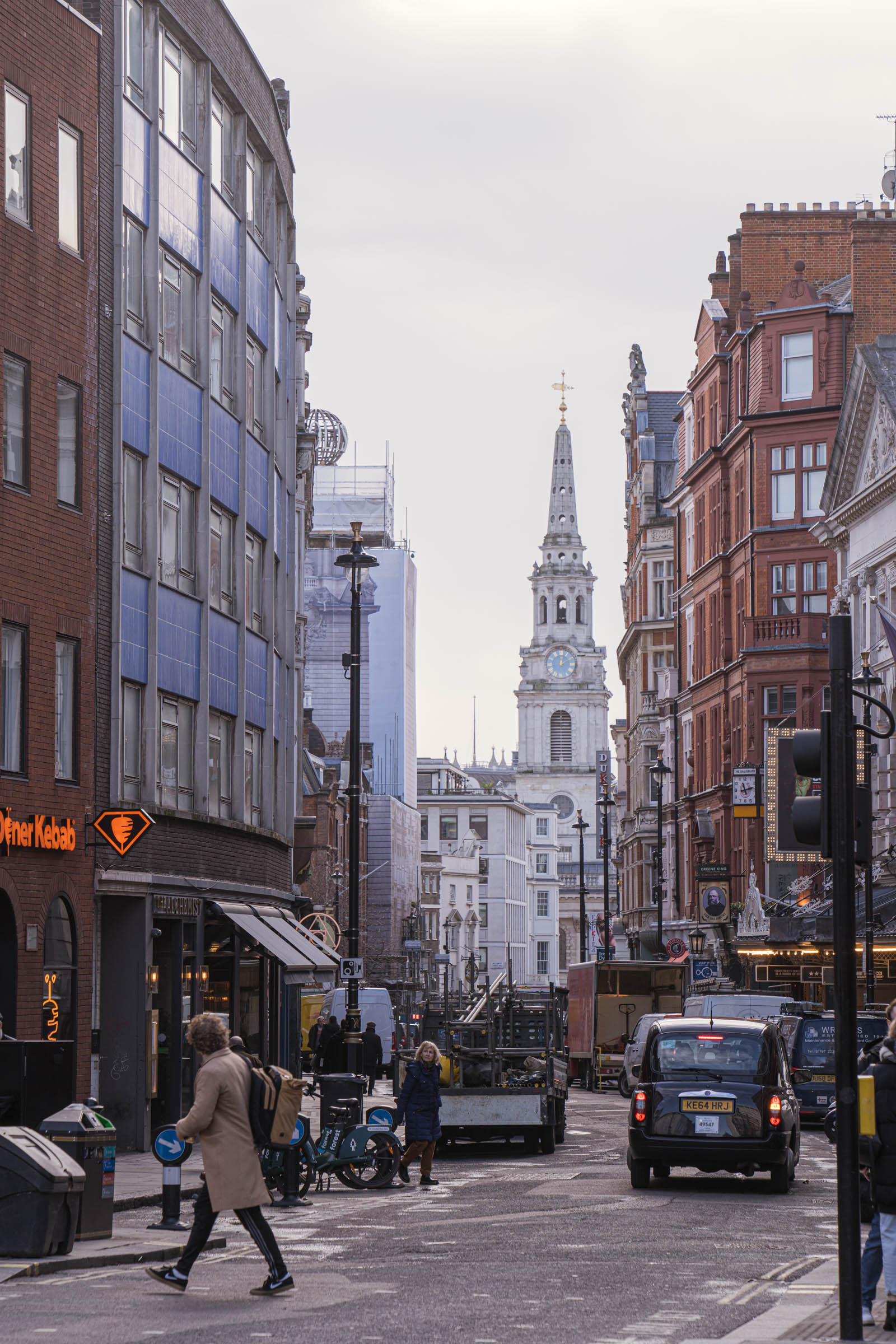
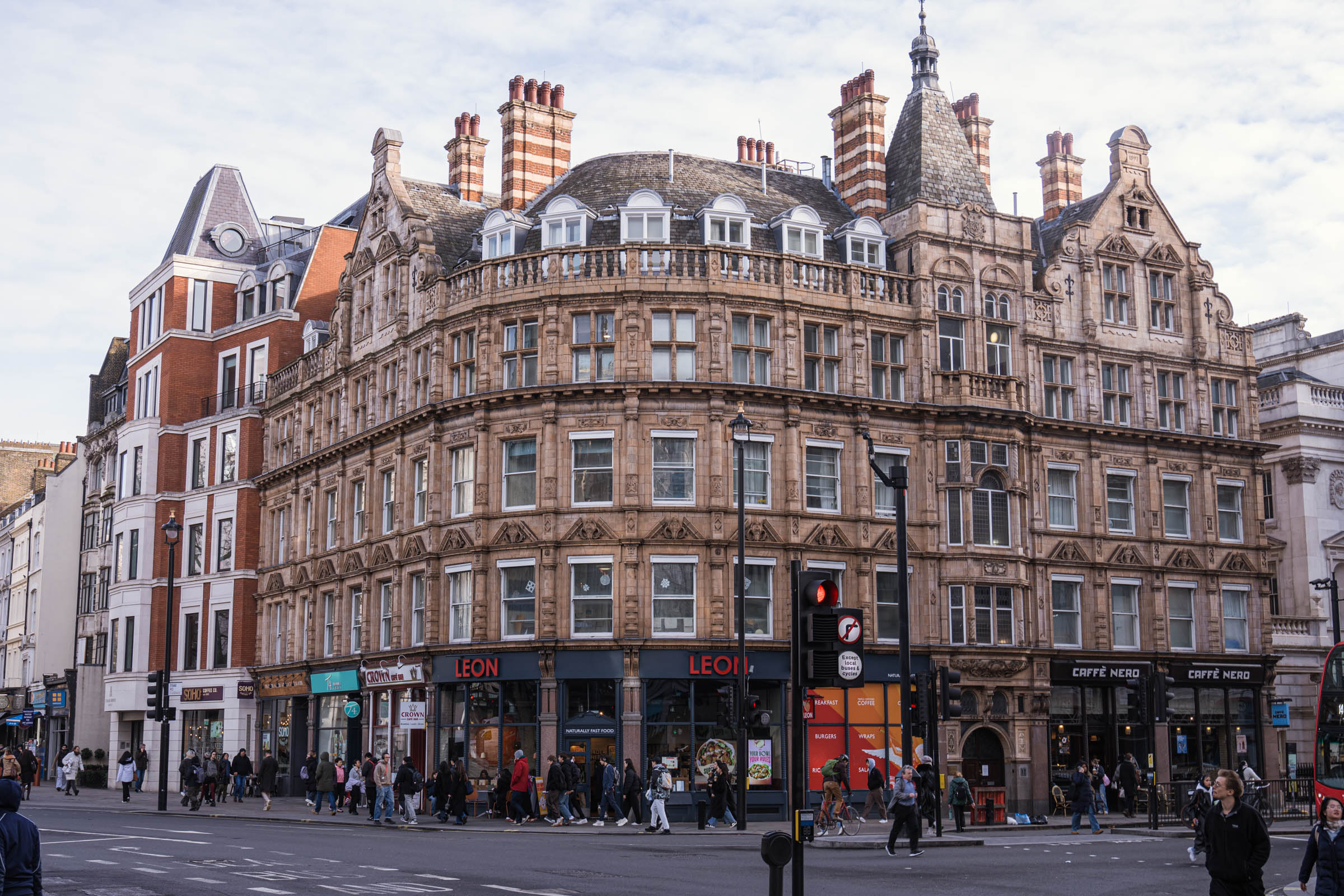
London is a city that you can explore for years, and believe me, you will never discover it fully, because it is so big. Once you have seen all the main attractions, it is best to simply get lost in the streets of London. Trust me, you will be pleasantly surprised by what you discover if you let the city charm you completely.
I have spent a lot of time in London over the years, partly because my sister trained there as a doctor for years. Because of that, I know the city well. When I have some extra free time here, I get on an interesting bus line and simply watch the city go by. That is my strategy for getting to know the parts of London I haven’t discovered yet. Still, I leave it up to you to choose your own way of discovering this unusual European metropolis.
A WALK ALONG THE STRAND
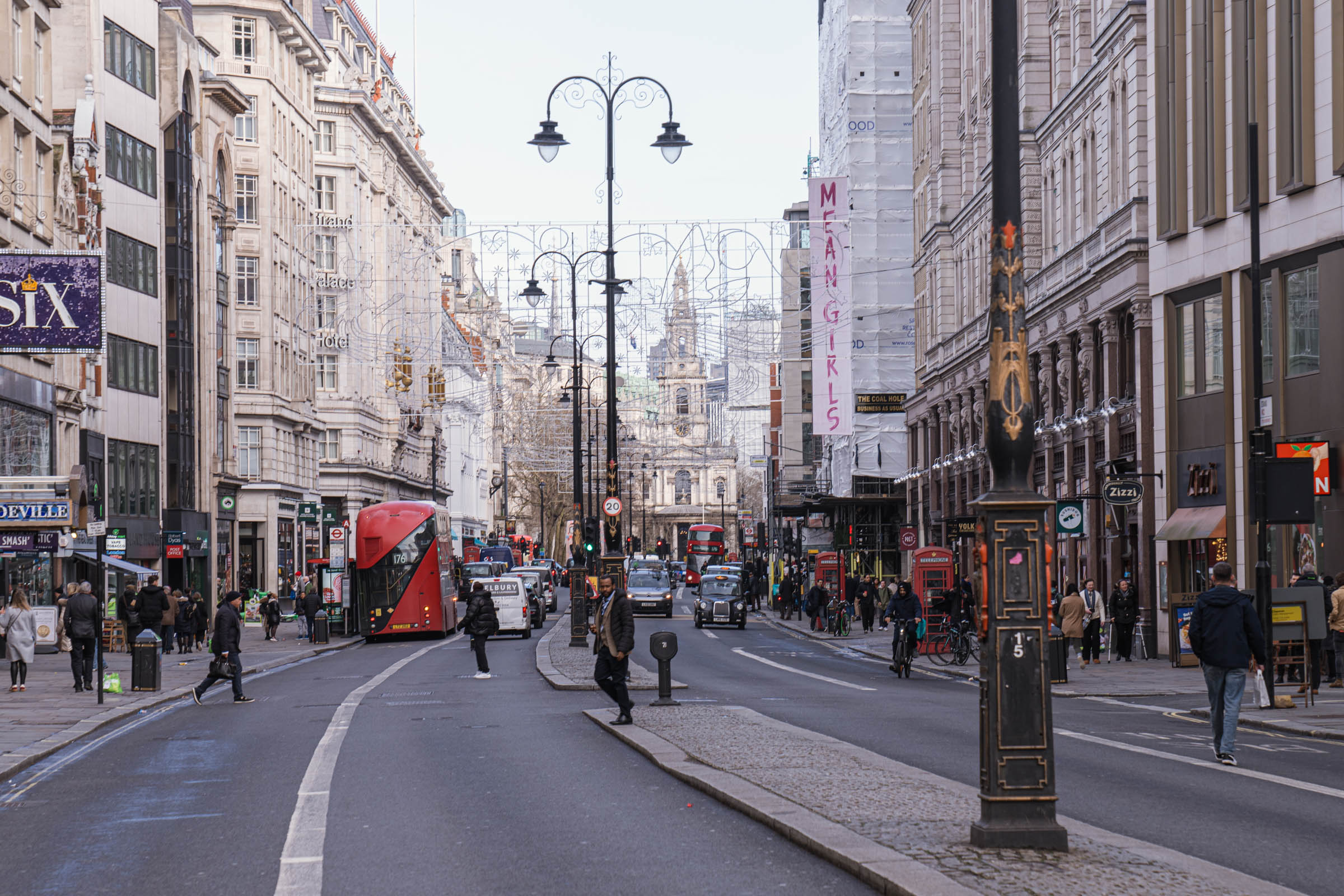
One street worth exploring on foot is the Strand. It runs for just over 1.2 kilometers, from Trafalgar Square eastward to Temple Bar, where it becomes Fleet Street. The name comes from the Old English word “strond,” which means the edge of a river. Indeed, the road once ran along the north bank of the Thames. Of the many theaters that once lined it, the Adelphi, the Vaudeville and the Savoy remain today.
After the road widening of 1900, two churches remained as islands in the middle of the street. These are St Mary le Strand and St Clement Danes. St Mary le Strand is the work of the architect James Gibbs, built between 1714 and 1724 in the Baroque style. It was the first of the twelve new churches built in London under the Commission for Building Fifty New Churches.
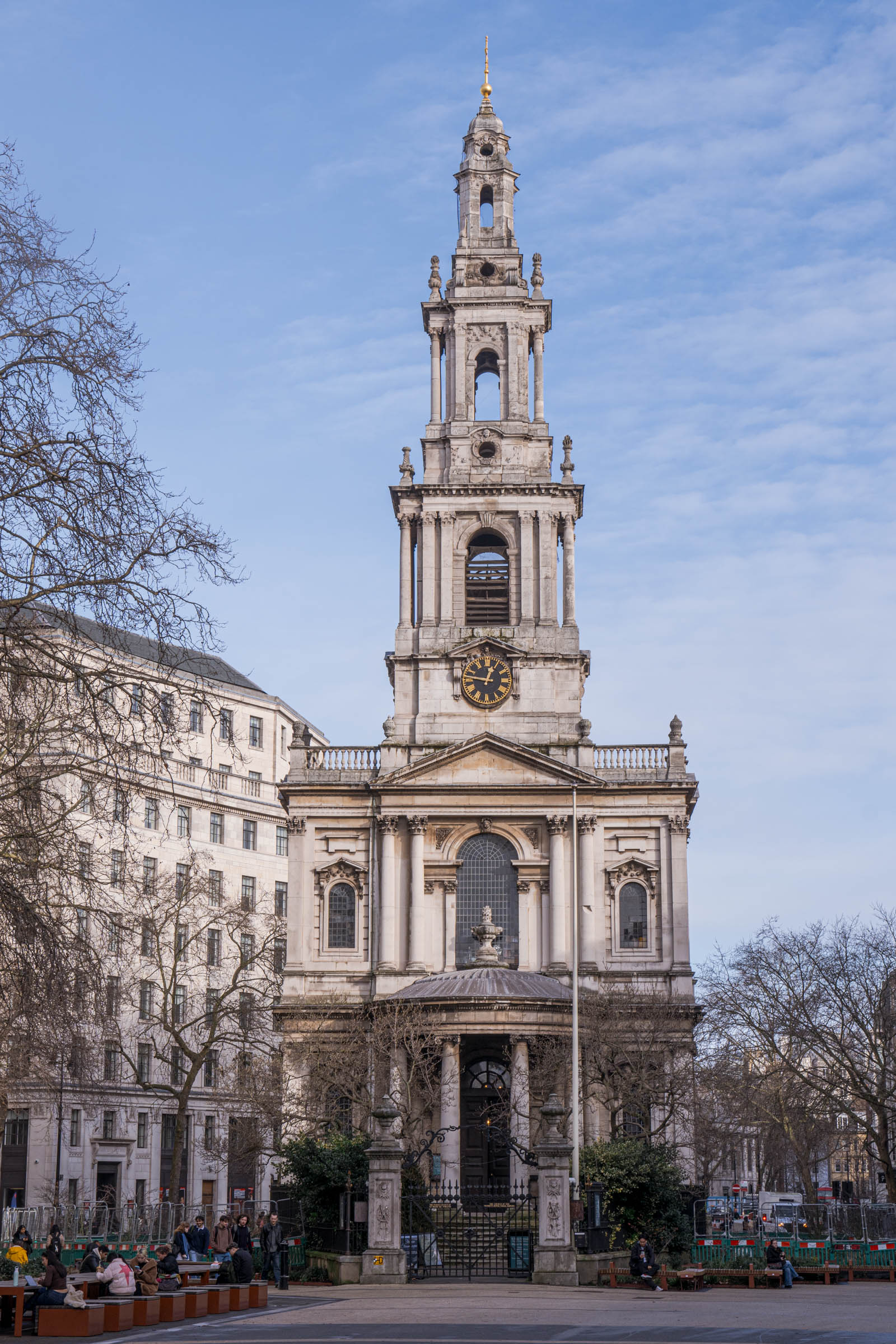
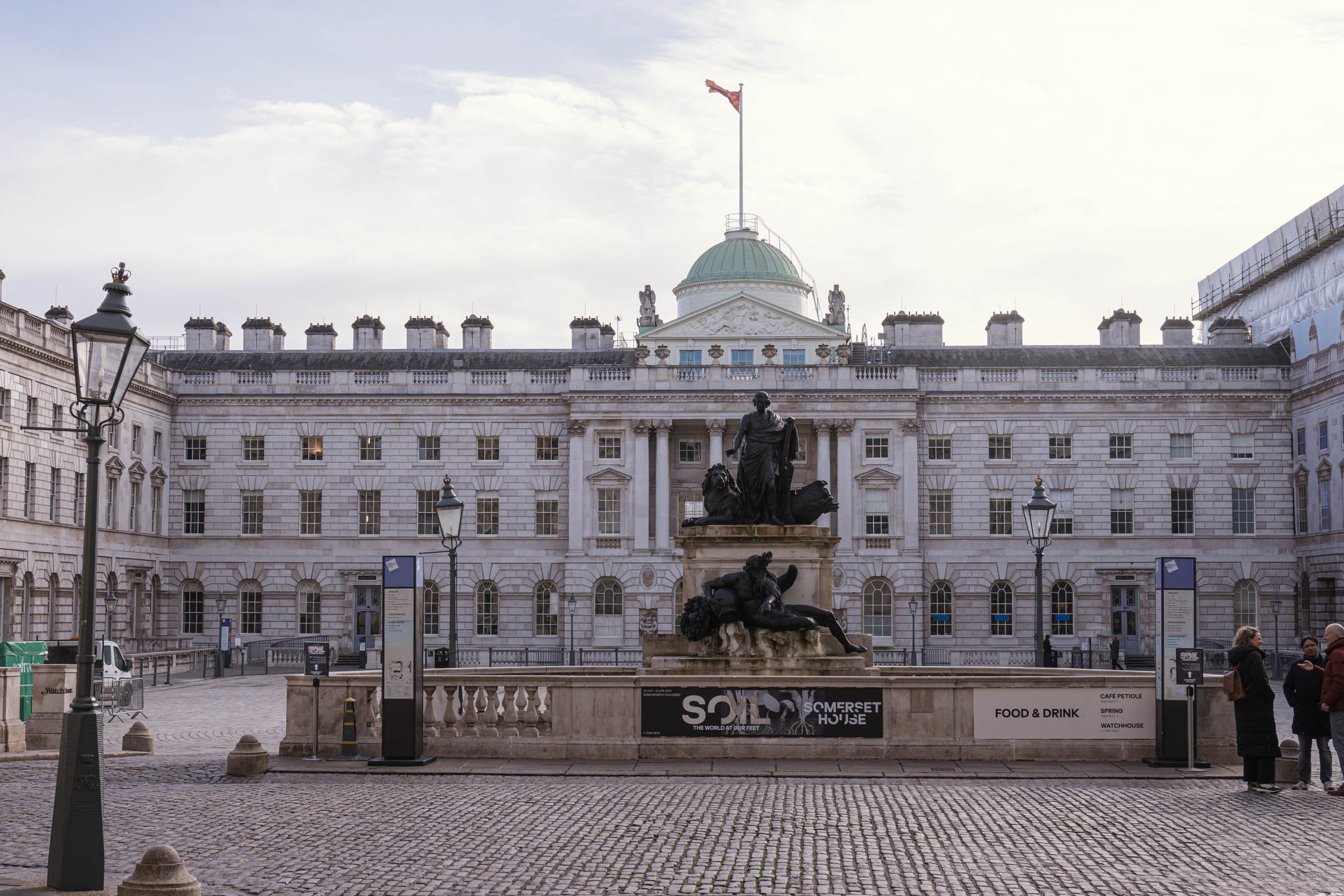
Just south of the church stands Somerset House, a large neoclassical complex on the south side of the Strand, overlooking the Thames. Sir William Chambers designed it, and the work began in 1776, on the site of a Tudor palace. Today, it is a cultural center with arts organizations, creative businesses and the Courtauld Gallery. Its courtyard has fountains with 55 water jets, and in winter it also hosts an open-air ice rink.
SHOPPING IN LONDON: FROM SELFRIDGES TO STREET MARKETS
When you get tired of sightseeing, or you simply want to enjoy shopping, London is the center of hedonism for all shopping lovers. Keep in mind that London is a center of luxury, where even the most demanding clientele can find absolutely everything. On the other hand, there is also an affordable side of London, where people on a budget can enjoy the city. Because of that balance, I love this city, since it can satisfy everyone’s needs.
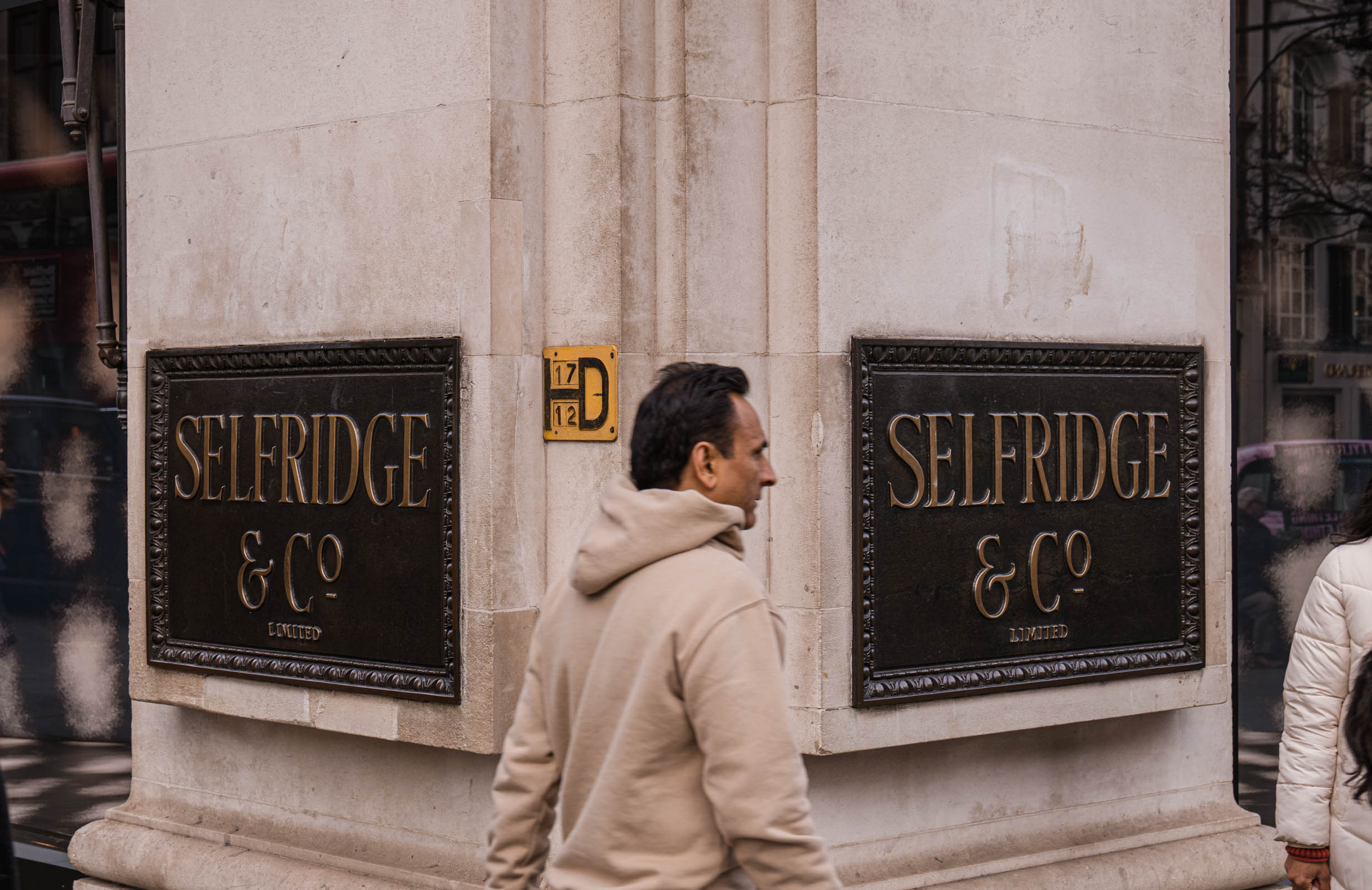
One of the symbols of London shopping is Selfridges on Oxford Street. The American retail magnate Harry Gordon Selfridge founded it, and its store at 400 Oxford Street opened on March 15, 1909. Today, it is the second-largest shop in the UK, after Harrods. Of course, the city is also the home of British heritage brands such as Burberry. I wrote about it in my story on the elegance of the iconic British trench coat.
MARYLEBONE, MY HOME IN LONDON
During this visit, my home was in Marylebone, an elegant area in central London and part of the West End. Oxford Street forms its southern boundary. Its name comes from an early hamlet whose people spoke of the stream of St Mary, after a church dedicated to St Mary. In 1965, the old borough merged with Westminster and Paddington to form the new City of Westminster.
Marylebone is home to the Wallace Collection on Manchester Square. In addition, literature lovers know that Sherlock Holmes lived at 221b Baker Street, right here in Marylebone. Moving around is easy, because numerous Underground stations serve the area. Among them are Baker Street, Bond Street, Edgware Road, Great Portland Street, Marble Arch, Marylebone, Oxford Circus and Regent’s Park.
THE MARYLEBONE HOTEL BY THE DOYLE COLLECTION
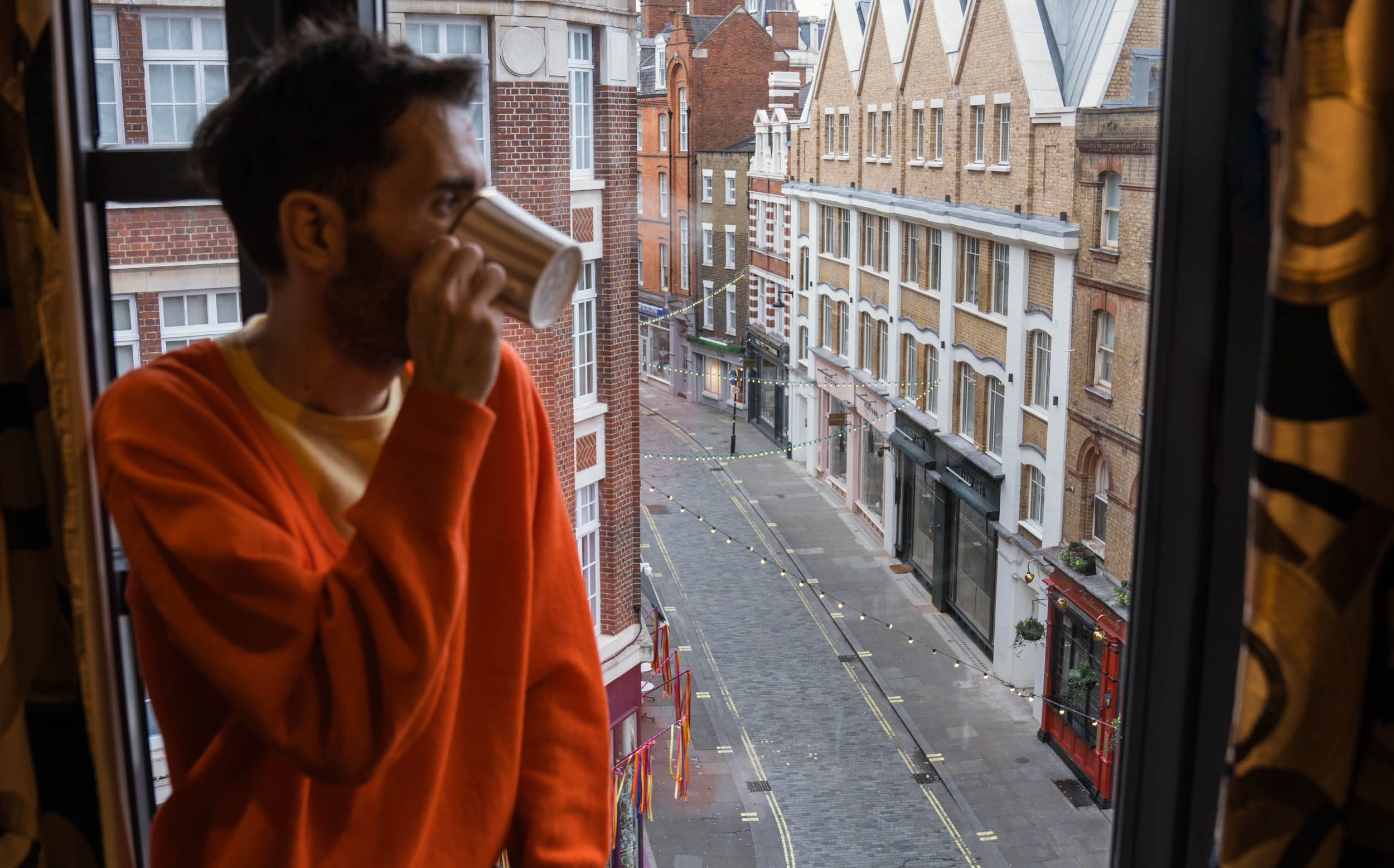
On every trip, the hotel is very important to all of us, because it becomes our home in a new destination. That is why it matters to choose a good hotel. This time, The Marylebone Hotel was my home in the English capital. It welcomed me with style, comfort and a beautiful atmosphere in the very heart of London.
The Marylebone is a 5-star luxury boutique hotel at 47 Welbeck Street. It is just moments from the bustle of Oxford Street and close to Bond Street. As a result, it is a perfect base for exploring central London, shopping and sightseeing. At the same time, you stay in one of the most stylish areas of the city.
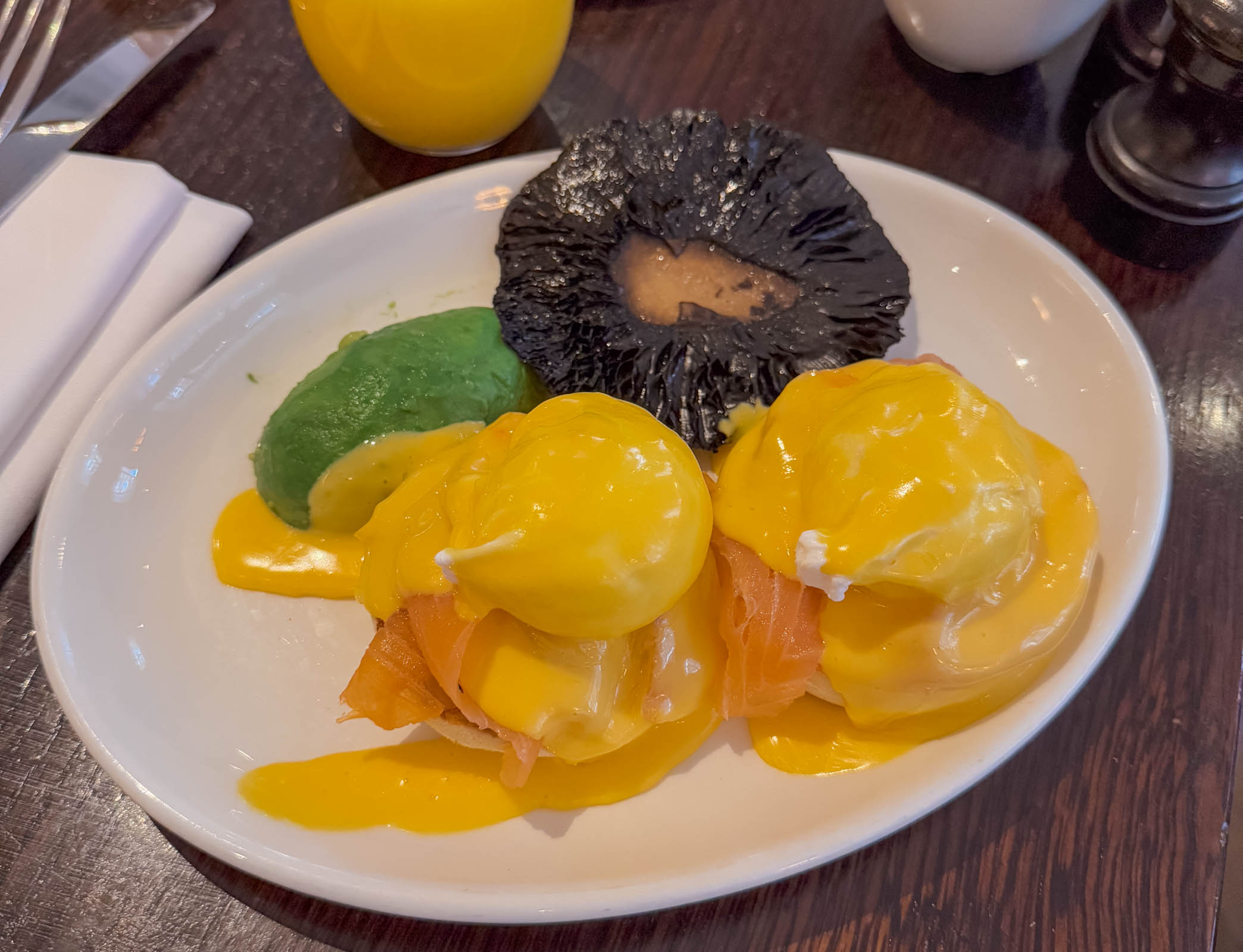
The hotel reflects the vibrant charm of Marylebone Village. This tone begins in the chic lobby and Cocktail Bar, with their inviting nooks and crannies. Then there is the popular 108 Brasserie, set on the cobbles of picturesque Marylebone Lane. It is a lively meeting place for locals and visitors alike, and it serves food from breakfast to dinner.
ROOMS, SUITES AND THIRD SPACE AT THE MARYLEBONE
The stylishly designed rooms and luxurious suites of The Marylebone, including its acclaimed rooftop terrace suites, offer modern comfort in the heart of London.
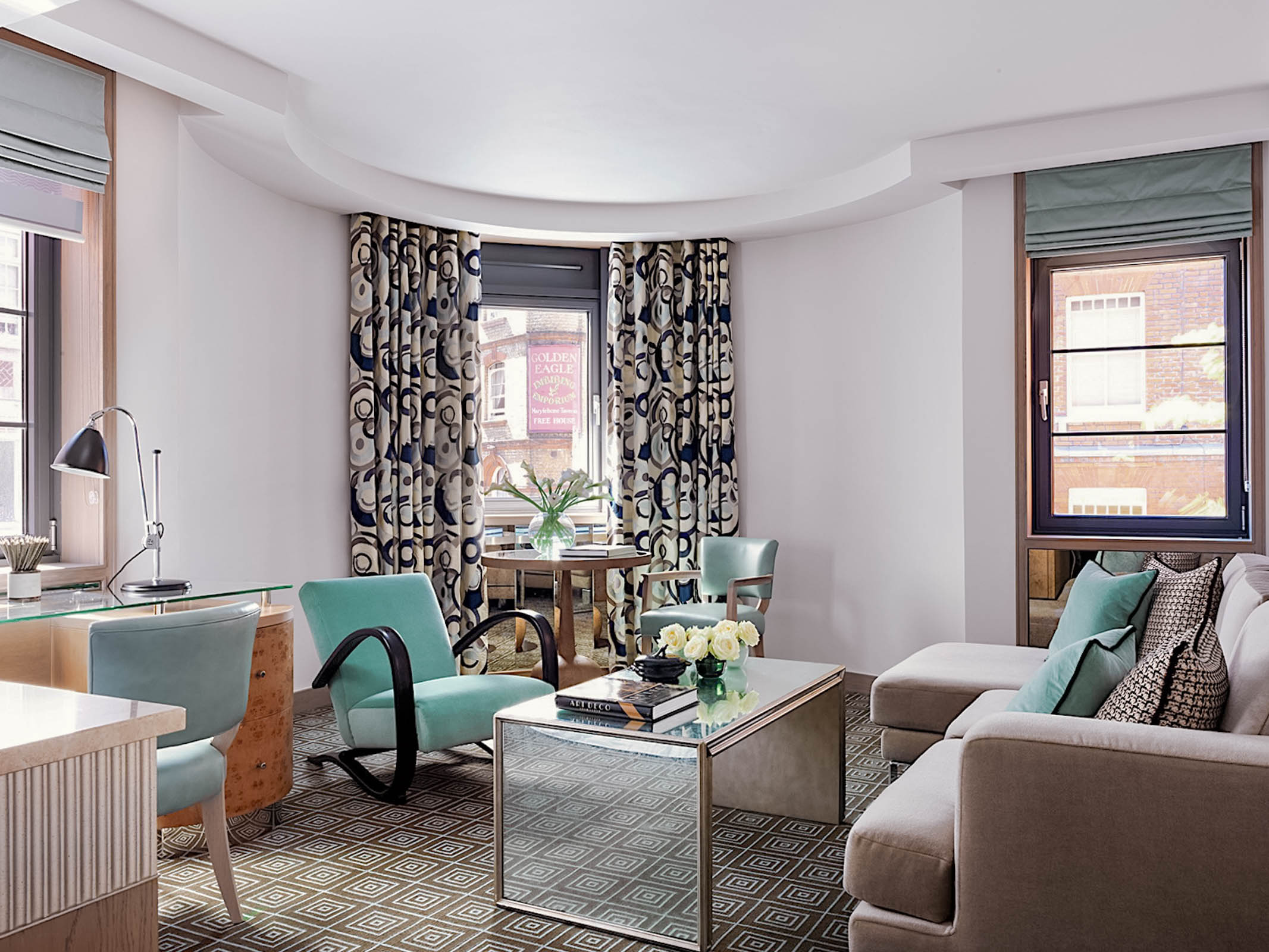
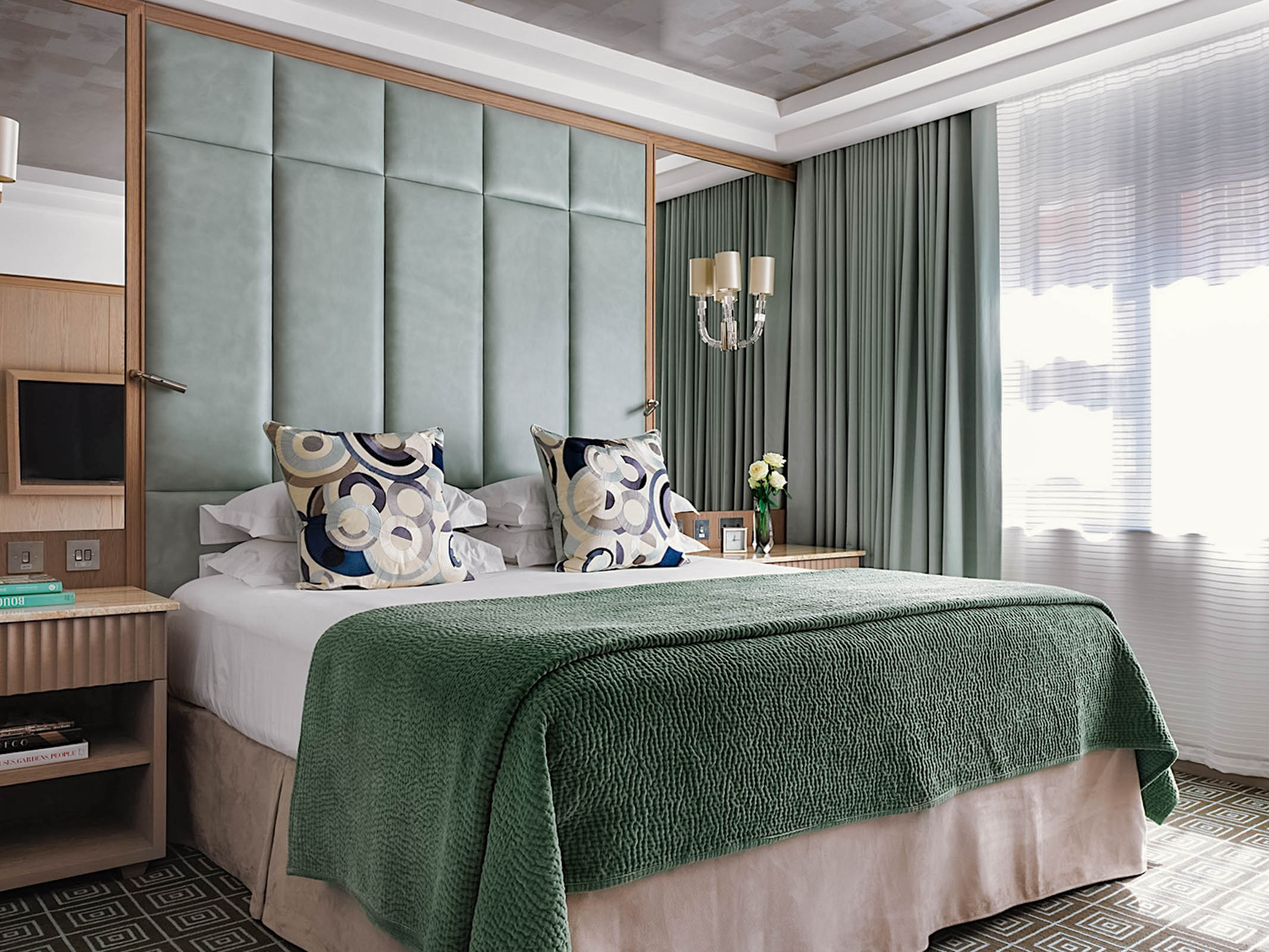
The Marylebone Hotel belongs to The Doyle Collection, a group of luxury hotels. Moreover, its guests enjoy complimentary access to the Third Space health club in the hotel, with a gym and a swimming pool.
I would like to give special thanks to the staff of The Marylebone Hotel for their warm welcome and for hosting me. The stay in their hotel was exceptional, a unique experience that I will remember!
FROM THE STRAND TO THE CITY OF LONDON
At the eastern end of the Strand stands one of the most impressive buildings in the city, the Royal Courts of Justice. It houses the High Court and the Court of Appeal of England and Wales. George Edmund Street designed it in the Victorian Gothic style, and Queen Victoria opened it in 1882. Today, it is a Grade I listed building.
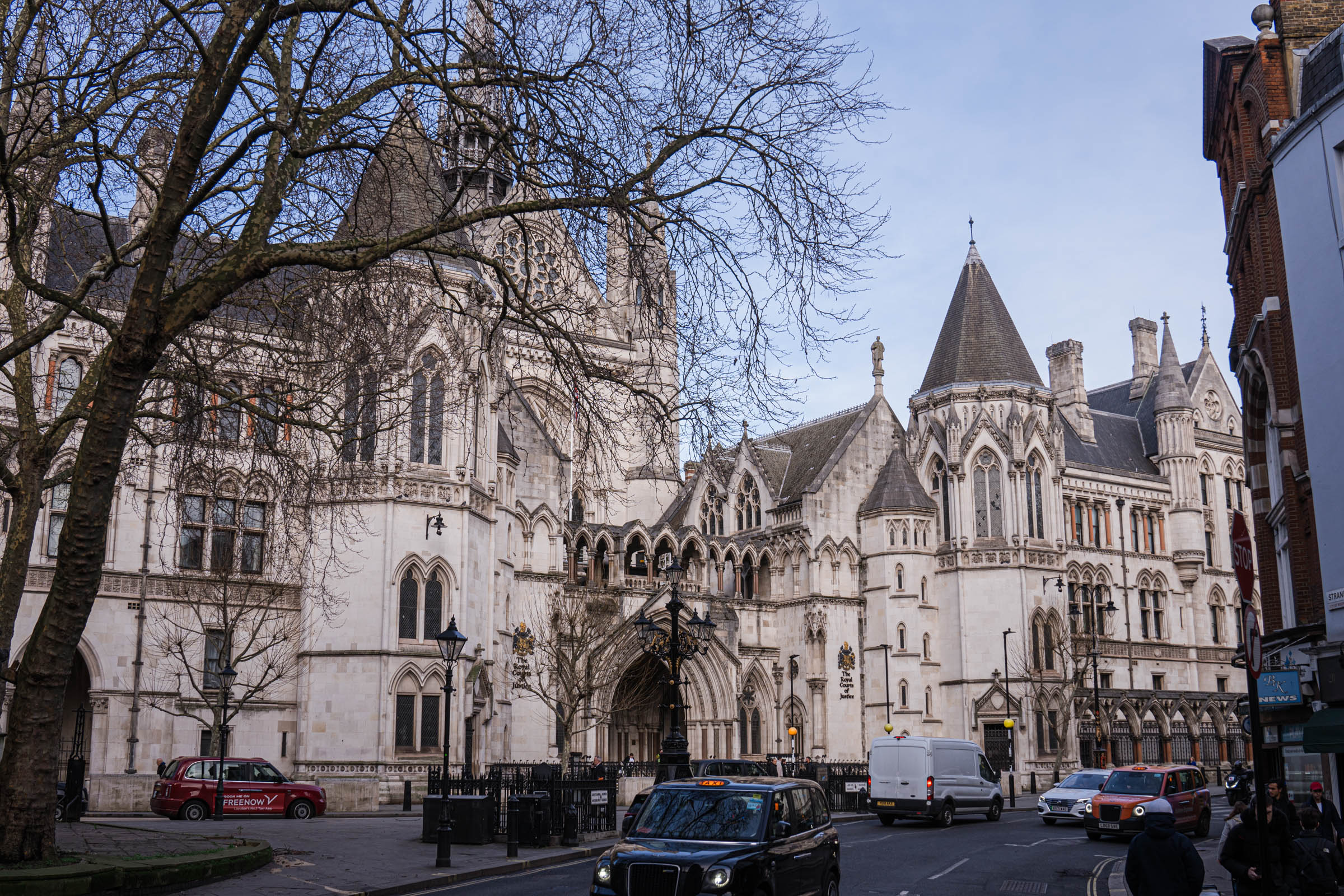
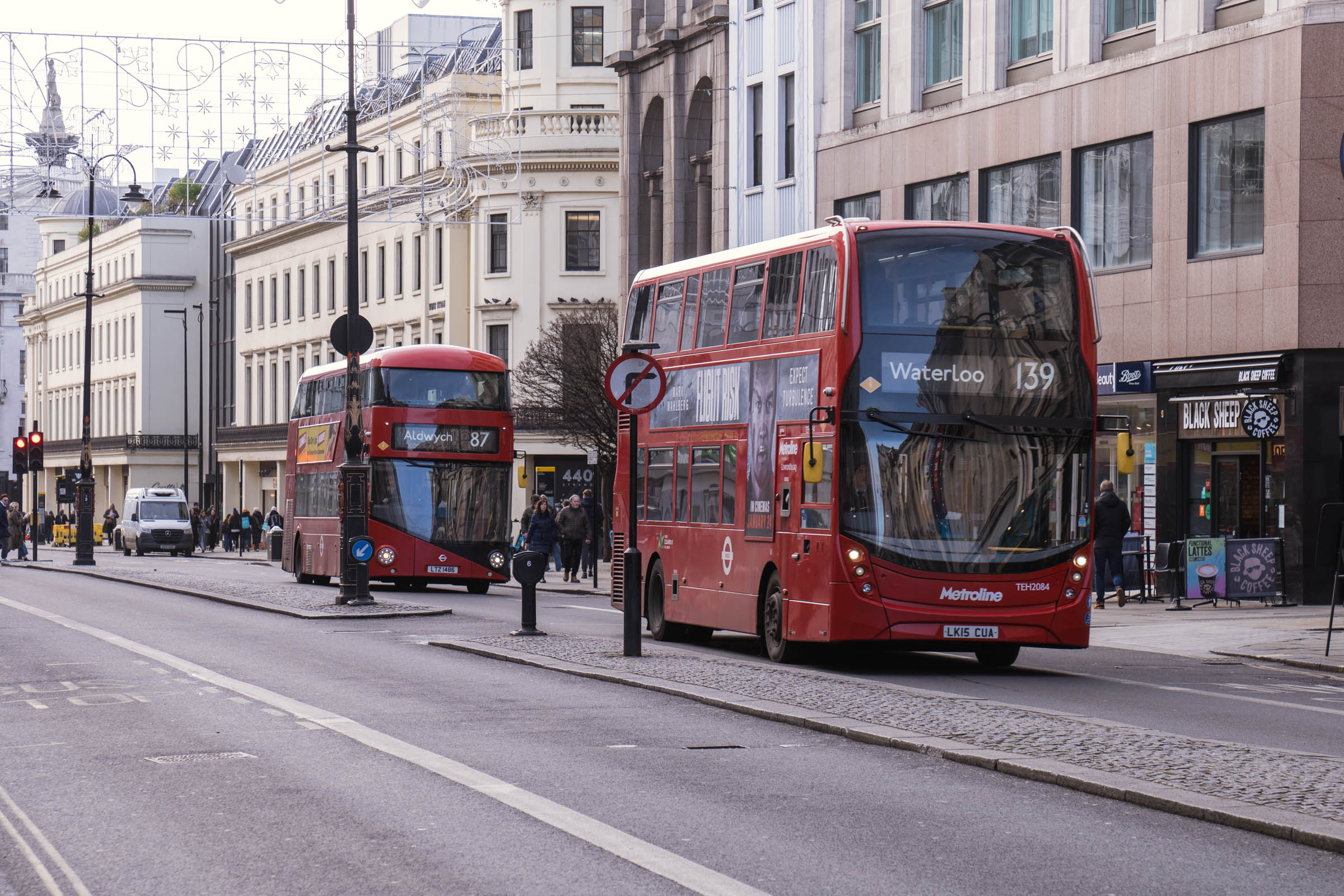
Of course, no London story is complete without the red double-decker buses. For me, they are the best way to see the city, as I already told you.
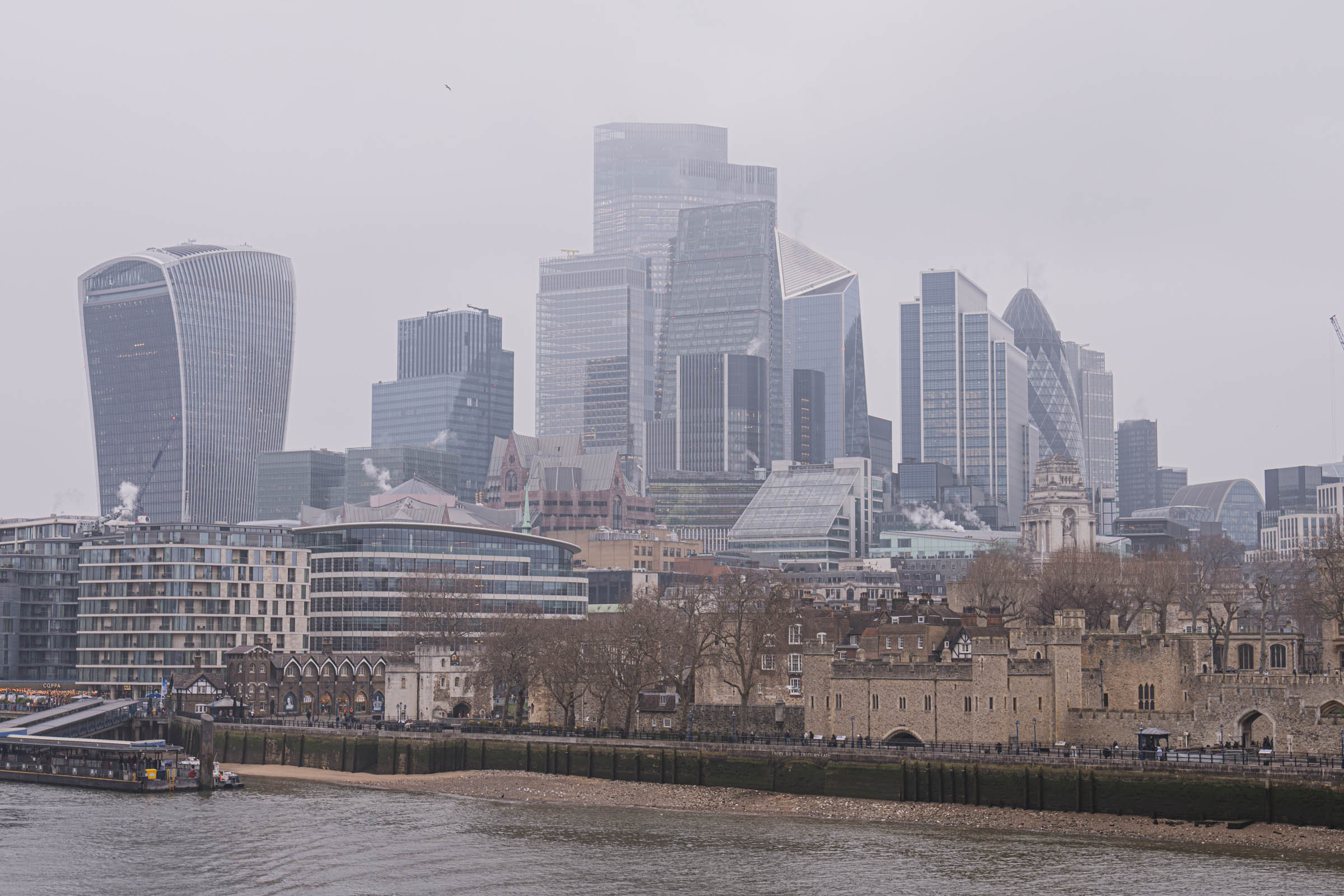
Beyond Temple Bar begins the City of London, the main financial district of the capital. Its towers rise right behind the Tower of London on the north bank of the Thames. The Tower was founded toward the end of 1066 as part of the Norman Conquest. William the Conqueror built its White Tower in 1078. Today, it is home to the Crown Jewels, and since 1988 it has been a UNESCO World Heritage Site.
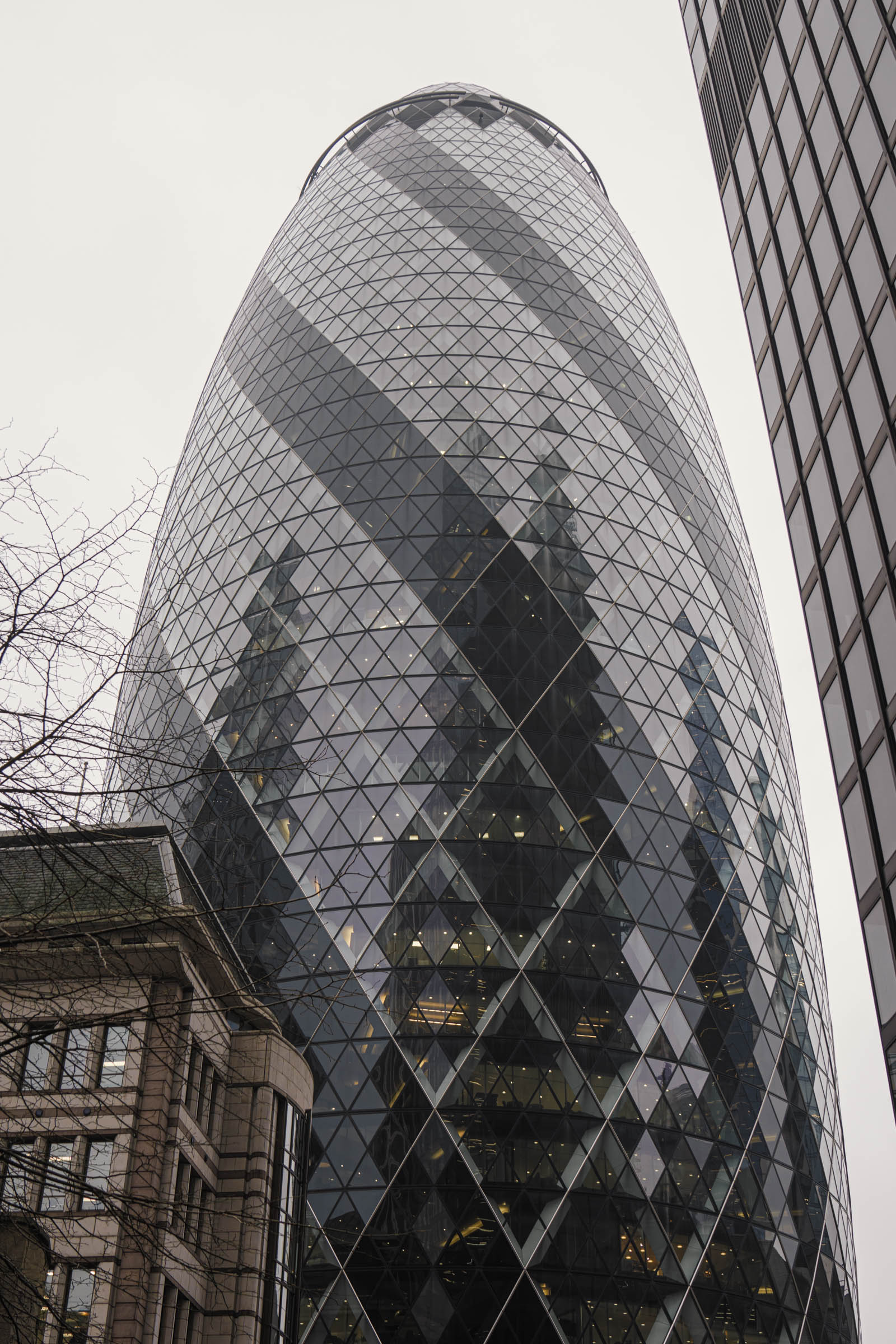
One of the most famous towers of the City is 30 St Mary Axe, better known as the Gherkin because of its shape. Foster + Partners designed it, and it is 180 meters tall, with 41 floors. It opened in April 2004, and in the same year it won the Stirling Prize.
SAYING GOODBYE TO LONDON
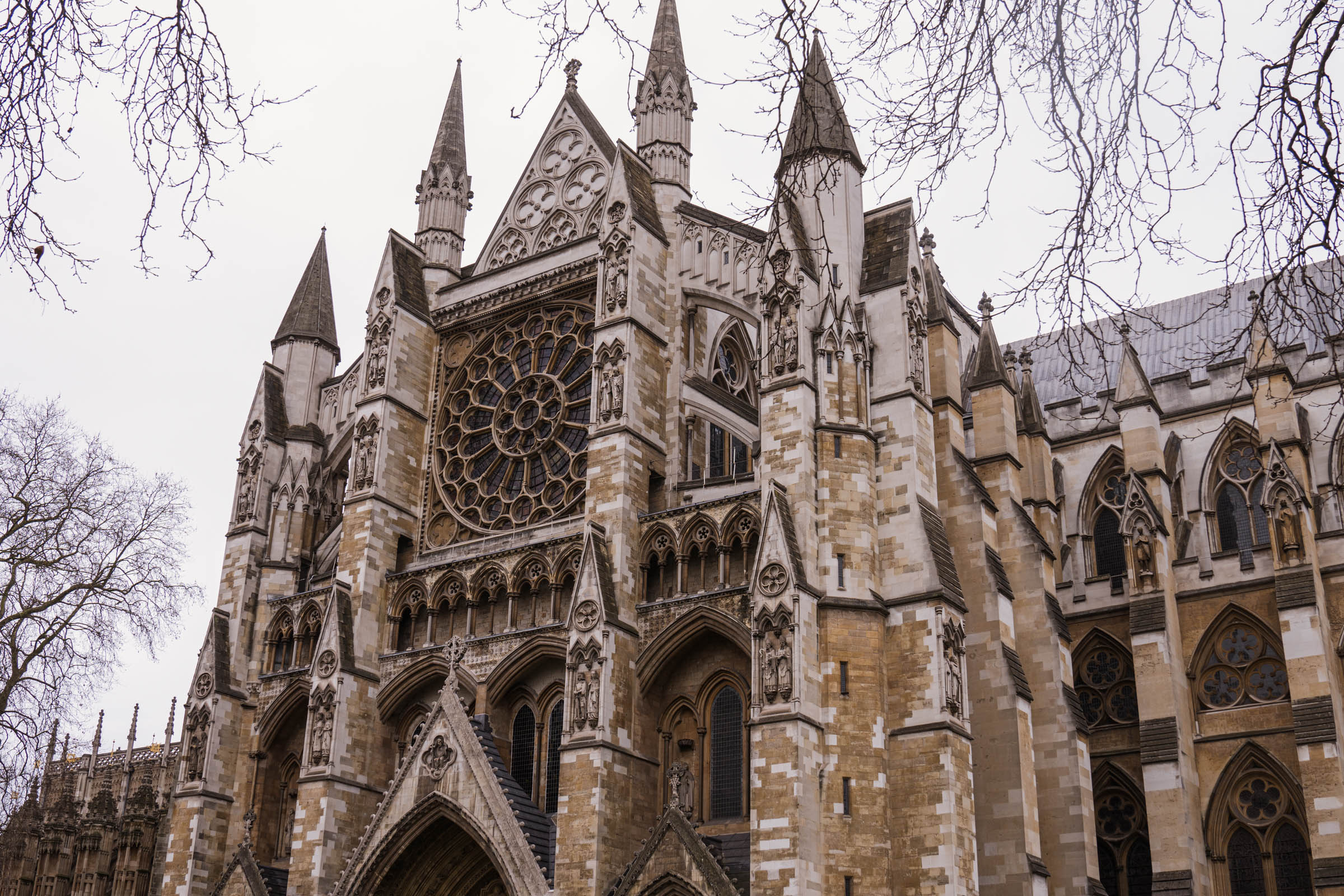
My dear travelers, we have come to the end of this special travelogue about the British metropolis. My last photo shows Westminster Abbey, where 40 English and British monarchs have been crowned since 1066.
Today’s travelogue would not have been possible without the selfless help of The Marylebone Hotel, in collaboration with local partners. Thanks to them, I could feel the spirit and beauty of English culture and tradition. As always, I tried my best to convey my impressions of this unusual experience to you.
A person is rich in soul if he has managed to explore the world. I am glad that I always find partners for my projects who help me discover new and unusual destinations in a completely different way. I am honored to collaborate with many companies in the tourism sector. Once again, I would like to thank The Marylebone Hotel and The Doyle Collection for this amazing adventure.
Have you already had a chance to visit London, the city where only big dreams are dreamed?
Feel free to leave your impressions, comments or questions below, or contact me by email and on social networks. All information is on the CONTACT page.
With love from London,
Mr.M
This post is sponsored by The Marylebone Hotel and The Doyle Collection Group. This post represents my personal and honest review of the impression of the destination and the tourist services provided during my stay in London.

London ist wirklich eine besondere Stadt! Toller Reisebericht, Marko, und ich danke dir von ganzem Herzen für diese tollen Empfehlungen.
Ich habe fast 20 Jahre in London gelebt und kann Ihnen in jeder Hinsicht zustimmen. London ist eine Metropole, in der jeder seine Träume verwirklichen kann, wenn er nur bereit ist, an sich und seine Fähigkeiten zu glauben. Tolle Empfehlungen und dieser Reiseführer für London ist gut. Endlich schreibt jemand einen nützlichen Reiseführer, in dem Harrods und andere „schicke“ lokale Attraktionen in London nicht erwähnt werden.
London is truly a city with a soul and it can hardly be compared with any European metropolis. Wonderful travelogue and good tips, everyone can really see that you love London from the bottom of your heart.
Hi Marko, you amazed me with this travelogue, but I also follow your Instagram stories from South America. When will travelogues from South America be available on the Mr.M blog?
I go to London almost every year, sometimes I go to London 2 to 3 times a year for work and it’s always fun. I would love to live in this fabulous city. London is also close to my heart and occupies a special place!
Excellent travelogue! I think this blog post is one of your longest, but it really has a lot of useful tourist information, which is exactly why I love reading your blog. London is a divine city!
This personal letter-style post about London is inspiring. The observations about city life, culture, and dreams are thoughtfully written. A refreshing perspective on experiencing London.