
My dear travelers and lovers of unusual journeys, welcome to a new chapter of my travelogues on the Mr.M blog. In recent weeks, my letters have taken you through the Far East, and today we continue in the heart of Asia. Before we set off through the streets of Shanghai, I want to thank UN Tourism. Their support during my stay in Asia was exceptional. I also owe special thanks to SAVHE Atour Hotel North Bund Shanghai. Their hospitality made my stay even more special.
If you have followed my journey through China, you have already read my letter from Beijing. My ultimate travel guide to Hong Kong is waiting for you as well.
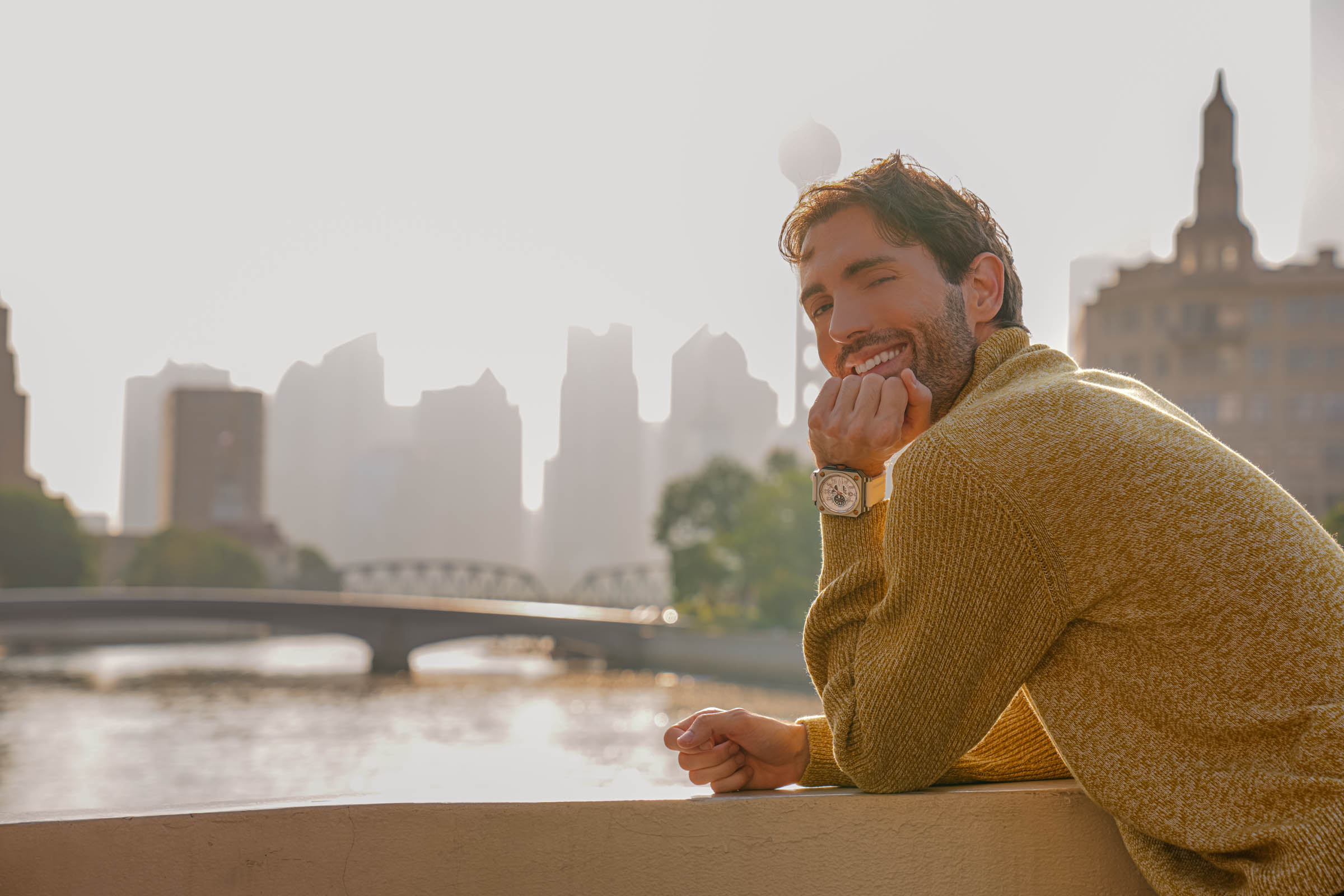
SHANGHAI, WHERE EAST MEETS WEST
Shanghai… Just saying this name brings to mind futuristic skyscrapers and traditional gardens. It also evokes the smell of freshly steamed xiaolongbao and neon lights shining on the Huangpu River. Without exaggeration, this is one of the most fascinating cities on the planet, a place where past and future meet.
At the end of 2024, Shanghai had 24,802,600 residents. The municipality covers 6,340.5 square kilometers and has 16 districts.
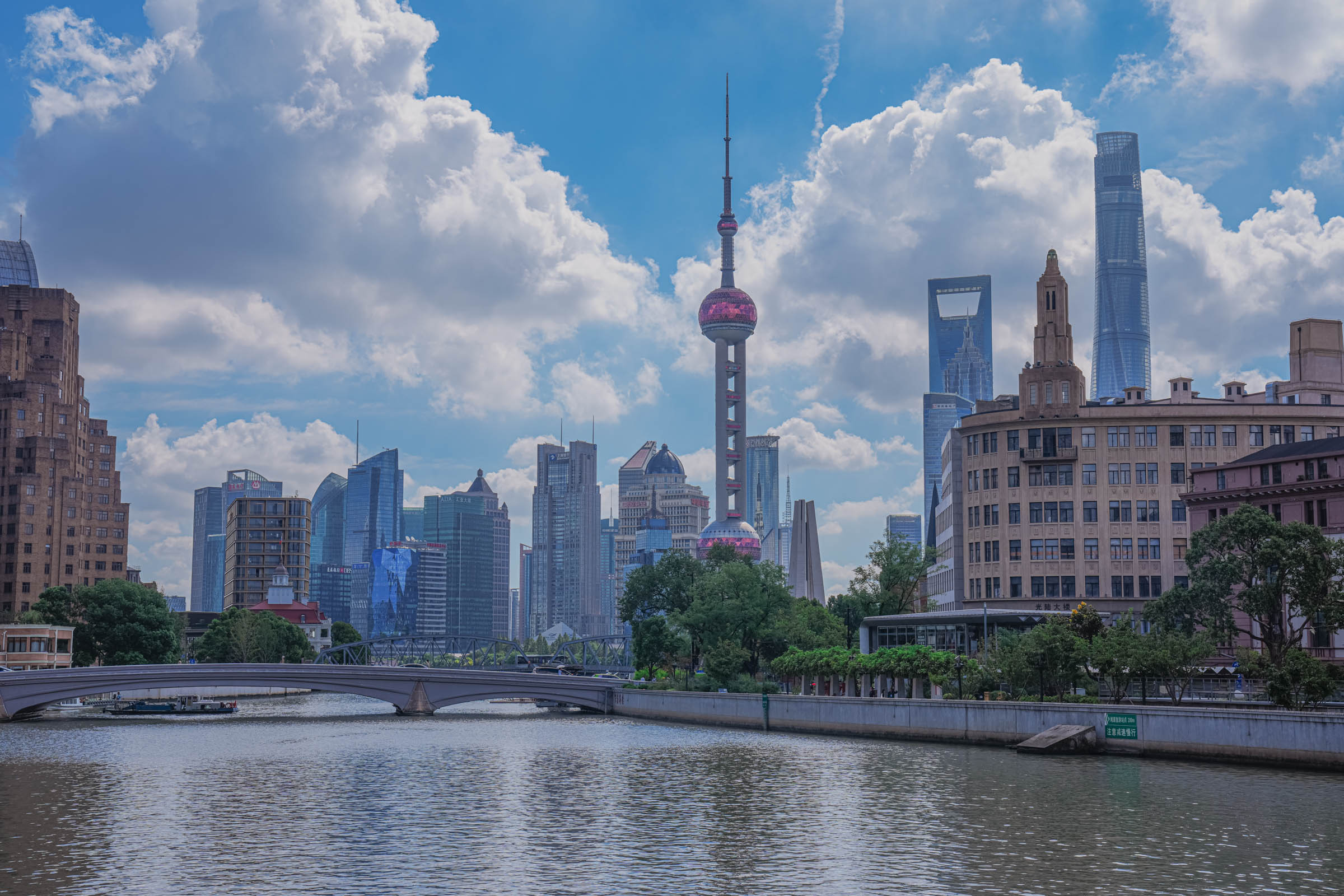
The name of the city consists of two Chinese characters that together mean “On the Sea.” Locals also call their city “Shen,” after Lord Chunshen. He was a nobleman of the state of Chu whose fief included today’s Shanghai. Another short name is “Hu,” which comes from a fishing tool once used in the area. You will still see it on local license plates.
My trip to Shanghai was part of a larger exploration of China. I must admit that this city left the biggest impression on me and my team. From the first moment, I felt its incredible energy, that unique blend of traditional Chinese culture and modern cosmopolitan spirit.
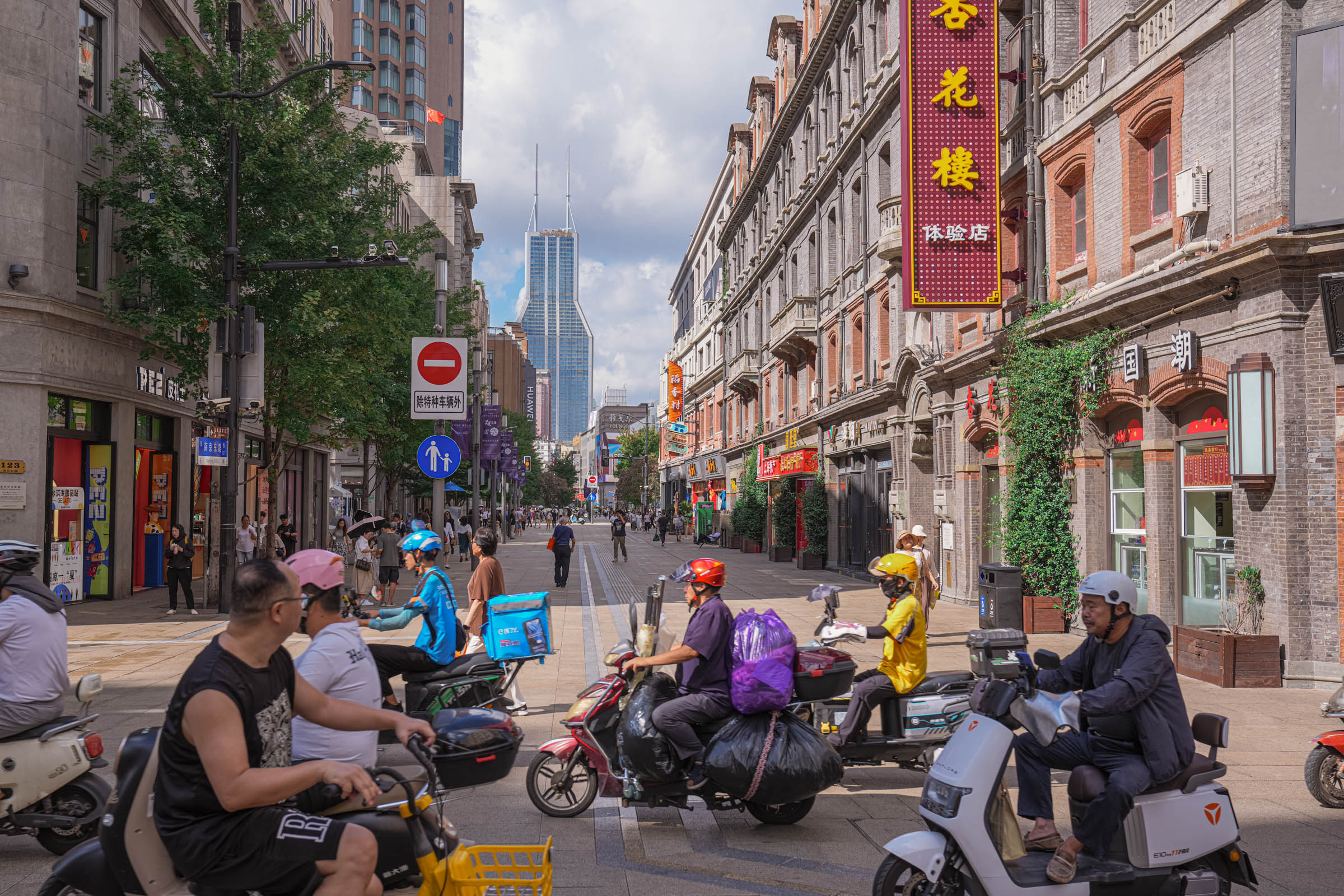
A SHORT HISTORY OF SHANGHAI
According to official sources, Shanghai first became a city in 1291, during the Yuan dynasty. At that time, five villages merged into the new Shanghai County. By the early 15th century, the town was important enough that Ming dynasty engineers began dredging the Huangpu River.
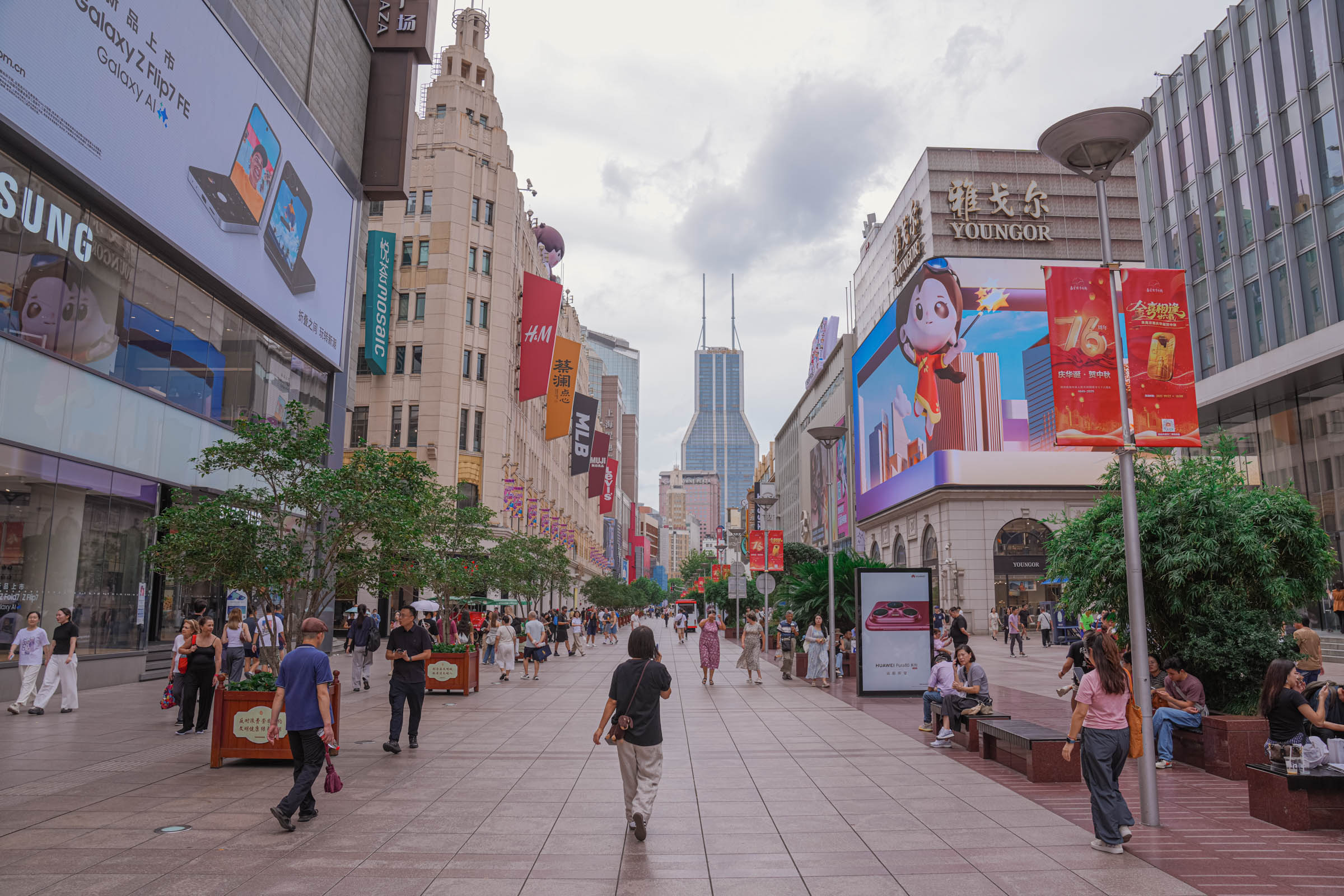
The 19th century changed everything. The Treaty of Nanking, signed on August 29, 1842, opened five Chinese ports to foreign trade. Shanghai was one of them. On November 17, 1843, the port officially opened, and the British settlement soon followed. In 1863, the British and American settlements merged into the Shanghai International Settlement. Meanwhile, the French ran their own concession nearby.
In the 1920s and 1930s, grand banks and hotels rose along the Bund, including several Art Deco landmarks. In the late 1930s, the city also became a rare refuge, because people could enter it without a visa. As a result, nearly 20,000 Jewish refugees from Europe found shelter here.
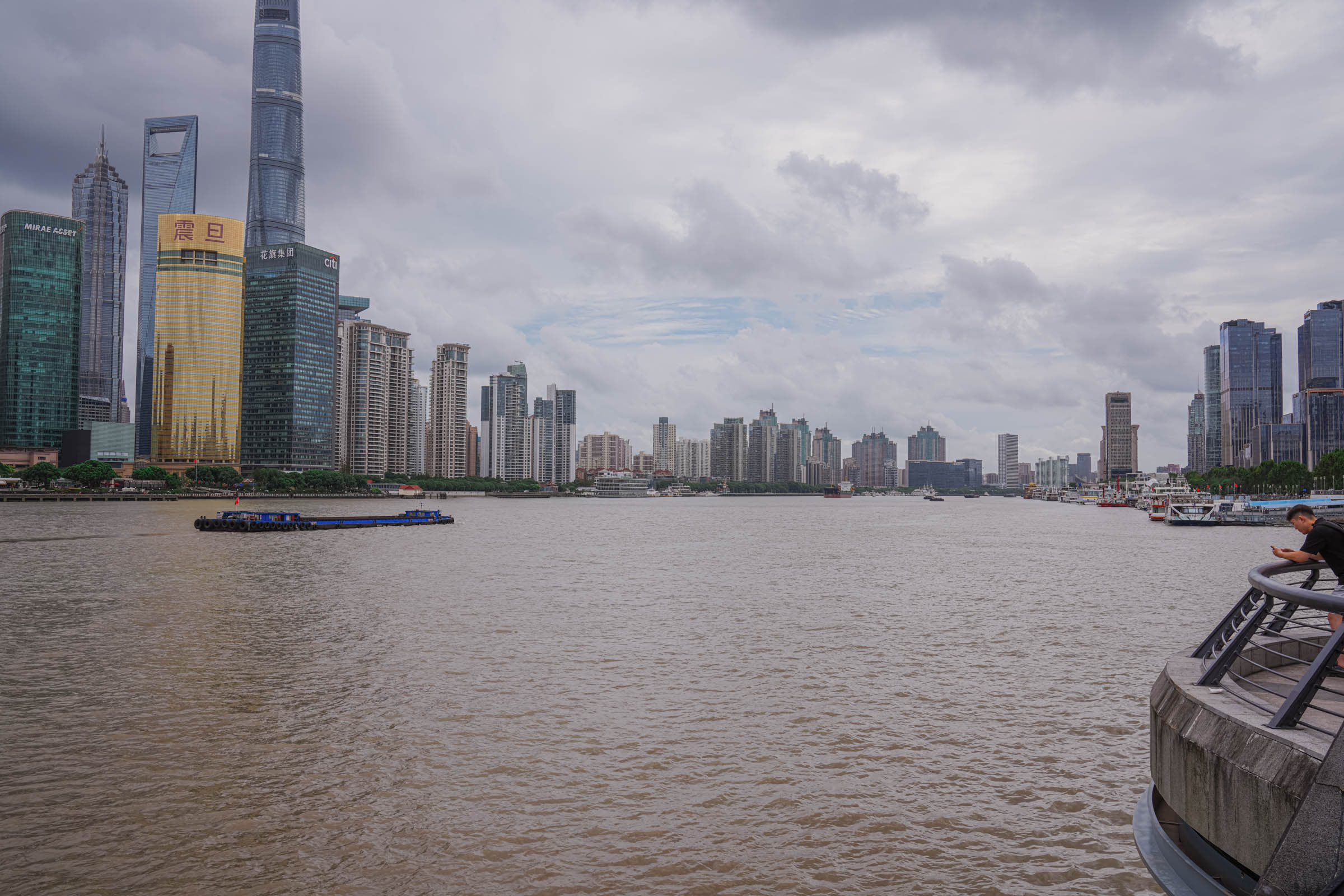
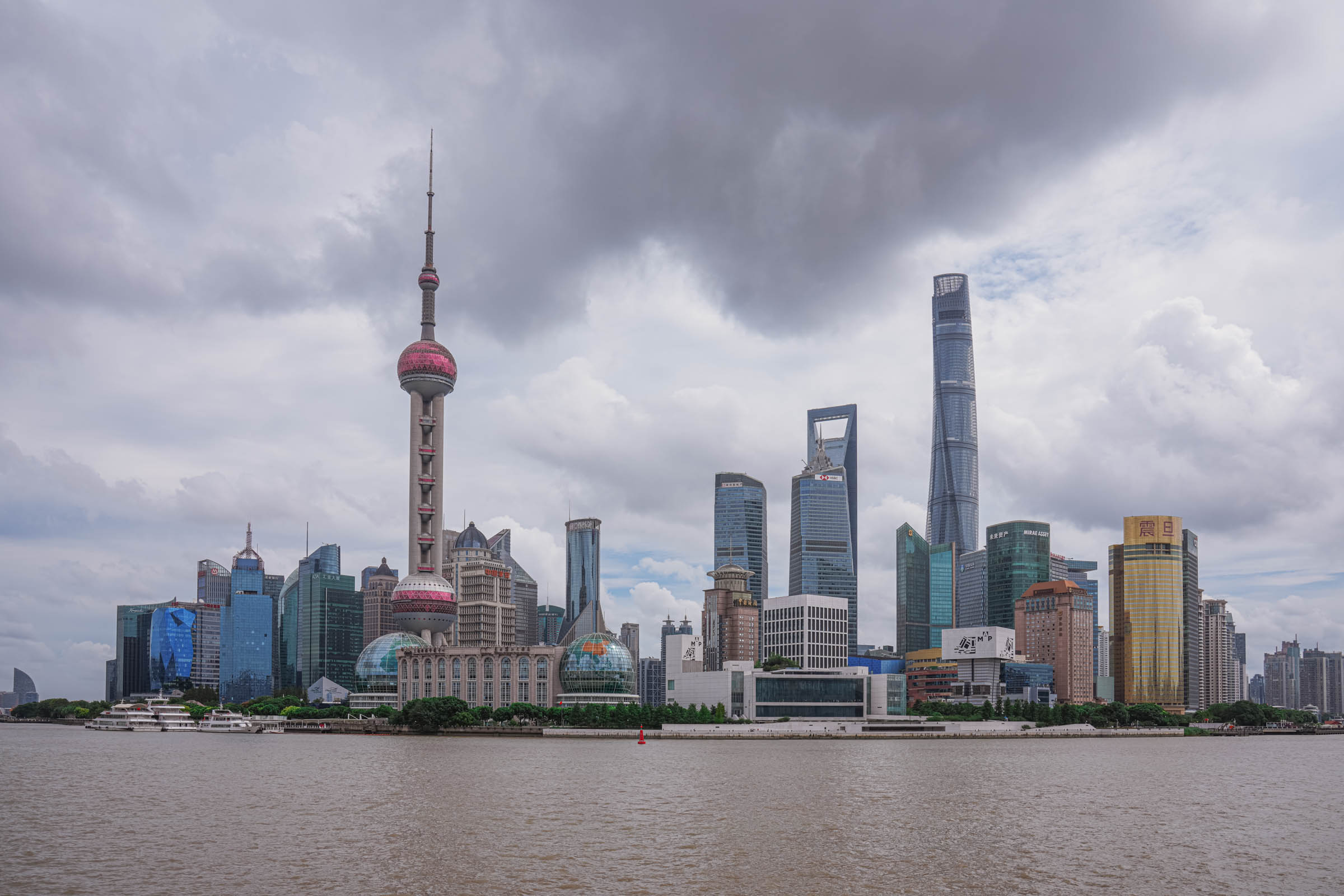
A new chapter began on April 18, 1990, when China announced the development and opening of Pudong. Before that, the east bank of the Huangpu was mostly farmland and docks. Today, it is home to the Lujiazui financial district and some of the tallest buildings in the world.
THE BUND, AN OPEN-AIR MUSEUM OF ARCHITECTURE
The Bund, known in Chinese as Waitan, is the most famous promenade in Shanghai. For almost every visitor, it is the first stop. This waterfront stretches for about 1.5 kilometers along the west bank of the Huangpu River. It runs from Waibaidu Bridge in the north to Yan’an East Road in the south.
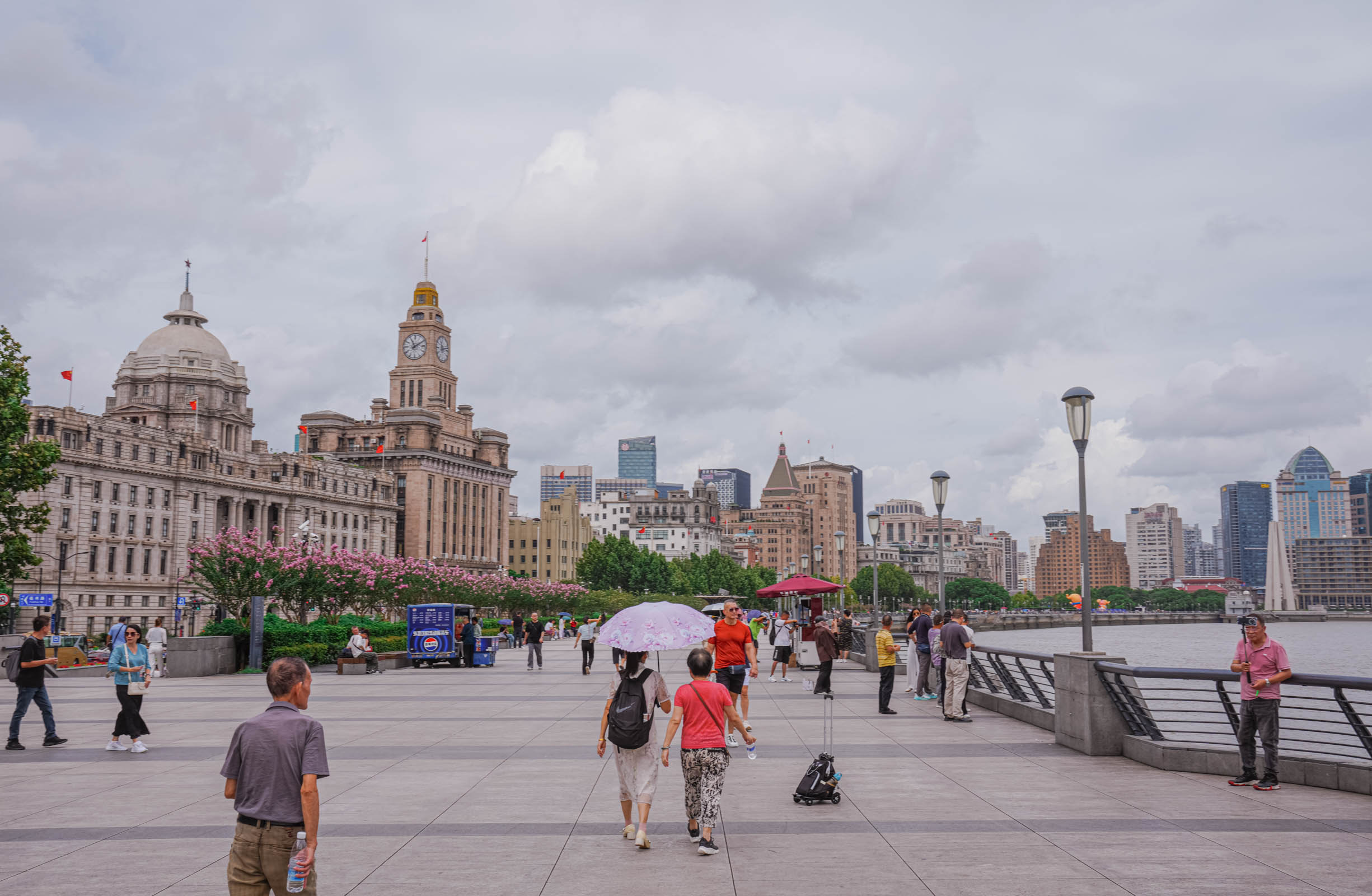
Along the promenade stand 52 historic buildings in various styles, from Gothic and Baroque to Neoclassical, Renaissance and Art Deco. They once housed the banks and trading companies of old Shanghai. That is why people often call the Bund a museum of buildings. A walk here truly feels like a journey through an architectural exhibition.
LANDMARKS ALONG THE BUND
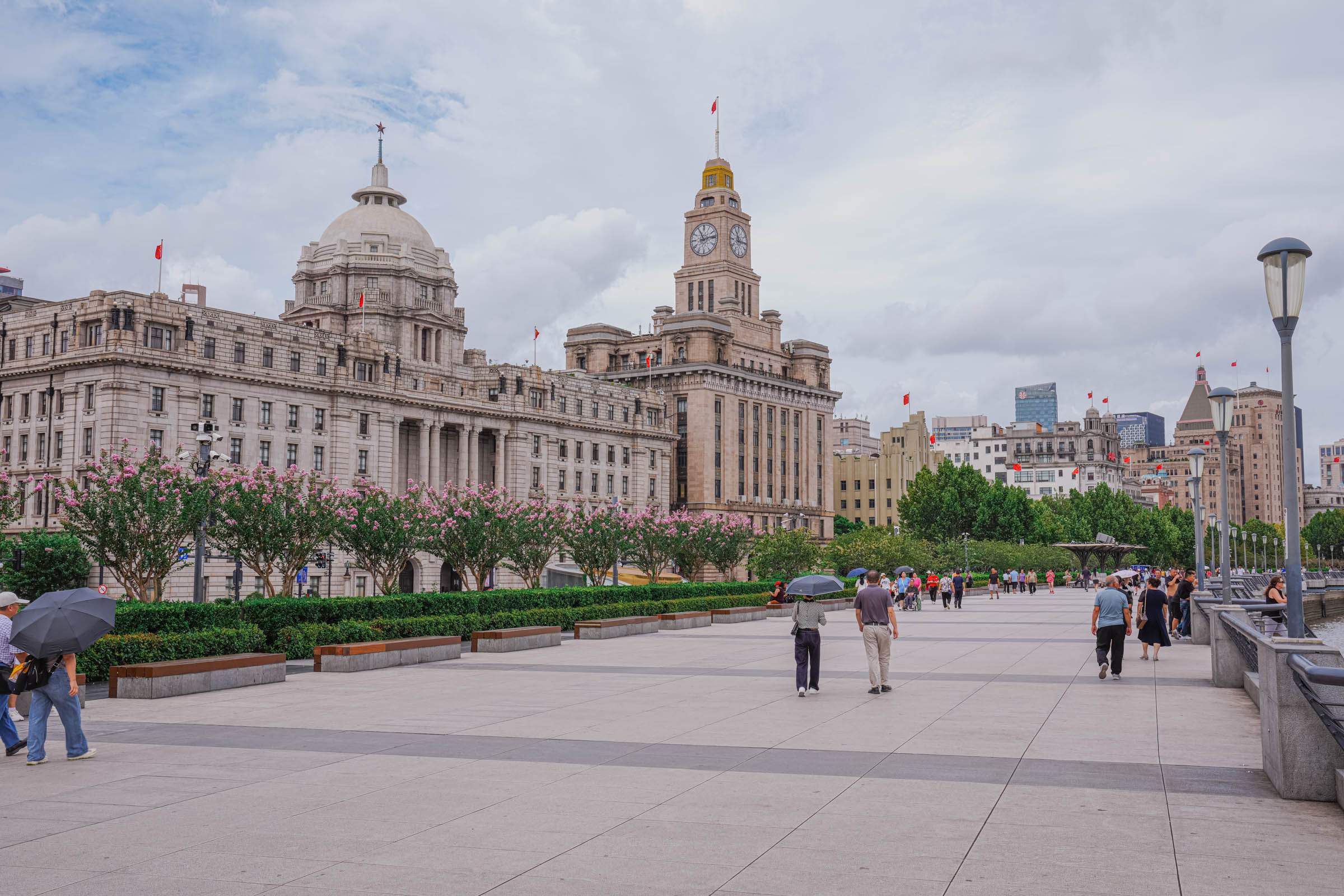
The former HSBC Building at Bund 12 is one of the most impressive. Palmer & Turner designed it, and construction lasted from May 1921 until June 1923. According to HSBC’s own archive, the brief to the architects was simple: spare no expense and dominate the Bund. Today, the building houses the Shanghai Pudong Development Bank.
Right next to it stands the Custom House at Bund 13, built in 1927. It still serves as a customs house today. A British company made its clock, and locals once nicknamed the tower “Big Qing” because it resembles Big Ben.
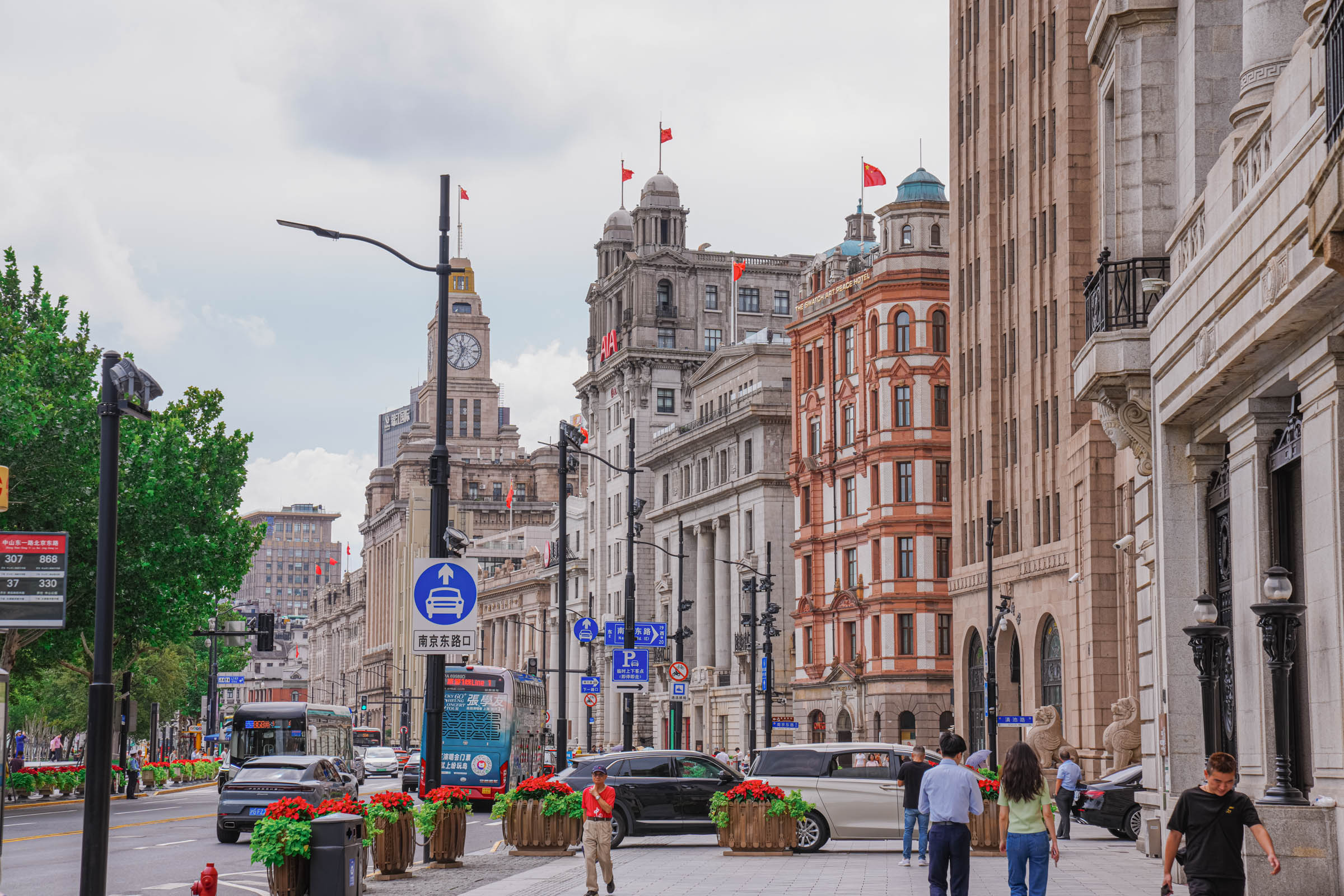
The Fairmont Peace Hotel at Bund 20 is another icon of the city. Its North Building, Sassoon House, belonged to Sir Victor Sassoon, a British businessman from a Jewish family with roots in Baghdad. Completed in 1929, it originally housed the Cathay Hotel. Its pyramidal roof, clad in copper that turned green over time, is about 10 meters high. After a three-year renovation, the hotel reopened in 2010. Further along stands the Bank of China Building at Bund 23, completed in 1937. Palmer & Turner and the Chinese architect Lu Qianshou (Luke Him Sau) designed it together. It is the only Bund building with traditional Chinese elements.
In the morning, the Bund belongs to locals who come here to exercise. However, my favorite moment came at night. The lights of the historic facades reflected on the river, while the skyscrapers of Pudong shone across the water.
YU GARDEN, AN OASIS IN THE OLD CITY
If the Bund represents the modern soul of Shanghai, Yu Garden is its ancient heart. This classical garden lies next to the City God Temple, in the old part of the city. It offers a perfect escape from the urban rush.
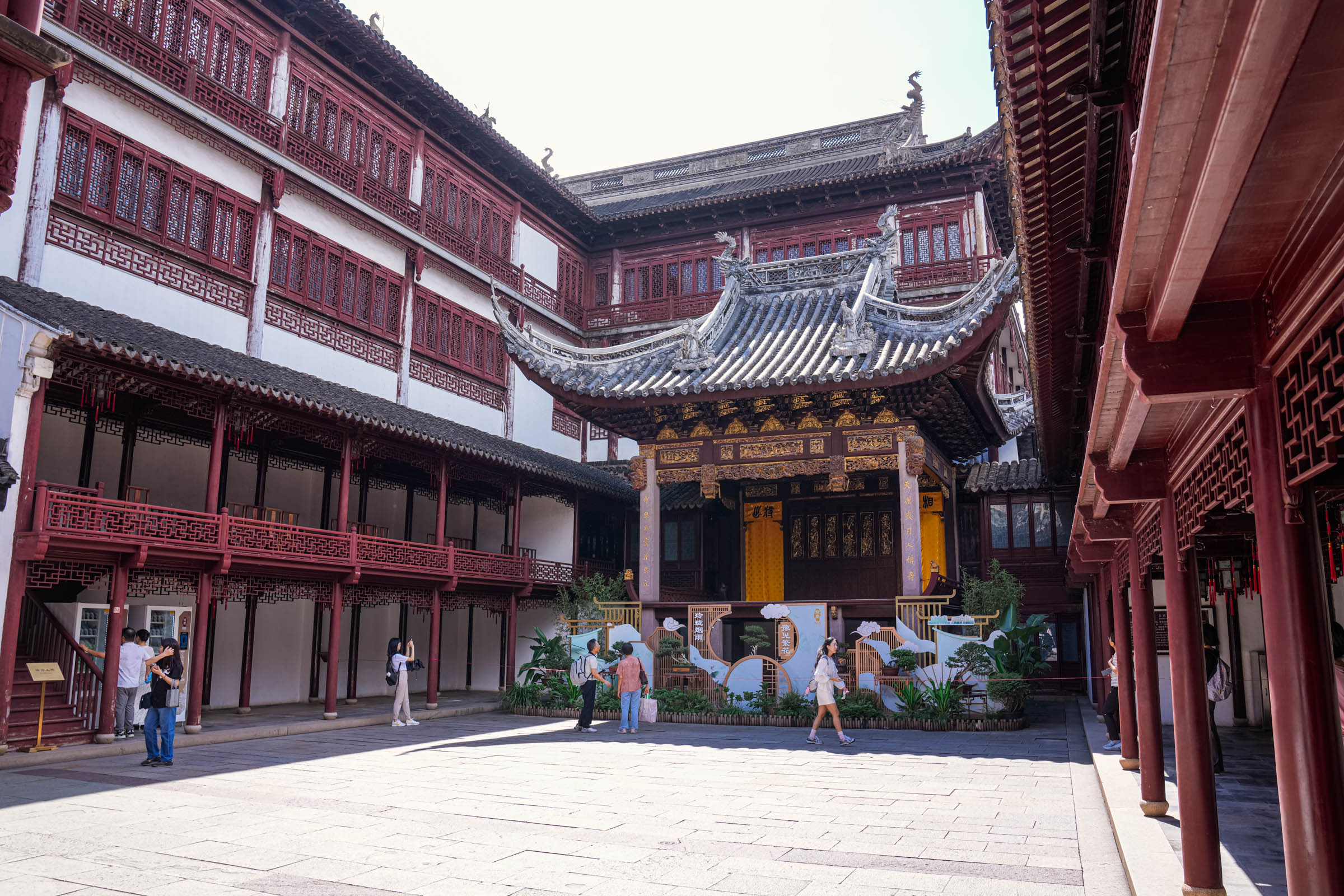
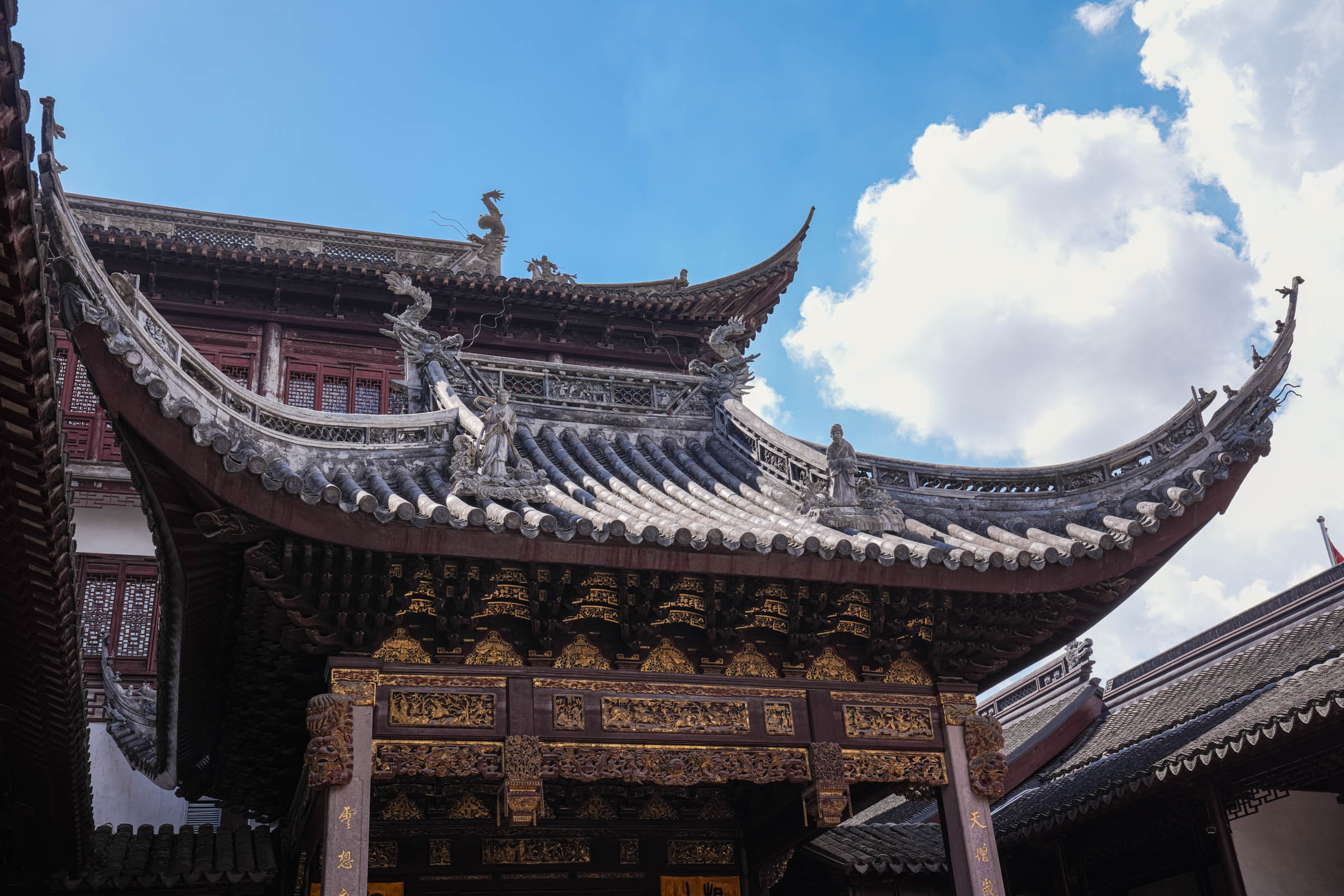
Its story began in 1559, when Pan Yunduan, an official of the Ming dynasty, started building it. He wanted a peaceful place for his father, the minister Pan En. The name “Yu” means pleasing and satisfying. In its time, it was the largest and most prestigious garden in Shanghai, but its expense eventually helped ruin the Pan family.
YU GARDEN THROUGH THE CENTURIES
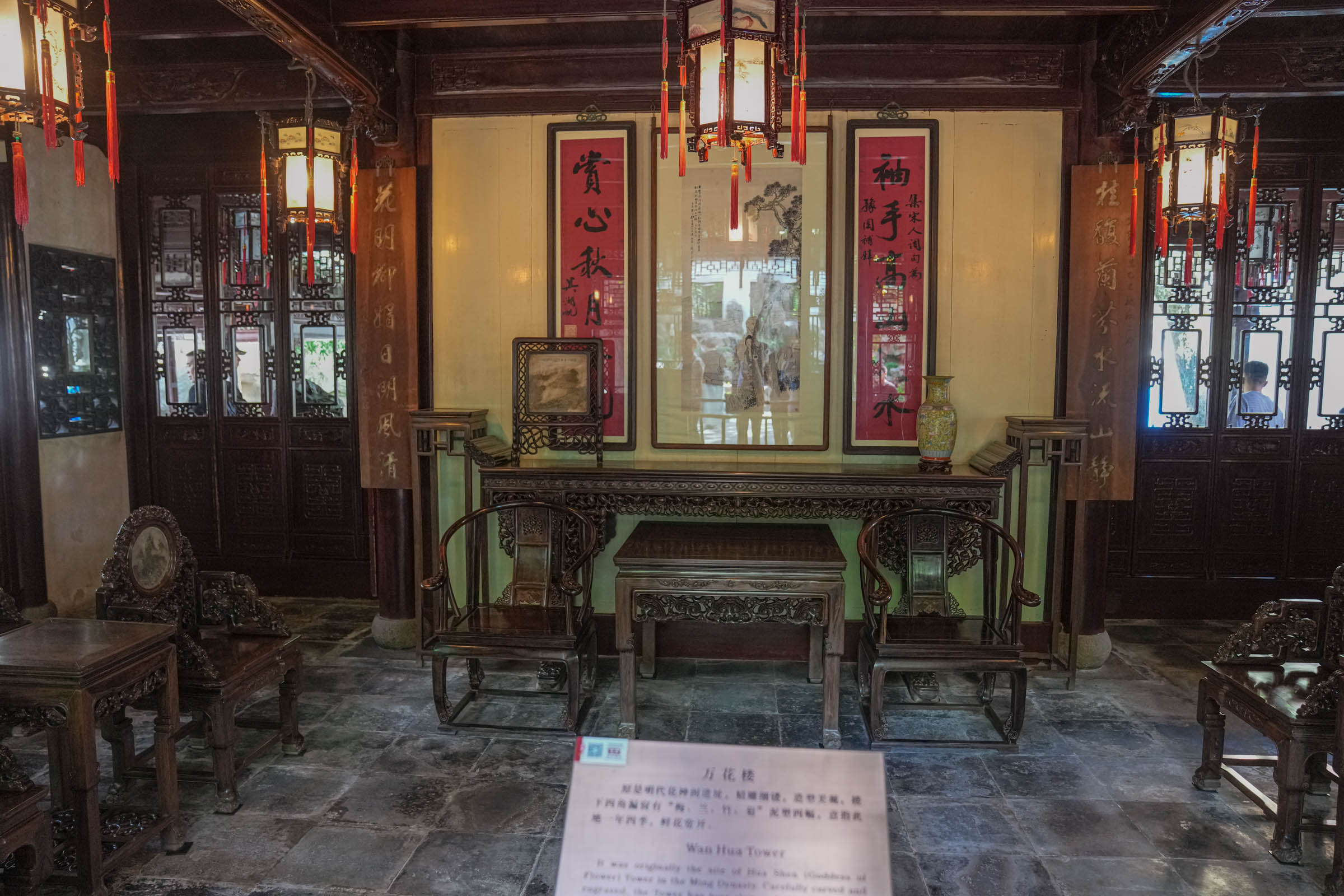
Over the centuries, Yu Garden has gone through turbulent times. In 1842, during the First Opium War, the British army used the Huxinting Teahouse as a base for several days. Later, from 1853 to 1855, the Small Swords Society had its headquarters in Dianchun Hall. By the time Qing troops recovered the garden, most of the original structures were gone. In 1942, the garden suffered further damage. Between 1956 and 1961, the Shanghai government restored it, and in 1961 it finally opened to the public.
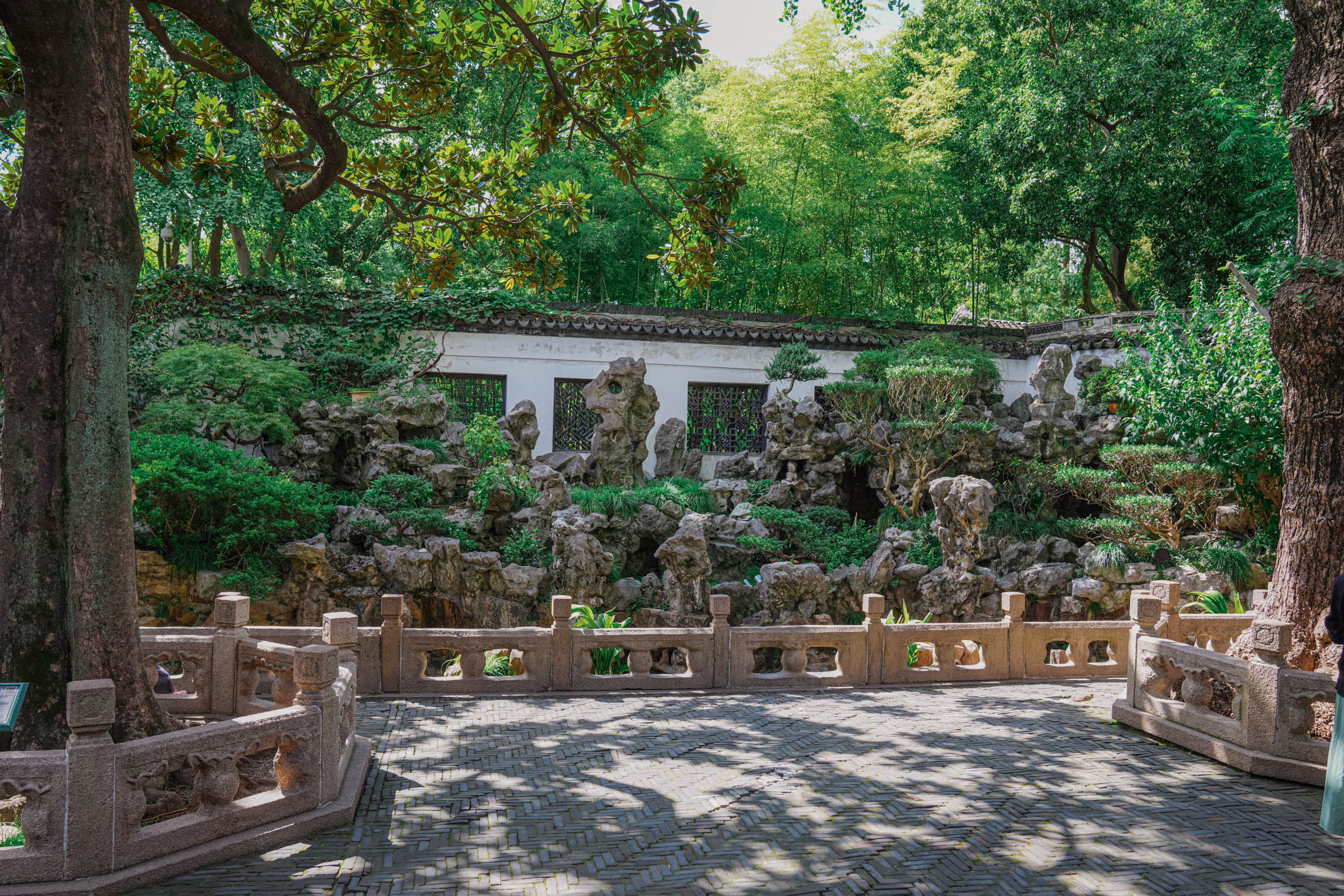
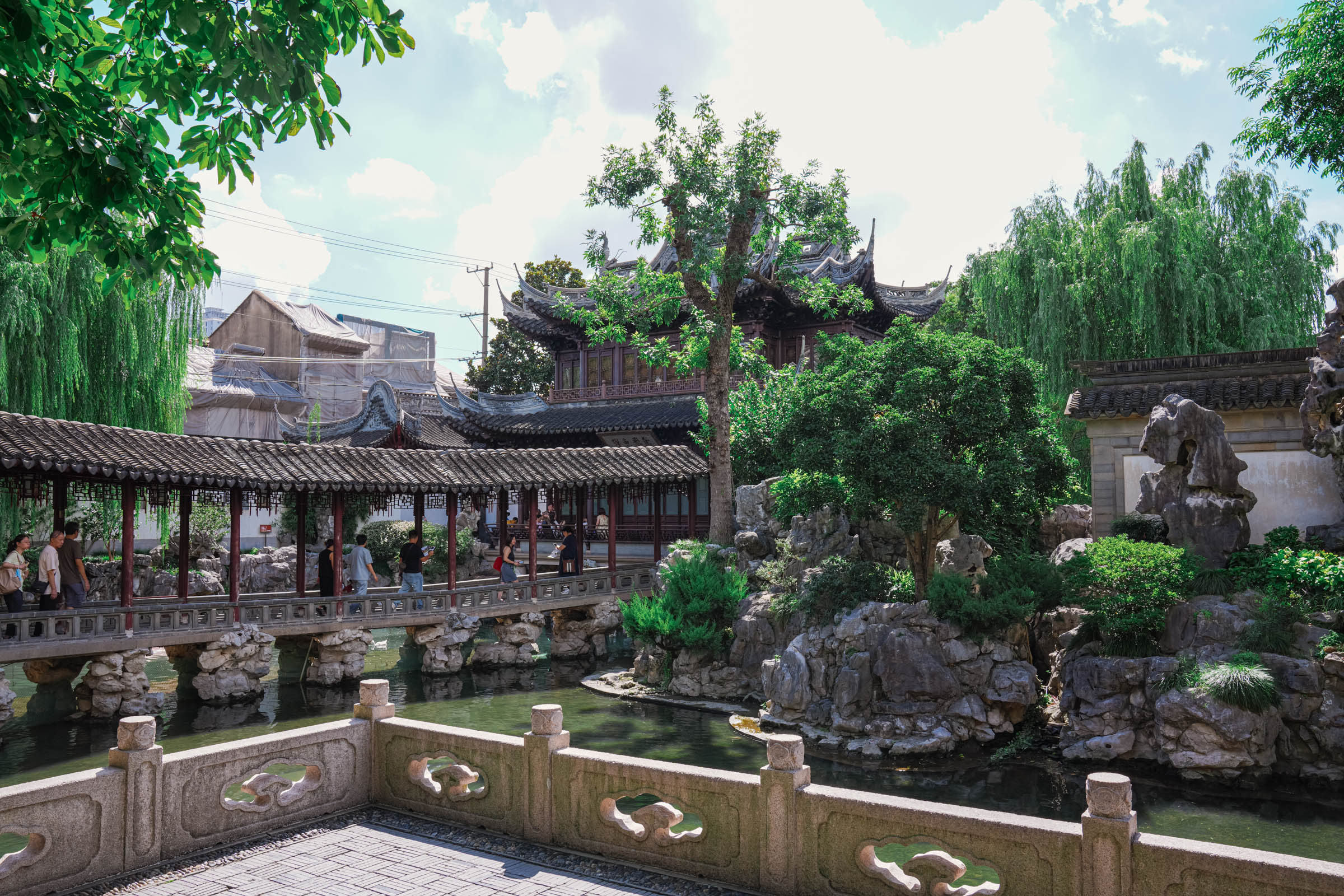
Today, Yu Garden covers 2 hectares and has six areas in the Suzhou style. As soon as you enter, the Grand Rockery welcomes you. This artificial mountain of yellow stone has peaks, cliffs and caves.
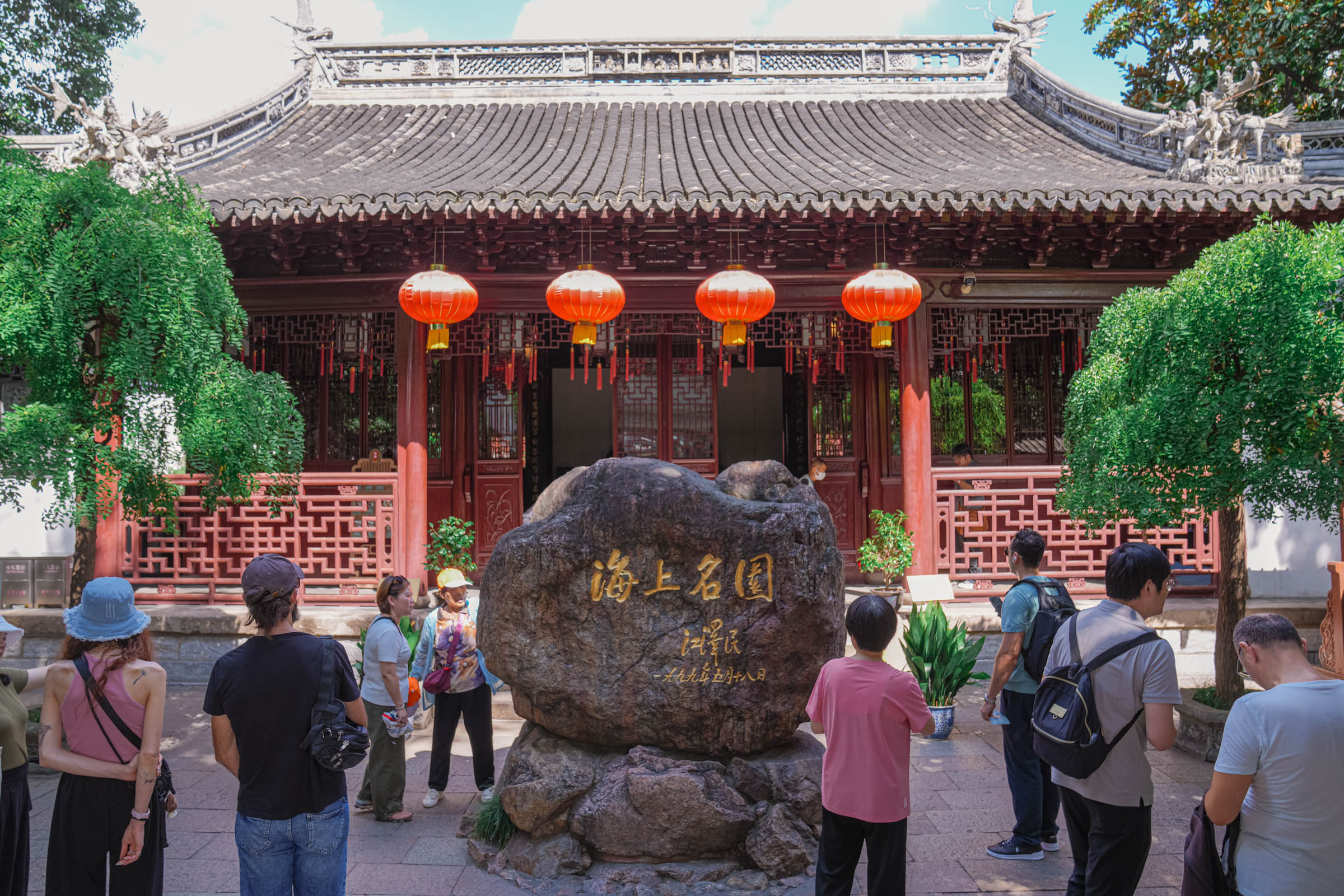
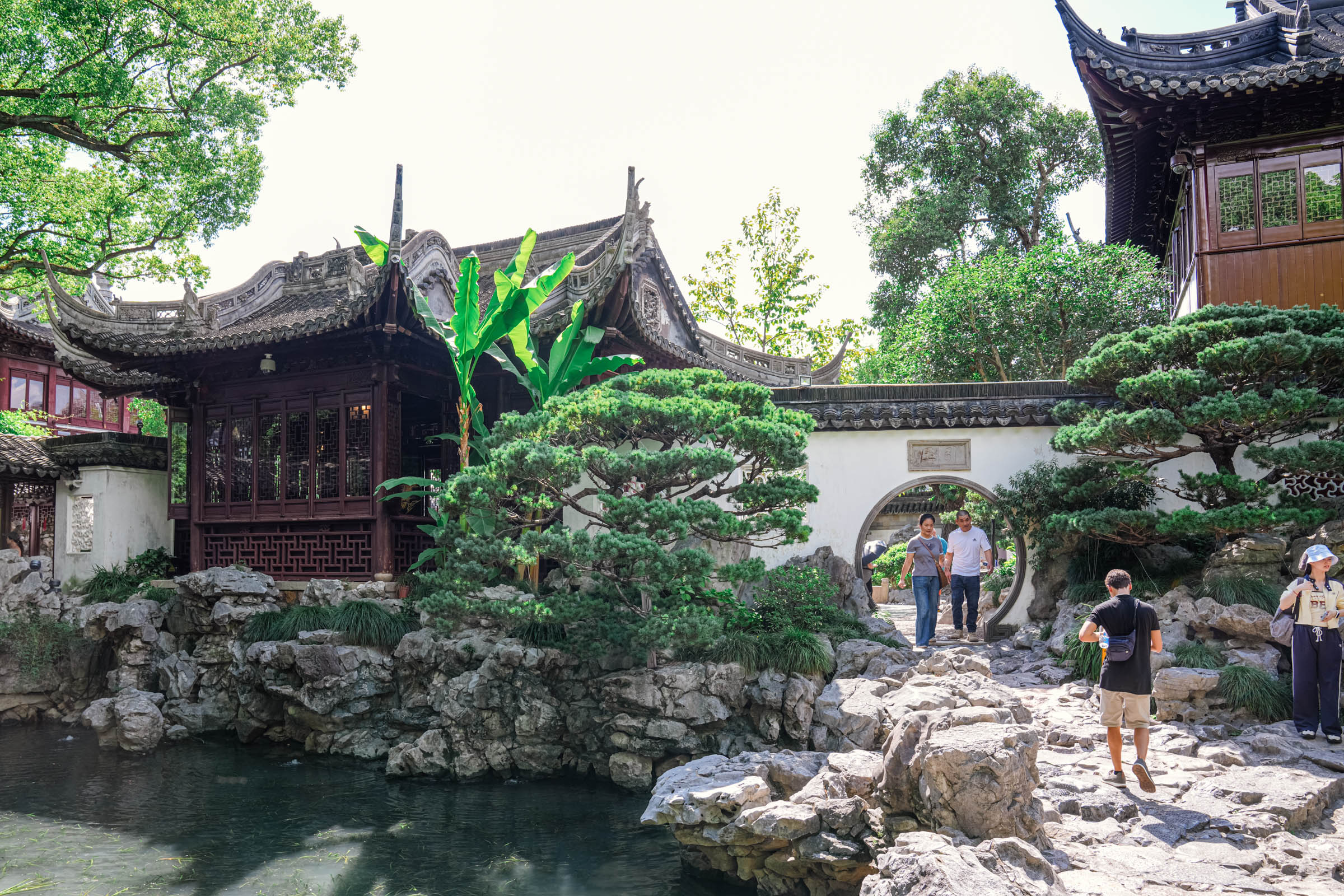
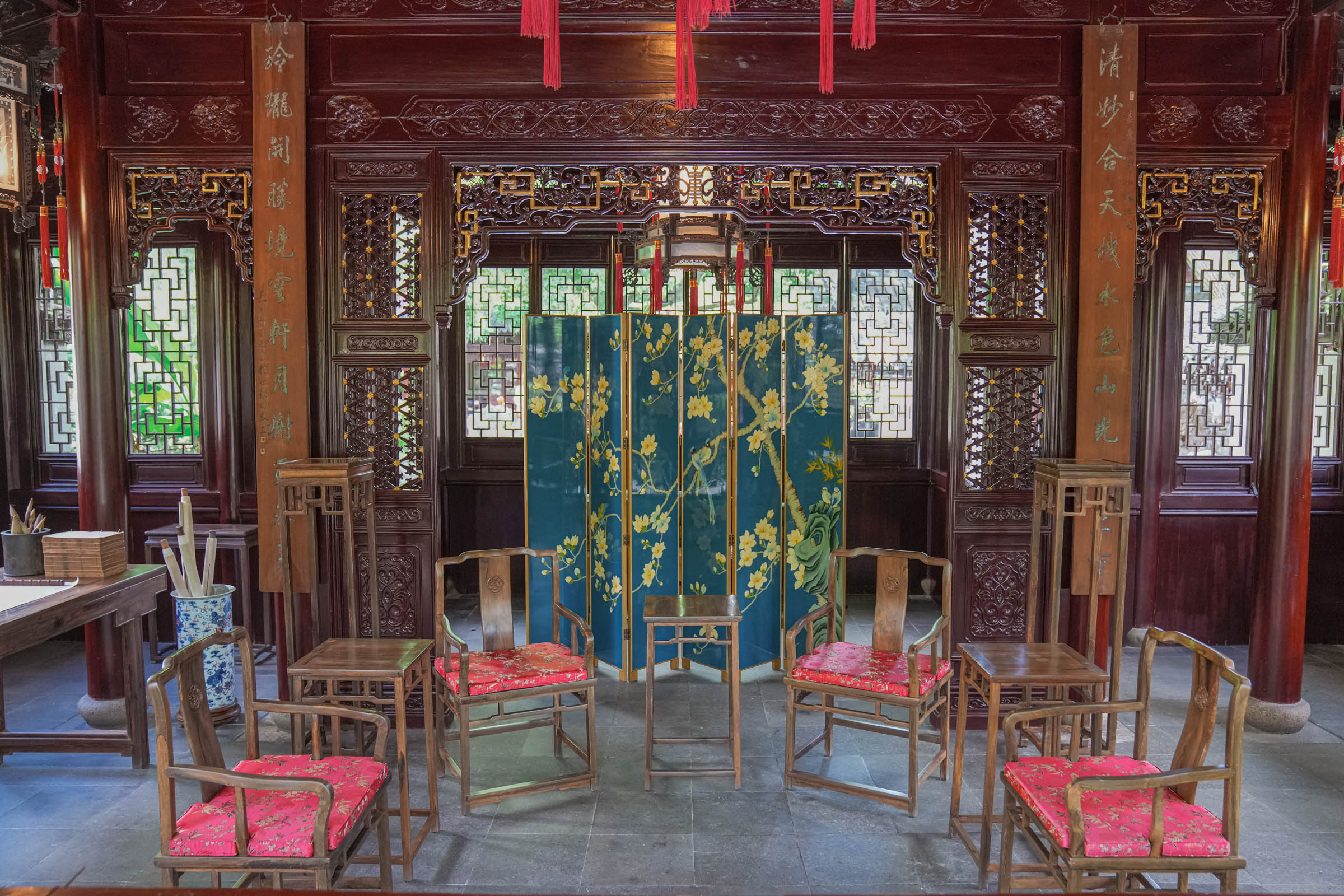
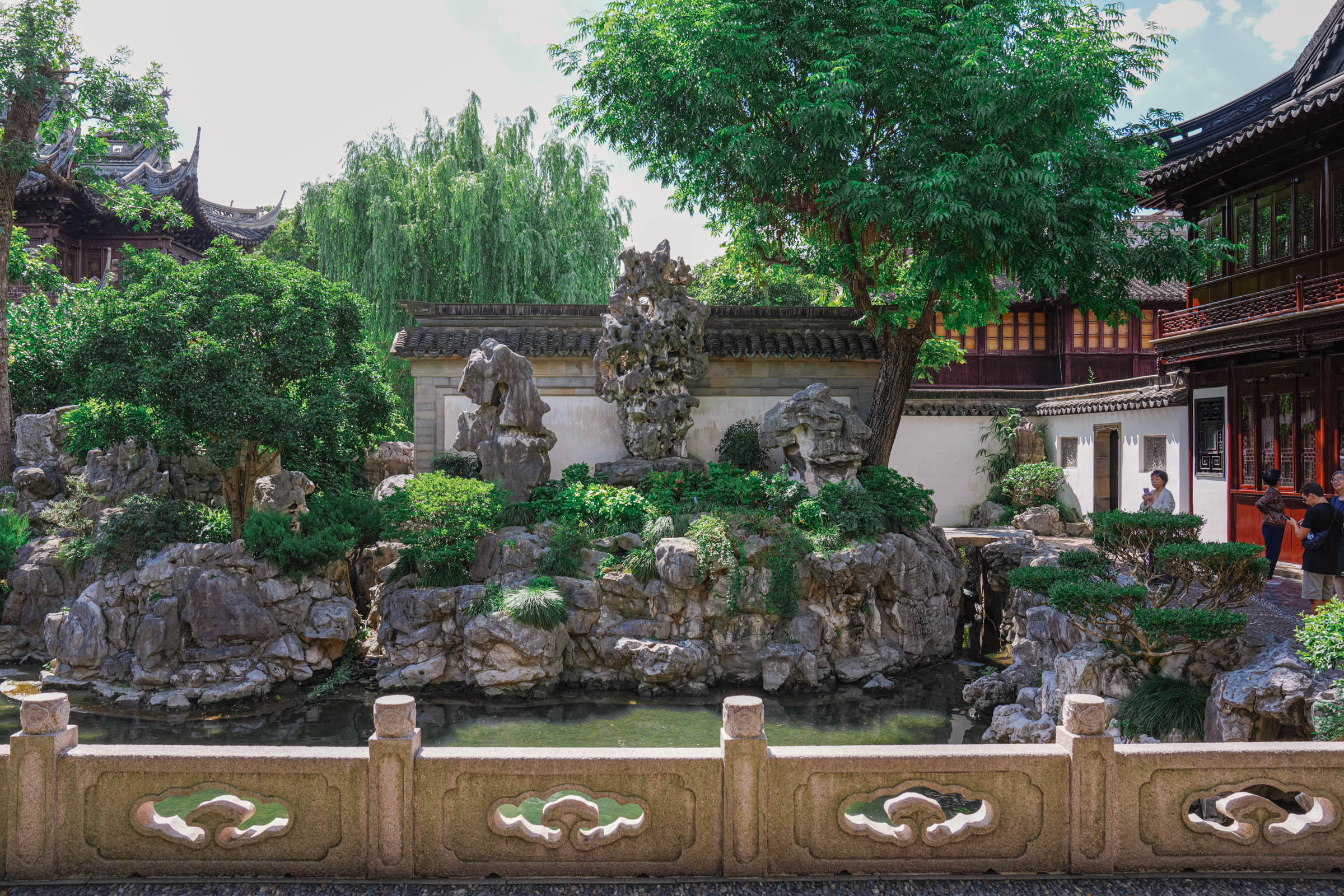
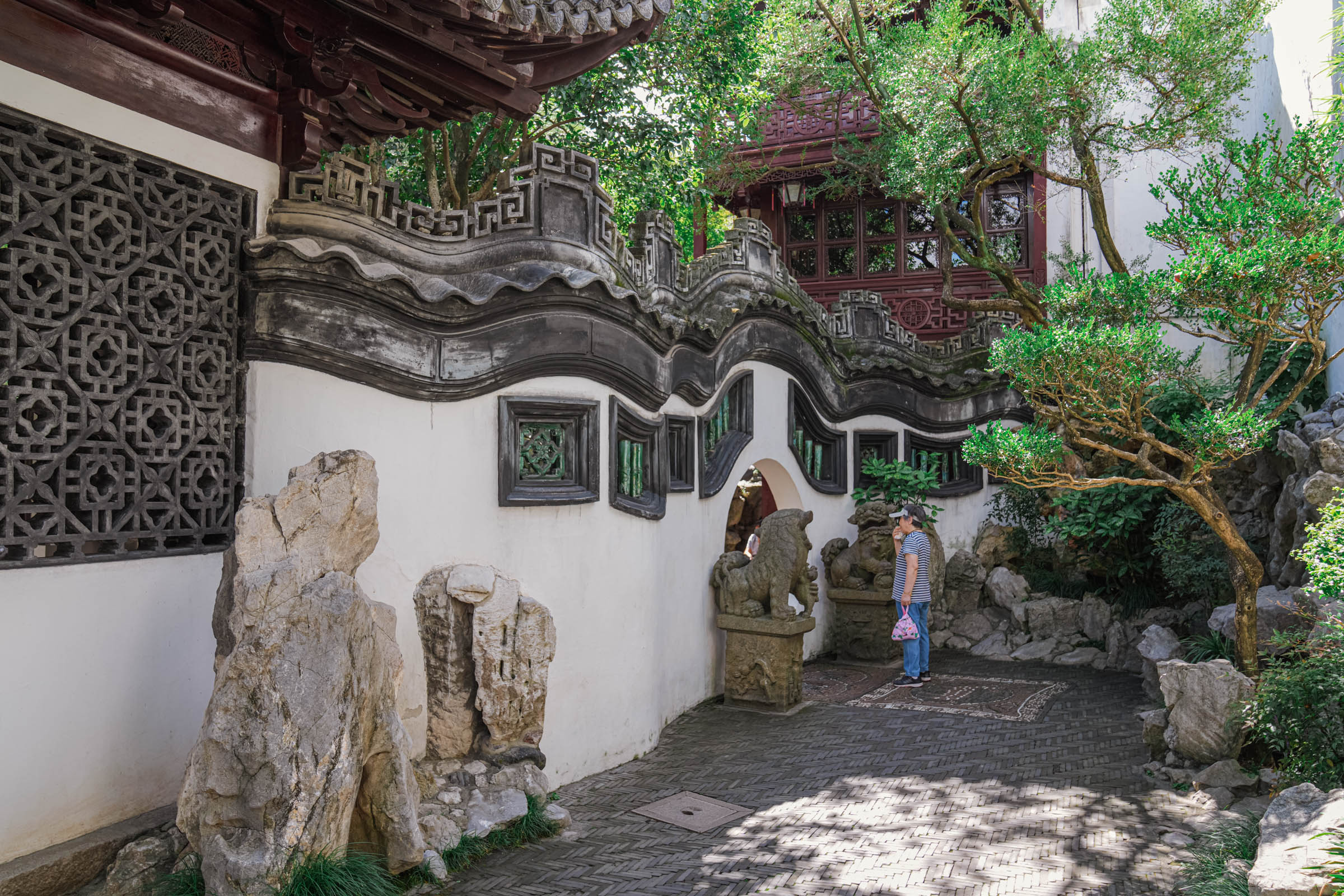
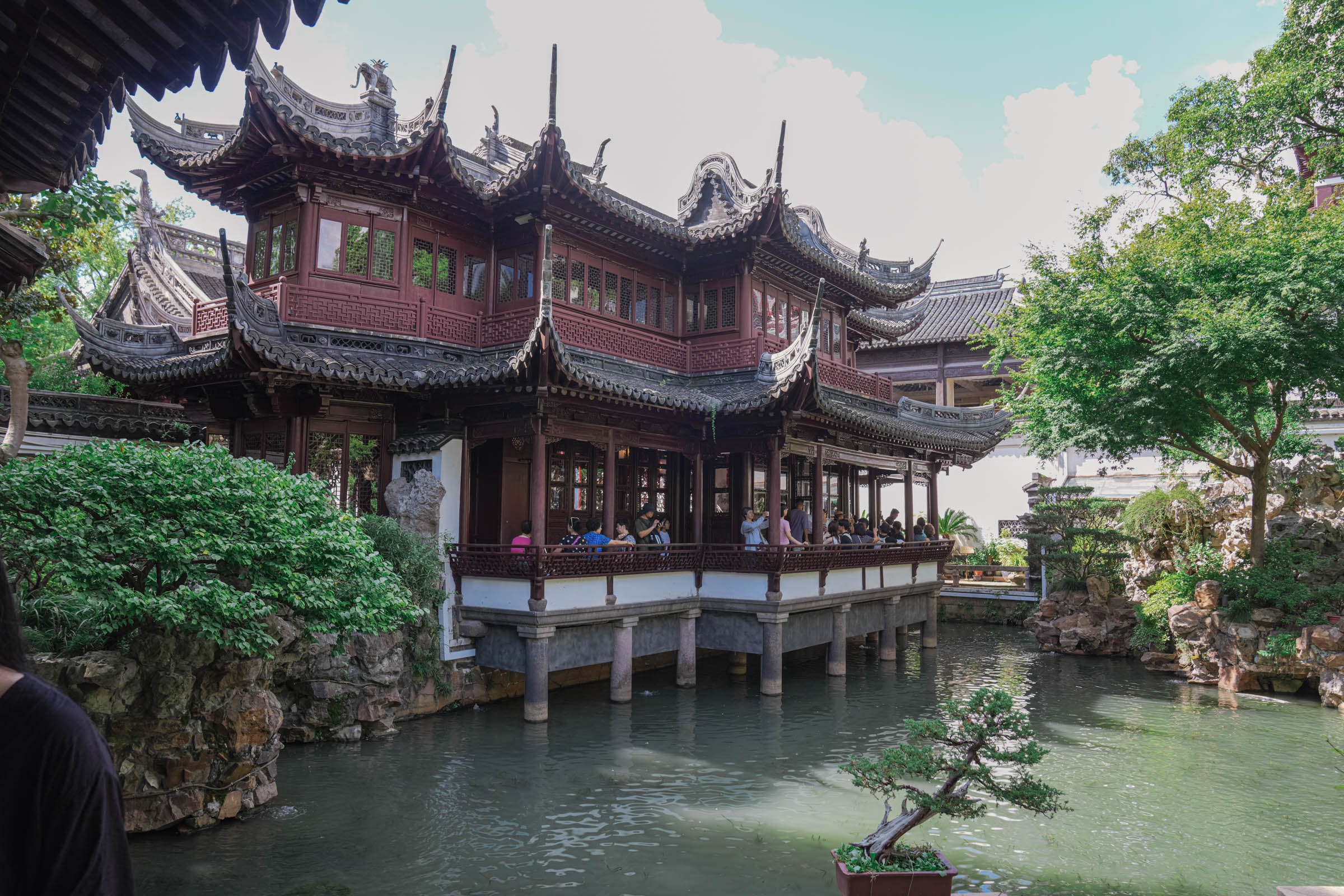
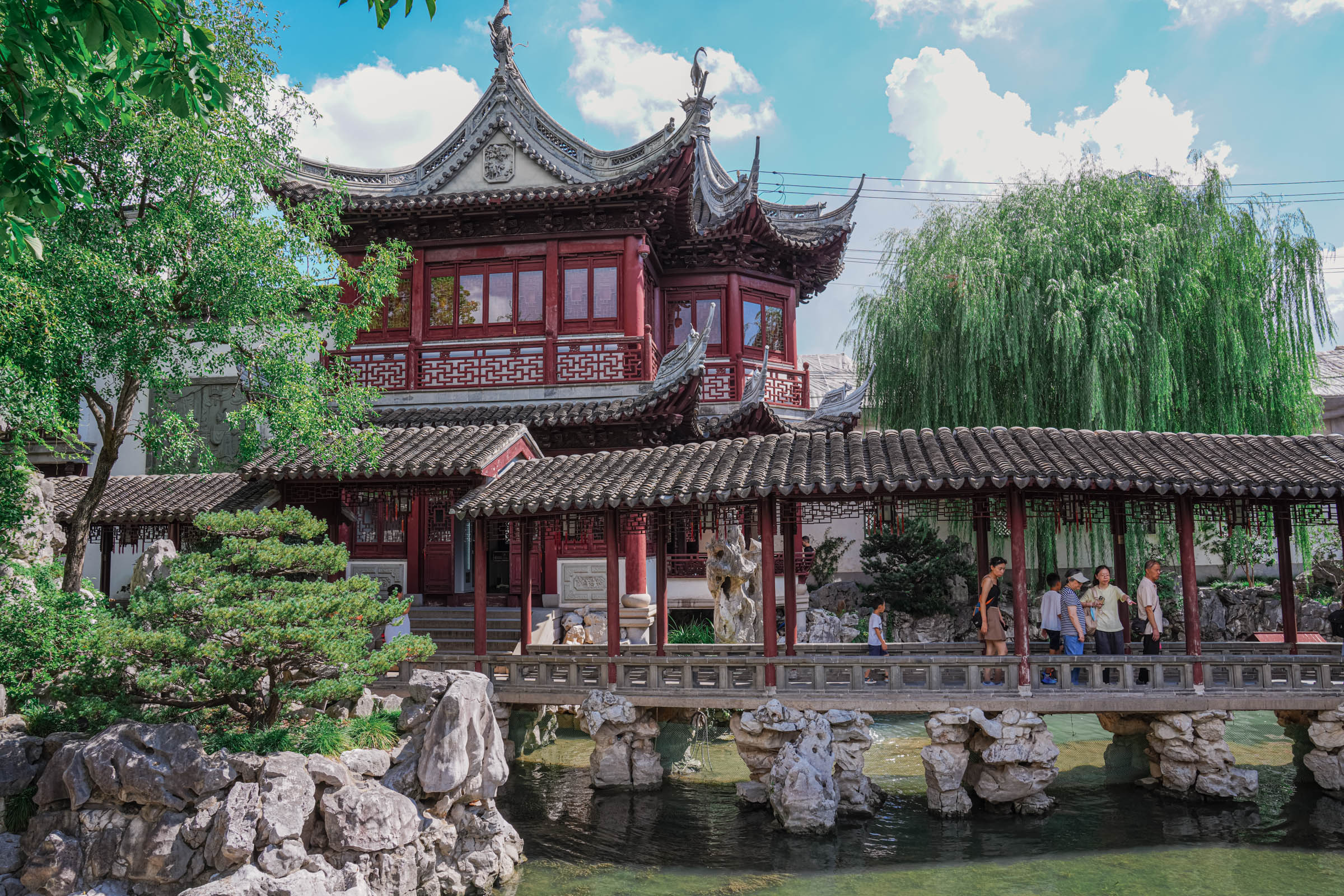
The highlight is the Exquisite Jade Rock (Yu Linglong), a porous boulder 3.3 meters tall with 72 holes. It is one of the three famous rocks south of the Yangtze River. Outside the garden walls, the zigzag bridge leads across the pond to the Huxinting Teahouse. In 1784, local merchants rebuilt the old pavilion and named it Huxinting, which means “mid-lake pavilion.” Then, in 1855, it became the first commercial teahouse in Shanghai.
OLD TOWN STREETS AND SHANGHAI SNACKS
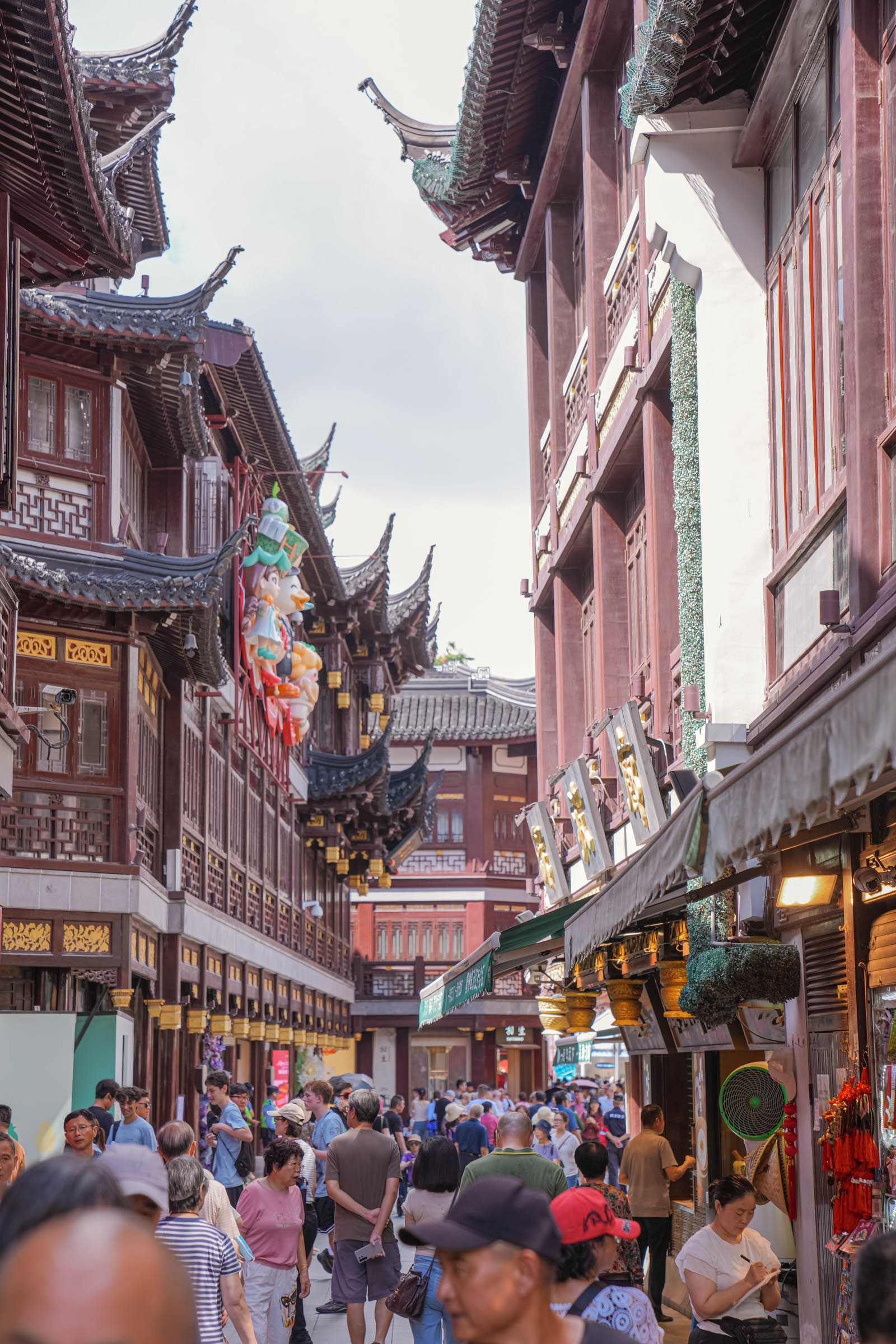
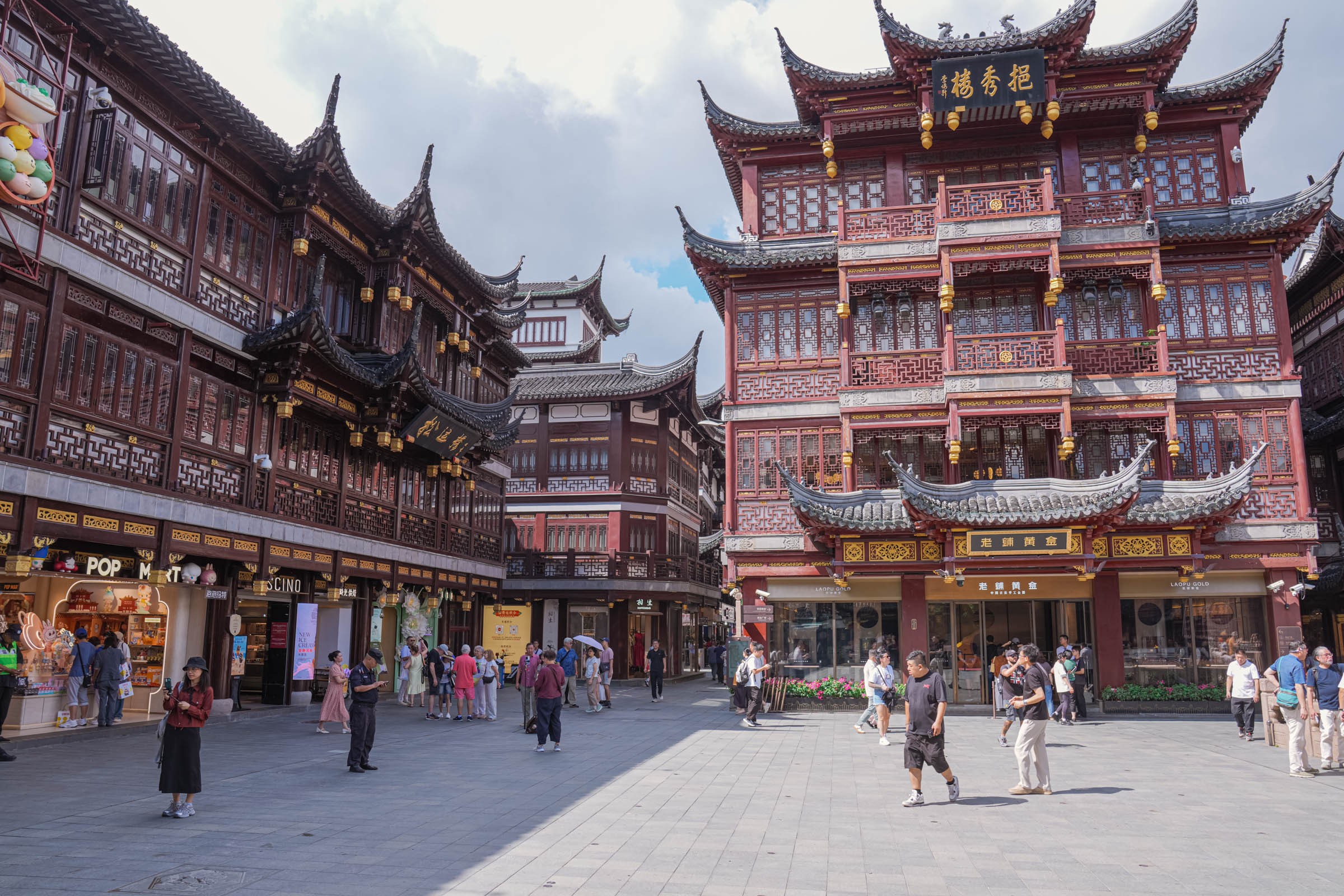
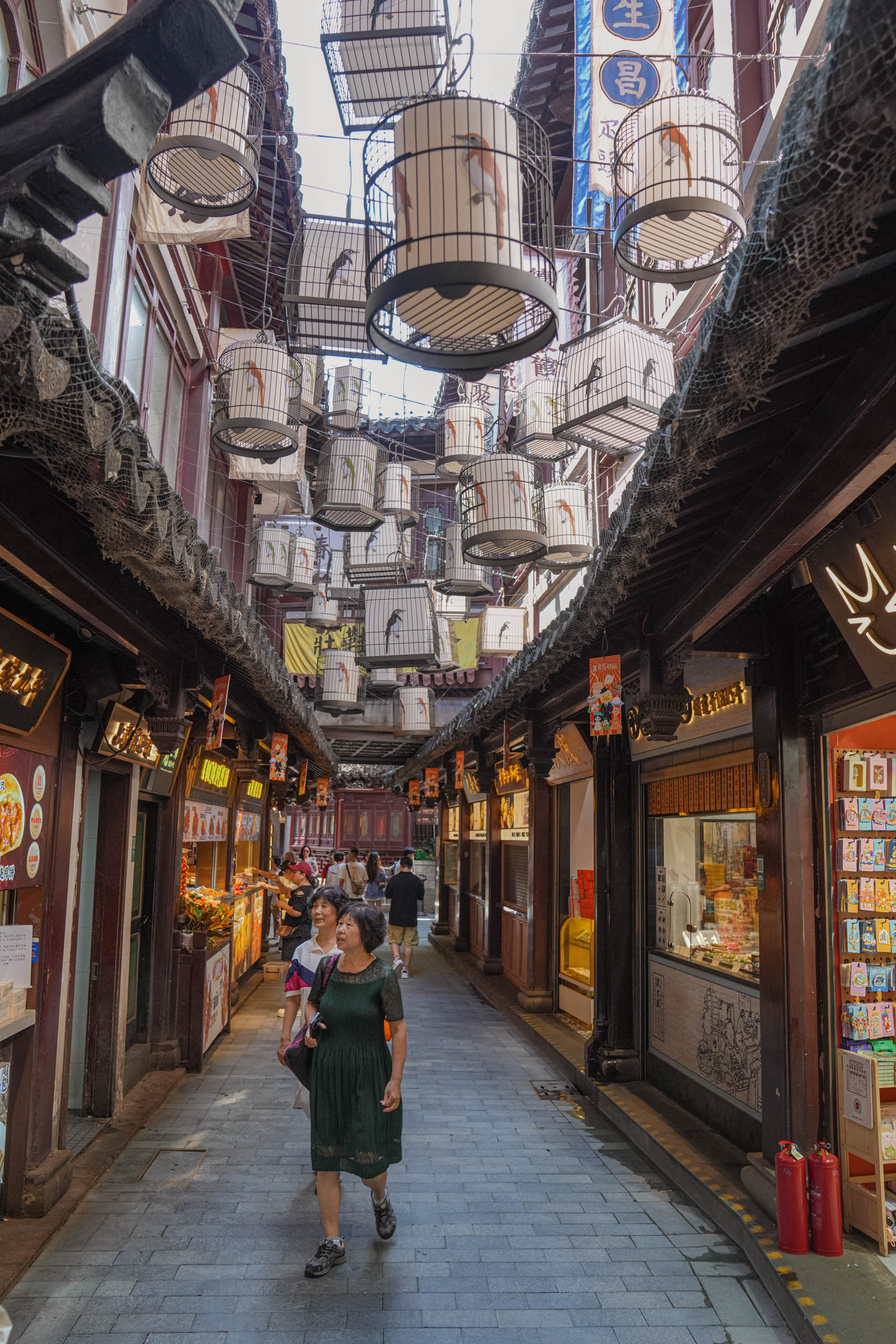
Around the garden spreads the Yu Garden Bazaar, which grew gradually after the garden opened to the public. Here, you will find souvenirs, crafts, antiques and countless snacks. I recommend visiting Yu Garden early in the morning, when there are fewer people. Allow about two hours for the garden itself.
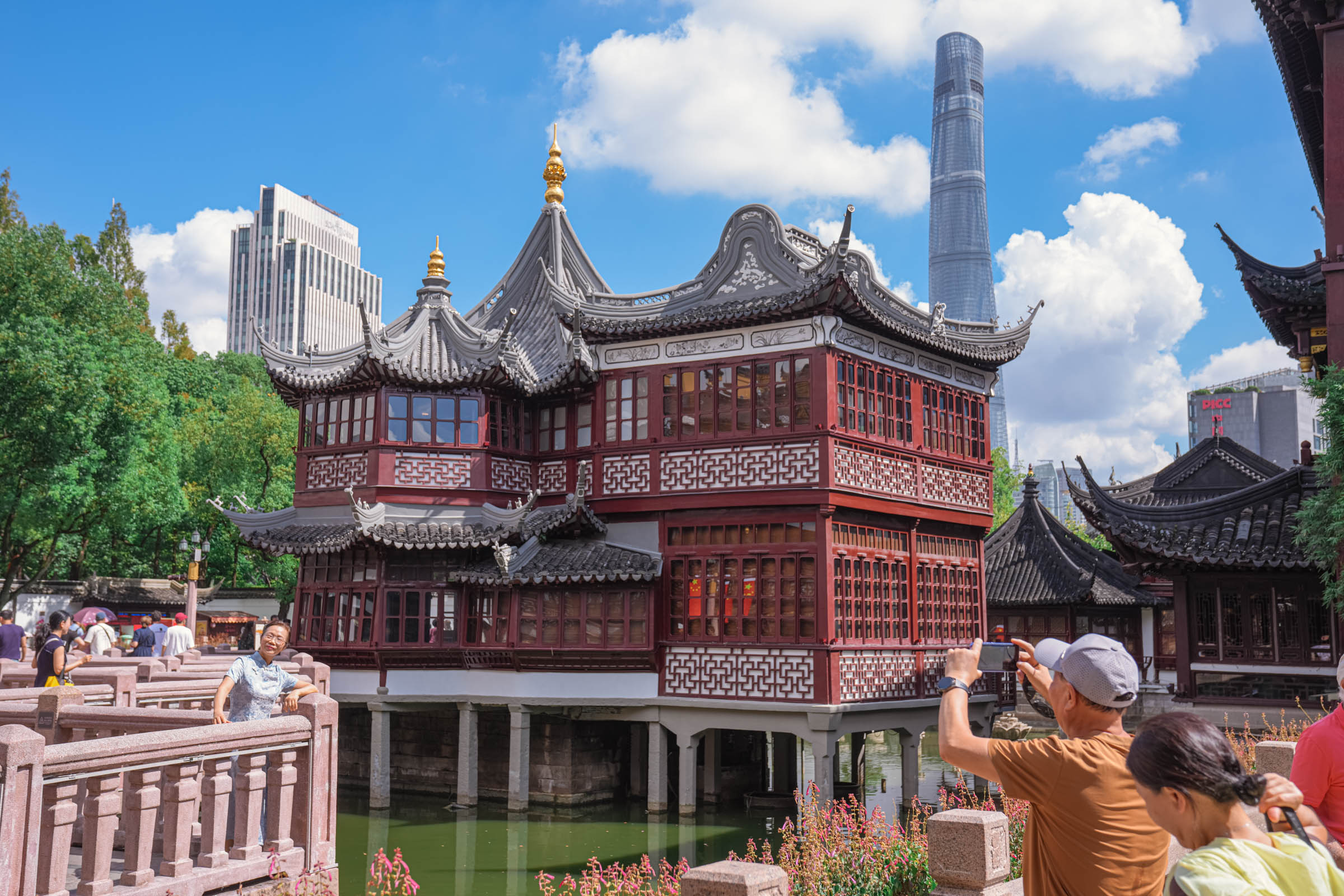
From the Huxinting Teahouse, you can see the old town on one side and the skyline of Pudong on the other. For me, that view perfectly sums up Shanghai.
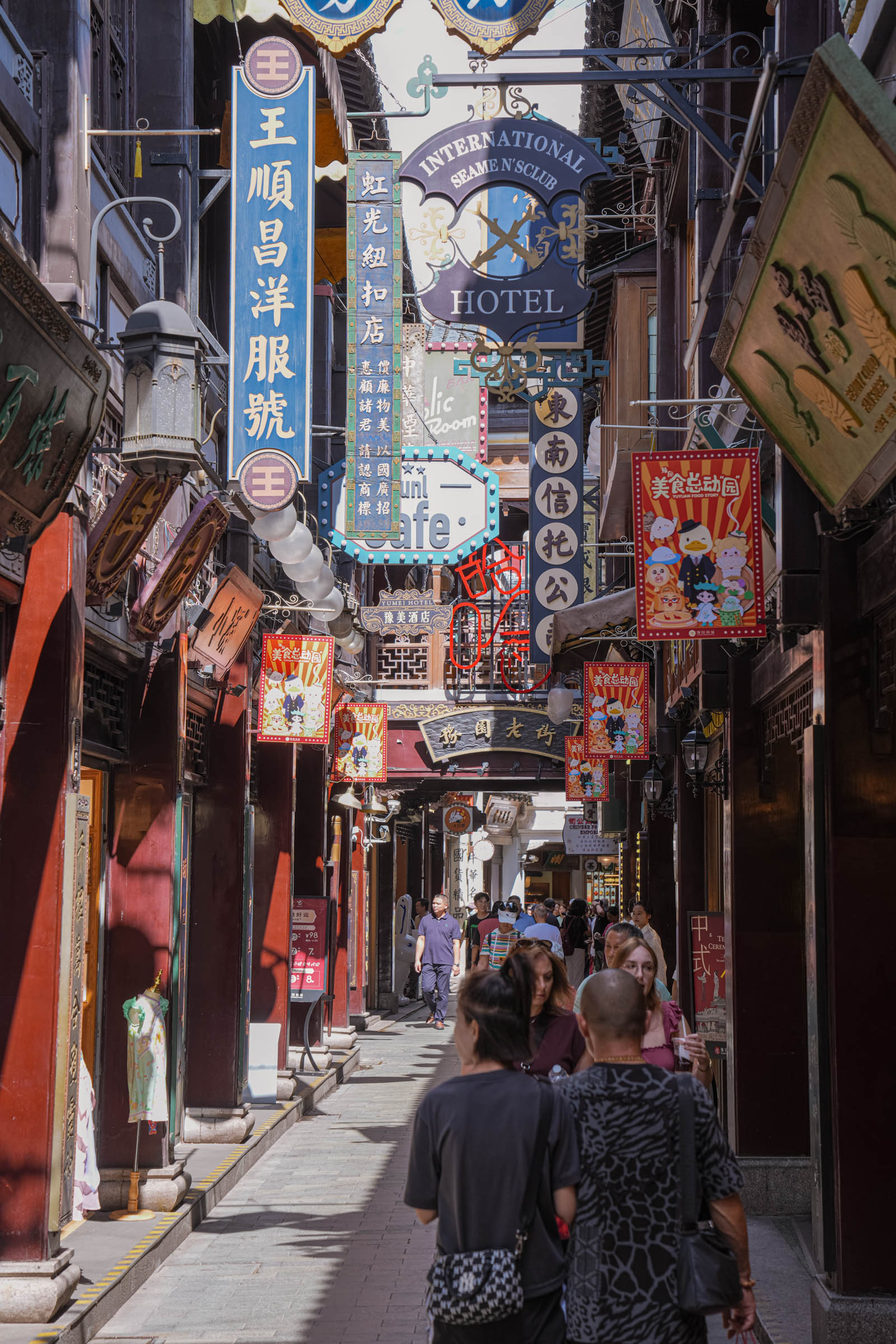
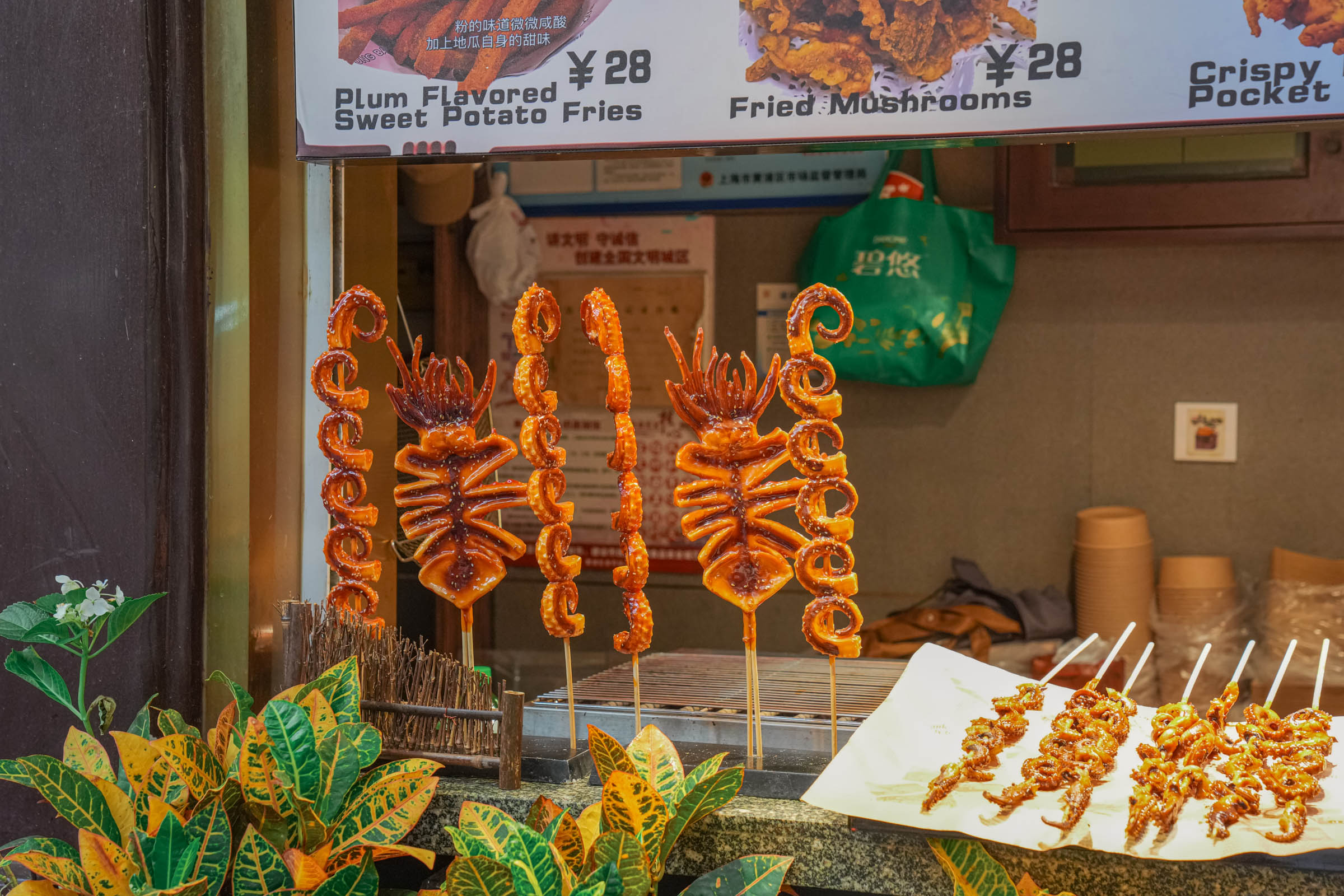
Do not leave the area without trying xiaolongbao, delicate soup dumplings that are a true symbol of the local cuisine. The famous Nanxiang Steamed Bun Restaurant, founded in 1900, stands right here, in the City God Temple area. In 2014, China added the technique of making Nanxiang xiaolongbao to its national intangible cultural heritage list.
SHANGHAI TOWER, A VERTICAL CITY IN THE CLOUDS
The Shanghai Tower dominates the skyline of the city. With 632 meters and 128 floors, it is the tallest building in China. Today, it is the third-tallest in the world by architectural height. When I first saw this spiral structure twisting toward the sky, I was speechless.
The international firm Gensler designed it. Its glass facade makes a 120-degree twist as it rises. Wind tunnel tests showed that this shape reduces wind loads by 24%. In addition, the tower stands on 980 foundation piles. Beneath it lies a 6-meter-thick mat foundation made of 61,000 cubic meters of concrete. Between the two layers of glass, nine indoor zones hold public sky gardens.
Since April 2017, the observation decks on the 118th and 119th floors have been fully open to the public. They stand at 546 and 552 meters. Later, the “Top of Shanghai” deck opened on the 121st floor, at 562 meters. The elevators race upward at up to 18 meters per second, so be ready for the pressure in your ears.
In June 2021, the J Hotel Shanghai Tower opened on the top floors of the building. It has 165 rooms, including 34 suites. There is a restaurant on the 120th floor and a pool on the 84th floor.
ORIENTAL PEARL TOWER, AN ICON OF SHANGHAI
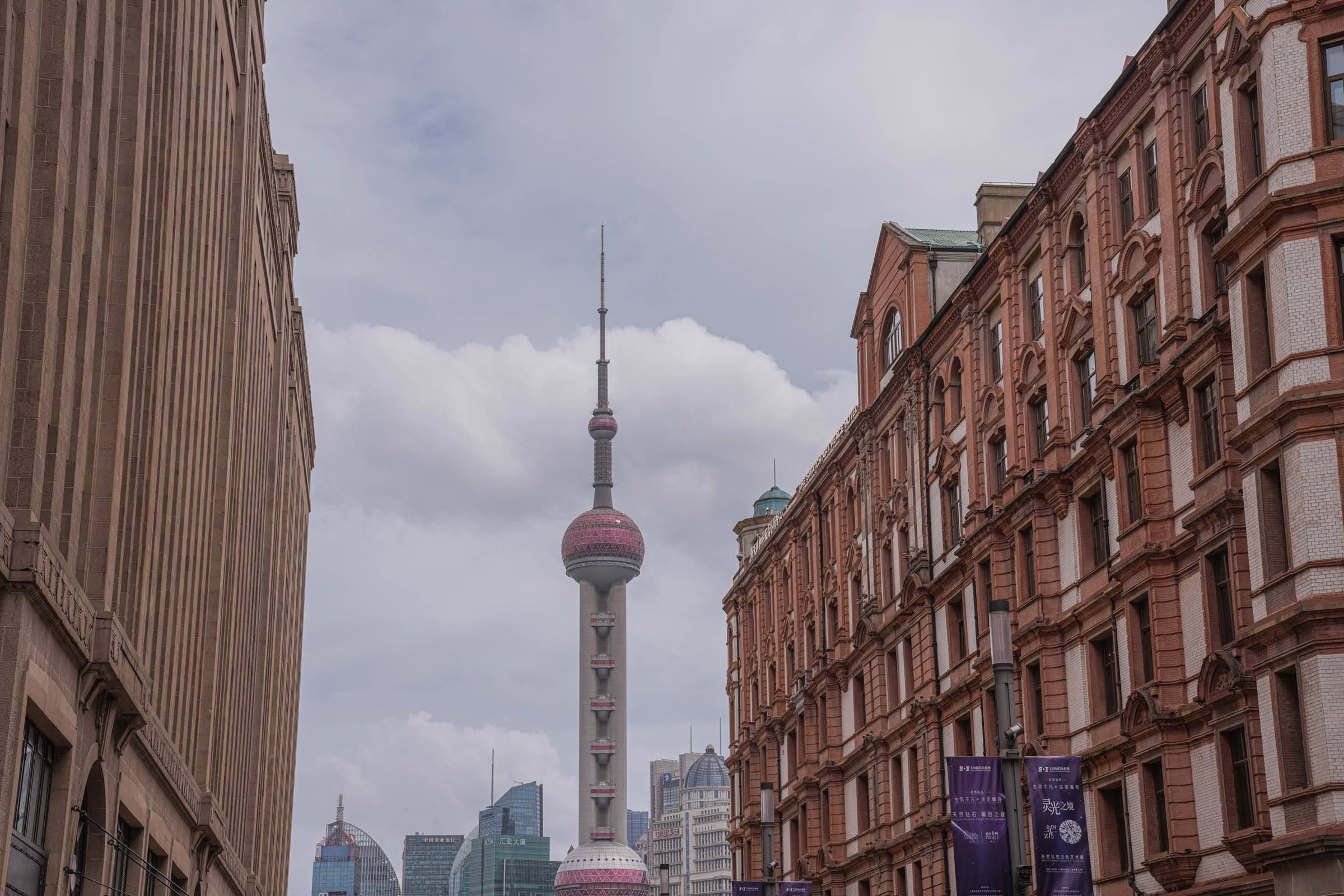
The Oriental Pearl Tower is perhaps the most recognizable symbol of the city. It stands 468 meters tall, and from 1994 until 2007 it was the tallest structure in China. Construction began on July 30, 1991, and workers completed the tower in 1994.
A line from the poem “Pipa Xing” by the Tang dynasty poet Bai Juyi inspired its design. The line describes big and small pearls falling on a jade plate. That is why the tower has 11 spheres of different sizes. The two largest ones measure 50 and 45 meters in diameter, and three columns, each 9 meters wide, connect them.
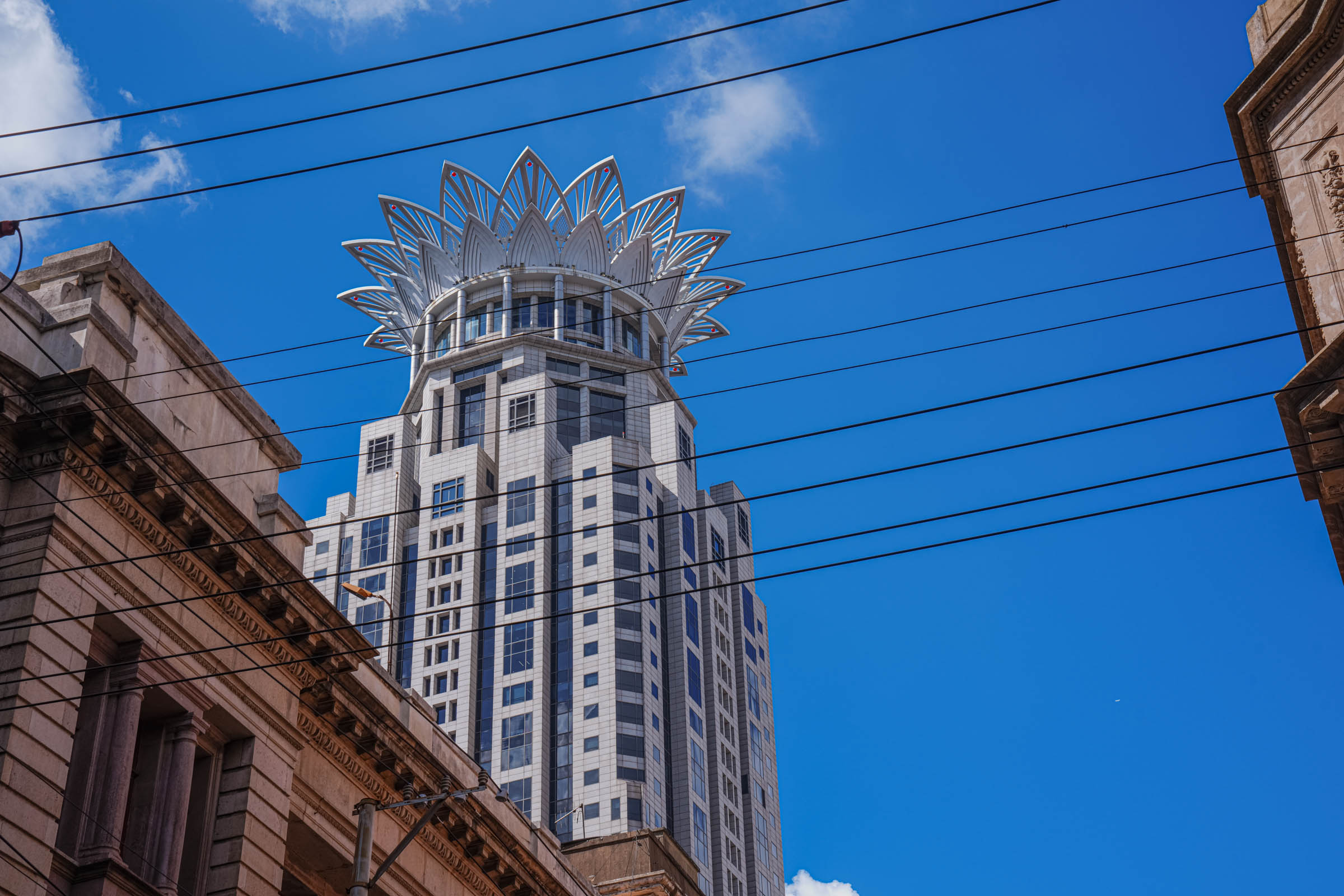
The main Sightseeing Floor sits at 263 meters, and the highest deck, the Space Module, is at 351 meters. Several levels have panoramic glass floors, so you can look straight down at the city below your feet. At 267 meters, there is a revolving restaurant, and between the two large spheres, a small hotel with 20 rooms.
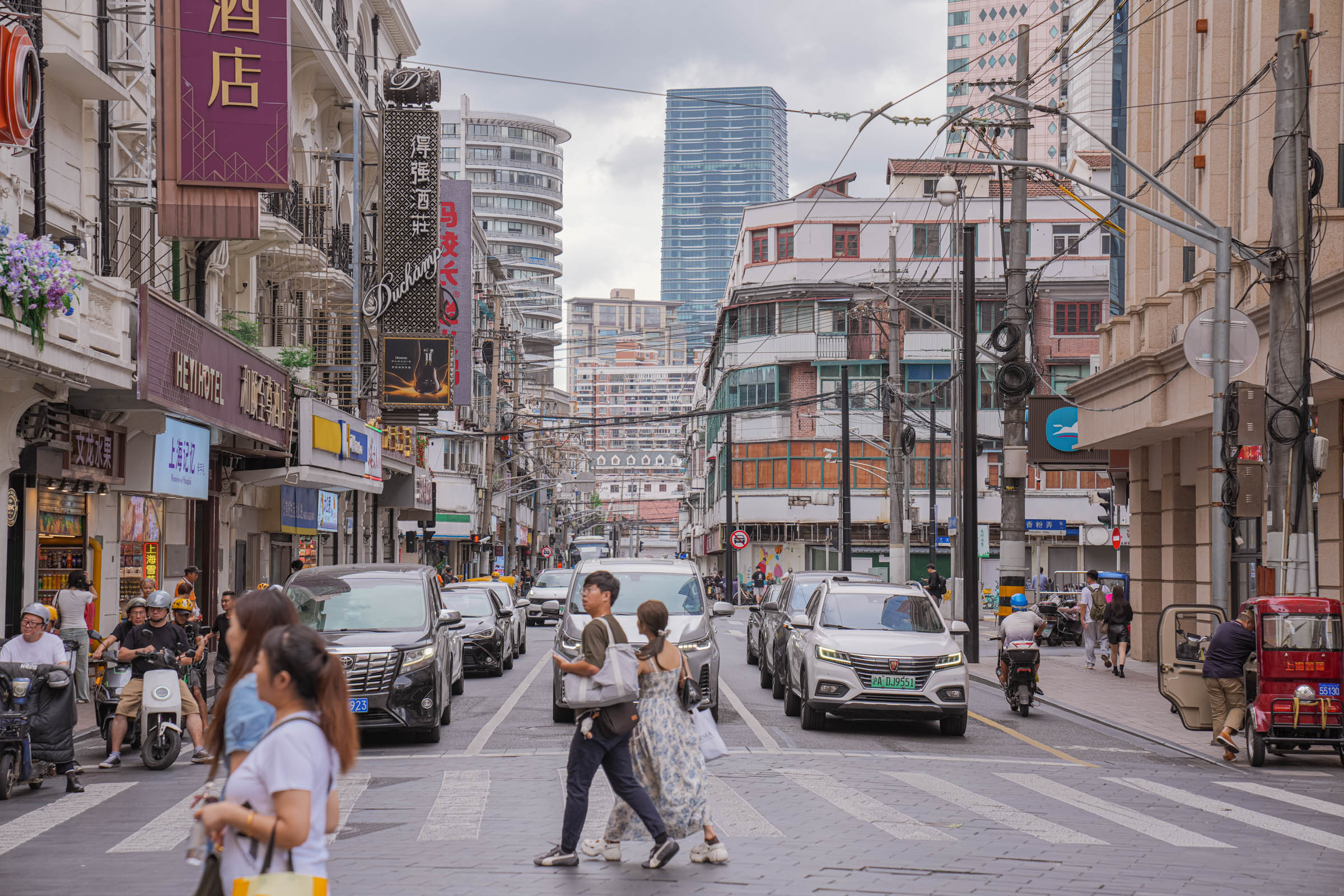
ZHUJIAJIAO, A WATER TOWN NEAR SHANGHAI
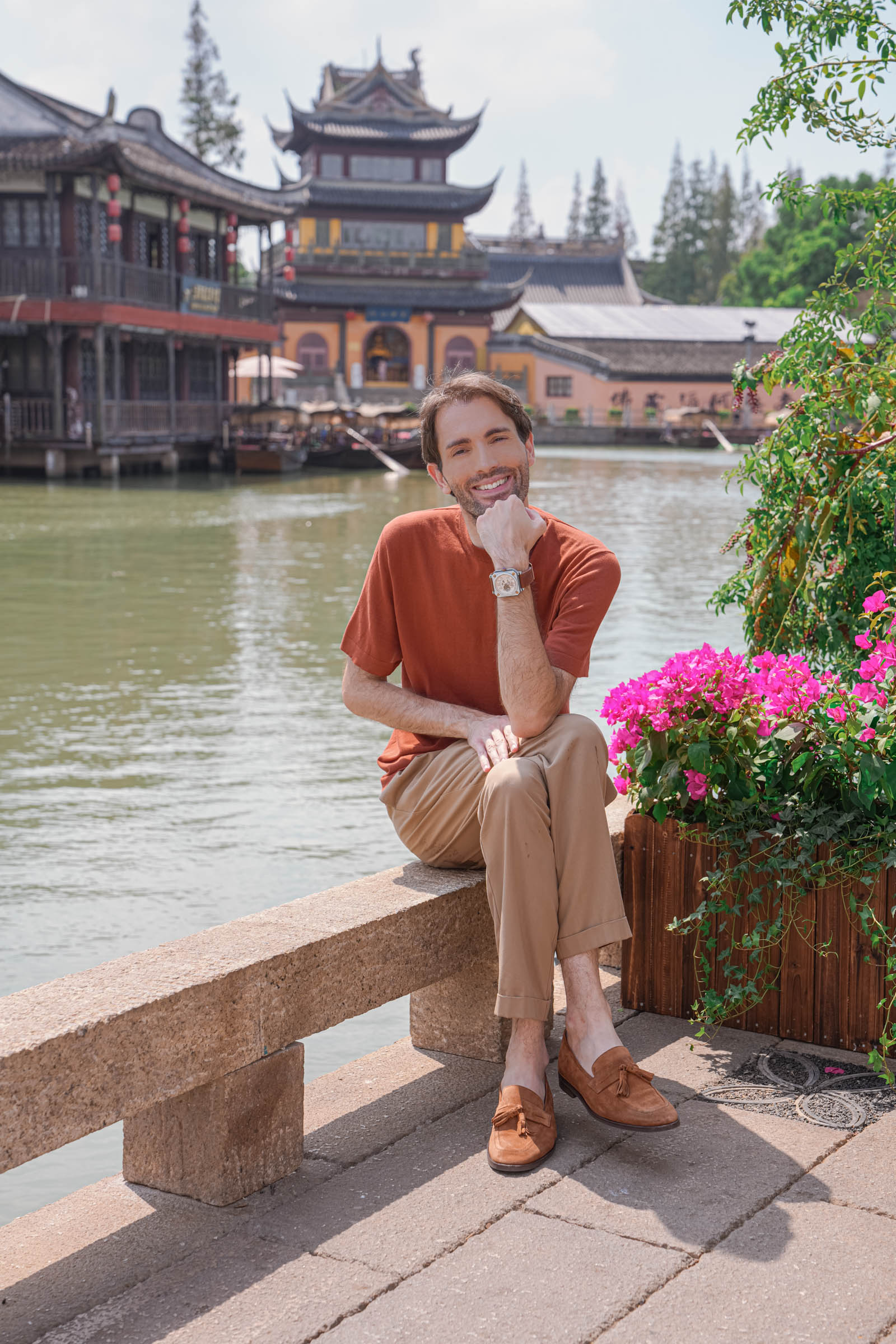
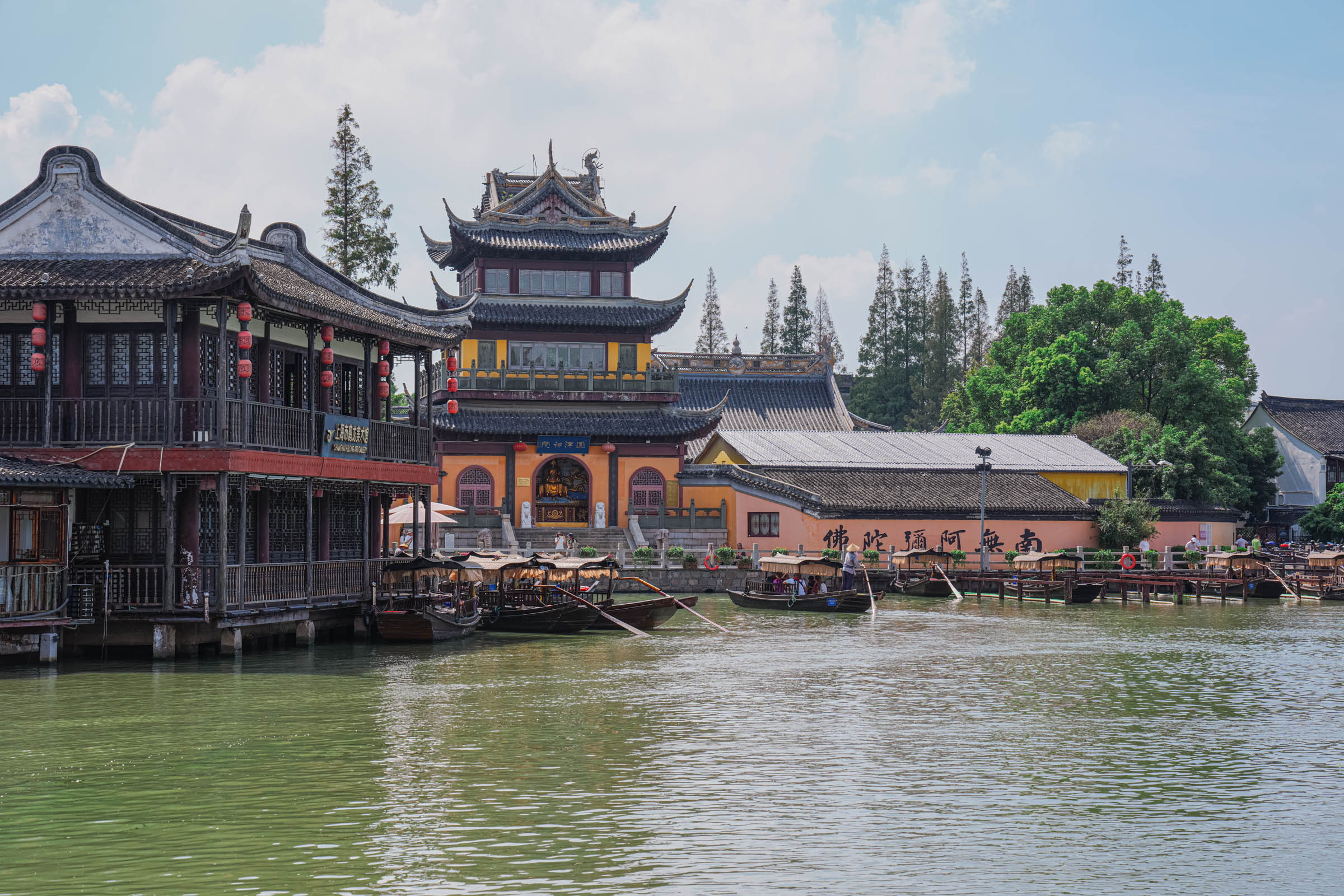
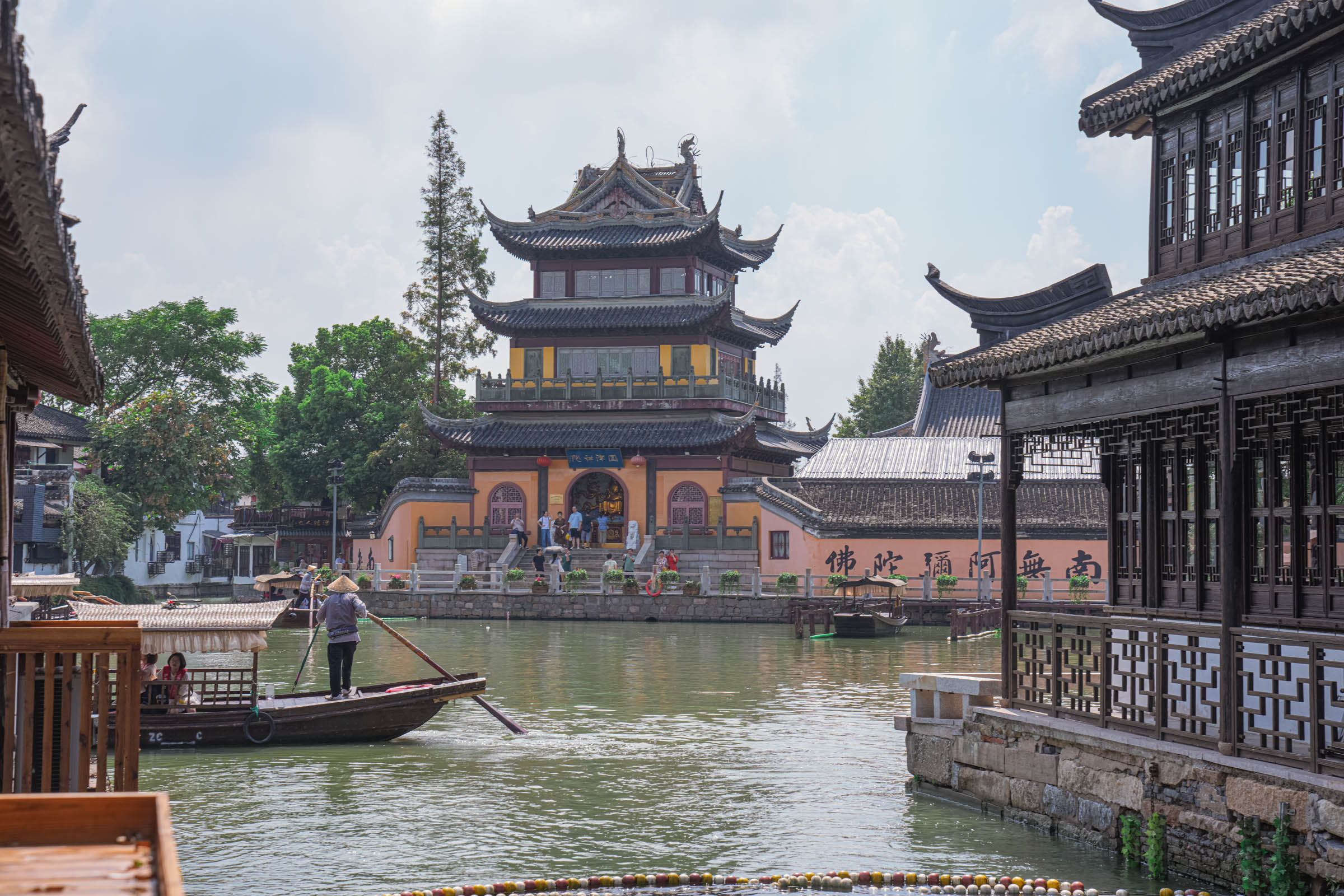
About 50 kilometers from downtown, in Qingpu District, lies a place that is the complete opposite of the busy metropolis. Zhujiajiao is a water town with a history of more than 1,700 years. Many of its buildings date back to the Ming and Qing dynasties. The easiest way to get there is Metro Line 17, which stops at Zhujiajiao Station.
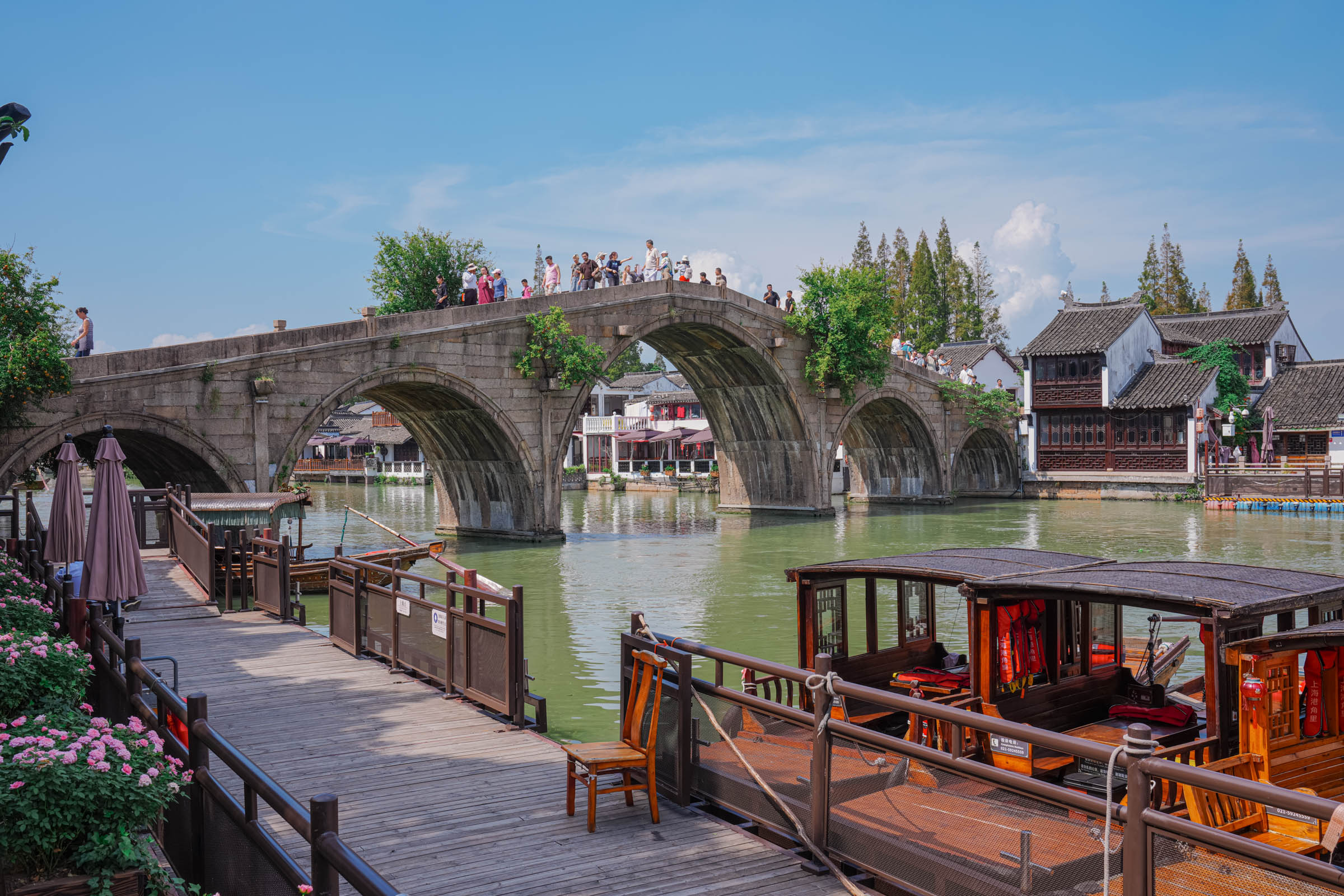
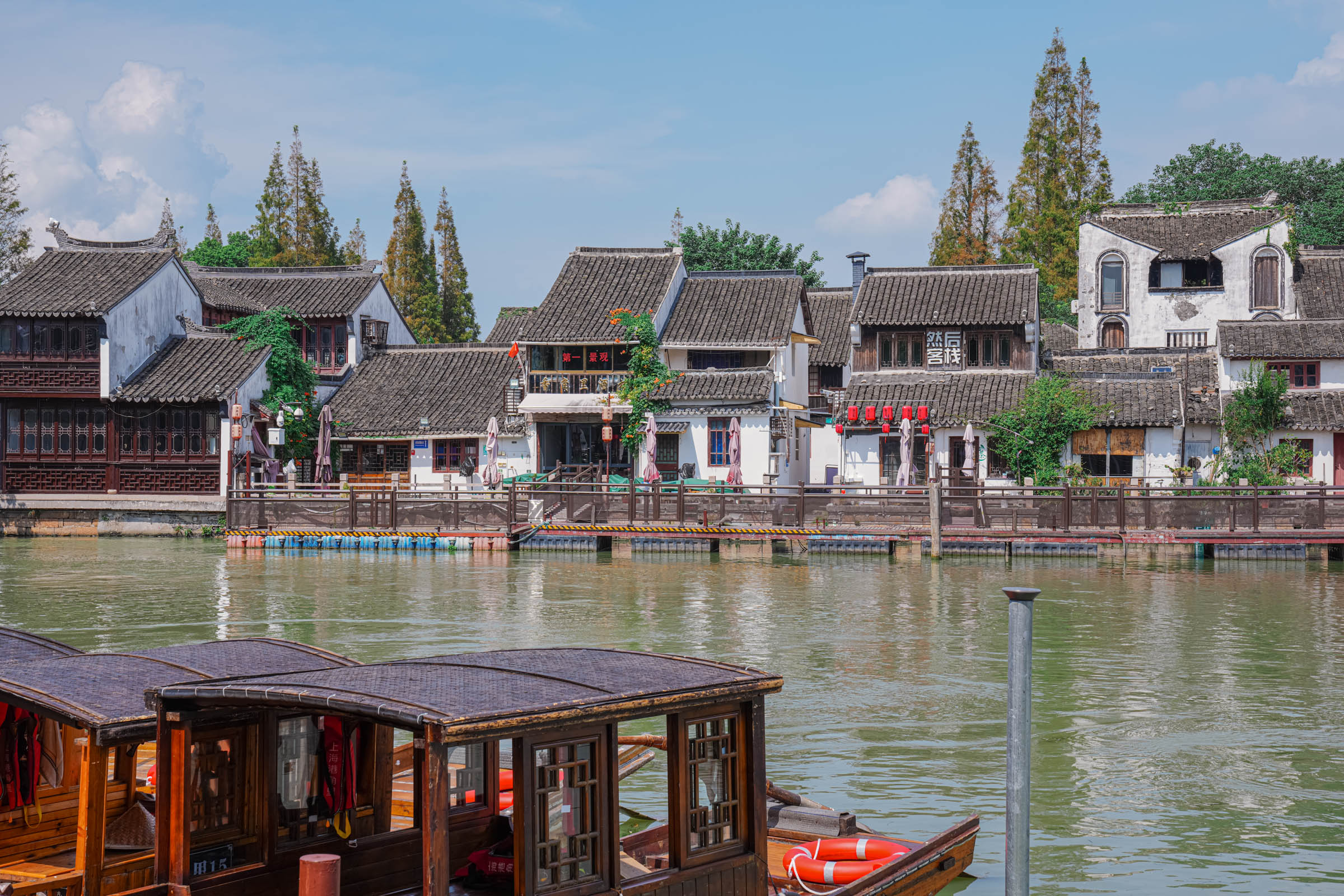
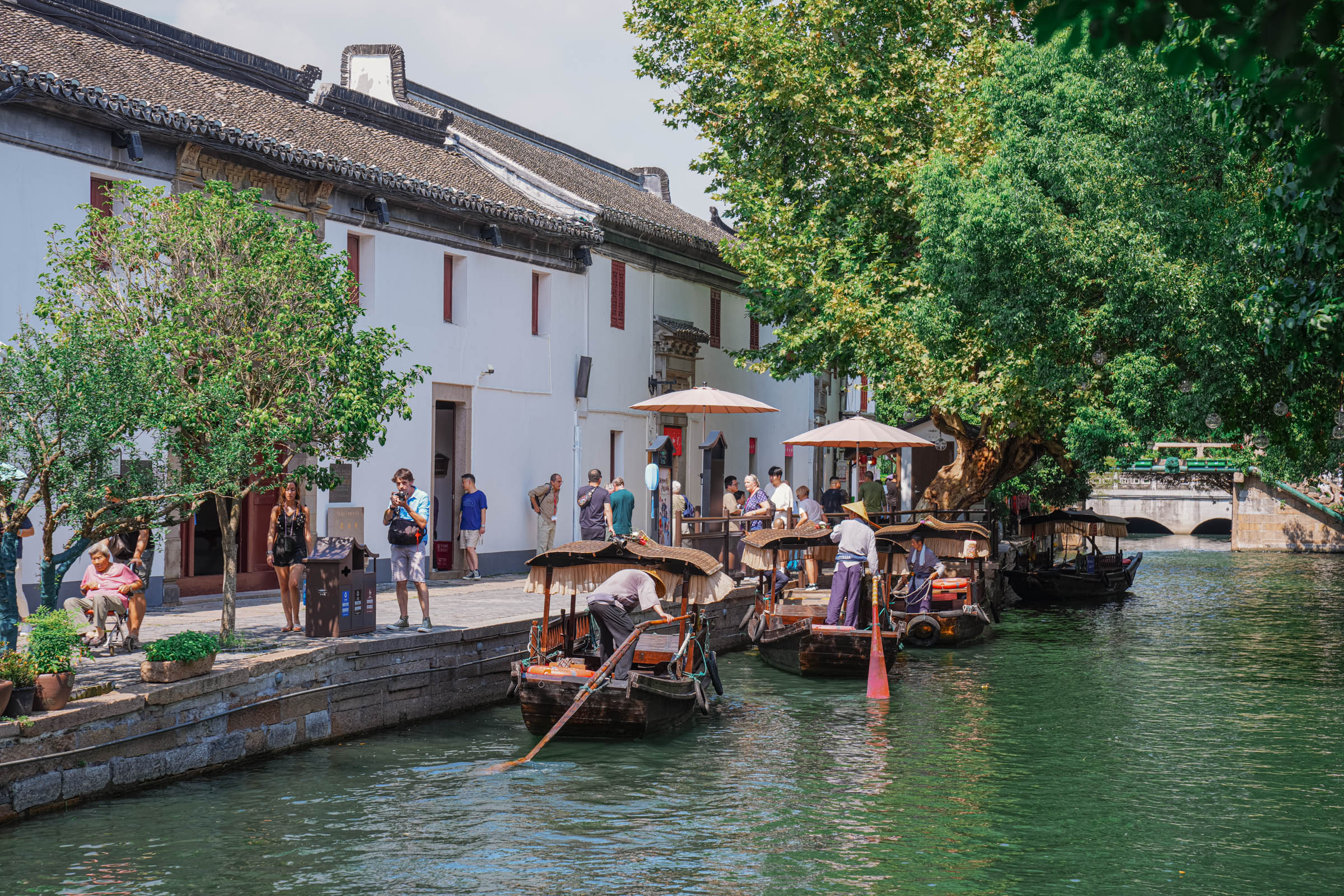
By the Yuan dynasty, Zhujiajiao was already an important market for the surrounding countryside. Later, during the Ming and Qing dynasties, the town flourished thanks to the cotton textile trade and its many artisans. Because of its countless waterways, much of the local transport still goes by boat.
FANGSHENG BRIDGE AND THE STONE BRIDGES
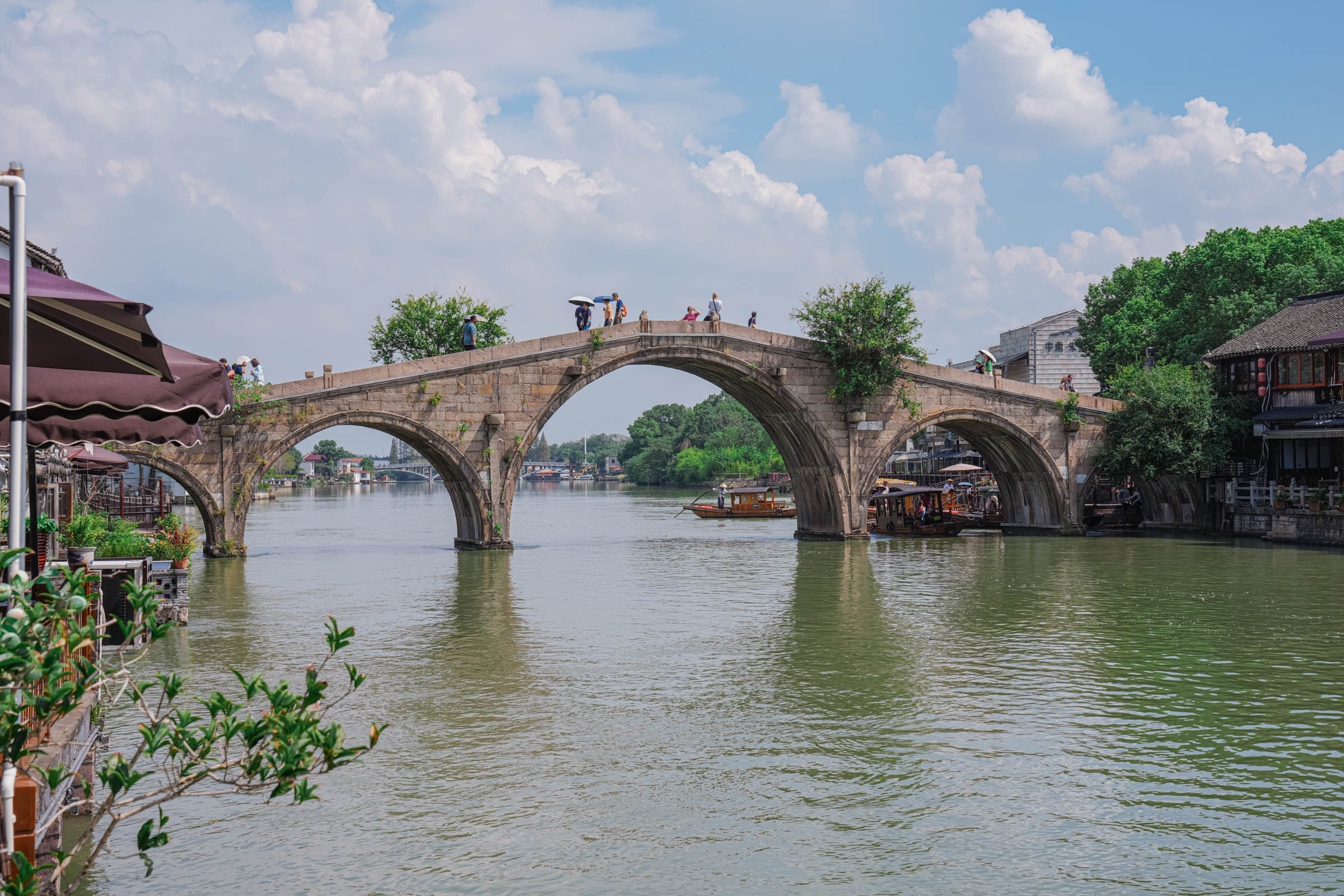
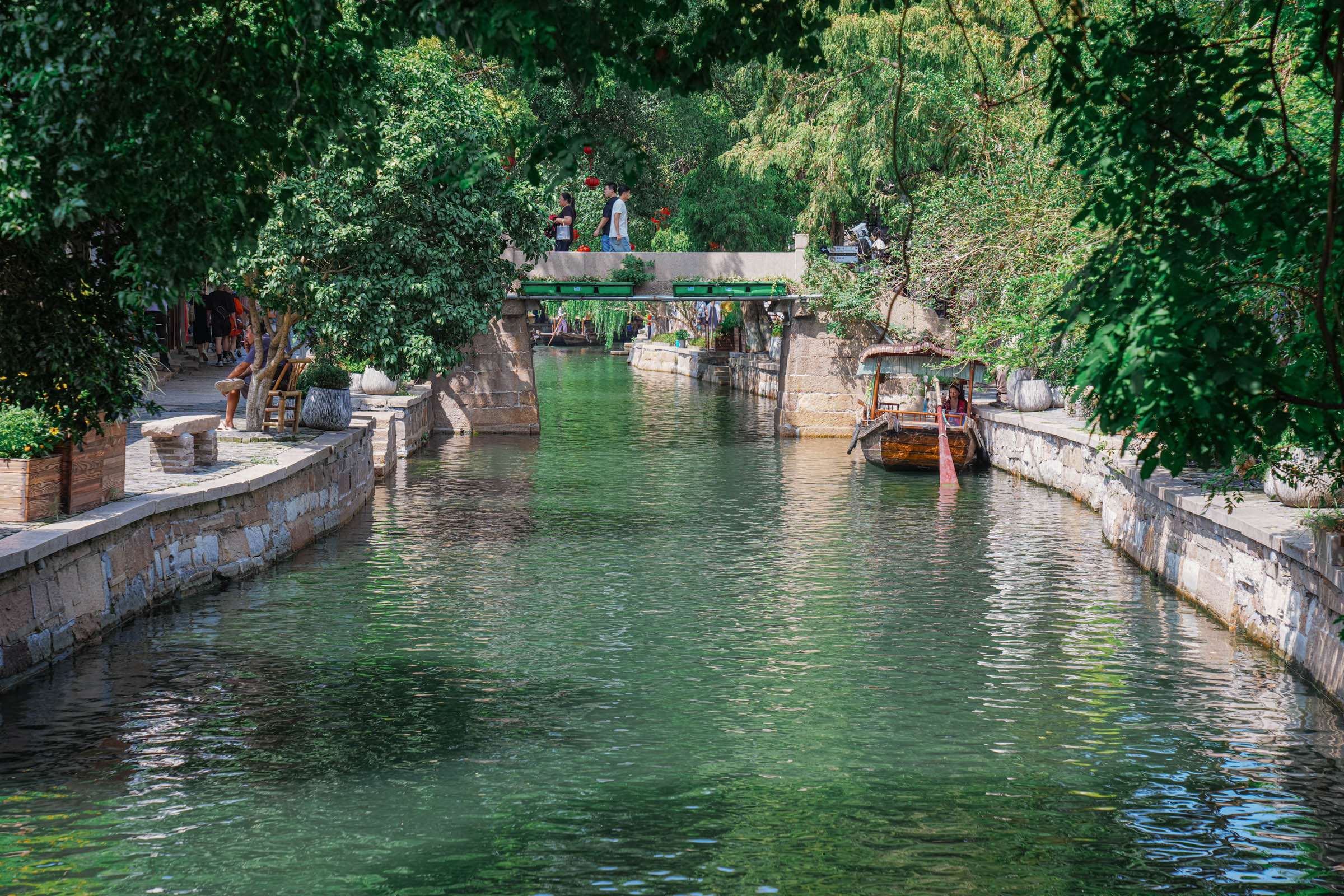
There are 36 stone bridges in Zhujiajiao, and the most famous one is Fangsheng Bridge. In 1571, the monk Xingchao of Cimen Temple built it. It is 70.8 meters long and rests on five arches. In fact, it is the largest five-arch stone bridge in the Shanghai area. Its name means “setting fish free.” On the bridge, look for the Dragon Gate Stone, carved with eight dragons around a shining pearl.
Lang Bridge, also known as Huimin Bridge, is the only wooden bridge in town. With wooden railings and a tiled roof with upturned eaves, it looks like a narrow covered corridor above the water.
NORTH STREET, THE HEART OF THE OLD TOWN
North Street (Bei Dajie) is about a kilometer long and has a history of more than 400 years. Today, it is the busiest street in the old town, lined with art shops and food stalls.
While I walked along the winding stone paths, I felt as if I was walking through a living painting. Narrow alleys, old houses above the canals and wooden boats create the magic of this small town.
KEZHI GARDEN, A MERCHANT’S DREAM
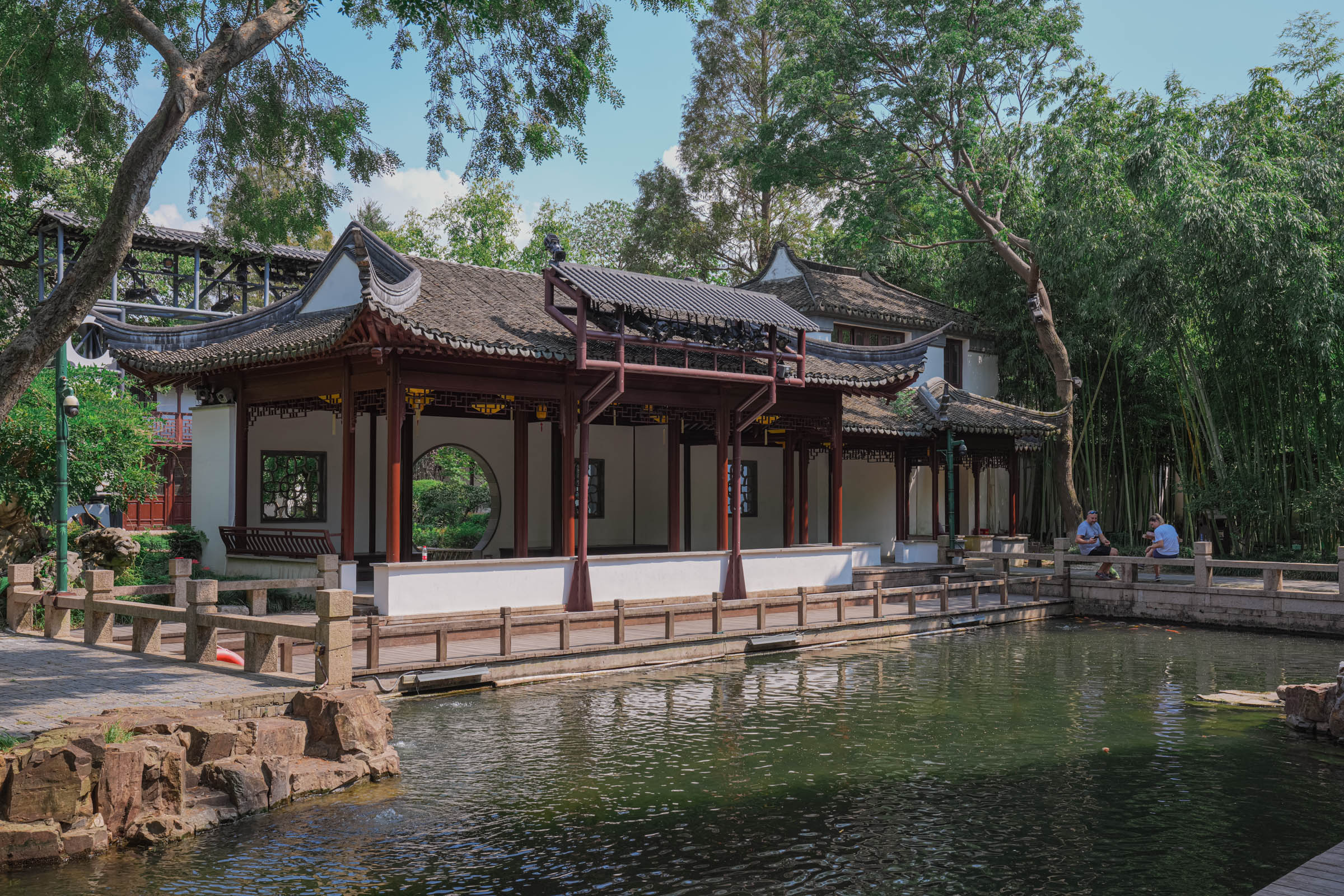
Kezhi Garden is the largest and best-preserved private garden estate in Zhujiajiao. The wealthy merchant Ma Wenqing began building it in 1912, and the work lasted about 15 years. According to the official website of the town, it cost more than 300,000 taels of silver. The name “Kezhi” literally means “reading and plowing,” and the estate covers about 16 acres.
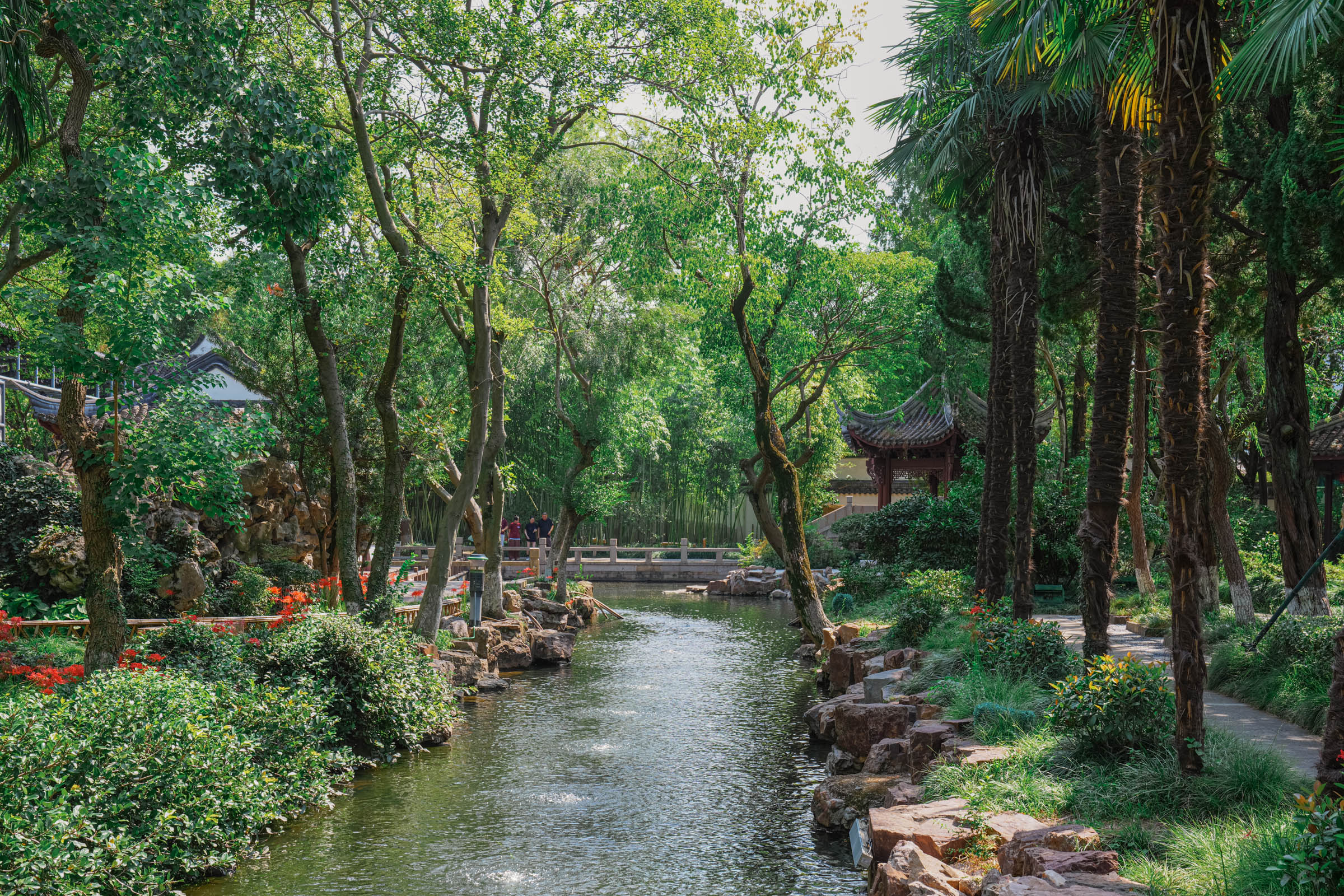
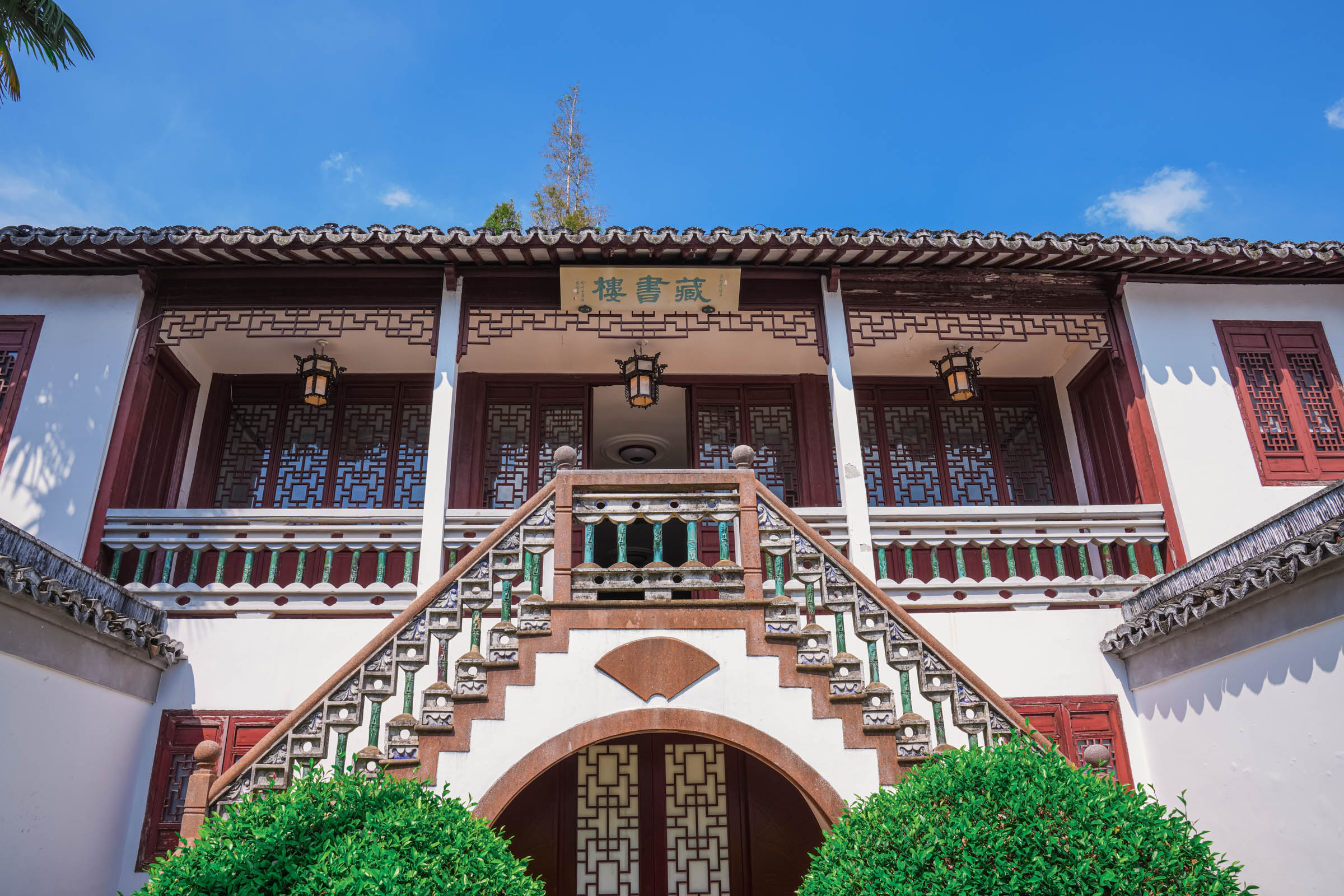
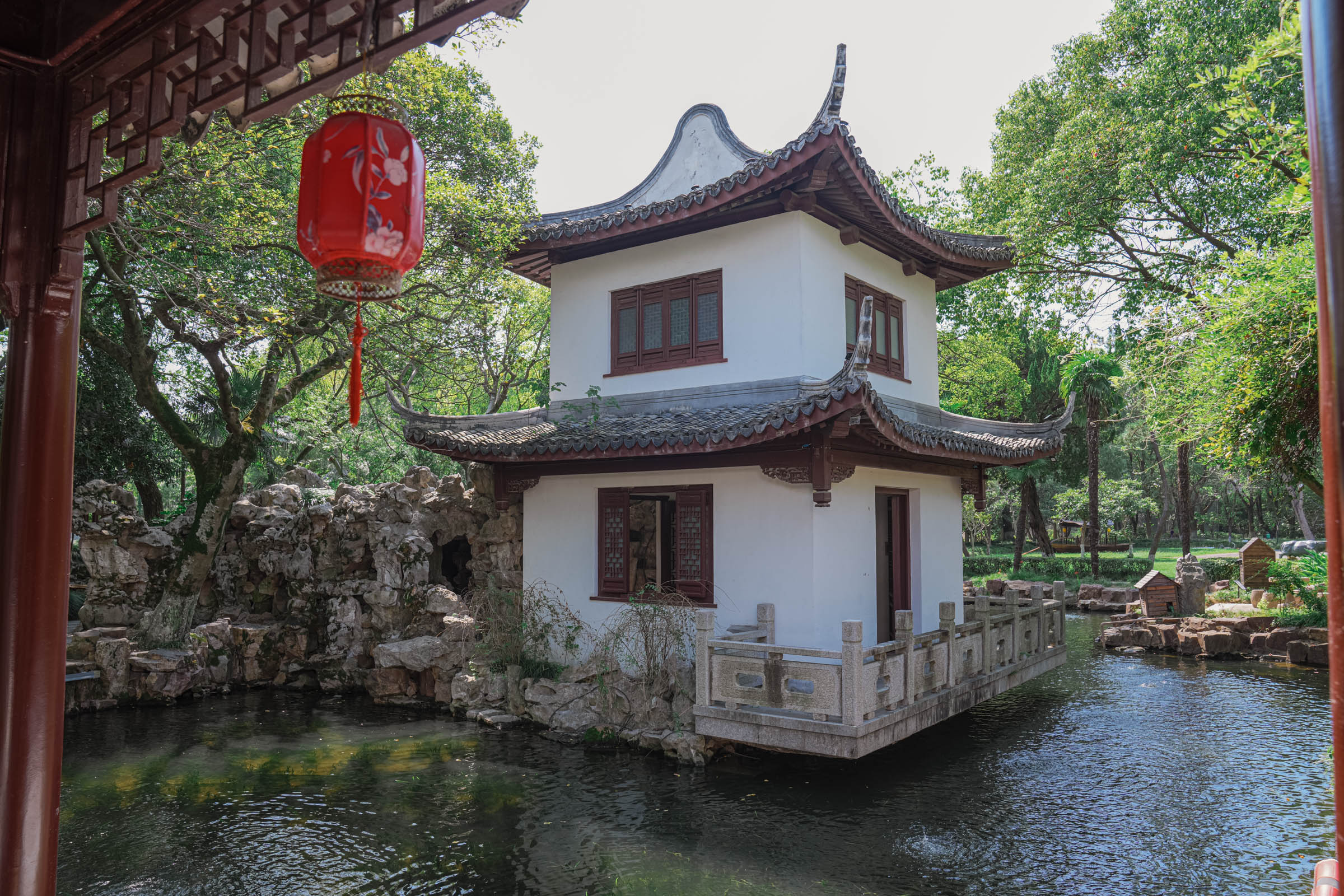
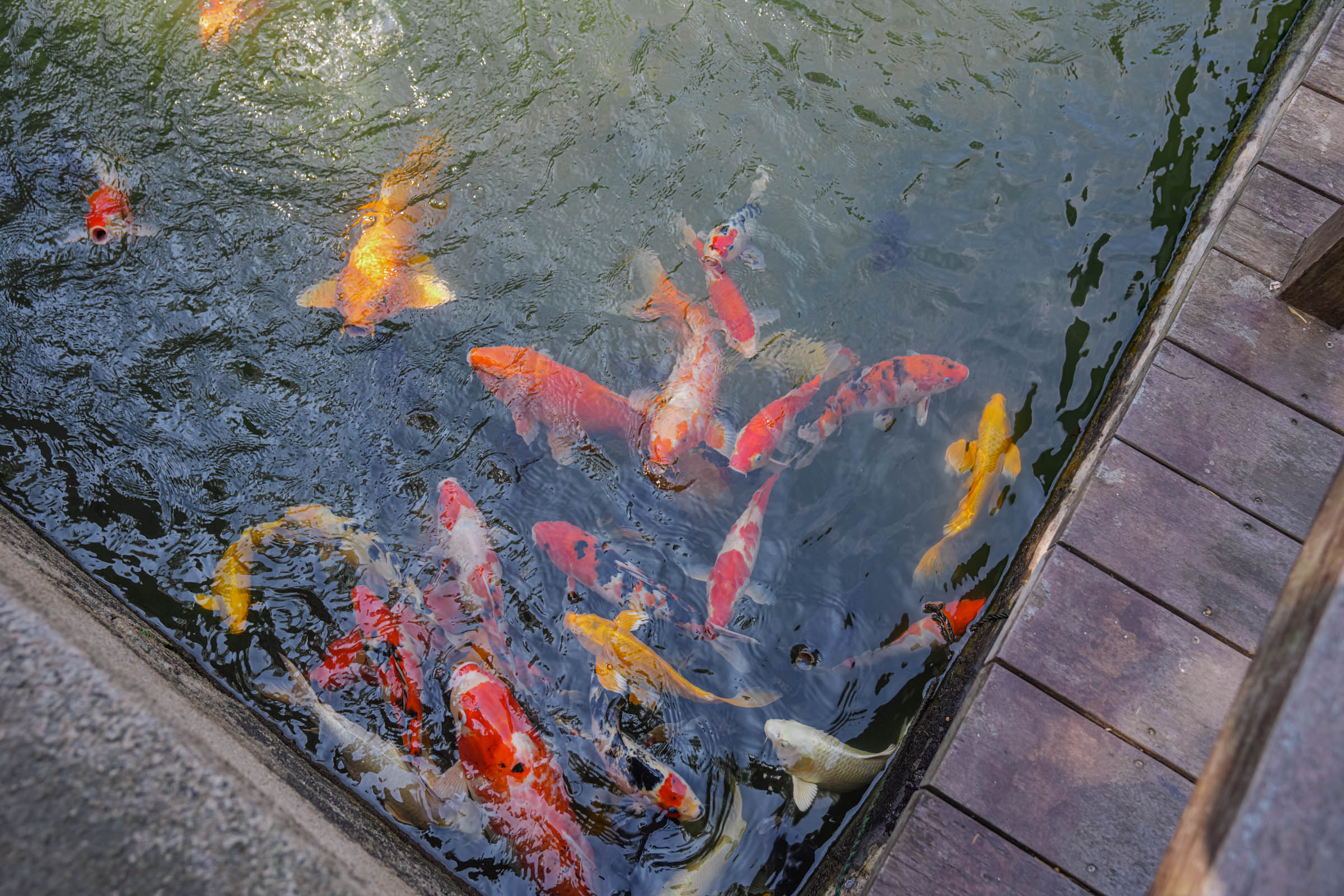
As a former foreign trader, Ma Wenqing loved Western taste, so the garden combines Chinese and Western design. As a result, you will find ponds, rock formations, traditional pavilions and quiet corners for reflection.
TEMPLES AND THE QING DYNASTY POST OFFICE
Yuanjin Temple, also known as the Temple of the Goddess, dates back to 1341. It enshrines a statue of Guanyin. From its Qinghua Pavilion, visitors can enjoy views over the canals. The temple was dismantled in the 1950s and rebuilt in 2000.
The City God Temple, at No. 69 Caohe Street, originally stood in Xuejiabang. Unusually, its gate opens to the east, while most temples of this kind face south.
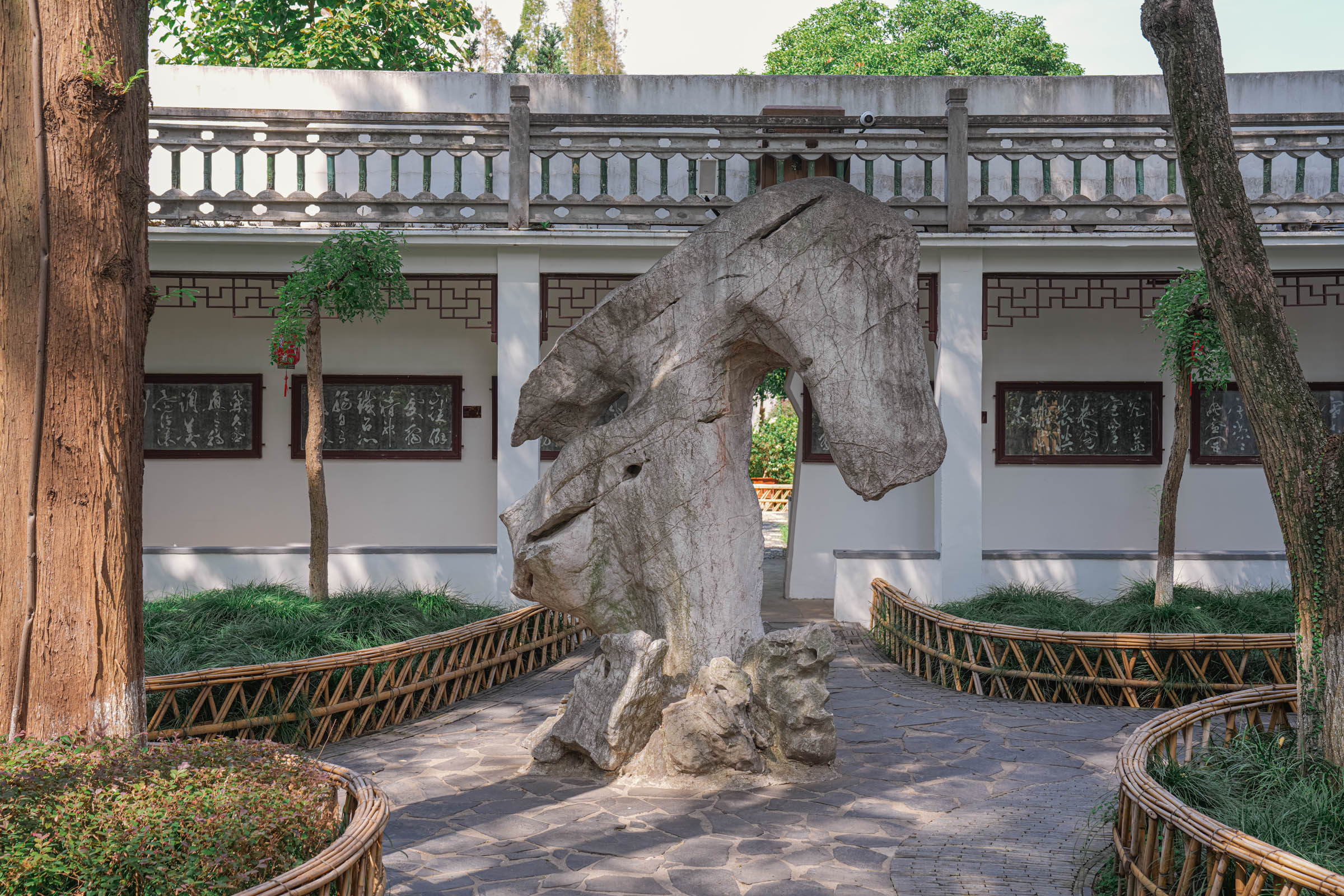
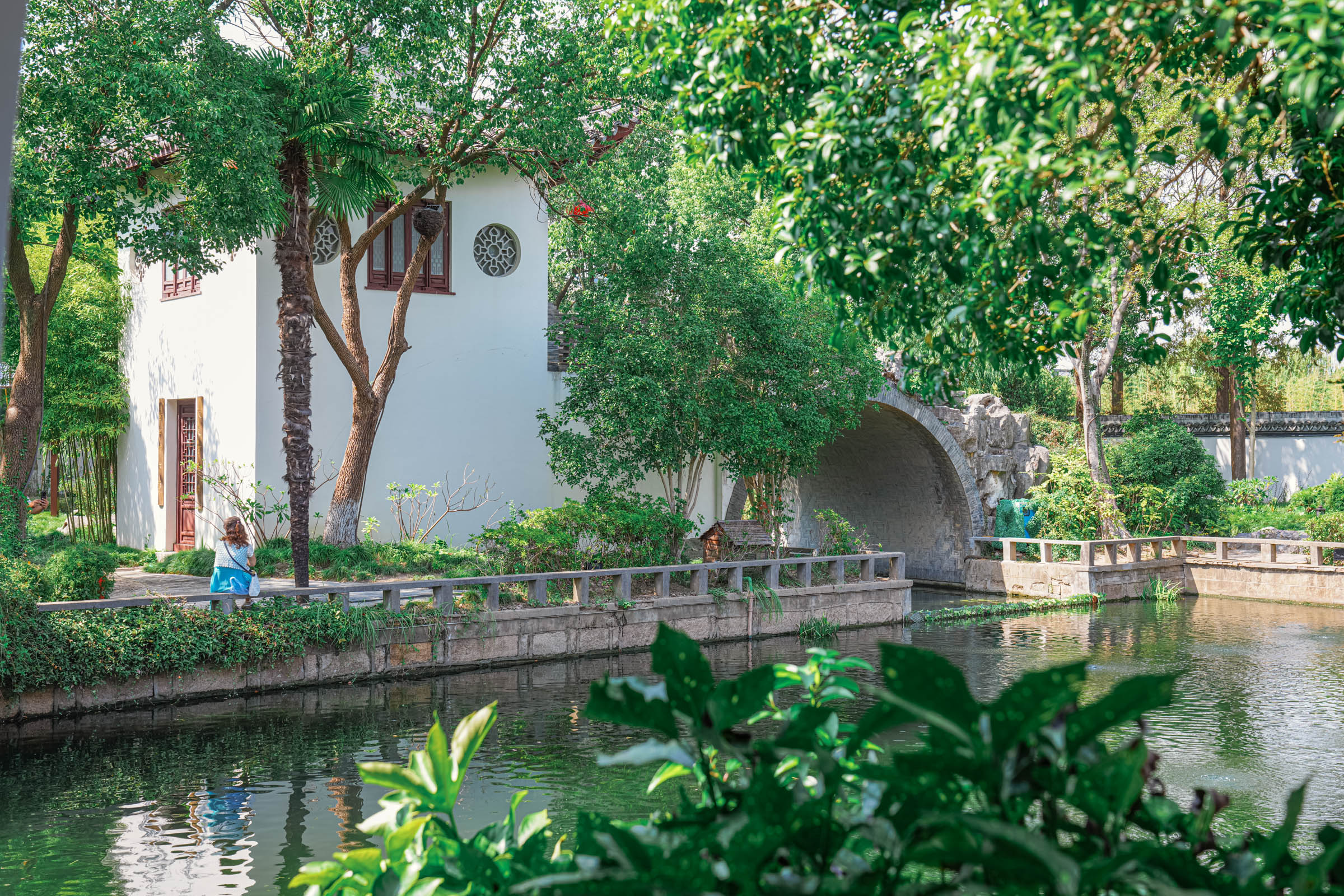
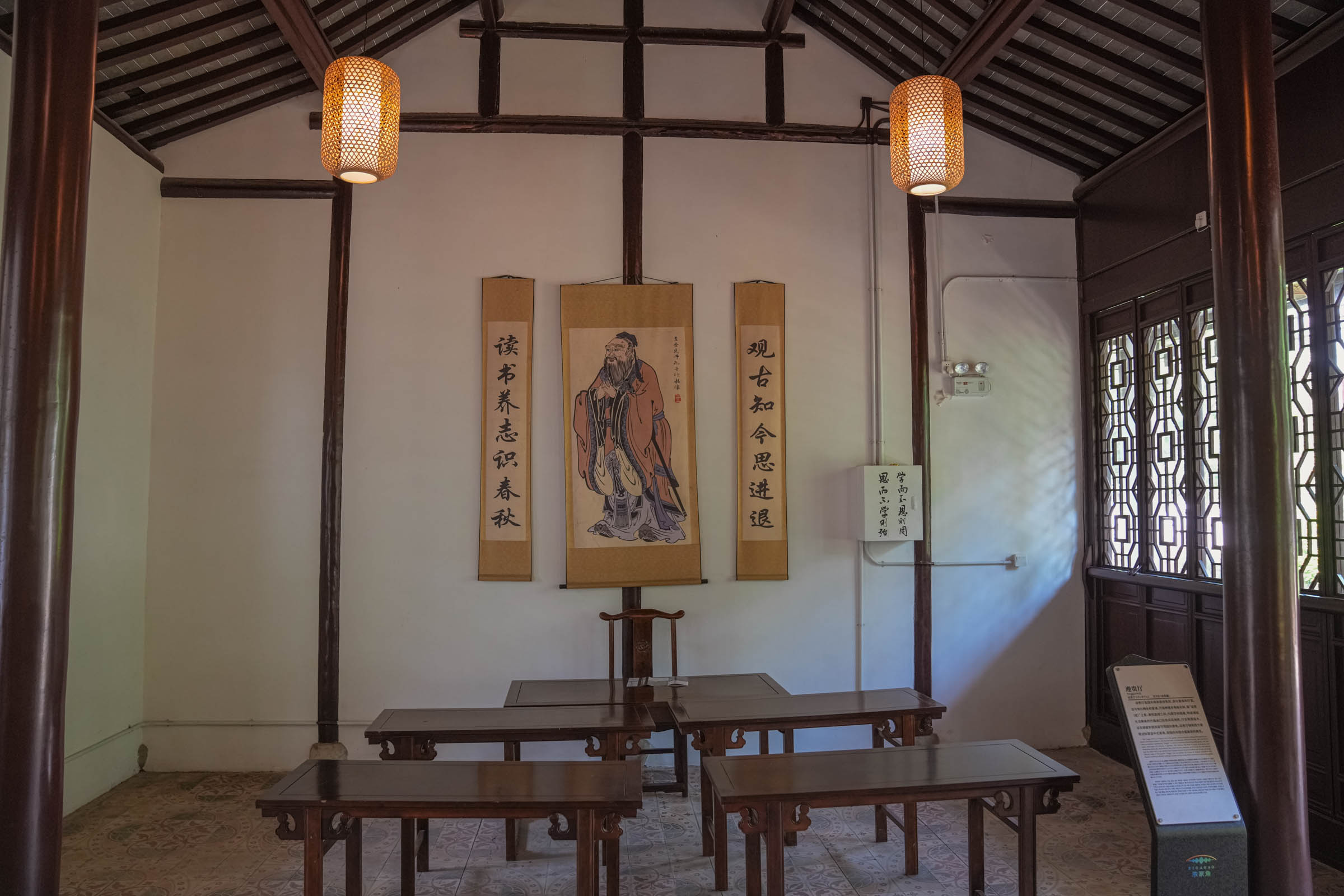
One of the most charming sights is the old post office from 1903. It is the only well-preserved Qing dynasty post office site in East China. Its two floors show the history of the postal service. You can buy a postcard, stamp it with the vintage postmark and send it home.
BOAT RIDES AND FOOD IN ZHUJIAJIAO
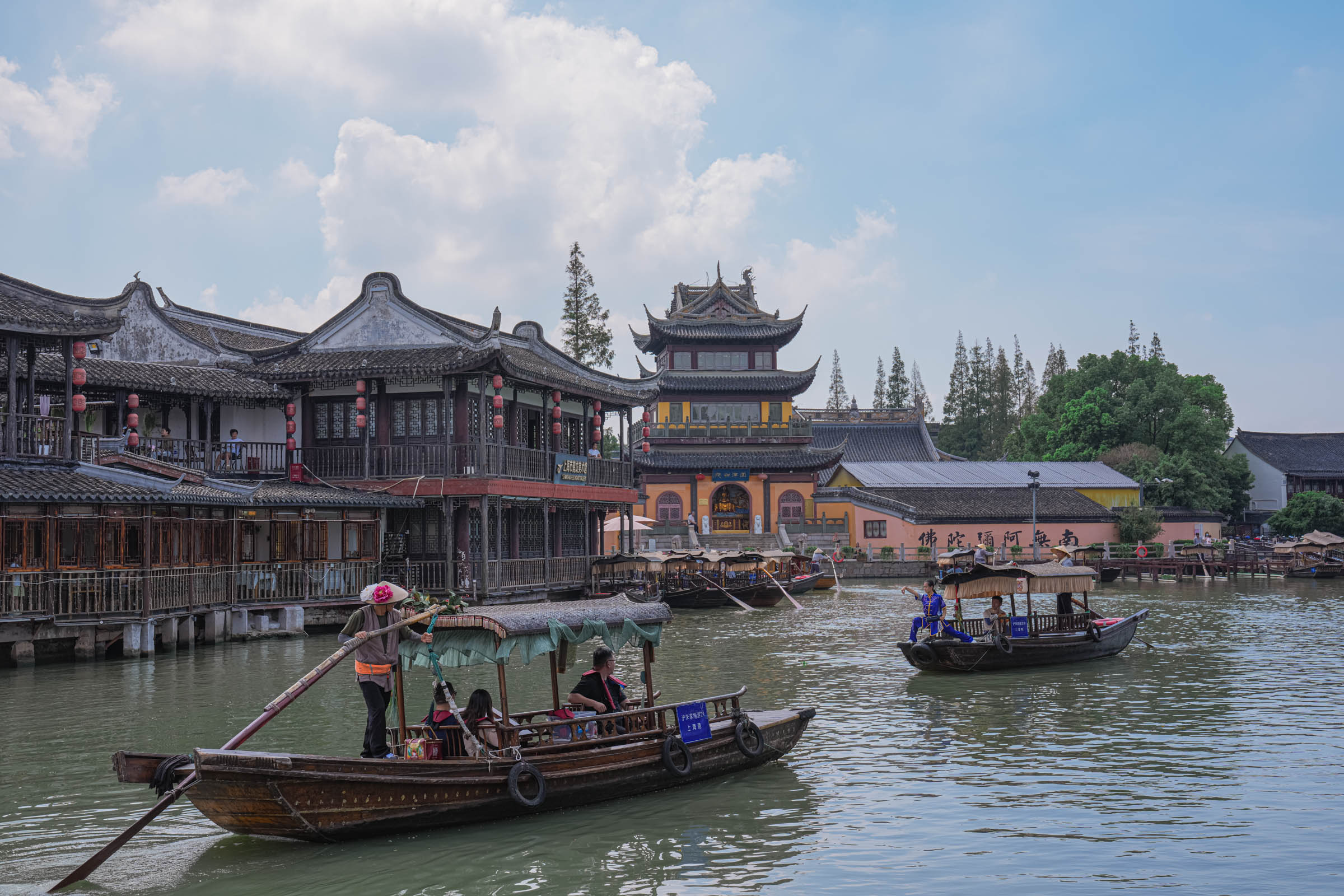
You cannot truly get to know Zhujiajiao without a ride in a traditional wooden boat. As the boat slowly slid under the stone bridges, I felt a peace that no longer exists in modern cities.
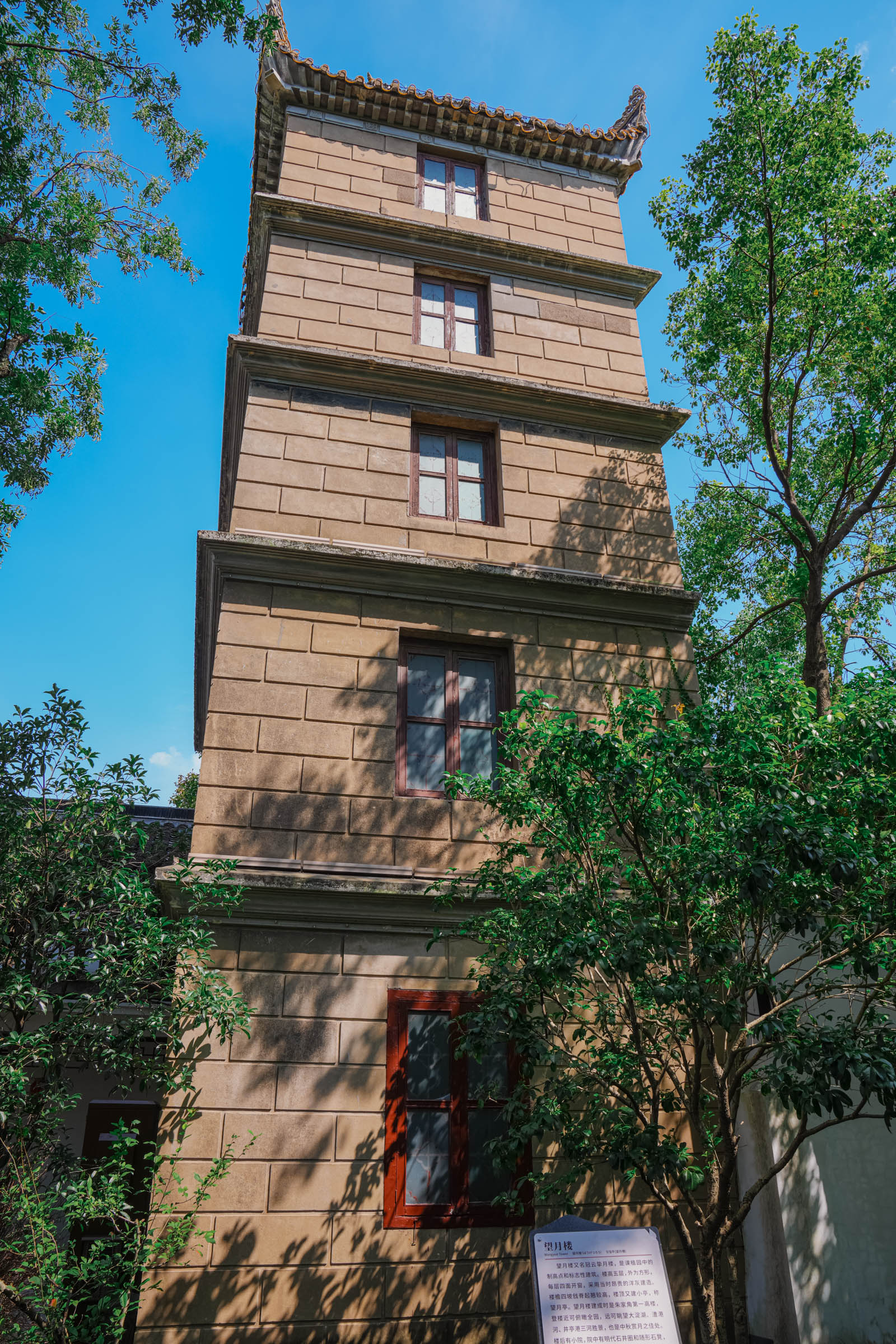
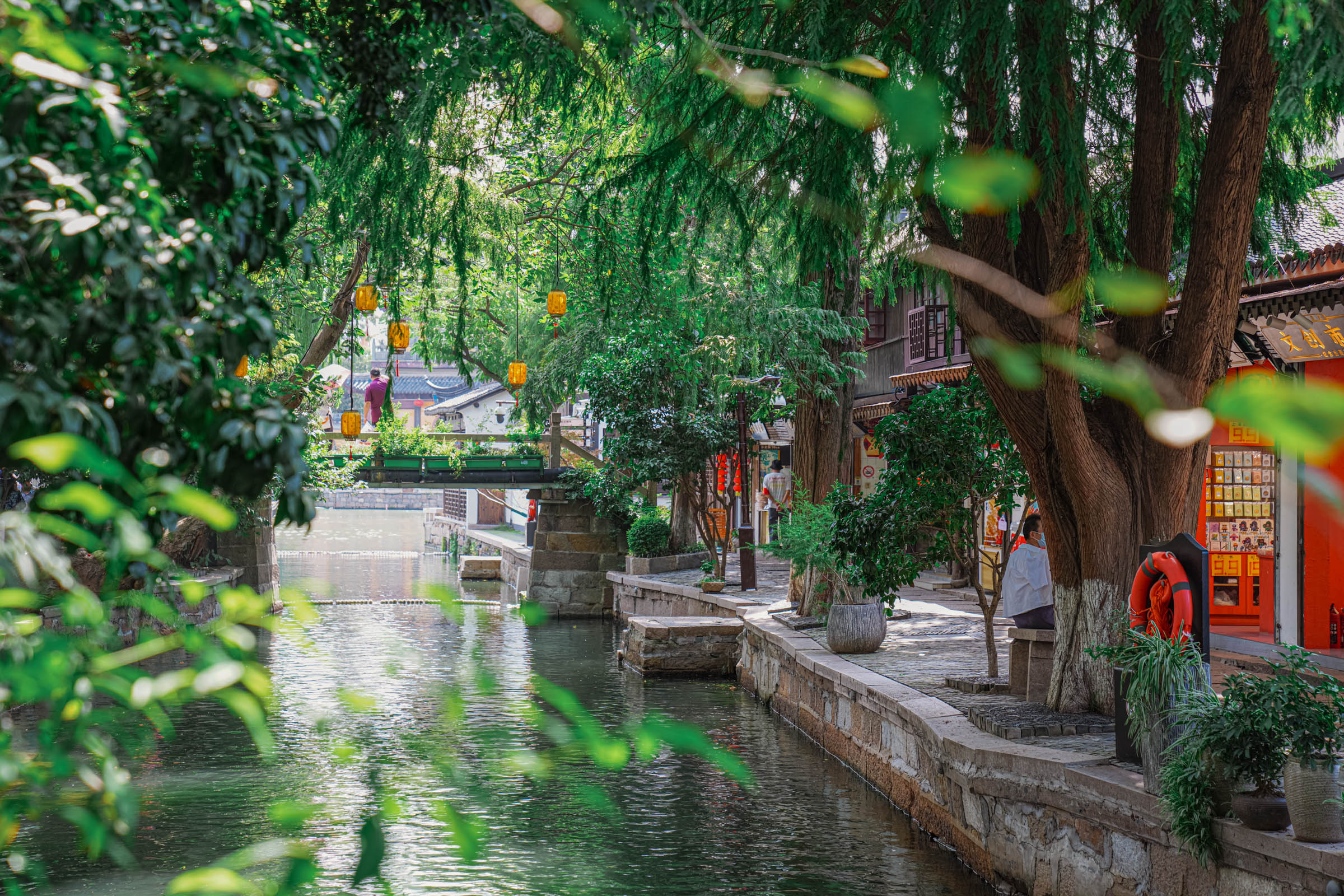
Local cuisine follows the Jiangnan tradition, with plenty of freshwater fish from nearby Dianshan Lake. Do not miss zongzi, sticky rice dumplings wrapped in bamboo leaves, which you will find all over town. Entry to the town itself is free, and you only pay for some of the attractions inside.
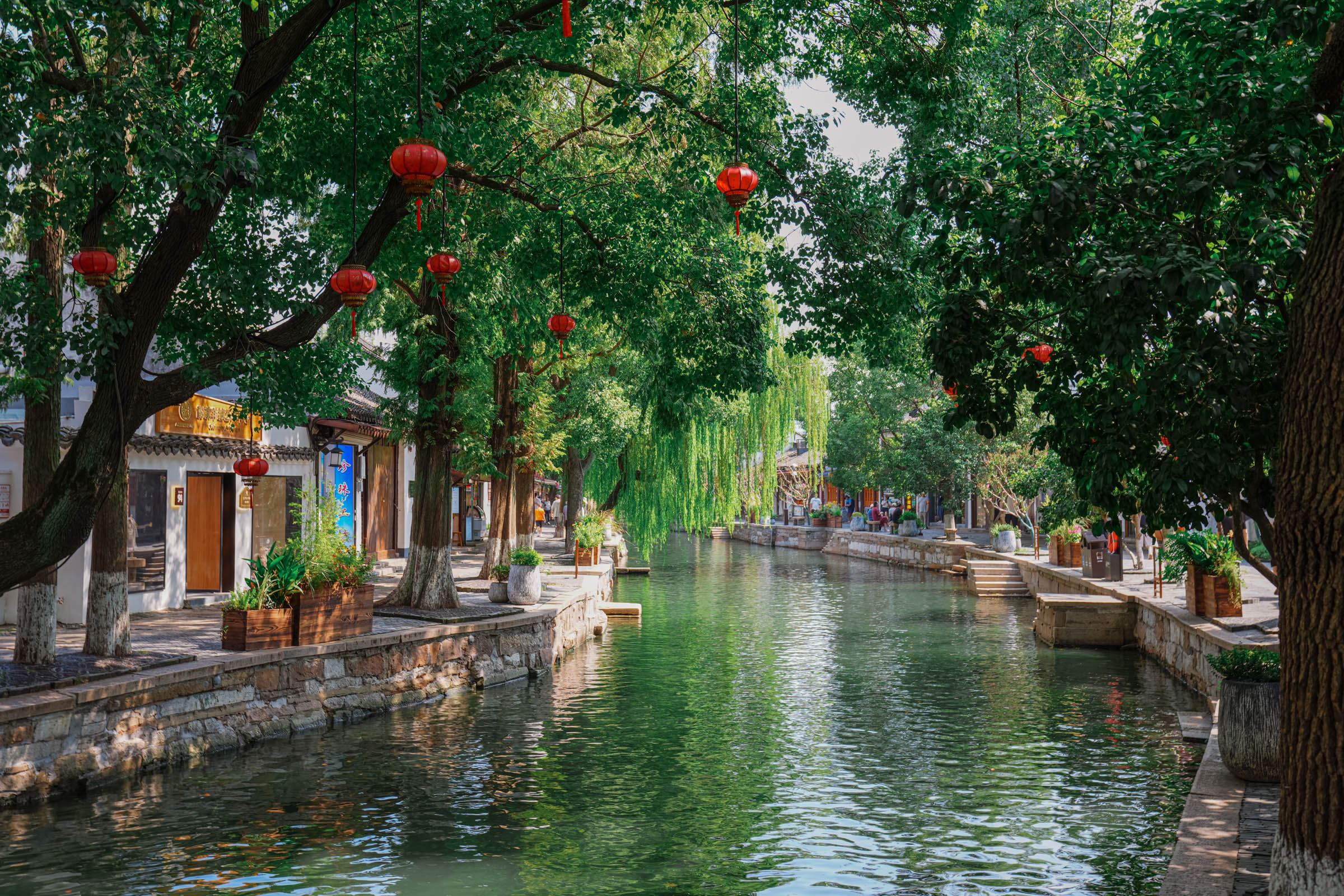
Although it is popular and often crowded, Zhujiajiao still has its own soul. In the side streets, you meet locals sitting in front of their houses and artisans who continue old traditions.
NANJING ROAD, SHANGHAI’S FAMOUS SHOPPING STREET
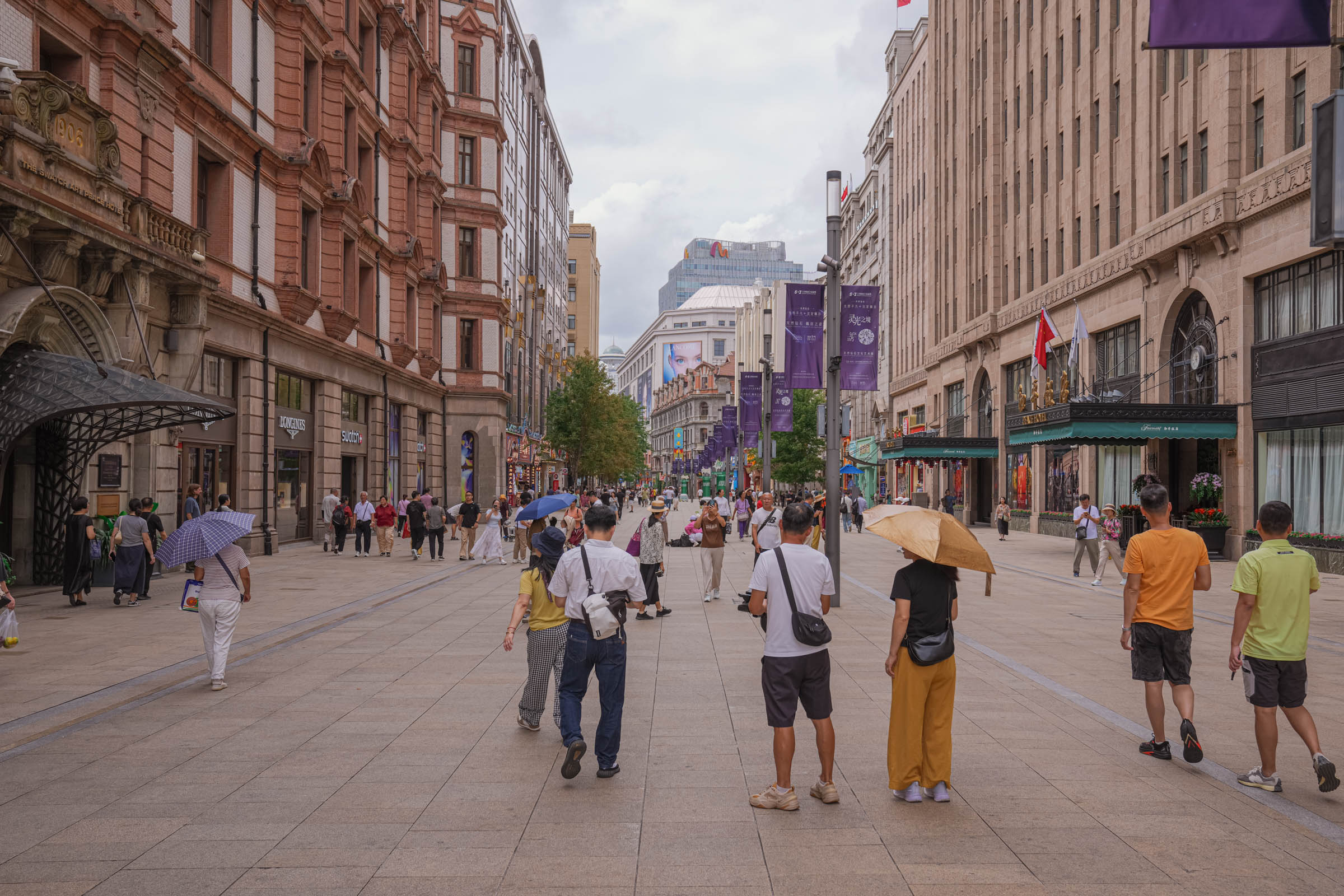
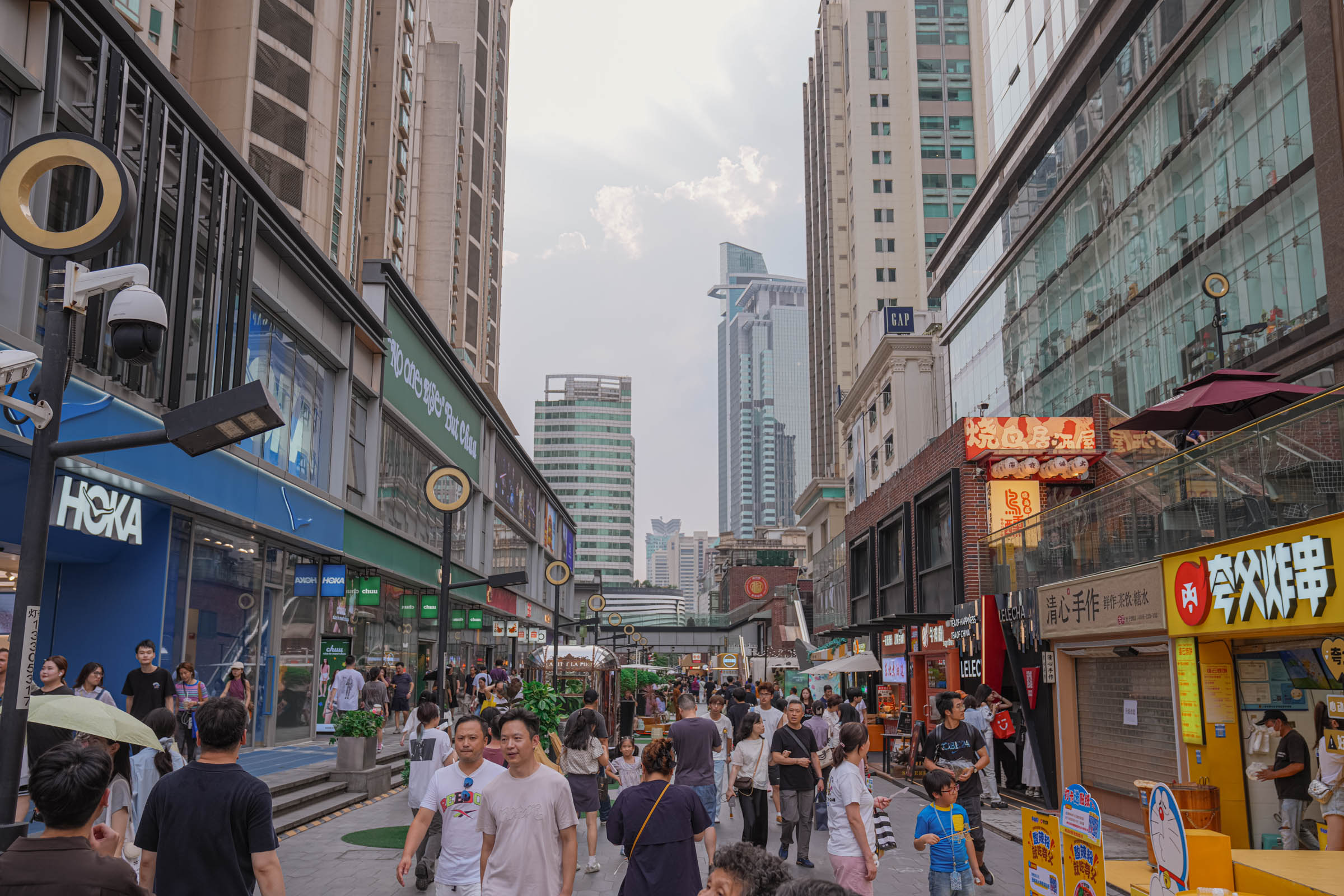
Back in the city, Nanjing Road awaits you, famous as “China’s No. 1 commercial street.” It stretches for about 5.5 kilometers, from the Bund to the area around Jing’an Temple. Its pedestrian section dates from 1999. At night, neon lights turn it into a true urban spectacle.
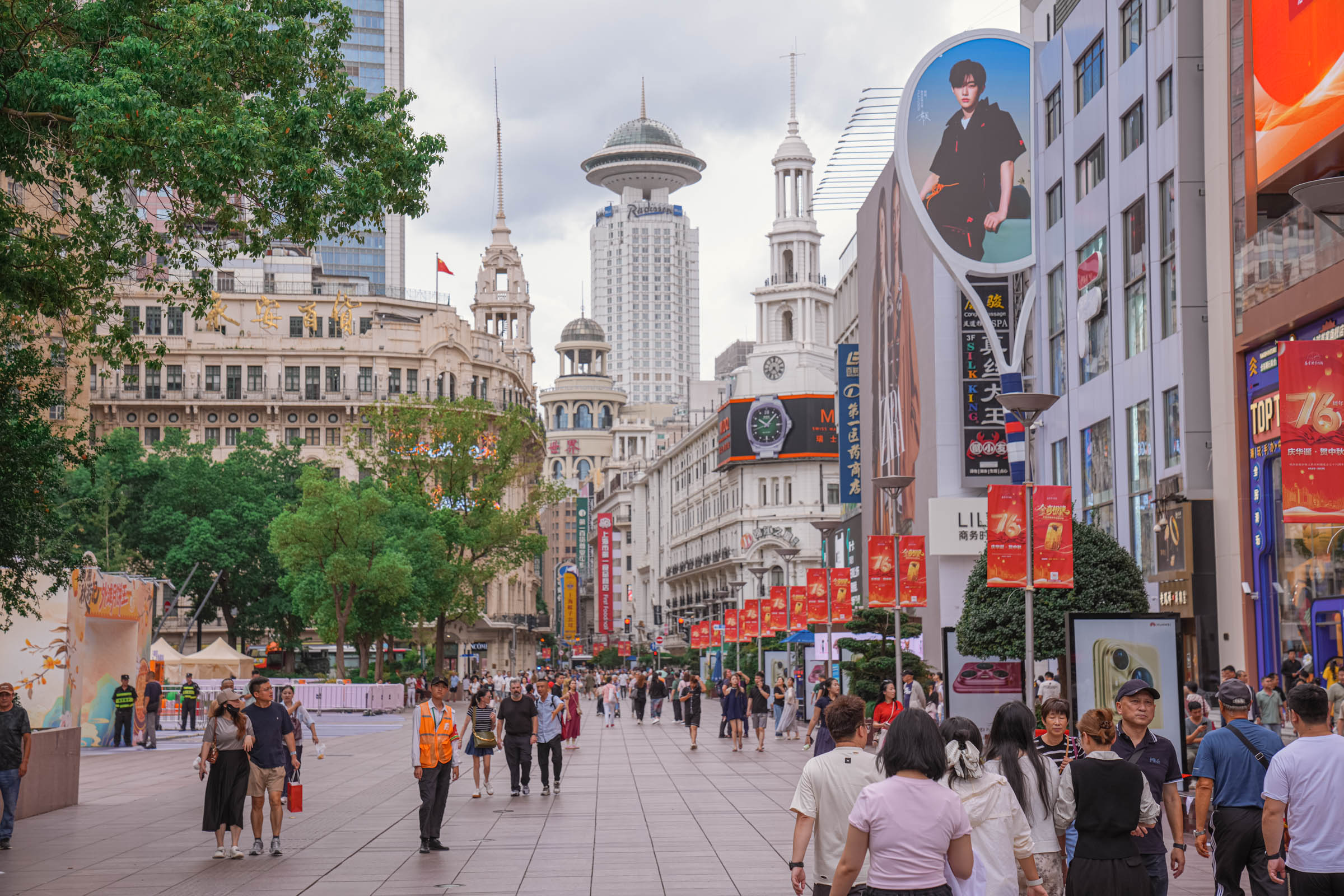
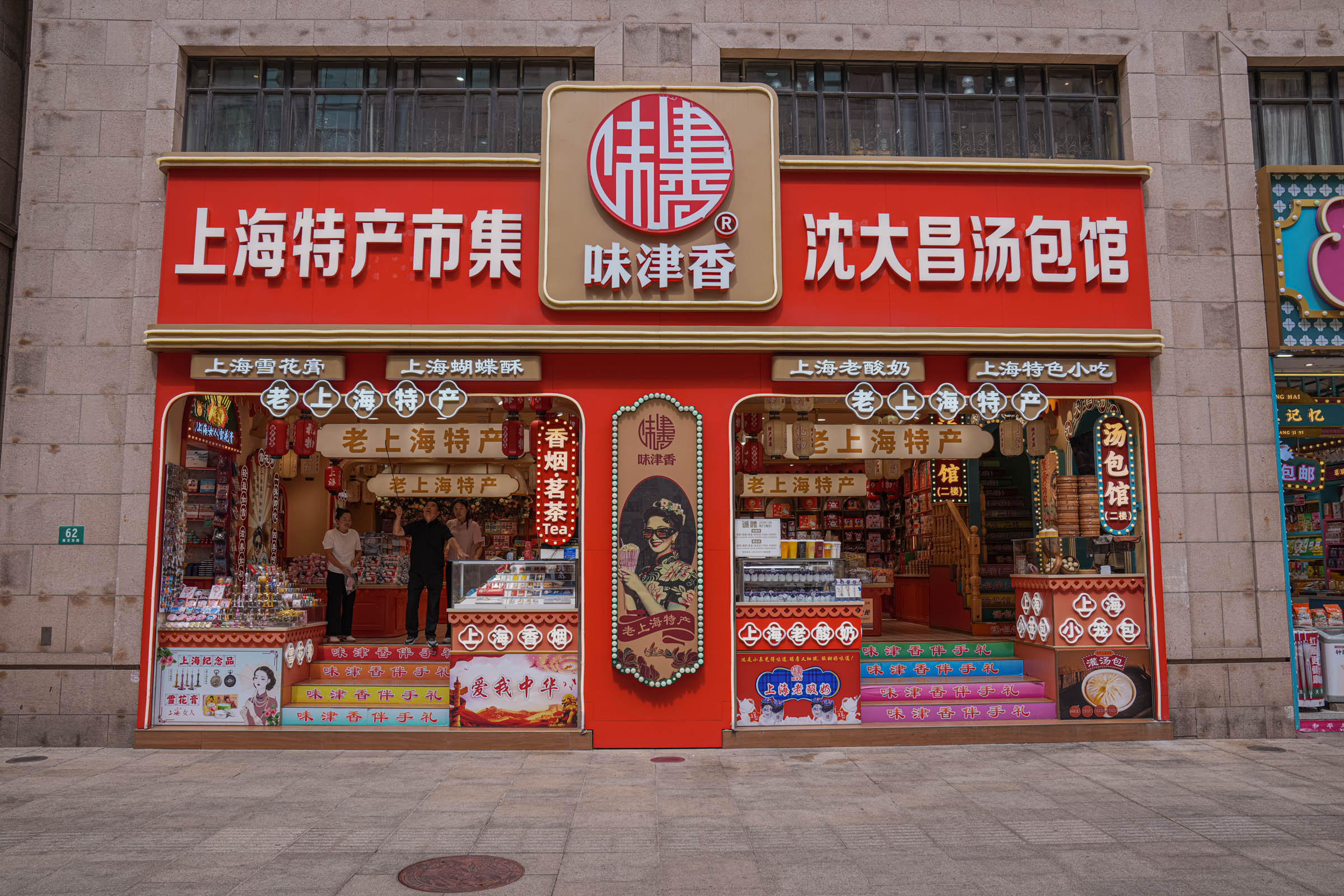
Nanjing Road East is full of department stores and traditional shops. In contrast, Nanjing Road West is the most luxurious part, with world-famous brands.
JING’AN TEMPLE, AN OASIS ON WEST NANJING ROAD
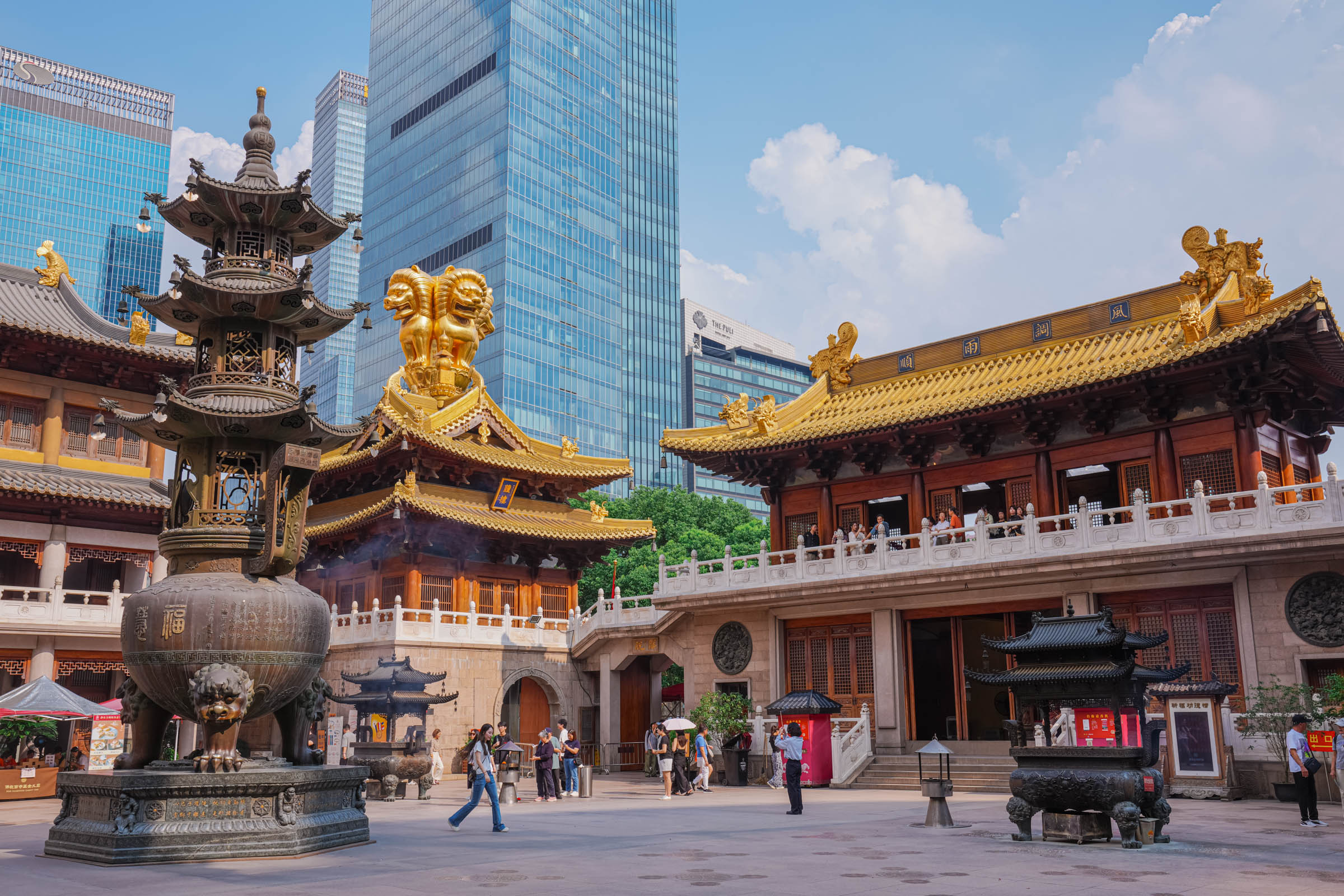
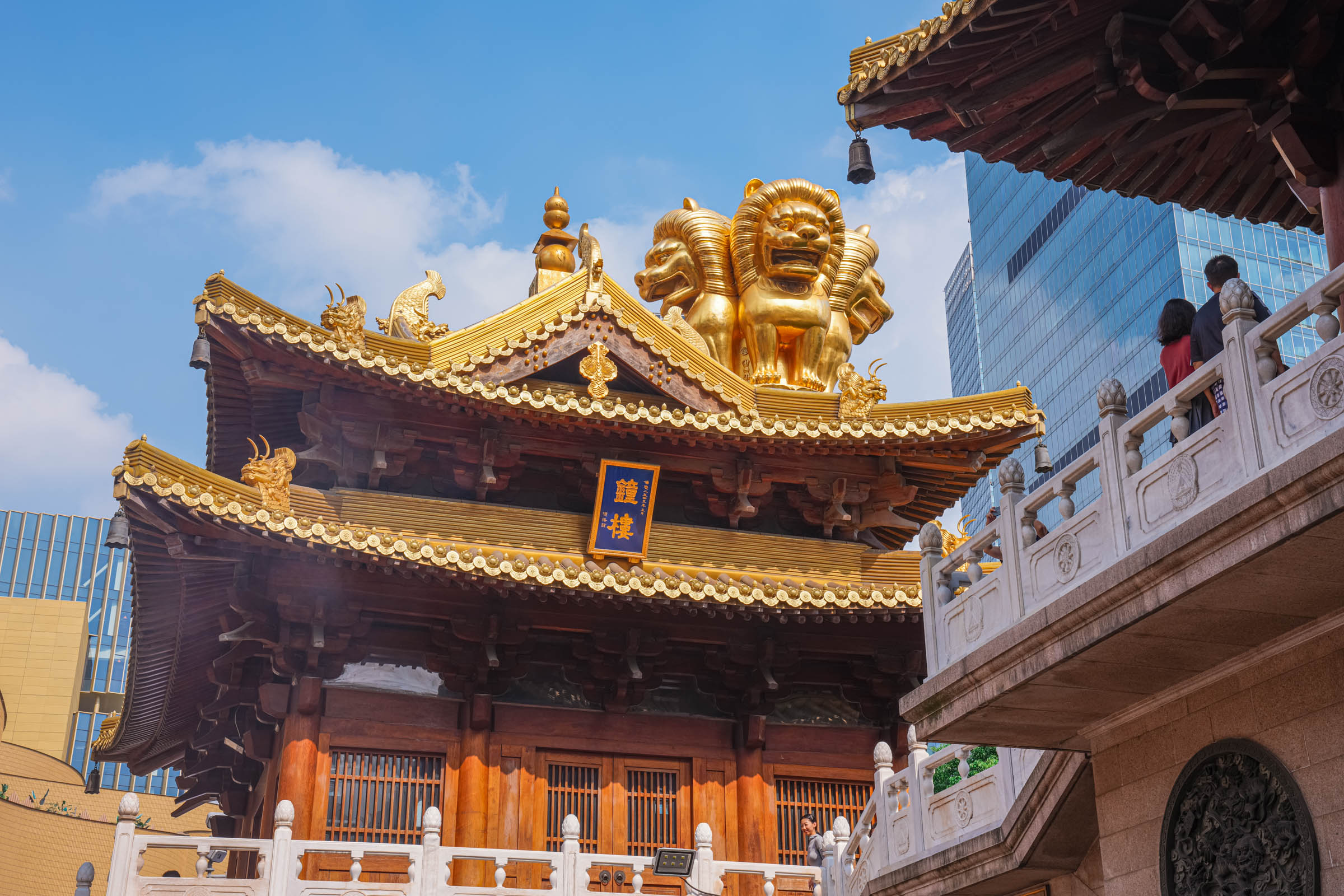
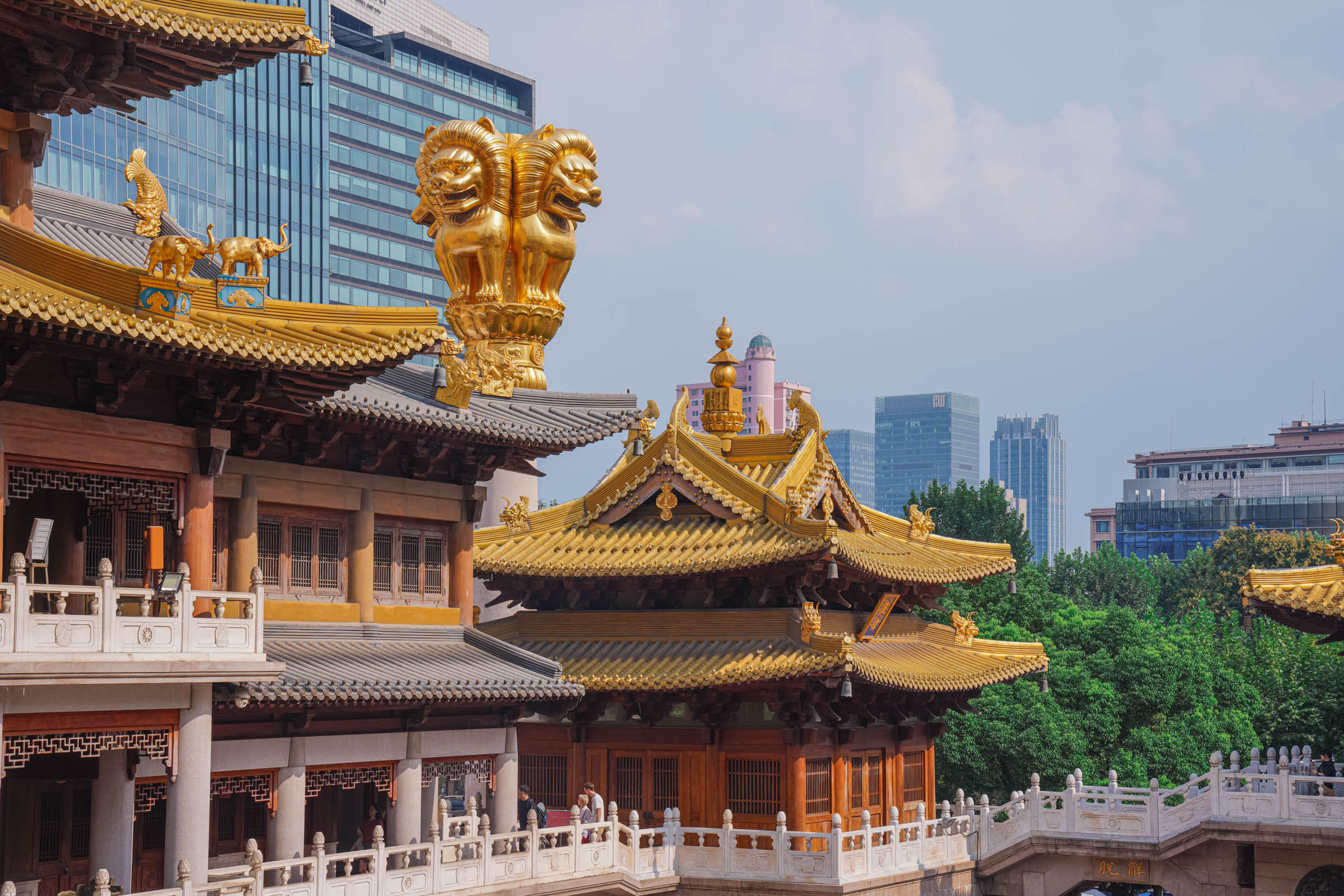
At first, I could hardly imagine a temple with almost two thousand years of history in the heart of glittering Shanghai. Among advertisements, glass facades and luxury boutiques, you suddenly notice golden roofs and smell incense. Jing’an does not feel like just another tourist spot; it is more like a gateway to another dimension.
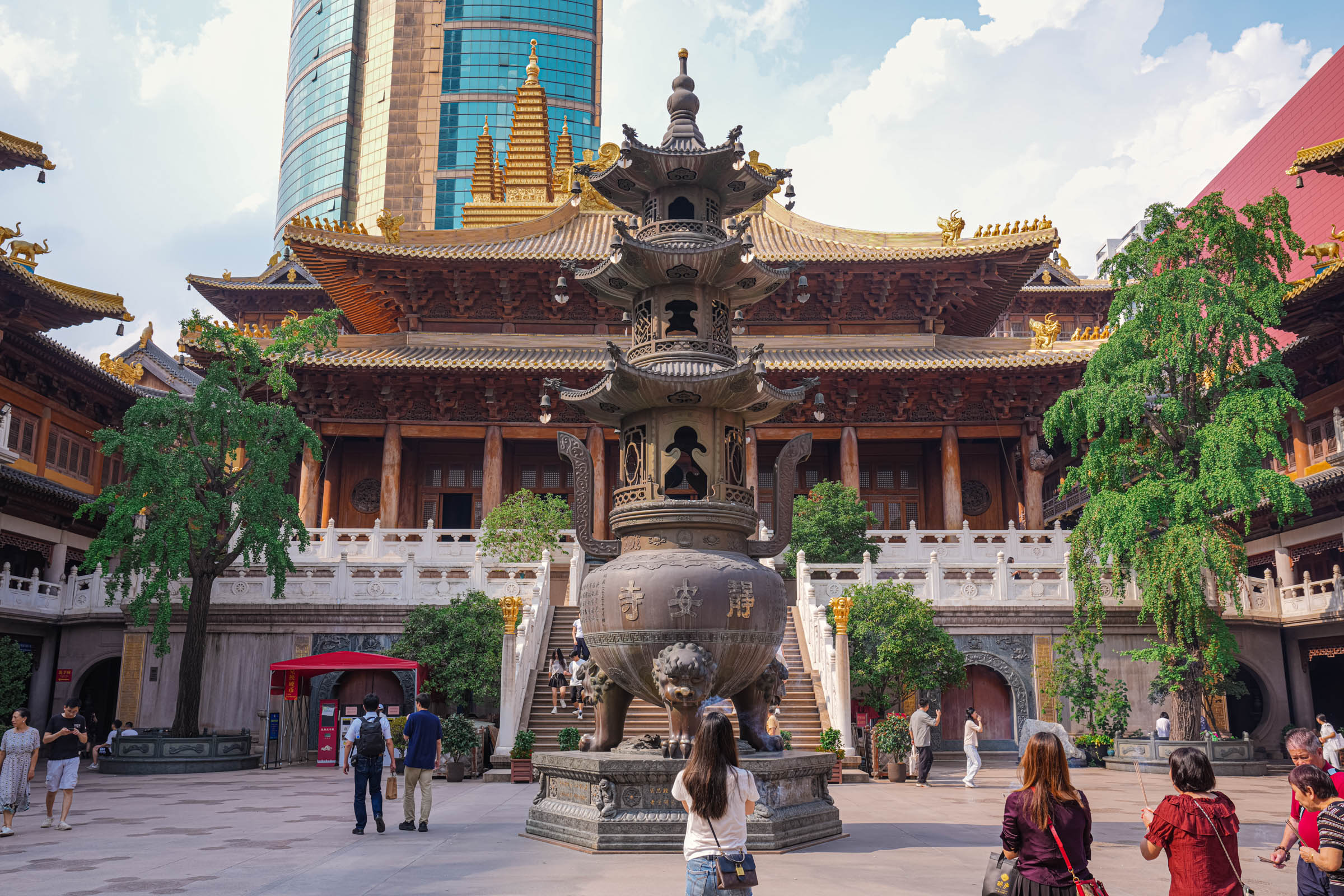
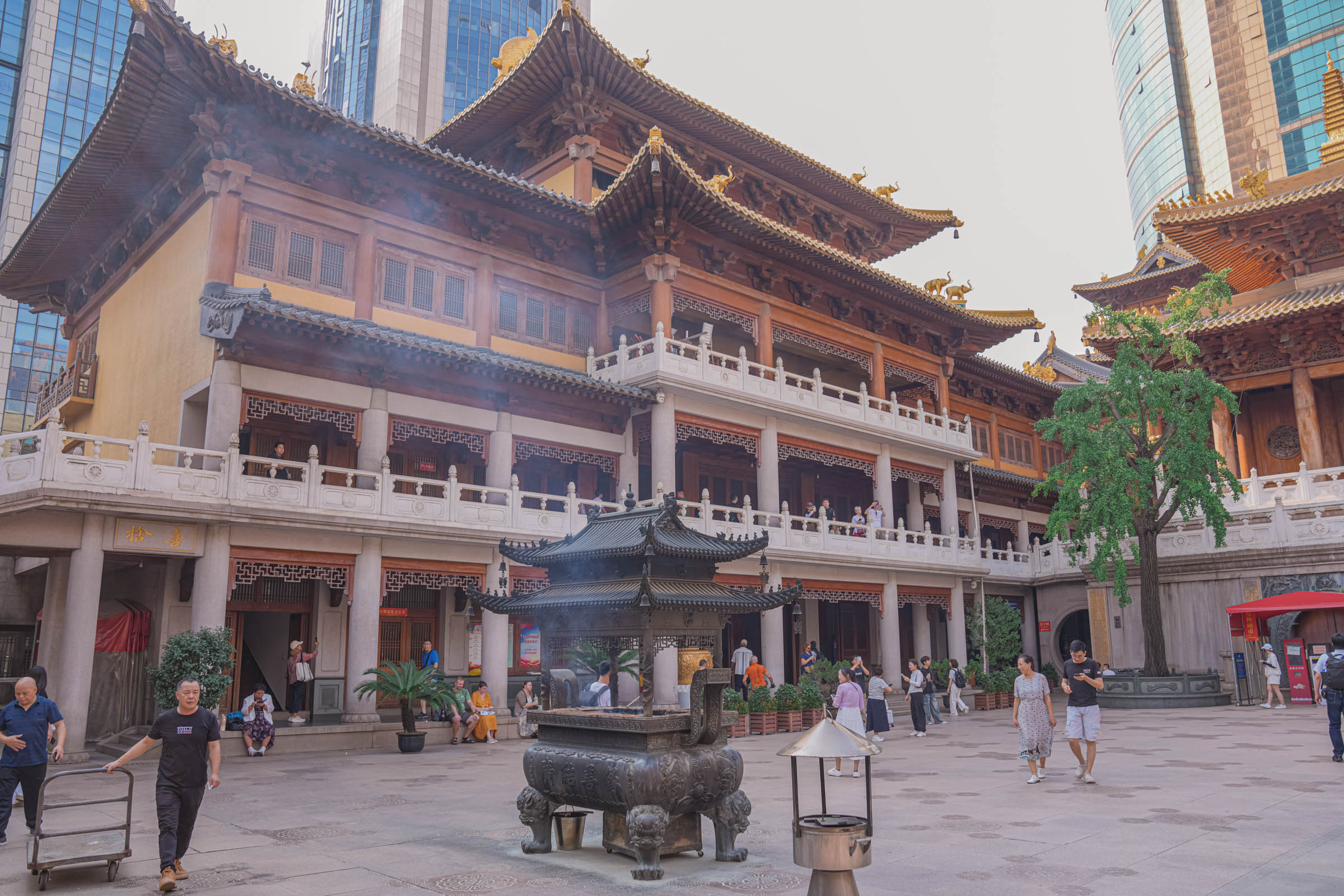
The first temple dates back to 247 AD, in the Wu Kingdom of the Three Kingdoms period, and it stood beside Suzhou Creek. Its first name was Hudu Chongyuan Temple. In 1008, during the Song dynasty, it received the name Jing’an, which means “Temple of Peace and Tranquility”. In 1216, the temple moved to its present site. During the Cultural Revolution, it served as a plastics factory, and in 1983 it returned to its original purpose. Today, Jing’an District bears the name of the temple.
INSIDE JING’AN TEMPLE
Builders used mostly Burmese teak for the temple, and its golden roofs shine against the surrounding skyscrapers. In the main Mahavira Hall stands a massive silver Buddha, 8.8 meters tall and weighing 15 tons. In the side halls, you will find a white jade Buddha 3.87 meters tall. Another treasure is a bronze bell from the Ming dynasty.
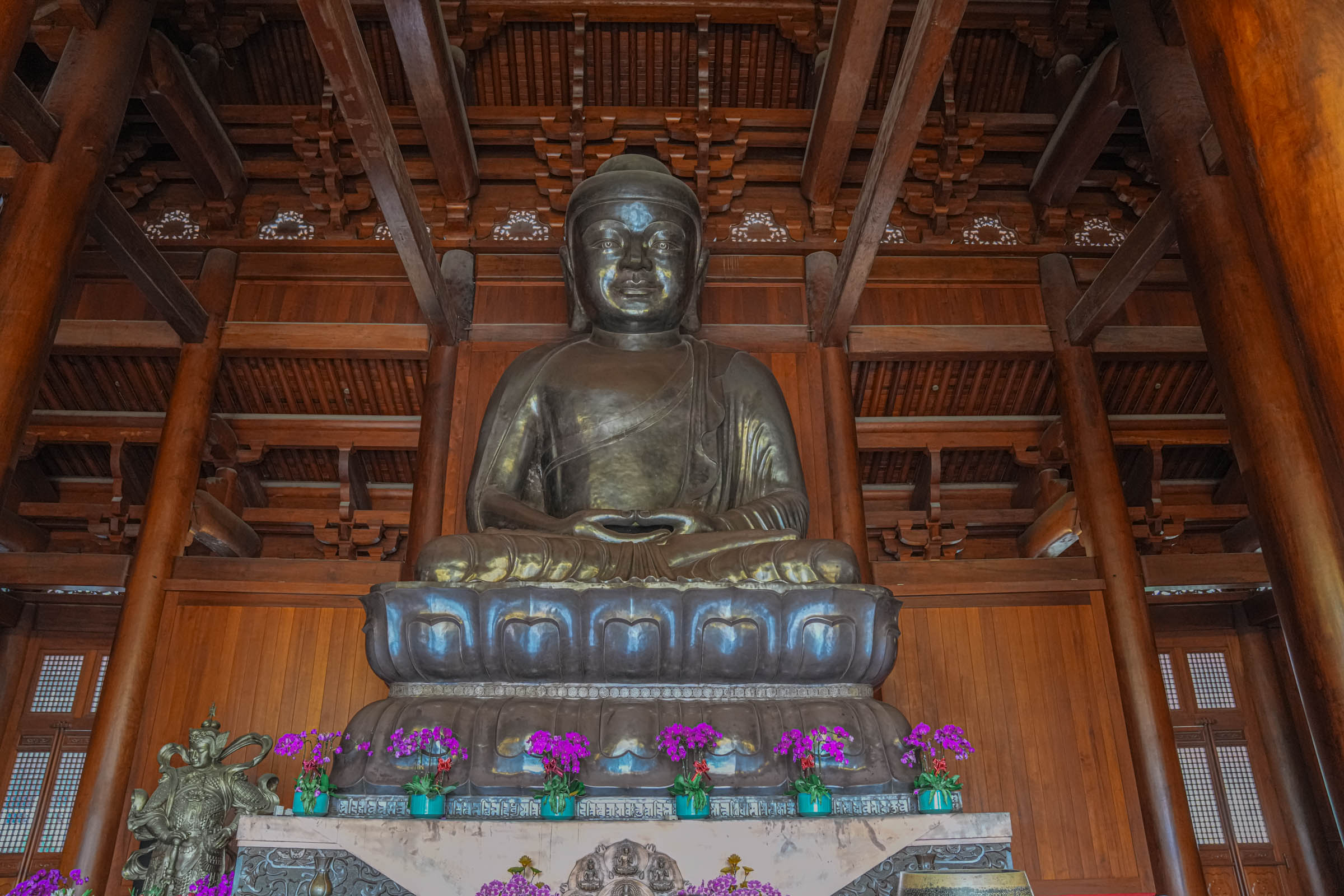
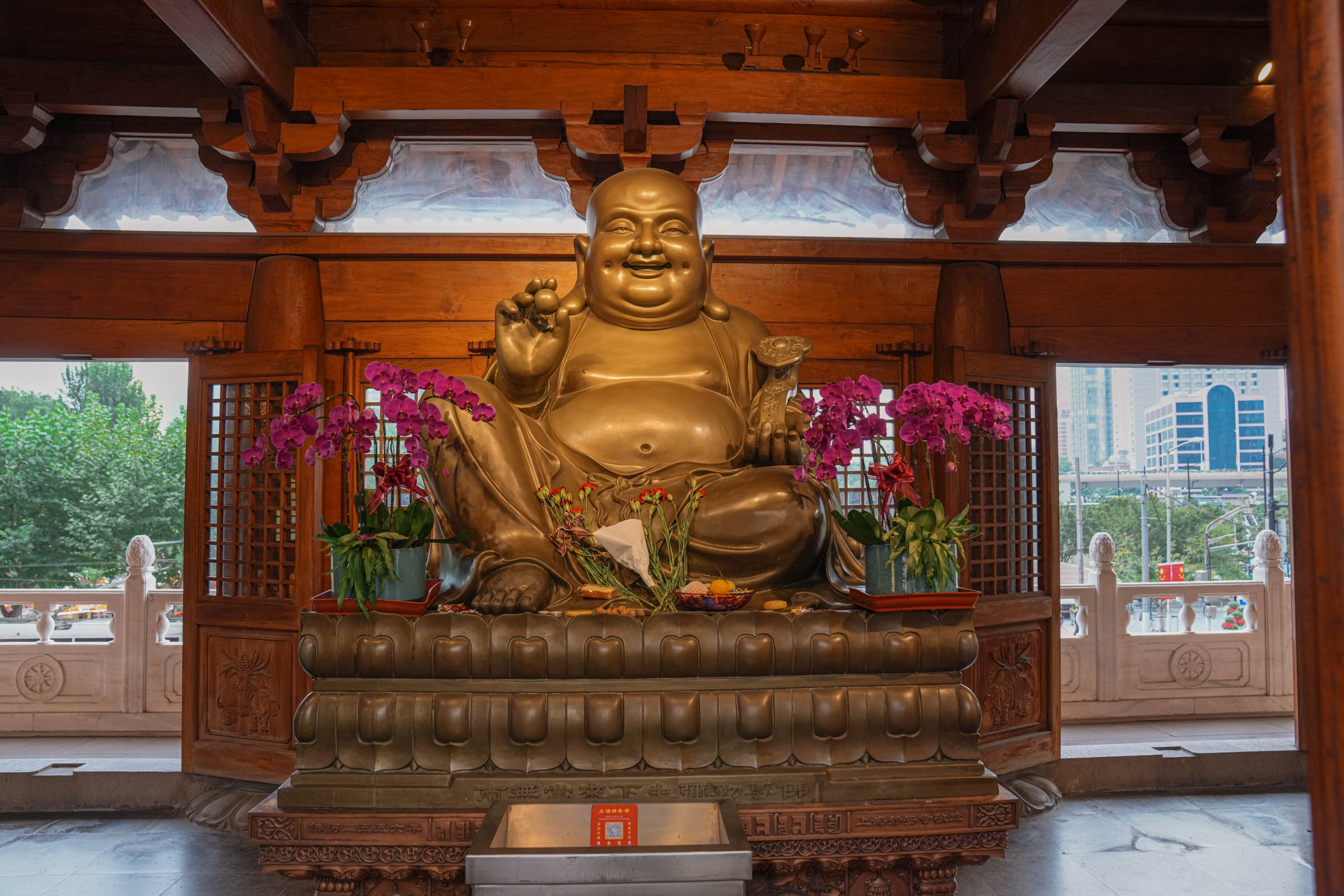
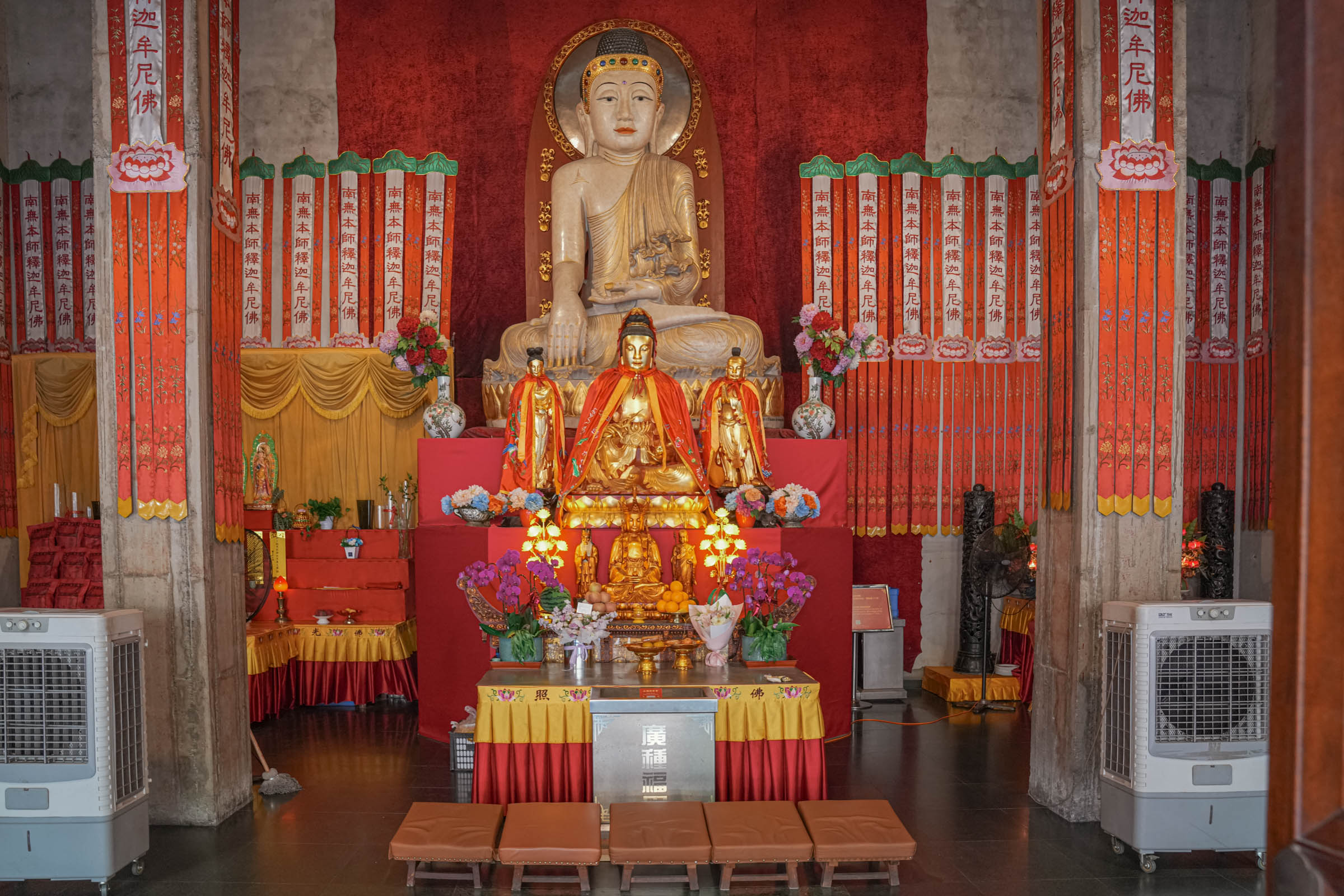
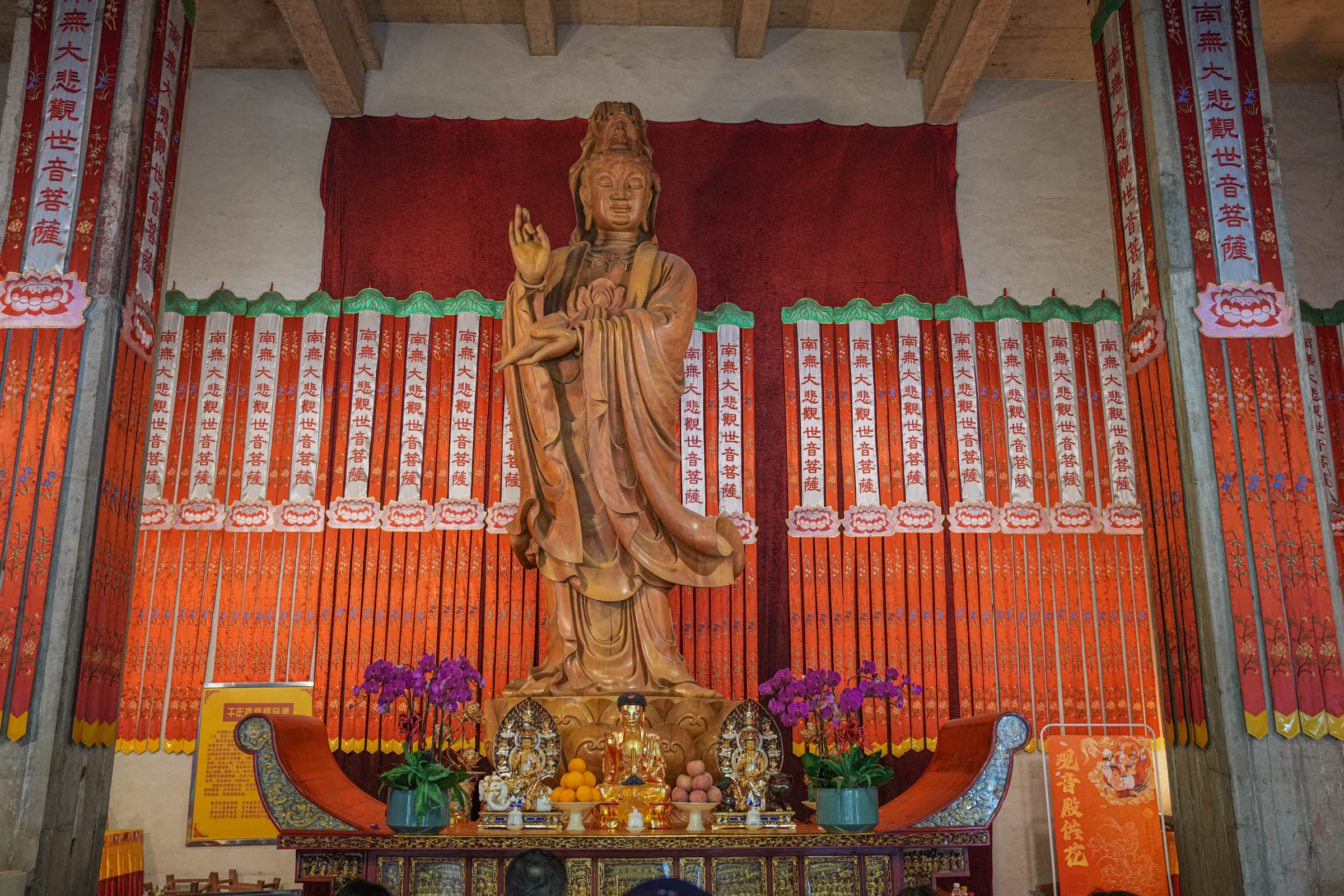
The temple stands at 1686 West Nanjing Road. The Jing’an Temple metro station on Lines 2, 7 and 14 is right next to it. At the time of my visit, the entrance ticket cost 50 yuan. For the best atmosphere, come early in the morning, when the incense floats gently and you hear only your footsteps.
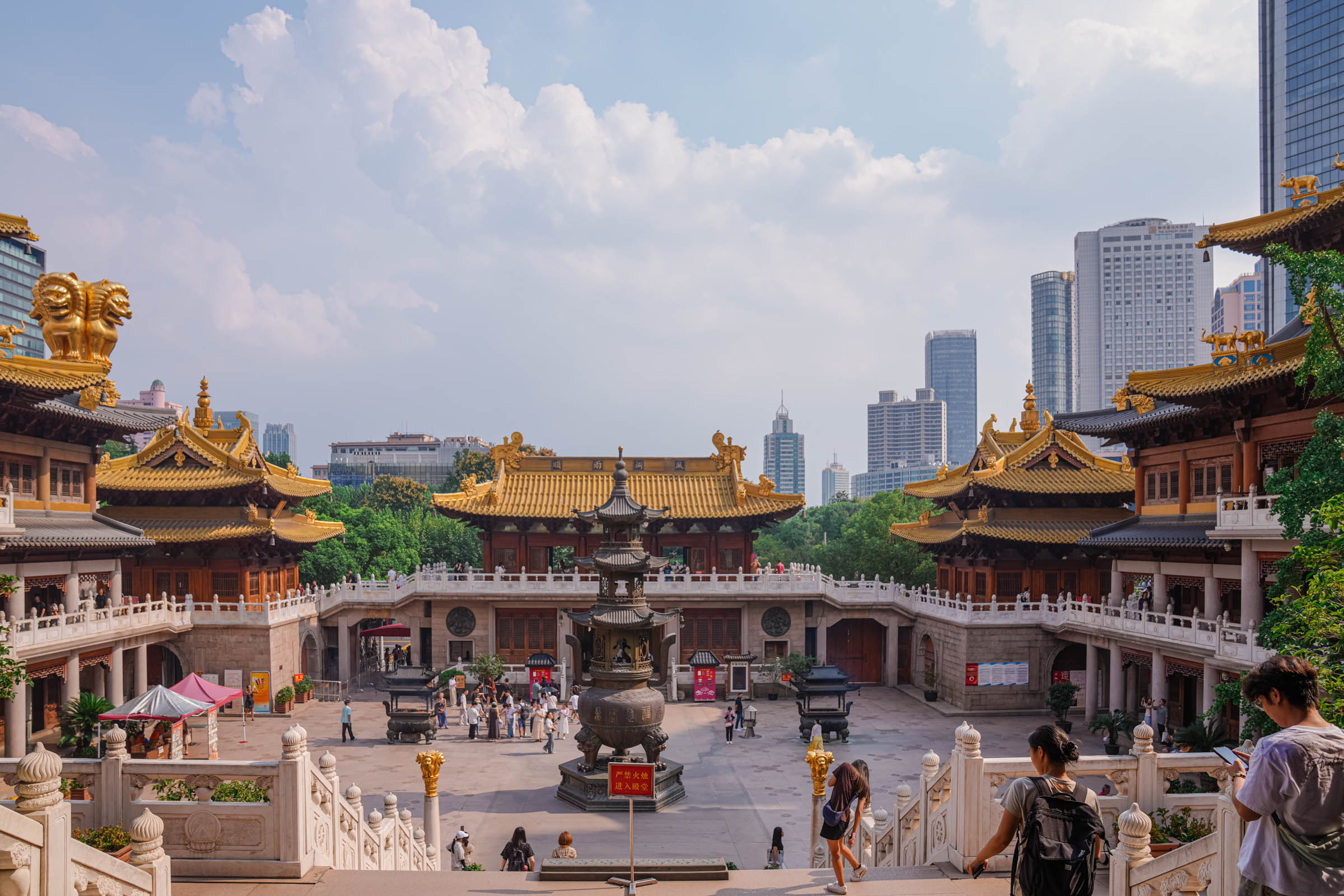
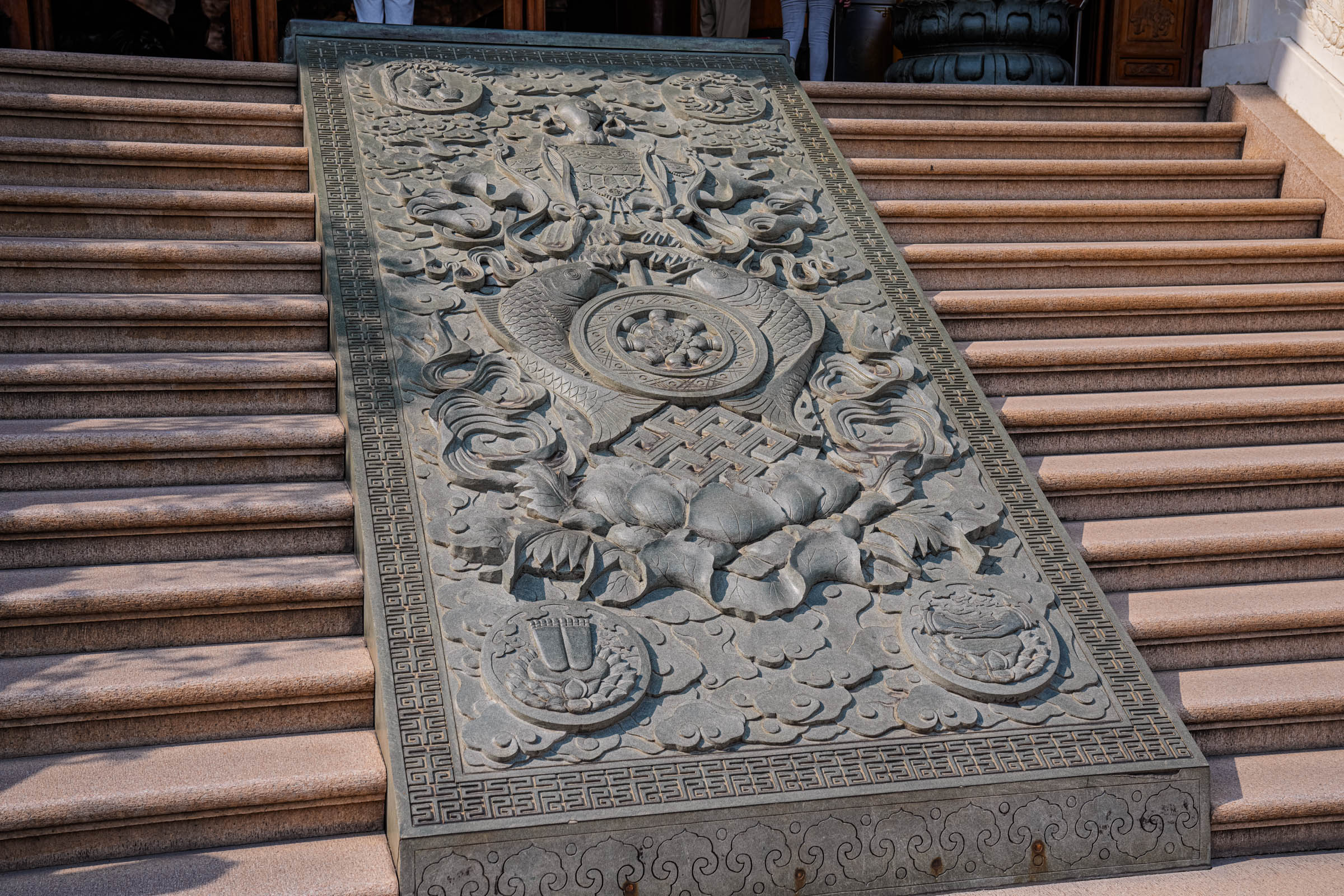
For me, Jing’an Temple is a symbol of the eternal dialogue between old and new. While the city around it lives fast, here every stone and statue reminds you that Shanghai has deep roots.
MORE SHANGHAI SIGHTS YOU SHOULD NOT MISS
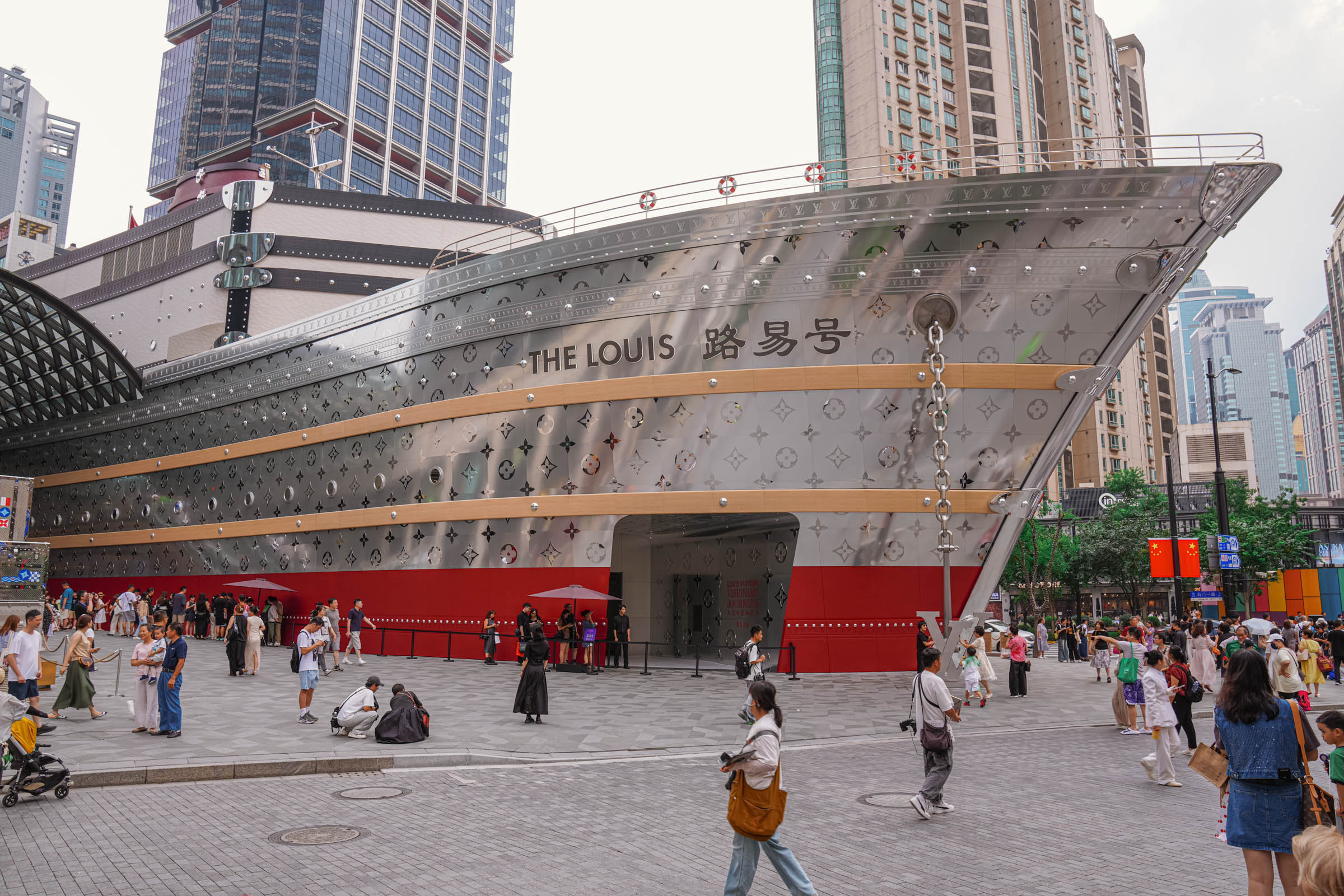
The former French Concession is a leafy neighborhood with tunnels of plane trees, old villas and charming cafés. Wukang Road is especially popular. At its southern end stands Wukang Mansion, the former Normandie Apartments, which László Hudec designed and completed in 1924. On West Nanjing Road, fashion lovers will also notice The Louis. This ship-shaped Louis Vuitton landmark opened in 2025 at HKRI Taikoo Hui.
The Shanghai Museum on People’s Square opened in its current building in 1996. Its round top and square base symbolize the ancient Chinese idea of “round sky, square earth.” Since February 2024, the museum also has a new branch in Pudong, Shanghai Museum East.
For more fun, Shanghai Disneyland opened on June 16, 2016, as the first Disney resort in mainland China. Highlights include TRON Lightcycle Power Run and Pirates of the Caribbean: Battle for the Sunken Treasure. In December 2023, the park also opened Zootopia, the first land of its kind in any Disney park.
SAVHE ATOUR HOTEL NORTH BUND SHANGHAI
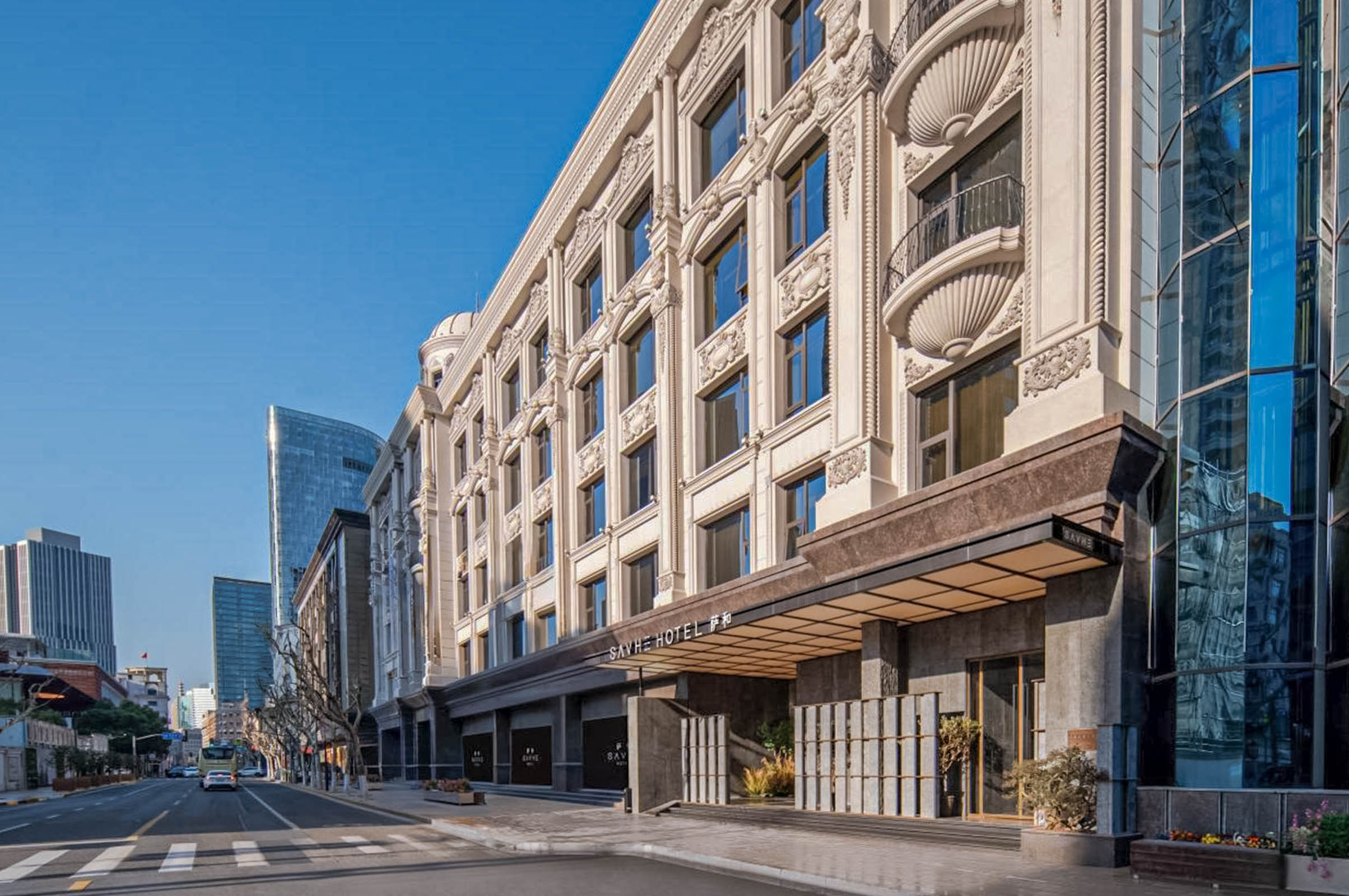
During my time in Shanghai, I stayed at SAVHE Atour Hotel North Bund Shanghai. SAVHE is a new high-end lifestyle brand of the Atour Group. The hotel opened in 2025 at No. 522 North Sichuan Road, in Hongkou District.
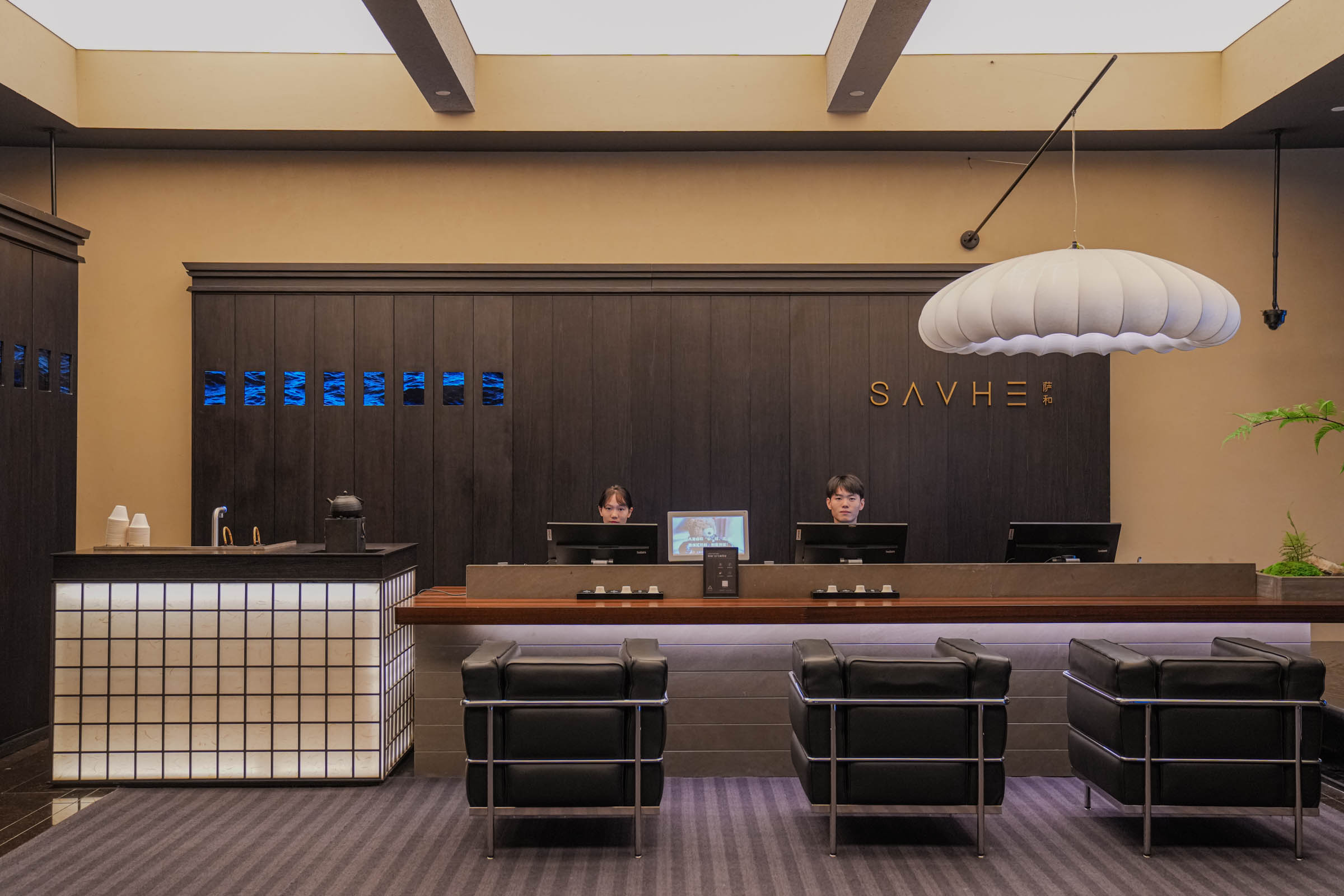
The name SAVHE comes from the language of the Lisu people of the Gaoligong Mountains, and it means “breath”. This idea of breathing and harmony with nature runs through the entire hotel. You feel it in the calm design and the sound of flowing water.
MY STAY AT SAVHE
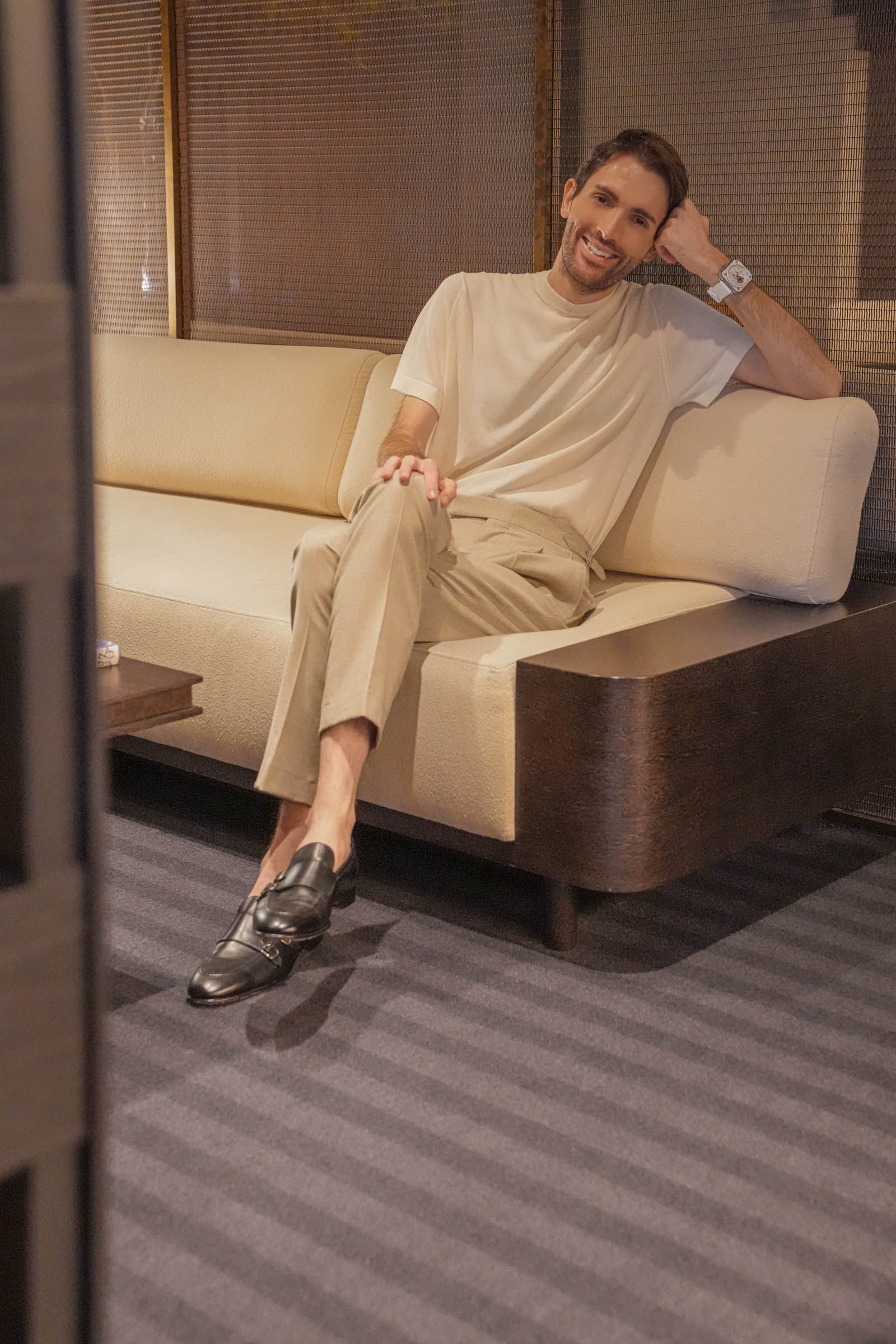
My room had a comfortable seating area and a work desk, and I especially liked the Le Labo bath products. You can choose between soft and firm pillows, which is a great detail for anyone with specific sleeping habits.
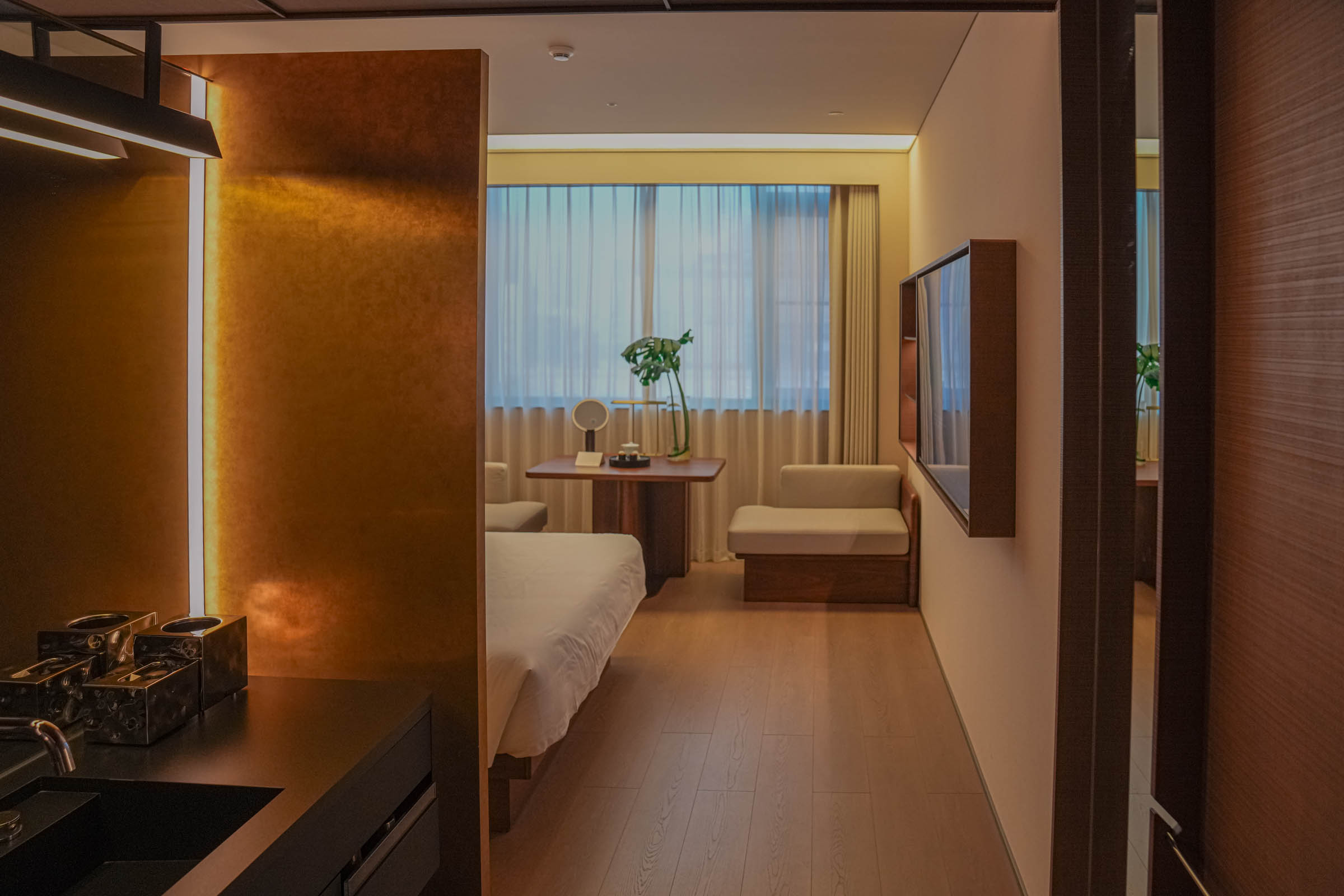
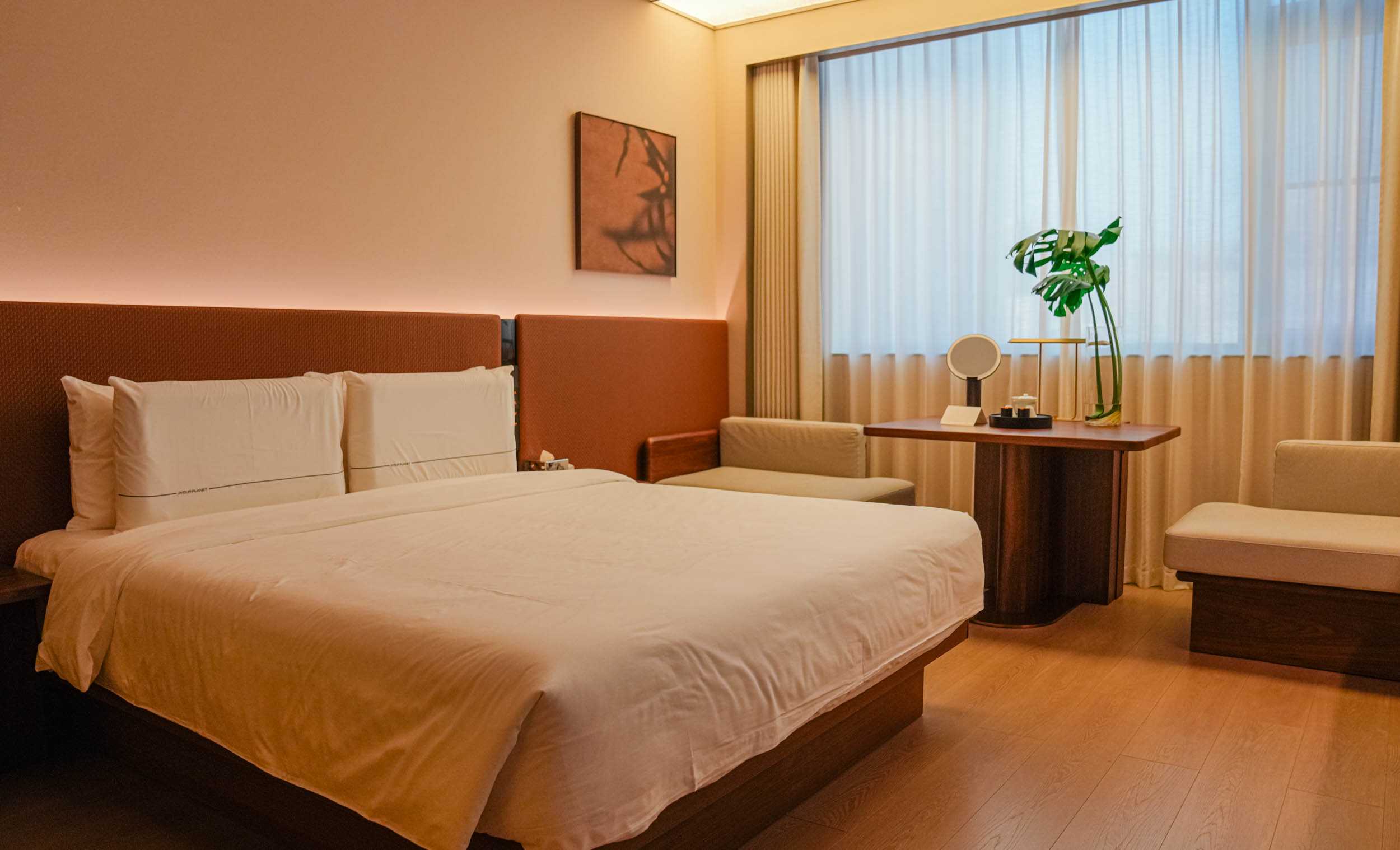
The location is excellent for exploring the North Bund. The Shanghai Postal Museum is less than 300 meters away, and Suzhou Creek about 500 meters. Since the historic Waibaidu Bridge is only about 600 meters away, the Bund is within an easy walk. For the metro, use Tiantong Road or North Sichuan Road stations.
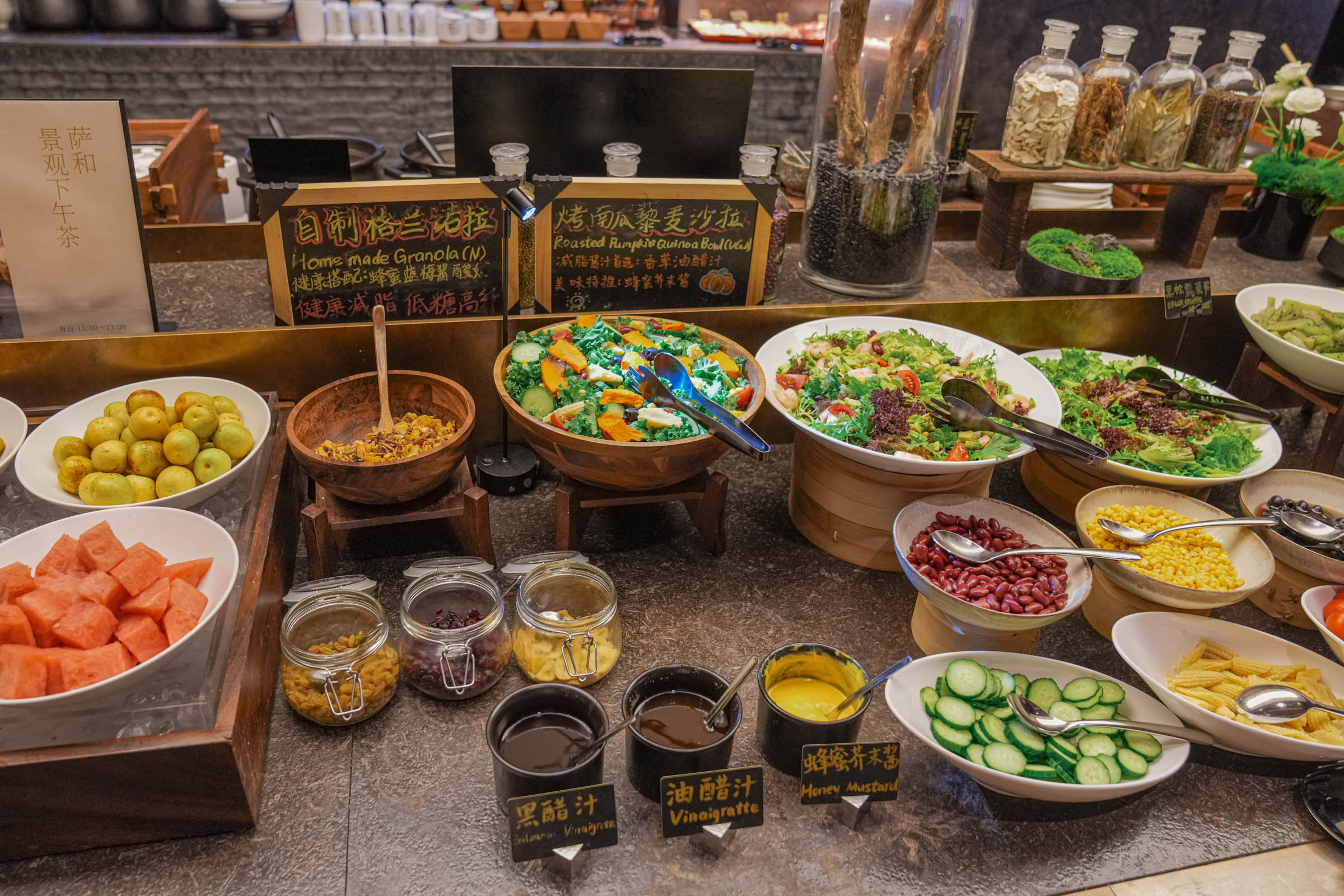
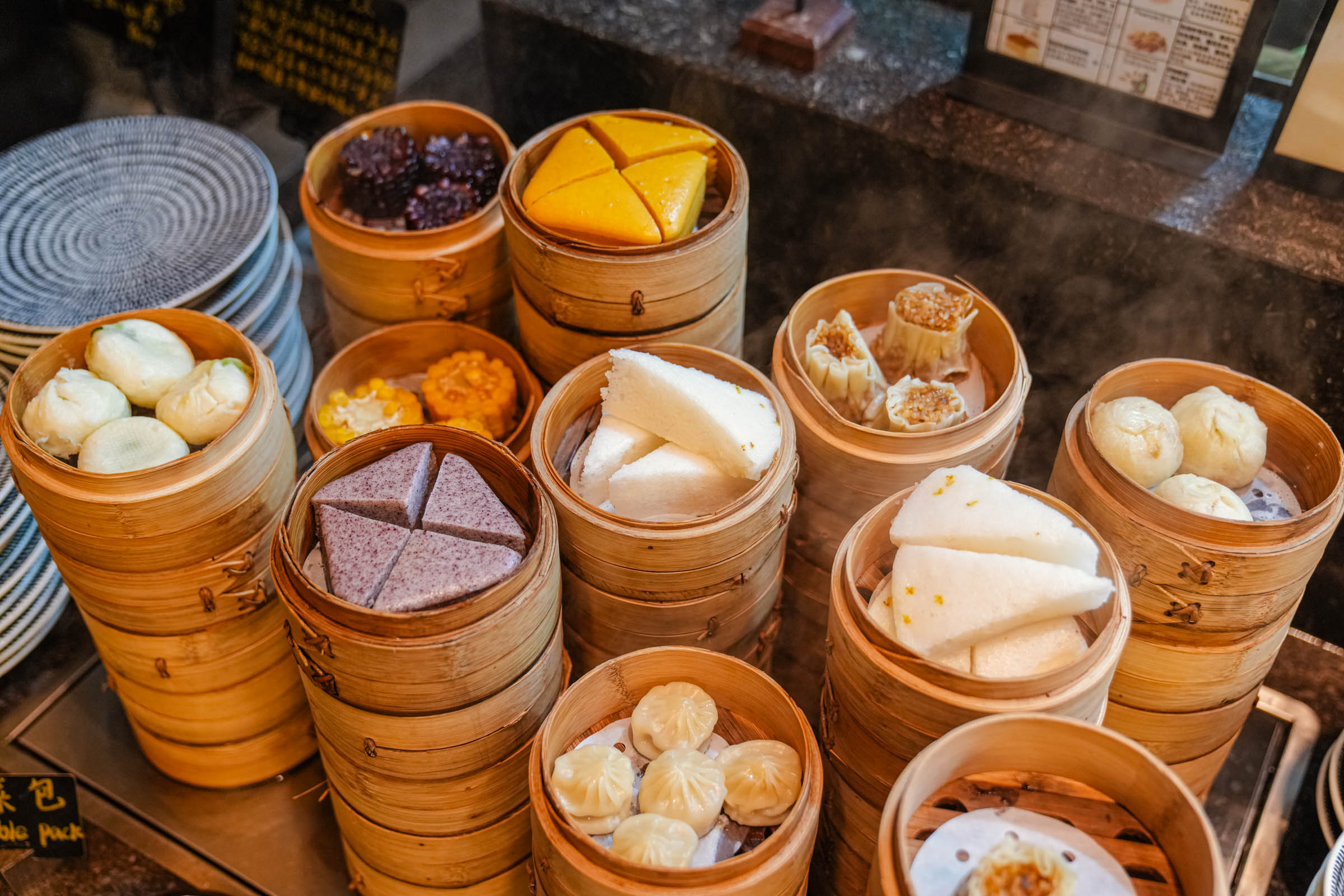
I especially appreciated the complimentary night snacks and afternoon tea. They were a perfect way to relax after a long day. Breakfast was delicious, with a rich selection of Chinese dishes and dim sum. The staff speaks English and Chinese, and their care and attention to detail made my stay truly enjoyable.
PRACTICAL TIPS FOR VISITING SHANGHAI
The best seasons to visit Shanghai are spring and autumn, when the weather is pleasant for long walks. Summer can be hot and humid, while winter is cold, but still great for museums. I visited in September, and the weather was perfect for exploring.
The Shanghai Metro is clean, fast and easy to use, with signs in Chinese and English. According to the city government, its network now covers about 900 kilometers, one of the longest in the world. In addition, the maglev train connects Pudong International Airport with Longyang Road Station. It covers 30 kilometers in about eight minutes, and since May 2021 its cruising speed has been 300 km/h.
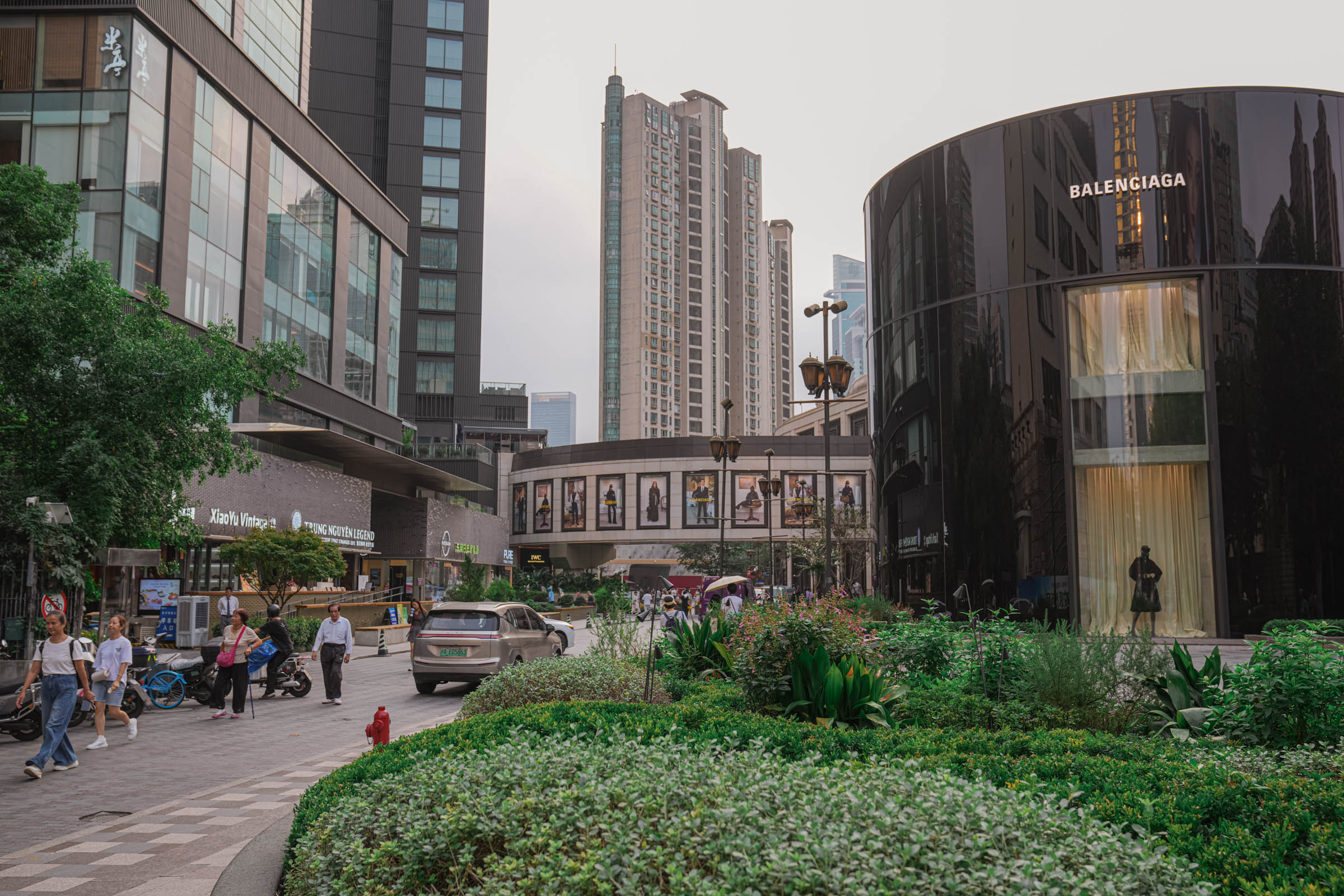
Before you arrive, set up WeChat and Alipay, because most everyday payments in China go through these apps. Also, get an eSIM with mobile data, which is essential for navigation, translation and payments. For taxis, ride-hailing apps such as Didi make life much easier. Finally, check in advance whether a museum or attraction requires a reservation.
TASTES OF SHANGHAI
Shanghai cuisine stands out with its sweet notes. Besides xiaolongbao, be sure to try hongshao rou. This pork belly is slowly braised in soy sauce and sugar until it gets a glossy red finish. Also, do not miss shengjian mantou, pan-fried pork buns with a crispy bottom.
WHY SHANGHAI WILL STAY IN MY HEART
Words cannot fully describe Shanghai; you simply have to experience it. A morning walk along the Bund, peaceful moments in Yu Garden and dizzying views from the Shanghai Tower all bring new discoveries.
What impressed me the most is how Shanghai preserves its rich history while moving toward the future. Here, ancient temples sit in the shadows of skyscrapers, and street dumpling vendors accept payments with QR codes.
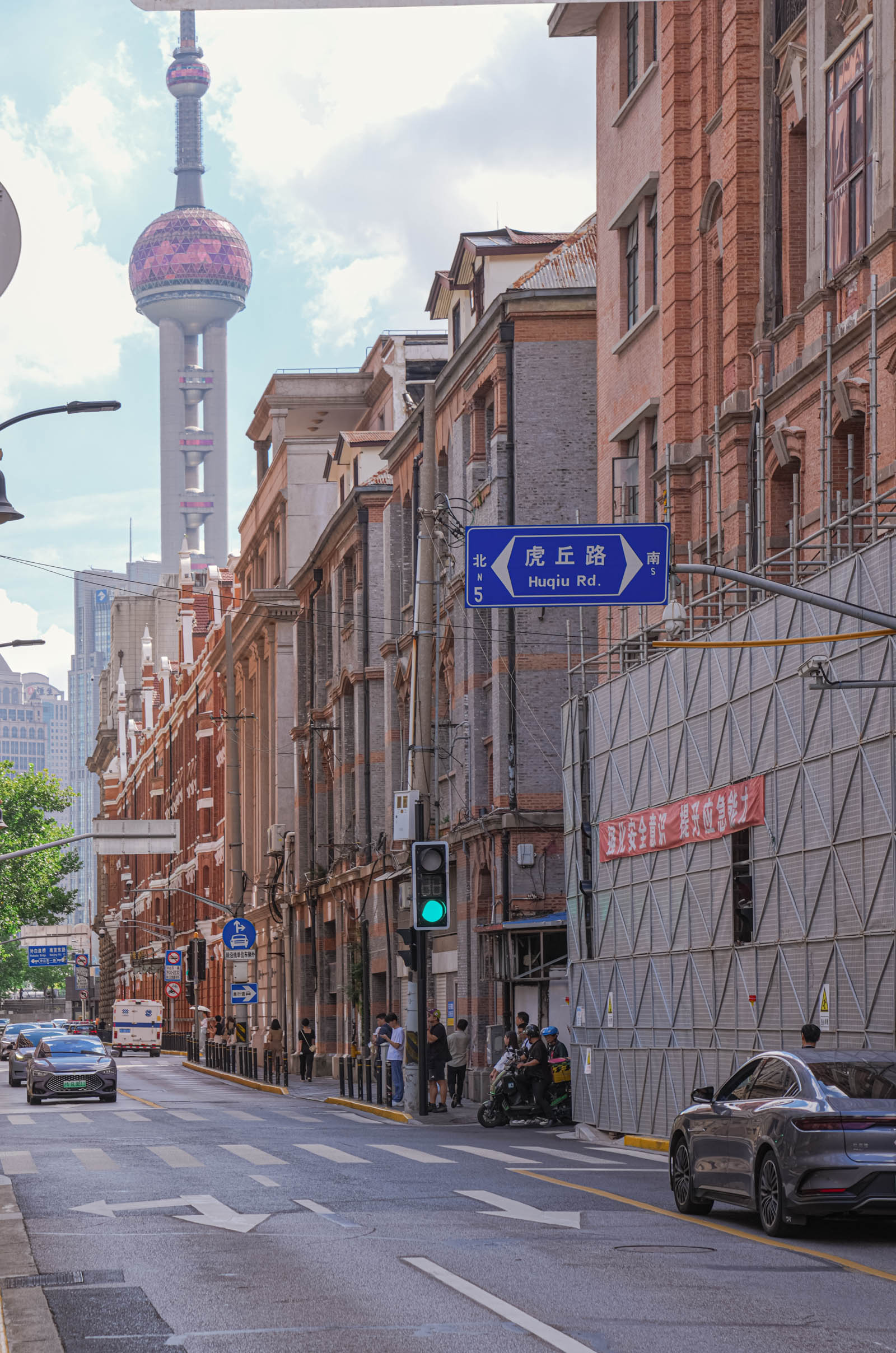
For fashion lovers, the city offers endless possibilities, from luxury boutiques on Nanjing Road West to small shops in the former French Concession. If you love to combine fashion with travel like me, Shanghai is the perfect backdrop for any outfit. My recommendation? Allow at least three to four days. That is enough to visit the main sights and to get lost in the side streets.
SAYING GOODBYE TO SHANGHAI
My dear travelers, we have come to the end of this travelogue. Once again, I thank UN Tourism and SAVHE Atour Hotel North Bund Shanghai for their exceptional hospitality and support. Thanks to them, my Shanghai experience was diverse and truly memorable. And do not forget the night panorama from the Bund, an image you will carry in your heart forever.
Have you already visited Shanghai, or are you just planning to discover its colorful districts, gardens and skyscrapers?
Feel free to leave your impressions, comments or questions below, or contact me by email and on social networks. All information is on the CONTACT page.
With love from Shanghai,
Mr.M
This post is sponsored by The United Nations World Tourism Organization (UN Tourism) and SAVHE Atour Hotel North Bund Shanghai, as well as other local partners who selflessly supported this project. This post is my personal and honest review of the destination experience.
Hello Marko! Your description of Shanghai is absolutely phenomenal. I visited the city back in 2022 for a business conference and completely fell in love with it. The contrast between the Bund’s historical architecture and Pudong’s futuristic skyline is something that still takes my breath away when I think about it. I remember standing on the Bund at sunset watching the Symphony of Lights, it was magical. Your tip about visiting early in the morning before 9 AM is spot on, I wish I had known that when I was there. The crowds during midday can be overwhelming. Can’t wait to return and explore Zhujiajiao based on your recommendation!
Bonjour Marko! Ton article sur Shanghai est magnifique et très détaillé. J’ai visité la ville il y a trois ans et je me souviens encore de la beauté du Yu Garden. Les ponts en pierre et le salon de thé Huxinting sont vraiment incroyables. Ta description du Big Rock et de la pierre Exquisite Back Stone m’a rappelé à quel point ces détails architecturaux sont fascinants. Je voudrais savoir, quand tu as visité Zhujiajiao, combien de temps as-tu passé là-bas? Est-ce qu’une demi-journée suffit ou il vaut mieux prévoir une journée complète? Merci pour ces merveilleux conseils de voyage!
Hallo Marko! Dein Beitrag über Shanghai ist wirklich beeindruckend. Die Geschichte des Jing’an Tempels von 247 n. Chr. bis heute zeigt perfekt, wie Shanghai Tradition und Moderne vereint. Ich war 2021 in Shanghai und habe den Tempel besucht, die Ruhe inmitten der pulsierenden Stadt ist wirklich außergewöhnlich. Der Kontrast zwischen den goldenen Tempeldächern und den umliegenden Wolkenkratzern ist atemberaubend. Deine Empfehlung, früh morgens zu kommen, ist Gold wert. Die spirituelle Atmosphäre mit dem Duft von Weihrauch ist unvergesslich.
Ciao Marko! Che articolo meraviglioso! Ho visitato Shanghai tre anni fa durante un viaggio di lavoro e mi sono innamorato della città. La Torre di Shanghai è veramente spettacolare i 632 metri di altezza e quella struttura a spirale che riduce la pressione del vento del 24% è pura ingegneria brillante. Ricordo ancora la sensazione nell’ascensore ad alta velocità che sale in soli 55 secondi. Il tuo consiglio di coprire le orecchie durante la salita è molto utile! Il J Hotel al 120° piano deve essere un’esperienza incredibile.
Marko, this is hands-down one of the most comprehensive travel guides I’ve read about Shanghai! I’m planning my first trip to China next spring and your post answered so many questions I had. The detail about needing advance reservations for museums and tourist spots via WeChat is crucial information, I would have never known that! Could you share more about setting up Alipay and WeChat before arriving? Also, is it easy to find English-speaking guides for places like Yu Garden or Zhujiajiao?
¡Hola Marko! Tu descripción de Zhujiajiao me ha dejado sin palabras. La “Venecia de Shanghai” con sus 36 puentes antiguos y 1,700 años de historia suena absolutamente fascinante. El Puente Fangsheng construido en 1571 con sus dragones tallados y leones de piedra debe ser impresionante en persona. ¿Recomiendas ir entre semana para evitar multitudes o los fines de semana también son manejables? Me encantaría hacer el paseo en bote por los canales que mencionaste. Gracias por compartir estos detalles increíbles.
Hey Marko! I was in Shanghai in September 2023 and your post brought back so many wonderful memories. The French Concession area is absolutely stunning, those plane trees and Tudor houses create such a unique atmosphere. I spent hours wandering Wukang Road taking photos. Your mention of the SAVHE Atour Hotel North Bund sounds fantastic, especially with the Le Labo bath products and rooftop bar. The location near Waibaidu Bridge must be perfect for early morning walks along the Bund before the tourist crowds arrive.
Marko, ton guide est exceptionnel! J’adore comment tu as expliqué l’histoire de la Concession Française et du Bund. Les 52 bâtiments de différents styles architecturaux le long du Bund sont vraiment un musée à ciel ouvert. Le bâtiment de l’ancienne banque HSBC au Bund 12 et l’hôtel Fairmont Peace au Bund 20 sont magnifiques. Ton conseil de visiter le Bund une heure après le lever du soleil est parfait. Est-ce que tu recommandes aussi une visite nocturne pour voir les lumières? La réflexion sur la rivière Huangpu doit être spectaculaire.
Hallo Marko! Shanghai steht schon lange auf meiner Bucket-List. Deine Beschreibung der Oriental Pearl TV Tower hat mich besonders fasziniert. Die Idee mit den 11 Stahlkugeln inspiriert vom Gedicht “Pipa xing” ist so poetisch. Der transparente Glasboden auf 259 Metern Höhe muss ein unglaubliches Erlebnis sein! Ich habe gehört, dass die Maglev-Bahn vom Flughafen Pudong eine der schnellsten Züge der Welt ist. Hast du sie benutzt? Welches Transportmittel empfiehlst du vom Flughafen ins Stadtzentrum?
Ciao Marko! Il tuo post su Shanghai è incredibilmente dettagliato e ben scritto. La storia del Giardino Yu mi ha particolarmente colpito, il fatto che Pan Yunduan abbia impiegato 18 anni e rovinato finanziariamente la sua famiglia per creare questo regalo per i suoi genitori è commovente. Il ponte Nove Curve che porta alla Huxinting Teahouse costruita nel 1784 deve essere bellissimo. La leggenda che gli spiriti maligni possano muoversi solo in linea retta è affascinante! Grazie per questi consigli preziosi.
Marko, what an absolutely incredible guide to Shanghai! I visited in early 2022 and your post captures the essence of the city perfectly. The Yu Garden with its 72-hole porous stone that lets incense smoke through is such a unique feature. I remember buying zongzi from a street vendor near North Street in Zhujiajiao, the glutinous rice wrapped in bamboo leaves was delicious! Your food recommendations are spot-on. The xiaolongbao from Nanxiang Mantou Dian near Yu Garden is truly the best I’ve ever tasted.
¡Marko, qué artículo tan completo! He estado planeando un viaje a Shanghai y tu post ha resuelto muchas de mis dudas. La información sobre el clima es muy útil visitaré en octubre así que debería ser perfecto según tu experiencia en septiembre. Me intriga mucho la Torre Shanghai con su diseño en espiral de 120 grados. ¿Cuánto tiempo recomiendas pasar en la plataforma de observación “Top of Shanghai”? ¿Vale la pena pagar extra para visitar también la Space Capsule en el 351 metros?
Marko, deine Shanghai-Reiseführung ist absolut erstklassig! Die Details über das Shanghai Museum am People’s Square sind sehr interessant. Die Sammlung von über 120.000 Artefakten mit Bronzen, Keramik und Kalligraphie muss beeindruckend sein. Ich liebe es, dass der Eintritt kostenlos ist, aber eine Voranmeldung erforderlich ist. Das ist ein wichtiger Tipp! Wie lange empfiehlst du für einen Museumsbesuch einzuplanen? Gibt es englische Audioguides oder Führungen verfügbar?
Caro Marko, il tuo articolo su Shanghai è semplicemente magnifico! La descrizione di Nanjing Road come la “Prima Strada Commerciale della Cina” con 1.7 milioni di visitatori al giorno è impressionante. Sono stata a Shanghai due anni fa e ricordo ancora le luci al neon di notte, uno spettacolo incredibile! La zona pedonale è perfetta per lo shopping e per immergersi nella vita urbana di Shanghai. Mi è piaciuto molto come hai combinato consigli di moda e viaggi nel tuo post. Aspetto con impazienza la tua recensione dettagliata del SAVHE Atour Hotel!
Hey Marko! Your Shanghai guide is absolutely brilliant. I’m particularly fascinated by the history of the Bund and how it transformed from a center of foreign power in the 1860s-1930s to what it is today. The Customs House with its Big Ben-inspired clock tower and the Bank of China building designed by Chinese architects in 1937 show such interesting architectural diversity. When you walked along the Bund, did you also take the Bund Sightseeing Tunnel under the Huangpu River to Pudong? I’ve heard mixed reviews about it.
Salut Marko! Ton article est une véritable encyclopédie de Shanghai! J’ai visité la ville il y a deux ans en novembre et les températures étaient parfaites pour explorer. Ta recommandation sur les applications WeChat et Alipay est cruciale j’ai eu des difficultés avec les paiements mobiles car je n’étais pas préparé. Pour ton prochain voyage, je recommande aussi de visiter le Shanghai World Financial Center, la plateforme d’observation au 100e étage offre une vue spectaculaire différente de celle de la Tour Shanghai.
Hallo Marko! Ich war im April 2023 in Shanghai und dein Artikel hat all meine wunderbaren Erinnerungen zurückgebracht. Der Shanghai Disneyland Park ist wirklich beeindruckend, die Pirates of the Caribbean Attraktion und die TRON-Achterbahn mit 95 km/h sind weltklasse! Dein Hinweis, dass es günstiger als Paris oder Orlando ist, stimmt absolut. Die meisten Attraktionen funktionieren auch ohne Chinesischkenntnisse. Für Familien mit Kindern ist es ein absolutes Muss wenn man Shanghai besucht.
Marko, this is one of the most detailed and practical travel guides I’ve ever read! Your breakdown of the different ticket options for Zhujiajiao attractions is incredibly helpful. The 120 yuan combined ticket with boat ride and nine attractions seems like the best value. I love how you included specific details like the opening hours (8:30 AM – 11:00 PM) and the best visiting times. Could you share more about the Dianshan Lake cruise you mentioned? How long does it take and is it worth the extra time?
¡Marko, tu guía de Shanghai es excepcional! La historia de Zhujiajiao con 1,700 años de antigüedad es fascinante. El hecho de que fue declarada una de las cuatro ciudades históricas y culturales famosas en 1991 muestra su importancia. Me encanta la arquitectura Ming y Qing con más de 10,000 edificios preservados. Las descripciones del Jardín Kezhi construido en 1912 y del Templo Yuanjin de la Dinastía Yuan son increíbles. ¿Hay buenos lugares para comprar artesanías tradicionales auténticas en Zhujiajiao?
Marko, your Shanghai guide is absolutely outstanding! The practical tips section is gold especially the note about using the Didi app through Alipay for taxis. I’m planning to visit Shanghai in March 2025 and your post has given me so much valuable information. The SAVHE Atour Hotel North Bund location sounds perfect, being just 10 minutes walk from Waibaidu Bridge and 15-20 minutes from the Bund. Do you think three nights there would be enough, or should I plan for four to properly explore everything you’ve mentioned?
Ciao Marko! Il tuo post su Shanghai è un capolavoro di scrittura di viaggio! La sezione sul Tempio Jing’an è particolarmente toccante la trasformazione da tempio a fabbrica di plastica e poi di nuovo a monumento culturale protetto è una storia incredibile. Ho visitato Shanghai nel 2021 e ricordo ancora la pace spirituale all’interno del tempio contrapposta al caos della moderna Nanjing Road. I tetti gialli e le travi di legno intagliato creano un’atmosfera così serena. Grazie per aver condiviso queste esperienze autentiche!
Bonjour Marko! Ton article est absolument magnifique et extrêmement utile. J’ai particulièrement apprécié tes recommandations gastronomiques, les xiaolongbao, hongshao rou et scallion pancakes sont maintenant sur ma liste! Le restaurant Nanxiang Mantou Dian près du Jardin Yu avec plus de 100 ans d’histoire doit servir des dumplings authentiques exceptionnels. As-tu essayé les restaurants Three on the Bund que tu as mentionnés? Je suis curieux de savoir si les restaurants étoilés Michelin valent vraiment le prix à Shanghai.
Hey Marko! This is the best informational Shanghai travel guide I’ve come across. Your personal experiences and detailed historical context make it so much more than just a list of attractions. I visited Shanghai back in late 2022 and wish I had read your post before going, I missed out on Zhujiajiao completely! The detail about the Clock Tower standing 44 meters tall from 1915 and its Edwardian style inspired by Big Ben is fascinating. I’ll definitely be returning to Shanghai to explore all the places I missed, especially that ancient water town. Thank you for sharing!