
The first lesson Hong Kong taught me was simple: look up. Everywhere I turned, towers climbed toward the clouds, laundry fluttered from tiny balconies, and green mountains watched over it all. My dear travelers and lovers of unusual journeys, welcome to my Hong Kong travel guide, written from the streets, ferries and temples I explored myself.
After my letters from South America, this journey took me to the Far East. The series began in Beijing, and if you missed that letter, you can read it HERE. Before we start, I want to thank The United Nations World Tourism Organization (UN Tourism) and the Hong Kong Tourism Board (HKTB) for this extraordinary project. Every city on this route had its own story. Still, Hong Kong, squeezed between mountains and the sea, left the strongest impression on me.
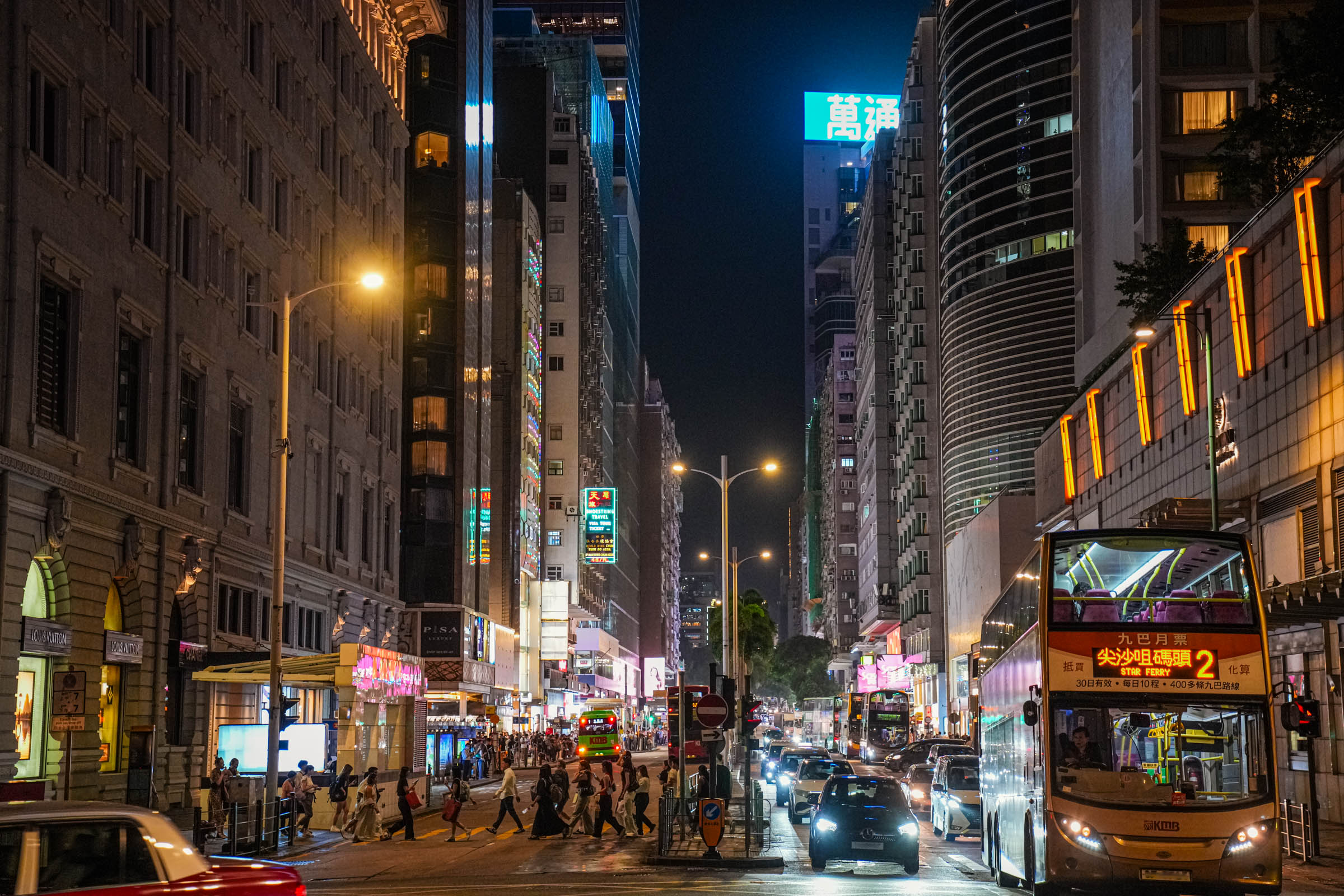
Hong Kong is not just a destination. It changes the way you see a city. Here, Buddhist temples rest in the shadow of glass towers, and incense mingles with the aroma of dim sum. Meanwhile, street vendors sell their goods a few steps from the most exclusive boutiques in the world. That contrast is the thread running through this entire Hong Kong travel guide.
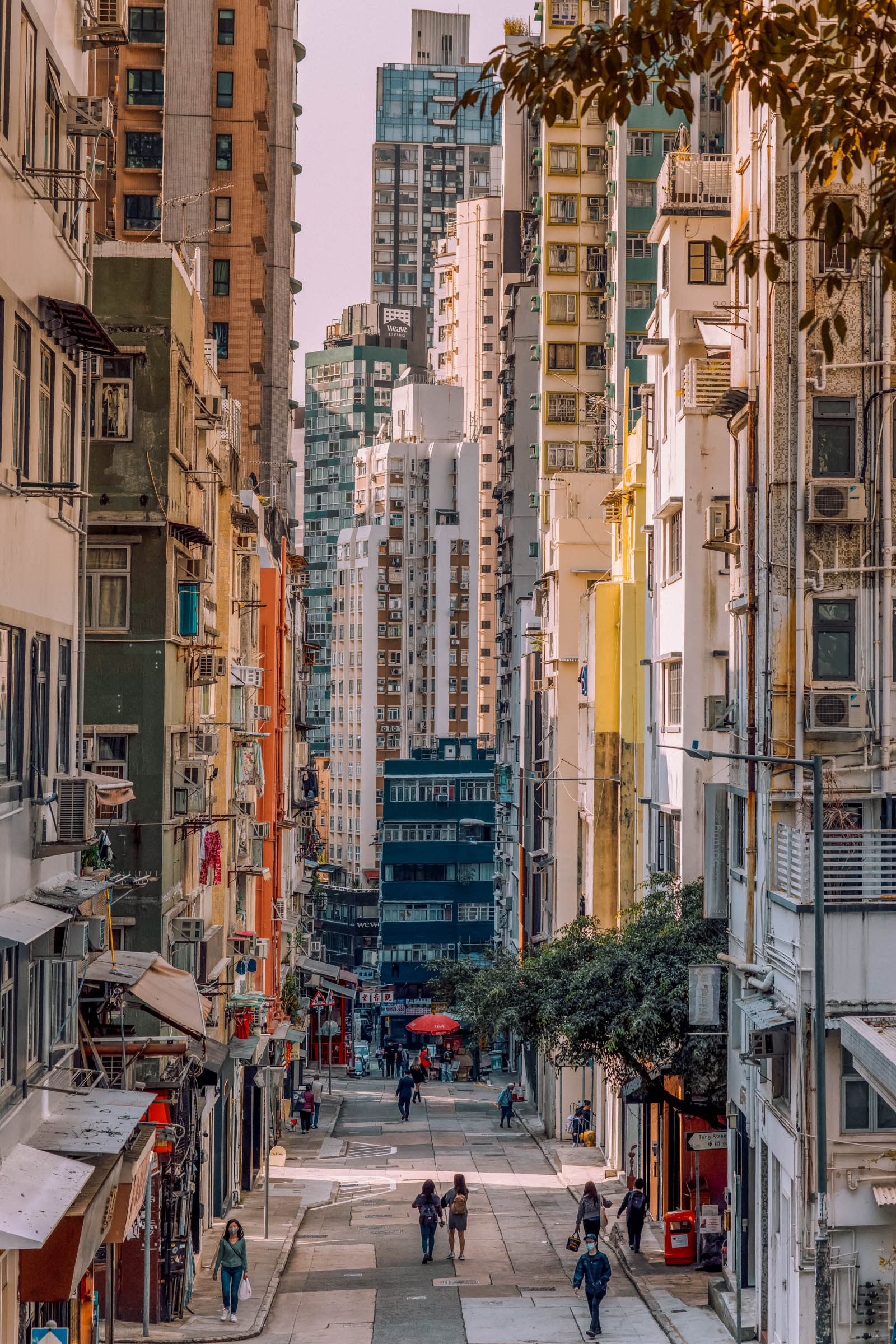
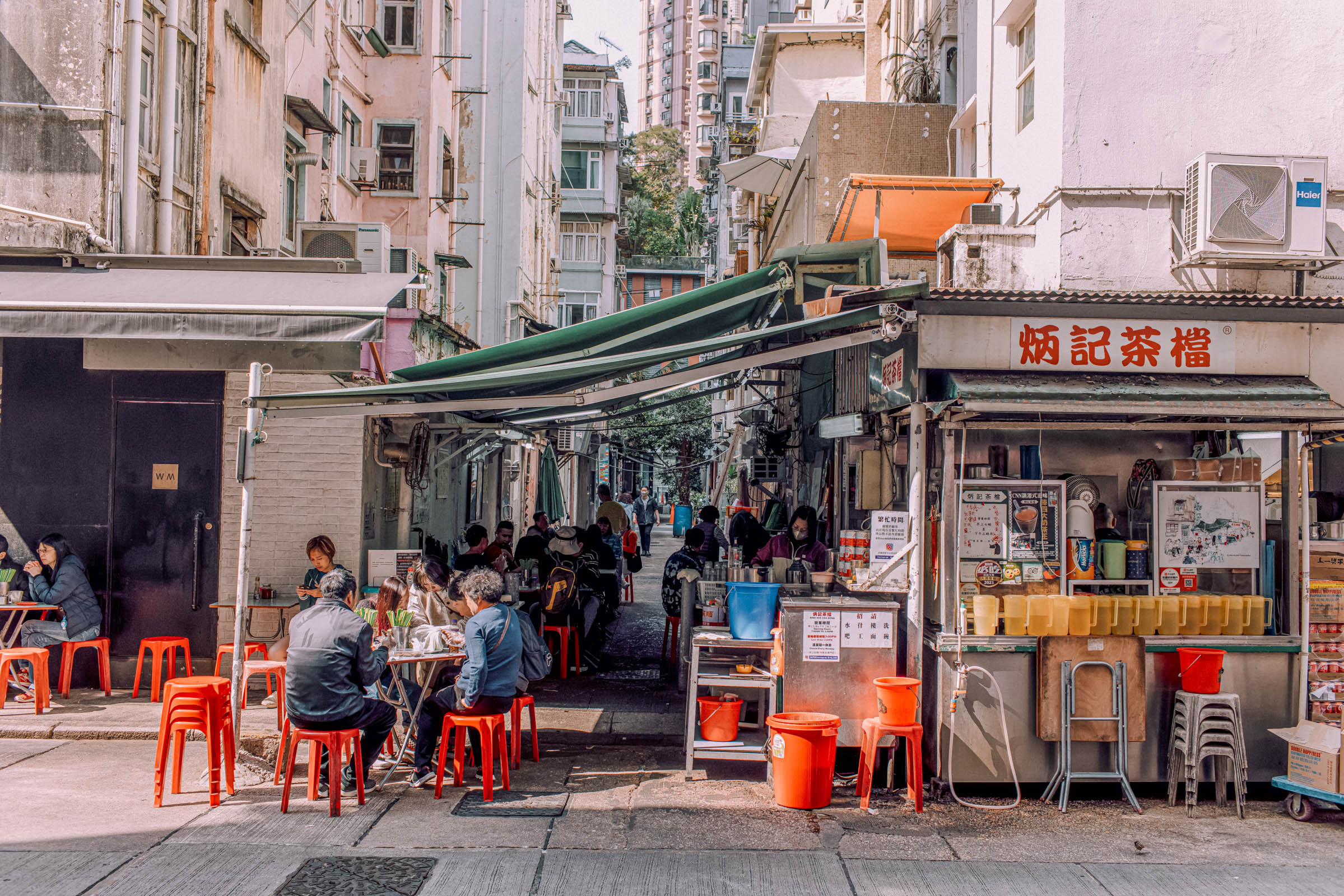
HONG KONG TRAVEL GUIDE: A CITY OF TOWERS, MOUNTAINS AND SEA
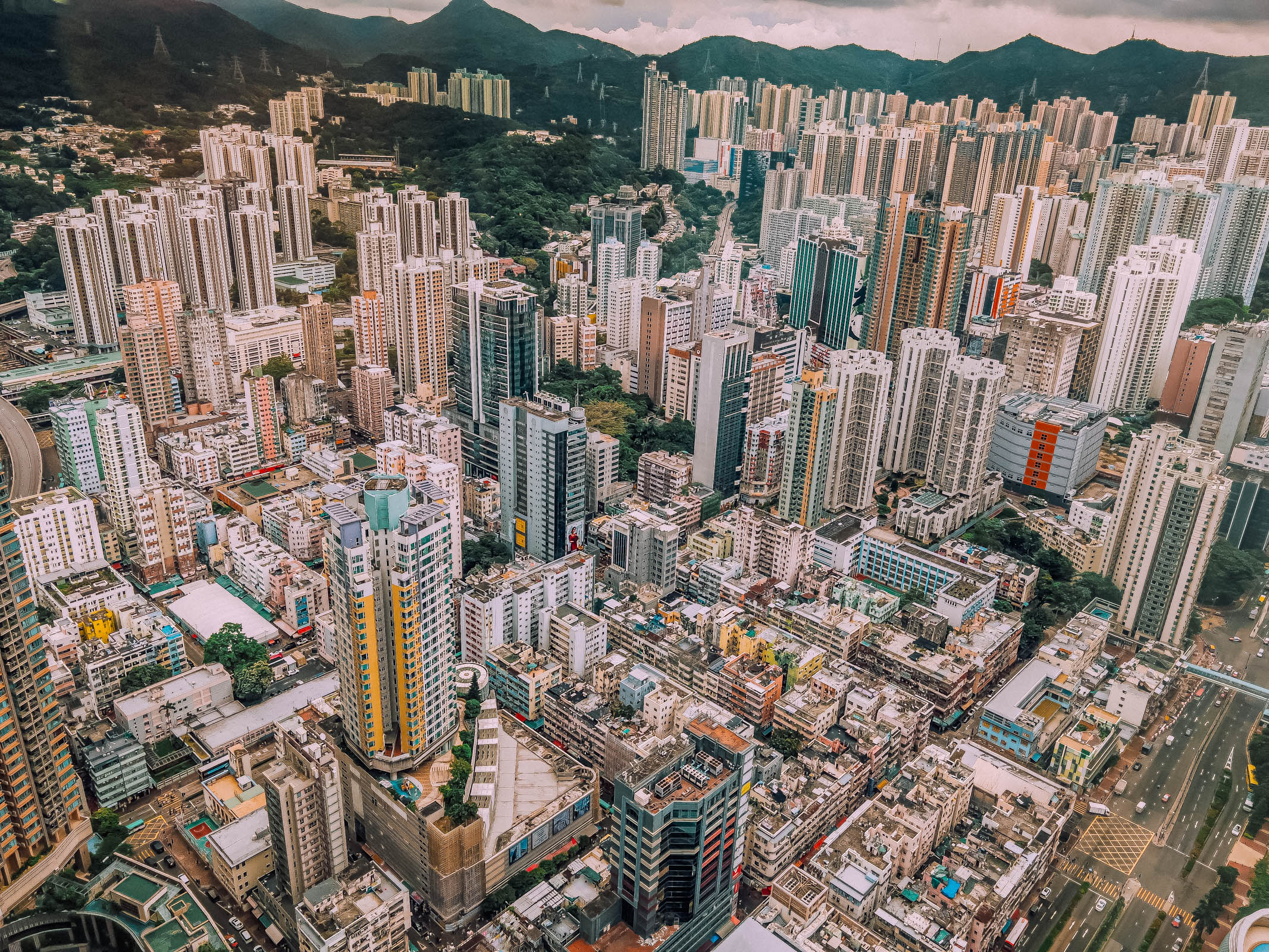
Around 7.5 million people live in Hong Kong, on about 1,115 square kilometers of land. That makes it one of the most densely populated places on the planet. Surprisingly, country parks and special areas cover about 40 percent of that land, which explains why the mountains are never far away. A former British colony, Hong Kong returned to Chinese sovereignty in 1997. Even so, it has kept its own identity, at once Chinese and international, traditional and ultra-modern.
My first impression came through the airplane window. Hong Kong International Airport sits on reclaimed land around the island of Chek Lap Kok, so the descent feels like landing on the sea. Below me, I saw a forest of towers, misty mountains and islands scattered across jade-green water. It looked like a set from a science fiction film. Then I reached the city itself and realized that reality was even more impressive.
This Hong Kong travel guide follows the city from the harbor to the hills. Feel free to borrow my route day by day.
VICTORIA HARBOUR AND THE STAR FERRY: THE HEART OF HONG KONG
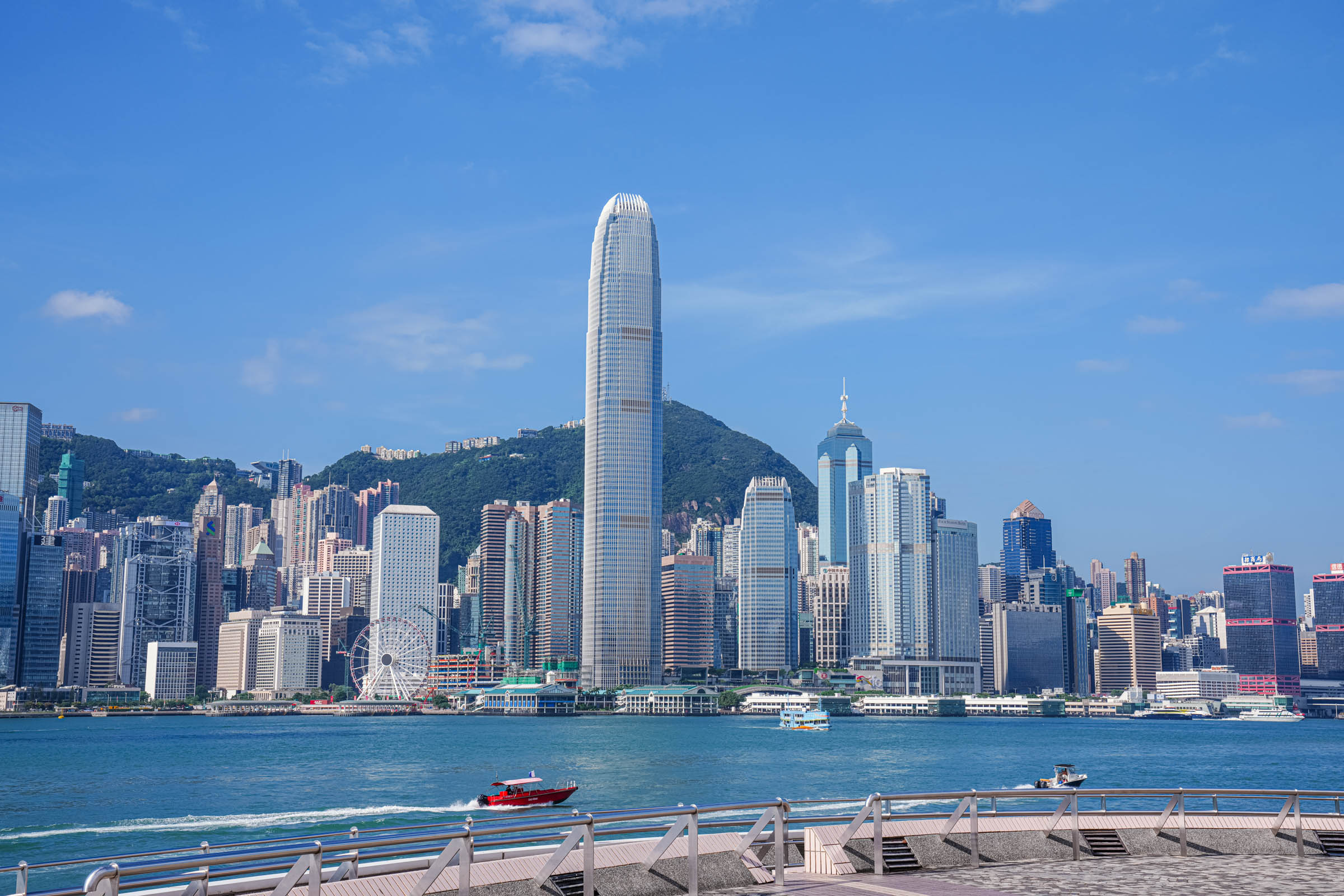
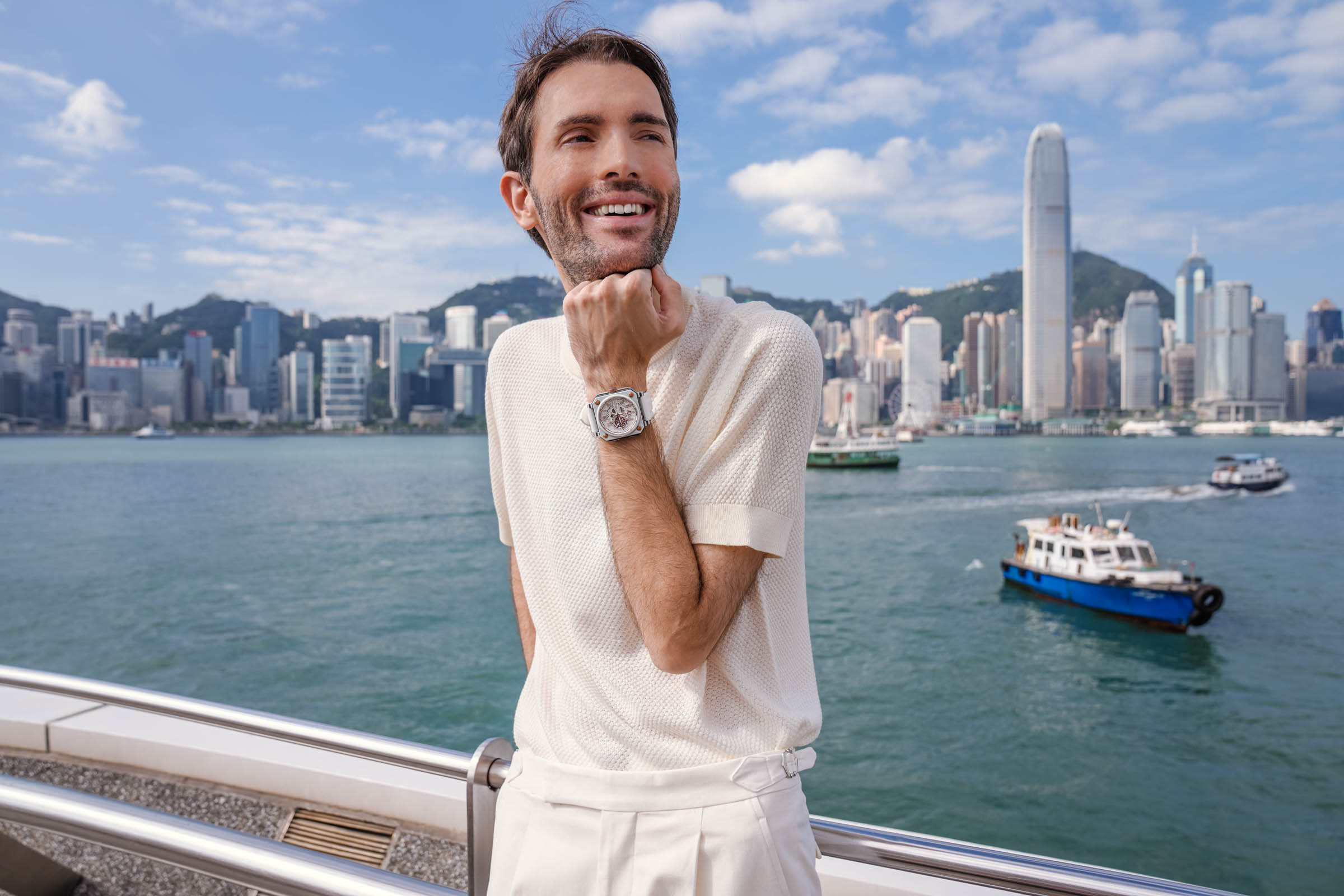
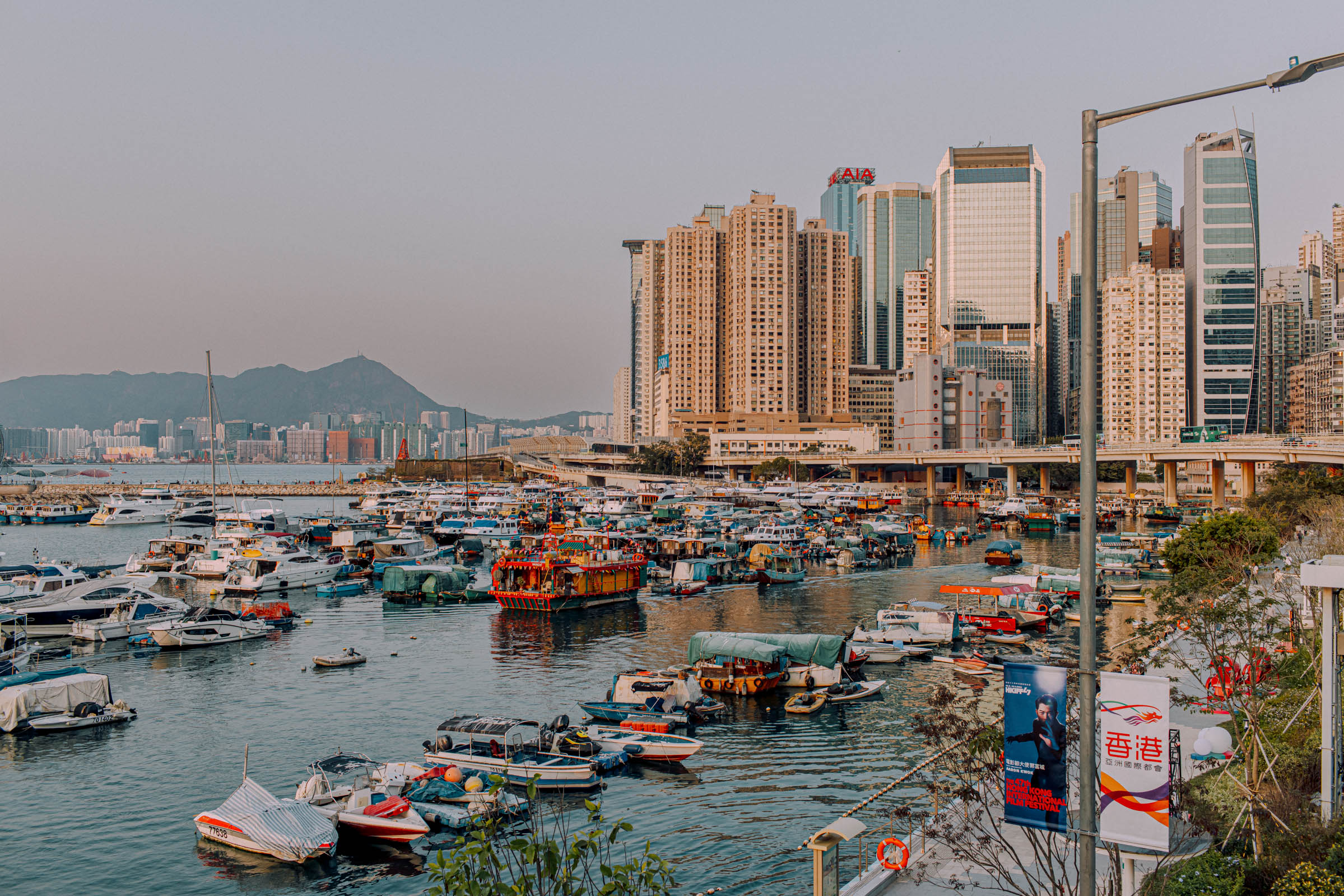
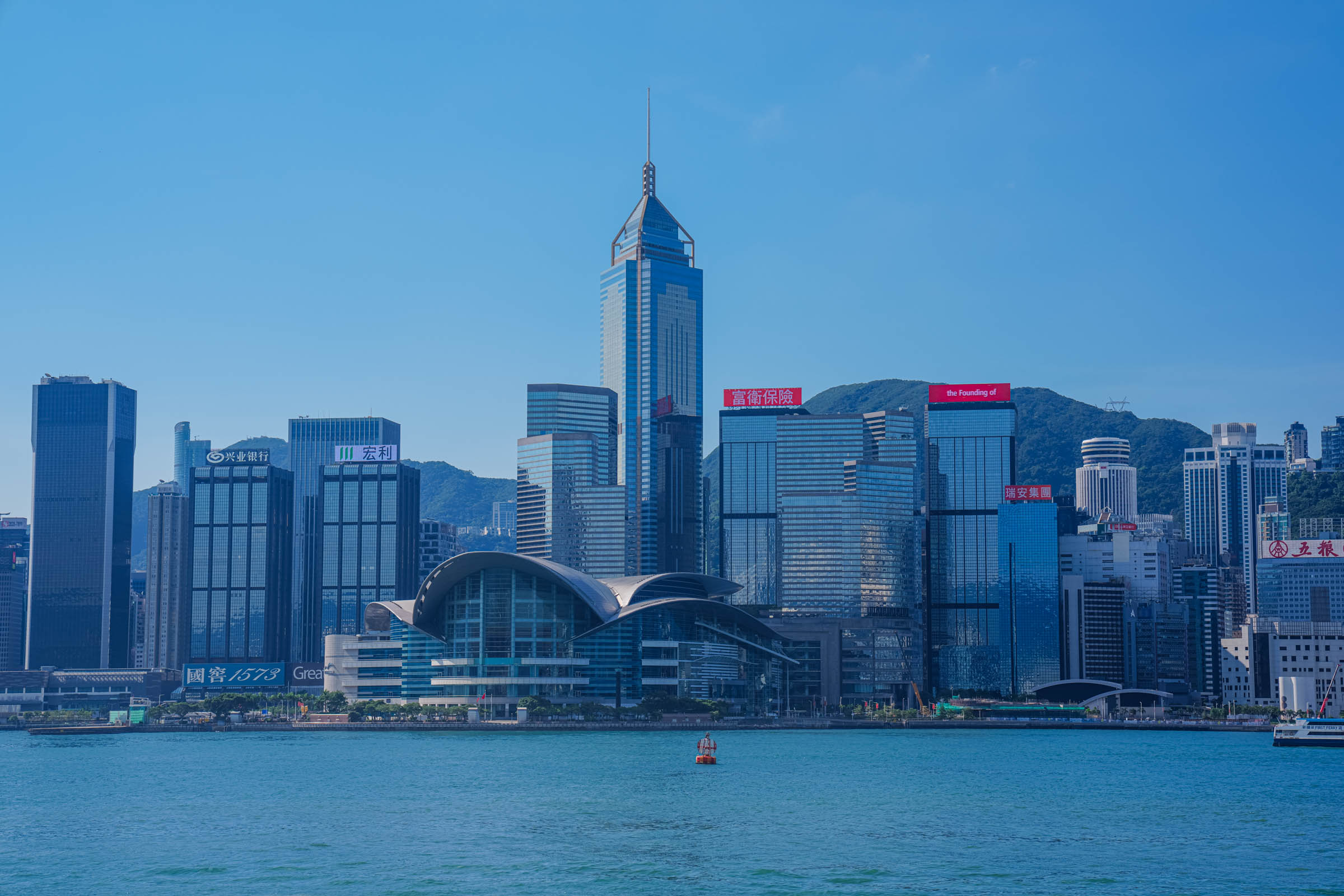
If Hong Kong has a heart, it is Victoria Harbour. This natural harbor separates Hong Kong Island from Kowloon, and it is both the geographical and the cultural center of the city. I spent hours walking along the Tsim Sha Tsui Promenade on the Kowloon side. Every time I thought I had seen it all, the harbor surprised me again.
During the day, the water is a living picture of a city at work. The green and white boats of the Star Ferry cross between Kowloon and Hong Kong Island, as they have since 1888. At the same time, a traditional junk with red sails glides past modern yachts, and cargo ships arrive from every corner of the world.
For just a few Hong Kong dollars, you can take the same crossing that people took more than a century ago. As the skyline grows in front of you, you understand why this harbor shaped the whole city. In my opinion, no Hong Kong travel guide should skip this short, cheap and unforgettable ride.
A SYMPHONY OF LIGHTS: HONG KONG AFTER DARK
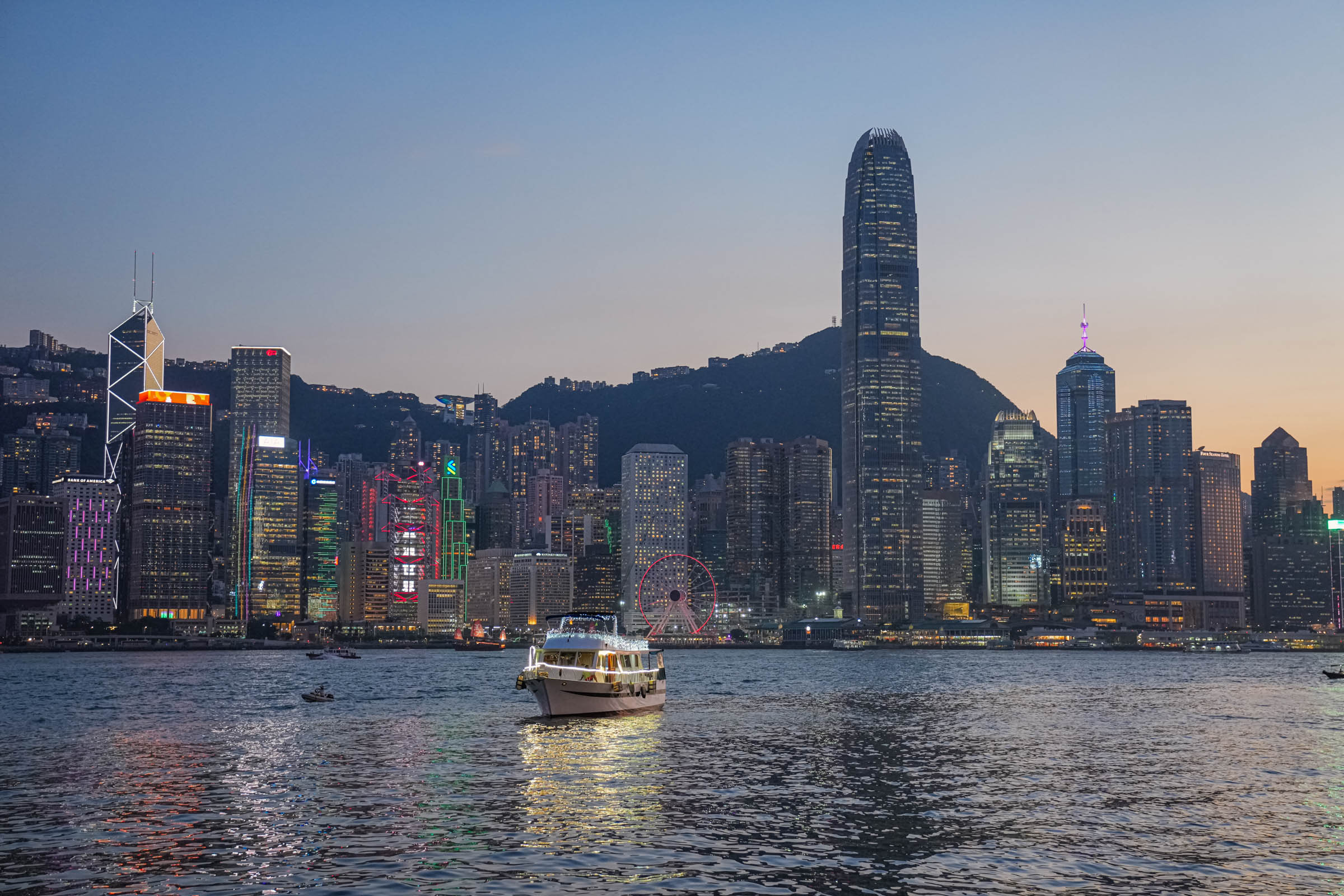
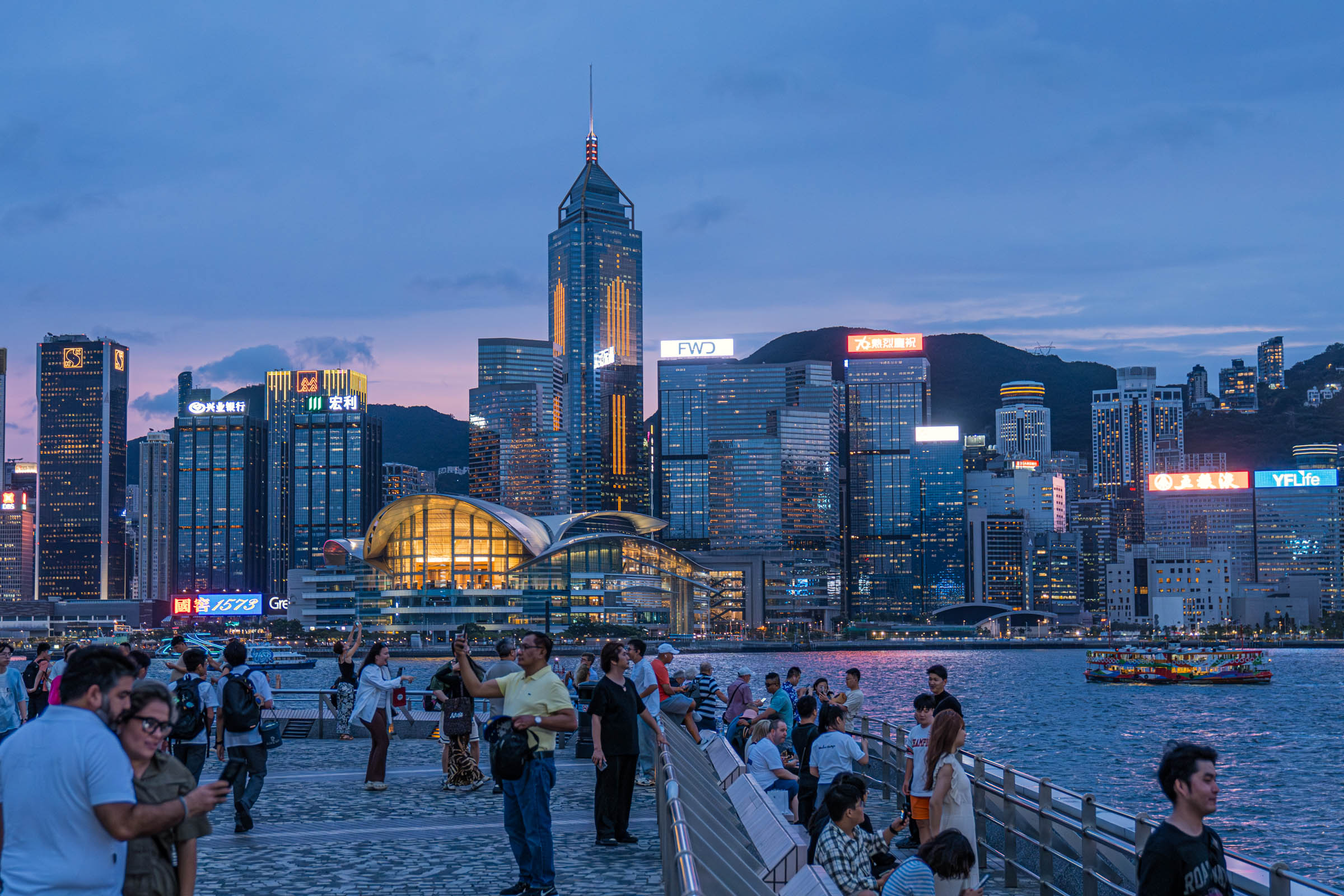
The real spectacle begins after sunset, when the skyline turns into a giant screen. Every evening at 8 pm, buildings on both sides of the harbor join A Symphony of Lights. The Hong Kong Tourism Board describes it as the world’s largest permanent light and sound show, and it lasts about ten minutes. Lights, lasers and LED displays move in sync with music, and the effect is almost surreal.
I watched it from the Avenue of Stars, surrounded by tourists and by locals who had seen the show many times before. Somehow, that made it even more special. For ten minutes, we all shared the same evening ritual. My practical tip: arrive 20 minutes early to get a spot by the railing, and download the official app to hear the music clearly.
Victoria Harbour is not only about spectacle, though. It is also a working harbor, and you can feel the economic power of the city simply by watching the traffic on the water. That is why I return to this waterfront in every chapter of my Hong Kong travel guide.
NAN LIAN GARDEN: A TANG DYNASTY OASIS IN DIAMOND HILL
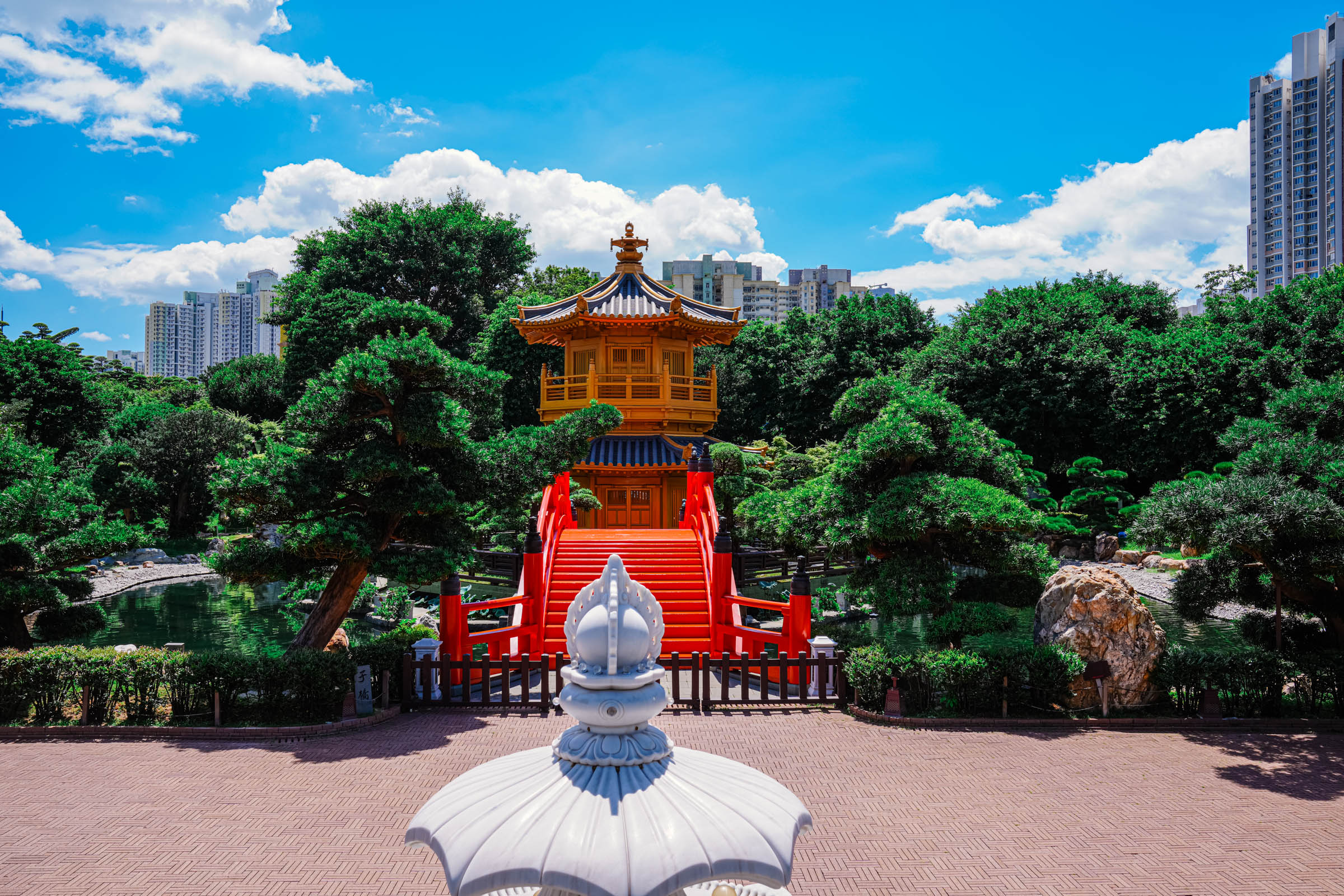
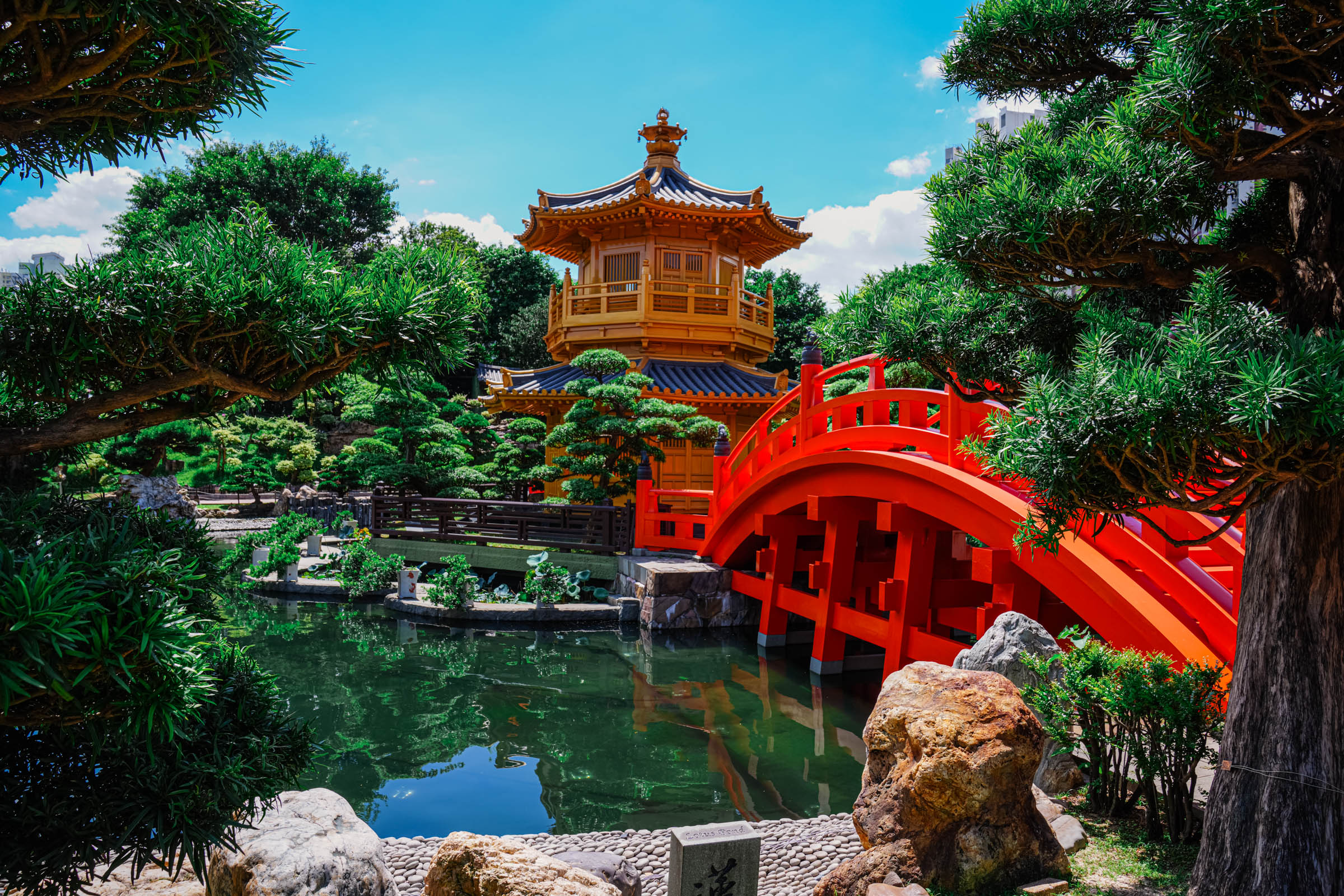
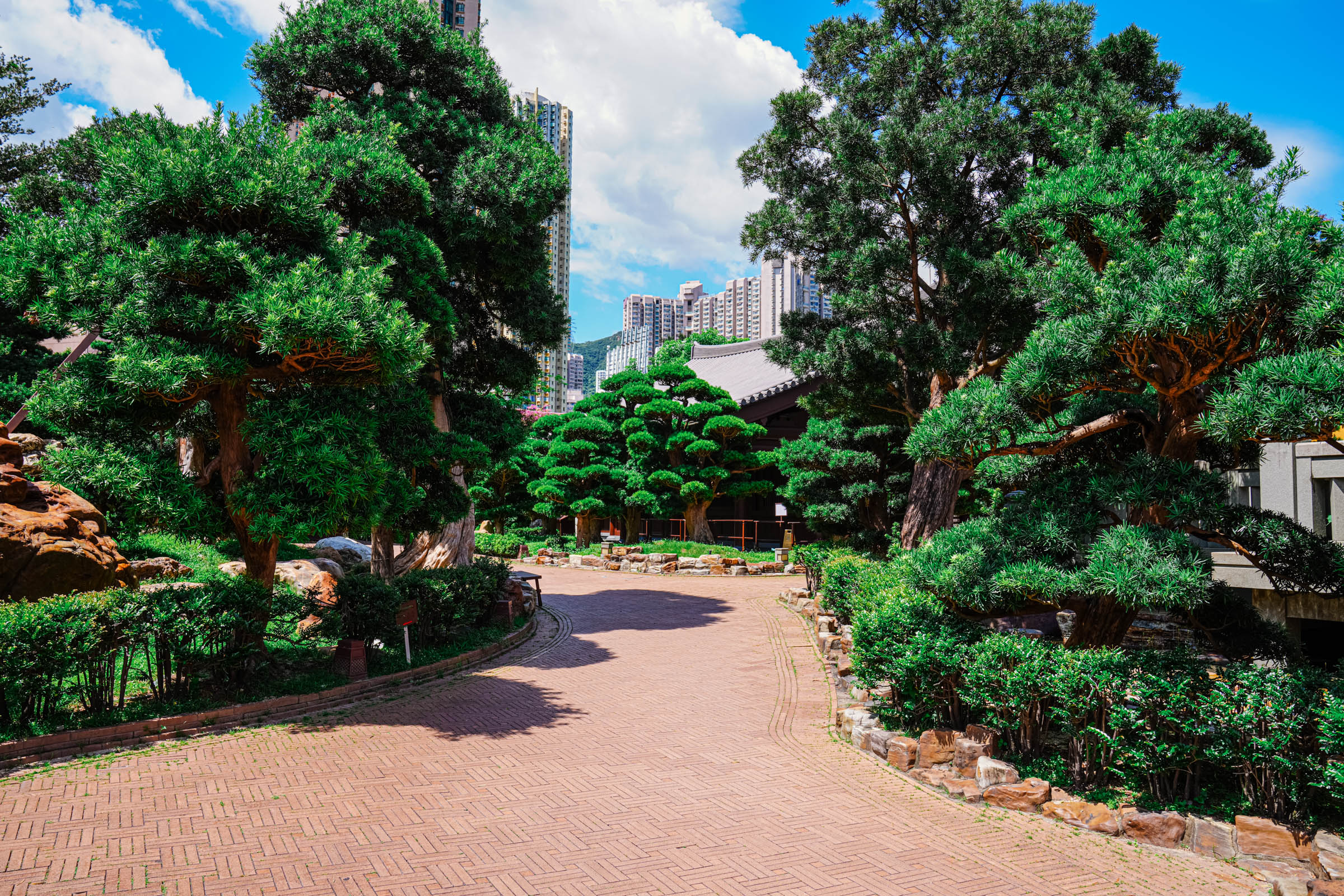
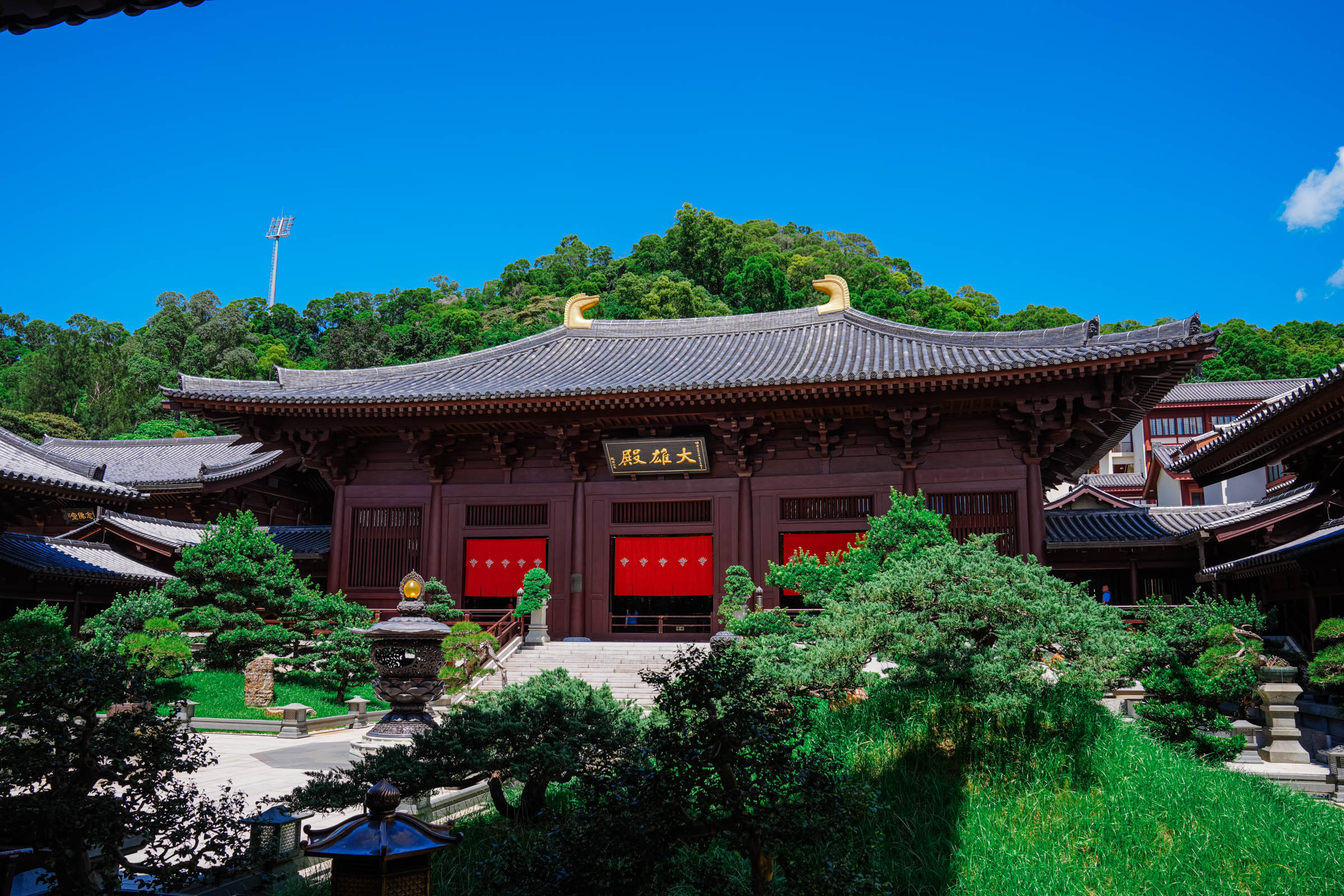
If Victoria Harbour is the pulse of modern Hong Kong, Nan Lian Garden is the soul of classical China. This garden of 3.5 hectares in Diamond Hill opened to the public in 2006. Its design follows the style of the Tang dynasty, with hills, water, old trees, rocks and wooden pavilions. Remarkably, the busy Diamond Hill MTR station and a large shopping mall are only a few minutes away.
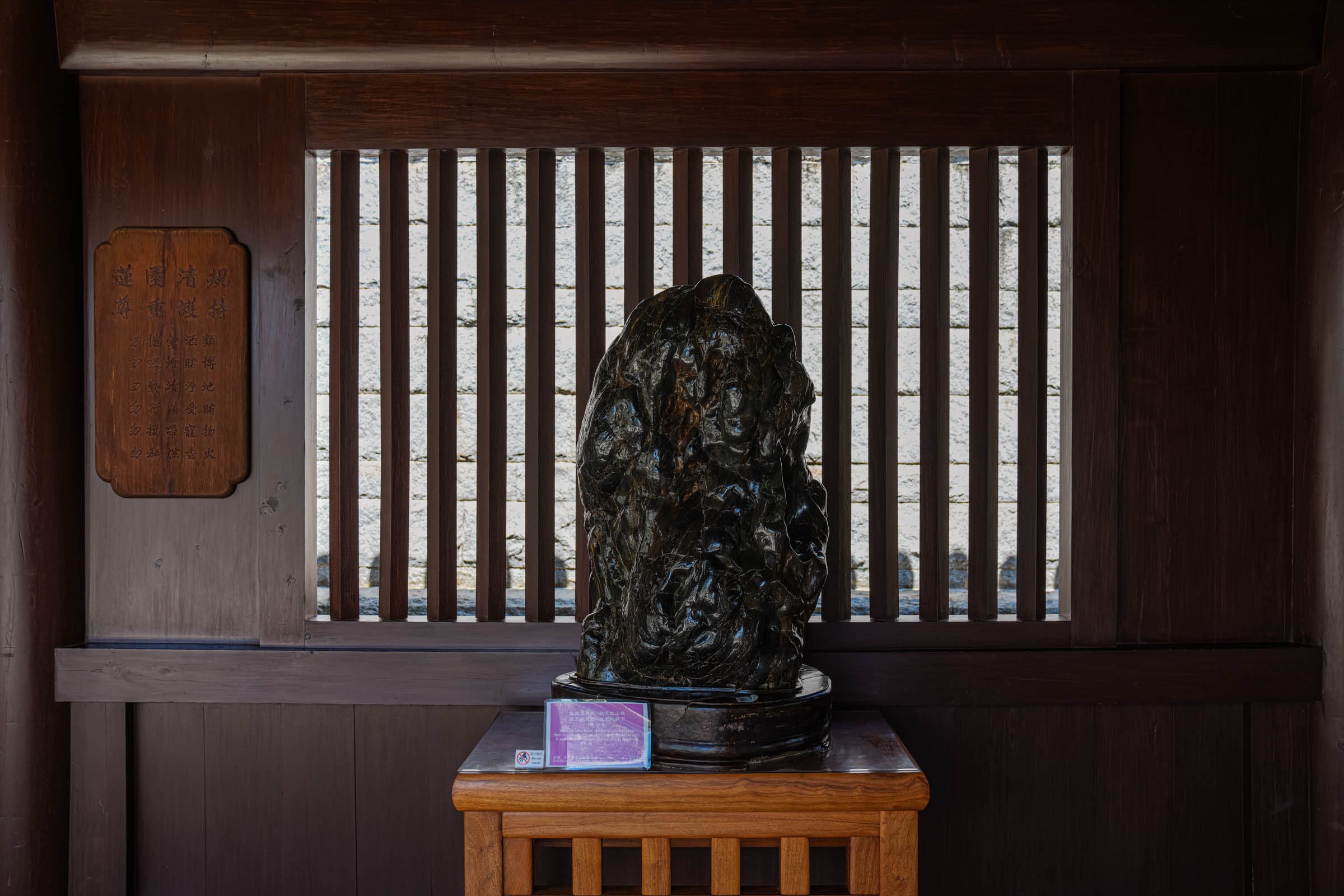
The garden was a joint project of the Hong Kong government and the neighboring Chi Lin Nunnery, which also manages it today. Every element has its place, from carefully positioned rocks to sculpted pine trees. The highlight is the golden Pavilion of Absolute Perfection, which stands in the middle of a lotus pond. Two vermilion bridges connect it to the shore. When I stepped through the gate, I forgot about the traffic outside and simply surrendered to the calm.
If you follow my Hong Kong travel guide, combine the garden and the nunnery in one relaxed morning.
CHI LIN NUNNERY: WOODEN HALLS BUILT WITHOUT A SINGLE NAIL
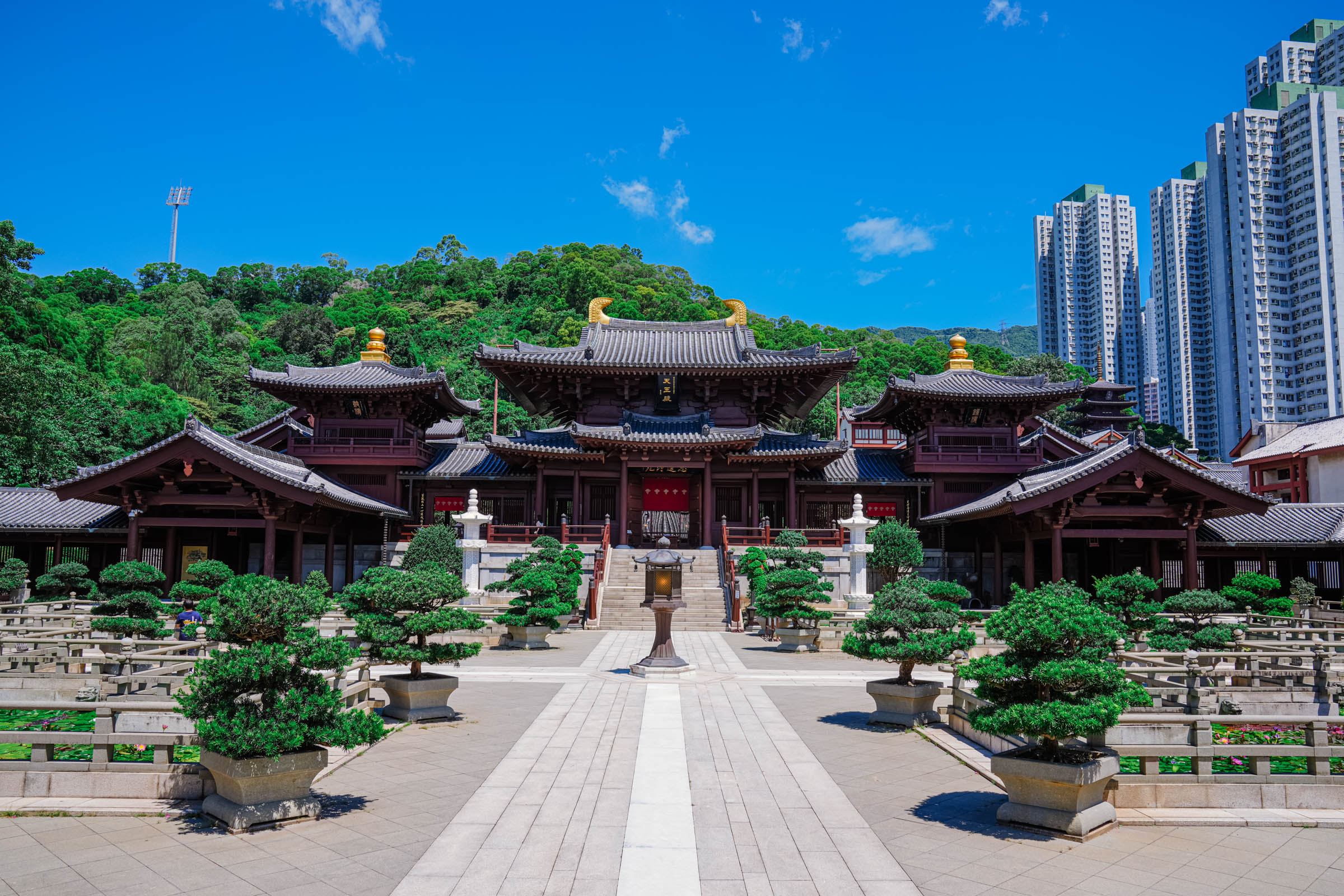
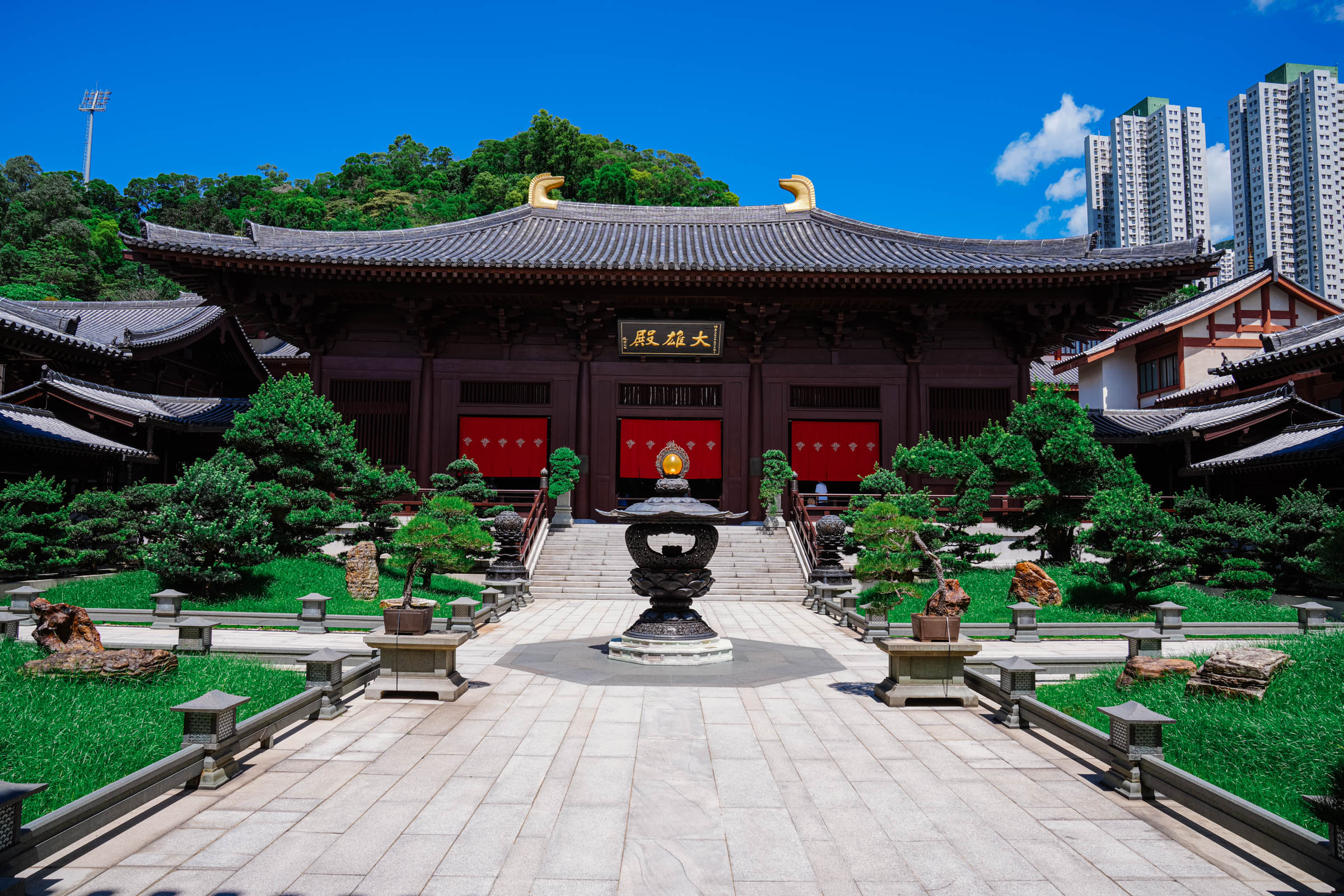
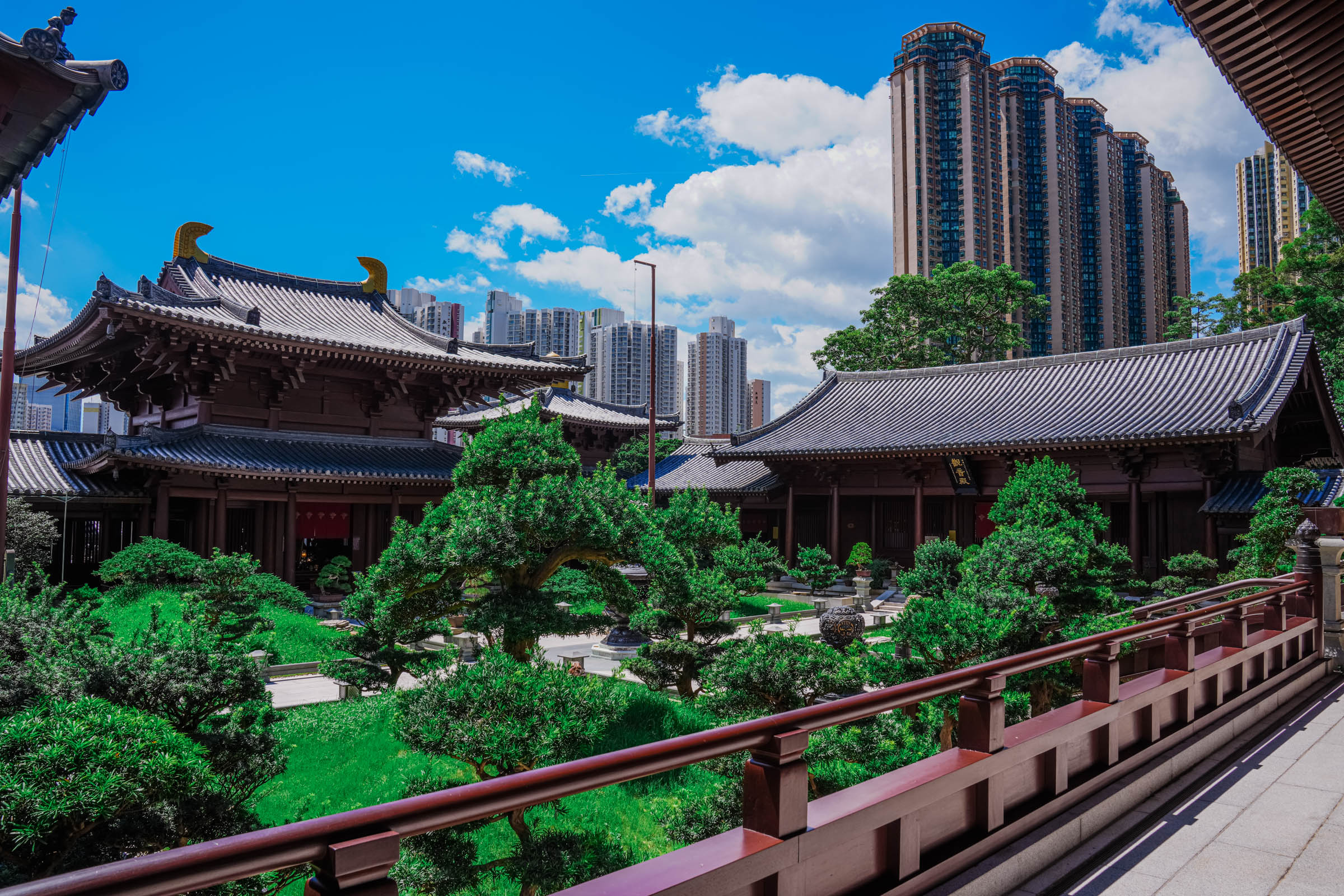
Across a small bridge from the garden lies Chi Lin Nunnery, a large Buddhist complex founded in 1934 as a retreat for nuns. In 1998, craftsmen rebuilt it completely in the Tang dynasty style. What fascinated me most is the construction. They assembled the wooden halls without a single nail, joining the timber with interlocking brackets and dowels instead.
Lotus ponds are the jewel of the courtyard. In Buddhism, the lotus symbolizes purity, because its roots grow in mud while the flower rises clean above the water. When I visited, purple water lilies covered the ponds, and a soft breeze sent ripples across the surface. In that moment, I understood why these flowers appear so often in Eastern art and philosophy.
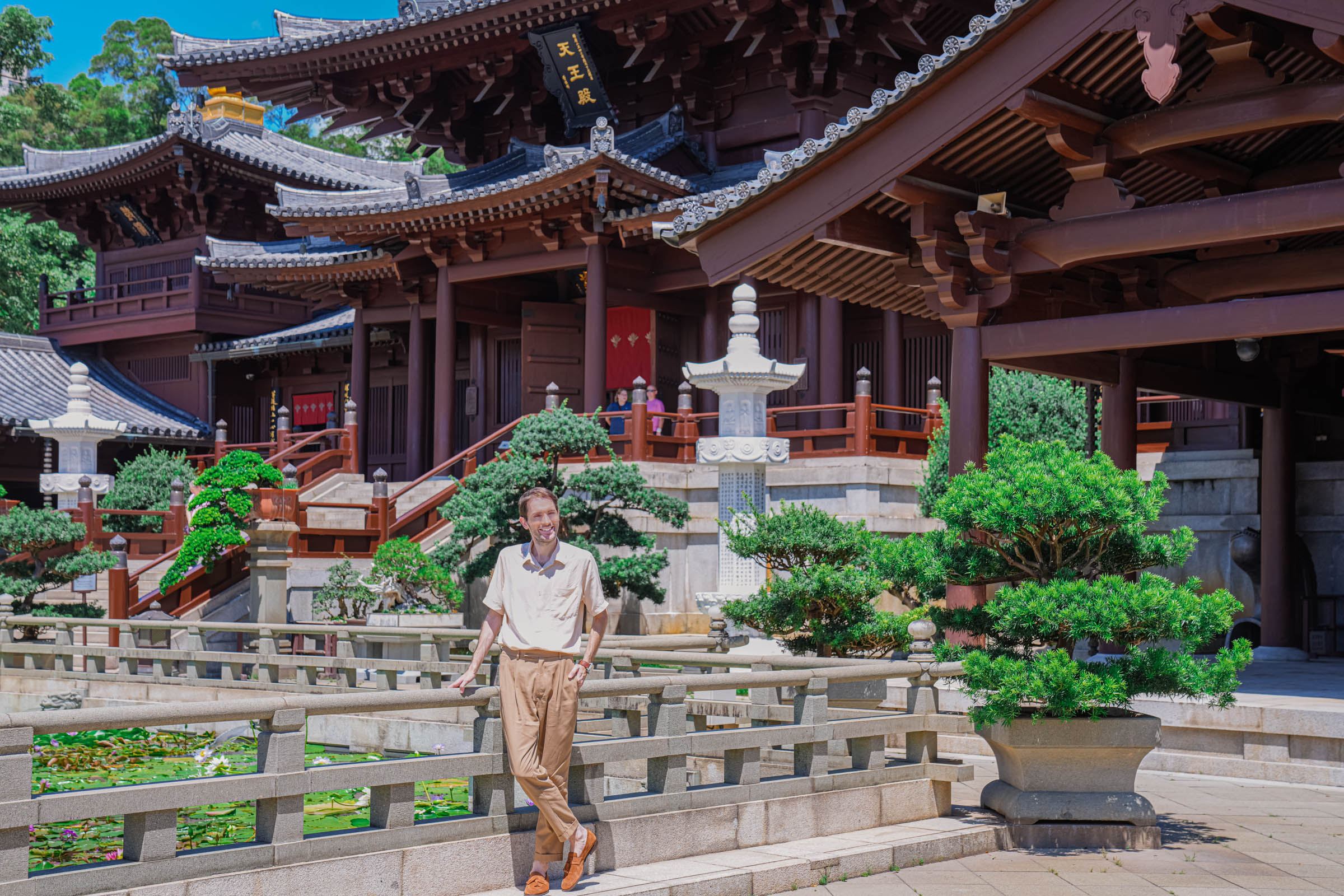
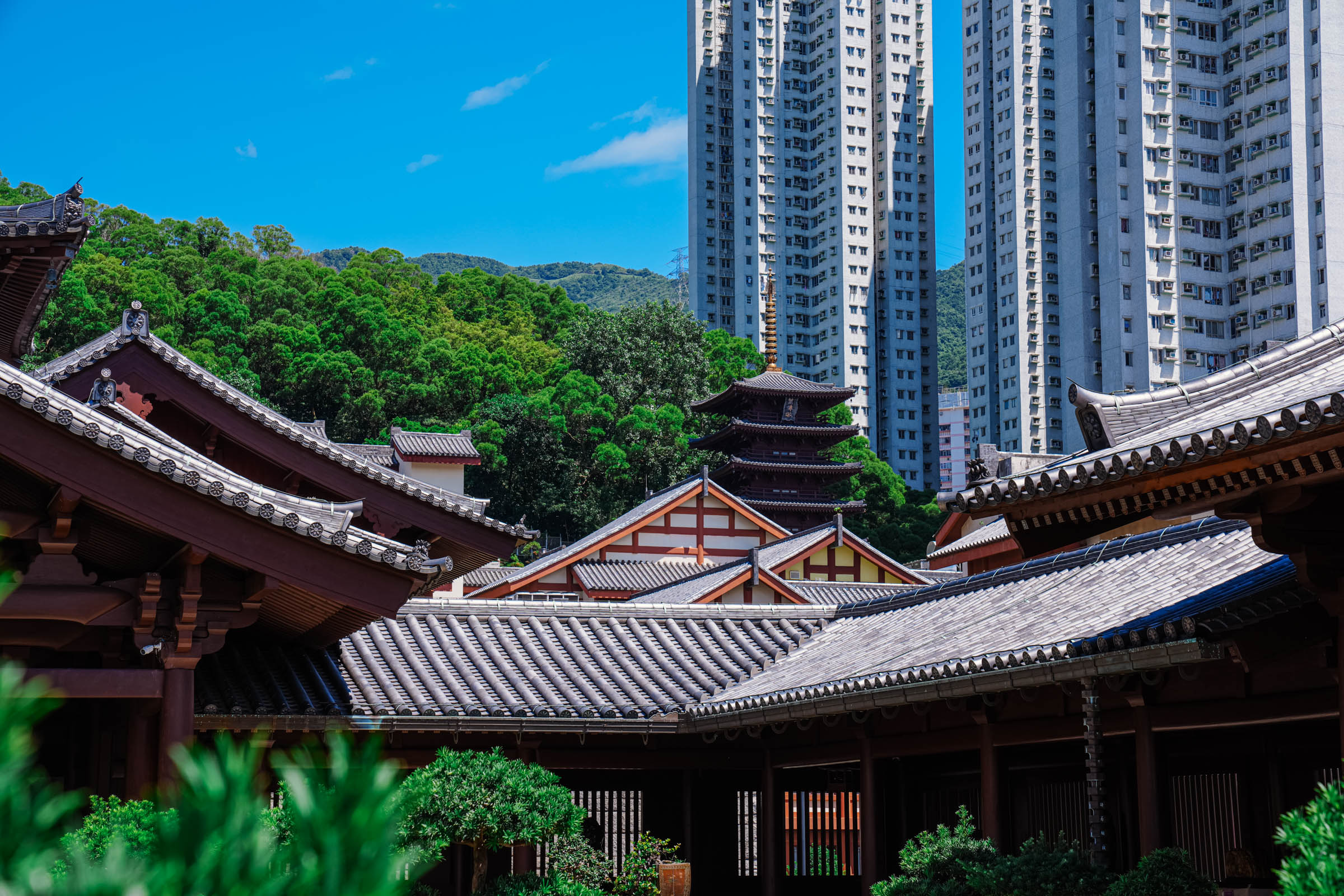
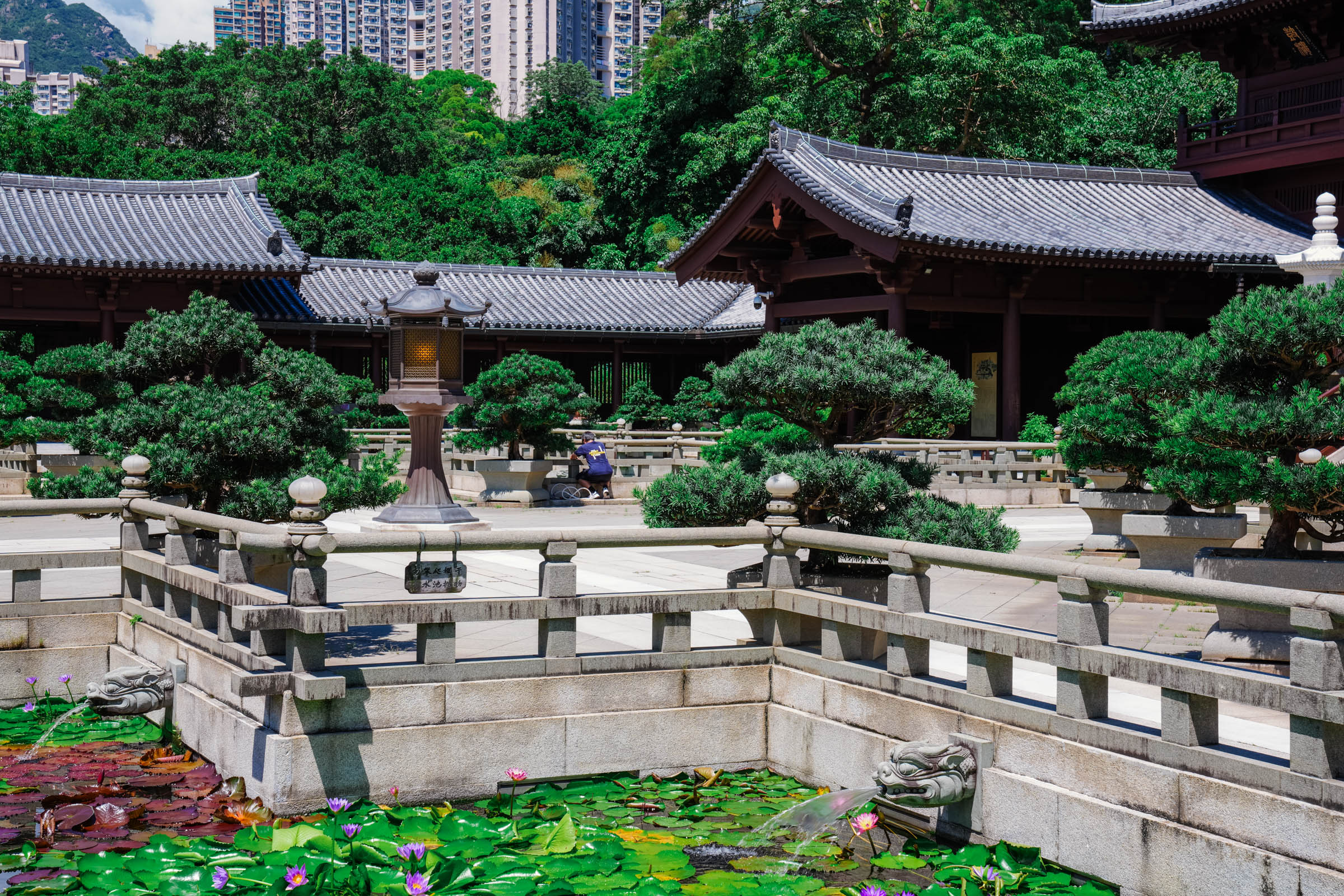
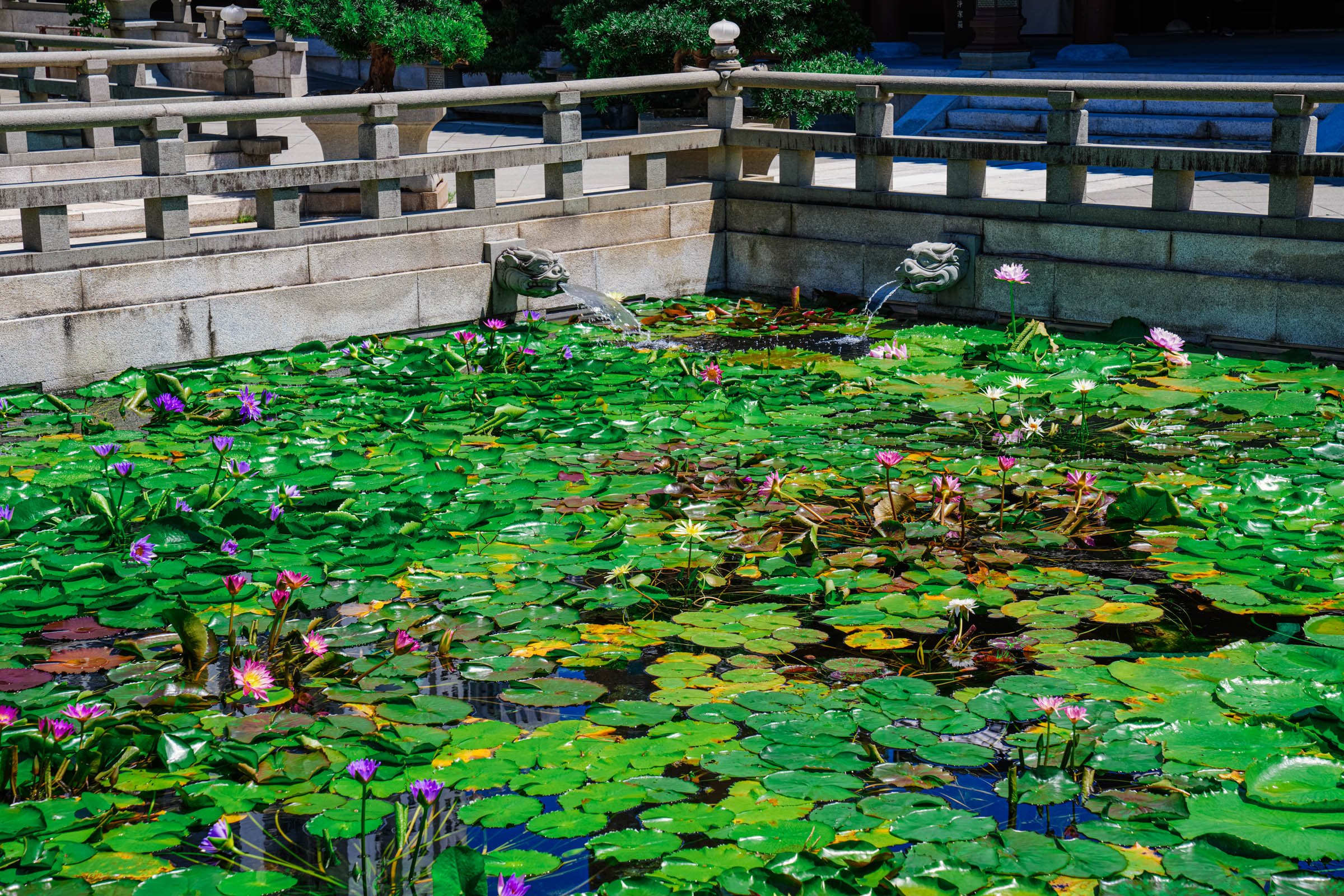
Inside the halls, you will find statues of the Buddha and of Guanyin, the goddess of mercy. Between the scent of incense, the polished wood and the soft chanting of the nuns, the atmosphere feels light years away from the city. Yet the towers of Diamond Hill rise right behind the roofs, a reminder of where you really are. Of all the temples in this Hong Kong travel guide, this is the one I recommend for a quiet morning.
MONSTER BUILDING: A HONG KONG TRAVEL ICON TO VISIT WITH RESPECT
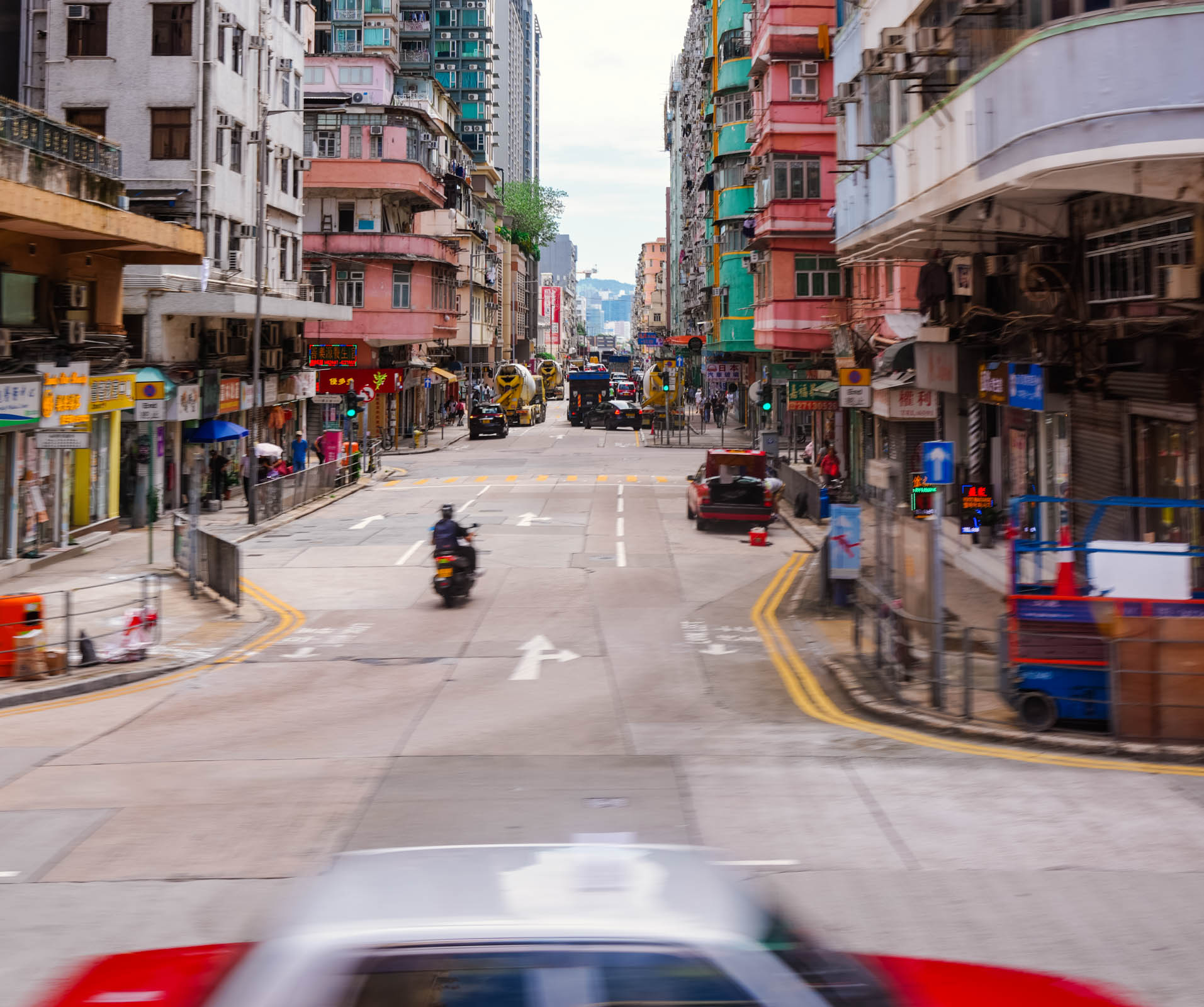
If one place captures life in a vertical city, it is the Monster Building in Quarry Bay. Despite the nickname, it is not one building but five connected blocks on King’s Road. Their names are Oceanic Mansion, Fook Cheong Building, Montane Mansion, Yick Cheong Building and Yick Fat Building. Builders finished the complex in 1972, and today it holds more than 2,200 apartments. Around 10,000 people call it home.
Standing in the inner courtyard, you look up at walls of windows that close around a narrow patch of sky. Colorful frames, air conditioners and laundry racks create a collage that is chaotic and hypnotic at the same time. After the complex appeared in the film Transformers: Age of Extinction in 2014, it became an Instagram sensation.
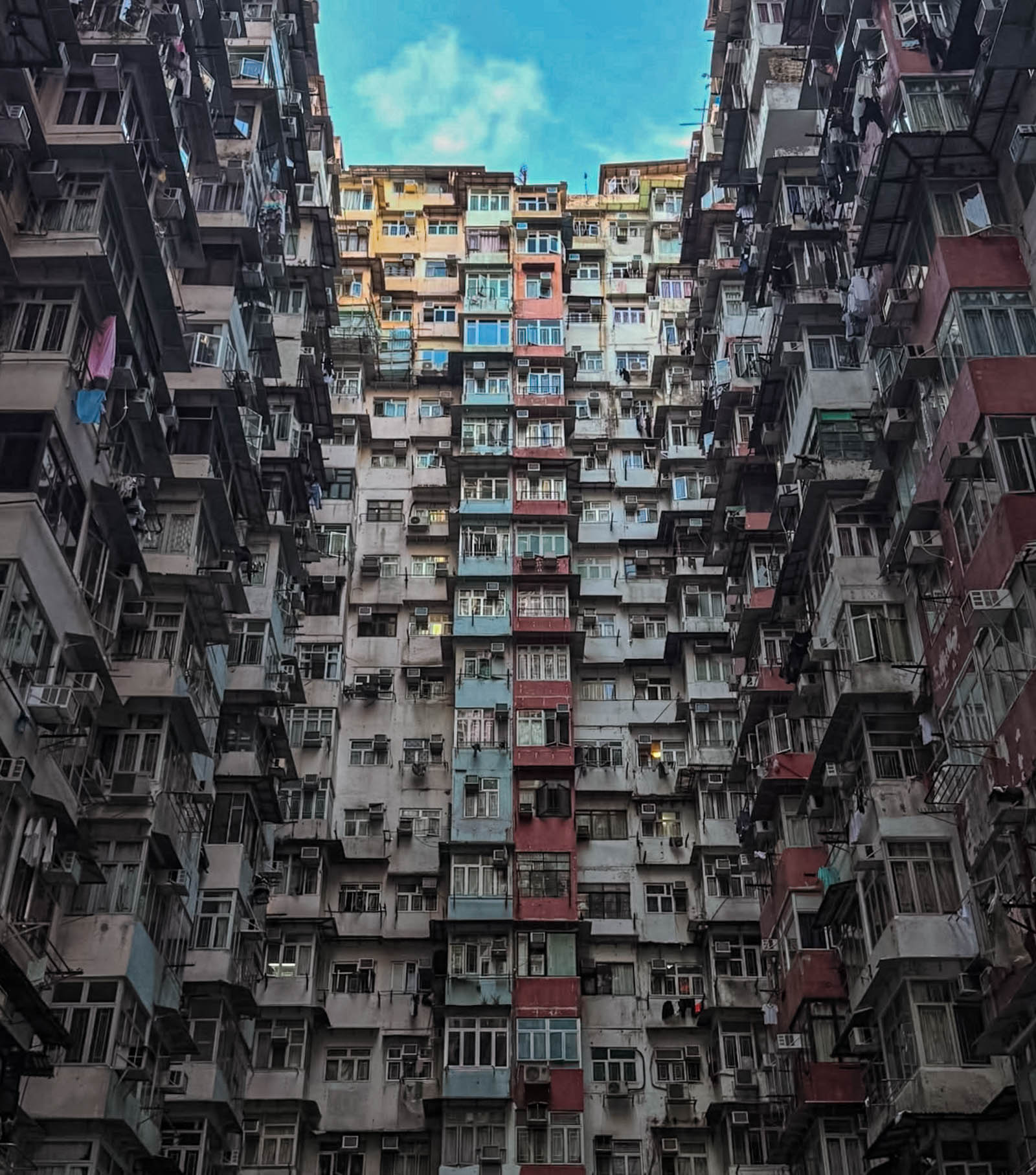
However, this is someone’s home, not a film set. Residents have put up signs asking visitors to be respectful, and I understand why. I photographed the courtyard at different times of day. Each time, I noticed new details: a tiny altar on a pillar, an older woman hanging laundry, children playing below. So please keep your voice down, do not block the passages and never point your camera into open windows. Any honest Hong Kong travel guide should say this clearly.
TEMPLE STREET NIGHT MARKET: WHERE HONG KONG COMES ALIVE
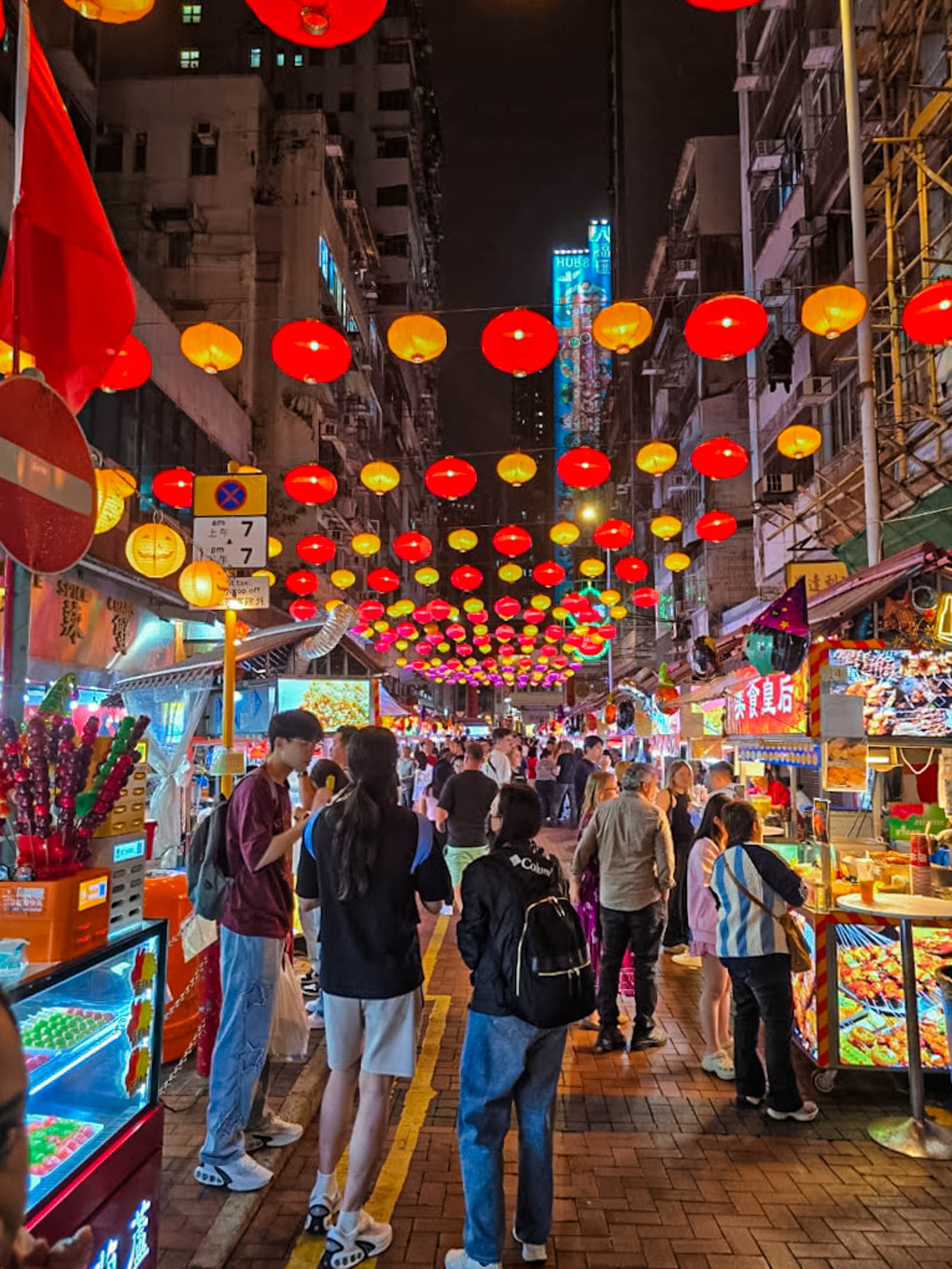
Temple Street Night Market shows two sides of Hong Kong at once: the merchant and the entertainer. It has been a fixture of the Jordan and Yau Ma Tei neighborhoods since at least the 1920s. The stalls open in the late afternoon, but the market truly comes to life after dark. By 9 or 10 pm, the energy is almost electric.
I walked Temple Street several times, and each visit revealed something new. Stalls sell watches, bags, jade, souvenirs, electronics and clothes, so bargaining is part of the ritual. Vendors expect it, and most of them enjoy it. Just remember that many of the designer goods are copies, so buy for fun, not as an investment.
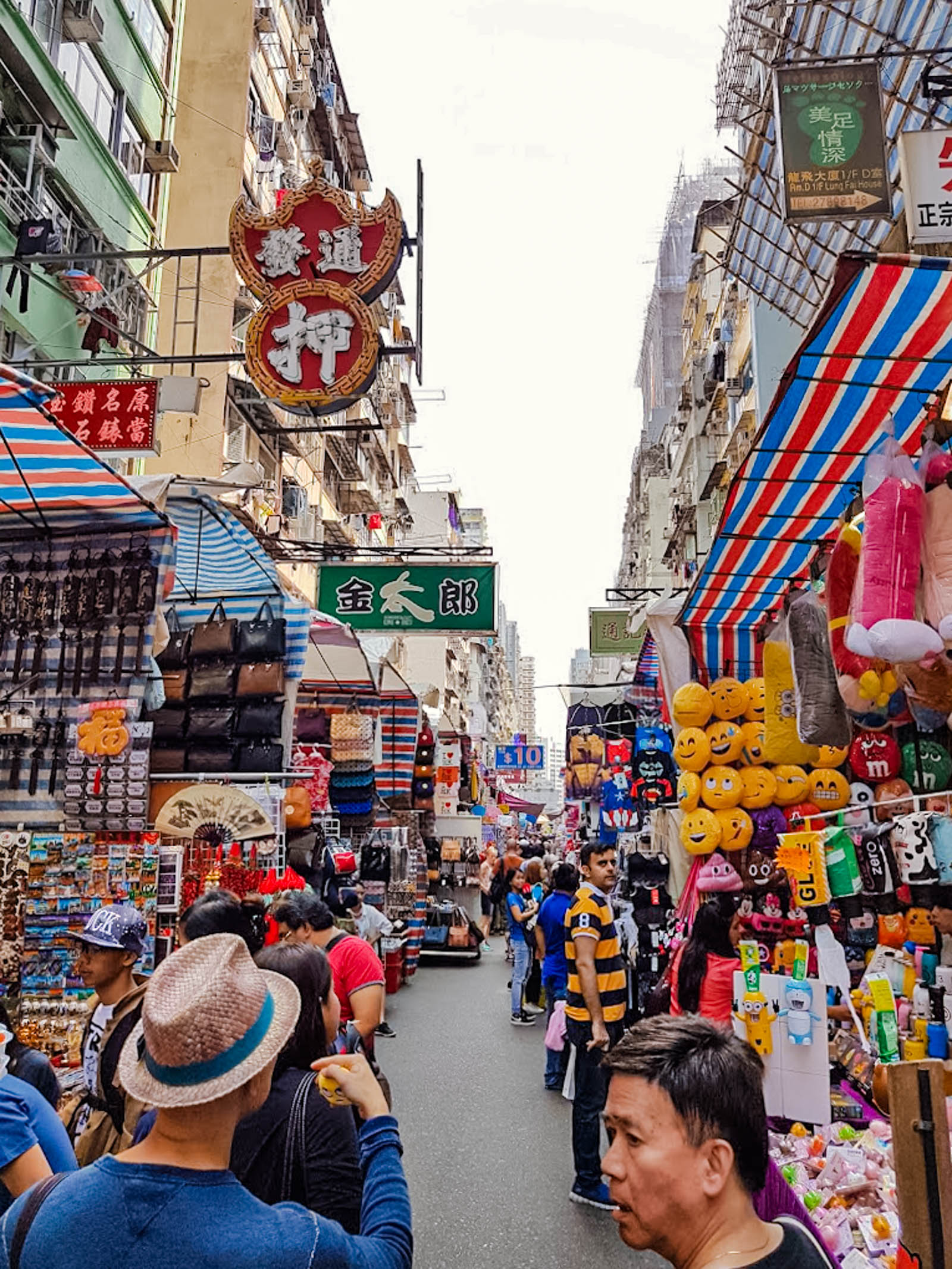
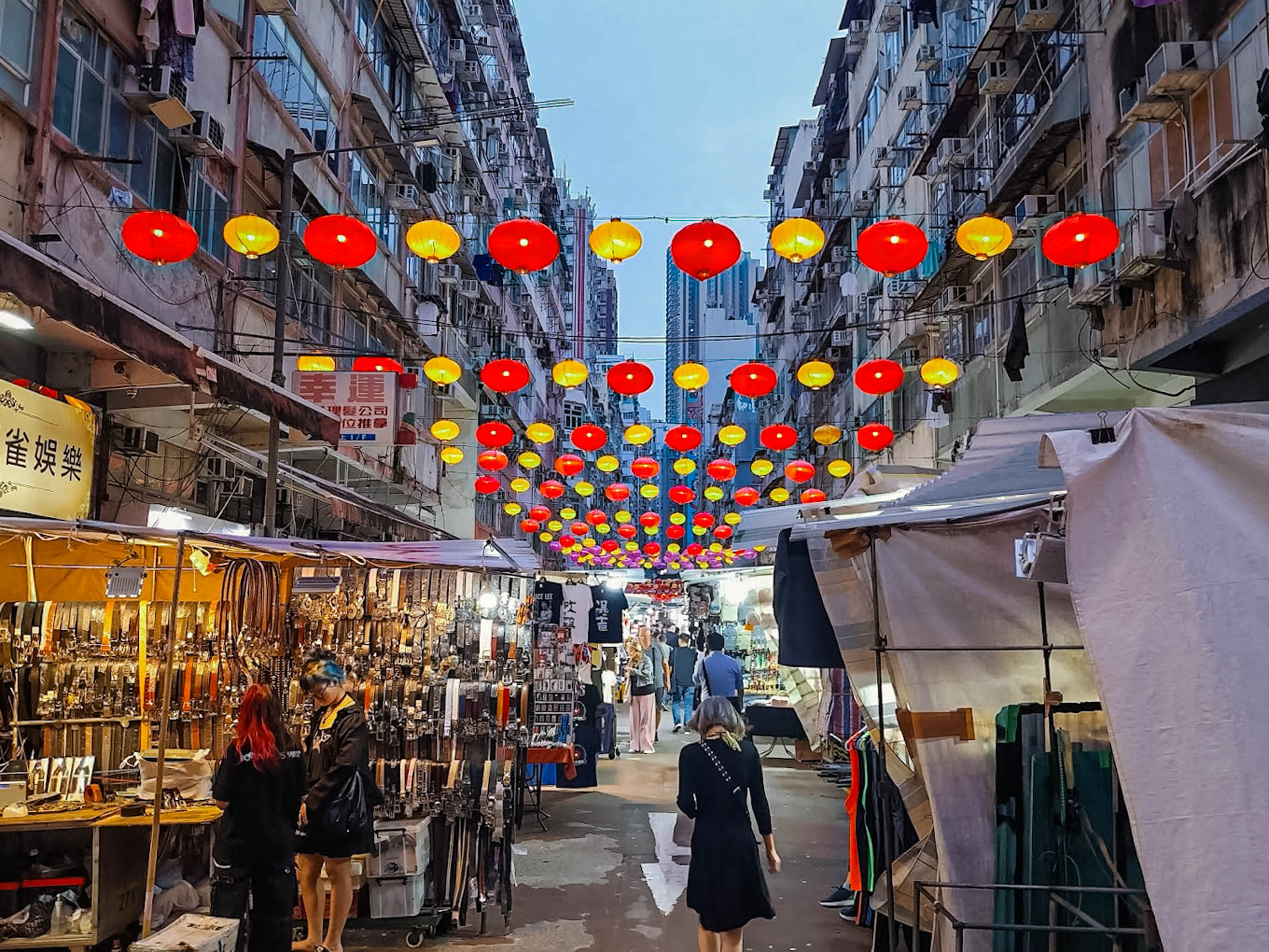
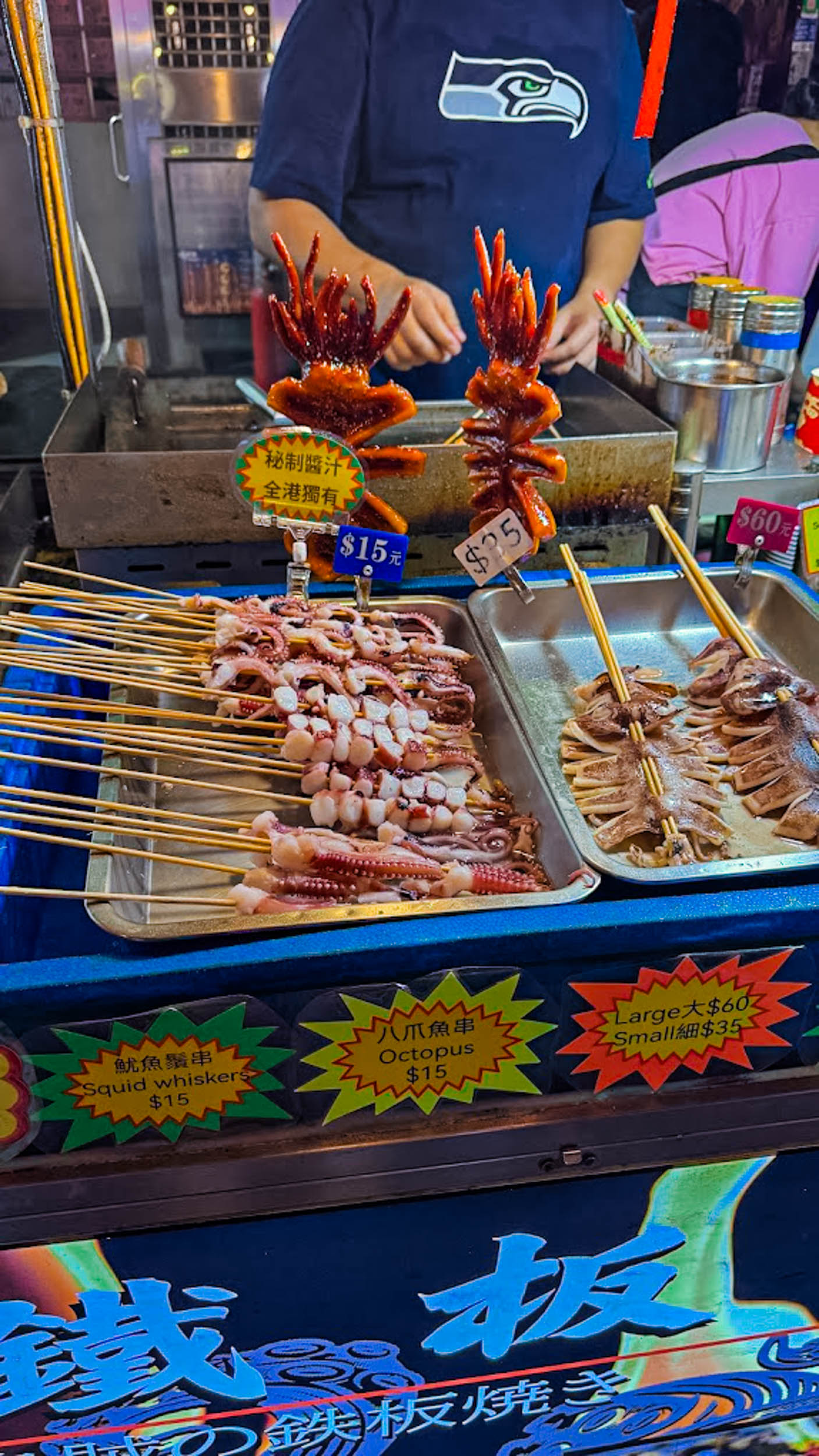
What makes Temple Street special is the atmosphere around the Tin Hau Temple, which splits the street in two. Fortune tellers read palms and tarot cards, and amateur singers perform Cantonese opera on many evenings. Between the stalls, dai pai dong restaurants serve Cantonese dishes at simple tables in the open air.
At one of those tables, I ate the best claypot rice of my life. The owner, an older gentleman with very little English, showed me how to stir the dish. That way, the crispy crust from the bottom mixed with the rice and sauce. Around me sat locals who had come straight from work. It was not just a meal. It was a lesson in Cantonese culture, and the reason Temple Street has a special place in my Hong Kong travel guide.
VICTORIA PEAK: THE VIEW EVERY HONG KONG TRAVEL GUIDE PROMISES
No visit is complete without Victoria Peak. At 552 meters, the Peak is the highest point on Hong Kong Island. You can hike up or take a bus or a taxi, but the classic way is the Peak Tram. Since 1888, this funicular railway has climbed from Central toward the Peak, and it was the first of its kind in Asia.
The ride itself is an experience. The tram climbs such a steep slope that the towers outside seem to lean at impossible angles. At the top, I headed to Sky Terrace 428, a viewing platform 428 meters above sea level. From there, the whole city spreads out below you: the skyscrapers of Central, Victoria Harbour, Kowloon and the green hills beyond. No photo can fully capture it, so give yourself time to simply stand and look.
If you have only one free evening, my Hong Kong travel guide tip is simple. Go up an hour before sunset and stay until the city lights come on.
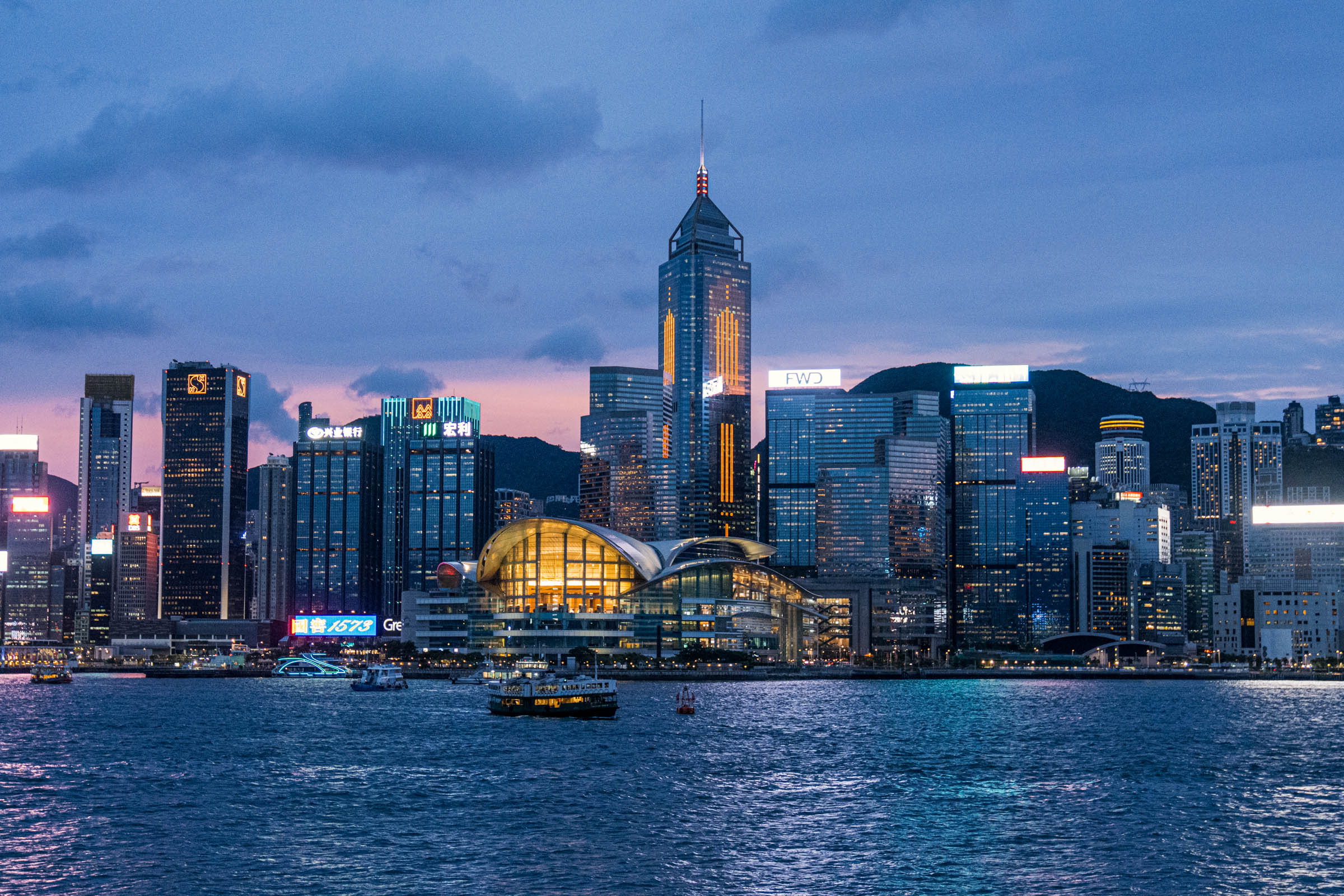
BIG BUDDHA, NGONG PING 360 AND PO LIN MONASTERY
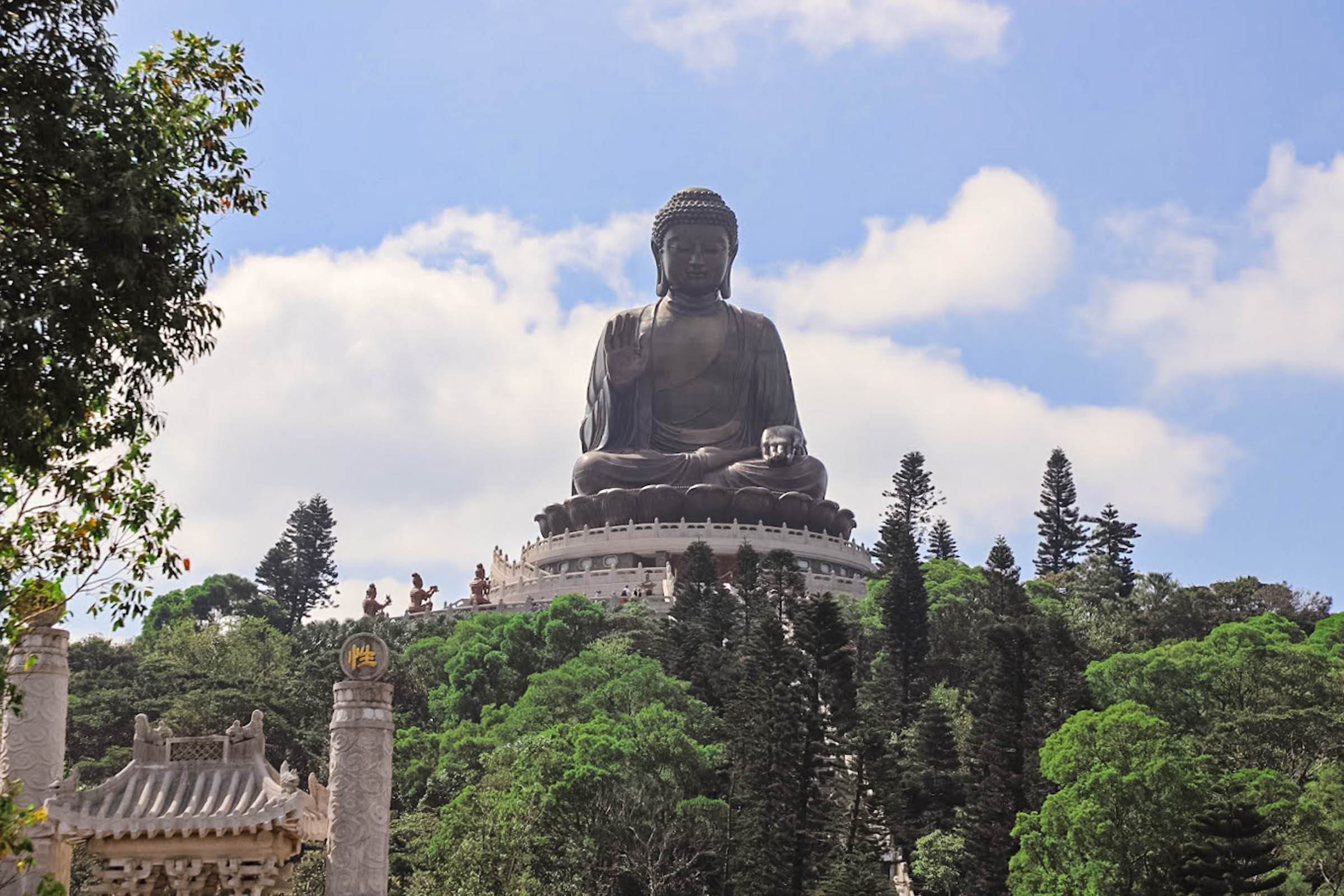
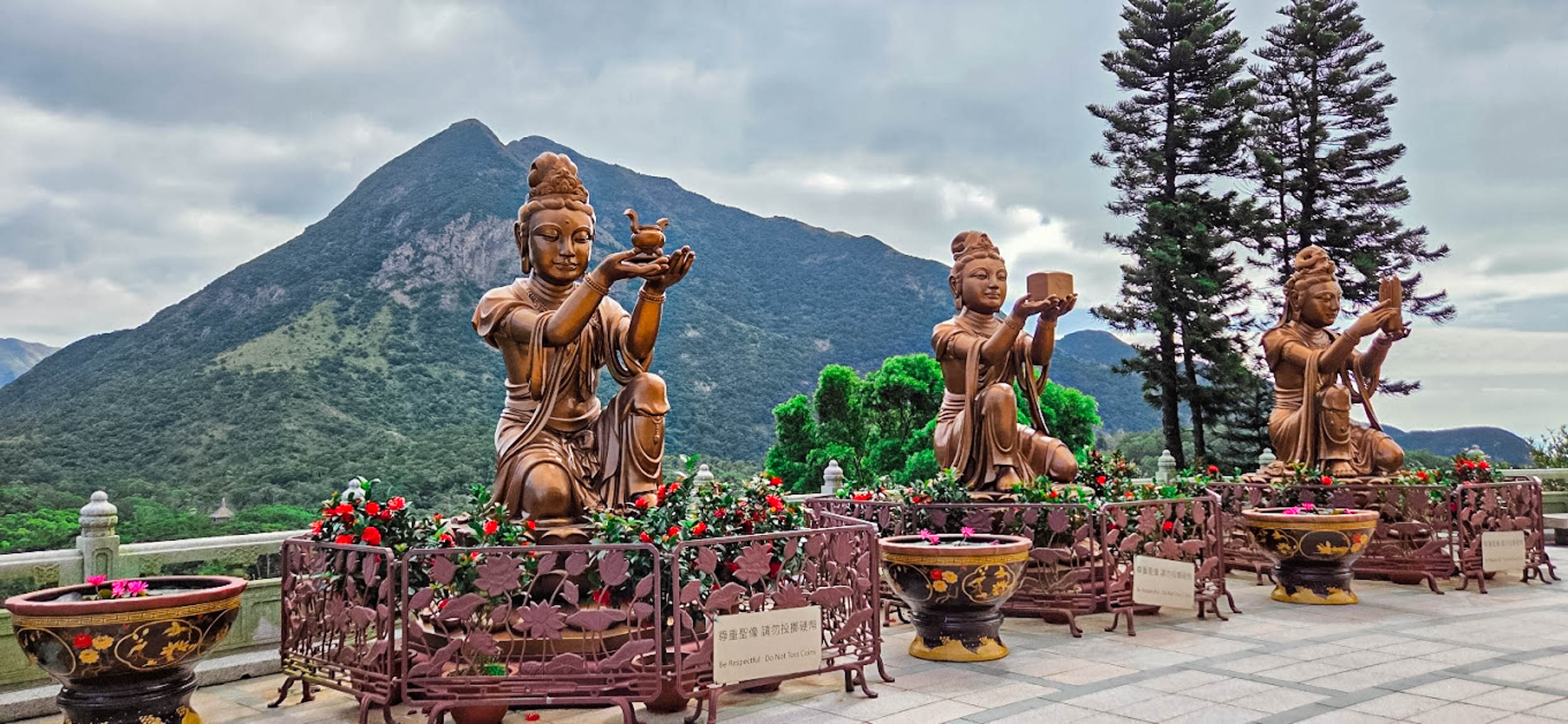
On Lantau, the largest island in Hong Kong, the Tian Tan Buddha watches over the Ngong Ping plateau. Locals simply call it the Big Buddha. This bronze statue rises 34 meters and has sat on its hilltop since 1993. The most spectacular way to get there is the Ngong Ping 360 cable car from Tung Chung. The ride takes about 25 minutes and floats above forests and the bay, with views I will never forget.
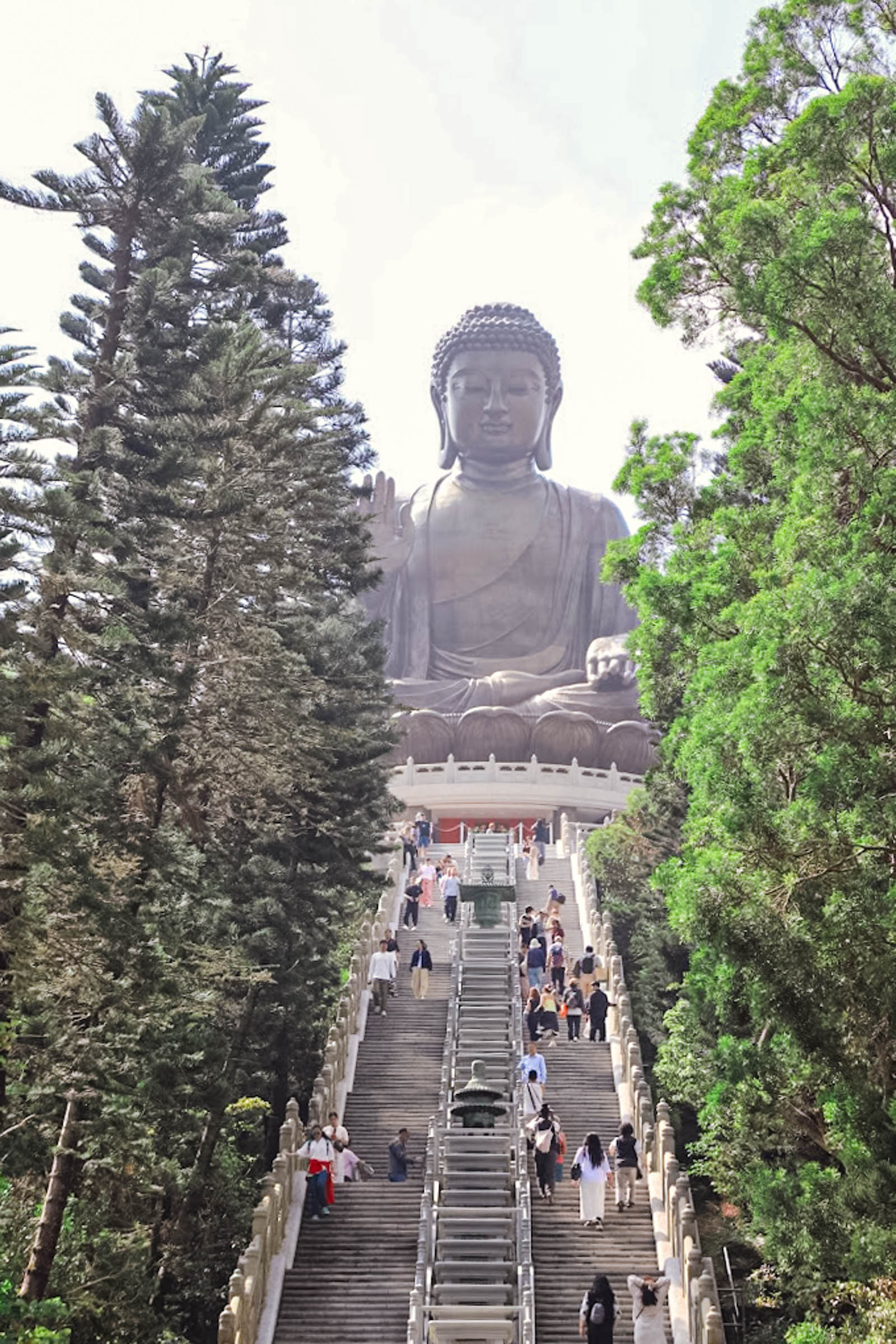
Then come the 268 steps to the foot of the statue. Climbing them feels like a small pilgrimage, and each flight reveals a new view of the statue and the mountains. The Buddha sits in a lotus position, with his right hand raised and his left hand resting in his lap. Around him, six bronze figures known as the Offering of the Six Devas present flowers, incense, a lamp, ointment, fruit and music.
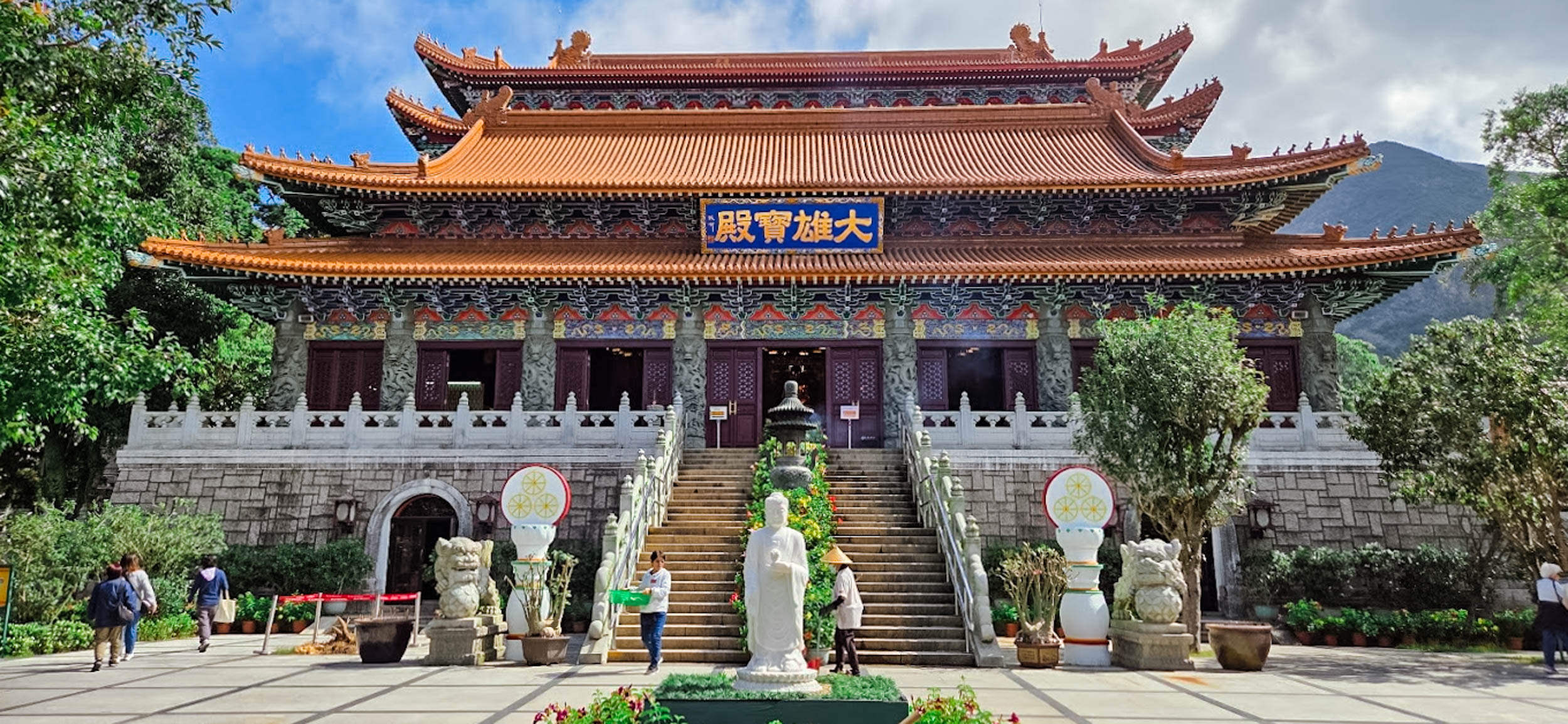
At the foot of the hill stands Po Lin Monastery, which built the Big Buddha. Visitors can try a vegetarian meal prepared in the monastic tradition. I ate in the monastery dining hall, among pilgrims and monks. That simple meal in near silence gave me one of the most peaceful moments of the whole trip. Plan a full day for Lantau, because this is the slowest and most spiritual chapter of any Hong Kong travel guide.
CENTRAL, SOHO AND THE MID-LEVELS ESCALATOR
Central is the financial heart of Hong Kong, a district of glass towers that compete for the skyline. Beneath them, however, lies a maze of streets with a very different character. Here you find hidden bars, Michelin-starred restaurants, galleries and small street stalls.
SoHo stands for South of Hollywood Road, and its neighbor NoHo lies north of it. In these streets, art galleries sit next to craft beer bars, and old herbal shops share the pavement with cocktail lounges. To reach the area, I used the Mid-Levels Escalator. This 800-meter system of covered escalators and walkways opened in 1993. Later, Guinness World Records recognized it as the longest outdoor covered escalator system in the world.
My evenings in SoHo turned into relaxed bar hopping, with long conversations with locals who work in finance but live for art. One night, I found a speakeasy hidden behind an antique shop, and I needed a code to get in. It was worth the effort, because the cocktails were small works of molecular mixology. For nightlife, this is the part of my Hong Kong travel guide I would bookmark.
MONG KOK: LOCAL LIFE NO HONG KONG TRAVEL GUIDE SHOULD SKIP
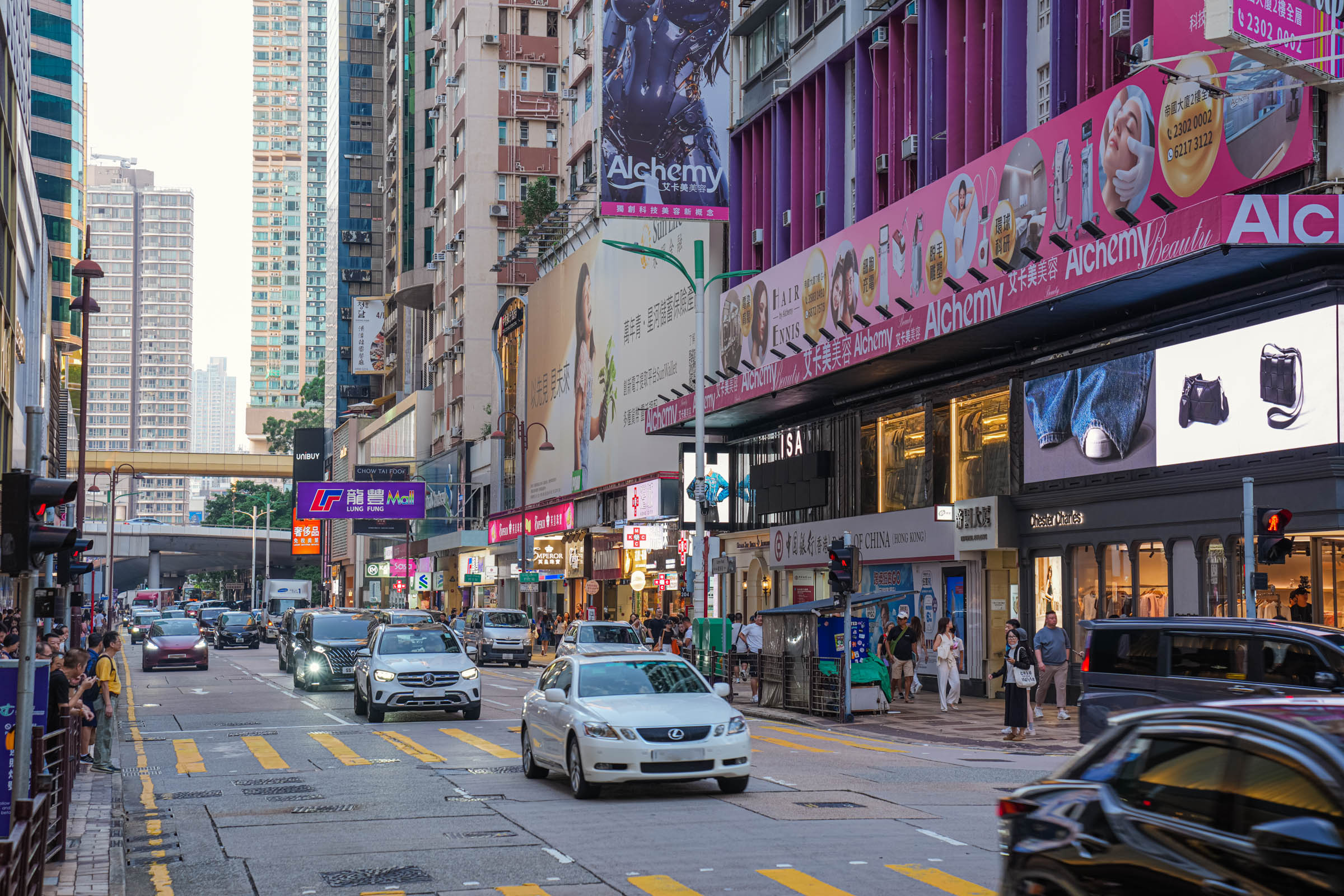
If you want to feel the pulse of everyday Hong Kong, go to Mong Kok. This Kowloon district is famous for its crowds. In fact, Guinness World Records once described it as the busiest district in the world, with around 130,000 people per square kilometer.
Each street here seems to have its own specialty. The Ladies’ Market on Tung Choi Street sells clothes, bags and souvenirs, while the Goldfish Market offers aquarium fish in plastic bags hanging in rows. Nearby, you will find the Flower Market and the Bird Garden on Yuen Po Street, with its traditional bamboo cages. What fascinated me most is that these are not tourist sets. Locals come here to buy fresh flowers for their homes, a new songbird or the right plant for their aquarium.
Sneaker lovers should not miss Fa Yuen Street, better known as Sneaker Street. Both sides are lined with shops that sell the latest releases next to rare vintage models. Bring patience, comfortable shoes and a clear budget.
WONG TAI SIN TEMPLE: WHERE WISHES COME TRUE
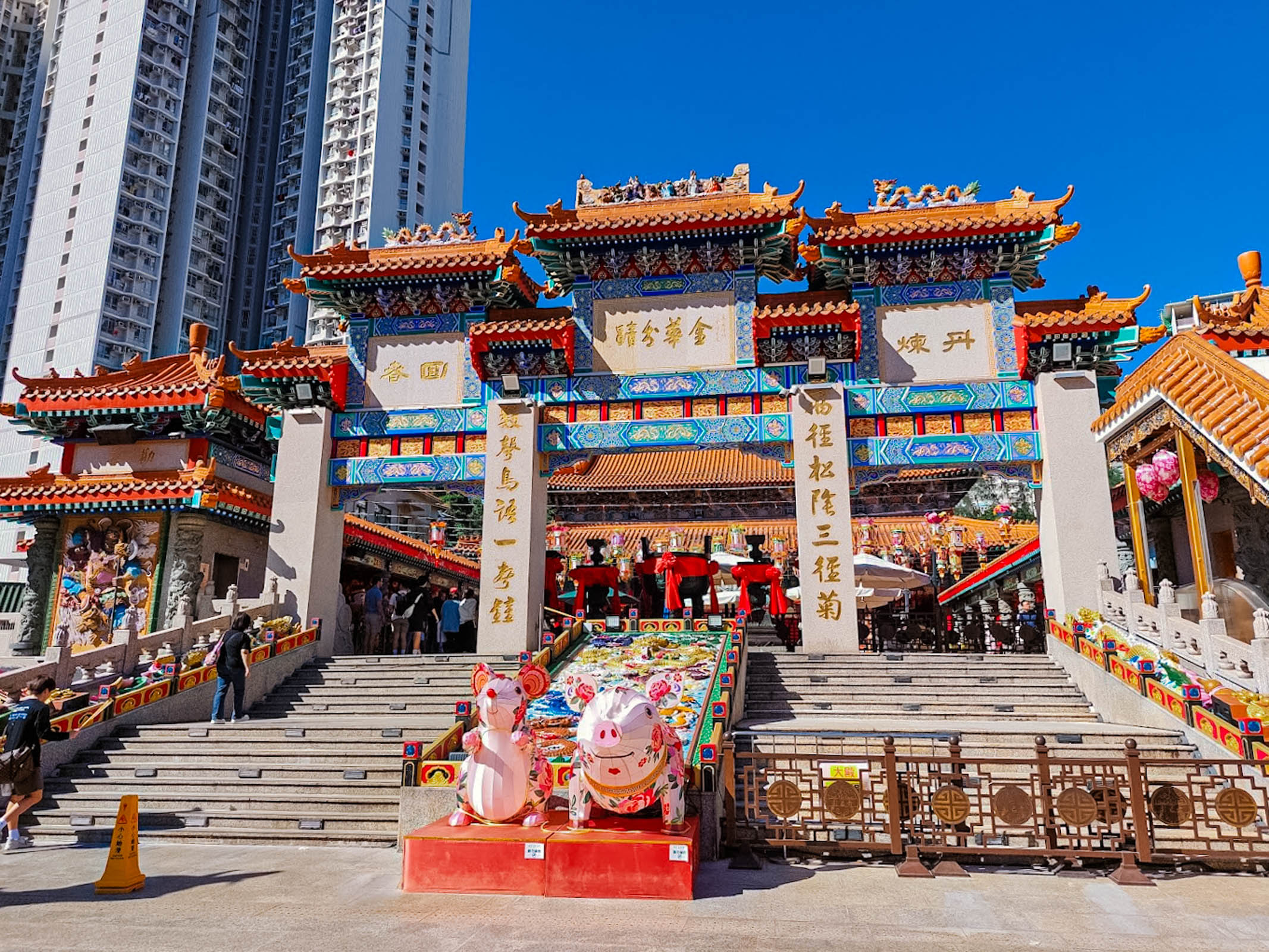
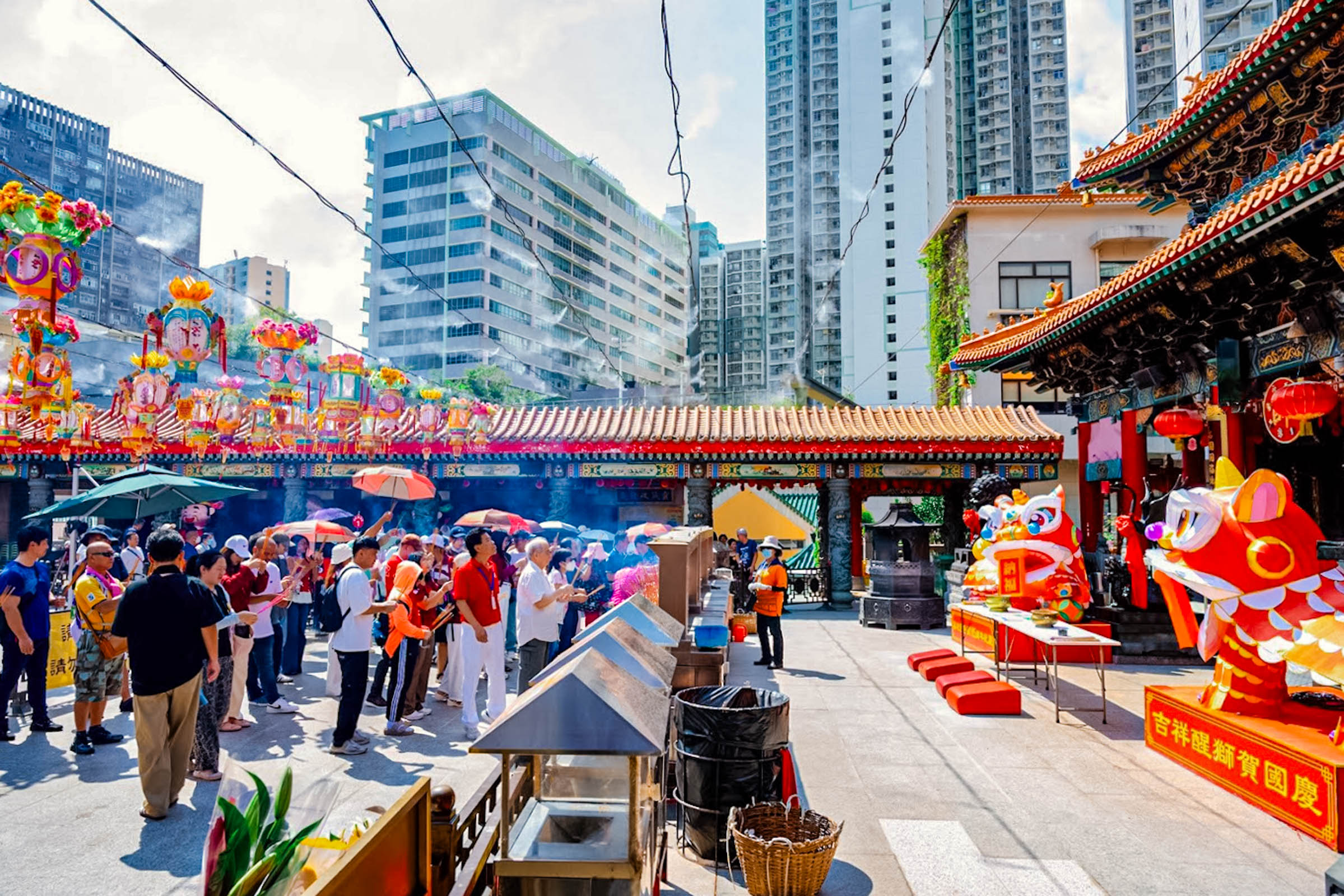
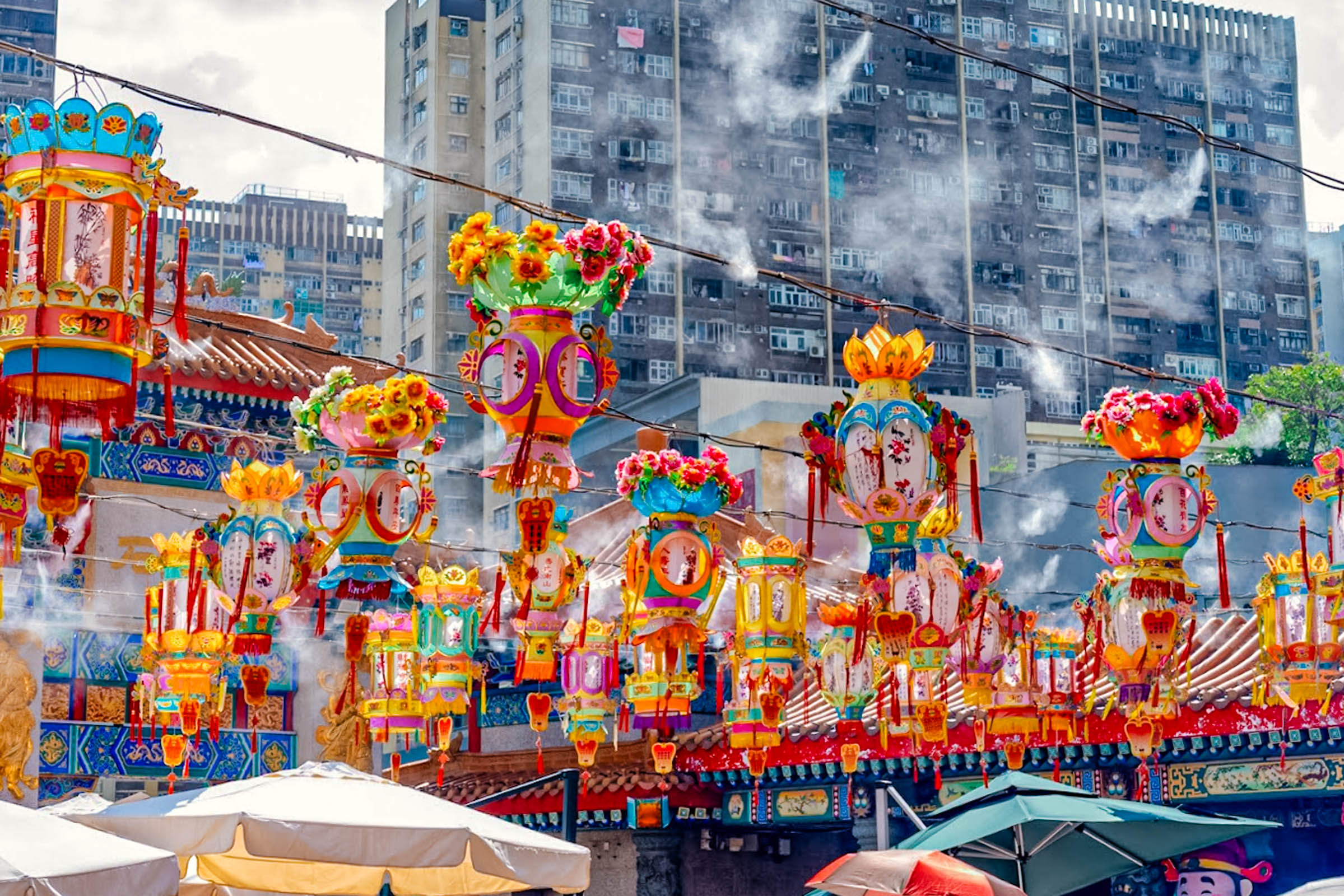
Wong Tai Sin Temple is one of the most popular temples in Hong Kong. It honors Wong Tai Sin, the Great Immortal Wong of Taoist tradition, and its famous promise is that what you request is what you get. The red and gold architecture is a spectacular example of traditional Chinese design, and the scent of incense never seems to fade.
What makes this temple special is its openness. Although it is a Taoist temple, it also honors Buddhism and Confucianism, so the three great Chinese traditions meet in one place.
I took part in kau cim, a fortune-telling ritual with bamboo sticks. You kneel, shake a bamboo cylinder until one numbered stick falls out, and then a fortune teller interprets its meaning. Whether you believe in it or not, it is a fascinating window into local culture. Go early in the morning, before the tour groups, for the calmest Hong Kong travel experience this guide can offer.
MARCO POLO HONGKONG HOTEL: MY BASE ON THE KOWLOON WATERFRONT
After long days of exploring, returning to the Marco Polo Hongkong Hotel felt like coming home. The hotel sits on Canton Road in Tsim Sha Tsui, right on Victoria Harbour. It is also part of Harbour City, the largest shopping complex in Hong Kong. The Star Ferry pier is a few minutes’ walk away, and the Tsim Sha Tsui MTR station connects you with the rest of the city. In other words, it is an ideal base for anyone who follows this Hong Kong travel guide.
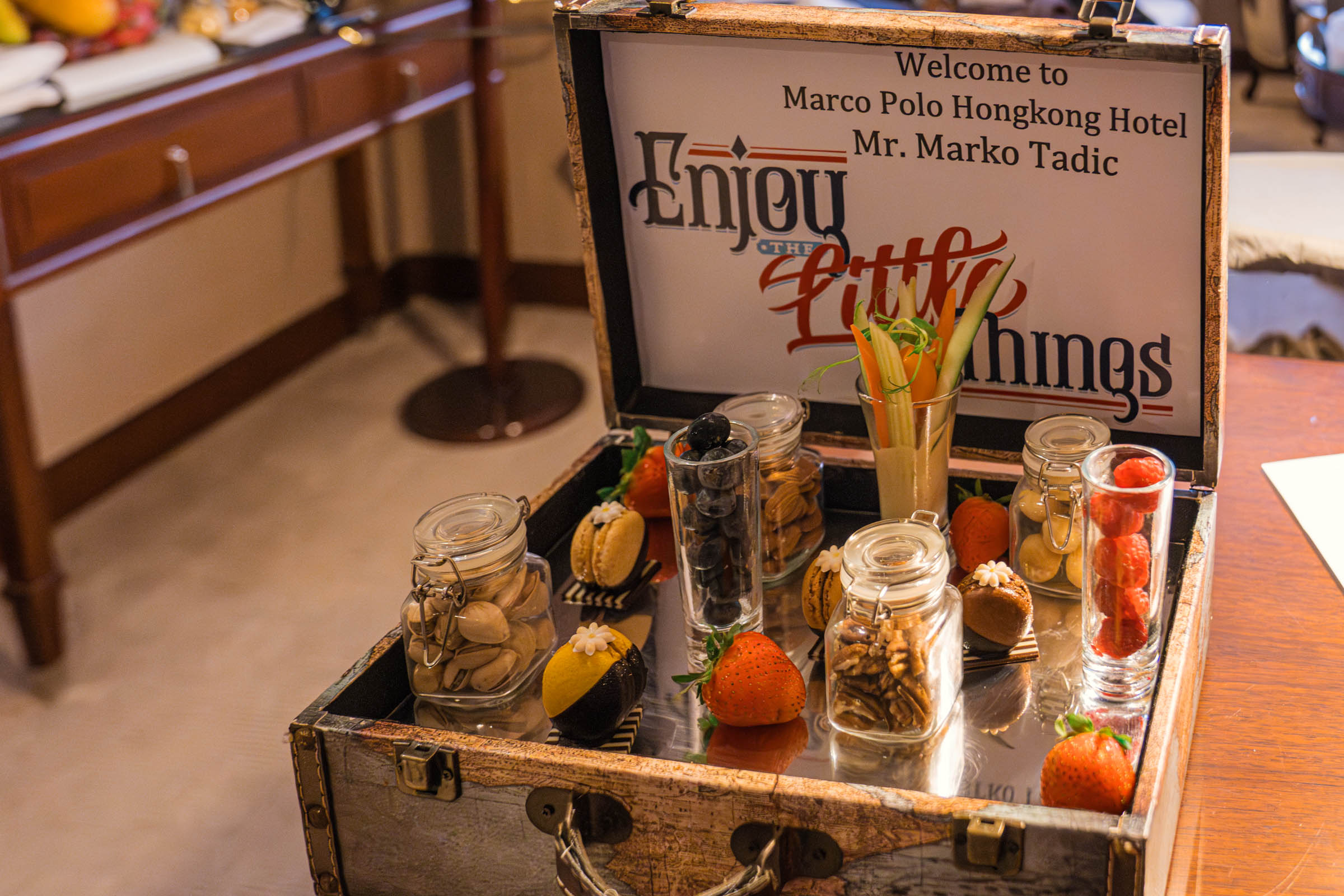
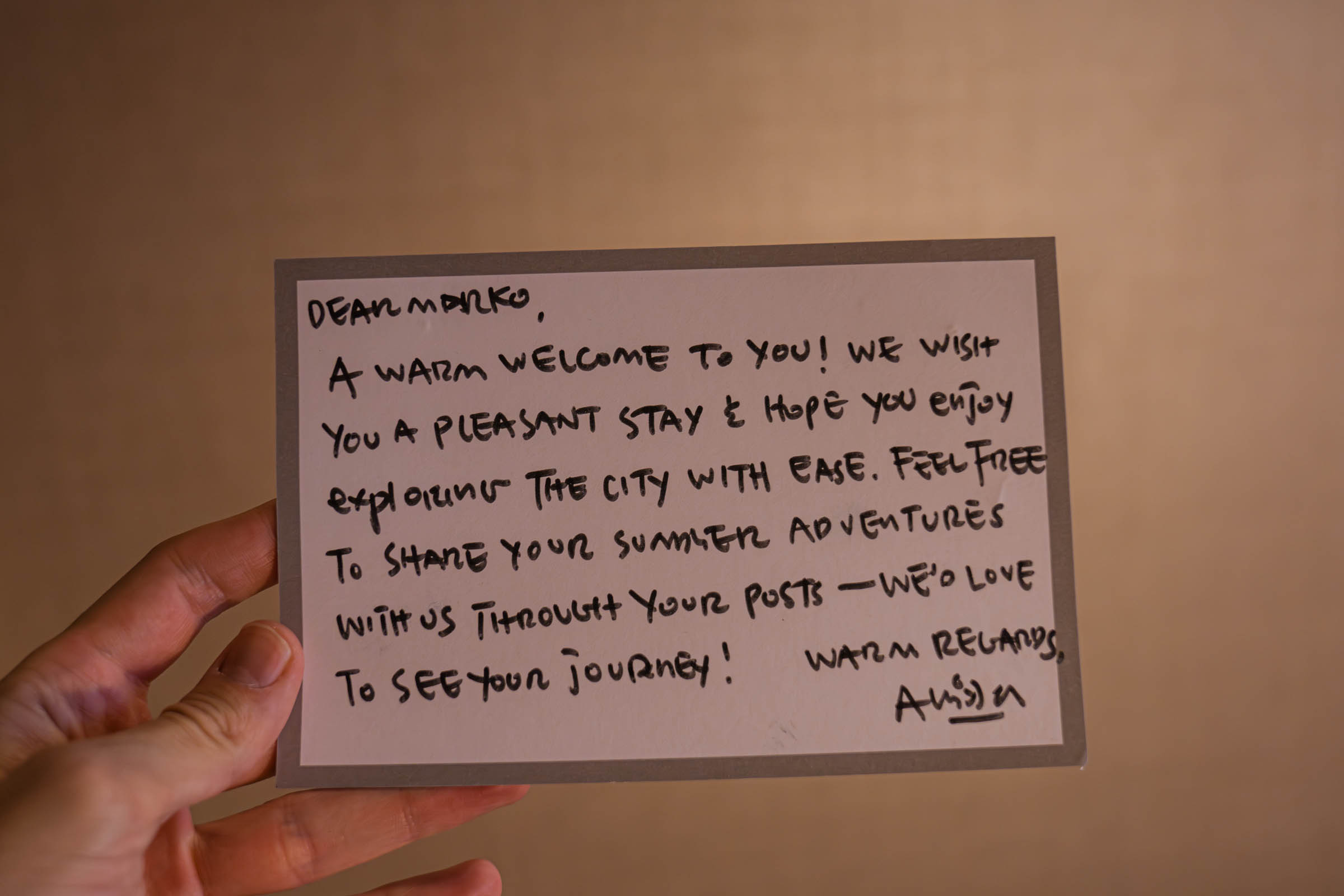
The welcome was just as warm. In my room, a wooden trunk with fresh strawberries, nuts and sweets waited for me, together with a handwritten note from the team. Small gestures like that tell you a lot about a hotel.
MY HARBOR VIEW ROOM AND THE CONTINENTAL CLUB LOUNGE
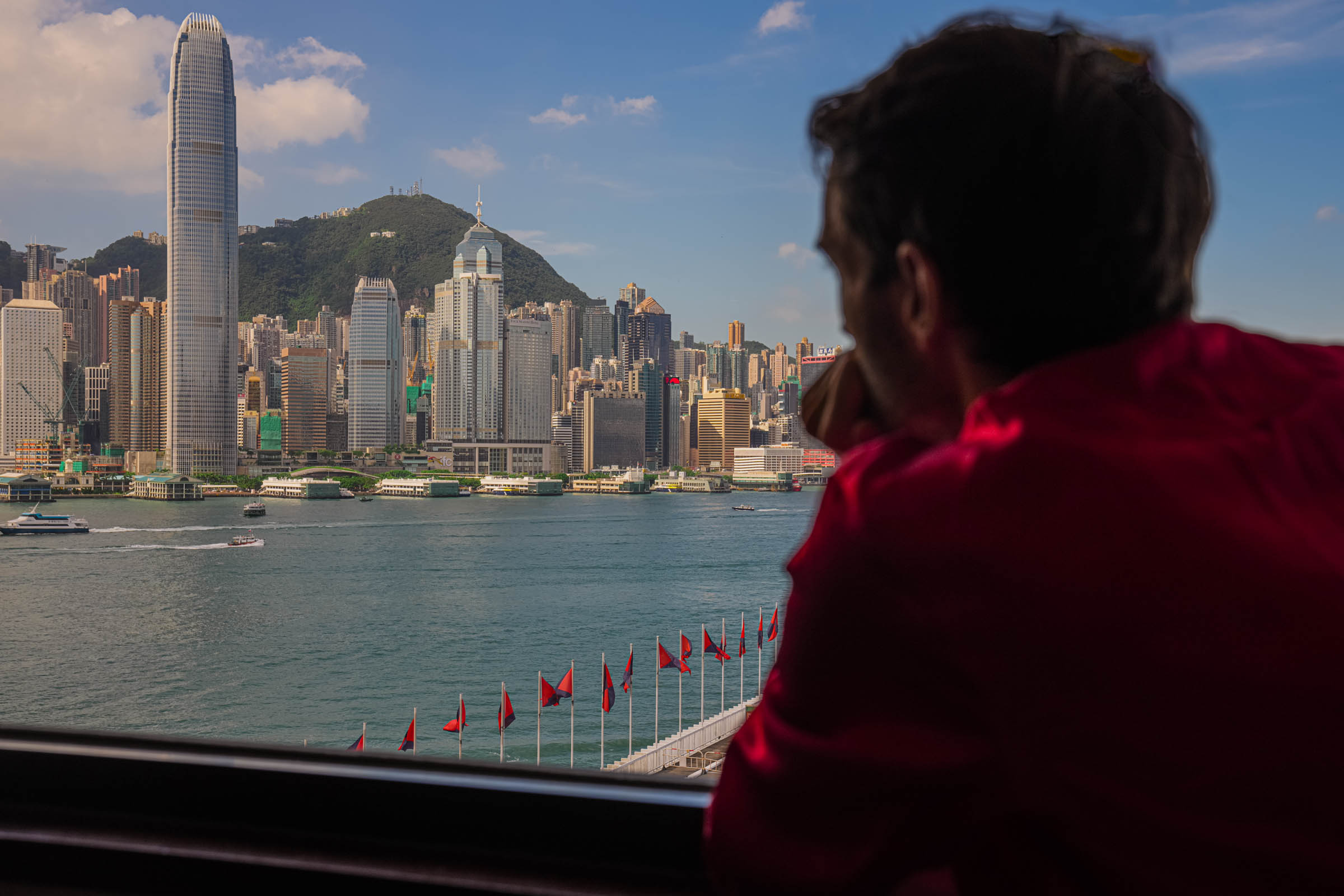
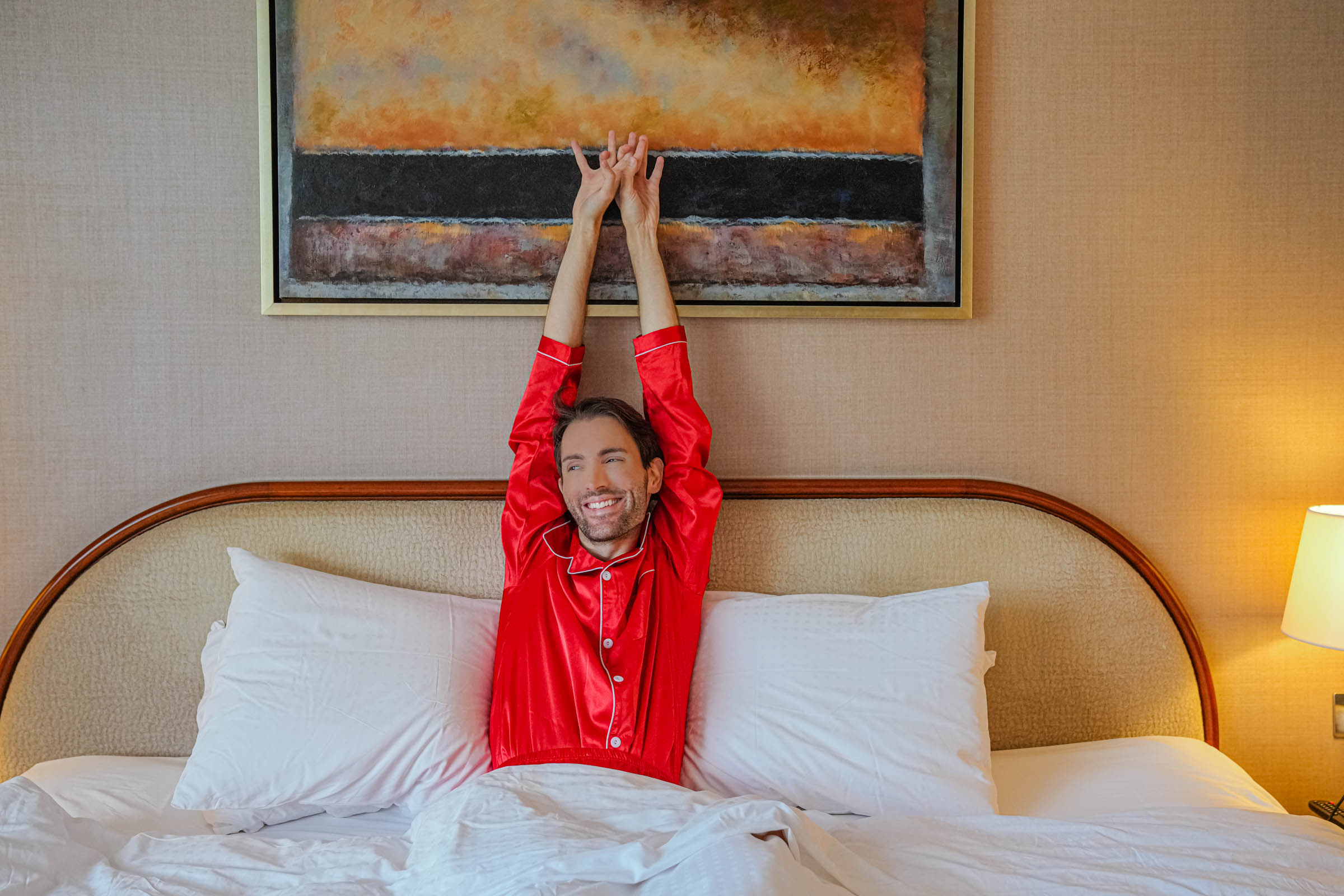
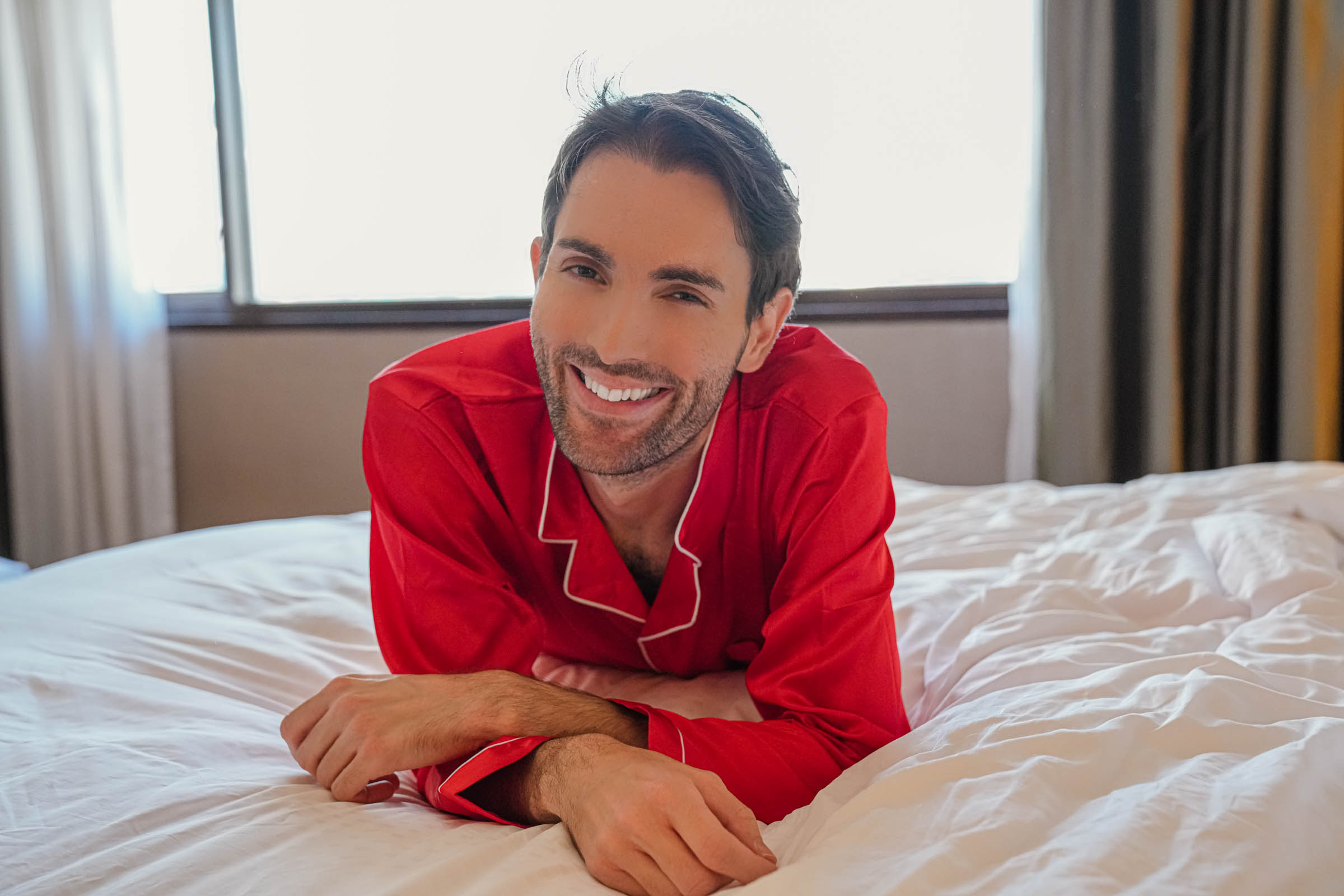
My room with a view of Victoria Harbour was a true oasis after hectic days in the city. The design combines modern comfort with subtle Asian touches, neutral colors and clean lines. Still, the real luxury was the view. Every morning, I watched the ferries crossing the water and the towers of Central changing color as the day began.
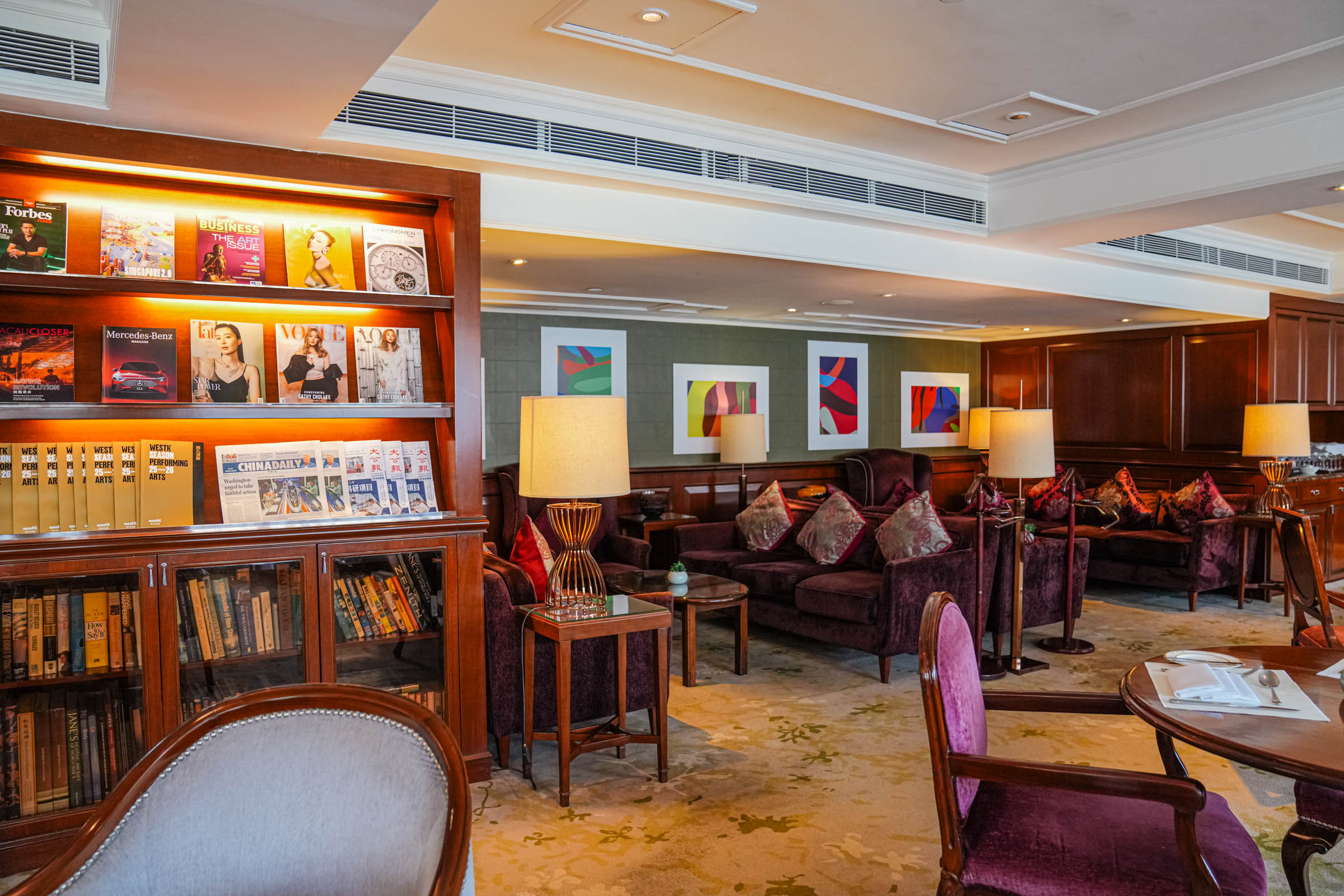
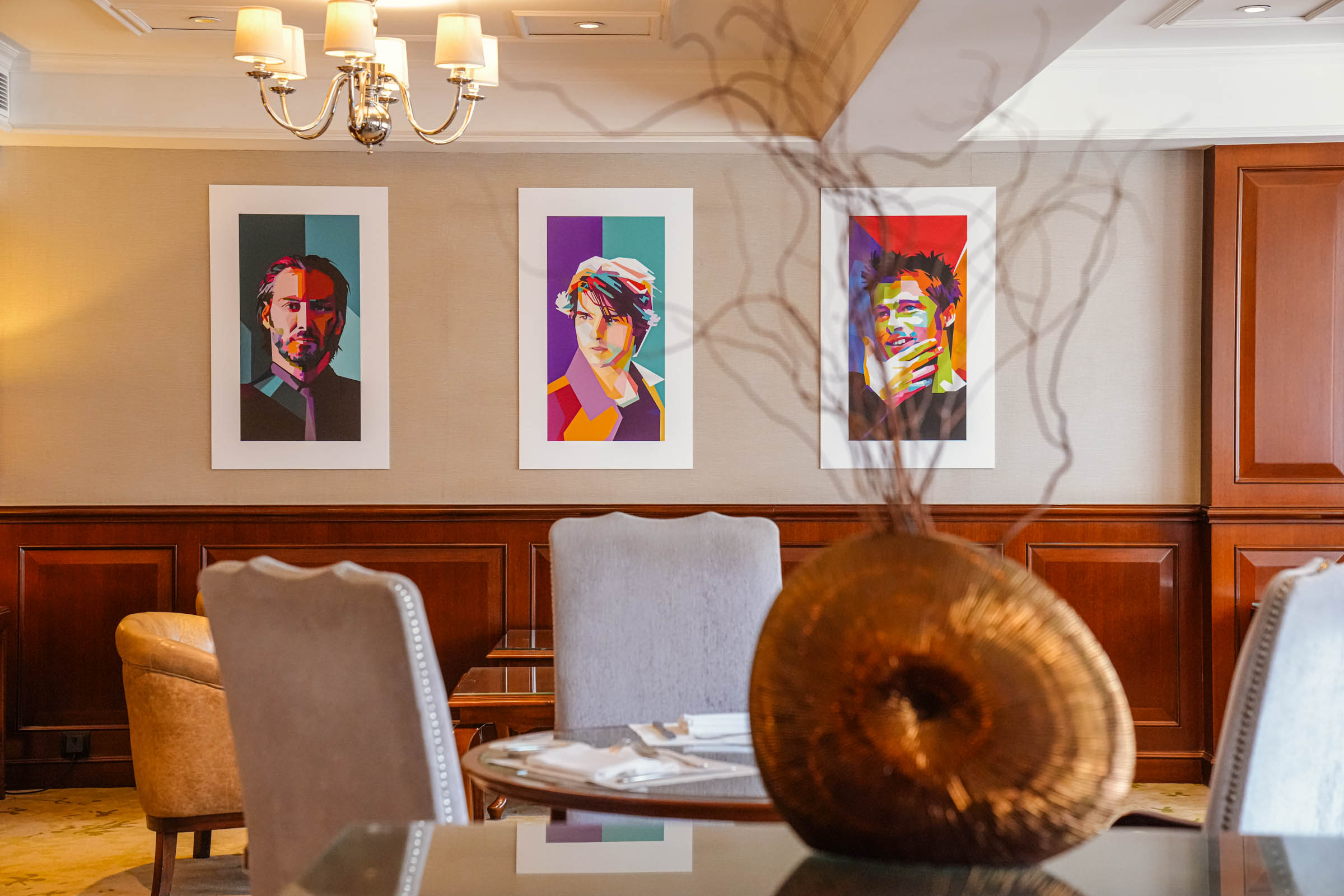
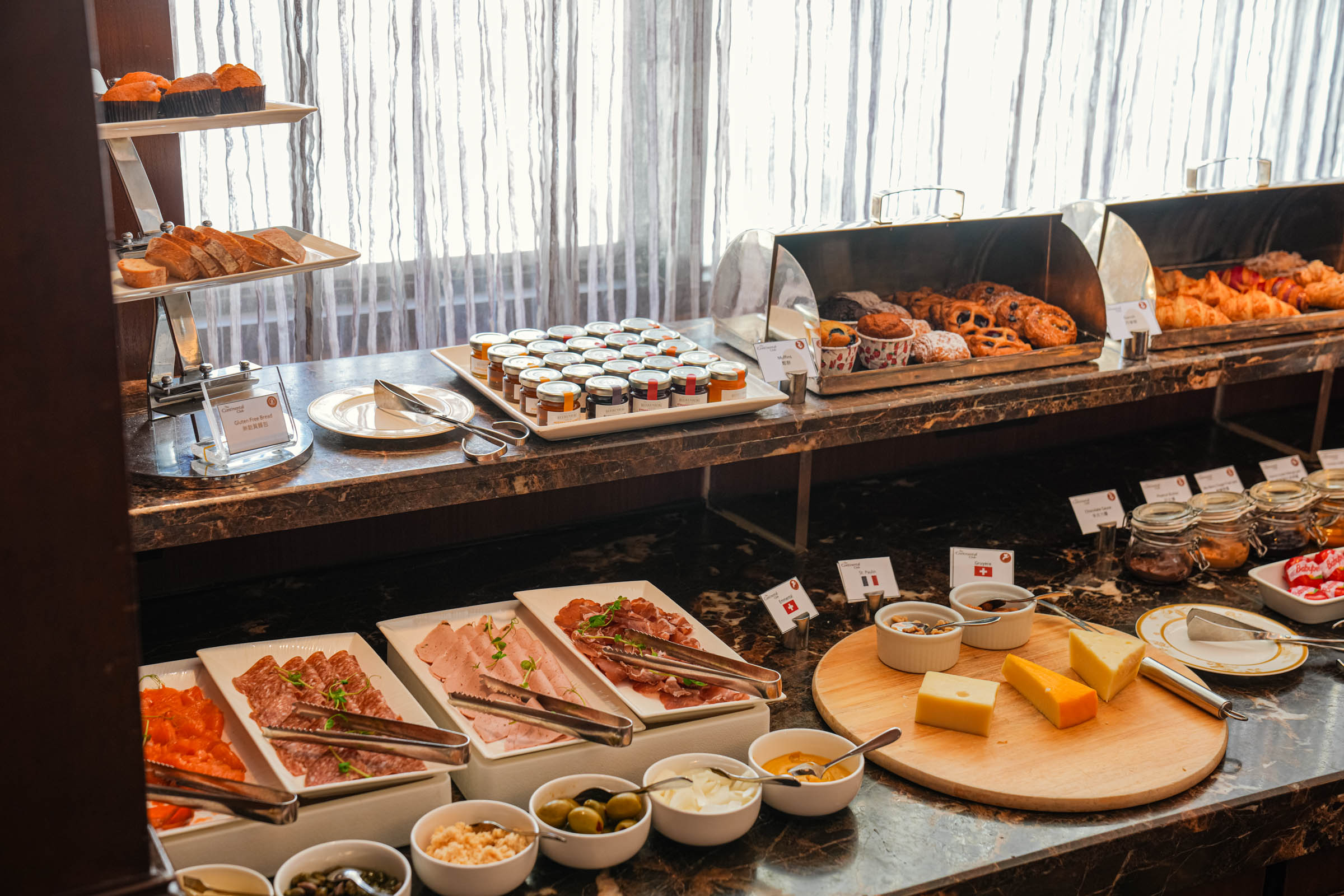
The Continental Club lounge became my favorite spot for morning coffee and an evening cocktail. Breakfast, afternoon tea with dim sum and evening drinks with canapés all came with a panoramic view of the harbor. It was the perfect place to relax.
The staff deserve special praise. From check-in to departure, every member of the team was professional, attentive and ready with good advice. The concierge secured several hard-to-get restaurant reservations for me, and housekeeping kept the room immaculate. In my next letter, I will share a detailed review of this hotel, with more about its rooms, restaurants and facilities.
WHAT TO EAT IN HONG KONG: MY TRAVEL GUIDE FROM DIM SUM TO MICHELIN STARS
Every Hong Kong travel guide talks about food, and for good reason. Hong Kong is a financial capital, but for me it is above all a culinary capital. Here, street food enjoys almost as much respect as fine dining. Even the Michelin Guide recognizes humble roast meat shops and noodle bars next to luxury restaurants.
My ideal morning started with dim sum. I tried it everywhere, from elegant hotel restaurants to noisy local teahouses. Har gow are steamed shrimp dumplings in a translucent wrapper, and siu mai are open dumplings filled with pork and shrimp. Add char siu bao, fluffy buns with barbecued pork, and cheung fun, silky rice noodle rolls, and you have a perfect breakfast.
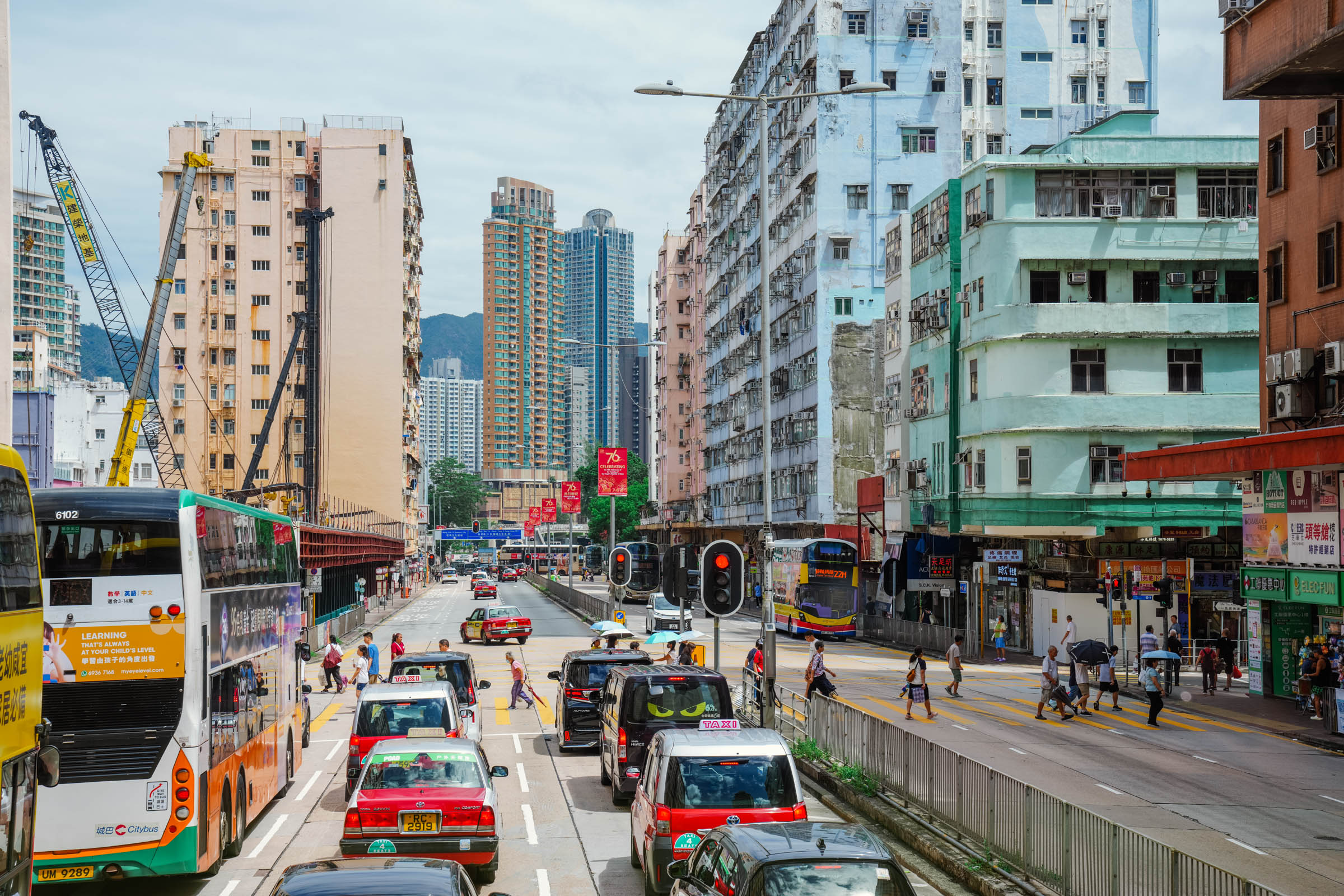
The roast goose at Yat Lok, a family business founded in 1957 that now holds a Michelin star, was unforgettable. The skin was crisp, the meat fell off the bone, and the sauce balanced sweet, salty and sour. I also loved the wonton noodles at Mak’s Noodle and the egg tarts at Tai Cheong Bakery. The bakery opened in 1954, and Chris Patten, the last British governor of Hong Kong, famously called its tarts the best in the world.
Modern gastronomy is just as exciting. I visited several Michelin-starred restaurants, and my dinner at Bo Innovation stood out. Chef Alvin Leung calls his style X-treme Chinese cuisine, and his two-Michelin-star kitchen challenged everything I thought I knew about Chinese food.
HONG KONG TRAVEL GUIDE: PRACTICAL TIPS FOR YOUR FIRST VISIT
After exploring the city from Lantau to Quarry Bay, I collected the Hong Kong travel guide basics I wish I had known before my first day.
Transport: Hong Kong has one of the best public transport systems I have ever used. The MTR metro is fast and clean, and it covers every major district. Buy an Octopus card, a rechargeable smart card that works on public transport and in many shops, cafés and convenience stores.
Language: Chinese and English are the official languages, and Cantonese is what you will hear on the street. In tourist areas, English works well. In local neighborhoods like Mong Kok or Sham Shui Po, however, an offline translation app is a lifesaver.
Money: The local currency is the Hong Kong dollar. During my trip, one euro was worth roughly nine Hong Kong dollars, but the rate moves with the euro, so check it before you fly. Most places accept cards, yet cash is still useful at markets and street stalls.
Climate: Hong Kong has a subtropical climate. I traveled in summer, and I can confirm that the heat and humidity are intense, while summer is also typhoon season. For the most comfortable weather, plan your trip for October or November, when the air is drier and the skies are clearer.
Internet: Free Wi-Fi is available in many public places, but I recommend an eSIM. Since I visited several Asian countries on this trip, I bought a regional package. For a month and a half of daily internet, I spent about 60 euros, and it was worth every cent.
CANTON ROAD AND K11 MUSEA: LUXURY SHOPPING IN TSIM SHA TSUI
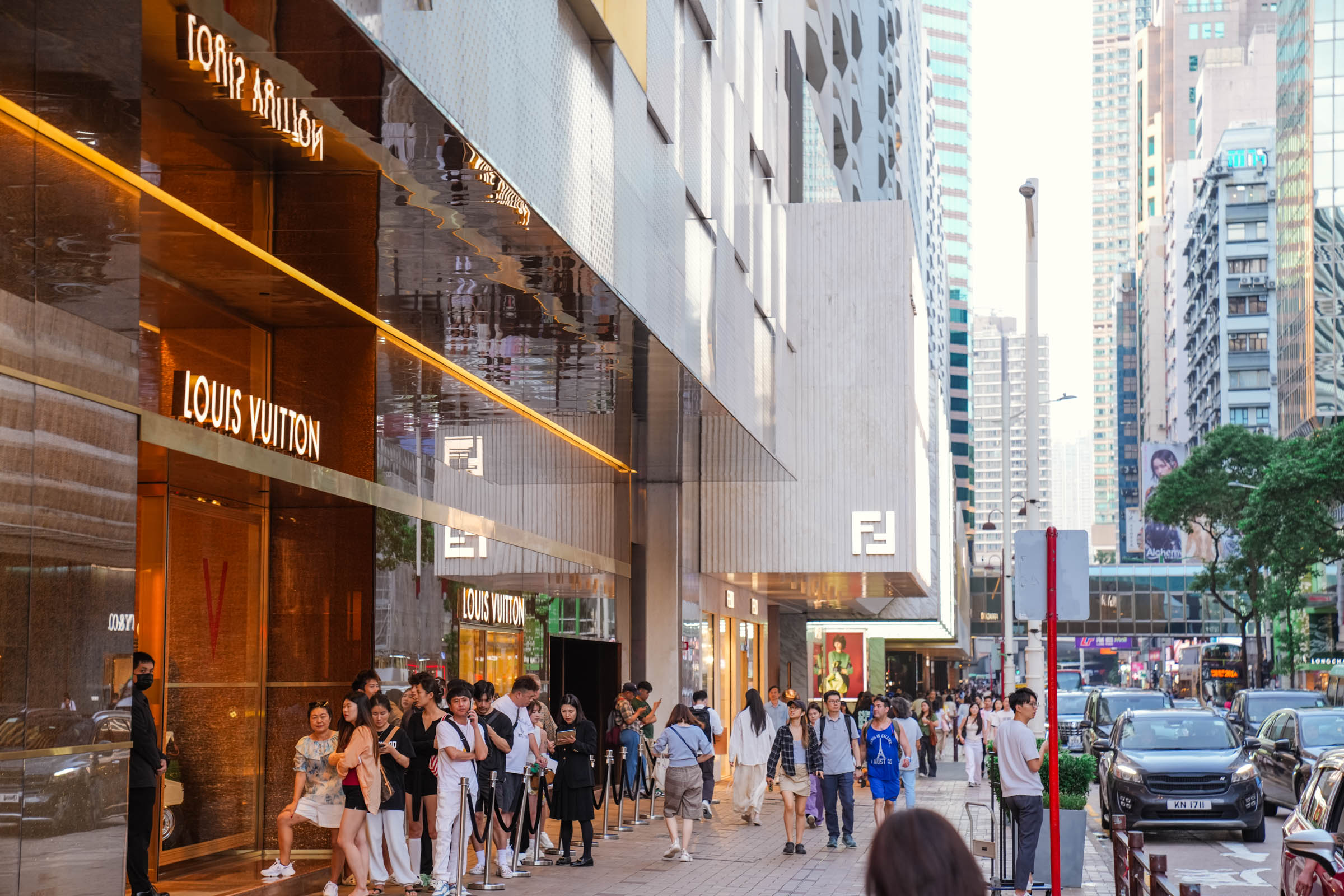
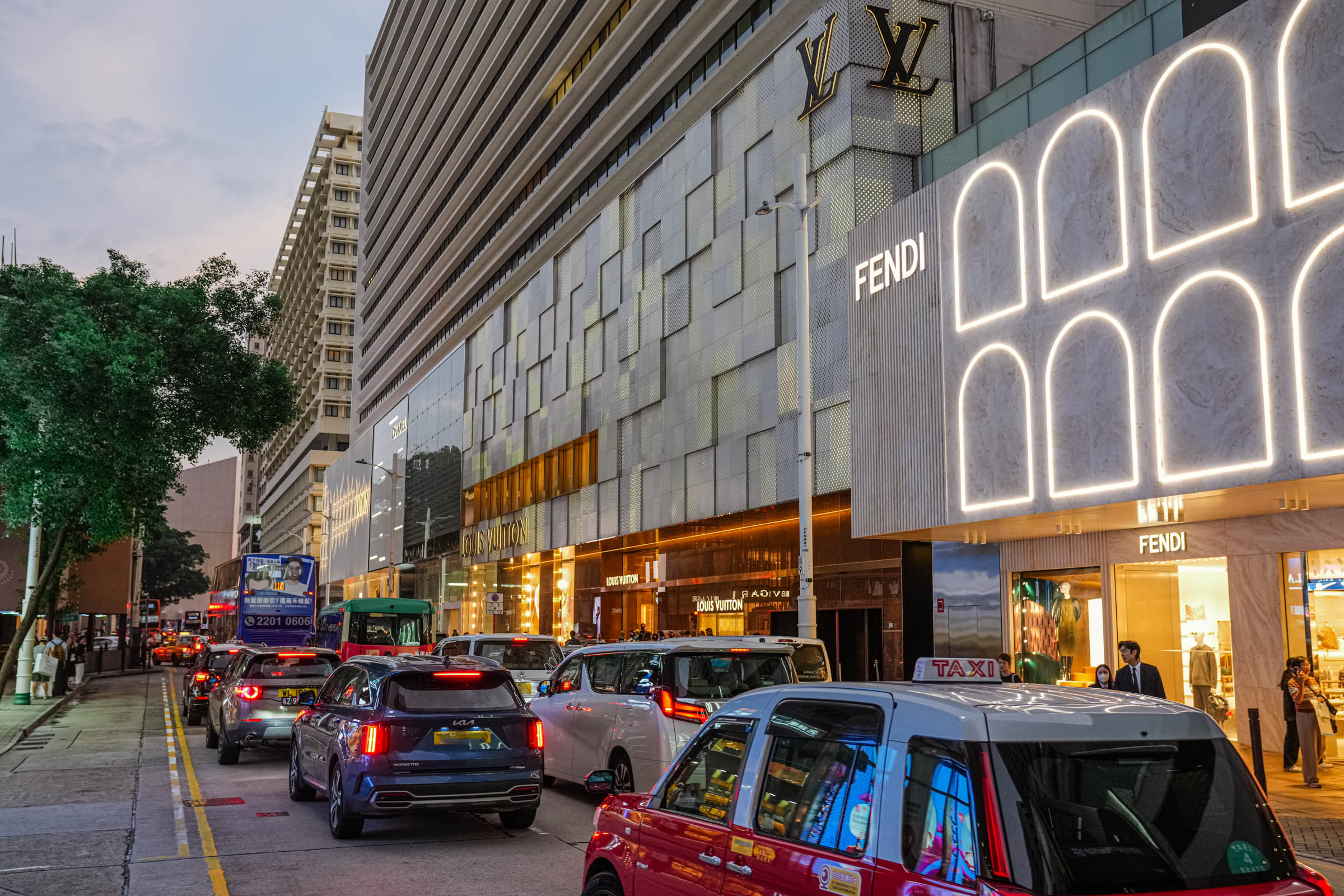
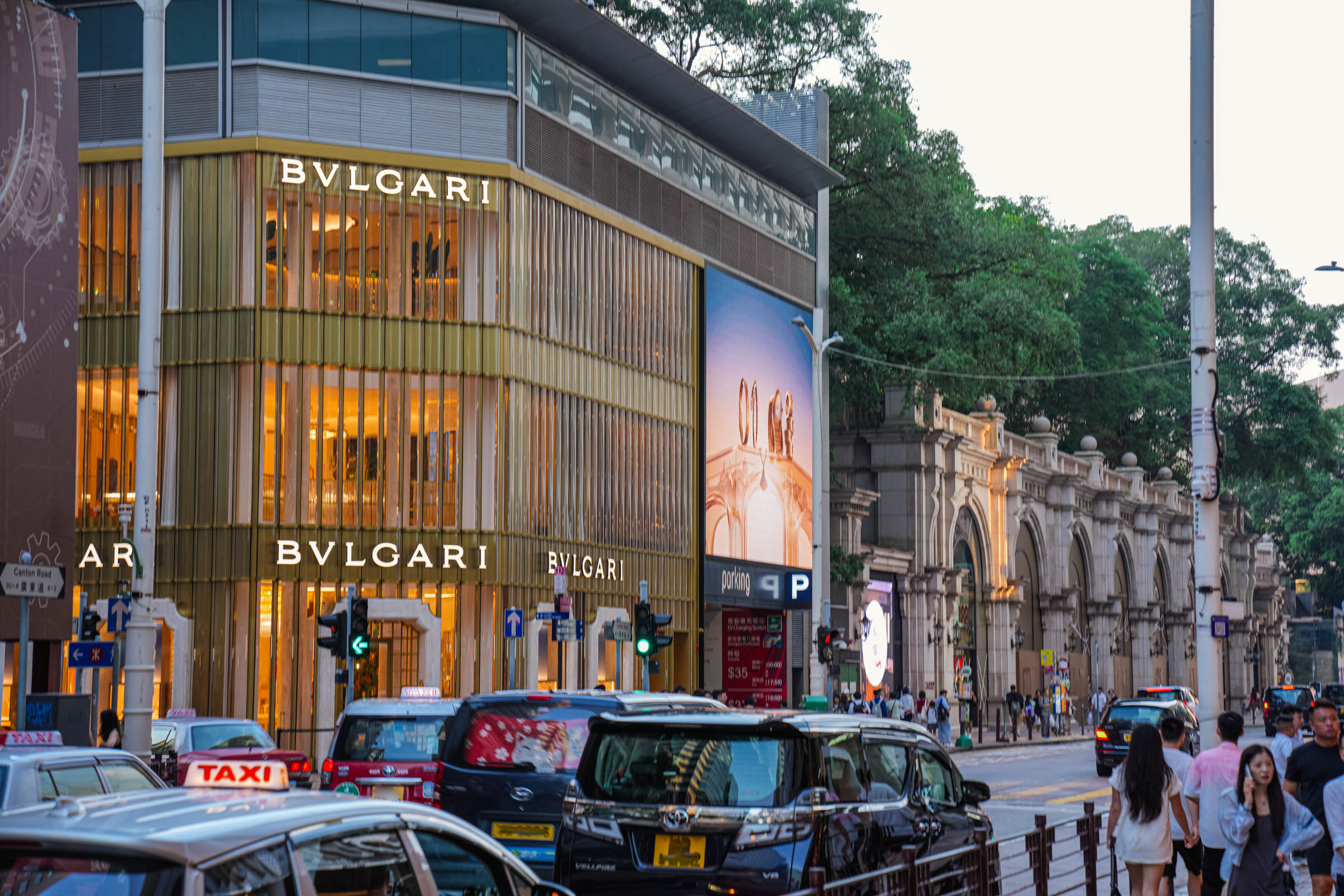
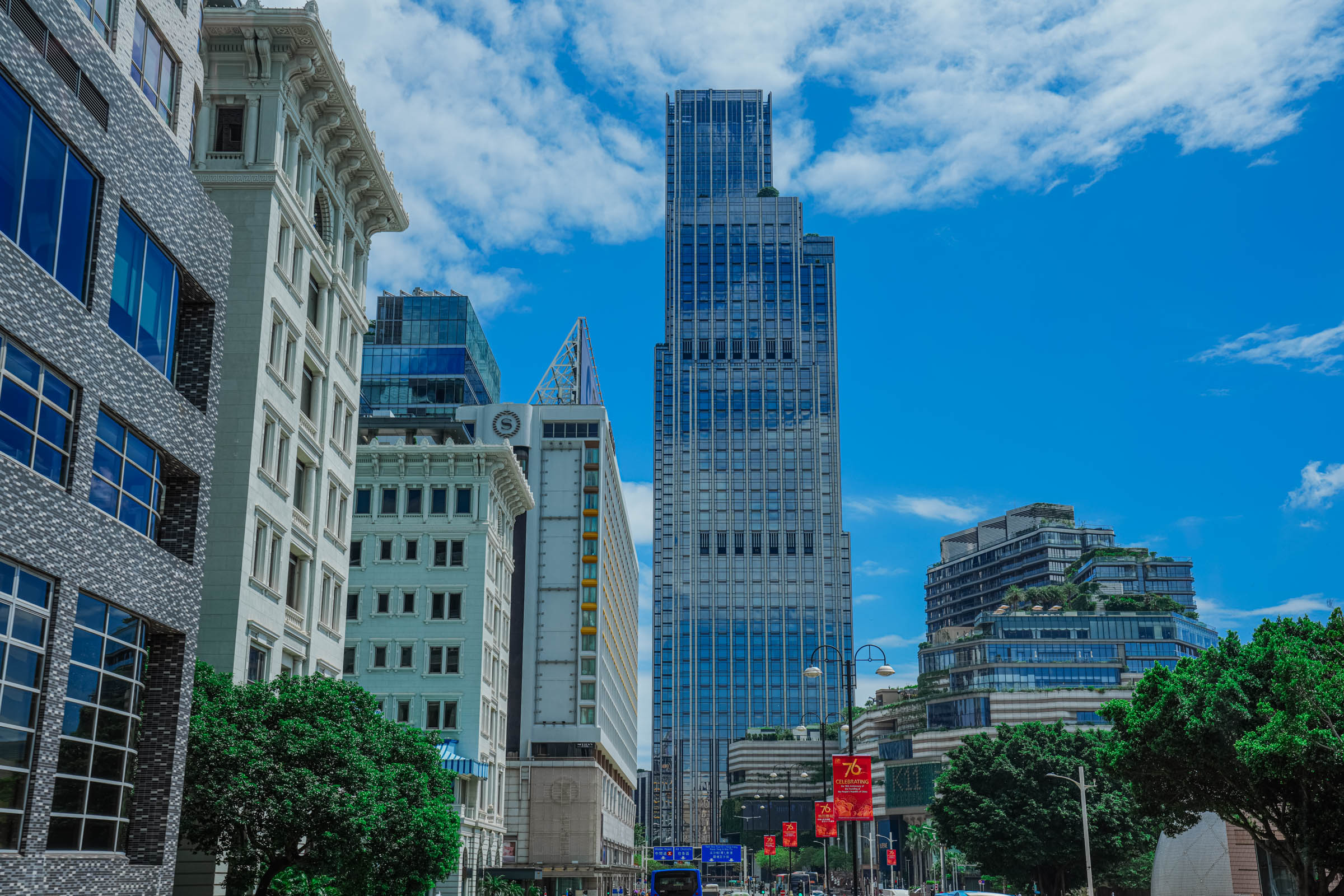
My hotel stood on Canton Road, so every walk to the Star Ferry took me past some of the most elegant shop windows in Asia. This stretch of Tsim Sha Tsui is lined with boutiques of the great fashion houses, from Louis Vuitton and Fendi to Bvlgari. For a men’s fashion lover like me, it was a dangerous daily route. That is why no Hong Kong travel guide of mine would be complete without a little shopping.
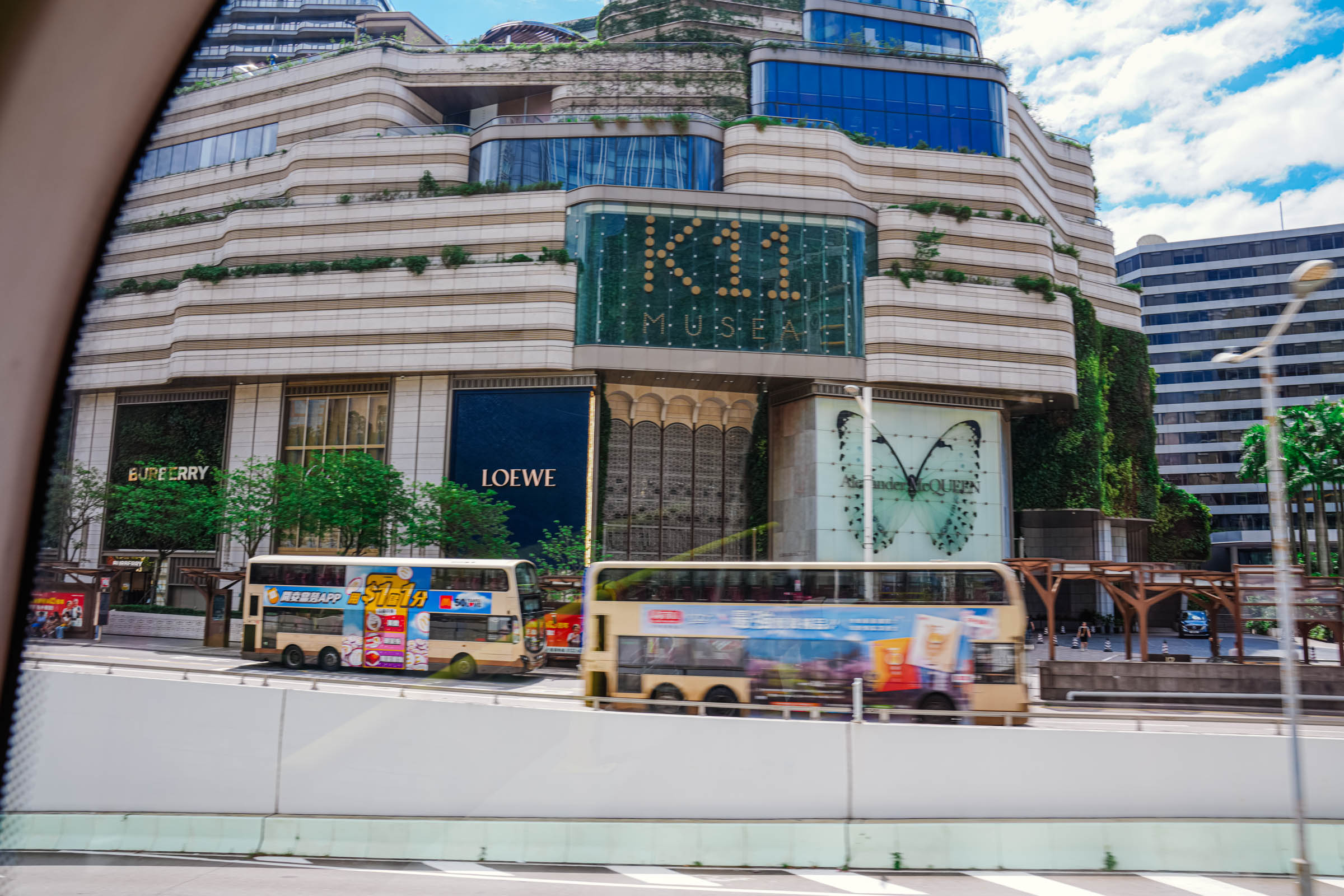
A short walk away, at the Victoria Dockside development, stands K11 MUSEA. This art-driven shopping complex opened in 2019, and its name reportedly comes from the phrase “a muse by the sea.” It mixes fashion boutiques with art installations and restaurants. So even if you buy nothing, it is worth a visit for the design alone.
Hong Kong is a city of contrasts that somehow work in harmony. Million-dollar deals close in glass towers, while a few streets away vendors bargain with tourists over souvenirs worth a few dollars. Nowhere did I feel this more strongly than on these streets.
TSIM SHA TSUI CLOCK TOWER: A WITNESS TO OLD HONG KONG
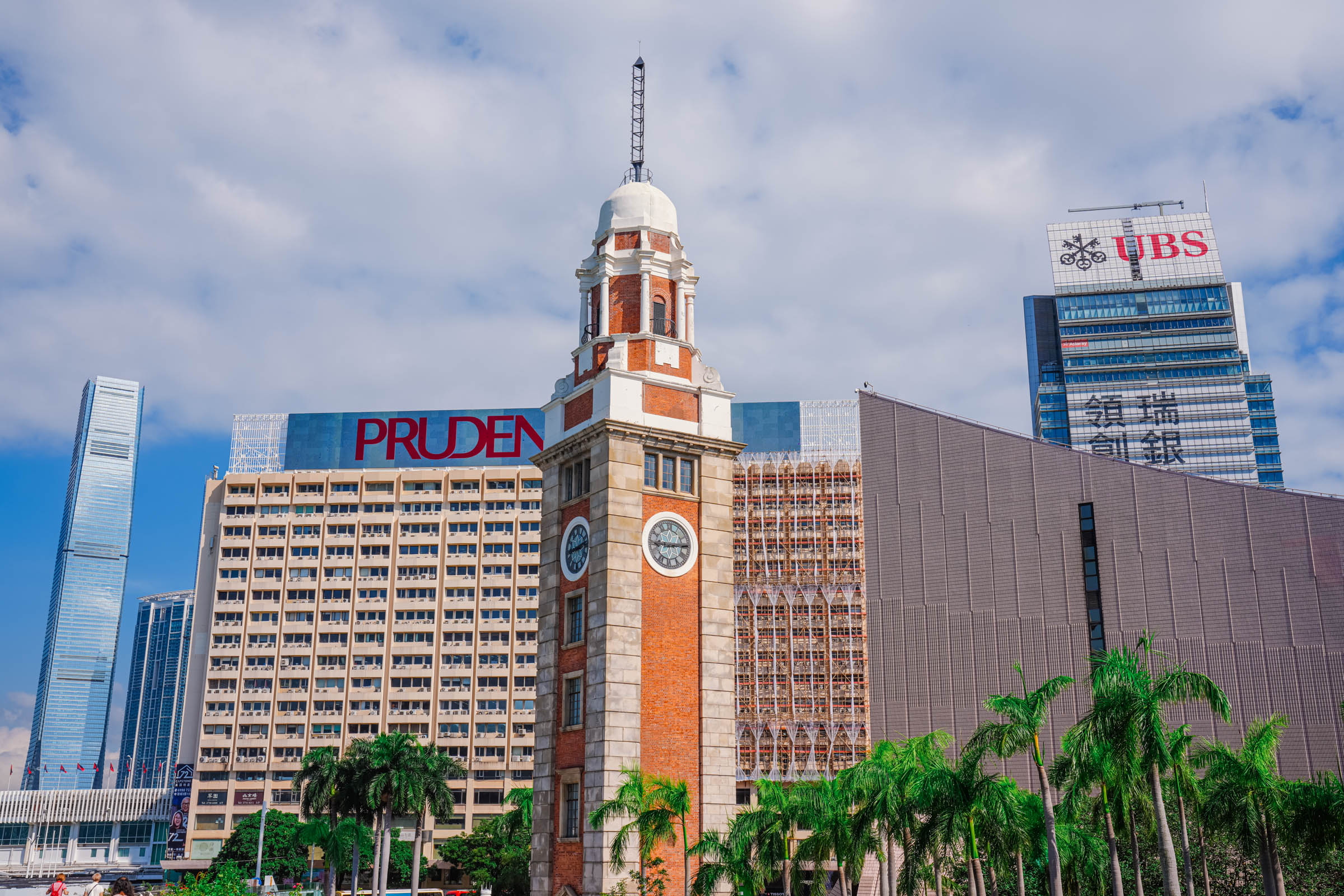
For all its modern glamour, the Tsim Sha Tsui waterfront keeps one elegant reminder of the past. The Clock Tower, built in red brick and granite and completed in 1915, stands 44 meters tall next to the Star Ferry pier. It was once part of the Kowloon-Canton Railway terminus, the station where train journeys into mainland China began.
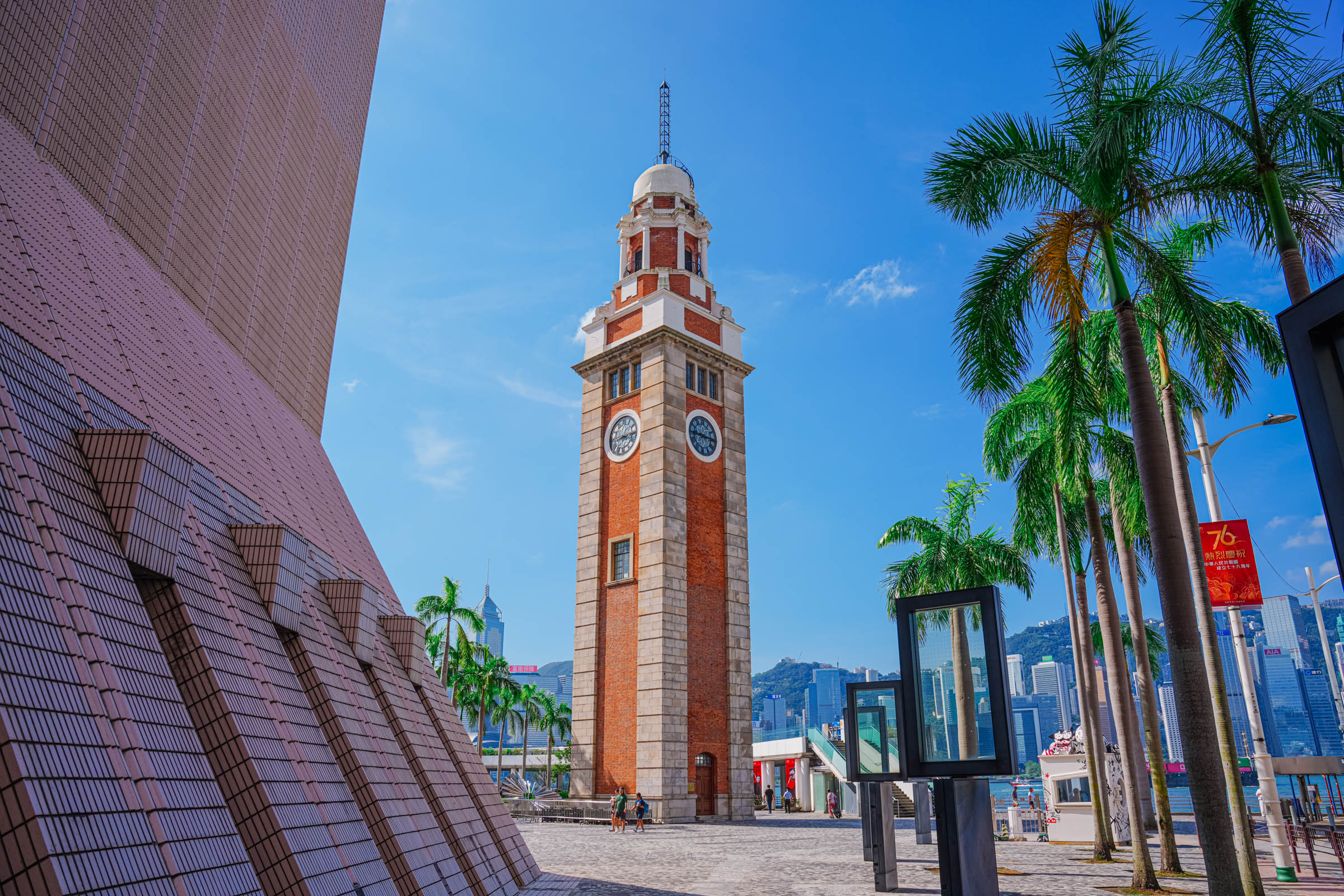
Interestingly, the First World War delayed the arrival of its clock and bell from Britain until 1920. Workers demolished the old station in 1978, yet the tower survived, and in 1990 it became a declared monument. As I stood in front of it, surrounded by glass towers, I imagined the travelers who once arrived here after long journeys. Today, it is a romantic bridge between the past and the present. It is also a fitting last stop in this Hong Kong travel guide, just steps from the ferry.
WHY MY HONG KONG TRAVEL GUIDE ENDS WITH ONE WORD: GO
As I write this letter, I realize that no text, however long, can capture the energy of this city. Hong Kong is not a place you can simply describe. You have to feel it with all your senses.
In one day, you can meditate among lotus ponds in the morning and bargain at the Ladies’ Market in the afternoon. Then you can ride the Peak Tram at sunset and stroll through Temple Street at night. For anyone wondering whether to go, my answer is simple: do not overthink it, just book the ticket. Leave your expectations at the airport and let Hong Kong surprise you.
I know I will return, because Hong Kong is one of those places that never really lets you go. Until then, I hope this Hong Kong travel guide helps you plan your own adventure in Asia’s most vibrant city.
Have you already visited Hong Kong, or are you planning your first trip? Share your impressions and questions in the comments below. As always, you can also reach me by email or on social media through the CONTACT page.
See you soon, with a new story from the heart of the Far East!
With love from Hong Kong,
Mr.M
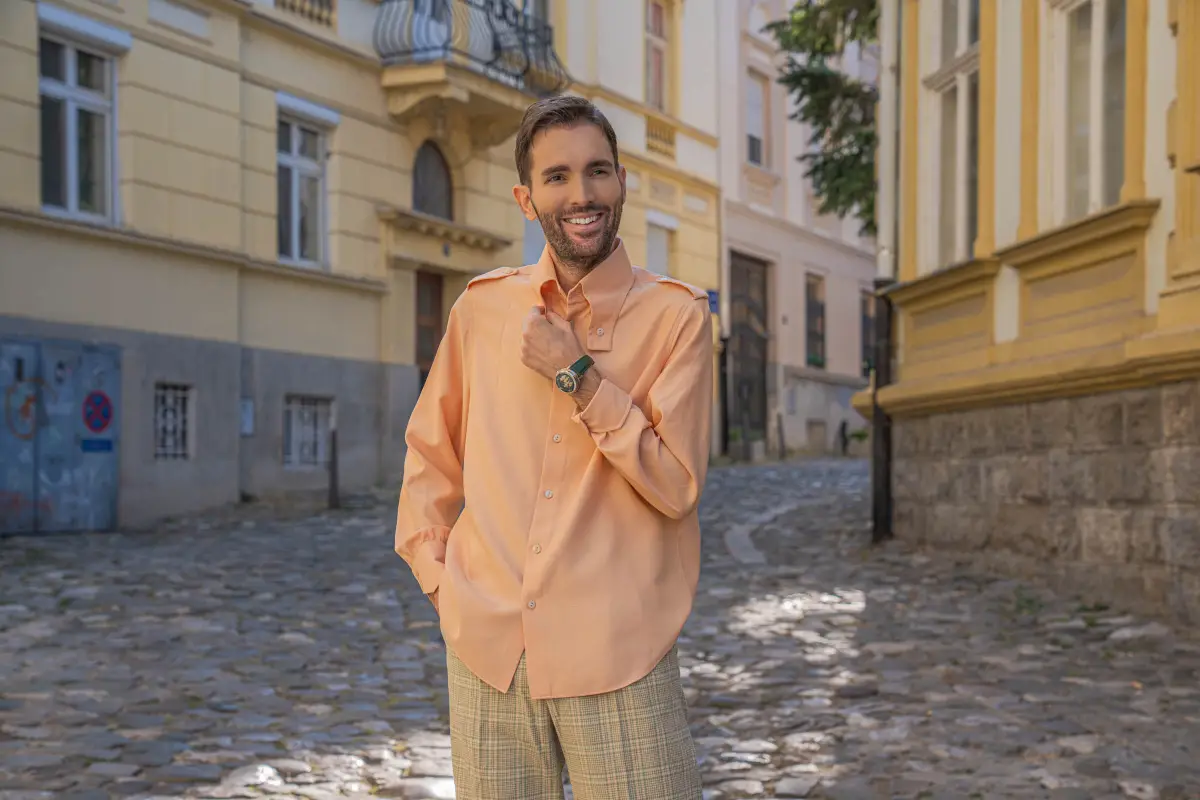
This post is sponsored by the World Tourism Organization (UN Tourism), Hong Kong Tourism Board (HKTB) and Marco Polo Hongkong Hotel, as well as other local partners who have selflessly supported this project. This post is my personal and honest review of the destination experience.
Hello Marko! Your description of Victoria Harbor and the Symphony of Lights has me absolutely mesmerized. The way you captured the transformation from a bustling daytime harbor to the world’s largest natural LED screen at night is poetic. I’ve always wanted to visit Hong Kong, and your vivid storytelling makes me feel like I’m already walking along the Tsim Sha Tsui Promenade. The detail about the Star Ferry operating for over 130 years adds such a beautiful historical dimension to the modern spectacle.
Hello Marko! Your description of Victoria Harbor and the Symphony of Lights has me absolutely mesmerized. The way you captured the transformation from a bustling daytime harbor to the world’s largest natural LED screen at night is poetic. I’ve always wanted to visit Hong Kong and your vivid storytelling makes me feel like I’m already walking along the Tsim Sha Tsui Promenade. The detail about the Star Ferry operating for over 130 years adds such a beautiful historical dimension to the modern spectacle.
Marko, ton récit sur le Nan Lian Garden et le Chi Lin Nunnery m’a profondément touché. L’idée qu’un jardin de la dynastie Tang reconstruit en 2006 puisse créer une telle oasis de paix au milieu du chaos urbain est fascinante. Ta description des étangs de lotus et leur symbolisme bouddhiste les racines dans la boue mais la fleur pure au-dessus de l’eau capture parfaitement la philosophie orientale. Le fait que la nonnerie ait été construite sans un seul clou, uniquement avec des techniques de menuiserie traditionnelles, démontre un respect incroyable pour l’artisanat ancestral.
Hallo Marko! Ich habe eine praktische Frage zur Octopus Card, die du erwähnt hast. Wo kann man diese Karte am besten kaufen direkt am Flughafen oder ist es besser, sie in der Stadt zu besorgen? Funktioniert sie wirklich überall, auch in kleineren Geschäften und Restaurants? Ich plane eine zweiwöchige Reise nach Hong Kong im Frühling und möchte mich optimal vorbereiten. Deine praktischen Tipps am Ende des Artikels sind übrigens Gold wert!
Marko, the Monster Building section really struck a chord with me. Your sensitivity in acknowledging that this Instagram phenomenon is actually someone’s home shows real travel maturity. The image of 2,000 people living in micro-apartments while tourists flock to photograph their building raises important questions about the ethics of travel photography. I appreciate how you described it as a “living modern history” rather than just an aesthetic backdrop. Did you feel conflicted while photographing there?
Ciao Marko! La tua esperienza culinaria a Hong Kong sembra essere stata straordinaria. Il dim sum mattutino che descrivi har gow, siu mai, char siu bao mi fa venire una fame incredibile! Sono particolarmente incurioso riguardo alla tua cena al Bo Innovation con Chef Alvin Leung e la sua “X-treme Chinese cuisine”. Potresti darci qualche dettaglio in più su quali piatti hanno davvero sfidato le tue aspettative? L’idea di combinare tecniche francesi con ingredienti locali suona assolutamente geniale.
Hello Marko! Your climb to Victoria Peak and the description of the Peak Tram ride sounds exhilarating. The detail about buildings appearing to tilt at impossible angles as you ascend really paints a vivid picture. I’m planning to visit Hong Kong next autumn during what you mentioned is the best weather window (October-December). Would you recommend going to Victoria Peak during the day for the views or at sunset to see the city transform? Your perspective from Sky Terrace 428 sounds absolutely breathtaking!
Marko, ta visite au Temple de Wong Tai Sin et ta participation au rituel des bâtonnets de bambou “kau cim” est fascinante. Cette coexistence harmonieuse des trois principales religions chinoises taoïsme, bouddhisme et confucianisme dans un seul temple illustre parfaitement la complexité culturelle de Hong Kong. Même si on ne croit pas nécessairement à la divination, l’expérience culturelle elle-même semble inestimable. As-tu fait interpréter ton bâtonnet par un devin du temple?
Marko, your description of the Temple Street Night Market captures the essence of Hong Kong’s merchant soul perfectly! The clay pot rice experience you shared with the owner showing you how to mix in the crunchy bottom crust sounds like one of those authentic moments that guidebooks can’t teach you. The combination of shopping, fortune tellers, Cantonese opera, and dai pai dong restaurants all on one street sounds like sensory overload in the best possible way. This is exactly the kind of local experience I seek when traveling.
Hallo Marko! Deine Beschreibung des Big Buddha auf Lantau Island und der Ngong Ping 360-Seilbahnfahrt klingt spektakulär. Die 25-minütige Fahrt über den Wald und die Bucht muss atemberaubend sein. Ich bin besonders von deiner Erfahrung im Po-Lin-Kloster berührt, wo du vegetarisches Essen nach klösterlichen Rezepten gegessen hast. Diese Momente spiritueller Ruhe inmitten einer so dynamischen Stadt scheinen ein wichtiger Ausgleich zu sein. Würdest du empfehlen, einen ganzen Tag für Lantau Island einzuplanen?
Hi Marko! I’m absolutely fascinated by your SoHo and Central exploration. The contrast between the financial district’s glass towers and the creative, bohemian neighborhoods beneath is quintessential Hong Kong. The Mid-Levels Escalator spanning 800 meters sounds like an attraction in itself! I love the story about the hidden speakeasy behind an antique shop with molecular gastronomy cocktails. Could you share any tips on finding these hidden bars, or is discovery part of the adventure?
Marko, il tuo soggiorno al Marco Polo Hongkong Hotel sembra essere stato perfetto. La posizione sul lungomare di Kowloon con vista su Victoria Harbour dev’essere spettacolare, specialmente al mattino quando descrivi la città che si sveglia dall’altra parte. Il Continental Club Lounge al 13° piano con colazione, tè pomeridiano e cocktail serali con vista panoramica suona come il luogo ideale per rilassarsi dopo giorni intensi di esplorazione. Non vedo l’ora di leggere la tua recensione dettagliata dell’hotel la prossima settimana!
Marko, your section on Mong Kok really captures the authentic Hong Kong experience. The detail about it holding the Guinness World Record for the most densely populated place on Earth (130,000 people per square kilometer!) is mind-blowing. The variety of markets Ladies’ Market, Flower Market, Goldfish Market with fish in plastic bags, Bird Market with bamboo cages each seems to have its own unique character. Sneaker Street sounds like paradise for footwear enthusiasts! This is the real Hong Kong that most tourists probably miss.
Bonjour Marko! Ton article est une véritable encyclopédie de Hong Kong. Ce qui m’impressionne le plus, c’est ta capacité à équilibrer les attractions touristiques populaires avec des expériences locales authentiques. Ta description de l’oie rôtie au restaurant Yat Lok la peau croustillante qui fond en bouche, la viande qui se détache de l’os est de la poésie culinaire pure! Le fait que Hong Kong ait plus d’étoiles Michelin par habitant que la plupart des villes du monde en fait vraiment une capitale gastronomique mondiale.
Marko, la tua riflessione finale su Hong Kong come città di contraddizioni che funzionano in perfetta armonia è profonda. Hai perfettamente catturato l’essenza di questa metropoli dove templi buddisti riposano all’ombra di grattacieli di vetro, dove l’incenso si mescola con l’aroma del caffè, dove tradizione e modernità non solo coesistono ma si arricchiscono reciprocamente. La Torre dell’Orologio di Tsim Sha Tsui come ponte tra passato e presente è una metafora bellissima per l’intera città.
Hello Marko! Your Hong Kong guide is comprehensive and inspiring. I particularly appreciate your practical tips section the advice about getting an Octopus card, using Google Translate offline, and your eSIM recommendation for Asian countries (60 euros for a month and a half is reasonable!). Your honesty about the climate warning about hot, humid summers versus mild winters helps with planning. The October-December window you recommend aligns perfectly with my vacation schedule. Thank you for such a thorough and beautifully written guide!