
My dear travelers and lovers of unusual journeys, welcome to a new series of travelogues on the Mr.M blog. This time, I am taking you to an unusual island country in the Caribbean. It is a country known for tobacco, rum and classic cars: Cuba. Our journey starts in the capital, Havana, the most colorful pearl of the Caribbean.
At the very beginning, I would like to thank the travel agency Disco Travel. For me, it is more than a travel agency. It is a real traveling family that provides an incredible experience. This was my first time cooperating with a travel agency, and I must admit that it was an unusual experience. With their help, I created travelogues and fashion stories from Cuba. I sincerely hope that you will enjoy this new adventure.
Do you want a trip that you will remember for a lifetime? Then check out the Disco Travel arrangements for distant exotic destinations and choose an adventure you could only dream of. Just do not forget your camera and phone. You will want to capture unforgettable moments from Zanzibar, Bali, Thailand, Cuba and other destinations on their list.
HOW TO GET TO HAVANA FROM BELGRADE
When I traveled to Cuba, the fastest way from Belgrade to Havana went through the City of Light with Air France. In addition, the wide network of the Air France and KLM group covers almost the entire world. For travelers from Serbia, this connection has a long history.
In fact, Paris is the first and longest-running international route from Belgrade, alongside Vienna. Civil commercial aviation in this part of Europe began in 1923. That year, the Paris to Istanbul route started to stop in Belgrade, after Strasbourg, Prague, Vienna and Budapest. The history of Air France began on October 7, 1933. Since the 1930s, it has connected Belgrade and Paris, with some interruptions. Today, a direct flight between the two capitals takes about two hours.
The Air France and KLM group came to life on May 5, 2004, when Air France and KLM Royal Dutch Airlines merged. Today, its three major brands are Air France, KLM and Transavia. The group also has a joint loyalty program, Flying Blue, which is important for all frequent travelers.
Flying Blue started in 2005, and today it has more than 30 million members. Members collect Miles on every flight with Air France, KLM, Transavia or SkyTeam partners. As your status grows, your benefits grow with it. Membership is free. You can use your Miles for flights and extra services on board and on the ground. Partner hotels and car rental agencies also accept them.
Important update: in March 2026, Air France suspended its Paris to Havana flights because of jet fuel shortages in Cuba. In April 2026, the airline extended the suspension until further notice. Therefore, check the current schedule on the Air France website before you plan your trip.
A FEW HOURS IN PARIS ON THE WAY
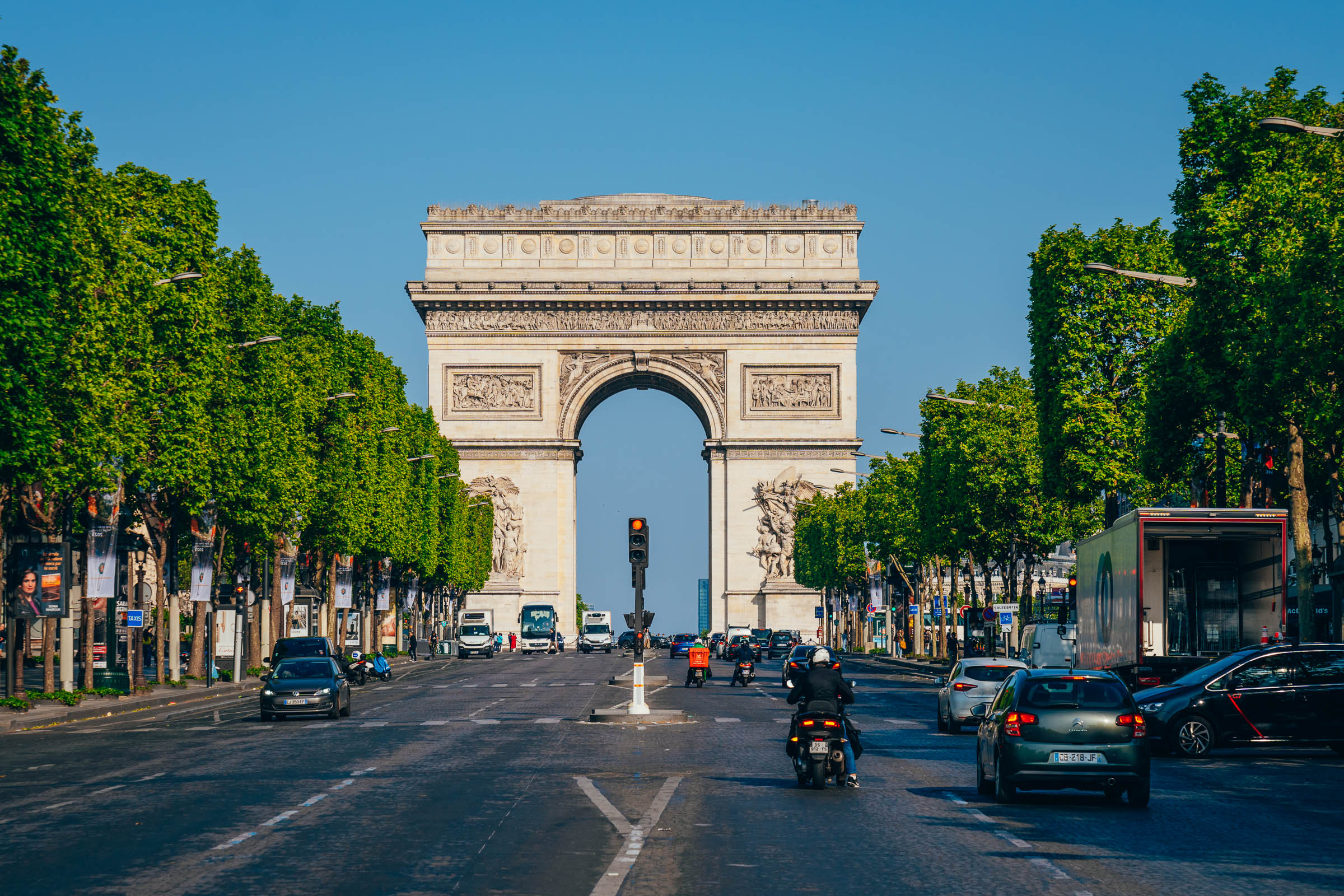
When I read the Disco Travel program for Cuba, I was very excited. It included a few hours in my favorite city in Europe: Paris. If you choose this program, be sure to use the opportunity to see Paris. Do not worry about time. Simply schedule your Uber ride and enjoy the charms of the city for at least a few hours.
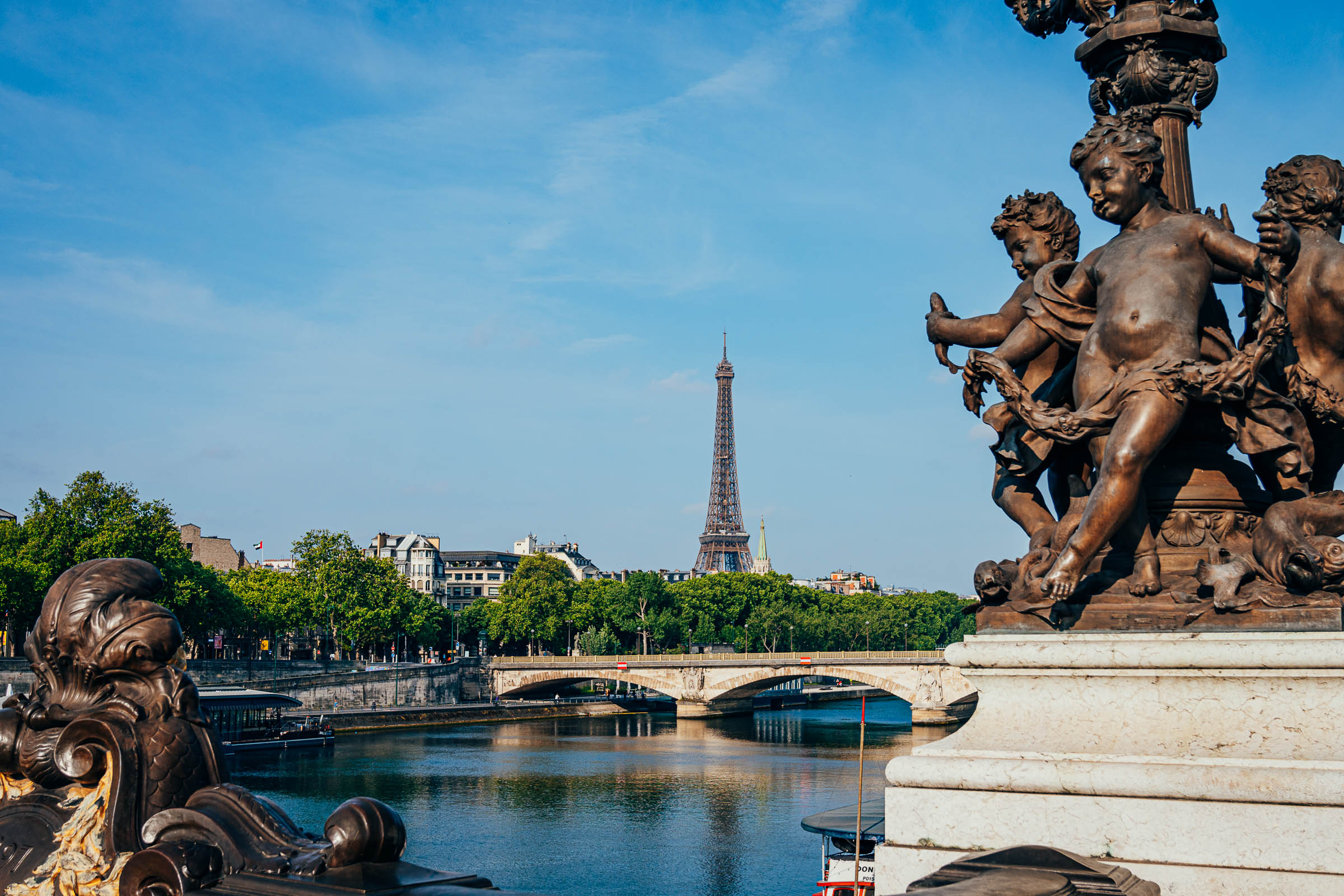
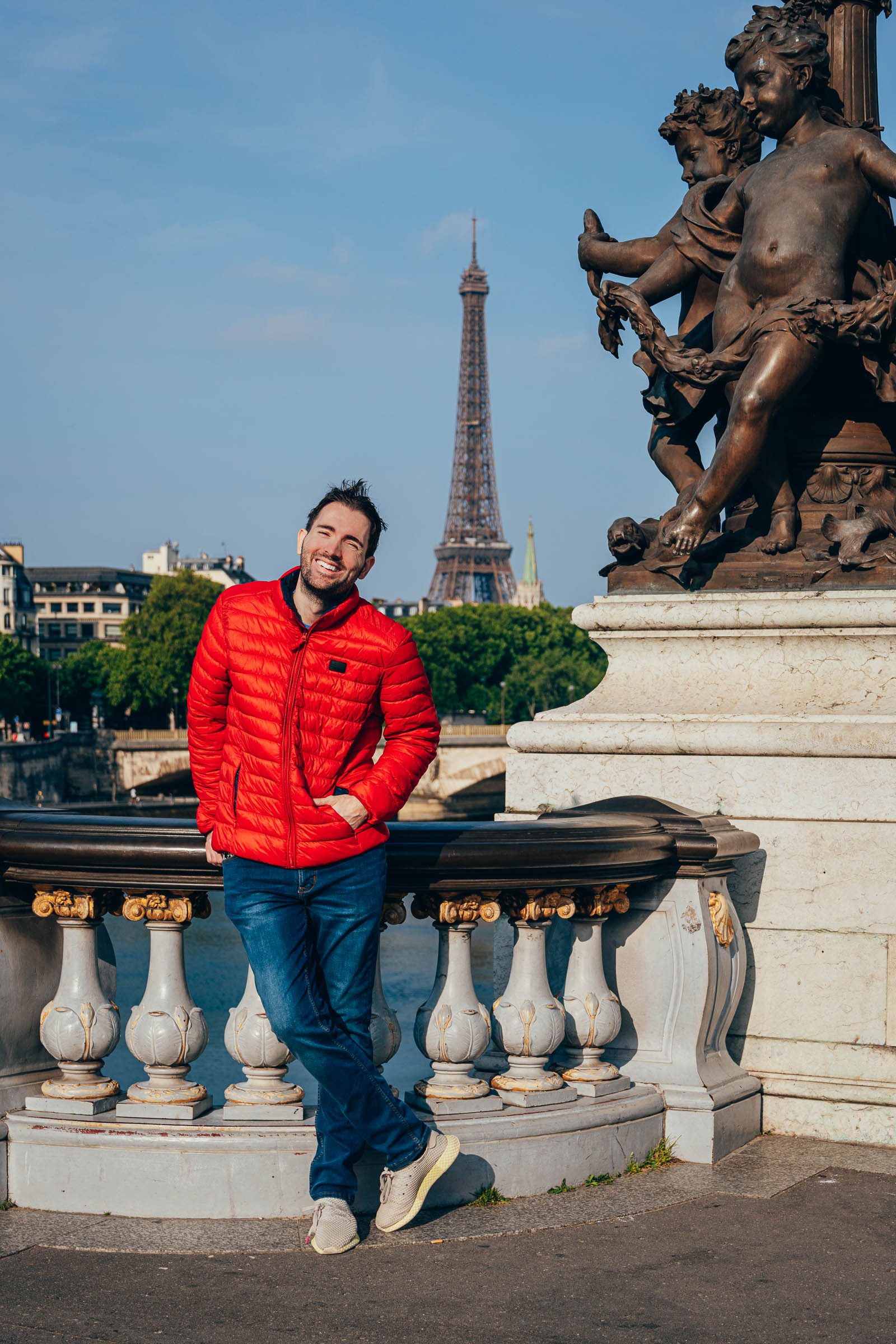
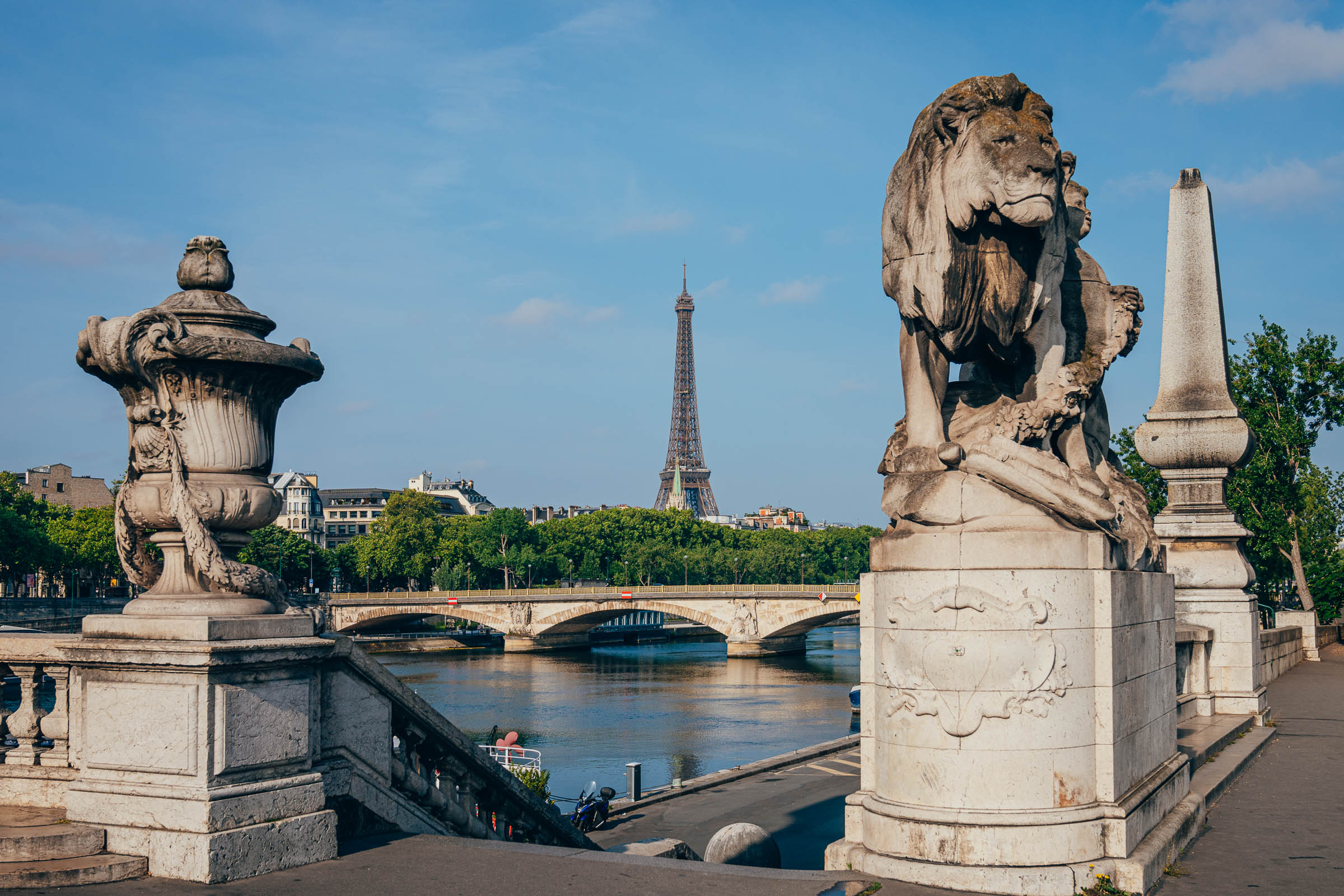
The bridge in my first photos is the Pont Alexandre III, the most ornate bridge over the Seine. It carries the name of the Russian Tsar Alexander III, and his son Nicholas II laid the foundation stone in October 1896. The bridge opened for the 1900 Exposition Universelle, together with the nearby Grand Palais and Petit Palais. It is 160 meters long and 40 meters wide. Art Nouveau lamps, cherubs, nymphs and winged horses decorate it.
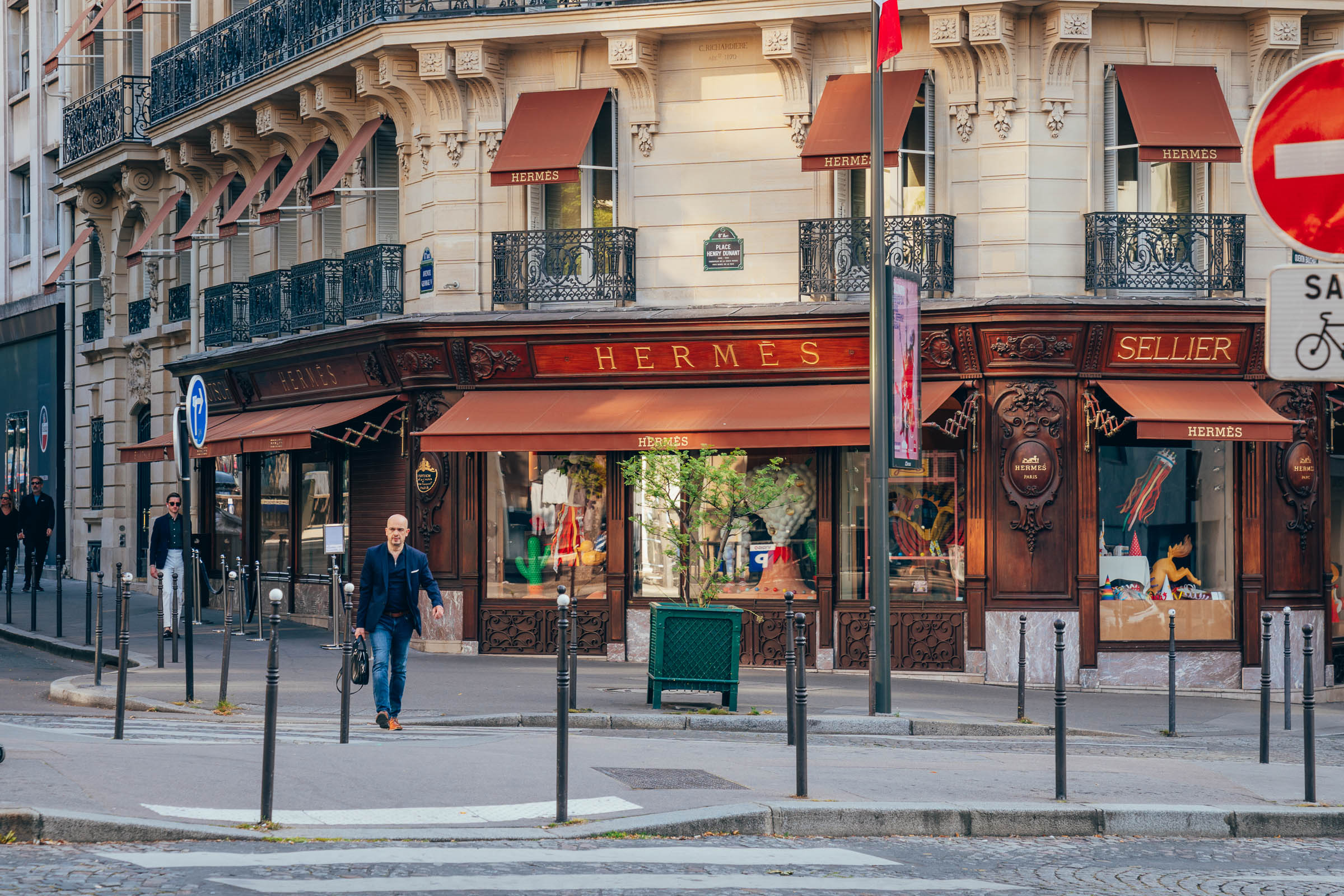
Use your precious time to walk down the avenues. Enjoy the window displays of the world’s most famous fashion houses. Also, be sure to buy the power adapters that you will need for your electronic devices in Cuba. According to the CIA World Factbook, Cuba uses plug types A, B, C and L. The voltage is 110 V or 220 V, at 60 Hz. Just look for Fnac in Paris or its store at the airport, and you are free to relax.
Of course, do not forget to buy mosquito spray. Choose the special one for tropical species, to protect yourself and your loved ones on this long exotic trip. Once you finish your shopping, sit in the garden of a cafe and enjoy your morning cappuccino and croissant.
ARRIVING IN HAVANA
After the extraordinary Paris, get ready for a completely different contrast of colors and social arrangements. You do not get a chance to see them in Europe. My flight from Paris to Havana took about 10 hours. So, make sure you are comfortable, because comfort is extremely important on these long flights.
You land at José Martí International Airport, located about 15 km southwest of the city center. When you step out of the airport, you enter a tropical climate zone, so get ready for the heat. Then, use the Spanish language skills that many of us learned over the years from telenovelas like Kassandra, Rubí and Esmeralda.
Cubans are extremely pleasant and hospitable people, and you will win their hearts easily. You only need to say “¡Hola!” and your adventure in Cuba has officially begun.
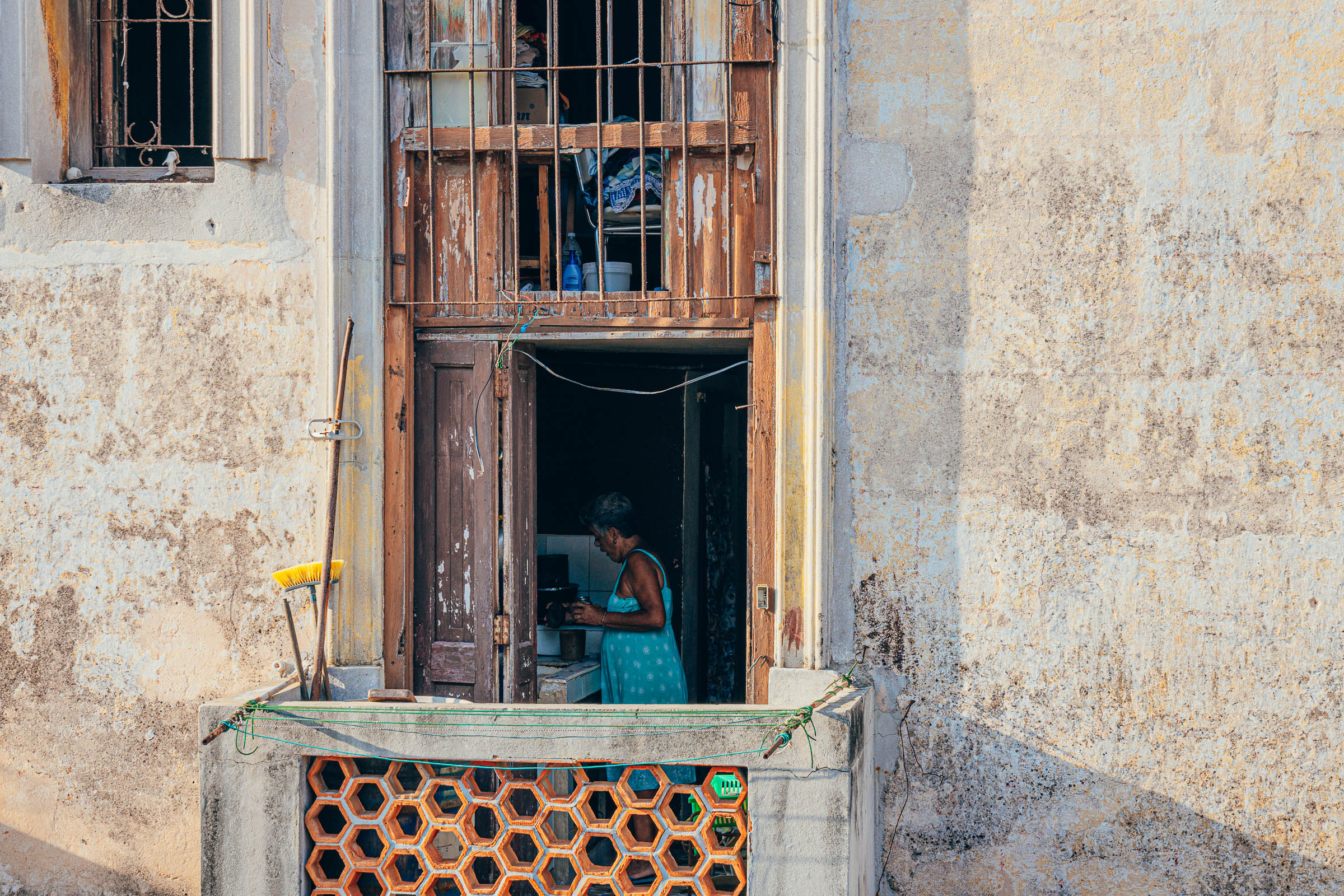
When I traveled, all Disco Travel arrangements for Cuba included a visit to Havana, Varadero and Trinidad. That way, you get to know this island country in the best possible way. Today’s travelogue covers the capital of Cuba, Havana. It also takes you on one excursion outside the city, to the tobacco valley of Viñales.
CUBA IN A FEW FACTS
Now I will tell you a little more about the country we are exploring together on the Mr.M blog. Cuba, officially the Republic of Cuba, is an island nation. It includes the main island of Cuba, Isla de la Juventud and several smaller archipelagos. Isla de la Juventud is the second-largest island in the country, with an area of 2,204 km².
Cuba lies at the point where the Caribbean Sea, the Gulf of Mexico and the Atlantic Ocean meet. It lies east of the Yucatán Peninsula in Mexico, south of Florida and the Bahamas, and west of Hispaniola. Jamaica and the Cayman Islands are to the south of Cuba. Havana is the capital and the largest city, while other big cities include Santiago de Cuba and Camagüey.
The official area of Cuba is 109,884 km², which makes it the largest country in the Caribbean by area. By population, Cuba is the third-largest country in the Caribbean, after Haiti and the Dominican Republic. Officially, Cuba had 11,089,511 inhabitants at the end of 2022, but estimates for 2024 put the population at about 9.75 million.
HAVANA, THE CAPITAL OF CUBA
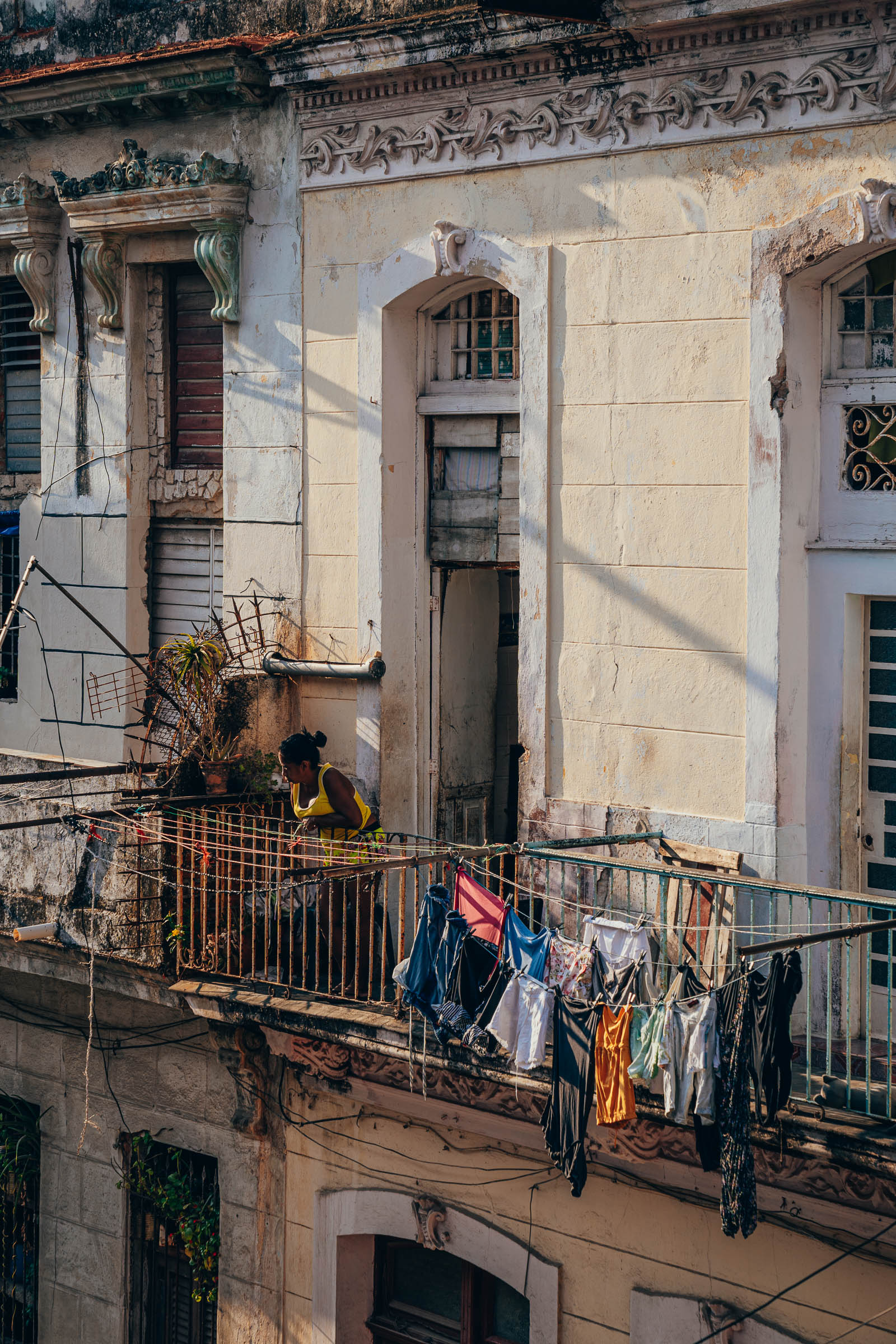
Havana is the capital and the largest city of Cuba. It forms the heart of the province of La Habana. It is also the main port and the commercial center of the country. According to the 2022 data, the city had 2,137,847 inhabitants and covers 728.26 km². As a result, it is the most populous and the largest city in Cuba. It is also the second-largest metropolitan area in the Caribbean region.
How was Havana created? In 1514, the Spanish conquistador Diego Velázquez founded an earlier settlement on the southern coast of the island. Later, on November 16, 1519, the town moved to its current location on the northern coast. Havana served as a springboard for the Spanish conquest of the Americas. It also became a stopover for Spanish galleons on their way back to Spain.
On December 20, 1592, King Philip II of Spain granted Havana the title of City. Meanwhile, the Spanish built walls and fortifications to protect it. Today, Havana is the center of the Cuban government. It is home to various ministries, corporate headquarters and more than 100 diplomatic offices.
THREE CITIES IN ONE
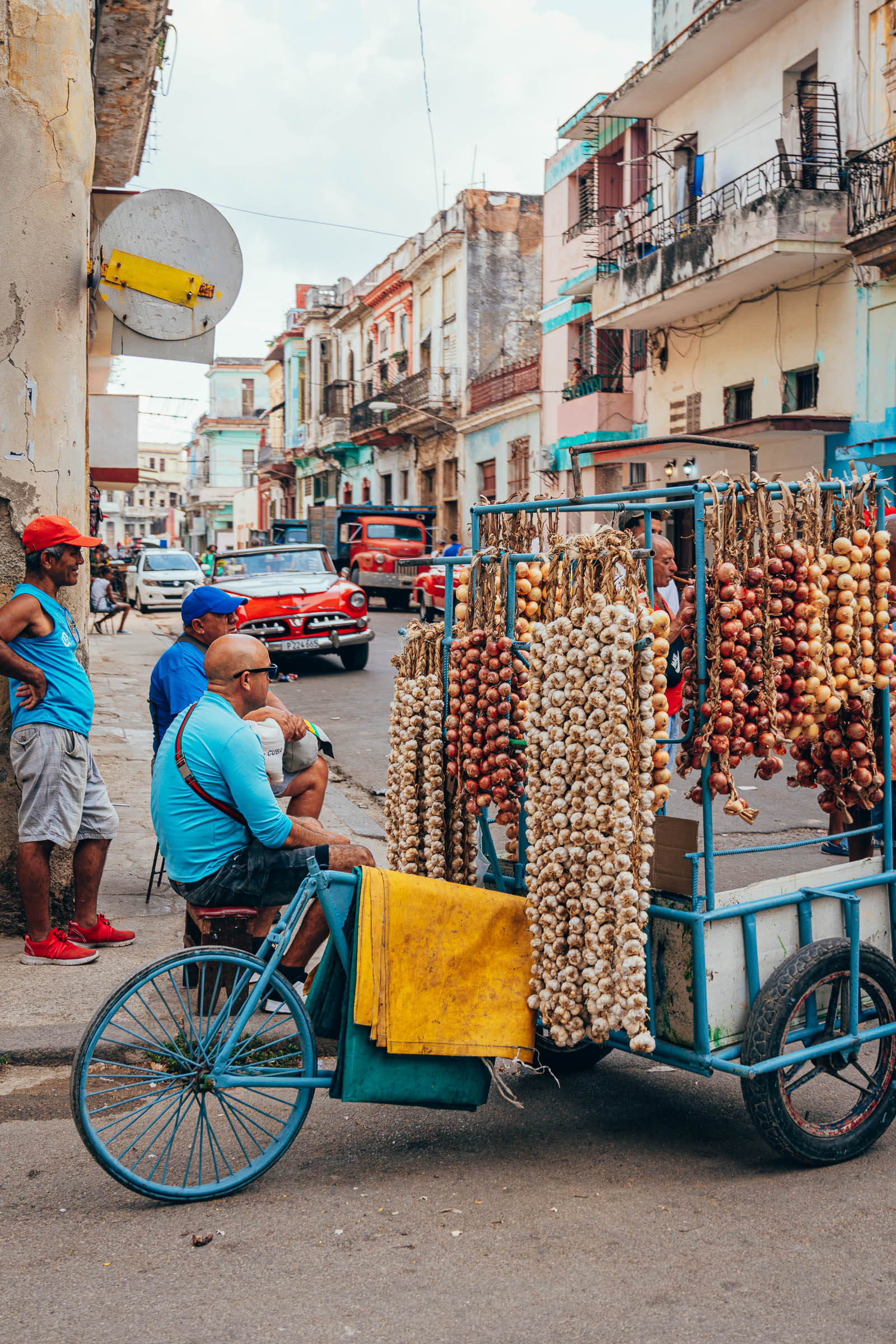
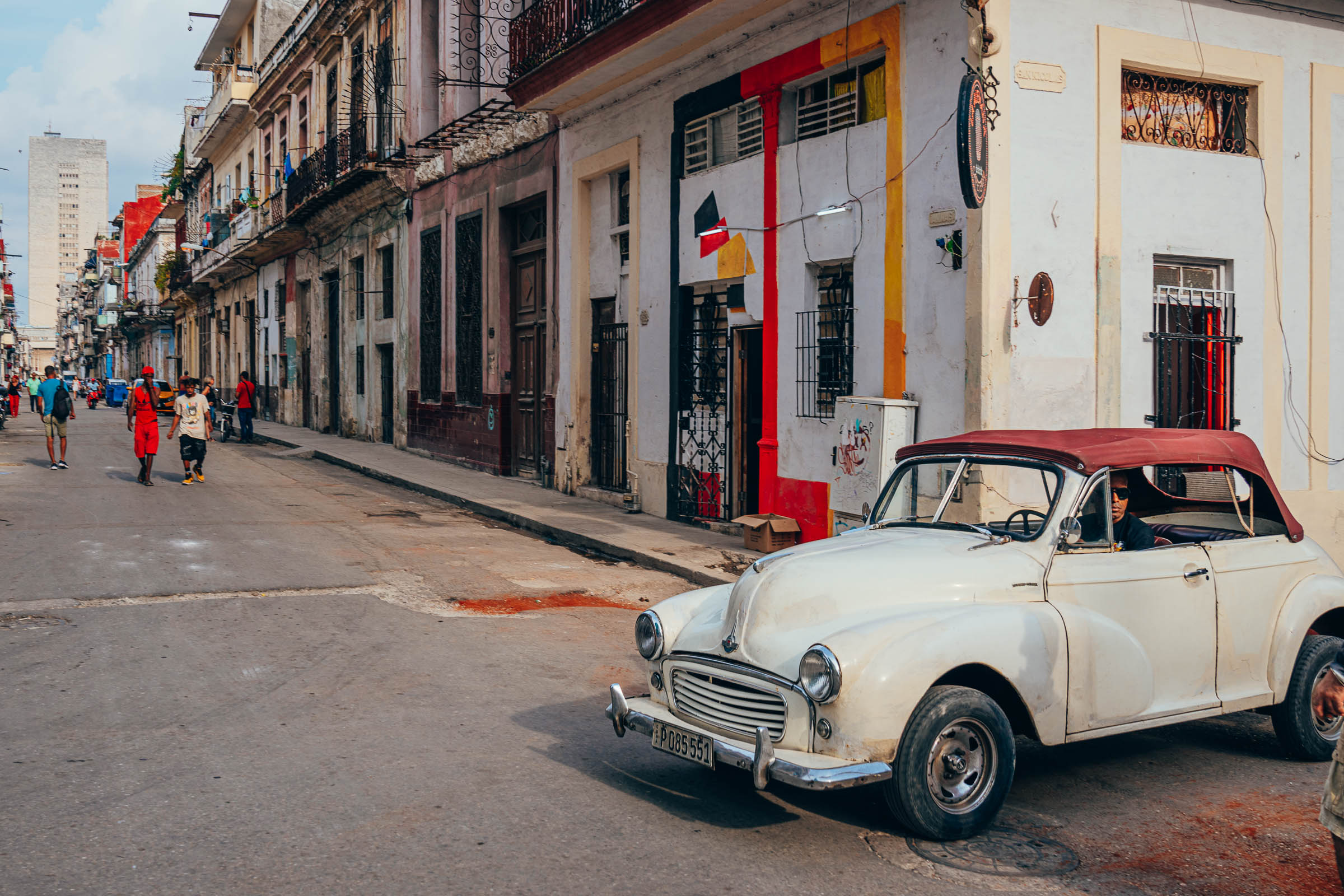
In essence, contemporary Havana is three cities in one: Old Havana, Vedado and the newer suburban districts. The city spreads mainly to the west and south of the bay. Ships enter the bay through a narrow inlet. Inside, the bay has three main harbors: Marimelena, Guanabacoa and Atarés.
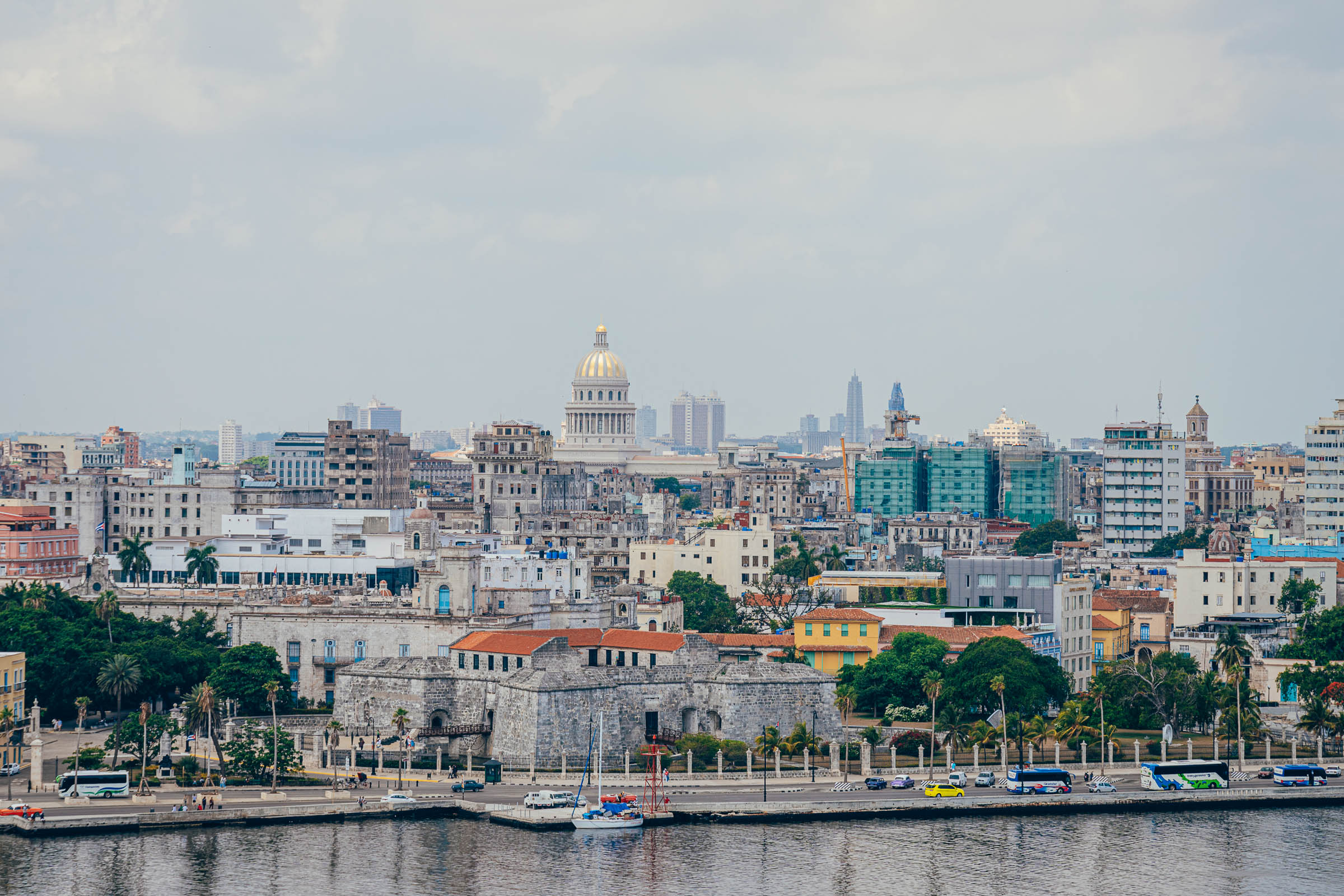
The Almendares River runs through the city from south to north. It enters the Straits of Florida a few miles west of the bay. Interestingly, Havana attracts more than a million tourists a year. In addition, UNESCO declared Old Havana a World Heritage Site in 1982. The city is also known for its history, culture, architecture and numerous monuments.
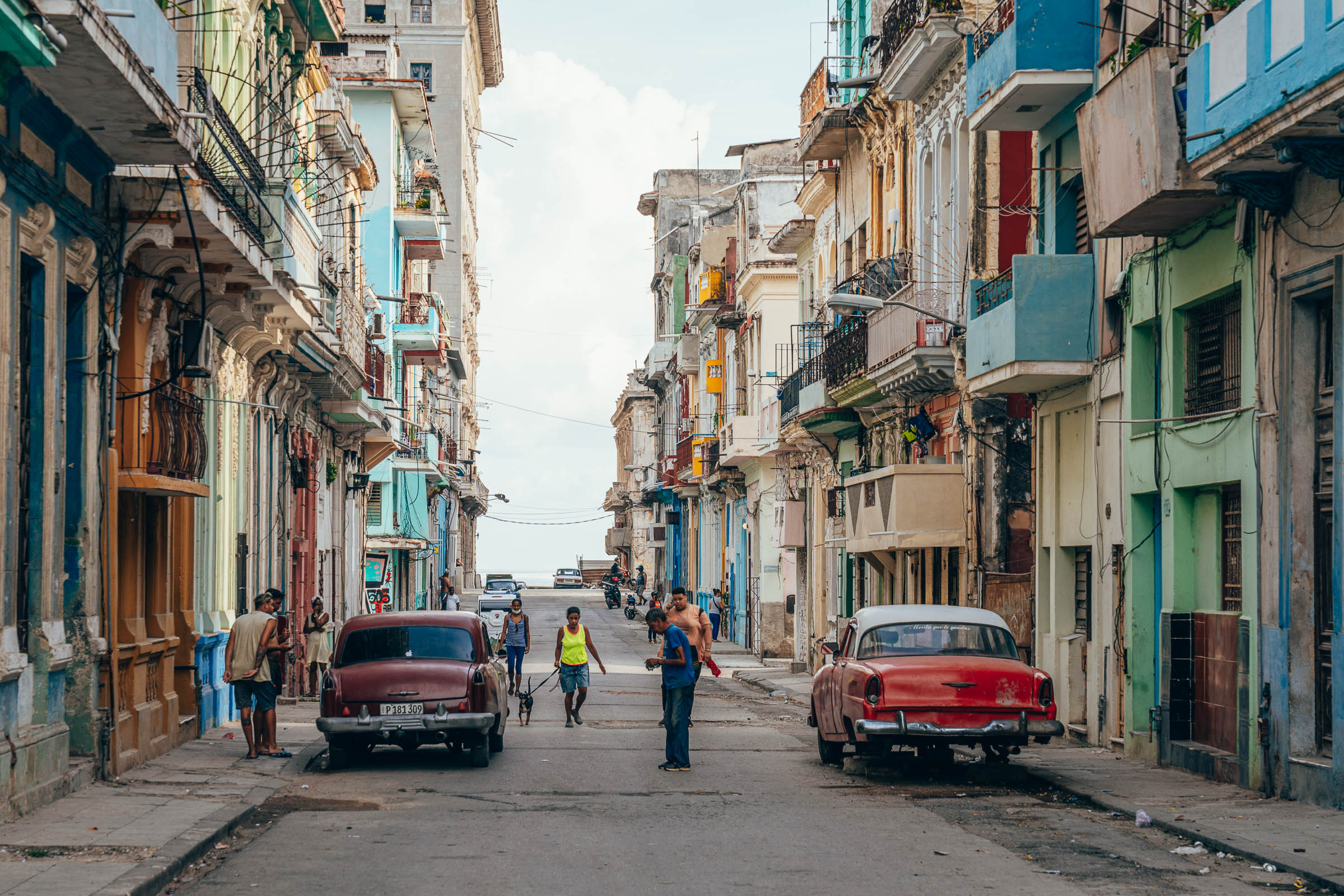
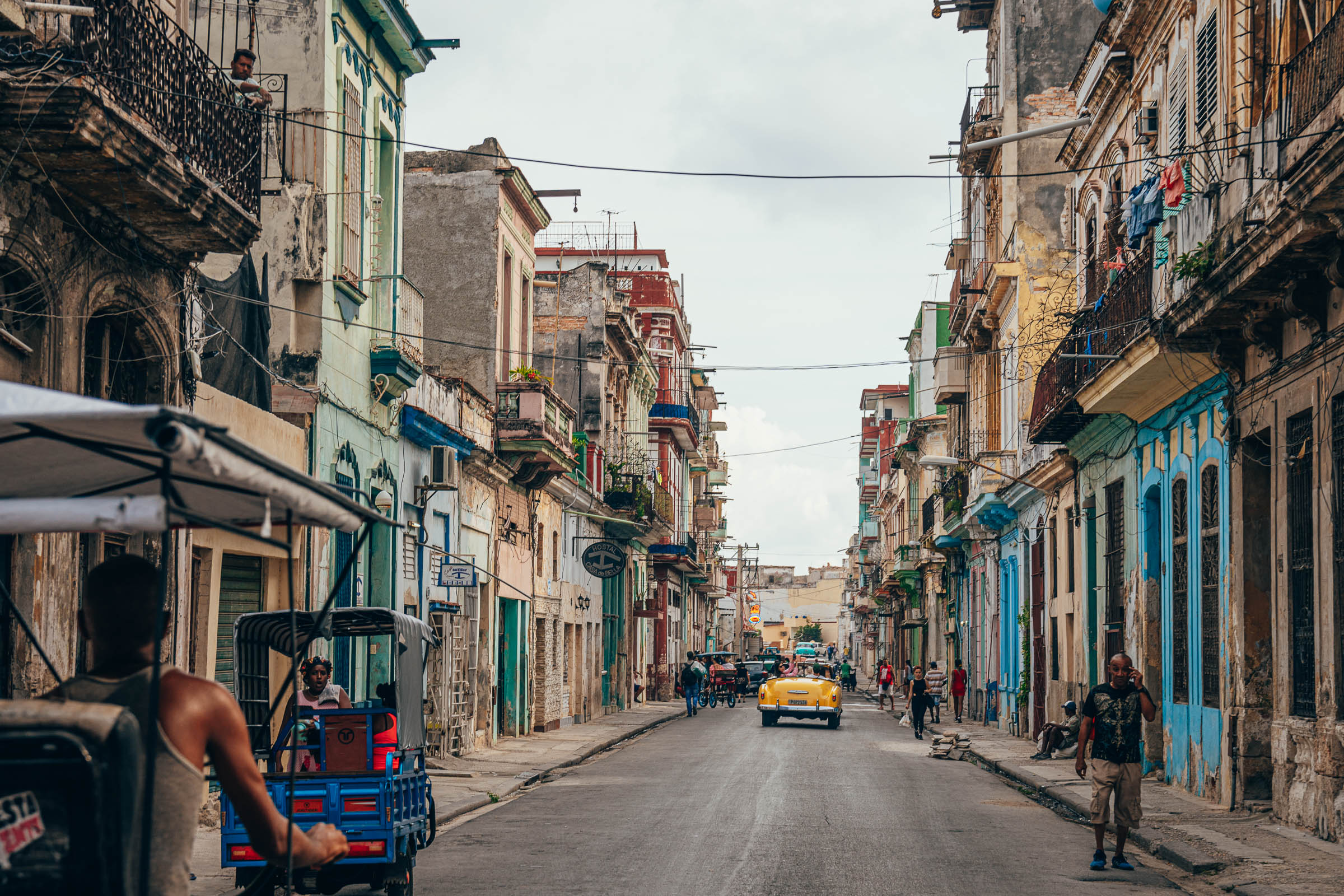
Havana has many styles of architecture, from fortresses built in the 16th century to modernist high-rises. You will notice that many buildings show their age, and some facades need serious repairs. However, restoration continues in the historic center. The Office of the City Historian has restored streets such as Calle Mercaderes. Each walk therefore reveals a mix of carefully renovated palaces and faded houses full of character.
A WALK THROUGH OLD HAVANA
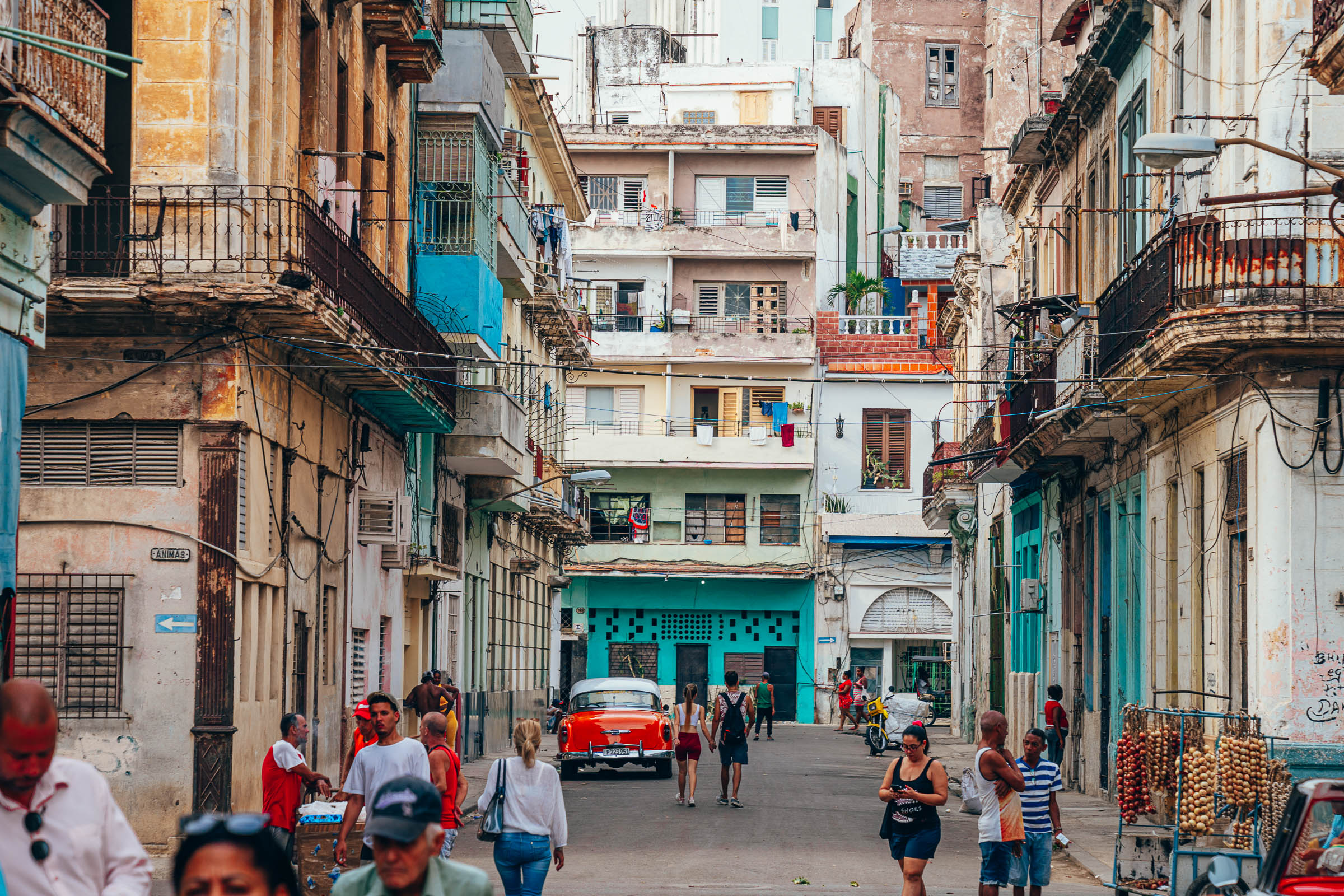
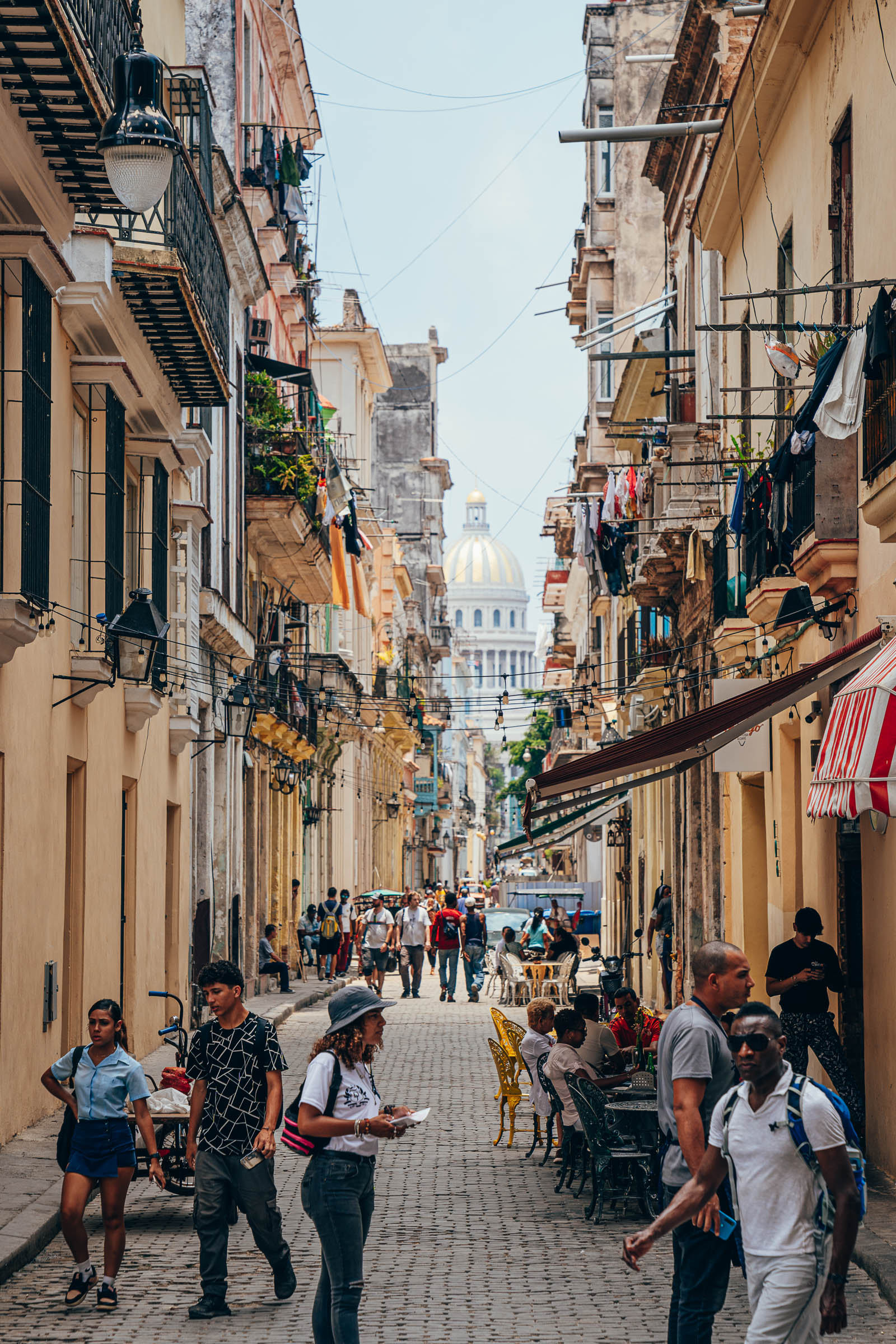
My first encounter with Havana was a tour of the old part of the city, La Habana Vieja, with an experienced local guide. It is one of the best-preserved colonial complexes in the Americas, and UNESCO has protected it since 1982. Old Havana is mostly a pedestrian zone. At the same time, it is the most visited part of the city. There are many parks, squares and narrow streets, and old buildings painted in vibrant colors surround you on all sides.
You may notice worn paint on the facades and cracks in the walls of some buildings. Still, the age of the buildings in no way takes away from their beauty. Our walk led us to the Plaza de Armas, the oldest square in Havana. The Spanish laid it out in the early 1520s, soon after the founding of the city. Its first name was Plaza de Iglesia.
Later, Spanish troops used the square for military exercises, which gave it its current name. Today, royal palms surround a marble statue of Carlos Manuel de Céspedes. In 1868, he set Cuba on the road to independence. The statue, made by the Cuban artist Sergio López Mesa, has stood here since 1955. On most days, used-book sellers also set up their stands around the square.
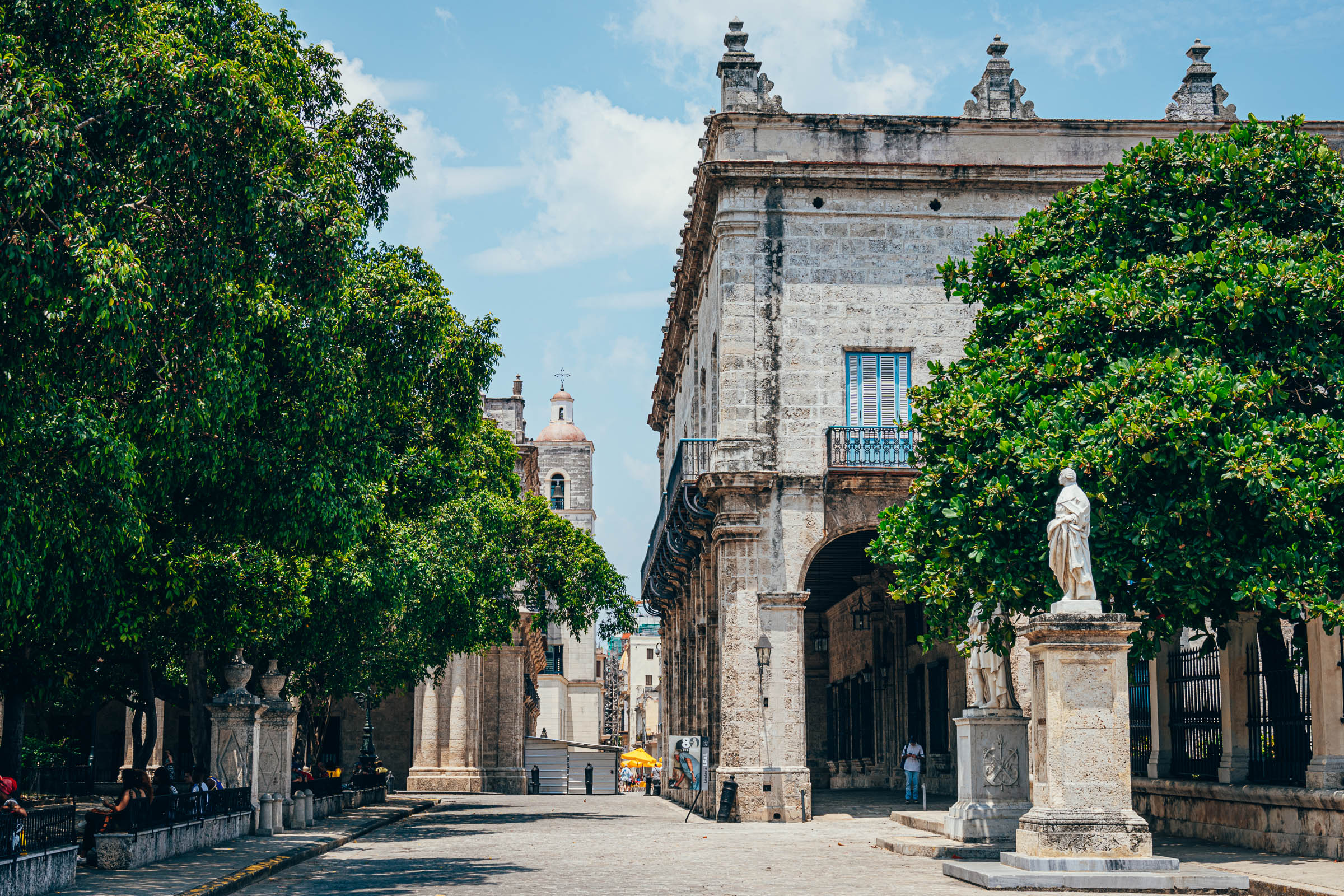
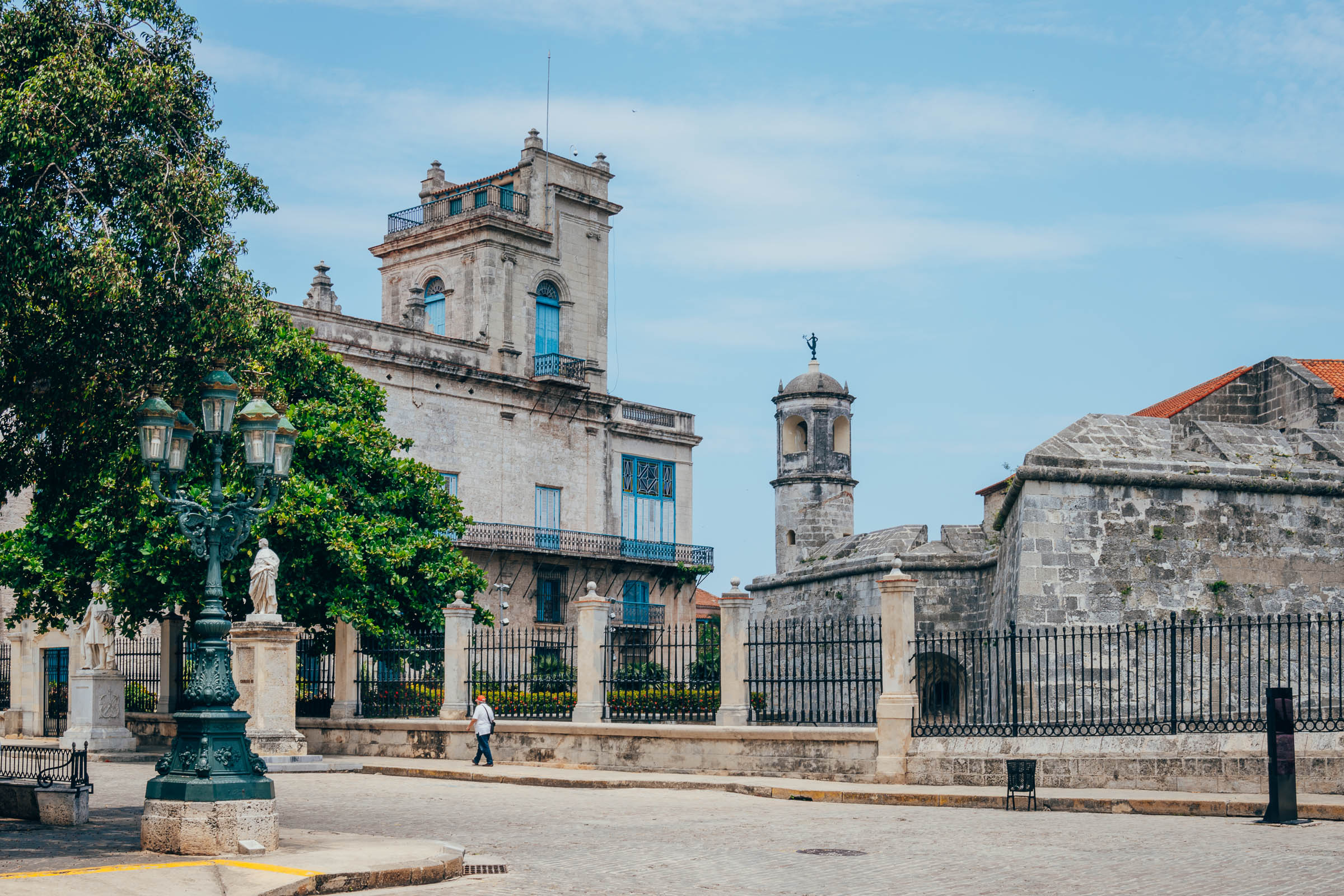
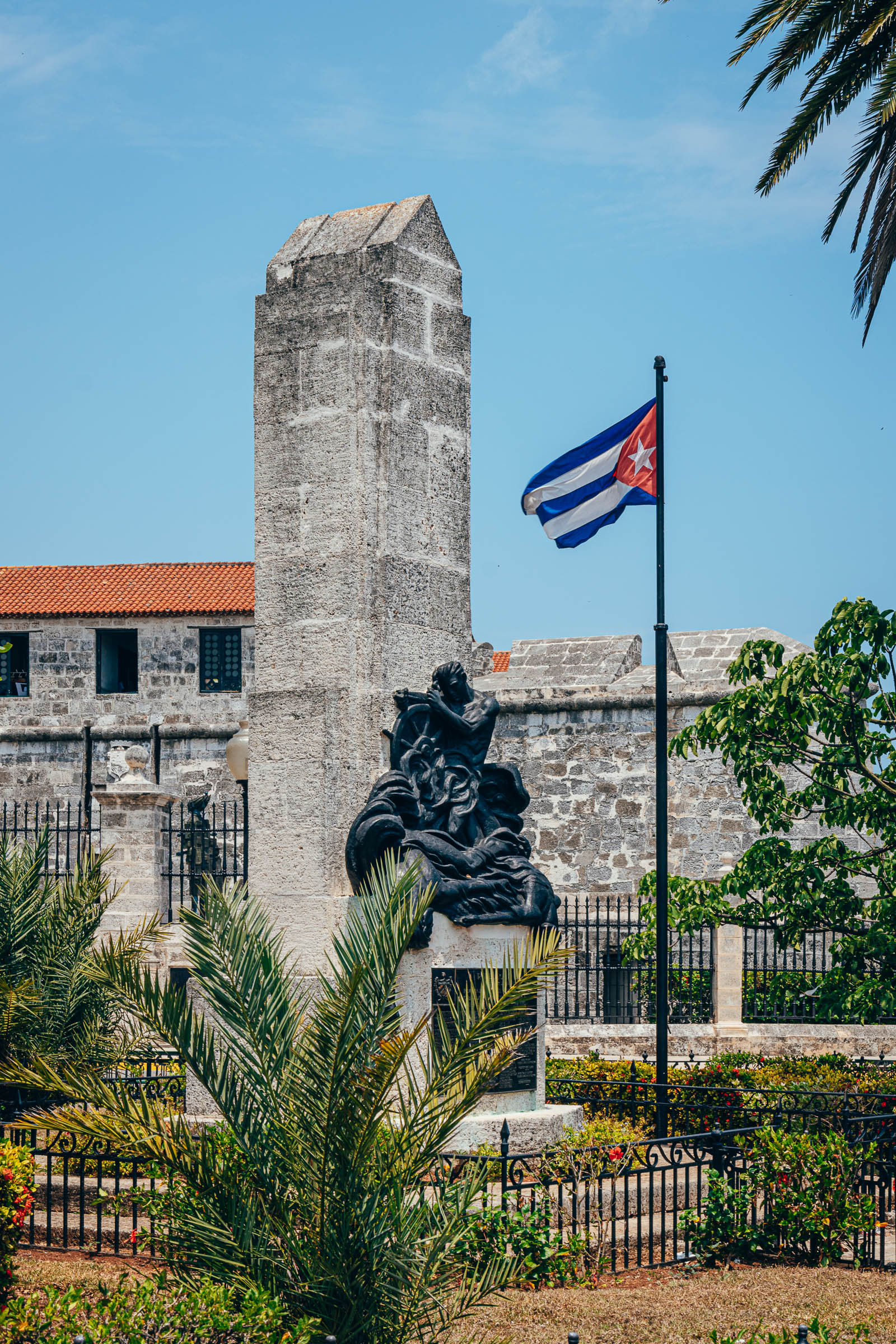
On the seaward side of the Plaza de Armas stands the Castillo de la Real Fuerza. The Spanish built it between 1558 and 1577, on the site of an earlier fort. It is one of the oldest existing forts in the Americas.
SQUARES AND MUSEUMS OF OLD HAVANA
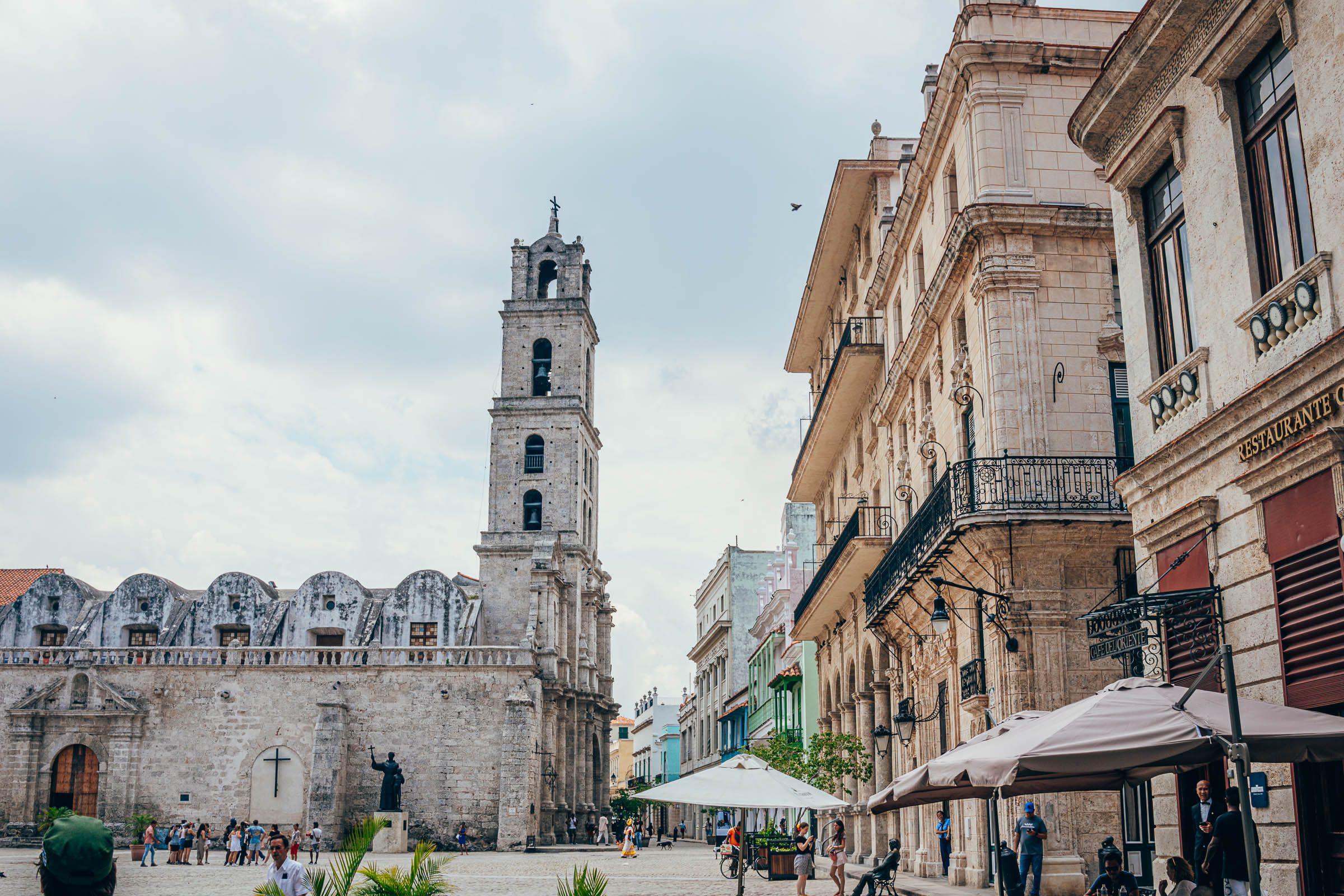
Near the harbor, you will find the Plaza de San Francisco de Asís, inaugurated in 1628. The square takes its name from the Basílica Menor de San Francisco de Asís, a church and Franciscan convent with a tall bell tower. Facing the Sierra Maestra terminal, you will also see the Fuente de los Leones. The Italian sculptor Giuseppe Gaggini carved it in 1836.
Our walk continued to the Plaza de la Catedral and the Cathedral of San Cristóbal. Builders worked on this baroque cathedral from 1748 to 1777, and its facade has two asymmetrical bell towers. Not far from there, the Palacio de los Capitanes Generales houses the Museum of the City of Havana. Then followed the Museum of the Revolution, located in the former Presidential Palace. The palace opened in 1920, and Cuban presidents used it until 1959. Tiffany Studios of New York decorated its interior. Its Hall of Mirrors resembles the famous room at Versailles.
If you want to feel the true spirit of Havana, make an effort to see a few more places. The Havana Club Rum Museum tells the story of Cuban rum. For something contemporary, visit the Fábrica de Arte Cubano in Vedado. It opened in February 2014, in a building constructed in 1910 as a cooking oil factory. The musician X Alfonso created it as a place for exhibitions, concerts and film screenings. Finally, from many streets in the old town, you can see the dome of El Capitolio rising above the rooftops.
PLAZA VIEJA AND THE GENTLEMAN OF PARIS
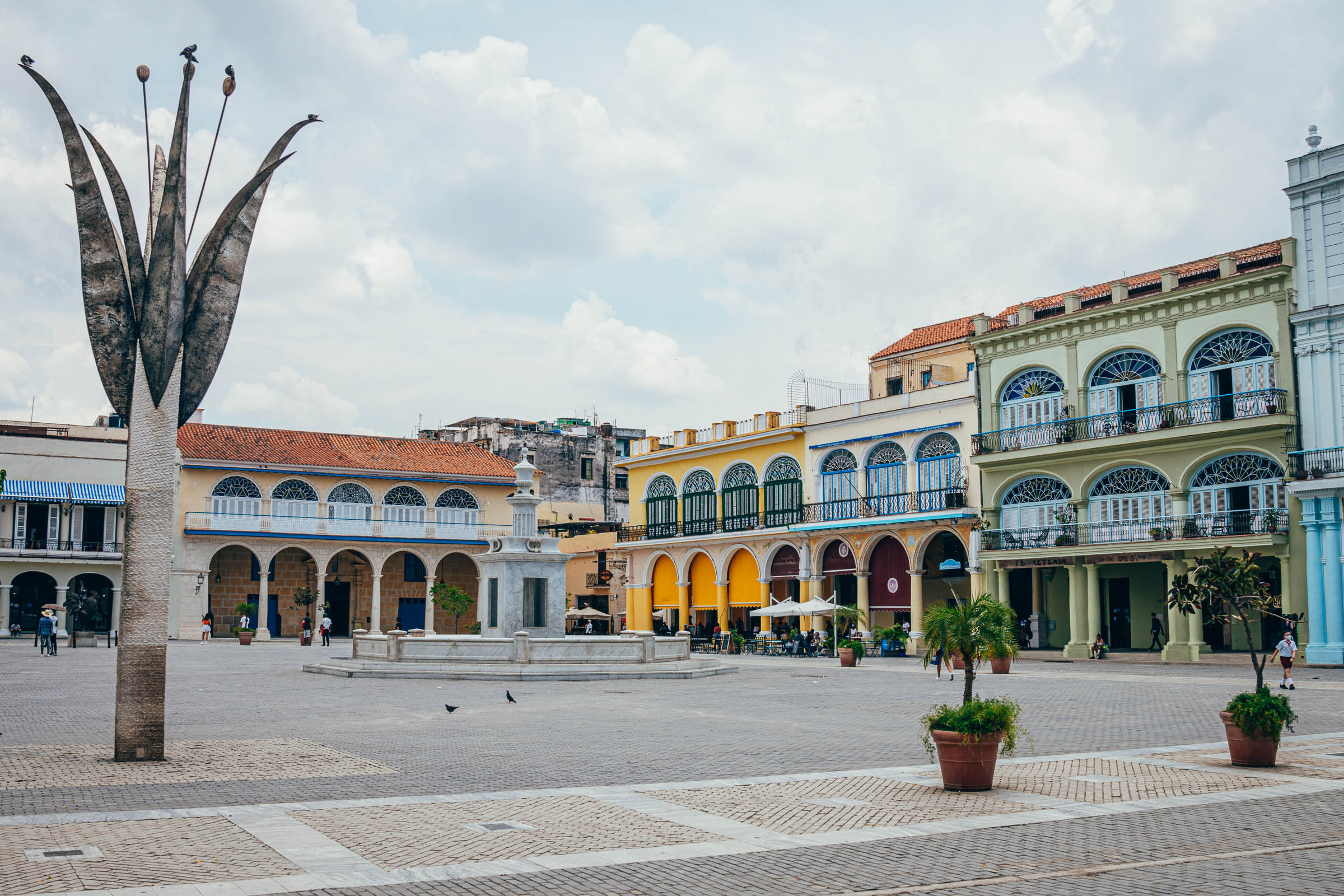
Plaza Vieja, or the Old Square, dates from 1559. Its original name was actually Plaza Nueva, the New Square. In colonial times, it was a residential area for wealthy Creole families, and later it served as an open-air market. For several decades, part of the square even served as a car park. However, after careful restoration, Plaza Vieja is once again one of the most beautiful squares in Havana. In the center, there is a white marble fountain, a replica of an 18th-century original. Around it, Cuban baroque buildings stand next to Art Nouveau facades, cafes and galleries.
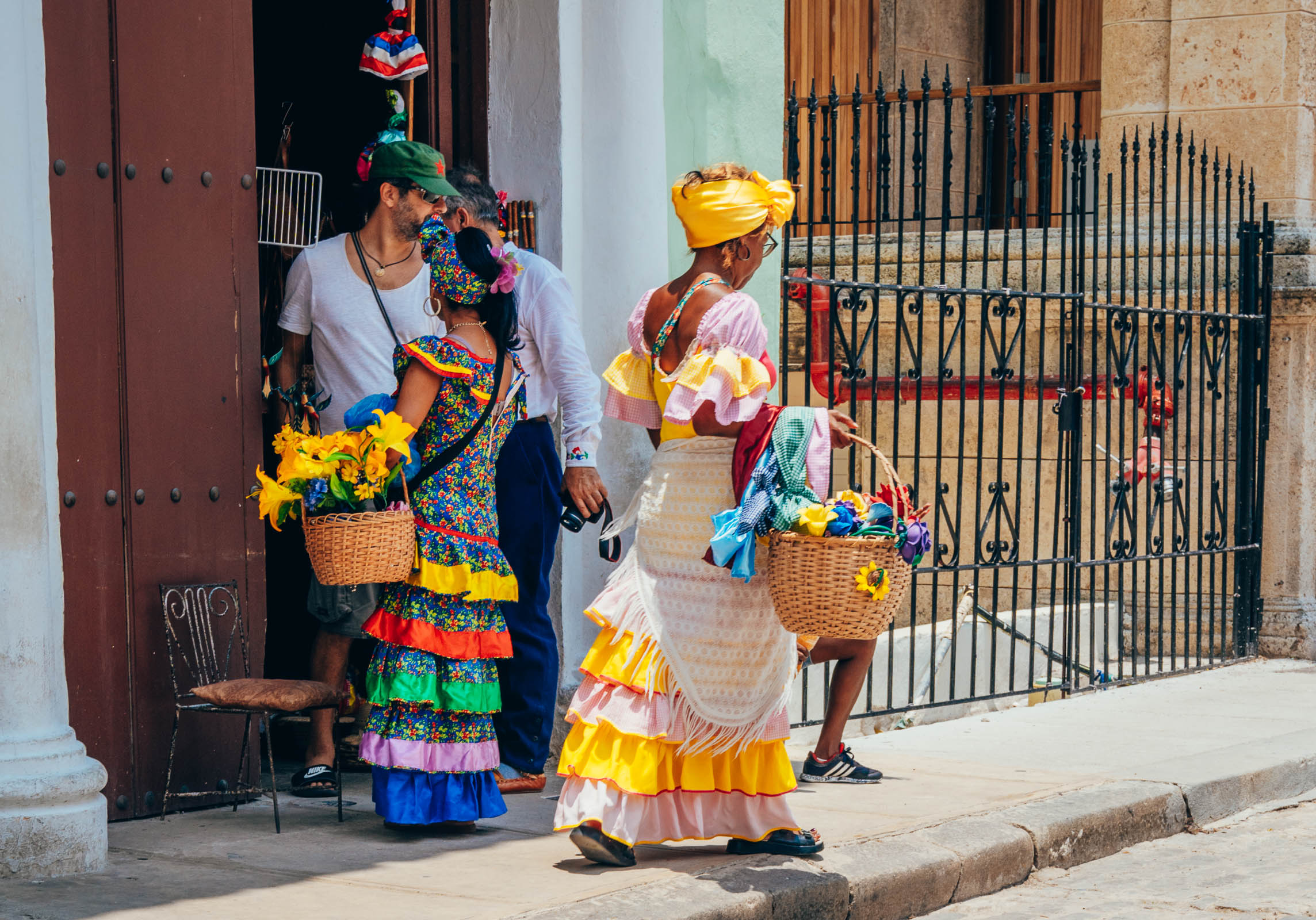
On the streets of Old Havana, you will also see women in colorful traditional dresses. They wear flowers in their hair and carry baskets in their hands. Together with classic cars and pastel facades, they are one of the scenes that make the old town so photogenic.
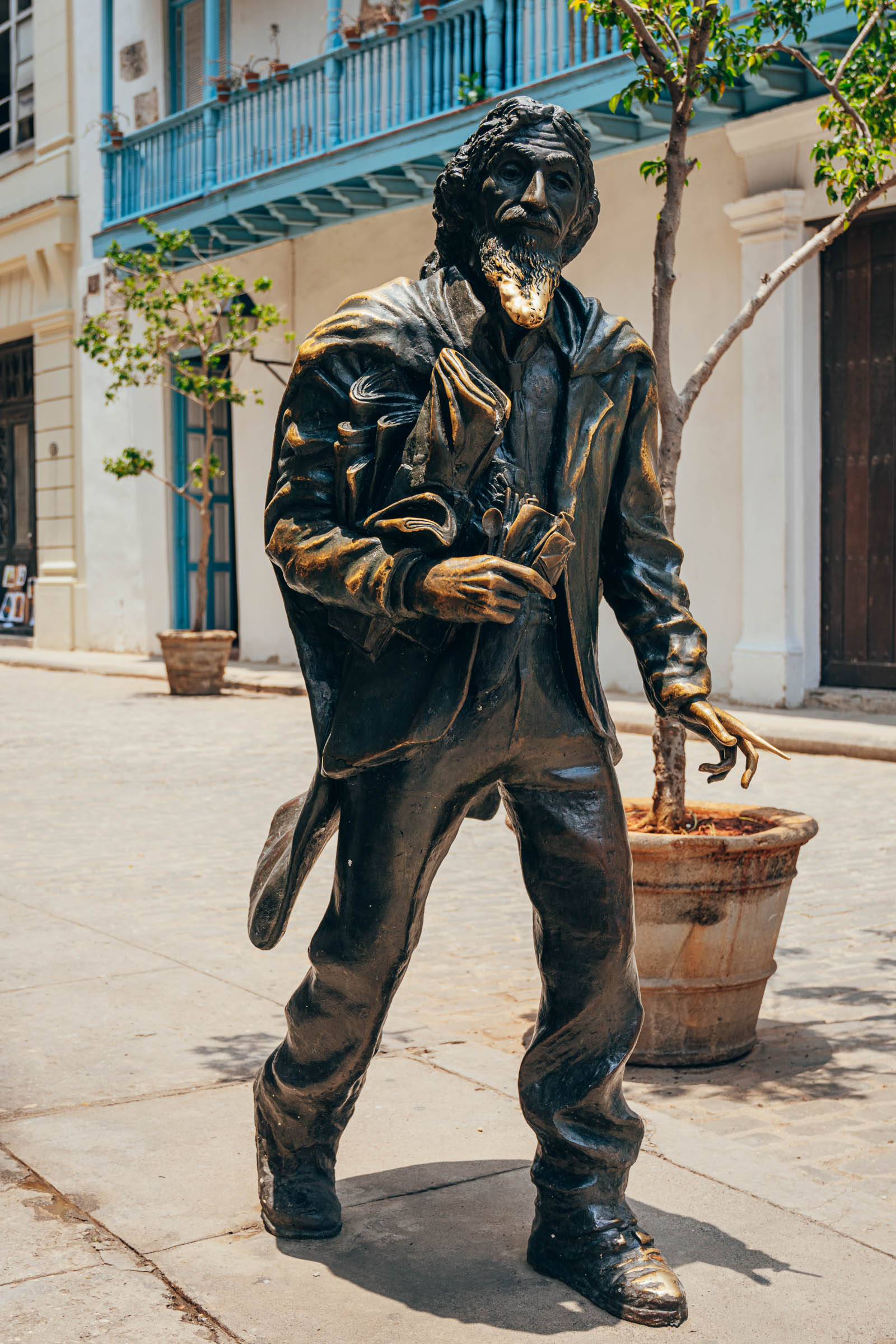
One of the most popular statues in Old Havana is El Caballero de París, or the Gentleman of Paris. The Cuban sculptor José Villa Soberón made this life-size bronze figure. Since 2001, it has stood in front of the Basílica Menor de San Francisco de Asís. It depicts José María López Lledín, an elegant wanderer who walked the streets of Havana for decades. He became a true city legend. Visitors stroke the statue for good luck, so make sure you do the same.
CLASSIC CARS ON THE MALECÓN
Do you want to go back to the golden age of Havana? Then I recommend the optional panoramic tour of the city in convertibles. You will drive through the streets of Havana and along the Malecón, one of the main symbols of the city. Officially called Avenida de Maceo, the Malecón is a broad esplanade, roadway and seawall that stretches for 8 km along the coast.
It starts at the mouth of Havana Harbor in Old Havana. Then, it continues along Centro Habana and Vedado, all the way to the mouth of the Almendares River. Construction began in 1901, and the main goal was to protect the city from the strong waves that the northern winds bring. On one side, you see colorful houses of different styles. On the other side, you see the turquoise sea. Artists, bohemians and couples usually fill the promenade as they wait for the striking sunset.
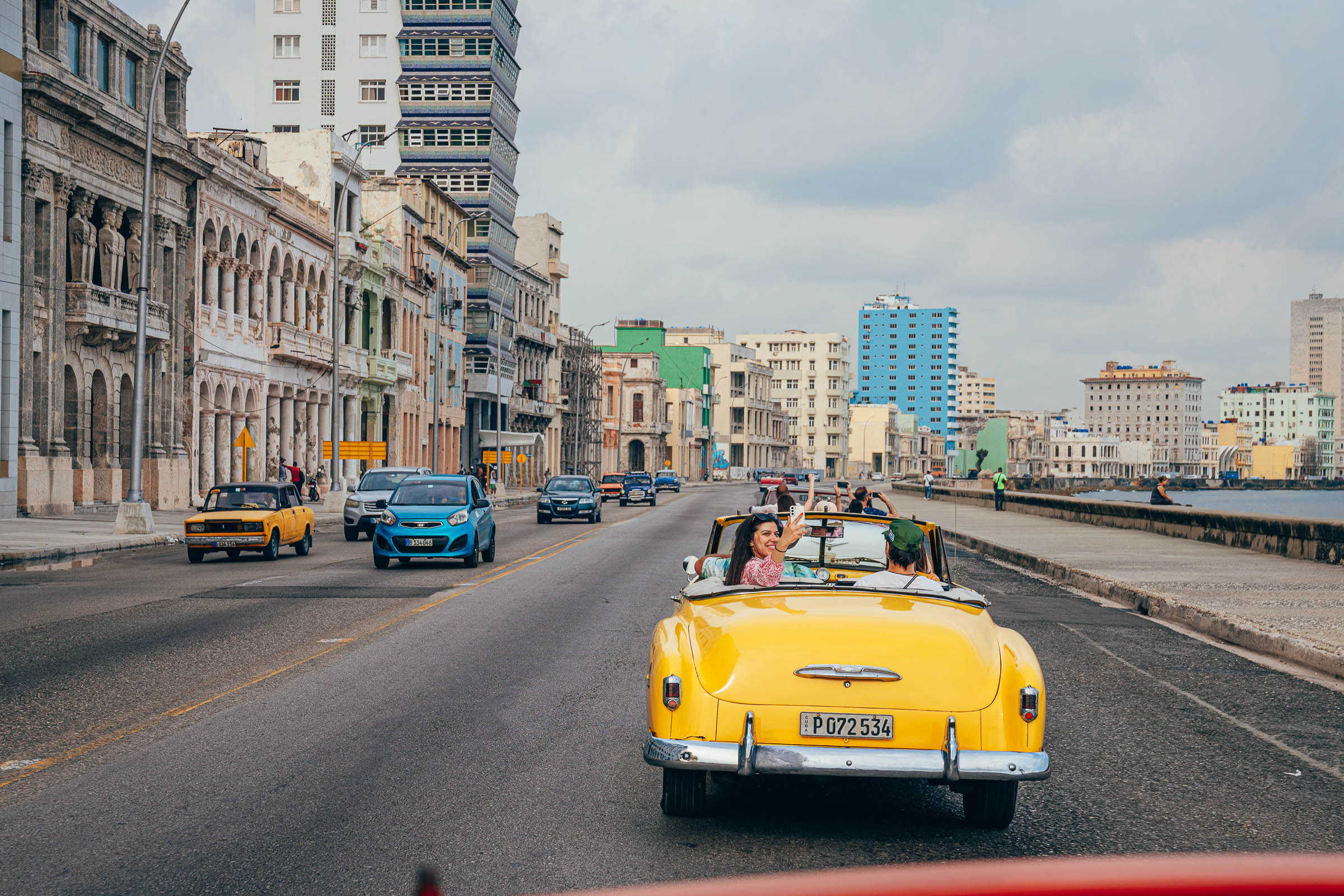
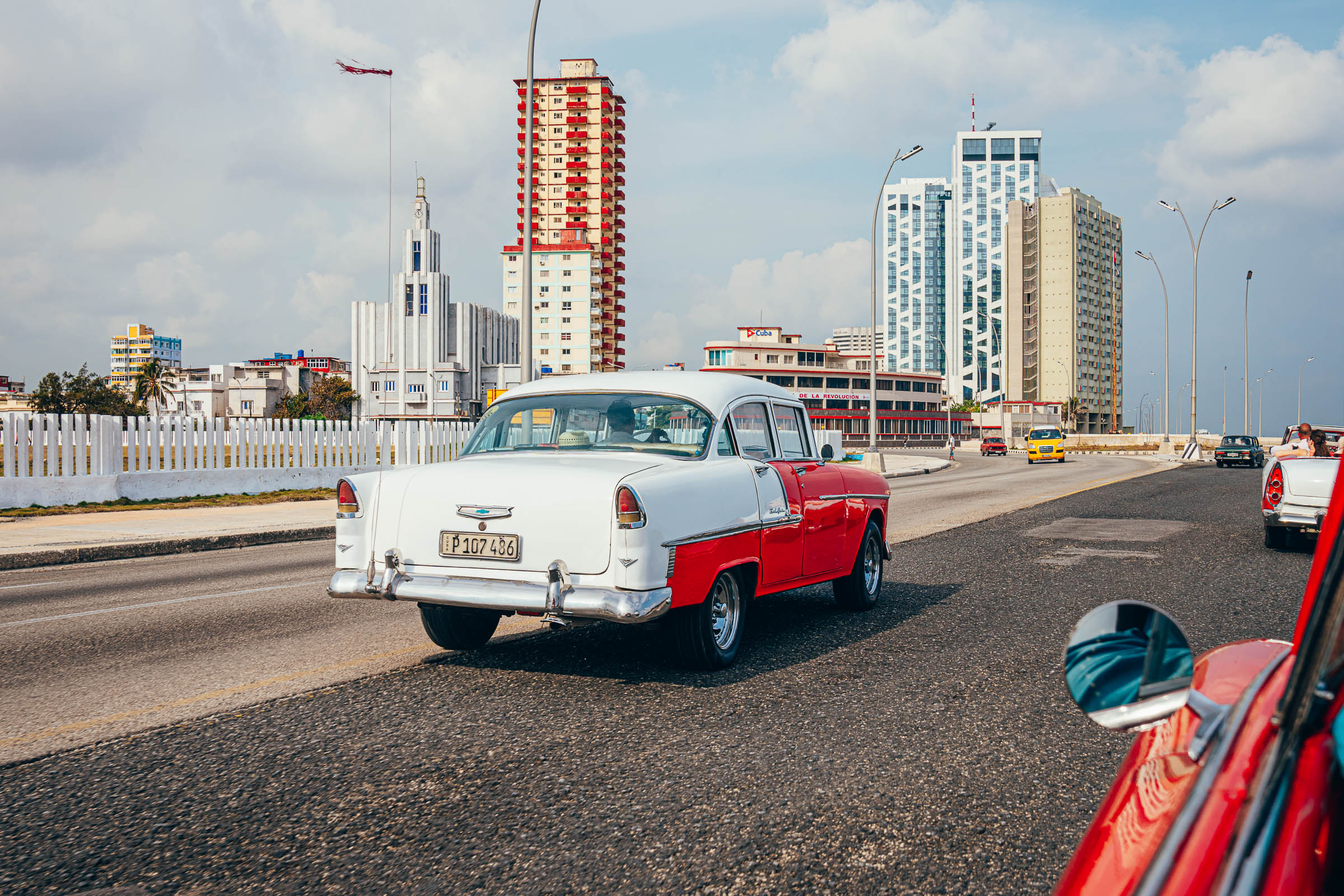
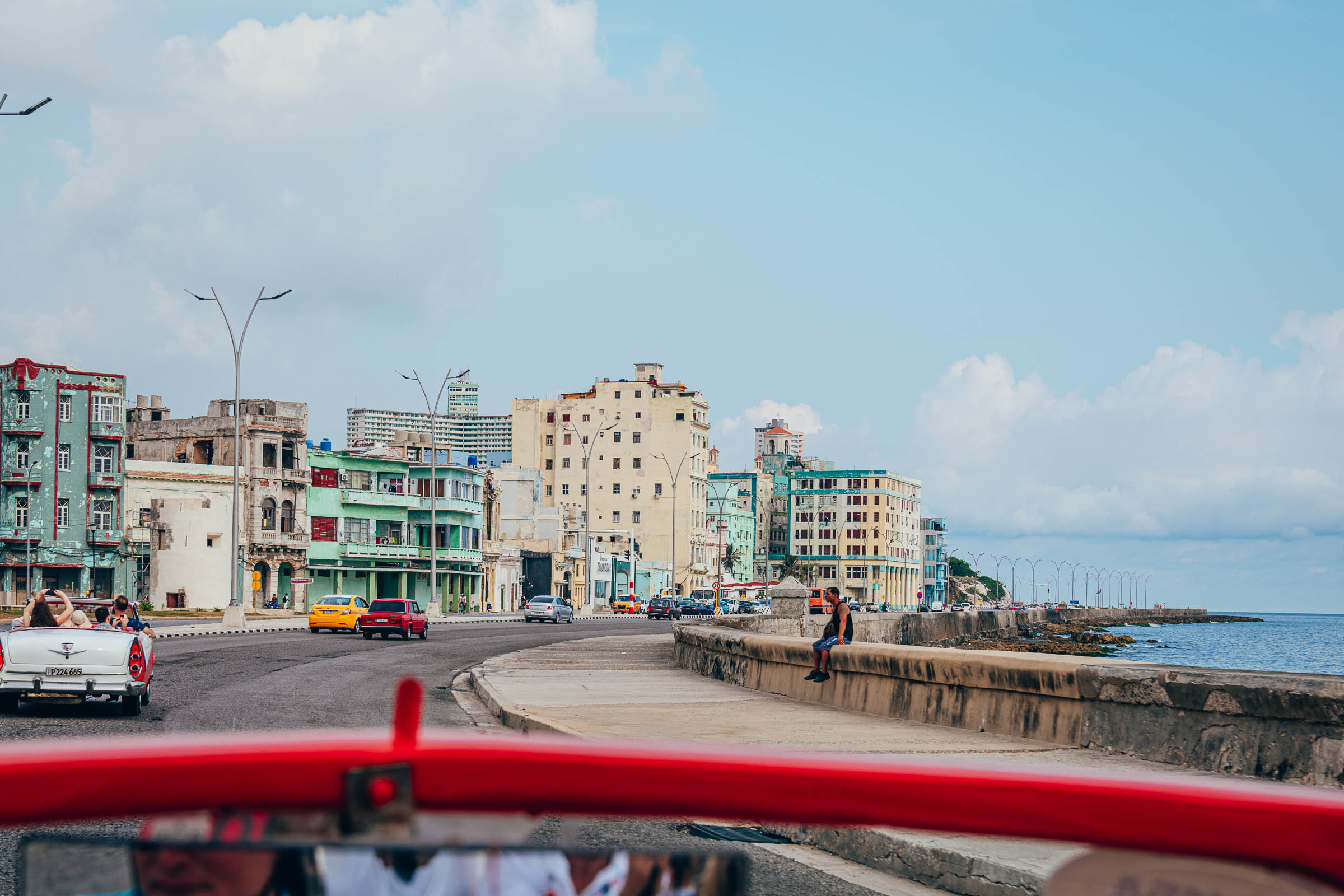
During this excursion, the Disco Travel group stopped at Revolution Square to take authentic pictures. After that, we continued along the Avenida de los Presidentes, past the University of Havana and back to the Malecón. After the modern part of Havana, we went to the old part of the city. There, we saw the Great Theater of Havana, Central Park, El Capitolio and the Paseo del Prado. We finished our sightseeing at El Morro.
PLAZA DE LA REVOLUCIÓN IN HAVANA
Plaza de la Revolución, or Revolution Square, is also the name of a municipality in Havana. It is one of the 15 municipalities of the city. It stretches from the square down to the Malecón, including the Vedado district. The story of the square goes back to the French architect Jean-Claude Nicolas Forestier. His urbanization studies from 1926 identified this site as ideal for the center of a larger city.
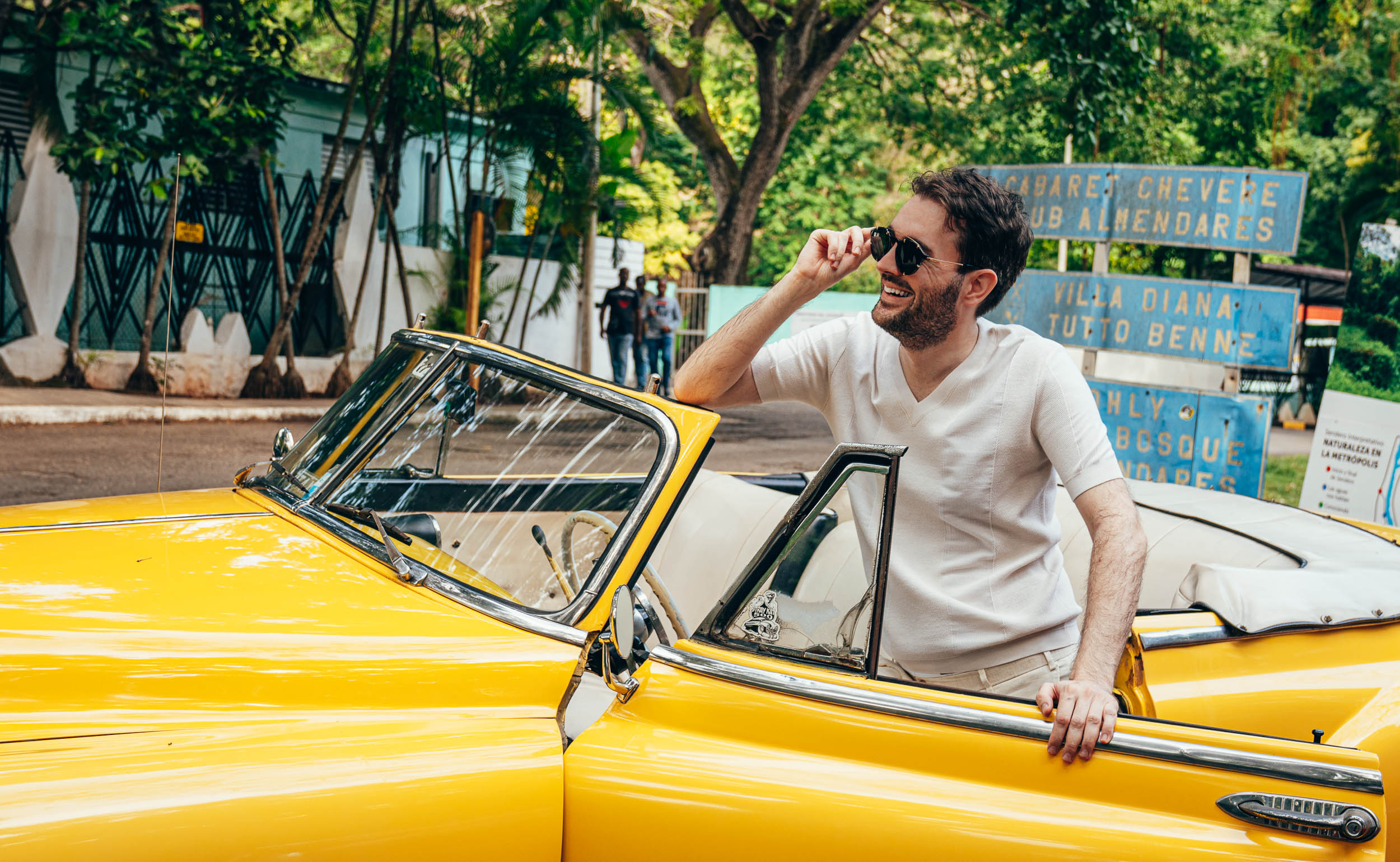
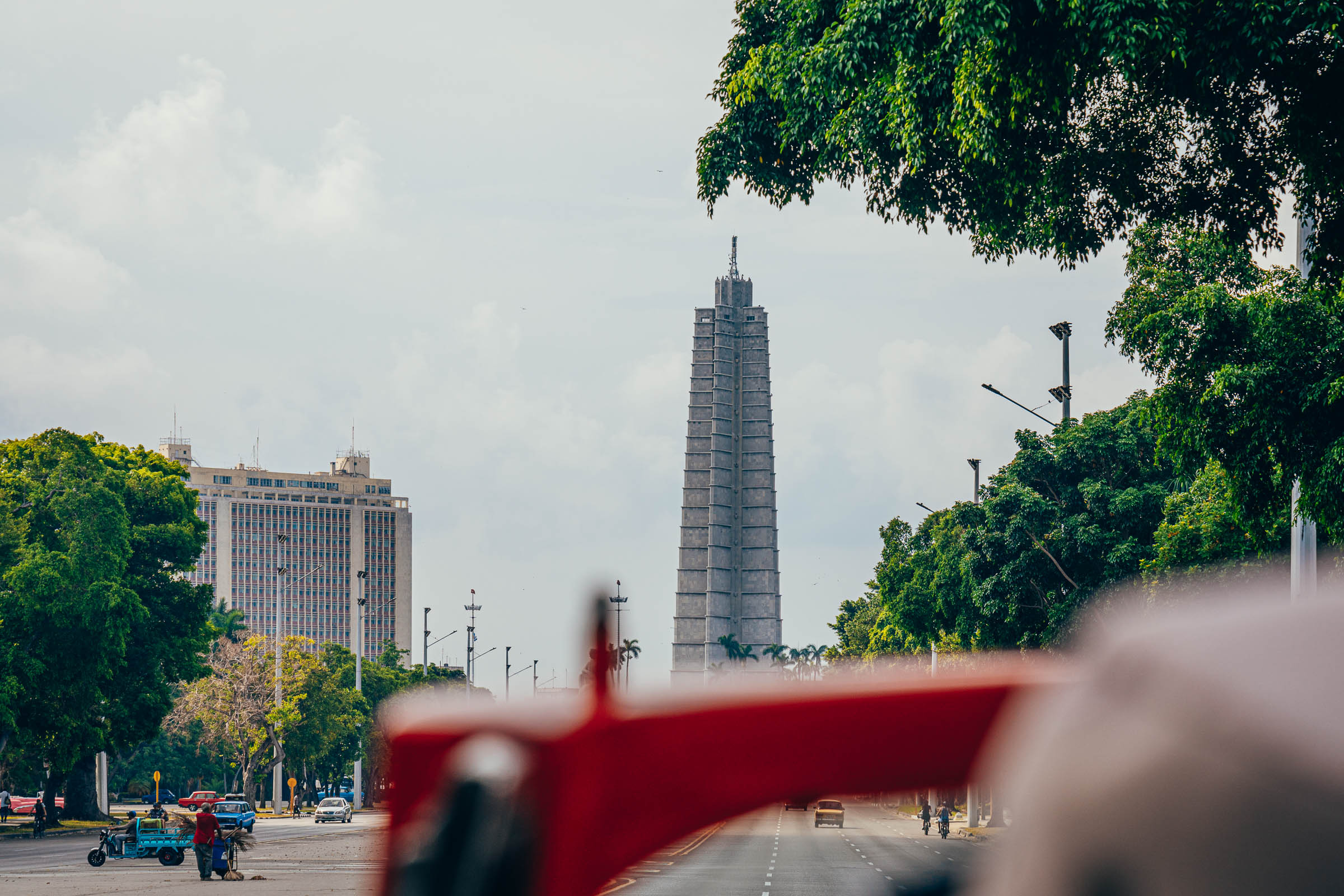
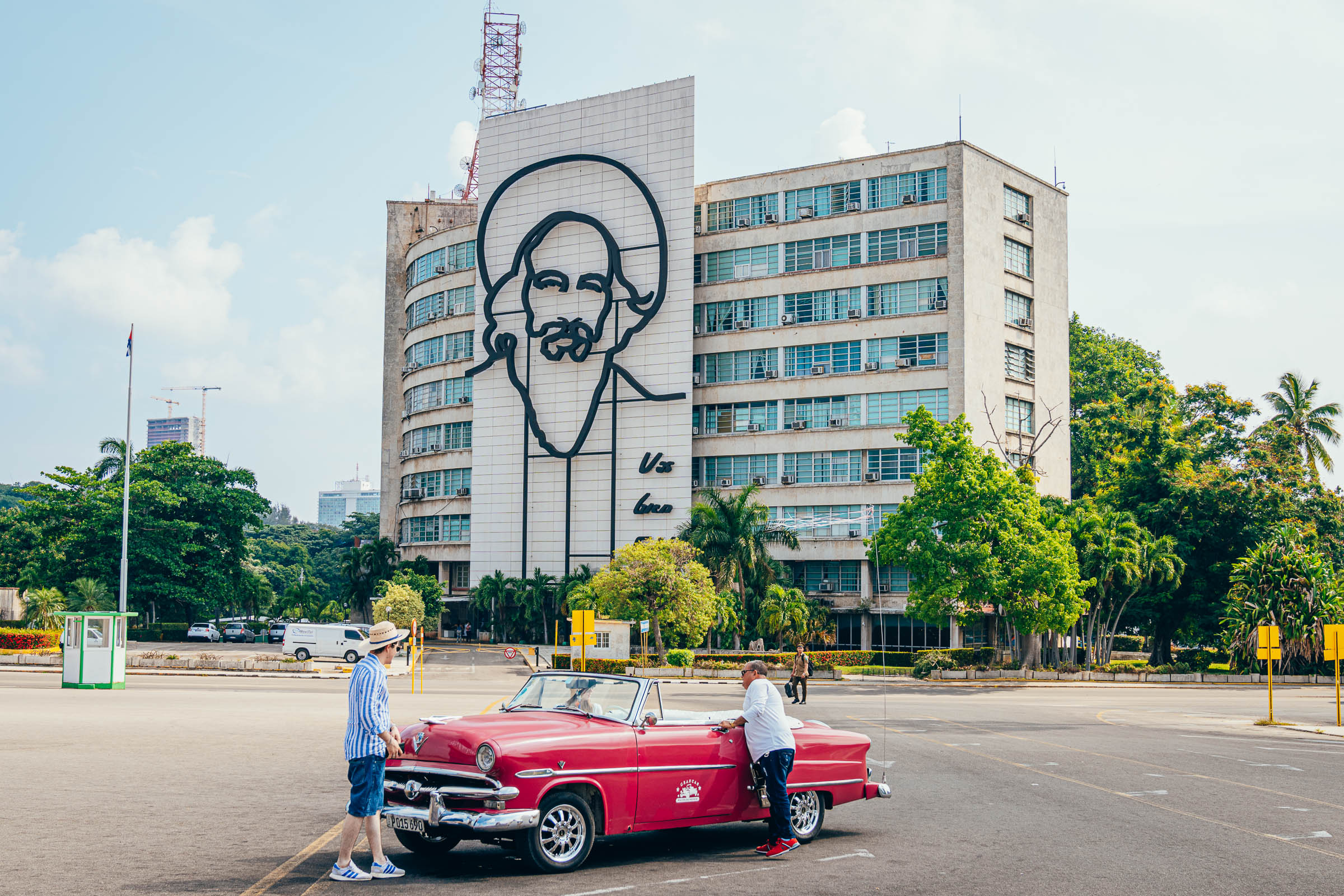
Workers built the square during the 1950s, and its original name was Plaza Cívica. The idea was to create the center of a system of avenues and squares, surrounded by large public buildings. Today, the National Library and many government ministries stand around the square. Behind the memorial stands the Palace of the Revolution, the seat of the Cuban government and the Communist Party. The facade of the Ministry of Communications carries a steel memorial to Camilo Cienfuegos. Next to it, you can read the quote “Vas bien, Fidel” (You are doing well, Fidel).
THE JOSÉ MARTÍ MEMORIAL AND THE STEEL PORTRAITS
The José Martí Memorial dominates the square, with a tower 109 m high and a statue 18 m tall. An elevator takes visitors to an enclosed observation deck at the top, which is the highest point in Havana.
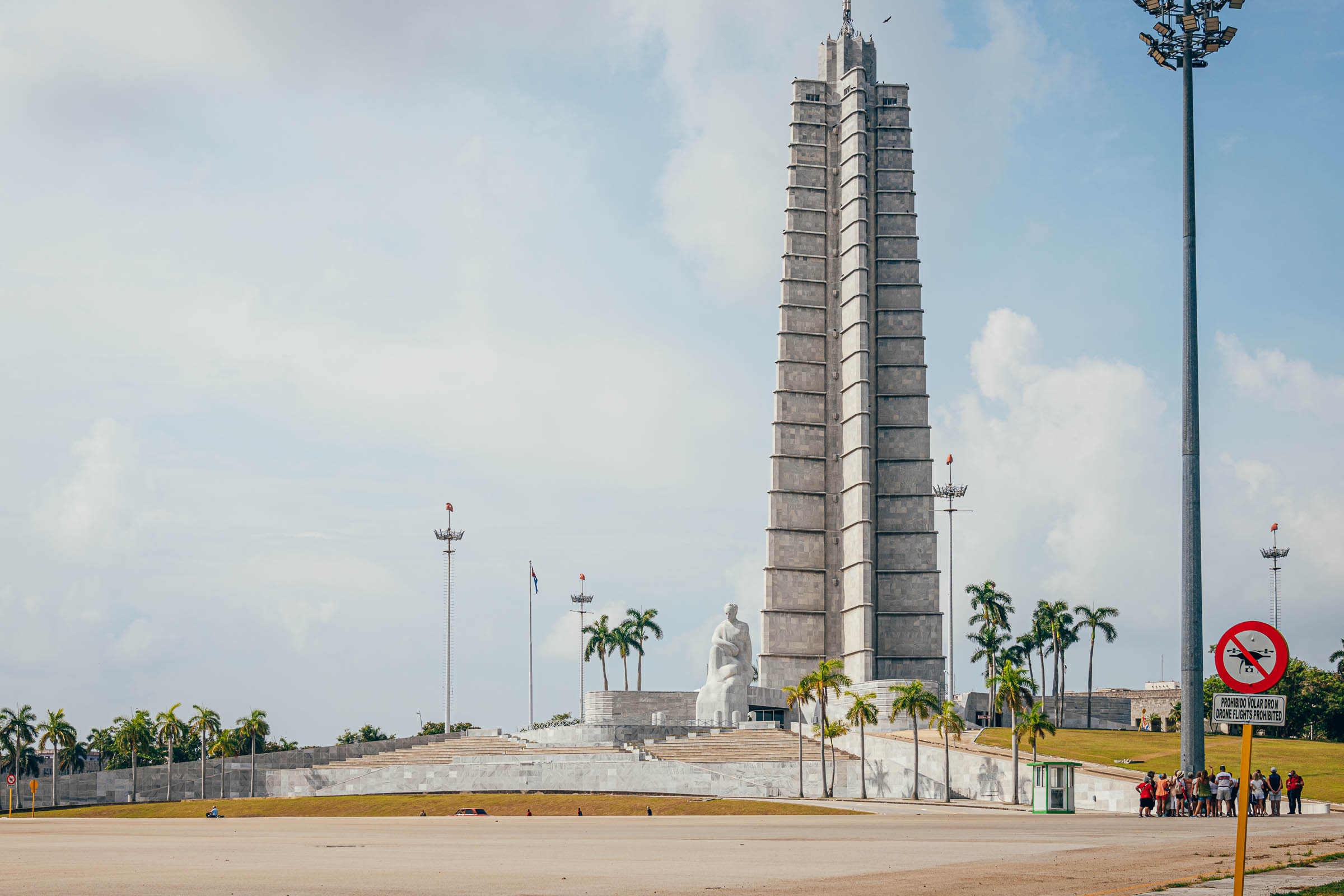
Revolution Square covers an area of 72,000 square meters. Many political rallies take place here, and Cuban leaders have addressed large crowds on this square. In addition, Pope John Paul II held a large Mass here in 1998, during the first papal visit to Cuba. Pope Francis did the same in 2015.
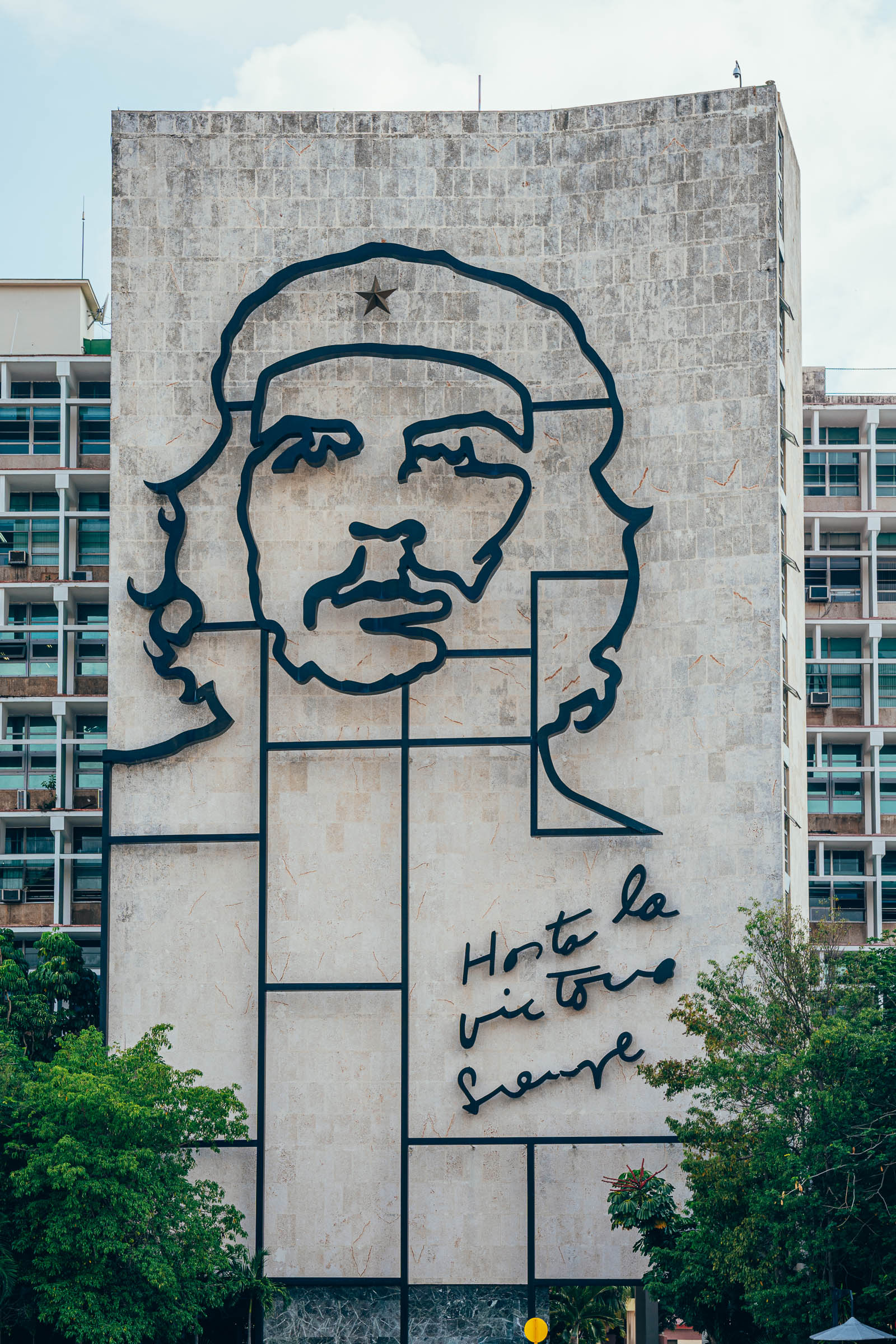
Opposite the memorial, the building of the Ministry of the Interior carries the famous steel memorial to Che Guevara. Next to his face, you can read the quote “Hasta la Victoria Siempre” (Ever Onward to Victory). Together with the Camilo Cienfuegos memorial, it is one of the most photographed sights in Havana.
FROM THE MACEO MONUMENT TO EL MORRO
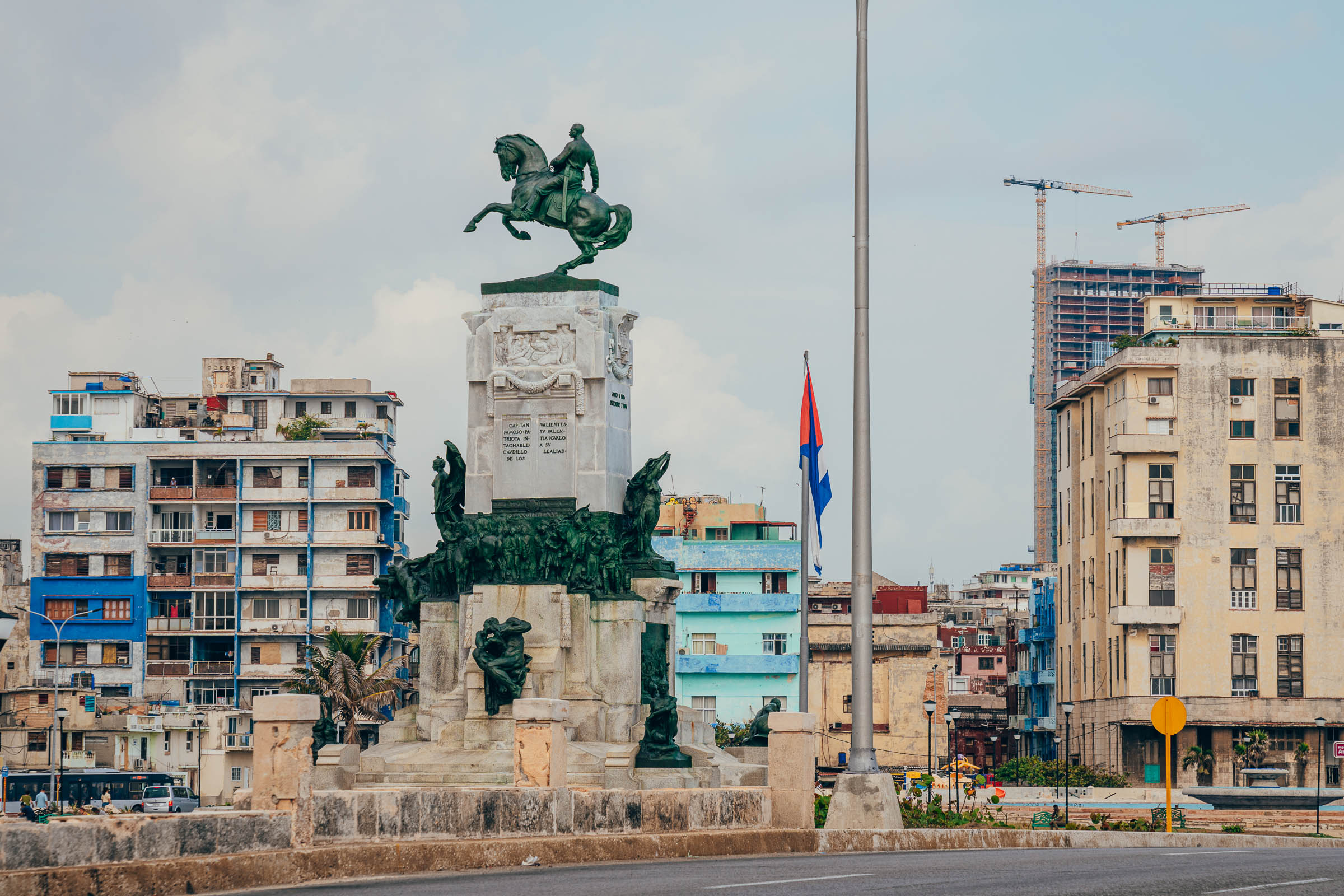
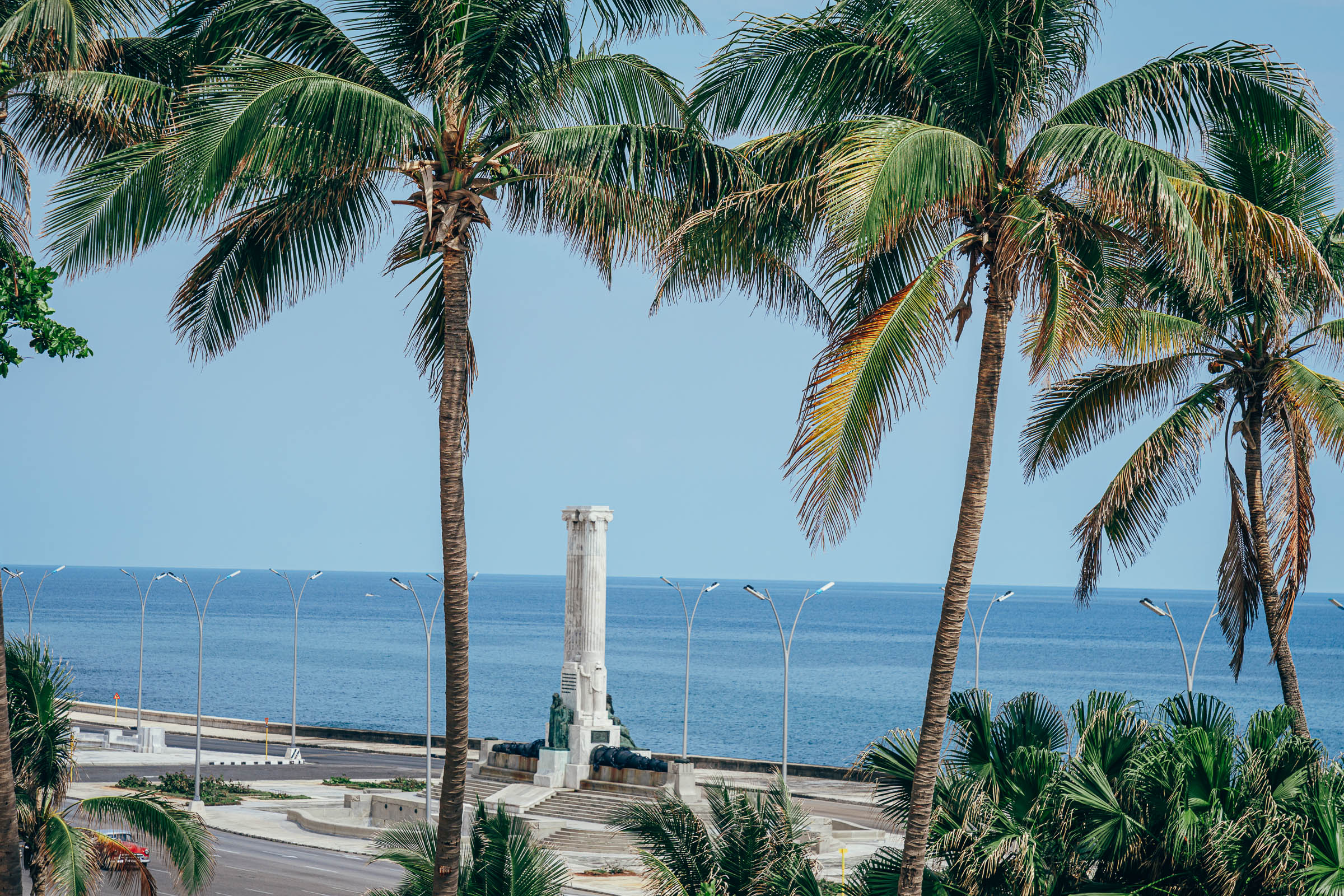
Along the Malecón, between Vedado and the old town, stands the monument to Antonio Maceo. Maceo was one of the most noted leaders of the Cuban wars of independence in the 19th century. Cubans call him the Bronze Titan. His monument is a bronze equestrian statue on a granite base, the work of the Italian sculptor Domenico Boni. The city unveiled it on May 20, 1916. It stands in the San Lázaro neighborhood, between the Malecón and the Hermanos Ameijeiras Hospital.
Our tour ended at El Morro, the fortress with a lighthouse at the entrance to Havana Bay. It is one of the most recognizable sights of the city, especially when you look at it from the Malecón.
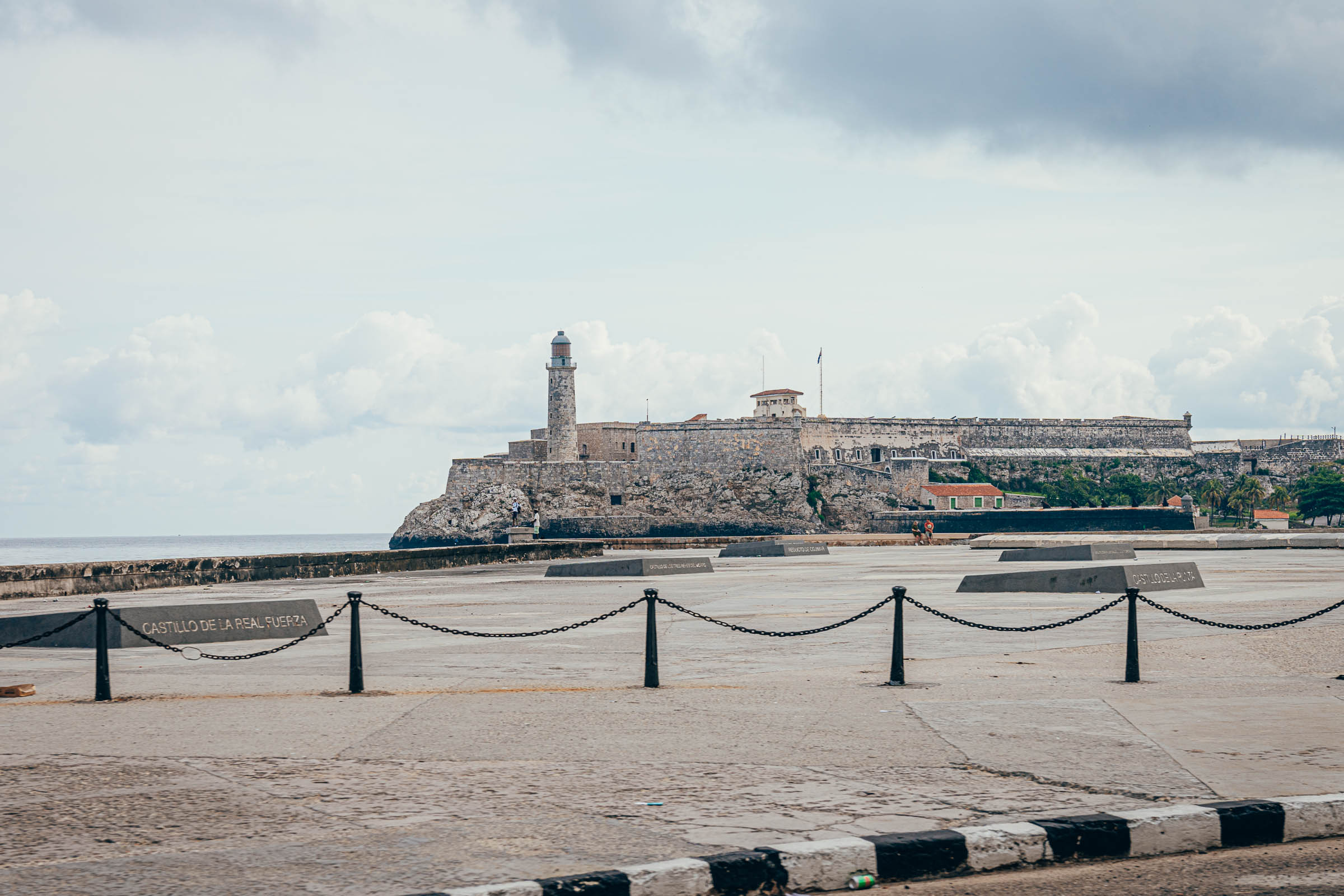
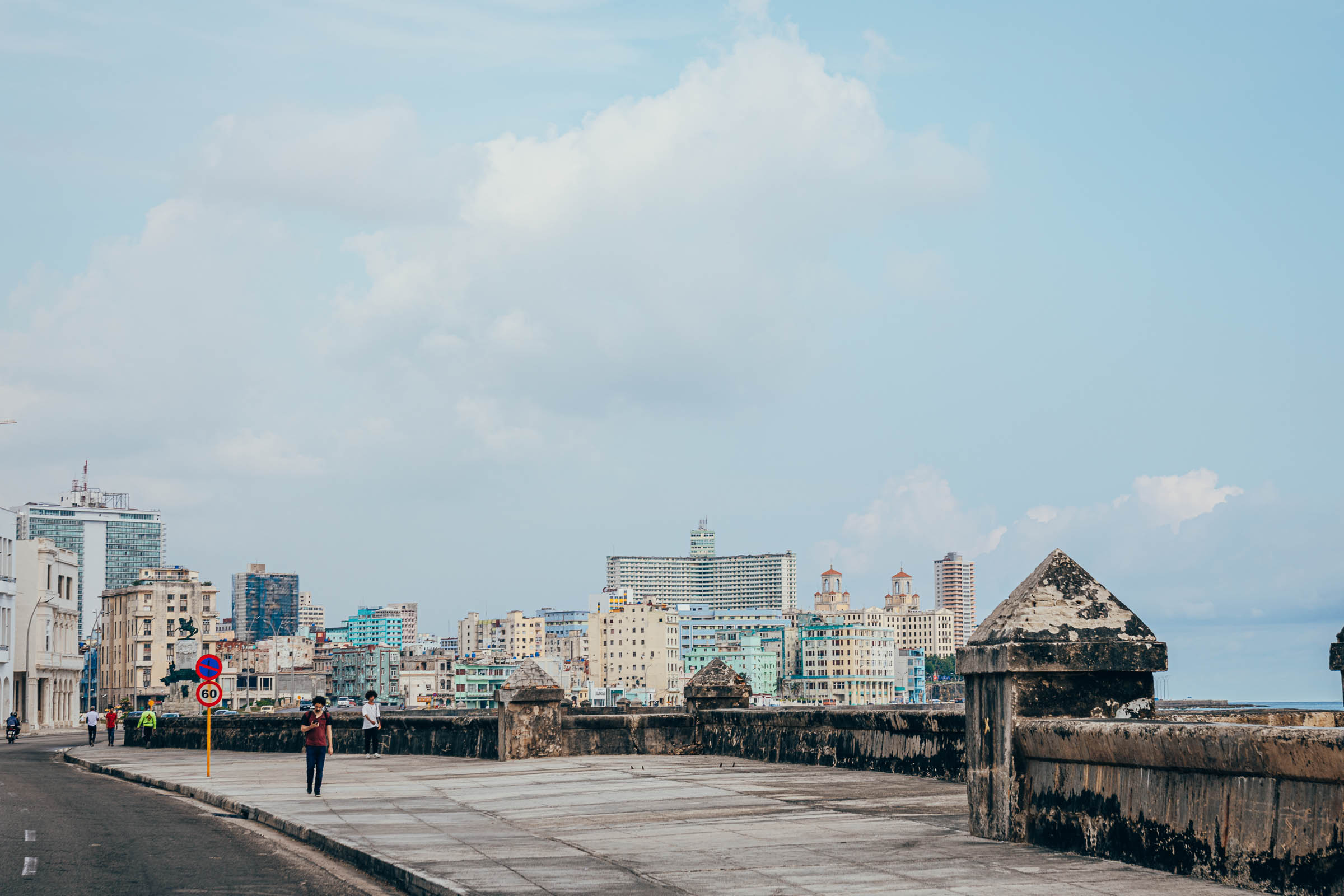
Along the seawall, you will also see old stone walls and watchtowers that once defended the coast. Behind them, the modern high-rises of Vedado rise along the horizon.
HOTEL NACIONAL DE CUBA
Hotel Nacional de Cuba is a historic hotel in Havana, opened on December 30, 1930. The New York firm McKim, Mead and White designed it. Its style mixes Sevillian, Roman, Moorish and Art Deco elements. The hotel stands on the seafront of the Vedado district, on Taganana Hill. Thanks to this position, it offers a fantastic view of the sea and the city. On May 4, 1998, it became a National Monument. It is also inscribed in the UNESCO Memory of the World register at the national level. On December 30, 2025, the hotel marked 95 years since its opening.
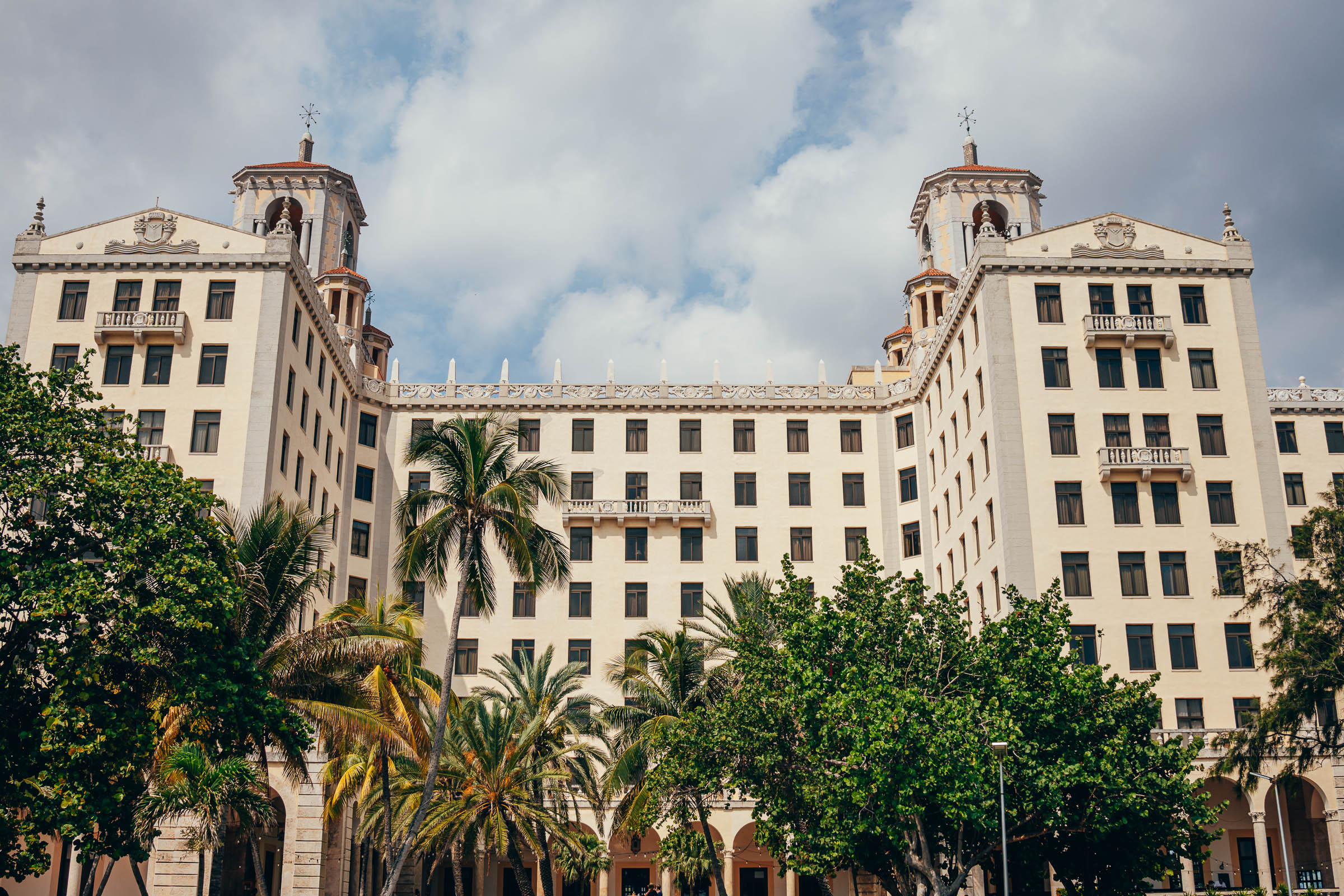
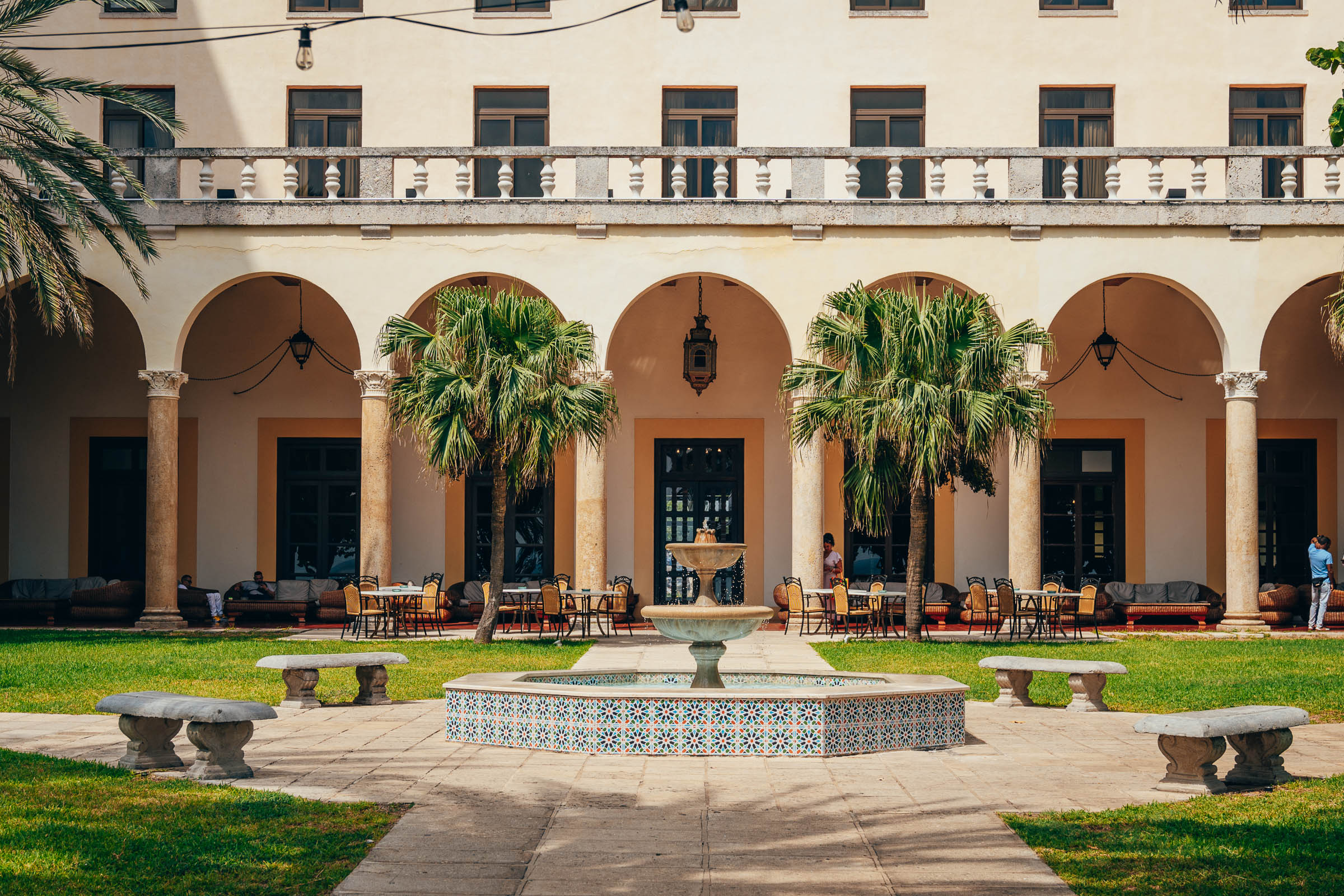
In the garden of the hotel, you can still see two cannons of the Santa Clara Battery. They belonged to the defense system of Havana from the Spanish colonial period. The Spanish built the first battery on this site between 1797 and 1799. It carries the name of the Count of Santa Clara, the Spanish governor of Cuba at the time. In 1895, the battery received new guns. Today, a 305 mm Ordóñez gun and a 280 mm Krupp gun stand in the garden. They are part of the World Heritage site of Old Havana and its fortifications. Under the gardens, there are also tunnels built during the 1962 crisis, which are now open to visitors.
FAMOUS GUESTS OF THE HOTEL NACIONAL
Over the decades, the magnificent Hotel Nacional de Cuba has witnessed some of the most important events in the history of Cuba. It has also welcomed a long list of famous guests. Among them were Winston Churchill, Frank Sinatra, Ernest Hemingway, Yuri Gagarin and Jimmy Carter. The philosopher Jean-Paul Sartre stayed here in 1960. Johnny Weissmuller, the most famous Tarzan, and the Prince of Wales were also among the guests.
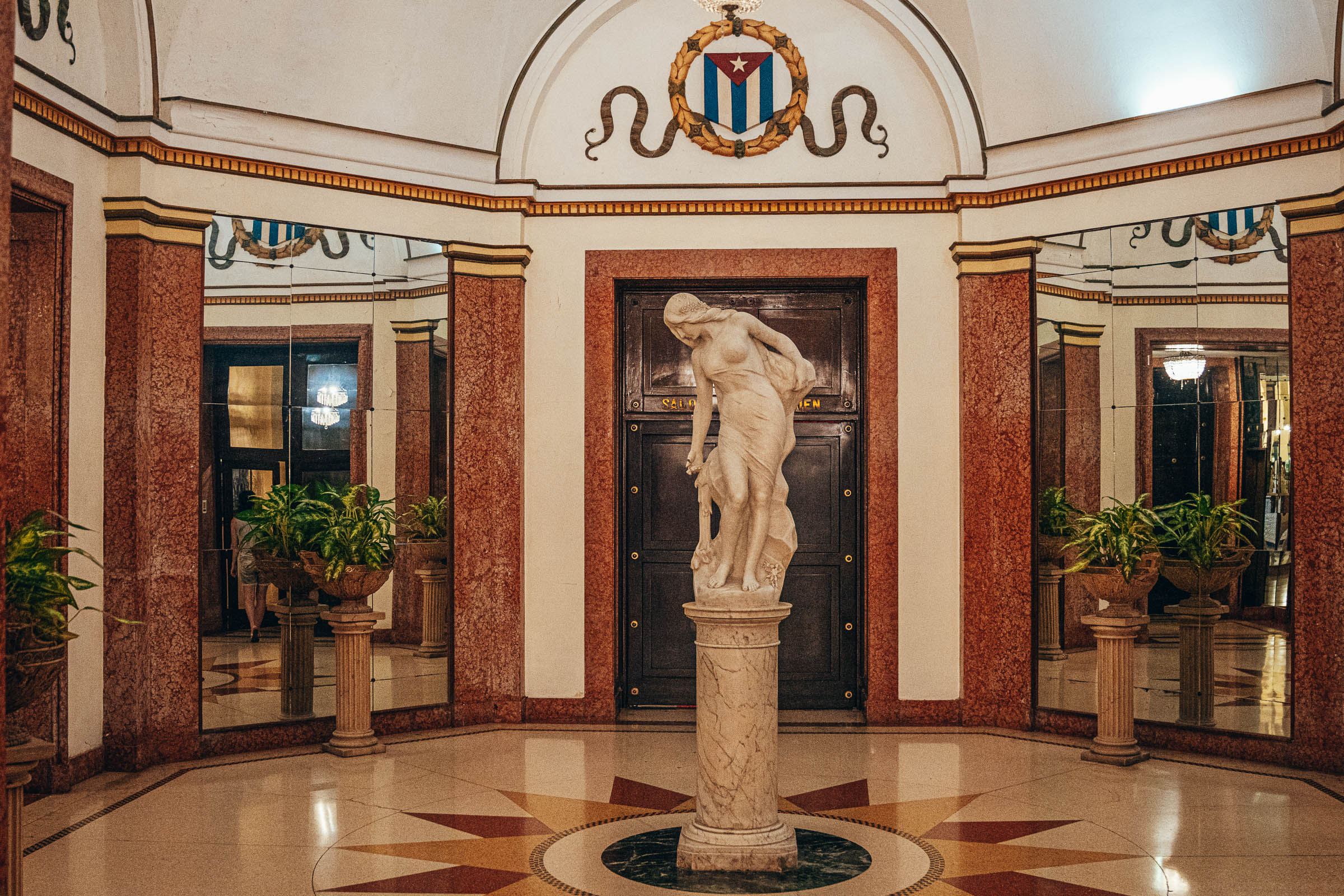
The Hall of Fame shows photos of famous guests, and it is a must-see place in the capital of Cuba. The images show many of the people who walked through its hallways, rooms, restaurants and bars. The gallery is a small walk through the history of the 20th century.
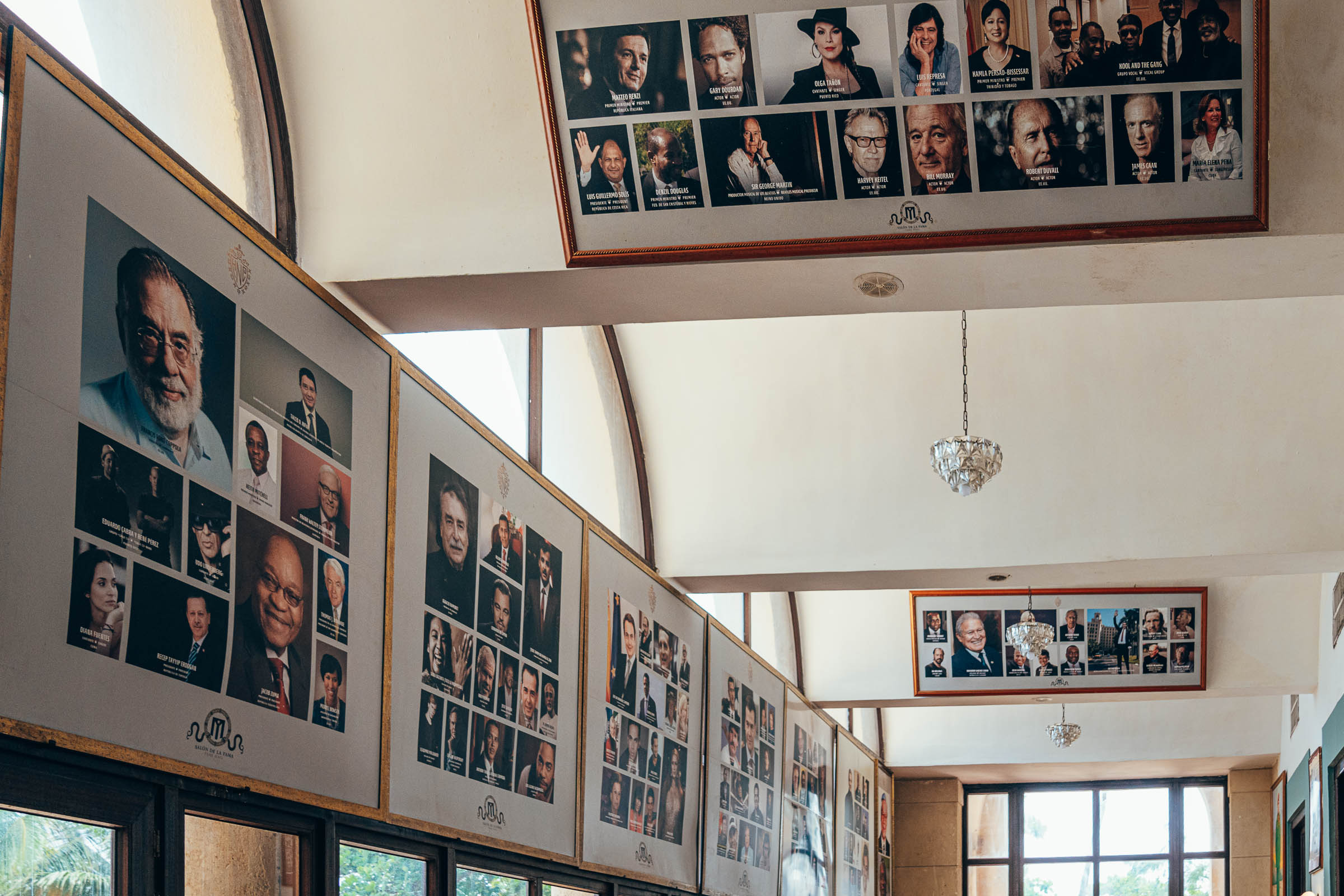
Film lovers also know this hotel well. Every December, it hosts the International Festival of New Latin American Cinema, which brings many famous actors and directors. Its terraces and bars open toward the sea, so they are a perfect place for a break during a day of sightseeing.
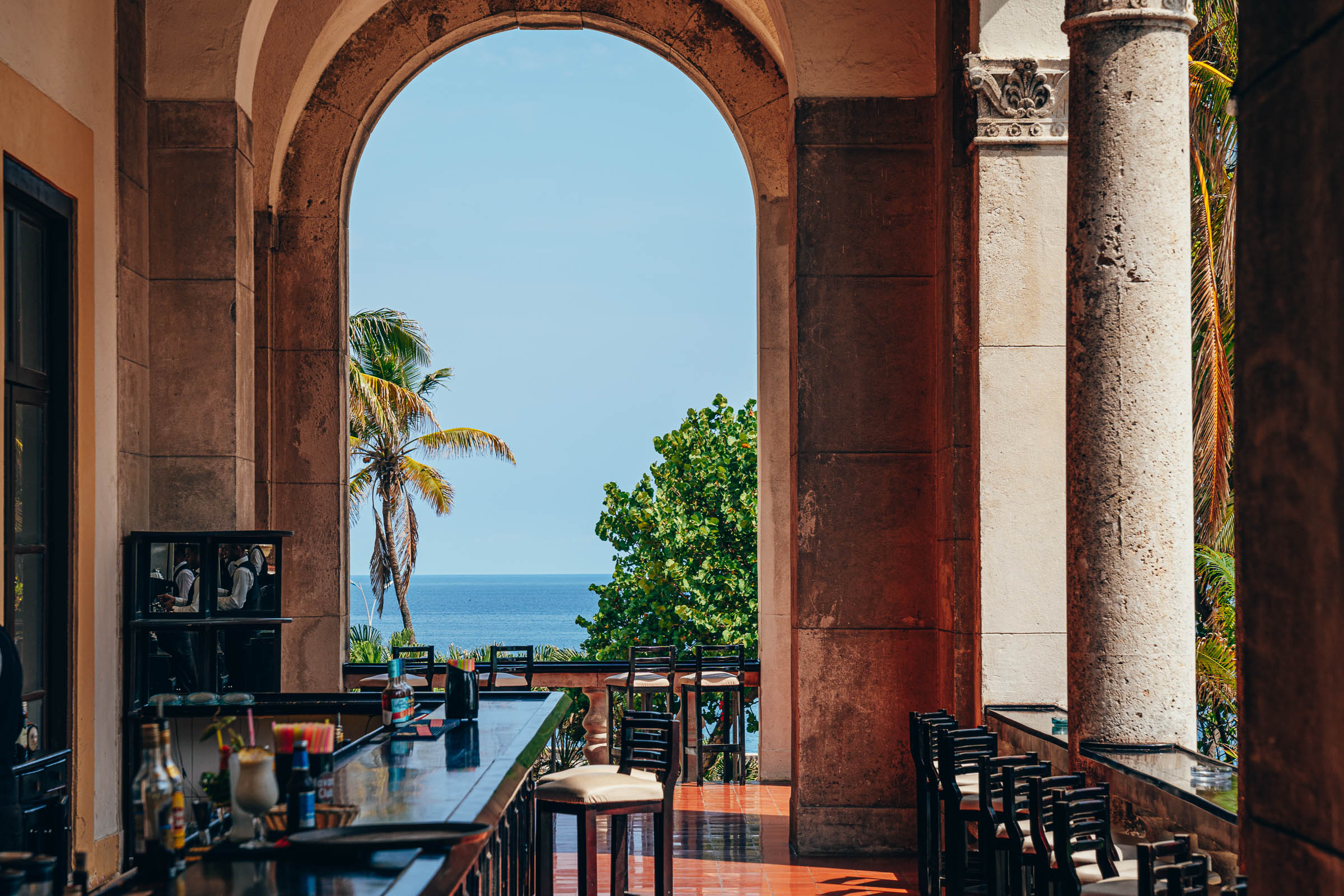
From the gardens of the hotel, there is a beautiful view of palm trees, the Malecón and the endless blue sea.
EL CAPITOLIO, HAVANA’S GRAND DOME
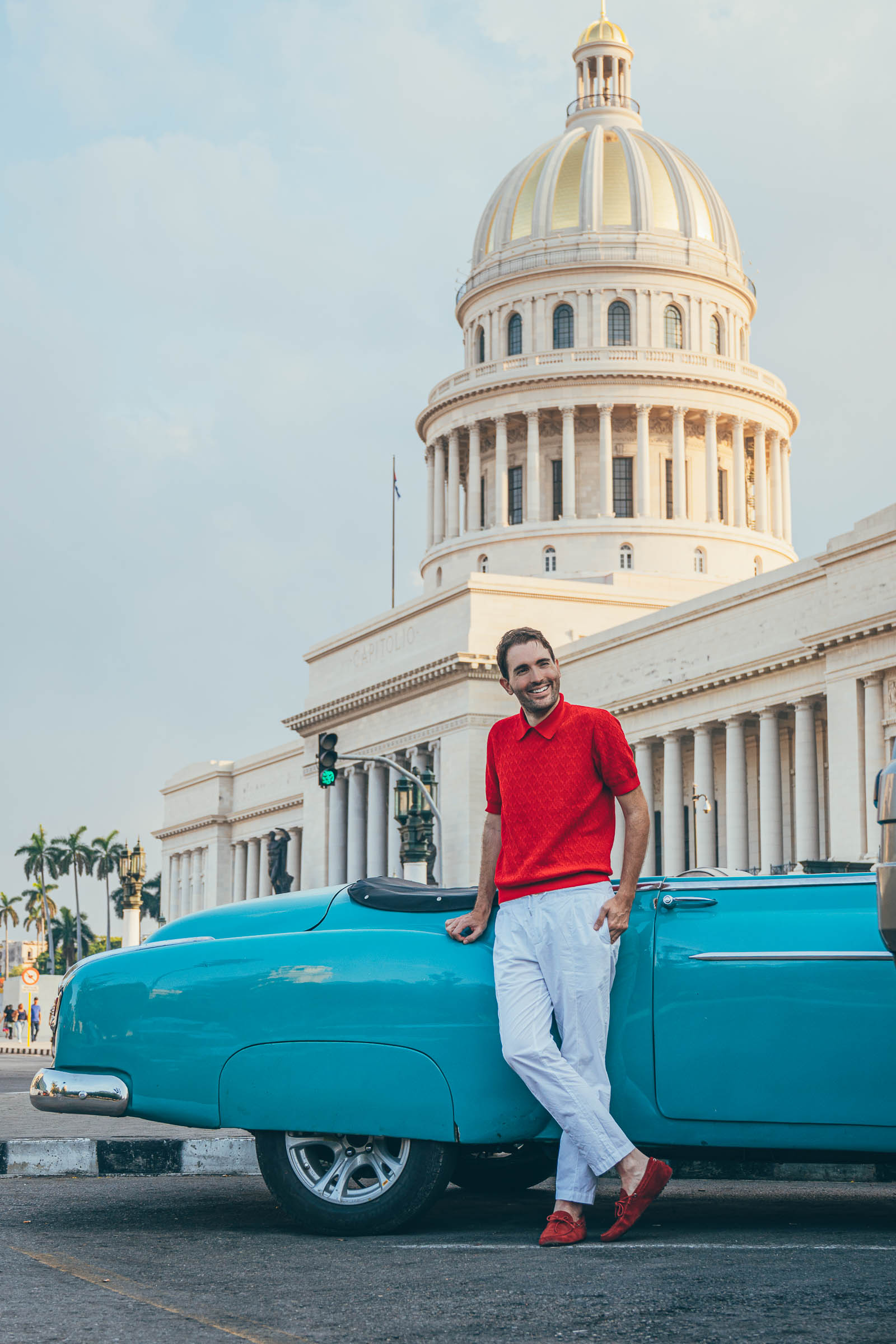
El Capitolio, or the National Capitol Building, stands in the heart of Havana, on the Paseo del Prado. Cuban President Gerardo Machado commissioned it. Builders worked on it from 1926 to 1929, under the direction of Eugenio Rayneri Piedra. Construction began in April 1926, while the American firm Purdy and Henderson oversaw the works. Interestingly, the building stands on land that was once a railroad terminal of the Villanueva Railway.
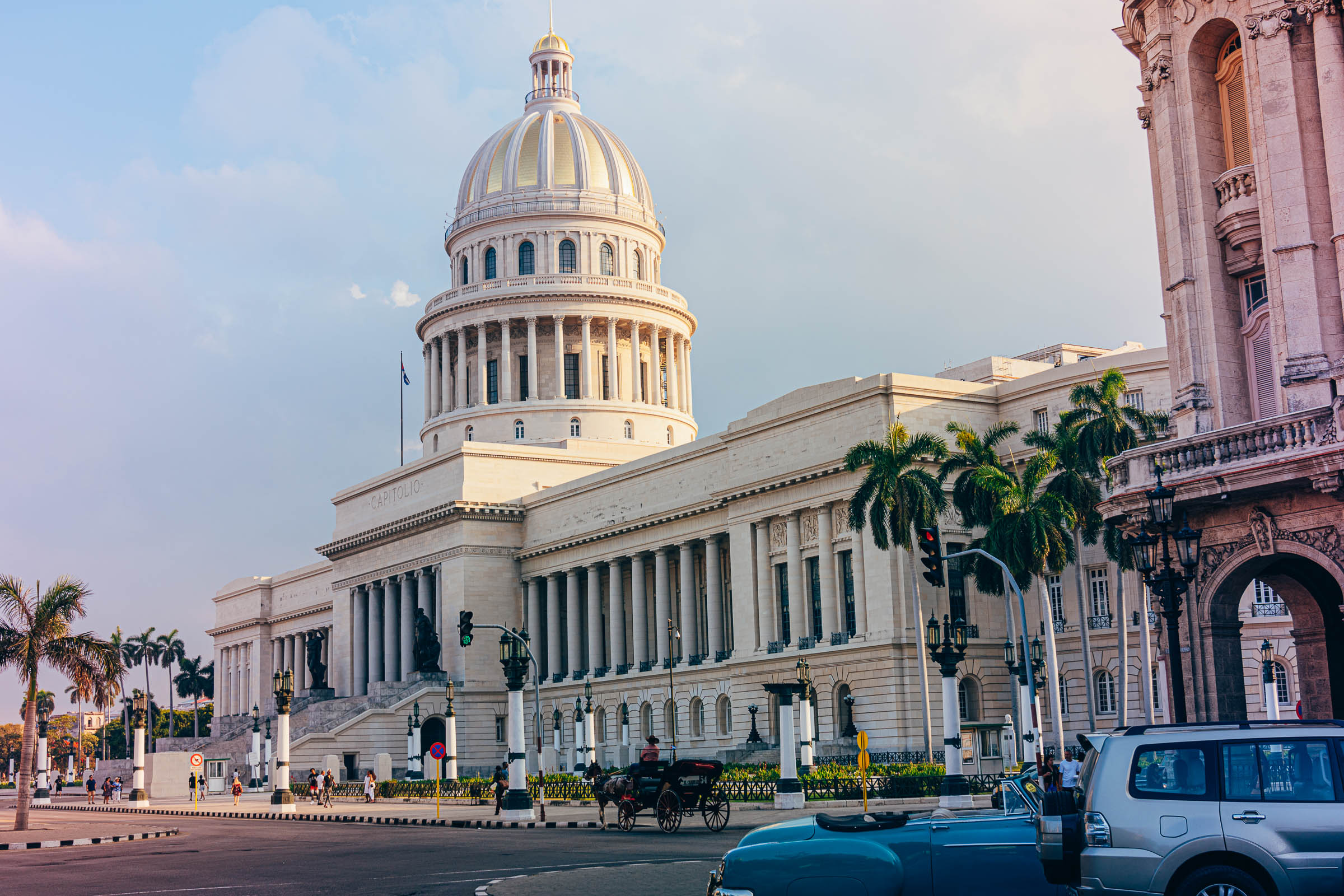
To complete it, they needed more than 5,000 workers and 3 years, 3 months and 20 days. The cost was approximately 17 million US dollars. It was the tallest building in Havana until the 1950s. Its dome stayed the highest point of the city until the FOCSA Building opened in 1956. Inside, the Statue of the Republic by Angelo Zanelli is the third-largest indoor statue in the world.
Although people often compare its design to the United States Capitol, El Capitolio is not a replica. Its two semicircular chambers once housed the Parliament and the Chamber of Deputies. After a long renovation, the historian Eusebio Leal marked the end of the works on August 30, 2019. That day, he unveiled the restored dome.
VIÑALES, THE TOBACCO VALLEY
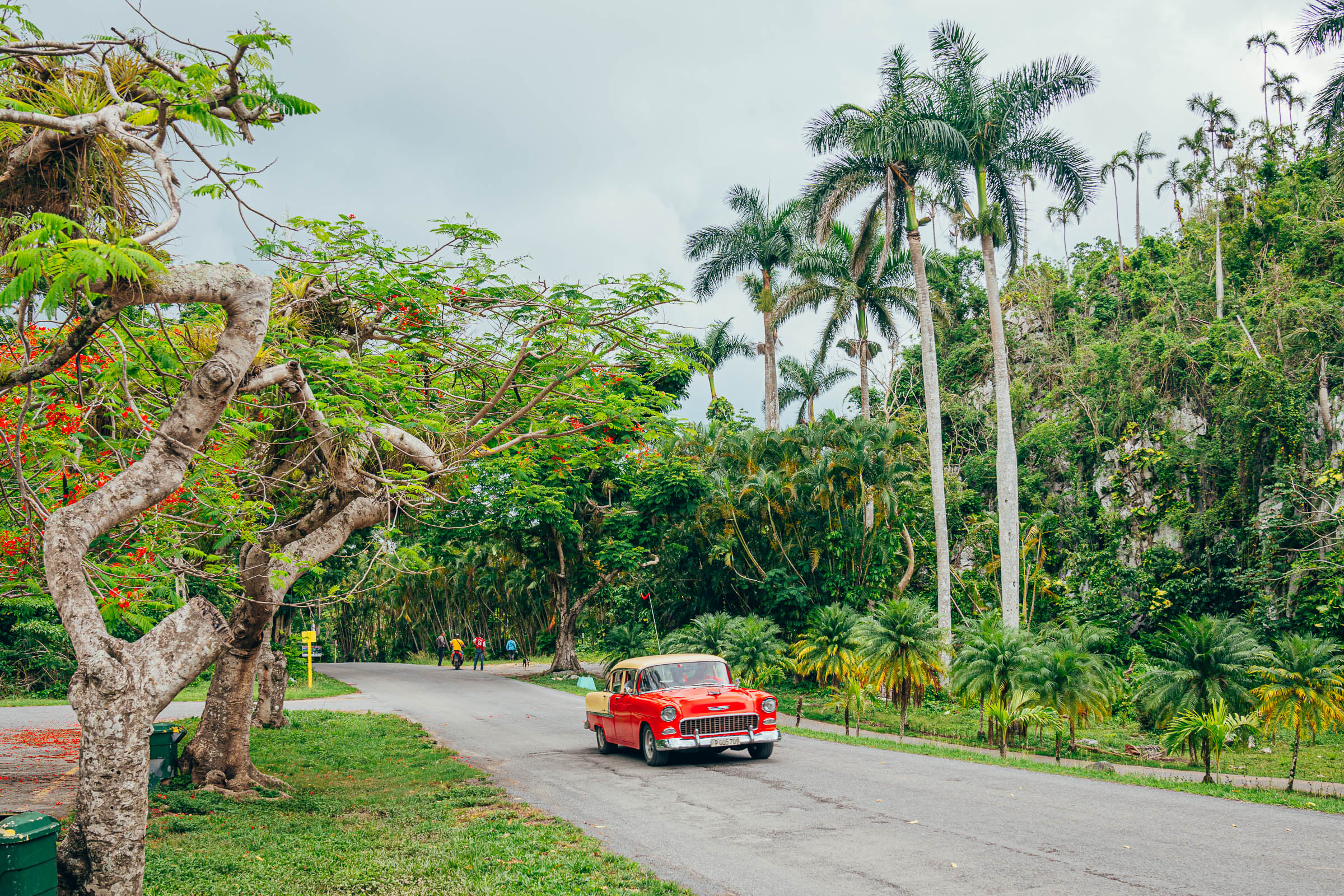
A full-day excursion from the capital takes you to the Viñales Valley in the province of Pinar del Río. In 1999, UNESCO inscribed the valley on the World Heritage List as a cultural landscape, because of its traditional tobacco-growing techniques. The main feature of the valley is the limestone hills called mogotes. They rise like islands from the bottom of the valley and can be up to 300 m tall. Lush vegetation covers them, while tobacco and other crops grow on the valley floor.
Our first stop was the viewing platform at the Hotel Los Jazmines, which offers the most famous view of the valley. From there, you see the green fields and the mogotes all at once.
CUEVA DEL INDIO AND A TOBACCO FARM
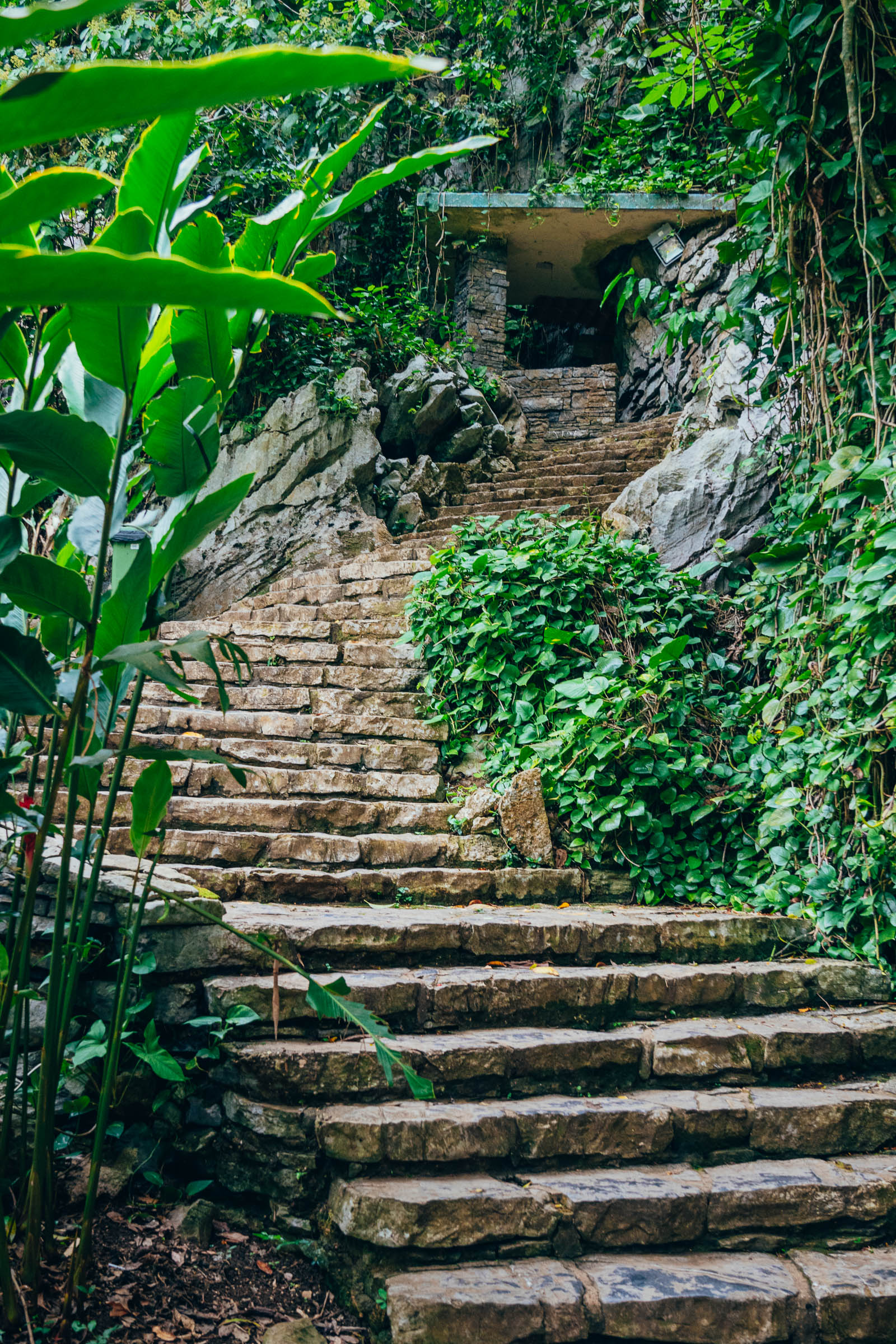
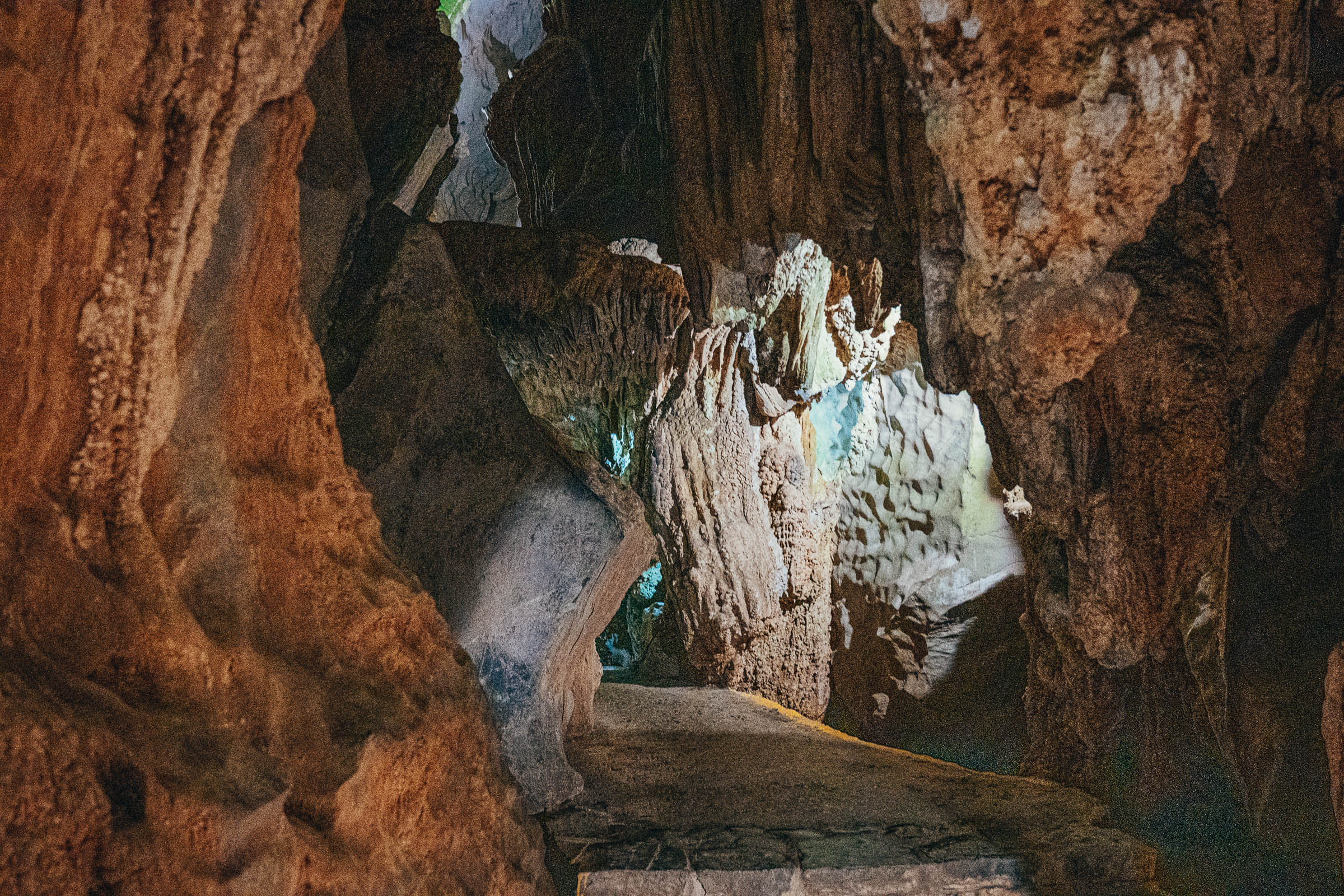
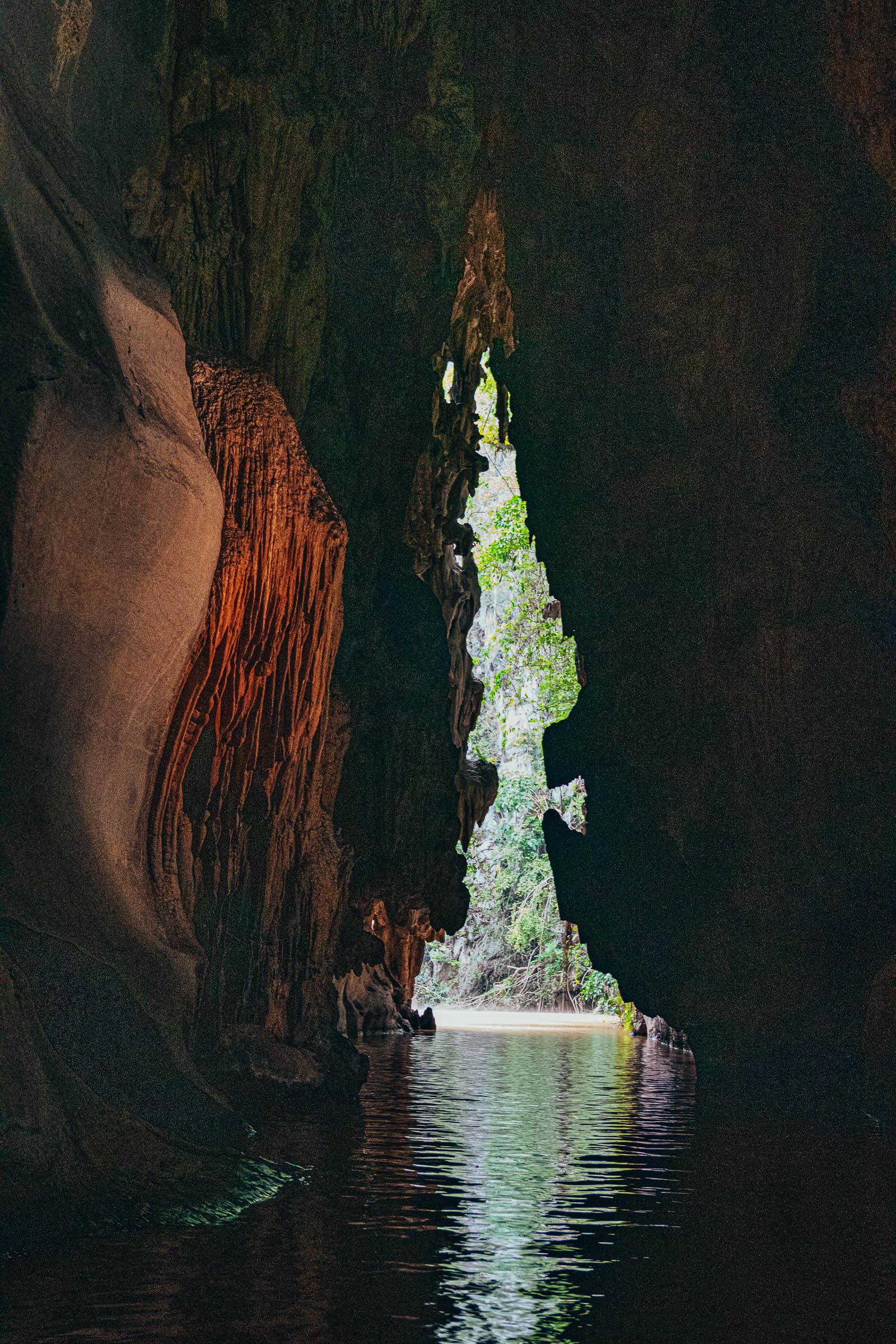
After the lookout, we continued to the Cueva del Indio, or the Cave of the Indian. It lies about 5.5 km north of the village of Viñales. According to Lonely Planet, the cave was an ancient indigenous dwelling, rediscovered in 1920. First, you walk about 200 m through the lit cave and admire very interesting rock formations. Then, you board a motor boat and sail the final 400 m along an underground river, all the way out into the daylight.
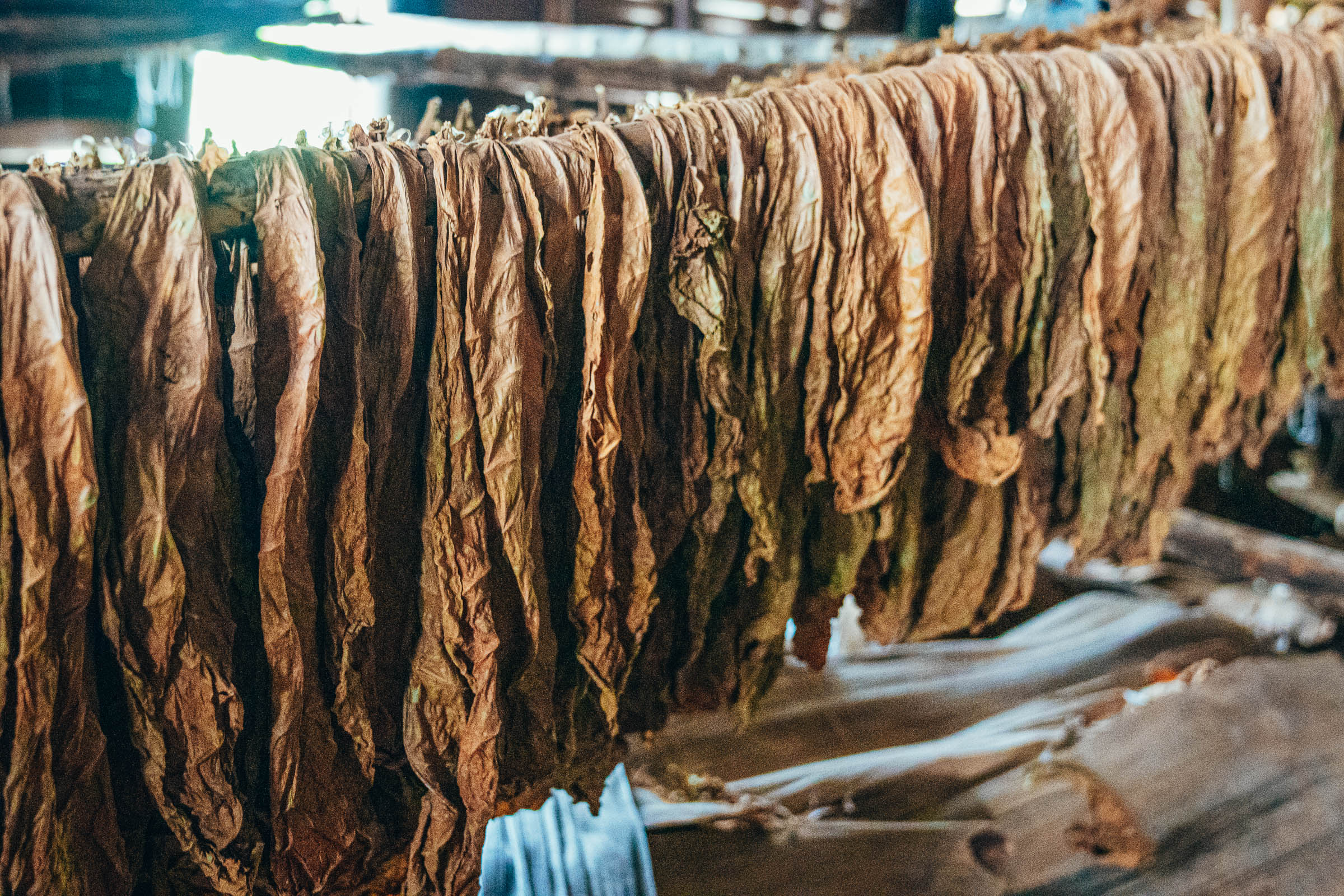
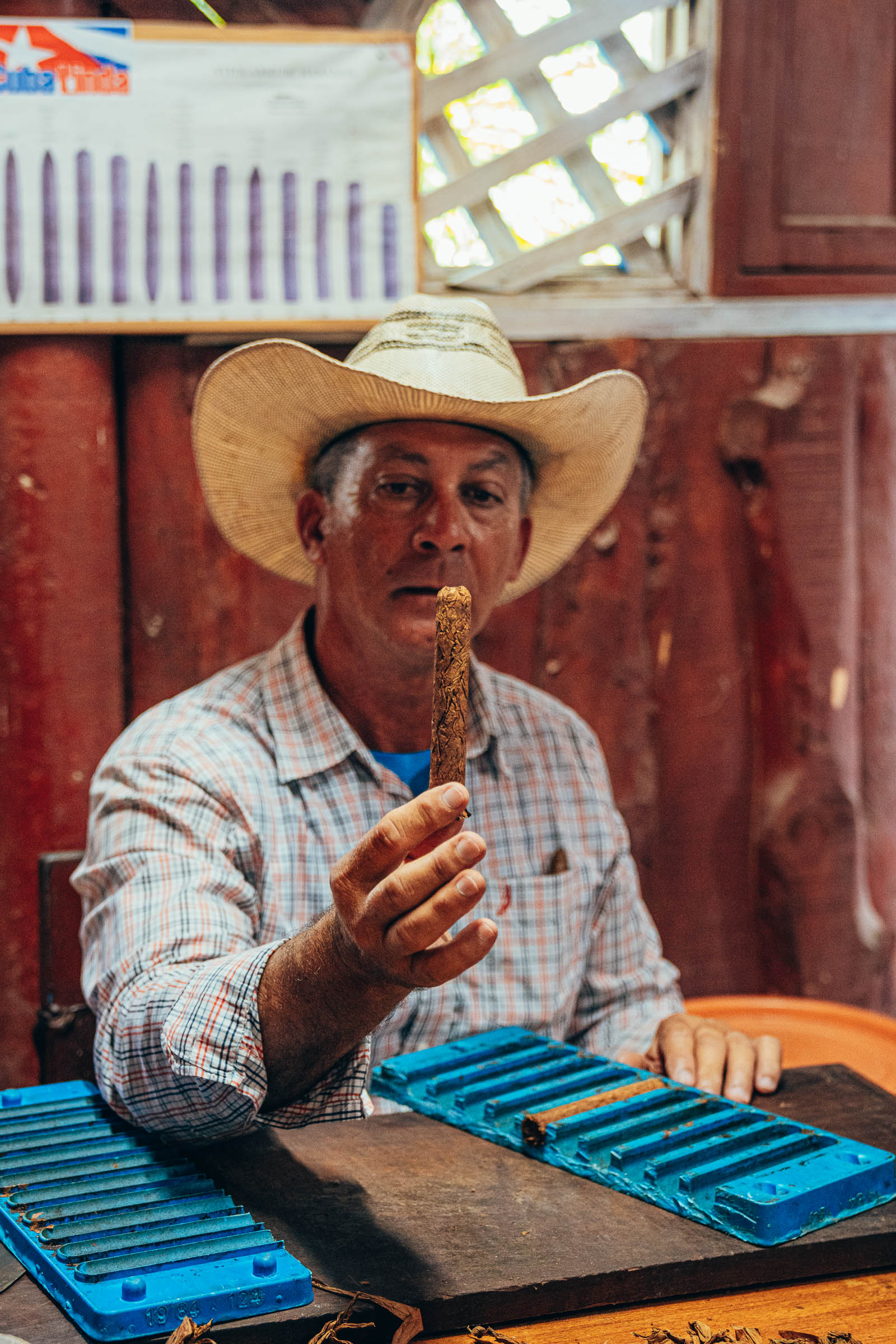
Next, we visited a rural household engaged in tobacco production. In wooden barns, the large tobacco leaves hang to dry before they become cigars.
While you listen to an interesting story about tobacco production, the host rolls a cigar by hand. You can follow every step, from the tobacco leaves on the table to the finished cigar.
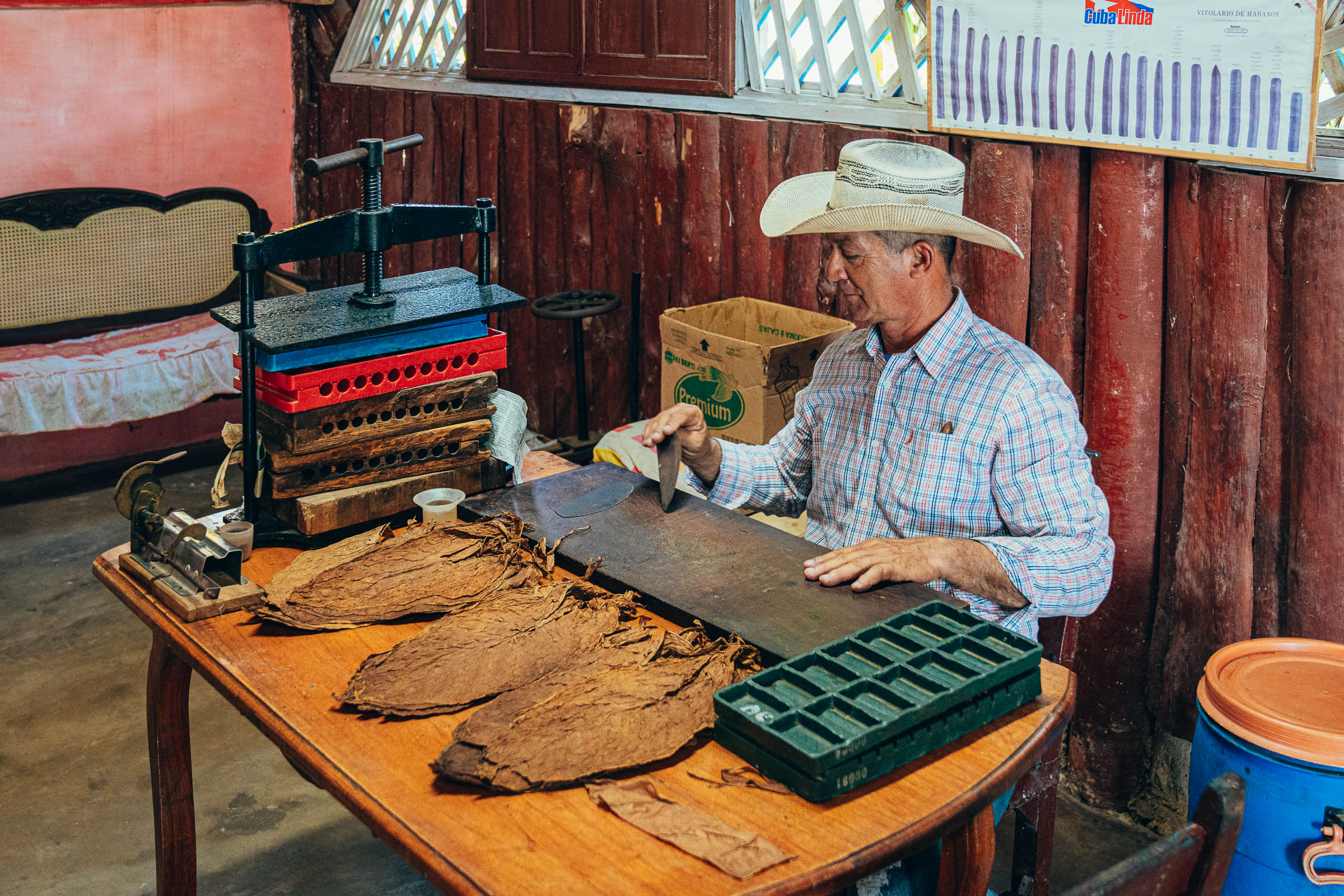
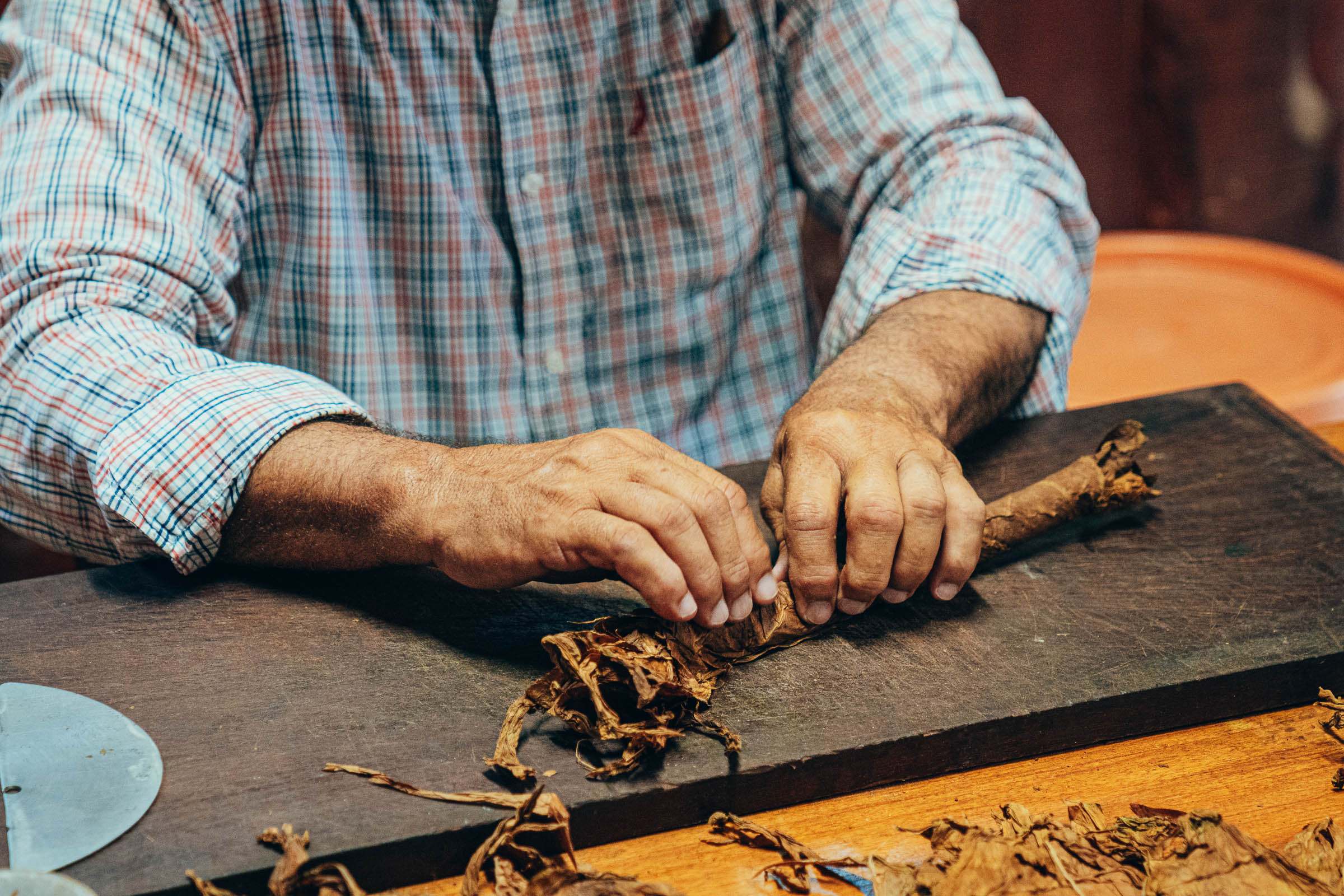
Meanwhile, the host’s wife serves you coffee and a cigar. After you learn a lot about tobacco, you continue to explore the surroundings. Then, friendly locals prepare lunch for you in the middle of untouched nature.
SAYING GOODBYE TO HAVANA
My dear travelers, we have come to the end of this travelogue about Havana. This story would not be possible without the selfless help of Disco Travel and its local partners. They allowed me to feel the spirit and beauty of Cuban culture and tradition.
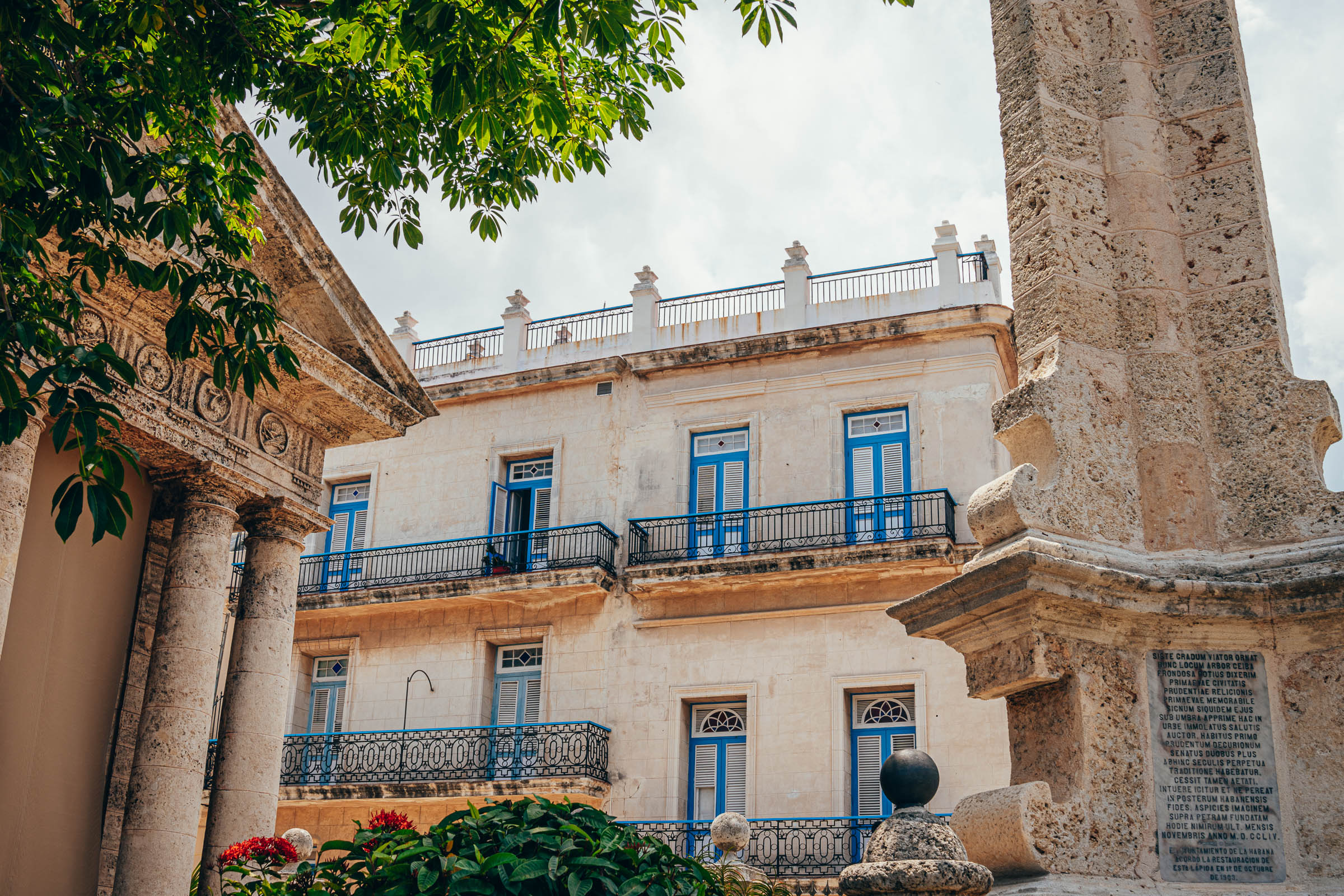
Before you leave Old Havana, stop for a moment at El Templete in the Plaza de Armas. According to tradition, the first Mass and the first town council of Havana took place here in 1519, under the shade of a ceiba tree. A baroque monument first marked the site in 1754. Then, in 1828, the small neoclassical El Templete opened next to it. Every year, on the night before 16 November, people come to walk around the ceiba three times and make a wish.
A person is rich in soul if he has managed to explore the world. I am glad that I always find partners who help me discover new and unusual destinations. Once again, I would like to thank Disco Travel for this incredible adventure in Cuba.
Have you ever visited Havana, and which part of the city would you explore first?
Feel free to leave your impressions, comments or questions below, or contact me by email and on social networks. All information is on the CONTACT page.
With love from Havana,
Mr.M
This post is sponsored by Disco Travel and Air France airline as well as other local partners. This post is my personal and honest review of the destination experience.
Cuba is a very beautiful country, I was in Costa Rica in 2019, but I didn’t get to go to Cuba. All my friends who were in Cuba were amazed, but I didn’t understand why… Now because of your pictures I understand their amazement!
You really put together a nice and useful and you enjoyed Paris and Cuba! I really envy you how you combine work and pleasure and how you live life to the fullest. I’m sure that almost everyone envies you for your life, because it’s really organized and you can see that you’re a fulfilled person.
Cuba is exceptional! Although they are poor, it is still a beautiful and interesting country. I will remember my trip to Cuba for good weather, good pop songs, rum and of course cocktails!
Lieber Marko, das ist dein wunderbarer Reisebericht! Ich liebe Kuba und habe schon immer davon geträumt, dieses wundervolle Inselland zu besuchen! Ich freue mich auf Ihre neuen Reiseberichte! Viele Grüße aus Hamburg! FG Denise