
My dear travelers and lovers of unusual journeys, welcome to a new travelogue on the Mr.M blog. Today, I take you to Cuenca, the colonial gem of southern Ecuador. These last months of the year belong to this unusual country in South America, known for its cocoa, bananas and coffee.
At the very beginning, I sincerely thank PRO ECUADOR, the Tourism Foundation of the Municipality of Cuenca, the local tour operator Cuenca BesTours and Hotel Cruz del Vado. I also thank all the local partners who supported my adventure in South America. With their help, I created the travelogues and fashion stories from Ecuador that you will read in the coming weeks.
If you missed my previous letters, first read about Quito, a city colored by Baroque art and architecture. Then, discover Quito, the pearl of South America in the middle of the world.
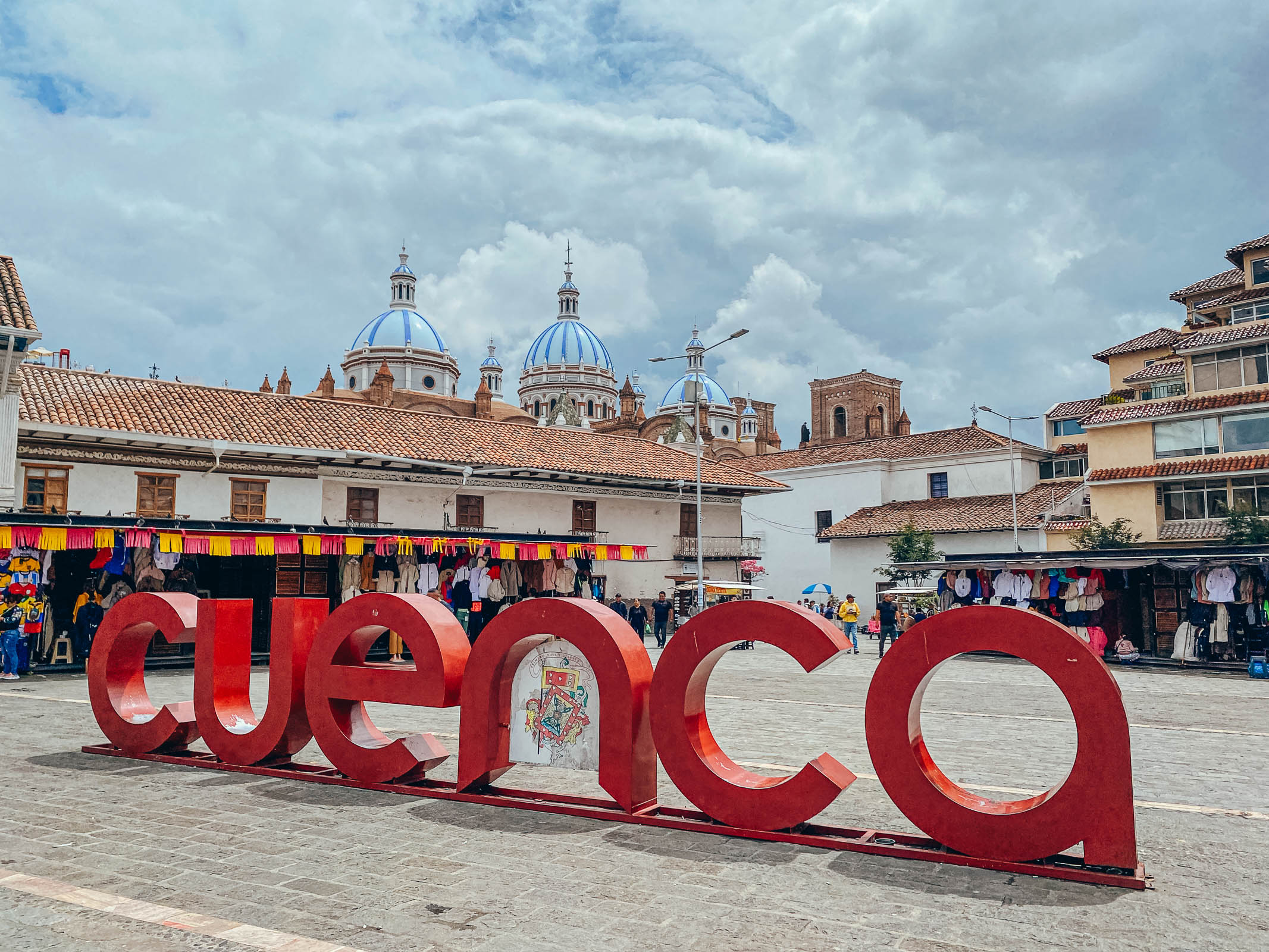
WELCOME TO CUENCA, THE ATHENS OF ECUADOR
Its official name is Santa Ana de los Ríos de Cuenca. It is the capital of the Azuay province, and it lies more than 2,500 meters above sea level. Four rivers cross the city: the Tomebamba, Tarqui, Yanuncay and Machángara. According to the 2022 census, Cuenca has 596,101 inhabitants. That makes it the third most populous city in Ecuador, after Guayaquil and Quito.
Locals proudly call their city the Athens of Ecuador. The nickname comes from its architecture, its contribution to art and literature, and the many notable people born here. In 1999, UNESCO declared its historic center a World Heritage Site. Then, in January 2011, the National Assembly of Ecuador declared Cuenca the City of Universities.
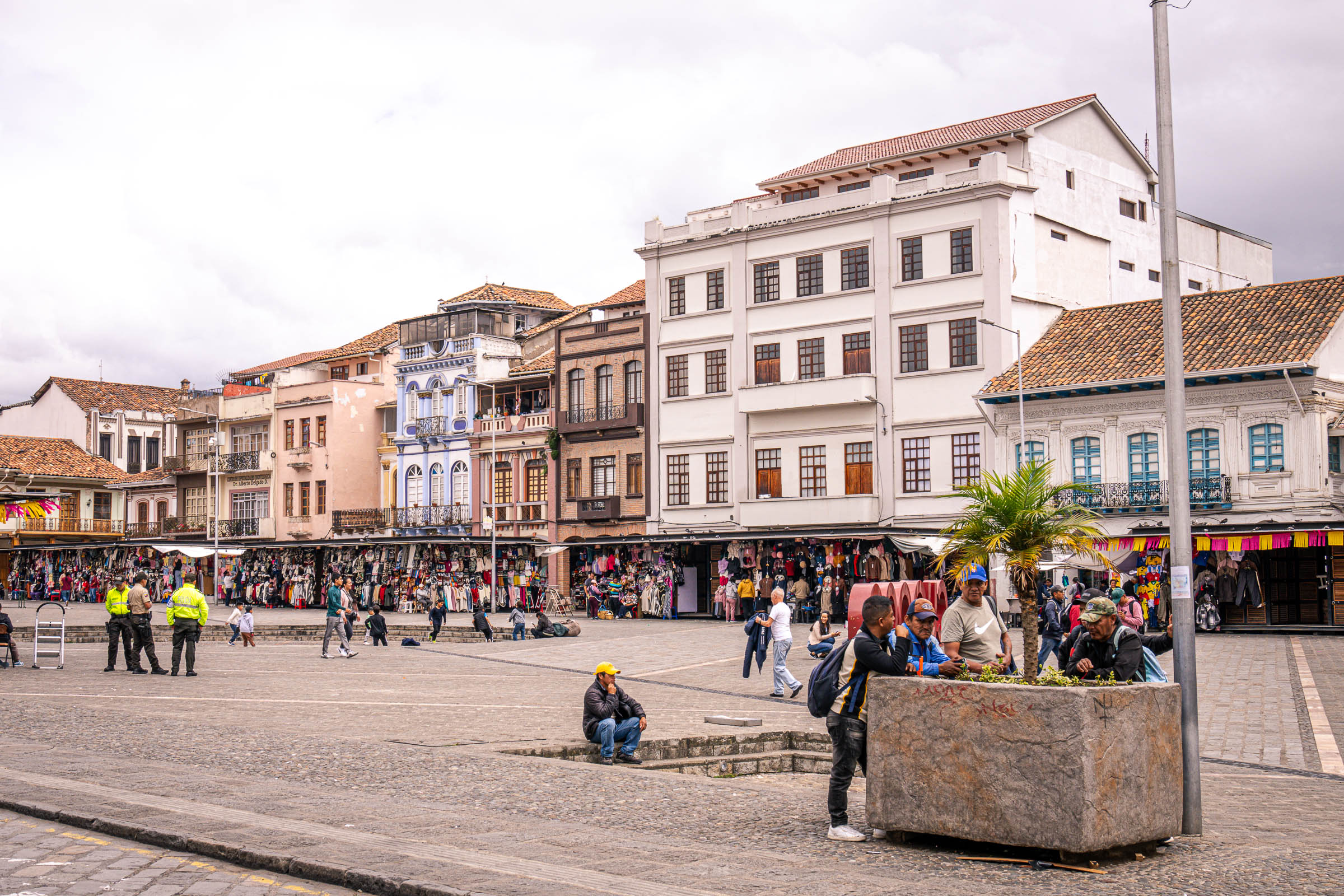
HOW DID CUENCA GET ITS NAME?
Gil Ramírez Dávalos founded the city on April 12, 1557, on the ruins of Inca Tomebamba. He did so on the orders of Andrés Hurtado de Mendoza, the Spanish viceroy of Peru. The viceroy was born in Cuenca, Spain, so the new city got the same name. In addition, the landscape here resembles the Spanish city, and four rivers cross it, hence “de los Ríos”. Finally, “Santa Ana” follows the Spanish tradition of dedicating new cities to a saint.
FROM GUAPONDELIG TO INCA TOMEBAMBA
The story of this valley is much older than the Spanish city. Archaeological finds at Chobshi and Cubilán show that nomadic hunters and gatherers lived here as early as 8060 BC. Later, the Cerro Narrío culture brought agriculture and the mass production of ceramics. After that, the Cañari culture developed, and its people worked with gold, silver and copper.
The Cañari called this place Guapondelig, which means “a plain as wide as the sky”. Less than half a century before the Spanish arrived, the Incas conquered the area. They renamed it Tumipampa, or Tomebamba, and turned it into the administrative center of the northern Inca Empire. Interestingly, Tomebamba is considered a candidate for El Dorado, the mythical city of gold the Spanish dreamed about.
Later, the Cañari allied with the Spanish against Atahualpa. With the help of 11,000 Cañari, Sebastián de Benalcázar conquered Quito. Even today, you can see traces of the Inca past in the city, such as the Pumapungo ruins.
A WALK THROUGH COLONIAL CUENCA
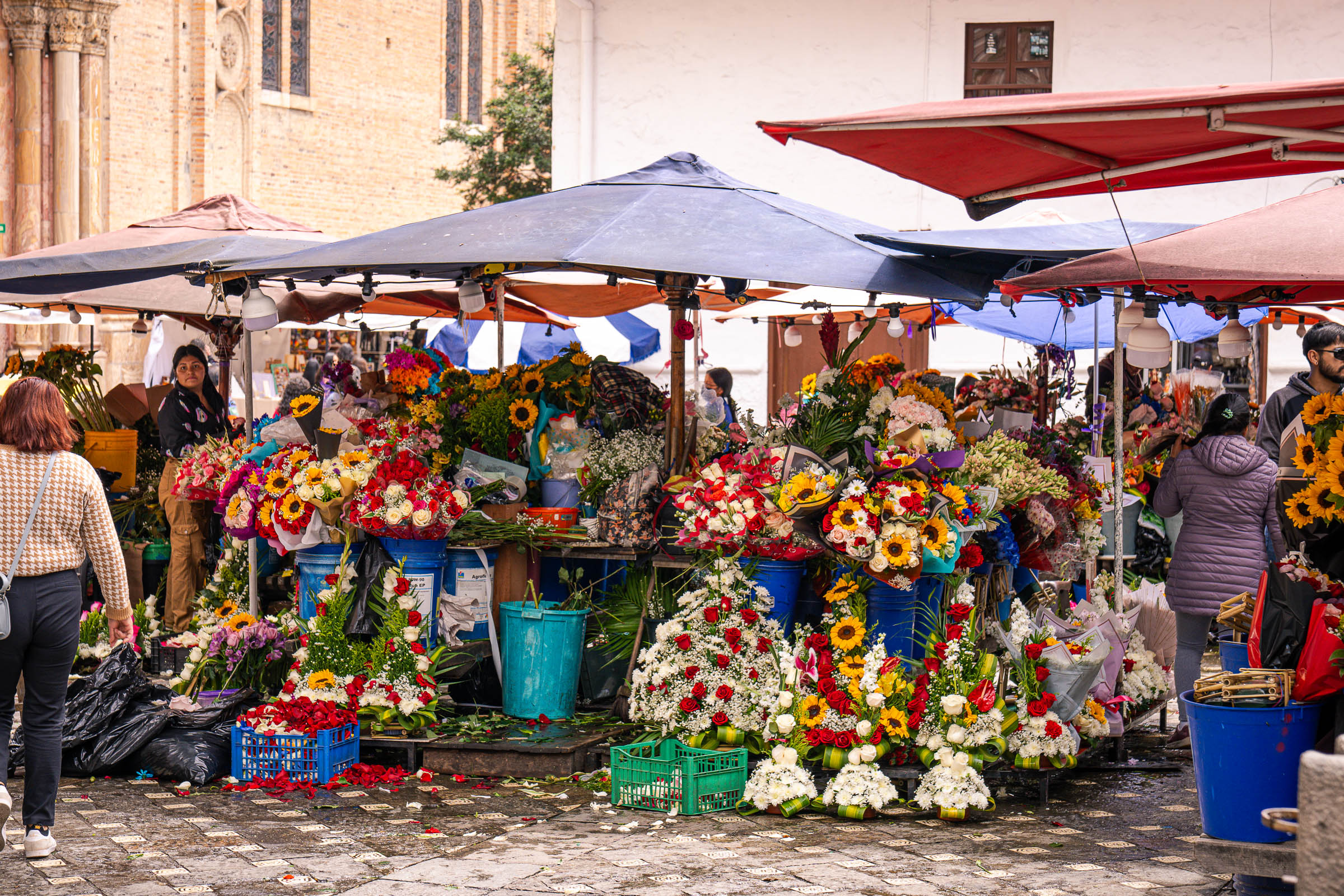
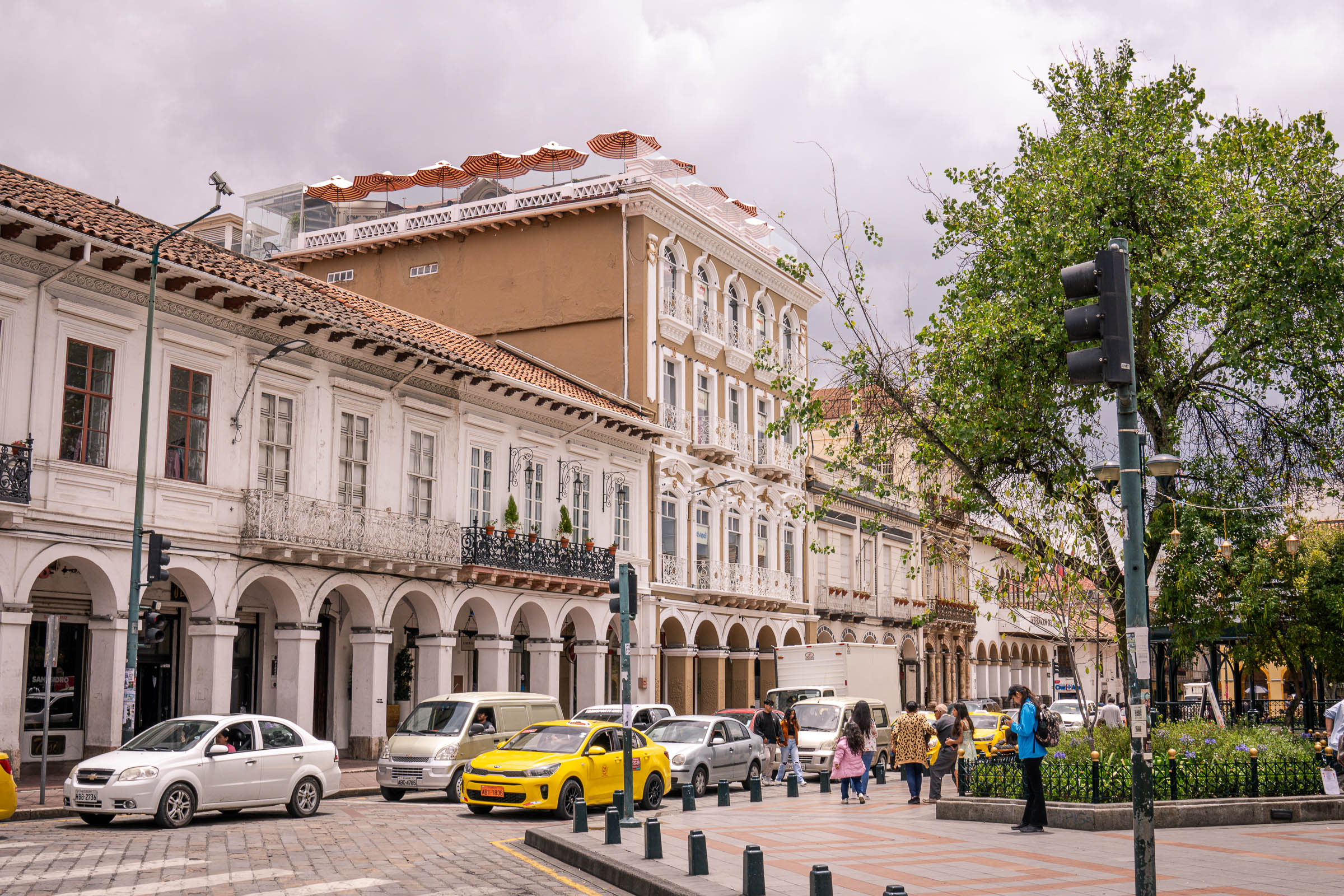
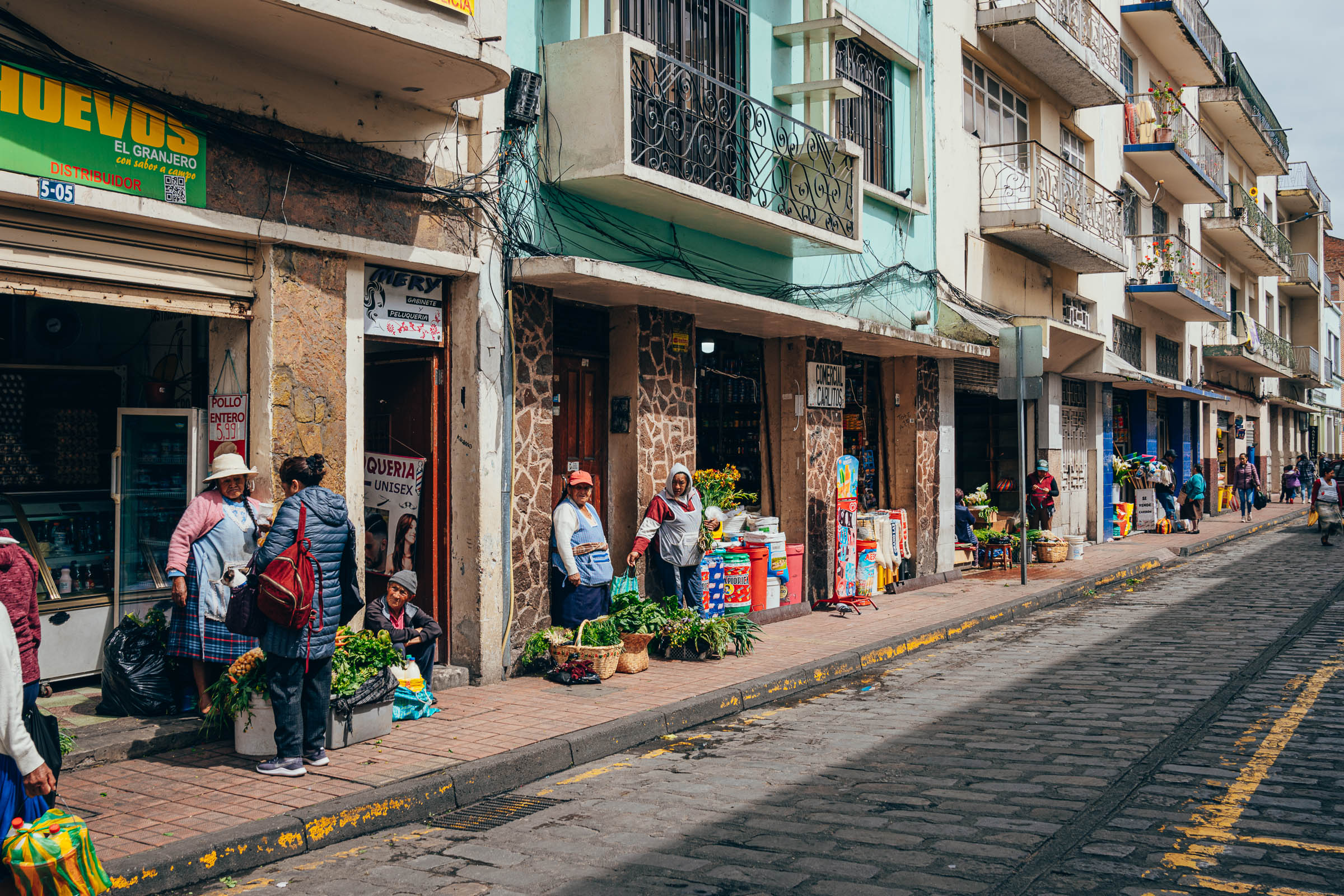
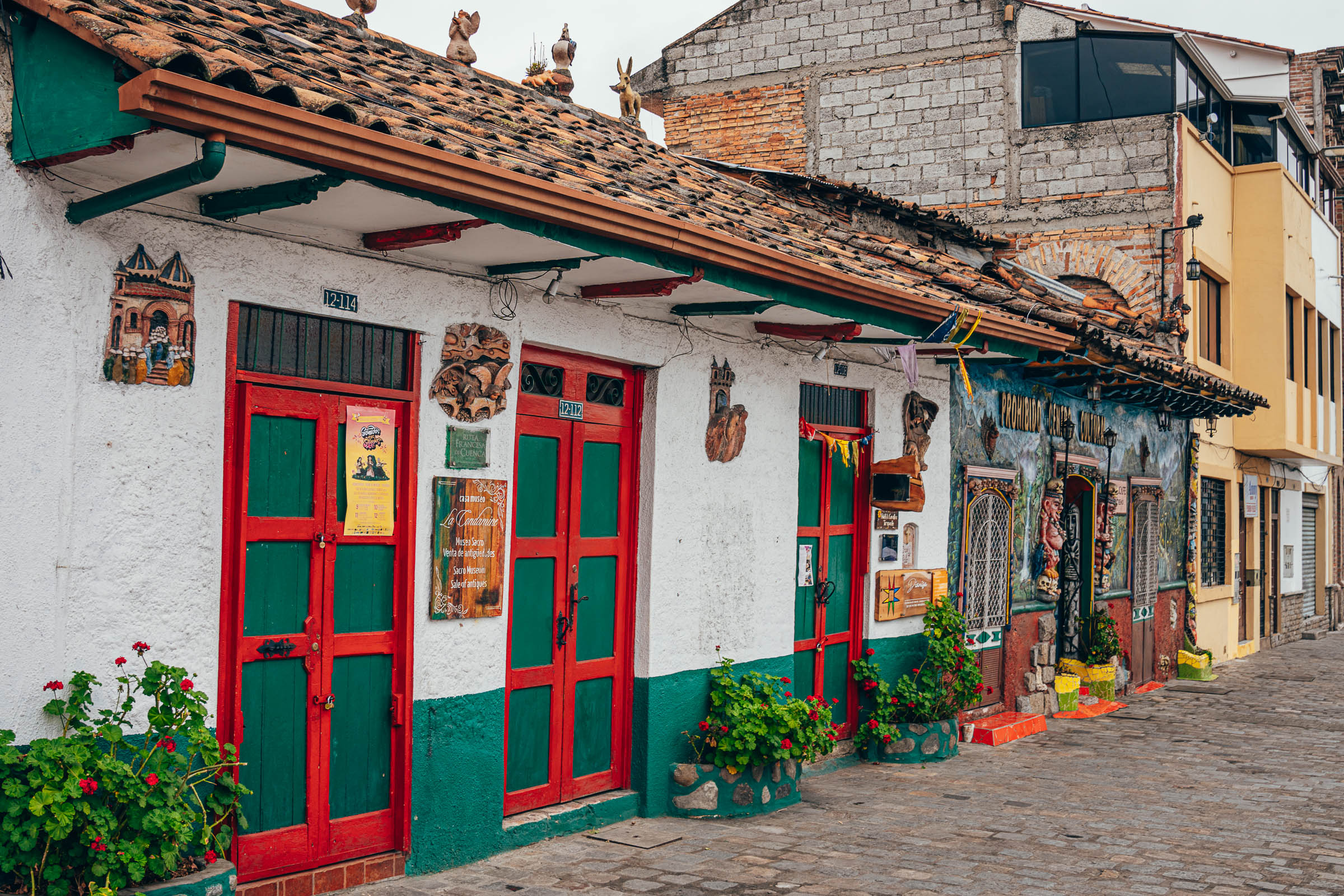
The historic center is compact, so the best way to discover it is on foot. Narrow streets hide small shops full of colorful textiles and crafts. Moreover, the atrium of the church of El Carmen de la Asunción, founded in 1682, hosts a colorful flower market.
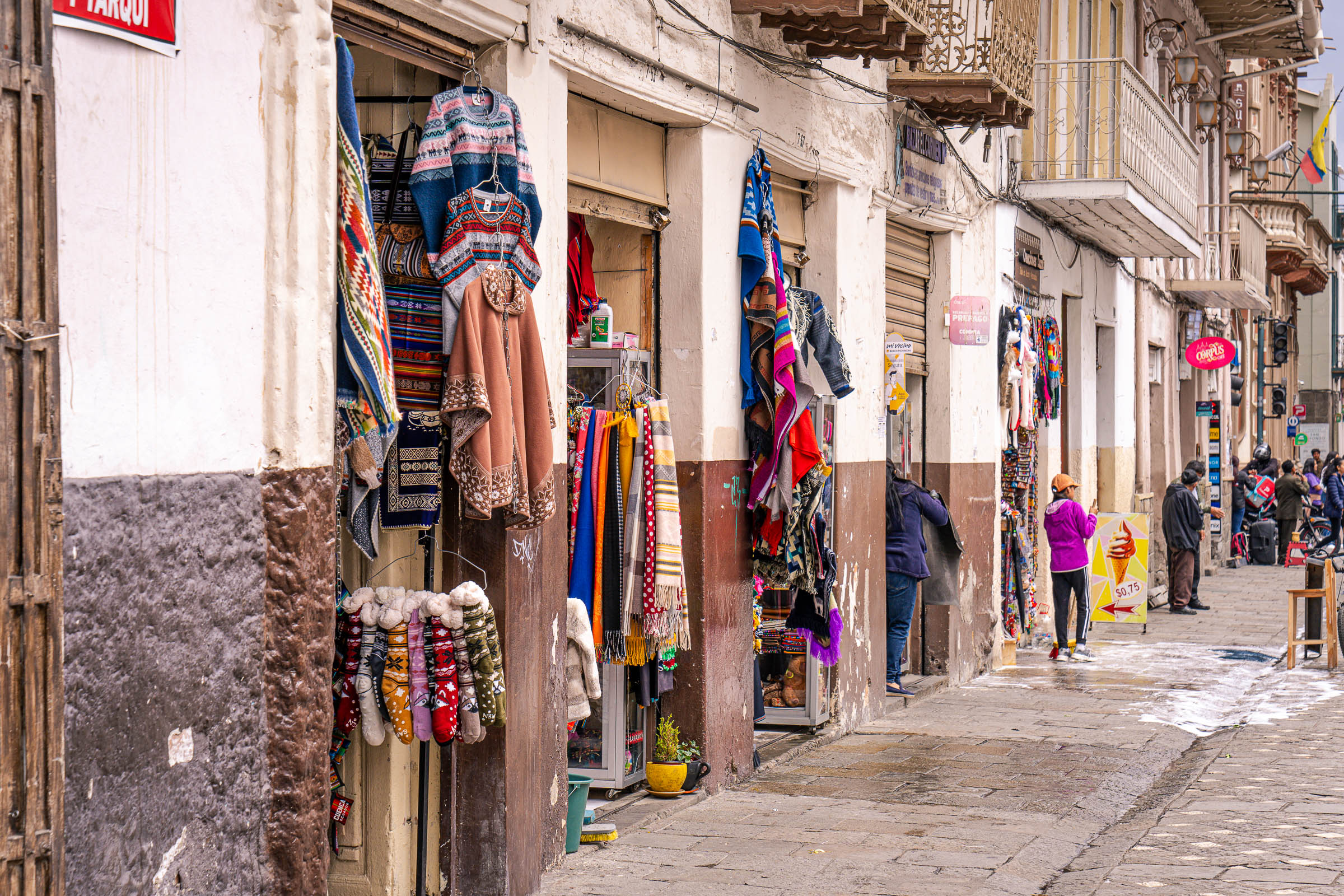
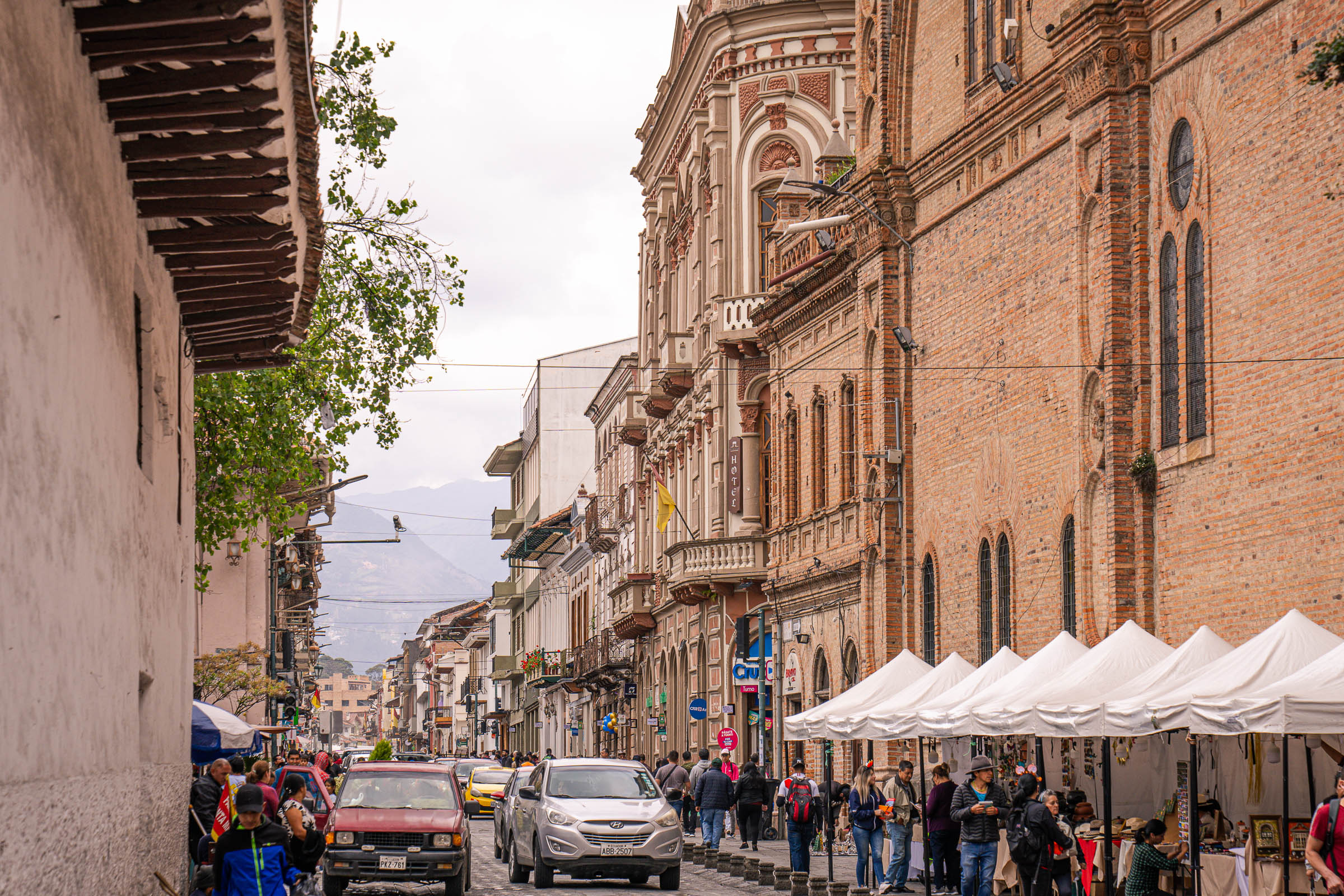
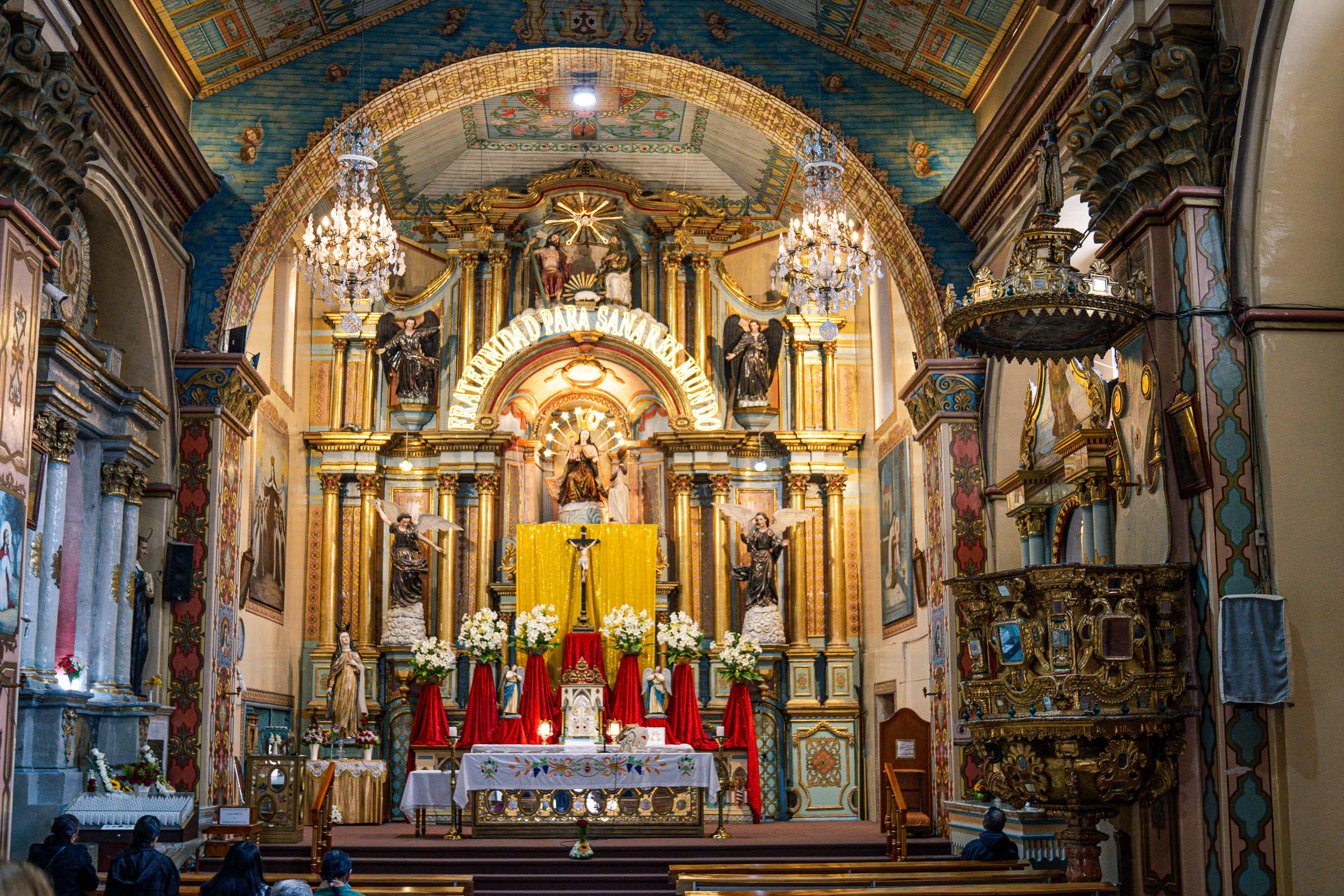
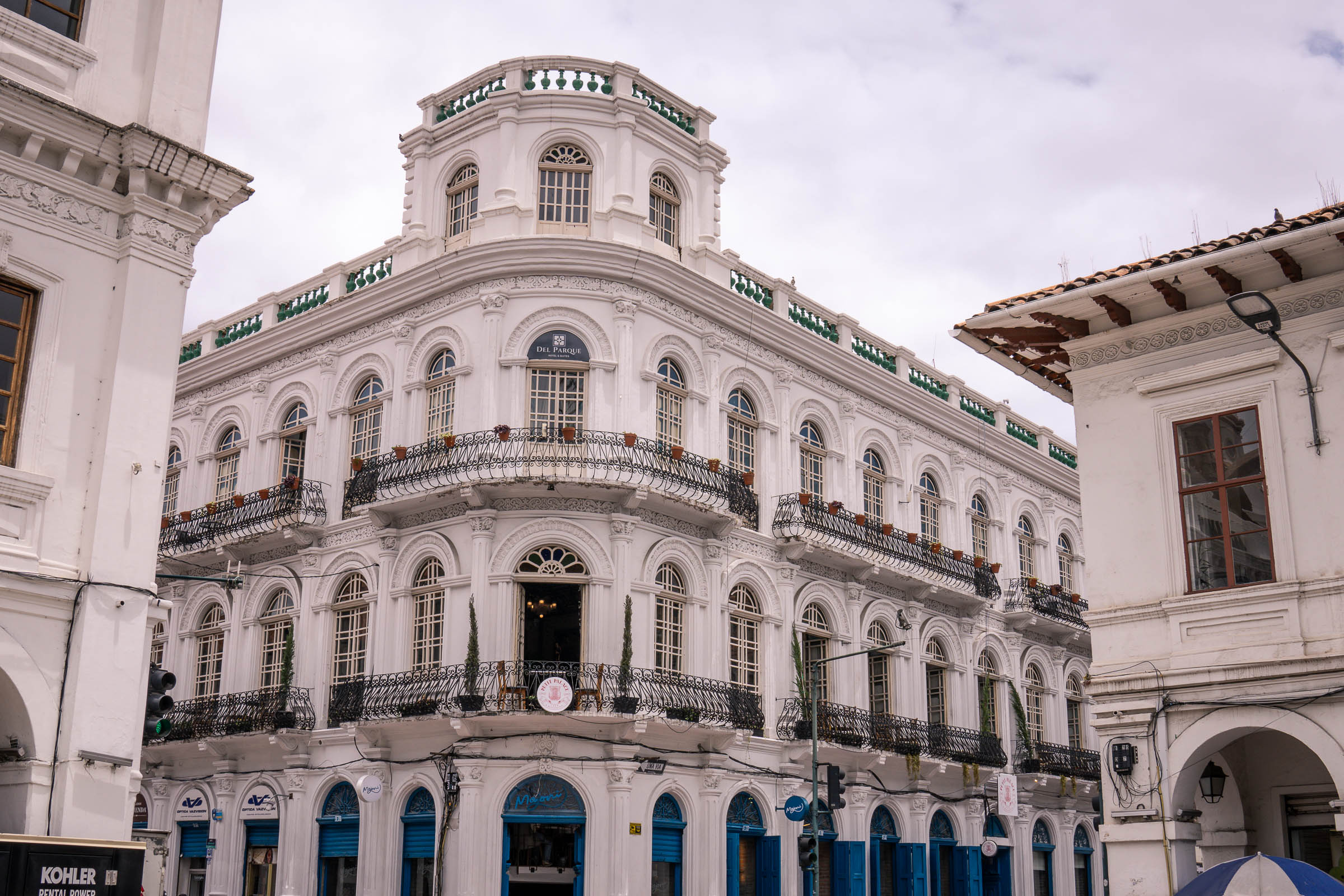
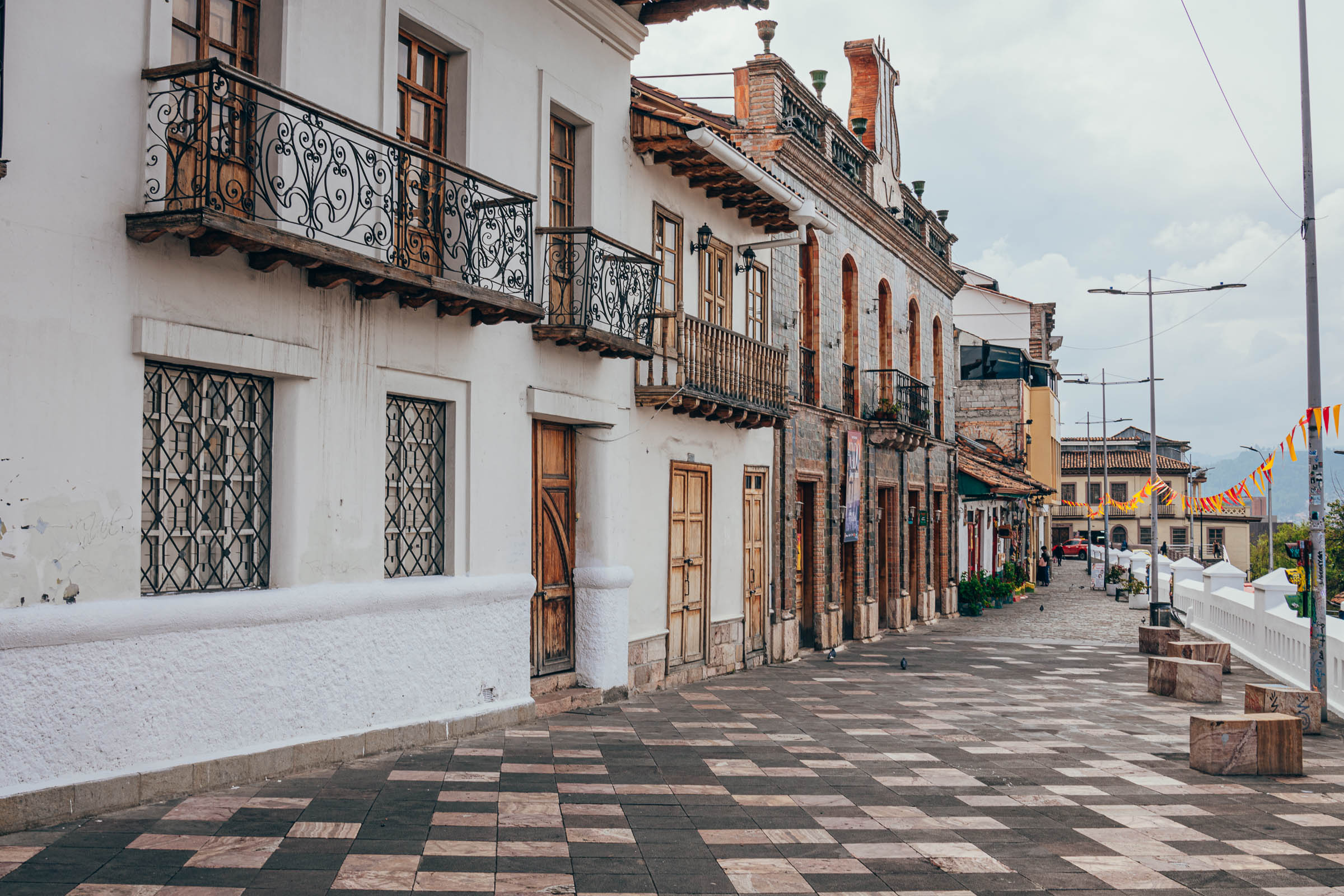
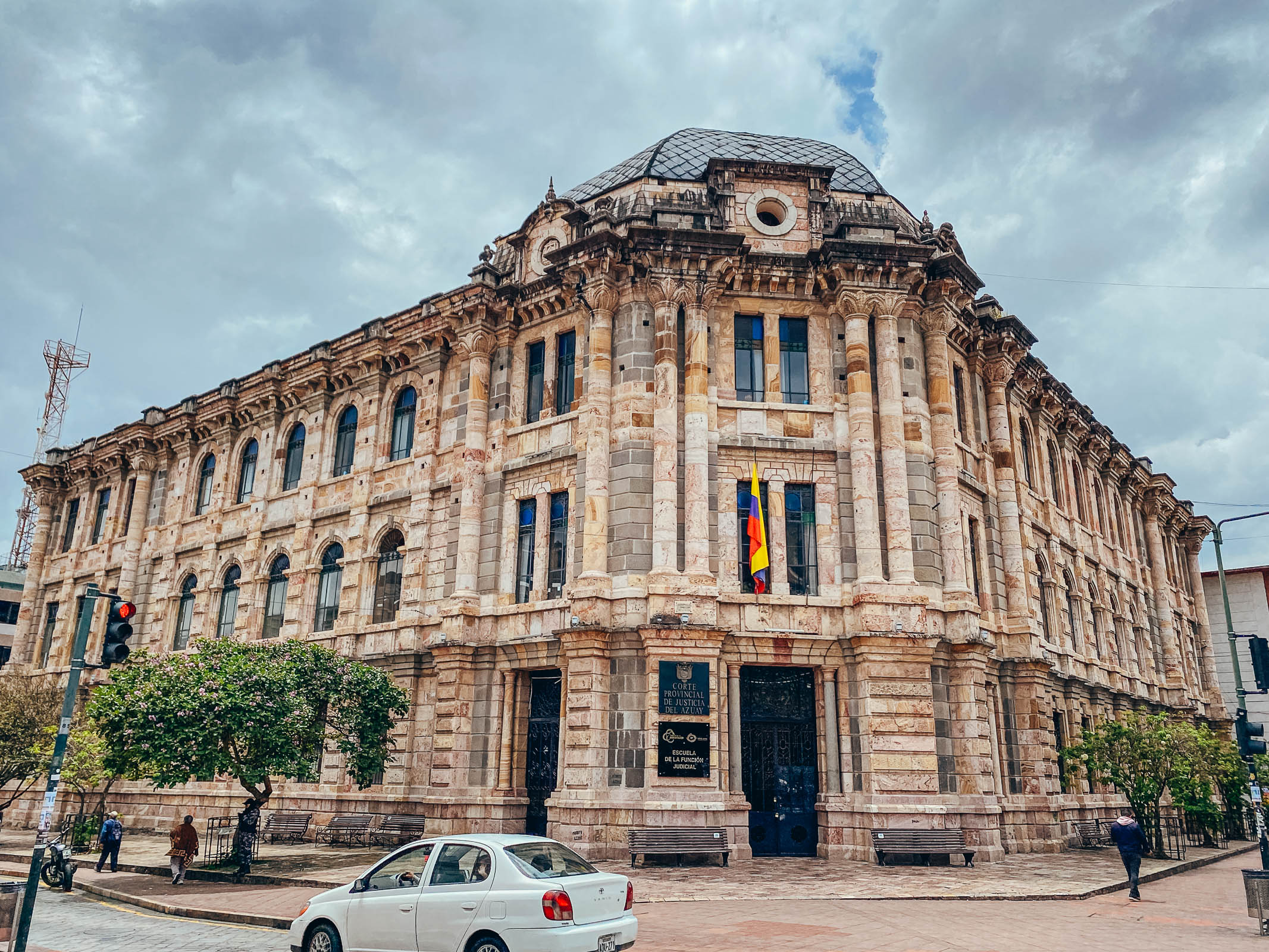
Step inside the churches, and gilded altars will take your breath away. Between the colonial houses, you will also notice grand facades with wrought-iron balconies and ornate details.
THE NEW CATHEDRAL OF CUENCA
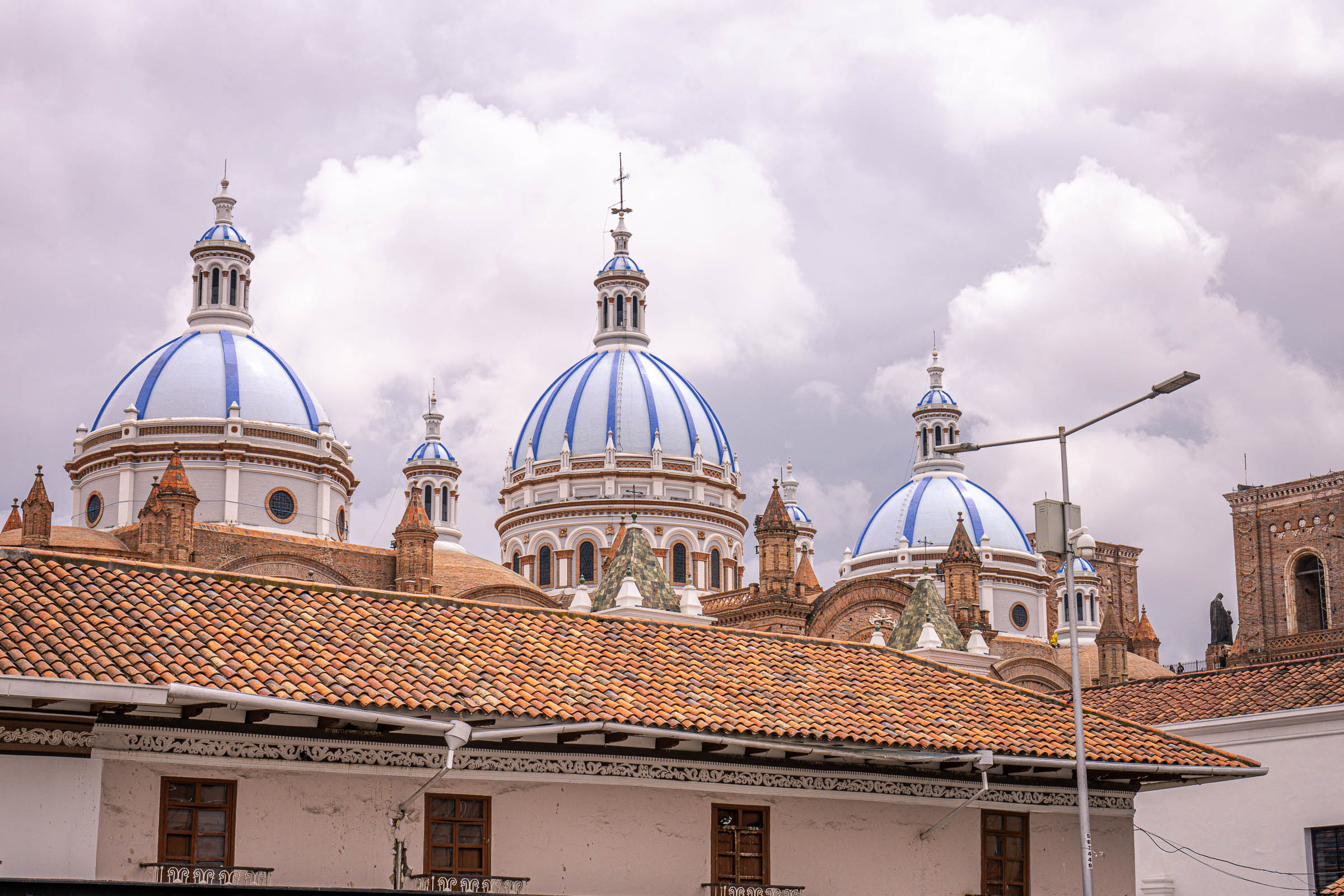
The Cathedral of the Immaculate Conception, better known as the New Cathedral, is the largest building in Cuenca. Juan Bautista Stiehle drew its plans, and construction began in 1885. The work then stretched over most of the following century. The building combines Romanesque, Gothic and Renaissance styles. Inside, the stained-glass windows are the work of Guillermo Larrazábal, and the floor is covered in Italian marble. Today, the cathedral can welcome more than 9,000 people.
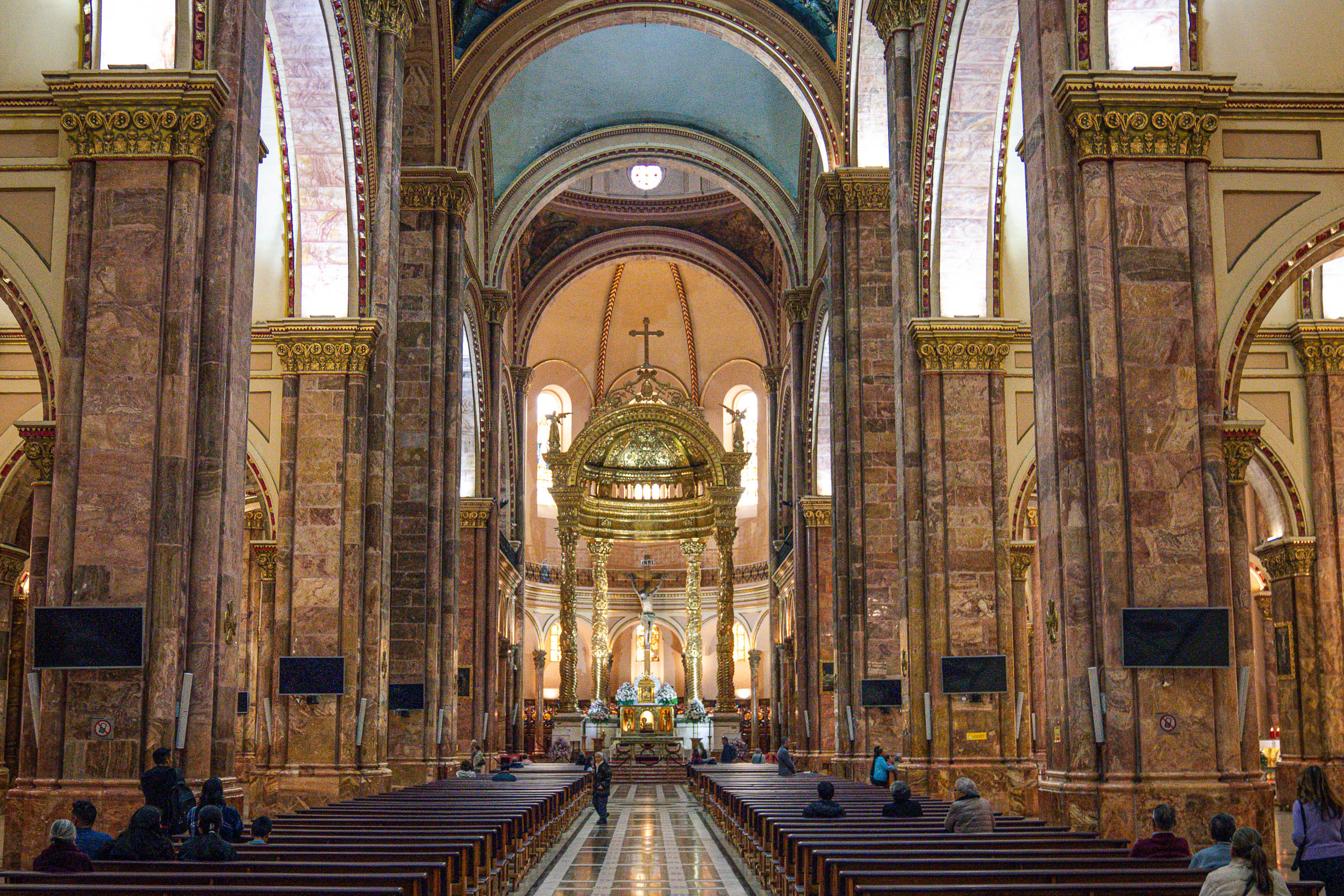
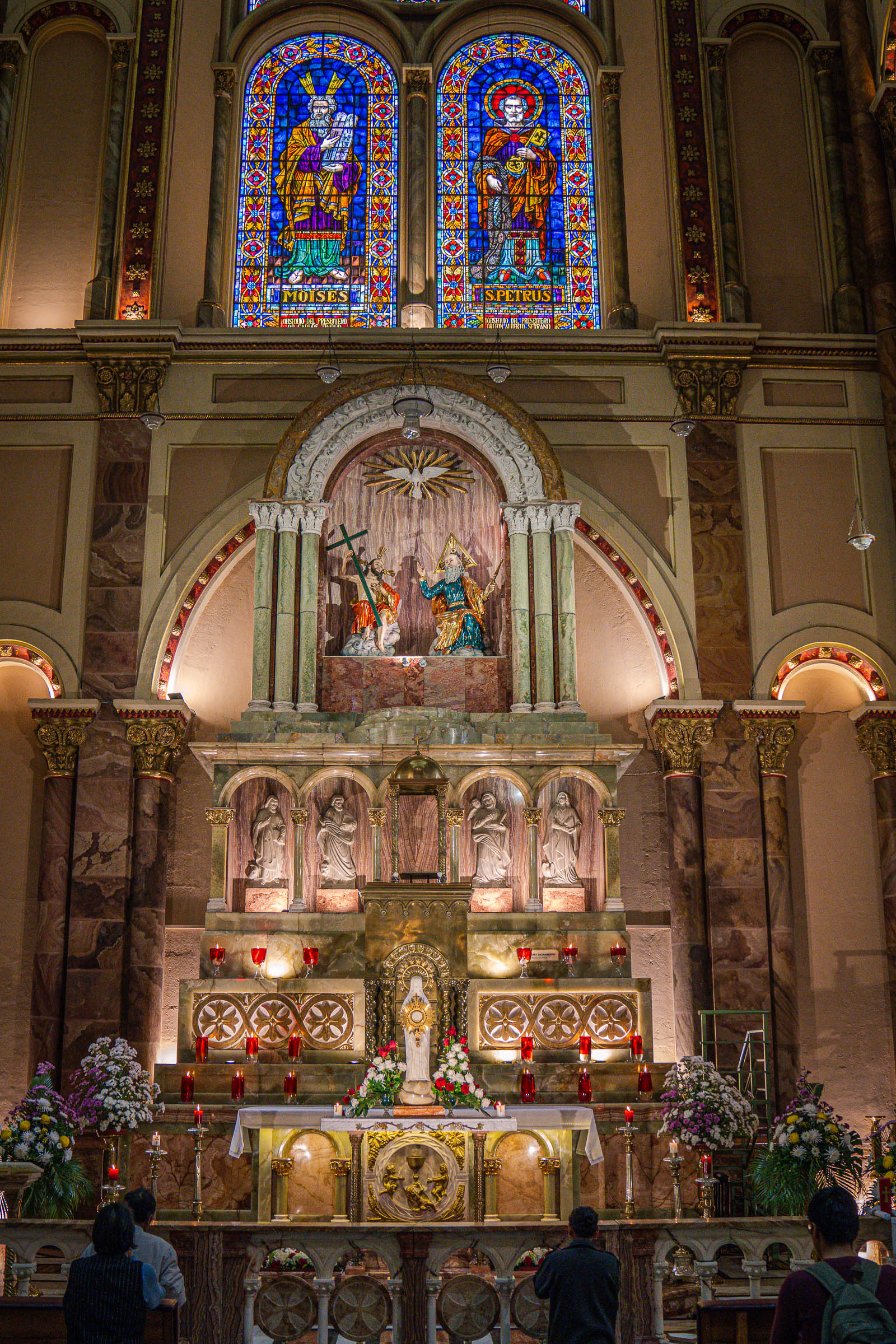
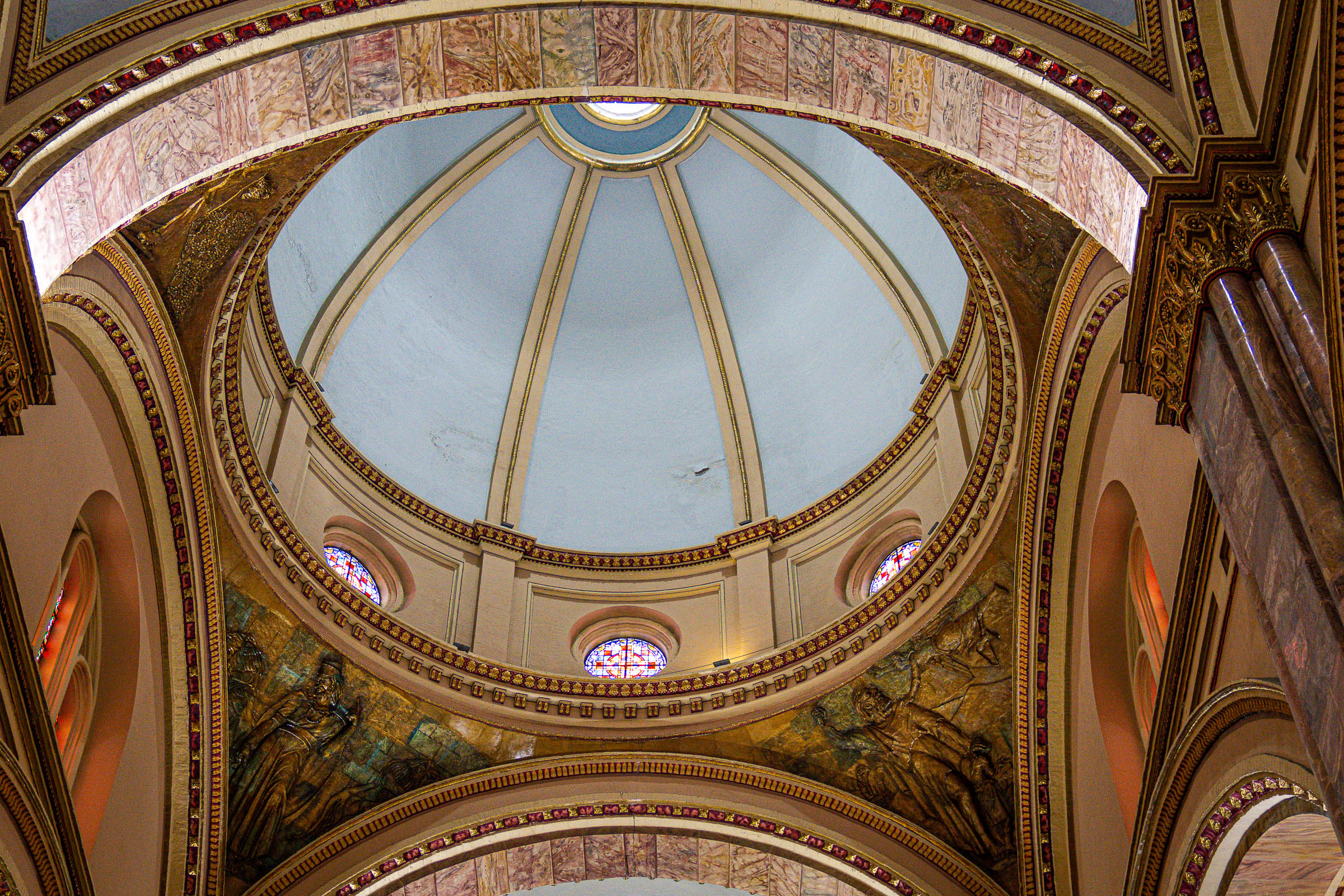
The cathedral has six domes above the presbytery and the central nave. The largest one rises above the crossing, with an inner diameter of 12 meters and a height of 53 meters. Later, builders decorated the church with tiles brought from Czechoslovakia.
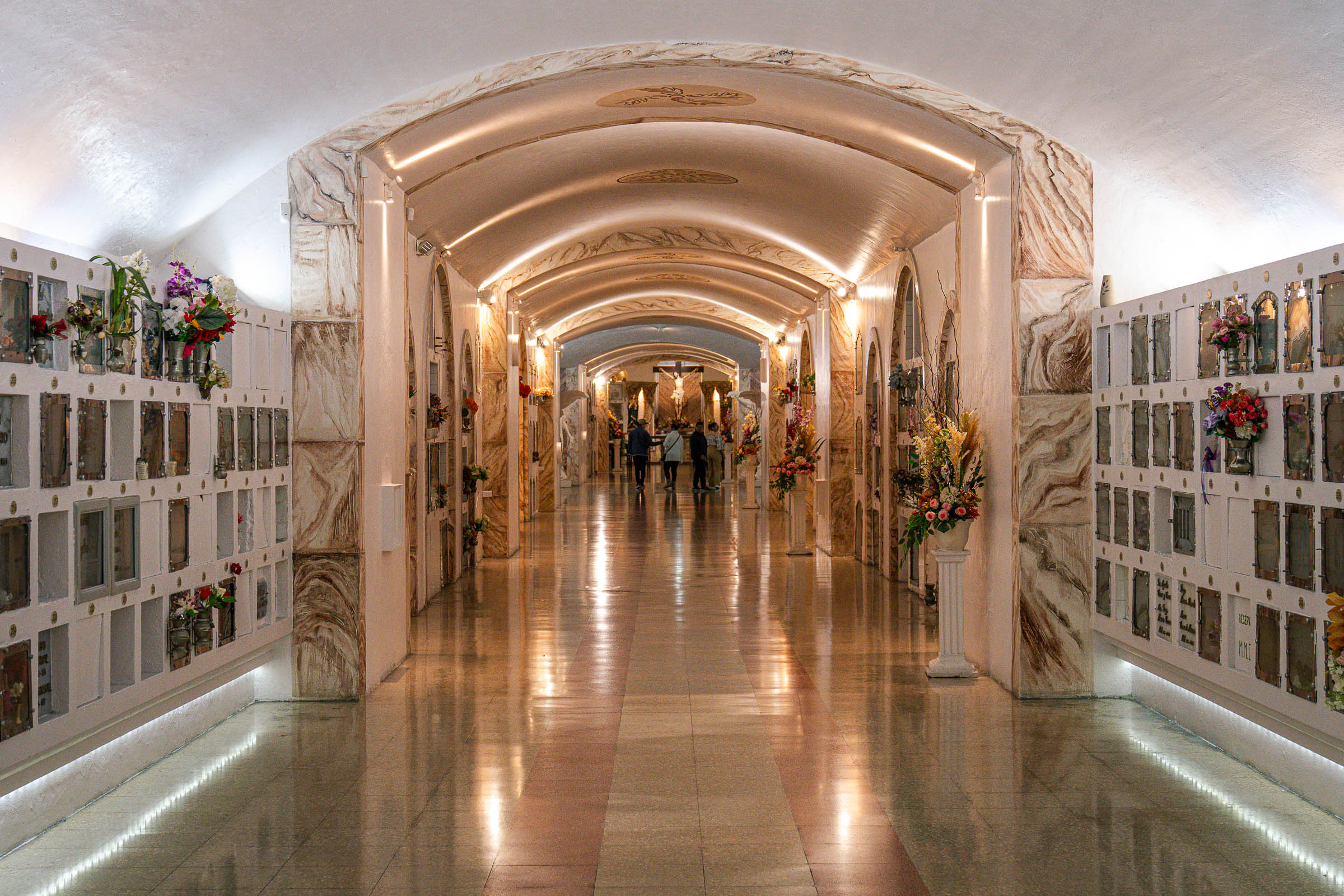
Under the cathedral, there is also a crypt 96 meters long, with three entrances.
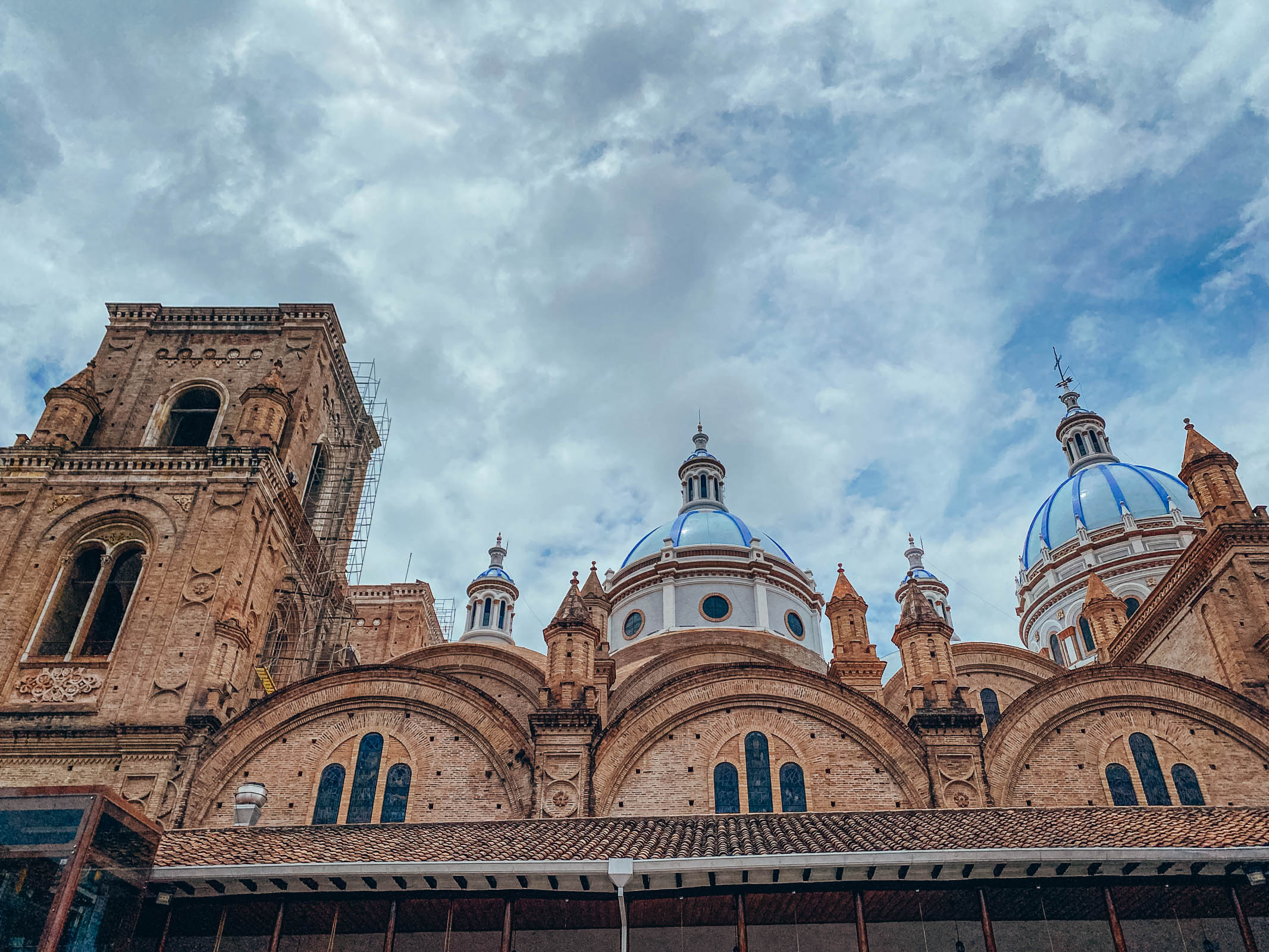
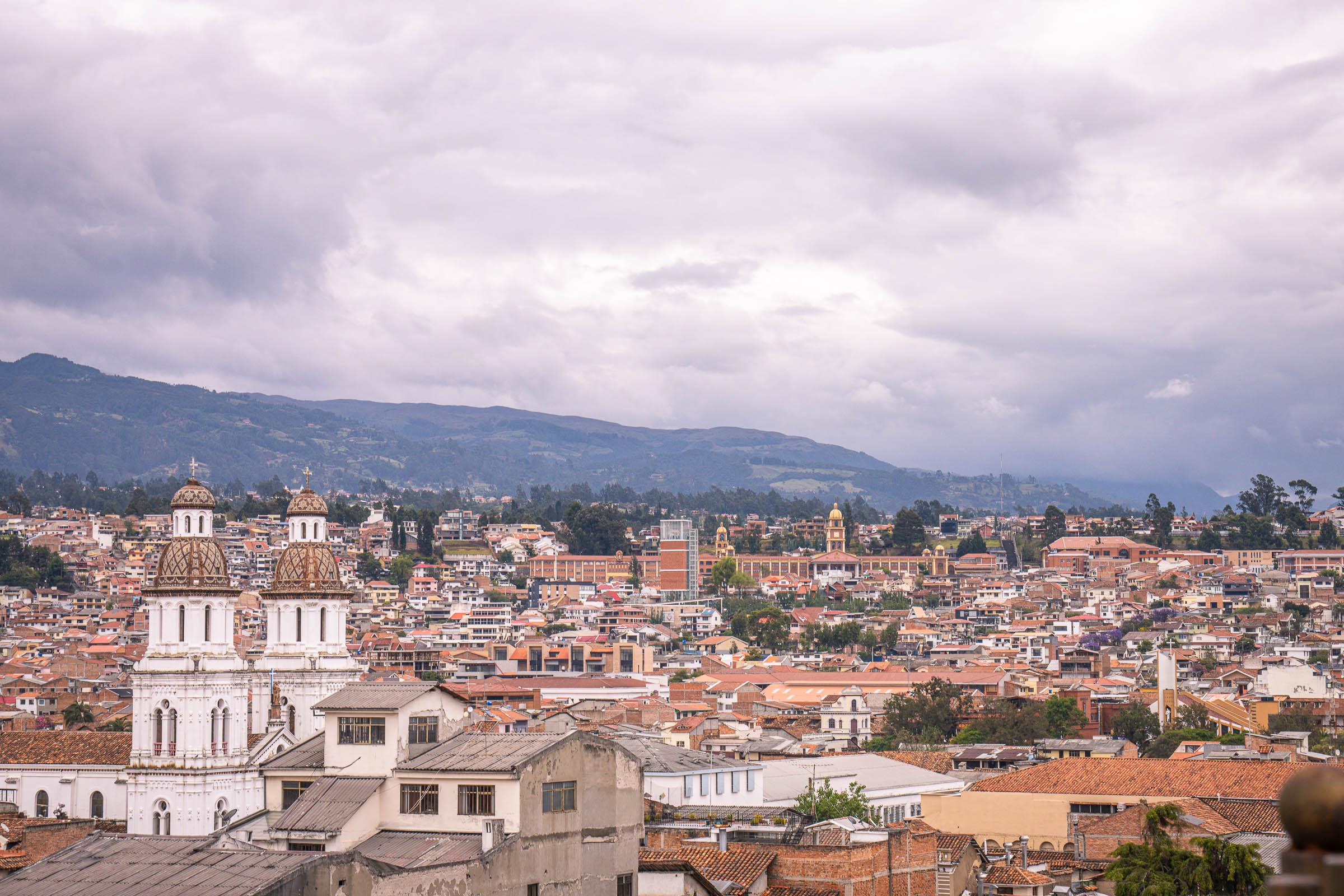
Here is an interesting detail: the towers were never completed. Due to the architect’s calculation error, they remain truncated. Still, the blue and white domes became the symbol of the city. You can recognize them from almost every viewpoint in Cuenca.
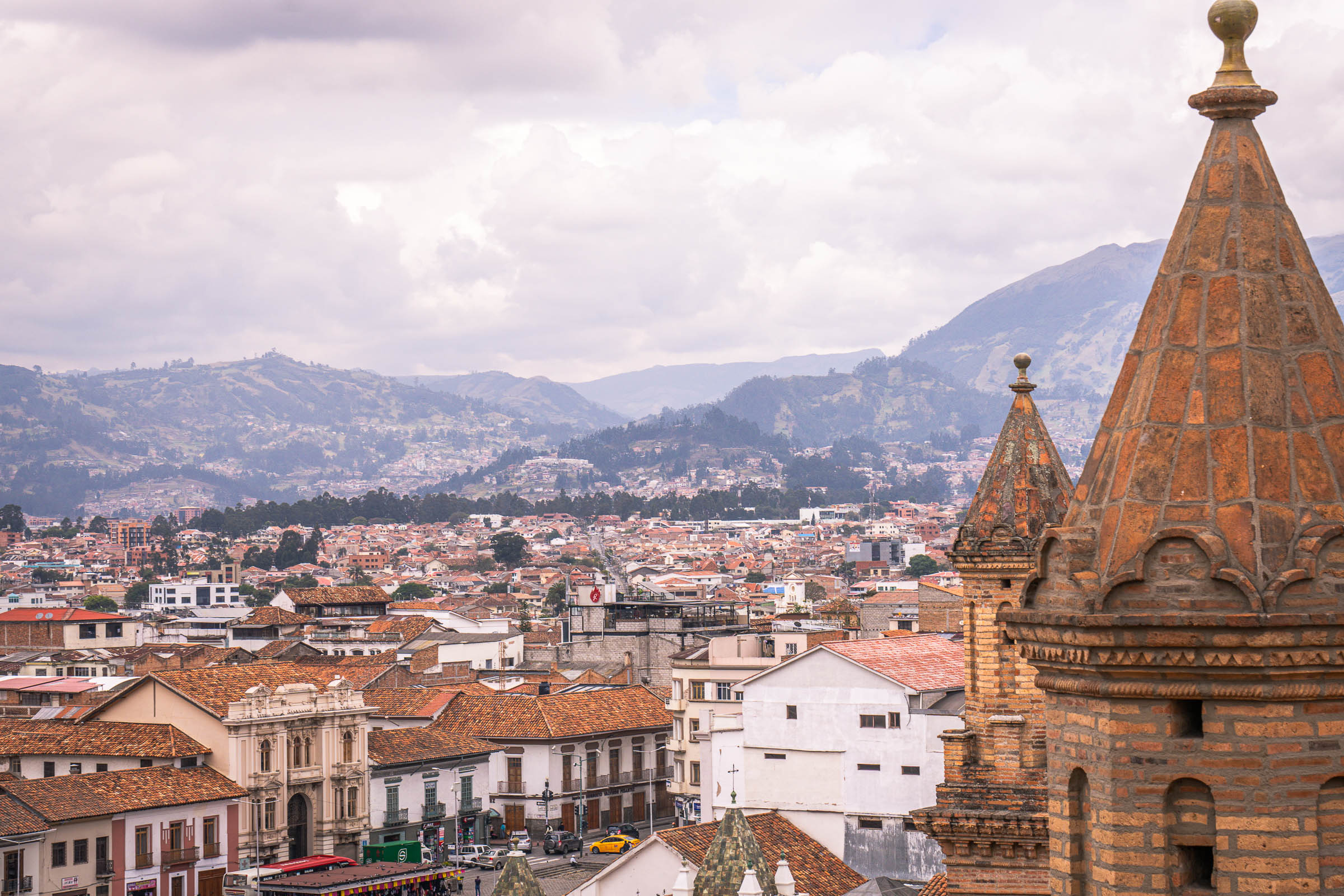
CALLE SANTA ANA, A HIDDEN LANE IN THE HEART OF CUENCA
Right next to the New Cathedral, you will find one of my favorite corners of the city. Calle Santa Ana is a narrow pedestrian lane between the cathedral and the old San Luis Seminary. It connects Benigno Malo and Padre Aguirre streets, and it carries the name of Saint Anne, the patron saint of Cuenca.
This lane is as old as the city itself. When the Spanish founded Cuenca in 1557, Calle Santa Ana served as a reference point for dividing the land plots. However, for decades, it stayed closed to the public. Finally, in 2017, the lane reopened. Today, a sculpture of Saint Anne by the artist César Sinchi greets visitors, while small businesses bring the lane back to life.
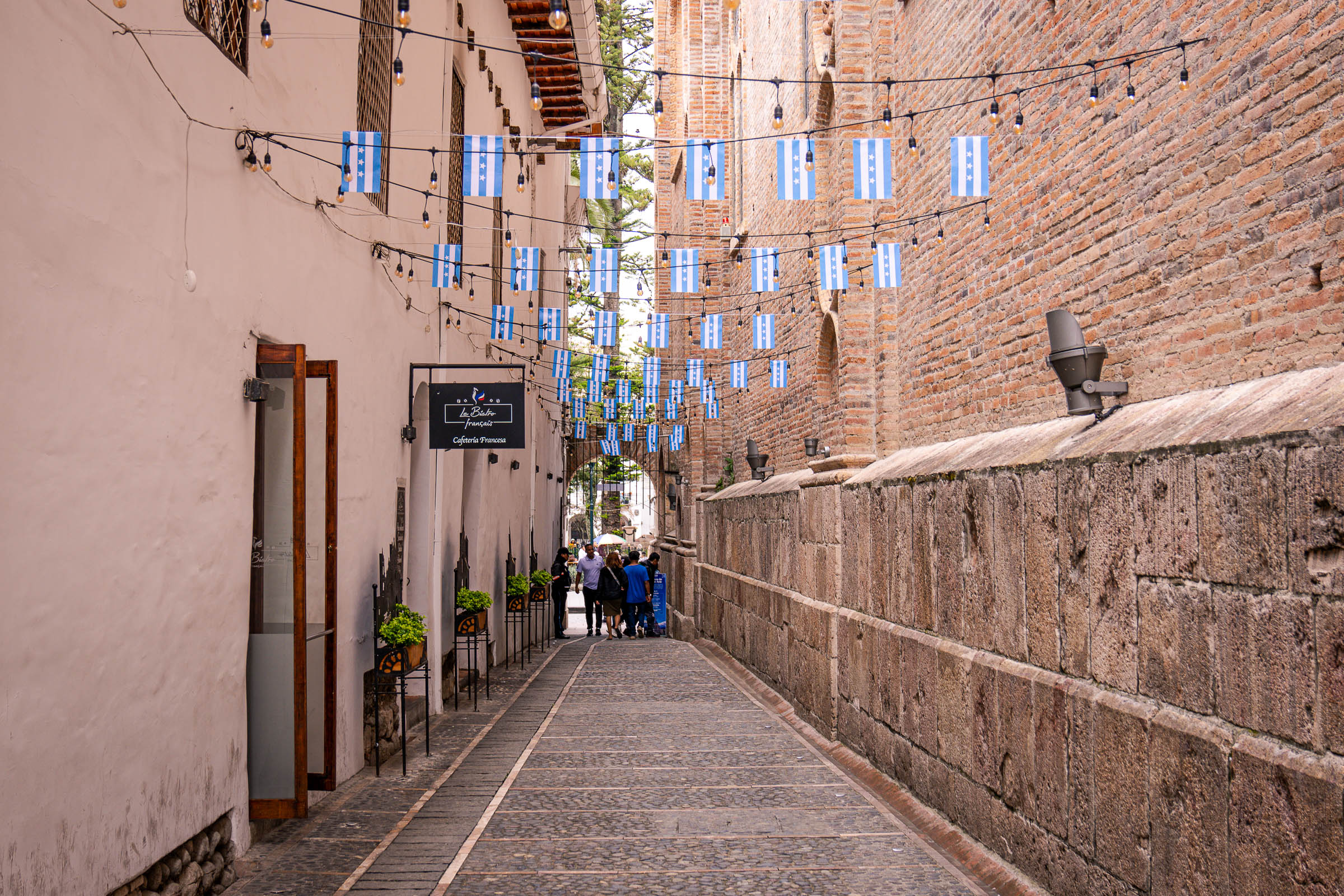
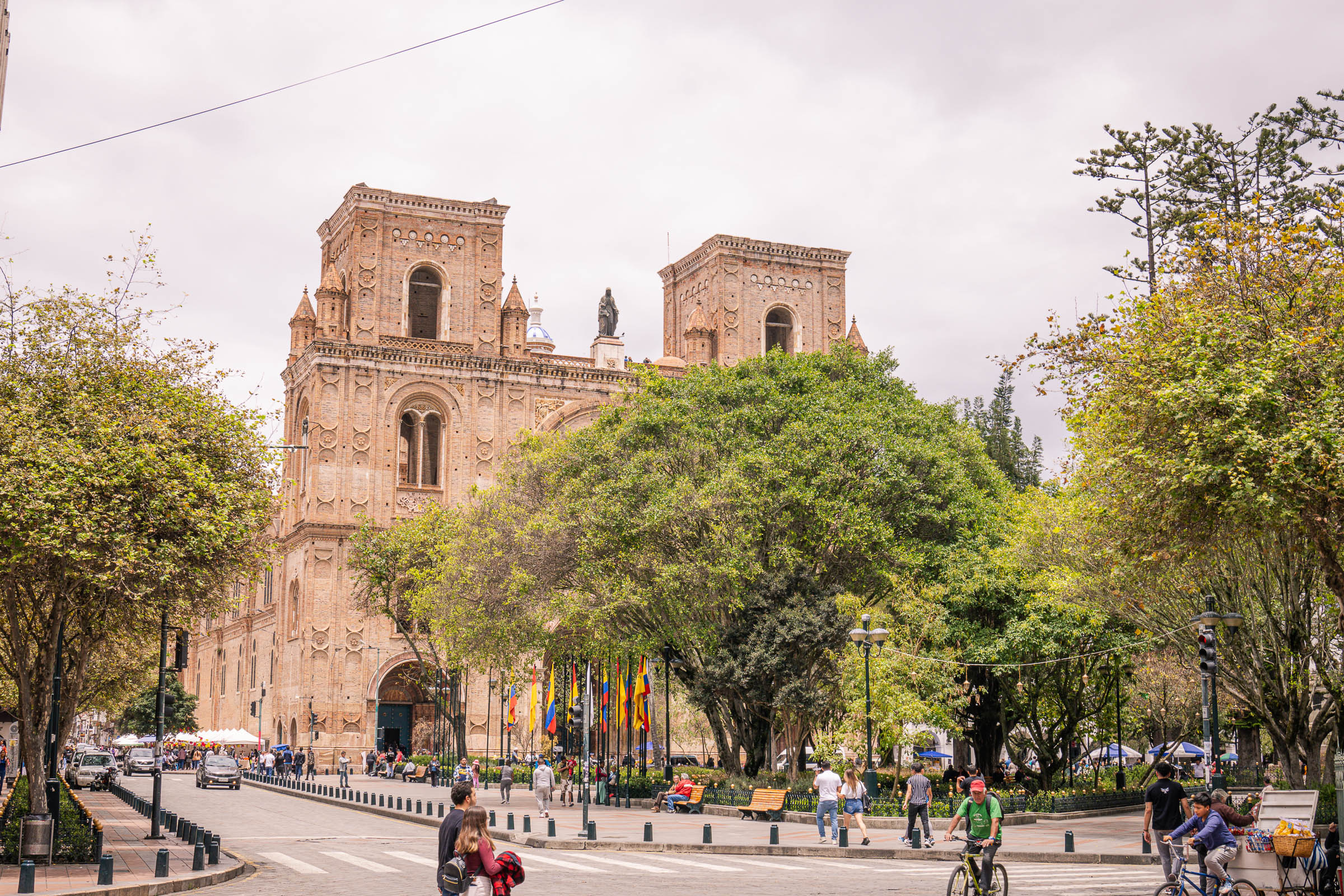
PARQUE CALDERÓN, THE MAIN SQUARE OF CUENCA
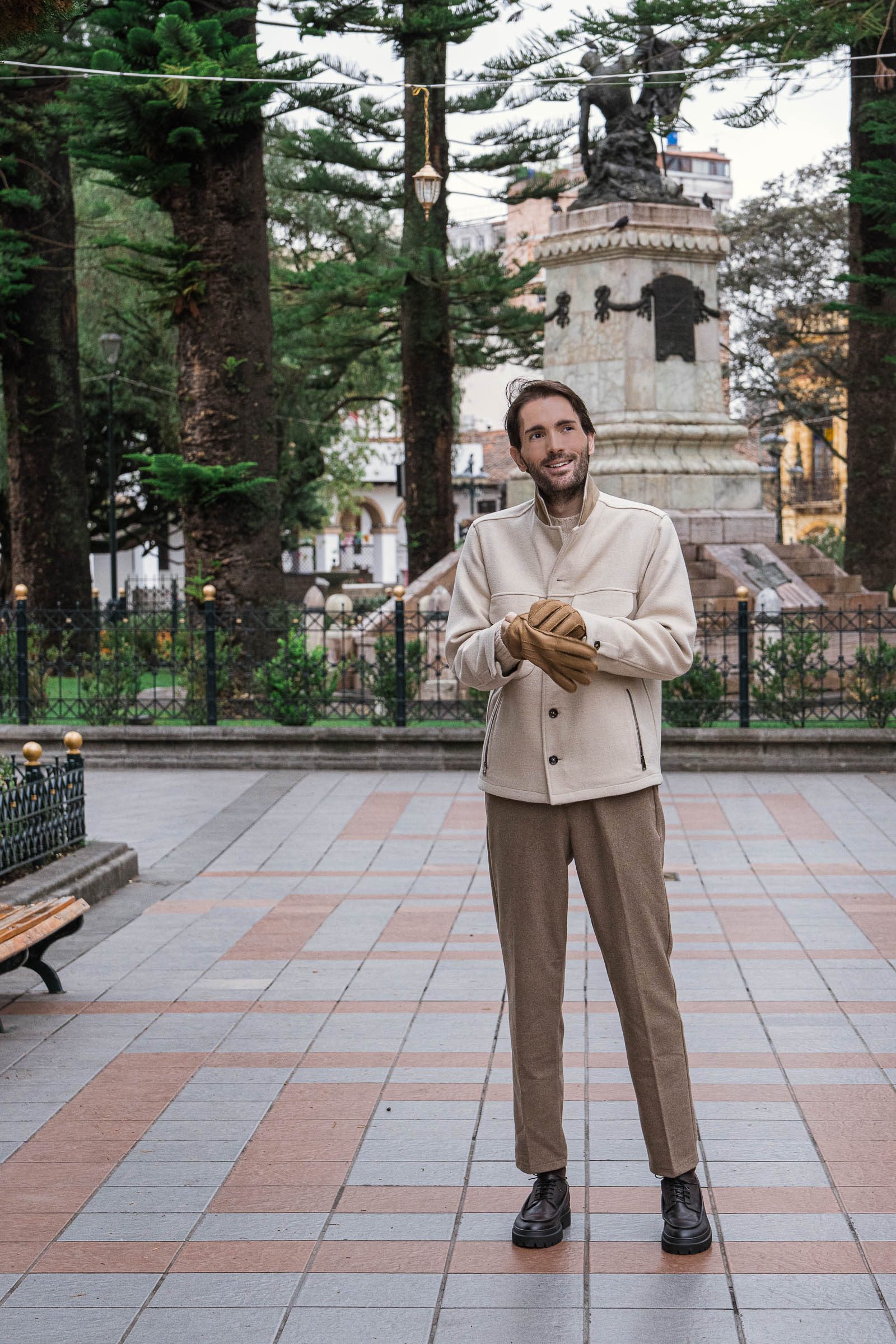
If you want to feel the heart of the city, go to Parque Abdón Calderón. It has been the main public square since the city’s founding in 1557. Over the centuries, it carried other names, such as Plaza de Armas and Plaza República. Under the government of Eloy Alfaro, it was called Plaza Luis Vargas Torres. Then, in 1920, on the centenary of the city’s independence, it got its current name.
The park honors Abdón Calderón, who was born in Cuenca in 1804. He became a young hero of the Battle of Pichincha in 1822. The city unveiled his bronze monument, by the artist Carlos Alberto Mayer, on May 24, 1931. The park’s eight tall araucaria trees date back to 1875. The square lies between Simón Bolívar, Benigno Malo, Mariscal Sucre and Luis Cordero streets. On its sides, the Old Cathedral and the New Cathedral face each other.
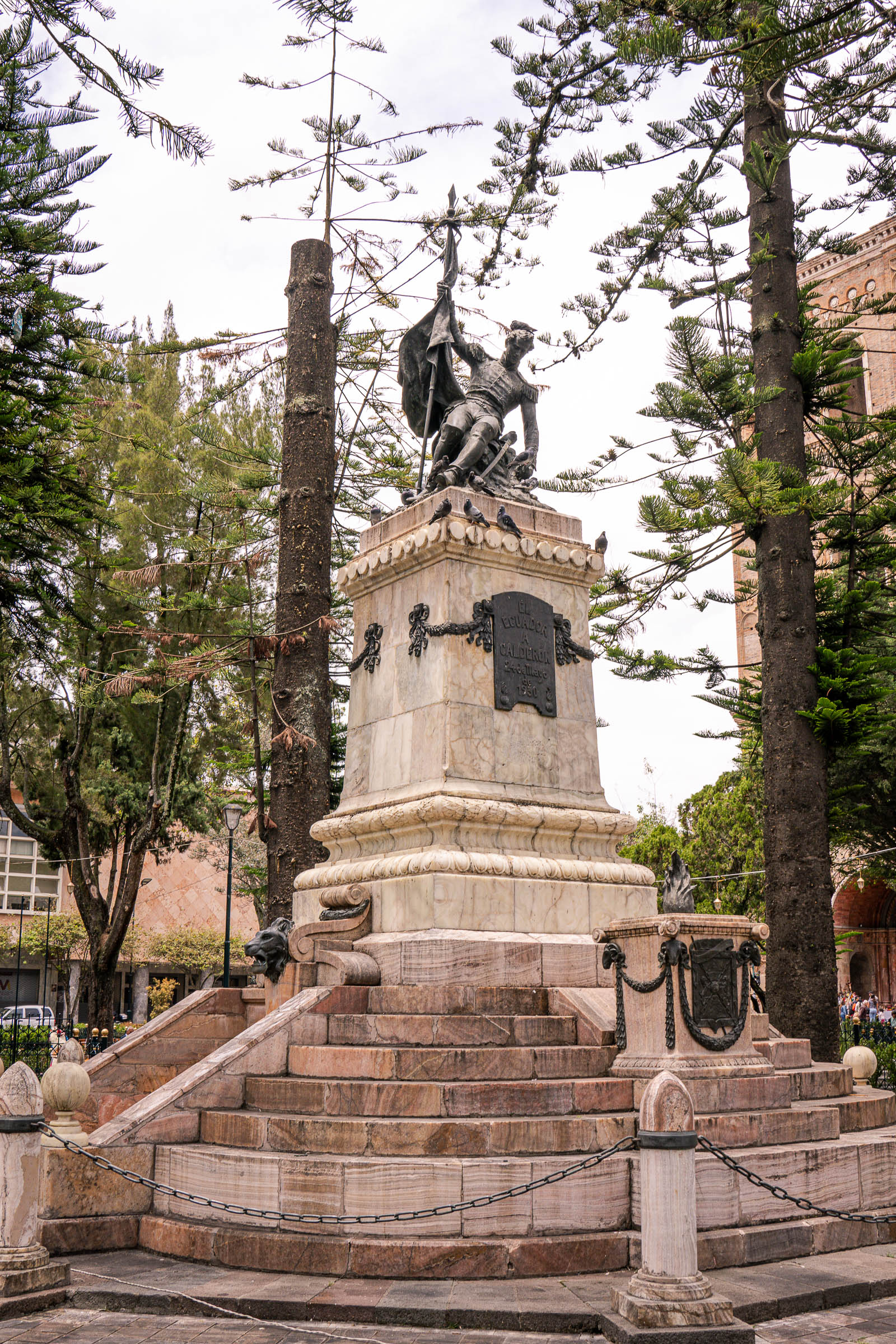
CHURCHES, DOMES AND THE OLD CATHEDRAL
Across the park from the New Cathedral stands El Sagrario, known as the Old Cathedral. Its story begins in 1557, and its builders used stones from the ruins of Tomebamba. In 1736, its tower served as a key reference point for the French Geodesic Mission, which measured the arc of the meridian. After a restoration that began in 1999, the church became a museum of religious art. During the works, experts uncovered original frescoes from the late 16th century.
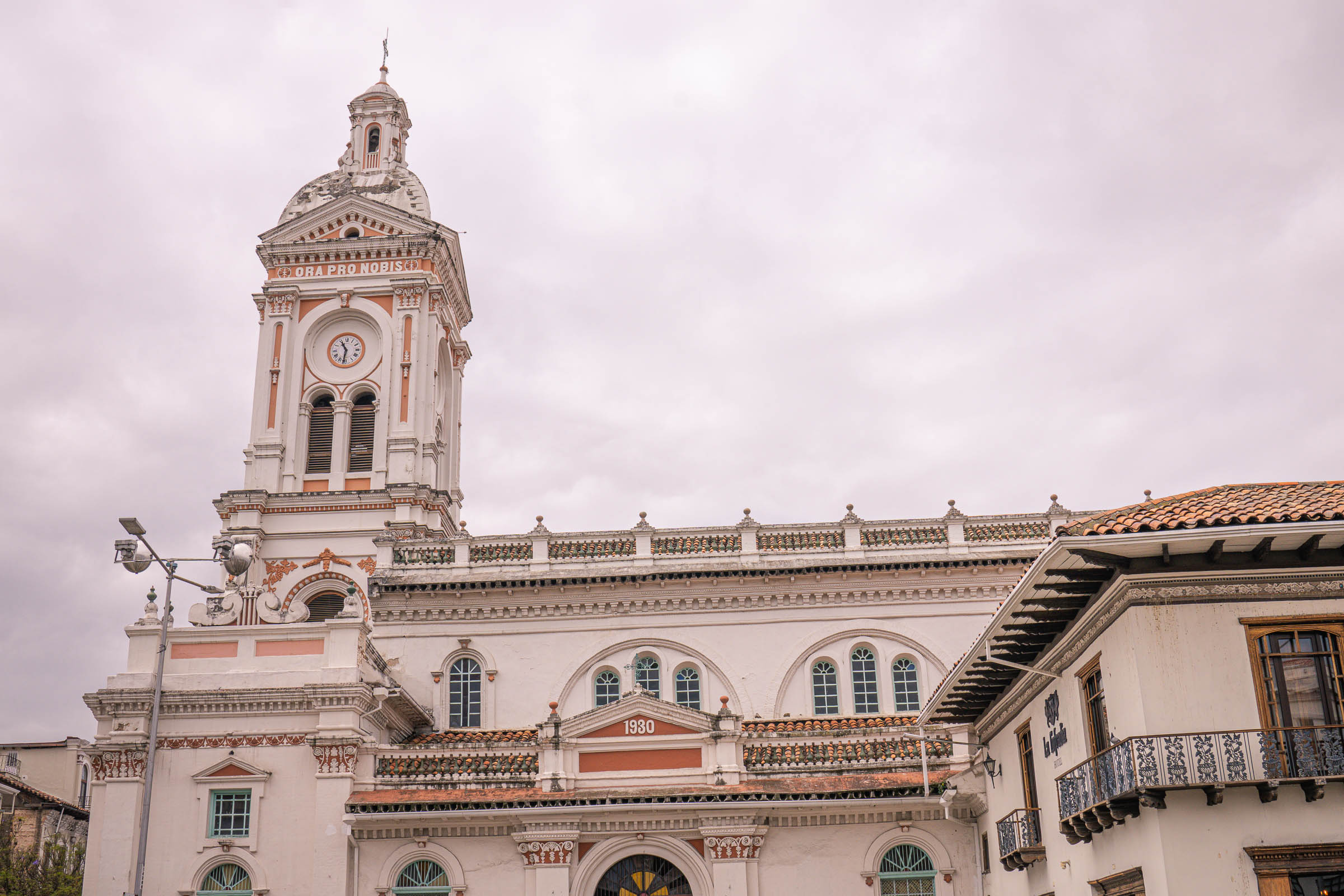
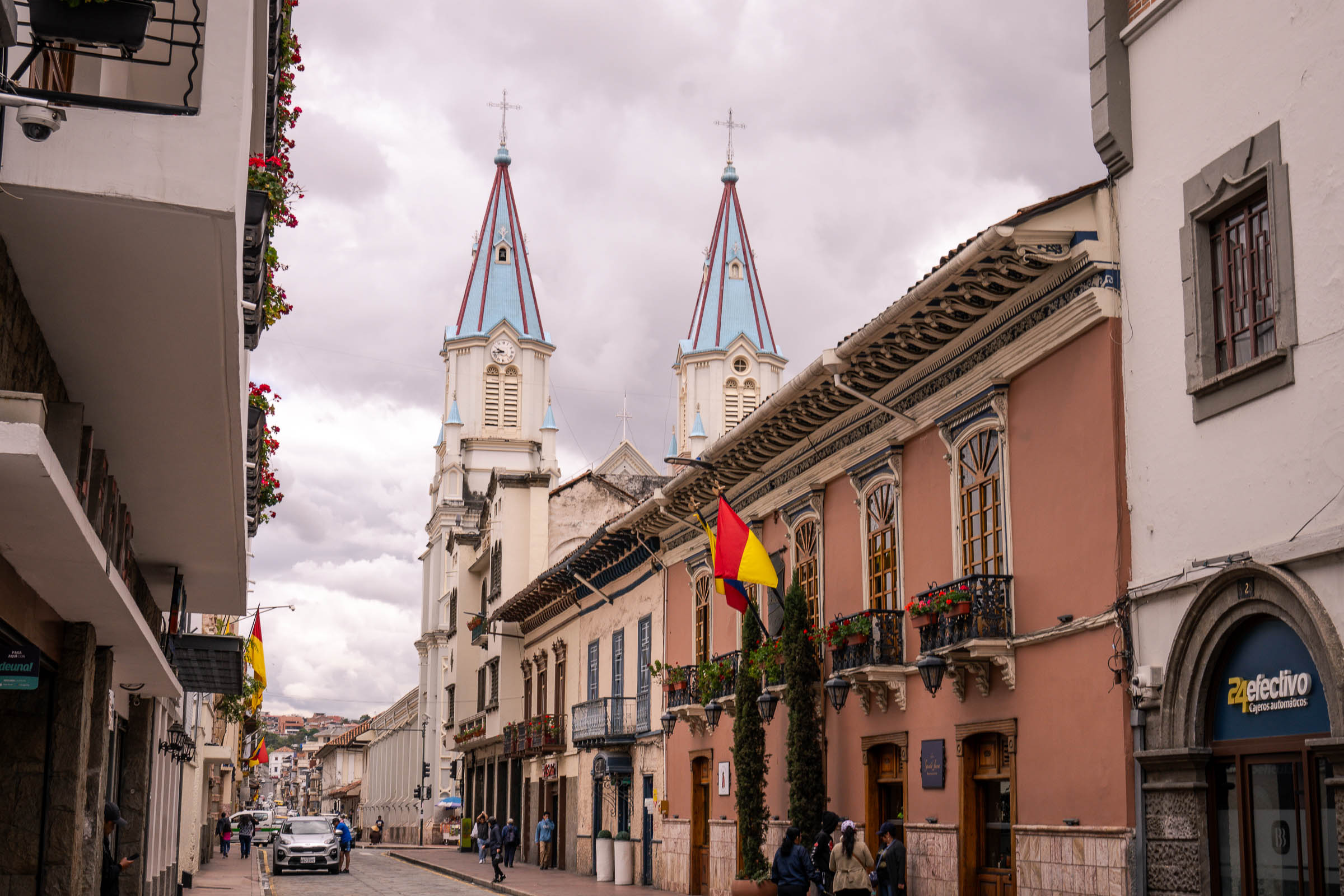
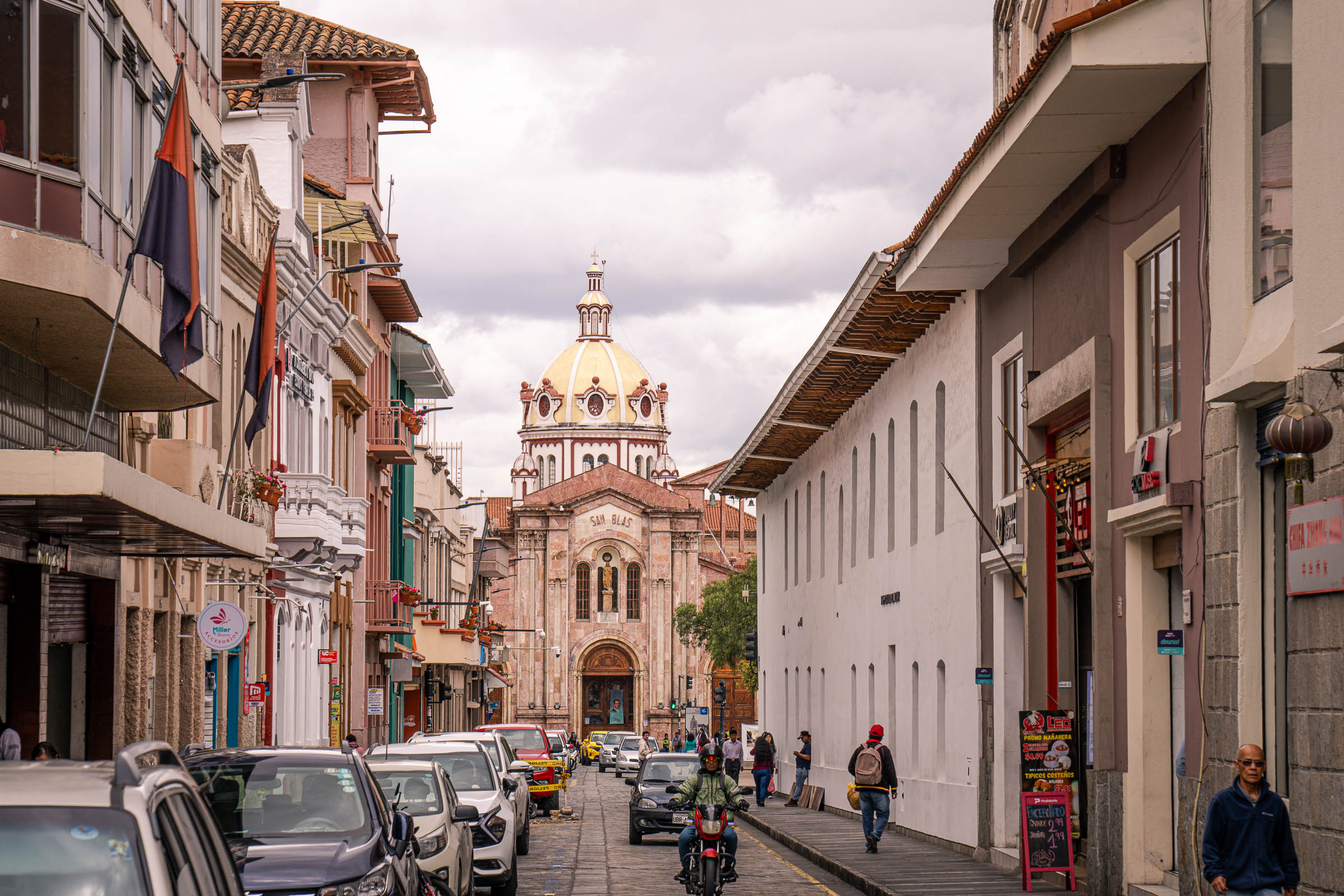
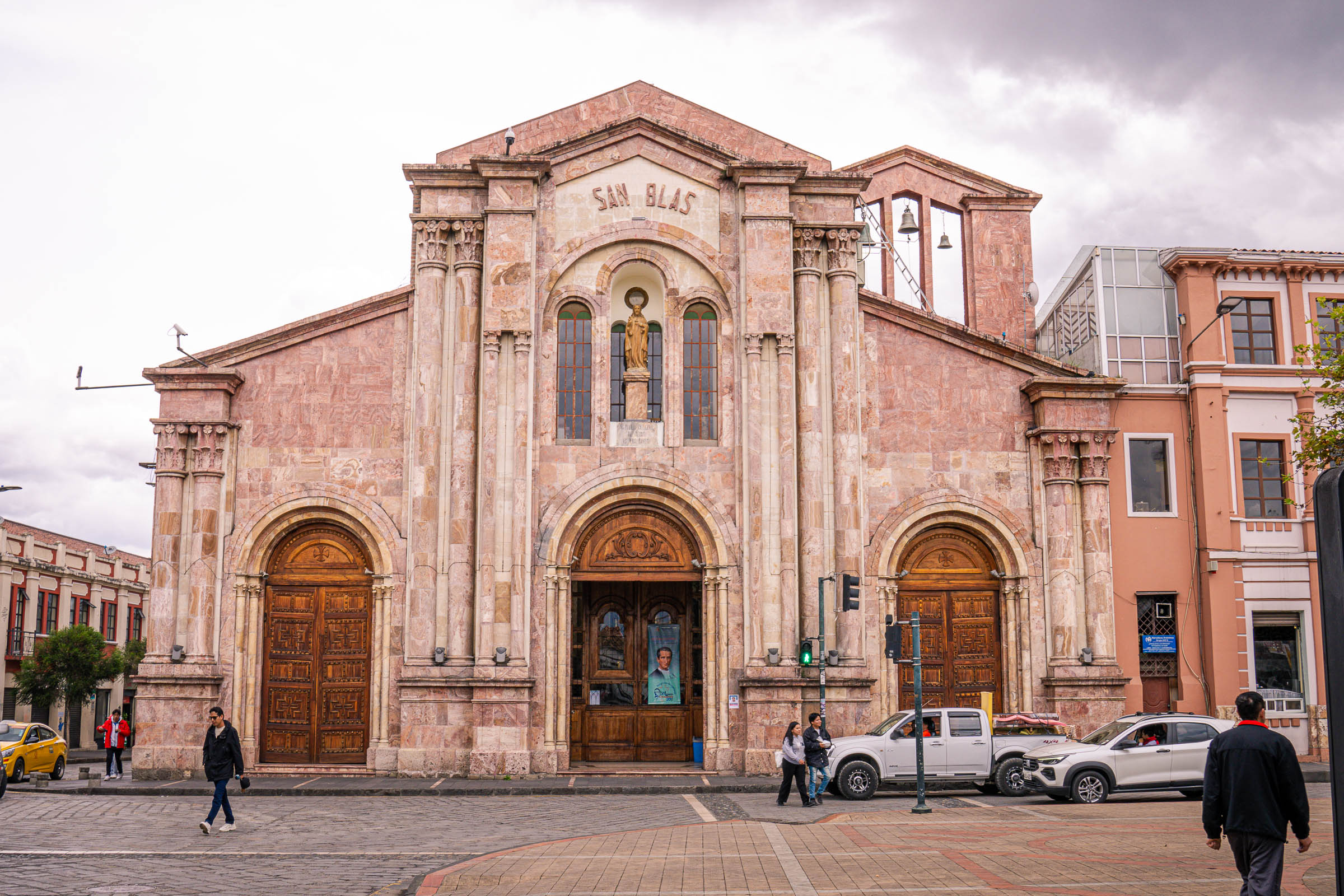
On my walks, church spires and domes appeared at the end of almost every street. One of them is the Church of San Blas, with its pink stone facade.
THE BEST DAY TRIPS FROM CUENCA
Cuenca is also a perfect base for exploring the surroundings. Here are my favorite suggestions.
Ingapirca: These are the largest known Inca ruins in Ecuador, located in the Cañar province. Their most important building is the Temple of the Sun, an elliptical structure built around a large rock. You can organize a day trip there with Cuenca BesTours. I visited Ingapirca myself, and I will tell you more about it in one of my next travelogues.
Baños de Cuenca: Do not confuse this place with the more famous Baños de Agua Santa in Tungurahua. This parish lies about nine kilometers from the center of Cuenca. Its thermal waters have a volcanic origin and come out of the ground at 75 degrees Celsius. Then, they cool down before reaching the pools, saunas and spas. The best known is Piedra de Agua, a spa famous for its underground thermal baths.
Turi: For the best view of the city, head four kilometers south of the center to the white Church of Turi. Locals call this viewpoint the balcony of Cuenca. The view is especially beautiful at sunset and in November and December, when the city lights up for Christmas.
Amaru Bioparque: This open-air zoo lies on a mountainside, at kilometer 10 of the Cuenca-Azogues highway. Today, it cares for about 2,300 animals of 160 species. Many of them come from illegal trafficking, and some return to the wild after rehabilitation.
STROLLING ALONG THE TOMEBAMBA RIVER
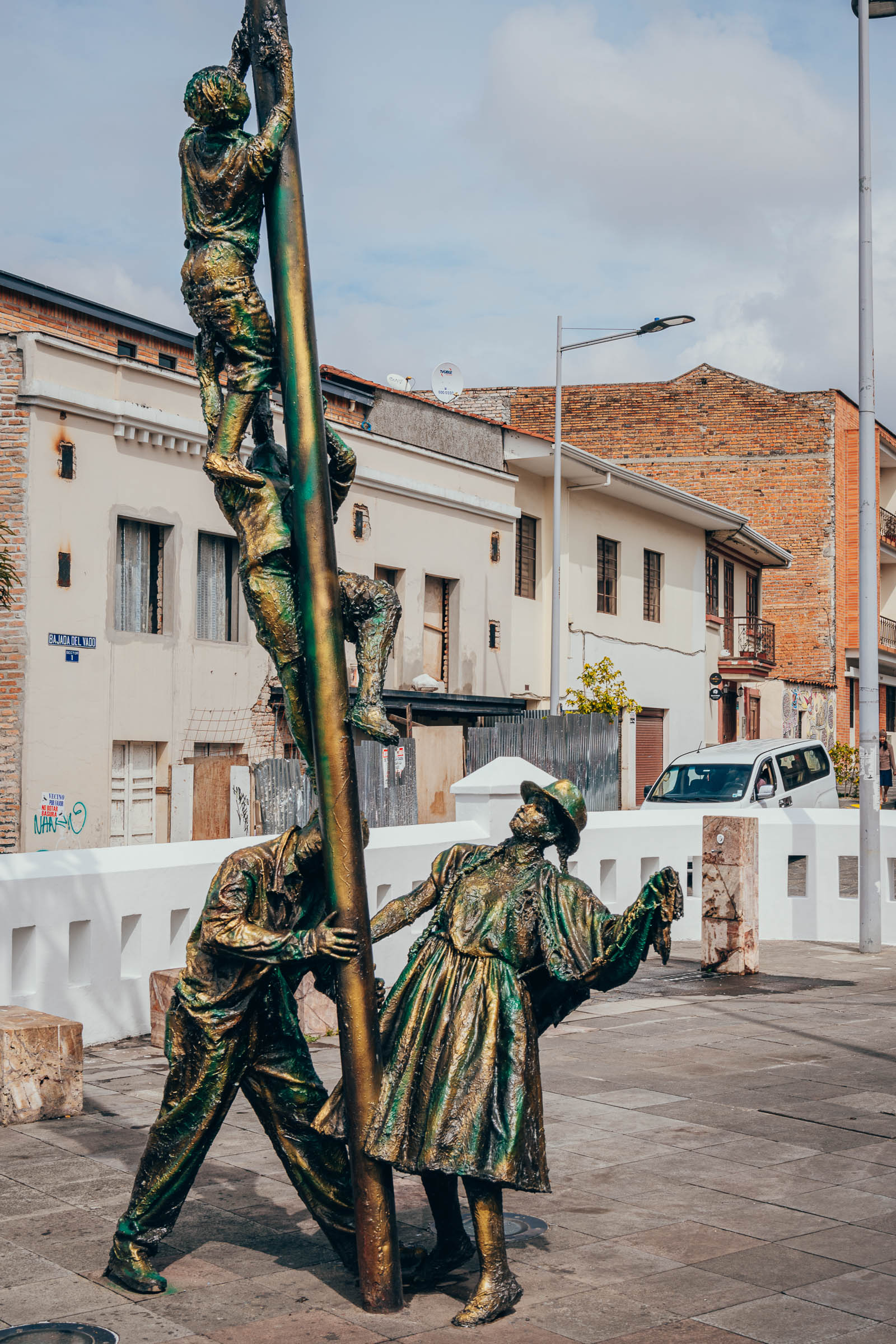
The Tomebamba River flows through the heart of the city and creates the area known as El Barranco. This riverside stretches for about two kilometers, from El Vado Bridge to José Peralta Bridge. Above it runs Calle Larga, one of the first streets in the city. From there, a wide staircase leads down to the river.
Along the way, you will see Puente Roto, the Broken Bridge. In 1950, a flood washed away half of it. In the past, locals gathered here during the independence celebrations on November 3. Today, it is a picturesque spot by the river.
On Calle Larga, you will also find the Pumapungo Museum, one of the most important museums in Ecuador. It has ethnographic and archaeological halls. Behind the museum, a park of three and a half hectares combines the archaeological site, gardens and a sanctuary for wild birds. Here, you walk among the remains of Tomebamba, once one of the great Inca cities.
THE PANAMA HAT WAS BORN IN ECUADOR
If you have some extra time, do not miss the story of the famous Panama hat. Although its name suggests otherwise, this hat comes from Ecuador. Long ago, merchants first shipped the hats to the Isthmus of Panama. That is where the world bought them, so they got the name of their point of sale.
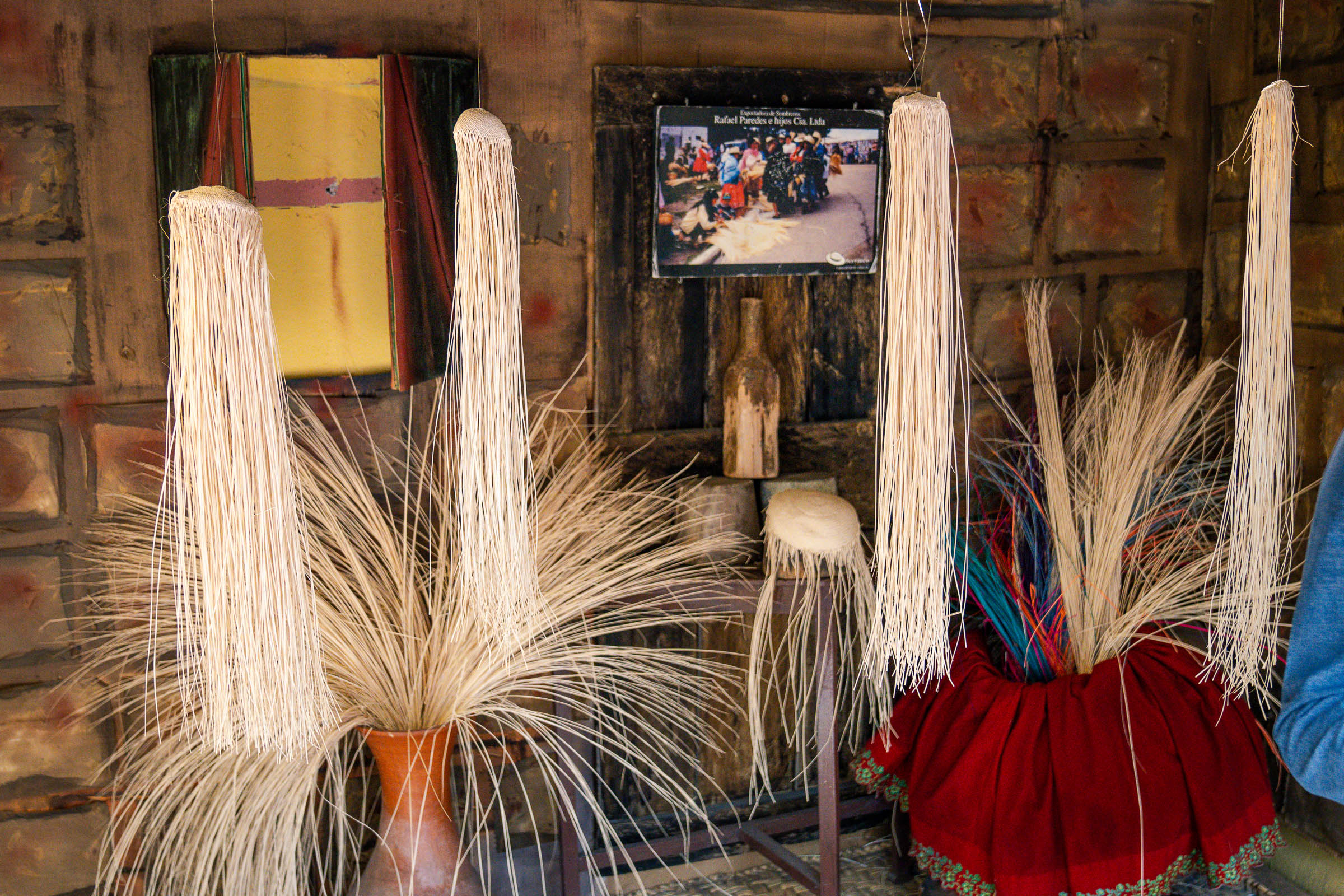
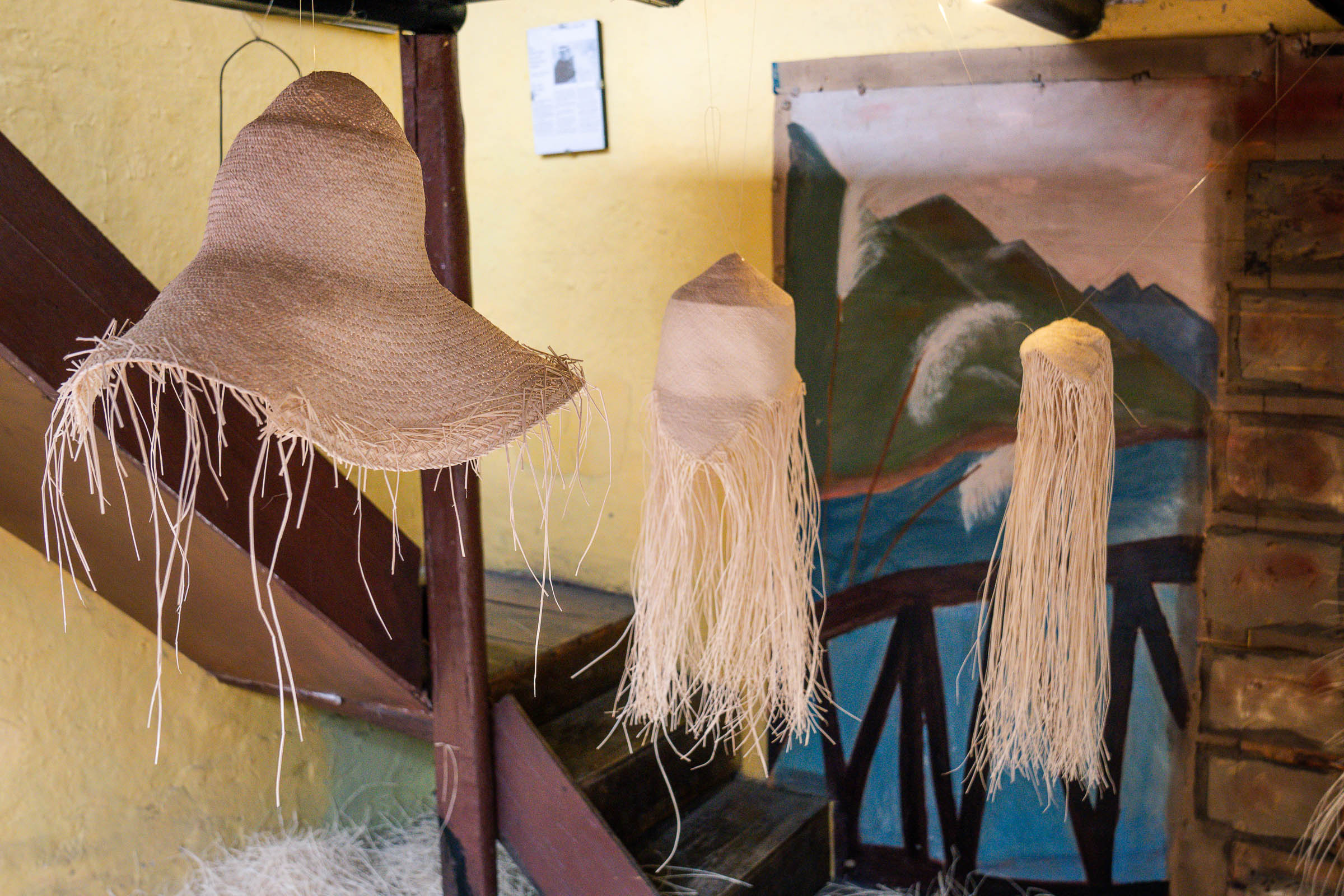
Artisans weave these hats from toquilla straw, the leaves of the Carludovica palmata plant. In 1855, the Paris Exposition presented the Panama hat to the world. Later, in 1906, US President Theodore Roosevelt visited the Panama Canal construction site and was photographed wearing one. On December 5, 2012, UNESCO added the weaving of the Ecuadorian toquilla straw hat to its Intangible Cultural Heritage list. The finest hats are called Montecristis, after the town of Montecristi.
INSIDE THE PANAMA HAT MUSEUM IN CUENCA
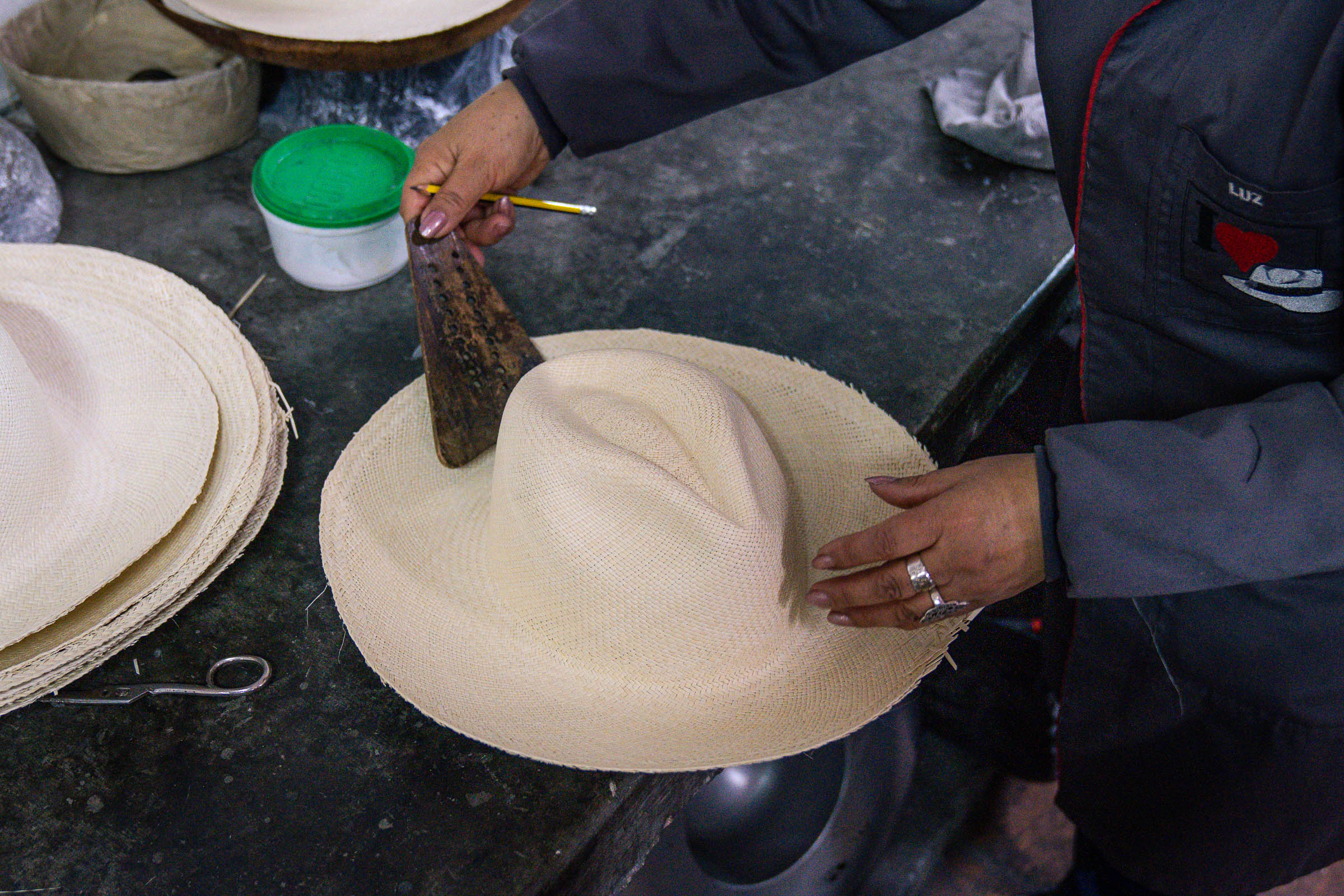
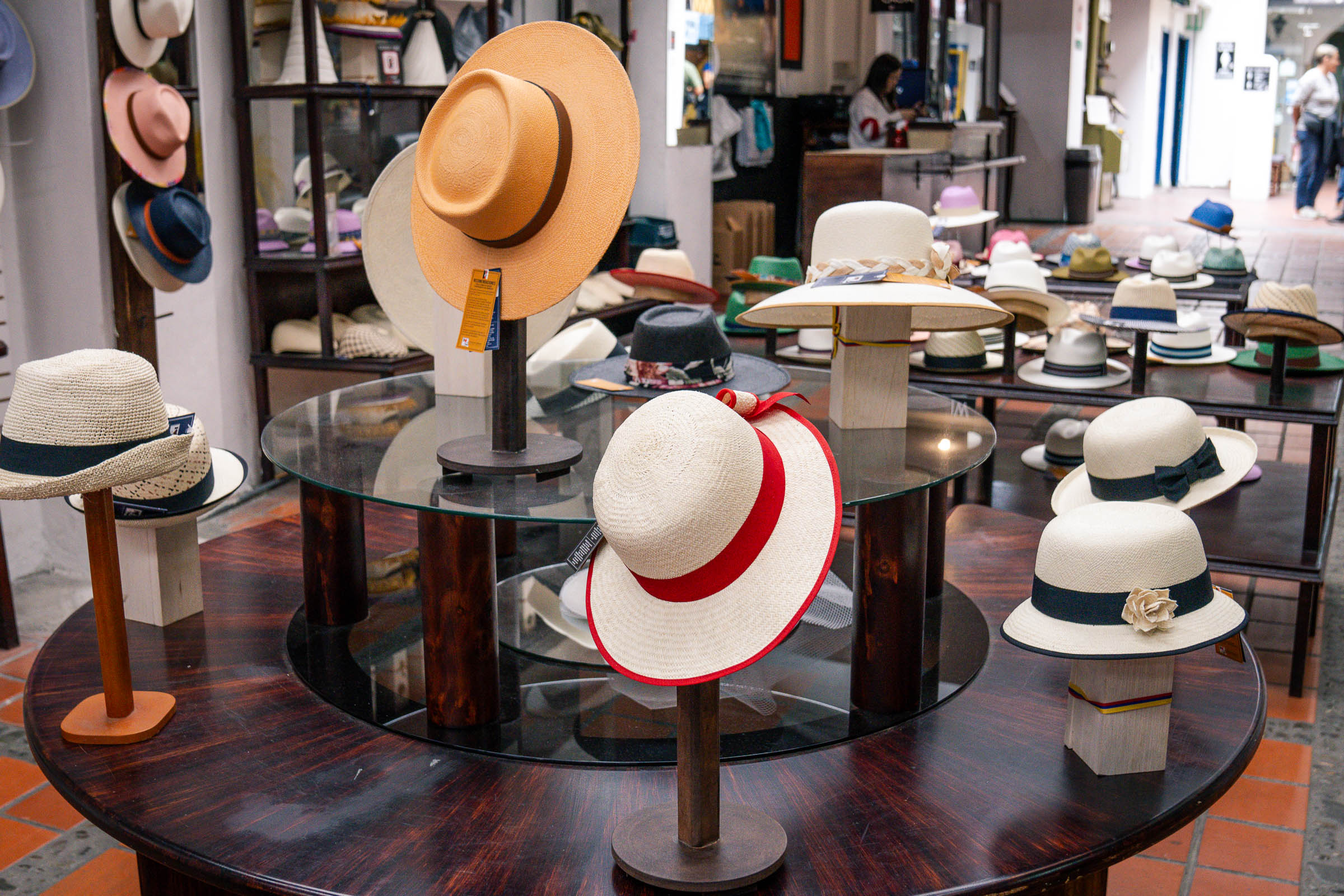
In Cuenca, local artisans still make these hats by hand. My recommendation is the Museo del Sombrero de Paja Toquilla on Calle Larga. It stands in the heart of El Barranco, inside Casa Paredes Roldán, a mansion with more than 150 years of history.
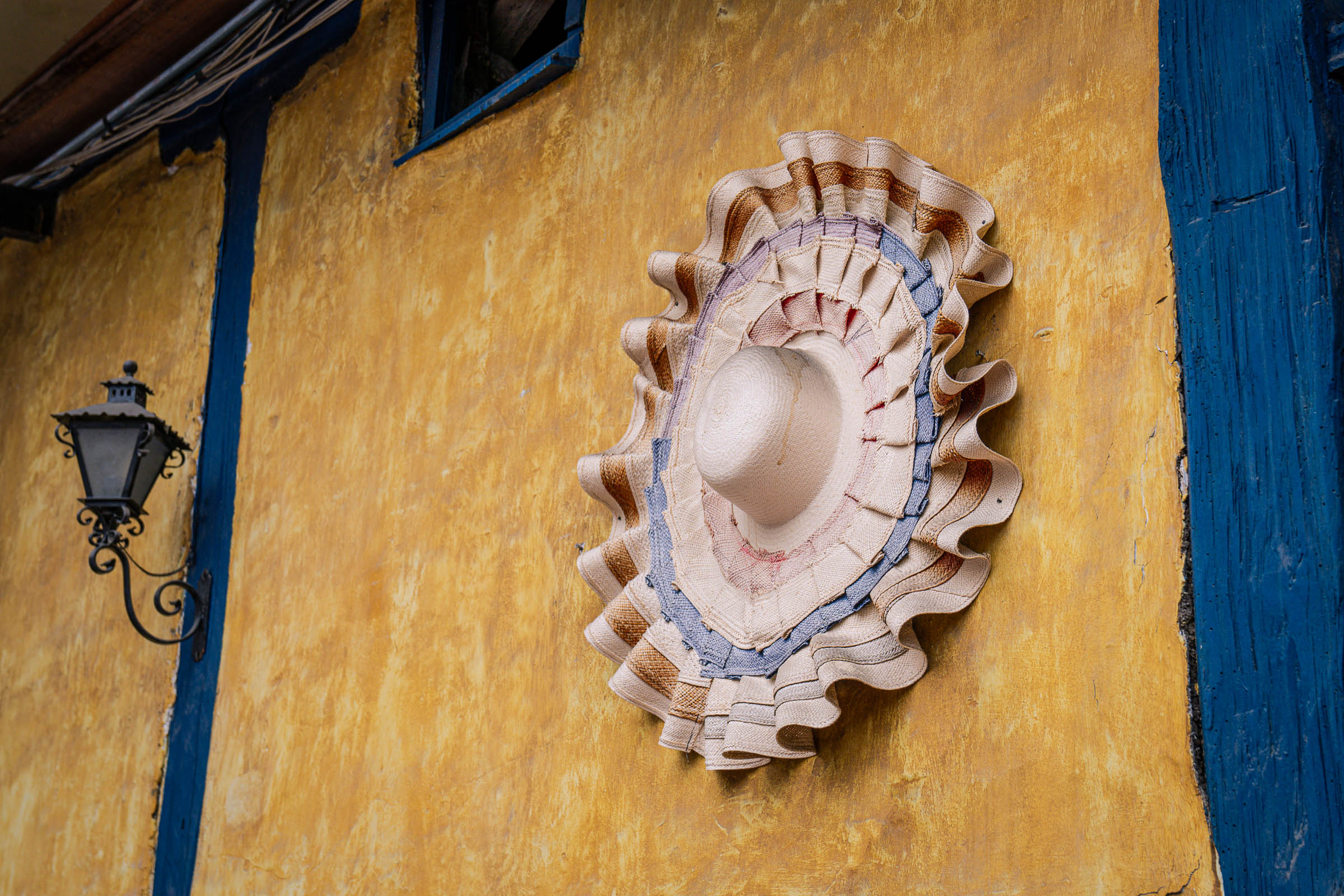
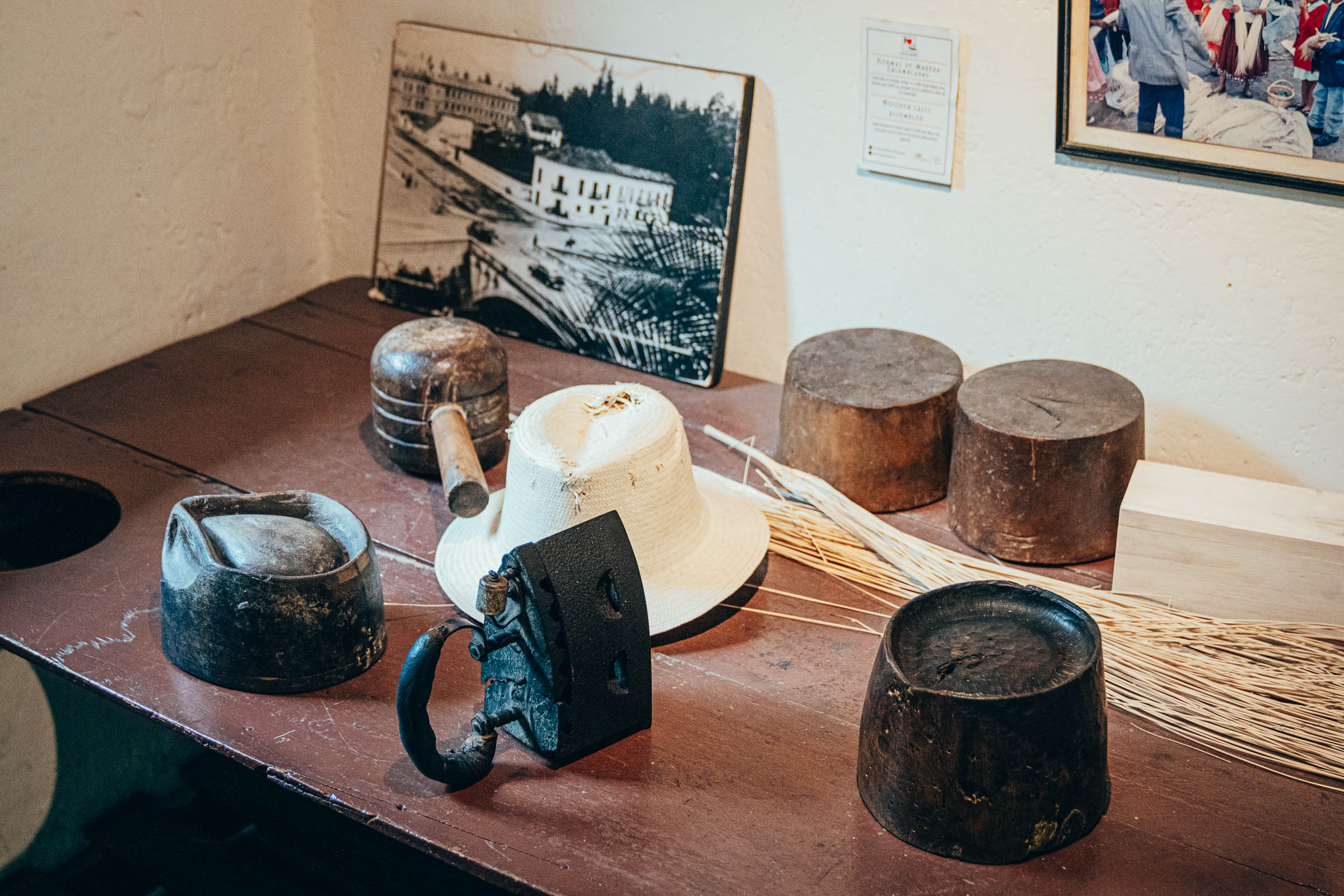
Here, you can follow the entire process, from the harvest of the toquilla straw to weaving and finishing. You will also see the tools for made-to-measure hats and a replica of a traditional repair workshop. I loved watching the artisans shape the hats by hand. Afterward, step out onto the terrace for a beautiful view over the city.
MERCADO 10 DE AGOSTO, THE MOST AUTHENTIC MARKET IN CUENCA
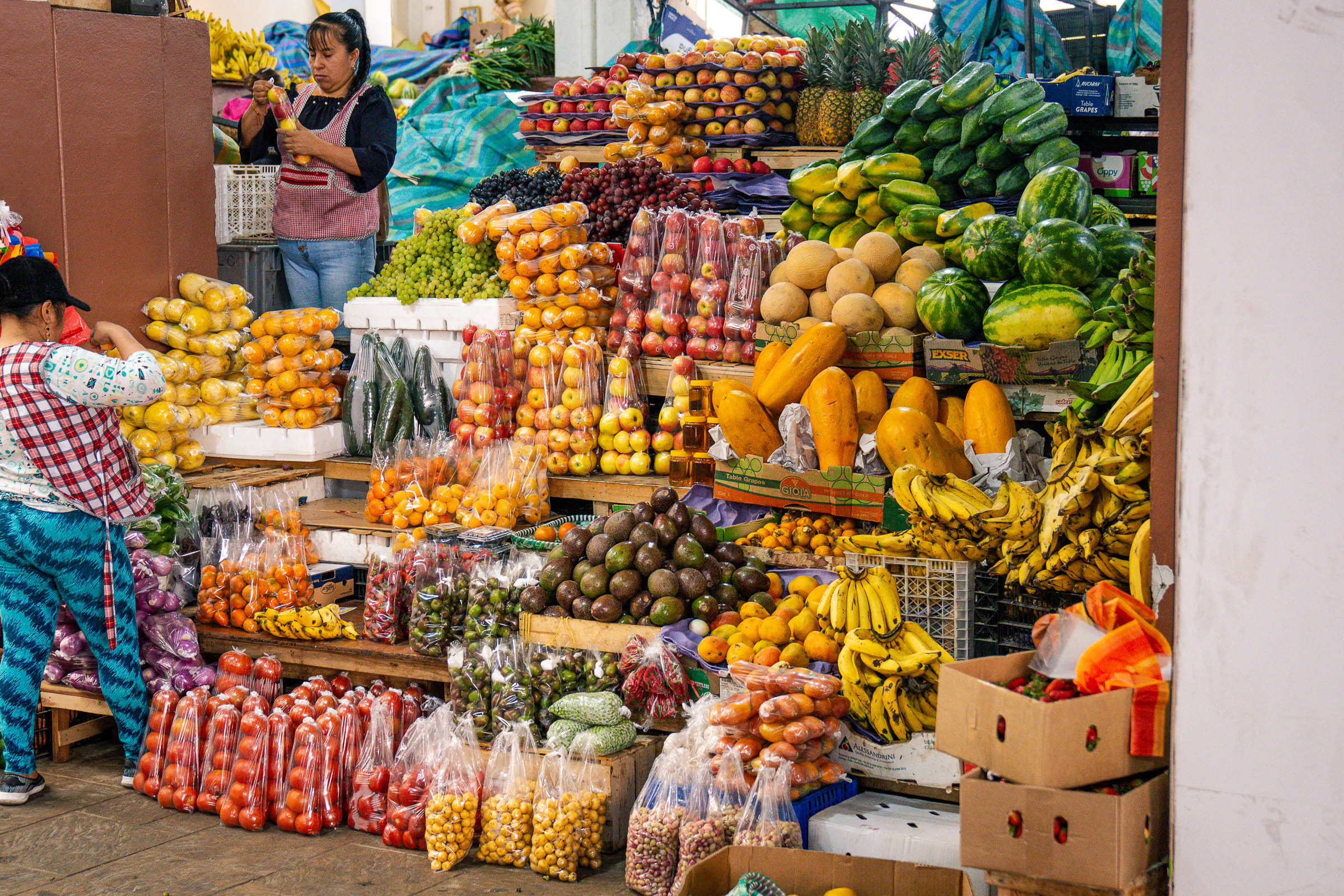
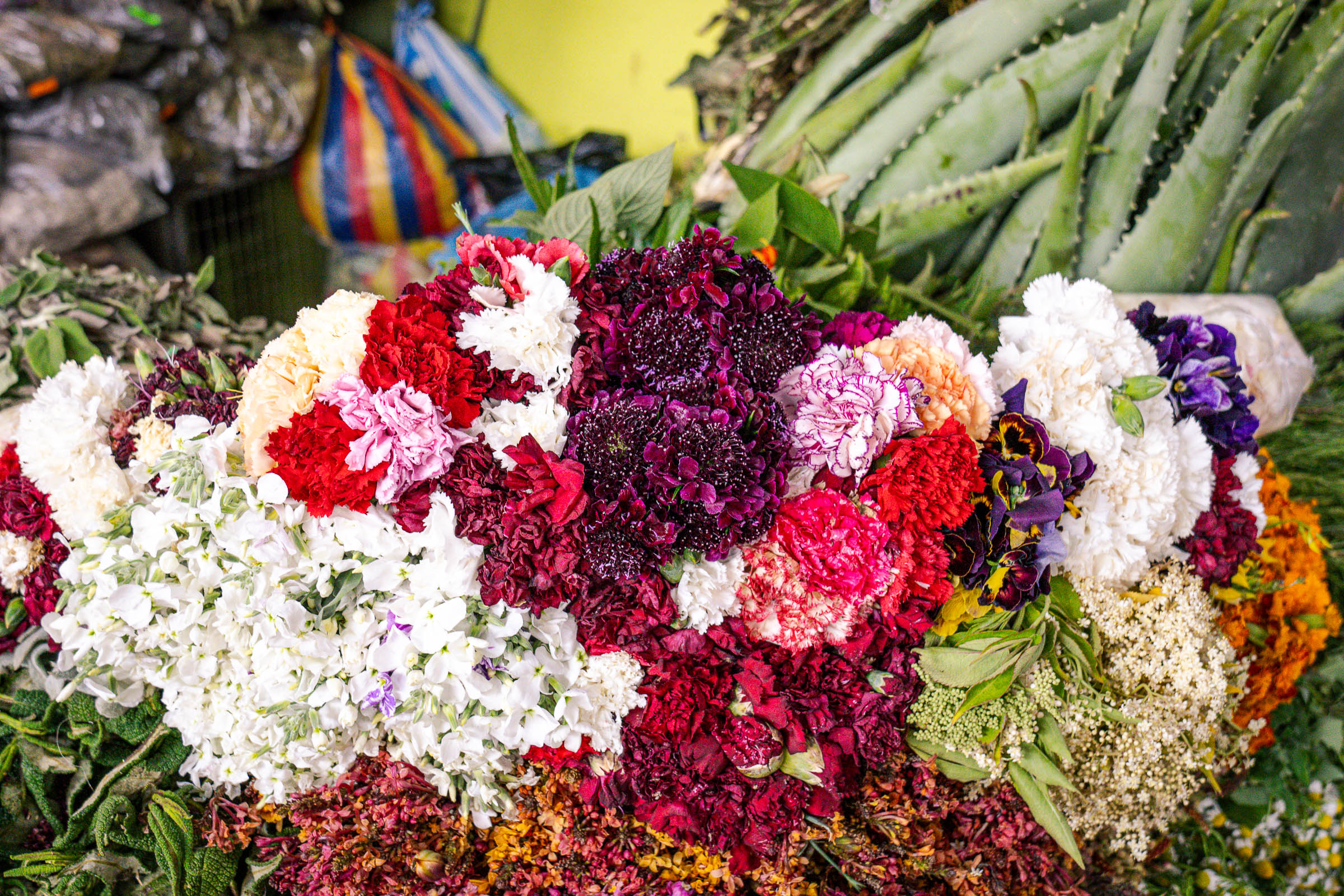
After the hat museum, I strongly recommend a visit to a traditional market. Mercado 10 de Agosto is one of the largest markets in the city, right next to El Barranco. It was also the first market in Azuay to receive a tourism certification. Here, locals buy fresh fruit and vegetables, meat from their favorite butchers and beautiful flowers. For a European, the choice of exotic fruit is truly unusual.
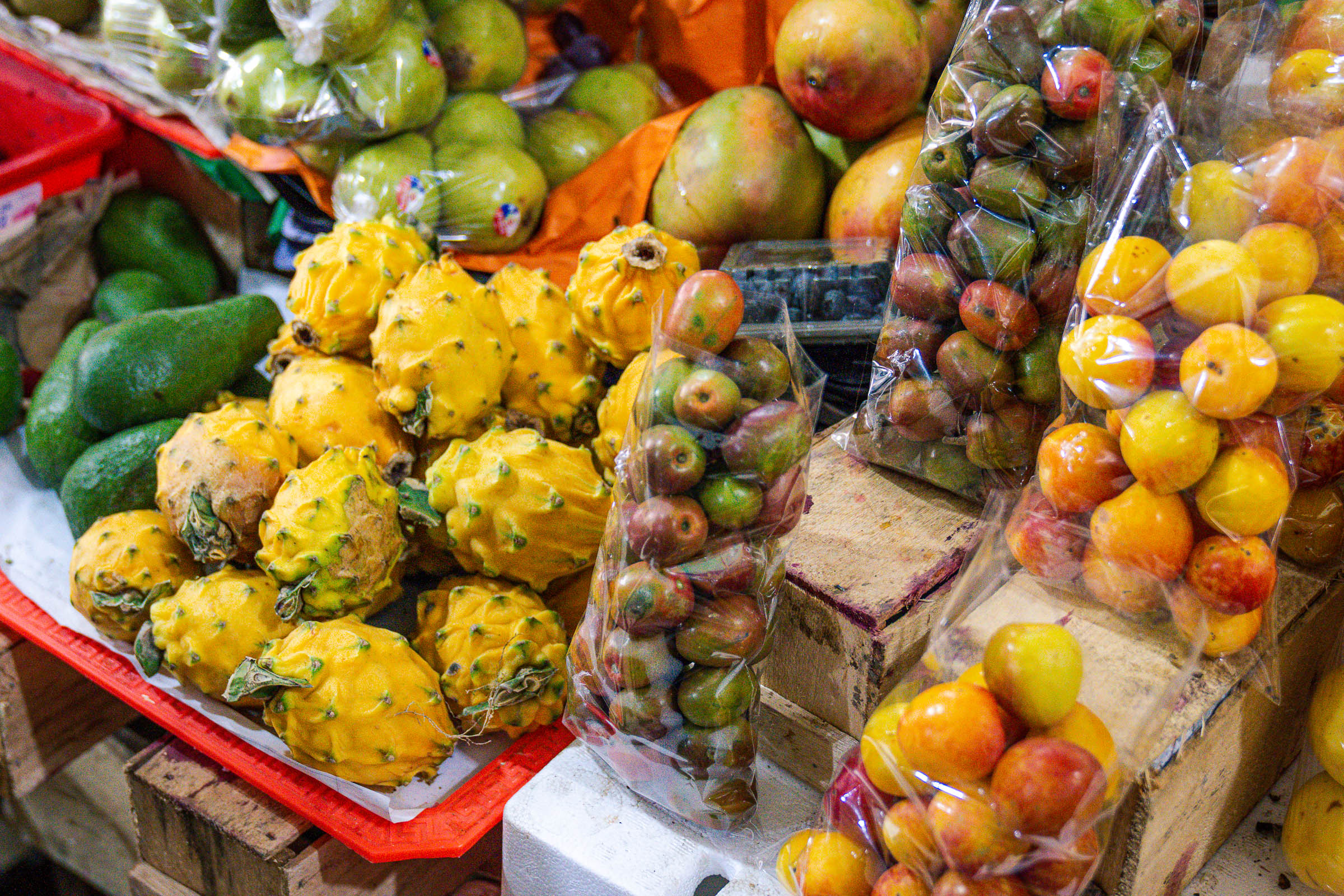
However, the market also offers a very special experience. On Tuesdays and Fridays, traditional healers perform cleansing rituals called limpias. They use medicinal plants such as rue, chilca and altamisa, and they gently touch the body with them. I have never seen anything like this anywhere else in the world. Out of respect for the people who came for help, I did not photograph the healing process.
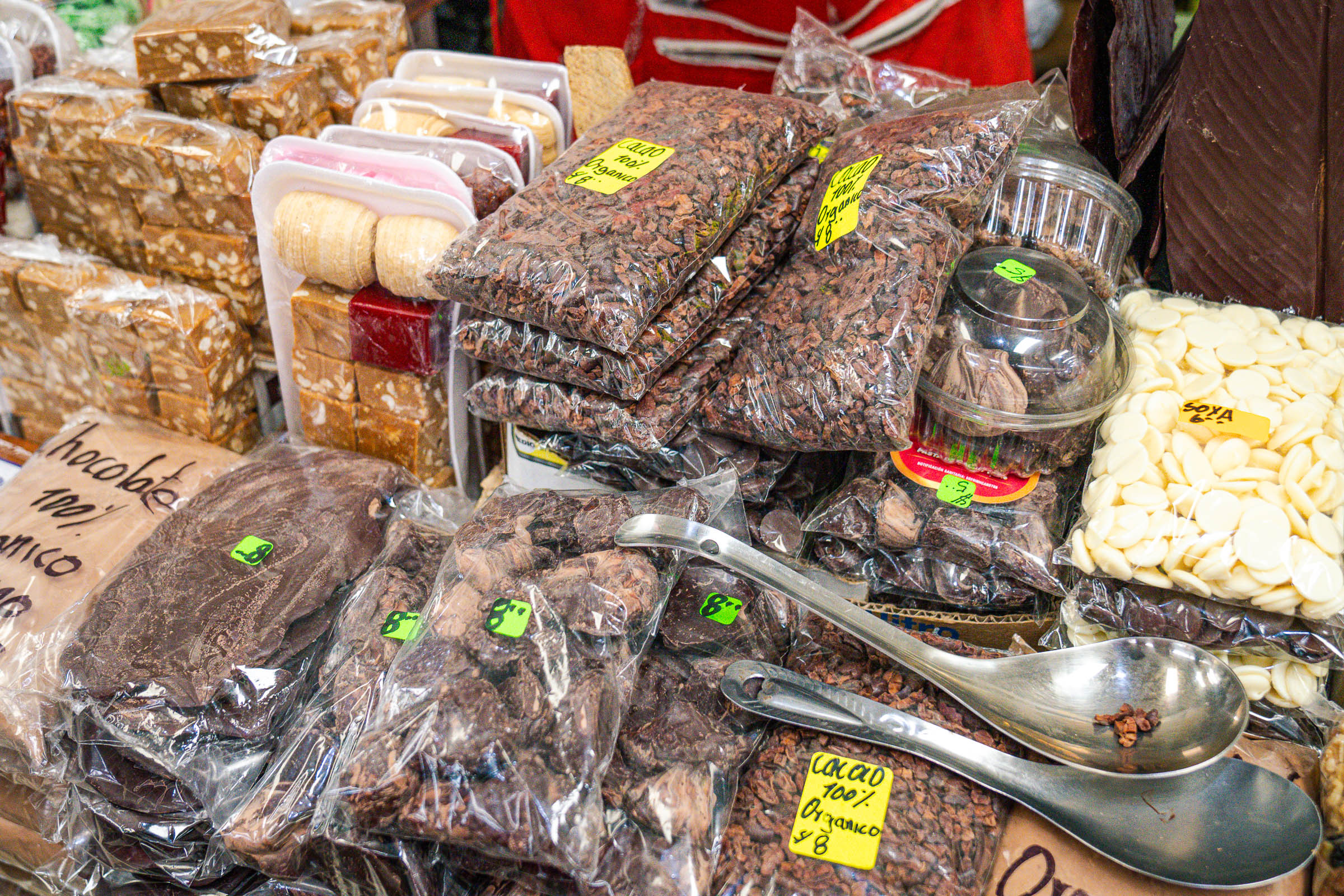
In addition to fruit, vegetables and flowers, you can also find Ecuadorian cocoa and sweets. My favorite discovery was the handmade chocolate balls, a perfect souvenir for chocolate lovers.
THE WARM SPIRIT OF CUENCA
Cuenca is truly an unusual and charming city that impresses with its architecture and exciting history. However, its greatest treasure is its people. The locals are warm and friendly, and everyone wanted me to taste their products. You can feel such warmth and true hospitality only in South America.
Every new journey reminds me how rich a person becomes when he discovers the beauty of different cultures. This experience in Cuenca, as well as in Ecuador in general, truly amazed me.
EL CAJAS NATIONAL PARK
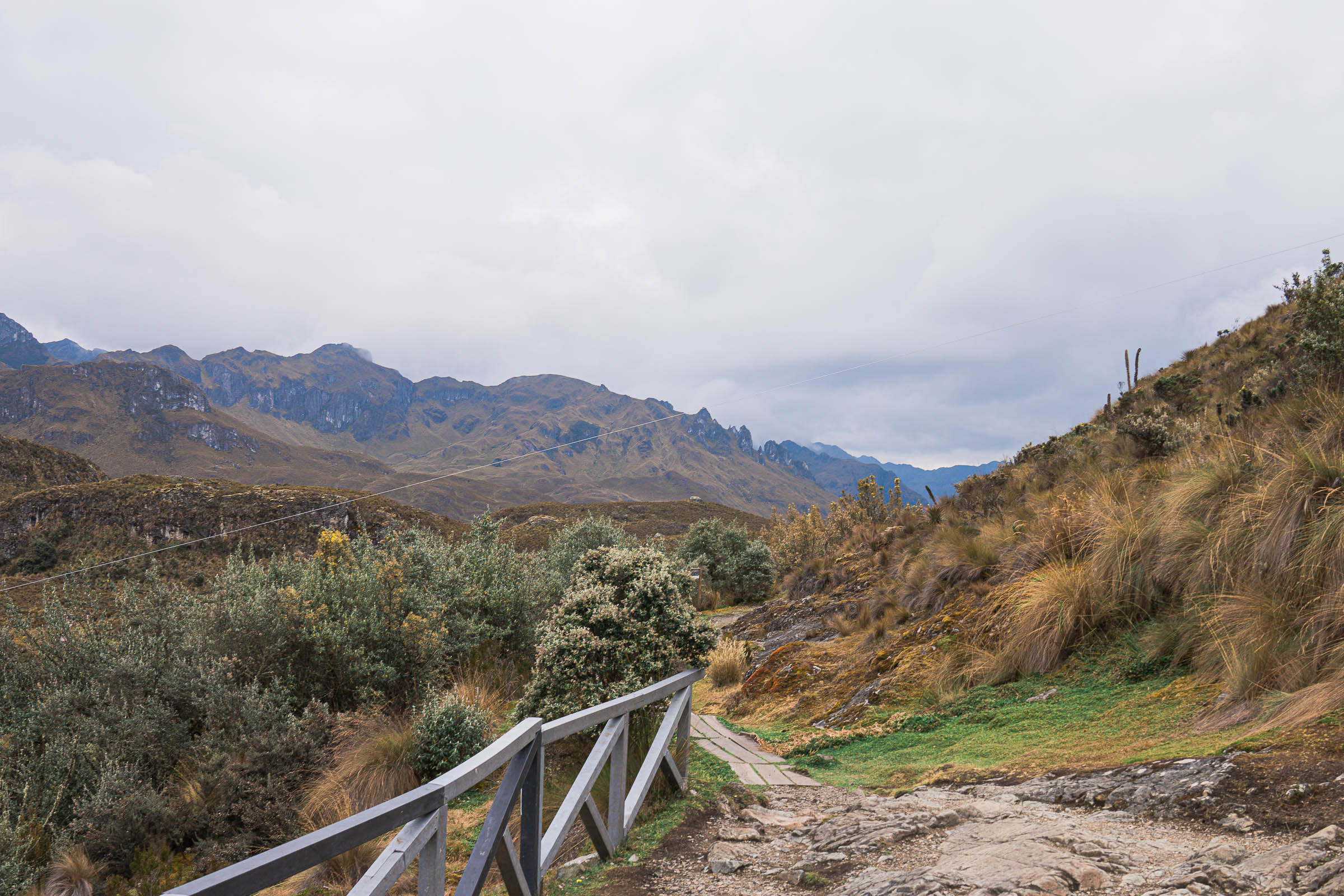
About 30 kilometers west of Cuenca lies El Cajas National Park. It covers 285.44 square kilometers, between 3,100 and 4,450 meters above sea level. Páramo vegetation covers its jagged landscape of hills and valleys. It became a national park on November 5, 1996.
How did the park get its name? The name “Cajas” may come from the Quichua word “cassa”, meaning “gateway to the snowy mountains”. It may also come from “caxa”, meaning cold, or from the Spanish word for boxes. Above 3,300 meters, you will find forests of Polylepis, also called the paper tree.
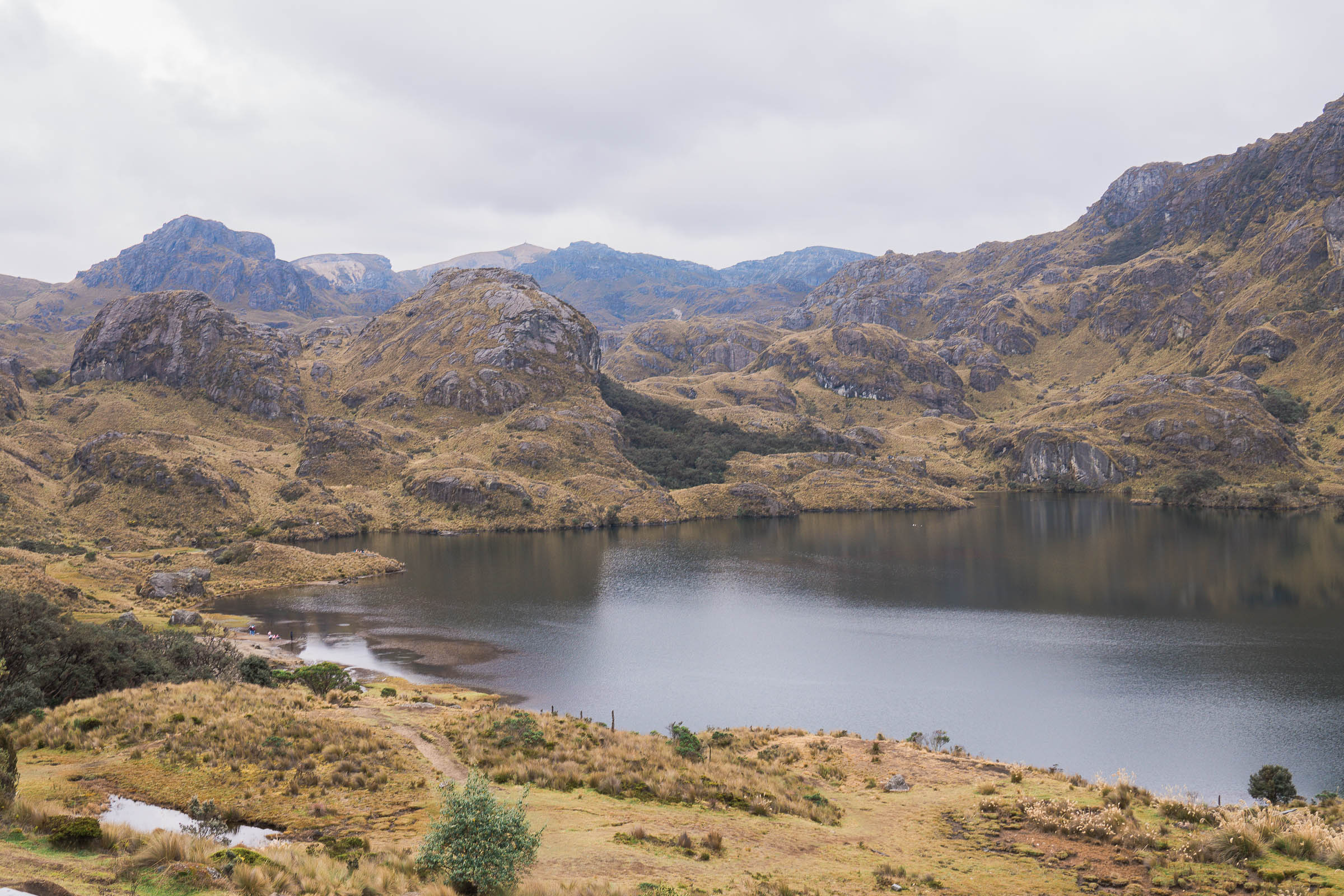
About 270 lakes and lagoons dot the park. The largest is Luspa, which covers 78 hectares and is up to 68 meters deep. The park also straddles the continental divide. Its western rivers flow to the Pacific, while the Tomebamba and Yanuncay eventually drain into the Amazon. Thanks to its wetlands, El Cajas is on the Ramsar list of Wetlands of International Importance.
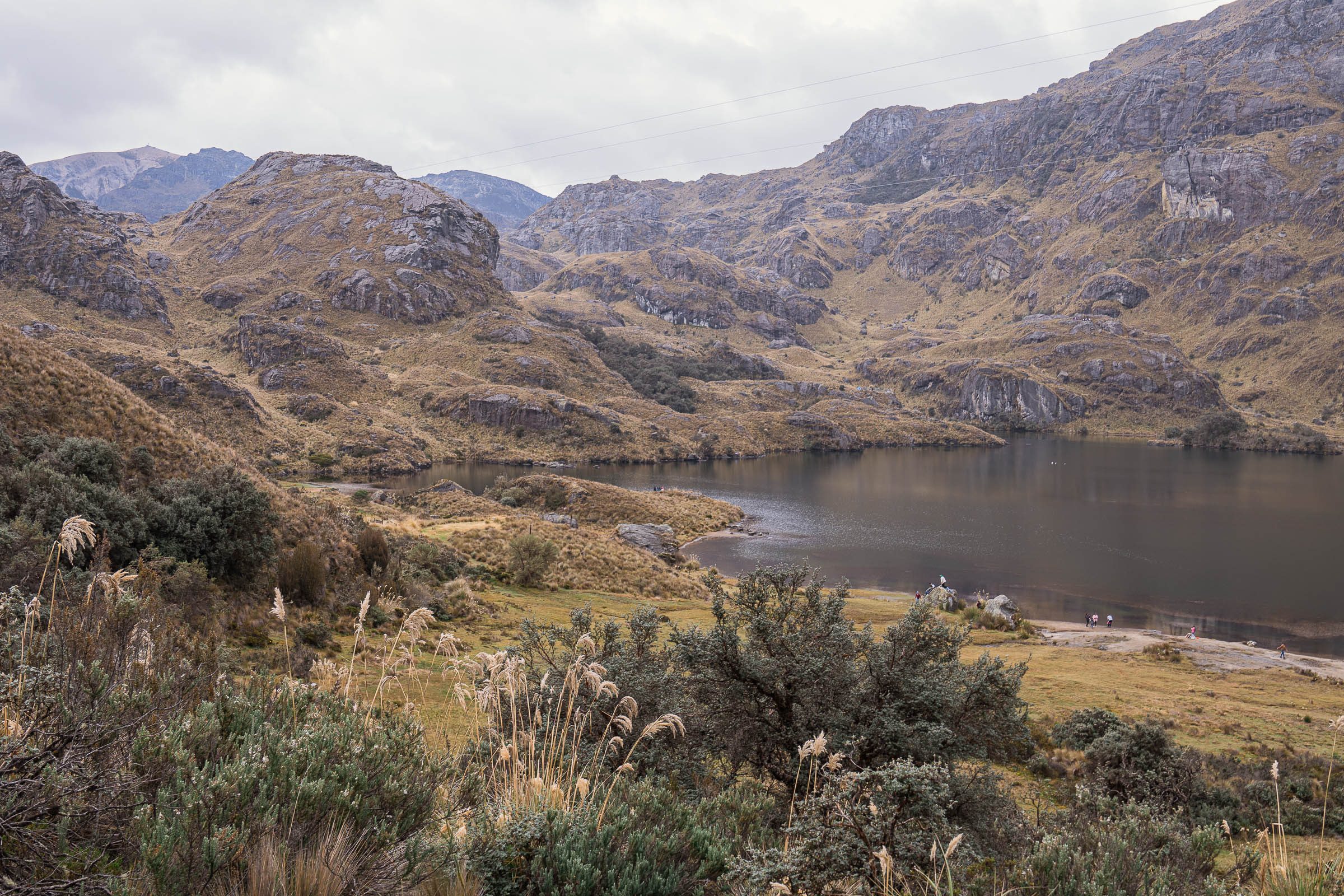
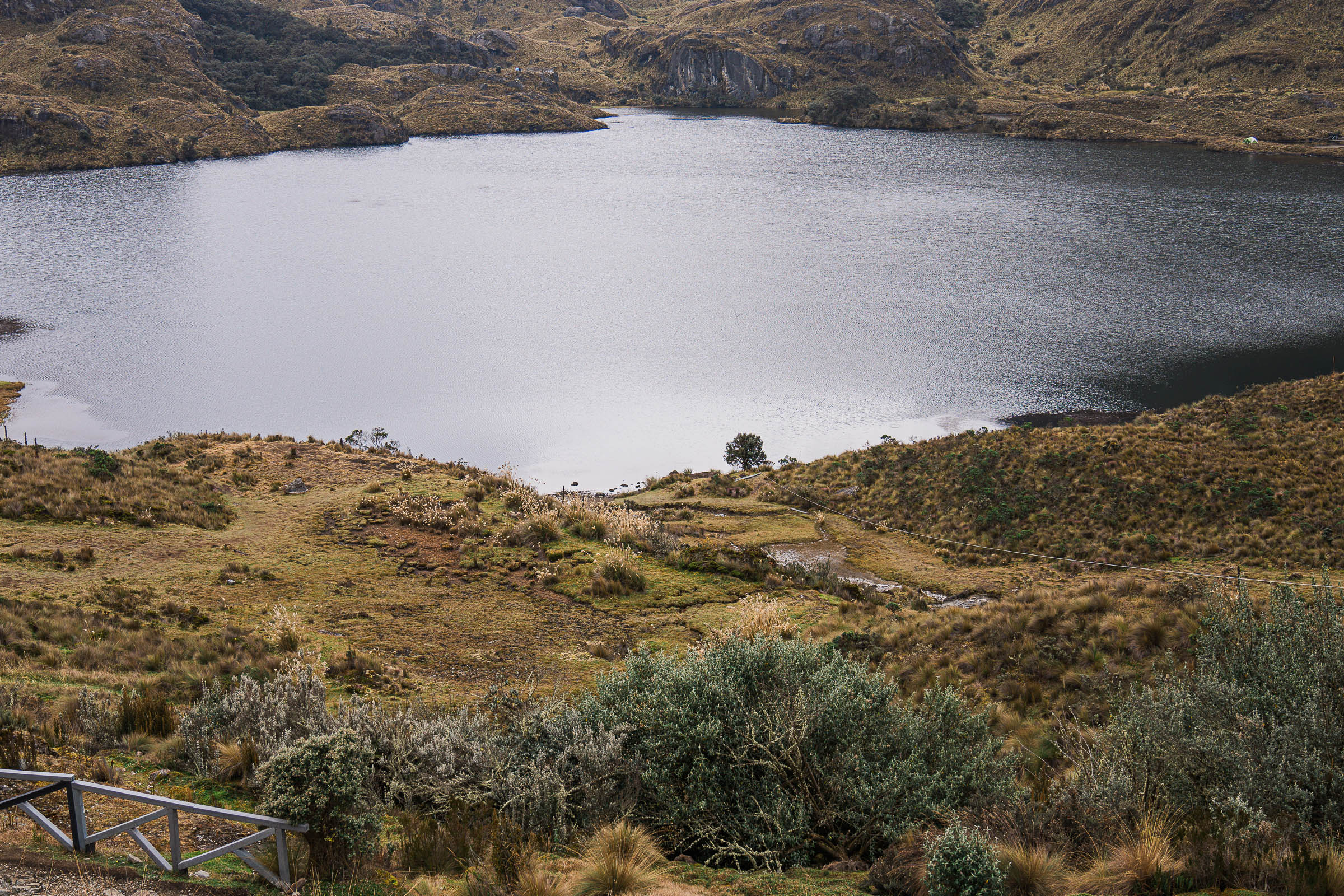
The park is home to 157 bird species, including the Andean condor and the black-and-white curiquingue. In addition, 44 mammal species live here, among them pumas, foxes, coatis and porcupines.
CHOCOLATE AT HACIENDA HOSTERÍA DOS CHORRERAS
On the road to El Cajas, at kilometer 21.5, lies Hacienda Hostería Dos Chorreras. This Andean retreat offers Ecuadorian and international cuisine in its restaurants, cafés and chocolate shop. For active guests, there are guided horseback rides, bike rides, trekking and excursions to nearby lagoons. You can even paddle a canoe along a canal with calm water.
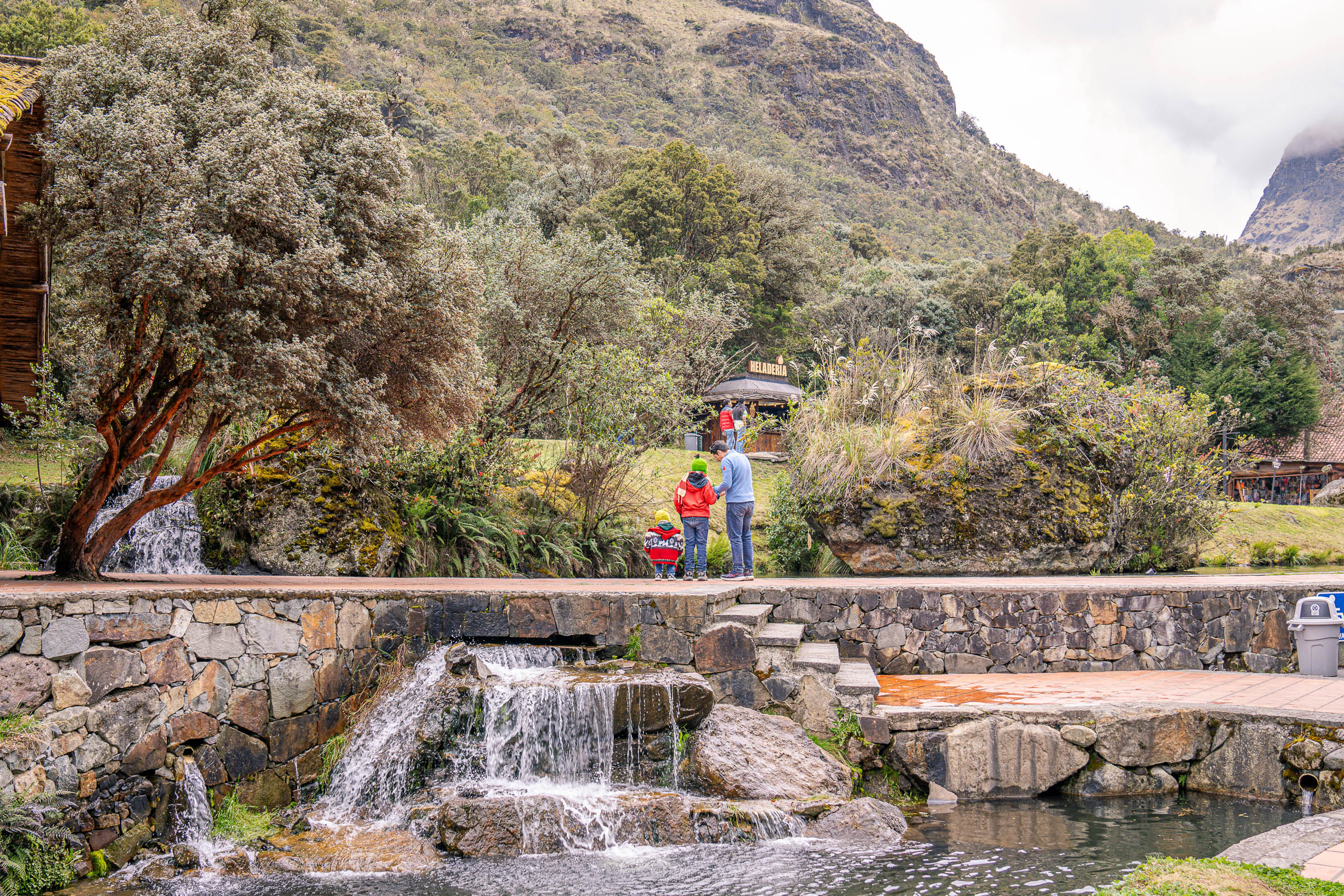
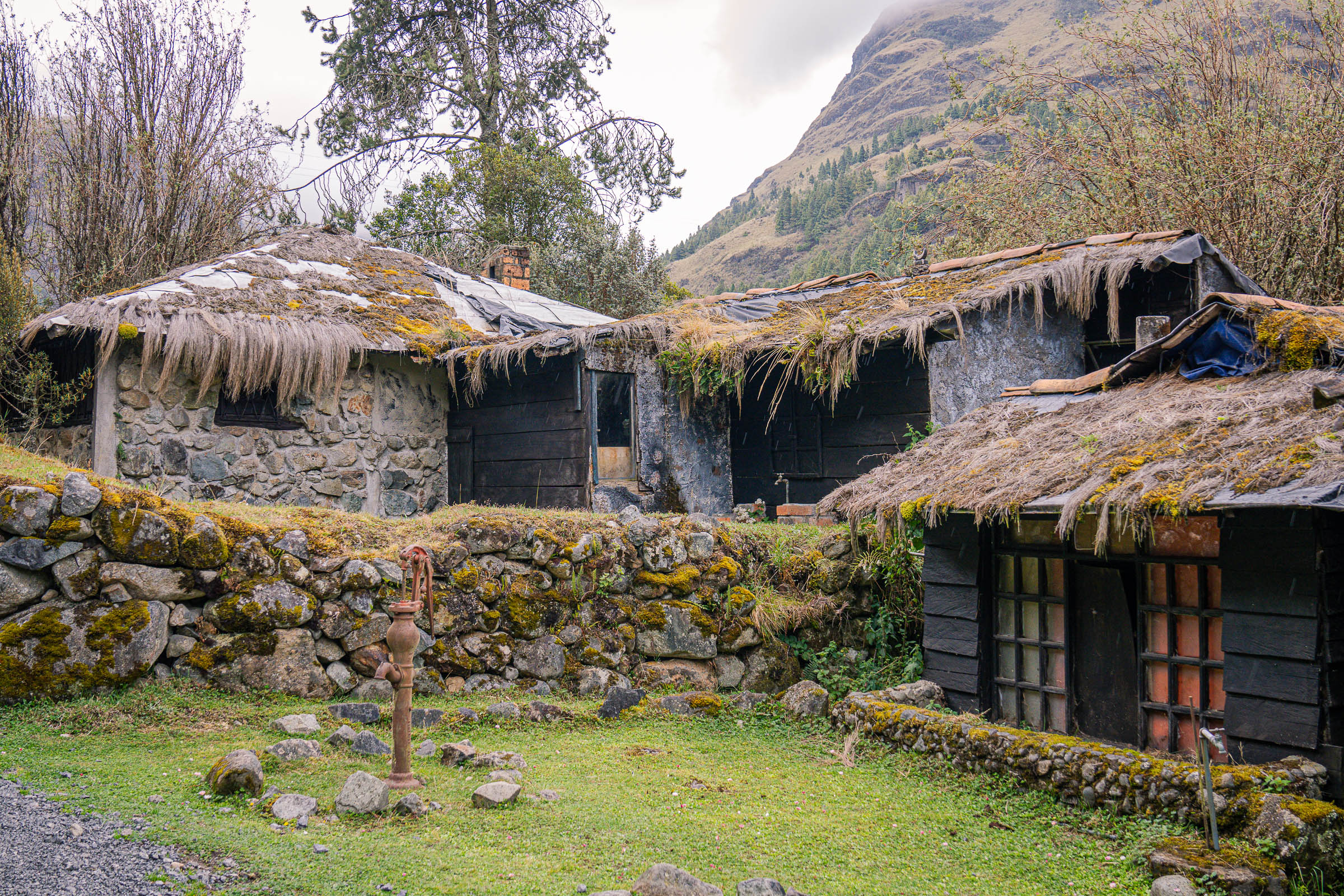
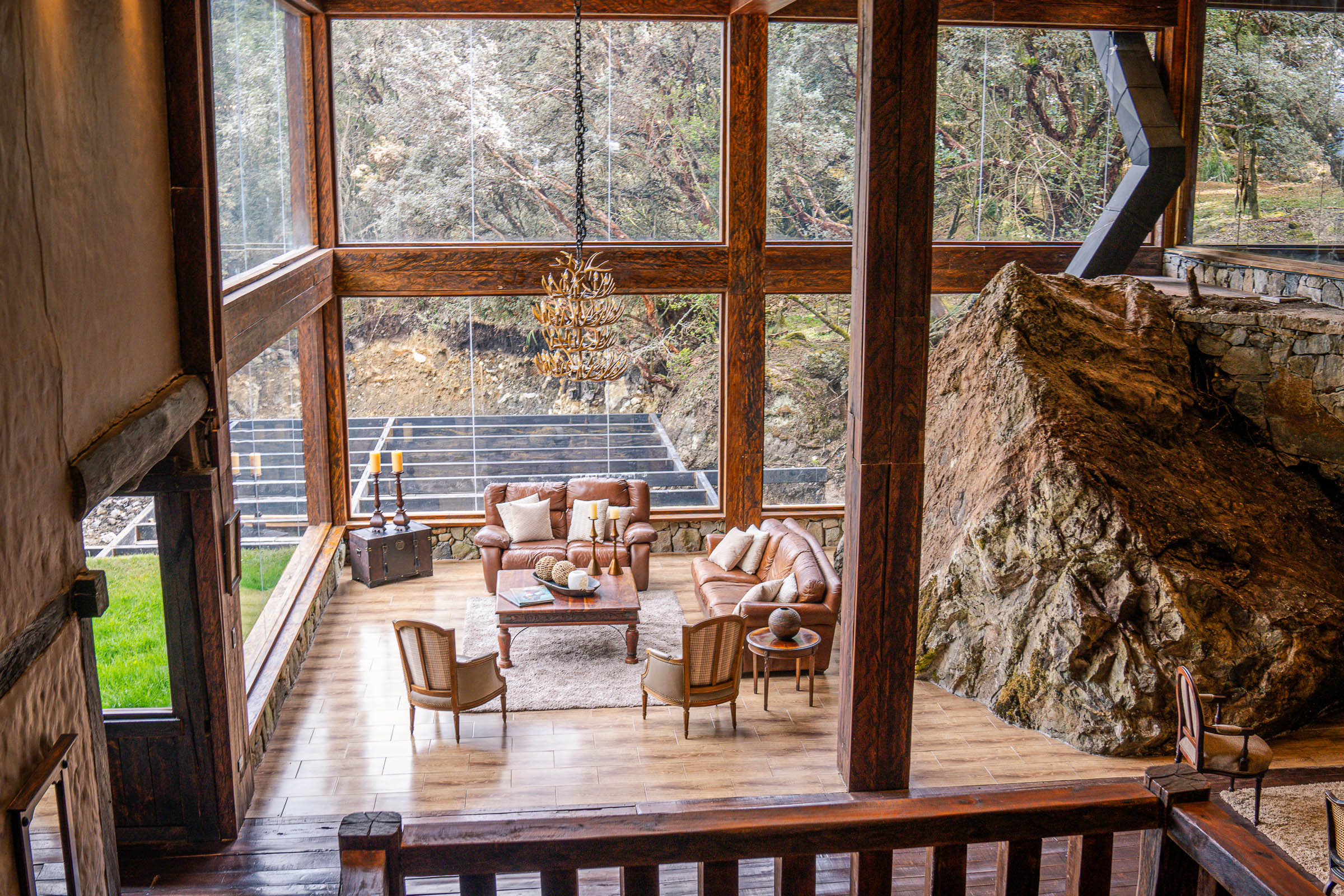
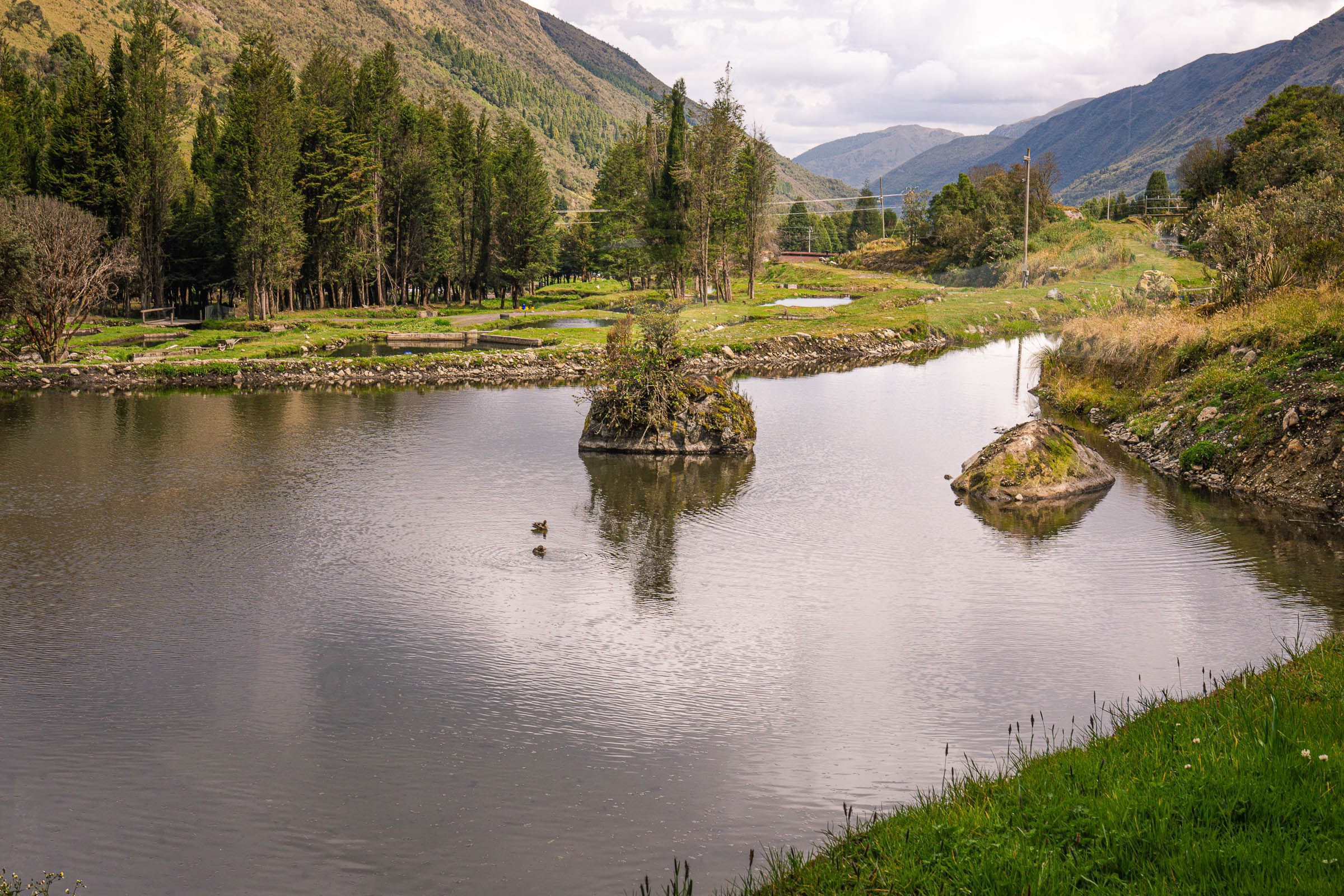
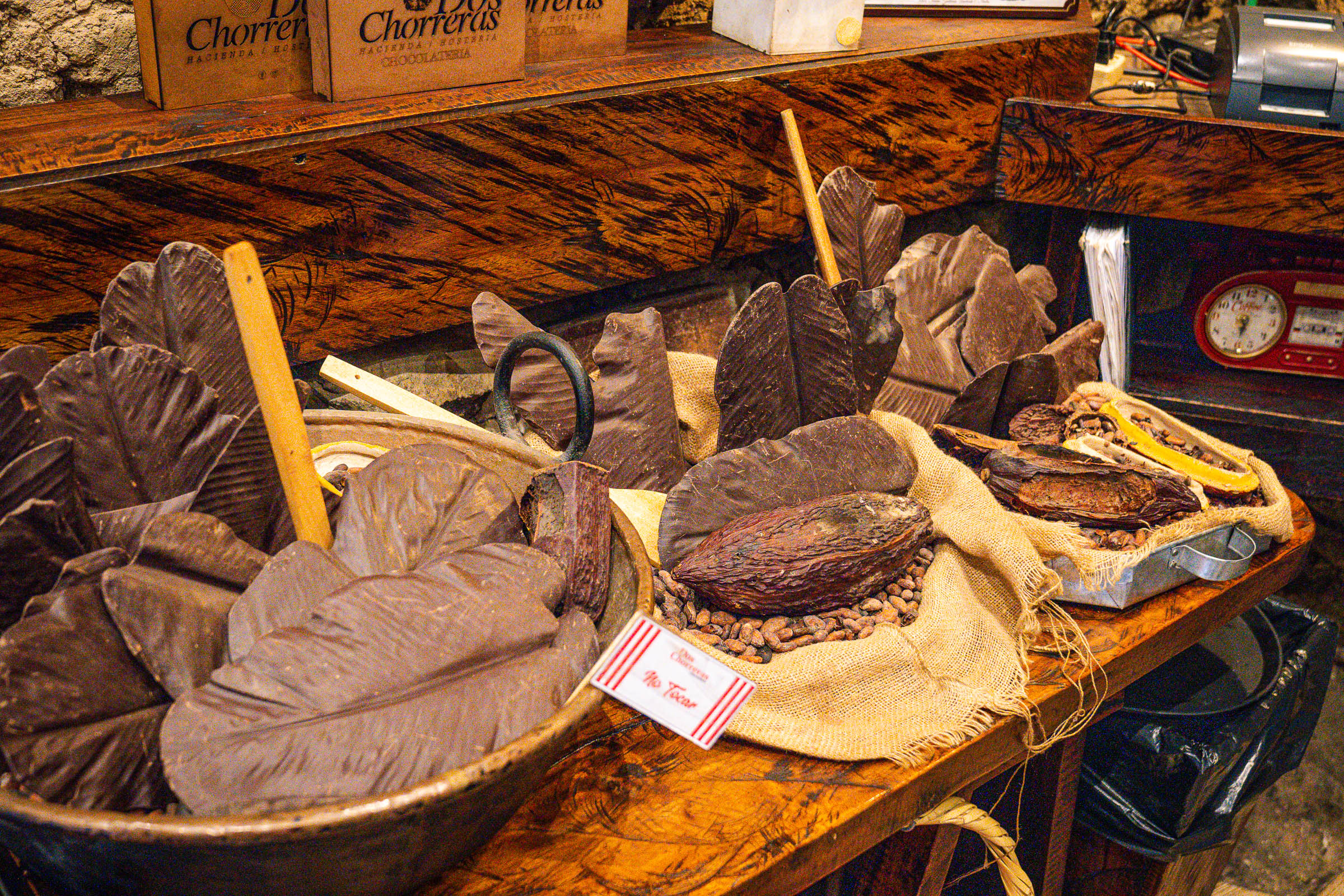
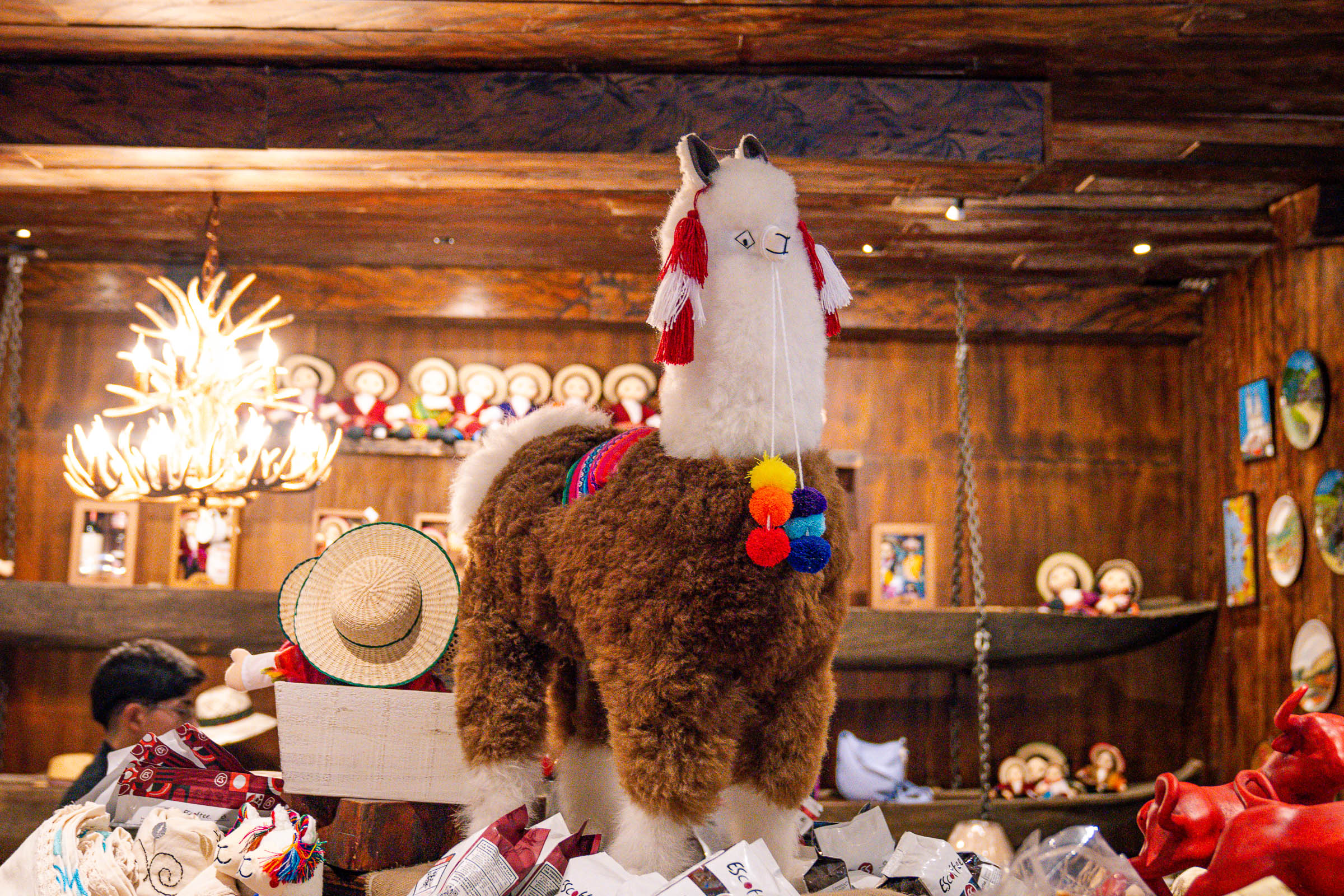
What delighted me most was the chocolate shop, a magical place that refreshes both body and soul. During my visit, the complex was full of guests, because this place is very popular. Still, the service was good and fast, and the food was delicious. Here, you can also buy souvenirs, sweets, coffee, cured meats and cheeses. Moreover, the shop offers handmade crafts, such as jackets and vests.
HOTEL CRUZ DEL VADO, MY HOME IN CUENCA
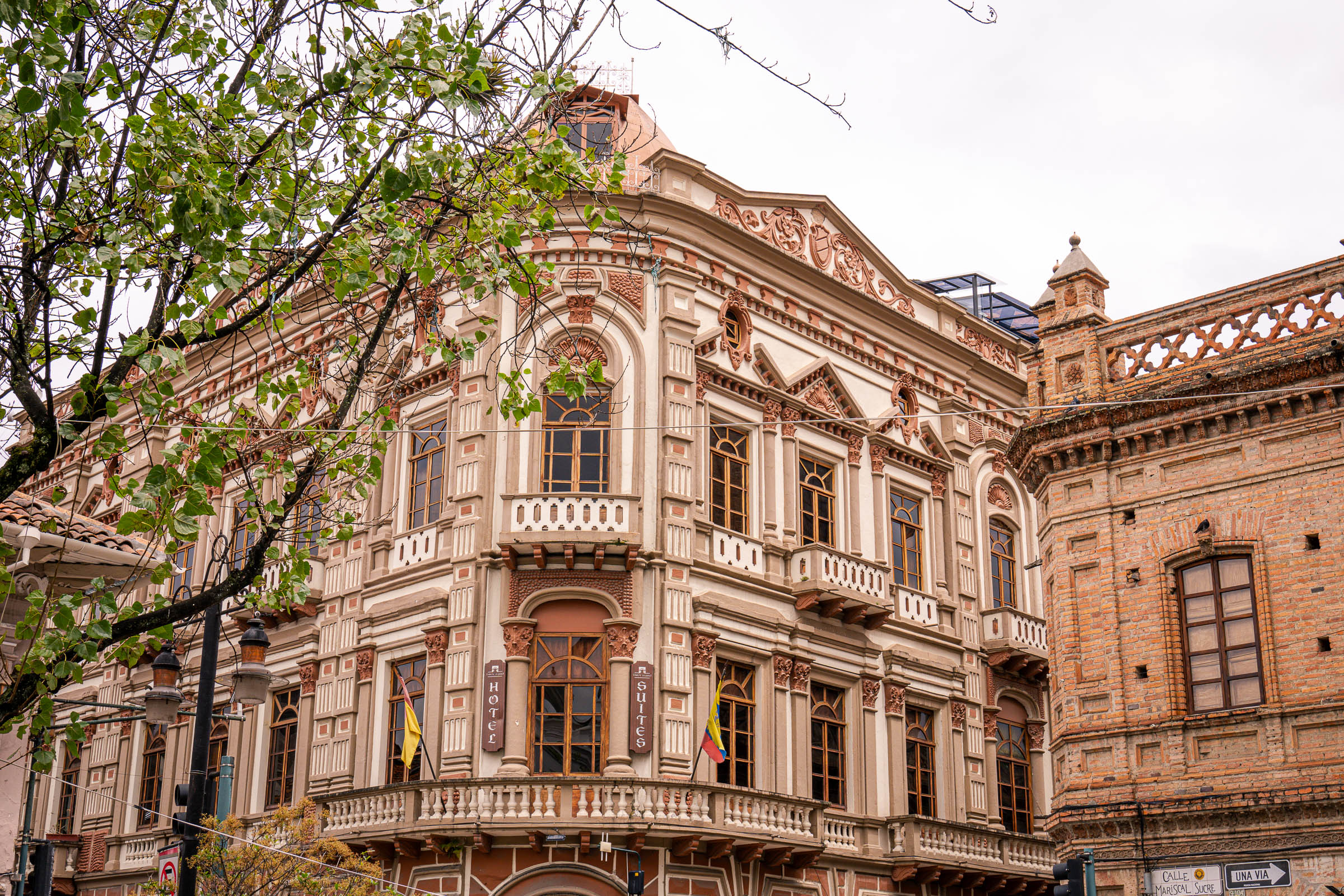
On every trip, the hotel is our home in a new destination. In Cuenca, my home was Hotel Cruz del Vado, in the old heart of the city. The hotel stands near the Cruz del Vado monument, which gave it its name.
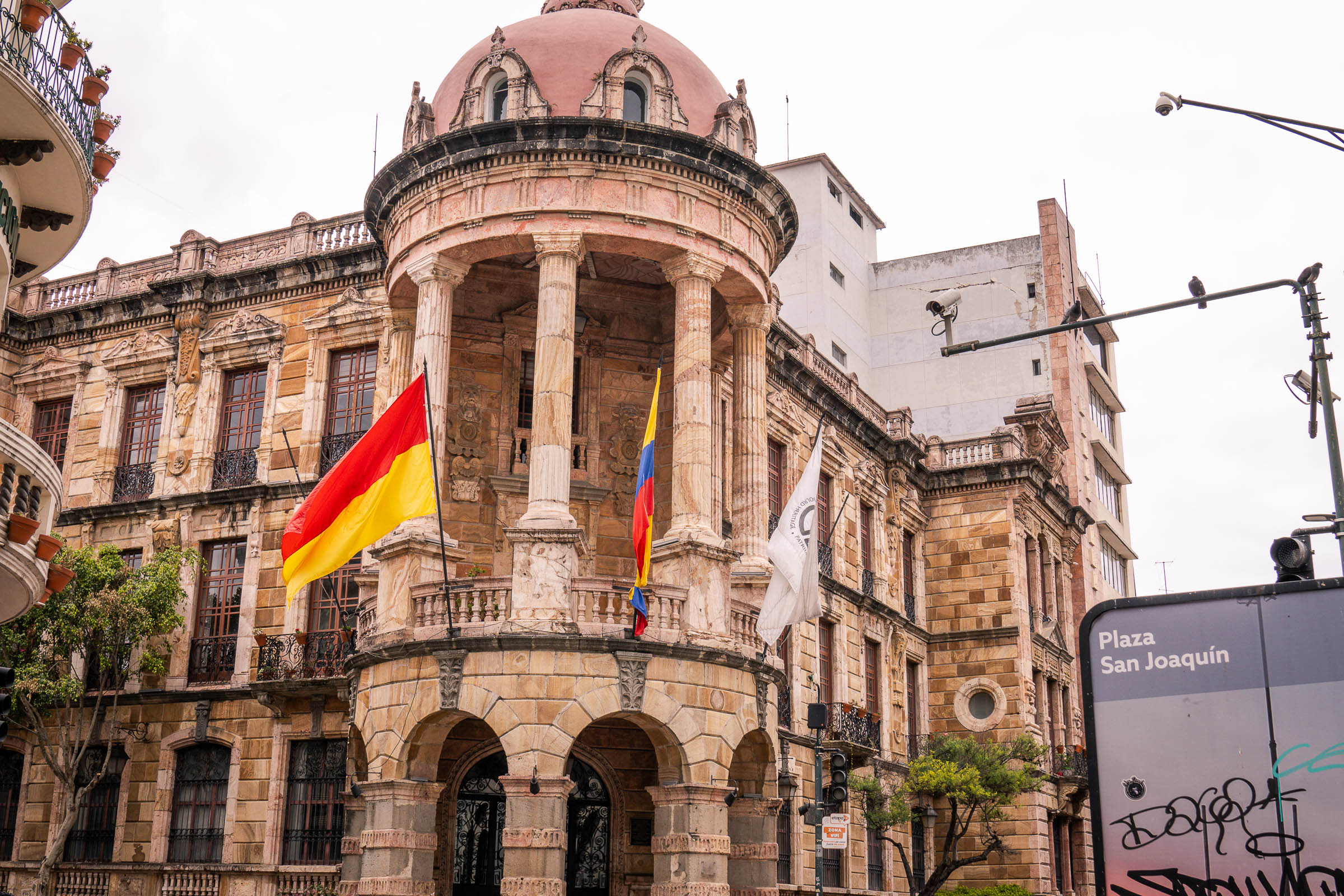
This building has always been full of history, art and culture. It was home to El Mercurio, the city’s first newspaper, so people called it Palacio de El Mercurio. Its facade is covered in locally mined pink marble, a symbol of the luxurious lifestyle of the Republican era. Above the main entrance, a plaque honors the famous Cuenca journalist Federico Proaño.
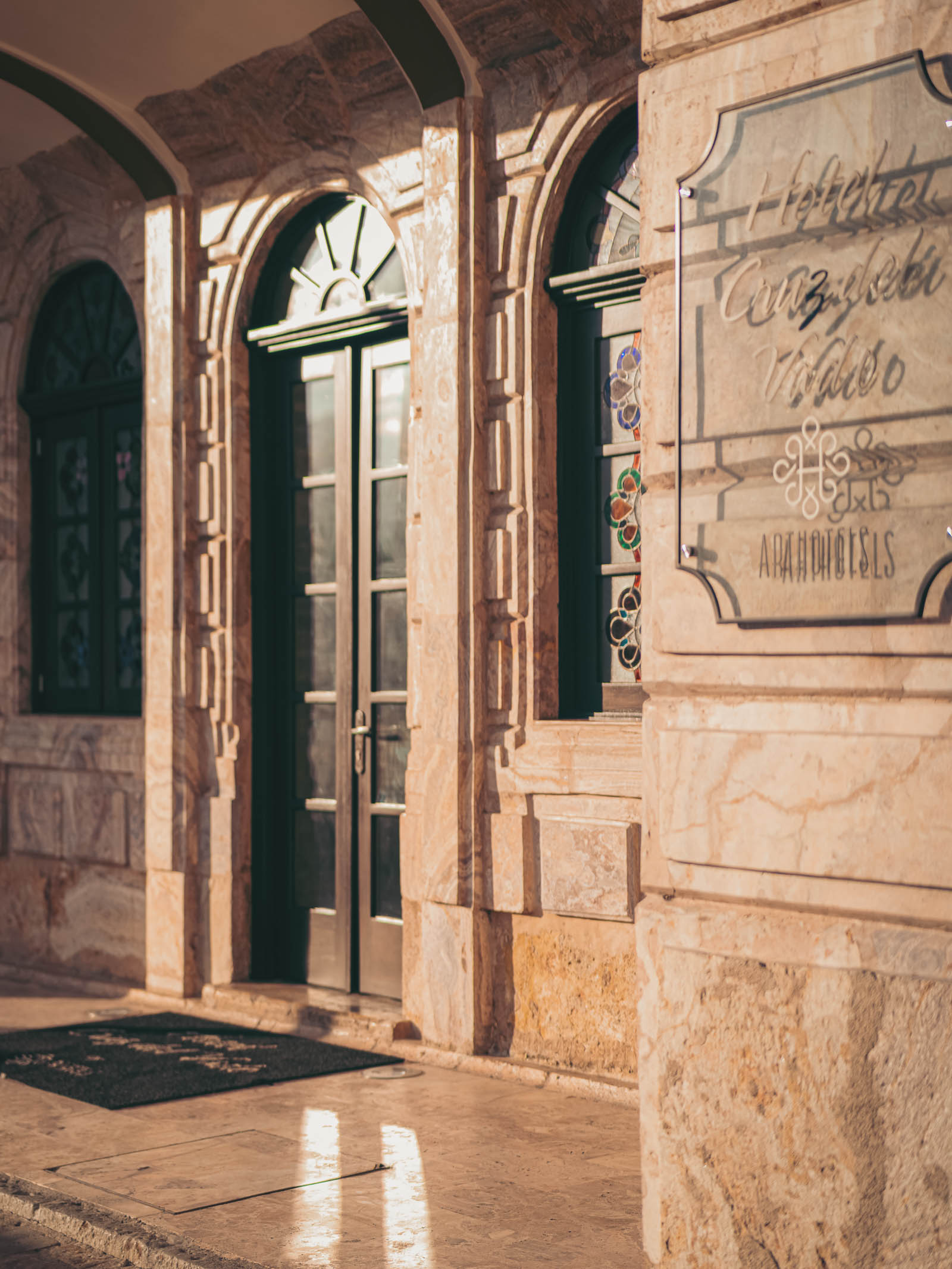
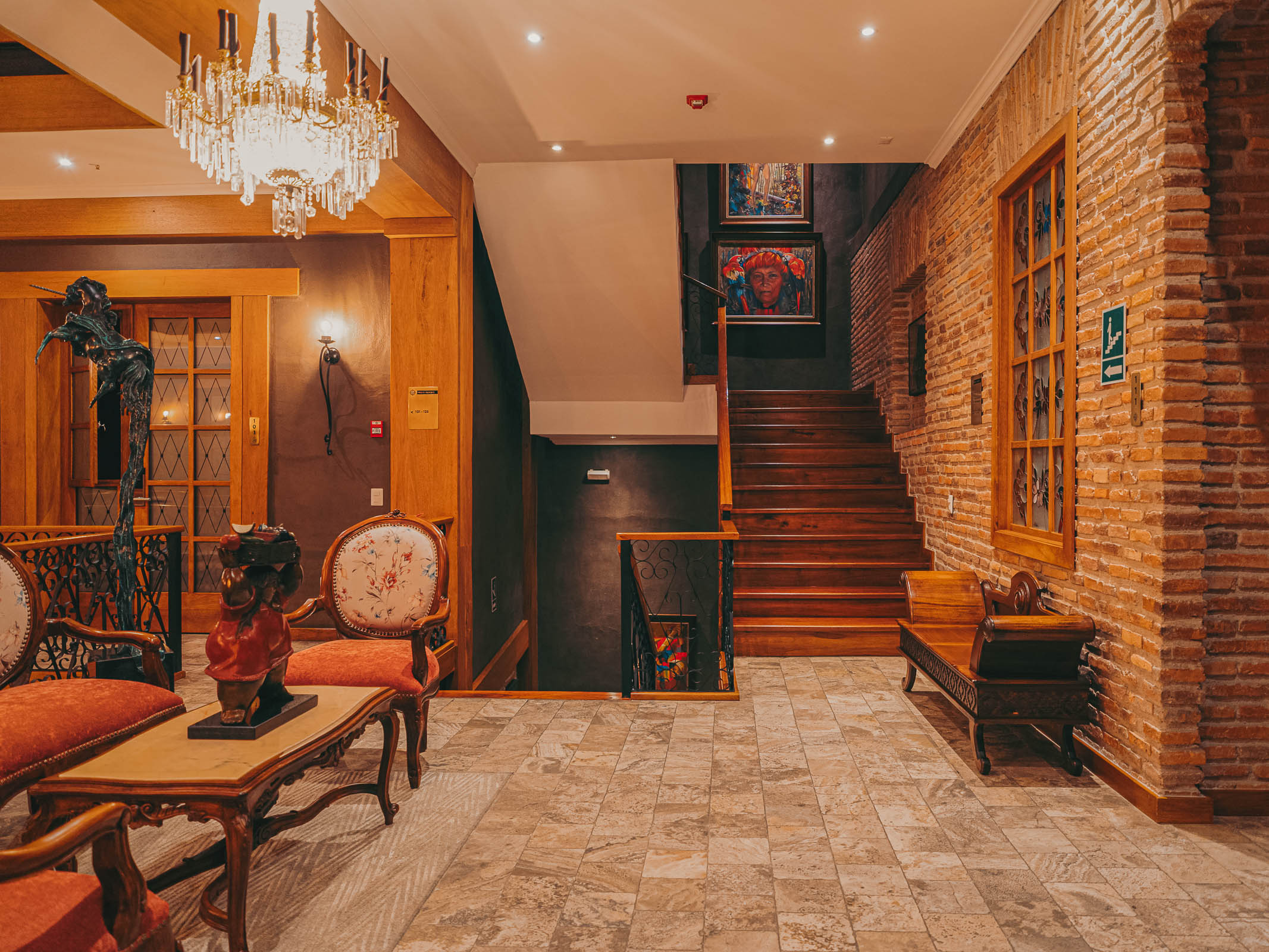
In 2014, Art Hotels Ecuador hired the Lloret family of architects to plan the restoration. This family has restored many heritage buildings in Cuenca. As a result, a former rental property became a boutique hotel with 26 rooms. The interiors reflect the Republican style with French influences. The walls are 50 centimeters thick, with adobe on the ground floor and bahareque on the upper floors.
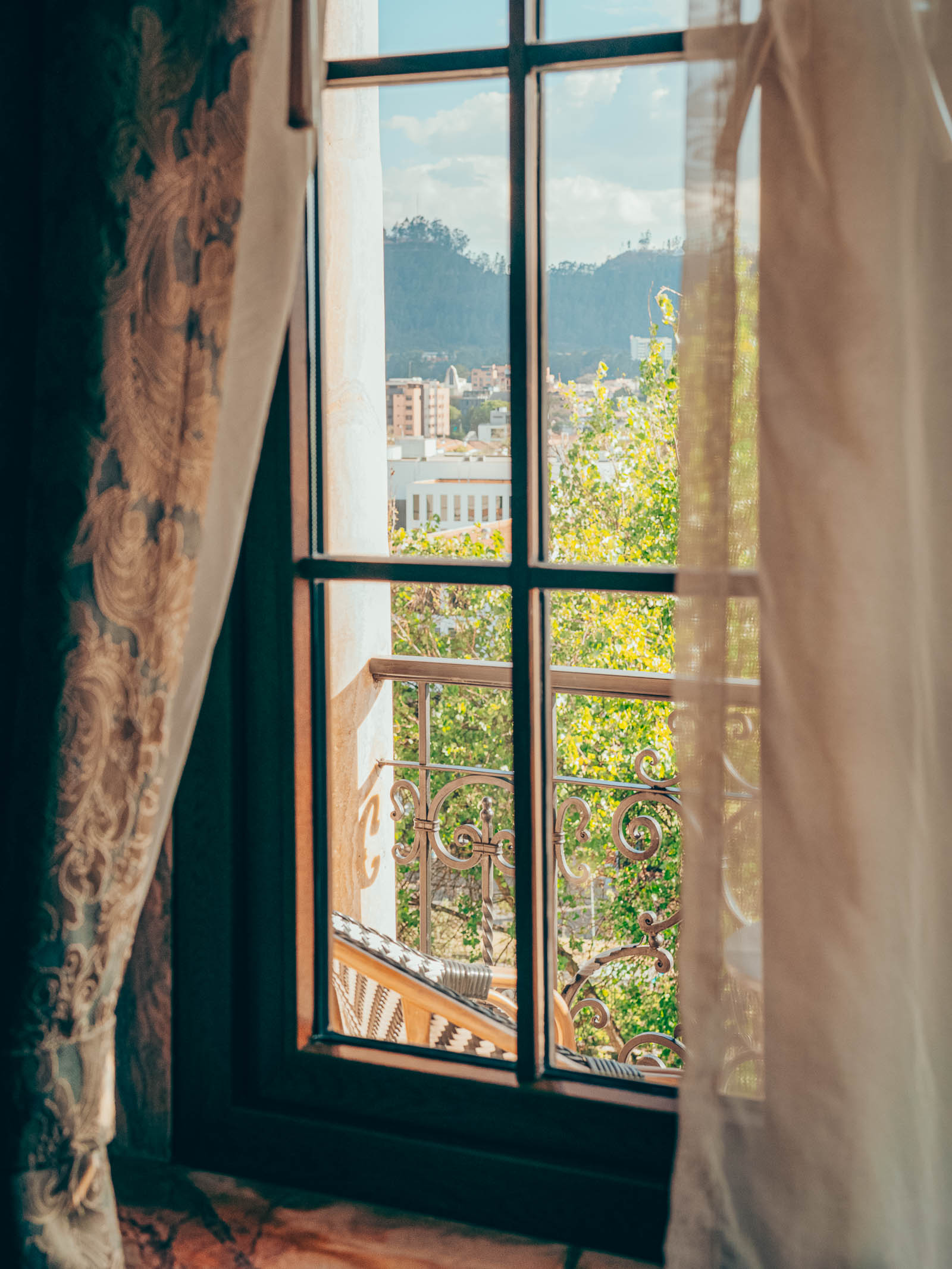
MY STAY AT HOTEL CRUZ DEL VADO
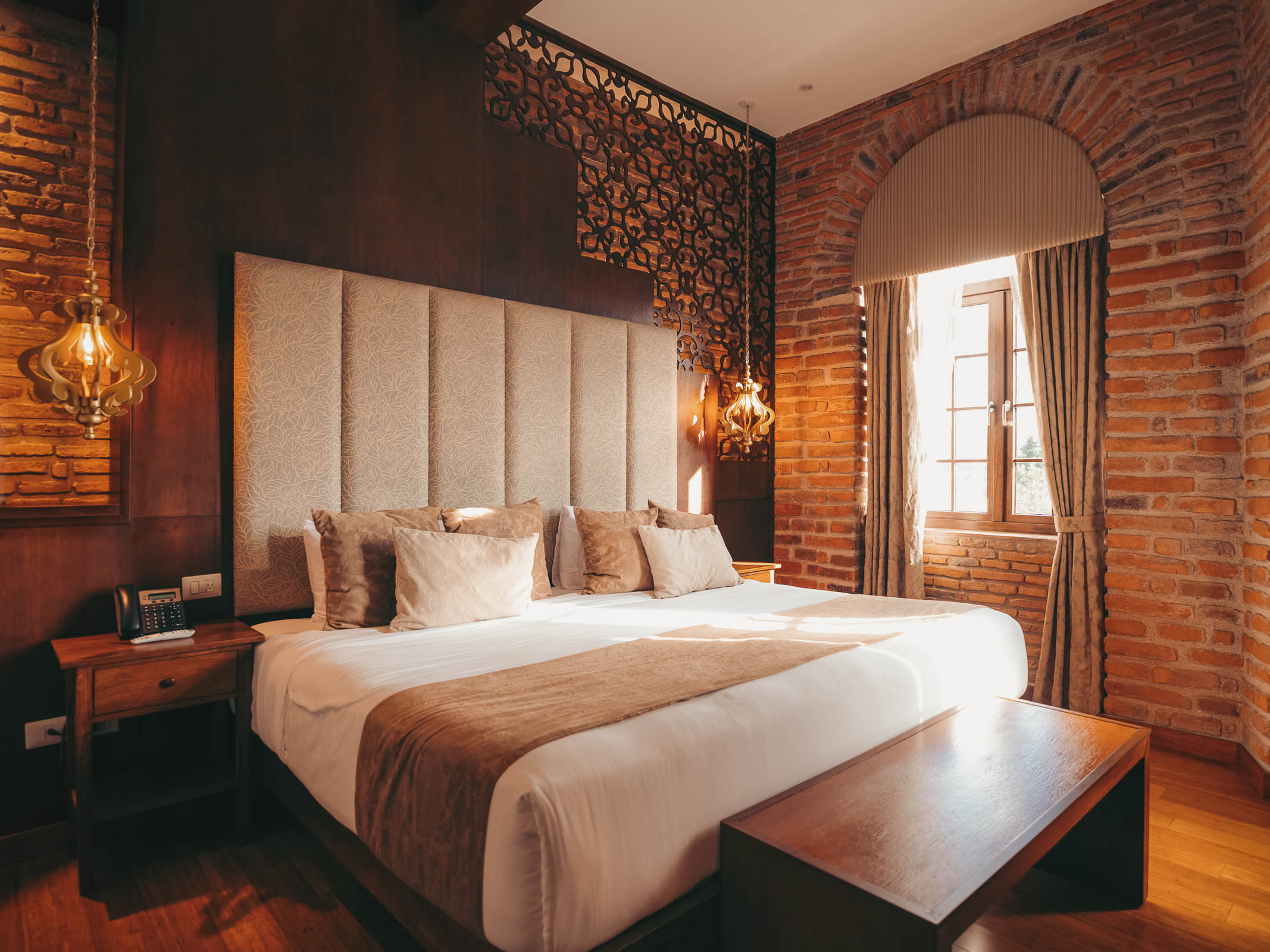
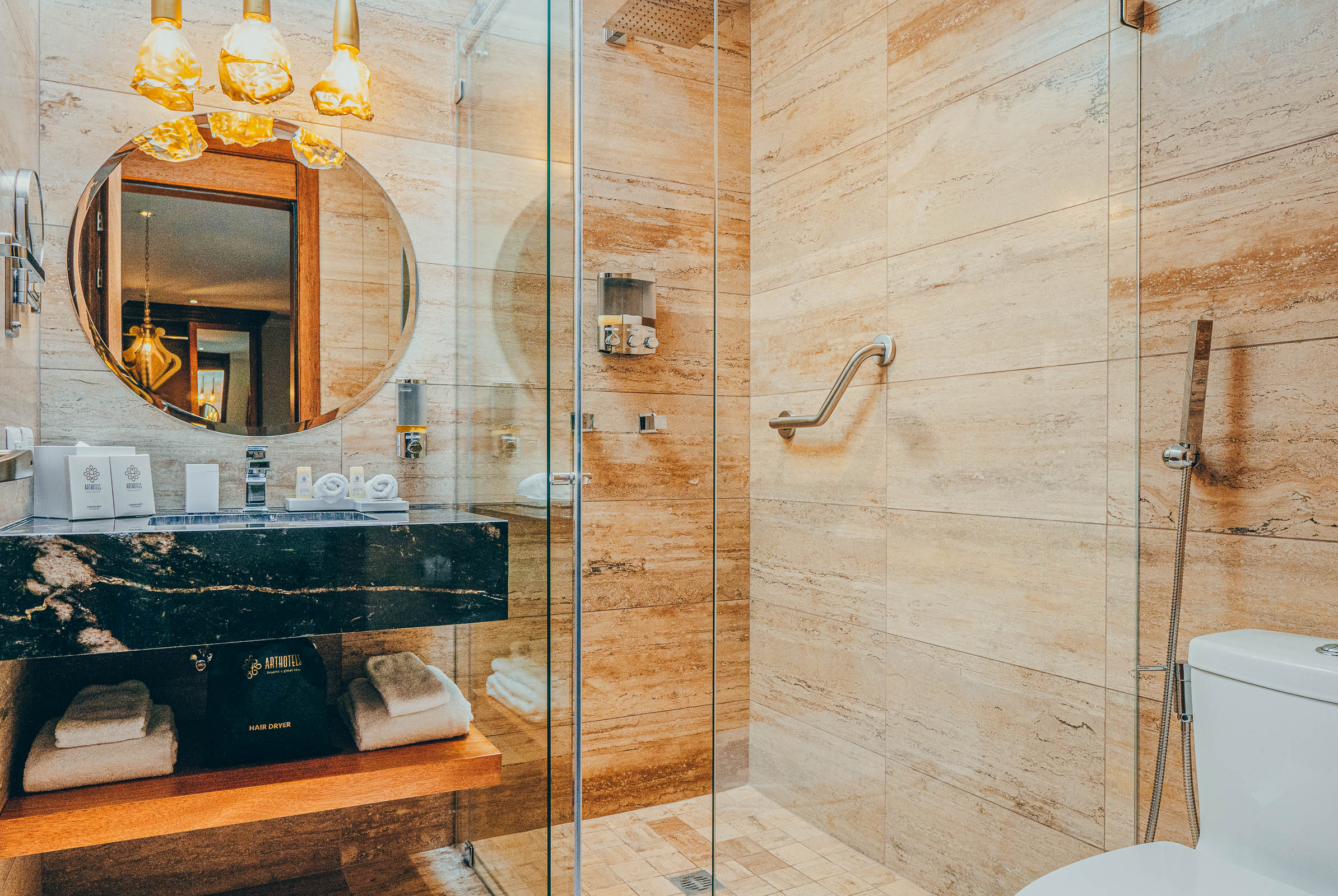
I stayed in a luxury apartment with a balcony and a jacuzzi. Rich fabrics and framed oil paintings decorate the rooms. In the bathrooms, you will find black marble countertops, walk-in rain showers and AromaVida organic Ecuadorian products. Moreover, the larger rooms offer hot tubs and views of the river.
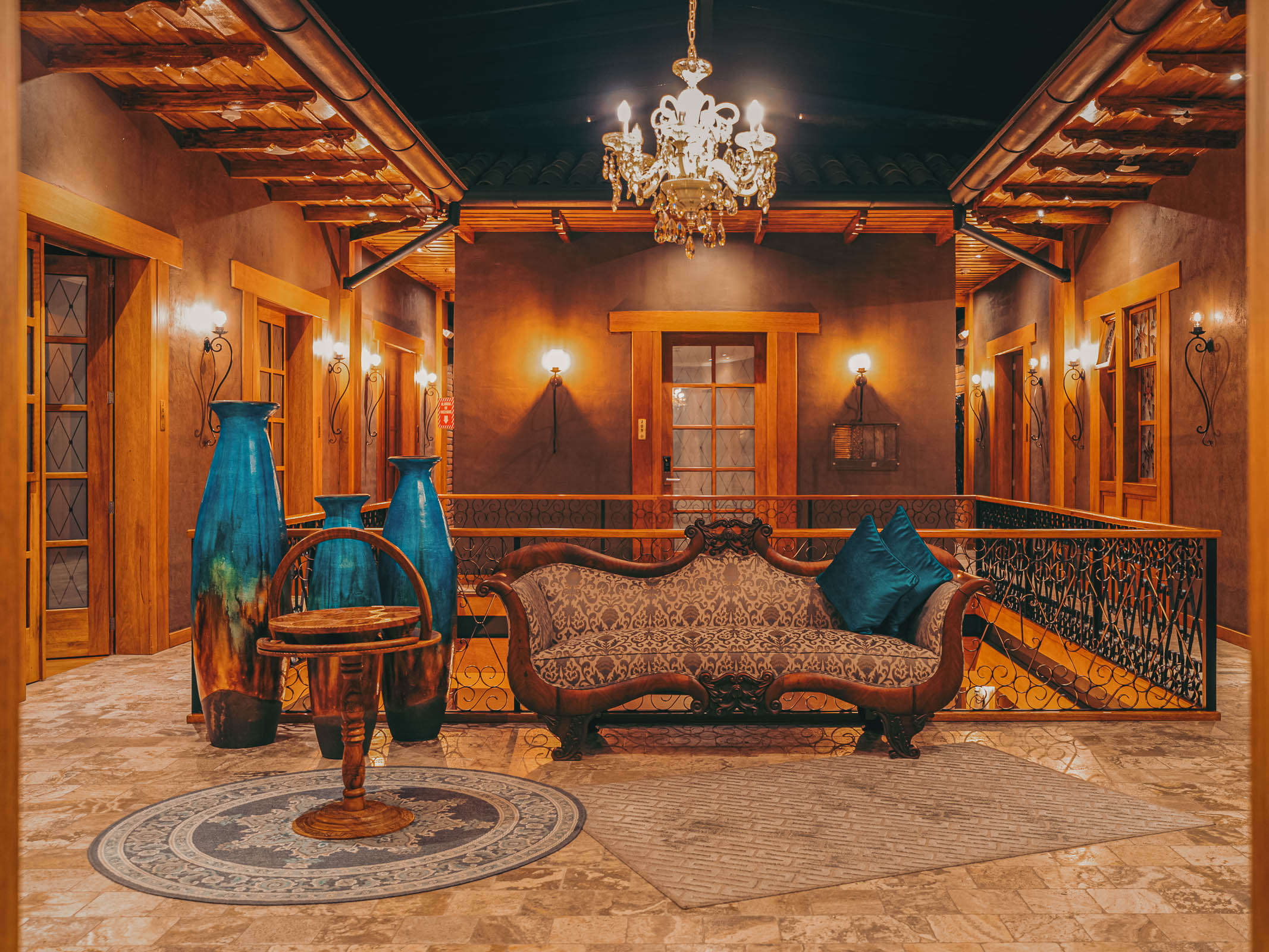
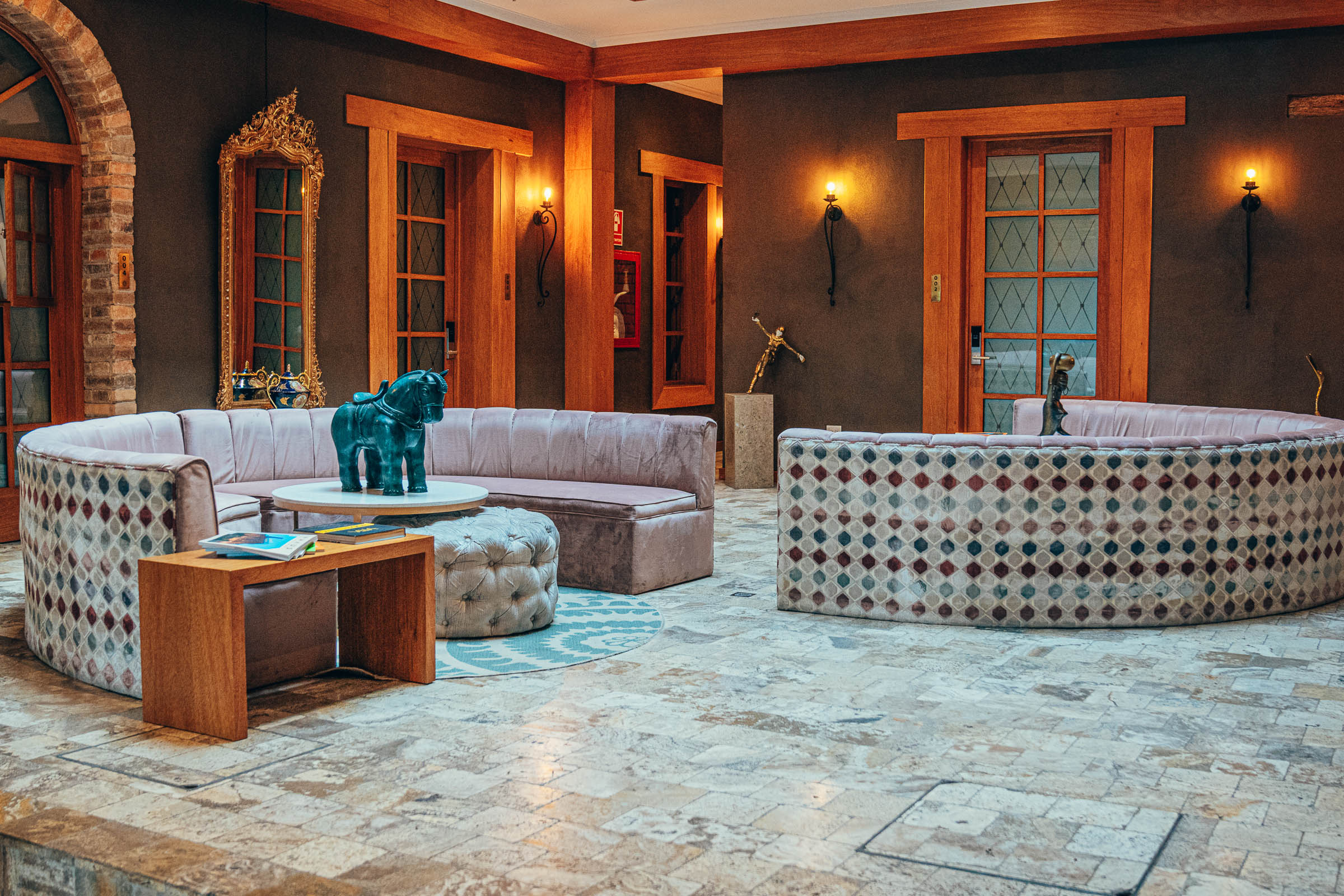
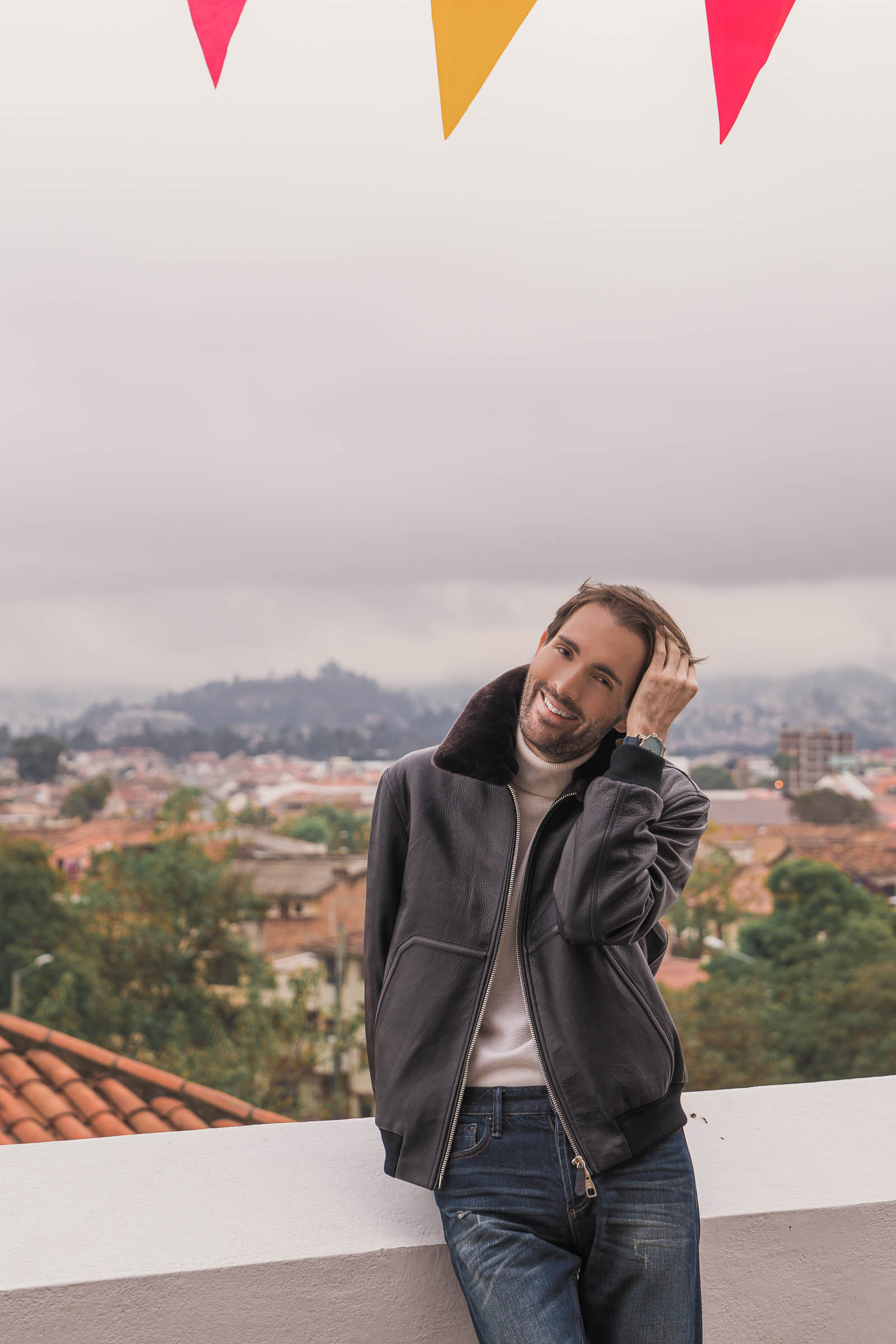
On the third floor, the Cúpulas Azules restaurant offers views of the cathedral domes. Breakfast is served here, and the menu celebrates dishes from different provinces of Ecuador. Above it, the rooftop bar offers a panoramic view of the city and the Andes, perfect for sunset cocktails.
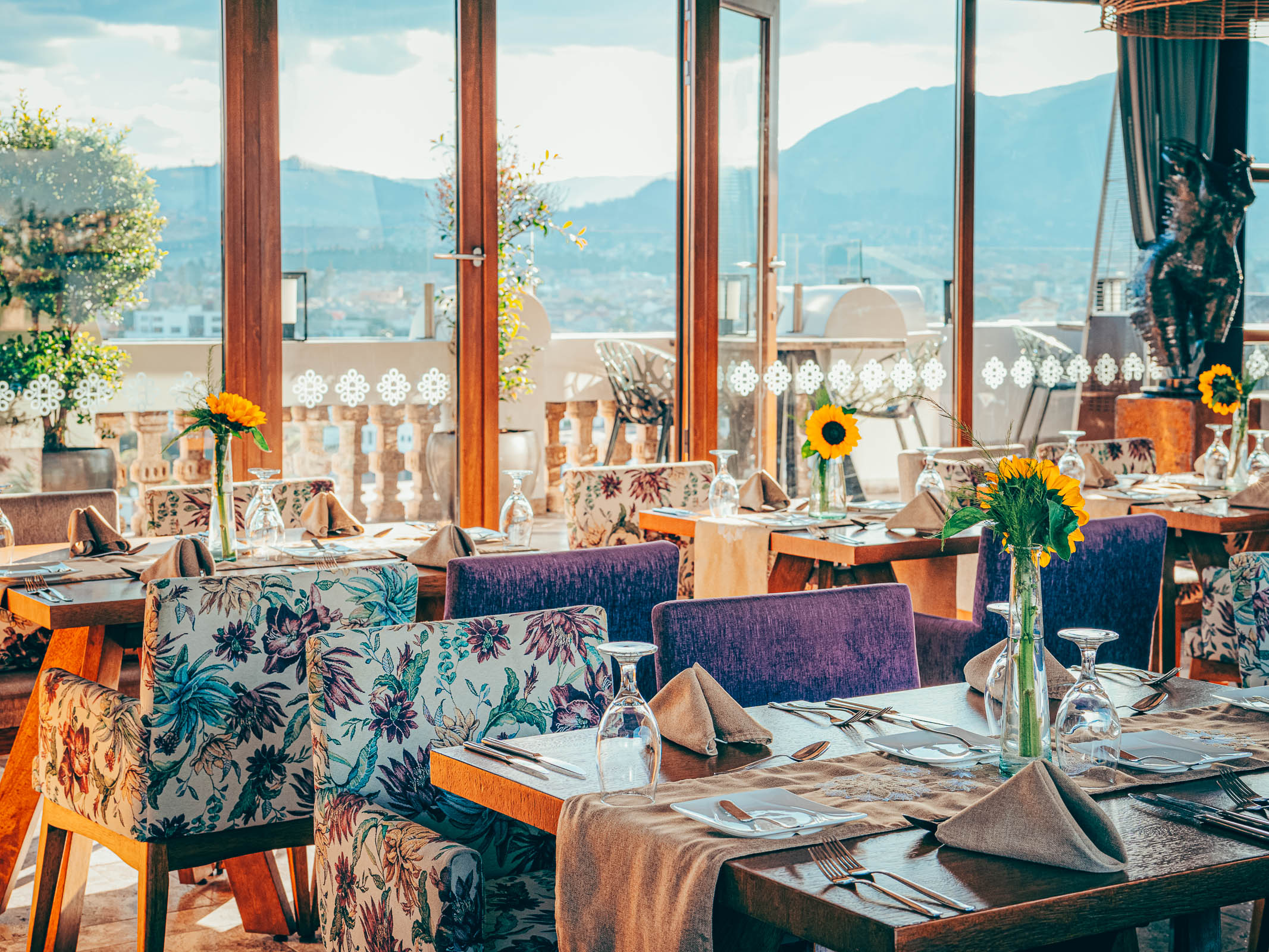
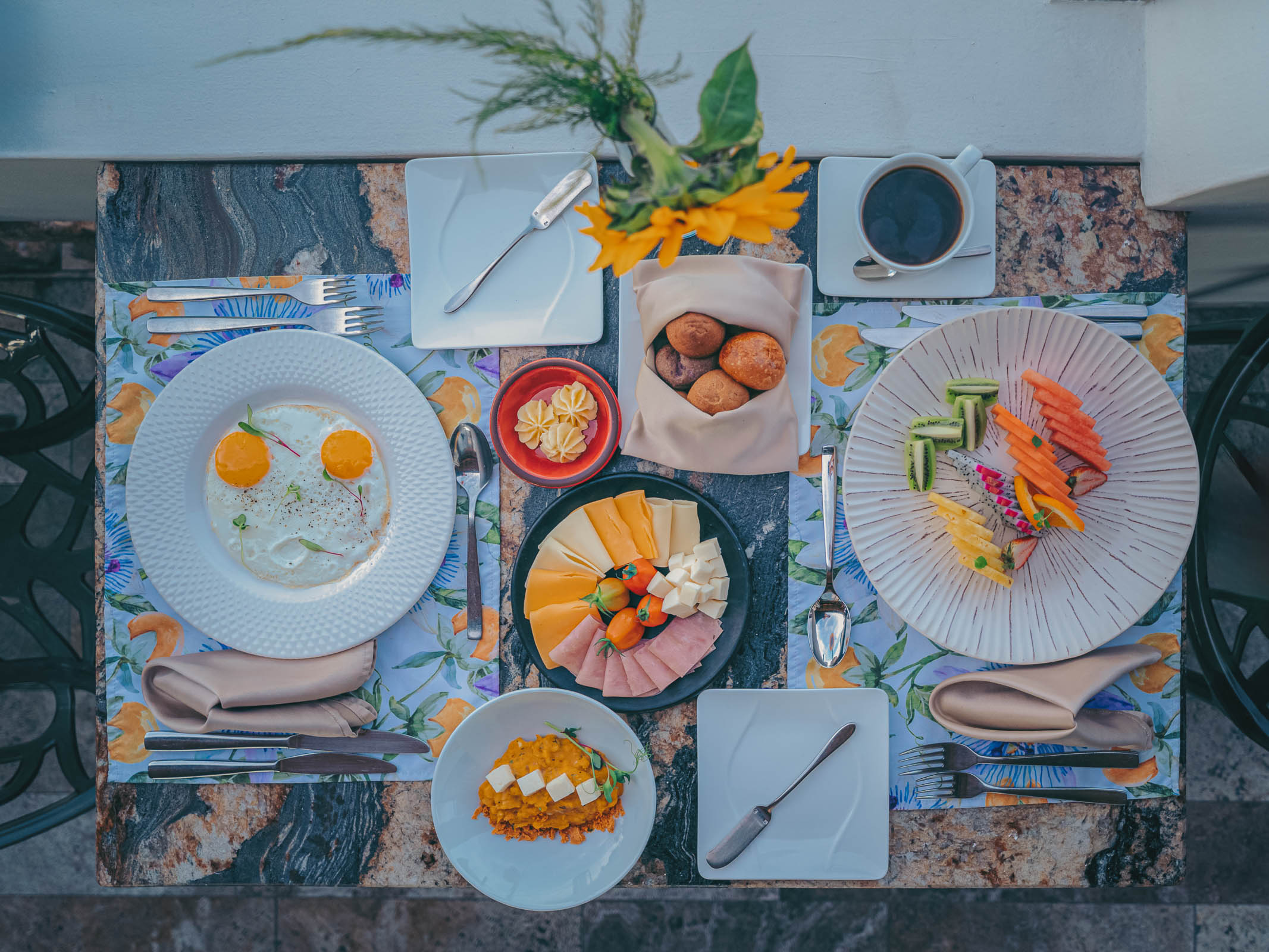
I sincerely thank the staff of Hotel Cruz del Vado for their warm welcome. My stay was exceptional, a unique experience that I will always remember!
SAYING GOODBYE TO CUENCA
My dear adventurers, we have come to the end of my third travelogue from Ecuador. This story would not exist without PRO ECUADOR, the Tourism Foundation of the Municipality of Cuenca, Cuenca BesTours and Hotel Cruz del Vado. I also thank the local partners who let me feel the spirit of Ecuadorian culture and tradition. In my next travelogue, I will take you to other interesting places near the city.
I believe a person grows richer in soul by exploring the world. That is why I am grateful for partners who help me discover unusual destinations in a new way. Until my next story, enjoy my fashion stories from Ecuador with Sannino Napoli and Brett Johnson.
Have you ever witnessed a traditional healing ritual at a market?
Feel free to leave your impressions, comments or questions below, or contact me by email and on social networks. All information is on the CONTACT page.
With love from Cuenca,
Mr.M
This post is sponsored by PRO ECUADOR, Tourism Foundation of the Municipality of Cuenca, Tour Operator Cuenca BesTours and Hotel Cruz del Vado as well as other local partners. This post is my personal and honest review of the destination experience.
Lieber Marko, wundervoller Reisebericht! Es ist schon lange her, dass ich einen so gut geschriebenen Reisebericht mit allen nötigen Informationen gelesen habe. Einige würden sagen, dass dieser Beitrag zu lang ist, aber ich glaube, dass dies für Menschen, die ein Reiseziel wirklich besuchen möchten, der ideale Inhalt ist, um ein neues Reiseziel kennenzulernen, insbesondere wenn so weit entfernte Reiseziele beworben werden. Ich hoffe, bald nach Ecuador reisen zu können!
Excellent travelogue, really everything is explained in detail from the history to some special sights to visit. The hotel looks lovely and I’ve booked tickets to Quito for May 2025, I’m currently thinking about a route to travel through Ecuador and I’m following your stories from Ecuador closely. I hope my trip will be at least half as interesting as your Ecuadorian adventure!
I have not been to South America, but I have visited several cities in Mexico and somehow Cuenca has that Mexican vibe to me, Cuenca reminds me a lot of some smaller Mexican cities. I also have to say that I really like your photos, they are so sharp and the color scheme is amazing.
Dear Marko, your travelogues from Ecuador are really refreshing and I want to praise your work and effort especially with the travelogues and fashion stories that you regularly write for us every week. Cuenca really looks like a real cultural gem of southern Ecuador, as well as South America. That someone manages to write such a travelogue with a complete historical story along with a travel mini guide and a hotel review is really impressive. I look forward to your new travelogues and fashion stories, I’m sure I’ll have interesting content to read during the holiday season.
Best,
Maisie
Cuenca is truly a gem to visit in Ecuador. I was in Ecuador last year, but I was only in Guayaquil and Galopagos because I only had 6 days of vacation and I wanted to explore the islands in the archipelago because I didn’t know that Ecuador has such beautiful and interesting cities. I am following your travelogues and sincerely hope to return to Ecuador soon to visit the rest of the country. Have you been to the Galopagos?
Hi Marko, your travelogues are something special and have never disappointed me in the years I’ve been following your blog. They are always detailed and informative and thank you for the numerous recommendations and advice. It is useful to know some historical facts and your pictures are perfect and completely complete the travel experience, so while reading your travelogue today I had the impression that I was in Cuenca. When will you start the winter fashion stories?
Hi Marko, I’m a travel photographer at the beginning of my career and I’m impressed by your pictures as I plan to improve my business. What camera and lenses are you currently using? I ask because the information about each image is private. I have not read the travelogue, but judging by the previous comments I believe the quality of the text is excellent, but I am really impressed and impressed by the sharpness of your pictures, as well as the details, so I am interested in information about your equipment or the equipment used by your photographer because I do not know what way do you do
What a fantastic article about Cuenca! We’re so glad to see this vibrant city being celebrated as the charming colonial gem it truly is. It was a pleasure hosting you during your visit to Cuenca and sharing a bit of what makes this city so special – from its history and culture to its incredible landscapes.
For anyone inspired by this piece and looking to explore Ecuador, we offer tailor-made Ecuador tour packages that include Cuenca tours, where you can dive deeper into the city’s rich heritage, local traditions, and stunning surroundings like Cajas National Park. Whether you’re planning a full Ecuador adventure or a visit to Cuenca specifically, we’d be thrilled to help you experience the magic of this incredible country.
Looking forward to seeing more travelers fall in love with Cuenca, just like we have!