
My dear travelers and lovers of unusual journeys, welcome to my travelogue from Rio de Janeiro on the Mr.M blog. With this story, we travel to an unusual continent, South America, and to one of its most famous cities. Before we start, I want to thank UN Tourism, the local ministries of tourism and the national and city tourism boards. I also thank all other partners who selflessly supported my adventure in South America. With their help, I created travelogues from Brazil, Rio de Janeiro and São Paulo, as well as numerous fashion stories.
I created my posts from Brazil with the selfless help of UN Tourism and EMBRATUR, the Brazilian tourism board behind Visit Brasil. Of course, many local partners also helped me, and I mention them throughout this story.
UN TOURISM AND MY JOURNEY TO RIO DE JANEIRO
UN Tourism, known as UNWTO until its new name was announced in January 2024, is a specialized agency of the United Nations. It promotes responsible, sustainable and universally accessible tourism. Its headquarters are in Madrid, Spain. In addition, it has a regional support office for Asia and the Pacific in Nara, Japan. There is also a regional office for the Middle East in Riyadh, Saudi Arabia.
UN Tourism serves as a global forum for tourism policy and a source of tourism research and knowledge. It also runs the UN Tourism Academy and important statistical work. My study and media trip was part of a research and investment project in luxury tourism in South America. Through these stories, I want to show you the development and potential of tourism on this continent, in the spirit of #BringingTheWorldCloser. If you followed my earlier journey on this continent, you may remember Quito, the pearl of South America in the middle of the world.
BRAZIL, THE GIANT OF SOUTH AMERICA
The first country I visited on this trip was the Federative Republic of Brazil, the largest country in South America. It is the fifth-largest country in the world by area. As of 2026, it is also the seventh-largest by population, with an estimated 214 million people. The country is a federation of 26 states and a Federal District, which hosts the capital, Brasília. Its most populous city is São Paulo, followed by Rio de Janeiro.
Brazil has the largest Portuguese-speaking population in the world, and it is the only Portuguese-speaking country in the Americas. Its coastline along the Atlantic Ocean is 7,491 kilometers long. Moreover, the country covers roughly half of South America and borders every other country on the continent except Ecuador and Chile.
Nature here breaks records. Brazil contains most of the Amazon basin, with the largest river system in the world and the most extensive virgin tropical forest. As a result, it ranks first among the 17 megadiverse countries of the world.
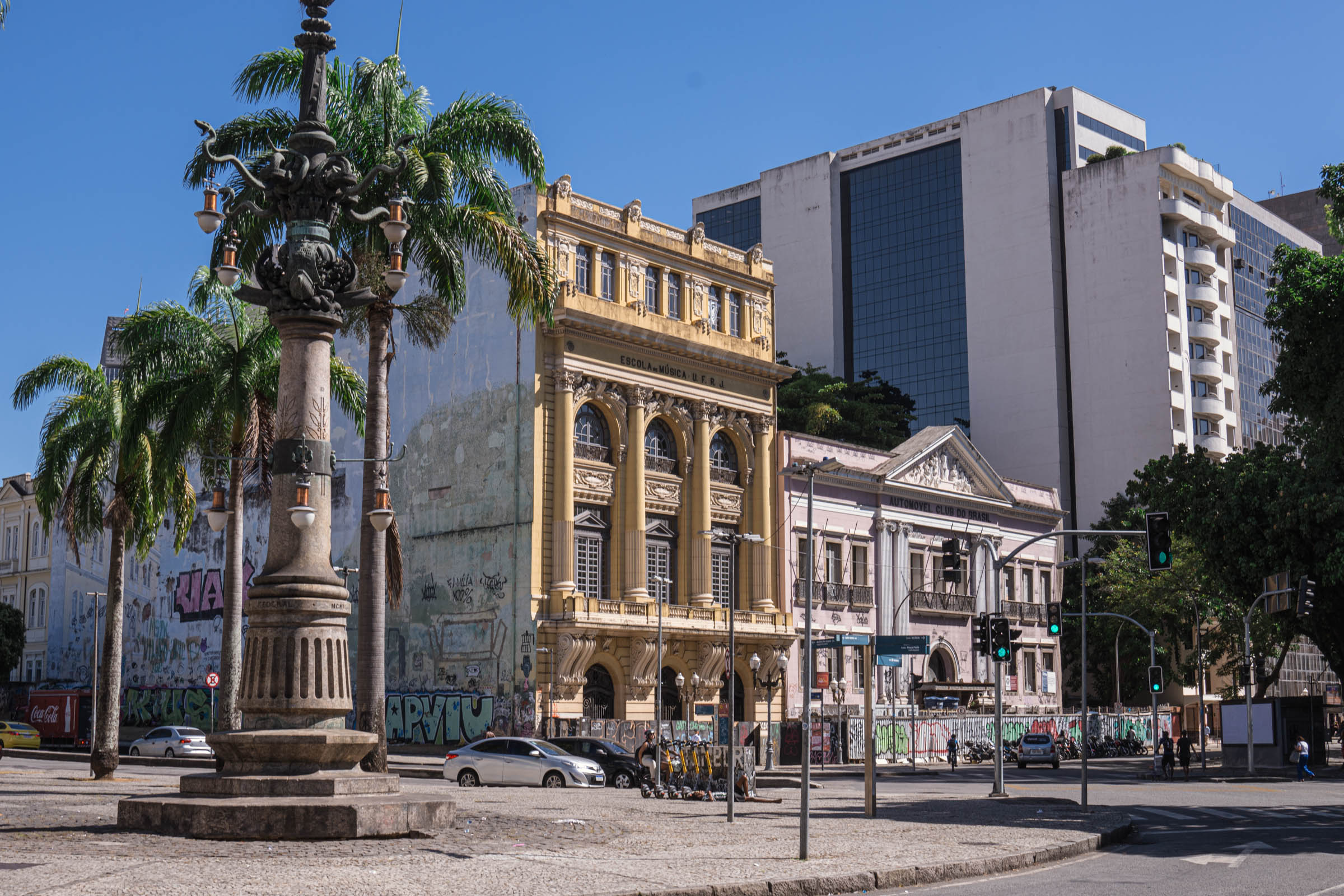
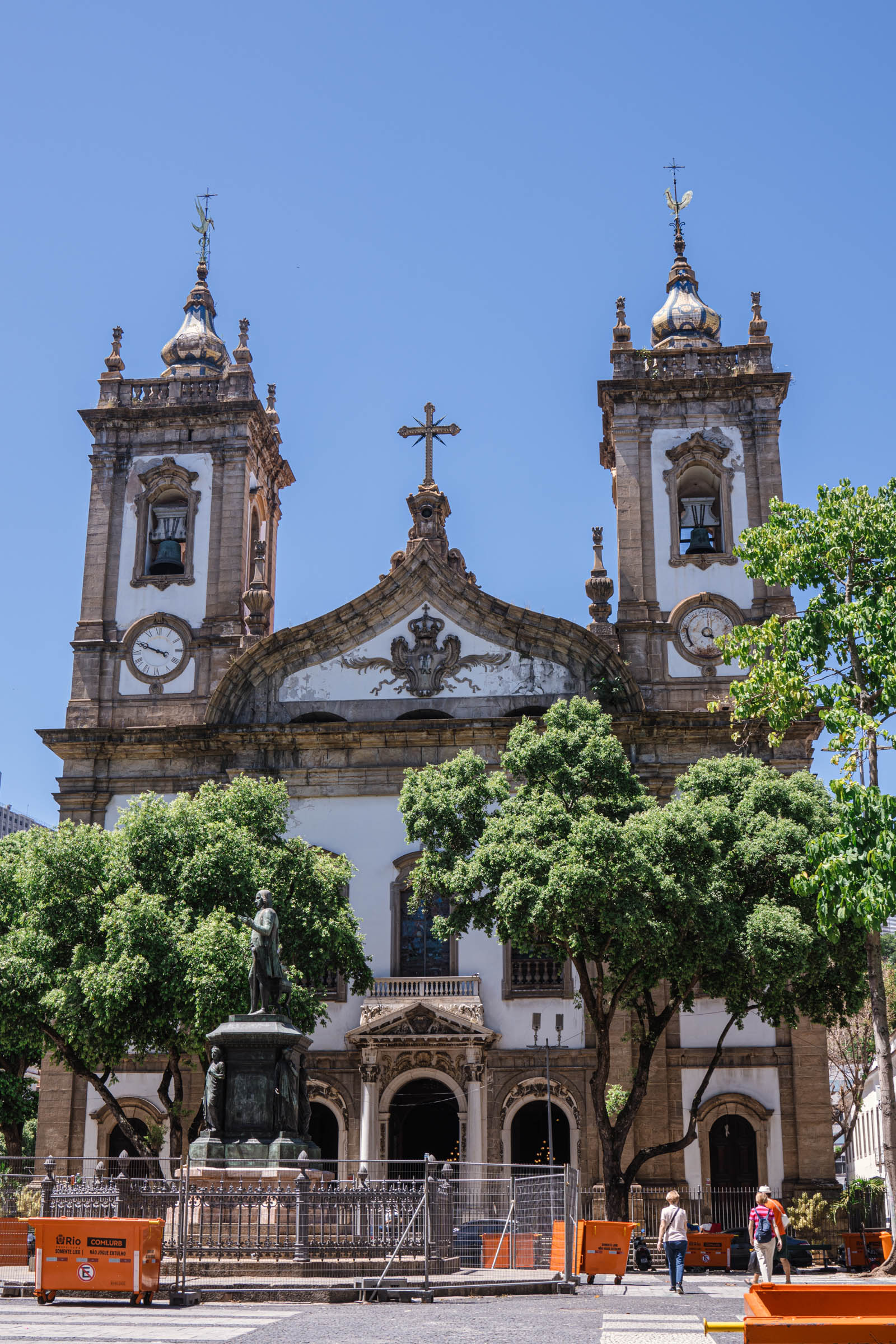
Portuguese heritage is visible at every step in downtown Rio de Janeiro. Baroque churches with gilded interiors stand among modern office towers. If you love this kind of architecture, you will also enjoy my story about Quito, a city colored by baroque art and architecture.
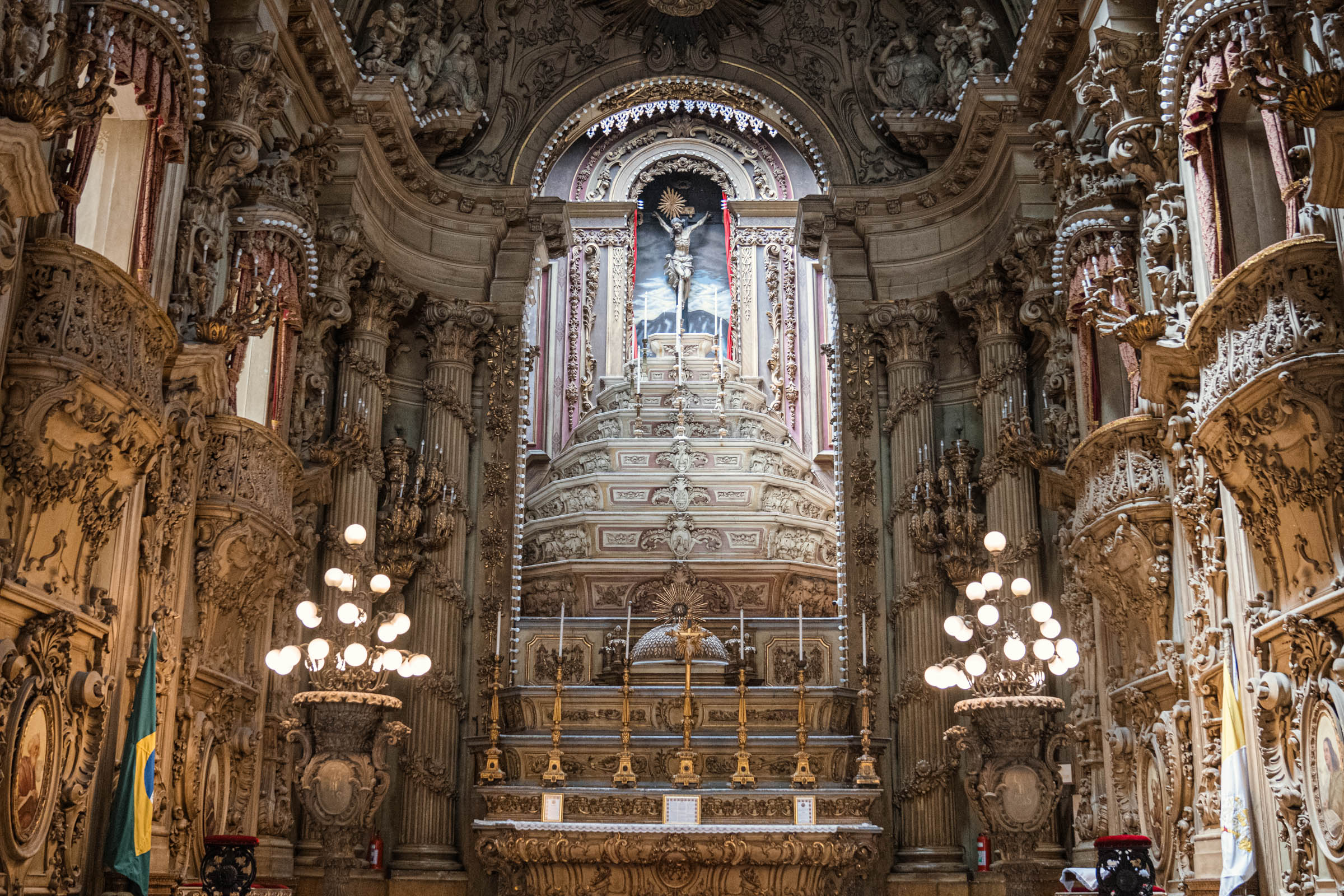
RIO DE JANEIRO, THE MARVELOUS CITY
Rio de Janeiro, or simply Rio, is the capital of the state of the same name. It is the second-largest city in Brazil, after São Paulo, and the sixth most populous city in the Americas. As of 2025, about six million people live in the city itself and around 13 million in its metropolitan area. Its residents are called cariocas.
People also know Rio as the Cidade Maravilhosa, the Marvelous City. In 2012, UNESCO added it to the World Heritage List as “Rio de Janeiro: Carioca Landscapes between the Mountain and the Sea.” Indeed, few cities in the world combine mountains, forest, ocean and city life so naturally.
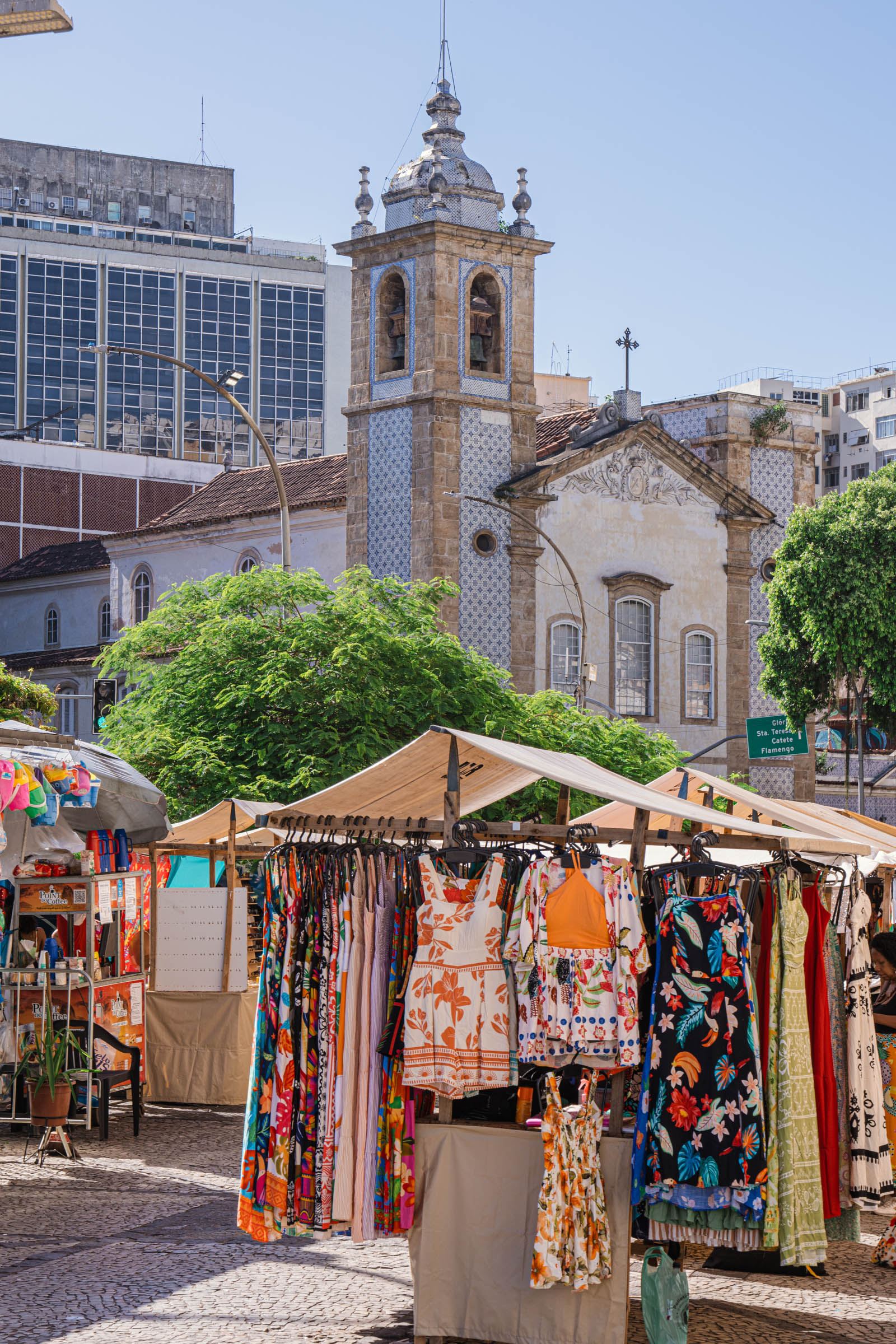
FROM PORTUGUESE COLONY TO CAPITAL OF AN EMPIRE
The Portuguese founded the city on March 1, 1565. In 1763, it became the seat of the colonial administration. Then, in 1808, the Portuguese royal court moved to Brazil, and Rio became its home. In 1815, the city became the capital of the United Kingdom of Portugal, Brazil and the Algarves. It remained the capital of this monarchy until 1822, when the Brazilian War of Independence began.
This is a rare case in history: the capital of a colonial power moved to one of its colonies. Later, Rio was the capital of the Empire of Brazil until 1889. After that, it remained the capital of the Republic until 1960, when the capital moved to Brasília.
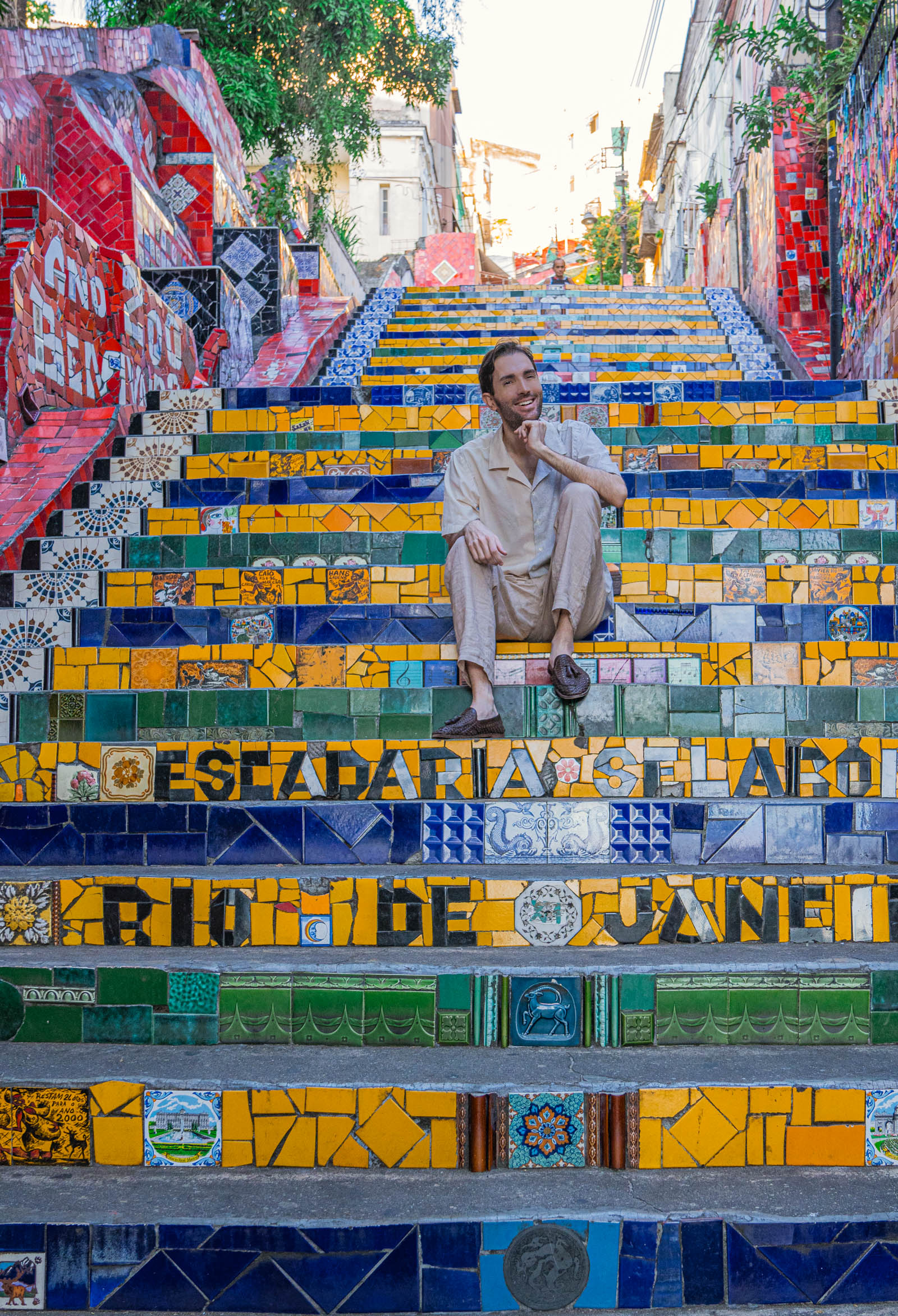
Below, you can already see one of the most colorful places in the city, the Selarón Steps, which I describe later in this story.
RIO DE JANEIRO TODAY: BUSINESS, SCIENCE AND BEACHES
Rio de Janeiro has the second-largest municipal GDP in Brazil. The city is home to the headquarters of the energy giant Petrobras and the mining company Vale. Grupo Globo, the largest telemedia conglomerate in Latin America, is also based here. In addition, it is home to many universities and institutes. According to 2005 data, it accounted for 17 percent of the national scientific output.
Rio is one of the most visited cities in the Southern Hemisphere. It is famous for its natural setting, carnival, samba, bossa nova and beaches such as Barra da Tijuca, Copacabana, Ipanema and Leblon. Besides the beaches, its landmarks include Christ the Redeemer on Corcovado and Sugarloaf Mountain with its cable car. There is also the Sambadrome, a permanent parade avenue for the carnival, and the Maracanã, one of the largest football stadiums in the world.
WORLD EVENTS IN RIO DE JANEIRO
Rio de Janeiro hosted the 2016 Summer Olympics. It was the first South American and Portuguese-speaking city to host the Games. It was also only the third time that the Olympics took place in the Southern Hemisphere. Moreover, the Maracanã hosted the finals of the 1950 and 2014 FIFA World Cups and the final of the 2013 FIFA Confederations Cup.
The city also hosted the 2007 Pan American Games and, in 2024, the G20 summit. Next, the Maracanã will host the opening match and the final of the 2027 FIFA Women’s World Cup.
For football lovers, the Maracanã is a true temple. Its official name is Estádio Jornalista Mário Filho, and it opened in 1950 to host the FIFA World Cup. Later, it was partially rebuilt for the 2013 Confederations Cup and the 2014 World Cup. In 2016, it hosted the opening and closing ceremonies of the Olympic Games. Today, the stadium holds 73,139 spectators. The state government owns it, while the clubs Flamengo and Fluminense manage it.
CHRIST THE REDEEMER ON CORCOVADO
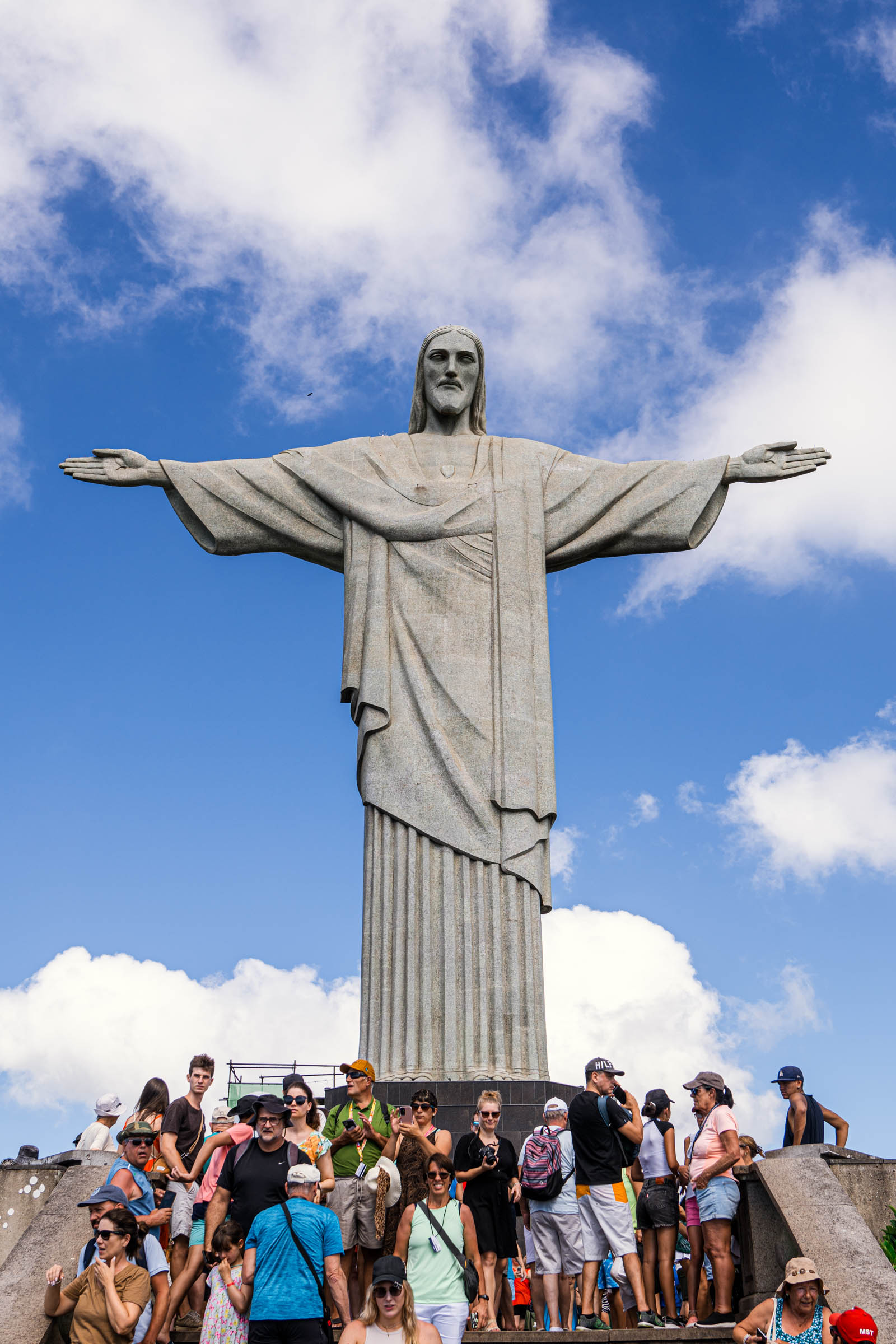
So, what should you visit in Rio de Janeiro? The most famous attraction is Christ the Redeemer, Cristo Redentor in Portuguese. This Art Deco statue is the work of the French-Polish sculptor Paul Landowski. Its design came from Heitor da Silva Costa and the artist Carlos Oswald. The Brazilian engineer Heitor da Silva Costa built it in collaboration with the French engineer Albert Caquot. Meanwhile, the Romanian sculptor Gheorghe Leonida sculpted the face.
The statue was built between 1922 and 1931. It is 30 meters high, excluding its 8-meter pedestal, and its arms stretch 28 meters wide. It is made of reinforced concrete and soapstone, and it weighs 635 metric tons. Interestingly, the first plan was quite different: a large Christ with a globe in one hand and a cross in the other.
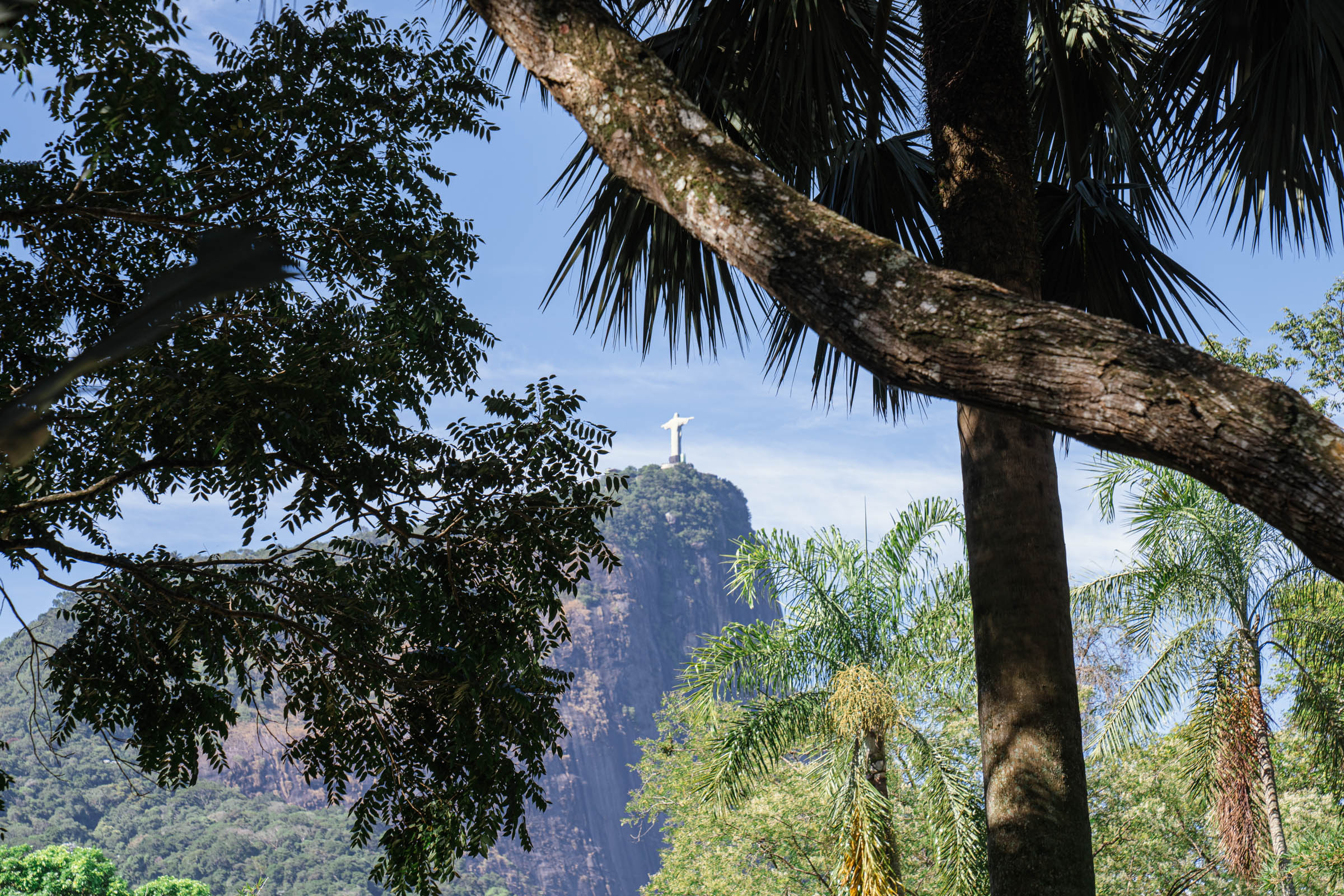
The statue stands at the peak of the 700-meter Corcovado mountain, in Tijuca National Park. It is the largest Art Deco sculpture in the world. On July 7, 2007, it was voted one of the New 7 Wonders of the World. A symbol of Christianity across the world, the statue has also become a cultural icon of both Rio de Janeiro and Brazil.
TIJUCA NATIONAL PARK, A FOREST IN THE CITY
The statue stands inside Tijuca National Park, which covers some 39.58 square kilometers. People often claim that it is the largest urban forest in the world, although Johannesburg disputes this title. Interestingly, much of this forest was replanted by hand. In 1861, Emperor Pedro II established federal control over the area, and the restoration of the former forest began. Major Manuel Gomes Archer, the manager of the Tijuca Forest, supervised the replanting. Today, many of its threatened species live only in the Atlantic Forest. In 1961, the area officially became a national park. Besides Corcovado, its notable peaks include the Pedra da Gávea.
THE VIEW FROM CORCOVADO AND SUGARLOAF MOUNTAIN
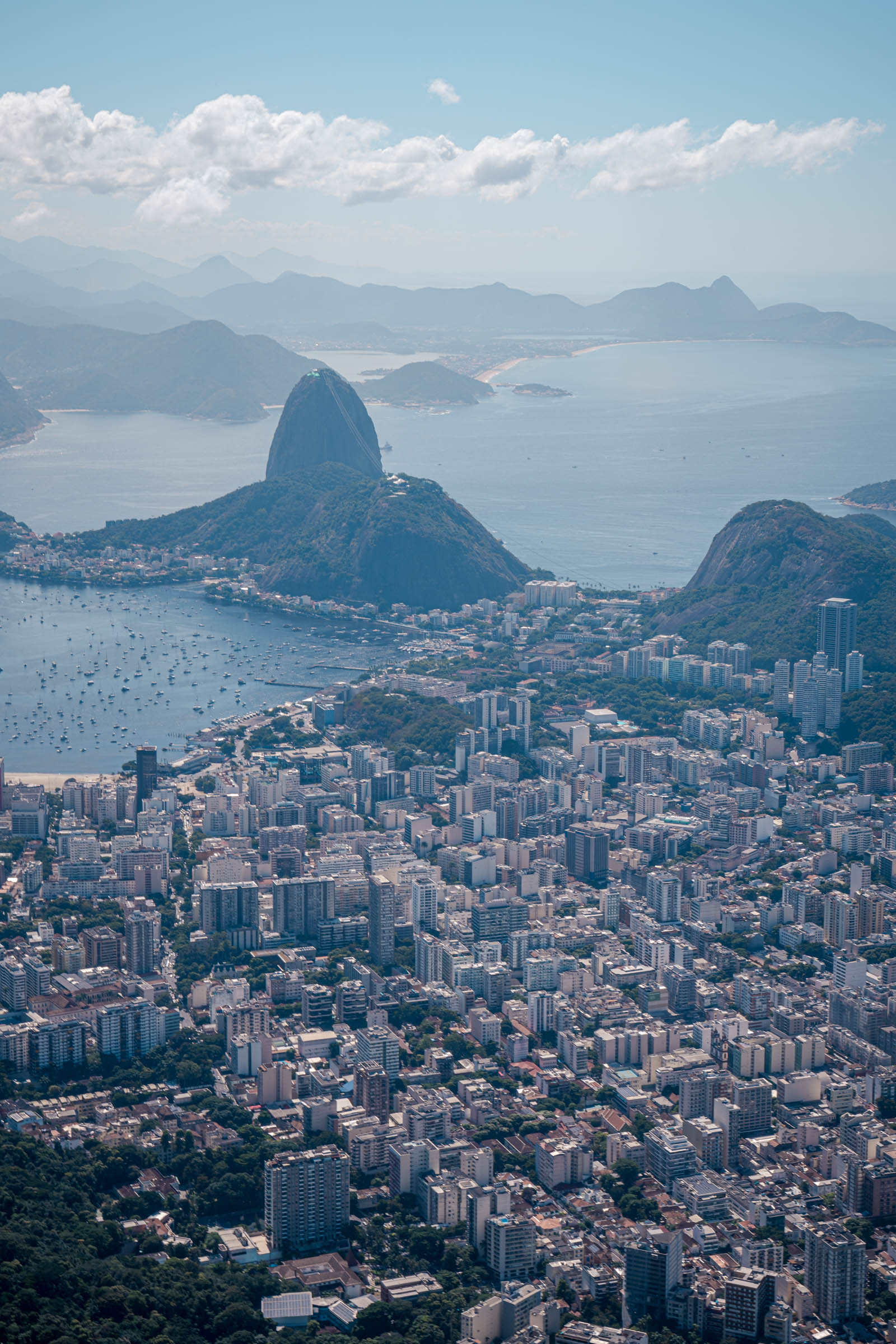
From the top of Corcovado, you get one of the most beautiful views of Rio de Janeiro. Right in front of you rises Sugarloaf Mountain, 396 meters above the harbor, on a peninsula at the mouth of Guanabara Bay. Portuguese settlers gave it its name in the 16th century, because it resembled the traditional shape of a sugarloaf. Its cable car opened in 1912. It was the first cable car in Brazil and only the third of its kind in the world. The ride goes from the base station up to Morro da Urca and from there to the summit of Sugarloaf. Since 2012, the mountain has also been part of the UNESCO World Heritage Site of Rio de Janeiro.
To reach the statue, you can take the Corcovado Rack Railway from the historic station in Cosme Velho. The line is about 3.8 kilometers long. It opened in 1884, and in 1910 it became the first electrified railway in Brazil. The trip takes about 20 minutes. At the top, escalators, walkways and elevators, installed in 2003, lead to the platform around the statue.
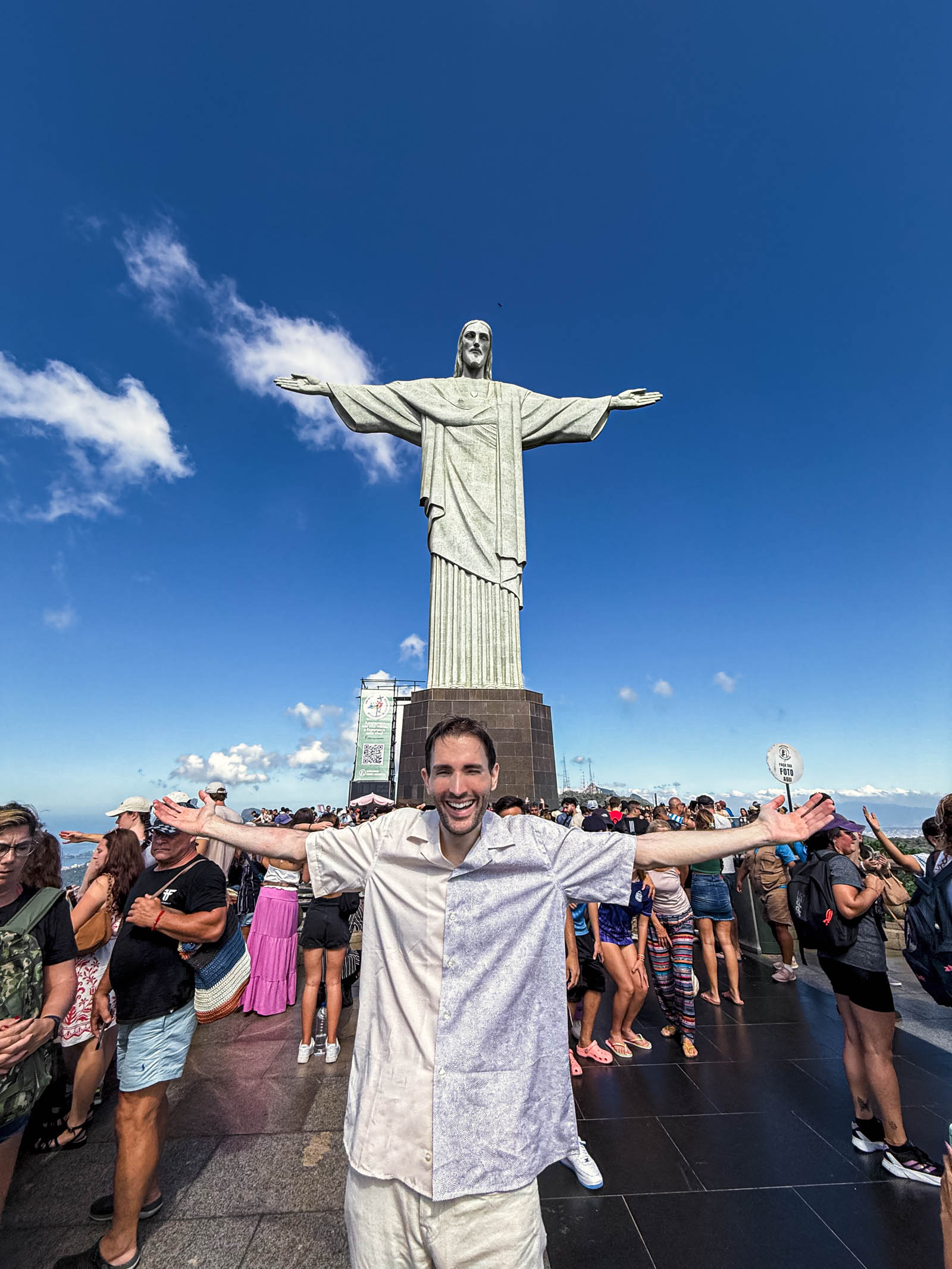
Keep in mind that this is one of the most visited places in the city, so it is always crowded. However, that won’t stop you from taking a nice picture to remember, just like I did.
THE SELARÓN STEPS, A TRIBUTE TO BRAZIL
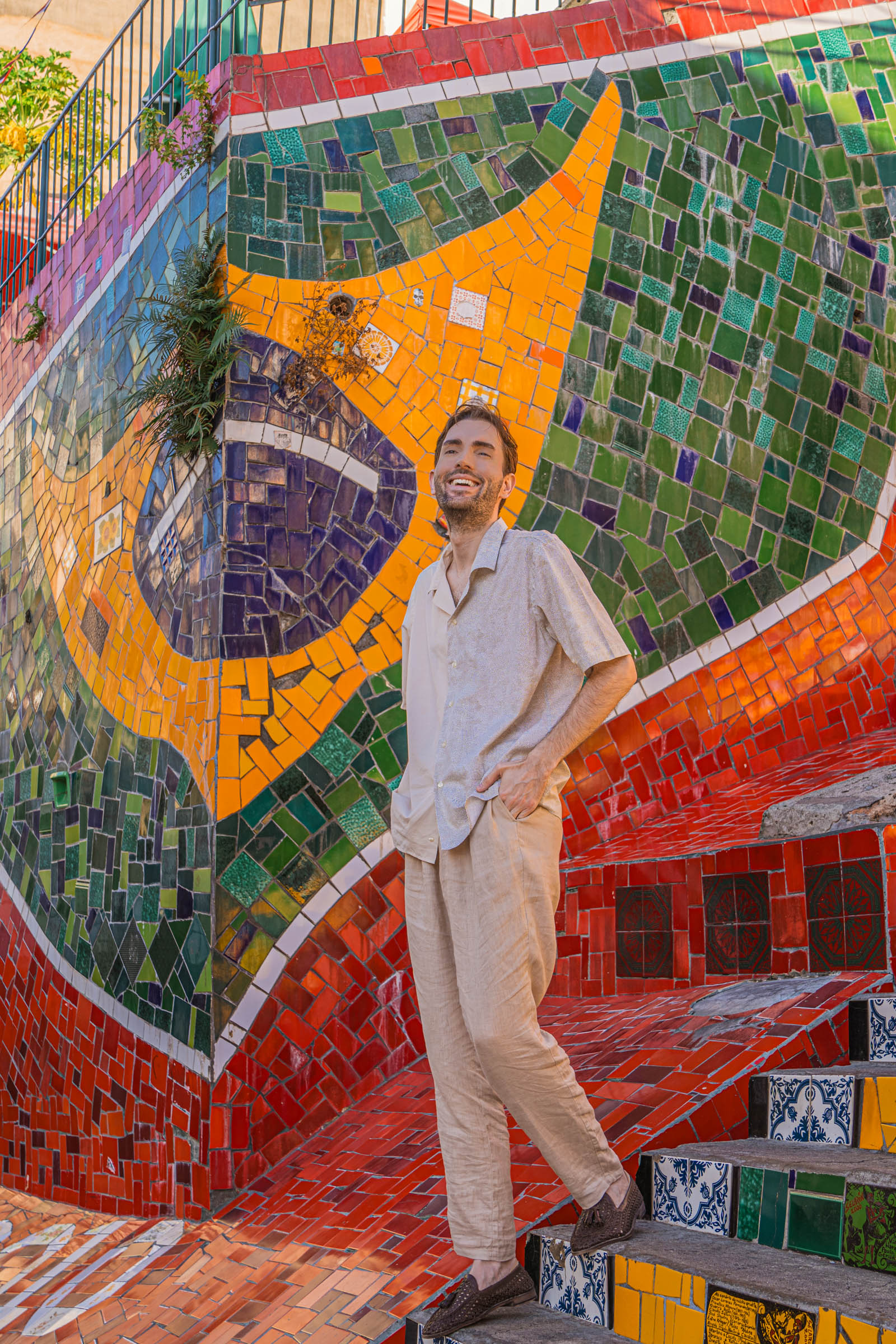
The Escadaria Selarón, or Selarón Steps, is a world-famous set of steps in Rio de Janeiro. They are the work of the Chilean-born artist Jorge Selarón, who called them his tribute to the Brazilian people. In 1990, he began to renovate the dilapidated steps that ran along the front of his house.
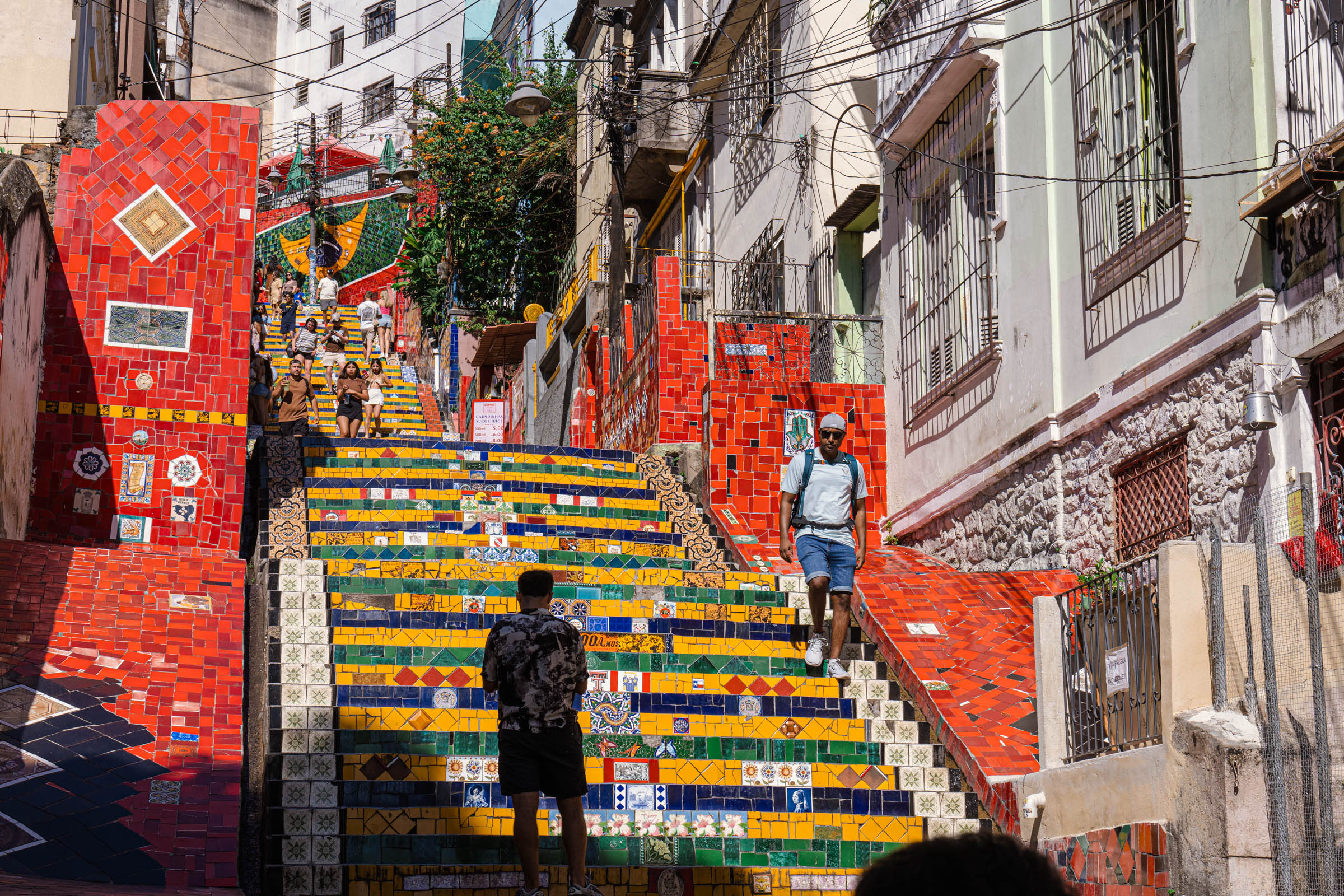
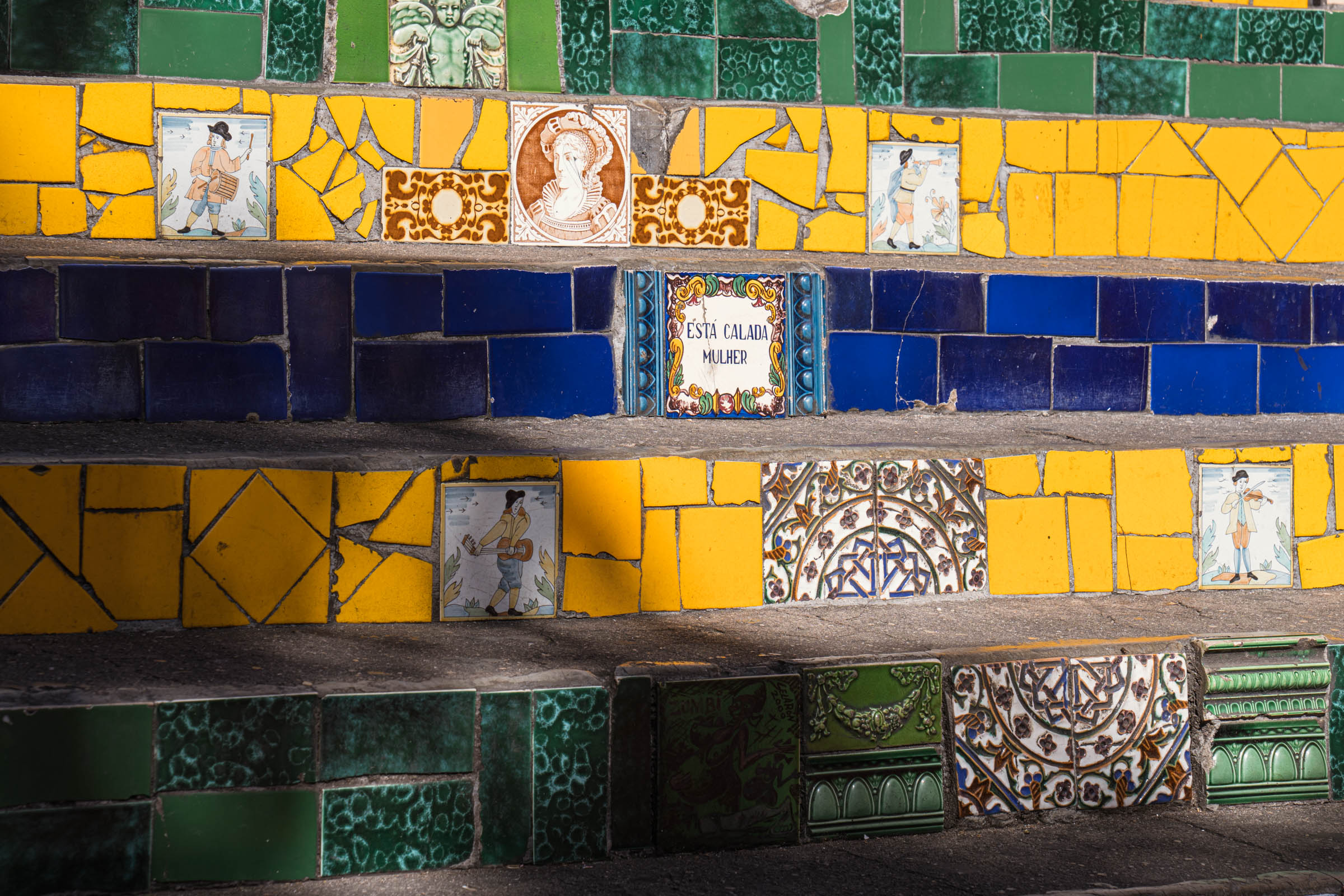
At first, his neighbors mocked him for his choice of colors. He covered the steps with fragments of blue, green and yellow tiles, the colors of the Brazilian flag. What started as a hobby soon became a real obsession. To finance the work, Selarón sold his paintings. It was a long and exhausting job, but in the end he covered the entire flight of stairs with tiles, ceramics and mirrors.
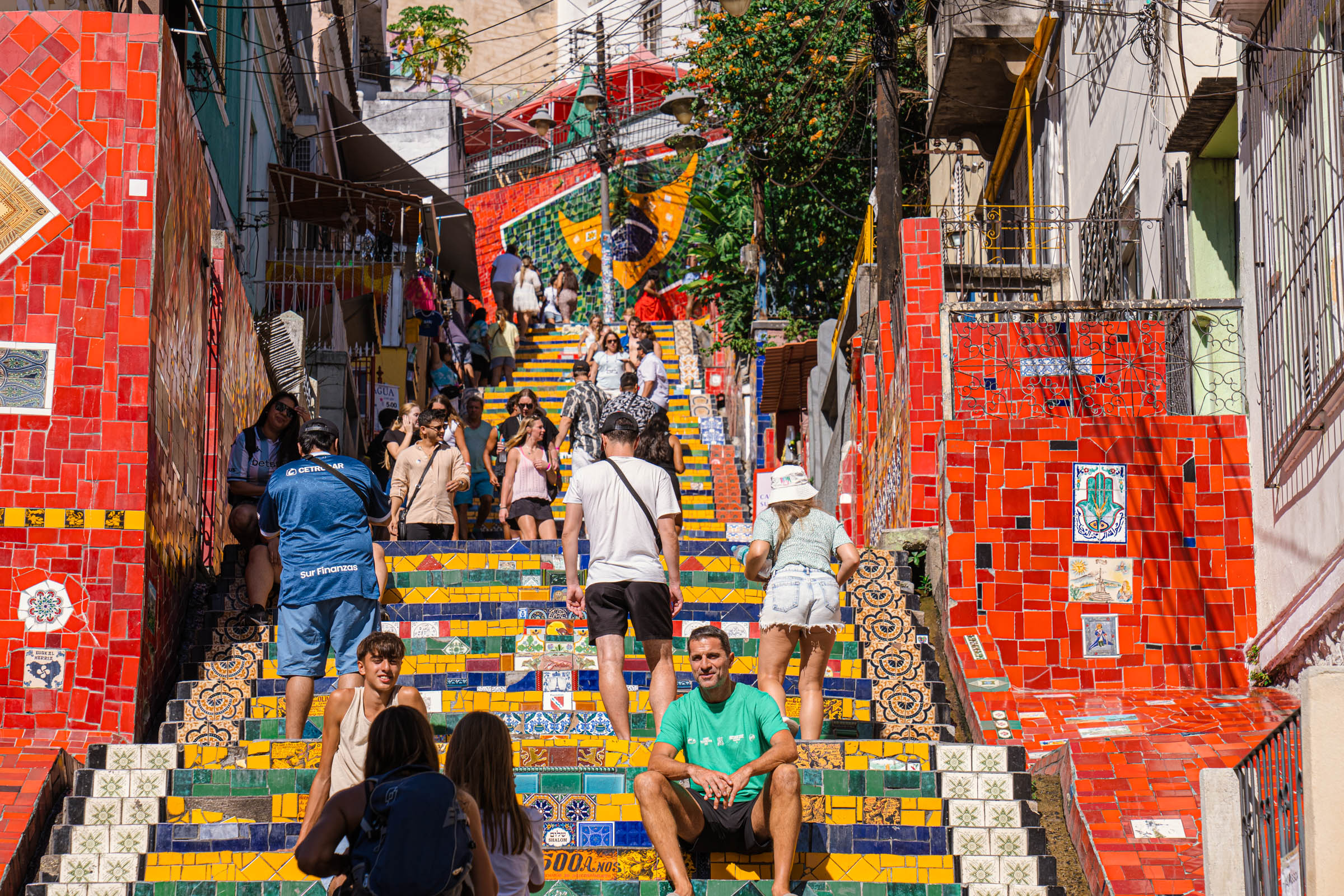
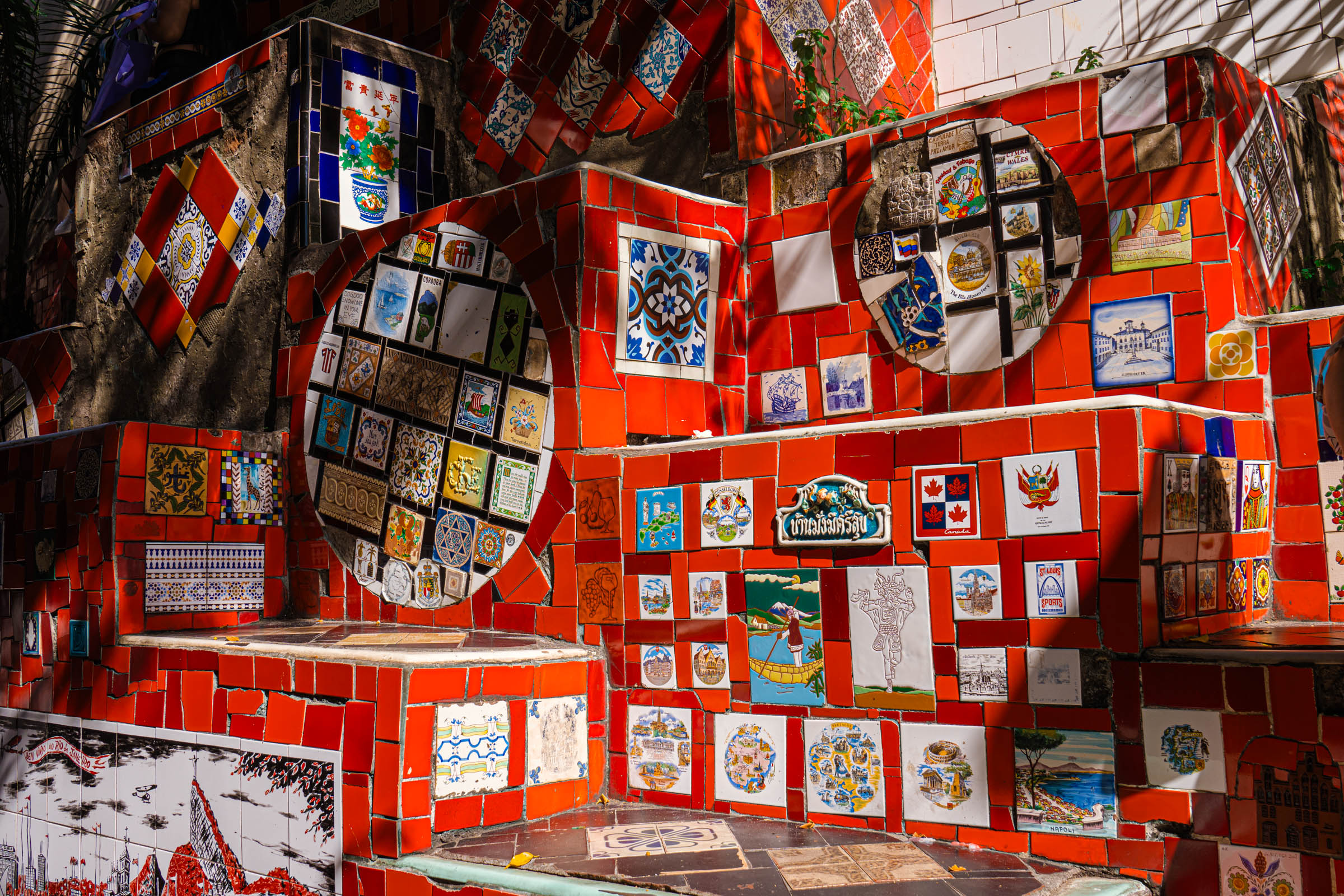
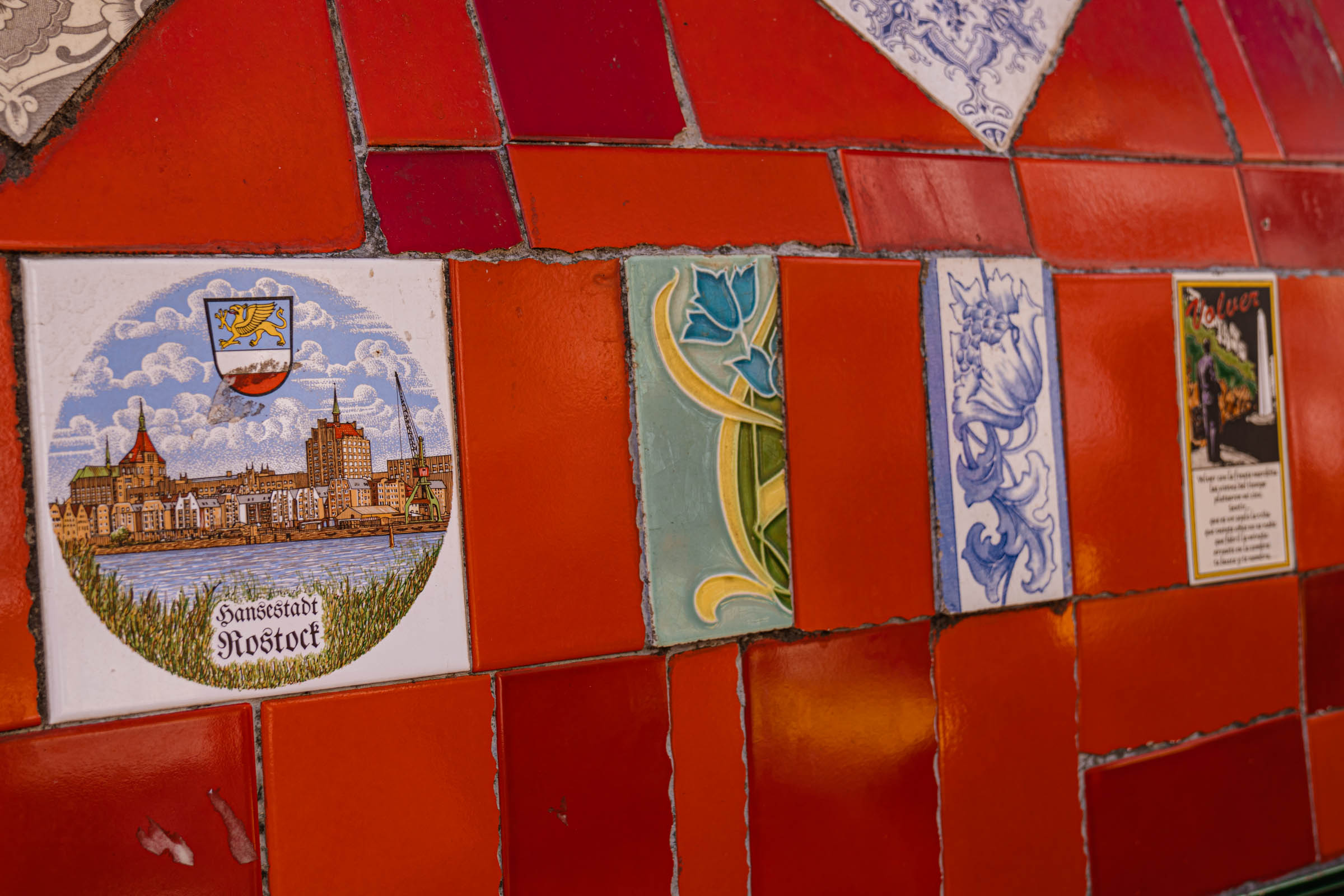
The steps run between Joaquim Silva Street and Pinto Martins Street, officially Manuel Carneiro Street, and they connect the Lapa and Santa Teresa neighborhoods. There are 215 steps, 125 meters long, covered in more than 2,000 tiles from over 60 countries. At first, Selarón collected tiles from construction sites and urban waste. Later, however, visitors from all over the world donated most of them. About 300 of the tiles are his own paintings of a pregnant African woman.
The steps also appeared in music videos and in the video for Rio’s bid for the 2016 Olympics. I strongly advise you to go there and enjoy this unusual explosion of color and street art.
STREET ART IN LAPA AND SANTA TERESA
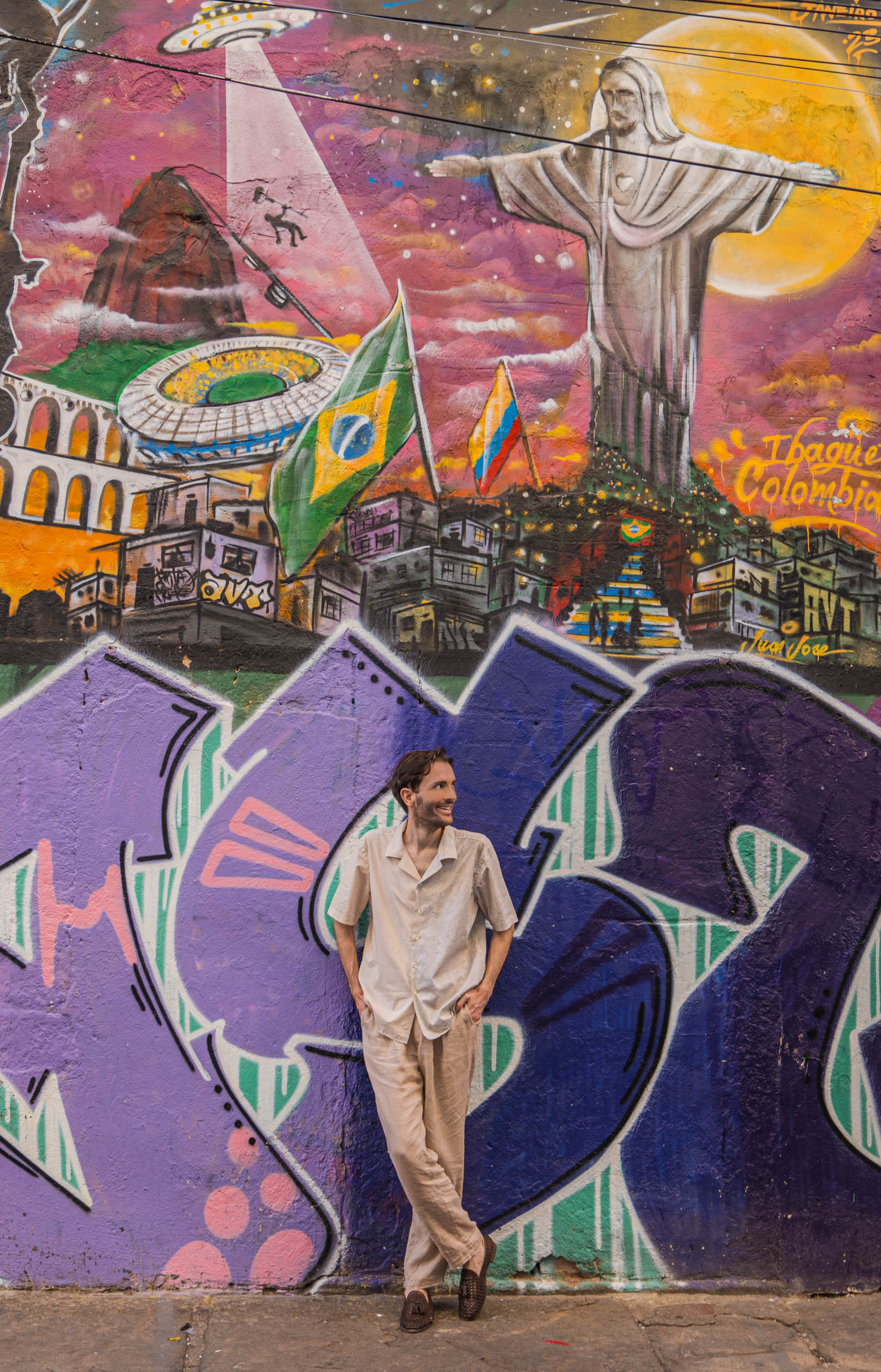
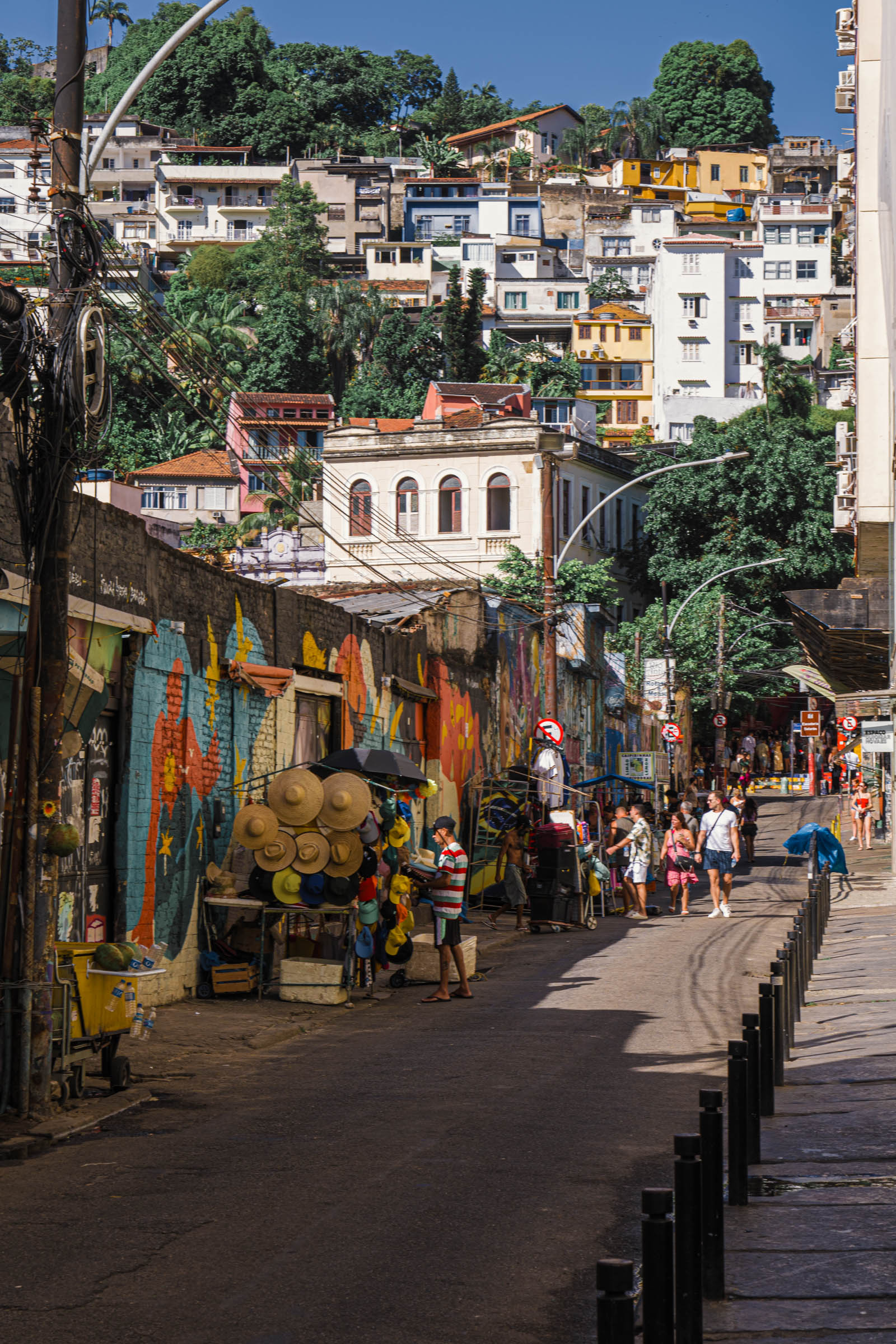
The Selarón Steps link two of the most interesting neighborhoods in the city. Lapa is known as the cradle of Bohemian Rio, famous for its historical monuments and vibrant nightlife. Samba lives in venues such as Carioca da Gema, while the Sala Cecília Meireles is an important venue for chamber music. Above it, the hillside neighborhood of Santa Teresa rises with its colorful houses.
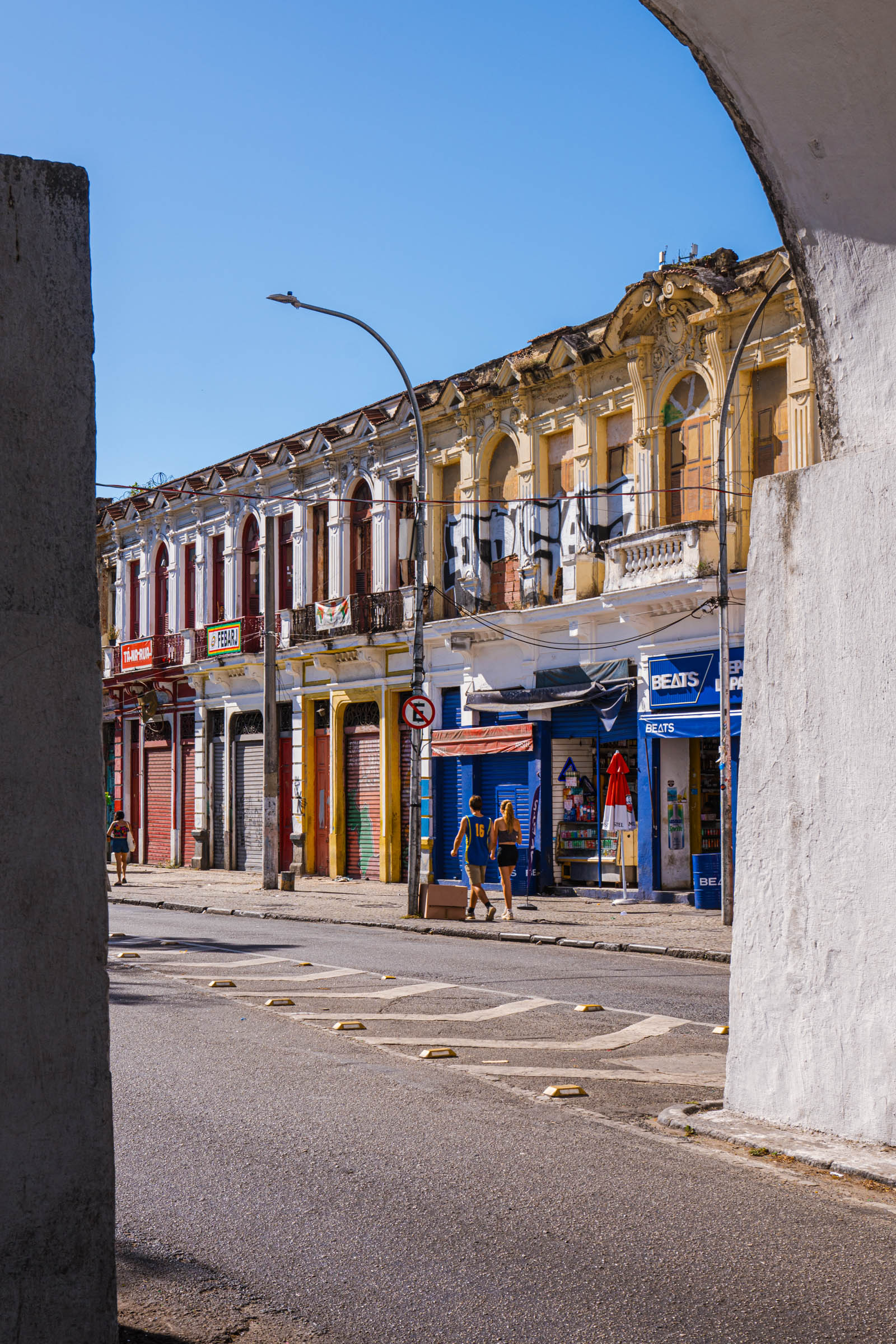
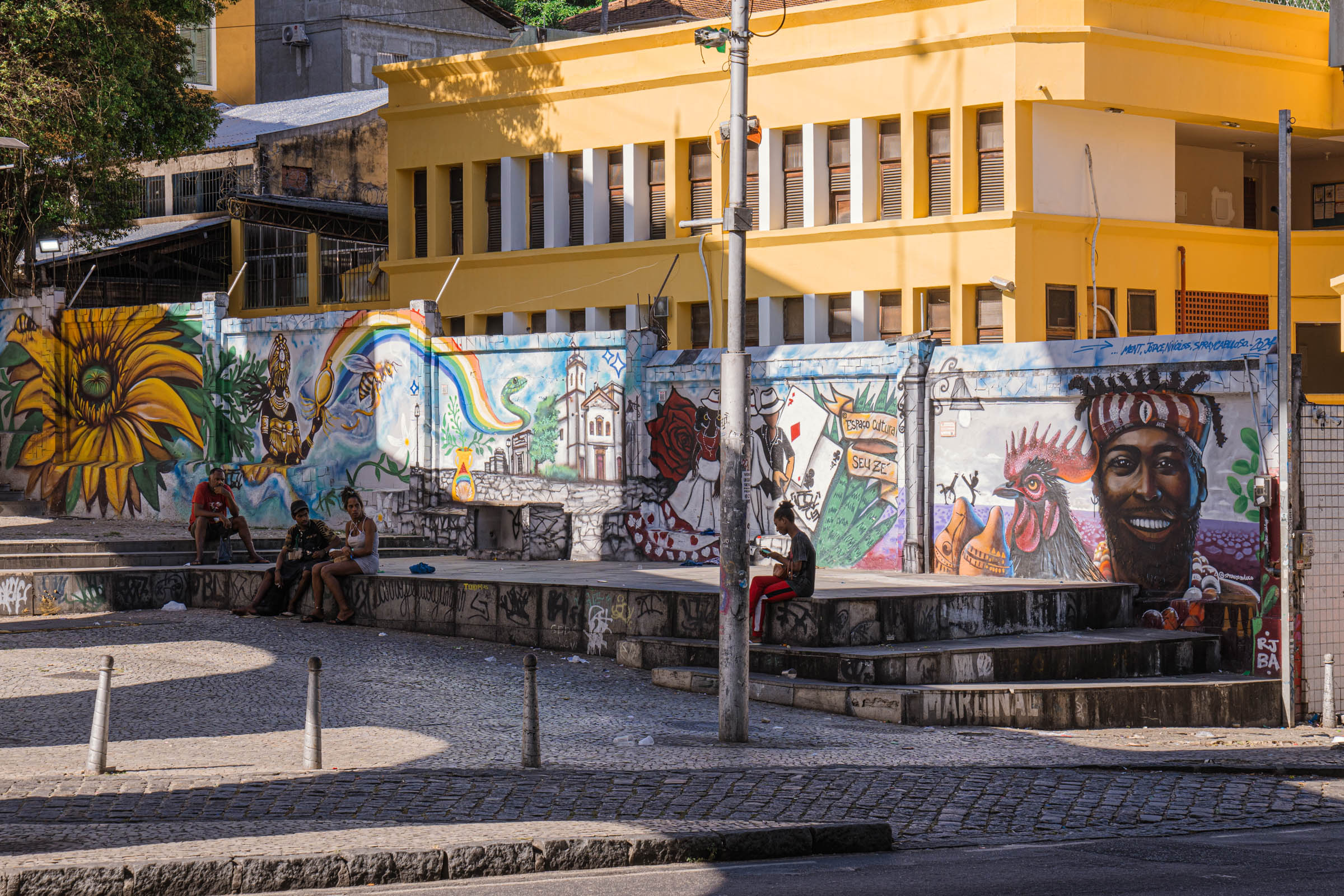
As you can see in my photos, the walls here are a gallery in the open air. Murals with Christ the Redeemer, the Maracanã and the Brazilian flag tell the story of the city in bright colors.
THE LAPA ARCHES AND THE CARIOCA AQUEDUCT
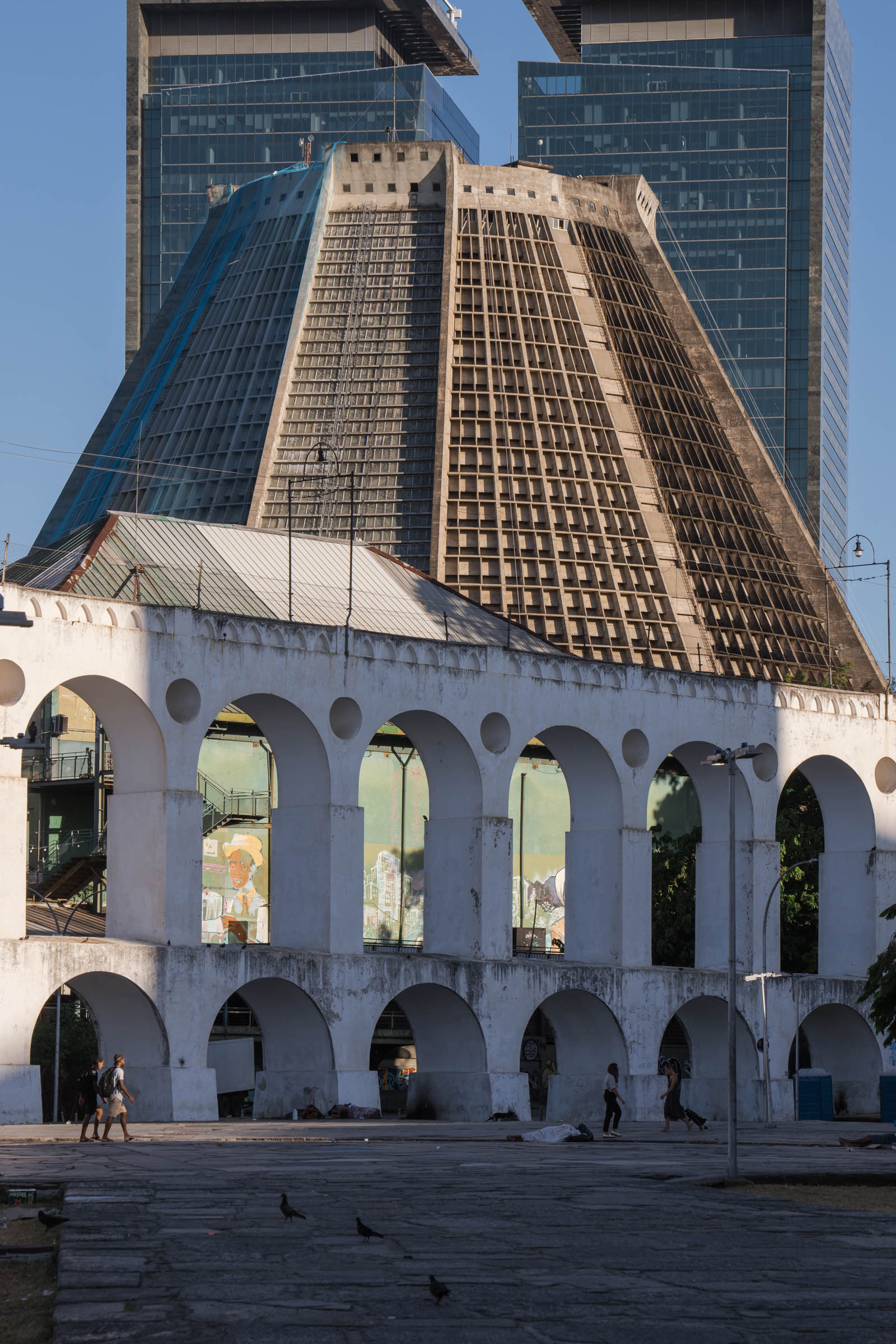
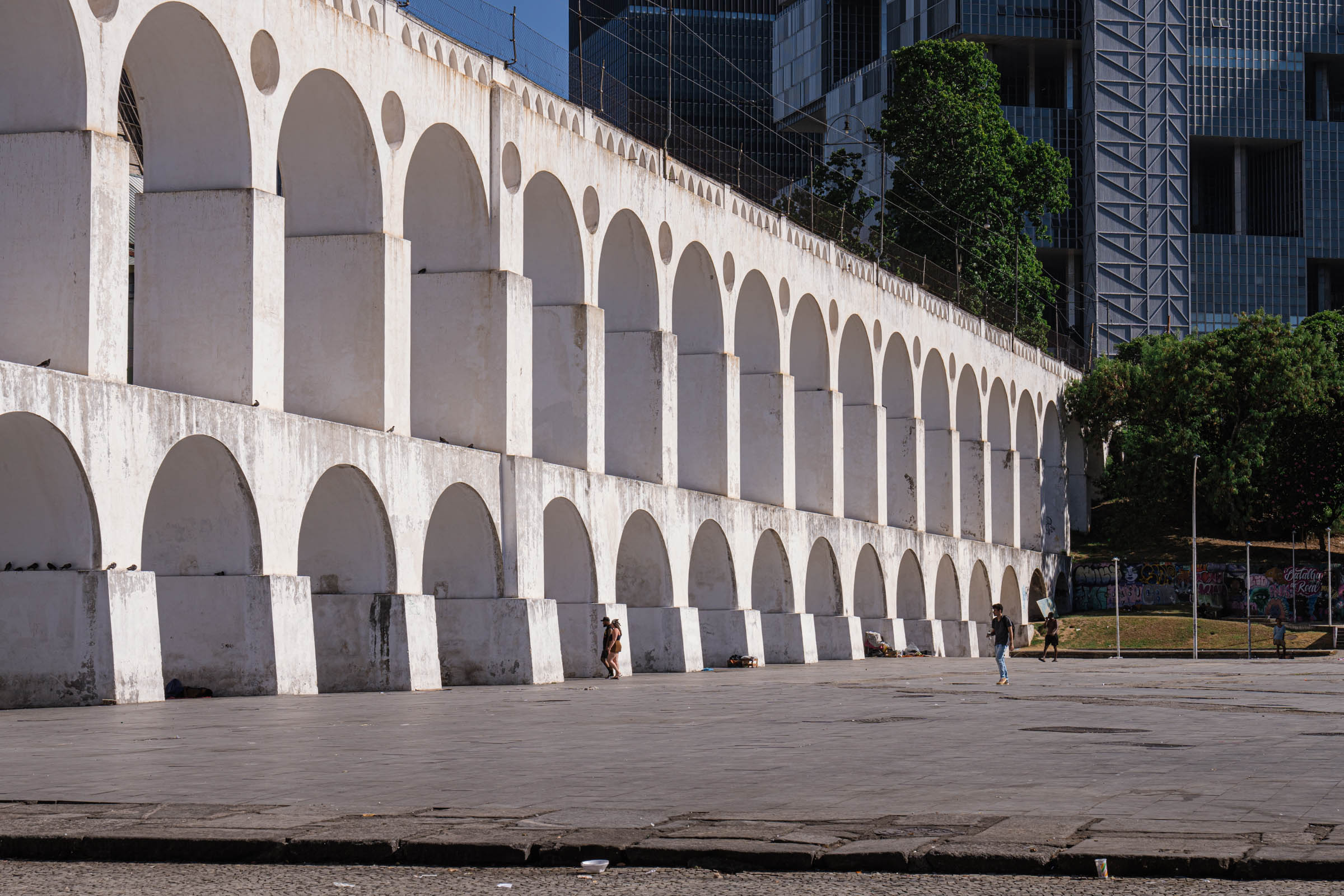
In the heart of Lapa stands the Carioca Aqueduct, better known as the Arcos da Lapa. Colonial authorities inaugurated it in 1750. Its purpose was to bring fresh water from the Carioca River to the residents of the city. The aqueduct has two stories of monumental arches, 42 in total, and it is a typical example of colonial architecture and engineering.
Since 1896, the structure has served as a viaduct for the Santa Teresa Tram, which climbs to the neighborhood on the hill. Behind the arches, you can already see the unusual cone of the cathedral, our next stop.
THE METROPOLITAN CATHEDRAL OF RIO DE JANEIRO
Near the steps stands the Metropolitan Cathedral of Saint Sebastian, also called the Metropolitan Cathedral of Rio de Janeiro. It is the seat of the Catholic Archdiocese of Rio de Janeiro. The church honors Saint Sebastian, the patron saint of the city.
The architect Edgar de Oliveira da Fonseca designed it in a modern style inspired by Mayan pyramid architecture. It was built between 1964 and 1979. It replaced a series of cathedral churches in use since 1676. The last of them was the Church of Our Lady of Mount Carmel of the Ancient See. Today, it is the Old Cathedral, and it became the cathedral in the early 19th century.
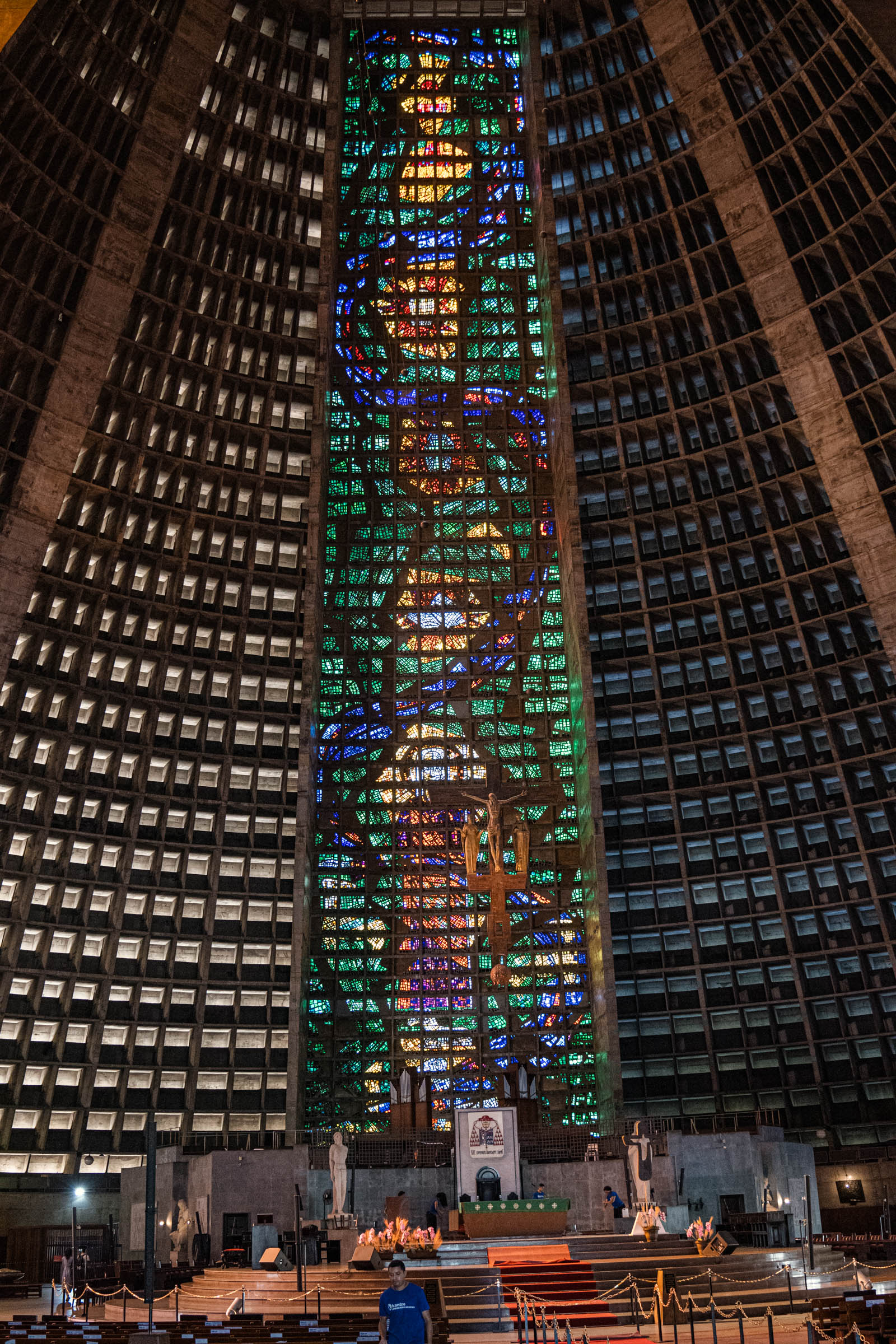
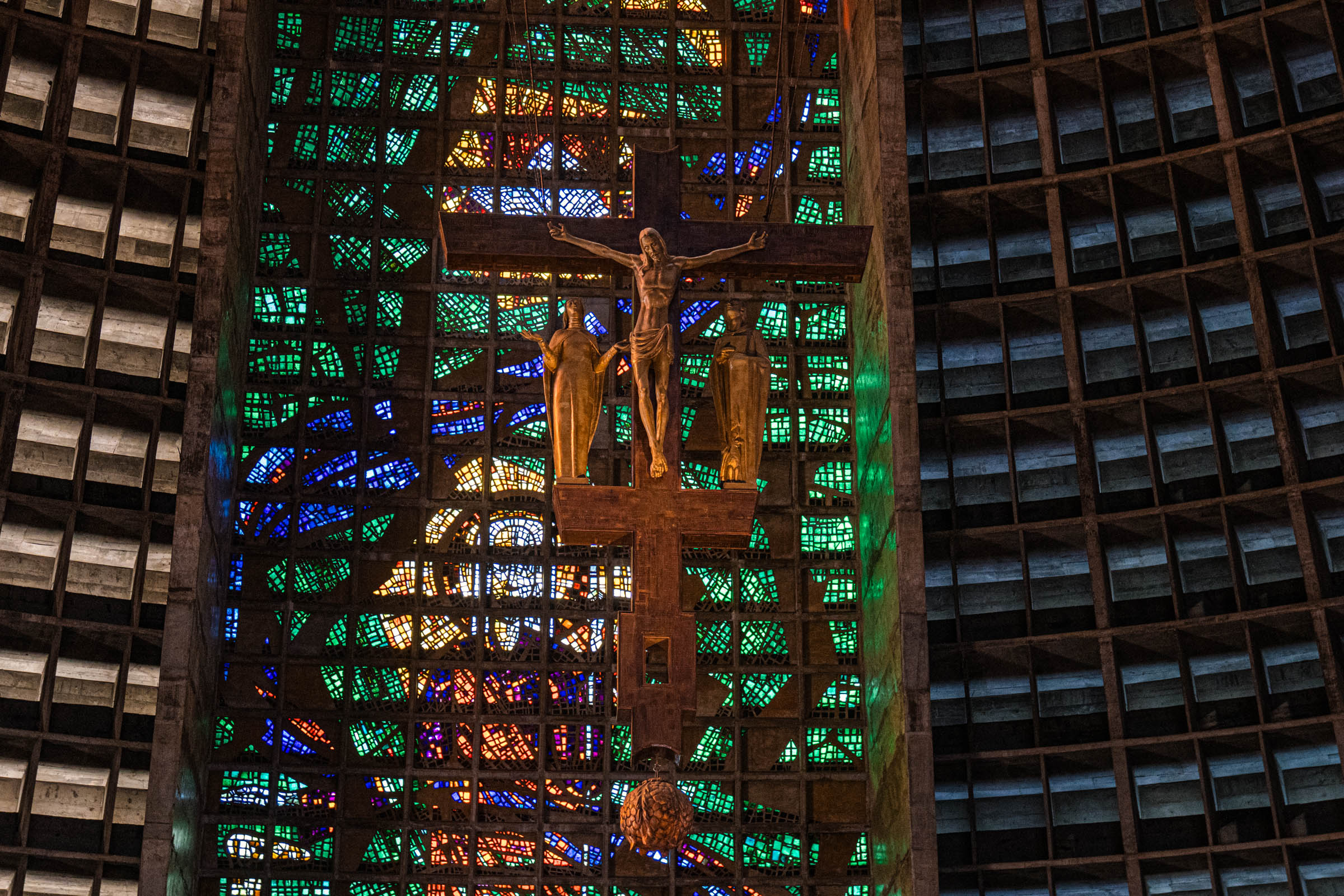
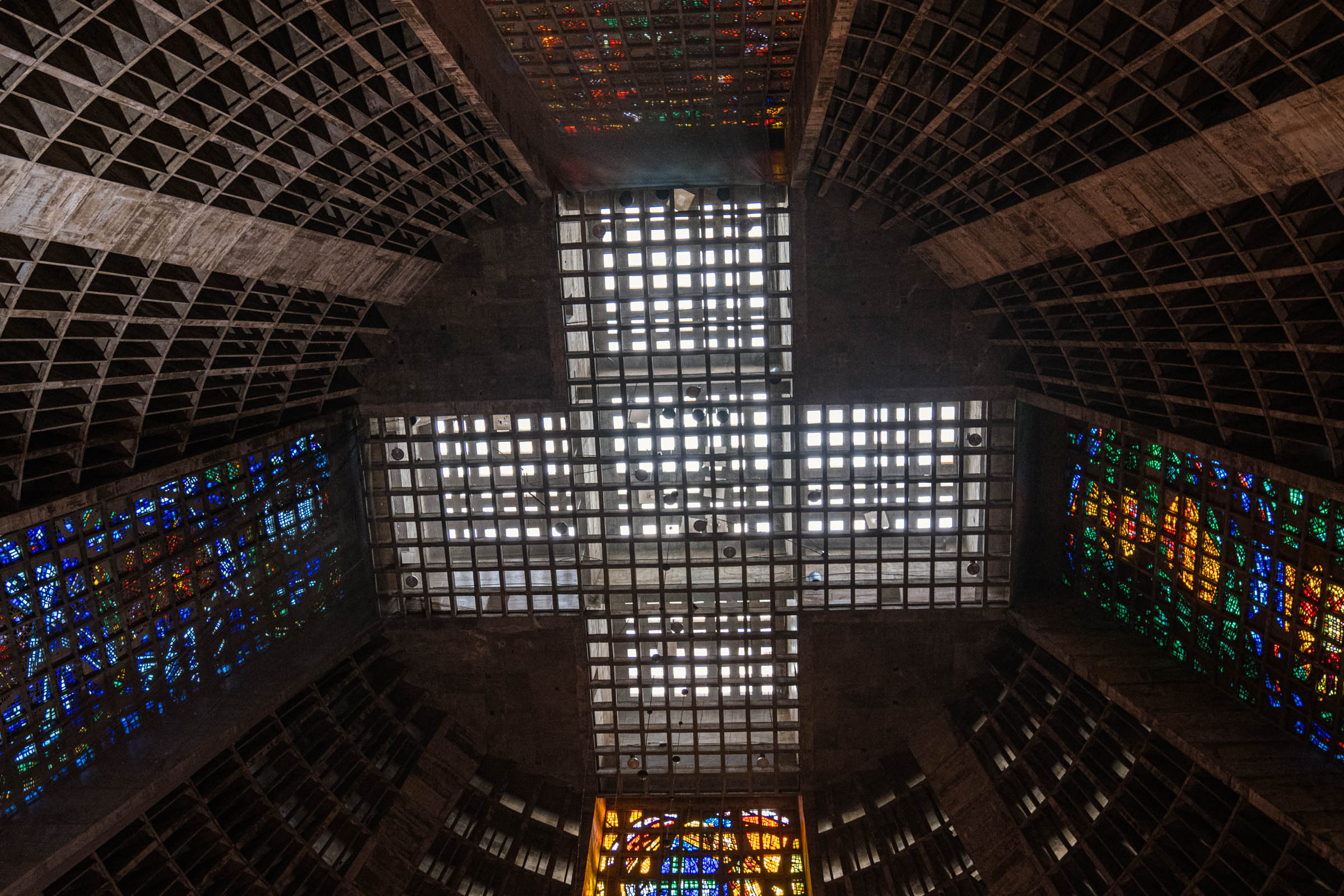
The new cathedral has a conical shape. Its internal diameter is 96 meters, its external diameter 106 meters and its height 75 meters. Inside, it covers about 8,000 square meters. It has around 5,000 seats, or room for 20,000 people standing. Above all, its four rectilinear stained-glass windows rise 64 meters from floor to ceiling and fill the space with colored light.
THE BOTANICAL GARDEN OF RIO DE JANEIRO
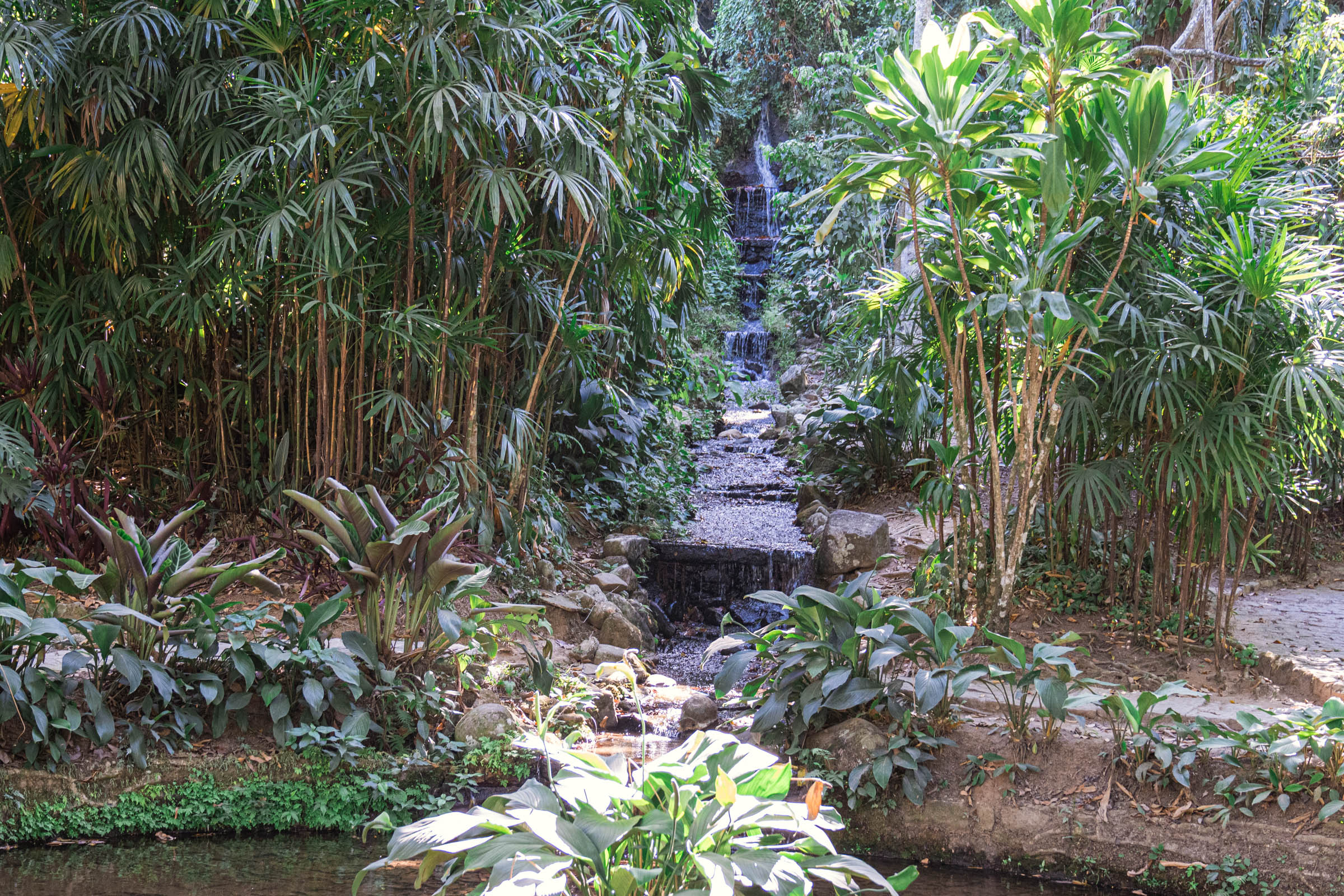
My next recommendation is the Botanical Garden of Rio de Janeiro, Jardim Botânico, in the district of the same name in the South Zone. It shows the diversity of Brazilian and foreign flora, with more than 6,000 species, some of them endangered. There are also numerous greenhouses and monuments of historical, artistic and archaeological importance. In addition, the garden has the most complete library in Brazil specializing in botany, with over 32,000 volumes.
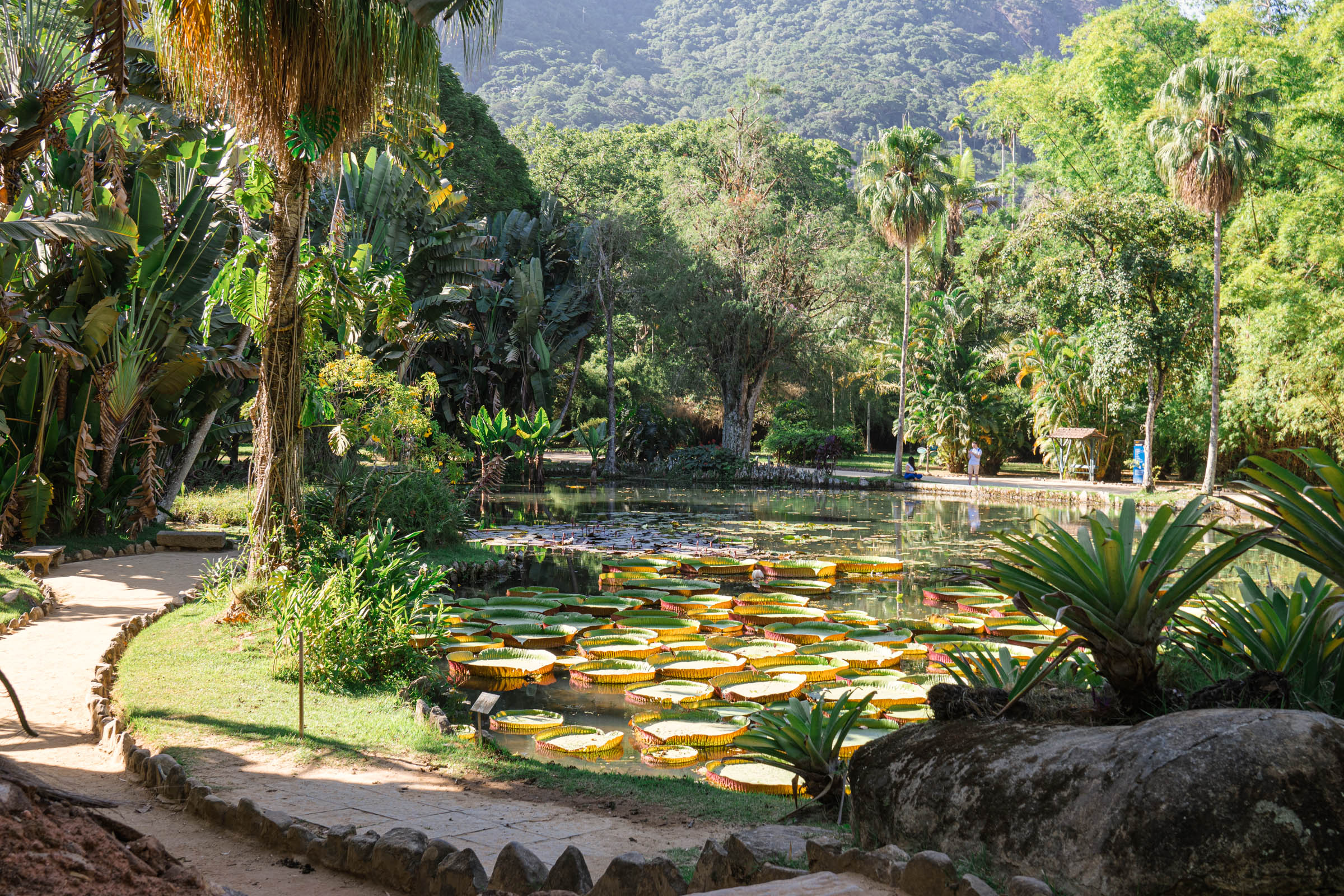
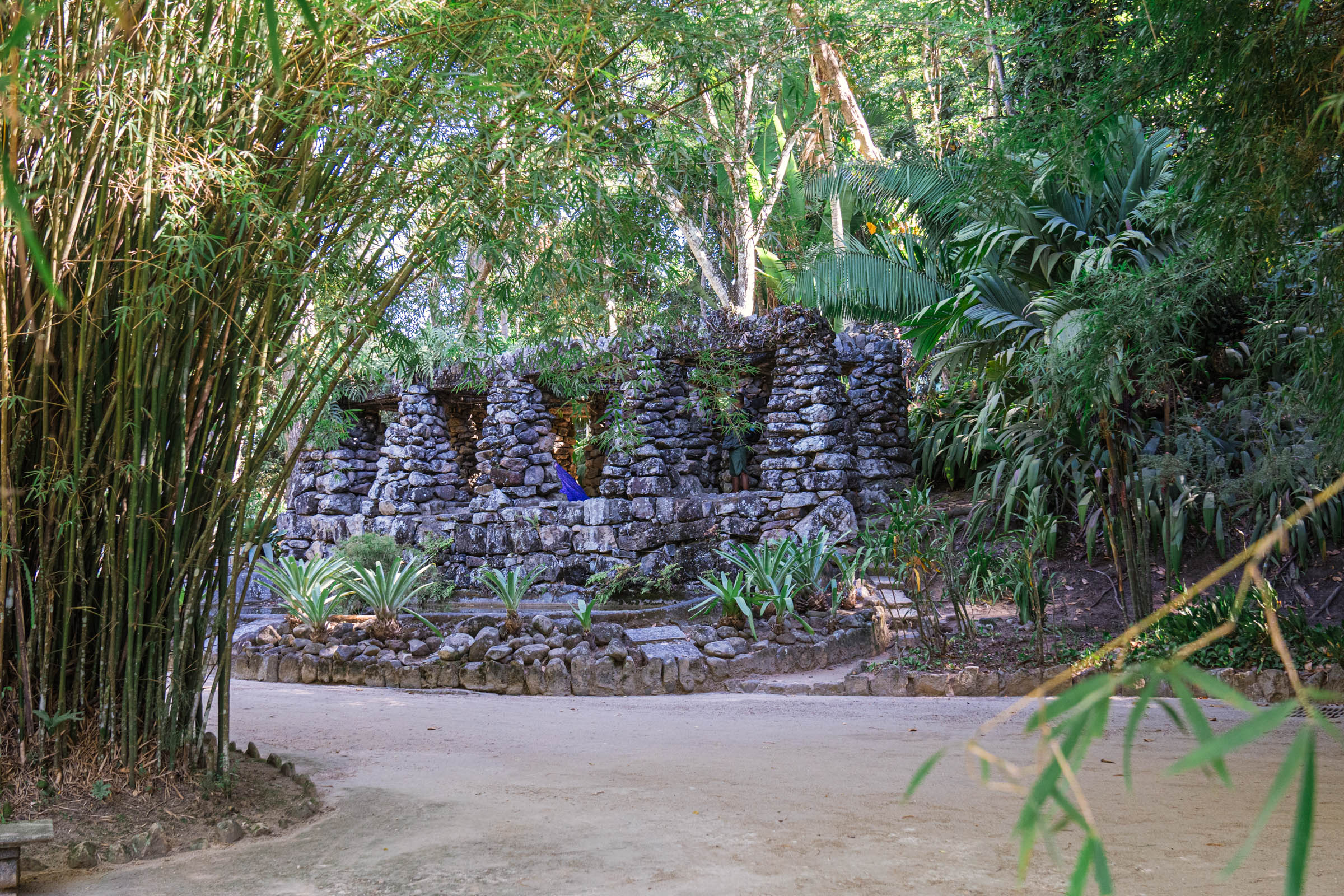
King John VI of Portugal founded the garden in 1808. At first, it was meant for the acclimatization of spices such as nutmeg, pepper and cinnamon, imported from the West Indies. Then, in 1822, it opened to the public. The garden lies at the foot of Corcovado, so you can see Christ the Redeemer high above the palms. Among its plants are 900 varieties of palm trees.
The famous Avenue of Royal Palms is 750 meters long, with 134 palms. All of them descend from one tree, the Palma Mater, which lightning later destroyed. Only about 40 percent of the park is cultivated, while the rest is Atlantic Forest. The garden is protected as national heritage, and in 1992 UNESCO declared it a biosphere reserve.
ORCHIDS, TOUCANS AND MONKEYS
The garden has an important research institute, with taxonomists who specialize in the identification and conservation of neotropical flora. Its collections include bromeliads, orchids, carnivorous plants and cacti. Moreover, the painted cast-iron Fountain of the Muses was made in Derby, in the United Kingdom. Until 1895, it stood at the villa of Henrique Lage on Largo da Lapa. There, it was part of a landscape design by the English painter John Tydall.
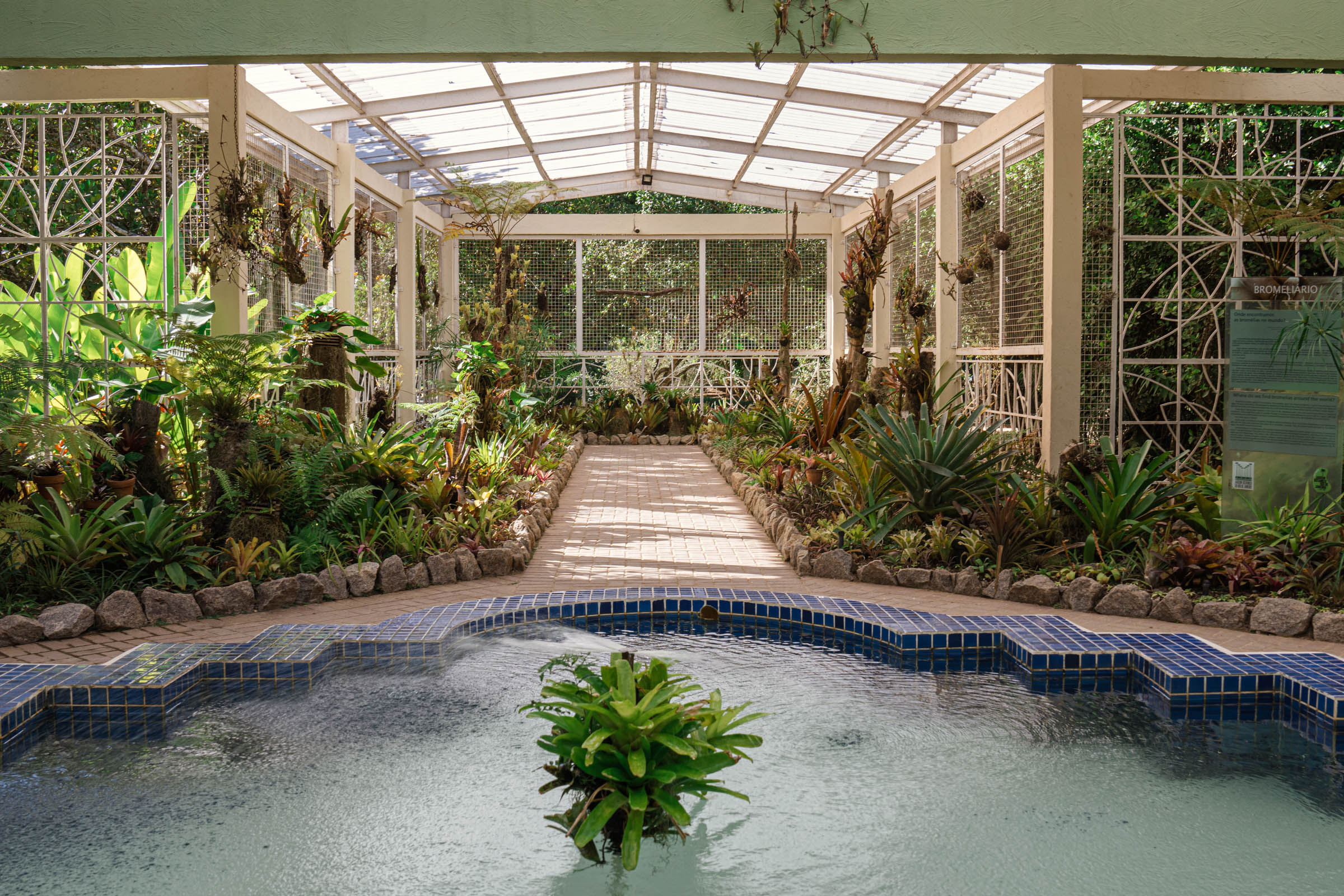
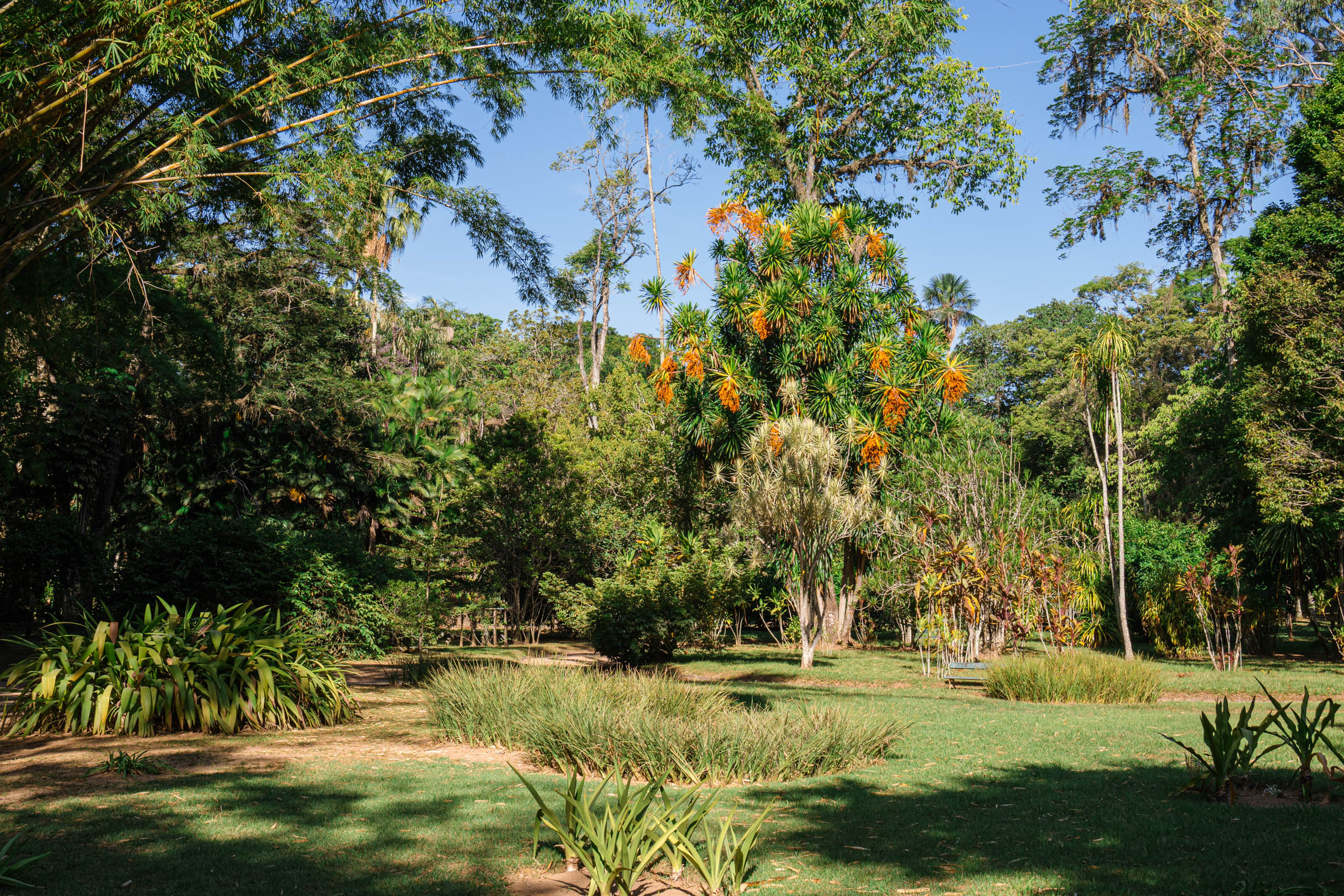
The park is home to 140 species of birds. Many of them are used to people, so you can see them more easily than in the wild. These include the channel-billed toucan, the rusty-margined guan and the endangered, endemic white-necked hawk. Capuchin monkeys and tufted-eared marmosets are also often seen here. Other highlights include the old gunpowder factory, the Victoria lilies in the Frei Leandro pond and the Japanese Garden.
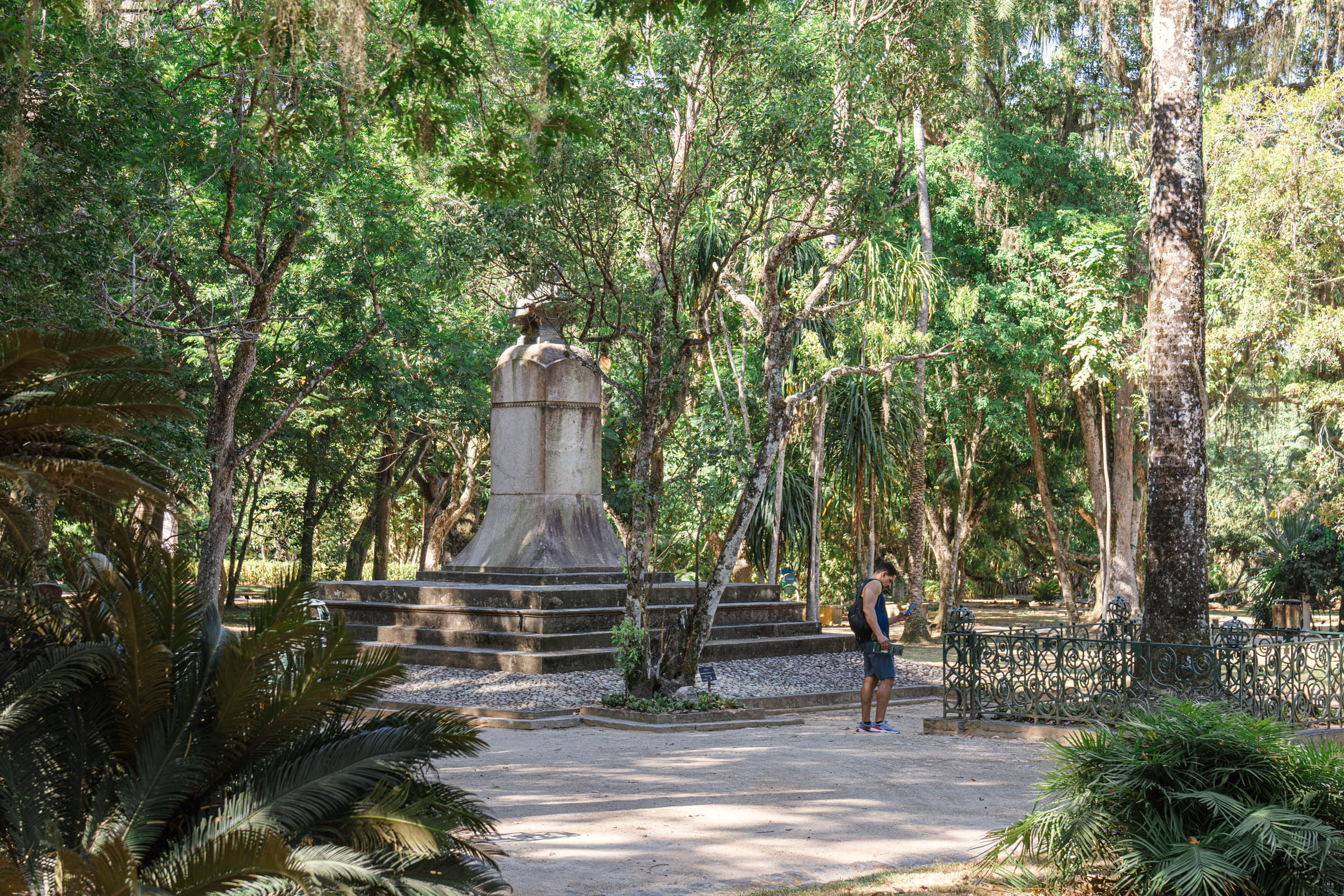
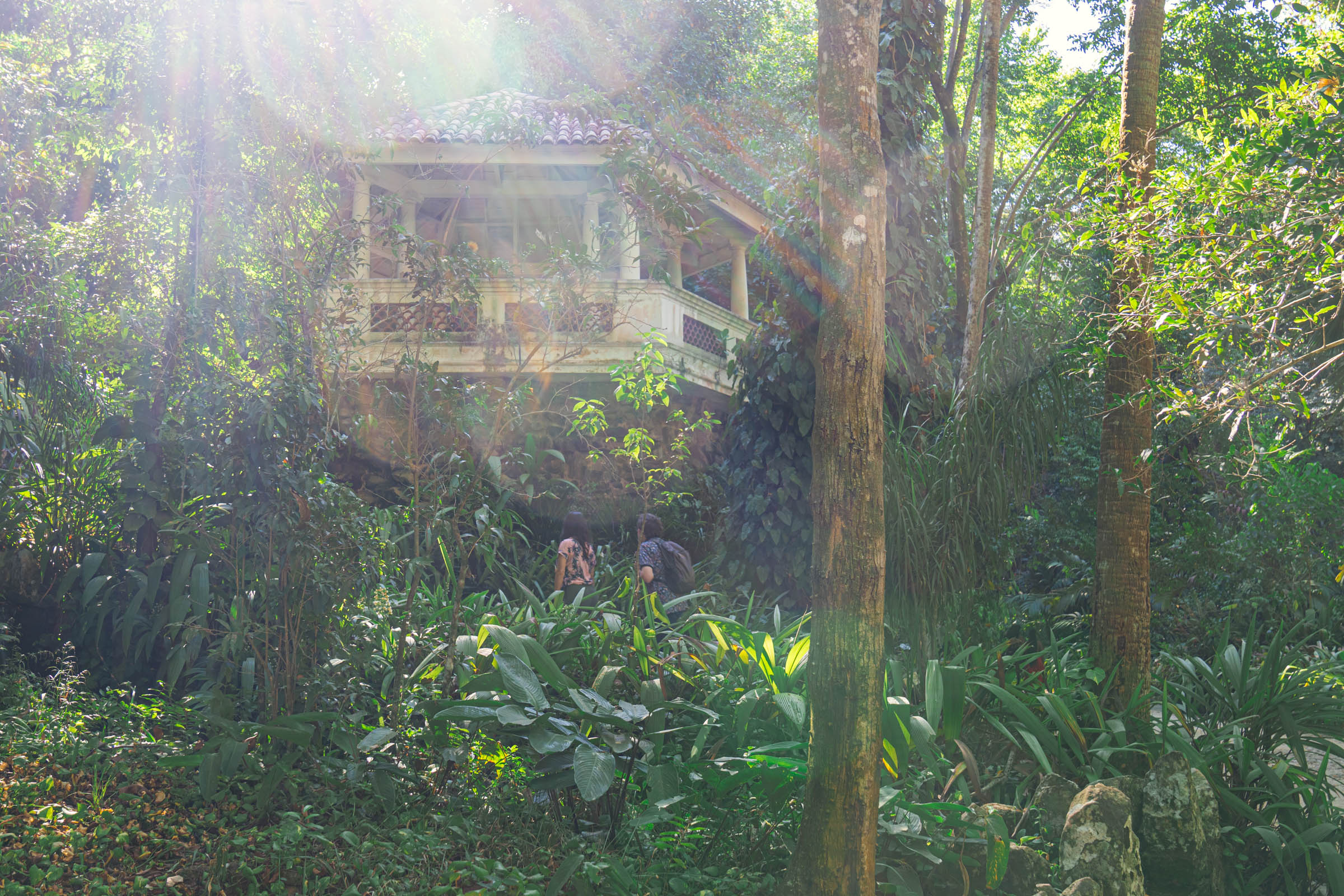
Here you can spend a quiet and pleasant afternoon, because this is an oasis of nature and peace. You will also cool off a little, since the temperatures in Rio are sometimes quite high.
PARQUE LAGE AT THE FOOT OF CORCOVADO
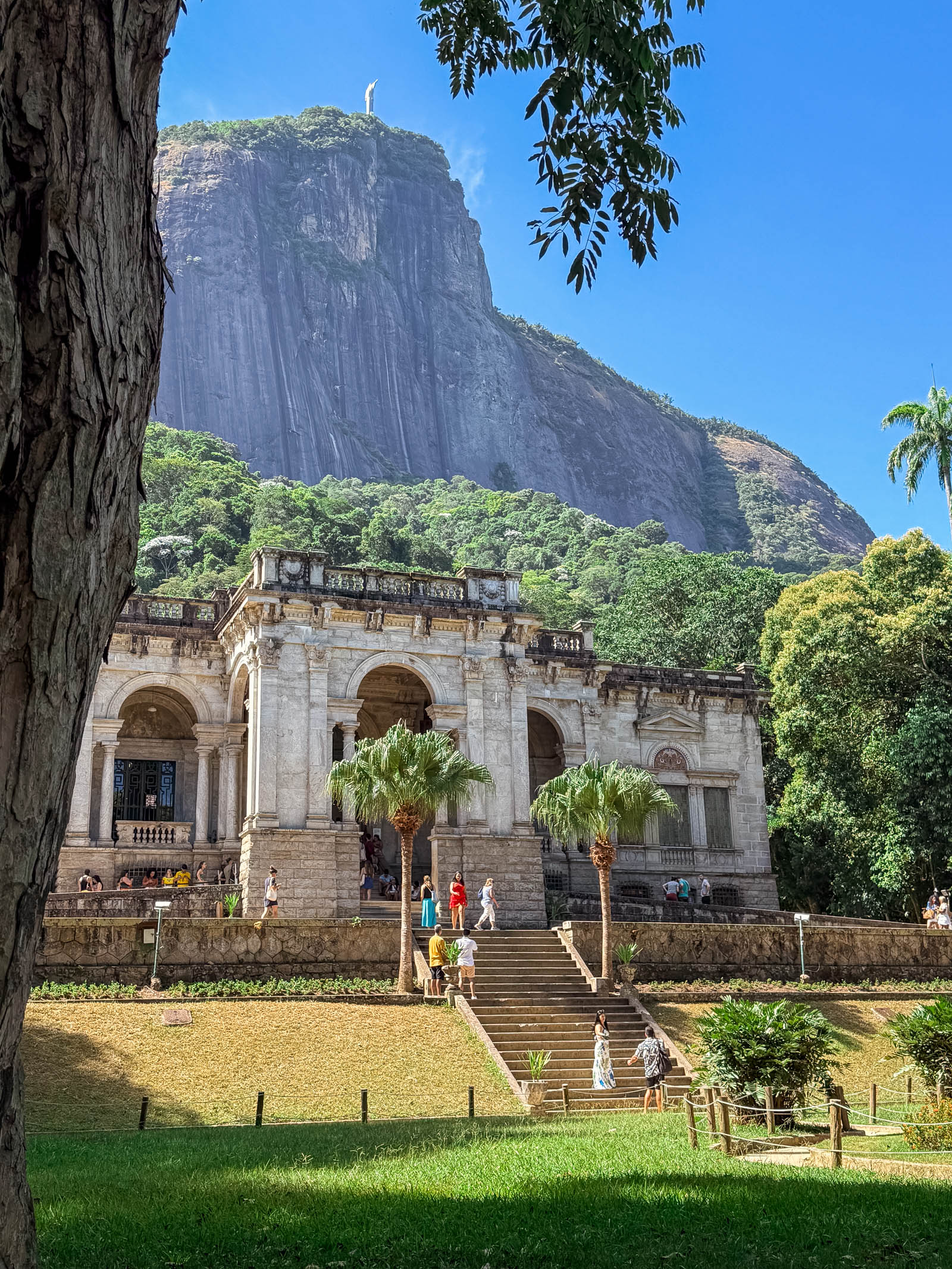
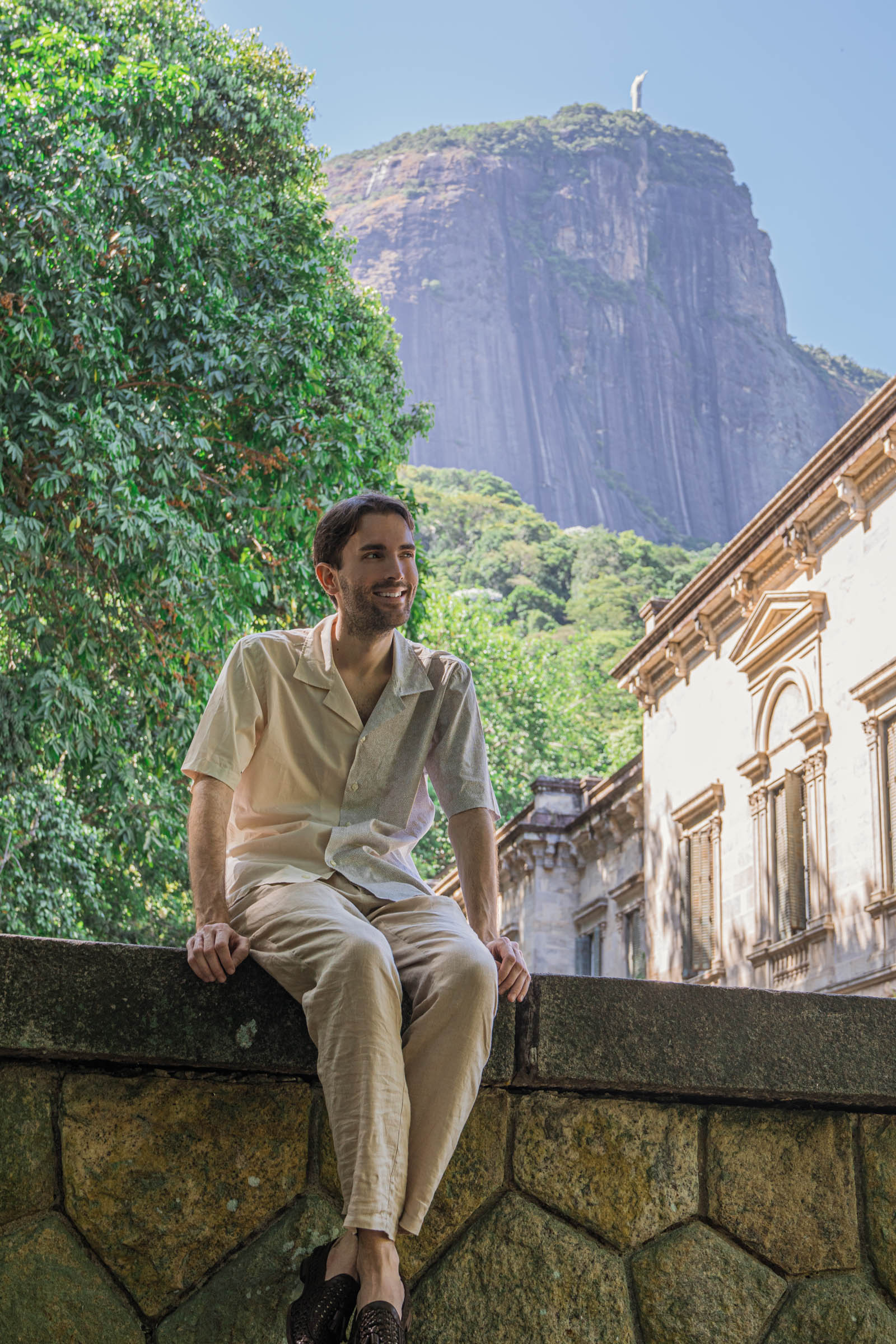
Near the Botanical Garden lies Parque Lage, a public park in the Jardim Botânico neighborhood at the foot of Corcovado. The estate was once the residence of the industrialist Henrique Lage and his wife, the singer Gabriella Besanzoni. In the 1920s, Lage had the mansion remodeled by the Italian architect Mario Vodret, with interior paintings by Salvador Payols Sabaté.
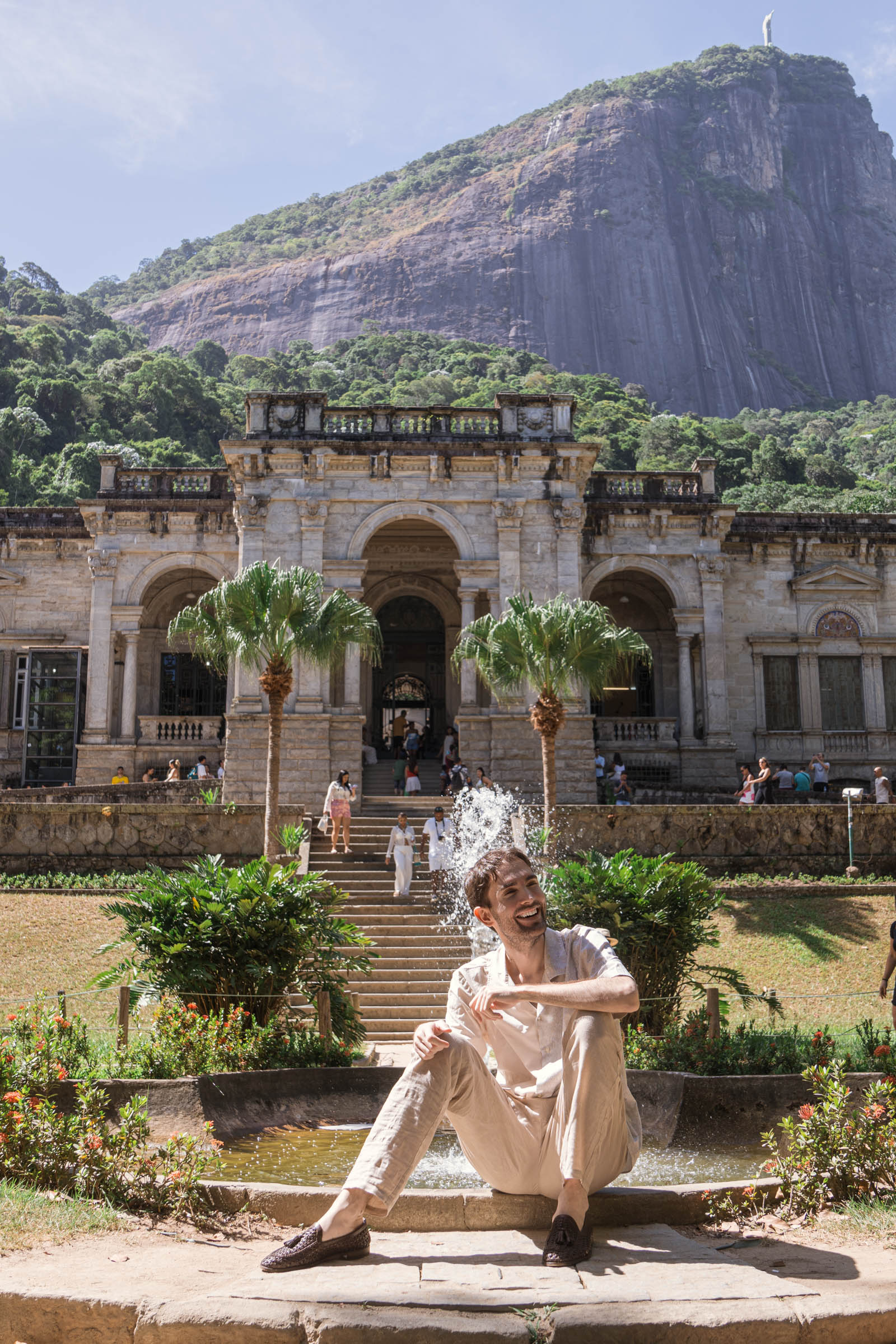
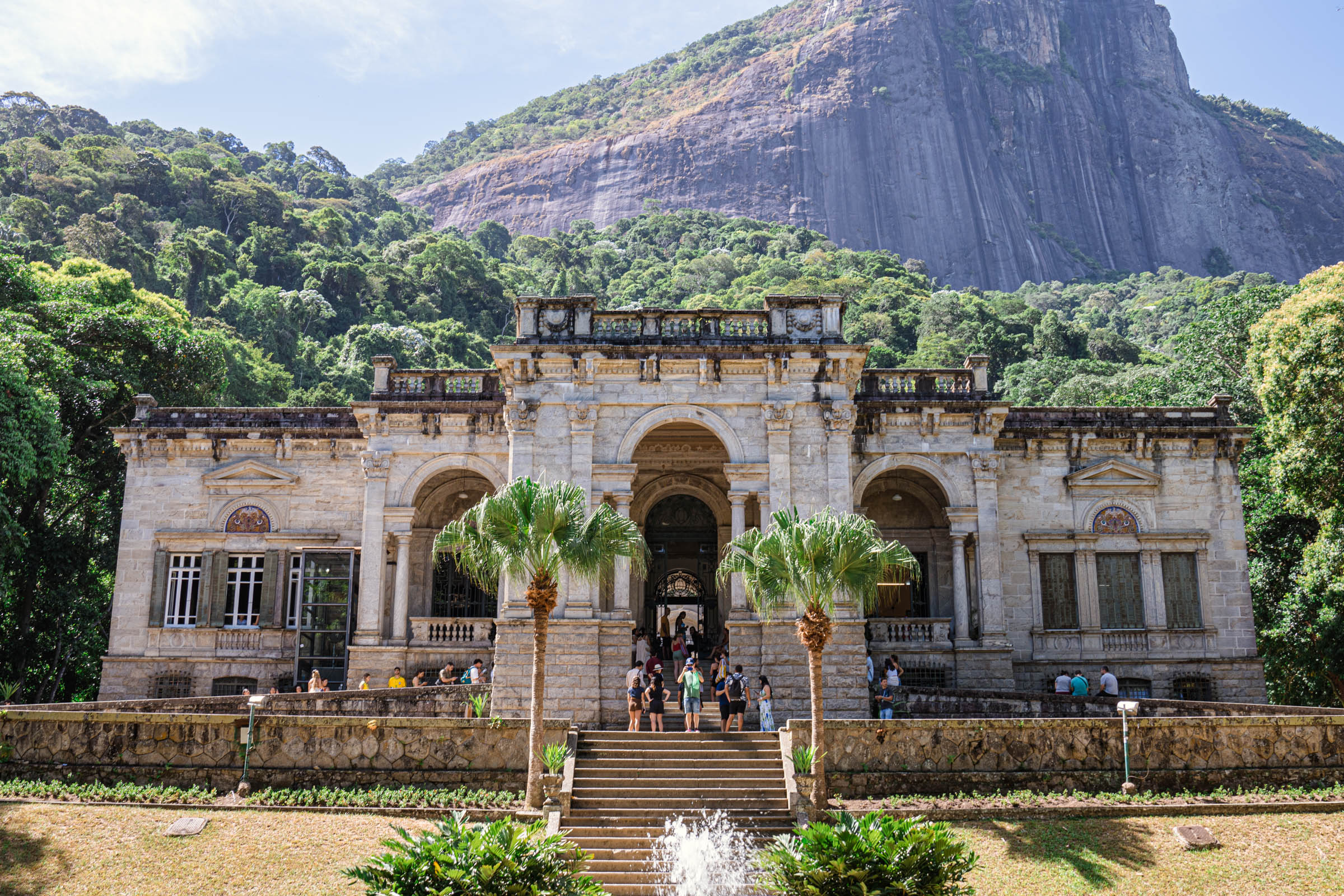
On June 14, 1957, the National Institute of Historic and Artistic Heritage listed Parque Lage as a historical and cultural heritage site. In the 1960s, the land became a public park with walking trails through the forest. Today, the School of Visual Arts of Parque Lage and a café open to the public operate in the former mansion. The mansion also served as the hospitality house of the British Olympic Team. Music lovers may recognize it from Snoop Dogg’s 2003 music video for “Beautiful.”
THE ROYAL PORTUGUESE CABINET OF READING
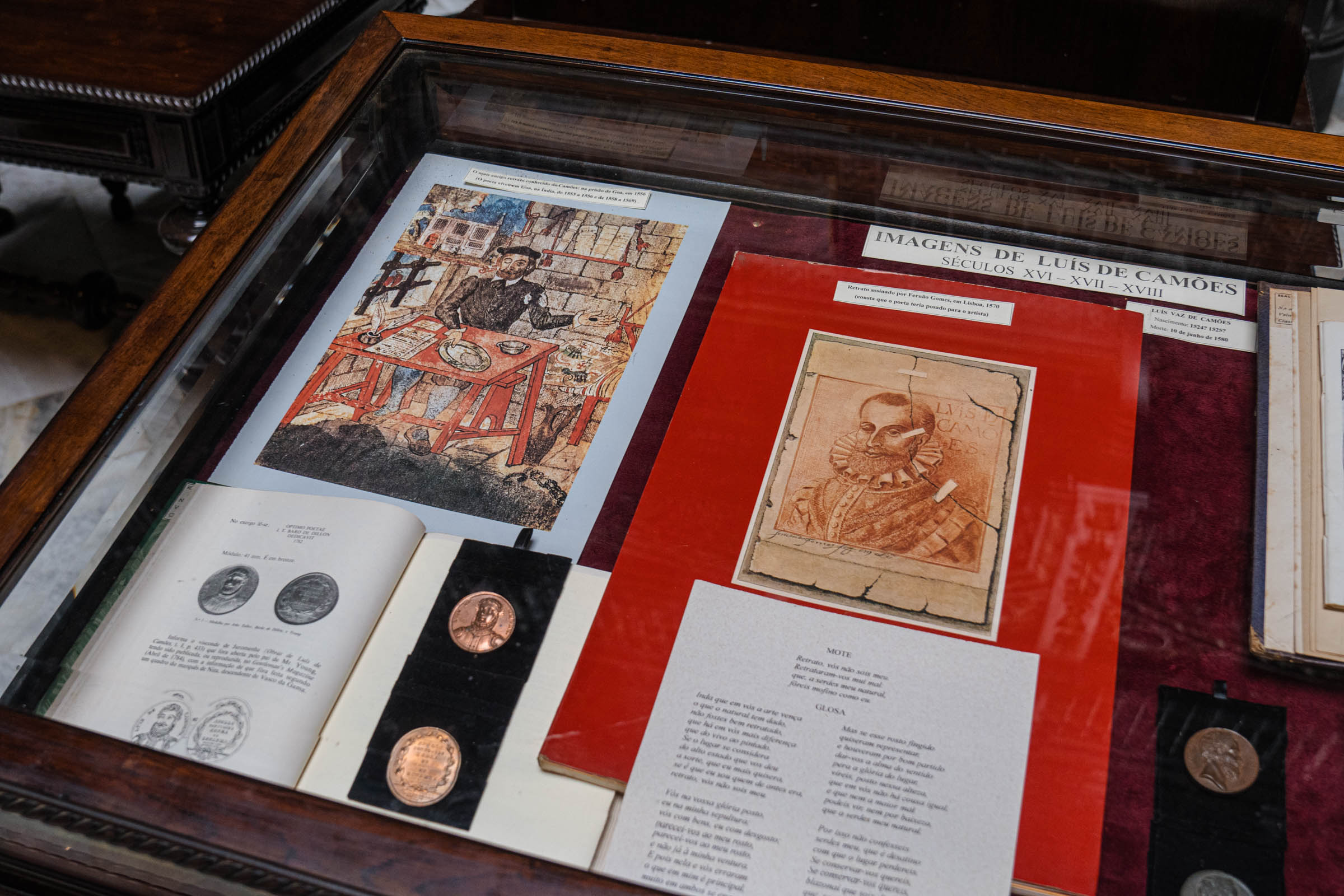
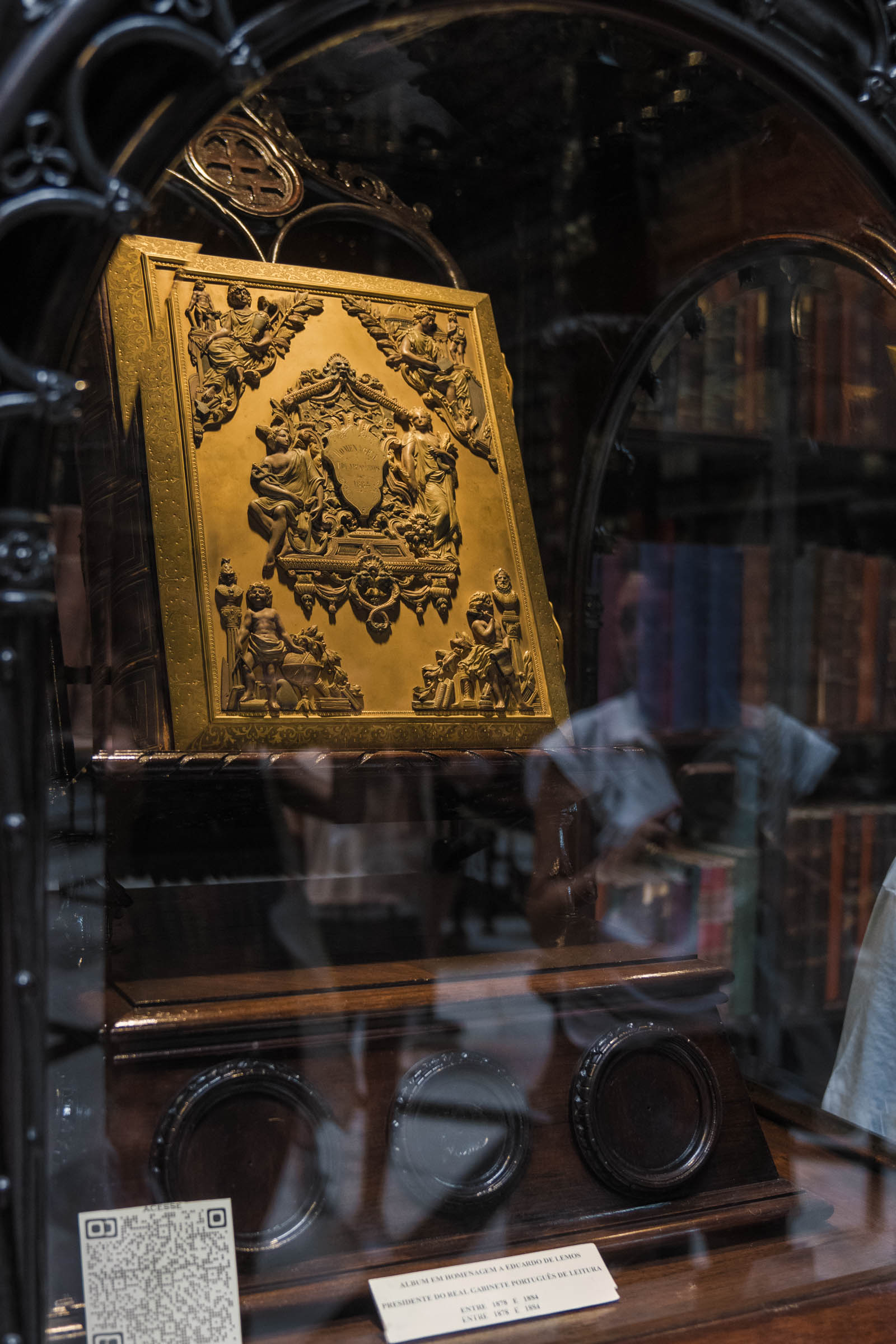
The Royal Portuguese Cabinet of Reading, Real Gabinete Português de Leitura, is a library and cultural institution. You will find it at 30 Luís de Camões Street, in the center of Rio de Janeiro. It holds the largest collection of Portuguese literature outside Portugal, with 350,000 volumes. TIME magazine even named it the fourth most beautiful library in the world.
A group of forty-three Portuguese immigrants, political refugees, founded the institution in 1837 to promote culture among the Portuguese community in the city.
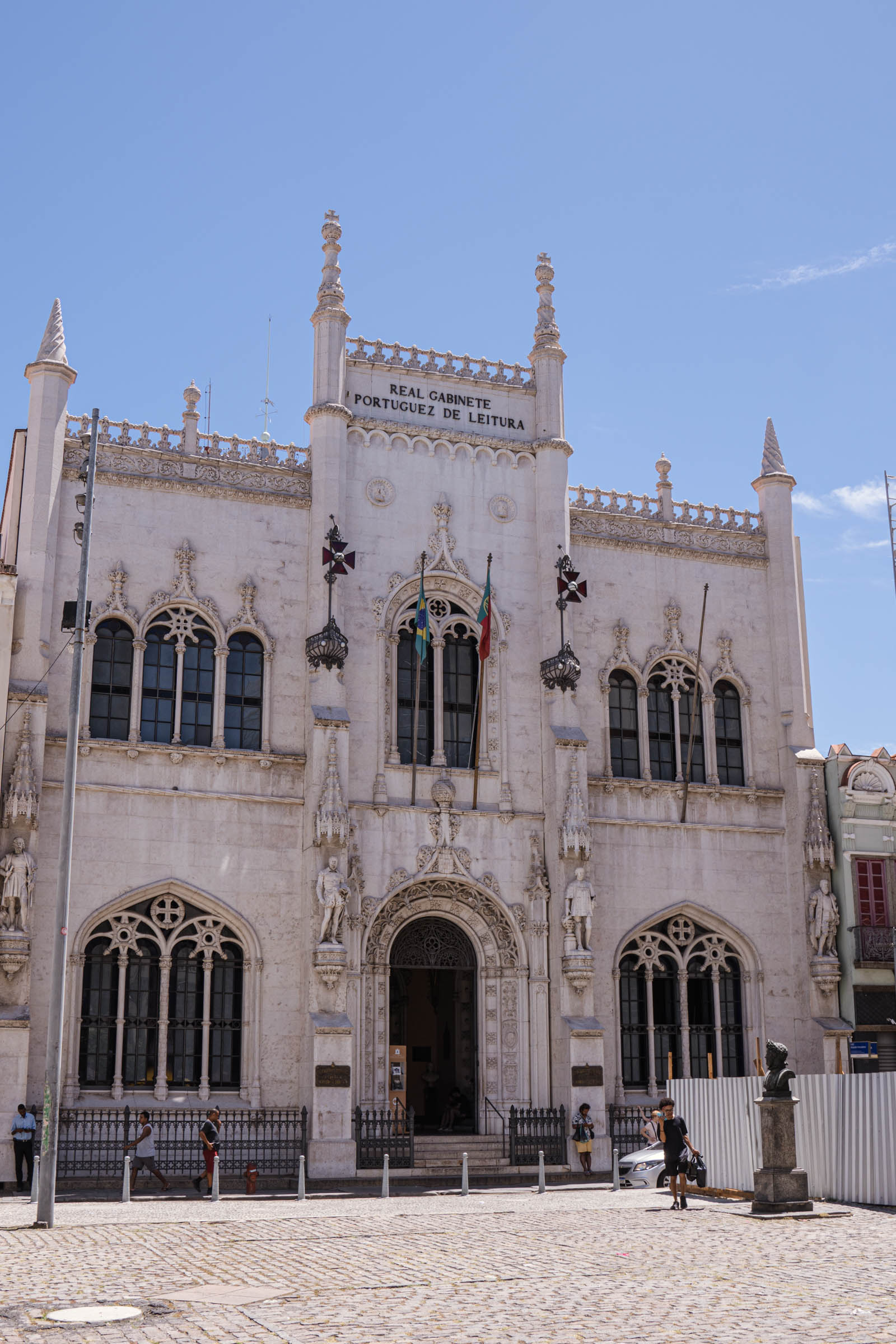
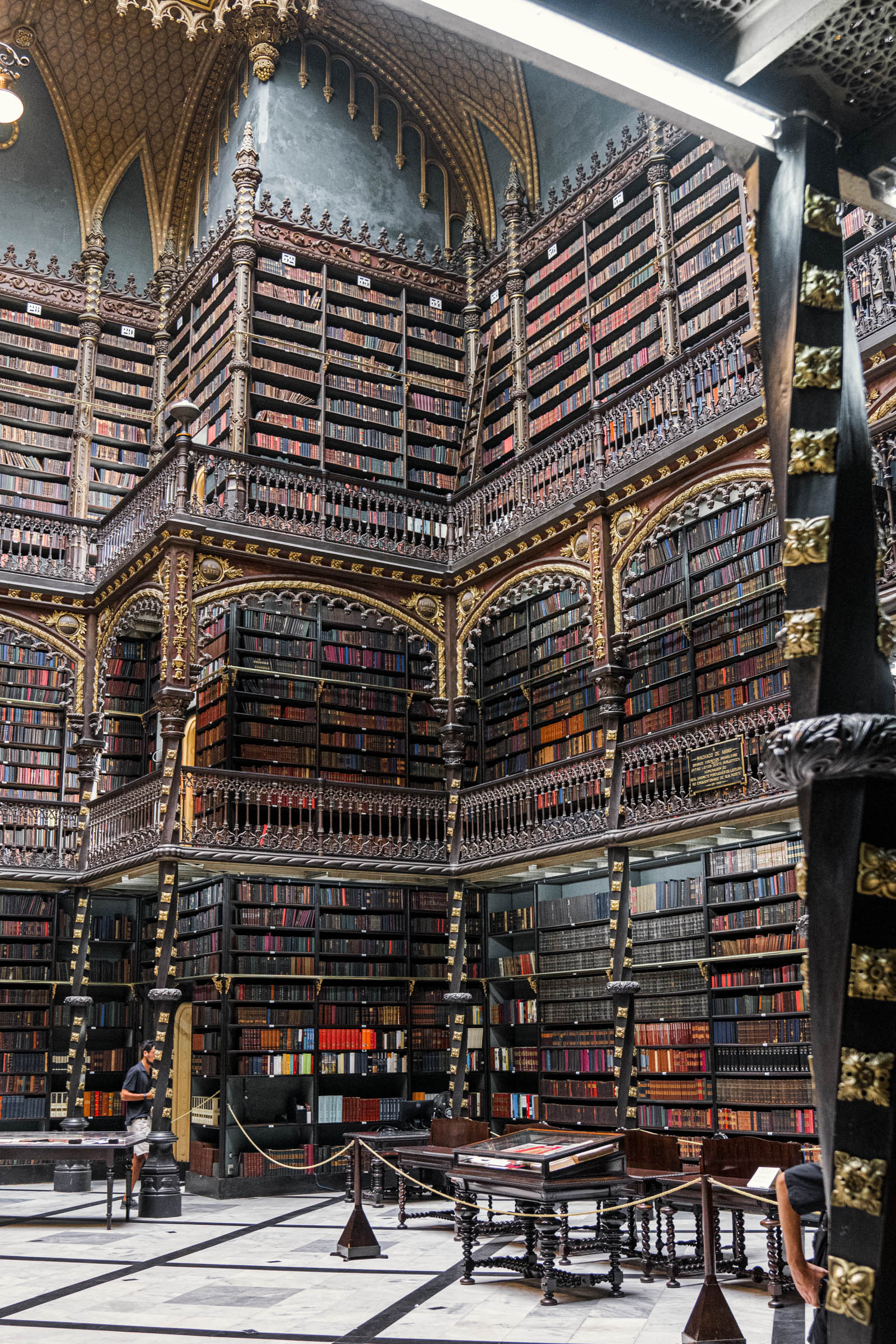
The current building is the work of the Portuguese architect Rafael da Silva e Castro. It was built between 1880 and 1887 in the Neo-Manueline style. This style recalls the exuberant architecture of the age of the Portuguese discoveries. Emperor Pedro II laid the cornerstone on June 10, 1880. Then, on September 10, 1887, Princess Isabel and Prince Gaston, Count of Eu, inaugurated it. Best of all, the library has welcomed visitors since 1900.
COPACABANA, THE MOST FAMOUS BEACH IN RIO DE JANEIRO
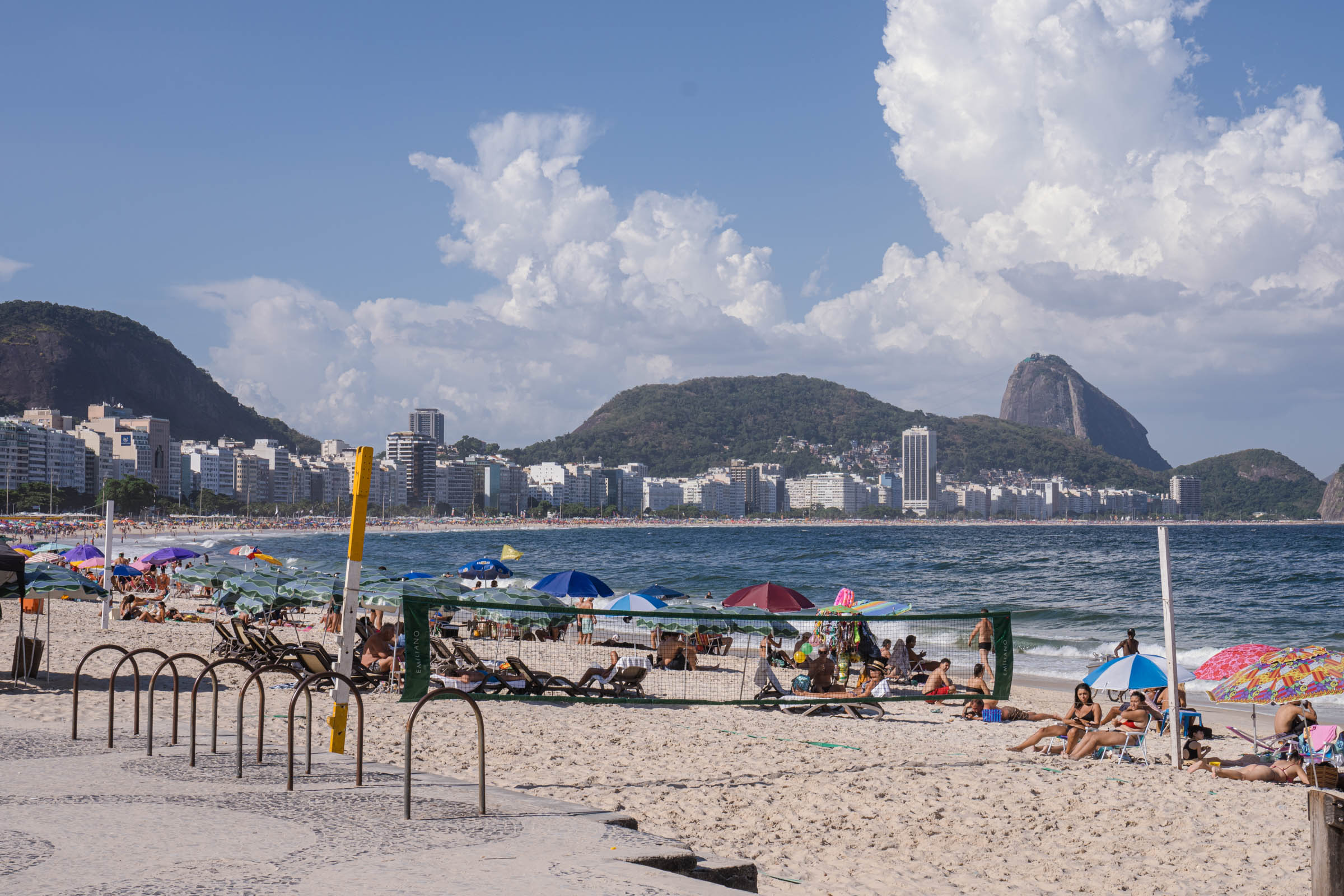
Copacabana Beach is a 4-kilometer beach on the Atlantic coast and one of the most famous in the world. It stretches from Posto Dois, lifeguard watchtower Two, to Posto Seis, lifeguard watchtower Six, while Leme lies at Posto Um. There are historic forts at both ends. Fort Copacabana, built in 1914, stands at the southern end by Posto Seis. At the northern end, you will find Fort Duque de Caxias, built in 1779.
The area is full of hotels, restaurants, bars, nightclubs and residential buildings. On Sundays and holidays, cars cannot use one side of Avenida Atlântica. So, residents and tourists get more space along the beach. Moreover, Copacabana hosts millions of people during the annual New Year’s Eve celebrations. It was also the official venue of the first three editions of the FIFA Beach Soccer World Cup.
THE THEATRO MUNICIPAL IN CINELÂNDIA
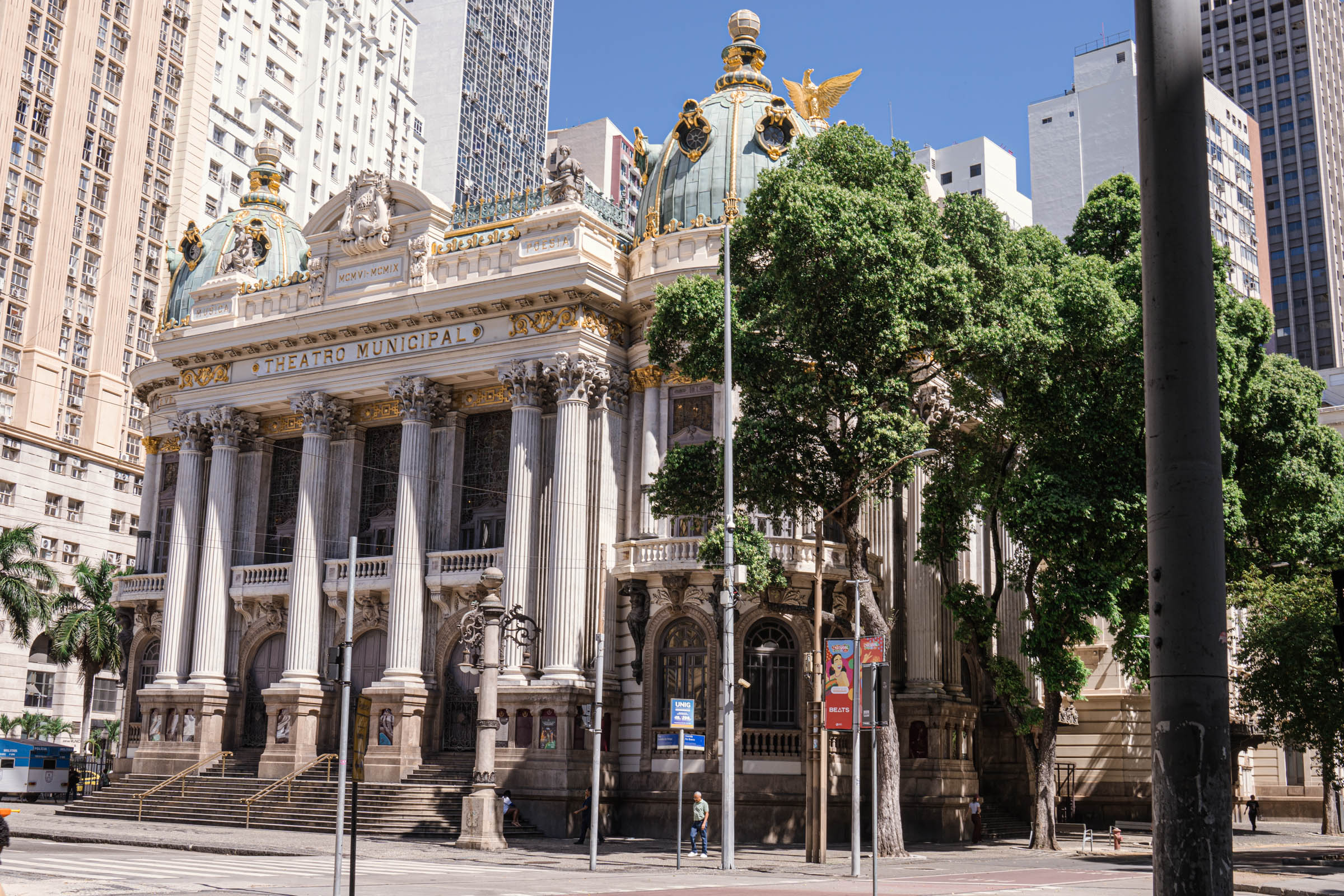
Back in the center, do not miss the Theatro Municipal. It stands on Praça Floriano, near the National Library and the National Museum of Fine Arts, overlooking the spacious Cinelândia square. Its eclectic design draws on the Paris Opera house of Charles Garnier.
Francisco de Oliveira Passos designed the building, with the contribution of Albert Guilbert. Construction began in 1905, and the theater opened on July 14, 1909. The leading Brazilian painters and sculptors of the time, including Eliseu Visconti, Rodolfo Amoedo and Henrique Bernardelli, decorated its interior. Today, it hosts ballet and classical music, and it is home to the Petrobras and Brazilian Symphony Orchestras.
THE RIO DE JANEIRO CARNIVAL
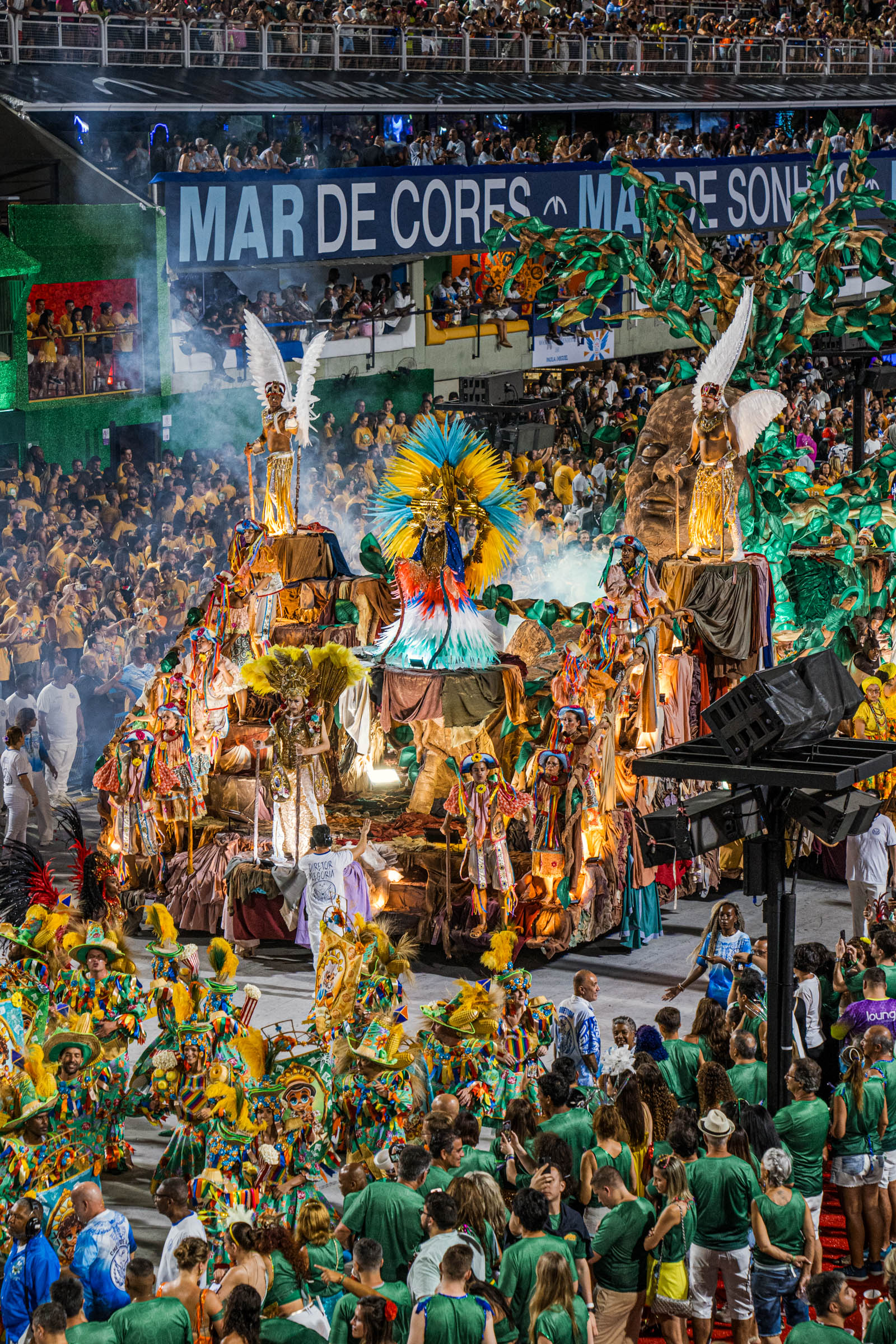
Now we come to the most famous event in the city, the true symbol of Rio: the Carnival. It takes place every year before Lent. Many consider it the biggest Carnival in the world, with two million people a day on the streets. The first Carnival festival in Rio took place in 1723. I had the chance to experience the Rio Carnival in 2025.
The main parades take place in the Sambadrome, a long runway for the parades with bleacher seating for 72,500 spectators. In 1983, Governor Leonel Brizola commissioned the architect Oscar Niemeyer to design a permanent home for the parades. Then, on the Saturday after the Carnival, the Winners’ Parade takes place. On that night, the winning school of the Special Group, the runners-up and the champion of the A Series march past one final time.
HOW A SAMBA SCHOOL PARADE WORKS
A typical Carnival parade is full of floats and decorations from the many samba schools of Rio. There are more than 200 of them, divided into five leagues. A samba school brings together local neighbors who want to join the Carnival together, usually with a shared regional or geographic origin.
Each school follows a specific order. First comes the comissão de frente, the front commission, a group of ten to fifteen people. They introduce the school and set the mood and style of the performance with choreographed dances in elaborate costumes. Next comes the first float of the school, called the abre-alas, the “opening wing.” After it come the mestre-sala and porta-bandeira, the master of ceremonies and flag bearer, with one to four pairs, one active and three in reserve. They lead the dancers, followed by the ala das baianas, while the drum section closes the parade at the rear.
COPACABANA PALACE, MY HOME IN RIO DE JANEIRO
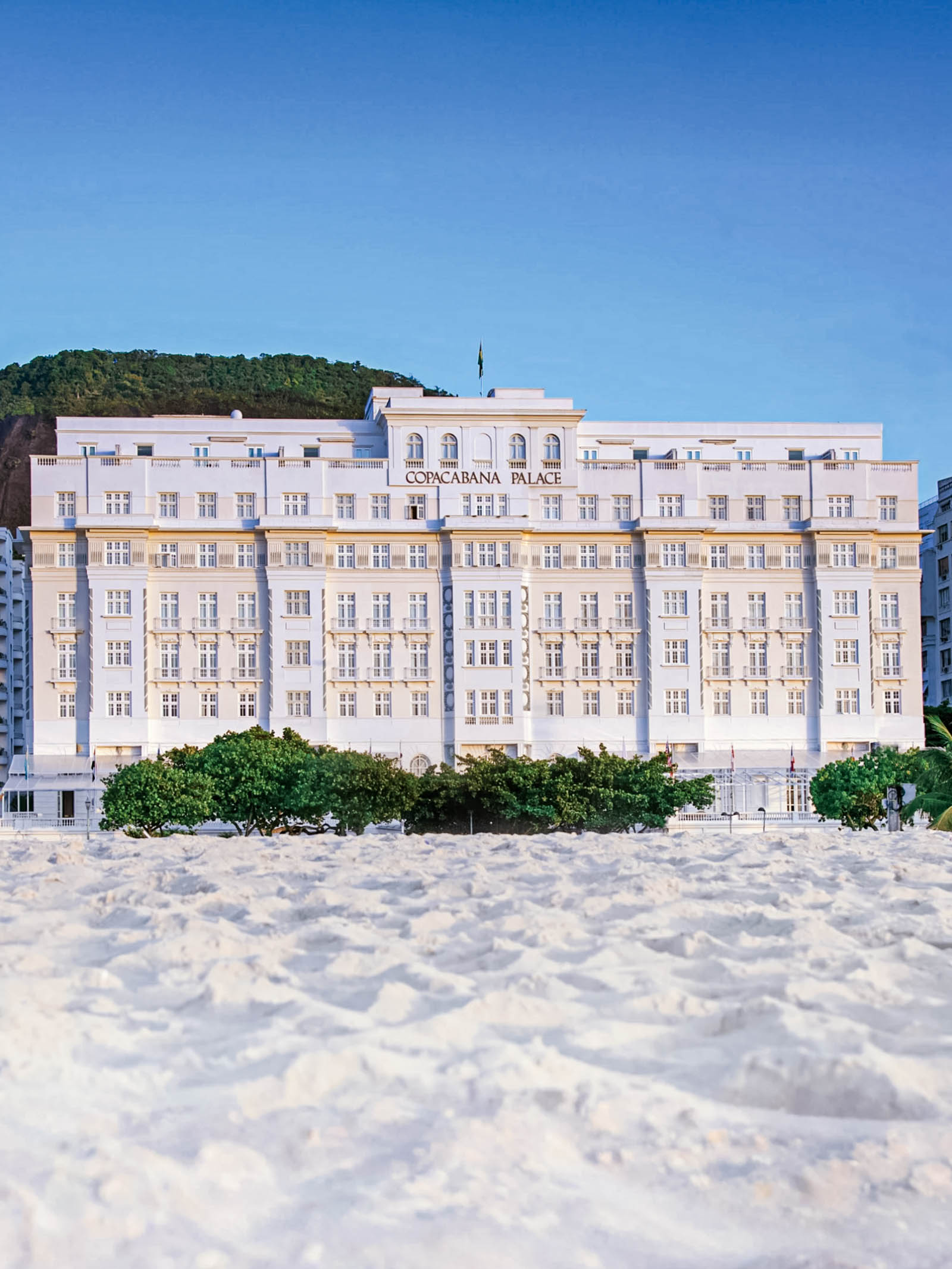
During my stay in Rio de Janeiro, Copacabana Palace, A Belmond Hotel was my home. I had the honor of staying in a Penthouse Suite with full ocean views and a private terrace. Its guests also have daily access to the Black Pool, an exclusive dark granite pool on the sixth floor. For dinner, I chose an Italian feast at Ristorante Hotel Cipriani.
The hotel opened on August 13, 1923 on Avenida Atlântica, facing Copacabana Beach. The French architect Joseph Gire designed it. His inspiration came from two famous hotels on the French Riviera, the Negresco in Nice and the Carlton in Cannes.
Today, the hotel is protected as a cultural property. Over the decades, its guests have included Walt Disney, Marlene Dietrich, Paul McCartney and Madonna. In 2019, the luxury group LVMH completed its purchase of Belmond, the hotel group that runs it.
EVERYDAY LIFE IN RIO DE JANEIRO
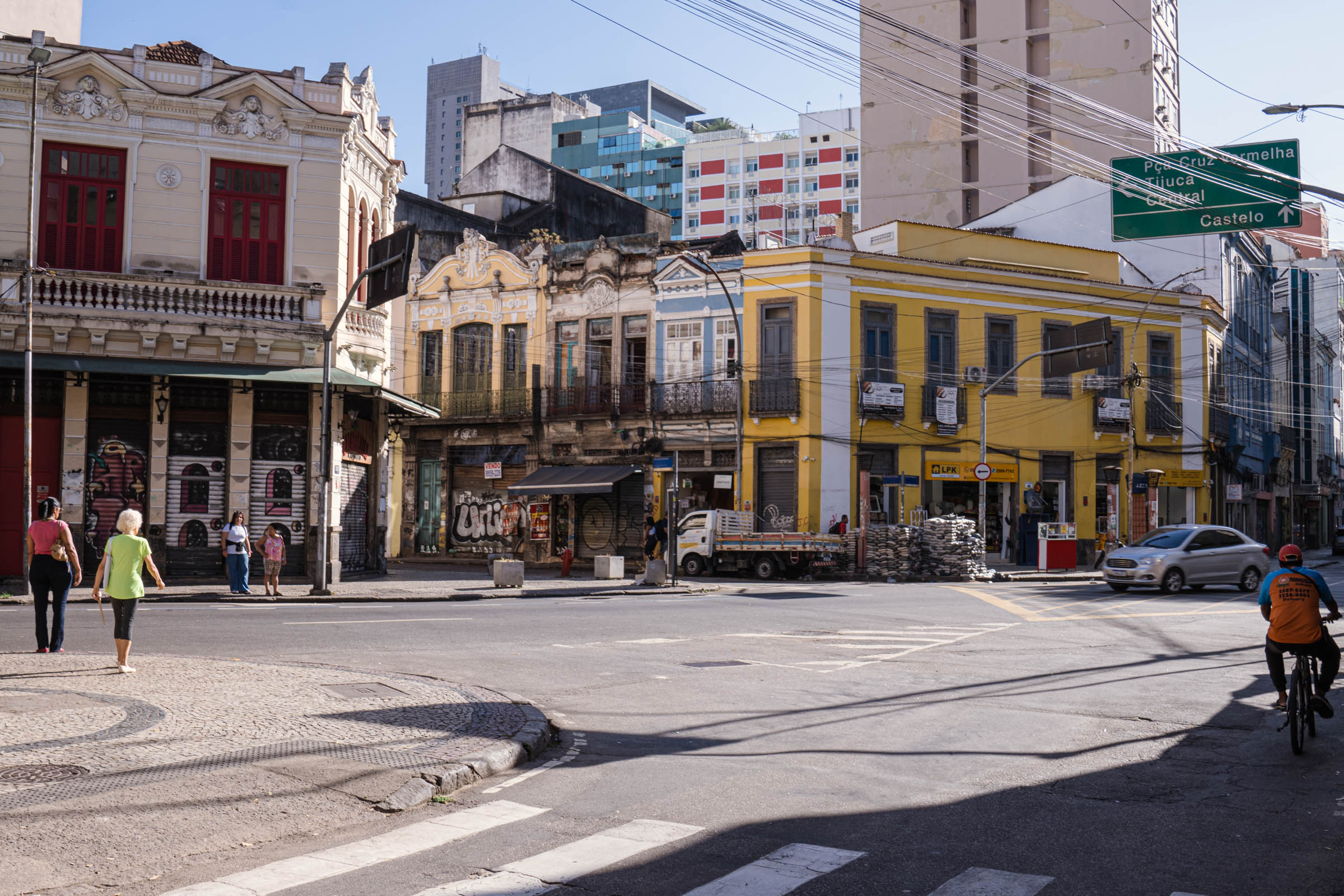
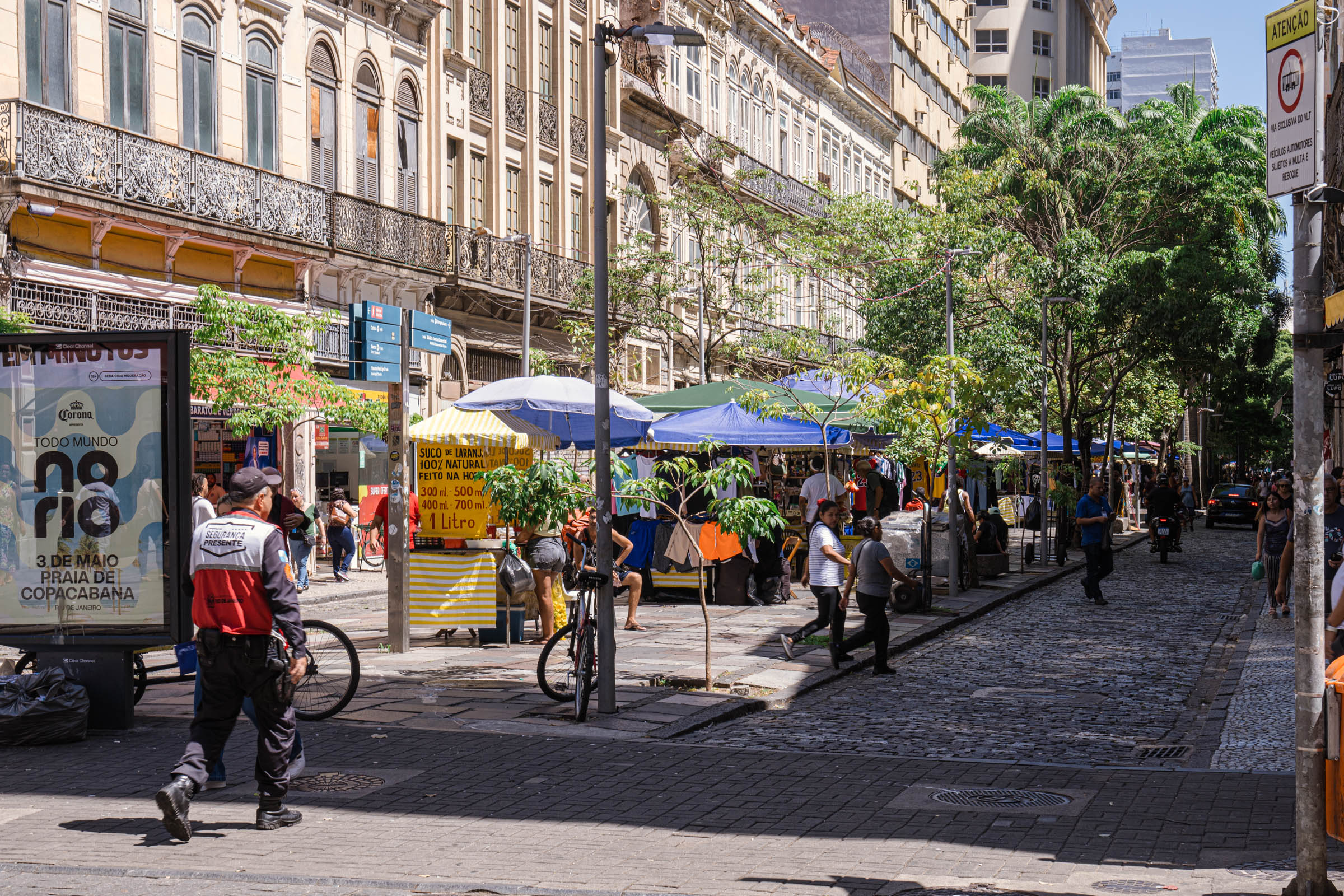
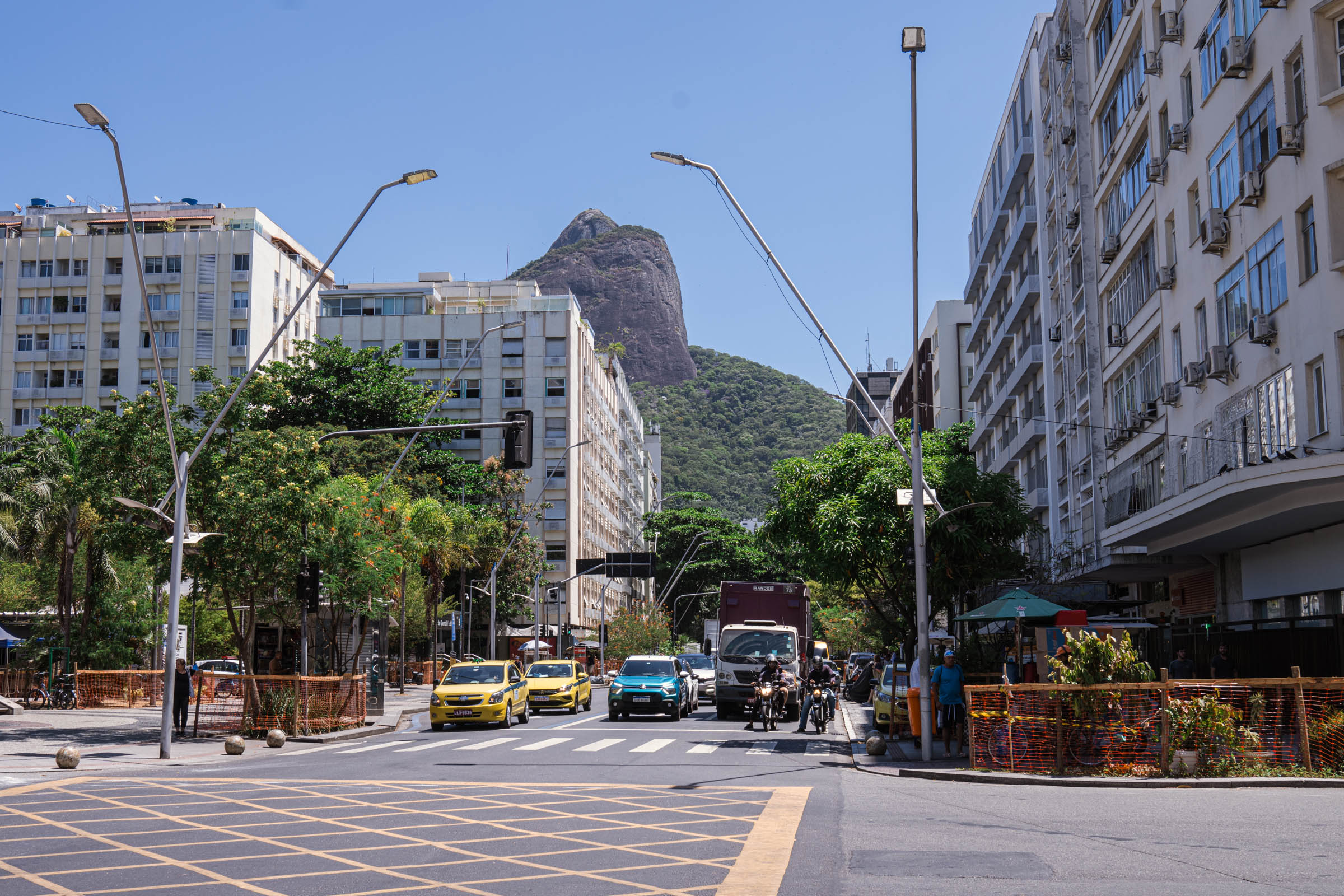
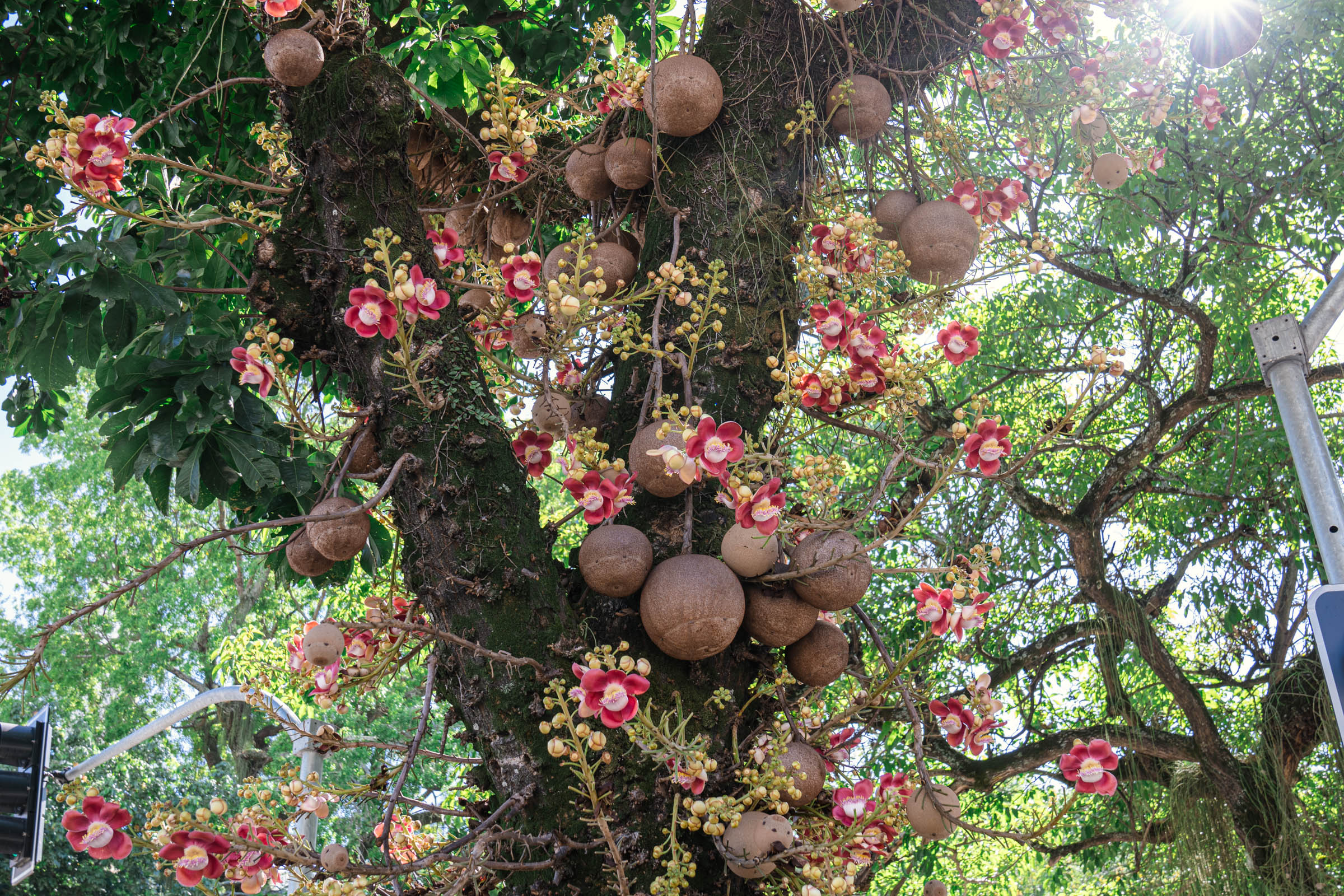
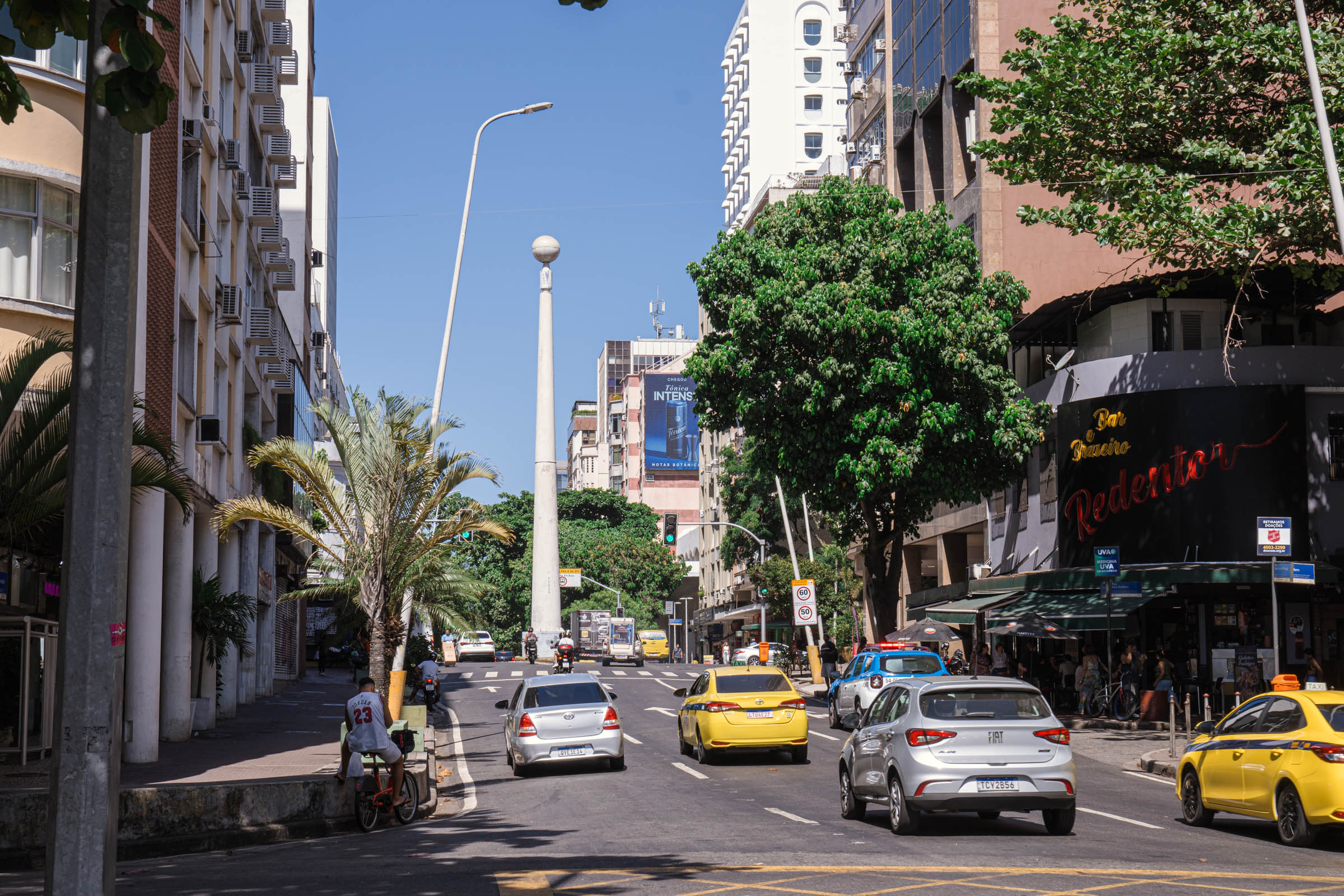
Beyond the famous sights, Rio de Janeiro lives in its neighborhoods. Here, the streets lead from the beaches toward green granite peaks, and tropical trees bloom right next to the traffic. Even the pavement tells a story here. The landscape architect Roberto Burle Marx designed the Copacabana promenade. Its famous black-and-white wave pattern, a Portuguese pavement design, has been part of the city since the 1930s.
In Ipanema, between Leblon and Arpoador, the two Dois Irmãos mountains rise at the western end of the beach. This is also the neighborhood of the famous bossa nova song “The Girl from Ipanema,” written in 1962. Antônio Carlos Jobim wrote the music, and Vinícius de Moraes wrote the Portuguese lyrics. Moreover, every Sunday the Feira Hippie de Ipanema fills the neighborhood with more than 700 stalls. It began in 1968 as a small market started by a group of hippies. In summer, beachgoers here often applaud the sunset.
My advice is simple. Walk as much as you can, take time for the beach and let the rhythm of the cariocas guide you. In this city, every street can surprise you.
SAYING GOODBYE TO RIO DE JANEIRO
My dear adventurers, we have come to the end of this special travelogue about Rio de Janeiro. Today’s travelogue would not have been possible without the selfless help of UN Tourism, EMBRATUR and Visit Brasil. I also thank Copacabana Palace, A Belmond Hotel, and other local partners. Thanks to them, I could feel the spirit and beauty of local culture and everyday life in Rio de Janeiro. As always, I tried my best to convey my impressions of this unusual experience from Brazil.
A person is rich in soul if he has managed to explore the world. I am glad that I always find partners for my projects who help me discover new and unusual destinations in a completely different way. It is an honor to cooperate with many companies and professionals in the tourism sector. Once again, I would like to thank UN Tourism, EMBRATUR and Visit Brasil for this incredible adventure.
Have you already had the chance to visit Rio de Janeiro, the marvelous city of fun and hedonism?
Feel free to leave your impressions, comments or questions below, or contact me by email and on social networks. All information is on the CONTACT page.
With love from Rio de Janeiro,
Mr.M
This post is sponsored by United Nations World Tourism Organization (UN Tourism), EMBRATUR (National Tourism Organization of Brazil) – Visit Brasil, Copacabana Palace Belmond Hotel and other local partners. This post is my personal and honest review of the destination experience.
Finally! I have to admit that I couldn’t wait for you to start writing travelogues on the blog since I followed your journey through South America on Instagram from the beginning, but your travelogues are always informative and detailed, you still pay attention to all aspects of the destination and you didn’t disappoint me this time either. I am planning to visit Rio for the next Carnival and would like to visit several cities in Brazil. Are carnivals organized in other cities during February and March or only in Rio de Janeiro and Sao Paulo?
I was in Rio de Janeiro in 2017, but I wasn’t during Carnival. An interesting city, but I believe that the city is significantly more beautiful and lively during the Carnival. Honestly, my greatest wish in life is to visit the Carnival in Rio. Excellent travelogue, you really brought back a lot of good memories from Rio.
I love reading your travelogues because of the interesting and numerous educational facts. Your trip to Rio looks to me like a very interesting experience and it is clear that you really enjoyed this trip. I look forward to your next travelogues from South America. I’m wondering if the order of posts from Instagram will follow the order of travelogues on the blog? Thanks in advance
Dear Marko, a really excellent travelogue. Rio is truly a city of hedonism and one of the most famous vacation spots in Brazil. You were really lucky to have such a great adventure and to stay in the best hotel in Rio! I have to admit I’m a little jealous!
Rio has been on my travel bucket list for years and I sincerely hope that I will be able to visit Rio next year. Marko, can you please tell me when the Rio Carnival is in 2026?