
My dear travelers and lovers of unusual journeys, welcome to a new letter from Japan on the Mr.M blog. In my previous letter, I took you to Nara and its sacred deer. Today, we continue to Kyoto. Some cities you visit once and forget as soon as the plane lands at your next destination. And then there are places like Kyoto. They get under your skin and stay there as a quiet reminder that beauty still has its sanctuary.
Kyoto is not just a city. It is a time capsule and an open-air museum. Modern hands preserve it instead of destroying it.
Before we begin, I want to thank UN Tourism for supporting and promoting quality tourism around the world. Their dedication to connecting cultures and destinations inspires all of us who believe that travel enriches the soul.
When I first set foot on the streets of Kyoto, I felt something hard to describe. It was as if time had decided to flow more slowly here. For more than a thousand years, from 794 until 1868, Kyoto was the capital of Japan. That millennium left a mark you feel at every step and in every temple.
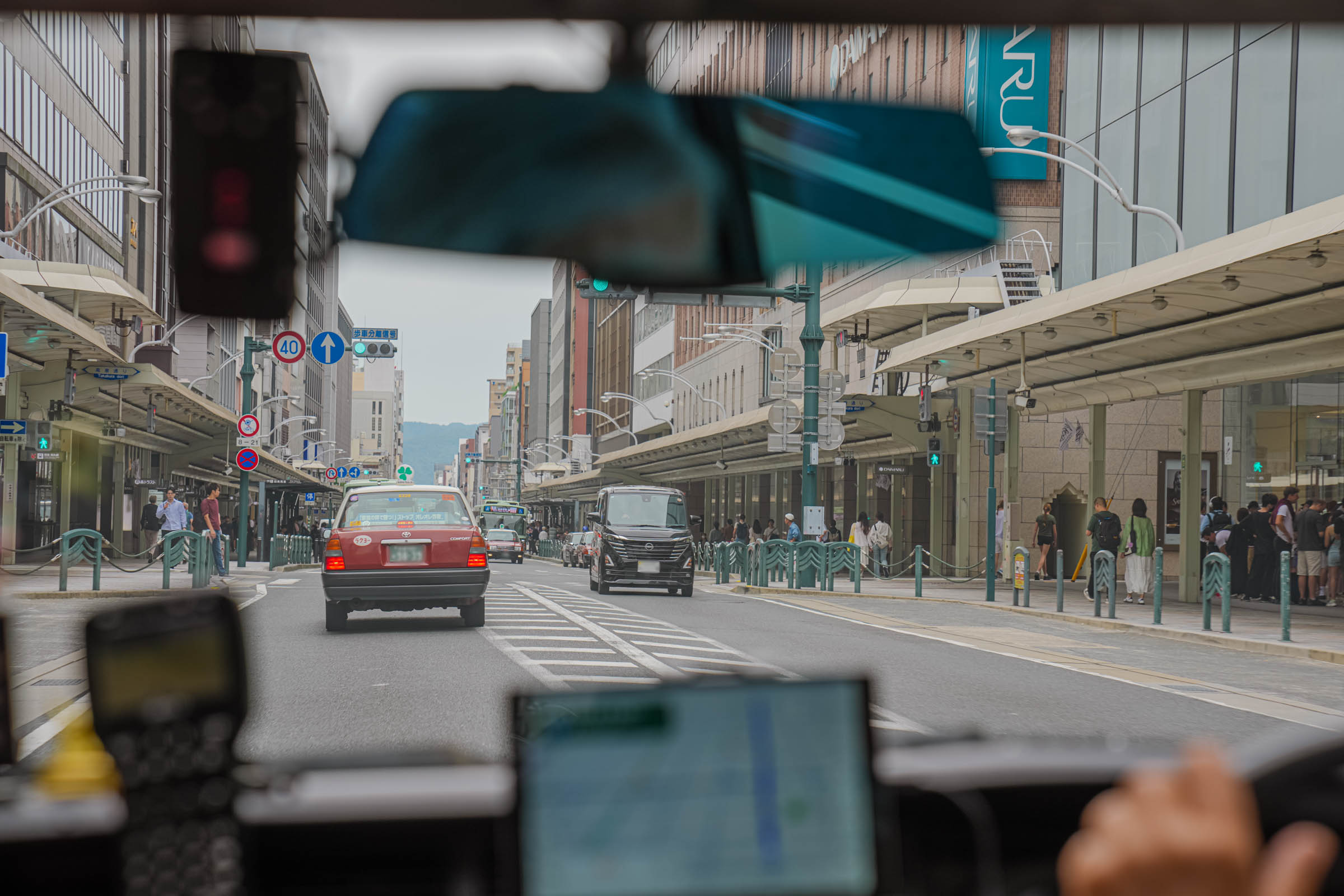
KYOTO: HISTORY THAT BREATHES
To truly understand Kyoto, you have to know its story. Emperor Kanmu founded the city in 794 as Heian-kyo, the “capital of peace and tranquility.” Ten years earlier, he had left Nara for Nagaoka-kyo, and then he moved the court once more, to this valley.
In fact, the new capital followed the model of Chang’an, the capital of Tang dynasty China. Its streets crossed at right angles, and its central avenue, Suzaku-oji, was about 84 meters wide.
During the Heian period, from 794 to 1185, Kyoto lived its first golden age. It was an era of refined court culture, literature and art. Around the year 1008, the court lady Murasaki Shikibu wrote “The Tale of Genji,” often called the first novel in world literature. Imagine: Europe was in the early Middle Ages, while a Japanese court lady was writing a complex story about love and intrigue.
FROM THE ONIN WAR TO A CITY THAT WAS SPARED
Kyoto suffered terrible destruction during the Onin War, which lasted from 1467 to 1477. Powerful samurai families fought largely inside the capital, and the conflict left much of the city in ruins. The recovery was slow, yet Kyoto always came back, like a phoenix rising from the ashes.
In the 20th century, Kyoto had a different kind of luck. In 1945, it was at the top of a list of possible targets for the atomic bomb. However, the US Secretary of War, Henry Stimson, insisted on taking the city off that list. He had visited Kyoto in the 1920s and knew its cultural importance.
Thanks to that decision, Kyoto still preserves an abundance of historic buildings. Today, it has around 1,600 Buddhist temples, about 400 Shinto shrines and countless traditional machiya townhouses.
KYOTO’S SEVENTEEN UNESCO TREASURES
In 1994, UNESCO added the Historic Monuments of Ancient Kyoto to the World Heritage List. The listing includes 17 sites in Kyoto, Uji and Otsu. Among them are 13 Buddhist temples, three Shinto shrines and one castle. Each tells a different story of Japanese history and spirituality.
First, Kiyomizu-dera, the “temple of pure water,” is one of the most visited places in the city. The temple dates back to 778, and its current main hall comes from 1633. Its famous wooden stage stands about 13 meters above the hillside, and builders made it without a single nail. From there, the view of the city is spectacular, especially in cherry blossom season or in autumn.
Below the main hall flows the Otowa waterfall, which gave the temple its name. Visitors catch water from its three streams with long ladles and make a wish. Many people say that each stream brings a different blessing, such as a long life, success in studies or love.
RYOAN-JI AND NIJO CASTLE
Meanwhile, Ryoan-ji hides one of the most mysterious gardens in the world. This karesansui, or dry landscape garden, has 15 stones on a bed of white gravel. It covers about 250 square meters. From the veranda, you can never see all 15 stones at once. Most sources date the garden to the late 15th century. To this day, nobody knows exactly who designed it or what it means.
Nijo Castle shows a completely different side of Kyoto’s history. Tokugawa Ieyasu completed it in 1603 as his residence in the city. The corridors of its Ninomaru Palace have the famous “nightingale floors.” They chirp when you walk on them, warning of intruders.
Here, in 1867, the 15th shogun, Tokugawa Yoshinobu, announced the return of political power to the emperor. With that, the era of the shoguns came to an end.
KINKAKU-JI: THE GOLDEN PAVILION OF KYOTO
Kinkaku-ji, the Golden Pavilion, is probably the most photogenic building in Japan. Its story begins in 1397. That year, the shogun Ashikaga Yoshimitsu took over an aristocratic villa here and turned it into his retreat. Later, the villa became a Zen temple, officially called Rokuon-ji.
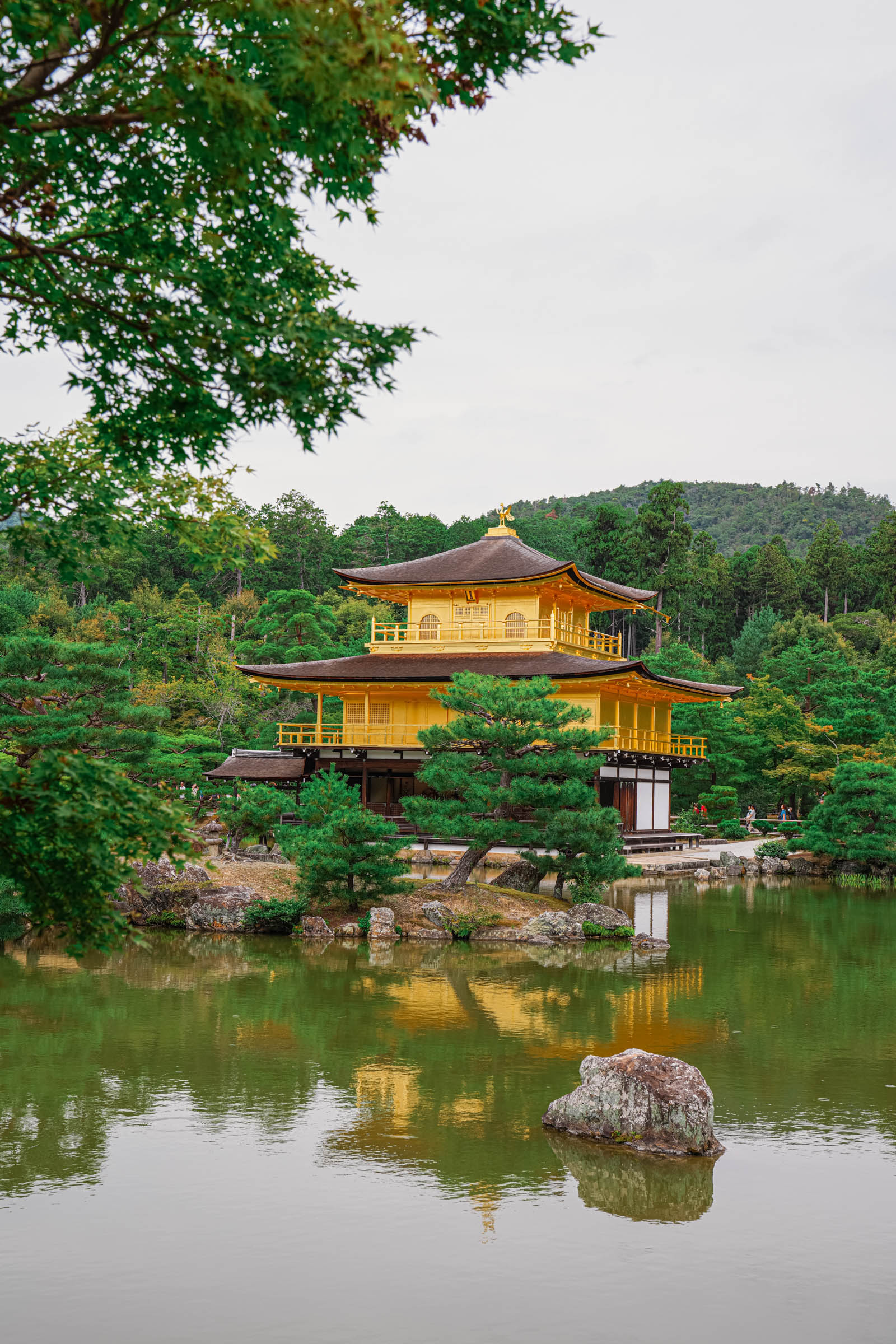
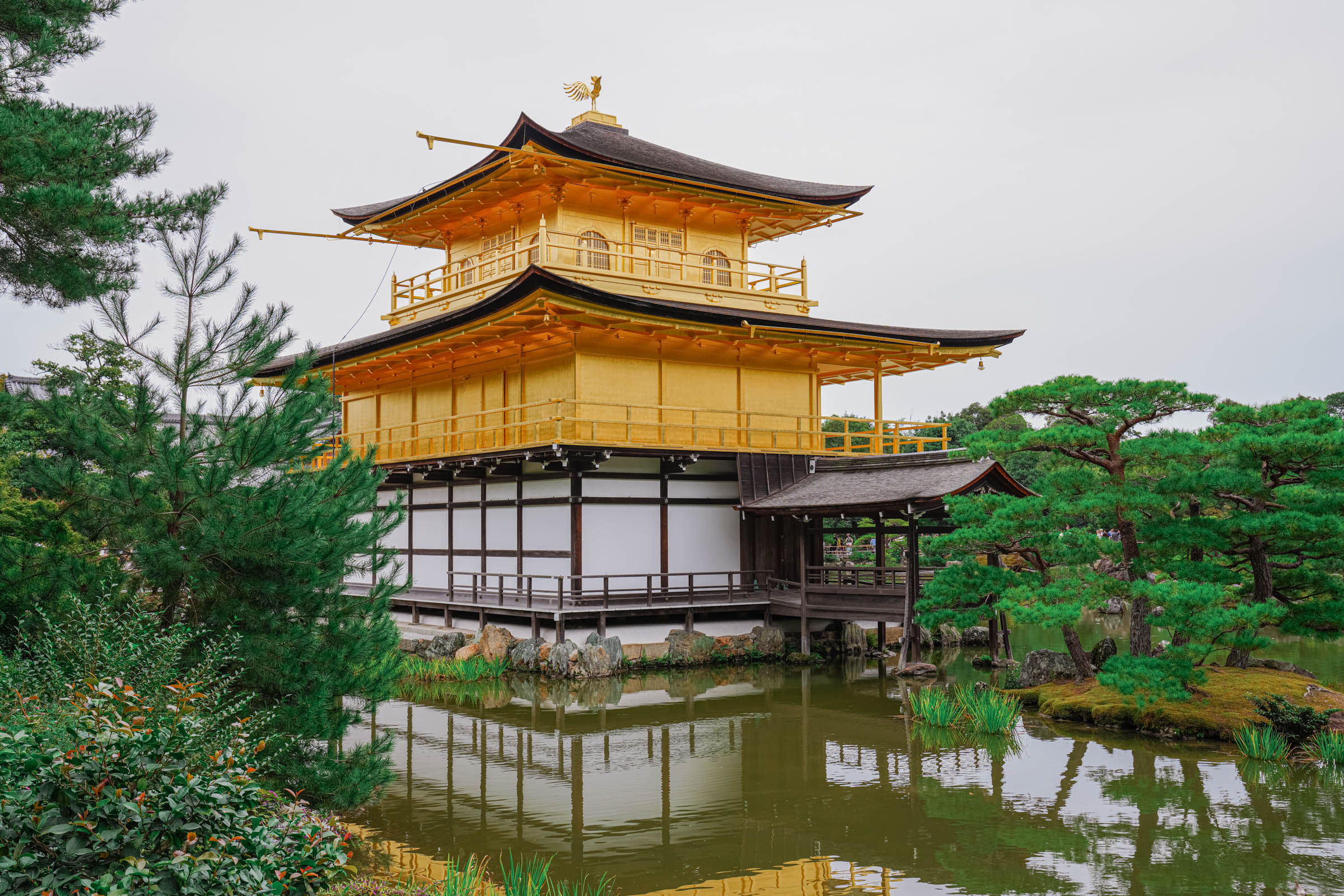
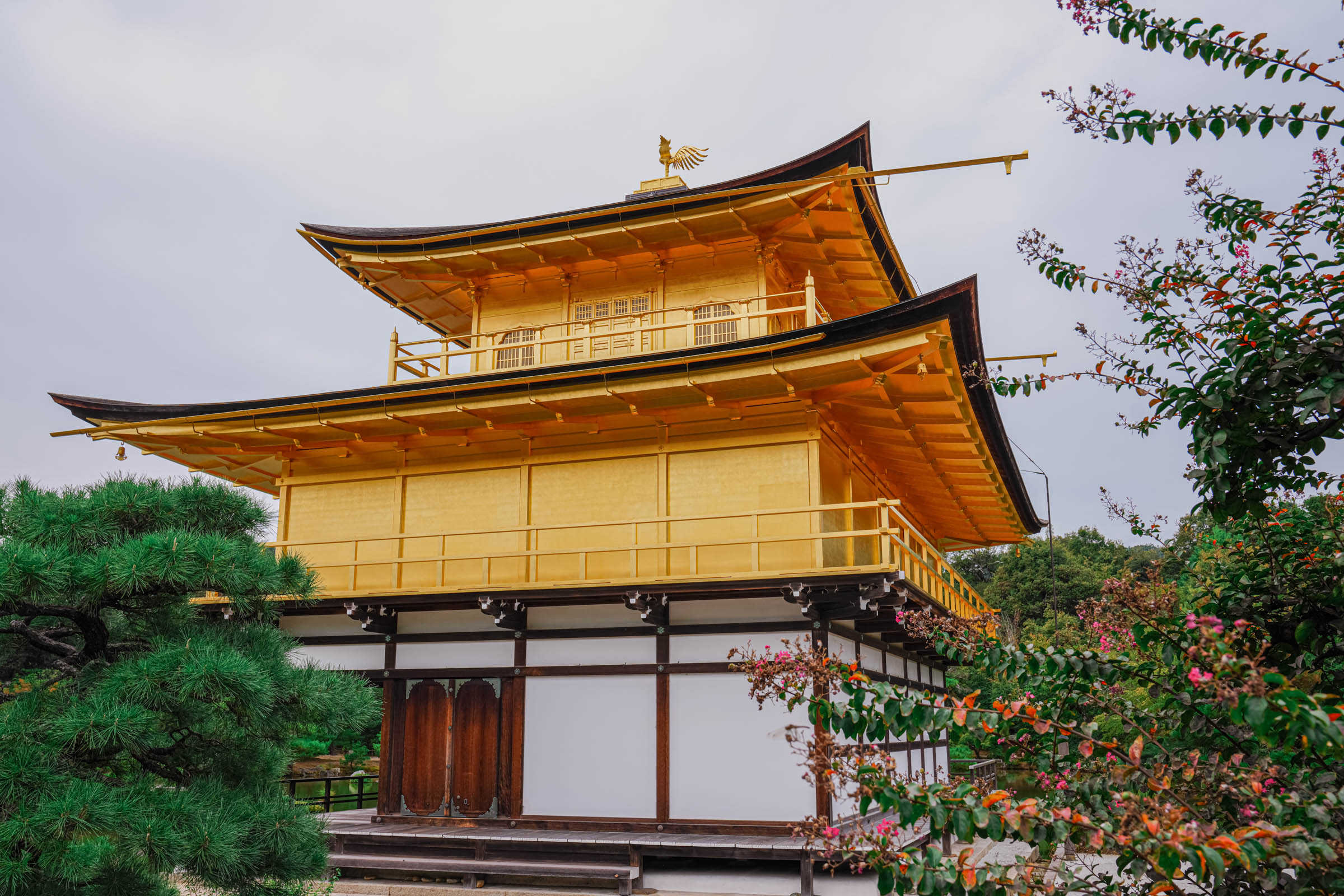
Gold leaf covers the two upper floors of the pavilion. Its reflection in Kyokochi, the “mirror pond,” creates a scene that seems almost unreal. However, the building you see today is a reconstruction. In 1950, a young monk set fire to the pavilion, and in 1955 it was rebuilt as a faithful copy. The event inspired Yukio Mishima’s famous novel “The Temple of the Golden Pavilion.”
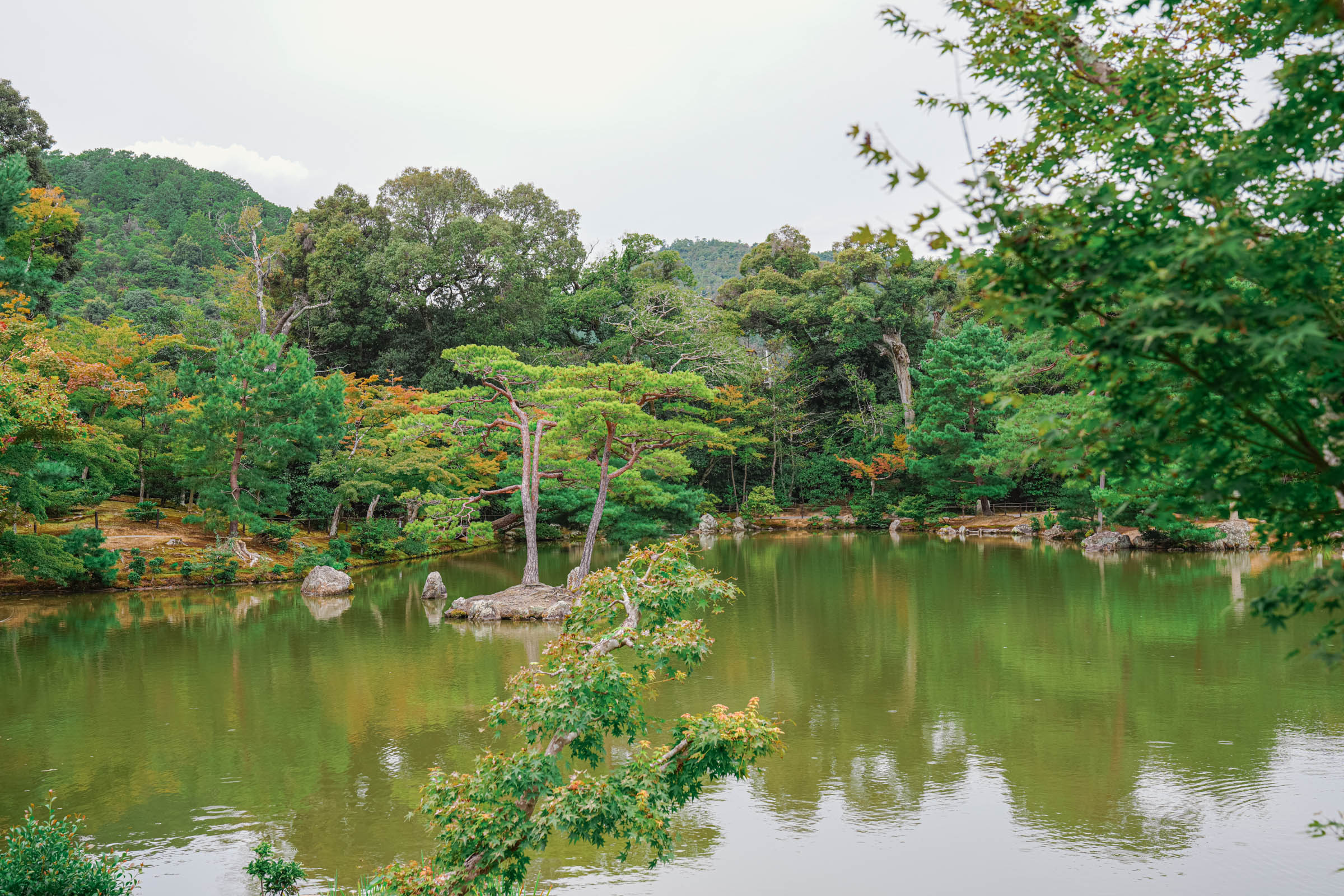
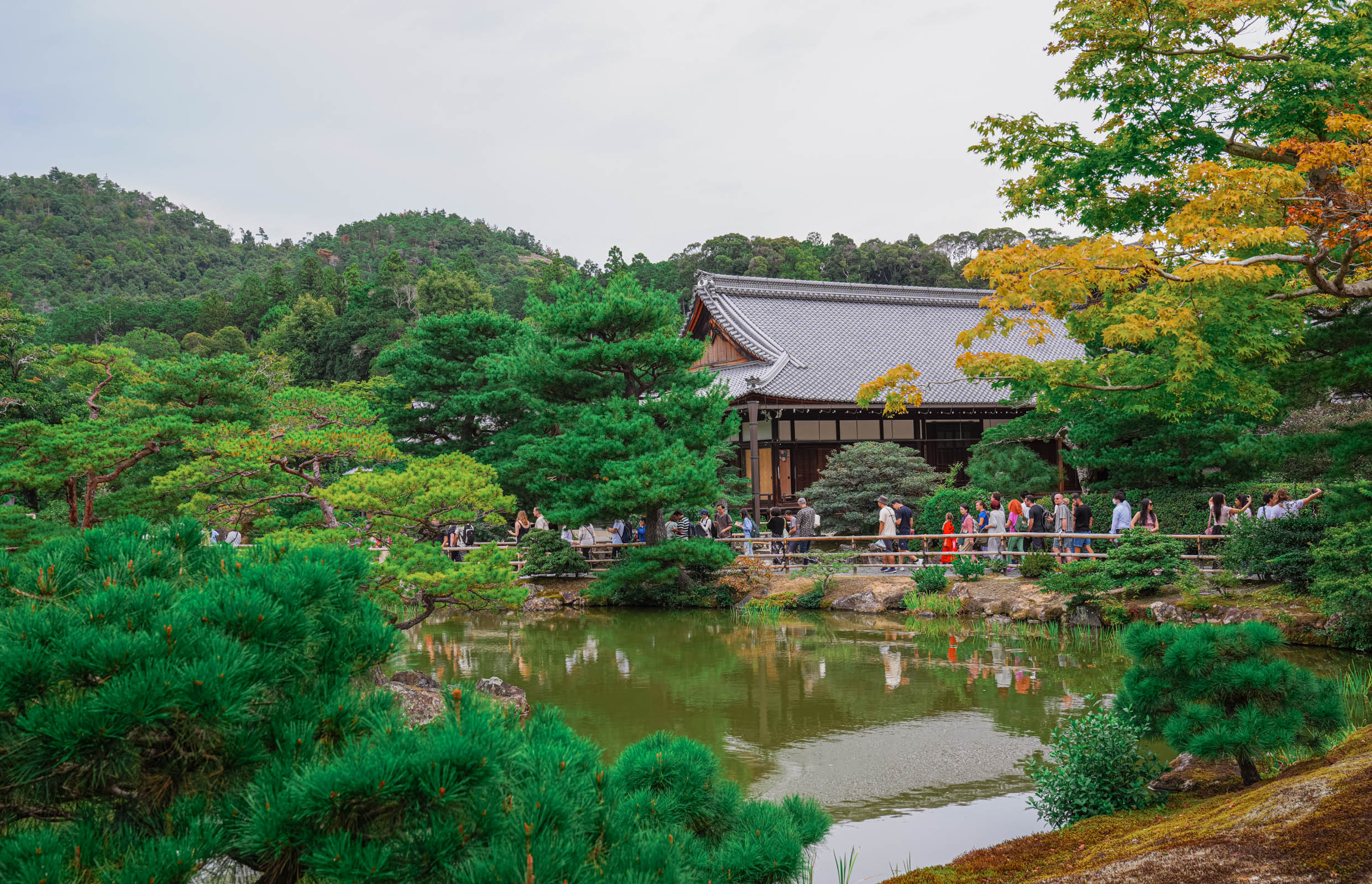
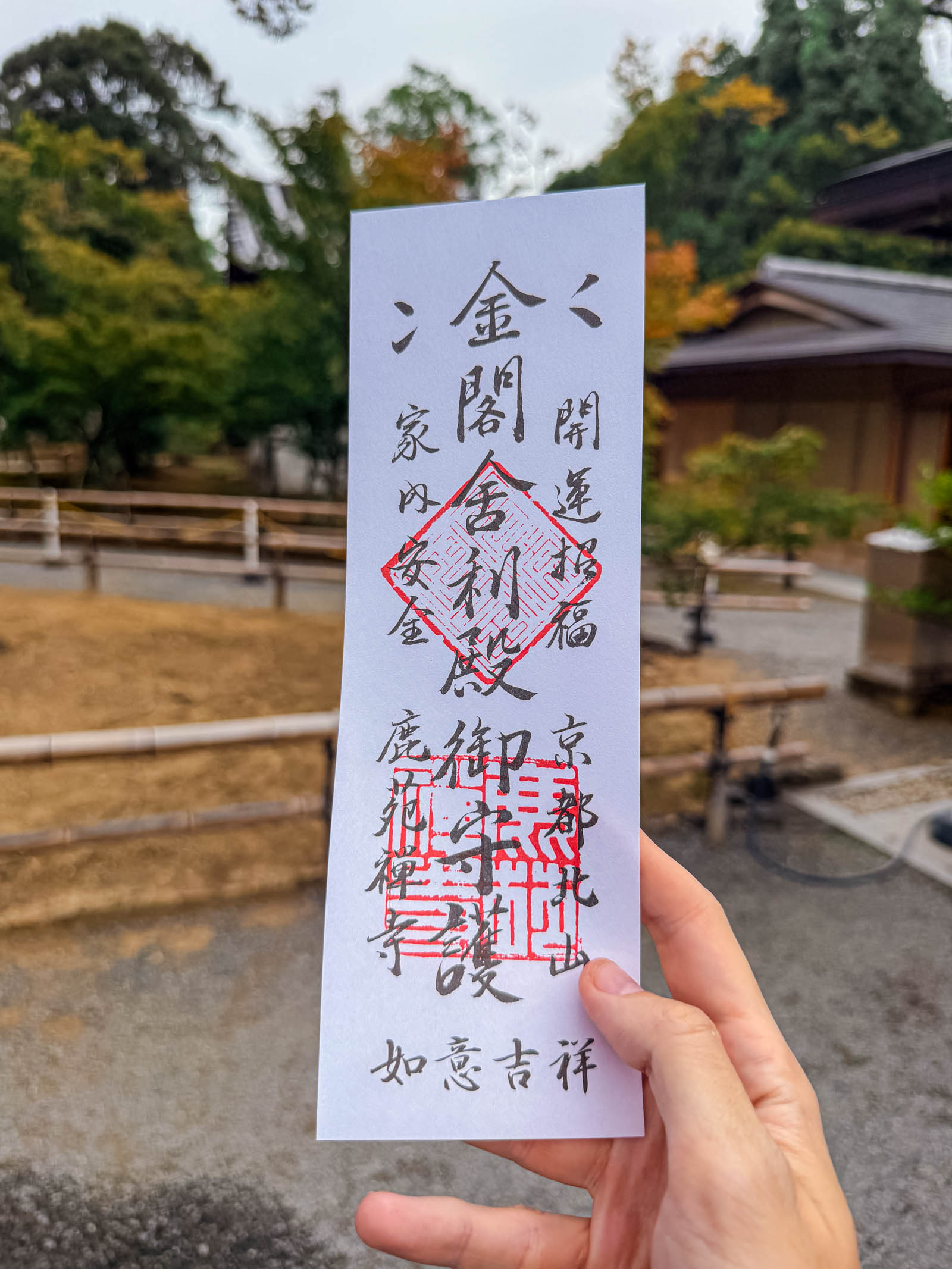
I walked slowly around the pond and watched the pavilion from every angle. At the entrance, I received a paper ticket in the form of a temple talisman. Many visitors keep it as a souvenir of good luck, and I did the same.
GINKAKU-JI AND THE PHILOSOPHER’S PATH
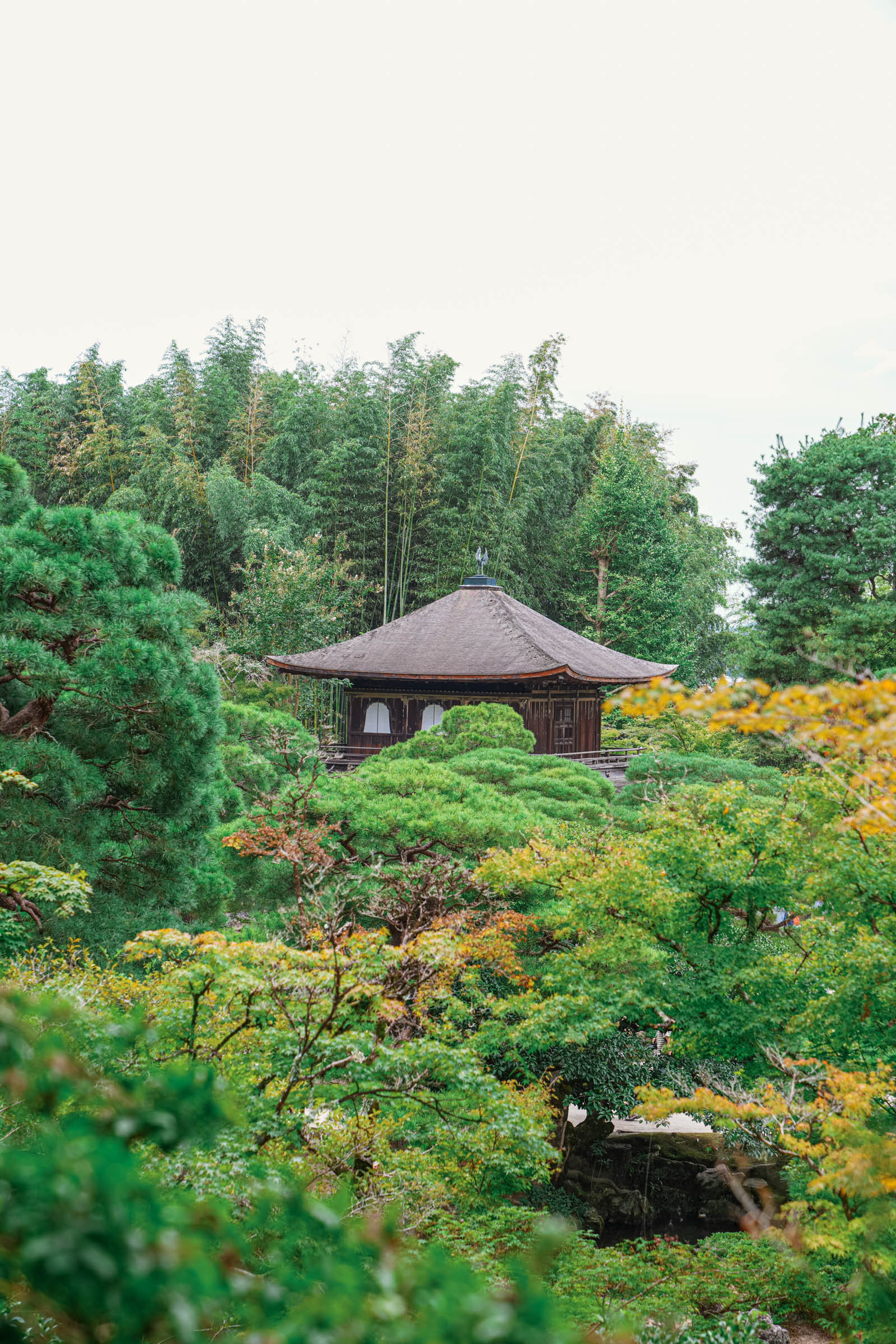
On the eastern side of Kyoto stands the quieter sister of the Golden Pavilion. In 1482, the shogun Ashikaga Yoshimasa, the grandson of Yoshimitsu, began building Ginkaku-ji, the Silver Pavilion, as his retirement villa. Interestingly, despite its name, the pavilion was never covered in silver.
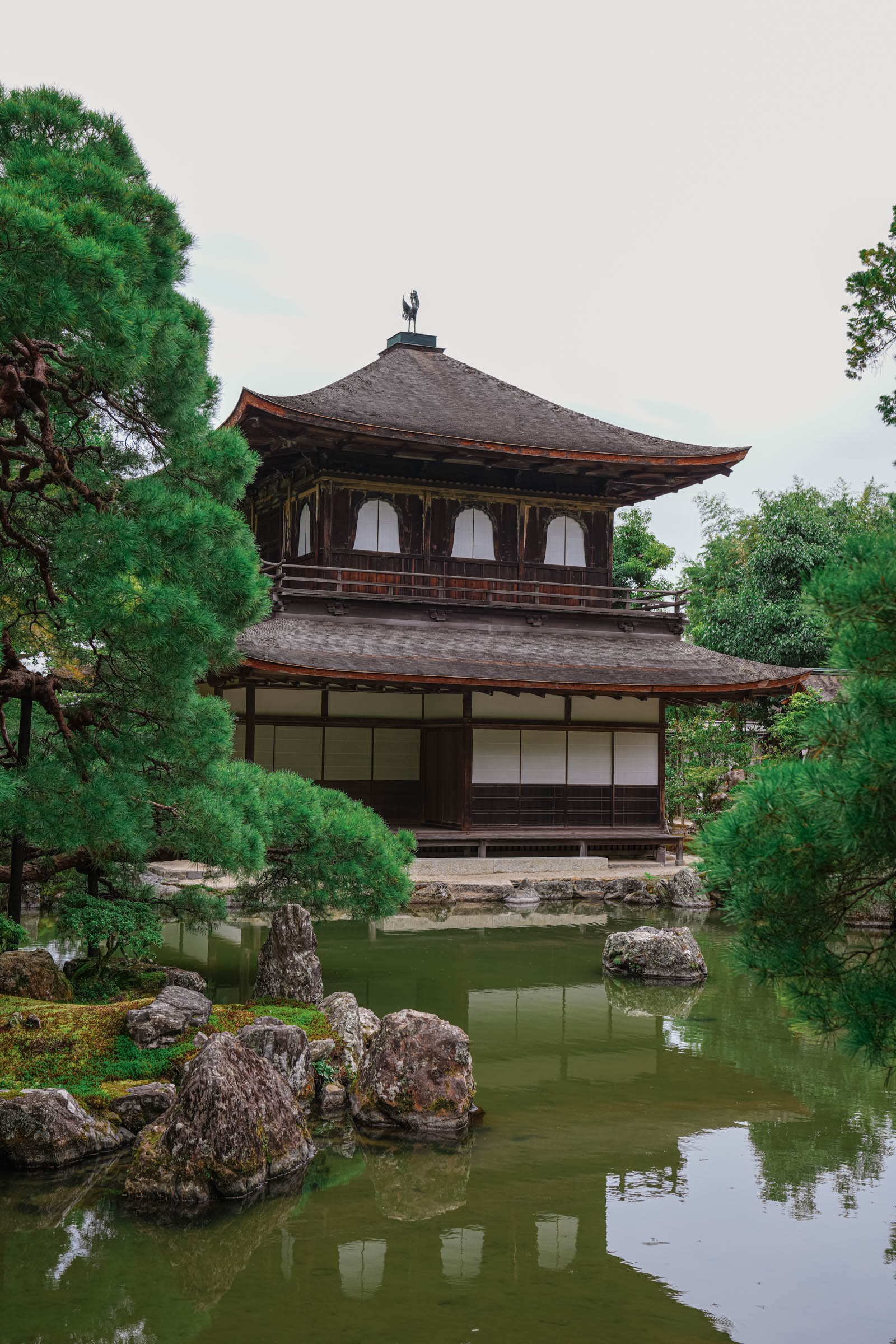
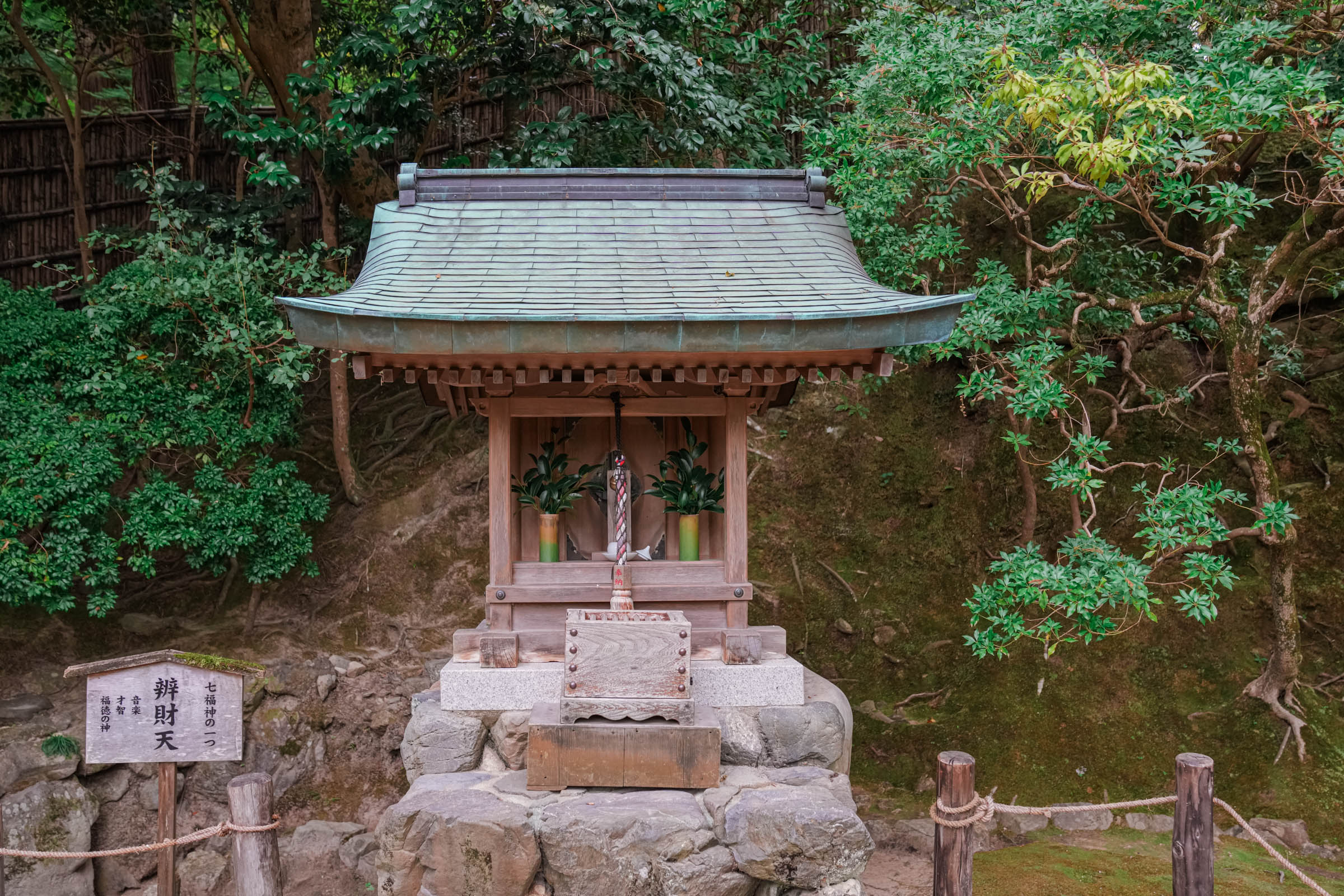
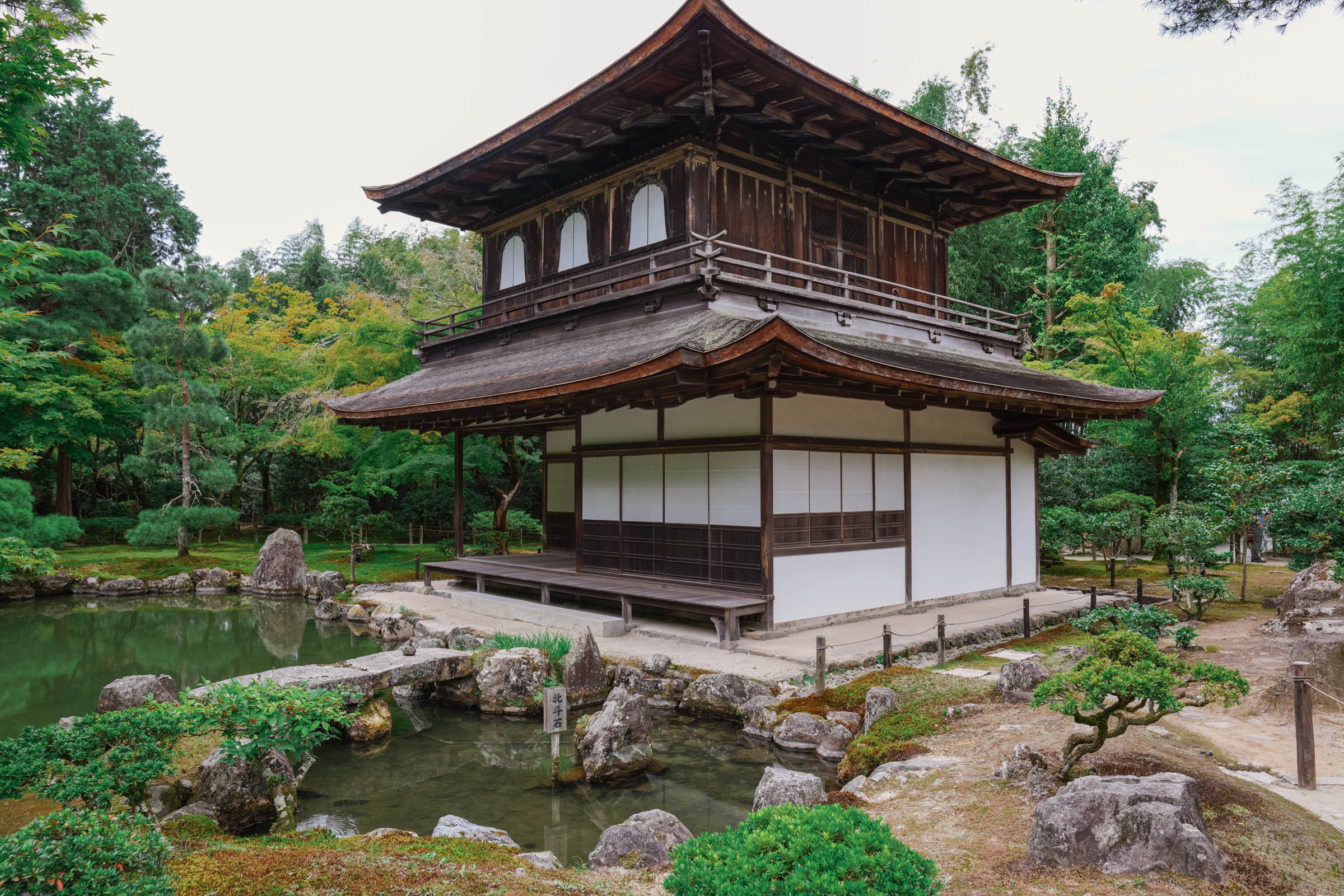
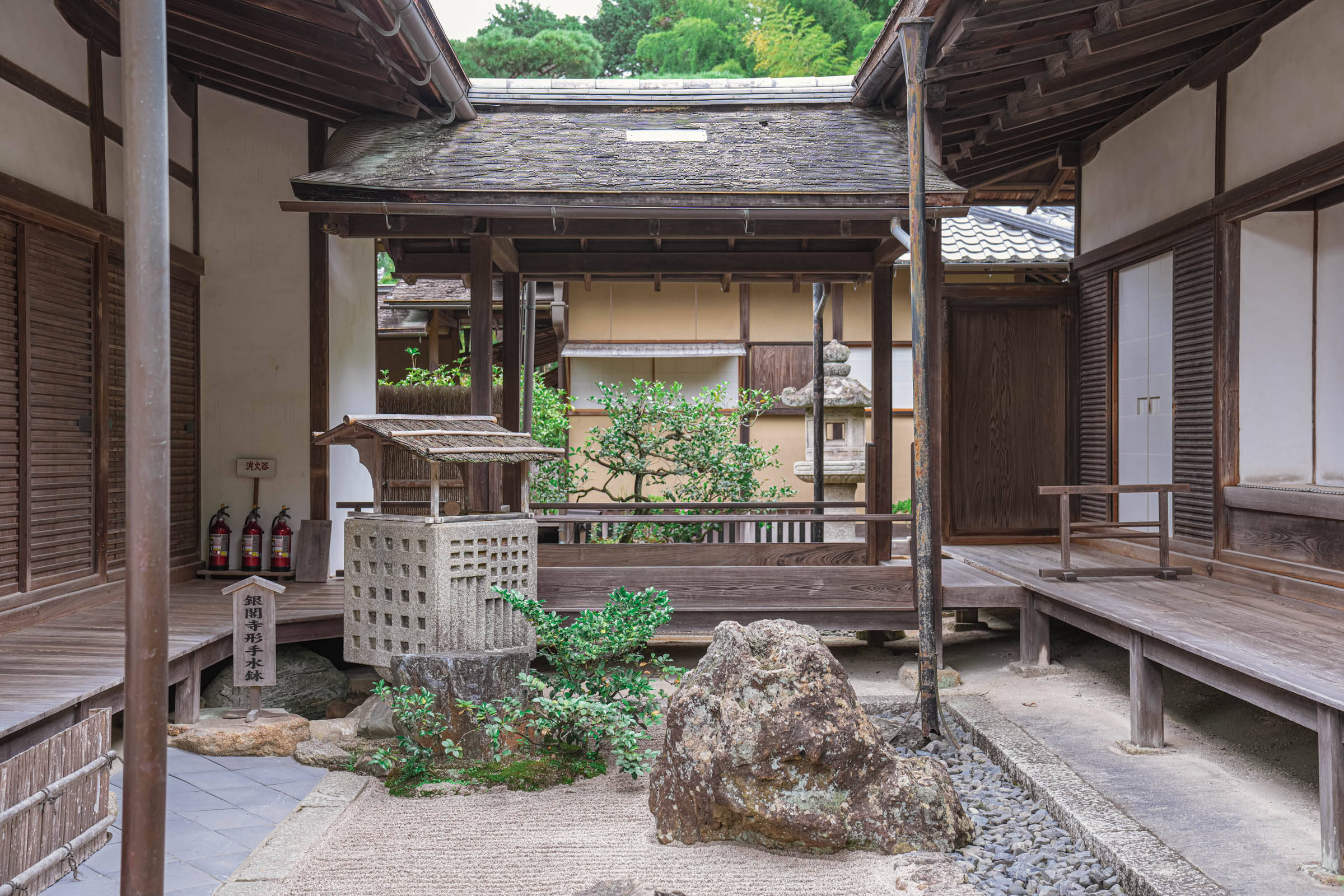
Still, its gardens are true masterpieces. In front of the pavilion lies Ginshadan, the “sea of silver sand,” with neatly raked patterns. Next to it rises Kogetsudai, a cone of sand about two meters tall that many compare to Mount Fuji.
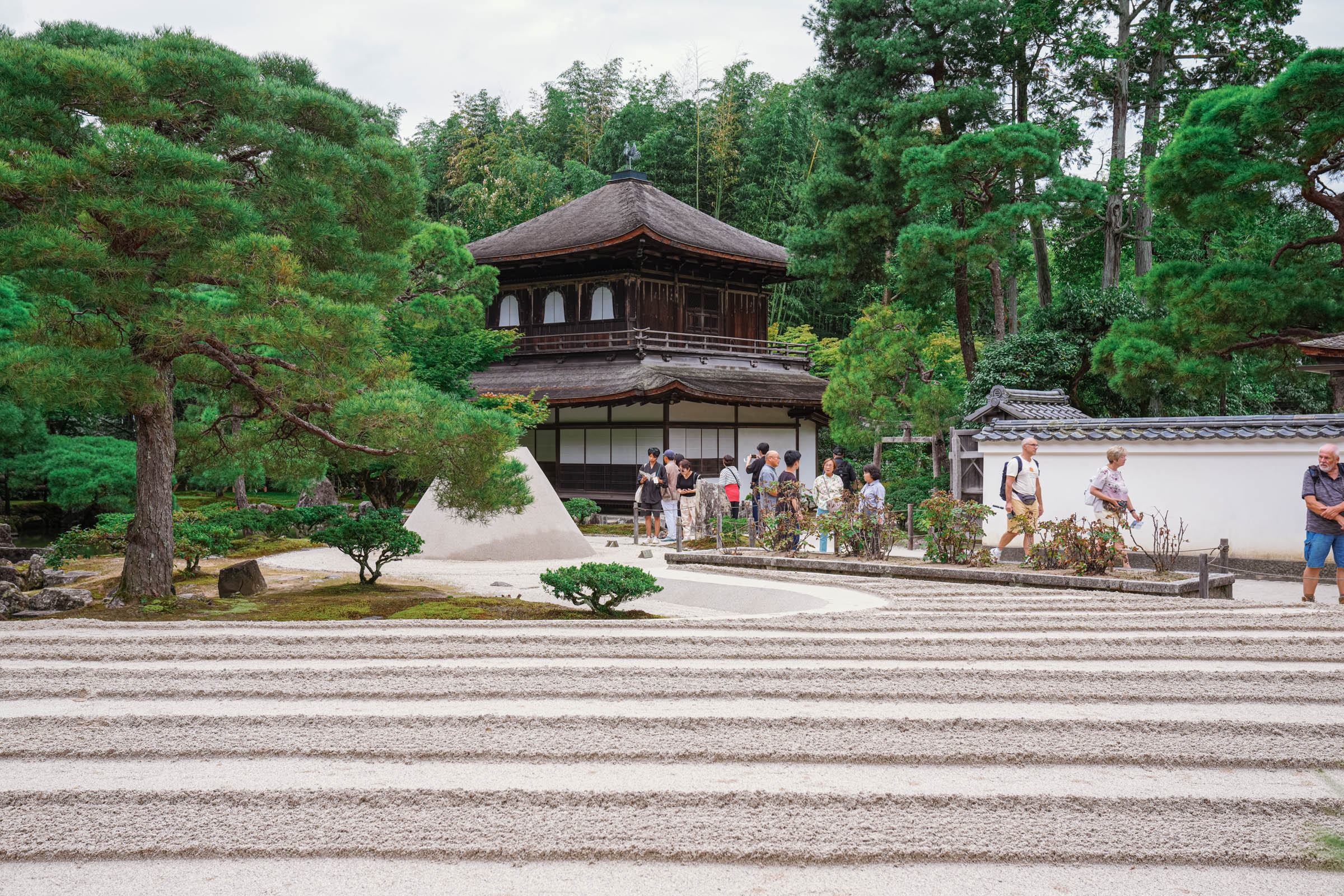
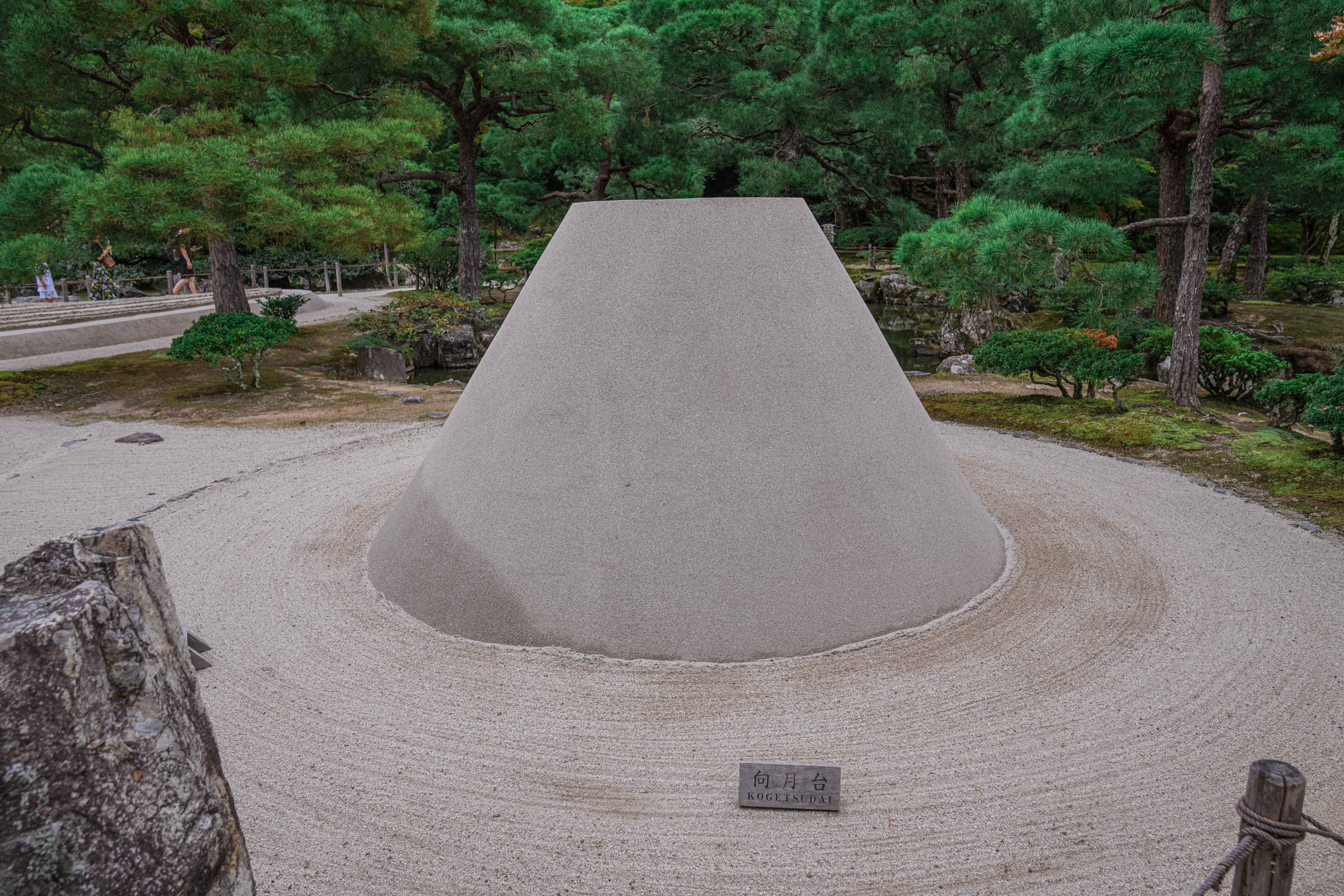
From Ginkaku-ji starts the Philosopher’s Path, a stone walkway about two kilometers long that leads toward the area of Nanzen-ji. It follows a branch of the Lake Biwa Canal. The path owes its name to the philosopher Kitaro Nishida, who used to walk here. Hundreds of cherry trees line the canal. Along the way, you pass small temples such as Honen-in, which most tourists never visit.
FUSHIMI INARI: TEN THOUSAND GATES ABOVE KYOTO
Although it is not on the UNESCO list, Fushimi Inari Taisha is probably the most recognizable sight in Kyoto. This Shinto shrine honors Inari, the deity of a good harvest and success in business. According to tradition, its history goes back to 711, even before Kyoto became the capital.
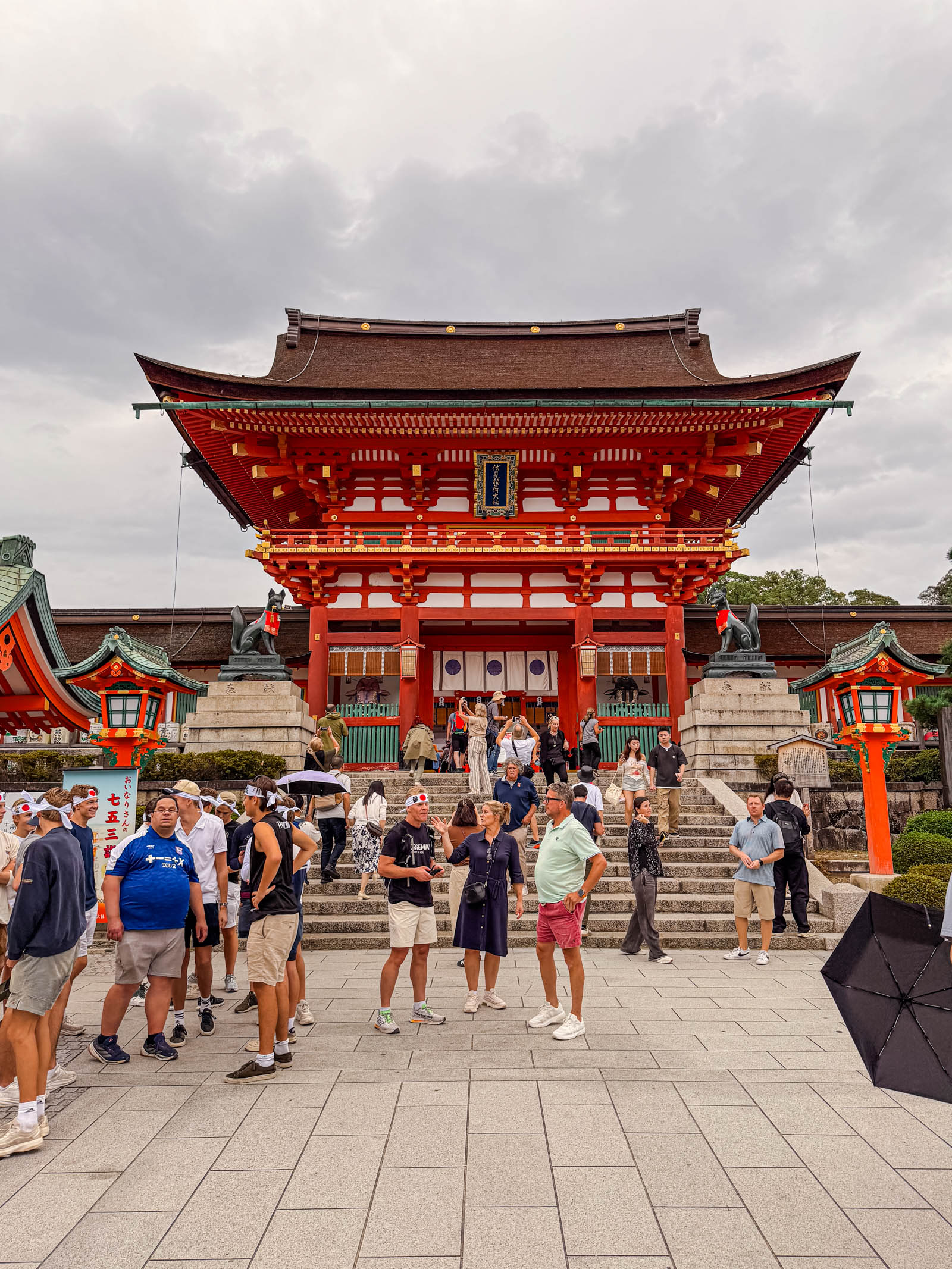
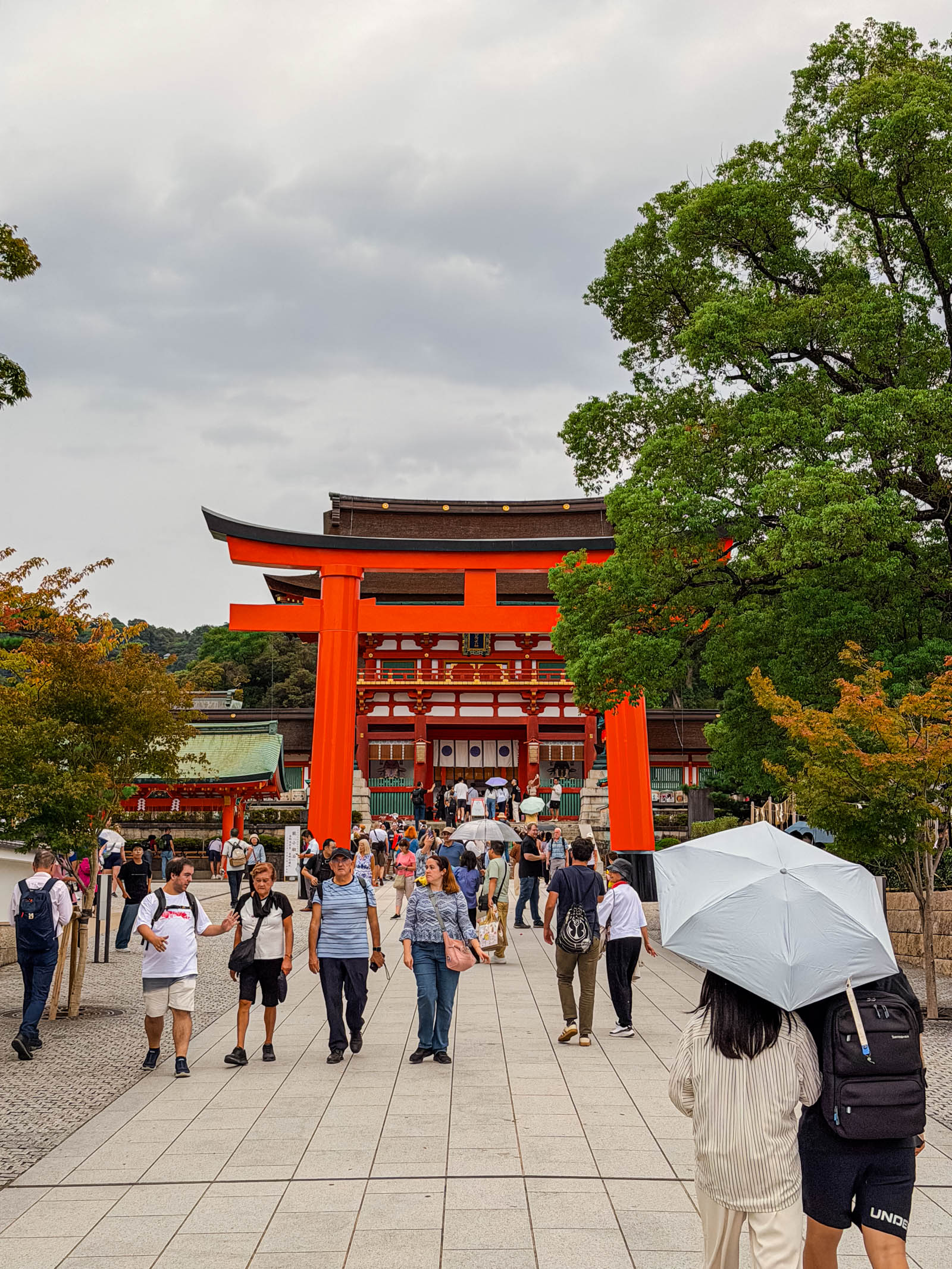
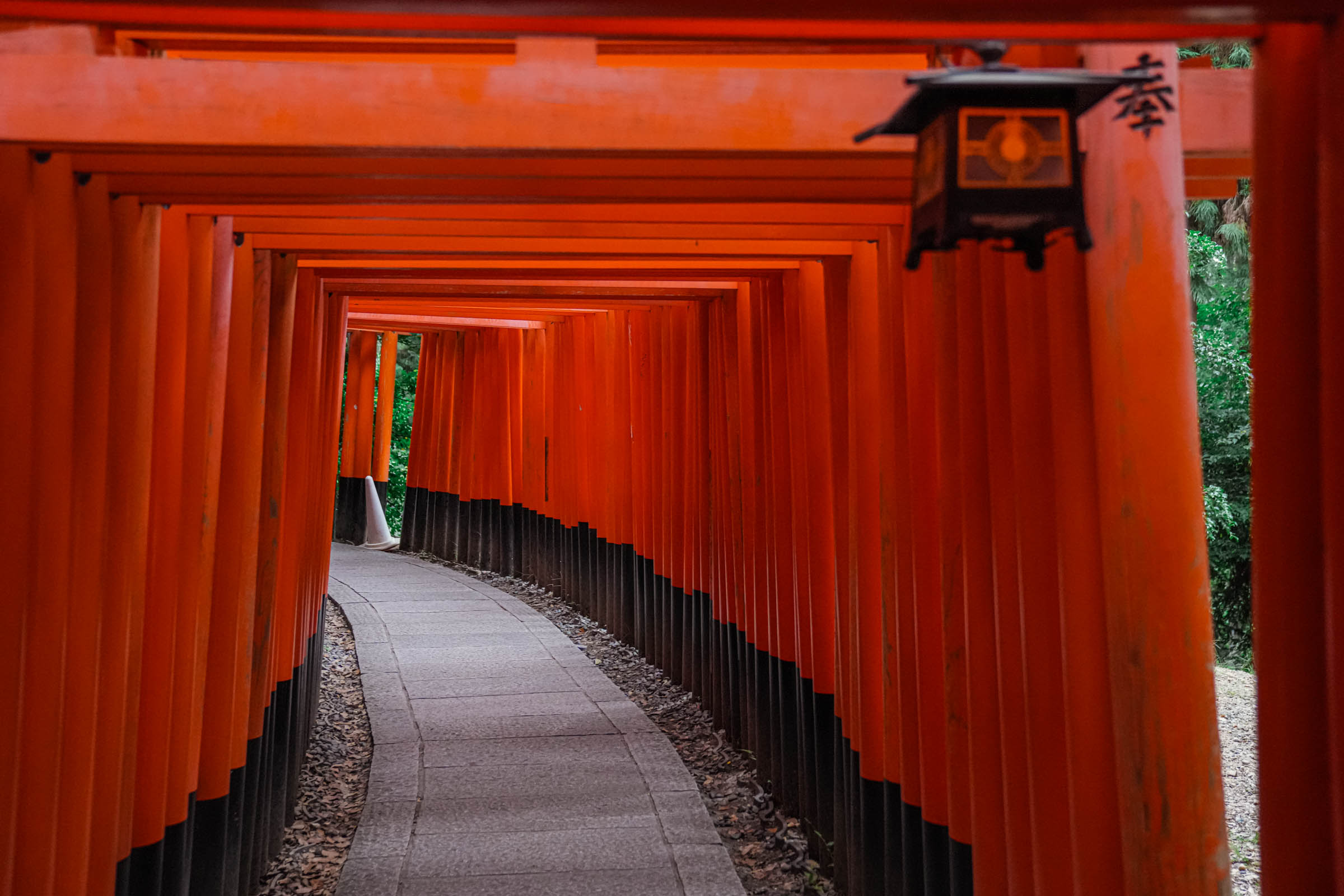
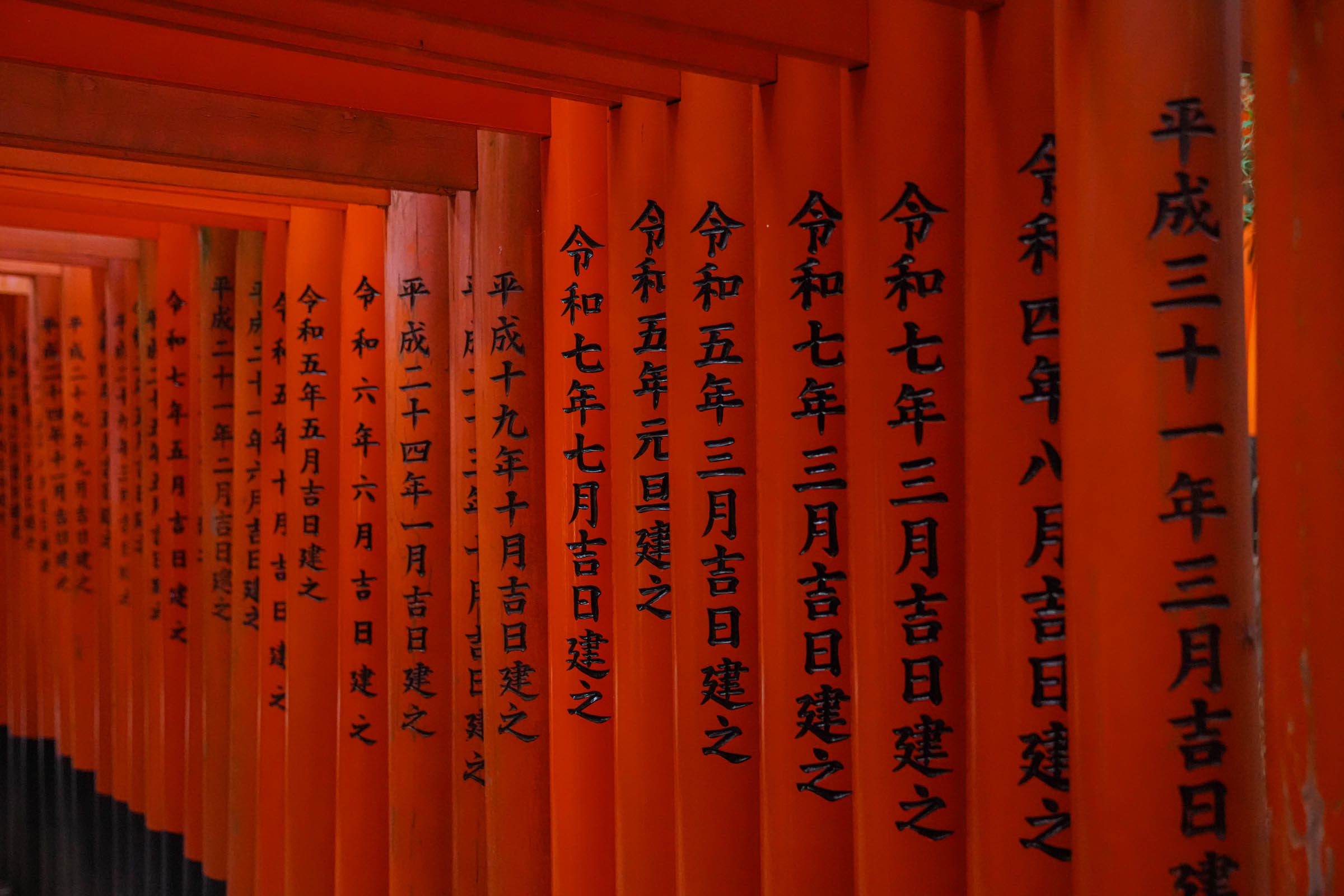
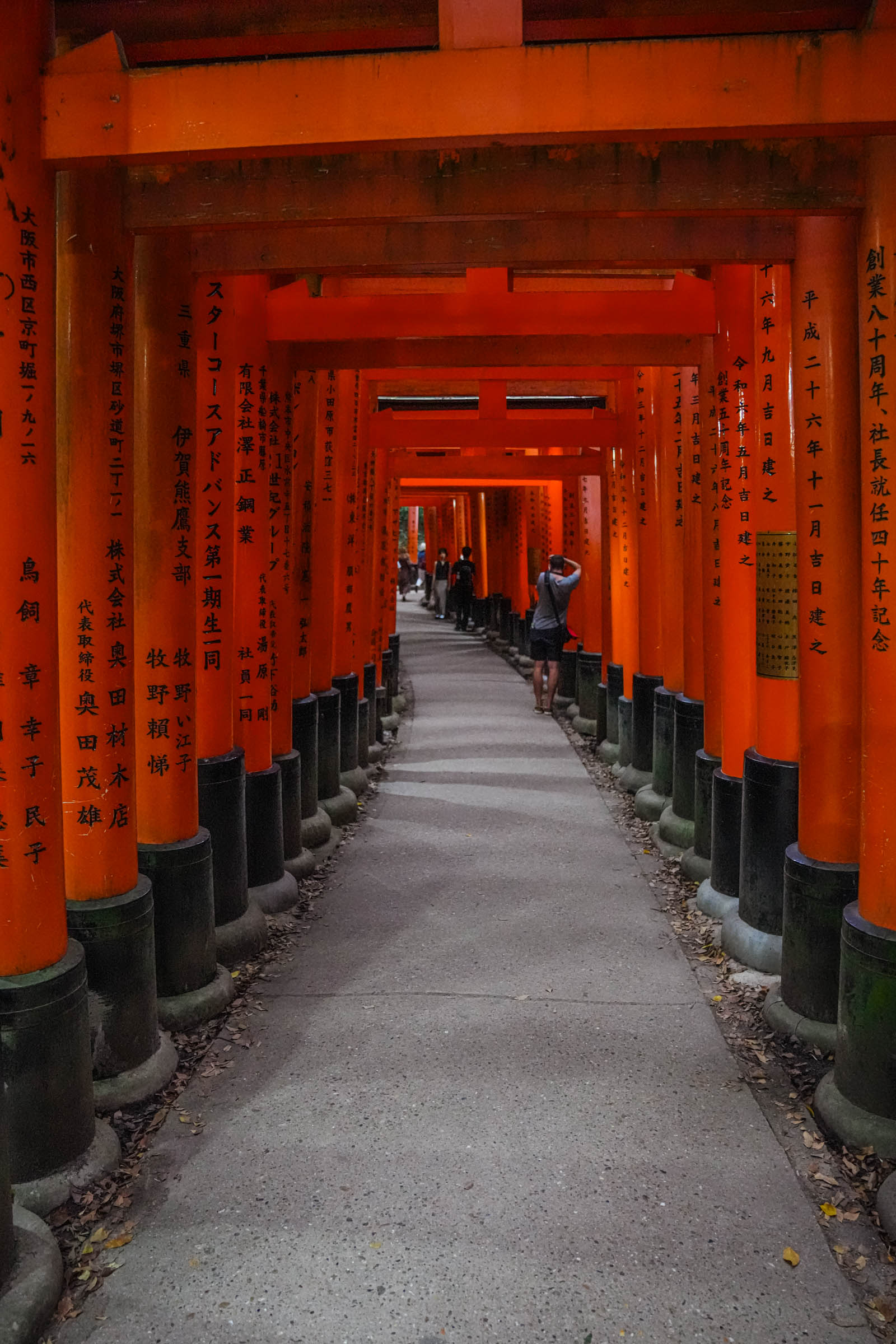
What makes Fushimi Inari unforgettable are the approximately 10,000 vermilion torii gates. They line the trails of Mount Inari, which rises 233 meters. Companies and individuals donate the gates in the hope of the deity’s favor, and each gate carries the name of its donor.
My tip: come as early as possible in the morning or in the evening. Senbon Torii, the famous tunnel of gates behind the main shrine, is the most photogenic spot. However, it gets very crowded during the day. The full climb to the summit and back takes about two to three hours. The shrine is open 24 hours a day and entrance is free.
FOXES, INARI SUSHI AND THE WAY TO THE TOP
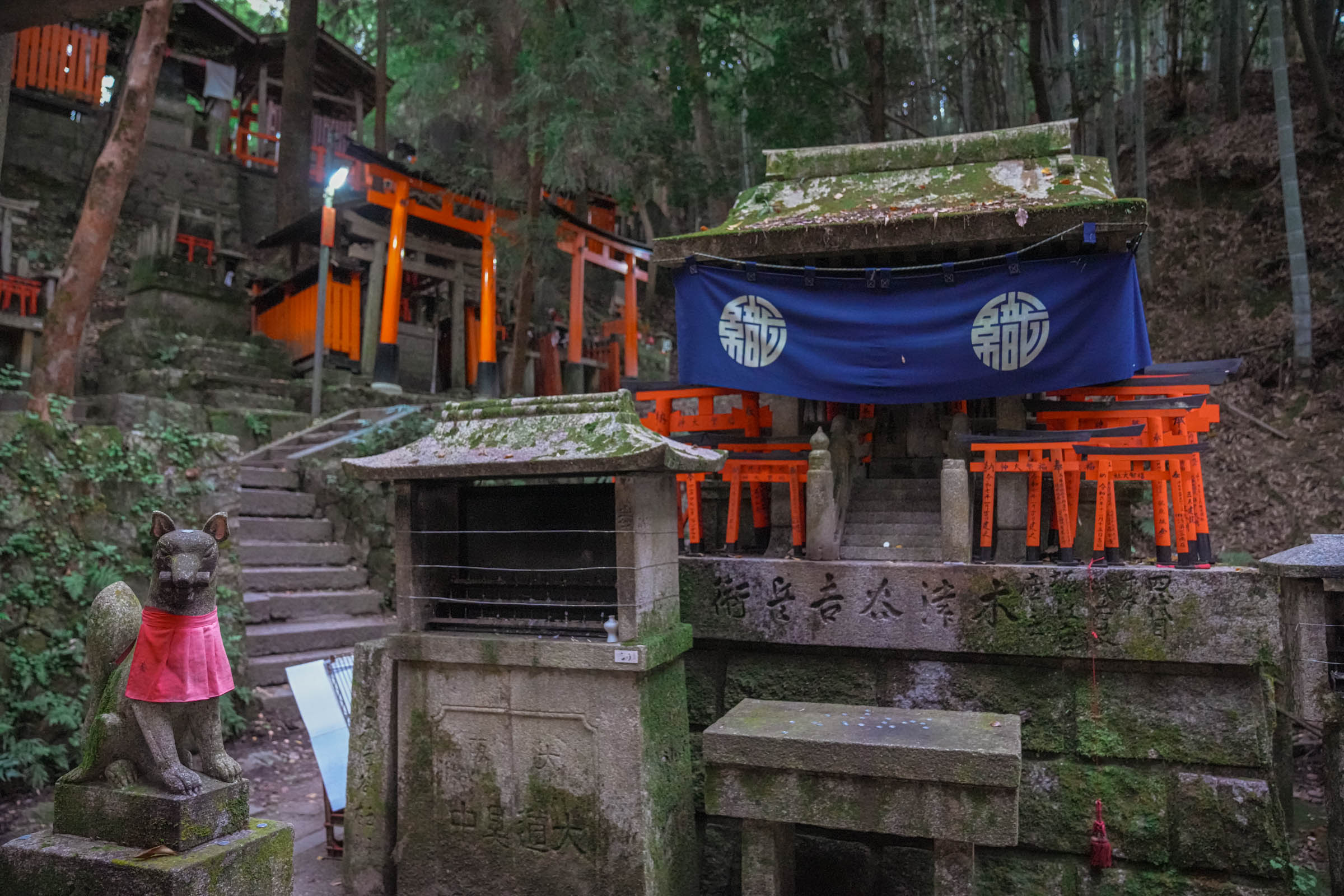
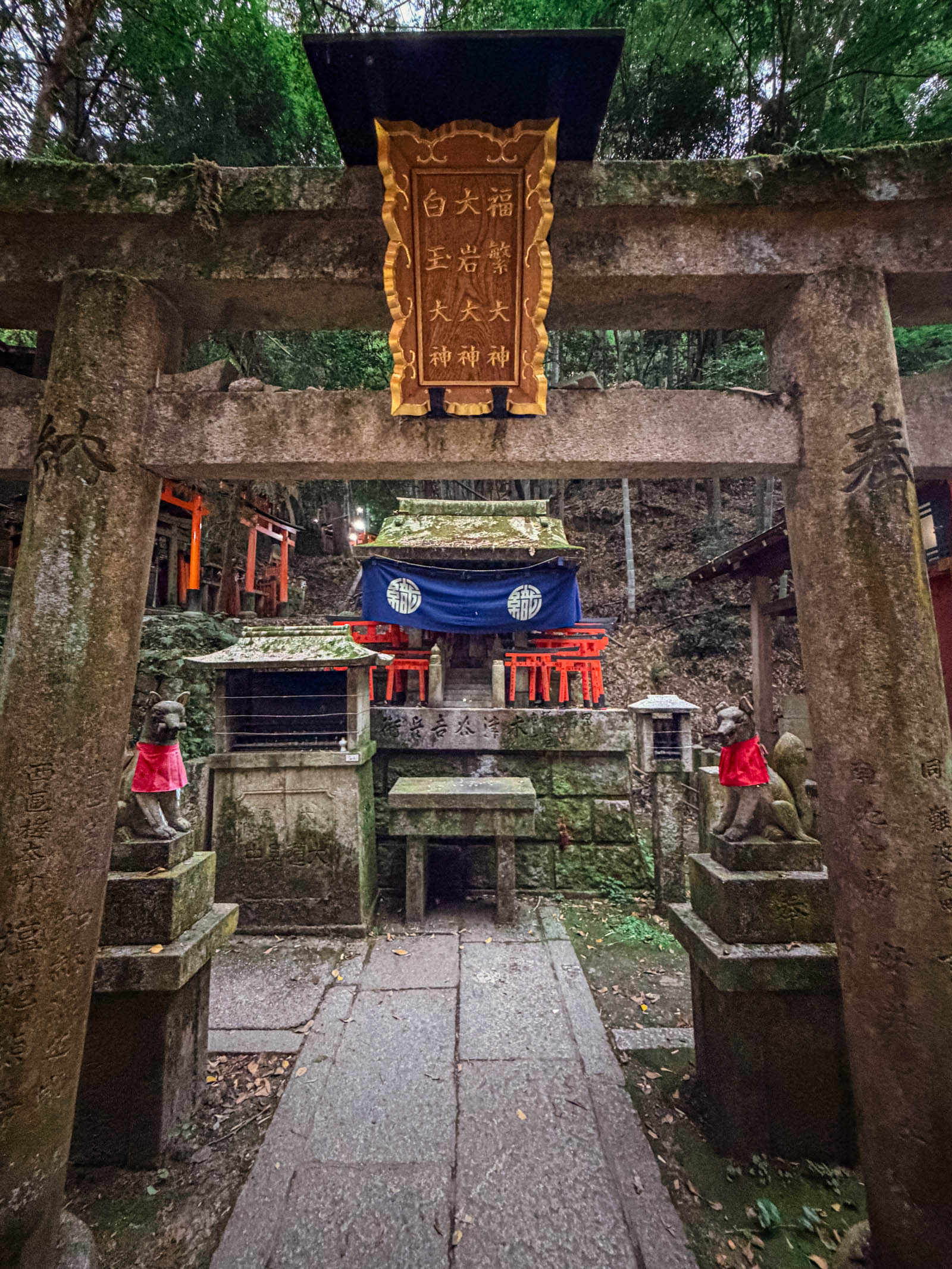
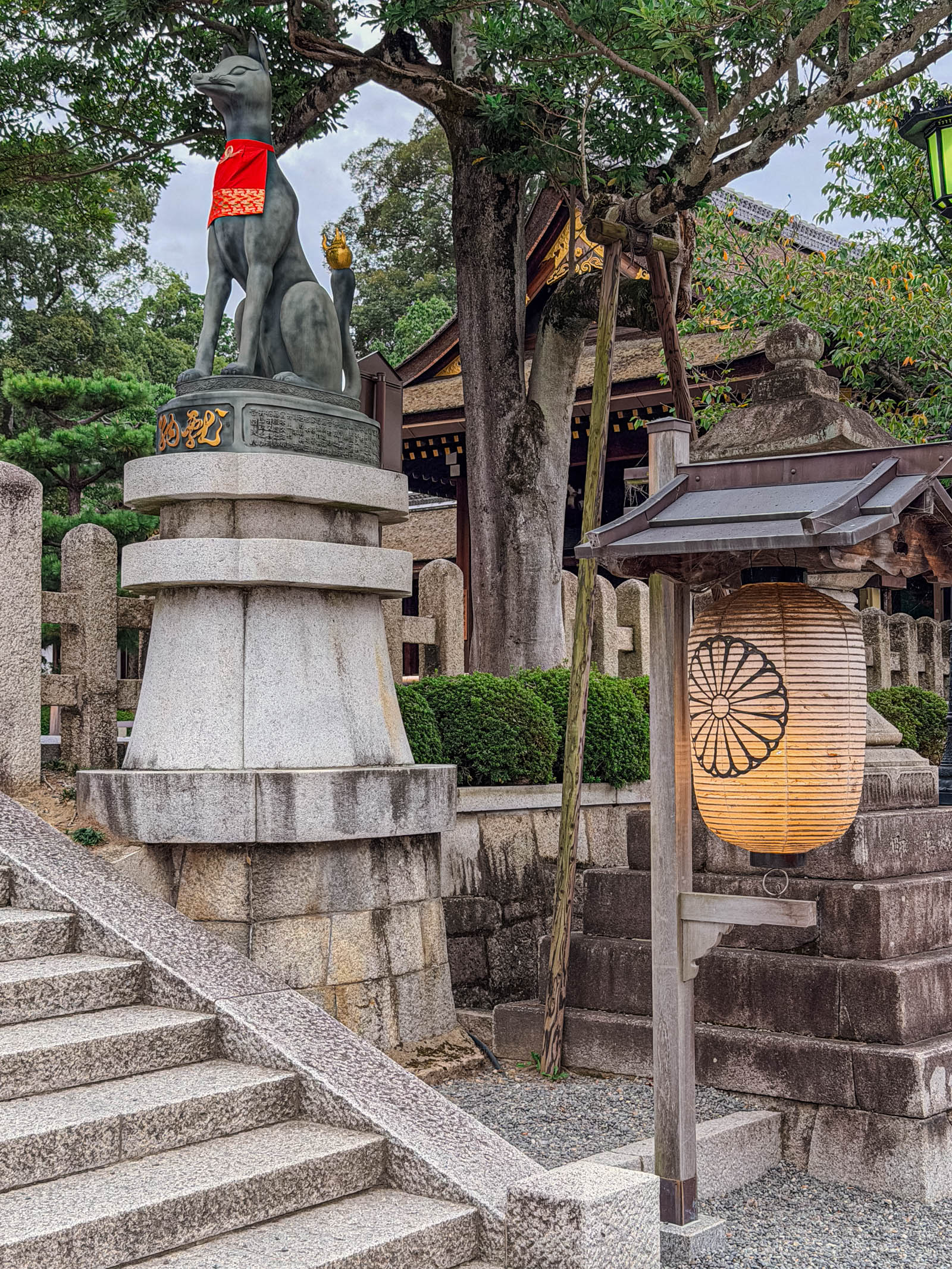
As you climb, you notice countless fox statues. However, foxes are not deities, but messengers of Inari. They often hold a key to the rice granary or a jewel that symbolizes the spirit of the deity.
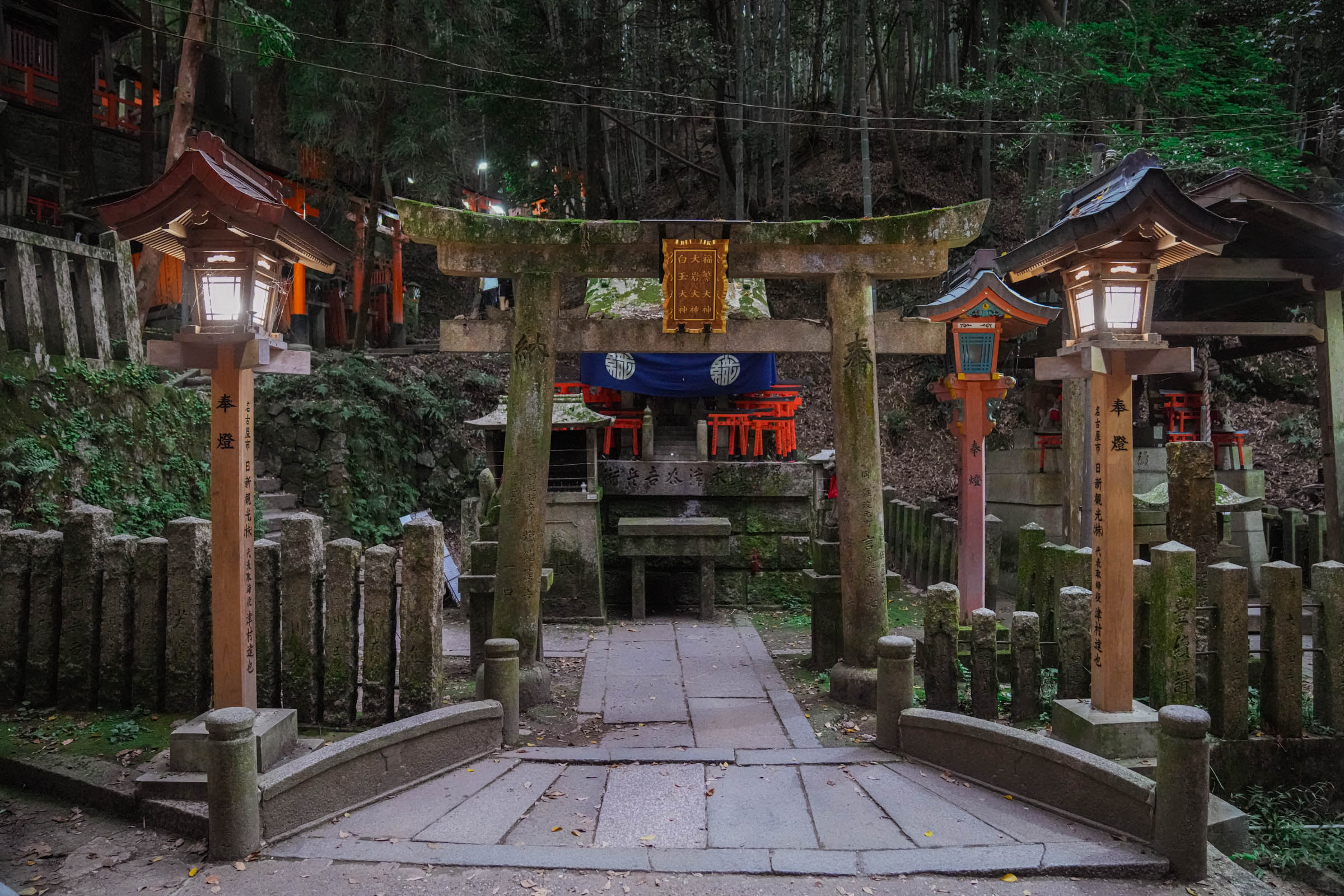
The higher you climb, the fewer people you meet, and the views of Kyoto become more and more spectacular. Small shrines, stone lanterns and mossy altars line the path. Every turn reveals a new corner of this sacred mountain.
Along the way, small restaurants serve local specialties such as inari sushi and kitsune udon. Both include fried tofu, which, according to legend, foxes love.
ARASHIYAMA BAMBOO FOREST IN KYOTO
On the western edge of Kyoto lies Arashiyama, a district that the Japanese aristocracy has loved since the Heian period. Today, its biggest magnet is the Sagano Bamboo Forest, a sight that no photograph can fully capture.
A walk through this bamboo cathedral is an experience for all the senses. The stalks rise tens of meters above you and create a green tunnel through which sunlight falls in soft rays. In 1996, the Ministry of the Environment put the sound of wind in these bamboo leaves on its list of the “100 Soundscapes of Japan.” That gentle, almost musical rustling has an unusually calming effect.
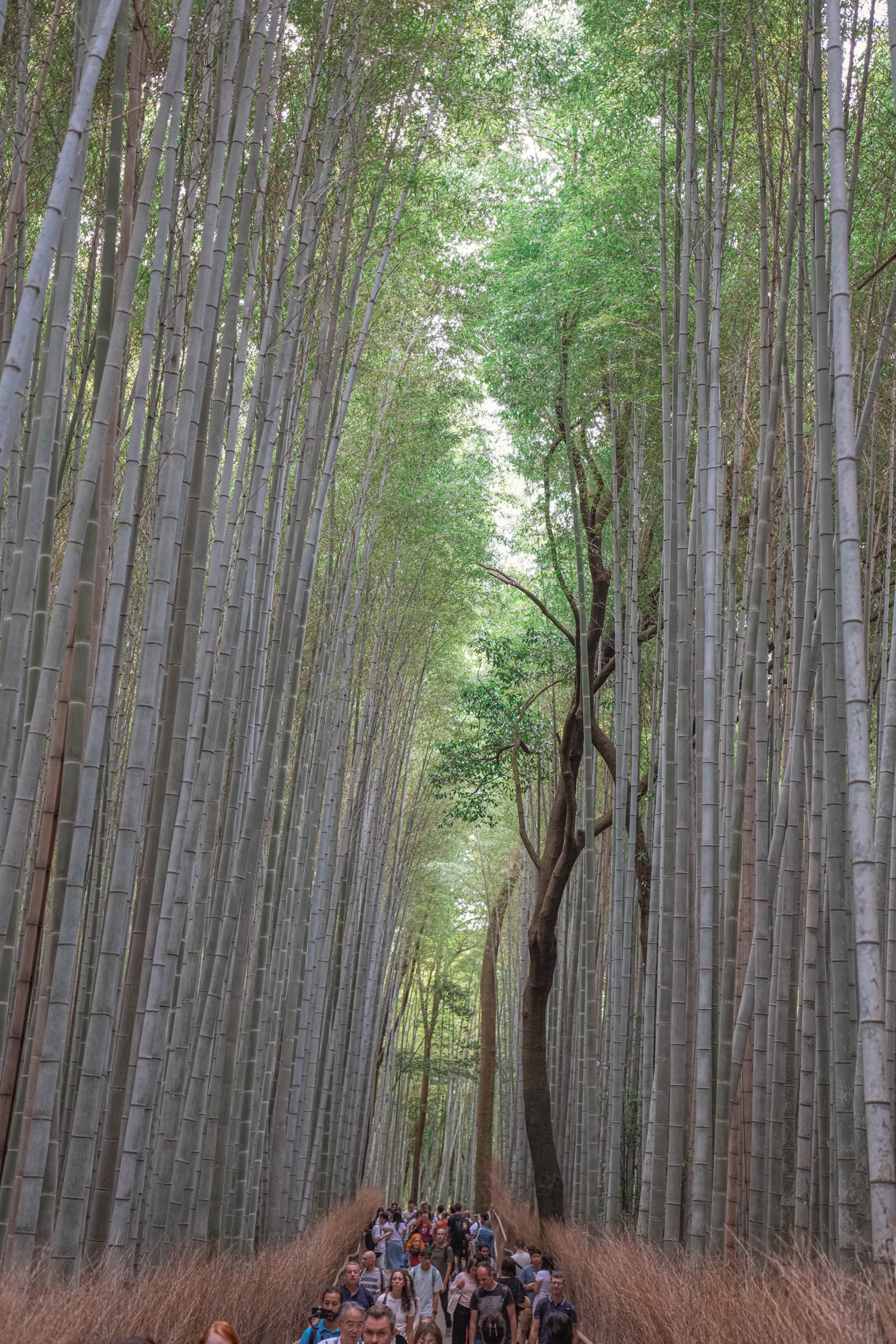
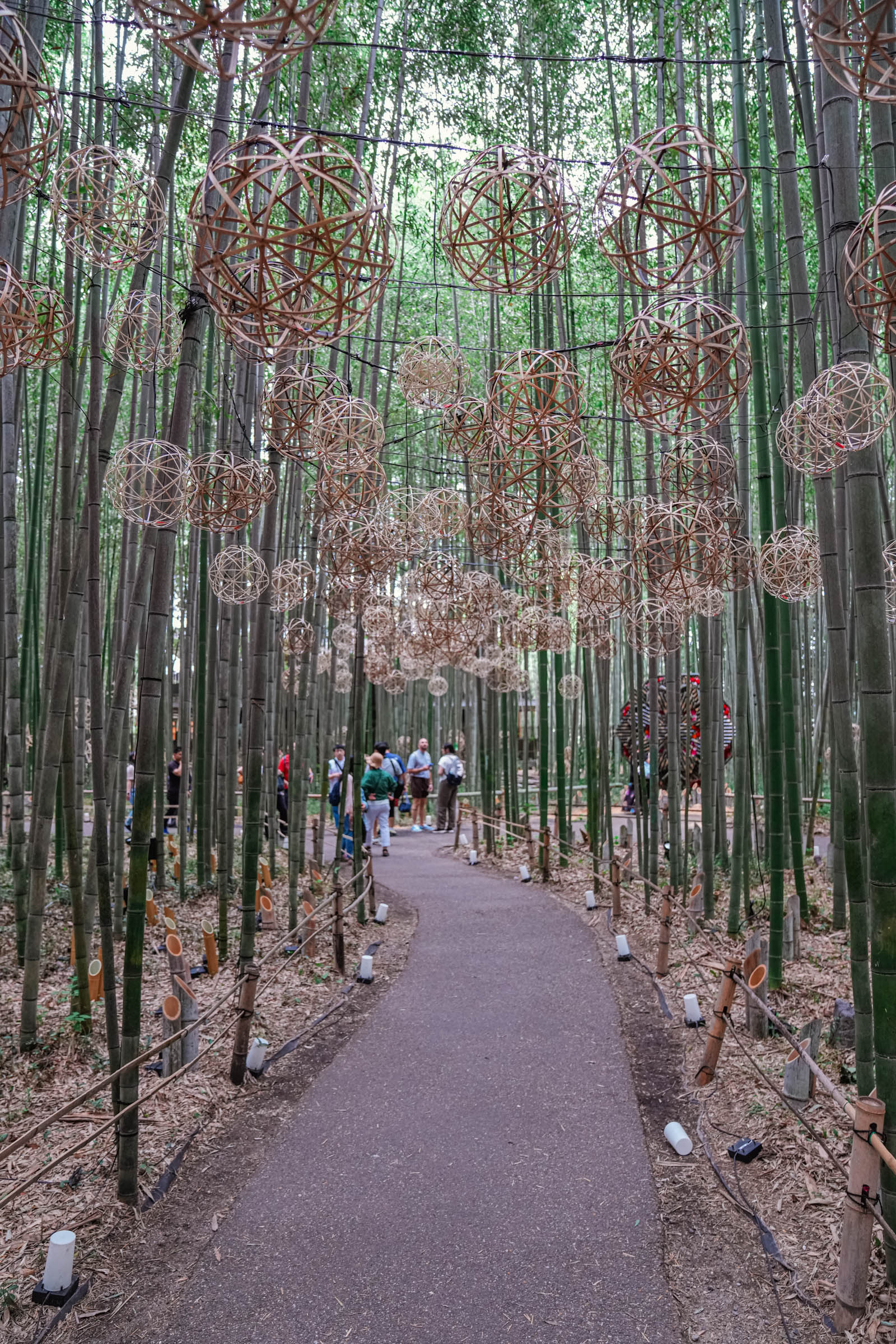
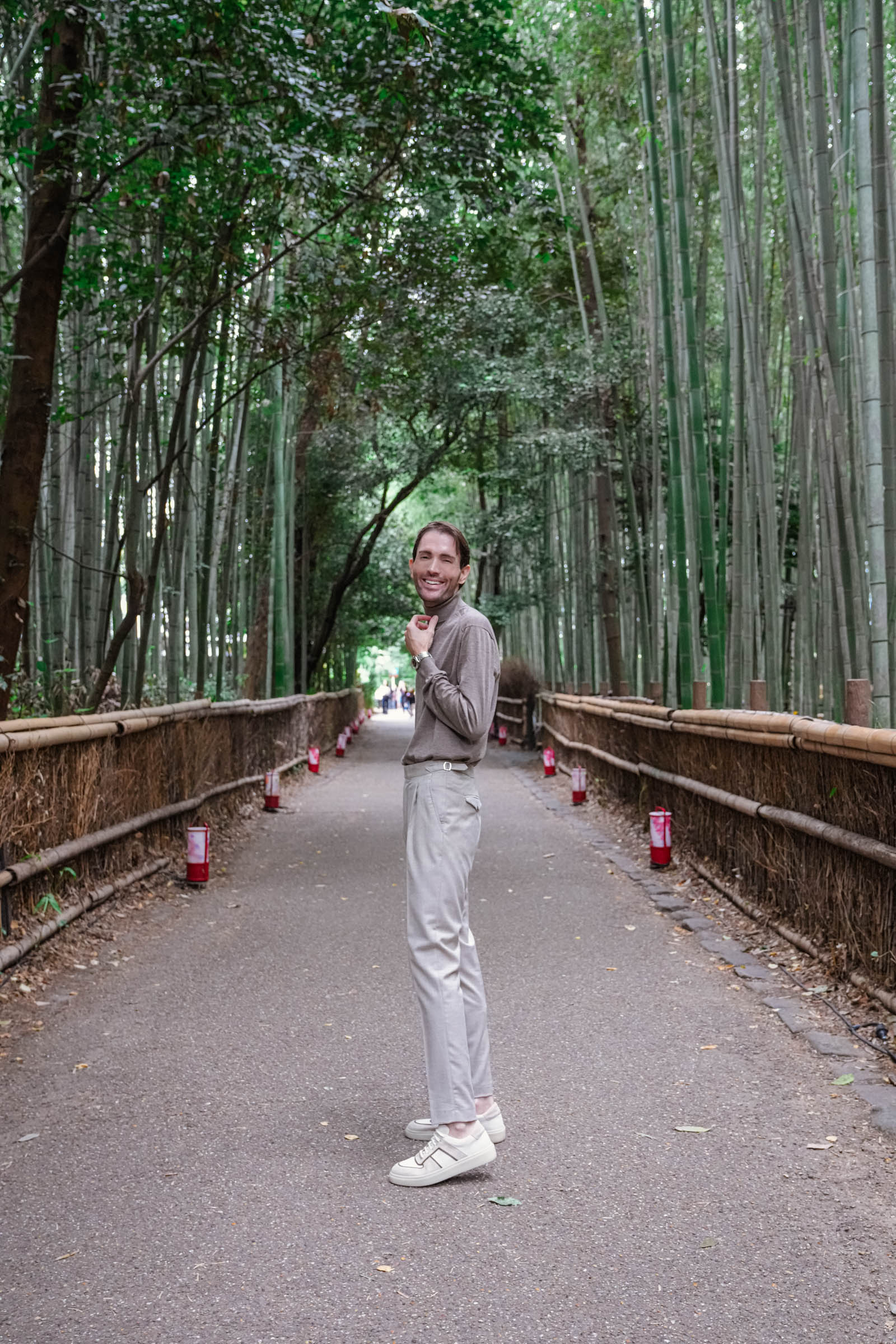
Chikurin-no-Komichi, the path of bamboo, is about 400 meters long. It leads past Tenryu-ji to Okochi Sanso, the villa of the silent film star Denjiro Okochi. Tenryu-ji is one of the most important Zen temples in Kyoto and part of the UNESCO listing. Its garden goes back to the 14th century and the famous designer Muso Soseki.
My advice: visit the forest early in the morning, ideally before nine, to avoid the crowds. Togetsukyo, the “moon crossing bridge,” is the perfect introduction to the district, especially when autumn colors the mountains behind it.
GION: WHERE KYOTO’S GEISHA SPIRIT LIVES ON
If you want to step into old Japan, there is no better place than Gion. This historic district grew up in front of Yasaka Shrine. Today, it is the best-preserved world of geisha culture in Japan.
In Kyoto, people call geisha geiko, which means “woman of the arts,” and their apprentices maiko. These highly trained artists perform traditional dances and play instruments such as the shamisen. They also entertain guests with refined conversation. According to National Geographic, Kyoto’s five geisha districts had about 161 geiko and 68 maiko in 2021. That makes every encounter with this tradition all the more precious.
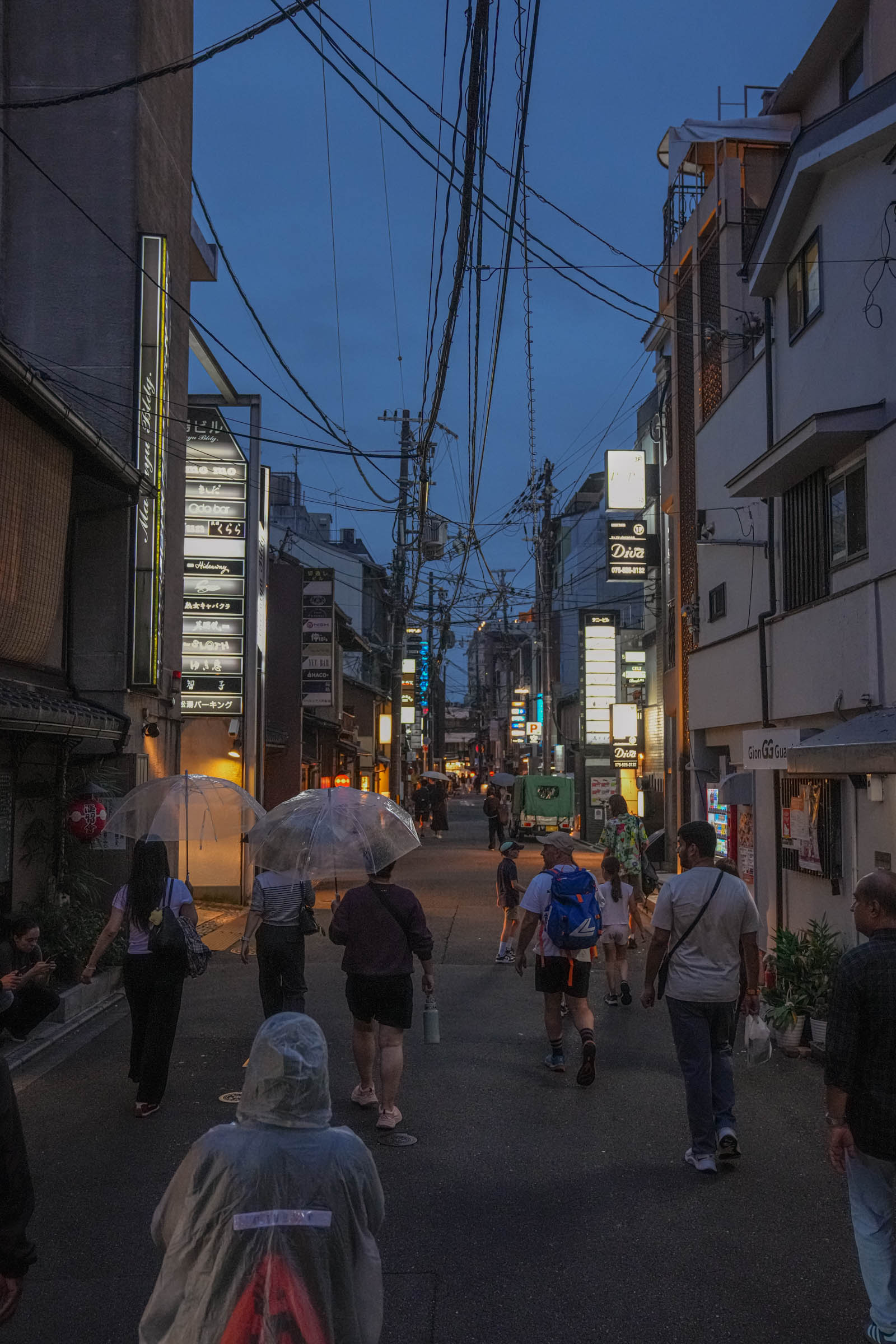
Traditional machiya houses line Hanamikoji Street, the backbone of Gion. Many of them now serve as exclusive restaurants and teahouses. In the evening, with a bit of luck, you might see a maiko hurrying to an appointment.
Please respect the local rules. Since 2019, local residents have banned photography on Gion’s private lanes, with a fine of up to 10,000 yen. Since 2024, tourists cannot enter some of these lanes at all. If you want to see a maiko dance, Gion Corner holds evening performances every day.
HIDDEN GEMS: THE KYOTO THAT TOURISTS MISS
Off the beaten track lies a different Kyoto, quieter, more intimate and perhaps even more authentic. If you want to see the city as locals see it, let me suggest a few lesser-known places.
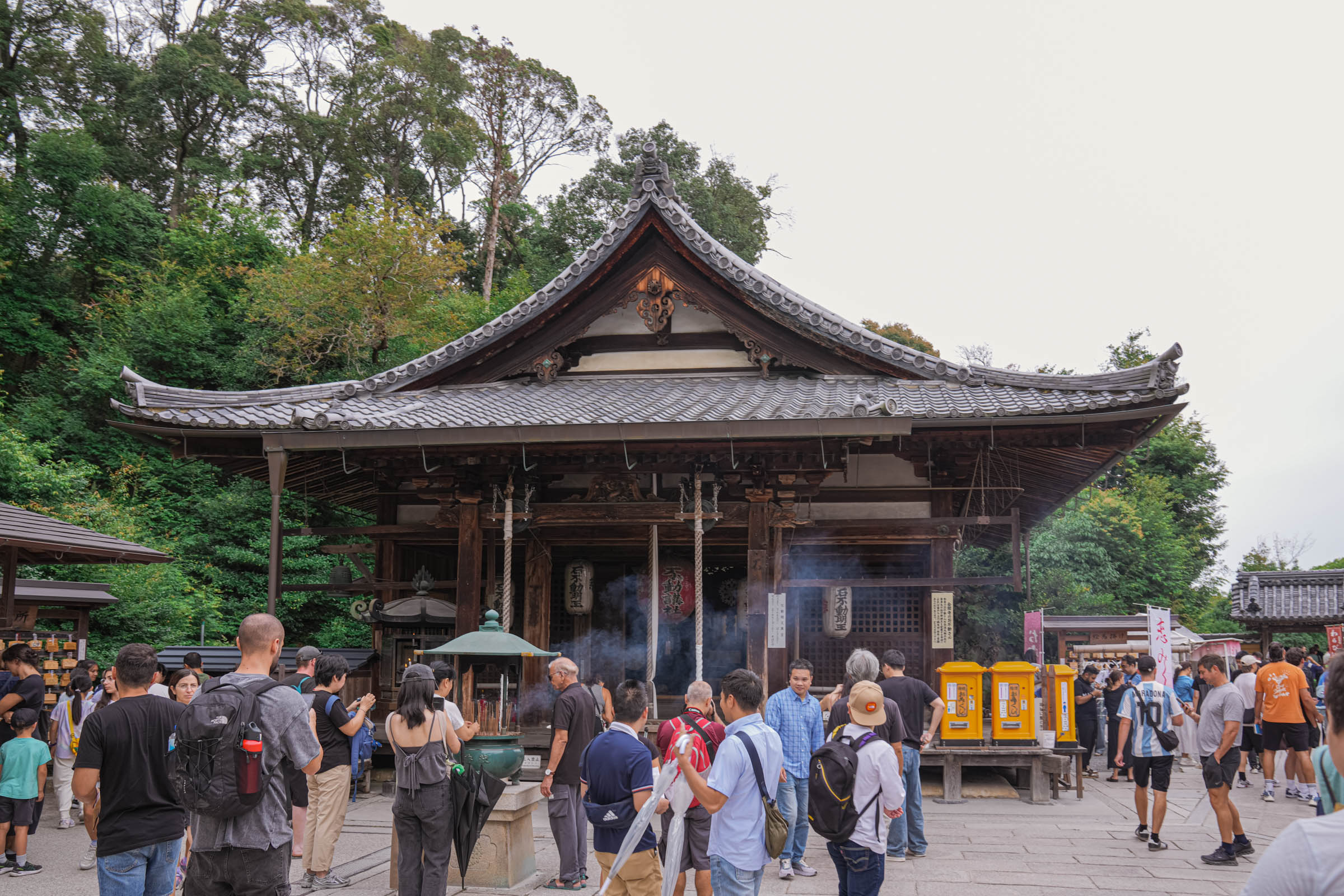
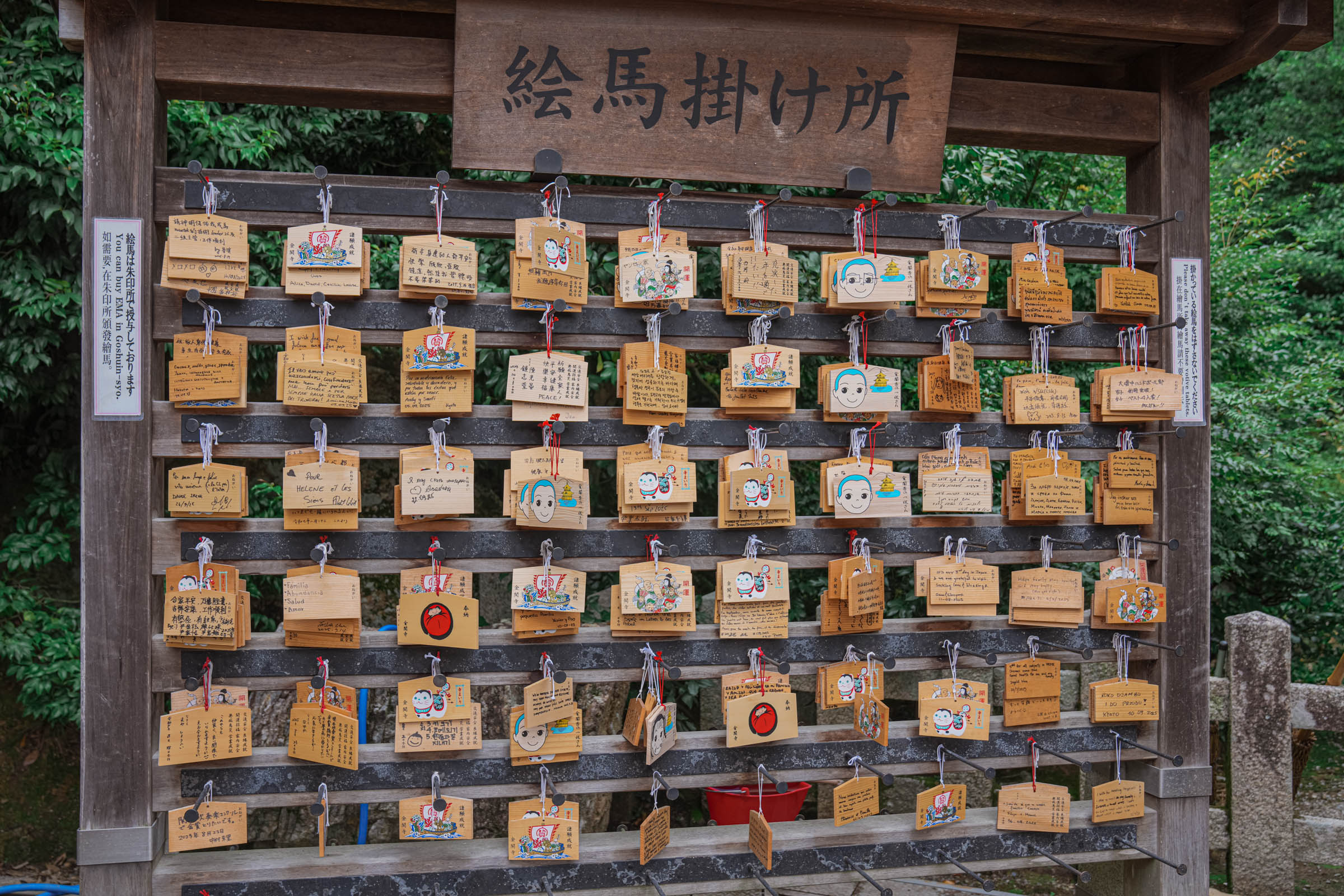
Otagi Nenbutsu-ji, in the hills of western Arashiyama, is home to 1,200 stone statues of rakan, the disciples of Buddha. Between 1981 and 1991, amateur sculptors from all over Japan carved them, each with a unique expression. The result is a moving open-air gallery of moss-covered faces, strangely human and often smiling.
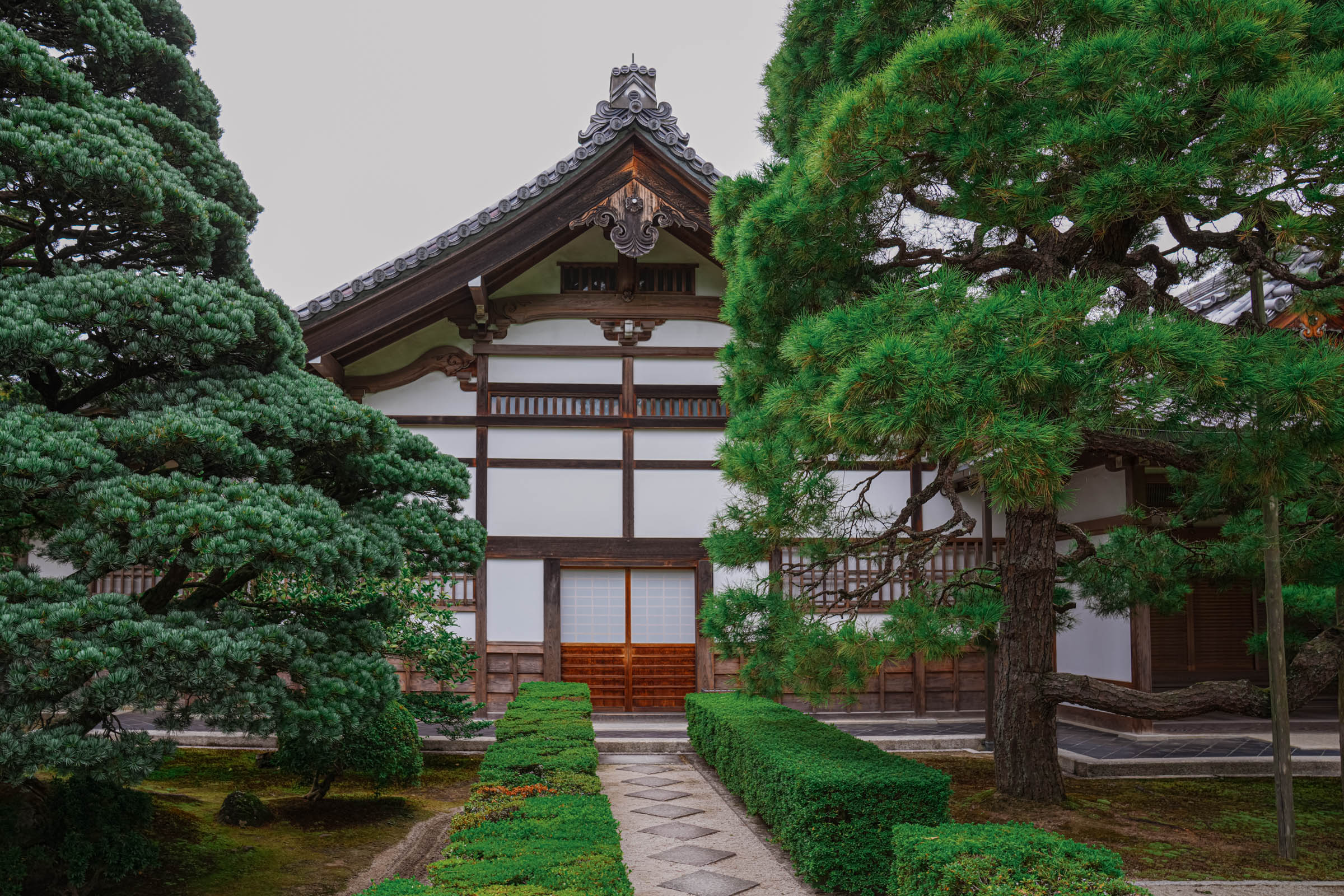
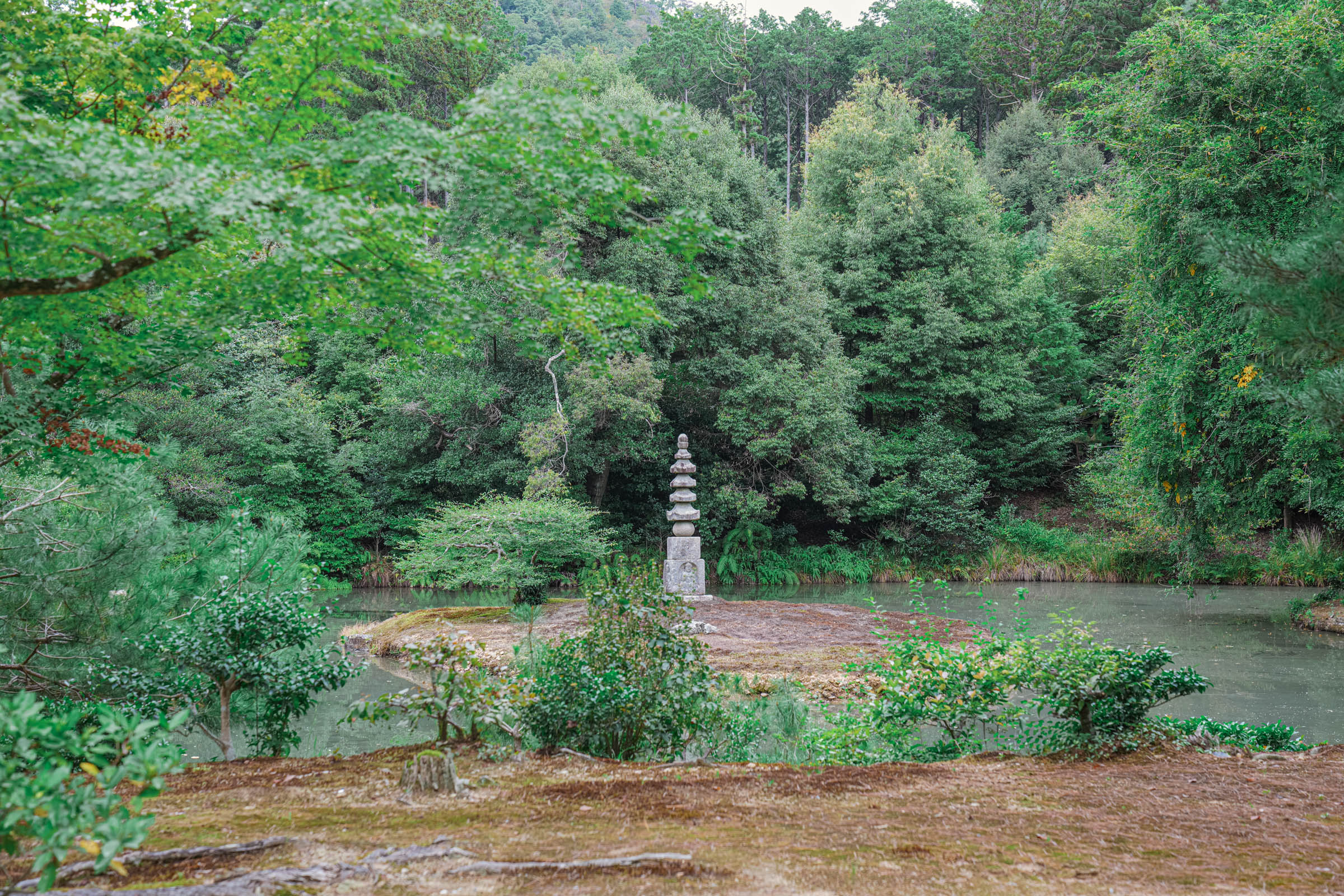
The village of Ohara, about an hour by bus north of Kyoto Station, offers a complete escape from the city. Sanzen-in is famous for its moss garden, which looks like a green carpet. Across the valley stands Jakko-in. Here, Kenreimon-in, the daughter of Taira no Kiyomori, withdrew from the world after her clan’s defeat.
The Lake Biwa Canal, an engineering marvel completed in 1890, offers another peaceful alternative. It brings water from Lake Biwa in neighboring Shiga Prefecture. Moreover, its power helped Kyoto launch the first electric streetcar in Japan in 1895. A walk along the canal in cherry blossom season feels almost like a dream.
PARK HYATT KYOTO: LUXURY IN HIGASHIYAMA
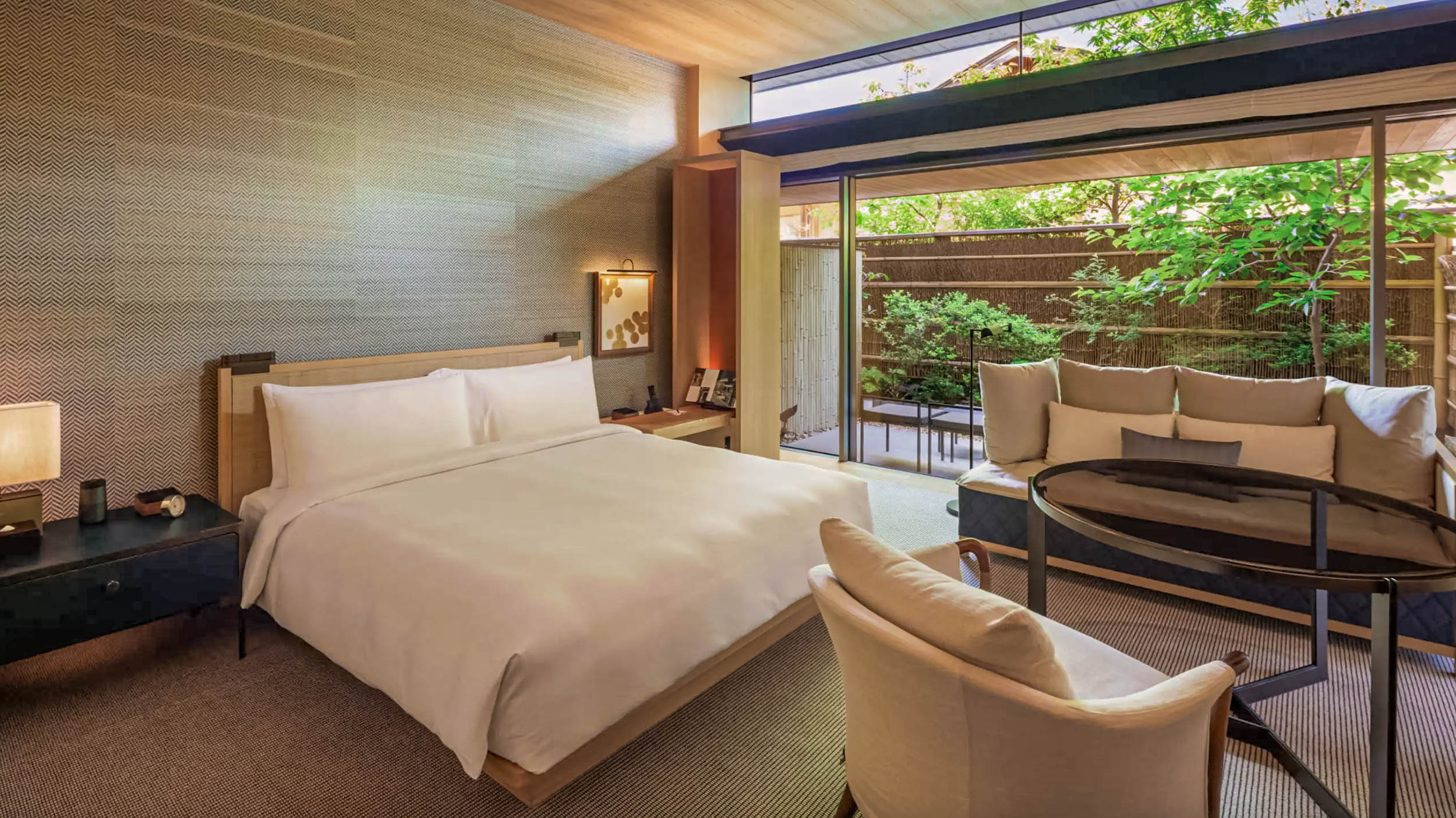
When it comes to accommodation, the choice in Kyoto is vast, from traditional ryokan to modern hotels. However, if you want a blend of Japanese tradition and modern luxury, Park Hyatt Kyoto is a destination in itself.
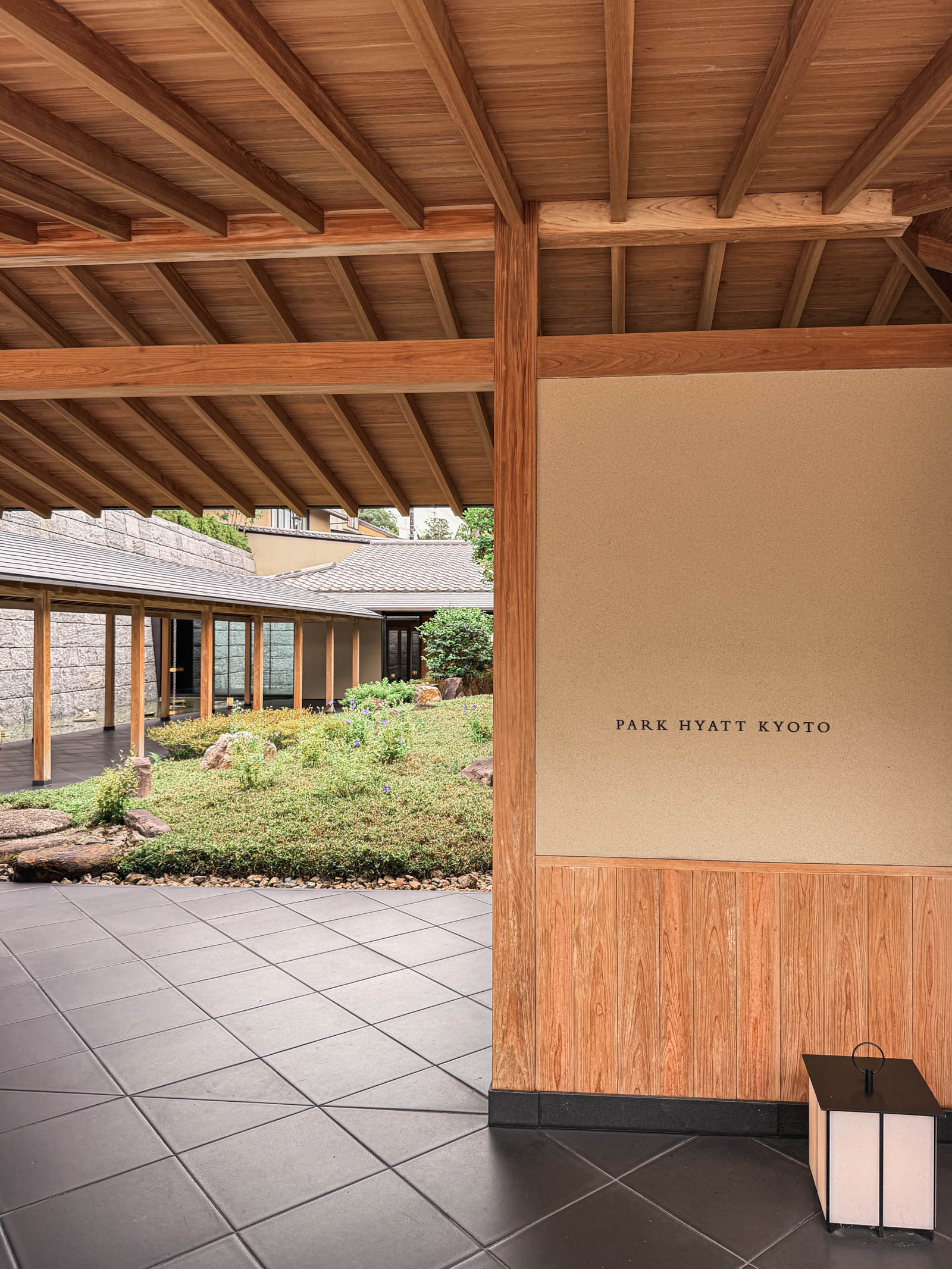
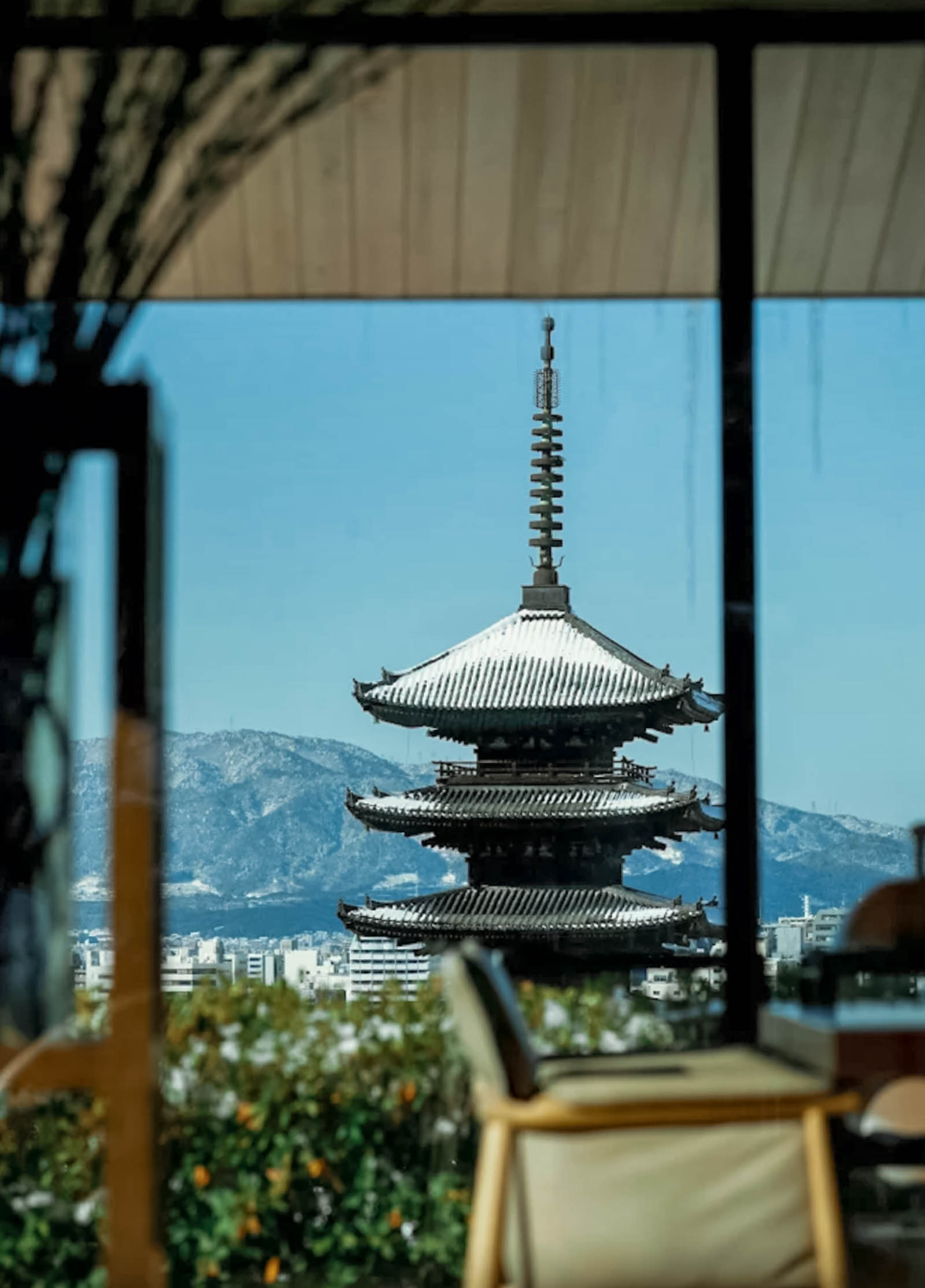
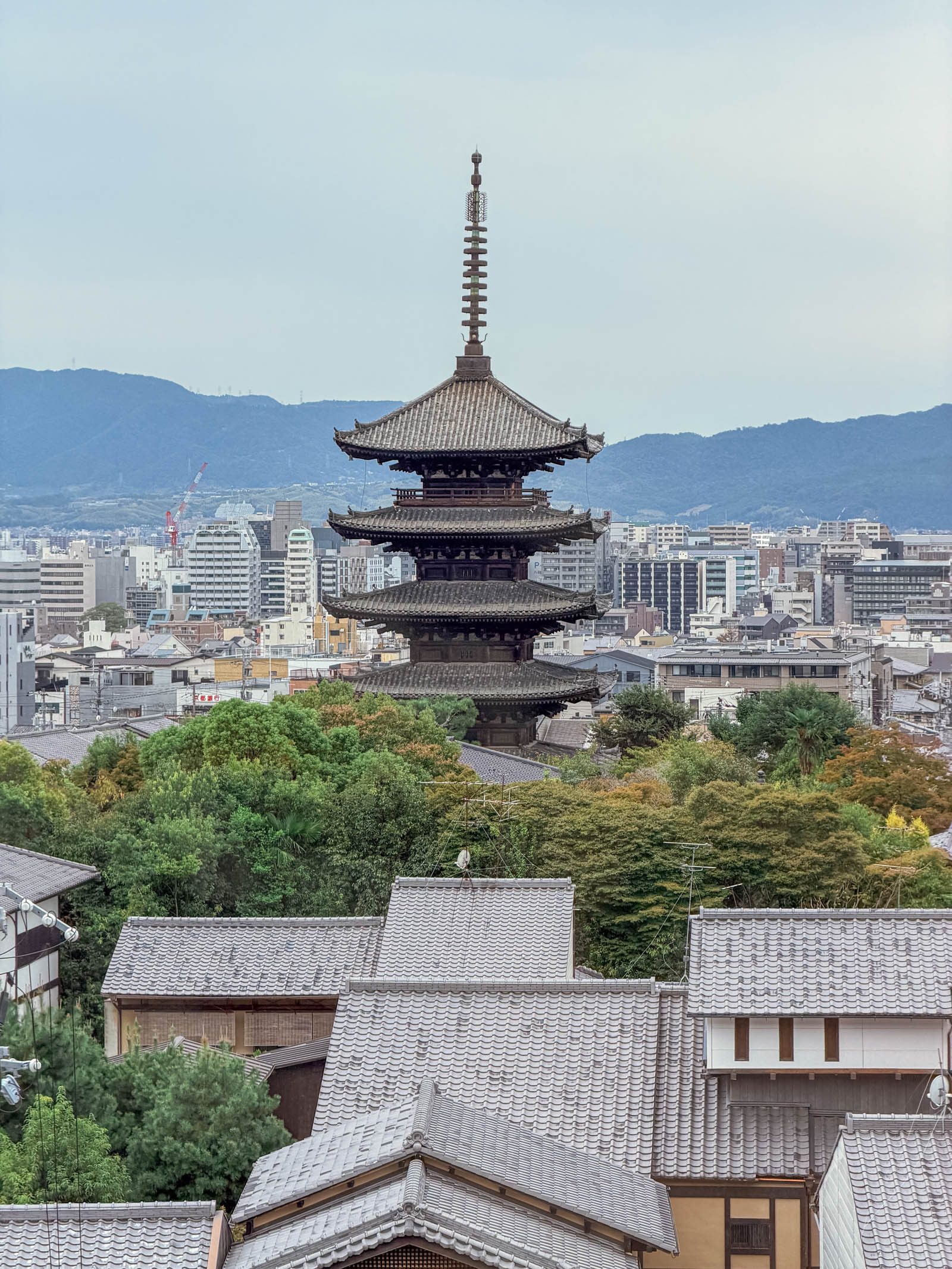
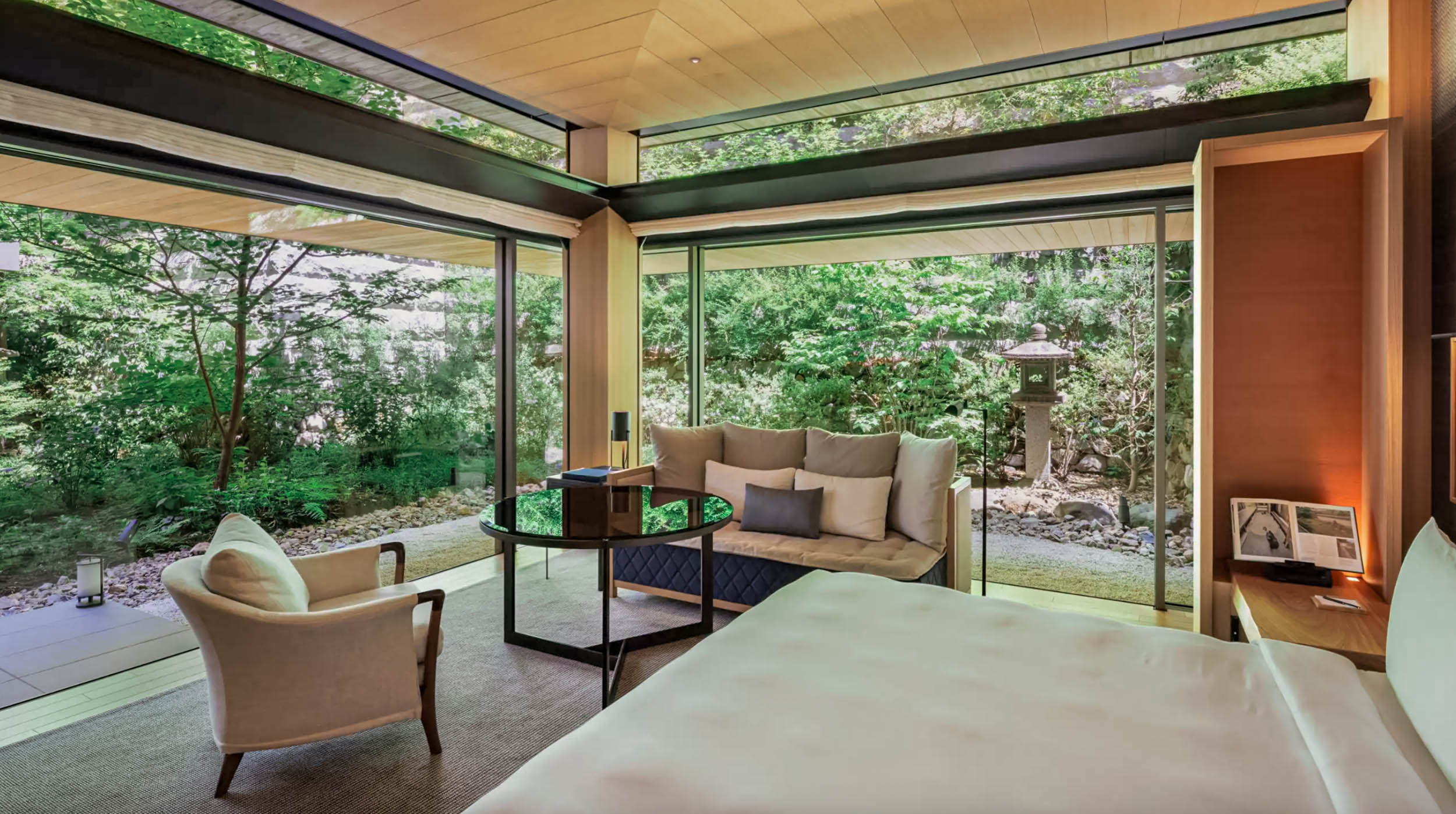
The hotel opened on October 30, 2019, in the Higashiyama hills, one of the best-preserved historic districts of the city. It has 70 rooms, including nine suites, and it sits next to Kodai-ji temple. Kiyomizu-dera is within walking distance, and from the hotel you have sweeping views of the city and the Yasaka Pagoda. The hotel shares its grounds with Kyoyamato, a traditional kaiseki restaurant that opened in 1877.

THE PARK SUITE, CHAMPAGNE HOUR AND KAISEKI
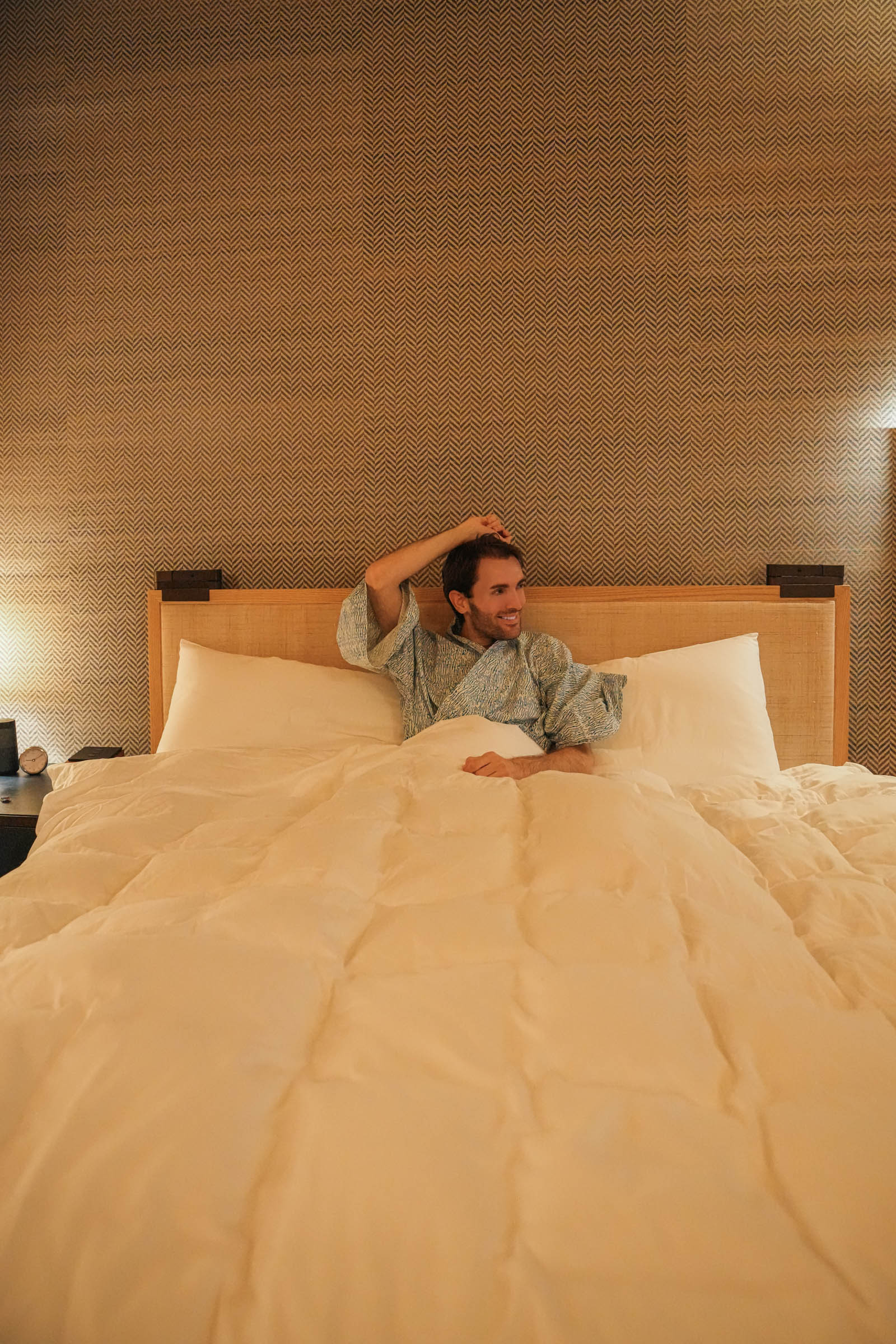
During my stay, I enjoyed the Park Suite. Its design uses local materials and natural wood, and the space feels both modern and deeply rooted in tradition. The separate living room and bedroom gave me a rare sense of privacy. Meanwhile, large windows brought Kyoto right into the room.
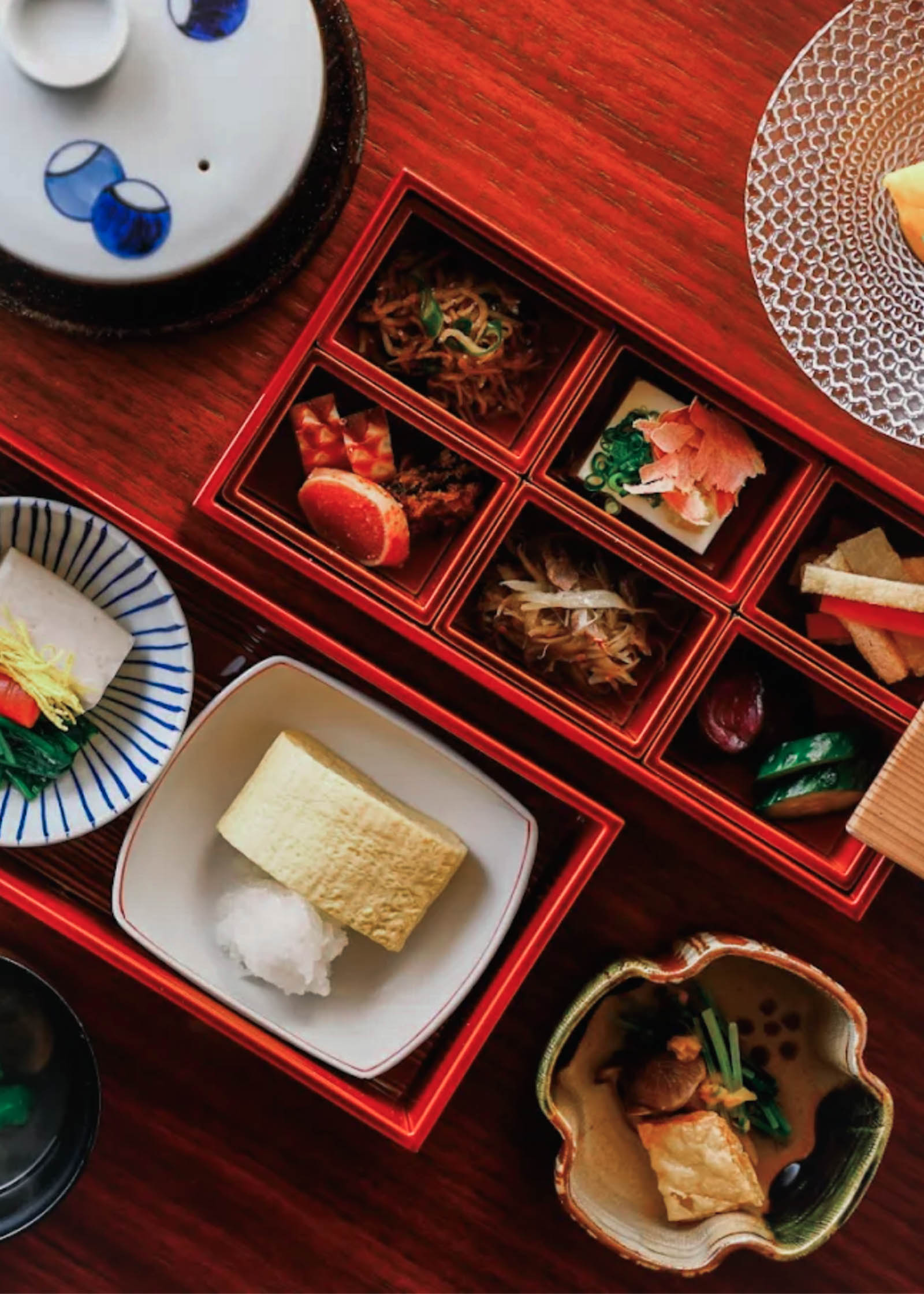
A special treat was the daily Champagne Hour for suite guests in The Living Room. There, you can sip a glass in front of the fireplace while the city slowly fades into twilight. At Yasaka, chefs prepare teppanyaki in front of guests with views of the Yasaka Pagoda. Kyoyamato, on the other hand, serves authentic kaiseki cuisine. The hotel also has a spa with a private bath house and a fitness center.
PRACTICAL TIPS FOR VISITING KYOTO
You cannot truly experience Kyoto in a day. I recommend at least three to four days, and ideally a week if you want to explore the surroundings. From Tokyo, the fastest Nozomi Shinkansen takes about two hours and 15 minutes. Shin-Osaka is only about 15 minutes away. If you have more time, read my letter from Osaka, the culinary capital of the Land of the Rising Sun.
In general, spring brings cherry blossoms and pleasant temperatures, but also the biggest crowds. Autumn offers spectacular colors in temples and gardens. Summer can be very hot and humid. Winter is quieter and sometimes brings snow that turns temples into fairy tales.
To get around, combine city buses and the subway. The old 700-yen bus pass no longer exists, and today the Subway & Bus 1-Day Pass costs 1,100 yen. For more distant places such as Arashiyama, the train is more efficient. A bike is ideal for the flat areas along the Kamo River.
As for etiquette, many temples ask you to remove your shoes, so wear nice socks and easy shoes. Never photograph a geiko or maiko without permission.
KYOTO: A CITY THAT STAYS IN YOUR HEART
Kyoto is a city that will not let you go. Months after you return home, you will close your eyes and see red torii gates climbing the mountain. You will remember the smell of incense in a forgotten temple and the sound of bamboo in the wind.
Japan is a land of contrasts: hypermodern Tokyo and ancient Kyoto, robotic precision and Zen serenity, neon lights and moss-covered gardens. But in Kyoto, you understand where Japanese aesthetics come from. Here you see their dedication to beauty, their attention to detail and their ability to find eternity in fleeting moments.
The temples here are not just buildings of wood and gold. They express a philosophy that sees beauty as a path to enlightenment. Even a simple cup of tea becomes meditation when you prepare it with the right intention. In an age when we are all in a hurry, Kyoto invites us to slow down, pause and really see.
So visit Kyoto, not as a tourist ticking off a list, but as a traveler ready to let go. Lose yourself in the alleys around Gion. Spend an hour in a Zen garden doing nothing but observing. Drink sake in a small izakaya, and let the locals teach you to say “kampai.”
SAYING GOODBYE TO KYOTO
As I said at the beginning, Kyoto is not just a city. It is an invitation to stop for a moment and remember who we were before we became who we are today. And maybe, in that memory, we can find a way forward.
Have you already visited Kyoto, or are you just planning your first walk under its red torii gates?
Feel free to leave your impressions, comments or questions below, or contact me by email and on social networks. All information is on the CONTACT page.
With love from Kyoto,
Mr.M
This post is sponsored by United Nations World Tourism Organization (UN Tourism) and Park Hyatt Kyoto, as well as other local partners who selflessly supported this project. This post is my personal and honest review of the destination experience.
Hello Marko, what an extraordinary piece of writing this is. I visited Kyoto back in 2019, just months before everything changed with the pandemic, and reading your article brought back such vivid memories. Your description of walking through the Fushimi Inari gates at dawn captured exactly what I felt that morning when I arrived at five in the morning to beat the crowds. The tip about continuing past the Yotsuguji junction is spot on because most tourists turn back before reaching the truly peaceful sections of the trail. I stayed at the Ritz-Carlton on the Kamo River during my visit and the location was wonderful for walking to Gion, though your photographs of Park Hyatt Kyoto make me want to return and try that property next time. Your passion for this city shines through every paragraph.
Guten Tag Marko, ich muss sagen, dass dieser Reisebericht einer der besten ist, den ich über Kyoto je gelesen habe. Die historischen Details über die Heian-Periode und die Entstehung der Stadt sind faszinierend und zeigen, dass Sie sich wirklich mit der Geschichte auseinandergesetzt haben. Besonders interessant fand ich die Information über Henry Stimson und seine Rolle bei der Rettung Kyotos vor der Atombombe. Meine Frau und ich waren 2018 in Japan und haben damals im Four Seasons Kyoto übernachtet, das direkt an einem achthundert Jahre alten Teichgarten liegt. Der Vergleich mit dem Park Hyatt im historischen Higashiyama-Viertel wäre beim nächsten Besuch sicherlich spannend.
Bonjour Marko, quel récit magnifique vous nous offrez ici. J’ai eu la chance de visiter Kyoto avec mon mari en automne 2017 et je dois dire que vos photos capturent parfaitement cette atmosphère si particulière de la ville. La forêt de bambous d’Arashiyama était effectivement notre moment préféré du voyage, ce son du vent dans les bambous est vraiment inoubliable comme vous le décrivez. Nous avions séjourné au Suiran, un hôtel luxueux sur les rives de la rivière Katsura, mais votre description du Park Hyatt me donne très envie d’y retourner pour une nouvelle expérience. Votre conseil d’arriver tôt le matin pour éviter la foule est absolument essentiel pour vraiment apprécier ces lieux magiques.
Marko, this is simply outstanding travel journalism. Your section on the seventeen UNESCO World Heritage sites gave me chills, particularly the story behind Kinkaku-ji and how the current structure is actually a 1955 reconstruction after that tragic fire. I had no idea that Yukio Mishima wrote a novel inspired by that event. The historical context you provide about the Onin War and how Kyoto recovered like a phoenix from the ashes really helps visitors understand why this city feels so different from other Japanese destinations. I visited Osaka and Tokyo in 2022 but skipped Kyoto due to time constraints, something I deeply regret after reading this piece. Your article has convinced me that my next Japan trip must include at least a full week in the ancient capital.
Ciao Marko, che meraviglioso articolo hai scritto su Kyoto. La tua descrizione del quartiere di Gion e della cultura delle geiko e maiko è davvero affascinante e rispettosa di questa antica tradizione. Ho visitato il Giappone nel 2016 con mia moglie e abbiamo trascorso tre giorni a Kyoto, ma leggendo il tuo post mi rendo conto di aver perso tantissime cose. Non conoscevo il tempio Otagi Nenbutsuji con le sue milleduecento statue di pietra, e questo sarà sicuramente nella mia lista per il prossimo viaggio. Abbiamo alloggiato al Hyatt Regency Kyoto che era molto confortevole, ma il Park Hyatt sembra offrire un’esperienza completamente diversa e più intima nel cuore del quartiere storico.
Dear Marko, I have a question about the timing of a Kyoto visit. You mentioned that spring brings cherry blossoms but also the biggest crowds. My husband and I are planning our first trip to Japan for late March next year, and I’m wondering if the crowds during sakura season are truly overwhelming or still manageable if we follow your advice about arriving early at the main attractions. Also, do you have any specific recommendations for experiencing a traditional tea ceremony in Kyoto that would be suitable for visitors who don’t speak Japanese? Your description of ceremonially prepared tea throughout the article has really sparked my interest in this ritual.
Hola Marko, muchas gracias por este increíble artículo sobre Kioto. Tu forma de escribir me transportó directamente a las calles de esta ciudad milenaria. Visité Japón en 2019 con mi esposa y pasamos cuatro días en Kioto, hospedándonos en el Ritz-Carlton junto al río Kamo. La ubicación era perfecta para caminar hasta Gion por las tardes y ver el atardecer reflejado en el agua. Tu descripción del Fushimi Inari Taisha me recordó la madrugada que subimos la montaña completa, una experiencia que recomiendo a todos los viajeros. El detalle que mencionas sobre los zorros como mensajeros del dios Inari y no como deidades es algo que muchos turistas desconocen.
Marko, I absolutely loved your description of the Philosopher’s Path connecting Ginkaku-ji to Nanzen-ji. When I walked that path in April 2018, the cherry trees were in full bloom and it felt like walking through a pink tunnel of petals. Your recommendation of the hidden temple Honen-in is wonderful because I stumbled upon it by accident and it became my favourite spot in all of Kyoto, so peaceful and completely empty of tourists. I stayed at the Aman Kyoto which is tucked away in the forest outside the city center, and while the tranquility was extraordinary, I think for a first visit the Park Hyatt’s central location in Higashiyama would be more practical for exploring.
Hallo Marko, vielen Dank für diesen wunderbaren Bericht. Ich hätte eine Frage bezüglich der Fortbewegung in Kyoto. Sie erwähnen den Tagespass für den Bus und die U-Bahn, aber wie praktisch ist es wirklich, die Stadt mit dem Fahrrad zu erkunden? Ich plane einen Besuch im November zur Herbstlaubsaison und würde gerne wissen, ob die Strecken zwischen den wichtigsten Tempeln für einen Radfahrer mittleren Alters machbar sind. Außerdem interessiert mich, ob das Park Hyatt Kyoto Fahrräder für Gäste zur Verfügung stellt, ähnlich wie es das Ritz-Carlton mit E-Bikes anbietet.
Cher Marko, votre article est une véritable œuvre d’art littéraire. La façon dont vous décrivez le jardin zen du temple Ryōan-ji avec ses quinze pierres que personne ne peut voir simultanément est absolument poétique. J’ai passé presque une heure assise devant ce jardin lors de ma visite en 2017, essayant de comprendre cette philosophie bouddhiste. Votre mention du roman “Le Dit du Genji” de Dame Murasaki Shikibu m’a particulièrement touchée car c’est l’un de mes livres préférés. C’est extraordinaire de penser qu’une femme japonaise écrivait un roman psychologique si complexe au onzième siècle pendant que l’Europe était encore dans l’obscurité du Moyen Âge.
Marko, what a comprehensive and beautifully written guide to Kyoto. I particularly appreciated your honest acknowledgment that the city requires at least three to four days minimum to truly experience, unlike those rushed day-trip itineraries you see everywhere online. Your hidden gems section introduced me to places I’d never heard of despite having read dozens of Kyoto guides. The Otagi Nenbutsuji temple with over 1,200 stone Buddha statues sounds absolutely magical, especially on a misty morning as you describe. I visited Japan twice before the pandemic and somehow always prioritized Tokyo, but your article has completely changed my perspective on what an authentic Japanese cultural experience should look like.
Caro Marko, ho una domanda pratica per te. Nel tuo articolo menzioni che il Park Hyatt Kyoto si trova nel quartiere di Higashiyama, a pochi passi dal tempio Kiyomizu-dera. Quanto è faticoso raggiungere l’hotel a piedi dalla stazione ferroviaria di Kyoto con i bagagli, considerando che la zona è collinare? Mio marito ed io stiamo pianificando il nostro viaggio di anniversario per la prossima primavera e vogliamo assicurarci di scegliere un hotel che sia accessibile ma anche immerso nell’atmosfera tradizionale che descrivi così bene. Il Champagne Hour che menzioni sembra un’esperienza davvero speciale per celebrare un’occasione importante.
Hello Marko, your piece on Kyoto is exceptional in its depth and emotional resonance. The fact that you mentioned the significant decline in the number of active geiko and maiko from nearly 80,000 before World War Two to fewer than 300 today really puts the fragility of this tradition into perspective. It makes encounters with this culture all the more precious and reminds us as travellers to be respectful observers rather than intrusive tourists. I stayed at the Four Seasons Kyoto in 2021 which has that beautiful 800-year-old pond garden, but your description of the Park Hyatt being right in the heart of the historic action is very appealing for a return visit.
Querido Marko, me gustaría hacerte una pregunta sobre la gastronomía. Mencionas el inari sushi y el kitsune udon cerca del Fushimi Inari, pero me pregunto si tienes recomendaciones específicas de restaurantes tradicionales en Kioto donde se pueda experimentar un auténtico kaiseki sin necesidad de reservar con meses de anticipación. Mi esposa y yo visitamos Tokio hace tres años y quedamos fascinados con la cultura culinaria japonesa, pero no pudimos llegar a Kioto por falta de tiempo. Tu descripción del restaurante Kyoyamato en el Park Hyatt con casi 150 años de historia suena increíble.
Lieber Marko, Ihr Artikel über Kyoto hat mich tief berührt. Die Art, wie Sie die Stadt als Zeitkapsel beschreiben, trifft den Nagel auf den Kopf. Mein verstorbener Ehemann und ich besuchten Japan 2015 zu unserem Hochzeitstag, und Kyoto war der Höhepunkt unserer Reise. Das Gefühl, durch die roten Torii-Tore des Fushimi Inari zu wandern, ist etwas, das man nie vergisst. Wir übernachteten damals im traditionellen Ryokan-Stil, aber Ihre Beschreibung des Park Hyatt zeigt, dass man japanische Tradition und modernen Komfort wunderbar verbinden kann. Die Fotos sind atemberaubend schön und wecken schöne Erinnerungen.
Marko, I must commend you on your thorough research about Kyoto’s history. The detail about Emperor Kanmu moving the capital from Nara in 794 to escape the influence of Buddhist clergy on state affairs is fascinating context that most travel writers overlook. Your comparison of the city’s grid layout to Chang’an, the Tang Dynasty capital, shows a deep understanding of Asian urban planning history. I’m an architecture enthusiast and visited Kyoto in 2020 just before international borders closed, and the traditional machiya townhouses throughout the city were my favourite discovery. Your article has given me so many new places to add to my list for when I return.
Bonjour Marko, j’ai une question concernant le meilleur moment pour visiter le château de Nijō. Vous mentionnez ses parquets grinçants conçus pour alerter de la présence d’intrus, et c’est exactement le genre de détail historique qui me fascine. Le château est-il très fréquenté toute l’année ou y a-t-il des périodes plus calmes pour vraiment apprécier cette atmosphère de l’époque des shoguns? Nous avons séjourné au Mitsui Kyoto lors de notre dernière visite, qui se trouve juste à côté du château de Nijō, et l’expérience était remarquable. Votre description du Park Hyatt me donne envie d’essayer un autre quartier lors de notre prochain voyage.
Marko, your article is a masterclass in travel writing. What struck me most was your philosophical reflection at the end about how Kyoto invites us to slow down and remember who we were before we became who we are today. That’s precisely what I experienced during my week there in autumn 2019, sitting in various Zen gardens doing absolutely nothing but observing, something we rarely allow ourselves in our modern lives. The description of the Lake Biwa Canal as a Meiji-era engineering marvel lined with temples was news to me, and the idea of taking a boat ride during cherry blossom season sounds absolutely dreamlike. Thank you for this beautifully crafted piece.
Ciao Marko, complimenti per questo straordinario reportage di viaggio. La tua sezione sulla foresta di bambù di Arashiyama mi ha fatto venire i brividi ricordando la mia visita nel 2018. Hai perfettamente ragione quando dici che nessuna fotografia può catturare completamente quell’esperienza, è qualcosa che va vissuto con tutti i sensi. Il suono del vento tra le foglie di bambù riconosciuto come uno dei “100 Paesaggi Sonori del Giappone” è un dettaglio che non conoscevo e che rende l’esperienza ancora più speciale. Abbiamo soggiornato al Suiran che si trova proprio vicino alla foresta, ma il Park Hyatt sembra offrire una prospettiva diversa sulla città.
Hola Marko, qué artículo tan hermoso has escrito. Como amante de la literatura japonesa, me encantó que mencionaras “El Cuento de Genji” de Murasaki Shikibu como la primera novela de la historia mundial. Es un detalle cultural que muchos viajeros pasan por alto cuando visitan Kioto, sin entender la profundidad intelectual que esta ciudad ha tenido durante más de mil años. Tu descripción de la zona de Ohara como un escape completo del bullicio de la ciudad me intriga mucho, especialmente el templo Sanzen-in con su famoso jardín de musgo. ¿Recomiendas alquilar un coche para llegar o es mejor usar transporte público desde el centro de Kioto?
Dear Marko, your recommendation about visiting Fushimi Inari at dawn or dusk is invaluable advice that I wish I had known before my 2018 visit. We arrived around midday and the Senbon Torii section was so crowded that it was nearly impossible to appreciate the spiritual significance of the place. Your point about continuing past the Yotsuguji junction where crowds thin considerably is exactly the kind of local knowledge that makes the difference between a tourist experience and a traveller experience. I stayed at the Hyatt Regency during that trip and it was comfortable, but seeing your photos of the Park Hyatt Kyoto makes me realise I should have splurged on something more special for such a significant destination.
Hallo Marko, dieser Artikel ist wirklich außergewöhnlich. Die Information, dass das aktuelle Kinkaku-ji eine Rekonstruktion aus dem Jahr 1955 ist, nachdem das Original durch einen Brand zerstört wurde, war mir völlig neu. Es zeigt, wie wichtig es den Japanern ist, ihr kulturelles Erbe zu bewahren und wiederherzustellen. Mein Mann und ich haben Japan 2017 besucht und waren überwältigt von der Schönheit Kyotos. Wir haben im Aman Kyoto übernachtet, das zwar etwas außerhalb liegt, aber eine unglaubliche Ruhe bietet. Ihre Empfehlung des Park Hyatt für diejenigen, die mitten im historischen Geschehen sein möchten, ist sehr hilfreich für unsere nächste Reiseplanung.
Cher Marko, merci pour ce magnifique voyage virtuel à travers Kyoto. Votre description de la cérémonie du thé comme une méditation quand elle est préparée avec la bonne intention résume parfaitement la philosophie japonaise que j’ai découverte lors de mon séjour en 2019. J’ai eu la chance de participer à une cérémonie traditionnelle dans une maison de thé près de Gion et c’était une expérience transformatrice. La patience, le silence, l’attention portée à chaque geste, tout cela m’a profondément marqué. Votre article me rappelle que je dois absolument retourner à Kyoto pour explorer les endroits cachés que vous mentionnez, comme le village de Wazuka pour les amateurs de thé.
Marko, I found your article deeply moving and informative in equal measure. As someone who has travelled extensively in Asia, I can confirm that Kyoto holds a unique place among the great cultural capitals of the region. Your section on the Arashiyama bamboo forest perfectly captures that almost spiritual quality of the place. I visited during winter in 2020, just before travel restrictions began, and seeing the bamboo dusted with snow was otherworldly. The Tenryu-ji temple garden designed by Muso Soseki that you mention has remained almost unchanged since the fourteenth century, which is remarkable when you think about it. Thank you for such a thoughtful and well-researched piece.
Estimado Marko, tu artículo sobre Kioto es simplemente magistral. La manera en que describes la ciudad como un santuario donde la belleza todavía tiene refugio resuena profundamente conmigo. Mi esposa y yo visitamos Japón para celebrar nuestro vigésimo quinto aniversario de bodas en 2018 y Kioto fue sin duda el punto culminante del viaje. Nos alojamos en el Four Seasons junto al jardín de estanque de ochocientos años y la serenidad del lugar era incomparable. Tu descripción del Park Hyatt con la Pagoda Yasaka visible desde la ventana suena igualmente impresionante, y definitivamente lo consideraremos para nuestra próxima visita.
Hello Marko, I have a practical question about the Park Hyatt Kyoto. You mentioned that the town becomes quiet after sundown with everything closing early, and I’m curious how this affects the evening experience for guests. Is there enough to do within walking distance of the hotel at night, or would you recommend staying elsewhere if someone prefers a more vibrant evening atmosphere? My wife and I typically enjoy having dinner options and perhaps a cocktail bar within easy reach of our accommodation. We visited Tokyo last year and loved the energy of the city at night, so I want to make sure we choose the right base for our Kyoto experience.
Bonjour Marko, votre article m’a particulièrement touchée par sa profondeur historique. Le fait que Kyoto ait été la capitale du Japon pendant 1074 ans, de 794 à 1868, est vraiment impressionnant et explique pourquoi la ville possède une telle concentration de trésors culturels. J’ai visité Kyoto en 2016 avec mon groupe de voyage culturel et nous avons passé cinq jours merveilleux à explorer les temples et les jardins. Le jardin sec du Ryōan-ji avec ses quinze pierres reste mon souvenir le plus méditatif. Votre recommandation du Park Hyatt pour son emplacement au cœur du quartier Higashiyama est très précieuse pour planifier un futur voyage.
Sehr geehrter Marko, Ihr Reisebericht über Kyoto ist absolut fesselnd. Die Details über den Philosophenweg, der den Silbernen Pavillon Ginkaku-ji mit dem Nanzen-ji-Schrein verbindet, haben meine Erinnerungen an meinen Besuch im Frühling 2019 wieder lebendig werden lassen. Die wilden Kirschbäume entlang des Kanals waren damals in voller Blüte, und es war eines der schönsten Erlebnisse meines Lebens. Ich schätze besonders Ihre Empfehlung des versteckten Tempels Honen-in mit seinem moosbedeckten Tor, denn solche Orte abseits der Touristenpfade machen das Reisen wirklich besonders. Das Park Hyatt klingt wie die perfekte Basis für eine solche Entdeckungsreise.
Marko, your article stands out from the countless Kyoto guides I’ve read because of its emotional depth and historical accuracy. The detail about Gion being known as hanamachi or flower district and the explanation that geisha are called geiko in Kyoto while their apprentices are maiko shows a genuine respect for local terminology that many writers ignore. I spent three days in Kyoto in 2017 and watched a Kyomai dance performance at Gion Corner, which you recommend, and it was absolutely mesmerising. The craftsmanship in every movement told centuries of artistic tradition. Your recommendation of the annual Miyako Odori in April is now firmly on my bucket list.
Caro Marko, grazie mille per questo meraviglioso articolo. La tua descrizione del castello di Nijō con i suoi pavimenti che scricchiolano intenzionalmente per avvisare della presenza di intrusi è affascinante e mostra quanto fossero ingegnosi i costruttori dell’epoca dei samurai. Ho visitato il Giappone nel 2019 con mio marito e il castello di Nijō è stato uno dei luoghi più impressionanti del nostro viaggio. La storia della fine dell’era dei samurai nel 1867, quando l’ultimo shogun Tokugawa restituì il potere alla famiglia imperiale proprio in quel castello, mi ha fatto venire i brividi. Il tuo articolo mi ha fatto capire quanto ancora devo esplorare di questa città magnifica.
Marko, what a beautifully crafted tribute to Kyoto this article is. Your observation that the temples are not just buildings of wood and gold but physical expressions of a philosophy believing beauty is the path to enlightenment perfectly encapsulates why this city affects visitors so deeply. I travelled to Japan with my sister in spring 2018 and we stayed at the Ritz-Carlton on the Kamo River, which was lovely but perhaps too far from the historical heart of the city. Your photographs of the Park Hyatt nestled right in the Higashiyama district with the Yasaka Pagoda visible make it seem like the ideal location for truly immersing oneself in old Kyoto’s atmosphere.
Salve Marko, che coincidenza che condividiamo lo stesso nome! Il tuo articolo su Kyoto è davvero eccezionale e mi ha fatto tornare la voglia di viaggiare in Giappone. Ho visitato Tokyo e Osaka nel 2017 ma purtroppo non ho avuto tempo per Kyoto, e dopo aver letto il tuo post mi rendo conto di aver commesso un grave errore. La tua descrizione dei diciassette siti UNESCO della città è impressionante, e il fatto che tu fornisca così tanti dettagli storici rende l’articolo molto più prezioso di una semplice guida turistica. Il tempio Kiyomizu-dera con la sua piattaforma di legno costruita senza un solo chiodo sembra un capolavoro di ingegneria antica.
Dear Marko, your article has convinced me that Kyoto must be our next major trip. I’ve been to Singapore, Hong Kong, and Bangkok over the years but never made it to Japan, and your writing has shown me exactly what I’ve been missing. The way you describe the contrast between hypermodern Tokyo and ancient Kyoto, between neon lights and moss-covered rock gardens, paints such a vivid picture of Japan’s unique ability to honour tradition while embracing modernity. Your practical tips about the bus pass and the best times to visit various temples are extremely helpful for someone like me who prefers to plan thoroughly before travelling.
Querido Marko, acabo de terminar de leer tu artículo y estoy genuinamente conmovido. Tu frase final sobre cómo Kioto es una invitación a detenerse y recordar quiénes éramos antes de convertirnos en quienes somos hoy es profundamente filosófica y captura la esencia de lo que hace especial a esta ciudad. Visité Japón en otoño de 2018 y los colores de las hojas en los templos de Kioto fueron indescriptibles, especialmente en el Tofuku-ji que mencionas como uno de los mejores lugares para el follaje otoñal. Nos alojamos en un ryokan tradicional, pero tu descripción del Park Hyatt como una mezcla perfecta de tradición japonesa y lujo moderno me hace querer experimentar ambos estilos en mi próximo viaje.