
My dear travelers and lovers of unusual journeys, welcome to a new travelogue on the Mr.M blog. Today, I am very pleased to share one of the most exciting stories I have ever written, the story of Osaka. Before diving into the charms of this fascinating city, I want to express my deepest gratitude to UN Tourism for supporting and promoting quality tourism around the world. Their commitment to connecting cultures and destinations is an inspiration for all of us who believe that travel enriches the soul.
I would also like to thank the team of Conrad Osaka for their exceptional hospitality. From the moment I entered their spectacular lobby on the 40th floor, I knew this trip would be special. Every member of the staff showed genuine care, and I experienced Japanese hospitality, known as omotenashi, at its best. If you have followed my journey through Asia, also read my letters from Seoul and Hong Kong.
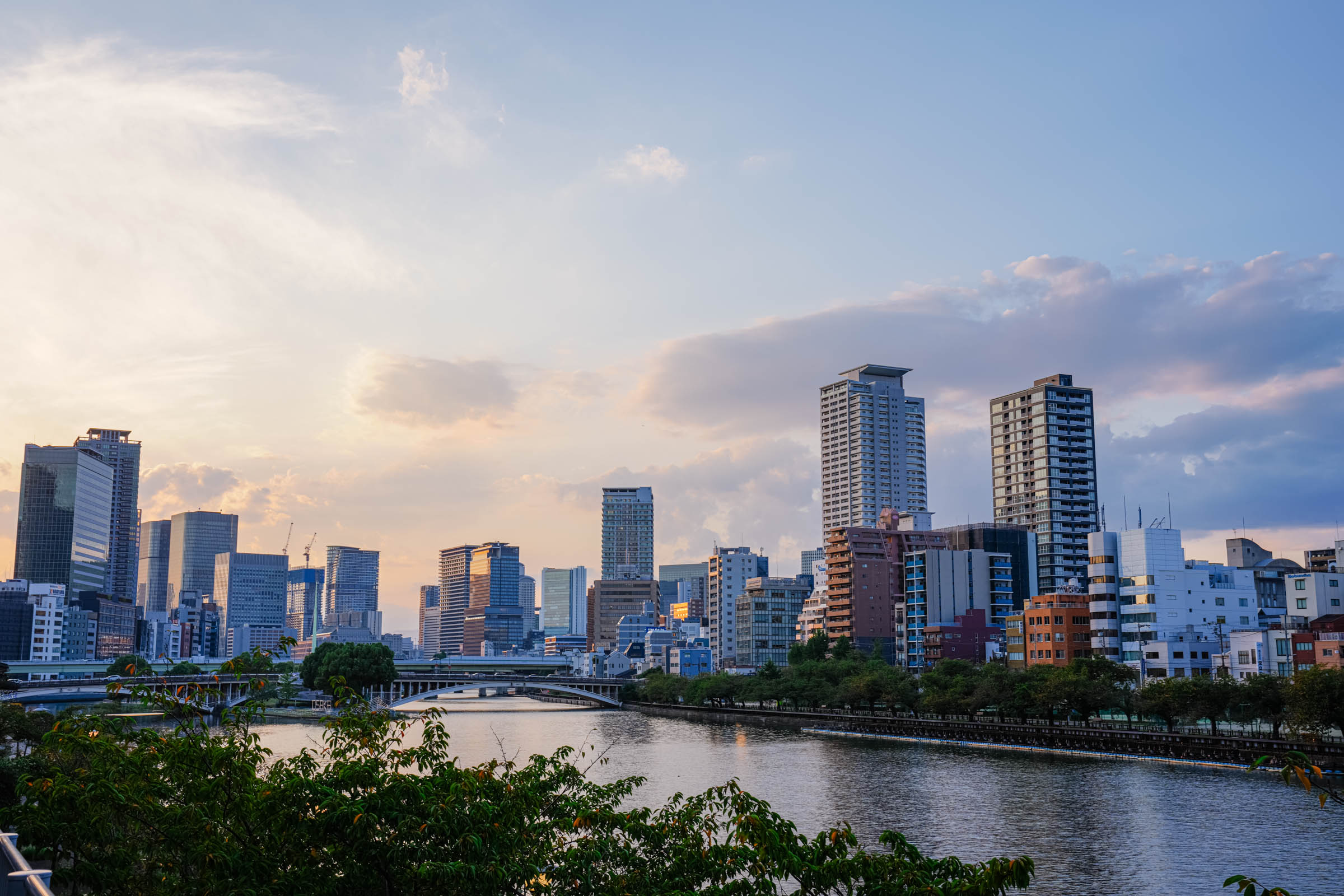
OSAKA, A CITY WITH A LONG HISTORY
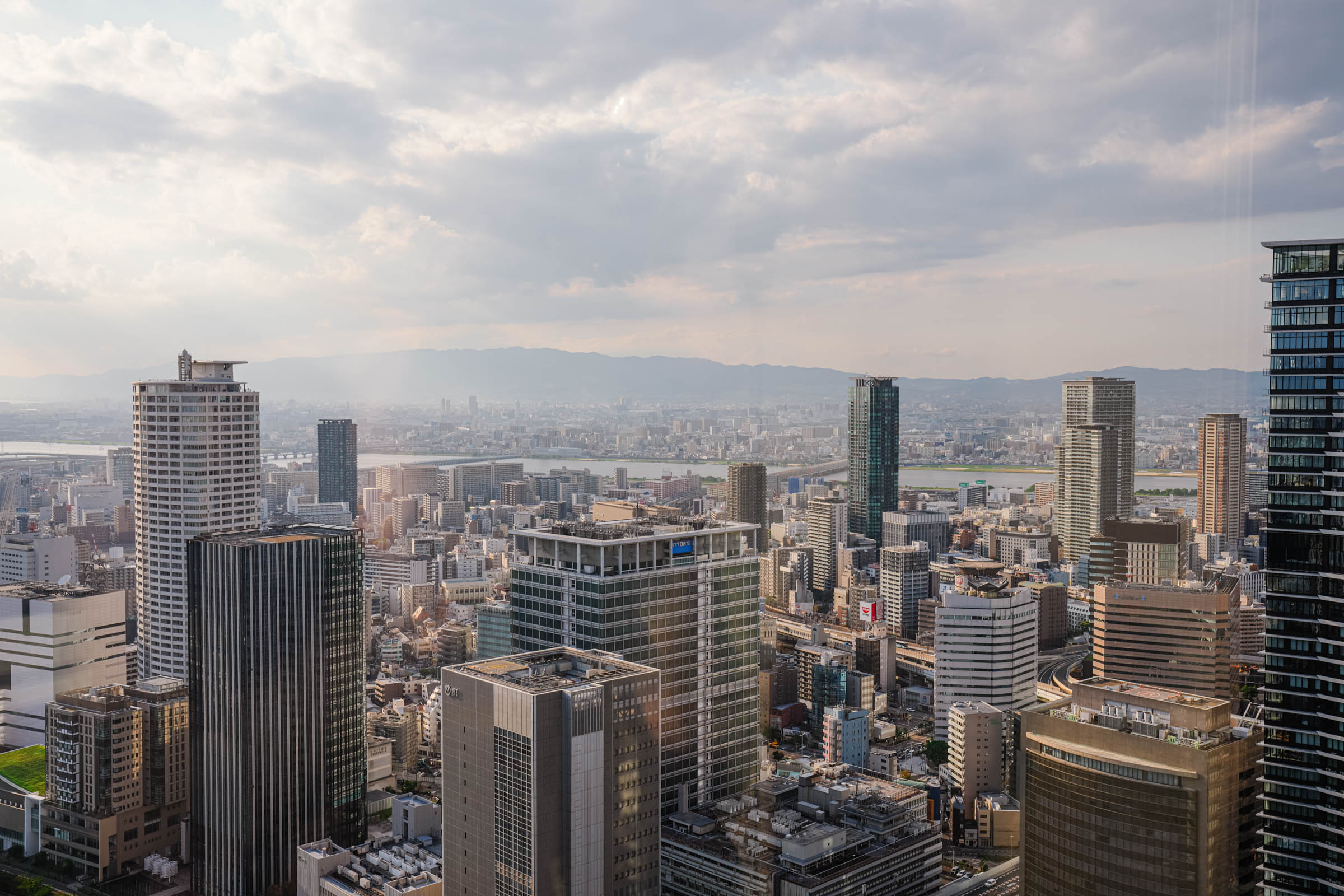
Osaka is the third most populous city in Japan. In October 2025, it had an estimated 2,816,247 residents on about 225 square kilometers. Together with Kyoto and Kobe, it forms the Keihanshin region, with more than 19 million people. In fact, this is the 10th-largest urban area in the world.
The story of the city goes back a long way. During the Kofun period, Naniwa-tsu was an important port. In 645, the city became the capital of Japan, and it briefly served as the capital again in 744 and 745. Later, during the Edo period, Osaka grew into a major center of trade.
Interestingly, the Dōjima Rice Exchange opened here in 1697, and the world’s first futures market emerged there. In 1925, Osaka was the largest city in Japan. By 1930, it had 2,453,573 people, while Tokyo had 2,070,913.
Today, the wider Osaka area is home to the headquarters of companies such as Panasonic and Sharp. Still, what makes the city truly special is its food. Locals even have a word for it: kuidaore, which means spending so much on food and drink that you ruin yourself.
OSAKA CASTLE, WITNESS TO A TURBULENT HISTORY
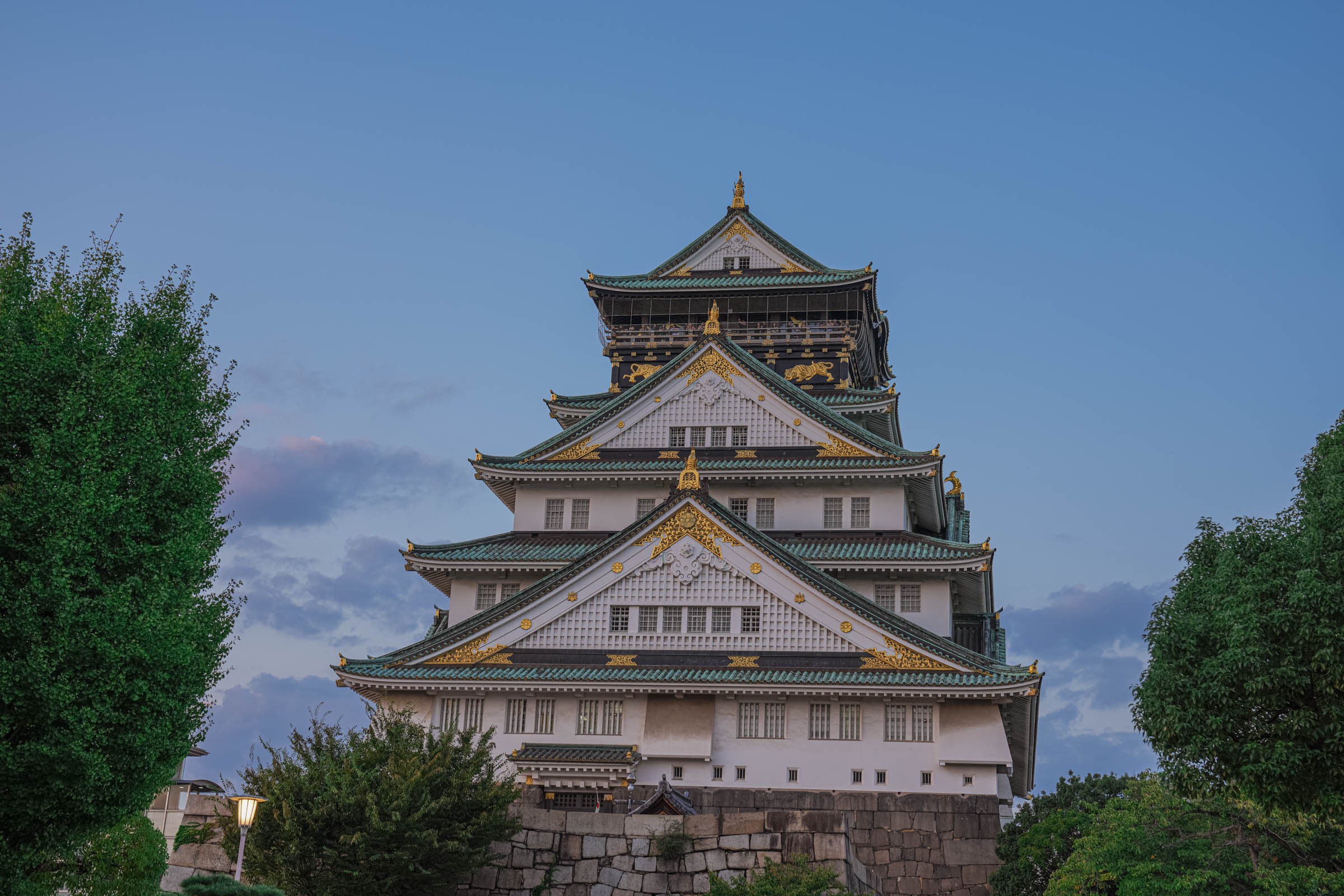
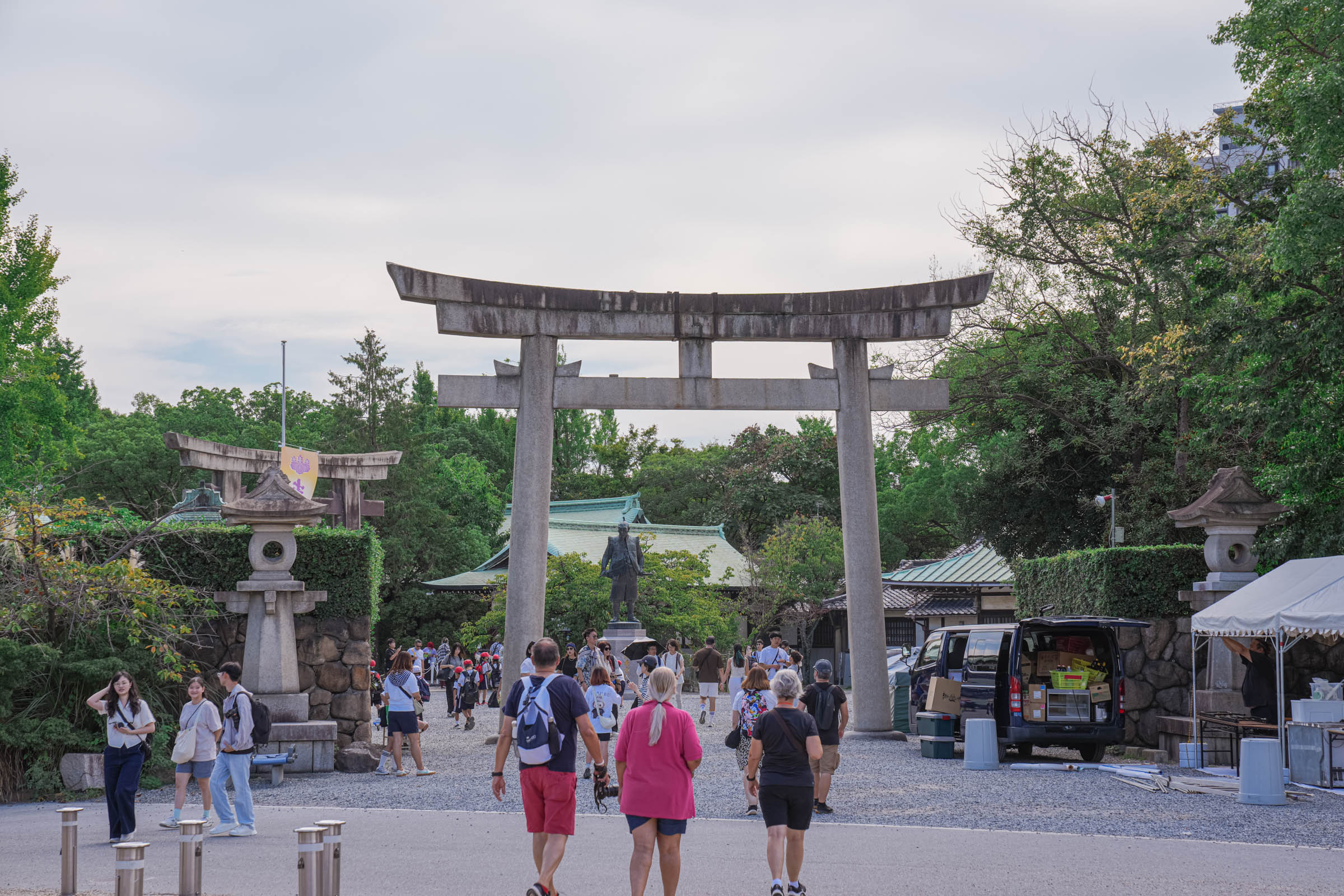
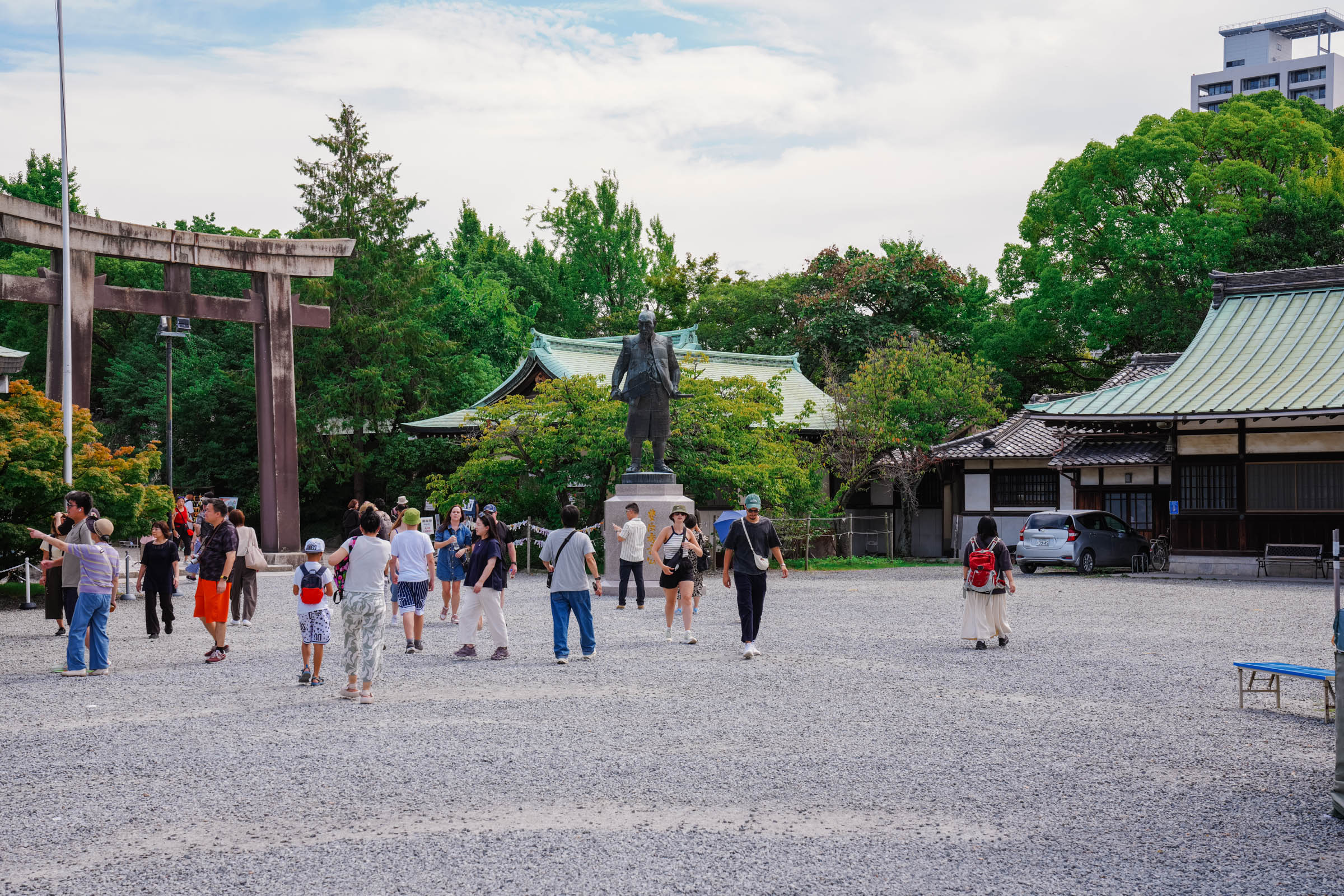
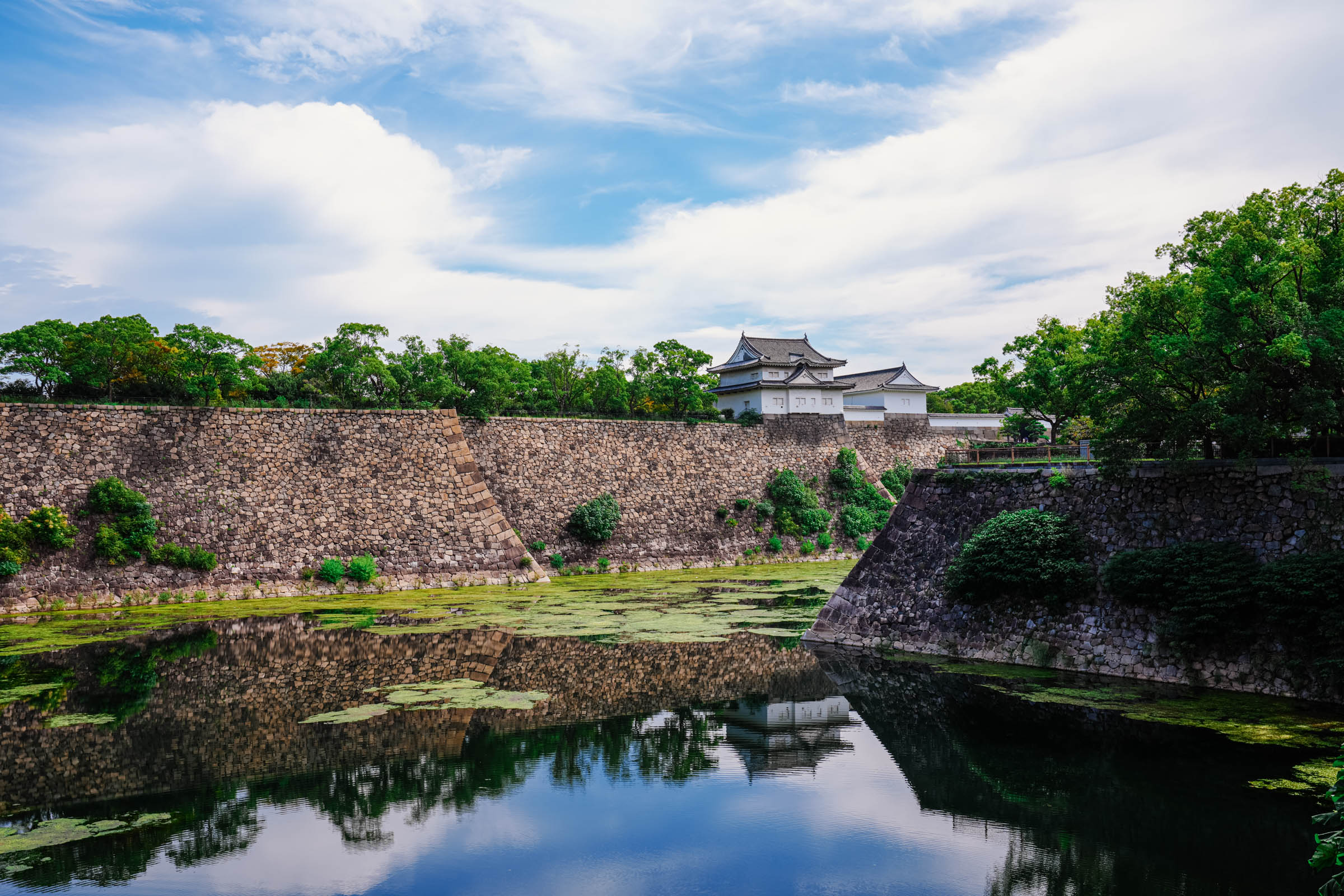
Osaka Castle is the most famous landmark of the city and one of the most famous castles in Japan. In 1583, Toyotomi Hideyoshi began building it on the site of the former Ishiyama Hongan-ji temple, and construction finished in 1597. Even then, gold leaf decorated the main tower.
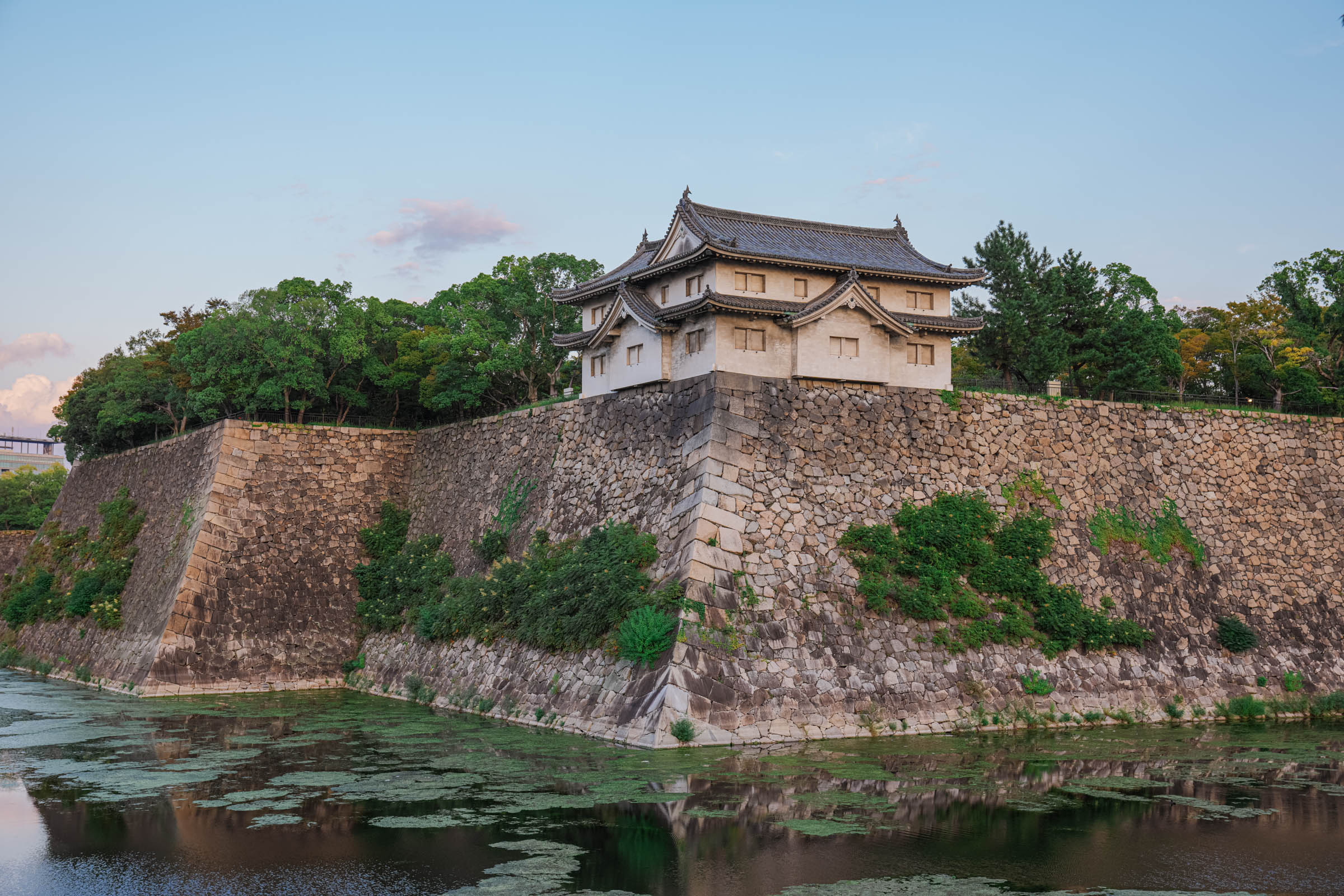
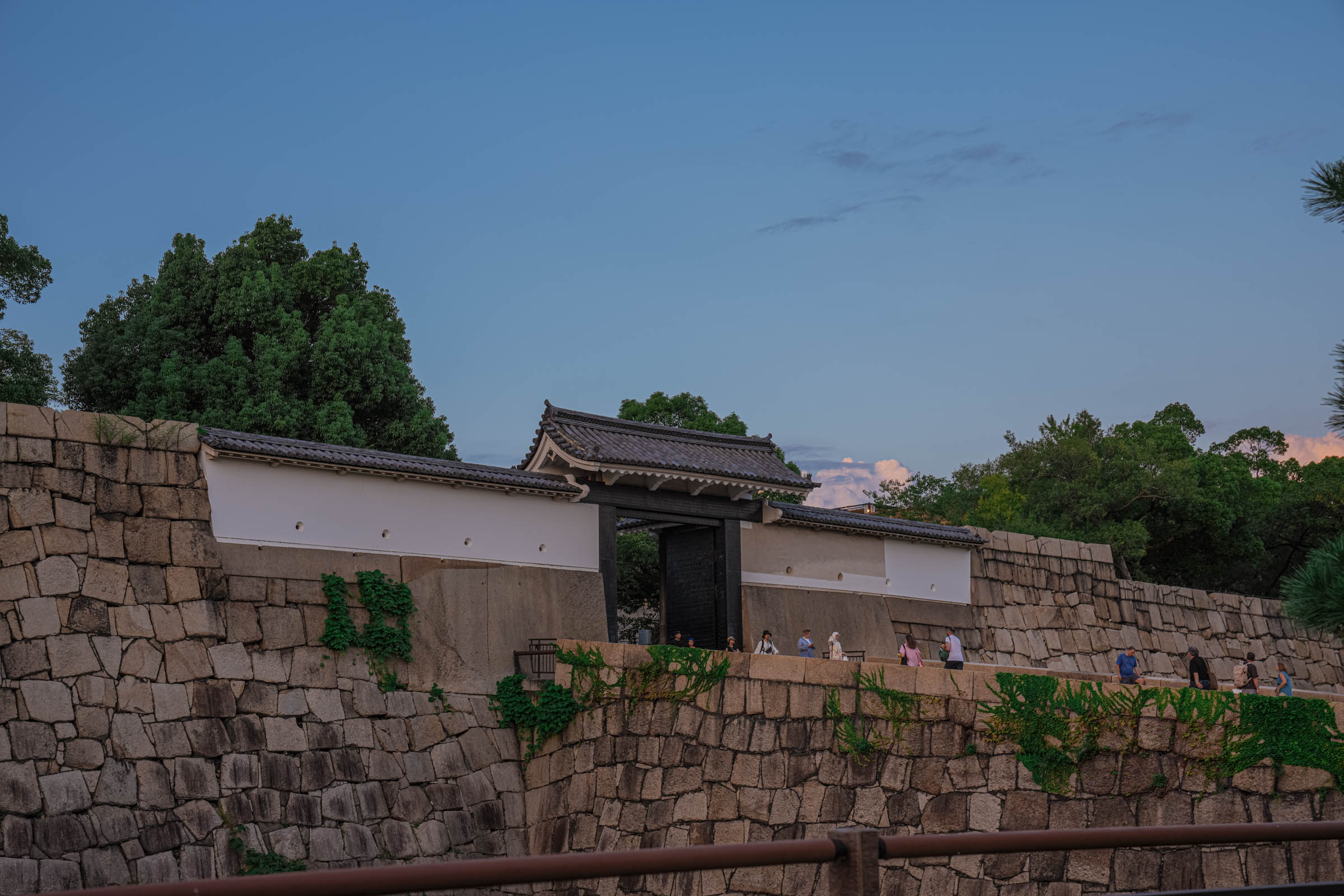
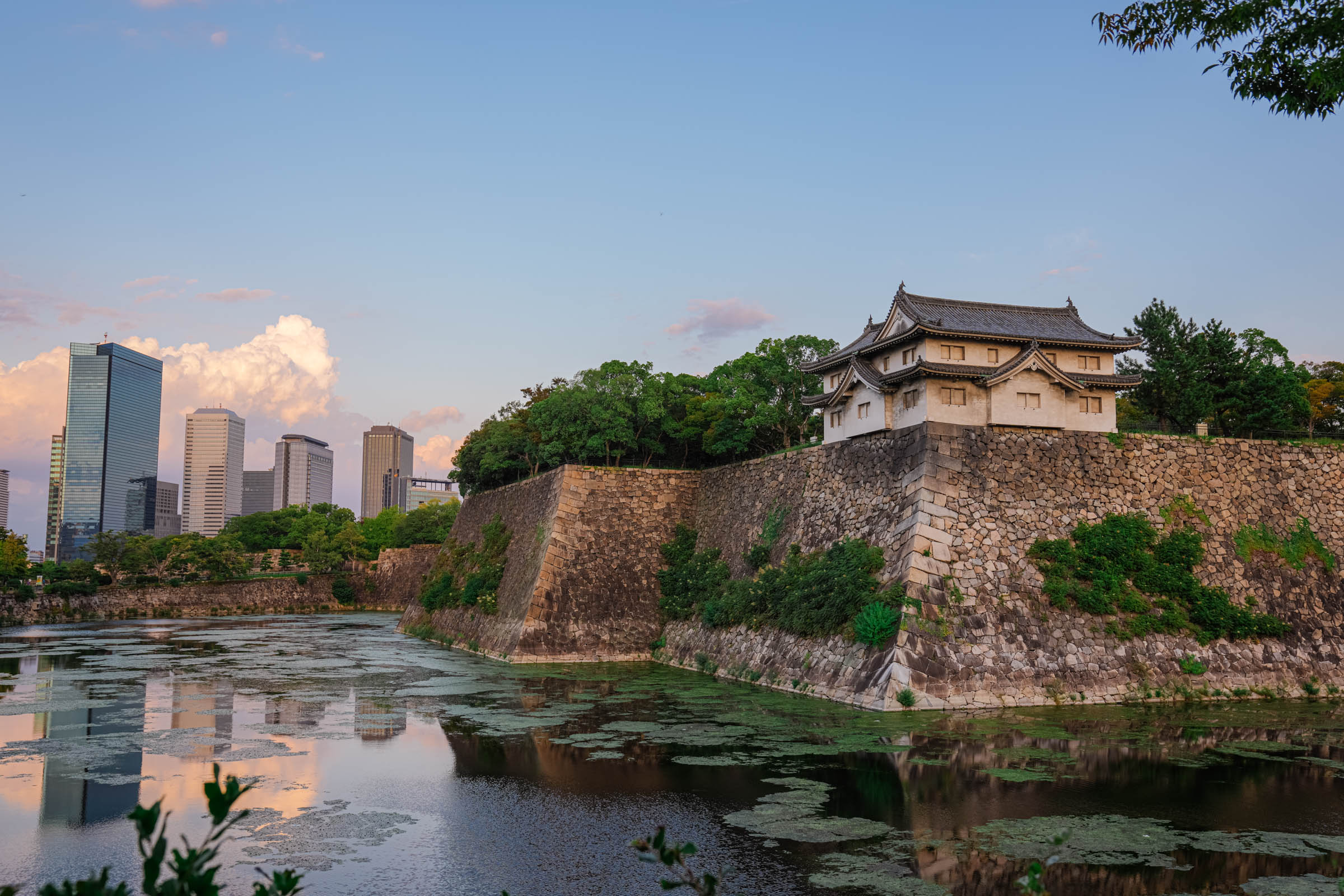
In 1615, during the Summer Siege of Osaka, fire destroyed the castle, and the Toyotomi era came to an end. Then, in the 1620s, the Tokugawa shogunate rebuilt it, with mighty walls of granite boulders stacked without mortar. In 1665, however, lightning burned down the main tower, and the castle remained without it for 266 years.
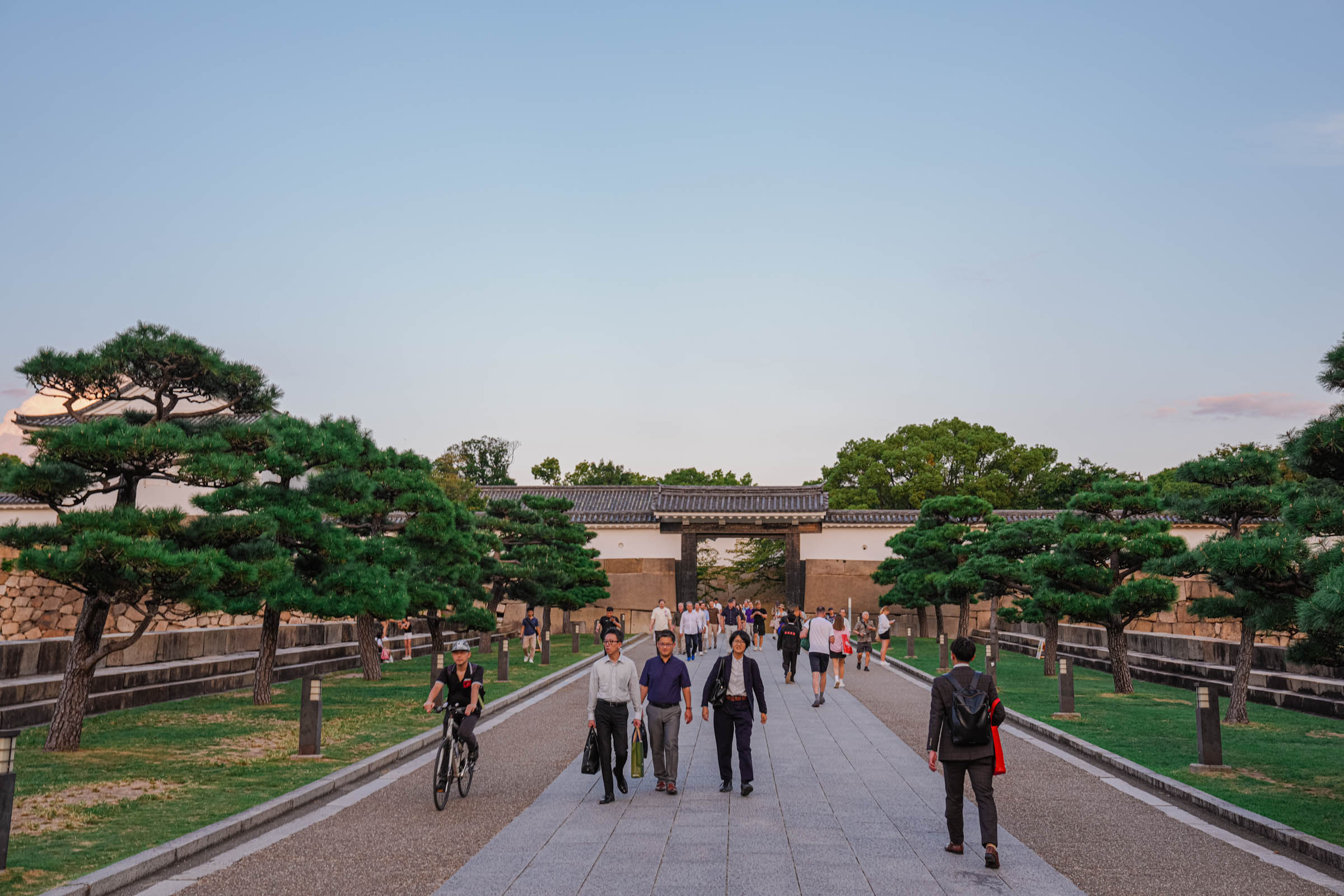
THE CASTLE TODAY
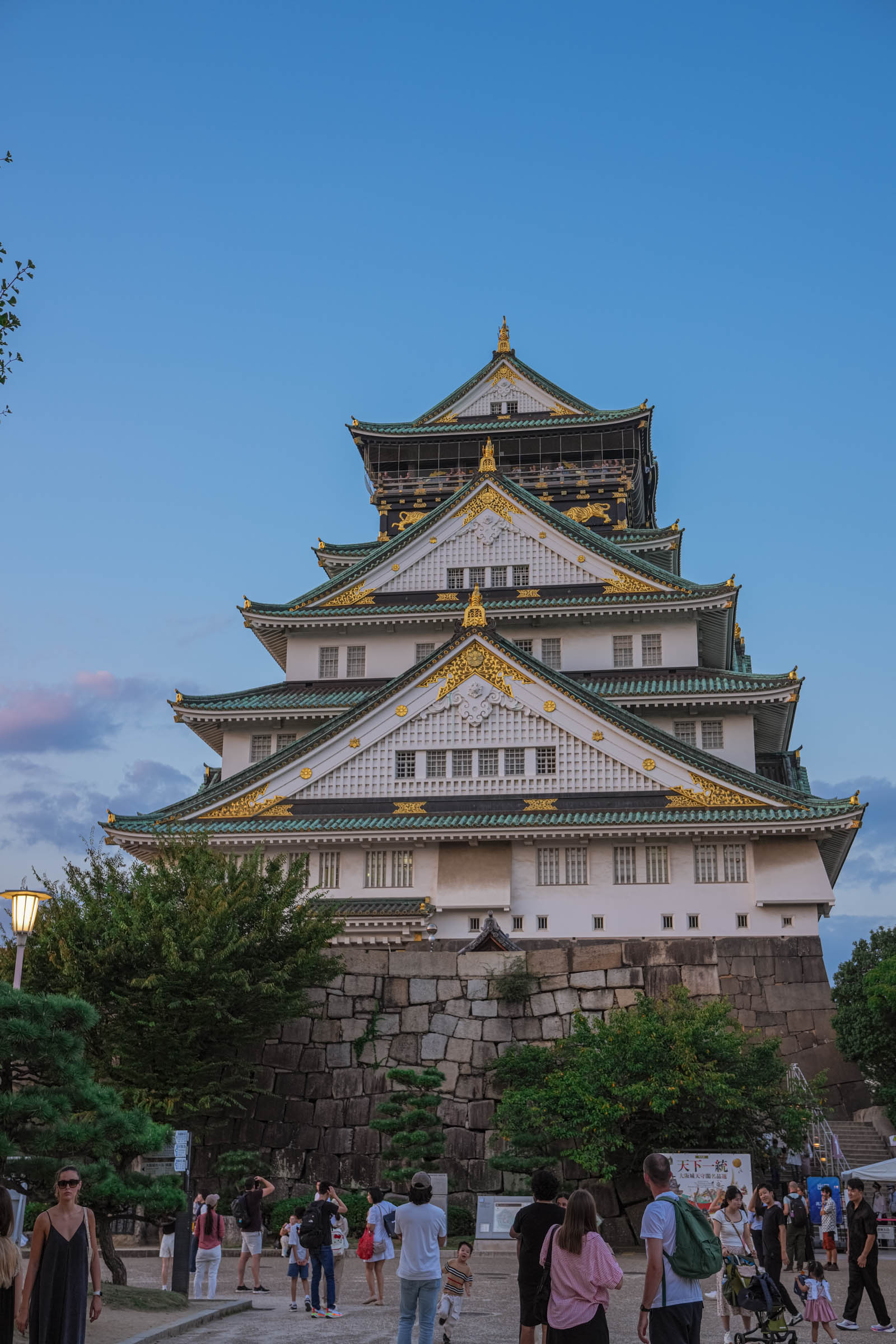
In 1931, Mayor Hajime Seki led the reconstruction of the main tower, and donations from the citizens of Osaka paid for it. The new tower stands 55 meters above the ground, with five floors on the outside and eight inside. During World War II, the tower was damaged, but it survived. Between 1995 and 1997, a major restoration renewed it, and today its interior is a modern museum.
In April 2025, the Toyotomi Stone Wall Museum opened next to the main tower. There, you can see the original stone walls of Hideyoshi’s castle, which the Tokugawa covered when they rebuilt it. Since April 2025, an adult ticket costs 1,200 yen and includes both the castle tower and the new museum. Moreover, the grounds of the castle park are free to enter, so they offer a pleasant escape from the busy city.
DOTONBORI, WHERE STREET FOOD RULES
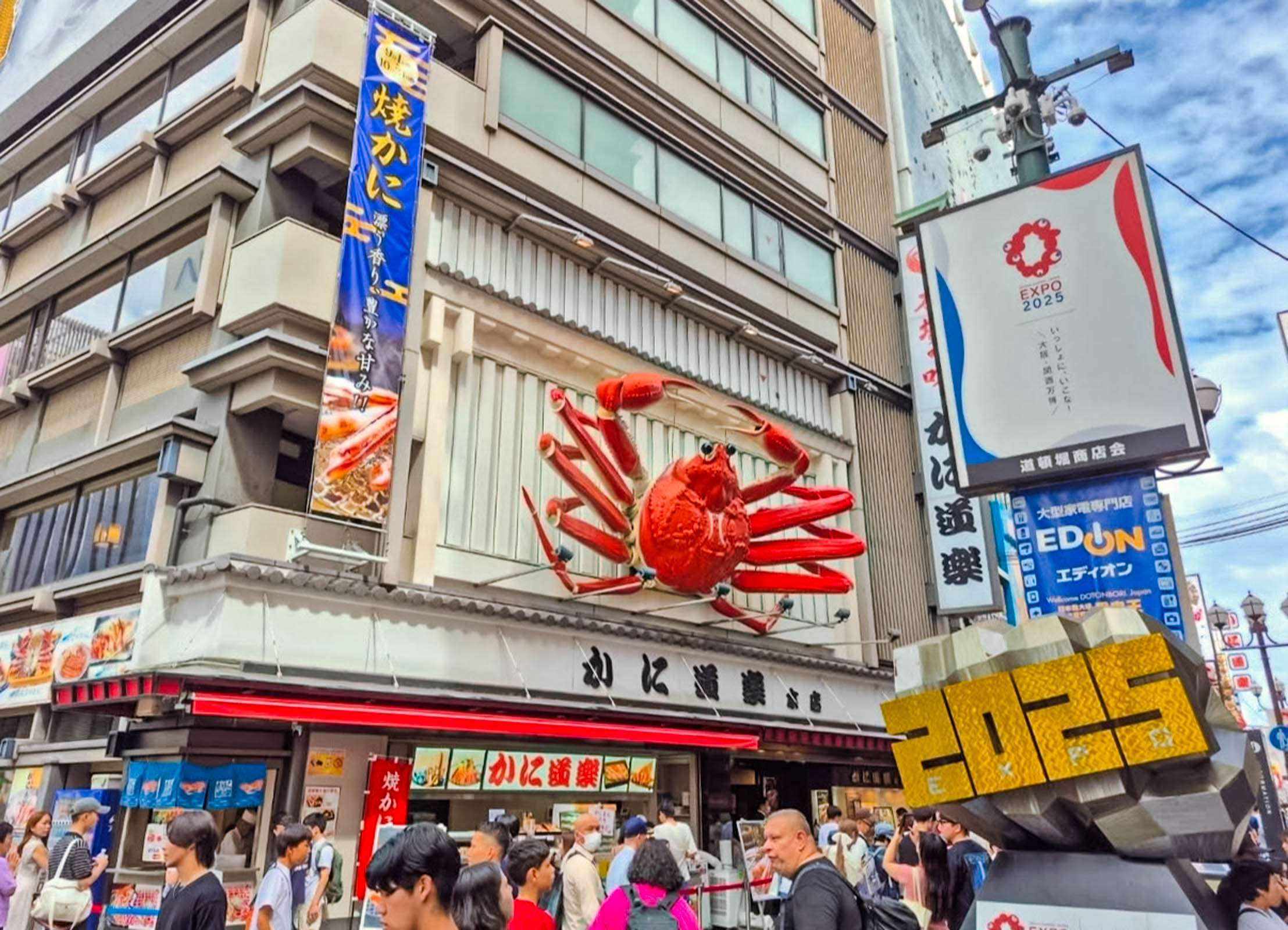
If there is one place you must visit in Osaka, it is Dotonbori. In 1626, a nearby theater district moved to the banks of the new canal, and the area quickly flourished. Today, it is a popular nightlife and entertainment district, famous for its huge illuminated signs. The most famous is the Glico Running Man, first put up in 1935, while the moving giant crab of Kani Doraku waves at you around the corner.
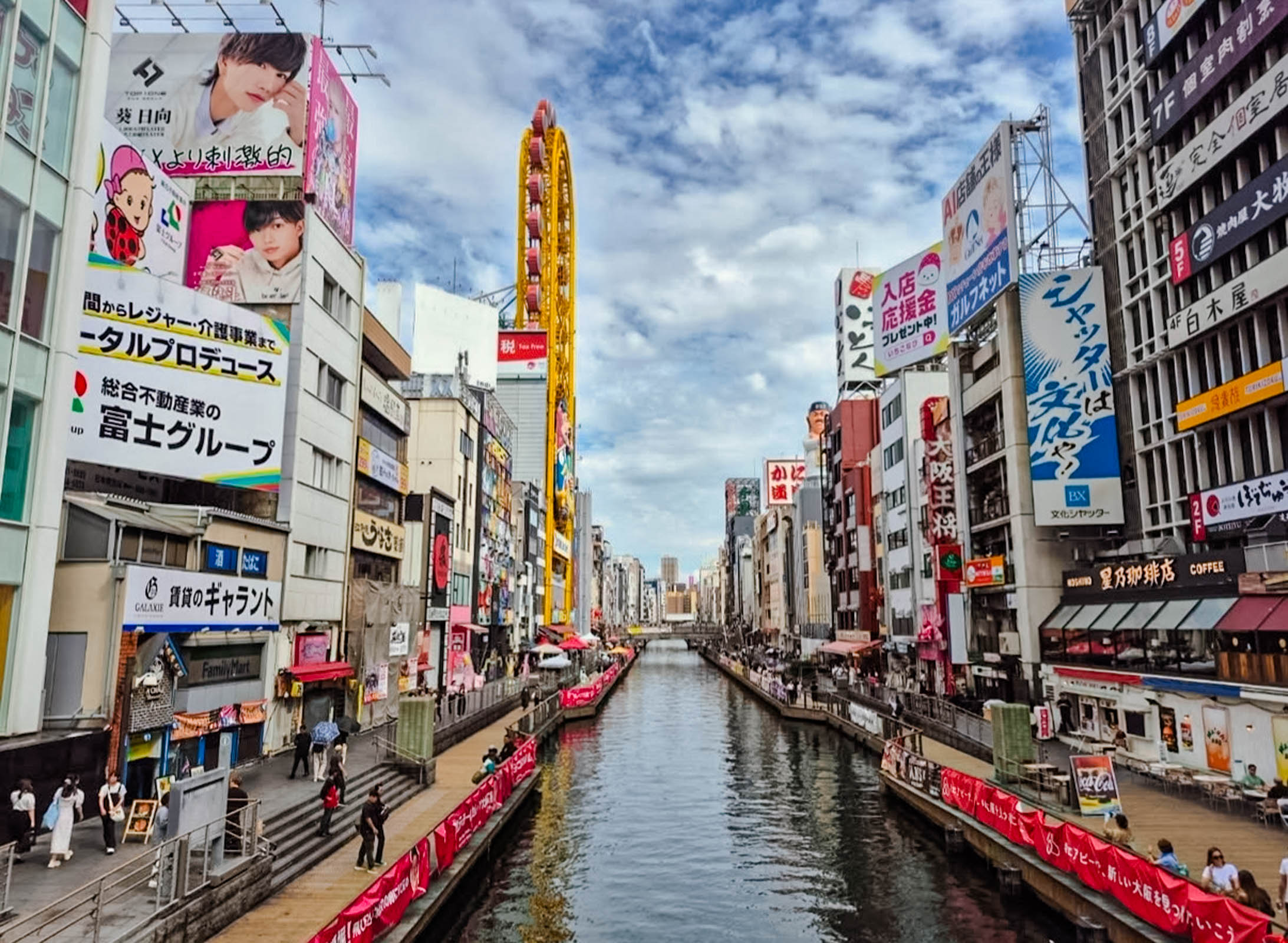
The street food of Dotonbori is legendary. Takoyaki, dough balls filled with octopus, first became popular right here in Osaka. The street vendor Tomekichi Endo is credited with inventing them in 1935. He combined two local snacks, choboyaki and radioyaki, with akashiyaki, an octopus snack from Akashi in Hyōgo Prefecture. Today, takoyaki come with special sauce, mayonnaise, green laver and dried bonito flakes.
Okonomiyaki is another must-try dish. This savory pancake combines a batter of flour and eggs with shredded cabbage and meat or seafood. In many restaurants, the cooks prepare it on a hot iron griddle right in front of you.
KUSHIKATSU AND SHINSEKAI, THE NEW WORLD
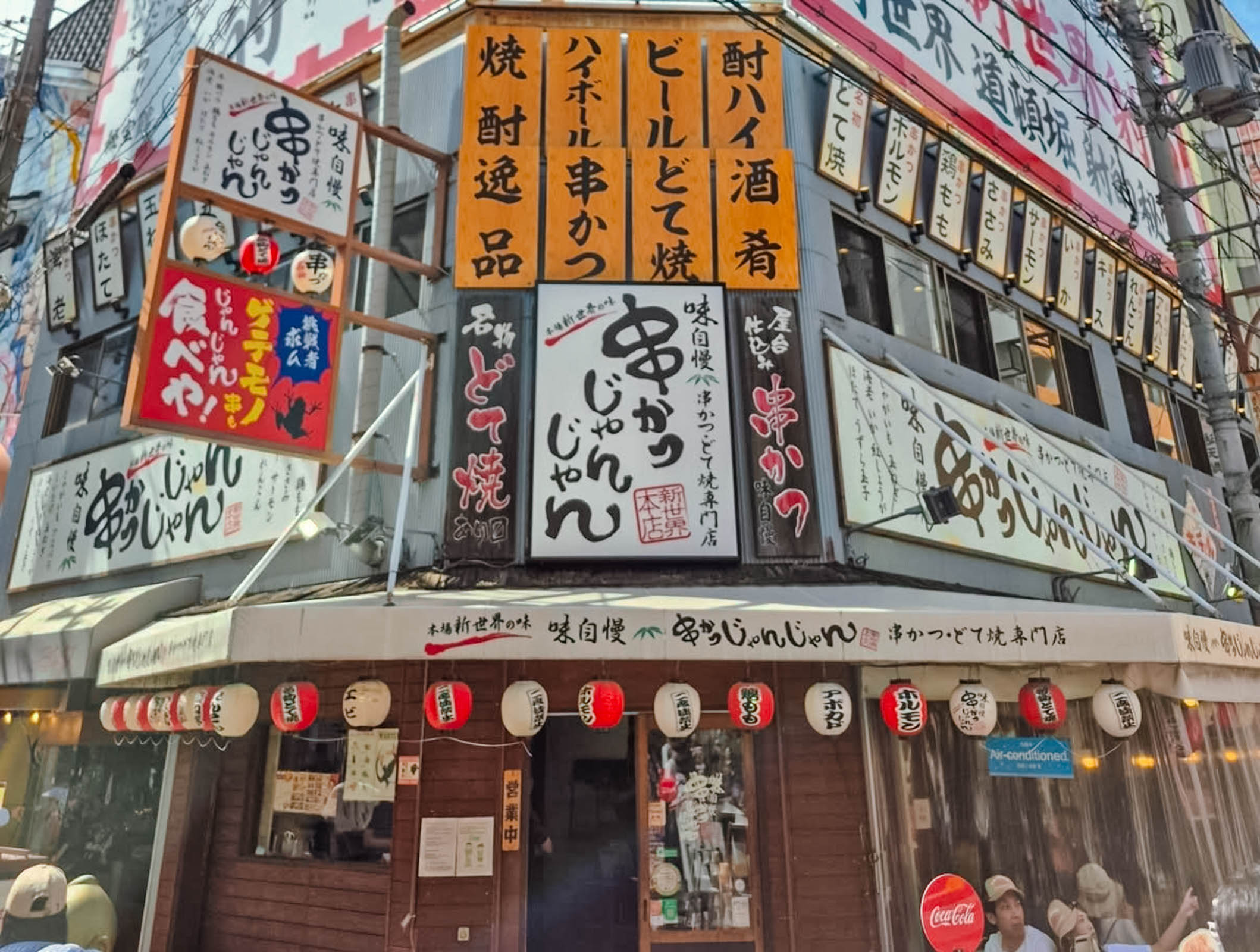
Kushikatsu is another Osaka specialty. Cooks skewer meat and vegetables, coat them in batter and breadcrumbs, and deep-fry them until golden. The famous chain Kushikatsu Daruma has served these skewers since 1929, and its scowling chef is one of the best-known signs in Dotonbori. Remember the golden rule: never dip your skewer twice in the shared sauce!
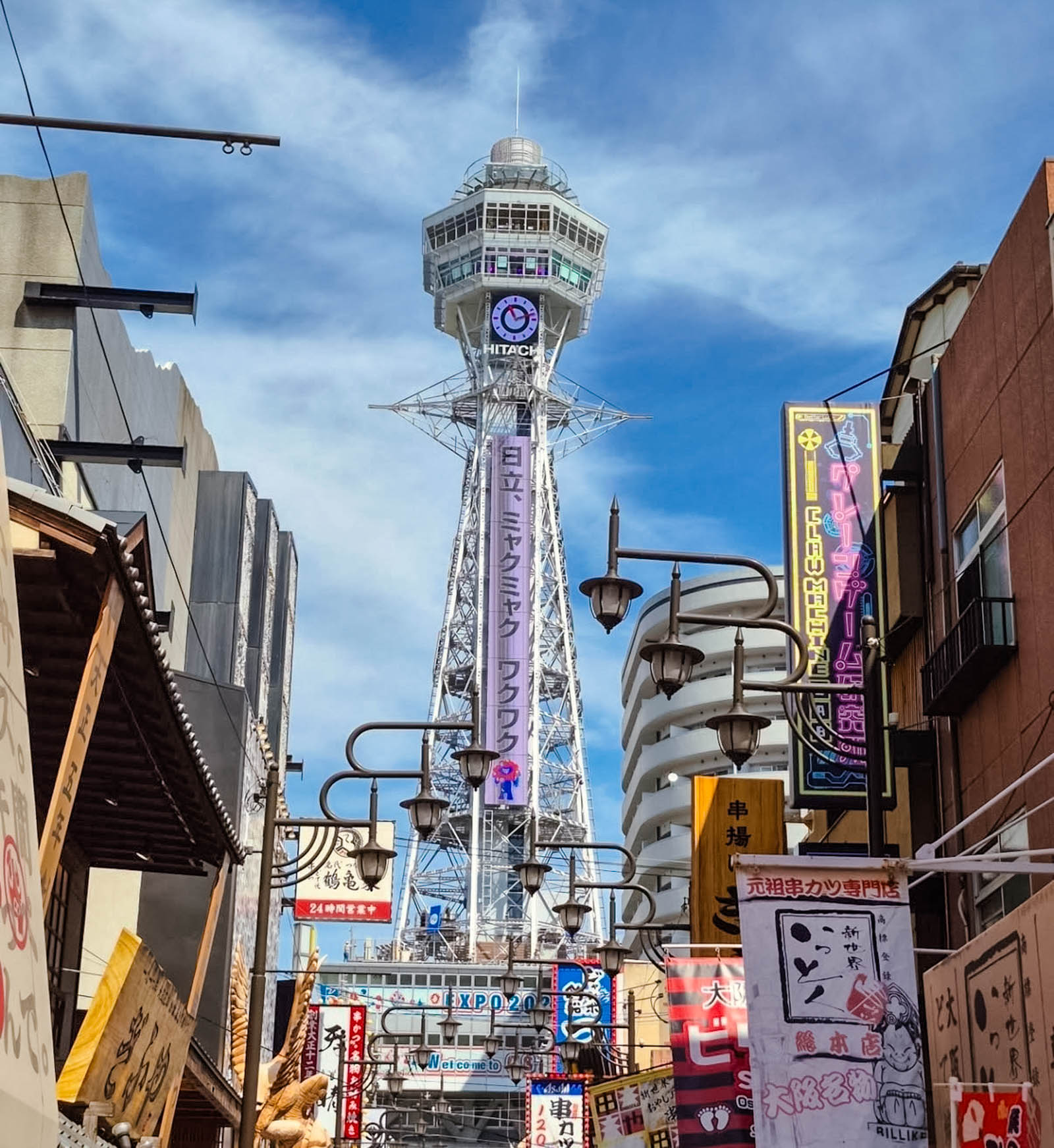
Shinsekai, which means “New World,” is a district in the south of Osaka with a completely different atmosphere. It was created in 1912, with Paris as the model for its northern half and New York’s Coney Island for its southern half. In its early years, the Luna Park amusement park was its main attraction. Today, it charms visitors with its retro atmosphere, kushikatsu restaurants, shogi clubs and Spa World.
TSUTENKAKU, THE TOWER REACHING HEAVEN
Tsutenkaku is the defining landmark of Shinsekai, and its name means “Tower Reaching Heaven.” The original tower from 1912 was inspired by the Eiffel Tower and the Arc de Triomphe. At 64 meters, it was the second-tallest structure in Asia at the time. Moreover, an aerial cable car connected it to Luna Park.
In 1943, a fire severely damaged the tower, and workers dismantled it and reused the steel. Later, citizens asked for a new tower as a symbol of hope, so the current eight-sided structure opened in 1956. Tachū Naitō designed it, two years before he built Tokyo Tower. Today, the tower is 108 meters tall, and its open-air deck, Tenbo Paradise, sits at 94.5 meters.
On the fifth floor sits Billiken, the mascot of the tower. Visitors touch the soles of his feet for good luck. Since May 2022, the Tower Slider has added extra fun. This 60-meter-long spiral slide takes you from the third floor down to the basement in about ten seconds.
KUIDAORE, OSAKA’S FOOD CULTURE
In Osaka, food is not only a pleasure, but a way of life. The city offers endless options, from street stalls to elegant restaurants. Besides takoyaki, okonomiyaki and kushikatsu, there are many more specialties worth trying.
Kuromon Market, known as “Osaka’s kitchen,” lies in Nipponbashi, near the busy Minami district. About 150 shops line its arcade, which is about 580 meters long. Its story began in the late Edo period, when fish merchants traded near Enmyoji Temple. The temple had a black gate, or “kuromon,” which gave the market its name. Today, fresh fish is still its main attraction, along with fruit and processed foods.
Shinsekai is also the town of kushikatsu. Janjan Yokocho, a covered alley about 180 meters long, runs from Dobutsuen-mae Station to Tsutenkaku Tower. It opened in 1921, and its nickname comes from the “janjan” sound of the shamisen, once played to attract customers. Today, you will find kushikatsu restaurants, cafés, retro game centers and shogi clubs here.
MORE SIGHTS AND ATTRACTIONS IN OSAKA
Abeno Harukas stands 300 meters tall, and it was the tallest skyscraper in Japan from 2014 until 2023. Today, it is the second-tallest building in the country. Its Harukas 300 observation deck occupies floors 58 to 60 and offers 360-degree views of the whole Kansai region.
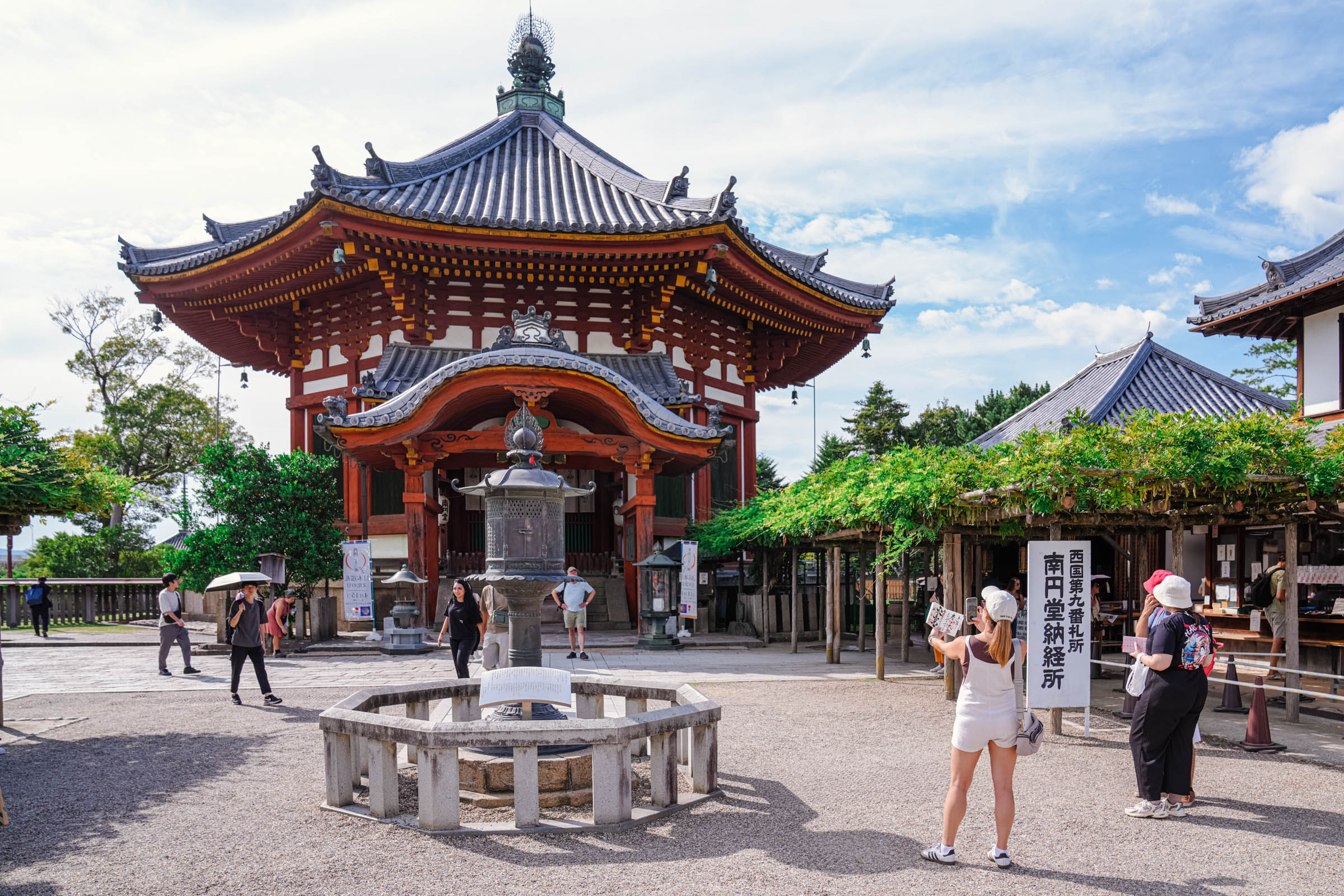
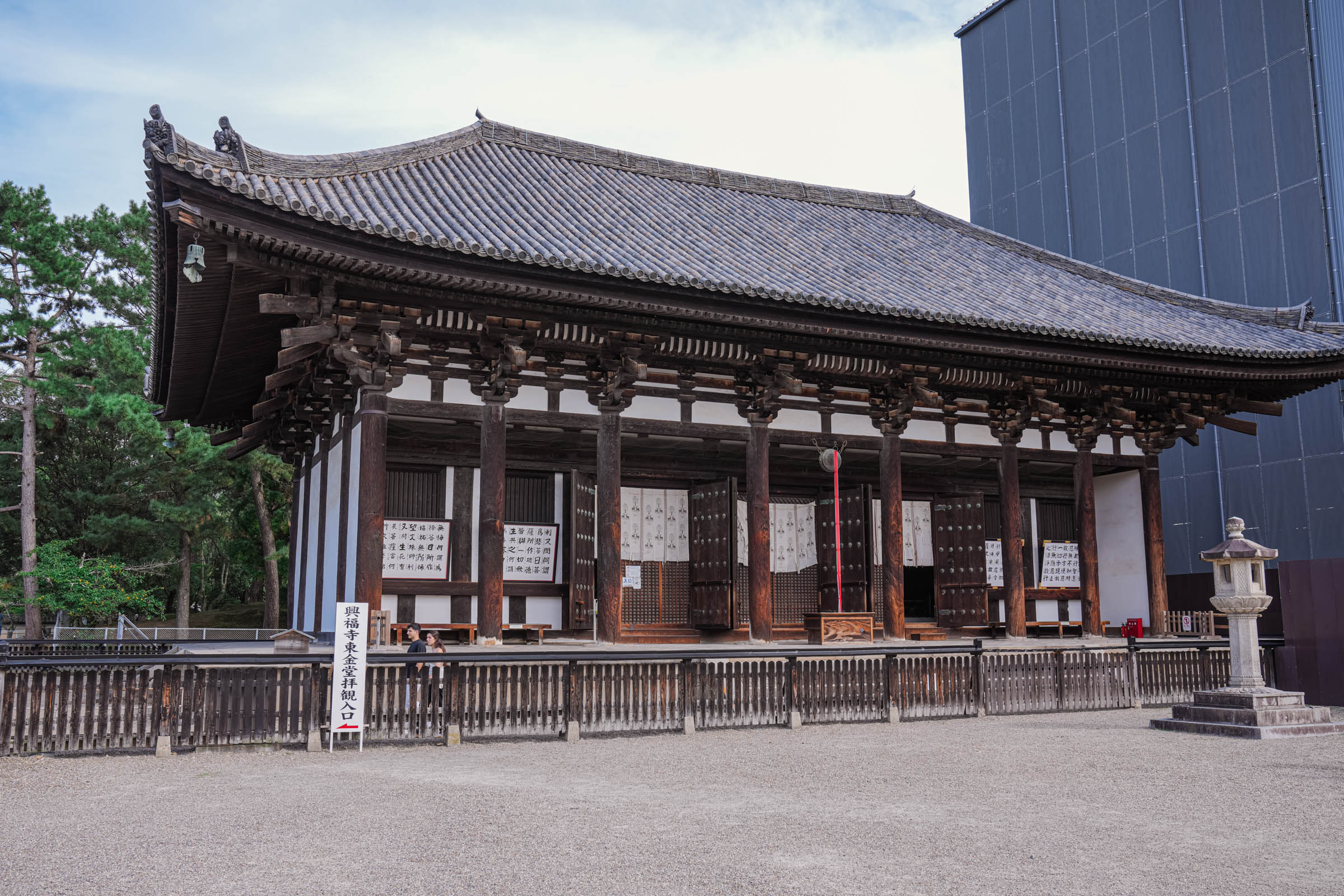
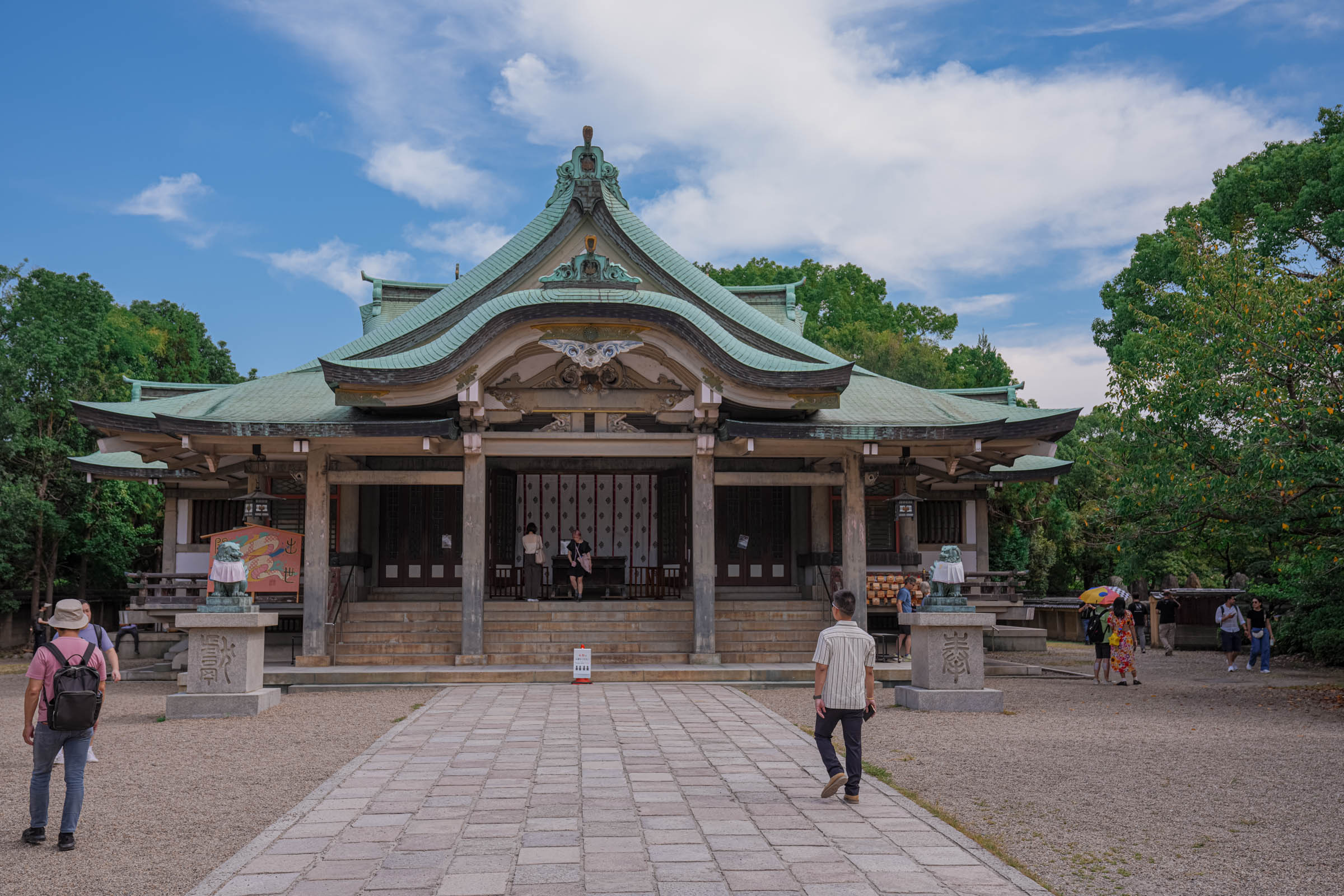
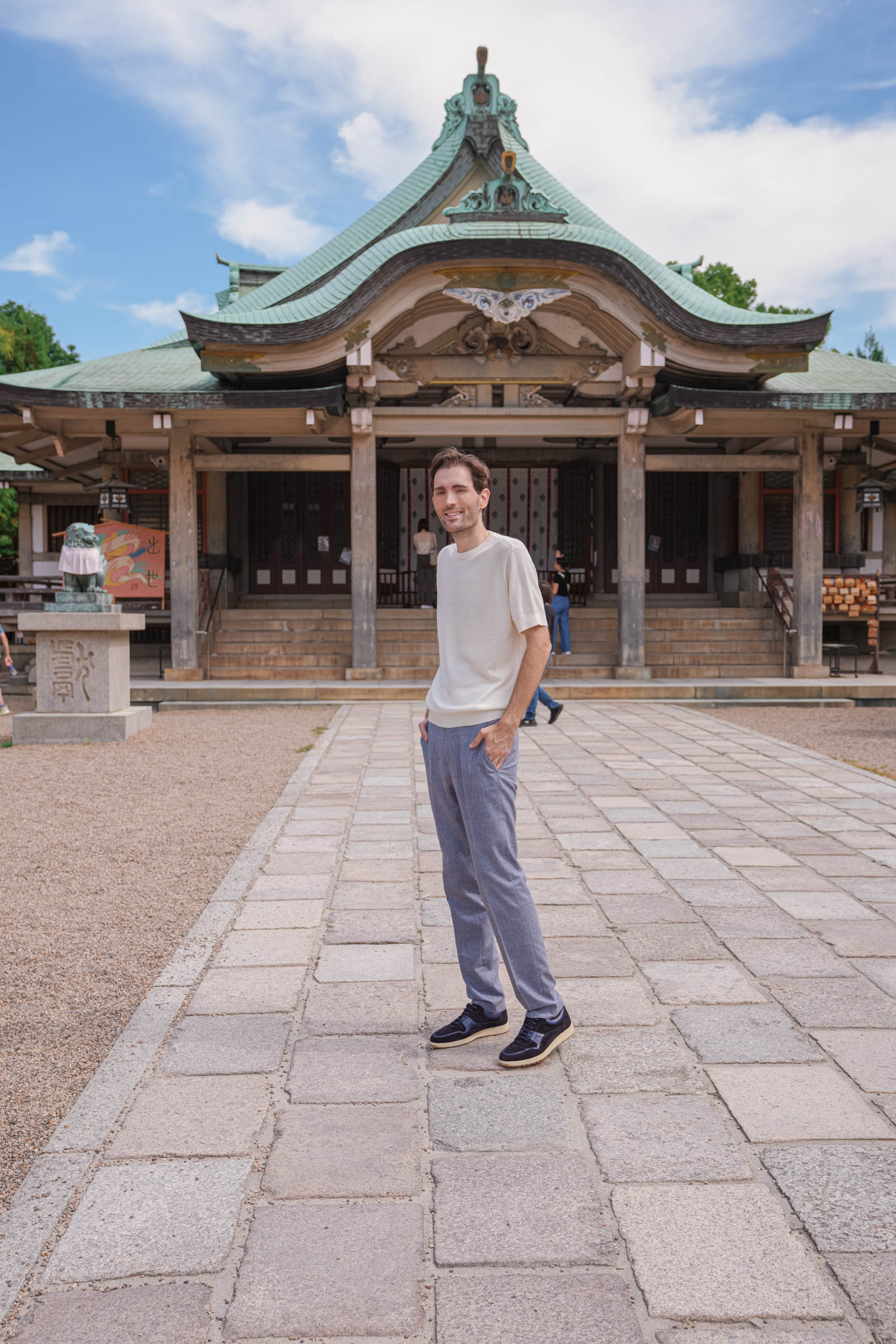
Shitennō-ji was the first state-sponsored Buddhist temple in Japan. Prince Shōtoku founded it in 593, and the last reconstruction of the complex took place in 1963. Sumiyoshi Taisha is the main shrine of all Sumiyoshi shrines in Japan. According to traditional histories, it dates back to 211, and it honors the deities who guard sea travel. Its four main sanctuaries, built in the ancient Sumiyoshi-zukuri style, are National Treasures.
For more fun, Universal Studios Japan opened the world’s first Super Nintendo World in March 2021, with the ride Mario Kart: Koopa’s Challenge. In December 2024, the world’s first Donkey Kong Country area opened there as well.
GETTING AROUND OSAKA
Osaka has an efficient public transport network, so getting around the city is easy. For example, the JR Loop Line takes you from Osaka Station to Osakajokoen Station, the closest JR station to Osaka Castle, in about ten minutes.
If you arrive by Shinkansen, Shin-Osaka Station is your entry point. International flights mostly land at Kansai International Airport. It opened in September 1994 as the world’s first offshore airport built on a completely artificial island in Osaka Bay. Today, it handles more than 30 million travelers per year.
CONRAD OSAKA, YOUR ADDRESS IN THE SKY
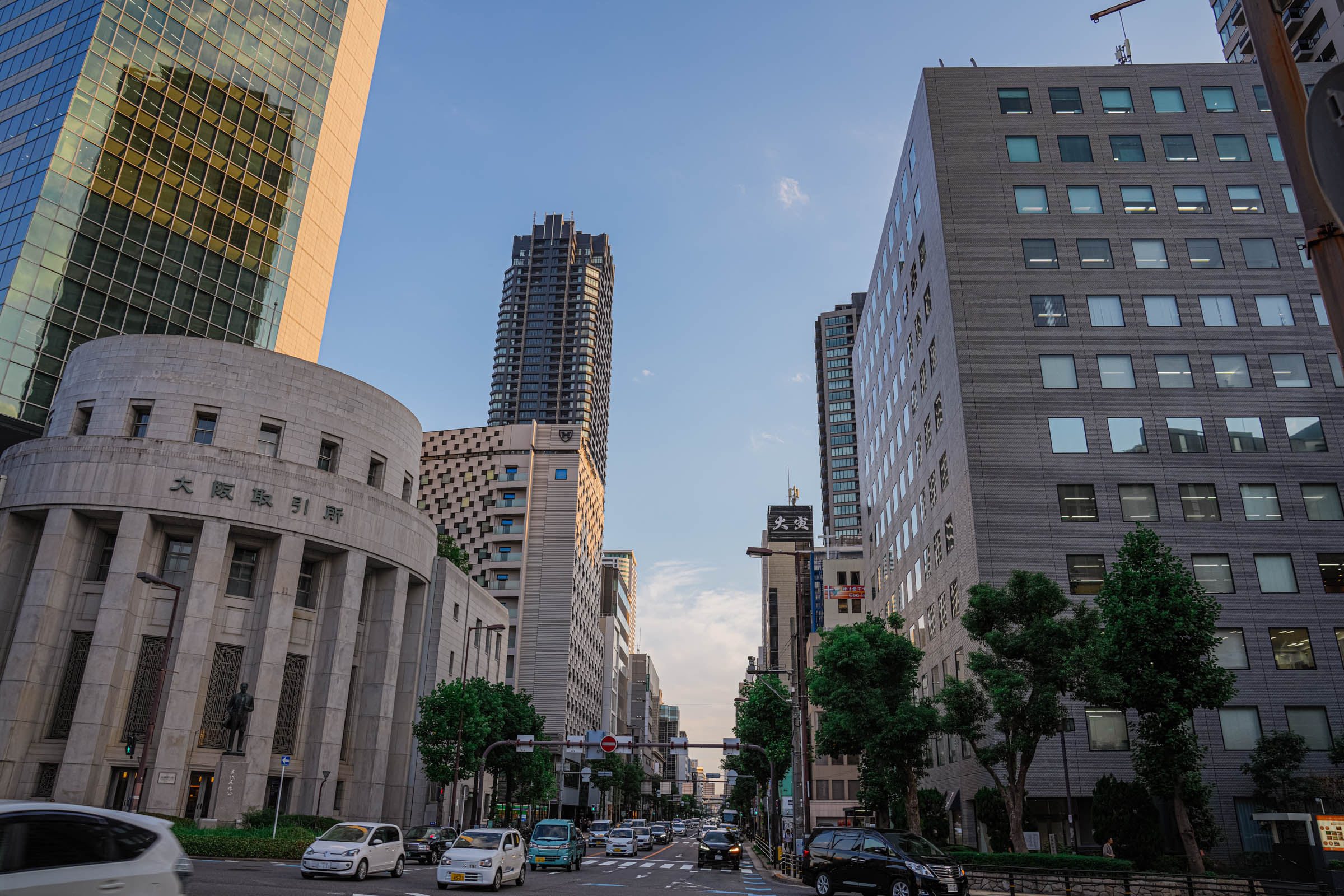
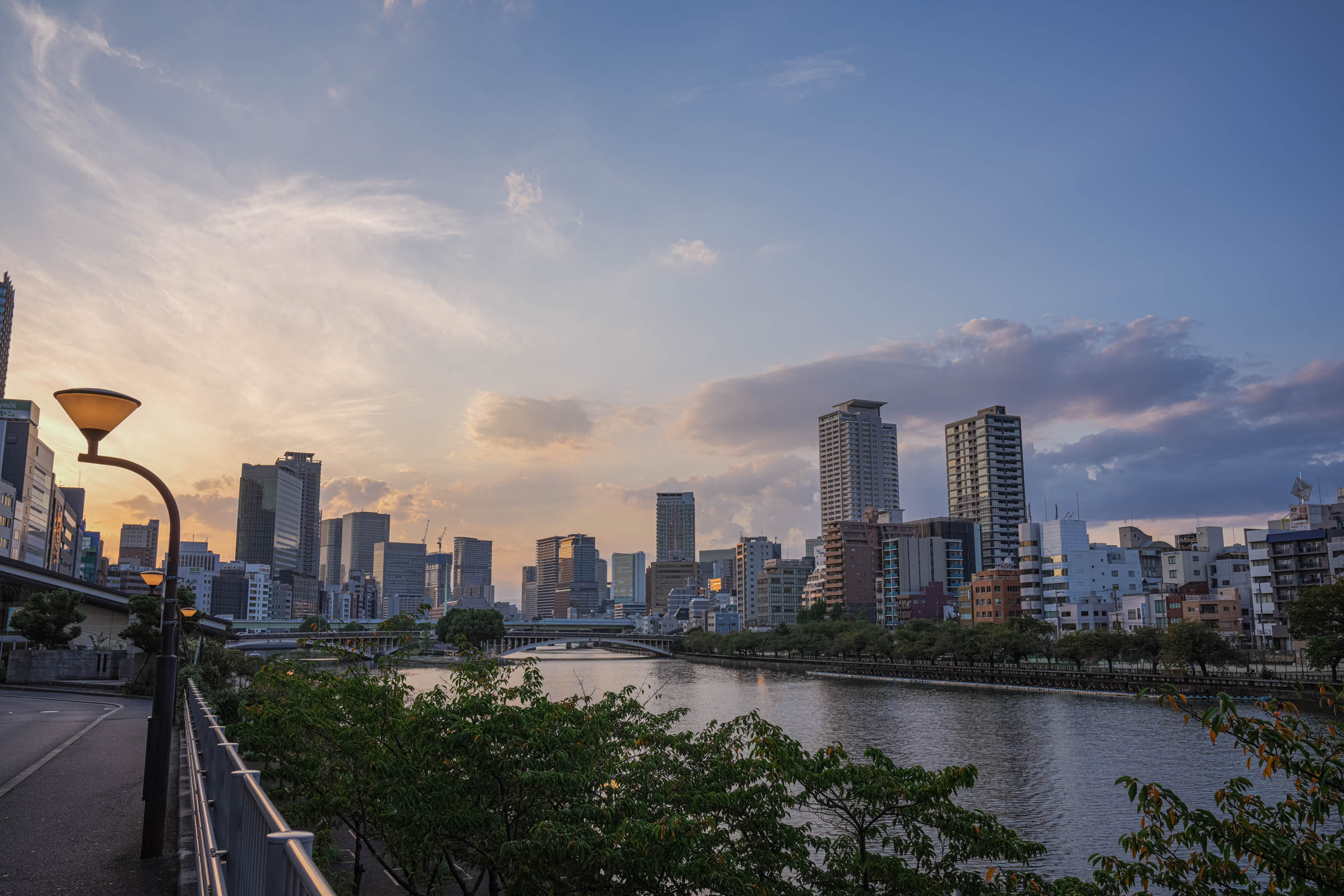
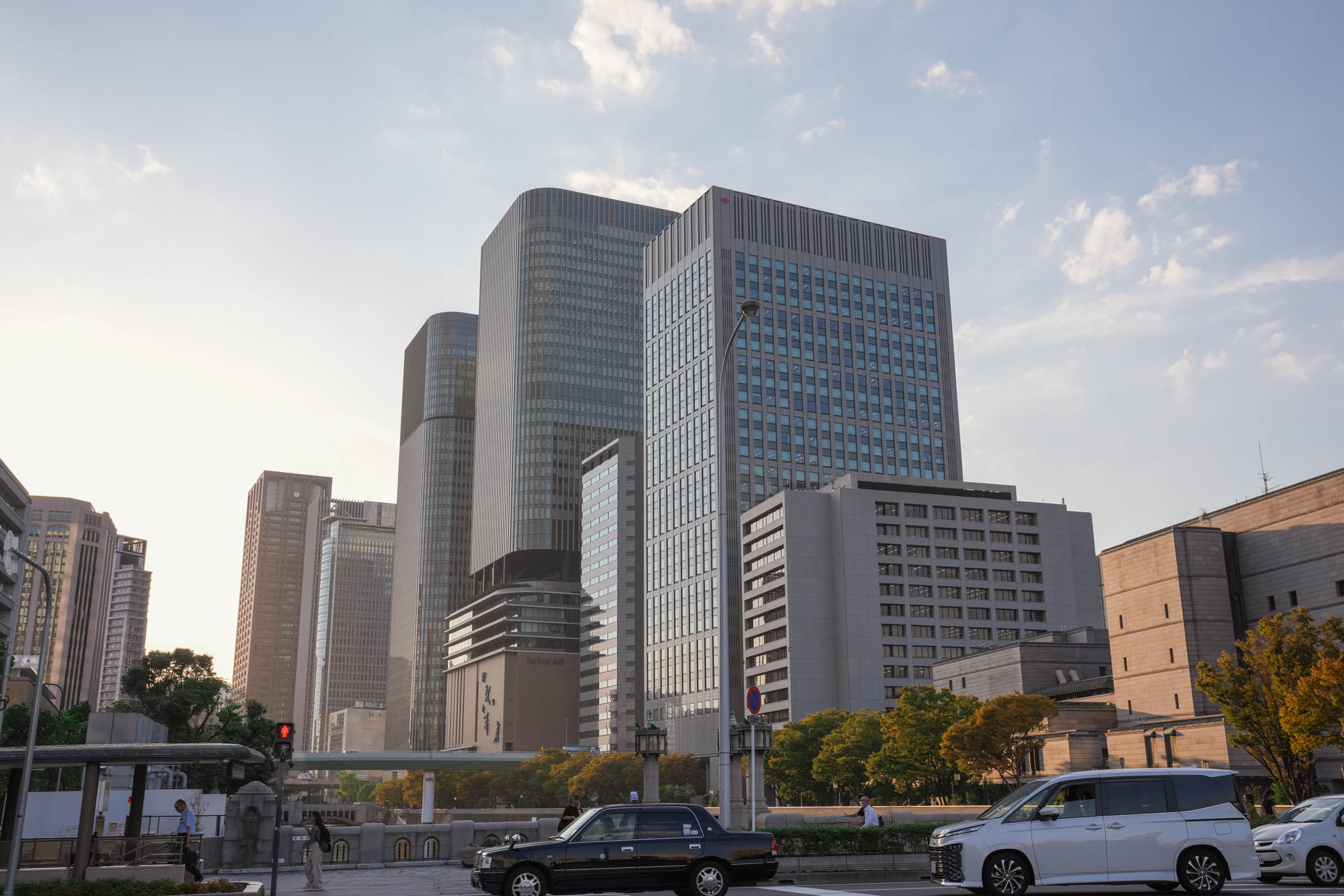
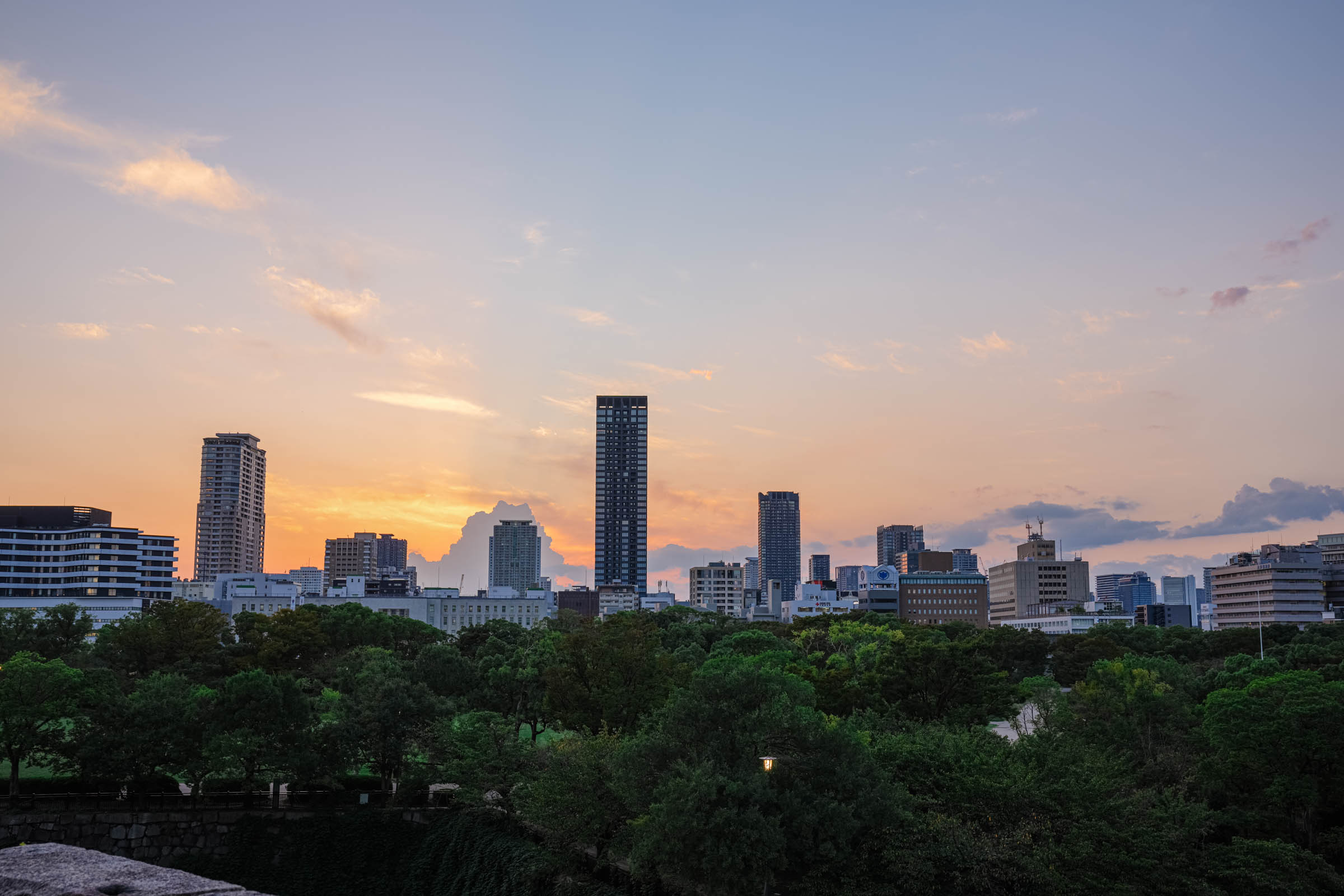
During my stay, my home was Conrad Osaka, one of the most luxurious hotels in the city. Its concept is “Your Address in the Sky”. The hotel occupies the highest floors, 33 to 40, of Nakanoshima Festival Tower West, about 200 meters above the ground. It opened on June 9, 2017, as the second Conrad in Japan, after Tokyo. Today, the hotel also holds one MICHELIN Key.
The hotel has 164 rooms and suites, and even the standard rooms measure at least 50 square meters. During my stay, I lived in a Junior King Corner Suite of 66 square meters, on the corner of the building, with panoramic views of the city.
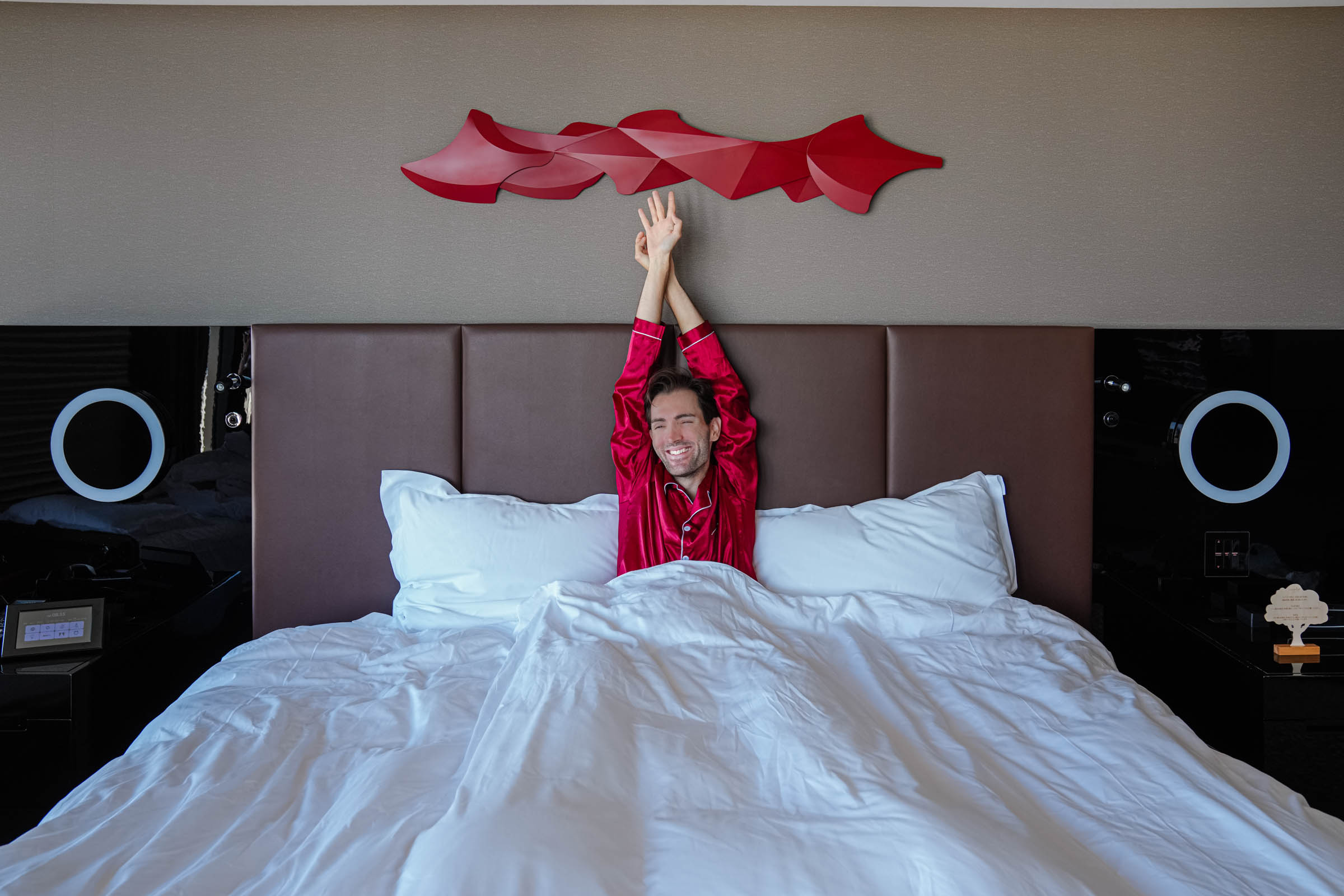
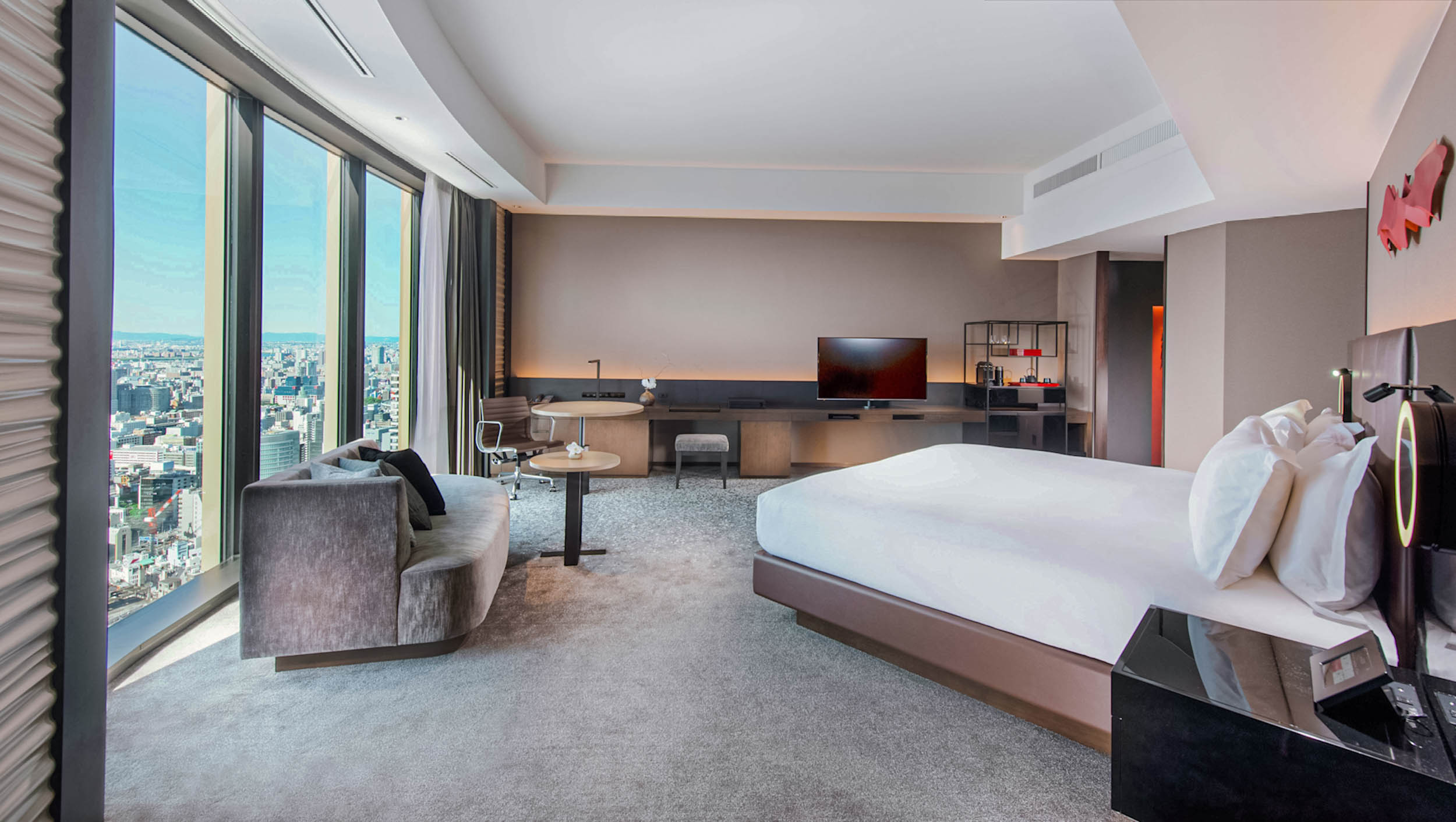
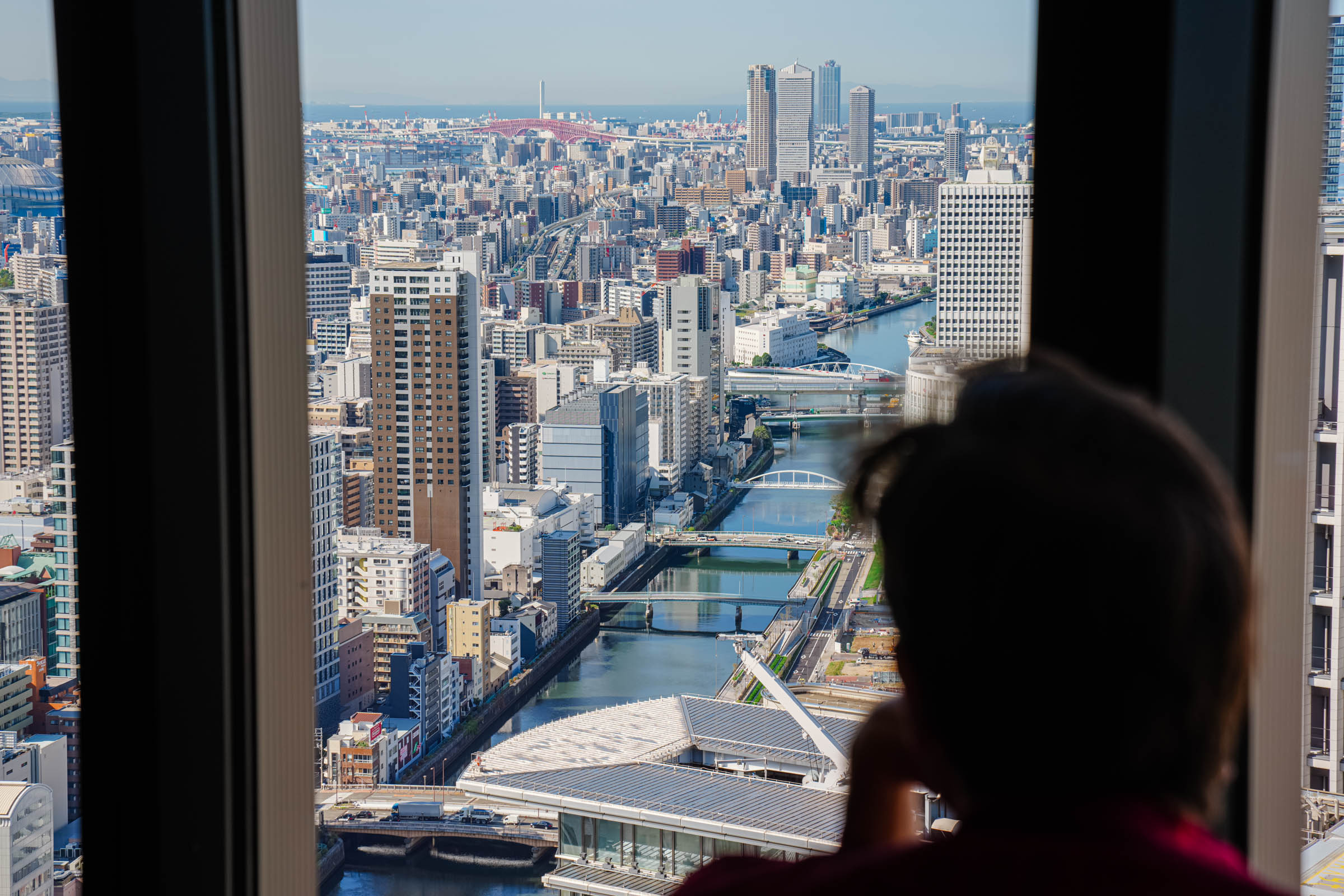
Floor-to-ceiling windows offer unforgettable views of Osaka, day and night. The suite had a separate living room, perfect for both work and relaxation. Sweet welcome gifts awaited me there: the Conrad teddy bear and a rubber duck.
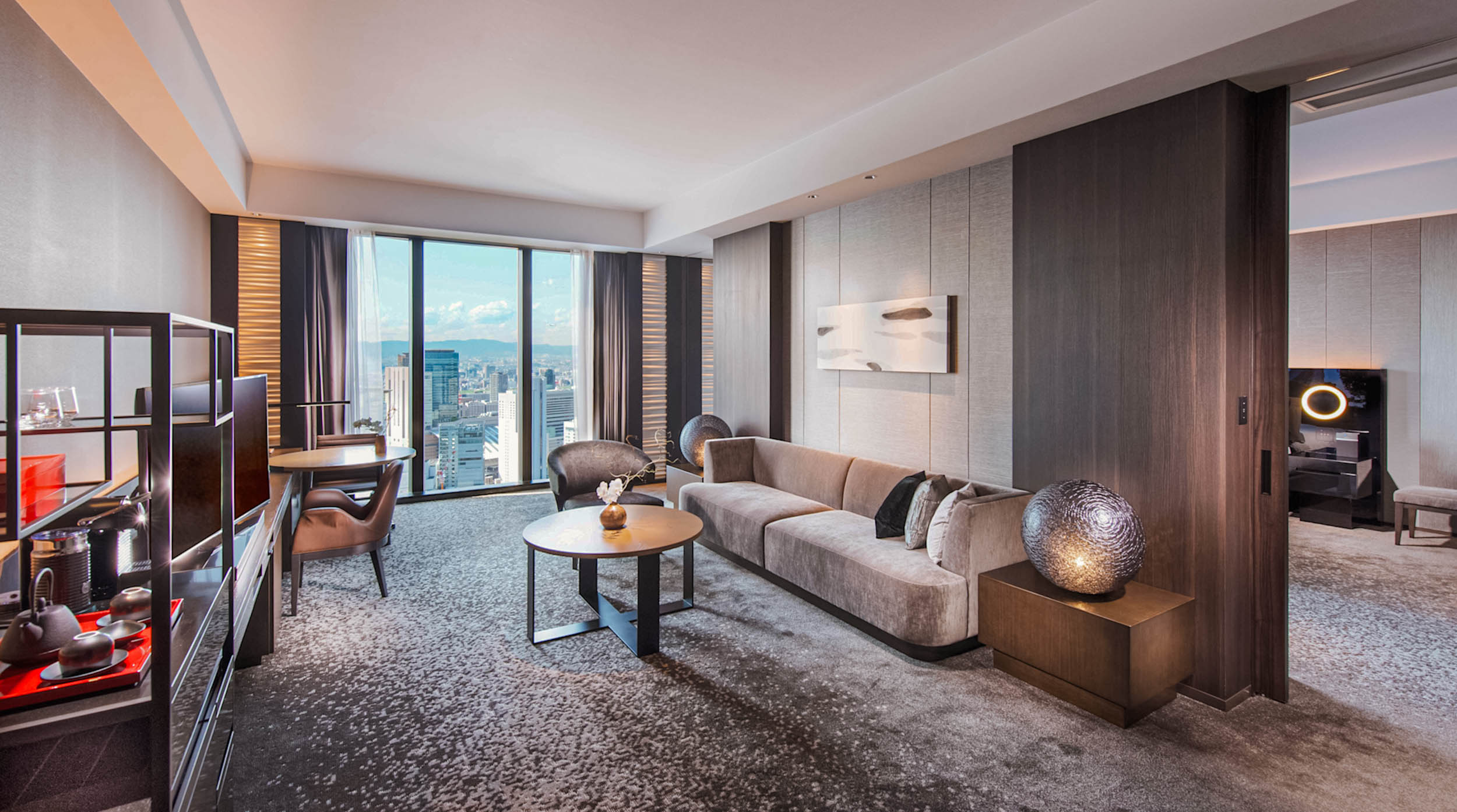
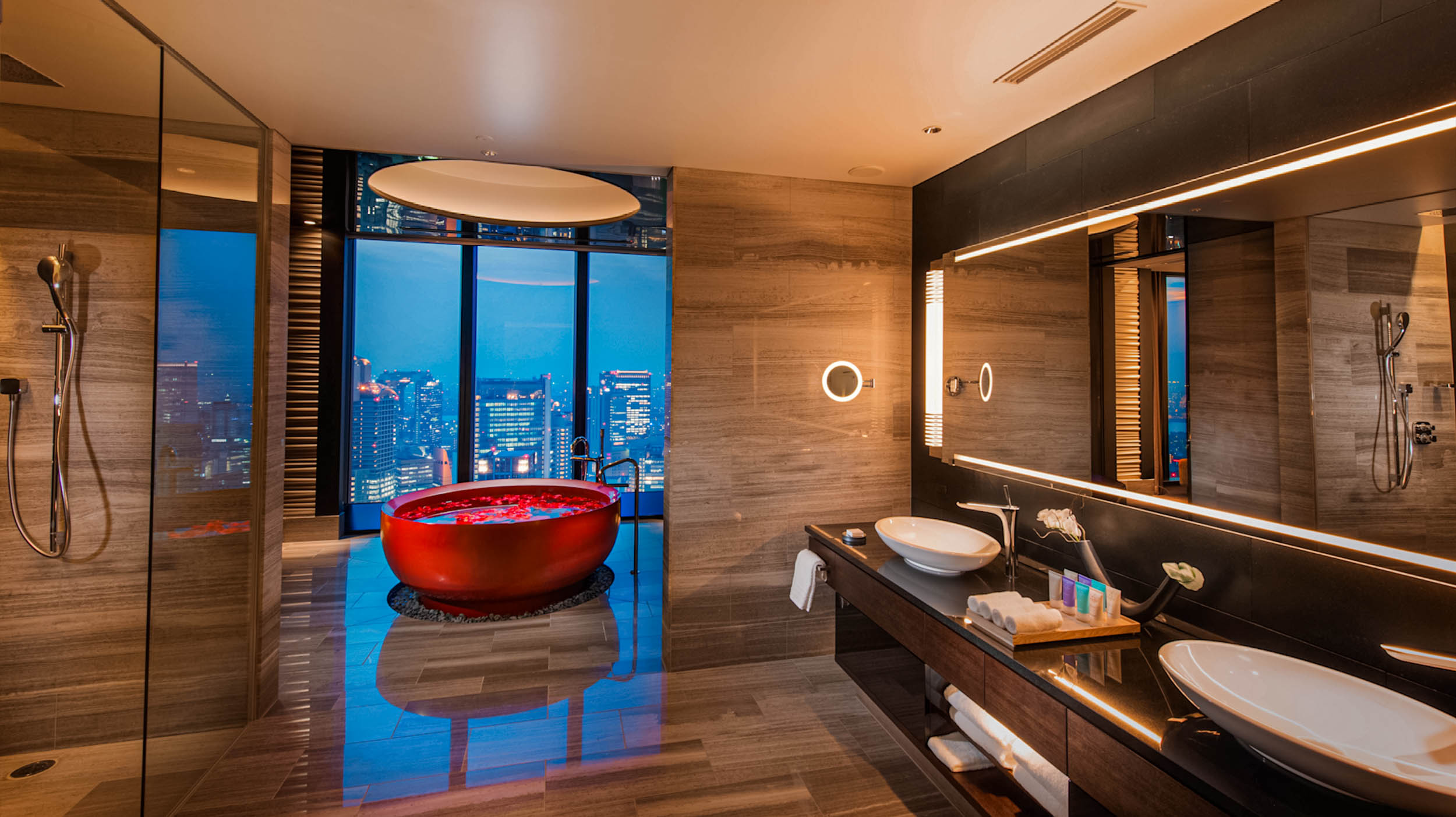
MY SUITE AT CONRAD OSAKA
The bathroom was a real revelation, with the signature circular deep-soaking bathtub. In addition, I enjoyed Byredo Mojave Ghost amenities and a Dyson hair dryer.
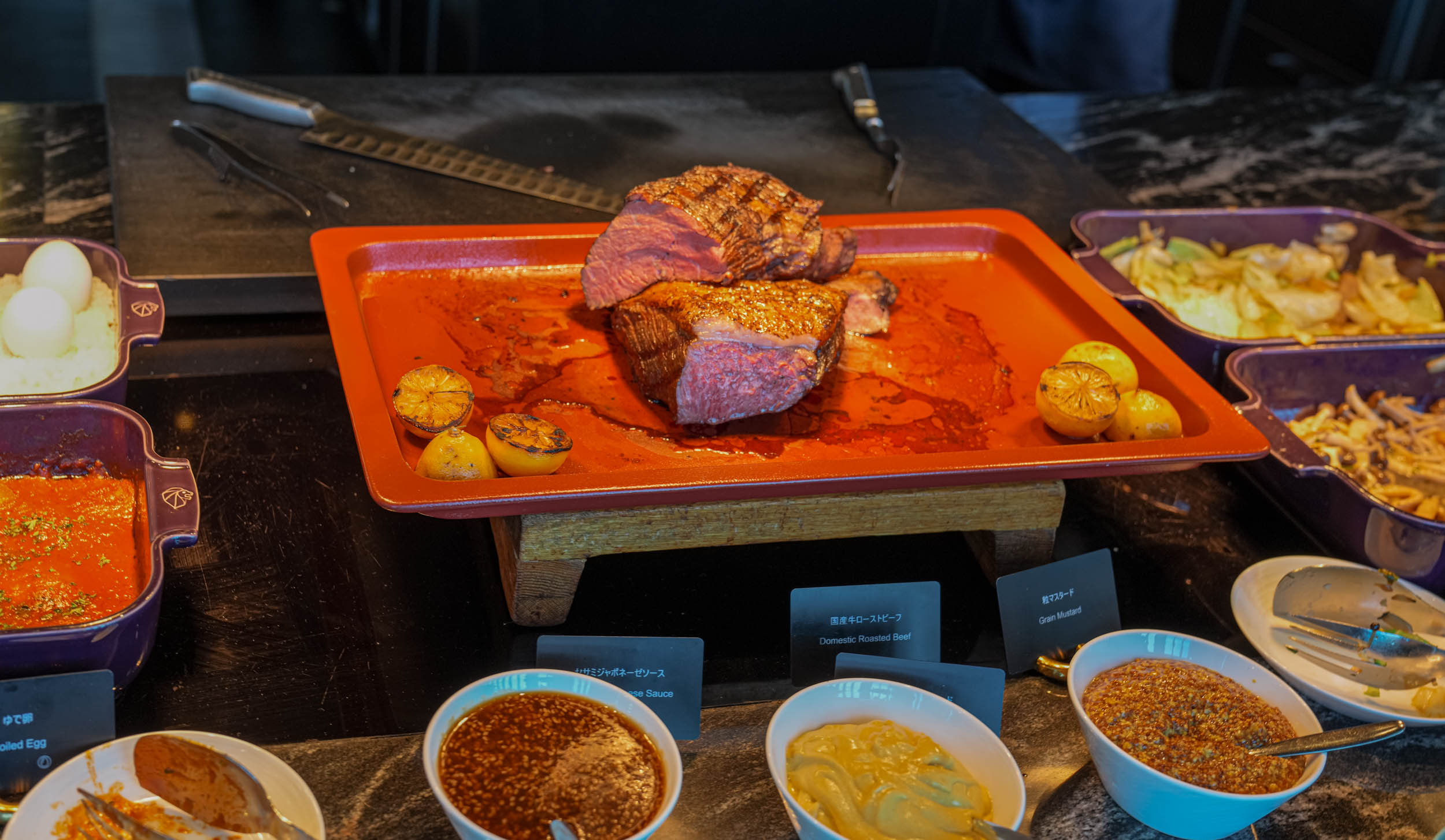
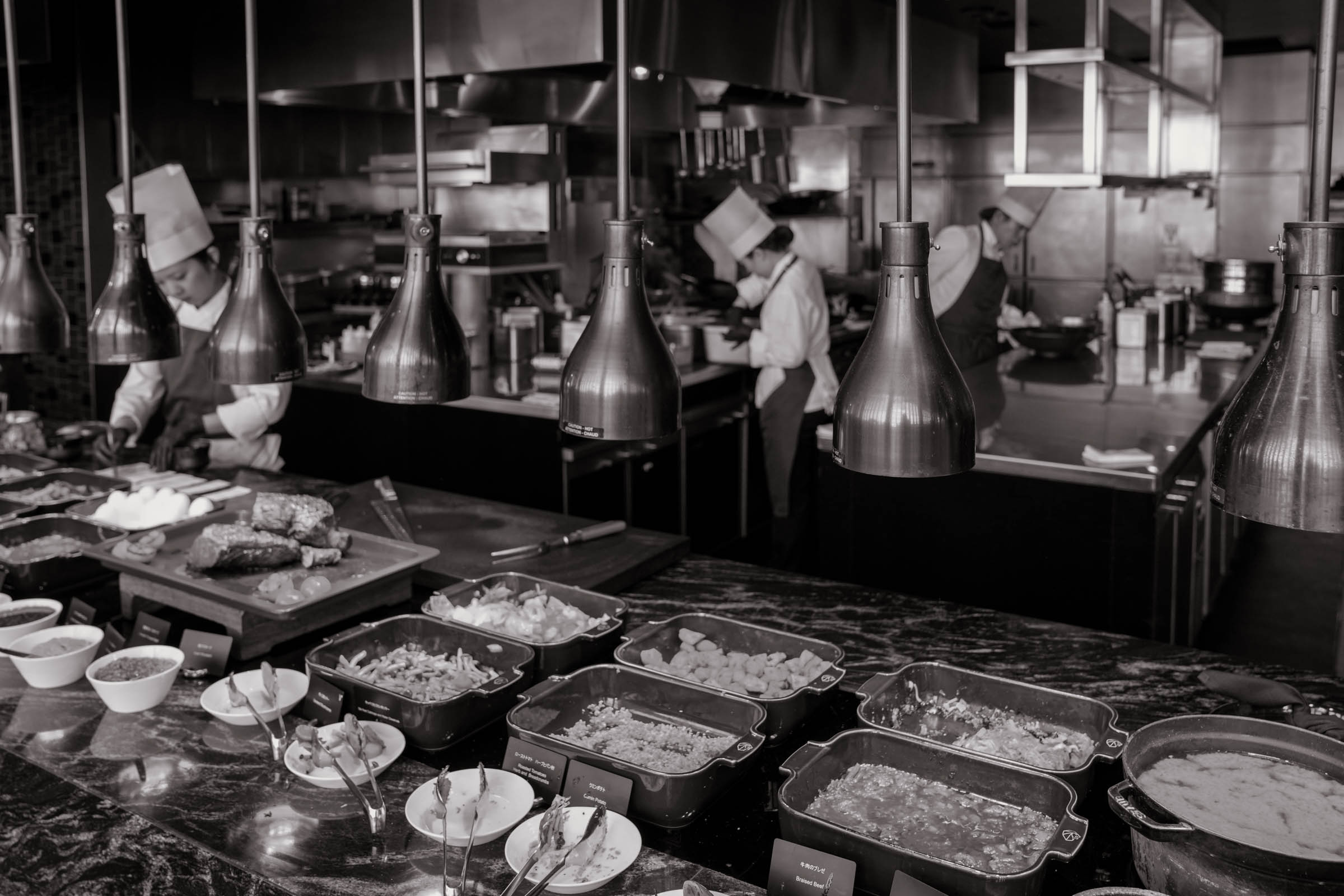
My suite included access to the Executive Lounge, where I enjoyed afternoon tea and evening cocktails with views of the city. The lobby on the 40th floor is one of the most beautiful I have ever seen, with a grand spiral staircase and glass walls. Breakfast at Atmos Dining was phenomenal. I would especially single out the station with Japanese rice bowls with toppings such as seared tuna, salmon, roe and onsen egg, as well as the outstanding matcha latte.
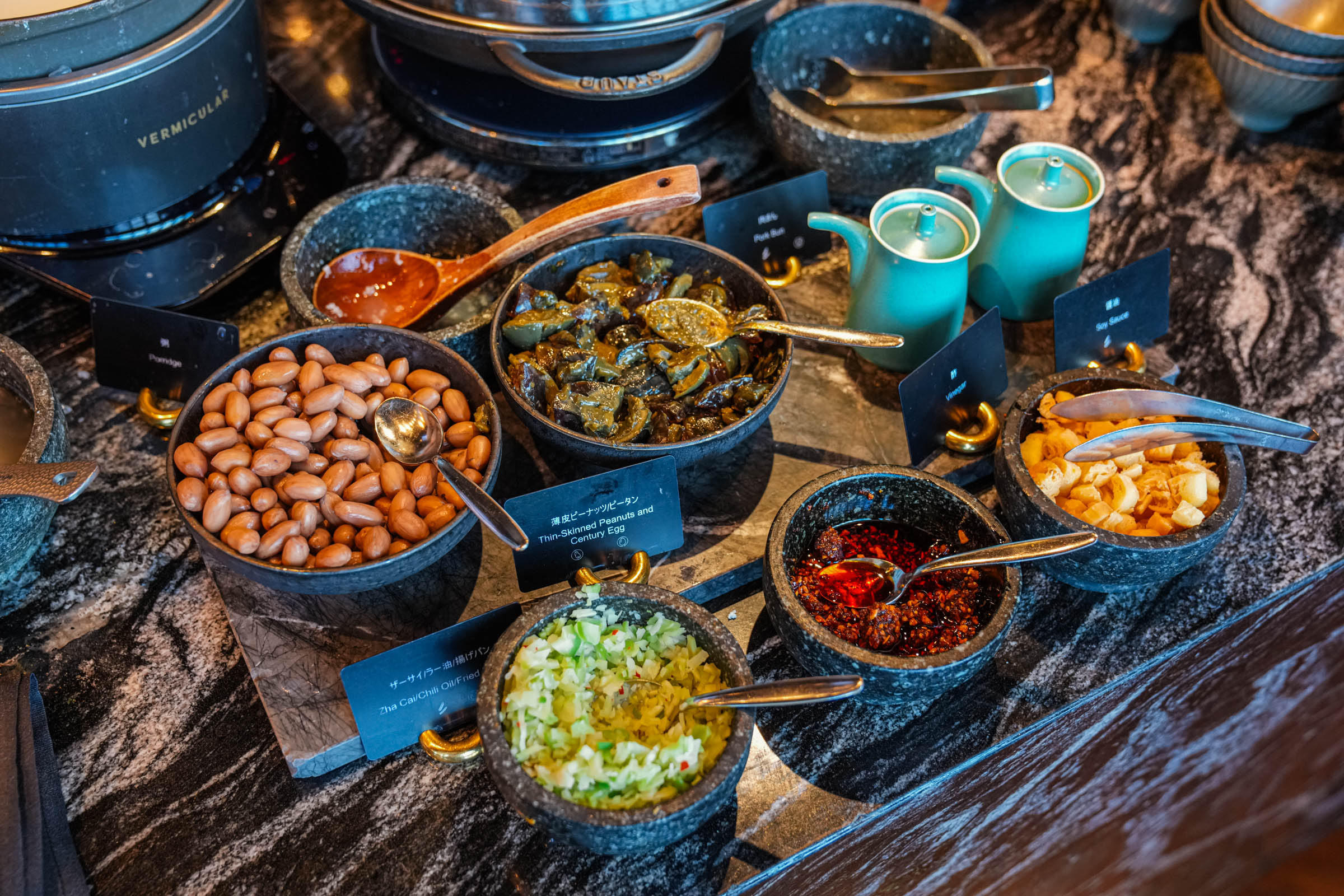
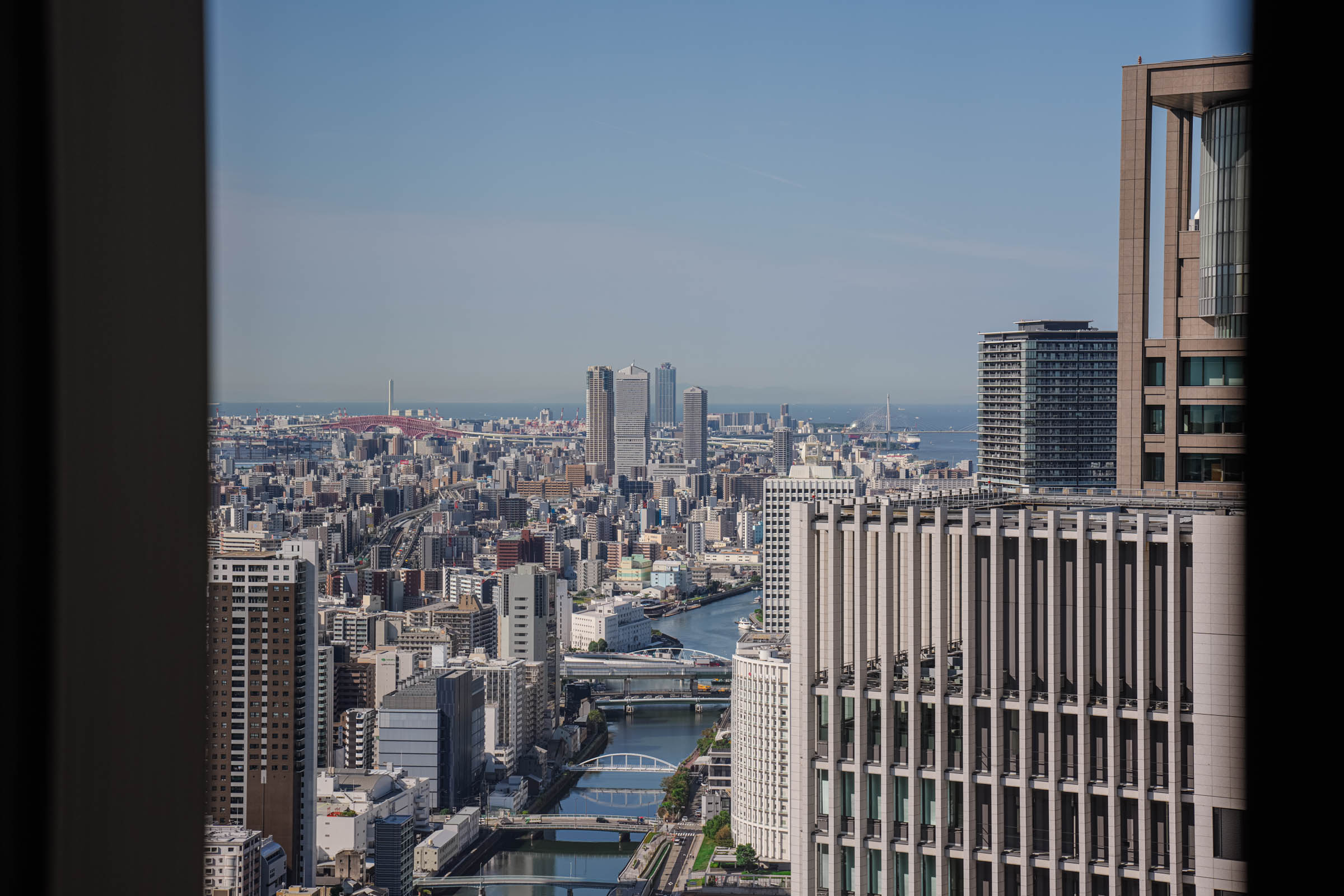
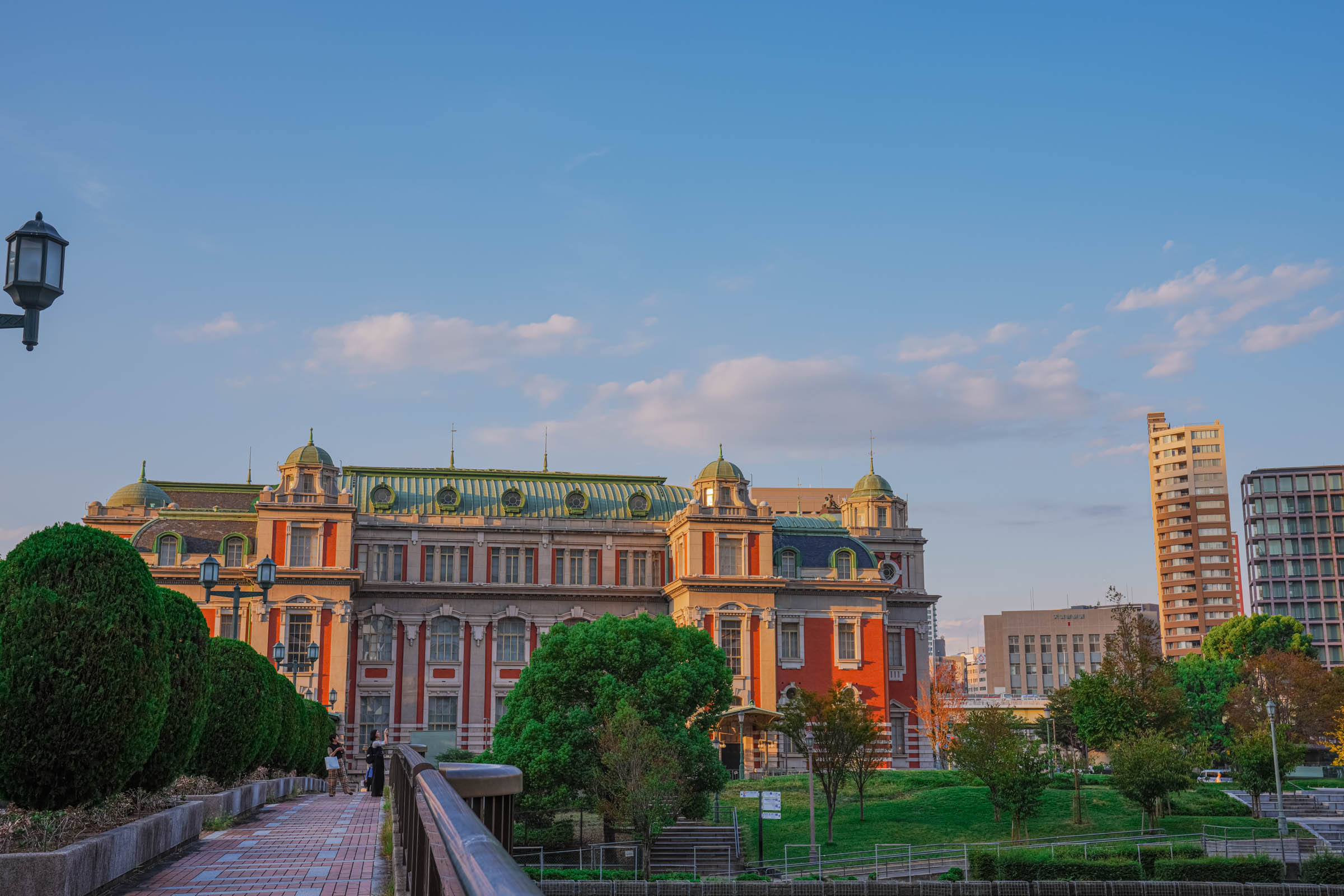
On the 38th floor, a heated indoor pool and a spa wait for you, with views of the skyline. The 40th floor is home to the restaurants and bars Kura, C: Grill, Atmos Dining and 40 Sky Bar & Lounge. The location is also perfect, since the hotel connects directly to Higobashi and Watanabebashi stations, and Umeda is within walking distance. Also on Nakanoshima island stands the Osaka City Central Public Hall, completed in 1918 with donations from the stockbroker Iwamoto Einosuke. With its red brick, Neo-Renaissance facade and bronze dome, it became an Important Cultural Property in 2002.
PRACTICAL TIPS FOR VISITING OSAKA
The best time to visit Osaka is spring or autumn, when the weather is pleasant for long walks. In spring, Osaka Castle Park becomes one of the most popular places for cherry blossom viewing.
Two full days in the city will give you a good first impression, but the surroundings also offer great day trips. For example, Himeji Castle, a UNESCO World Heritage Site, is about an hour away by JR train. Its main keep is the original structure from 1609. In addition, Osaka hosted Expo 2025 on Yumeshima Island from April to October 2025.
WHY SHOULD YOU VISIT OSAKA?
Osaka enchants all the senses, from the smell of takoyaki on the street to the neon lights of Dotonbori and the taste of crispy kushikatsu. Here, tradition and the modern world intertwine in a unique way, and every corner reveals something new. Whether you love history, food or unusual adventures, Osaka has something for you.
SAYING GOODBYE TO OSAKA
My dear travelers, we have come to the end of this travelogue. Once again, I thank UN Tourism for their support and their work to promote responsible and quality tourism. I also thank the entire team of Conrad Osaka for their exceptional hospitality, because every member of the team made my stay unforgettable. If you are planning a trip to Japan, do not skip Osaka. I am sure I will be back soon to walk through Dotonbori again and climb Tsutenkaku.
Have you already visited Osaka, or are you planning to discover its colorful districts and food?
Feel free to leave your impressions, comments or questions below, or contact me by email and on social networks. All information is on the CONTACT page.
With love from Osaka,
Mr.M
This post is sponsored by United Nations World Tourism Organization (UN Tourism) and Conrad Osaka Hotel, as well as other local partners who selflessly supported this project. This post is my personal and honest review of the destination experience.
Hello Marko, what an incredibly comprehensive guide to Osaka! I visited the city two years ago and stayed at the InterContinental Osaka, which was lovely, but your description of the Conrad Osaka with the lobby on the 40th floor and that iconic round bathtub sounds absolutely spectacular. The fact that the hotel was designed by the same team behind The Peninsula Tokyo speaks volumes about the quality. Your photos of the city views from 200 meters above ground are breathtaking, I can see why they call it “Your Address in Heaven.”
Lieber Marko, vielen Dank für diesen ausführlichen Reisebericht über Osaka! Ich war vor drei Jahren in Tokio und Kyoto, aber habe Osaka leider ausgelassen. Nach dem Lesen deines Artikels bereue ich das sehr! Die Geschichte des Osaka Castle mit der Belagerung von 1614-1615 und der Tatsache, dass der Turm 1665 vom Blitz getroffen wurde und fast 270 Jahre ohne Hauptturm blieb, ist faszinierend. Wann ist die beste Zeit für Hanami im Osaka Castle Park? Du erwähnst, dass die Kirschblüten normalerweise Ende März beginnen.
Cher Marko, quel article fantastique sur Osaka! J’ai séjourné au Ritz-Carlton Osaka il y a deux ans et j’ai adoré la ville. Ta description du Conrad Osaka avec la suite Junior King Corner de 66 mètres carrés et les vues panoramiques me donne envie d’y retourner et d’essayer cet hôtel. La mention que toutes les chambres offrent plus de 50 mètres carrés, ce qui est extrêmement généreux selon les standards japonais, est vraiment impressionnante. Est-ce que le petit-déjeuner à l’Atmos Dining est inclus dans le prix de la chambre?
Hola Marko! Excelente guía sobre Osaka. Visité Japón hace dos años y me hospedé en el Park Hyatt Tokyo, pero no tuve tiempo de visitar Osaka. Tu descripción del distrito de Shinsekai y su historia fascinante me ha convencido de que debo regresar a Japón. El hecho de que el barrio fue diseñado en 1912 con la sección norte modelada según París y la sección sur según Coney Island de Nueva York es increíble. La torre Tsutenkaku con el tobogán espiral de 60 metros que te lleva abajo en diez segundos suena emocionante!
Ciao Marko! Che articolo straordinario su Osaka! Ho visitato Tokyo tre anni fa e ho soggiornato al Mandarin Oriental Tokyo, ma non ho avuto l’opportunità di visitare Osaka. La tua descrizione del mercato Kuromon Ichiba, conosciuto come “la cucina di Osaka” con oltre 150 venditori su quasi 600 metri, mi ha fatto venire l’acquolina in bocca. Una domanda: quanto tempo consigli di dedicare al mercato per provare tutte le specialità senza sentirsi troppo affrettati?
This is hands down one of the best Osaka guides I’ve ever read, Marko! I visited Japan three years ago and stayed at the Aman Tokyo, but focused mainly on Tokyo and Kyoto. Your detailed explanation of the kuidaore culture, the idea of eating until you drop, perfectly captures what makes Osaka special. The fact that the city has over 200 Michelin-starred restaurants and 99 Bib Gourmand restaurants is incredible. I’m definitely planning a return trip to Japan with Osaka as my main destination now!
Hallo Marko! Fantastischer Reisebericht! Ich war vor zwei Jahren in Osaka und habe im Hilton Osaka übernachtet, das war gut, aber deine Beschreibung des Conrad Osaka klingt auf einem ganz anderen Niveau. Die Tatsache, dass das Hotel sich auf den obersten Etagen vom 33. bis zum 40. Stock des Nakanoshima Festival West Towers befindet, ist beeindruckend. Eine Frage: Du erwähnst, dass die Suite Zugang zur Executive Lounge auf dem 39. Stock bietet. Welche Vorteile bietet die Lounge genau, außer dem Nachmittagstee und den Abend-Cocktails?
Cher Marko, merci pour ce guide si complet sur Osaka! J’ai visité Kyoto il y a trois ans et j’ai séjourné au Four Seasons Kyoto, qui était magnifique. Ta description de la gastronomie d’Osaka m’a vraiment impressionnée, surtout l’histoire du takoyaki qui remonte aux années 1930 et qui a évolué du rajioyaki. Le fait que tu ne dois jamais tremper deux fois ton kushikatsu dans la sauce est un détail culturel important que je n’aurais pas connu sans ton article!
Marko, your Osaka guide is exceptional! I stayed at the W Osaka two years ago, which was trendy and modern, but your description of the Conrad Osaka’s design combining modern elegance with subtle Japanese accents sounds more sophisticated. The detail about the distinctive round bathtub that has become the trademark of Conrad Osaka, along with the Byredo Mohave Guest amenities and Dyson hair dryer, shows the level of luxury this hotel offers. Did you try any of the spa treatments during your stay?
Hola Marko! Muchas gracias por esta guía tan detallada de Osaka. Estuve en Tokio hace tres años y me hospedé en el Peninsula Tokyo, pero después de leer tu artículo, Osaka está definitivamente en mi lista para el próximo viaje. Tu explicación sobre la historia del Castillo de Osaka, construido por Toyotomi Hideyoshi conocido como el “Napoleón de Japón”, es fascinante. Una pregunta práctica: ¿cuánto tiempo recomiendas dedicar a visitar el castillo y su museo con los más de 10,000 artefactos históricos?
This Osaka guide is incredibly helpful, Marko! I visited Kyoto and Nara two years ago but skipped Osaka, which I now regret after reading your post. Your description of Dotonbori with its famous Glico runner sign and the Kani Doraku crab has convinced me it’s a must-visit destination. The fact that the area was historically a theater district during the Edo period and has evolved into this vibrant hub of gastronomy and nightlife is fascinating. I love how you captured the atmosphere with your beautiful photos!
Lieber Marko, dein Osaka-Reisebericht ist wirklich beeindruckend! Ich war vor zwei Jahren in Japan und habe im Aman Kyoto übernachtet, aber Osaka habe ich nur für einen Tagesausflug besucht. Deine Beschreibung des Conrad Osaka mit dem spektakulären Lobby auf dem 40. Stock und der spiralförmigen Treppe, die vom Ribbon-Design inspiriert ist, klingt atemberaubend. Die Information, dass man von manchen Zimmern sogar das Osaka Castle in der Ferne sehen kann, ist ein tolles Detail. Wie war die Soundproof-Qualität in deiner Suite?
Salut Marko! Quelle critique détaillée et magnifique d’Osaka! J’ai séjourné au St. Regis Osaka il y a trois ans et j’ai adoré la ville. Ta description du quartier Shinsekai avec son atmosphère nostalgique de carnaval et la statue dorée de Billiken, le dieu de la chance d’origine américaine, est fascinante. Le fait qu’on croit que frotter les semelles de ses pieds porte chance est un détail culturel charmant. As-tu essayé le tobogán spiral Tower Slider qui a ouvert en mai 2022?
Marko, your guide has made me want to book a trip to Osaka immediately! I visited Tokyo three years ago and stayed at the Shangri-La Tokyo, but your description of Osaka as “the nation’s kitchen” has piqued my interest. The fact that Osaka was actually the largest city in Japan in 1930, surpassing Tokyo by over 400,000 inhabitants with a population of 3.2 million, is a surprising historical fact I didn’t know. Your photos of the Conrad Osaka’s views are stunning, especially the night shots of the city skyline.
Hola Marko! Tu artículo sobre Osaka es fantástico y muy completo. Visité Japón hace dos años pero solo estuve en Tokio, hospedándome en el Andaz Tokyo. Tu descripción del templo Shitenoji, el templo budista más antiguo administrado oficialmente en Japón, me ha intrigado mucho. El hecho de que a pesar de haber sido reconstruido después de desastres naturales y bombardeos durante la guerra, sigue siendo un refugio espiritual con estanques de carpas koi y jardín zen suena muy pacífico. ¿Vale la pena visitar los mercados de fin de semana que mencionas?
Hello Marko, what an amazing Osaka guide! I’ve been a Hilton Honors member for years and have stayed at various Conrad properties, including the Conrad Tokyo and Conrad Bali. Your description of the Conrad Osaka’s Junior King Corner Suite with the 66 square meters of space and panoramic views sounds like it might be the best Conrad I haven’t visited yet. The breakfast at Atmos Dining with the Japanese rice bowl station featuring seared albacore tuna and onsen egg sounds incredible. How does it compare to other Conrad properties you’ve stayed at?
Liebe Marko, vielen Dank für diesen wunderbaren Osaka-Reisebericht! Ich reise oft nach Asien und habe im Conrad Tokyo und Conrad Singapore übernachtet. Deine Beschreibung des Conrad Osaka mit den Byredo-Pflegeprodukten und dem berühmten japanischen Toto-Toilette mit digitaler Steuerung zeigt die Liebe zum Detail. Eine Frage: Du erwähnst, dass das Hotel mit den U-Bahn-Stationen Higobashi und Watanabebashi verbunden ist. Wie lange dauert es von dort bis nach Dotonbori mit der U-Bahn?
Ciao Marko! Bellissimo articolo su Osaka! Ho visitato il Giappone due anni fa e ho soggiornato al Park Hyatt Kyoto, che era stupendo. La tua descrizione del Dotonbori di notte con le luci al neon e il riflesso nel canale sembra magica. Il fatto che l’okonomiyaki a Osaka abbia la sua versione distintiva e che il ristorante Chibo offra il Dotonboriyaki speciale con maiale, gamberi, calamari, formaggio e tendine di manzo mi ha fatto venire fame! Quanto costa tipicamente una cena completa a Dotonbori?
Marko, this Osaka guide is exactly what I needed for planning my Japan trip! I stayed at the Hoshinoya Tokyo three years ago and loved the traditional Japanese hospitality. Your explanation of the omotenashi culture at Conrad Osaka sounds like they’ve mastered this art. The detail about the Kura Restaurant on the 40th floor offering teppanyaki and sushi 180 meters above ground with views of Osaka’s skyline sounds like an unforgettable dining experience. Is the restaurant included in the Executive Lounge access or is it a separate reservation?
Liebe Marko, dein Osaka-Artikel ist wunderbar geschrieben! Ich war vor drei Jahren in Tokio und Osaka und habe im Hotel Granvia Osaka übernachtet, das gut gelegen war, aber deine Beschreibung des Conrad Osaka klingt viel luxuriöser. Die Information, dass das Abeno Harukas mit 300 Metern das zweithöchste Gebäude Japans ist und man für nur 1.500 Yen einen Drink auf der 60. Stock-Terrasse genießen kann, ist ein toller Tipp. Wie vergleicht sich die Aussicht vom Conrad mit der vom Abeno Harukas?
Cher Marko, merci pour cette guide exceptionnelle d’Osaka! J’ai visité le Japon il y a deux ans et j’ai séjourné au Hoshinoya Kyoto, qui était une expérience traditionnelle magnifique. Ta description du Conrad Osaka offre un contraste intéressant avec son design moderne et ses vues spectaculaires. Le fait que l’aéroport international du Kansai est le premier aéroport offshore construit sur une île entièrement artificielle est un fait fascinant. Combien de temps faut-il pour arriver à l’hôtel depuis l’aéroport?
Marko, your Osaka guide has convinced me to add Japan to my bucket list! I’ve traveled extensively in Asia and stayed at properties like the Capella Singapore and Rosewood Hong Kong. Your description of the Conrad Osaka’s pool on the 38th floor with floor-to-ceiling windows and city views sounds incredible. The mention that the fitness center includes a Jacuzzi and cool plunge pool is a nice touch for post-workout recovery. How crowded was the pool area during your stay?
Hola Marko! Excelente artículo sobre Osaka. Visité Japón hace tres años y me quedé en el Ritz-Carlton Kyoto, que fue una experiencia increíble. Tu descripción de la cultura culinaria de Osaka con el expresión “kuidaore” que significa “comer hasta caer” captura perfectamente el espíritu de la ciudad. El hecho de que los habitantes de Osaka gastan más dinero en comida que en cualquier otra cosa muestra su pasión por la gastronomía. ¿Probaste el doteyaki, el plato de tendones de res cocidos lentamente en salsa miso que mencionas?
This is such a beautifully written Osaka guide, Marko! I visited Japan two years ago and stayed at the Ace Hotel Kyoto, which had a lovely modern vibe. Your description of Universal Studios Japan with Super Nintendo World and the new Donkey Kong Country section from 2024 sounds amazing for theme park lovers. The Mario Kart: Koopa’s Challenge ride combining VR technology sounds like a must-do experience. Do you know if there are separate tickets for Super Nintendo World or is it included in the general park admission?
Ciao Marko! Che guida straordinaria su Osaka! Ho soggiornato al Conrad Tokyo due anni fa e l’esperienza è stata eccezionale. La tua descrizione del Conrad Osaka sembra altrettanto impressionante, specialmente la menzione del famoso orsacchiotto Conrad e dell’anatra di gomma con il logo dell’hotel come regali di benvenuto. Il fatto che la piscina sia al 38° piano con viste sulla città attraverso finestre dal pavimento al soffitto suona come un’esperienza unica. Come si confronta il Conrad Osaka con il Conrad Tokyo in termini di servizio e atmosfera generale?
Marko, your practical tips for visiting Osaka are invaluable! I’ve traveled to Japan twice, staying at the Palace Hotel Tokyo and the Kyoto Brighton Hotel. Your advice about avoiding July and August due to heat and humidity, and recommending late November or early December for autumn leaves, is exactly the kind of local knowledge travelers need. The fact that 3% of Osaka’s electricity goes to power 5.5 million vending machines is a hilarious and fascinating statistic that shows Japan’s unique culture!
Hello Marko, what an incredible Osaka guide! I stayed at the W Osaka last year and loved the city’s energy. Your description of the Sumiyoshi Taisha shrine with roots dating back to the fifth century as one of the oldest and most important shrines in Japan dedicated to the Shinto gods of the sea and navigation is fascinating. The fact that it was founded to protect the port of Osaka adds historical context to its significance. Your photos throughout the article are stunning and really capture the essence of both the city and the Conrad Osaka hotel!