
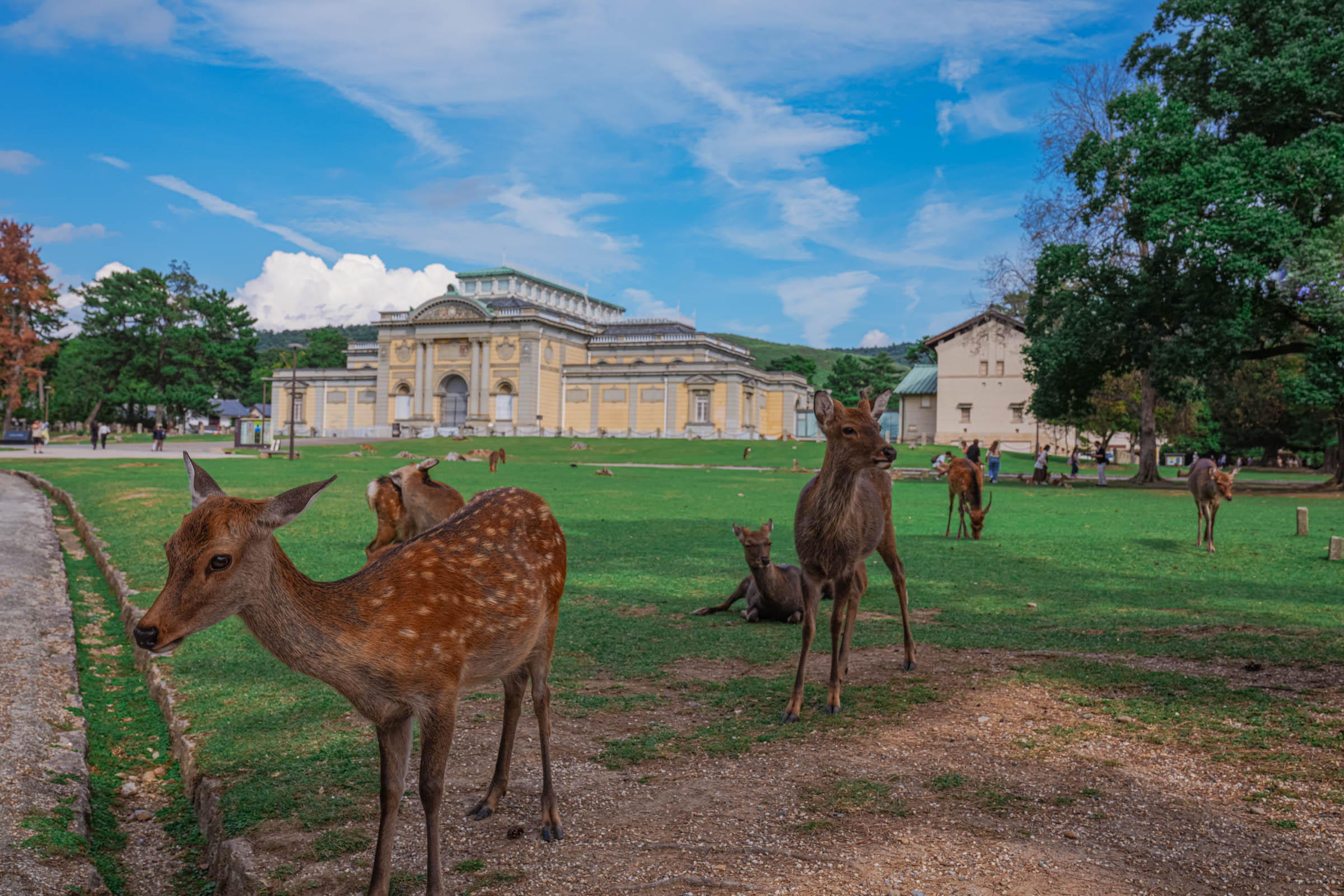
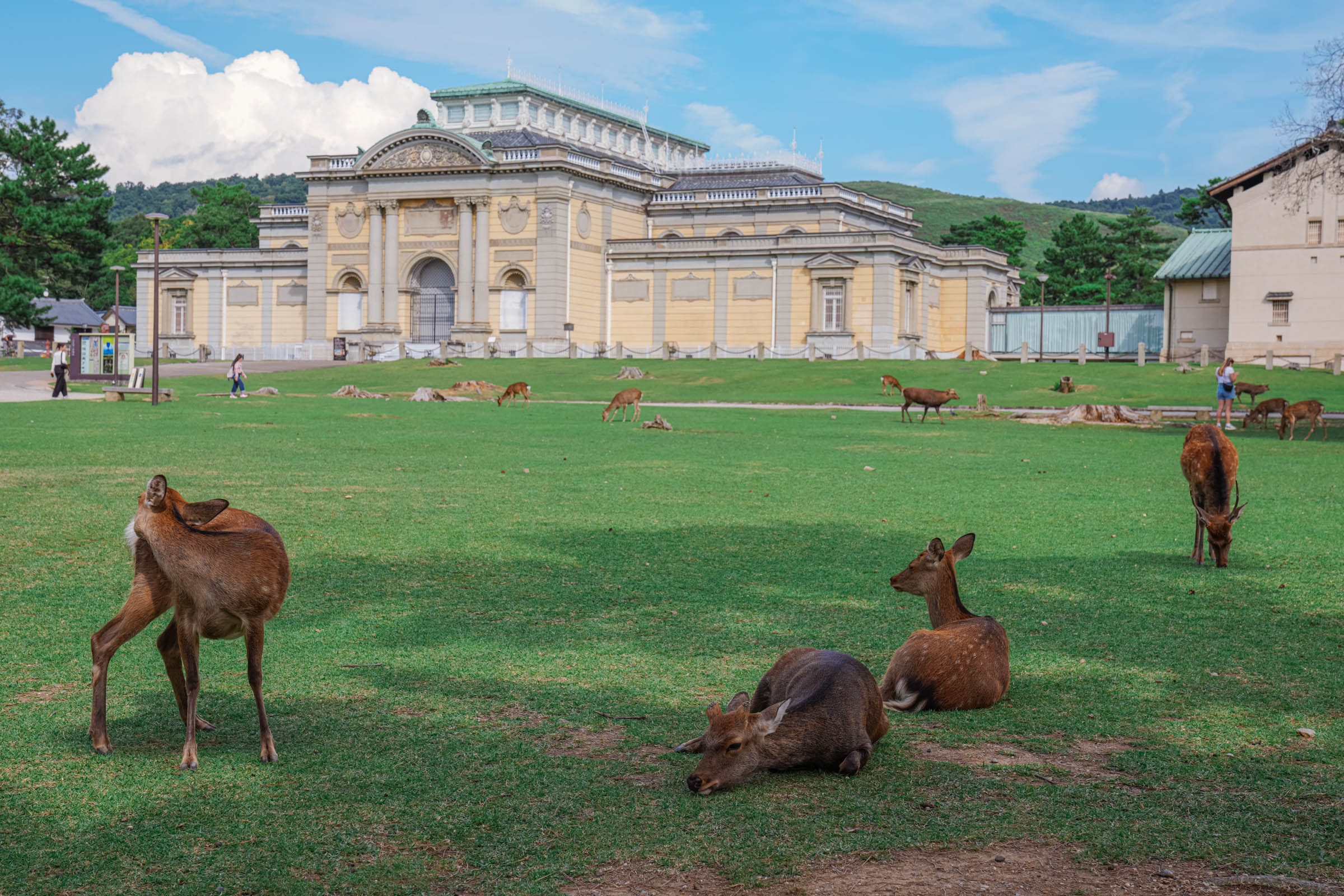
My dear travelers and lovers of unusual journeys, welcome to a new travelogue on the Mr.M blog. There are places in the world that welcome you with the silence and spiritual peace of temples and history. Nara is just such a place. When I first set foot in this city, I felt that time flows differently here. The deer that roam freely through the park are not only a tourist attraction. They are living witnesses of a tradition that goes back more than twelve centuries.
Before we begin, I would like to express my special gratitude to UN Tourism for supporting and promoting quality tourism around the world. Their dedication to connecting cultures and destinations is an inspiration to all of us who believe that travel enriches the soul.
Japan is a country of contrast and harmony at the same time. In Nara, ancient temples and a sacred forest lie within easy reach of the modern city. This trip was an opportunity to explore the roots of Japanese civilization and the bond between nature and spirituality. If you missed my previous letters from Japan, also read my story about Osaka, the culinary capital and my stay at Conrad Osaka.
NARA, THE CRADLE OF JAPANESE CIVILIZATION
From 710 to 784, with a short break, Nara was the capital of Japan, and it gave its name to the Nara period. Back then, people called the city Heijō-kyō, and its plan followed Chang’an, the capital of Tang-dynasty China. During this time, Buddhism flourished, and many of the oldest and most important temples in Japan rose here.
Today, Nara is the capital of Nara Prefecture. What makes it unique is that its historic monuments have been on the UNESCO World Heritage List since 1998, under the name Historic Monuments of Ancient Nara. The list includes Tōdai-ji, Kōfuku-ji, Kasuga Taisha and the Kasugayama Primeval Forest. In addition, it covers Gangō-ji, Yakushi-ji, Tōshōdai-ji and the site of the Heijō Palace. Rarely can you see so much architectural and spiritual heritage in one place.
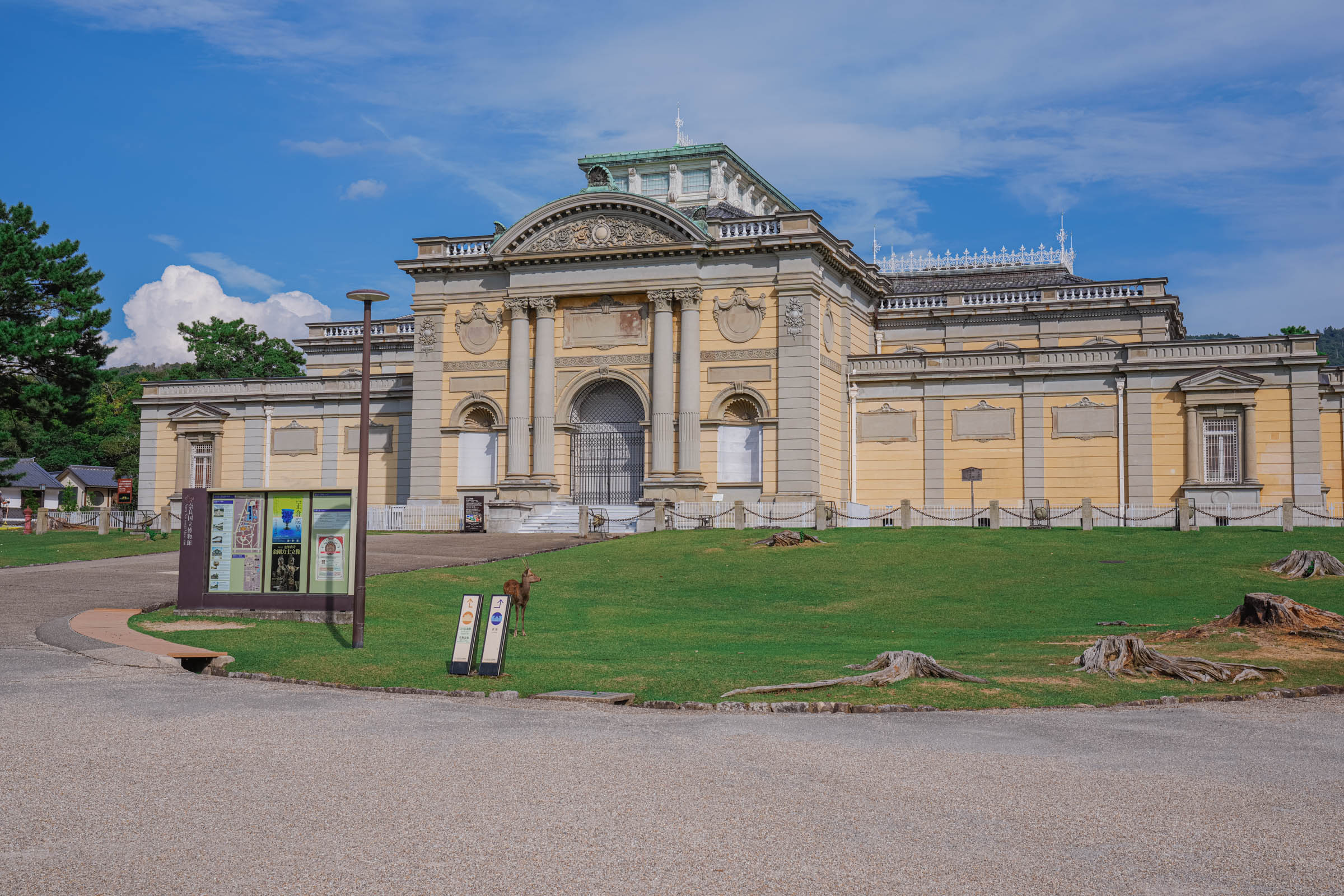
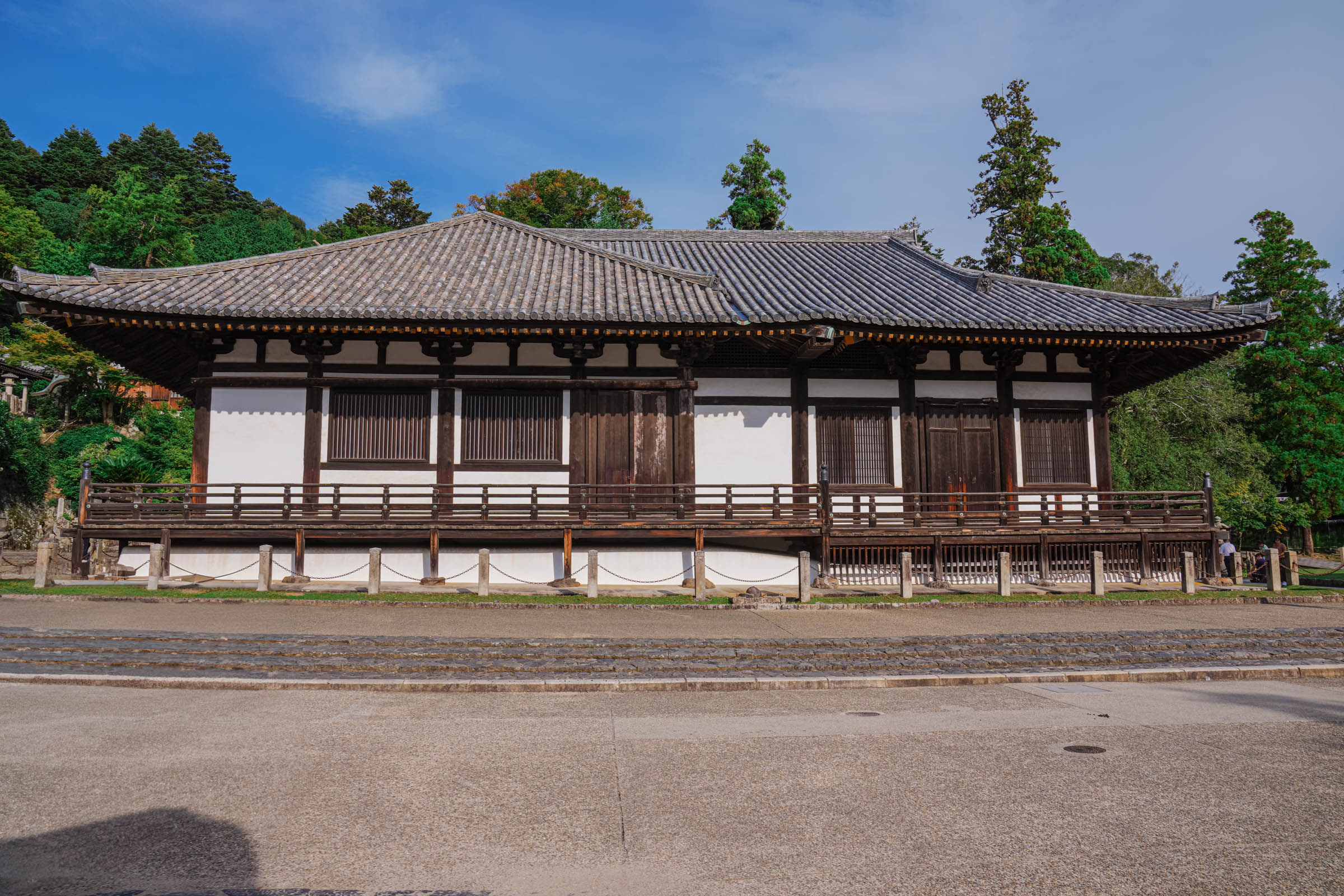
At the edge of the park stands the Nara National Museum, which opened in 1895 as the Imperial Museum of Nara. Its original building, today the Nara Buddhist Sculpture Hall, dates from 1894. The court architect Katayama Tōkuma designed it in the French Renaissance style, and it was the first Western-style building in Nara. Today, it is an Important Cultural Property, and it displays close to 100 Buddhist sculptures. Every autumn, the museum also hosts the Shōsōin exhibition, when treasures that are normally closed to the public go on display.
THE SACRED DEER OF NARA
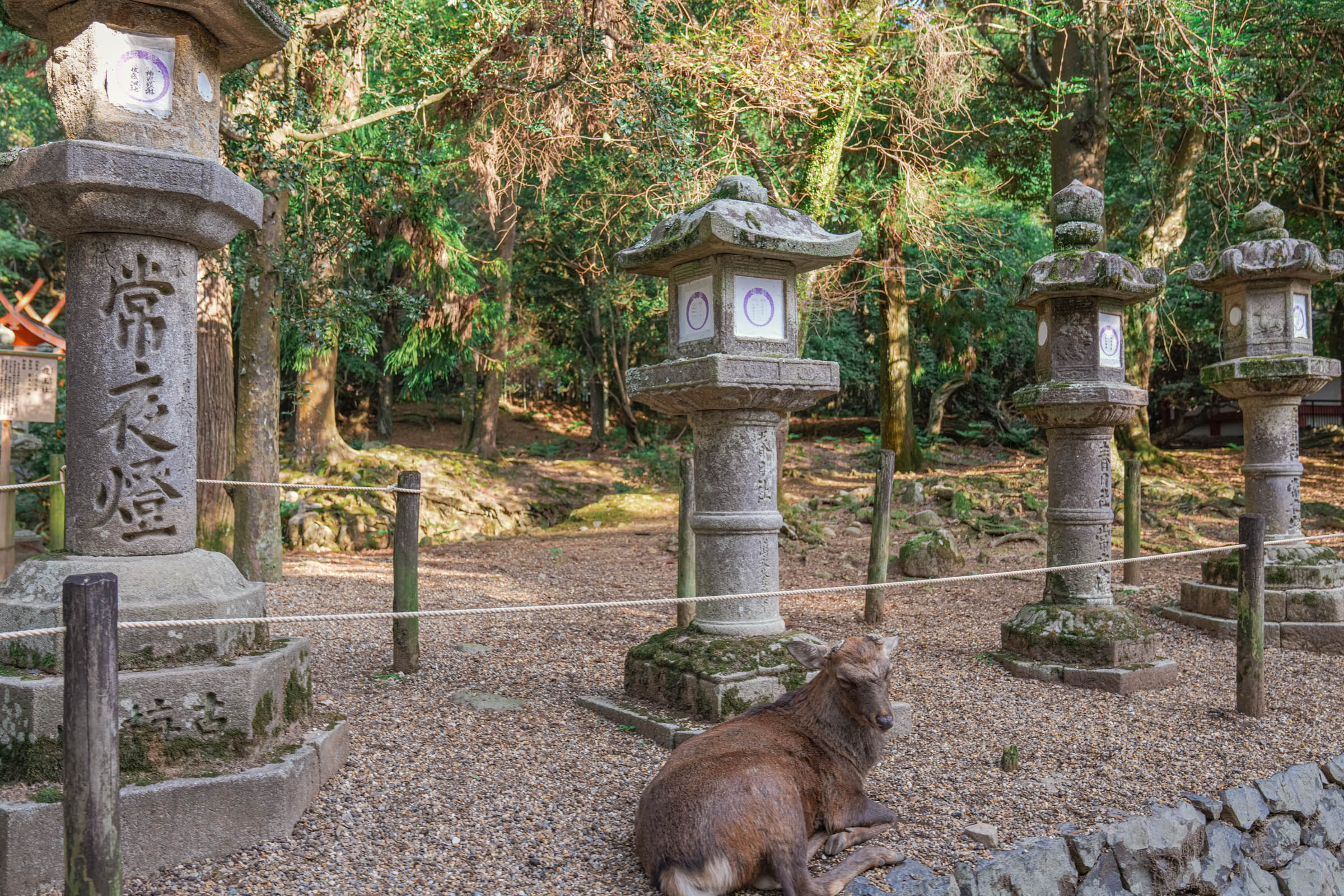
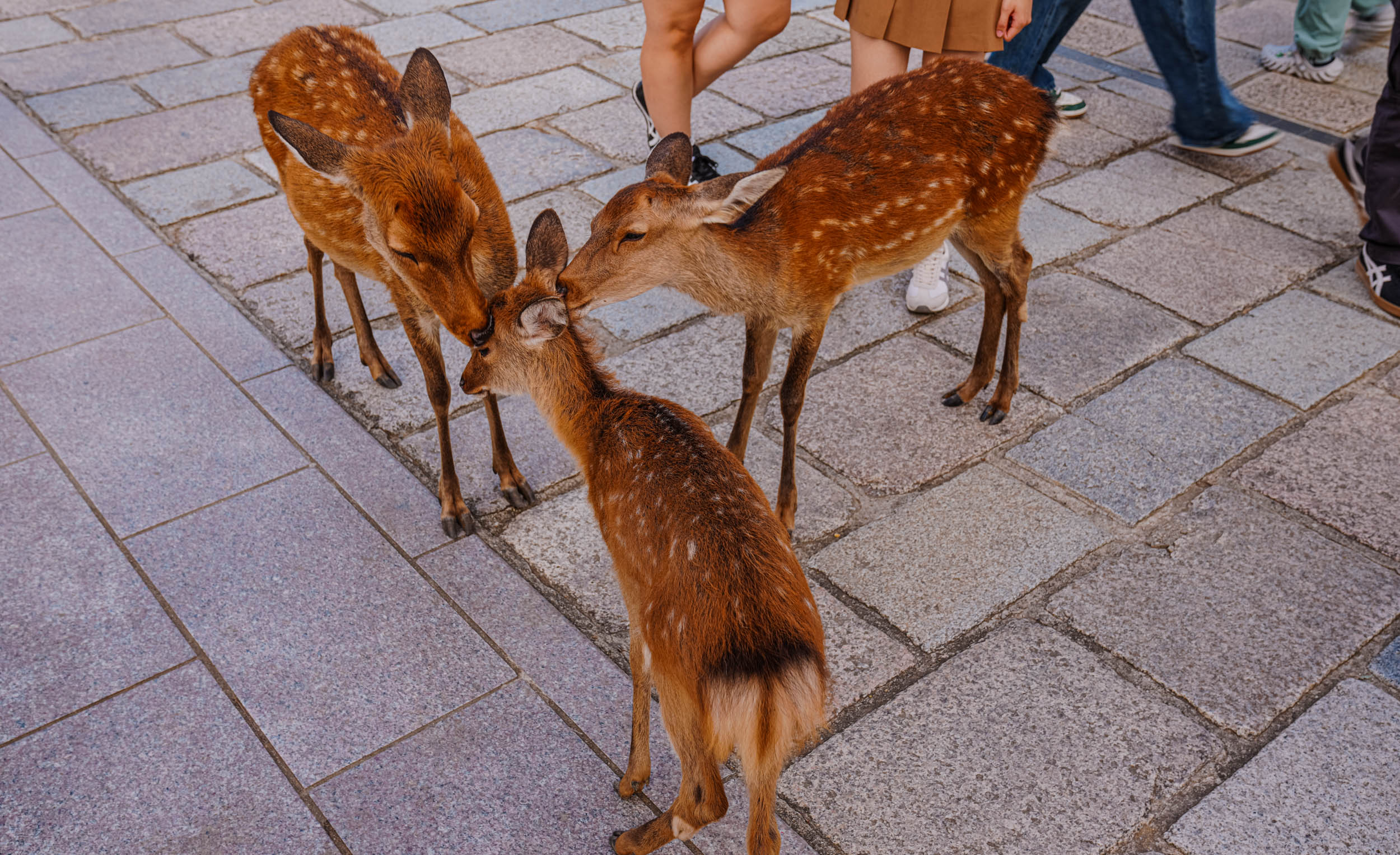
Nara is inseparable from its deer. According to legend, in 768 the deity Takemikazuchi came from Kashima Shrine to the top of Mount Mikasa riding on the back of a white deer. Since then, people have considered the deer sacred messengers of the Shinto gods.
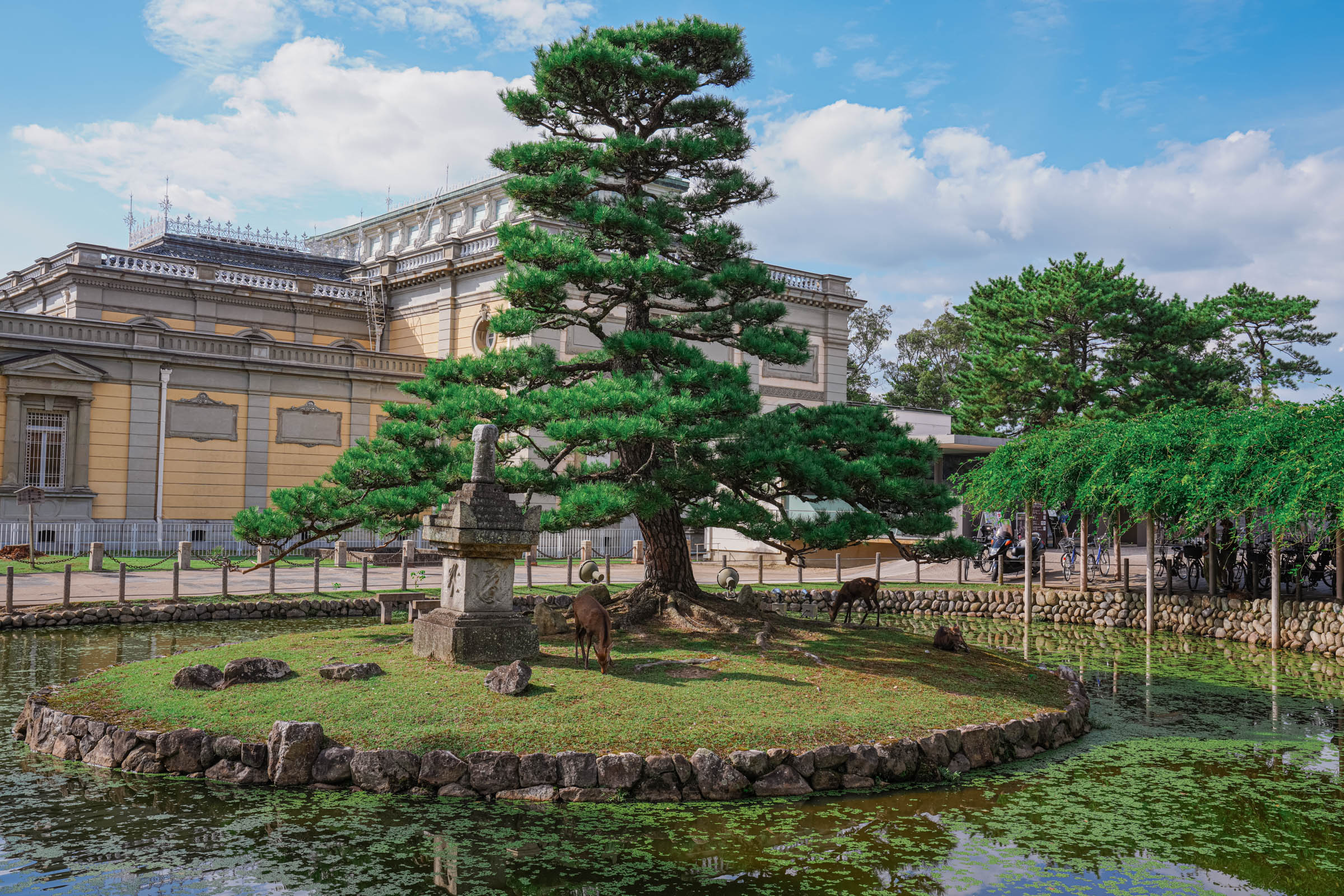
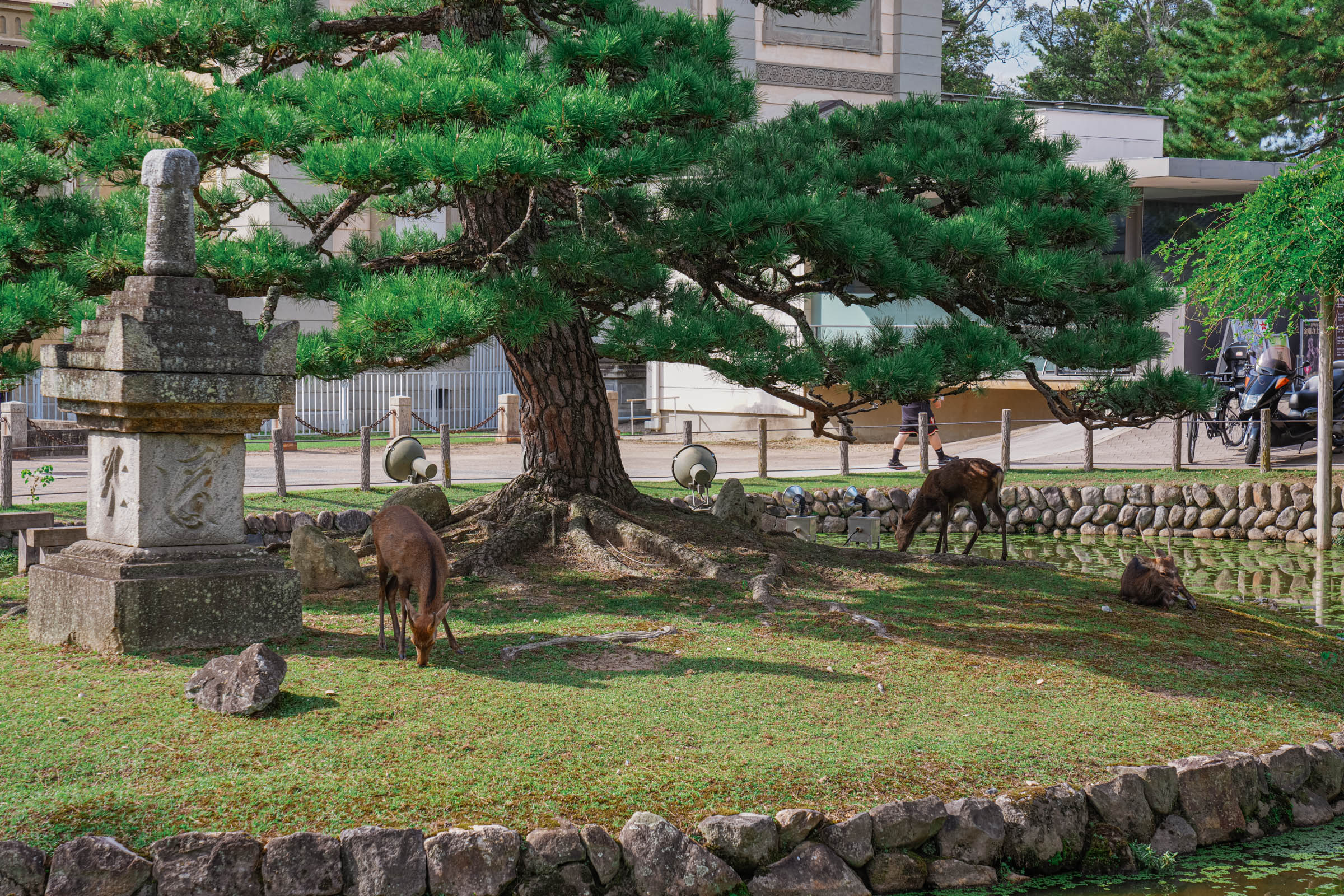
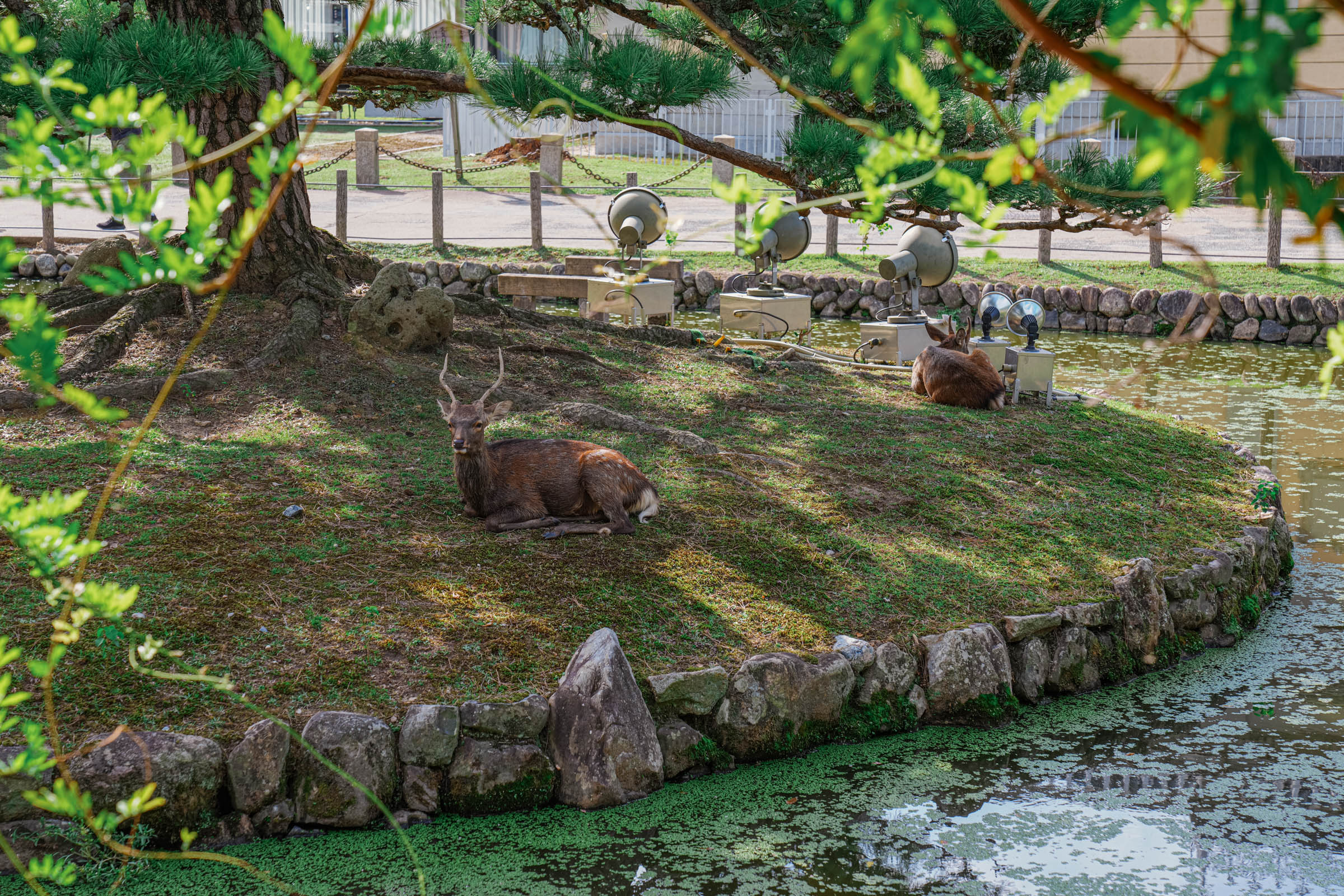
After World War II, the deer became a national natural monument. Today, the Nara Deer Preservation Foundation takes care of them. In July 2025, its survey counted a record 1,465 deer in Nara Park, the highest number since the current method began in 1953. Among them were 315 stags, 816 hinds and 334 fawns.
Interestingly, researchers from Fukushima University showed that the deer of Nara Park have a unique genetic lineage. According to the study, this population split from its ancestors more than 1,400 years ago, around the founding of Kasuga Taisha. Thanks to centuries of religious protection, a genotype found only in Nara Park has survived to this day.
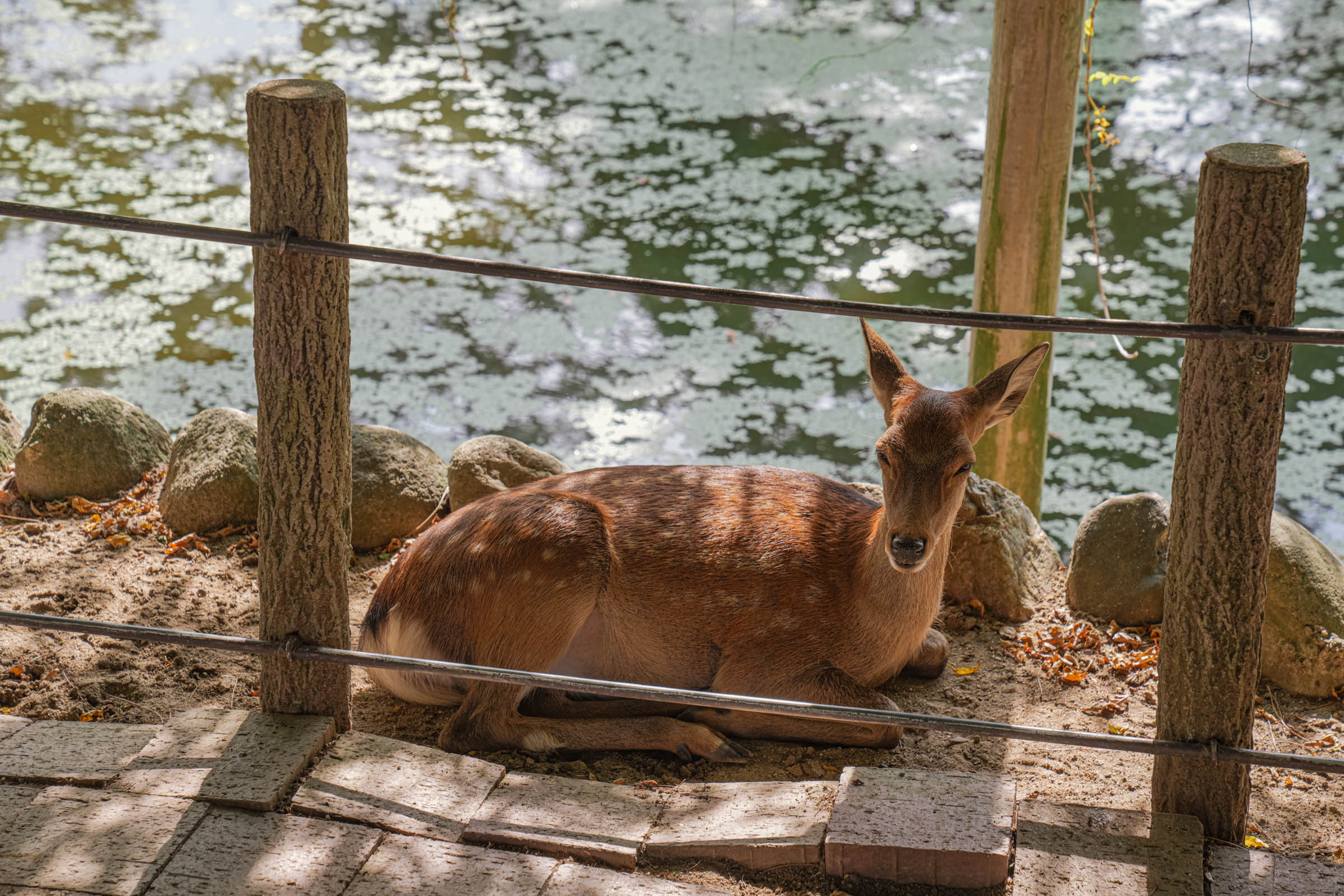
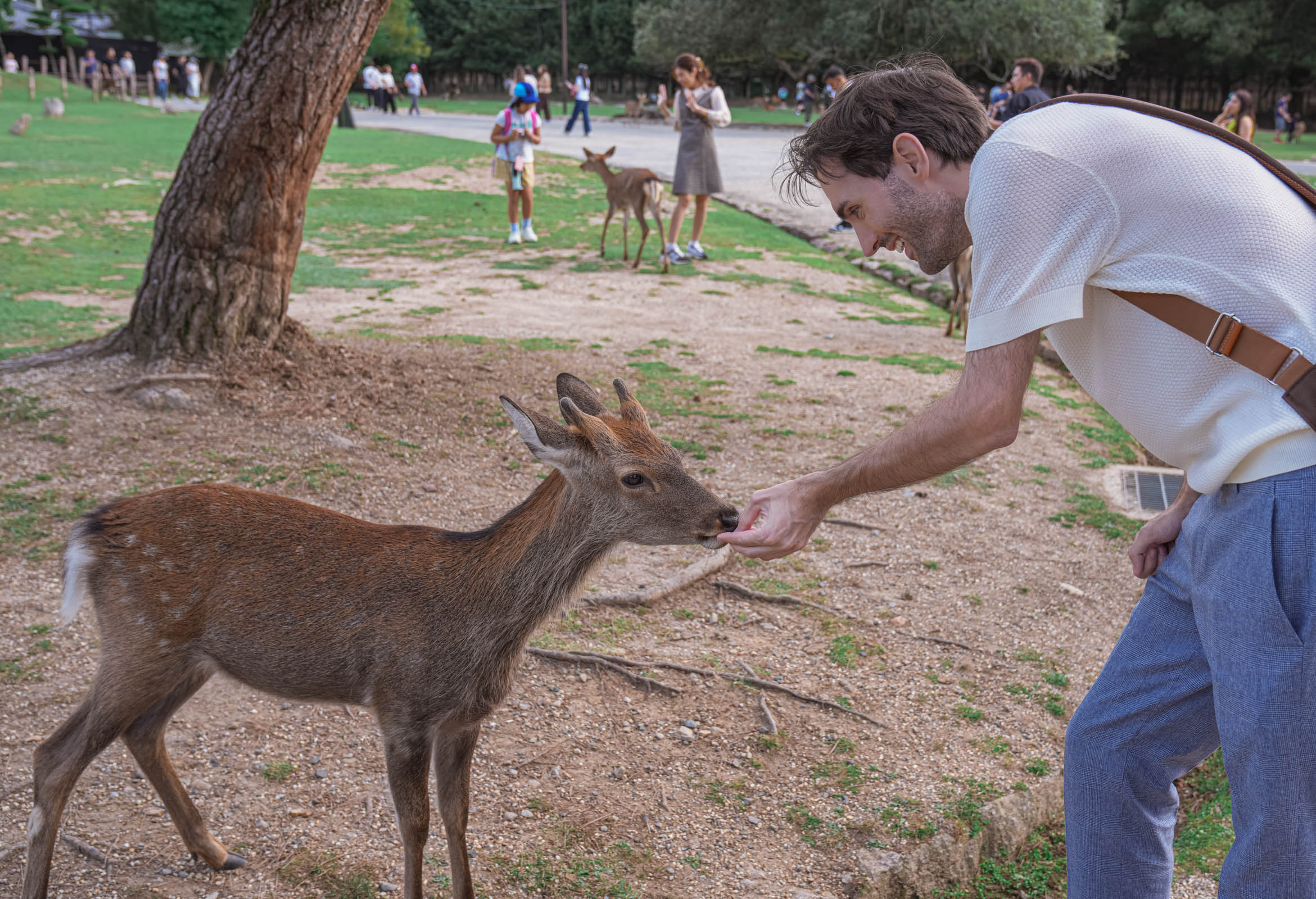
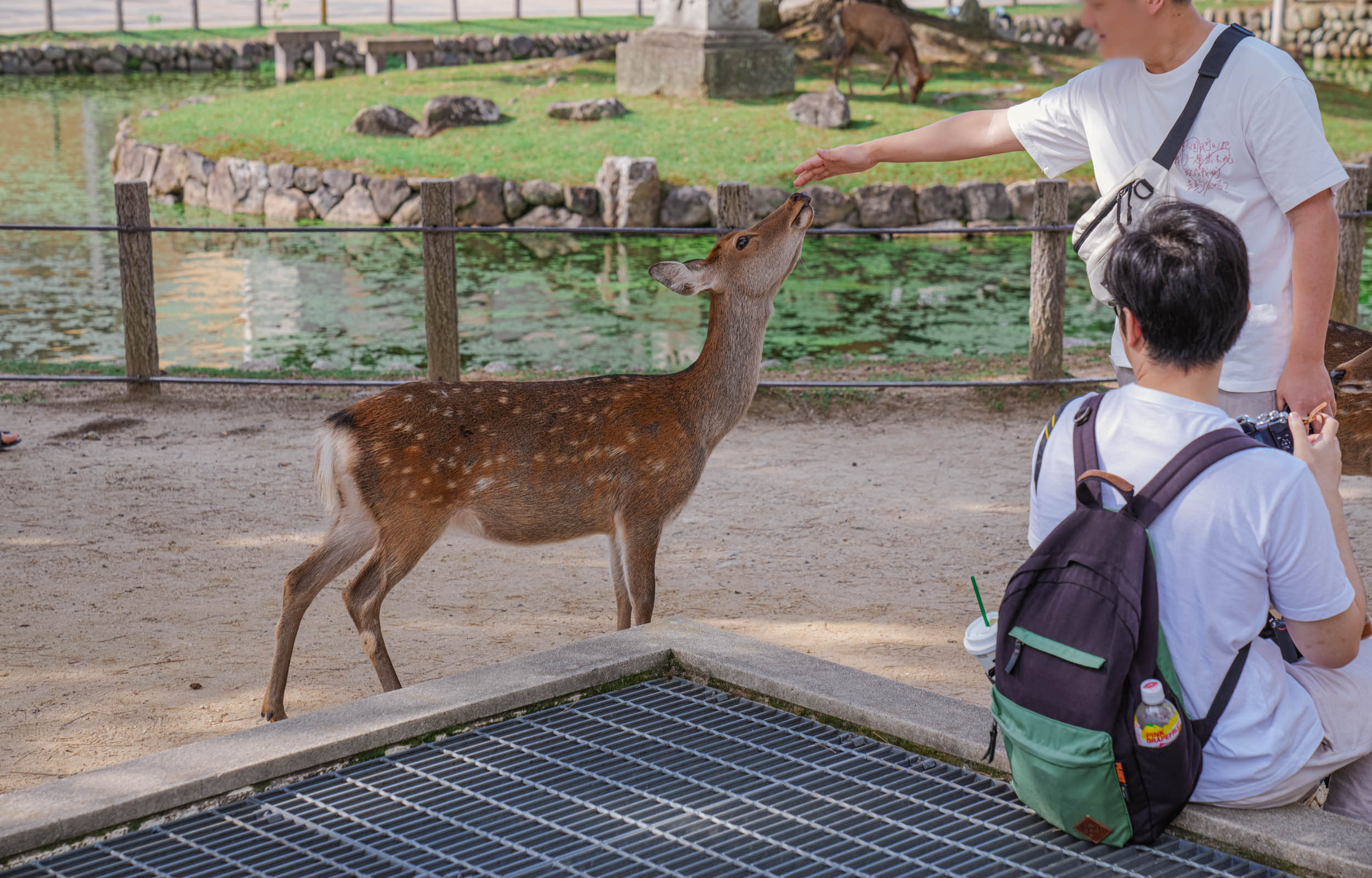
Visitors can buy special crackers called shika senbei, made of wheat flour and rice bran, without any sugar. A pack of ten costs 200 yen, and these crackers are the only food you should give the deer. When you offer one, many deer lower their heads in a bow, creating an unforgettable sight.
HOW TO RESPECT THE SACRED DEER
Although they are used to people, these are still wild animals. In fiscal 2024, officials recorded 159 visitor injuries, mostly among foreign tourists. So, be especially careful in autumn, during the breeding season, when the stags become more territorial. That is why the traditional antler-cutting ceremony has taken place since 1671. In the Rokuen deer enclosure near Kasuga Taisha, handlers called seko herd the stags with red flags and carefully remove their antlers. Then, they offer the cut antlers to the shrine as sacred gifts.
NARA PARK, THE GREEN HEART OF THE ANCIENT CAPITAL
Nara Park dates back to 1880, so it is one of the oldest parks in Japan. Officially, it covers about 502 hectares. However, if you include the grounds of the surrounding temples, shrines and museum, the area grows to 660 hectares. The Ministry of Education, Culture, Sports, Science and Technology has also designated it a Place of Scenic Beauty.
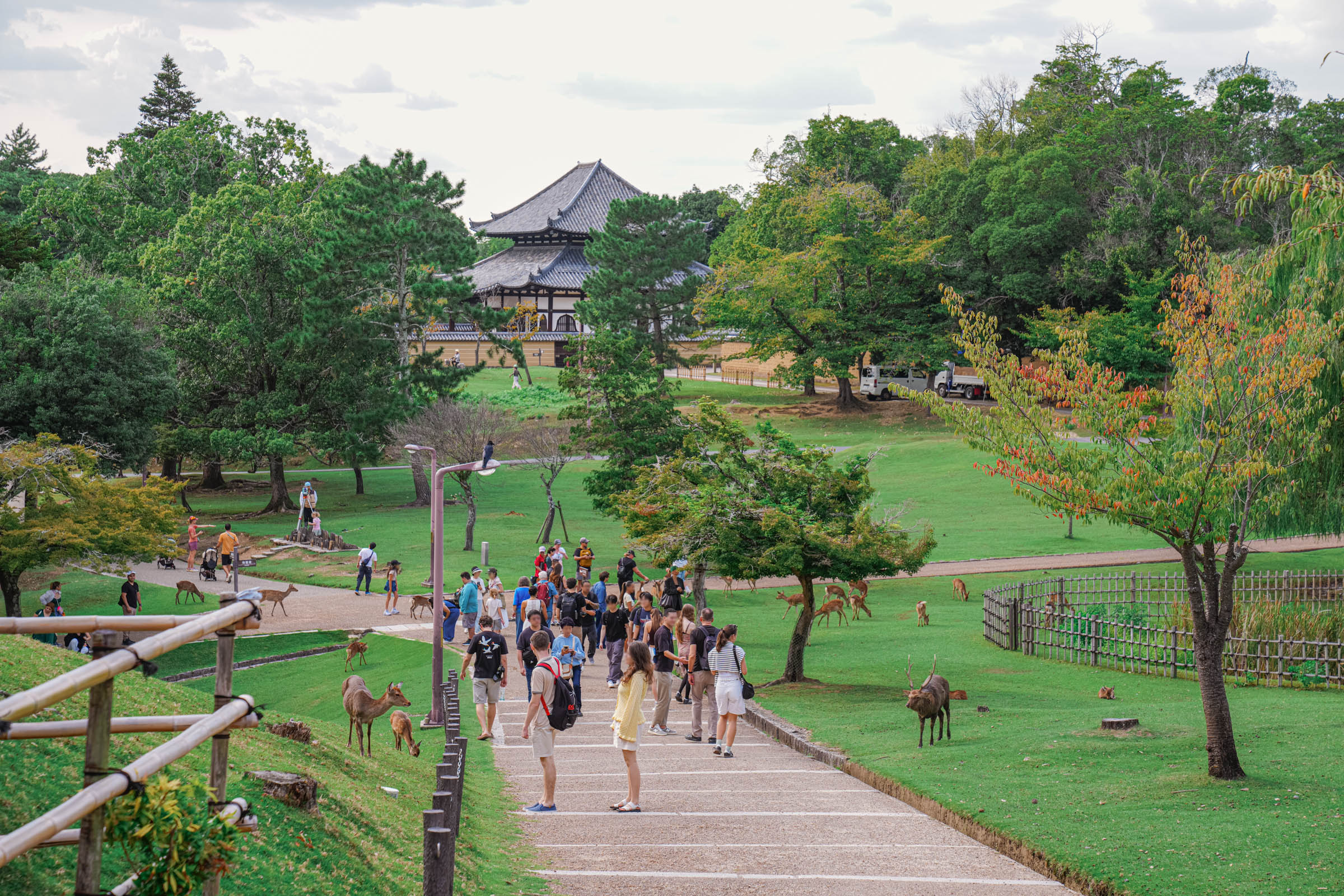
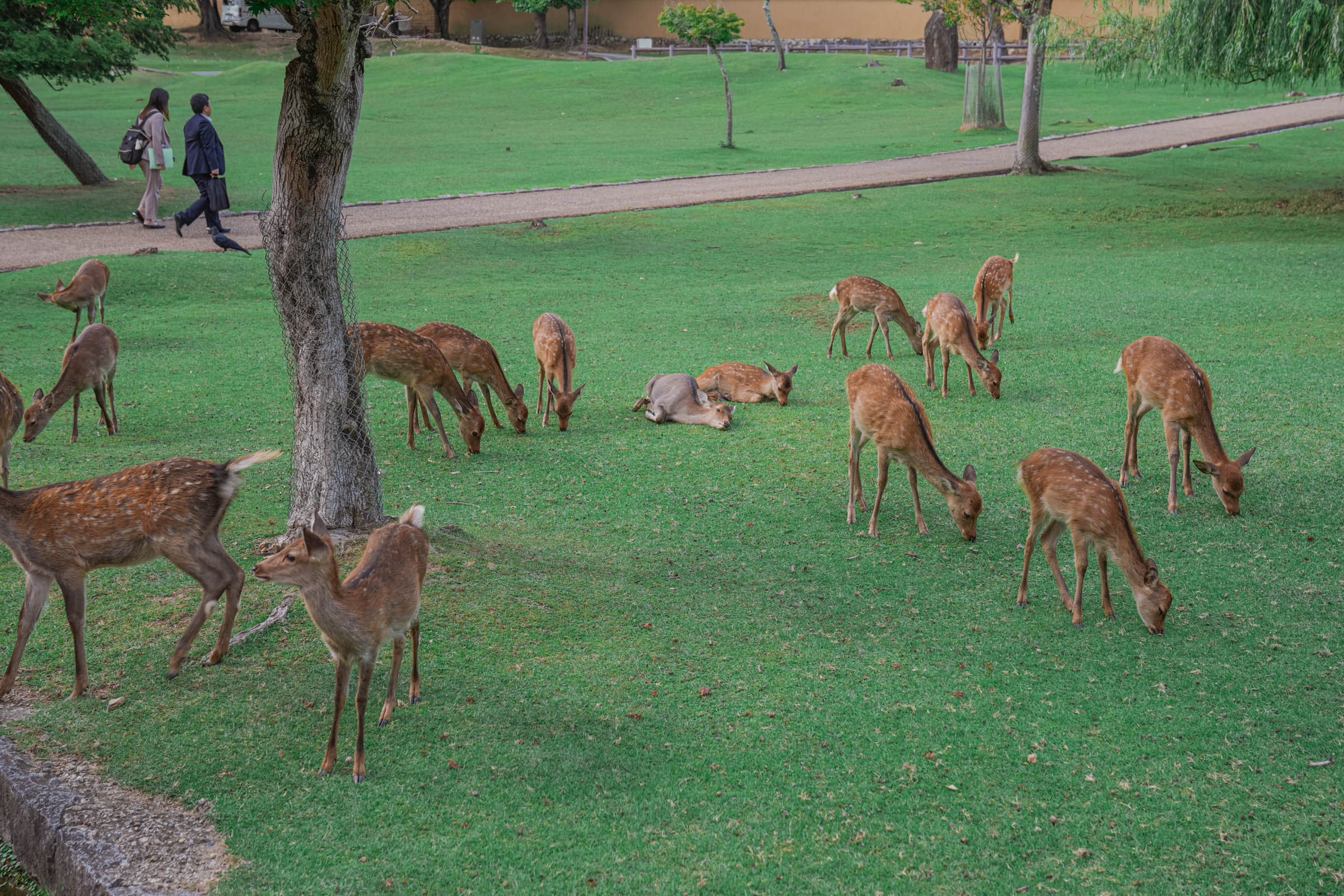
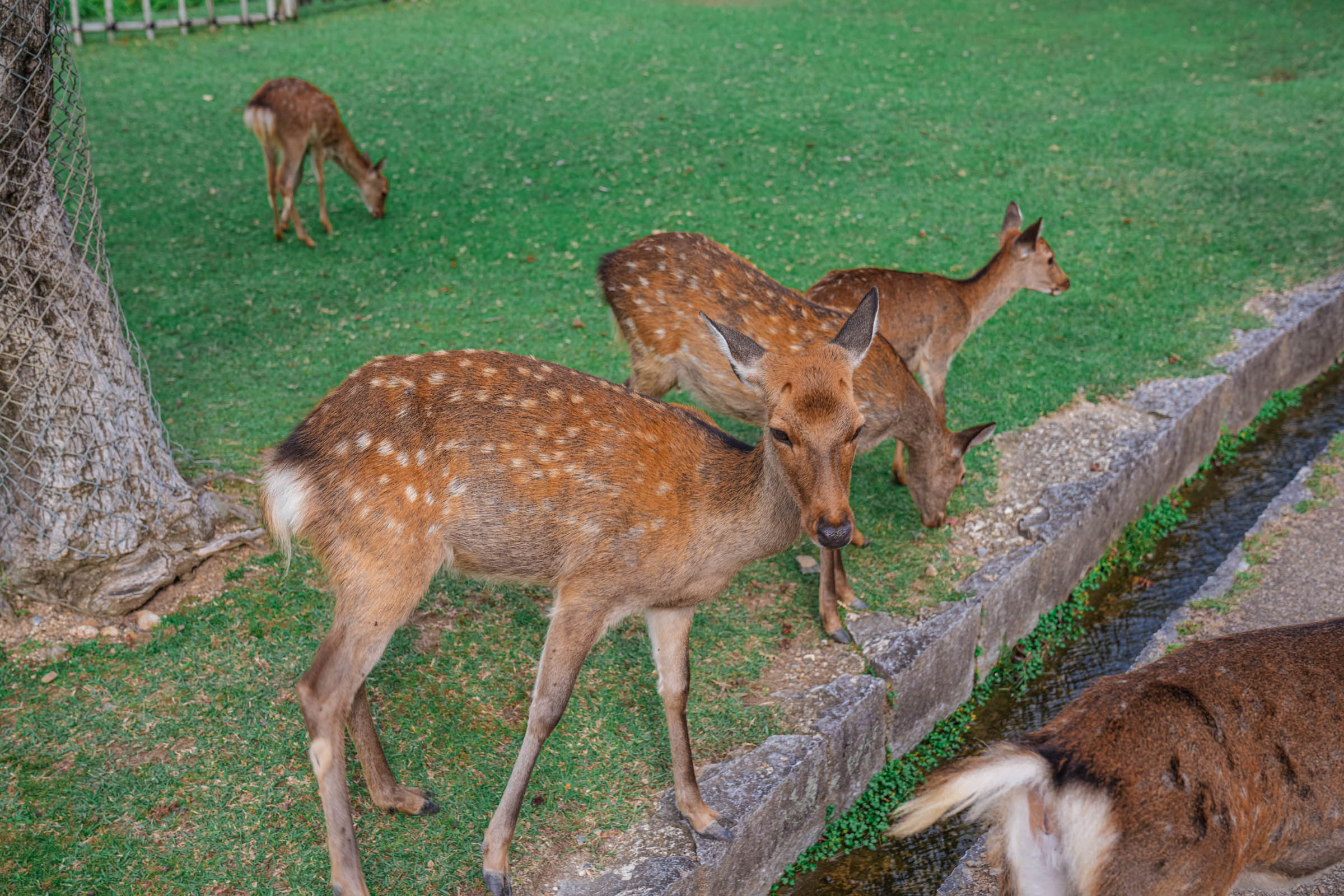
A walk in the park engages all the senses. Pines, cherries, maples and Japanese cedars create a color palette that changes with the seasons. Deer appear at every turn, calmly grazing the grass or approaching visitors in the hope of a cracker.
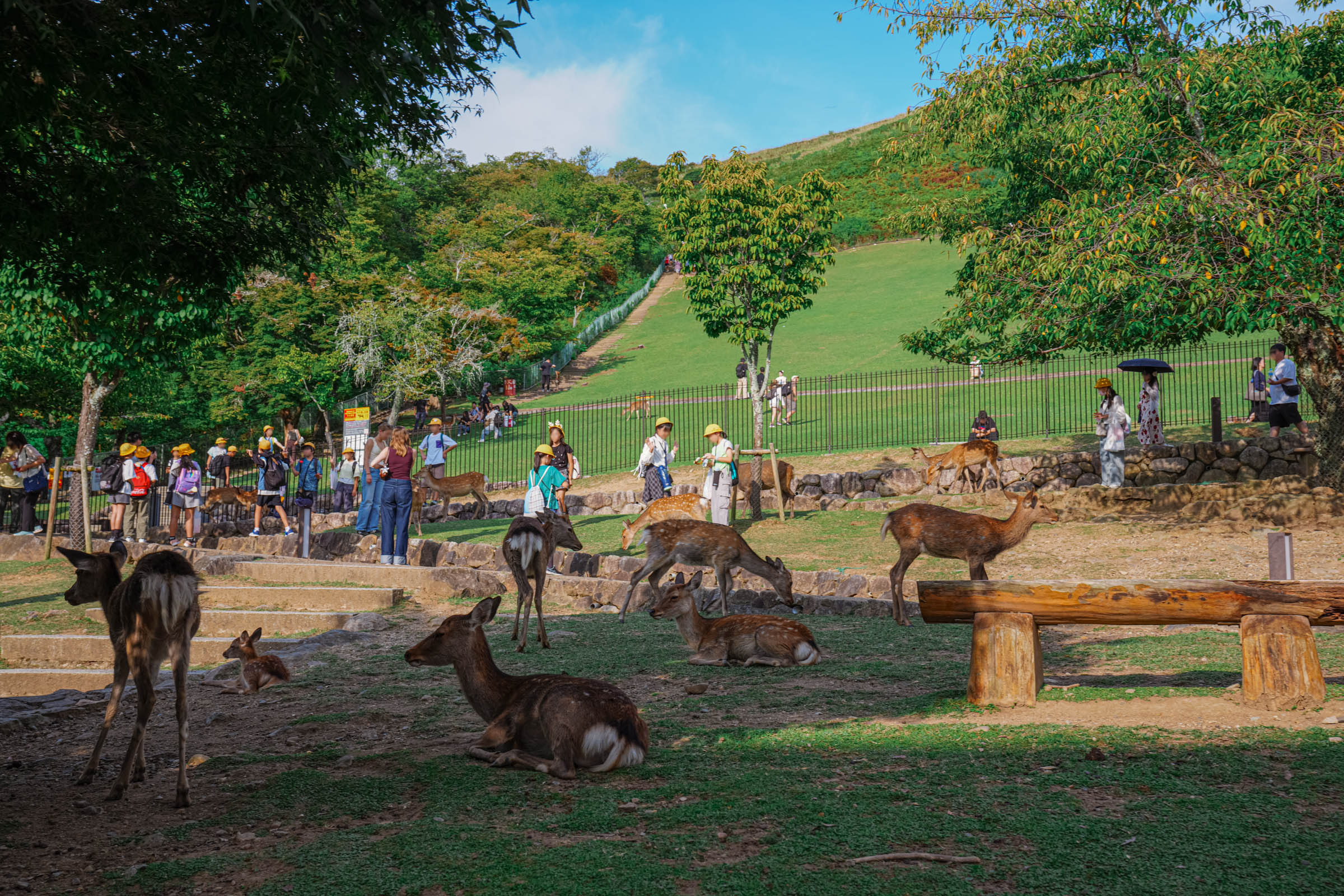
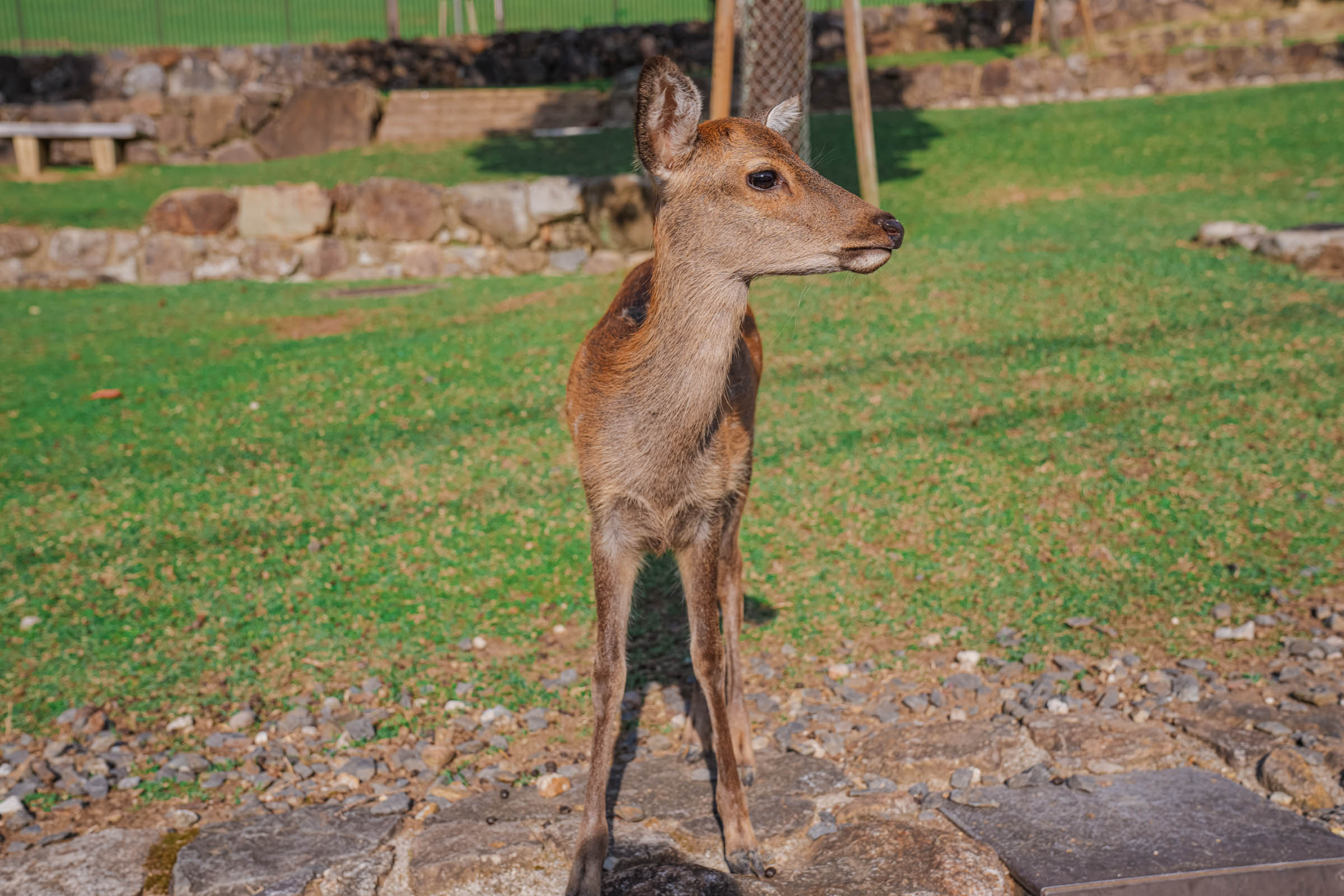
A special event is the shikayose, or deer calling, held on winter mornings since 1892. It began when a trumpet sounded to celebrate the completion of the Rokuen, a facility built to protect the deer. On the Tobihino lawn within the grounds of Kasuga Taisha, a French horn player performs Beethoven’s Pastoral Symphony. In response, dozens of deer run out of the forest to eat the acorns. Today, it takes place in several seasons, and participation is free.
The gardens near the park also deserve attention. Isuien consists of the Front Garden from the early Edo period and the Back Garden from the Meiji period. The Back Garden borrows Mount Wakakusa and the Nandaimon Gate of Tōdai-ji as part of its landscape. Right next to it lies Yoshikien, with a pond garden, a moss garden and a tea ceremony flower garden. Moreover, foreign visitors can enter it for free. In Isuien, you can also stop at the Sanshutei Tea House for a light meal with a view of the Front Garden.
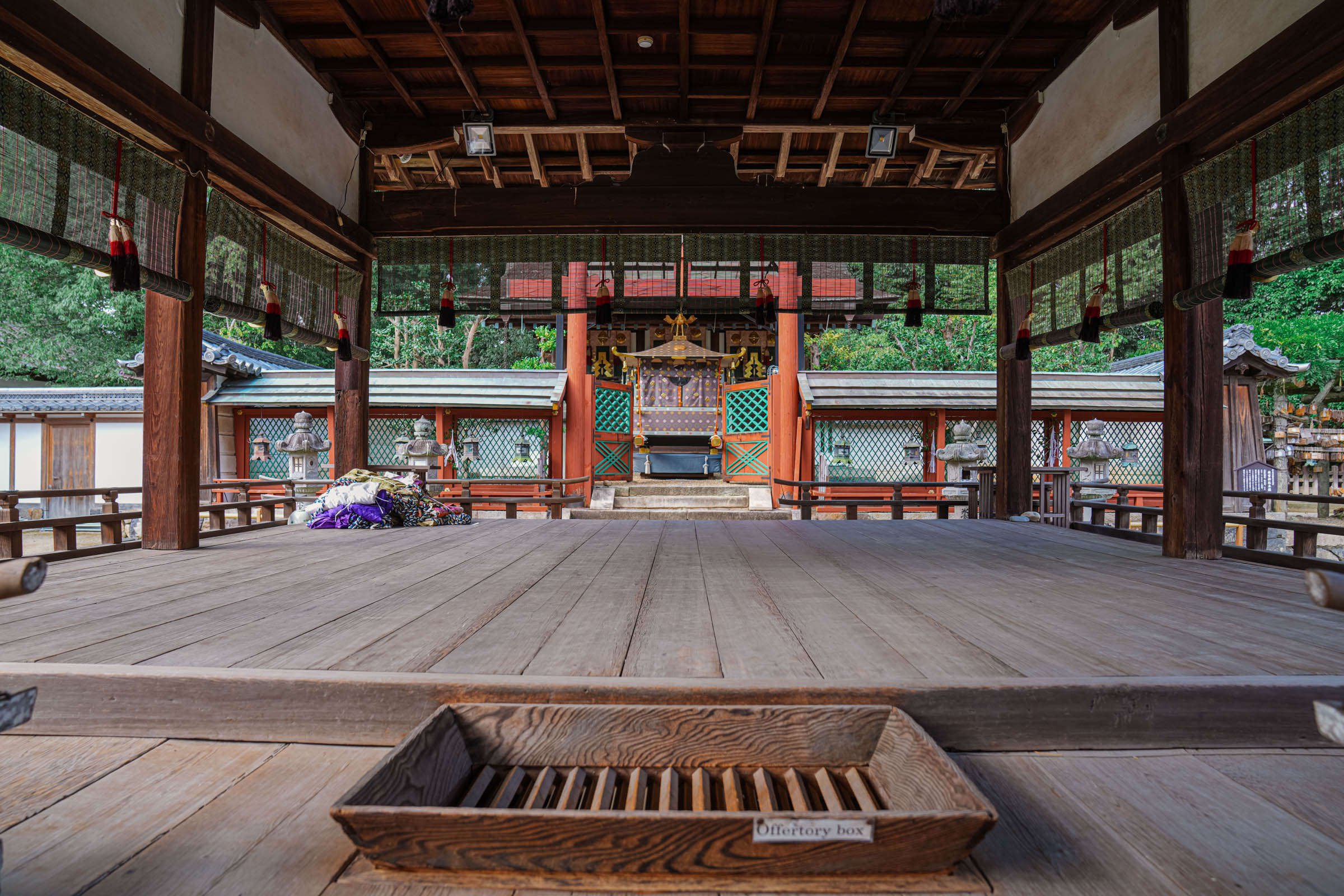
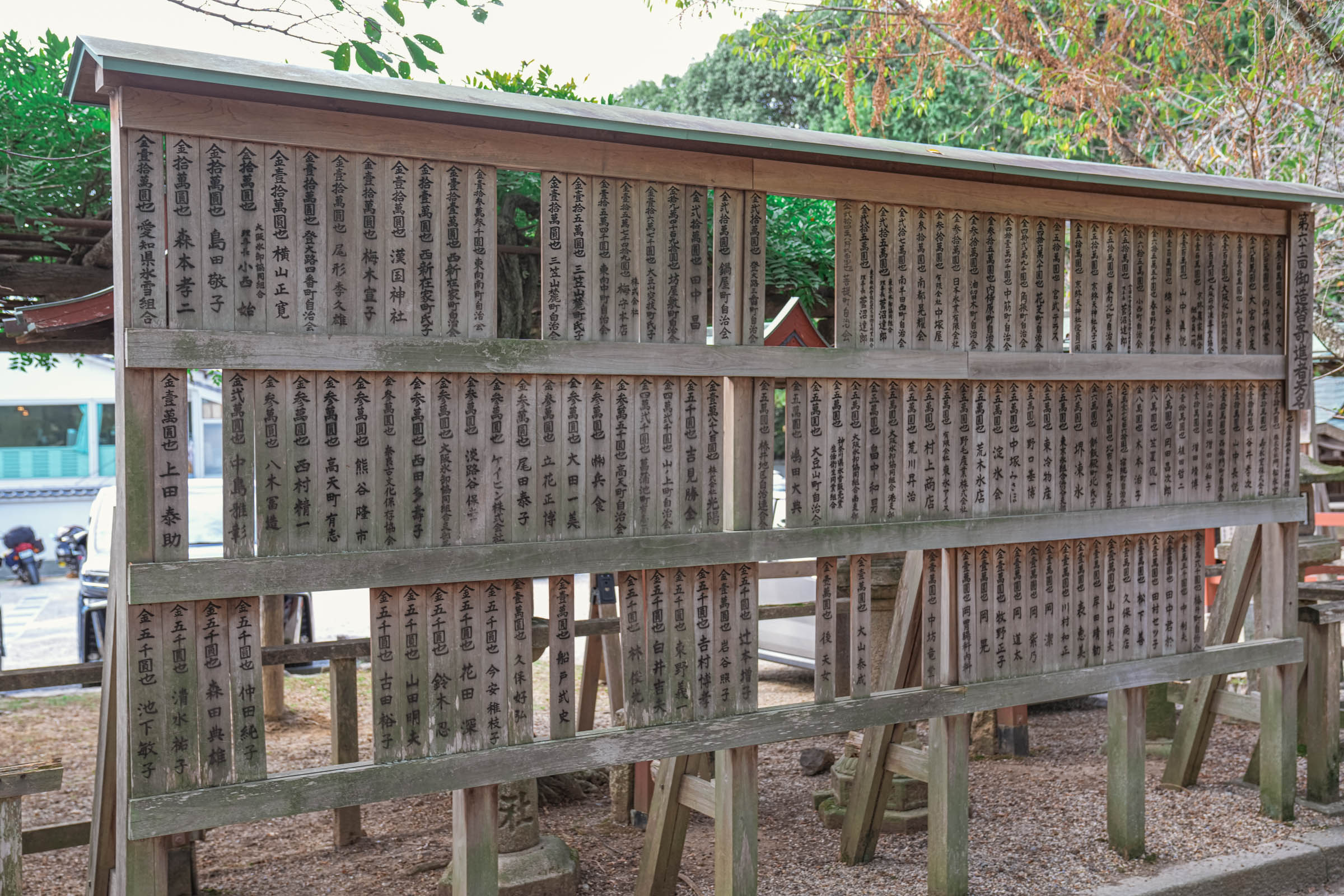
TŌDAI-JI, THE TEMPLE OF THE GREAT BUDDHA
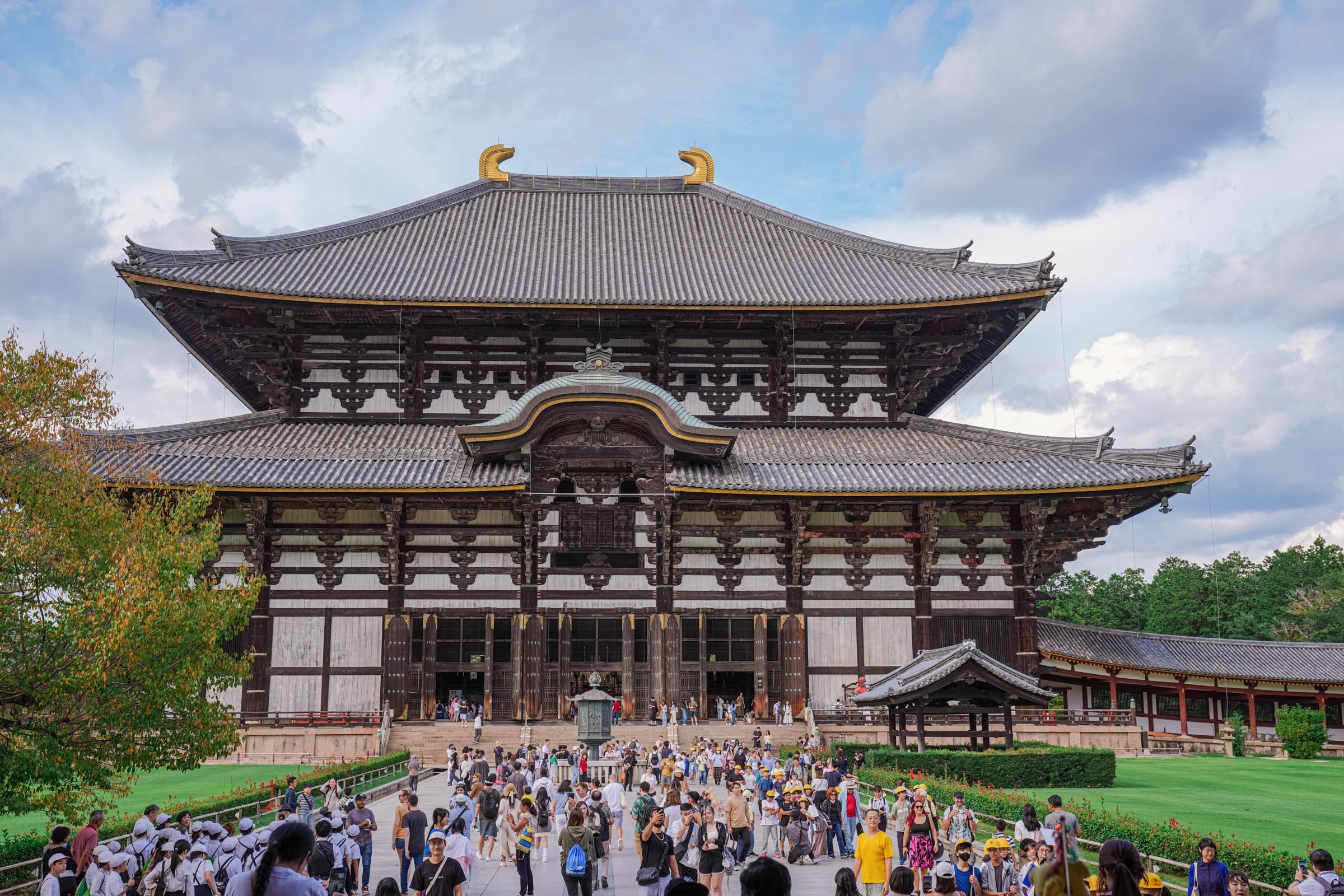
Tōdai-ji is one of the most impressive architectural achievements of the ancient world. Its forerunner dates back to 728, and the temple officially opened in 752. Emperor Shōmu commissioned the Great Buddha in 743. The project cost Japan a great deal, since it used much of the country’s bronze and relied on imported gold.
The central building is the Daibutsuden, the Great Buddha Hall. It is 57 meters long, 50 meters wide and 49 meters high, and until 1998, it was the largest wooden building in the world. Surprisingly, the current hall from 1709 is about 30% smaller than its predecessor. In the past, two pagodas, each about 100 meters high, also stood here.
THE GREAT BUDDHA OF NARA
Inside the hall sits the Daibutsu, the Great Buddha. The statue is 14.98 meters high and weighs 500 metric tons, and its ears alone are 2.54 meters long. Craftsmen cast it in eight stages over three years. In 752, about 10,000 monks and 4,000 dancers attended the eye-opening ceremony, which the Indian monk Bodhisena performed.
Over the centuries, the statue suffered serious damage. In 855, its head suddenly fell to the ground, and later the hall had to be rebuilt twice after fires. The current head comes from the Edo period. Despite everything, this monumental figure leaves a deep impression on every visitor.
One popular ritual is passing through a hole in a wooden pillar, which is said to be the same size as one nostril of the Buddha. Those who squeeze through are believed to be blessed with enlightenment in their next life.
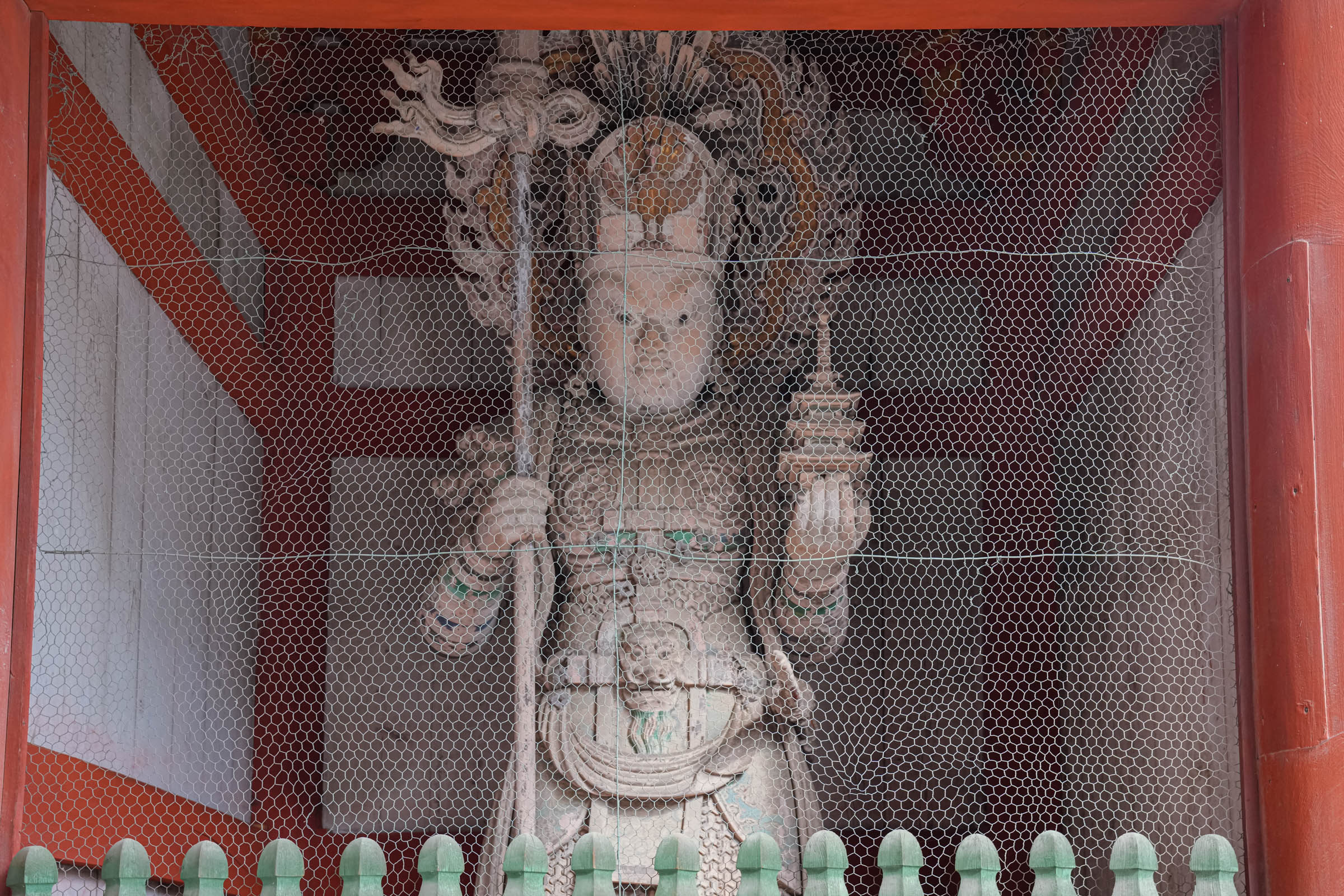
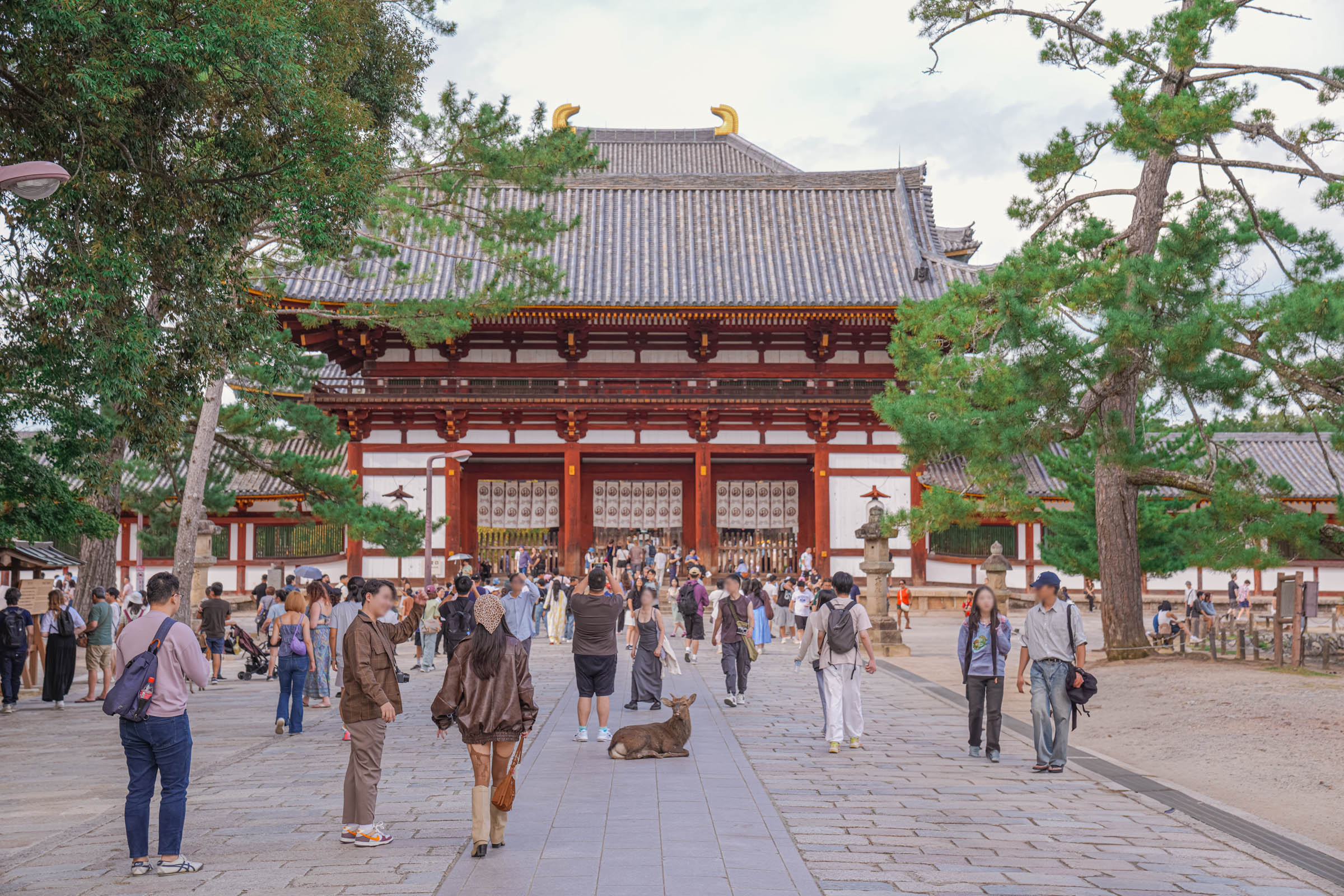
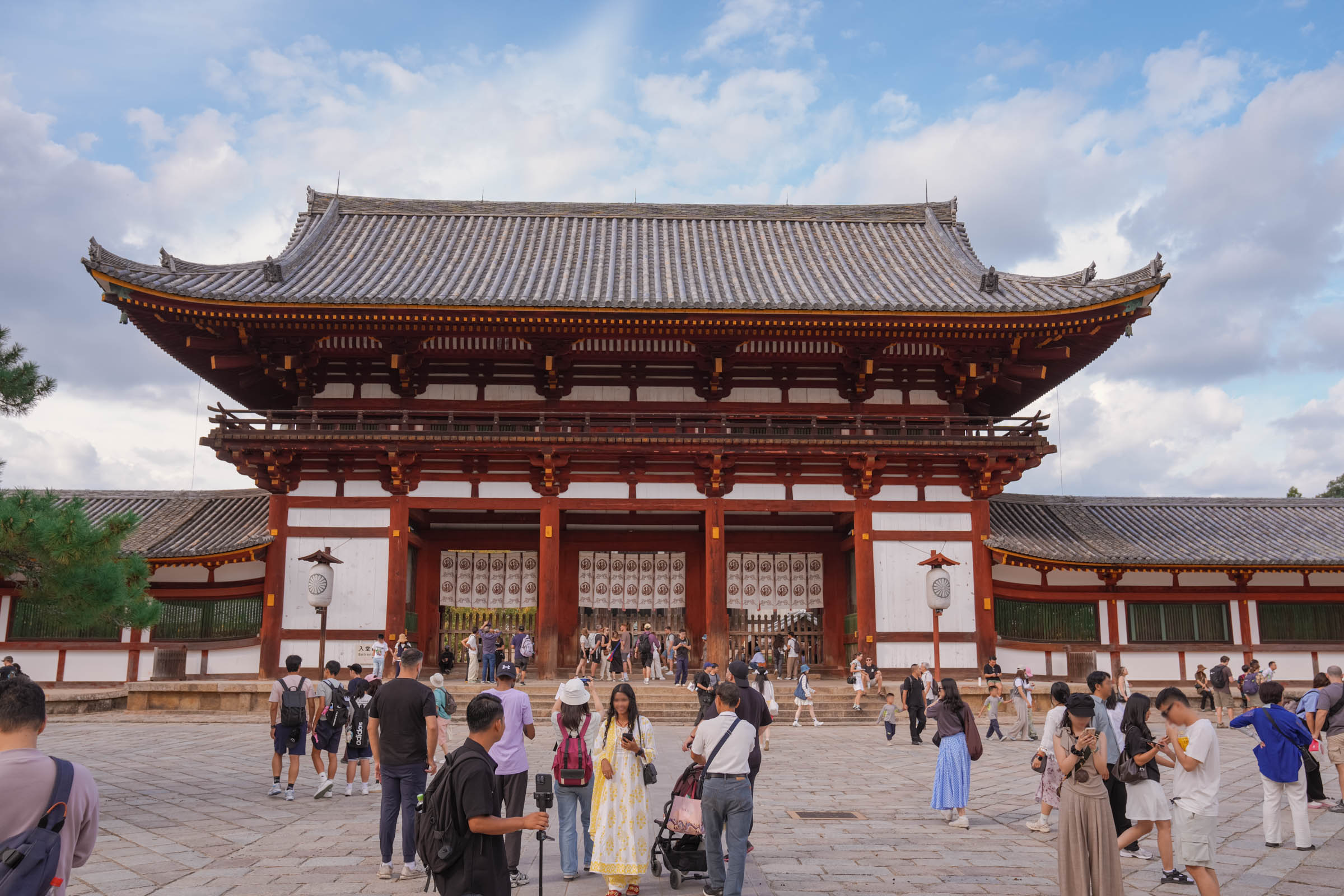
The approach to the temple leads through the monumental Nandaimon, the Great South Gate, built at the end of the 12th century. Two wooden Niō statues, about 8.5 meters tall, guard it. Unkei, Kaikei and their workshop carved them, and they are true masterpieces of Japanese sculpture.
KASUGA TAISHA, THE SHRINE OF A THOUSAND LANTERNS
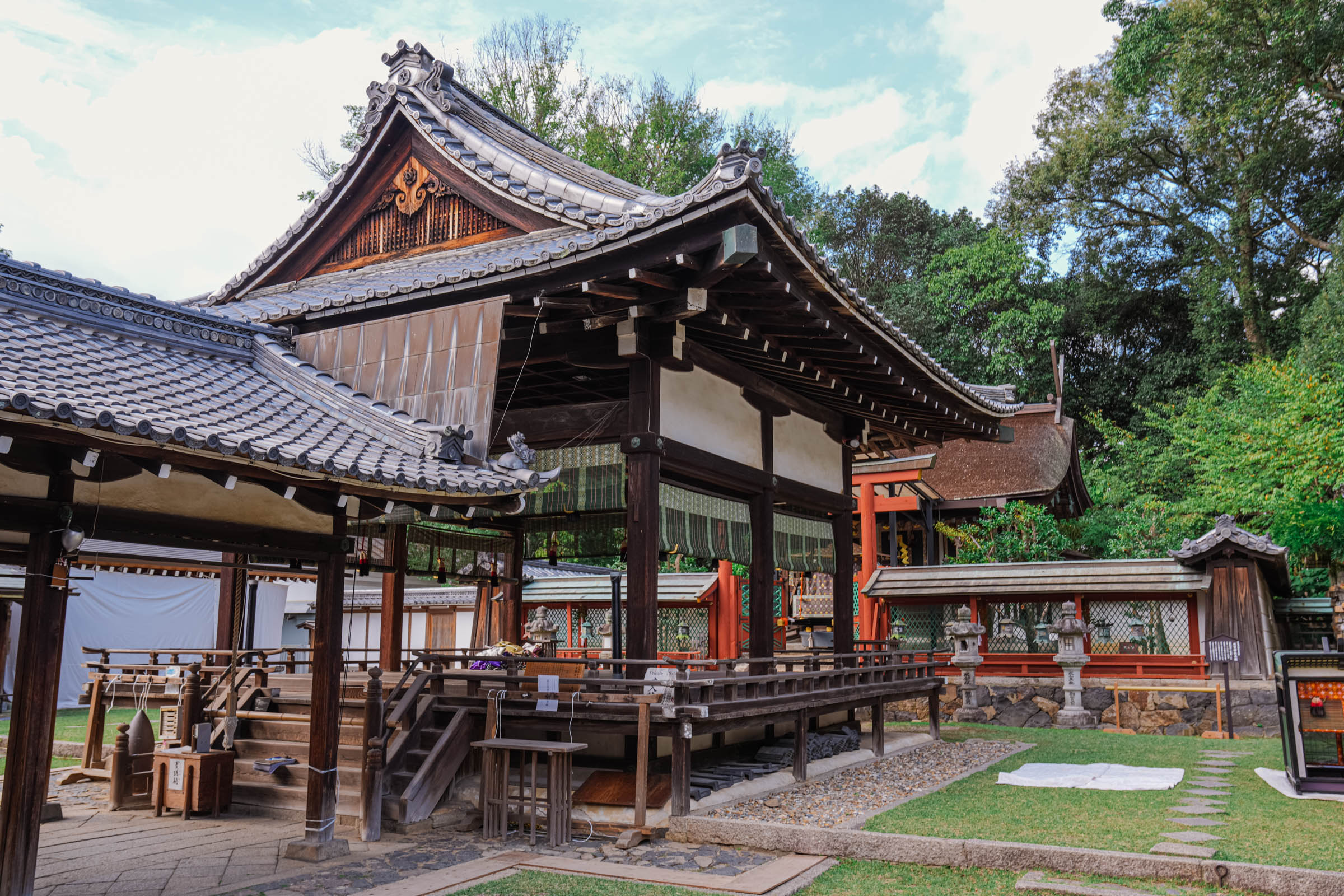
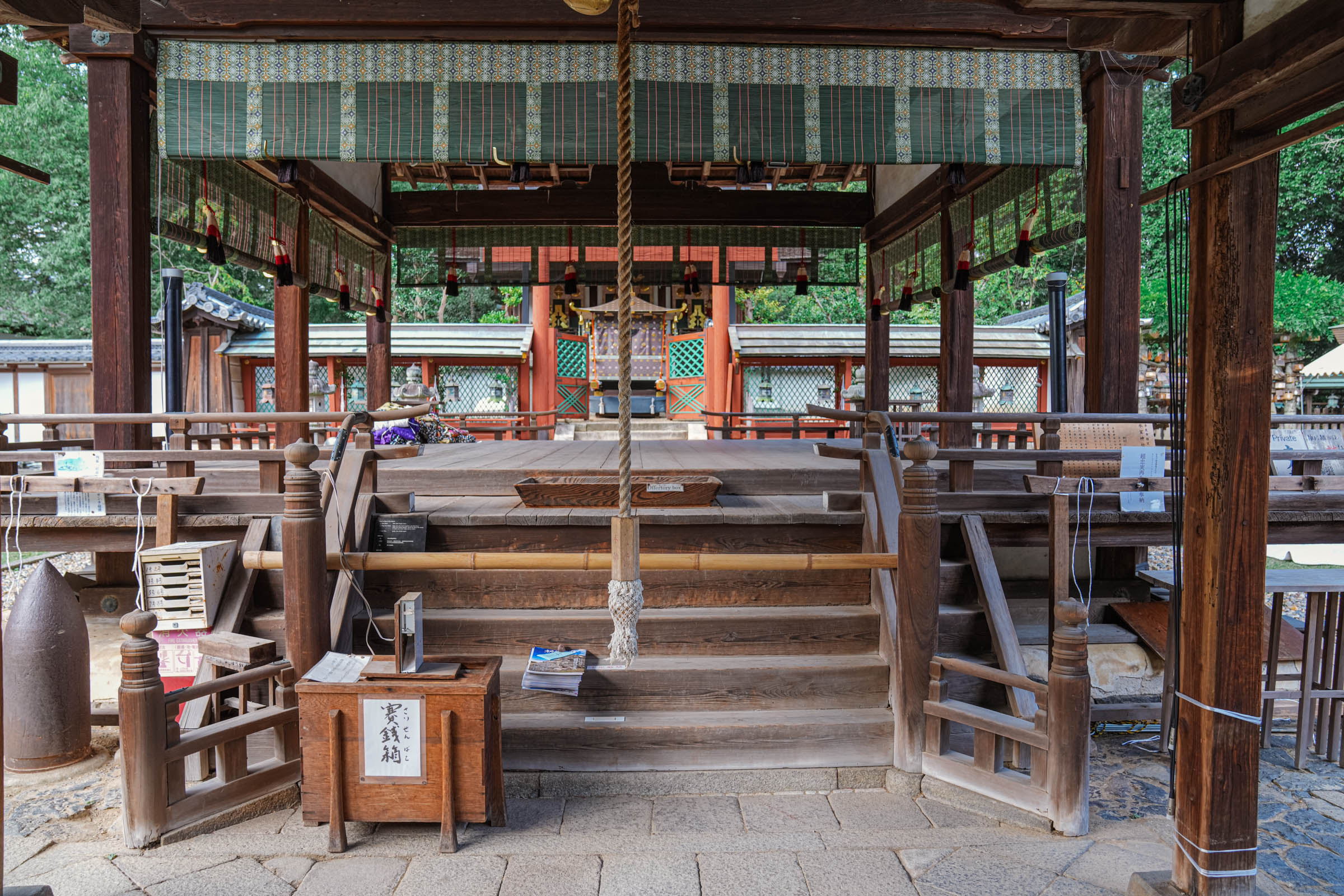
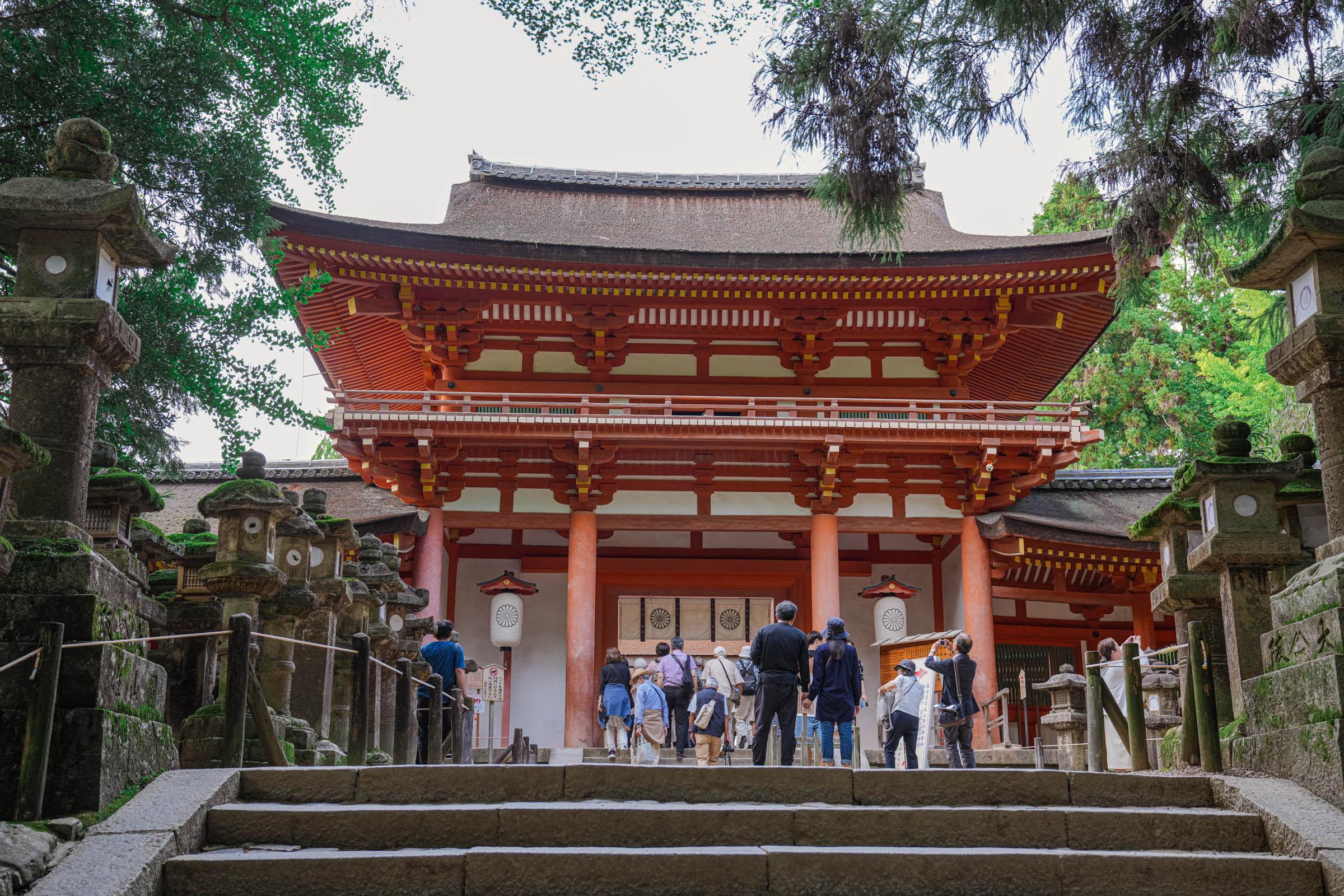
Kasuga Taisha dates back to 768, when it rose at the foot of the sacred Mount Mikasa. It is the shrine of the powerful Fujiwara family. Unlike most shrines, it is dedicated to four main deities: Ame-no-Koyane, Himegami, Futsunushi and Takemikazuchi.
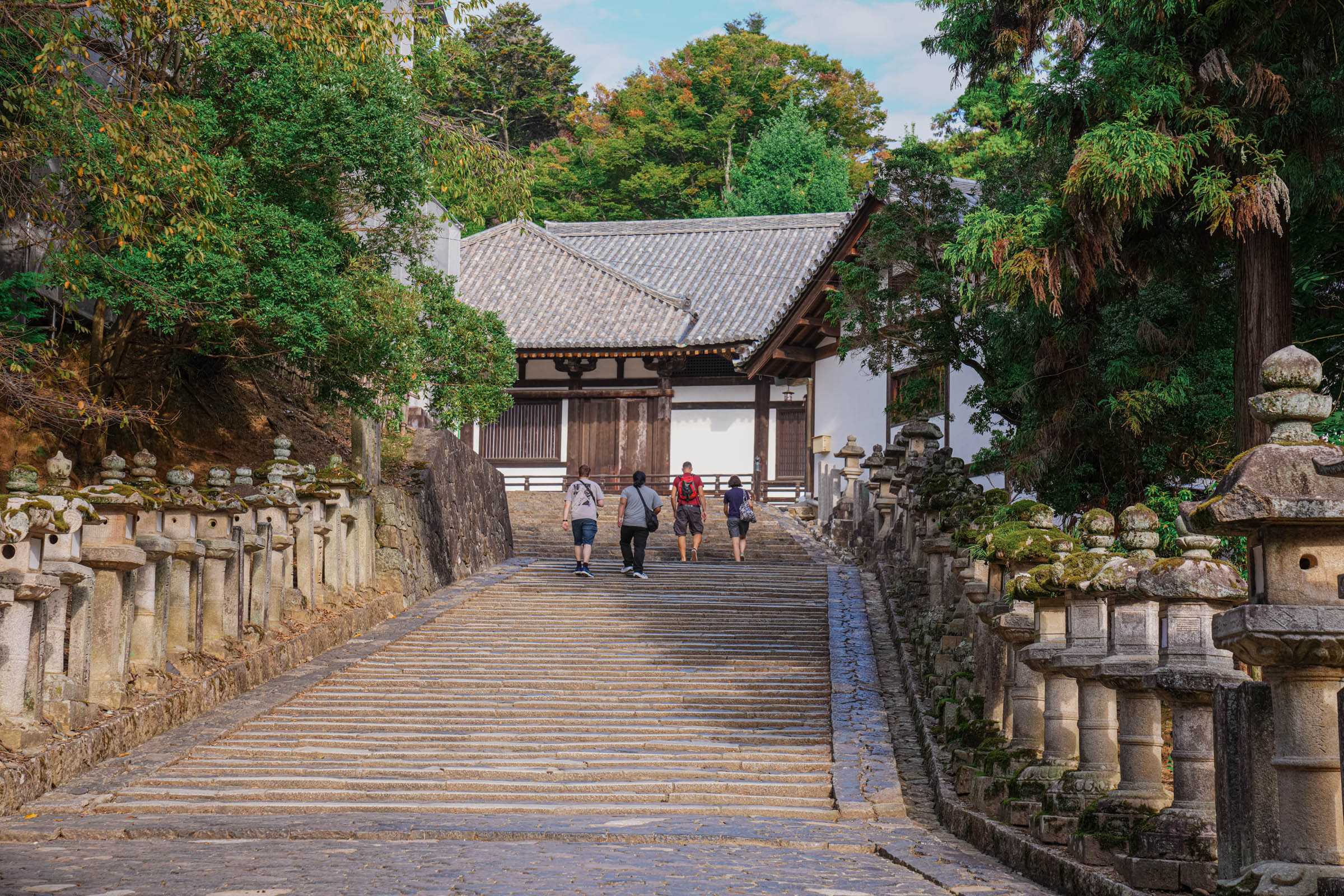
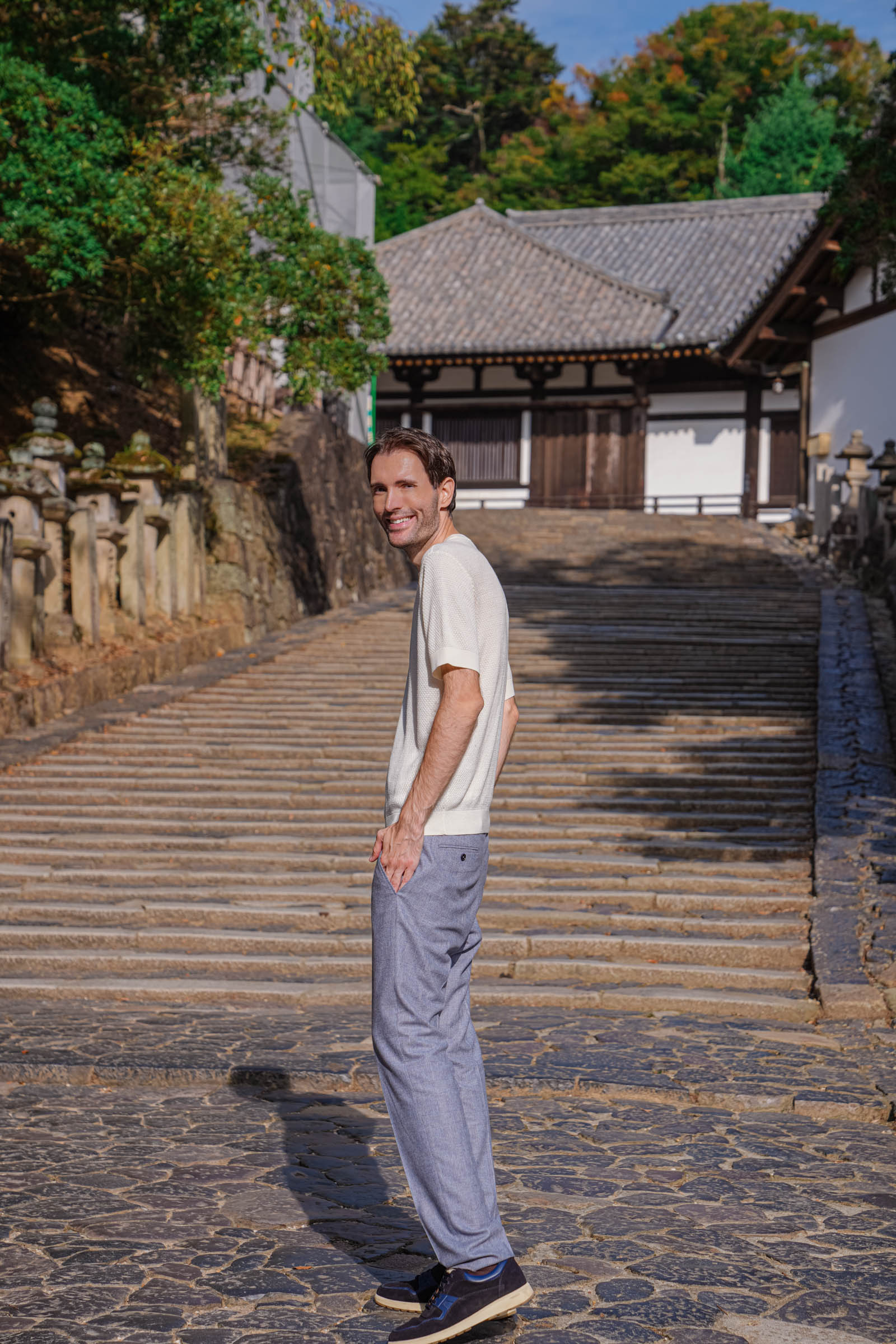
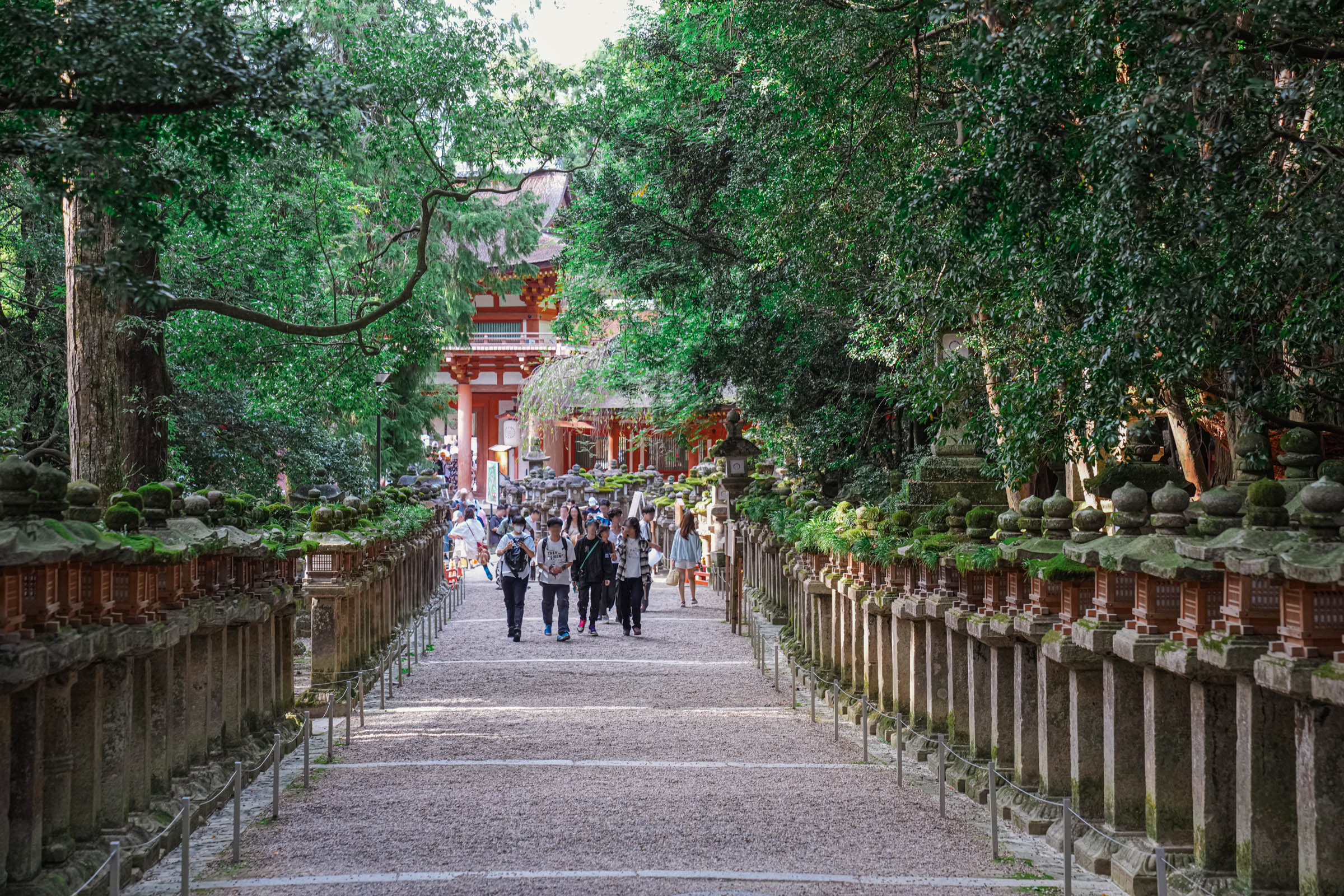
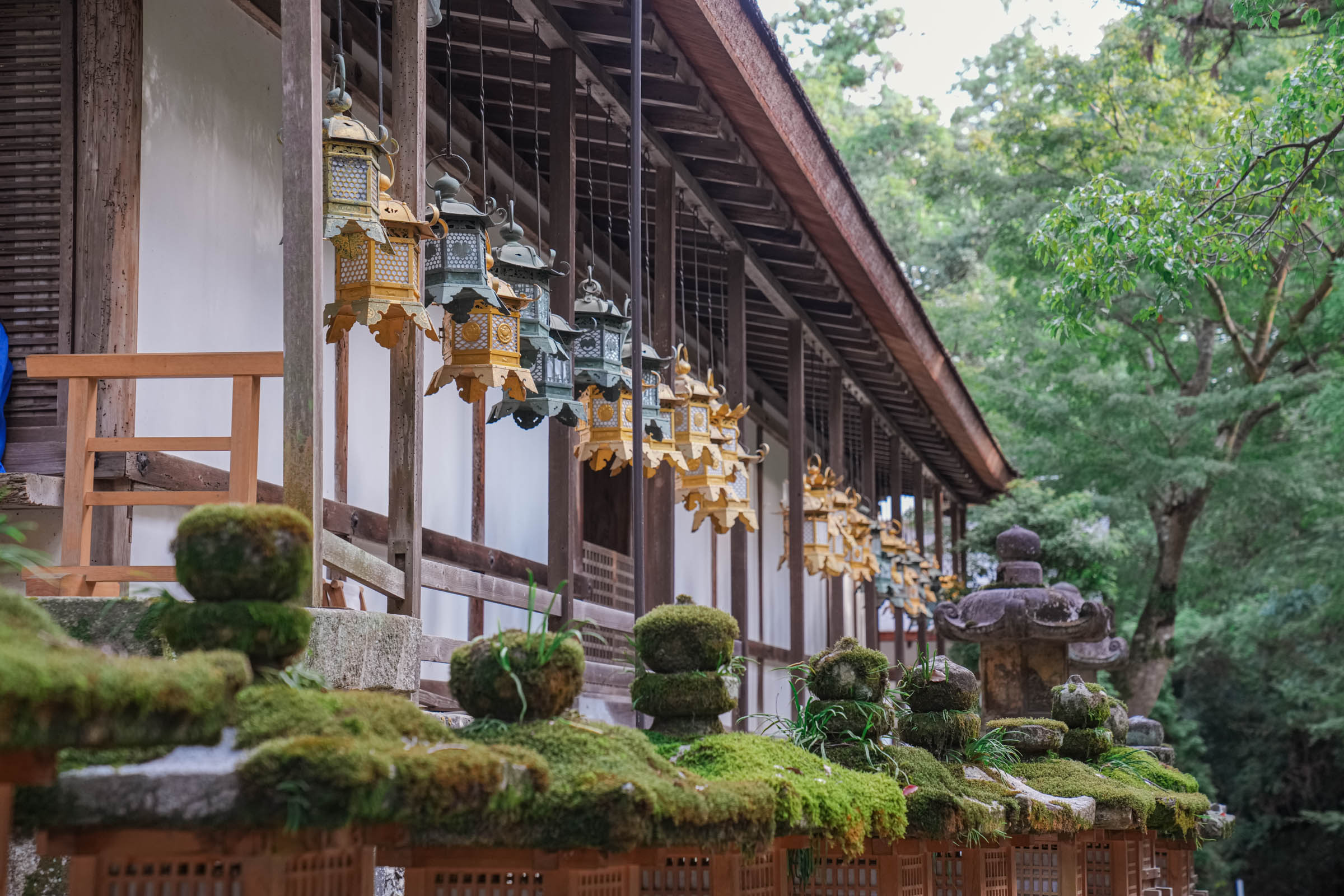
What makes Kasuga Taisha so memorable are its lanterns. More than 3,000 of them, made of stone or bronze, line the paths and hang from the roofs. Over the centuries, nobles, warriors and ordinary believers donated many of them. As a result, every step toward the shrine feels like a walk through living history.
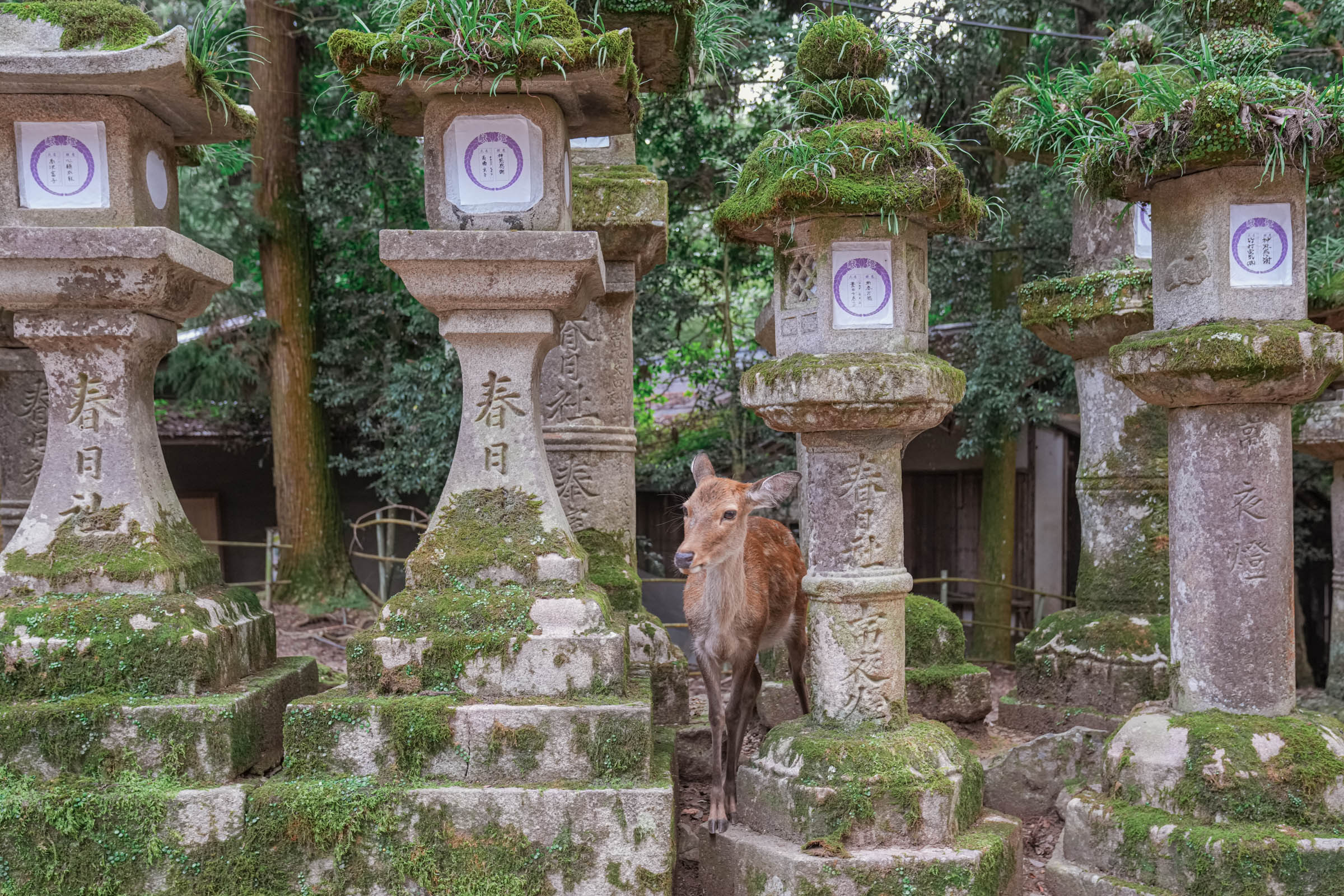
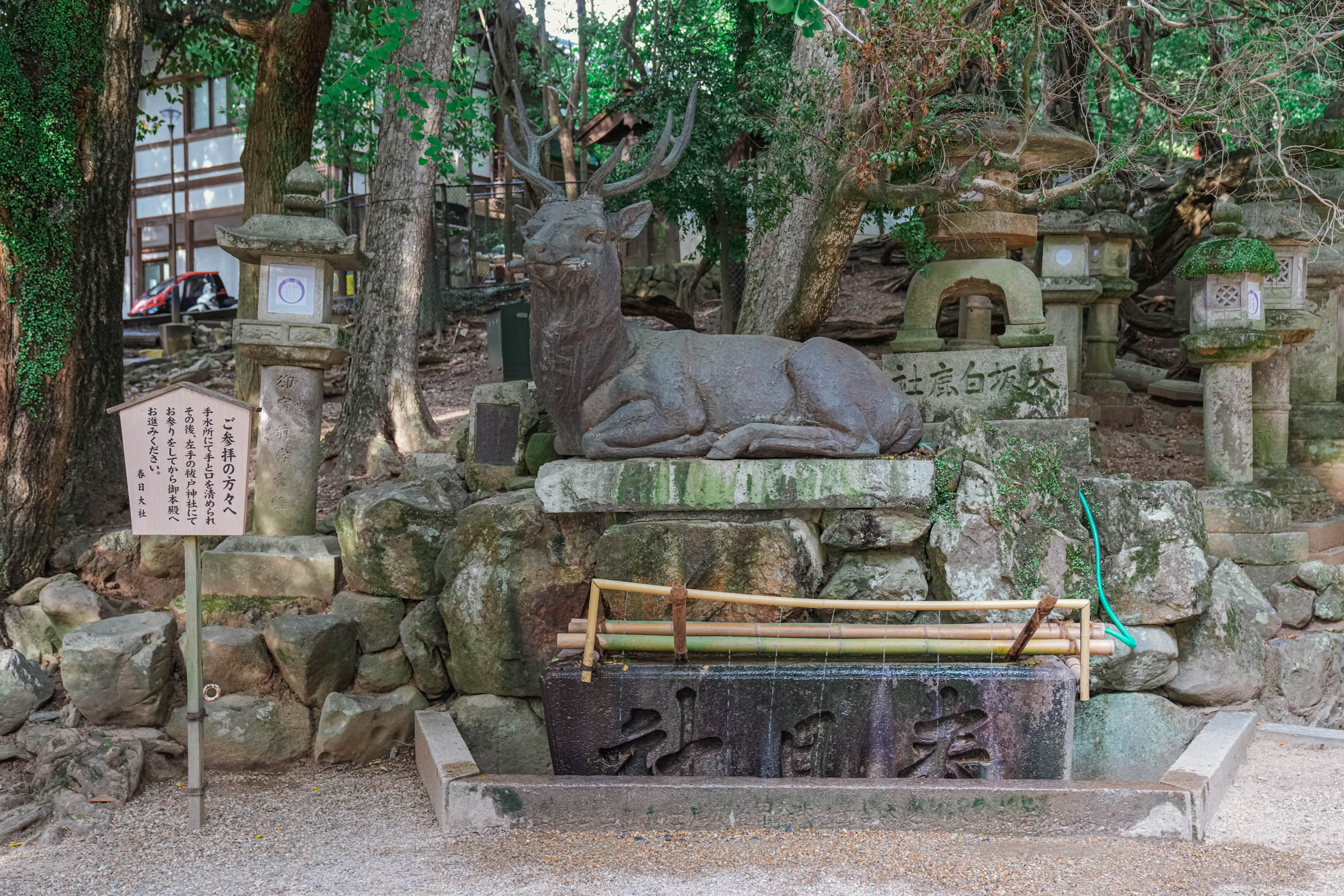
Twice a year, the shrine lights all the lanterns during the Mantoro festivals. Setsubun Mantoro takes place on February 3, while Chugen Mantoro is held on August 14 and 15. The sight of thousands of glowing lanterns in the night creates an atmosphere of mysticism that you will never forget.
THE KASUGAYAMA FOREST AND ETERNAL RENEWAL IN NARA
Behind the shrine lies the Kasugayama Primeval Forest, where hunting and logging have been prohibited since 841. This sacred forest covers about 250 hectares. It is home to 175 kinds of trees, 60 types of birds and 1,180 insect species. In 1955, it became a Special Natural Monument, and today it is part of the UNESCO World Heritage Site. To protect its sacred character, most of the forest remains closed, but a walking trail lets you experience a part of it.
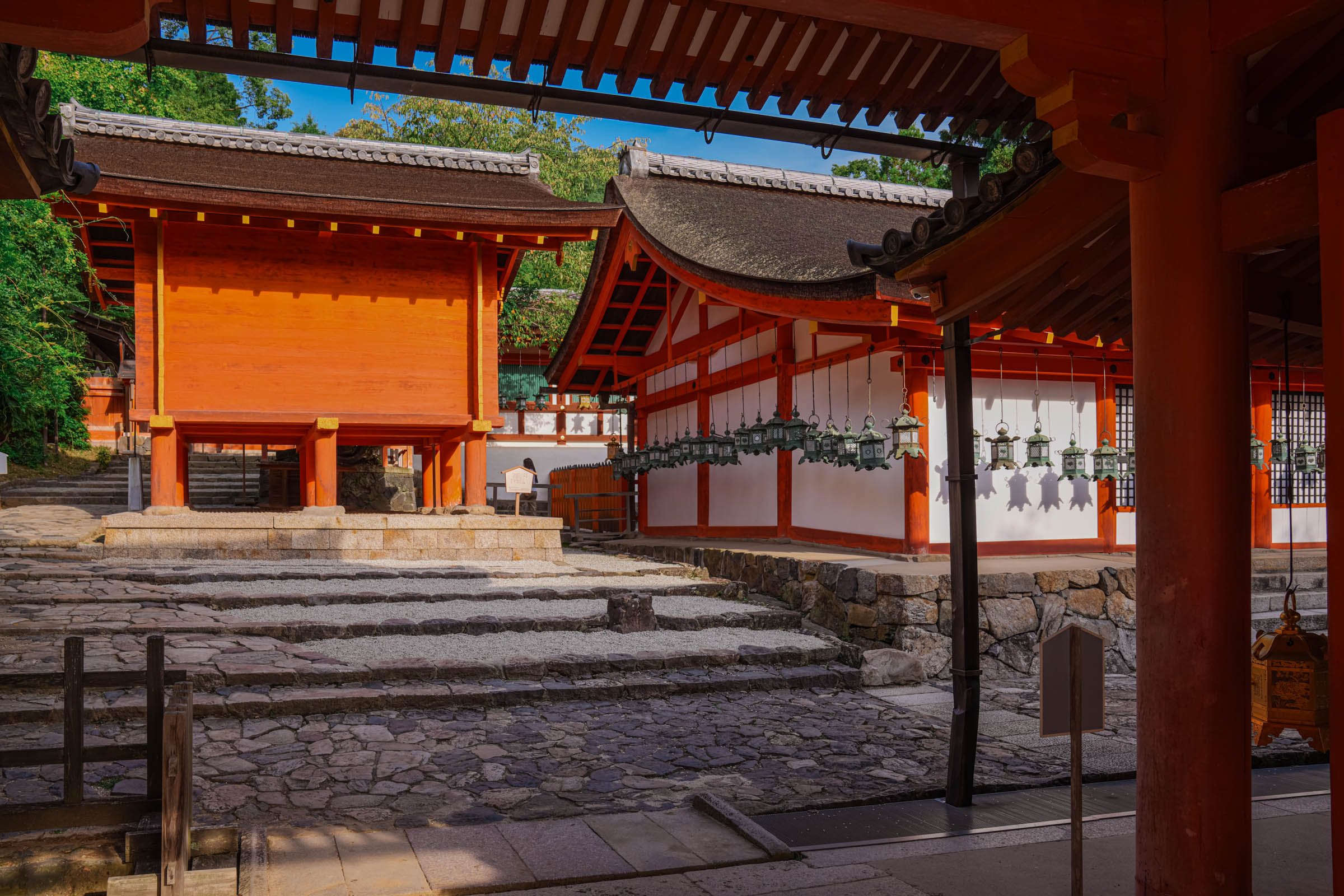
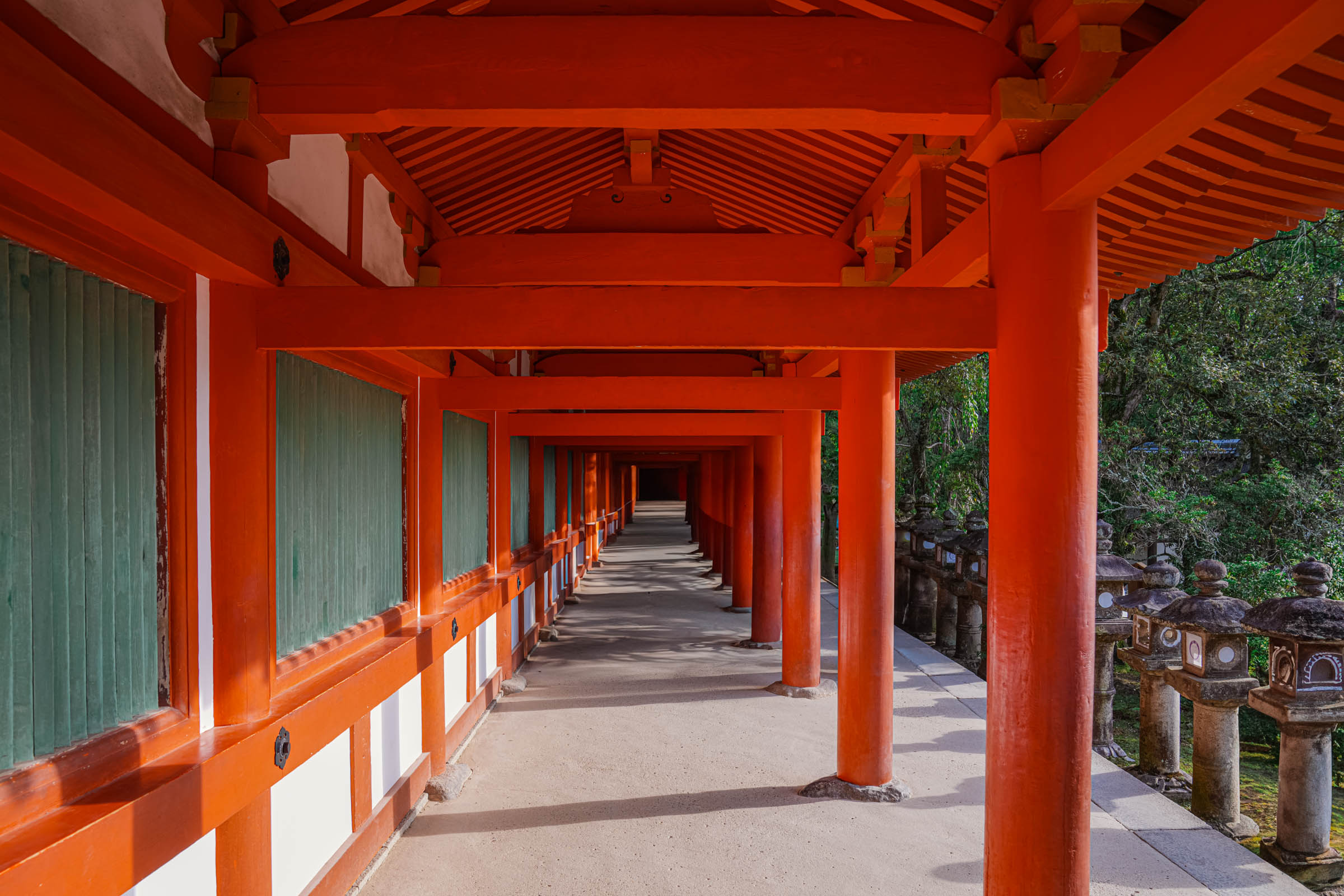
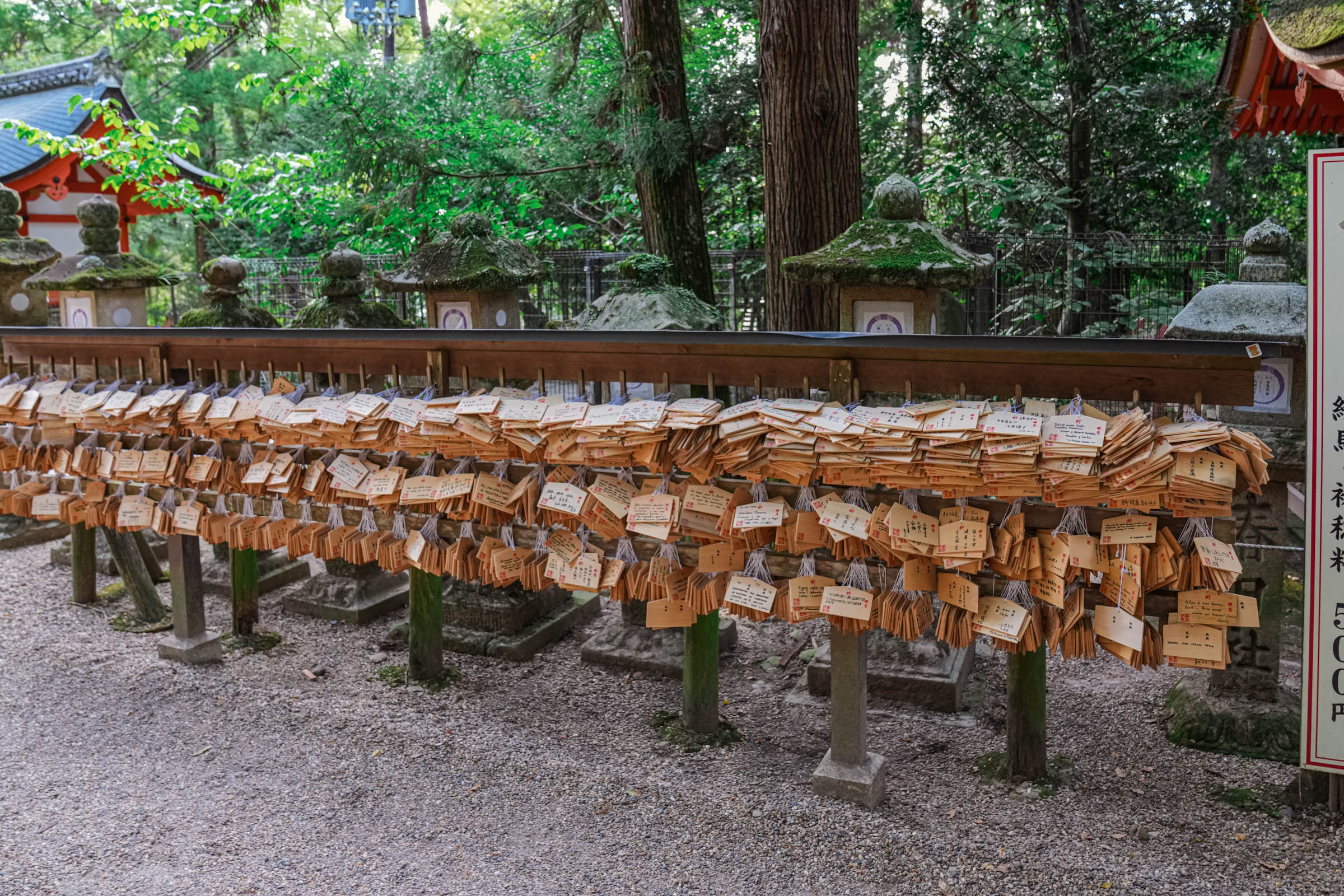
In addition, the shrine cherishes the tradition of shikinen zōtai, a renewal of its buildings every 20 years. The most recent was the 60th renewal, completed in 2016. Thanks to this practice, the shrine buildings look fresh and vital despite their long history.
KŌFUKU-JI, THE TEMPLE THAT GENERATES BLESSINGS
Kōfuku-ji has a touching origin. In 669, Kagami-no-Ōkimi, the wife of Fujiwara no Kamatari, founded it while praying for her husband’s recovery from illness. The temple first stood in Yamashina, then moved in 672 and finally came to Nara in 710, together with the capital. Fujiwara no Fuhito gave it the name Kōfuku-ji, after the Vimalakirti Sutra.
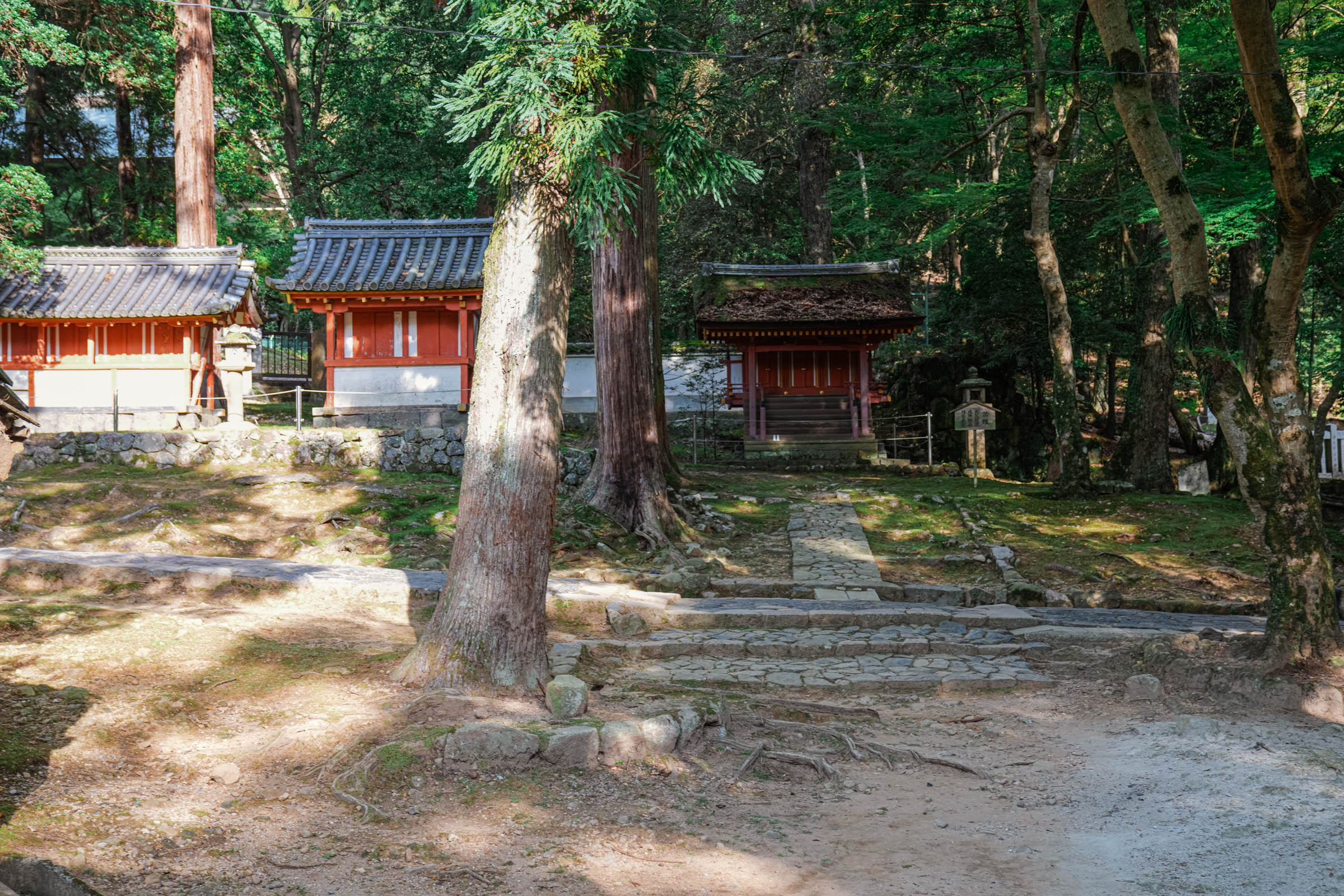
The five-story pagoda of Kōfuku-ji is one of the symbols of Nara. Empress Kōmyō, the daughter of Fujiwara no Fuhito, erected it in 730. It burned down five times, and the current pagoda dates from 1426. At 50.1 meters, it is the second-tallest wooden pagoda in Japan, after the pagoda of Tō-ji in Kyoto. Today, it is undergoing its first major repairs in about 120 years, so scaffolding will cover it until around 2034. In 2018, the temple also completed the rebuilding of its Central Golden Hall. Among its treasures is the famous dry-lacquer statue of Asura, a National Treasure.
PRACTICAL ADVICE FOR VISITING NARA
Nara is easy to reach from Kyoto. With the JR Miyakoji Rapid or the Kintetsu line, the trip takes 35 to 45 minutes. Kintetsu Nara Station is closer to the park, since Kōfuku-ji is just a five-minute walk away. From JR Nara Station, it takes about 20 minutes on foot.
When it comes to the deer, follow a few simple rules. Feed them only shika senbei, because human food can harm them. Be careful during the breeding season in autumn. If deer surround you, show them your empty palms. Above all, respect the fact that these are wild animals.
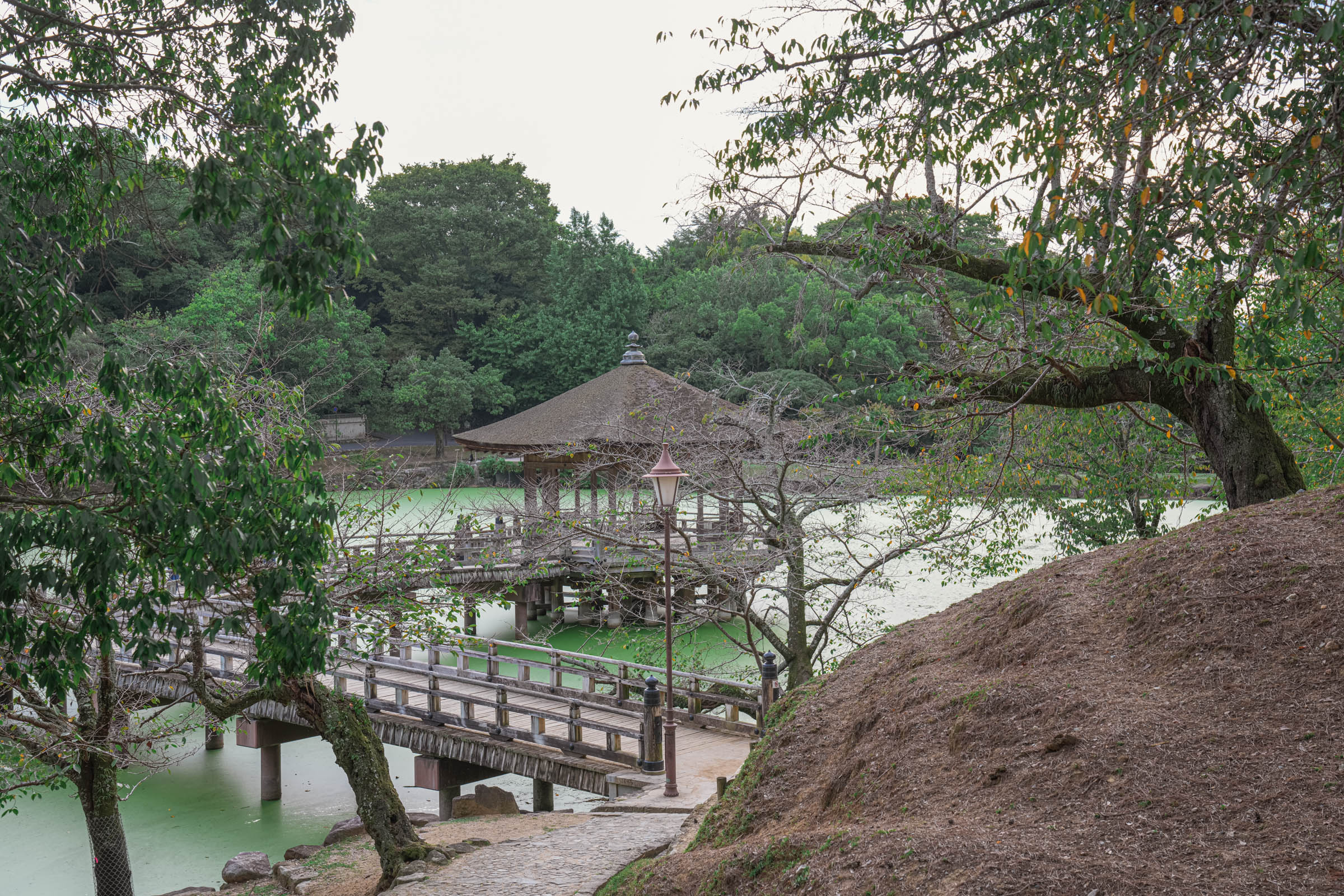
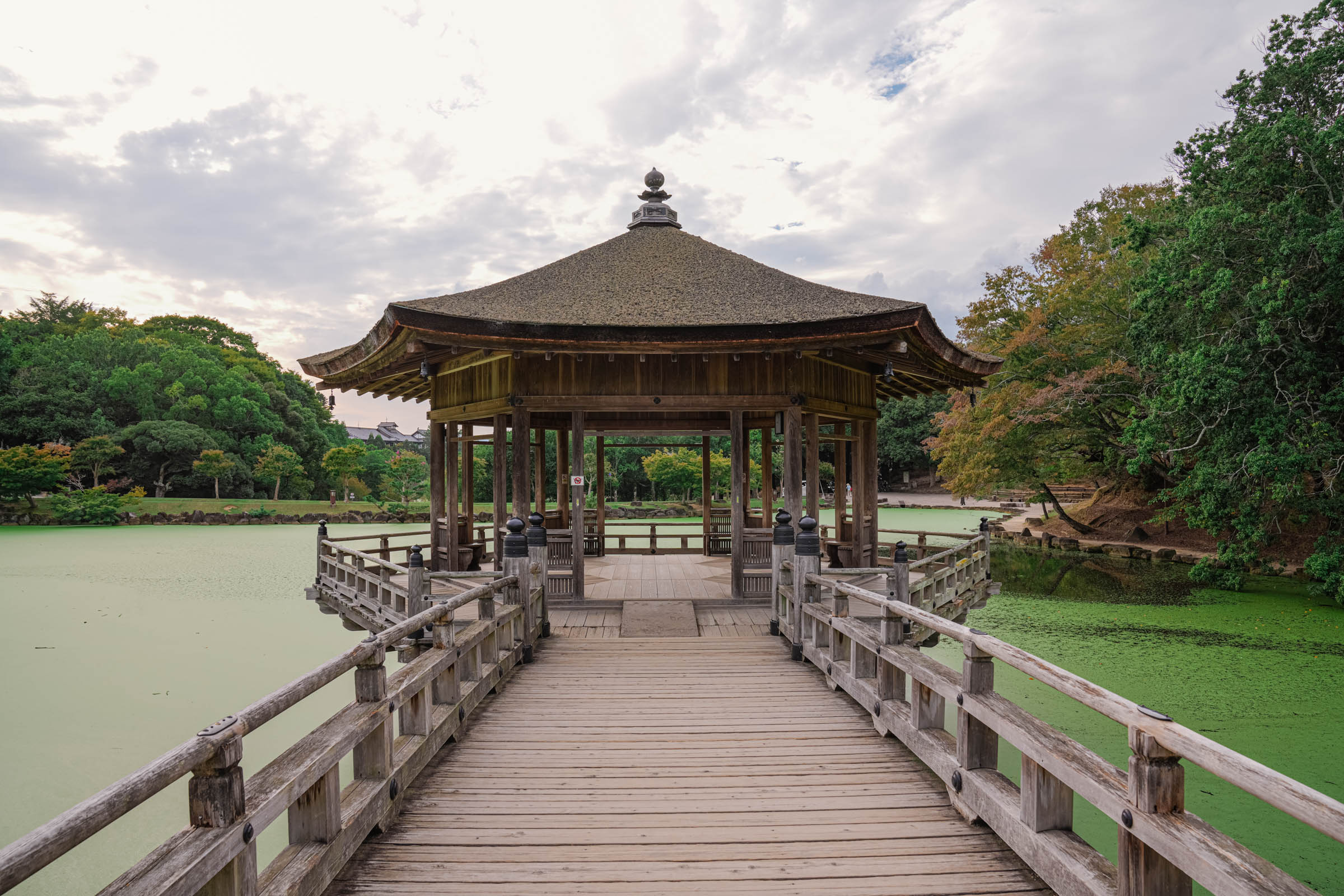
The best time to visit depends on your preferences. In spring, the Ukimido, a hexagonal wooden pavilion from 1916, seems to float on Sagiike Pond among the cherry blossoms. In autumn, the park glows with colorful leaves. Nara Park is free and open at all times, so early mornings and late afternoons are perfect for avoiding the crowds.
NARA, WHERE THE PAST AND THE PRESENT MEET
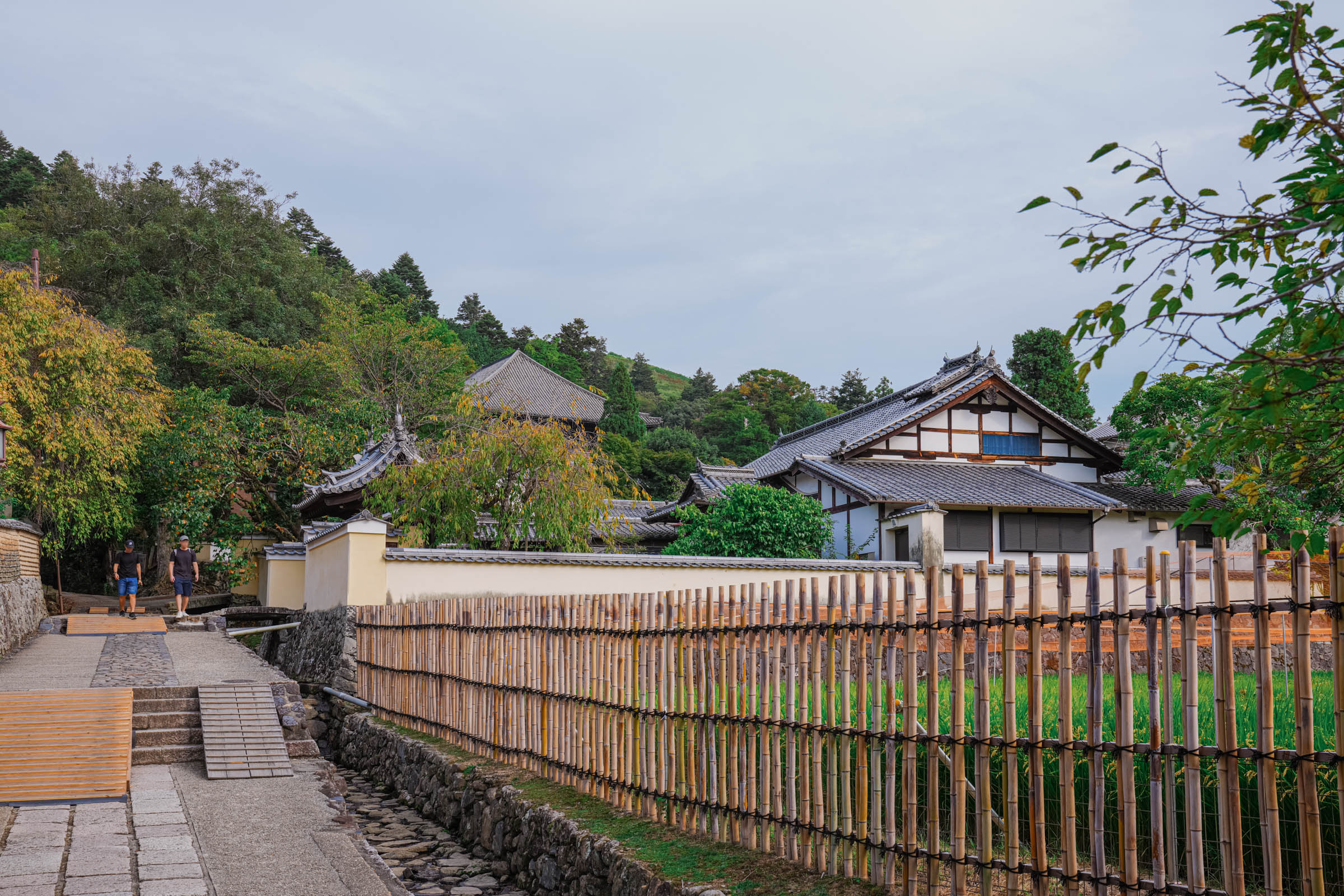
Nara is not just a stop between Kyoto and Osaka. Here, Japanese civilization flourished, Buddhism and Shinto found a common language, and deer still roam as sacred messengers of the gods. Centuries of history breathe from every temple, bronze statue and wooden pillar. And yet, Nara is not a museum, but a living city that proudly preserves its heritage.
SAYING GOODBYE TO NARA
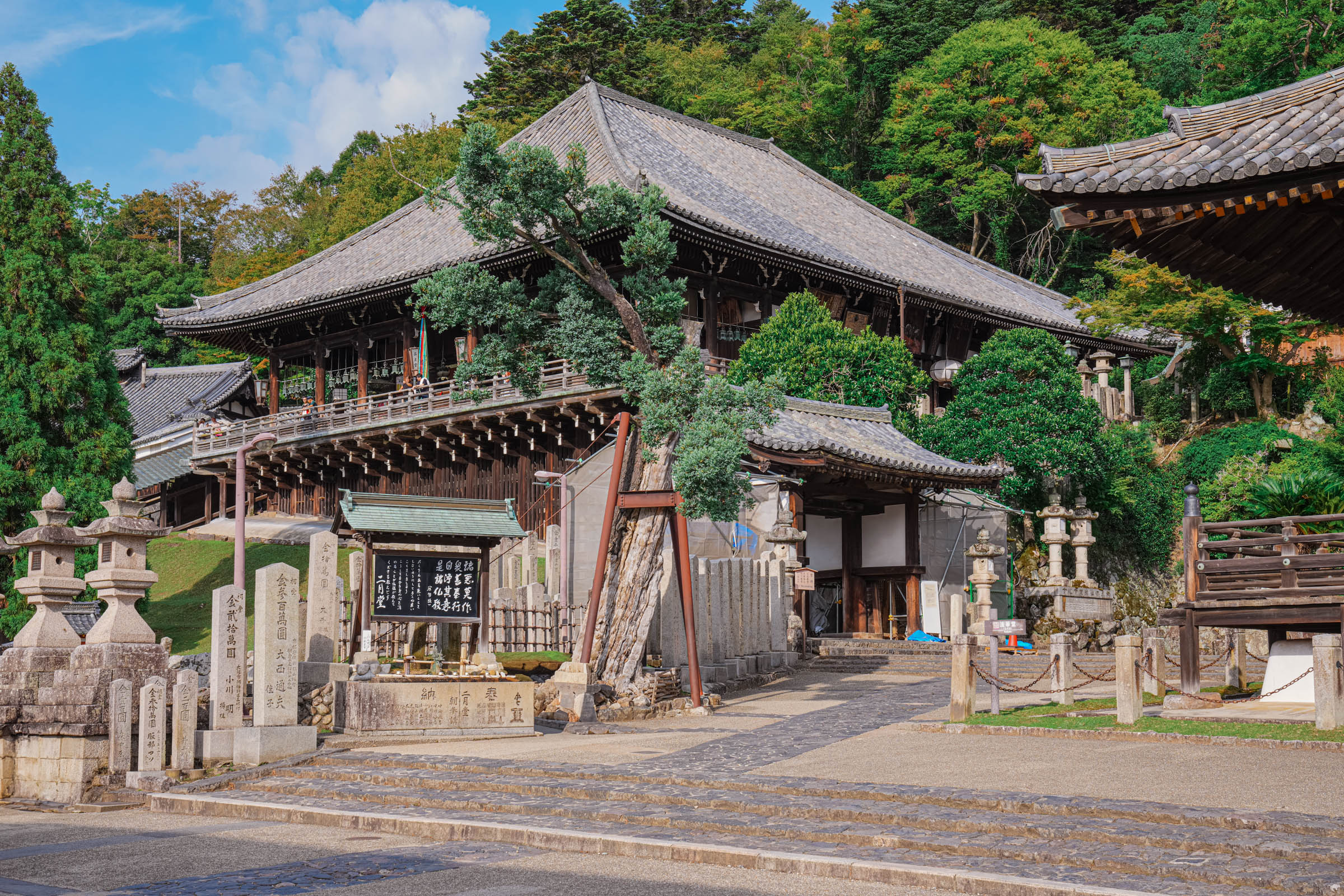
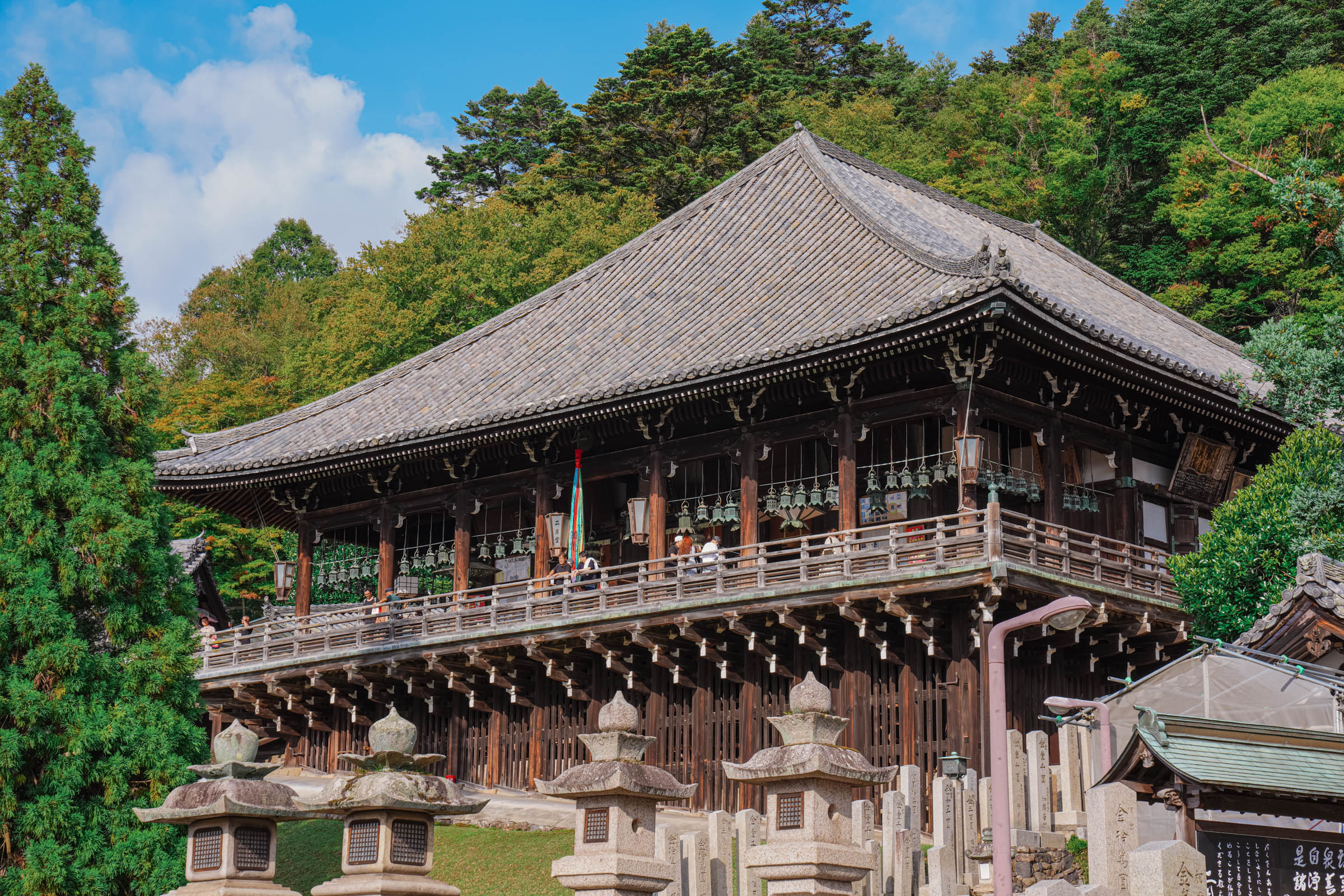
My dear travelers, we have come to the end of this travelogue. This story would not exist without UN Tourism and the local partners who supported this project. Nara taught me that beauty can be ancient and contemporary at the same time. Until next time, holy deer of Nara, guard this ancient capital as you have for centuries.
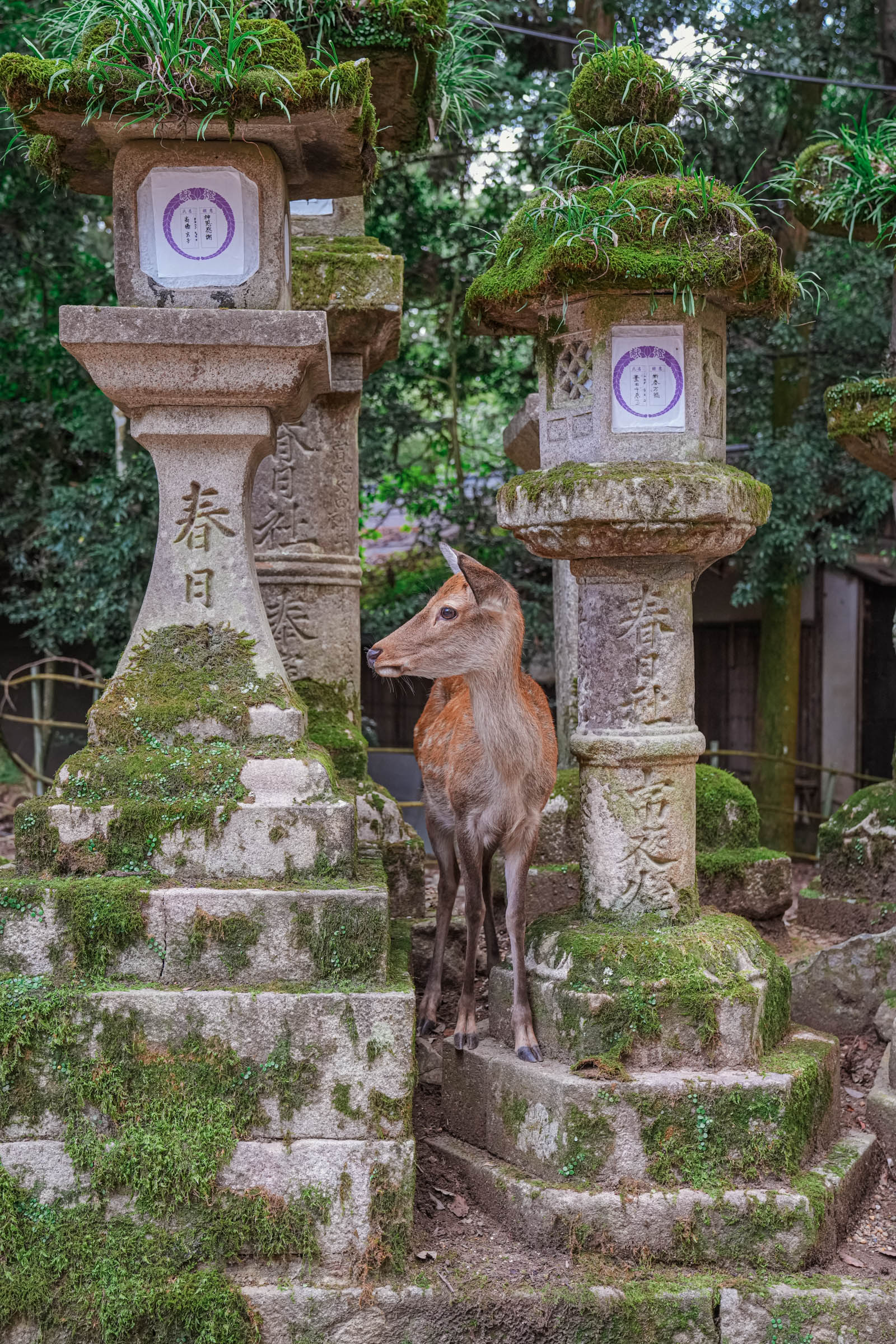
Have you already visited Nara, or are you planning to meet its sacred deer?
Feel free to leave your impressions, comments or questions below, or contact me by email and on social networks. All information is on the CONTACT page.
With love from Nara,
Mr.M
This post is sponsored by the United Nations World Tourism Organization (UN Tourism), as well as other local partners who selflessly supported this project. This post is my personal and honest review of the destination experience.

Hello Marko, what a beautifully written piece about Nara. I visited Japan back in 2019 and spent most of my time in Tokyo and Osaka, but unfortunately skipped Nara due to time constraints. Reading your description of the Todaiji Temple and the Great Buddha has convinced me that I made a mistake. The detail about the pillar with the opening the size of Buddha’s nostril is fascinating, I had no idea such a tradition existed. Your photographs of the deer bowing before receiving crackers are simply charming. I’m already planning my return trip to Japan specifically to experience Nara properly.
Guten Tag Marko, vielen Dank für diesen wunderbaren Reisebericht über Nara. Ich war 2018 mit meiner Frau in Kyoto und wir haben einen Tagesausflug nach Nara gemacht, aber leider nur wenige Stunden dort verbracht. Die Information über die genetische Einzigartigkeit der Nara-Hirsche war mir völlig neu und sehr interessant. Dass diese Tiere seit vierzehnhundert Jahren eine isolierte Population bilden, ist wirklich bemerkenswert. Deine Beschreibung des Kasuga-Taisha Schreins mit den dreitausend Laternen hat mich tief beeindruckt. Beim nächsten Japanbesuch werde ich definitiv während des Mantoro-Festivals kommen.
Bonjour Marko, quel récit magnifique sur cette ancienne capitale japonaise. J’ai eu la chance de visiter le Japon en 2017 et Nara reste gravée dans ma mémoire comme un lieu hors du temps. Ta description du temple Todaiji et de son immense Bouddha de bronze m’a rappelé l’émotion que j’ai ressentie en le voyant pour la première fois. Ce que je ne savais pas, c’est que le bâtiment actuel ne représente que deux tiers de la taille originale. Imaginer des pagodes de quatre-vingt-dix mètres de hauteur au huitième siècle est tout simplement stupéfiant. Merci pour ces informations historiques si détaillées.
Ciao Marko, che articolo meraviglioso su Nara. Ho visitato il Giappone tre anni fa e devo dire che i cervi di Nara sono stati uno dei momenti più memorabili del mio viaggio. La leggenda del dio Takemikadzuchi che arrivò a cavallo di un cervo bianco nel 768 è affascinante e spiega perfettamente perché questi animali sono così venerati. Non sapevo che fino alla fine del periodo Edo uccidere un cervo fosse punito con la morte. Le tue fotografie catturano perfettamente la serenità del parco e la gentilezza di questi animali sacri. Il tuo blog è diventato una fonte preziosa per pianificare i miei prossimi viaggi in Asia.
Marko, this is one of the most comprehensive travel guides I’ve read about Nara. I was particularly intrigued by the shikayose ceremony where they call the deer with Beethoven’s Pastoral Symphony on a French horn. What a poetic image that must be to witness in person. My husband and I are planning a trip to Japan for our wedding anniversary next autumn. Based on your recommendation about visiting during the maple leaf season, October seems like the perfect time. Could you tell me approximately how many days you would recommend spending in Nara to see all the major sites without rushing?
Hallo Marko, dein Reisebericht über Nara hat mich sehr begeistert. Die historischen Details über die Nara-Periode und wie der Buddhismus zur Staatsreligion wurde, sind sehr gut recherchiert. Ich plane eine Reise nach Japan im Frühjahr zur Kirschblütenzeit. Meine Frage wäre, ob du den JR Pass empfehlen würdest oder ob es günstiger ist, einzelne Tickets zwischen Kyoto und Nara zu kaufen? Die Kintetsu-Linie scheint praktischer zu sein, da die Station näher am Park liegt. Vielen Dank im Voraus für deine Hilfe bei der Reiseplanung.
Hola Marko, qué maravilla de artículo sobre Nara. Visité Japón antes de la pandemia y pasé un día completo en esta ciudad mágica. Los ciervos son realmente encantadores, aunque algunos pueden ser bastante insistentes cuando huelen las galletas senbei. Tu consejo sobre mostrar las palmas vacías cuando te rodean es muy útil y ojalá lo hubiera sabido antes. La información sobre el bosque primigenio de Kasugayama que ha permanecido intacto desde el año 841 me parece increíble. Es reconfortante saber que existen lugares en el mundo donde la naturaleza ha sido protegida durante más de mil años. Gracias por compartir esta experiencia tan detallada.
Hello Marko, your article about Nara is absolutely captivating. The way you describe the spiritual atmosphere of the city really transports the reader there. I had no idea that eight monuments in Nara are UNESCO World Heritage sites, that’s quite an impressive concentration of historical treasures. The story behind Kofukuji Temple being founded as a prayer for a sick husband is touching and adds such a human dimension to these ancient structures. Your photography is stunning, especially the shots of the deer in the morning mist. This has definitely moved Nara to the top of my Japan travel list.
Bonjour Marko, merci pour ce voyage virtuel à Nara. J’ai visité le Japon il y a quelques années mais je n’ai pas eu l’occasion d’assister au festival Mantoro. Voir trois mille lanternes illuminées simultanément doit être une expérience inoubliable. Ta description de la forêt sacrée de Kasugayama avec ses mille cent espèces d’insectes et soixante espèces d’oiseaux montre bien la richesse de cet écosystème préservé. C’est dommage que la forêt ne soit pas accessible aux visiteurs, mais je comprends l’importance de la protéger. J’aimerais savoir si tu as goûté à la cuisine locale de Nara et si tu as des restaurants à recommander?
Caro Marko, complimenti per questo reportage dettagliato su Nara. La pagoda a cinque piani del tempio Kofukuji con i suoi cinquanta metri di altezza deve essere impressionante da vedere. È un peccato che sia in restauro fino al 2031, ma capisco che questi lavori siano necessari per preservare un tesoro nazionale così importante. Il simbolismo dei cinque elementi buddisti rappresentati nei cinque piani della pagoda è affascinante. La statua di Ashura con tre volti e sei braccia nel museo del tempio sembra un’opera d’arte straordinaria. Il tuo modo di scrivere rende viva la storia di questi luoghi antichi.
Marko, what a wonderful journey through Nara you’ve shared with us. The genetic research from Fukushima University about the deer preserving rare ancestral genes is truly remarkable. It’s like these animals are living time capsules from the eighth century. I visited Nara briefly in 2022 as a day trip from Osaka but felt I barely scratched the surface. Your mention of the Isuien Garden using the borrowed landscape technique has piqued my interest. I’m curious whether you think it’s better to stay overnight in Nara or if a full day trip from Kyoto is sufficient to appreciate the main attractions?
Hallo Marko, ein wunderbar geschriebener Artikel über Nara. Die Geschichte der Hirschgeweihe-Zeremonie, die seit über dreihundertvierzig Jahren stattfindet, zeigt die tiefe Verbundenheit der Japaner mit ihren Traditionen. Die Tatsache, dass die heutigen Hirsche genetisch einzigartig sind, macht sie zu lebenden Schätzen. Deine Beschreibung des Großen Buddha mit seinen zweieinhalb Meter langen Ohren und den über neunhundert Bronzekugeln im Haar ist sehr anschaulich. Ich schätze besonders die praktischen Tipps am Ende des Artikels, sie werden bei meiner Reiseplanung sehr hilfreich sein.
Hola Marko, me ha encantado tu artículo sobre Nara. Viajé a Japón en 2019 y Nara fue sin duda uno de los puntos más especiales de mi itinerario. El templo Todaiji me dejó sin palabras cuando vi el tamaño del Gran Buda por primera vez. No tenía idea de que la estatua pesa más de quinientas toneladas, es difícil imaginar cómo lograron fundir tanto bronce en el siglo octavo. Tus fotografías capturan perfectamente la atmósfera tranquila del parque al amanecer. Me gustaría saber si hay alguna forma de ver las linternas encendidas fuera del festival Mantoro?
Hello Marko, your travelogue about Nara is exceptionally well-researched and beautifully written. The fact that the original Todaiji temple had ninety-meter pagodas comparable to the Egyptian pyramids really puts the ambition of eighth-century Japanese architecture into perspective. I appreciate how you’ve woven together history, spirituality, and practical travel advice into one cohesive narrative. The detail about Emperor Shomu commissioning the temple after epidemics and natural disasters shows how Buddhism was seen as a protective force. Your photographs of the stone lanterns leading to Kasuga Taisha are particularly evocative.
Bonjour Marko, quel plaisir de lire votre récit sur Nara. J’ai visité cette ville il y a deux ans lors d’un voyage organisé, mais nous n’avons eu que quelques heures sur place. Votre article me fait réaliser tout ce que j’ai manqué, notamment le jardin Yoshikien qui est gratuit pour les touristes étrangers. La tradition du shikinen zotai, le renouvellement périodique tous les vingt ans, est une belle illustration de la philosophie shintoïste de l’éternelle jeunesse. C’est fascinant de penser que les bâtiments semblent neufs malgré leurs siècles d’existence. Votre blog est vraiment une source d’inspiration.
Marko, this is hands down one of the best travel articles I’ve read about Japan. The way you explain the connection between Buddhism and the development of Japanese civilization during the Nara period is both educational and engaging. I was particularly moved by the story of Kagami no Okimi building the original chapel for her sick husband. The antler-cutting ceremony sounds like a unique cultural experience that few tourists probably know about. I’m planning to visit Japan next September and will definitely try to time my visit to witness this three-hundred-year-old ritual. Thank you for such detailed information.
Ciao Marko, grazie per questo bellissimo racconto di viaggio. La legenda del dio che arrivò su un cervo bianco dalla prefettura di Ibaraki per proteggere la nuova capitale è poetica e spiega la sacralità di questi animali. Ho visitato il Giappone nel 2018 e ricordo ancora l’emozione di vedere i cervi inchinarsi educatamente. Il fatto che abbiano imparato questo comportamento imitando i turisti e non viceversa è sorprendente. La tua descrizione della cerimonia di apertura degli occhi del Buddha nel 752 con diecimila monaci e quattromila danzatori mi ha trasportato indietro nel tempo. Che spettacolo deve essere stato.
Guten Tag Marko, vielen Dank für diesen ausführlichen Bericht über Nara. Die Tatsache, dass die Hirschpopulation 2025 mit 1465 Tieren den höchsten Stand seit Beginn der systematischen Zählung im Jahr 1953 erreicht hat, zeigt, dass die Schutzmaßnahmen funktionieren. Die genetische Isolation dieser Tiere über vierzehn Jahrhunderte ist wissenschaftlich faszinierend. Deine Beschreibung des Tōdai-ji Tempels als eines der größten Holzgebäude der Welt hat mich beeindruckt. Dass das aktuelle Gebäude nur zwei Drittel der ursprünglichen Größe hat, ist kaum vorstellbar. Japan steht schon lange auf meiner Wunschliste.
Hola Marko, qué artículo tan completo sobre Nara. Me ha impresionado especialmente la información sobre el bosque de Kasugayama donde se ha prohibido talar árboles desde el año 841. Imaginar un ecosistema de más de mil años prácticamente intacto es extraordinario. La descripción del festival Mantoro con las tres mil linternas encendidas suena mágica, debe ser una experiencia espiritual muy profunda. Visité Kyoto hace cinco años pero no tuve tiempo de ir a Nara, algo que ahora lamento profundamente. Tu blog me ha convencido de que necesito volver a Japón y pasar al menos dos días completos en Nara.
Hello Marko, your article about Nara has opened my eyes to a side of Japan I knew little about. The historical context you provide about the Nara period being the foundation of Japanese statehood and spirituality is enlightening. I found the detail about the monks teaching people agriculture, flood prevention, and medicine particularly interesting. It shows that these temples were not just religious centers but essentially universities of their time. The photographs are beautiful and really capture the peaceful coexistence of deer and humans. Could you recommend the best time of day to visit the park to avoid the largest crowds?
Bonjour Marko, votre article sur Nara est vraiment magnifique. J’ai particulièrement apprécié les détails sur le temple Kofukuji et son lien avec le puissant clan Fujiwara. L’histoire de l’impératrice Komyo qui a commandé la construction de la pagode à cinq étages en 730 montre l’influence des femmes dans l’histoire japonaise. Le fait que le sanctuaire ait été reconstruit soixante fois grâce à la tradition du renouvellement périodique est remarquable. Vos photos des corridors rouges du sanctuaire Kasuga Taisha avec les lanternes de bronze sont superbes. Ce blog est devenu ma référence pour préparer mes voyages.
Caro Marko, che coincidenza che abbiamo lo stesso nome. Il tuo articolo su Nara è eccezionale per la ricchezza di dettagli storici e pratici. La cerimonia dello shikayose dove i cervi vengono richiamati con il corno francese suonando Beethoven sembra quasi surreale. Il fatto che questa tradizione risalga al 1892 dimostra quanto i giapponesi rispettino le loro usanze. Ho visitato Tokyo e Osaka diversi anni fa ma non sono mai arrivato a Nara. Dopo aver letto il tuo articolo, ho capito che ho perso qualcosa di speciale. La prossima volta il mio itinerario includerà sicuramente questa antica capitale.
Marko, what a delightful and informative article about Nara. Your writing style makes me feel as though I’m walking through the park alongside you. The detail about the deer crackers called shika senbei being made from wheat flour and rice bran, and that proceeds go to the conservation foundation, shows how thoughtfully the Japanese have organized this unique ecosystem. I visited Japan in 2017 but focused mainly on the modern aspects in Tokyo. Reading about the spiritual and historical depth of Nara has made me realize I need to return with a completely different perspective. Your photographs of the Nandaimon Gate with its guardian statues are spectacular.
Hallo Marko, herzlichen Dank für diesen wunderbaren Reisebericht. Die Information, dass mehr als siebzig Prozent aller Steinlaternen aus der Muromachi-Periode in Japan bei Kasuga Taisha zu finden sind, war mir völlig neu. Die Tradition, Steinlaternen entlang der Pilgerwege aufzustellen, hat also hier ihren Ursprung. Ich war 2020 kurz vor der Pandemie in Japan und habe Nara leider verpasst. Dein Artikel hat mich überzeugt, dass dies ein Fehler war, den ich korrigieren muss. Die Beschreibung der Kongō-Wächterstatuen von den Meistern Unkei und Kaikei klingt beeindruckend.
Hola Marko, felicidades por este artículo tan bien documentado sobre Nara. La historia de cómo el budismo llegó desde China y Corea y transformó la sociedad japonesa es fascinante. Me impresiona que los templos no solo fueran centros religiosos sino también lugares de aprendizaje sobre medicina y agricultura. El detalle sobre pasar por el agujero del pilar que tiene las dimensiones de la fosa nasal de Buda para obtener la iluminación es curioso y divertido. Tengo una pregunta práctica, ¿es posible comprar el Japan Rail Pass después de llegar a Japón o hay que hacerlo antes del viaje? Gracias de antemano por tu ayuda.
Hello Marko, your travel writing is simply wonderful. The way you describe Nara as a place where time flows differently really resonates with me. I’ve always been fascinated by the coexistence of Shinto and Buddhist traditions in Japan, and your explanation of how this manifested in Nara is very clear. The fact that Nara was modeled after the Chinese capital Chang’an shows how connected ancient civilizations were despite the distances. Your photographs of the deer grazing peacefully near the temples capture something timeless and serene. This article has inspired me to finally book that trip to Japan I’ve been postponing for years.
Bonjour Marko, merci infiniment pour ce magnifique récit de voyage. La description du Grand Bouddha avec ses yeux d’un mètre de large et ses oreilles de deux mètres et demi donne vraiment une idée de l’immensité de cette statue. L’information sur la cérémonie d’ouverture des yeux en 752 avec des envoyés de Chine, d’Inde et de Perse montre à quel point Nara était connectée au monde antique. J’ai visité le Japon il y a plusieurs années mais je suis restée principalement à Tokyo. Votre article m’a donné envie de découvrir cette partie plus traditionnelle du pays. Les jardins Isuien et Yoshikien semblent être des oasis de paix parfaites.
Marko, this is an extraordinary piece of travel writing. Your attention to historical detail combined with practical travel tips makes this article invaluable for anyone planning to visit Nara. The information about the five-story pagoda being under restoration until 2031 is particularly helpful for managing expectations. I appreciate your honest advice about deer behavior during breeding season and the potential for aggression. Having traveled extensively in Southeast Asia, I’ve been meaning to explore Japan properly for years. Your description of the borrowed landscape technique in the Isuien Garden has particularly intrigued me as a photography enthusiast. Thank you for sharing such a comprehensive and passionate account of this ancient capital.