
At four in the morning, Cusco was still asleep. The street lamps lit the wet rooftops, the Andes were only dark outlines, and I was already checking my camera batteries for the third time. I had dreamed about this day for years. Today, the dream had a name, a date and a train ticket: Machu Picchu, March 16, 2025.
My dear travelers and lovers of unusual journeys, welcome to a new chapter of my South American series. In this letter, I will take you to the sacred city of the Incas. I would like to thank Inca Rail, Machu Picchu Specialists, UN Tourism and all the partners who supported my adventure in South America. This story also came to life with the help of PROMPERU, the Ministry of Foreign Trade and Tourism of Peru and the Casa Andina Premium Cusco hotel.
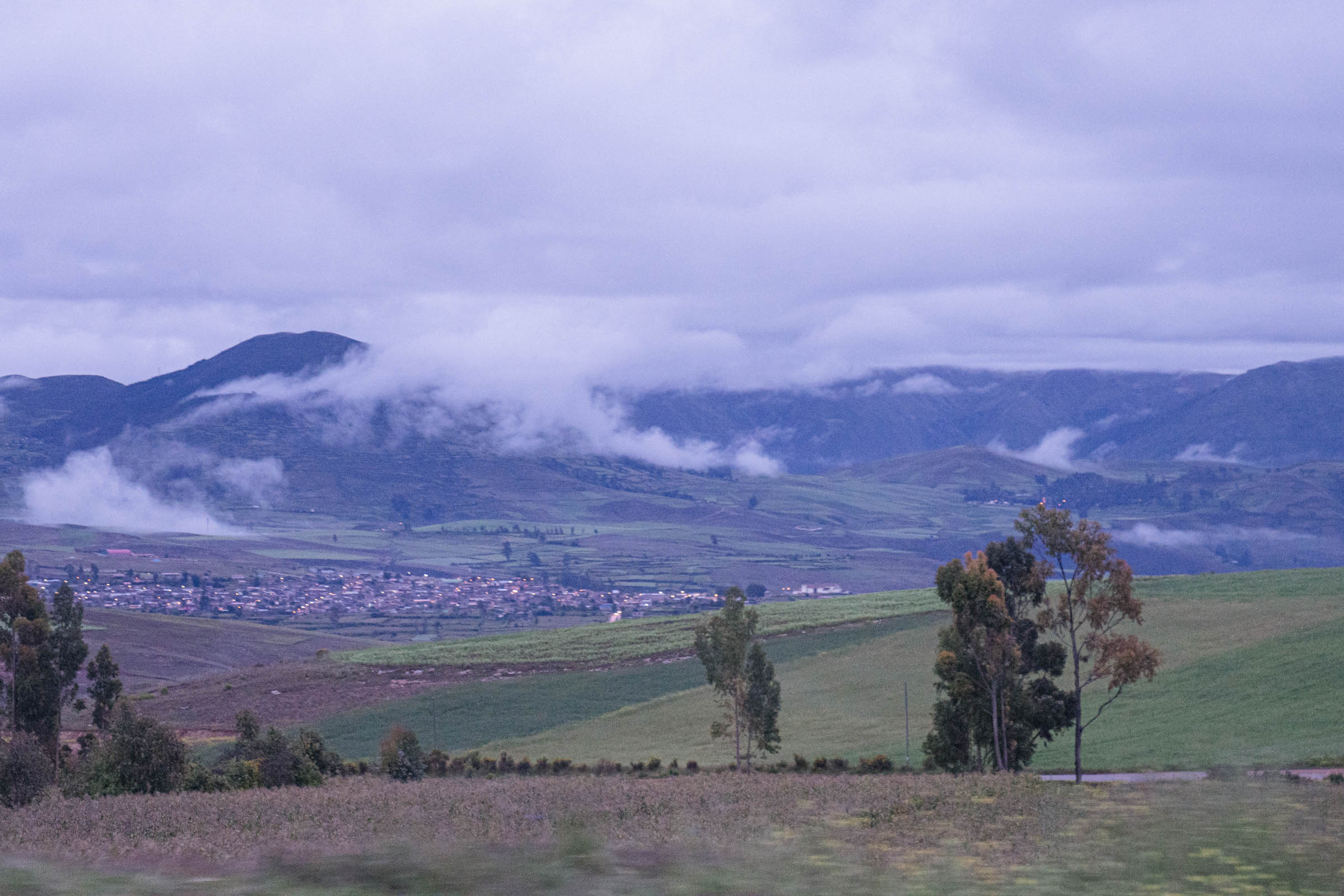
If you missed my earlier letters from Peru, here they are:
- Letters from Peru: Lima, the Gate of the Andes Where the Wind Carries the Whispers of Ancestors
- Swissôtel Lima: Where Swiss Elegance Meets Peruvian Soul
- Brunello Cucinelli in Peru: Italian Elegance Meets Lima
- Letters from Peru: Exploring Cusco with Casa Andina Premium Cusco
FROM CUSCO TO OLLANTAYTAMBO: THE FIRST LEG OF THE JOURNEY
I could hardly sleep that night. Before dawn, the team of Casa Andina Premium Cusco handed us breakfast boxes for the road. In the courtyard, I met the other travelers from our group. We all had the same shining eyes and the same impatience.
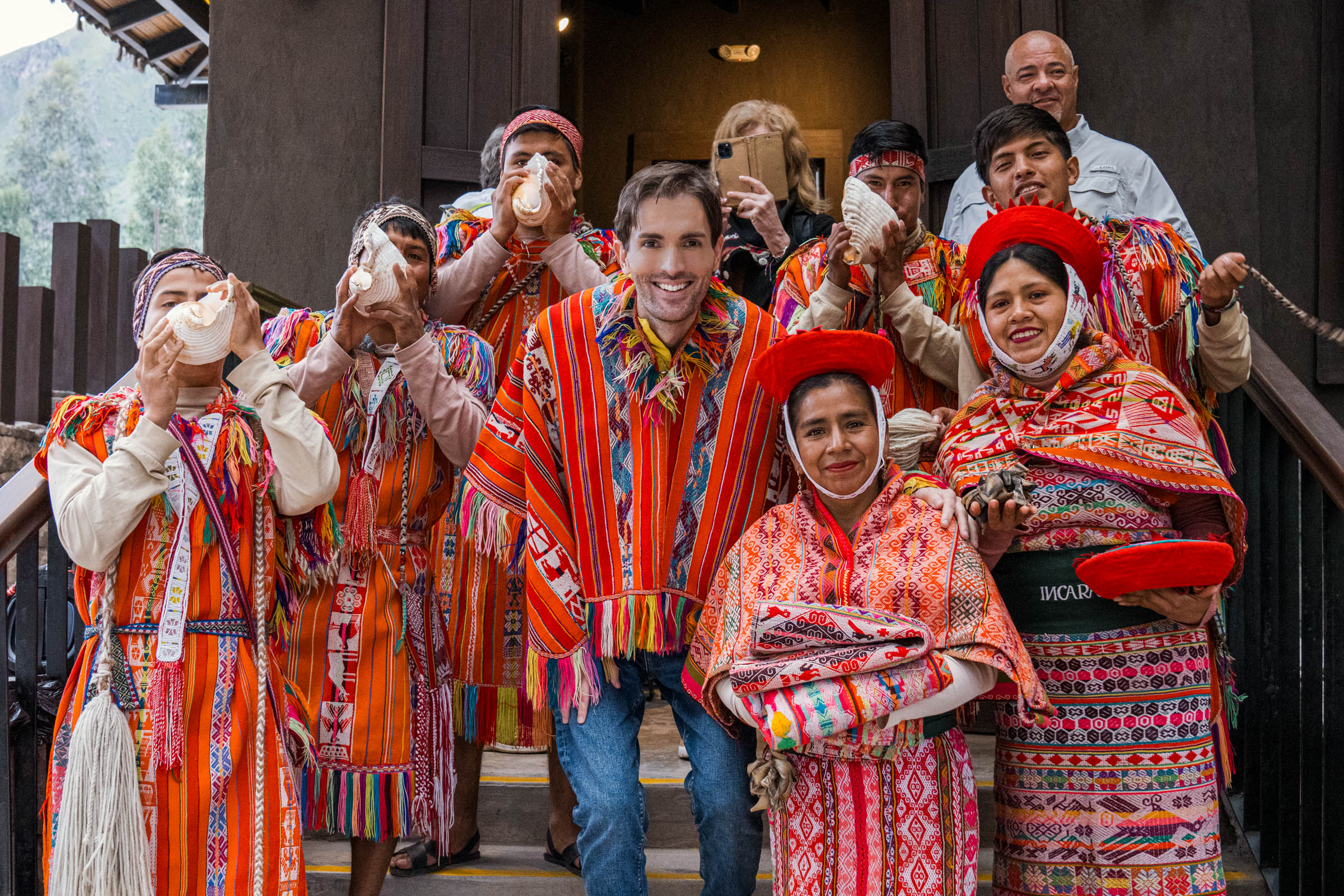
Then we walked down to Avenida El Sol, where the Inca Rail bus was already waiting. We traveled with the Bimodal service, which combines a bus and a train in one ticket. This is not a coincidence. Every year, from January to April, the railway between Cusco and Ollantaytambo closes because of the rainy season. During those months, the first part of the journey goes by road.
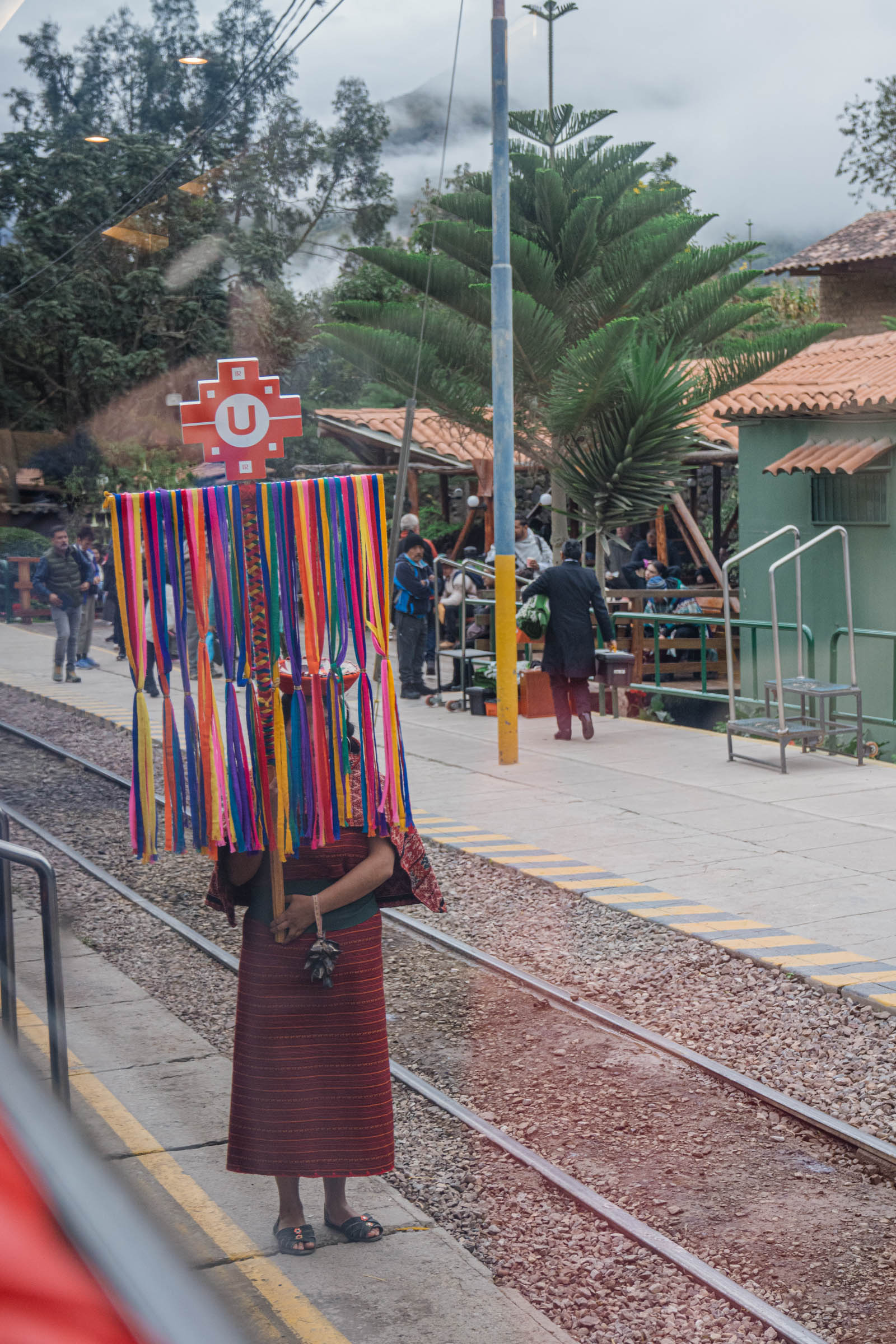
A little before five o’clock, the bus set off. Slowly, the first light painted the terraces of the Sacred Valley gold. After about an hour and a half, we reached Ollantaytambo, a beautiful town surrounded by rocks and Andean peaks. At the station, a dancer in a colorful costume greeted the travelers on the platform. Soon after, the staff invited us to board.
INCA RAIL THE 360°: A PANORAMIC TRAIN TO MACHU PICCHU
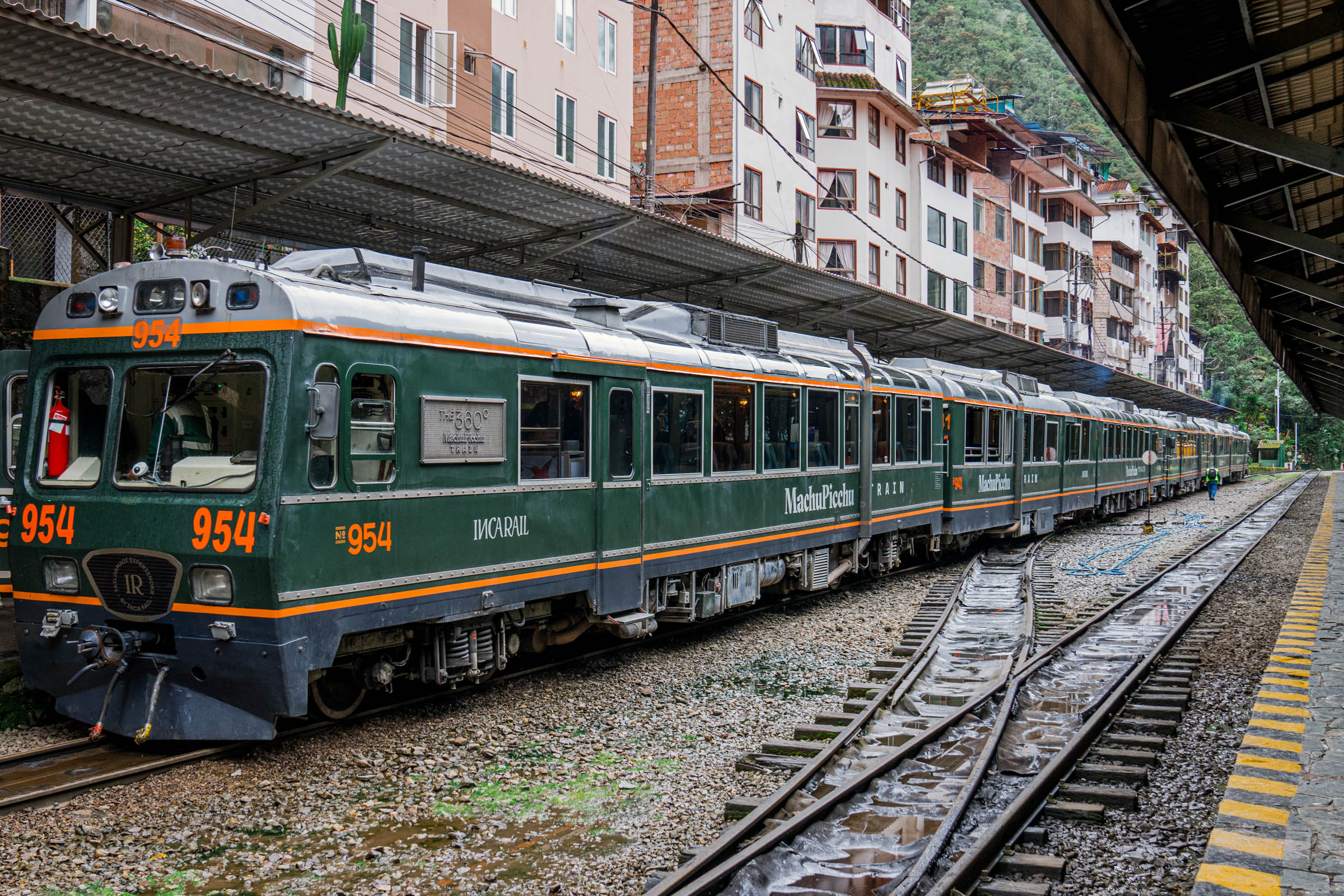
Inca Rail launched The 360° in 2018, and the name says everything. The carriages have wide panoramic windows that reach into the roof. As soon as we left Ollantaytambo, my gaze went straight up to the sky. My seat was wide and soft, the air conditioning was pleasant, and I had plenty of legroom.
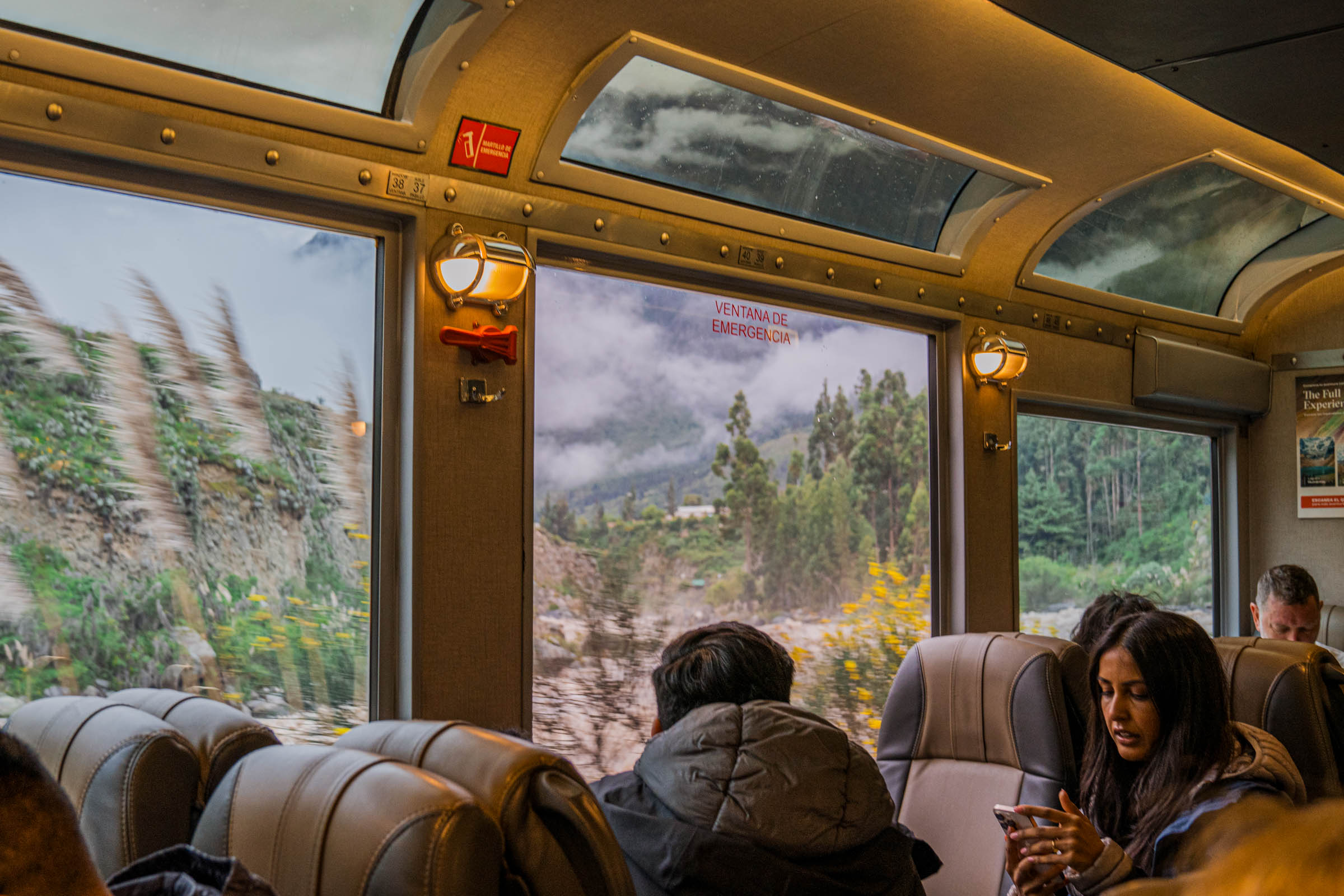
The biggest surprise waits in the middle of the train. There, The 360° has an open-air observatory car, so you can step outside and breathe the mountain air. Two local musicians played there during our ride. On board, the staff also served snacks made with local ingredients, together with hot and cold drinks. My companions chose Andean herbal tea, which helps with the altitude.
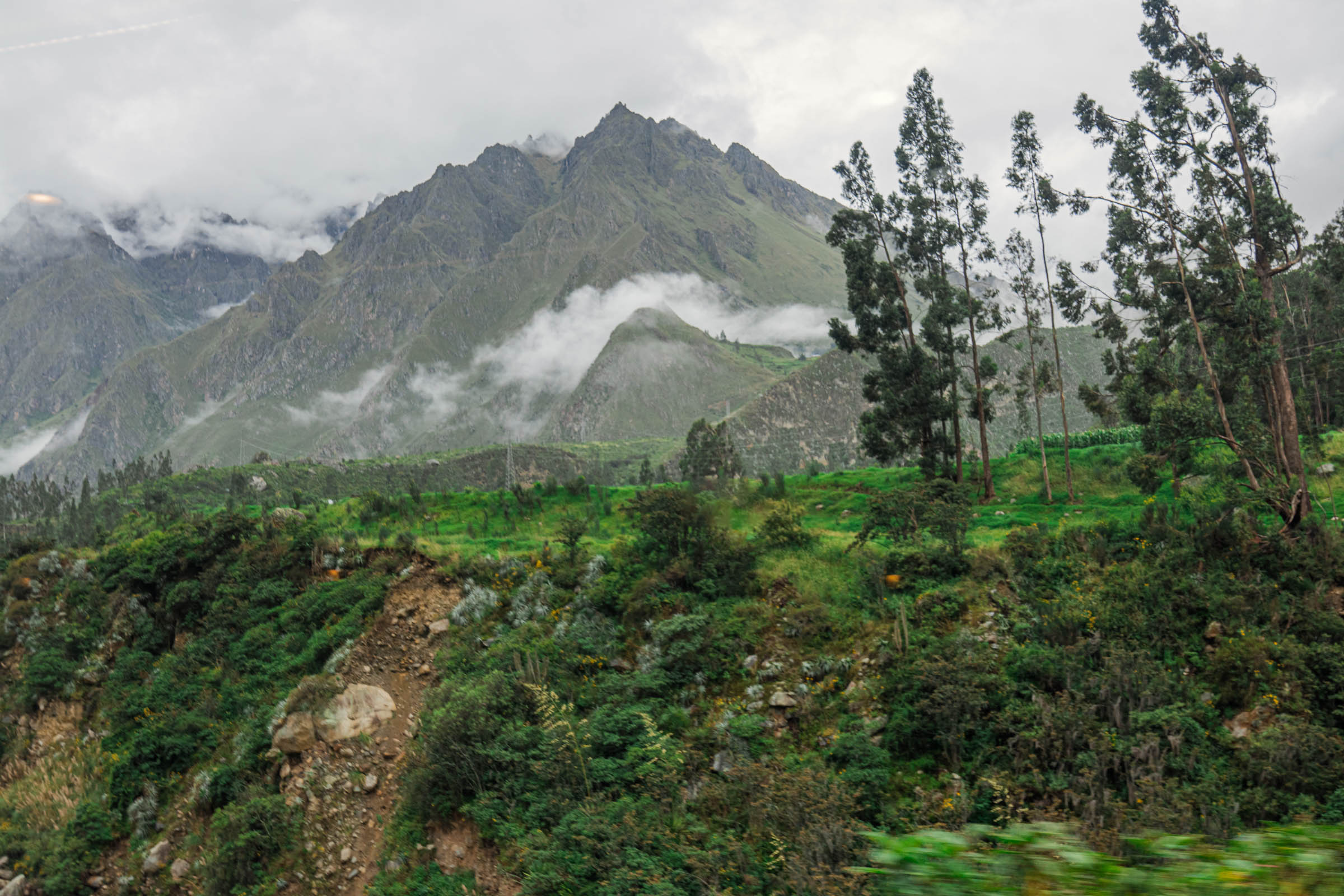
Then came a moment I did not expect. In our carriage, two performers in traditional costumes acted out an Andean love story. For a few minutes, everybody forgot the windows and watched them. Small details like this make a journey personal. In addition, USB sockets next to the seats kept my phone and camera charged all the way.
THROUGH THE SACRED VALLEY: VIEWS FROM THE WINDOW
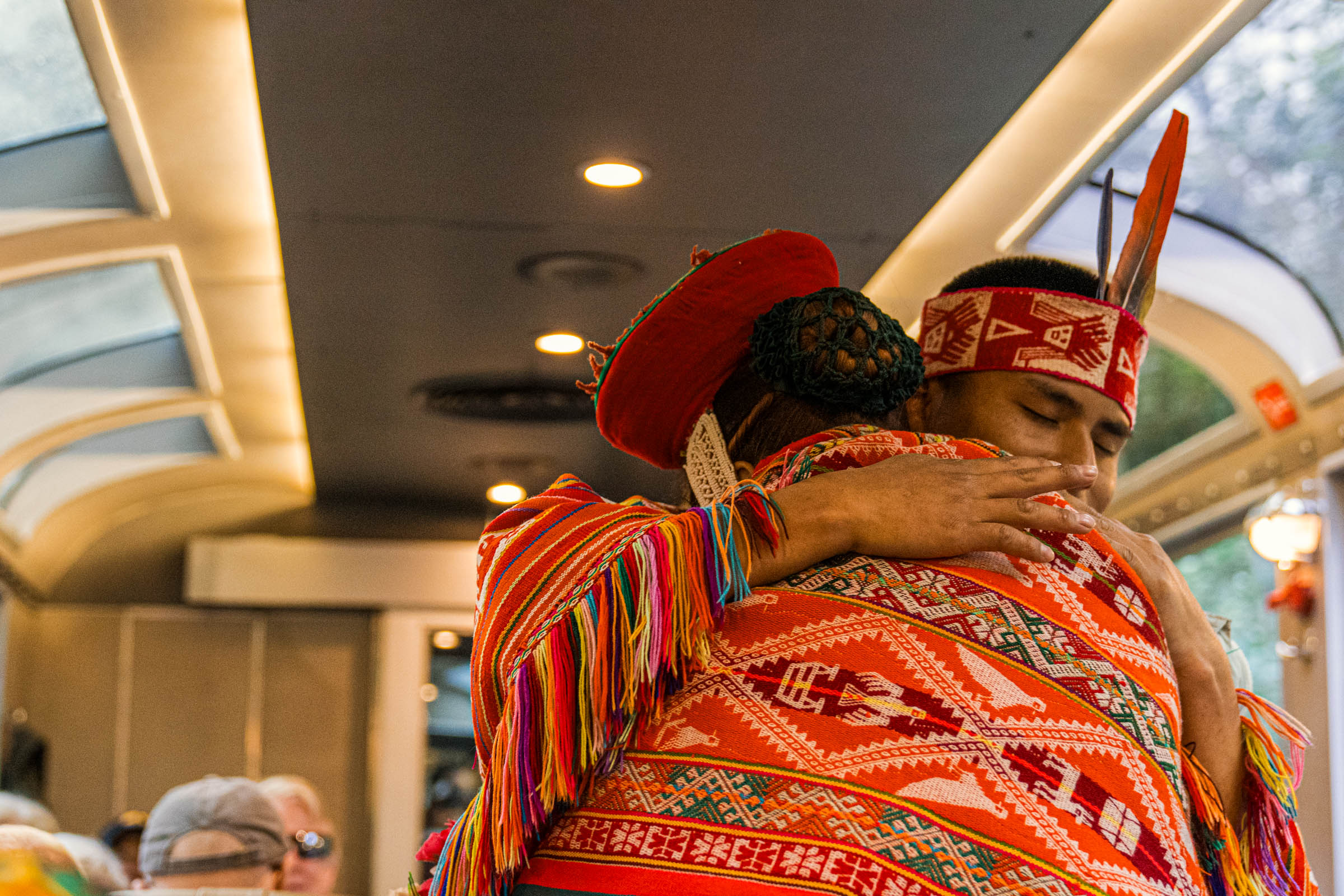
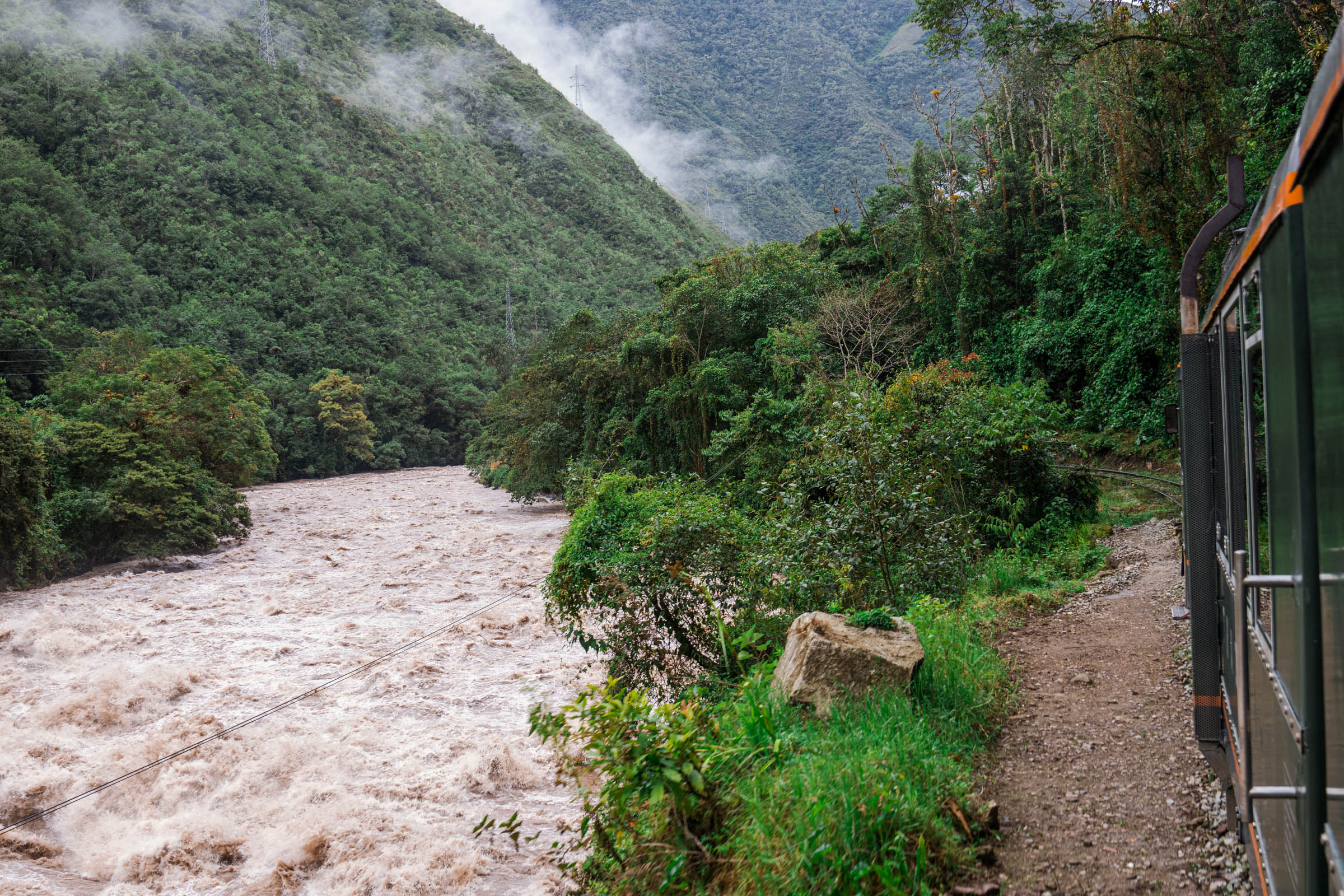
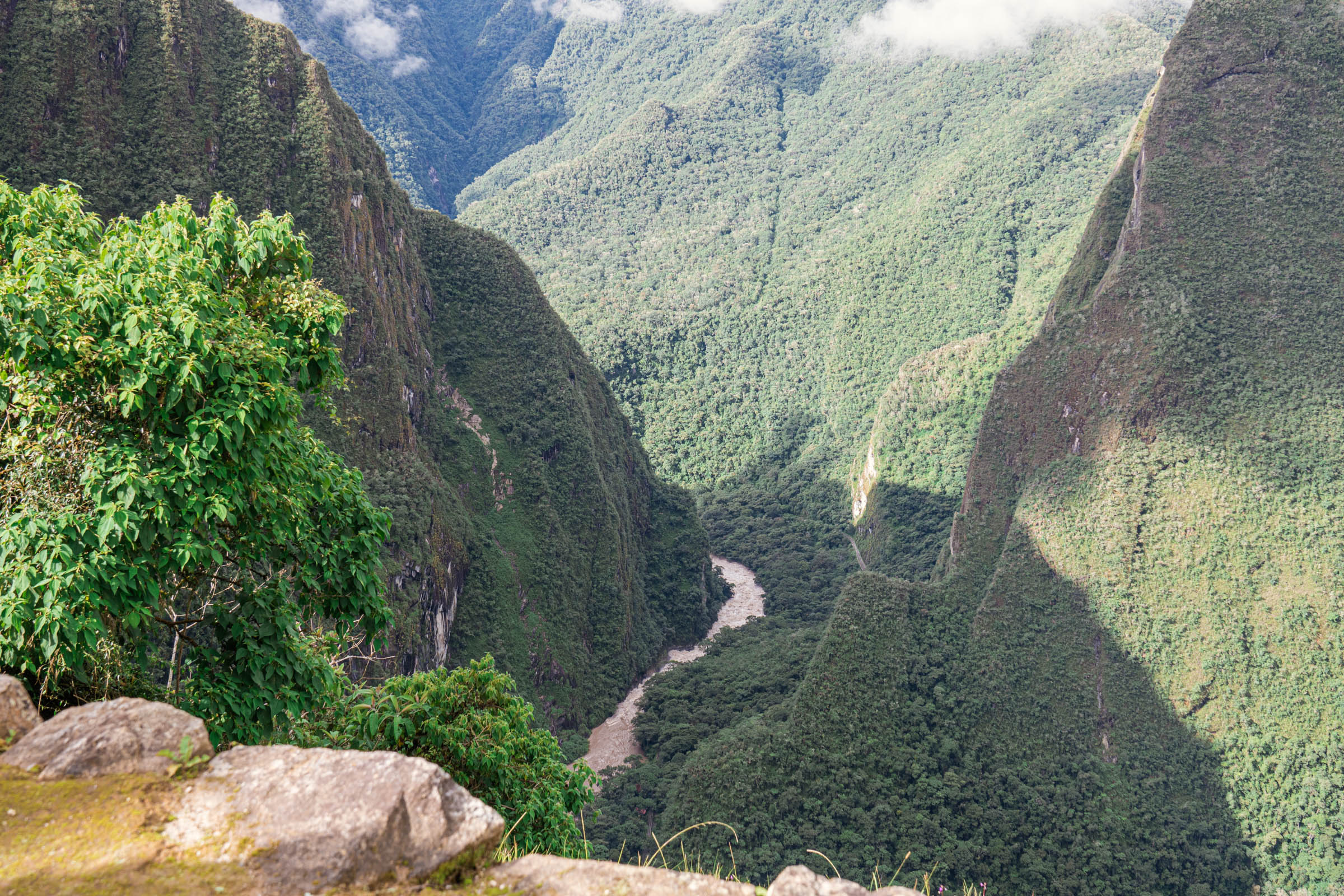
The first views took my breath away. The train followed the Urubamba River, also known as the Vilcanota, which rushed beside the tracks in shades of brown and silver. On one side, there were meadows and small fields. On the other, dense forest climbed the slopes. Far in the background, a snow-capped peak appeared between the clouds.
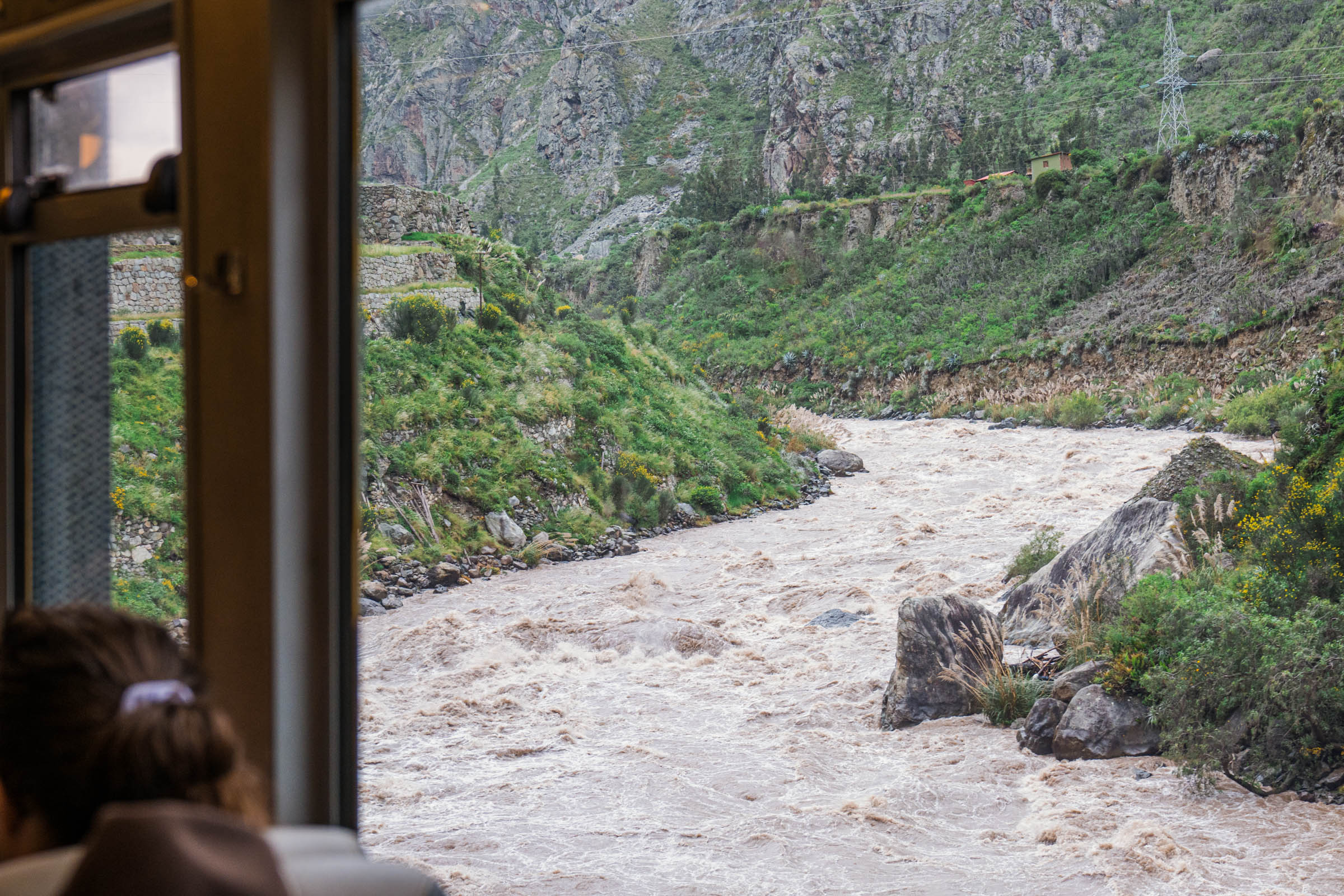
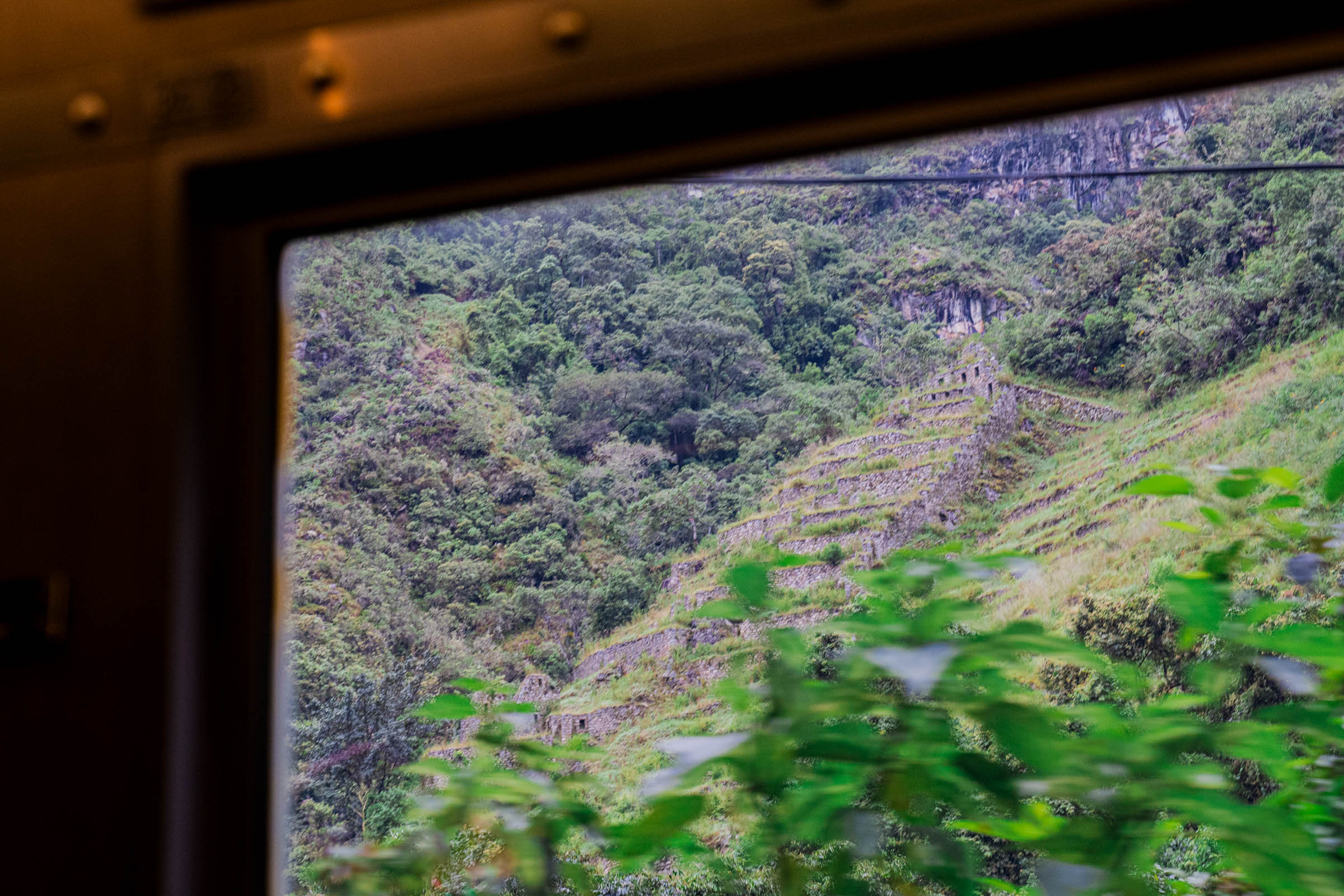
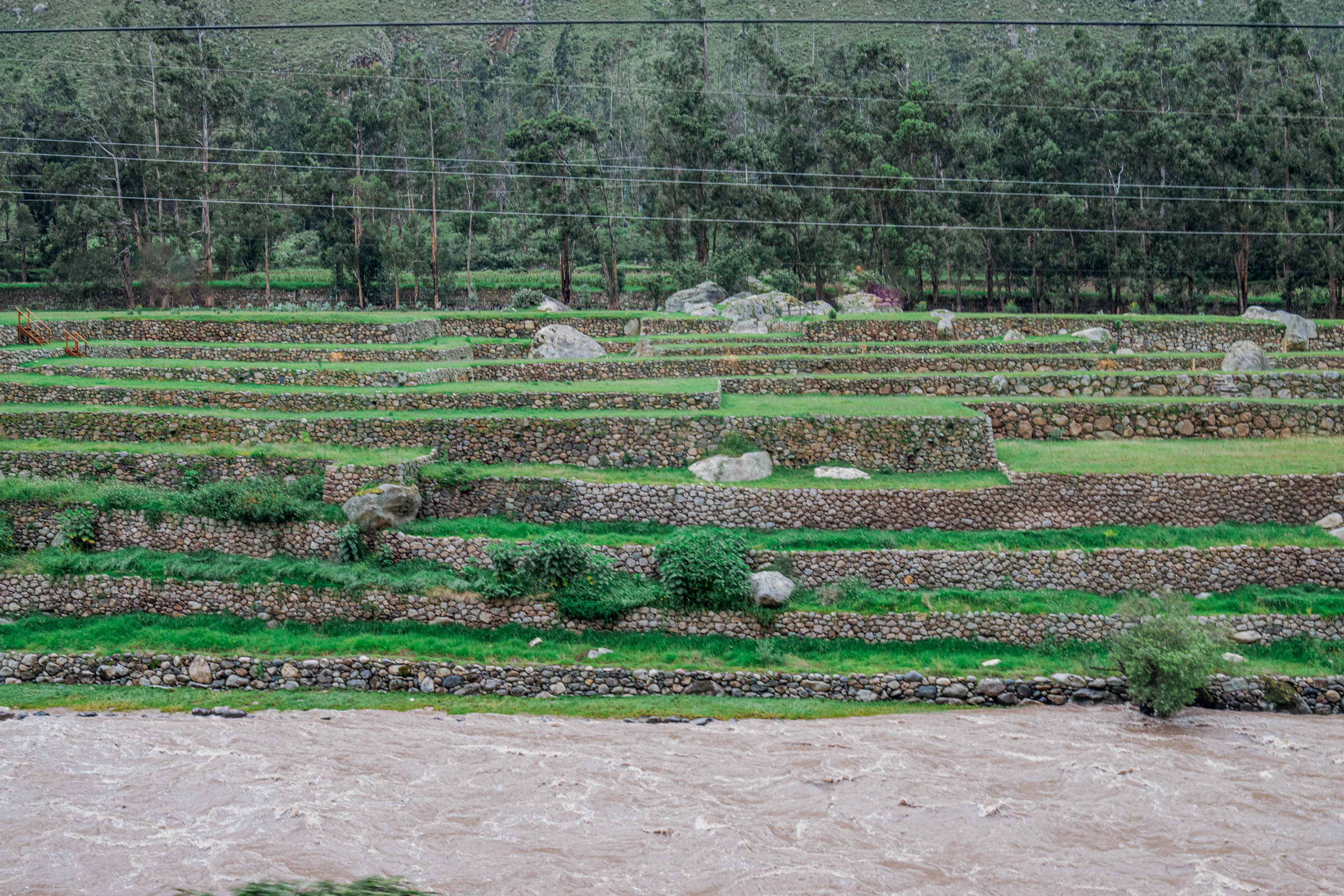
In the fields, farmers stopped their work and waved at us. Ancient Inca terraces still shaped the hillsides, and the river grew wilder with every kilometer. Gradually, the dry valley turned into green cloud forest. The journey from Ollantaytambo to Aguas Calientes takes about an hour and a half. For me, it felt like ten minutes.
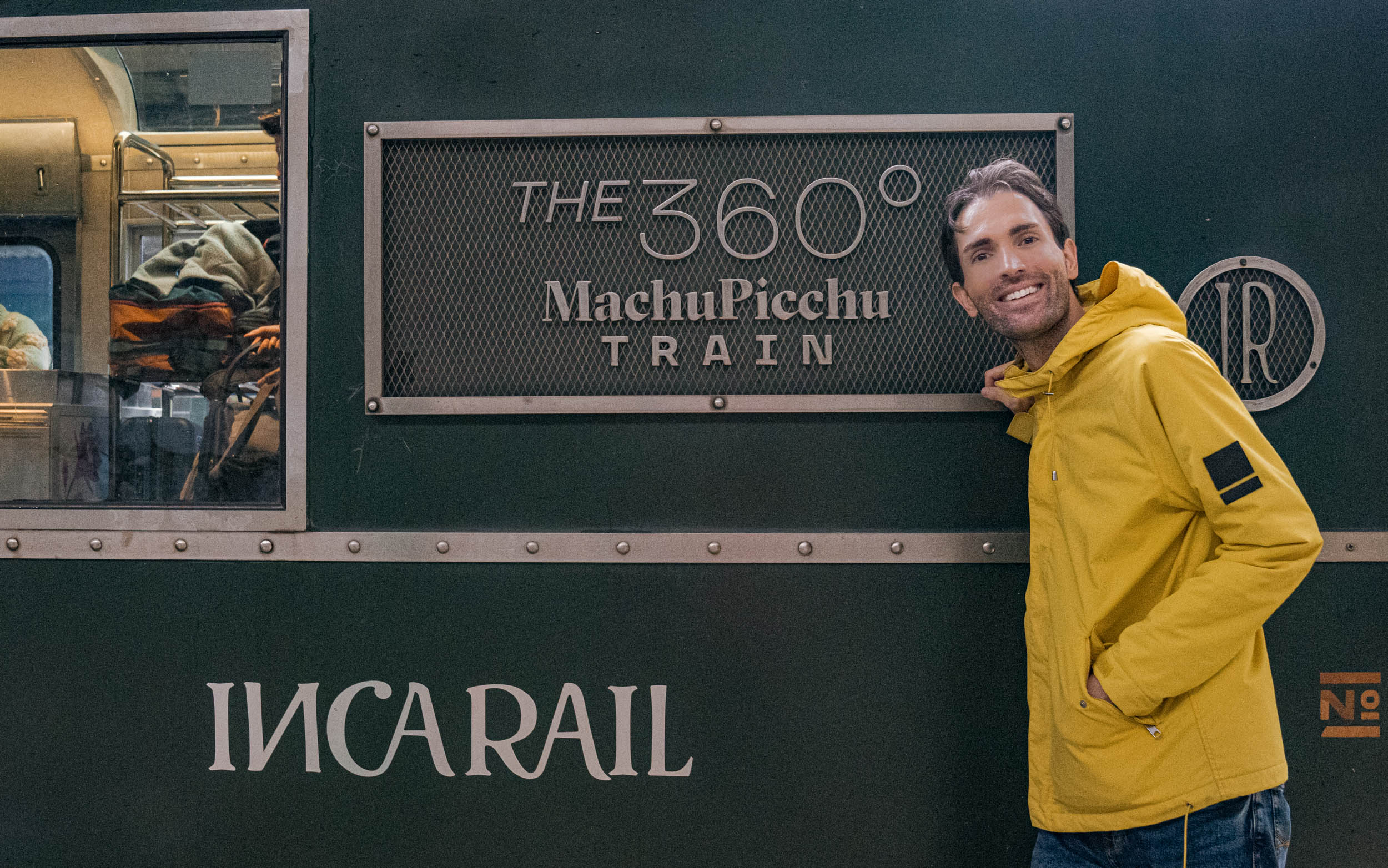
Finally, the train slowed down above the town of Aguas Calientes. Before I stepped off, I took a photo next to the sign of The 360° Machu Picchu Train. I knew that the legendary citadel was now only a short bus ride away.
MACHU PICCHU SPECIALISTS: A GUIDED DAY AT THE CITADEL
For the visit itself, we trusted Machu Picchu Specialists. I knew this Peruvian tour agency from the stories of other travelers. However, only on the spot did I truly feel their expertise. Before the trip, I received a detailed itinerary and advice about the altitude. During the day, their 24/7 support gave us complete peace of mind.
Their guides come from these mountains, and they speak about Andean history with real pride. Since 2024, every visitor follows one of three circuits on a fixed, one-way route. So, to see as much as possible in one day, the team booked two different routes for us. In the morning, we walked Circuit 1B through the upper terraces. After lunch, we continued with Circuit 3B through the lower royal sector.
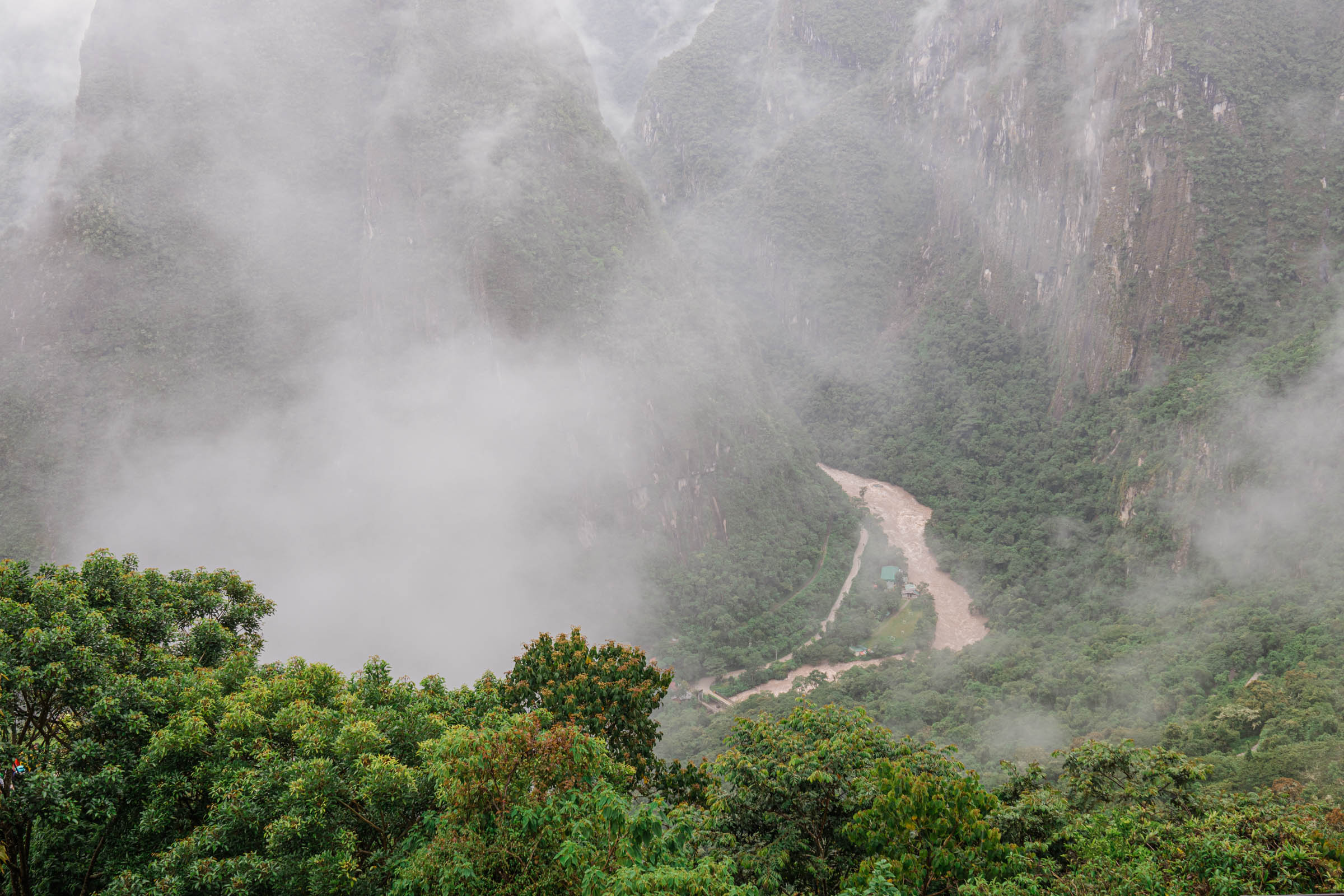
CIRCUIT 1B: THE CLASSIC VIEW OF MACHU PICCHU FROM THE UPPER TERRACES
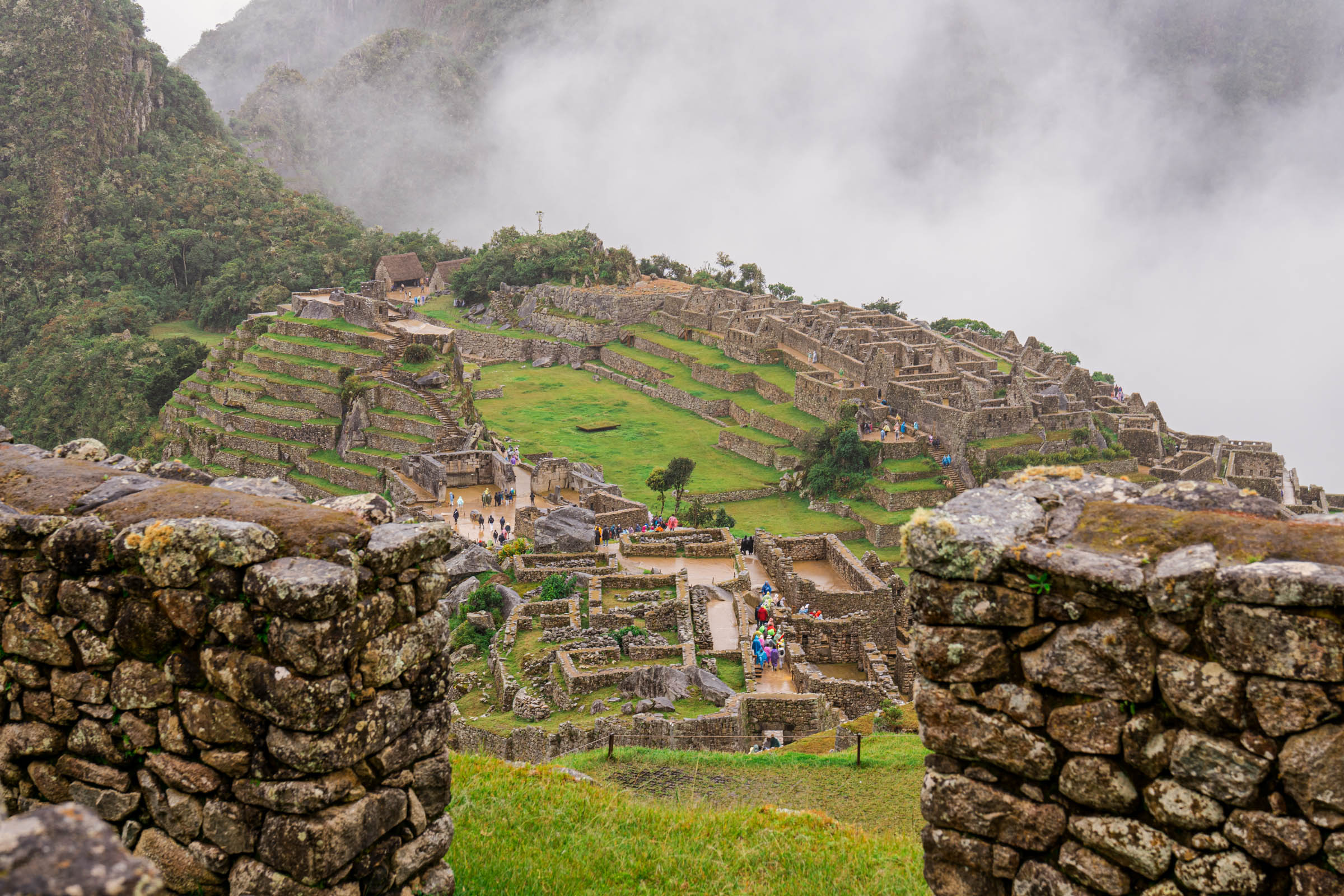
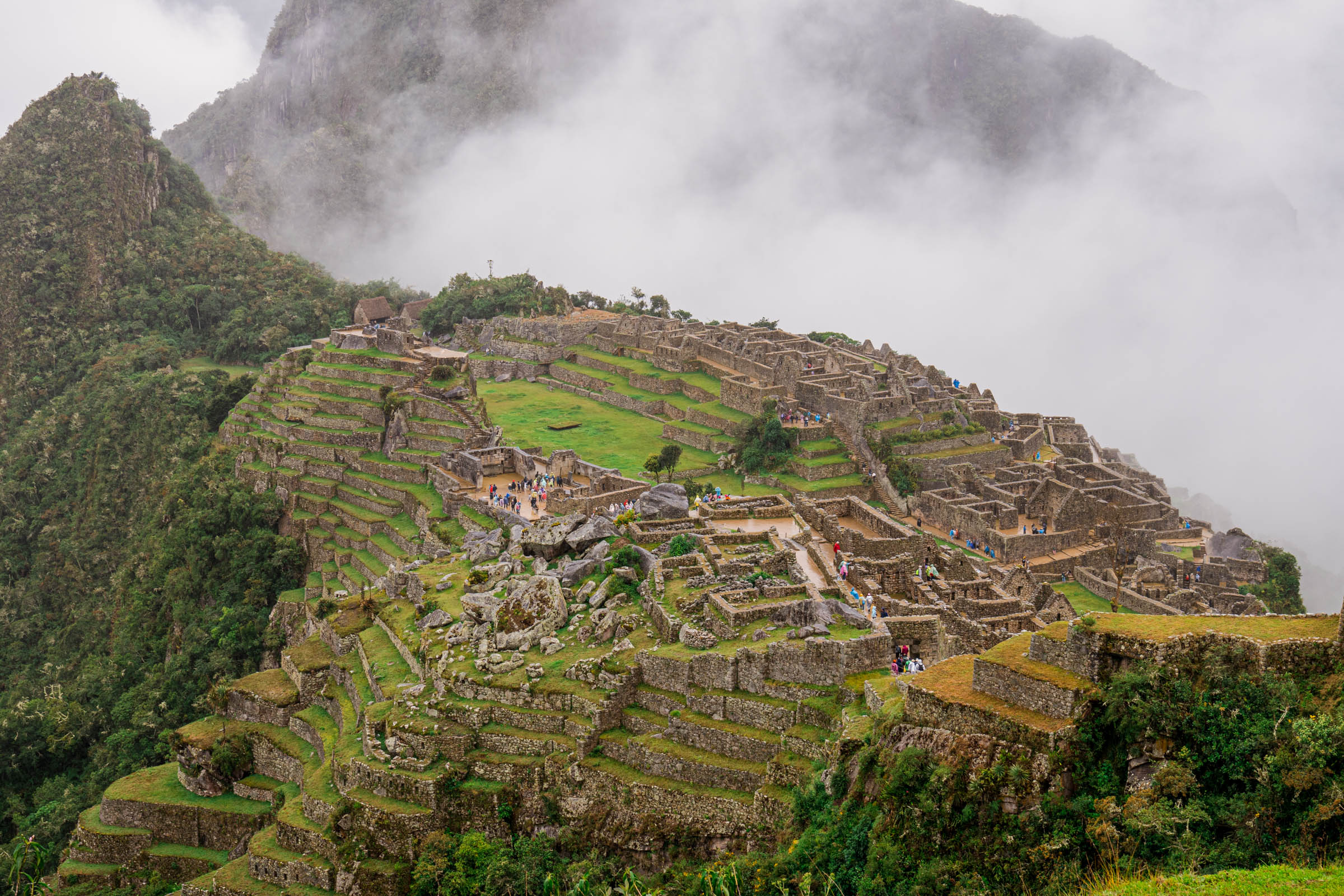
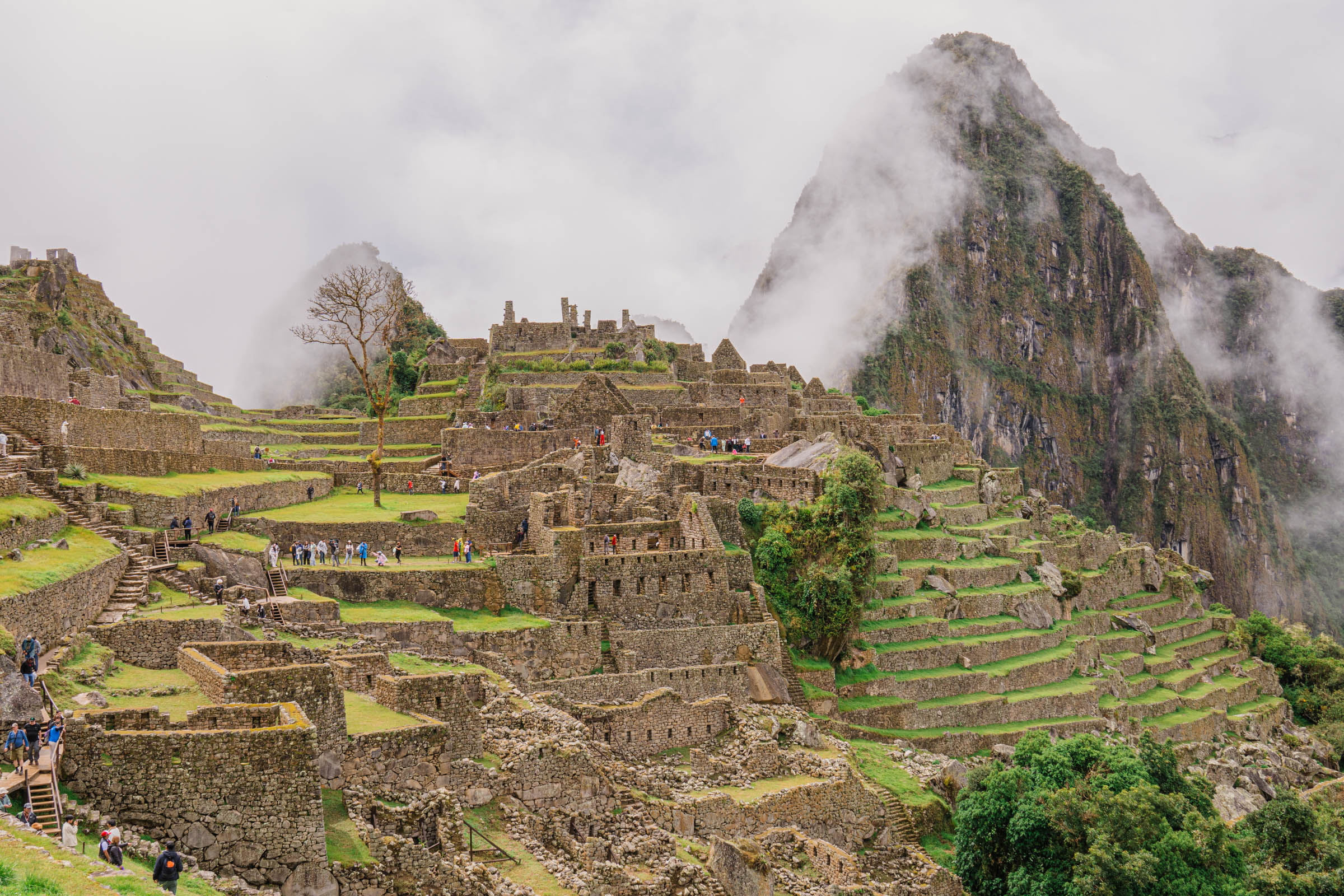
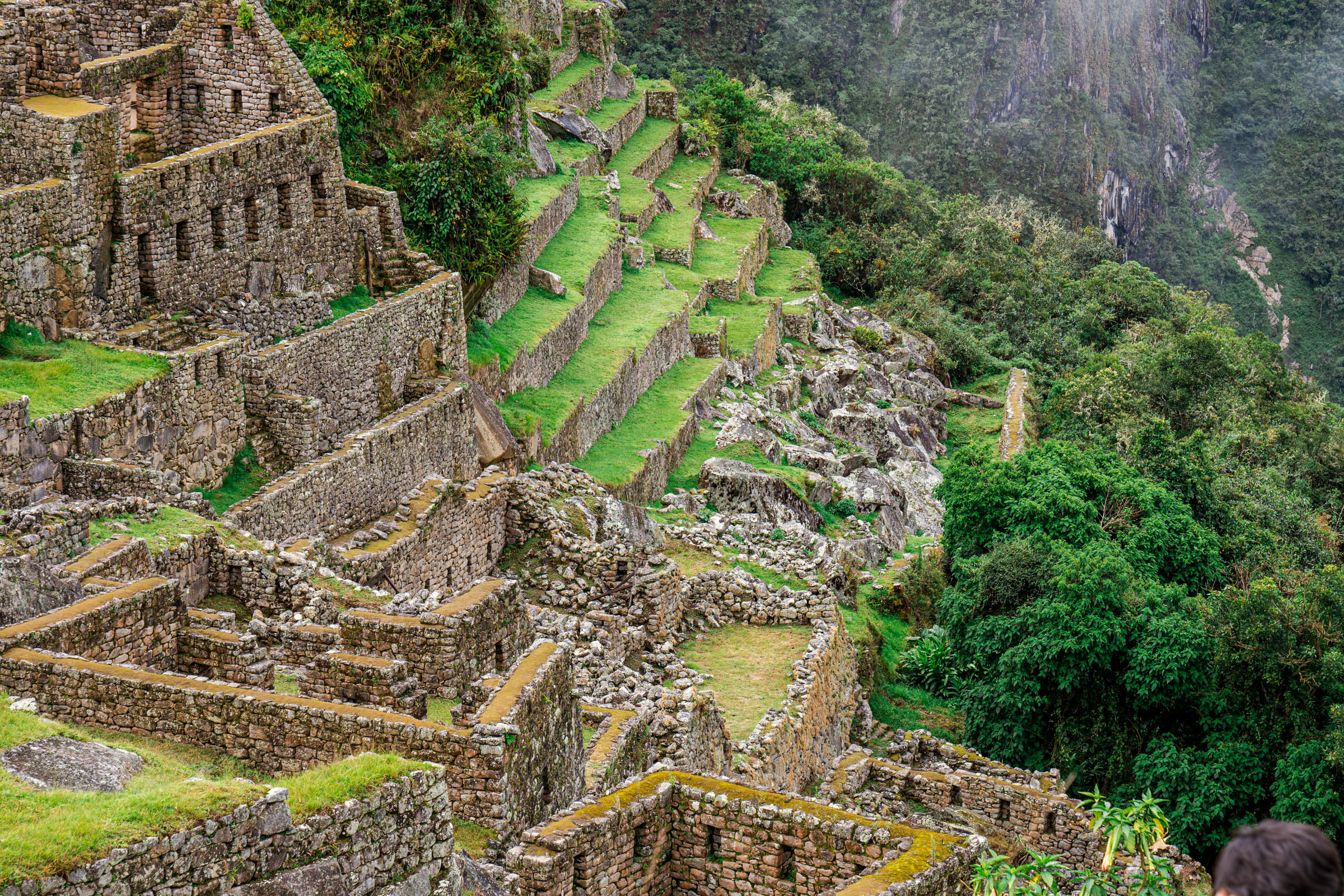
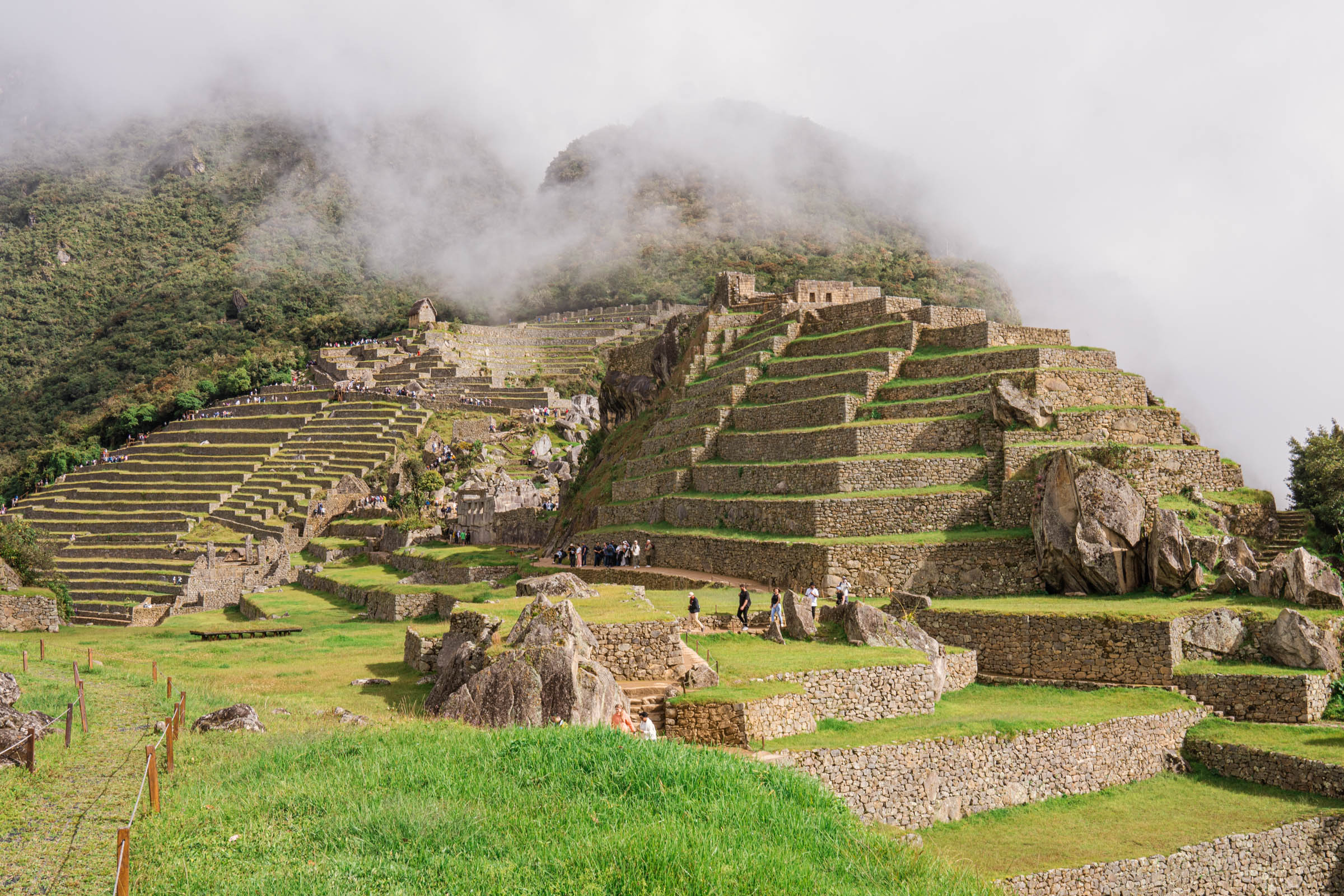
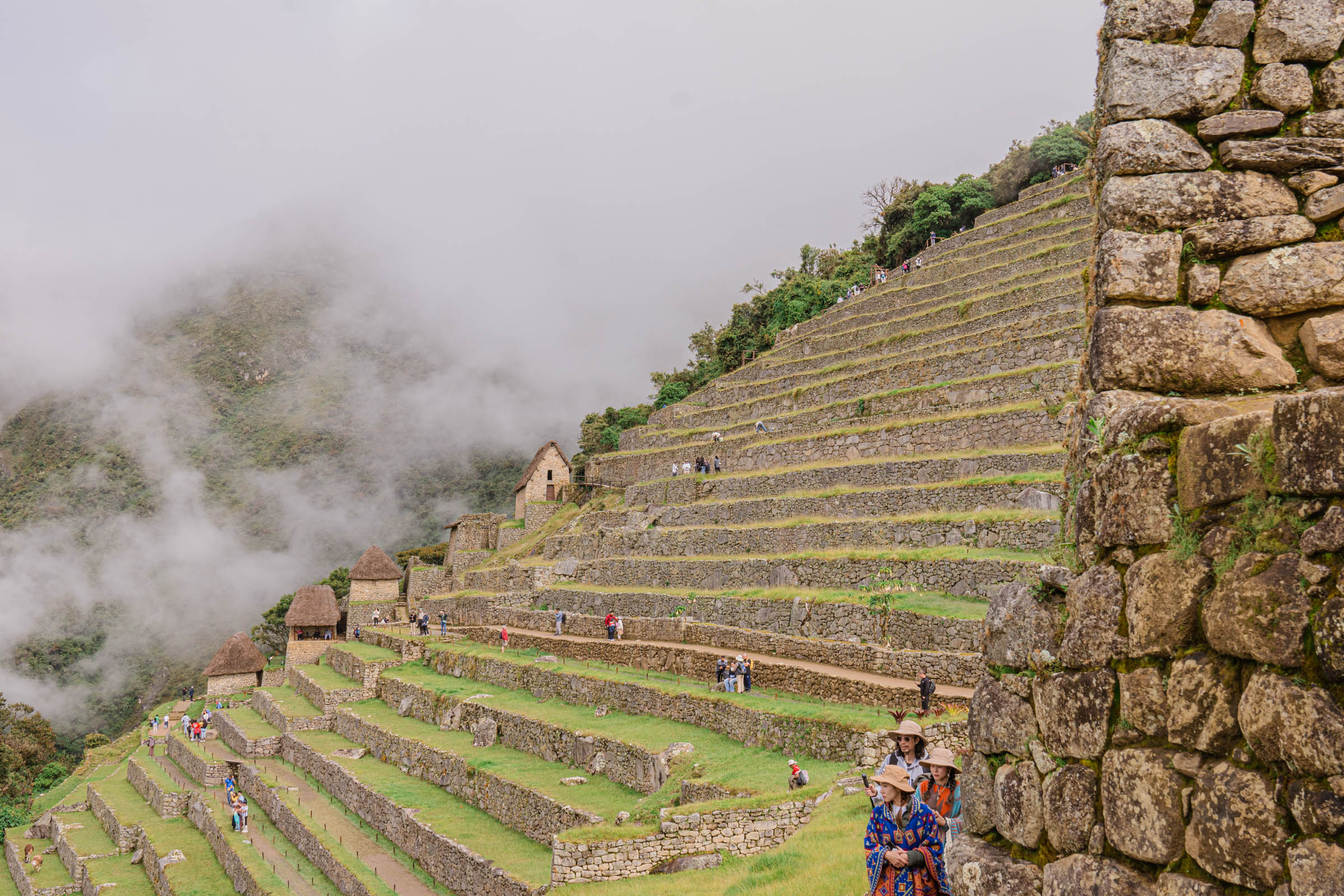
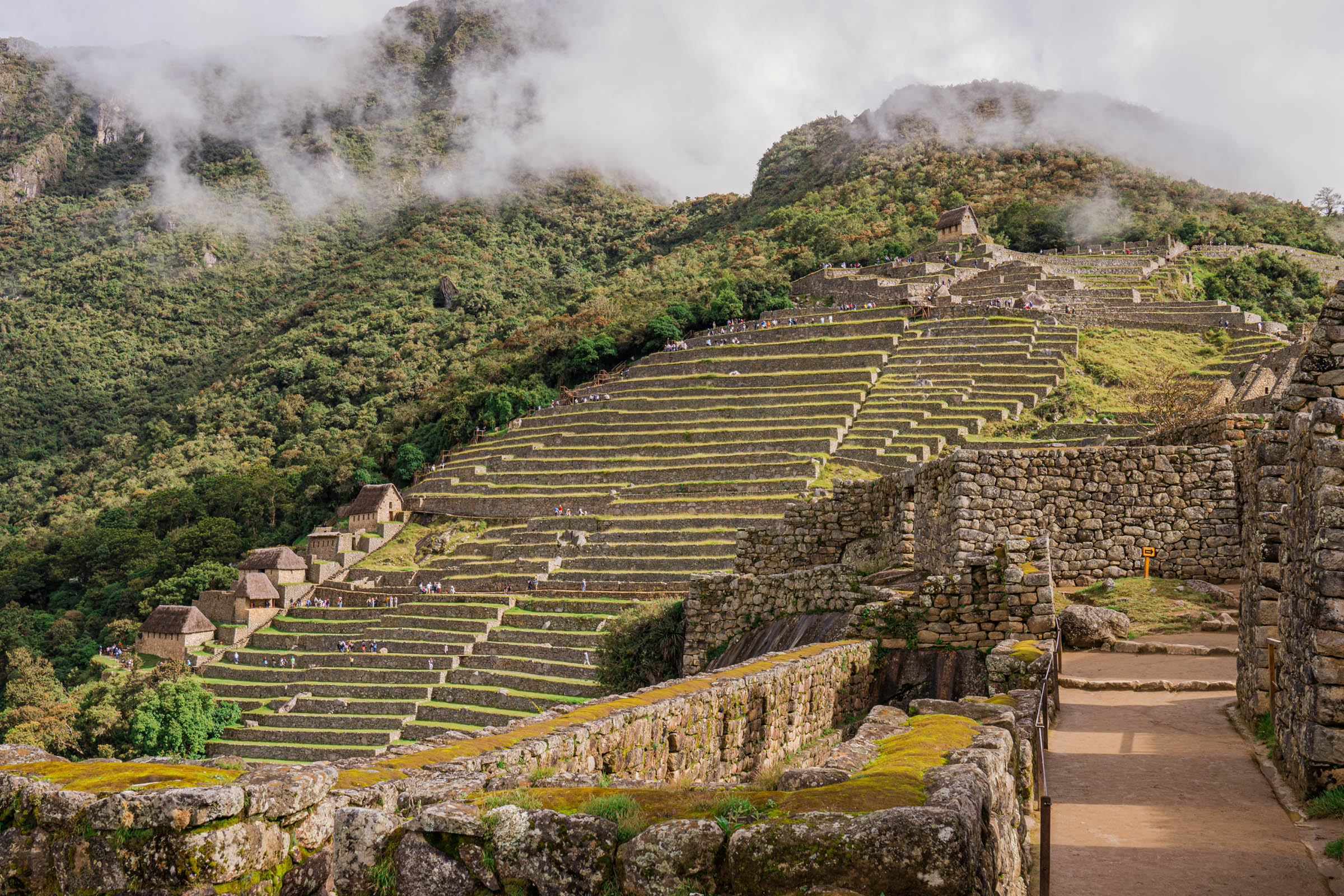
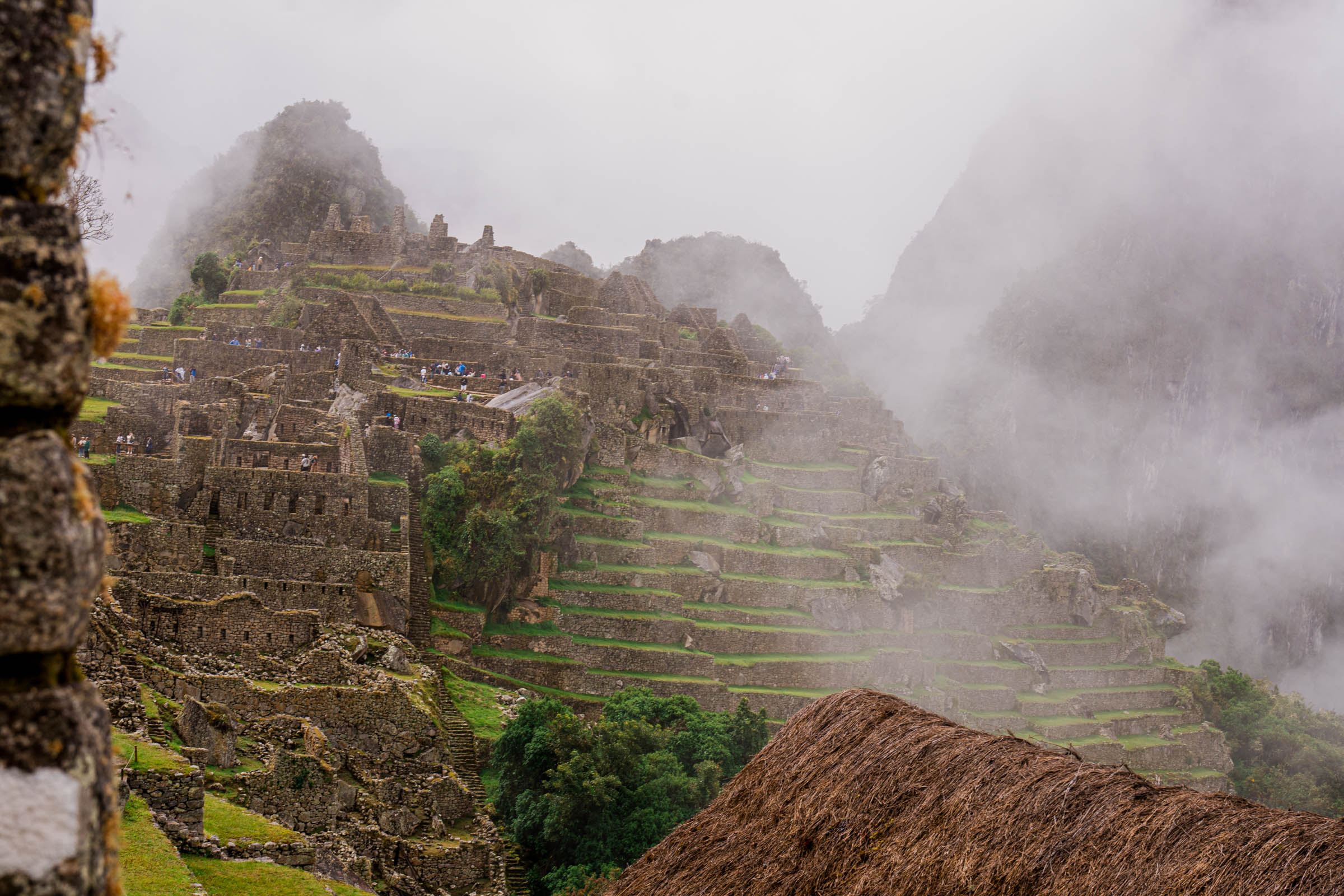
The morning fog welcomed us at the gate. We climbed the stone steps slowly and then simply stopped. Below us lay the green terraces and the gray walls of the city. It was the image I had seen a thousand times in photographs. Now it was real.
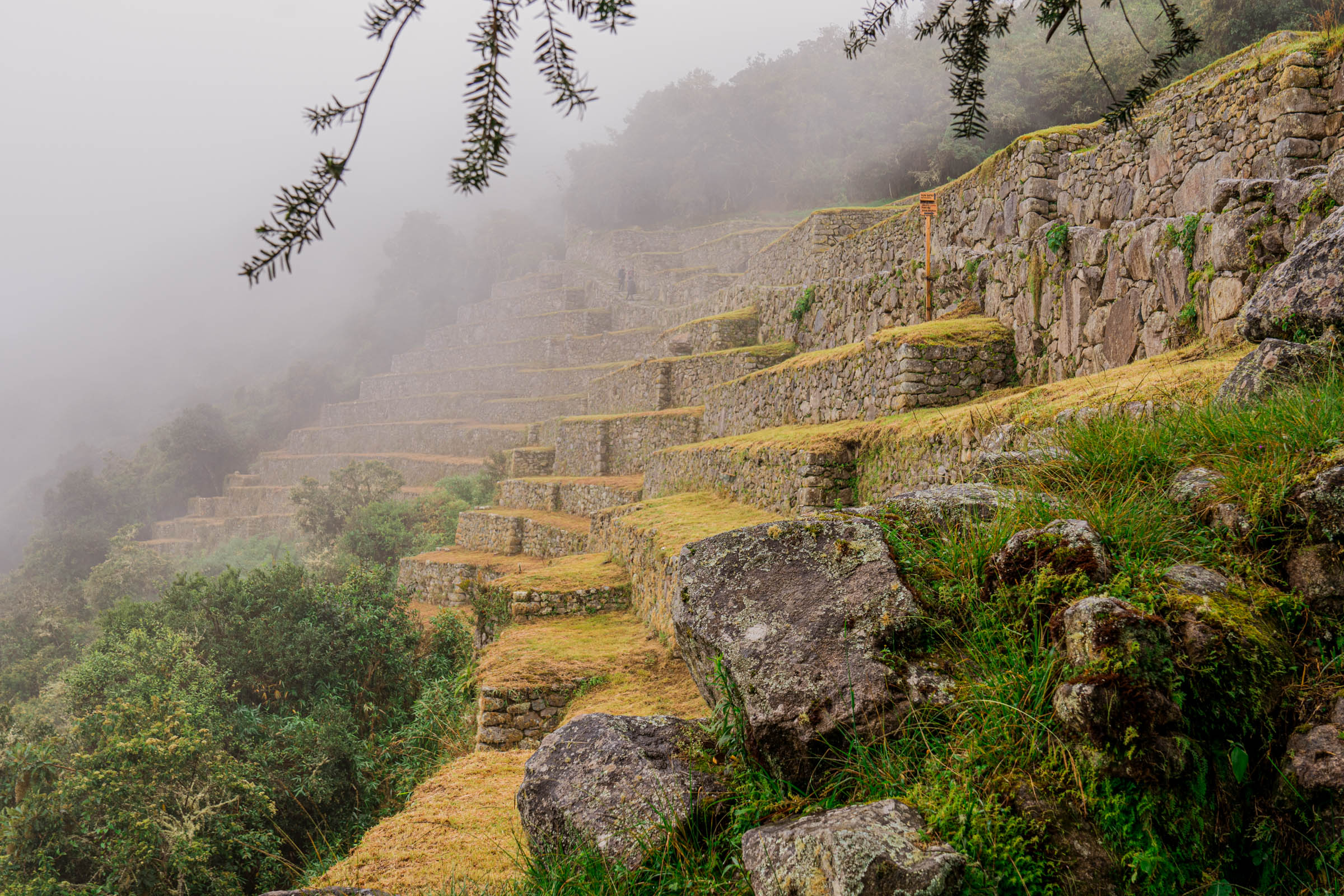
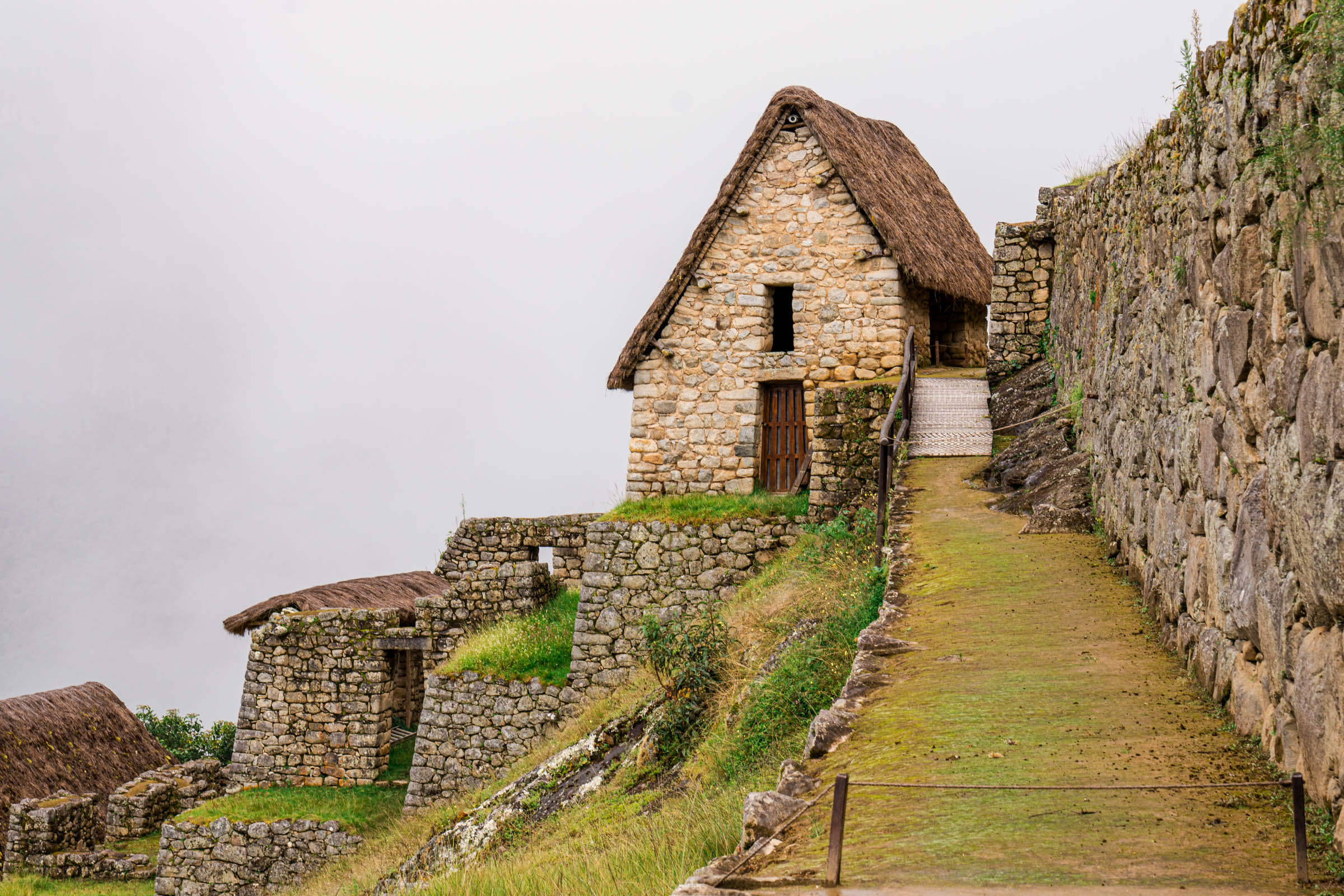
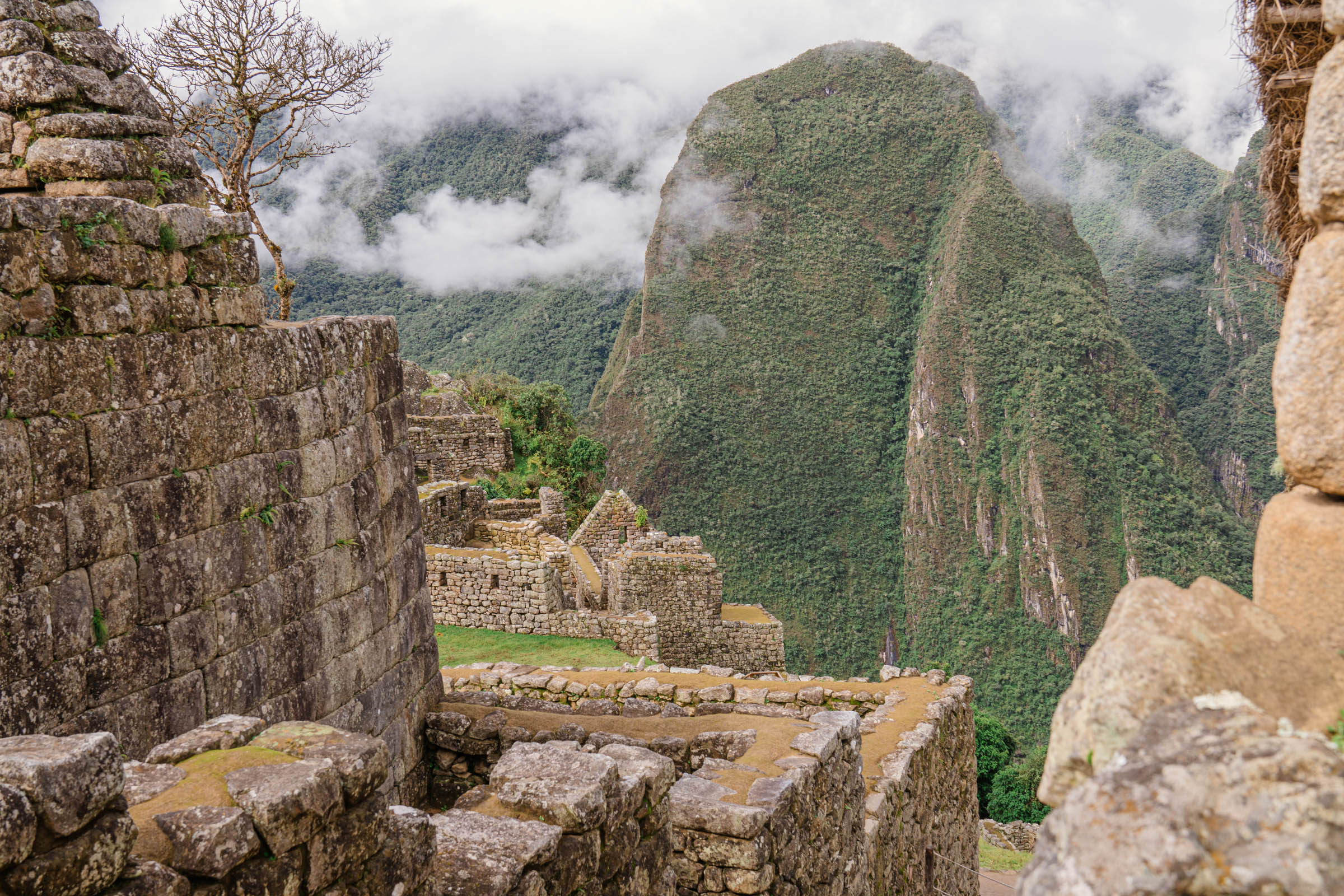
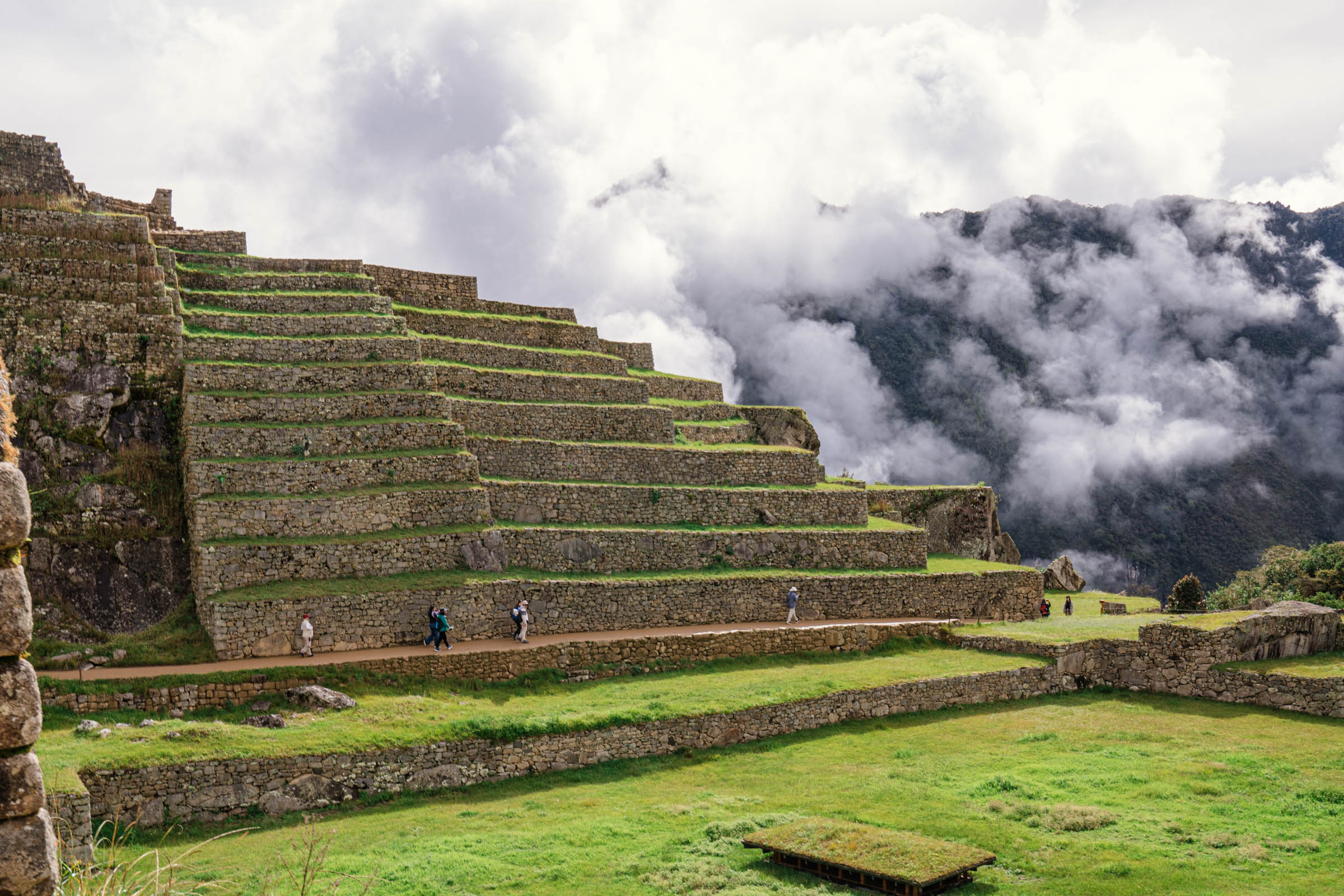
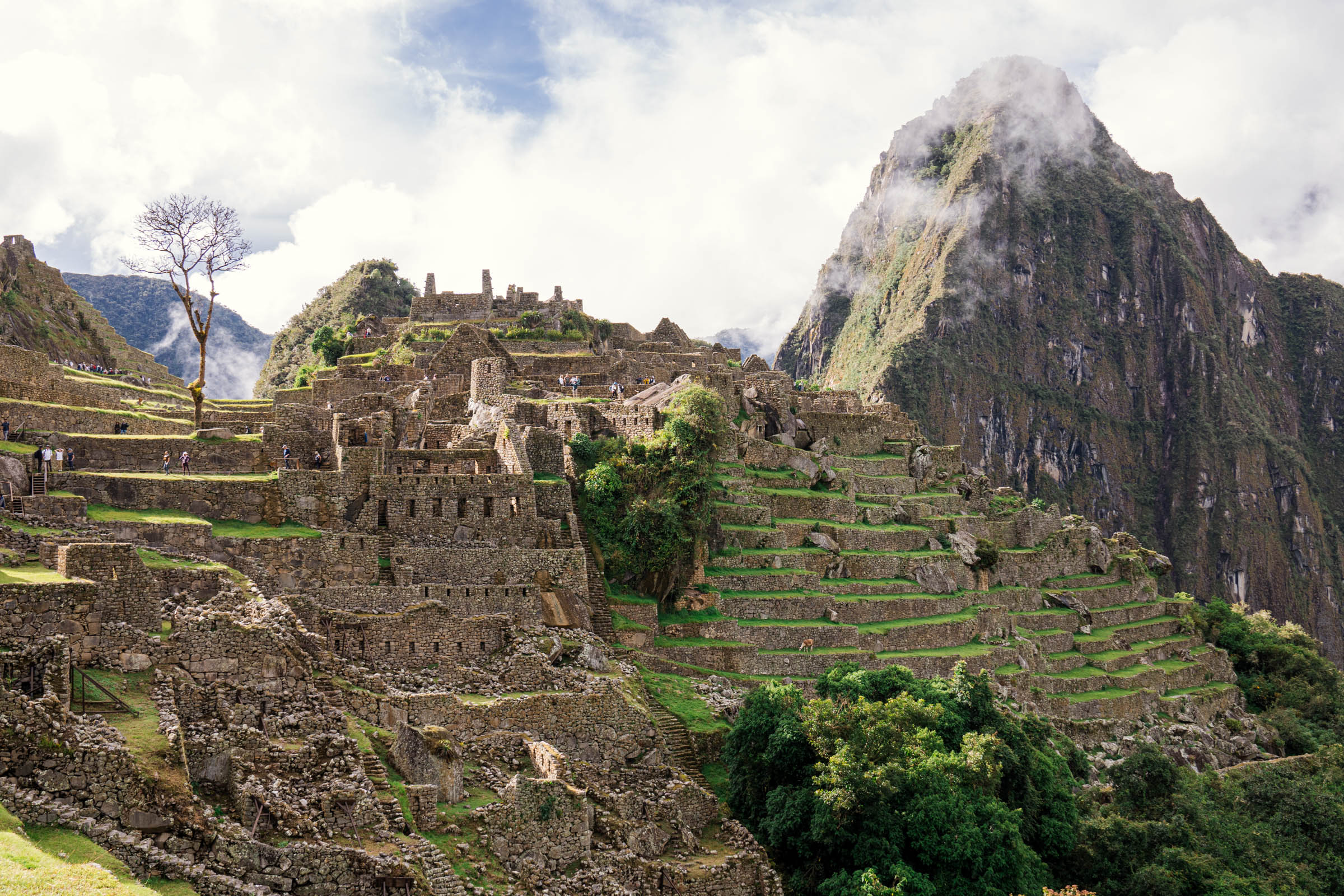
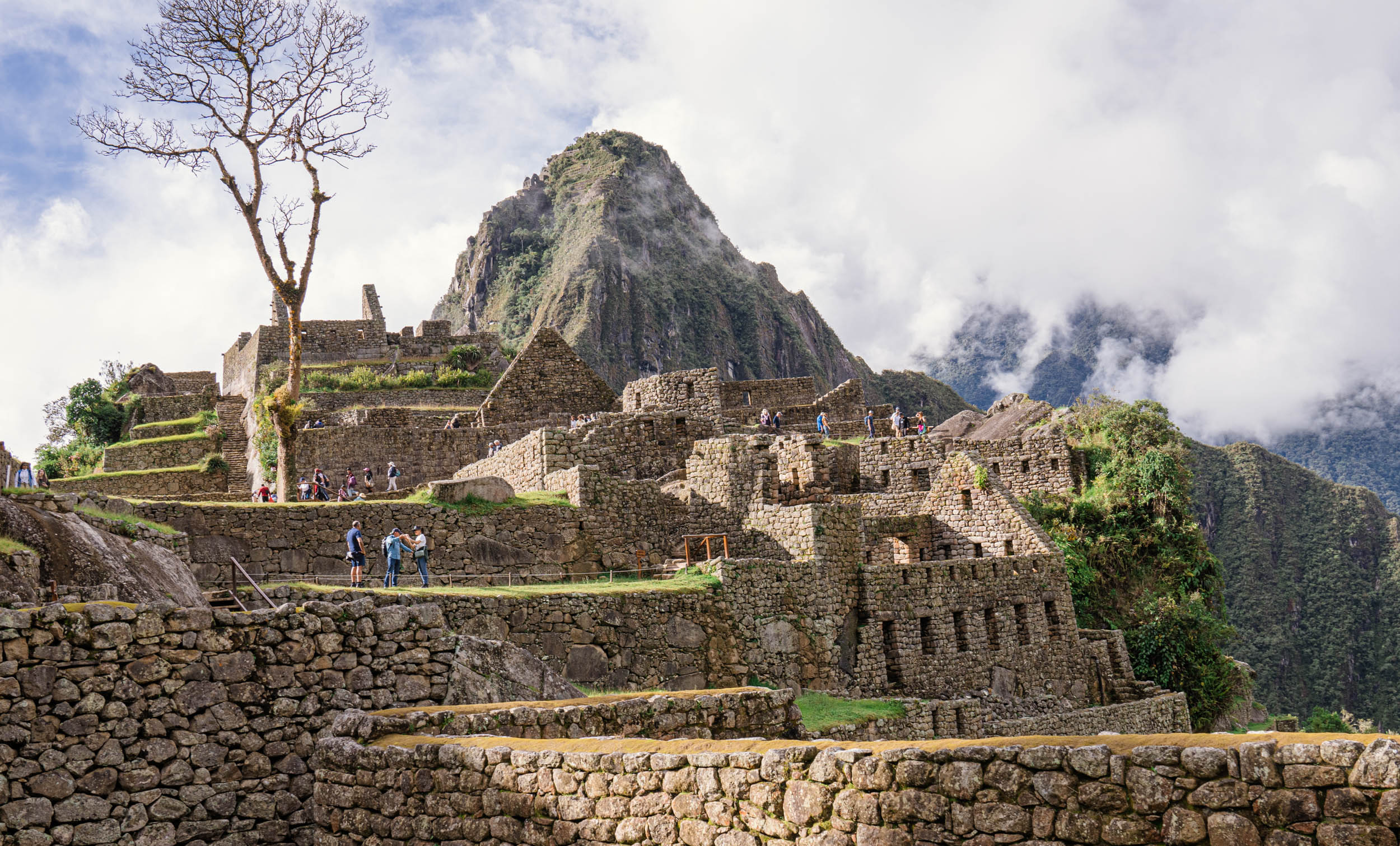
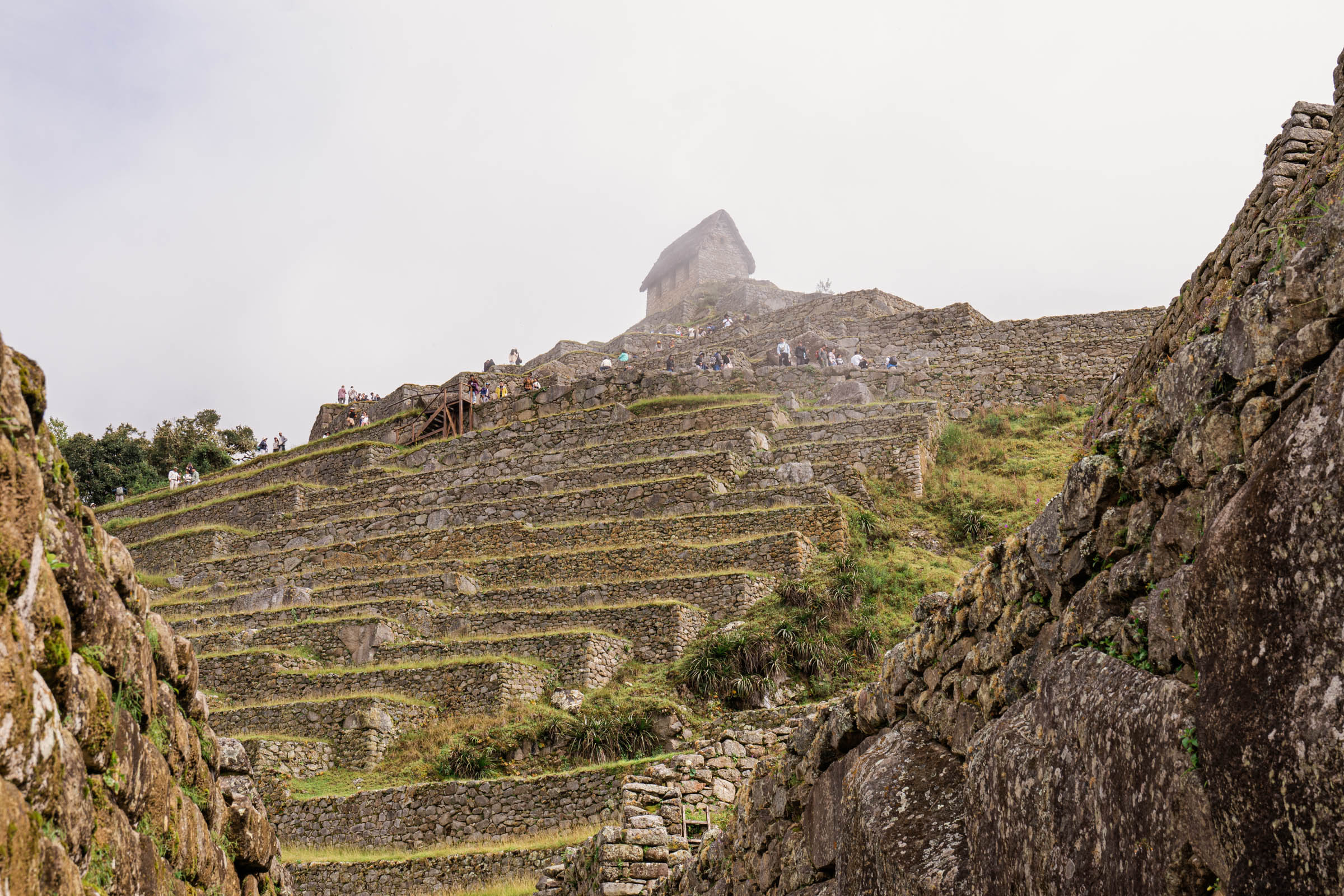
Circuit 1B leads to the upper terraces and the famous viewpoint near the Guardhouse. From there, you see the whole citadel at your feet. Our guide pointed out the main landmarks below: the Temple of the Sun, the Temple of the Three Windows, the Sacred Plaza and the Intihuatana hill. Behind them rose Huayna Picchu, half hidden in the clouds.
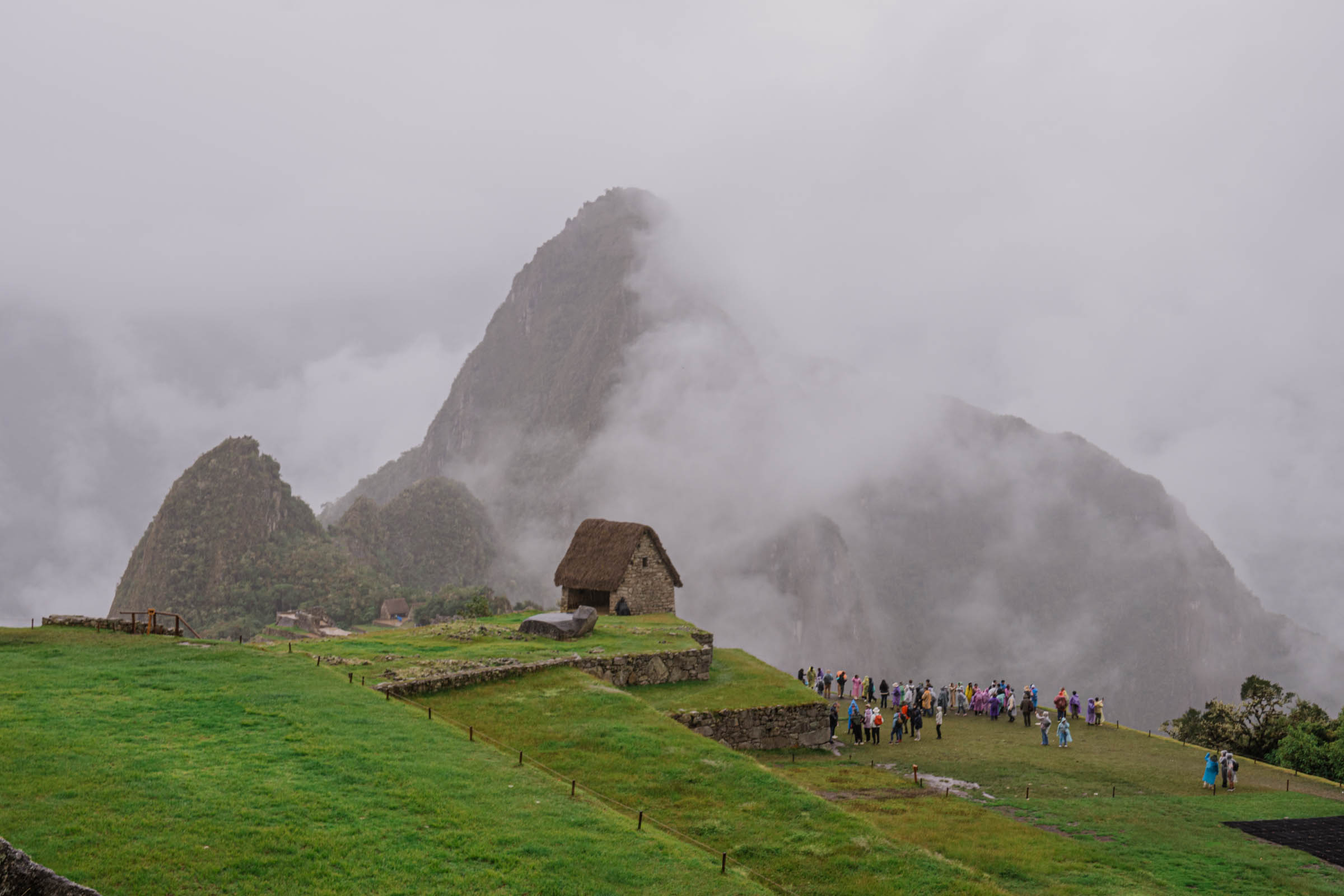
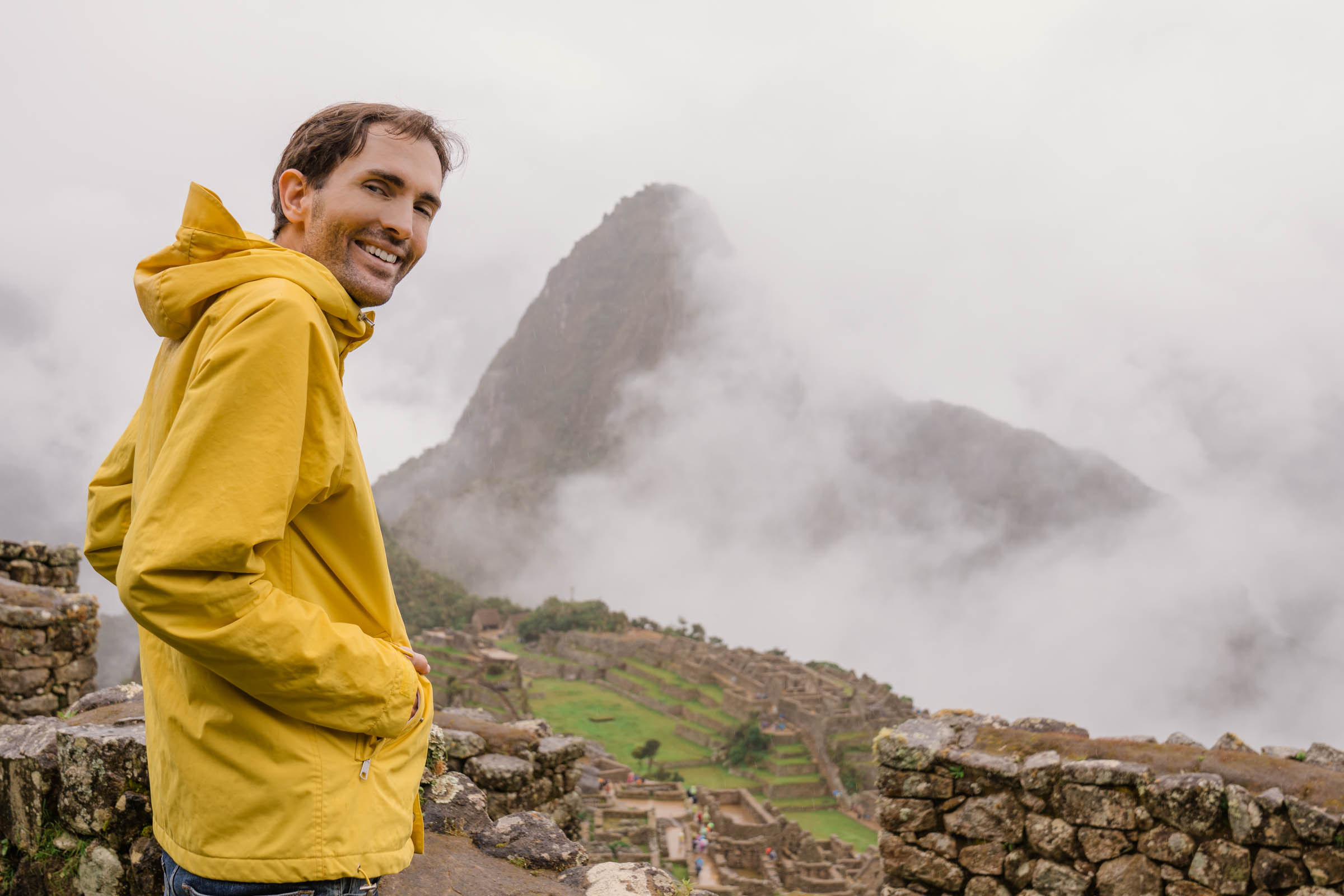
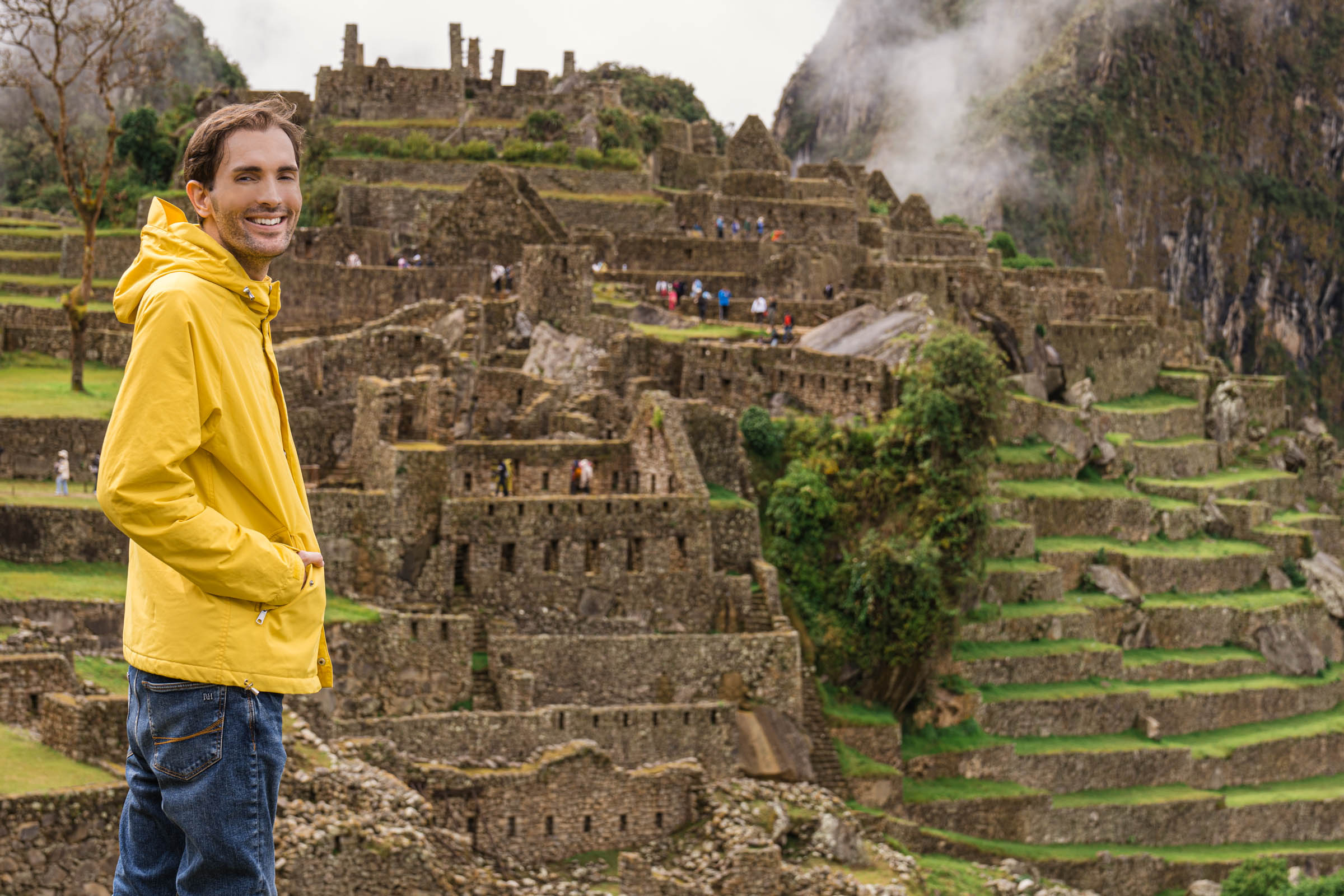
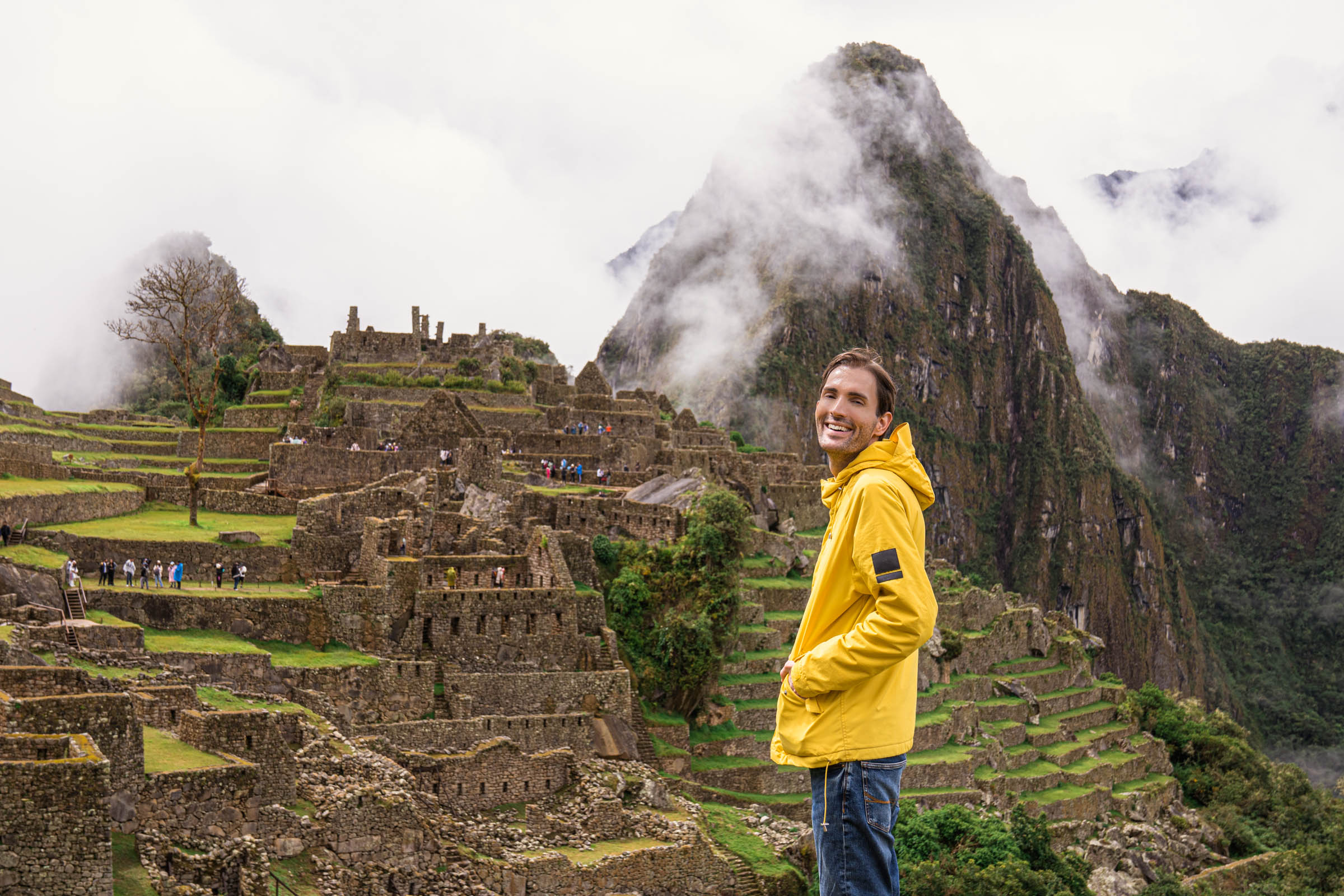
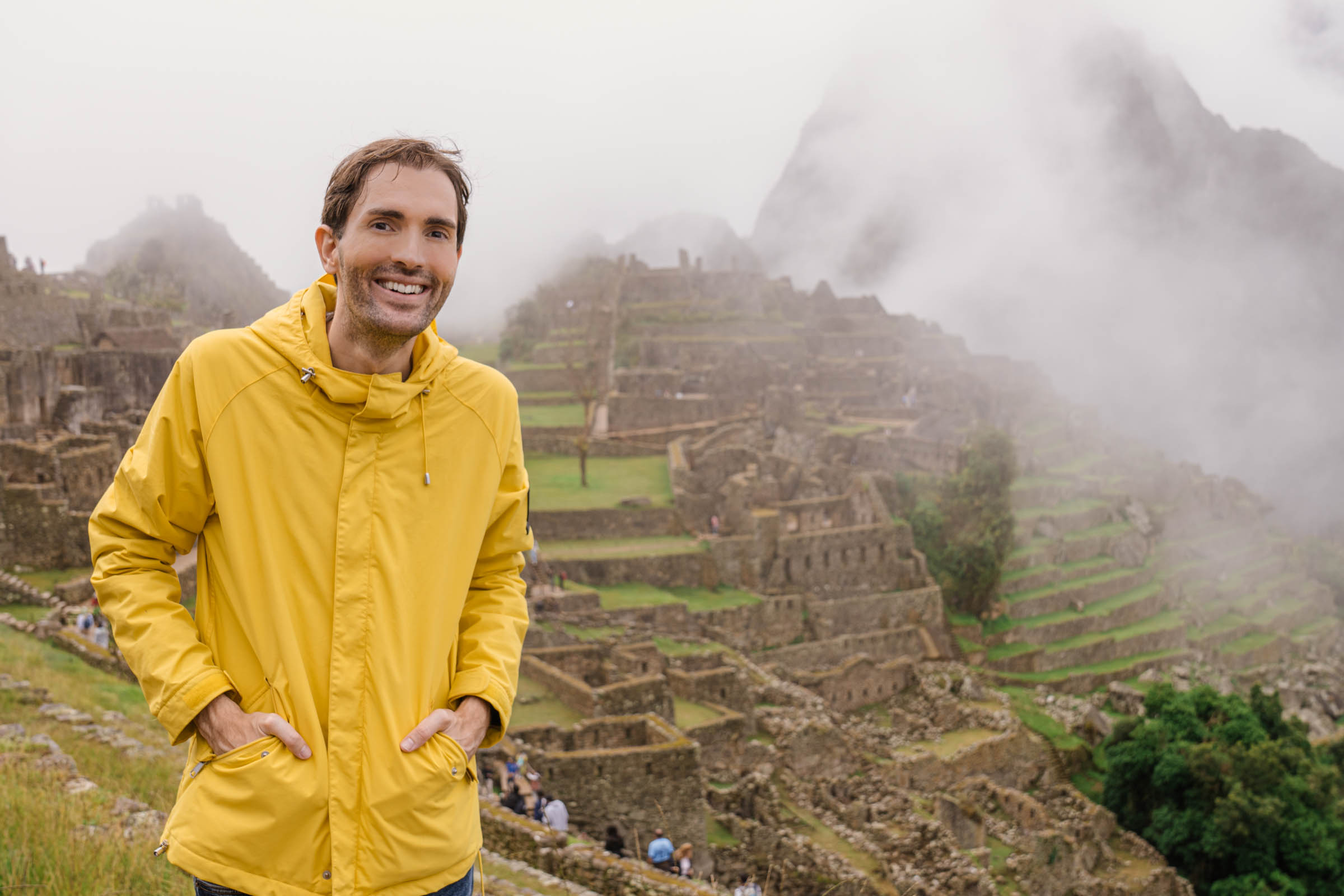
I wore a yellow raincoat that day, and I was glad I did. In March, the weather changes every few minutes. One moment, the mountain disappeared completely. A minute later, the clouds opened, and the sun lit the terraces. Honestly, that game of mist and light made the view even more magical.
LUNCH AT TINKUY, BELMOND SANCTUARY LODGE
After the upper terraces, it was time for a break. Our guide took us to lunch at Tinkuy, the buffet restaurant of Sanctuary Lodge. This Belmond hotel is the only one located right next to the entrance of the citadel. Tinkuy serves lunch only, and you need a reservation.
The buffet was a real feast. I tried quinoa dishes, vegetable salads with Andean herbs, roasted meat and fresh fish. A warm cream of corn soup was perfect after the morning in the mist. For dessert, there were cakes with tropical fruit and local honey. We all agreed that this was the ideal meal before the second half of our day.
CIRCUIT 3B: THE ROYAL ROUTE THROUGH THE LOWER CITADEL
After lunch, we started Circuit 3B, also called the Royal Route. It leads through the lower part of the citadel, closer to the most important buildings. The path has fewer steep climbs, so it suits almost every traveler.
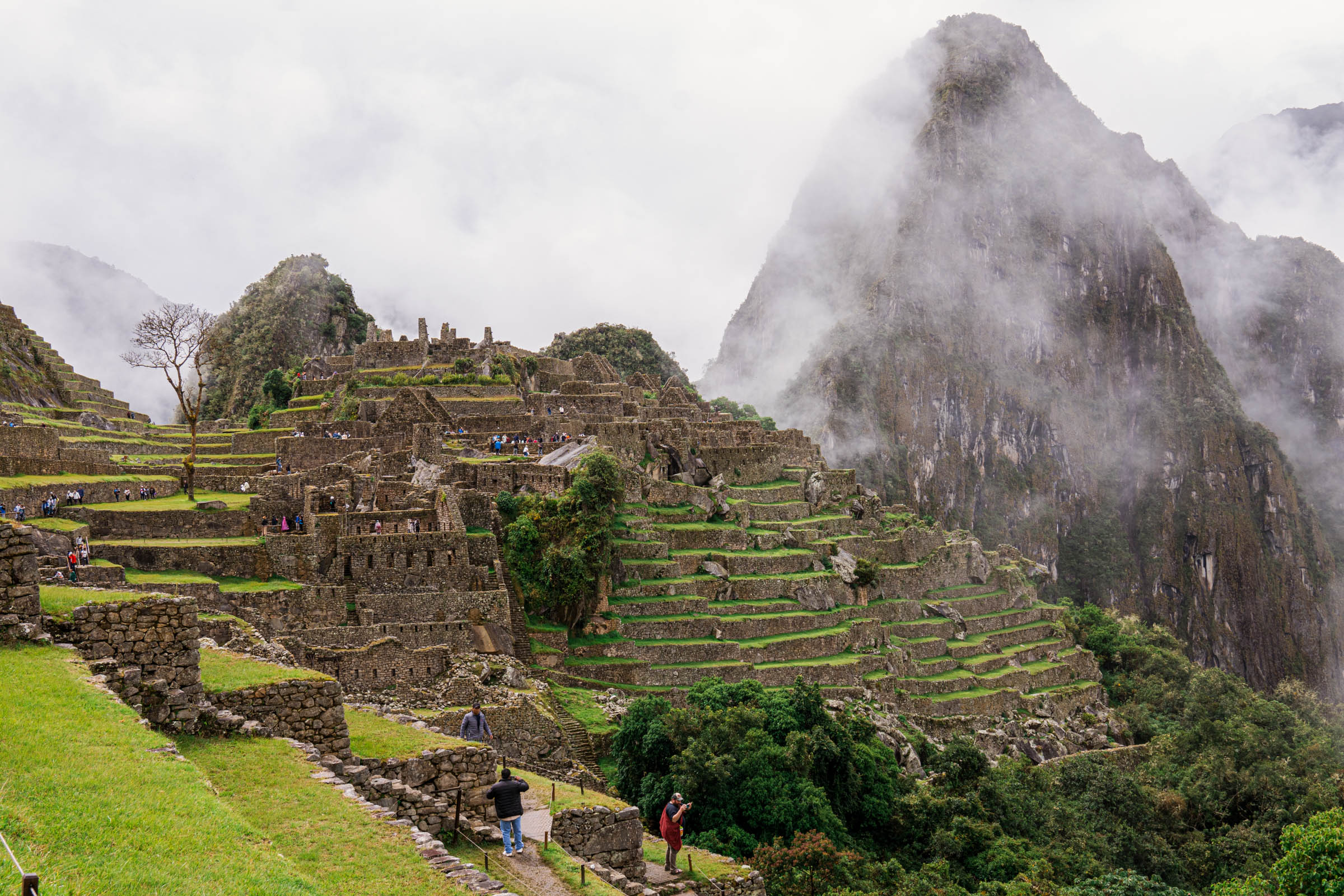
Our first important stop was the Temple of the Sun. Later, we continued past the House of the Inca and the Sacred Rock. Finally, we reached the Temple of the Condor. There, the natural rock and the carved stones form the shape of a condor with its wings spread. Our guide never rushed us. Instead, he always told us when the light was right for a photo.
All day long, the logistics simply worked. The shuttle bus met us at the train station in Aguas Calientes and brought us back after the tour. We always had enough water and refreshing wipes. Thanks to Machu Picchu Specialists and Inca Rail, I could think only about the citadel.
A SHORT HISTORY OF MACHU PICCHU
The name means “old mountain” in Quechua. The Incas built the citadel around 1450, most likely as a royal estate for the emperor Pachacuti. It stands on a mountain ridge at 2,430 meters above sea level, above the Urubamba River. About a century later, at the time of the Spanish conquest, the Incas left it.
The local farmers always knew about the ruins. However, the outside world learned about them only in 1911. In that year, the American explorer Hiram Bingham reached the citadel with the help of local guides. Peru declared it a Historic Sanctuary in 1981, and UNESCO added it to the World Heritage List in 1983. Then, in 2007, a global vote named it one of the New Seven Wonders of the World.
MIST, SUN AND STONE: MY IMPRESSIONS OF THE INCA CITADEL
Walking through the citadel, I kept asking myself one question. Was the long wait worth it? My answer came immediately: absolutely yes. Every terrace, every wall and every staircase felt like a page from an old book.
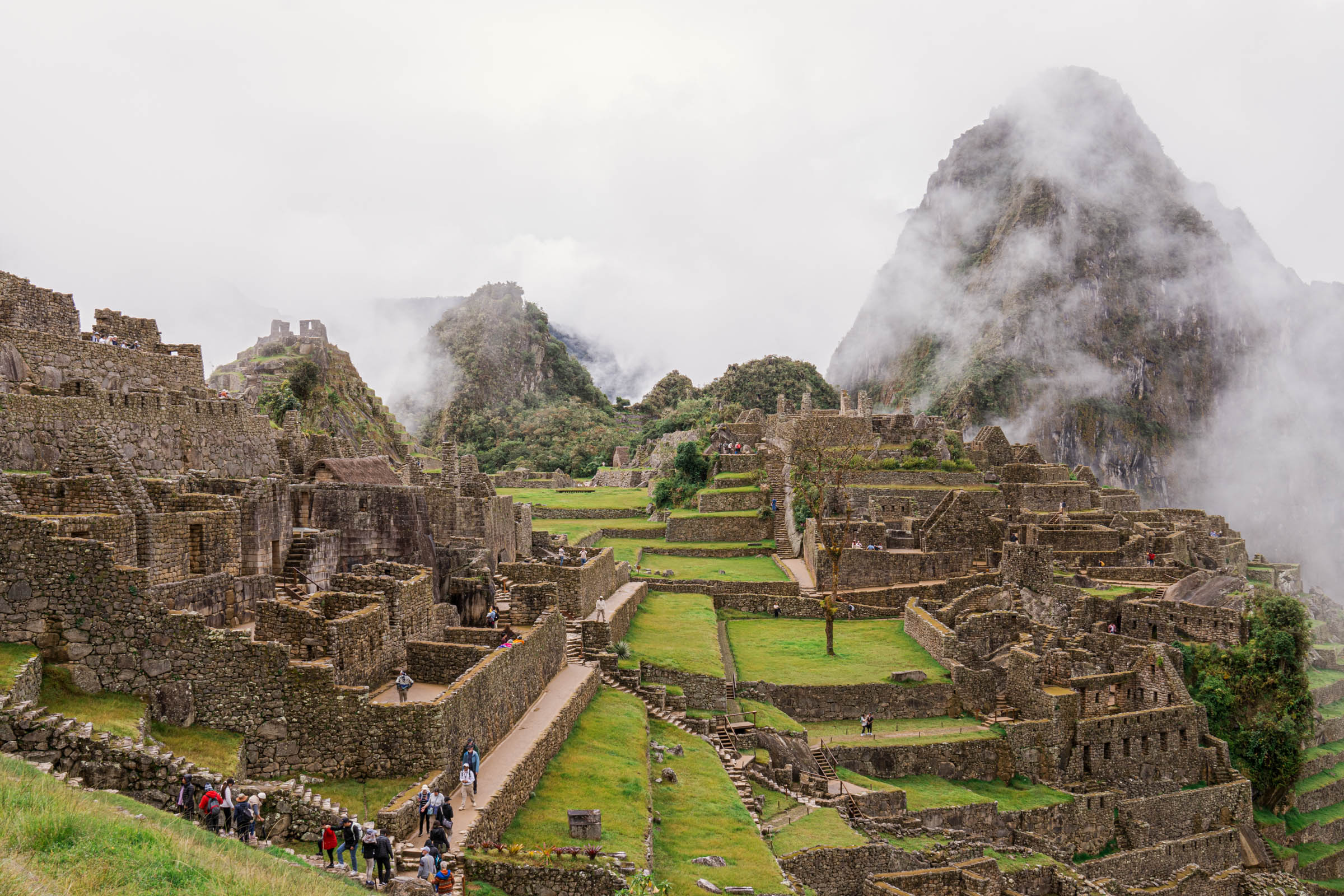
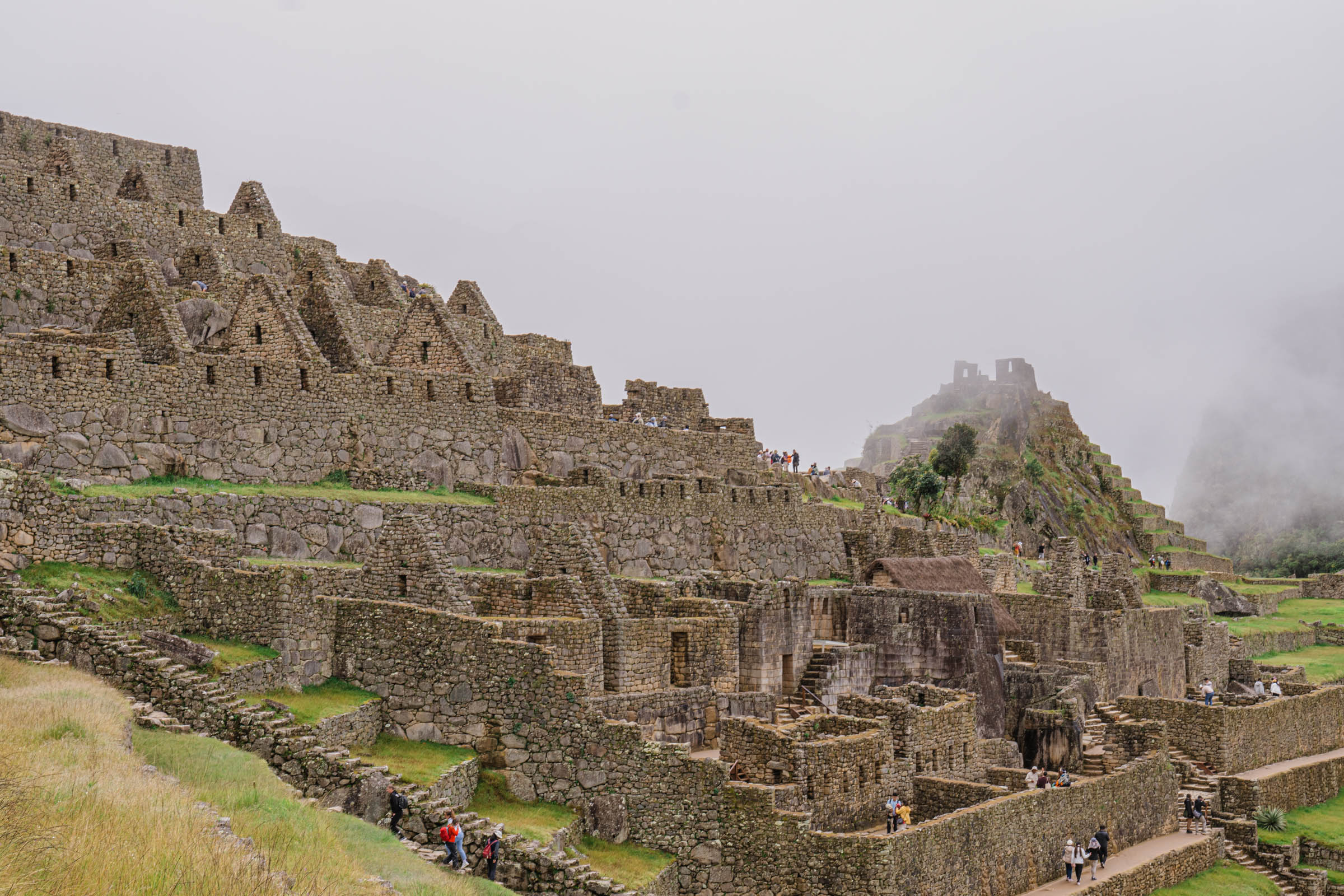
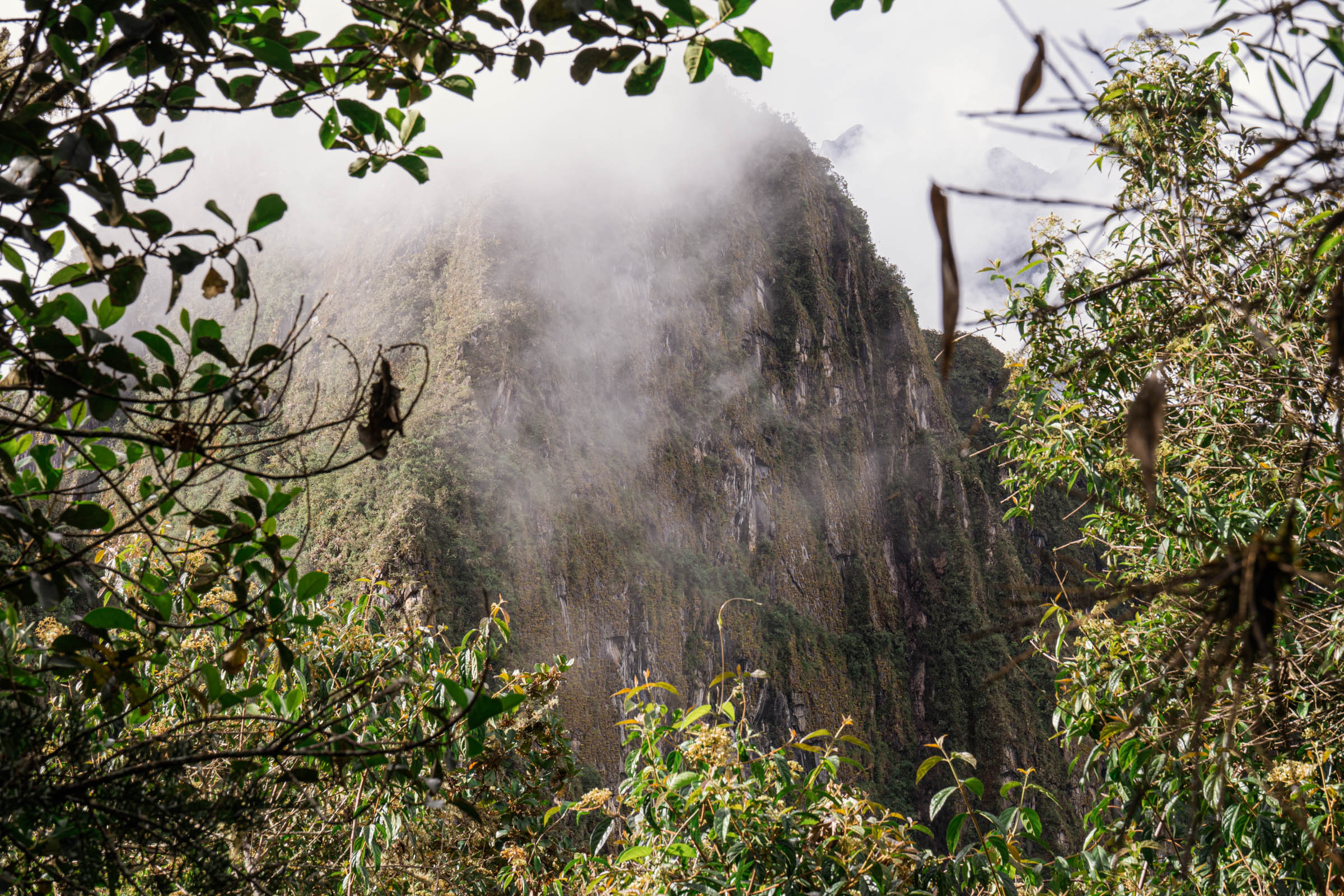
The colors stayed with me the most. The brown earth, the gray stone, the bright green grass and the white clouds changed with every step. At one point, I simply leaned against an old wall and looked at Huayna Picchu. In that moment, I felt proud and grateful at the same time. A dream had become a memory.
THE TEMPLE OF THE SUN AND THE ROYAL TOMB
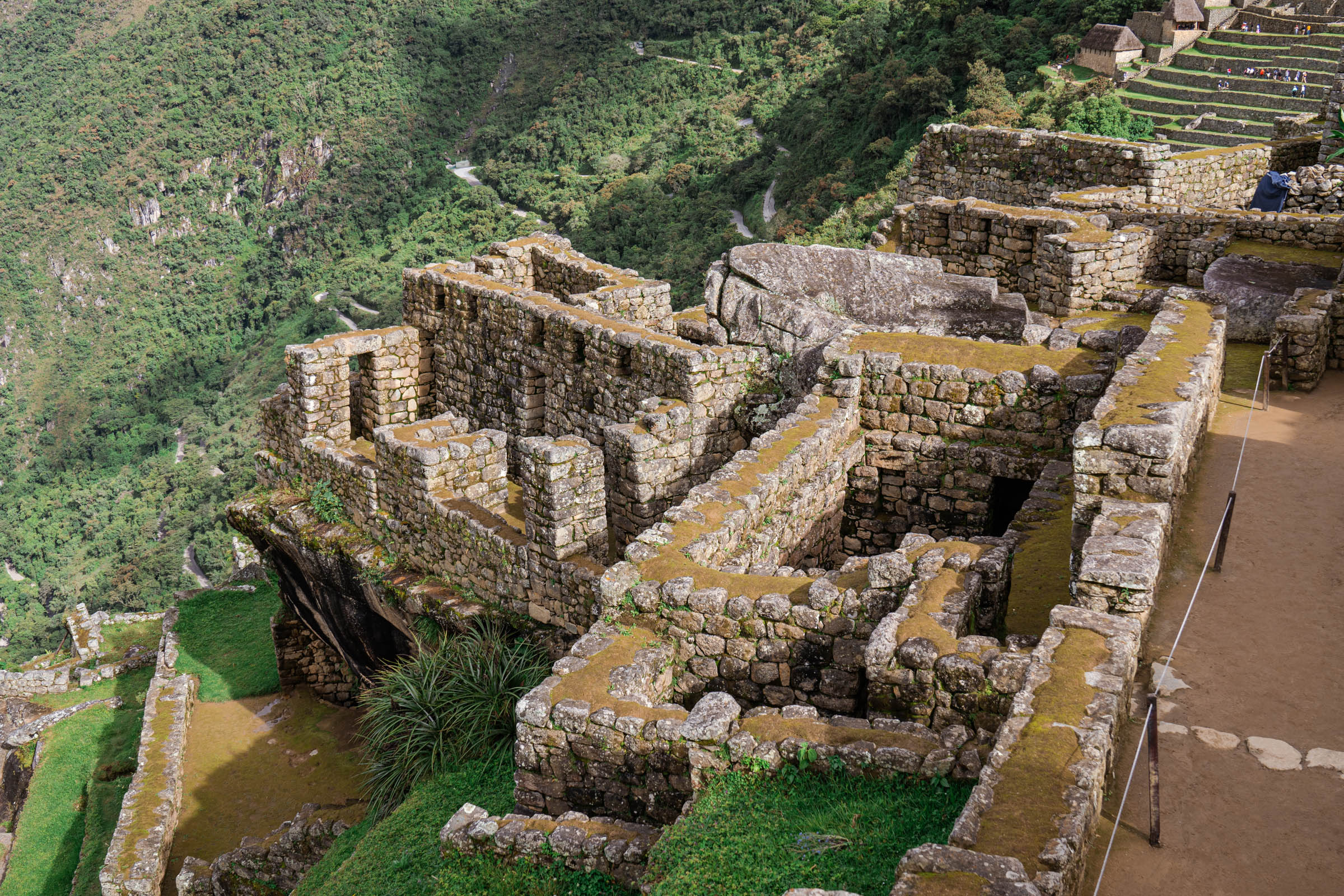
The Temple of the Sun is one of the most impressive buildings in Machu Picchu. It is a semicircular tower, built on top of a natural granite rock. One of its trapezoidal windows faces the sunrise of the June solstice. Thanks to such details, experts believe that the Incas used the temple to follow the movement of the sun.
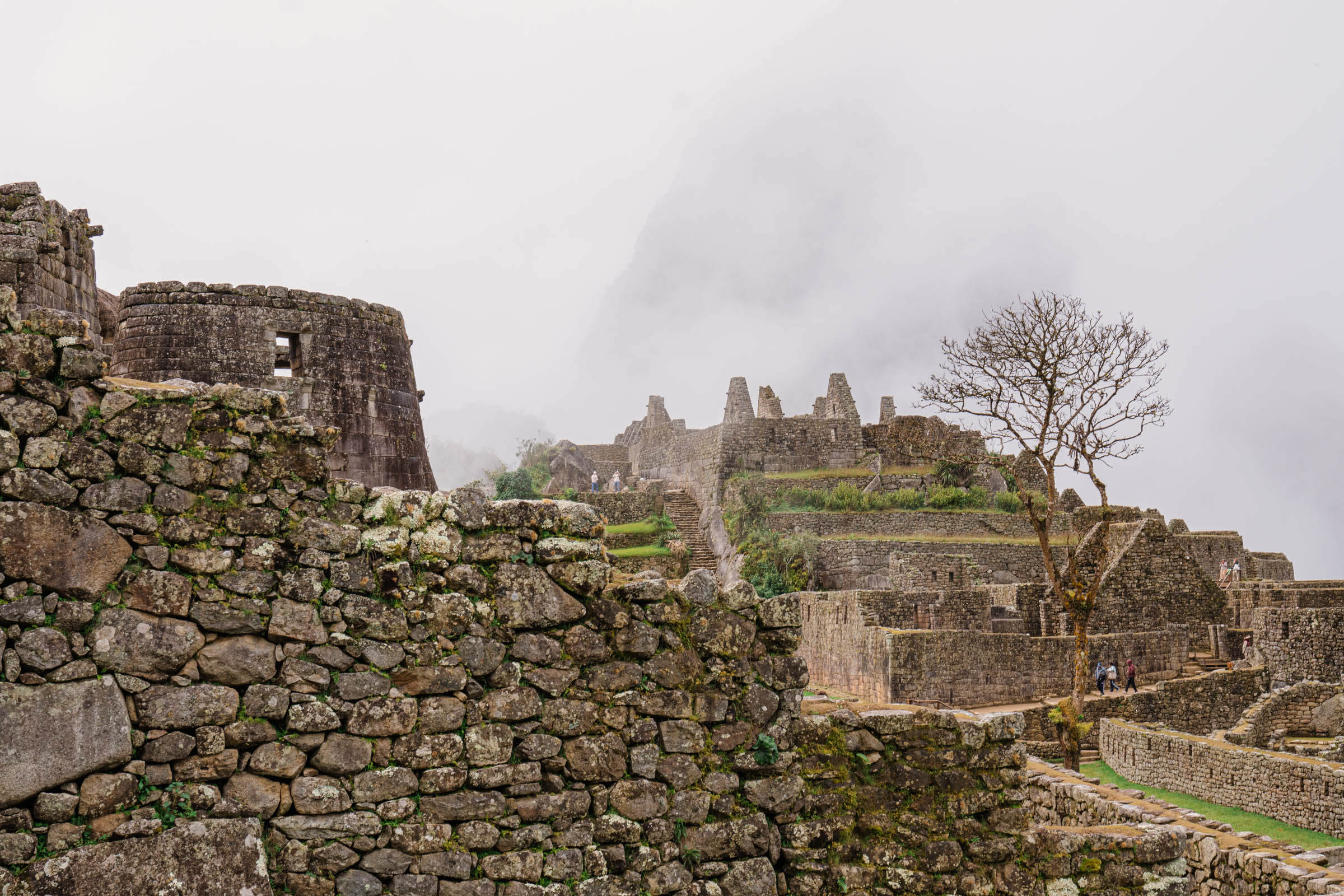
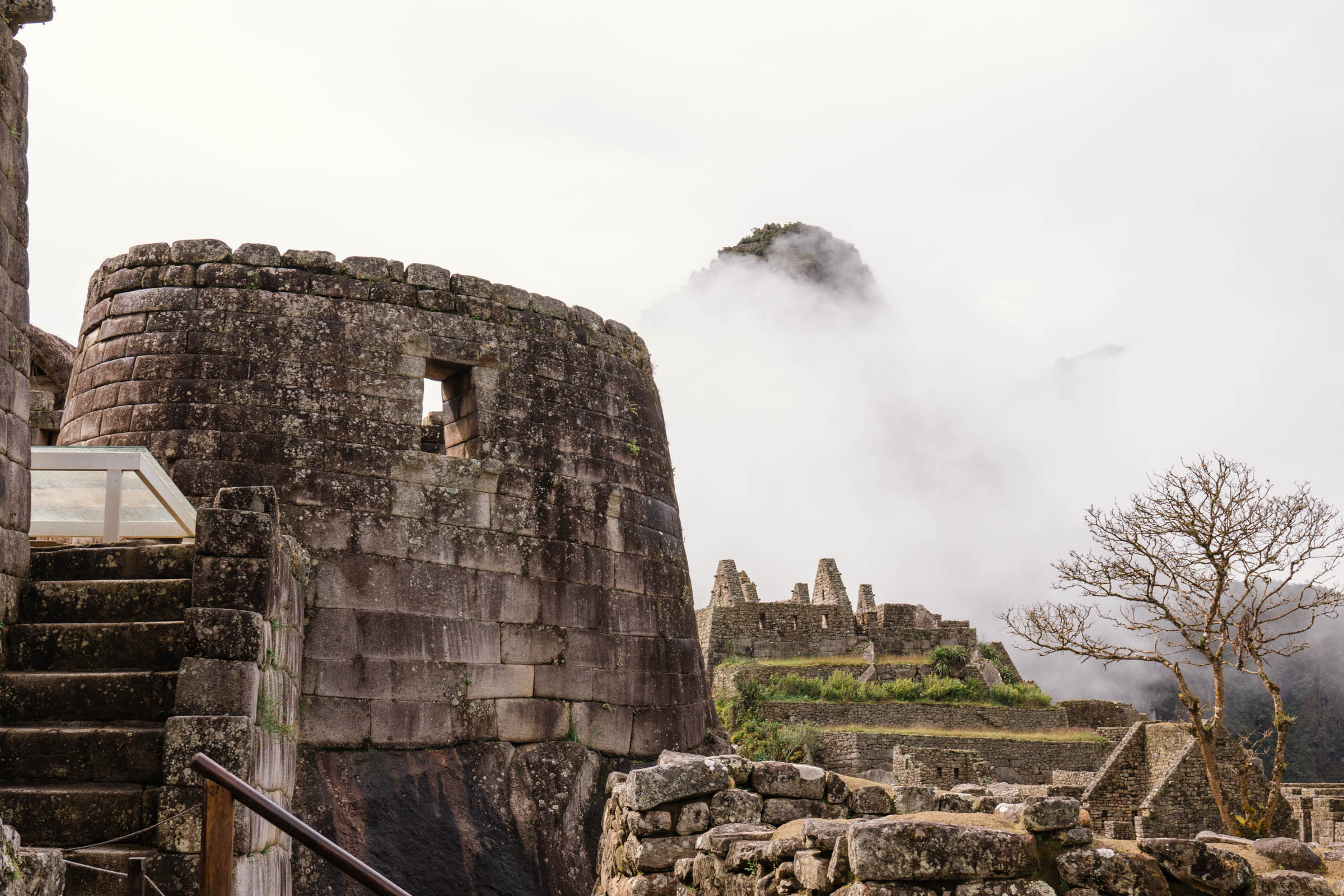
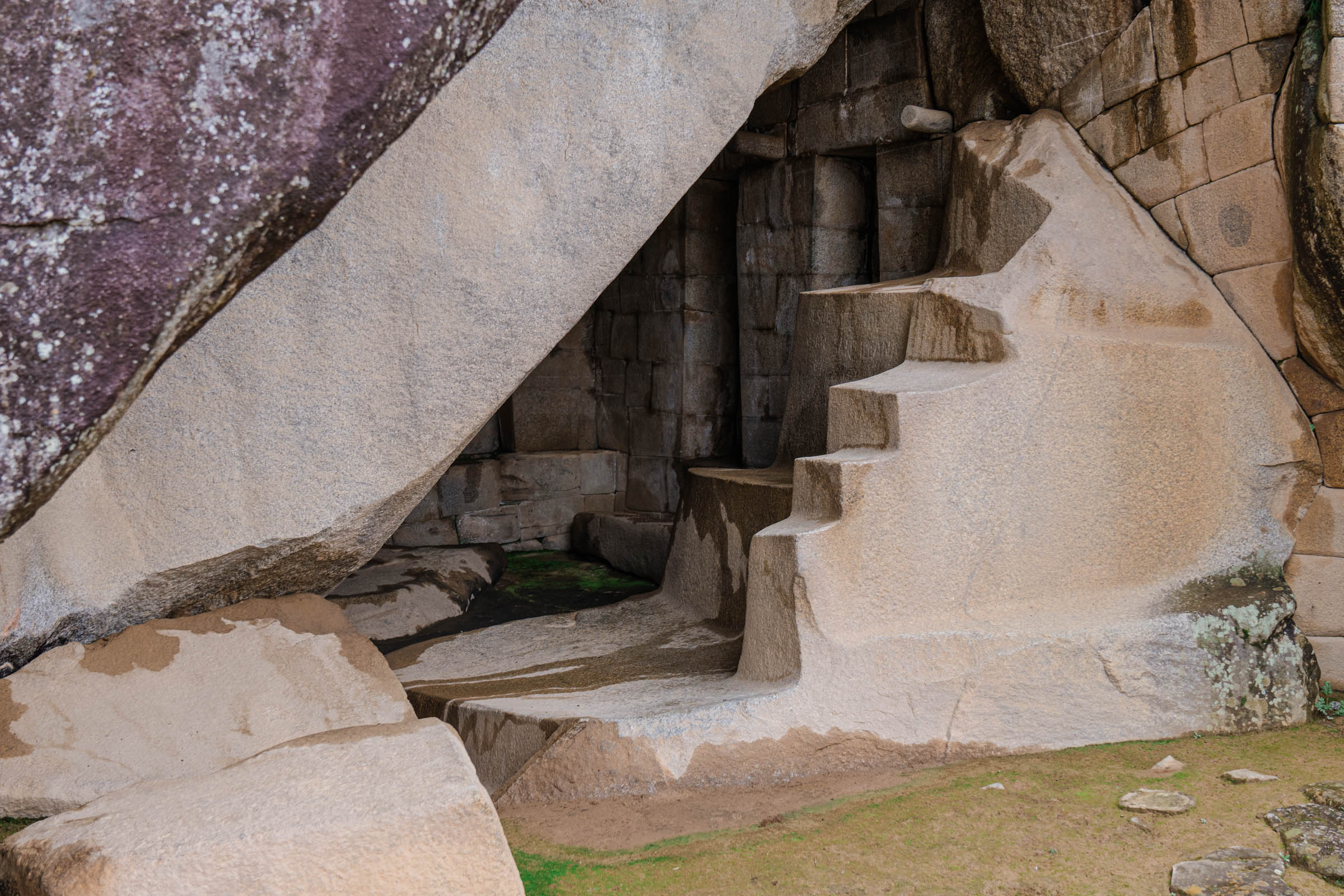
Below the tower, a cave opens in the rock. People call it the Royal Tomb, and its walls show some of the finest stonework in the citadel. Look closely at the carved steps inside. Even after five centuries, the edges are sharp and precise.
INCA STONEWORK: WALLS WITHOUT MORTAR
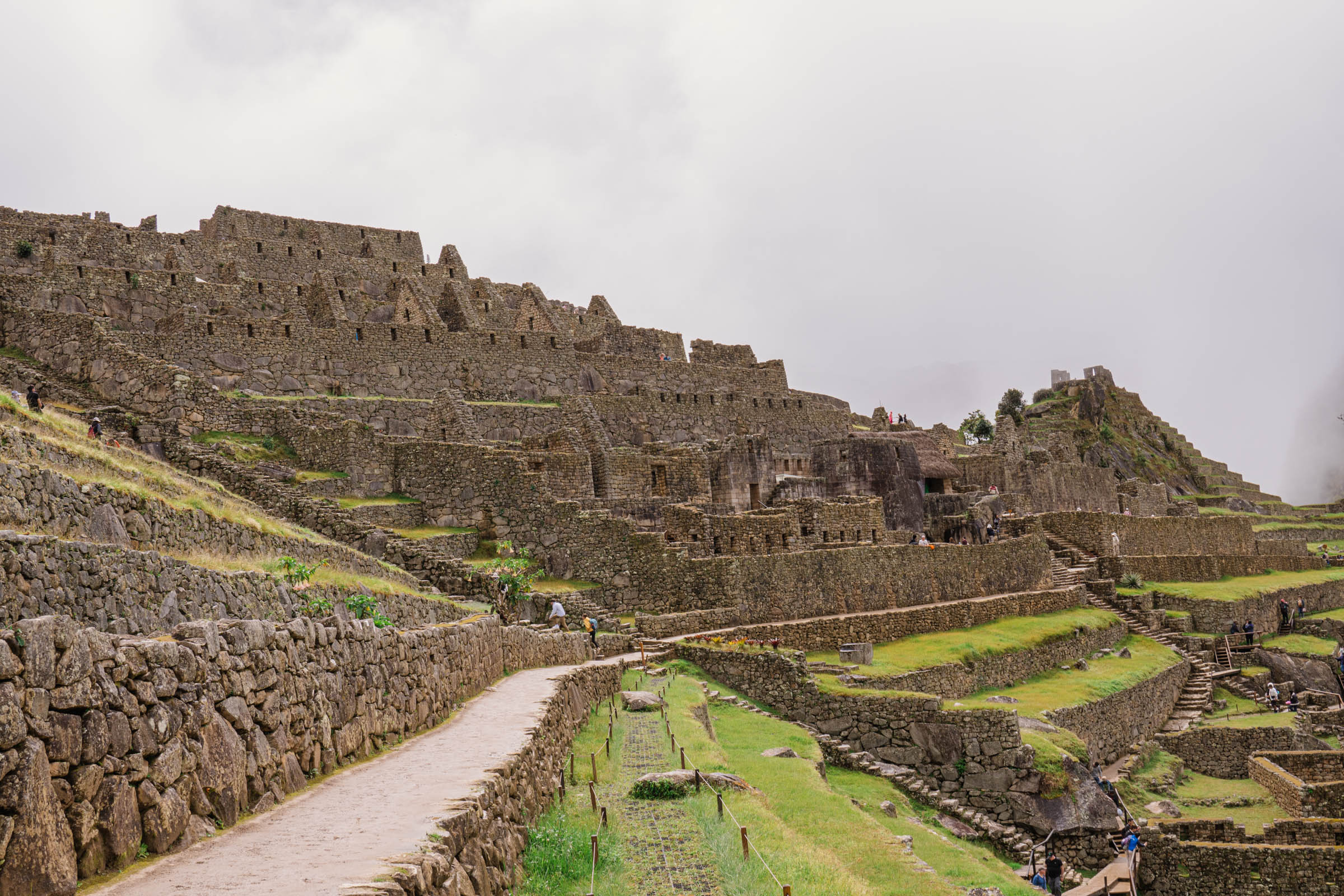
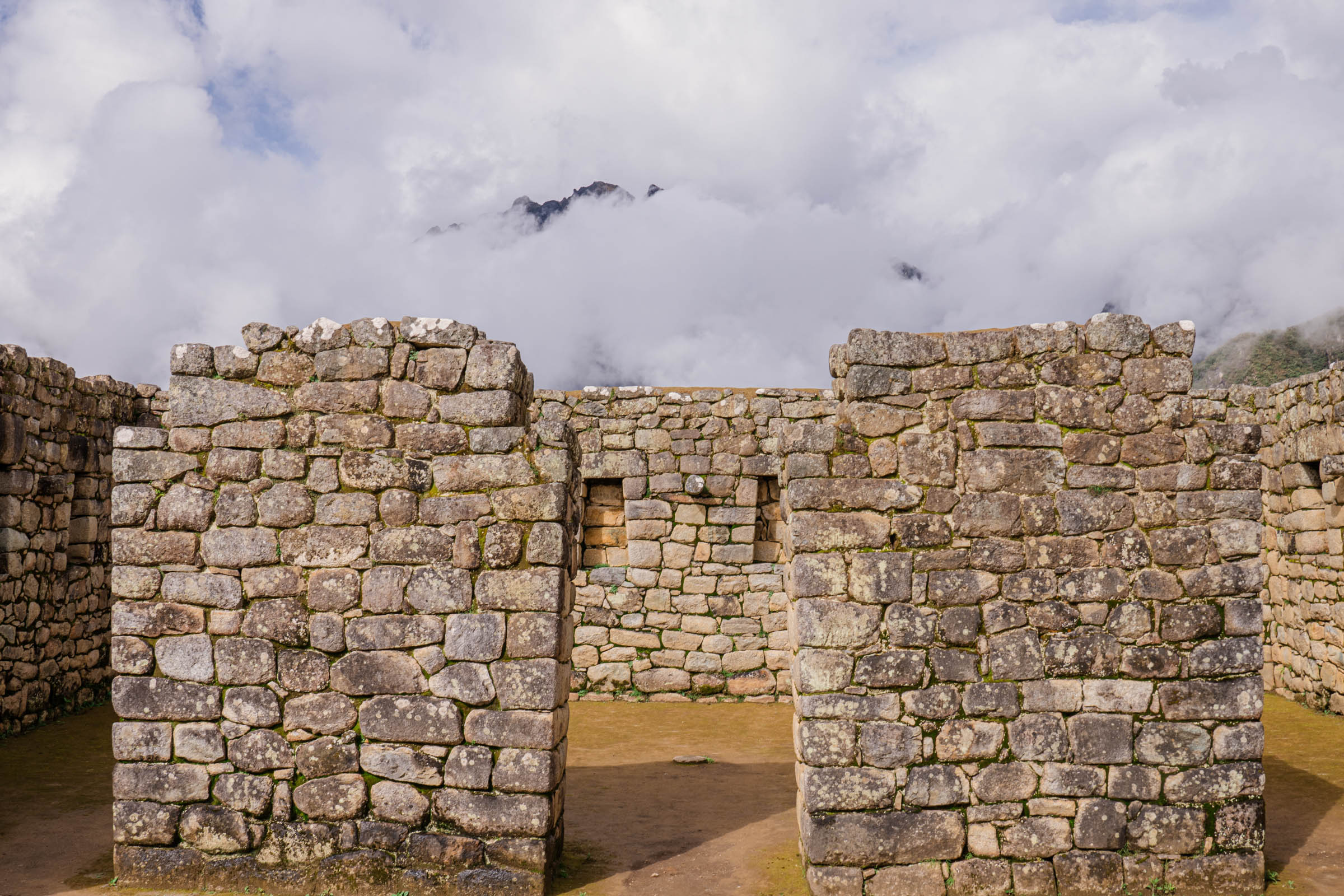
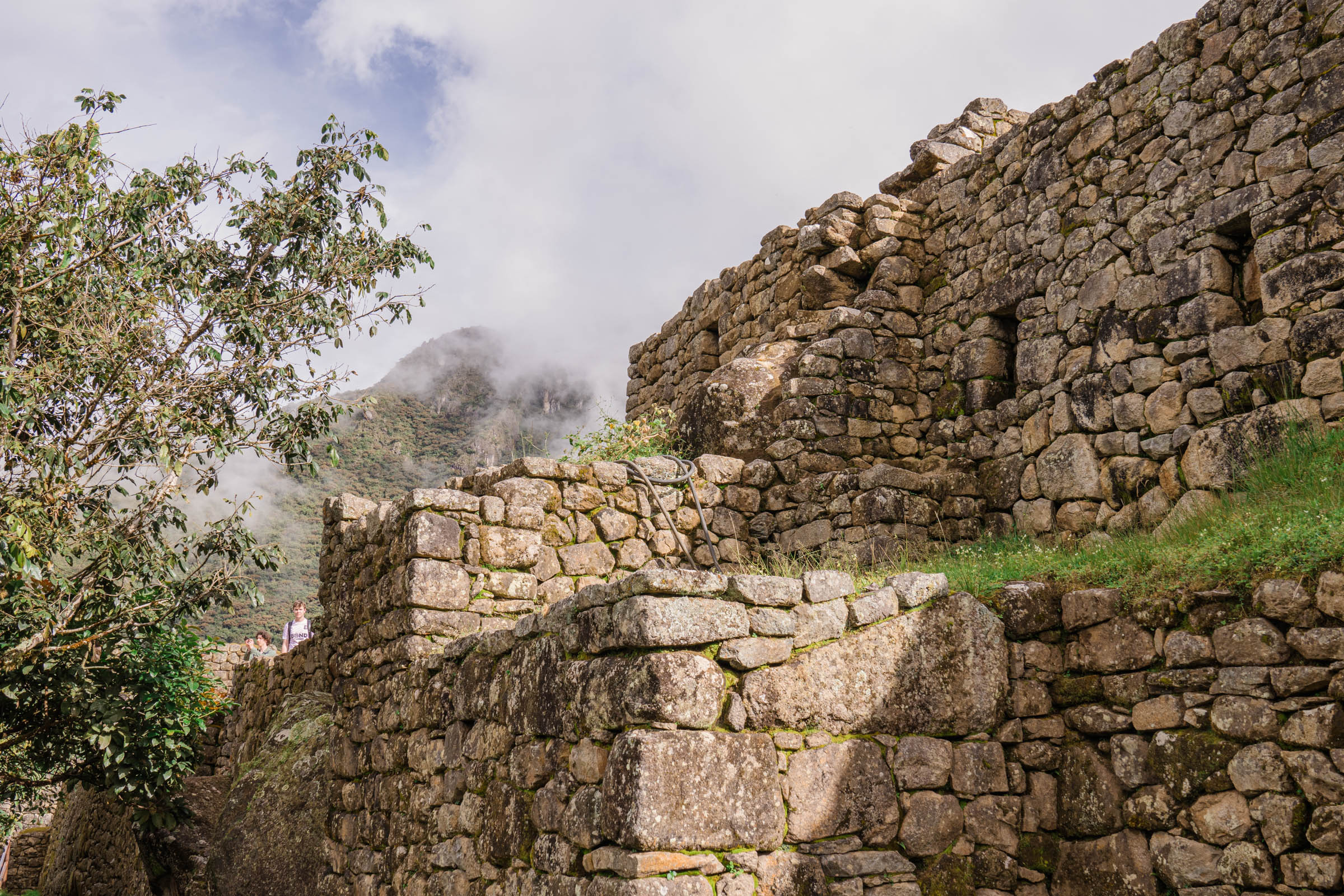
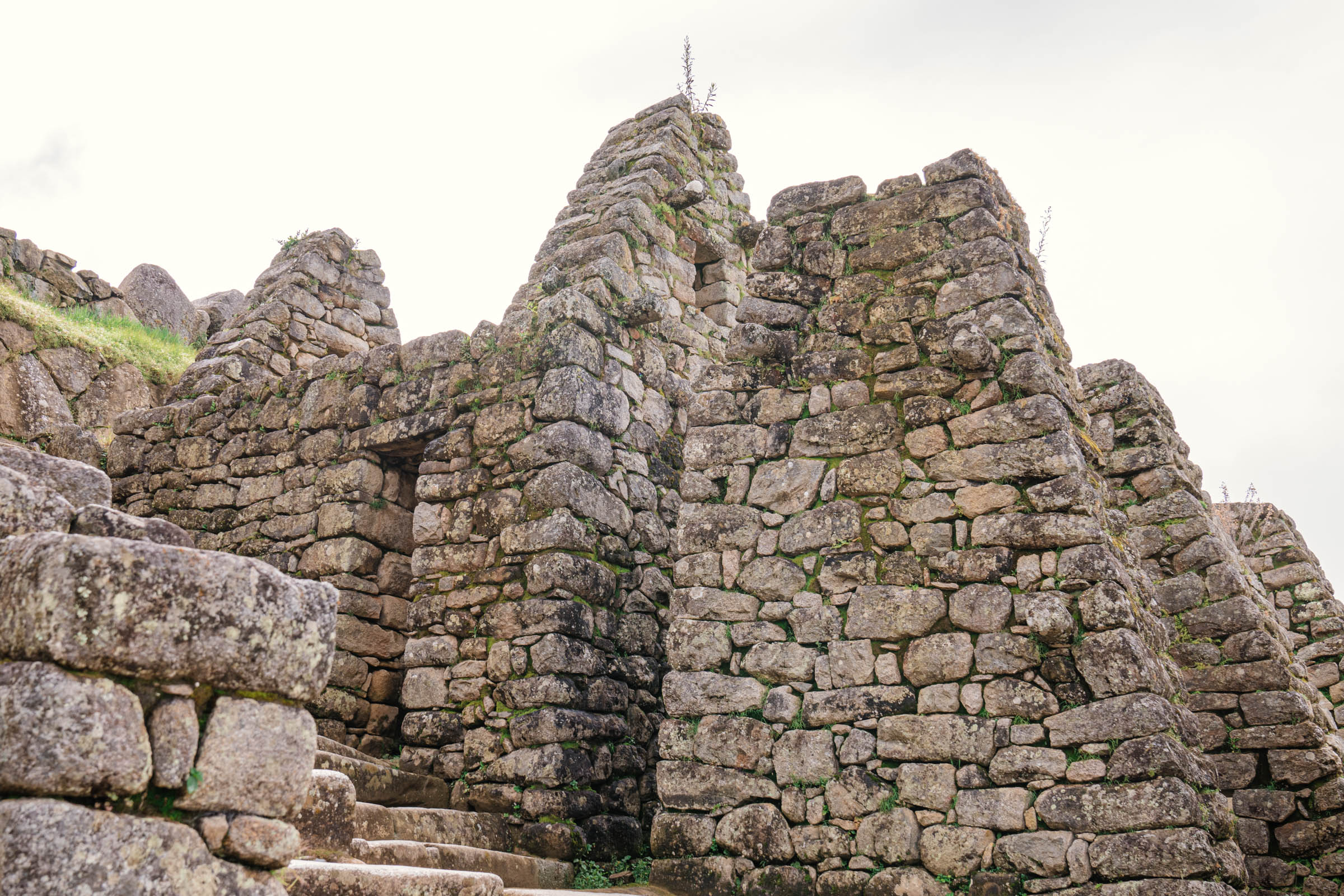
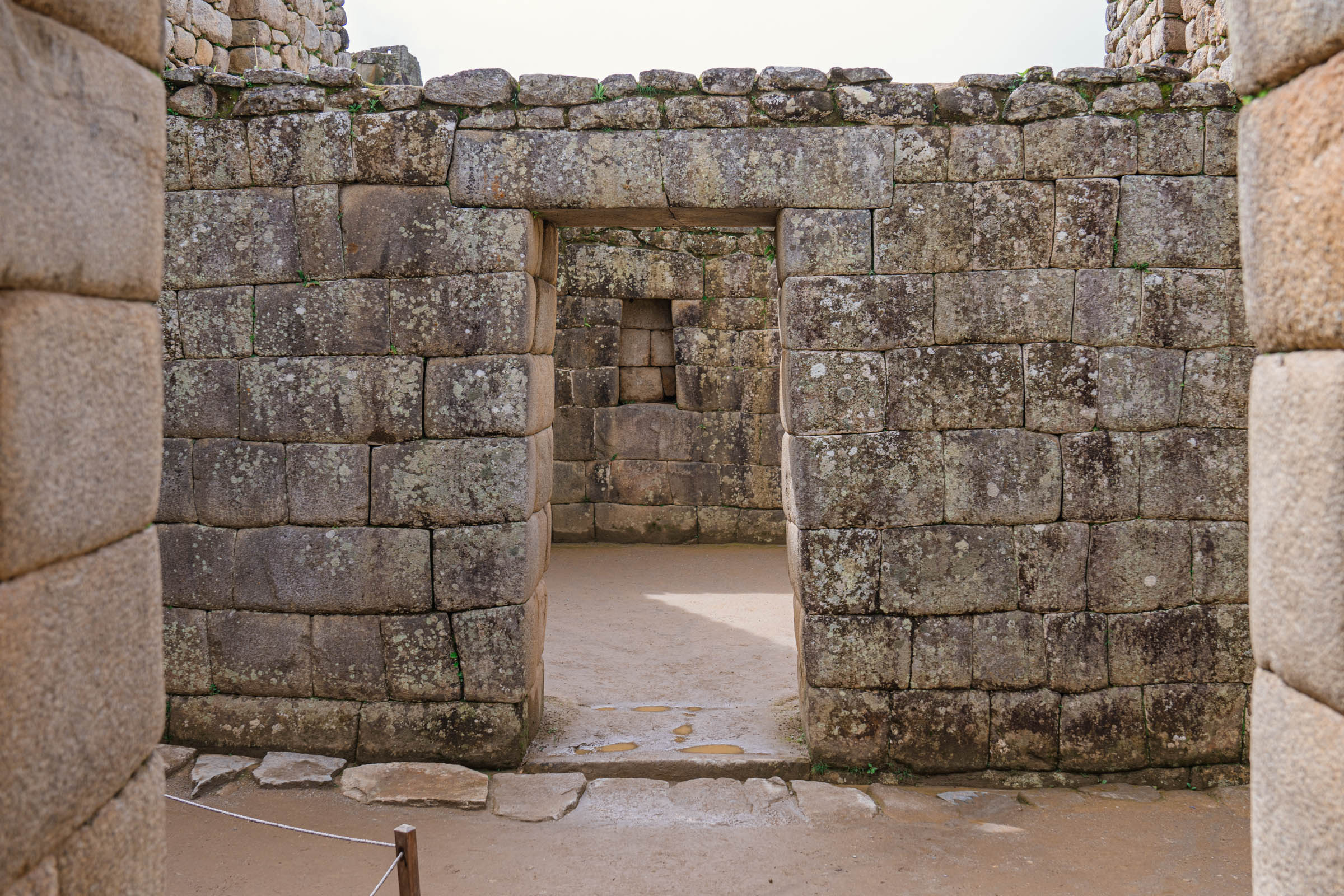
The more I walked, the more I admired the stones. The best walls fit together so perfectly that the Incas did not need any mortar. In the most sacred buildings, the blocks are smooth and carefully polished. In simpler houses, the walls are rougher but still solid after centuries of earthquakes and rain.
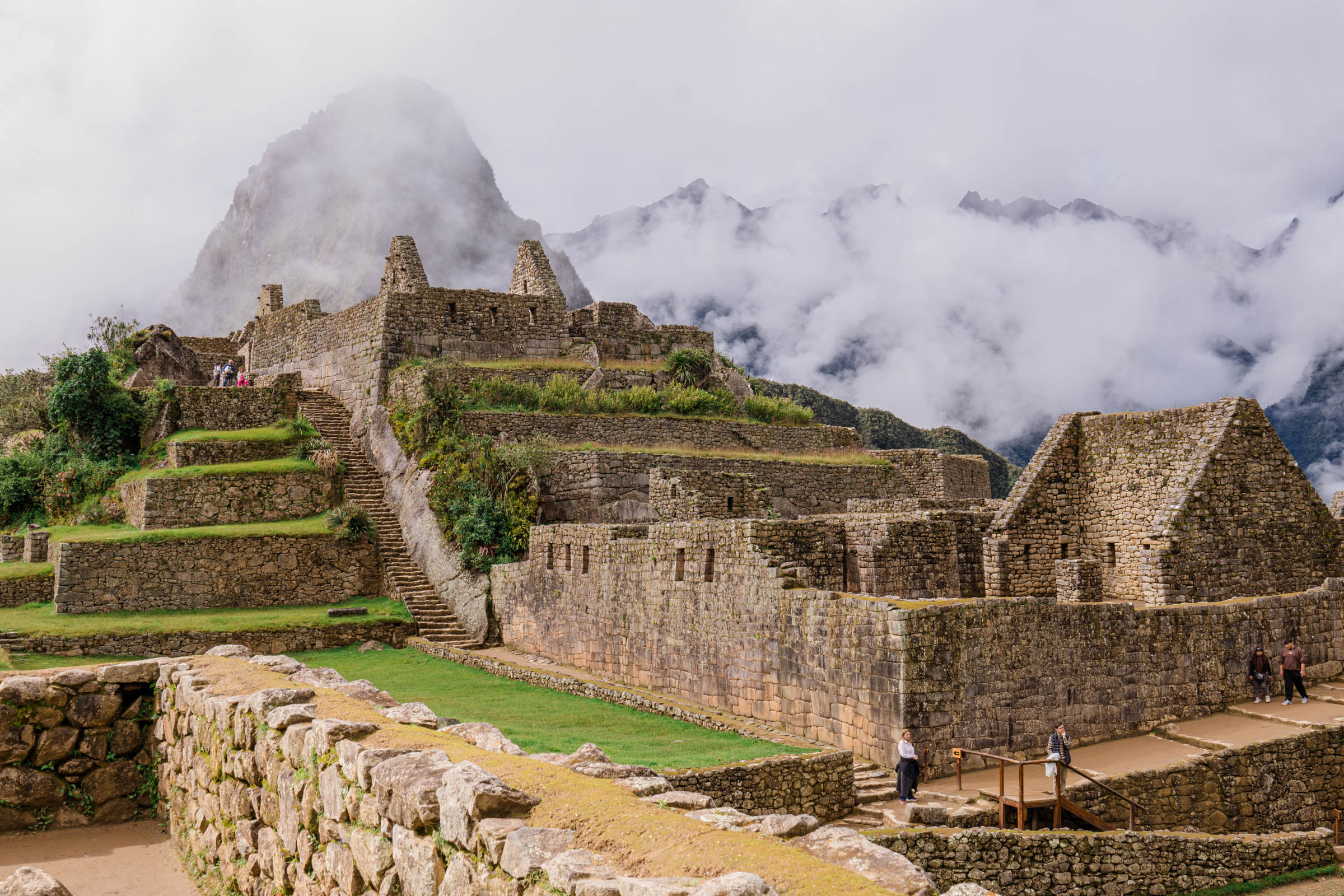
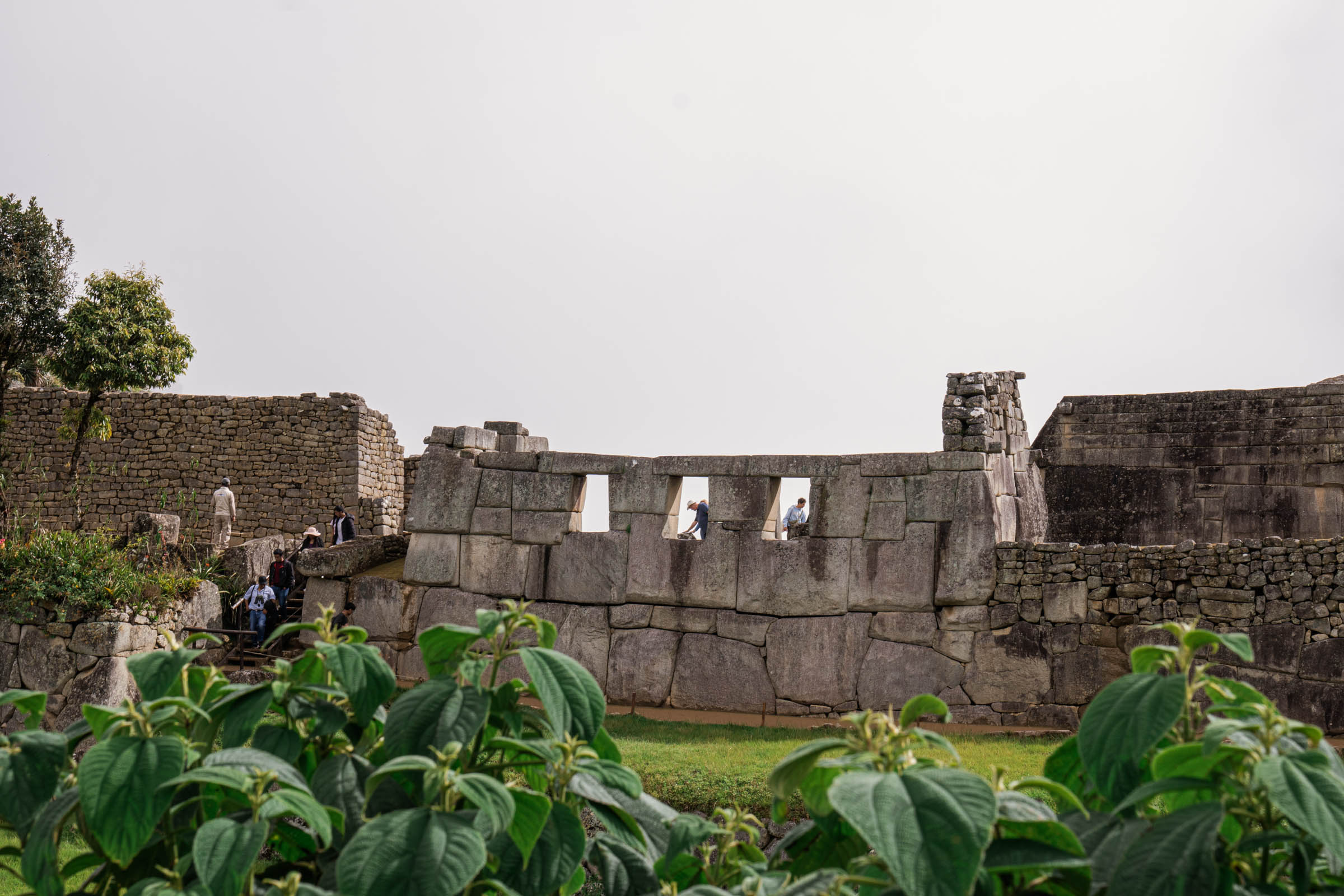
The Temple of the Three Windows is a perfect example. Its three trapezoidal windows look out over the Sacred Plaza and the mountains beyond. Nearby rises the Intihuatana hill, whose name means “where the sun is tied.” Many researchers connect these buildings with the solstices and the Inca calendar.
SAYING GOODBYE TO THE SACRED CITY
As the afternoon went on, the clouds slowly lifted. The terraces glowed green, and the mountains around us finally showed their full shape. I did not want to leave. Every step toward the exit felt a little heavier than the one before.
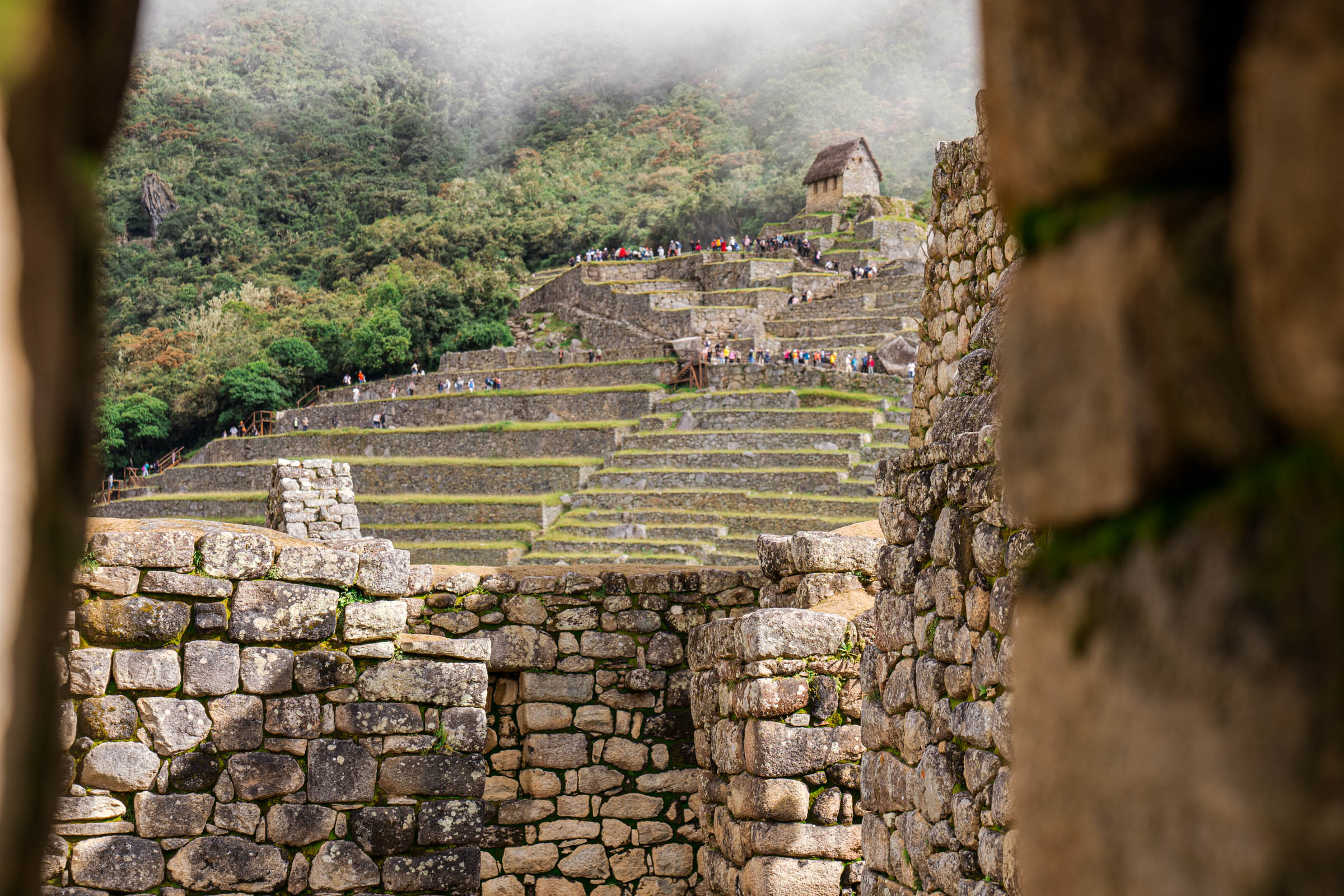
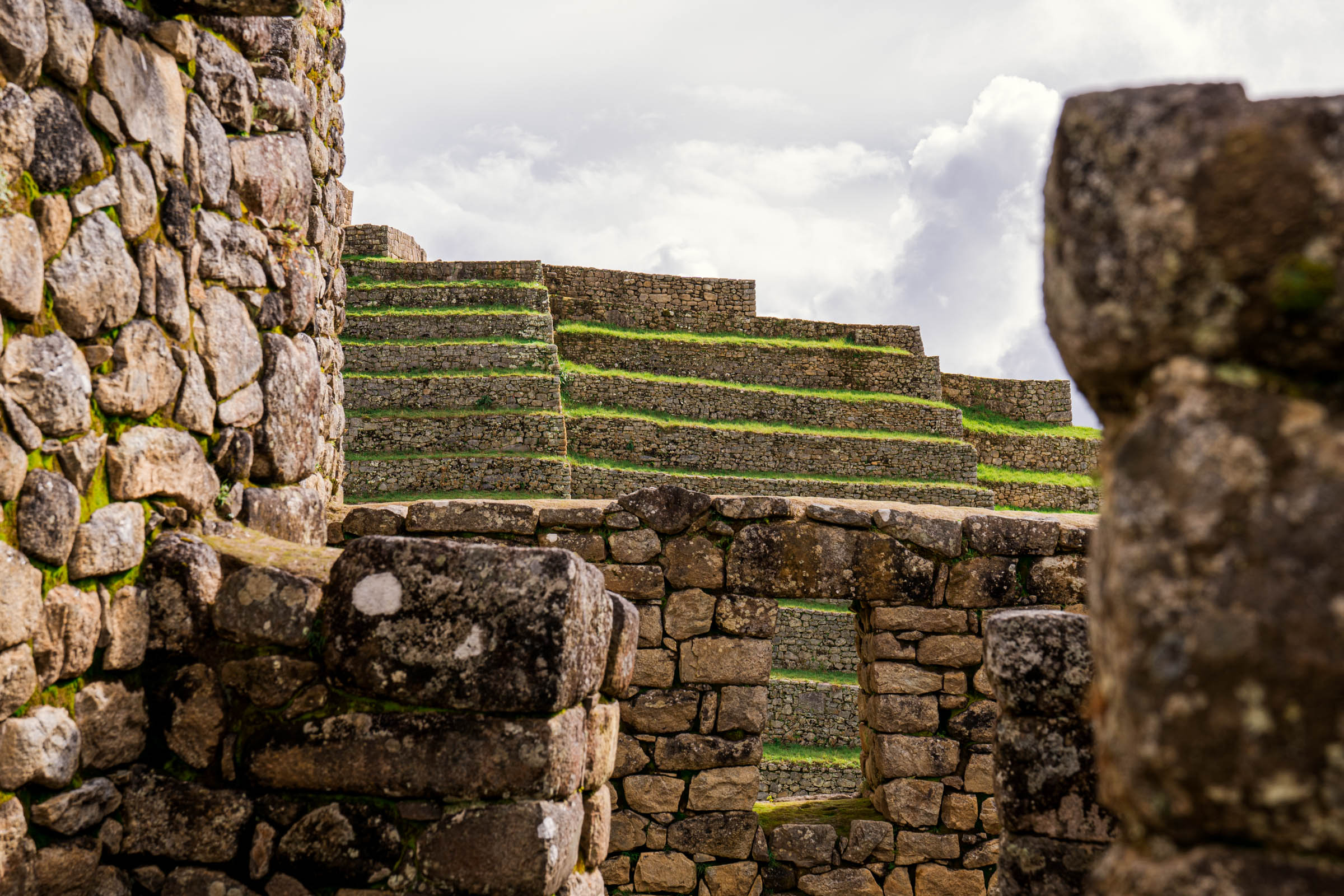
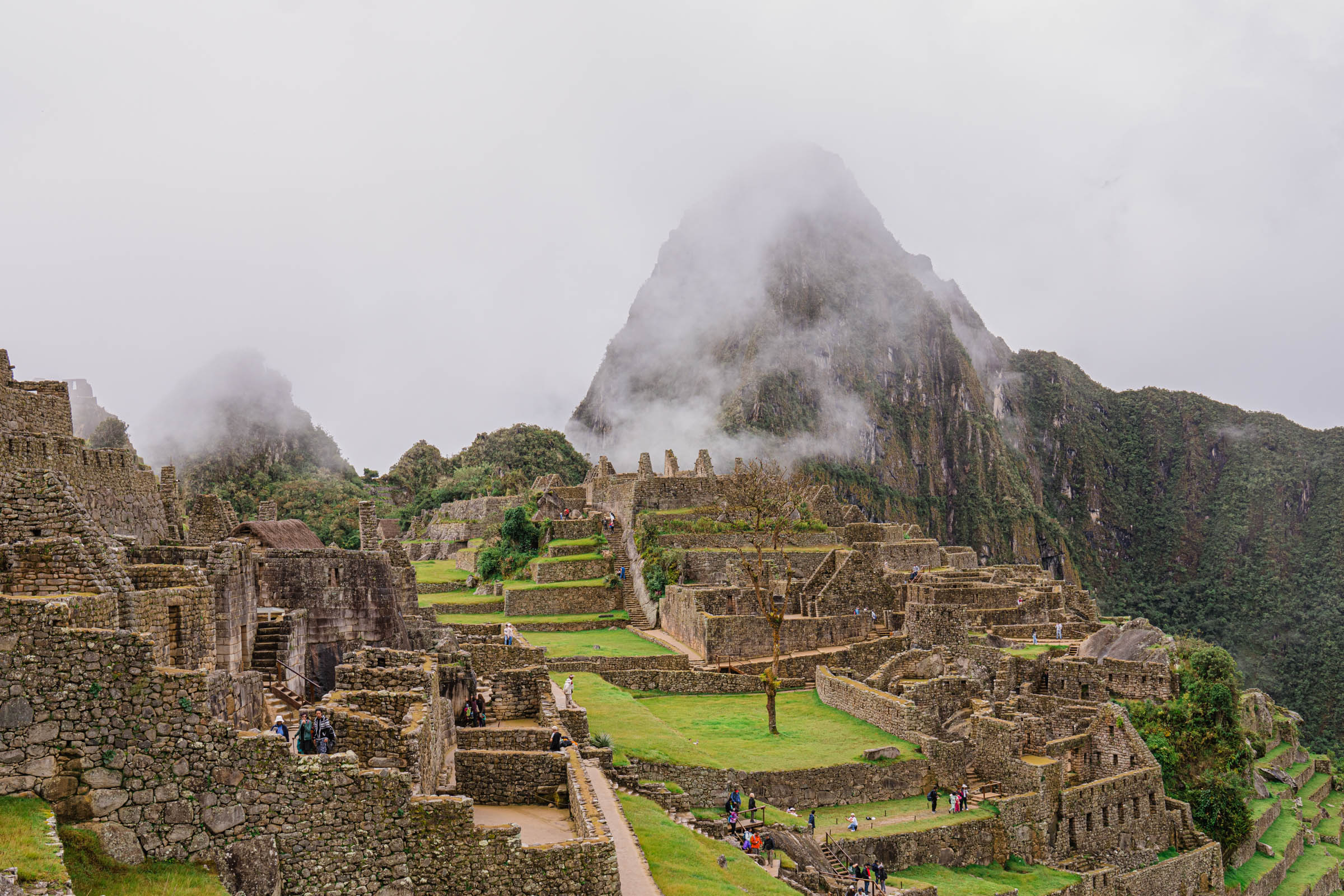
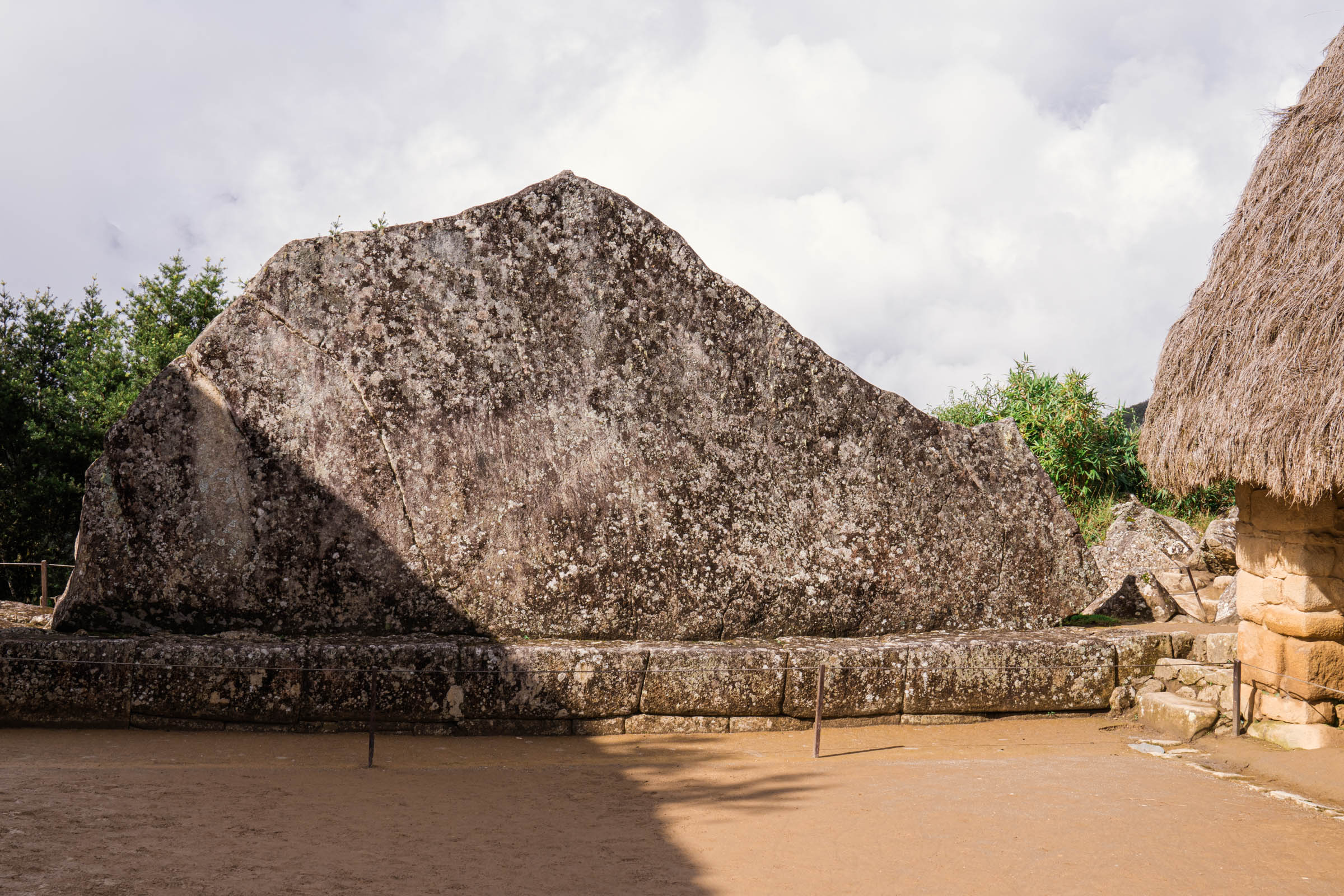
Before we left, I stopped once more to look at the stones. A huge rock rested in front of a thatched building, and the walls around it framed the misty peaks. Then, we walked down the last stairs in the shade of the trees. Machu Picchu saved some of its best views for the very end.
MACHU PICCHU CIRCUITS: CIRCUIT 1 AND CIRCUIT 2
Since June 2024, the citadel works with three circuits and ten routes. Your ticket is valid for one route, one date and one entry time. Once inside, you cannot switch routes. Here is an overview, with the maximum time you can stay:
- 1A, Machu Picchu Mountain: the upper terraces plus the hard climb to the summit. Up to 7 hours.
- 1B, Upper Terrace: the classic viewpoint only, and the easiest route. Up to 2.5 hours.
- 1C, Inti Punku (Sun Gate): the viewpoint plus a moderate hike to the old Inca gate. Up to 4 hours, in high season only.
- 1D, Inca Bridge: the viewpoint plus a walk to the famous bridge on the cliff. Up to 3 hours, in high season only.
Circuit 2 is the classic visit and the best choice for most first-time visitors:
- 2A, Classic Route: the view from the Guardhouse area and a walk through most of the city. Up to 2.5 hours.
- 2B, Lower Terrace: almost the same loop, but with the classic view from a lower platform. Up to 2.5 hours.
On Circuit 2, you will see the Sacred Plaza, the Temple of the Three Windows, the Sacred Rock and the Temple of the Condor. You see the Temple of the Sun from below.
MACHU PICCHU CIRCUITS: CIRCUIT 3 AND HOW TO CHOOSE
Circuit 3 focuses on the lower royal sector:
- 3A, Huayna Picchu: the lower city plus a steep climb to the famous peak. Only 400 people per day can go up. Up to 6 hours.
- 3B, Royal Route: the lower city only, with the Temple of the Sun, the House of the Inca and the Temple of the Condor. Up to 2.5 hours.
- 3C, Great Cavern: the lower city plus a long hike to the Temple of the Moon. Up to 7 hours, in high season only.
- 3D, Huchuy Picchu: the lower city plus a short climb to a smaller peak. Up to 3.5 hours, in high season only.
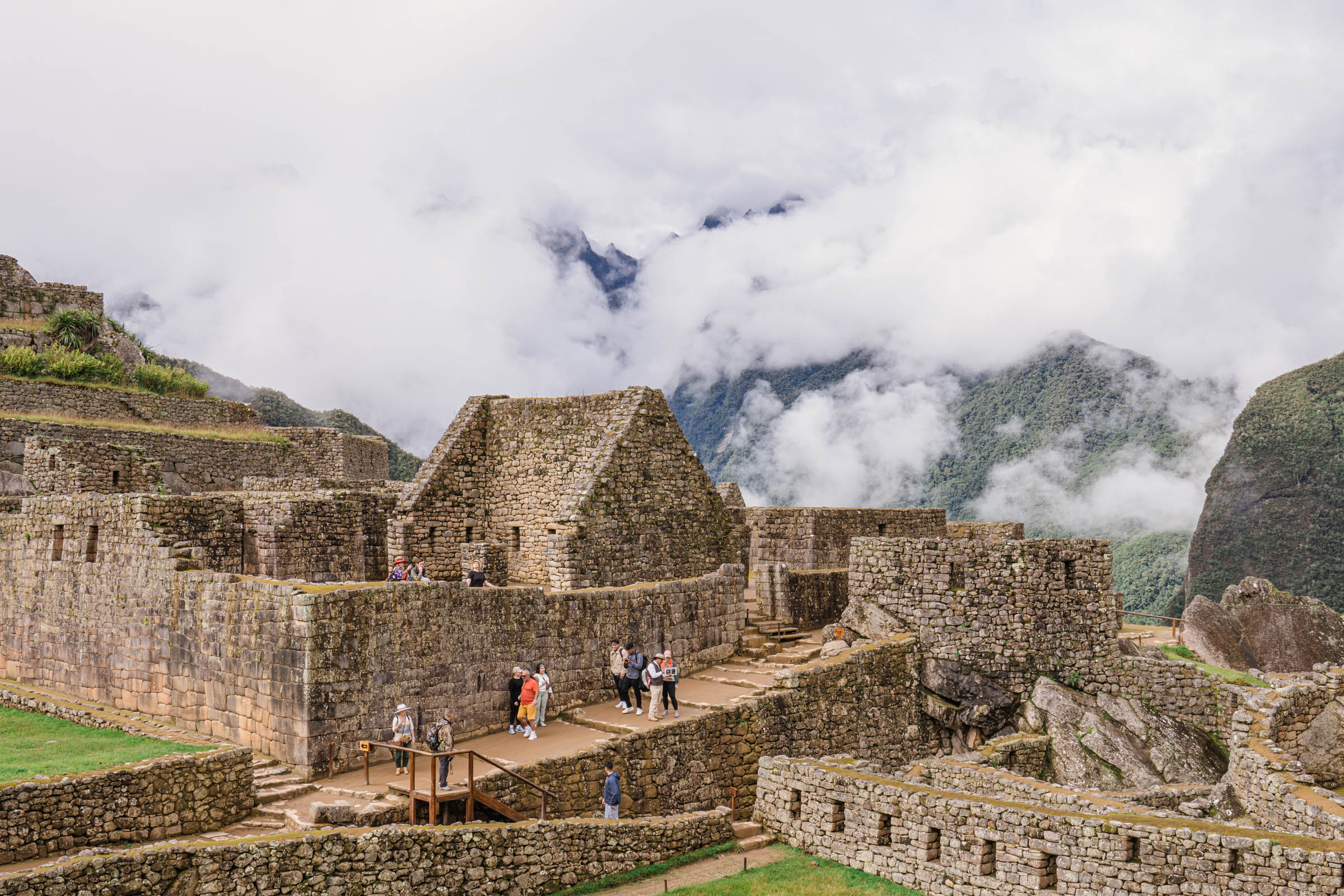
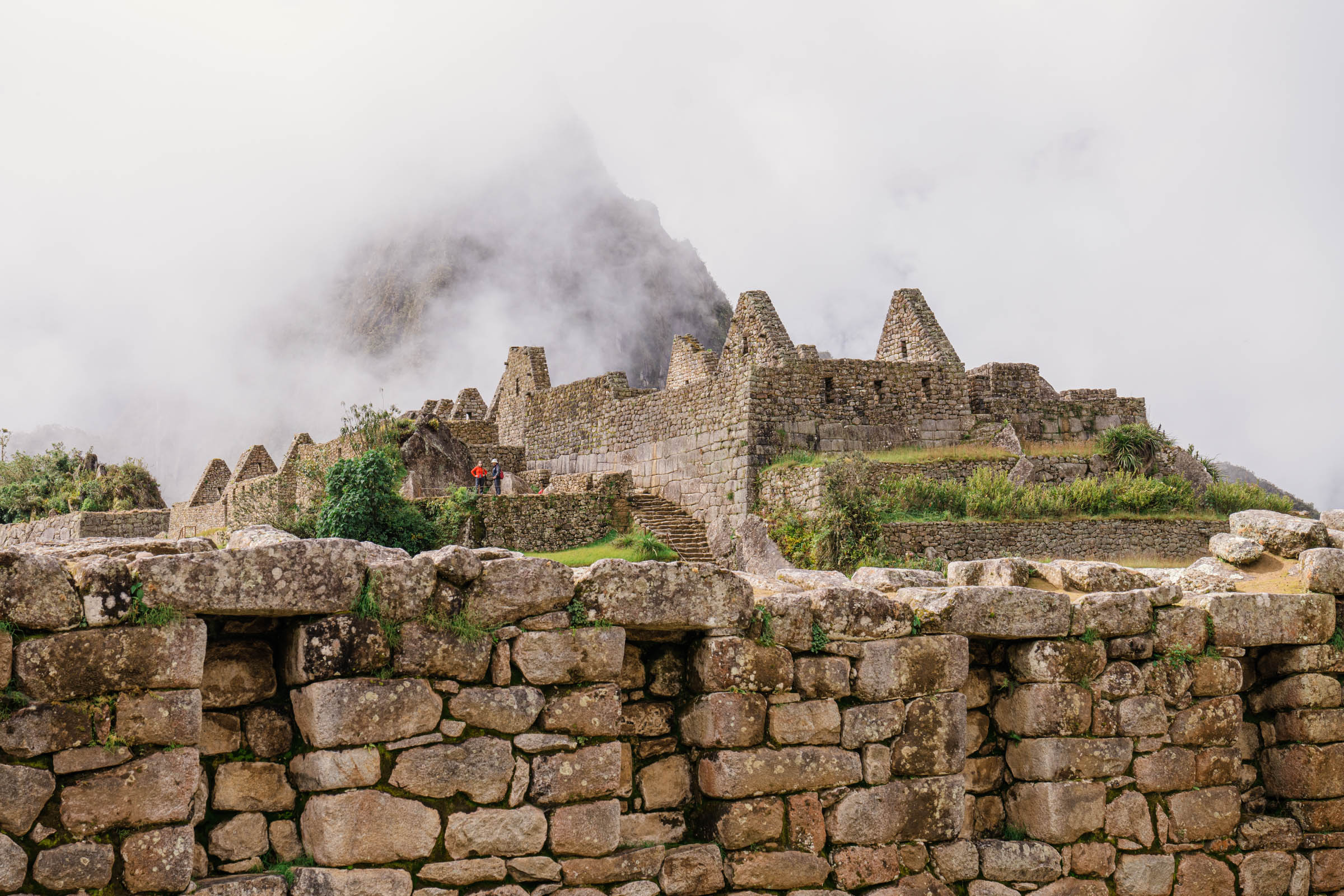
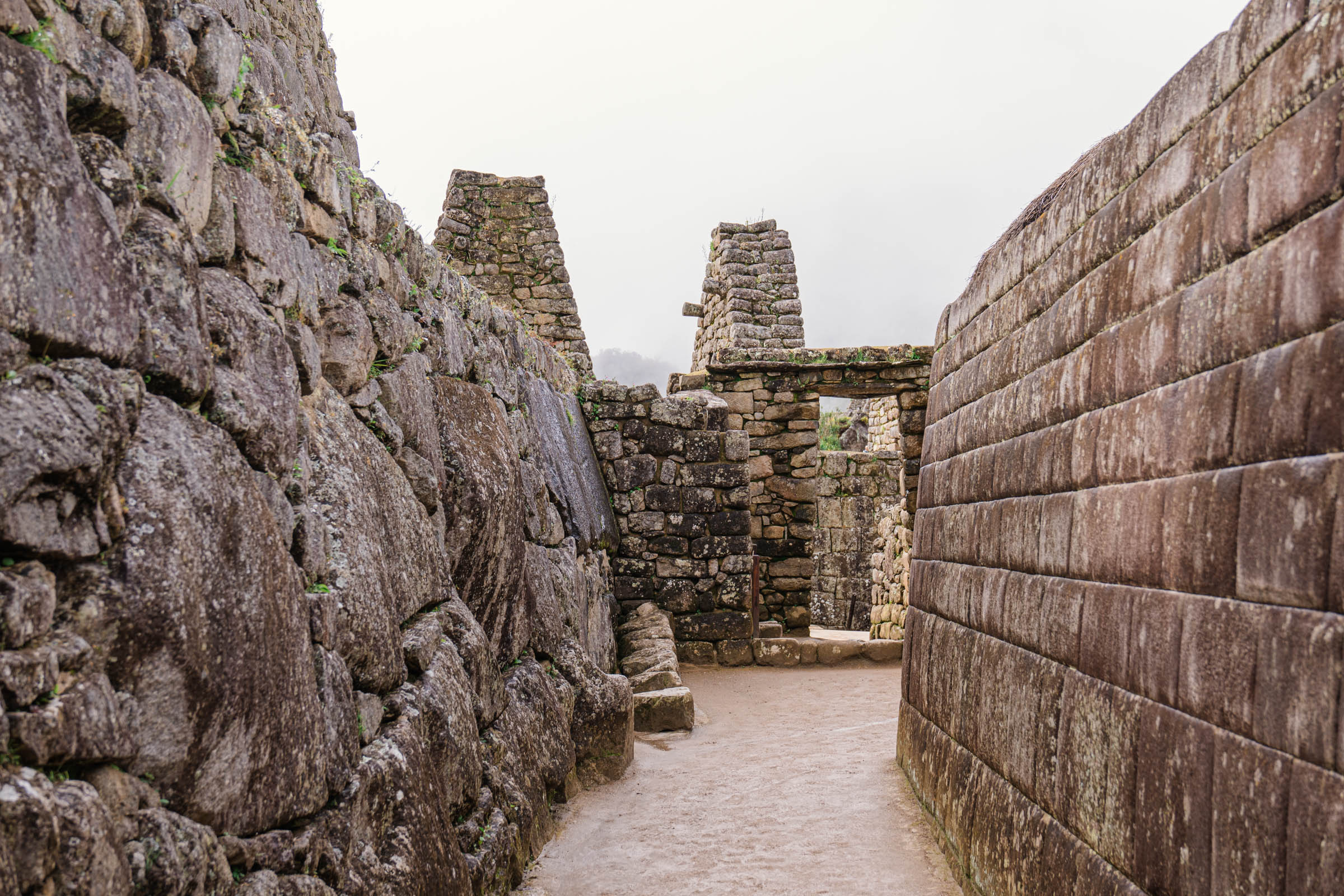
So which route should you choose? For a first visit, I recommend Circuit 2A or 2B. If you only want the famous photo, 1B is enough. Adventurers should look at 1A or 3A, while 3B is perfect for a calm, comfortable walk. Above all, my favorite tip is simple: combine two routes, as we did. That way, you get both the classic view and the royal sector in one day.
TICKETS AND RULES: WHAT TO KNOW BEFORE YOU GO
Machu Picchu has a strict daily limit. In 2026, it is 4,500 visitors per day, rising to 5,600 on high-demand dates. You can buy tickets on the official ticket website of the Ministry of Culture. For foreign adults, a standard route costs 152 soles. Since May 1, 2026, a conservation fee of 11 soles comes on top of that. Routes with a mountain cost 200 soles plus the fee. In addition, the Ministry sells up to 1,000 tickets per day in person in Aguas Calientes.
Bring your original passport, because the data on your ticket must match it. Since September 2026, every ticket carries your full name and passport number, and you cannot add or change names later. Your backpack can be no larger than 40 × 35 × 20 centimeters. Umbrellas, tripods, selfie sticks and drones are not allowed. Food is also prohibited inside, so eat before you enter. For rain, bring a light poncho or a waterproof jacket instead.
ALTITUDE, WEATHER AND THE BUS TO THE CITADEL
Cusco lies at about 3,400 meters, while Machu Picchu is lower, at 2,430 meters. Therefore, give yourself a day or two in Cusco or the Sacred Valley before the trip. Drink plenty of water, walk slowly and listen to your body.
The dry season, from May to October, brings the clearest views and the biggest crowds. From November to March, it rains more, but the landscape is greener and calmer. I visited in March, and the mist gave me some of my favorite photos. Whatever the season, dress in layers, because the mornings are cool and the midday sun is strong.
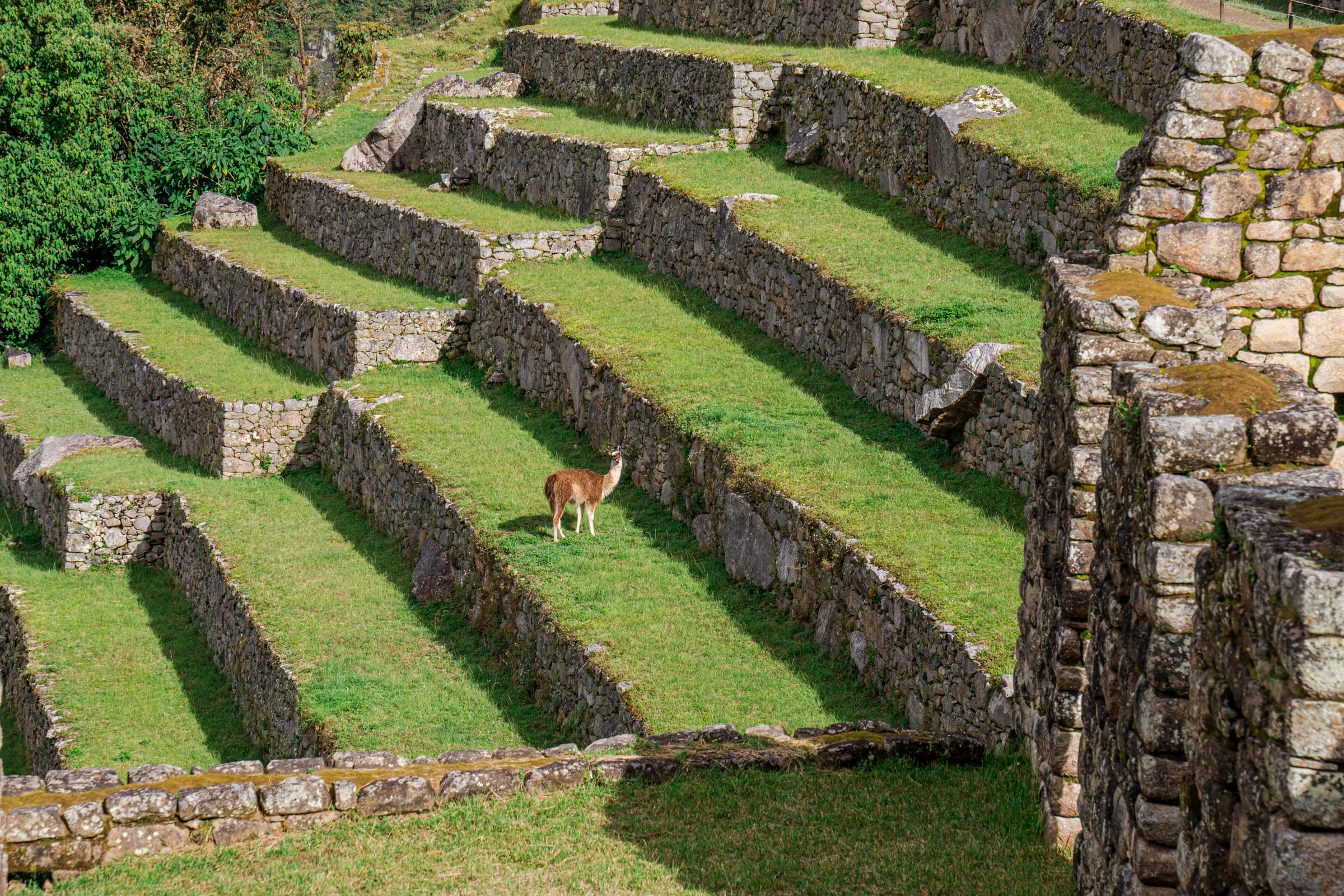
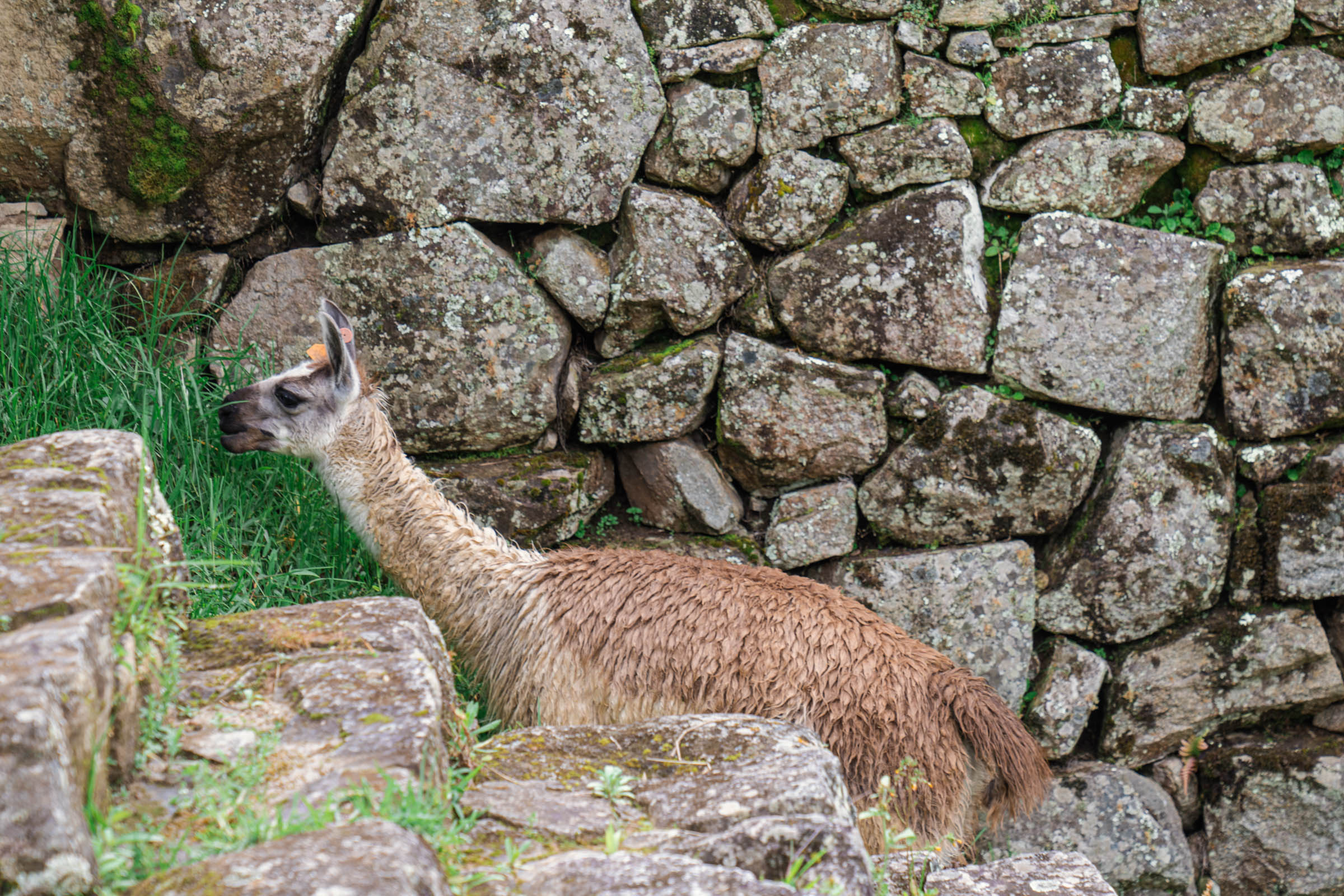
From Aguas Calientes, buses climb an eight-kilometer road to the gate in about 25 to 30 minutes. A round trip costs about 24 US dollars for foreigners. Alternatively, you can walk up the steep trail in about an hour and a half. Keep your eyes open on the terraces, because llamas often graze there.
AGUAS CALIENTES: A MOUNTAIN TOWN THAT SLOWS DOWN TIME
After the citadel, the bus took us back down to Aguas Calientes, officially called Machu Picchu Pueblo. Apart from the buses to the citadel, there are no cars here. Instead, you hear the river that rushes through the middle of town and the steps of happy travelers.
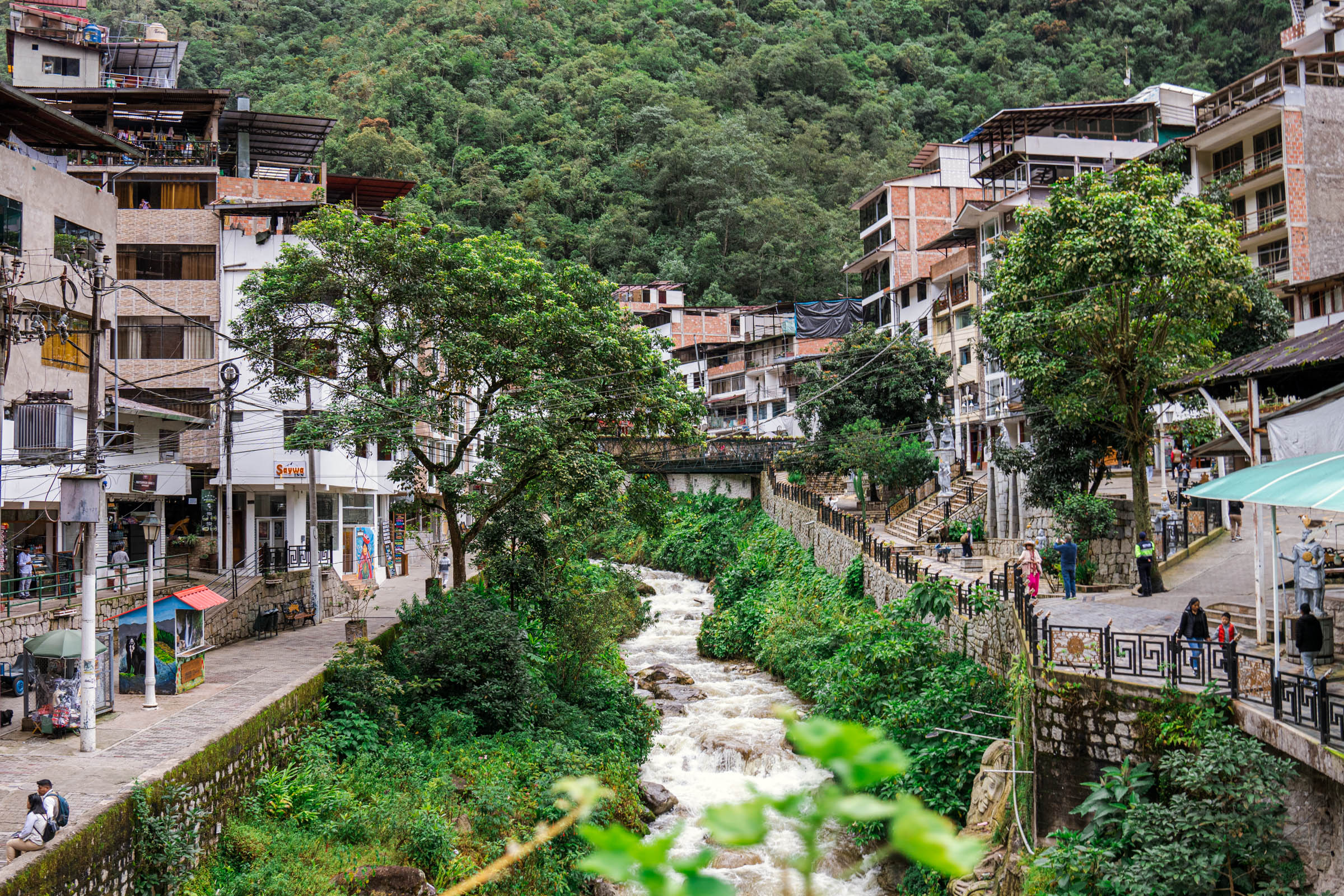
The town takes its name from its hot springs, which lie about 800 meters from the main square. The water there stays between roughly 38 and 44 °C. I soaked my tired legs for a while and watched the clouds above the treetops. In the main square, Plaza Manco Cápac, a large statue of Pachacuti greets every visitor. Next to it stands the church of the Virgen del Carmen.
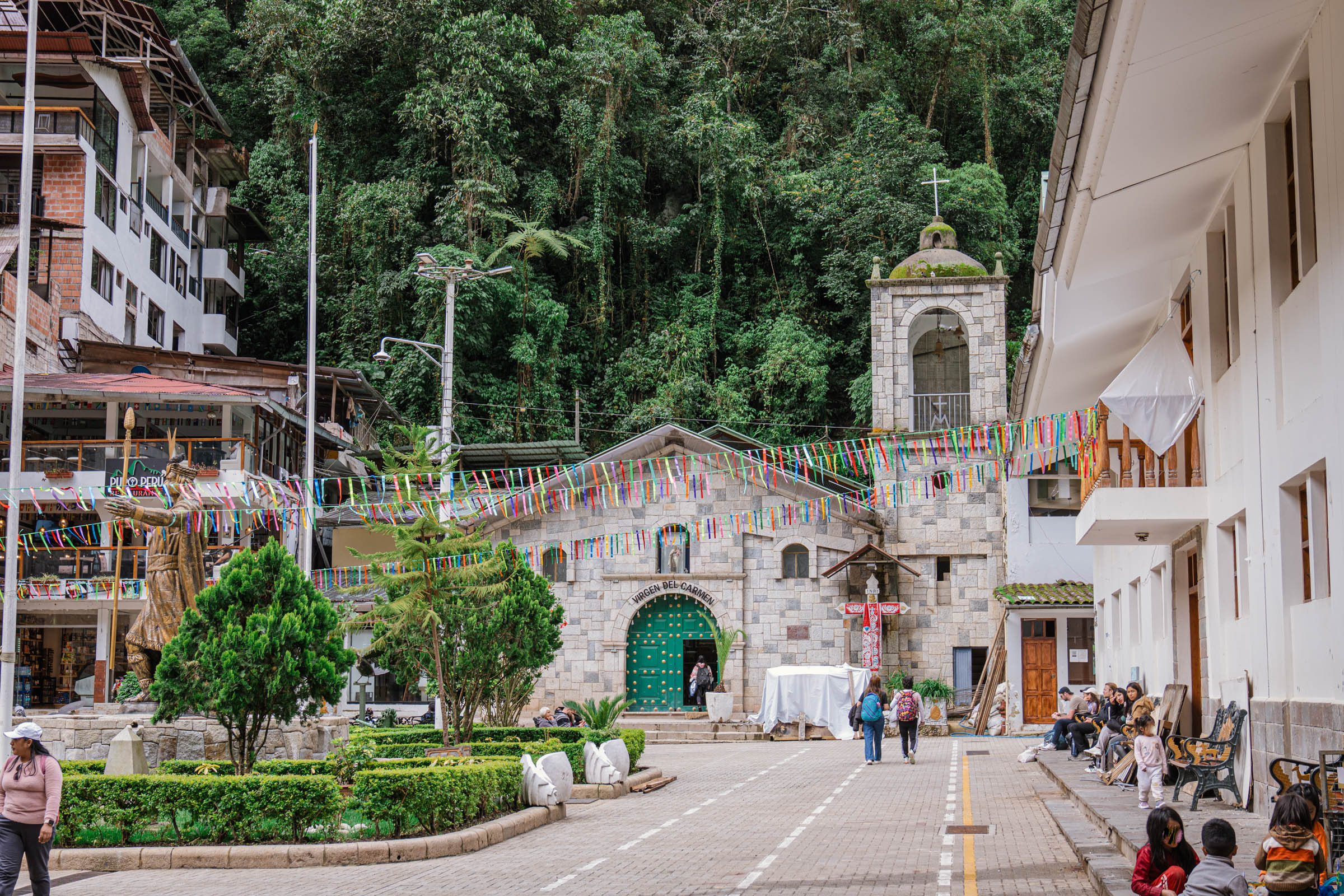
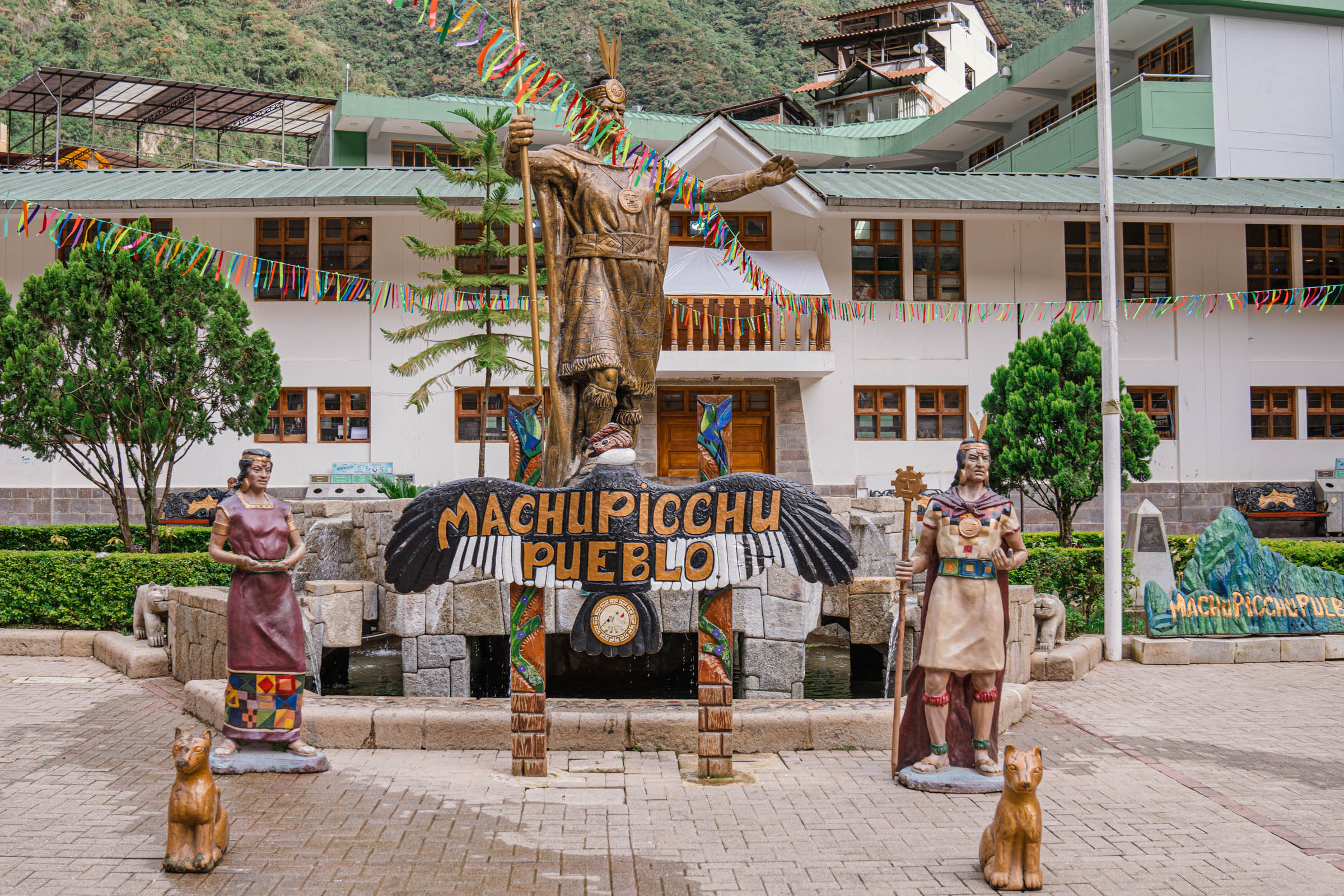
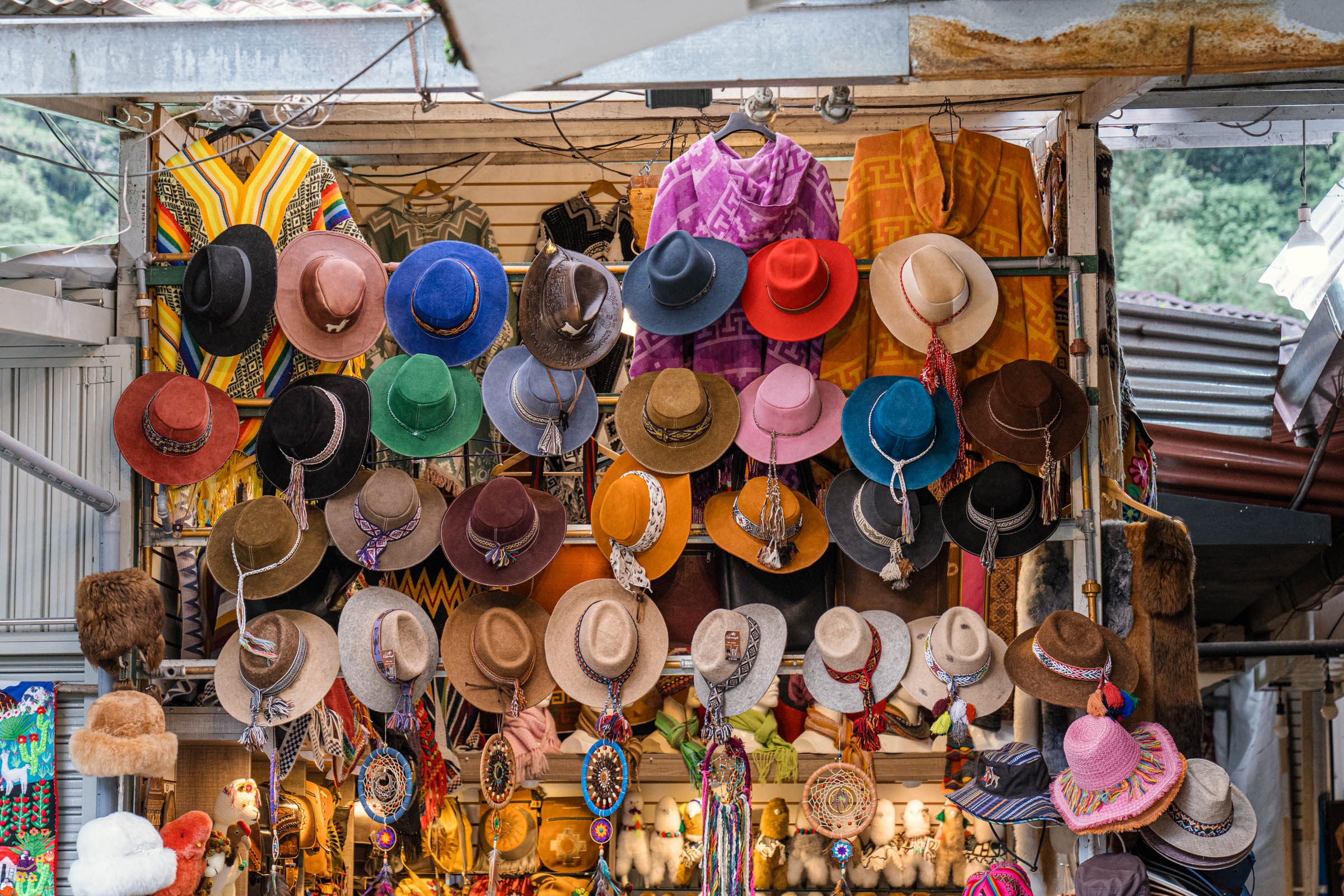
Before the train, I had lunch by the river and ordered local trout with lime and Peruvian spices. Then I walked through the market, full of ponchos, hats and amulets. There, I bought a handmade obsidian pendant, a stone that locals say gives protection and strength. My advice: do not skip this little town. It is the perfect place to rest after a great adventure.
INCA RAIL THE FIRST CLASS: AN ELEGANT RETURN FROM MACHU PICCHU
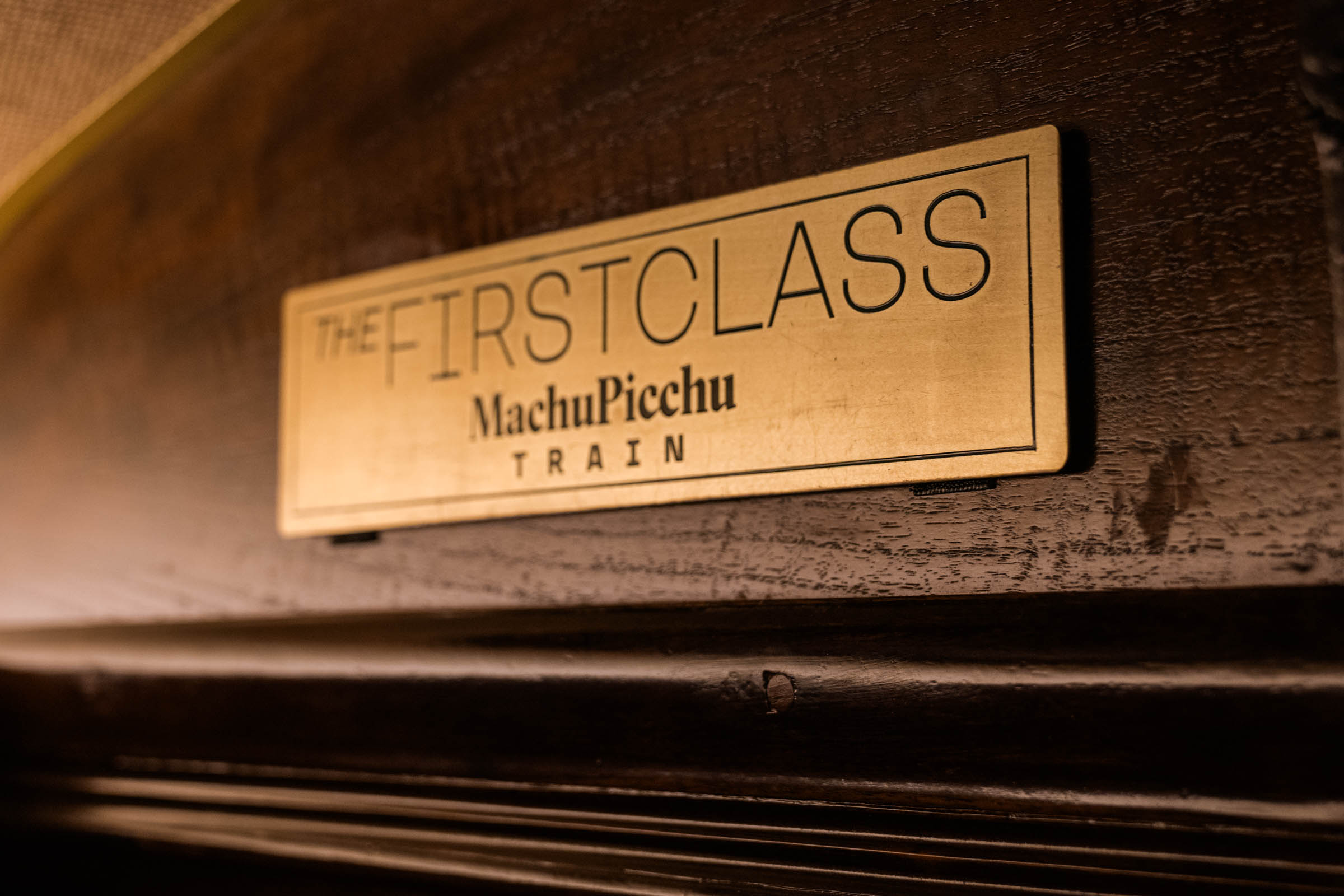
For the way back, Inca Rail had prepared The First Class, its premium service. In Aguas Calientes, we first relaxed in the passenger lounge with a welcome drink. Then, the staff greeted us at the train with warm towels and led us to our seats.
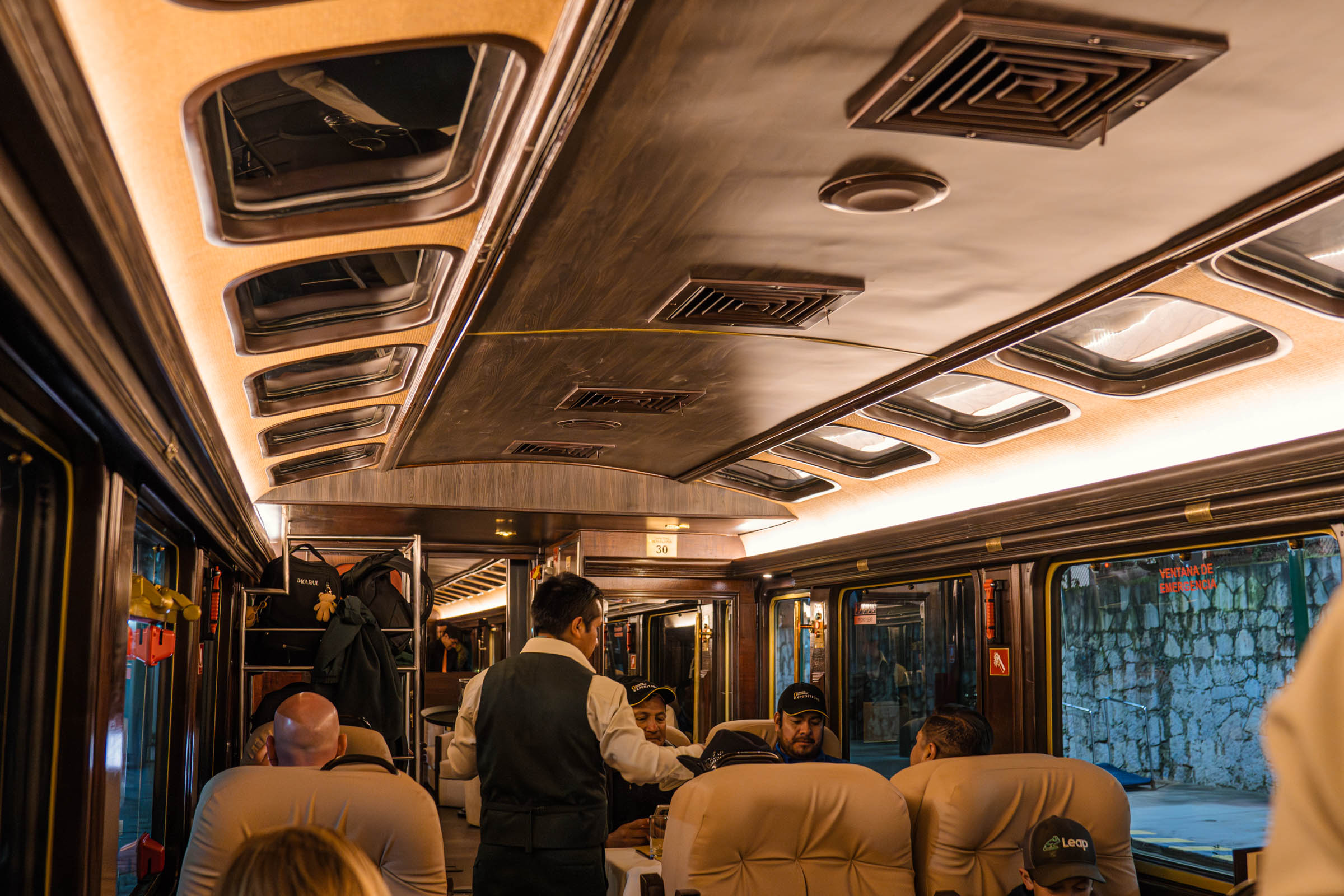
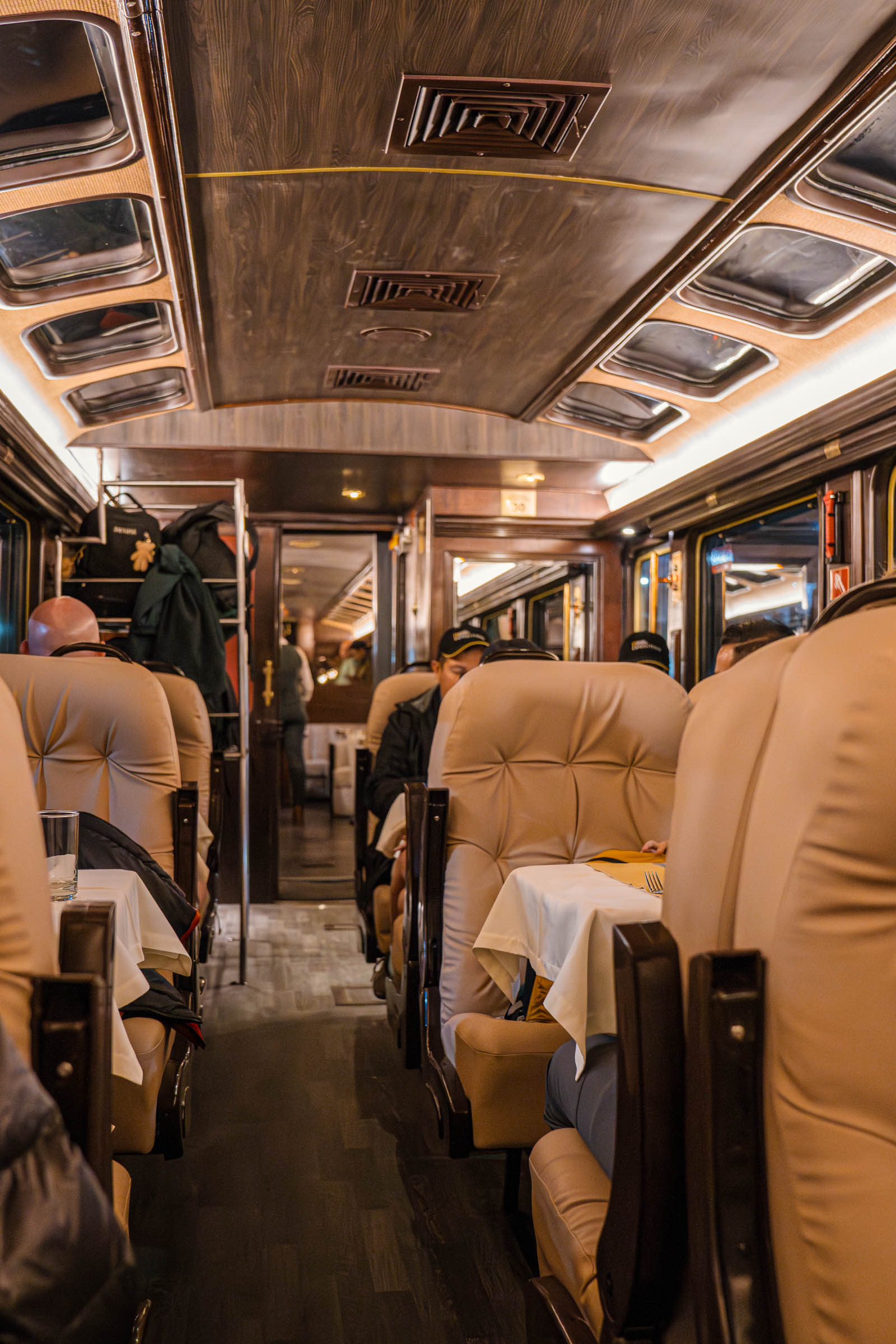
The carriages felt like an elegant club. Wide leather armchairs, warm wood and golden details created a calm, refined atmosphere. The First Class has two carriages with 30 seats each. Between them is an observatory lounge car with a bar, live music and an outdoor balcony.
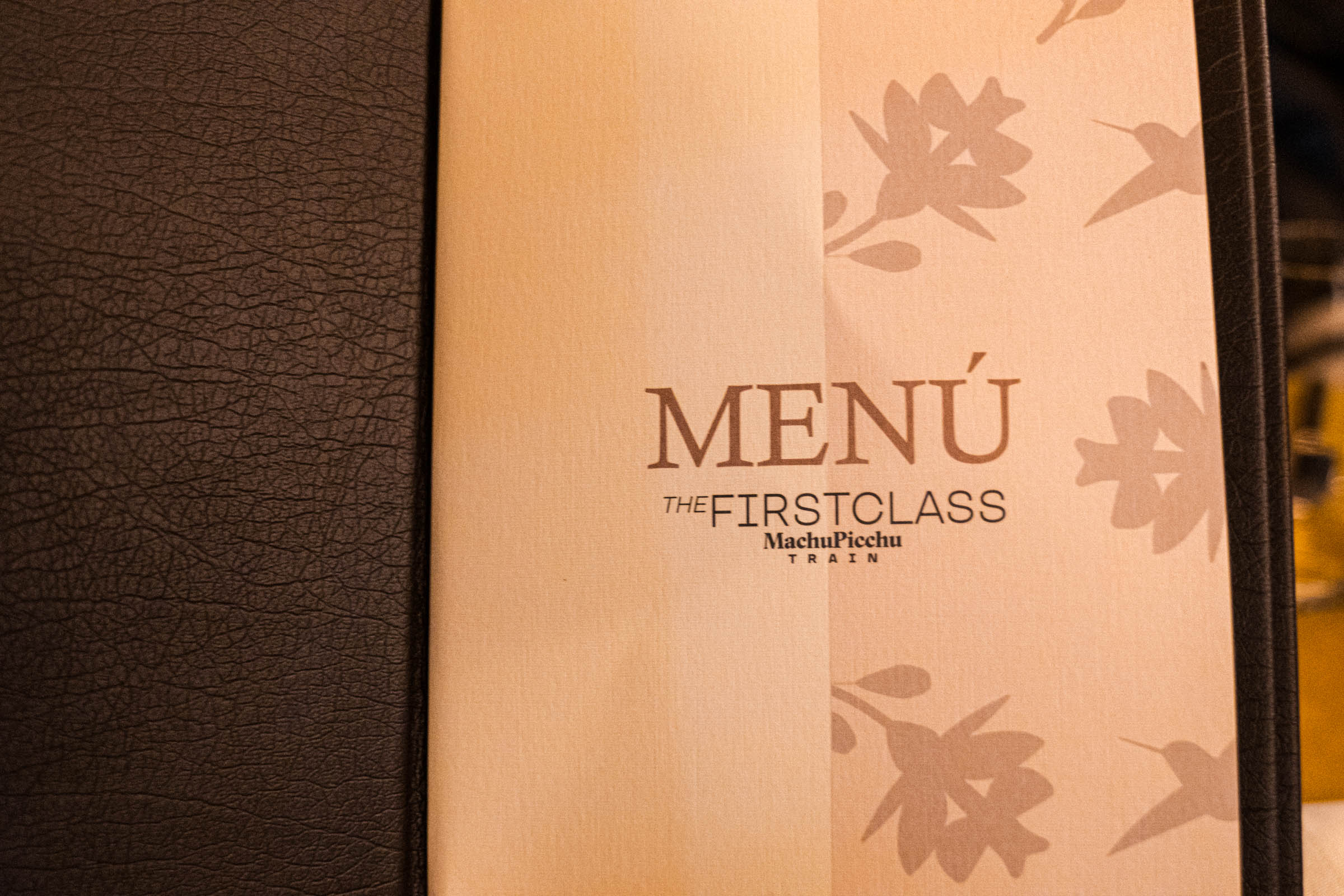
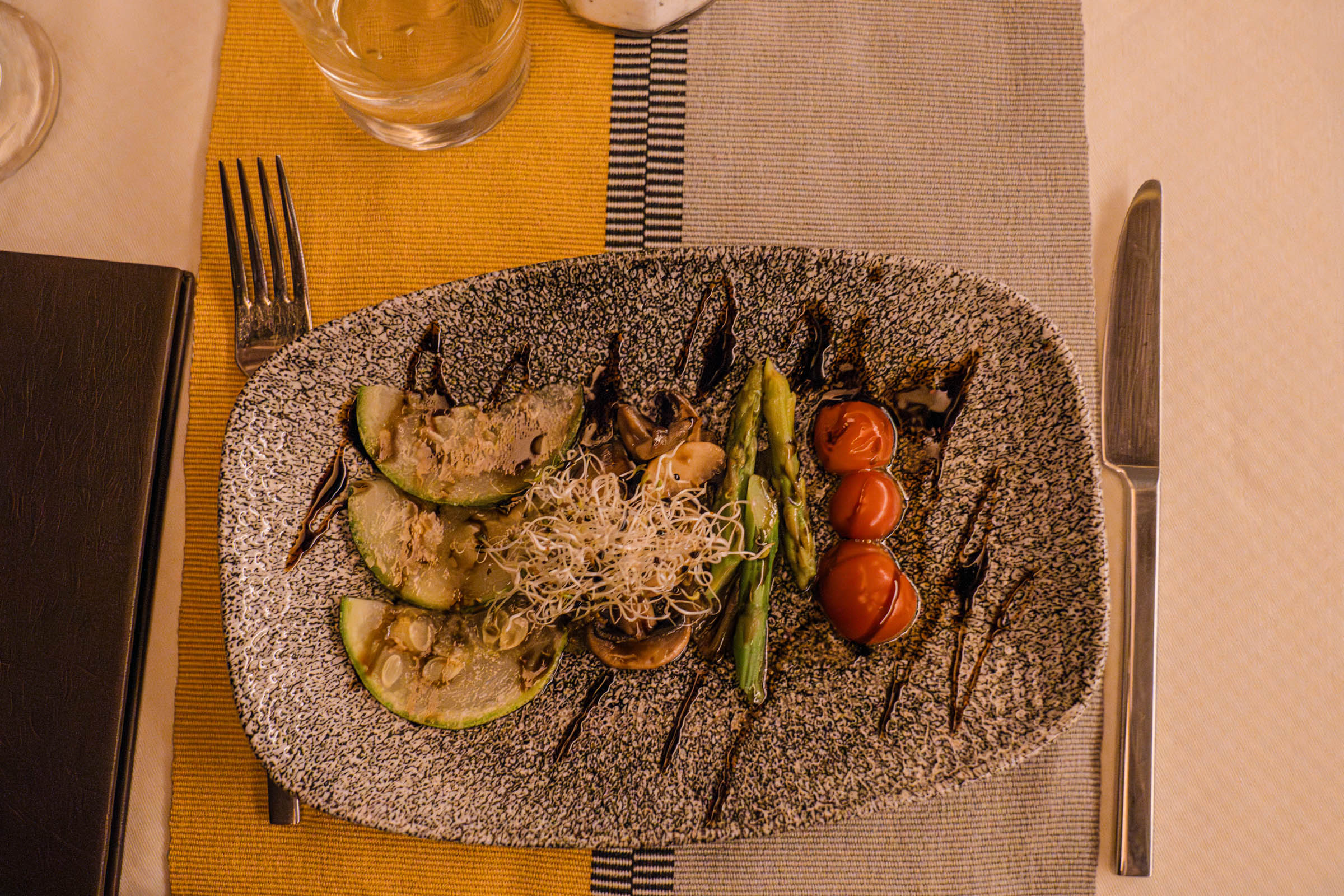
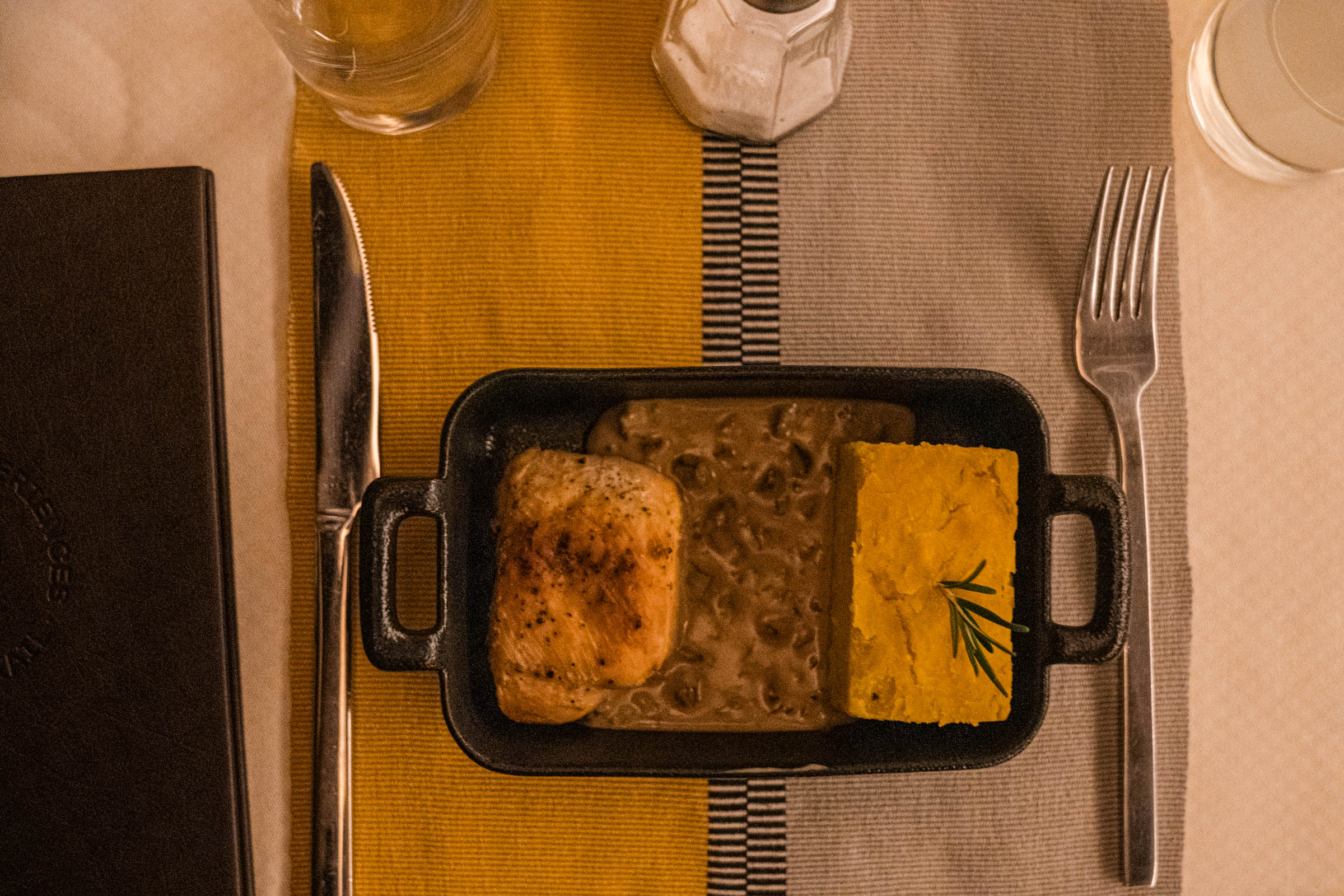
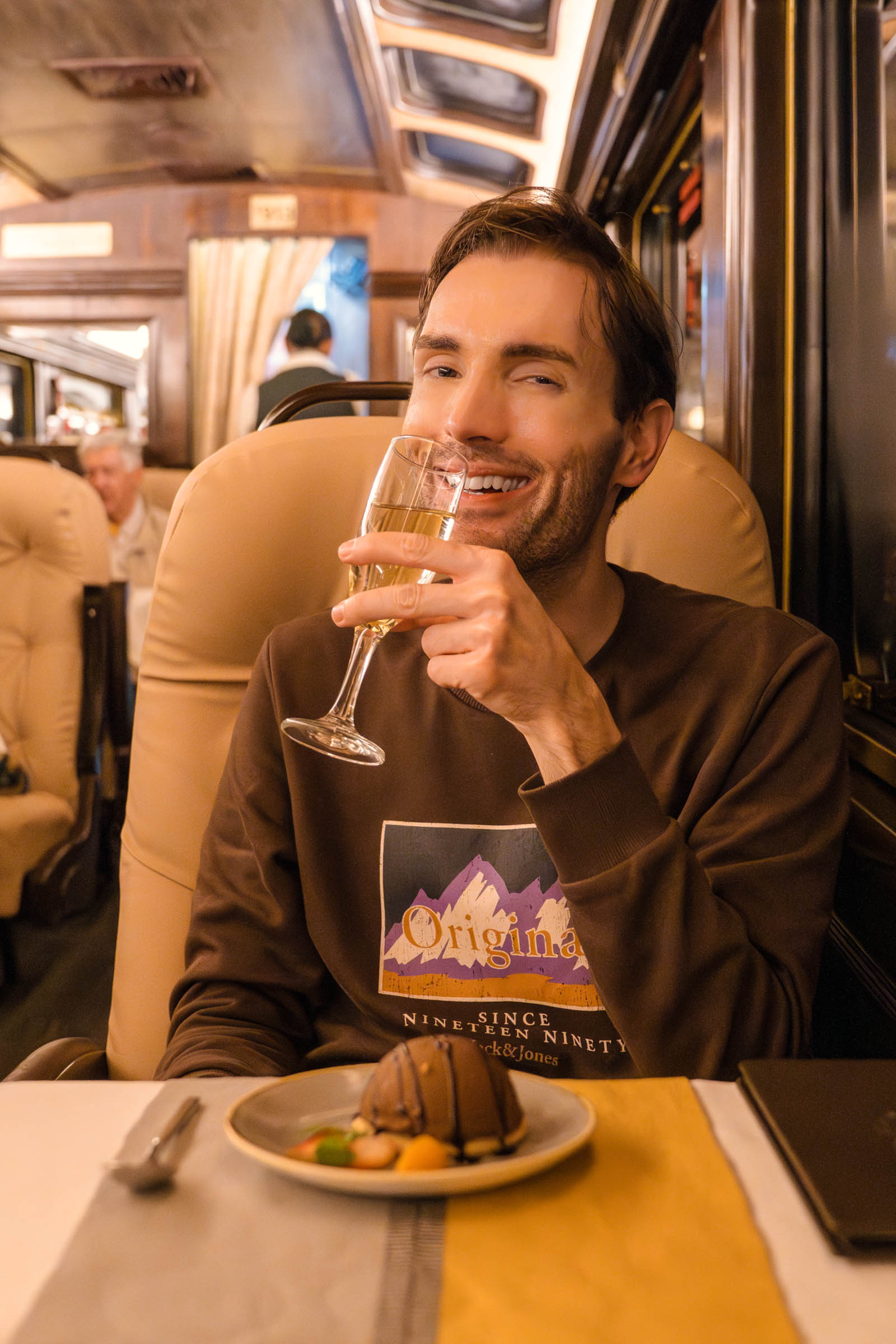
Soon, the hosts served dinner with a glass of sparkling wine. The menu celebrated Andean ingredients in a modern way. My favorites were the grilled vegetables and a warm main course with Peruvian flavors. Everything arrived beautifully presented, as if we were in a good restaurant and not on a moving train.
DESSERT, MUSIC AND A TOAST TO THE ANDES
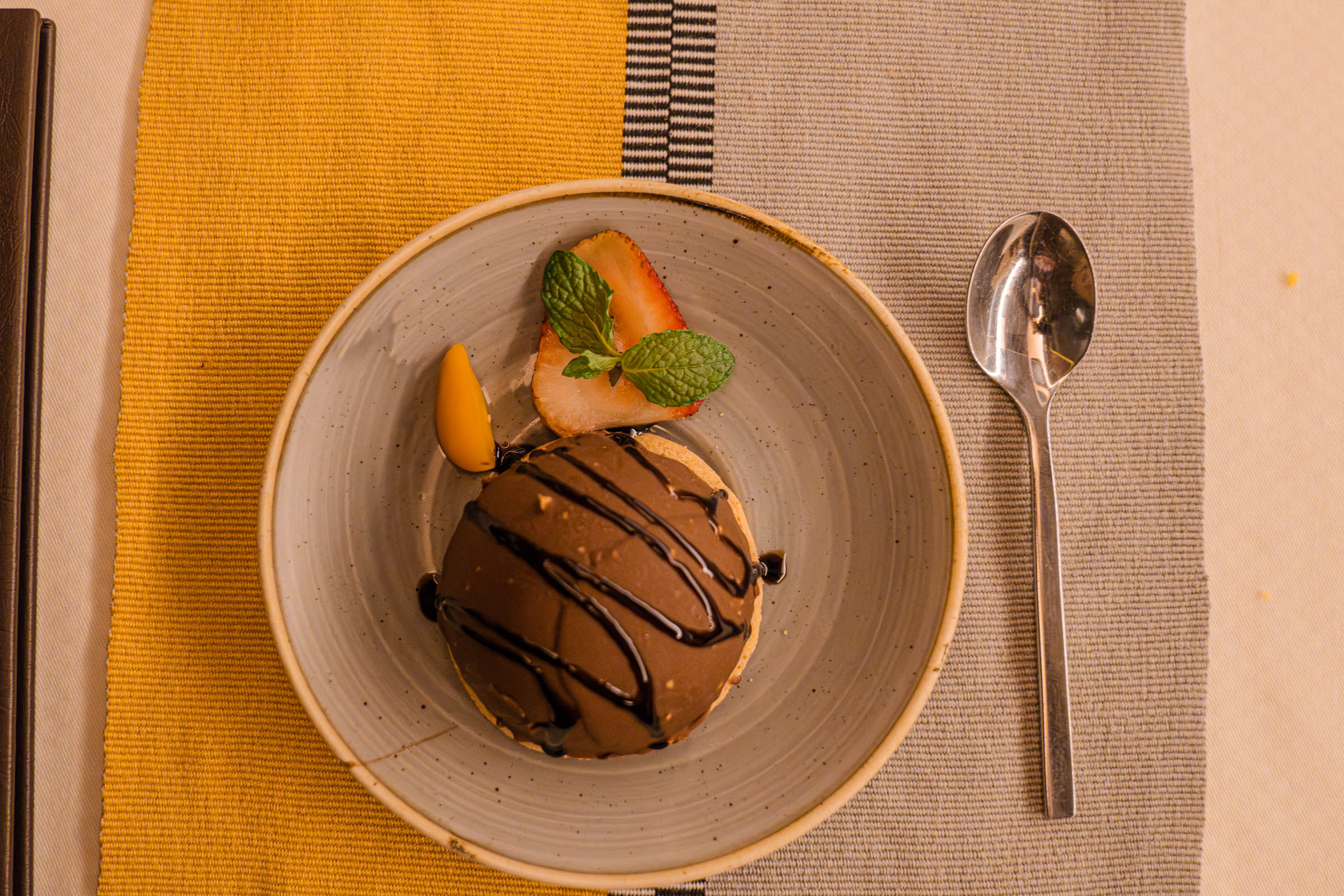
After dinner, the hosts invited us to the lounge car. There, a singer and his band turned the return into a small concert. Then came dessert, a chocolate creation with fresh fruit, together with tea and more sparkling wine. I raised my glass and smiled, because the day could not have ended better.
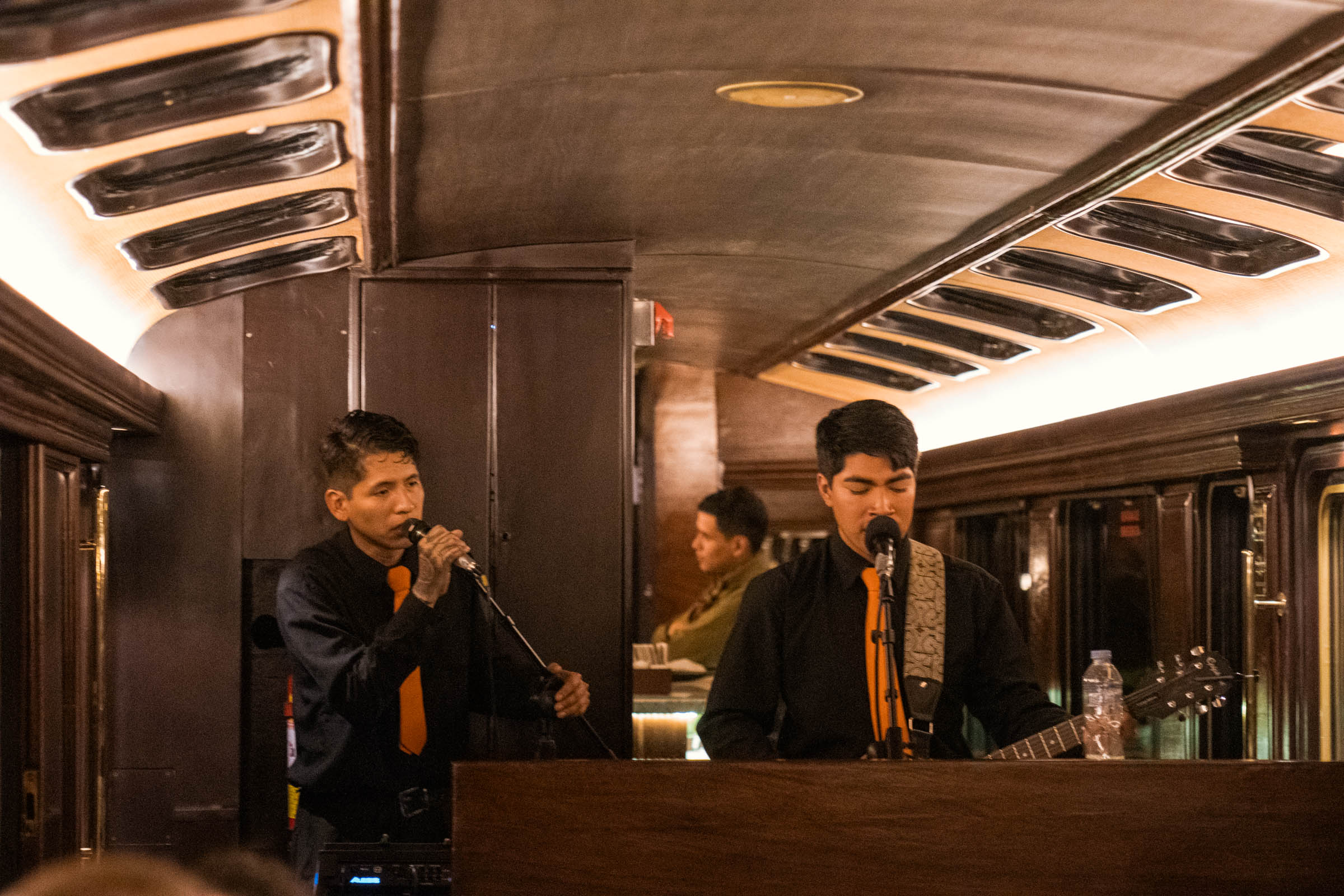
Around us, travelers shared their favorite moments from the citadel. We all made a toast to the Andes and to this incredible day. When the train arrived in Ollantaytambo, we thanked the musicians with loud applause. Honestly, The First Class is a memory I will keep for a long time.
MACHU PICCHU IN SHORT: QUICK ANSWERS
- How do I get there? By train from Ollantaytambo or Cusco to Aguas Calientes, and then by bus to the gate.
- How much is the ticket? 152 soles for a standard route, plus an 11-sol conservation fee since May 2026.
- Which route is best? Circuit 2 for a first visit, or a combination of two routes.
- When should I go? From May to October for clear views, or in the rainy months for fewer people.
MY FINAL WORDS FROM MACHU PICCHU
My dear adventurers, we have come to the end of this letter from the sacred city of the Incas. From the dark streets of Cusco to the music on the train, every moment of that day was a gift. Machu Picchu taught me that a dream gets even more beautiful when you share it with others.
This travelogue would not have been possible without Inca Rail, Machu Picchu Specialists, UN Tourism, PROMPERU, the Ministry of Foreign Trade and Tourism of Peru and Casa Andina Premium Cusco. Thanks to them, I could feel the spirit of the Andes in a completely different way.
How did you like my story about the sacred city of the Incas? Have you already visited Peru, or is it still on your list? If you have any questions, comments or suggestions, write to me in the comments below. As always, you can also reach me by email or on social media through the CONTACT page.
See you soon, with a new story!
With love from Machu Picchu,
Mr.M
This post is sponsored by Inca Rail, Machu Picchu Specialists, UN Tourism, PROMPERU, the Ministry of Foreign Trade and Tourism of Peru and Casa Andina Premium Cusco, as well as other local partners. It is my personal and honest review of the destination experience.
Dear Marko, your Machu Picchu travelogue is pure inspiration! Last year I explored Cusco and then journeyed on Inca Rail The 360°, soaking in those breathtaking Andean vistas. I also managed a side trip to Puno and Titicaca, which added a magical lakeside contrast. Reading about your First Class return reminded me how seamless luxury rail can elevate a trip. Next time, I’m definitely contacting Machu Picchu Specialists, they planned an impeccable itinerary for you. Your vivid descriptions make me feel like I’m right there climbing those ancient terraces. I can’t wait to plan my own Peru adventure!
Dear Marko, I’ve dreamt of Machu Picchu ever since visiting Rio de Janeiro’s Carnival, both experiences pulse with life. Your photos from the citadel and the detailed tips about acclimatization are spot on. In 2019, I traveled through Argentina and Chile before arriving at the Sacred Valley, but I never felt as connected to the mountains as you convey. The part about boarding Inca Rail The 360° at dawn gave me goosebumps, it sounds like a once‑in‑a‑lifetime journey. I’ll reach out to Machu Picchu Specialists for sure; they sound like the pros who can make it happen stress‑free. Thank you for sharing such a rich, informative post! With best regards, Magnus
Lieber Marko, dein Machu Picchu-Bericht weckt Fernweh pur! Vor einigen Jahren besuchte ich Cusco und fuhr mit Inca Rail The 360° durch das Heilige Tal – unvergesslich. Anschließend reiste ich weiter nach La Paz und spürte direkt die Höhe. Deine Beschreibung der First Class-Rückfahrt motiviert mich, auch die komfortable Option zu wählen. Ich werde definitiv Machu Picchu Specialists kontaktieren, so eine perfekte Organisation wünsche ich mir auch! Deinen Tipp zum frühen Ticketkauf finde ich sehr hilfreich. Danke für diese fesselnde Reiseerzählung! Mit FG, Claus
Siempre soñé con Machu Picchu, especialmente tras vivir el Carnaval de Río y conocer la cultura porteña en Buenos Aires. Tu descripción de los amaneceres en las ruinas me hizo revivir esos momentos. También hice un viaje a Montevideo y Asunción, pero nada se compara con la mística de los Andes. El servicio de Inca Rail First Class suena de lujo total: lo anotaré para mi próxima visita. Y sin duda contactaré a Machu Picchu Specialists para organizarlo todo. ¡Excelente guía y relatos tan auténticos!
Well done Marko! Your post transported me back to my first glimpse of Huayna Picchu rising above the ruins. After exploring Buenos Aires and Mendoza, I hopped on Inca Rail First Class, it felt like a moving lounge through the clouds. The machinations of the Machu Picchu Specialists team clearly add that extra layer of magic. I particularly loved your note on why booking tickets months in advance is crucial. Your candid reflections on the weather swings reminded me of the time I got drenched by a sudden Andean storm! This guide will be my go‑to for planning the ultimate South American itinerary. Bravo for such an immersive narrative!
Ich träume schon lange von Machu Picchu, besonders nach meinen Abenteuern in Rio de Janeiro und Buenos Aires. Dein Bericht über die Inka‑Stufen am Morgen hat mich sofort zurückversetzt. 2018 erkundete ich Chile und Argentinien, doch die Anden haben mich nie so beeindruckt wie deine Fotos vom Sonnenaufgang. Inca Rail First Class klingt wie der Höhepunkt einer jeden Reise! Machu Picchu Specialists scheinen wahre Experten zu sein, ich werde mich bald an sie wenden. Dein Artikel ist pure Inspiration!
Deine Reise nach Machu Picchu liest sich wie ein Abenteuerroman! Als ich meinen Blick über die Terrassen schweifen ließ, erinnerte ich mich an meine Tour durch Peru und Bolivien. Besonders deine Tipps zur Höhenanpassung und das Lob für Inca Rail The 360° finde ich wertvoll. Die Kombination aus Luxus und Abenteuer klingt perfekt. Ich werde Machu Picchu Specialists kontaktieren, um auch meine Reise professionell planen zu lassen. Danke für den ausführlichen und dennoch persönlichen Bericht!
Tu relato de Machu Picchu es simplemente espectacular. Hace dos años visité Cusco y luego tomé el tren Inca Rail The 360°, una experiencia que jamás olvidaré. Después exploré Santiago de Chile y maravillosas rutas en Argentina. Leer sobre tu viaje First Class me anima a elegir esa opción la próxima vez. Definitivamente contactaré a Machu Picchu Specialists; la organización impecable que mencionas me da total confianza. Gracias por compartir cada detalle, desde los consejos de aclimatación hasta las mejores vistas. ¡Me has inspirado para planear mi regreso!
Tu crónica de la travesía a Machu Picchu me emocionó profundamente. Recuerdo mi paso por La Paz y Sucre, pero todavía no había experimentado la magia del Valle Sagrado. El tren The 360° ofrece vistas inigualables, y tus fotos lo demuestran. Me encanta tu recomendación de reservar boletos con antelación. Voy a pedir ayuda a Machu Picchu Specialists para vivir esta aventura sin preocupaciones. Gracias por brindarnos una guía tan completa y cercana.
J’ai longtemps rêvé de Machu Picchu, surtout après avoir assisté au Carnaval de Rio. La description de ton lever de soleil à Sacsayhuamán m’a fait revivre mon voyage en Bolivie et au Pérou. Puis j’ai découvert Montevideo et Asunción, tous des contrastes fascinants. Le train First Class est clairement la meilleure option pour un confort optimal. Je contacterai Machu Picchu Specialists pour une organisation parfaite. Ton article est une vraie source d’inspiration!
Ho sognato Machu Picchu dopo aver esplorato Rio e Buenos Aires. Le tue foto al tramonto sulle terrazze mi hanno fatto rivivere quell’emozione. Poi visita successiva a Montevideo e Asunción, ma nulla batte la vista dal Pacifico fino alle cime andine. Il treno First Class suona come un’esperienza da non perdere. Userò Machu Picchu Specialists per garantire un viaggio perfetto. Grazie mille per questo racconto avvincente e dettagliato!