
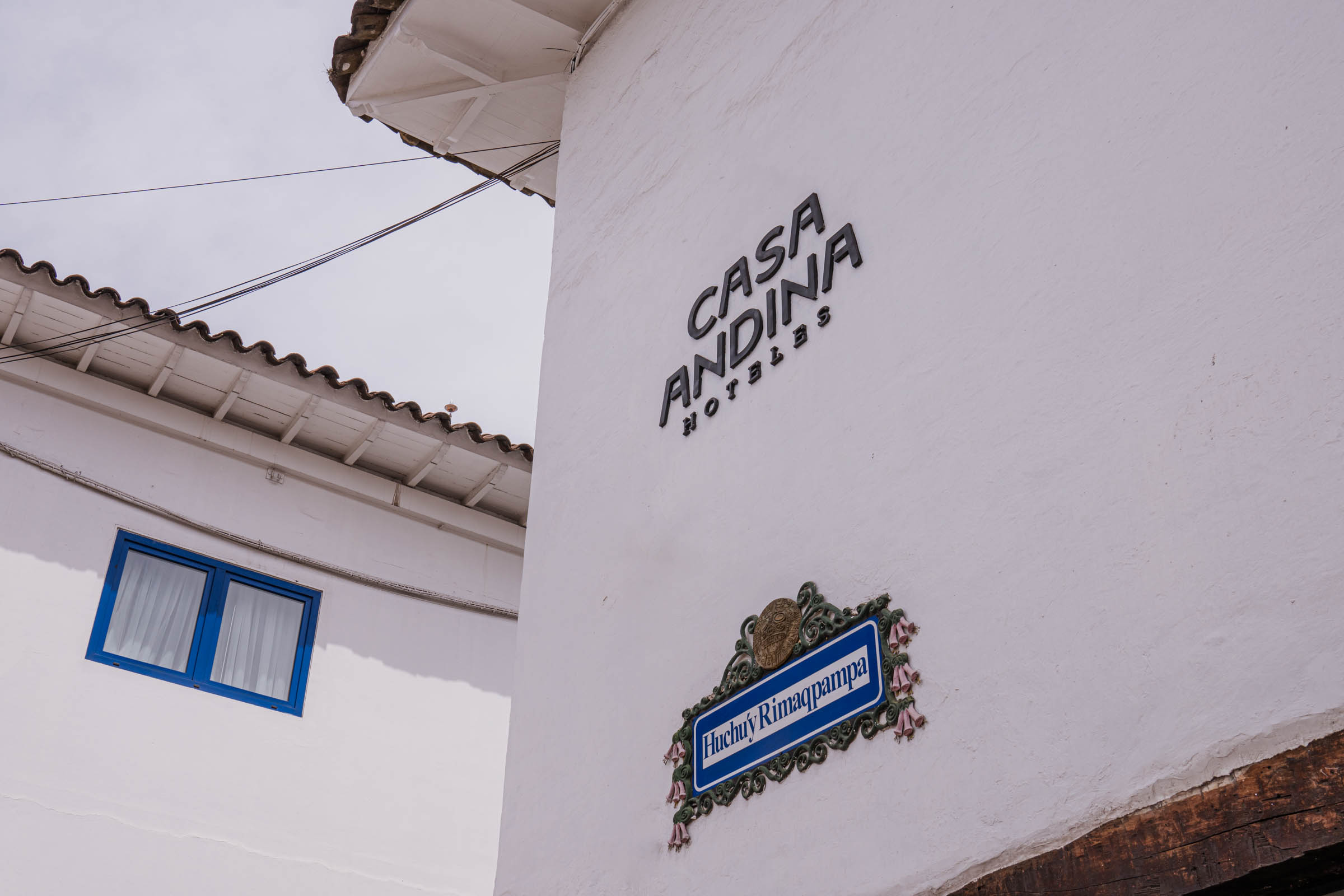
My dear travelers and lovers of unusual journeys, welcome to a new travelogue from my South America series. Today, I take you to Cusco, the former capital of the Inca Empire. My home in the city was Casa Andina Premium Cusco.
At the very beginning, I sincerely thank UN Tourism and the national tourism organizations that supported my adventure. In Peru, PROMPERÚ helped me, as did the Ministry of Foreign Trade and Tourism of Peru and the hotel itself. Did you miss my earlier stories from Peru? Then read my letter about Lima, the gate of the Andes, and my review of Swissôtel Lima. For fashion, see my story Brunello Cucinelli in Peru.
CASA ANDINA PREMIUM CUSCO: A 17TH-CENTURY HOUSE IN THE OLD TOWN
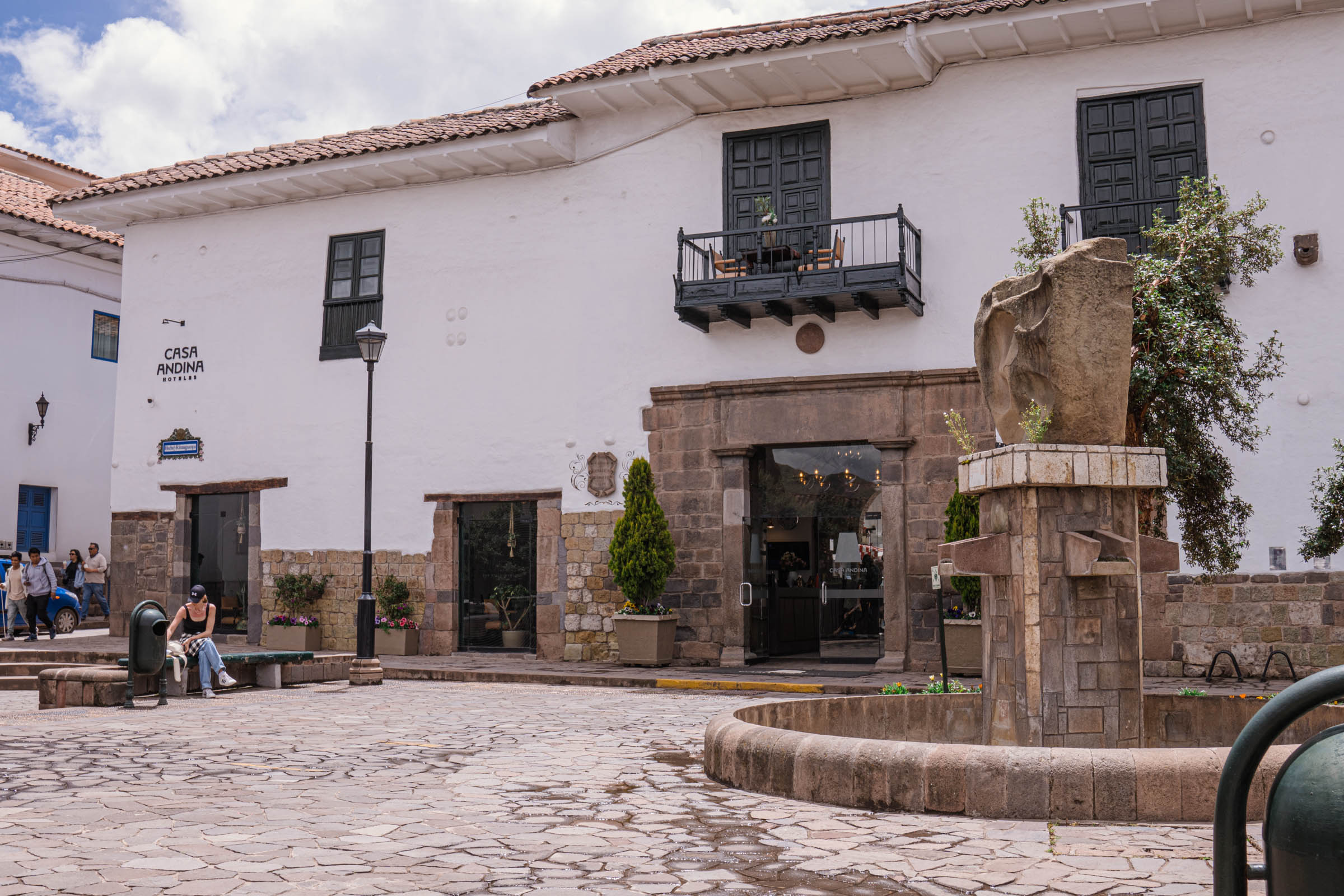
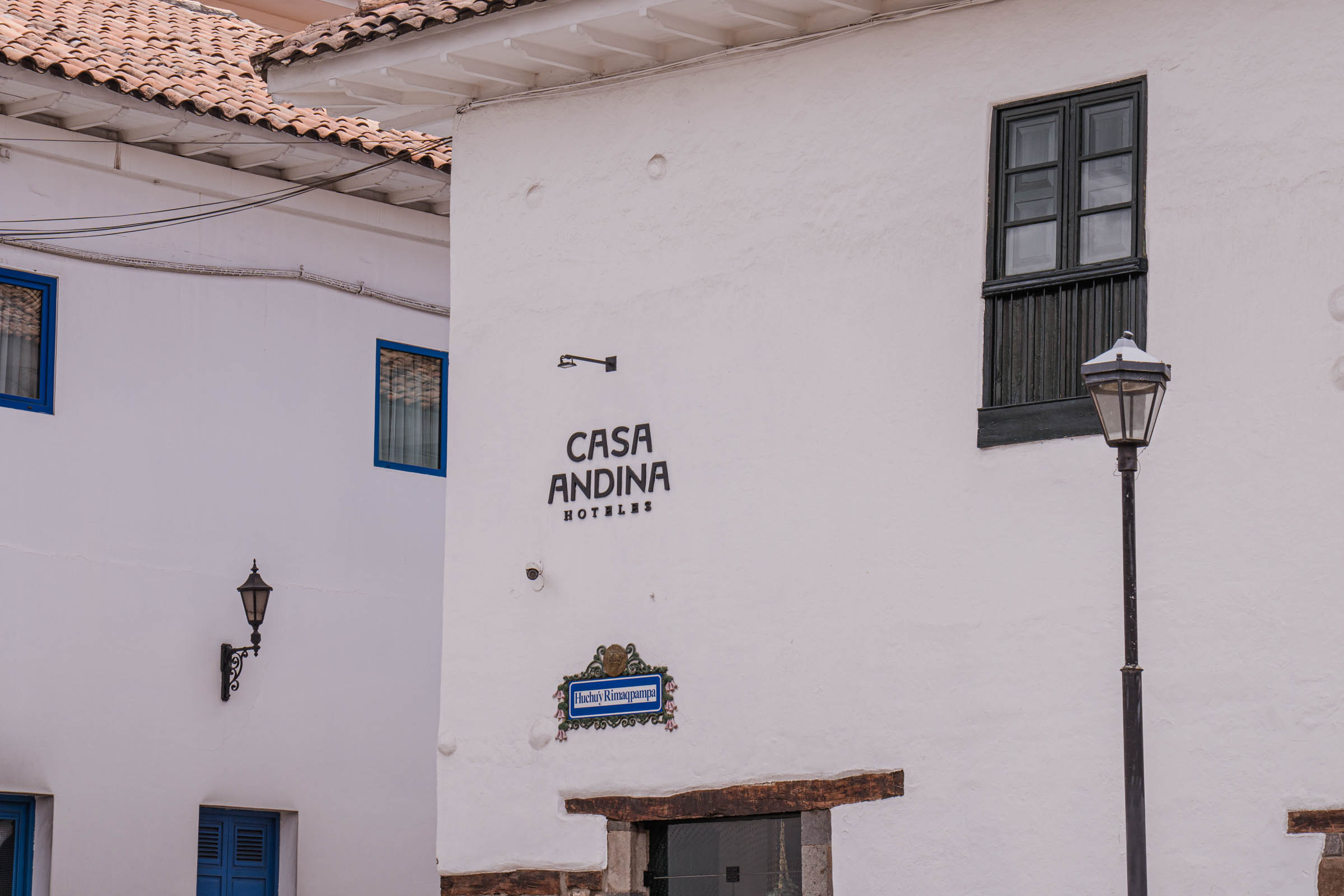
Cusco is a city steeped in history and the golden glow of the Andes. When I arrived, Casa Andina Premium Cusco welcomed me like an old friend. The hotel stands on the small Plazoleta Limacpampa Chico, about five minutes on foot from the Plaza de Armas. Moreover, the Temple of the Sun, Qorikancha, is just around the corner.
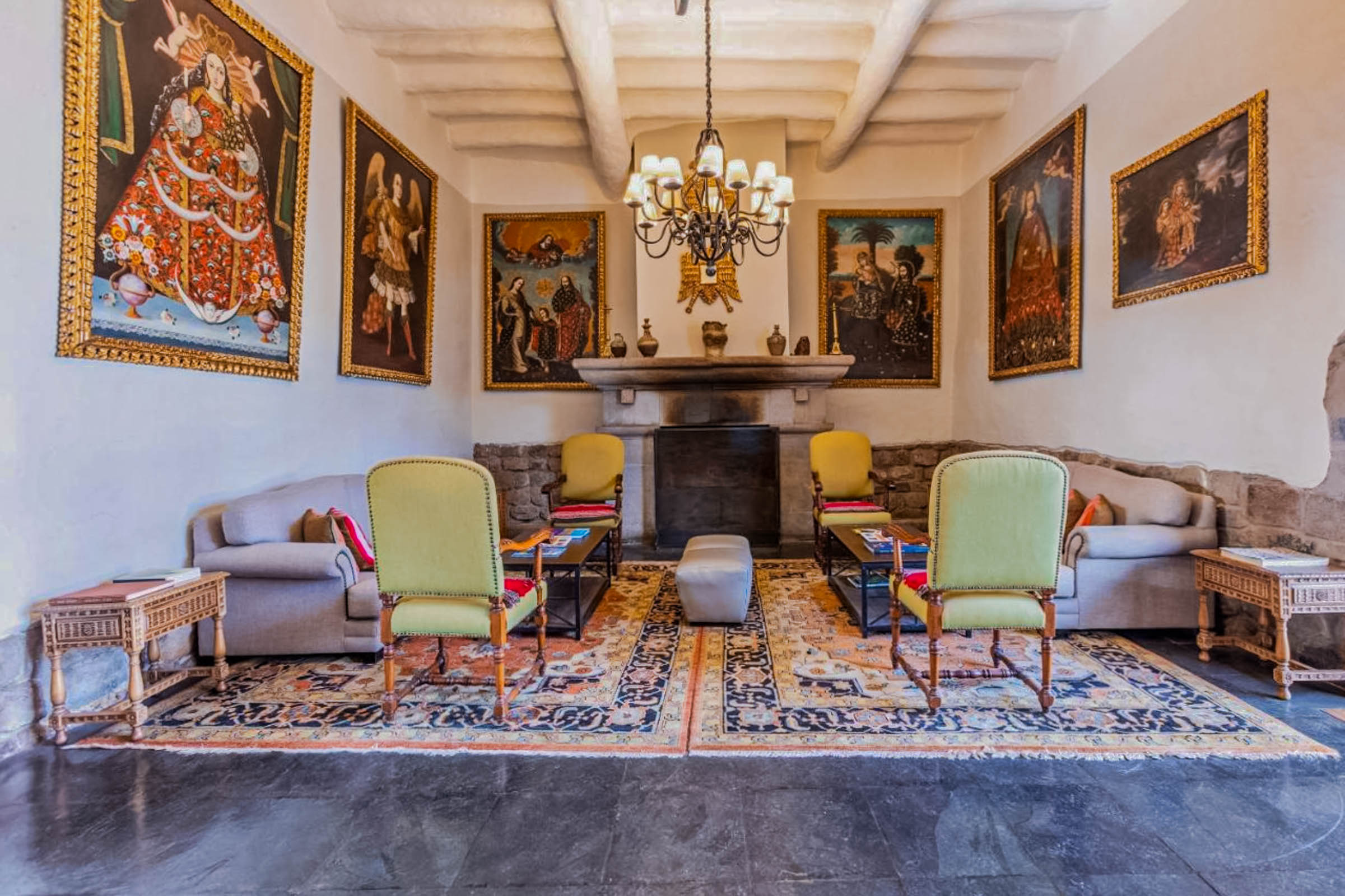
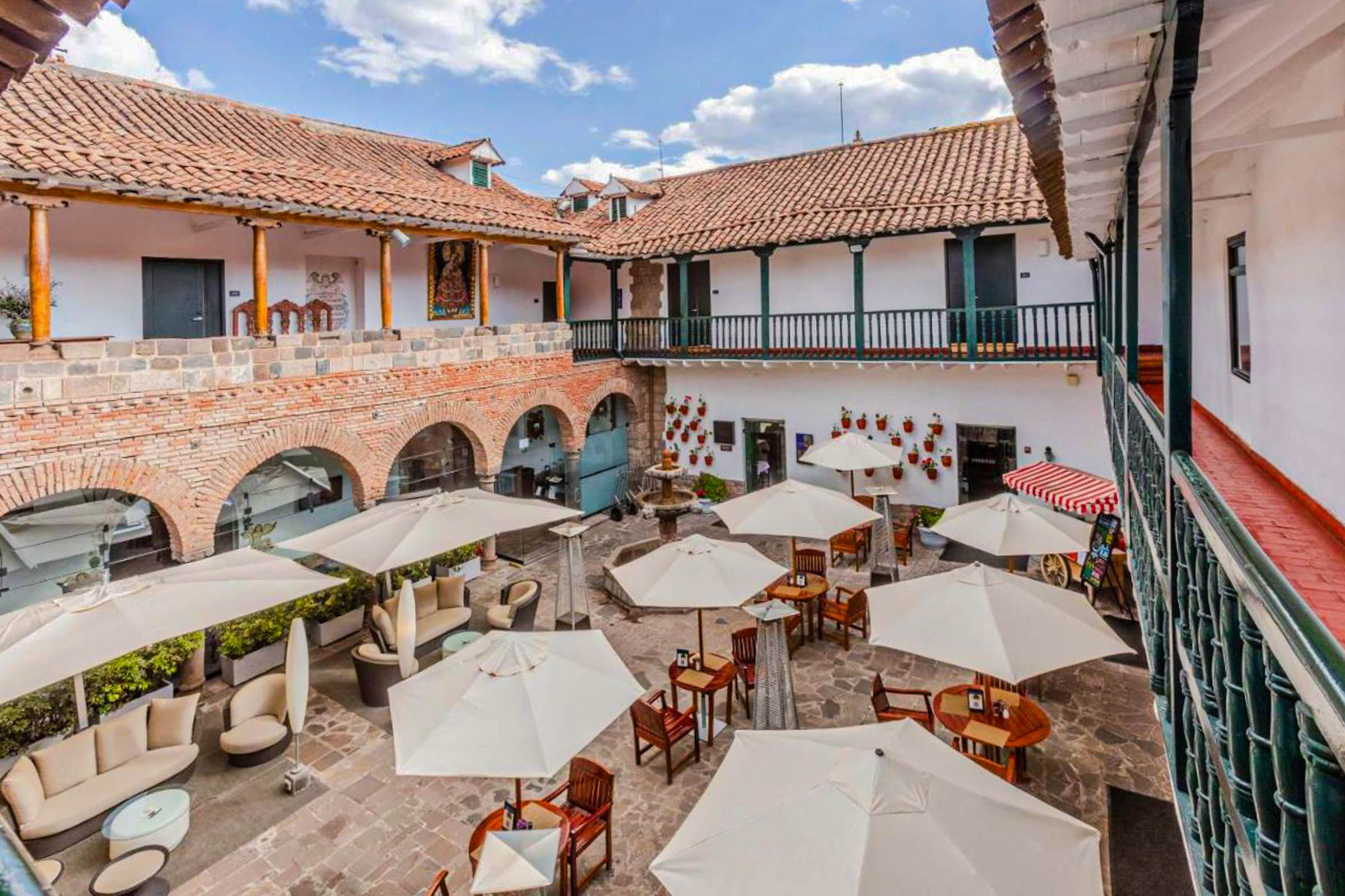
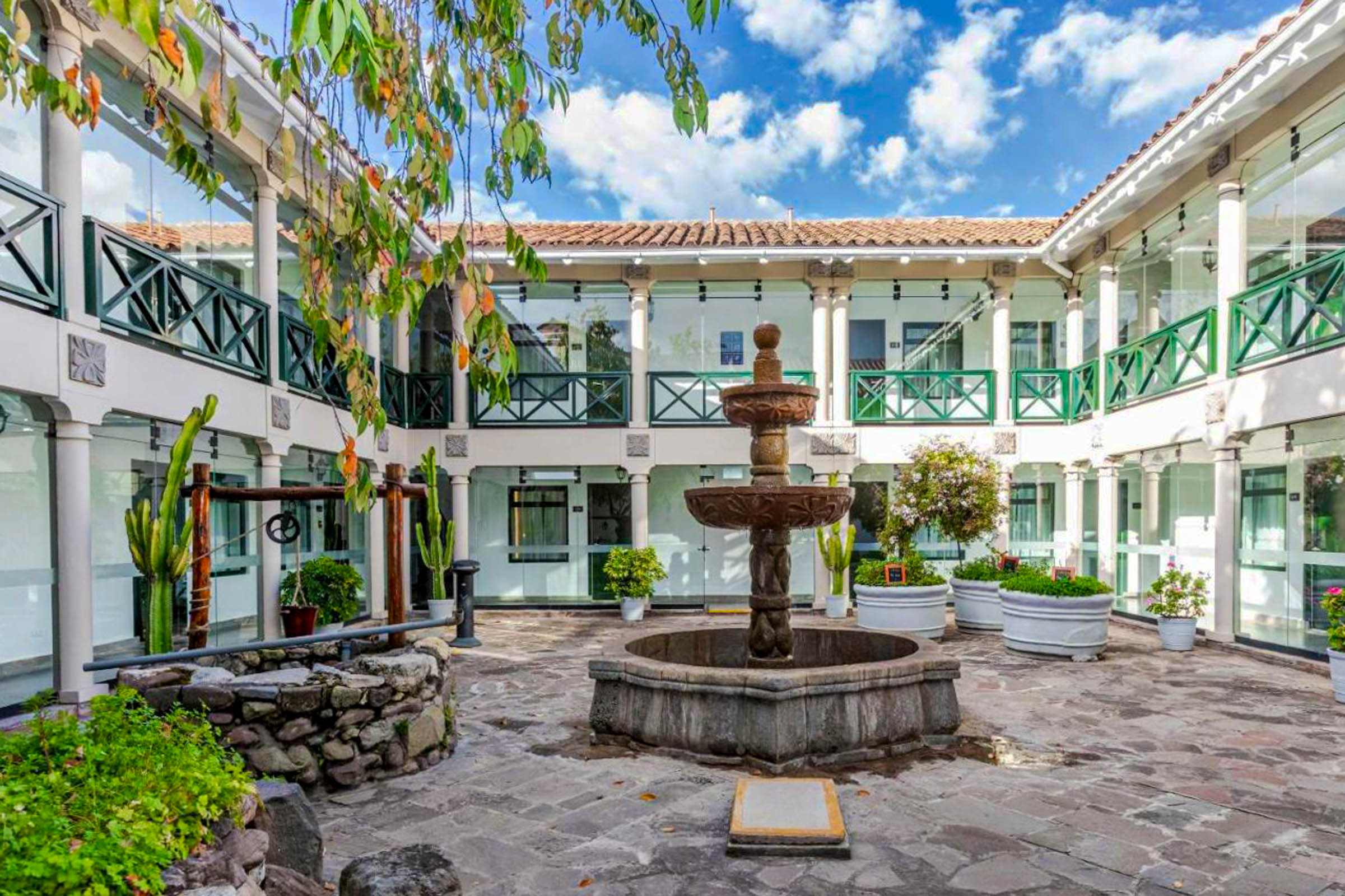
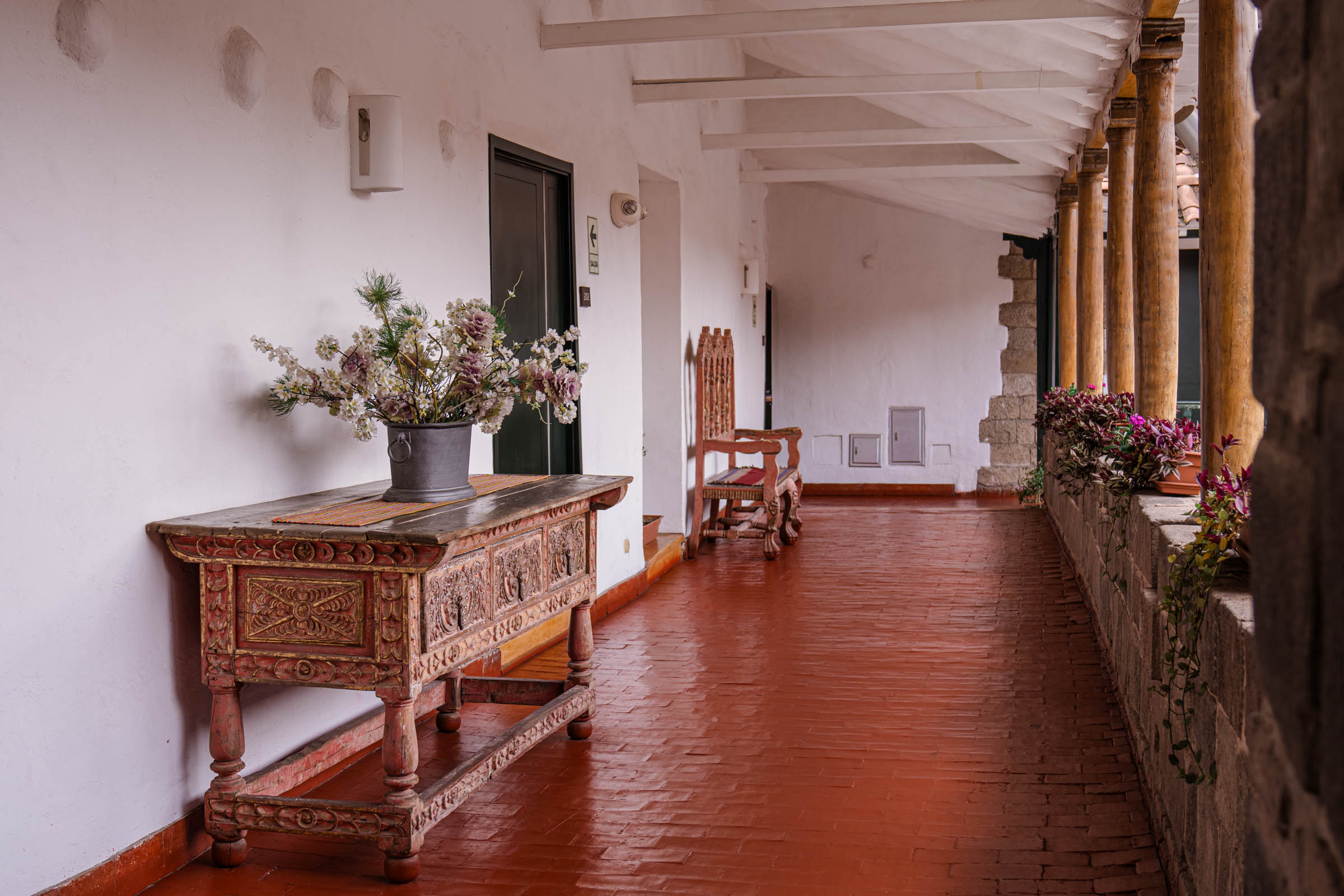
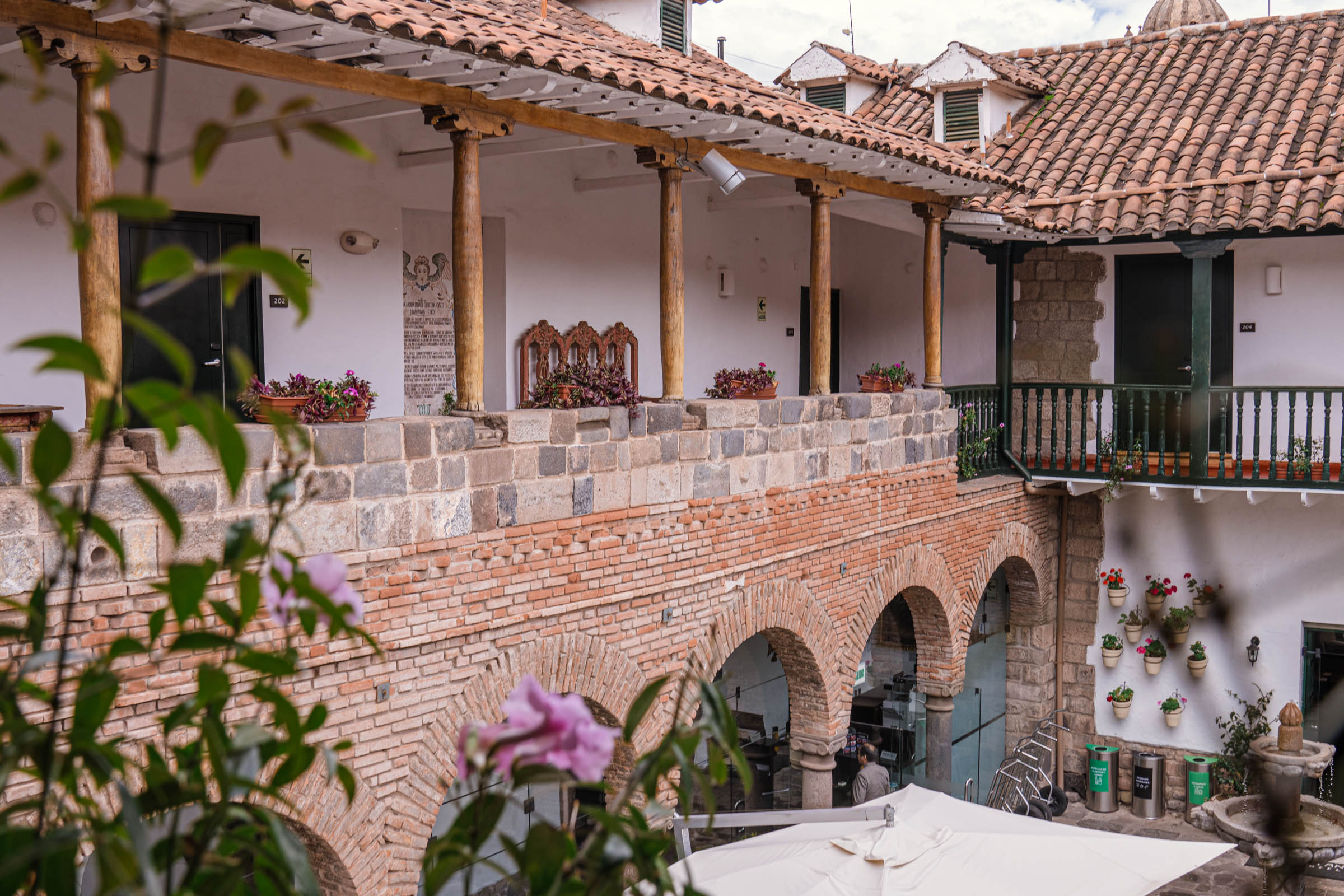
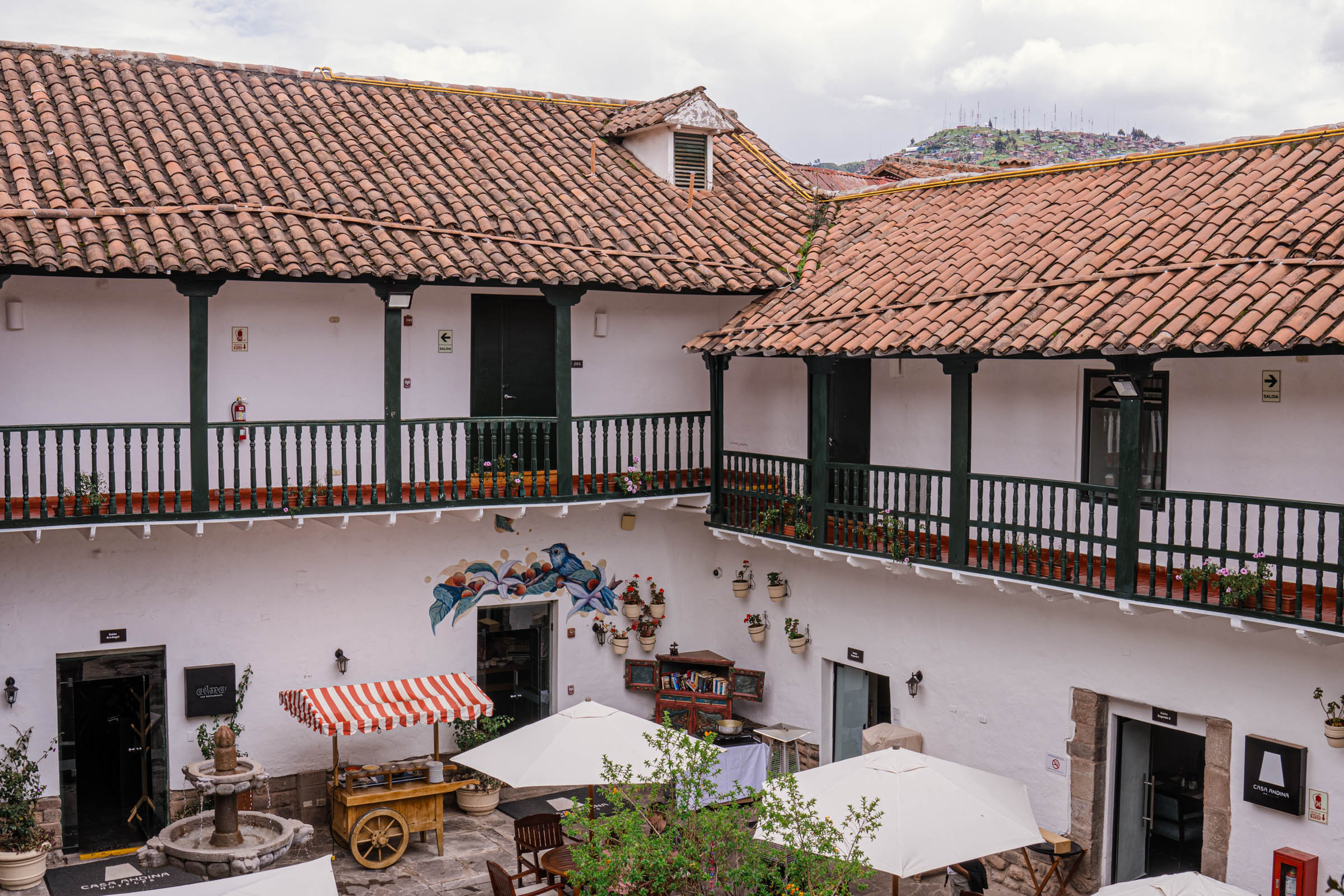
The hotel occupies a beautiful 17th-century house with colonial courtyards and balconies, and today it has 93 rooms. From the moment I stepped inside, I loved the mix of rustic architecture and contemporary design. Dark stone walls meet warm wood tones, soft rugs and a glowing chandelier. As a result, the hotel reflects the warmth of Peruvian culture, while offering every modern comfort.
A WARM WELCOME AT CASA ANDINA PREMIUM CUSCO
Upon my arrival, I immediately noticed the exceptional hospitality of the staff. I heard a warm “¡Bienvenidos!” and received a cup of coca tea at check-in. Locals traditionally drink it to adjust to life in the mountains, which matters here. After all, Cusco lies at about 3,400 meters above sea level. The receptionists patiently explained all the services, and extra pillows and blankets were always available on request.
MY IMPERIAL COLONIAL SUITE AT CASA ANDINA PREMIUM CUSCO
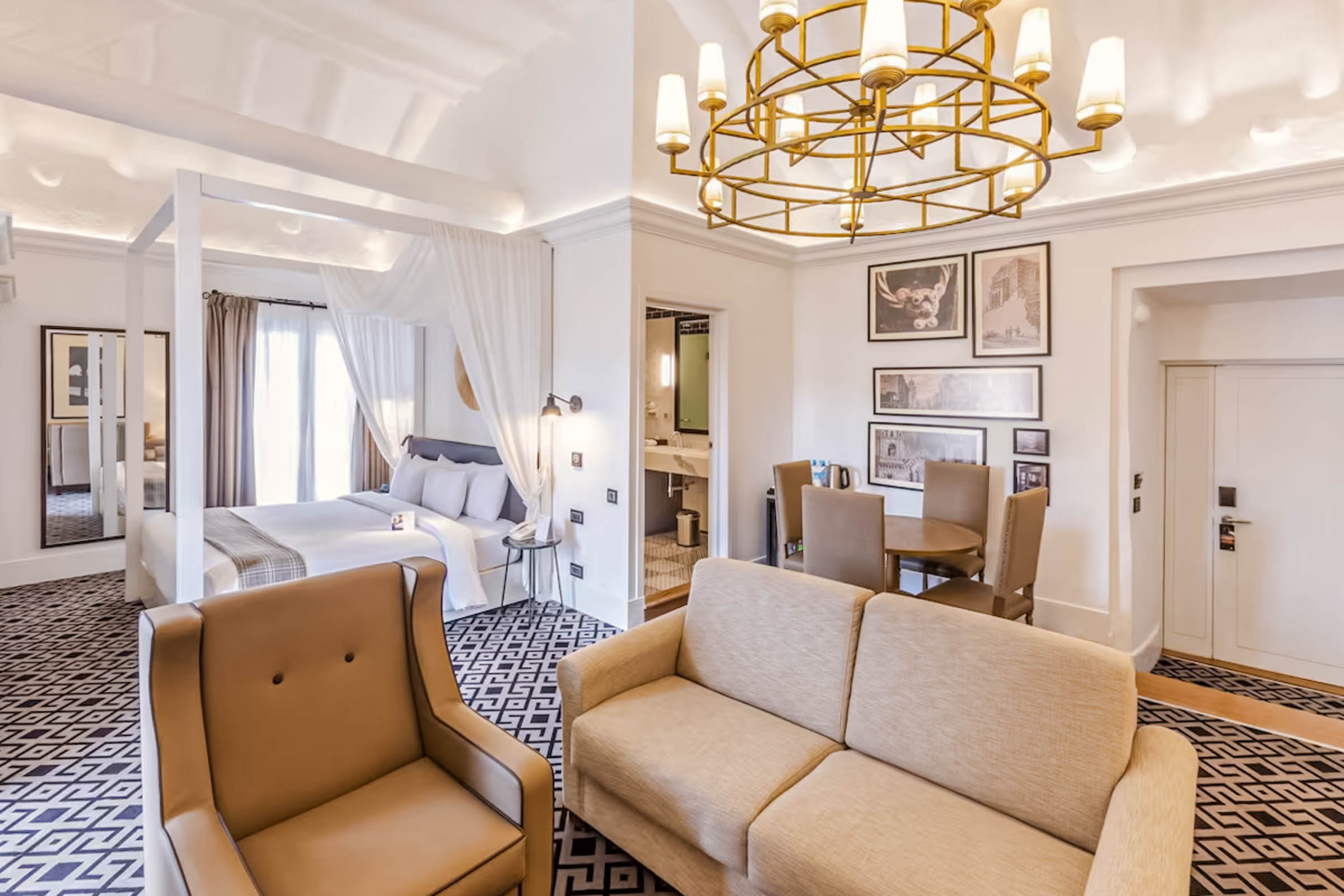
As I entered my Imperial Colonial Suite, I felt as if I had stepped into a private colonial residence. The suite measures 33 square meters. It has a king-size bed of two by two meters, a sofa bed, a fireplace and a patio. Best of all, two balconies overlook the Plaza Limacpampa Chico, with views of Cusco’s narrow streets and red rooftops.
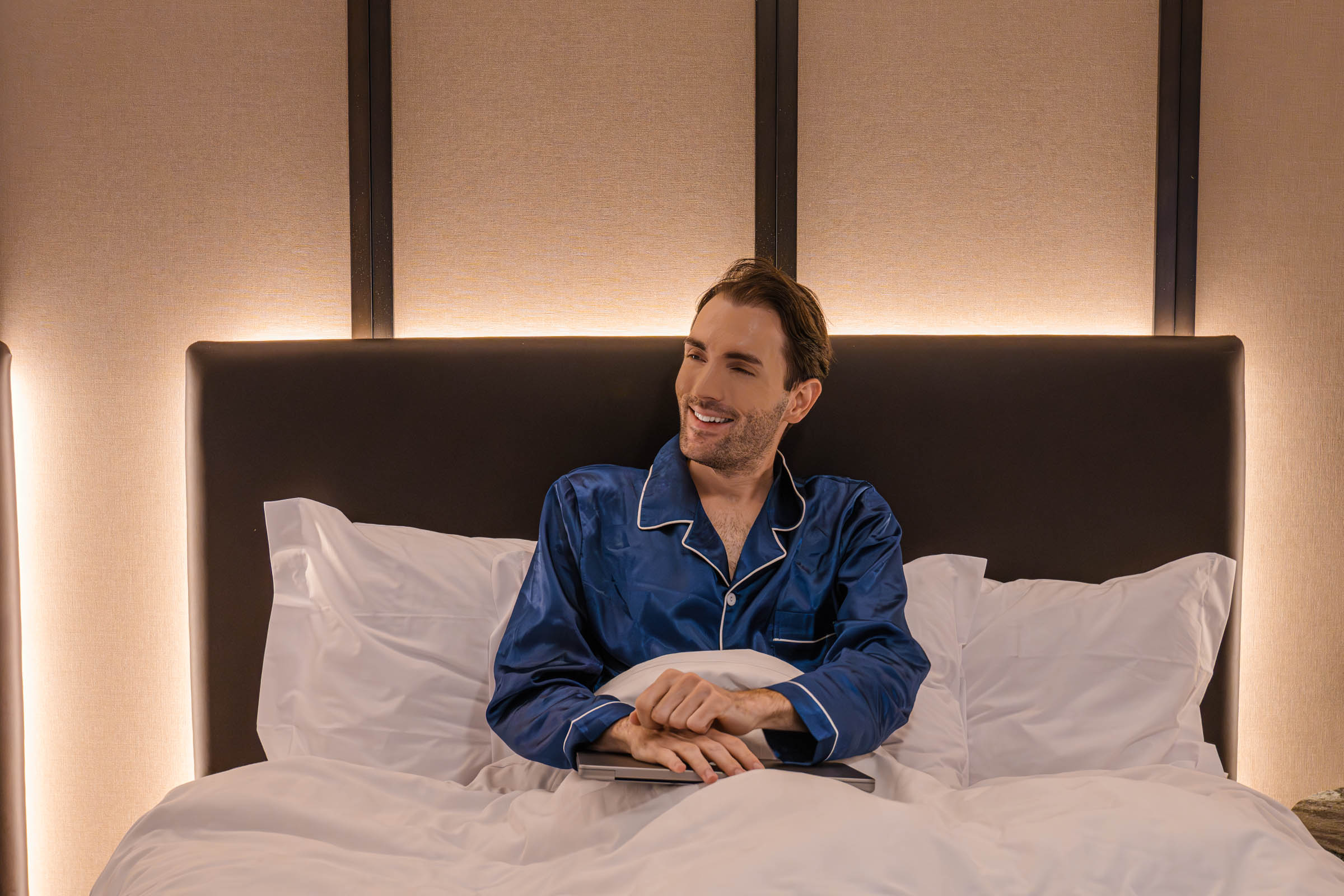
The comfortable sofas and the work desk were the perfect place to plan my days in Peru. The soft duvets promised a peaceful sleep, which I truly needed after long walks at high altitude. In the bathroom, the shower had a strong flow of hot water, perfect for my morning routine. Finally, a coffee and tea maker, a minibar and a hair dryer completed the comfort of the suite.
COLONIAL COURTYARDS AND ANDEAN TEXTILES
For me, Casa Andina Premium Cusco is more than a place to stay. It is a portal into the past of the Inca civilization and the present of Cusco. Its colonial courtyards, wooden balconies and stone fountains create a calm world just a few steps from the busy streets.
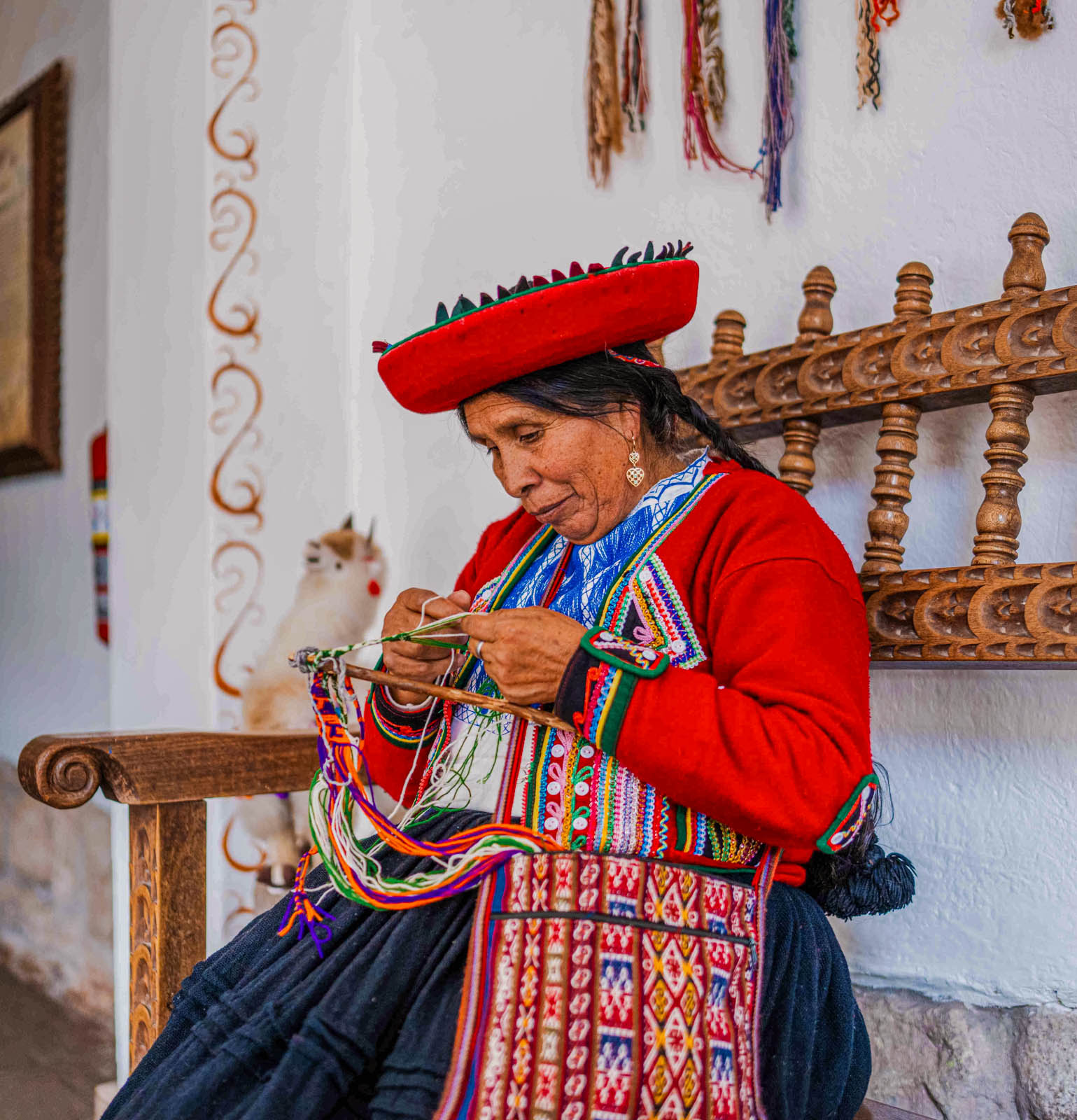
During my stay, I attended a workshop on traditional textile making and learned to recognize different colors and patterns. This experience helped me better understand the symbolism of colors in Andean textiles. For a moment, I felt like a student of a magnificent civilization, not just a guest.
BREAKFAST AT ALMA BAR RESTAURANTE
Each morning, I started the day with a hearty breakfast at Alma Bar Restaurante, the hotel restaurant. It serves a buffet breakfast and an à la carte menu of Peruvian fusion and international dishes. The restaurant is open every day from 5 a.m. to 11 p.m. My breakfast included fresh fruit, local grains such as kiwicha and quinoa, homemade jam and freshly squeezed juices. In addition, warm pastries were always waiting on the table.
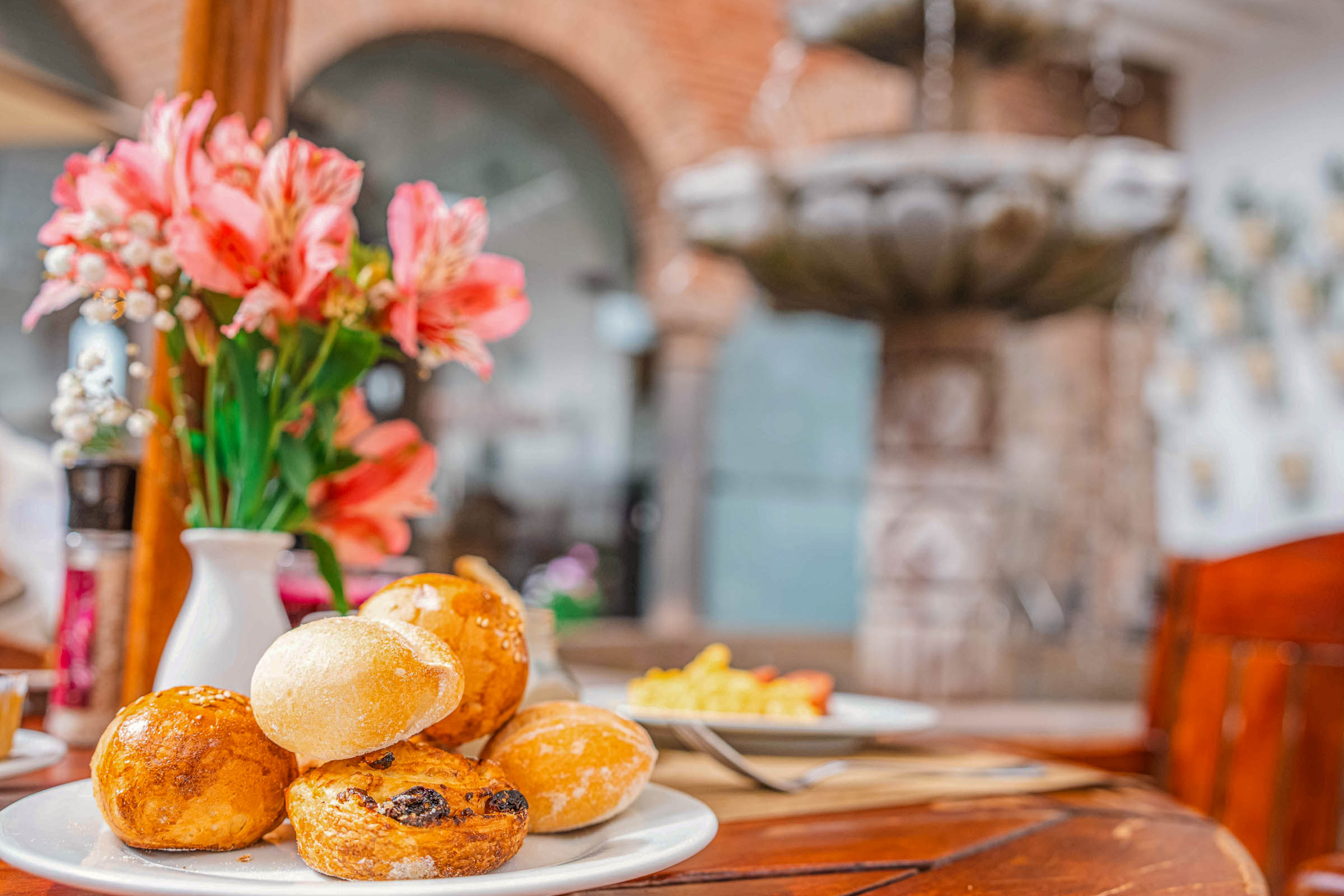
After breakfast, I liked to walk along the quiet galleries of the house before heading out. With such a balanced start, I felt healthy, but also a little pampered. It was a memorable contrast between ancient Inca culture and modern Peruvian comfort.
CUSCO: THE CITY OF GOLD AND STONE
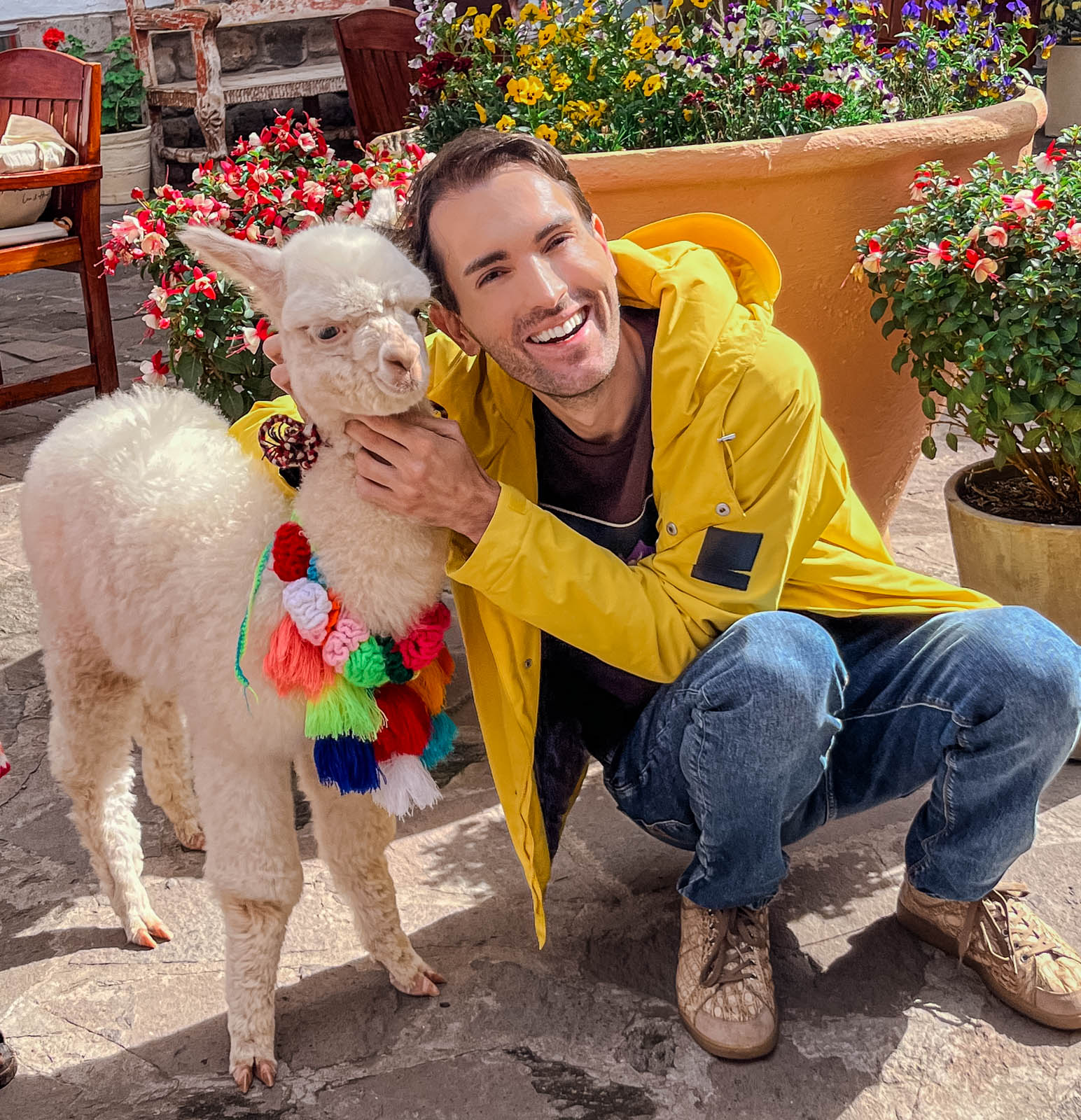
When I first set eyes on Cusco, I felt an unusual excitement. Once the capital of the Inca Empire, the city enchants with its stone walls, colorful squares and golden Andean light. Cusco lies in southeastern Peru, near the Sacred Valley. According to the 2017 census, it had 428,450 inhabitants, which makes it the seventh most populous city in Peru.
One theory says the name comes from the Aymara phrase qusqu wanka, meaning “rock of the owl.” The name connects to the legend of the Ayar siblings. In that story, Ayar Awqa grew wings and flew to this place. There, he turned into a rock to mark his family’s claim to the land. Legend also says that Manco Cápac and his companions, together with four women, built a house here and planted maize. Later, according to Inca tradition, Pachacuti rebuilt the city and turned the small kingdom of Cusco into a great empire.
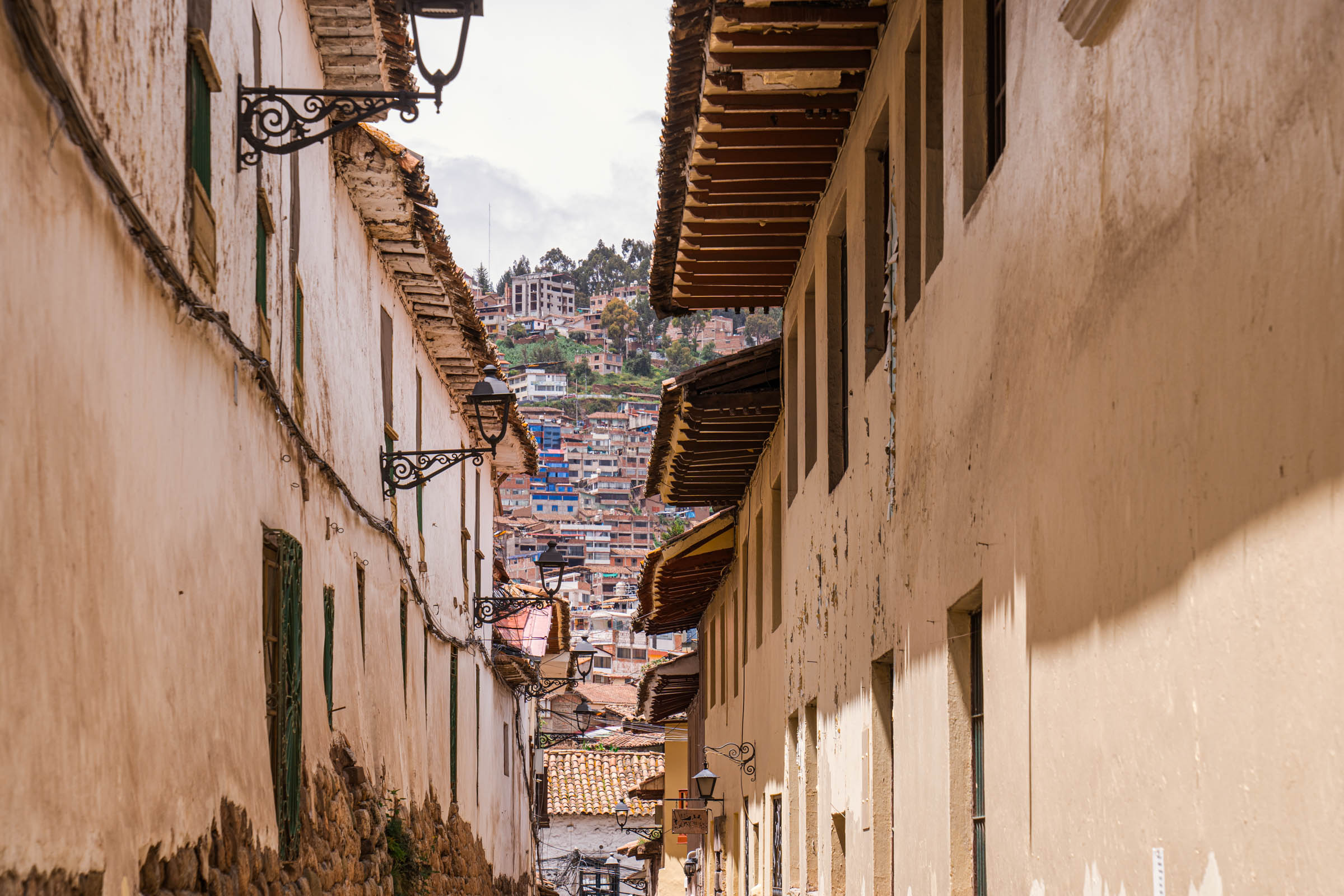
ARRIVING IN CUSCO
I arrived in Cusco by plane. As soon as I stepped out of the terminal, the cool, fresh air of the Andes greeted me. On the drive to the old town, I thought about my mission: to uncover the secrets of Cusco. Finally, at the hotel, I sipped my first cup of coca tea and got ready to explore the city.
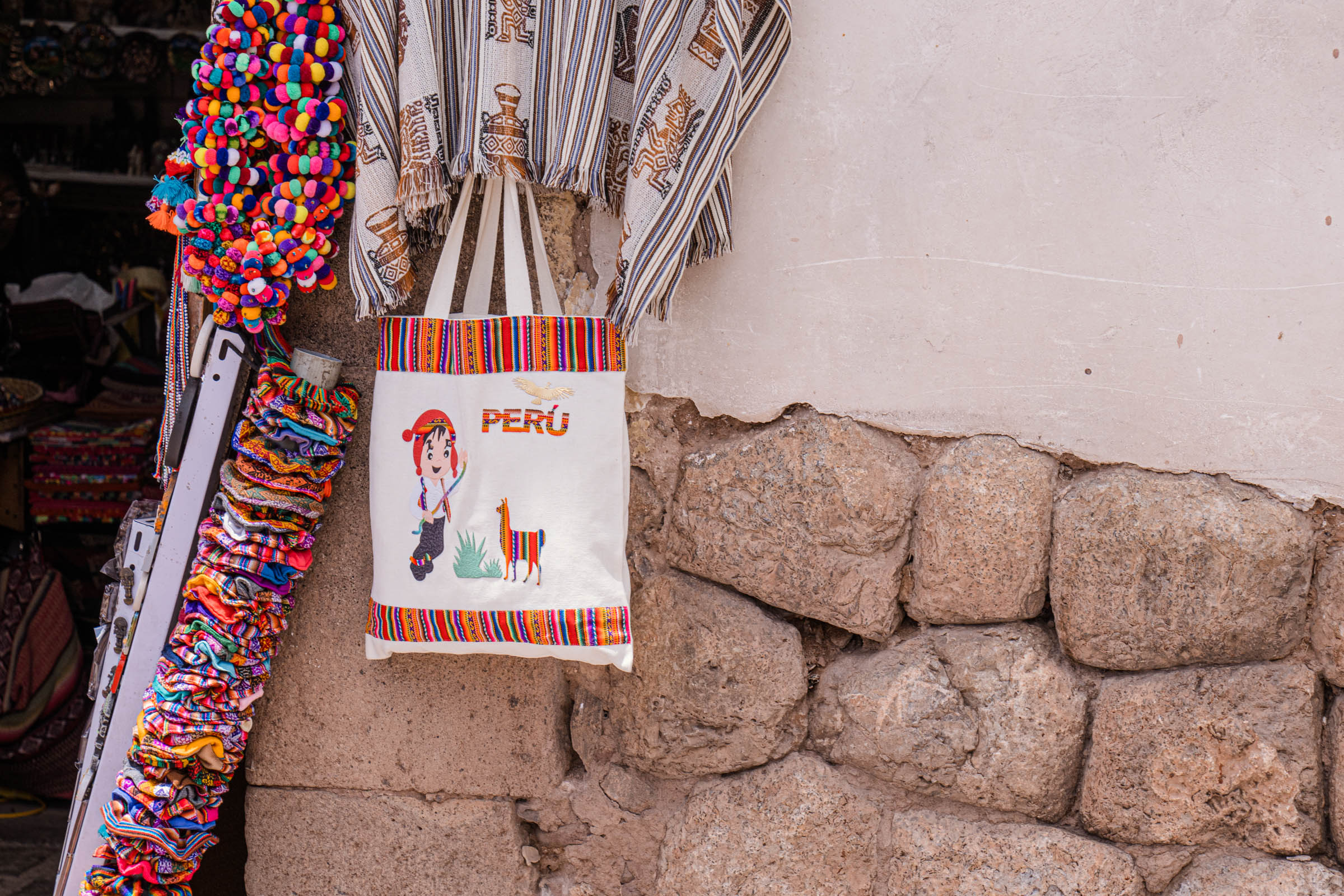
UNESCO HERITAGE AND INCA MASONRY
Thanks to its rich heritage, UNESCO declared the City of Cusco a World Heritage Site in 1983. UNESCO describes it as an amazing blend of the Inca capital and the colonial city. After the conquest in the 16th century, the Spanish kept the basic layout of the city. However, they built Baroque churches and palaces over the Inca city. In addition, the 1993 Constitution of Peru names Cusco the Historical Capital of Peru. Today, the city welcomes more than two million visitors a year.
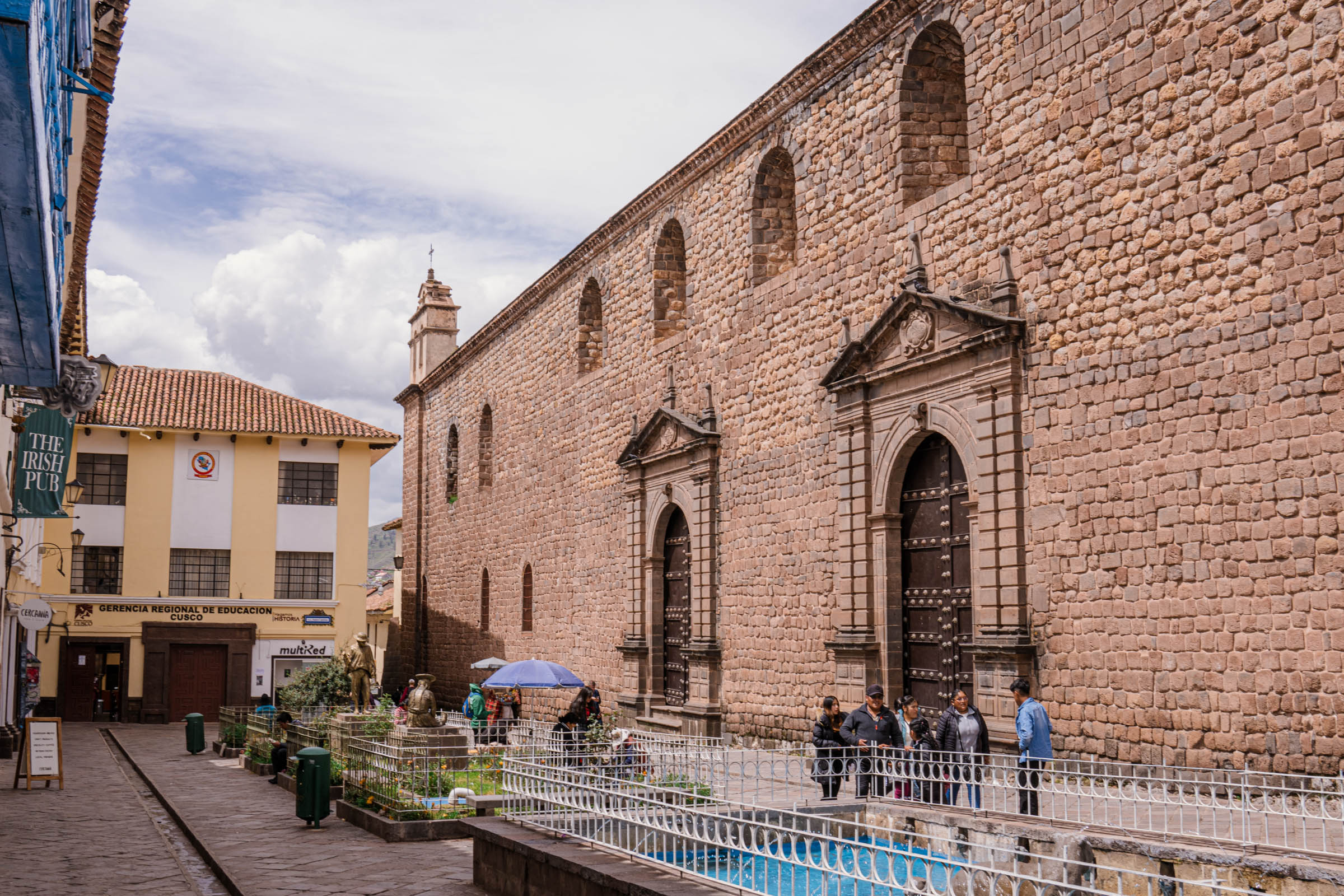
Walking through Cusco feels like stepping into an ancient blueprint. Inca builders joined massive stones without mortar, and their work has proven remarkably strong. On May 21, 1950, a major earthquake damaged more than a third of the city’s buildings. Yet the Inca architecture withstood it. Qorikancha was once the most important sanctuary of the Sun God. Later, the Spanish built the Convent of Santo Domingo on top of its Inca walls.
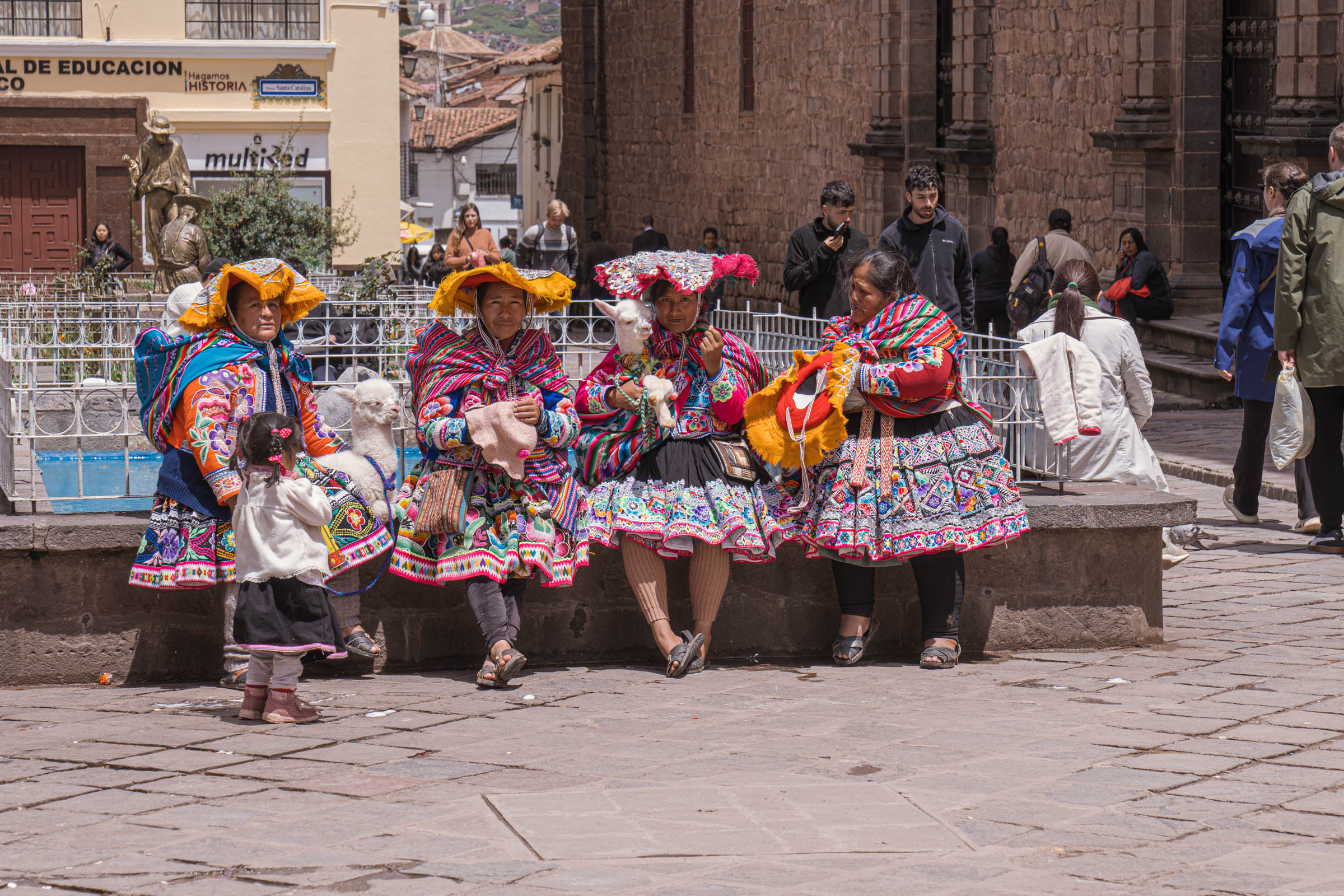
PLAZA DE ARMAS: THE HEART OF CUSCO
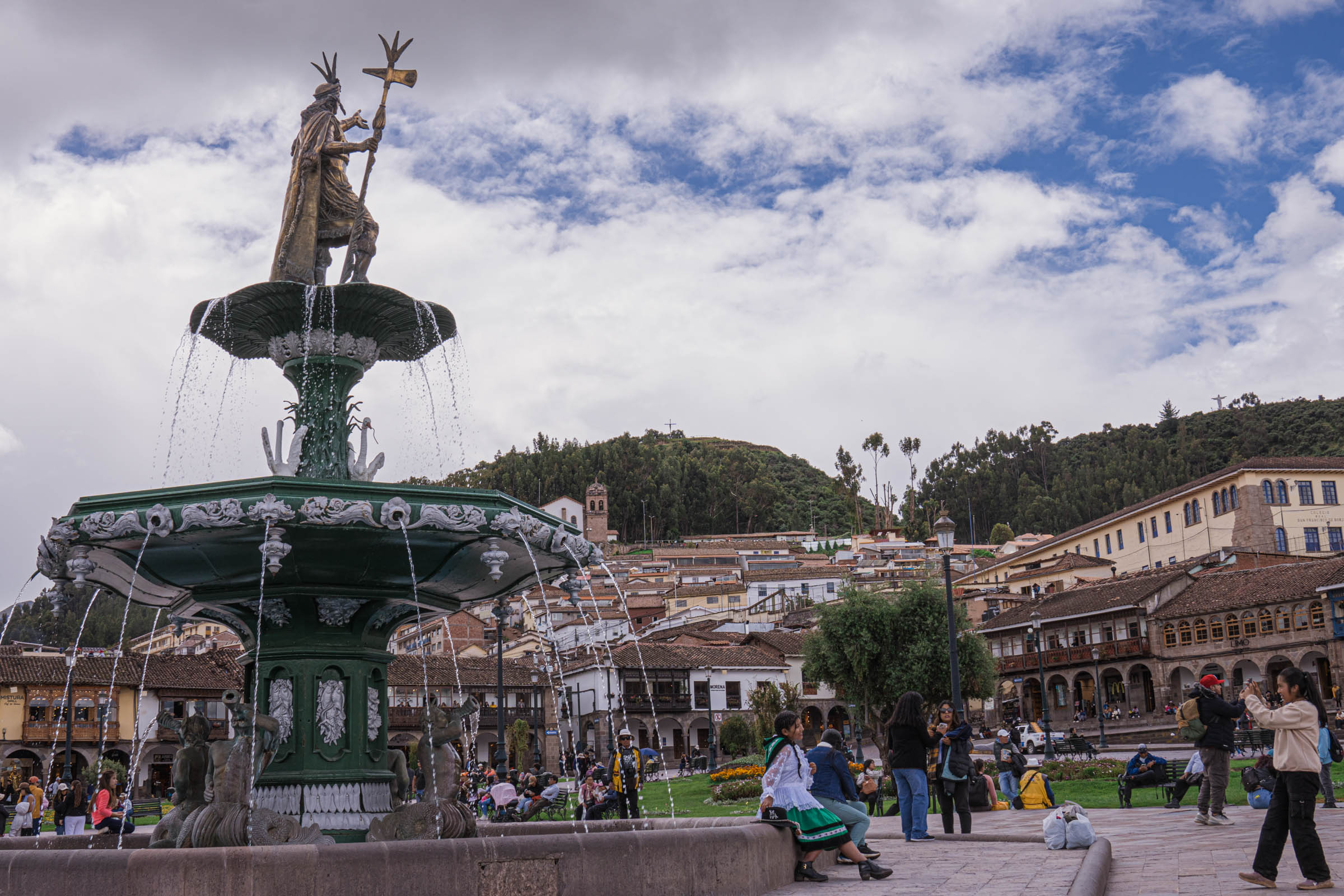
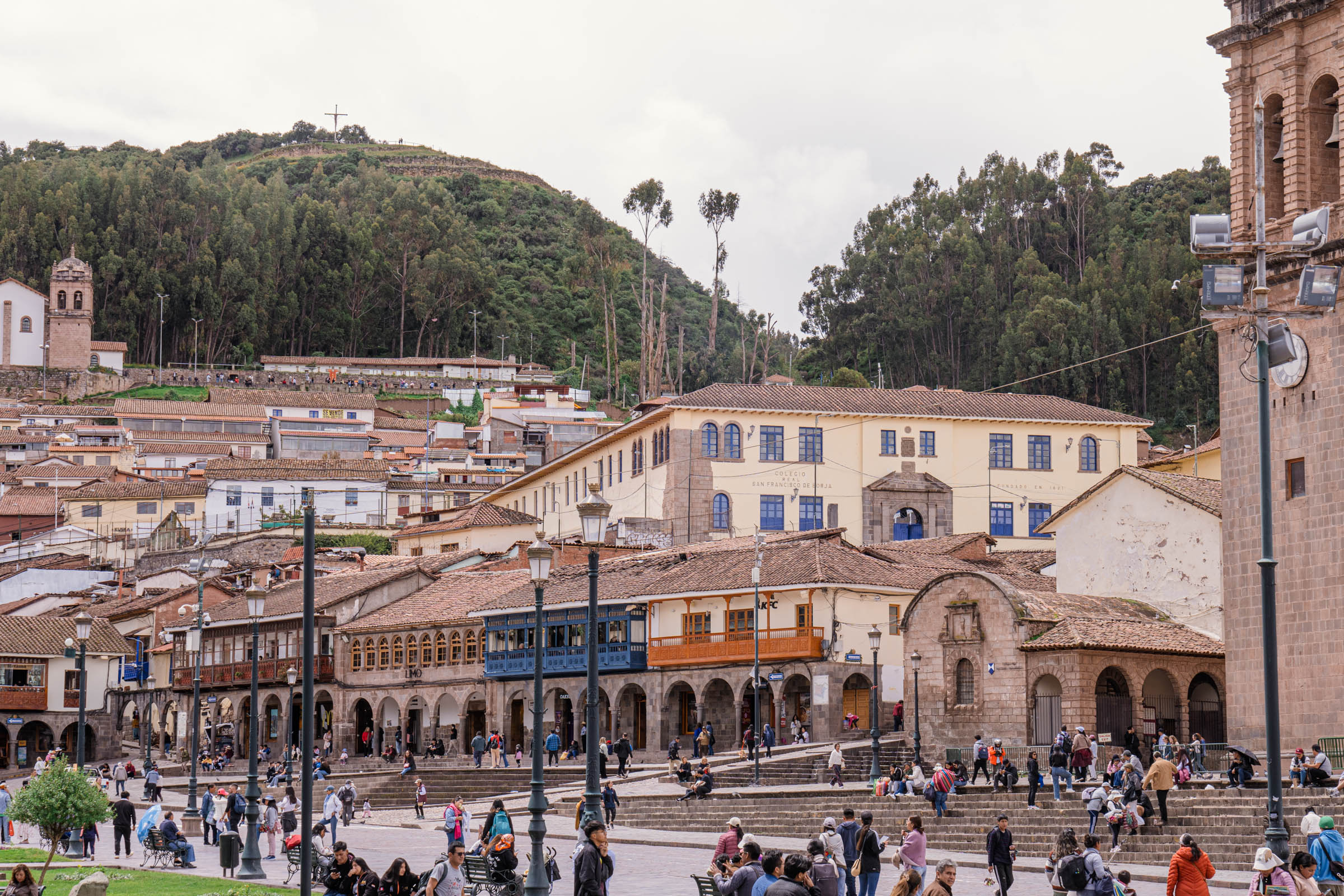
Of course, the heart of the city is the Plaza de Armas. In the early morning, the square is quiet, and the sellers have not yet set up their alpaca stalls. Meanwhile, the first sun touches the mountains. Later, the square comes alive, surrounded by colonial buildings, churches, restaurants and cafés.
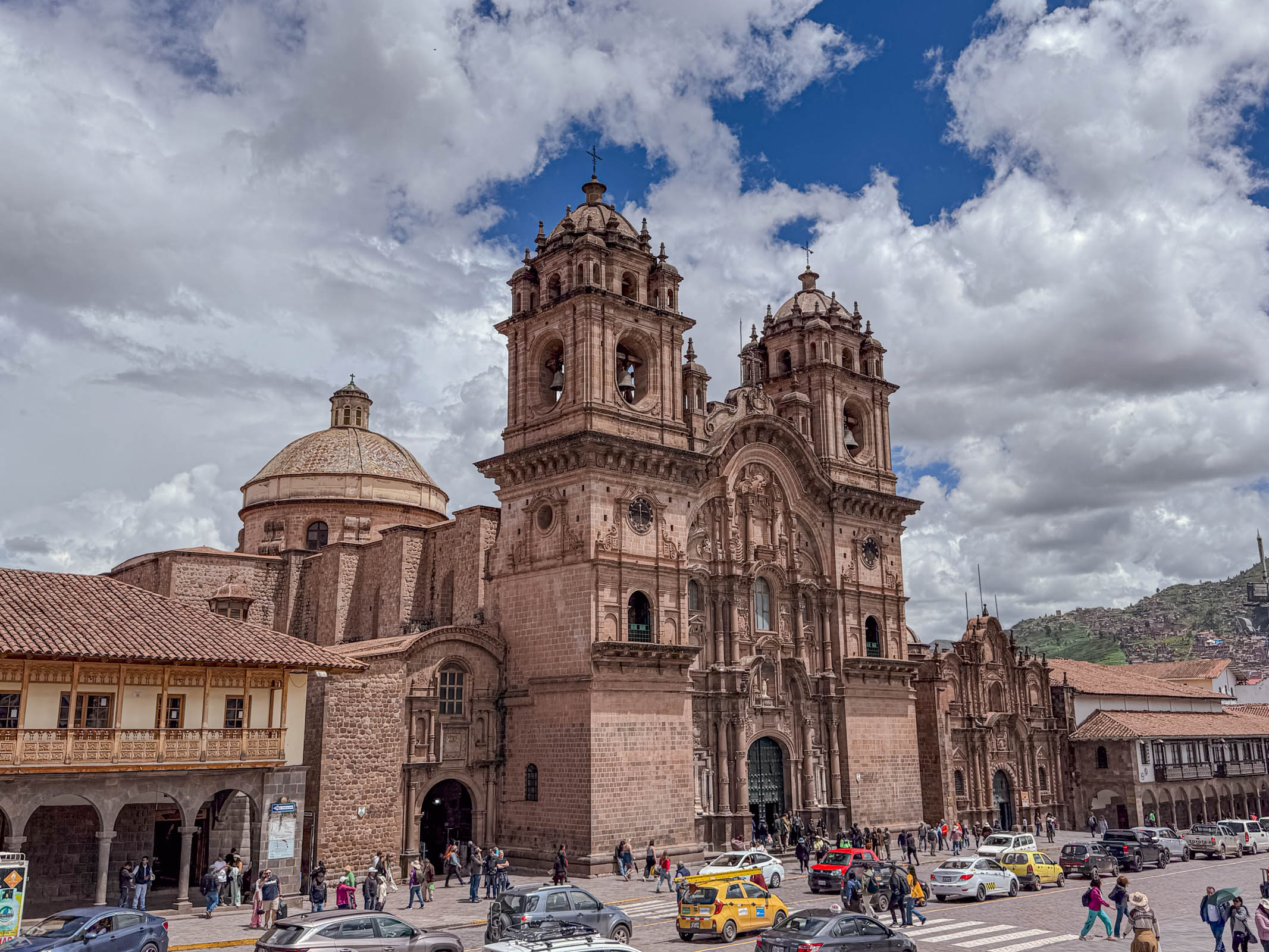
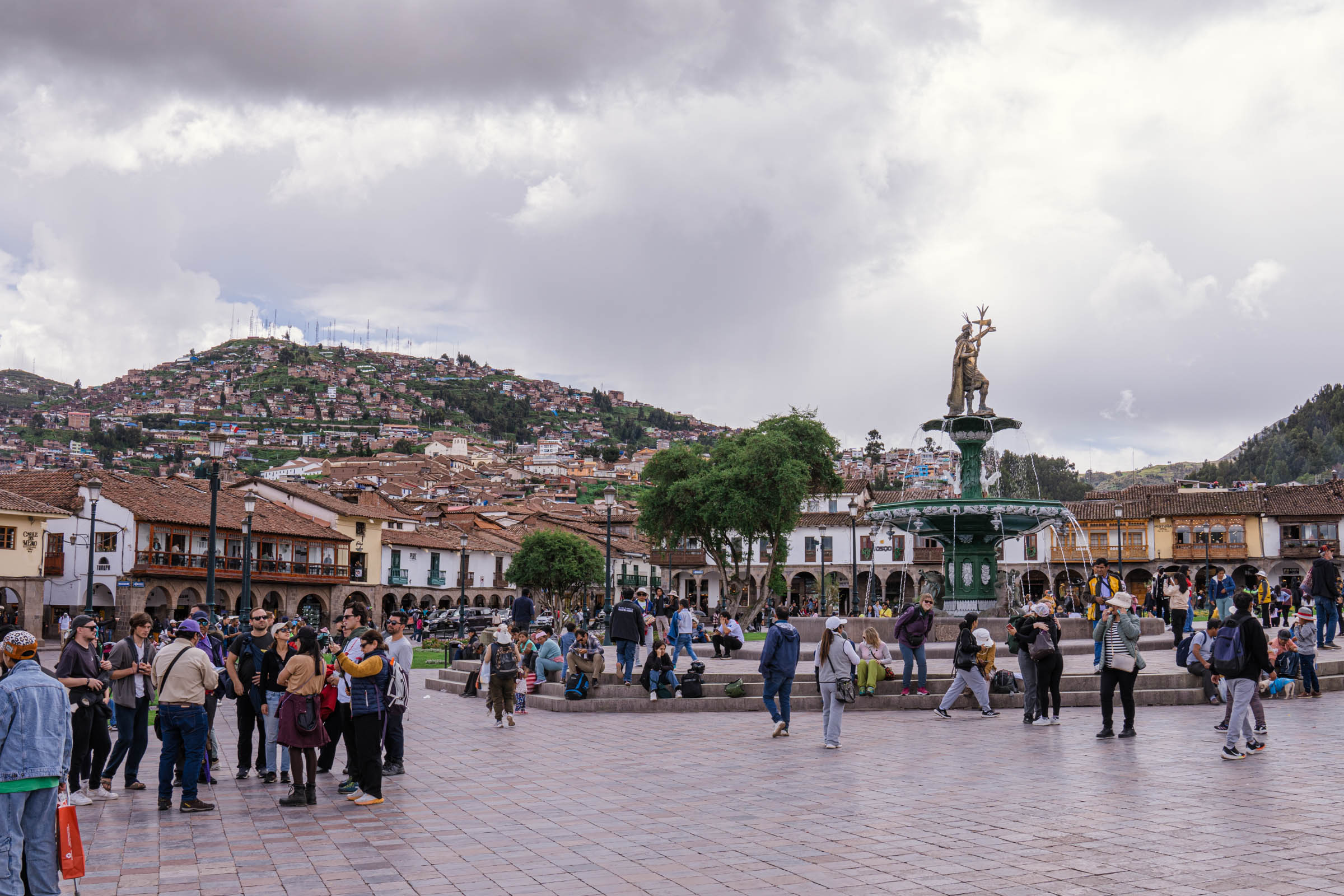
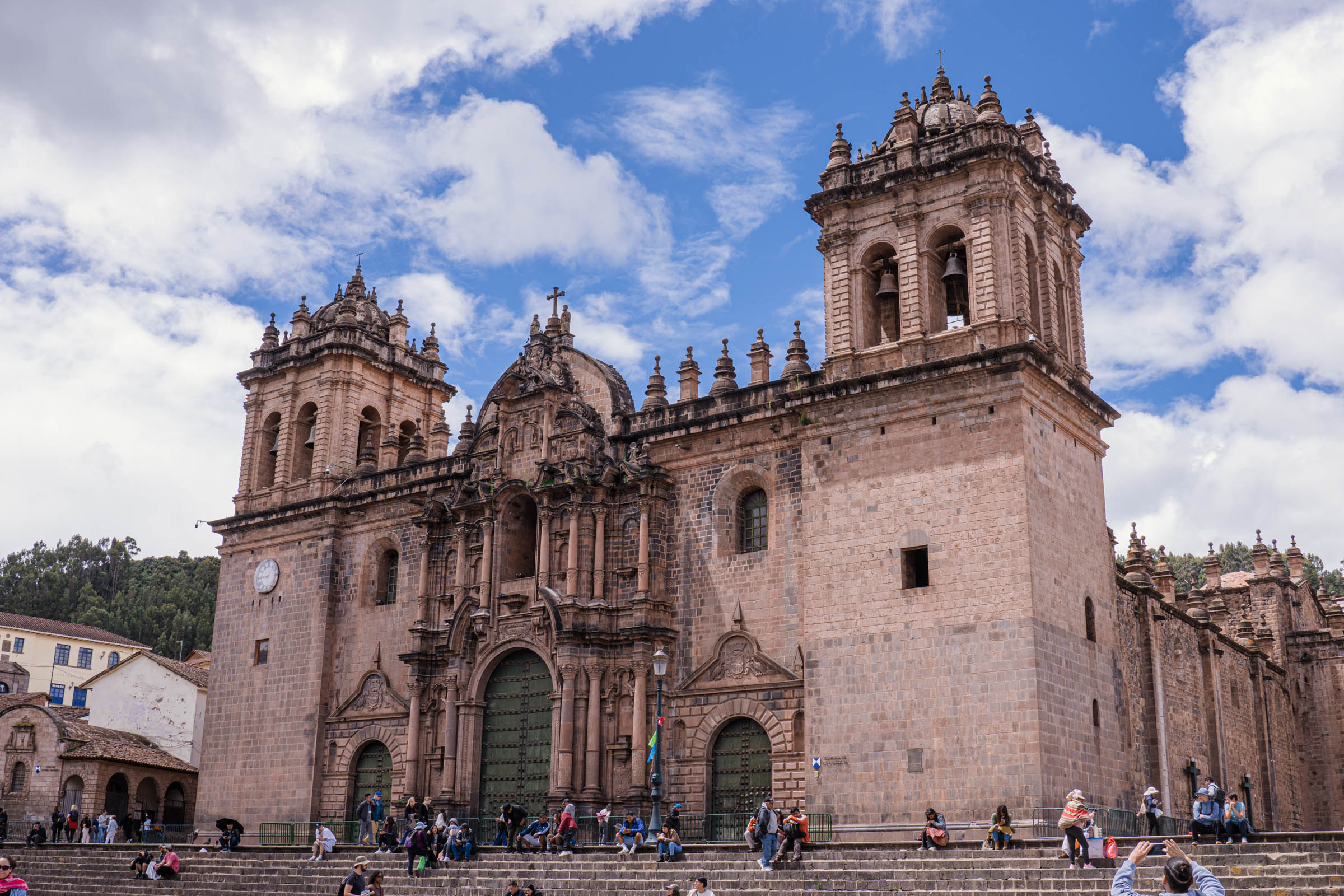
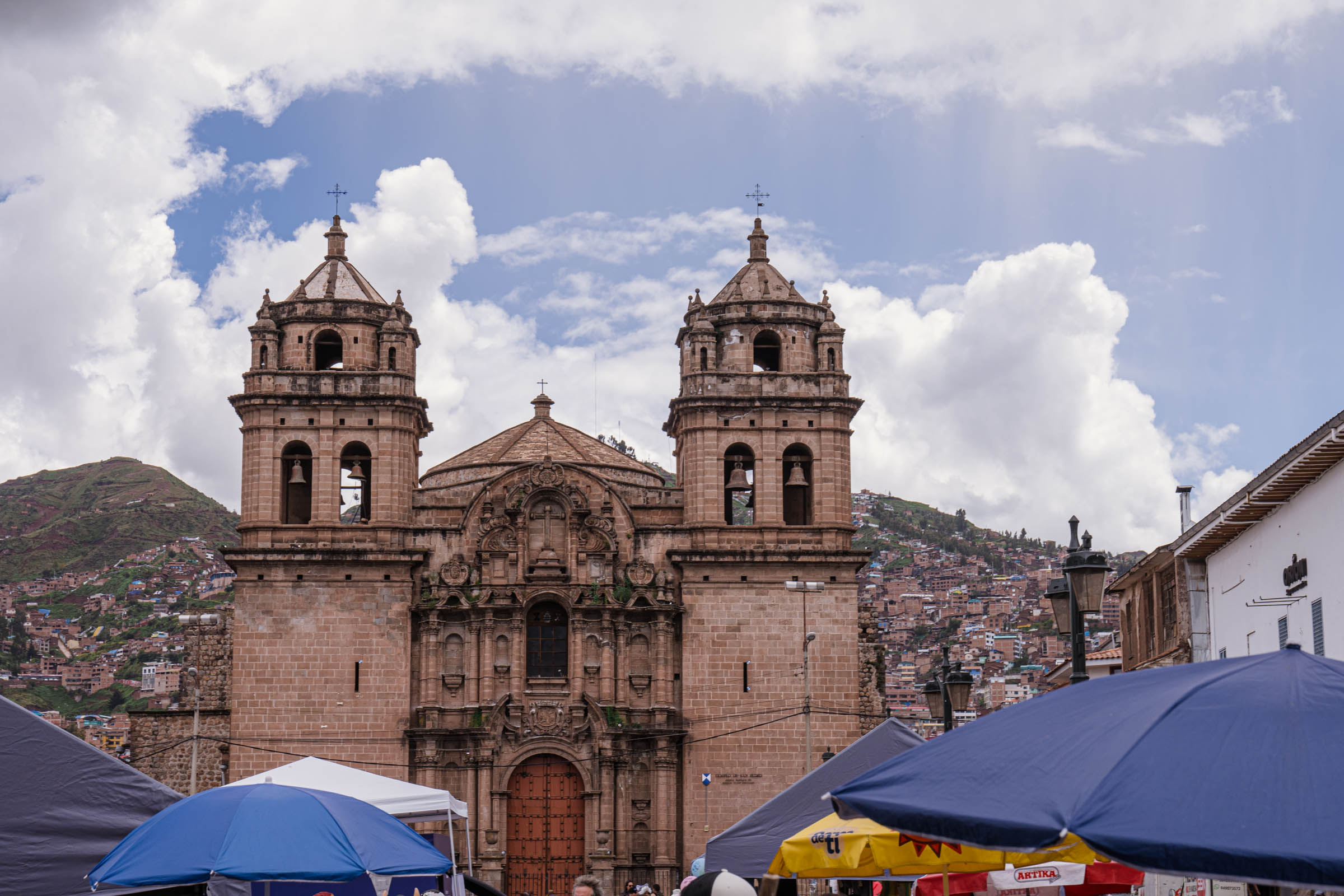
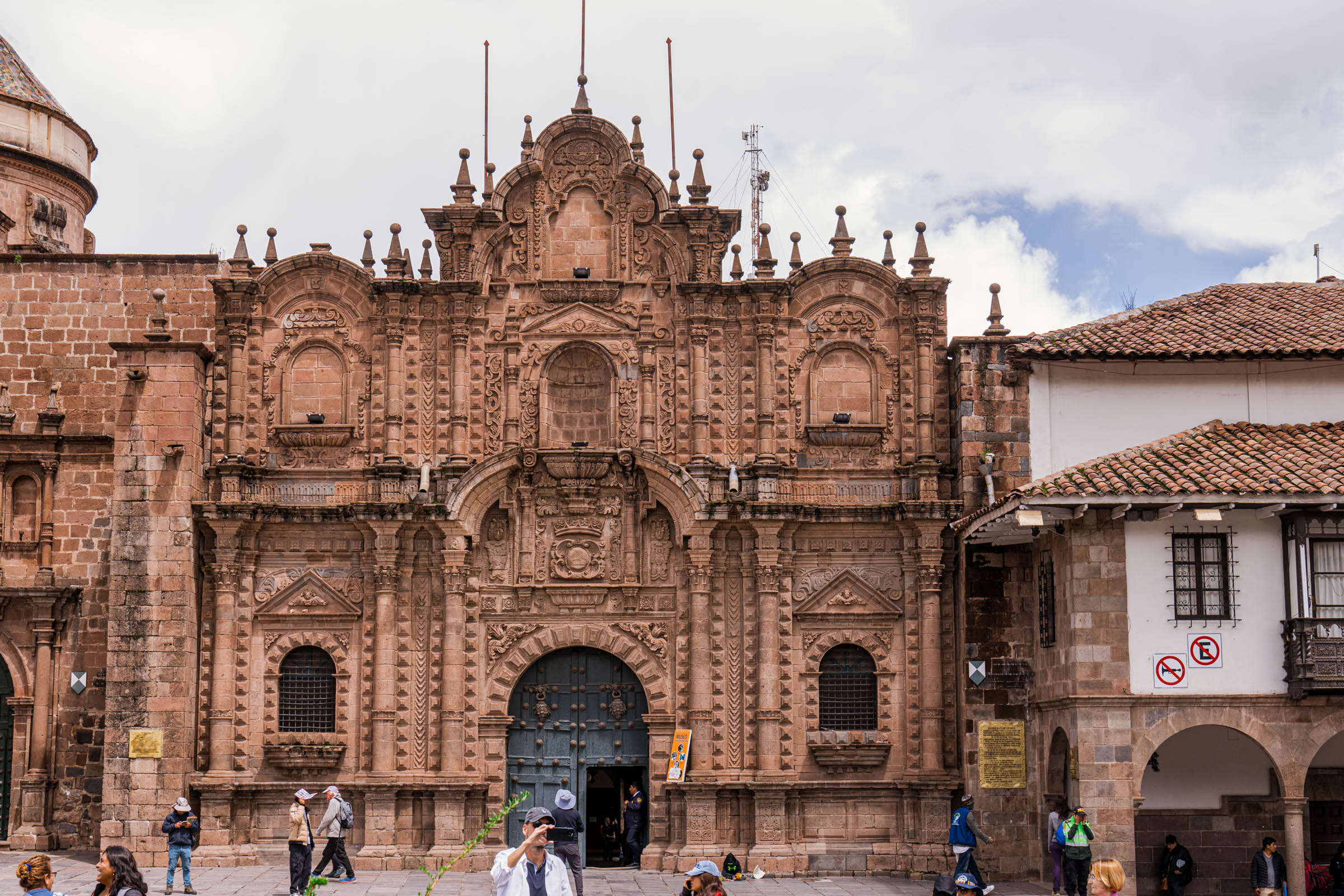
The cathedral, built between 1560 and 1664, is spectacular. Inside, look for a painting of the Last Supper from the Cusco School. In it, Jesus and the apostles feast on guinea pig, a local specialty called cuy.
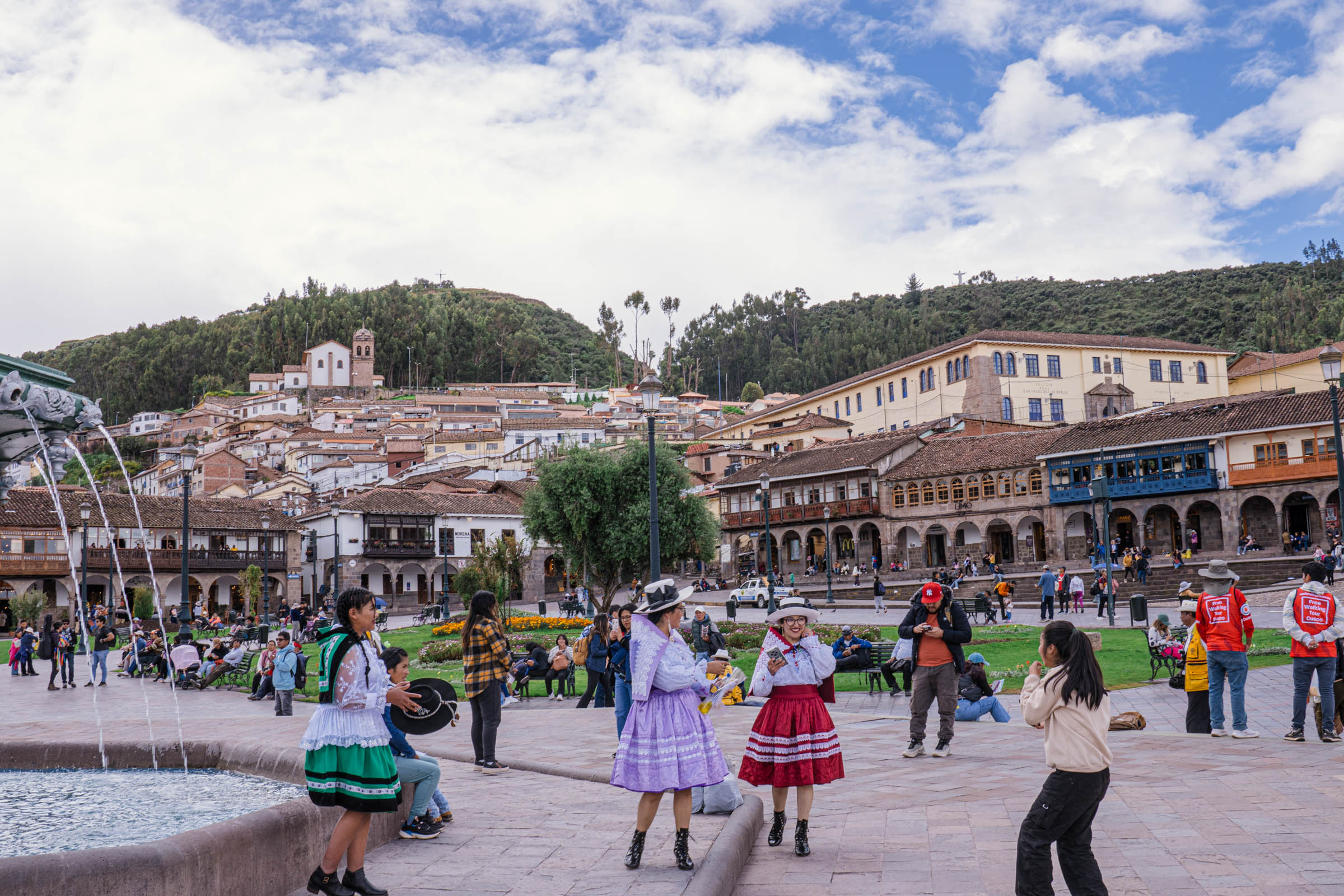
My quick tips: visit before 8 a.m. for photos without crowds, and find a balcony café for sunset views and people-watching.
EXPLORING CUSCO FROM CASA ANDINA PREMIUM CUSCO
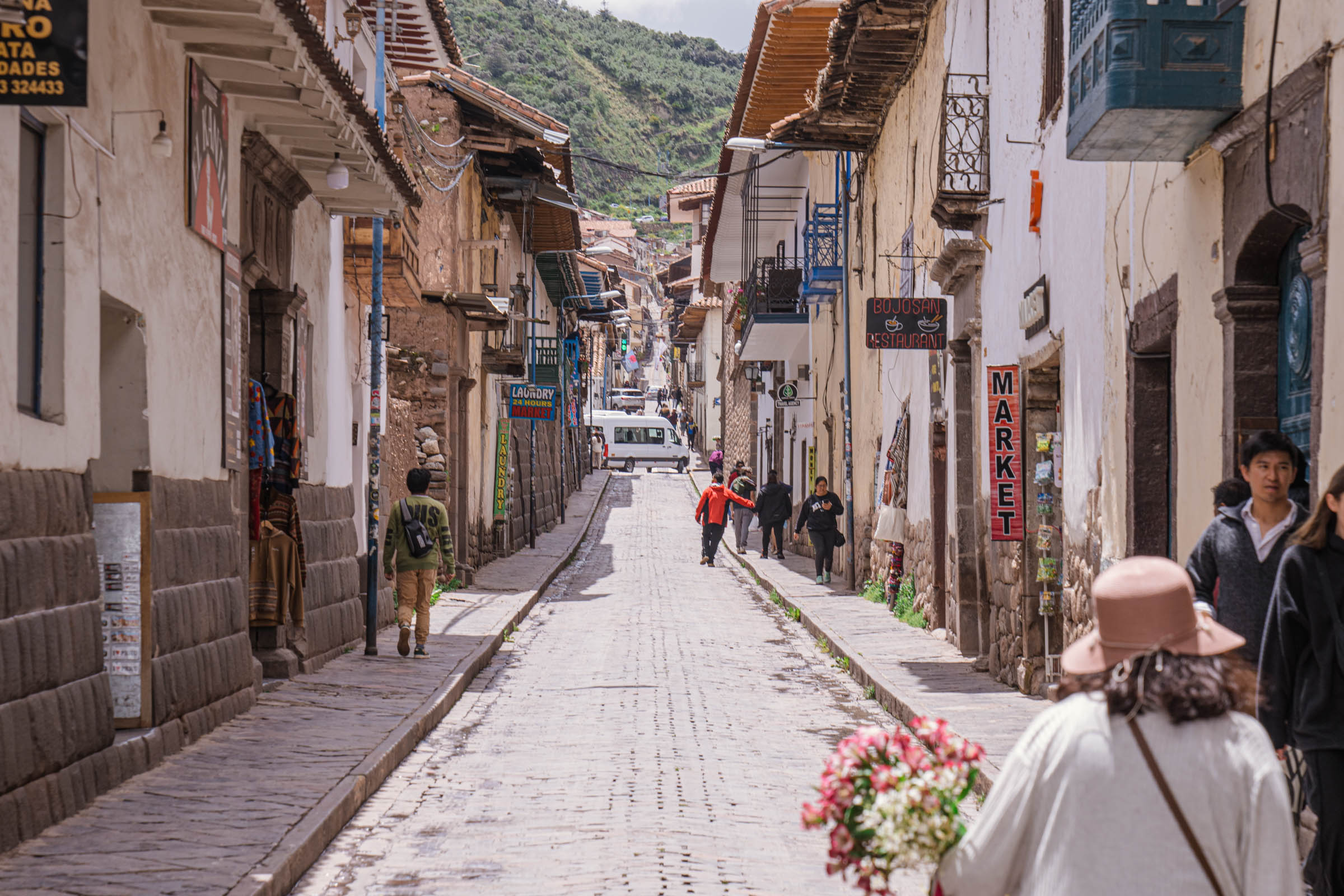
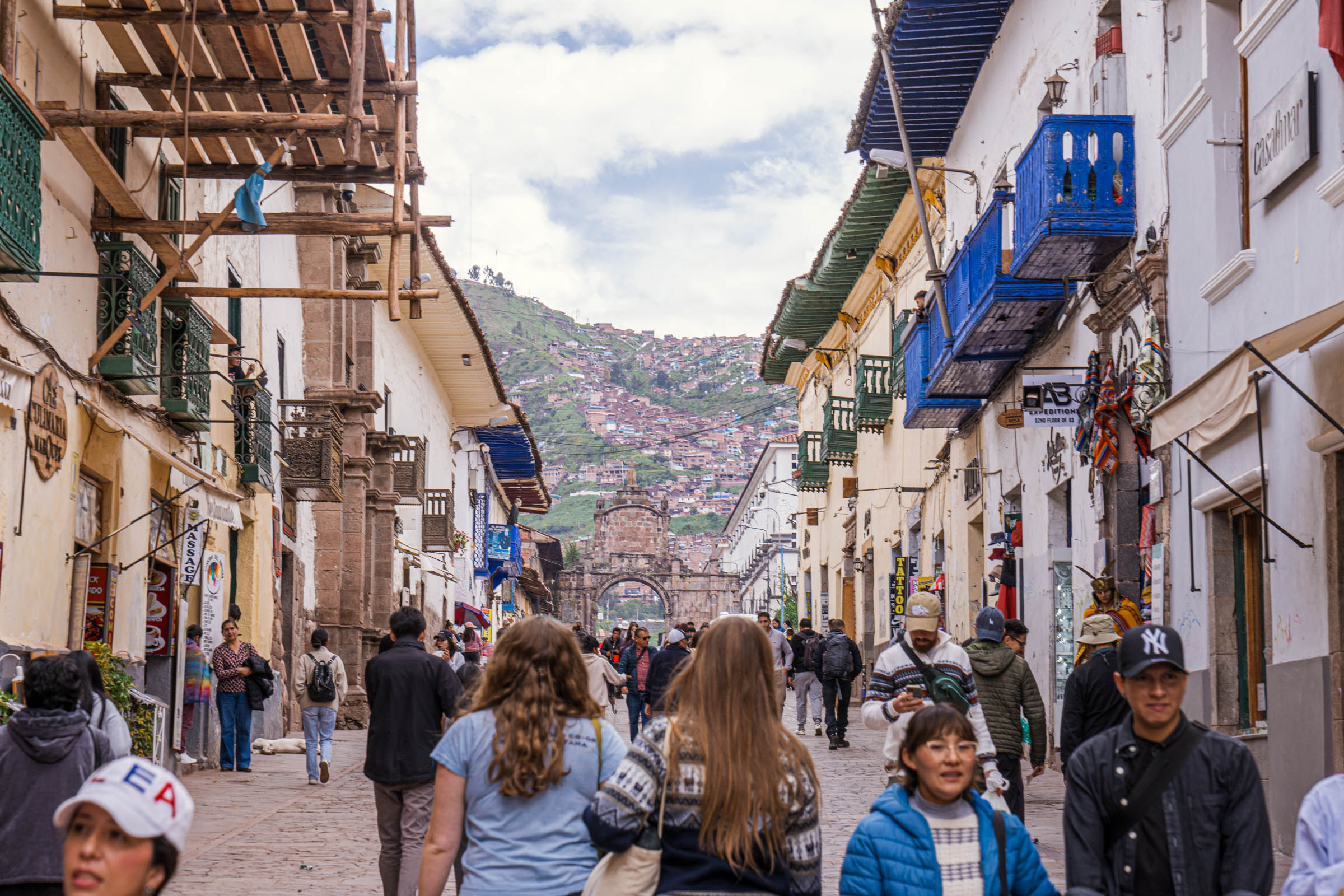
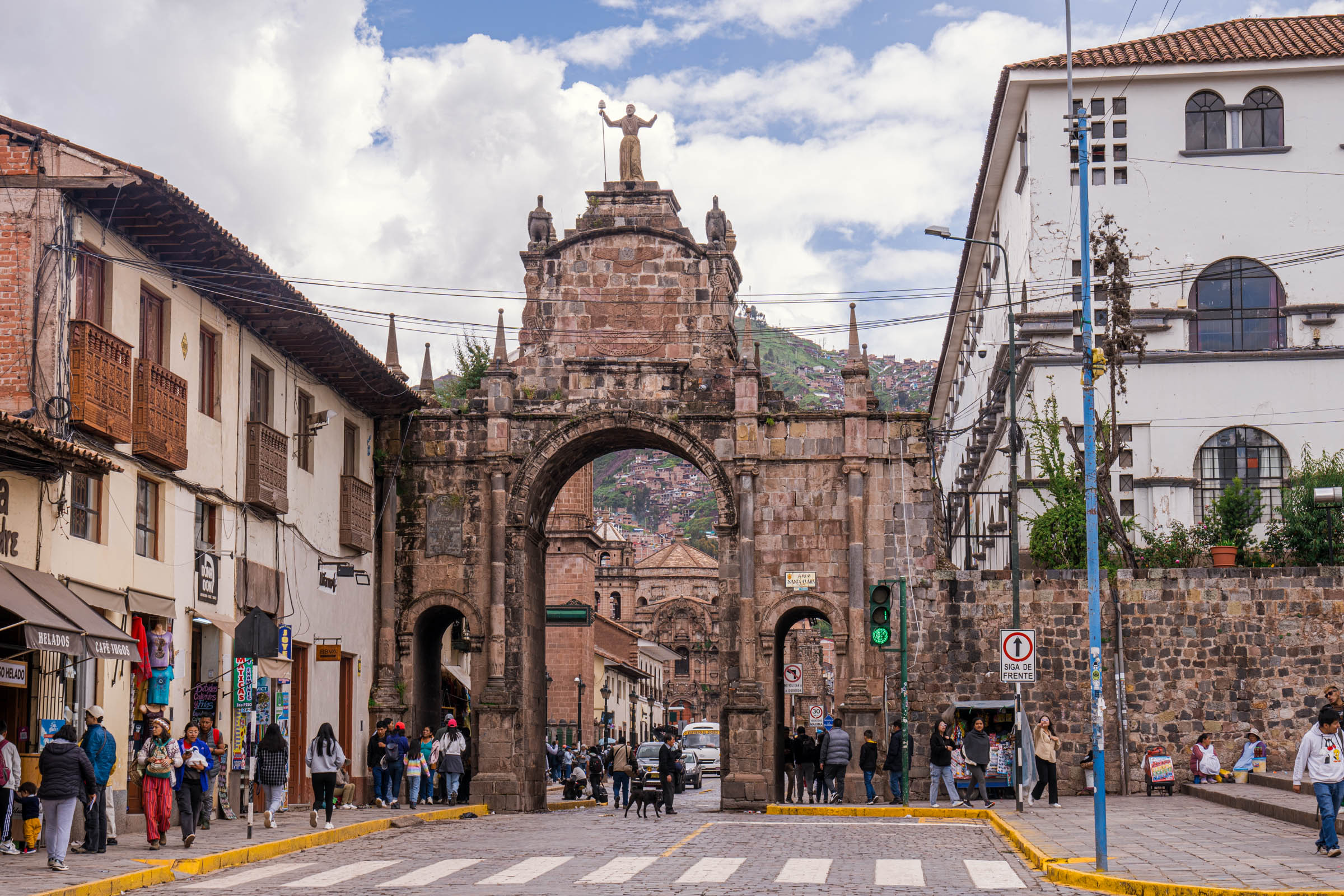
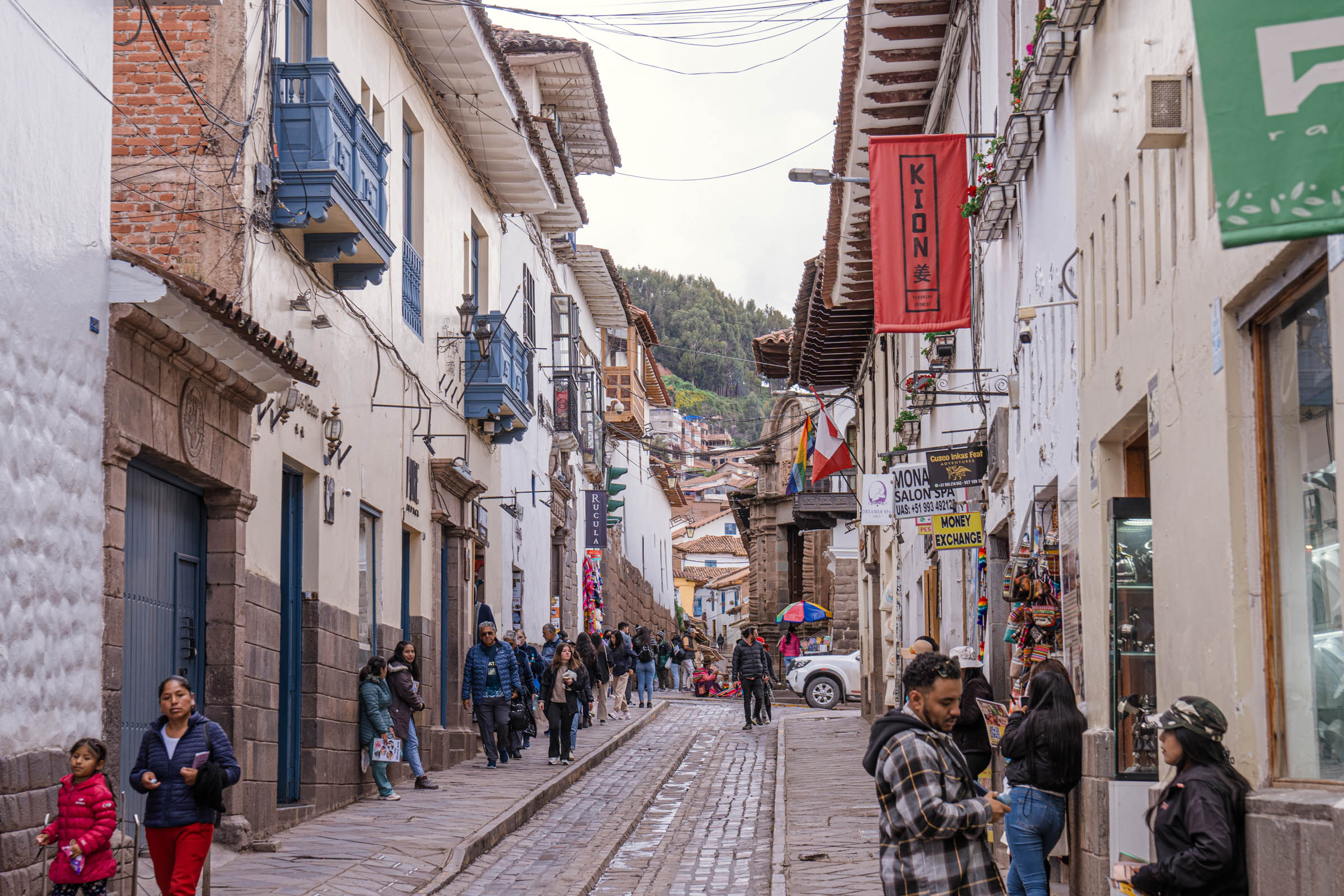
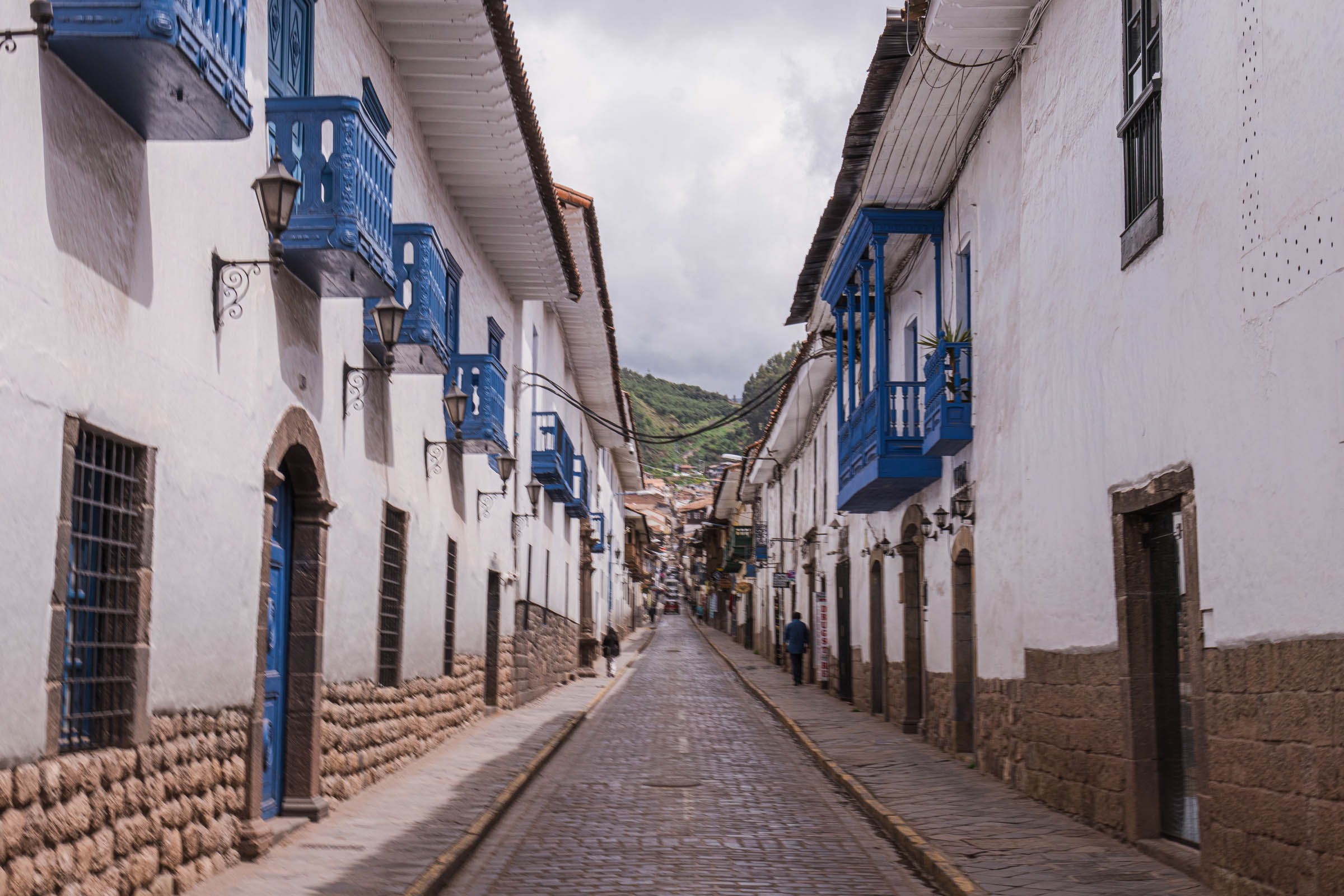
From Casa Andina Premium Cusco, every walk became a small adventure. A short uphill walk from the Plaza de Armas brings you to San Blas, the bohemian quarter. National Geographic describes San Blas as a chic neighborhood full of cafés. Here, cobblestones, artisan studios and blue balconies set the mood.
MARKETS, TEXTILES AND STREET LIFE
Besides the historic monuments, I also enjoyed exploring the San Pedro Market. Colorful rows of fruit, vegetables, peppers and handicrafts enchanted all my senses. There, I tried chicha morada for the first time, a dark, sweet drink made from purple corn.
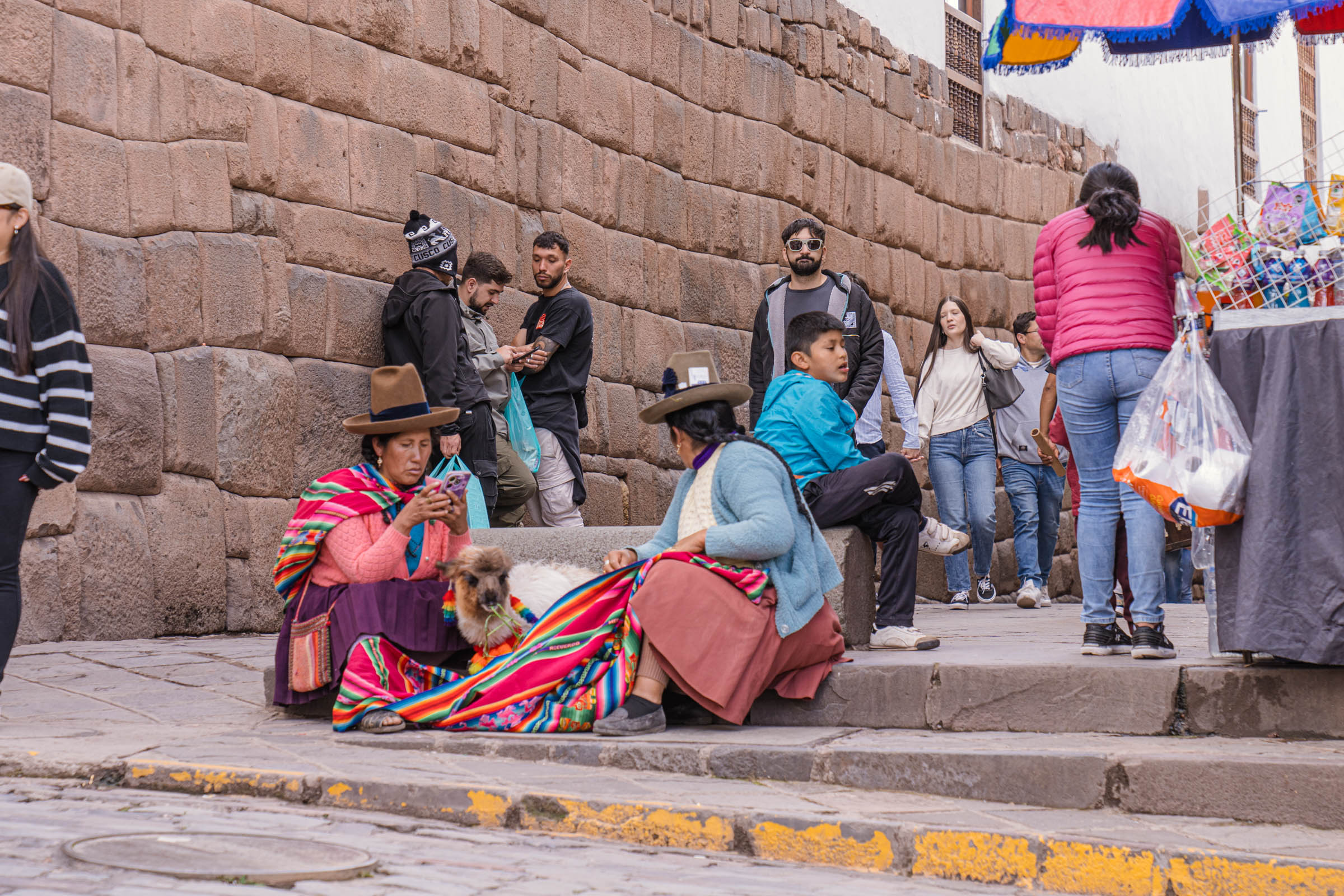
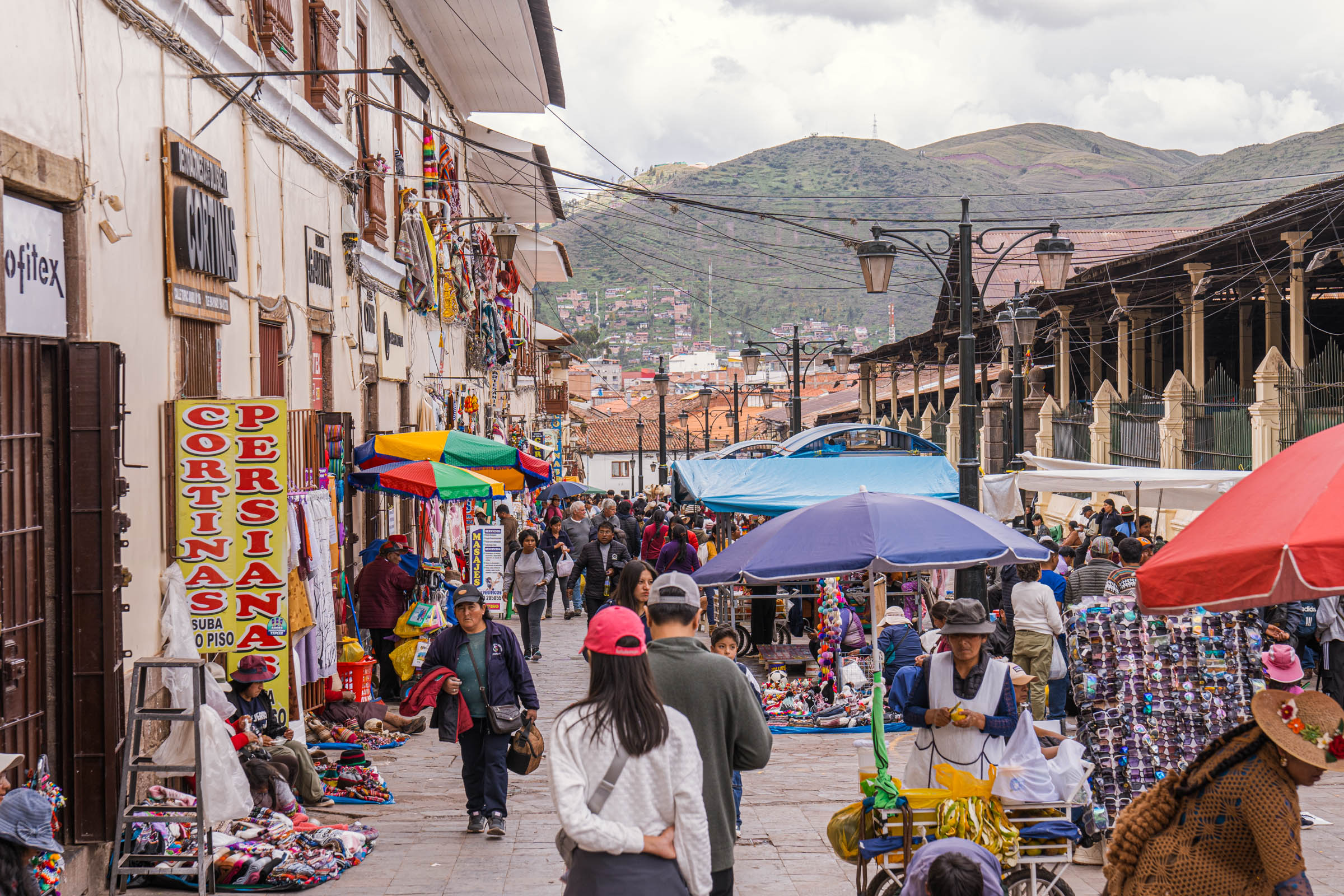
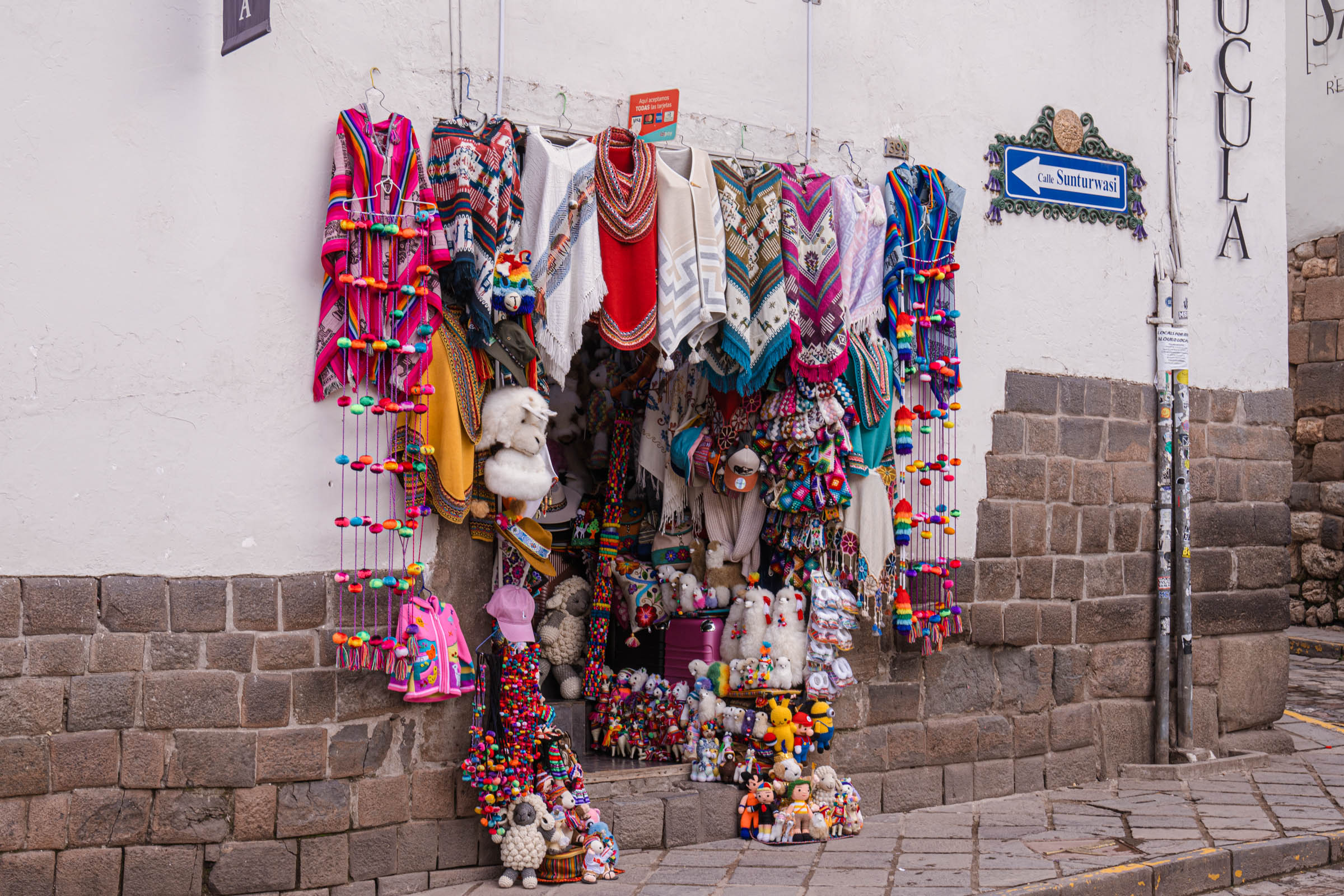
As a fashion blogger, I found the textiles especially inspiring. I visited the Centro de Textiles Tradicionales del Cusco, where artisans weave wool colored with natural dyes. Indigenous weavers from Chinchero and their international supporters founded the center in 1996 as a non-profit organization. Nilda Callañaupa, a master weaver from Chinchero, led the group. Today, the center works with ten weaving communities from the Cusco region. Their capes, ponchos and accessories immediately made me think about new combinations with the pieces in my suitcase. In the shops, I also found alpaca coats, hand-knitted gloves and silver souvenirs.
CHURCHES, BALCONIES AND INCA WALLS
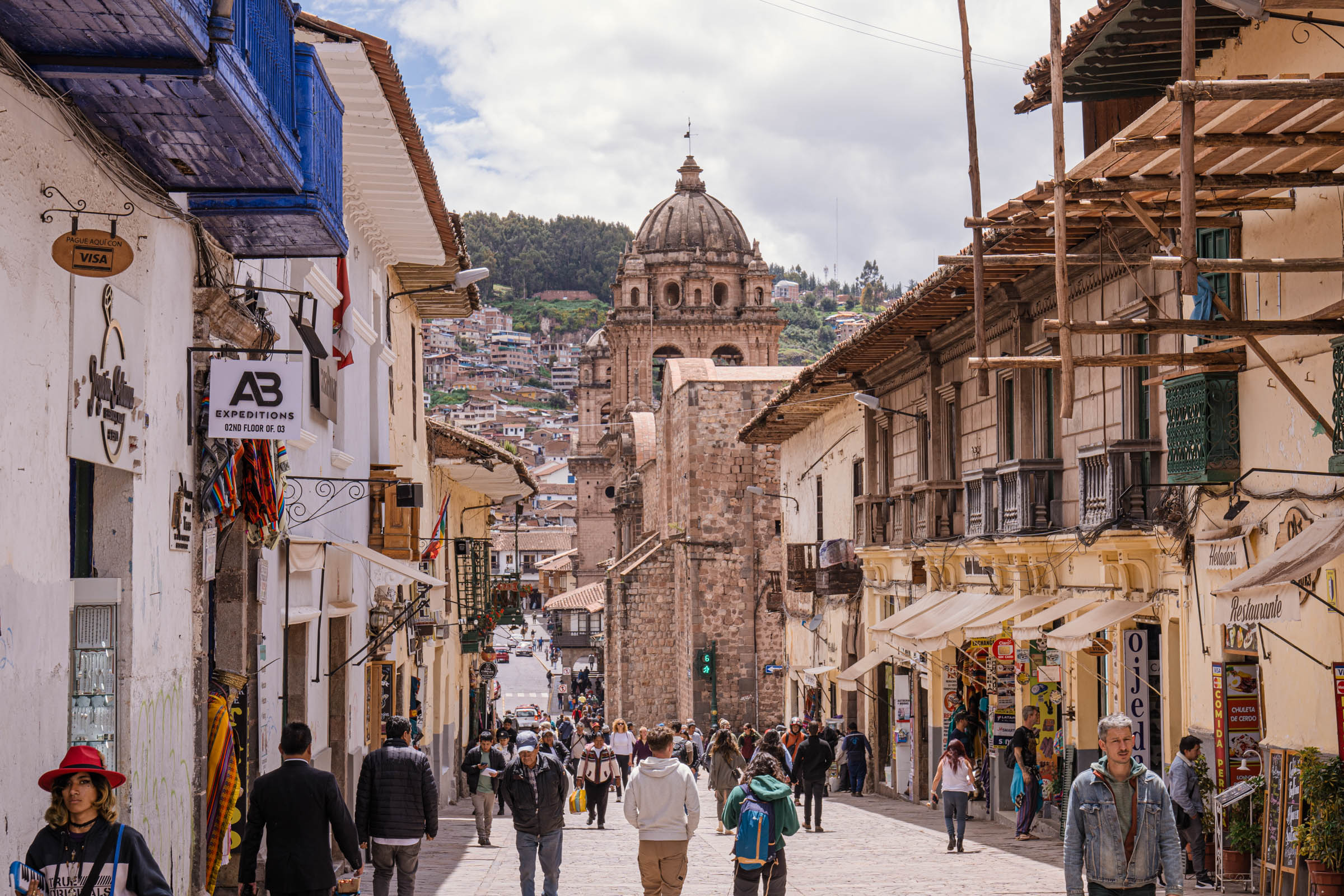
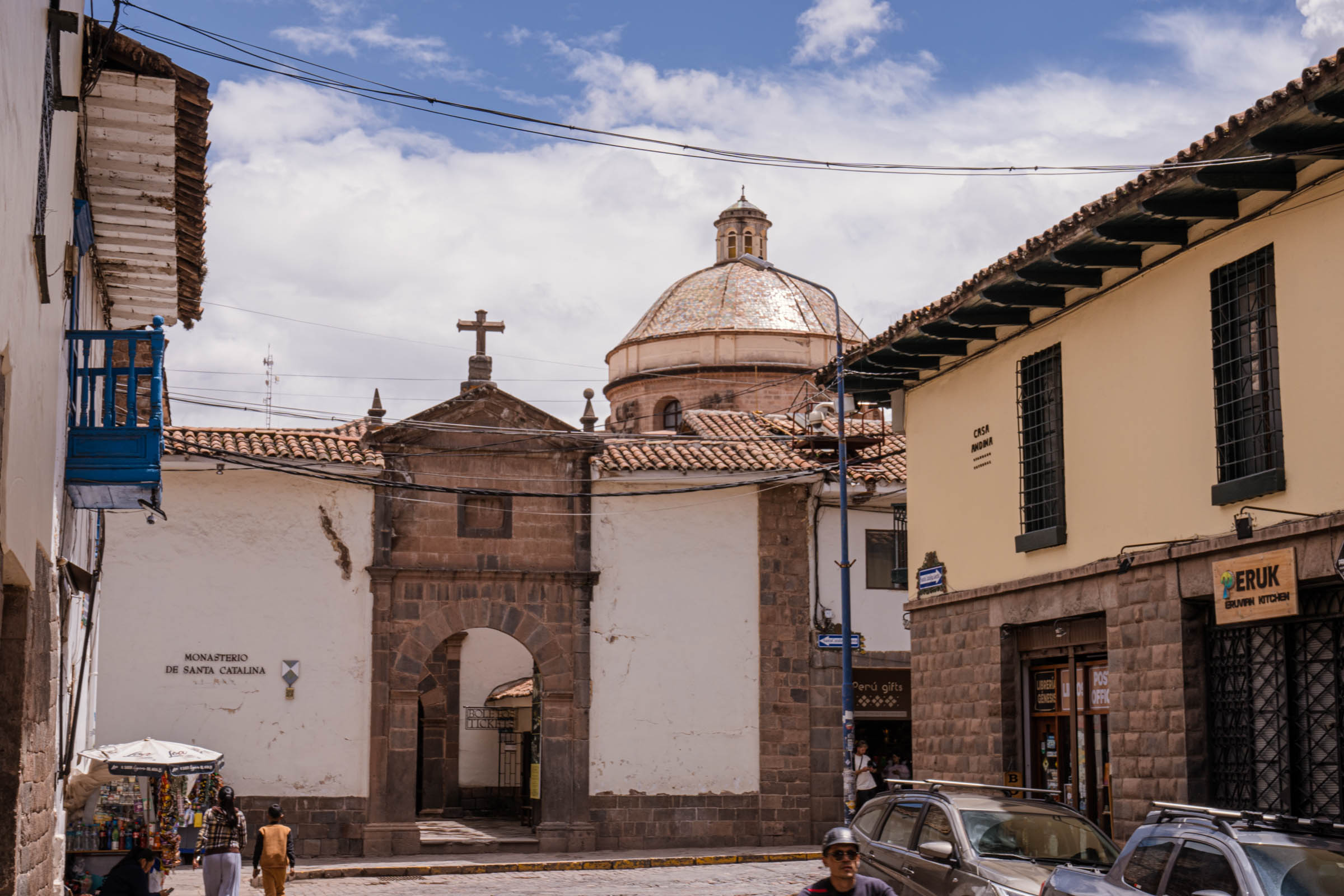
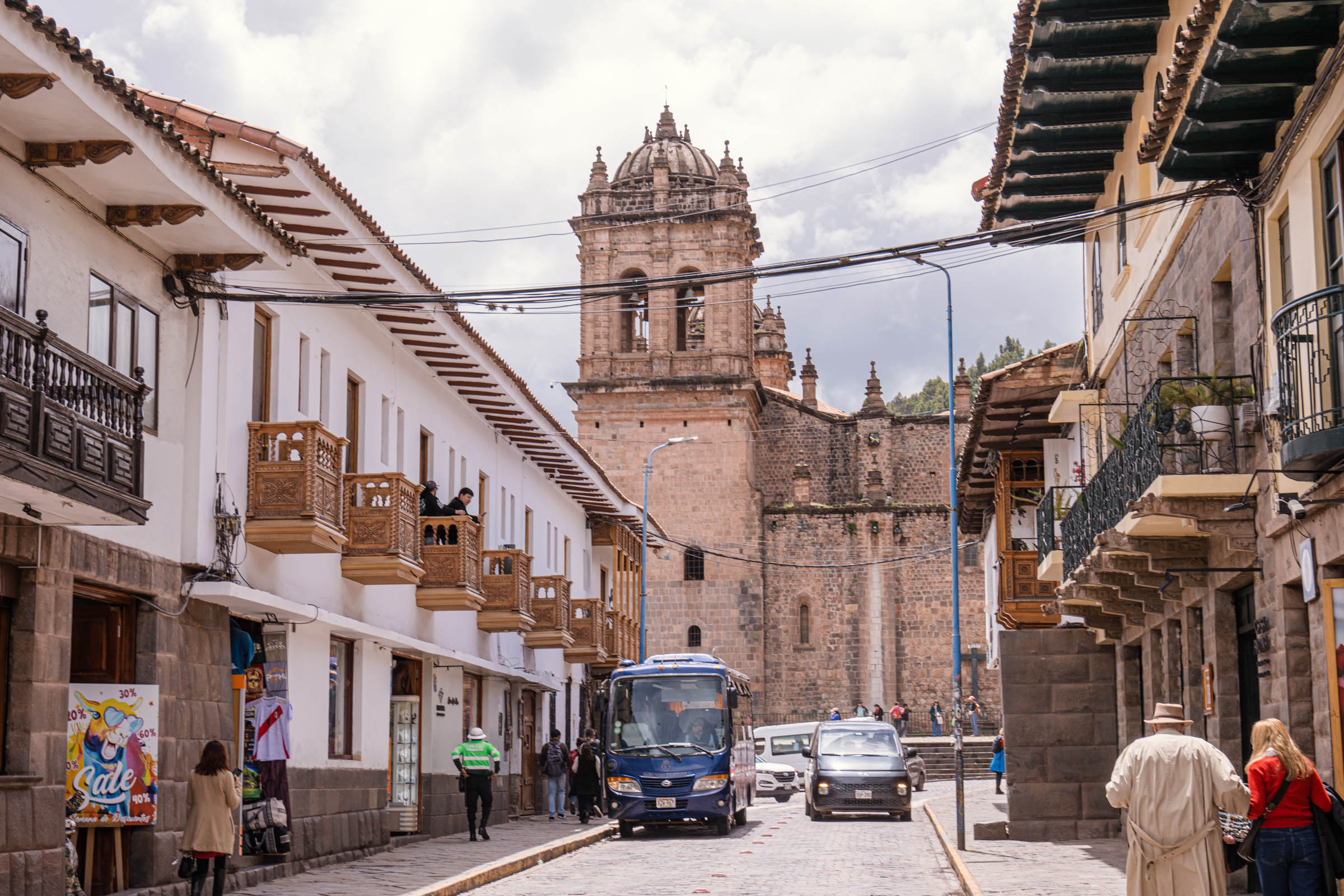
According to UNESCO, the temples, monasteries and manor houses of Cusco are mostly Baroque, with local adaptations. As a lover of architecture, I enjoyed every detail, from wooden balconies to red roof tiles and old door hinges. Every corner reminds you of both the Inca Empire and the colonial era.
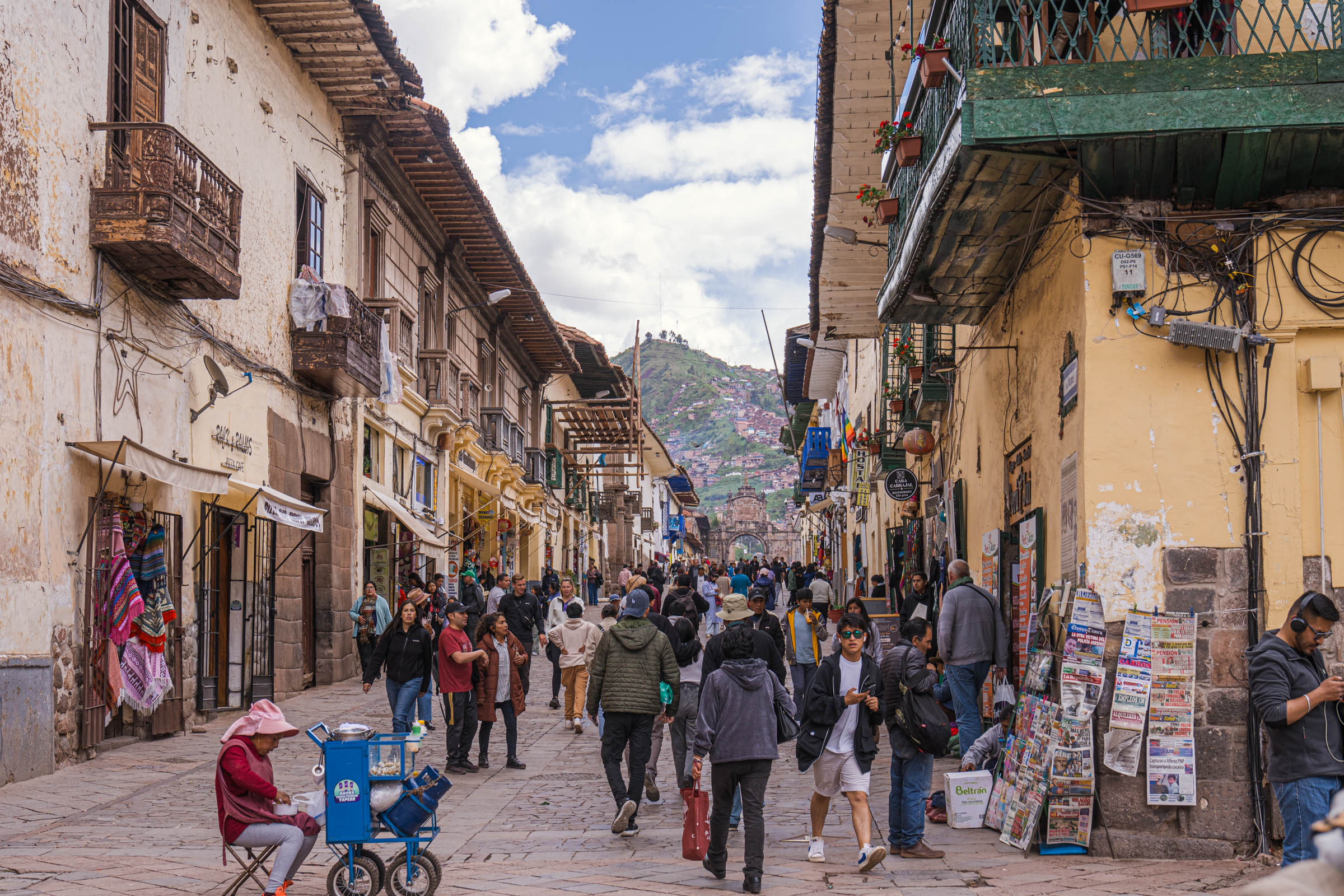
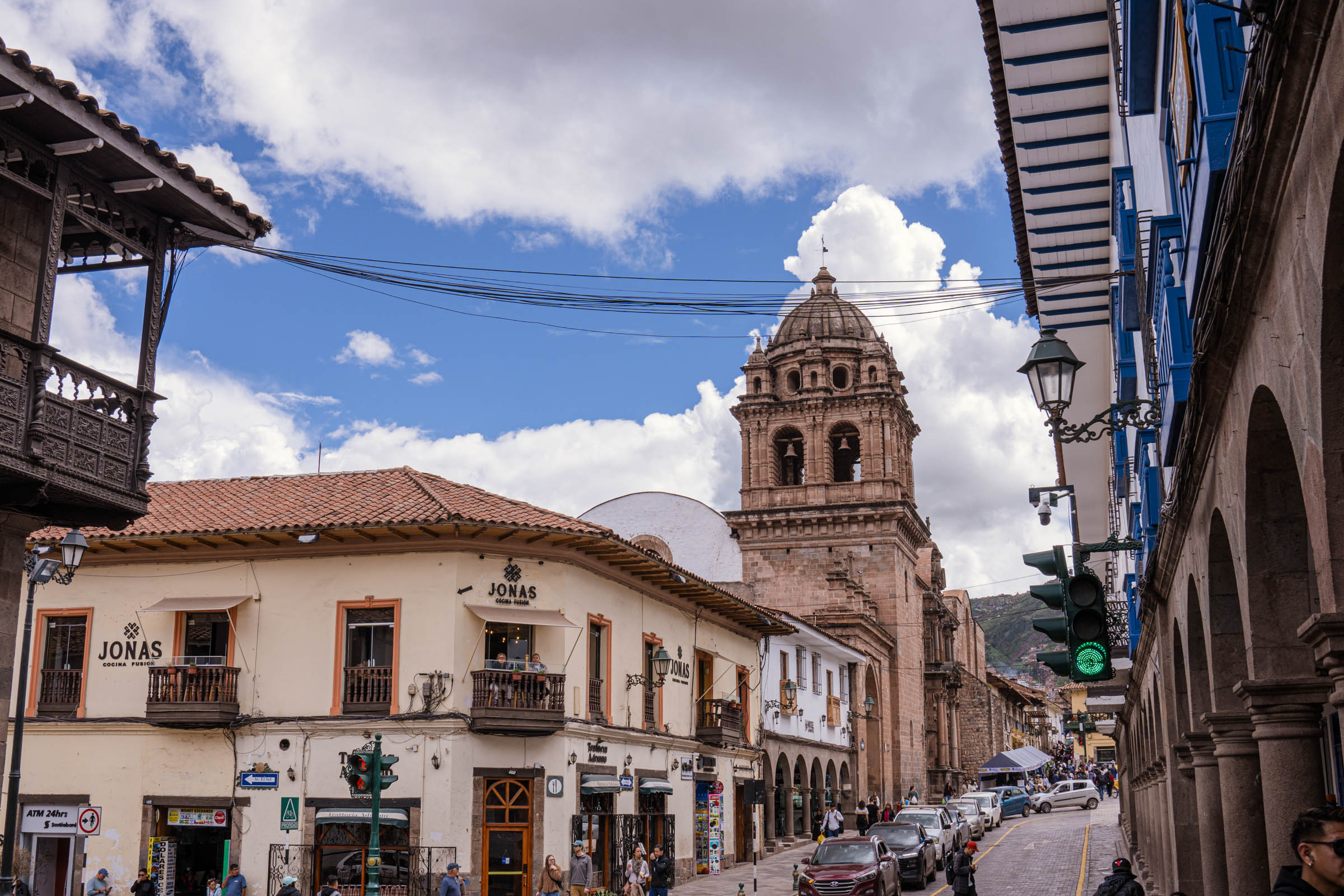
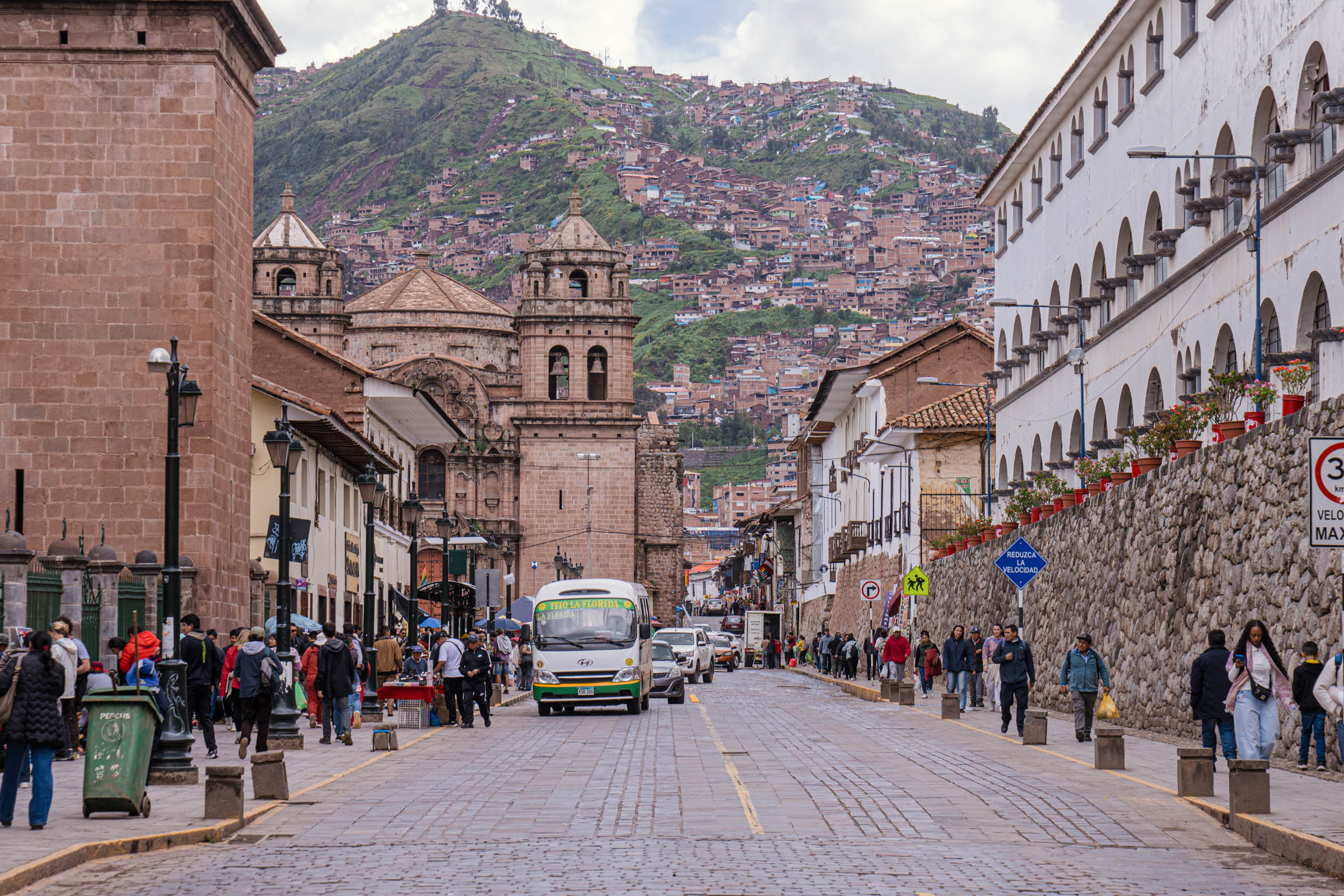
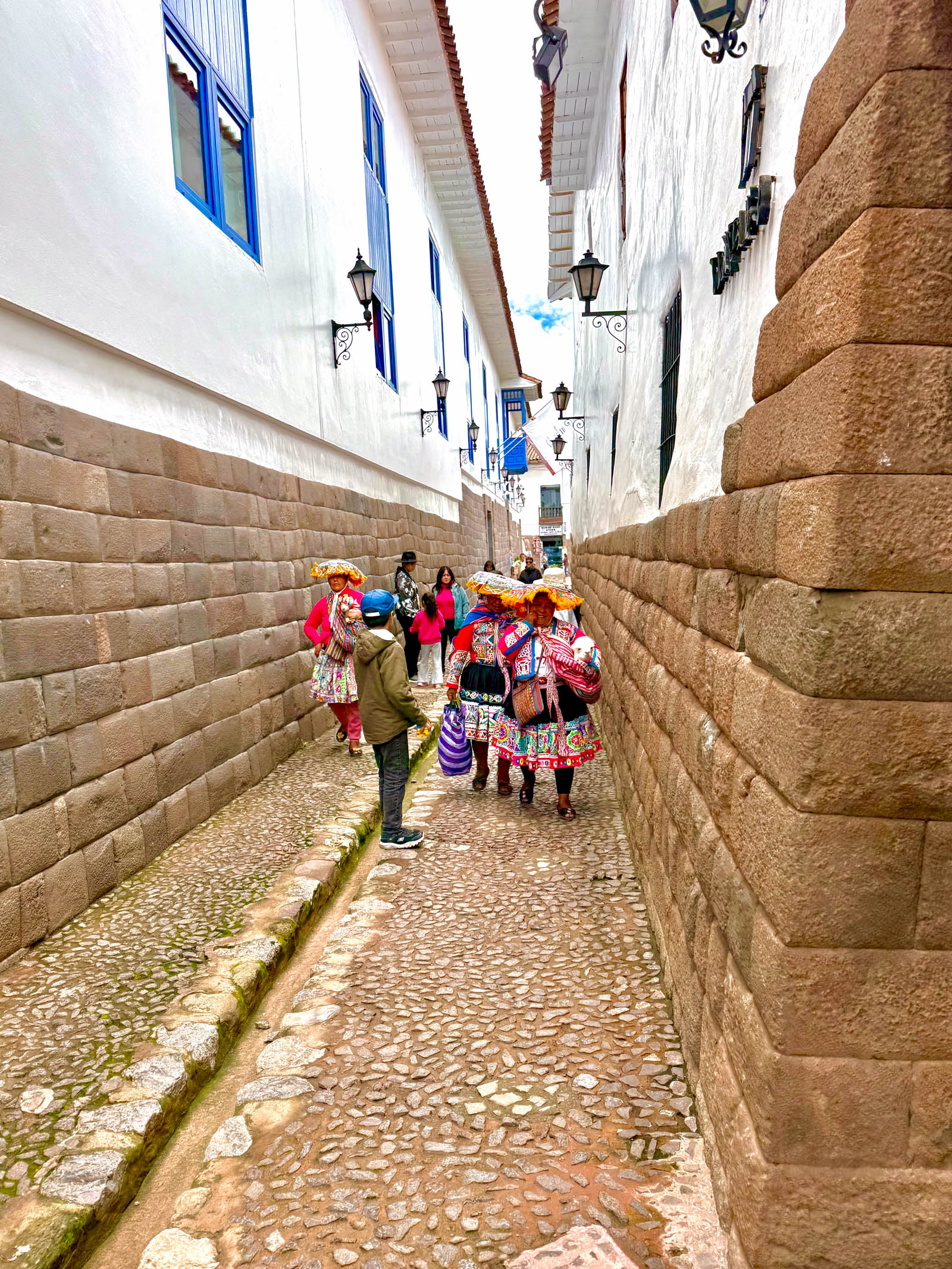
In the narrow alleys, I often stopped in front of the mighty Inca walls and admired their perfectly carved blocks. Walking between those walls, among locals in colorful traditional dress, felt like a journey through centuries.
WHERE TO EAT NEAR CASA ANDINA PREMIUM CUSCO
Cusco is a true destination for food lovers. My first choice was Chicha por Gastón Acurio. It sits upstairs in a colonial building on Plaza Regocijo, two blocks west of the Plaza de Armas. Gastón Acurio is the celebrated Peruvian chef who helped put Peru on the world culinary map. Chicha is not the cheapest place, but it is a great introduction to contemporary Peruvian cuisine.
At Chicha, I tried local trout ceviche and homemade corn dumplings stuffed with cheese. To welcome me, the team served a passion fruit pisco sour, a cocktail made with the local spirit pisco. In this kitchen, local ingredients such as quinoa, alpaca and Andean corn meet a modern way of serving.
Another discovery was the Museo del Pisco, a bar that also works as a restaurant. There, I tasted several pisco cocktails with ceviche and tequeños, and finished with coconut sorbet. I also had breakfast at the bohemian café Qura, with healthy acai smoothies and warm sandwiches. Finally, I had lunch at Pachapapa, set in a whitewashed building across from the San Blas church. Most of the food there comes from a wood-burning oven. That includes cuy, the roasted guinea pig, a real challenge for adventurous gourmets.
DAY TRIPS AND THE CUSCO TOURIST TICKET
Before you head out of the city, buy the Boleto Turístico del Cusco, a tourist ticket that covers many sites. Circuit 1 includes the ruins just above the city: Sacsayhuamán, Q’enqo, Puka Pukara and Tambomachay. It is valid for one day, so you can see all four on a single trip. Sacsayhuamán lies about two kilometers from the Plaza de Armas, while Puka Pukara, the “Red Fortress,” stands opposite Tambomachay. Similarly, Circuit 3 covers the Sacred Valley sites of Pisac, Ollantaytambo, Chinchero and Moray, and it is valid for two days. Keep in mind that the ticket does not include Machu Picchu or the cathedral.
If you travel in June, do not miss Inti Raymi, the Festival of the Sun. It takes place every June 24 at Sacsayhuamán.
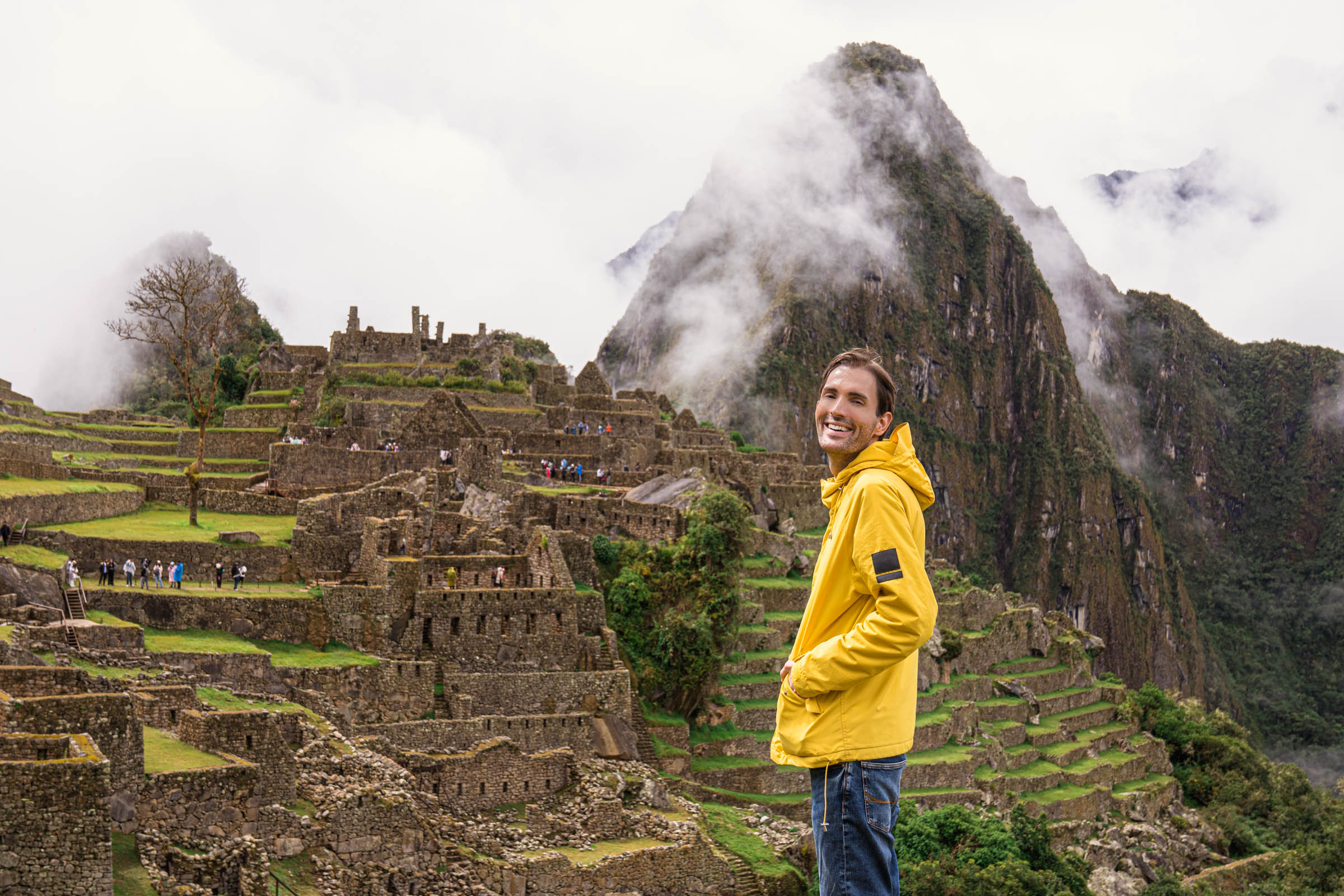
The Sacred Valley and the famous citadel of Machu Picchu have always attracted me. This time, I treated myself to a glamorous experience, and it was truly magical. In my next post, I will share the whole story of this wonder of the world. For now, I can tell you that it felt like standing on top of the world. I walked along the stone paths and felt as if I were dreaming. It was the highlight of my trip to Peru.
CUSCO TRAVEL CHECKLIST
- Plaza de Armas and the cathedral
- Qorikancha, the Temple of the Sun
- San Pedro Market
- Sacsayhuamán and the ruins of Q’enqo, Puka Pukara and Tambomachay
- Sacred Valley day trip: Pisac, Ollantaytambo, Chinchero
- Machu Picchu
- Inti Raymi Festival on June 24
- An art stroll through San Blas
- Centro de Textiles Tradicionales del Cusco
PRACTICAL TIPS FOR YOUR STAY AT CASA ANDINA PREMIUM CUSCO
- Check-in and check-out: check-in starts at noon and check-out is at 10 a.m.
- Early starts: Alma Bar Restaurante opens at 5 a.m., which helps on days with early trains or tours.
- Altitude: take it slowly on your first day, drink plenty of water and try a cup of coca tea.
- Transfers: the hotel offers a paid airport shuttle and a 24-hour front desk.
- Pets: dogs are welcome for an additional fee.
- Walking: the Plaza de Armas is about five minutes away, so comfortable shoes are a must on the cobblestones.
WHY I LOVED CASA ANDINA PREMIUM CUSCO
In the end, this trip to Cusco combined travel luxury with authenticity. I walked the same streets as the Incas, tasted new flavors and discovered the colors of Andean tradition. All of that filled me with new inspiration. Casa Andina Premium Cusco gave me the perfect base, with history in its walls and modern comfort in its rooms.
Cusco won me over with its contrasts, where ancient culture meets modern travel. On my last morning, I watched the city wake up in golden light, and I knew I would come back. This city is not just a destination. It is a story that spans centuries.
SAYING GOODBYE TO CASA ANDINA PREMIUM CUSCO
My dear travelers, I hope I managed to take you, at least a little, into the magical world of Cusco. With this trip to Peru, I broadened my cultural horizons. South America helped me complete the puzzle of the world I have been building for years. This travelogue would not exist without UN Tourism, PROMPERÚ, the Peruvian Ministry of Foreign Trade and Tourism and the hotel. Together with local partners, they let me feel the beauty of everyday life in Cusco.
Have you already visited Cusco, and which place in the city would you recommend to other travelers?
Feel free to leave your impressions, comments or questions below, or contact me by email and on social networks. All information is on the CONTACT page.
With love from Cusco,
Mr.M
This post is sponsored by United Nations World Tourism Organization (UN Tourism), the Commission for Trade, Tourism and Investments of Peru (PROMPERU), the Ministry of Foreign Trade and Tourism of Peru, Casa Andina Premium Cusco hotel and other local partners. This post is my personal and honest review of the destination experience.
Dear Marko, amazing post! I visited Cusco last year and immediately fell in love with its vibrant streets and rich Inca heritage. After exploring the local markets, I also made a quick trip to Puno and Lake Titicaca, it was surreal. Your detailed tips on acclimatization and local cuisine would have saved me so much trial and error! I can’t wait to return and explore more of Peru’s hidden gems. Thanks for sharing such an inspiring guide!
Dein Artikel erinnert mich an meine Reise von Cusco nach Arequipa, wo ich die weiße Stadt bewunderte. Ich habe auch kurze Ausflüge nach Puno und Titicaca unternommen, atemberaubend! Deine Hotel und Transportempfehlungen sparen einem jede Menge Arbeit. Ich teile diesen Beitrag gerne mit Freunden, die ebenfalls Südamerika erkunden möchten. Weiter so!
Mi viaje a Cusco fue inolvidable, especialmente el amanecer en Sacsayhuamán. Luego exploré Arequipa y su arquitectura colonial blanca. Tus recomendaciones de alojamiento y transporte me vienen perfectas para planear mi regreso. Gracias por compartir tanto detalle y pasión por Perú. ¡Tu blog es mi guía imprescindible!
Hi Marko, your blog post brought back memories of my solo journey through Cusco and the Sacred Valley. I also spent a few nights in Arequipa, admiring the white volcanic architecture. Your hotel recommendations and transport advice are spot‑on! I’m already bookmarking your blog posts as reminders for my next South American adventure. Keep these amazing travelogues coming!
Cusco war mein Highlight in Peru, doch auch Buenos Aires hat mich fasziniert, insbesondere die Tangoshows! Deine praktischen Pack‑ und Sicherheitstipps hätten mir damals sehr geholfen. Jetzt plane ich eine Route über Quito nach Cartagena, und dein Blog ist meine wichtigste Ressource. Großartige Arbeit!
Dear Marko, I really need to confess that I deeply enjoyed your travelogues that you made in South America and you are great writer. Reading your blog about Cusco transported me right back to that magical sunrise at Saqsaywaman. I remember hopping down to Lima afterward for the food scene, it was unforgettable. Your photography tips and local guides section really shine. I’m sharing this with friends who dream of South American adventure. Fabulous work! With best regards, Soren
This is so great Marko! I’ve bookmarked your Cusco travelogue as I’m planning my first trip to Peru next spring. I’ve also heard great things about Cartagena in Colombia and Rio Carnival in Brazil. Your breakdown of daily budgets and local customs makes planning so much easier. Thank you for crafting such an engaging and practical guide, I’m excited to dive in!
Me encantó tu post sobre Cusco, reviví mis paseos por el mercado de Pisac y la energía de la Plaza de Armas. También descubrí Lima y su deliciosa gastronomía callejera. Tus consejos de adaptación a la altitud y comida local me resultan muy útiles. Pronto añadiré Puno y el lago Titicaca a mi itinerario. ¡Felicitaciones por el excelente contenido!
Beim Lesen deines Berichts fühlte ich mich nach Sacsayhuamán zurückversetzt, als die Sonne hinter den Anden aufging. Später verbrachte ich einige Tage in Lima und genoss die kulinarische Vielfalt. Deine Fotografie‑ und Insider‑Tipps sind erstklassig. Ich empfehle diesen Beitrag allen Reisebegeisterten weiter! Mit FG, Carl
Lieber Marko, dein ausführlicher Reisebericht über Cusco hilft mir enorm bei meiner Peru‑Planung im kommenden Frühjahr. Ich möchte auch Valparaíso in Chile und Machu Picchu besuchen. Deine Budget‑Tipps und kulturellen Hinweise sind fantastisch. Vielen Dank für diesen wertvollen Leitfaden!
Tus fotos de los coloridos tejidos cusqueños me transportaron al corazón andino. Después pasé por Valdivia en Chile y fue maravilloso. Ahora, planeo mi recorrido por Perú con tu blog como referencia. ¡Gracias por inspirar esta pasión por viajar!
En lisant ton article, j’ai repensé à ma visite de la Vallée sacrée et au marché coloré de Pisac. Puis j’ai découvert la ville de Sucre en Bolivie, pleine de charme colonial. Tes recommandations d’hôtels et de restaurants m’ont énormément aidé. Je partage ce post avec mes amis passionnés d’Amérique du Sud. Bravo pour ton travail!
Querido Marko, tu relato sobre la ciudad del Cusco en primavera me emociona a planear mi próximo viaje. Quiero combinarlo con una ruta por Cartagena y Quito. Me ayudó mucho tu sección de gastos diarios y recomendaciones de seguridad. Gracias por hacer tan fácil organizar la aventura. ¡Lo leí con gran interés!
Después de Cusco, visité Bogotá y quedé maravillada con su vida cultural. Ahora quiero volver y recorrer el Valle Sagrado con tu guía como referencia. Me gusta mucho cómo integras datos históricos y tips prácticos. Compartiré este artículo con quienes sueñan con conocer América del Sur. ¡Seguimos conectados!
Il mio soggiorno a Cusco è stato un sogno: l’alba sulle rovine di Sacsayhuamán non la dimenticherò mai. Ho poi visitato la vivace Lima, dove il cibo di strada è una vera delizia. I tuoi suggerimenti su come gestire l’altitudine e i mezzi di trasporto sono preziosi. Non vedo l’ora di esplorare il Perù con il tuo blog come guida. Complimenti per l’articolo straordinario!
Leggendo il tuo post su Cusco, ho rivissuto il mio tour nel Sacred Valley e la magia di Pisac. Successivamente ho trascorso qualche giorno a Salta, in Argentina, splendida mix di culture. Le tue indicazioni sulle sistemazioni e i ristoranti tipici mi hanno ispirato molto. Grazie per aver creato una guida così completa e coinvolgente!
Il tuo racconto su Cusco e il relax all’hotel Casa Andina Premium mi ha convinto a prenotare appena possibile. Dopo Cusco, voglio andare a Valparaíso e Santiago. Apprezzo molto i tuoi consigli sul budget giornaliero e sui mercati locali. Grazie per ispirare viaggi così autentici!
Cusco fut la perle de mon périple, mais j’ai aussi adoré Quito et ses panoramas sur les montagnes. Ton guide détaillé m’a permis d’éviter bien des pièges à touristes. Je garde précieusement tes conseils pour mes futures escapades. Merci de nous offrir un contenu si riche et authentique!
Ton récit sur les ruelles de Cusco et l’accueil chaleureux des locaux m’invite à y retourner. J’envisage d’ajouter Salta en Argentine à mon itinéraire, inspiré par tes posts. Tes astuces budgétaires et tes suggestions de visites sont inestimables. Je recommande ton blog à tous les voyageurs.
J’ai été séduit par tes photos des maisons colorées du quartier de San Blas. J’ai aussi profité d’un séjour à Punta Arenas au Chili un contraste saisissant. Ton article m’aide à finaliser mon projet de voyage au Pérou. Merci pour cette source d’inspiration et d’informations précieuses!