
My dear travelers and lovers of unusual journeys, welcome to a new chapter of my travelogues on the Mr.M blog. In April and the months that follow, I will take you to one unusual continent: South America. I will show you the countries I had the chance to visit. I am sure you will want to spend your next vacation in one of them. Today, I take you to São Paulo, the city of skyscrapers. I also take you to Hotel Emiliano, my home in this Brazilian metropolis.
At the very beginning, I sincerely thank UN Tourism and all the partners who supported my adventure in South America. Thanks to them, I created travelogues from Brazil and other countries, as well as many fashion stories. In Brazil, EMBRATUR with Visit Brasil, Visite São Paulo and Hotel Emiliano supported me.
If you missed my previous stories from Brazil, first read my letter about Rio de Janeiro. Then, enjoy my fashion story with Brunello Cucinelli. After that, discover the magic of the Rio Carnival and the Copacabana Palace.
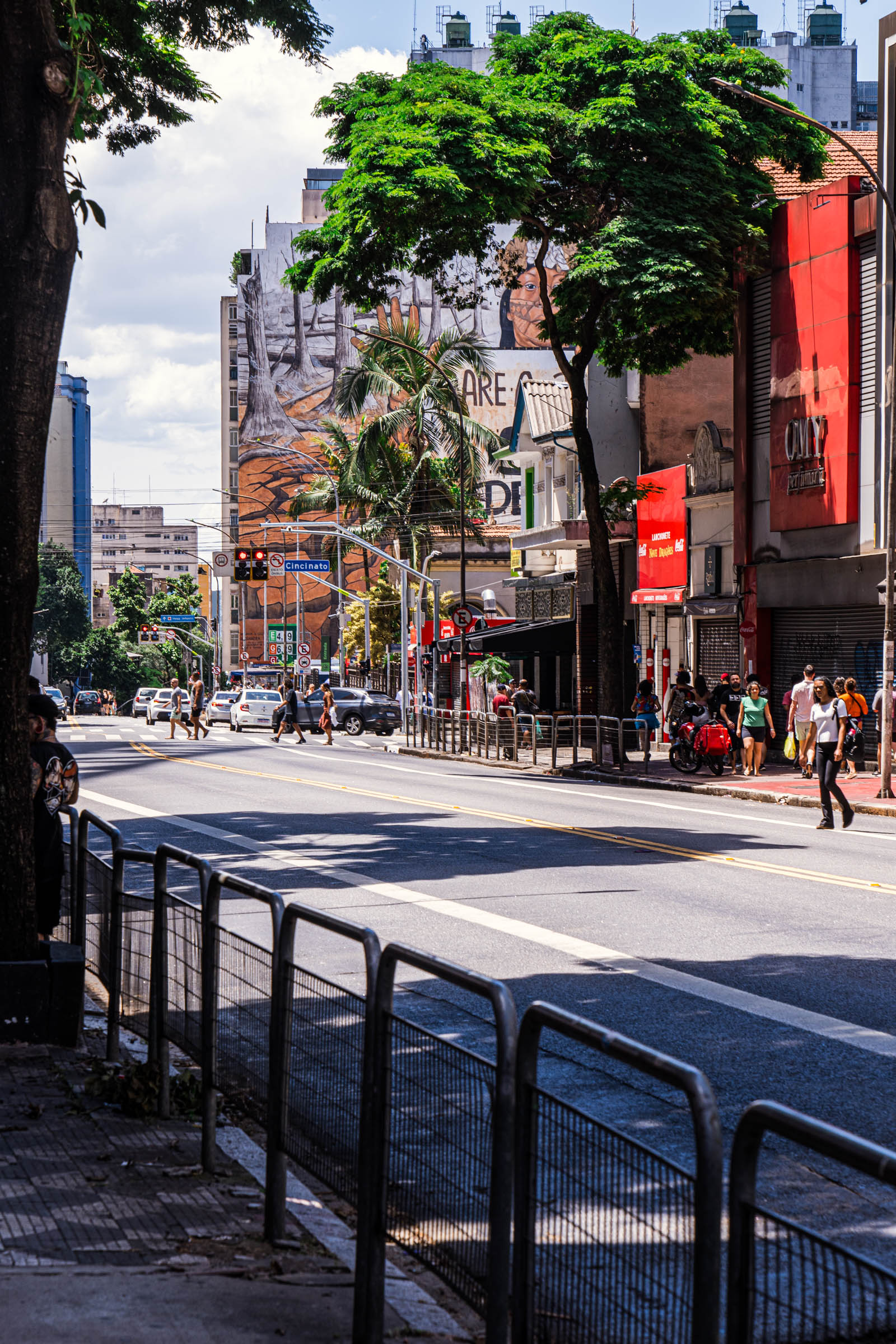
SÃO PAULO: THE CITY THAT LEADS
São Paulo is the largest city in Brazil and the most populous city in the Americas. It is also the largest urban area by population outside Asia and the most populous Portuguese-speaking city in the world. The city carries the name of the Apostle Paul, and its people call themselves paulistanos. Its Latin motto, “Non ducor, duco,” means “I am not led, I lead.”
Jesuit priests, including Manuel da Nóbrega and José de Anchieta, founded São Paulo on January 25, 1554. In colonial times, the city was a base for the bandeirantes, pioneer expeditions that expanded the colony. Later, the coffee cycle of the mid-19th century brought real prosperity.
Today, São Paulo is home to the largest Arab, Italian and Japanese diasporas in the world. Neighborhoods such as Bixiga, Bom Retiro and Liberdade reflect this rich mix. In addition, people from more than 200 countries live here. Greater São Paulo has more than 20 million inhabitants. Moreover, the wider Macrometropolis, with more than 30 million people, is the first megalopolis in the Southern Hemisphere.
THE SKYSCRAPERS AND CULTURE OF SÃO PAULO
São Paulo is the largest urban economy in Latin America and one of the major financial centers of the world. The city produces around 10% of the GDP of Brazil. It is also home to B3, the largest stock exchange in Latin America. Its main financial districts lie around Paulista, Faria Lima and Berrini avenues. In addition, the University of São Paulo is often considered the best in Brazil and Latin America.
Above all, São Paulo is a city of skyscrapers. Its famous towers include Alto das Nações, Platina 220, Mirante do Vale, Edifício Itália and the Altino Arantes Building.
At the same time, it is one of the cultural capitals of Latin America. Here, you will find Ibirapuera Park, the São Paulo Museum of Art, Pinacoteca and the Museum of the Portuguese Language. The city also hosts the São Paulo Art Biennial, São Paulo Fashion Week and Lollapalooza. According to Guinness World Records, its Pride Parade is the biggest in the world. Finally, it hosted the 1950 and 2014 FIFA World Cups. Every year, it also welcomes the Formula One São Paulo Grand Prix at Interlagos.
THE METROPOLITAN CATHEDRAL OF SÃO PAULO
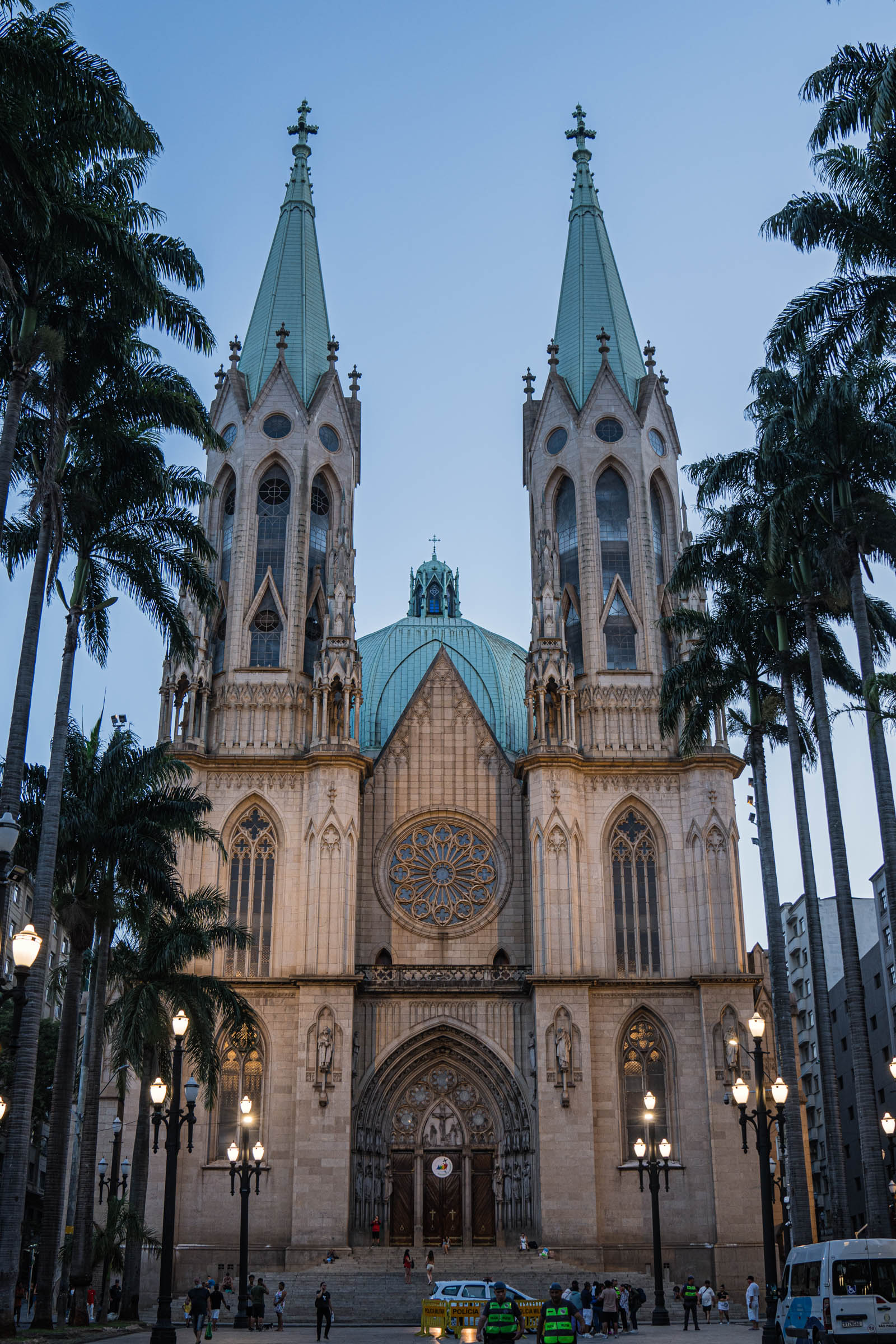
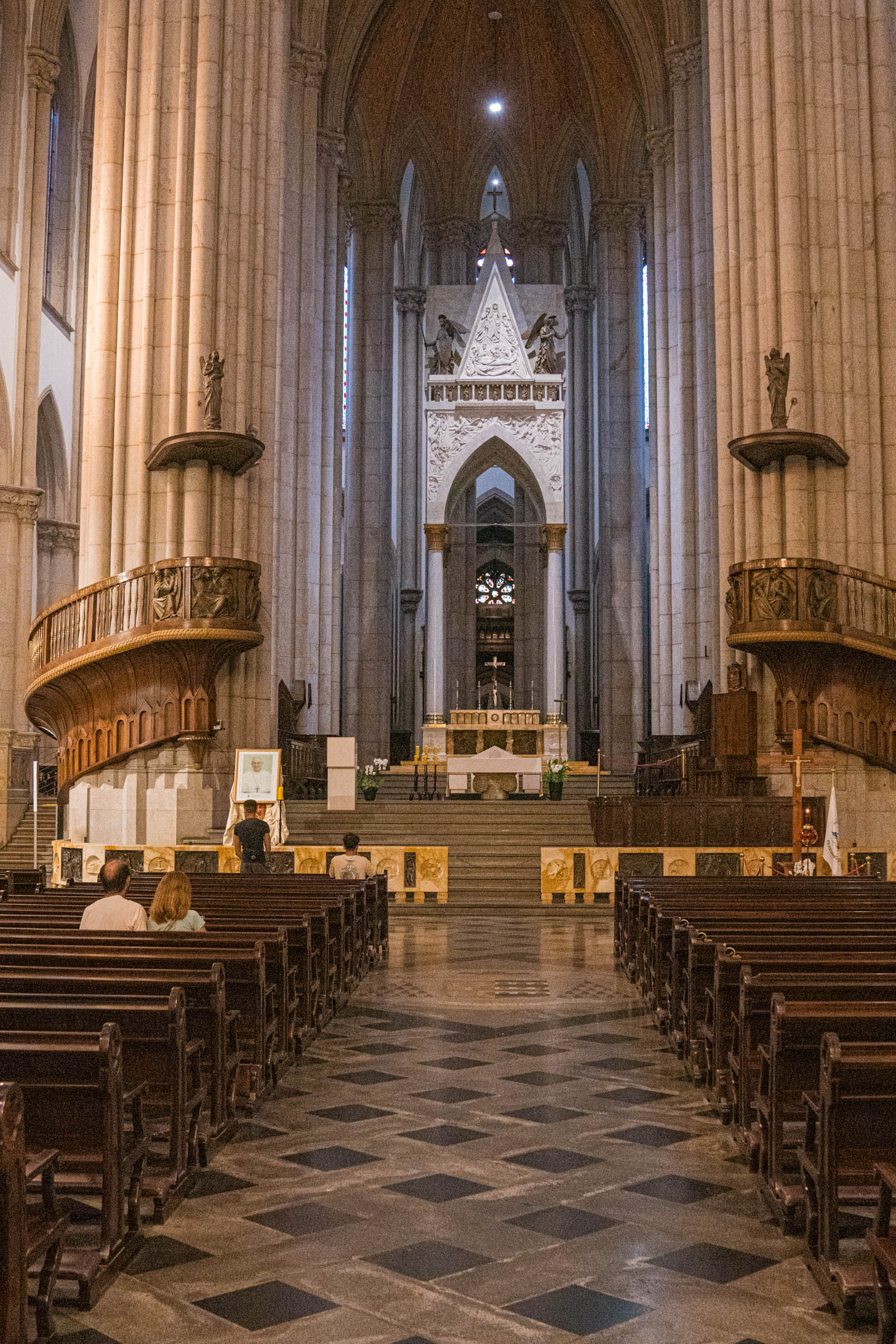
Your first stop should be the Metropolitan Cathedral, officially the Catedral Metropolitana de Nossa Senhora da Assunção e São Paulo. Construction of this neo-Gothic cathedral began in 1913, following the design of the German architect Maximilian Emil Hehl. Its dome draws inspiration from the Renaissance dome of the Florence Cathedral. The city inaugurated the cathedral in 1954, for its 400th anniversary. However, workers completed the towers only in 1967. Some consider it the fourth largest neo-Gothic cathedral in the world, and it can hold 8,000 people.
MERCADÃO: THE MUNICIPAL MARKET OF SÃO PAULO
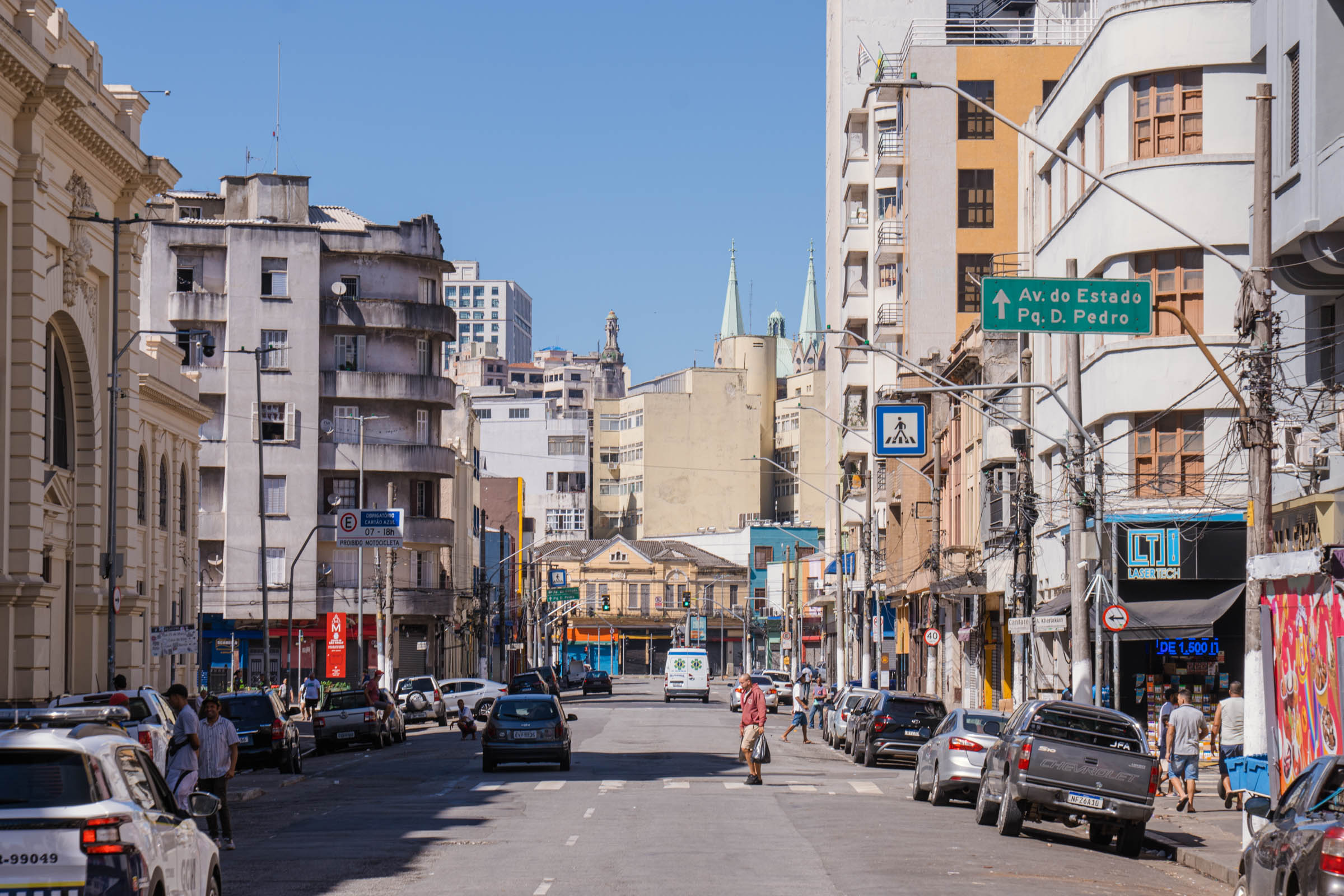
The Municipal Market of São Paulo, better known as Mercadão, opened on January 25, 1933. The architect Francisco Ramos de Azevedo designed it for fruits, vegetables, grains, meats and spices. It stands in the historic center, near the Tamanduateí River, on the old Várzea do Carmo floodplain. Today, most of that area is Dom Pedro II Park.
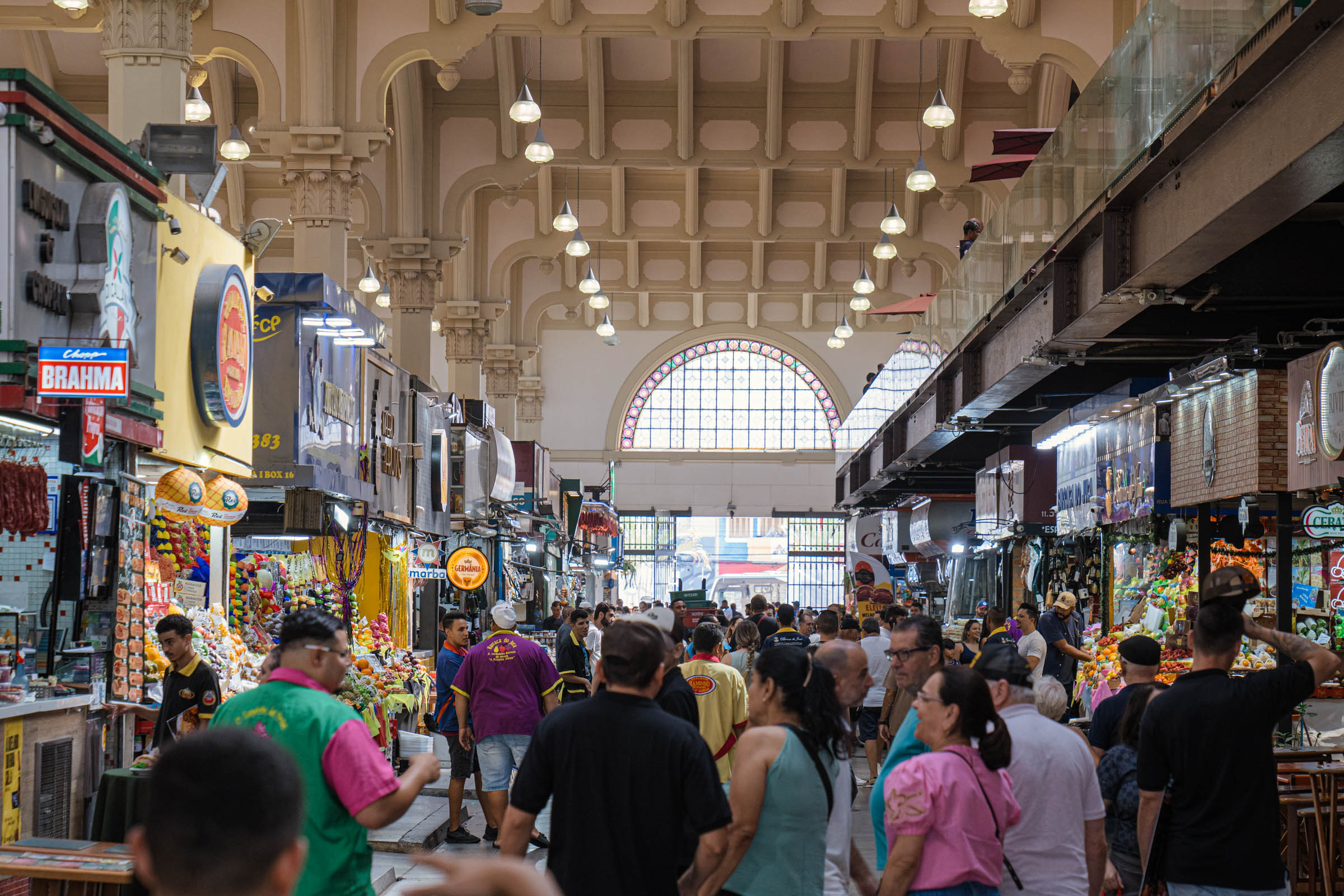
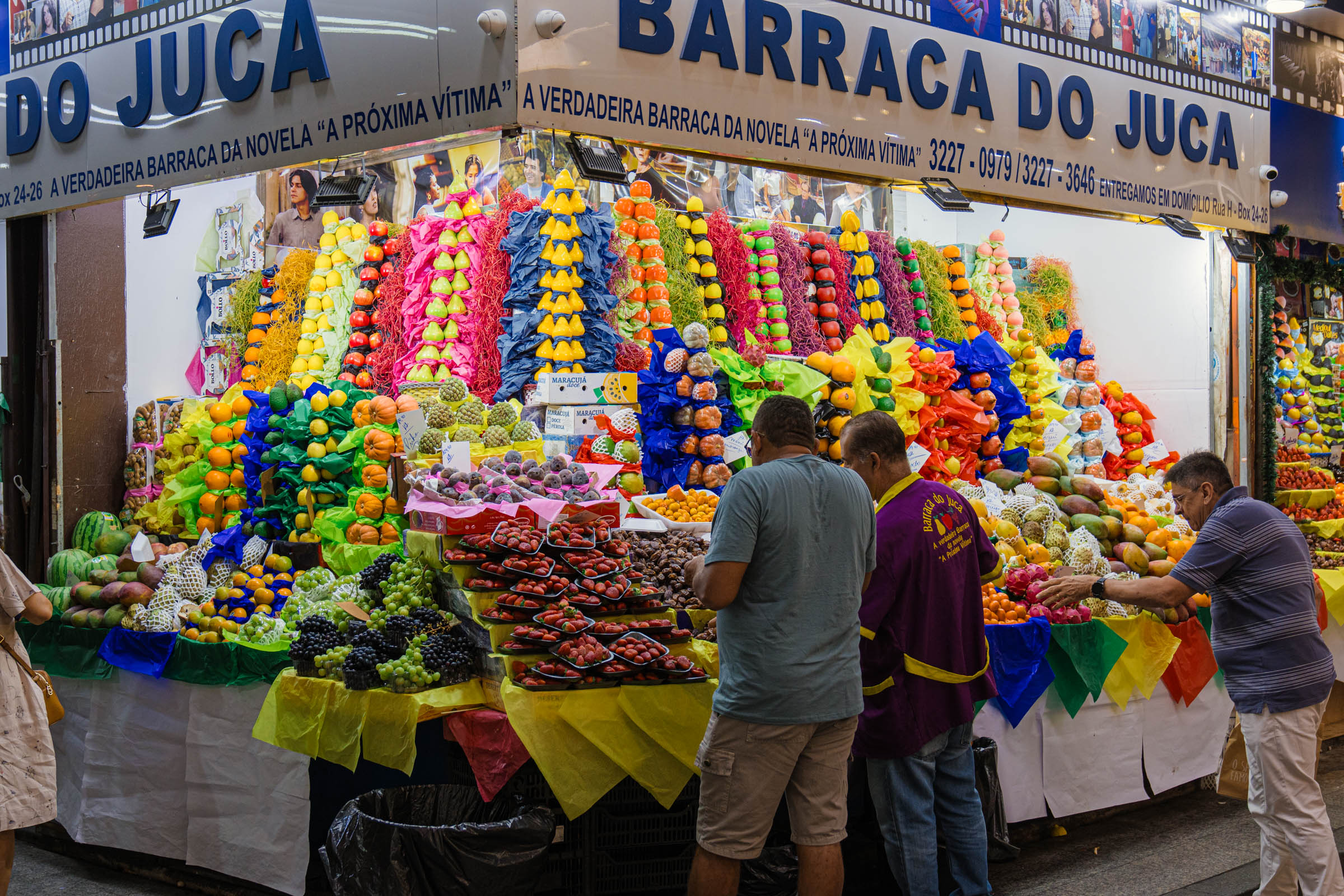
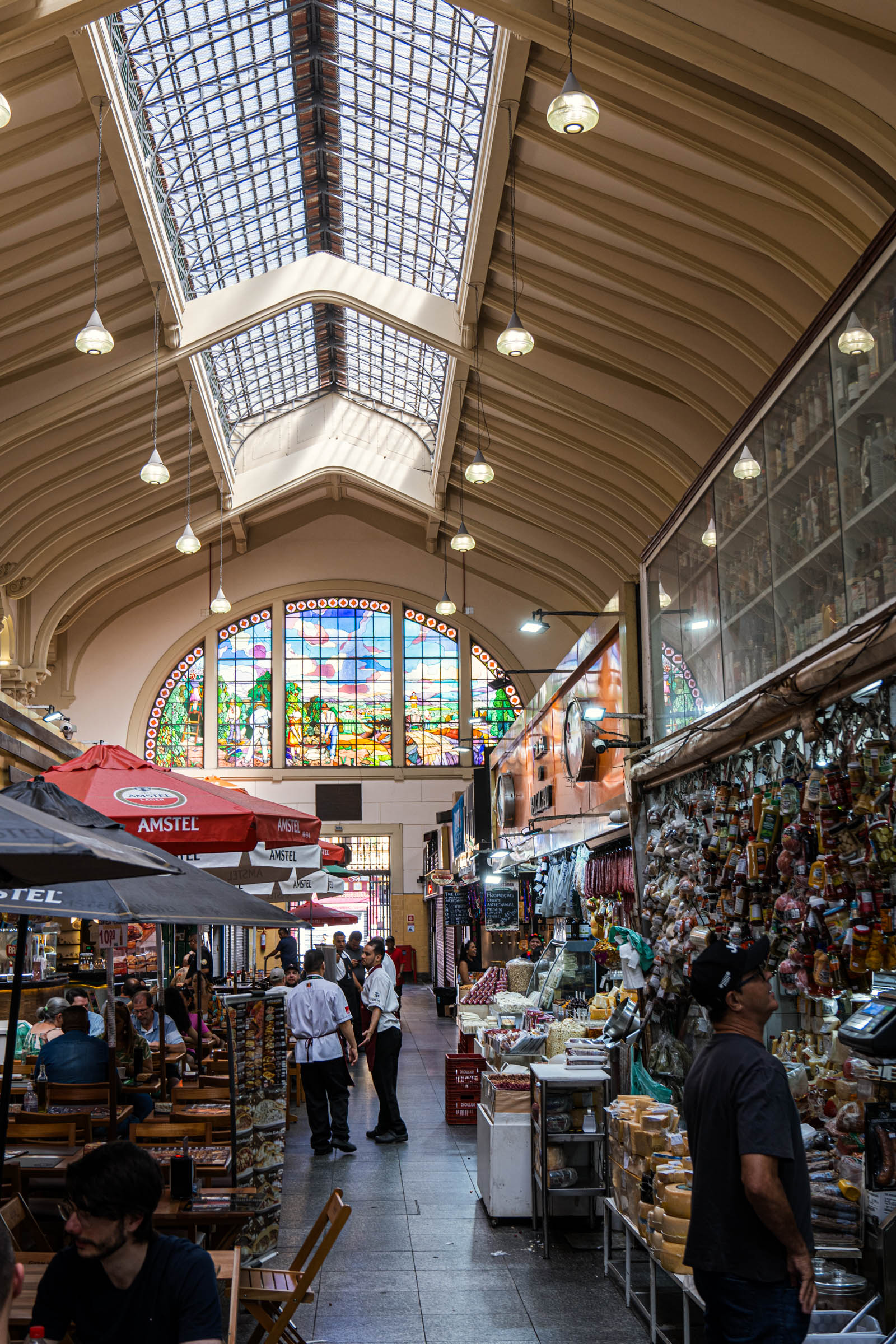
The market covers 12,600 square meters and employs about 1,500 people. My guide told me an interesting detail: around 450 tons of food pass through the market every day. Since 2004, a mezzanine with restaurants has offered a view of the colorful stalls below.
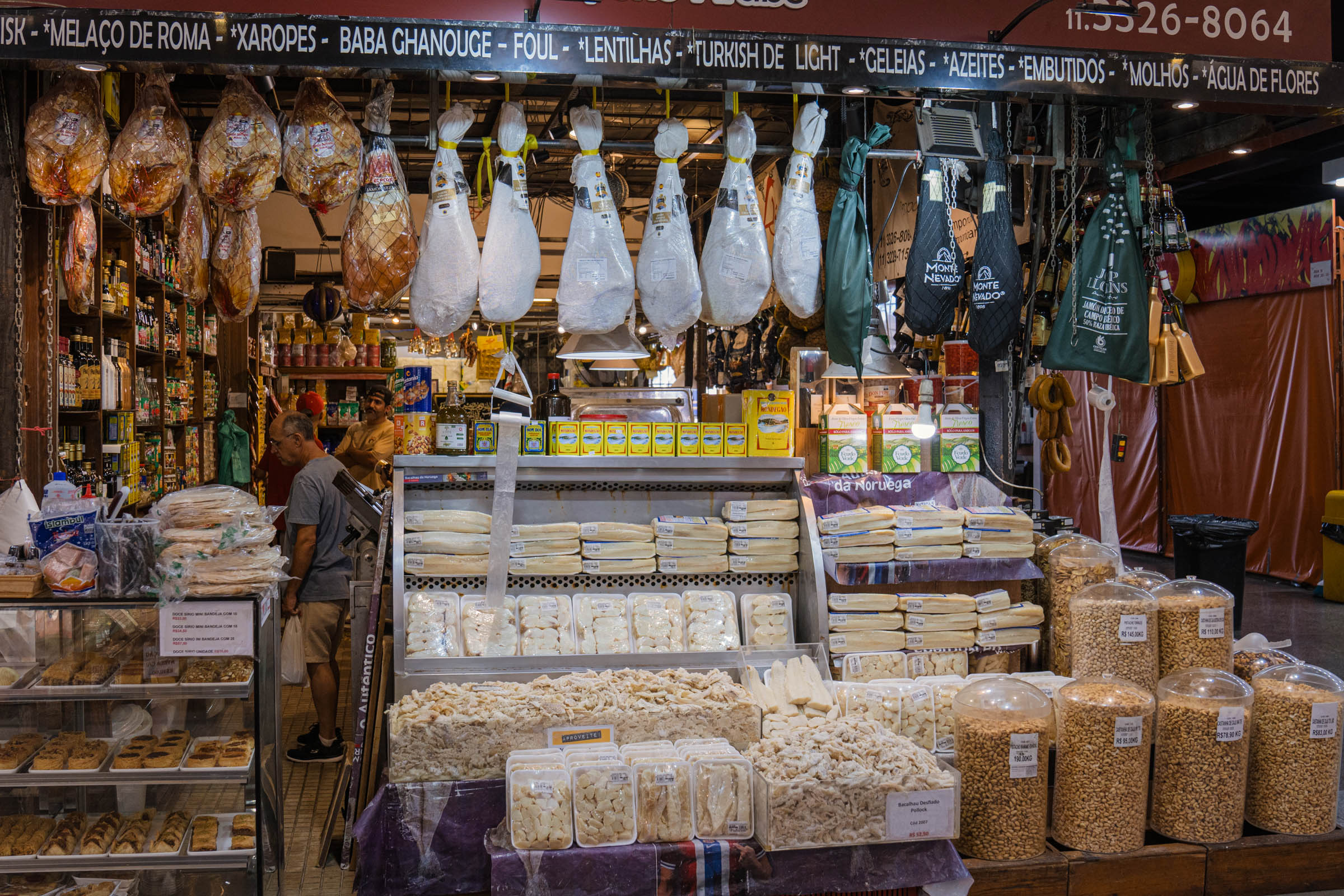
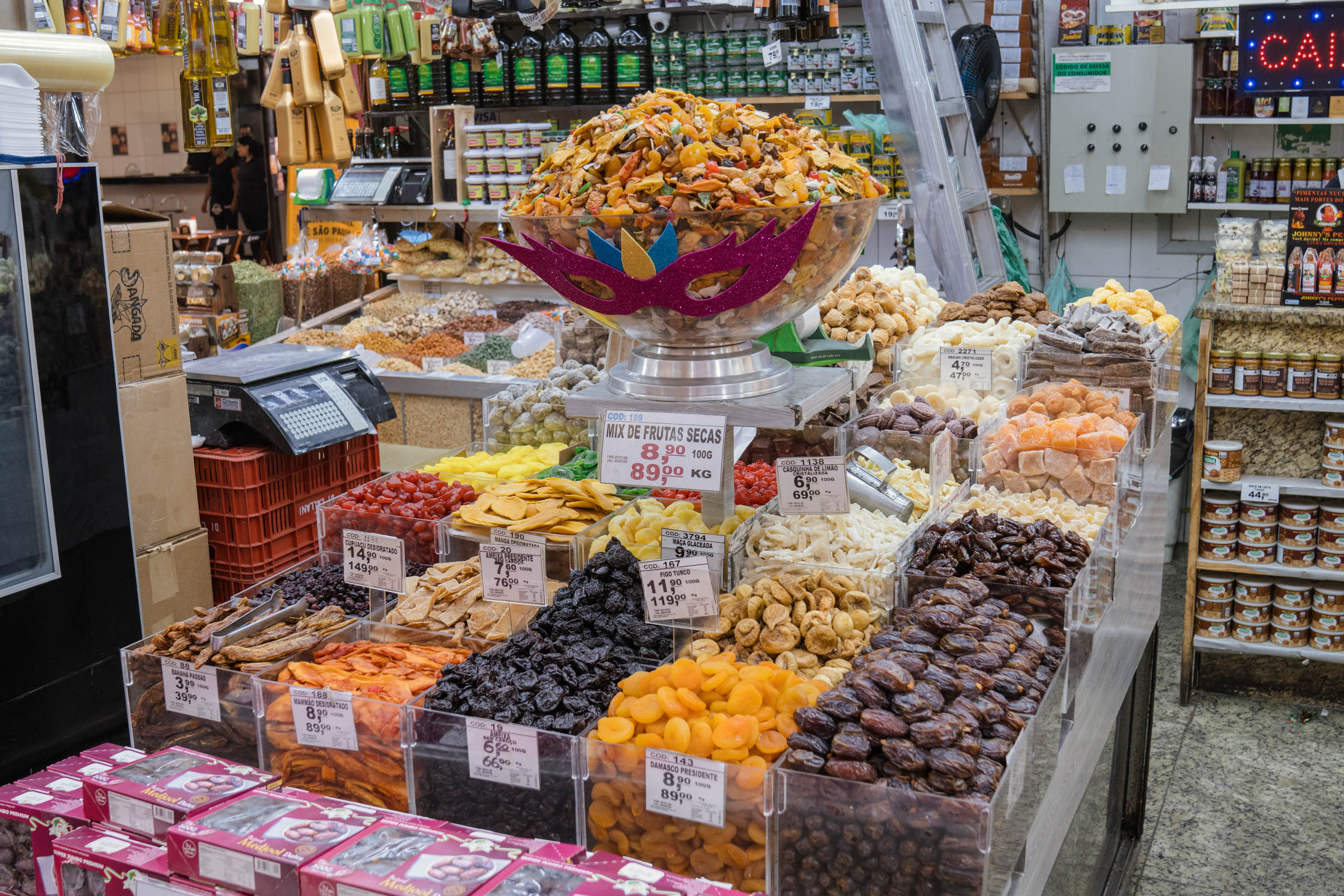
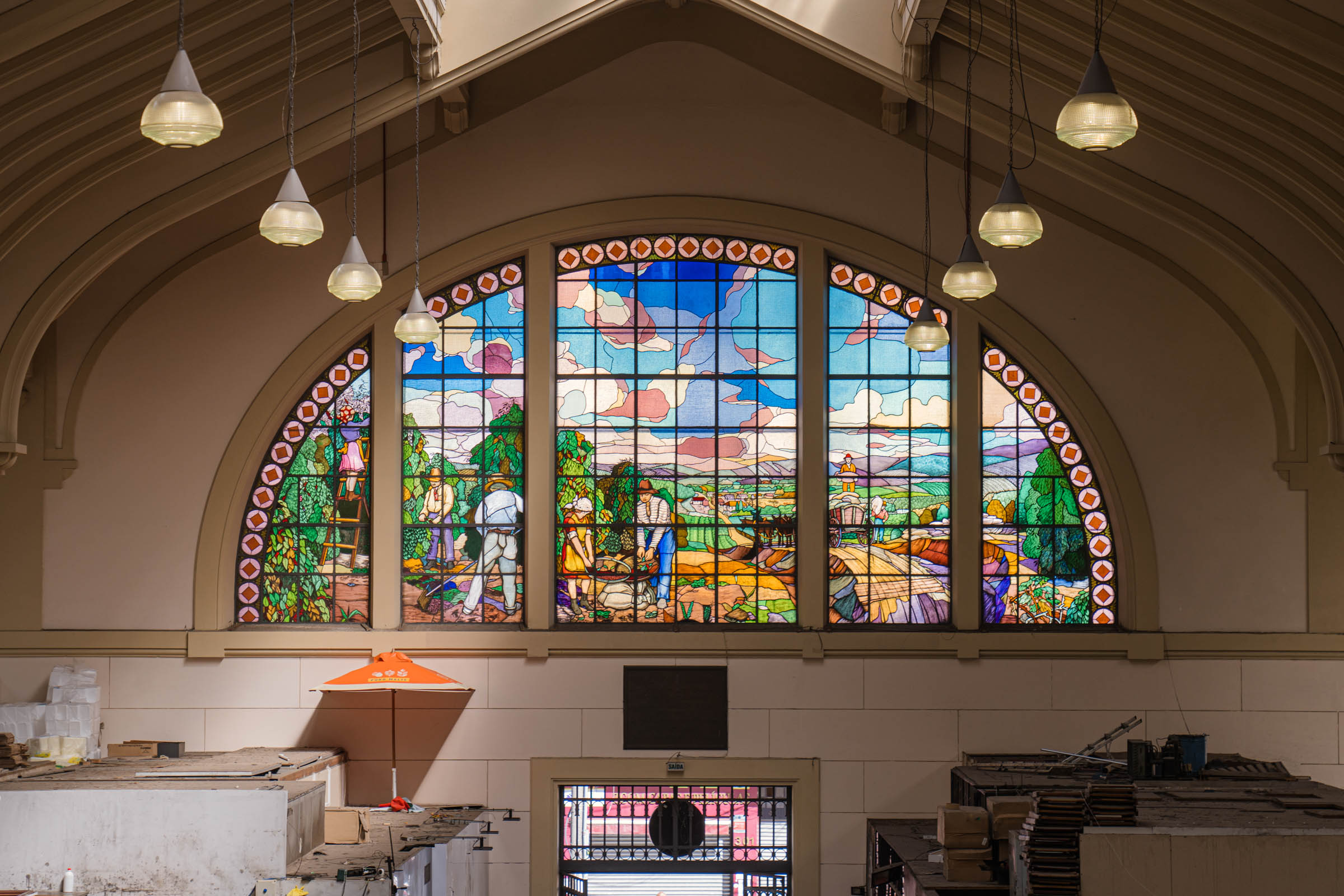
The facade is the work of Felisberto Ranzini, who also worked on the São Francisco Law School. He combined Ionic and Doric columns, which allow large glazed areas and plenty of natural light. However, the true treasure of the building is its 72 stained-glass windows, arranged in 32 panels. Conrado Sorgenicht Filho and his studio created them. Instead of saints, they show scenes of food production in the São Paulo region.
AVENIDA PAULISTA, NEAR HOTEL EMILIANO
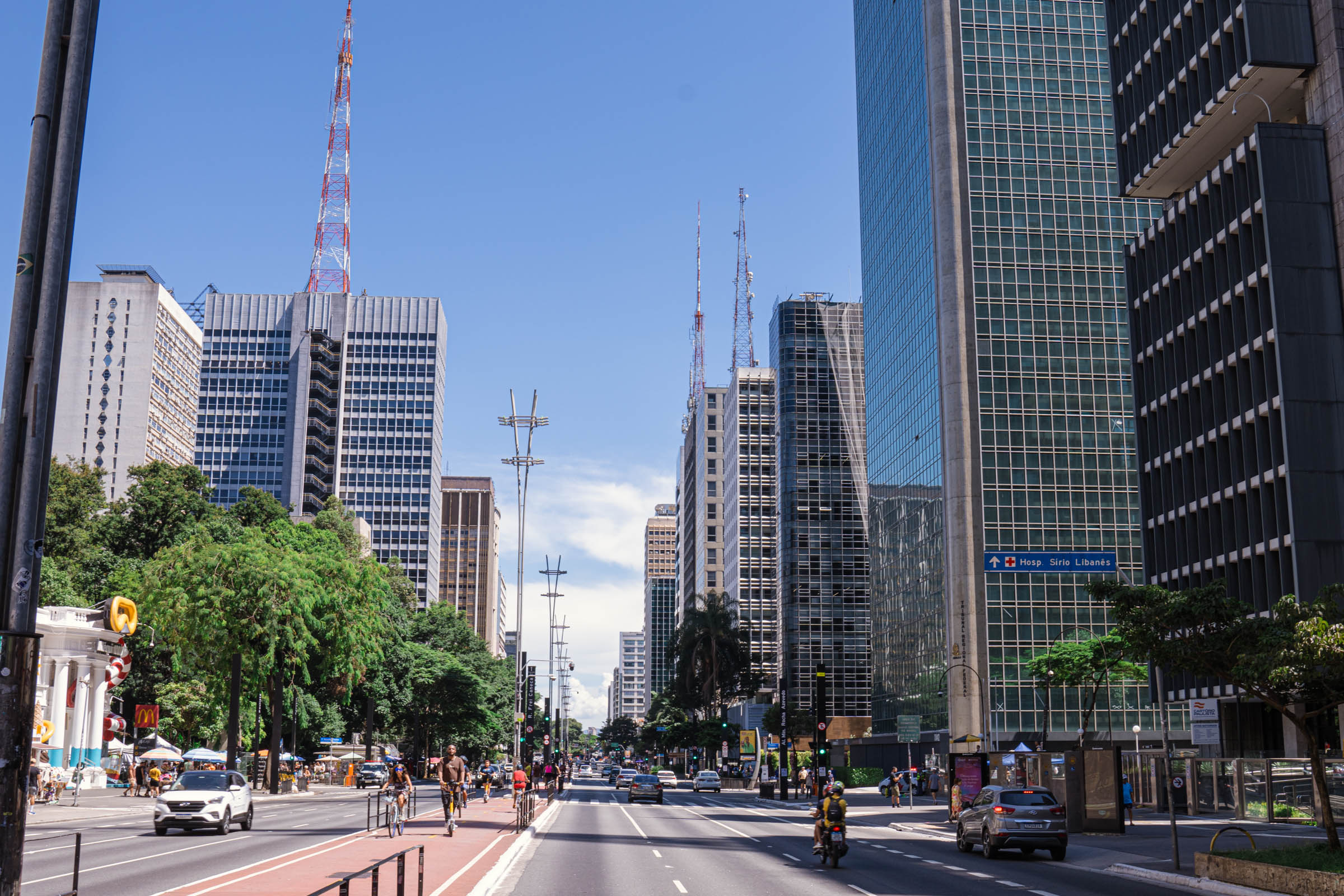
Avenida Paulista is the modern heart of São Paulo. Opened on December 8, 1891, it stretches for 2.8 kilometers from northwest to southeast. It starts at Marechal Cordeiro de Farias Square and ends at Oswaldo Cruz Square. Along the way, it crosses parts of Paraíso, Jardim Paulista, Cerqueira César and Jardim América.
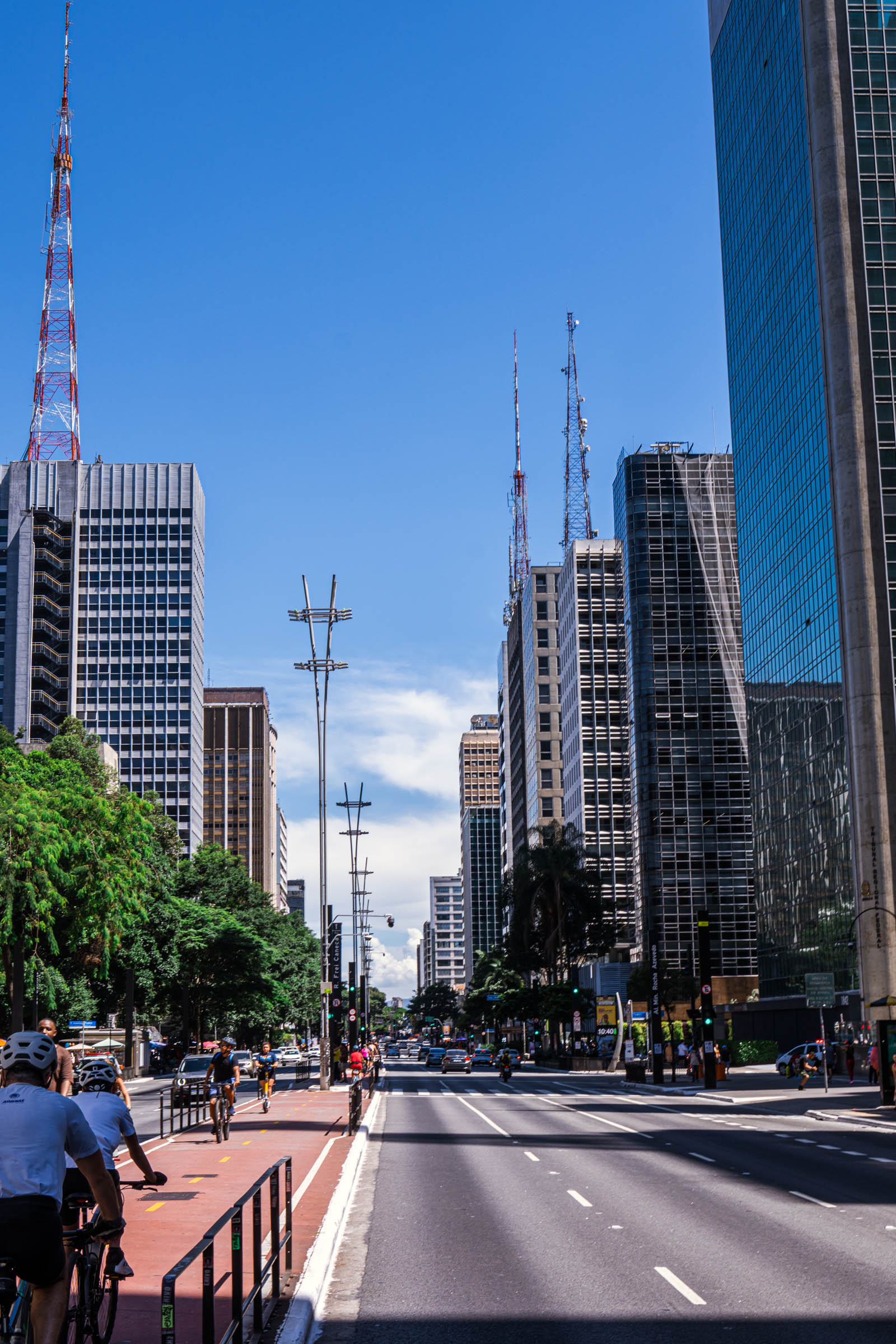
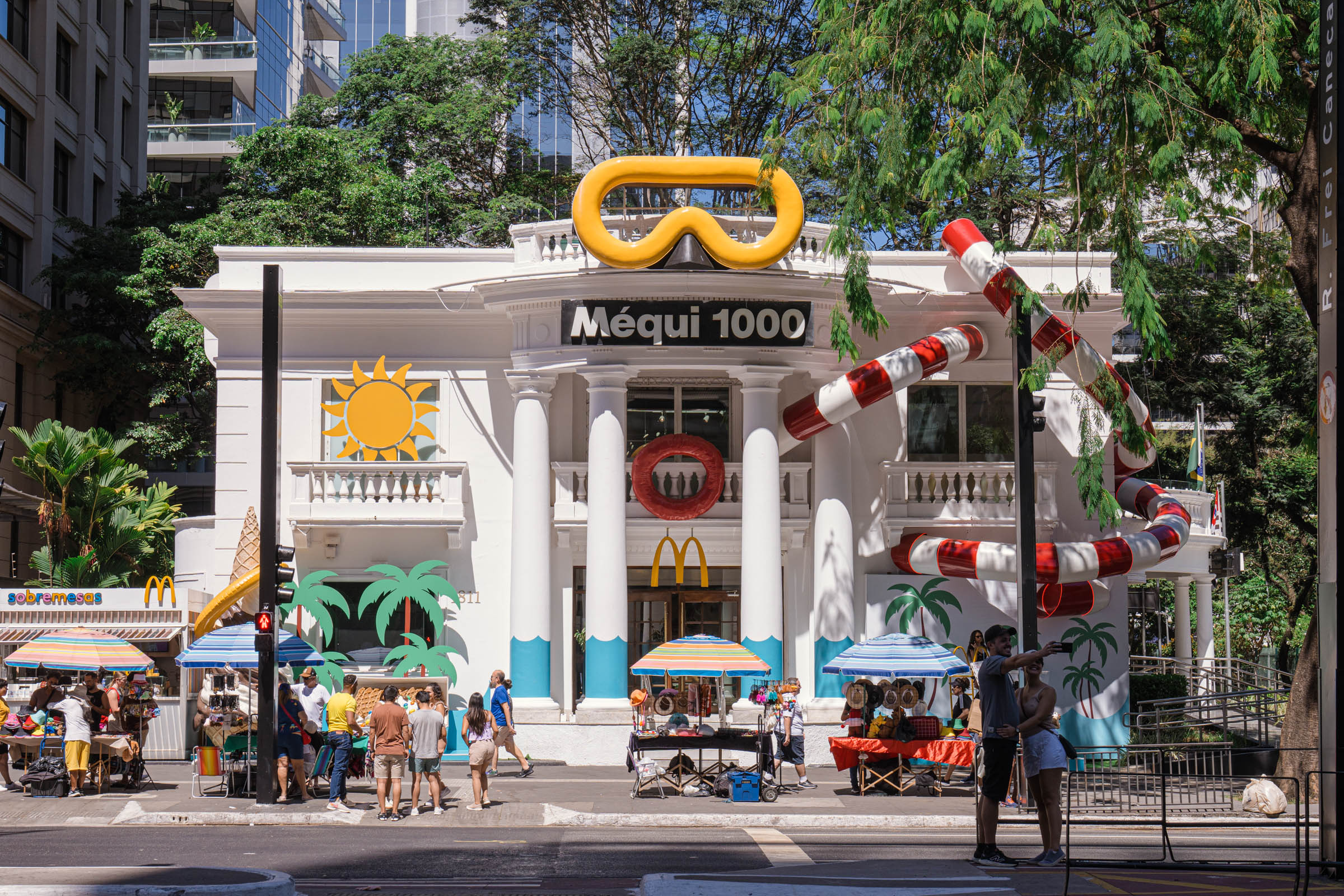
Many financial and cultural institutions have their headquarters here. As a symbol of economic and political power, the avenue has been the stage of protests since 1929. It is also home to the São Paulo Museum of Art, the most comprehensive fine art museum in South America. As one of the highest points of the city, it bristles with radio and television masts, including TV Gazeta. Finally, the avenue is a major hub of metro and bus lines.
TRIANON PARK
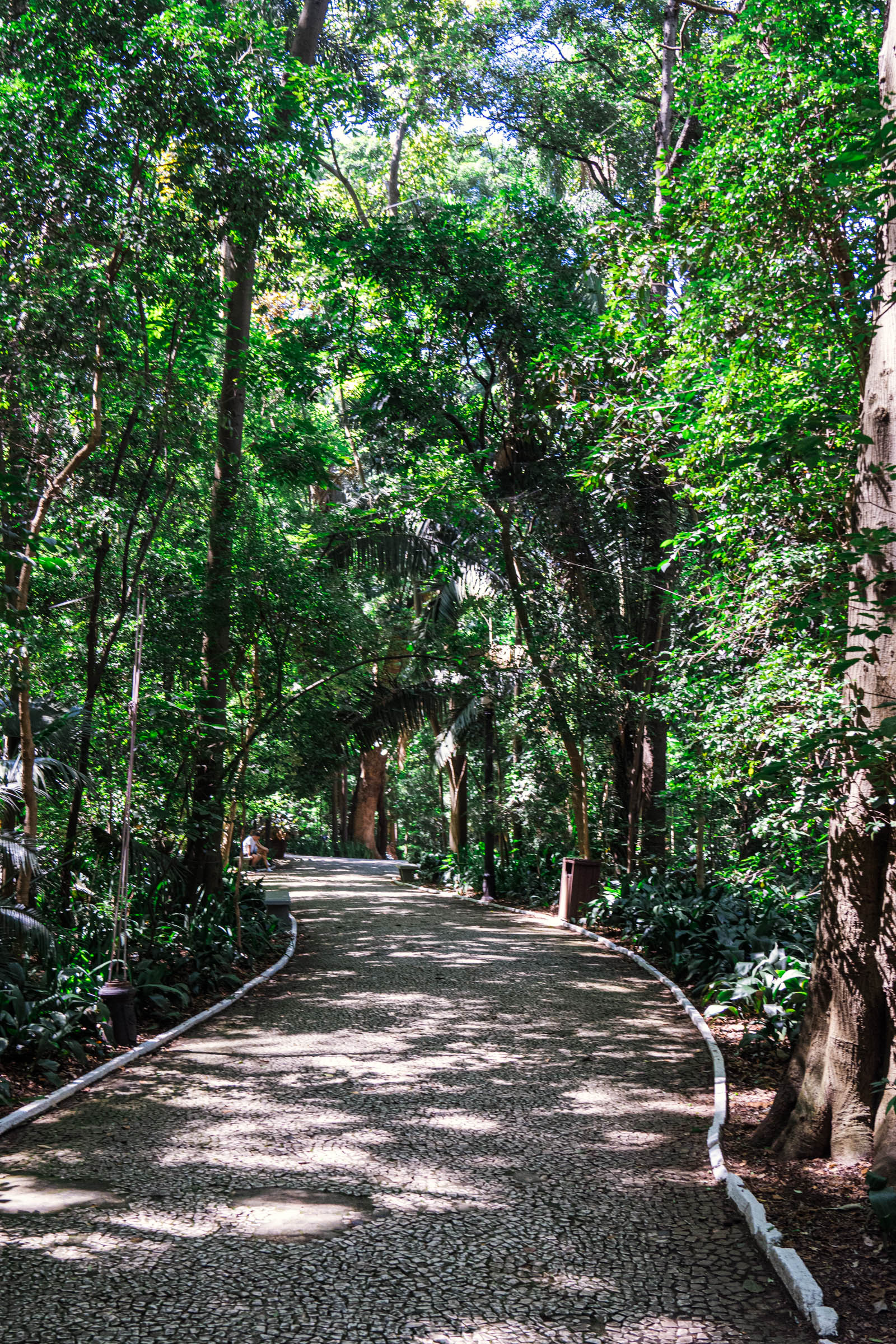
Right on Avenida Paulista, you will find Trianon Park, officially Parque Tenente Siqueira Campos. It opened on April 3, 1892, and the French landscape designer Paul Villon created it. The name comes from the Trianon restaurant, opened in 1916 by the Italian brothers Vicente and Luigi Rosati. It stood in the Belvedere opposite the park, and its building resembled the Grand Trianon at Versailles. In 1951, the Belvedere by Ramos de Azevedo gave way to the first São Paulo Art Biennial.
In 1931, the park received its current name. It honors Lieutenant Antônio de Siqueira Campos, a hero of the Copacabana Fort revolt. Today, its 48,600 square meters of greenery still protect remnants of the Atlantic Forest, a true oasis among the skyscrapers.
MUSEU DO IPIRANGA
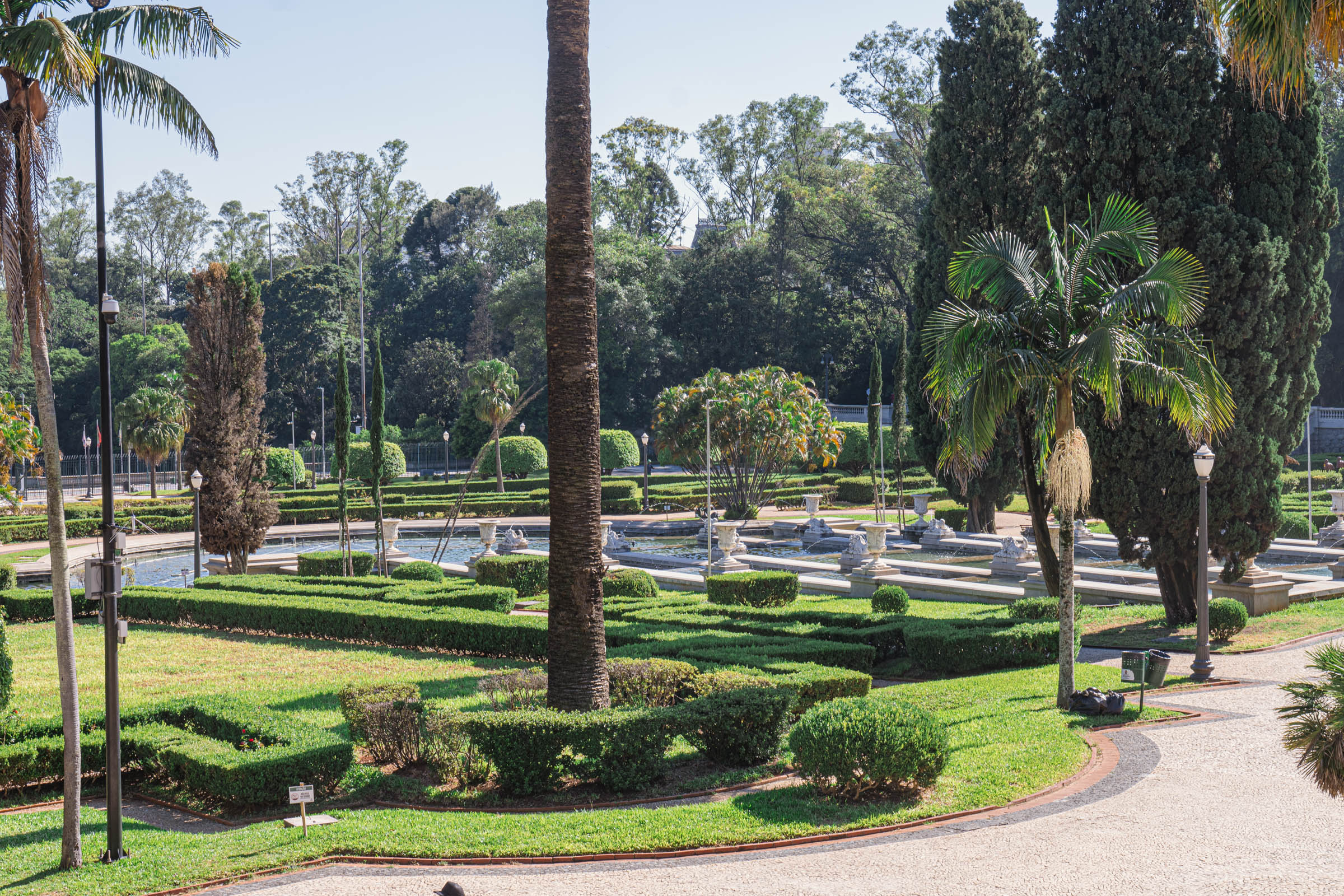
The Museu Paulista of the University of São Paulo is commonly known as Museu do Ipiranga. It stands near the place where the future Emperor Pedro I proclaimed the independence of Brazil. It holds a huge collection of furniture, documents and artworks, mostly from the Imperial era. The most famous piece is the 1888 painting “Independência ou Morte” by Pedro Américo.
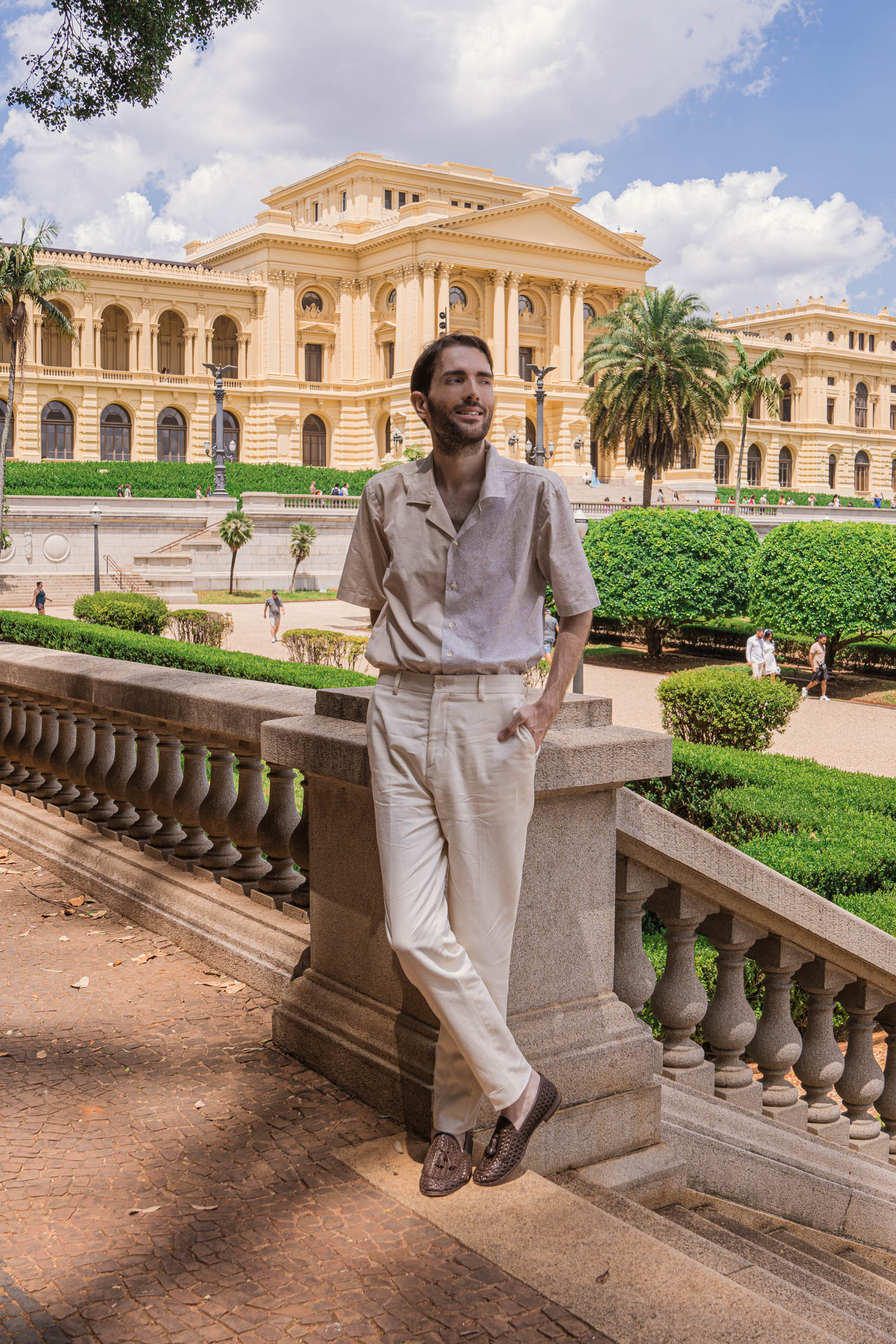
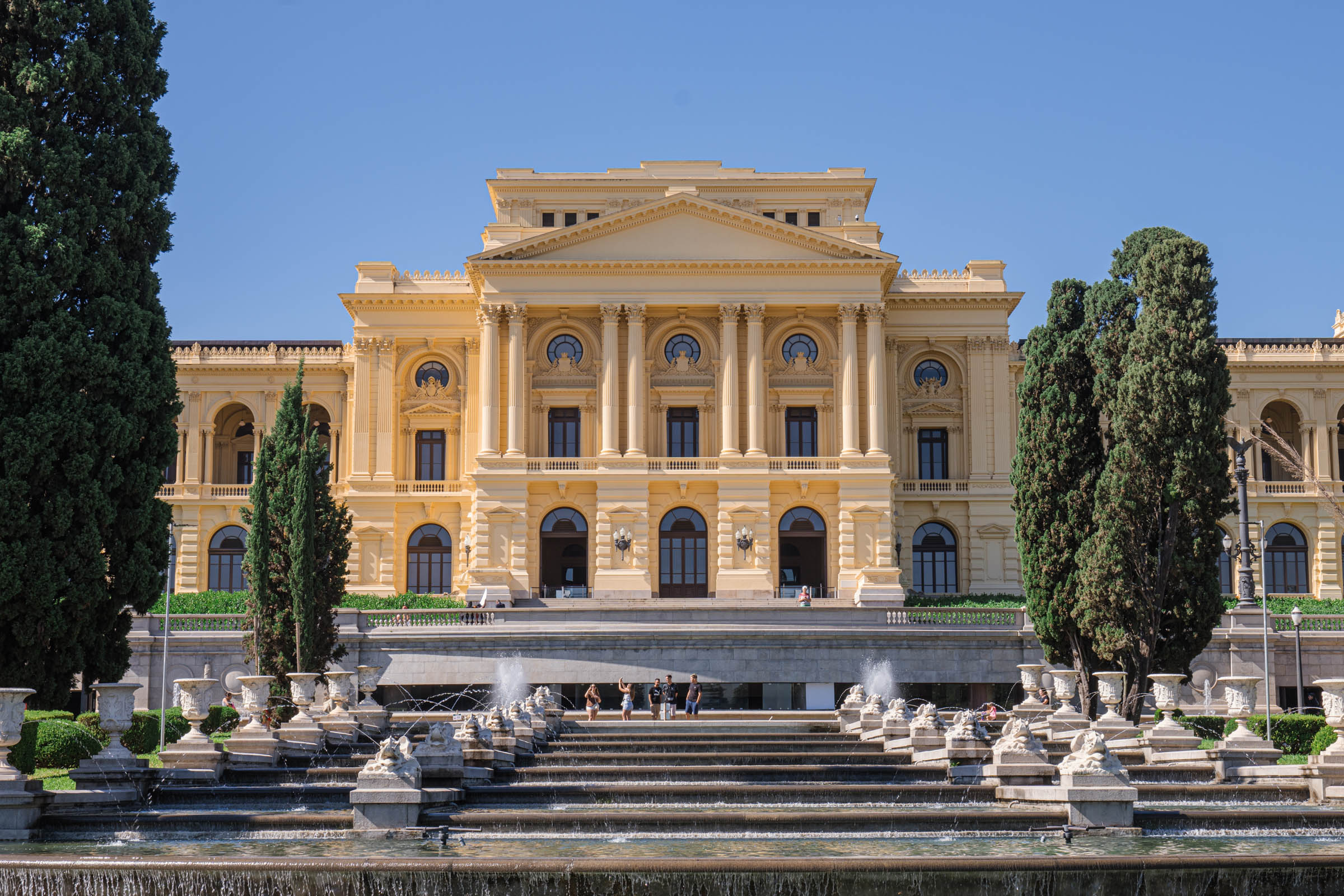
In 1884, the Italian architect Tommaso Gaudenzio Bezzi designed the building. Its eclectic style resembles the Palace of Versailles. In 1909, the Belgian landscape designer Arsenio Puttermans planned its gardens, and Reinaldo Dierberger redesigned them in the 1920s. The museum closed in August 2013 for a long restoration and reopened in September 2022.
THE INDEPENDENCE MONUMENT
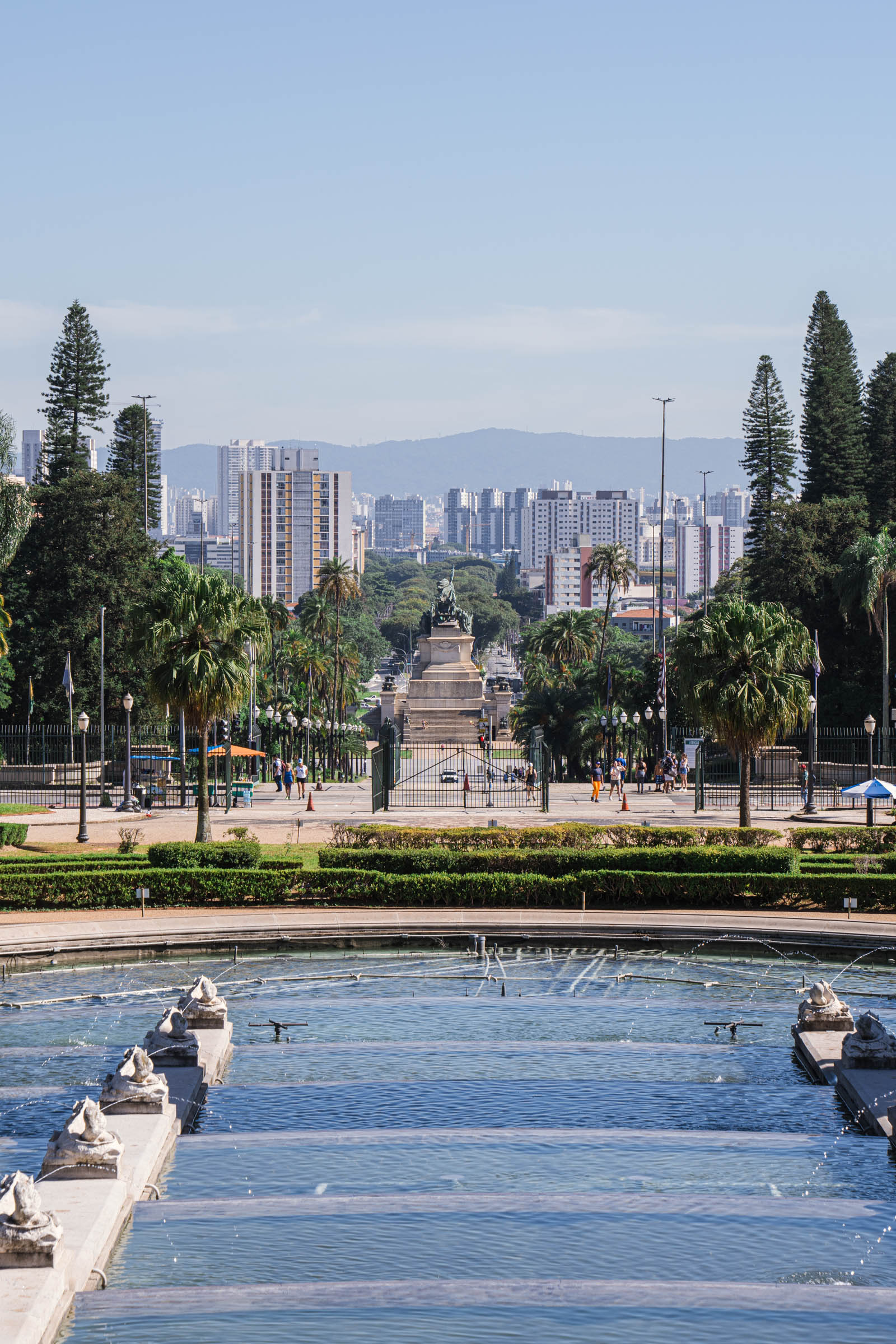
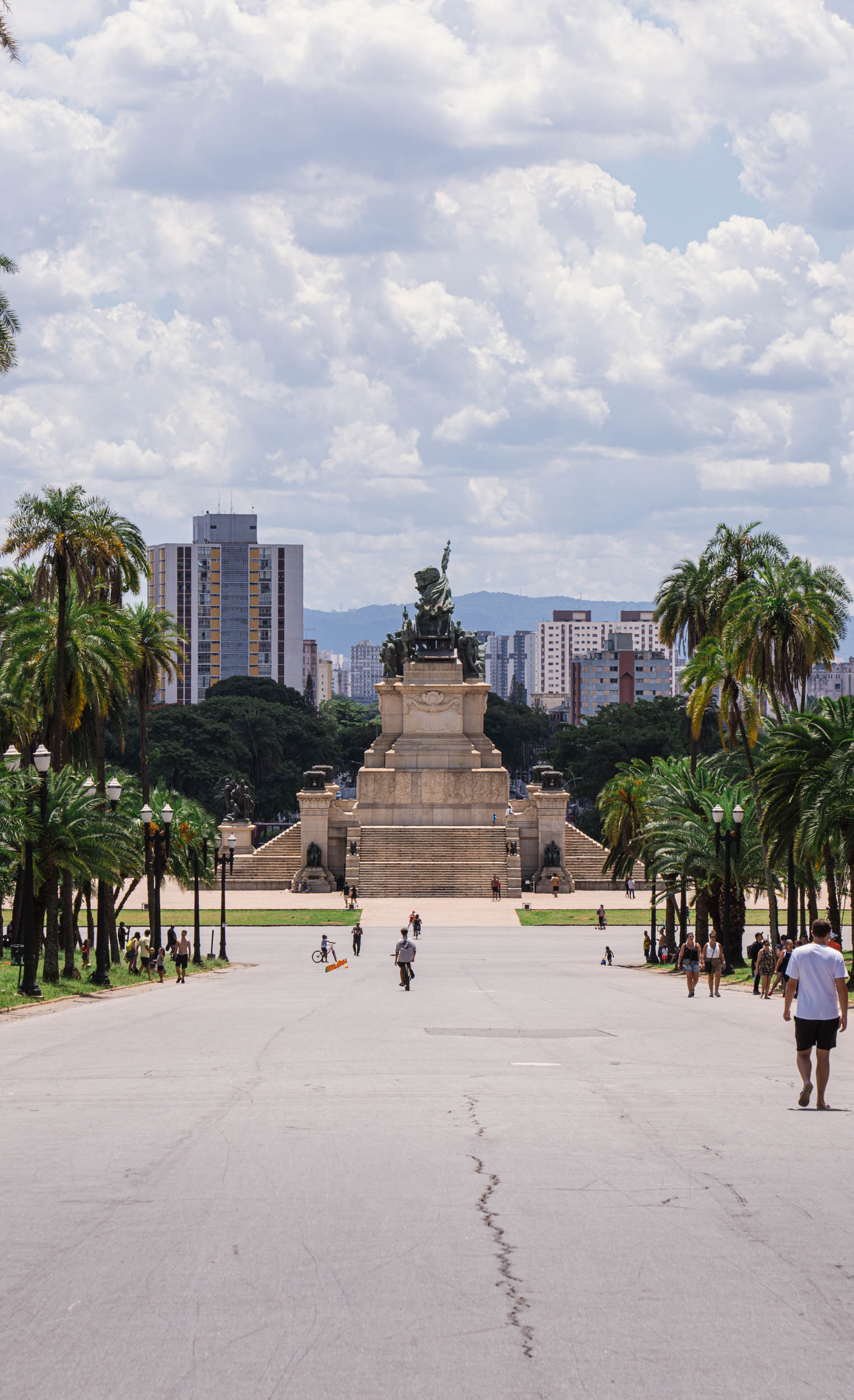
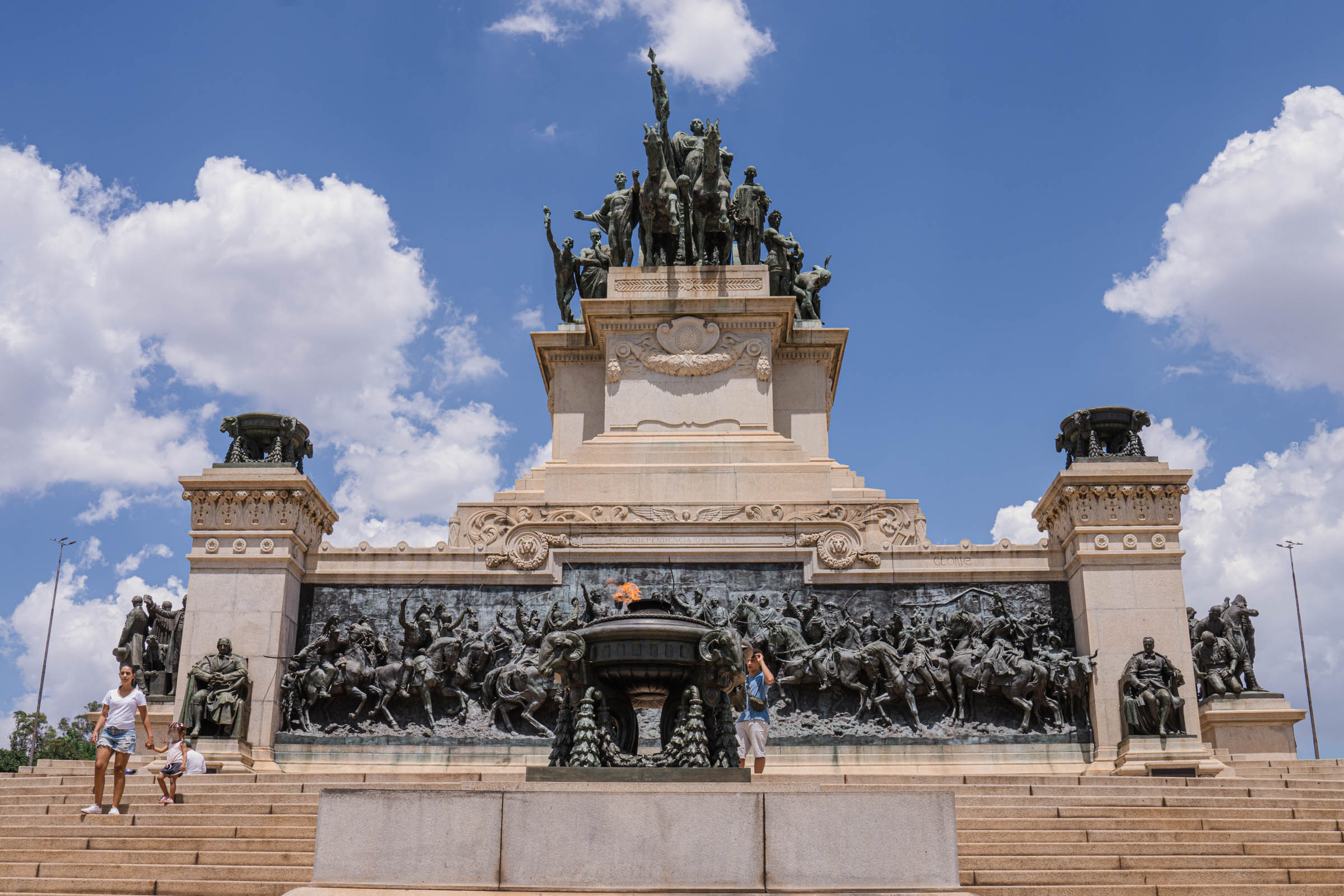
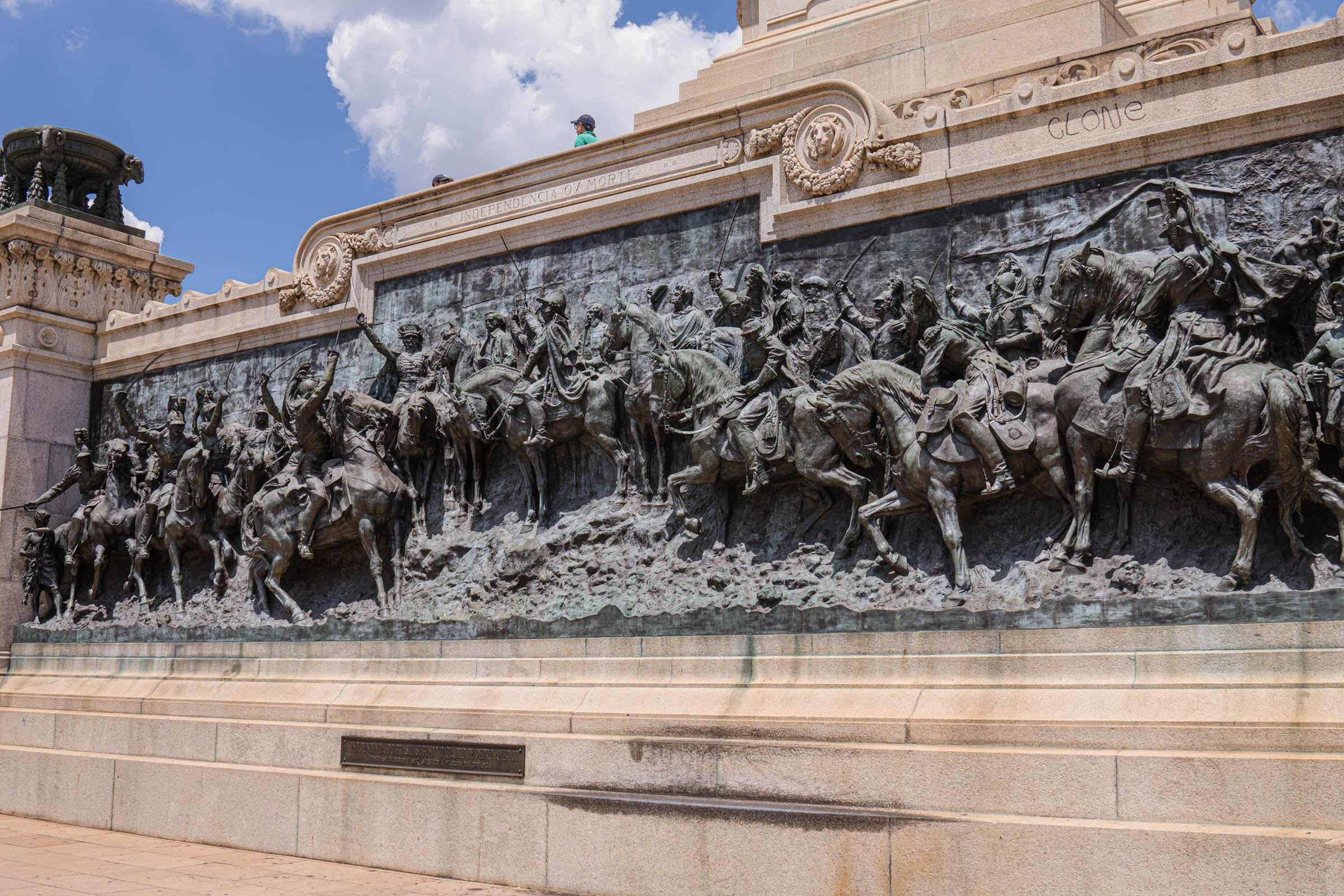
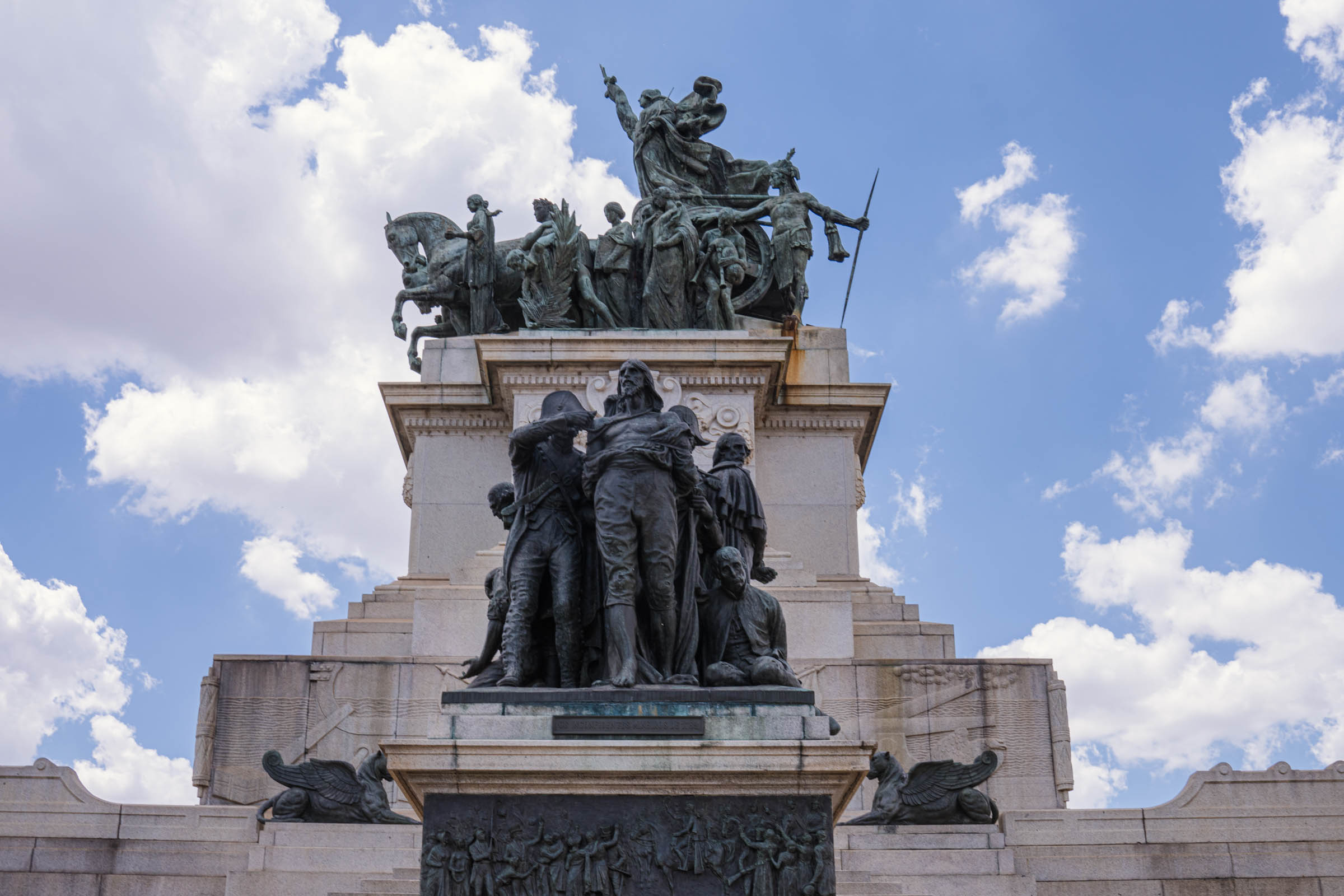
Not far from the museum, in Independence Park, stands the Monument to the Independence of Brazil. People also call it the Ipiranga Monument or the Altar of the Fatherland. This granite and bronze monument stands on the banks of the Ipiranga Brook. Here, Prince Regent Pedro proclaimed independence on September 7, 1822. The Italian sculptor Ettore Ximenes and the Italian architect Manfredo Manfredi created it for the centenary of independence in 1922.
Beneath the monument lies a crypt, built in 1972. It holds the remains of Emperor Pedro I and his two wives, Maria Leopoldina and Amélie of Leuchtenberg. Pedro Henrique of Orléans-Braganza agreed to the transfer on one condition. The crypt had to become a Catholic place of burial, with an altar for Mass. As a result, the crypt is also a chapel. The remains of Pedro I and Amélie came from the Royal Pantheon of the House of Braganza in Lisbon. Meanwhile, Maria Leopoldina came from a mausoleum in the Convent of Saint Anthony in Rio de Janeiro.
HOTEL EMILIANO IN THE HEART OF JARDINS
When we travel, the hotel becomes our home in a new destination. During my stay in São Paulo, Hotel Emiliano was my home, full of style, comfort and a beautiful atmosphere. Hotel Emiliano opened in 2001 on Rua Oscar Freire, in the heart of the Jardins district. This street is a symbol of the city, surrounded by shops, art galleries, renowned restaurants and cozy cafes. Moreover, the hotel is just two kilometers from the two main business hubs, Avenida Paulista and Avenida Faria Lima.
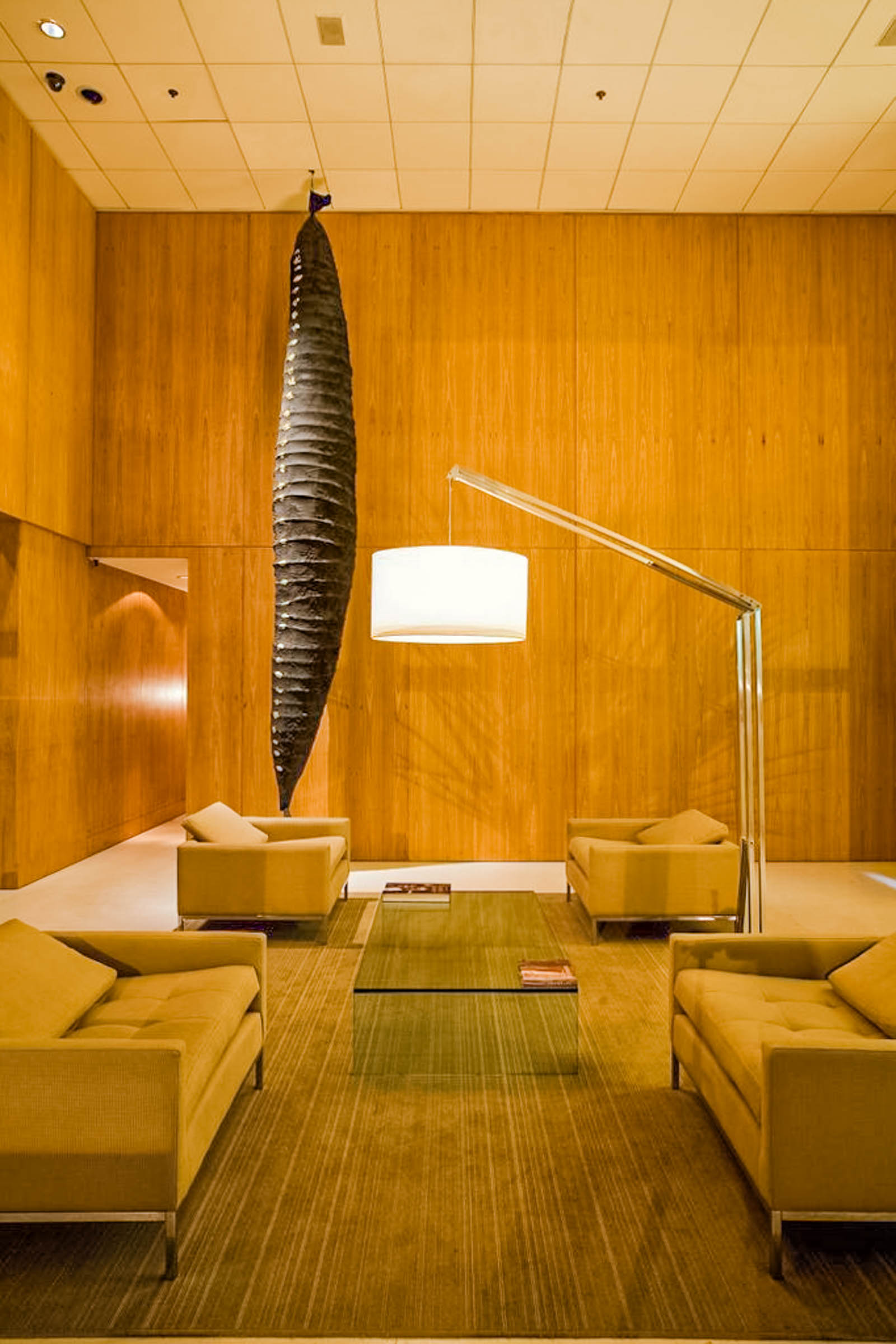
The architect Arthur Casas designed this narrow glass tower with 56 rooms. Inside, minimalist decor combines design pieces and artworks. In the bright, airy lobby, you will find the famous cocoon sculpture by the Brazilian artist Siron Franco. The lobby also has golden rope chairs by the designers Fernando and Humberto Campana.
MY EMILIANO SUITE AT HOTEL EMILIANO
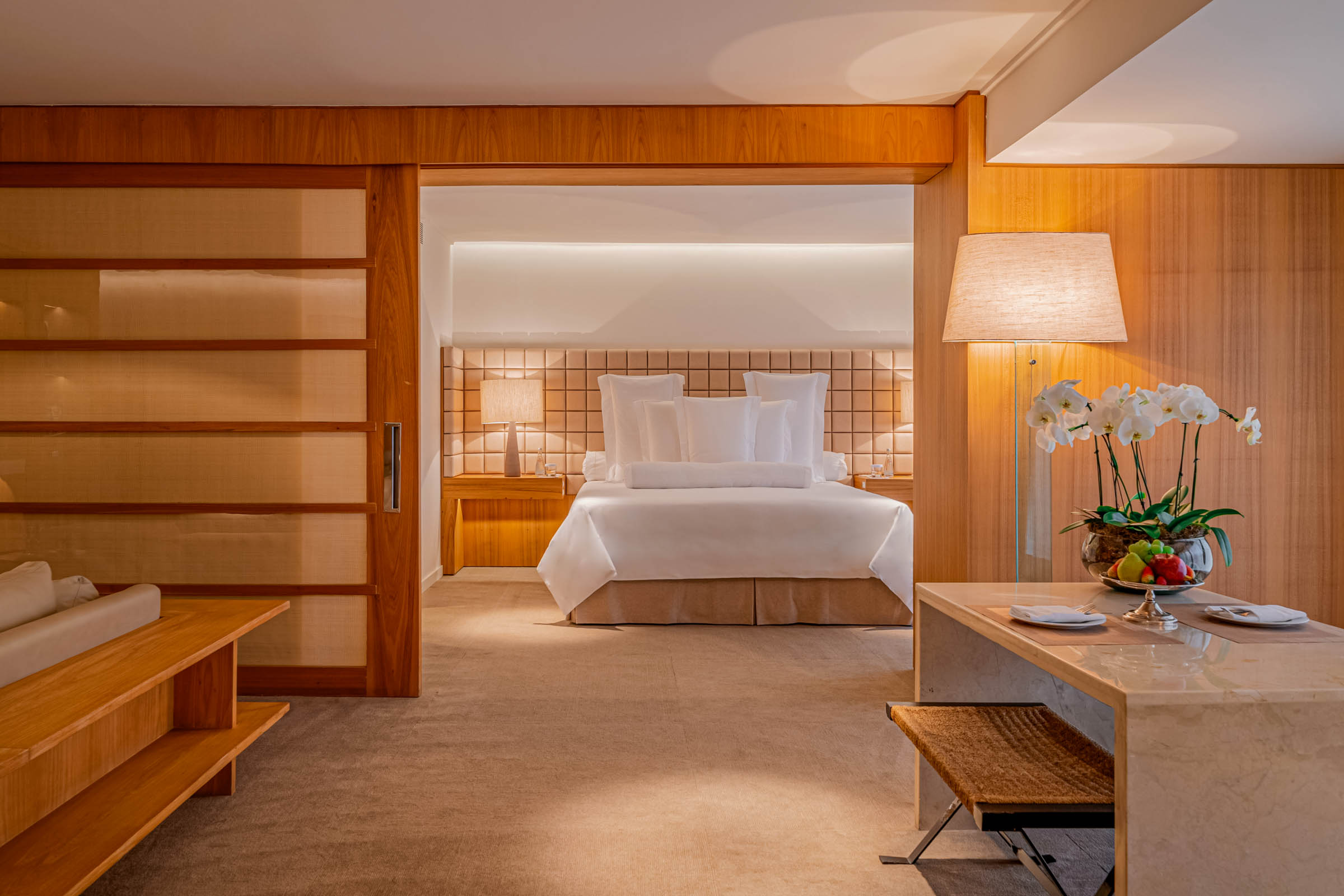
During my stay, I enjoyed the comfort of the Emiliano Suite. This suite of 84 square meters has a separate bedroom and living room. In the living room, an LCD TV with a DVD player and a 5.1 home theater wait for movie nights. Better yet, a 19-inch screen above the bathtub lets you watch a film while you soak. Of course, high-speed wireless internet is always available.
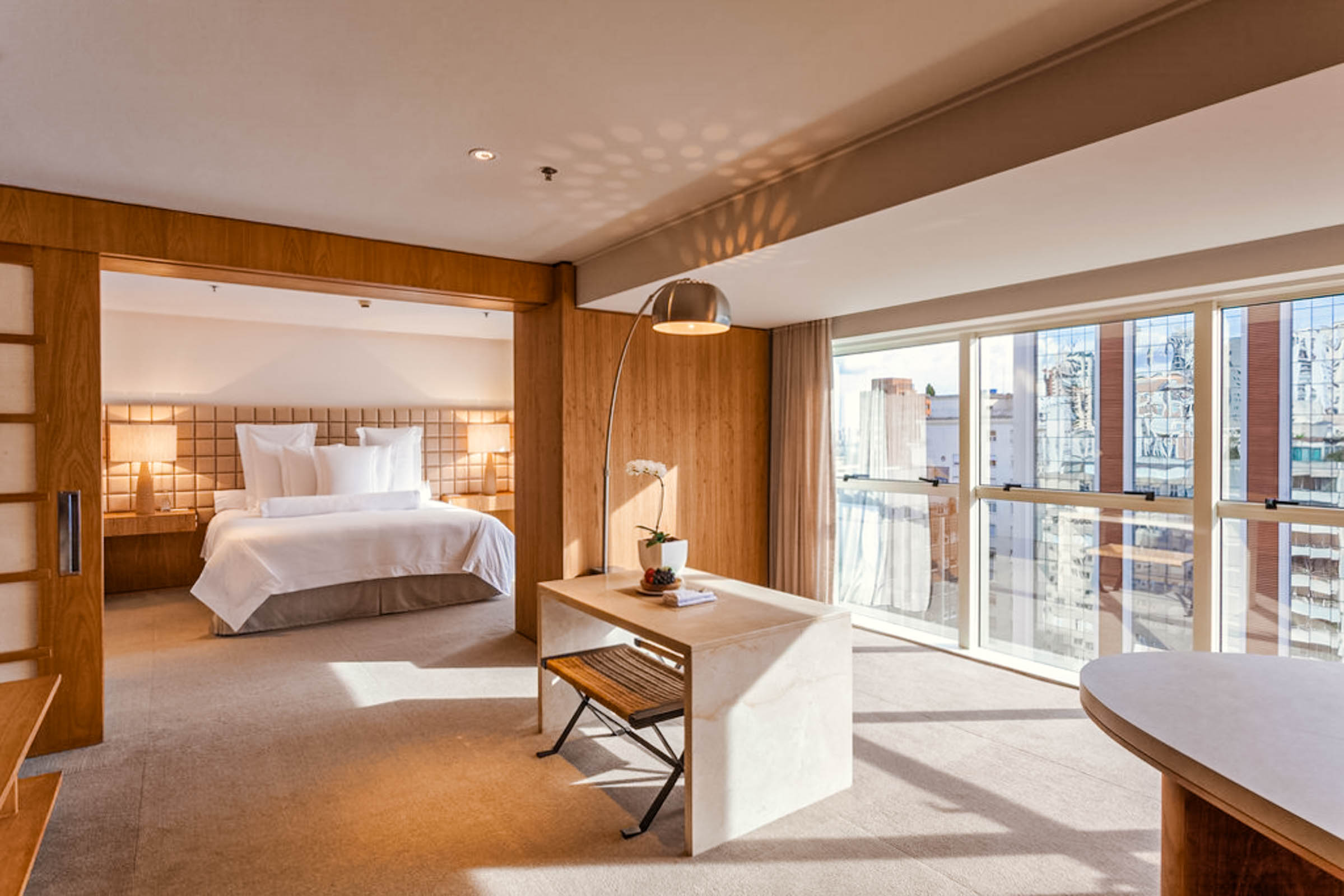
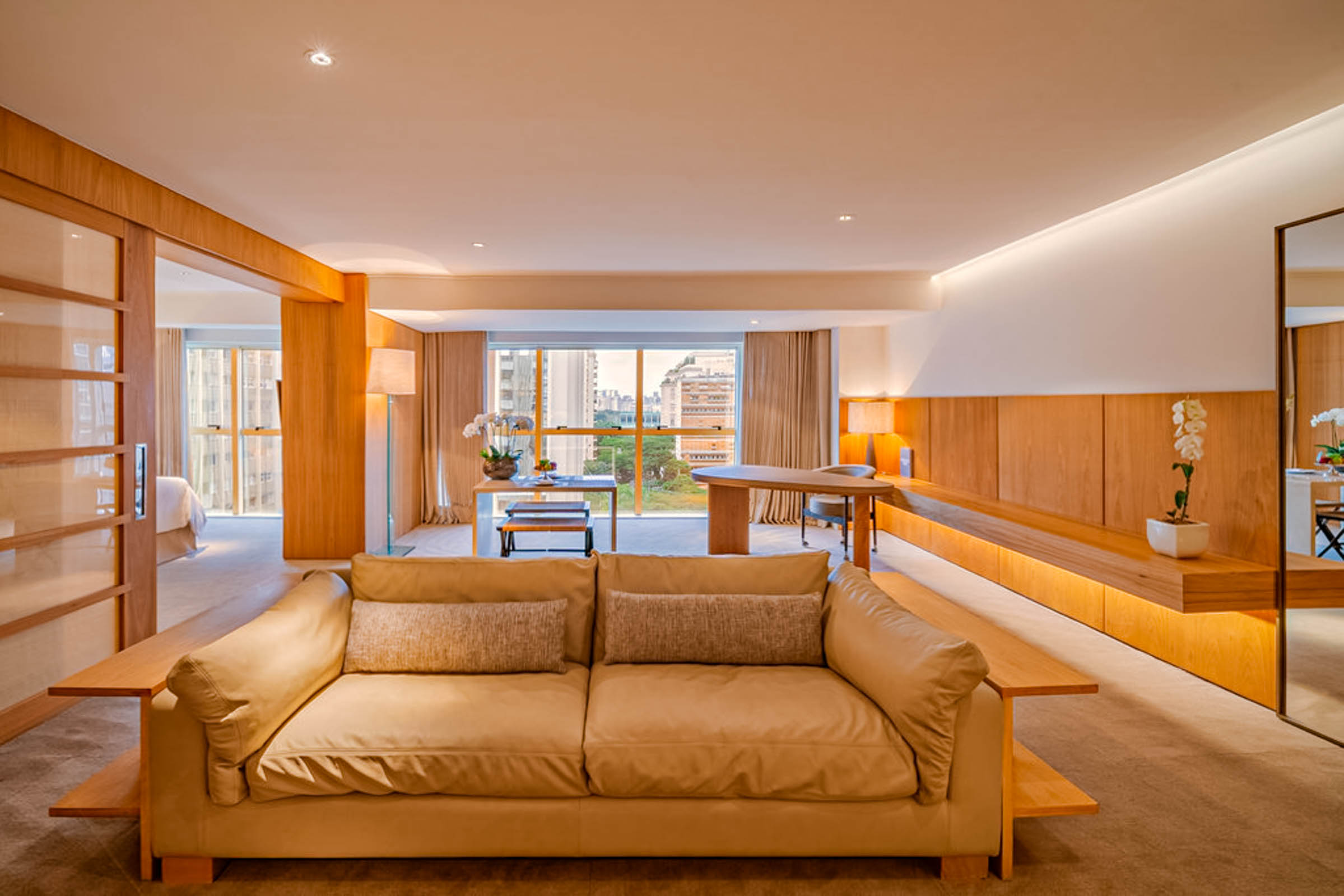
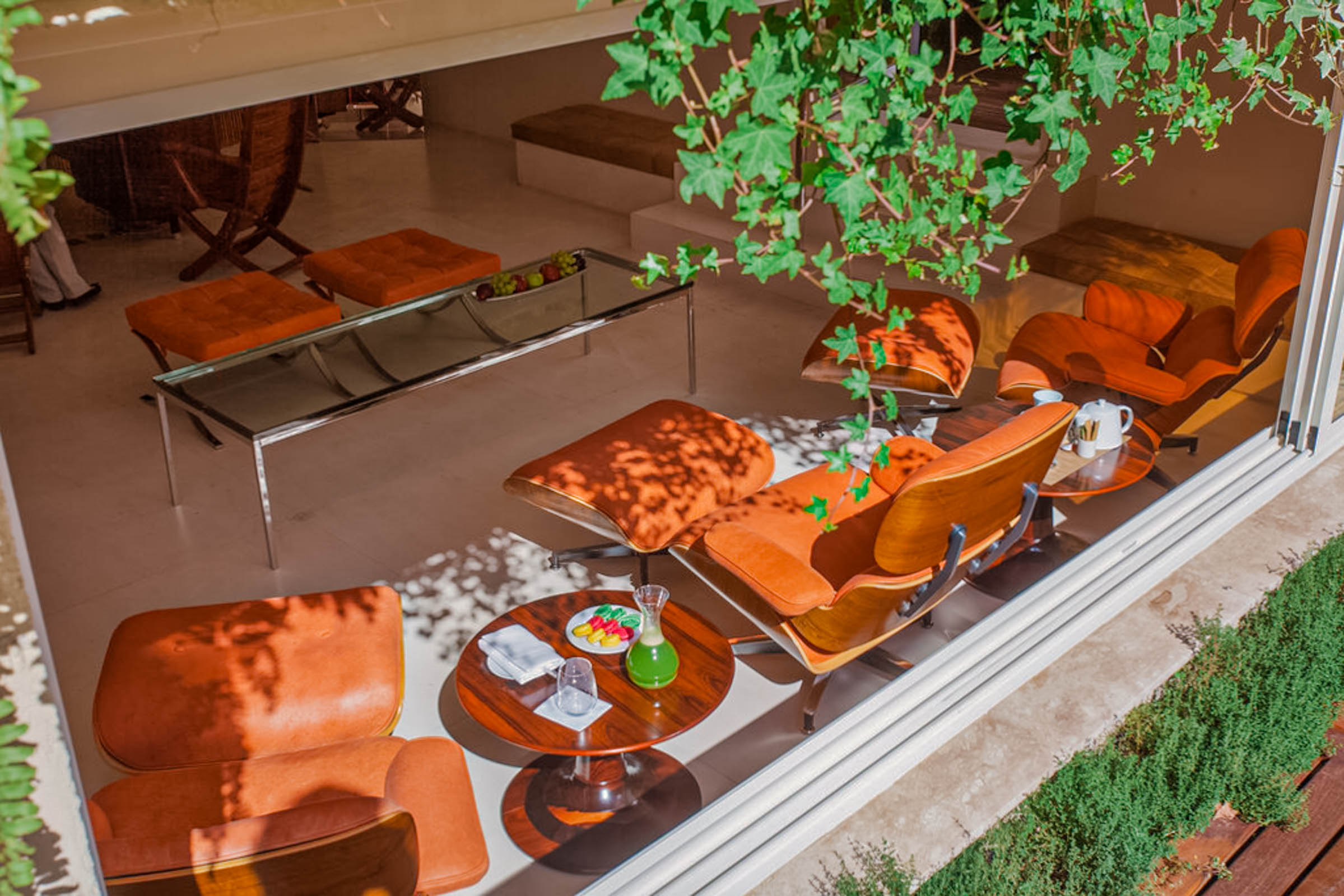
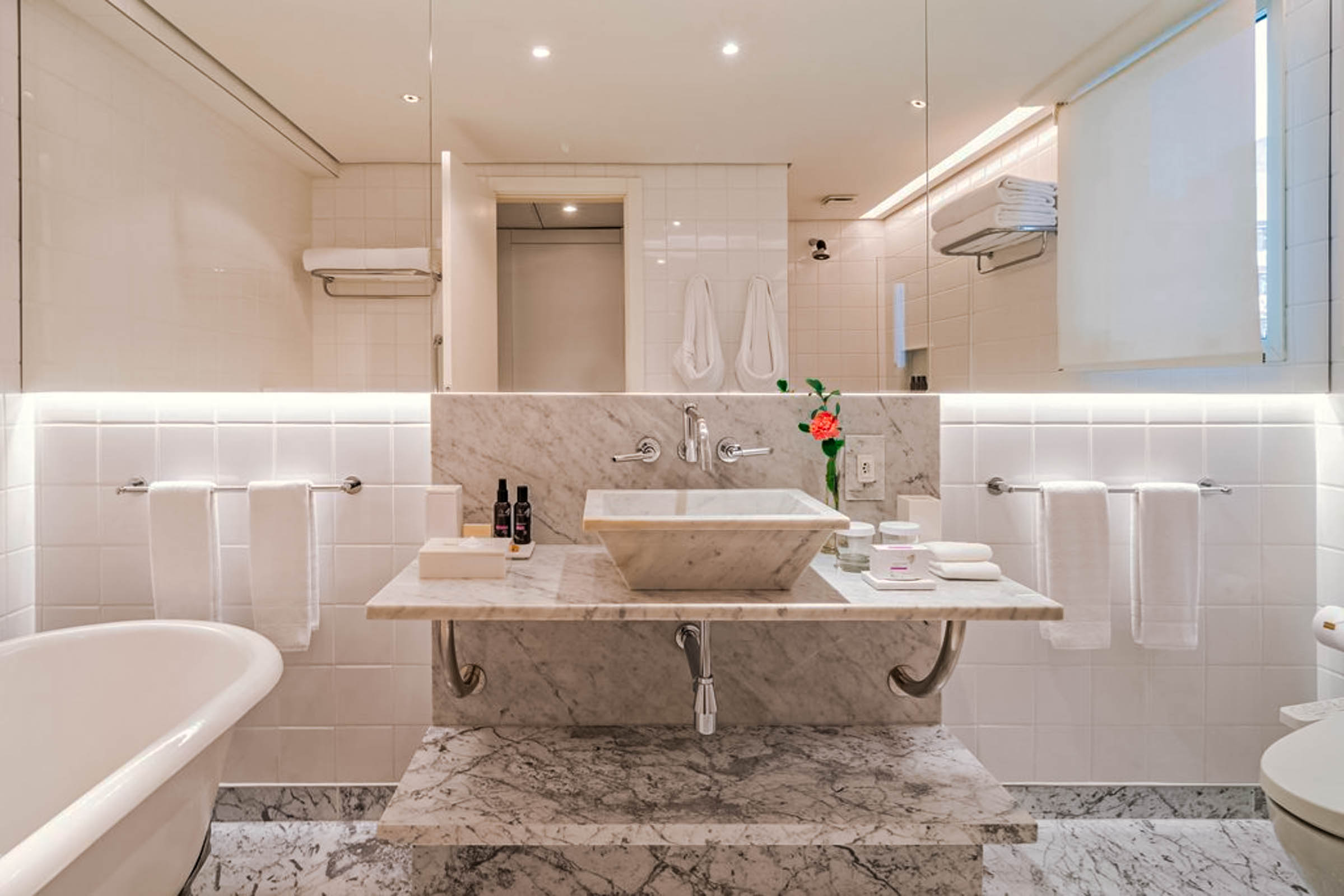
Carrara marble covers the bathroom, which has a pressure massage shower and a separate Victorian-style bathtub. It also has a Japanese toilet with a temperature-controlled seat. For complete comfort, the suite offers Egyptian cotton sheets and Hungarian goose down pillows. You will also find a Charles Eames armchair and an Italian leather sofa. Automated curtains and special lighting scenes complete the experience. What delighted me most were the unusual windows and, of course, the king-size bed.
SERVICE AND WELLNESS AT HOTEL EMILIANO
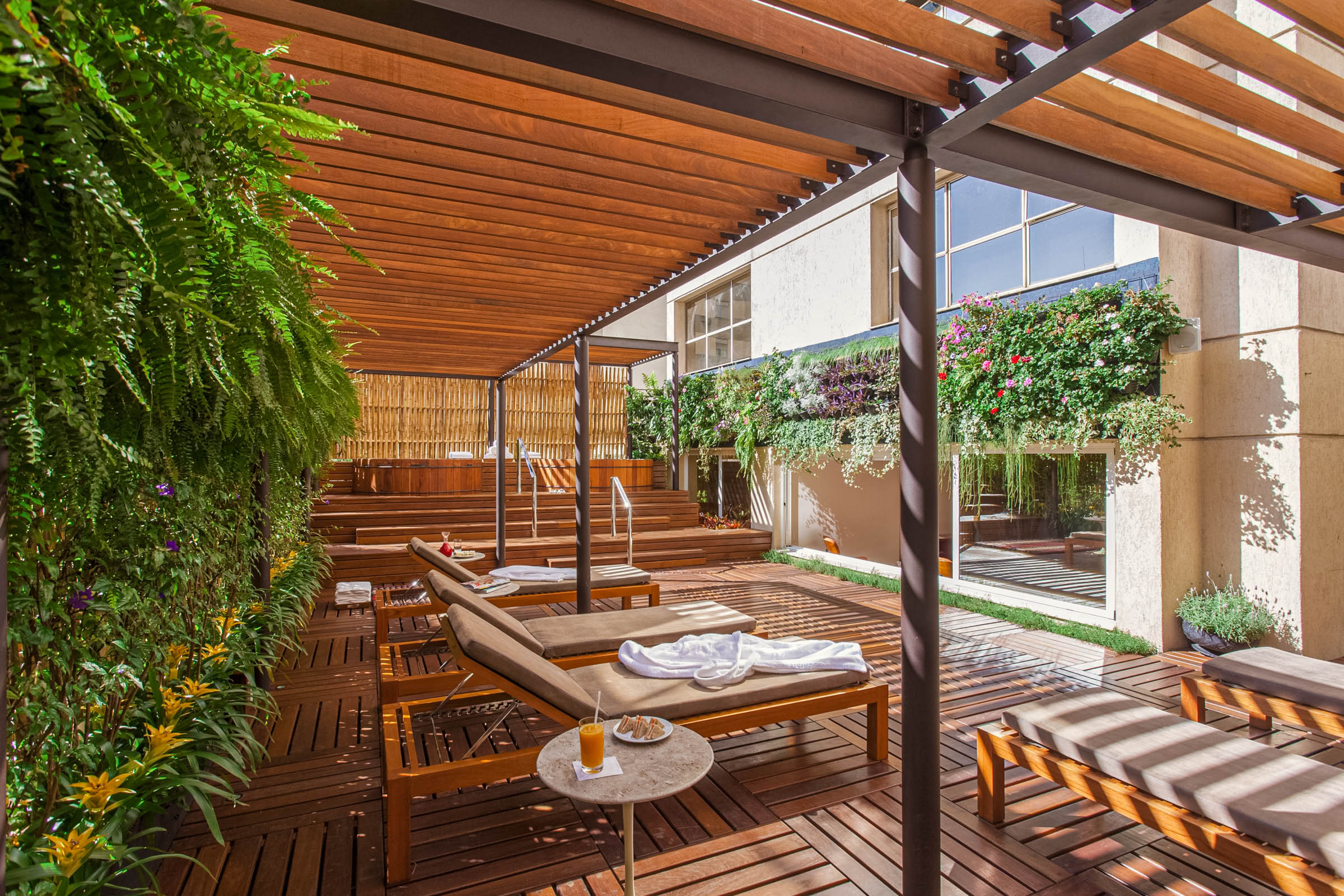
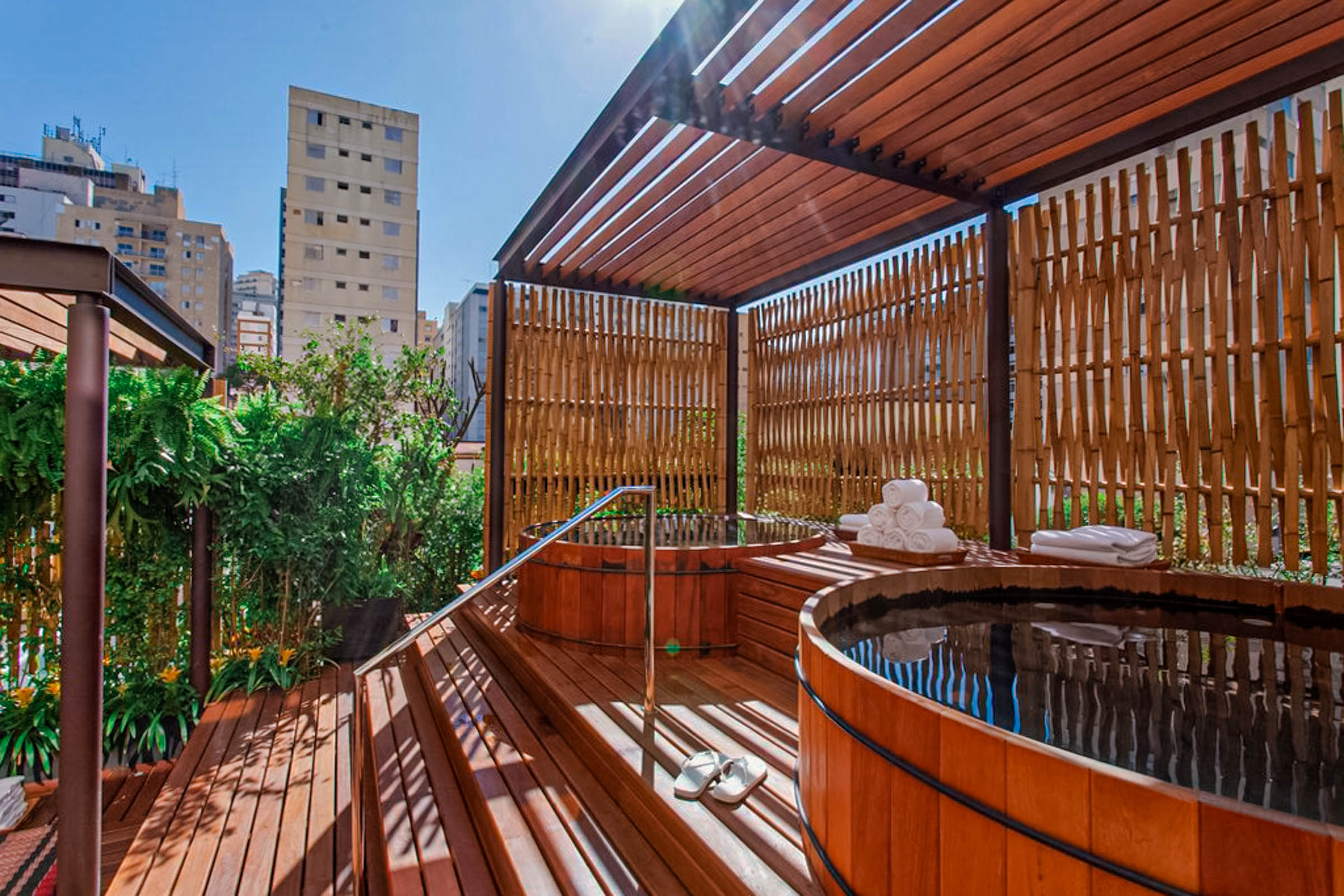
At Hotel Emiliano, you feel authentic Brazilian hospitality in every detail. A butler team is always attentive to meet and even anticipate your needs. For relaxation, the Santapele Spa offers a true urban retreat dedicated to health and well-being. In addition, wooden decks and pergolas create quiet outdoor corners above the busy streets.
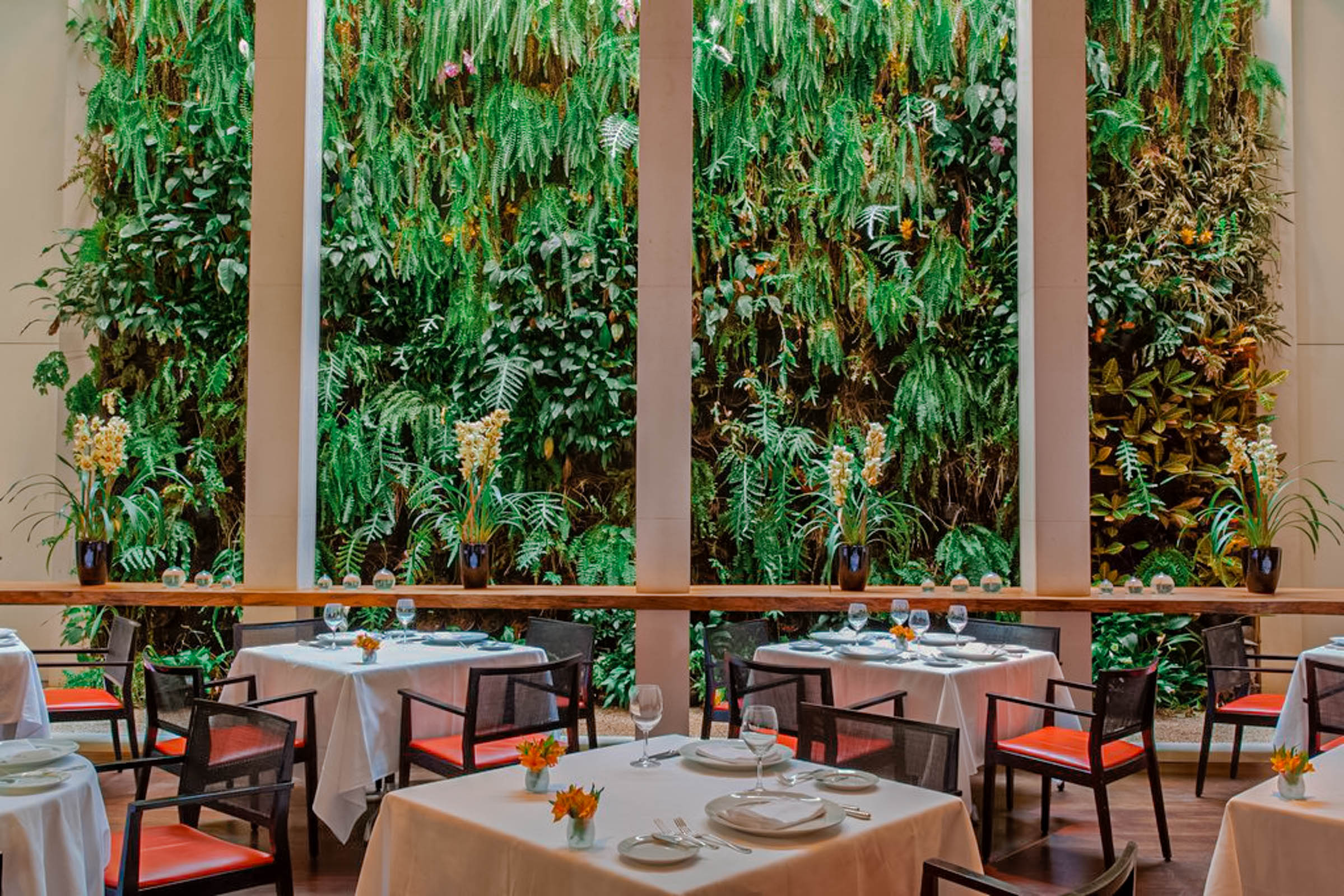
The restaurant welcomes you with a lush green wall and elegant tables, perfect for a long lunch or dinner. If you arrive by plane, Congonhas Airport is about a 20-minute drive from the hotel. Thanks to its location, Hotel Emiliano is the perfect base for exploring the city.
SAYING GOODBYE TO HOTEL EMILIANO
My dear travelers, we have come to the end of my fourth travelogue from Brazil. In my next post, I will share a fashion story from São Paulo, the Brazilian metropolis famous for its skyscrapers. This travelogue would not exist without UN Tourism, EMBRATUR with Visit Brasil, Visite São Paulo and Hotel Emiliano. I also thank the local partners who let me feel the beauty of everyday life in São Paulo.
I believe a person grows richer in soul by exploring the world. That is why I am grateful for partners who help me discover unusual destinations in a new way. For another hotel story, read about The Marylebone Hotel in London.
Which corner of São Paulo would you explore first: the market, the museums or Avenida Paulista?
Feel free to leave your impressions, comments or questions below, or contact me by email and on social networks. All information is on the CONTACT page.
With love from São Paulo,
Mr.M
This post is sponsored by United Nations World Tourism Organization (UN Tourism), EMBRATUR(National Tourism Organization of Brazil) – Visit Brasil, Visite São Paulo and Hotel Emiliano and other local partners. This post is my personal and honest review of the destination experience.
Sao Paulo really looks like a modern Brazilian city with skyscrapers, I feel like this is the Brazilian version of New York with all the Central Park in the heart of the city. You gave us a wonderful experience of Sao Paulo and I can’t wait to see your new fashion stories. When will there be travel documents from Argentina?
Sao Paulo ist wirklich etwas Besonderes und völlig anders als Rio. Es ist wirklich schön, dass Sie eine Parallele gezogen haben, und ich freue mich, dass Sie es geschafft haben, neben Rio auch Sao Paulo zu besuchen. Ich freue mich auf deine nächsten Reiseberichte!
Hi Marko, it’s wonderful you managed to see Sao Paulo, I really admire your detailed and interesting travelogues. I look forward to your coming stories from South America.
Sao Paolo is the most modern city and business center of Brazil. You described this city nicely and your pictures are a leisure man. A lot of greetings from Sao Paula!