
My dear travelers and lovers of unusual journeys, welcome to a new post on the Mr.M blog. In April, May and June, I dedicated the Mr.M blog to one unusual continent, South America. I showed you the countries I had the opportunity to visit, and your numerous letters and reactions convinced me that these stories brightened your spring. Many of you also wrote that they inspired you to spend your vacation in one of the destinations in South America.
In today’s post, I will summarize all the destinations I visited in South America. I traveled in collaboration with the United Nations World Tourism Organization (UN Tourism), local ministries of tourism, national tourism organizations and other partners who selflessly supported my adventure. Thanks to their help, I created travelogues from six countries. In addition, you could see numerous fashion stories on the Mr.M blog over the past three months.
MY TRIP TO SOUTH AMERICA IN SIX COUNTRIES
First of all, South America welcomed me with spectacular contrasts, from modern metropolises and lavish natural beauty to untouched nature, tradition, history and the warm hospitality of the local people. During my trip, I traveled from the shores of Brazil, through Uruguay, urban Argentina and Chile. Then I continued all the way to the mystical peaks of the Andes in Peru and Colombia.
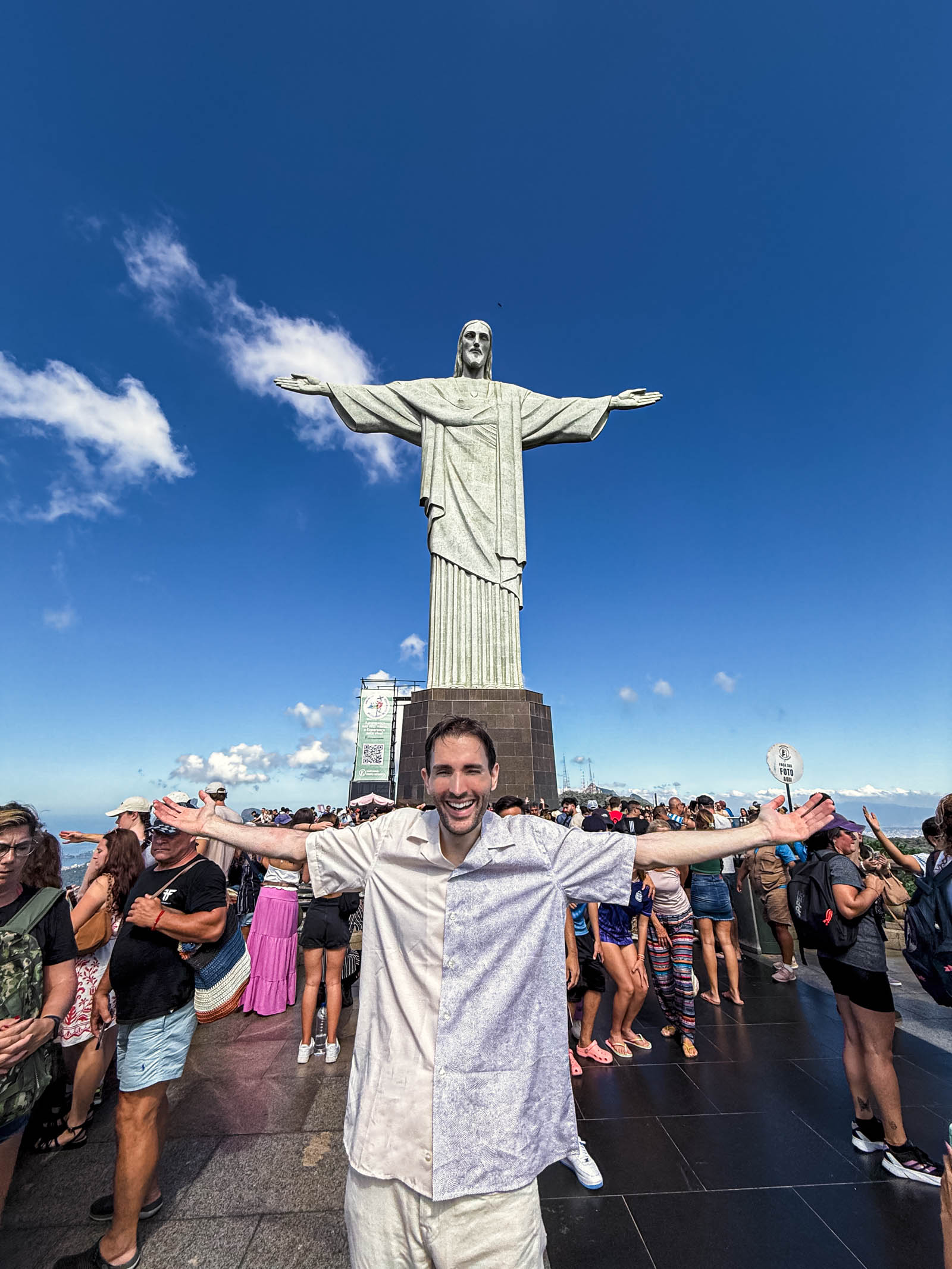
My journey began in Rio de Janeiro, at the feet of Christ the Redeemer on Corcovado. Builders worked on the statue between 1922 and 1931, and today it is the most famous attraction of the city.
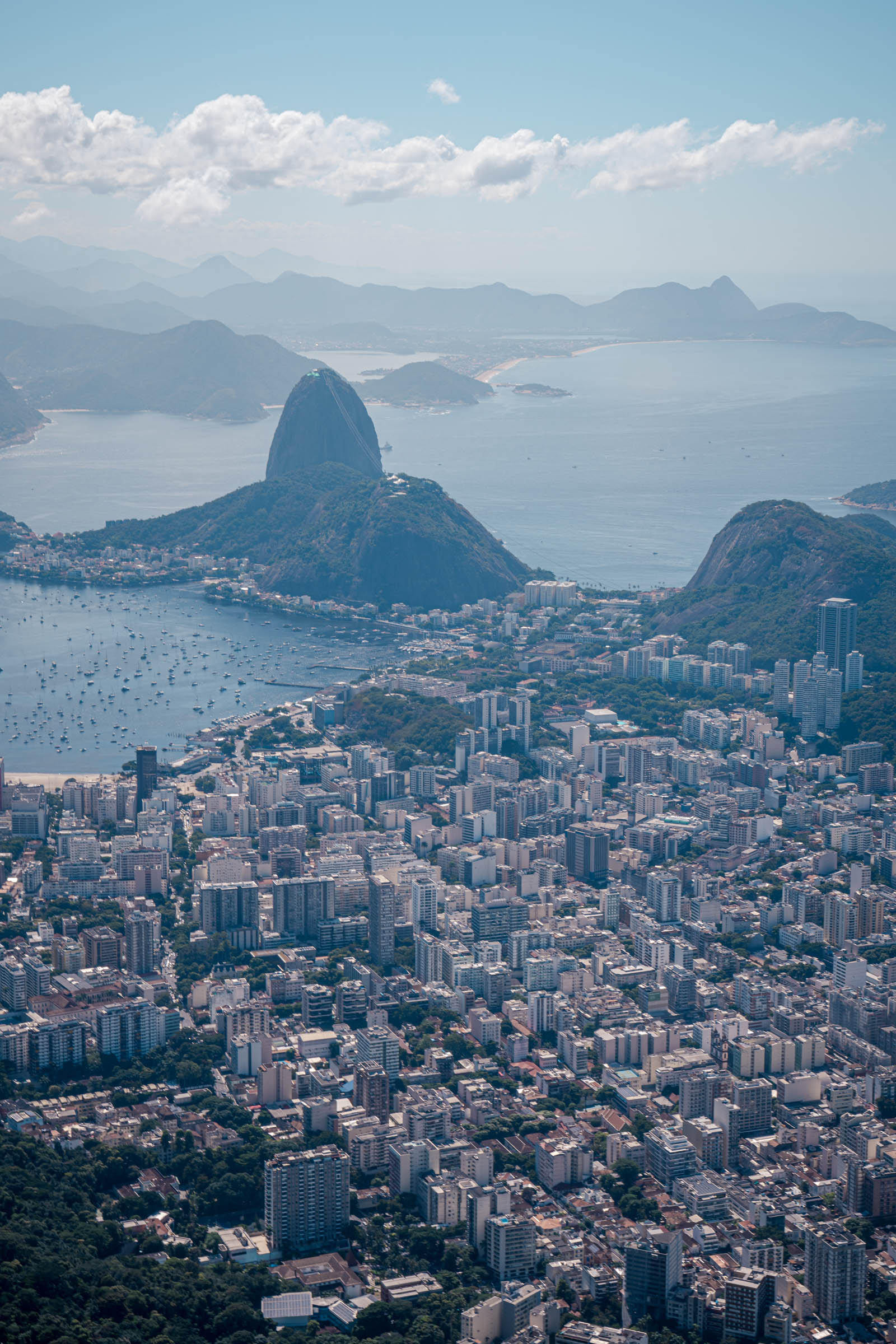
From the viewpoint, the whole city spreads out below you. Right in front of you rises Sugarloaf Mountain, 396 meters above the harbor, on a peninsula at the mouth of Guanabara Bay. Its cable car opened in 1912, and it was the first cable car in Brazil.
I am happy to share my impressions of each part of the trip. Moreover, I sincerely hope that this post will help everyone who is planning a similar adventure in South America. Every destination in this guide links to the full travelogue, hotel review or fashion story from that place. That way, you can read all the details about each destination simply by clicking on the city or hotel that interests you.
BRAZIL: RIO DE JANEIRO, THE FIRST STOP IN SOUTH AMERICA
In the heart of Brazil, I discovered two completely different sides of this magnificent country. First, I headed to Rio de Janeiro, a city that smells of the sea breeze and moves to the rhythm of samba at every step. Rio is an indescribably colorful city, with lush tropical mountains, famous beaches and beautiful sunsets over the Atlantic Ocean.
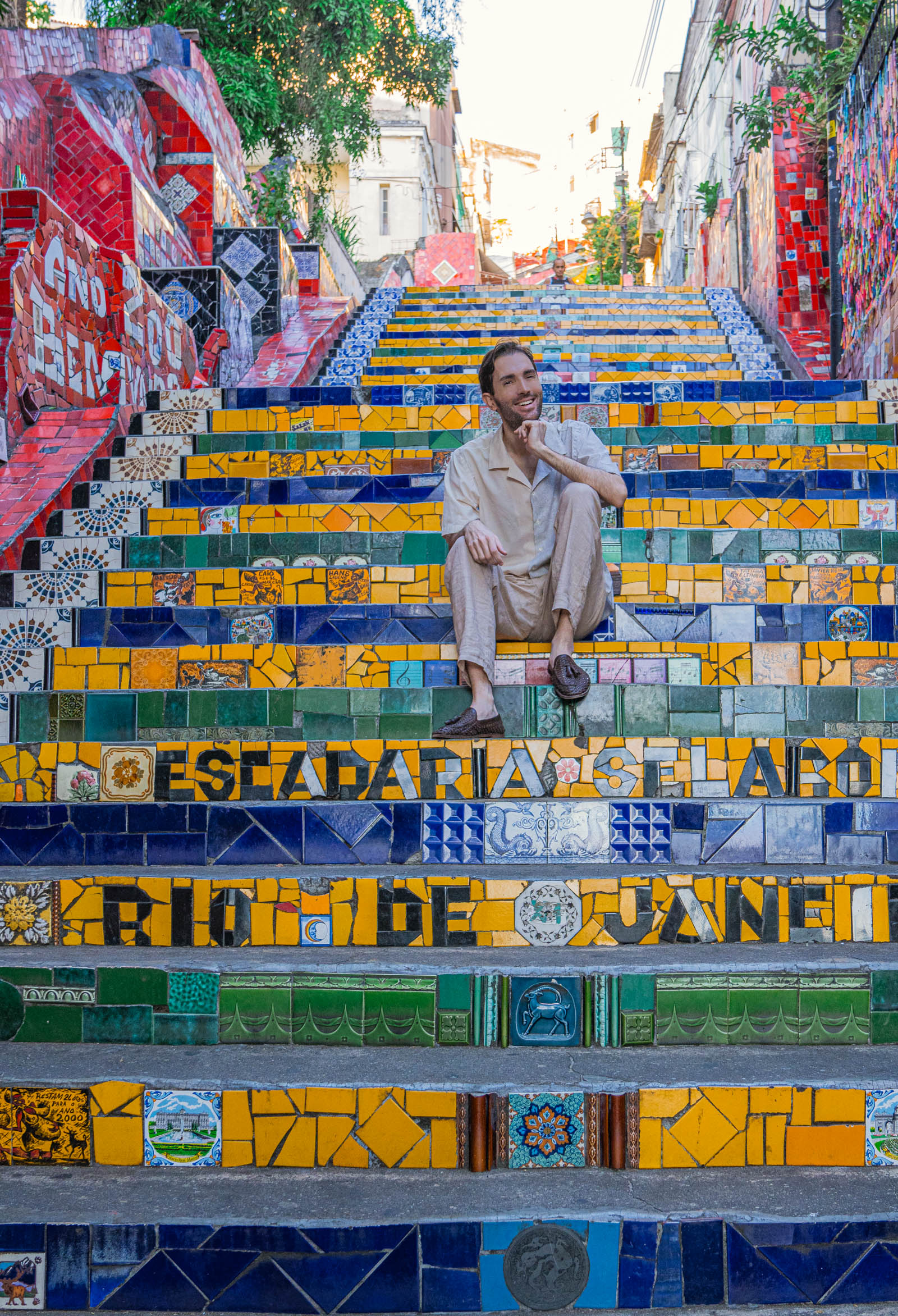
Walking slowly up the Escadaria Selarón, the famous colorful steps between the Lapa and Santa Teresa neighborhoods, I enjoyed the charm of that corner of Rio. They are the work of the Chilean-born artist Jorge Selarón, who called them his tribute to the Brazilian people. There are 215 steps, 125 meters long, covered in more than 2,000 tiles from over 60 countries.
At the same time, the steps served as my outdoor catwalk. For my fashion story in Rio, I wore my favorite Italian brand, Brunello Cucinelli. Its elegant and timeless style created a beautiful contrast with the mosaics of the Selarón Steps. These brightly colored tiles reminded me how modern fashion can take on a whole new meaning in an exotic setting.
THE RIO CARNIVAL, THE MOST FAMOUS PARTY IN SOUTH AMERICA
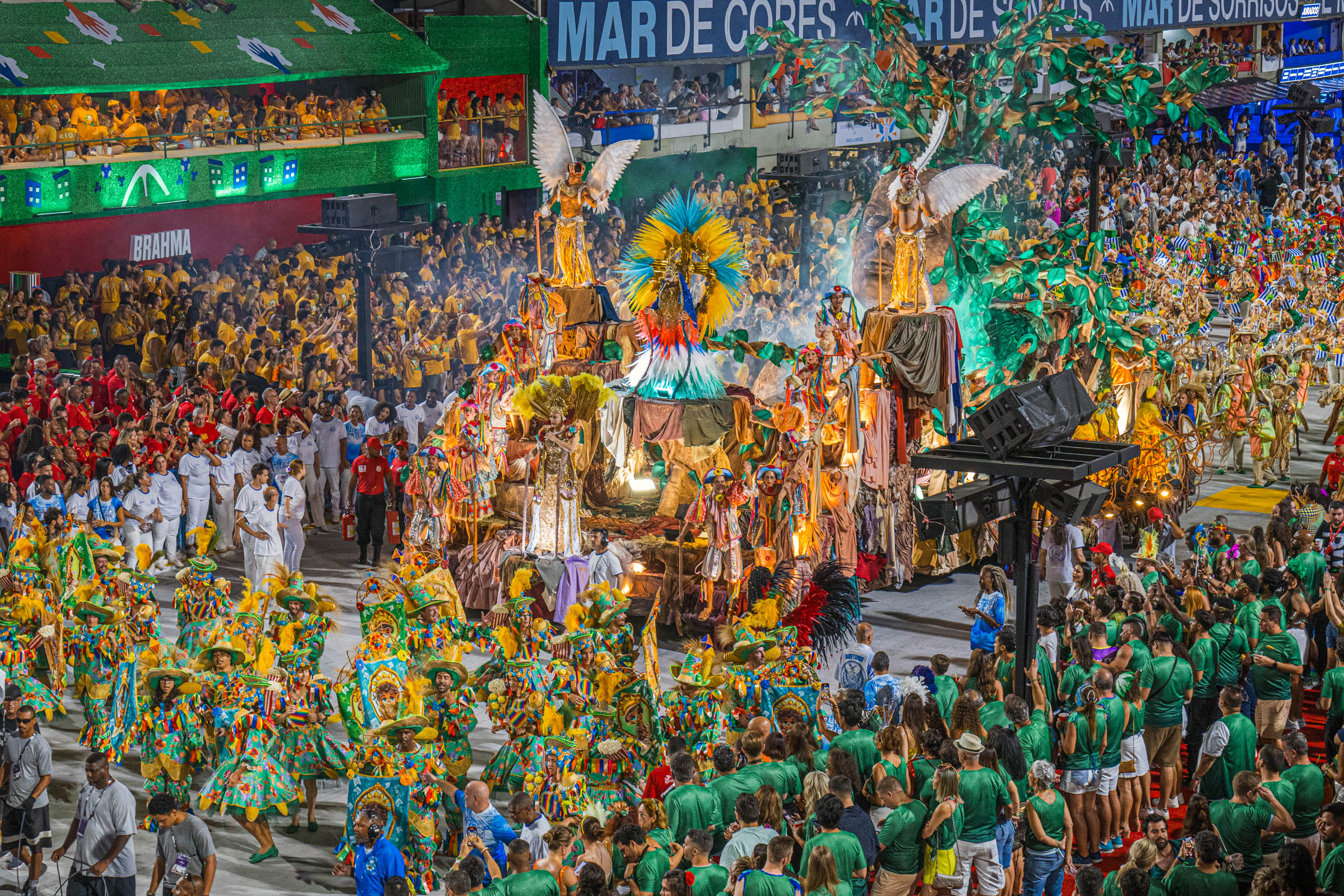
Of course, Rio is also famous for its carnival, and many consider it the largest carnival celebration in the world. The big parade takes place every year in February or March at the Sambadrome Marquês de Sapucaí, and the exact date depends on Easter. Architect Oscar Niemeyer designed the Sambadrome, and the venue opened in 1984. Along a 700-meter stretch of Marquês de Sapucaí street, stands rise on both sides of the parade.
During my stay, I had the chance to look behind the scenes of the Rio Carnival. That was enough to understand that this spectacle is the result of a whole year of dedication. Every samba school comes with new floats and costumes, and all that effort creates a spectacular show.
COPACABANA PALACE, A LEGEND OF SOUTH AMERICAN LUXURY
Copacabana Palace was my home in Rio. The hotel opened on August 13, 1923, on Avenida Atlântica, facing Copacabana Beach. The French architect Joseph Gire designed its famous facade, and the hotel has won the title of best hotel in South America several times.
I stayed in a Penthouse Suite with full ocean views. The Penthouse Suites sit on the top floor of the main building, and each of them starts at 105 square meters. I felt luxury in every detail, from the private terrace to the butler who took care of my every need. My greatest pleasure was breakfast in bed with the sound of the waves, as well as evening drinks with live music.
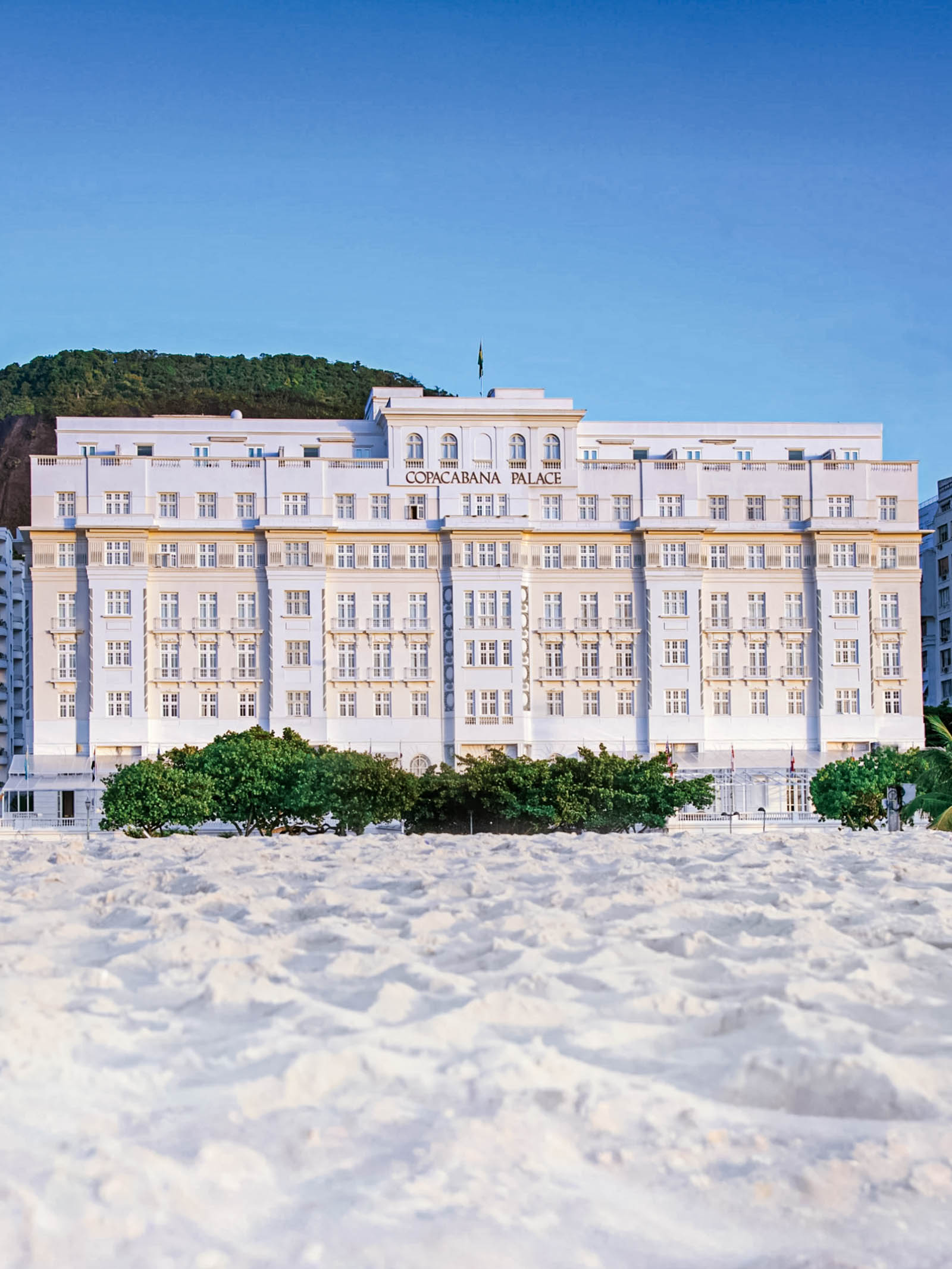
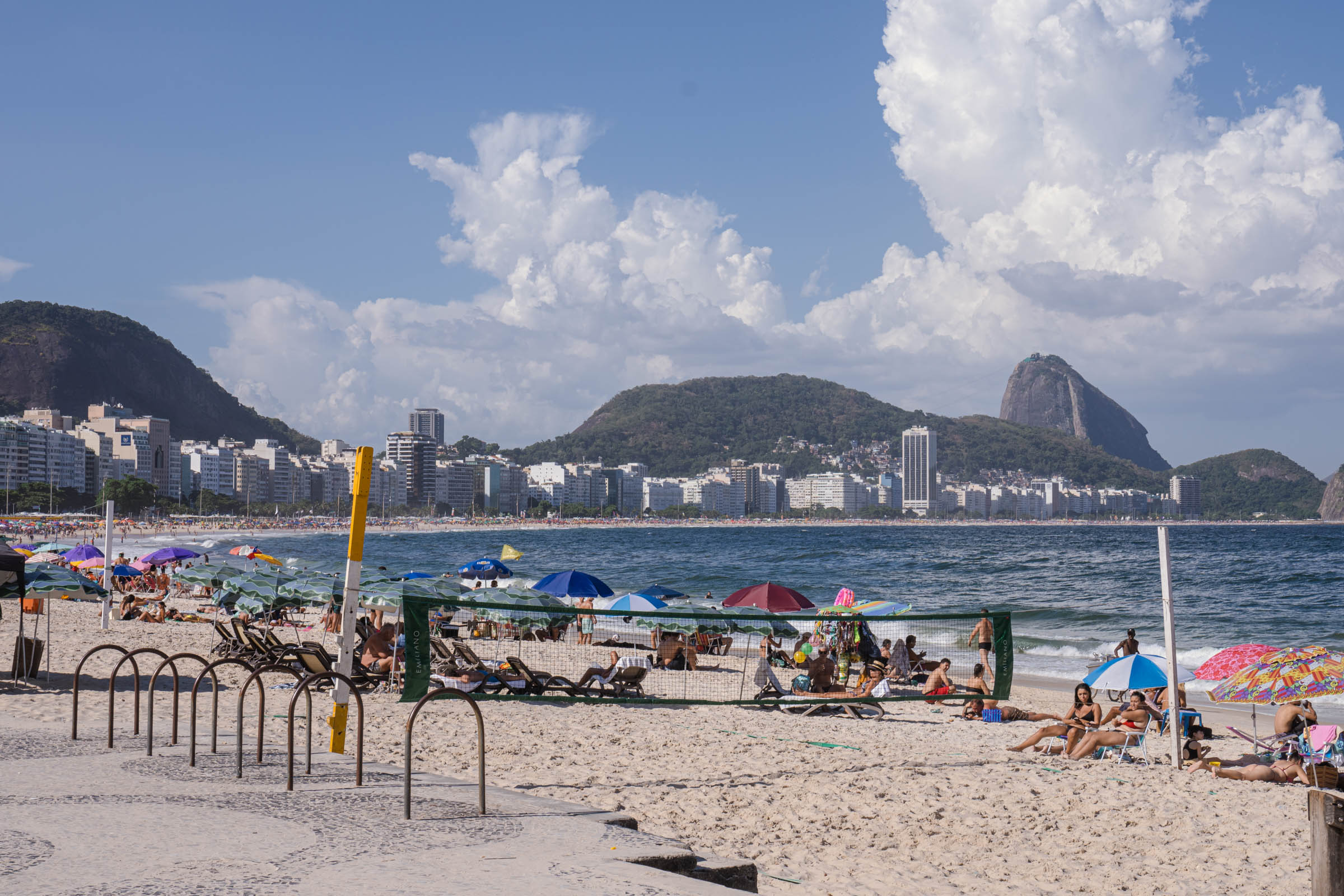
Without a doubt, Copacabana Palace marked my stay in Rio as a true luxury experience. Right across the street, Copacabana Beach was full of life from morning to sunset, with volleyball nets, beach umbrellas and Sugarloaf Mountain on the horizon.
SÃO PAULO, THE LARGEST CITY IN SOUTH AMERICA
The next stop on this trip was São Paulo, a dynamic metropolis with a thousand faces. It is the largest city in Brazil and the most populous city in the Americas. Compared to laid-back Rio, it is bigger and more businesslike. In addition, it is one of the major financial centers of the world.
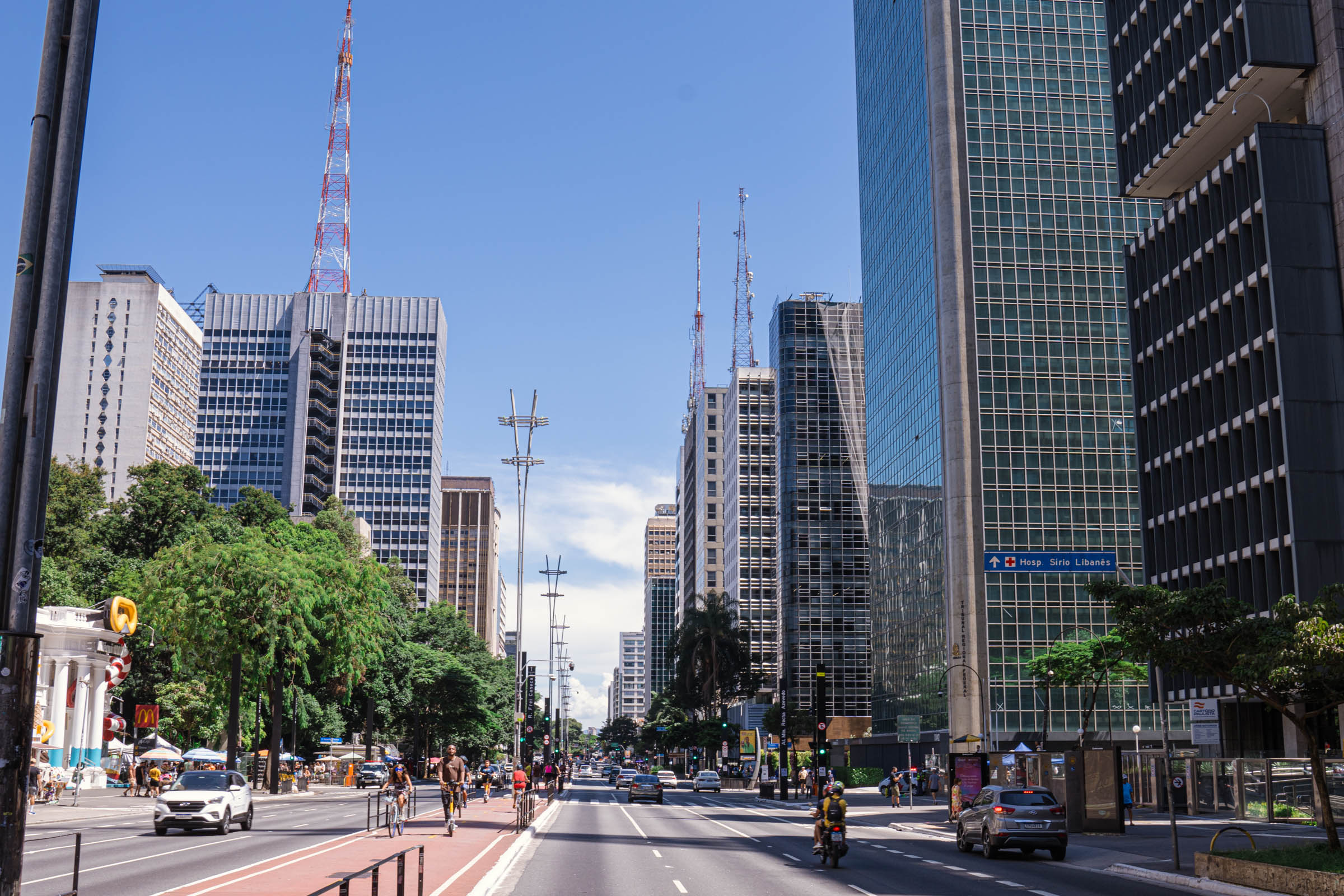
Avenida Paulista is the modern heart of the city. It opened on December 8, 1891, and it stretches for 2.8 kilometers, lined with skyscrapers, offices, museums and cafés.
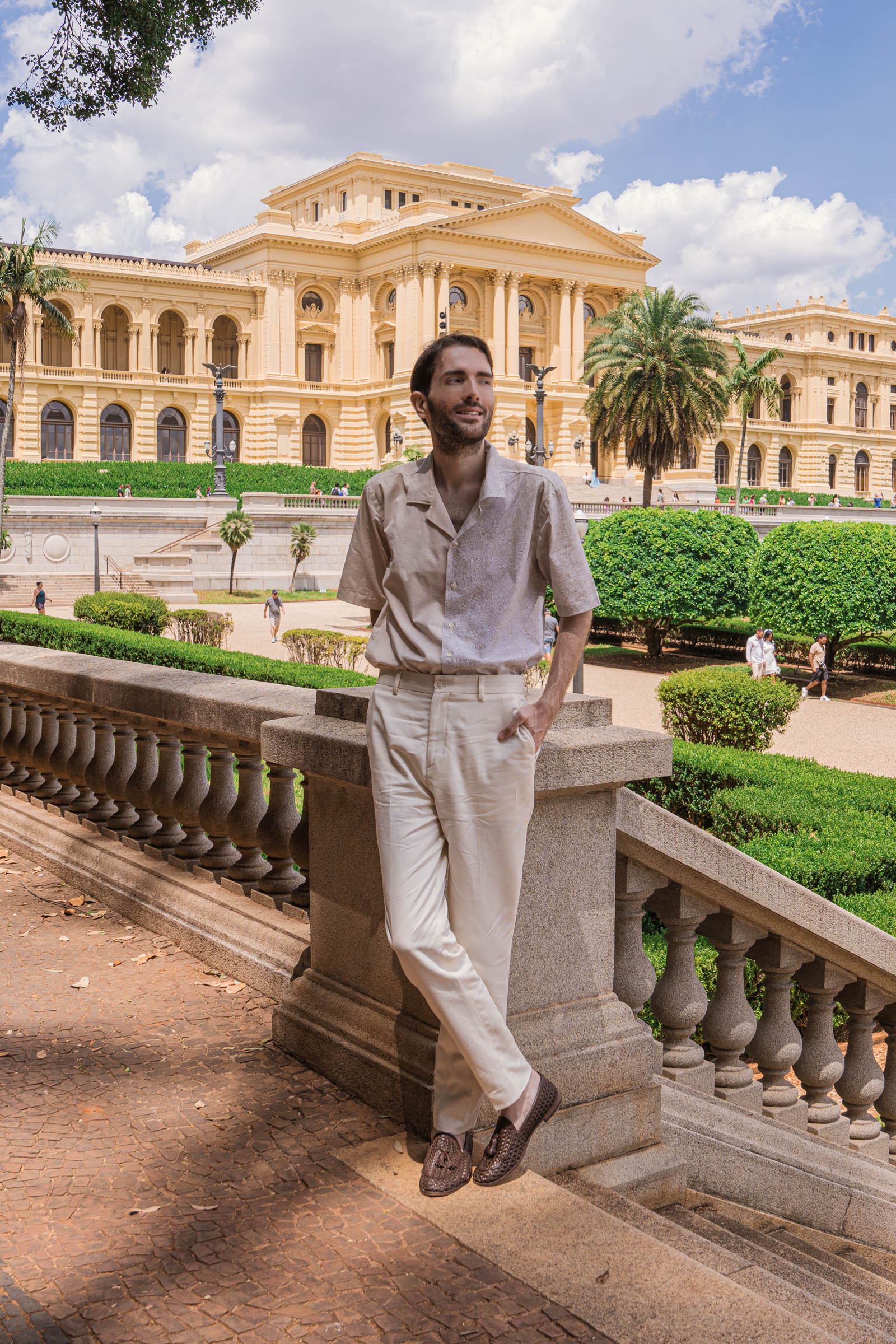
For my fashion story in São Paulo, we took the pictures at one of the most famous attractions in the city, the Museu do Ipiranga. Locals use this name for the Museu Paulista of the University of São Paulo. It stands near the place where Prince Regent Pedro proclaimed the independence of Brazil on September 7, 1822. The Italian architect Tommaso Gaudenzio Bezzi designed the building in 1884. The museum closed in August 2013 for a long restoration and reopened in September 2022.
HOTEL EMILIANO IN THE HEART OF JARDINS
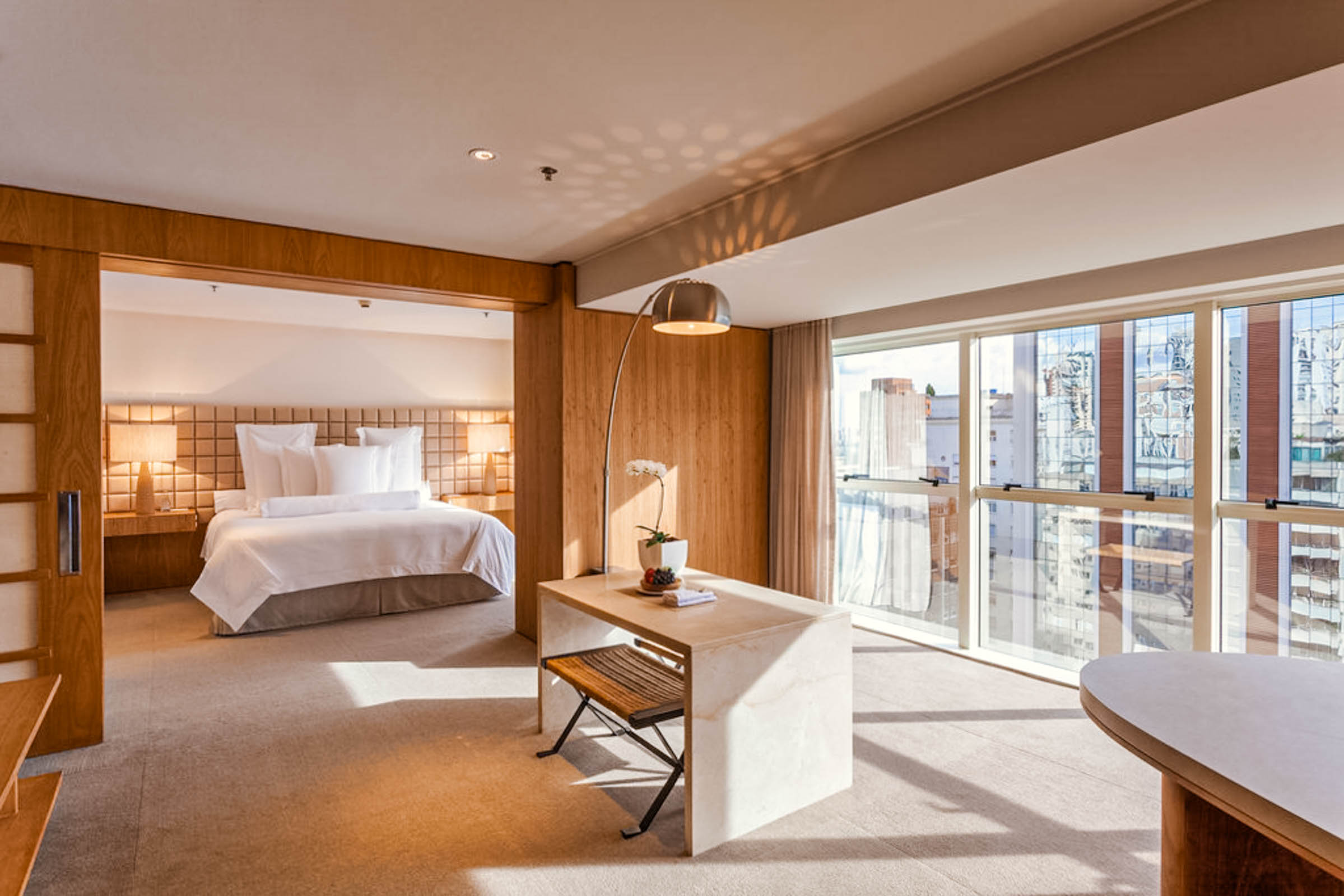
In São Paulo, I stayed at Hotel Emiliano. It opened in 2001 on Rua Oscar Freire, in the heart of the Jardins district. This street is a fashion epicenter, full of designer shops, art galleries and cafés. I stayed in the Emiliano Suite, a true hidden corner of comfort, with a separate living room and a home theater. Every evening after exploring the city ended with a fantastic view of this incredible city of skyscrapers.
São Paulo is also a culinary capital, so I tried the specialties of a traditional churrascaria, a Brazilian barbecue restaurant. Moreover, I fell in love with the phenomenal Brazilian coffee.
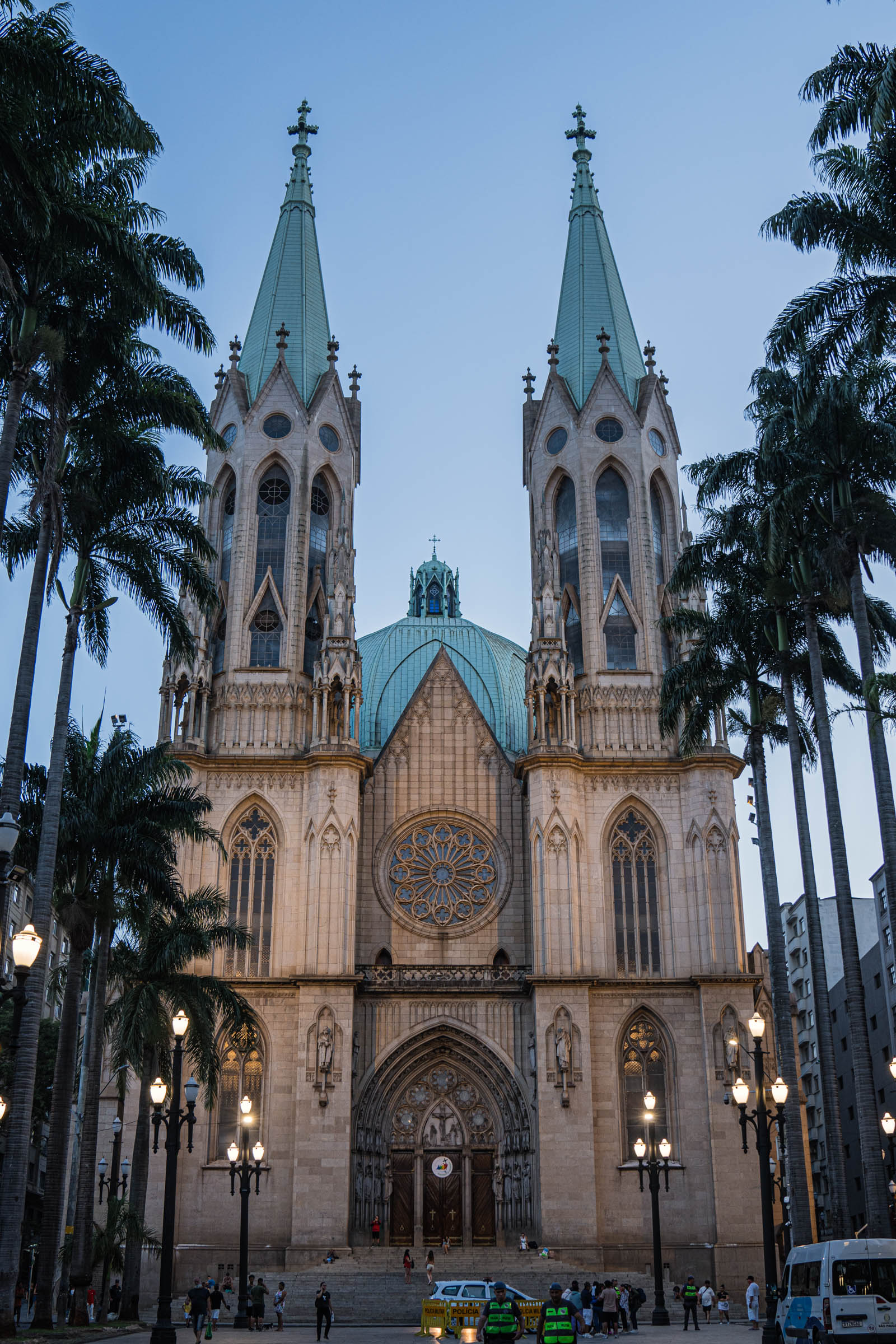
Before you leave, visit the Metropolitan Cathedral, also known as the Sé Cathedral. Construction of this neo-Gothic cathedral began in 1913, following the design of the German architect Maximilian Emil Hehl. Its dome draws inspiration from the Renaissance dome of the Florence Cathedral.
URUGUAY: MONTEVIDEO, A QUALITY-OF-LIFE CAPITAL OF SOUTH AMERICA
From Brazil, I landed in peaceful Uruguay, the land of wine, football and urban beaches. Its capital, Montevideo, is smaller than São Paulo or Rio, but it left an impression of relaxation and a high quality of life. In the 2019 Mercer Quality of Living ranking, Montevideo was first in Latin America, a position it had held since 2005. Subtle European elegance and the sandy coast of the Río de la Plata define the city.
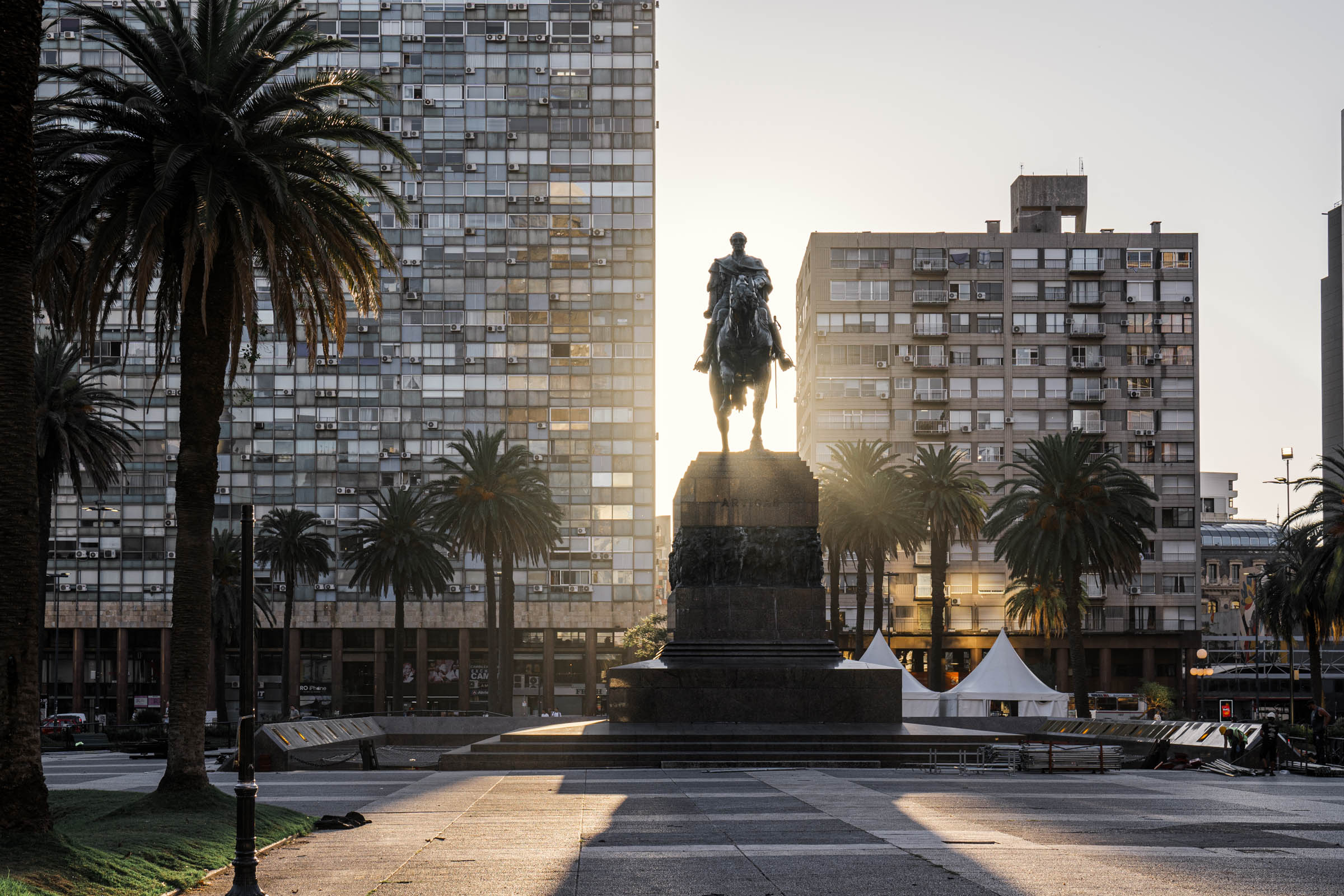
The heart of Montevideo is Plaza Independencia. In its center stands the monument to General José Gervasio Artigas, the hero of Uruguayan independence. The Italian sculptor Angelo Zanelli created this 17-meter bronze equestrian statue, and the city unveiled it in 1923. Behind it rises Palacio Salvo, an eclectic skyscraper finished in 1928.
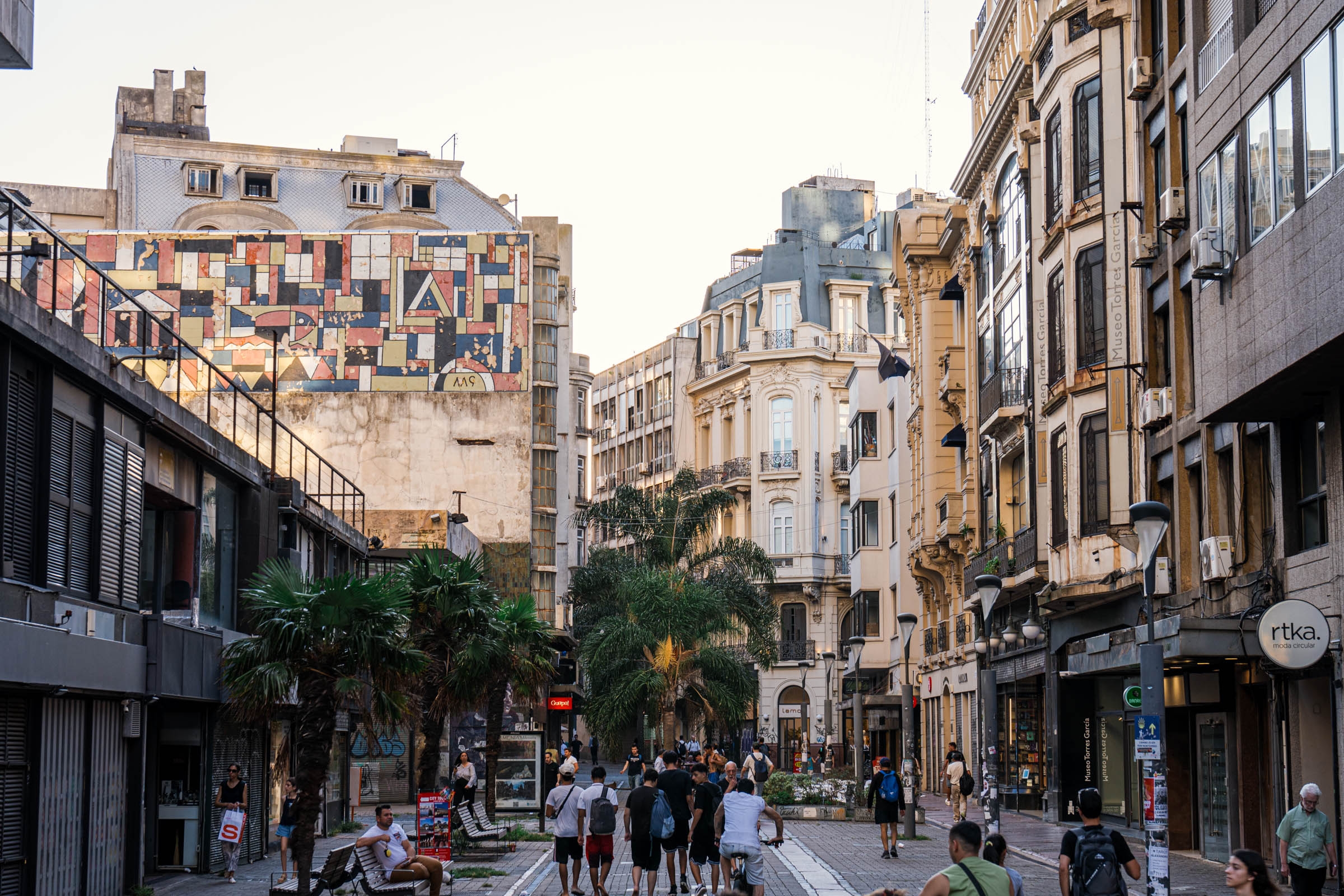
From the square, Puerta de la Ciudadela leads into the Old Town, Ciudad Vieja. This stone gate is the last remaining part of the old wall around Montevideo. Further on, Peatonal Sarandí is the main pedestrian street of the Old Town. Along it, you will find the Museo Torres García, dedicated to the Uruguayan artist Joaquín Torres García, and colorful murals inspired by his art.
Of course, football is a true passion in Uruguay. Montevideo hosted every match of the first FIFA World Cup in 1930, and the main stage was Estadio Centenario. The city built it between 1929 and 1930 for that tournament. In the final, Uruguay beat Argentina 4-2 and became the first world champion.
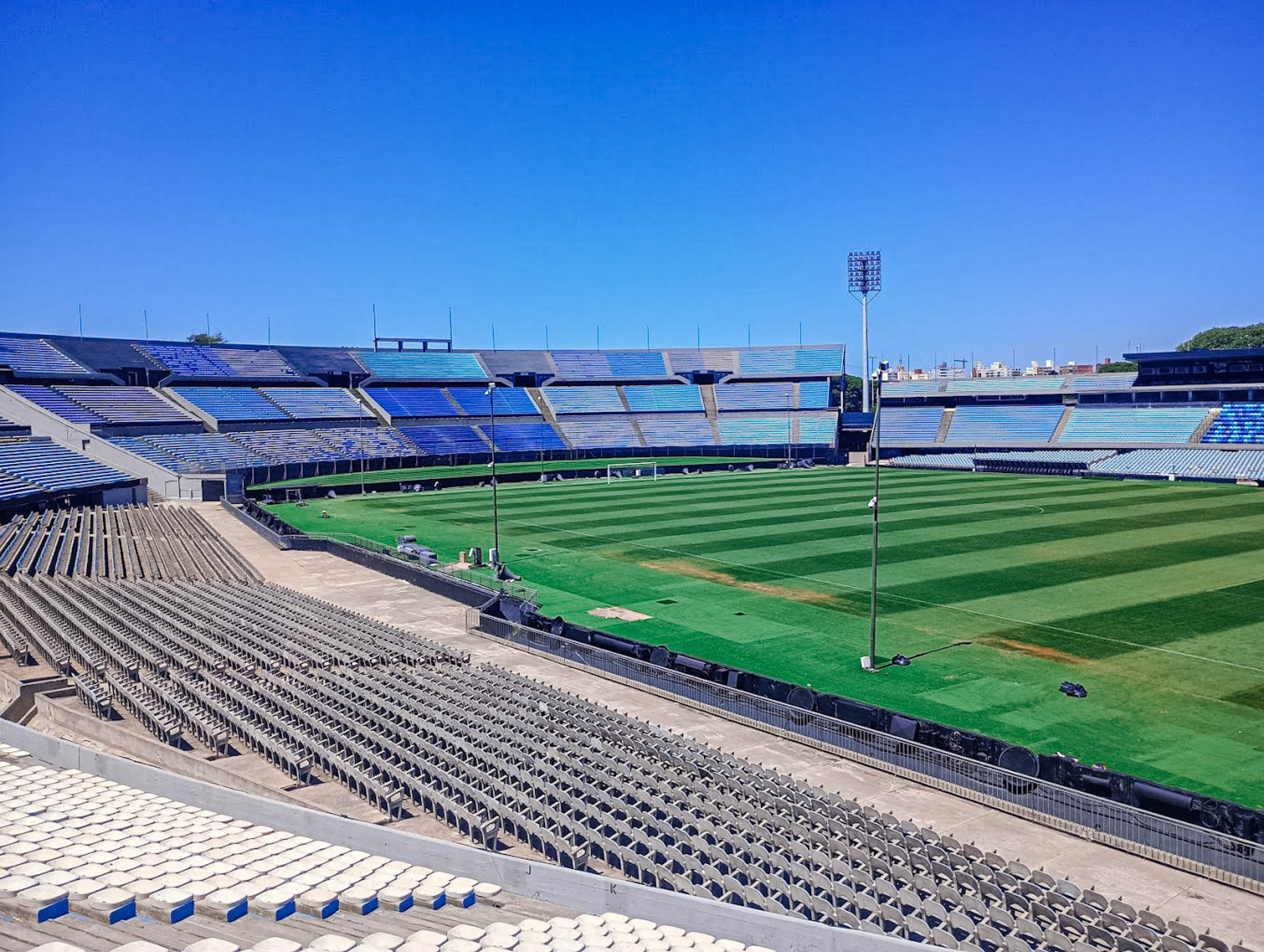
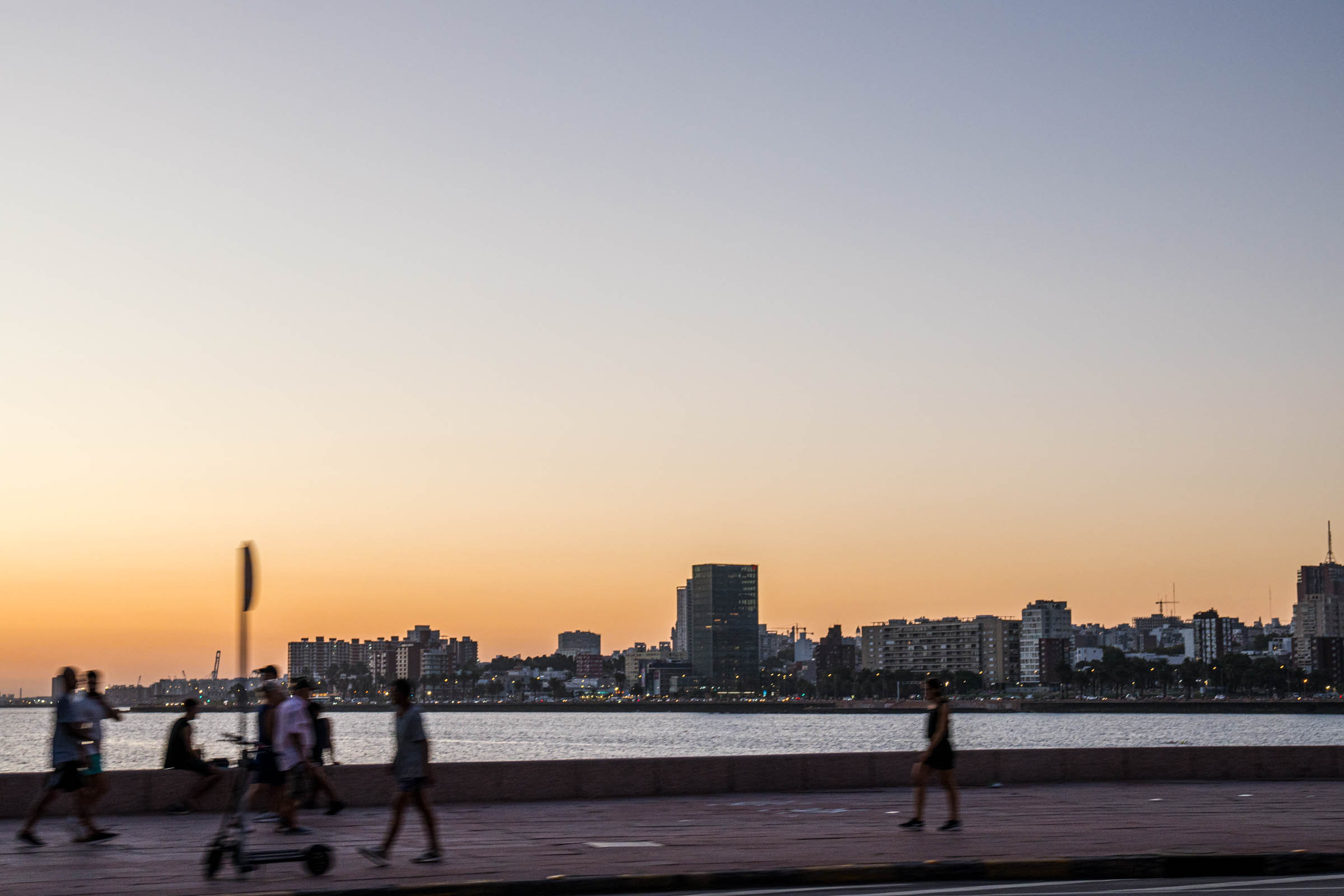
THE RAMBLA, TANNAT AND URUGUAYAN HOSPITALITY
I walked along the Rambla, the coastal avenue that follows Montevideo along the Río de la Plata. With its 22 kilometers, it is one of the longest esplanades in the world. Locals come here to walk, run and enjoy the view of the river, and I loved watching them play football on the beach.
Uruguay is also a small country with a big wine story. Its signature grape is Tannat, which a Basque immigrant, Pascual Harriague, introduced in the 1870s. When I tasted it, I understood why people call Montevideo a city of wine and football. The Uruguayans were extremely hospitable, and I felt a real connection with local everyday life.
SOFITEL MONTEVIDEO CASINO CARRASCO AND SPA
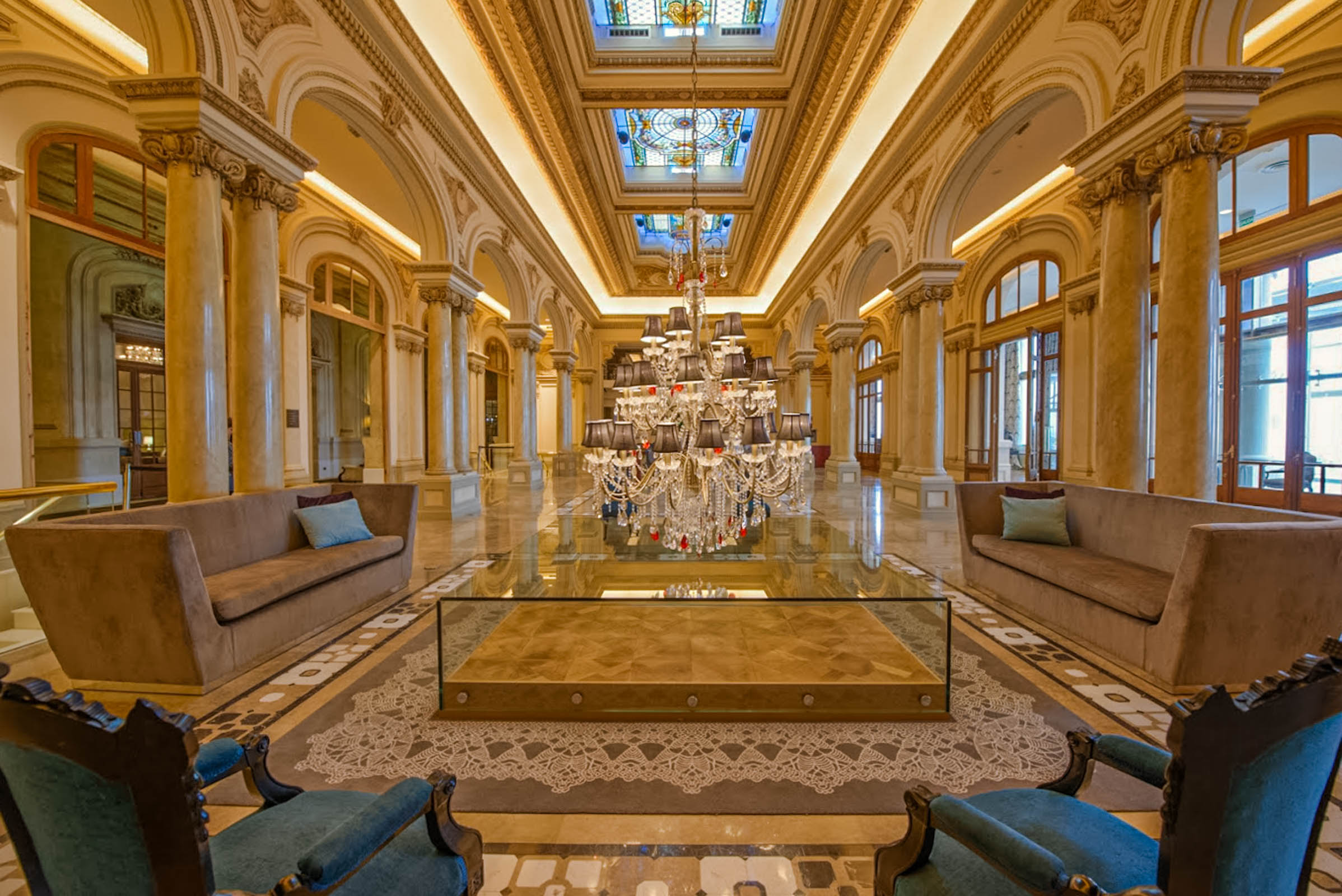
My home in Montevideo was Sofitel Montevideo Casino Carrasco and Spa, in the elegant Carrasco neighborhood. Locals know this building as Hotel Casino Carrasco. Construction began in 1912, and its eclectic style, with neoclassical and baroque elements, recalls the great palace hotels of Europe. After a long renovation, the hotel reopened on March 7, 2013.
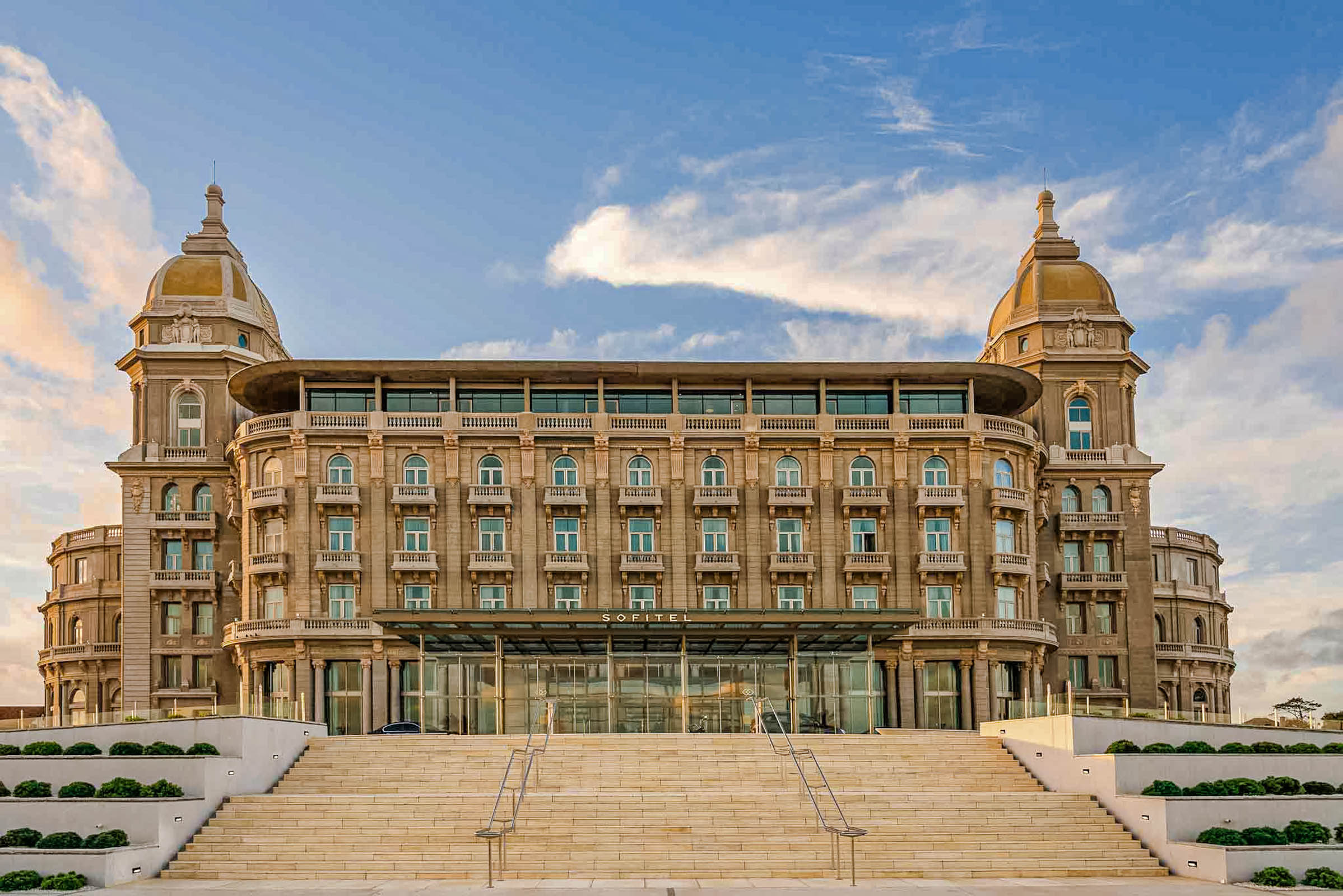
Today, it is a five-star hotel with 116 rooms, including 22 suites. Carrasco Beach is just a minute away on foot, so the sound of the waves becomes part of your stay. For me, the hotel remained an oasis of peace where I recharged my energy for the rest of the trip.
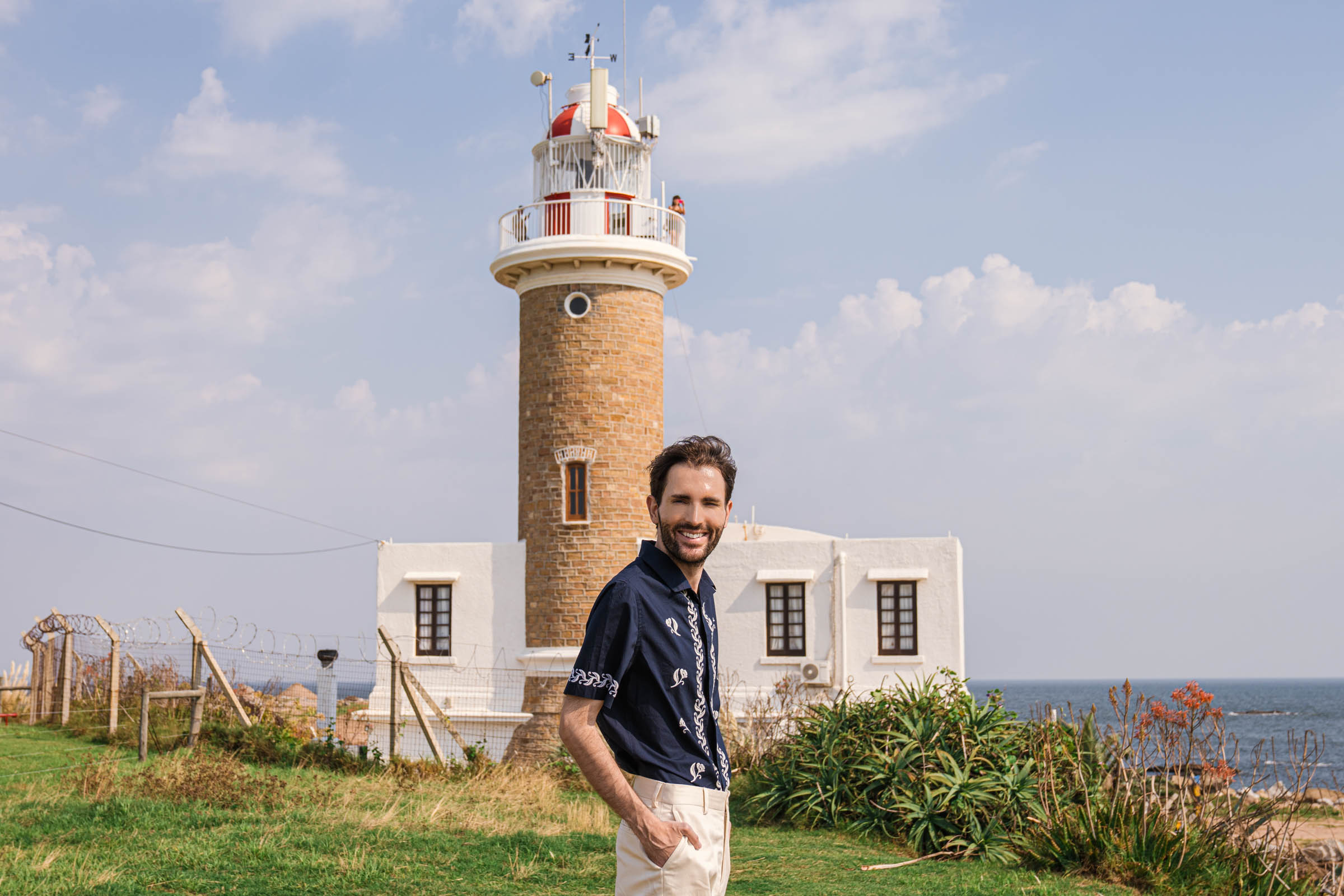
For my fashion story in Montevideo, we chose one of the most visited attractions in the city. Punta Brava Lighthouse, also known as Punta Carretas Lighthouse, stands at the tip of the Punta Carretas neighborhood. Builders finished it in 1876. It has a height of 21 meters, and its light reaches 15 nautical miles. In 1962, the lighthouse became electric.
ARGENTINA: BUENOS AIRES, THE CITY OF TANGO
The capital of Argentina welcomed me with a flood of passion, from tango on the promenades to the colorful houses of La Boca. Wide avenues and European-style facades alternate with modern shopping centers in the heart of the city, and every neighborhood has its own soul.
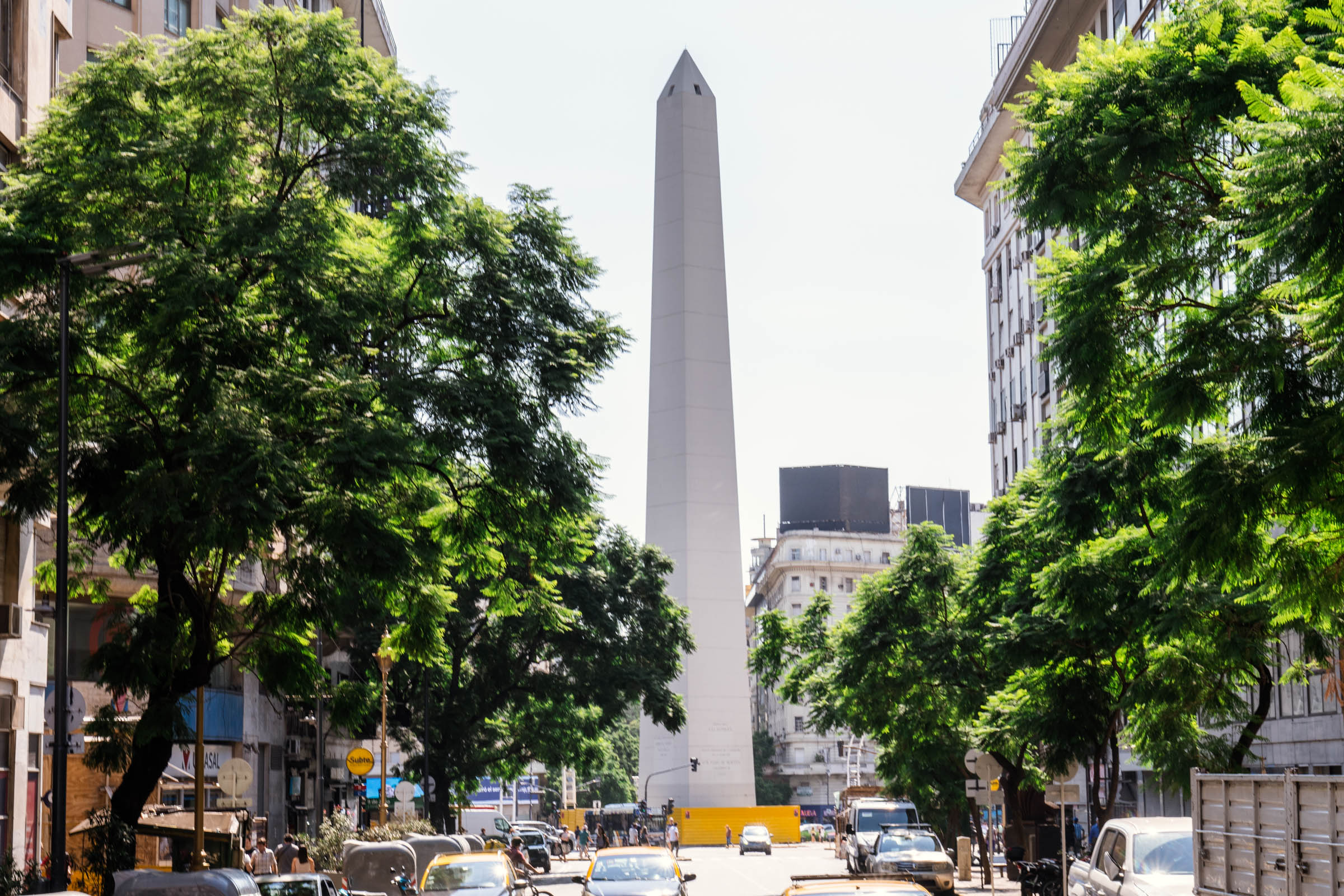
The Obelisco is the symbol of Buenos Aires. It opened on May 23, 1936, the year that marked the 400th anniversary of the first founding of the city. It stands in Plaza de la República, where Avenida Corrientes crosses Avenida 9 de Julio. Many call 9 de Julio the widest avenue in the world.
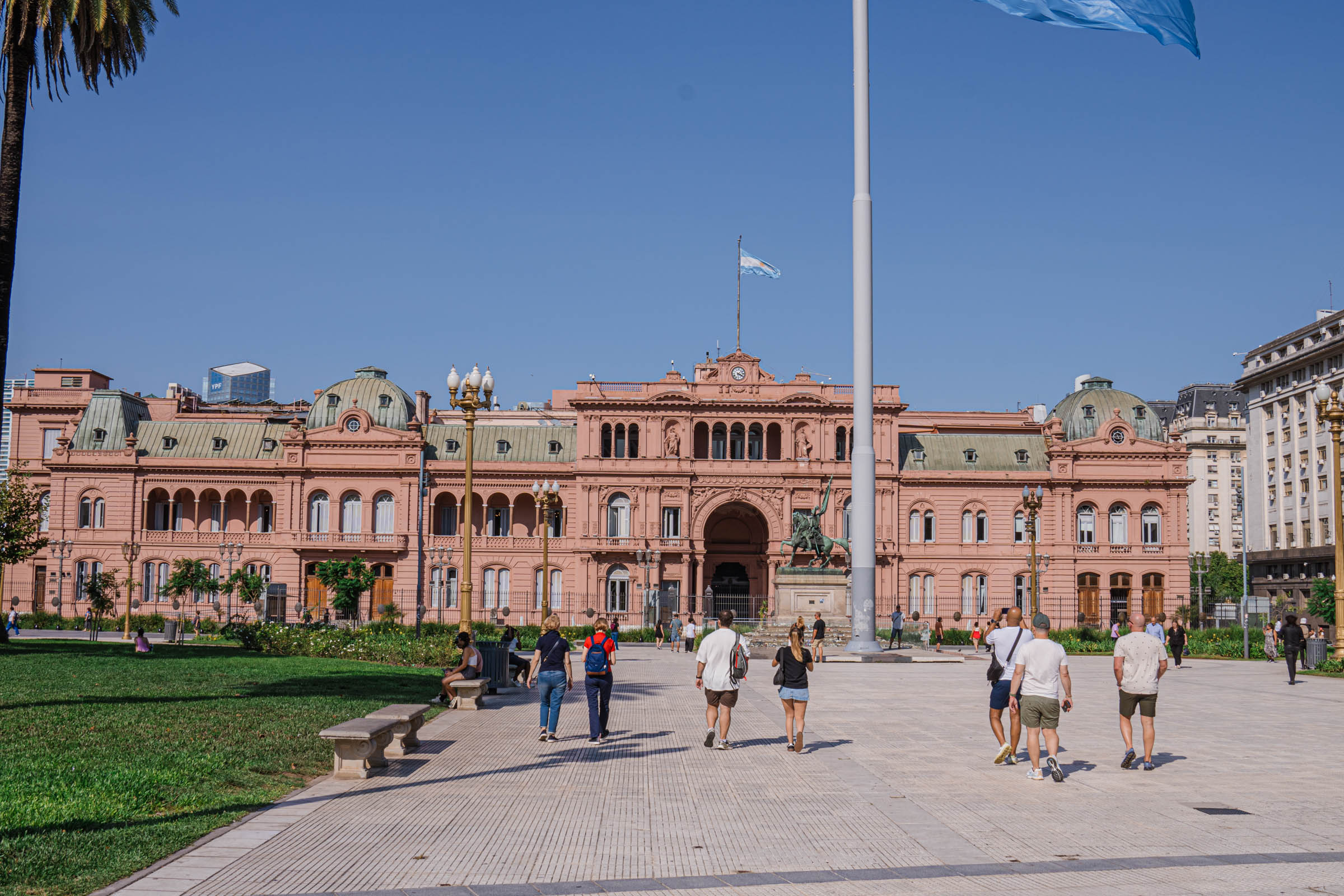
Most of the popular sights lie in the historic center, which grew around Plaza de Mayo. At the eastern end of the square stands the Casa Rosada, the Pink House, the office of the president of Argentina. Its official name is Casa de Gobierno, the House of Government.
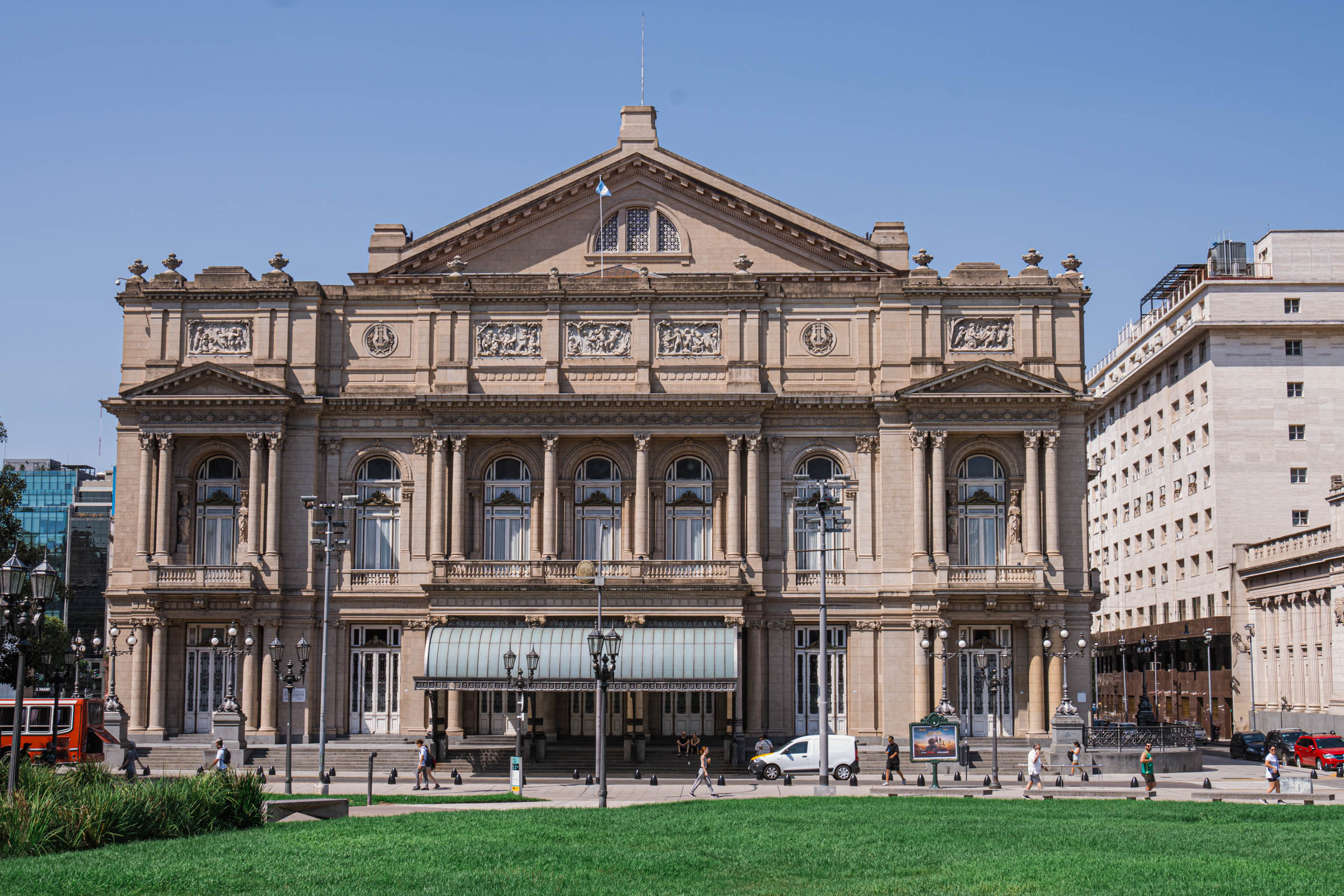
Above all, do not miss Teatro Colón, the historic opera house of Buenos Aires. National Geographic ranks it among the ten best opera houses in the world. After about twenty years of work, the current building opened on May 25, 1908, with Verdi’s Aida.
RECOLETA, THE ELEGANT HEART OF BUENOS AIRES
Recoleta is a neighborhood in the northern part of Buenos Aires. Traditionally, it is an upper-class neighborhood with some of the most expensive real estate in the city. It is also home to the National Museum of Fine Arts and the Floralis Genérica sculpture by Eduardo Catalano.
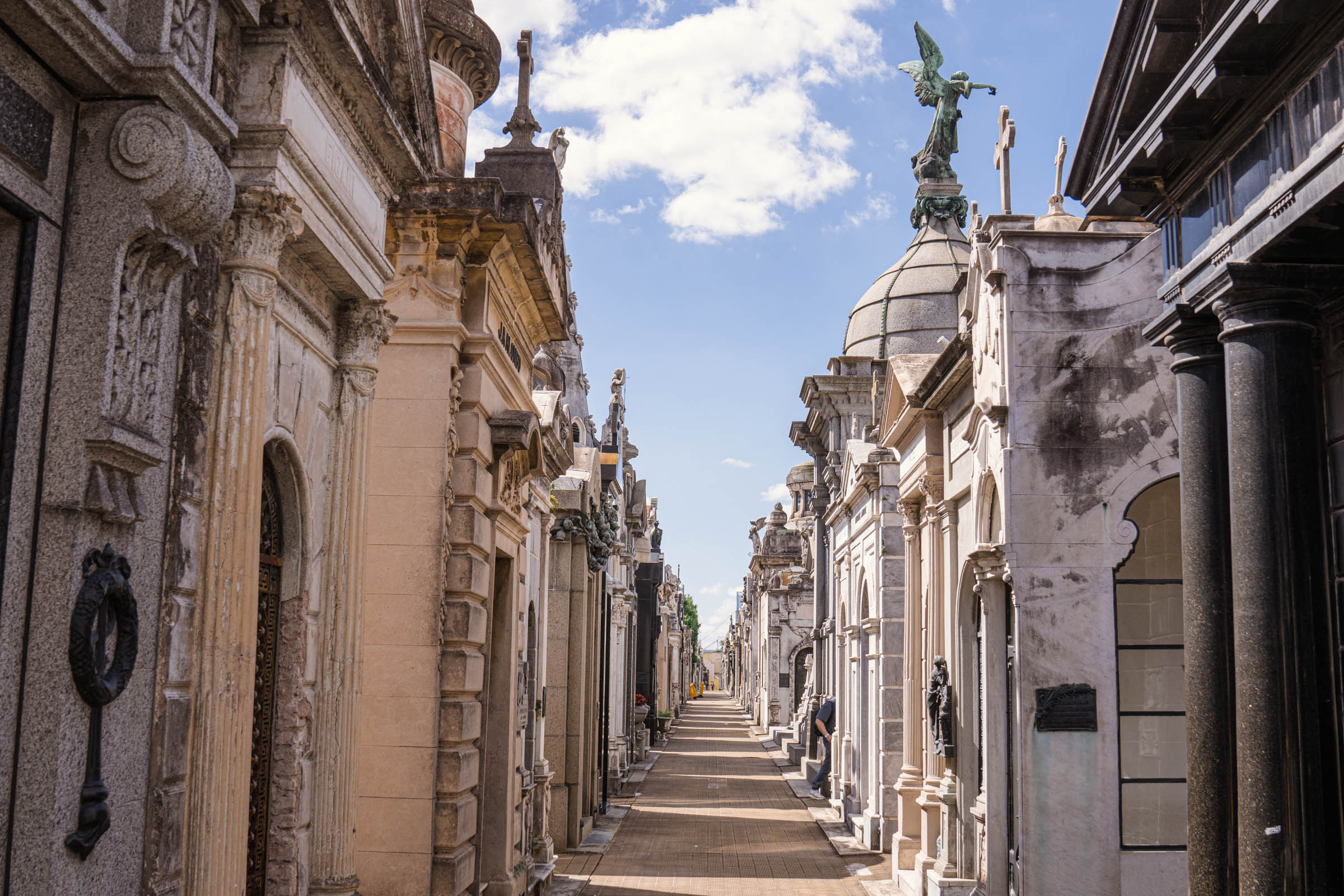
Recoleta also hides one of the most famous historic sites of the city, which I described in detail in my letter from La Recoleta. Its narrow alleys of neoclassical marble and bronze sculpture read like an open-air history book of Argentina. There, European architecture meets Argentine history at every step.
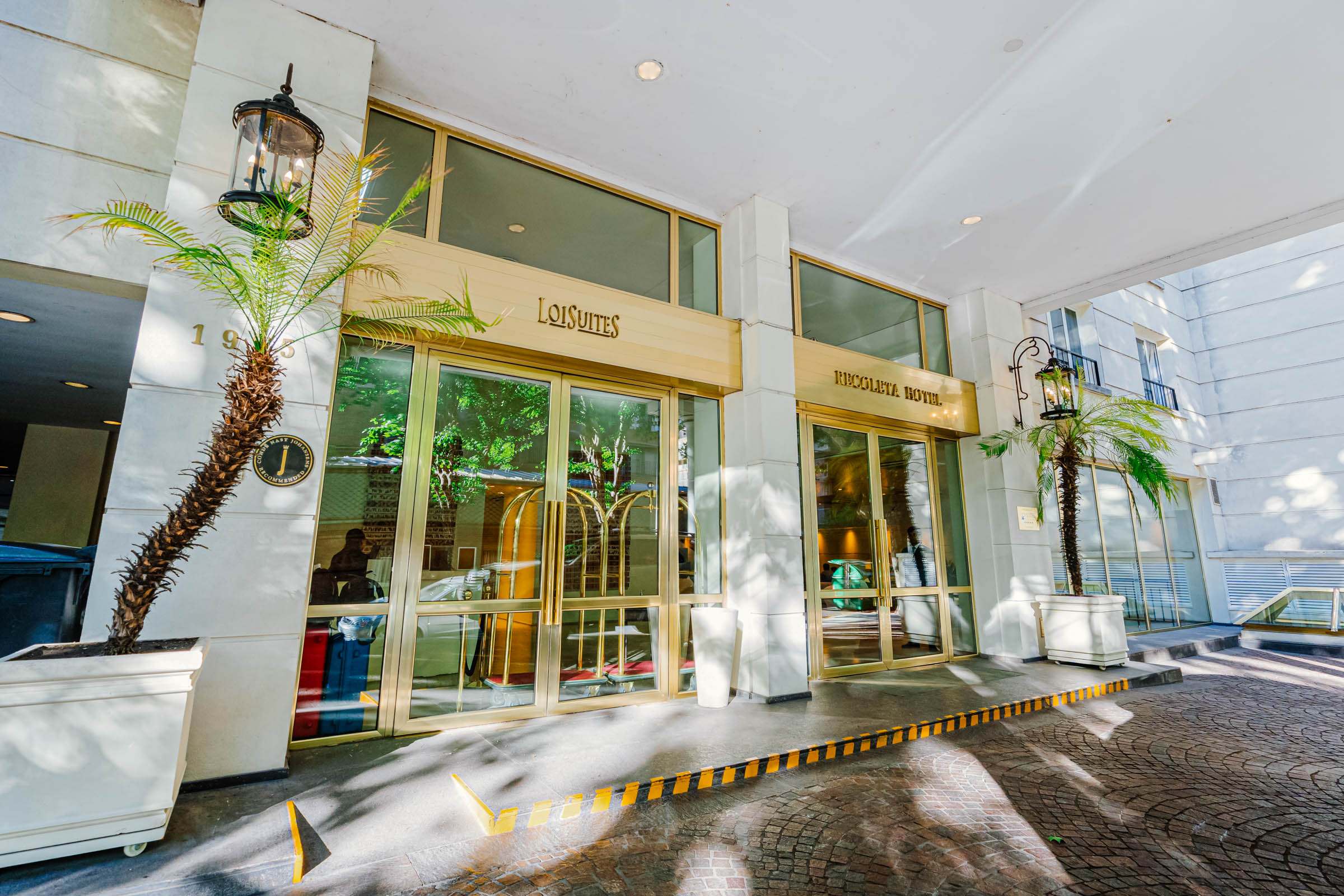
In Buenos Aires, I stayed at Loi Suites Recoleta, on Vicente López Street, in the heart of the neighborhood. The hotel has 112 spacious, bright rooms decorated in neutral tones, and it was the perfect base for exploring the city.
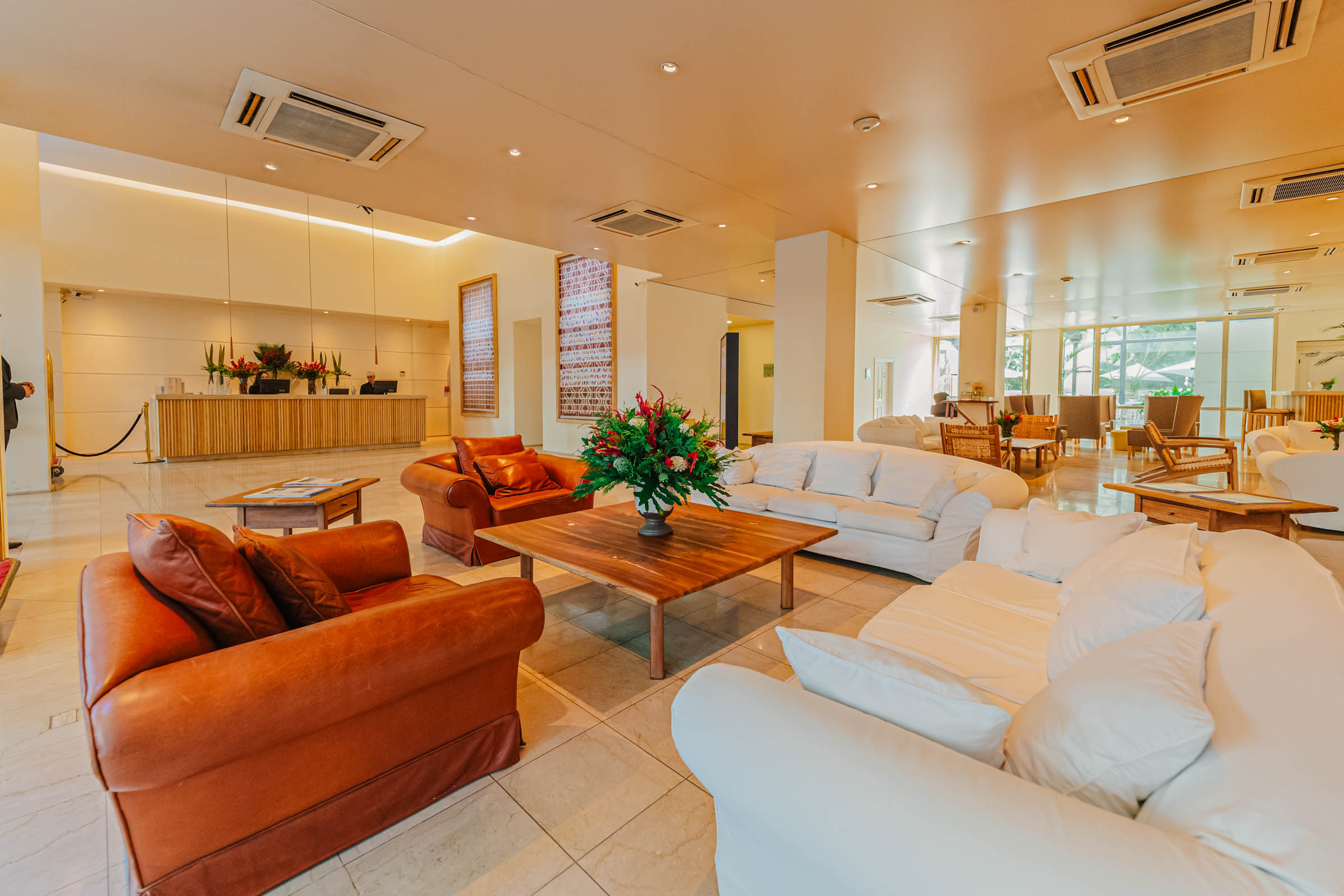
Every morning, the Winter Garden hosts a full buffet breakfast. My tip: try the croissants with dulce de leche! Through the large windows, I looked at the palm trees and the rooftops of the city.
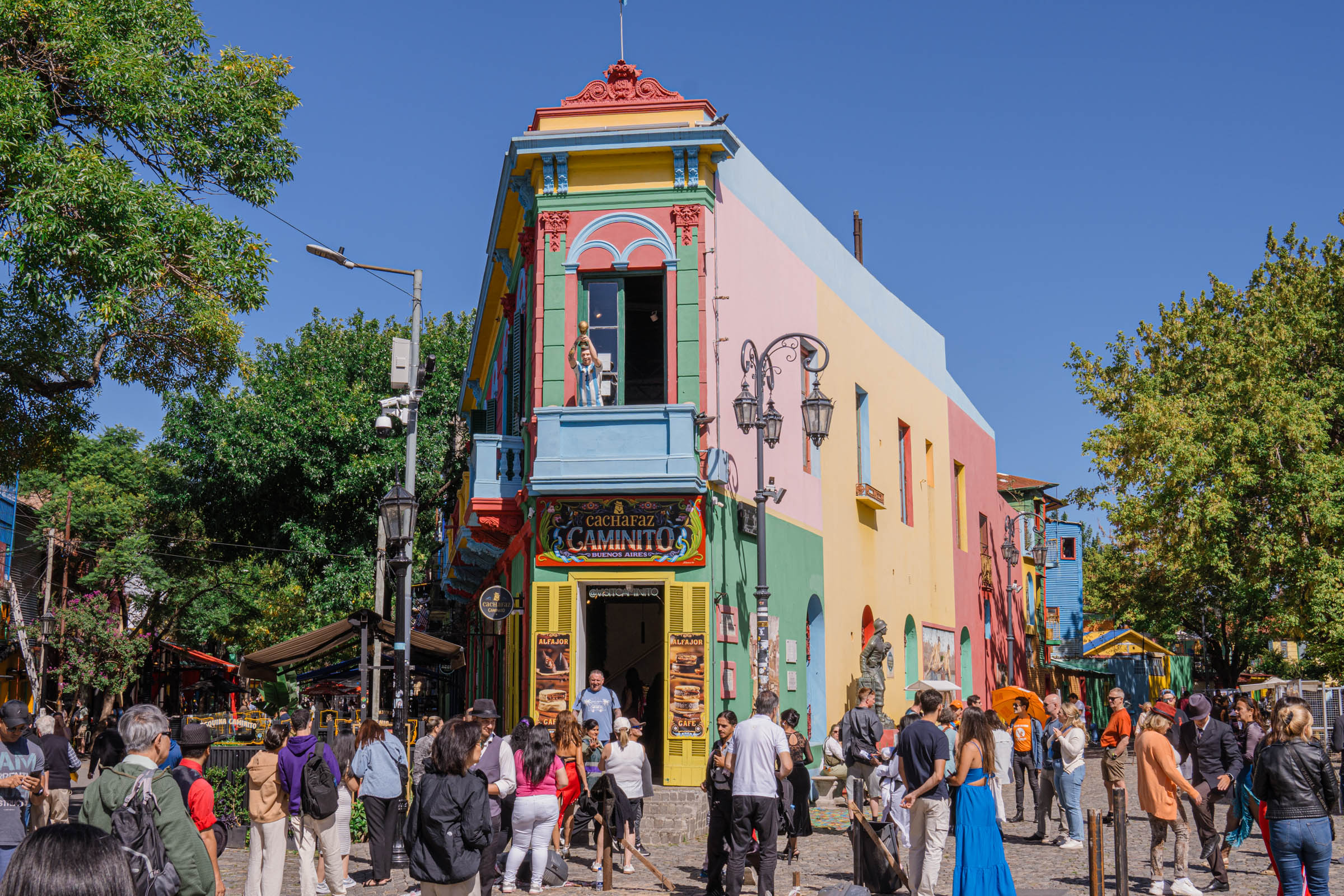
LA BOCA AND CAMINITO, THE COLORS OF BUENOS AIRES
La Boca means “the mouth” in Spanish, probably the mouth of the Matanza River. Its colorful houses, murals and street artists make it one of the most photographed neighborhoods in Buenos Aires.
As for fashion, Buenos Aires also had its moments on my blog. On the colorful streets of La Boca, I presented an unusual casual outfit with a touch of Italian glamour. I wore a colorful Dolce & Gabbana shirt while posing in front of colorful mural walls.
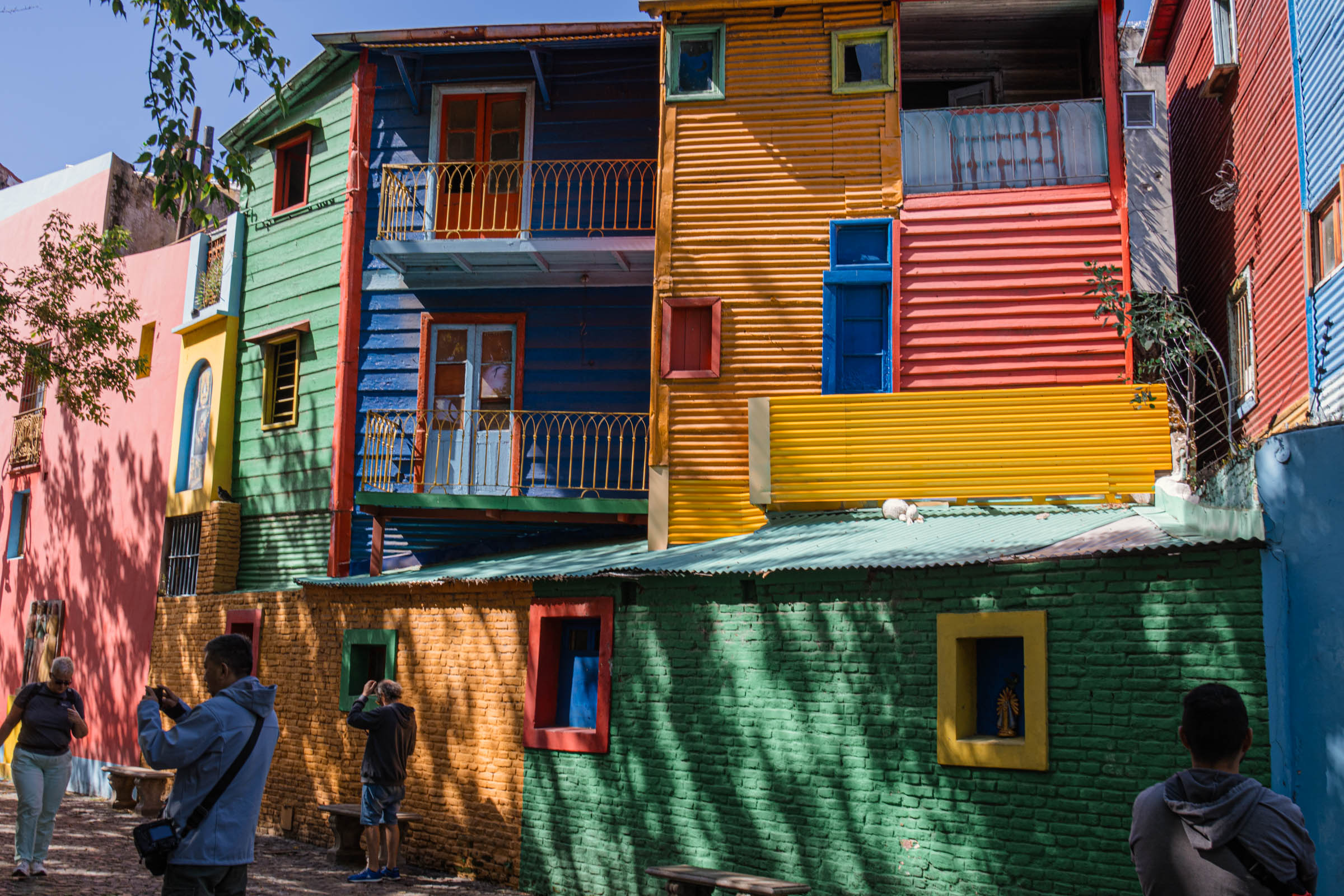
Do not miss Caminito, which means “little path” in Spanish. This street museum and traditional alley is about 100 meters long. The place became famous because it inspired the tango “Caminito” from 1926, composed by Juan de Dios Filiberto. According to the official tourism site of Argentina, international tourists probably visit Caminito more than any other place in the city, after the Obelisco.
CHILE: SANTIAGO, A SOUTH AMERICAN CAPITAL BELOW THE ANDES
The road then took me to charming Santiago, the capital of Chile. The city lies in the Santiago Basin, between the Andes to the east and the Chilean Coastal Range to the west. Most of Santiago lies between 500 and 650 meters above sea level, and the Plaza de Armas stands at 565 meters.
The big STGO letters stand in the Plaza de Armas, the main square of Santiago. In 1541, Pedro de Gamboa, appointed by Pedro de Valdivia, laid out the first plan of the city around it.
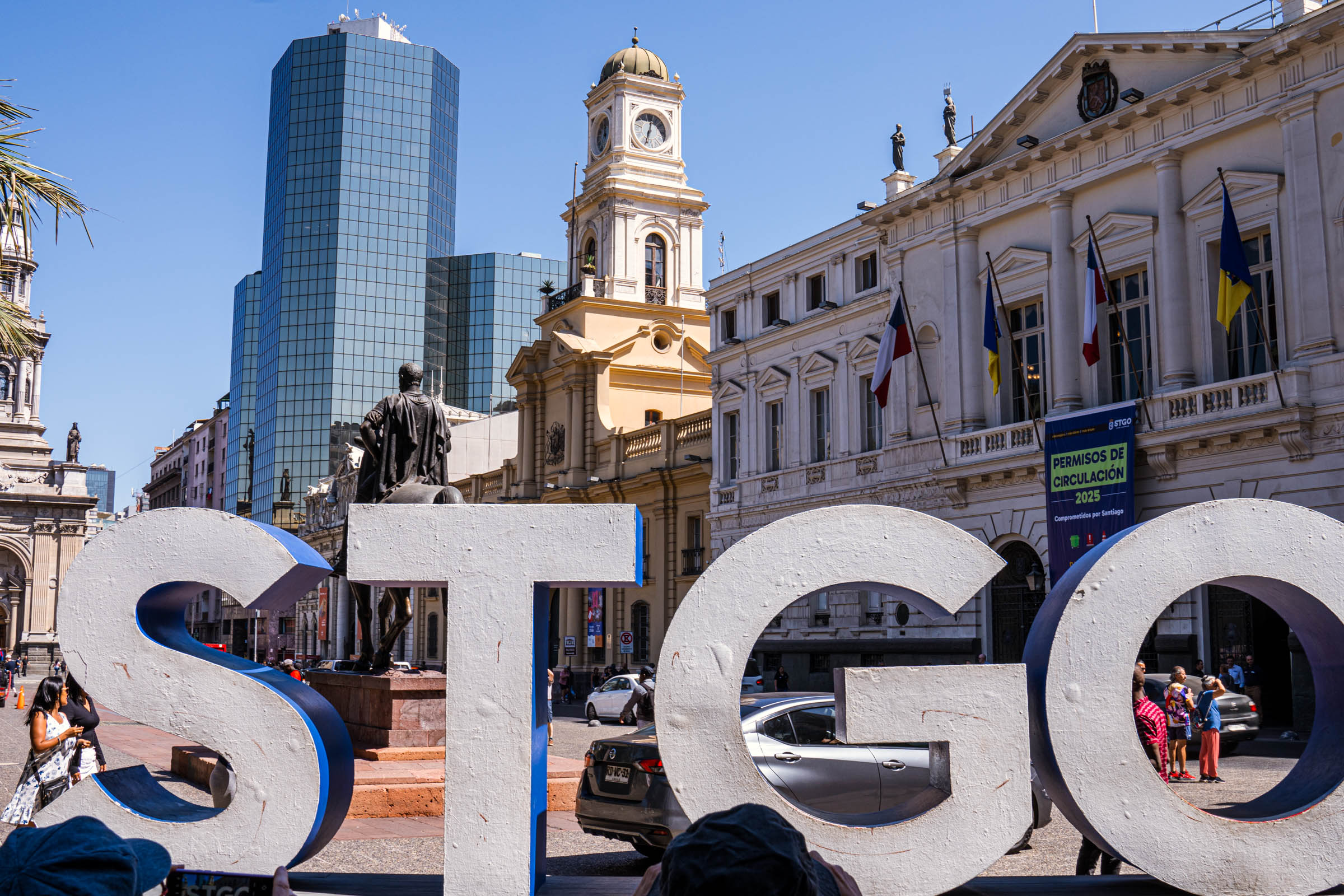
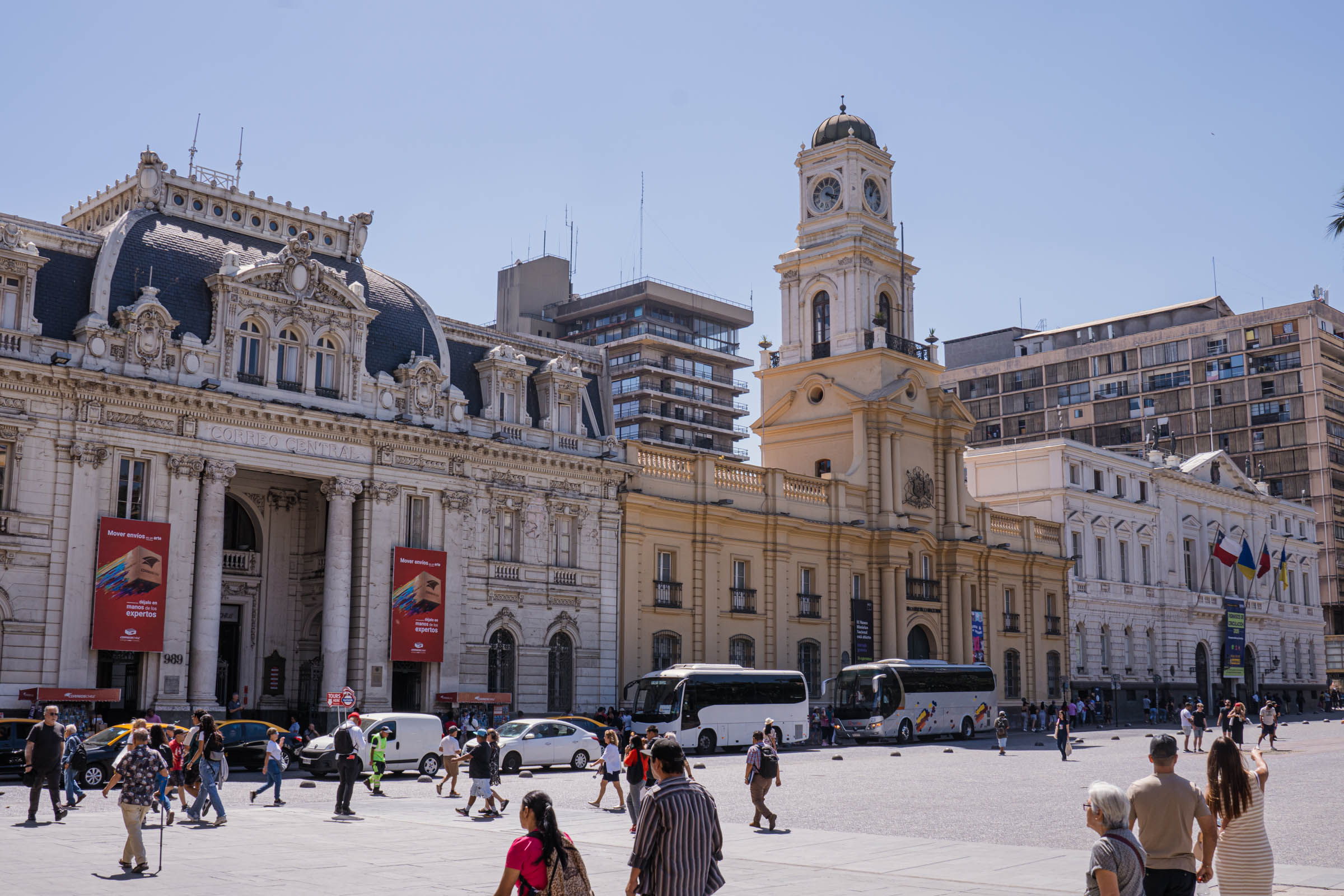
On the north side of the square, from west to east, the Central Post Office, the National History Museum and the Municipality of Santiago line the square. The yellow building with the clock tower is the Palacio de la Real Audiencia, which today houses the National History Museum.
THE METROPOLITAN CATHEDRAL OF SANTIAGO
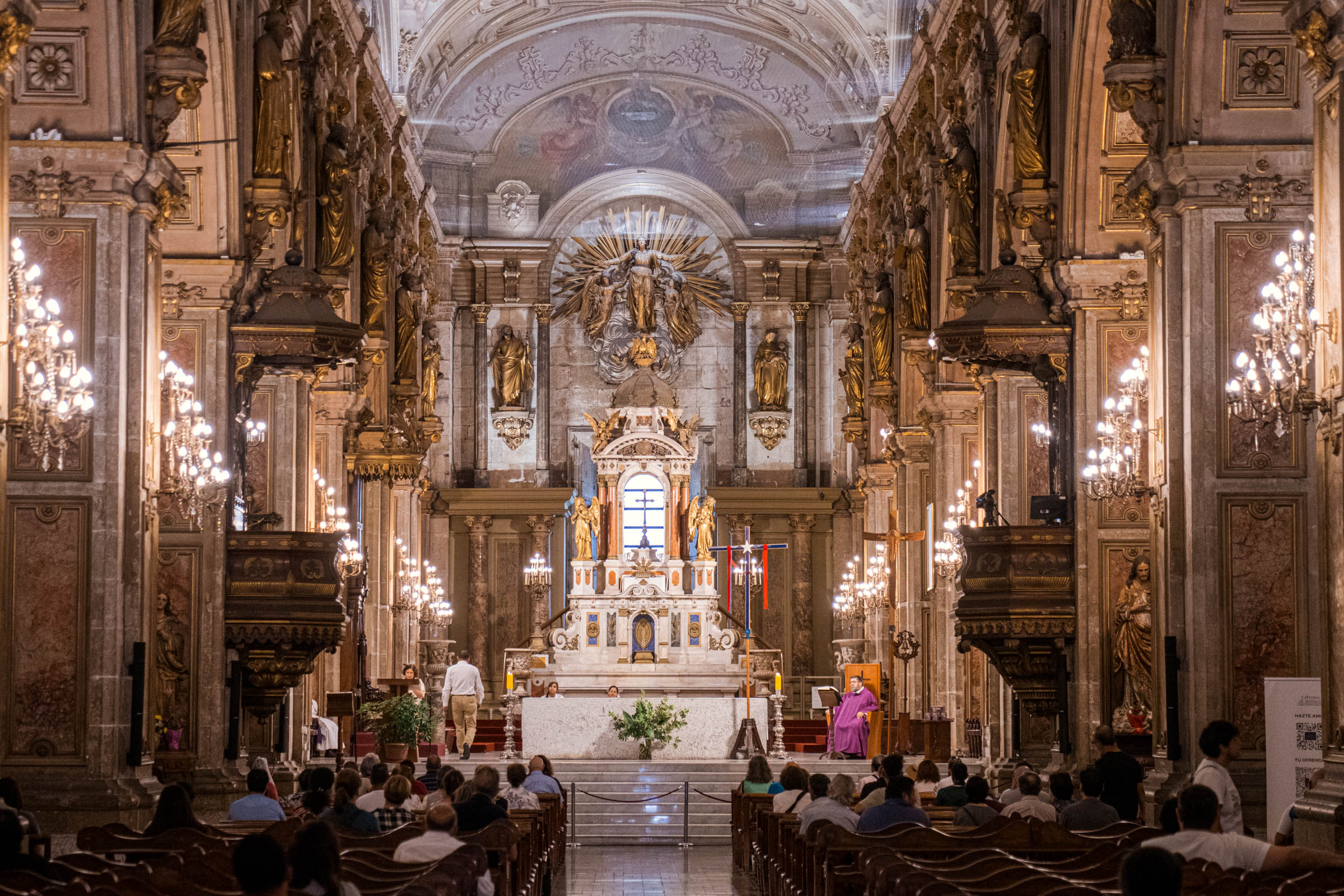
The Metropolitan Cathedral stands in front of the Plaza de Armas. In 1541, Pedro de Valdivia assigned this site for a church. Today’s cathedral is the fifth temple built here, because earthquakes and a fire damaged the earlier ones. In 1779, the architect Joaquín Toesca arrived to direct the works, and he gave the cathedral its neoclassical style.
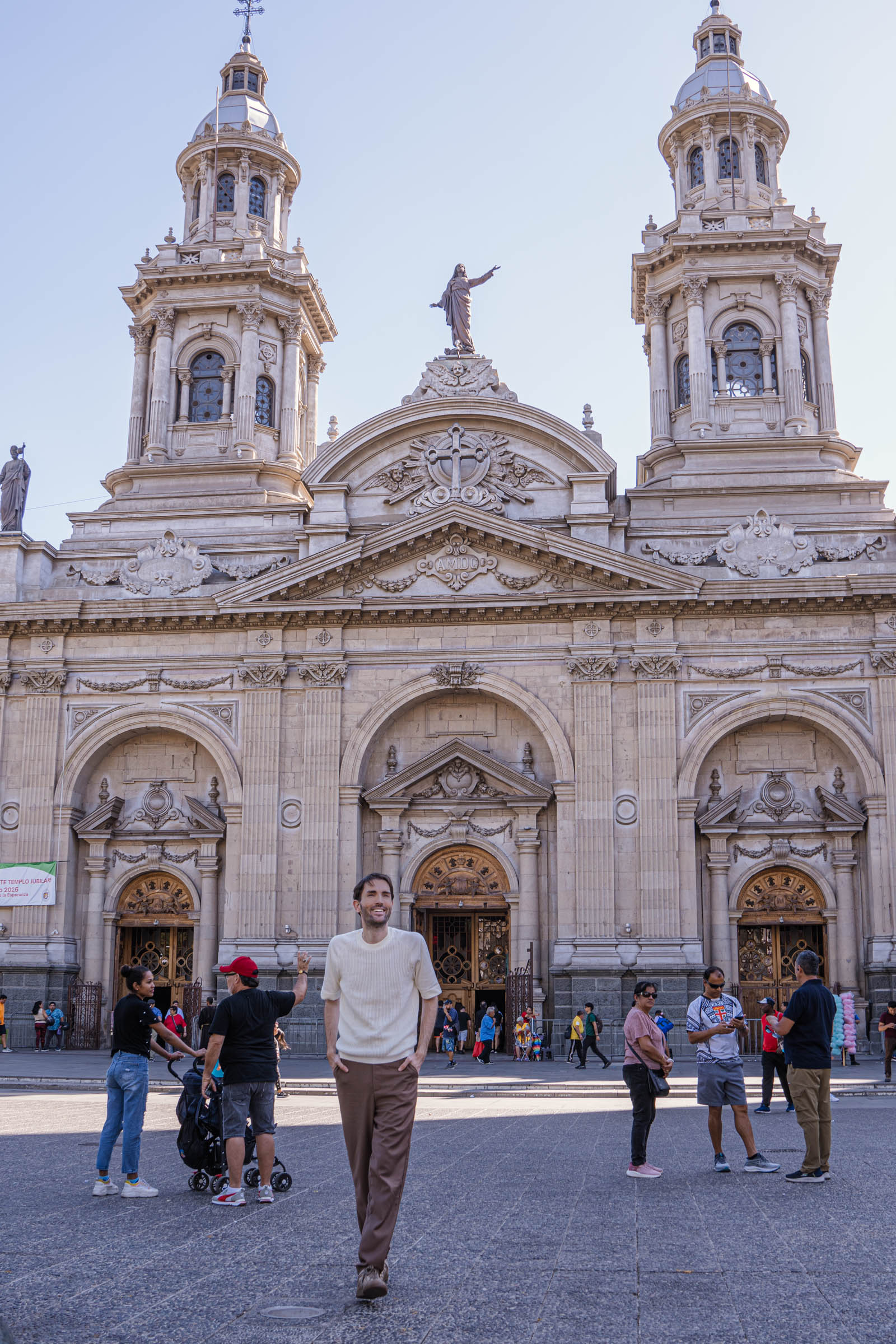
Inside, the cathedral surprises with its richly decorated altar, its colonnades and its golden light. It is a perfect place for a few quiet minutes in the middle of the busy city center.
ART, SHOPPING AND SANTA LUCÍA HILL
Besides the cathedral, I also visited the National Museum of Fine Arts, Museo Nacional de Bellas Artes, one of the main centers of Chilean and South American art. In the evening, I tried ceviche in a restaurant with a panoramic view of the city. People greeted me with smiles and warmth, and the young art scene of Santiago gave a modern vibe to my trip.
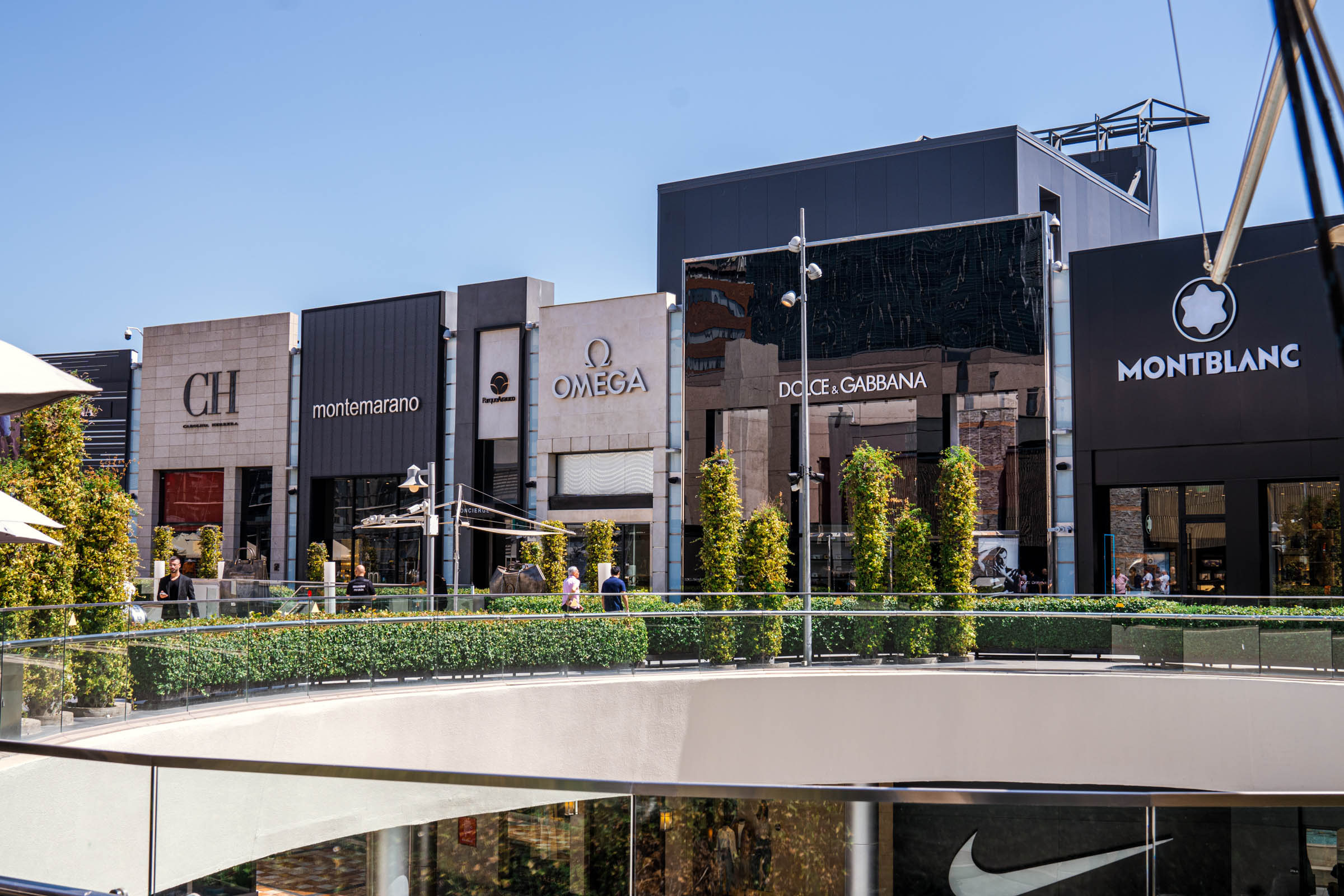
At the same time, modern Santiago is also a shopping destination. In the Distrito de Lujo of Parque Arauco, an open-air boulevard brings together international luxury houses such as CH Carolina Herrera, Dolce & Gabbana, Omega and Montblanc.
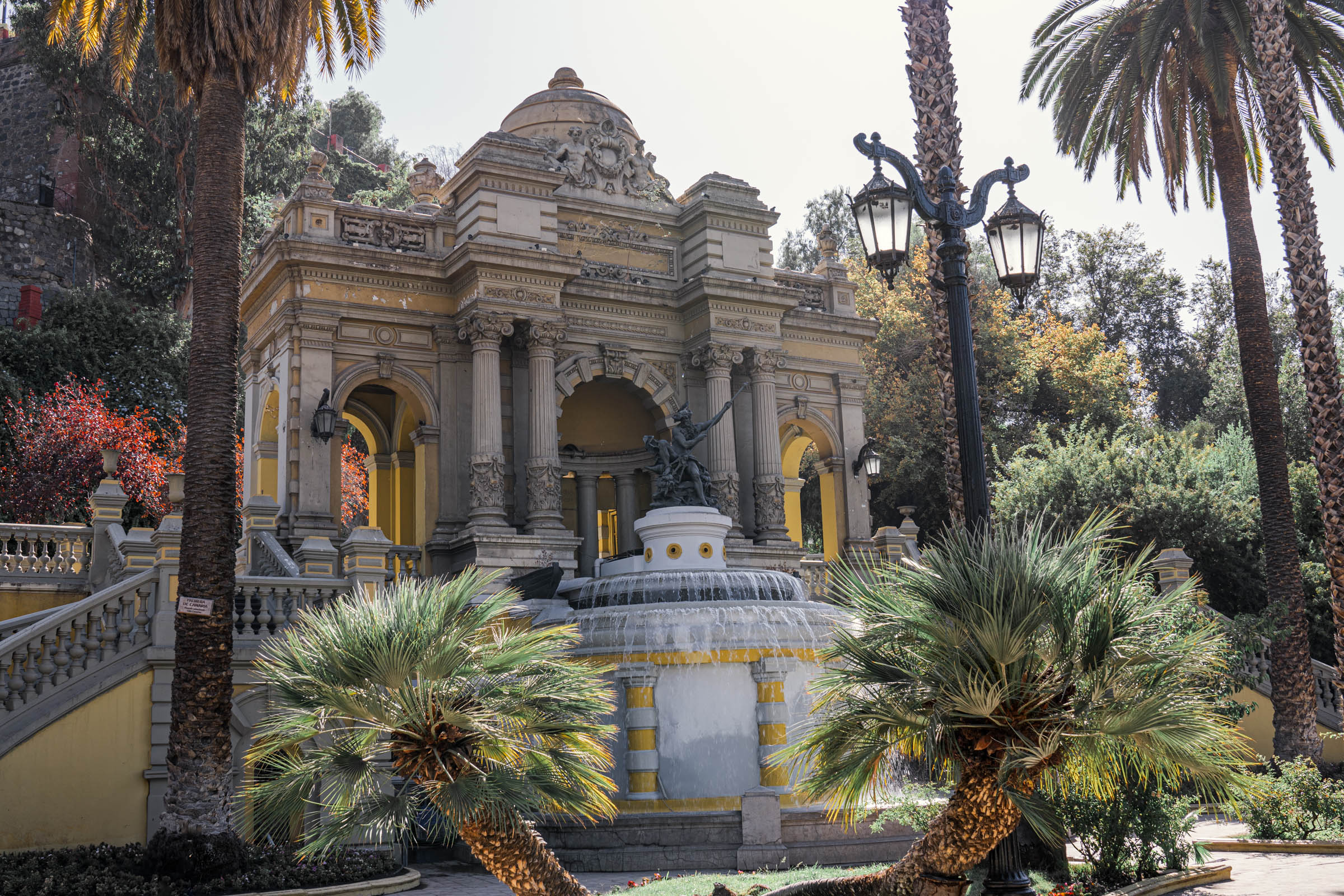
For my fashion story in Santiago, we chose Santa Lucía Hill, a small hill in the center of the city. The Indigenous people knew it as Huelén. The hill reaches an altitude of 629 meters, which is 69 meters above the surrounding area, and its park covers 65,300 square meters. In 1872, Benjamín Vicuña Mackenna began its transformation into a park with fountains, stairways and viewpoints. Its most famous corner is the Neptune Terrace, with a large fountain and a statue of Neptune.
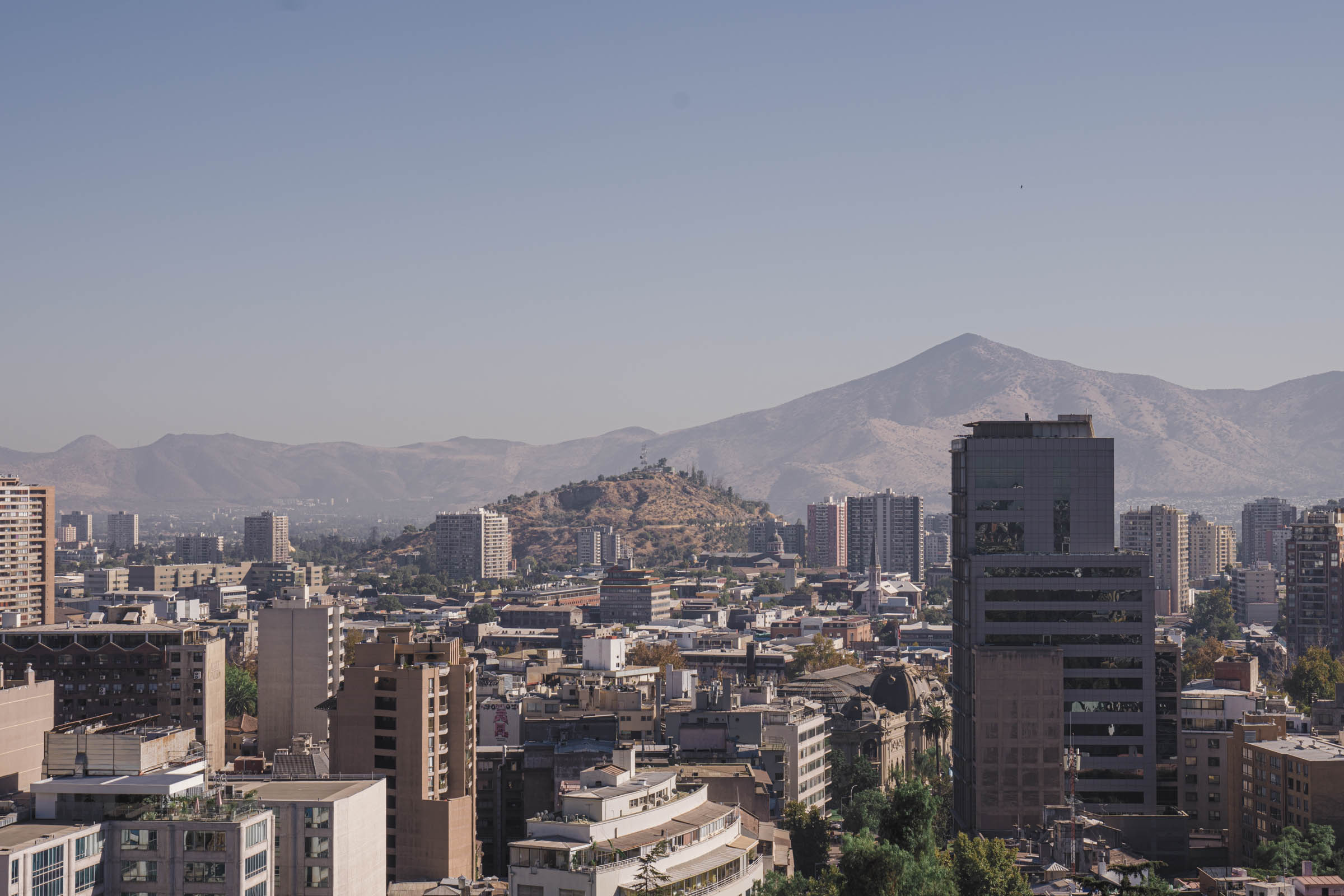
From the top, the whole city spreads out below you, with the Andes on the horizon. Further east, you can see the Costanera Center complex with Gran Torre Santiago. At 300 meters, it is the tallest building in South America.
LUCIANO K, A BOUTIQUE HOTEL IN BOHEMIAN LASTARRIA
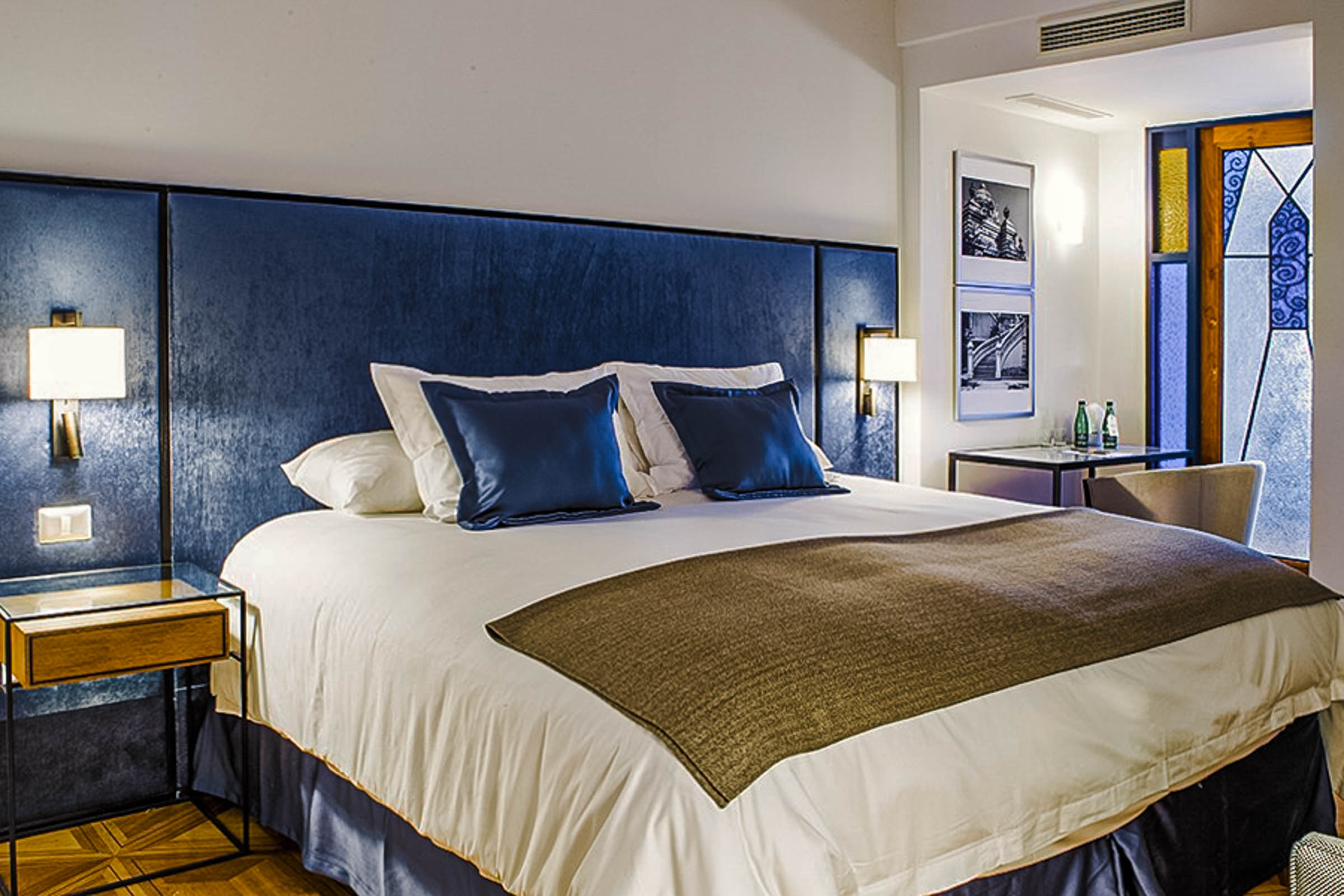
In Santiago, I stayed at Luciano K, a chic boutique hotel in Barrio Lastarria. This historic neighborhood is a center of cultural life, with cinemas, theaters, museums, restaurants and bars. The architect Luciano Kulczewski designed the building in the 1920s, and after a complete restoration it became a boutique hotel with 38 rooms.
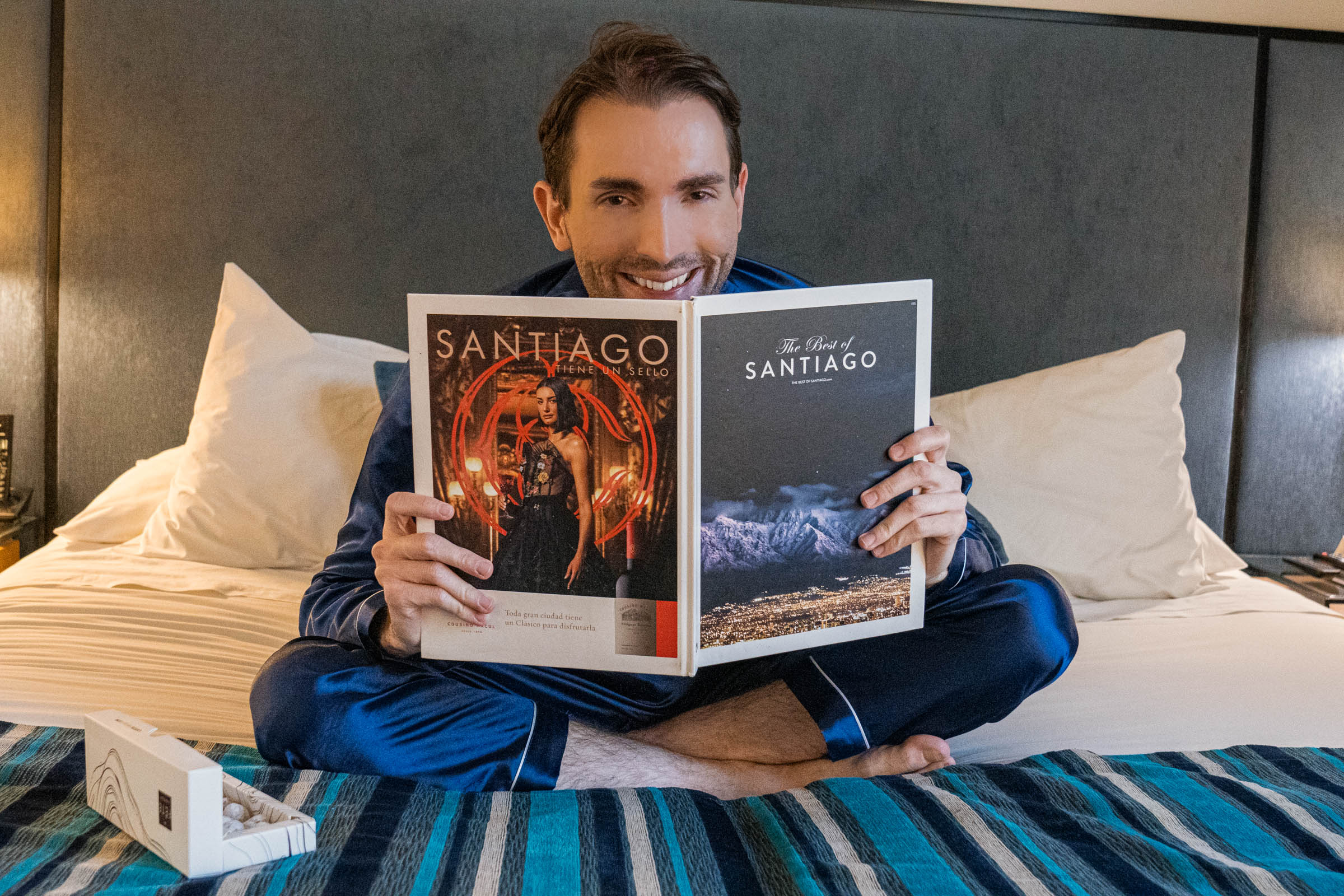
Inside, the hotel blends antique character with Art Deco design. From the rooftop pool, the view opens over the treetops of Parque Forestal. Thanks to the friendly staff and comfortable beds, I woke up every morning with recharged batteries, ready for new explorations.
PERU: LIMA, THE CITY OF KINGS
We move on to Peru, first stopping in Lima on the Pacific coast. The Spanish conquistador Francisco Pizarro founded Lima in January 1535. He named it Ciudad de los Reyes, the City of Kings, after the Epiphany.
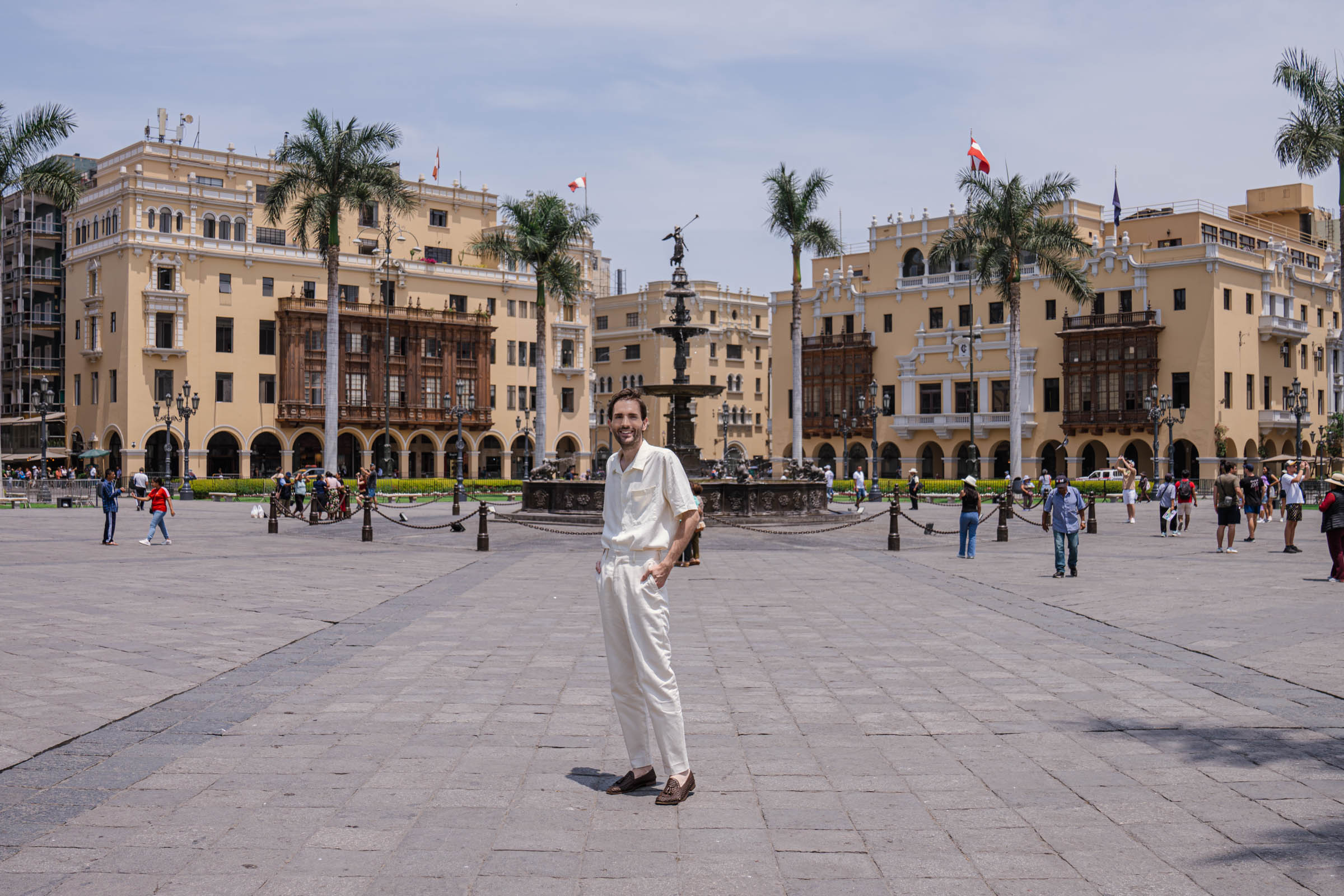
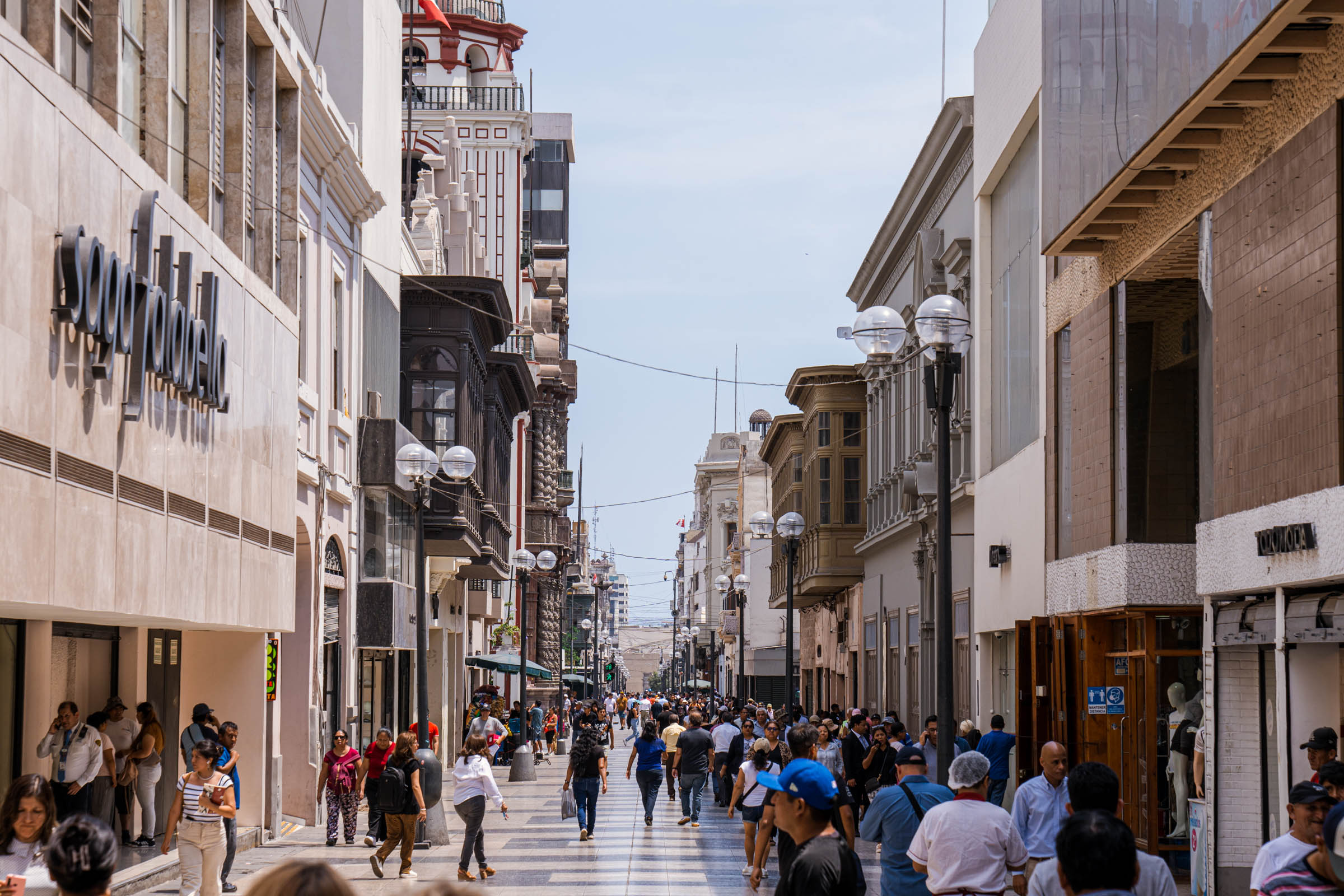
All the pedestrian streets of the historic center lead to the Plaza Mayor, the main square of the city. Here I am in the middle of the square, in front of the yellow buildings of the Municipal Palace with their famous wooden balconies. In the middle of the square stands its fountain, inaugurated on September 8, 1651.
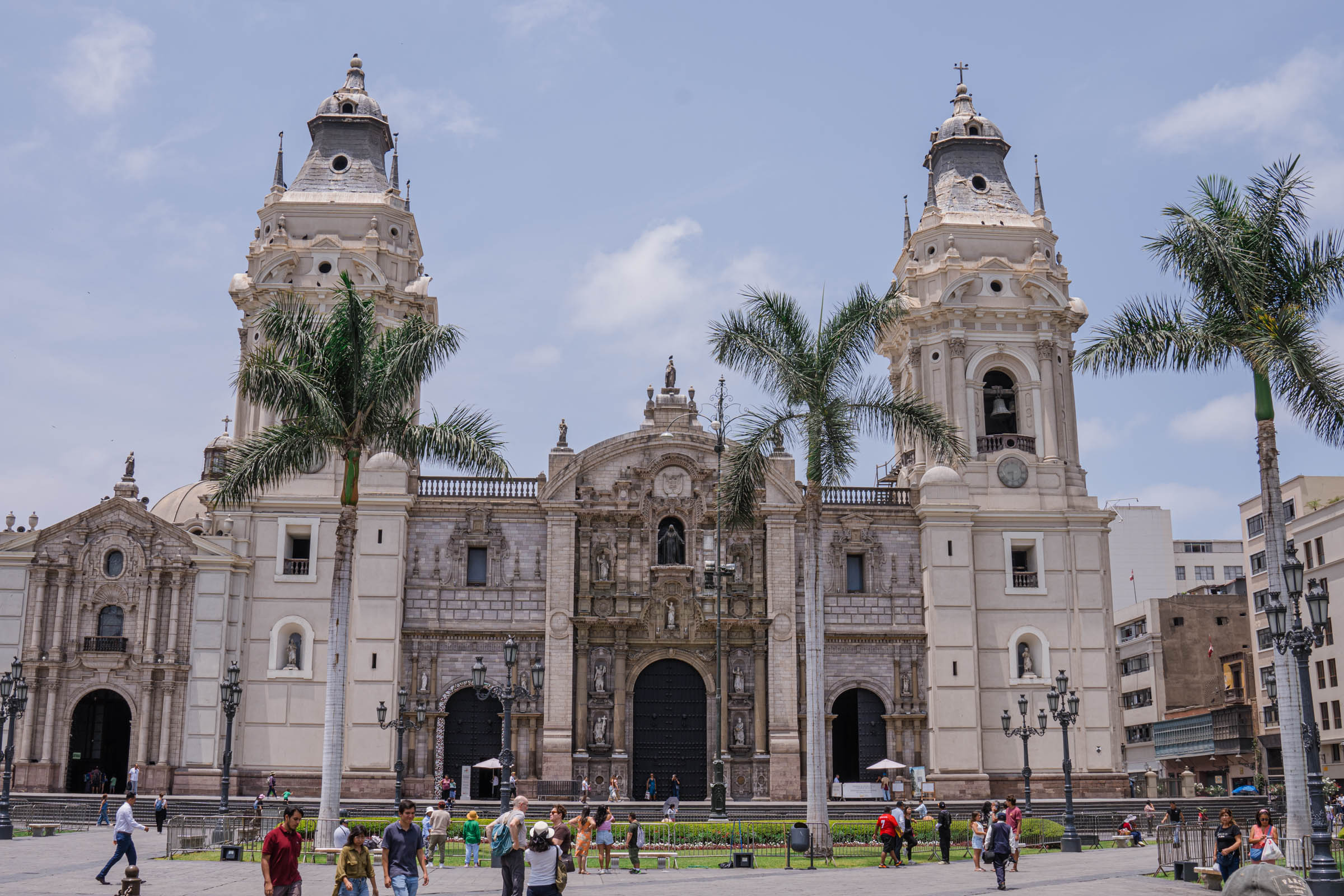
The Cathedral of Lima dominates the eastern side of the Plaza Mayor. Right next to it stands the Archbishop’s Palace, completed in 1924, with some of the most beautiful carved wooden balconies in the city.
Next to the Plaza Mayor, the Pasaje Santa Rosa separates the Municipal Palace from the Club de la Unión. It connects Jirón de la Unión with Jirón Camaná, and from here you can see the towers of the Cathedral.
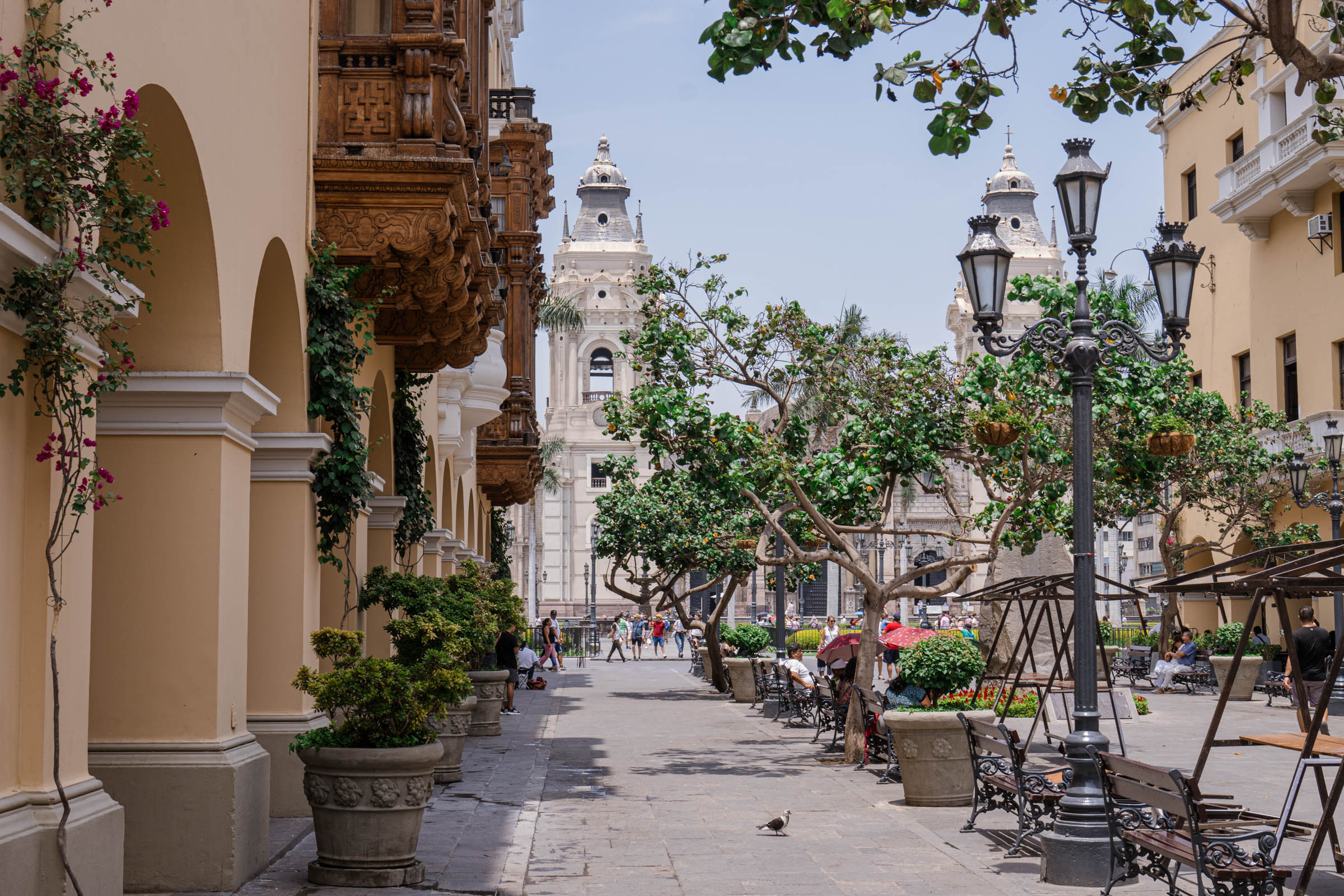
In general, wooden balconies are a symbol of Lima. UNESCO mentions the closed “box” balconies as one of the features of the Historic Centre of Lima. I loved walking through the busy streets of the center, where the colonial heritage meets the everyday life of the city.
SWISSÔTEL LIMA, WHERE SWISS ELEGANCE MEETS PERUVIAN SOUL
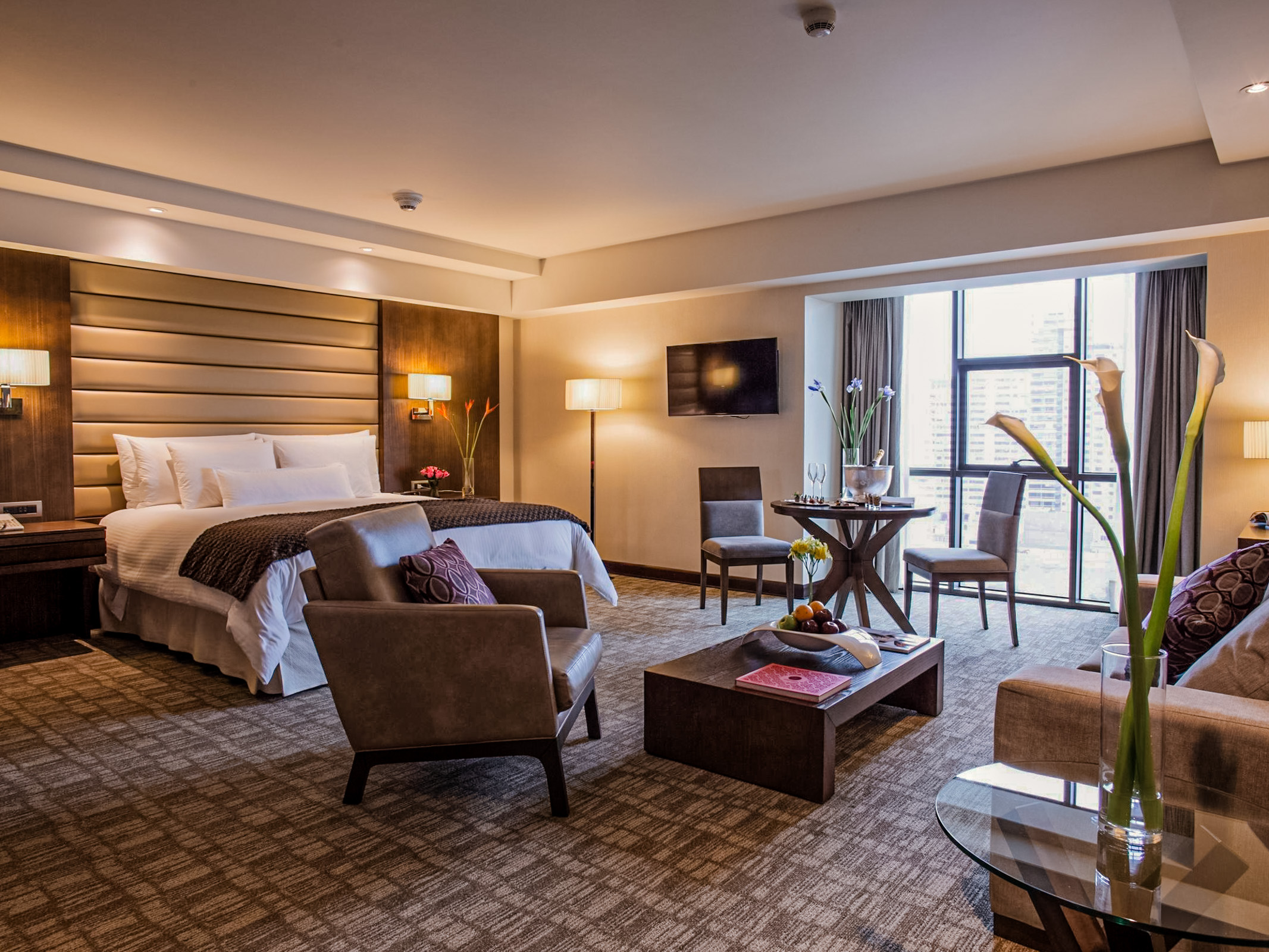
In Lima, I stayed at Swissôtel Lima, in the elegant San Isidro district. The hotel combines Swiss precision with irresistible Peruvian charm. It has 345 rooms and suites, including three presidential suites with panoramic views.
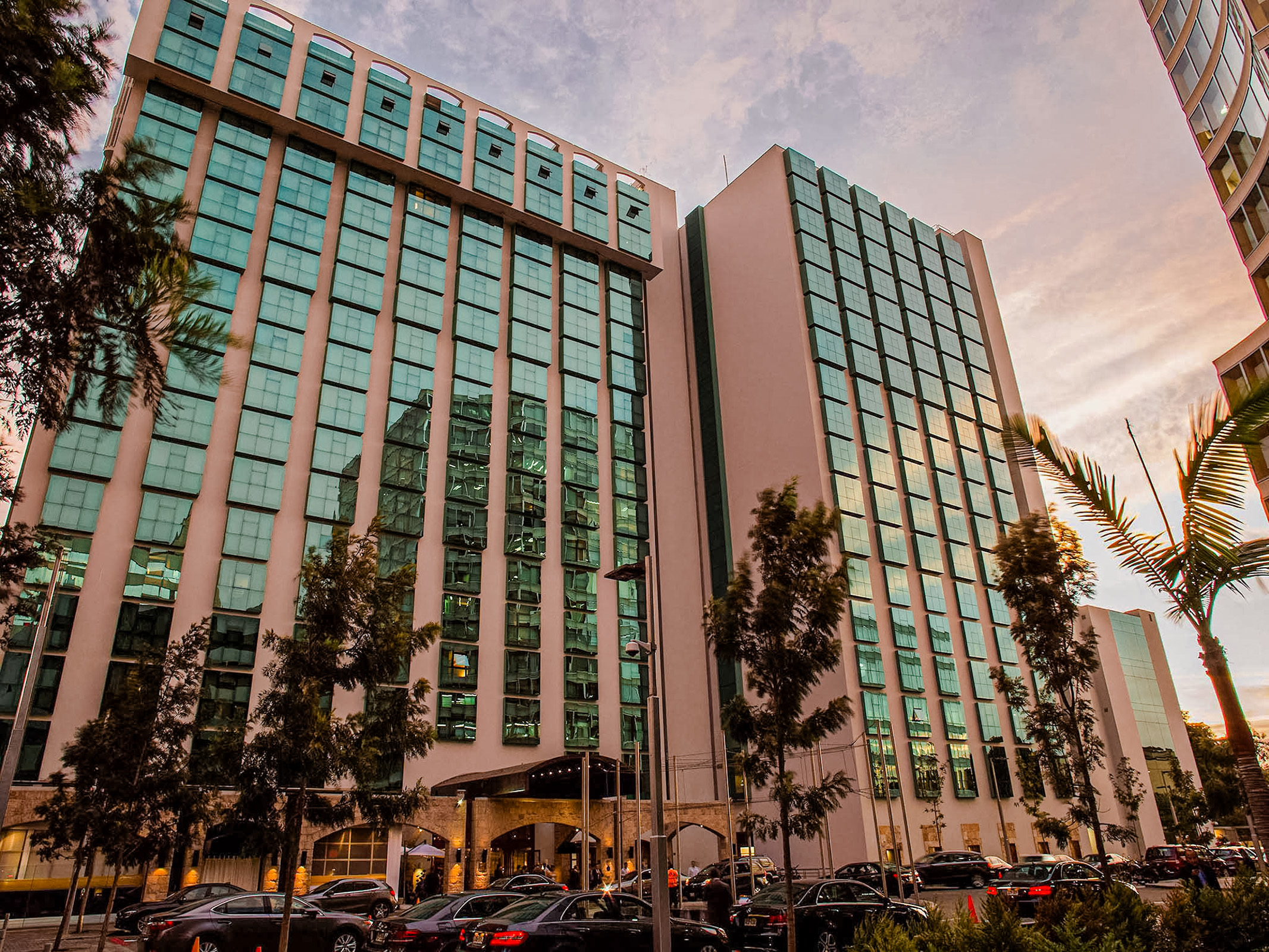
In addition to the peaceful surroundings, the hotel prepared me for the second part of my trip around Peru. Before the altitude of Cusco, Swissôtel Lima offered me herbal tea, which turned out to be a winning combination.
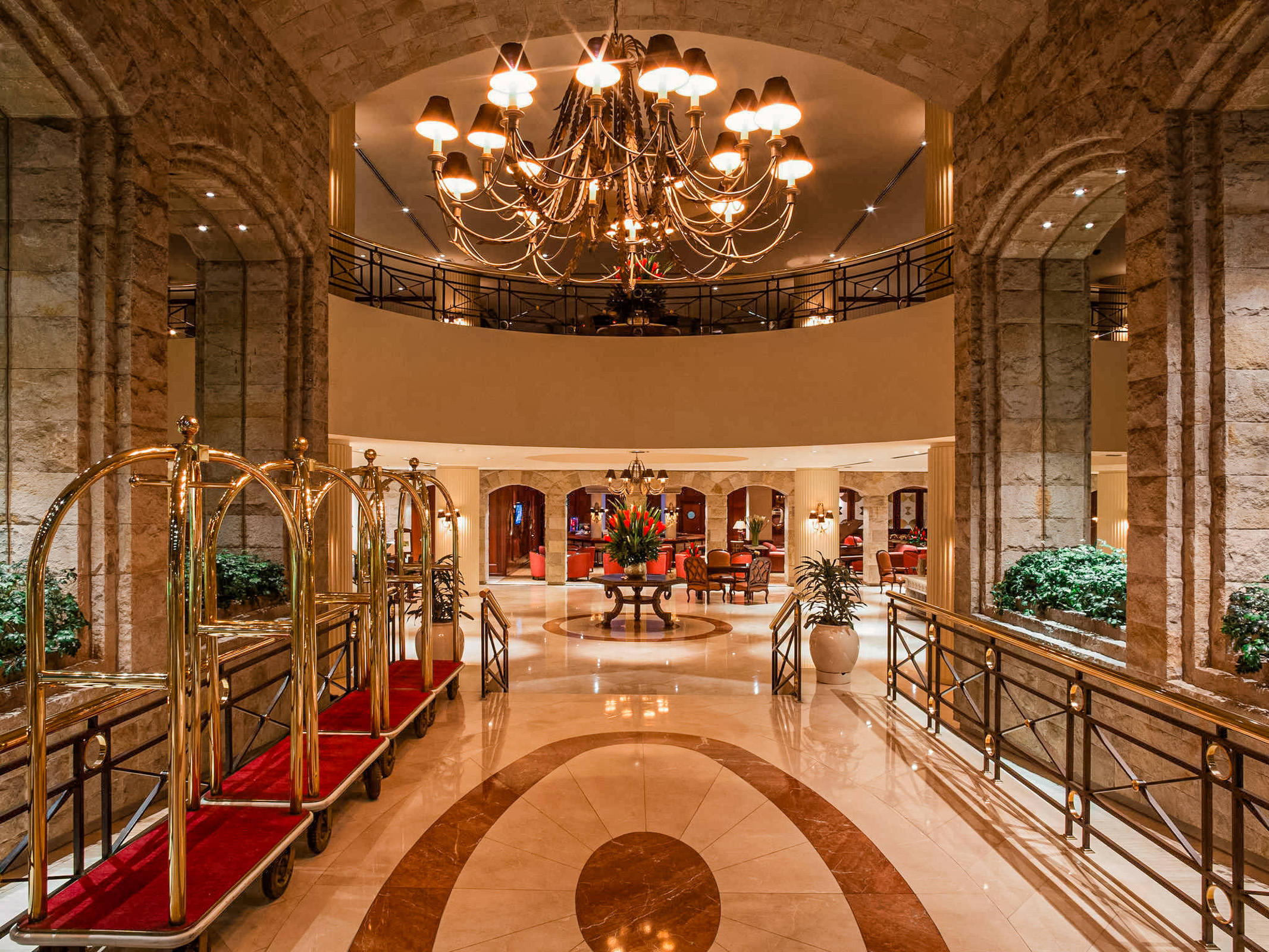
Meanwhile, I enjoyed a comfortable room with a fantastic view of the city. Also in Lima, I found inspiration for a fashion story where the Italian elegance of Brunello Cucinelli took on a whole new meaning.
LIMA, A CULINARY CAPITAL OF SOUTH AMERICA
Lima is a paradise for food lovers and one of the great food cities of South America. In fact, in 2025 Peru won the title of World’s Leading Culinary Destination at the World Travel Awards for the thirteenth time. Every night, I tried ceviche with fresh fish and the famous Peruvian pisco sour. At the same time, I marveled at the combination of Chinese, Japanese and local flavors in every bite.
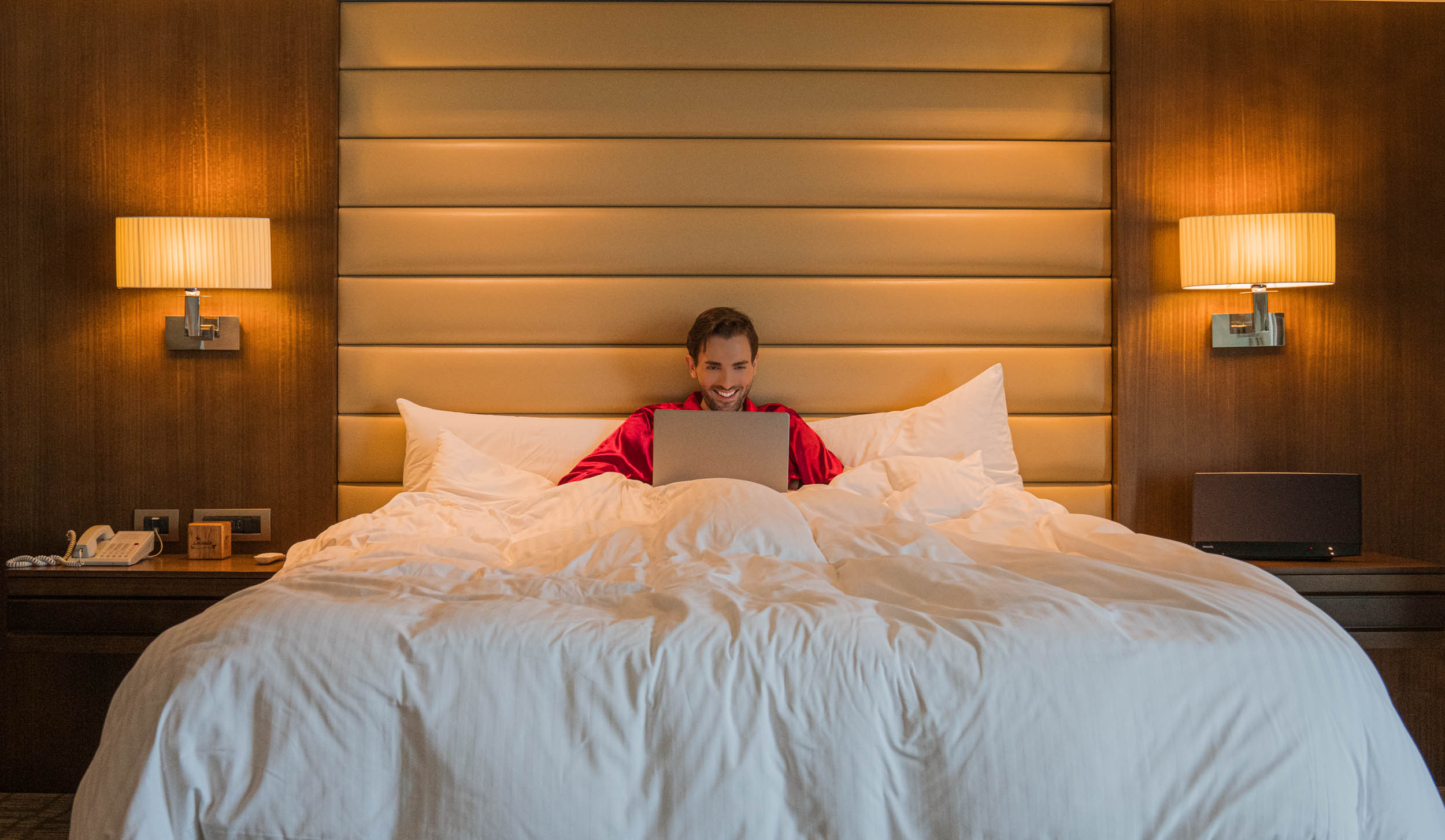
During my stay, I also saw the elegant parks of Miraflores and the art galleries and murals of Barranco. The bars on the coast were full of people, with a cheerful atmosphere and pleasant Latin music. At night, Lima pulsed with the energy of young people. After long days in the city, my room was perfect both for rest and for work.
CUSCO, THE ANCIENT CAPITAL OF THE INCAS
From Lima, I headed to Cusco, the former capital of the Inca Empire. Cusco lies at about 3,400 meters above sea level, and UNESCO declared the City of Cusco a World Heritage Site in 1983.
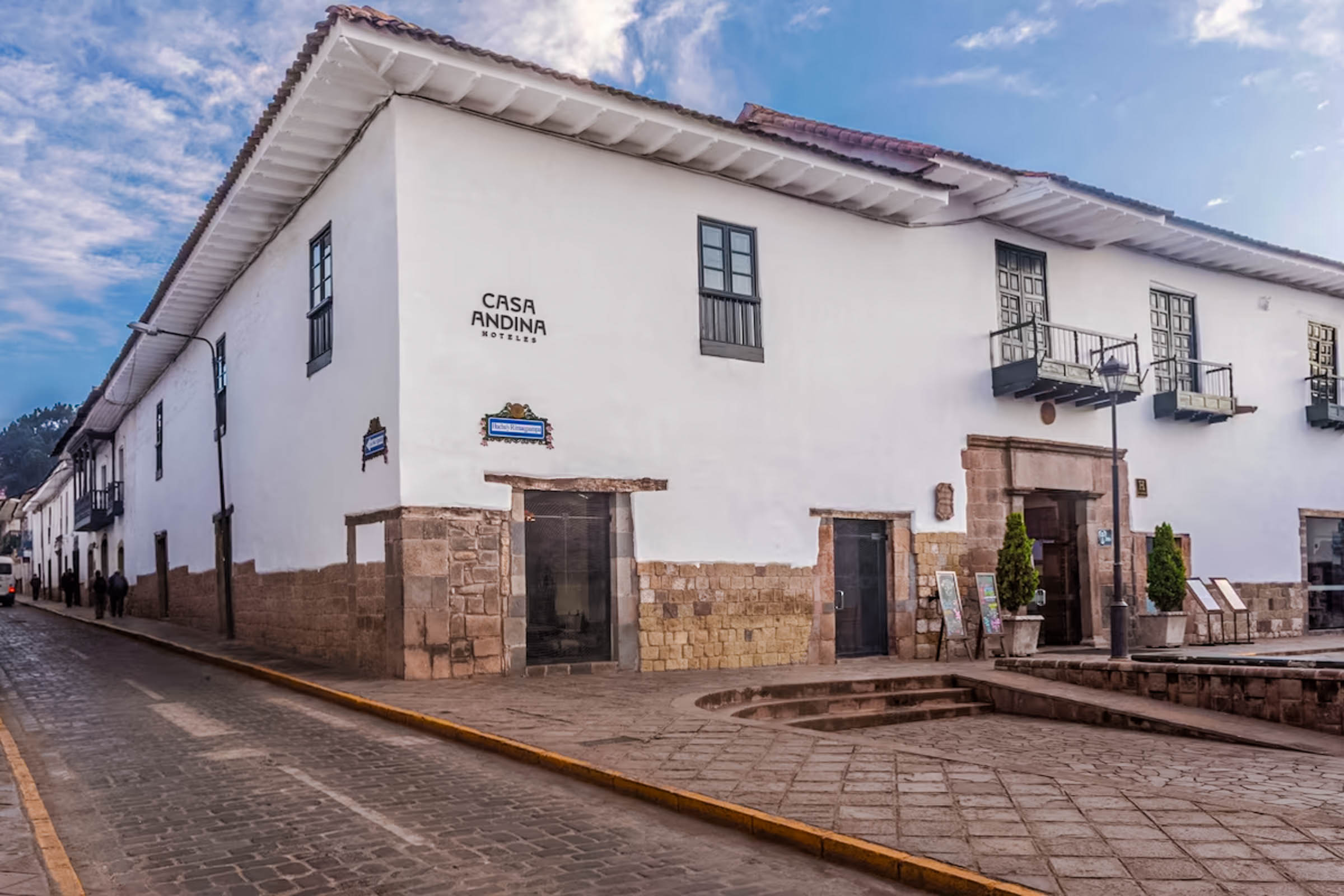
I stayed at Casa Andina Premium Cusco. The hotel stands on the small Plazoleta Limacpampa Chico, about five minutes on foot from the Plaza de Armas. At check-in, I received a cup of coca tea, which locals traditionally drink to adjust to life in the mountains.
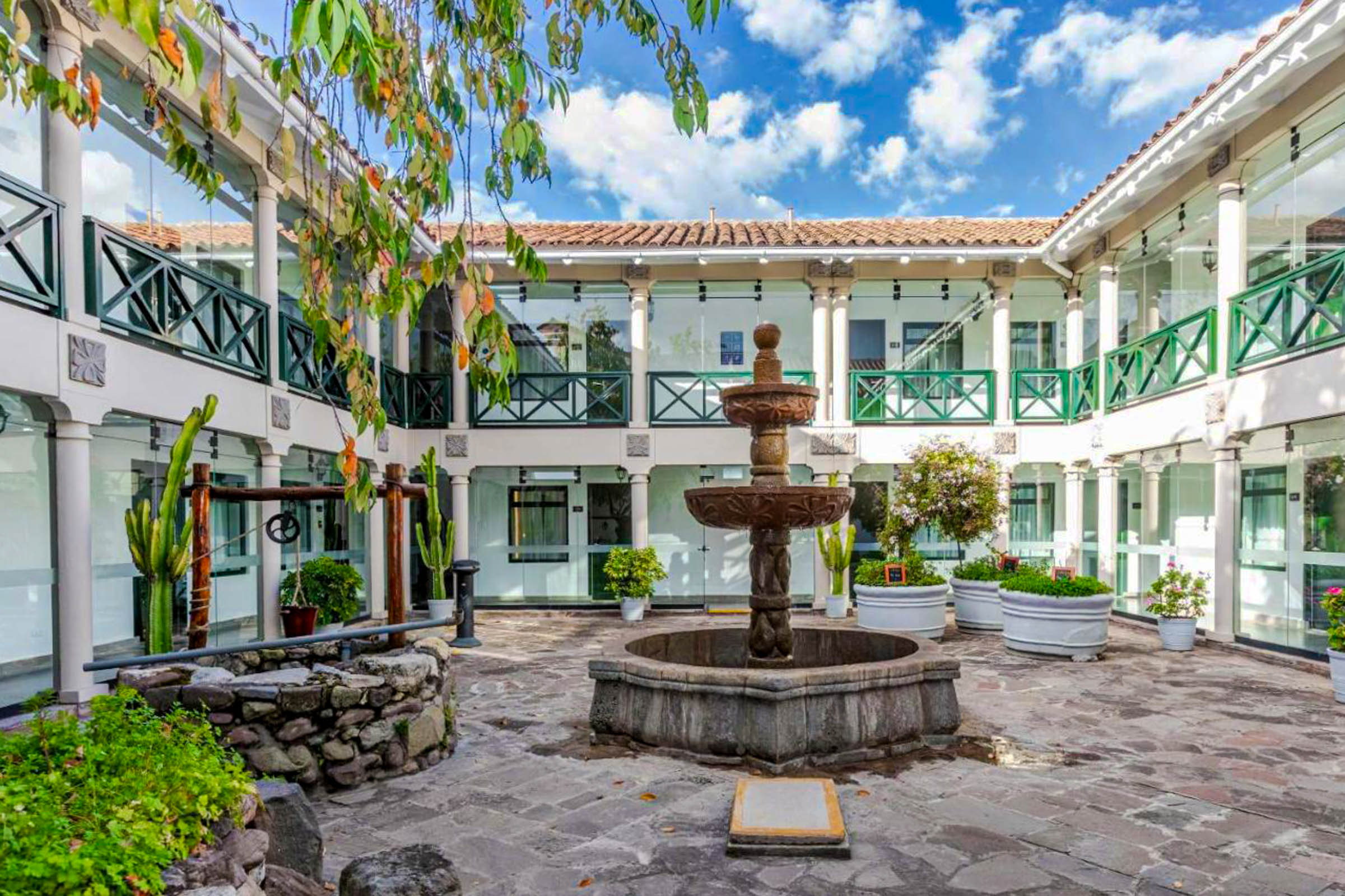
In my suite, I enjoyed the combination of local rusticity and modern comfort. Dark stone details and colorful alpaca carpets created a feeling of warmth. In addition, the hotel courtyards, wooden balconies and stone fountains created a calm world just steps from the busy streets. The staff even gave me warm slippers, small things that meant a lot at this altitude.
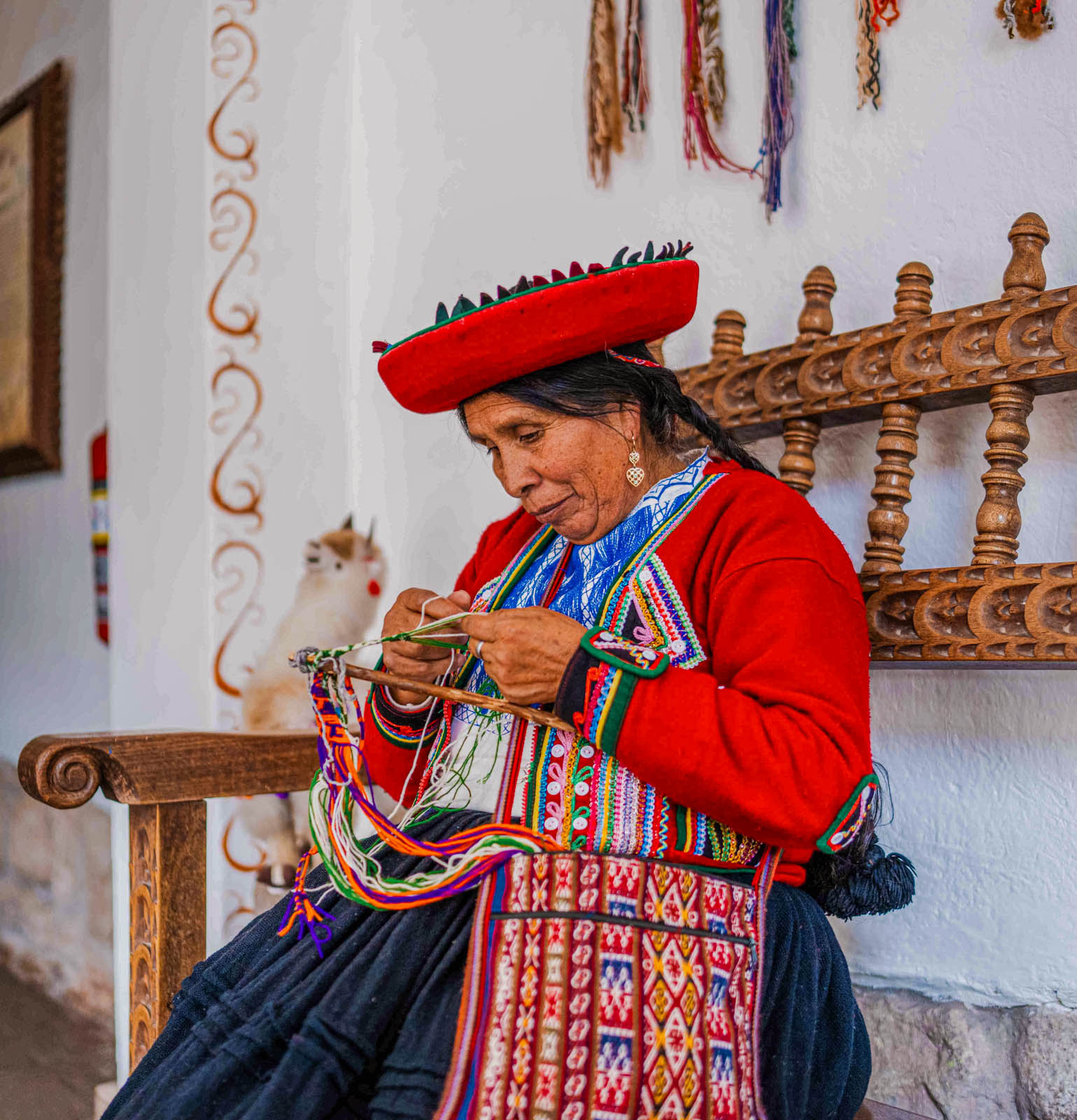
Even today, Andean traditions are alive everywhere in Cusco. You will often meet women in traditional dress who spin wool by hand, keeping an ancient craft alive.
THE PLAZA DE ARMAS AND THE STREETS OF CUSCO
Cusco is much more than just a city. It is an open-air history museum and the place where two civilizations meet: Spanish colonial culture and the Inca heritage. Inca builders joined massive stones without mortar, and their walls still stand today, while colonial houses and churches rise above them.
One of the most beautiful places in Cusco is the Plaza de Armas. On its southeast side stands the Iglesia de la Compañía de Jesús, one of the best examples of Spanish Baroque architecture in Peru. The Jesuits built it on the site of an Inca palace.
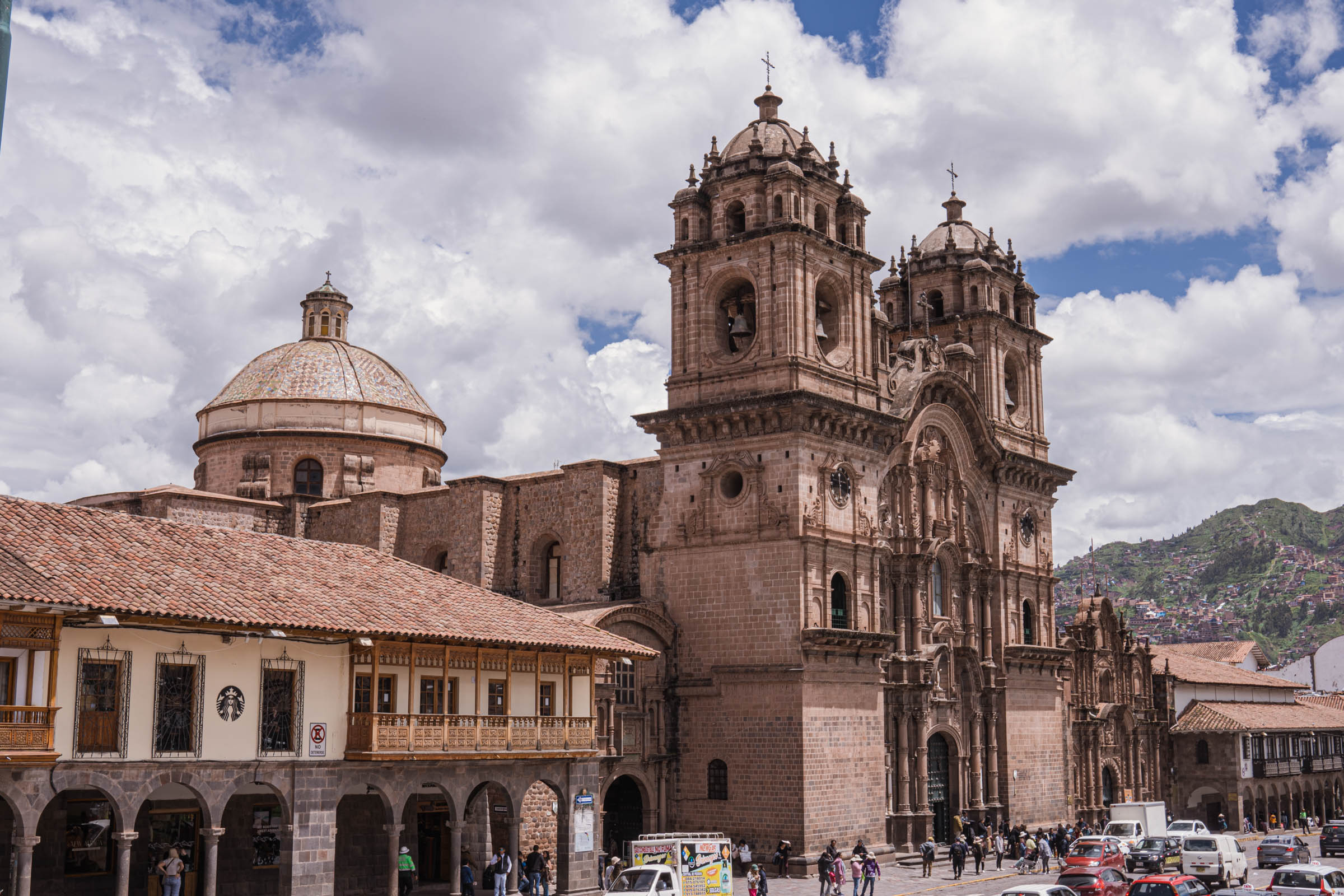
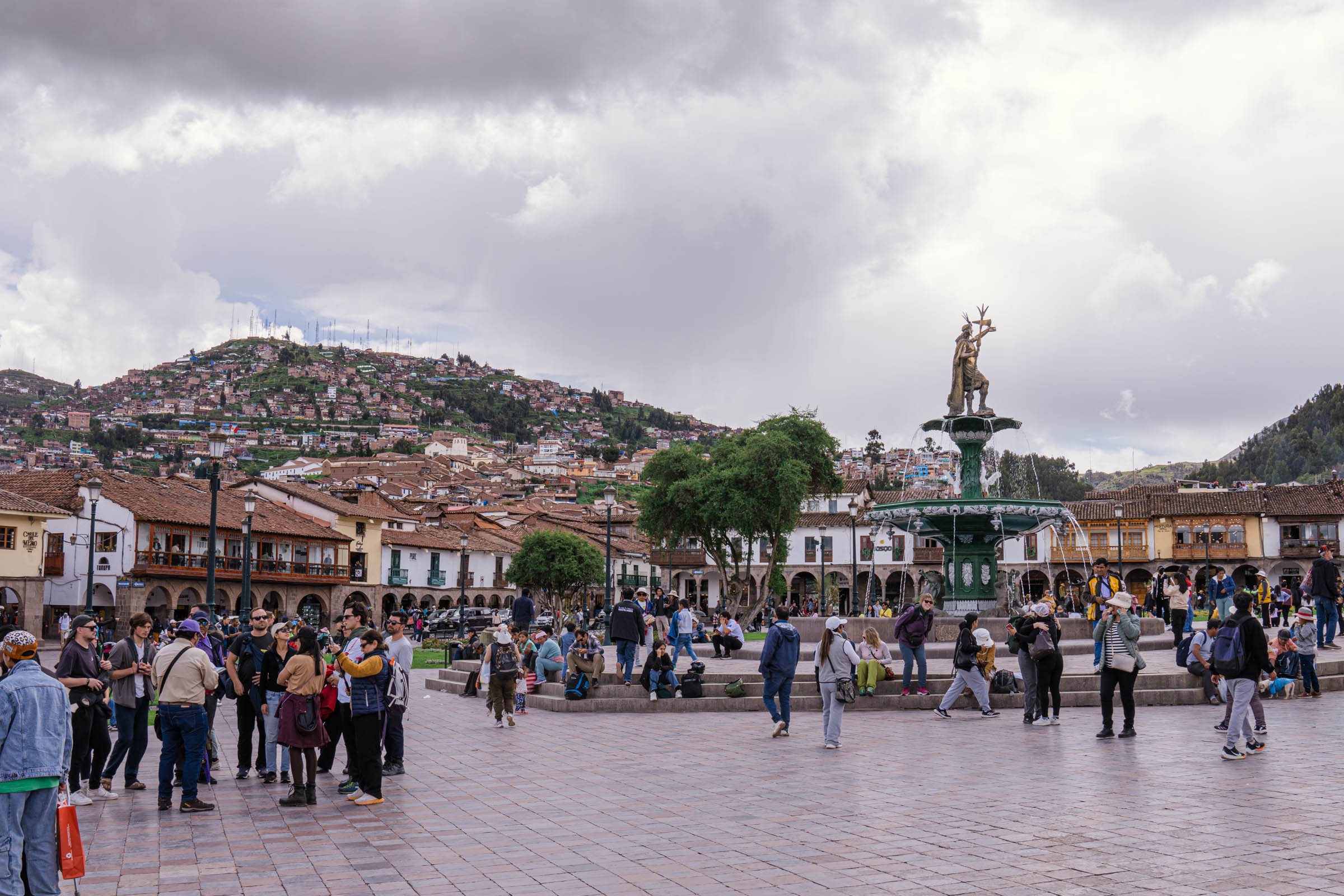
During the day, the square bustles with life, artists and craft sellers, while at night it turns into a romantic scene full of lights. I recommend trying coffee with cinnamon in one of the cafés overlooking the square, simply an unforgettable experience!
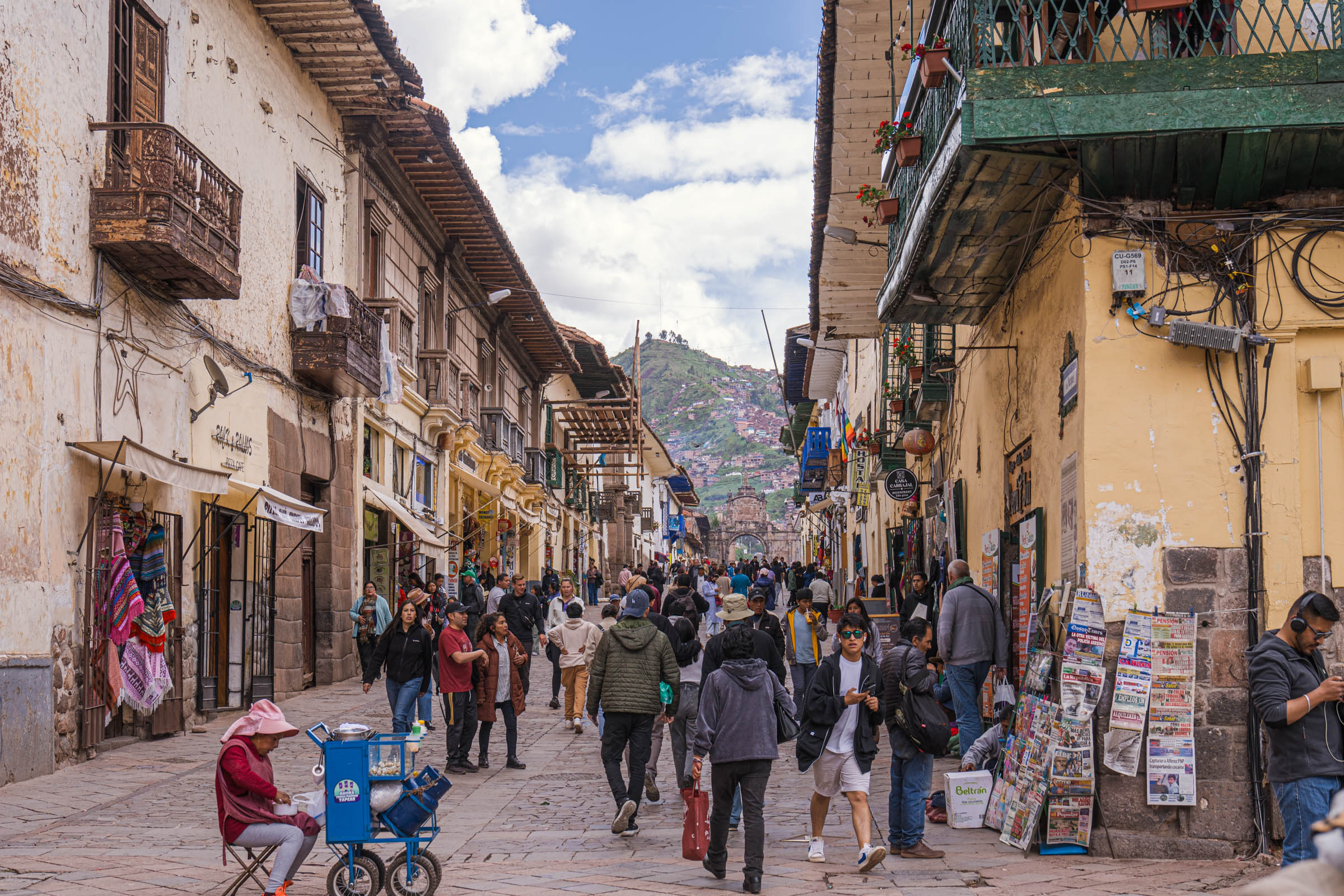
Walking through the narrow streets of Cusco is like going back in time, because each street tells its own story. Wooden balconies, red roof tiles and old doors remind you of both civilizations at every corner.
SAN PEDRO MARKET, MARAS AND MORAY
If you have time, be sure to visit the San Pedro Market, a true paradise for lovers of local flavors. Colorful rows of fruit, vegetables, peppers and handicrafts will enchant all your senses. On the way from Plaza San Francisco to the market, you will pass the Arco de Santa Clara, a 19th-century triumphal arch.
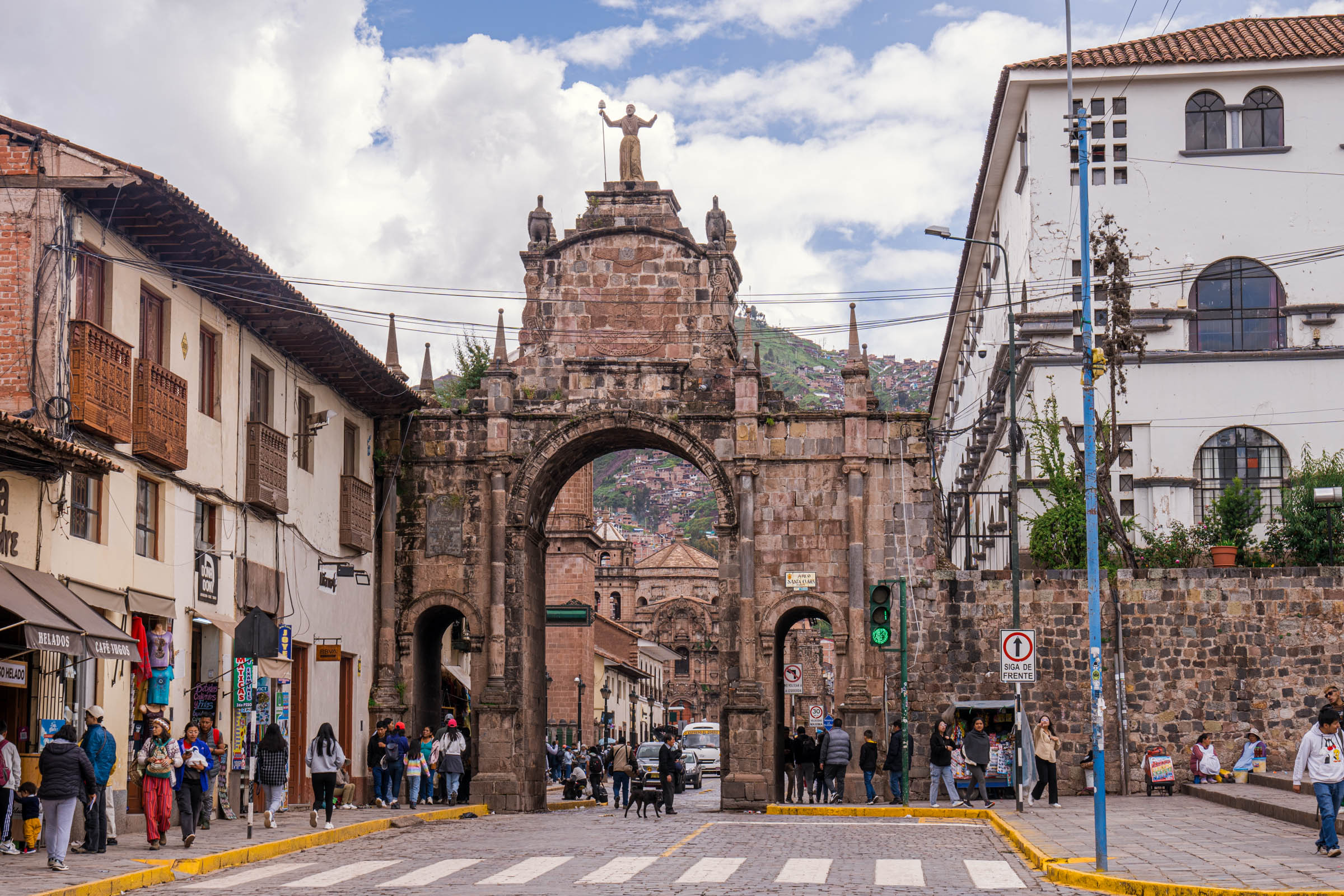
Cusco is also the gastronomic capital of the Andes. Do not miss the opportunity to try alpaca meat or the traditional specialty cuy, roasted guinea pig, which is part of the culinary heritage of this region. For those who prefer lighter dishes, quinoa soup is the right choice for cold Andean evenings.
Because of the altitude, it is important to acclimatize for at least a day or two before heading to Machu Picchu. Hot coca tea, which you will find at every turn, will help you.
Near Cusco, the Sacred Valley hides two more fascinating sites. The Salineras de Maras are salt pans that people still use exactly as they did in the time of the Incas. Nearby, at Moray, the Incas built circular terraces that most likely served as an agricultural laboratory.
MACHU PICCHU, THE HIGHLIGHT OF MY TRIP TO SOUTH AMERICA
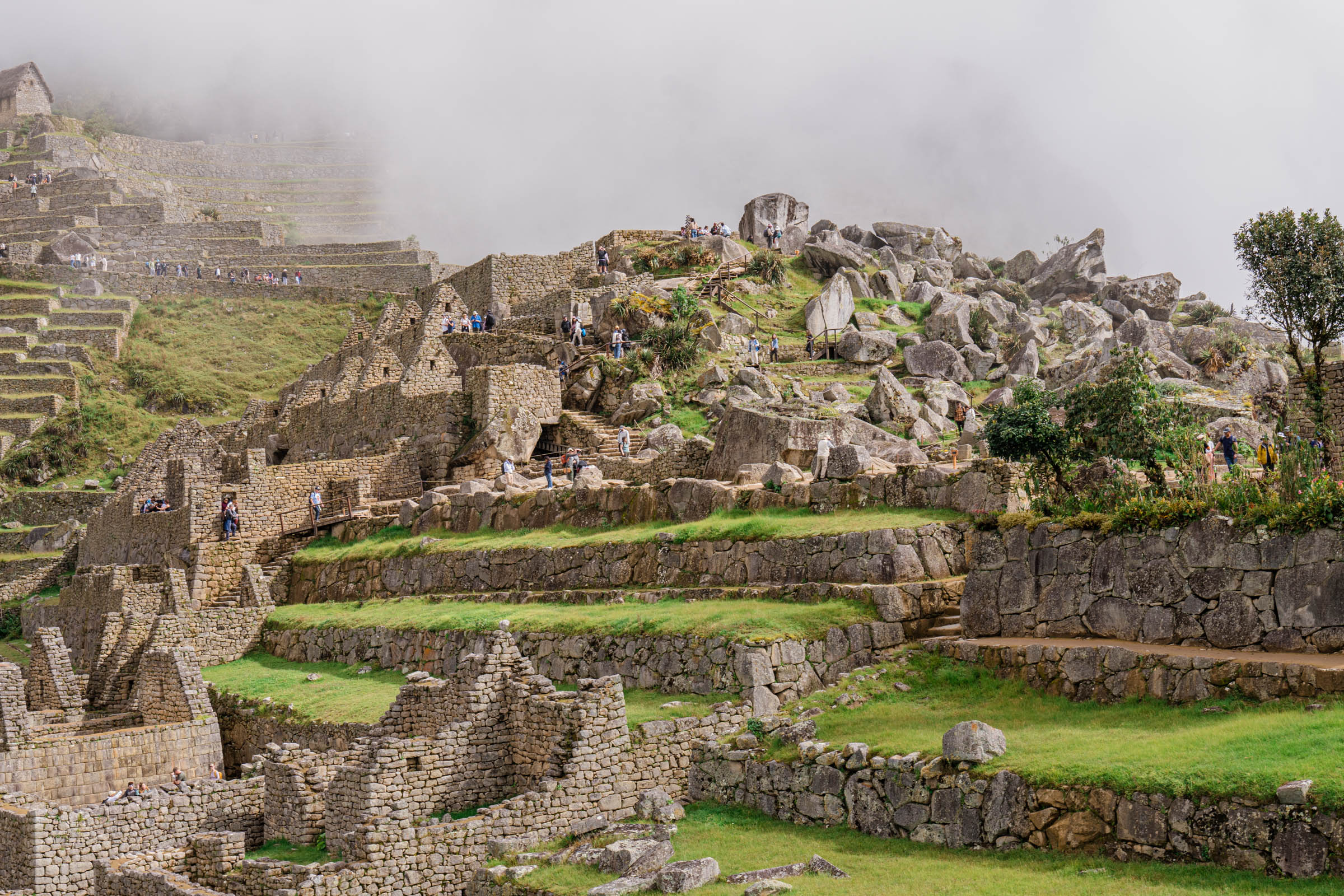
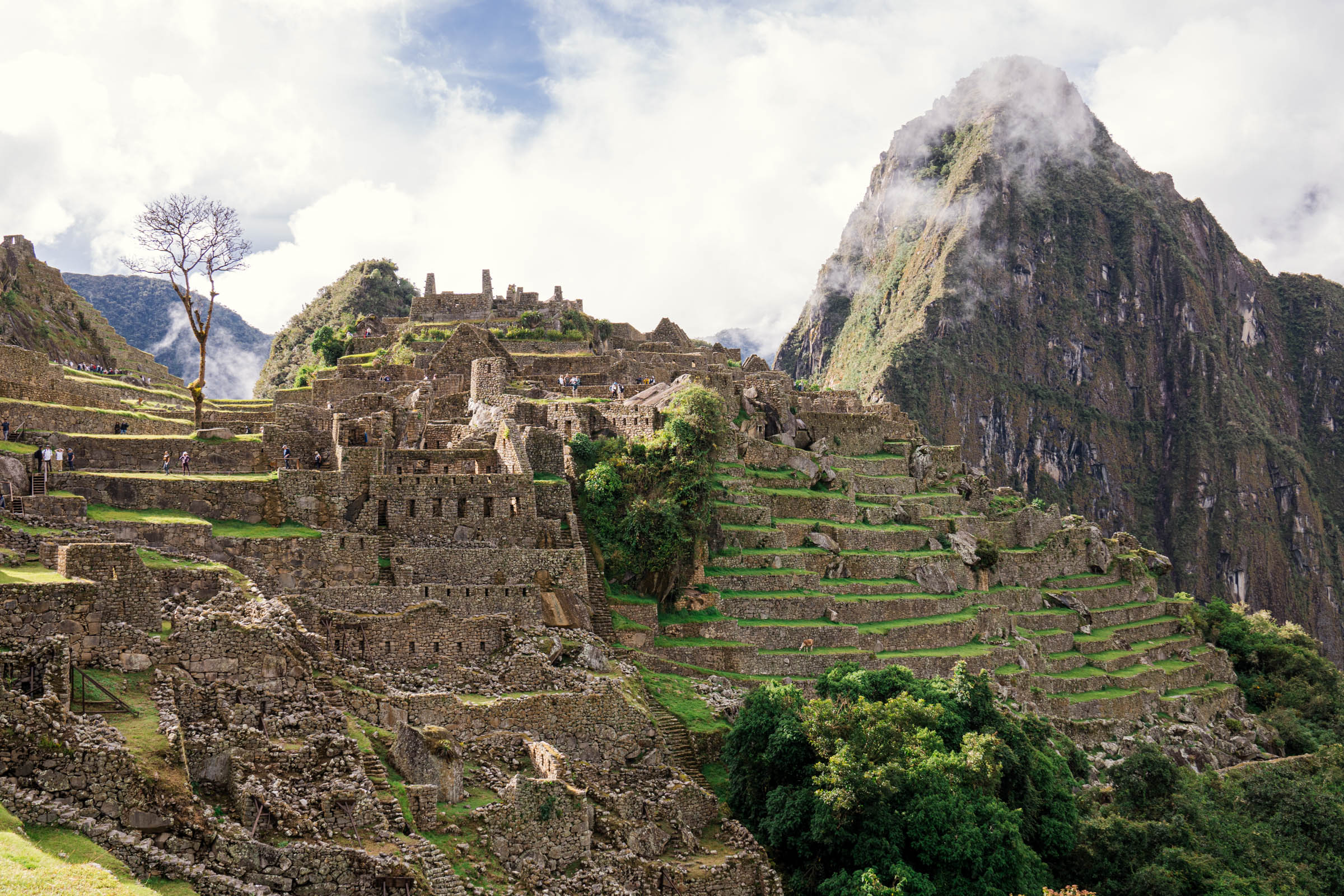
The main attraction was, of course, Machu Picchu, the sacred city of the Incas, about 80 kilometers northwest of Cusco. The Incas built the citadel around 1450, most likely as a royal estate for the emperor Pachacuti. It stands on a mountain ridge at 2,430 meters above sea level, above the Urubamba River.
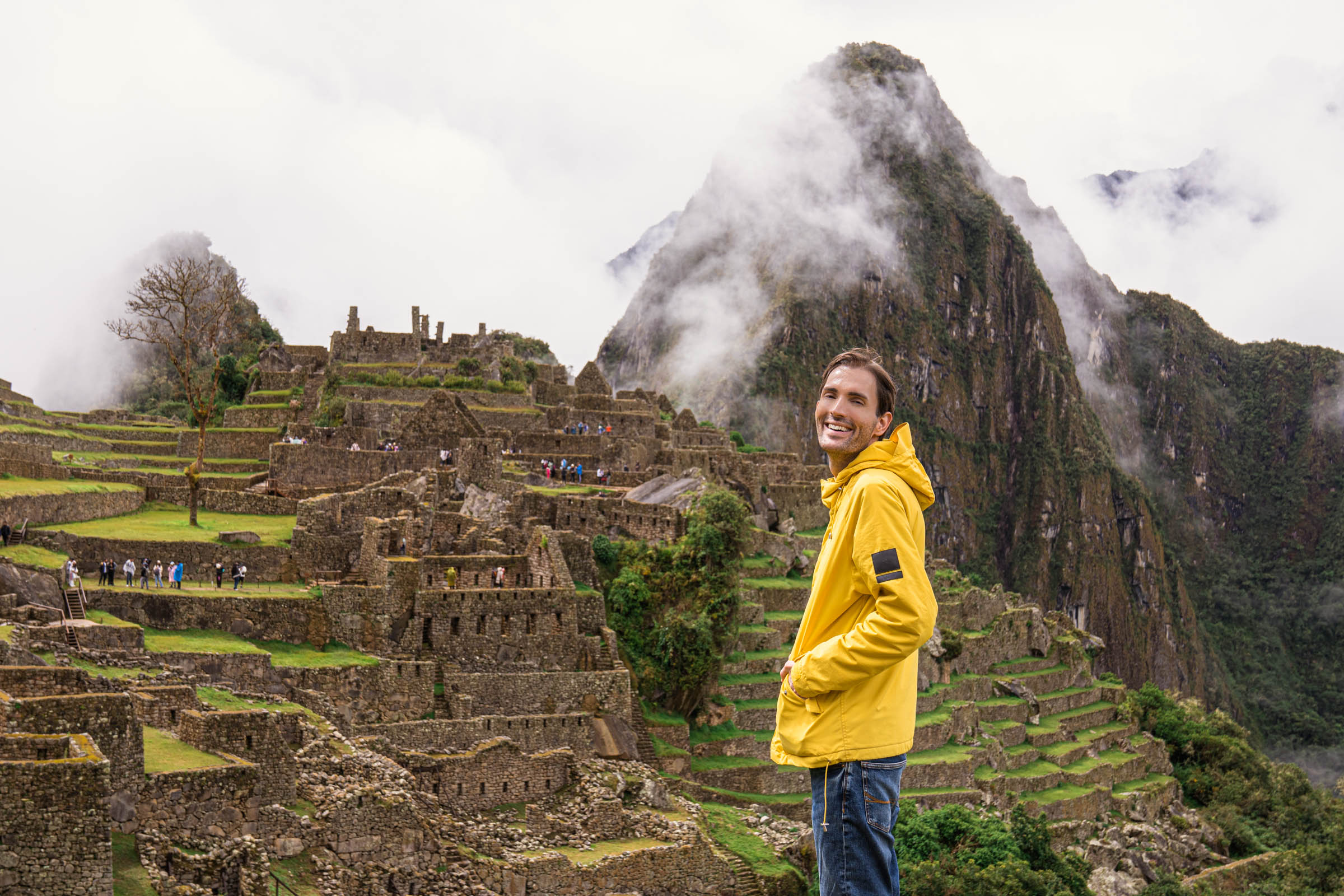
The journey there was unforgettable. The panoramic Inca Rail train took me from Ollantaytambo along the Urubamba River, through the green valleys and steep mountains of the Andes. In the morning, however, fog covered the citadel because of the rain. Luckily, the sky cleared later, and I got perfect sunny photos of one of the wonders of the world.
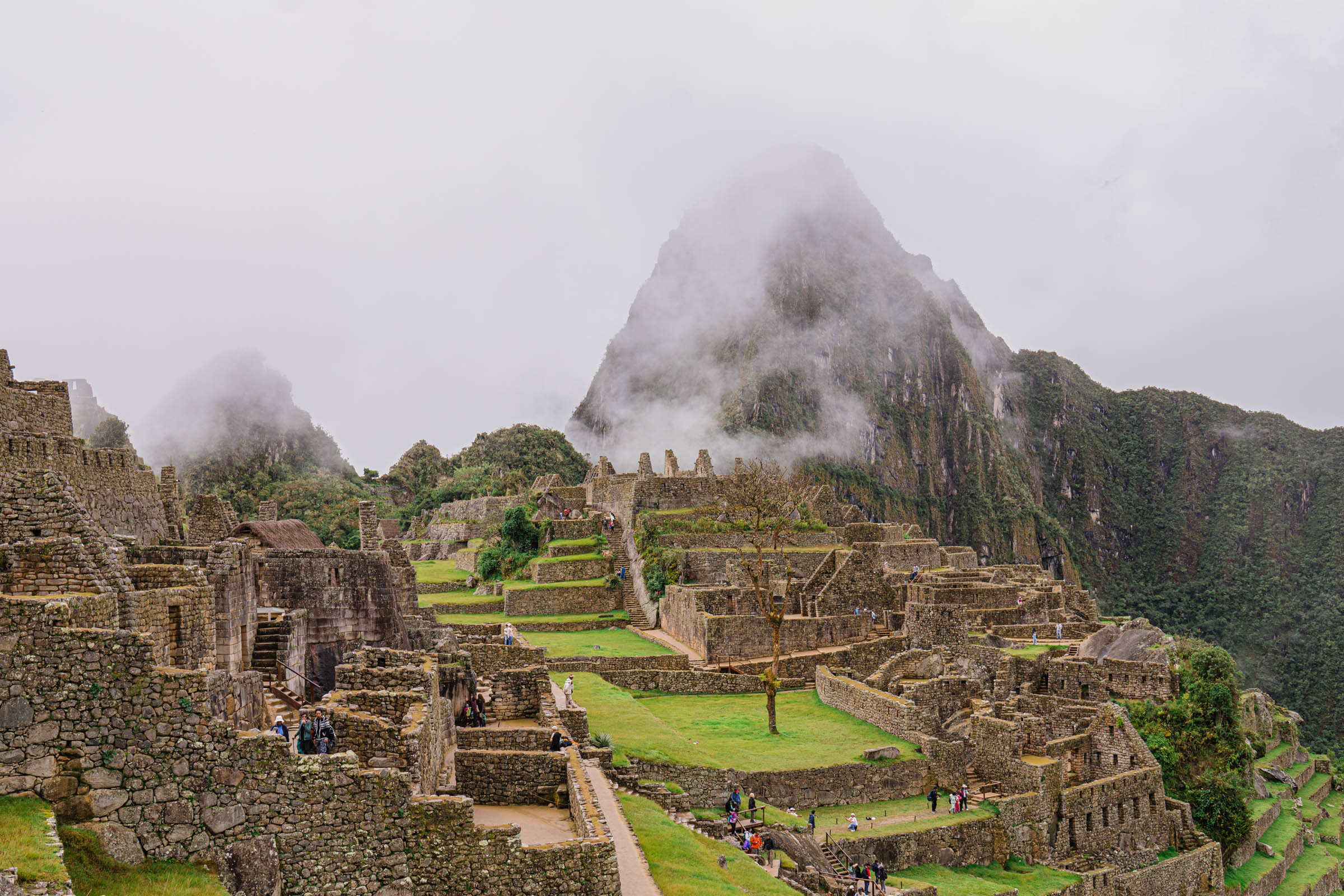
UNESCO designated Machu Picchu a World Heritage Site in 1983. Later, in 2007, it became one of the New Seven Wonders of the World. Much of the farming here happened on hundreds of man-made terraces, which still shape the slopes of the citadel.
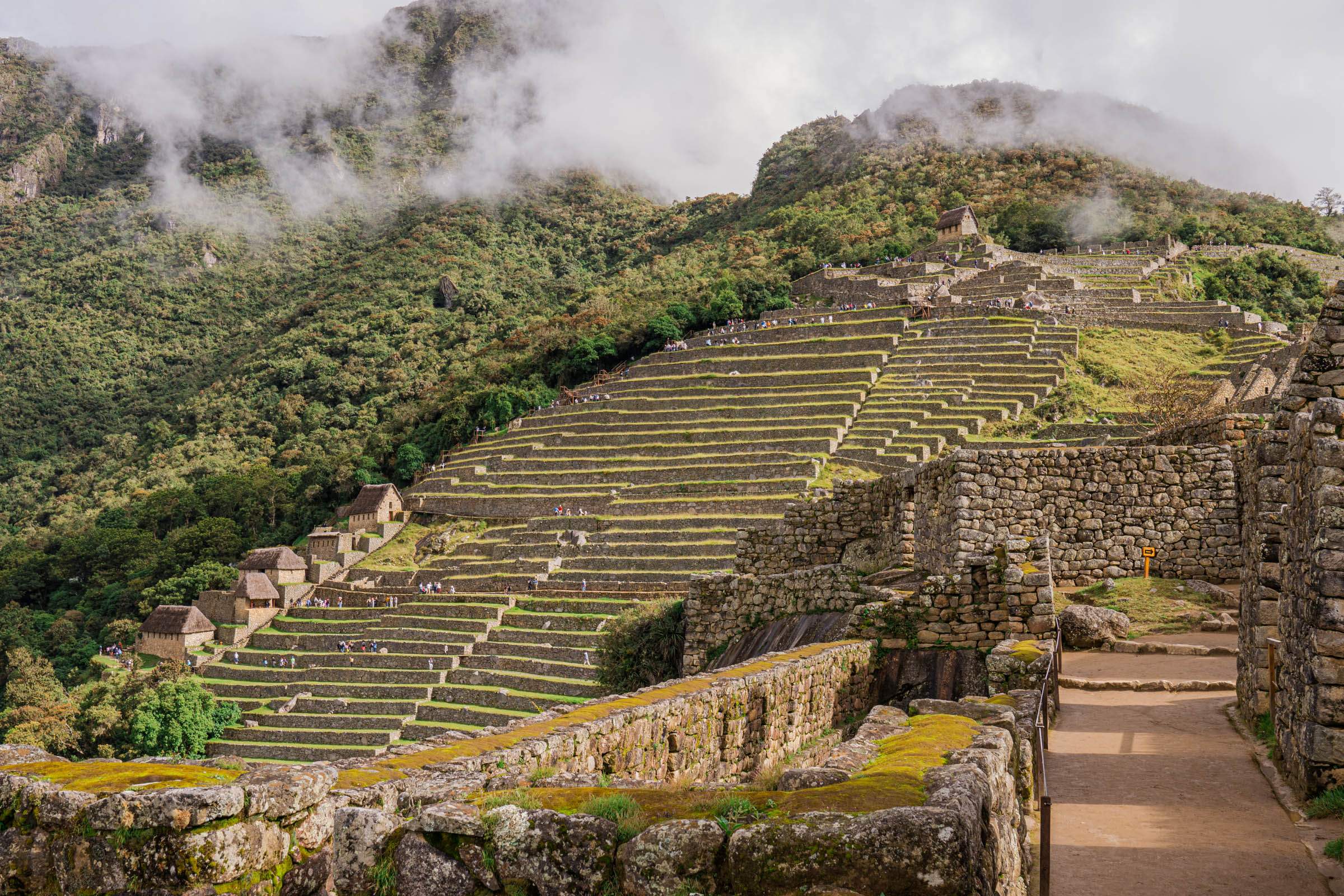
I stood in the center of the ancient citadel. From there, I looked at the ruins of the Temple of the Sun, the Temple of the Three Windows and the Sacred Plaza. When you look at Machu Picchu from above, you feel that time has really stopped. I stood like that for a while and felt the cold wind and a silence that was centuries old.
In every way, I understood why we call Machu Picchu a sacred city, because it is a place that keeps the soul awake. Without a doubt, it is the highlight of my trip and a memory I will keep in my heart for the rest of my life.
COLOMBIA: BOGOTÁ, THE FINAL STOP IN SOUTH AMERICA
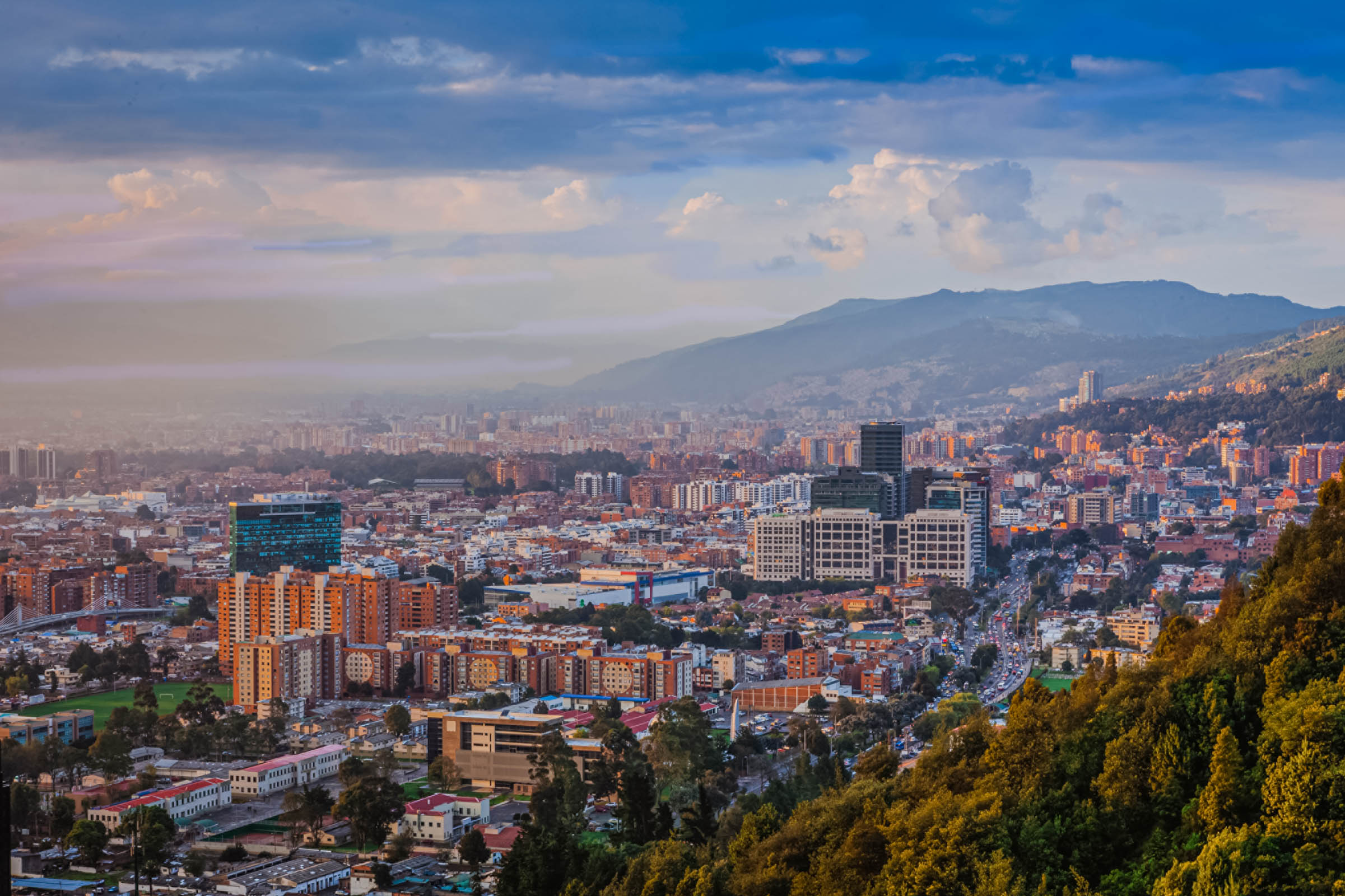
At the end of my trip, I arrived in Colombia, the land of coffee and charm. Its capital, Bogotá, is the tropical capital of coffee, gold and art. It lies on a high plateau of the Andes, at about 2,640 meters above sea level. As a result, it is one of the highest capitals in the world.
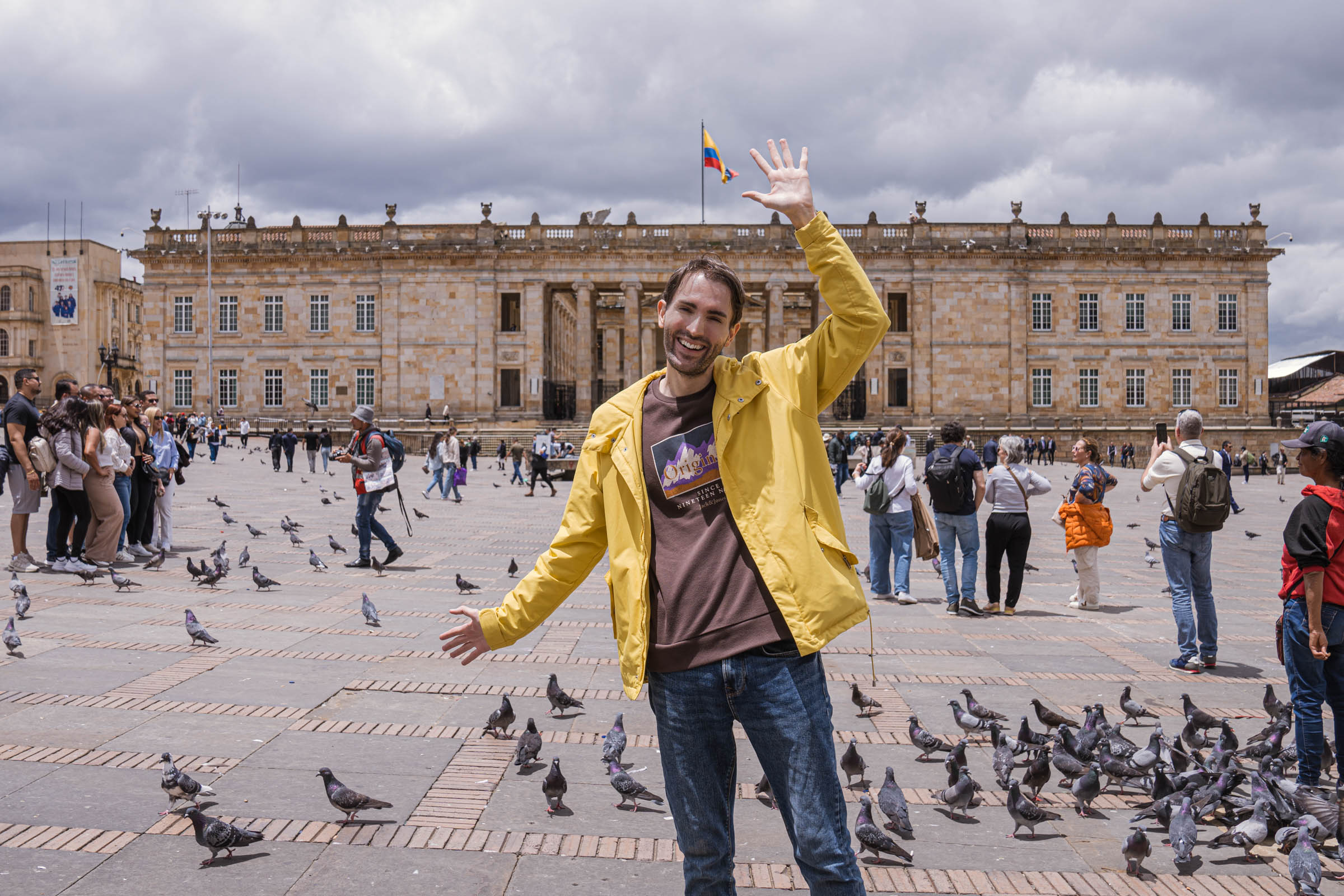
Five days in the city gave me a lot of excitement, from the colorful streets of La Candelaria to the world-famous Gold Museum. In the heart of the city lies the grand Plaza de Bolívar. The National Capitol stands on its south side, while the Catedral Primada rises on its east side. Behind the Capitol, Plaza Núñez connects it with the Casa de Nariño, the presidential palace.
Above all, the Gold Museum left me breathless. Its collection began in December 1939, when the Banco de la República bought the Poporo Quimbaya. Today, the museum holds the largest collection of pre-Hispanic goldwork in the world.
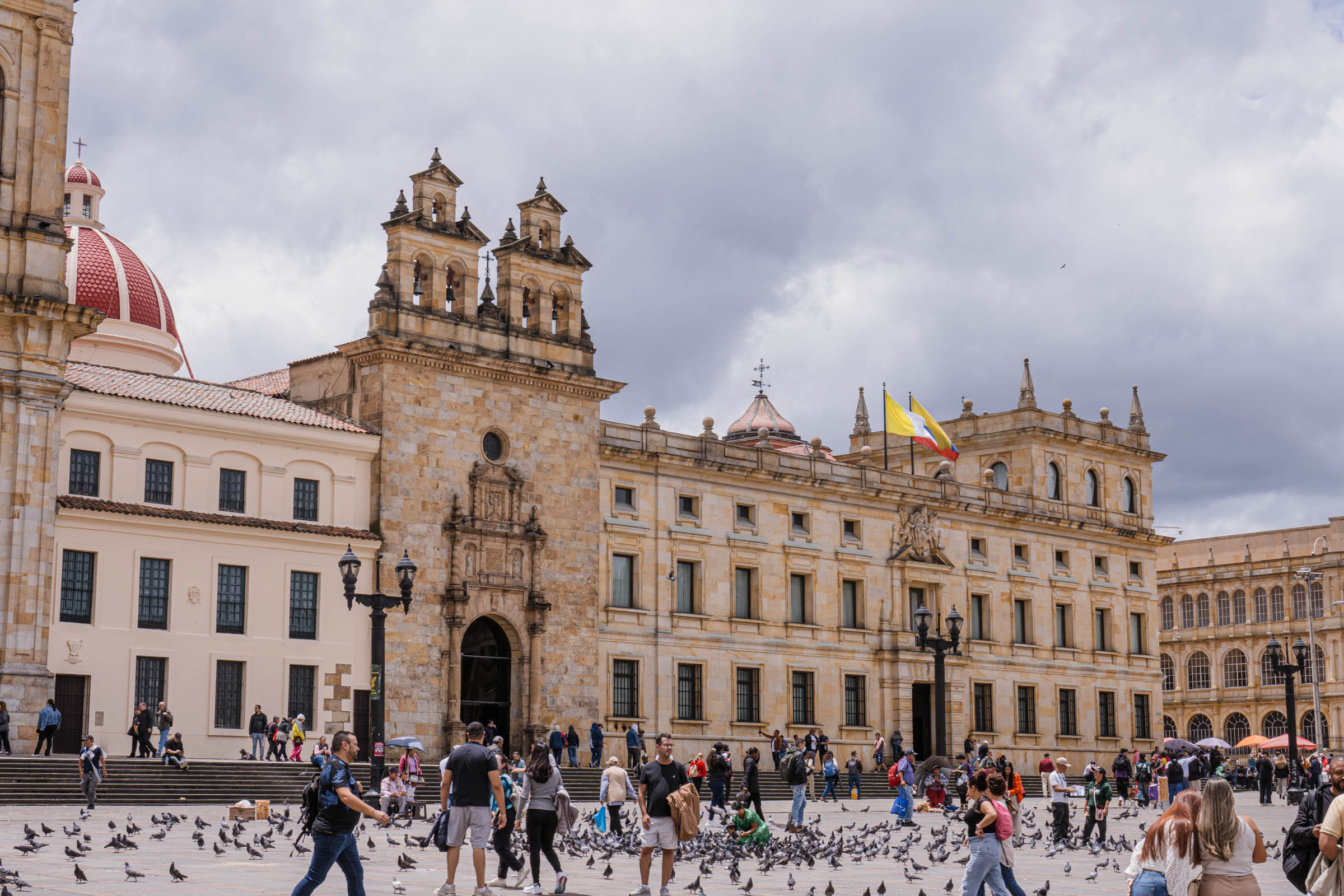
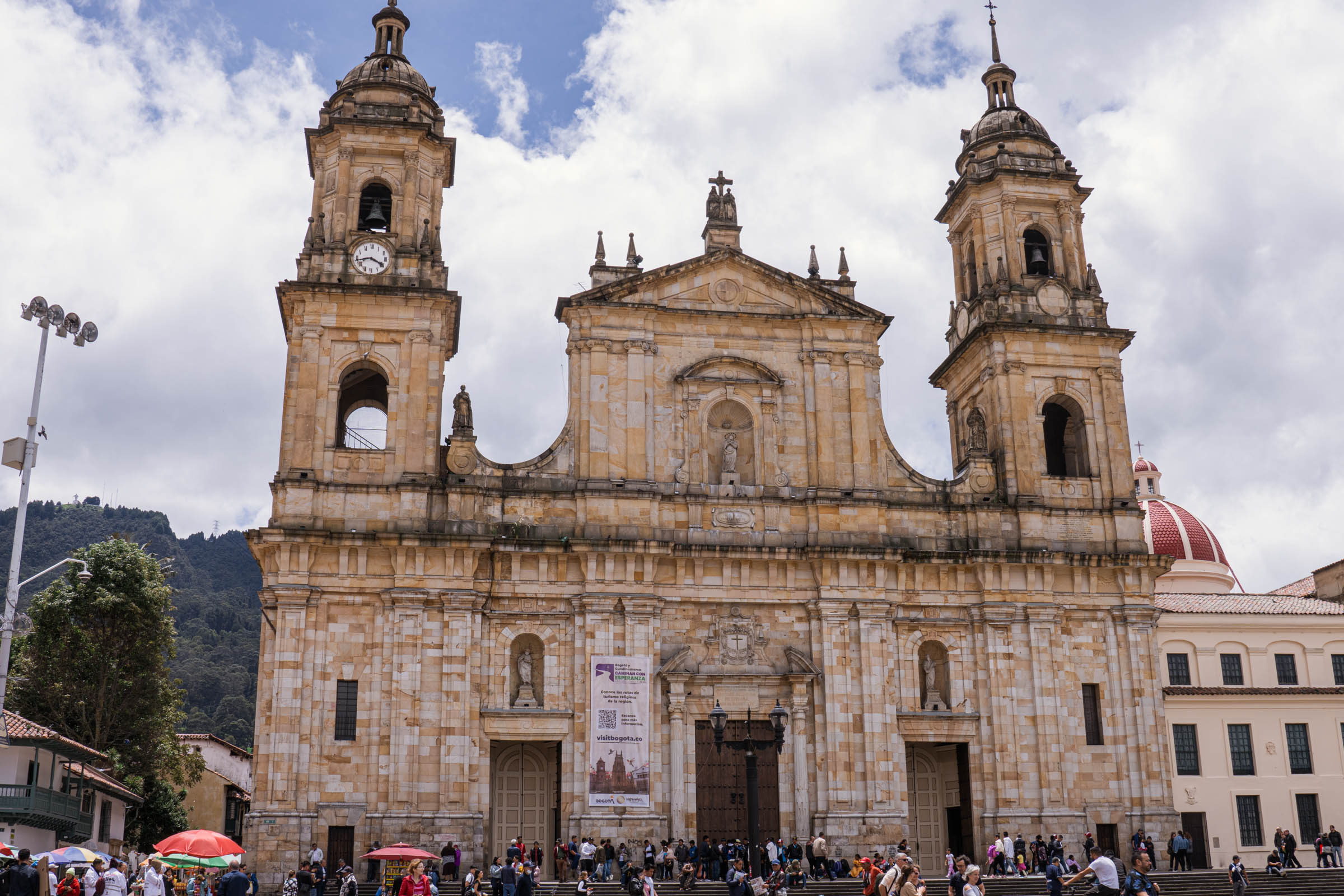
Back on the Plaza de Bolívar, the neoclassical facade and twin bell towers of the Catedral Primada dominate the square. Around it, the colonial streets of La Candelaria are full of street art, cafés and small museums.
FOUR SEASONS HOTEL BOGOTÁ, MY LAST LUXURY HOME
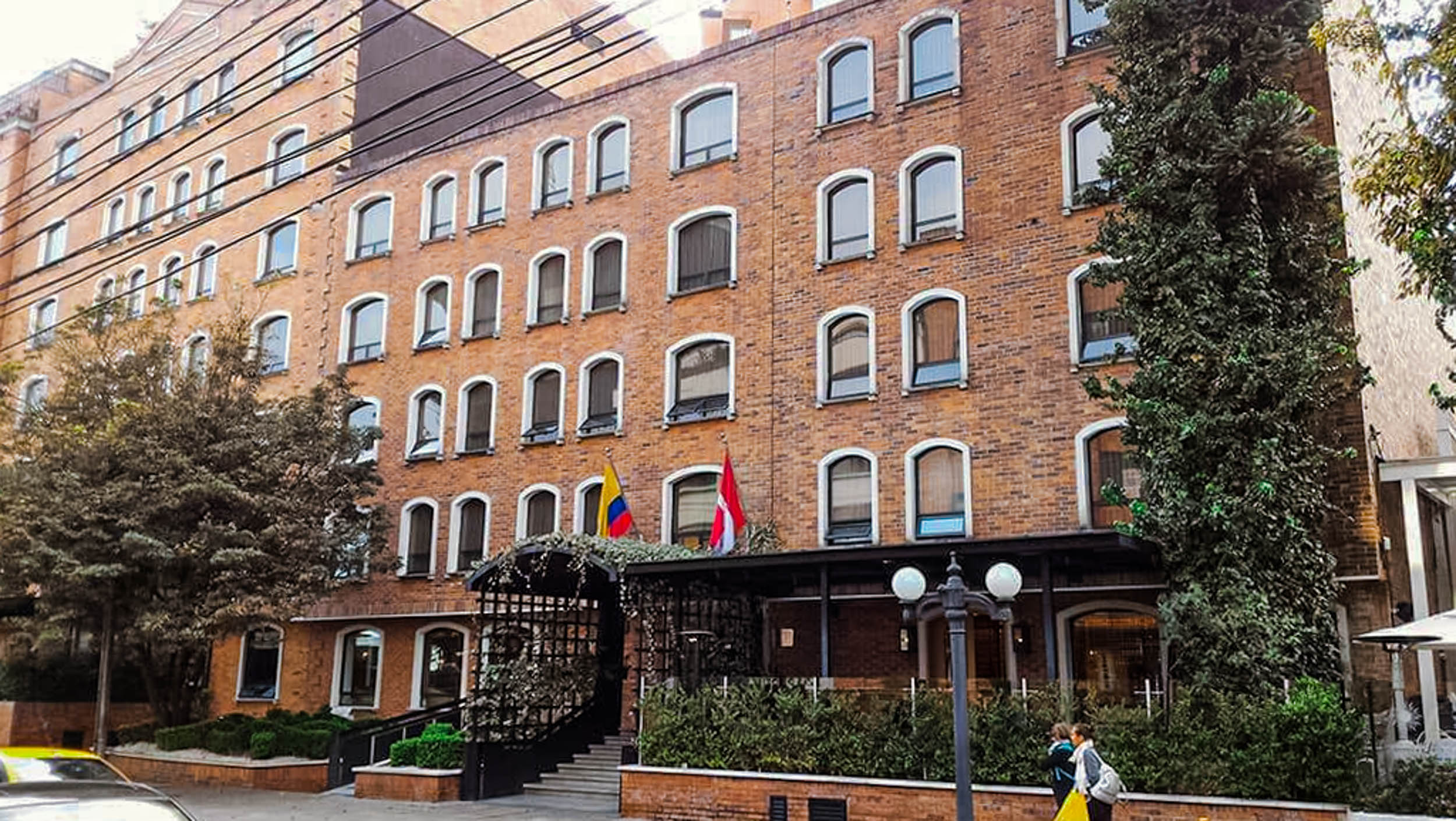
My last luxury home on this trip was Four Seasons Hotel Bogotá. The hotel stands at Carrera 13 #85-46, in the lively Zona T. After a complete remodeling, it reopened as Four Seasons Bogotá in April 2016, and designer Lauren Rottet shaped its sleek boutique style.
My team and I stayed in two One-Bedroom Premier Suites connected into one large apartment. Neutral tones and warm details created harmony between the city and nature. Every morning, the sounds of city life woke me up, and in the evening I returned from my walks dreaming of the spa.
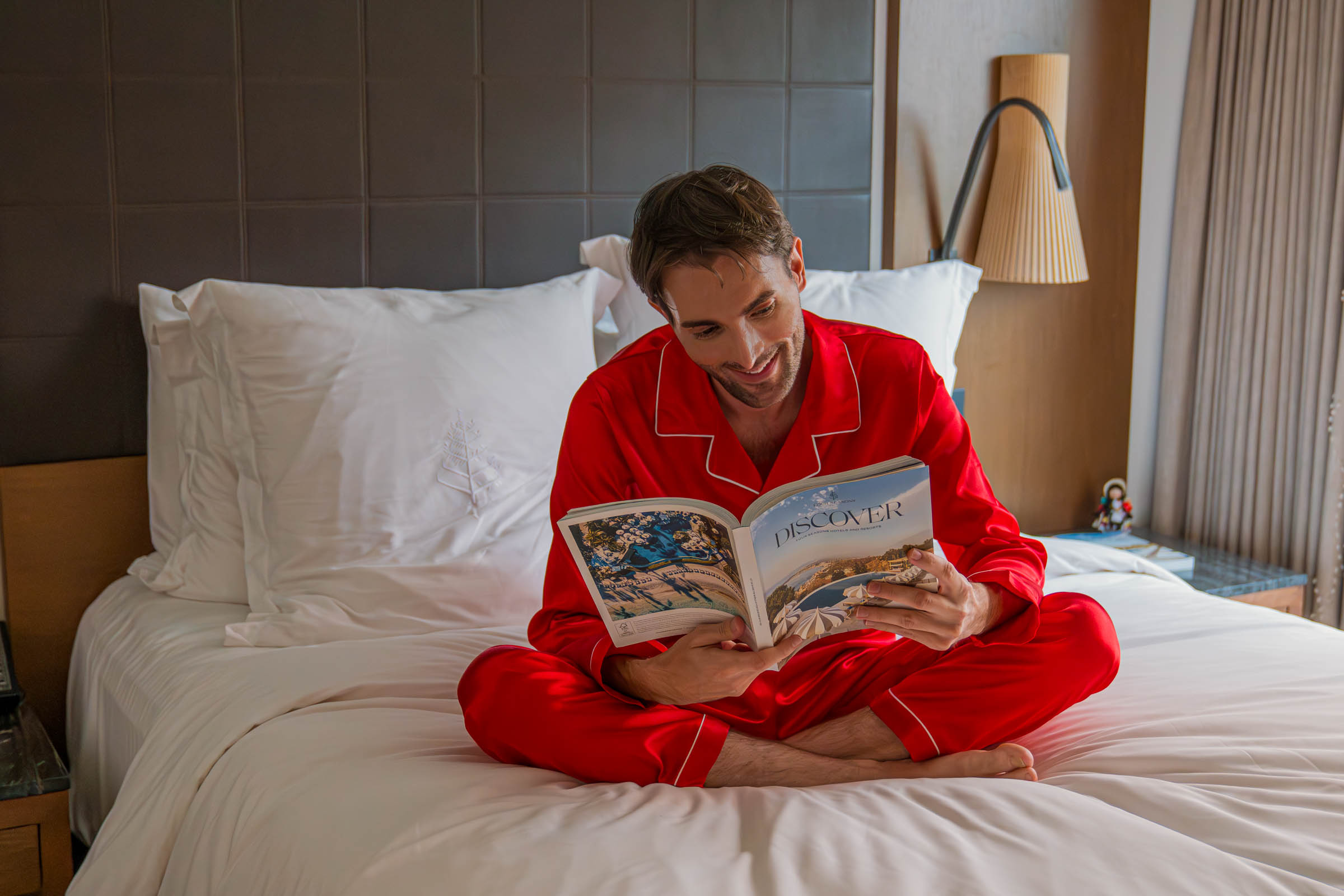
Colombia’s famous gemstones inspired the spa at Four Seasons Bogotá. The hotel was truly the right balance of exoticism and elegance, the perfect place to sum up all my experiences.
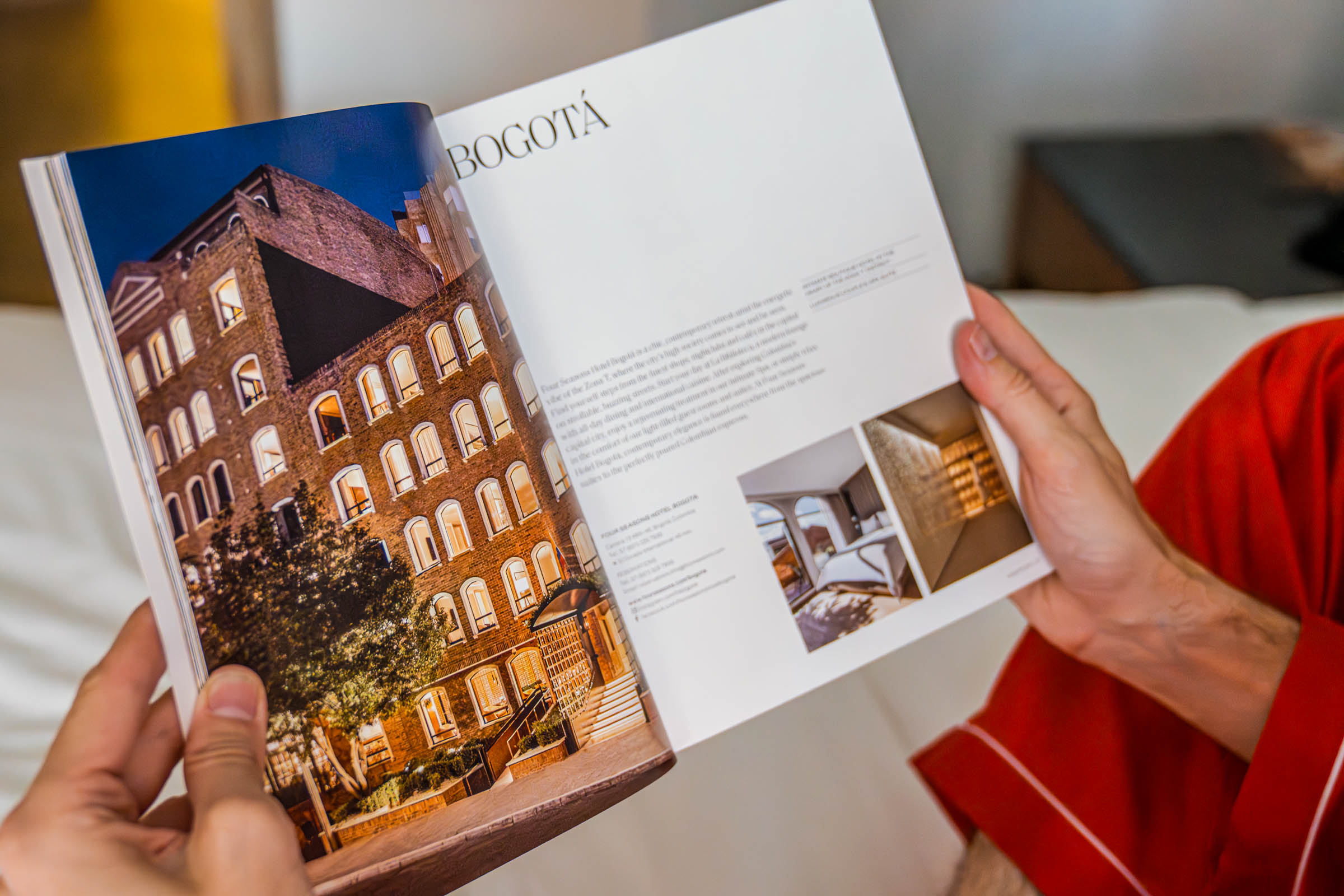
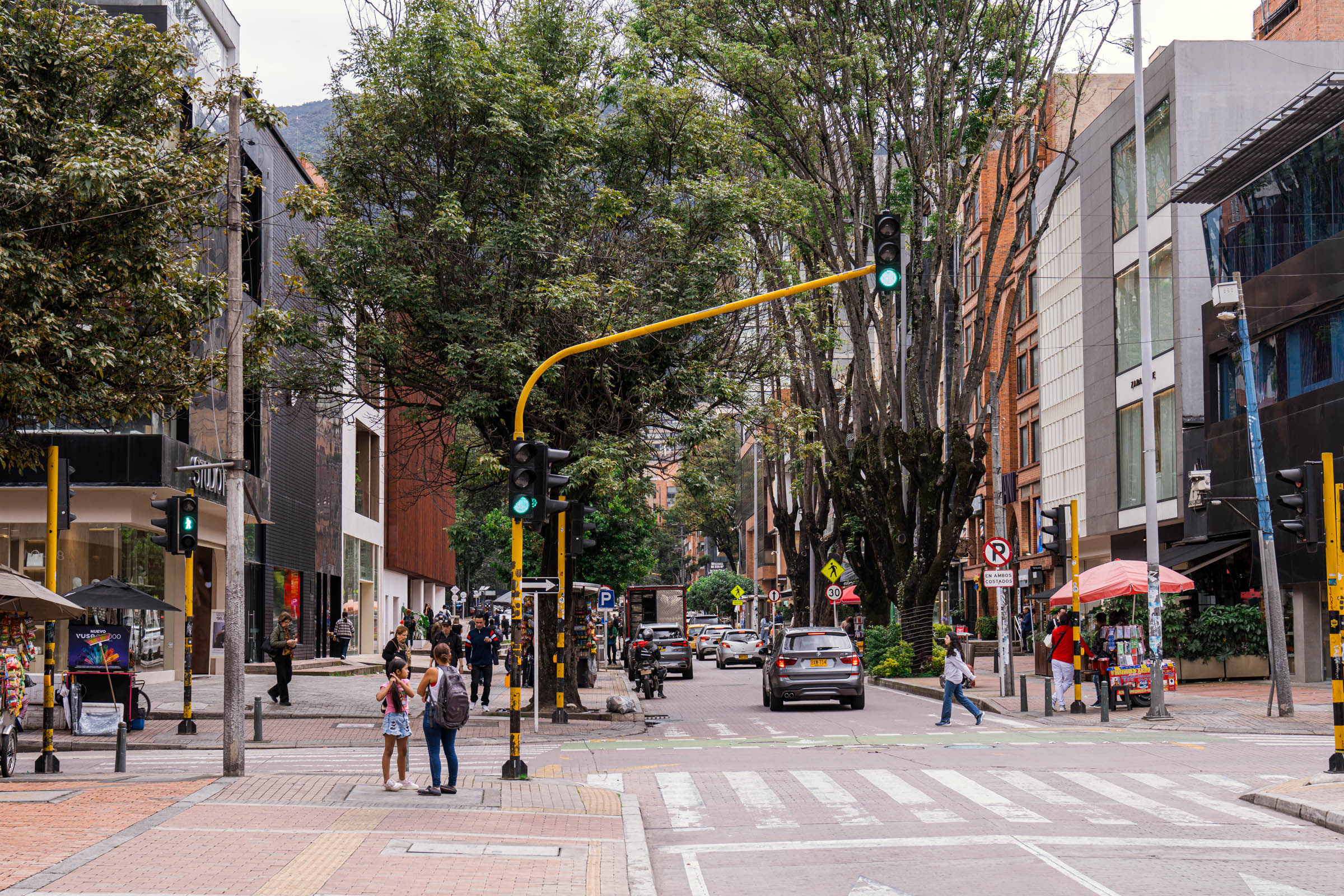
The restaurants and shops of Zona T are just steps from the hotel, and the streets around it are perfect for an evening walk.
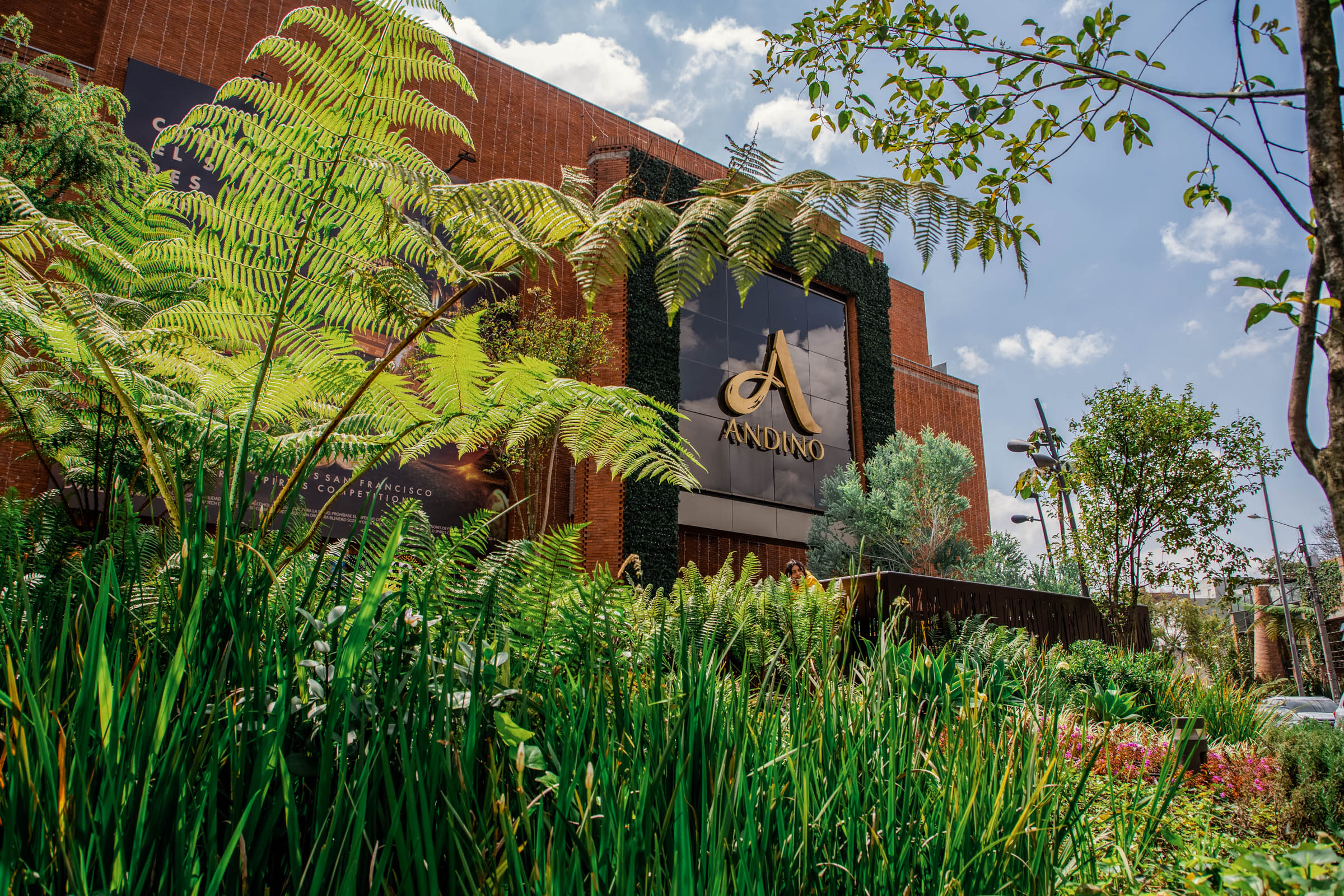
Also nearby, the Centro Comercial Andino is one of the favorite shopping addresses in the north of Bogotá, surrounded by green tropical plants.
MY TIPS FOR PLANNING A TRIP TO SOUTH AMERICA
After six countries, here are my most important tips. First, plan time for the altitude. Cusco lies at about 3,400 meters and Bogotá at about 2,640 meters. Therefore, take a moderate pace, drink enough water and give yourself a day or two to adjust before Machu Picchu.
Second, plan your dates. If you want to see the Rio Carnival, remember that it takes place in February or March, depending on Easter. For that period, I recommend booking your hotel early.
Third, choose your bases well. In every city, a good hotel in a central neighborhood made exploring much easier, from Copacabana in Rio to Recoleta in Buenos Aires and Zona T in Bogotá. Finally, leave space in your itinerary for food. From churrascaria in São Paulo to ceviche in Lima, the cuisine of South America is a journey of its own.
SAYING GOODBYE TO SOUTH AMERICA
In the end, Bogotá greeted me with green parks and the Andes on the horizon, and I brought home a suitcase full of memories. Every city left its own unique mark on my memory.
I remember the colonial streets of Lima, the European architecture of Buenos Aires and the sounds of tango in La Boca. I also remember the Andean silence of Cusco and the strong Colombian energy of Bogotá. Every moment of this trip to South America enriched me, and the continent made me want to visit it again.
Finally, my dear travel lovers, with this post we close the chapter of my travelogues from South America. As always, I tried to share authentic impressions, the right atmosphere and recommendations for you who like to travel in style, but also with an open heart.
Which destination in South America would you visit first?
Feel free to leave your impressions, comments or questions below, or contact me by email and on social networks. All information is on the CONTACT page.
With love from South America,
Mr.M
This post is sponsored by the United Nations World Tourism Organization – UN Tourism, as well as other partners. This post is my personal and honest review of the destination experience.
Dear Marko, from the Rambla of Montevideo to the Sofitel Casino Carrasco spa, your Uruguay chapter truly captured that country’s laid‑back elegance. I never realized Montevideo topped Latin America in quality‑of‑life rankings until you cited Mercer’s index. Walking alongside your prose I could see the Artigas monument and taste that robust Malbec you discovered at the seaside wine festival. Not many bloggers note the exact flash interval of the Punta Brava Lighthouse (every 10 seconds!), but you did and it’s a great conversation starter! Your insider tip to stroll Ciudad Vieja’s spray‑frescoed walls after wine tasting is going straight into my next itinerary.
Marko, your La Recoleta Cemetery tour in Buenos Aires was spellbinding. I felt chills reading about Eva Perón’s tomb and those neoclassical mausoleums, truly a “city within a city.” Your choice of Loi Suites Recoleta as your base was perfect, and your tip to try the hotel’s dulce‑de‑leche croissants is a must‑do. I’ve stayed nearby and never heard about the rooftop viewing spot you mentioned; I’ll check it out next time. You also wove in your Dolce & Gabbana fashion shoot seamlessly, showing how art, history, and style can collide in one neighborhood.
Your snapshot of Santiago’s Santa Lucía Hill had me reaching for a map of the Andes. Describing the hill as a 15‑million‑year‑old volcanic remnant instantly hooked me. The way you combined a morning panorama with a brunch recommendation in Bellavista is both practical and poetic. I’ve walked the same steps but never knew the Mapuche name “Uelen”, thanks for that cultural depth. Your stay at Luciano K Boutique sounds divine; a pool‑side sunrise with Andean views is now on my bucket list.
Thank you, Marko, for the Lima segment, particularly Swissôtel Lima’s herbal‑tea‑for‑altitude tip. I nearly skipped acclimatization on my last Peru trip and regretted it for days, so your approach is spot‑on. The mix of garúa‑hazed colonial streets and Miraflores nightlife was described so vividly I felt the city’s pulse. I also admired how you spotlighted Peruvian fine dining cuisine alongside your pisco‑sour rituals. Your fashion story tie‑ins with Brunello Cucinelli show that even an ancient capital can be a runway.
The Casa Andina Premium in Cusco sounds like the ideal refuge at 3,400 meters. Your detail on coca tea, alpaca rugs made me smile, those are the small comforts that count. I’ve stayed in the colonial center but missed that oasis‑like atmosphere you described. Your recommendation to try cuy and coffee with cinnamon in Plaza de Armas is exactly the kind of cultural immersion I seek. Thanks for blending local traditions with five‑star service.
Your introduction in Rio, framed by the Christ the Redeemer statue, was stunning. I could almost hear the ocean breeze and smell the tropical flowers you described. It’s clear Brazil’s energy left a lasting impression. The Carnivál insight was also fascinating, even a behind-the-scenes glimpse feels electrifying. Great post for anyone seeking a vibrant South American adventure!
Your Montevideo chapter had me dreaming of long walks along the Rambla at sunset. I’ve always wanted to taste authentic Uruguayan Malbec right by the Río de la Plata. The detail about Plaza Independencia and the José Artigas monument makes Montevideo sound so charming. I appreciate learning that Sofitel Carrasco offers beachfront luxury. Definitely adding Uruguay to my bucket list!I read all your travelogues from South America and you helped me a lot to better imagine and organize my dream trip in South America. Thank you for selflessly sharing your adventures with people, and along the way providing numerous fashion inspirations. Your blog is really special and unique, I love reading your posts because they are written with love and everyone just can feel it.
Wonderful Marko, thank you so much for all the travelogues that you made about South America. Buenos Aires has been on my mind ever since I read about the tango performances in La Boca. Your recounting of the Casa Rosada and Recoleta Cemetery enriched my understanding of Argentina’s history. I especially enjoyed picturing your stay at Loi Suites Recoleta and those dulce de leche croissants at breakfast. Your post makes me want to dance tango at midnight and stroll through European-style avenues.
Me encantó tu resumen de Brasil: desde la energía de Río y el Sambódromo hasta la elegancia del Copacabana Palace. La vista desde la suite y el servicio de mayordomo suenan inolvidables. Definitivamente incluiré ambas ciudades en mi próximo viaje.
Sto programmando un viaggio in Perù dopo aver letto del mistico altipiano andino. Qual è la tua escursione preferita tra Cusco e Machu Picchu? Sono indeciso se chiedere una guida locale o un tour organizzato.
The description of Santiago’s Santa Lucía Hill and the panoramic Andes views made me feel like I was standing on that overlook. I loved that you paired city exploration with authentic ceviche at a rooftop restaurant. Plaza de Armas sounds like the perfect spot to unwind after a day of museum visits. Your enthusiasm for Bellavista’s art scene is contagious. I’ll be booking my flight to Chile soon! Best, Cassian
This is amazing Marko! I absolutely loved reading about your contrasting experiences in Rio de Janeiro and São Paulo. The vivid description of samba rhythms in Lapa and the luxury of Copacabana Palace made me feel as if I were right there. Your fashion shoot on the Selarón Steps looked incredible against those bright tiles. It’s inspiring how you balanced modern city life with moments of tranquility. I can’t wait to plan my next trip and include both cities on my itinerary.
Lieber Marko, Ich war begeistert von deinem Bericht über Rio de Janeiro und die pulsierende Atmosphäre der Samba in Lapa. Die farbenfrohen Selarón-Treppen und dein Mode-Shooting darauf haben mich sofort fasziniert. Copacabana Palace klingt wie ein wahrgewordener Traum mit Butler-Service und Zimmer mit Meerblick. Danke für die tollen Tipps Brasilien steht jetzt ganz oben auf meiner Liste!
Reading about your penthouse stay at Copacabana Palace reignited memories of my own luxury hotel experiences. The marble bathroom details and breakfast in bed over the Atlantic sound heavenly. Your mention of the personal butler and live evening music adds a level of sophistication I adore. I’ll keep Copacabana Palace at the top of my list for my next Brazilian holiday.
Montevideo mit seiner entspannten Rambla und der ausgezeichneten Lebensqualität hat mich besonders angesprochen. Der Besuch im Sofitel Casino Carrasco am Strand klingt traumhaft. Der Artigas-Platz und die historischen Straßen der Ciudad Vieja möchte ich unbedingt selbst erkunden. Uruguay war bisher nicht auf meinem Radar, bis ich deinen Beitrag gelesen habe. Mit FG, Thilo
Uruguay als „Stadt des Weins und Fußballs“ fand ich eine schöne Zusammenfassung. Wie war dein Eindruck vom Weinfestival an der Küste? Ich reise gerne zu Festivals und pitche jetzt Montevideo als nächstes Ziel. Danke für den Tipp mit dem Malbec!
Dear Marko, you mentioned phenomenal Brazilian coffee in São Paulo, what would you recommend as the best neighborhood café for a first-timer? I’m also curious which country surprised you most with its local cuisine. Your firsthand insights are helping me shape my dream itinerary!
Sono rimasto affascinato dal tuo racconto su Rio de Janeiro, soprattutto dalla tua passeggiata sulle famose scalinate di Selarón. La descrizione del Carnevale dietro le quinte è unica e mi ha emozionato. Copacabana Palace sembra davvero un tempio del lusso; vorrei provare anch’io la colazione a letto con vista sull’oceano. Grazie per aver condiviso ogni dettaglio!
Buenos Aires siempre me ha atraído, y tu experiencia en La Boca y el Barrio de Recoleta refuerza mi deseo de visitarla. El Cementerio de La Recoleta es un lugar lleno de historia, ¡qué emocionante! Gracias por la recomendación del Loi Suites Recoleta y sus desayunos.
Santiago me sorprendió con su combinación de cultura y naturaleza. La vista desde Santa Lucía y el ceviche con panorámica urbana son dos buenas razones para viajar a Chile. Tus fotografías y descripciones me han convencido de que es un destino imprescindible.
Deine Ausführungen zum Cementerio de la Recoleta in Buenos Aires waren äußerst informativ. Die neoklassizistischen Mausoleen haben mich immer schon interessiert. Dass du im Loi Suites Recoleta übernachtet hast und die Croissants mit Dulce de Leche empfiehlst, macht mich sehr neugierig. Ich freue mich darauf, demnächst eine Pilgerfahrt dorthin zu unternehmen.
La descrizione del Cerro Santa Lucía a Santiago e del suo panorama sulle Ande è semplicemente mozzafiato. Ho sempre amato la cucina cilena, e il tuo consiglio sul ceviche in un ristorante panoramico lo segnerò subito. Grazie per aver illustrato così bene la fusione tra tradizione e modernità di Santiago!
Montevideo con la sua Rambla e il festival del vino in riva al Río de la Plata è un’immagine che non dimenticherò. L’hotel Sofitel Carrasco sembra un rifugio perfetto per ricaricarsi. Mi ha colpito anche il ricordo delle partite di calcio sulla spiaggia: un’esperienza autentica e coinvolgente.
Buenos Aires è sempre stata nei miei sogni e il tuo post ha confermato perché. La visita a La Boca con i suoi colori vivaci e il tango nelle strade mi fa impazzire di curiosità. Il Loi Suites nel quartiere Recoleta suona come un’oasi di eleganza, e quei cornetti al dulce de leche devono essere irresistibili!
Welches Reisemonat würdest du für die Andenregion in Peru empfehlen? Ich plane eine Tour durch Cusco und die heiligen Stätten, aber bin unschlüssig bezüglich der besten Reisezeit. Dein Blogpost hilft mir sehr, doch würde mich dein konkreter Rat zu Wetter und Menschenmengen interessieren.
In quale mese hai trovato il clima più ideale in Cile? Sto valutando tra estate e primavera australe per evitare piogge e troppa folla. Il tuo consiglio pratico mi sarebbe di grande aiuto!
Montevideo me pareció un destino de ensueño, con su Rambla al atardecer y la calidad de vida que describes. Probar ese Malbec frente al Río de la Plata es un plan perfecto. El Sofitel Casino Carrasco suena como el refugio ideal para descansar tras explorar la ciudad.
Me fascina la idea de grabar una historia de moda en lugares tan icónicos como el Museo do Ipiranga en São Paulo. La calle Oscar Freire como epicentro del diseño suena perfecta para amantes de la moda. ¡Gran mezcla de estilo y turismo en tu blog!
¿Cuál crees que es el mejor mes para evitar lluvias en la región andina de Perú? Estoy planeando mi primera visita y quiero disfrutar del clima óptimo. Tu guía me sirve de gran ayuda para organizarlos días de tremendas aventuras.