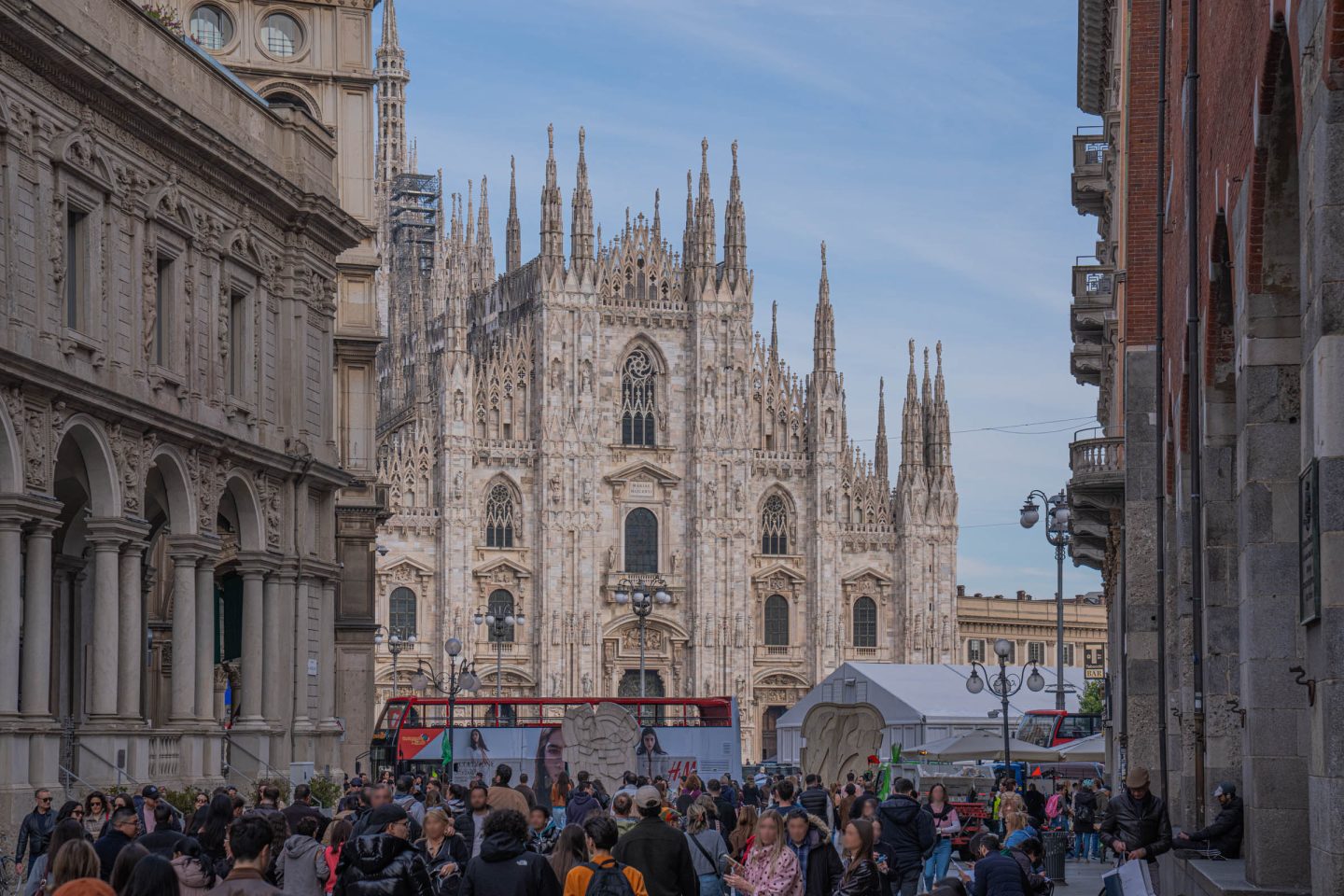
My dear travellers and lovers of unusual journeys, welcome to the new travelogue on the Mr.M blog. After a series of travelogues from Asia that won your hearts, it’s time to focus on European metropolises. After the capital of Italy – ancient Rome, a city you had the opportunity to meet in the previous travelogue on the Mr.M blog, it’s time to introduce you to the Italian and European capital of fashion and style that never sleeps – Milan. This is a city that does not welcome you with noise and bustle like some other big metropolises. Instead, he pulls you in gradually, layer by layer, until you find yourself completely enthralled by the modern Italian way of life. This is exactly what happened to me during my stay in this incredible city in the north of Italy.
Anyone who has visited Milan at least once knows what I’m talking about. It is a city where history is measured in centuries, and style is lived every day. From the monumental Duomo that dominates the main square, to the narrow streets full of boutiques of world brands, Milan is a city that exudes elegance. That’s exactly why I wanted to share this experience with you, because I believe that everyone deserves to feel the charms of this extraordinary city.
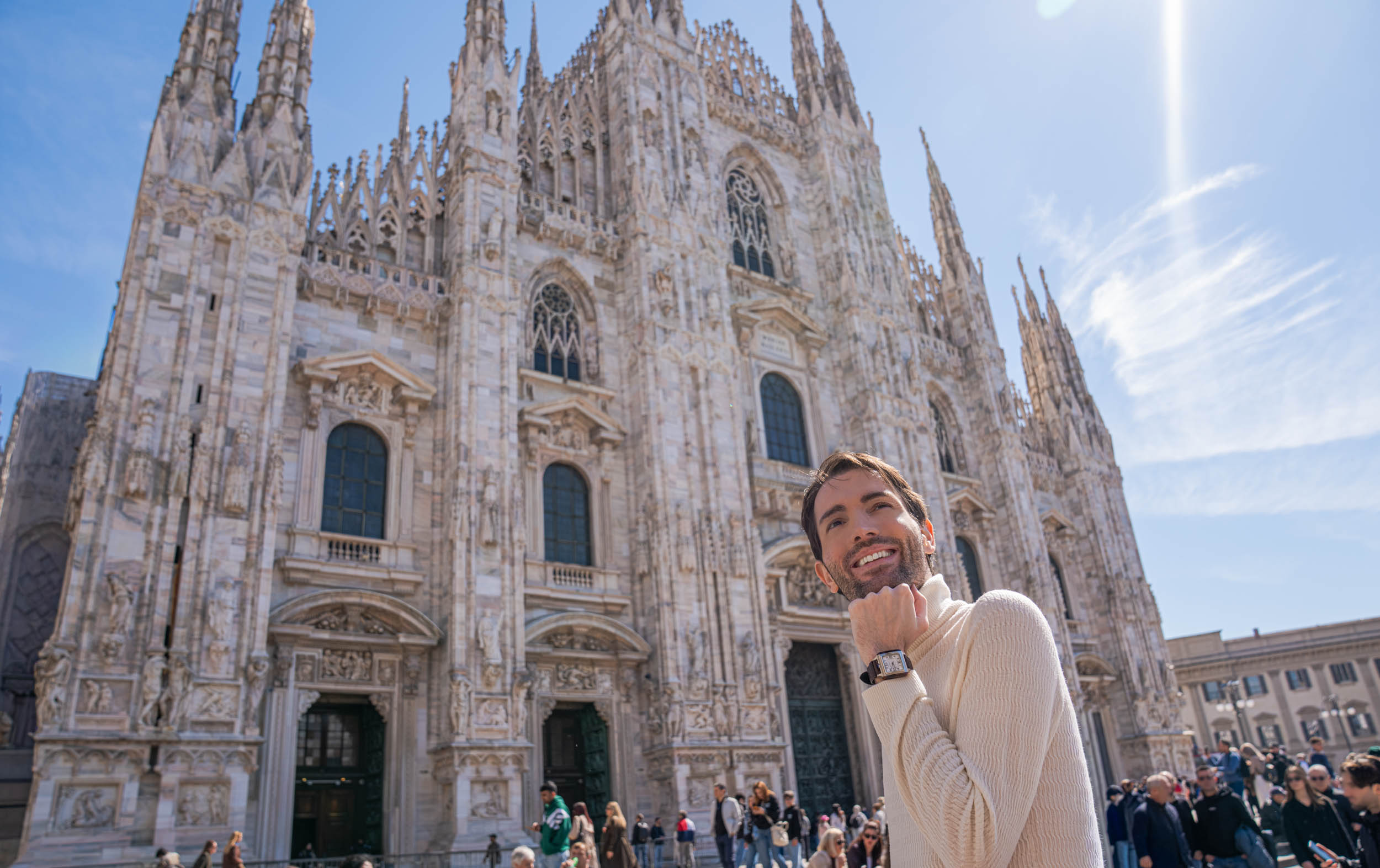
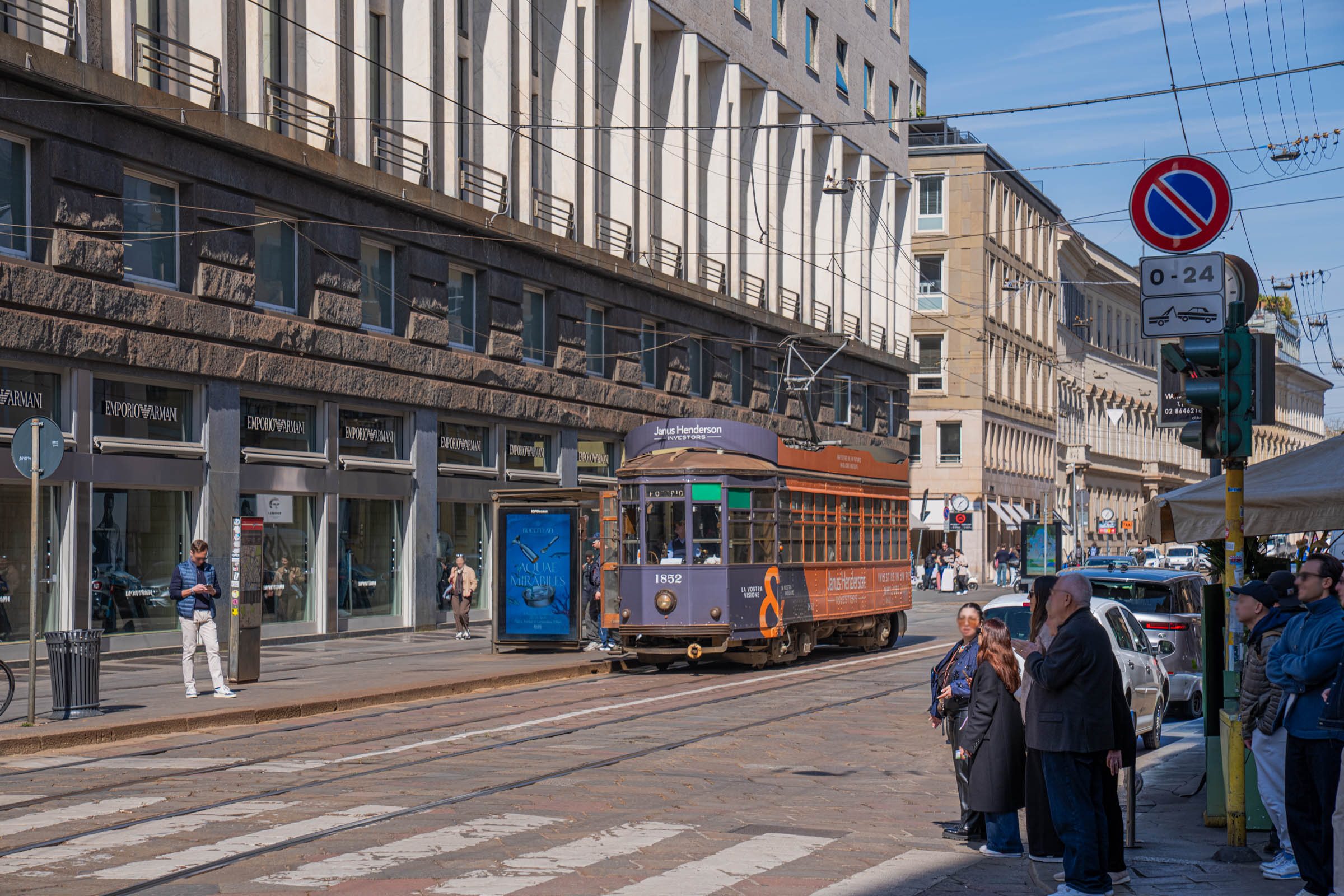
Also, Milan is a city that surprises even those who think they already know it. Behind the facade of a business metropolis hides a warm, almost family atmosphere that can be felt in small neighborhoods. Nineteenth-century trams still ply the narrow streets past numerous modern glass buildings. The smells of freshly baked bread mingle with the aroma of espresso at every corner. This contrast between the old and the new makes Milan a city that is both respected and loved.
Before starting today’s travelogue about Milan, I want to express my special gratitude to the United Nations World Tourism Organization – UN Tourism and the Hilton Milan hotel for their support and promotion of quality tourism around the world. Their dedication to connecting cultures and destinations is an inspiration to all of us who believe that travel enriches the soul.
WHY IS MILAN SUCH A SPECIAL CITY?
Milan is not only the economic capital of Italy. This city is much more than that. It is a place where fashion, design, art, culture and gastronomy intersect in a way that is hard to find anywhere else in the world. Millions of tourists come here every year, and the reasons are many and varied.
First of all, Milan is the fashion capital of the world. Twice a year this city becomes the center of the fashion world when the famous fashion week takes place. Then the streets come alive in a special way, and the most famous creators and fashion houses present their new collections. However, even outside of that period, Milan exudes style at every turn. It is enough to walk along the famous streets like Via Montenapoleone or Via della Spiga to feel it.
Apart from fashion, Milan is also a city of great cultural heritage. Here is one of the most famous opera houses in the world, the famous La Scala. There is also the Pinacoteca Brera, one of the most important museums in all of Italy. Also, it is in Milan that you can see the original of one of the most famous paintings of all time. It is about Leonardo da Vinci’s Last Supper, a fresco kept in the refectory of the church of Santa Maria delle Grazie.
A BRIEF HISTORY OF MILAN AS A TOURIST DESTINATION
The history of Milan goes back a long way. This city was founded by the Celts around 600 BC, and the Romans conquered it in 222 BC and named it Mediolanum. Already in Roman times, Milan was one of the most important cities of the empire. It is interesting that it was here that Emperor Constantine issued the famous Edict of Milan in 313, which officially recognized Christianity in the Roman Empire.
During the Middle Ages, Milan was the center of power for the Visconti family and then for the Sforza family. It was the Visconti who initiated the construction of the Duomo in 1386, while the Sforza built the monumental fortress that still dominates the city today. During the Renaissance, Milan attracted the greatest artists of its time. Leonardo da Vinci himself spent almost twenty years in this city, leaving works that still delight visitors today.
In the nineteenth century, Milan became the industrial center of Italy, and in the twentieth century it assumed the role of fashion and design capital. Today, the city is a perfect mix of old and new, with Roman ruins sitting right next to modern glass skyscrapers. It is this layering that makes Milan a unique destination for every traveler. The city is visited annually by several million tourists from all over the world, and this number is constantly growing. The reason is clear. Milan offers something for everyone, regardless of interests and tastes. Whether you are attracted to art, fashion, gastronomy or simply want to feel the rhythm of a big European city, you will find what you are looking for here.
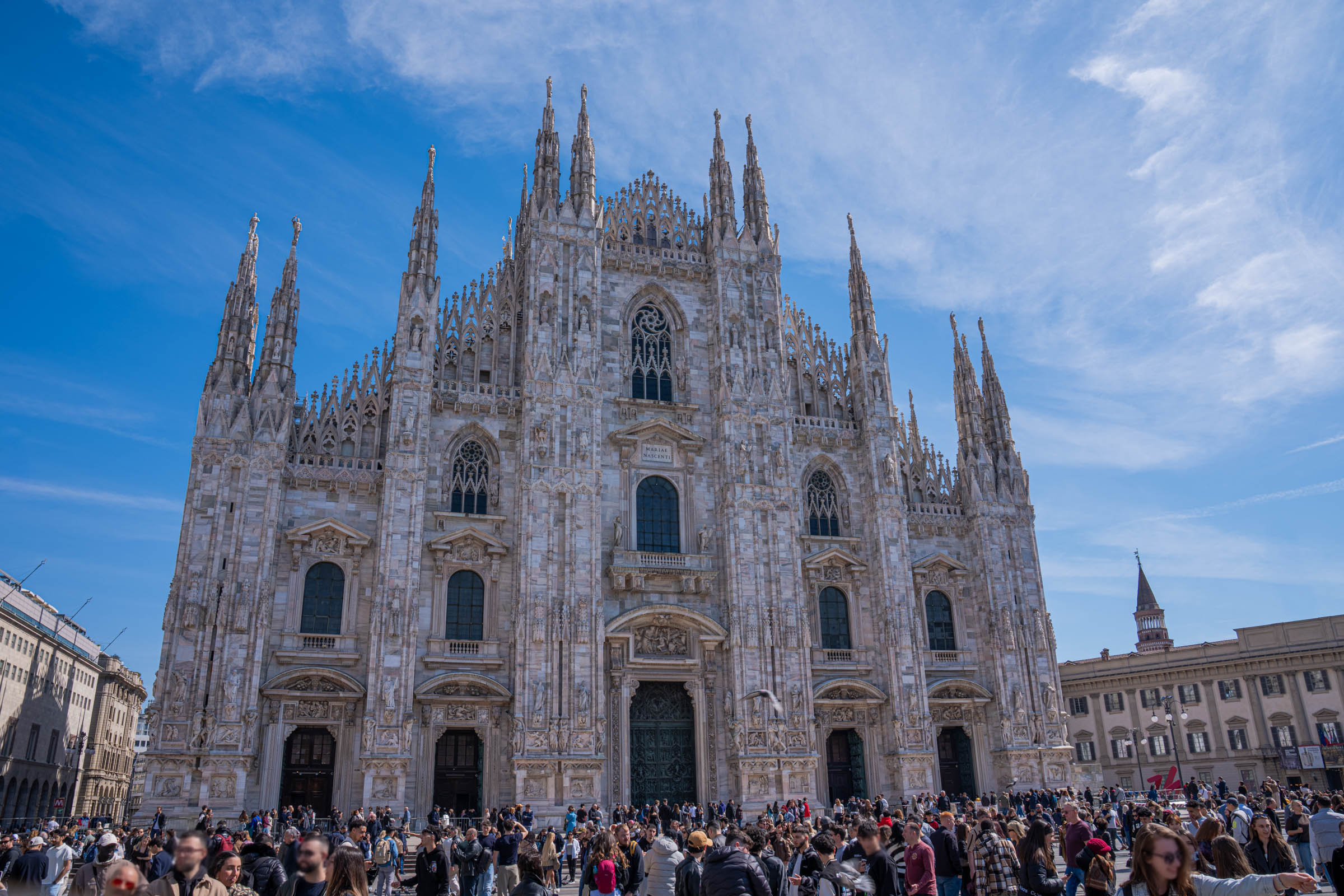
DUOMO DI MILANO: A BREATHTAKING SYMBOL OF THE CITY
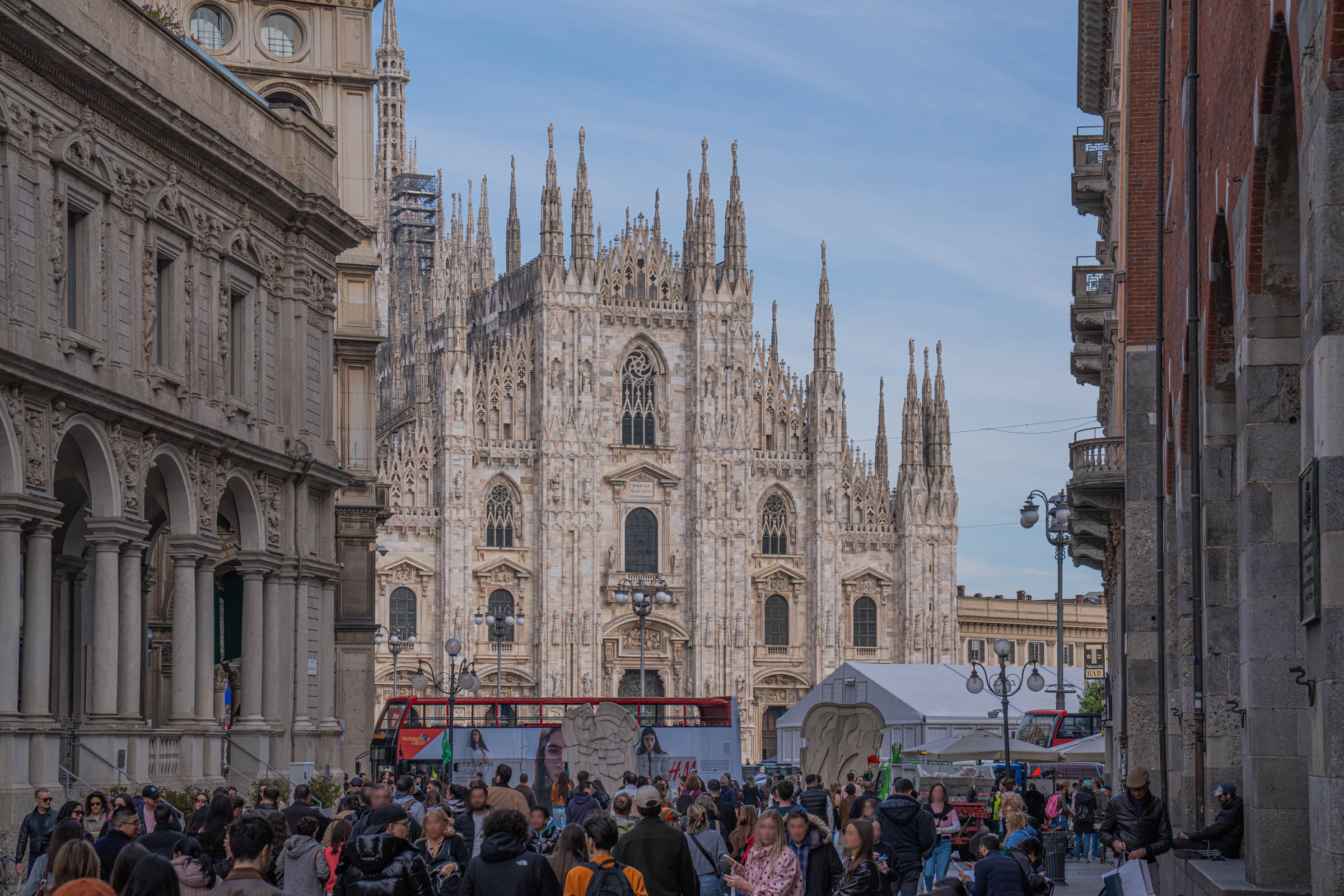
It is impossible to talk about Milan without starting with the Duomo. This cathedral is undoubtedly the most recognizable symbol of the city and one of the most impressive buildings in the world. When I first came to study in Italy and stood in the square in front of it and looked up, I was literally speechless. No photograph can capture the grandeur and beauty of this building.
The construction of the Duomo began in 1386 under the patronage of Duke Gian Galeac Visconti. The project lasted almost six centuries, and the last details were completed only in 1965. During that long journey, as many as seventy-eight architects took part in shaping the cathedral. The result is a white marble edifice from the Kandolja quarry, decorated with more than three thousand four hundred statues and one hundred and thirty five spikes.
At the very top of the central spike, at a height of one hundred and eight meters, stands a gilded statue of the Virgin known as the Madonna. It has been a trademark of the city for more than two centuries. It is also interesting to note that there used to be an unwritten law according to which no building in Milan could be taller than her. Today, that rule no longer applies, but copies of it are placed on top of tall buildings out of respect for tradition.
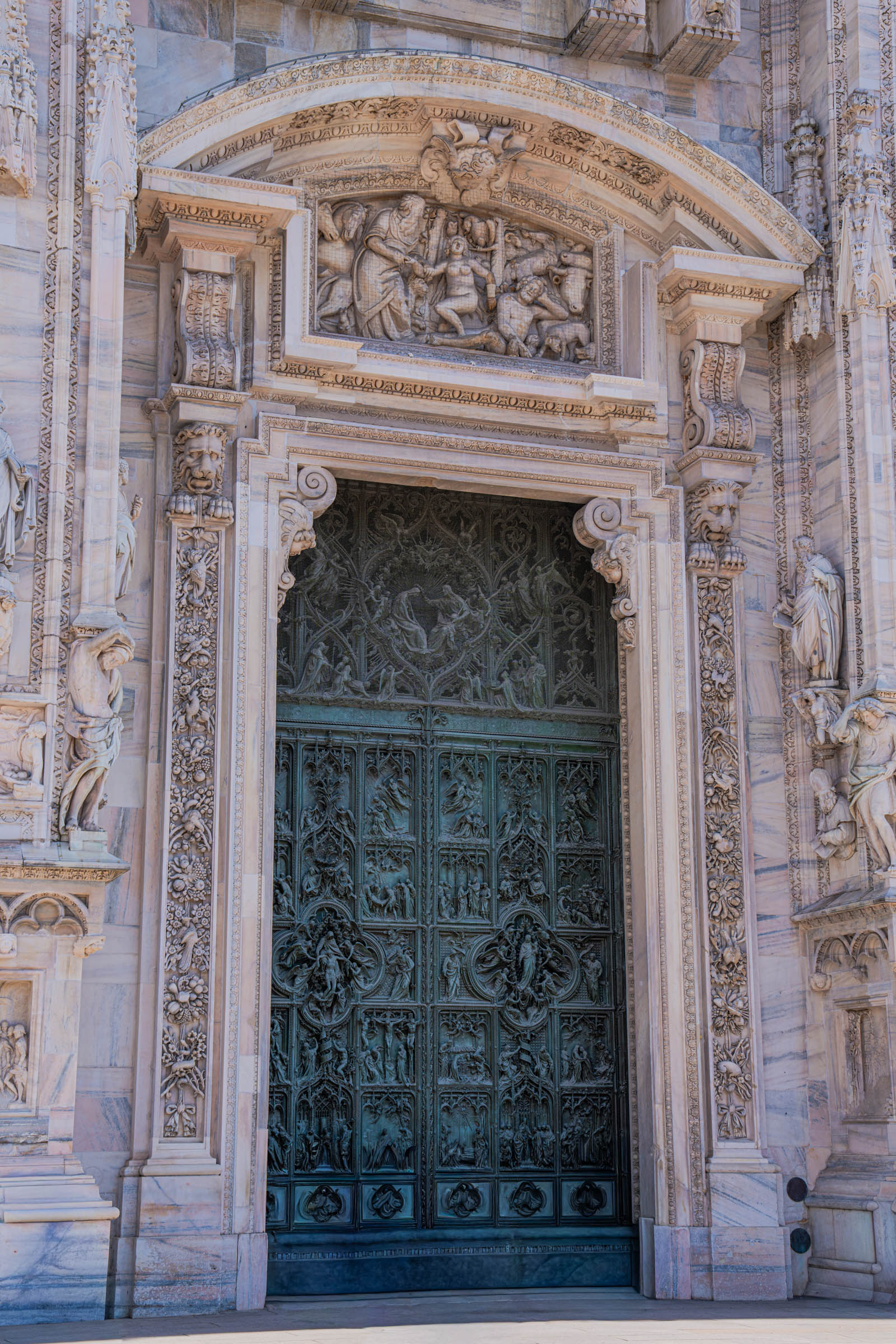
The interior of the Duomo is equally impressive. The space can accommodate up to forty thousand believers. The five ships are supported by fifty-two marble columns, one for each week of the year. Also, fifty-five stained glass windows depict biblical stories and represent a real artistic treasure. Above the main altar is kept a relic believed to be a nail from the cross on which Jesus was crucified. Every year in September, the archbishop of Milan rises to it in a wooden basket, in a ceremony that attracts religious and cultural pilgrims from all over the world.
I would especially recommend climbing the roof of the cathedral. From there you have a view of the city that you cannot experience from any other place. Walking between the spikes and statues on the roof gives the feeling of walking through a forest of marble. On a clear day you can see the Alps in the distance, which makes the whole experience even more magical.
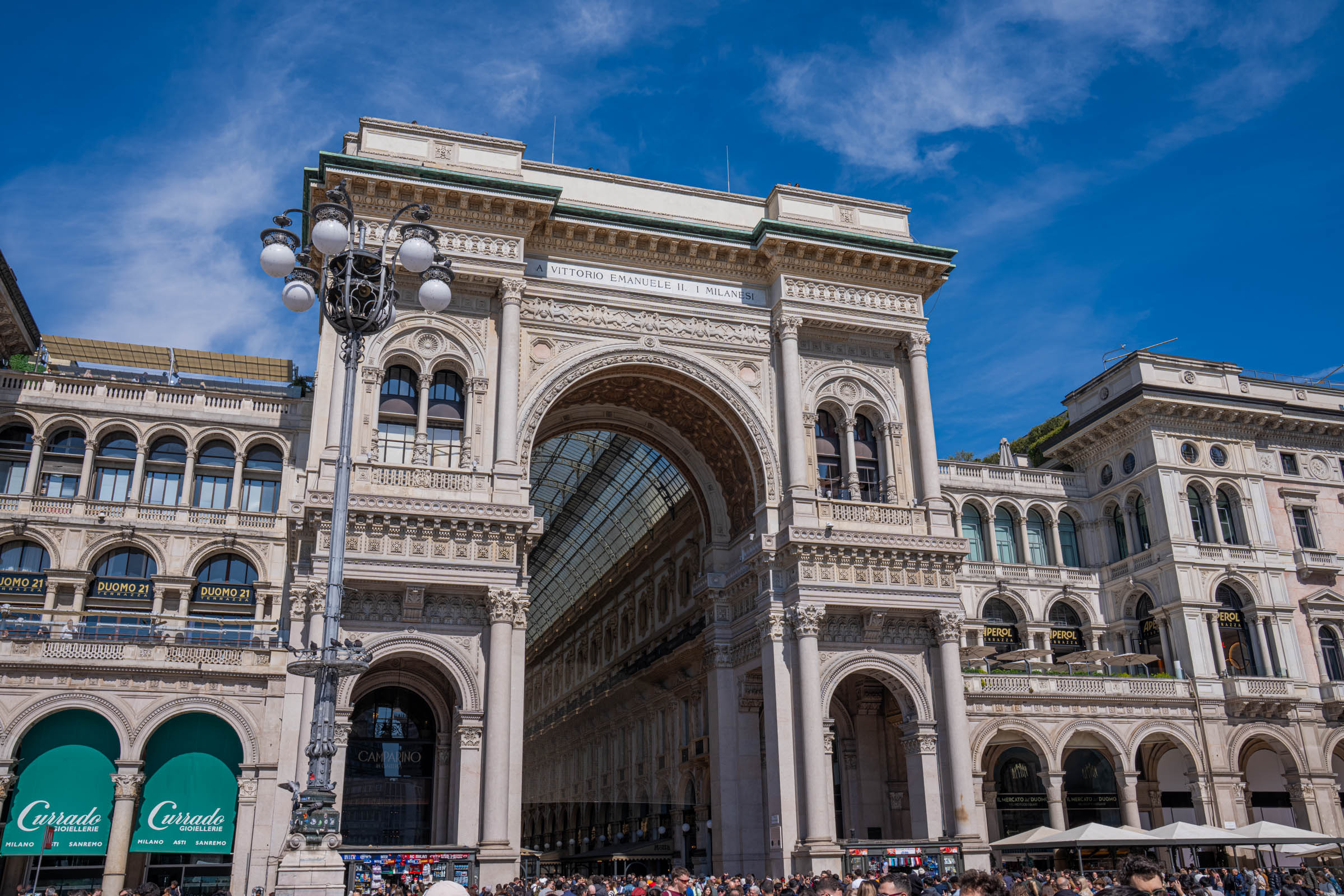
VITORIO EMANUELE II GALLERY: THE MOST ELEGANT SHOPPING CENTER IN THE WORLD
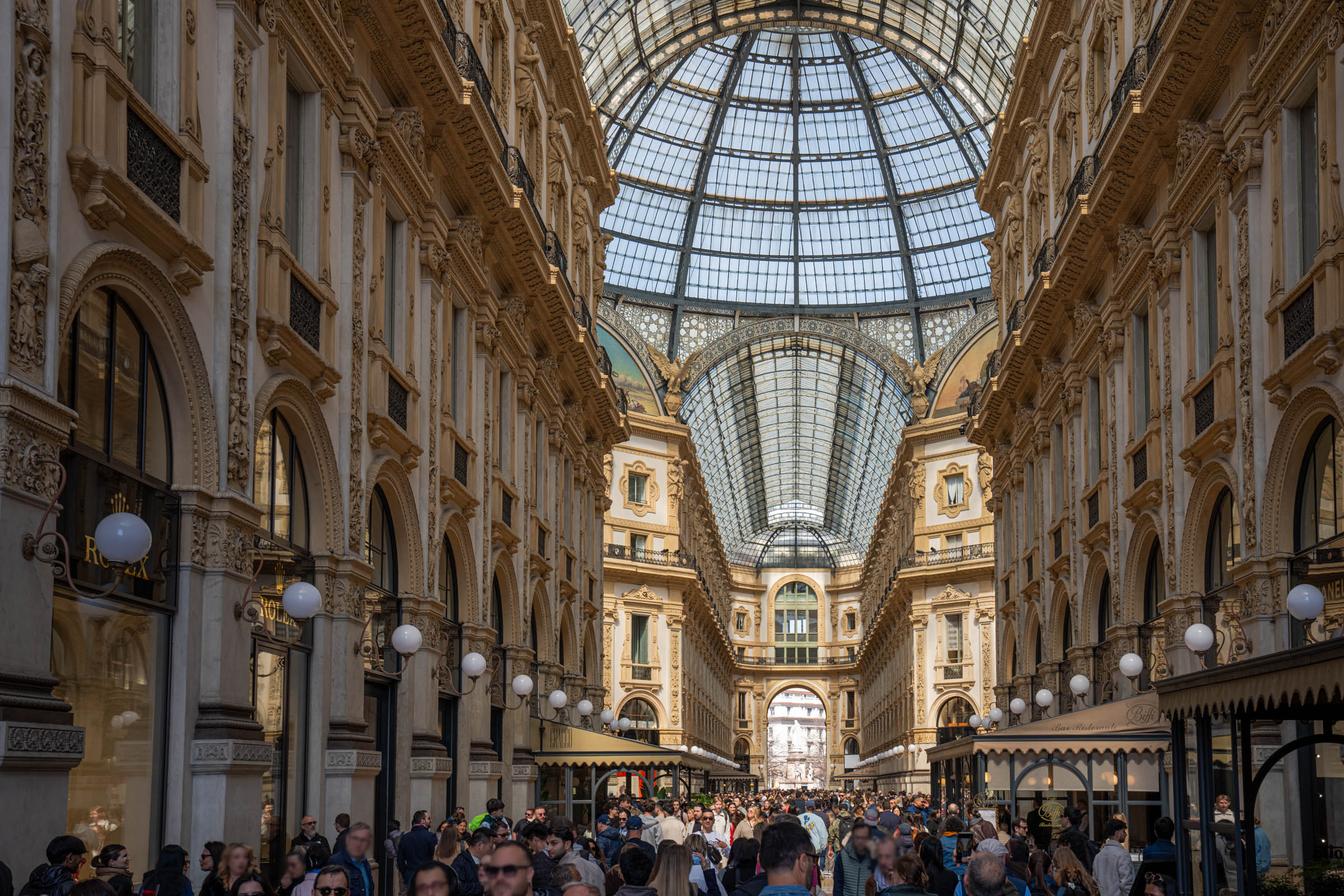
Right next to the Duomo is the Vittorio Emanuele II Gallery, a building that takes you back to the nineteenth century. This covered arcade was opened in 1877 and is considered one of the oldest shopping centers in the world. The glass roof in the shape of a cross and the mosaics on the floor make this place a true architectural gem.
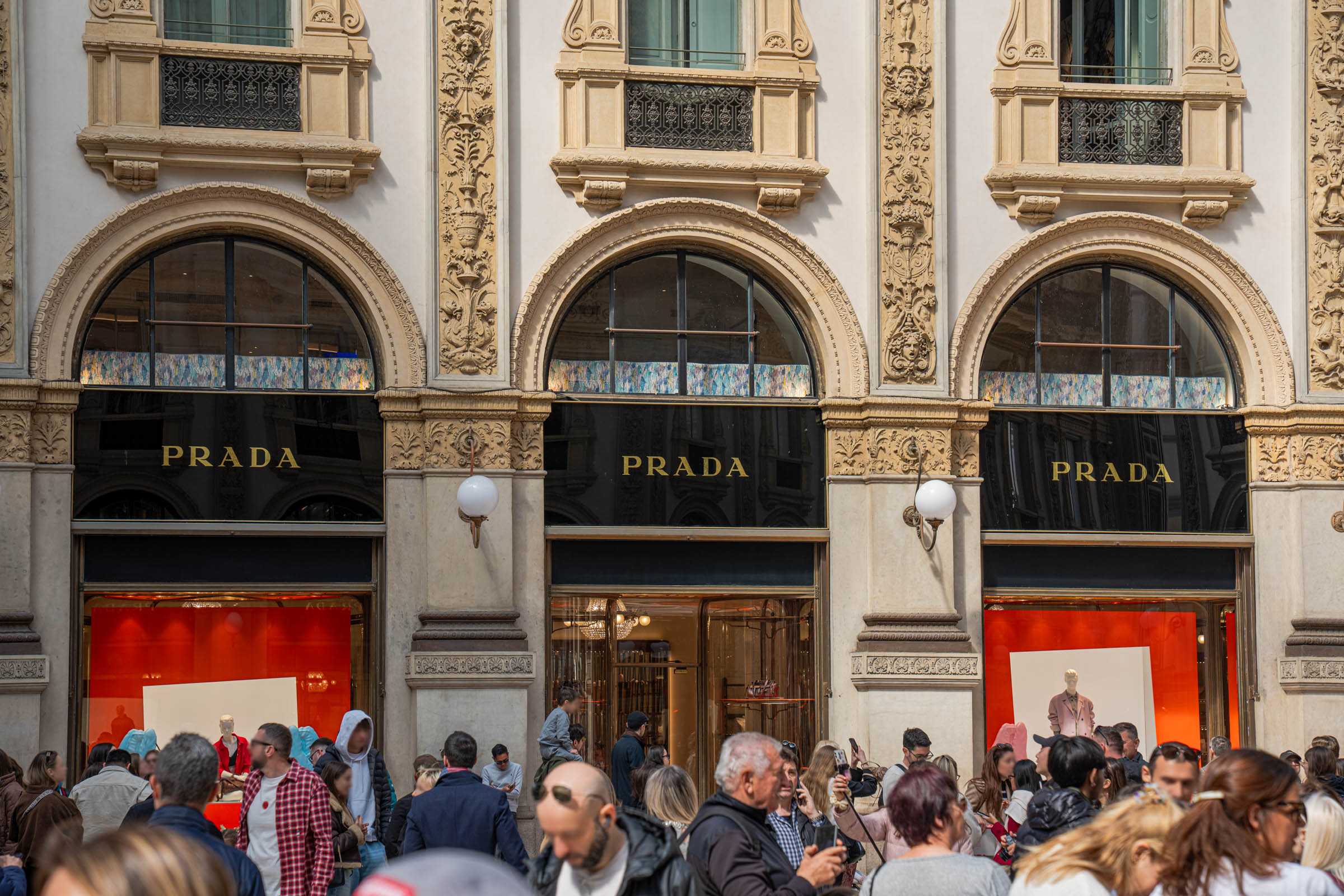
When I entered the gallery, I felt a special atmosphere that combines the elegance of the past and the luxury of the present. On both sides there are boutiques of the most famous Italian and international brands. However, this is not just a place to shop. The gallery is the living heart of the city where Milanese and tourists meet, talk and enjoy a coffee in one of the historic cafes.
An old custom related to this place is also interesting. There is a mosaic of a bull on the floor of the gallery, and it is believed to bring good luck to those who make three circles standing on it with their heels. Every time I passed by the place, I saw a line of tourists waiting to try this tradition. The sight itself is fun and definitely worth a photo.
The gallery is also home to some of the oldest coffee shops in the city. The atmosphere in them is completely different from modern bars. Here you sit at the marble tables, order an espresso and watch the passers-by through the monumental glass vaults. It was in one such place that I spent a quiet morning, thinking about how impressive it is that a building almost a hundred and fifty years old still functions as a living center of the city.
LA SCALA THEATER: THE TEMPLE OF THE WORLD OPERA
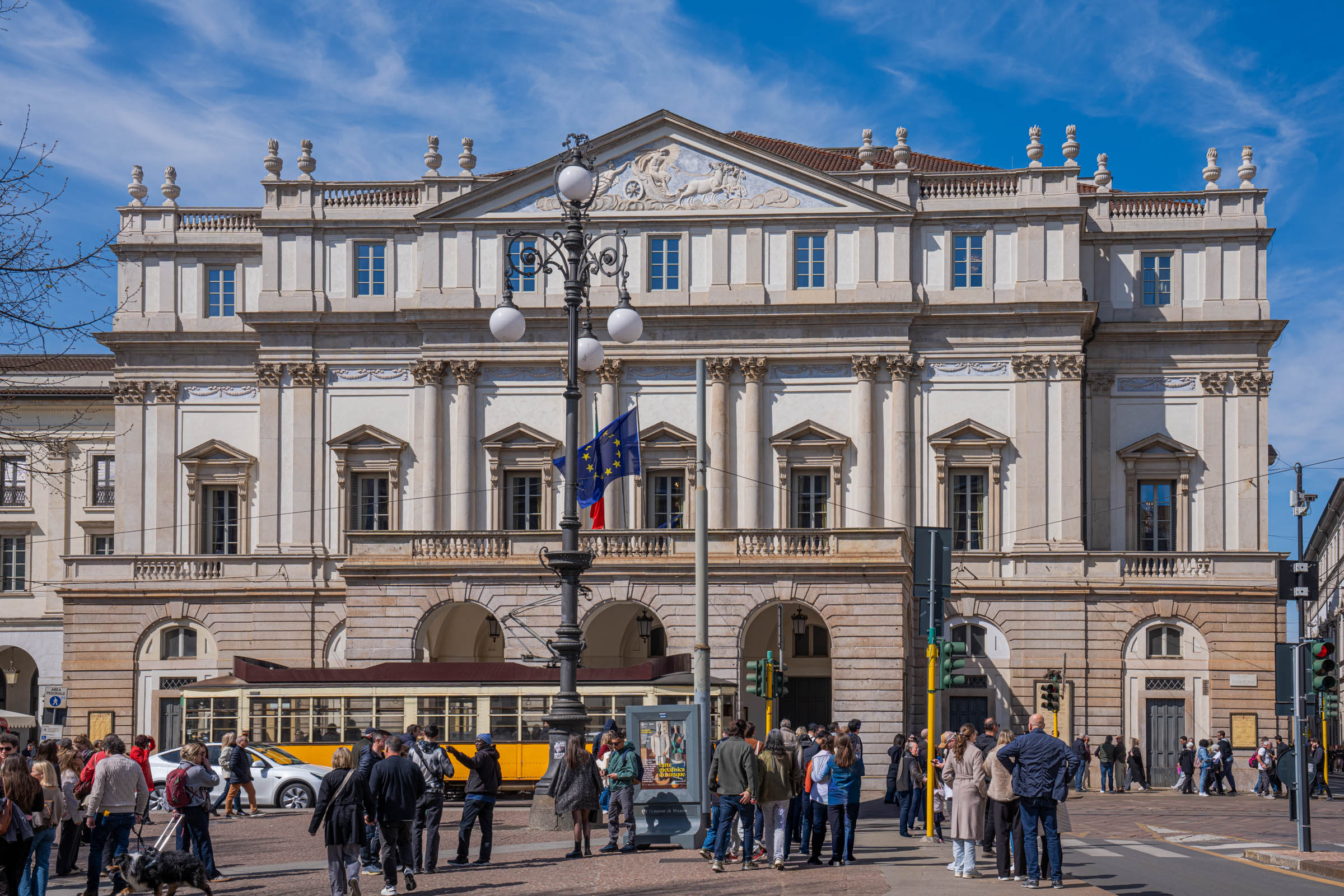
A few minutes’ walk from the gallery is the Teatro La Scala, one of the most famous opera houses on the planet. Opened in 1778, La Scala is the stage where the works of Verdi, Puccini, Rossini and many other greats were premiered. For music and culture lovers, this is a must-visit place.
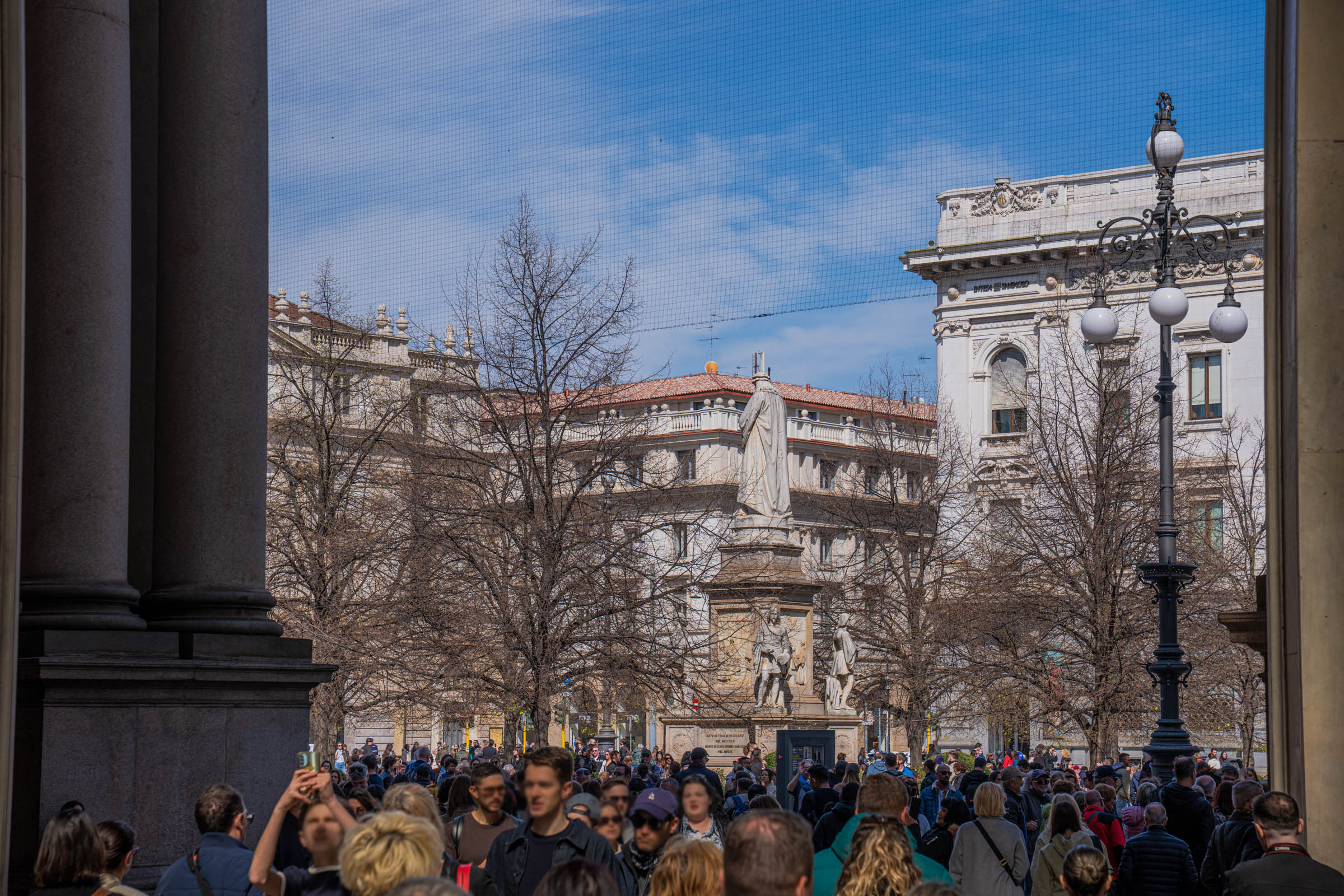
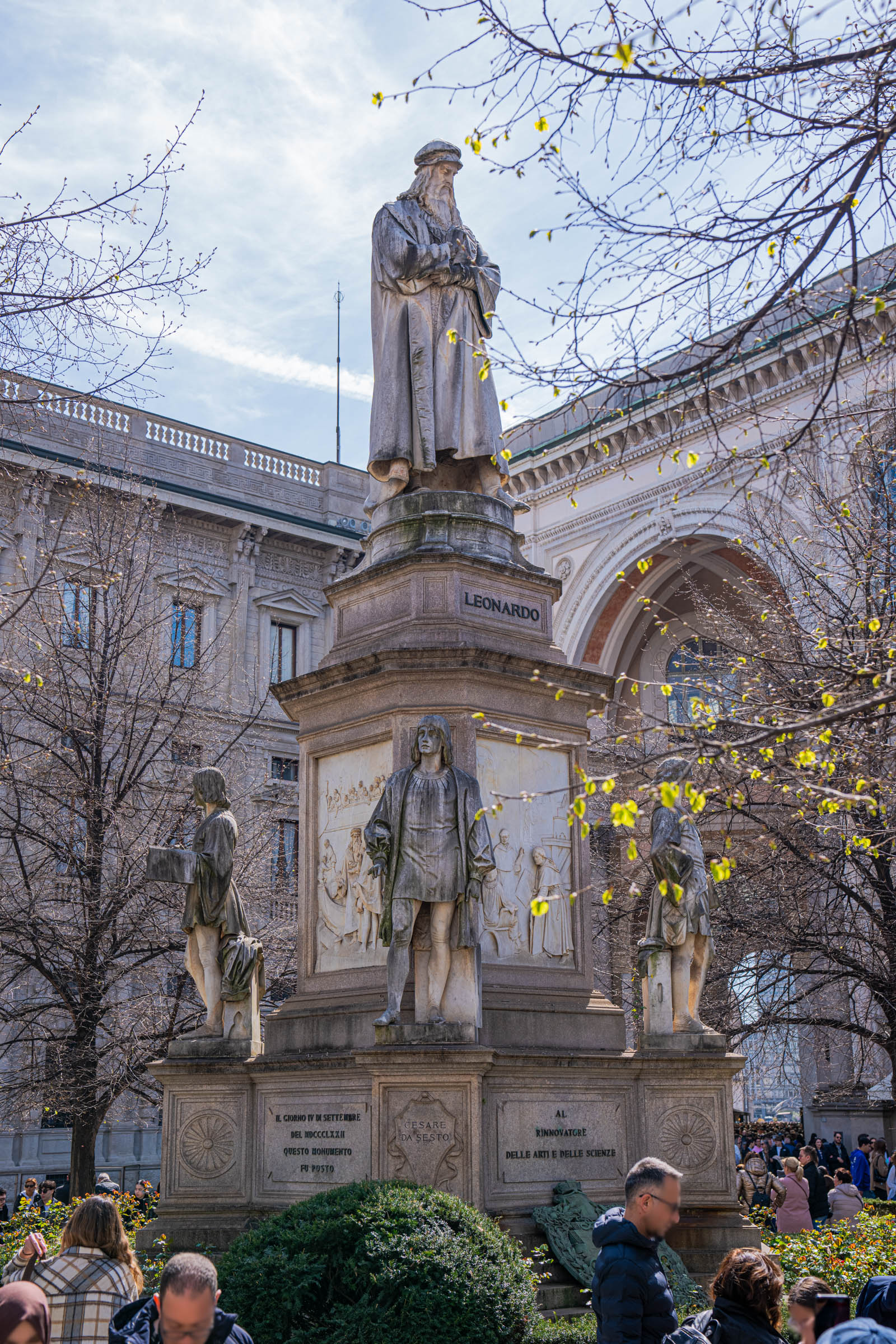
The theater building looks modest from the outside compared to what awaits you inside. Precisely this unobtrusive elegance is something that characterizes Milan as a whole. In front of the theater stands a monument to Leonardo da Vinci, surrounded by figures of his students. That part of the square is the perfect place for a short break and viewing the architecture of the surrounding buildings.
Even if you don’t go to the show, it’s worth taking a look at the La Scala theater museum, which is located in the side wing of the building. The original costumes, scores and personal items of the famous composers who created for this stage are on display. For music history buffs, this is one of the most precious places in Europe. I was particularly impressed by the intimate atmosphere of the interior, where red plush and gilding create the feeling that time has stood still in the eighteenth century.
SFORCESCO CASTLE AND SEMPIONE PARK: A GREEN OASIS IN THE HEART OF THE CITY
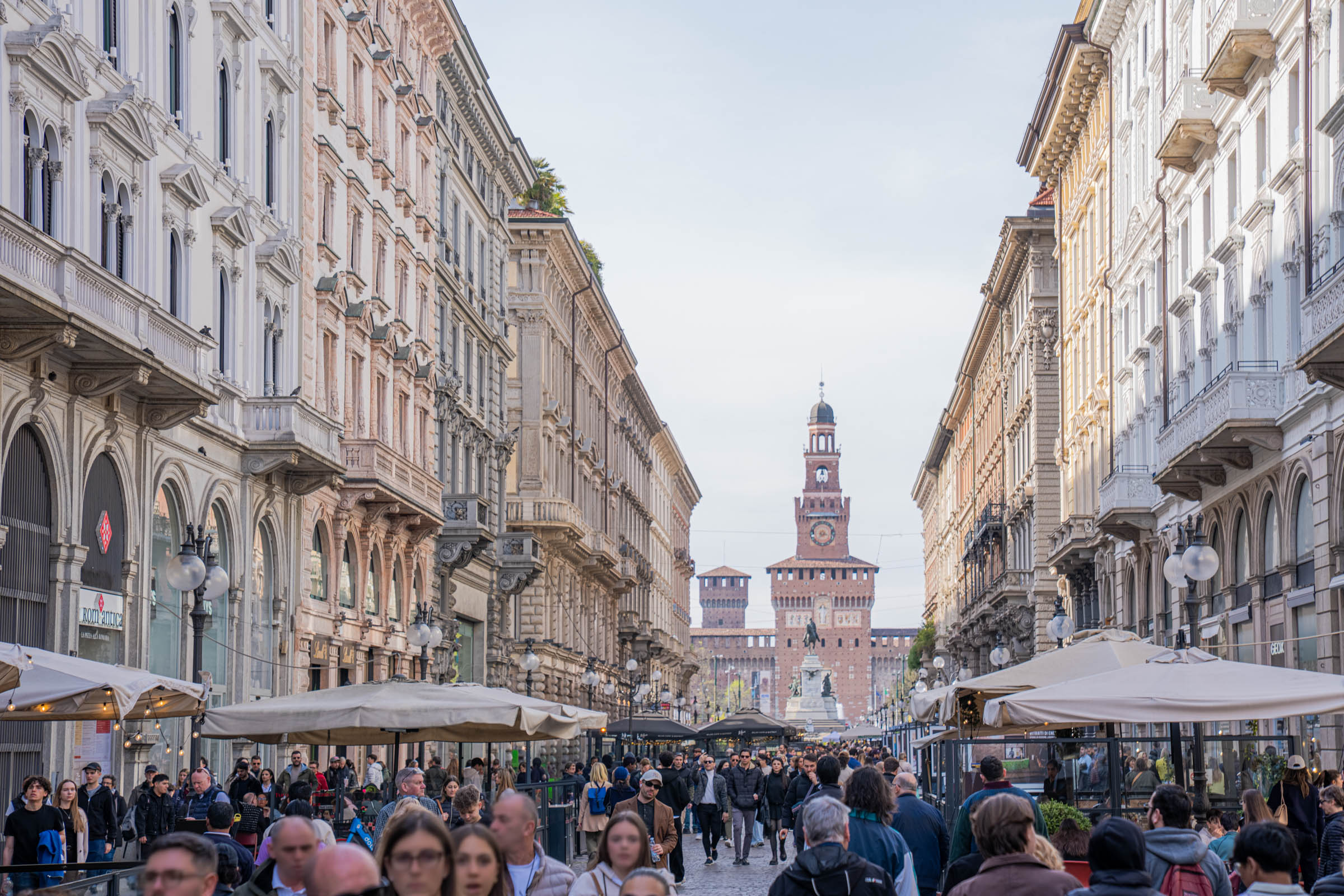
One of my favorite walks in Milan took me from the city center towards Sforzesco Castle. It is reached by the wide boulevard Via Dante, which is constantly filled with walkers, street musicians and cafés with terraces.
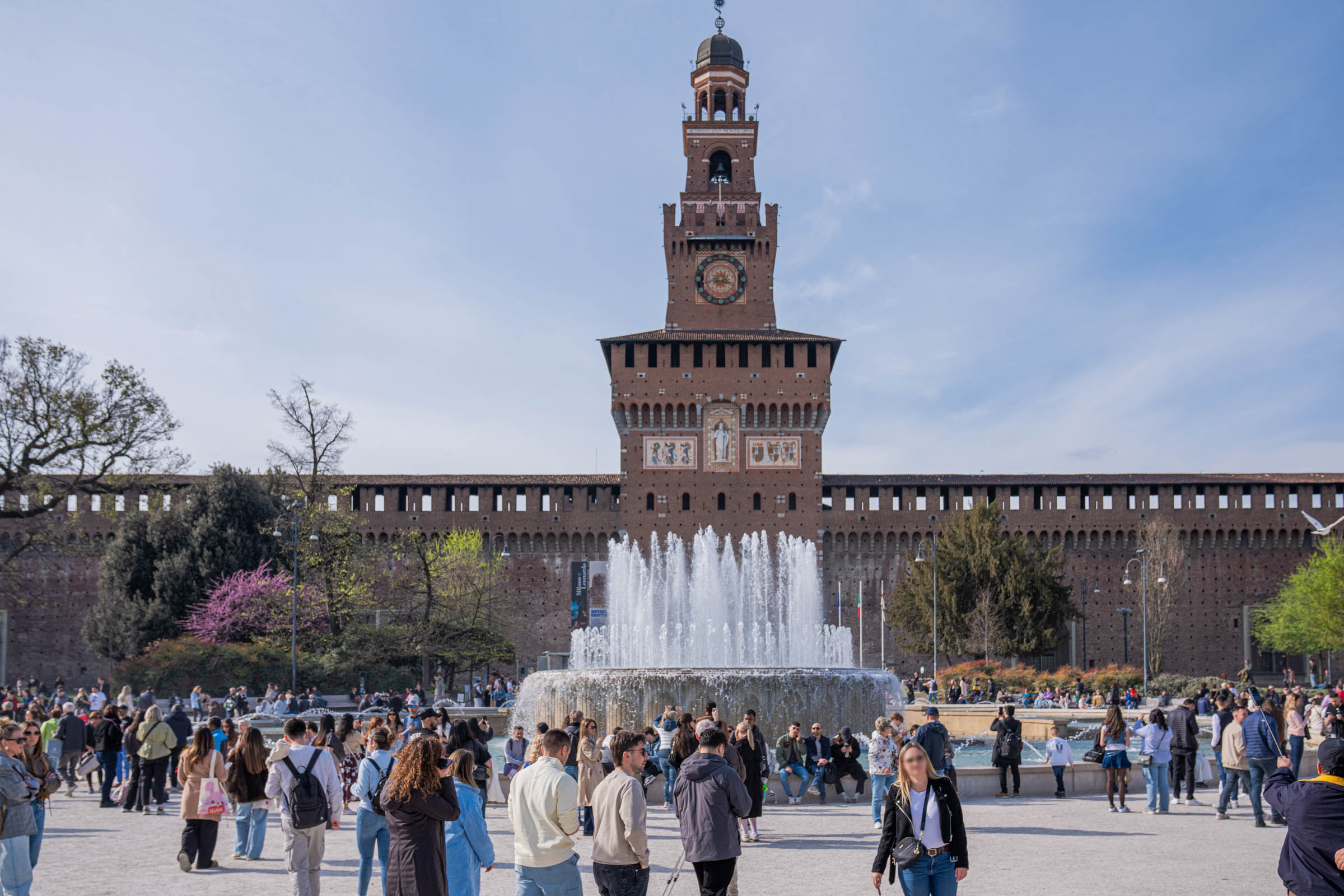
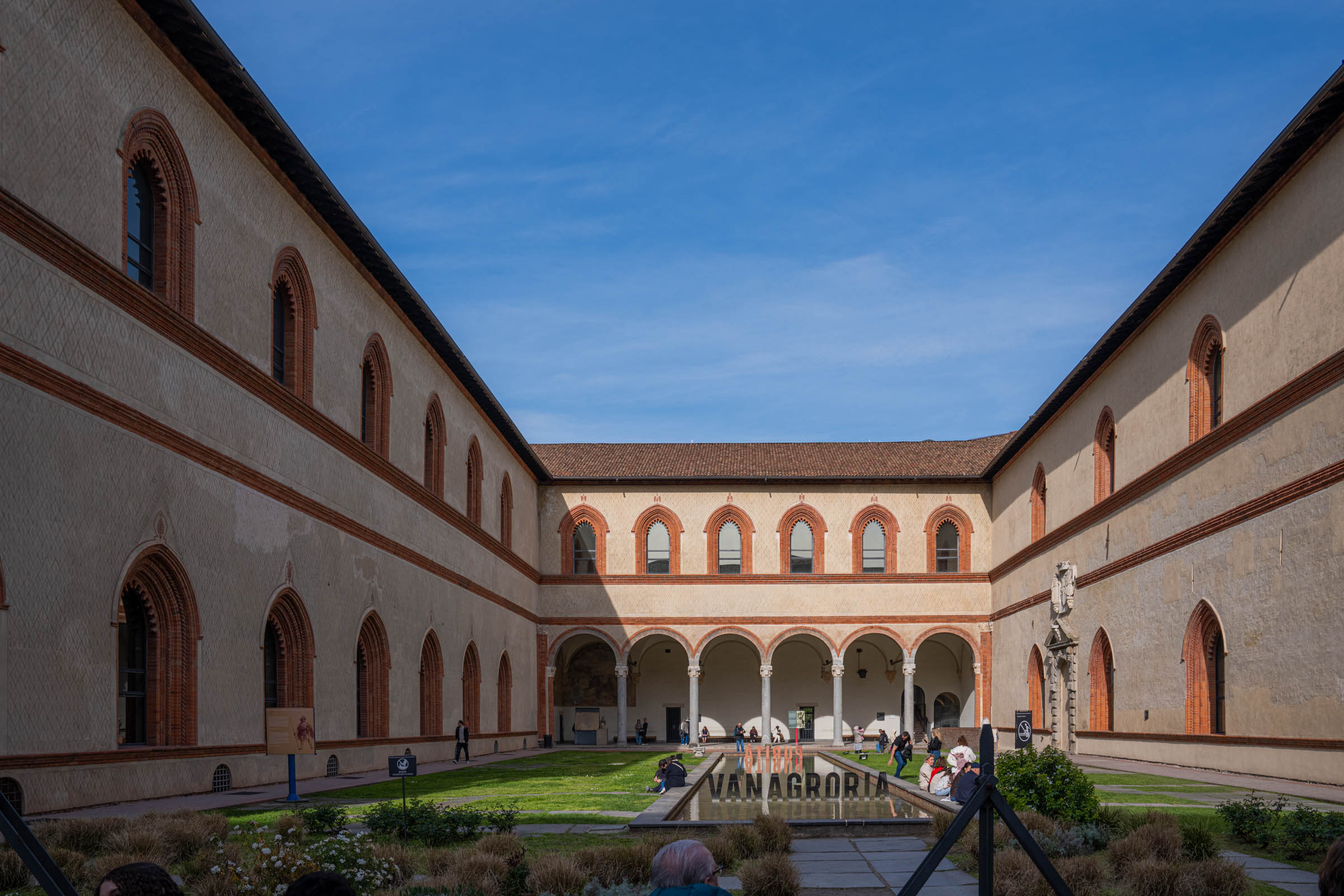
Sforza Castle was built in the fifteenth century as the residence of the Sforza family. Today, this imposing fortress hides several museums with rich collections. I was particularly impressed by the inner courtyard with red brick arcades, where there is a special peace despite being in the middle of a big city. The fountain in front of the castle is a favorite place to rest, and the view of the clock tower makes the whole composition unforgettable.
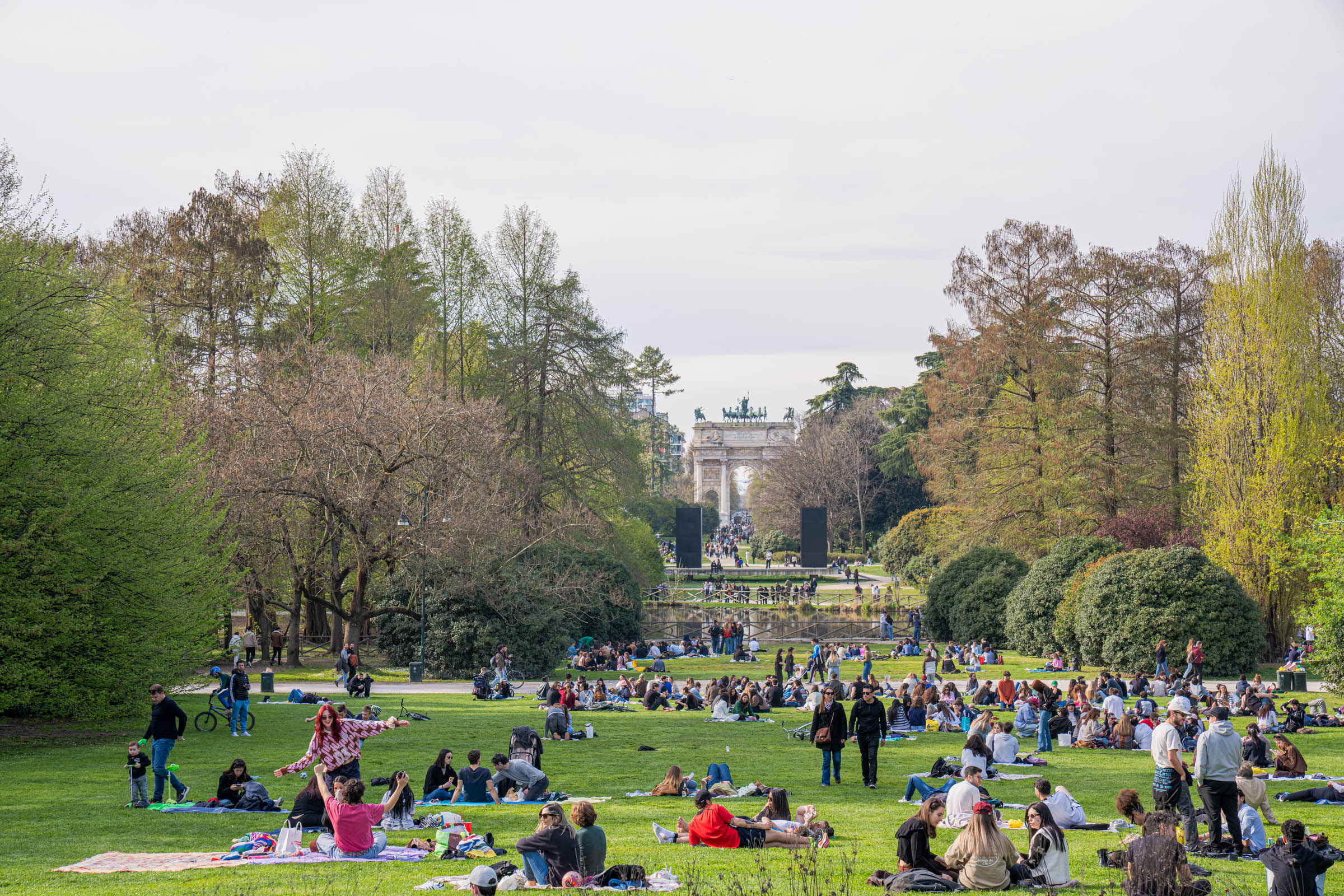
Behind the castle lies Sempione Park, the largest city park in Milan. I spent a lovely afternoon here, walking the paths and watching Milanese enjoying the sun. In the distance looms the Arc de Triomphe of Peace, a monumental gate erected in honor of Napoleon’s victories. This park is proof that Milan is not just concrete and glass. The city also has its green, peaceful side that provides a perfect balance to the urban rhythm.
I especially liked that the park is full of life regardless of the time of day. Families with children, couples reading on the grass, groups of friends playing frisbee or simply lying on blankets enjoying the spring sunshine. It is a picture of Milan that is rarely seen on postcards, but which says a lot about the character of this city. Milanese love their park and it shows. The paths are neat, the lawns are well-kept, and the atmosphere is relaxed and pleasant.
NAVIGLI: MILAN’S CANALS WITH SOUL
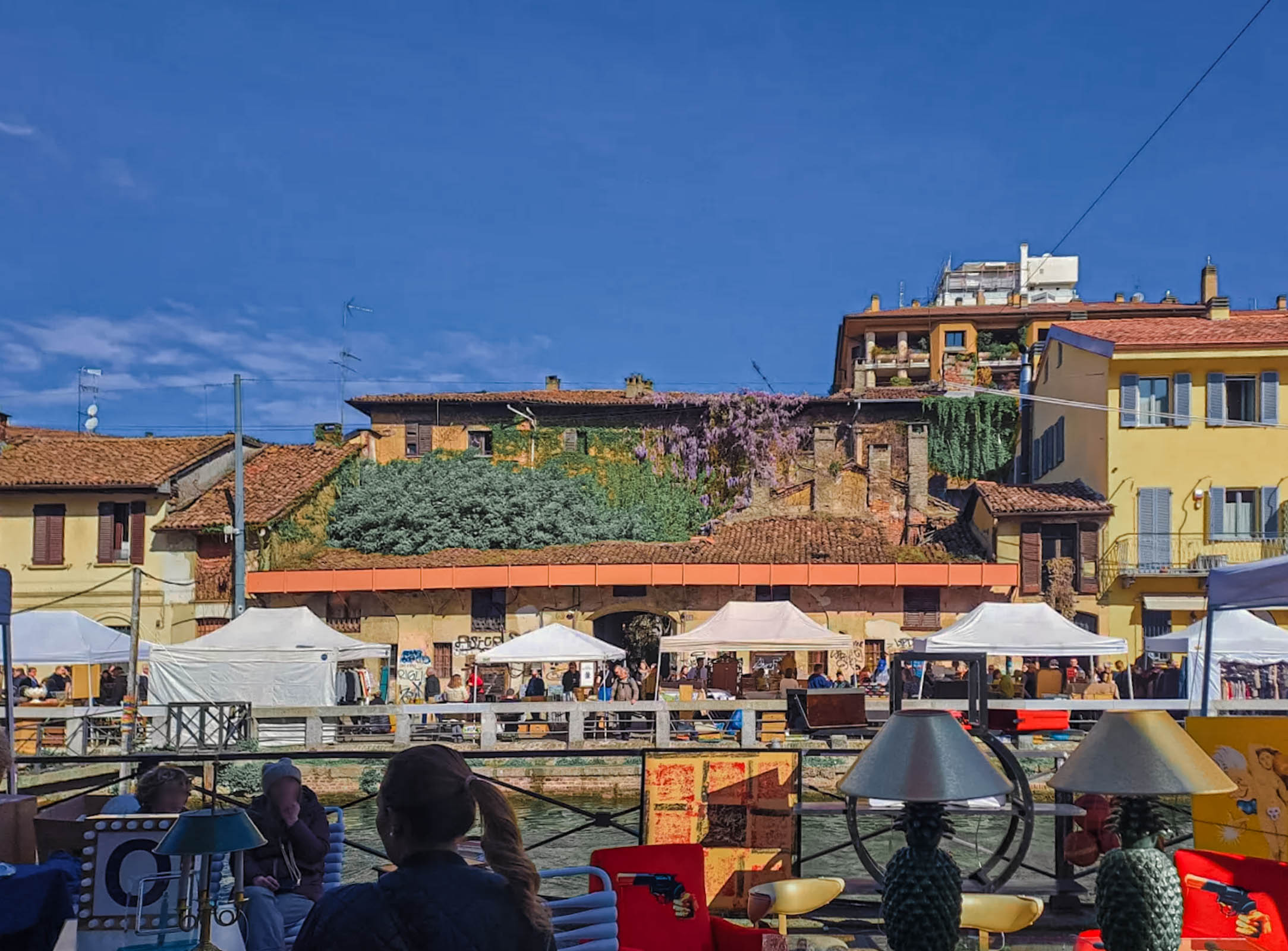
If you want to experience a different side of Milan, you must visit the Navigli district. This is the part of the city along the old canals, which were once used to transport the marble needed for the construction of the Duomo. Today, the canals are lined with cafes, restaurants, art galleries and vintage shops.
I was there during the weekend, when there is an antique market on the canals. The atmosphere is completely different from the city center. Here you can feel the authentic Milanese spirit, without glamor and pretentiousness. Buildings overgrown with ivy and wisteria, orange facades and wooden bridges make this part of the city incredibly photogenic. Navigli is the ideal place for dinner by the canal, where you can try real Milanese cuisine in a relaxed atmosphere.
What many do not know is that these canals are directly related to the construction of the Duomo. Namely, the marble used for the cathedral was brought by water from the Kandolja quarry, more than a hundred kilometers away. The canals were built for this very purpose, and parts of that ancient network still exist today in this part of the city. Thus, an evening walk along the Navigli becomes a journey through centuries of Milanese history.
LEONARDO DA VINCI’S LAST SUPPER: AN ARTISTIC EXPERIENCE TO REMEMBER FOREVER
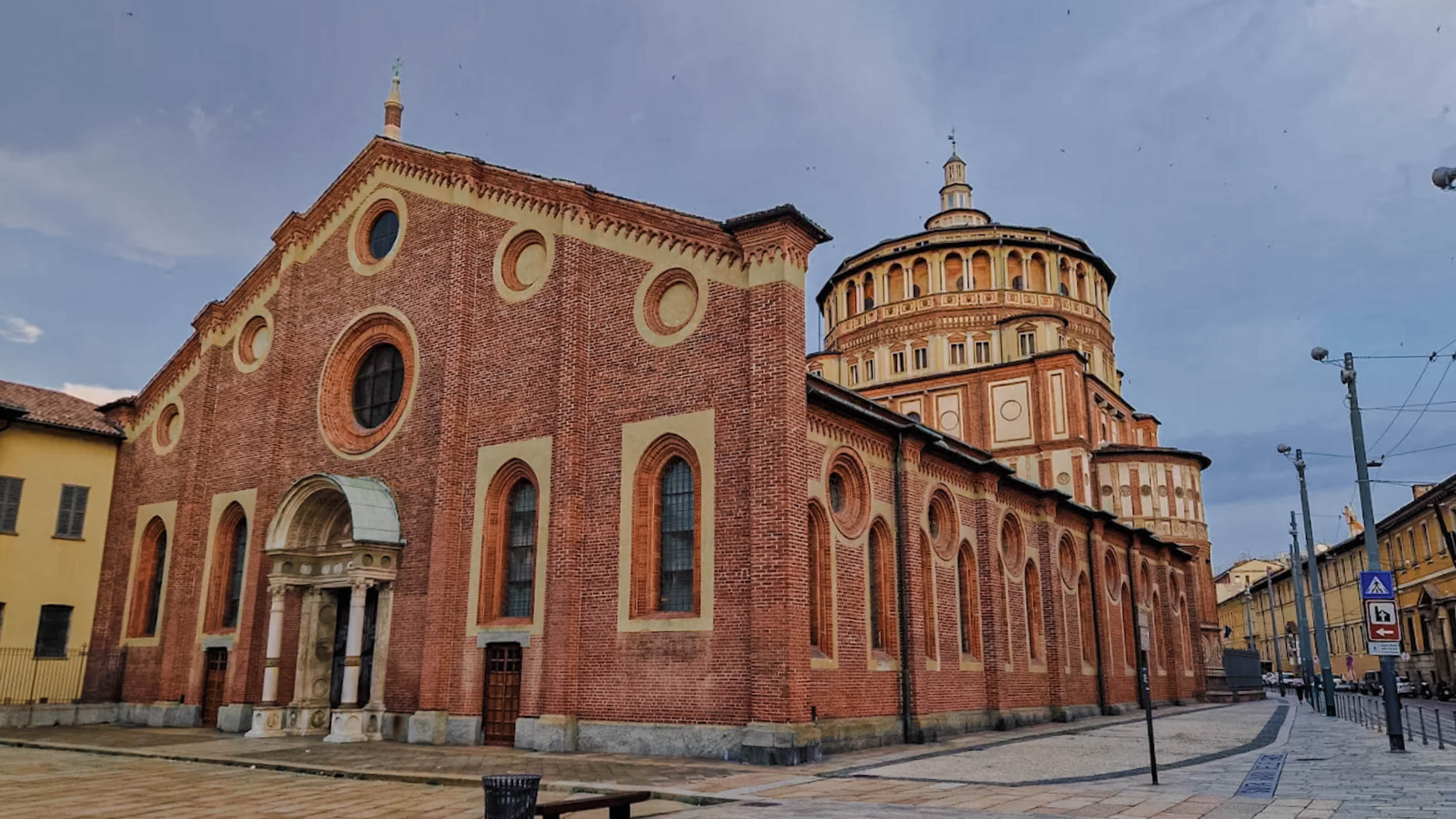
One of the most powerful experiences during my stay in Milan was visiting the fresco of the Last Supper in the church of Santa Maria delle Grazie. This church with its distinctive red brick dome is inscribed on the World Heritage List and is a must-see for every visitor.
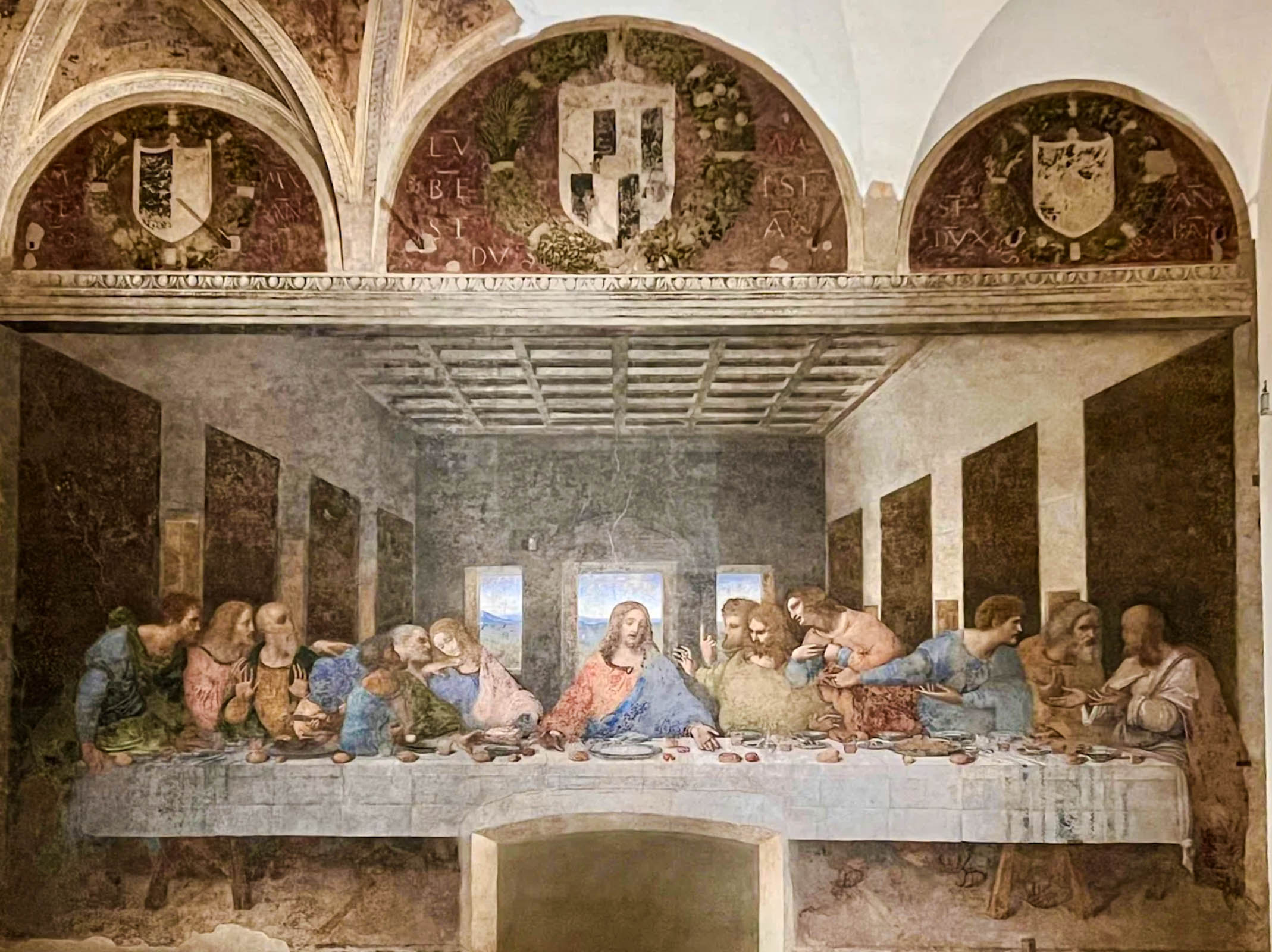
Leonardo da Vinci painted this fresco between 1495 and 1498, commissioned by Lodovico Sforza. The work depicts the moment when Jesus told the apostles that one of them would betray him. Each figure in the painting is depicted with extraordinary psychological depth, and the composition is revolutionary for its time.
It is important to note that tickets for the Last Supper must be booked in advance, often several months in advance. The visit lasts only fifteen minutes for a small group of visitors, as the area is strictly controlled to protect the work. This exclusivity makes this experience even more special. When you stand in front of that fresco and realize that you are looking at an original work that is more than five centuries old, you feel a deep respect for the genius that created it.
MILAN STREETS OF FASHION: A WALK THROUGH THE FASHION QUARTER
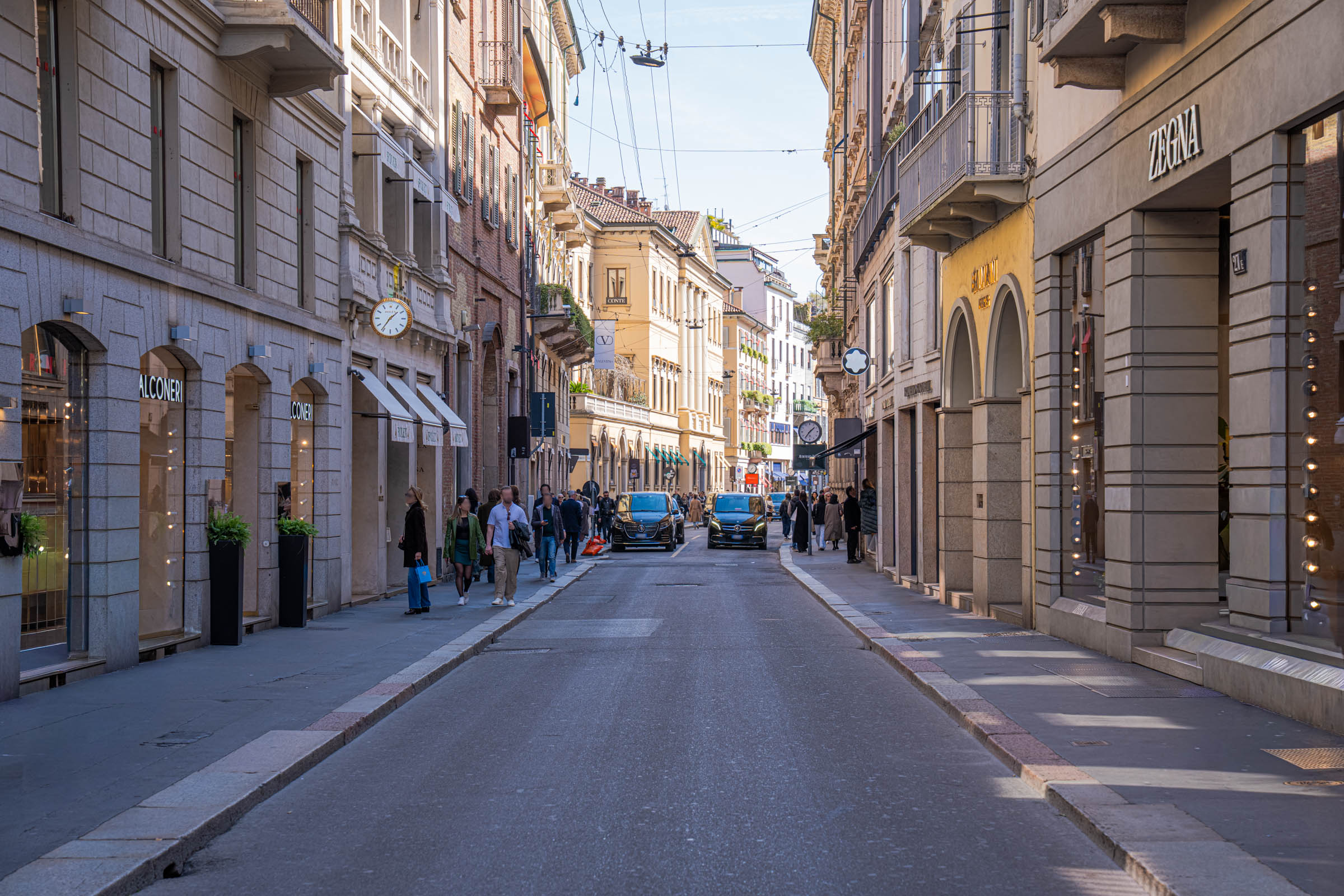
For anyone who loves fashion and style, Milan offers an experience like no other. The famous fashion square includes Via Montenapoleone, Via della Spiga, Via Mandzonia and Corso Venezia. This is where the boutiques of the world’s most exclusive brands are located, from haute couture to watches and jewelry.
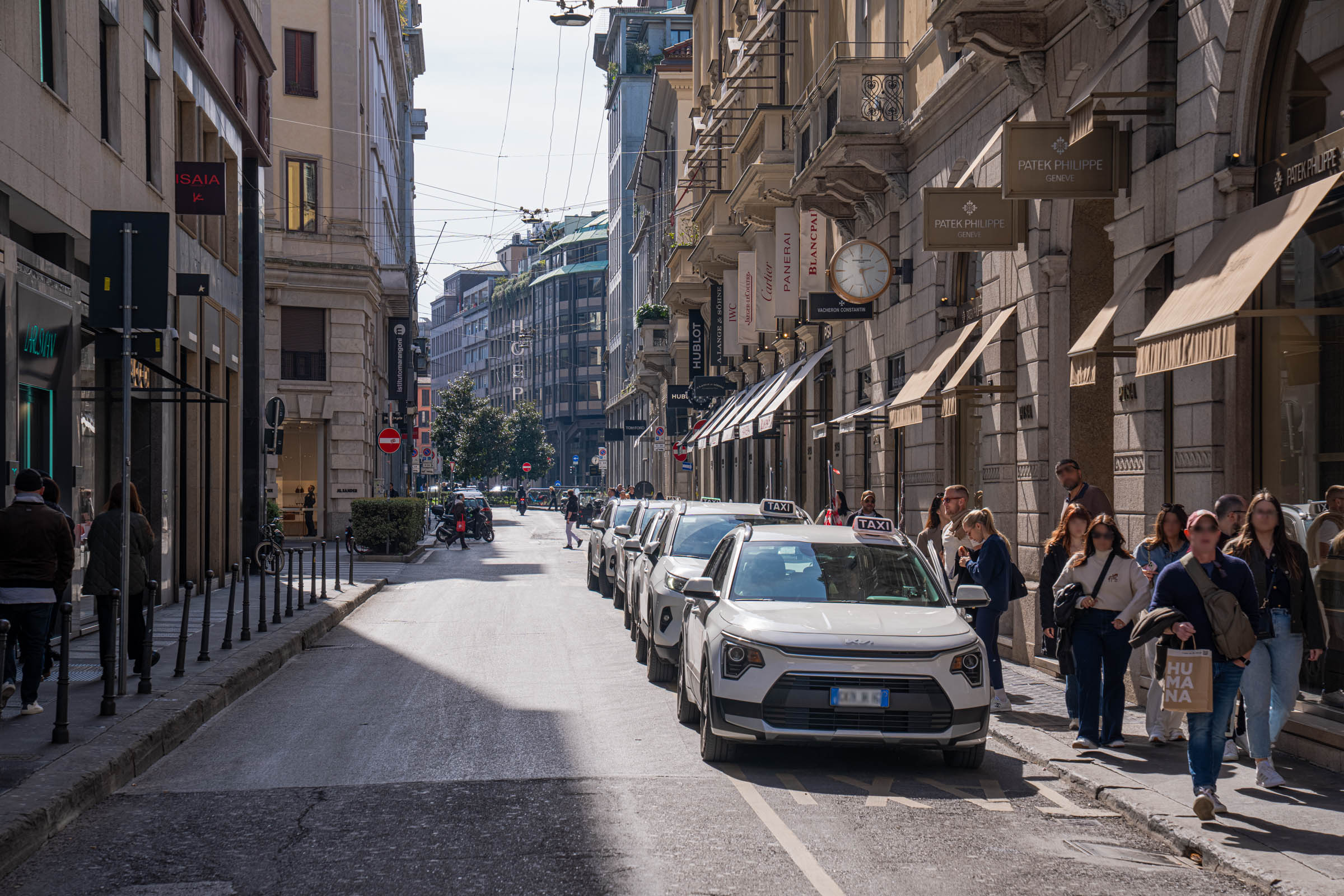
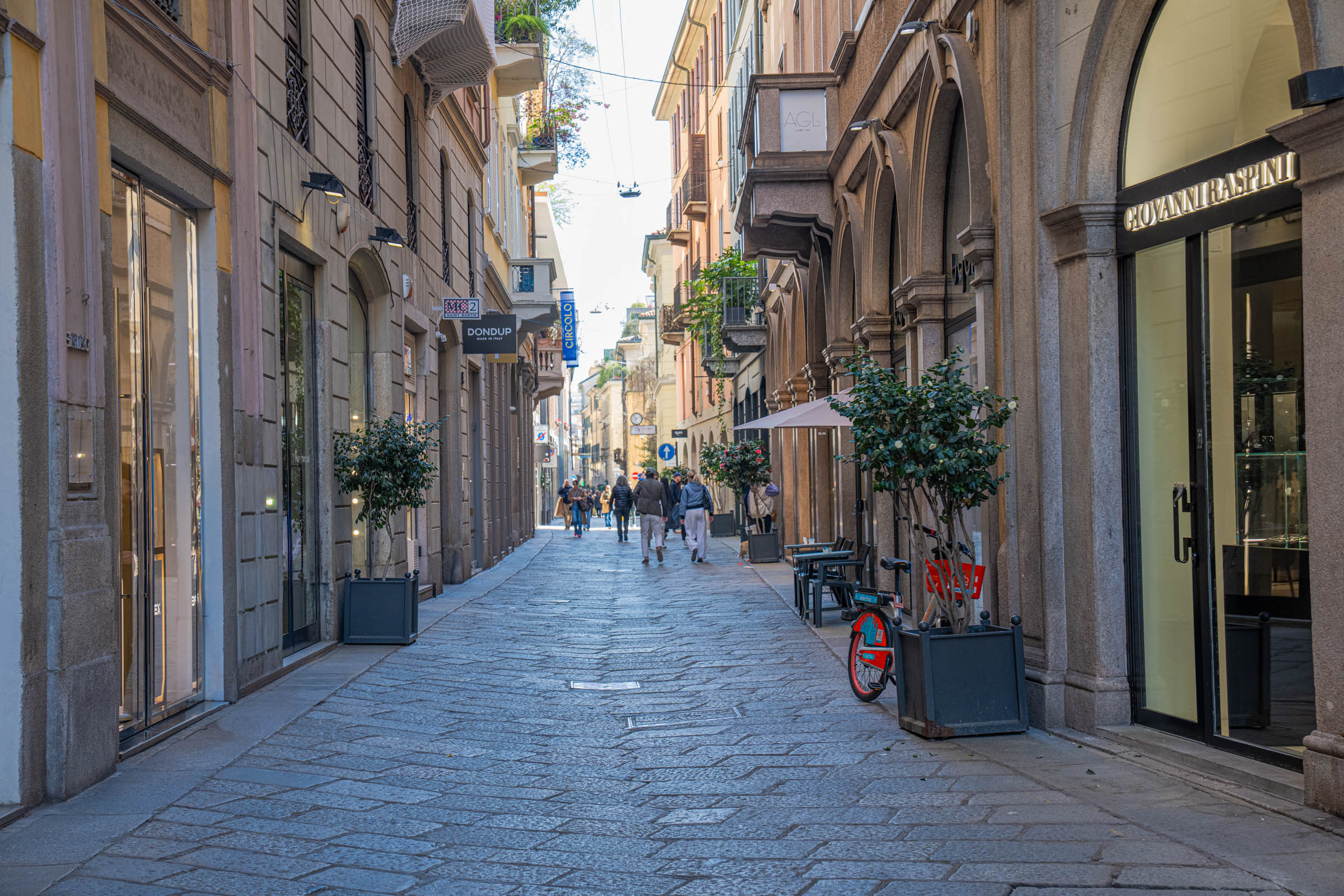
Walking through these streets is an experience in itself, even if you don’t plan to shop. The windows are real works of art, and the architecture of the palaces in which the boutiques are located speaks of the rich history of this part of the city. On Via Montenapoleone I noticed rows of the most luxurious watch houses side by side, while on Via della Spiga the brands are located in more intimate, cobbled streets.
What distinguishes Milan from other fashion capitals is the fact that here fashion is not just an industry. It is a way of life. Milanese dress with special care and elegance that seems completely natural. That unobtrusive style is something that can be felt at every step, from the city center all the way to the peripheral districts.
CORDUZIO SQUARE AND SURROUNDINGS: THE HEART OF MILAN
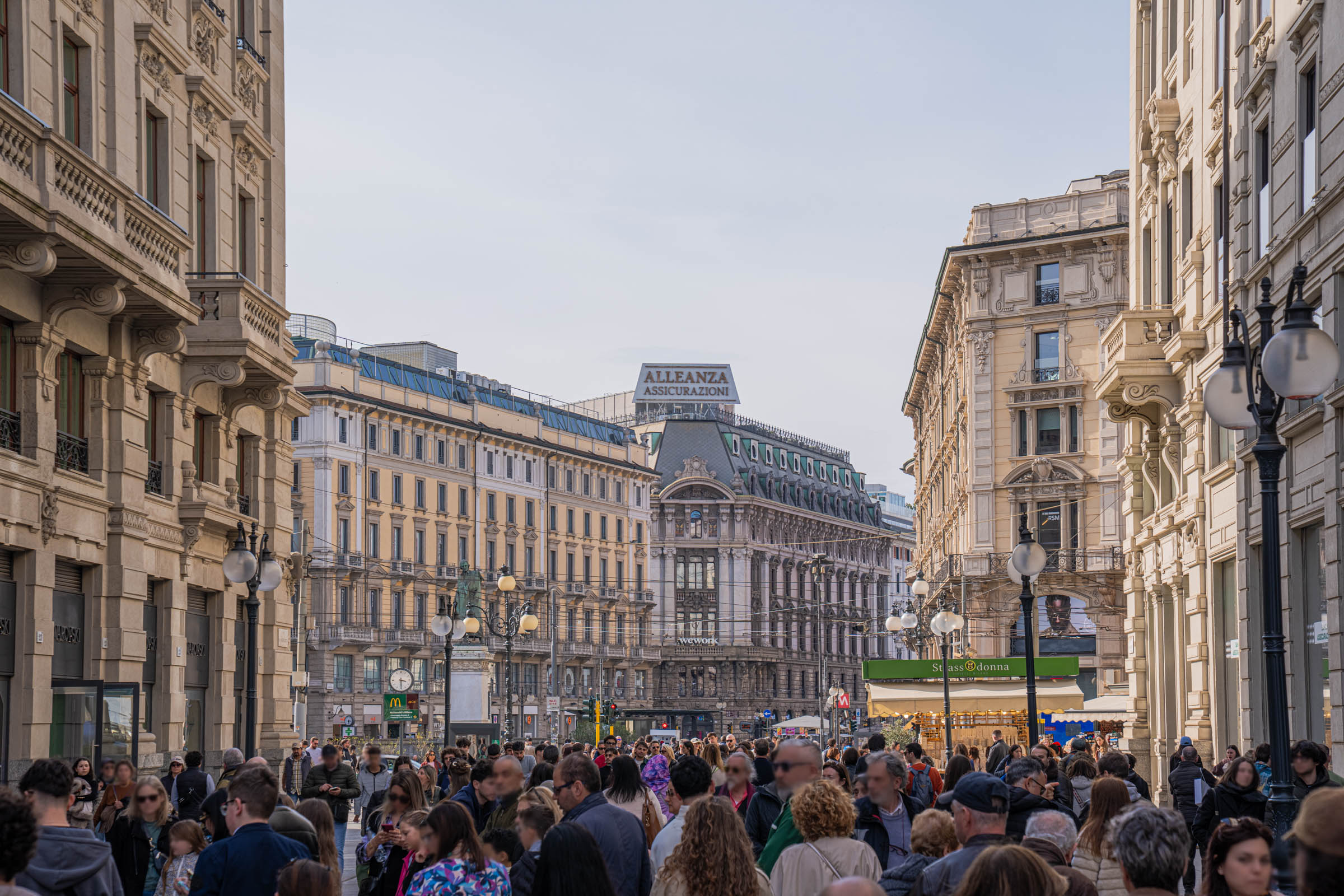
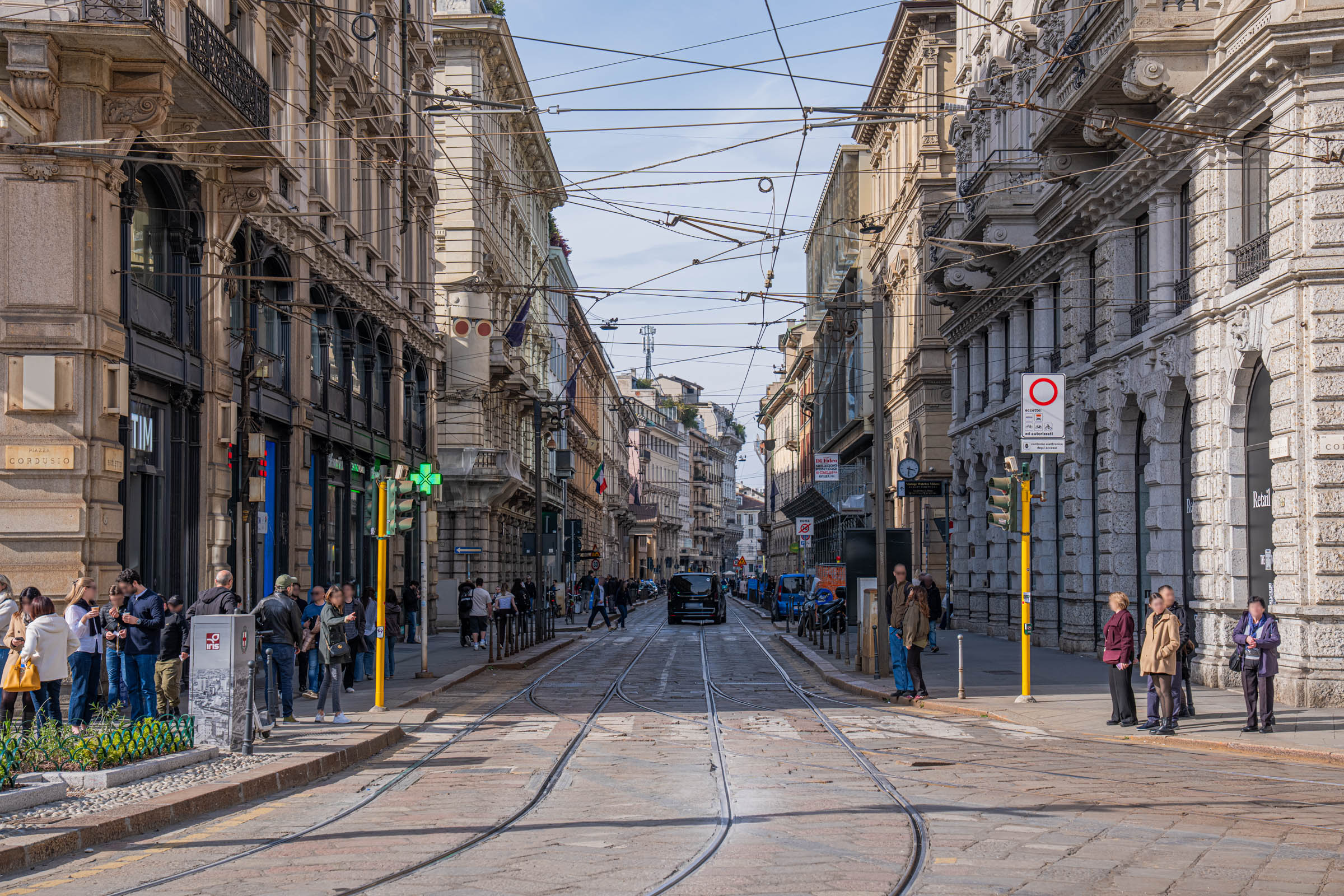
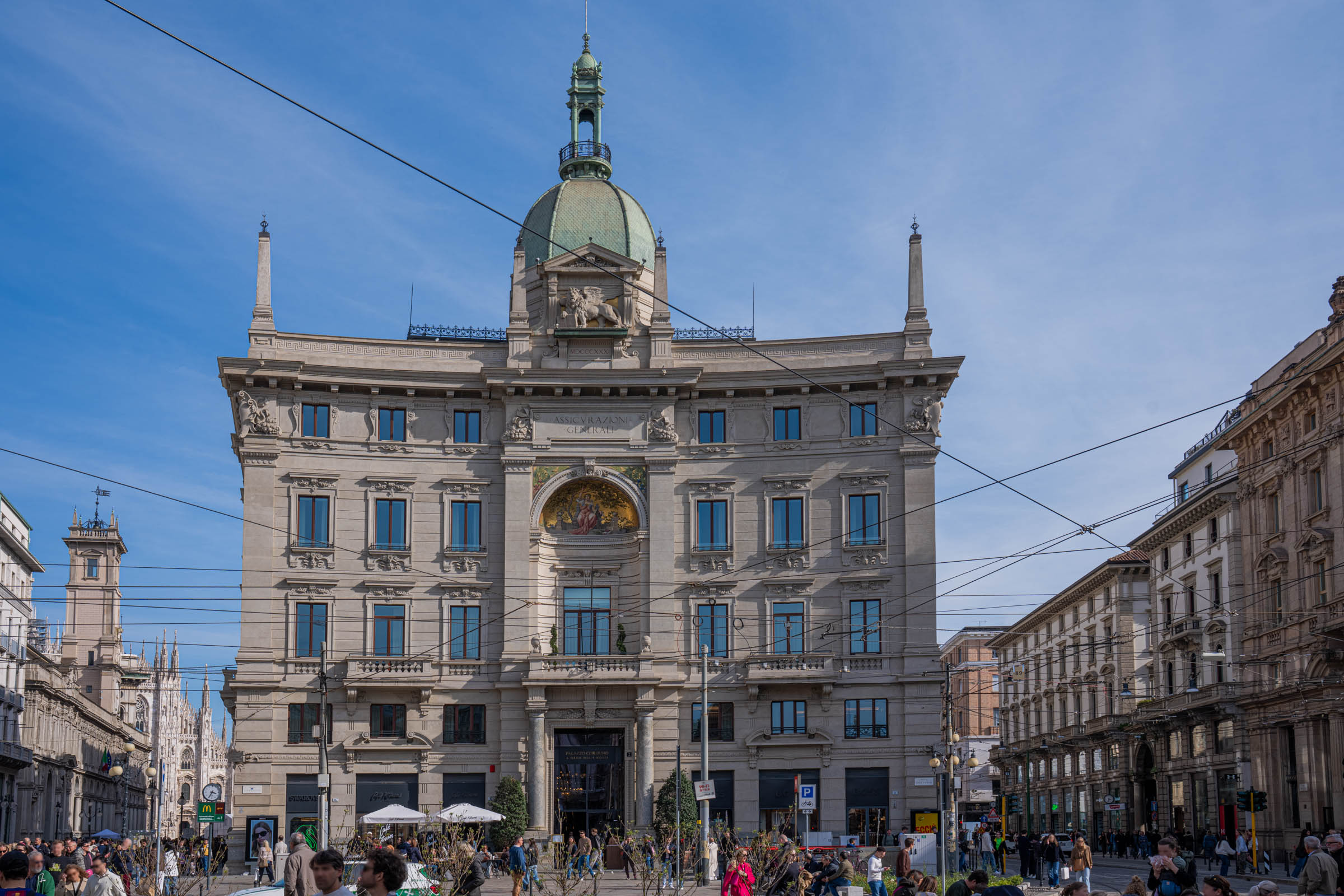
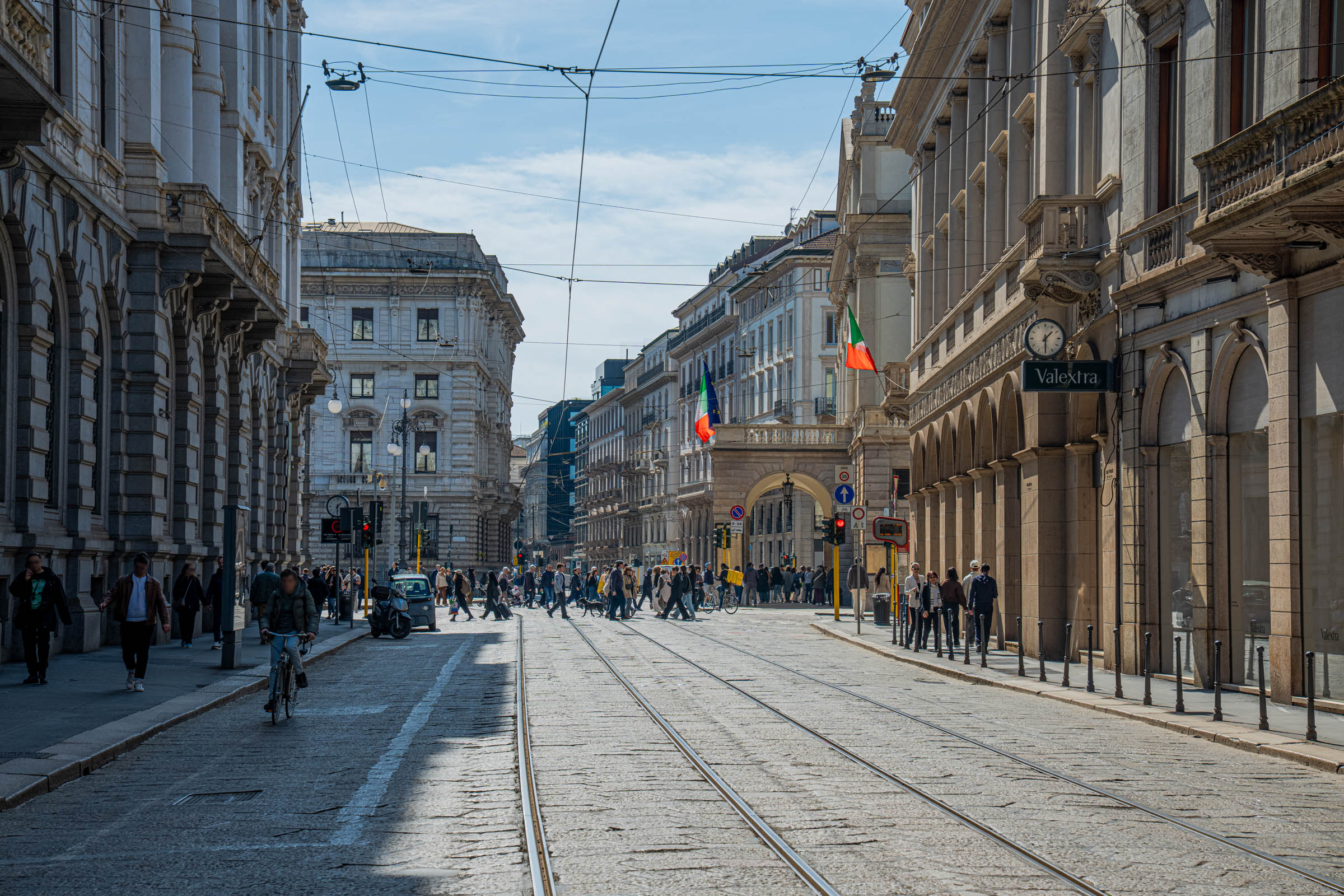
One of the most beautiful parts of my walk in Milan was the road from the Duomo to Piazza Corduzio. This square is a true crossroads of Milanese life, where tram lines cross in front of magnificent nineteenth-century buildings. It’s also home to the famous Milanese establishment that attracted a lot of attention when it opened, the first location of the premium coffee roasting chain in Italy, housed in an opulent former post office building.
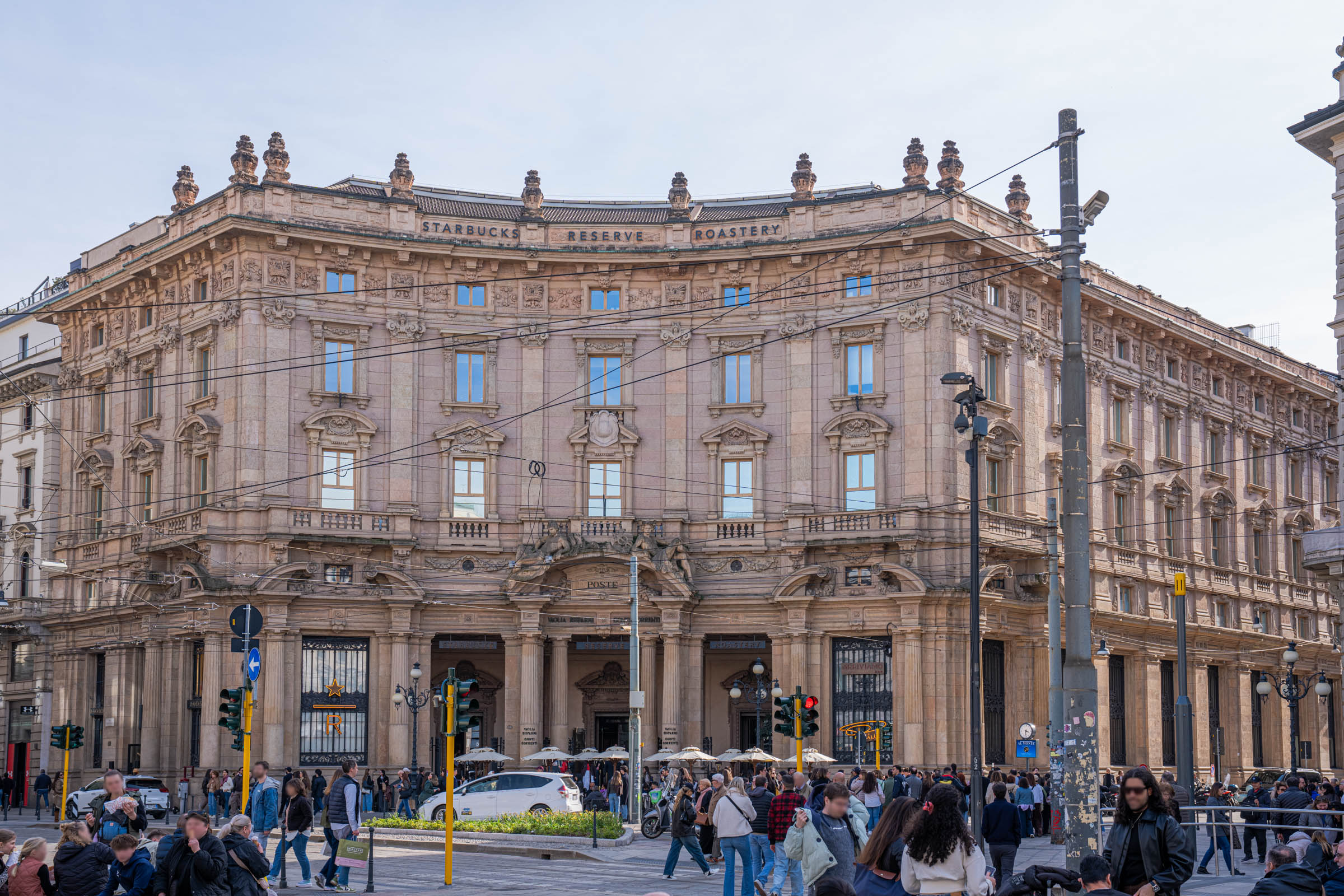
This building with a pink stone facade is an example of Milan’s ability to combine different eras into a harmonious whole. Inside, it’s a breathtaking space, with a huge roaster, copper pipes and marble counters. However, what impressed me the most is the fact that the people of Milan love coffee above all else, and that even in a space of this format, they look for authenticity and quality above all else.
From Piazza Corduzio, the walk naturally continues along the wide Via Dante, which leads straight to the Sforzesco Castle. This pedestrian boulevard is always full of life, with restaurants and cafes whose terraces stretch almost to the middle of the street. The view of the castle tower in the distance, framed by elegant facades, is one of those scenes that perfectly sums up the spirit of Milan.
HILTON MILAN: MY HOME IN THE CITY OF FASHION
During my stay in Milan, I stayed at the Hilton Milano Hotel at Via Luigi Galvani 12, just two hundred meters from the Milano Centrale train station. This location proved to be extremely convenient as I could get everywhere by metro or even on foot.
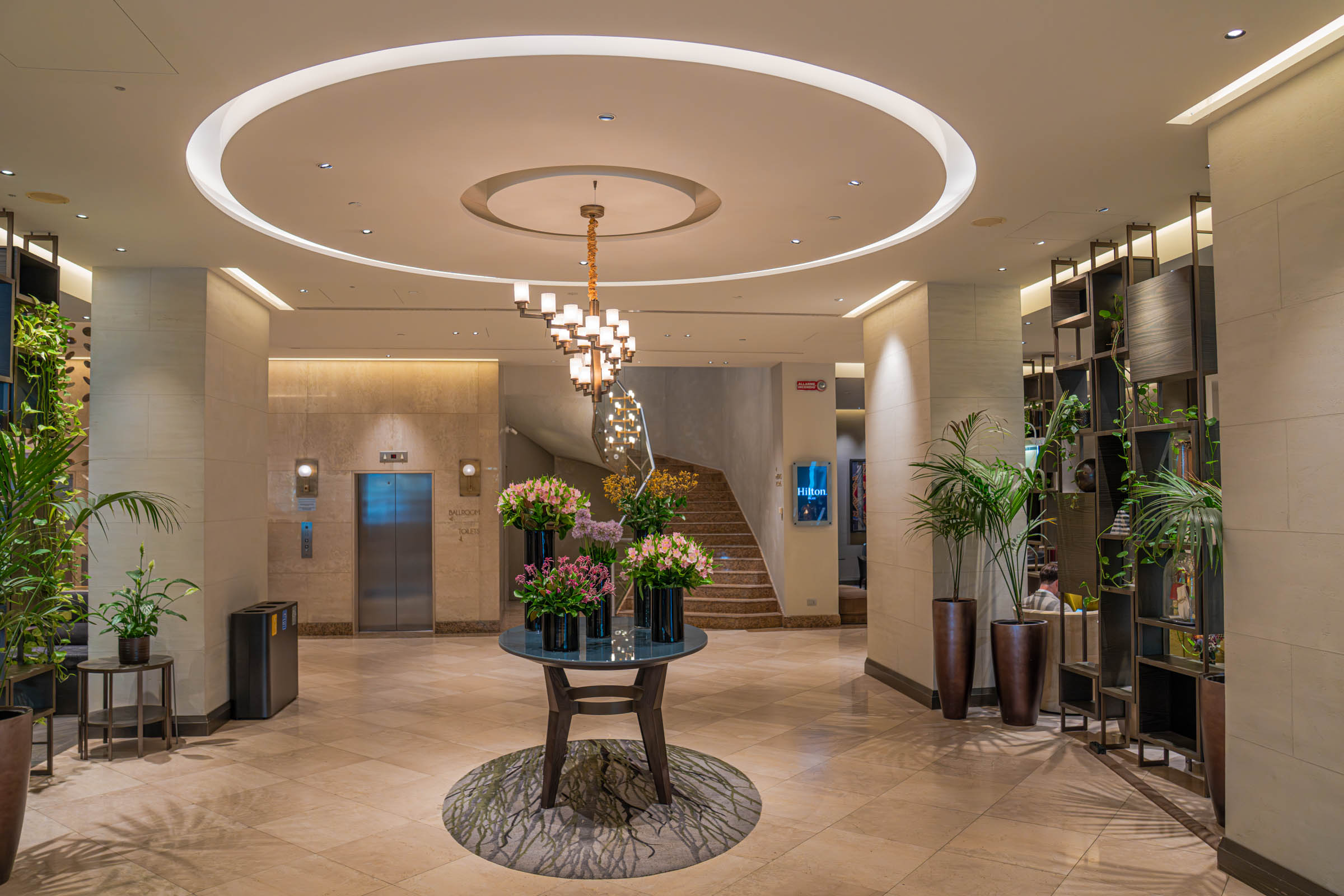
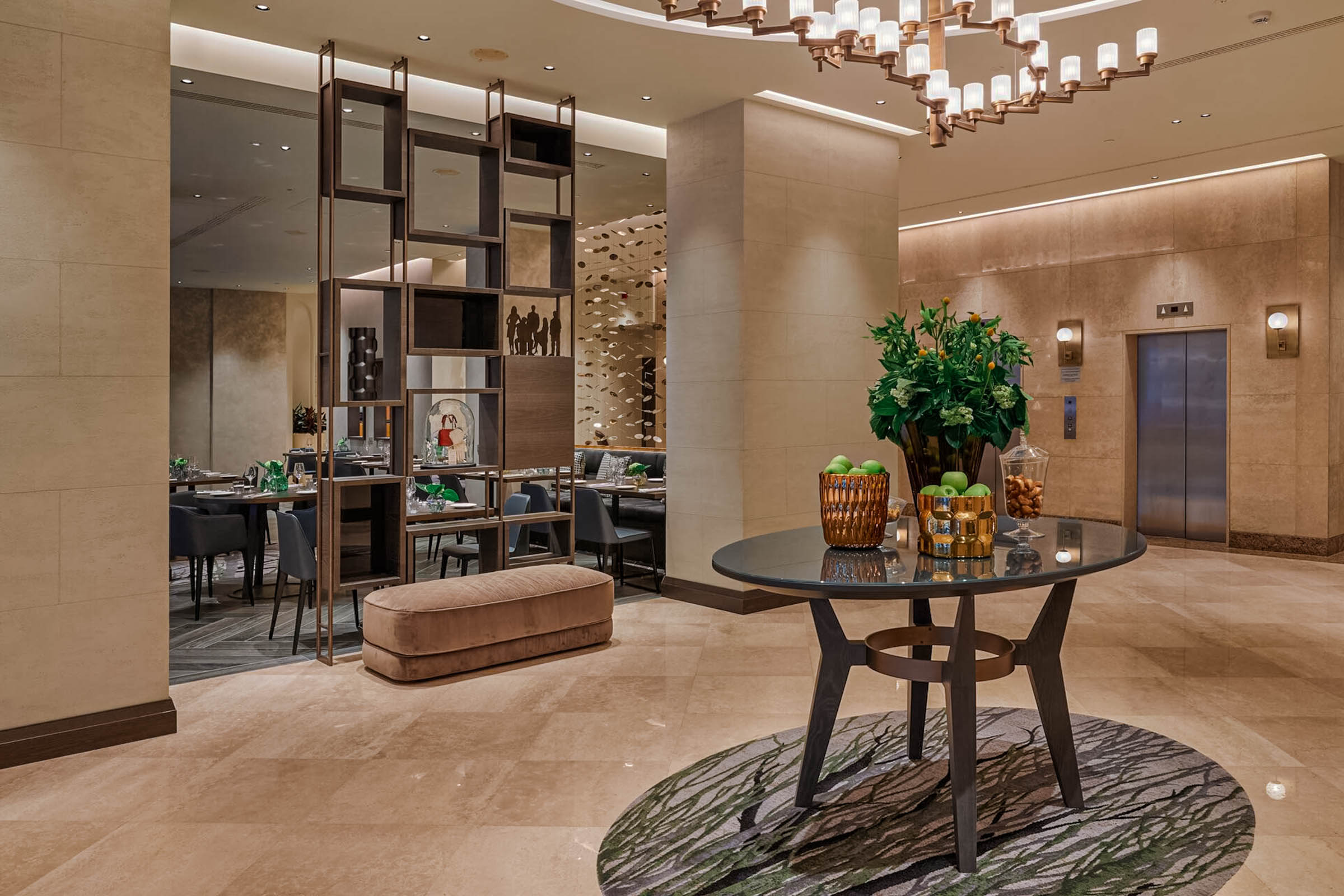
The hotel underwent a thorough renovation in 2024, under the leadership of an architectural studio that drew inspiration from the green soul of the nearby Izola district. The renovation concept is based on the so-called biophilic architecture, a philosophy that emphasizes the harmony between man and nature. The result of that transformation can be seen at every step, from the lobby with fresh flower arrangements to the rooms that breathe natural materials and colors.
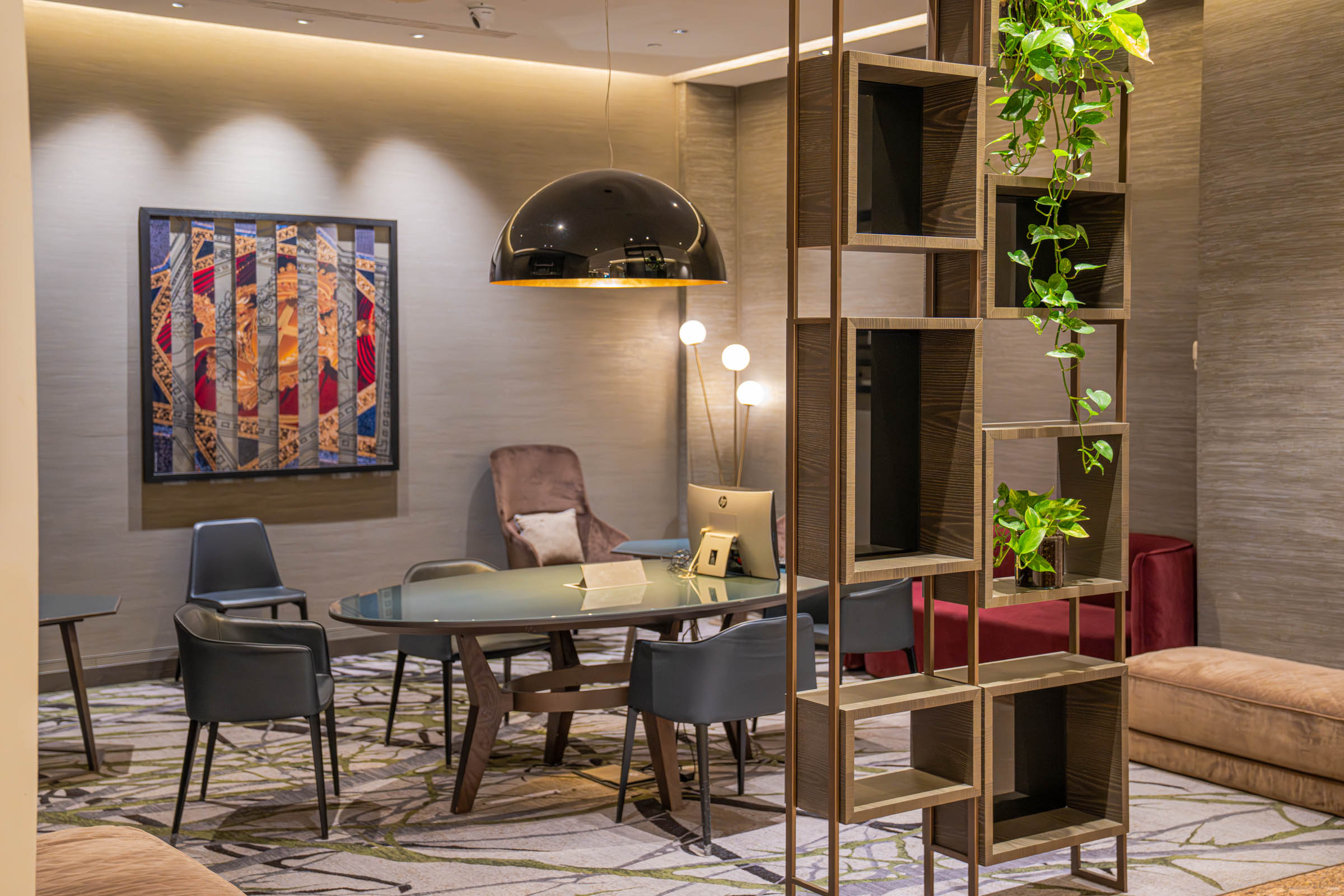
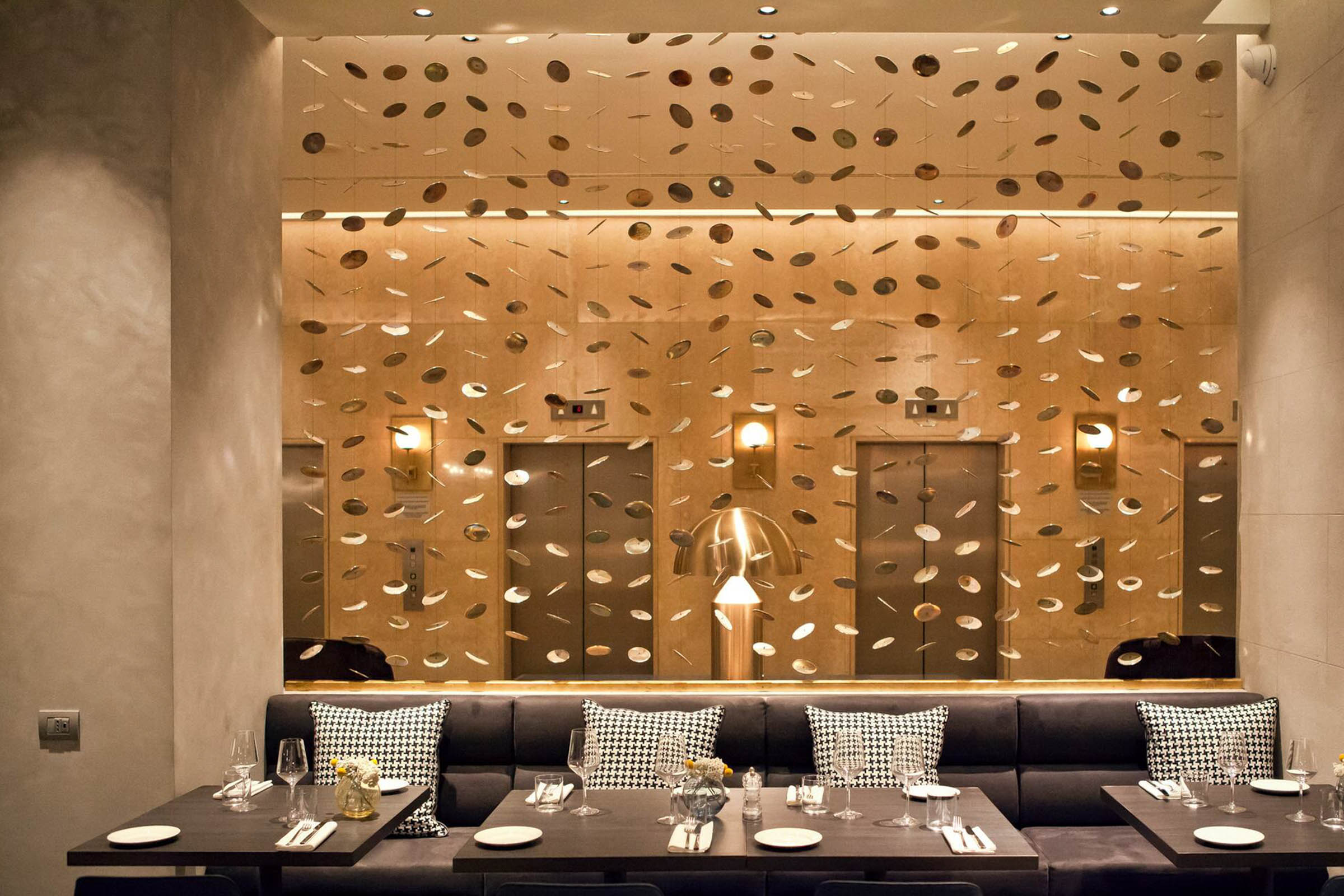
The hotel has a total of three hundred and twenty rooms, including apartments of different categories. There are also thirteen conference rooms for business guests, a gym with modern equipment, as well as an elegant lobby bar that operates from morning until late at night. In the morning, coffee and pastries are served there, while in the evening the space takes on a completely different character with cocktails and the Milanese ritual of the aperitif. The staff is extremely professional and friendly, and at the reception they speak multiple languages, which facilitates communication with guests from all over the world.
The hotel lobby is a space that immediately leaves a strong impression. A circular chandelier above a center table with flowers, marble floors and plants on elegant shelves create a sense of warmth and sophistication. Just off the lobby is a restaurant with a striking art installation of metal discs hanging from the walls, while the tables are set with care worthy of a star restaurant.
MY ONE-ROOM APARTMENT EXPERIENCE AT HILTON MILAN
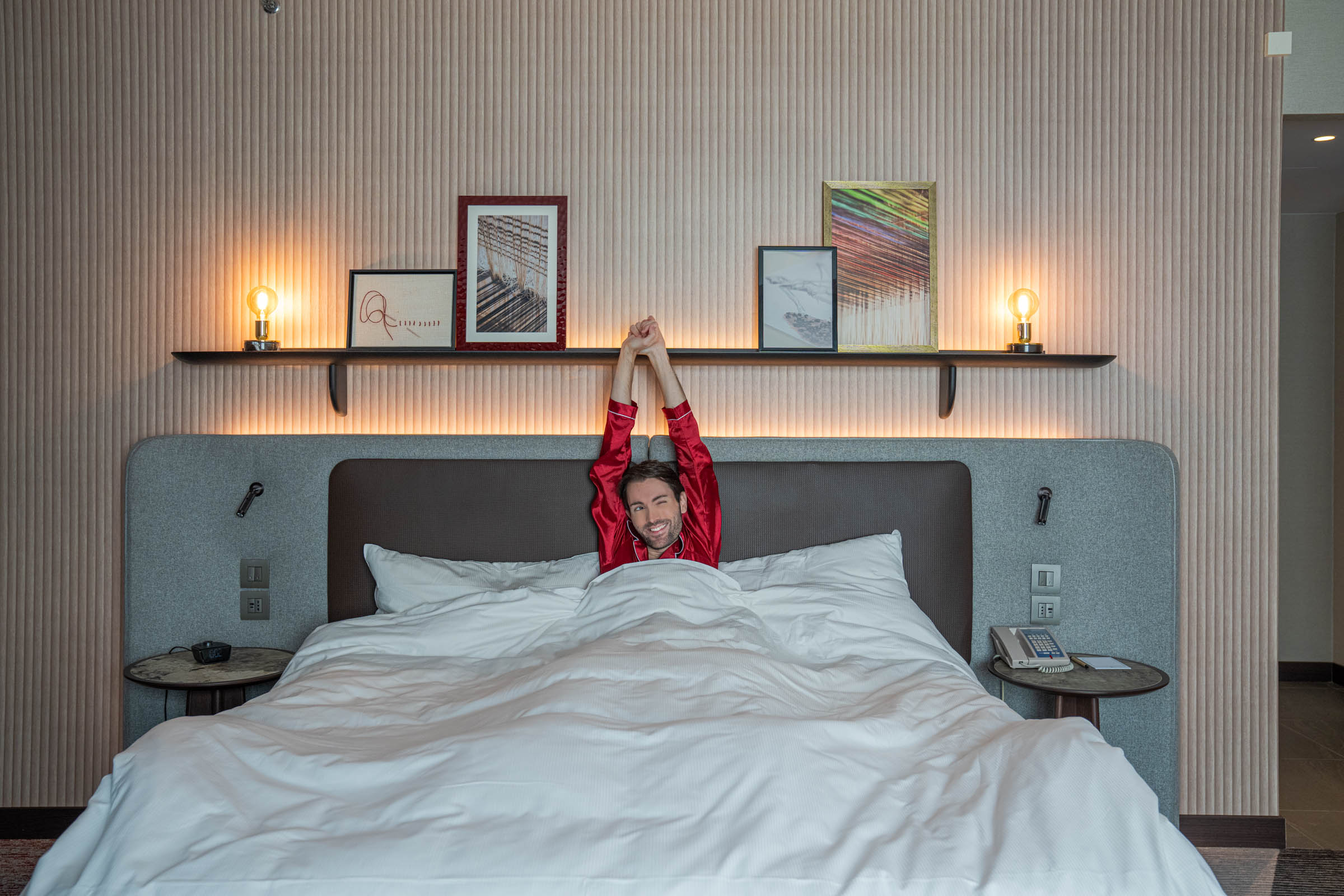
During my stay in Milan, I was accommodated in a one-room apartment that completely delighted me. The space is designed to provide the comfort of an apartment with the highest level of hotel service. The bedroom is equipped with a large double bed with white linen that invites you to relax. Above the headboard is a shelf of artistic photographs, and ambient lighting on either side of the bed gives the space a warmth that’s perfect for relaxing after a long day of walking around the city.
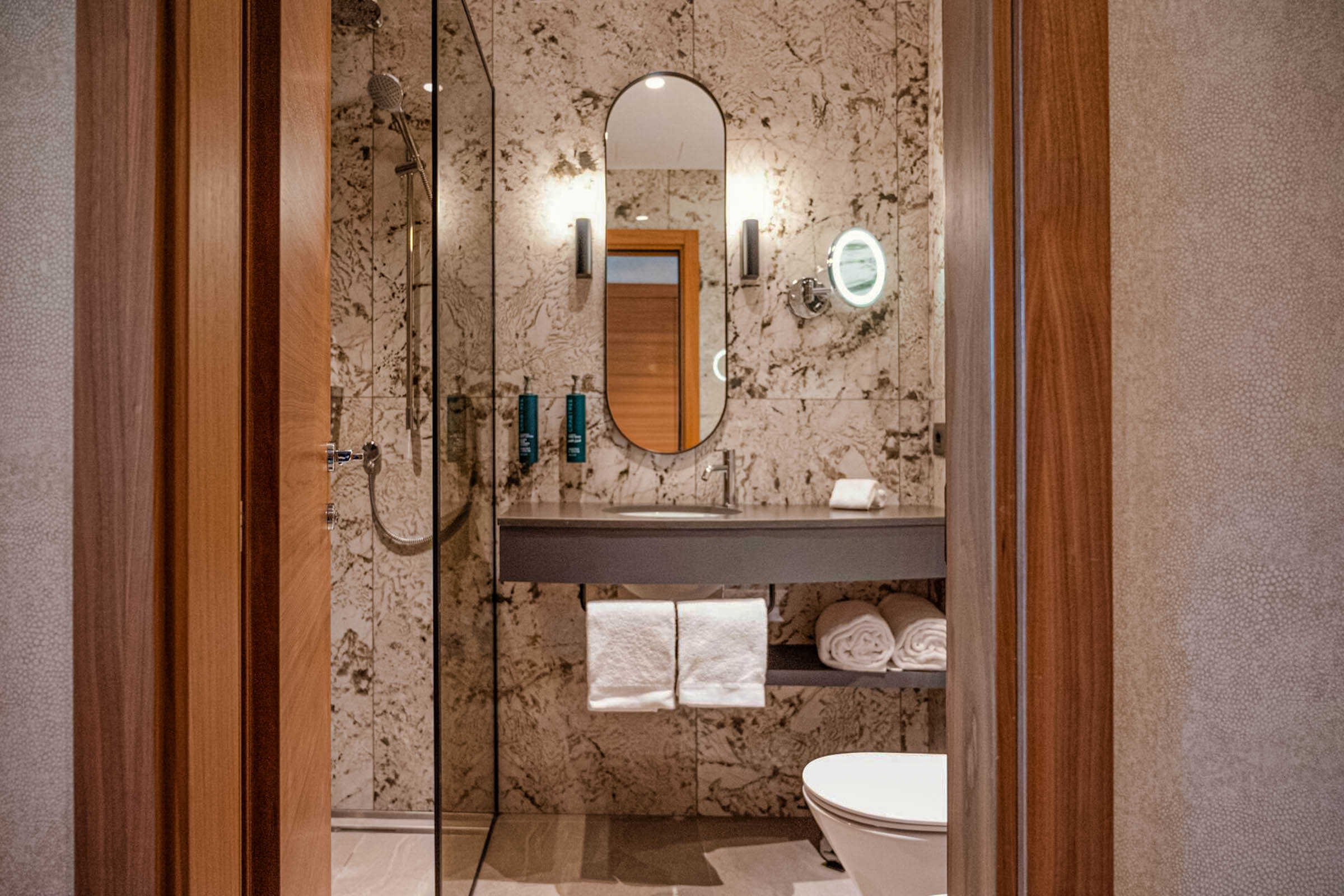
The bathroom is equipped with marble elements, a glass shower cabin and quality cosmetic products. Every detail in the room speaks of thoughtful design, from the texture of the wall coverings that mimic natural materials, to the artworks on the walls that evoke Milanese modernism. The desk by the window was ideal for looking at photos in the evening, and the air conditioner worked quietly and efficiently. The lighting in the room is cleverly designed with multiple levels, so you can adjust the atmosphere according to your mood. Overall, the apartment felt like a real home in the middle of a big city, which is invaluable for a traveler who spends more than one night in one place.
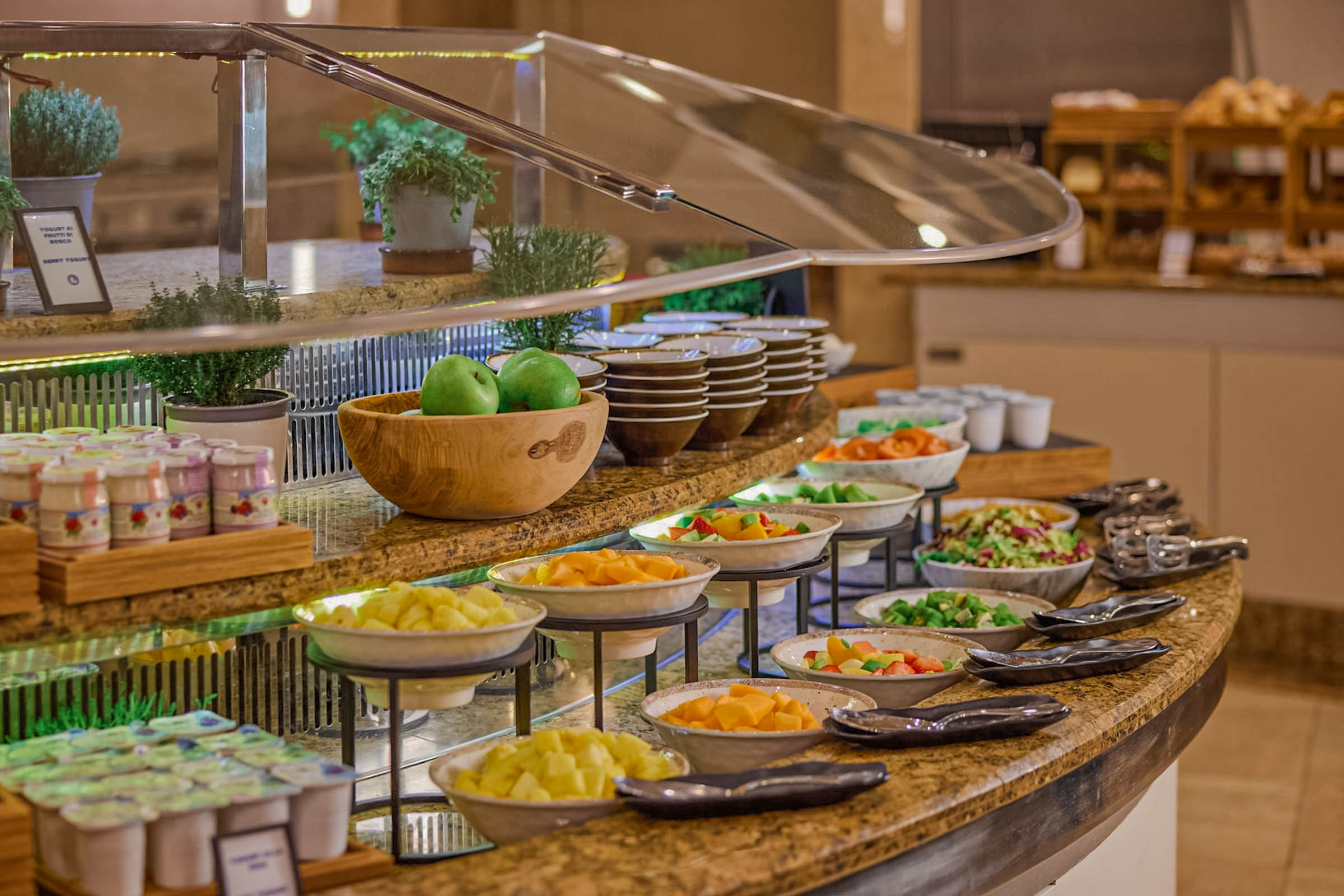
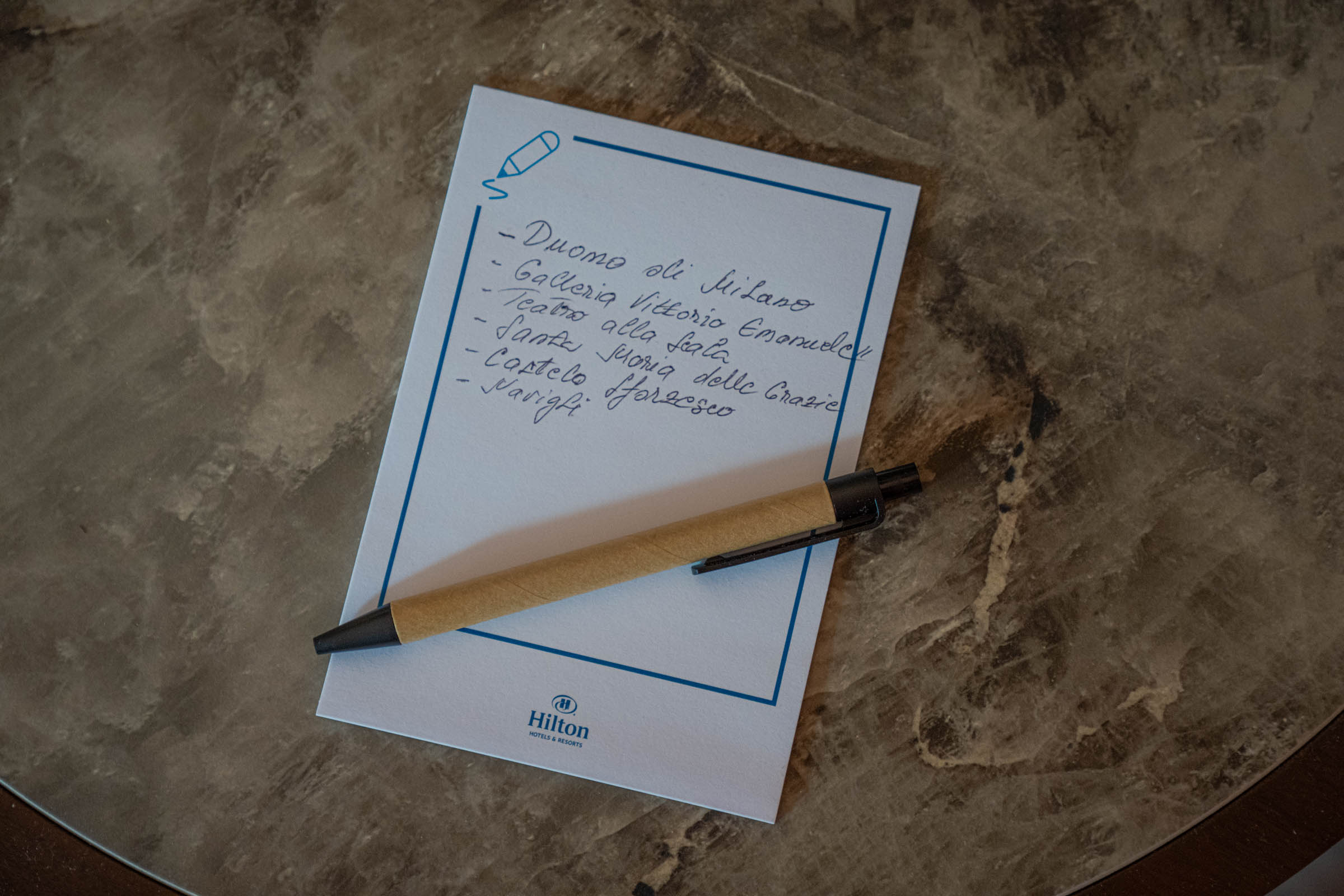
The breakfast deserves special praise. The buffet offer was extremely rich and varied. Fresh fruit, yogurts, pastries, Italian cheeses and meat products, eggs prepared in various ways, and even freshly squeezed juices. Everything was impeccably fresh and of high quality. In the morning, I usually wrote down my plan for the day on the hotel notebook with coffee, then set off to explore the city fully prepared and full.
For all those planning a visit to Milan, the Hilton Milan is a choice I highly recommend. The combination of contemporary design, excellent service and an ideal location make this hotel a perfect base for exploring the city.
PRACTICAL TIPS FOR VISIT MILAN
At the end of this travelogue, I want to share some useful tips for anyone planning a trip to Milan. First of all, the city is easy to get around with the metro, which has four lines and covers all important points. A one-day ticket costs little and will save you a lot of time. Also, be sure to try the tram, because riding the historic orange tram through the city center is an experience in itself.
If you plan to visit The Last Supper, book your tickets months in advance through the official website. Also, for the Duomo it is best to buy a ticket that includes access to the roof, as the view from there is priceless. Take the stairs instead of the elevator because along the way you’ll see the incredible detail of the sculptures and spiers up close.
As for food, try local specialties such as Milanese risotto, Milanese cutlets and panecotti from the legendary Luini bakery, located near the cathedral. For dinner in an authentic setting, head to the Navigli or Brera districts, where there are restaurants serving traditional Lombard cuisine at reasonable prices.
Another important tip concerns the time of the visit. Spring and autumn are ideal periods for Milan. The temperatures are pleasant for walking, and the city is not crowded with tourists as it is during the summer season. Avoid visiting during August as many local restaurants and shops are closed. The people of Milan then go on vacation, and the city loses part of its character.
Milan is a city that rewards curious and patient travelers. Don’t rush. Take time to explore the side streets, drink an espresso in a small cafe away from the tourist crowds and soak up the atmosphere of a city that has shaped European culture for centuries. It is precisely in those quiet moments that the real Milan is revealed, a city that never sleeps but always knows how to find a moment to enjoy.
This city taught me that real elegance is not in expensive things, but in the way you approach life. The people of Milan know this better than anyone. Their love of quality, attention to detail and ability to enjoy the little things is something every traveler can take home with them. Milan is not a city to be wasted in one day. It is a destination that you return to, because each time you discover something new and valuable.
Have you already had the opportunity to visit Milan, this unique city where the Gothic peaks of the Duomo rise next to elegant boutiques, and centuries of history live on every step of the streets where dukes, artists and the greatest creators of world fashion walked? Or maybe you are just planning to step into this magnificent labyrinth, get lost in the narrow streets of the fashion quadrangle, feel the energy of the city that breathes through its squares and galleries, but also find moments of silence in the hidden courtyards and churches that keep priceless masterpieces?
Feel free to leave your impressions, comments or questions below the text or contact me via email and social networks. All information is available on the CONTACT page.
Dear Milano, thank you for the unforgettable moments. See you again, maybe at the next fashion week.
With Love from Milan,
Mr.M
This post is sponsored by the United Nations World Tourism Organization (UN Tourism) and the Hilton Milano Hotel, as well as other local partners who selflessly supported this project. This post is my personal and honest review of the destination experience.
Marko, what a beautifully written piece on Milan. I visited the city back in 2019 and stayed at the Park Hyatt Milano on Via Tommaso Grossi, which was absolutely stunning but came with a hefty price tag. Your description of the Hilton Milan after its biophilic renovation makes it sound like a fantastic alternative with real character. I especially loved your tip about taking the stairs to the Duomo rooftop. I took the elevator and now I regret missing those close-up details of the spires. Next time I go back, I will definitely follow your advice.
Wat een prachtig reisverhaal, Marko. Ik volg je blog al een paar jaar en je schrijfstijl wordt steeds beter met elk nieuw artikel. De manier waarop je de Galleria Vittorio Emanuele II beschrijft, met die marmeren tafels en de espresso, brengt de sfeer perfect over. Mijn man en ik overwegen om dit najaar naar Milaan te gaan en jouw tip over het vermijden van augustus is erg nuttig. Kun je misschien ook een goede wijk aanbevelen om te dineren buiten Navigli en Brera?
Superbe article, Marko. J’ai visité Milan il y a trois ans et je dois dire que ta description du quartier Navigli me donne envie d’y retourner immédiatement. Les canaux bordés de glycine et les façades orangées, c’est exactement ce que j’ai adoré lors de mon séjour. Est-ce que le marché aux antiquités sur les canaux a lieu tous les week-ends ou seulement certains dimanches du mois? Je voudrais planifier mon prochain voyage en conséquence.
Hi Marko, I’ve been reading your blog since your Brussels travelogue and every post gets better. The detail you provide about the Duomo’s construction history is remarkable, I had no idea that seventy-eight architects worked on it over six centuries. Your point about the unwritten rule that no building in Milan should be taller than the Madonnina is such a fascinating piece of local culture. Do you know if any modern buildings have actually broken that rule, or is it still respected today?
Hallo Marko, vielen Dank für diesen wunderbaren Reisebericht über Mailand. Ich war letztes Jahr dort und habe im Excelsior Hotel Gallia übernachtet, direkt gegenüber vom Hauptbahnhof. Das Hilton Milano scheint nach der Renovierung aber wirklich beeindruckend zu sein, besonders das biophile Designkonzept klingt sehr ansprechend. Deine Fotos sind wie immer erstklassig und fangen die Atmosphäre der Stadt perfekt ein. Wie lange würdest du empfehlen, in Mailand zu bleiben, um alles in Ruhe zu sehen?
Complimenti Marko, questo è uno dei migliori articoli su Milano che abbia mai letto scritto da uno straniero. Vivo a Torino e vado spesso a Milano per lavoro, ma leggendo il tuo post ho riscoperto angoli della città che davo per scontati. La tua descrizione del Parco Sempione e dell’Arco della Pace è molto poetica e accurata. Un consiglio che posso dare ai tuoi lettori: provate anche il quartiere Isola, che è pieno di locali interessanti e gallerie d’arte contemporanea.
Marko, this travelogue is absolutely gorgeous. The way you describe Milan pulling you in layer by layer is so true, I felt the same when I visited two years ago. I was wondering, did you manage to visit the Pinacoteca di Brera during your stay? You mentioned it briefly but didn’t go into detail. It houses some extraordinary works by Raphael and Caravaggio and I think it deserves its own section. Your photography is stunning as always, especially the shot of the Galleria interior with the glass dome.
Großartiger Beitrag, Marko. Ich lese deinen Blog seit deinem Reisebericht über Tokio und bin immer wieder beeindruckt von der Tiefe deiner Recherche. Die Geschichte über den Edikt von Mailand im Jahr 313 war mir tatsächlich neu, obwohl ich mich für römische Geschichte interessiere. Dein Tipp bezüglich der Panzerotti von der Bäckerei Luini ist goldrichtig wir haben dort angestanden und es hat sich absolut gelohnt. Die sind wirklich etwas Besonderes und kosten fast nichts.
Hola Marko, llevo siguiendo tu blog desde el reportaje de Bruselas y cada nuevo artículo me inspira a viajar más. Tu descripción de la Via Montenapoleone con todas esas boutiques de relojería una al lado de la otra es impresionante. Estuve en Milán hace cuatro años y me alojé en el Hotel Principe di Savoia, que es maravilloso pero quizás demasiado clásico para mi gusto. El concepto biofílico del Hilton renovado suena mucho más moderno y fresco. ¿Cómo es la zona alrededor del hotel por la noche, es segura para caminar?
What a thorough and beautifully written guide, Marko. I particularly appreciated the historical context you provided about the canals being built to transport Candoglia marble for the Duomo that is a detail most travel blogs completely miss. My husband and I are planning our anniversary trip to Milan this October, and your advice about booking Last Supper tickets months in advance is crucial. Could you share roughly how far in advance you booked yours? We want to make sure we don’t miss it.
Bravo Marko, quel récit magnifique. J’ai eu la chance de voir La Cène de Léonard de Vinci il y a cinq ans et ton texte a ravivé toute l’émotion que j’avais ressentie devant cette fresque extraordinaire. Tu as raison de dire que les quinze minutes de visite rendent l’expérience encore plus précieuse. La photo de l’église Santa Maria delle Grazie avec sa coupole en briques rouges est superbe. Est-ce que tu as aussi visité la Pinacoteca Ambrosiana pendant ton séjour?
Geweldige post, Marko. Ik was vorig jaar in Milaan en heb in het Armani Hotel Milano overnacht, wat een ongelooflijke ervaring was qua design en minimalisme. Maar eerlijk gezegd miste ik een beetje warmte in het interieur, dus het biofiele concept van het gerenoveerde Hilton spreekt me enorm aan. Je beschrijving van het ontbijtbuffet maakt me ook erg nieuwsgierig. Is het restaurant van het hotel ook de moeite waard voor het diner, of raad je aan om buiten de deur te eten?
Marko, brilliant post as always. I read your Rome travelogue a few weeks ago and now this Milan piece, you really have a gift for making the reader feel like they are walking alongside you through these cities. The photo of the vintage tram passing the Emporio Armani store is such a perfect visual summary of Milan’s character. Quick question: you mentioned the Isola district inspired the Hilton’s renovation design. Is Isola itself worth visiting as a neighbourhood, or is it more residential?
Lieber Marko, dein Mailand-Bericht hat mich sehr berührt. Die Art und Weise, wie du den Kontrast zwischen Alt und Neu in der Stadt beschreibst, zeigt echte Sensibilität. Ich war vor der Pandemie in Mailand und habe das Castello Sforzesco besucht, aber damals den Sempione-Park leider ausgelassen. Deine Beschreibung der Familien auf den Wiesen und der entspannten Atmosphäre macht mir klar, dass ich das nachholen muss. Danke für die wunderschönen Fotos, besonders die vom Innenhof des Castello.
Caro Marko, che bell’articolo. Sono milanese e devo ammettere che hai catturato lo spirito della mia città in modo sorprendente. Hai ragione quando dici che Milano non ti accoglie con rumore ma ti attira gradualmente. Un dettaglio che mi ha colpito è la tua menzione della tradizione di girare sui talloni sopra il mosaico del toro nella Galleria è una tradizione che persino noi milanesi facciamo ogni tanto. Ti consiglio di tornare durante il Fuorisalone in aprile, quando tutta la città diventa una galleria di design a cielo aperto.
This is such a comprehensive and personal piece, Marko. What struck me most was your observation that real elegance is not about expensive things but about how you approach life. That philosophy really shines through in all your writing. I visited Milan during Fashion Week in 2023 and the energy was incredible, but I imagine the city has a completely different charm outside that period. Did you feel the fashion influence even during a regular visit, or is it more subtle when the shows are not happening?
Excellent article, Marko. Ta recommandation de prendre les escaliers pour monter sur le toit du Duomo plutôt que l’ascenseur est un conseil en or. J’ai fait les deux lors de mon voyage et la montée à pied offre des perspectives incroyables sur les sculptures et les gargouilles de près. Par temps clair, la vue sur les Alpes depuis le toit est vraiment à couper le souffle. Est-ce que tu as eu cette chance pendant ton séjour, ou le temps était-il couvert?
Hallo Marko, bedankt voor dit uitgebreide reisverhaal. Ik ben vooral onder de indruk van de manier waarop je de geschiedenis van de stad verweft met je persoonlijke ervaringen. Het feit dat je in Italië hebt gestudeerd geeft je teksten een extra dimensie die andere reisbloggers missen. De foto’s van de Via della Spiga met die kasseien en de designerwinkels zijn prachtig. Hoe lang heb je in totaal in Milaan doorgebracht voor dit bezoek?
Fantástico reportaje, Marko. Tu descripción del Castello Sforzesco y su patio interior me ha recordado mucho a mi propia visita hace tres años. Lo que más me gustó fue tu observación sobre la fuente frente al castillo y la vista de la torre del reloj. Tengo una pregunta práctica: ¿los museos dentro del Castello valen la pena, o es mejor dedicar ese tiempo a otras atracciones como La Scala o la Pinacoteca de Brera? Mis vacaciones serán solo de tres días y necesito priorizar.
Marko, I just finished reading this and I have to say your description of the Starbucks Reserve Roastery in the former post office building on Piazza Cordusio was fascinating. I visited it in 2022 and was blown away by the interior with that enormous bronze roaster. You make an interesting point about Milanese coffee culture and how locals still seek authenticity even in such a grand commercial space. Did you actually try the coffee there, or did you stick to the traditional espresso bars during your trip?
Marko, articolo davvero splendido. Sono una grande appassionata di viaggi e architettura e trovo che le tue foto del Duomo, specialmente quella dei dettagli delle porte in bronzo, siano tra le migliori che abbia mai visto su un blog di viaggio. Hai perfettamente ragione riguardo alla Madonnina e alla regola non scritta sull’altezza degli edifici. Oggi ci sono grattacieli più alti, come la Torre UniCredit a Porta Nuova, ma sulla loro sommità è stata posta una copia della statua per rispetto della tradizione.
Hello Marko, superb travelogue. I particularly enjoyed the section about La Scala your mention of the museum with original costumes and scores from Verdi and Puccini productions really caught my attention. I am a classical music enthusiast and La Scala has always been on my list. Your description of the red plush interior where time seems to have stopped in the eighteenth century is beautifully put. Do you have any tips on how to get affordable tickets for an actual performance, or is it mostly for those with deep pockets?
Hallo Marko, fantastischer Reisebericht. Ich war im Herbst 2024 in Mailand und habe im Bulgari Hotel Milano übernachtet, das wirklich außergewöhnlich ist, aber natürlich auch seinen Preis hat. Das Hilton nach der Renovierung klingt nach einer hervorragenden Wahl mit gutem Preis-Leistungs-Verhältnis. Was mich besonders beeindruckt hat, ist deine Beschreibung des Frühstücksbuffets mit frisch gepressten Säften und italienischem Käse. Für mich ist ein gutes Frühstück der wichtigste Teil eines Hotelaufenthalts.
Cher Marko, merci pour ce magnifique récit de voyage. Je suis une lectrice fidèle depuis ton article sur Amsterdam et chaque nouveau texte confirme pourquoi ton blog est devenu ma référence pour les voyages en Europe. Ta description de la promenade le long de la Via Dante jusqu’au Castello Sforzesco est tellement vivante que j’ai presque senti l’odeur du café des terrasses. Un petit conseil pour tes lecteurs: le quartier de Brera le matin est magique, avec ses galeries d’art et ses petites boutiques artisanales encore calmes.
Marko, wat een fantastisch artikel. Ik heb je vorige post over Rome ook gelezen en het valt me op hoe goed je de overgang tussen twee totaal verschillende Italiaanse steden beschrijft. Rome voelde historisch en warm, terwijl Milaan volgens jouw beschrijving eleganter en moderner is. Mijn vraag gaat over vervoer: is de metro in Milaan makkelijk te navigeren voor iemand die geen Italiaans spreekt? En klopt het dat een dagkaart echt zo voordelig is als je beschrijft?
Marko, excellent work on this Milan piece. As someone who has visited the city three times over the past decade, I can confirm that everything you describe is spot on. The Navigli district truly does come alive on weekends and the antique market is a treasure trove. One thing I would add for your readers is that the Fondazione Prada in the south of the city is absolutely worth a visit for contemporary art lovers. Did you have time to visit it during your stay, or was your itinerary already quite full?
Bellissimo articolo, Marko. La tua osservazione sul fatto che i milanesi si vestono con un’eleganza naturale e senza sforzo è assolutamente vera. È qualcosa che notiamo anche noi italiani quando visitiamo Milano da altre città. Ho apprezzato molto la tua descrizione della Piazza Cordusio e del palazzo delle Assicurazioni Generali con la sua cupola verde in rame. Una domanda: hai avuto modo di visitare anche il quartiere di Porta Nuova con il Bosco Verticale? È uno degli esempi più famosi di architettura biofila al mondo.
Marko, qué artículo tan maravilloso. Me encantó especialmente la parte sobre la Última Cena de Leonardo da Vinci y la emoción que describes al estar frente a una obra de más de cinco siglos. Estuve en Milán en 2020, justo antes del confinamiento, y lamentablemente no pude ver la fresca porque las entradas estaban agotadas. Tu consejo de reservar con meses de anticipación es muy importante para quienes planean visitar. ¿Sabes si hay algún truco para conseguir entradas de último momento, o es prácticamente imposible?
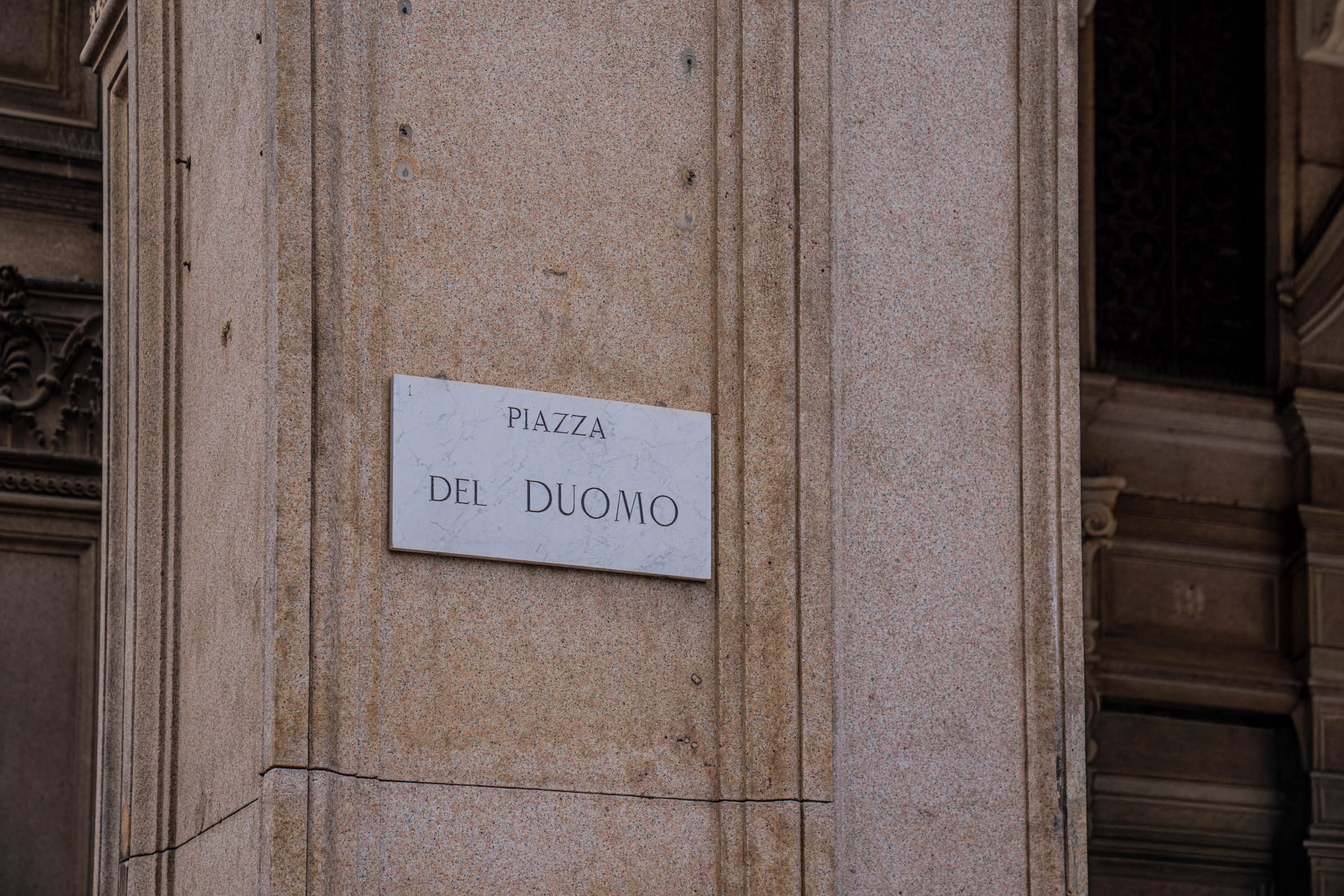
Hi Marko, what a joy to read this. Your writing has a warmth that makes these posts feel like letters from a friend rather than typical travel blog entries. I was struck by the detail about the Duomo having fifty-two marble columns, one for each week of the year what a poetic architectural choice. The photo of the Piazza del Duomo street sign on the granite column is a small touch that shows your eye for detail. Looking forward to your next European travelogue already.
Lieber Marko, vielen Dank für diesen inspirierenden Bericht. Meine Frau und ich planen eine Reise nach Mailand im Oktober und dein Artikel ist die perfekte Vorbereitung. Die Empfehlung, im Frühling oder Herbst zu reisen, nehmen wir uns zu Herzen. Eine Frage zum Hilton Milano: Gibt es im Hotel auch einen Wellnessbereich oder einen Pool, oder ist es hauptsächlich auf Geschäftsreisende ausgerichtet? Für uns wäre ein Ort zum Entspannen nach einem langen Tag in der Stadt sehr wichtig.
Grande Marko, bellissimo pezzo. Ho letto anche il tuo articolo su Roma e devo dire che i tuoi racconti sull’Italia sono tra i più onesti e dettagliati che trovo online. Mi piace che non idealizzi tutto ma racconti la città com’è davvero, con i suoi contrasti tra antico e moderno. Il dettaglio sui canali Navigli costruiti per trasportare il marmo di Candoglia è un fatto storico che molti turisti ignorano. Continua così, il tuo blog è una vera risorsa per chi ama viaggiare con consapevolezza.
Marko, fantastic post. I read your Rome piece about Master Trevi as well and I am amazed at how different the two cities feel through your lens. Rome seems intimate and timeless while Milan comes across as sophisticated and forward-looking. Your point about fashion being a way of life rather than an industry in Milan is something I have noticed too during my visits. The photo of the watch boutiques lined up on Via Montenapoleone Patek Philippe, Cartier, Vacheron Constantin is just incredible. Pure Milan.
Hallo Marko, ein wirklich wundervoller Artikel über Mailand. Besonders deine Beschreibung des Trams, das an der Emporio-Armani-Boutique vorbeifährt, hat mich sofort an meinen eigenen Besuch erinnert. Diese alten orangefarbenen Straßenbahnen sind wirklich ein Wahrzeichen der Stadt. Ich finde es auch toll, dass du die Bäckerei Luini erwähnt hast ihre Panzerotti sind legendär und die Schlange vor dem Laden ist immer lang, aber es lohnt sich jede Minute. Dein Blog ist immer eine Freude zu lesen.
Hola Marko, excelente trabajo con este reportaje sobre Milán. Como fotógrafo aficionado, tengo que decir que la calidad de tus imágenes es excepcional. La foto del interior de la Galleria con la cúpula de cristal y la tienda de Rolex captura perfectamente la mezcla de historia y lujo que define a Milán. Me gustaría saber qué equipo fotográfico usas para tus viajes, porque los colores y la luz en tus fotos son siempre muy naturales y elegantes.
Marko, quel plaisir de lire ce nouveau récit de voyage. Ton blog est devenu ma lecture préférée ces derniers mois, et cet article sur Milan ne déçoit pas du tout. J’ai particulièrement aimé ta description du parc Sempione avec les familles milanaises qui profitent du soleil. C’est ce genre de scène authentique qui manque souvent dans les guides touristiques classiques. Ta remarque finale sur l’élégance vraie qui réside dans l’approche de la vie plutôt que dans les objets chers est vraiment sage et belle.
Great piece, Marko. I have a practical question about the Hilton Milan. You mentioned the hotel is two hundred metres from Milano Centrale station. When I stayed at a hotel near Centrale a few years ago, the neighbourhood felt a bit rough around the edges compared to the city centre. Has the area improved since the hotel renovation, or would you still recommend heading straight to the metro to reach the main attractions? Your honest opinion would be very helpful for planning.
Caro Marko, che meraviglia leggere il tuo racconto su Milano. Sono napoletana ma ho vissuto a Milano per dieci anni e posso confermare che tutto ciò che scrivi è assolutamente vero. La città ti conquista piano piano, senza fretta, proprio come dici tu. Mi ha fatto piacere leggere la tua menzione della reliquia del chiodo della croce conservata sopra l’altare maggiore del Duomo e della cerimonia annuale in settembre. È un momento davvero speciale che pochi turisti conoscono. Grazie per aver dato visibilità a questo aspetto spirituale della città.
Bonjour Marko, j’ai découvert ton blog grâce à l’article sur Rome et maintenant je lis tout ce que tu publies. Ton style d’écriture est captivant et tes photos sont magnifiques. Pour Milan, j’aurais une question pratique: est-ce que le billet combiné pour le Duomo avec accès au toit est disponible en ligne, ou faut-il l’acheter sur place? Et combien de temps faut-il prévoir pour la visite complète de la cathédrale, y compris la montée par les escaliers? Je veux bien organiser mon emploi du temps à l’avance.
Marko, reading this post made me nostalgic for my own trip to Milan before the pandemic. I stayed at the Mandarin Oriental on Via Andegari, which was lovely but in a completely different style from what you describe at the Hilton. The biophilic renovation concept you describe sounds like a much more contemporary and thoughtful approach to hotel design. I was particularly impressed by your description of the lobby with the circular chandelier and fresh flowers. Your writing always makes me want to book the next flight out.
Marko, este artículo es una joya. Me ha encantado la profundidad histórica que das a cada lugar que describes, especialmente la parte sobre los Visconti y los Sforza. No todos los blogs de viajes se toman el tiempo de contextualizar así la historia de una ciudad. Tu consejo sobre evitar agosto en Milán es algo que puedo confirmar por experiencia propia fui en agosto de 2021 y la mitad de los restaurantes estaban cerrados. El otoño es definitivamente la mejor época para visitar.
Marko, nogmaals een uitstekend reisverhaal. Wat ik het meest waardeer aan je blog is dat je niet alleen de toeristische highlights beschrijft, maar ook de sfeer en het dagelijkse leven van de stad probeert te vangen. Je opmerking over de geur van versgebakken brood die zich mengt met espresso op elke hoek is precies het soort detail dat een goede reisblogger onderscheidt van een gewone. Ik ga in november naar Milaan voor werk en neem zeker een extra dag vrij om de Navigli te verkennen dankzij jouw aanbeveling.
Ottimo lavoro, Marko. Come appassionato di moda maschile, apprezzo particolarmente la tua descrizione del Quadrilatero della Moda e la distinzione che fai tra Via Montenapoleone e Via della Spiga. Hai ragione che la Spiga ha un’atmosfera più intima con le sue strade acciottolate. Un suggerimento per i tuoi lettori: se vi interessano i marchi indipendenti italiani, esplorate anche Corso Como e la zona intorno a Porta Garibaldi, dove trovate boutique di designer emergenti molto interessanti. Il tuo blog è sempre una fonte di ispirazione.
Marko, what a fantastic way to end this piece, the reflection that Milan teaches you real elegance is not in expensive things but in how you approach life. That sentence alone makes this more than just a travel guide; it is a genuine essay on culture and values. I also appreciated the practical tips section at the end, particularly about trying the local specialties like risotto alla milanese and cotoletta. Your blog consistently delivers both inspiration and useful information, which is a rare combination. Looking forward to seeing where your European tour takes you next.