
My dear travellers and lovers of unusual journeys, welcome to the new series of travelogues on the Mr.M blog. There are cities you visit and there are cities that change you forever with their energy. Tokyo undoubtedly belongs to the latter category. The Japanese capital is not just a city, it is proof that modern life can exist in perfect harmony with tradition that can still be strongly felt through narrow streets, temples that are more than a thousand years old and skyscrapers that touch the clouds. This is a place where the past and the future constantly intertwine, creating a unique blend that you cannot find anywhere else on the planet.
Before starting today’s travelogue about Tokyo, I want to express my special thanks to the United Nations World Tourism Organization – UN Tourism and Agora Tokyo Ginza for supporting and promoting quality tourism around the world. Their dedication to connecting cultures and destinations is an inspiration to all of us who believe that travel enriches the soul.
When I dived into this sea of contrasts for the first time, I realized that no guidebook, no photo, could have prepared me for what awaited me in the heart of Japan. Tokyo cannot be described, Tokyo must be experienced. And to really understand it, you also need a retreat that will allow you to relax after a day of exploring, a place that combines Japanese tradition with modern comfort. For me it was Agora Tokyo Ginza, a boutique hotel that became my base to discover this amazing city.
TOKYO THROUGH HISTORY: FROM A FISHING VILLAGE TO THE WORLD’S GREATEST METROPOLIS
To truly appreciate Tokyo, you must understand its transformation. Five centuries ago, on the site of today’s Japanese capital, there was a modest fishing village called Edo, which translates as “entrance to the bay”. It’s hard to imagine that a small settlement became one of the greatest cities in human history, but that’s exactly what happened thanks to one man who changed the course of Japanese history.
In 1603, the warlord Tokugawa Ieyasu won the Battle of Sekigahara and established a shogunate based in Edo. The decision transformed the humble fishing village into the de facto capital of Japan, although Kyoto remained nominally the imperial city where the emperor resided. Over the next two and a half centuries, Edo grew at an incredible rate. By 1720, the city had more than a million inhabitants, making it one of the largest cities in the world at the time, possibly the largest.
The Tokugawa regime imposed a strict social order that divided the population into samurai, peasants, artisans and merchants. It is interesting that merchants, despite their wealth, occupied the lowest position on the social ladder. They lived in cramped wooden houses in neighborhoods like Asakusa and Nihonbashi. Since most of Ed was built of wood, fires were frequent, and few were those who did not lose their home at least a few times in their lifetime. The Great Fire of 1657 claimed over 100,000 lives and destroyed most of the city, including the main tower of Edo Castle, which was never rebuilt.
The turning point came in 1868 with the Meiji Restoration. The emperor took over from the shogunate, and the capital was moved from Kyoto to Edo, which was then renamed Tokyo, meaning “eastern capital”. This period brought dramatic modernization: the railway, the telegraph, the western style of architecture, all flooded the old town. Between 1881 and 1898, the Japanese government employed over 6,000 British, nearly 3,000 American, more than 900 German, and over 600 French experts to help transform the country into a modern nation.
In the 20th century, Tokyo experienced two disasters that almost completely destroyed it. The Great Kanto Earthquake of 1923 flattened the city, destroying around 570,000 buildings and claiming over 140,000 lives. The city was rebuilt in just seven years, only to be destroyed again in World War II. American air raids, especially the one on March 9, 1945, turned Tokyo into a sea of fire, killing over 100,000 civilians in one night. Two-fifths of the city was completely burned, including many historic buildings from the Edo and Meiji periods.
But Tokyo is like a phoenix, always rising from the ashes. Post-war reconstruction, aided by American aid, turned the ruined city into an economic miracle. The 1964 Olympic Games introduced the world to a new Tokyo, modern and self-confident. Today, with more than 14 million inhabitants in the city itself and around 37 million in the wider metropolitan area, Tokyo is the most populous urban agglomeration in the world. It is a city that never sleeps, where tradition and innovation coexist in an admirable way.
GINZA: THE HEART OF TOKYO ELEGANCE
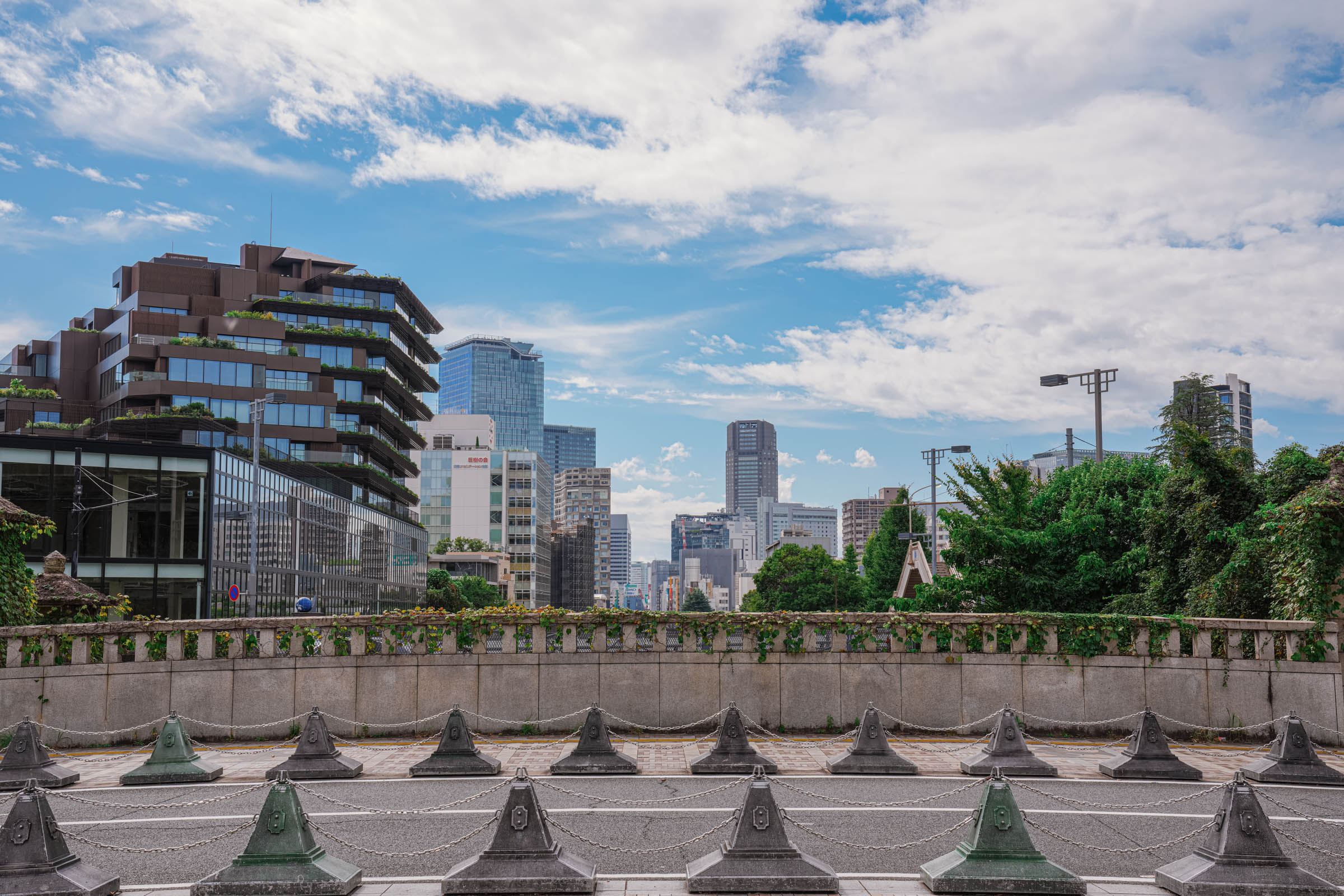
If Tokyo has a heart, it is undoubtedly Ginza. The name of this legendary neighborhood comes from the silver mint that was located there since 1612 during the Edo period. The word “gin” means silver, and “za” means association or guild, so the literal translation would be “silver guild”. And indeed, this part of the city shines with the silvery glow of luxury and elegance that has been nurtured here for centuries.

Ginza as it is today was created after a great fire in 1872 that destroyed most of the district. The Japanese government decided to rebuild it as a “model of modernization”, building fireproof European-style brick buildings and widening the streets. Ironically, the locals were initially unenthusiastic about these Western buildings, and foreign visitors were disappointed that Tokyo no longer resembled a traditional Japanese city. But Ginza found its own identity over time, becoming a symbol of the Japanese synthesis of tradition and modernity.
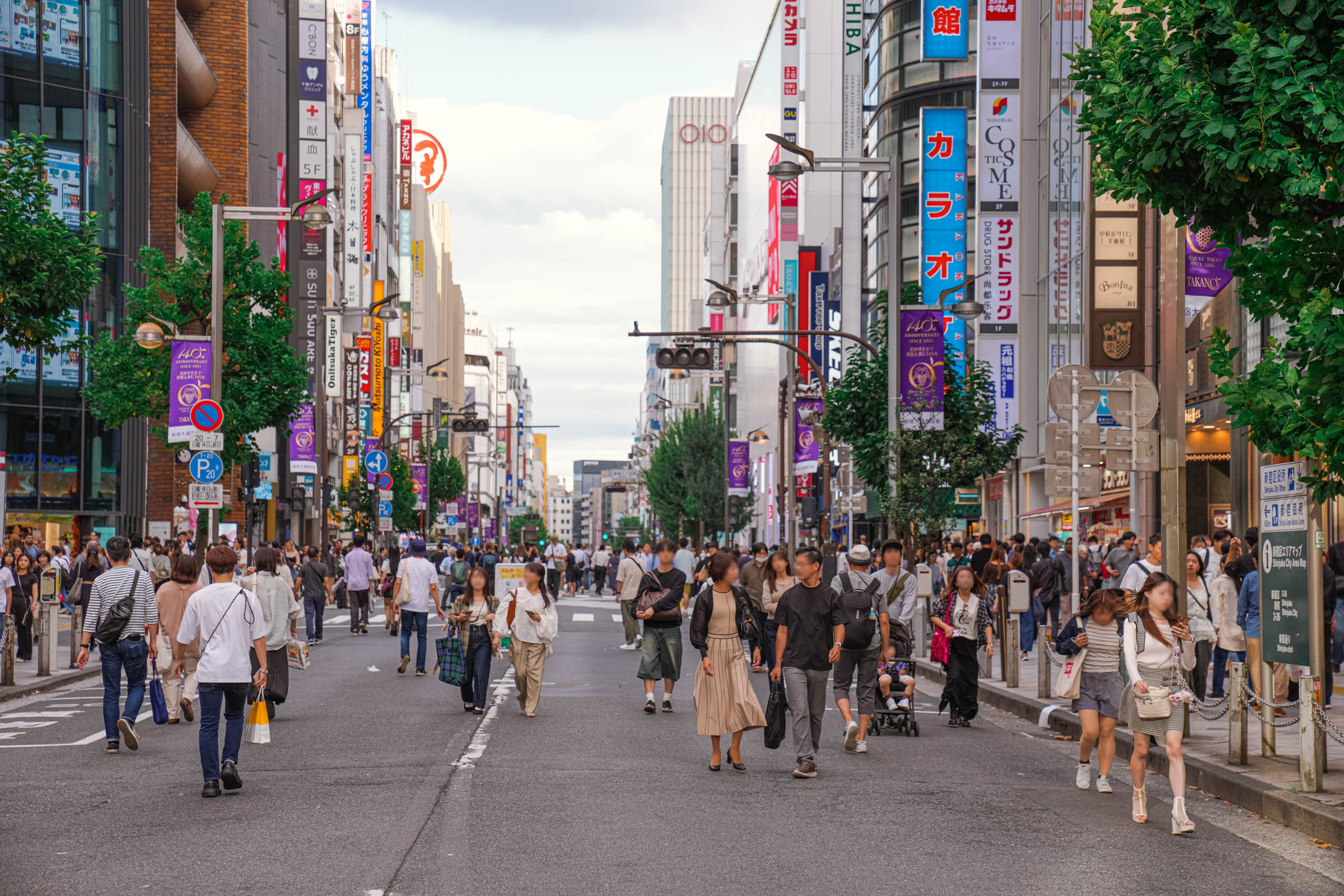
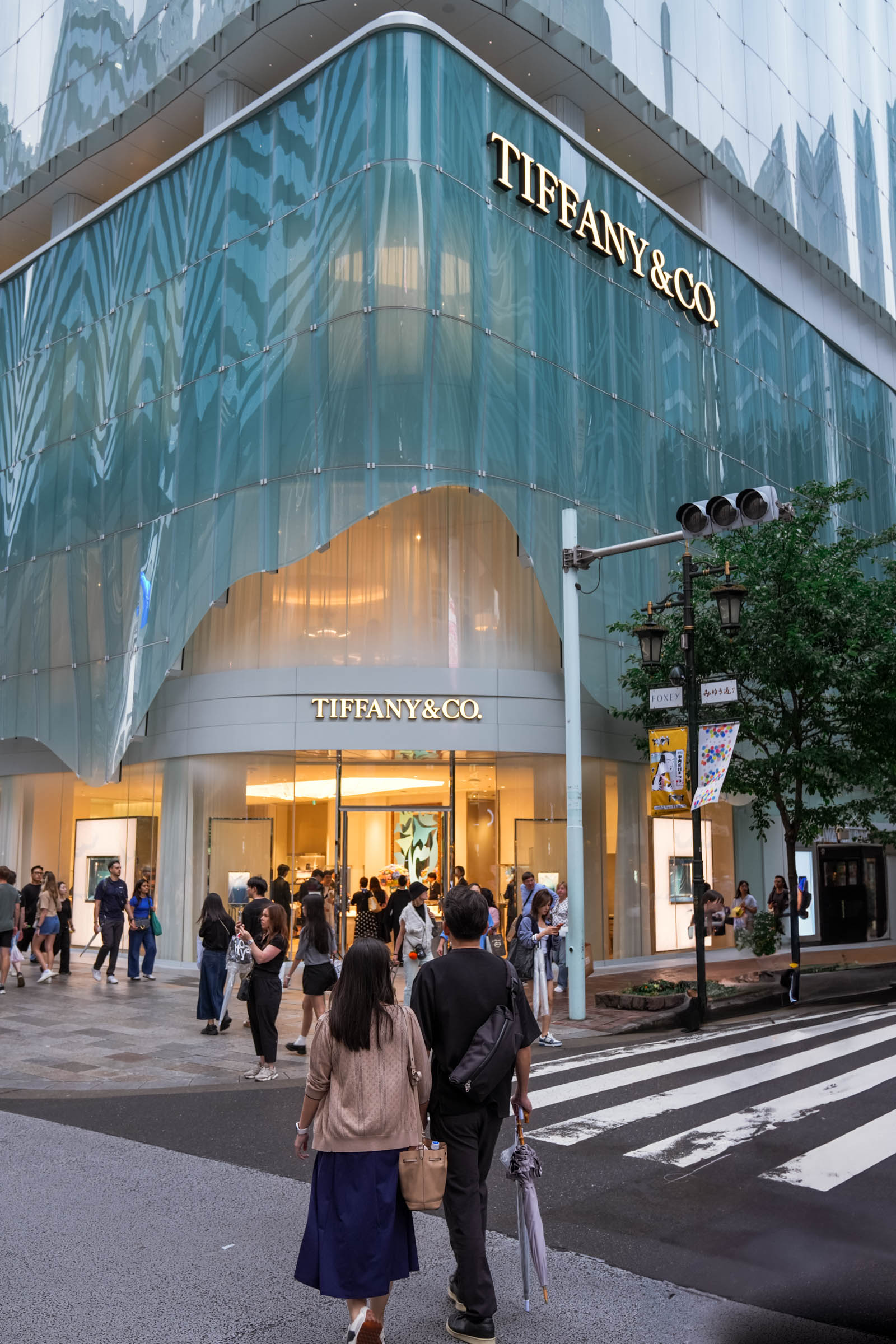
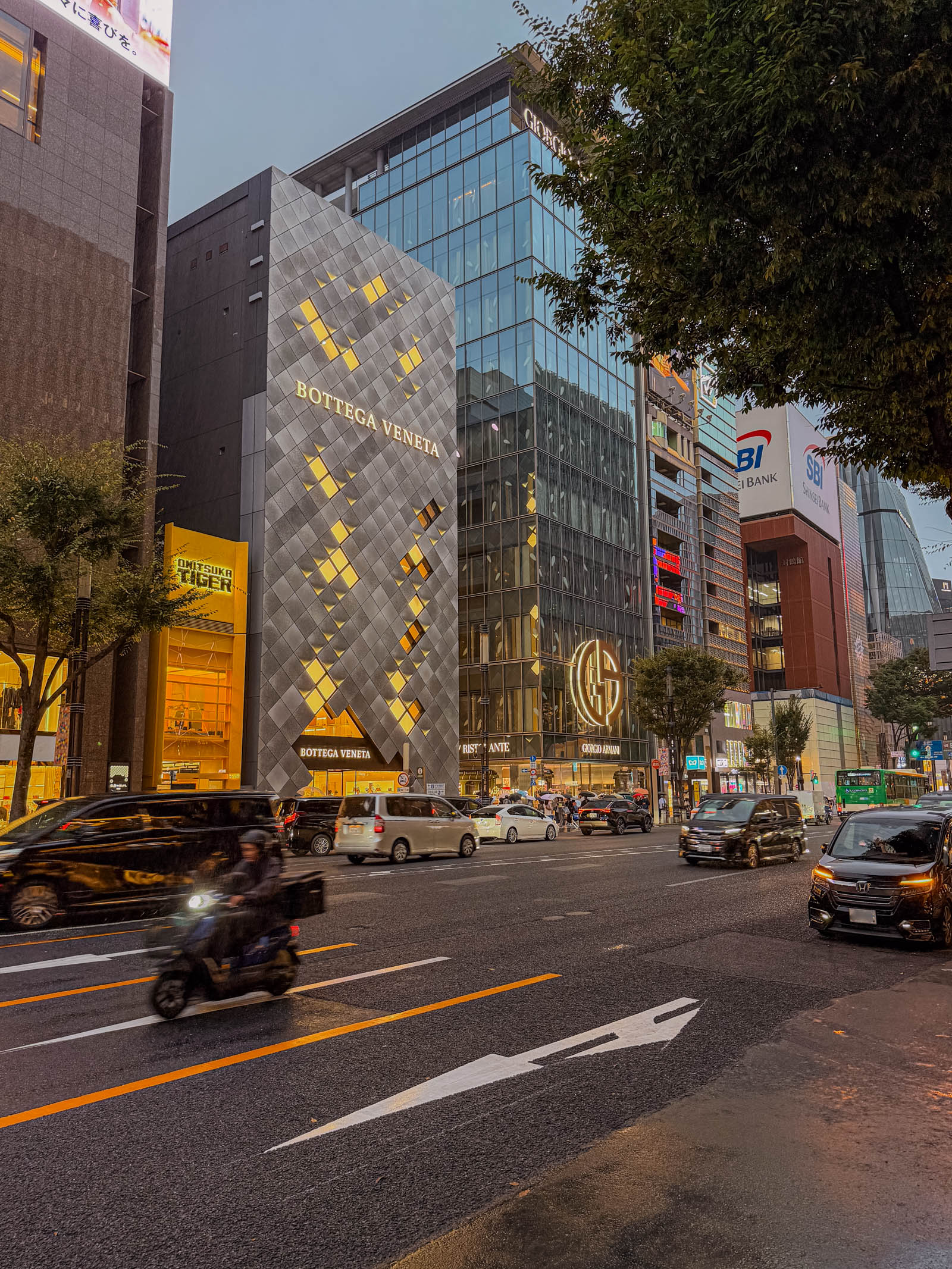
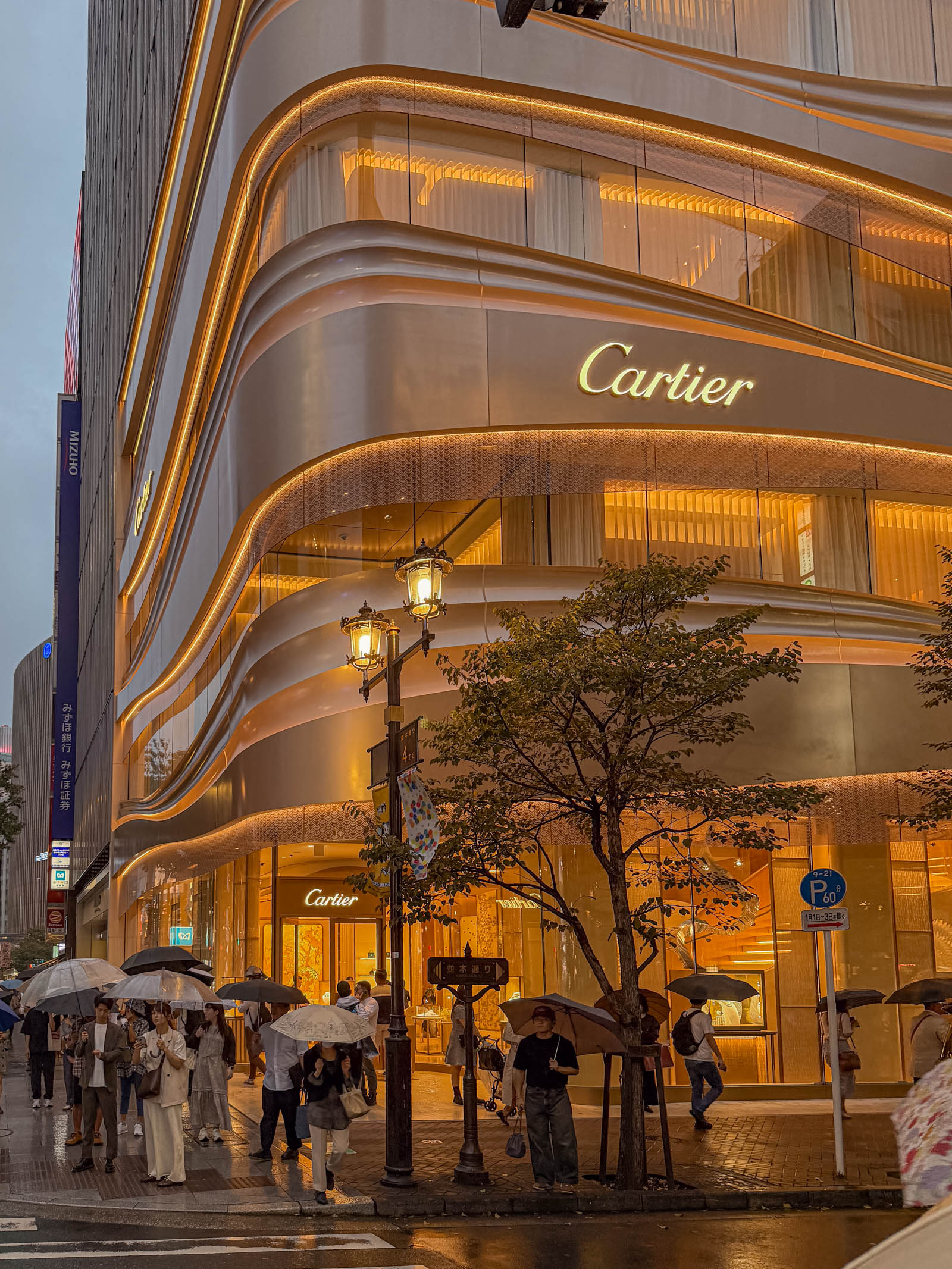
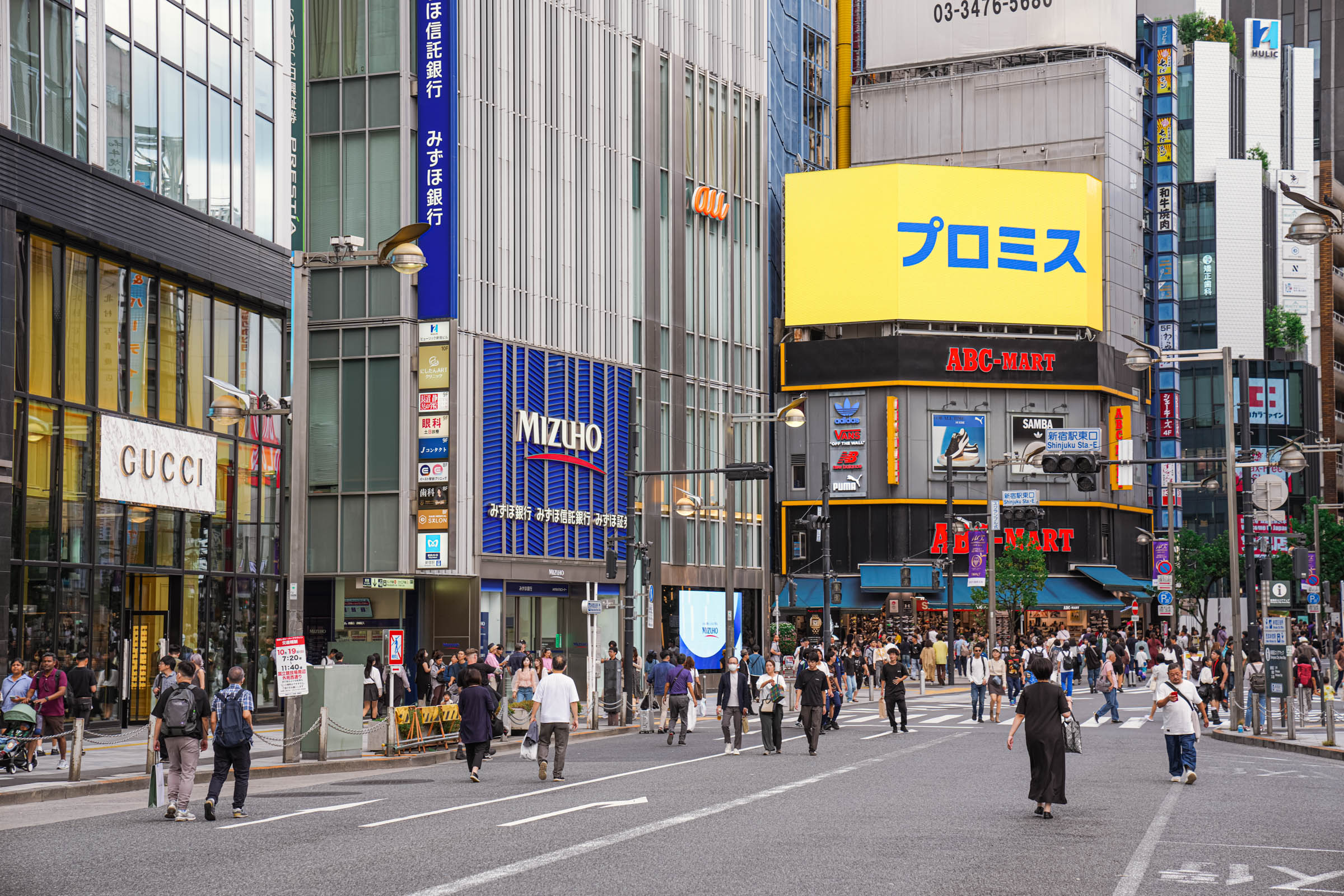
Today, Ginza is the most glamorous shopping district in Tokyo and one of the most famous in the world. The main boulevard of Chuo Dori is the stage where the world’s biggest fashion names parade. French houses like Chanel, Dior and Louis Vuitton, Italian brands like Gucci, American and European designers all have their flagship stores right here. A square meter of land in the center of Ginza costs over ten million yen, making this location one of the most expensive properties in Japan.
But Ginza is not just about shopping. This is also the cultural center of the city where Kabukiza is located, the main theater for the traditional Japanese theater form of kabuki. This magnificent building, which combines traditional Japanese motifs with modern functionality, puts on performances almost every day. Kabuki, recognized by UNESCO as Intangible Cultural Heritage of Humanity, has fascinated audiences for more than four hundred years with its elaborate costumes, stylized movements and dramatic plots. It is interesting that all roles, including female ones, are traditionally performed by men, and some actors specializing in female roles have become real stars.
On weekends, the main street of Ginza becomes a pedestrian zone known as Hokoten, which literally means “pedestrian paradise”. Traffic closes, and people walk freely in the middle of the boulevard, enjoying the atmosphere reminiscent of a festival. On these streets you can meet everyone, from elegant ladies in kimonos to young couples browsing the windows, from business people on a break to tourists enchanted by this unique fusion of East and West.
AGORA TOKYO GINZA: MY SANCTUARY IN THE HEART OF THE METROPOLIS
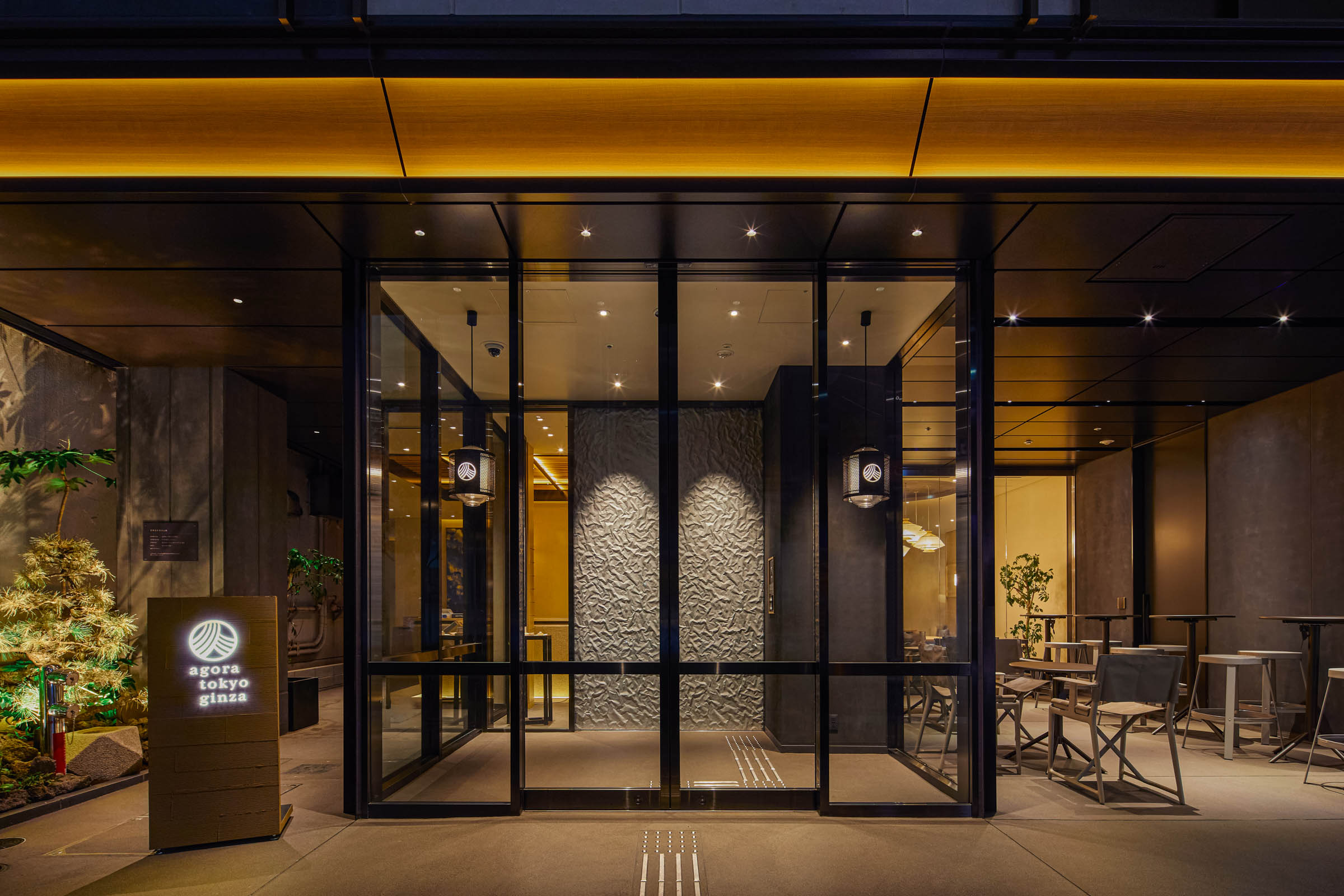
Amidst this whirlwind of luxury and tradition, I found my perfect haven at the Agora Tokyo Ginza Hotel. Located at 5-14-7 Ginza, this 98-room boutique hotel is an oasis of calm just a few minutes’ walk from Higashi-Ginza Station, making it an ideal base for exploring the city. From the moment I entered the lobby, I felt a special atmosphere that combines the Japanese philosophy of hospitality with modern comfort.
My stay in the Executive Suite on the top floor was a real revelation. A space of 22 square meters may not sound impressive by Western standards, but Japanese design knows how to make the most of every centimeter. The corridor leading to the room is designed to imitate the stone paths of Japanese gardens, creating a sense of transition from a bustling city to a peaceful retreat. The room is filled with natural light, and the wooden floors add warmth to the whole space.

A particular detail that delighted me was the tokonoma, a traditional Japanese niche that is usually found in tea rooms and is used to display works of art or flower arrangements. This element connects the modern hotel with centuries of Japanese aesthetics. Exclusive amenities for Executive Room guests include a Dyson Supersonic Origin hair dryer, a pour-over coffee maker, and a selection of premium teas. Smart TVs compatible with Netflix and YouTube, speakers with Bluetooth connection and an electric kettle complete the offer.


What makes this hotel special is the Ichie lounge on the ground floor, a space that reflects the Japanese philosophy of “ichie”, which means “one meeting, one opportunity”. Here, one can enjoy free Sayama green tea or coffee, browse the Machigokoro map with recommendations for exploring the surrounding sights, or simply relax in a space that harmoniously blends Japanese and Western styles. The twelfth floor also features an outdoor terrace available only to hotel guests, the perfect place to relax under the Tokyo sky after a day of exploring.
The Agora Tokyo Ginza Hotel‘s location is strategically perfect for all that Tokyo has to offer. Higashi-Ginza Station is located literally below the hotel, with a direct subway connection to Narita and Haneda airports. The famous Ginza district with its luxury shops is a few minutes’ walk away, and the Kabukiza Theater is practically across the street. The friendly English-speaking staff makes everything easy, and breakfast in the form of a traditional Nori bento box from specialty shop Hakejoyu Noriben Yamanobori provides an authentic start to each day.


SENSO-JI: TOKYO’S OLDEST TEMPLE
No visit to Tokyo is complete without a pilgrimage to Senso-ji, the city’s oldest temple dating back to 628. Legend has it that two fisherman brothers, Hinokuma Hamanari and Takenari, pulled a small golden statue of Kanon, the Buddhist goddess of mercy, out of the Sumida River one morning in March. No matter how many times they returned it to the water, the statue always returned to their nets. Realizing that it was something sacred, they showed it to the local chieftain Haji no Nakatomo, who as a devout Buddhist built a small temple to protect it. Thus Senso-ji was born.

The statue, which was supposedly fished out nearly fourteen hundred years ago, has never been publicly displayed, but that has not diminished the temple’s significance. Over the centuries, Senso-ji has attracted pilgrims from all over Japan, including prominent Buddhist leaders who have further enhanced the shrine’s reputation with their visits. When Shogun Tokugawa Ieyasu sought spiritual protection for his new capital at the beginning of the seventeenth century, it was Senso-ji that he chose as the guardian of the northeastern “demon gate” through which, according to ancient geomancy, potential invaders could come.
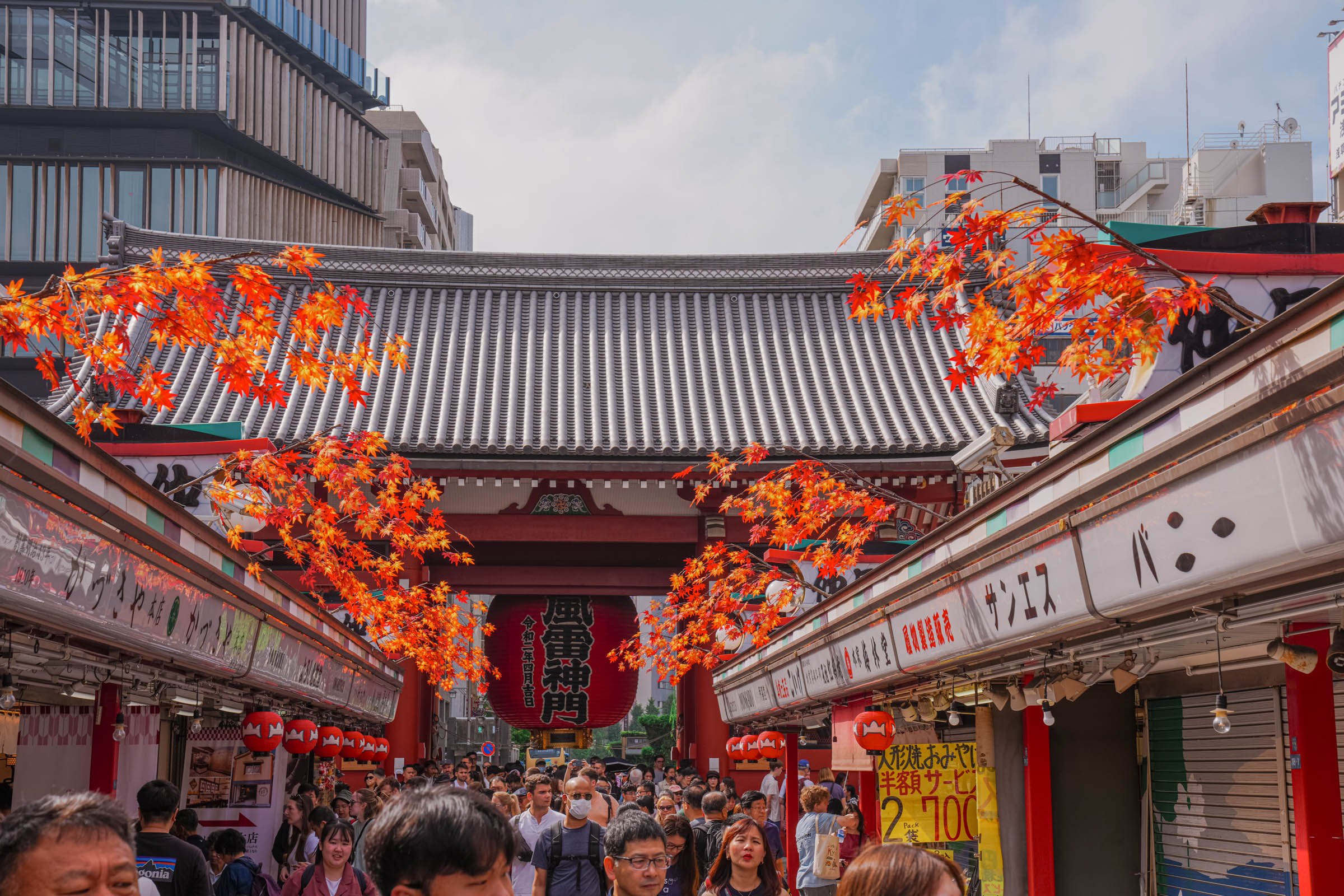
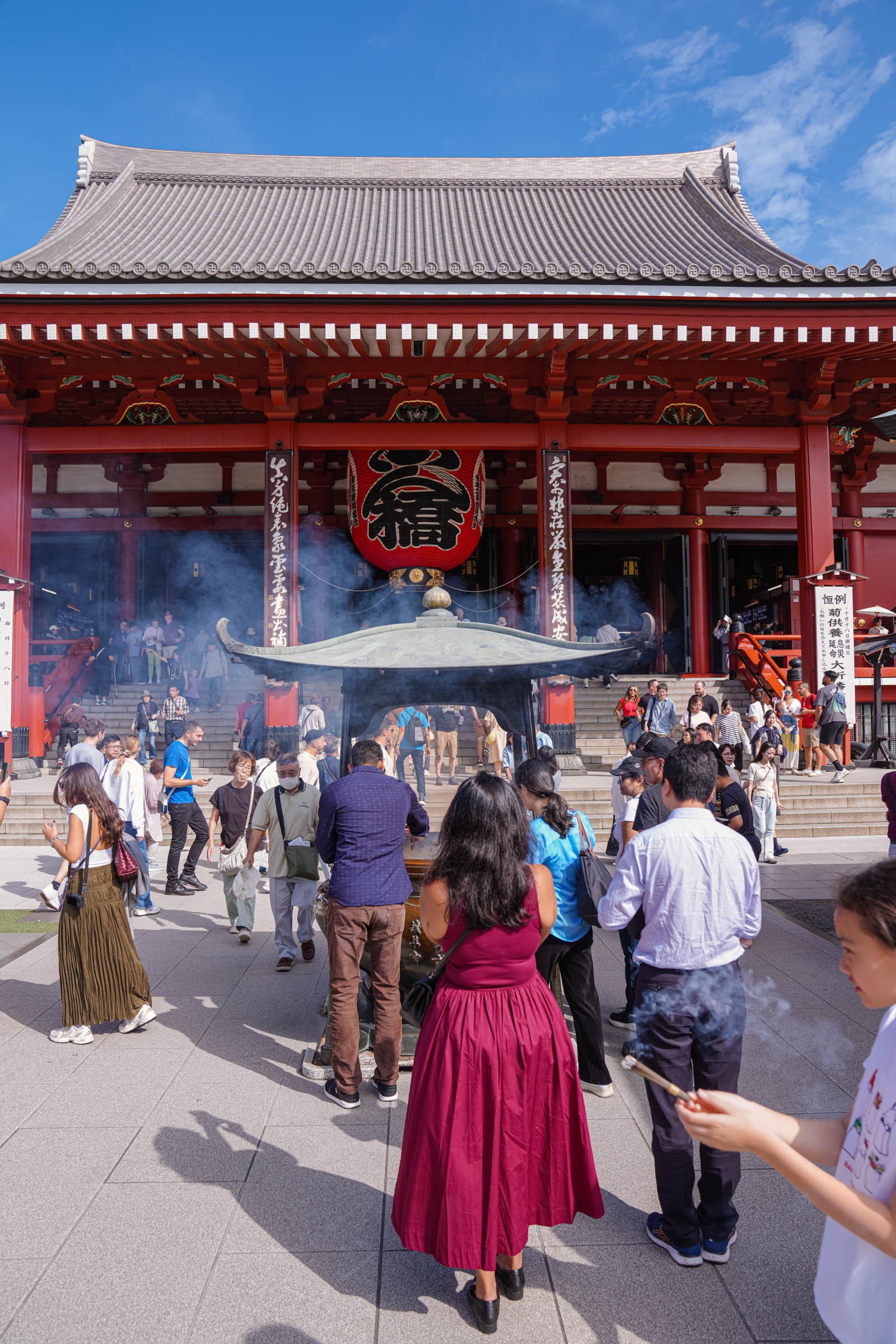
The entrance to the temple complex is marked by the magnificent Kaminarimon Gate, whose name means “Thunder Gate”. The huge red paper lantern hanging in its center, almost four meters high and weighing about 700 kilograms, has become one of the most recognizable symbols of Tokyo. On either side of the gate stand statues of Fujin, the god of wind, and Raijin, the god of thunder, guarding the entrance with their terrifying expressions. Under the lantern, if you look up, you can see a beautiful relief of a dragon.
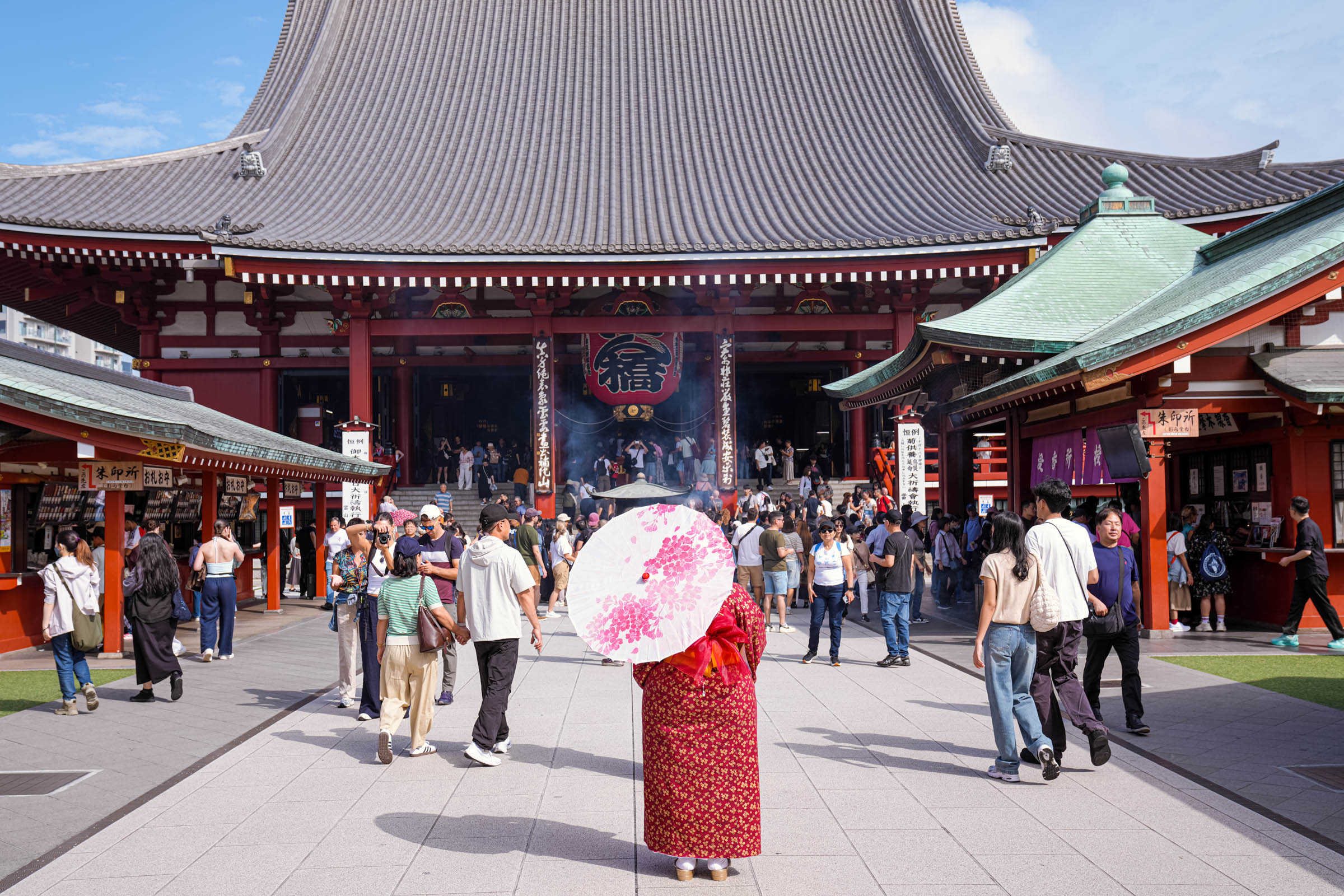


From the Kaminarimon Gate to the main temple is Nakamise-dori, a shopping street about 200 meters long whose history goes back centuries. This is one of Japan’s oldest shopping streets, and the stalls offer everything from traditional souvenirs and handicrafts to local specialties like crispy rice crackers and colorful rice cakes. A walk down this street is a trip back in time, where you feel like old Ed’s patron visiting the local merchants.
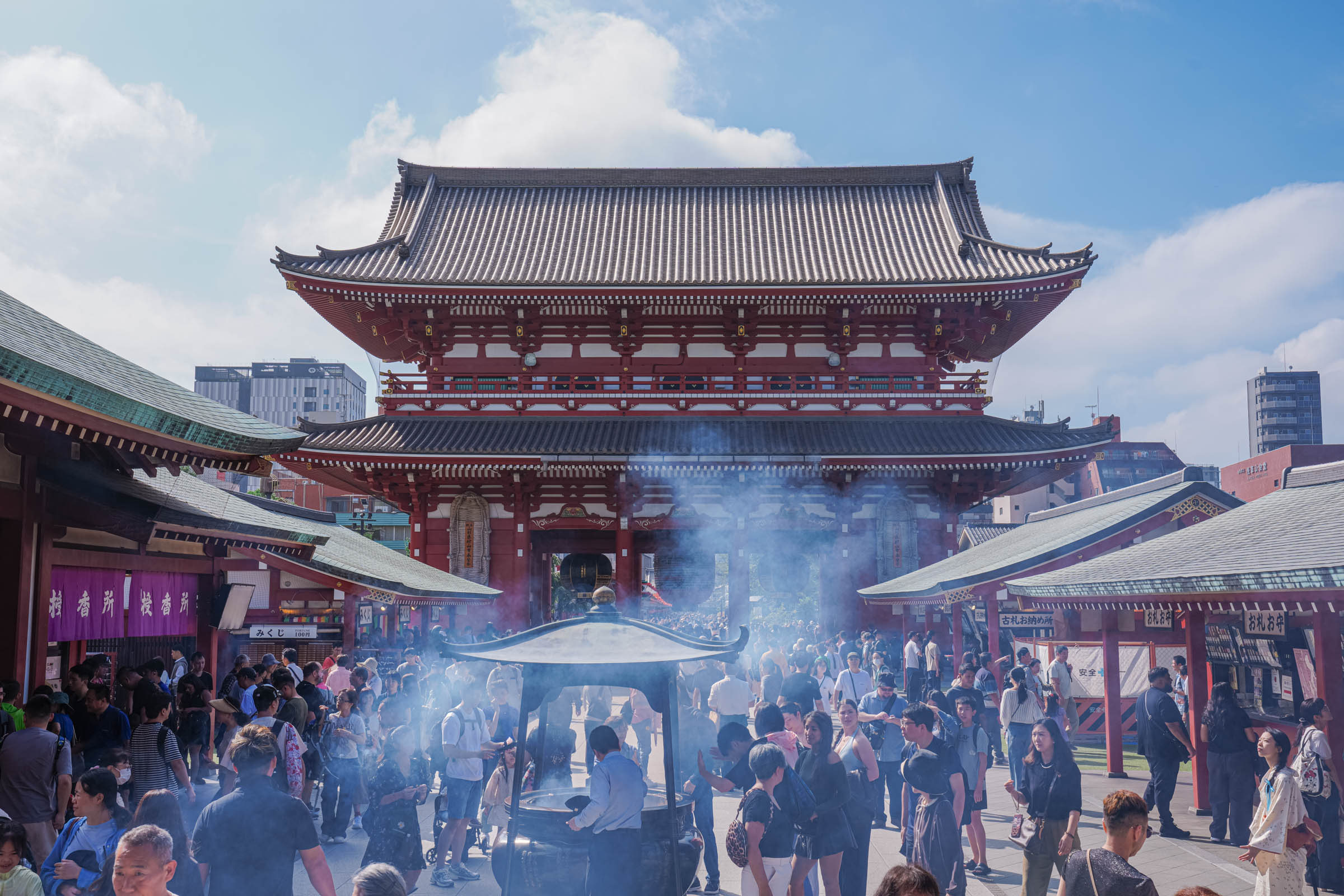

The main hall of the temple, although reconstructed in 1958 after the destruction in the Second World War, still exudes ancient spirituality. In front of the hall is a large censer where visitors can participate in a purification ritual with incense smoke, directing the smoke towards the parts of the body that need healing. A five-story pagoda, Asakusa Shrine and numerous smaller buildings complete the breathtaking complex. Senso-ji is always crowded with visitors, especially on weekends, but it is this crowd that adds to the authentic feel, as temples have always been at the center of public life in Japan.


THE IMPERIAL PALACE: THE HEART OF THE JAPANESE NATION
In the very center of Tokyo, surrounded by wide moats and spacious parks, is the Imperial Palace, the residence of the Japanese emperor and the symbolic heart of the nation. This 1.15 square kilometer green oasis feels like another world amidst the steel and glass skyscrapers of the Marunouchi business district. Just a ten-minute walk from Tokyo Station, this is a place where history and modernity meet in the most elegant way.
The Imperial Palace stands on the foundations of the former Edo Castle, which was built by the samurai Ota Dokan in 1457. During the reign of the Tokugawa Shogunate, the castle was expanded and strengthened, becoming one of the largest fortresses in the world. The main tower, completed in 1638, was the tallest in Japanese history, but was destroyed in a great fire in 1657 and was never rebuilt. The stone foundations of the tower still stand today in the Eastern Gardens as silent witnesses of its former greatness.

The East Gardens of the Imperial Palace are open to the public all year round, except on Mondays and Fridays. Here you can stroll along carefully landscaped paths, admire the seasonal flowers and enjoy the traditional Japanese Ninomaru Garden, which has been reconstructed according to the design of Kobori Enshu, a famous garden builder from the Edo period. The Museum of Imperial Collections, located within the complex, preserves over 6,000 works of art created by court artists between 1533 and 1934.
The Niyubasi Bridge, a double stone bridge spanning the moat towards the main entrance to the palace, is one of the most photogenic sights in Tokyo. Although the bridge itself is not open for crossing, the view from the outer grounds, especially when the bridges are reflected in the calm water of the moat, leaves an unforgettable impression. This is the place where the Japanese traditionally gather during important imperial events, and on the twenty-third of February, on the emperor’s birthday, and on the second of January, for New Year’s greetings, the public can enter the inner courtyard and see members of the imperial family.

For those who want a deeper insight, guided tours of the palace’s interior are held twice daily in English and Japanese. Although not inside the buildings themselves, the 75-minute tour takes visitors through historic sites such as watchtowers that have survived the centuries and provides close-up views of the famous New Bridge. The palace’s outer moat is also a popular jogging and cycling path, with a dedicated three-kilometre cycle path opening on Sundays.
SHIBUYA INTERSECTION: THE PULSE OF MODERN TOKYO
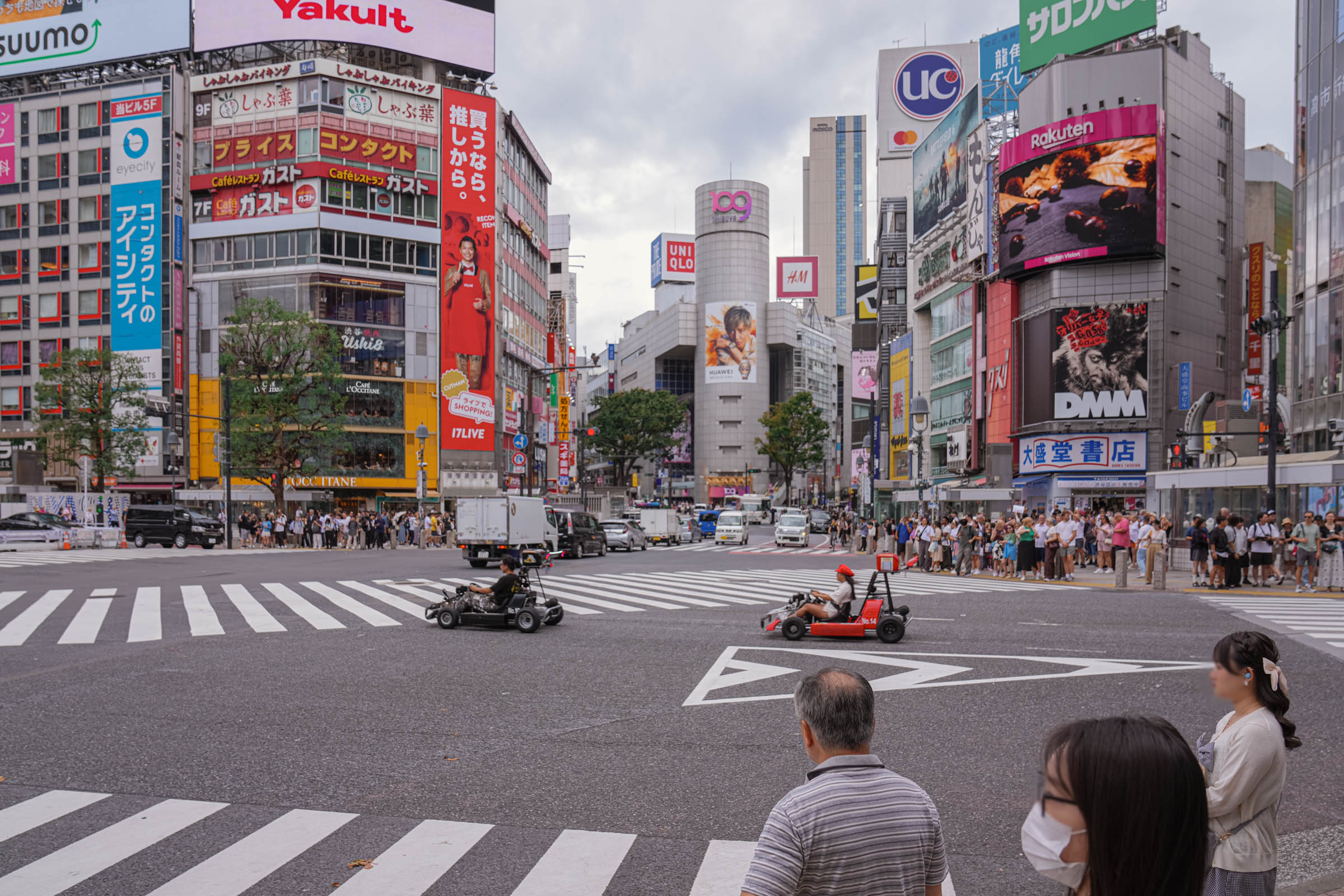
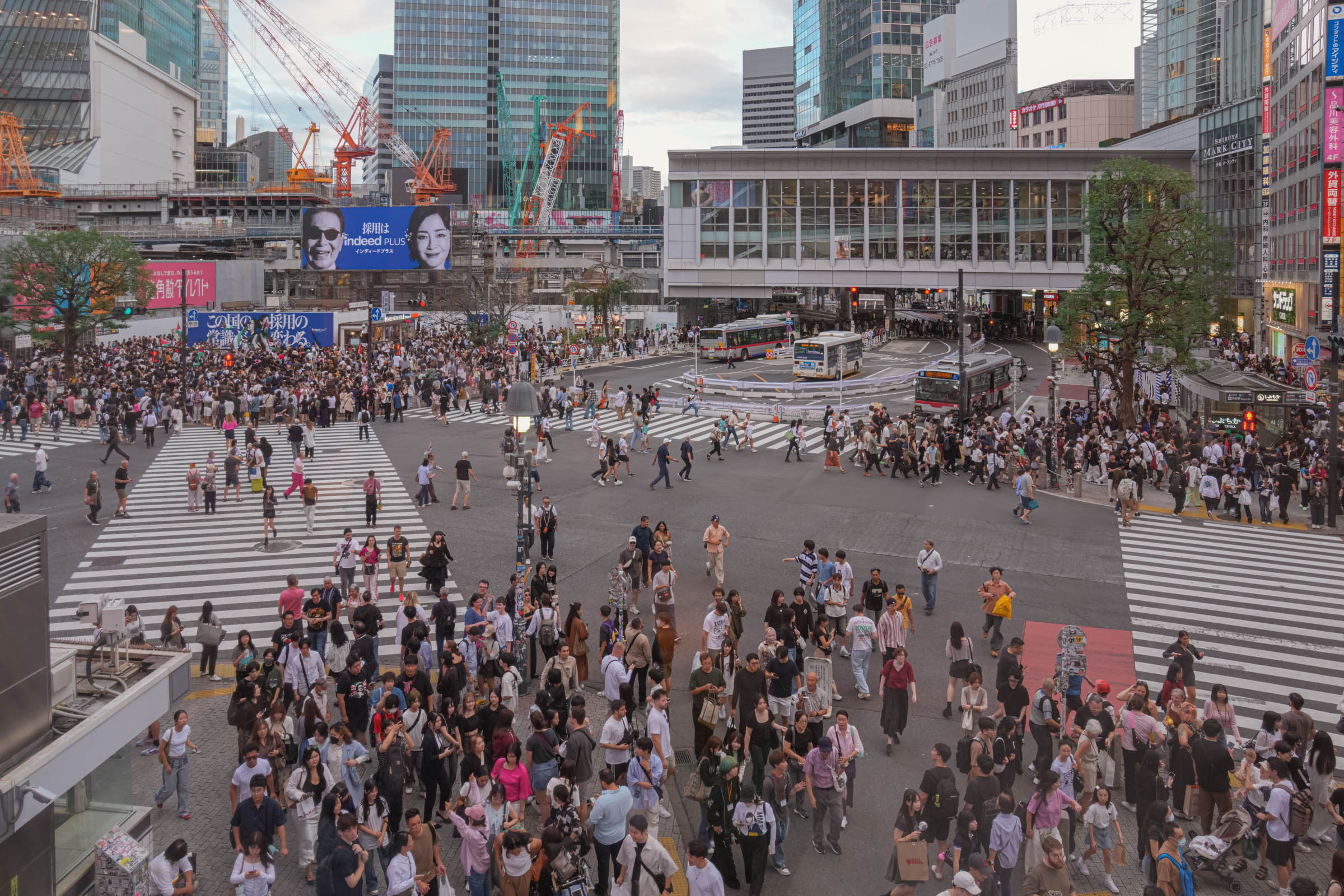
If there is one image that symbolizes the dynamism of contemporary Tokyo, it is Shibuya Crossing. This legendary pedestrian crossing, inaugurated in 1973, is considered the busiest intersection in the world. During peak hours, it is estimated that between 1,000 and 2,500 people cross the street every two minutes, meaning that an entire football stadium could be filled in just an hour. When traffic lights for cars turn red, pedestrians start from all sides at the same time in what is called a “scramble”, but miraculously no one hits anyone.
I’m watching this scene from the second floor of the Starbucks in the Q-Front building, one of the most popular viewing locations, and I’m trying to figure out how it’s possible for thousands of people to be moving in opposite directions without a single collision. Huge digital screens on the surrounding buildings broadcast advertisements and music videos, neon lights flicker, and all this creates an atmosphere reminiscent of Times Square in New York, only with a Japanese touch. This is a place that has appeared in countless movies, from “Lost in Translation” to “The Fast and the Furious: Tokyo Drift”, and has become a must-see on any trip to Japan.


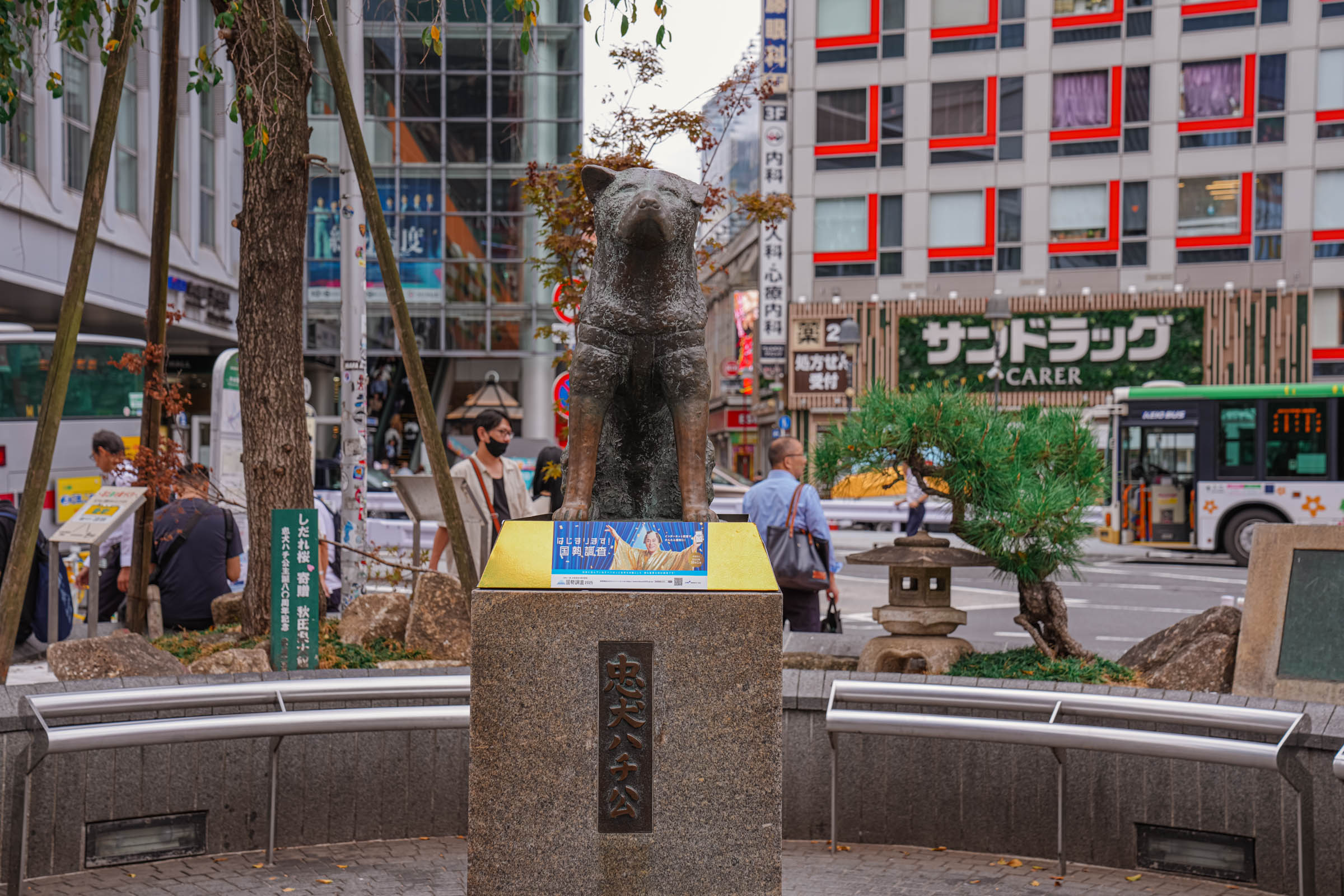
In front of the Hachiko exit at Shibuya station stands a bronze statue that hides one of the most moving stories of Japanese culture. Hachiko was an Akita dog belonging to Professor Eizaburo Ueno of the University of Tokyo. Every day, Hachiko would accompany his owner to the station in the morning and meet him in the afternoon when he returned from work. One day in 1925, the professor suffered a stroke and died at work. Hachiko waited for him that day in vain.

But the story does not end there. Although he was adopted by another family, every morning and every afternoon for the next ten years, Hachiko came to the station and waited for his master. When his story hit the newspapers in 1932, the dog became a national symbol of loyalty. The statue was erected in 1934, a year before Hachiko passed away, and today serves as one of the most popular meeting places in all of Tokyo. Couples, friends and families stand next to the bronze dog, looking towards the exit of the station, just as Hachiko waited for his owner.
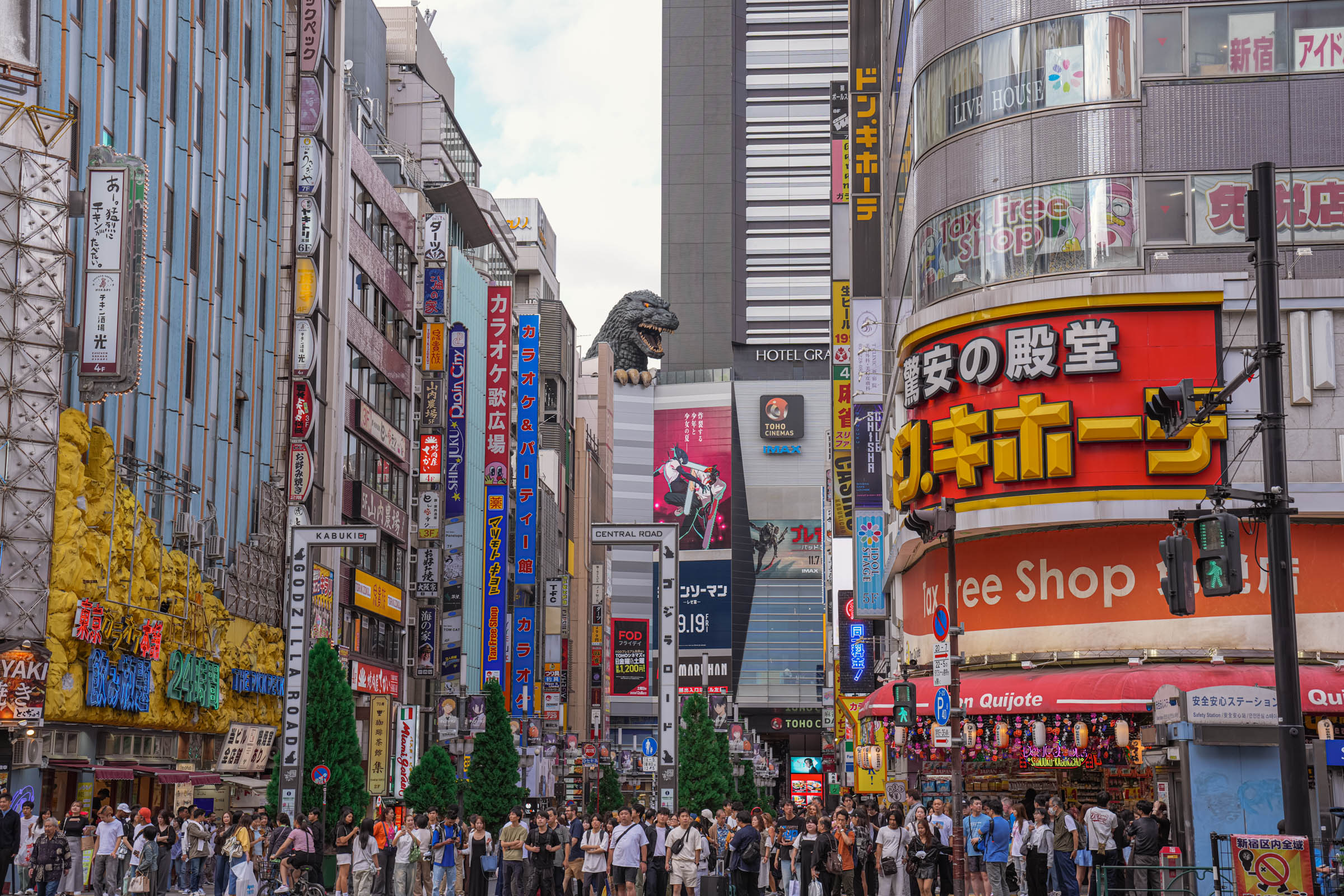
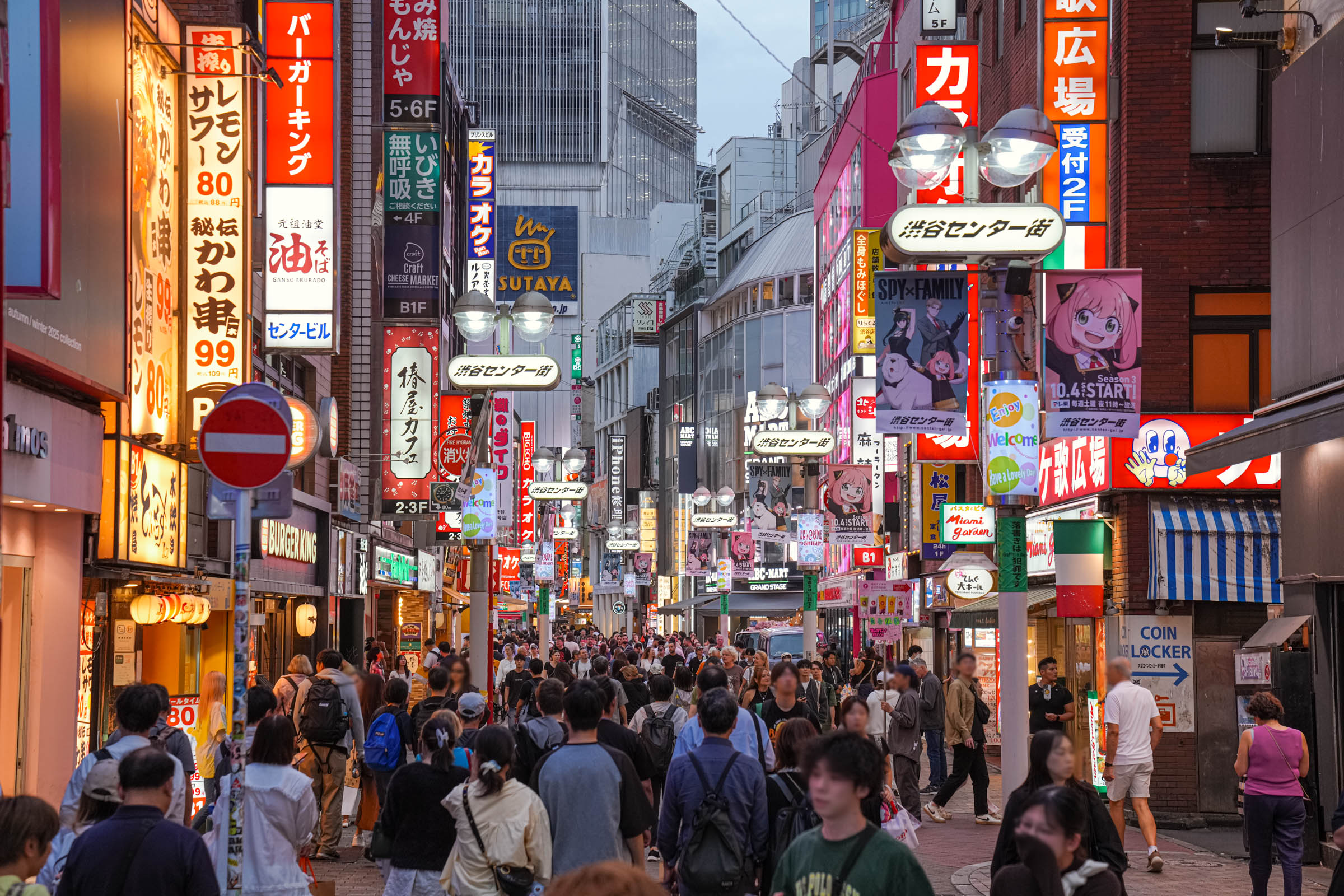
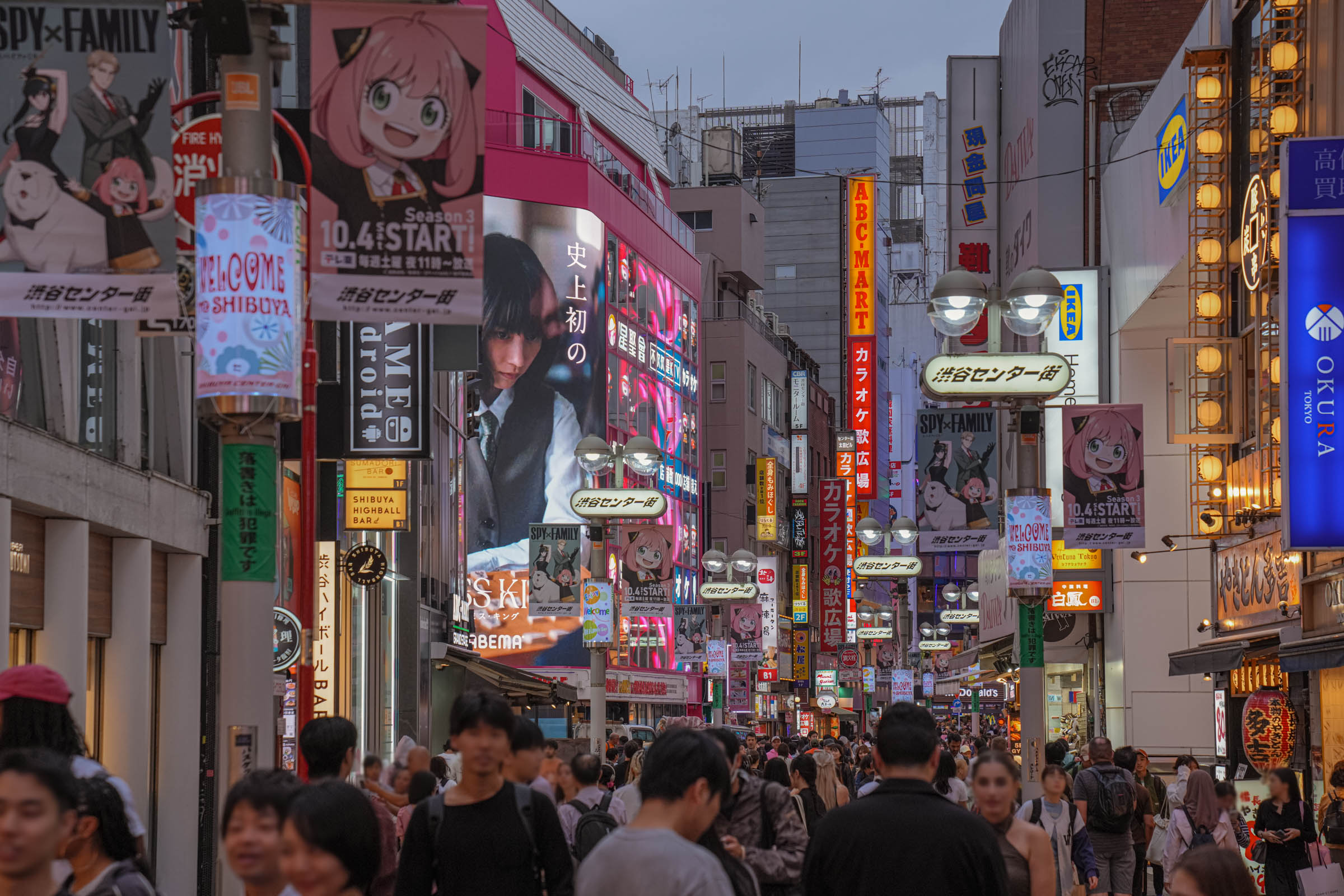
The surroundings of Shibuya are the center of youth culture and fashion. Shibuya 109, the iconic department store, has been a trendsetter for young Japanese women for decades. Center-gai, a pedestrian street filled with shops and restaurants, attracts young people looking for the latest in fashion, music and technology. At night, Shibuya transforms into a hub of nightlife, with countless bars, clubs and izakaya restaurants open until the early hours of the morning. This is Tokyo at its most vibrant, a place where trends are born that will soon spread to the rest of the world.
TOKYO BETWEEN TRADITION AND INNOVATION
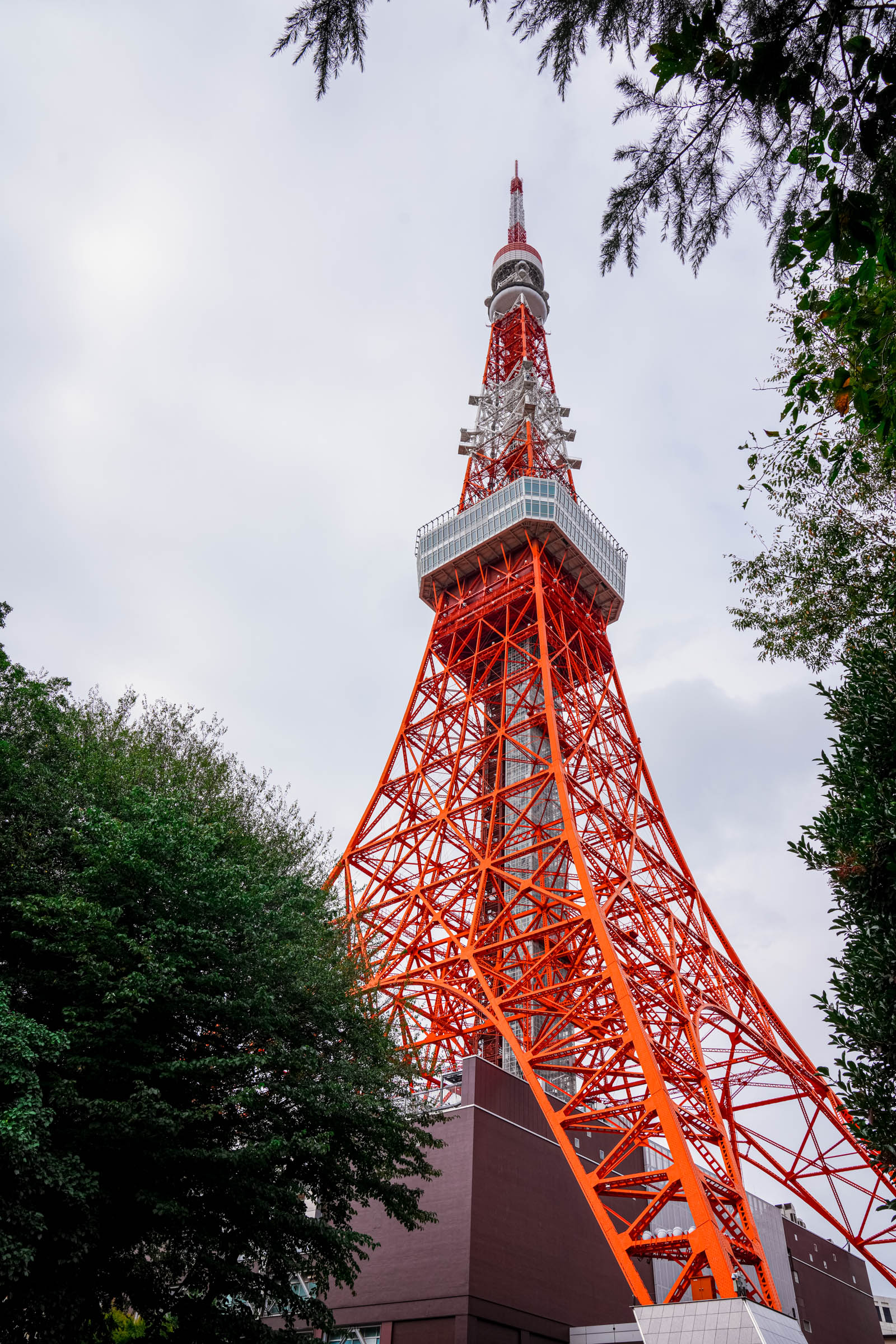
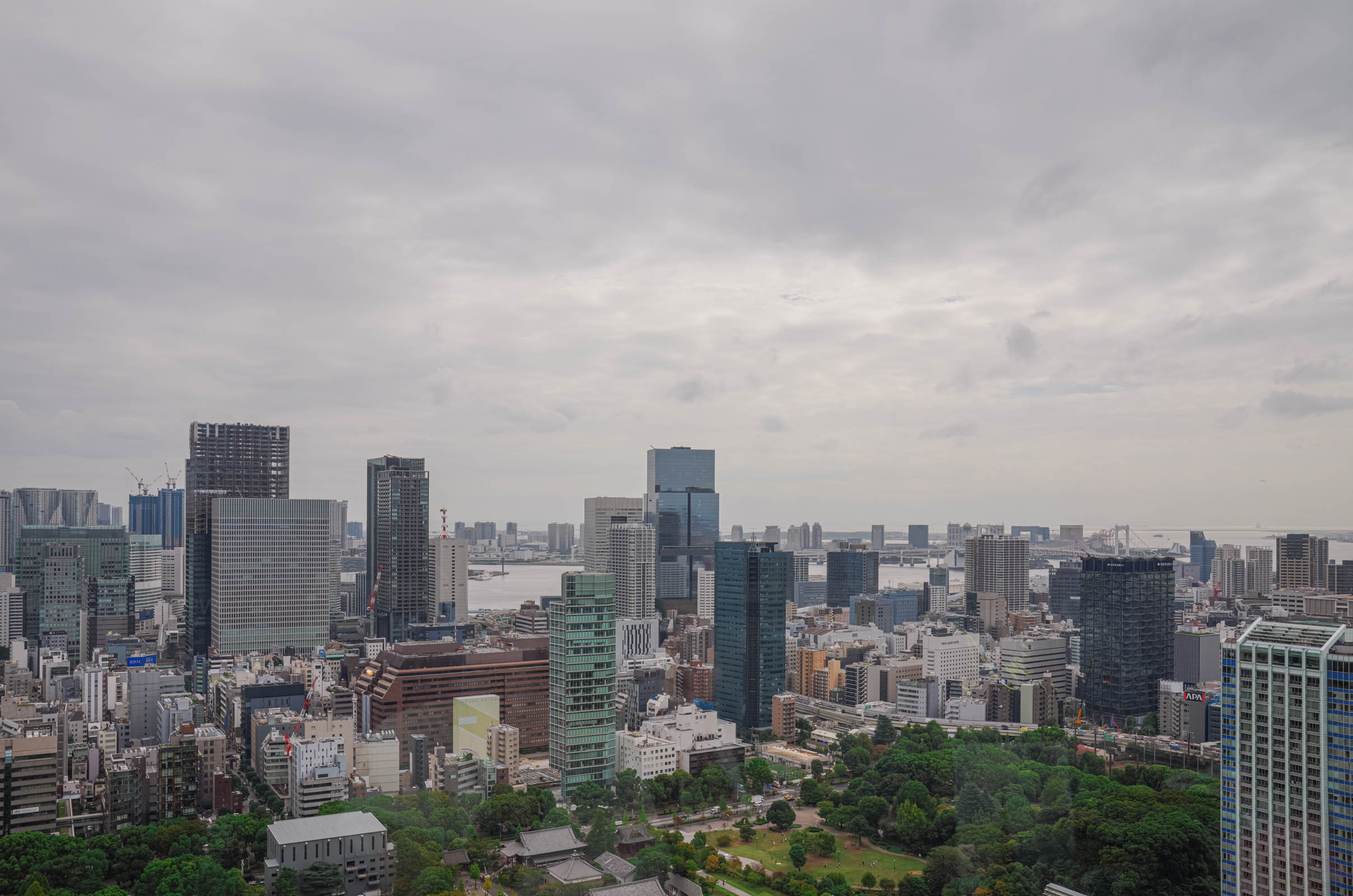
Tokyo has so much to offer that a lifetime would be insufficient to explore it all. The Tokyo Tower, 333 meters high and built in 1958 modeled after the Eiffel Tower, has been a symbol of the city and its post-war reconstruction for decades. Today, it has been overtaken in height by Tokyo Skytree, the tallest tower in the world at 634 meters, which offers breathtaking panoramic views. Both towers have observation decks from where, on a clear day, you can even see Mount Fuji in the distance.

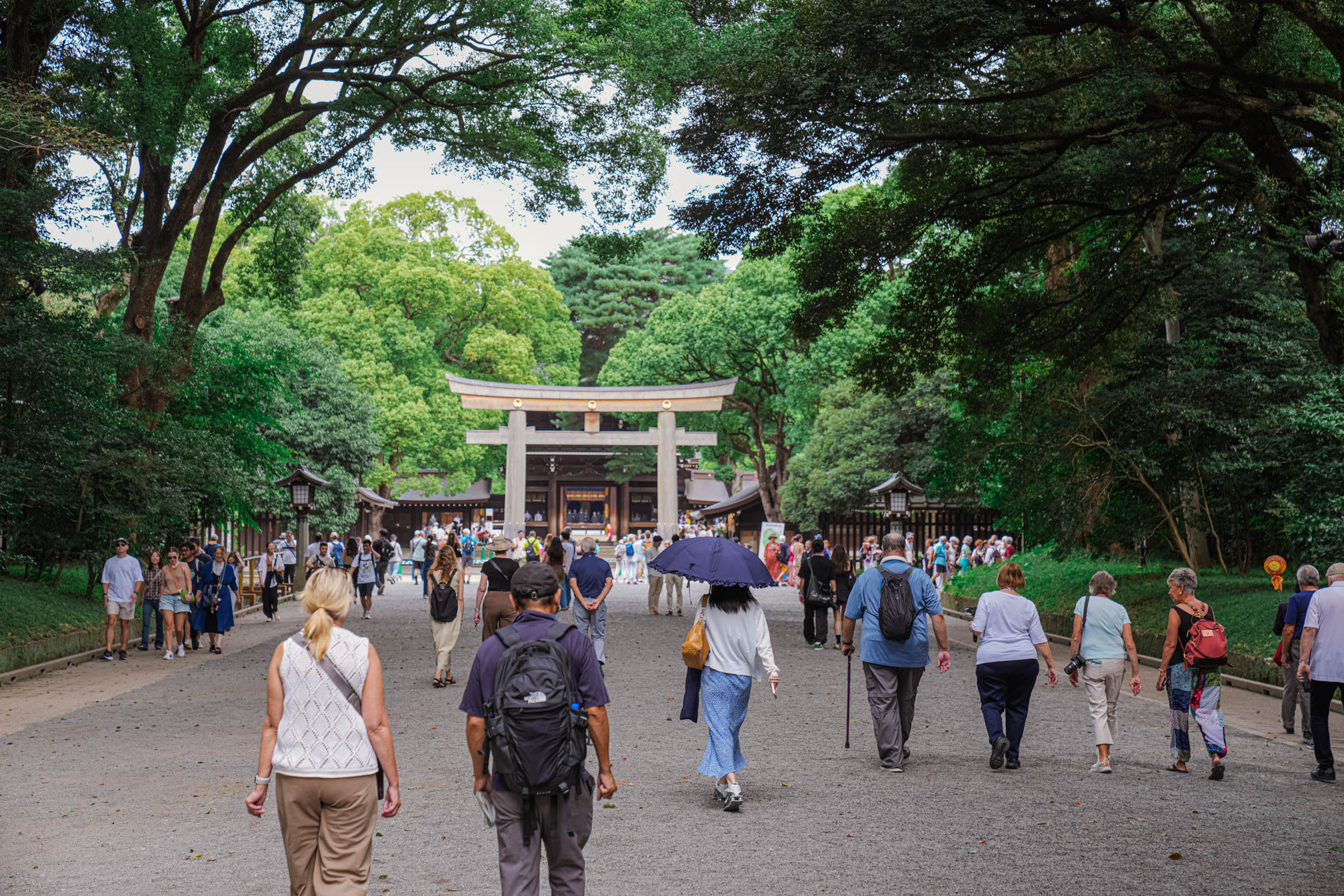
For lovers of tradition, the Meiji Jingu Shrine in Yoyogi Park is an oasis of peace in the middle of the metropolis. Dedicated to Emperor Meiji and Empress Shoken, who led Japan through a period of rapid modernization in the late nineteenth century, this Shinto shrine is surrounded by a forest of around 100,000 trees donated from all over Japan. Walking through the tall torii gate and down the tree-lined path towards the shrine, you feel the noise of the city disappear and give way to a deep peace.
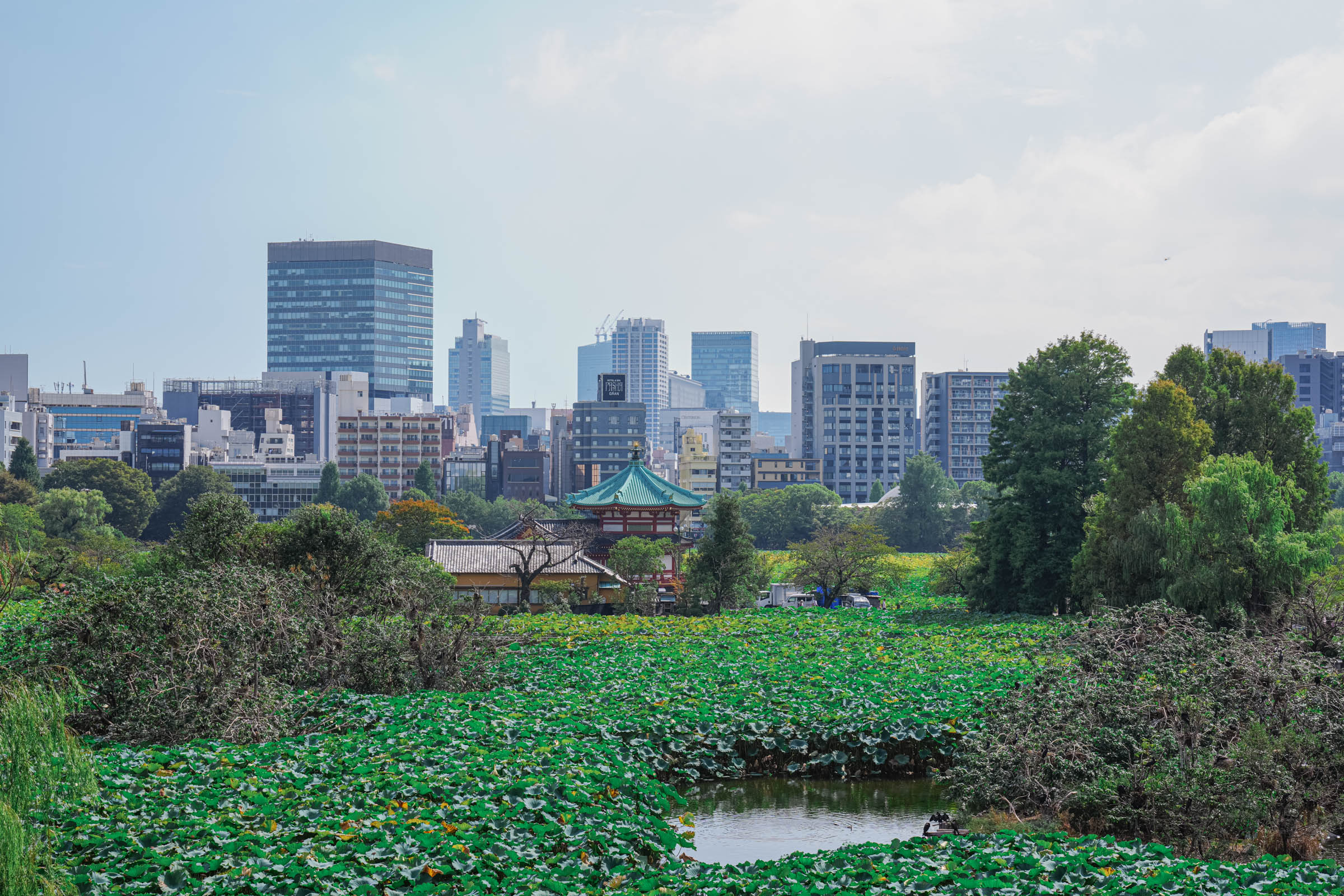
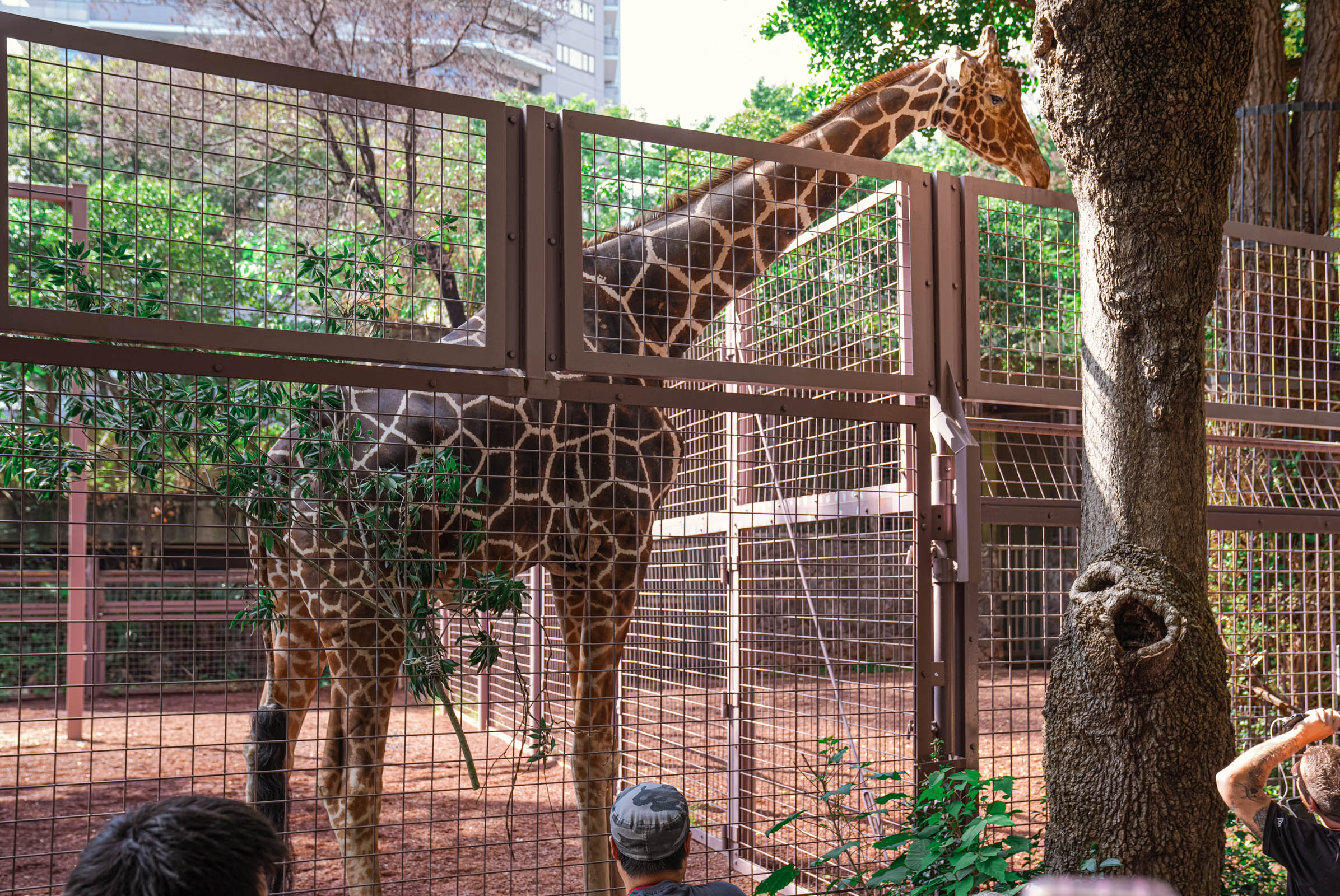
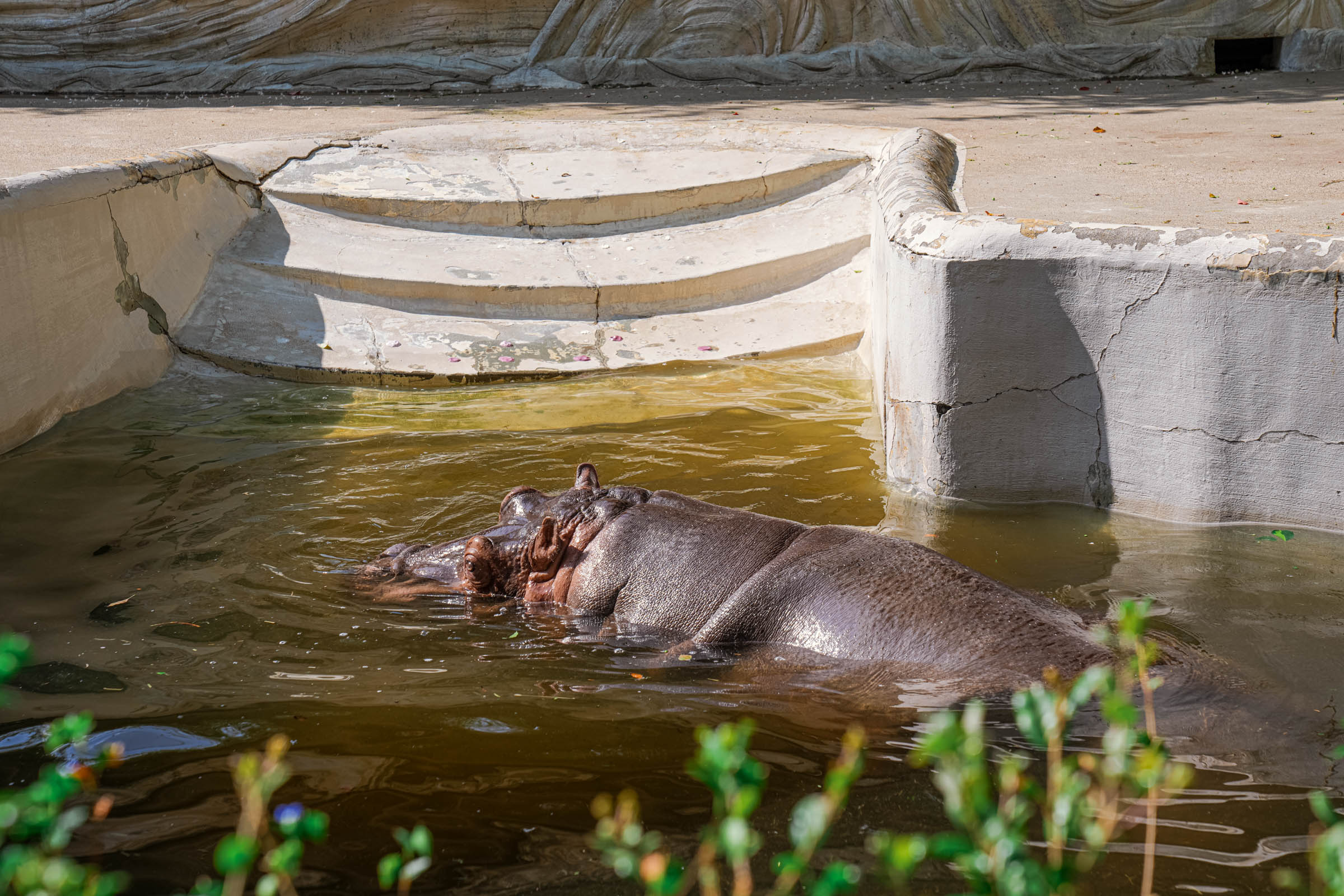
Ueno Park, one of Japan’s first public parks, is home to an incredible number of cultural institutions. The Tokyo National Museum houses the largest collection of Japanese art in the world. The National Museum of Nature and Science, the Tokyo Metropolitan Museum of Art, the National Museum of Western Art, and the zoo are all within the boundaries of this park. In the spring, when the cherry blossoms are in bloom, Ueno becomes one of the most popular places for hanami, the traditional viewing of the cherry blossoms.
Harajuku, the district between Harajuku and Meji-jingumae stations, is the epicenter of Japanese youth fashion. Takeshita-dori Street is lined with shops offering everything from kavalji style to gothic lolita fashion. This is a place where you can see the most amazing fashion combinations, where young people express their individuality through clothes in a way that would be unimaginable in many other cultures. And just a few minutes’ walk away, the elegant Omotesando Avenue offers a completely different atmosphere with its luxury boutiques and architectural masterpieces.
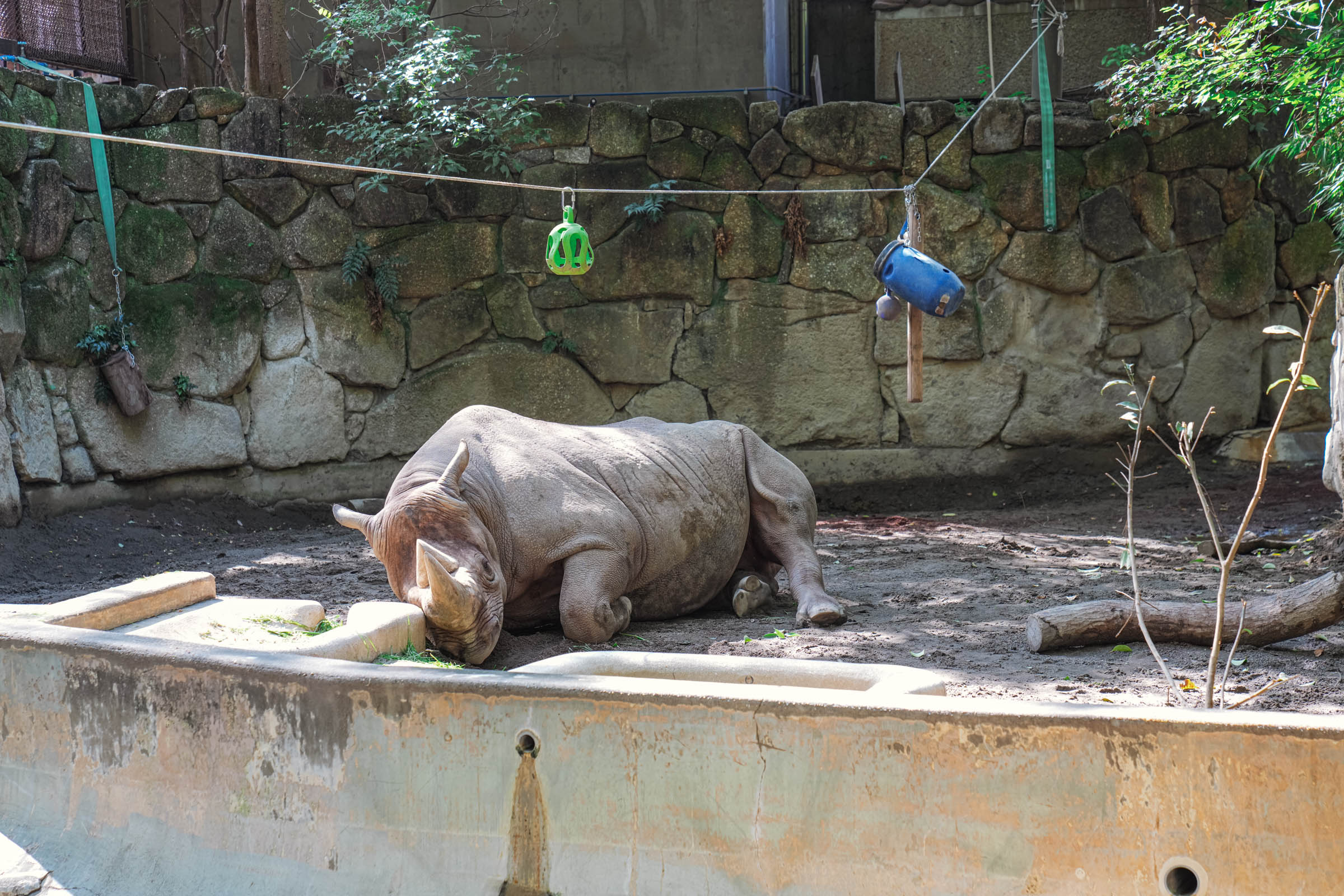
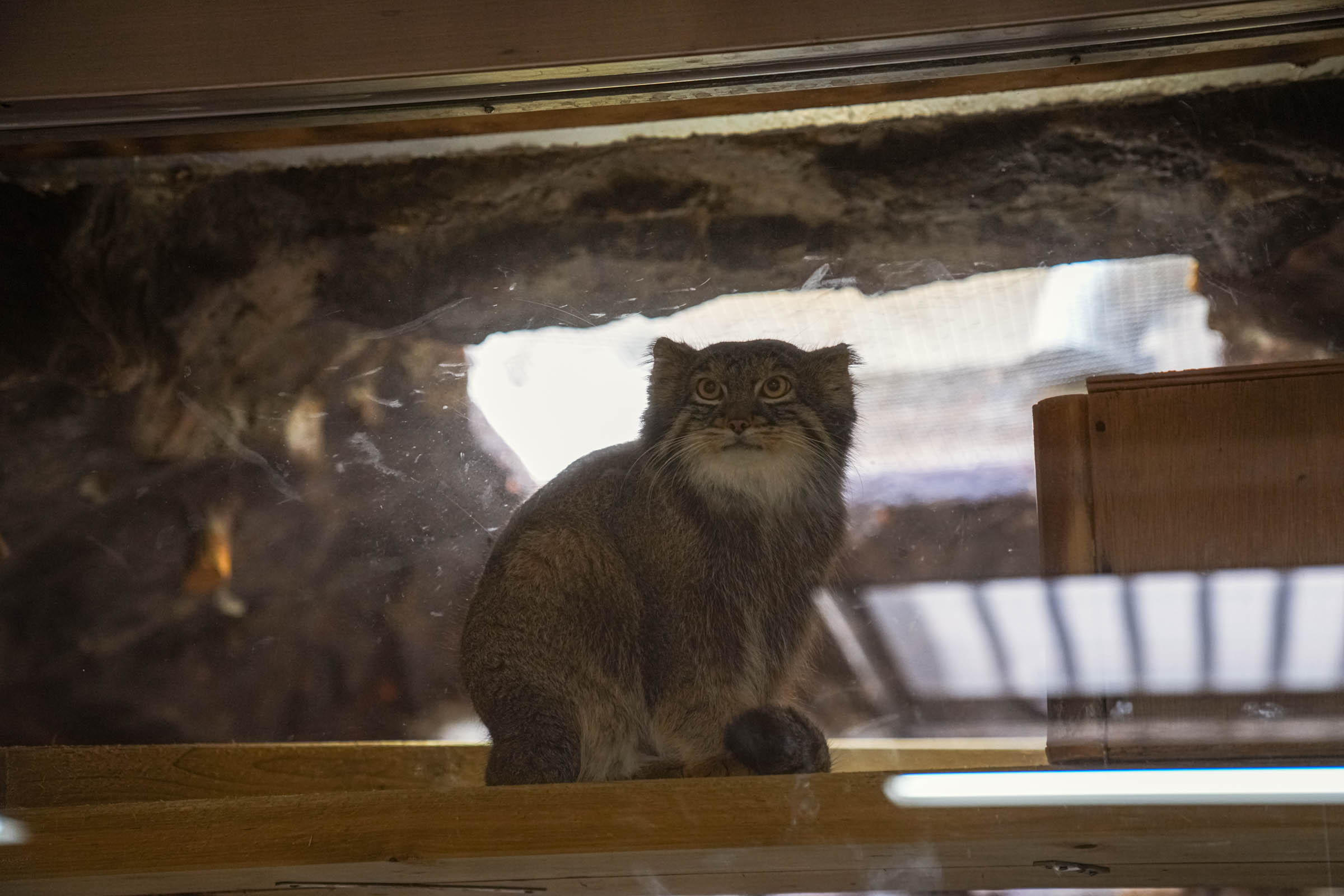

Tokyo’s subway system deserves a special mention. With 13 metro lines covering 304 kilometers and countless connecting rail lines, this is one of the most complex yet efficient public transportation systems in the world. Shinjuku Station, with over 3.6 million passengers per day, holds the record as the busiest train station on the planet. Trains arrive and depart with precision measured in seconds, and the cleanliness and safety of the system leave visitors speechless.
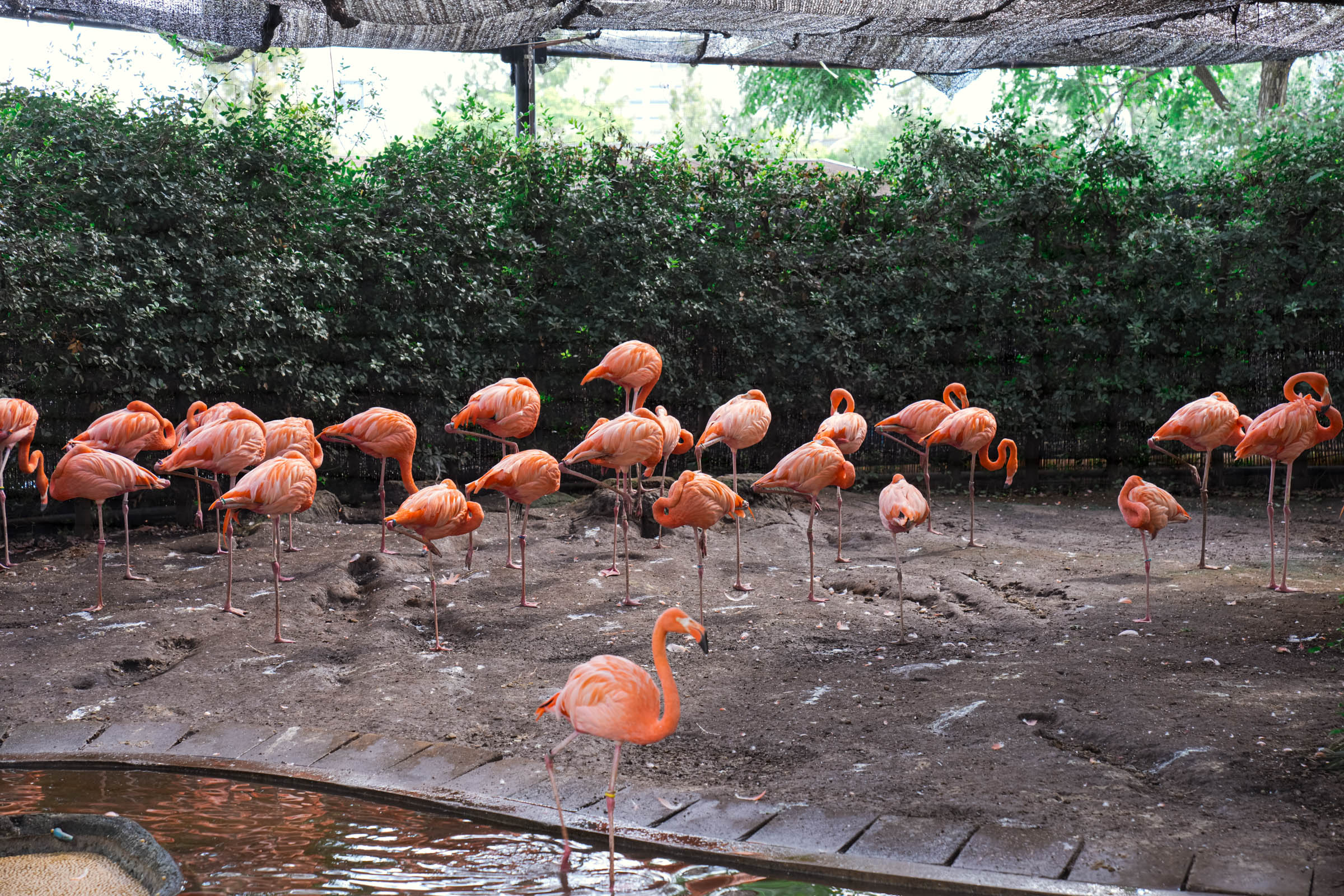
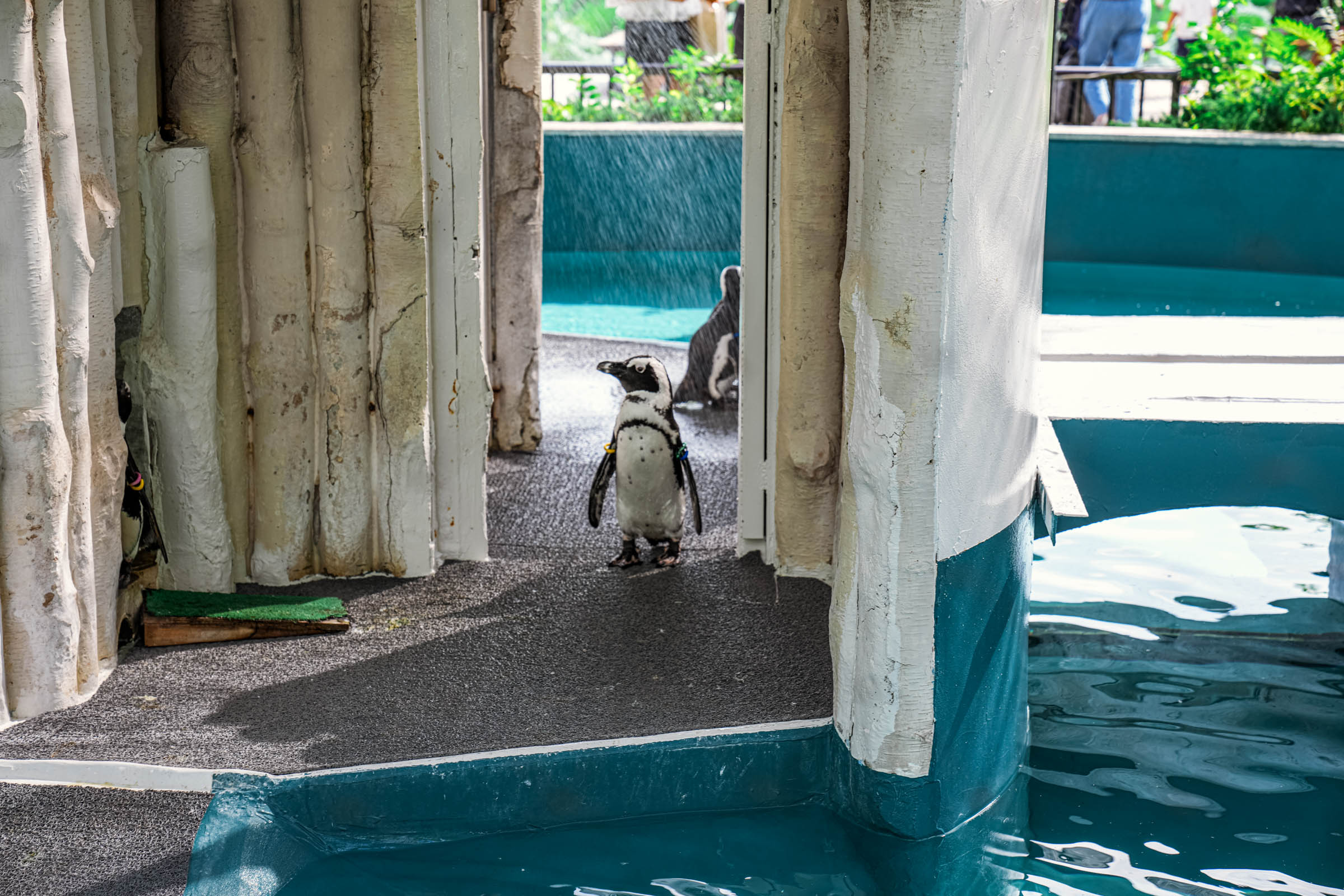

GASTRONOMIC JOURNEY THROUGH TOKYO
No visit to Tokyo is complete without exploring its incredible food scene. The city has more Michelin stars than any other city in the world, but the real magic lies in the small restaurants hidden in basements and side streets. Ramen, that simple bowl of noodles in a rich soup, has been elevated to the level of art here. Every chef has their own secret broth recipe, from pork tonkotsu to fish dashi, and queues outside the best ramen joints are not uncommon.
Sushi in Tokyo is a completely different experience than what we are used to. In traditional sushi restaurants, the master prepares each bite right in front of you, choosing the fish from the morning auction at the famous Tsukiji Fish Market, now relocated to Toyasu. The omakase style, where you let the chef choose, allows you to experience the seasons through food in a way you never knew existed.
Izakaya, Japanese pubs, offer a more relaxed atmosphere where small portions of a variety of dishes are enjoyed with sake or beer. These are places where salarymen relax after work, where friendships are built over a shared table, where you can try everything from fried karaage chicken to fresh tofu and seasonal vegetables. In Ginza, where I stayed, there are countless places like this, often with only a dozen seats and the owner who cooks in front of you.
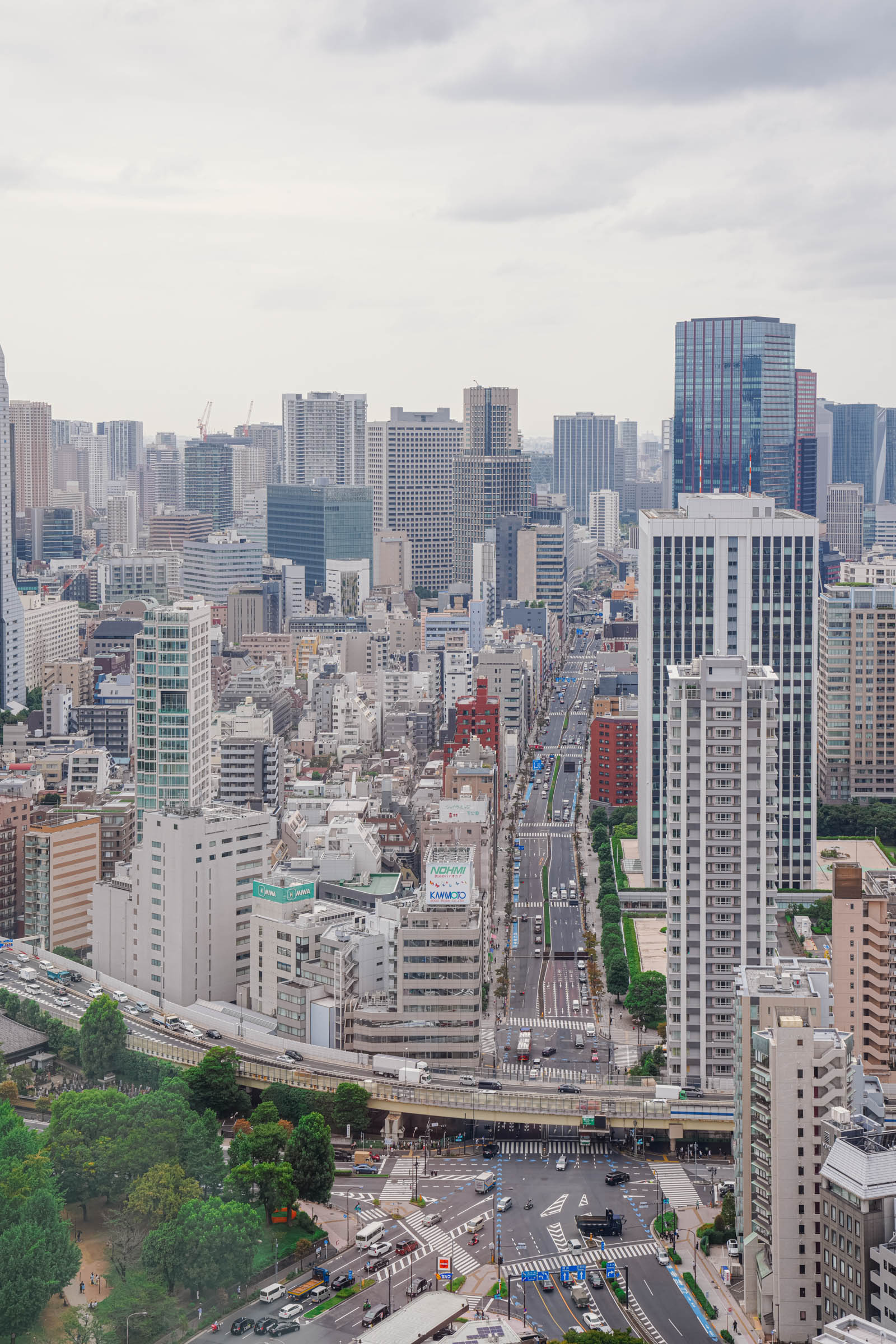
PRACTICAL TIPS FOR AN UNFORGETTABLE TRIP TO TOKYO
Planning a trip to Tokyo takes some preparation, but the rewards are priceless. The best time to visit depends on your preferences. Spring, from late March to mid-May, brings cherry blossoms and pleasant temperatures. Autumn, from October to November, offers spectacular leaf colors and stable weather. Summer can be hot and humid, while winter brings cooler days but less crowds.
For moving around the city, I recommend getting an IC card like Pasmo or Suika. You can top up these contactless cards at vending machines in stations and use them to pay on the subway, buses, and even in many shops and vending machines. The Japan Rail Pass is cost-effective if you plan to travel outside of Tokyo, for example to Kyoto or Osaka by bullet train Shinkansen.

When it comes to accommodation, location is key. Ginza, where Agora Tokyo Ginza is located, provides the perfect balance between access to everything the city has to offer and a peaceful atmosphere for relaxation. From there you can easily reach all the main attractions, either by metro or even on foot to some of them. Also, the fact that the hotel is directly connected to Higashi-Ginza Station makes getting to and from the airport extremely easy.
Japan is a country where certain social norms are respected. In temples and shrines, behave quietly and respect religious customs. In restaurants, avoid talking on your cell phone. On the subway, talk quietly and avoid phone calls. Tipping is not common and can even be considered offensive. Cash is still widely used, so always have enough yen on hand.

The Japanese language can seem intimidating, but most signs in Tokyo also have the Latin alphabet. Basic phrases like “arigatou gozaimasu” for thanking or “sumimasen” for apologizing or getting attention will be highly appreciated. English is not widely spoken outside of tourist areas, but translation apps and the friendliness of the locals will help you get by.
WHY IS TOKYO WORTH VISIT?
Tokyo is not a city that can be fully experienced in one visit. Every time I go back, I discover something new, whether it’s a hidden alley in Asakusa, an unknown temple in a residential area, or a restaurant with only six seats that serves the best ramen I’ve ever tasted. This city is endless, like an ever-expanding universe.
What makes Tokyo special is not just its size or its history, but the way it manages to be both ultra-modern and deeply traditional. Here you can meditate in the morning in a temple that is more than a thousand years old, in the afternoon shop for the latest technology in Akihabara, and in the evening enjoy a kabuki show that has been performed in the same way for four hundred years. This ability to embrace the new without rejecting the old makes Japan, and Tokyo in particular, unique in the world.
My stay at the Agora Tokyo Ginza Hotel allowed me to experience Tokyo the right way, with a base in the heart of one of the city’s most fascinating neighborhoods and the comfort I needed after a full day of exploring. The Executive Suite with its Japanese details and modern conveniences was the perfect synthesis of what this city is, a blend of tradition and innovation that invites you to discover more.
Tokyo is waiting for you. Whether you’re looking for the spirituality of ancient temples, the thrill of the world’s busiest intersections, the elegance of luxury shopping, or simply want to get lost in a city that never ceases to amaze, you’ll find it all here and more. The only question that remains is when you will start your journey. And when you leave, know that Tokyo is a city you won’t forget, a city that changes you, a city you’ll always return to.

Have you already had the opportunity to visit Tokyo, this fascinating megametropolis of the Land of the Rising Sun, where futuristic skyscrapers are reflected in the peace of ancient temples, and tradition lives side by side with the latest technology? Or maybe you are just planning to step into this urban labyrinth, get lost in the neon streets of Shibuya, feel the energy of the city that never sleeps, but also find moments of silence in hidden shrines and Zen gardens?
Feel free to leave your impressions, comments or questions below the text or contact me via email and social networks. All information is available on the CONTACT page.
See you soon, with a new story from the heart of the Far East!
With Love from Tokyo,
Mr.M

This post is sponsored by the United Nations World Tourism Organization (UN Tourism) and the Agora Tokyo Ginza Hotel, as well as other local partners who have selflessly supported this project. This post is my personal and honest review of the destination experience.
Hello Marko, what an exceptional piece of writing about Tokyo. I visited Japan back in 2019 and stayed in Shinjuku, but after reading your detailed description of Ginza, I realize I missed so much by not exploring that area properly. The history you provided about Edo transforming from a fishing village to a megalopolis of 37 million people is fascinating and something I never fully appreciated during my trip. Your photographs of the Kaminarimon Gate brought back wonderful memories of standing there on a cool autumn morning. I am seriously considering a return trip and will definitely look into the… Read more »
Hello Richard, thank you so much for taking the time to read my Tokyo article and for sharing your own experience from 2019. Shinjuku is a fantastic area to stay in, but I completely understand how easy it is to miss Ginza on a first visit Tokyo is so vast that even weeks there cannot cover everything. The transformation of Edo from that humble fishing village into the sprawling metropolis of 37 million people is truly one of the most remarkable urban stories in human history, and it is something that really hits you when you walk through the historic… Read more »
Guten Tag Marko, dein Reisebericht über Tokio hat mich zutiefst beeindruckt. Ich war 2018 mit meiner Frau in Japan und wir haben damals den Senso-ji Tempel besucht, aber die Geschichte über die Fischer-Brüder, die die goldene Kanon-Statue aus dem Sumida-Fluss gezogen haben, kannte ich nicht. Deine Erklärung über die Nakamise-dori Einkaufsstraße erinnert mich an unseren Spaziergang dort, wo wir die köstlichen Reiscracker probiert haben. Die Verbindung zwischen der Tokugawa-Ära und dem modernen Tokio, die du so eloquent beschreibst, zeigt die einzigartige Fähigkeit Japans, Tradition und Moderne zu vereinen. Ich werde deinen Blog meinen Kollegen empfehlen, die eine Japanreise planen.
Guten Tag Hans-Peter, vielen herzlichen Dank, dass Sie sich die Zeit genommen haben, meinen Reisebericht über Tokio zu lesen und einen so ausführlichen Kommentar zu hinterlassen. Es freut mich sehr, dass die Geschichte über die Fischer-Brüder Hinokuma Hamanari und Takenari, die im Jahr 628 die goldene Kannon-Statue aus dem Sumida-Fluss zogen, für Sie neu war diese Legende verleiht jedem Besuch des Senso-ji Tempels eine ganz besondere Tiefe. Die Nakamise-dori ist wirklich ein Erlebnis für sich, und die Reiscracker dort gehören zu den köstlichsten Straßensnacks, die man in ganz Tokio finden kann. Sie haben absolut recht, dass Japan eine einzigartige Fähigkeit… Read more »
Cher Marko, quel récit magnifique sur Tokyo. J’ai eu la chance de visiter le Japon en 2017 et ton article m’a transporté directement dans les rues animées de Shibuya. Ta description du carrefour de Shibuya, où entre 1000 et 2500 personnes traversent toutes les deux minutes, capture parfaitement l’énergie unique de cet endroit. L’histoire d’Hachiko m’a particulièrement touché, ce chien fidèle qui a attendu son maître pendant dix ans est un symbole universel de loyauté. Les détails que tu fournis sur le quartier de Ginza et son histoire depuis 1612 enrichissent vraiment la compréhension de cette ville extraordinaire.
Dear Laurent, thank you so much for reading my article and for your kind words about the Tokyo piece. It is wonderful to hear that the article transported you back to the vibrant streets of Shibuya and your 2017 visit. The Shibuya crossing is truly one of those places where you can feel the pulse of an entire city in a single moment, with those waves of pedestrians flowing in every direction like a perfectly choreographed dance. The story of Hachiko is indeed one of the most touching tales in Japanese culture, and the fact that his bronze statue has… Read more »
Ciao Marko, complimenti per questo splendido articolo su Tokyo. Ho visitato il Giappone nel 2019 e sono rimasto affascinato dalla capacità di questa città di unire antico e moderno in modo così armonioso. La tua descrizione del Palazzo Imperiale e dei suoi giardini orientali mi ha riportato alla mente le ore tranquille che ho trascorso passeggiando lungo i fossati. È incredibile pensare che le fondamenta del Castello di Edo risalgano al 1457 e che la torre principale, la più alta della storia giapponese, non sia mai stata ricostruita dopo l’incendio del 1657. Le tue fotografie trasmettono perfettamente l’atmosfera serena di… Read more »
Dear Antonio, thank you very much for taking the time to read my article and for leaving such a thoughtful comment. You have captured perfectly what makes Tokyo so special that seamless blending of ancient and modern that you experience at every turn. The Imperial Palace and its gardens are indeed a place of profound tranquility in the heart of the busiest metropolis on Earth, and walking along those moats gives you a sense of the grandeur that once defined Edo Castle. The history of the castle foundations dating back to 1457 under Ota Dokan, and the fact that the… Read more »
Marko, I thoroughly enjoyed reading your comprehensive guide to Tokyo. My husband and I spent two weeks in Japan in 2018 and your article perfectly captures the essence of why we fell in love with this country. The section about the Great Kanto Earthquake of 1923 destroying 570,000 buildings and the subsequent rebuilding in just seven years demonstrates the remarkable resilience of the Japanese people. Your recommendation about getting a Pasmo or Suica card is excellent practical advice that I wish I had known before my trip. The contrast between the peaceful Meiji Shrine surrounded by 100,000 donated trees and… Read more »
Hello Margaret, thank you so much for your wonderful comment and for sharing the experience you and your husband had during your two weeks in Japan in 2018. The story of the Great Kanto Earthquake of 1923 and that remarkable rebuilding effort truly speaks to the incredible spirit of the Japanese people the fact that they reconstructed a devastated city in just seven years is one of the most inspiring chapters in modern urban history. I am glad you found the Pasmo and Suica card recommendation useful, as those IC cards truly make navigating Tokyo’s complex transit system so much… Read more »
Hola Marko, tu artículo sobre Tokio es verdaderamente excepcional. Visité Japón en 2022 después de que se levantaran las restricciones y quedé maravillado por la limpieza y eficiencia del sistema de metro. Tu descripción de la estación de Shinjuku, con más de 3,6 millones de pasajeros diarios, me hizo recordar lo abrumado que me sentí la primera vez que intenté navegar por ese laberinto. La historia del shogunato Tokugawa y cómo Edo se convirtió en la capital de facto de Japón en 1603 es fascinante. Tengo una pregunta: ¿cuántos días recomiendas como mínimo para explorar Tokio adecuadamente sin sentirse apresurado?
Dear Diego, thank you very much for your kind words and for sharing your post-pandemic experience visiting Japan in 2022. Shinjuku Station with its more than 3.6 million daily passengers is truly a world unto itself, and I remember that overwhelming feeling of navigating it for the first time, the trick is to follow the color-coded signs and not be afraid to ask station staff, who are always incredibly helpful. The history of the Tokugawa shogunate establishing Edo as the de facto capital in 1603 is indeed one of those pivotal moments that shaped not just Japan but the entire… Read more »
Hallo Marko, herzlichen Dank für diesen wunderbaren Reisebericht. Die Information über den Meiji-Schrein und den umgebenden Wald mit etwa 100.000 gespendeten Bäumen aus ganz Japan hat mich sehr beeindruckt. Ich plane meine erste Japanreise für nächstes Jahr und frage mich, ob du empfehlen würdest, im Frühling zur Kirschblüte zu reisen oder ob der Herbst mit den farbenfrohen Blättern eine bessere Option wäre. Deine detaillierte Beschreibung der verschiedenen Stadtteile hilft mir sehr bei der Planung meiner Reiseroute. Die historischen Fakten über die Meiji-Restauration von 1868 und die mehr als 6.000 britischen Experten, die Japan bei der Modernisierung halfen, waren mir völlig… Read more »
Hallo Thomas, herzlichen Dank für Ihren freundlichen Kommentar und dafür, dass Sie sich die Zeit genommen haben, meinen Reisebericht so aufmerksam zu lesen. Was Ihre Frage zur besten Reisezeit betrifft, möchte ich sagen, dass beide Jahreszeiten ihre ganz eigene Magie haben. Die Kirschblüte Ende März bis Anfang April verwandelt Tokio in ein rosa Blütenmeer, besonders in Parks wie Shinjuku Gyoen und Ueno Park, wo über tausend Kirschbäume gleichzeitig blühen, allerdings ist dies auch die geschäftigste Reisezeit, und Hotels sollten mindestens fünf bis sechs Monate im Voraus gebucht werden. Der Herbst von Mitte Oktober bis Anfang Dezember bietet dagegen spektakuläre Herbstfarben,… Read more »
Bonjour Marko, ton article sur Tokyo est une véritable mine d’informations. J’ai visité Kyoto il y a trois ans mais je n’ai jamais eu l’occasion de passer du temps à Tokyo. Ta description du théâtre Kabukiza à Ginza m’intrigue énormément, surtout le fait que le kabuki soit reconnu par l’UNESCO comme patrimoine culturel immatériel de l’humanité. L’idée que tous les rôles, y compris les rôles féminins, sont traditionnellement joués par des hommes depuis plus de quatre cents ans est fascinante. J’aimerais savoir si les spectacles de kabuki sont accessibles aux visiteurs qui ne parlent pas japonais, peut-être avec des sous-titres… Read more »
Dear Sophie, thank you so much for your kind words and for taking the time to read my Tokyo article. Since you have already visited Kyoto, Tokyo would be a wonderful complement, offering a completely different but equally fascinating perspective on Japanese culture. To answer your question about Kabuki accessibility for non-Japanese speakers, the great news is that the Kabukiza Theatre in Ginza offers an English subtitle captioning device that you can rent for about 1,500 yen for a full show, which provides essential translations of dialogue and lyrics as the performance unfolds on stage. Additionally, there are single-act tickets… Read more »
Hi Marko, what a beautifully written article about Tokyo. The historical context you provide about the Tokugawa shogunate and how Edo grew to have over one million inhabitants by 1720, making it possibly the largest city in the world at that time, is remarkable. I visited Tokyo in 2019 and stayed near Asakusa, and your description of Senso-ji temple brought back vivid memories. The legend about the fishermen brothers Hinokuma Hamanari and Takenari discovering the golden Kanon statue in 628 adds such depth to the temple visit. Your photographs are stunning and capture the magical atmosphere of this ancient temple… Read more »
Hello James, thank you for your thoughtful comment and for sharing your memories of visiting Tokyo in 2019. The fact that Edo had over one million inhabitants by 1720, making it possibly the largest city in the world at that time, is truly one of those historical details that puts everything into perspective this was a city that rivaled London and Paris in size centuries ago. The legend of the fishermen brothers Hinokuma Hamanari and Takenari discovering the golden Kannon statue in the year 628 is such a beautiful origin story, and knowing it transforms a visit to Senso-ji from… Read more »
Caro Marko, grazie per questo articolo così dettagliato e ben scritto su Tokyo. La sezione sulla gastronomia giapponese mi ha fatto venire l’acquolina in bocca, ricordandomi i meravigliosi pasti che ho gustato durante il mio viaggio nel 2018. Hai perfettamente ragione quando dici che il sushi a Tokyo è un’esperienza completamente diversa da quello a cui siamo abituati in Europa. Il fatto che Tokyo abbia più stelle Michelin di qualsiasi altra città al mondo dimostra l’eccellenza culinaria giapponese. Ho una domanda pratica: quanto anticipo consigli per prenotare i ristoranti omakase più rinomati?
Dear Giovanni, thank you so much for reading my article and for your kind words about the gastronomy section. You are absolutely right that sushi in Tokyo is a completely different experience from what we know in Europe, the freshness of the fish, the precision of the rice preparation, and the subtle balance of flavors are on another level entirely. The fact that Tokyo consistently holds more Michelin stars than any other city in the world, with over 200 starred restaurants, truly speaks to the extraordinary culinary standards maintained across the city. Regarding your practical question about omakase reservations, I… Read more »
Querido Marko, tu relato de viaje sobre Tokio me ha dejado sin palabras. La historia del perro Hachiko que esperó a su dueño durante diez años después de su muerte es conmovedora y representa perfectamente los valores japoneses de lealtad y devoción. Visité Japón en 2017 con mi familia y la estatua de Hachiko fue uno de los lugares donde más fotos tomamos. Tu descripción del cruce de Shibuya como el más transitado del mundo, con hasta 2.500 personas cruzando cada dos minutos, captura perfectamente esa sensación de estar en el corazón pulsante de una megaciudad. Las fotografías que acompañan… Read more »
Dear Elena, thank you so much for your heartfelt comment and for sharing the memory of your family visit to Japan in 2017. The story of Hachiko truly transcends cultural boundaries the idea of that loyal Akita dog returning to Shibuya Station every day for nearly ten years after Professor Ueno’s passing in 1925 touches something universal in all of us. It is no wonder that his bronze statue, unveiled in 1934, has become one of the most photographed spots in all of Tokyo and one of the city’s most beloved meeting points. The Shibuya crossing, with its incredible flow… Read more »
Marko, your Tokyo guide is absolutely brilliant. I have been planning a trip to Japan for years and your article has provided invaluable insights that I have not found elsewhere. The detail about the Great Fire of 1657 claiming over 100,000 lives and destroying the main tower of Edo Castle, which was never rebuilt, adds a poignant layer to understanding the city’s history. Your tip about the Ichie lounge at Agora Tokyo Ginza, where guests can enjoy free Sayama green tea and browse the Machigokoro map, sounds like exactly the kind of authentic experience I am looking for. The philosophy… Read more »
Hello Peter, thank you so much for your generous words about the Tokyo guide and for taking the time to leave such a detailed comment. The Great Fire of Meireki in 1657 is indeed one of the most significant events in Edo’s history, and the decision not to rebuild the main tower of Edo Castle after it claimed over 100,000 lives was a profound moment, the shogunate chose to redirect those resources toward rebuilding the homes and lives of ordinary citizens instead. I am delighted that the mention of the Ichie lounge at Agora Tokyo Ginza resonated with you the… Read more »
Cher Marko, merci pour ce voyage virtuel extraordinaire à travers Tokyo. J’ai visité le Japon avec mon mari en 2019 et nous avons adoré explorer le quartier de Ginza. Ta description de la rue principale Chuo Dori avec les boutiques de luxe des grandes maisons françaises comme Chanel, Dior et Louis Vuitton me rappelle nos promenades du dimanche quand la rue devient piétonne avec le Hokoten. C’est vraiment une expérience unique de marcher au milieu d’un boulevard normalement réservé aux voitures. Tes photos capturent parfaitement cette atmosphère élégante et sophistiquée qui fait de Ginza un quartier si spécial.
Dear Marie, thank you for your lovely comment and for sharing the wonderful memories of your 2019 visit to Ginza with your husband. You have touched on one of my favorite aspects of Ginza the Hokoten, when Chuo Dori is closed to traffic on weekends and holidays, transforming this grand boulevard into a pedestrian paradise where you can stroll freely among the elegant boutiques of Chanel, Dior, Louis Vuitton and other great fashion houses. This tradition of making the street car-free dates back to the 1970s and has become one of Tokyo’s most civilized urban experiences. There is something truly… Read more »
Lieber Marko, dein Artikel über Tokio ist ein Meisterwerk des Reisejournalismus. Die Information, dass ein Quadratmeter Grundstück im Zentrum von Ginza über zehn Millionen Yen kostet, verdeutlicht die enorme wirtschaftliche Bedeutung dieses Viertels. Ich war 2017 geschäftlich in Tokio und hatte leider nicht genug Zeit, die Stadt richtig zu erkunden. Dein Bericht über das U-Bahn-System mit 13 Linien und 304 Kilometern Strecke sowie der unglaublichen Pünktlichkeit, die in Sekunden gemessen wird, entspricht genau meiner Erfahrung. Diese Effizienz und Sauberkeit des öffentlichen Verkehrs ist wirklich beispiellos und sollte ein Vorbild für europäische Städte sein.
Lieber Wilhelm, vielen herzlichen Dank für Ihren ausführlichen Kommentar und das große Lob für meinen Artikel. Die astronomischen Grundstückspreise in Ginza, wo ein Quadratmeter tatsächlich über zehn Millionen Yen kosten kann verdeutlichen wirklich, warum dieses Viertel als das teuerste Pflaster Japans gilt und die enorme wirtschaftliche Bedeutung dieses historischen Bezirks unterstreicht. Es ist schade, dass Sie bei Ihrem Geschäftsaufenthalt 2017 nicht mehr Zeit zum Erkunden hatten, aber das ist ein häufiges Problem bei Geschäftsreisen nach Tokio die Stadt verdient definitiv einen eigenen Urlaub. Das U-Bahn-System mit seinen 13 Linien der Tokyo Metro sowie den zusätzlichen Toei-Linien ist wirklich ein Meisterwerk… Read more »
Hello Marko, this is one of the most comprehensive and engaging Tokyo travel guides I have ever read. Your description of the Tokyo Skytree standing at 634 meters as the tallest tower in the world, surpassing the beloved Tokyo Tower built in 1958, shows how Tokyo continues to evolve while respecting its history. I visited Japan before the pandemic in early 2020 and the view from the Tokyo Skytree observation deck on a clear day was absolutely breathtaking. Being able to see Mount Fuji in the distance felt like a spiritual experience. Your writing style makes me want to return… Read more »
Hello David, thank you so much for your kind words and for sharing your experience of visiting Tokyo Skytree before the pandemic in early 2020. The Tokyo Skytree standing at 634 meters is indeed an engineering marvel and the tallest tower in the world, and it is fascinating how the height was specifically chosen because the numbers 6-3-4 can be read as “Musashi” in a traditional Japanese wordplay, referencing the old name for the Tokyo region. Your description of seeing Mount Fuji from the observation deck as a spiritual experience resonates deeply with me, there is something profoundly moving about… Read more »
Caro Marko, che articolo meraviglioso hai scritto su Tokyo. La tua descrizione del quartiere di Harajuku e della via Takeshita-dori con i suoi negozi di moda giovanile, dal kawaii allo stile gothic lolita, mi ha ricordato quanto sia unica la cultura giapponese nell’esprimere l’individualità attraverso la moda. Ho visitato Tokyo nel 2018 e sono rimasta affascinata dal contrasto tra questa strada colorata e la vicina elegante Omotesando Avenue con le sue boutique di lusso. È incredibile come in pochi minuti a piedi si possa passare da un mondo all’altro, e questa è l’essenza di Tokyo che hai catturato perfettamente nel… Read more »
Dear Isabella, thank you for your wonderful comment and for sharing your memories of visiting Harajuku in 2018. You have perfectly described one of the most magical aspects of Tokyo, the ability to move between completely different worlds in just a few minutes on foot. The contrast between Takeshita-dori with its explosion of kawaii culture, colorful fashion and youthful energy and the elegant tree-lined Omotesando Avenue, often called Tokyo’s Champs-Élysées, with its high-end architectural boutiques by designers like Tadao Ando and Toyo Ito, is truly remarkable. This constant juxtaposition of styles, eras and aesthetics is what makes Tokyo so endlessly… Read more »
Marko, thank you for this wonderful article about Tokyo. The section about the Imperial Palace and its East Gardens being open to the public, except on Mondays and Fridays, is exactly the practical information travelers need. I visited Tokyo with my wife in 2018 and we made the mistake of arriving at the gardens on a Monday, not knowing they were closed. Your article would have saved us that disappointment. The detail about the Ninomaru Garden being reconstructed according to the design of Kobori Enshu, a famous garden builder from the Edo period, adds cultural depth that guidebooks often miss.… Read more »
Hello Robert, thank you so much for your comment and for sharing that practical experience about arriving at the Imperial Palace East Gardens on a Monday. That is exactly the kind of real-world traveler knowledge that I hope my articles can help prevent the gardens are indeed closed on Mondays and Fridays, as well as certain holiday periods, and it is such a common mistake that catches visitors off guard. The Ninomaru Garden, designed in the style of the great Edo-period landscape architect Kobori Enshu, is a masterpiece of Japanese garden art where every stone, tree and water feature has… Read more »
Hola Marko, muchas gracias por compartir esta guía tan completa sobre Tokio. La información histórica que proporcionas sobre la Restauración Meiji de 1868 y el traslado de la capital de Kioto a Edo, que luego pasó a llamarse Tokio o capital del este, es fascinante. Visité Japón en 2019 y me quedé principalmente en Osaka, pero hice excursiones de un día a Tokio y Kioto. Después de leer tu artículo, me doy cuenta de que Tokio merece mucho más tiempo. La descripción del hotel Agora Tokyo Ginza con su tokonoma tradicional y los detalles japoneses en las habitaciones suena como… Read more »
Dear Alejandro, thank you very much for reading my guide and for sharing your experience from 2019. The Meiji Restoration of 1868 is truly one of the most transformative events in world history the renaming of Edo to Tokyo, meaning “Eastern Capital” and the transfer of the imperial court from Kyoto marked the beginning of Japan’s remarkable journey toward modernization. I completely understand the challenge of trying to see Tokyo on a day trip from Osaka, while the Shinkansen makes it technically possible, Tokyo is a city that reveals its true character only to those who spend enough time to… Read more »
Hallo Marko, vielen Dank für diesen wunderschönen Reisebericht über Tokio. Deine Beschreibung der japanischen Gastfreundschaftsphilosophie und wie das Agora Tokyo Ginza Hotel diese mit modernem Komfort verbindet, hat mich sehr angesprochen. Ich plane, nächstes Jahr im Herbst nach Japan zu reisen, und deine Empfehlung, dass Oktober bis November stabile Wetterverhältnisse und spektakuläre Herbstfarben bietet, ist sehr hilfreich. Die Information über das Japan Rail Pass für Reisen außerhalb Tokios zum Beispiel mit dem Shinkansen nach Kyoto oder Osaka ist genau das, was ich gesucht habe. Dein Blog ist jetzt zu meiner Hauptinformationsquelle für die Reiseplanung geworden.
Liebe Claudia, vielen herzlichen Dank für Ihren wunderbaren Kommentar und dafür, dass mein Blog zu Ihrer Hauptinformationsquelle für die Reiseplanung geworden ist das ist wirklich ein großes Kompliment. Ihre Entscheidung, im Herbst nach Japan zu reisen, ist ausgezeichnet Oktober und November bieten tatsächlich stabile Wetterverhältnisse mit angenehmen Temperaturen zwischen 10 und 22 Grad, weniger Touristen als zur Kirschblütenzeit und die spektakulären Herbstfarben in Parks wie Rikugien und Koishikawa Korakuen in Tokio. Was den Japan Rail Pass betrifft, ist er tatsächlich eine hervorragende Investition, wenn Sie planen, auch außerhalb Tokios zu reisen eine einzelne Hin-und-Rückfahrt mit dem Shinkansen nach Kyoto oder… Read more »
Hi Marko, your article about Tokyo is simply outstanding. I particularly appreciated the section about the air raids during World War II, especially the devastating attack on March 9, 1945, that killed over 100,000 civilians in a single night and burned two-fifths of the city. This dark chapter of history is often overlooked in travel guides, but understanding it makes the postwar reconstruction and the 1964 Olympics all the more impressive. Your comparison of Tokyo rising like a phoenix from the ashes is apt and poetic. The cultural sensitivity with which you approach these difficult topics while celebrating the city’s… Read more »
Hello Michael, thank you for your thoughtful and perceptive comment about the article. I deeply appreciate that you recognized the importance of including the difficult chapter of the air raids during World War II, particularly the devastating firebombing of March 9-10, 1945, which remains one of the most destructive single attacks in the history of warfare. You are absolutely right that many travel guides overlook this dark period, yet understanding the scale of that destruction makes Tokyo’s subsequent transformation hosting the 1964 Olympics just nineteen years later and presenting a modern, rebuilt city to the world, all the more extraordinary.… Read more »
Bonjour Marko, quel plaisir de lire ton article sur Tokyo. J’ai visité le Japon en 2018 et ton récit m’a fait revivre des moments inoubliables. La description du parc Ueno avec ses nombreuses institutions culturelles, dont le Musée national de Tokyo qui abrite la plus grande collection d’art japonais au monde, m’a rappelé les heures que j’y ai passées. Le fait que ce parc soit l’un des premiers parcs publics du Japon et qu’il devienne un lieu privilégié pour le hanami au printemps ajoute une dimension culturelle importante. Tes conseils pratiques sur les cartes IC comme Pasmo ou Suica sont… Read more »
Dear Pierre, thank you very much for your kind comment and for sharing your memories of Ueno Park from your 2018 visit to Japan. The Tokyo National Museum, founded in 1872, is truly a treasure trove housing over 120,000 objects spanning centuries of Japanese and Asian art and one could easily spend an entire day exploring its galleries without seeing everything. Ueno Park itself holds a special place in Tokyo’s history as one of Japan’s first public parks, established in 1873, and during cherry blossom season it becomes one of the most popular hanami spots in the entire city, with… Read more »
Marko, I found your Tokyo guide to be exceptionally well-researched and beautifully written. The historical detail about Tokugawa Ieyasu winning the Battle of Sekigahara in 1603 and establishing his shogunate in Edo, transforming a modest fishing village into the de facto capital, provides essential context for understanding Tokyo today. I traveled to Japan in 2017 and spent a week in Tokyo, but I feel like I barely scratched the surface. Your description of the izakaya pubs where salarymen relax after work and enjoy small portions of various dishes with sake perfectly captures those authentic evenings I experienced in the backstreets… Read more »
Hello Andrew, thank you so much for your generous words about the article and for sharing your 2017 Tokyo experience. The Battle of Sekigahara in 1600 which led to Tokugawa Ieyasu establishing his shogunate in Edo in 1603 was truly the decisive moment that set the stage for over 260 years of relative peace and the incredible growth that transformed a modest fishing village into one of the world’s great cities. Your description of those evenings in the izakaya pubs of Shimbashi perfectly captures one of the most authentic Tokyo experiences sitting among salarymen unwinding after work, sharing plates of… Read more »
Ciao Marko, grazie per questo straordinario viaggio virtuale attraverso Tokyo. La tua descrizione della Tokyo Tower, alta 333 metri e costruita nel 1958 sul modello della Torre Eiffel, come simbolo della ricostruzione postbellica del Giappone mi ha commosso. Ho visitato il Giappone nel 2019 con mio figlio e abbiamo trascorso ore a osservare la città dall’osservatorio della Tokyo Skytree. Il fatto che in una giornata limpida si possa vedere il Monte Fuji in lontananza rende l’esperienza ancora più magica. Le tue fotografie catturano perfettamente l’essenza di questa città che riesce a essere contemporaneamente ultramoderna e profondamente tradizionale.
Dear Francesco, thank you for your beautiful comment and for sharing the experience of visiting Japan with your son in 2019. Tokyo Tower, standing at 333 meters and built in 1958 inspired by the Eiffel Tower, is indeed a powerful symbol of Japan’s postwar rebirth, it was constructed during the economic miracle years and quickly became an icon of hope and progress for a nation rebuilding from devastation. The view from Tokyo Skytree’s observation deck on a clear day, with Mount Fuji’s majestic silhouette visible in the distance is one of those travel moments that stays with you forever. Fuji-san… Read more »
Hello Marko, your article on Tokyo has left me deeply inspired to plan my first trip to Japan. The way you describe the contrast between the ancient Senso-ji temple dating back to 628 and the modern skyscrapers creates such a vivid picture of the city. The legend of the golden Kanon statue being repeatedly returned to the fishermen’s nets no matter how many times they threw it back is charming and speaks to the spiritual foundation of Japanese culture. I would love to know if you have any recommendations for experiencing traditional Japanese arts beyond kabuki, perhaps tea ceremonies or… Read more »
Hello Victoria, thank you so much for your inspiring comment and for sharing your enthusiasm about planning your first trip to Japan. The legend of the golden Kannon statue from 628 AD is indeed one of those stories that perfectly illustrates the spiritual foundation upon which Japanese culture is built the idea that the fishermen kept trying to return the statue to the river, only for it to keep appearing in their nets, suggests a sense of divine purpose that resonates through the centuries. Beyond Kabuki, I would absolutely recommend experiencing a traditional tea ceremony, there are several wonderful venues… Read more »
Querido Marko, tu artículo sobre Tokio es una obra maestra del periodismo de viajes. La descripción del santuario Meiji Jingu en el parque Yoyogi como un oasis de paz en medio de la metrópolis me ha traído recuerdos maravillosos de mi visita en 2018. Caminar a través del gran torii y por el sendero bordeado de árboles hacia el santuario, sintiendo cómo el ruido de la ciudad desaparece, es verdaderamente una experiencia espiritual. El detalle de que el bosque fue plantado con aproximadamente 100.000 árboles donados de todo Japón muestra el profundo respeto que los japoneses tienen por la naturaleza… Read more »
Dear Fernando, thank you very much for your wonderful comment and for sharing that powerful memory of walking through the great torii gate at Meiji Jingu in 2018. You have described the experience perfectly, that gradual transition from the noise and energy of one of the world’s busiest cities into the profound silence of the forested path leading to the shrine is truly one of the most spiritual experiences Tokyo offers. The fact that this entire forest was created by human hands, with approximately 100,000 trees donated from every corner of Japan and planted by over 100,000 volunteers in the… Read more »
Lieber Marko, dein Artikel über Tokio ist faszinierend und informativ zugleich. Die Geschichte über die strenge Gesellschaftsordnung während des Tokugawa-Regimes, die die Bevölkerung in Samurai, Bauern, Handwerker und Kaufleute einteilte, wobei die Kaufleute trotz ihres Reichtums die niedrigste Position einnahmen, war mir völlig unbekannt. Auch die Tatsache, dass die meisten Gebäude aus Holz waren und Brände so häufig vorkamen, dass kaum jemand sein Zuhause nicht mindestens einige Male im Leben verlor, gibt einen tiefen Einblick in das Leben im alten Edo. Dein Schreibstil macht Geschichte lebendig und zugänglich.
Liebe Christine, herzlichen Dank für Ihren aufmerksamen Kommentar und dafür, dass Sie die historischen Details so aufmerksam gelesen haben. Die strenge Gesellschaftsordnung des Tokugawa-Regimes Samurai an der Spitze, gefolgt von Bauern, Handwerkern und schließlich Kaufleuten ist tatsächlich eine faszinierende Ironie der Geschichte, denn die Kaufleute, obwohl gesellschaftlich am niedrigsten eingestuft, wurden oft die wohlhabendsten Mitglieder der Gesellschaft und entwickelten eine reiche Kultur des Vergnügens und der Künste in den Vierteln, die ihnen zugewiesen waren. Das ständige Risiko von Bränden in einer Stadt aus Holzhäusern war so alltäglich, dass die Bewohner von Edo eine erstaunlich pragmatische Einstellung dazu entwickelten Brände wurden… Read more »
Marko, this is an absolutely captivating piece about Tokyo. I visited Japan with a group of friends in 2019 and we stayed in Shibuya, so your description of the famous crossing brought back such vivid memories. Watching the scramble from the Starbucks in the Q-Front building, just as you described, was one of the highlights of our trip. The fact that this crossing has appeared in countless films from Lost in Translation to The Fast and the Furious Tokyo Drift shows its cultural significance. Your writing beautifully conveys the organized chaos and energy of this iconic location. I am sharing… Read more »
Hello Jennifer, thank you so much for your enthusiastic comment and for sharing those vivid memories of your 2019 trip with friends to Shibuya. Watching the Shibuya scramble from that elevated Starbucks in the Q-Front building has become almost a rite of passage for visitors to Tokyo, there is something mesmerizing about seeing that organized chaos unfold below you, with thousands of people crisscrossing in every direction yet somehow never colliding. You are absolutely right that this crossing has achieved iconic cultural status through films like Lost in Translation and The Fast and the Furious: Tokyo Drift, cementing it as… Read more »
Caro Marko, il tuo articolo su Tokyo è semplicemente eccezionale. Mi ha particolarmente colpito la sezione sulla cucina giapponese e la tua osservazione che la vera magia culinaria di Tokyo si trova nei piccoli ristoranti nascosti nei seminterrati e nelle stradine secondarie. Ho visitato il Giappone nel 2017 e ho avuto la fortuna di provare un autentico ramen tonkotsu in un locale con solo otto posti, dove il proprietario preparava tutto davanti a noi. È un’esperienza che non dimenticherò mai. La tua descrizione dello stile omakase nei ristoranti di sushi tradizionali, dove il maestro sceglie il pesce dall’asta mattutina, cattura… Read more »
Dear Luca, thank you for your wonderful comment and for sharing that incredible memory of the eight-seat ramen restaurant from your 2017 visit. Those tiny, intimate ramen shops where the owner prepares everything right before your eyes are truly where Tokyo’s culinary soul lives far from the tourist crowds, in basement establishments and narrow alleyways that you would never find without local knowledge or a spirit of adventure. Tonkotsu ramen, with its rich, creamy pork bone broth simmered for hours, is one of Japan’s greatest culinary achievements, and experiencing it in such an intimate setting must have been extraordinary. Your… Read more »
Hello Marko, thank you for this wonderfully detailed article about Tokyo. The section about the Nijubashi Bridge and how it becomes one of the most photogenic sights in Tokyo when reflected in the calm water of the moat is exactly the kind of insider information that makes your blog so valuable. I visited Tokyo in 2020 just before the pandemic forced us to cut our trip short, and I never made it to the Imperial Palace area. Your description of the guided tours that take place twice daily in English and Japanese, covering historic sites like watchtowers that have survived… Read more »
Hello Sarah, thank you so much for your kind words and for sharing the bittersweet story of your trip being cut short by the pandemic in early 2020. The Nijubashi Bridge and its perfect reflection in the still waters of the Imperial Palace moat is indeed one of Tokyo’s most photographed scenes, and it is even more stunning in person than in any photograph. I am glad you found the information about the guided tours helpful the 75-minute tours conducted in both English and Japanese cover the inner grounds of the palace and include historic watchtowers and gates that have… Read more »
Cher Marko, ton article sur Tokyo est absolument remarquable. La façon dont tu décris le quartier de Ginza, depuis son origine comme atelier de frappe de monnaie d’argent en 1612 jusqu’à son statut actuel de quartier commerçant le plus glamour de Tokyo, témoigne de ta profonde connaissance de l’histoire japonaise. J’ai visité Tokyo en 2018 et j’ai été impressionné par l’architecture des boutiques de luxe sur Chuo Dori. Le fait que le gouvernement japonais ait décidé de reconstruire le quartier comme un modèle de modernisation après l’incendie de 1872, avec des bâtiments en brique de style européen, montre comment le… Read more »
Dear Philippe, thank you for your insightful comment and for your keen observation about Ginza’s fascinating evolution from a silver mint workshop to one of the world’s most glamorous shopping destinations. The name Ginza itself literally means “silver seat” or “silver mint”, referencing the silver coin minting operation that Tokugawa Ieyasu established there in 1612 and knowing this history adds such rich context when walking along Chuo Dori today. The architectural creativity of the luxury boutiques on this boulevard is remarkable brands compete not just with their products but with stunning building designs by world-renowned architects, creating what is essentially… Read more »
Marko, your article has reignited my passion for Japanese travel. I spent three weeks in Japan in 2018, including ten days in Tokyo, and yet your guide has shown me how much I missed. The practical advice about avoiding phone calls on the subway and speaking quietly reflects the respectful social norms that make Japan such a pleasant place to visit. Your note about tipping being considered potentially offensive is crucial information that many Western travelers overlook. The detail about the traditional Nori bento box breakfast from specialty shop Hakejoyu Noriben Yamanobori at the Agora Tokyo Ginza sounds like a… Read more »
Hello Barbara, thank you for such a detailed and thoughtful comment and I am honored that my article reignited your passion for Japanese travel even after your impressive three-week stay in 2018. You have highlighted some of the most important cultural etiquette points that can make or break a visitor’s experience in Japan, the quiet phone etiquette on the subway, the respectful speaking volume in public spaces, and especially the tipping custom, where leaving a tip can indeed be perceived as insulting, as the Japanese believe that excellent service is a standard expectation, not something that requires additional payment. The… Read more »
Hola Marko, tu artículo sobre Tokio me ha conmovido profundamente. La historia del templo Senso-ji, el más antiguo de la ciudad que data del año 628, y la leyenda de la estatua dorada de Kanon que siempre regresaba a las redes de los pescadores es fascinante. Visité Japón en 2019 con mi esposo y pasamos una mañana entera explorando el complejo del templo, incluyendo la pagoda de cinco pisos y el santuario de Asakusa. Tu descripción del ritual de purificación con el incienso frente al salón principal, donde los visitantes dirigen el humo hacia las partes del cuerpo que necesitan… Read more »
Dear María Teresa, thank you so much for your deeply heartfelt comment and for sharing those special memories from your 2019 visit with your husband. The legend of the golden Kannon statue that kept returning to the fishermen’s nets, no matter how many times they cast it back into the Sumida River, is one of those stories that transcends simple folklore and speaks to something deeply spiritual about the founding of Senso-ji in 628 AD. The incense purification ritual you described at the main hall, where visitors waft the fragrant smoke toward parts of their body that need healing is… Read more »
Hallo Marko, dieser Artikel ist eine wahre Fundgrube an Informationen über Tokio. Die Details über das Große Kanto-Erdbeben von 1923, das etwa 570.000 Gebäude zerstörte und über 140.000 Menschenleben forderte, und der Wiederaufbau in nur sieben Jahren zeigen die unglaubliche Widerstandsfähigkeit der japanischen Gesellschaft. Ich habe eine praktische Frage: Du erwähnst, dass Bargeld in Japan immer noch weit verbreitet ist. Wie viel Yen würdest du empfehlen, täglich bei sich zu tragen, und gibt es Geldautomaten, die internationale Karten problemlos akzeptieren? Dein Artikel hat mir sehr geholfen, meine Japanreise besser zu planen.
Hallo Stefan, vielen herzlichen Dank für Ihren ausführlichen Kommentar und Ihre sehr praktische Frage zum Thema Bargeld in Japan. Sie haben recht, dass Bargeld in Japan trotz zunehmender Digitalisierung immer noch weit verbreitet ist, besonders in kleineren Restaurants, an Straßenimbissen und bei lokalen Geschäften. Ich würde empfehlen, täglich etwa 10.000 bis 15.000 Yen bei sich zu tragen, was ungefähr 60 bis 100 Euro entspricht und für Mahlzeiten, kleine Einkäufe und Transportkosten ausreichen sollte. Die beste Nachricht für internationale Reisende ist, dass die Geldautomaten in 7-Eleven-Konbinis, von denen es über 20.000 in ganz Japan gibt, internationale Karten von Visa, Mastercard, Maestro… Read more »
Hi Marko, what an incredible journey through Tokyo you have taken us on. The description of the Meiji Shrine dedicated to Emperor Meiji and Empress Shoken, who led Japan through rapid modernization in the late nineteenth century, provides important historical context that enriches any visit. I traveled to Tokyo in 2017 and found the contrast between the peaceful shrine surrounded by forest and the vibrant Harajuku district just minutes away to be one of the most memorable aspects of the city. Your observation that Tokyo manages to be both ultra-modern and deeply traditional, allowing visitors to meditate in a thousand-year-old… Read more »
Hello Christopher, thank you for your thoughtful comment and for capturing so eloquently what makes Tokyo such a unique destination. The Meiji Shrine, dedicated to Emperor Meiji and Empress Shoken who guided Japan through one of the most dramatic transformations in modern history, is a place that truly embodies the Japanese ability to honor the past while embracing change. That contrast you experienced between the peaceful shrine surrounded by its engineered forest and the vibrant, youth-driven energy of Harajuku just minutes away is perhaps the single most powerful example of Tokyo’s dual nature. Your observation about being able to meditate… Read more »
Bonjour Marko, merci pour ce magnifique article sur Tokyo. Ta description de la lanterne rouge géante suspendue au centre de la porte Kaminarimon, mesurant près de quatre mètres de haut et pesant environ 700 kilogrammes, m’a rappelé le moment où je suis restée bouche bée devant cette entrée majestueuse lors de ma visite en 2019. Le détail sur les statues de Fujin, le dieu du vent, et Raijin, le dieu du tonnerre, gardant l’entrée avec leurs expressions terrifiantes, ajoute une dimension mythologique fascinante. J’aimerais savoir si tu recommandes de visiter le temple Senso-ji tôt le matin pour éviter les foules… Read more »
Dear Amélie, thank you for your vivid comment and for that wonderful description of standing before the Kaminarimon Gate during your 2019 visit. The massive red lantern, or chochin, measuring nearly four meters in height and weighing approximately 700 kilograms, is truly one of Tokyo’s most awe-inspiring sights and I completely understand the feeling of being struck speechless by its grandeur. The guardian statues of Fujin, the god of wind, on the right and Raijin, the god of thunder, on the left, add such a powerful mythological dimension with their fierce expressions meant to ward off evil spirits and protect… Read more »
Marko, this Tokyo article is exceptional in every way. The information about the Museum of Imperial Collections within the Imperial Palace complex, preserving over 6,000 works of art created by court artists between 1533 and 1934, is something I had never encountered before. I visited Japan in 2018 and focused mainly on Kyoto and Osaka, with only two days in Tokyo. Your comprehensive guide has convinced me that Tokyo deserves at least a week of dedicated exploration. The section on the transformation of the Tsukiji Fish Market to Toyosu is timely and useful, as many older guidebooks still reference the… Read more »
Hello Edward, thank you for your detailed comment and for your kind words about the article. The Museum of Imperial Collections or Sannomaru Shozokan, within the Imperial Palace complex is indeed a hidden gem that many visitors overlook, housing a remarkable collection of art created by court artists spanning several centuries. I am glad this was a new discovery for you, as these kinds of lesser-known treasures are what I strive to include in my travel writing. You are absolutely right that Tokyo deserves at least a week of dedicated exploration with only two days, focusing on Kyoto and Osaka,… Read more »
Ciao Marko, che articolo meraviglioso su Tokyo. La tua descrizione dell’hotel Agora Tokyo Ginza e della filosofia giapponese di ospitalità che si fonde con il comfort moderno mi ha convinto a prenotare lì per il mio prossimo viaggio in Giappone. Il dettaglio del tokonoma, quella nicchia tradizionale giapponese che di solito si trova nelle sale da tè e viene utilizzata per esporre opere d’arte o composizioni floreali, dimostra l’attenzione ai dettagli culturali che distingue questo hotel. La posizione strategica, con la stazione di Higashi-Ginza letteralmente sotto l’hotel e il collegamento diretto con gli aeroporti di Narita e Haneda, sembra perfetta… Read more »
Dear Roberto, thank you so much for your comment and what wonderful news that my article has convinced you to book the Agora Tokyo Ginza for your next trip to Japan. The tokonoma, that elegant traditional alcove that you will find in your room, is a beautiful element of Japanese interior design originally found in tea ceremony rooms and traditional homes, where it serves as a space for displaying a seasonal scroll painting, ikebana flower arrangement or a carefully chosen art piece that reflects the time of year. This attention to cultural detail is what sets the Agora apart from… Read more »
Hello Marko, this is hands down the best Tokyo travel guide I have come across in years of researching Japan. Your explanation of the social hierarchy during the Tokugawa period, where merchants occupied the lowest position despite their wealth and lived in cramped wooden houses in neighborhoods like Asakusa and Nihonbashi, provides fascinating insight into Japanese history. I visited Tokyo briefly in 2019 as part of a business trip and never got to truly explore the city. Your article has inspired me to plan a proper vacation focused solely on Tokyo. The detail about the outdoor terrace on the 12th… Read more »
Hello Kevin, thank you for that incredible compliment about the Tokyo guide and for taking the time to leave such a detailed comment. The social hierarchy of the Tokugawa period is indeed fascinating the irony of merchants being placed at the bottom despite often being the wealthiest members of society led to a unique cultural situation where they developed their own vibrant forms of entertainment, art and cuisine in districts like Asakusa and Nihonbashi, essentially creating the popular culture that defines much of what we consider traditionally Japanese today. I am glad my article has inspired you to plan a… Read more »
Querido Marco, gracias por este artículo tan completo y apasionante sobre Tokio. La información sobre el período Meiji y cómo el gobierno japonés empleó a más de 6.000 expertos británicos, casi 3.000 estadounidenses, más de 900 alemanes y más de 600 franceses para ayudar a transformar el país en una nación moderna es extraordinaria. Visité Japón en 2018 y me enamoré de la cultura japonesa, pero nunca conocí estos detalles históricos tan fascinantes. Tu recomendación de que Tokio es una ciudad que no puede experimentarse completamente en una sola visita es absolutamente cierta. Cada vez que hablo de mi viaje… Read more »
Dear Julia, thank you so much for your passionate comment and for sharing your love for Japanese culture from your 2018 visit. The statistics about the Meiji-era foreign experts are truly remarkable the fact that the Japanese government strategically employed thousands of specialists from Britain, America, Germany, France, and other nations to help modernize everything from railways and telegraphs to legal systems and military organization shows an extraordinary openness to learning that was instrumental in Japan’s rapid transformation into a modern industrial power within just a few decades. What makes this even more impressive is that Japan managed to absorb… Read more »