
My dear travelers and lovers of unusual journey, welcome to the new series of travelogues on the Mr.M blog. June, like the previous months on the Mr.M blog, was dedicated to an unusual continent – South America, I showed you the countries I had the opportunity to visit and your numerous letters and reactions convinced me that I brightened up the months of April, May and June and that I inspired you to spend your vacation in one of the destinations in South America. At the very beginning of today’s travelogue, where I will try to convey to you the beauty of the capital of Spain – Madrid, a city that lives between tradition and passion, I would like to thank the United Nations World Tourism Organization (UN Tourism), local ministries of tourism, national tourism organizations, as well as other partners who selflessly supported my adventure in South America. With their help, travelogues from several countries were created, as well as numerous fashion stories that you had the opportunity to see in the previous 3 months on the Mr.M blog.

Madrid as the Center of World Tourism
The World Tourism Organization of the United Nations (formerly UNWTO, today UN Tourism) represents the leading specialized agency of the UN for the promotion of responsible, sustainable and accessible tourism. Its headquarters are located in Madrid, which further confirms the status of this city as one of the world capitals of tourism.
In addition to the headquarters in Spain, Tourism UN also has regional offices in Japan (Nara, for Asia and the Pacific) and Saudi Arabia (Riyadh, for the Middle East). This organization functions as a global forum for the development of tourism policies, research and innovation. It focuses on topics such as competitiveness, digital transformation, education and social responsibility in tourism.
It is in this context that my stay in South America in the past months was part of a study-media research on luxury tourism in this region. Through the posts and guides you could follow on my blog, I showed the development potential of destinations like Brazil, Uruguay, Argentina, Peru, Chile and Colombia. Through this travelogue series, we’ve explored together how luxury and local culture can be combined into a sustainable and inspiring travel experience.
Today’s post about Madrid was created with the selfless help of the World Tourism Organization of the United Nations – UN Tourism, Madrid Convention Bureau and the CoolRooms Palacio de Atocha Hotel.

Luxury in the Heart of Madrid: CoolRooms Palacio de Atocha
My stay at the CoolRooms Hotel Palacio de Atocha in Madrid was one of those experiences that leaves a lasting impression and confirms why travel is not only about the destinations but also about the places we stay. The hotel is located in the very heart of the Spanish capital, at the prestigious address Calle de Atocha 34, just a few minutes’ walk from the legendary Plaza Mayor and the cultural triangle of the Prado, Reina Sofía and Thyssen-Bornemisza museums.
My Experience with the Master Suite at CoolRooms Palacio de Atocha
The experience of staying at the CoolRooms Palacio de Atocha Hotel in Madrid is one of those moments that leave an impression to remember and confirm why travel is not only about destinations but also about the places we stay. The hotel is located in the very heart of the Spanish capital, at the famous address Calle de Atocha 34, just a few minutes’ walk from the legendary Plaza Mayor and the cultural triangle of the Prado, Reina Sofía and Thyssen-Bornemisza museums.
Accommodation in the Master Suite of this hotel was far beyond expectations. A spacious room with high ceilings, large windows that let in natural light, elegant furniture and fine details that exude sophistication, provides an authentic feeling of staying in a palace. The furniture is carefully chosen, with a combination of modern and classic elements, and the comfortable bed guarantees a perfect sleep after a day spent exploring Madrid.


The bathroom is a real oasis of luxury with a self-standing rain shower, luxurious beauty products and fine towels. Additional details such as an espresso machine, a minibar with carefully selected products and an impeccably arranged workspace make your stay even more pleasant, whether you are traveling for business or pleasure.
What sets this hotel apart from others is the level of service. From the moment I stepped into the reception, to the moment I checked out, the staff were extremely friendly and always ready to meet any request. The concierge team took care of everything – from dinner recommendations to organizing transportation and museum reservations.

Breakfast at CoolRooms Palacio de Atocha is a special chapter. Served in the bright and elegant courtyard of the hotel, it offers a selection of fresh local and international ingredients: fruit juices squeezed on the spot, pastries from local bakeries, quality cheeses and cured meats, as well as hot dishes from the A la carte menu. The service is impeccable, while the ambiance in the hotel is peaceful, just the perfect combination to start the day in one of the most dynamic European cities.
In the afternoon, the hotel’s bar and terrace provide the perfect place to relax with a glass of wine or coffee. During the summer months, guests also have access to a swimming pool in the courtyard, which is a real gem in the middle of a hot Madrid day.

The location of the hotel is ideal for exploring Madrid. Plaza Mayor, Puerta del Sol, Gran Vía, as well as many other symbols of the city, are within a few minutes’ walk. Also, the hotel is perfectly connected to public transport – the nearest metro station Anton Martín is only 2 minutes away on foot, while the Atocha train station, the main connection to other parts of Spain, is not far away.
CoolRooms Palacio de Atocha is not just a hotel – it’s an experience. The combination of historical ambience, designer decoration, impeccable service and superb location make it the perfect choice for all those who want to experience Madrid in style and comfort. In a city teeming with culture, rhythm and taste, this hotel provides a haven that feels like home, but with the added luxury of making a trip unforgettable.
CoolRooms Palacio de Atocha proved to be the ideal base for a luxurious and carefree exploration of the Spanish capital. The warm welcome, impeccable service and top-notch details made my stay unforgettable. In the next post, I will share a detailed review of the CoolRooms Palacio de Atocha Hotel, where you will have the opportunity to see for yourself the quality of service of this luxury hotel in the heart of Madrid.
Plaza Mayor: Square of Stories
Plaza Mayor is a historic square in the heart of the Old Town, perfect for sipping coffee, people-watching and soaking up the atmosphere of centuries past. It used to host coronations, bullfights, and inquisition trials. Today, thankfully, it is much calmer, filled with artists, musicians and tourists.
In the center is a statue of King Philip III on horseback, and numerous tapas bars and souvenir shops are hidden under the arcades.
My recommendation: Try the traditional sandwich with fried squid (bocadillo de calamares) in one of the bars next to the square, it’s real Madrid street food!

Madrid: A City with a Soul
Madrid is a city that does not require excessive drama to win you over. His charm is discreet but strong; its rich history, but naturally integrated into the contemporary pulse of everyday life. My post today brings you a detailed guide with an overview of the local sights, cultural gems and gastronomic addresses that make Madrid an unforgettable city.

Royal Madrid: History and Elegance
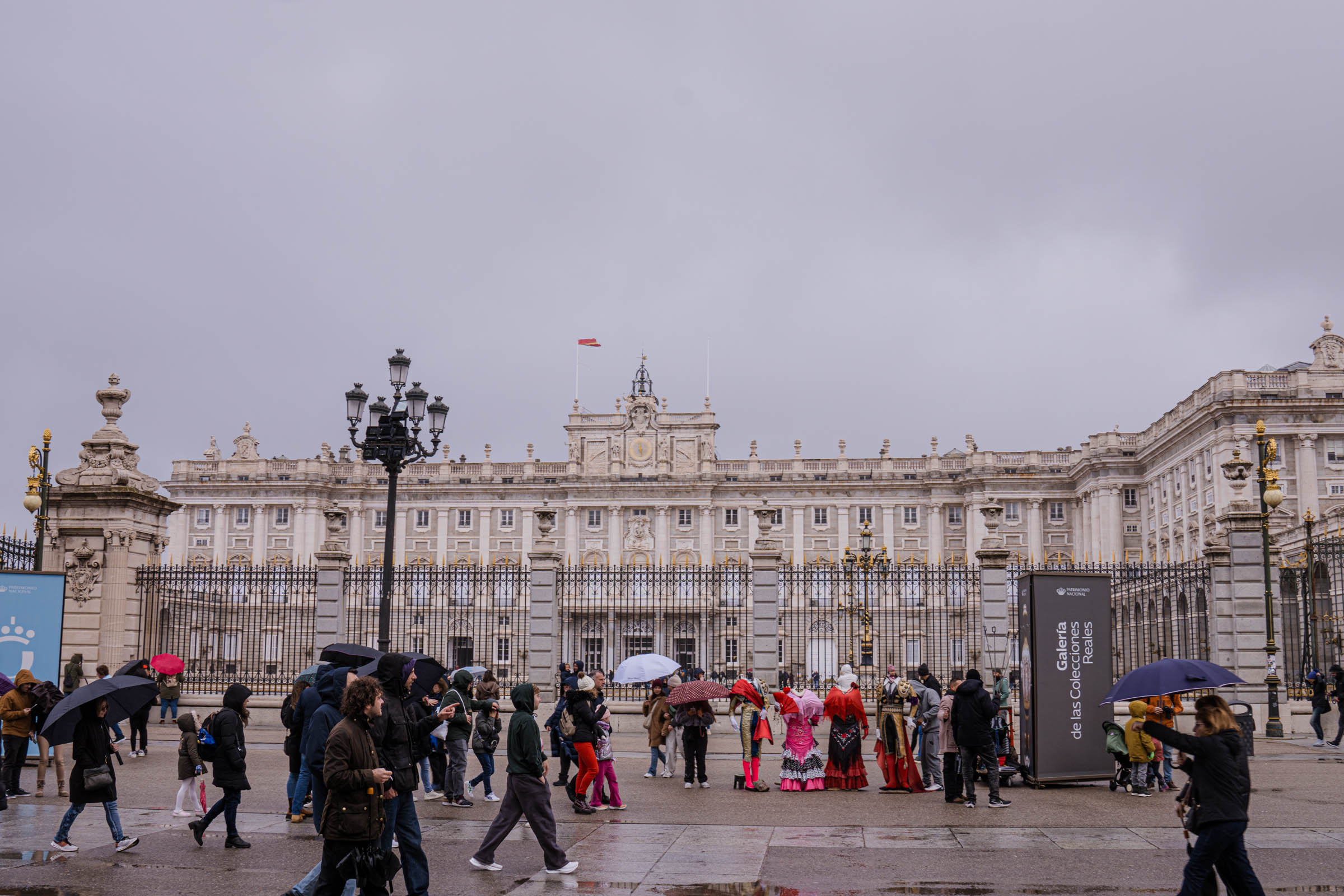
Palacio Real (Royal Palace)
The Palacio Real or Royal Palace, is not only the largest royal palace in Western Europe with over 3,400 rooms, but is also a true symbol of Spain’s monarchical heritage and state prestige. Built on the site of an old Moorish fortress, the palace as we know it today dates back to the 18th century, when Philip V wanted Madrid to have a representative residence modeled after Versailles.
Although the royal family no longer lives there, the Palacio Real is still used for official ceremonies, receptions and state events. Visitors can tour the sumptuous salons, the throne room, the royal apothecary and the armory, which houses armor and weapons dating back to the Middle Ages. One of the most fascinating segments is the royal collection of musical instruments, including the famous Stradivari violins.
The interior of the palace reflects the artistic and artisanal greatness of Spain through the ages: silk and damask fabrics, frescoes by Goya and Tiepolo, gilded furniture and chandeliers hanging from ceilings several meters high. A visit to the Palacio Real is not just sightseeing – it is an immersion in an era of elegance and power.
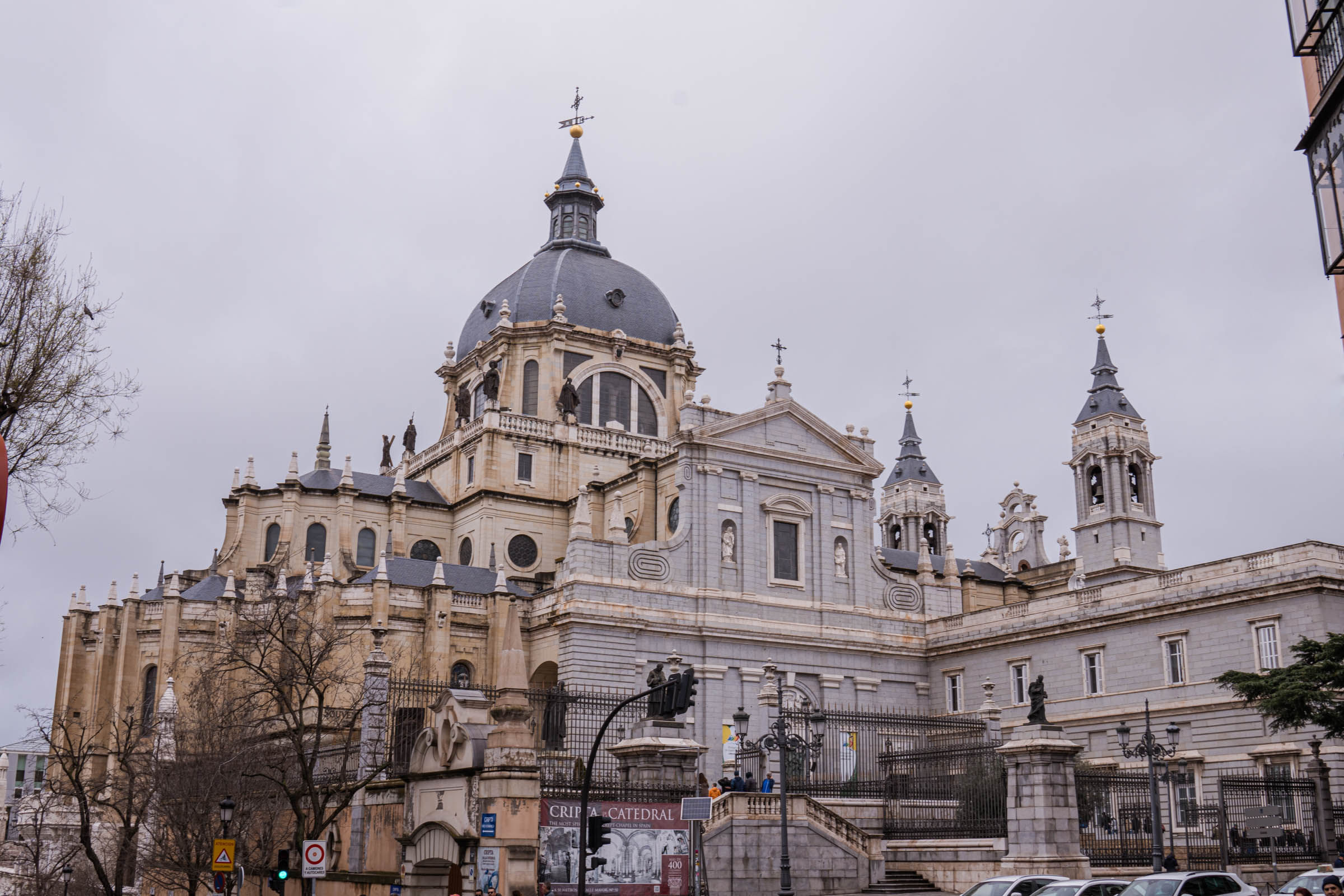
The palace is located next to the Almudena Cathedral and offers a beautiful view of the Manzanares River and the western slopes of Madrid. It is the perfect start to a walk through old Madrid, and the proximity of the Sabatini Gardens offers the opportunity to relax among the greenery and fountains, immediately after the tour.
Madrid, instead of a Museum: Barrio de las Letras, the Artists’ Quarter
Barrio de las Letras, also known as the Literary Quarter, is one of the most inspiring places in Madrid for artists, writers and culture lovers. Located between the grand boulevards and the historic center, this neighborhood was home to some of the most important Spanish writers of the Golden Age, including Miguel de Cervantes, Lope de Vega and Francisco de Quevedo. Their works, names and sentences adorn the sidewalks and street facades today, turning an ordinary walk into a poetic experience.
Today, Barrio de las Letras is a vibrant combination of past and present. Numerous art galleries, small independent theater stages and cultural centers can be found in its narrow streets. Bookstores with old and rare editions, designer boutiques and cafes with impromptu poetry evenings or jazz concerts give this area a special charm.

It is particularly interesting that this neighborhood lives day and night. In the morning it is a quiet haven for lovers of literature and art, while in the evening it turns into one of the most lively places for a night out in Madrid, with cocktail bars and tapas restaurants with a rich offer.
For those who want to experience Madrid from the inside, Barrio de las Letras is an essential stop – a neighborhood where art, history and everyday life coexist in the most authentic way possible.
Madrid: The Most Famous Museums
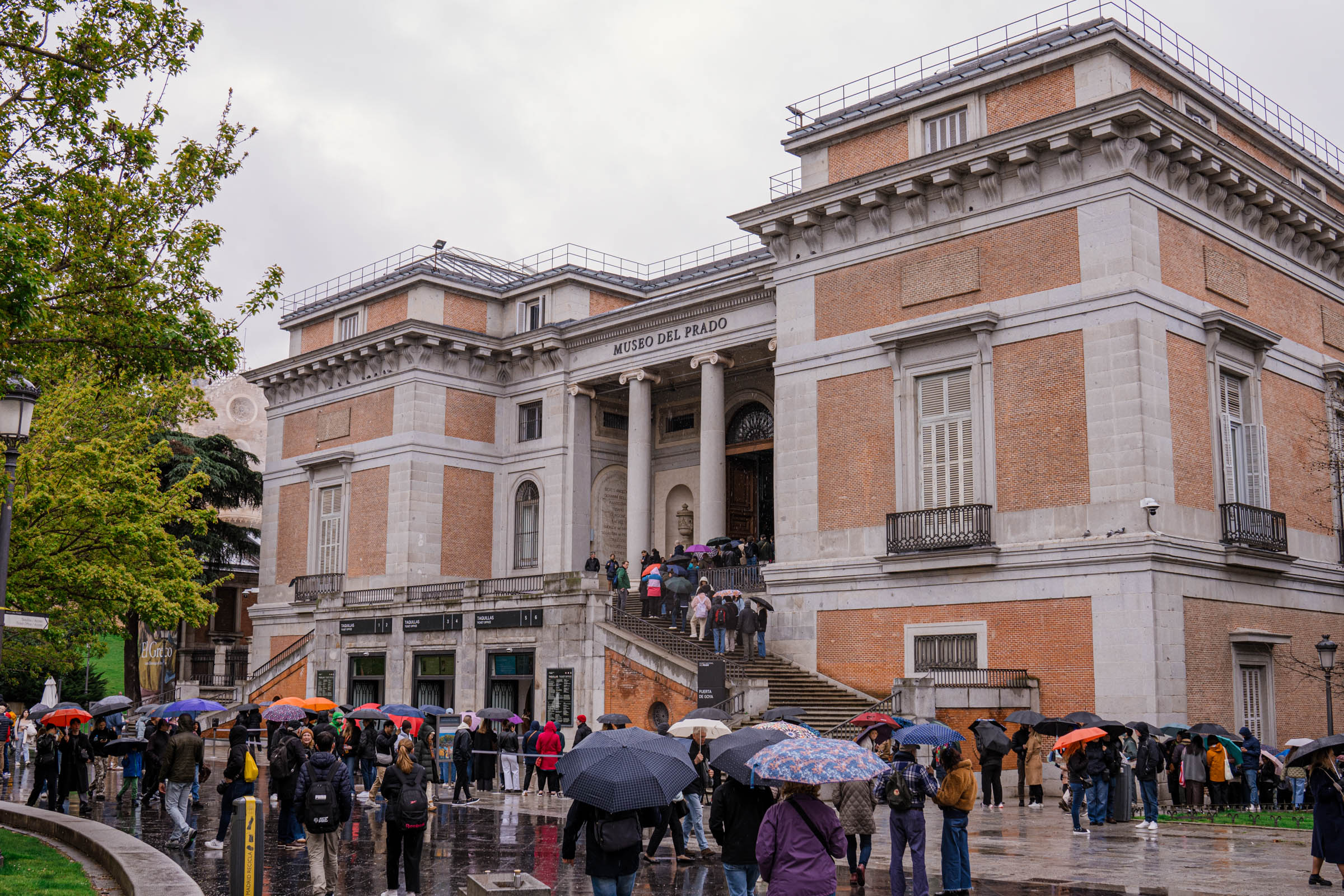
Museo del Prado
The Museo del Prado is one of the world’s most important classical art museums, known for its impressive collection of Spanish paintings. Located in the heart of Madrid’s “Paseo del Arte”, the Prado is home to masterpieces by artists such as Diego Velasquez, Francisco de Goya, El Greco, Murillo and Zurbarán. Among the most famous works are Velasquez’s “Las Meninas” and Goya’s “El 3 de mayo”.
The museum owns more than 8,000 paintings, but only about 1,300 are on display, allowing visitors to experience the art without being overwhelmed. In addition to Spanish classics, the museum also has significant collections of Italian and Flemish art, including works by Titian, Raphael, Rubens and Bosch. The Prado is not just a museum, it is a temple of art where the history of painting is revealed before your eyes.
Museo Reina Sofía
Museo Reina Sofía is the epicenter of modern and contemporary art in Spain. The most famous work kept here is undoubtedly Pablo Picasso’s “Guernica”, a monumental canvas depicting the horrors of war and one of the most influential works of art of the 20th century. The museum also contains works by Salvador Dali, Joan Miró and many other Spanish and international artists from the 20th and 21st centuries. Reina Sofía is more than a museum, it is a space for dialogue, reflection and critical thinking of contemporary society. The setting is innovative, and the building, a former hospital, combines historic architecture with a modern addition of glass and metal. It is also interesting that many exhibitions change and expand, which means that you can discover something new with each visit.
Museo Thyssen-Bornemisza
The Museo Thyssen-Bornemisza completes Madrid’s artistic triangle by providing a broad perspective of European painting. The collection grew out of the private collection of Baron Hans Heinrich Thyssen-Bornemisz and now includes more than 1,600 works covering almost all artistic styles and eras. From Renaissance and Baroque to Impressionism, Post-Impressionism, Expressionism and Pop Art, the museum offers a unique journey through the art of Western civilization. Special attention is paid to artists such as Van Gogh, Gauguin, Degas, Kandinsky and Hopper. Unlike the Prado and Reina Sofía, which are focused on specific artistic eras, Thyssen offers an overview of the overall evolution of art, making it perfect for visitors who want a broader artistic context.

Madrid: Parks and Rest in Nature
Retiro Park, or as Madrileños call it “El Parque del Buen Retiro”, is a real green oasis in the middle of the city bustle. When I first set foot on its paths, I immediately felt why this is one of the most popular places to rest and walk in Madrid. This former royal garden is today a public park and the heart of the city, which breathes with the easy rhythm of walkers, artists, athletes and couples in love.
One of the most beautiful moments of my stay was when I rented a small boat and sailed on the lake in front of the magnificent monument to Alfonso XII. The sun was caressing the water, and around me I could hear laughter, music and the soft movement of oars. This moment of peace in the middle of the city is priceless – it’s like time stands still.

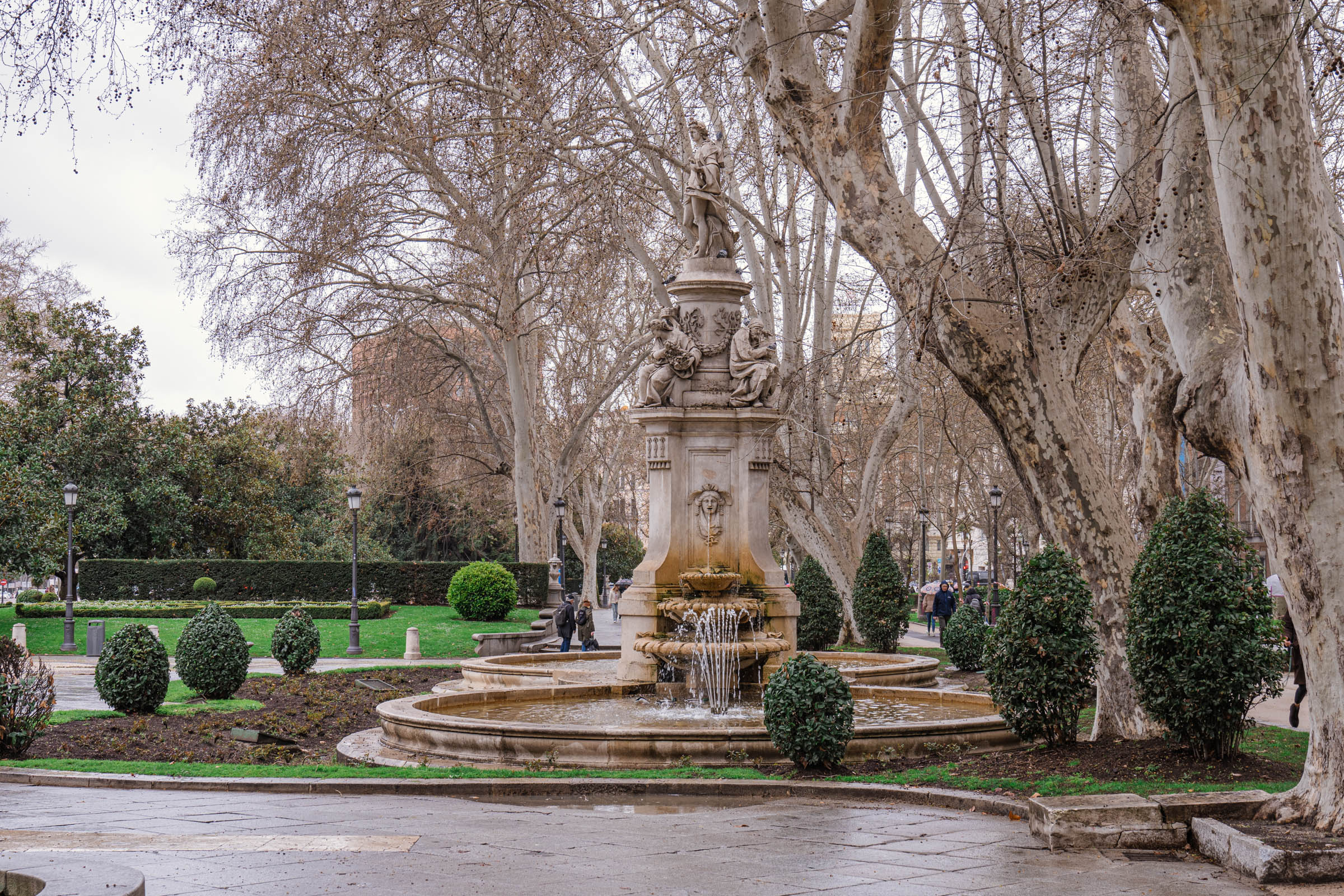
Don’t miss the Crystal Palace (Palacio de Cristal), a glass structure from 1887 that looks like something out of a fairy tale. Today it is used as a contemporary art exhibition space within the Reina Sofía museum. Entrance is free, and the atmosphere inside, when the sunlight is reflected through the glass, is truly magical.
Retiro is also full of little surprises: from artists who draw portraits, to impromptu musical performances and yoga on the grass. If you are looking for a break from the busy museums and streets, you will find your peace here. It is best to visit it early in the morning when it is fresh, quiet and flooded with the rays of the sun.
My personal tip: Enjoy a coffee and a “Napolitana” in a cafe near the entrance at Puerta de Alcalá – an ideal break before continuing through the city.

Bear and Strawberry Tree: Symbol of Madrid
One of the first things I wanted to see upon arriving in Madrid was of course – Oso y el Madroño, ie. The bear and the strawberry tree. This statue is located in Puerta del Sol, one of the most famous squares in the city, and has been a symbol of Madrid since the Middle Ages.
The sculpture shows a bear standing up and eating fruit from a tree called madroño, and the statue itself was installed in 1967. What makes it special is not only its appearance, but also its symbolism: the bear represents strength and nature, while the tree symbolizes the fertility of the region. The two together represent the balance between the city and nature.


Tourists love it, not only because of its meaning, but also because it is the perfect photo spot and the best meeting place in the city. If you’re meeting someone in Madrid, chances are you’ll do it “at the bear’s”.
Visit Puerta del Sol early in the morning if you want to photograph the statue without the crowds. And if you’re there at noon, take a look at the kilómetro cero, the point from which all distances on Spanish roads are measured.

Gates of the Past: Puerta de Alcalá and Puerta de Toledo
Madrid may not have walls like Seville or Ávila, but it does have gates that testify to its rich past. The two most famous are Puerta de Alcalá and Puerta de Toledo, monumental entrances to the city from an era when gates were borders and symbols of power.
Puerta de Alcalá
This magnificent neoclassical gate is located right next to the Retiro Park and is one of the most impressive buildings in Madrid. It was built in 1778 by order of King Carlos III, in order to beautify the eastern entrance to the city.
When I first stood in front of it, I thought it resembled the Arc de Triomphe in Paris and for good reason, it was built before the Arc de Triomphe in Paris! Today it is the perfect place to take pictures and one of the most photographed places in Madrid.

Puerta de Toledo
This gate is located south of the center in the La Latina district, and is often less visited than Alcalá, but no less impressive. It was built in honor of King Ferdinand VII’s return to Madrid, and its style and ornamentation celebrate the Spanish victory and resistance against Napoleon’s occupation.
Be sure to visit both gates at night, because the lighting gives them a completely different, romantic dimension. And if you’re a photographer, you’ll run out of memory before you run out of inspiration.

Gran Vía: Broadway of Madrid
Gran Vía is a street you can’t miss, literally and figuratively. It is the pulse of Madrid, a street that connects not only the points on the map, but also the spirit of the city through architecture, culture, shopping and an urban rhythm that never lets you go.
It starts at the Calle de Alcalá and ends at the Plaza de España, and on that road, a little more than a kilometer long, everything that Madrid is is located: cinemas, theaters, restaurants, hotels, shopping centers, roof terraces with a view, art deco facades, neon signs and the hustle and bustle that Madrid carries with elegance.

Gran Vía is a real promenade for architecture lovers. The street was built at the beginning of the 20th century as a response to the need to modernize the old town, but also as a symbol of progress. Here you can see sumptuous buildings in beaux-arts, art deco and neo-baroque style. The most famous is certainly the Edificio Metrópolis, with its dome covered in gold leaf, which dominates the end of the street near Alcalá.
Every time I passed through this street, I would discover a new balcony, relief or stained glass window. Gran Vía has that ability to make you look up and marvel. The view from the roof of the Hotel Riu Plaza España or the Círculo de Bellas Artes, you will see a panorama of Madrid to remember!

Gran Vía is nicknamed the “Broadway of Madrid” for a reason. Here are the most famous theater halls and musicals like The Lion King or Mamma Mia! which regularly fill the halls. If you’re a fan of going out in the evening, it’s enough just to head down this street, every corner has a bar, restaurant or club with salsa, jazz or electronic music.
Visit the Teatro Lope de Vega and if you don’t make it to the show, but just take a look inside, you will feel the spirit of the golden era of Spanish theater.

Calle de Serrano: Luxury chic and Spanish glamor of Madrid
If Gran Vía shows the energy of Madrid, Calle de Serrano reveals its elegance. Located in the sophisticated district of Salamanca, this street is synonymous with luxury, fashion and exclusive shopping.
This is where you come to see what luxury fashion has to offer, to be seen, and to enjoy the ultimate shopping experience.
Calle de Serrano: Luxury boutiques
Calle de Serrano is often called the “Golden Mile of Madrid” (La Milla de Oro). The most prestigious brands are located along this street:
- Loewe – Spanish luxury at its best
- Chanel, Hermès, Louis Vuitton, Gucci, Cartier, Prada and many others
- Multi-brand luxury concepts like El Corte Inglés Serrano – perfect for discovering the new collection with a glass of cava in hand
The entire neighborhood exudes discreet luxury, nothing kitschy or flashy, but elegant with measure and style.

Calle de Serrano: A Break in Style
After shopping, the ideal place to take a break is Salon des Fleurs, a cafe and flower shop in one, in a bohemian style. For something more classic, I recommend Café Gijón on the nearby Paseo de Recoletos, a historic literary café frequented by writers, journalists and intellectuals from all over Spain.
Calle de Serrano: The Cultural Gem
Serrano is not just for shopping. In its vicinity are important museums: Museo Arqueológico Nacional and Museo Lázaro Galdiano – a small but extremely interesting private museum with a collection of art, jewelry and manuscripts.
For all those who prefer quiet walks, on Sunday mornings, the street becomes quiet, perfect for a leisurely walk without crowds.

Where to Eat in Madrid: From Taverns to Fine Dining
Madrid is a paradise for foodies, without exaggeration. From traditional taverns with checkered tablecloths, to glamorous Michelin-starred restaurants, every meal here is an opportunity to celebrate taste.
For those who want to feel the soul of Madrid cuisine without breaking the bank, I recommend the following mid-range gems:
Casa Lucio – This restaurant in the La Latina district is known for its famous huevos rotos (fried eggs over home-made potatoes). Simple, but ingenious. The atmosphere is authentic, and the walls are full of photos of famous guests who have eaten here, including the King of Spain.
Taberna El Sur – A hidden gem in the Lavapiés quarter. This rustic tavern offers great tapas portions at very affordable prices. Try berenjenas con miel (fried eggplant with honey) and croquetas caseras. A real home atmosphere, with a smiling waiters.

For a more luxurious gastronomic experience, Madrid also offers restaurants that push culinary boundaries:
- Ramón Freixa Madrid – Two Michelin stars, an elegant atmosphere and a tasting menu that is a real work of art. You don’t just come here to eat, but to experience a complete sensation for all your senses.
- DSTAgE – In the heart of the Chueca district, this restaurant offers a completely different approach to gastronomy. An innovative, unpredictable, experimental menu that changes the perception of food. Reservations are required and often well in advance.
Don’t forget: In Madrid, dinner starts late, usually after 9 p.m., and on weekends the restaurants are full until midnight. The atmosphere is cheerful, the conversations are loud, and the wine flows in streams.

Madrid: Hidden gems not to be missed
Calle de Cava Baja – a street in the La Latina district known for its bars and tapas culture. Ideal for evening “bar hopping”.
Templo de Debod – an ancient Egyptian temple gifted to Spain, located in a park overlooking the sunset. A magical and spiritual place.
Mercado de San Miguel – market with gourmet offers from all over Spain. Tapas, wine, shellfish, cheeses – a real paradise!

Why Madrid is Remembered: An Experience not Easily Forgotten
Madrid is a city that I have visited several times in my life, it is a city that won me over at first sight. A city that carries within itself a royal splendor, an artistic soul and an irresistible passion for life. Every corner of it has a story: from the monumental Royal Palace to the bohemian Malasaña, from luxurious avenues to narrow streets full of tapas bars.
What makes Madrid special is its energy. Not aggressive, not overemphasized, but warm and cordial. People here look you in the eye, they smile, they are in the mood for a conversation. The city is full of life, but not stress.
Art accompanies you every step of the way: Prado, Reina Sofía and Thyssen-Bornemisza offer masterpieces that will be remembered forever. But you can find the same inspiration in street art, graffiti in Lavapiés and the voices of street singers performing flamenco in metro stations.
My advice is not to plan your time in Madrid too much, let the city take you. Pop into a bar that looks good on you, get lost in the San Miguel market, climb to the roof of the Círculo de Bellas Artes and watch the sun set over Gran Vía.
Madrid is not just a destination, it’s a feeling. Something between melancholy and joy, between past and present. Once you get to know it, Madrid will simply remain a part of you forever.

My dear travel lovers, we have come to the end of this special travelogue from the capital of Spain – Madrid, a city that lives somewhere between passion and tradition! A detailed review of the CoolRooms Palacio de Atocha hotel awaits you in the next post.
For all lovers of unusual journeys: In September, we continue exploring the beautiful and exotic Venezuela. During the summer break, you’ll read travelogues from Istanbul, as well as Mrs. Mom’s fashion stories.
This travelogue would not be possible without the support of the World Tourism Organization of the United Nations – UN Tourism, Madrid Convention Bureau and the CoolRooms Palacio de Atocha Hotel, in cooperation with local partners who enabled me to convey this story first hand, with a lot of energy, playful mentality, flavors and colors that adorn the Spanish capital.

As always, I tried to share authentic impressions, the right atmosphere and recommendations for you who like to travel in style, but also with an open heart. Have you already had the opportunity to visit Madrid? Or maybe you are just planning to discover other cities in Spain?
Feel free to leave your impressions, comments or questions below the text, or contact me via email and social networks, all information is available on the CONTACT page.
See you soon, with a new story from the other side of the world.
With Love from Madrid,
Mr.M


This post is sponsored by the World Tourism Organization of the United Nations – UN Tourism, Madrid Convention Bureau and the CoolRooms Palacio de Atocha Hotel and other local partners. This post is my personal and honest review of the destination experience.
Dear Marko, your description of the CoolRooms Palacio de Atocha Master Suite made me feel like I was stepping into a royal chamber myself. The way you presented the fusion of modern comfort and historic elegance truly captures the soul of Madrid’s hospitality scene. I especially appreciated the detail about waking up to natural light flooding through those grand windows. It sounds like the perfect sanctuary after a long day admiring the Prado and Reina Sofía. Could you share more about the espresso machine offerings in the mornings? I’d love to know which local roast they used. Also, your note… Read more »
As someone who’s wandered through Plaza Mayor at sunrise, I can attest to its quiet magic before the crowds arrive. Your recommendation to try a bocadillo de calamares at one of the arcade stalls is spot on. There’s something so authentic about savoring crispy fried squid between soft bread while listening to a nearby guitarist strum flamenco chords. I also admire how you wove in the square’s storied past from coronations to bullfights, without overwhelming the reader. Your narrative balances history and modern life perfectly. Do you have a favorite café for people-watching after a snack? I’ll be marking that… Read more »
Hi Marko! This travelogue truly honors Madrid’s artistic heartbeat. Your insights into the Prado’s “Las Meninas” and the emotional power of Picasso’s “Guernica” at Reina Sofía made me want to book a flight immediately. I’ve been to both museums, but your description of the layout and the changing contemporary exhibits at Reina Sofía gave me fresh perspective. I felt as if I were walking alongside you through the grand galleries. Next time I visit, I’ll be sure to allow extra time for the Thyssen-Bornemisza’s diverse collection. How long would you suggest budgeting for the full art triangle? Your posts always… Read more »
Hello Marko, I need to say as a history buff, I found your account of the Royal Palace utterly fascinating. The way you detailed Philip V’s inspiration from Versailles and the stunning tapestries in the throne room transported me back in time. I appreciate your tip to stroll through the Sabatini Gardens afterwards. The contrast between the palace’s opulence and the garden’s tranquil fountains must be breathtaking. I’m curious, did you notice any restoration work on the frescoes by Goya or Tiepolo during your visit? That’s one detail I haven’t encountered elsewhere. Your blend of architectural facts and personal impressions… Read more »
Reading about your time rowing on Retiro Park’s lake reminded me of my own peaceful glide beneath the monument to Alfonso XII. You captured the essence of that moment so vividly: the gentle lapping of water, the distant laughter, the warmth of the sun on your arms. I love how you highlighted the park’s hidden gems, like the Crystal Palace exhibition space. Its fairy‑tale glass structure makes for the perfect photo op. Your recommendation to grab a Napolitana near Puerta de Alcalá before heading deeper into the park is now firmly on my list. Thank you for showing the quieter side… Read more »
This is just fantastic! Your portrayal of Madrid as a city “that does not require excessive drama to win you over” is so true. I fell in love with Gran Vía’s grand facades and the energy pulsating through the street at dusk. The blend of architectural marvels, bustling theaters, and stylish boutiques creates an atmosphere that feels both historic and contemporary.
Dear Marko, I am type of person who loves to do nighttime city exploring, I was thrilled by your vivid description of Barrio de las Letras after dark. From impromptu poetry readings in cozy cafés to cocktail bars tucked behind nondescript doorways, the neighborhood truly comes alive. Your guide to the street art and the literary plaques honoring Cervantes and Lope de Vega was enlightening. I walked those same cobblestones and felt connected to centuries of artistic spirit. You’ve encouraged me to plan my next trip explicitly around experiencing Madrid’s literary quarter by moonlight. Any special jazz clubs you’d recommend… Read more »
I traveled to Madrid on a business trip once and wished I had your detailed narrative of the CoolRooms Palacio de Atocha. Your description of the seamless check‑in process and the serene courtyard breakfast would have set the perfect tone for my busy days. It’s clear that the minibar’s curated selection and the high‑speed Wi‑Fi were designed with both leisure and professional guests in mind. I appreciate that you highlighted the proximity to major transport hubs like Atocha station, it’s helpful for anyone planning onward travel. Your engaging style turned what could have been dry hotel facts into a compelling… Read more »
Marko, il tuo ritratto di Plaza Mayor al tramonto è stato semplicemente evocativo. Riesco quasi a sentire il brusio dei musicisti di strada sotto gli archi e il profumo dei bocadillos de calamares appena preparati. Hai trasmesso perfettamente l’atmosfera di un luogo che mescola storia e vita contemporanea. Apprezzo anche il tuo cenno alle innumerevoli caffetterie nascoste tra le facciate secolari. Mi chiedo, quale bar hai preferito per un caffè lungo mentre ammiravi le facciate rosate al crepuscolo? La tua guida dimostra che hai esplorato ogni angolo con passione. Grazie per aver condiviso consigli così autentici e dettagliati!
Ho amato il tuo racconto sull’esperienza nella Master Suite del CoolRooms Palacio de Atocha. La descrizione dei soffitti alti e delle ampie finestre mi ha fatto immaginare l’alba riflettersi sui mobili eleganti. È raro trovare strutture alberghiere che uniscano arredi moderni e dettagli classici in modo così armonioso. Apprezzo il tuo suggerimento di gustare la colazione nel cortile interno, circondati da bifore luminose. La menzione della piscina estiva come rifugio dal caldo di Madrid mi sembra un’idea perfetta. Qual è stato, a tuo avviso, il piatto forte del buffet mattutino? Grazie per questa finestra sul lato più raffinato dell’ospitalità madrilena.
La tua analisi del Palacio Real mi ha fatto venire voglia di ripercorrere i passi di Filippo V. La sala del trono dev’essere uno spettacolo grandioso, e le collezioni di strumenti musicali dovrebbero essere affascinanti per ogni appassionato di storia e musica. Ho apprezzato la nota sui tessuti damascati e sui dipinti di Goya: dettagli come questi rendono unico ogni palazzo reale. Mi piacerebbe sapere se ti è piaciuta di più la visita all’apotecario reale o all’arsenale. Grazie per aver reso viva un’attrazione che molti limitano a una breve passeggiata fotografica.
La tua guida ai musei di Madrid è stata molto chiara e utile. Prado, Reina Sofía e Thyssen‑Bornemisza formano un triangolo artistico che va vissuto senza fretta. Ho annotato la tua raccomandazione di concentrarsi su 1.300 opere esposte al Prado per evitare di sentirsi sopraffatti. Mi ha incuriosito il modo in cui descrivi le esposizioni temporanee di arte contemporanea nella Reína Sofía. Durante la mia visita, mi piacerebbe confrontare le tue impressioni sul contrasto tra architettura storica e moderne installazioni. Quanto tempo mi consigli di dedicare complessivamente ai tre musei?
Ho apprezzato molto il tuo racconto di un pomeriggio trascorso a El Retiro. L’idea di noleggiare una barchetta sul lago davanti al monumento ad Alfonso XII è romantica e autentica. La tua descrizione del silenzio interrotto solo dal rumore dei remi è poesia pura. Non sapevo del palazzetto di cristallo usato per esposizioni contemporanee: un vero gioiello nascosto tra gli alberi. Hai qualche suggerimento per una passeggiata serale nei dintorni di Puerta de Alcalá? Le tue parole sono già un invito a scoprire Madrid da un punto di vista più intimo.
La sezione dedicata al simbolo dell’Oso y el Madroño in Puerta del Sol è stata illuminante. Non conoscevo la leggenda che lega l’albero alla fertilità della regione. La scultura è davvero un perfetto connubio tra natura e forza urbana. Mi piacerebbe sapere se hai fotografato il luogo in due momenti diversi della giornata per cogliere la luce che cambia sui suoi dettagli. Grazie per aver approfondito la storia di questo emblema cittadino.
Madrid si presenta, nelle tue parole, come un mix irresistibile di tradizione e innovazione. Ho amato i tuoi cenni ai tapas bar nascosti negli angoli del Barrio de las Letras, dove si respira ancora l’anima letteraria di Cervantes e Lope de Vega. La descrizione dei locali notturni con musica dal vivo mi ha fatto venire voglia di prenotare subito un volo. Qual è il tuo locale preferito per un cocktail tra versi poetici e note di jazz? Le tue guide riflettono sempre curiosità e rispetto per le culture che racconti.
¡Marko, tu carta a Madrid me ha transportado directamente al corazón de España! La manera en que narras la coexistencia entre tradición medieval y la pasión contemporánea de sus calles es sencillamente magistral. Me impresionó la recomendación del bocadillo de calamares en Plaza Mayor, donde cada bocado sabe a historia. También aprecio tu énfasis en el relax que ofrece la piscina del hotel durante las calurosas tardes de junio. ¿Cuál fue tu rincón favorito para contemplar el atardecer en la ciudad? Gracias por compartir estos detalles íntimos que convierten un simple viaje en una experiencia memorable.
La descripción que haces del Museo Reina Sofía y su emblemática “Guernica” es tan vívida que casi puedo escuchar el murmullo reverente de los visitantes. Admiro cómo conectas la arquitectura hospitalaria original con la modernidad de sus instalaciones. Planearé dedicarle al menos tres horas, tal como sugieres. Me intriga saber si pudiste asistir a alguna exposición temporal durante tu estancia: esas sorpresas suelen ser las más gratificantes. Tu relato confirma que Madrid es un destino insustituible para los amantes del arte contemporáneo.
Me encantó tu perspectiva sobre el Palacio Real, especialmente la comparación con Versalles y la magnificencia de los salones decorados con frescos de Goya y Tiepolo. La recomendación de pasear por los Jardines de Sabatini para digerir tanta grandeza me parece excelente. En mi próxima visita, me aseguraré de combinar historia y naturaleza así como lo hiciste tú. ¿Recomiendas algún guía local para profundizar en las leyendas palaciegas? Tu relato inspira a explorar cada rincón con curiosidad.
Tu crónica sobre el Parque del Retiro me hizo recordar mi última mañana en Madrid, surcando el lago en barca. Destacas maravillosamente el contraste entre el bullicio urbano y la serenidad del cristal del Palacio de Cristal. Esa joya arquitectónica merece una visita pausada, tal y como señalas. ¿Viste alguna exhibición de arte contemporáneo allí? Me encantaría saber tu recomendación para un picnic improvisado junto a la entrada de la Puerta de Alcalá.
Adoro tu forma de retratar el Barrio de las Letras, donde la literatura y la vida nocturna se dan la mano en cada callejón. Los versos de Cervantes grabados en el pavimento convierten cada paseo en un pequeño viaje a la España áurea. Me emociona la idea de combinar una ruta cultural de día con jazz y tapas de noche. ¿Tienes algún bar literario favorito para pasar la velada? Gracias por perfilar uno de los barrios más vibrantes de Madrid con tanto cariño.
Me resultó fascinante lo que comentas sobre la sede de la Organización Mundial del Turismo en Madrid. El hecho de que la ONU elija esta ciudad como centro global del turismo sostenible añade un matiz especial a cualquier visita. Aprecio tus datos sobre las oficinas regionales en Nara y Riad: dibujan un cuadro completo de la red de turismo responsable. ¿Participaste en alguna charla o taller organizado por el UN Tourism durante tu paso por la ciudad? Tu relato abre perspectivas más allá del simple viaje vacacional.
Lieber Marko, Deine Beschreibung des CoolRooms Palacio de Atocha vermittelte mir das Gefühl, selbst im eleganten Master Suite zu verweilen. Die luxuriöse Ausstattung wirkt wie eine Hommage an Madrids historische Pracht. Besonders der ruhige Innenhof, in dem du das Frühstück genossen hast, klingt nach einer wahren Oase. Ich frage mich, ob du das warme Wetter gesättigt hast, indem du ein Glas Sangría auf der Terrasse gekostet hast. Danke für die praktischen Tipps zur Metroanbindung und zur Nähe zur Atocha-Bahn. Solche Details sind Gold wert bei der Reiseplanung! Mit FG, Jonas
Als Kunstliebhaber fand ich deine Museen‑Triangel‑Route beeindruckend. Prado, Reina Sofía und Thyssen bilden eine perfekte Mischung aus Klassik und Moderne. Die Tatsache, dass nur rund 1.300 Gemälde im Prado ausgestellt sind, fand ich besonders hilfreich, um das Besuchsprogramm effizient zu gestalten. Konntest du in der Thyssen‑Bornemisza auch weniger bekannte Meisterwerke entdecken? Dein perspektivischer Ansatz lädt dazu ein, sich auf jedes Kunstwerk einzulassen.
Ich war fasziniert von deinem Bericht über den Bären und den Erdbeerbaum in der Puerta del Sol. Die Symbolik hinter dieser Skulptur ist viel tiefgründiger, als ich dachte: Die Balance zwischen Stadt und Natur kommt hier perfekt zum Ausdruck. Danke auch für die historische Einordnung der Installation aus dem Jahr 1967. Ich werde bei meinem nächsten Besuch definitiv früher am Morgen dort sein, um die Details im weichen Licht zu genießen.
Deine Schilderung eines lauen Abends auf der Gran Vía hat mich direkt an meine eigenen Spaziergänge erinnert. Dieses pulsierende Band aus Lichtern, Theatern und imposanter Architektur ist einzigartig in Europa. Ich würde gerne wissen, welchen Theaterbesuch du empfehlen würdest, um den Tag perfekt ausklingen zu lassen. Vielen Dank für die lebendigen Eindrücke und die tollen Tipps abseits der typischen Touristenpfade!
Lieber Marko, ich bin gespannt auf deine nächste Reisereihe! Deine lebhafte Erzählweise macht Lust auf mehr, und besonders dein Blick für kleine Details begeistert mich immer wieder. Was ist dein nächstes Ziel, vielleicht Andalusien oder Barcelona? Ich freue mich auf weitere Reiseanekdoten und Insider‑Empfehlungen!