
My dear travellers and lovers of unusual journeys, welcome to the new series of travelogues on the Mr.M blog. During the previous months you had the opportunity to get to know some of the countries of South America, and during November and the following months I will show you the beauties of the countries of the Far East, which make up the heart of Asia. Before we embark on this amazing journey through the streets of Shanghai, I would like to express my gratitude to The United Nations World Tourism Organization (UN Tourism) for the exceptional support and hospitality they have given me during my stay in Asia. I also owe special thanks to SAVHE Atour Hotel North Bund Shanghai, whose hospitality made my stay in this fascinating city even more special. Their attention to detail and authentic Chinese hospitality experience laid the perfect foundation for my exploration of this megalopolis.

SHANGHAI: THE CITY THAT NEVER SLEEPS
Shanghai… Just saying this name evokes associations of futuristic skyscrapers tearing apart the clouds, of traditional gardens hidden behind the walls of the old city, of the smell of freshly prepared xiaolongbao dumplings and of neon lights shining on the surface of the Huangpu River. This city is, without exaggeration, one of the most fascinating urban centers on the planet, a place where past and future meet in a harmonious dance that leaves every visitor breathless.
With a population that, according to data from 2023, is an impressive 24.87 million inhabitants in the city itself, while the metropolitan area has almost 30 million souls, Shanghai is the most populous urban center in China and one of the largest in the world. It covers an area of about 6,340 square kilometers, which makes it a relatively compact city considering the number of inhabitants. The population density of almost 4,000 people per square kilometre speaks of the intensity of life that pulsates here every moment.

The city’s name literally means “above the sea”, a poetic allusion to its geographical position at the confluence of the Yangtze River and the East China Sea. The local population often calls this city “Shen”, after Chunshen Jun, a nobleman and local hero from the third century BC. Westerners have dubbed it the ‘Pearl of the Orient’ and the ‘Paris of the East’, and both nicknames perfectly depict the duality that defines the character of this city.
My trip to Shanghai was part of a larger exploration of China, and I must admit that this city left the biggest impression on me and my team. From the first moment I set foot on the ground of this megalopolis, I felt its incredible energy, that unique blend of traditional Chinese culture and ultra-modern cosmopolitan spirit that makes Shanghai a truly unique place in the world.

A SHORT HISTORY OF SHANGHAI: FROM A FISHING VILLAGE TO A WORLD METROPOLIS
The history of Shanghai goes back more than a thousand years and is inextricably linked with the development of modern China. What was once a modest fishing village and trading post grew into one of the most important ports in the world during the late Qing Dynasty (from 1644 to 1912). About 6,000 years ago, only the western part of present-day Shanghai was land, formed by sedimentation from the ancient Tai Lake. The modern city core remained under water until about 1000 BC.
Shanghai officially became a city in 1291 during the Yuan Dynasty, when five villages were united into the new Shanghai District. At that time, the settlement already had about 300,000 inhabitants, many of whom were involved in the ship trade. By the early 15th century, Shanghai had become important enough that Ming dynasty engineers began deepening the Huangpu River.

The 19th century represents a turning point in the history of the city. After the First Opium War (1839-1842), the British forced China to declare Shanghai a ‘treaty port’ with a self-governing British concession. Soon the Americans, French and Russians arrived. The Treaty of Nanking signed in 1843 and the Sino-American Treaty of Wanghiao in 1844 forced China to accept European and American demands for trade on Chinese soil.
During the 1920s and 1930s, Shanghai experienced its ‘golden age’ and was one of the largest and richest cities in the world. Imposing Beaux-Arts buildings sprung up along the Banda, and the city became the main financial center of East Asia. At that time, Shanghai was the only city in the world that unconditionally accepted Jewish refugees fleeing Nazi Germany, a fact that speaks of the city’s cosmopolitan character.
After the communist victory in 1949, the city went through a period of transformation. Economic reforms initiated in the 1990s, under the leadership of Deng Xiaoping, marked a new era. Shanghai was tasked with leading China’s economic development, and the Pudong area on the east bank of the Huangpu River was designated as the new economic center. Overnight, what used to be farmland was transformed into the home of some of China’s tallest buildings.

The Bund: Open-air museum of architecture
The Bund (Chinese: Wai Tan) is, without a doubt, Shanghai’s most famous attraction and the first item on every visitor’s list. This 1.5 kilometer long promenade stretches along the west bank of the Huangpu River, from Waibaidu Bridge in the north to Yan’an East Road in the south. The Bund is the heart and soul of Shanghai, a place where past and present meet in dramatic contrast.
The word ‘Bund’ comes from the Anglo-Indian word for embankment or wharf. From the 1860s to the 1930s, the Bund was the center of power and wealth of foreign interests in Shanghai. The headquarters of the most powerful banks and trading houses from the United Kingdom, France, USA, Italy, Russia, Germany, Japan, Holland and Belgium were lined up along this coast.
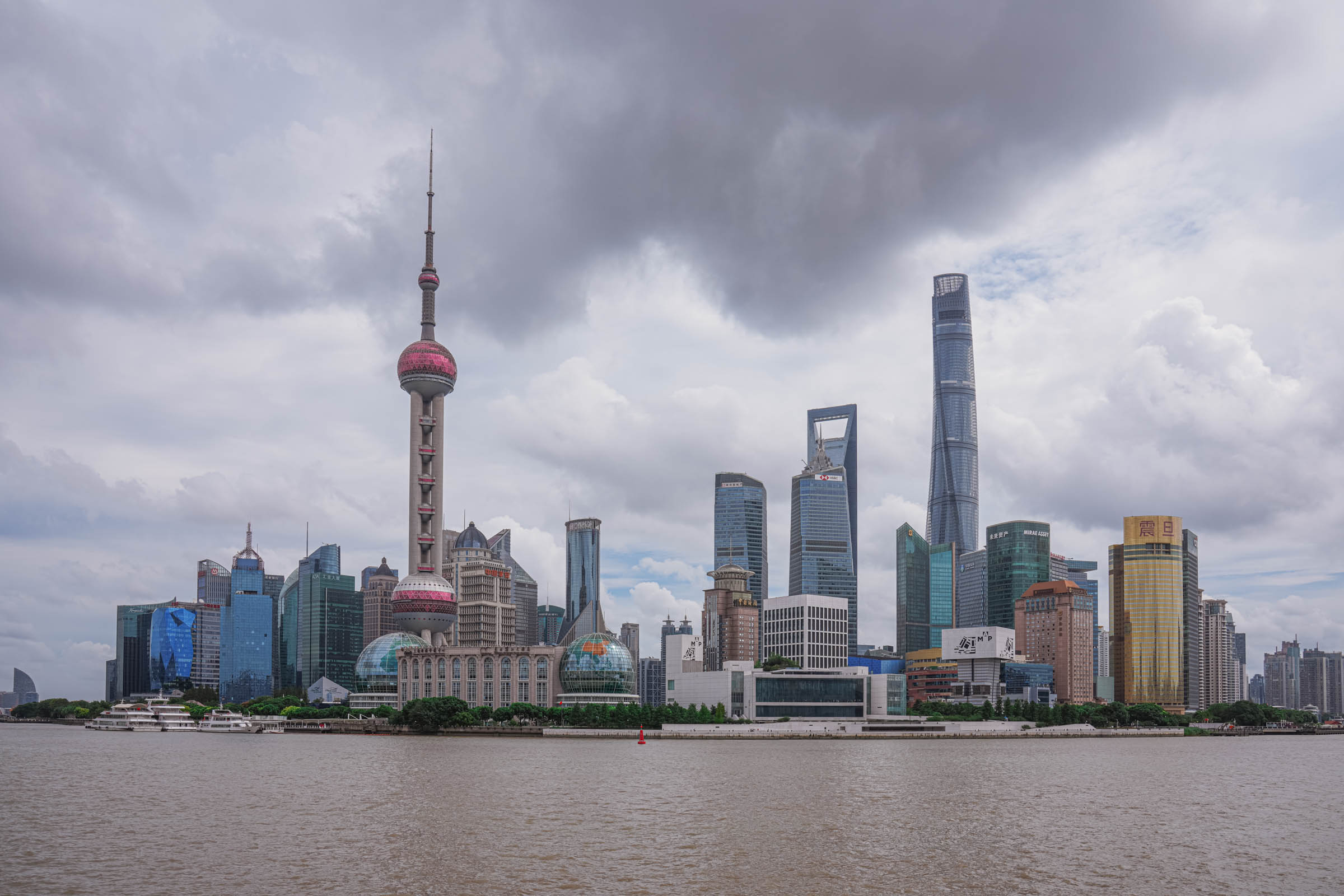
Today, the Bund consists of 52 buildings of different architectural styles, from Gothic, Baroque and Neoclassicism, through Renaissance and Romanesque, to Art Deco. Shanghai has one of the richest collections of Art Deco architecture in the world, and most of those buildings are located right here. A walk along the Bund is like walking through an open-air architecture museum.
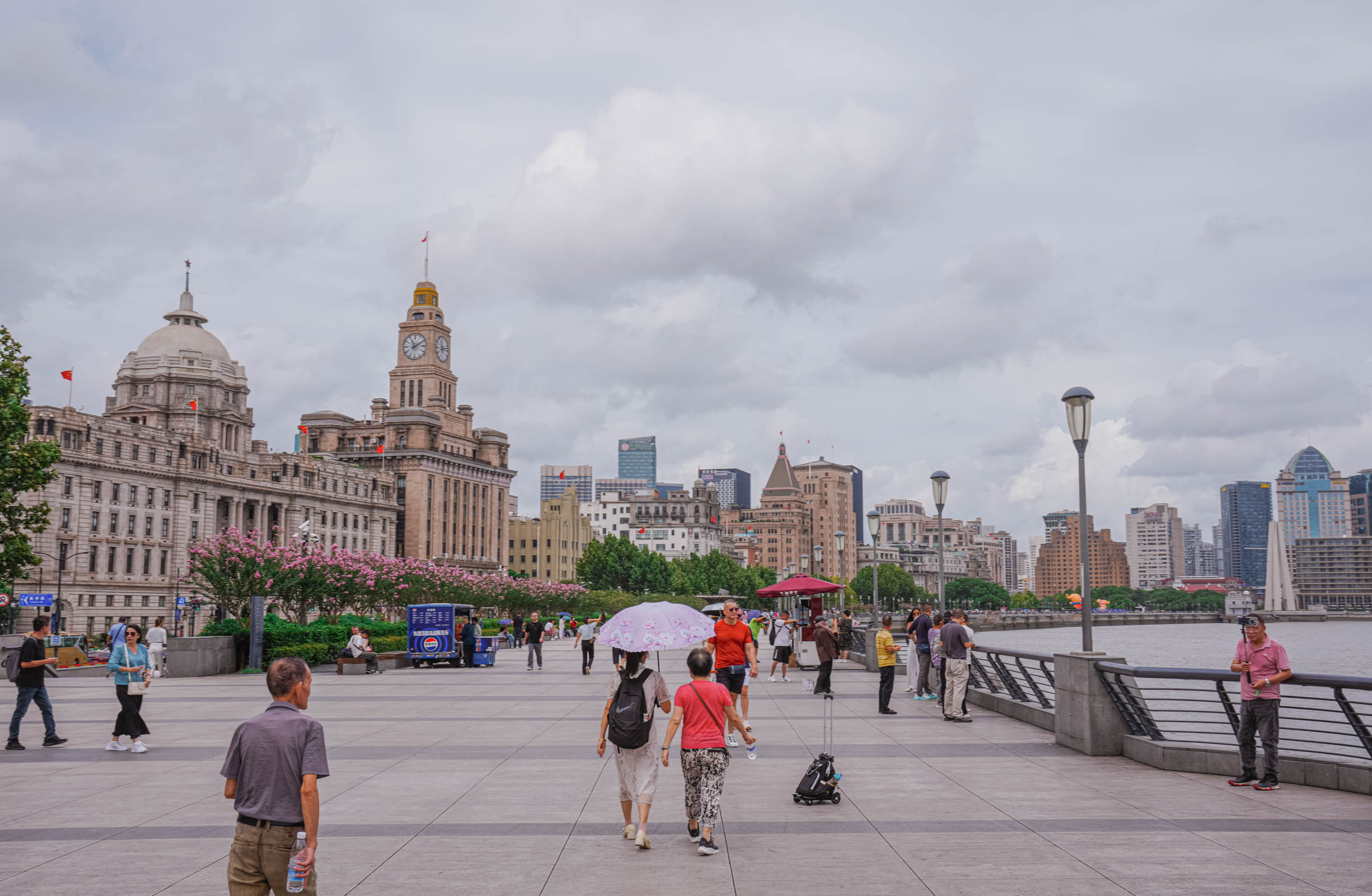
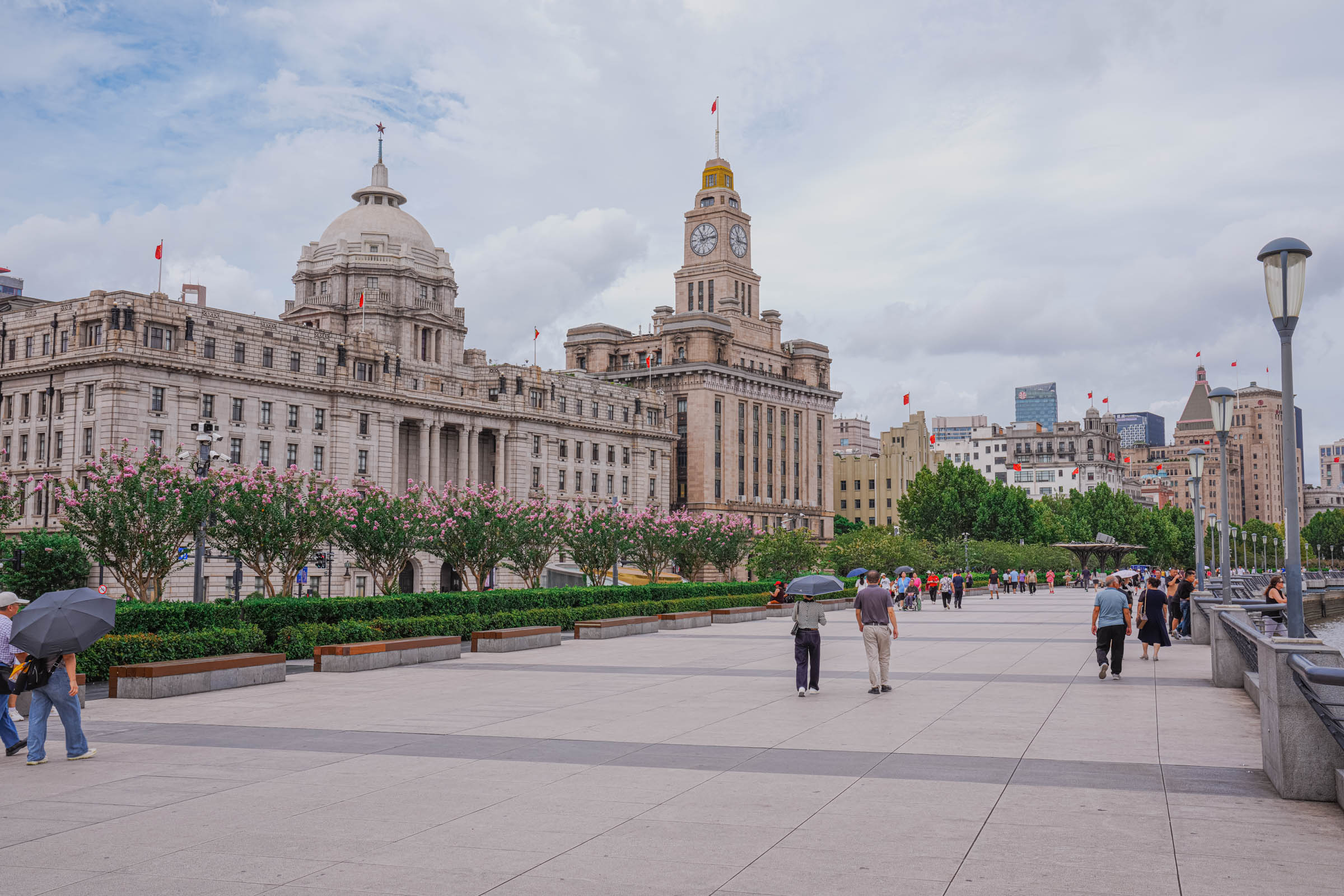
Among the most impressive buildings, the former HSBC bank building (now Shanghai Pudong Development Bank) at Bund 12 stands out. Built between 1921 and 1923 in the neoclassical style, this building was the second largest bank in the world at the time. Its granite facade and distinctive dome make it one of the most photographed buildings in the city.
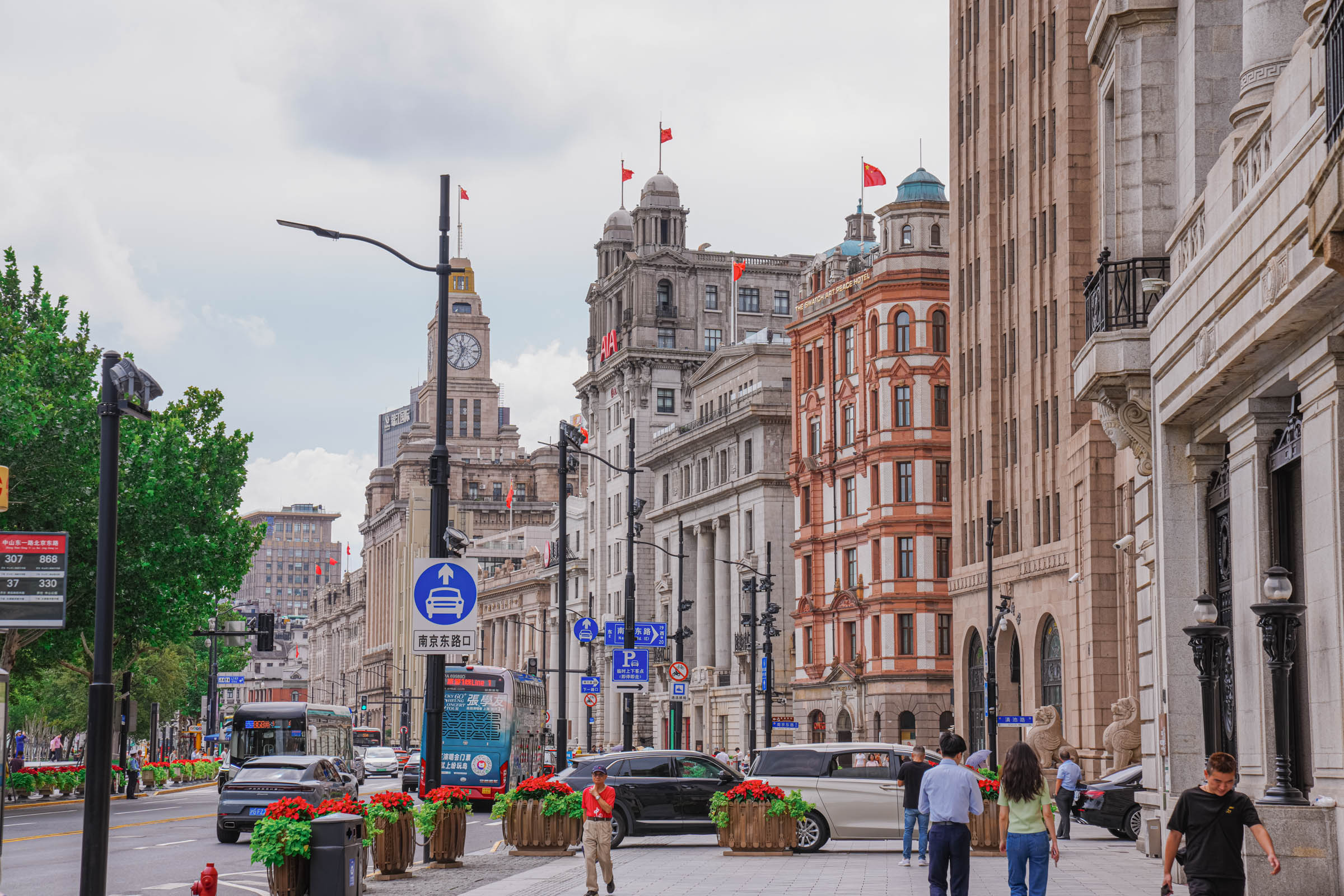
The Fairmont Peace Hotel (Bund 20) is another icon of the city. Originally known as the Cathay Hotel, it was built in 1929 for Victor Sassoon, a wealthy Jewish immigrant from Baghdad. This Art Deco style hotel was a symbol of the glamor and opulence of Shanghai in the 1930s. The characteristic pyramidal roof dome, coated with copper that acquired a green patina over time, dominates the skyline of the Bund today.
The Customs House (Bund 13), built in 1927, is famous for its clock tower reminiscent of London’s Big Ben. The bell of this clock can be heard throughout the city, and the entire structure of the tower was imported from England. The Bank of China building (Bund 23), completed in 1937, is the only building on the Bund designed and built by the Chinese, its top in traditional Chinese style representing a harmonious fusion of West and East.
The best time to visit the Bund is an hour after sunrise, when there are no crowds and the sun gradually illuminates the facades of centuries-old buildings. However, the Bund undergoes a complete transformation at night, when the light spectacle that begins at dusk turns the entire stretch into a magical backdrop. The lights are reflected on the calm surface of the river, while across the street, on the Pudong side, futuristic skyscrapers compete to overshadow curious tourists and local onlookers.
Yu Garden (Yu Yuan): An oasis of peace in the heart of the metropolis
If the Bund represents the modern soul of Shanghai, the Garden of Yu (Yu Yuan) is its heart that beats with the rhythm of ancient China. This classic Chinese garden, located next to the Temple of the City God in the northeastern part of the Old Town, provides a perfect escape from the urban bustle, a real oasis of peace and beauty in the middle of one of the most densely populated cities in the world.
The history of the Yu Garden dates back to 1559, when a high official of the Ming Dynasty, Pan Yunduan, started the construction of this garden as a gift to his parents. He wanted to provide them with a peaceful and happy place to enjoy their old age, hence the name ‘Yu’, which in Chinese means peace, contentment and happiness. The irony of fate is that the construction took a full 18 years and ended up ruining the Pan family financially, but the result was a garden that was the largest and most prestigious in Shanghai at the time.


The garden has gone through turbulent periods over the centuries. During the First Opium War in 1842, the British Army used the Huxinting Teahouse as a base of operations. During the Taiping Rebellion, the Small Sword Society ran its headquarters from Dianchun Hall, and by the end of the rebellion the original structures were almost completely destroyed. The Japanese army inflicted additional damage in 1942. The final restoration was carried out between 1956 and 1961, when the garden was opened to the public.
Today, Yu Garden occupies an area of 2 hectares and is divided into six areas in the style of Suzhou gardens. Each area has its own character and charm. Among the main attractions is the Big Rock (Da Jiashan), an impressive man-made mountain 14 meters high, made of thousands of yellow stone blocks. Master Zhang Nanyang, a famous garden designer, created this masterpiece using traditional techniques.


The exquisite Back Stone (Yu Linglong), one of the three most famous decorative stones in southern China, is a real attraction. This porous stone is 3.3 meters high, weighs 5 tons and has as many as 72 holes. The interesting thing is that if you light an incense stick under the stone, the smoke will magically come out through all the holes at the same time. Legend has it that the stone was originally intended for the imperial garden in Bianjing, but the ship carrying it sank in the Huangpu River.
The Nine Turns Bridge (Jiuqu Qiao) leads across the pond to the Huxinting Teahouse, one of the oldest teahouses in Shanghai, built in 1784. The Chinese believe that the number nine symbolizes good luck, so crossing this bridge supposedly brings good luck. The bridge is deliberately curved because, according to tradition, evil spirits can only move in a straight line.
The garden is open from 9:00 a.m. to 4:30 p.m. (last entry at 4:00 p.m.) and is closed on Mondays. The ticket costs 40 yuan from April to June and from September to November, or 30 yuan in other months. I recommend visiting the garden early in the morning (before 9:00 a.m.) or late afternoon (after 3:00 p.m.) to avoid the biggest crowds. Allow about 2 hours to tour the garden itself, plus additional time to explore the surrounding Yu Yuan Bazaar.


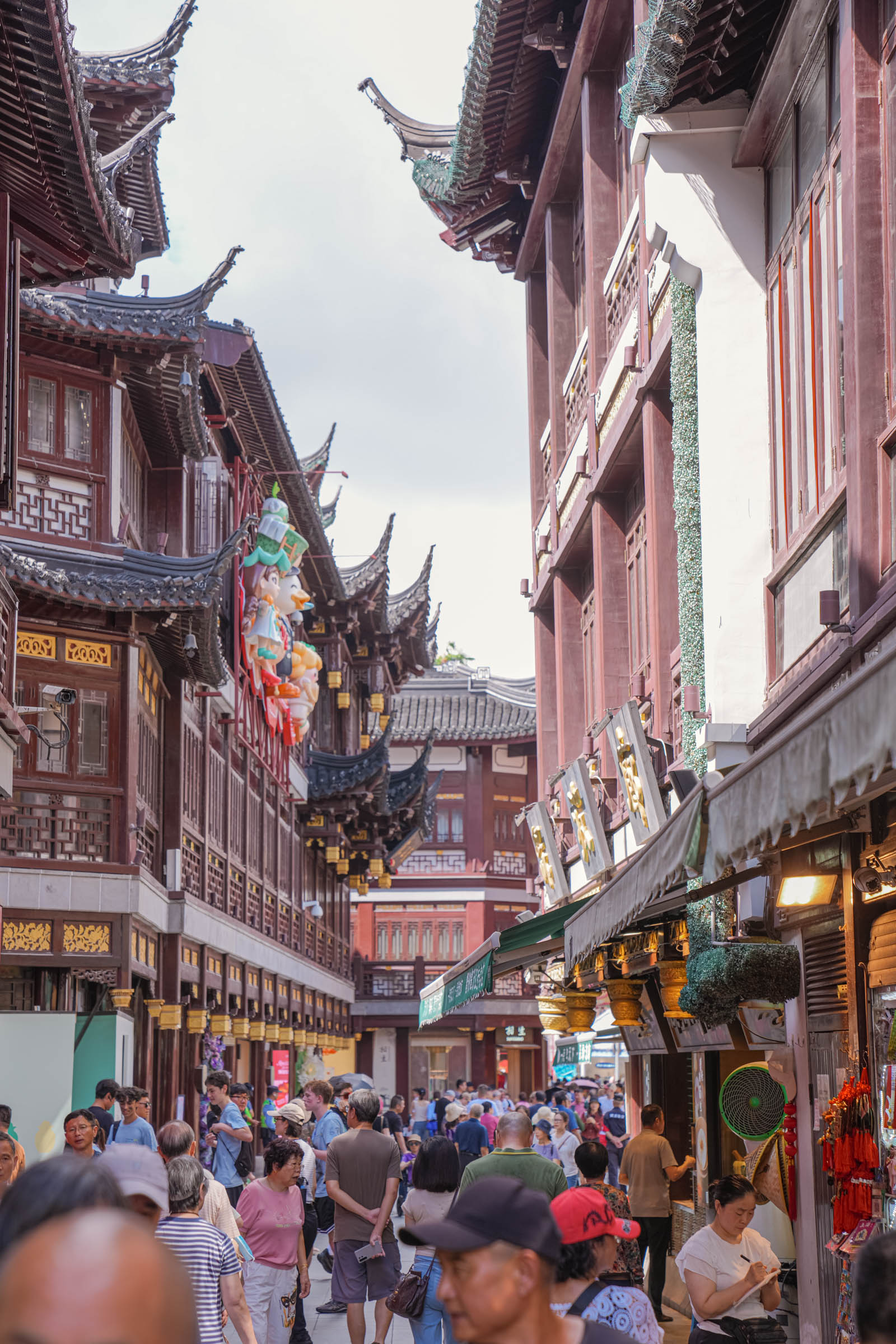

SHANGHAI TOWER: A VERTICAL CITY THAT TOUCHES THE CLOUDS
The Shanghai Tower is an architectural wonder that dominates the panorama of the city. With its height of 632 meters and 128 floors, it is the tallest building in China and the third tallest in the world by architectural height. When I first saw this spiral structure twisting towards the sky like a Chinese dragon, I was speechless.
The design of this mega-skyscraper is the work of the international design firm Gensler. What makes the Shanghai Tower special is not just its height, but its innovative approach to sustainability. The building spirals one degree per floor, a total of 120 degrees from base to top, which reduces wind pressure by 24%, which is crucial for a city that is often exposed to typhoons.


The construction required the placement of 980 foundations at a depth of 86 meters and the pouring of 61,000 cubic meters of concrete to lay the 6 meter thick foundation. The double glass facade functions like a thermos, the outer layer protects from the sun’s heat, while the inner one provides a bright space filled with natural light. The space between the two layers varies from 1 to 10 meters and serves as thermal insulation.
The observation deck ‘Top of Shanghai’ on the 118th and 119th floors, at a height of 546 and 552 meters, respectively, is one of the highest observation decks in the world. Three ultra-fast elevators allow travel from the ground floor to the observation deck in just 55 seconds, moving at a speed of 18 meters per second, one of the fastest elevator rides on the planet. Tip: if you feel a burning sensation in your ears while driving, cover your ears and call or simulate swallowing saliva.
J Hotel Shanghai Tower, opened in 2021 on the 120th floor with 165 rooms, holds the title of ‘world’s tallest hotel’ according to CNN. In addition, the building has one of the highest swimming pools in the world, the 84th floor view pool, at a height of 393 meters, is part of the Four Seasons Hotel. Entrance to the observation deck costs 180 yuan (about $25), and the building is open from 8:30 a.m. to 10:00 p.m.

ORIENTAL PEARL TV TOWER: AN ICON OF SHANGHAI
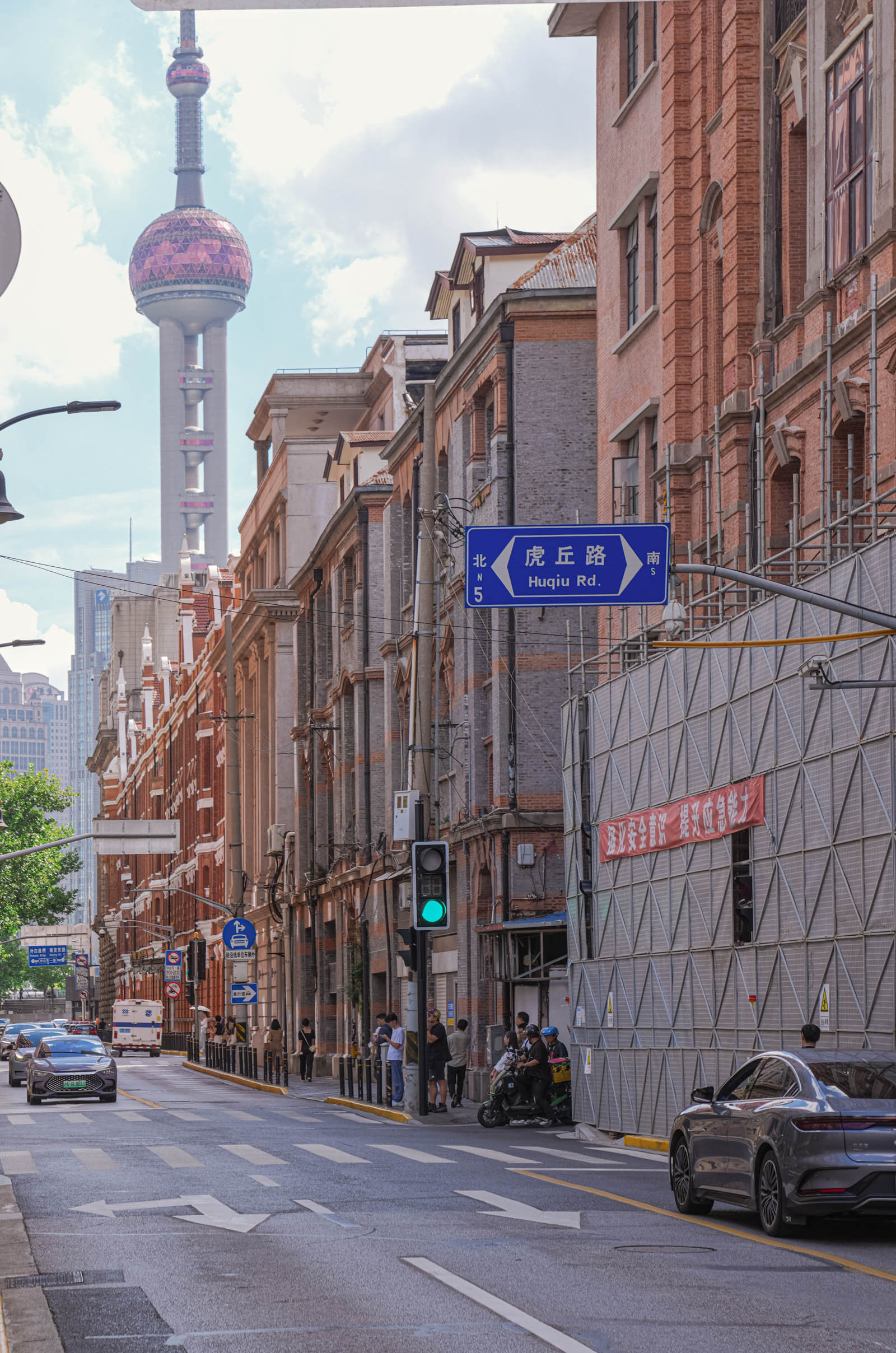
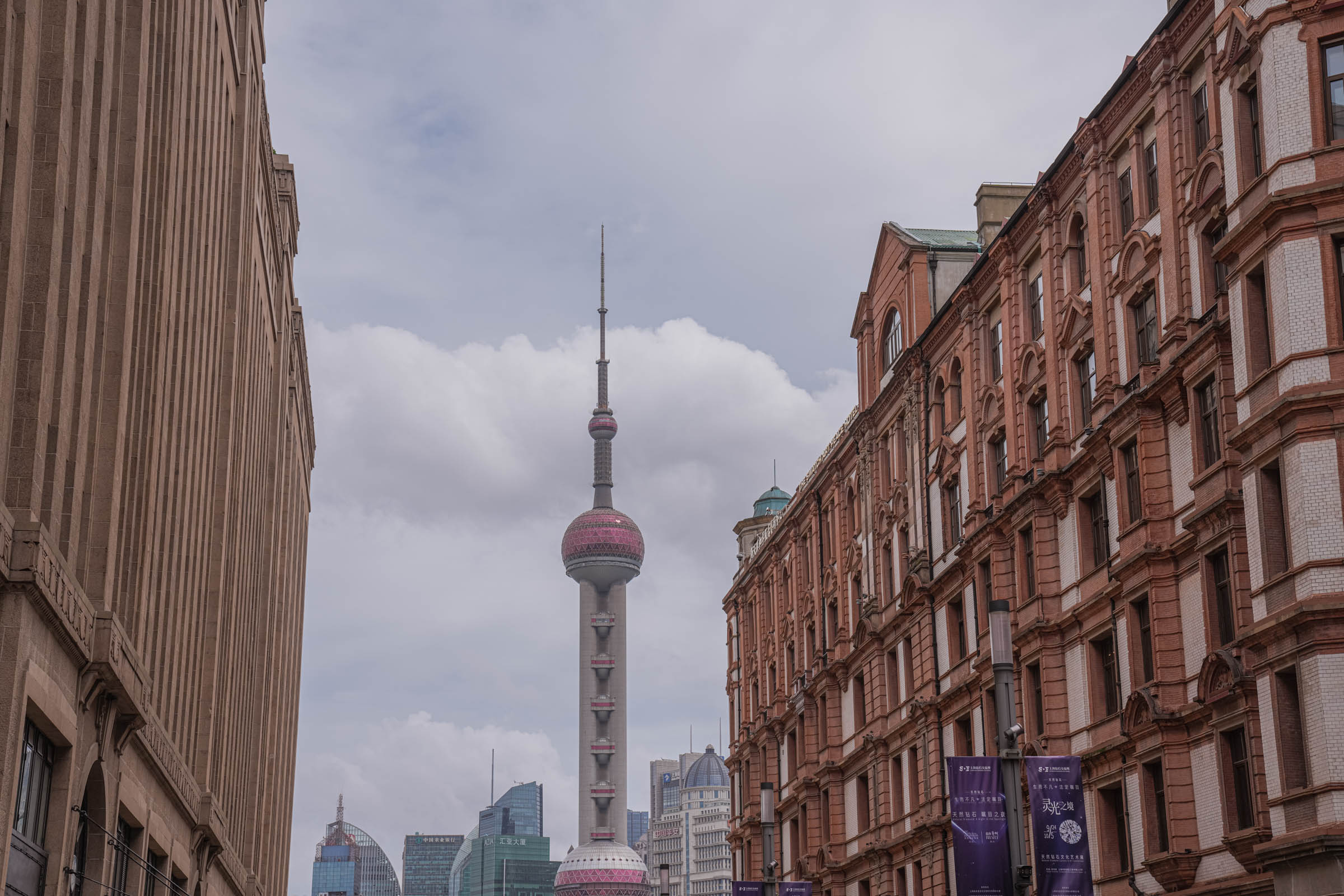
The Oriental Pearl TV Tower (Dong Fang Ming Zhu) is perhaps Shanghai’s most recognizable building, a symbol of the city that appears on every postcard and tourist guide. With a height of 468 meters, it is the sixth tallest television tower in the world and the second tallest in China.
The idea of building a new television tower in the center of Shanghai was presented on August 25, 1983. Chief designer Jiang Huancheng began the project in 1986 with the idea of creating something that would symbolize the modernization and development of Shanghai. After considering 12 different designs, the “Pearl of the East” was chosen, a unique concept that connects 11 steel spheres of different sizes with columns.

The design is inspired by a line from the ancient Chinese poem ‘Pipa xing’ by the Tang poet Bai Juyi, which describes “big and small pearls falling on a jade plate”. Construction began on July 30, 1991, and the tower was officially opened to the public on November 18, 1994. It was a huge step in China’s modern architectural history.
The structure of the tower consists of three huge pillars, three large spheres (lower ball, upper ball and space capsule) and five smaller spheres that serve as a hotel with 20 elegant rooms. The transparent panoramic elevator between the columns, the first fully transparent elevator in the world at the time of construction, offers a spectacular view of the city during the ride.
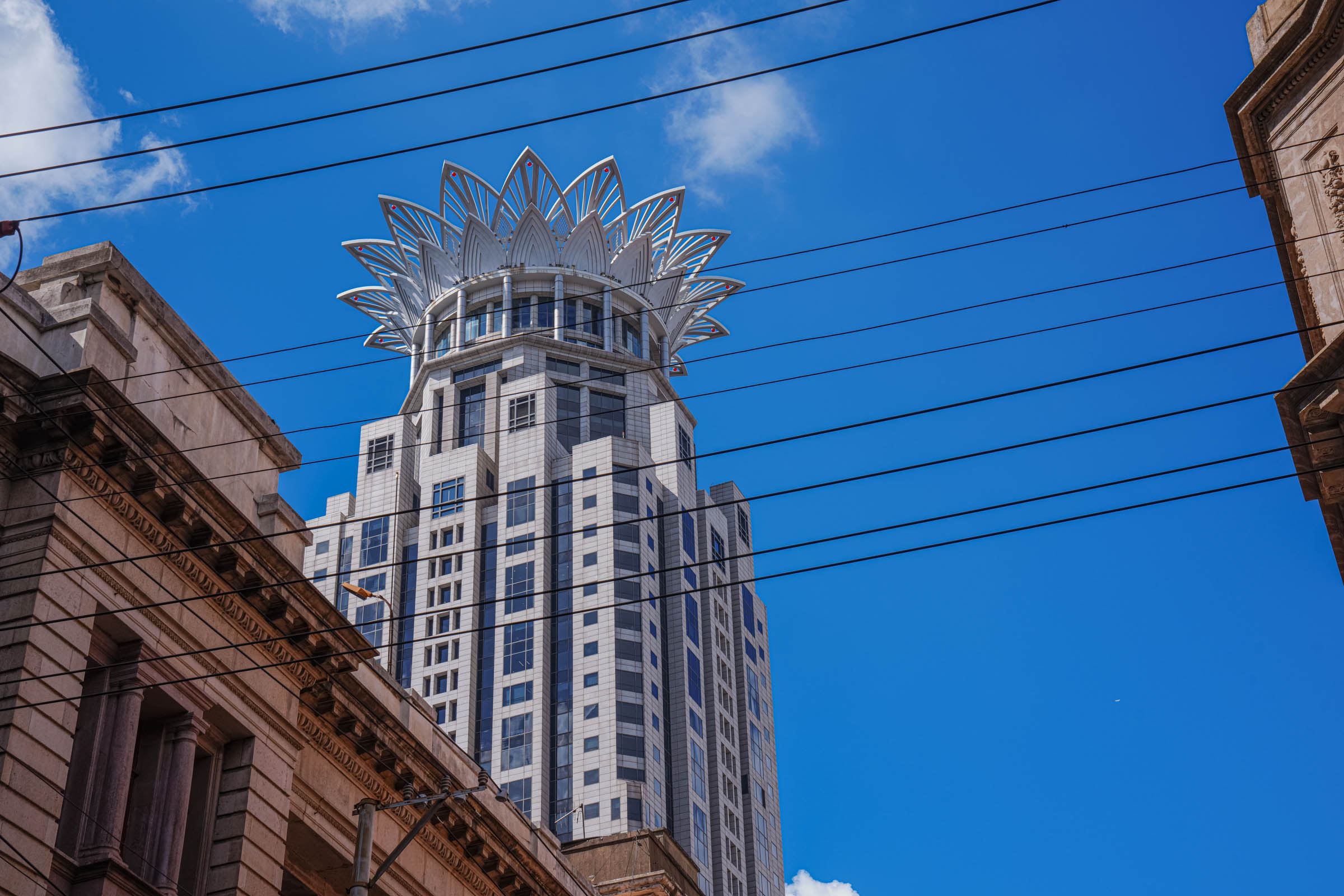
The main observation deck, known as the Sightseeing Floor, occupies two floors within the upper large sphere at heights of 259 and 263 meters. At the edge of the platform at 259 meters there is a transparent glass floor, standing on it and looking at the street below your feet creates a feeling of floating in the air. The highest viewpoint, the Space Capsule, is located at 351 meters and requires an additional fee.
At the top of the tower is a revolving restaurant at a height of 267 meters, the largest revolving restaurant in Asia with 1,500 square meters of space. While dining you have a fantastic view of the city that changes with every turn. At the base of the tower is the Shanghai History Museum, with over 80 exhibits that guide visitors through the transformation of the city. The tower is open from 9:00 a.m. to 9:00 p.m., and the entrance fee is 199 yuan.
ZHUJIAJIAO: THE VENICE OF SHANGHAI WITH SOUL
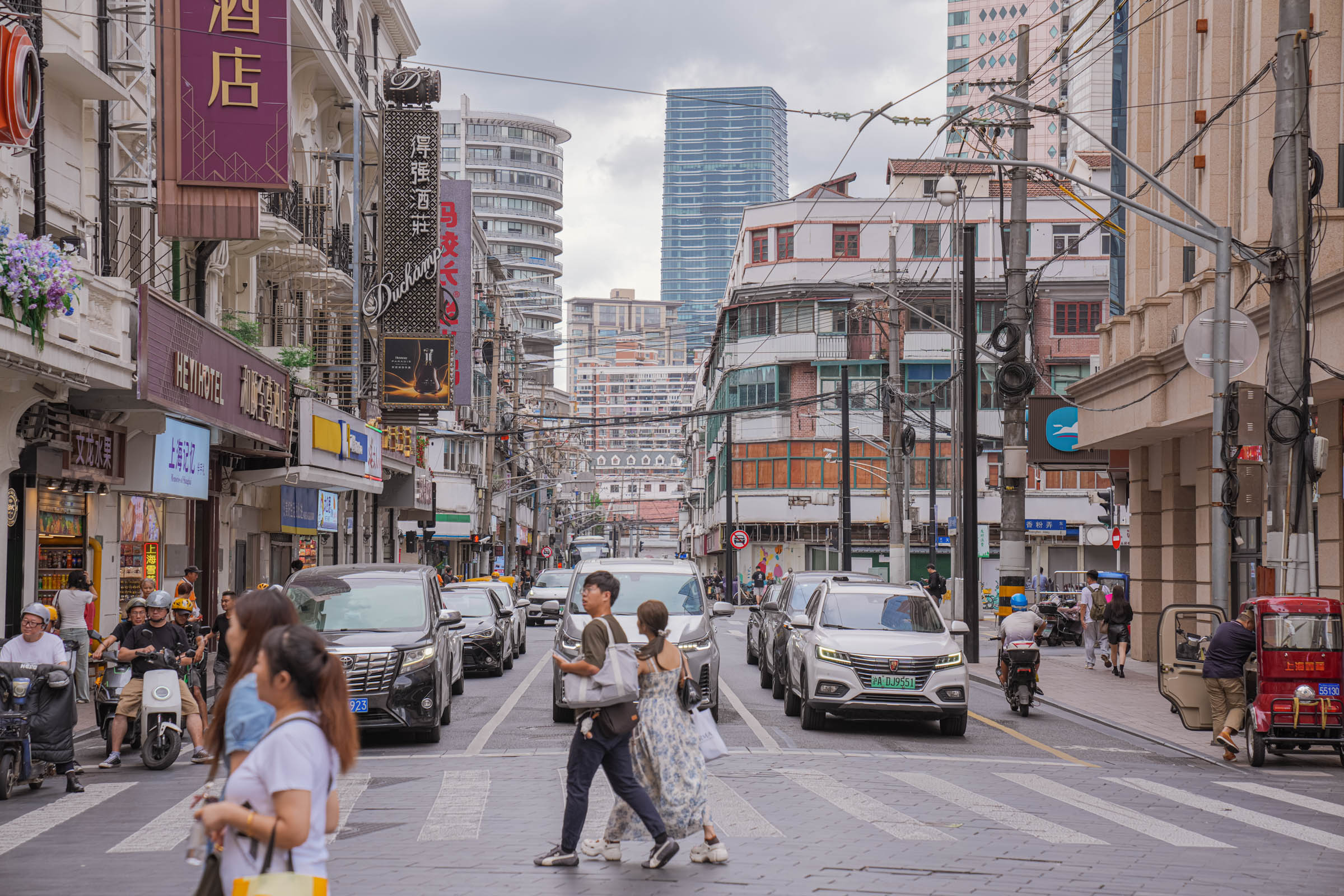
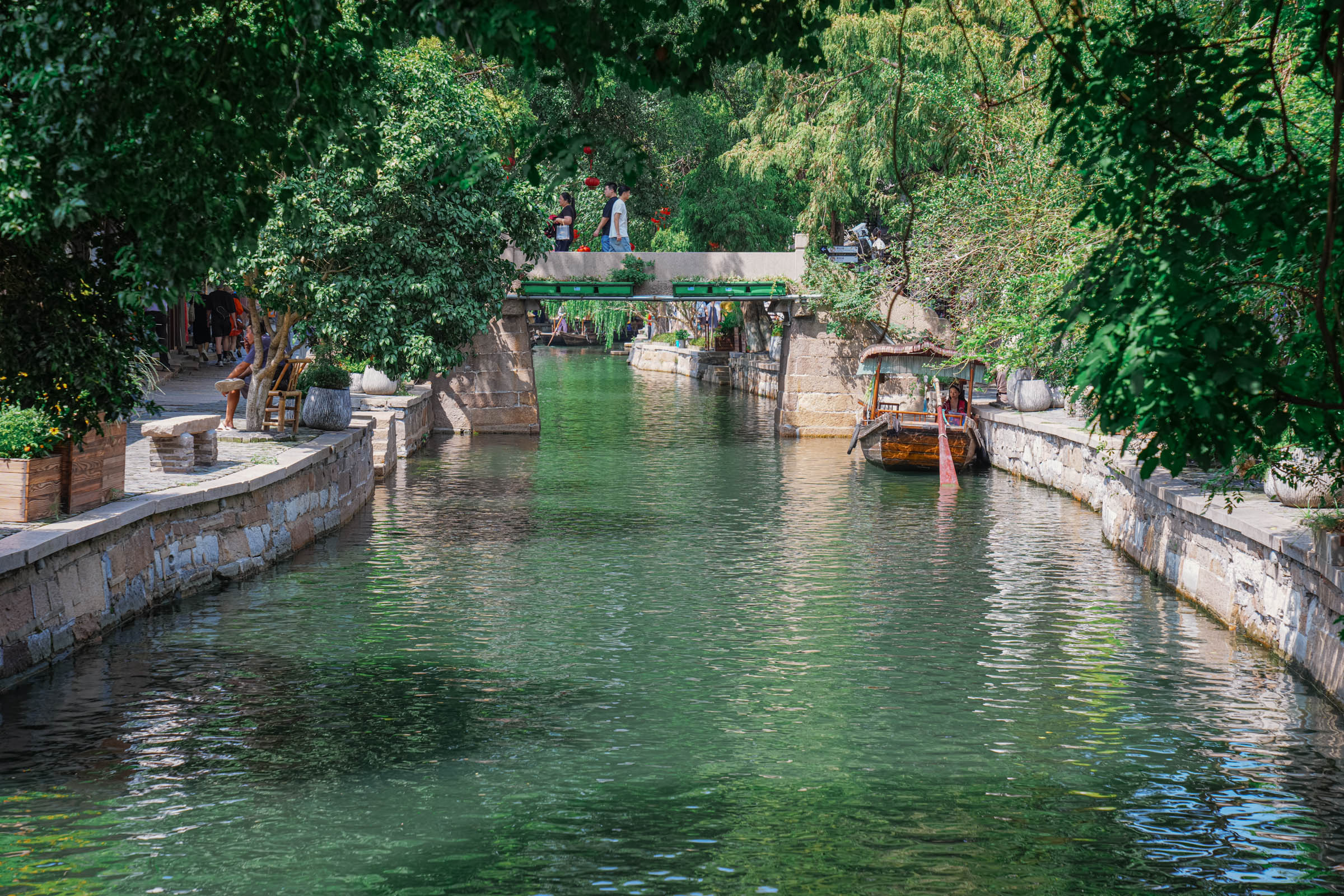
Only fifty kilometers west of Shanghai, in Qingpu District, there is a place that is the complete opposite of this megalopolis. While Shanghai’s skyscrapers compete to be taller, and neon lights never stop flashing in the ancient city of Zhujiajiao, time stood still during the Ming and Qing dynasties. This water city, which the locals like to call the “Venice of Shanghai”, is among the best-preserved old cities in the entire area south of the Yangtze River.
Zhujiajiao: A 1,700-year-old historical pearl
Zhujiajiao carries on its back an incredible 1,700 years of history. I believe you can only imagine how long that period is? During the Three Kingdoms, village markets already existed here, and the real glory of this city came during the Ming Dynasty, between 1368 and 1644. Then the city flourished as a commercial hub thanks to its ideal location next to Dianshan Lake, Shanghai’s largest lake.


During the Ming and Qing dynasties, Zhujiajiao became an important center for trade in rice, silk, and textiles. The canals and mills were not only part of the beautiful landscape, they were the lifeblood of the city, enabling the rapid transportation of goods and the irrigation of fields. The local economy flourished and the city grew, acquiring the kind of architecture that still takes visitors’ breath away today.
In 1991, the Shanghai government declared Zhujiajiao one of the four famous historical and cultural cities. It is also the holder of the national AAAA tourist attraction mark, and in 2024 it was included among the 10 most popular ancient cities for foreign tourists according to the Chinese Academy of Tourism.


Zhujiajiao: Stone Bridges That Tell Stories
There are 36 ancient bridges of various shapes and sizes in Zhujiajiao and every tourist must have heard of the most famous one – Fangsheng Bridge. Built in 1571, this 71-meter-long stone arch with five spans is the largest such bridge in Shanghai and is one of the most impressive in all of eastern China. The name “Fangsheng” means “releasing life” because a nearby Buddhist temple regularly released rescued fish and turtles into the river below the bridge.
On the bridge stands a stone slab called the Dragon’s Gate Stone, carved with eight coiled dragons surrounding a shining pearl. Four stone lions adorn the top of the bridge. When a man stands in the middle of the bridge, he can see all the beauty of the ancient city, houses by the water, swaying willows, wooden boats slowly sailing through the canals.
Besides Fangsheng, Lang Bridge, also known as Huimin Bridge, is the only wooden bridge in the city. It is built like a narrow corridor with wooden railings on both sides and a roof with curved eaves, making it unique in all of Zhujiajiao.

Zhujiajiao: North Street, the heart of the ancient city
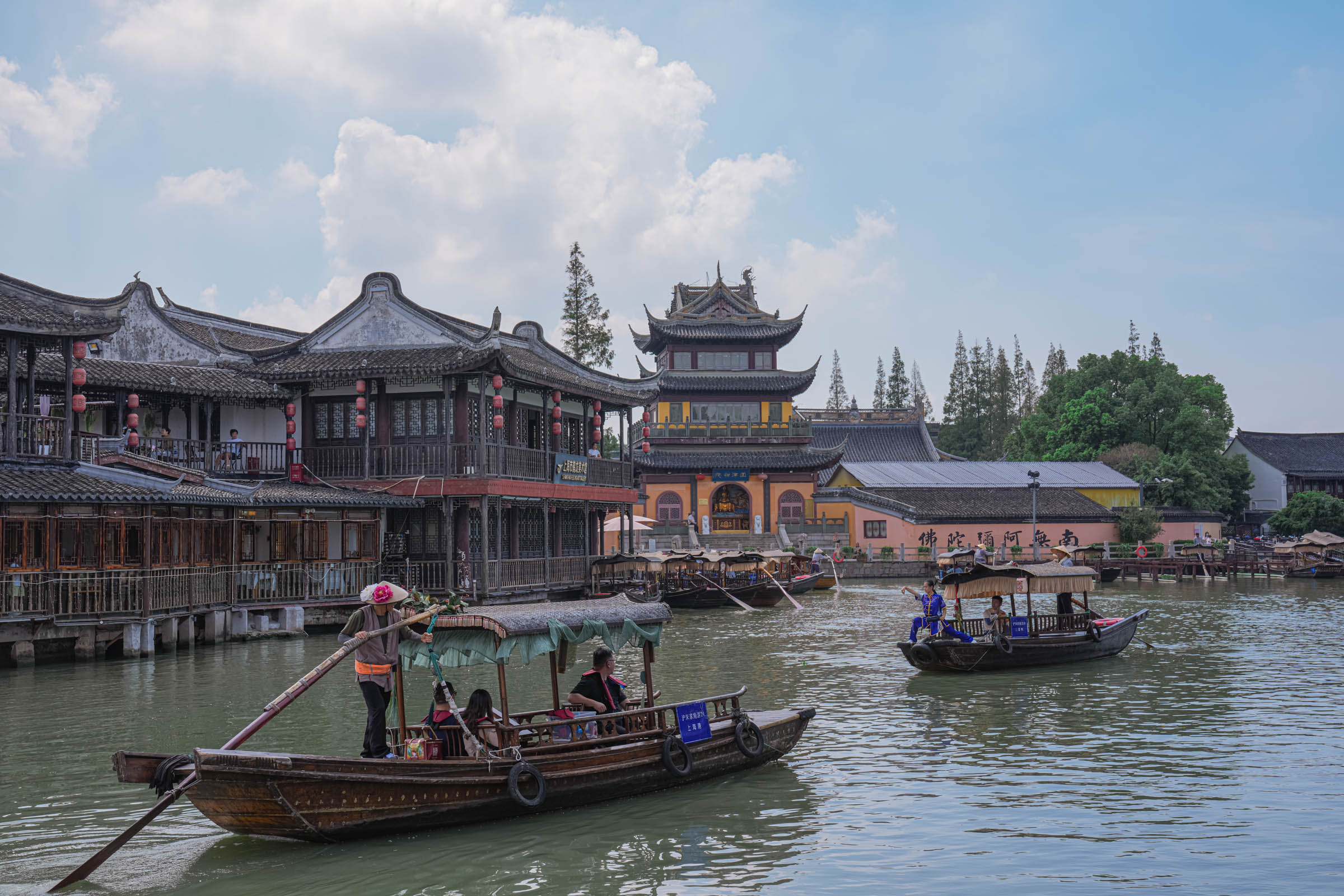
North Street (Bei Dajie) is the main promenade and the oldest street in the city. It is a mile and a half long and is said to have been “three miles long with thousands of shops” in its heyday. Today, it is still full of life, lined with two-story buildings in the style of the Ming and Qing dynasties, the ground floors of which serve as shops, while the residents live on the upper floors.
As I walk along the winding stone paths, I feel like I’m walking through a vivid painting. The architecture is stunning, with more than 10,000 buildings dating back to the Ming and Qing dynasties. Narrow streets, unusual stone moorings along the river bank, old homes overlooking the canals – all this makes the magic of this small town.


Zhujiajiao: Breathtaking Gardens
There are two striking gardens in Zhujiajiao. The first is the Kezhi Garden, the largest private estate in the city and one of the largest gardens in southern China. Built in 1912 by owner Ma Wenqin, it took over 15 years and more than 300,000 taels of silver to complete. The name “Kezhi” means “don’t forget to cultivate the land while studying”, so there are landscapes in the park such as the “Library” and the “Rice Smell Village”.


This garden covers an area of about 60,000 square meters and consists of three parts – a gallery, an artificial hill and a park. In the part with the hill there is a five-story building with a pavilion on the top called “Pavilion with a view of the moon”, it is considered the tallest building in the city. The park has a beautiful lake, carefully sculpted rock formations and traditional pavilions that provide peace and quiet.


Another important garden is the Zhuxi (Hexin) garden, modern and more finely designed. It is smaller than Kezhi, covering about 3,000 square meters, but is equally charming with its lush greenery, streams, ponds and classical architecture. Best of all, admission to Zhuxi Garden is free!
Zhujiajiao: Temples and Cultural Landmarks
Yuanjin Temple is a famous Buddhist shrine originally built during the Yuan Dynasty (1271-1368). Only the main hall has survived to this day, while the rest of the buildings have been renovated in modern times. During the Ming and Qing dynasties, the temple was a popular gathering place for scholars and writers, many of whom left works of art. The temple was therefore famous for its large collection of paintings and calligraphy by famous artists of the time.
The City God Temple is different from most, looking more like a garden than a temple. Visitors can rest and enjoy the refined rock landscape, pond and pavilions in the temple complex.
The Zhujiajiao Culture and Art Museum covers an area of 2,000 square meters and displays the history and culture of this ancient city through paintings and sculptures. A visit to the museum before the city tour helps you better understand the development of Zhujiajiao over the centuries.


Zhujiajiao: Post Office from the Qing Dynasty
One of the most interesting sights is the old post office built in 1903. This is the only remaining post office from the Qing Dynasty in eastern China. The two-story building bears witness to the development of China’s postal service, and thousands of old postage stamps, envelopes, and postcards are displayed in it. Four paintings on the second floor show how postmen delivered letters in the olden days. Visitors can post-print their travel diaries here, which is a nice souvenir.
Zhujiajiao: Canals and boating
There’s no real introduction to Zhujiajiao without a traditional wooden boat ride through the canals. This is a water city in the most beautiful sense of the word, the intricate system of canals has been the lifeblood of the city for centuries. As the boat slowly slides under the stone bridges, passing by the houses along the water, I feel a peace that no longer exists in modern cities.
A boat ride costs about 200 yuan for a boat that carries up to six passengers and visits three sites, while a four-site tour costs 300 yuan. Departures are from the pier on North Street, the pier by the Kezhi Garden or the pier by the Temple of the City God. There is also the option of a long Dianshan Lake cruise departing from No. 60 East Street.


Zhujiajiao: Food and Gastronomy
Zhujiajiao is famous for its food inspired by the nearby Tai Lake and the rivers that run through the city. Local cuisine has a strong emphasis on freshwater fish and rice-based dishes. Sweet and savory flavors are typical of Jiangnan cuisine, which is characteristic of the region south of the Yangtze River.
You must try zongzi, traditional Chinese glutinous rice dumplings with different fillings, wrapped in bamboo leaves. They are sold all over the city at similar prices. Shengjianbo are savory, pan-fried steamed buns filled with juicy pork and gelatin that melts into the soup when cooked. Xiaolongbao are delicate steamed soup dumplings filled with pork and rich soup.
River prawns are a must, fresh, with firm meat and an intense taste of the sea. Also, snail in coffee is a delicacy recommended by the locals. For dessert, try the fried red bean cakes on East Street, it’s worth waiting in line and surviving the crowd that always prevails there.
The restaurants are mostly located along the canal bank, so you can enjoy your meal with a view of the water. Local home restaurants offer farm fresh, tasty and affordable dishes. Many visitors recommend eating in restaurants that have terraces or balconies overlooking the canals.

Zhujiajiao: Tickets and Visit
The great news is that entering Zhujiajiao City itself is free! You can freely walk through the narrow streets, cross the bridges and soak up the atmosphere of the ancient city. However, you have to buy tickets for some attractions within the city.
Combined tickets offer good value for money offered by these tourist attractions:
- 120 yuan for a boat ride and nine attractions (including J-Art Gallery, Tongtianhe Pharmacy, Qing Dynasty Post Office, City God Temple, Handicrafts Exhibition Hall, Stela Museum of the Imperial Academy, Shanghai Quanhua Art Hall, Yuanjin Meditation Room and Kezhi Garden)
- 60 yuan for eight attractions (same as above, excluding the boat ride)
- 30 yuan for four attractions (Tongtianhe Pharmacy, Qing Dynasty Post Office, Yuanjin Meditation Room and Kezhi Garden)
The city is open every day from 8:30 a.m. to 11:00 p.m. The best time to visit is during spring (March to May) and autumn (September to November) when the weather is pleasant and the scenery is the most beautiful. Summers here can be exceptionally hot and humid, while winters are cooler and less picturesque.

Why visit Zhujiajiao?
Zhujiajiao is the perfect destination for a day trip or weekend escape from modern Shanghai. In just an hour’s metro or express bus ride, you can find yourself in a completely different place, a world of stone bridges over clear canals, willow trees swaying in the wind, traditional wooden boats slowly cruising the canals and centuries-old architecture.
Although touristy and often crowded with visitors, Zhujiajiao still has its own soul and charm. When you wander into some of the narrow streets away from the main paths, you come across local residents sitting in front of their houses, children playing by the canal, old artisans carrying on centuries-old traditions.
This is not just an open-air museum, Zhujiajiao is a city that has managed to preserve its traditions while the Shanghai around it has transformed into a modern megalopolis. A visit to this ancient water city reminds us how diverse China is and how old and new can coexist.

JING’AN TEMPLE SHANGHAI: THE HISTORY AND SPIRIT OF A DIFFERENT SHANGHAI
When I first heard that there was a nearly two-millennium-old temple in the heart of glittering, modern, neon-lit Shanghai, I couldn’t imagine it, and even when I saw it, I didn’t expect to change my worldview so suddenly. Streets full of advertisements, concrete facades, in the street next to branded shops and crowds of people, you suddenly notice the doors of the temple, golden roofs, wood, silence, the smell of incense. Jing’an doesn’t seem like another tourist spot. It is more like a gateway to another dimension, somewhere between history and the present, chaos and contemplation.

JING’AN: THE TEMPLE THROUGH THE CENTURIES FROM 247 TO THE PRESENT
The story of Jing’an Temple begins way back in 247 AD during the era known in China as the Three Kingdoms period. Then a temple, named Hudu Chongyuan Temple, was built near the river (along the then course of the river that passed through what is now Shanghai).
Over the centuries it changed its name and appearance. At the beginning of the 11th century, more precisely in 1008, it was named Jing’an Temple, which means “Temple of Peace and Tranquility”. Later in 1216, it was moved to its current location, on the western part of Nanjing Street (West Nanjing Road).


However, history was not kind to him: over the centuries he suffered in various turmoils, wars and misfortunes. In one period, it got a new look, but in the 20th century, during a turbulent era, it was even turned into a plastic factory. Constructive value is almost lost.
Only in the 1980s did the temple get a new chance, its old nobility and importance returned. The complex has been restored and reopened for worshipers and visitors. Today it is an officially protected cultural monument.
THE INTERIOR WORLD OF JING’AN TEMPLE: ARCHITECTURE AND STATUES
When you step through the doors of the temple, you fall out of the pace of the city of Shanghai and into a world of wooden traditions, cleverly carved beams, roofs with curved edges and details with lotuses, Buddhist symbols, triangles and ornaments, all in the style of Southern Chinese (Song Dynasty) architecture. Jing’an uses high-quality wood (teak), and the roofs are covered with yellow and dark gray tiles, typical of historical Buddhist temples.
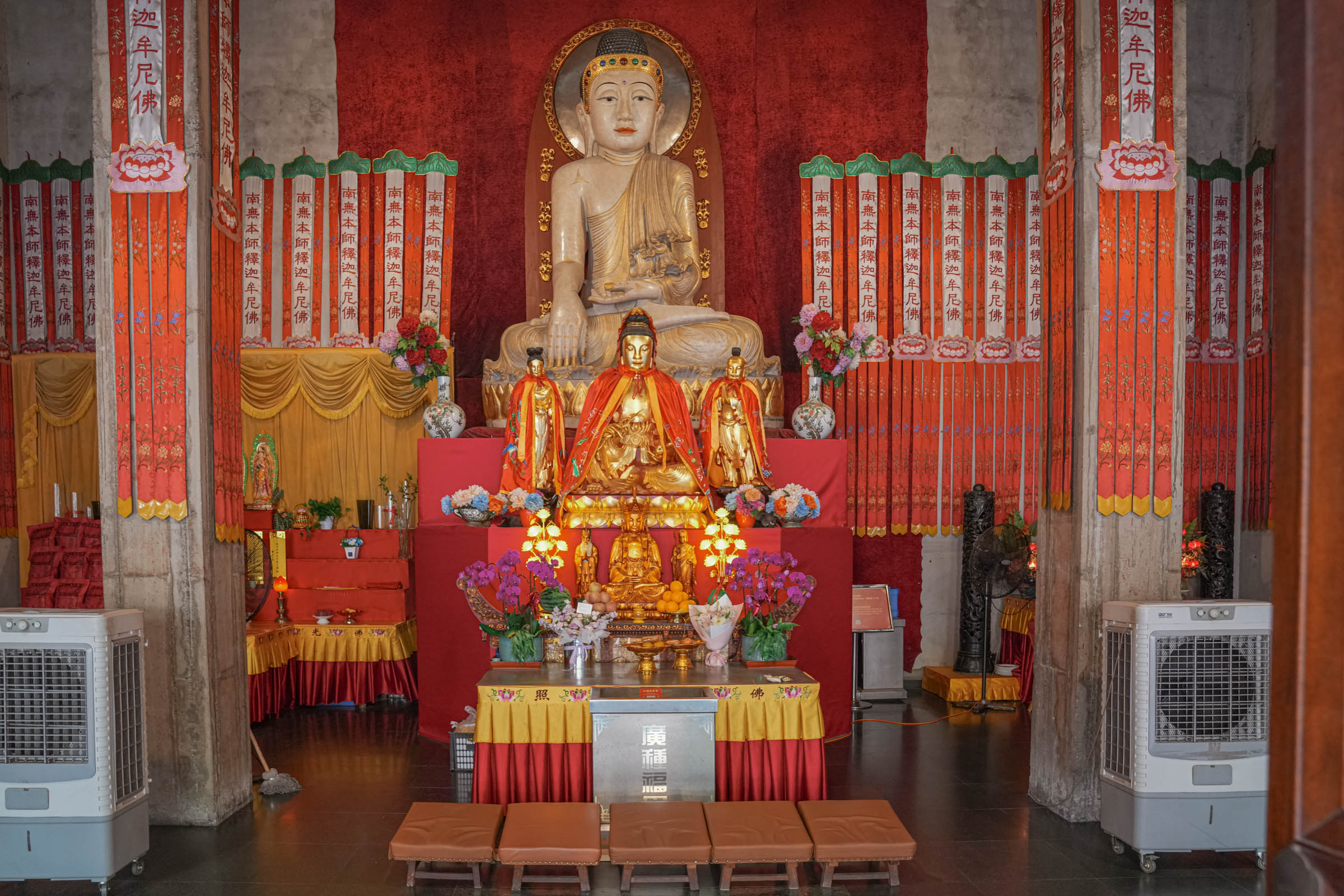
Inside the complex are the main halls: the entrance gate and the courtyard, then the Daxiong Baodian (main hall – “Mahavira Hall”), the hall of the heavenly kings, the Three-Saints hall, the pagoda, the bell ringer, the hall of the divine goddess with the statue of the goddess with a lotus pedestal and the hall with the seated Buddha statue carved from real jade stone.


One of the biggest attractions: statues, bronze bells from the Ming Dynasty, statues of Buddha and Bodhisattvas, relics of various eras, calligraphy and paintings, all of which give the feeling that you have stepped into a museum of Buddhist history and art.
The interior ambience is unlike the modern loud city outside, so quiet, peaceful, meditative. The building and the courtyards offer you space to stop, observe, think, absorb that zen-energy. And when you go out and look at the world around you, you will see skyscrapers, lights and numerous advertisements, the adrenaline reality of modern Shanghai is calling you again. That contrast, that merged reality is exactly what makes Jing’an Temple unique.

JING’AN TEMPLE: HOW TO COME, WHEN IT IS BEST TIME AND WHAT TO PAY ATTENTION TO
The temple is located at 1686 West Nanjing Road, in the heart of the neighborhood that bears his name, Jing’an District. It is easy to get to: under the temple is the subway station of Shanghai Metro Line 2, and the newer lines 7 and 14 also stop at the station called “Jing’an Temple”.
Entrance costs about 50 yuan (RMB), symbolic of what you get in return: history, atmosphere and peace. If you want to experience its best atmosphere, come early in the morning, while the city is still asleep and the crowd is minimal. Then the light is the best, the incense floats gently, and you hear only your footsteps and the sounds of the world inside. Ideal for reflection and photos without crowds.


WHY IS JING’AN TEMPLE MORE THAN AN ATTRACTION? WHY IS IT WORTH VISIT?
Jing’an Temple is not “just a temple” or “just a good photo spot”. It is a symbol of the eternal struggle between old and new, peaceful and chaotic, spiritual and material. While Shanghai lives fast, Jing’an Temple offers you an oasis. While skyscrapers and shopping supermarkets are around you, here every stone, tree and statue is a reminder that the city has roots, that it has history, faith, tradition.
For anyone who wants to get to know the “other Shanghai”, not the ultramodern one, but the one with a soul, Jing’an Temple is a must. It’s not about taking selfies and taking pictures for social media, it’s about touching something that lasts, that has survived the ages. A place where you can stop, walk, think. So, when you are in Shanghai, take your time. Visit Jing’an Temple, it is located very close to the most famous shopping area so you will use the time to rest and enjoy something spiritual, and you can leave here feeling that you have seen something that lasts forever.

OTHER SIGHTS YOU MUST NOT MISS IN SHANGHAI
Nanjing Road
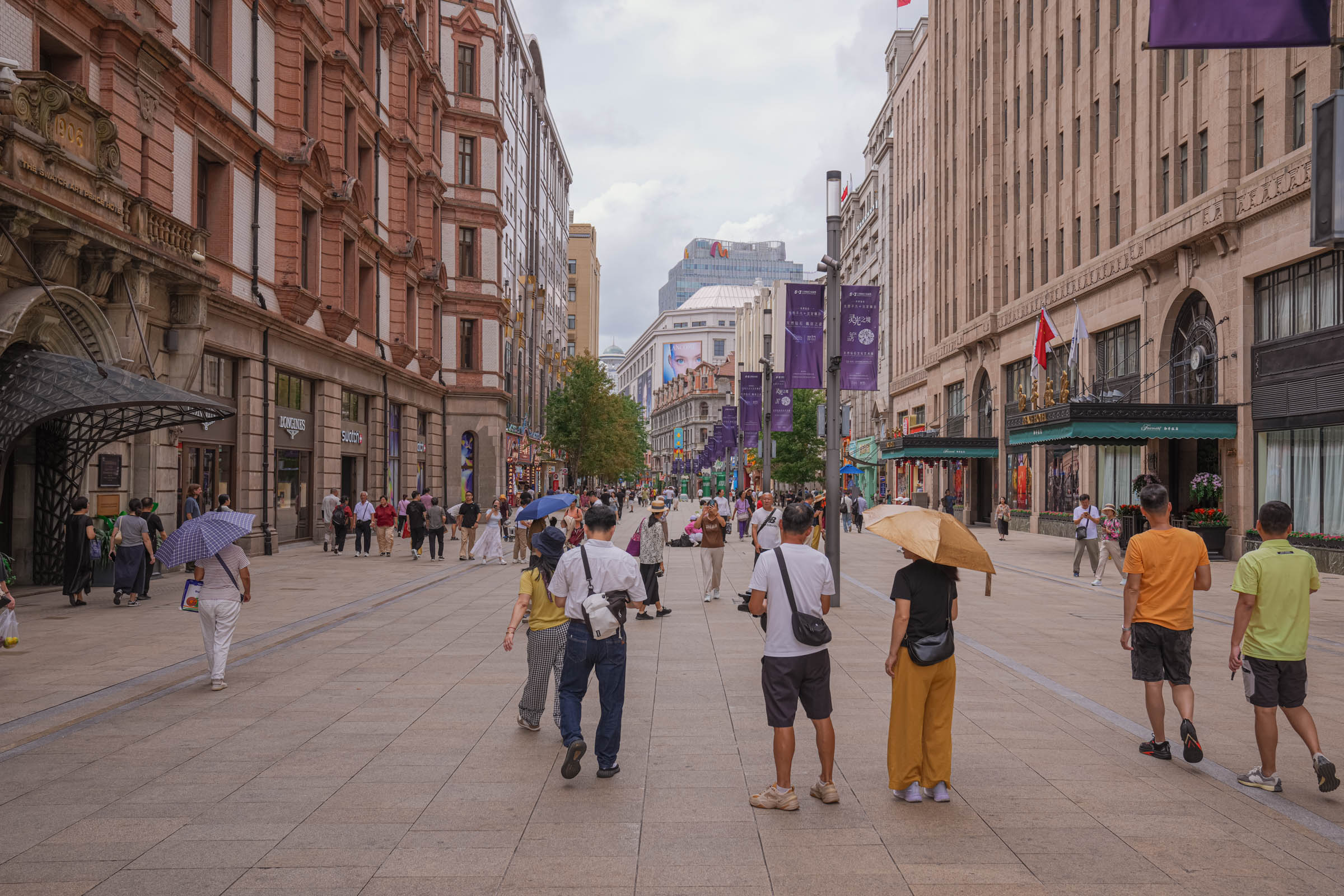
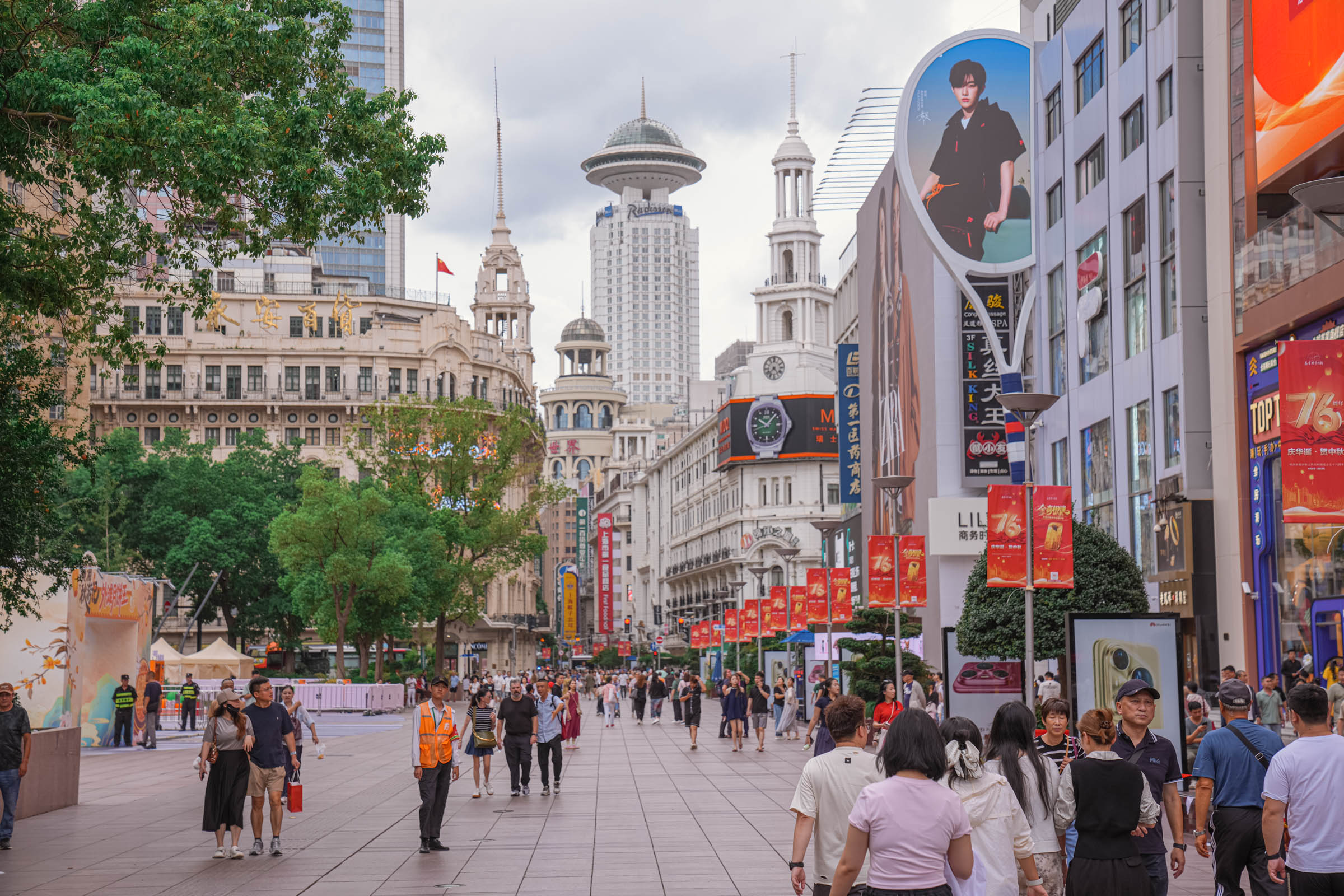
Nanjing Road is the ‘First Commercial Street of China’ and one of the busiest shopping streets in the world. It stretches for 5.5 kilometers and is visited by about 1.7 million people every day. Along this street there are over 600 shops, from cheap souvenirs to luxury brands of world renown. The pedestrian zone, especially at night when it is lit up with neon lights, provides an unforgettable experience of urban Shanghai life.
French Concession
The French Concession is a residential area once designated for the French, now a favorite among tourists and expats. It is characterized by cafes, rows of plane trees and Tudor houses. This is the perfect place to wander and soak up the atmosphere of Sangai in the 1920s and 1930s. Wukang Road, with its distinctive architecture, is particularly popular for photography.

Shanghai Museum
The Shanghai Museum, located on People’s Square, is one of the largest museums of ancient Chinese art. Its characteristic architecture, round top and square base, symbolizes the ancient Chinese cosmology of “round heaven, square earth”. The museum houses over 120,000 artefacts, with particularly impressive collections of bronzes, ceramics, calligraphy and paintings. Admission is free, but advance booking is required.
Shanghai Disneyland
Shanghai Disneyland, opened in 2016, is the first Disney theme park in mainland China. It is significantly cheaper than Disneyland in Paris and Orlando, and most of the attractions can be enjoyed even without knowing the Chinese language. The Pirates of the Caribbean: Battle for the Sunken Treasure ride is particularly impressive, as is the futuristic TRON roller coaster that reaches speeds of 95 km/h.

SAVHE ATOUR HOTEL NORTH BUND SHANGHAI: MY HOME AWAY FROM HOME
During my time in Shanghai, I had the privilege of staying at SAVHE Atour Hotel North Bund Shanghai, a new luxury lifestyle brand within the Atour Group. This 5-star hotel, located at No. 522, North Sichuan Road in Hongkou District, proved to be the perfect choice for exploring the city.
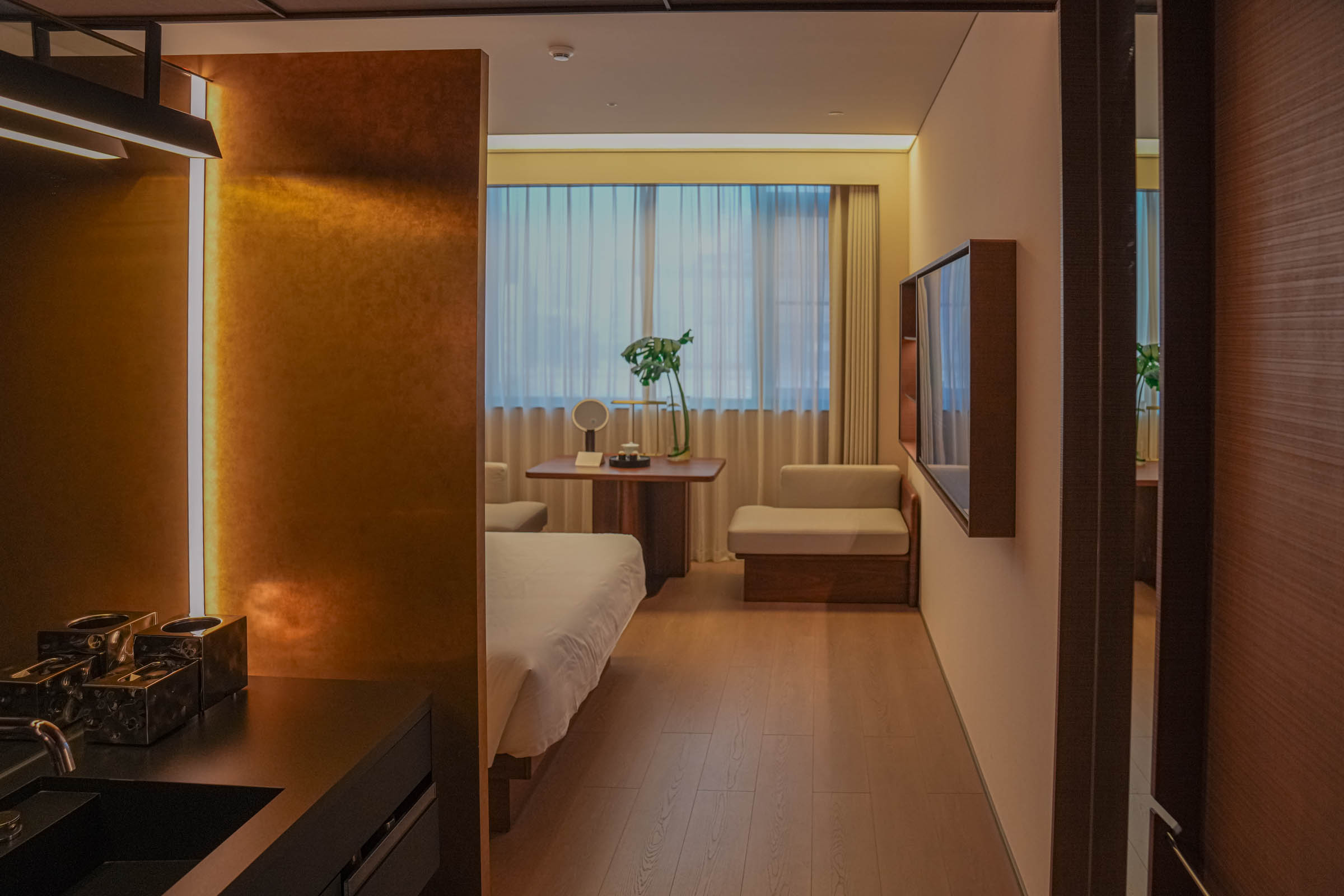
The name “SAVHE” comes from the language of the Lisu people of the Gaoligong Mountains, where the power of primitive life constantly flourishes, the word literally means “breath”. Design inspiration comes from an oriental garden in a limited space. Sounds, lights, flowing water and landscape are integrated with contemporary mathematical art to create a new space, an oriental story of time, space and breath, where nature and human traces coexist in harmony.


The hotel has 133 rooms with views of the city, each equipped with air conditioning, a flat-screen TV with satellite channels, a seating area and a work desk. The bathrooms come with a separate toilet, shower, bathrobes and towels, I especially liked that they use Le Labo bath products. You can choose between soft and hard pillows, which is a great detail for those who have specific sleeping preferences.
The location of the hotel is exceptional, it is only a 10-minute walk from the famous Waibaidu Bridge, 350 meters from the Zhapulu Bridge and close to the International Cruise Terminal metro station. The Bund can be reached in a 15-20 minute easy walk, while the Yu Garden is about 2.5 kilometers away. Although not in the center, this location allows for exploring the North Bund and surrounding attractions such as the Shanghai Post Office and the Zhapu Lu and Bei Wai Tan bridges.

I especially appreciated the complimentary nightly snacks and afternoon tea that the hotel offers, the perfect way to unwind after a day of exploring a metropolis like Shanghai. The rooftop bar with a view of the city is ideal for evening relaxation. The restaurant in the hotel offers an excellent selection of Asian cuisine, and nearby is the popular Haidilao Hot Pot restaurant (about 400 meters). The staff speaks English and Chinese, which makes communication easy, and their helpfulness and attention to detail made my stay truly enjoyable.


For those planning to stay at this exceptional hotel, you can count on free parking and Wi-Fi, as well as a gym for guests. My recommendation to anyone looking for an authentic experience with a touch of luxury in the northern part of the Bund to consider this hotel as their potential home when visiting Shanghai. In the next blog post, I will write you a detailed review of this hotel so that you can see all aspects of staying in this luxury hotel if your trip takes you to Shanghai.
PRACTICAL TIPS FOR TRAVELING TO SHANGHAI
Best time to visit Shanghai
The best periods to visit Shanghai are spring (March-May) and autumn (September-November) because they are ideal periods for visiting due to pleasant temperatures and numerous cultural events. Summer can be hot and humid, while winter is cold, but great for exploring indoor attractions like museums. September, when I visited the city, turned out to be perfect, temperatures around 20-25 degrees during the day and 14-16 degrees at night.
Transportation in Shanghai
Shanghai’s metro system is one of the largest and most modern in the world, clean, fast and accessible with stations close to most major attractions. The signs are in English and Chinese. For taxis, use the Didi app (Chinese Uber), access it through the Alipay app with an English interface. The maglev train connects Pudong Airport to Longyang Road Station in just 8 minutes, the fastest commercial train in the world.
Reservations and applications in Shanghai
It’s important to know that most state museums and tourist spots require advance reservations via the website or WeChat app. Don’t go to the box office on the day of your visit expecting to get a ticket, because chances are you won’t. WeChat and Alipay are essential for everyday transactions in China, prepare them before you arrive. An e-sim card with internet access is essential for navigation, translation and mobile payments.
Food in Shanghai
Shanghai local cuisine is known for its unique flavor profile with a prominent sweet note. Be sure to try xiaolongbao (juicy dumplings with soup), hongshao rou (braised pork in sweet sauce) and scallion pancakes. Nanxiang Mantou Dian Restaurant near Yu Garden, over 100 years old, is considered one of the best places for authentic xiaolongbao. For fine dining, Three on the Bund offers several Michelin-starred restaurants.
WHY WILL SHANGHAI REMAIN IN MY HEART?
Shanghai is a city that cannot be fully described in words, this city simply has to be experienced. From a morning walk along the Bund while the sun slowly illuminates the facades of centuries-old buildings, through contemplative moments in the peaceful Yu Gardens, to dizzying views from the top of the Shanghai Tower, every moment in this city brings a new discovery.
What impressed me the most is Shanghai’s ability to balance between preserving its rich history and constantly striving for the future. Here, ancient temples sit in the shadows of futuristic skyscrapers, traditional teas are served in modern Wi-Fi cafes, and street dumpling vendors use QR codes to pay. It is a city of contrasts, but contrasts that complement each other perfectly.
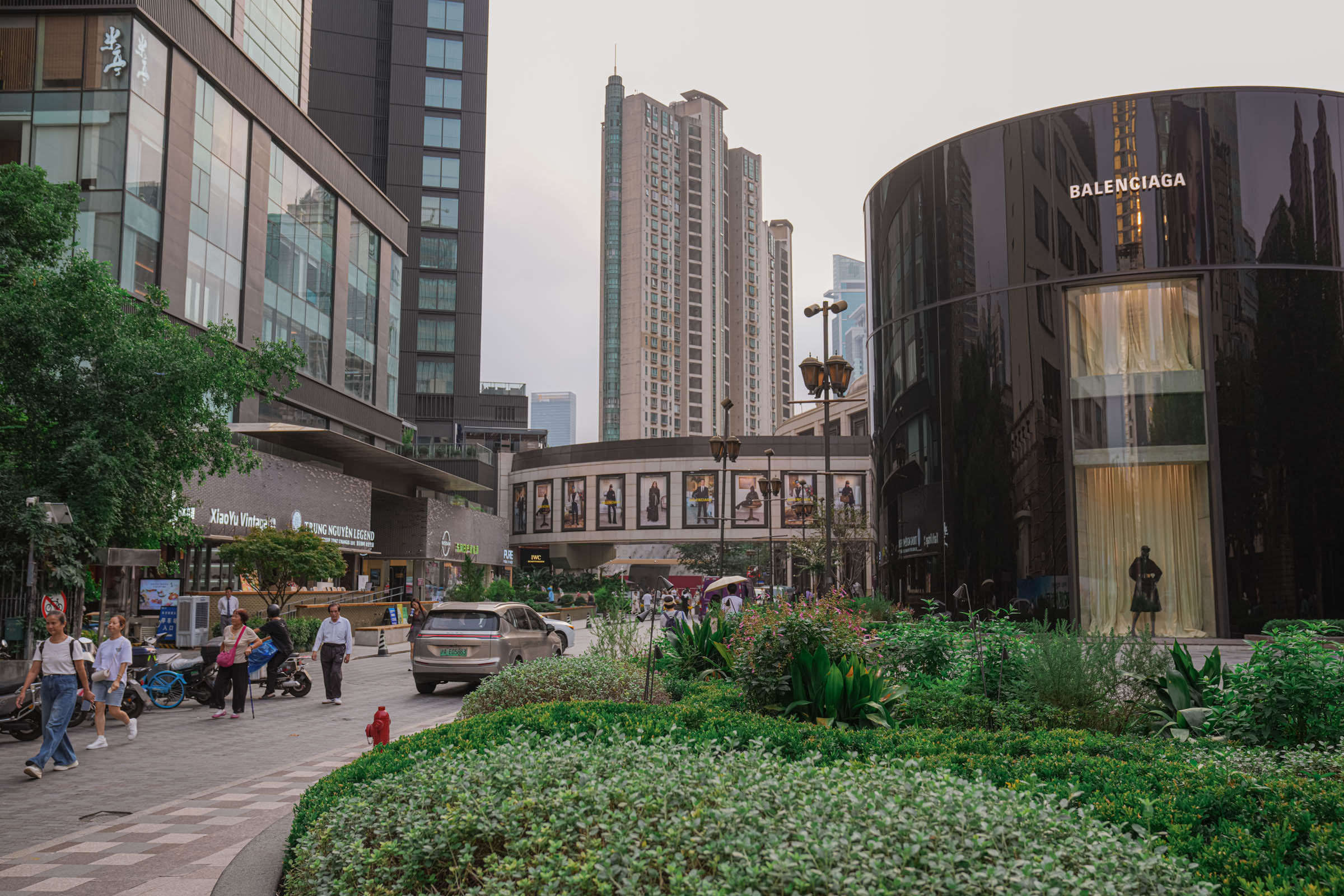
For fashion and style lovers, Shanghai offers endless possibilities, from luxury boutiques on Nanjing Road to vintage stores in the French Concession. The city is the center of fashion in Asia and you can feel it at every step. And for those who, like me, like to combine fashion with travel, Shanghai is the perfect backdrop for any outfit.
My recommendation? Allow a minimum of three to four days for Shanghai, enough to visit the main attractions, but also to get lost in the side streets, discover hidden gems and really feel the pulse of this amazing city. And don’t forget to check out the night panorama from the Bund, it’s an image you’ll carry with you in your heart forever.
At the end of this travelogue, I would like to take the opportunity to once again thank and express my deep gratitude to The United Nations World Tourism Organization – UN Tourism and SAVHE Atour Hotel North Bund Shanghai for their exceptional hospitality and support. Without their help, this trip would not have been possible and my Shanghai experience would not have been as diverse, culturally rich and memorable. Thank you for opening the door to this fascinating city and allowing me to share its beauty with my readers and audience.
Have you already had the opportunity to visit Shanghai, this unique city where the oriental tradition seamlessly intertwines with the futuristic rhythm of life? Or maybe you are just planning to discover the magic of Shanghai, its colorful districts, markets, world gastronomic scene and distinctive skyscrapers that leave no one indifferent?
Feel free to leave your impressions, comments or questions below the text, or contact me via email and social networks. All information is available on the CONTACT page.
See you soon, with a new story from the heart of the Far East!
With Love from Shanghai,
Mr.M
This post is sponsored by The United Nations World Tourism Organization (UN Tourism) and SAVHE Atour Hotel North Bund Shanghai, as well as other local partners who selflessly supported this project. This post is my personal and honest review of the destination experience.
Hello Marko! Your description of Shanghai is absolutely phenomenal. I visited the city back in 2022 for a business conference and completely fell in love with it. The contrast between the Bund’s historical architecture and Pudong’s futuristic skyline is something that still takes my breath away when I think about it. I remember standing on the Bund at sunset watching the Symphony of Lights, it was magical. Your tip about visiting early in the morning before 9 AM is spot on, I wish I had known that when I was there. The crowds during midday can be overwhelming. Can’t wait… Read more »
Bonjour Marko! Ton article sur Shanghai est magnifique et très détaillé. J’ai visité la ville il y a trois ans et je me souviens encore de la beauté du Yu Garden. Les ponts en pierre et le salon de thé Huxinting sont vraiment incroyables. Ta description du Big Rock et de la pierre Exquisite Back Stone m’a rappelé à quel point ces détails architecturaux sont fascinants. Je voudrais savoir, quand tu as visité Zhujiajiao, combien de temps as-tu passé là-bas? Est-ce qu’une demi-journée suffit ou il vaut mieux prévoir une journée complète? Merci pour ces merveilleux conseils de voyage!
Hallo Marko! Dein Beitrag über Shanghai ist wirklich beeindruckend. Die Geschichte des Jing’an Tempels von 247 n. Chr. bis heute zeigt perfekt, wie Shanghai Tradition und Moderne vereint. Ich war 2021 in Shanghai und habe den Tempel besucht, die Ruhe inmitten der pulsierenden Stadt ist wirklich außergewöhnlich. Der Kontrast zwischen den goldenen Tempeldächern und den umliegenden Wolkenkratzern ist atemberaubend. Deine Empfehlung, früh morgens zu kommen, ist Gold wert. Die spirituelle Atmosphäre mit dem Duft von Weihrauch ist unvergesslich.
Ciao Marko! Che articolo meraviglioso! Ho visitato Shanghai tre anni fa durante un viaggio di lavoro e mi sono innamorato della città. La Torre di Shanghai è veramente spettacolare i 632 metri di altezza e quella struttura a spirale che riduce la pressione del vento del 24% è pura ingegneria brillante. Ricordo ancora la sensazione nell’ascensore ad alta velocità che sale in soli 55 secondi. Il tuo consiglio di coprire le orecchie durante la salita è molto utile! Il J Hotel al 120° piano deve essere un’esperienza incredibile.
Marko, this is hands-down one of the most comprehensive travel guides I’ve read about Shanghai! I’m planning my first trip to China next spring and your post answered so many questions I had. The detail about needing advance reservations for museums and tourist spots via WeChat is crucial information, I would have never known that! Could you share more about setting up Alipay and WeChat before arriving? Also, is it easy to find English-speaking guides for places like Yu Garden or Zhujiajiao?
¡Hola Marko! Tu descripción de Zhujiajiao me ha dejado sin palabras. La “Venecia de Shanghai” con sus 36 puentes antiguos y 1,700 años de historia suena absolutamente fascinante. El Puente Fangsheng construido en 1571 con sus dragones tallados y leones de piedra debe ser impresionante en persona. ¿Recomiendas ir entre semana para evitar multitudes o los fines de semana también son manejables? Me encantaría hacer el paseo en bote por los canales que mencionaste. Gracias por compartir estos detalles increíbles.
Hey Marko! I was in Shanghai in September 2023 and your post brought back so many wonderful memories. The French Concession area is absolutely stunning, those plane trees and Tudor houses create such a unique atmosphere. I spent hours wandering Wukang Road taking photos. Your mention of the SAVHE Atour Hotel North Bund sounds fantastic, especially with the Le Labo bath products and rooftop bar. The location near Waibaidu Bridge must be perfect for early morning walks along the Bund before the tourist crowds arrive.
Marko, ton guide est exceptionnel! J’adore comment tu as expliqué l’histoire de la Concession Française et du Bund. Les 52 bâtiments de différents styles architecturaux le long du Bund sont vraiment un musée à ciel ouvert. Le bâtiment de l’ancienne banque HSBC au Bund 12 et l’hôtel Fairmont Peace au Bund 20 sont magnifiques. Ton conseil de visiter le Bund une heure après le lever du soleil est parfait. Est-ce que tu recommandes aussi une visite nocturne pour voir les lumières? La réflexion sur la rivière Huangpu doit être spectaculaire.
Hallo Marko! Shanghai steht schon lange auf meiner Bucket-List. Deine Beschreibung der Oriental Pearl TV Tower hat mich besonders fasziniert. Die Idee mit den 11 Stahlkugeln inspiriert vom Gedicht “Pipa xing” ist so poetisch. Der transparente Glasboden auf 259 Metern Höhe muss ein unglaubliches Erlebnis sein! Ich habe gehört, dass die Maglev-Bahn vom Flughafen Pudong eine der schnellsten Züge der Welt ist. Hast du sie benutzt? Welches Transportmittel empfiehlst du vom Flughafen ins Stadtzentrum?
Ciao Marko! Il tuo post su Shanghai è incredibilmente dettagliato e ben scritto. La storia del Giardino Yu mi ha particolarmente colpito, il fatto che Pan Yunduan abbia impiegato 18 anni e rovinato finanziariamente la sua famiglia per creare questo regalo per i suoi genitori è commovente. Il ponte Nove Curve che porta alla Huxinting Teahouse costruita nel 1784 deve essere bellissimo. La leggenda che gli spiriti maligni possano muoversi solo in linea retta è affascinante! Grazie per questi consigli preziosi.
Marko, what an absolutely incredible guide to Shanghai! I visited in early 2022 and your post captures the essence of the city perfectly. The Yu Garden with its 72-hole porous stone that lets incense smoke through is such a unique feature. I remember buying zongzi from a street vendor near North Street in Zhujiajiao, the glutinous rice wrapped in bamboo leaves was delicious! Your food recommendations are spot-on. The xiaolongbao from Nanxiang Mantou Dian near Yu Garden is truly the best I’ve ever tasted.
¡Marko, qué artículo tan completo! He estado planeando un viaje a Shanghai y tu post ha resuelto muchas de mis dudas. La información sobre el clima es muy útil visitaré en octubre así que debería ser perfecto según tu experiencia en septiembre. Me intriga mucho la Torre Shanghai con su diseño en espiral de 120 grados. ¿Cuánto tiempo recomiendas pasar en la plataforma de observación “Top of Shanghai”? ¿Vale la pena pagar extra para visitar también la Space Capsule en el 351 metros?
Marko, deine Shanghai-Reiseführung ist absolut erstklassig! Die Details über das Shanghai Museum am People’s Square sind sehr interessant. Die Sammlung von über 120.000 Artefakten mit Bronzen, Keramik und Kalligraphie muss beeindruckend sein. Ich liebe es, dass der Eintritt kostenlos ist, aber eine Voranmeldung erforderlich ist. Das ist ein wichtiger Tipp! Wie lange empfiehlst du für einen Museumsbesuch einzuplanen? Gibt es englische Audioguides oder Führungen verfügbar?
Caro Marko, il tuo articolo su Shanghai è semplicemente magnifico! La descrizione di Nanjing Road come la “Prima Strada Commerciale della Cina” con 1.7 milioni di visitatori al giorno è impressionante. Sono stata a Shanghai due anni fa e ricordo ancora le luci al neon di notte, uno spettacolo incredibile! La zona pedonale è perfetta per lo shopping e per immergersi nella vita urbana di Shanghai. Mi è piaciuto molto come hai combinato consigli di moda e viaggi nel tuo post. Aspetto con impazienza la tua recensione dettagliata del SAVHE Atour Hotel!
Hey Marko! Your Shanghai guide is absolutely brilliant. I’m particularly fascinated by the history of the Bund and how it transformed from a center of foreign power in the 1860s-1930s to what it is today. The Customs House with its Big Ben-inspired clock tower and the Bank of China building designed by Chinese architects in 1937 show such interesting architectural diversity. When you walked along the Bund, did you also take the Bund Sightseeing Tunnel under the Huangpu River to Pudong? I’ve heard mixed reviews about it.
Salut Marko! Ton article est une véritable encyclopédie de Shanghai! J’ai visité la ville il y a deux ans en novembre et les températures étaient parfaites pour explorer. Ta recommandation sur les applications WeChat et Alipay est cruciale j’ai eu des difficultés avec les paiements mobiles car je n’étais pas préparé. Pour ton prochain voyage, je recommande aussi de visiter le Shanghai World Financial Center, la plateforme d’observation au 100e étage offre une vue spectaculaire différente de celle de la Tour Shanghai.
Hallo Marko! Ich war im April 2023 in Shanghai und dein Artikel hat all meine wunderbaren Erinnerungen zurückgebracht. Der Shanghai Disneyland Park ist wirklich beeindruckend, die Pirates of the Caribbean Attraktion und die TRON-Achterbahn mit 95 km/h sind weltklasse! Dein Hinweis, dass es günstiger als Paris oder Orlando ist, stimmt absolut. Die meisten Attraktionen funktionieren auch ohne Chinesischkenntnisse. Für Familien mit Kindern ist es ein absolutes Muss wenn man Shanghai besucht.
Marko, this is one of the most detailed and practical travel guides I’ve ever read! Your breakdown of the different ticket options for Zhujiajiao attractions is incredibly helpful. The 120 yuan combined ticket with boat ride and nine attractions seems like the best value. I love how you included specific details like the opening hours (8:30 AM – 11:00 PM) and the best visiting times. Could you share more about the Dianshan Lake cruise you mentioned? How long does it take and is it worth the extra time?
¡Marko, tu guía de Shanghai es excepcional! La historia de Zhujiajiao con 1,700 años de antigüedad es fascinante. El hecho de que fue declarada una de las cuatro ciudades históricas y culturales famosas en 1991 muestra su importancia. Me encanta la arquitectura Ming y Qing con más de 10,000 edificios preservados. Las descripciones del Jardín Kezhi construido en 1912 y del Templo Yuanjin de la Dinastía Yuan son increíbles. ¿Hay buenos lugares para comprar artesanías tradicionales auténticas en Zhujiajiao?