
My dear travelers and lovers of unusual journeys, welcome to the new series of travelogues on the Mr.M blog. June, as well as the following months, will be dedicated to one unusual continent – South America, I will show you the countries that I had the opportunity to visit and I am convinced that you will enjoy it and want to spend your vacation in one of the destinations. At the very beginning of today’s travelogue, where I will try to show you Cusco, the former luxurious capital of the Inca Empire with Casa Andina Premium Cusco hotel, I would like to thank the United Nations World Tourism Organization (UN Tourism), local ministries of tourism, national tourism organizations, as well as other partners who selflessly supported my adventure in South America. With their help, travelogues from several countries were created, as well as numerous fashion stories that you will have the opportunity to read during this series of posts, and I sincerely hope that you will enjoy the new adventure.
Post from Cusco was created with the unselfish help of the United Nations World Tourism Organization (UN Tourism), the Commission for Trade, Tourism and Investments of Peru(PROMPERU), the Ministry of Foreign Trade and Tourism of Peru and the Casa Andina Premium Cusco hotel.
If you missed the earlier travelogues from Peru or wish to relive the highlights of Lima, I invite you to revisit the following links:
- Letters from Peru: Lima, the Gate of the Andes Where the Wind carries the Whispers of Ancestors
- Swissôtel Lima: Place where Swiss Elegance Meets Peruvian Soul
- Brunello Cucinelli in Peru: Italian Elegance Meets Lima (Fashion Story)


Casa Andina Premium Cusco: My Luxury Retreat in the Heart of the Former Incan Capital
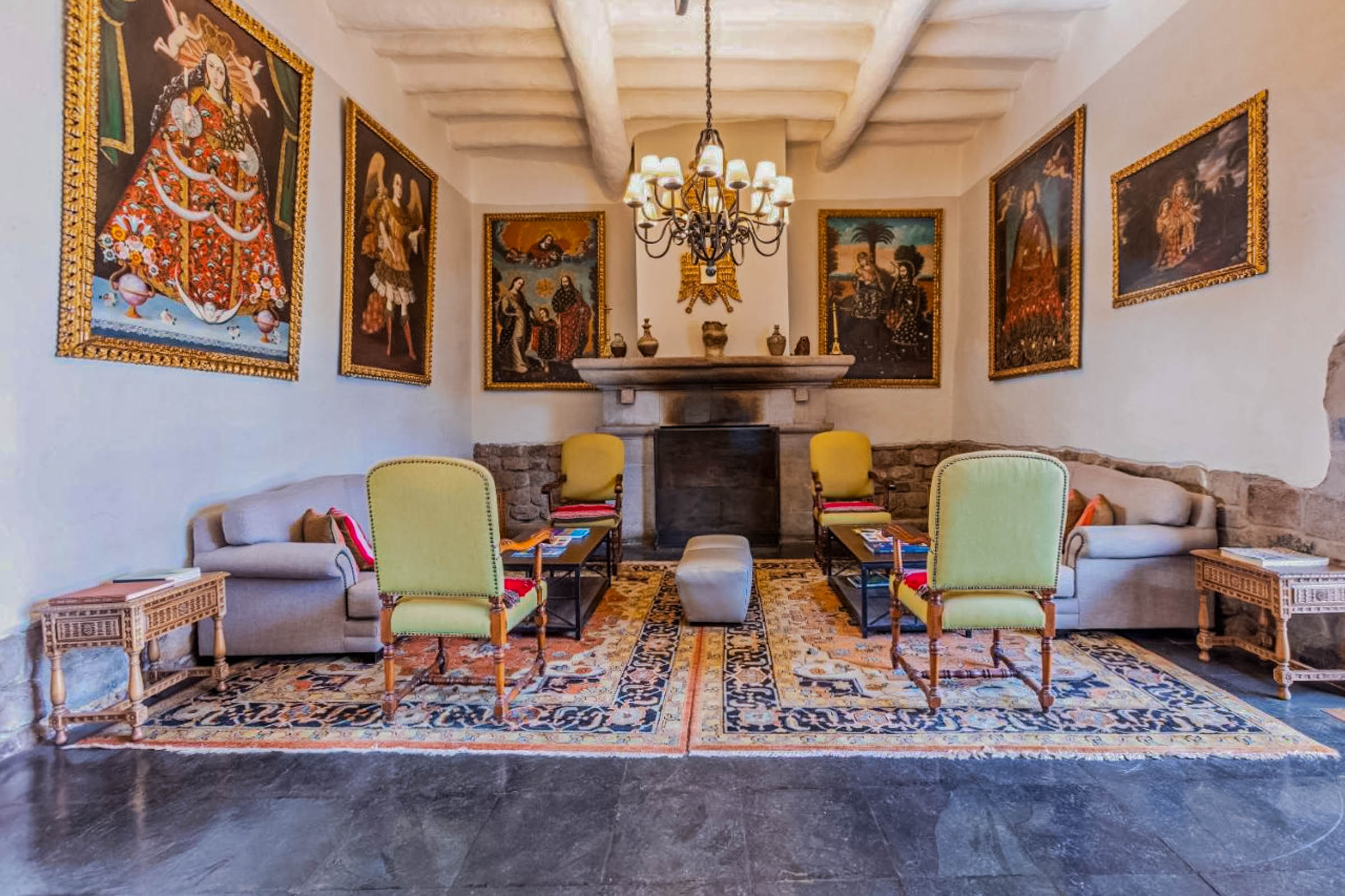
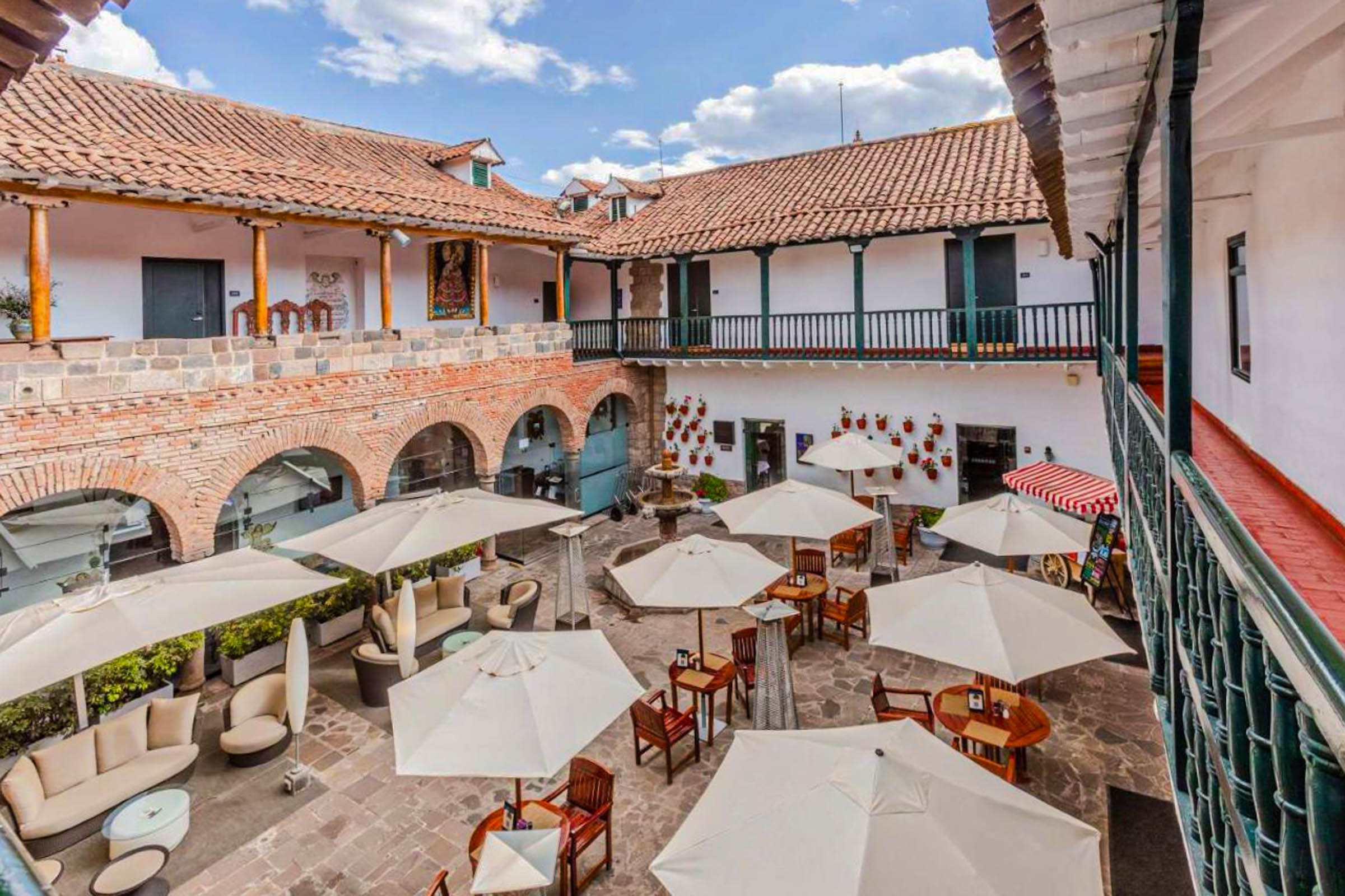
When I arrived in Cusco, a city steeped in history and the golden glow of the Andes, the Casa Andina Premium Cusco hotel greeted me like moonlight on ancient cobblestones. Located just steps away from Plaza de Armas, this hotel not only beautifully reflects the tradition and warmth of Peruvian culture but also provides ultimate comfort for the modern traveler. From the moment I stepped inside, the lobby amazed me with a mix of rustic architecture and contemporary design dark stone walls combined with warm wood tones, luxurious rugs with Inca motifs, and sparkling Murano glass chandeliers.
Casa Andina Premium Cusco: A Synonym for Warm Peruvian Hospitality
Upon my arrival, I immediately noticed the exceptional hospitality of the staff: warm smiles, the welcoming Spanish greeting “¡Bienvenidos!” and a refreshing glass of mate de coca upon check-in. The receptionists patiently explained the additional amenities the hotel offers, including free tea and coffee in the mini-lounge available 24/7, the option to rent a blanket for chilly morning walks in Cusco (at 3,400 meters above sea level, trust me, this is a fantastic solution!), and extra pillows and blankets upon request.
Imperial Suite Matrimonial: A Royal Retreat You Deserve
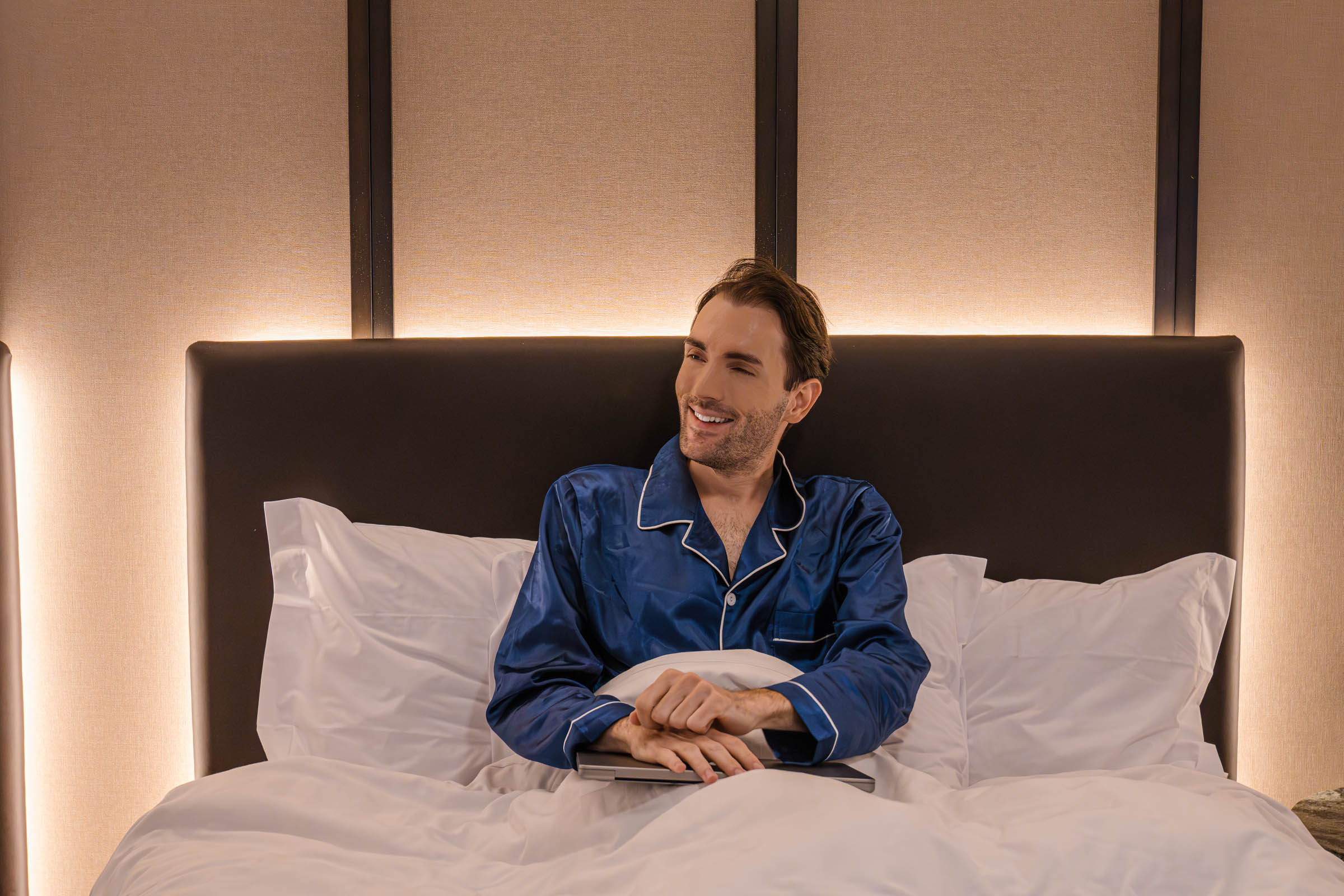
As I entered my Imperial Suite Matrimonial, I felt as though I had stepped into a private Inca residence. The spacious living room, with comfortable sofas and a work desk, provided the perfect spot to plan my upcoming days in Peru. The large windows offered views of Cusco’s narrow streets and colorful rooftops, while the early rays of sun beckoned me to enjoy every moment. The bedroom, equipped with a king-size bed, high-density mattress, and soft duvets, assured me of a peaceful and restful sleep.
The bathroom deserves special praise: the shower with strong hot water flow and double sinks—perfect for my (im)perfect morning routine. Luxurious toiletries inspired by local Andean herbs and citrus fruits gave me the feel of a spa oasis right in the heart of the city. Additionally, a small but incredibly useful touch: specially heated towel racks and slippers, a detail that truly enhanced the experience.

The Andean Hedonism Journal and Panoramic Breakfast
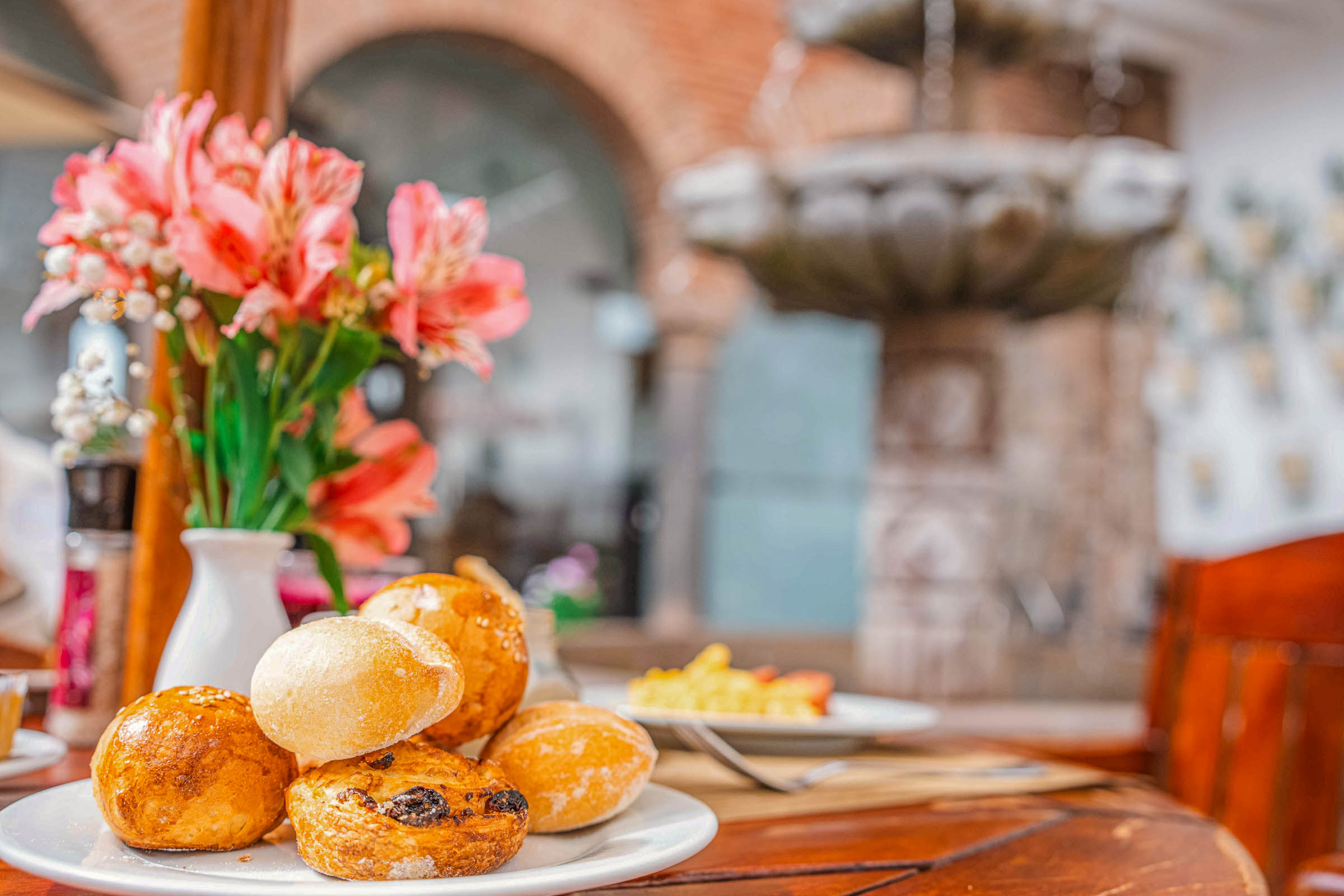
Each morning, I started with a hearty breakfast at the Casa Andina Premium Cusco hotel restaurant. Large windows framed the charming ancient streets of Cusco, while the interior combined traditional Quechua fabrics with minimalist furniture. The breakfast included fresh fruits, local grains such as kiwicha and quinoa, homemade guava jam, and a cocktail of freshly squeezed juices. With such a wonderful and perfectly balanced breakfast, I felt healthy but also somewhat pampered, a memorable contrast between the ancient Inca culture and modern Peruvian luxury.


The Connection Between Casa Andina Premium Cusco and Cusco
For me, Casa Andina Premium Cusco is more than just a place to stay: it is a portal into the past of the Inca civilization and the present of Cusco. Every day, the staff organizes brief lectures on local history and cultural customs. I even attended a workshop on traditional textile making and learned to recognize various colors and patterns. This experience helped me better understand the meaning of stone in Inca architecture and the symbolism of colors in textiles. I felt like, at least for a moment, I became a part of Inca culture, perfectly integrated—not just as a guest but as a student of a magnificent civilization.


Cusco: The City of Gold and Stone
When I first set eyes on Cusco, I was filled with an unusual sense of excitement. Once the opulent capital of the Inca Empire, today this city enchants with its stone walls, colorful squares, and the golden glow of the Andes. At every corner, at 3,400 meters above sea level, you can feel the breath of history and the energy that attracts hundreds of thousands of visitors annually.
Cusco (Quechua: Qusqu or Qosqo, Spanish: Cuzco) is the historical capital of Peru and the main city of the former Inca Empire. The city is situated in the fertile and fresh valley of the Andean mountains at an altitude of 3,416 meters above sea level. The city’s origins date back to the pre-Inca period, and during the reign of Emperor Pachacuti in the 15th century, Cusco became an opulent metropolis. UNESCO proudly states that the “historical center of Cusco is listed as an example of Inca urban architecture,” where the Spanish built baroque palaces and churches over the ruins of Inca temples. During the Spanish colonization, the city survived bombardment, as the Spanish respected the wise urban layout of the Incas and essentially built their cathedrals over the foundations of sacred Inca temples. As a result, at every turn, you can witness massive stone blocks perfectly integrated into the walls of the Temple of the Sun—Qorikancha.
Arriving in Cusco and My First Impressions
I arrived by flight at the CUZ international airport. As soon as I stepped out of the terminal, I was greeted by the refreshing cool air of the Andes. Then, as we passed by the Huatanay River bank, with its ancient bridges, I thought about my adventurous blogging mission: uncovering all the secrets of Cusco. Finally, at the Casa Andina Premium Cusco hotel, I sipped my first glass of mate de coca and prepared to explore the city.

Geography and the Meaning of the Name Cusco
Cusco is located in southeastern Peru, near the Sacred Valley of the Incas and the Huatanay River. According to the latest 2017 census, the city has about 450,000 residents. Together with its surrounding suburbs, it is the seventh-largest metropolitan area in the country. The name of the city comes from the Aymara word qusqu wanka (“rock of the owl”). According to the legend of the brother Ayar Auca, the owl was the symbol of the city’s guardian and wisdom, which is why the Incas chose this location.
Cusco History: The Capital of the Inca Empire
Before the Spanish arrived, Cusco was the heart of the largest empire in South America. It was the home of Manco Cápac, the first Inca ruler, who is believed to have emerged from the Pacaritambo cave with his four companions. From that new home, the city grew into a center of political and spiritual power. In the 16th century, when the conquistadors conquered Peru, the city fell under their influence; however, the custom of joining Inca stone walls without mortar remained untouched.


UNESCO and Modern Cusco
Due to its rich heritage, UNESCO declared Cusco a “World Heritage Site” in 1983, calling it the City of Cusco. Since then, the city has attracted over two million tourists annually. According to the 1993 Constitution, Cusco is officially Peru’s historical capital. Despite the influx of visitors, the city has preserved its authentic atmosphere, from the narrow cobblestone streets to the colorful markets.
The Founding Myth: Ayar Auca & Ayar Oche
Legend says the brothers Ayar Auca and Ayar Oche sprouted wings. Ayar Auca flew across the valley, turning to stone to stake out sacred ground, while Ayar Oche returned to the Sun, commanding Manco Cápac to build a city exactly where the brothers had landed. Joined by their four sisters, they sowed the first corn and Cusco was born. Including the myth in your itinerary adds cultural depth and sets the stage for every ruin you’ll explore.

Stone Streets & Timeless Engineering
Walking Cusco feels like stepping inside an ancient blueprint. Inca ashlar masonry, massive stones locked together without mortar, still absorbs earthquakes that topple modern concrete. Every block in the historic center is a tactile timeline binding past to present.
Plaza de Armas: Heartbeat of the City
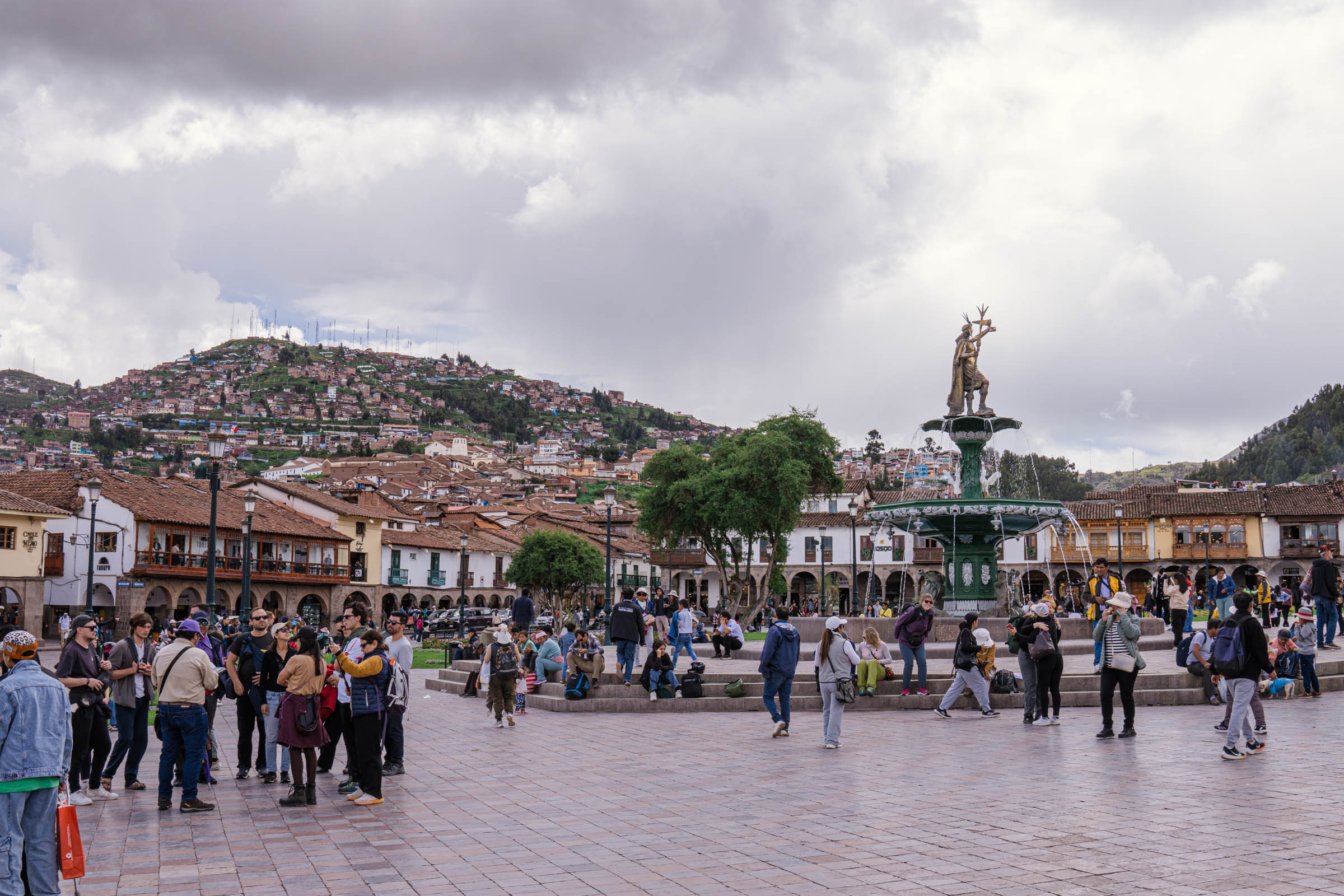
Of course, the heart of the city is the Plaza de Armas, the main square in the city. From there, there is a view of the cathedral and colonial buildings that intertwine with the remains of the rich Inca civilization. In the early hours of the morning, the square is quiet, the sellers have not yet set up their stalls with alpaca fabrics, and the sun is just shedding its first rays on the surrounding mountains. Later, the square comes alive with the smells of ceviche and fried corn galette.
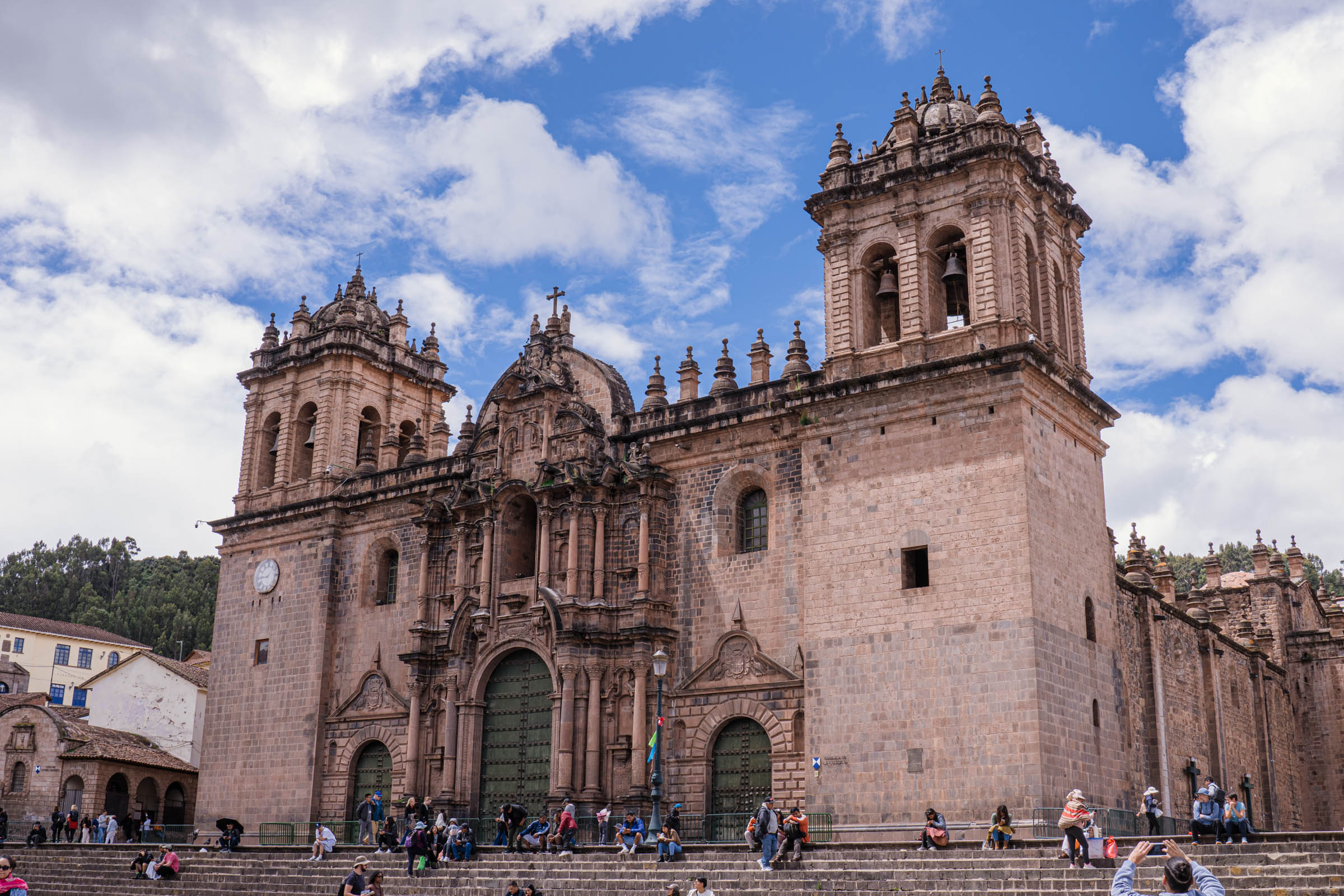
This square is the heart of the city, surrounded by colonial buildings, cathedrals and numerous restaurants and cafes. The 16th century cathedral on the north side of the square is spectacular, not only for its size and architecture, but also for the details, look closely at the altars, many are made of pure gold, and there is also a local version of the Last Supper where Christ has a “cuy” in front of him – a roasted guinea pig, a local specialty.
Quick tips
- Visit before 8 a.m. for photos minus the crowds.
- Step onto a balcony café for sunset views and stellar people-watching.
Where to Eat in Cusco
- Chicha por Gastón Acurio – Modern Peruvian tasting menus; ideal first night splurge.
- Pachapapa – Courtyard dining with wood-fired cuy and Andean stews.
- Museo del Pisco – Try a flight of pisco-based cocktails paired with tequeños.
- Qura Café – Healthy acai bowls, perfect for altitude-friendly breakfasts.
If you are a curious foodie when it comes to food, Cusco is a true hedonistic destination for all foodies. In addition to traditional dishes such as grilled alpaca, aji de gallina (chicken in a creamy chili sauce) and the already mentioned “cuy”, you can also find modern fusions of Peruvian cuisine. I recommend the restaurant Chicha por Gastón Acurio – honestly, it’s not the cheapest, but it’s a great introduction to contemporary Peruvian cuisine. In the continuation of this text, I will share with you some additional recommendations for local cuisine in Cusco.

San Blas: The Bohemian Quarter
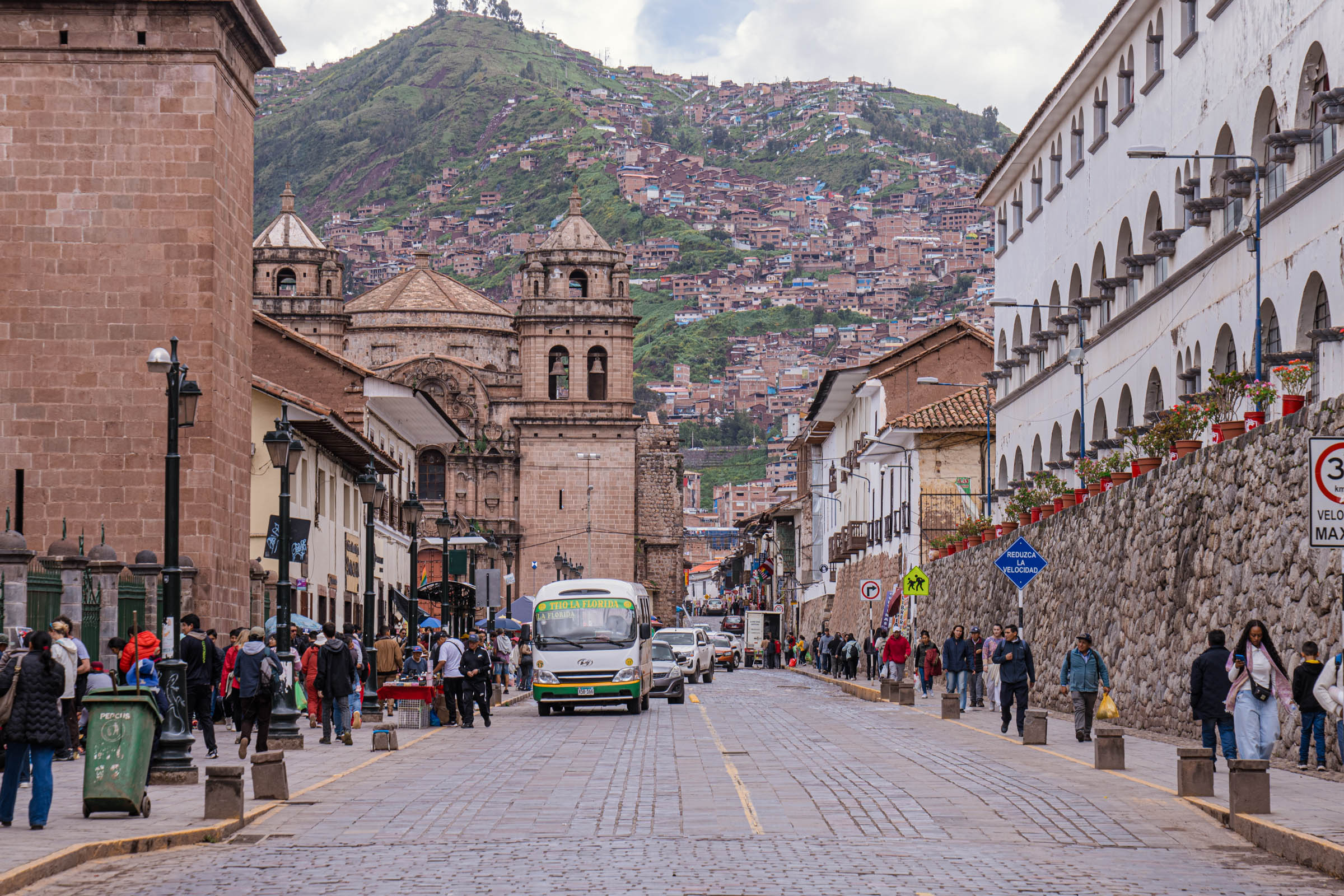
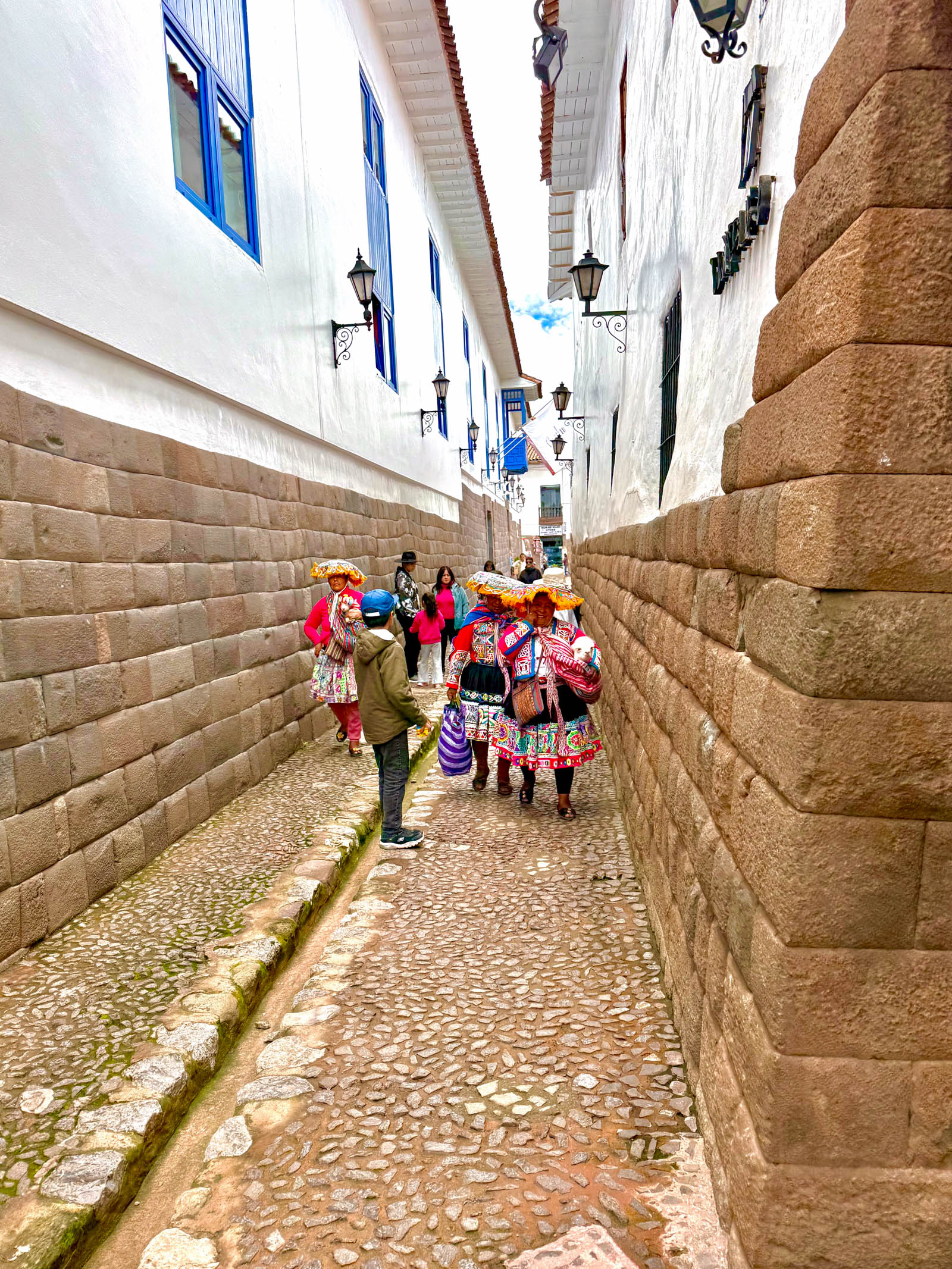
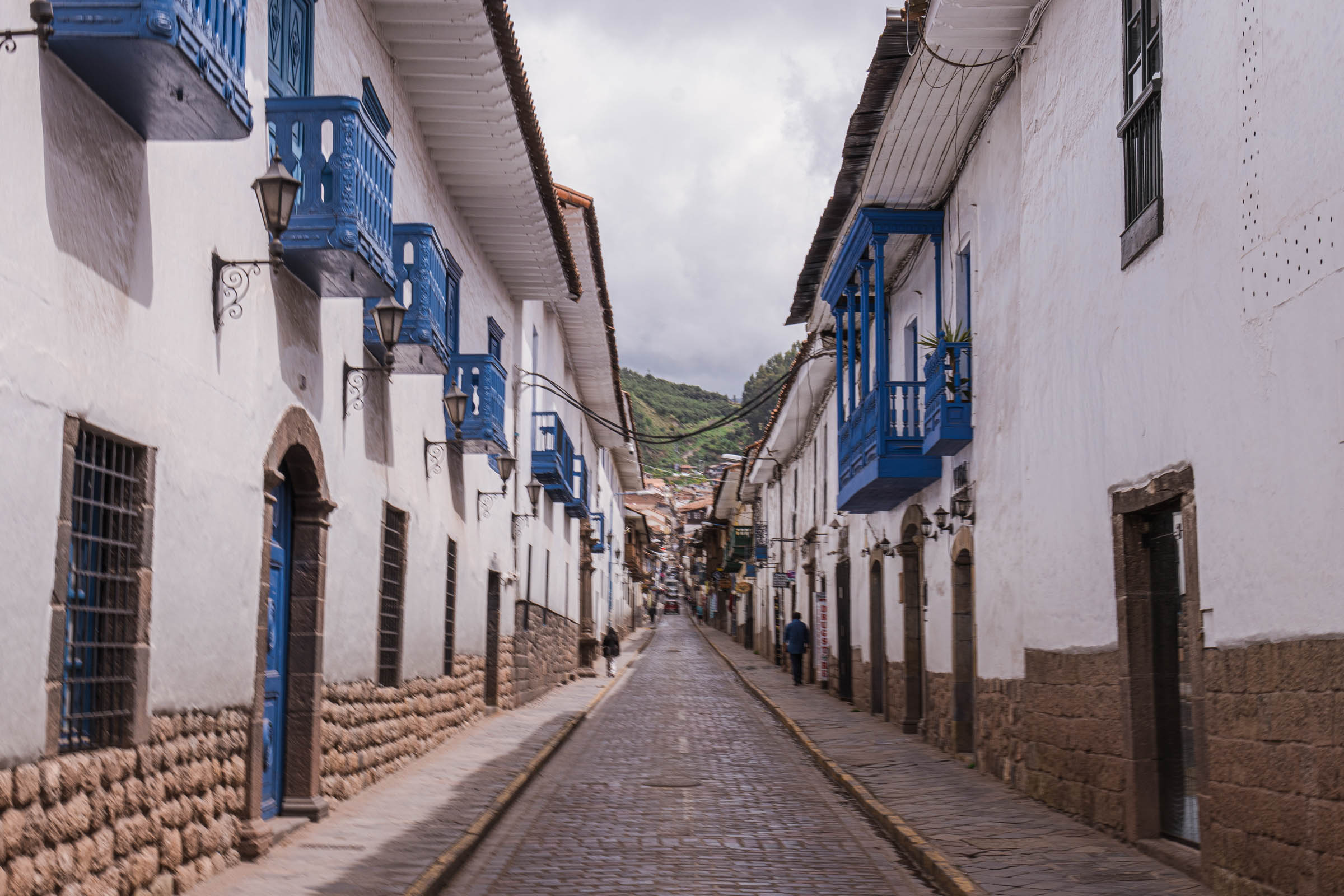
A five-minute uphill walk from the plaza, San Blas is all cobblestones, artisan studios, and blue-framed balconies. Browse fair-trade alpaca scarves, sip single-origin Peruvian coffee, and watch sunset paint the rooftops terracotta.
Beyond the Cusco: Essential Day Trips
| Site | Why Go | Travel Time* |
|---|---|---|
| Sacsayhuamán | Cyclopean ramparts, panoramic city view | 15 min by taxi |
| Tambomachay, Puka Pukara, Q’enqo | Lesser-known Inca ritual sites | 20–30 min |
| Qorikancha | Temple of the Sun under a Dominican cloister | 10 min walk |
*From Plaza de Armas
IMPORTANT: Save with the Boleto Turístico del Cusco, one ticket grants entry to multiple ruins and museums.


Cusco Markets & Local Culture
In addition to the historical monuments, I also enjoyed exploring the San Pedro Market. The colorful rows of fruits, vegetables, handicrafts and peppers enchanted all my senses. Also, there I tried chicha morada for the first time – a dark, sweet drink made from purple corn, and then the famous Peruvian mulled wine.
The architecture of Cuzco is an incredible mix: rarely will you see such a harmonious fusion of Inca urbanism and Spanish Baroque. The century-old building of the cathedral stands next to the pyramidal terraces of the Inca palaces, the narrow streets with white facades hide the authentic legacies of ancient civilizations. As I sighed over the mighty Inca wall with its perfectly carved blocks, I thought about the legend of the sacred Castle of the Sun and how the ancient Incas built without mortar, influenced by the legend of the “Stone Mage.”


Each stone tells a story: for example, the walls of priestly complexes are cut up to date and tucked among Spanish churches, which UNESCO describes as “an impossible fusion of Inca traditional and Plateresque, Mudejar and even Churigvere style”. Looking at it, I, as a lover of architecture and art, enjoy looking at every architectural detail such as small balconies, the famous red roof tiles, as well as the hinges on the wooden doors, because every detail exudes a place that simultaneously remembers the Inca Empire and the golden age of colonialism.
Cusco Culture and authenticity: Colors of the Andean tradition
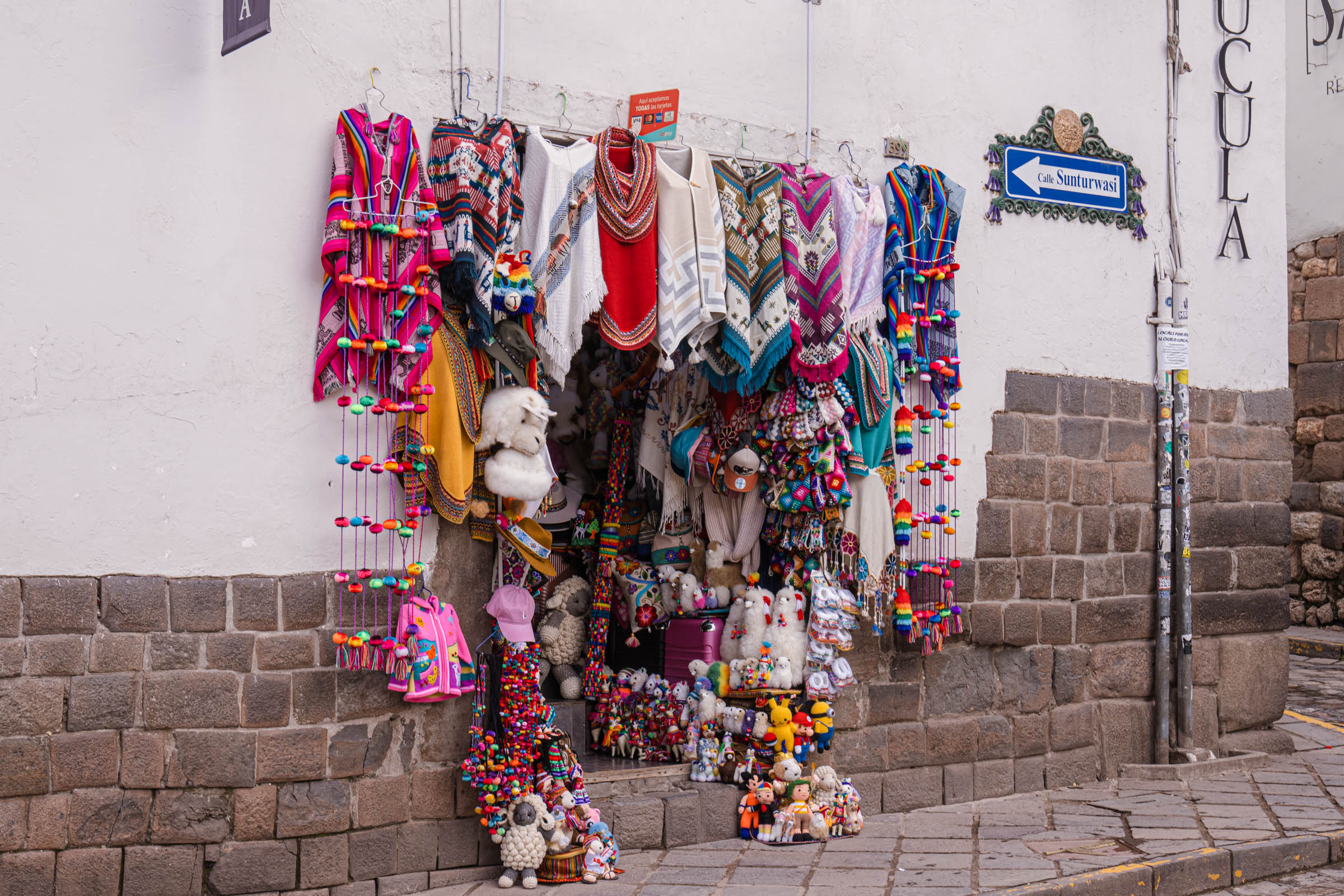
Walking through the picturesque districts of Cusco, I felt the real richness of the local culture. The alleys of San Blas and Coralli are filled with a few fashion details, alpaca wool and musicians playing the crouching cajón (wooden box-drum) or the Andean fluted quena. I was often stopped by smiling hosts in colorful ponchos, dominated by the orange, red and turquoise colors of natural colors. At the San Pedro market, the freshness of the fruit mingled with the aroma of macha (corn cream) and coca tea – one little thing says a lot: the traditional pukara of coca tea serves to adapt to the altitude climate, protecting me from headaches!
The custom of local traditions of colorful miniature ponchos and the magic of throat singing impressed me as a fashion blogger. A habitat of indigenous crafts and modern art permeates every corner: I also visited the Centro de Textiles Tradicionales del Cusco workshop, where local artisans make wallets and bags by weaving wool dyed with natural vegetable dyes. I felt inspired by their costumes, capes and accessories, I immediately started thinking about the perfect fashion combination with some of my pieces that I brought with me in my suitcase, that’s exactly one of the authentic experiences of Cusco.


Peru’s cultural features are diverse, I saw sword nightingale (albacha), who create a mystical atmosphere with their unusual sound, while children played with llamas in the square. Cusco is a fusion of old Inca tradition and new Peruvian culture and this is something that is reflected in every smile of a local. Every night, at the Inca Celebration as recommended by my guide, Spanish guitar chords mingle with the smoldering of Peruvian maracas and the blending of Sacred Valley songs. Even touristic cultural evenings in luxury hotels often include live performances with cruises, instruments marked by the native landscape of the Andes.

Cusco: A gourmet experience of top flavors from the Andes
Cuzco is not only famous for its history, but also for its rich gastronomy. If you are a culinary lover, this is a destination that will win you over. At every step you can find luxurious restaurants of class to authentic Peruvian taverns. In a cozy neighborhood, I visited the festive restaurant Chicha, which was opened by Gaston Acurio, who is known as the “father of Peruvian cuisine”.


At Chichi, I tried their favorite specialties such as local trout ceviche and homemade corn dumplings stuffed with cheese. This experience showed me why the famous Peruvian cuisine has become a worldwide hit. To welcome me, I received a colorful creation: a Passion Fruit Pisco Sour (a cocktail of the local spirit pisco with passion fruit), which I poured between bites of aromatic cheese and corn canapés. This top restaurant in Cusco often combines local ingredients (quinoa, alpaca meat, various types of corn, as well as a large number of mushrooms from the Andes) with a very modern way of serving food, so that every bite is a real visual experience and delight.

Another gourmet discovery in Cusco is the Museo del Pisco – a restaurant and bar dedicated to the city’s homegrown local spirit. There I was introduced to the diversity of pisco-based cocktails, somewhere between a plate of ceviche and tequeña (Peruvian fried fast food), I learned that pisco plays host to related notes of grapes and mountain herbs. The tables are covered with silky tablecloths and the waiters are elegant, and this luxurious experience is filled to the last drop of coconut sorbet for dessert.
I didn’t miss the famous places in the old part of the city: I had breakfast in the bohemian ‘Qura’ cafeteria, where healthy smoothies with acai berries and hot sandwiches are just for those who like to eat healthier, and I tried to feel the magic of lunch of traditional Inca-style food on the terrace of Pachapapa restaurant overlooking the local courtyard and their traditional dish cuy (roasted guinea pig, yes the one that is a pet in our area), which is a real adventurer gourmet challenge. I must admit that this culinary experience in Cuzco left an impressive impression on me, I had the feeling that the sun of the Andes gives a special taste to the dishes, and the smells of spices (cumin, chili, coriander) add magic to the atmosphere.
Travelers in Peru must know that the food here is more than just a meal – it’s a story of a world of copper, gold and fertile soil. You can feel the pride and tradition in every restaurant, and I especially enjoyed listening to the head chefs describing the origin of the ingredients. After each meal, it was an honor to toast with coffee from the mountain plantations or some interesting dessert that is like a small masterpiece and I felt like a part of this local fine dining cuisine.
Luxury Experience & Authentic Shopping in Cusco
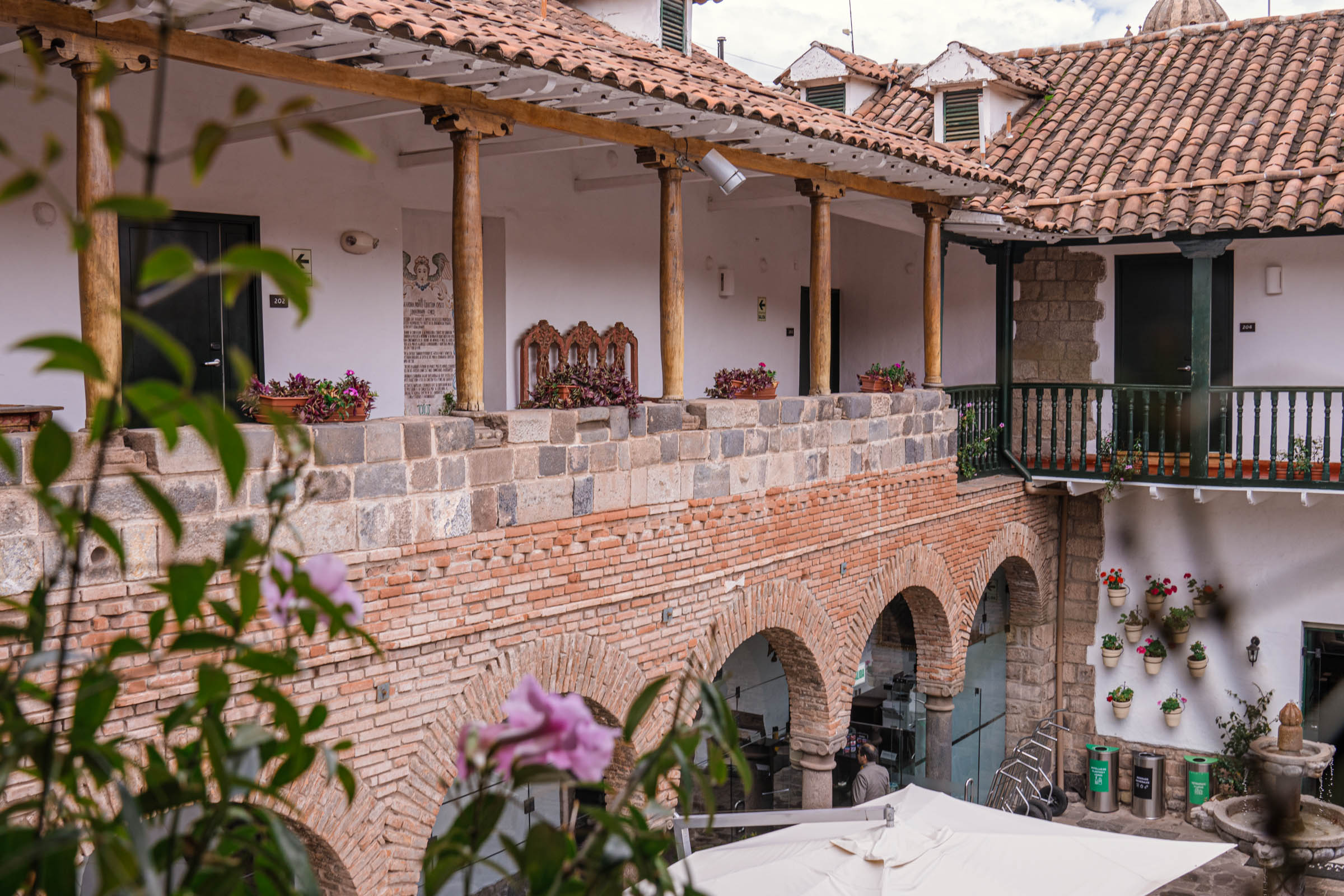
When I’m done exploring the city, it’s always nice to find refuge in some nice hotels. Although I try to give as many practical tips as possible, I can’t help but mention the amount of comfort that accompanies each of my trips. I am aware that the beauty of Cusco and the luxury of the experience here is often in the little things. Think for example when you enter your room in a converted monastery from the 17th century: massive wooden doors, carpets with oriental motifs and beds with soft alpaca wool covers, such an interior inspires you to feel like a noble in the evening. A walk through the luxury hotel named after the Andes can be an adventure in itself: restaurants in a forge, rooms with old frescoes and even a caged garden with colorful Andean parrots.
Shopping in Cusco is also part of the experience. In the boutiques of Cuzco, the sellers proudly shared stories and various experiences with me with authentic alpaca coats, hand-knitted gloves, as well as numerous premium silver and copper souvenirs, just as if I was buying something that would take me back to the fashion time machine of the beautiful Andes. All in all, luxury in Cusco is not only an expensive hotel, textiles and souvenirs, but also an interesting encounter with an ancient culture, as well as a quiet escape from reality after a day full of adventures.


Sacred Valley & the Magic of Machu Picchu
I have always been drawn to the Sacred Valley of the Incas and the famous citadel of Machu Picchu, and this time I treated myself to a glamorous experience. That moment was truly magical, I felt like I was traveling through time.
In the next post, which I will publish on Friday, June 13, I will present a detailed experience with one of the wonders of the world in South America – Machu Picchu, which is much more than a quiet ancient city, sun and fog. What I can tell you is that it was a really fascinating feeling, like I was on top of the world. I walked along the bright paths, feeling the cold stone under my sneakers, and I thought I was dreaming. It was the highlight of the trip to Peru, one of those moments that makes trips to be remembered for a lifetime.

Cusco Travel Checklist
- Plaza de Armas & Cathedral
- Qorikancha (Temple of the Sun)
- San Pedro Market food tour
- Sacsayhuamán fortress overlook
- Tambomachay, Puka Pukara & Q’enqo circuit
- Sacred Valley day trip: Pisac, Ollantaytambo, Chinchero
- Machu Picchu sunrise trek
- Inti Raymi Festival (June 24)
- Art stroll through San Blas
- Museo Inka & Centro Qosqo de Arte Nativo
Plan your stay to take in the history, culture and natural beauty of Cusco. A new story awaits you in every corner of the city. Enjoy your trip!
Final Thoughts about Cusco
In the end, this trip to Cusco was truly a combination of travel luxury and authenticity. Walking along the same streets where the Incas walked, drinking a top-notch writer at a salad bar with colonial architecture, experiencing traditional colors and flavors, all of that filled me with new inspiration. Just as UNESCO highlights the unique synthesis of Inca and Spanish influence in Cusco, I have tried to connect history with modern comfort in this text.
Cusco won me over with its contrasts: ancient culture blends with modern tourism. As I watched the city wake up in golden rays on the last morning, I knew I would be back. This city is not just a destination – it is a story that spans thousands of years.


My dear travellers and lovers of unusual trips, I hope that I was able to transport you at least to some extent to the magical world of Cusco and that you enjoyed this travelogue, as I enjoyed preparing it for you. With this fascinating trip to Peru, I broadened my cultural horizons and South America helped me complete the puzzle of the world in my head that I have been putting together for years.
Today’s travelogue would not be possible without the selfless help of the United Nations World Tourism Organization (UN Tourism), the Commission for Trade, Tourism and Investments of Peru (PROMPERU), the Ministry of Foreign Trade and Tourism of Peru and the Casa Andina Premium Cusco in cooperation with local partners who allowed me to feel the spirit and beauty of local culture and the beauty of daily life in Cusco. Of course, as always, I tried my best to convey to you my impressions of this unusual experience from Peru.

A person is rich in soul if he has managed to explore the world and I am glad that I always manage to find partners of my projects who help me to discover new and unusual destinations in a completely different way.
I am honoured to have the opportunity to collaborate with many companies in the tourism sector and I would like to thank once again United Nations World Tourism Organization (UN Tourism), the Commission for Trade, Tourism and Investments of Peru (PROMPERU), the Ministry of Foreign Trade and Tourism of Peru and the Casa Andina Premium Cusco hotel for this incredible adventure and for allowing me to feel the beauty of this very unusual Peruvian – Andean culture in a different way and to feel the beauty of everyday life in Cusco.


How did you like my story about Cusco and the presentation this city steeped in history and the golden glow of the Andes? Have you had the chance to visit Cusco and beautiful Peru so far?
If you have any question, comment, suggestion or message for me you can write me below in the comments. Of course, as always, you can contact me via email or social networks, all addresses can be found on the CONTACT page. See you at the same place in a few days, with some new story!
With Love from Cusco,
Mr.M

This post is sponsored by the United Nations World Tourism Organization (UN Tourism), the Commission for Trade, Tourism and Investments of Peru (PROMPERU), the Ministry of Foreign Trade and Tourism of Peru, the Casa Andina Premium Cusco hotel and other local partners. This post is my personal and honest review of the destination experience.
Dear Marko, amazing post! I visited Cusco last year and immediately fell in love with its vibrant streets and rich Inca heritage. After exploring the local markets, I also made a quick trip to Puno and Lake Titicaca, it was surreal. Your detailed tips on acclimatization and local cuisine would have saved me so much trial and error! I can’t wait to return and explore more of Peru’s hidden gems. Thanks for sharing such an inspiring guide!
Hi Marko, your blog post brought back memories of my solo journey through Cusco and the Sacred Valley. I also spent a few nights in Arequipa, admiring the white volcanic architecture. Your hotel recommendations and transport advice are spot‑on! I’m already bookmarking your blog posts as reminders for my next South American adventure. Keep these amazing travelogues coming!
Dear Marko, I really need to confess that I deeply enjoyed your travelogues that you made in South America and you are great writer. Reading your blog about Cusco transported me right back to that magical sunrise at Saqsaywaman. I remember hopping down to Lima afterward for the food scene, it was unforgettable. Your photography tips and local guides section really shine. I’m sharing this with friends who dream of South American adventure. Fabulous work! With best regards, Soren
This is so great Marko! I’ve bookmarked your Cusco travelogue as I’m planning my first trip to Peru next spring. I’ve also heard great things about Cartagena in Colombia and Rio Carnival in Brazil. Your breakdown of daily budgets and local customs makes planning so much easier. Thank you for crafting such an engaging and practical guide, I’m excited to dive in!
Dein Artikel erinnert mich an meine Reise von Cusco nach Arequipa, wo ich die weiße Stadt bewunderte. Ich habe auch kurze Ausflüge nach Puno und Titicaca unternommen, atemberaubend! Deine Hotel und Transportempfehlungen sparen einem jede Menge Arbeit. Ich teile diesen Beitrag gerne mit Freunden, die ebenfalls Südamerika erkunden möchten. Weiter so!
Cusco war mein Highlight in Peru, doch auch Buenos Aires hat mich fasziniert, insbesondere die Tangoshows! Deine praktischen Pack‑ und Sicherheitstipps hätten mir damals sehr geholfen. Jetzt plane ich eine Route über Quito nach Cartagena, und dein Blog ist meine wichtigste Ressource. Großartige Arbeit!
Beim Lesen deines Berichts fühlte ich mich nach Sacsayhuamán zurückversetzt, als die Sonne hinter den Anden aufging. Später verbrachte ich einige Tage in Lima und genoss die kulinarische Vielfalt. Deine Fotografie‑ und Insider‑Tipps sind erstklassig. Ich empfehle diesen Beitrag allen Reisebegeisterten weiter! Mit FG, Carl
Lieber Marko, dein ausführlicher Reisebericht über Cusco hilft mir enorm bei meiner Peru‑Planung im kommenden Frühjahr. Ich möchte auch Valparaíso in Chile und Machu Picchu besuchen. Deine Budget‑Tipps und kulturellen Hinweise sind fantastisch. Vielen Dank für diesen wertvollen Leitfaden!
Mi viaje a Cusco fue inolvidable, especialmente el amanecer en Sacsayhuamán. Luego exploré Arequipa y su arquitectura colonial blanca. Tus recomendaciones de alojamiento y transporte me vienen perfectas para planear mi regreso. Gracias por compartir tanto detalle y pasión por Perú. ¡Tu blog es mi guía imprescindible!
Me encantó tu post sobre Cusco, reviví mis paseos por el mercado de Pisac y la energía de la Plaza de Armas. También descubrí Lima y su deliciosa gastronomía callejera. Tus consejos de adaptación a la altitud y comida local me resultan muy útiles. Pronto añadiré Puno y el lago Titicaca a mi itinerario. ¡Felicitaciones por el excelente contenido!
Después de Cusco, visité Bogotá y quedé maravillada con su vida cultural. Ahora quiero volver y recorrer el Valle Sagrado con tu guía como referencia. Me gusta mucho cómo integras datos históricos y tips prácticos. Compartiré este artículo con quienes sueñan con conocer América del Sur. ¡Seguimos conectados!
Querido Marko, tu relato sobre la ciudad del Cusco en primavera me emociona a planear mi próximo viaje. Quiero combinarlo con una ruta por Cartagena y Quito. Me ayudó mucho tu sección de gastos diarios y recomendaciones de seguridad. Gracias por hacer tan fácil organizar la aventura. ¡Lo leí con gran interés!
Tus fotos de los coloridos tejidos cusqueños me transportaron al corazón andino. Después pasé por Valdivia en Chile y fue maravilloso. Ahora, planeo mi recorrido por Perú con tu blog como referencia. ¡Gracias por inspirar esta pasión por viajar!
Il mio soggiorno a Cusco è stato un sogno: l’alba sulle rovine di Sacsayhuamán non la dimenticherò mai. Ho poi visitato la vivace Lima, dove il cibo di strada è una vera delizia. I tuoi suggerimenti su come gestire l’altitudine e i mezzi di trasporto sono preziosi. Non vedo l’ora di esplorare il Perù con il tuo blog come guida. Complimenti per l’articolo straordinario!
Leggendo il tuo post su Cusco, ho rivissuto il mio tour nel Sacred Valley e la magia di Pisac. Successivamente ho trascorso qualche giorno a Salta, in Argentina, splendida mix di culture. Le tue indicazioni sulle sistemazioni e i ristoranti tipici mi hanno ispirato molto. Grazie per aver creato una guida così completa e coinvolgente!
Il tuo racconto su Cusco e il relax all’hotel Casa Andina Premium mi ha convinto a prenotare appena possibile. Dopo Cusco, voglio andare a Valparaíso e Santiago. Apprezzo molto i tuoi consigli sul budget giornaliero e sui mercati locali. Grazie per ispirare viaggi così autentici!
En lisant ton article, j’ai repensé à ma visite de la Vallée sacrée et au marché coloré de Pisac. Puis j’ai découvert la ville de Sucre en Bolivie, pleine de charme colonial. Tes recommandations d’hôtels et de restaurants m’ont énormément aidé. Je partage ce post avec mes amis passionnés d’Amérique du Sud. Bravo pour ton travail!
Cusco fut la perle de mon périple, mais j’ai aussi adoré Quito et ses panoramas sur les montagnes. Ton guide détaillé m’a permis d’éviter bien des pièges à touristes. Je garde précieusement tes conseils pour mes futures escapades. Merci de nous offrir un contenu si riche et authentique!
Ton récit sur les ruelles de Cusco et l’accueil chaleureux des locaux m’invite à y retourner. J’envisage d’ajouter Salta en Argentine à mon itinéraire, inspiré par tes posts. Tes astuces budgétaires et tes suggestions de visites sont inestimables. Je recommande ton blog à tous les voyageurs.
J’ai été séduit par tes photos des maisons colorées du quartier de San Blas. J’ai aussi profité d’un séjour à Punta Arenas au Chili un contraste saisissant. Ton article m’aide à finaliser mon projet de voyage au Pérou. Merci pour cette source d’inspiration et d’informations précieuses!