
My dear travellers and lovers of unusual journeys, welcome to the new travelogue on the Mr.M blog. After the travelogues from Paris and Nice that won your hearts, it’s time to focus on another pearl of the French Riviera – Monte Carlo. There are places that we read about all our lives, but still surprise us when we finally see them live.
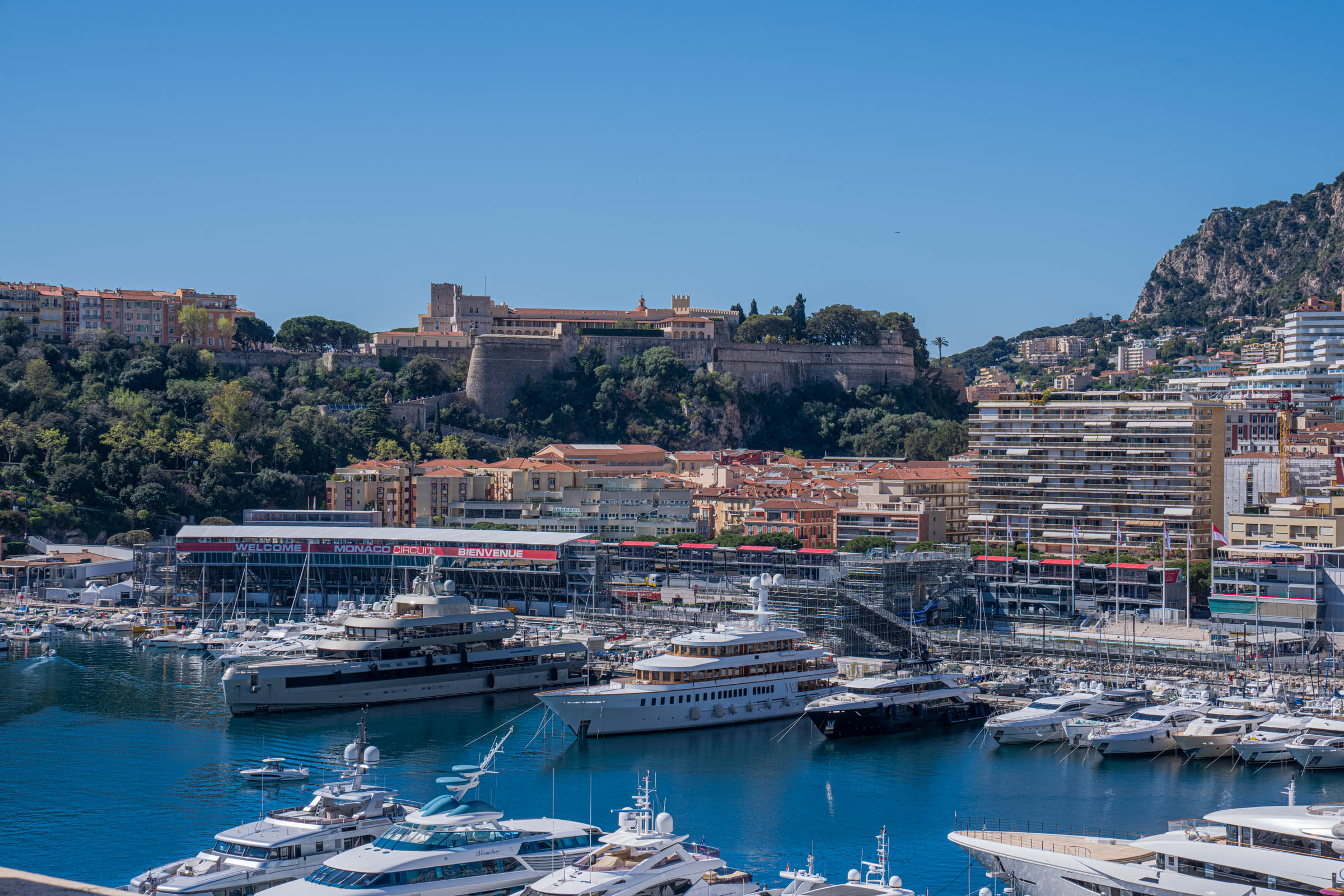
Monte Carlo is just such a place for me. I first heard about it through countless movies, Formula 1 races, and stories of a casino where fortunes were won and lost. However, none of that prepared me for the moment when, from the rock of the old town, I looked for the first time at the Port of Hercules, full of yachts glistening in the April sun.
Before I start today’s travelogue about Monte Carlo, I want to express my special thanks to the United Nations World Tourism Organization – UN Tourism and Boscolo Nice Hotel & Spa for supporting and promoting quality tourism around the world. Their dedication to connecting cultures and destinations is an inspiration to all of us who believe that travel enriches the soul.
MONACO, PRINCIPALITY OF OPULENCE AND SPLENDOR ON THE CÔTE D’AZUR
I arrived in Monaco by train from Nice, as part of my series of trips to the Cote d’Azur. The ride takes barely twenty minutes, and the railway goes along the coast itself. Already at the station you realize that you have arrived in a different world. Marble, silence, order, and the feeling that someone had carefully planned every detail. My photographer and I spent the whole day walking through the principality, from the casino to the Duke’s Palace, from the cathedral to the gardens above the sea.
In this letter I take you through everything we have seen. I will write about the history that turned a poor rock into the most expensive address in the world. In this travelogue, I will reveal to you what is really worth visiting, how to plan your day and why Monte Carlo has been so popular for over one hundred and sixty years. I promise you one thing: this story is much more interesting than a postcard with yachts.

MONACO IN THE PALM OF YOUR HAND: THE SECOND SMALLEST COUNTRY IN THE WORLD
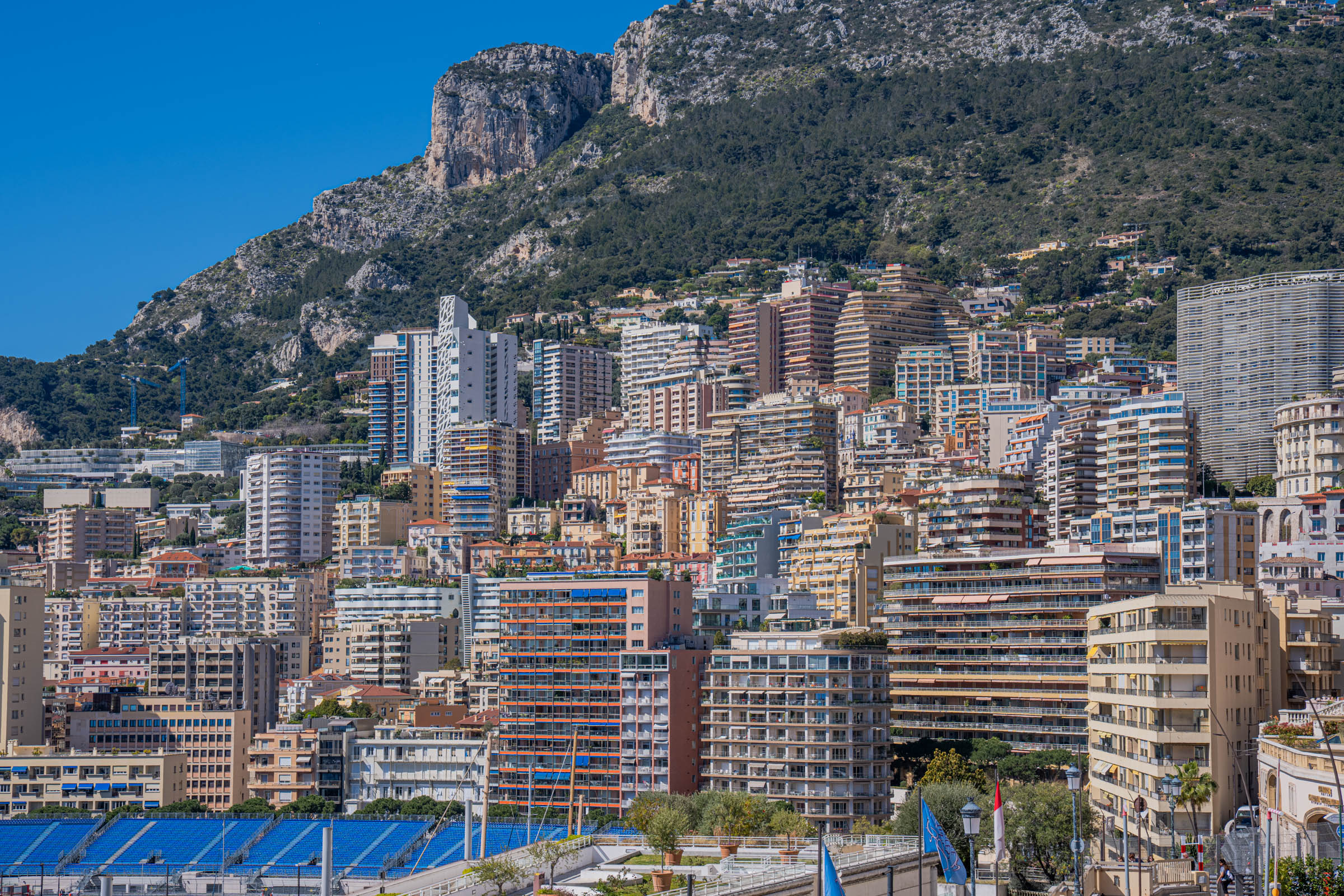
Let’s start with the basic concepts, because many people make mistakes here. Monaco is a country, and Monte Carlo is just one of its districts. The entire principality covers about two square kilometers. It is smaller than many Belgrade municipalities, and only the Vatican is smaller than it. Around 38,000 people call Monaco home, making it the most densely populated country in the world.
Despite its tiny area, the principality has everything that large countries have. There is a ruler, a government, a flag, an anthem and even a football club that plays in the French championship. French is the official language, and Monaco uses the euro despite not being a member of the European Union. It is also interesting that the real Monegasques, citizens of the principality, are a minority of the population. The majority are wealthy foreigners who were attracted by the mild climate, security and famous tax policy. Namely, as early as 1869, Prince Charles III abolished the income tax of citizens, and that rule is still valid today.
The country is divided into several districts. Monaco-Ville is an old town on a rock, the seat of a palace and a cathedral. Monte Carlo is a district of casinos, hotels and expensive storefronts. Condamine includes the harbor, while Fontvieille is a modern quarter that was literally stolen from the sea. You can walk around it all in one day, with good will and comfortable shoes. It is precisely this brevity that makes Monaco the perfect destination for a day trip from the Cote d’Azur.


MONKS, SWORDS AND THE ROCK: HOW THE GRIMALDIS CONQUERED MONACO
The story of Monaco begins like a movie script. On January 8, 1297, a man dressed as a Franciscan monk appeared on the rock in front of the gate of the Genoese fortress. The guards opened the door to him, believing that they were receiving a man of God. Beneath the mantle, however, was a sword. Francesco Grimaldi, called Malicia or the Cunning, took the fortress with his men that night. With that cunning, the rule of the Grimaldi family began, which has lasted for more than seven centuries.
The memory of that event is still around you today. The coat of arms of Monaco shows exactly two monks with drawn swords. Many believe that the very name of the country comes from the Italian word for monk, which makes the legend even more beautiful. The Grimaldi family first held the title of lord, and from 1612, at the time of Honoré II, the title of prince. Their dynasty is among the oldest ruling houses of Europe that are still on the throne.
However, the road to today’s glory was not smooth. For centuries, the principality lived modestly, from olives, lemons and fishing. The hardest blow came in the middle of the nineteenth century. Then the cities of Menton and Roquebrin seceded, and Monaco lost about four-fifths of its territory and most of its income overnight. The country was on the verge of collapse. Salvation came from an unexpected direction, which I write about below.


THE CASINO THAT SAVED MONACO: THE BIRTH OF MONTE CARLO
In the sixties of the nineteenth century, Prince Charles III made a move that changed history. In 1863, by princely decree, he founded the Society of Sea Baths, the famous SBM, and entrusted it to François Blanc. The French entrepreneur had already run a successful casino in Germany and knew exactly what he was doing. Blanc understood the simple truth: the cube alone is not enough. A whole world of opulence should be built around it, with hotels, gardens, opera and the feeling of entering a fairy tale.
A desolate, rocky plateau called Spélugues was chosen for development, where only olives and citrus trees grew at the time. In 1863, developers built a casino, followed a year later by the Hôtel de Paris. A few years after that, they opened a café that would become the famous Café de Paris. Soon the railway arrived, so the European elite began to flock to this coast.
On June 1, 1866, the prince named the new quarter in his honor: Monte Carlo, i.e. Charles’ Hill. The income from the game was so great that the state soon abolished the tax on citizens. The small principality, which until yesterday was counting change, has become synonymous with wealth. Rarely in history has a country changed its destiny so quickly, and on a single map. That card was called Monte Carlo.


CASINO DE MONTE-CARLO: THE BUILDING THAT INVENTED GLAMOUR
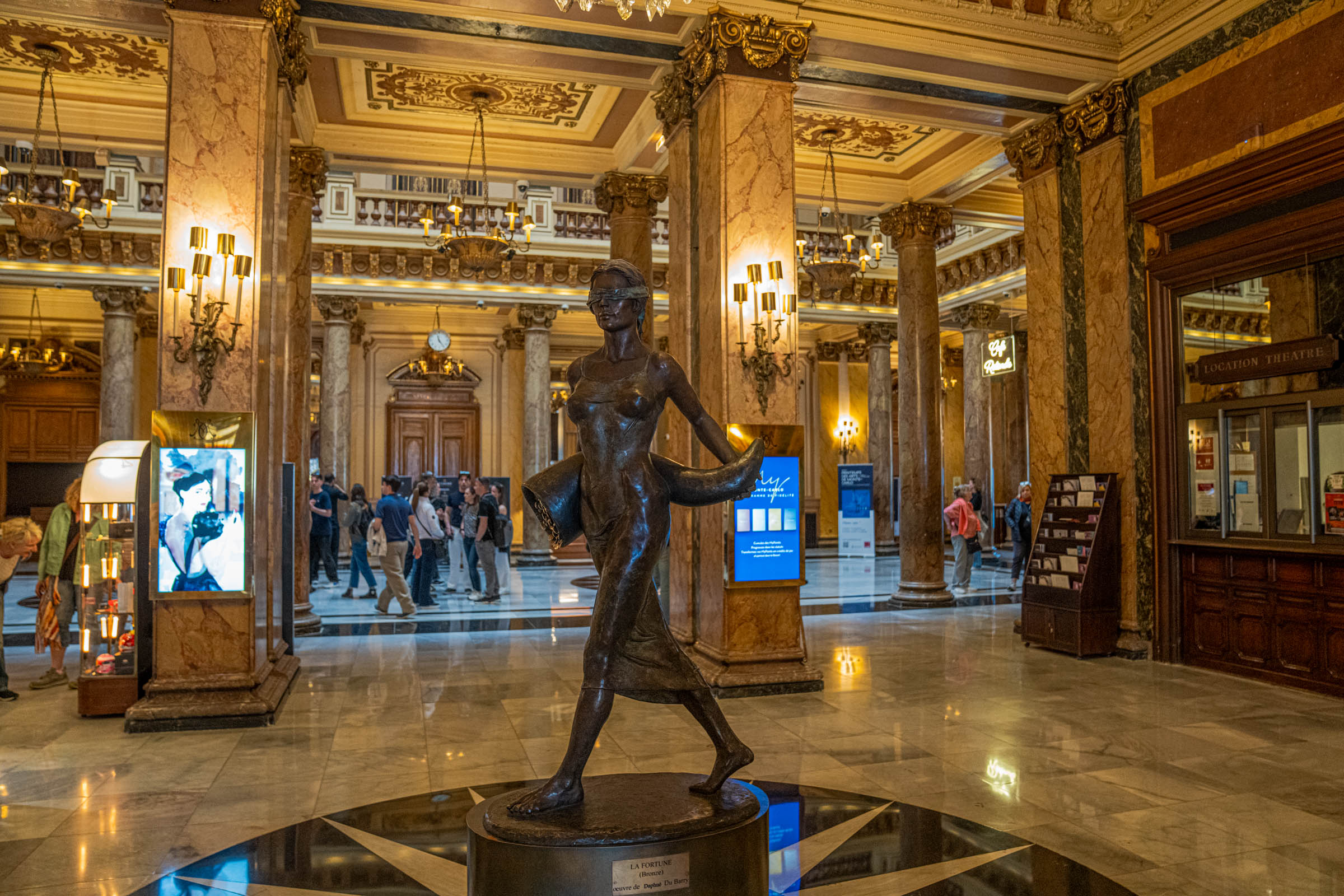
Casino Monte Carlo welcomes you like a theater, not like a casino. Its current appearance is the work of Charles Garnier, the architect of the Paris Opera, who added a dome and a sumptuous hall to the building at the end of the seventies of the nineteenth century. The building also houses the Garnier Opera Hall, opened in January 1879, when the famous Sarah Bernhardt appeared on stage. Since then, gambling, opera and ballet have met under the same roof.
The interior left me breathless, I admit without hesitation. The atrium is supported by twenty-eight marble Ionic columns, above which stretches a gallery with frescoes and a stained-glass roof through which daylight pours in. In the lobby you are greeted by a bronze figure of Fortune, the blindfolded goddess of fortune. The symbolism is clear to anyone who has ever sat down at a table with green choya.
I have some practical advice for visitors. Every morning, from ten to three o’clock, the casino opens its doors for sightseeing with an entrance fee. The game starts in the afternoon, when stricter dress codes and mandatory document checks apply. Entry is allowed only to adults, so bring your passport or ID card. An unusual rule is also interesting: the citizens of Monaco are prohibited from entering the gambling halls. That provision dates back to the time of the establishment, so that the local family would not gamble away the property. The principality, it seems, has always known that it is better to live from the cube when you look at it from the side.
PLACE DU CASINO: ONE OF THE MOST EXCLUSIVE SQUARES IN EUROPE
The square in front of the casino is a small stage where the world likes to show off. On one side stands the Hotel De Paris, opened way back in 1864, in the basement of which are some of the richest wine treasures in the world. Across the street is the Cafe de Paris, on whose terrace you can enjoy a coffee and watch the expensive cars driving around the square. A few steps away rises the Hermitage Hotel, a masterpiece of a beautiful era, whose pastel facade with Monaco flags I photographed for a long time.
The area around the square is known as the golden square, the most expensive piece of land in Europe. The shops of houses such as Cartier, Louis Vuitton and Prada were located there, in a new part of the building with glass facades and greenery. A walk through that part of the city is reminiscent of flipping through a fashion magazine. The shop windows are works of art, and the flower arrangements change like theatre scenery.


My advice is: don’t let the prices scare you. A walk in this area costs nothing, and provides more impressions than many museums. Sit on a bench in the gardens behind the casino, among hundred-year-old palm trees and fountains. Watch the world go by, from tourists in sneakers to gentlemen in tailored suits. It is precisely in this contrast that the charm of Monte Carlo is hidden. Here, no one feels like an intruder, because the city has been used to prying eyes since the time of François Blanc.


PORT HERCULES AND THE MONACO GRAND PRIX: THE RACE THAT STOPS THE PRINCIPALITY
Going down from the casino to the sea takes you to the Port of Hercules, a natural bay that was used by the ancient Greeks and Romans. Today, side by side, there are yachts worth as much as entire settlements. The view of the harbor from the heights of the old town is one of the most beautiful views of the Mediterranean. Behind the forest of masts rise the solitaires, and above everything watches the mountain Tet de Chien, the stone watchdog of the principality.
My visit coincided with preparations for the Monaco Grand Prix, so I found the city in a special edition. Workers were installing bleachers along the shore, and welcome signs were already hanging above the track. The first race through the streets of Monaco was held back in 1929, and since 1950 this track has been part of the Formula 1 championship. Drivers consider it the most difficult in the world, because there is often not even an inch of space between the car and the guardrail.
Every year, the Grand Prix turns the principality into an unparalleled stage. Balconies become lodges, yachts become auditoriums, and ordinary streets, which you will walk on yourself, become the holy ground of motoring. That’s why, even outside of the race weekend, you can see tourists taking photos of the famous curve by the casino or the tunnel by the sea. If you don’t mind the crowds, arriving at race time will give you an experience to remember. If you are looking for peace, choose spring or early autumn, when the city breathes more slowly.

MONACO-VILLE: THE OLD TOWN WHERE THE HEART OF THE PRINCIPALITY BEATS
On a high rock above the harbor lies Monaco-Ville, the oldest district and the soul of the entire country. I went up to it by a stone staircase that goes through an old gate in the ramparts, the same way that soldiers and merchants passed through for centuries. Already at the top, you realize that you have stepped into another world: instead of solitaires, narrow streets, pastel facades and flags with red and white fields await you here.
The old town seems like a Mediterranean village that happened to be in the middle of the most expensive country in the world. The shutters on the windows are painted olive green, the street lamps hang on forged brackets, and the smell of dough comes from the small bakeries. A stone fountain with a statue of the saint gurgles on St. Nicholas Square, while waiters from nearby restaurants bring out plates of Monegasque specialties. Try the barbaduan, a fried dough filled with Swiss chard, which is considered the national dish here.


Through the labyrinth of alleys, you finally emerge on the main road that leads to the palace. At one point, between two rows of facades, the white facade of the Prince’s Palace can be seen, as a reward for walking patiently. This is where I took some of my favorite photos from this trip. First-hand advice: come before ten o’clock in the morning. Then the streets are still empty, the light is soft, and the old town belongs only to you and the occasional pigeon.


MONACO-VILLE: THE PRINCE’S PALACE AND THE CHANGING OF THE GUARD AT 11:55 AM
The ducal palace stands on the site of a Genoese fortress built in 1215. Since that night in 1297, when Francesco Grimaldi took it by deception, it has been the home of the ruling family. Over the centuries, princes added to it and beautified it, so today’s building combines Renaissance elegance and medieval austerity. In front of the palace is a large square paved with pebbles, bordered by old cannons and acorn pyramids.
The biggest attraction of the square is the changing of the guard, a ceremony that takes place every day at exactly 11:55 am. The prince’s carabinieri, a unit founded in 1817, perform it with military precision and the sound of drums. I recommend that you arrive at least twenty minutes early, because quite a crowd gathers. In certain parts of the year, you can also visit the luxurious state chambers of the palace, which is worth checking before your trip.
From the edge of the square there is a view that I have absorbed for a long time. On one side, there is a view of the Port of Hercules and Monte Carlo, and on the other, the district of Fonveille and the open sea. From there you can best understand how small this country is and how precious every meter of it is. As I stood on the cobblestones of the square, I thought how few families in the world can say: we have kept this view for seven hundred years.


MONACO CATHEDRAL: WHERE PRINCESS GRACE RESTS
A few minutes’ walk from the palace stands the Cathedral of Monaco, a white stone edifice from nearby La Tirbi. Construction began in 1875 on the site of the first Monegasque church dedicated to Saint Nicholas, built in the thirteenth century. The works were completed in 1903, and the temple was ceremonially consecrated in 1911. Because of that older church, many still call it the Cathedral of St. Nicholas, although it is officially dedicated to the Immaculate Virgin Mary.
The interior exudes a peace you don’t expect ten minutes from a casino. The stone vaults, the red carpet through the nave and the mosaic above the altar create a solemn, almost theatrical scene. It was here in April 1956 that Prince Rainier III and Hollywood actress Grace Kelly got married. That wedding was followed by cameras all over the world, and Monaco got its biggest star overnight.

Behind the main altar are the graves of the rulers of the Grimaldi family. Among them is a modest plate with the inscription Gratia Patricia, under which rests Princess Grace, who tragically passed away in 1982. Next to her lies Prince Rainier. There are always fresh flowers on the board, left by admirers from all over the world. I stood there in silence longer than I had planned. Few stories combine fairy tale and sadness like the fate of an actress turned princess. Entrance to the cathedral is free, with a request for appropriate clothing and silence.


SAINT MARTIN GARDENS: A GREEN OASIS ABOVE THE MEDITERRANEAN
Just below the cathedral, along the very edge of the rock, stretch the gardens of St. Maarten. It is about the oldest public gardens of the principality, laid out in the nineteenth century. The paths wind between Aleppo pines, olive trees, agaves and whole groups of cacti, and between the treetops the blue of the Mediterranean flashes every little bit. After the hustle and bustle around the palace, this is the perfect place to take a break.
A walk through the gardens also brings unexpected sights. On one of the terraces I found a fountain surrounded by ferns, where pigeons were bathing as if they too were part of the scenery. A few steps further, through a curtain of cacti, a view of the roofs of Fonvej opens up. There are also sculptures along the paths, among them a monument to Prince Albert the First, a ruler who loved the oceans and science.

The famous Oceanographic Museum, founded by Albert the First in 1910, rises along the very edge of the gardens. The building is dug into the cliff above the sea and is one of the most beautiful museums in Europe, with aquariums that delight both children and adults. My visit was dedicated to the streets and architecture, so I’m leaving the museum for another visit. However, I highly recommend it to you, especially if you are traveling as a family. In Monaco, where every meter of land is worth its weight in gold, this green oasis seems like a real little miracle.


FONTVIEILLE: THE DISTRICT MONACO RECLAIMED FROM THE SEA
From the vantage points of the old town there is a view of Fonvey, a district that is the best proof of Monegasque persistence. When the principality ran out of land, Prince Rainier III decided to create it. During the second half of the 20th century, entire hectares of new soil were obtained by filling the sea. Residential blocks with pink facades, marinas for yachts, parks and sports centers have sprung up on them. Because of such endeavors, Rainier was nicknamed the Prince Builder.
Fontvieille shows a calmer, almost family face of Monaco. There are no casinos or red carpets here, but there are promenades along the water, fish markets and cafes where locals sit. The crown of the Louis II stadium, home of the Monaco football club, also protrudes above the roofs. It is interesting that this club, although it plays in the French championship, wears the colors of the principality and enjoys the status of national pride.
For visitors with more time, Fontvieille hides a few more addresses. There is a rose garden dedicated to Princess Grace and a collection of old cars of the princely family. My favorite remains the view from the path that descends from the gardens to the marina. On one side, endless open sea, on the other, a rock with a palace, and between them a city that literally grew out of the waves. That picture sums up Monaco best: where others see a border, here they see a building plot.


PRACTICAL TIPS FOR VISITING MONTE CARLO
Getting to Monaco is simpler than many people think. It is easiest to arrive by train from Nice, because the ride takes about twenty minutes, and the station is located in the very heart of the principality. Trains run frequently, so it’s easy to coordinate your departure with your plans. I honestly do not recommend a car, because garages are expensive and the streets are congested during the season.
One full day is enough to visit the main sights, although two days offer a more relaxed pace. Expect a lot of walking and climbing, but know that the city is helping: a network of public elevators and escalators connects the lower and higher parts of the principality, free of charge. Wear comfortable shoes, and for visiting the casino in the afternoon, bring a more elegant wardrobe and a document.
When it comes to the wallet, the Monte Carlo can be kind to the smart. The changing of the guard, the cathedral, the gardens, the harbor and walks through the old town cost nothing. Coffee on the famous terraces is more expensive than elsewhere, but the experience is part of the price. For a more affordable meal, look for bakeries and smaller restaurants in the old town or around the port. The best months to visit are April, May, September and October, when the light is mild and the crowds bearable. The weekend of the Grand Prix, at the end of spring, is a special experience, but then the prices of accommodation in the whole region go sky high.


WHY IS MONTE CARLO SO POPULAR?
After a whole day of walking I tried to answer this question for myself. The answer, it seems to me, lies in a rare combination of things that don’t go together anywhere else. Monte Carlo is at the same time a country and a stage, a museum and a modern meeting place, a Mediterranean village and the world capital of wealth. More stories are packed into two square kilometers than in many metropolises.
Popularity was also supported by events that went down in legend. Back in the nineteenth century, the casino attracted European nobility, and later film crews, so some films about a secret agent in a tuxedo were filmed in its halls. Grace Kelly’s wedding gave the principality a Hollywood sheen that has not faded even after seventy years. The Formula 1 Grand Prix brings images of these streets into the homes of hundreds of millions of people every year. Add to that safety, orderliness and a climate with three hundred sunny days, and the picture becomes complete.
There is, however, something less tangible. Monte Carlo nurtures the feeling that excellence is possible, that even the smallest can fight for a place under the sun if they are smart and brave enough. That message stands at the foundation of the country that was saved by one bold idea. Because of her, even those who will never enter a casino or buy a watch from a shop window on the golden square come back here.


WHY MONTE CARLO SHOULD BE ON EVERY TRAVELER’S BUCKET LIST?
My dear travel lovers, as I finish this travelogue, the sun is setting behind the rock where the Grimaldis have stood guard for seven centuries. I imagined Monte Carlo as a cold display of wealth, and I found a city full of stories, history and unexpected warmth. I saw a casino that saved the country, a monk with a sword in his arms, a princess resting under a slab of fresh flowers and the stands waiting for the world’s fastest race.
If you ever find yourself on the Cote d’Azur, hijack a day and give it to the principality. Walk from the casino to the rock, stop at 11:55 in front of the palace, catch a glimpse of Port Hercule and eat barbaduan in an alley of the old town. You will find, as I did, that sometimes the smallest countries leave the biggest impressions.
Monaco is not just a dot on the luxury map. Monaco is proof that a bold vision can conquer both geography and destiny. And Monte Carlo? Monte Carlo is not retold. Monte Carlo is experienced.
Feel free to leave your impressions, comments or questions below the text or contact me via email and social networks. All information is available on the CONTACT page.
I will definitely come back again, because this city just finds a way to your heart!
With Love from Monte Carlo,
Mr.M


This post is sponsored by the United Nations World Tourism Organization (UN Tourism) and the Hotel Boscolo Nice & Spa hotel, as well as other local partners who selflessly supported this project. This post is my personal and honest review of the destination experience.
Hi Marko, I have been following your travel stories for quite a while and this one about Monte Carlo was a pleasure to read. I liked how you explained the difference between Monaco and Monte Carlo because many people still confuse the two. The story about Francesco Grimaldi entering the fortress disguised as a monk was especially fascinating. I have visited the French Riviera several times, but somehow never made it to Monaco. Your description of the view over Port Hercule made me feel as if I was standing there myself. Do you think arriving early in the morning is… Read more »
Ciao Marko, ho letto il tuo racconto con grande interesse. Mi è piaciuto il modo in cui hai combinato storia, architettura e impressioni personali senza trasformare il testo in una semplice guida turistica. Sono stato a Nizza qualche anno fa ma non ho dedicato abbastanza tempo a Monaco, cosa di cui oggi mi pento. La parte sul Casinò di Monte Carlo e sulla nascita del quartiere mi ha insegnato diverse cose che non conoscevo. Anche la descrizione dei giardini di Saint-Martin mi ha incuriosito molto. Secondo te vale la pena fermarsi due giorni invece di fare solo una gita giornaliera?
Hallo Marko, das war einer der interessantesten Beiträge über Monaco, die ich in letzter Zeit gelesen habe. Besonders gefallen hat mir, dass du nicht nur über Luxus gesprochen hast, sondern auch über die Geschichte hinter dem Fürstentum. Die Geschichte der Grimaldis liest sich wirklich wie ein Film. Vor einigen Jahren war ich in Cannes und Antibes, habe Monaco aber ausgelassen. Nach deinem Bericht denke ich, dass das ein Fehler war. Wie voll waren die Straßen rund um den Casino-Platz während deines Besuchs im April?
Olá Marko, gostei muito da forma como descreveste Monte Carlo além da imagem habitual de luxo e carros caros. A explicação sobre como o cassino ajudou a transformar o destino foi extremamente interessante. Já visitei Lisboa, Nice e Marselha, mas nunca tive a oportunidade de conhecer Mônaco. As fotografias e as descrições do porto despertaram a minha curiosidade. Também gostei da dica sobre utilizar o trem a partir de Nice. Na tua opinião, qual foi o momento mais emocionante do dia inteiro?
Bonjour Marko, quel magnifique récit de voyage. J’ai apprécié le fait que vous ayez pris le temps d’expliquer l’histoire du pays avant de parler des lieux à visiter. Beaucoup de voyageurs se concentrent uniquement sur le casino et les voitures de luxe. J’ai visité Monaco avant la pandémie et je me souviens encore du calme dans les jardins Saint-Martin. Votre texte m’a donné envie d’y retourner. Avez-vous eu l’occasion d’observer la relève de la garde depuis les premiers rangs?
Excellent post, Marko. What stood out to me most was your description of Monaco as both a country and a stage. That is probably the most accurate way I have ever seen it described. I visited the principality nearly fifteen years ago and remember being surprised by how compact everything felt. Your advice about using the train from Nice is very practical. The old town was my favorite area as well because it felt completely different from the image most people have of Monaco. Did you find the cathedral busier than the palace area?
Hola Marko, he disfrutado mucho leyendo este artículo. La historia de François Blanc y el desarrollo de Monte Carlo me pareció especialmente interesante porque explica cómo nació realmente el mito. Hace unos años estuve en París y después recorrí parte de la Costa Azul, pero no llegué hasta Mónaco. Tus descripciones me hicieron sentir que estaba caminando por las calles del casco antiguo. También agradezco los consejos prácticos para organizar la visita. ¿Crees que octubre sigue siendo una buena época para disfrutar de las vistas y del clima?
Beste Marko, dit was een bijzonder prettig reisverslag om te lezen. Ik vond het mooi dat je niet alleen de luxe beschreef, maar ook de menselijke verhalen achter Monaco. De geschiedenis van de familie Grimaldi kende ik slechts gedeeltelijk. Vooral het gedeelte over de oude stad sprak mij aan. Tijdens mijn bezoek aan Zuid-Frankrijk heb ik Monaco overgeslagen omdat ik dacht dat het alleen voor miljonairs interessant was. Na het lezen van jouw artikel zie ik dat heel anders.
Hello Marko, another wonderful travel story. I have read your articles about Paris and Rome before, and I like how each destination receives its own personality through your writing. The section about Grace Kelly was especially touching. Many travelers focus on glamour, yet the cathedral tells a much deeper story. I also appreciated the practical information about the dress code at the casino. Were there any parts of Monaco that felt overrated to you compared with your expectations?
Bonjour Marko, votre article m’a rappelé mon voyage à Monaco il y a plusieurs années. J’avais également été surpris par la taille du pays et par la facilité avec laquelle on peut tout parcourir à pied. La vue depuis le Rocher reste pour moi l’un des plus beaux panoramas de la Méditerranée. J’ai particulièrement aimé votre description du port Hercule. Elle reflète parfaitement l’atmosphère du lieu. Pensez-vous revenir pendant le week-end du Grand Prix un jour?
Hi Marko, I enjoyed every paragraph of this article. The way you described arriving by train from Nice immediately brought back memories of my own trip along the Riviera coast. The scenery from the railway is remarkable. I was also fascinated by the story of Monaco losing most of its territory in the nineteenth century and reinventing itself through tourism. That historical context made the modern city much more interesting. Thank you for sharing such a balanced perspective.
Caro Marko, questo è uno dei pochi articoli su Monte Carlo che non si limita a parlare di lusso. Ho apprezzato molto la parte dedicata a Monaco-Ville e alle sue stradine tranquille. Mi ha ricordato certi borghi della Liguria che conservano ancora un’anima autentica. La descrizione del cambio della guardia è stata molto utile. Non sapevo che iniziasse esattamente alle 11:55. Hai avuto abbastanza tempo per visitare anche il mercato o ti sei concentrato soprattutto sui monumenti?
Marko, your observation that Monte Carlo is more than a postcard with yachts is absolutely correct. I have never visited Monaco, but I have spent time in Menton and Nice. Reading about the historical connection between those places was fascinating. The article helped me understand how the principality evolved rather than simply presenting attractions. I also liked the recommendation about visiting outside Grand Prix weekend. The crowds must be overwhelming during that period.
Olá Marko, acompanho os teus relatos de viagem há bastante tempo e este foi um dos meus favoritos. Gostei especialmente da forma como descreveste a sensação de chegar ao porto pela primeira vez. As referências históricas tornaram a leitura muito mais rica. Nunca imaginei que a história do país estivesse tão ligada ao cassino. Também achei interessante saber que os cidadãos locais não podem jogar nas salas de apostas. Essa informação foi uma novidade para mim.
Hallo Marko, vielen Dank für diesen ausführlichen Bericht. Ich war vor drei Jahren in Monaco und konnte viele deiner Eindrücke nachvollziehen. Besonders die Gärten oberhalb des Meeres haben mir damals gefallen. Dort herrscht eine Ruhe, die man in einem so berühmten Ort nicht erwartet. Deine Beschreibung der Kathedrale war ebenfalls sehr gelungen. Hast du zufällig auch die Rosengärten von Prinzessin Grace besucht oder dafür keine Zeit gehabt?
Great article, Marko. I was impressed by the amount of history you managed to include without slowing down the narrative. The transition from the Grimaldi story to the development of Monte Carlo was particularly well done. I have always associated Monaco with Formula 1, yet your article showed many other reasons to visit. The Saint-Martin Gardens sound like exactly the kind of place I enjoy when traveling. Quiet corners often leave the strongest memories.
Hola Marko, gracias por compartir una visión tan completa de Monte Carlo. Me gustó mucho que explicaras la diferencia entre el país y el distrito porque es una confusión muy común. También me llamó la atención la historia de la familia Grimaldi y su permanencia durante tantos siglos. Estuve en Roma hace dos años y sentí algo parecido al descubrir la historia detrás de los monumentos. En los viajes, esos detalles suelen quedarse más tiempo en la memoria que las fotografías.
Hallo Marko, wat een boeiend verhaal. Ik vond vooral het gedeelte over de oude stad erg sterk geschreven. Veel artikelen over Monaco besteden daar nauwelijks aandacht aan. De beschrijving van de smalle straatjes en de bakkerijen gaf een heel ander beeld dan de gebruikelijke foto’s van sportwagens. Dat contrast maakte het artikel juist interessant. Zou je zeggen dat Monaco-Ville jouw favoriete deel van het vorstendom was?
Hi Marko, I thoroughly enjoyed this piece. Your description of the cathedral and the resting place of Grace Kelly was both respectful and moving. I visited Monaco many years ago with my wife and we still talk about the views from the Rock. Reading your article brought those memories back immediately. I also appreciated the practical advice regarding elevators and escalators. Many first-time visitors probably do not realize how useful they are.
Bonjour Marko, merci pour ce magnifique reportage. J’ai trouvé très intéressante votre réflexion finale sur la vision et le courage qui ont permis à Monaco de se réinventer. C’est une idée que l’on ne retrouve pas souvent dans les guides traditionnels. Votre texte m’a rappelé mes voyages sur la Côte d’Azur avant la pandémie. Les paysages restent parmi les plus beaux d’Europe. Continuez à partager ce type de récits détaillés.
Hello Marko, I really enjoyed the historical sections of this article. Many travel writers focus only on attractions, but you explained how Monaco transformed itself from a struggling principality into a global symbol of luxury. That context made the entire destination more meaningful. I was especially interested in the story of François Blanc and the development of Monte Carlo. It shows how one bold decision can change the future of a place. Have you visited any other destinations where a single project completely transformed a city?
Ciao Marko, ho letto il tuo articolo durante il mio caffè mattutino e mi è sembrato di essere già in Costa Azzurra. Ho visitato Monaco una sola volta molti anni fa e ricordo ancora la vista dal Palazzo del Principe. Mi è piaciuta molto la parte dedicata ai giardini di Saint-Martin. Sono luoghi che spesso vengono ignorati dai visitatori frettolosi. Le tue fotografie rendono giustizia a quella zona. Spero di tornare presto per esplorarla con più calma.
Hallo Marko, dein Bericht hat mir sehr gefallen. Besonders die Beschreibung der Anreise mit dem Zug von Nizza fand ich hilfreich. Viele Reisende unterschätzen, wie bequem diese Verbindung ist. Ich war zuletzt 2019 an der Côte d’Azur und erinnere mich noch gut an die Aussicht entlang der Strecke. Der Artikel hat viele Erinnerungen geweckt. Hast du den Bahnhof von Monaco genauso beeindruckend gefunden wie ich damals?
Hola Marko, excelente lectura. Me llamó mucho la atención la historia de la pérdida de territorio en el siglo XIX y cómo eso obligó al principado a reinventarse. Es un detalle que rara vez aparece en otros blogs de viajes. También disfruté mucho de la sección sobre el puerto y la Fórmula 1. Aunque nunca he asistido a una carrera, siempre he sentido curiosidad por el ambiente que se vive allí. ¿Crees que vale la pena visitar la ciudad durante los preparativos del Gran Premio?
Hi Marko, what I liked most was your honesty about expectations. Many people imagine Monte Carlo as a place that feels inaccessible, but your article shows that there are plenty of experiences available without spending a fortune. Walking through the old town, visiting the cathedral and enjoying the gardens sound like the highlights of the trip to me. I appreciate practical advice like that. Too many travel articles focus only on luxury hotels and expensive restaurants.
Ciao Marko, seguo il tuo blog da diverso tempo e credo che questo sia uno dei tuoi racconti meglio riusciti. Mi è piaciuto molto il modo in cui hai raccontato il contrasto tra ricchezza e tradizione. Da una parte ci sono gli yacht, i negozi di lusso e gli hotel famosi; dall’altra esistono ancora strade tranquille, edifici storici e una forte identità culturale. Questo equilibrio emerge chiaramente nel tuo articolo. Ho visitato Monaco durante un viaggio in Provenza e ricordo ancora il panorama dal Palazzo del Principe. Dopo aver letto il tuo racconto mi è venuta voglia di tornarci con… Read more »
Hi Marko, what I appreciated most was your final conclusion about Monaco being proof that vision can overcome limitations. It is easy to focus on the wealth and glamour, but the real story is how a tiny state managed to reinvent itself and survive. That message resonated with me much more than the luxury aspects. I also found the section about Fontvieille surprisingly interesting. Land reclamation projects often sound technical and boring, yet you managed to present it as part of the country’s larger story. That is not easy to do. Thank you for sharing such a thoughtful perspective on… Read more »
Olá Marko, este foi um dos relatos mais completos sobre Mónaco que li nos últimos tempos. Gostei especialmente da forma como descreveste as diferentes partes do principado. Muitas pessoas falam apenas de Monte Carlo e esquecem que existem outros bairros igualmente interessantes. A secção dedicada a Fontvieille chamou bastante a minha atenção. Não fazia ideia de que uma parte tão importante da cidade tivesse sido construída sobre terreno recuperado ao mar. Esse tipo de informação torna a viagem muito mais interessante. Também gostei da tua recomendação de explorar a cidade a pé. Parece ser a melhor forma de compreender a… Read more »
Bonjour Marko, j’ai lu cet article avec beaucoup de plaisir. Votre description des jardins Saint-Martin m’a particulièrement marqué. Lors de mon passage à Monaco, j’y avais passé près d’une heure simplement à admirer la mer et à profiter du calme. C’est un endroit que peu de visiteurs semblent apprécier à sa juste valeur. Votre texte rend parfaitement cette atmosphère paisible. J’ai également aimé les passages consacrés à l’histoire de la famille Grimaldi. Après plus de sept siècles, cette continuité reste absolument remarquable. Peu d’endroits en Europe possèdent une telle stabilité historique.
Hi Marko, I have visited Paris, Rome, Prague and much of southern France over the years, so I was naturally curious to read your thoughts on Monaco. What impressed me most was how accurately you captured the contrast between expectation and reality. Before my own visit, I expected a place that would feel cold and exclusive. Instead, I found charming streets, beautiful viewpoints and a surprisingly relaxed atmosphere. Your article reflects that experience perfectly. The recommendation to explore Monaco-Ville early in the morning is excellent advice. Those quiet moments often become the highlight of an entire trip.
Hallo Marko, dit was een geweldig reisverslag. Ik vond vooral de historische achtergrond erg interessant. Veel blogs besteden daar nauwelijks aandacht aan, terwijl geschiedenis juist helpt om een bestemming beter te begrijpen. De ontwikkeling van Monte Carlo van een rotsachtig gebied tot een wereldberoemd district is werkelijk bijzonder. Ook de praktische tips waren zeer nuttig. Het artikel voelt alsof het geschreven is door iemand die echt tijd heeft genomen om de bestemming te begrijpen en niet alleen de bekende bezienswaardigheden heeft bezocht. Dat maakt een groot verschil voor de lezer.
Hello Marko, your description of the cathedral was one of my favorite parts of the article. Places connected to important historical figures often become tourist attractions first and places of reflection second. From your writing, it seems that the cathedral has managed to preserve its dignity despite the number of visitors it receives. I visited it many years ago and remember feeling something similar. The story of Grace Kelly still fascinates people decades later. Your article captured that sense of admiration and melancholy very well. Thank you for sharing such a thoughtful perspective.
Hola Marko, me gustó mucho la manera en que estructuraste este relato. Cada sección aportaba algo nuevo y mantenía el interés hasta el final. La historia de Francesco Grimaldi fue probablemente la parte que más me sorprendió. Es increíble pensar que un episodio ocurrido hace tantos siglos siga formando parte de la identidad de un país. También disfruté mucho de las recomendaciones para organizar una visita de un día. Son consejos muy realistas y fáciles de seguir. Sin duda guardaré este artículo para cuando visite la Costa Azul.
Hallo Marko, vielen Dank für diesen hervorragenden Reisebericht. Besonders beeindruckt hat mich die Art, wie du Geschichte und Gegenwart miteinander verbunden hast. Monaco wird oft nur als Spielplatz der Reichen dargestellt, doch dein Artikel zeigt eine deutlich komplexere Realität. Die Beschreibung des Hafens und der Aussichtspunkte war ausgezeichnet. Ich konnte mir die Szenen bildlich vorstellen. Außerdem fand ich die Hinweise zur besten Reisezeit sehr hilfreich. Solche praktischen Informationen machen einen großen Unterschied bei der Reiseplanung.
Hello Marko, I have been reading travel blogs for more than a decade, and what keeps me coming back to certain writers is their ability to make a destination feel alive. That is exactly what happened while reading this article. I already knew the famous images of Monte Carlo: the casino, the yachts, the Formula 1 circuit and the luxury boutiques. What I did not know was how much history and resilience stand behind that glamorous image. The story about Monaco losing most of its territory and then reinventing itself through vision and determination was genuinely inspiring. I also appreciated… Read more »
Ciao Marko, seguo il tuo blog da parecchio tempo e devo dire che questo racconto mi è sembrato particolarmente maturo e ben costruito. Molti articoli su Monaco parlano soltanto di ricchezza e lusso, mentre tu sei riuscito a mostrare anche il lato storico e culturale della destinazione. Ho trovato affascinante la storia della famiglia Grimaldi e il modo in cui hai collegato eventi avvenuti sette secoli fa alla Monaco moderna. Mi è piaciuta anche la descrizione della cattedrale e della tomba della Principessa Grace. Sono luoghi che raccontano una storia molto più profonda rispetto a quella che si vede nelle… Read more »
Bonjour Marko, votre article m’a rappelé pourquoi la Côte d’Azur continue d’attirer des visiteurs du monde entier. J’ai visité Monaco plusieurs fois au cours de ma vie et pourtant j’ai découvert dans votre récit plusieurs détails que je ne connaissais pas. La partie consacrée à François Blanc et à la création du quartier de Monte-Carlo était particulièrement instructive. J’ai également apprécié votre réflexion finale sur la capacité de Monaco à transformer ses limites en opportunités. Peu de pays ont réussi à construire une identité aussi forte avec un territoire aussi réduit. Votre texte donne envie de ralentir le rythme et… Read more »
Hi Marko, what I enjoyed most about this article was the way you challenged some of the stereotypes surrounding Monaco. Before reading it, many people would probably imagine a place reserved exclusively for millionaires and celebrities. Yet your story shows that there is much more to discover, especially for travelers interested in history, architecture and culture. I was particularly fascinated by the account of the Prince’s Palace and the daily changing of the guard. Traditions like that provide a sense of continuity that many modern destinations have lost. The photographs of the old town also looked wonderful. They reminded me… Read more »
Hola Marko, he disfrutado enormemente de este relato. Lo que más me gustó fue la sensación de equilibrio que transmite el artículo. Por un lado hablas de hoteles históricos, boutiques de lujo y automóviles impresionantes, pero por otro muestras jardines tranquilos, callejuelas antiguas y rincones llenos de historia. Esa combinación hace que Monte Carlo parezca mucho más interesante de lo que imaginaba. También agradezco mucho los consejos prácticos relacionados con el transporte y las mejores épocas para visitar el principado. Son detalles que ayudan a convertir un buen artículo en una herramienta realmente útil para futuros viajeros. Después de leer… Read more »
Hello Marko, I have followed several of your travel stories over the past year and one thing I consistently appreciate is your attention to historical context. Many travel articles focus only on what can be seen today, while ignoring the events that shaped a destination. In this case, understanding the story of Monaco’s survival and transformation made every attraction more meaningful. The casino became more than just a famous building. The harbor became more than a collection of luxury yachts. Even the small details, such as the symbolism of the monks on the coat of arms, added depth to the… Read more »
Beste Marko, ik heb met veel plezier dit uitgebreide verslag gelezen. Wat mij vooral opviel, was hoe duidelijk je de verschillende gezichten van Monaco hebt beschreven. Veel mensen zien alleen de glamour van Monte Carlo, maar jouw artikel laat zien dat er ook rustige tuinen, historische gebouwen en authentieke straatjes bestaan. Ik vond vooral het gedeelte over Monaco-Ville erg interessant. Dat lijkt mij precies het soort plek waar je uren kunt rondwandelen zonder op de klok te kijken. Ook de geschiedenis van de Grimaldi-familie gaf extra betekenis aan de bezienswaardigheden. Het artikel voelde daardoor niet alleen als een reisverslag, maar… Read more »
Olá Marko, gostei muito deste artigo porque ele conseguiu transmitir emoção sem exageros. A tua descrição da chegada a Mónaco de comboio foi simples, mas muito eficaz. Quase consegui imaginar a sensação de ver a costa aproximar-se pela janela. Também achei extremamente interessante a forma como explicaste a evolução histórica do principado. Muitas pessoas conhecem Mónaco apenas pelos eventos de Fórmula 1 ou pelos cassinos, mas raramente entendem como o país chegou até esse ponto. O texto mostra claramente que existe muito mais por trás da imagem de luxo. Além disso, gostei bastante das sugestões para quem pretende visitar a… Read more »
Hi Marko, this article brought back memories of a trip my wife and I made to the French Riviera a few years before the pandemic. At the time, we debated whether Monaco was worth visiting or whether it was simply a place to tick off a list. Reading your story reminded me why we ended up enjoying it so much. The compact size of the principality allows visitors to experience a remarkable variety of attractions in a single day. One moment you are standing beside a royal palace, the next you are looking over a marina filled with yachts, and… Read more »
Bonjour Marko, je termine la lecture de votre article avec une très belle impression. Ce qui m’a le plus marqué, ce n’est pas le luxe ou les lieux célèbres, mais la manière dont vous avez présenté Monaco comme une histoire de vision et de persévérance. Derrière chaque palais, chaque jardin et chaque avenue prestigieuse se cache une histoire humaine que beaucoup de visiteurs ignorent. J’ai particulièrement apprécié les passages consacrés à Monaco-Ville, à la cathédrale et aux jardins Saint-Martin. Ces lieux semblent offrir un contrepoint parfait à l’image souvent superficielle associée à Monte-Carlo. Votre texte m’a donné envie de revenir… Read more »