
My dear fashionistas, welcome to another fashion adventure on the Mr.M blog! There are some metropolises in the world where every step you take exudes elegance woven into every corner and where every detail speaks the language of exquisite refinement. Ginza in Tokyo is just such a place. As I walked along its wide boulevards and looked at the windows of the boutiques of famous brands known to the whole world, I realized something that I have been thinking about for years, and which became crystal clear to me that day: true style is not in what you wear, but in how what you wear tells your true story.
Morning in Ginza has a special rhythm. Before opening the doors of large department stores like Mitsukoshi, which has been in business here since 1930, or the legendary Wako building with its distinctive clock tower that has been a symbol of the entire district since 1894, the streets have an almost meditative calm. The light is refracted through the glass facades of modern buildings, and occasionally in the reflection you can see the silhouette of one of the classic buildings that survived both the great fire of 1872 and the devastating earthquake of 1923. Just after that fire, the Meiji government decided to turn Ginza into a “model of modernisation” and since then this district has never stopped developing, preserving the spirit that made it special.

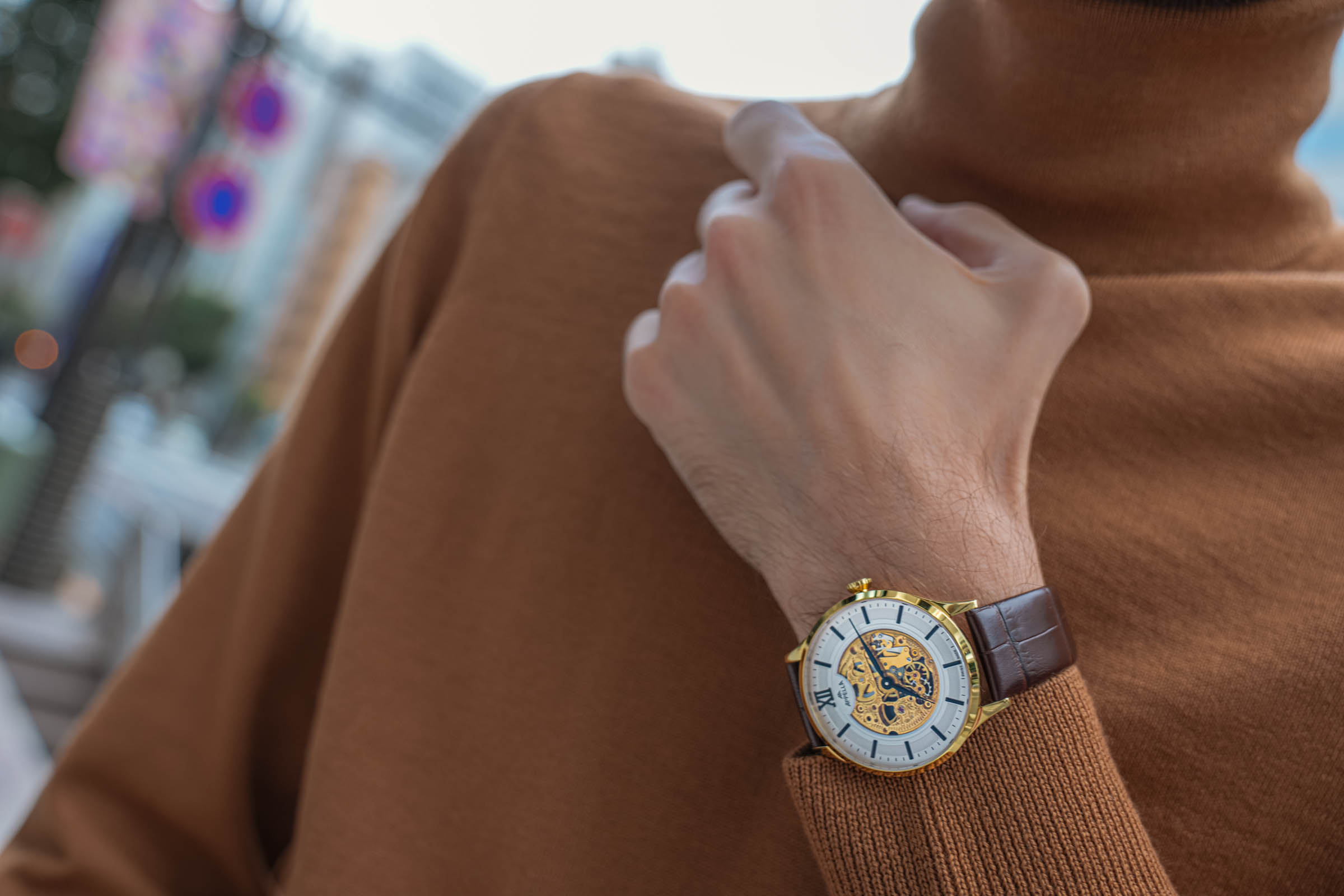

Ginza is no ordinary shopping district. This is a place whose name literally means “silver mint”, because it was here, way back in 1612, during the Edo period, that the Tokugawa shogunate founded a silver coin mint. Four centuries later, that connection with preciousness and value has not disappeared, but has transformed into something even more powerful. Ginza has become synonymous with what the Japanese call “monozukuri”, a philosophy of dedicated craftsmanship, where each item is treated with the respect it deserves. And exactly in that spirit, while I was walking past the six-story building that has a recognizable intrecciato pattern on the facade, I asked myself: does my outfit that day deserve to stand on these streets?
I found the answer in what I was wearing. Not in the brand logo or the price, but in the stories that each piece of clothing carries with it.

BOTTEGA VENETA: WHEN YOUR INITIALS ARE ENOUGH
Let’s start with what attracted the most discreet yet powerful looks that day, which were Bottega Veneta jeans in cognac, that deep, rich shade that sits somewhere between baked clay and cinnamon. But these are no ordinary jeans. It is a show model in the carpenter style, that workman’s cut that has conquered the catwalks in recent seasons, and which Bottega Veneta interprets in its own unique way. Straight legs with a relaxed fit, distinctive functional side pockets with flap and metal fasteners, distinctive silver threading along the seams, reinforced knee area with an additional fabric panel and tool loops on the side, all make these jeans the perfect combination of utilitarian aesthetics and high craftsmanship. The fabric is thick, sturdy, with that weight that speaks of quality before you even look at the label. And the color, that amazing cognac color that flows between warm brown and orange when caught in the light, is exactly what gives this piece a character that cannot be ignored.


Bottega Veneta is a story that begins in 1966 in Vicenza, a city in the northern Italian region of Veneto, known for its Renaissance craftsmanship and Palladian villas. The two founders, Michele Taddei and Renzo Zengjaro, had no idea that their small leather goods workshop would become one of the most influential fashion brands in the world. But they had something that set them apart from everyone else, and that was a technical limitation that they turned into a masterpiece.
Namely, the sewing machines they had at that time were not powerful enough to process thicker leather. Instead of seeing this as an obstacle, their artisans came up with an ingenious solution, they began weaving thin strips of soft leather through each other, creating the famous intrecciato technique. That interweaving, born out of sheer necessity, has become Bottega Veneta’s trademark and one of the most recognizable design elements in fashion history. The very word “intrecciato” in Italian means “braided” or “entwined”, and the technique not only strengthened the delicate leather, but gave it an aesthetic dimension that was completely unique on the market.


What particularly fascinates me about this brand is their slogan, which was created in the late seventies, which reads: “When your initials are enough.” In a world that was already obsessed with logomania, Bottega Veneta chose the completely opposite path. No logo, no highlighting, just quality that speaks for itself. Andy Warhol, pop art guru and cultural icon of the 20th century, was a regular visitor to the brand’s New York store and was so impressed that in 1985 he made a short film called “Bottega Veneta Industrial Videotape”. A year before that, in 1978 to be exact, it was Warhol who created the famous two-page spread for Interview magazine, which launched that legendary slogan.
And as I stood in Ginza, in front of the six-story Bottega Veneta store that opened in 2018 and is the brand’s largest store in all of Asia, I couldn’t help but think about how the circle is closing. The facade of that building, clad with over 900 silver metal panels imitating an intrecciato pattern, is like a bridge between two worlds, Italian craftsmanship and Japanese attention to detail. The interior of the store combines “Kyoto white” plaster wall treatment with Italian marbles, wood floors made of local ash, a local Japanese species that gives a rare and precious texture. This 800 square meter space is not just a shop, it is a place where craft traditions meet.
The cognac color of my Bottega Veneta carpenter jeans that day seemed to fit the story perfectly. Earthy, warm, self-assured, but without pretensions, with a depth that is revealed only when you stop and really look. Tone after tone with the Alpha Studio roll, the entire shades form a monochromatic composition that is complex yet natural. In the photos taken at the famous pedestrian crossing in front of the legendary Wako building, whose clock tower looms in the background, those jeans look like they were created for this environment, an urban spirit with an artisanal soul.


OUTFIT
Turtleneck Sweater: ALPHA STUDIO
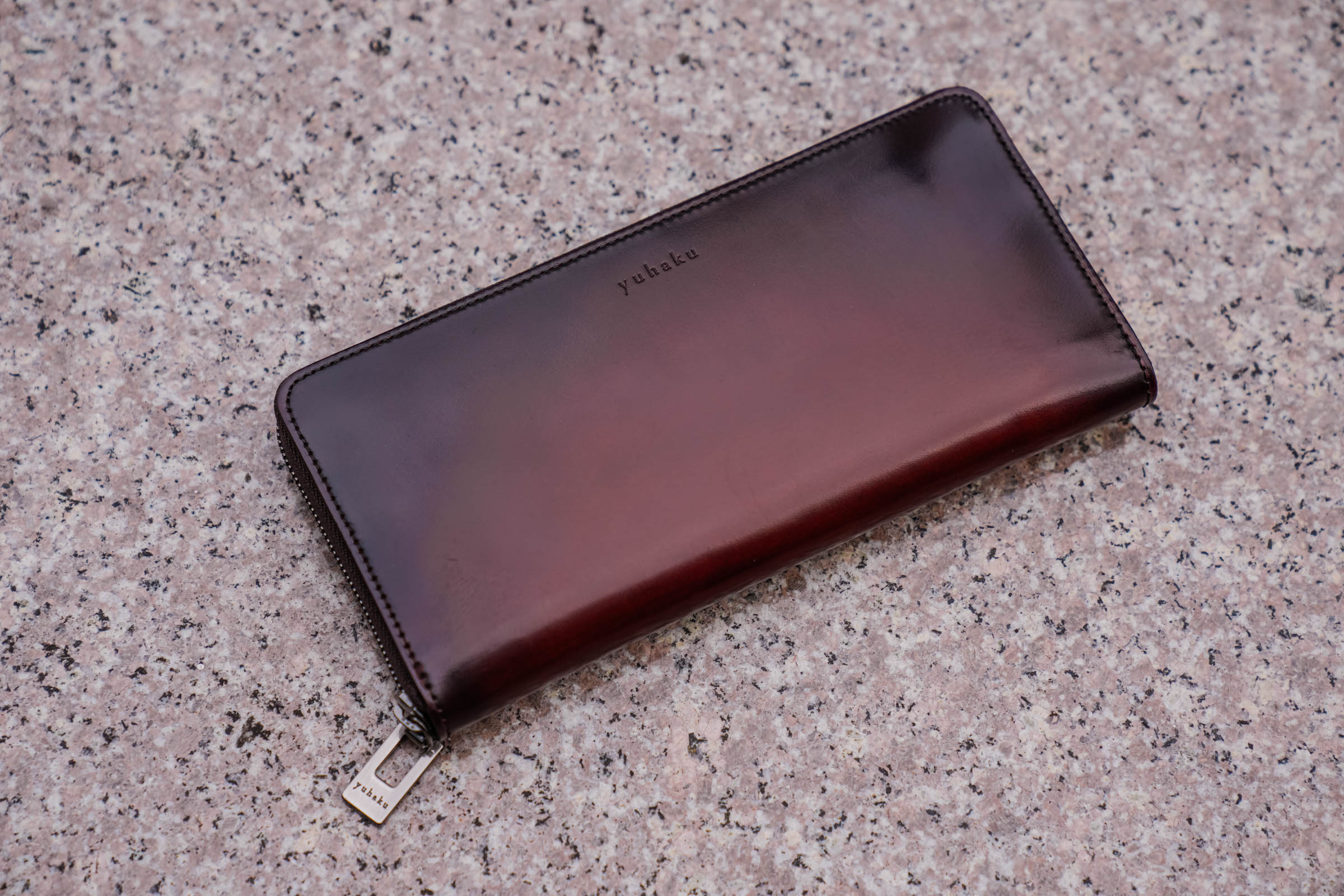
Wallet: Yuhaku
Watch: Appella
Denim: Bottega Veneta
Sneakers: Carlos Santos


It is worth mentioning that in 2001, Bottega Veneta passed into the hands of the Gucci Group, today known as Kering, for 156 million dollars. Patricio di Marco was appointed as director and Thomas Mayer as creative director, and it was Mayer who returned the brand to its roots. He removed the visible logos, highlighted the intrecciato weave and stated a sentence that perfectly sums up the brand’s philosophy: “The Italian craftsman was the starting point. Today, the collaboration between designer and craftsman is at the heart of everything we do.” Under Mayer’s leadership, sales grew fifteenfold to reach $1 billion in 2012. Vogue magazine coined the term “stealth wealth” for Bottega Veneta, a term that has since become synonymous with an entire approach to fashion and life.
In 2013, Bottega Veneta moved its atelier from Vicenza to a historic villa from the eighteenth century surrounded by a park of almost 55,000 square meters near Montebello Vicentina. The villa received LEED platinum level certification, making Bottega Veneta the first Italian fashion and luxury company to achieve this level of environmental awareness. It speaks of a brand that thinks not only about beauty, but also about responsibility.
Today, the brand has been managed by Louise Trotter as creative director since 2024, and the brand’s revenue has reached an incredible 1.7 billion euros. From a small workshop in Vicenza to a global empire, and the heart has remained the same: craftsmanship above all.

ALPHA STUDIO: THE FEELING OF FLORENTINE CRAFTSMANSHIP ON MY SKIN
Underneath it all, literally and metaphorically, I wore a merino wool roll top from Alpha Studio. It’s a classic model with a high collar in the tone of cinnamon, that warm shade that perfectly matches the color of the Bottega Veneta jeans and creates a uniform, monochromatic ensemble. It is this monochromaticity that gives the whole outfit a sophistication that is noticeable at first glance. When you wear similar tones from head to toe, every detail comes to the fore, every stitch, every texture, every material transition, from the softness of the merino wool on the torso to the thickness of the denim on the legs. Merino wool, for those who don’t know, is one of the finest natural fibers in the world. It is obtained from merino sheep, a breed that originates from Spain but today is most widespread in Australia and New Zealand. What makes merino special is the incredible fineness of the fiber, which can be thinner than human hair, giving it a softness that synthetic materials simply cannot replicate.
Alpha Studio is a brand that has been around for over forty years, founded by Franco Rossi in the heart of Tuscany, based near Florence. His mission was simple but ambitious: “To make essential elegance accessible to everyone through a vision of quality and culture.” This was not an empty advertising slogan. Rossi deeply believed that style should not be an exclusive privilege, but an accessible value for all who recognize quality.


The company is still in the hands of the Rossi family today, which is a rare and precious thing in today’s fashion world, where corporations are gobbling up independent brands at high speed. Each piece produced by Alpha Studio carries a deep knowledge of knitting and production, combining respect for tradition with an avant-garde approach to design. Florence, a city that was the cradle of the Renaissance, the city of Michelangelo, Botticelli and Brunelleschi, gives Alpha Studio a cultural context that is hard to beat. When you wear their skater, you are in a way wearing a small part of that Florentine story.
On the streets of Ginza, where tradition and the modern world intertwine at every turn, that skateboard was the perfect choice. Its simplicity allowed all the other elements to come to the fore, while at the same time providing that feeling of comfort and quality that only natural fibers can give. Merino wool has a natural ability to thermoregulate, which means it keeps you warm when it’s cold, but doesn’t overheat when it’s warmer. It is also naturally resistant to unpleasant odors and has antibacterial properties, making it an ideal material for travel and long wear. In the world of fashion, roll is what musicians call the “bass line”, you don’t always hear it consciously, but without it everything would sound so empty.
The headquarters of the Alpha Studio brand is located in Comeana, in the province of Prato, only twenty kilometers from the center of Florence. This area of Tuscany has been the center of the textile industry for centuries, and this proximity to sources of quality materials and generations of experienced artisans gives Alpha Studio an advantage that younger or more geographically distant brands can hardly achieve. When you buy their product, you are buying access to an entire ecosystem of knowledge and skills that has been built up over generations.
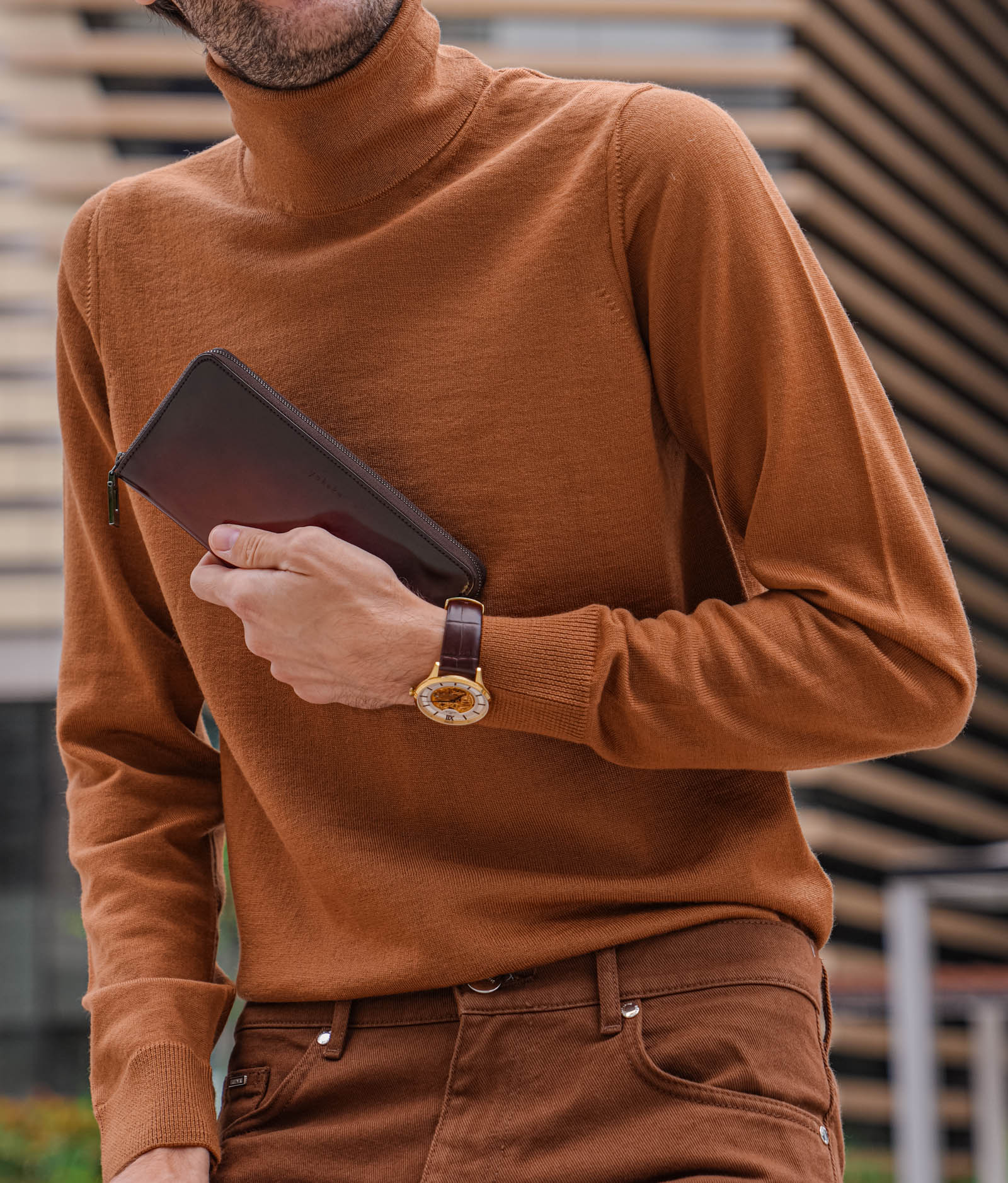
YUHAKU: THE WALLET AS A PORTABLE JAPANESE WORK OF ART
Is it time to tell you about the wallet? Of course. Because in the country where it originated, in Japan, a wallet is not just a functional item, it is an expression of personal style and respect for the craft. My Yuhaku wallet, a round zipper model in dark brown with a beautiful leather interior that shows every time you open it, was perhaps the most interesting detail of my outfit that day, which was deeply symbolic given where I was. In the photos you can see it in my hand as I cross the pedestrian crossing in Ginza, that contrast of the dark leather of the wallet with the warm cognac color of the jeans and the skateboard creates a visual accent that is both discreet and effective.
Yuhaku was founded in 2009 by Tomohiro Nakagaki, a man who originally studied architecture, which is evident in the clean lines and structural elegance of his creations. But what makes Yuhaku truly unique in the world of leather goods is the dyeing technique. Nakagaki developed his own, patented method of hand dyeing leather based on the principles of painting. Each piece of leather is dyed more than fifteen times by hand, using cloth soaked in ink, and then even the individual perforations are finished with a cotton swab. The result is a depth of color and a gradient reminiscent of watercolor, something that is completely unprecedented in the leather goods industry.

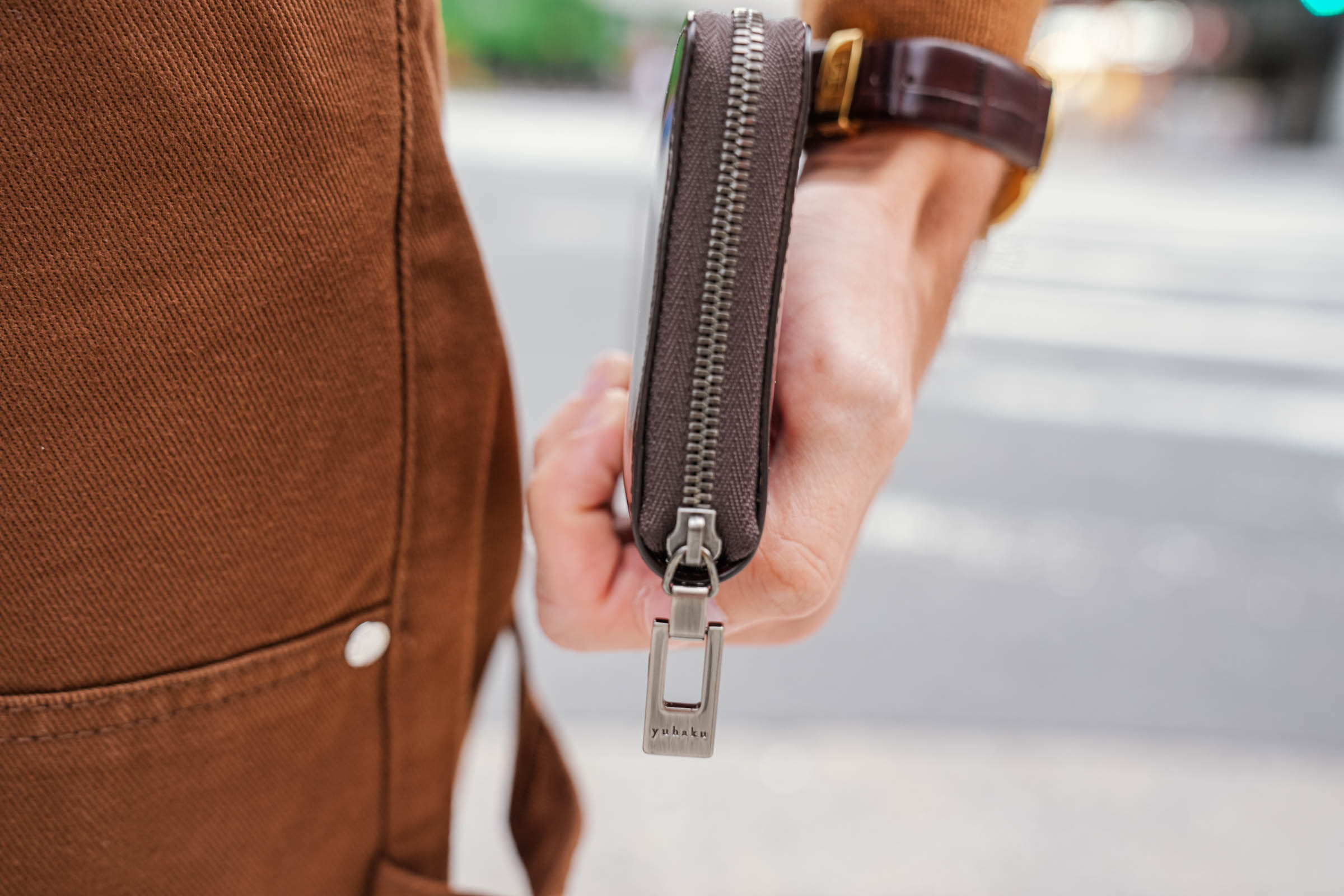
The brand describes its philosophy as “portable art” and that’s really not an exaggeration. Yuhaku craftsmen work with a tolerance of 0.1 millimetres when it comes to leather thickness, seeking the perfect balance between strength and lightness. The interior is lined with scratch-resistant saffiano leather, and the capacity is impressive, holding around fifty bills and twelve cards, plus it has a handy change pocket in the middle. What particularly appeals to me about Yuhaku products is their philosophy of “imperfect perfection”. Artisans deliberately preserve the natural marks on the leather, because they believe that it is precisely these details that give each piece its individuality and character. In a highly digitized world, this dedication to human touch and sensibility feels refreshing and important.
It is interesting that Yuhaku has his own boutique gallery right in Ginza, which closes another circle in this story. Walking through the streets of this district, I was literally surrounded by the spirit of the brand whose wallet I carried in my pocket.

The Japanese tradition of leather processing, known as “kawakogei”, has roots going back over a thousand years. Although the diffusion of leather products in ancient Japan was limited due to cultural and religious taboos, especially in the Buddhist tradition, over the centuries a very specific aesthetic has developed that combines functionality with spirituality. The Himiji region of Hyogo Prefecture, for example, is famous for its white skin or “shirogawa,” which is processed using a traditional process in the waters of a local river, where natural bacteria dissolve the hair follicles and release special enzymes. The skin is then rubbed with salt and dried in the sun, bleaching naturally without the use of artificial colors. This tradition, which dates back centuries, creates the context in which a brand like Yuhaku can exist and thrive.
Mr. Nakagaki, the founder of the Yuhaku brand, divides his production process between his own workshop in Japan and a factory in Italy that has state-of-the-art machine technology. He designs even the tiniest metal details himself, with the ambition to make Yuhaku a total design center that controls every aspect of its product. This dedication to quality control at every step of production reminds me of the Japanese concept of “kaizen”, continuous improvement, which is the philosophical basis of the Japanese approach to craft.

APPELLA: SWISS PRECISION WITH HISTORY
On my wrist that day was an Appella watch, a brand that traces its roots back to 1943, when it was founded in Switzerland by watchmaker Paul Glocker. Glocker was not just any kind of master. He was the president of the Ebossa group, the factory where the legendary Georges Frederic Roscoff invented the Roscoff watch movements, an innovation that revolutionized the industry by making precision timepieces more accessible to a wider audience.
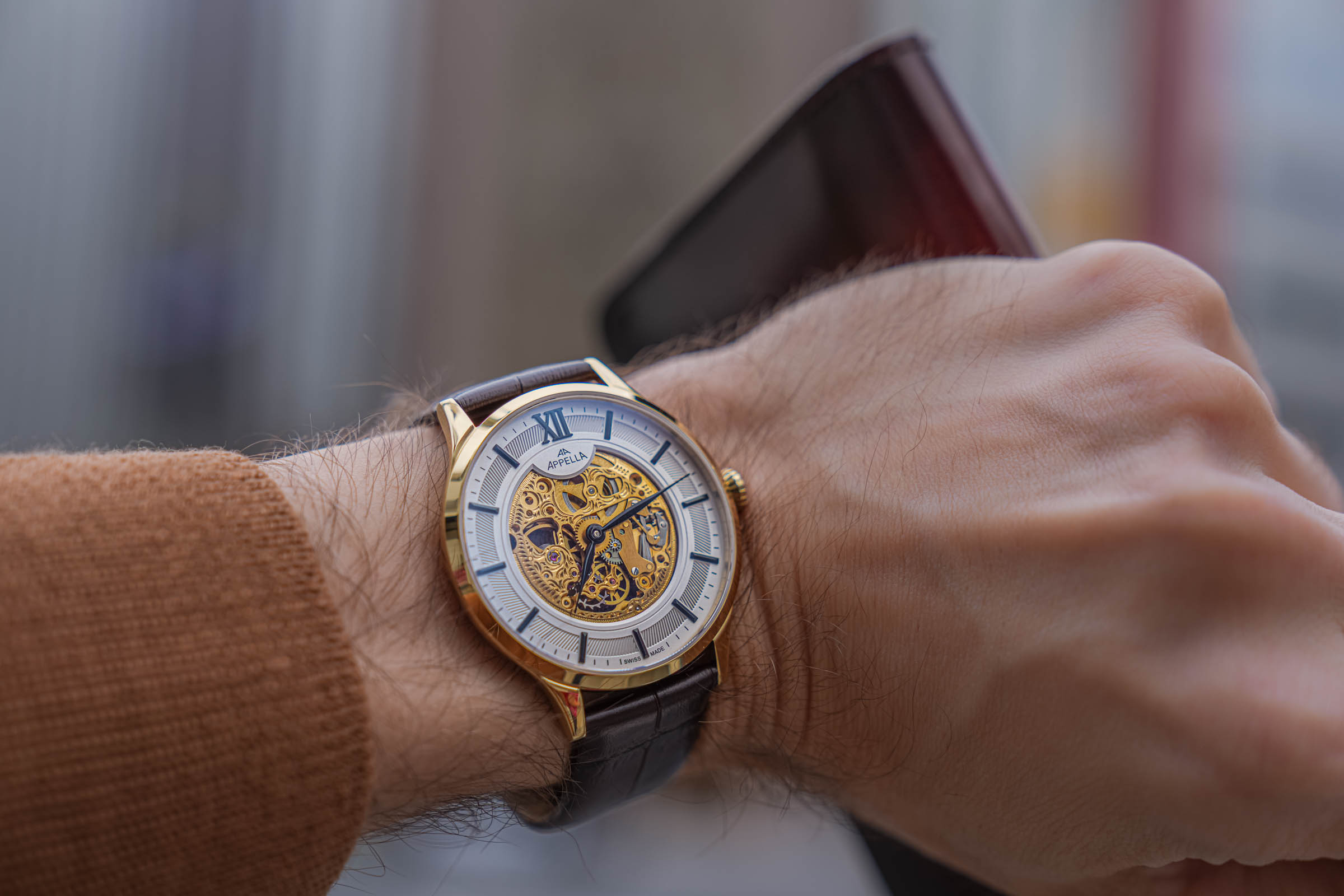
The very name Appella has an unexpected poetic origin. Originally, it is the name of the asteroid that the Russian astronomer Benjamin Pavlovich discovered in November 1922 in Algeria, and he named it after the French mathematician Paul Emile Appel. From the sky to the wrist, you could say. Glocker was originally from Basel, and he founded his company Ebossa in the twenties of the last century with headquarters in Grange, a town in the canton of Solothurn, which is one of the most important centers of the Swiss watchmaking industry. It was in the Ebossa factory that Georges Frédéric Roscoff worked, a visionary who designed a mechanism that made watches more accessible to the wider population. Glocker inherited that tradition of democratizing quality and built it into the DNA of the Appella brand.


Glocker founded “Manufacture de Montres Appella SA” in Grange, i.e. Grenchen, in 1963, formalizing what he had been building for decades. Today, the brand operates under the management of ADRIATICA PR & A Watch Sagl, a company with rich experience in watchmaking, which recognized the potential of combining two traditions, Adriatica and Appella, into a unique offer that is 100% Swiss made.
What makes Appella watches distinctive is the use of sapphire glass to protect the dial. Sapphire glass is, after diamond, the hardest transparent material in the world, which means outstanding scratch resistance and an impeccable quality of transparency that reveals the beauty of the watch. The model I wore at Ginza, with its clean lines and classic aesthetic, perfectly fit the philosophy of elegance without pretension. Swiss precision in the heart of the Japanese capital, two nations that share a passion for detail and perfection, found themselves on my wrist in perfect harmony.

CARLOS SANTOS: PORTUGAL, LAND OF FOOTWEAR MASTERS
And at the end of this fashion story, it’s time to tell you something about the shoes in which he walked around Ginza, my Carlos Santos leather sneakers, model Lonnie, in a beautiful combination of beige and cream tones with subtle brown leather trims that outline the silhouette of the sneaker. These are sneakers that shatter preconceived notions of what athletic footwear can be when crafted by hands that respect the craft. The soft leather, clean silhouette, flat light sole platform and that refined contrast between light surfaces and dark lines give them a look that is both relaxed and thoughtful. On the streets of Ginza, at that famous crosswalk where I photographed them with Bottega Veneta jeans, those sneakers were the perfect visual counterpoint to the warm cognac tones above, like a light beige base that carries the whole composition.


The story of Carlos Santos, the man behind the brand, is one of those that touches me deeply. When he was fourteen, he started working at the Zarco shoe factory in the town of São João da Madeira in northern Portugal. It was the late sixties, Portugal was still under the oldest dictatorship in Europe, and most people could not afford the luxury of thinking about fashion. But young Carlos had a vision. Instead of sitting at the office desk, where he was formally assigned, he ran to the production plant to watch the craftsmen making shoes.
In the seventies and eighties of the last century, he traveled the world, visited fashion shows, bought shoes, but not to wear them, but to take them apart and understand how they were made. He believed that Portuguese artisans could learn these techniques and produce shoes of the same quality as the world’s best brands. He was right. Today, Portugal is considered one of the most prestigious manufacturers of luxury footwear in the world, and Carlos Santos is one of its biggest ambassadors.

What sets this brand apart is the Goodyear Welted construction, the oldest manual shoemaking method in which machines play only an auxiliary role. This system involves sewing the sole of the shoe to the upper using a special seam that runs through the edge, allowing the sole to be replaced when worn out without damaging the rest of the shoe. This means that quality Carlos Santos shoes, with proper maintenance, can last for decades.
The Lonnie model, which I wore at Ginza, is a sneaker made of high-quality leather in beige tones with subtle brown outlines that add depth to a simple silhouette. It demonstrates that the comfort of sports shoes and an elegant look do not have to be mutually exclusive. On the streets where I walked ten or more kilometers that day, between temples of fashion and traditional Japanese confectioneries, these sneakers were the perfect ally. Elegant enough not to look out of place in front of the Bottega Veneta store, yet comfortable enough to last all day on my feet. With Bottega Veneta carpenter jeans that fall straight to the upper part of the sneaker, the combination looks like it was planned by a stylist, but actually came about instinctively, which is perhaps the best compliment to an outfit.

The brand exports about ninety percent of its production outside Portugal, to countries such as France, Germany, Japan, Belgium, Switzerland and the United States of America. And just the fact that the Japanese market, known for extremely high quality standards, accepts Carlos Santos shoes speaks volumes. The town of São João da Madeira in northern Portugal, where these shoes come from, can be compared to England’s Northampton or Italy’s Marche region, as it is a place where the tradition of shoemaking is deeply rooted in the local culture and economy. Today, the Portuguese footwear industry employs tens of thousands of people and exports to the entire world, and Carlos Santos is one of its brightest ambassadors.
The family character of the brand is also reflected in the fact that today his daughter Ana Santos and son Armando Santos work alongside the founder, sharing the same values that inspired Carlos when he ran away from his office desk as a fourteen-year-old to watch the craftsmen sew shoes. Passion for shoes, dedication to work and ambition to create shoes that people will be happy to wear, these are the principles that have guided this family for more than four decades. The Santos by Carlos Santos line represents the crown of their offer, with shoes whose price can reach 3,750 euros, while the Green Label line offers a more casual, contemporary look.

GINZA: THE PLACE WHERE EVERYTHING CONNECTS
I return to Ginza, because it was the scene where all these stories came to life that day. This district has a unique ability to make one think about what quality means, what dedication to craft means and what style means in its purest form. In one of the photos, behind me I can see the legendary Wako building with the Seiko clock tower, that neoclassical gem from the 1930s that is the symbol of the entire district. On the other, the modern architecture of Ginza with its characteristic wavy facades creates a futuristic frame that is in interesting contrast with the warm, earthy tones of my outfit. Even the small koban, the police station on the corner with its distinctive pointed brick roof, adds that typical Tokyo charm to the scene where the traditional and the contemporary intertwine seamlessly.
On weekends, Ginza’s main street, Chuo-dori, becomes a pedestrian zone, so instead of cars, the boulevards are left to people. That day, walking down that street, I could see elderly Japanese couples in impeccably tailored suits window shopping, young creatives in avant-garde outfits rushing with cameras, and tourists from all over the world pausing in front of each facade with expressions of admiration. Ginza doesn’t judge, it inspires. And in that environment, my outfit, made up of pieces from five different countries, Italy, Japan, Switzerland and Portugal, somehow made perfect sense.


Alpha Studio turtleneck from Florence, Bottega Veneta jeans from Veneto, Yuhaku wallet from Tokyo workshops, Appella watch from Swiss manufactures and Carlos Santos sneakers from Sao Joao da Madeira, Portugal, each of these pieces carries a story of family, tradition and commitment. And each of them, in their own way, shares the same philosophy: that real luxury is not in what is seen from the outside, but in what is felt.
Therein lies the beauty of Ginza as a backdrop for this outfit. This is a place that does not tolerate mediocrity, but at the same time does not seek extravagance. Here you can meet a man in a perfectly tailored morning jacket calmly reading a newspaper by a cafe window, and you know that jacket is probably older than some of the brands advertised on the billboards above you. Ginza values what lasts, what is made with intention and care, what the passage of time adds value to instead of taking away from it. And it was in that spirit that I chose every piece of my outfit that day.

That, after all, is what fashion has taught me all these years. It’s not about brands, it’s not about prices, it’s not about trends that come and go faster than I can remember them. It’s about making sure that every piece you wear has a meaning, that behind it is someone’s story, someone’s effort, someone’s passion. And when all that is put together as a whole, as it was put together that day on the streets of Ginza, then fashion stops being a superficial thing and becomes something much deeper.
It becomes a way to tell who you are, where you come from and what you value in life. And that, I believe, is something that each of us can identify with, regardless of where we are.
As I sat that morning in one of those little coffee shops in Ginza where the waiter prepares your coffee with the precision of a surgeon and the cup is chosen with the same care as the bean, I looked down at my sneakers, glanced over my jeans, felt the soft embrace of a roller around my neck, checked the time on my watch, and instinctively touched my wallet in my pocket. Five brands, five countries, five stories, but one common thread, which is a true dedication to craft and the belief that beauty lies in details that most people will never notice.


And maybe that is the essence, not to pretend to be important, but to be worthy of attention. Ginza understands that. And I try to understand that every time I choose what to wear wherever I go. Whether it’s a simple walk around town or preparing outfits for long trips.
How did you like my outfit today? I really tried to prepare this post with lots of love and I hope you like it! If you have any questions, comments, suggestions or messages for me, you can write me below in the comments. Of course, as always, you can contact me via e-mail or social networks, which you can find on the CONTACT page. See you soon in new fashion adventures on the Mr.M blog!
With Love from Tokyo,
Mr.M

This post is sponsored by Bottega Veneta, Yuhaku, ALPHA STUDIO, Appella, Carlos Santos brands. This post represents my personal and honest review of the destination, services and products provided.
Hello Marko, what an incredible post. I have been a loyal Bottega Veneta customer for over fifteen years and the way you described the intrecciato technique and its origin from those early sewing machine limitations in Vicenza really brought back why I fell in love with the brand in the first place. The cognac carpenter jeans are a stunning piece and I love how you styled them tone-on-tone with the Alpha Studio turtleneck. That monochromatic warmth against the backdrop of Ginza is something special. I had no idea that Yuhaku existed as a brand and the fact that each piece… Read more »
Hallo Marko, was für ein wunderbarer Beitrag über Ginza und die Philosophie hinter jedem Kleidungsstück. Ich bin selbst ein großer Liebhaber italienischer Handwerkskunst und besitze mehrere Bottega Veneta Stücke, darunter eine Aktentasche mit dem berühmten Intrecciato-Muster. Deine Beschreibung der sechsstöckigen Boutique in Ginza mit den über 900 Silberpaneelen an der Fassade hat mich wirklich beeindruckt. Die Kombination aus Kyoto-weißem Putz und italienischem Marmor im Inneren klingt atemberaubend. Alpha Studio kannte ich bisher nicht, aber ein Merino-Rollkragenpullover aus der Toskana, gegründet von Franco Rossi, klingt nach genau meinem Geschmack. Gibt es den Rollkragen auch in dunkleren Farben wie Anthrazit oder Marineblau?
Bonjour Marko, quel article remarquable. Ce qui me touche particulièrement, c’est ta philosophie selon laquelle le vrai style ne réside pas dans ce que l’on porte, mais dans la façon dont ce que l’on porte raconte notre histoire. J’ai passé beaucoup de temps à Ginza lors de mes voyages d’affaires au Japon et je reconnais parfaitement cette atmosphère méditative du matin que tu décris, avant l’ouverture des grands magasins comme Mitsukoshi. La marque Yuhaku est une découverte absolue pour moi. L’idée que le fondateur Tomohiro Nakagaki a étudié l’architecture avant de se lancer dans la maroquinerie explique certainement la pureté… Read more »
Hola Marko, debo decirte que este post es una obra maestra. Me encanta cómo conectas la historia del distrito de Ginza, desde la fundación de la casa de moneda de plata en 1612 durante el periodo Edo, con la filosofía del “monozukuri” japonés y la artesanía italiana de Bottega Veneta. Tengo una cartera Bottega Veneta con el patrón intrecciato que compré hace años y cada día la aprecio más. El concepto de “stealth wealth” que Vogue acuñó para describir la marca es exactamente lo que busco en mi forma de vestir. Los jeans carpenter en color cognac son espectaculares y… Read more »
Marko, this is hands down one of the most well-researched fashion posts I have ever read. The detail about Andy Warhol creating that short film called “Bottega Veneta Industrial Videotape” in 1985 and the two-page spread for Interview magazine that launched the legendary “When your initials are enough” slogan is the kind of fashion history that deserves to be told more often. I was also fascinated by the section on Carlos Santos and how he started working at the Zarco shoe factory at just fourteen years old in São João da Madeira. The Goodyear Welted construction is something I always… Read more »
Ciao Marko, complimenti per questo articolo davvero straordinario. Come italiano, mi riempie di orgoglio leggere come hai descritto la storia di Bottega Veneta, dalle origini nella bottega di Vicenza nel 1966 fino al trasferimento dell’atelier nella villa settecentesca vicino a Montebello Vicentina con la certificazione LEED platino. È bello sapere che il cuore dell’artigianato italiano viene raccontato con tanta passione dall’altra parte del mondo, a Ginza. Non conoscevo il brand Yuhaku e devo dire che la tecnica di tintura a mano sviluppata da Nakagaki, con oltre quindici passaggi di colore, mi ricorda molto la tradizione dei maestri tintori fiorentini. Questo… Read more »
Marko, ich bin begeistert von deinem Beitrag. Die Art, wie du die Appella Uhr beschrieben hast, war für mich besonders interessant. Die Tatsache, dass der Name von einem Asteroiden stammt, den der russische Astronom Benjamin Pawlowitsch 1922 in Algerien entdeckt hat, ist eine faszinierende Geschichte. Ich sammle seit Jahren Schweizer Uhren und Appella war bisher nicht auf meinem Radar. Das Saphirglas, das nach dem Diamanten das härteste transparente Material der Welt ist, spricht für die Qualität dieser Marke. Mich würde interessieren, welches Uhrwerk in dem Modell verbaut ist, das du in Ginza getragen hast, und ob es sich um ein… Read more »
Hi Marko, I just discovered your blog and I am so glad I did. This post about Ginza and the way you wove together five brands from five different countries into one cohesive outfit story is brilliant. I have been looking for quality leather sneakers and the Carlos Santos Lonnie model caught my eye immediately. The fact that Portuguese craftsmanship in São João da Madeira is compared to Northampton in England and the Marche region in Italy shows how seriously this tradition should be taken. I also appreciate that you mentioned the Santos by Carlos Santos premium line that can… Read more »
Marko, ton article est une véritable leçon d’élégance masculine. Ce qui m’a le plus marqué, c’est la manière dont tu as comparé le pull à col roulé en laine mérinos d’Alpha Studio à la “ligne de basse” en musique. C’est une métaphore parfaite, car le col roulé est effectivement cette pièce fondamentale qu’on ne remarque pas consciemment mais sans laquelle tout l’ensemble s’effondrerait. La laine mérinos et ses propriétés thermorégulatrices naturelles en font un matériau idéal pour les voyages, exactement comme tu le décris. Je possède moi-même un portefeuille Bottega Veneta en intrecciato depuis des années et il vieillit magnifiquement.… Read more »
Querido Marko, como amante de la moda masculina clásica y del buen calzado, tu artículo me ha fascinado profundamente. La historia de Carlos Santos, quien con solo catorce años dejaba su escritorio para observar a los artesanos fabricar zapatos en la fábrica Zarco, es tremendamente inspiradora. Me conmueve saber que hoy sus hijos Ana y Armando trabajan junto a él manteniendo vivos esos mismos valores familiares. La construcción Goodyear Welted es para mí el sello definitivo de calidad en el calzado, y saber que Carlos Santos la utiliza confirma lo que siempre he pensado sobre la calidad portuguesa. Ginza como… Read more »
Marko, what a phenomenal article. I spent two weeks in Tokyo last autumn and walked through Ginza several times, so reading your descriptions brought back vivid memories. The Wako building with its clock tower really is as striking as you describe, and I remember the Bottega Veneta store with that incredible intrecciato facade. Your point about Ginza’s name meaning “silver mint” from the Tokugawa shogunate era in 1612 was something I never knew despite visiting multiple times. The outfit itself is masterfully put together. That tone-on-tone approach with cognac and cinnamon shades creates a warmth that really suits the autumn… Read more »
Ciao Marko, che meraviglia di articolo. Sono una grande appassionata di moda maschile e seguo il tuo blog con molto interesse. La tua descrizione dell’Alpha Studio mi ha colpita particolarmente, perché conosco bene la zona di Comeana nella provincia di Prato e so quanto sia ricca la tradizione tessile di quella parte della Toscana. Il fatto che Franco Rossi abbia fondato il marchio con la missione di rendere l’eleganza essenziale accessibile a tutti è un messaggio bellissimo. Volevo chiederti se il modello di rollkragen che indossi è disponibile anche in taglie femminili, perché adoro i capi in lana merino e… Read more »
Hello Marko, I must say that the section on Yuhaku absolutely captivated me. I have been collecting fine leather goods for decades, including pieces from Ettinger and Smythson, but I had never encountered Yuhaku until reading your post. The idea that Tomohiro Nakagaki studied architecture before founding the brand in 2009, and then developed a patented dyeing technique where each piece of leather is dyed over fifteen times by hand using cloth soaked in ink, is remarkable. The tolerance of 0.1 millimetres for leather thickness shows an obsessive attention to detail that I deeply admire. I noticed you mentioned Yuhaku… Read more »
Hallo Marko, dein Beitrag hat mich auf so vielen Ebenen angesprochen. Die Verbindung zwischen italienischer Handwerkskunst und japanischer Detailgenauigkeit, die du in Ginza gefunden hast, ist wirklich faszinierend. Ich besitze selbst eine Bottega Veneta Reisetasche mit dem Intrecciato-Muster und kann bestätigen, dass die Qualität über Jahre hinweg nur besser wird. Was mich besonders überrascht hat, ist die Geschichte des Carlos Santos Gründers und wie er in den siebziger und achtziger Jahren Schuhe kaufte, um sie auseinanderzunehmen und zu verstehen, wie sie hergestellt wurden. Diese Leidenschaft für das Handwerk spiegelt sich offensichtlich in jedem Produkt wider. Die Lonnie Sneaker sehen auf… Read more »
Salut Marko, quel plaisir de lire un article aussi détaillé et passionné. J’habite à Paris et je suis toujours à la recherche de marques qui incarnent le véritable savoir-faire artisanal. Alpha Studio, fondé par Franco Rossi en Toscane, m’était complètement inconnu et pourtant leur philosophie correspond exactement à ce que je recherche. Un col roulé en laine mérinos fabriqué près de Florence, dans la province de Prato, c’est exactement le type de pièce que j’aime porter au quotidien. La proximité avec les sources de matériaux de qualité et les générations d’artisans expérimentés dont tu parles fait vraiment la différence. Je… Read more »
Marko, outstanding work with this post. The way you described the carpenter style jeans from Bottega Veneta, with the functional side pockets, metal fasteners, silver threading along the seams, and reinforced knee area, makes me appreciate the design even more than I would from just seeing them online. I own several pieces from Bottega Veneta including a pair of their leather boots and a messenger bag, and the craftsmanship is always exceptional. What really caught my attention though was your mention of Thomas Mayer as creative director, who removed visible logos and grew sales fifteenfold to reach one billion dollars… Read more »
Marko, devo farti i complimenti per la profondità della ricerca che hai fatto per questo articolo. La storia di come Michele Taddei e Renzo Zengjaro hanno fondato Bottega Veneta nel 1966 a Vicenza e hanno trasformato un limite tecnico delle loro macchine da cucire in quella che è diventata la tecnica intrecciato è una delle storie più affascinanti della moda italiana. Come appassionato di orologeria, ho trovato molto interessante anche la sezione sull’Appella e la storia di Paul Glocker a Grenchen nel cantone di Soletta. Mi piacerebbe sapere se il tuo modello Appella ha un fondello trasparente che permette di… Read more »
Hi Marko, I have been reading fashion blogs for years and rarely come across something this thorough and engaging. Your description of Ginza’s history, from the silver mint established during the Tokugawa shogunate to surviving the great fire of 1872 and the earthquake of 1923, gives so much context to why this district feels the way it does. The outfit is perfectly curated and what I appreciate most is how you explained the logic behind each choice rather than just listing brands. The Carlos Santos Lonnie sneakers in beige and cream with brown trim look like they would be incredibly… Read more »
Marko, dieser Artikel ist einfach erstklassig. Ich kenne Ginza sehr gut, da ich geschäftlich regelmäßig in Tokio bin, und deine Beschreibung des Viertels trifft den Nagel auf den Kopf. Die kleine Koban-Polizeistation mit dem spitzen Ziegeldach, die du erwähnt hast, ist eines meiner Lieblingselemente dieser Gegend. Was den Yuhaku Geldbeutel betrifft, so bin ich nach dem Lesen deines Beitrags wirklich neugierig geworden. Die Tatsache, dass der Gründer Nakagaki auch die kleinsten Metalldetails selbst entwirft und dass die Produktion zwischen Japan und einer Fabrik in Italien aufgeteilt ist, zeigt eine bemerkenswerte Hingabe an Qualität. Ich werde mir definitiv die Yuhaku-Kollektion ansehen,… Read more »
Marko, felicidades por este artículo tan extraordinario. Como alguien que valora profundamente la artesanía en la moda, me ha encantado tu descripción de la técnica de Yuhaku, donde cada pieza de cuero se tiñe más de quince veces a mano y hasta las perforaciones individuales se terminan con un bastoncillo de algodón. Eso es verdadera dedicación al oficio. Nunca había oído hablar de esta marca japonesa y ahora estoy fascinado con la idea de adquirir una de sus piezas. La filosofía de la “perfección imperfecta” que mencionas, donde los artesanos preservan deliberadamente las marcas naturales del cuero, resuena mucho con… Read more »
Hello Marko, what a beautifully written post. I often buy luxury accessories for my husband and this article has given me so many ideas. The Yuhaku wallet with its watercolour-like dyeing technique sounds like a work of art and would make a perfect gift. I also found it fascinating that Yuhaku’s founder originally studied architecture, which explains the structural precision of his leather goods. The fact that the brand describes its philosophy as “portable art” is not an exaggeration based on what you have shared. The photos taken at the pedestrian crossing in front of the Wako building are stunning.… Read more »
Ciao Marko, articolo fantastico. Sono un grande ammiratore di Carlos Santos e possiedo due paia delle loro scarpe classiche con costruzione Goodyear Welted. La qualità della pelle e la cura nella rifinitura sono davvero impressionanti per il prezzo. È bello vedere che hai scelto il modello Lonnie sneaker per camminare per Ginza, perché dimostra che le sneaker in pelle di qualità possono essere eleganti quanto le scarpe classiche. La storia del fondatore che da ragazzino scappava dall’ufficio per osservare gli artigiani è commovente e si vede che quella passione è ancora viva nel marchio. Mi hai fatto venire voglia di… Read more »
Hallo Marko, vielen Dank für diesen großartigen Beitrag. Ich habe vor Kurzem meinen ersten Bottega Veneta Gürtel mit Intrecciato-Muster gekauft und war sofort von der Qualität überwältigt. Dein Artikel hat mir nun den historischen Kontext gegeben, den ich brauchte, um die Marke noch mehr zu schätzen. Die Information, dass Thomas Mayer unter seiner Führung den Umsatz auf eine Milliarde Dollar steigern konnte, indem er sichtbare Logos entfernte und sich auf das Intrecciato-Geflecht konzentrierte, ist bemerkenswert. Es beweist, dass wahre Qualität kein Logo braucht. Die Carpenter Jeans in Cognac sind ein unglaubliches Stück und ich überlege, ob ich mir ein ähnliches… Read more »
Marko, I truly enjoyed reading about the Alpha Studio turtleneck. As someone who lives in colder climates, merino wool is my go-to material and knowing that this brand is based in Comeana near Florence, in the heart of Tuscany’s textile tradition, adds another layer of appreciation. The fact that the company is still family-owned under the Rossi family is increasingly rare in today’s fashion landscape where independent brands are being absorbed by large conglomerates. Your analogy comparing the turtleneck to a bass line in music is spot on. It is the foundation that allows everything else to shine. I was… Read more »
Bonjour Marko, je suis un lecteur fidèle de ton blog et cet article sur Ginza est probablement l’un des meilleurs que tu aies jamais écrits. La façon dont tu décris le rythme matinal de Ginza, cette calme presque méditatif avant l’ouverture des boutiques, me rappelle exactement mes propres expériences dans ce quartier extraordinaire. J’apprécie particulièrement ton attention aux détails historiques, comme le fait que Ginza signifie littéralement “atelier monétaire d’argent” depuis 1612. Carlos Santos est une marque que je connais bien et que j’admire énormément. Le savoir-faire portugais en matière de chaussures rivale véritablement avec les meilleurs fabricants anglais et… Read more »
Marko, this post is a masterclass in how to write about fashion with substance and depth. I was particularly struck by your description of the Japanese leather tradition known as kawakogei and the white skin processing method from the Himeji region, where natural bacteria and river water are used to create shirogawa. That thousand-year tradition provides such a rich context for understanding why a brand like Yuhaku can exist with such dedication to craft. I own a Bottega Veneta briefcase that I bought twelve years ago and it still looks magnificent, which speaks to the quality of their leather and… Read more »
Hola Marko, me ha encantado absolutamente tu artículo. La conexión que estableces entre cinco países diferentes a través de tu outfit es realmente brillante. Italia con Bottega Veneta y Alpha Studio, Japón con Yuhaku, Suiza con Appella y Portugal con Carlos Santos, todo unido en las calles de Ginza. Como coleccionista de artículos de piel de alta calidad, la marca Yuhaku ha captado completamente mi atención. La técnica patentada de teñido a mano que desarrolló Nakagaki, inspirada en los principios de la pintura, suena absolutamente única en la industria de la marroquinería. Me gustaría saber si el modelo de cartera… Read more »
Marko, cet article est une véritable pépite. Je suis passionné d’horlogerie suisse et la section consacrée à Appella m’a particulièrement interpellé. L’histoire de Paul Glocker, originaire de Bâle, qui a fondé Ebossa dans les années vingt avec son siège à Grenchen dans le canton de Soleure, s’inscrit parfaitement dans la grande tradition horlogère suisse de cette région. Le fait que le nom Appella provienne d’un astéroïde découvert en 1922 est une anecdote absolument charmante. Je possède plusieurs montres suisses mais je ne connaissais pas cette marque, et ton article m’a donné envie de l’explorer davantage. Le verre saphir est effectivement… Read more »
Hey Marko, fantastic post and incredible photography. The shots at the pedestrian crossing in front of the Wako building with the Seiko clock tower in the background are absolutely stunning and they perfectly capture the spirit of Ginza. What resonated with me most is your observation that Ginza does not judge but inspires. That is exactly how I felt walking those same streets. I have been considering investing in a quality wallet for some time and the Yuhaku brand you described has genuinely piqued my interest. The saffiano leather interior that is scratch-resistant, combined with the capacity for fifty bills… Read more »
Ciao Marko, che bell’articolo. La tua passione per la moda e per la storia dietro ogni capo si percepisce in ogni riga. Come toscano, sono particolarmente contento di vedere Alpha Studio menzionato con così tanto rispetto. La zona tra Comeana e Prato è davvero il cuore pulsante dell’industria tessile italiana e Franco Rossi ha fatto un lavoro straordinario nel portare avanti questa tradizione. La lana merino, con le sue proprietà antibatteriche naturali e la capacità di termoregolazione, è davvero uno dei materiali più nobili che esistano. Vorrei chiederti, come si comporta il rollneck di Alpha Studio dopo diversi lavaggi? La… Read more »
Marko, I have to commend you on the depth of research in this post. The fact that Bottega Veneta moved its atelier to an eighteenth-century villa near Montebello Vicentina and achieved LEED platinum certification, making it the first Italian fashion and luxury company to reach that level of environmental commitment, is something that more people should know about. In an era where sustainability is often just a marketing buzzword, Bottega Veneta actually walks the talk. I also appreciated learning about the Kering acquisition in 2001 for 156 million dollars and how Patricio di Marco and Thomas Mayer transformed the brand.… Read more »